

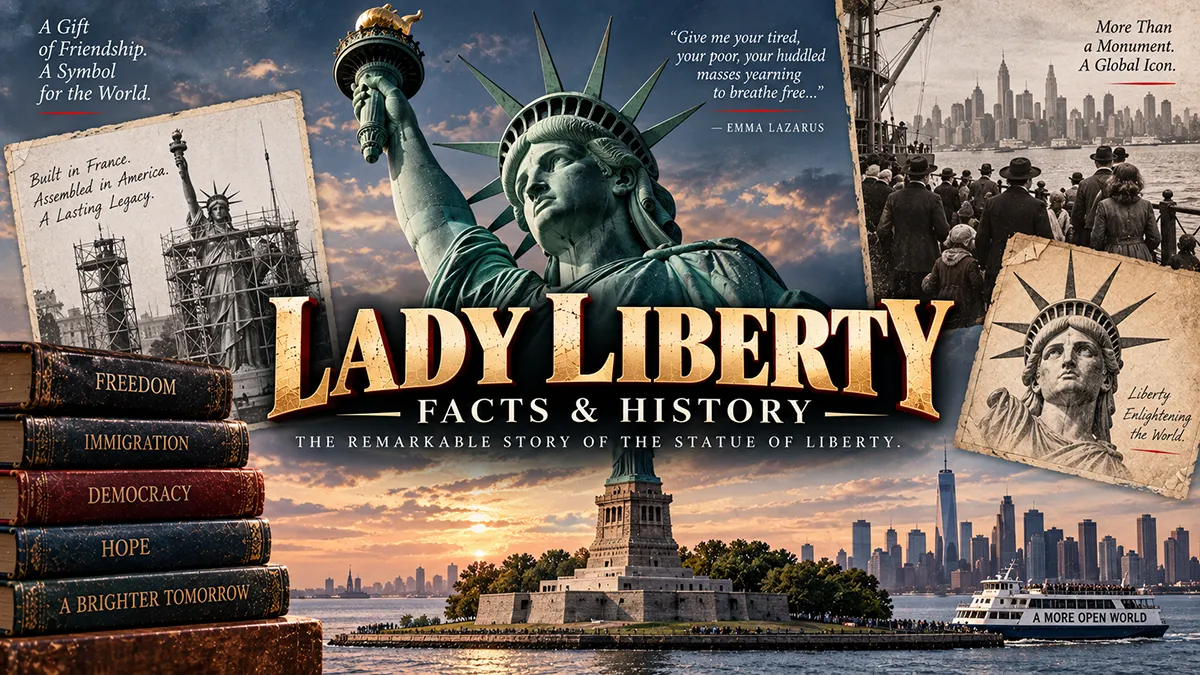
Few monuments on Earth carry as much symbolic weight as the copper giant standing in New York Harbor. Whether you know her as Lady Liberty, Lady Lib, or have seen her name typed as “Lady Libery” or “Lady Liverty” in a hurried search bar, one thing is certain: her story is far richer and stranger than most people realize.
From secret hidden chains to a torch that’s been off-limits for over a century, this fact file pulls together the real history behind the postcards. Let’s break down the true story of the Statue of Liberty, myth by myth and fact by fact.
TL;DR: The Statue of Liberty is a French-built, Eiffel-engineered gift celebrating liberty and Franco-American friendship, and her true history is full of surprising details most visitors never learn.
1. She Was a Gift From France, Not America
The Statue of Liberty wasn’t commissioned by the United States government. She was a gift from the people of France, proposed by French jurist and abolitionist Édouard René de Laboulaye in the early 1870s.
Laboulaye wanted to honor the centennial of American independence while also celebrating the shared democratic ideals of both nations. French sculptor Frédéric-Auguste Bartholdi took up the challenge and spent over a decade turning the idea into reality.
2. Her Official Name Is “Liberty Enlightening the World”
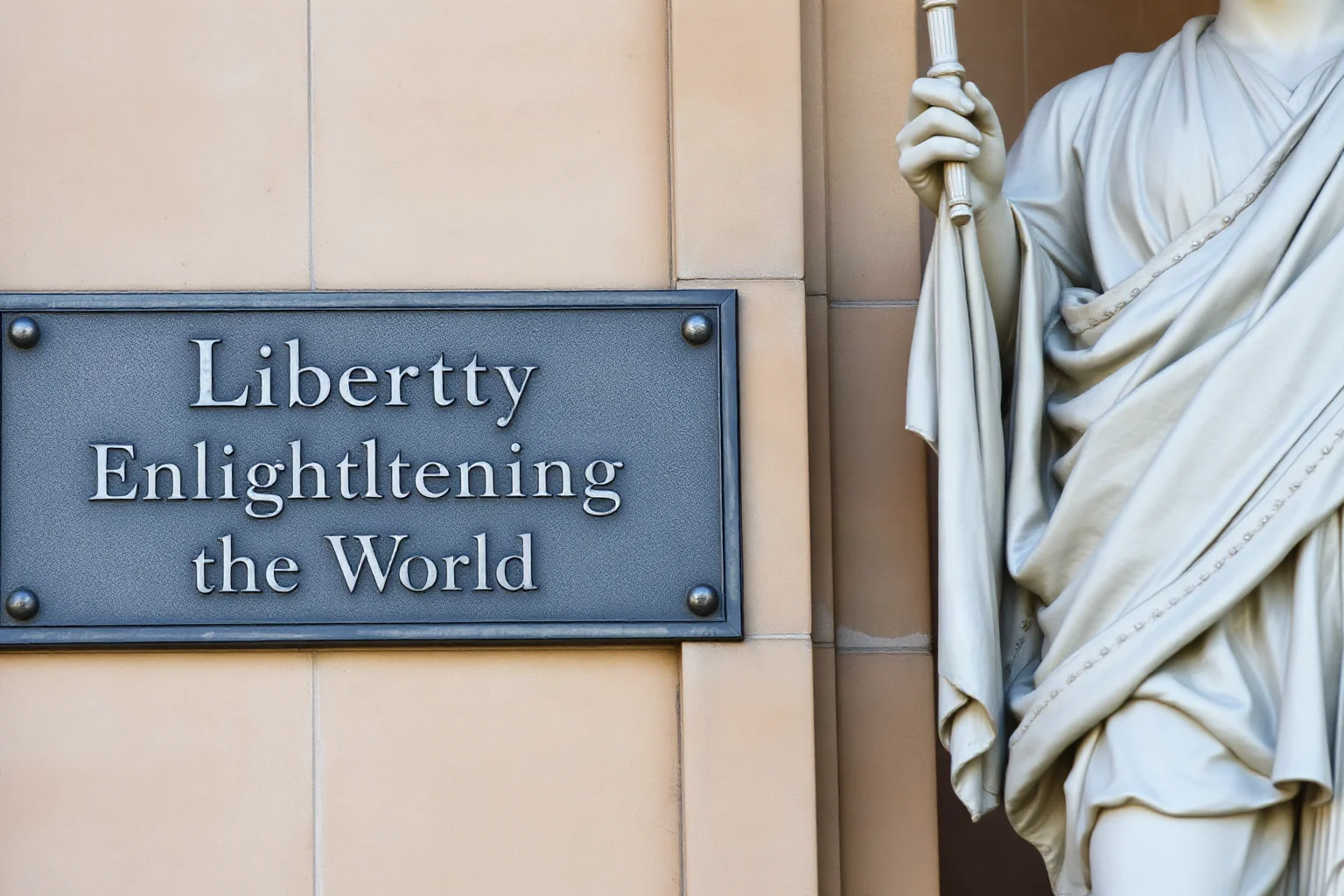
Most people simply call her the Statue of Liberty, but her full formal name is “Liberty Enlightening the World” (in French, La Liberté éclairant le monde). The name reflects her original purpose as a beacon of democratic ideals radiating outward from America.
The nickname “Lady Liberty” came later, as an affectionate shorthand that stuck in popular culture. It’s now so common that many visitors don’t even know her official title.
3. Where Was Lady Liberty Built? The Answer Is France
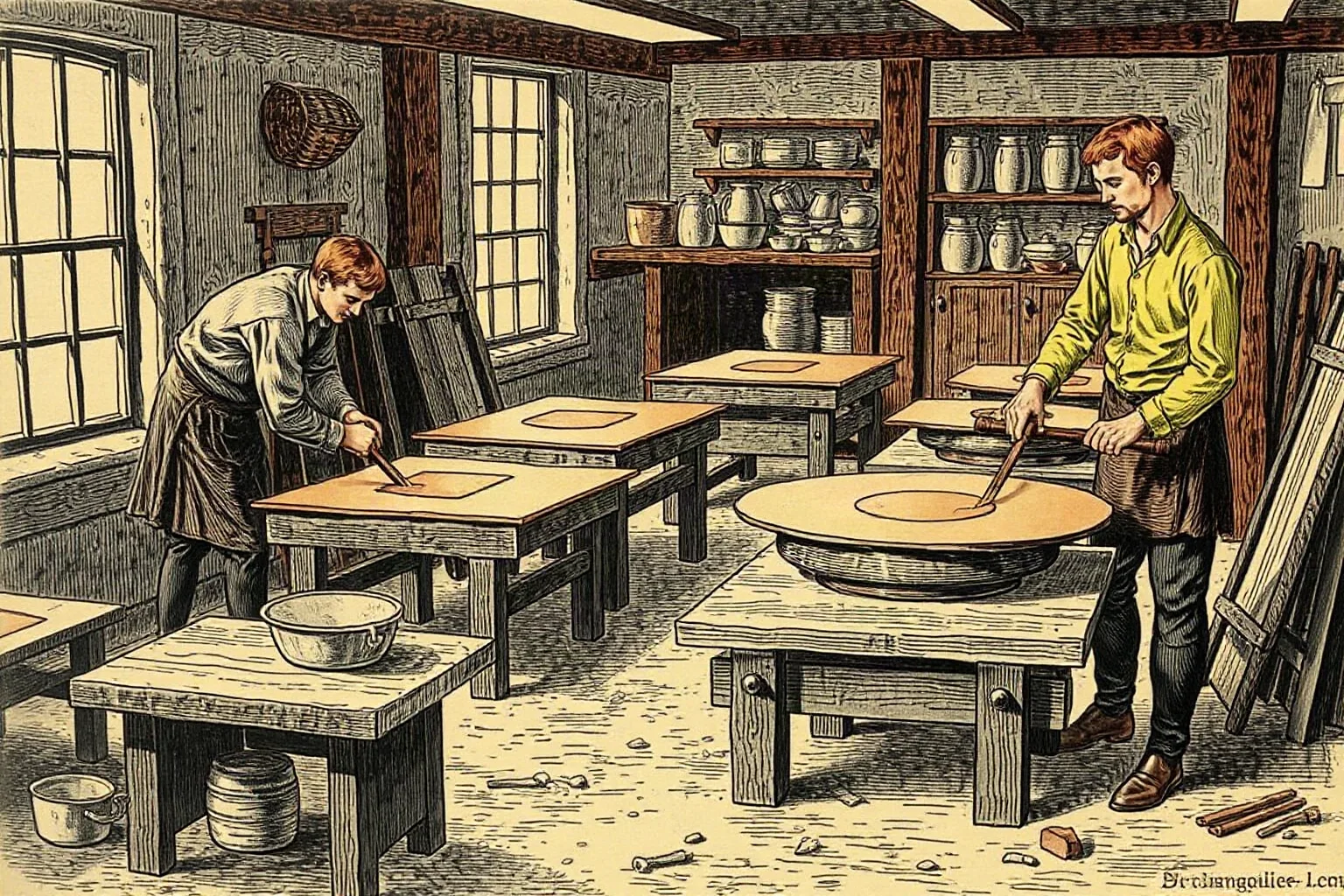
A surprising number of people searching for where Lady Liberty was built assume it was New York. In reality, she was constructed in Paris, France, in the workshop of sculptor Bartholdi with engineering help from Gustave Eiffel’s firm.
Craftsmen used a technique called repoussé, hammering thin copper sheets over massive wooden molds to shape her form. Only after she was fully assembled in Paris was she disassembled again for her ocean voyage.
4. She Crossed the Atlantic in 214 Crates
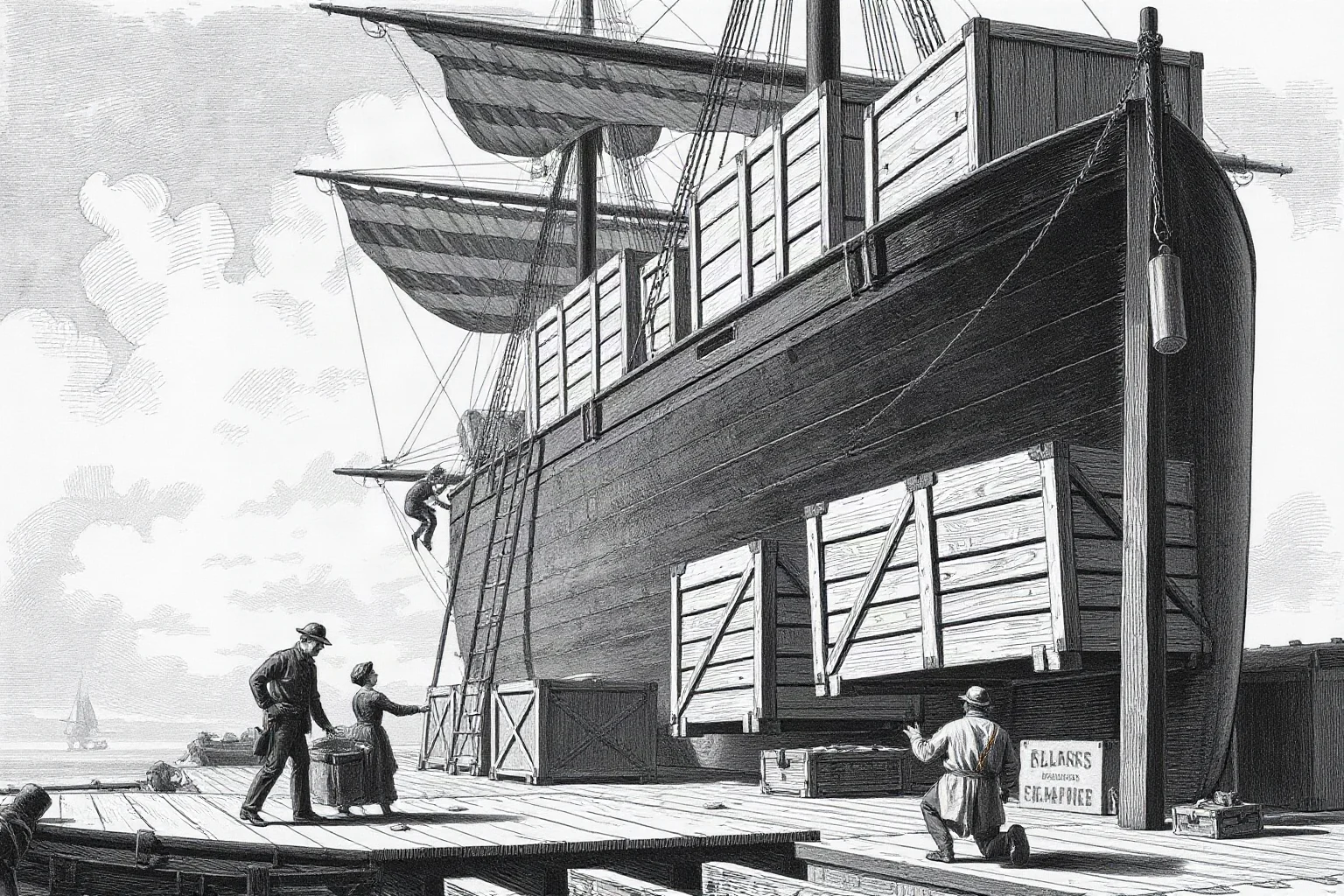
Once completed in France, the statue was carefully taken apart into 350 individual pieces packed into 214 wooden crates. She crossed the Atlantic aboard the French naval ship Isère in 1885.
Reassembling her on Bedloe’s Island, later renamed Liberty Island, took several months. Workers essentially built her a second time, piece by piece, on American soil.
5. Gustave Eiffel Designed Her Skeleton

Before he built his famous Parisian tower, engineer Gustave Eiffel designed the internal iron framework that holds Lady Liberty upright. His design used a flexible skeletal structure that lets the copper skin expand and contract with temperature changes without cracking.
This engineering innovation was ahead of its time and is part of why the statue has survived over a century of wind, storms, and salt air. It’s one of the most overlooked pieces of the statue’s history and facts.
6. Her Copper Skin Is Thinner Than Two Pennies
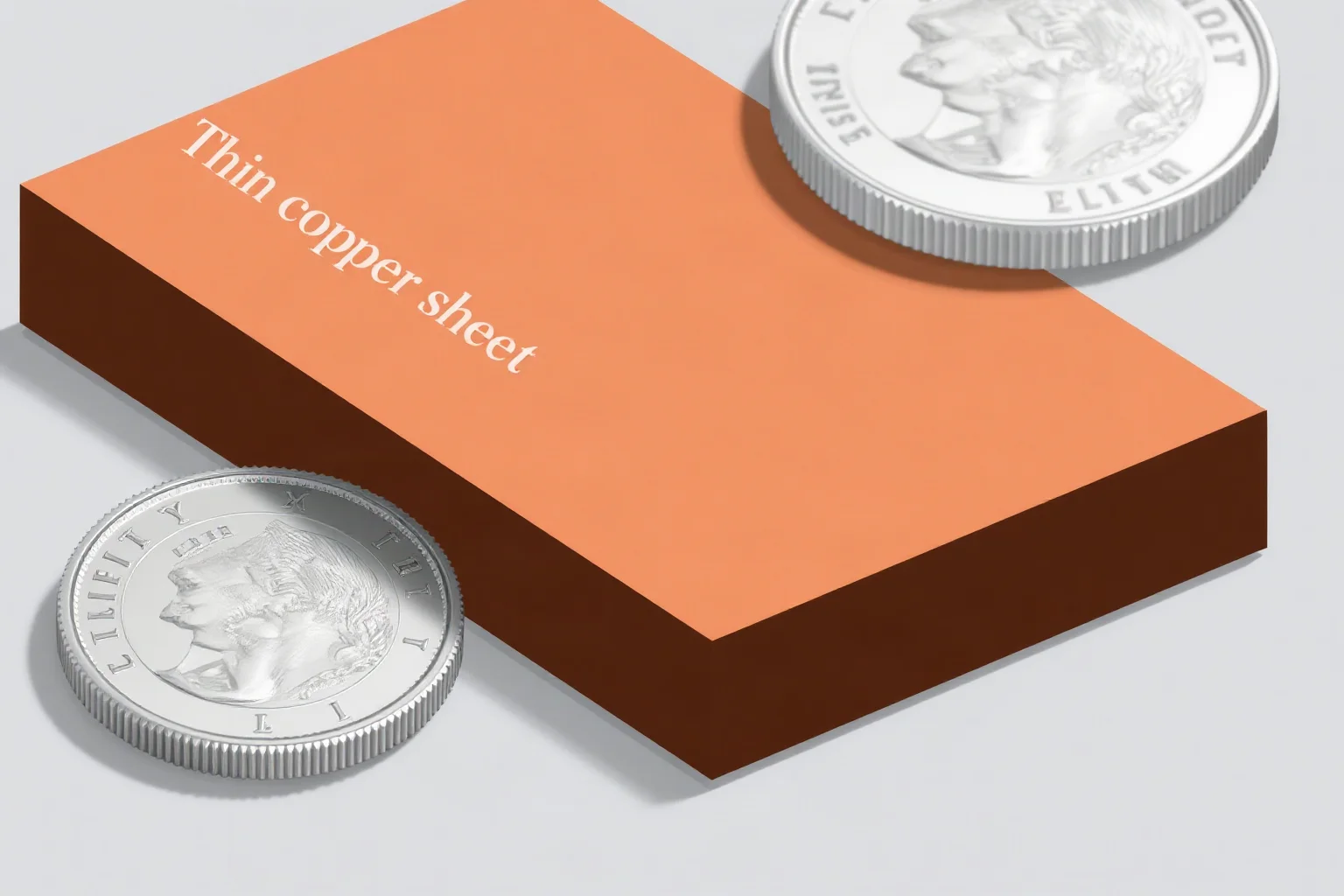
Despite her massive size, the statue’s copper skin is remarkably thin, only about 3/32 of an inch, roughly the thickness of two pennies stacked together. This lightweight design was essential given how much material was needed to cover her 151-foot frame.
The thinness also explains why the statue relies so heavily on Eiffel’s internal support system. Without it, the delicate copper shell would have buckled under its own weight.
7. She Wasn’t Always Green
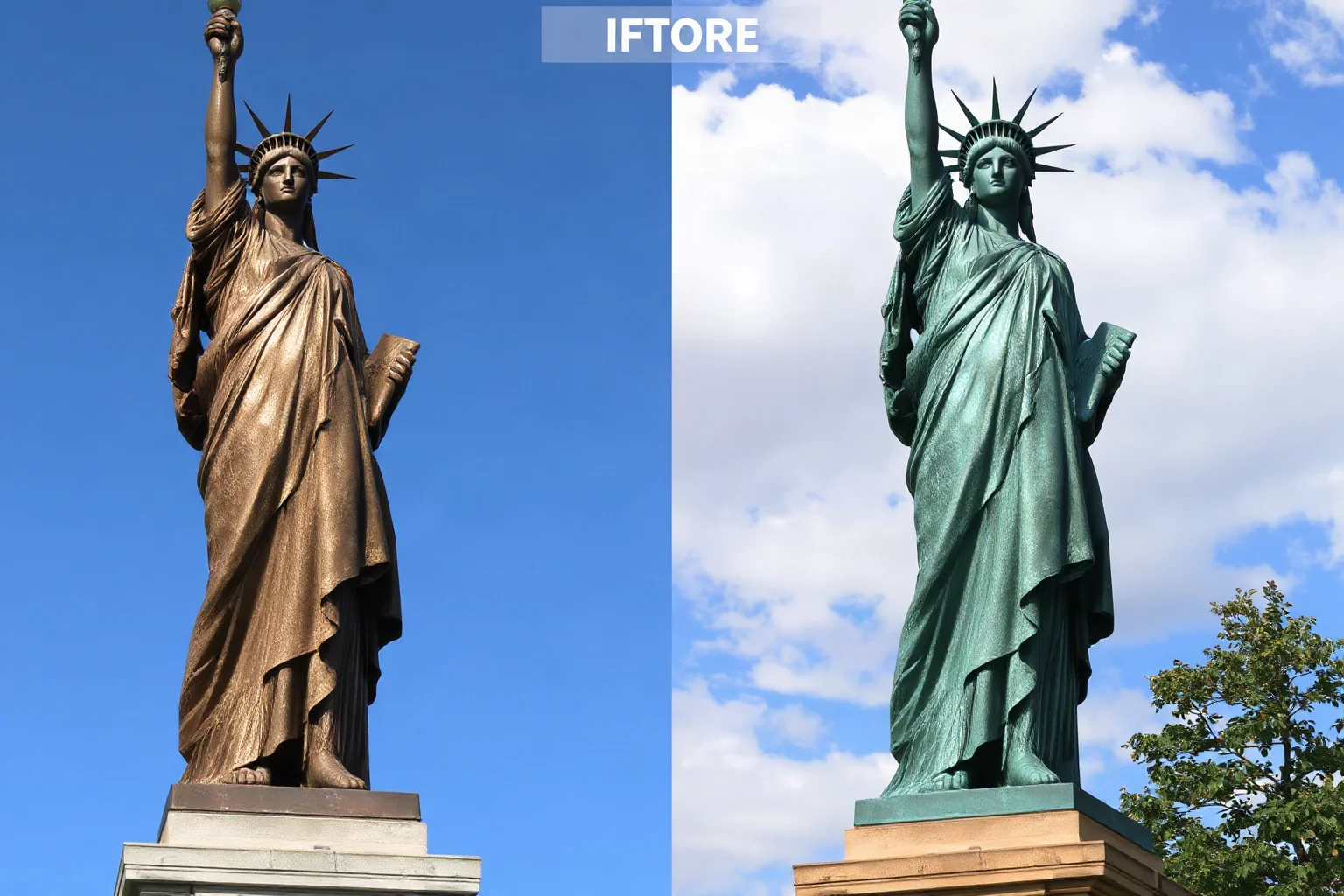
One of the most interesting facts about Lady Liberty is that she didn’t start out green at all. When she was unveiled, her copper surface gleamed a shiny brown-orange, similar to a new penny.
Over roughly the next 20 to 30 years, exposure to air and moisture caused the copper to oxidize, forming the blue-green patina we recognize today. That greenish coating, called verdigris, actually helps protect the copper underneath from further corrosion.
8. Her Face May Be Based on Bartholdi’s Mother, But It’s Unconfirmed

A popular legend claims that Bartholdi modeled the statue’s face on his own mother, Charlotte Bartholdi. It’s a charming story often repeated as settled history, but historians note that Bartholdi never definitively confirmed this himself.
Some researchers believe the face was more of an idealized, classical representation of liberty rather than a direct portrait of any one person. Until firmer documentation surfaces, this remains an intriguing possibility rather than a confirmed fact.
9. The Torch Has Been Redesigned and Restricted

The torch visitors see today isn’t the original. During a major restoration for the statue’s centennial in 1986, the old torch was replaced with a new copper flame covered in 24-karat gold leaf.
The original torch is now displayed in the statue’s museum lobby. Public access to the torch itself has actually been closed since 1916, after a nearby munitions explosion known as the Black Tom explosion damaged the structure and made continued access unsafe.
10. She Wears a Broken Chain Hidden Beneath Her Robe
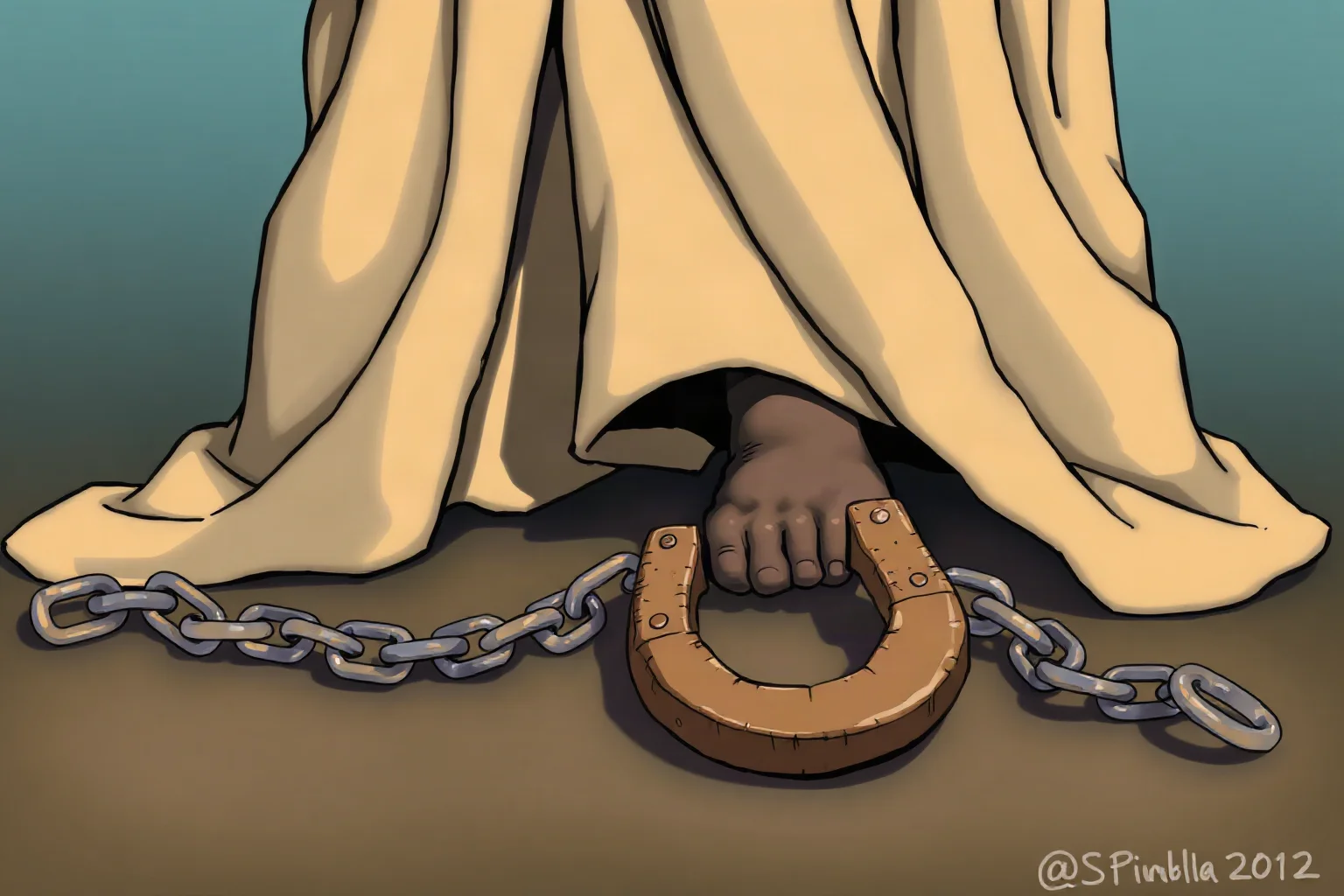
One of the statue’s most powerful symbols is also its most overlooked. At Lady Liberty’s feet lies a broken shackle and chain, partially hidden beneath her flowing robe and barely visible from most viewing angles.
The broken chains represent freedom from oppression and tyranny. Many visitors walk right past this detail without ever noticing it, making it one of the best cool facts about the Statue of Liberty to share on a tour.
11. Her Tablet Bears a Date, Not Words
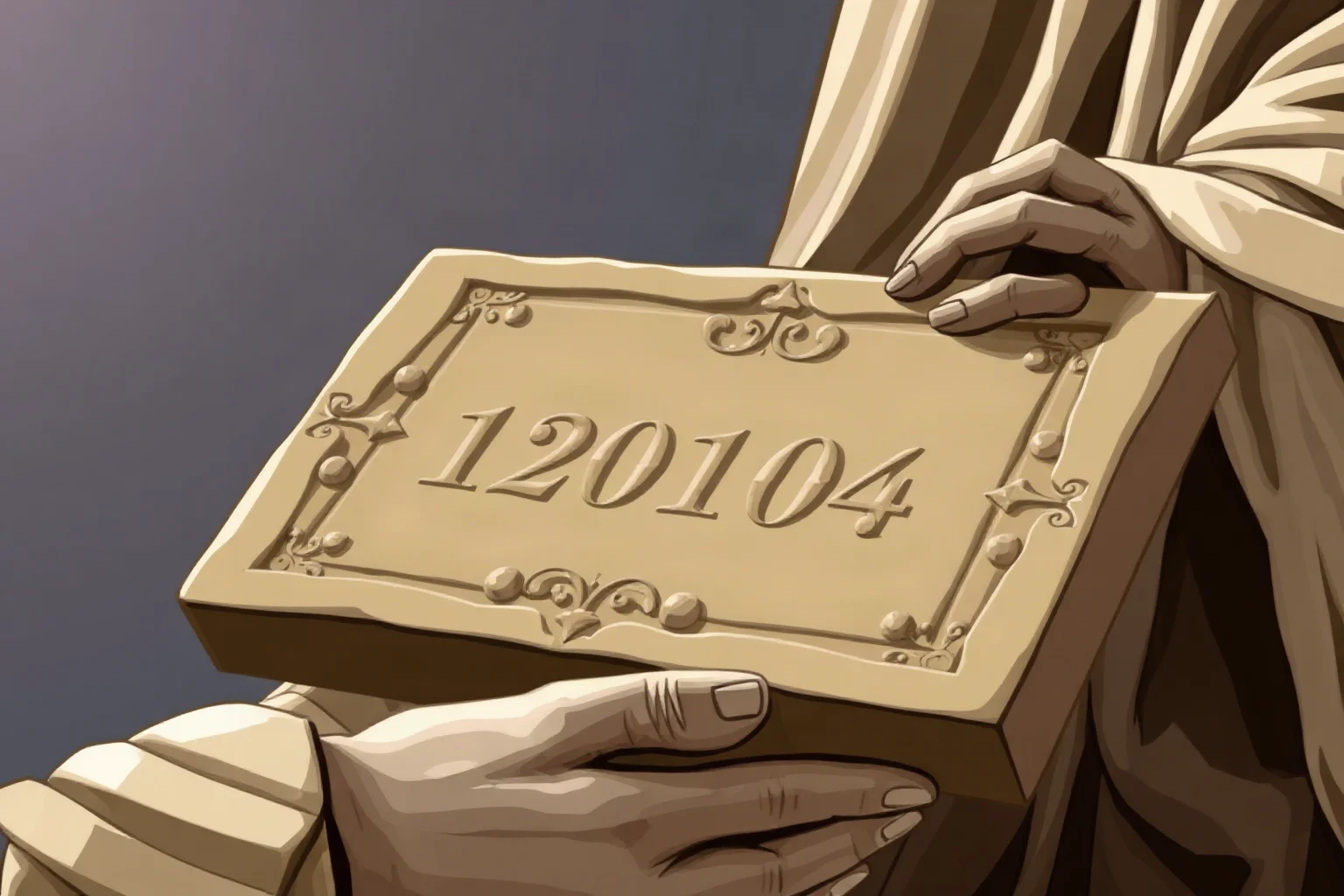
The tablet Lady Liberty holds in her left hand isn’t inscribed with a famous speech or poem. It simply reads “JULY IV MDCCLXXVI,” the Roman numeral date for July 4, 1776, the day the Declaration of Independence was adopted.
It’s a subtle but deliberate design choice, anchoring the statue’s symbolism directly to the birth of American independence. The tablet measures about 23 feet long and 13 feet wide.
12. Emma Lazarus’s Famous Poem Came Later
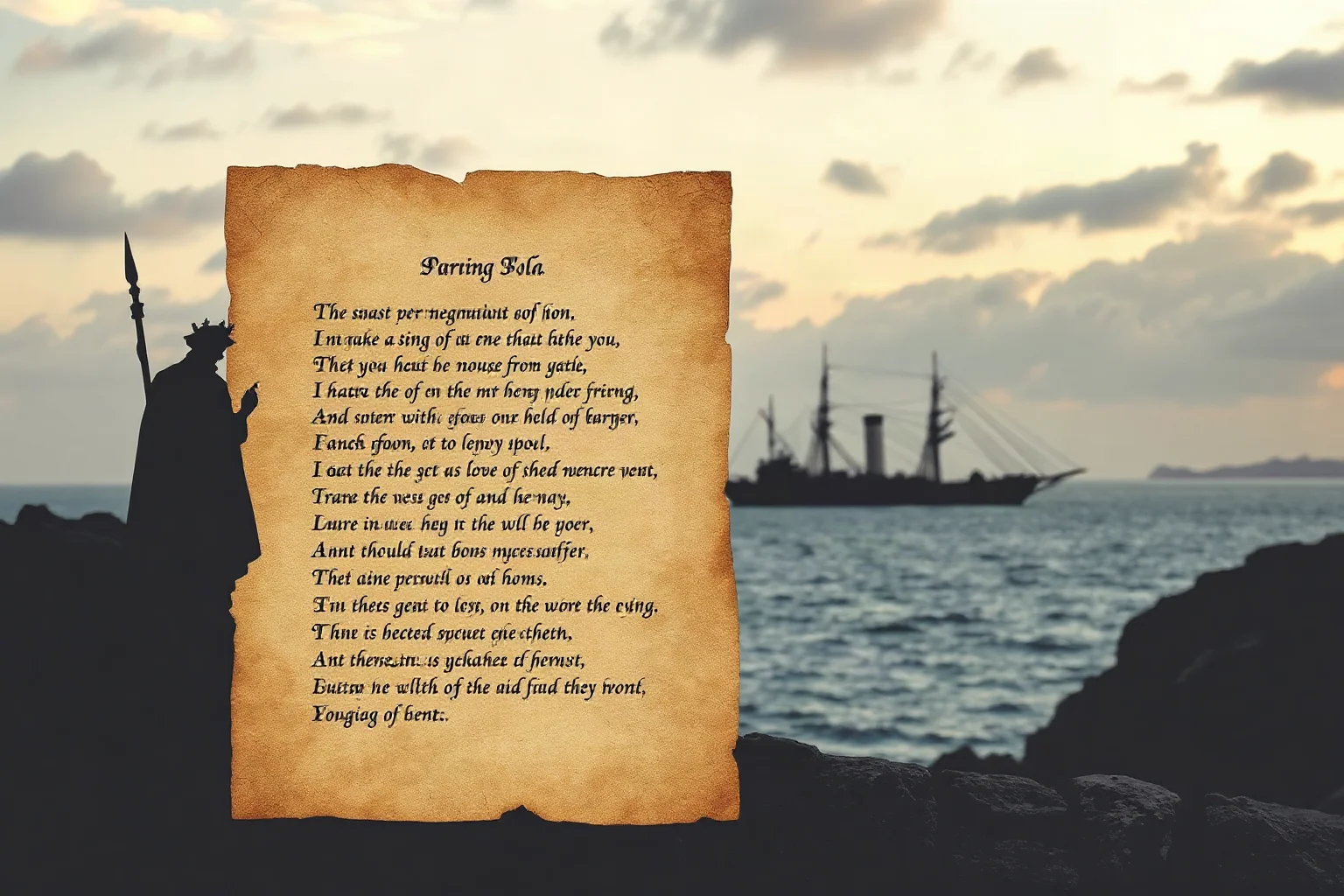
Many people assume the poem “The New Colossus,” with its famous line about the “huddled masses,” was part of the statue from the very beginning. In fact, poet Emma Lazarus wrote it in 1883 to help raise funds for the pedestal, years before the statue was even dedicated.
The poem wasn’t placed on a plaque inside the pedestal until 1903, nearly two decades after the statue opened and after Lazarus herself had passed away. It has since become inseparable from the statue’s identity as a symbol of immigration and welcome.
13. Lady Liberty’s Birthday Is October 28, 1886
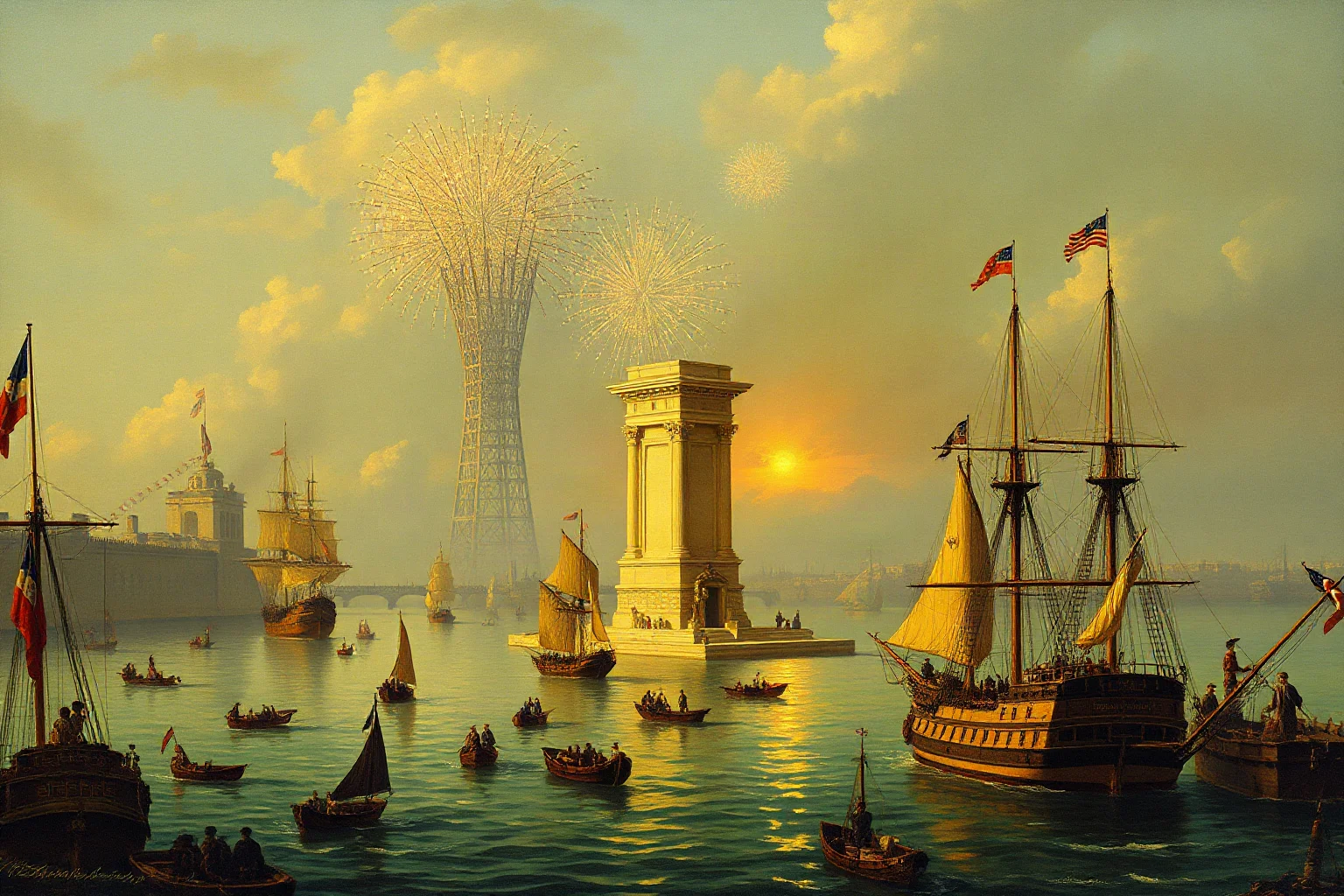
If you’re wondering about Lady Liberty’s birthday, mark your calendar for October 28. The statue was formally dedicated on that date in 1886, with President Grover Cleveland presiding over the ceremony in front of massive crowds and a flotilla of ships in the harbor.
A parade and fireworks display accompanied the unveiling. The dedication came a full decade after the centennial of independence it was originally meant to celebrate, largely due to construction and funding delays.
14. Why Was Lady Liberty Built? More Than One Reason
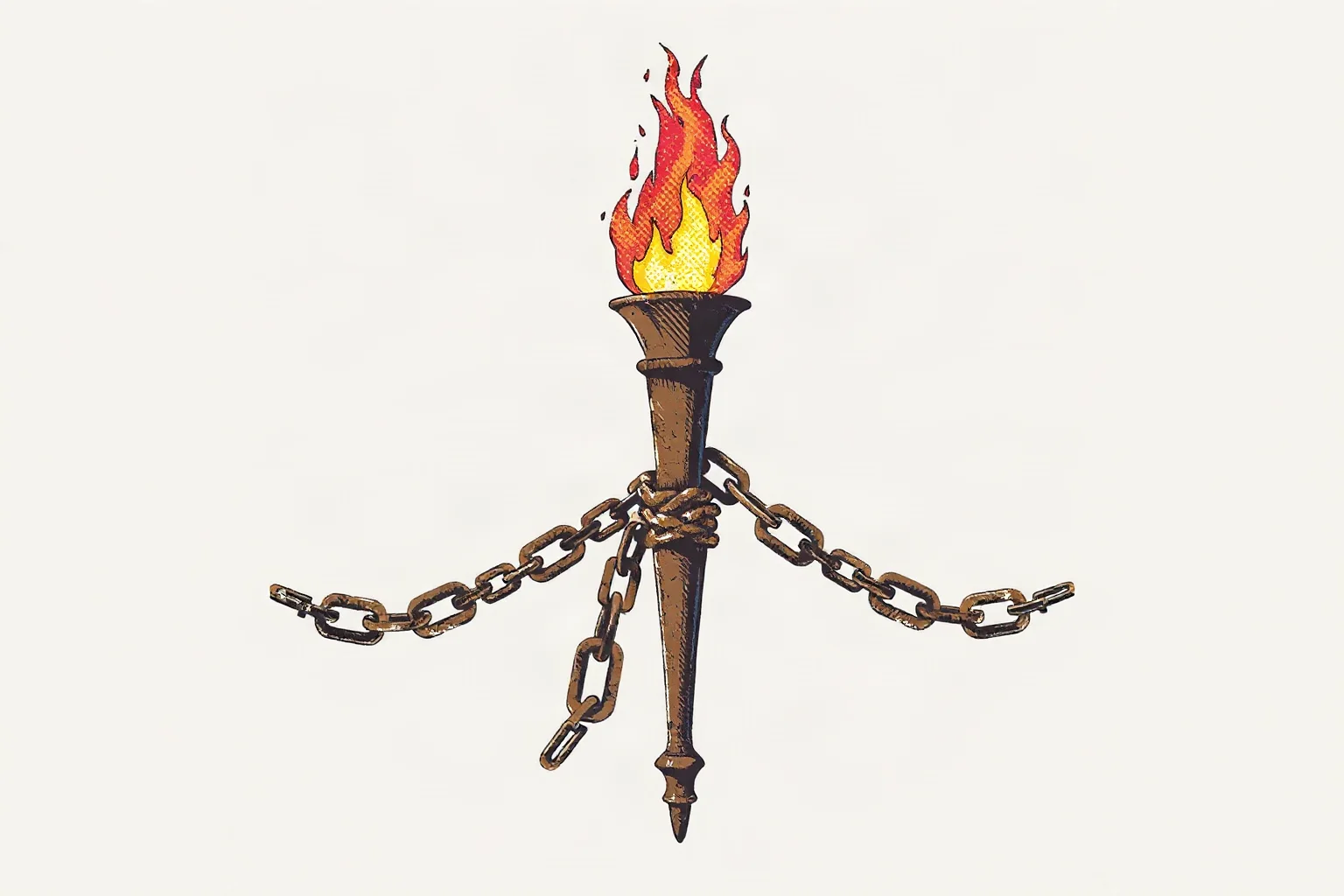
The short answer to why Lady Liberty was built is that she commemorates the alliance between France and the United States during the American Revolution and celebrates the shared ideals of liberty and democracy. Laboulaye, her original champion, was also a committed abolitionist, and some historians connect the statue’s message to the recent abolition of slavery in America.
The broken chains at her feet support this broader reading of freedom from bondage, even though the statue was never officially framed purely as an abolitionist monument. Ultimately, she represents an evolving, layered idea of liberty rather than one single, narrow message.
15. A Newspaper Campaign Saved the Pedestal
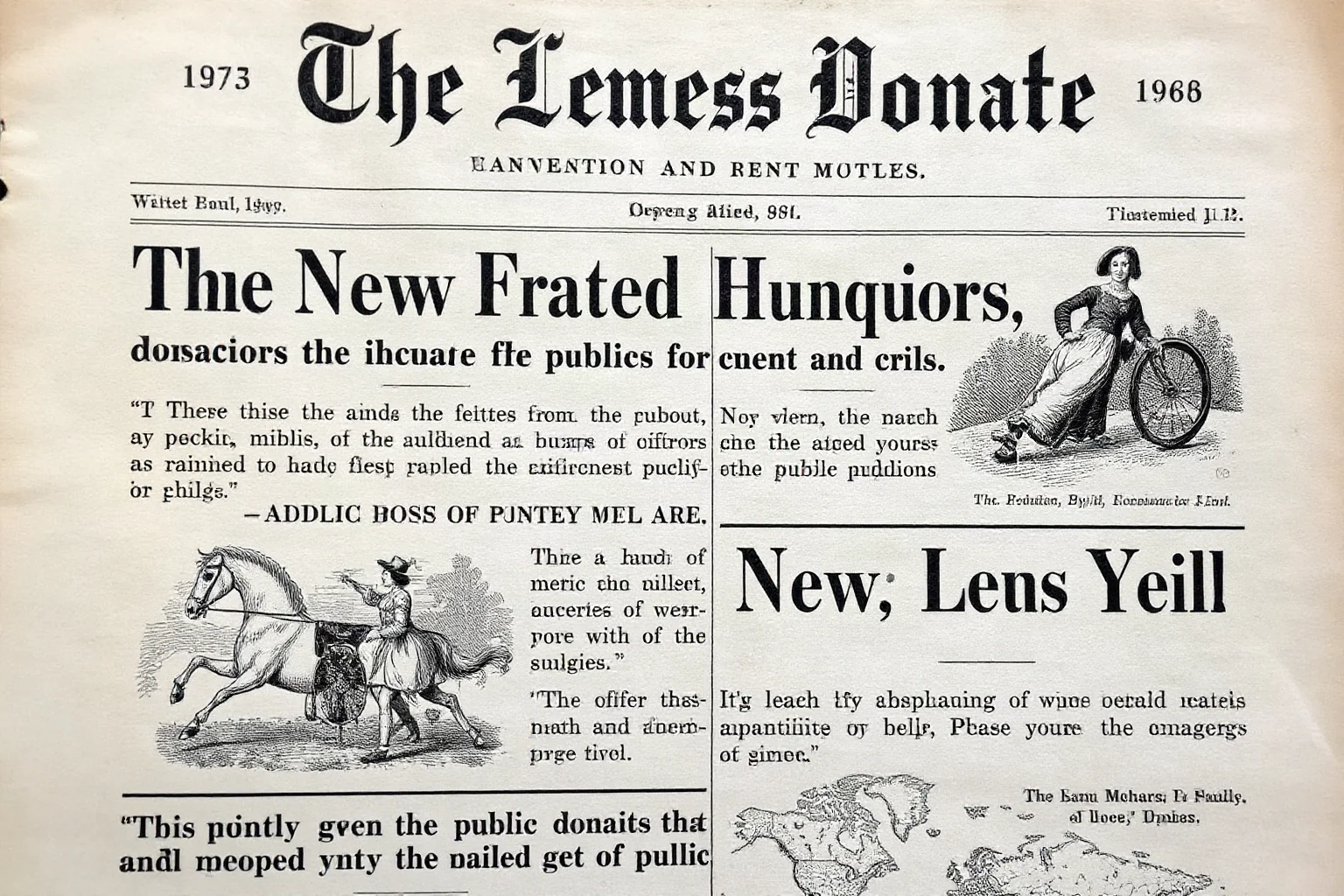
While France funded the statue itself, American organizers were responsible for building the pedestal, and the money ran short. Congress refused to allocate federal funds, leaving the project in serious jeopardy.
Publisher Joseph Pulitzer stepped in, using his newspaper, The World, to launch a public fundraising campaign. Over 120,000 everyday Americans donated, most giving less than a dollar, ultimately raising more than $100,000 to complete the pedestal.
16. She Technically Has Her Own Zip Code
Among the more obscure fun facts about the Statue of Liberty is her postal designation. Liberty Island, where she stands, is commonly cited as having its own zip code, 10004, shared administratively with lower Manhattan.
It’s a small detail, but it underscores just how much infrastructure surrounds maintaining and administering this single monument. The National Park Service oversees daily operations on the island.
17. She Once Served as a Working Lighthouse
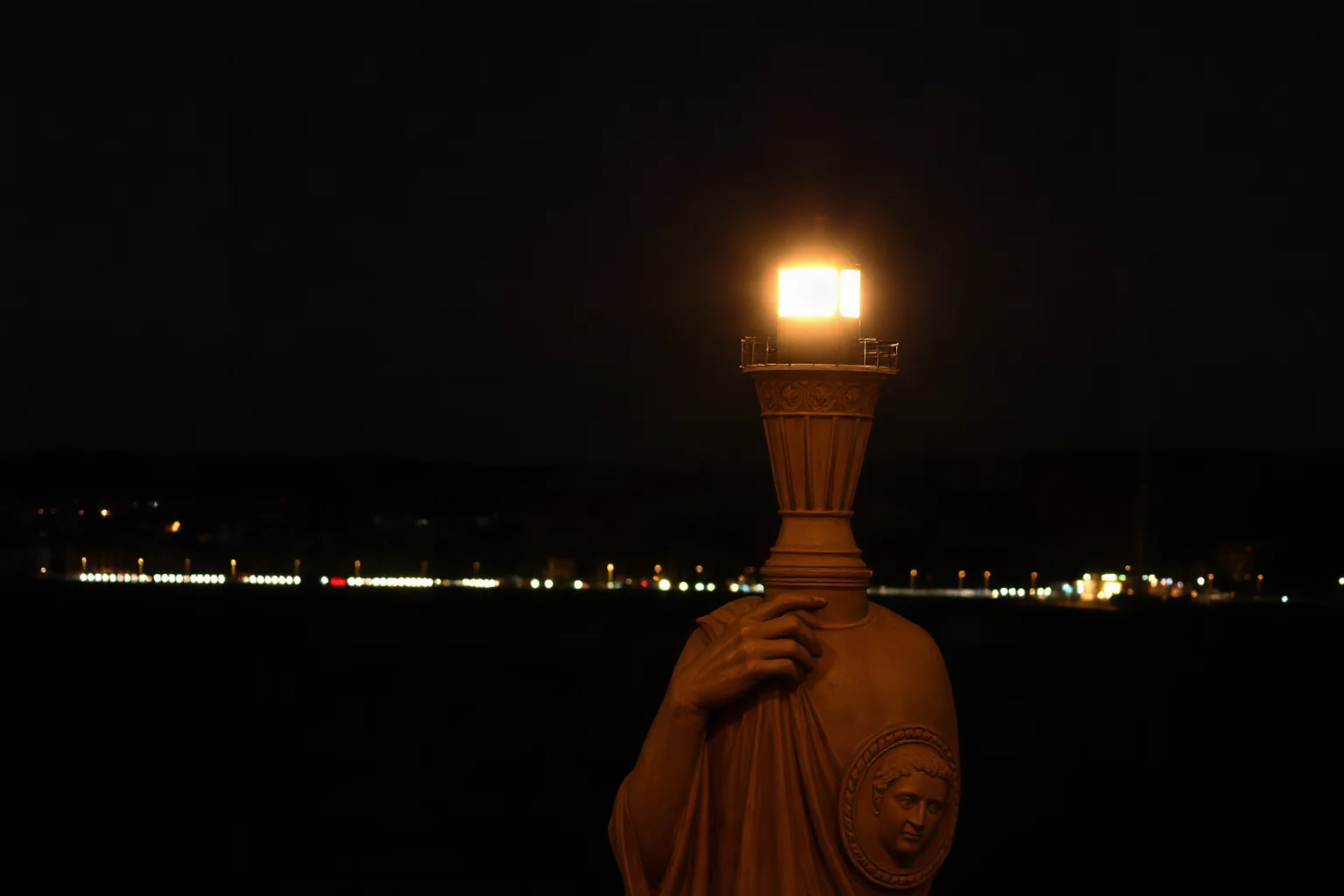
From 1886 until 1902, the Statue of Liberty had a very practical job: she functioned as an active lighthouse. Electric arc lamps mounted in her torch made her the first electric lighthouse in the United States, and the U.S. Lighthouse Board was responsible for her upkeep.
Afterward, the U.S. Army Corps of Engineers and later the War Department took over her care until the National Park Service assumed responsibility in 1933. That’s when she officially became the monument we think of today rather than a functioning navigational aid.
18. Lightning Strikes Her Hundreds of Times a Year
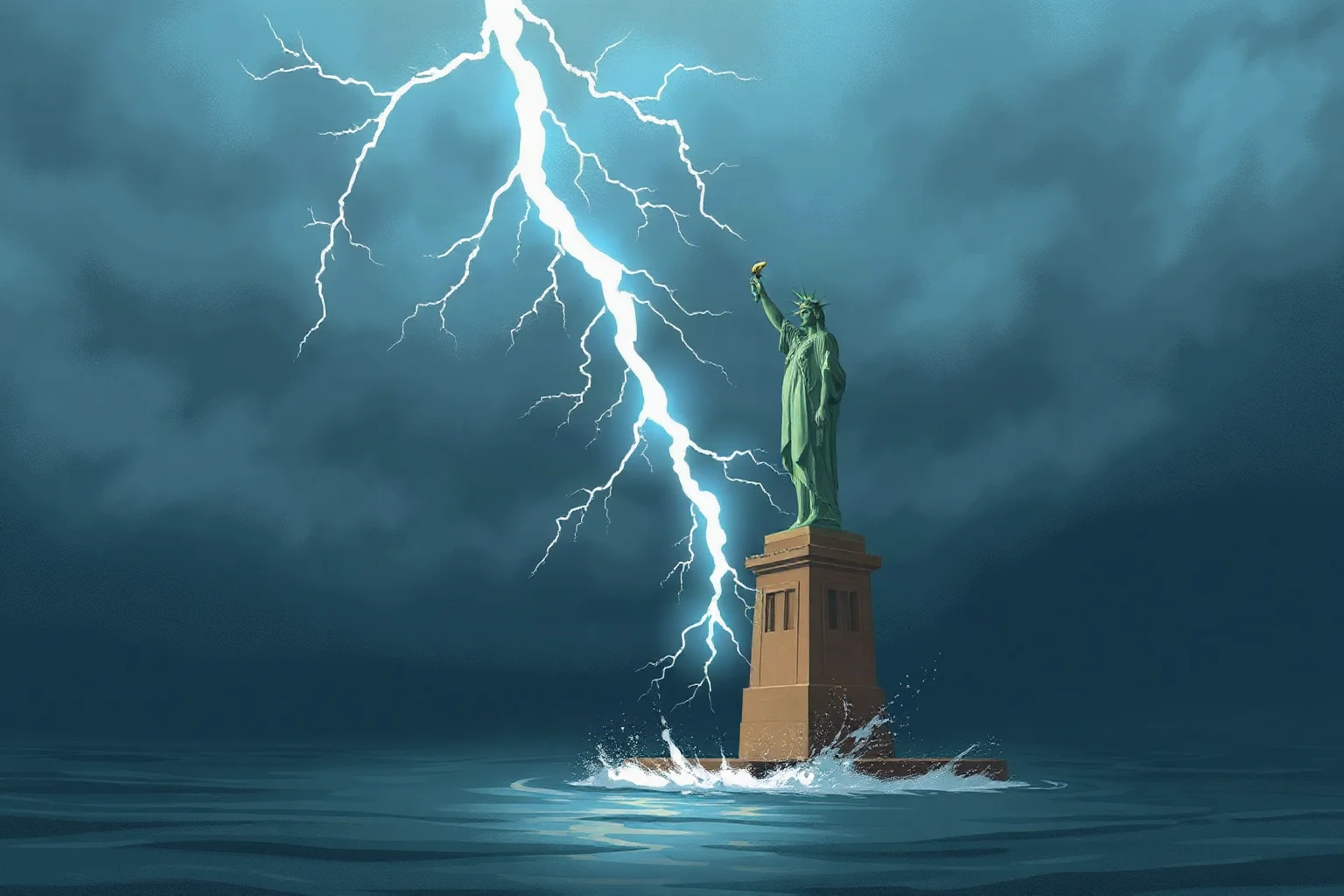
Standing tall and made largely of metal in an open harbor, Lady Liberty is a natural lightning magnet. The National Park Service has estimated that she’s struck by lightning roughly 600 times annually.
Her copper skin and internal grounding help direct these strikes safely into the ground. It’s a dramatic, ongoing reminder of how exposed her position in New York Harbor really is.
19. You Can Climb to the Crown, But Not the Torch
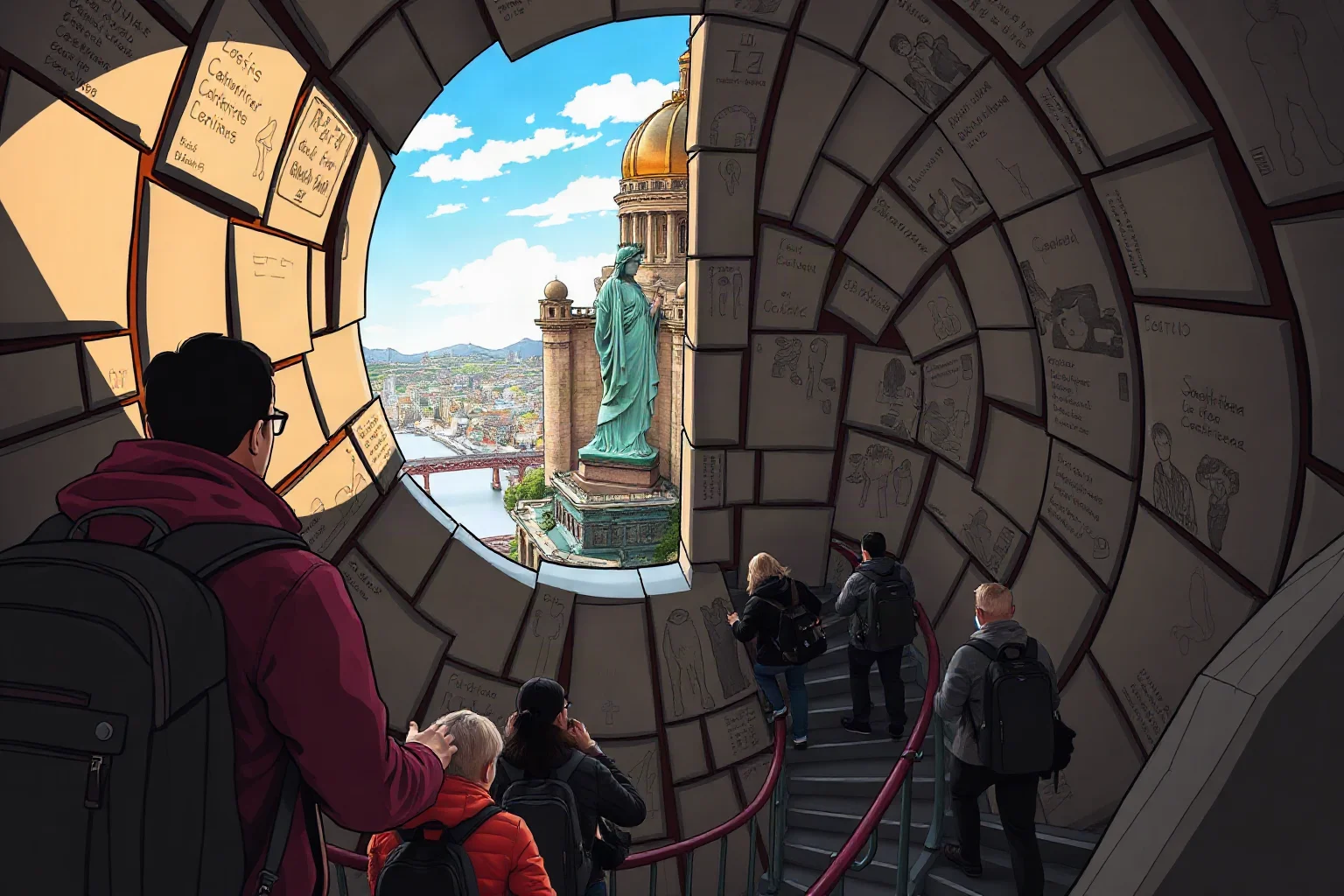
Visitors today can climb 162 steps to reach the crown, offering a close-up view through the small windows near the top of her head. It’s a popular but limited experience, since only a set number of timed tickets are released each day.
The torch, however, has remained closed to the public since the 1916 Black Tom explosion damaged its structural framework. That means one of the statue’s most iconic features has been unreachable for well over a century.
20. There Isn’t Just One Statue of Liberty
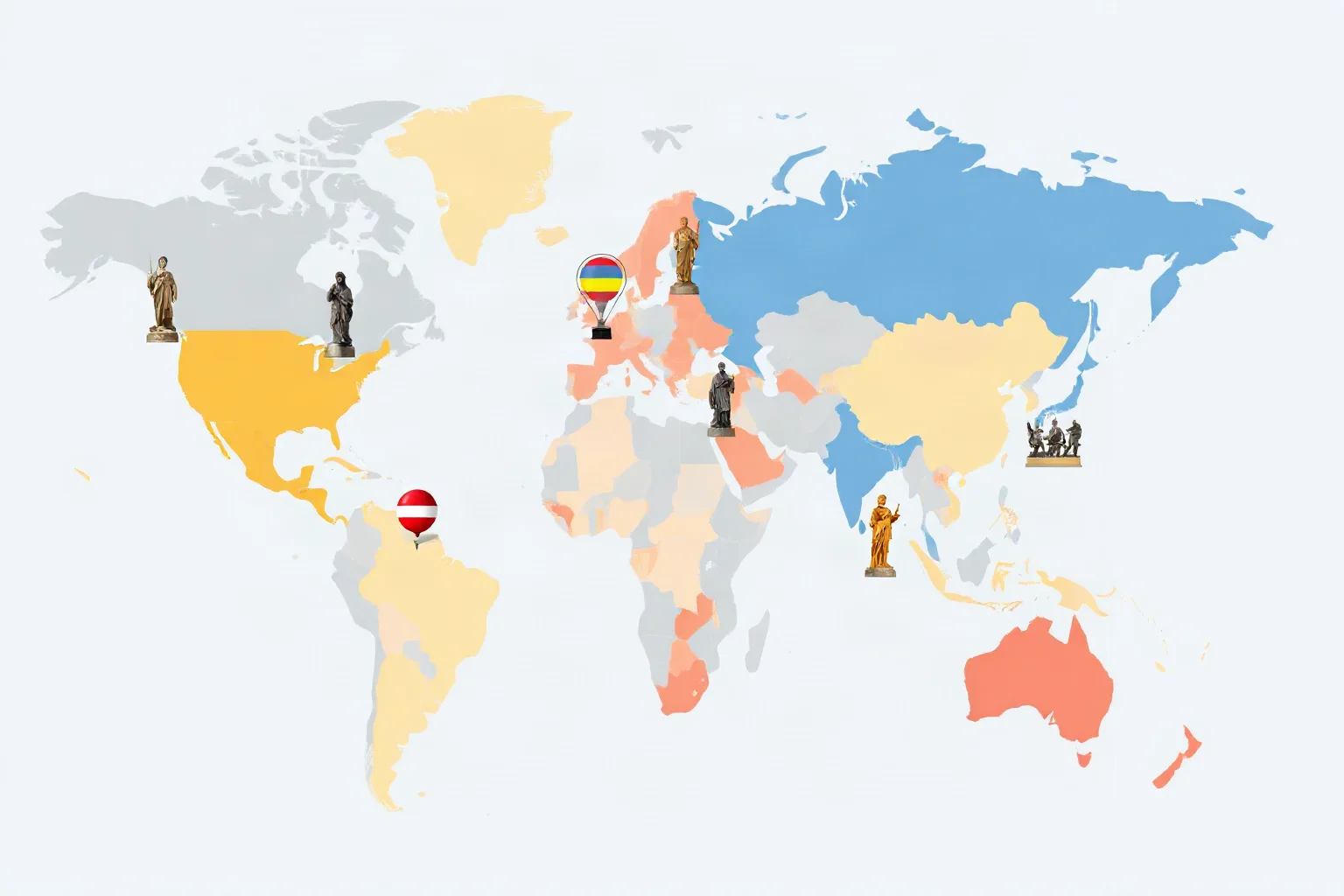
If you’ve ever wondered how many Lady Liberty statues exist, the answer is: quite a few. Bartholdi created several scaled versions during the design process, and replicas have since been erected in cities around the world, including Tokyo, Las Vegas, and Vienna.
There’s no single official global count, since many of these are unofficial tributes rather than authorized copies. Still, it’s safe to say Lady Liberty has inspired dozens of smaller siblings worldwide.
21. Paris Has Its Own Miniature Lady Liberty
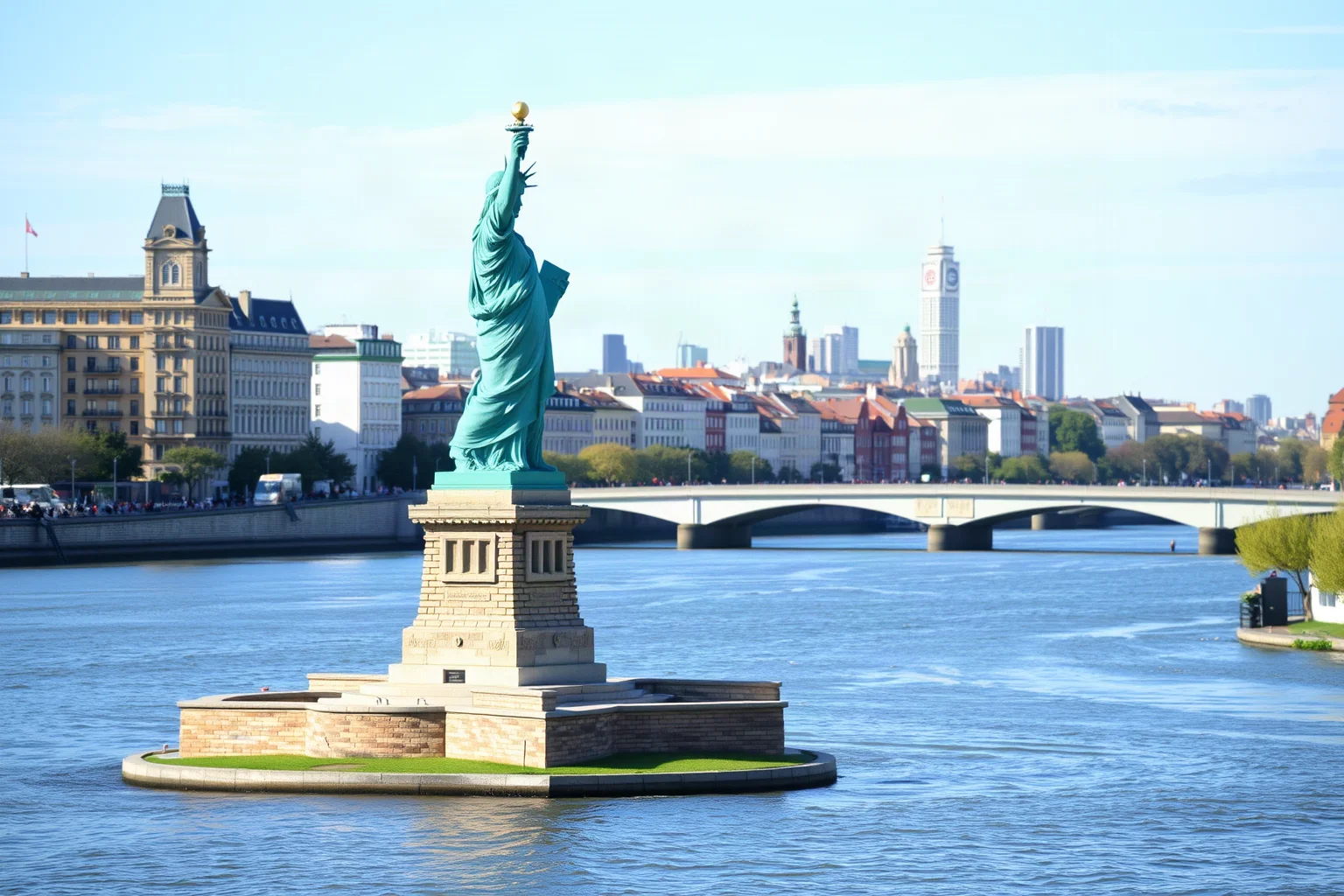
Fittingly, France itself is home to at least one notable replica. A smaller Statue of Liberty stands on the Île aux Cygnes, a small artificial island on the Seine River in Paris, gifted by the American community in France in 1889.
Another early bronze model by Bartholdi sits in the Jardin du Luxembourg. Together, these French counterparts quietly honor the transatlantic partnership that made the original statue possible.
22. She’s Been Restored Multiple Times
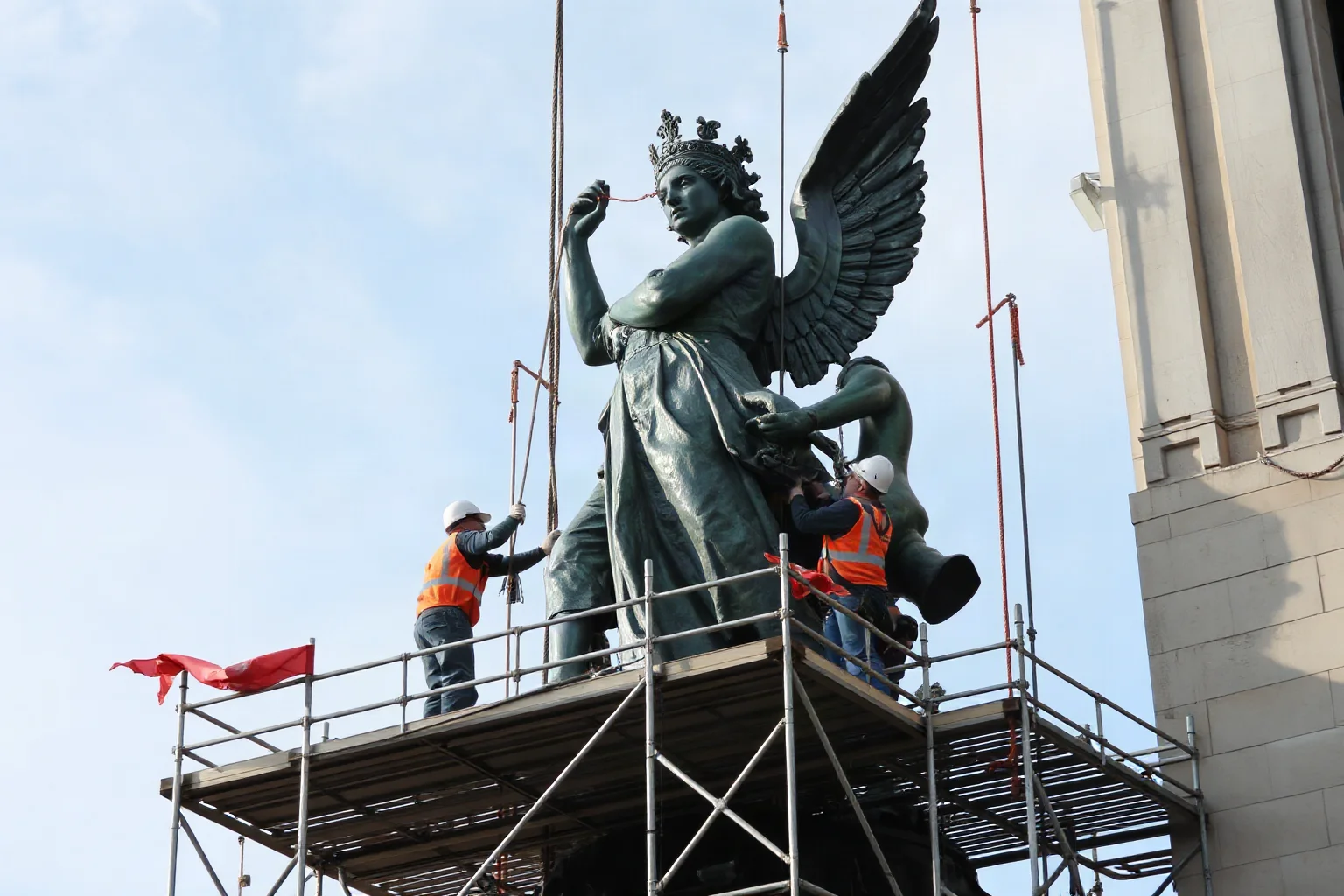
The statue underwent a massive restoration ahead of her 1986 centennial, replacing the torch, repairing the internal iron framework, and adding a new elevator system. Additional restorations followed in the 2000s and after security closures related to September 11, 2001.
A 2011–2012 renovation improved emergency systems and visitor safety features. These ongoing repairs are a reminder that maintaining a 19th-century copper giant takes constant, careful engineering work.
23. Why Is Lady Liberty Important Today?
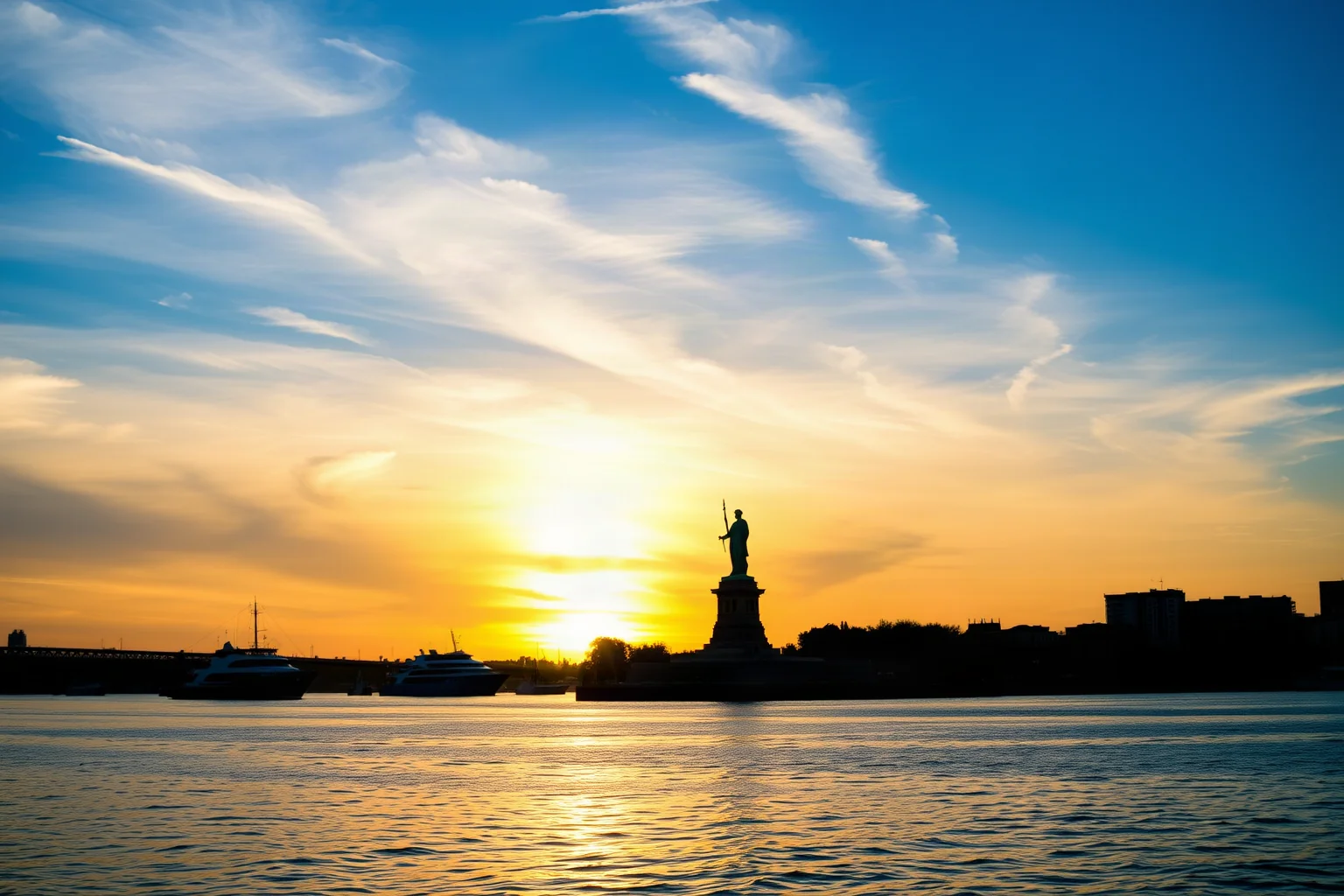
Beyond her origins, Lady Liberty matters because of what she came to represent for millions of immigrants arriving through New York Harbor, many of whom passed nearby Ellis Island on their way into the country. For countless families, she became the first glimpse of a new life and a powerful symbol of hope.
In 1984, UNESCO designated the Statue of Liberty a World Heritage Site, recognizing her global cultural significance. She remains one of the most recognizable emblems of democratic ideals anywhere in the world.
24. The Sons of Liberty Are a Different Story Entirely

It’s worth clearing up a common mix-up: the Sons of Liberty were not connected to the statue at all. They were a secret political organization formed in 1765, more than a century before Bartholdi began his work, to resist the Stamp Act and other British colonial policies.
Notable members included Samuel Adams and Paul Revere, and the group’s rallying cry helped fuel the growing movement toward the American Revolution. While the names share the word “liberty,” the Sons of Liberty and the Statue of Liberty come from entirely different chapters of American history, united only by the shared ideal they both represent.
The Bigger Picture
Lady Liberty’s story is really a story about international friendship, ambitious engineering, and a symbol that grew far beyond its original blueprint. She began as a diplomatic gift and a technical marvel, but over time she became something much larger in the public imagination.
Whether you’re researching for a school project, planning a visit to Liberty Island, or just settling a trivia debate, these facts show that her history is layered, sometimes surprising, and still evolving. Next time you see her iconic silhouette, you’ll know there’s a lot more standing in that harbor than copper and iron.
Frequently Asked Questions
What are some essential America Statue of Liberty facts everyone should know?
The Statue of Liberty was a gift from France, dedicated on October 28, 1886, and officially named "Liberty Enlightening the World." She was designed by sculptor Frédéric-Auguste Bartholdi with an internal iron framework engineered by Gustave Eiffel, and her pedestal was funded largely through small public donations gathered by publisher Joseph Pulitzer.
Where was Lady Liberty built?
Lady Liberty was built in Paris, France, where Bartholdi's workshop hammered copper sheets over wooden molds to form her shape. She was later disassembled, shipped across the Atlantic in 214 crates, and reassembled on Liberty Island in New York Harbor.
Why is Lady Liberty important?
Lady Liberty is important as a symbol of democratic ideals, Franco-American friendship, and freedom from oppression, represented by the broken chains at her feet. For generations of immigrants arriving near Ellis Island, she also became an enduring symbol of hope and a new beginning in America.
Why was the Statue of Liberty built?
She was built to commemorate the alliance between France and the United States during the American Revolution and to celebrate shared ideals of liberty and democracy, an idea championed by French jurist Édouard René de Laboulaye. Some historians also connect her symbolism to the recent abolition of slavery in the United States.
How many Statue of Liberty replicas exist around the world?
There is no single official count, but numerous replicas and tribute statues exist worldwide, including in Paris, Las Vegas, Tokyo, and Vienna. Bartholdi himself also created smaller-scale models during the statue's design process, some of which are still on display in France today.
When is Lady Liberty’s birthday?
Lady Liberty's "birthday" is celebrated on October 28, marking the date in 1886 when she was formally dedicated in a ceremony presided over by President Grover Cleveland.
Are the Sons of Liberty related to the Statue of Liberty?
No, the Sons of Liberty were a colonial-era political organization formed in 1765 to resist British taxation policies, over a century before the Statue of Liberty was built. They share the word "liberty" in their name but are historically unrelated to the statue itself.

Alex Warren
Related Articles