
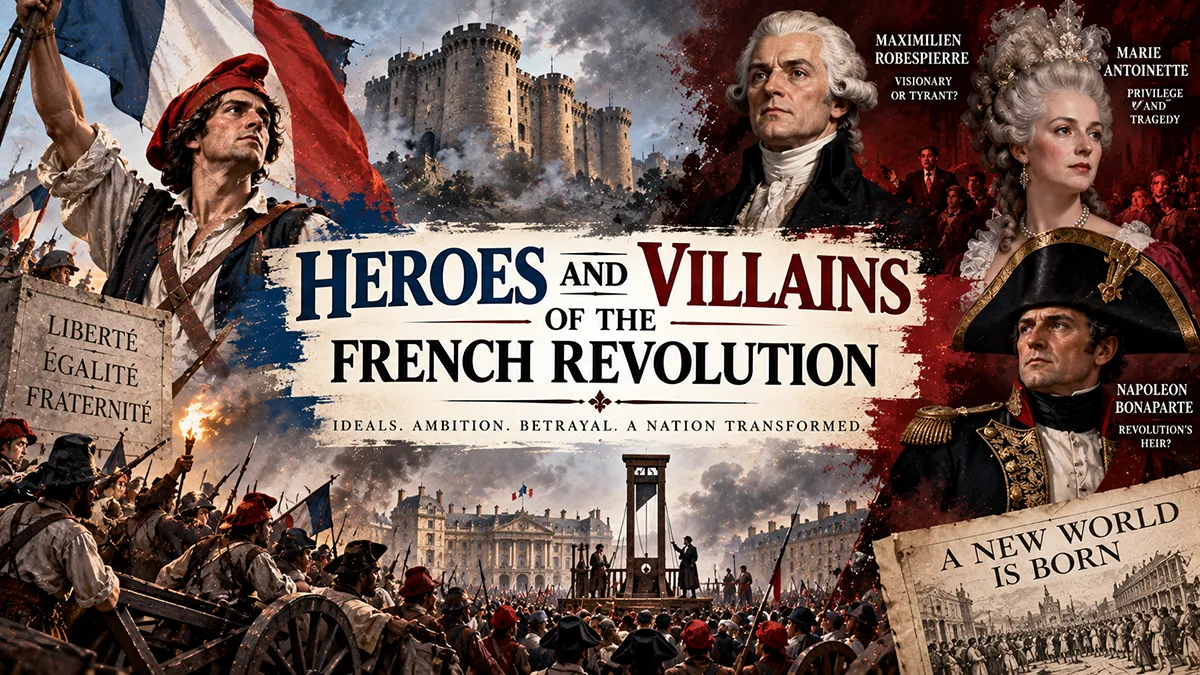
The French Revolution wasn’t just a clash of ideas on paper — it was a decade-long human drama starring idealists, opportunists, radicals, and reactionaries.
Between 1789 and 1799, ordinary lawyers, journalists, and soldiers became household names, while kings and queens found themselves on trial for their lives. Depending on who you ask, the very same person could be remembered as a hero or a villain, sometimes within the same year.
This guide walks through the most important people in the French Revolution, sorting genuine historical record from popular myth along the way. Whether you’re trying to understand who fought whom, who led the revolution, or how it connects to the American Revolution, you’ll find the key figures here.
TL;DR: The French Revolution was driven by a rotating cast of reformers, radicals, royalists, and soldiers — from Louis XVI and Robespierre to Lafayette and Napoleon — whose reputations as heroes or villains still shift depending on who’s telling the story.
What Was the French Revolution, Really?
The French Revolution began in 1789 amid a genuine financial and political crisis. France’s monarchy was deeply in debt, partly from funding wars including support for the American Revolution, while ordinary people faced crushing taxes and food shortages.
When representatives of the “Third Estate” — everyone outside the nobility and clergy — demanded real political power, the confrontation escalated fast.
The storming of the Bastille on July 14, 1789, became the revolution’s defining symbol, though the real transformation happened in the assemblies, pamphlets, and streets of Paris over the following years.
France moved from an absolute monarchy to a constitutional monarchy, then to a republic, then through the violent Reign of Terror — one of history’s darkest chapters — and finally toward the rise of Napoleon Bonaparte by 1799.
Calling it a single “1789 revolution” undersells how much revolutionary France changed shape during that decade. The republic that executed Louis XVI in 1793 looked nothing like the cautious reform movement of 1789, and the France that emerged under Napoleon looked different again.
Who Fought Whom? The Revolution’s Shifting Battle Lines
One of the most common questions people ask is who fought who in the French Revolution, and the honest answer is: it depended on the year. Early on, the fight was between reform-minded members of the Third Estate and the privileged nobility and clergy who wanted to protect their tax exemptions and power.
As the revolution radicalized, new fault lines opened. Sans-culottes — working-class Parisians, artisans, and even household servants who resented aristocratic privilege — pushed the revolution further left, clashing with more moderate constitutional monarchists like Lafayette. Inside the National Convention, the moderate Girondins and the radical Jacobins turned on each other, a rivalry that helped fuel the Reign of Terror.
France was also at war with much of Europe for most of this period. Austria, Prussia, and later Britain formed coalitions against the revolutionary government, partly to protect their own monarchies and partly at the urging of French royalist émigrés who had fled abroad. Inside France itself, royalist uprisings — most notably in the Vendée region — pitted French revolutionary soldiers against fellow French citizens loyal to the crown and the Catholic Church.
So when people ask who the French Revolution was against, there’s no single enemy. It was against the old aristocratic order, then against foreign monarchies, then against internal royalists, and eventually — under the Terror — against its own citizens suspected of disloyalty.
Heroes and Villains: The Key Figures of the French Revolution
With that context in mind, here are the people who actually drove events — the reformers who started it, the radicals who redefined it, the royalists who resisted it, and the soldiers and thinkers caught in between. Some are unambiguous heroes to certain audiences and villains to others; most are genuinely somewhere in between.
The Monarchy and Its Fall
1. King Louis XVI – The Reluctant Monarch
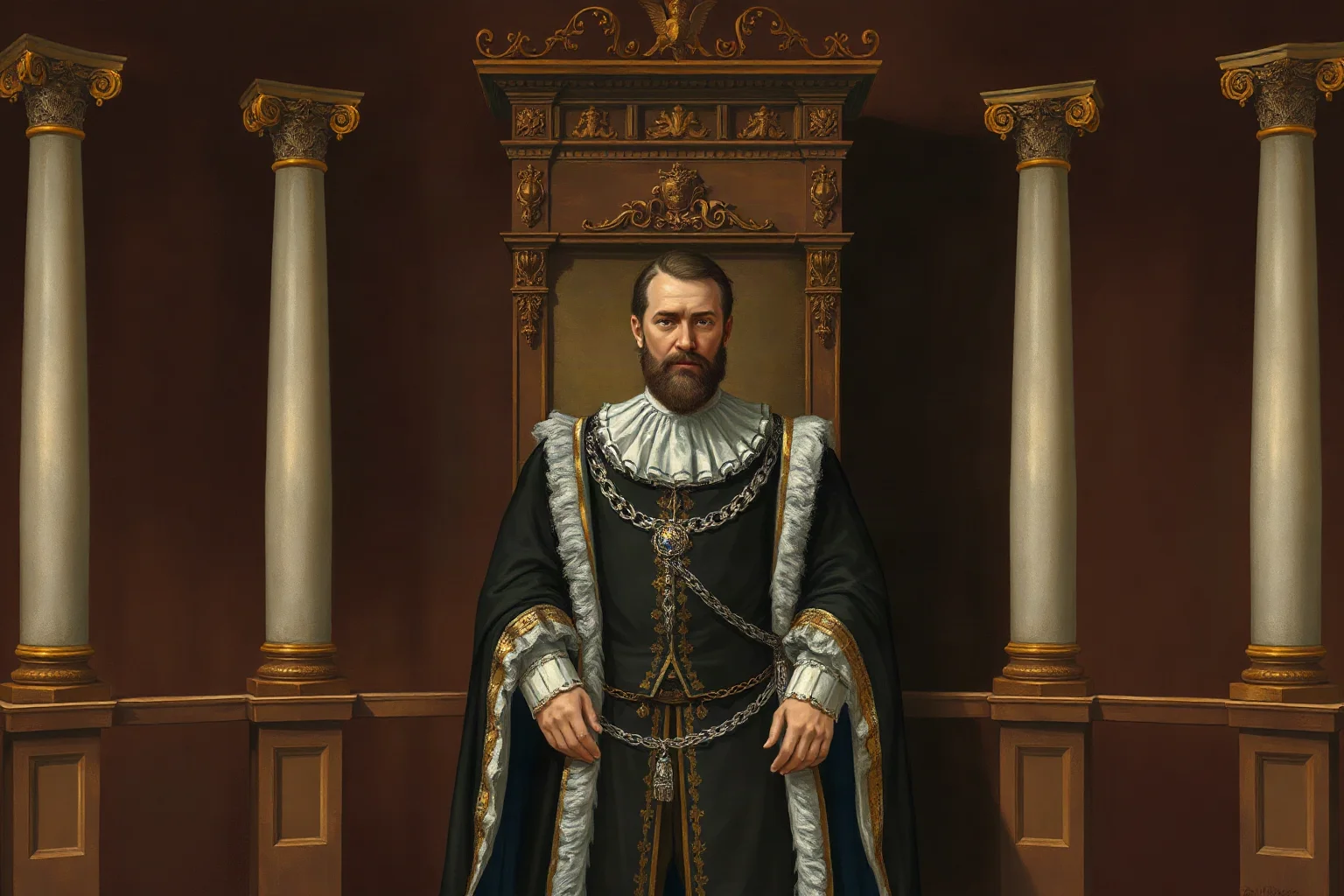
Louis XVI inherited a kingdom drowning in debt, much of it from wars including French support for the American Revolution, and he struggled to grasp the scale of the crisis he faced. He wasn’t a tyrant in the mold of some predecessors, but his indecision and mixed signals to both reformers and reactionaries eroded trust on all sides.
His attempted flight to Varennes in 1791 confirmed suspicions that he would rather flee than genuinely reform, deepening revolutionary anger. Tried by the National Convention, he was executed by guillotine in January 1793, a moment that shocked monarchies across Europe.
Whether Louis XVI counts as villain or victim depends heavily on perspective. Reformers saw him as an obstacle to progress, while royalists saw him as a martyr, and his execution became the point of no return for the entire revolution.
2. Marie Antoinette – The Vilified Queen
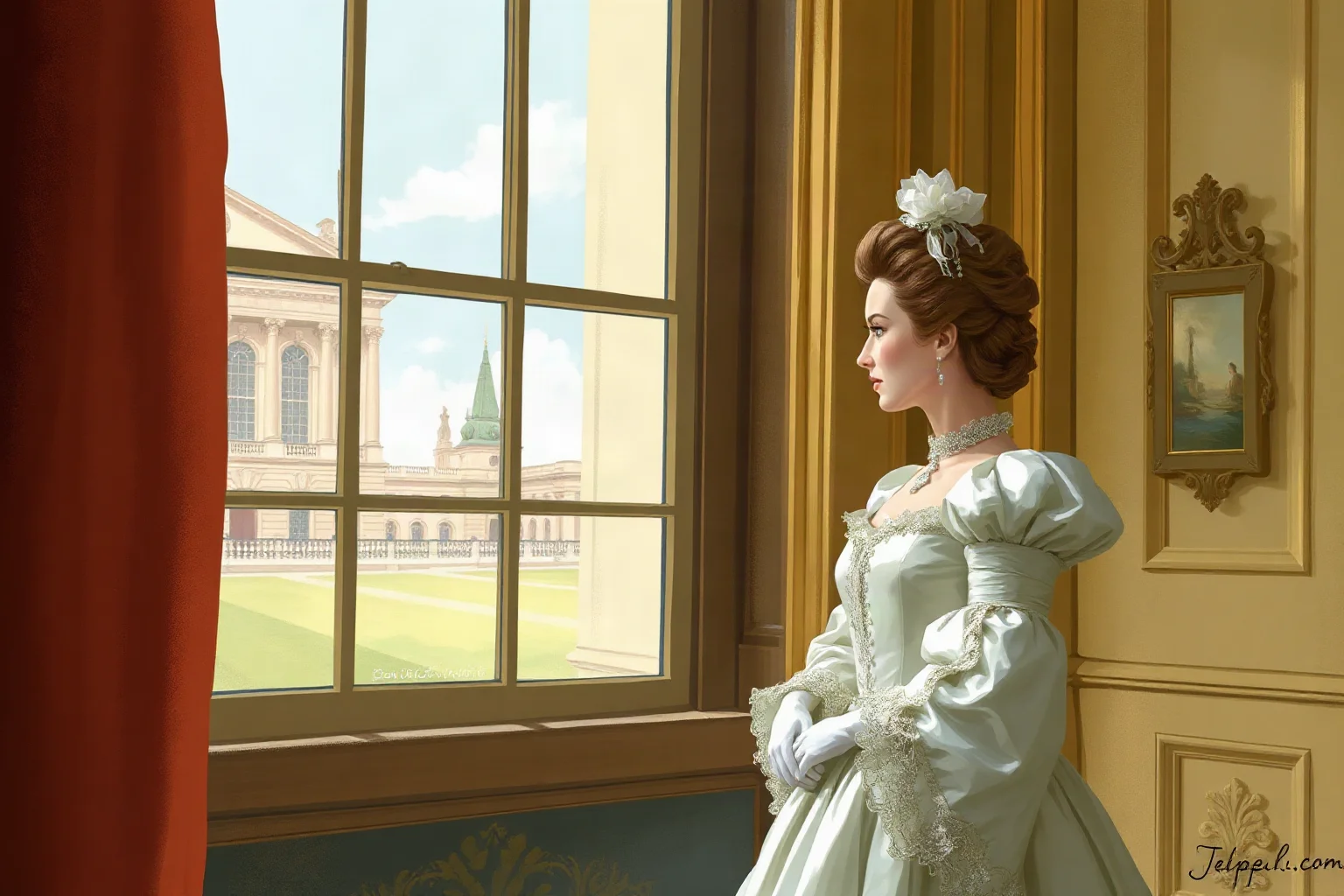
Few figures have been more mythologized than Marie Antoinette, the Austrian-born queen blamed for France’s financial troubles despite her personal spending being a small fraction of the state’s real problems. The famous line “let them eat cake” almost certainly wasn’t hers — similar phrases were attributed to other royals decades before she even arrived in France.
She did resist reform for much of the early revolution and secretly appealed to foreign courts for help, which fed genuine accusations of treason against her. Convicted by the Revolutionary Tribunal, she was executed in October 1793, several months after her husband.
Popular history often flattens her into either a frivolous villain or a tragic heroine. The real record suggests a politically inexperienced queen caught in a crisis far larger than any single person’s choices.
The Reformers Who Started It
3. Marquis de Lafayette – Hero of Two Revolutions
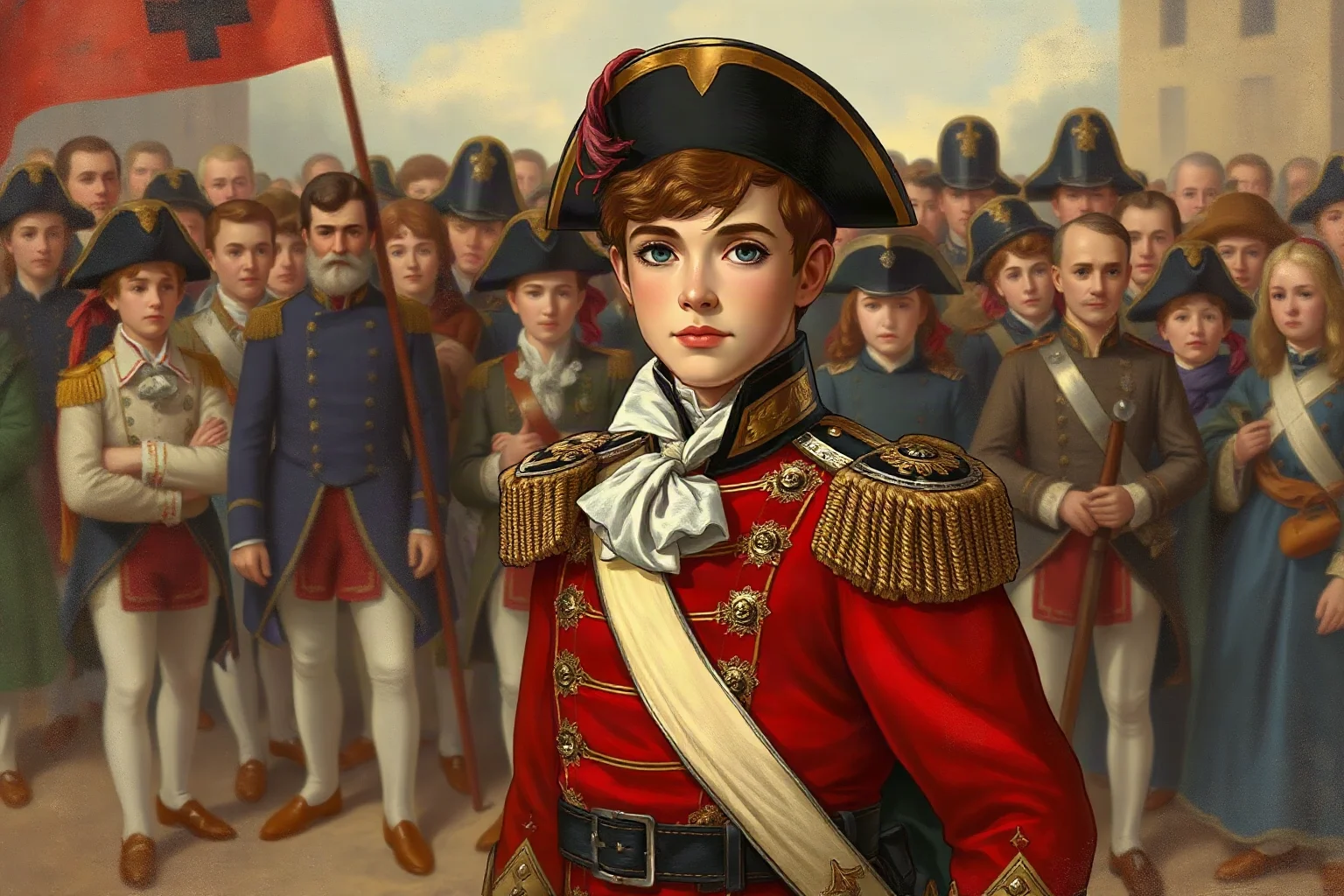
Gilbert du Motier, Marquis de Lafayette, fought alongside American colonists at Yorktown before returning home a celebrated advocate for liberty. That experience directly shaped his role in drafting France’s own Declaration of the Rights of Man and of the Citizen in 1789, making him a genuine bridge between the American and French Revolutions.
As commander of the National Guard, he tried to steer a moderate constitutional path between royal authority and popular radicalism. It didn’t work: radicals declared him a traitor, he fled France in 1792, and he spent years imprisoned by Austria before eventually returning to French public life decades later.
Lafayette’s career is a reminder that moderation could be just as dangerous as extremism during this period. He’s remembered fondly in both countries, but his revolutionary story ended in exile, not triumph.
4. Comte de Mirabeau – The Reformist Nobleman
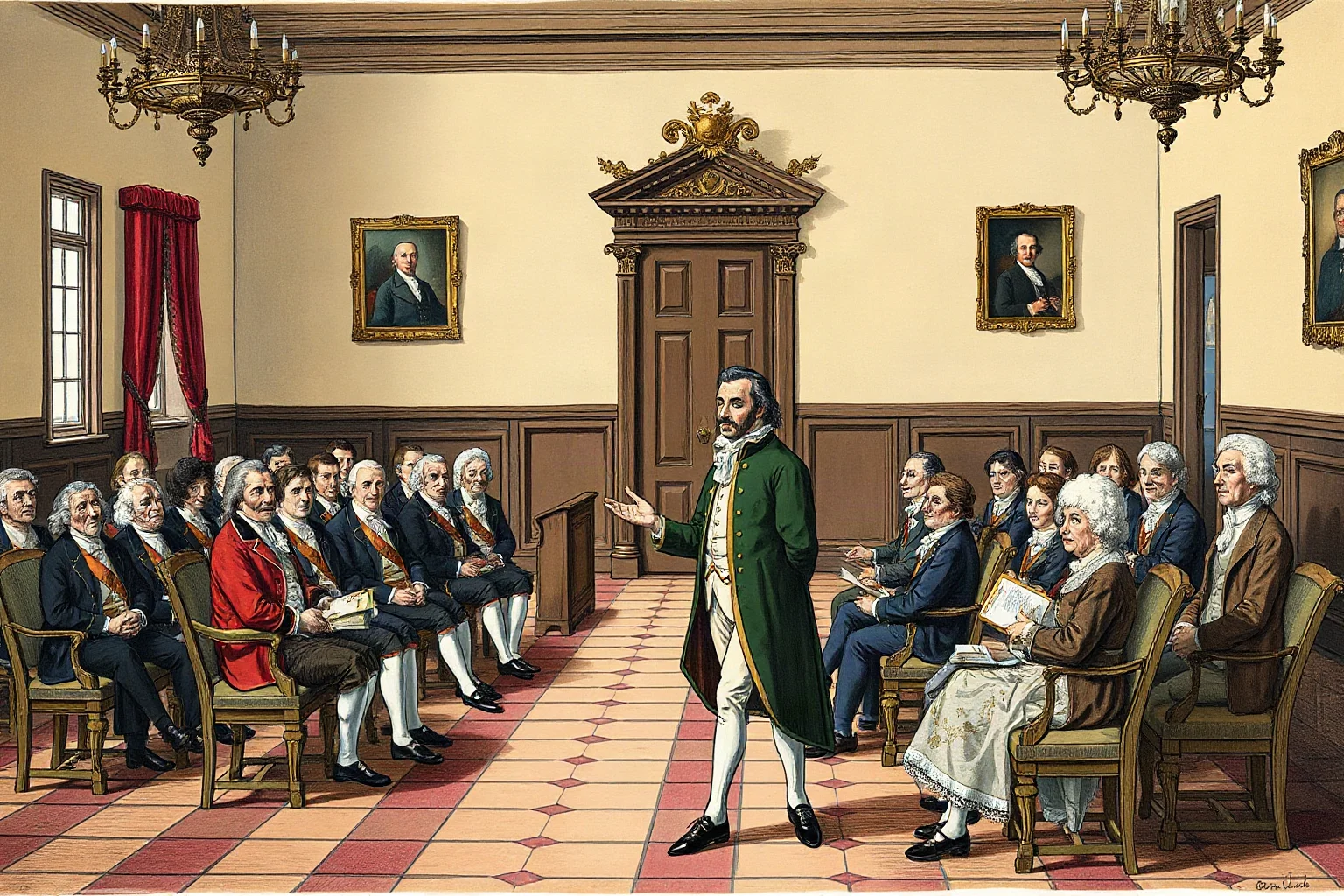
Honoré Gabriel Riqueti, Comte de Mirabeau, was an aristocrat who nonetheless became one of the most powerful voices for constitutional monarchy in the early National Assembly. His oratory helped push through the Declaration of the Rights of Man and other early reforms.
He secretly advised the royal court while publicly leading reform efforts, a double game only revealed after his death in 1791. Because he died of natural causes before the Reign of Terror, his reputation stayed relatively intact for years until his secret correspondence with the crown surfaced.
Mirabeau shows how blurry the line between hero and operator could be — brilliant enough to help shape a nation, cautious enough to hedge his political bets.
5. Abbé Sieyès – The Architect of New France
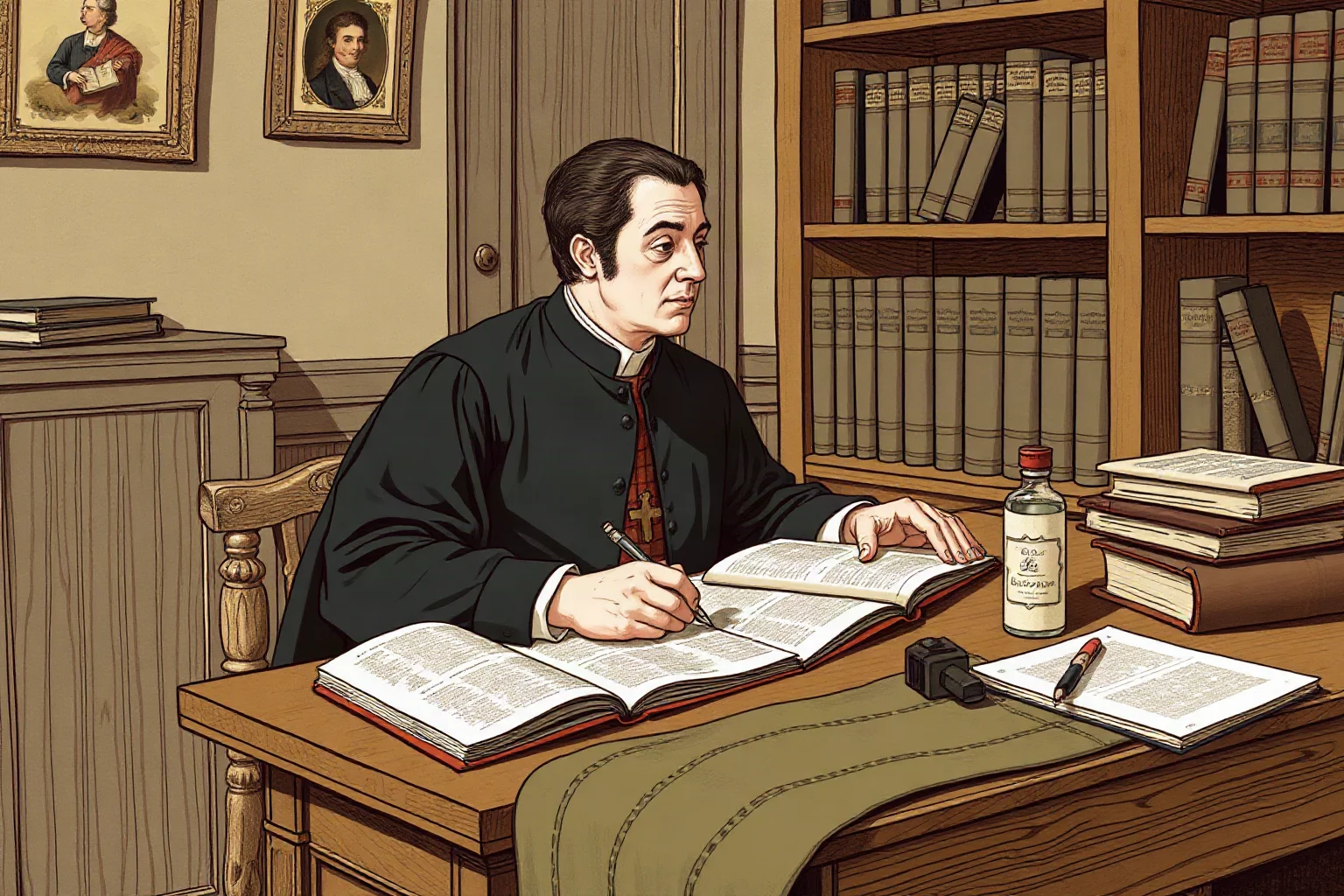
Emmanuel-Joseph Sieyès, a clergyman by training, wrote the influential pamphlet “What Is the Third Estate?” that helped ignite the political crisis of 1789. His answer — that the common people were “everything” yet had “nothing” politically — became a rallying cry for reformers.
He survived the entire decade of upheaval by staying politically adaptable, moving from the National Assembly through the Directory without ever quite becoming a target himself. In 1799, he helped Napoleon Bonaparte stage the coup that effectively ended the revolution.
Sieyès is proof that surviving the French Revolution sometimes took as much political skill as starting it in the first place.
6. Jean-Sylvain Bailly – The First President
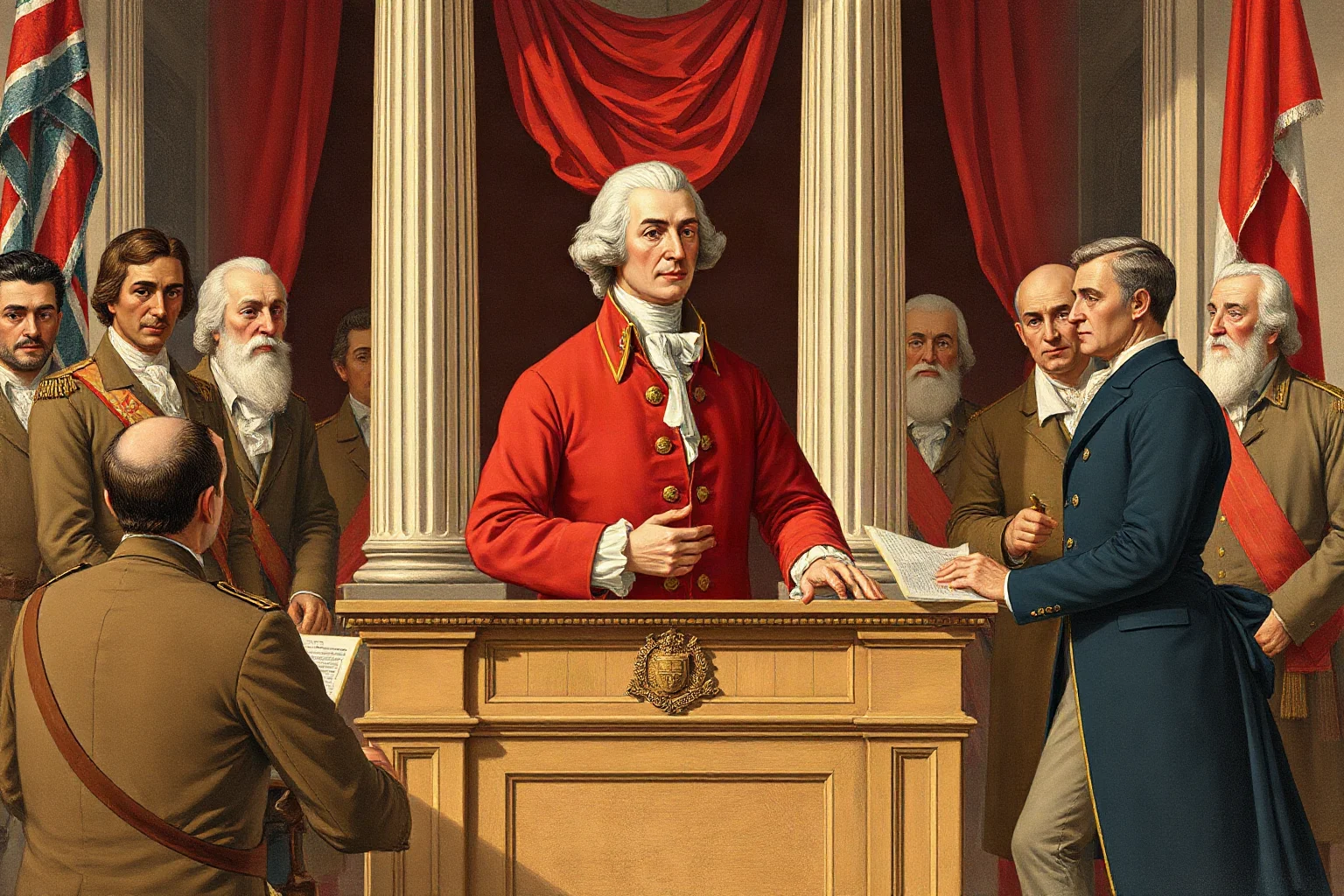
An astronomer by profession, Bailly became the first president of the National Assembly and later the first elected mayor of Paris. He administered the famous Tennis Court Oath in June 1789, when deputies swore not to disband until France had a written constitution.
His moderate, order-focused leadership as mayor put him at odds with increasingly radical Parisian crowds as the revolution progressed. He was guillotined in 1793, one of many early moderates ultimately consumed by a revolution that had outpaced them.
7. Olympe de Gouges – Voice for Women’s Rights
Olympe de Gouges was a playwright and political writer who published the Declaration of the Rights of Woman and the Female Citizen in 1791. She argued, decades ahead of her time, that liberty and equality meant little if they didn’t extend to women as well as men.
She also publicly opposed the execution of the king and criticized Robespierre’s growing power, both dangerous positions to hold in 1793. Tried and executed that November, she remains one of the revolution’s most important yet often overlooked figures.
8. Marquis de Condorcet – Philosopher of Progress
Nicolas de Condorcet was a mathematician and philosopher who championed public education, human rights, and, notably, equal political rights for women. He helped draft the Girondin constitution and pushed for a rational, humane vision of the new republic.
When the Girondins fell from power, Condorcet went into hiding and was eventually captured by revolutionary authorities. He died in prison in 1794 under circumstances that remain unclear, representing one of the revolution’s genuine intellectual losses.
The Radicals and the Reign of Terror
9. Maximilien Robespierre – The Incorruptible and the Terror
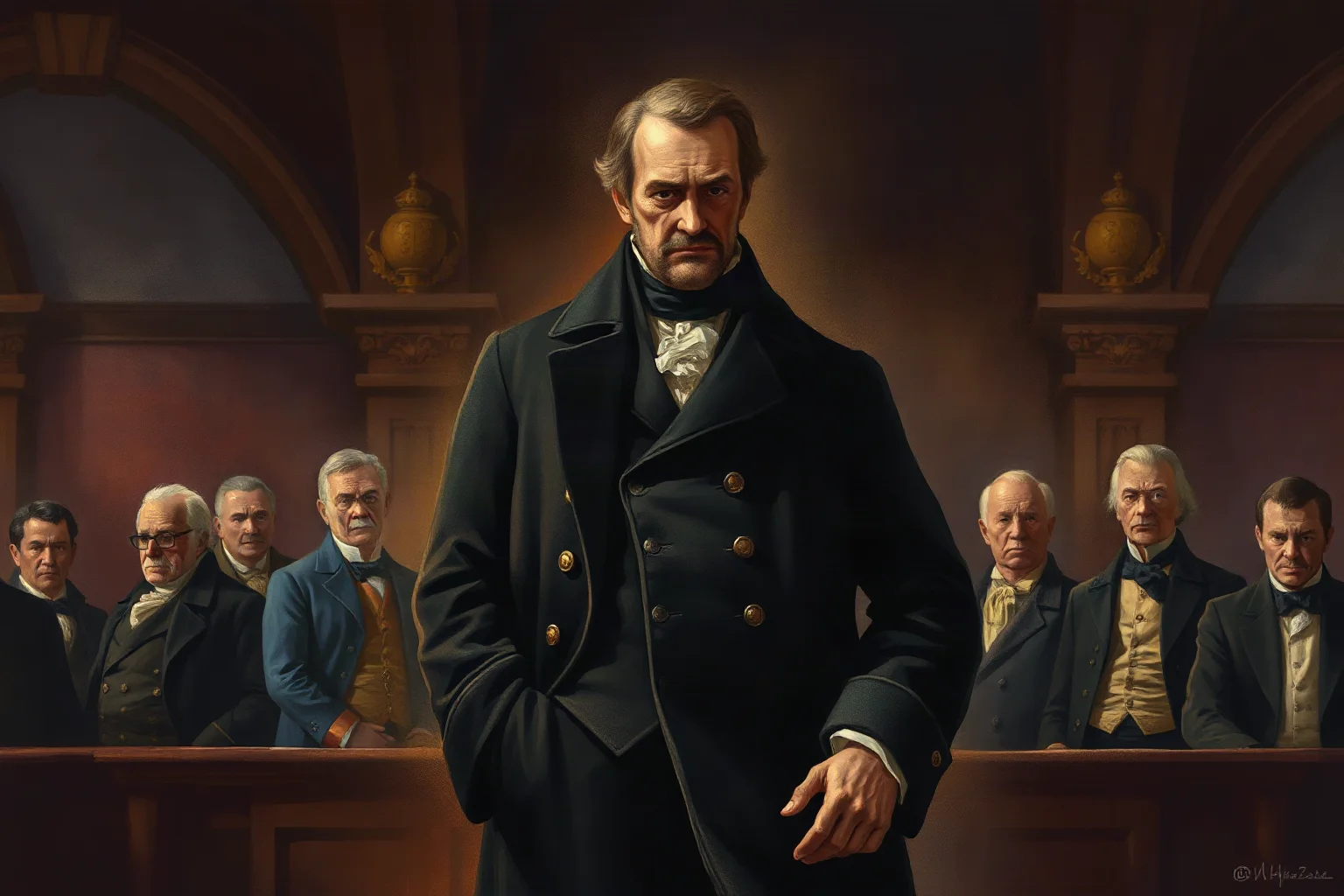
Maximilien Robespierre started as a genuine idealist — a provincial French lawyer and revolutionary leader who originally opposed the death penalty and championed universal rights. Colleagues nicknamed him “the Incorruptible” for his austere, principled reputation.
As a leading member of the Committee of Public Safety, he came to justify the Reign of Terror as a necessary defense of the fragile republic against enemies within and without. Tens of thousands were executed or imprisoned under policies he helped drive forward.
The Thermidorian Reaction ended his rule in July 1794; he was arrested and guillotined within days, largely without a formal trial. Few figures embody the revolution’s hero-villain duality more completely than Robespierre.
10. Georges Danton – Voice of the Revolution
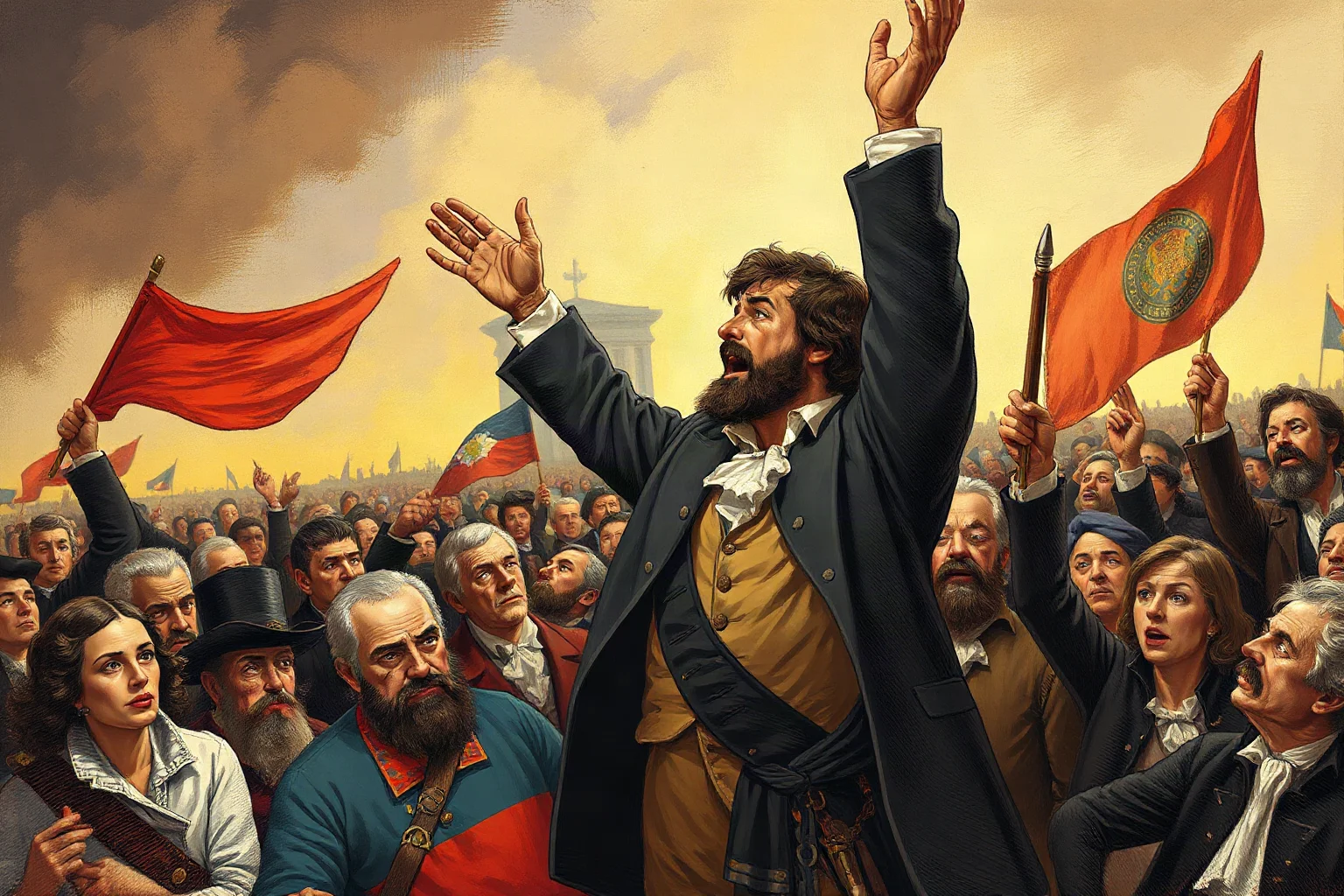
Georges Danton was a booming orator credited with rallying Paris to defend the revolution against foreign invasion in 1792. He helped found the Committee of Public Safety, the very body that would later turn against him.
As the Terror escalated, Danton began arguing for moderation and an end to mass executions. That shift made him a target — Robespierre had him arrested, and he was executed in April 1794.
11. Jean-Paul Marat – The Radical Journalist
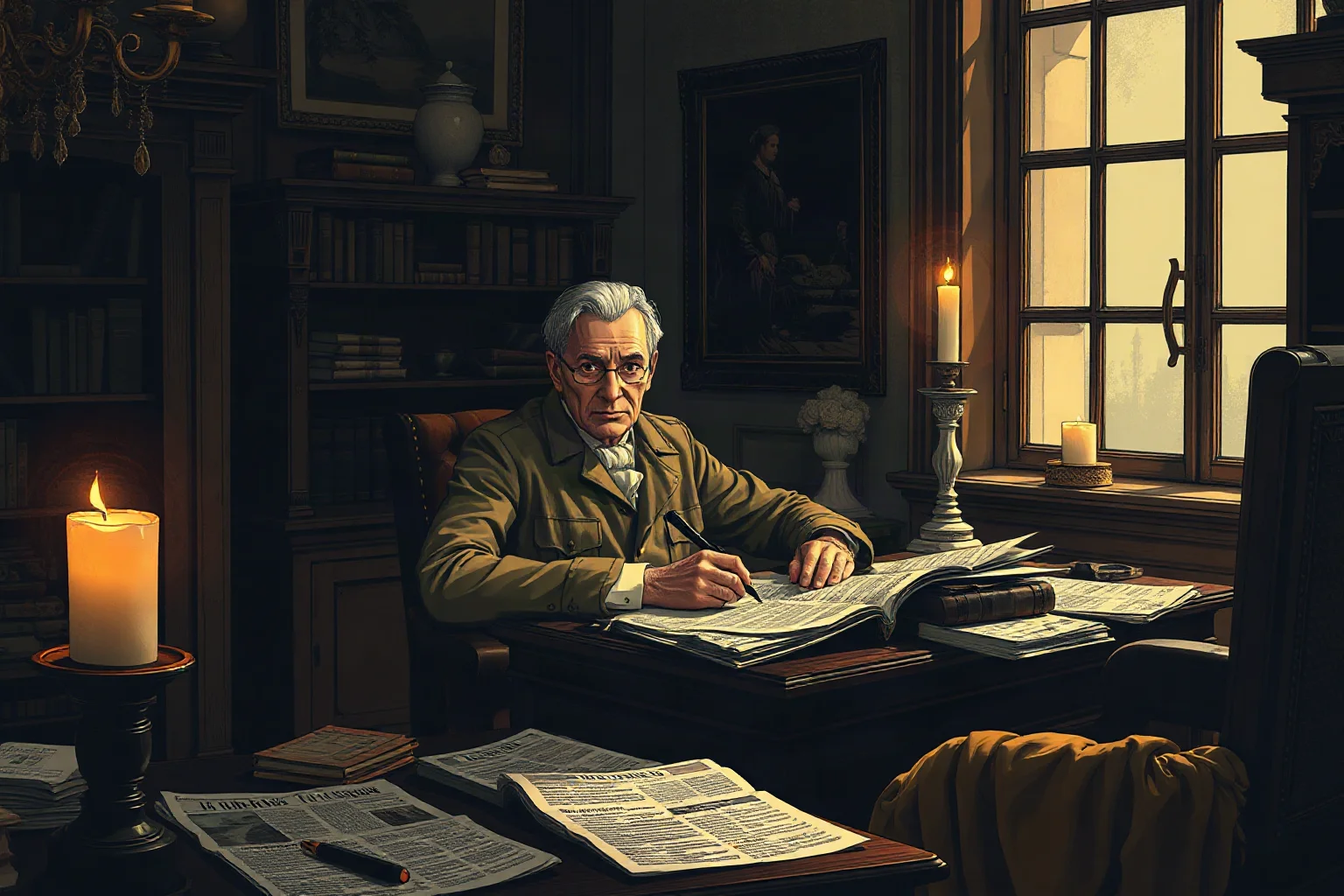
Jean-Paul Marat used his newspaper, L’Ami du Peuple, to relentlessly demand radical action and denounce perceived enemies of the revolution. His fiery rhetoric made him a hero to Parisian radicals and a genuine menace to moderates and royalists alike.
He was stabbed to death in his bath in July 1793 by Charlotte Corday, a killing later immortalized in Jacques-Louis David’s famous painting. Marat’s death turned him into a martyr for the radical cause almost overnight.
12. Charlotte Corday – Marat’s Assassin
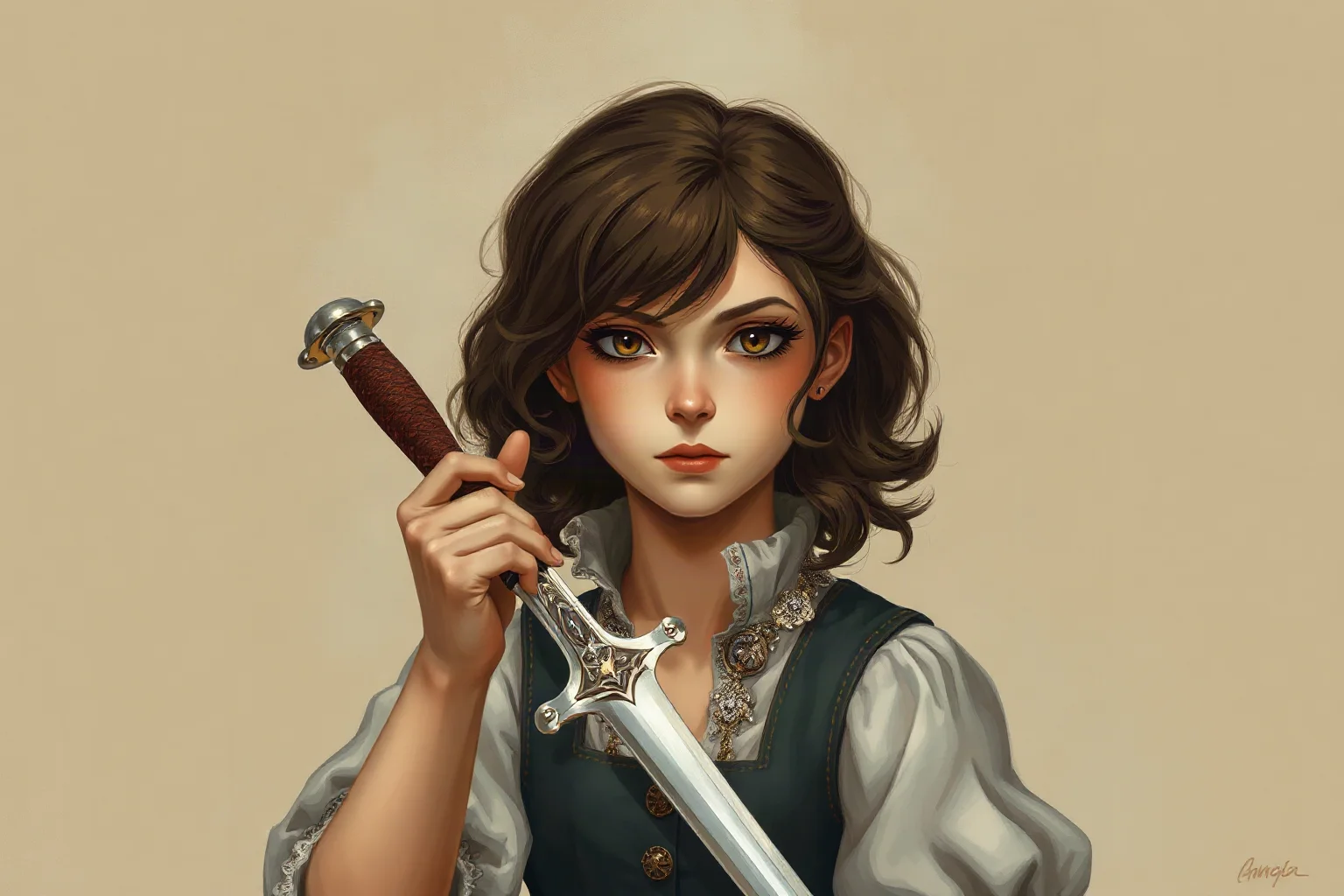
Charlotte Corday was a young royalist sympathizer who blamed Marat for the escalating violence being directed at moderate Girondin politicians. She traveled to Paris specifically to kill him, gaining access to his home by claiming to have information about Girondin fugitives.
She was guillotined just days after the assassination, having openly admitted and defended her actions at trial. To royalists and some later historians she was a heroine acting on principle; to the revolutionary government, she was simply a murderer and traitor.
13. Camille Desmoulins – The Pamphleteer
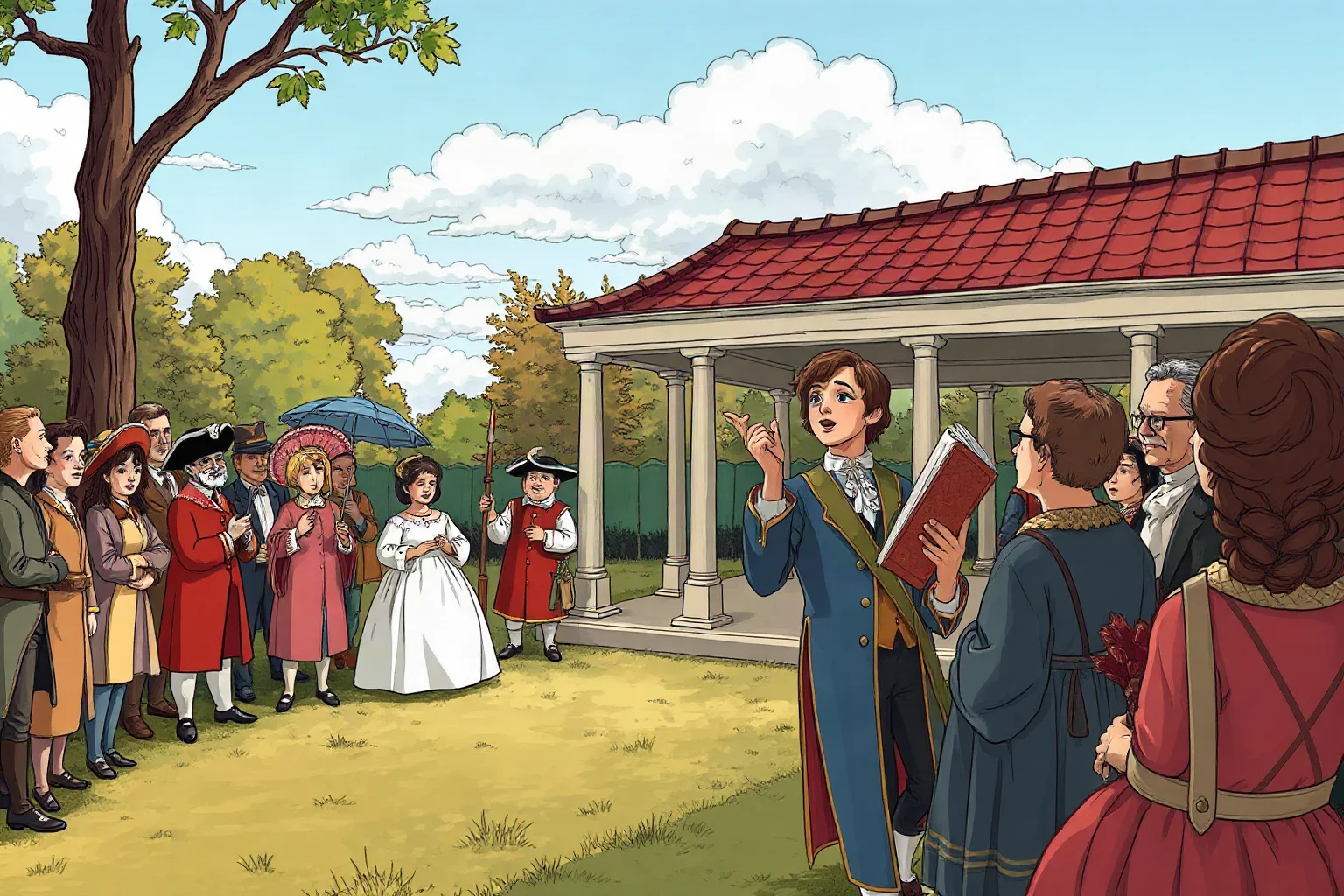
Camille Desmoulins is often credited with helping spark the storming of the Bastille through a rousing speech in the gardens of the Palais-Royal on July 12, 1789. He went on to become an influential journalist and pamphleteer throughout the early revolution.
A close friend of Danton, he shared his friend’s more moderate turn — and ultimately his fate. Desmoulins was executed alongside Danton in April 1794, another casualty of the very Terror he had once helped set in motion.
14. Louis Antoine de Saint-Just – The Angel of Death
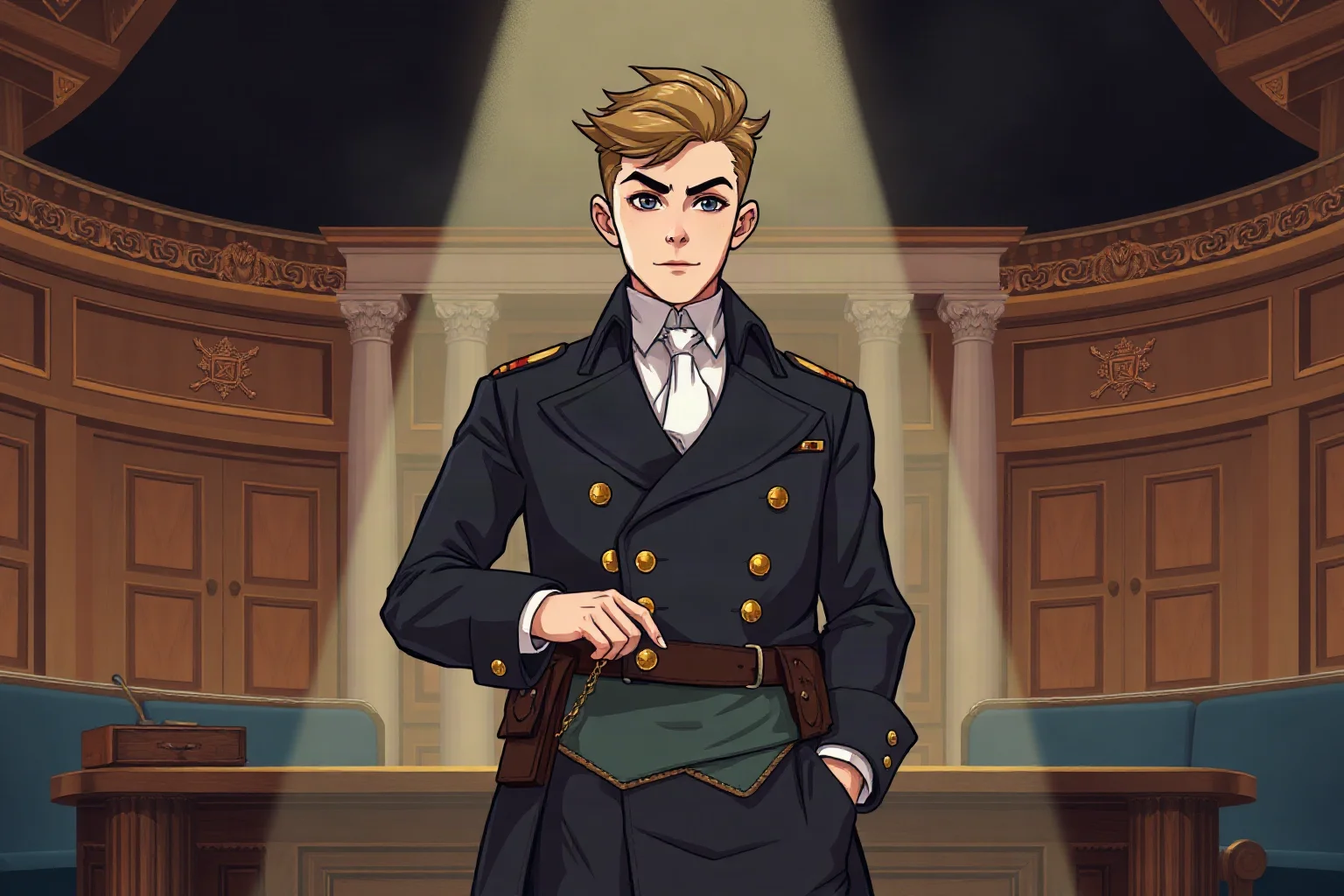
Saint-Just was only in his mid-twenties when he became one of the most feared members of the Committee of Public Safety. Contemporaries nicknamed him the “Angel of Death” for his cold, uncompromising support of revolutionary violence.
A close ally of Robespierre, he fell with him in the Thermidorian coup and was guillotined the very same day. His brief career shows how quickly the revolution could elevate — and destroy — even its youngest true believers.
15. Jacques Hébert – The Extremist
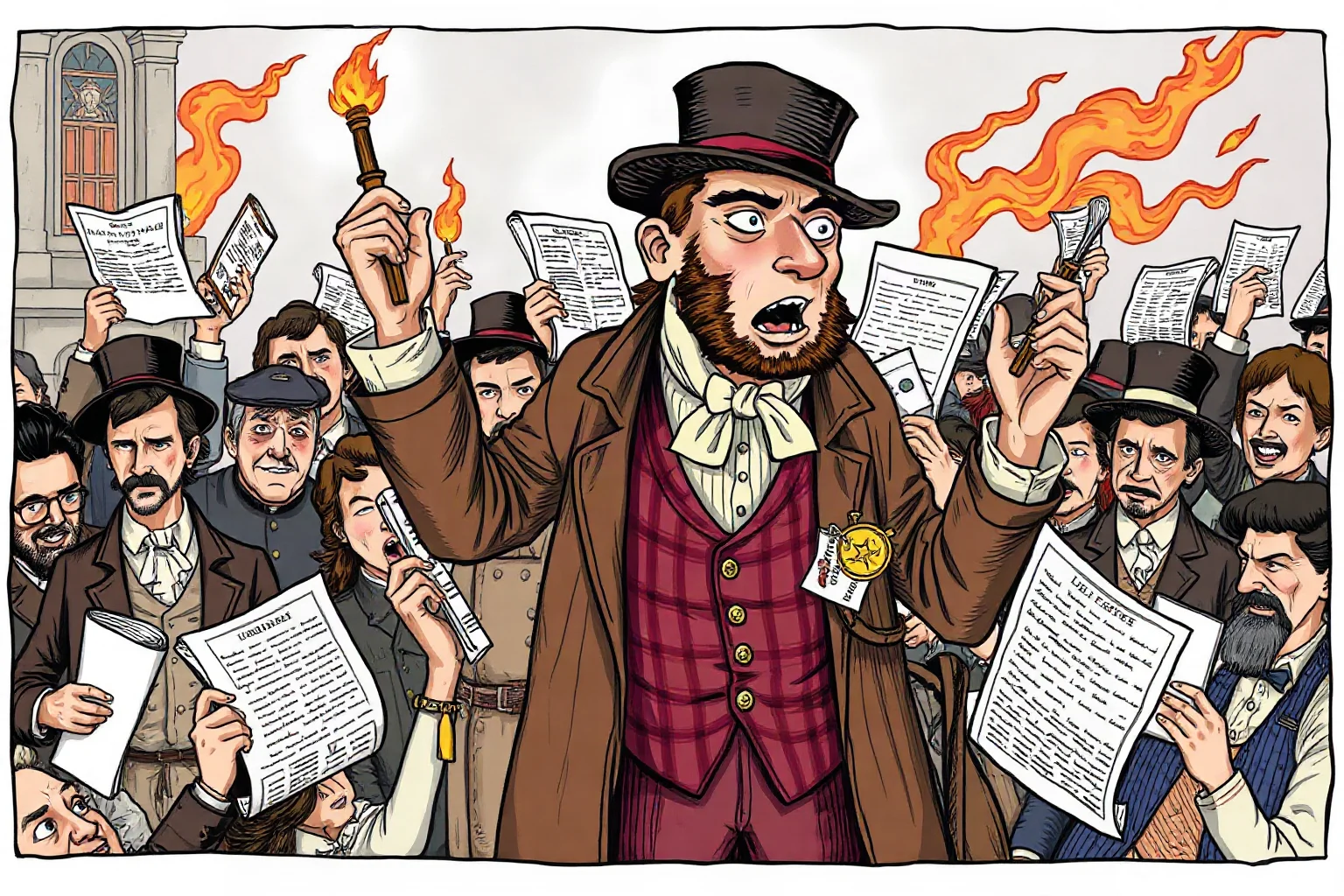
Jacques Hébert edited the radical newspaper Le Père Duchesne and pushed for even harsher revolutionary measures than the Committee of Public Safety was willing to enact. His faction, the Hébertists, agitated for renewed terror and aggressive dechristianization campaigns.
Robespierre saw the Hébertists as a threat to his own authority and had Hébert arrested and executed in March 1794. It was an early sign that the revolution had begun devouring even its most zealous supporters, not just its enemies.
International and Military Figures
16. Thomas Paine – The American-French Connection
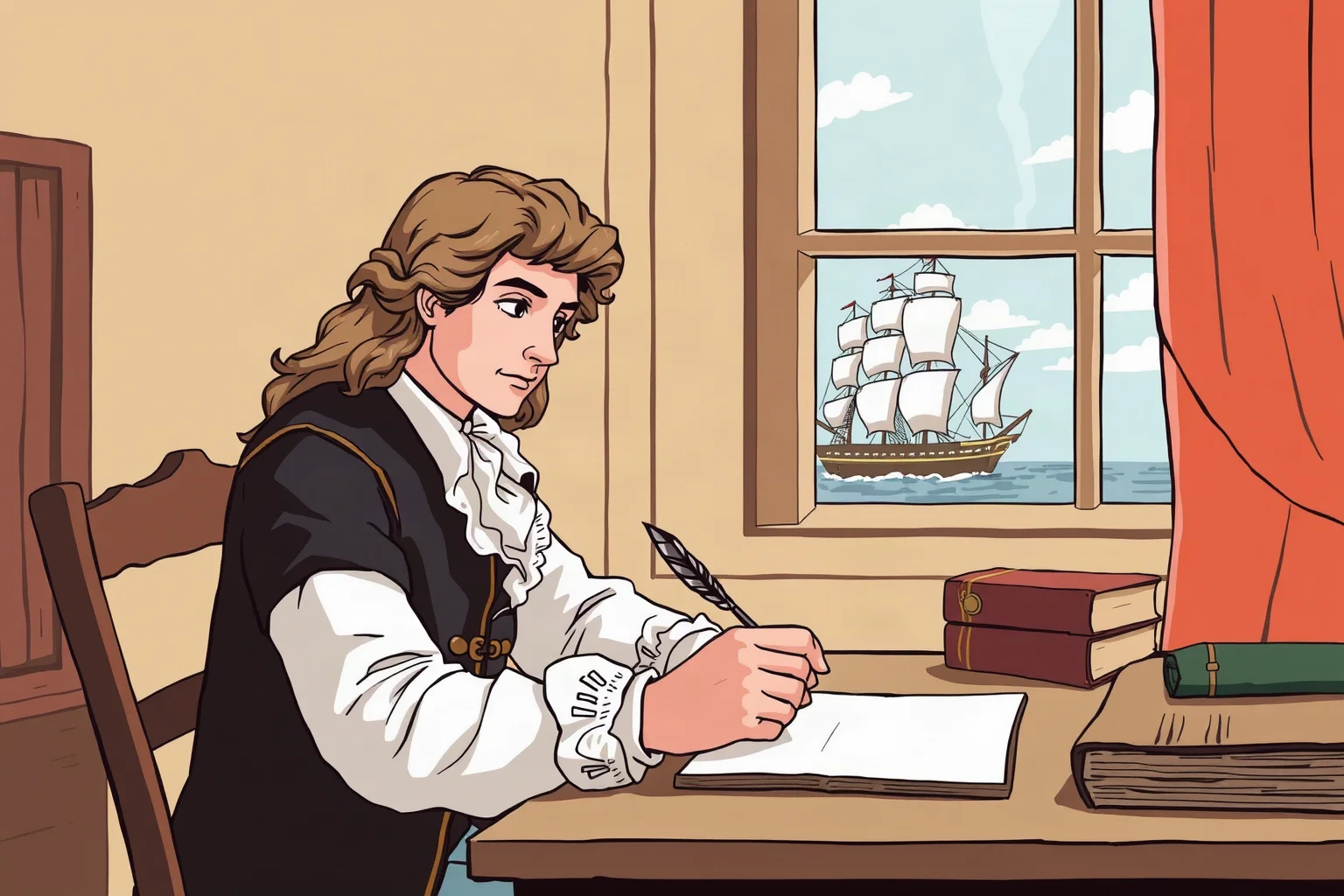
Thomas Paine, the English-born writer famous for Common Sense during the American Revolution, became deeply involved in French affairs too. His book Rights of Man defended the French Revolution against its critics and made him a hero to French reformers.
He was elected as an honorary member of the National Convention despite not speaking French fluently, and he publicly opposed executing Louis XVI on principle. That stance made him unpopular with the radicals in power, and he was imprisoned during the Terror, narrowly avoiding execution himself.
17. Jacques-Louis David – The Revolution’s Painter
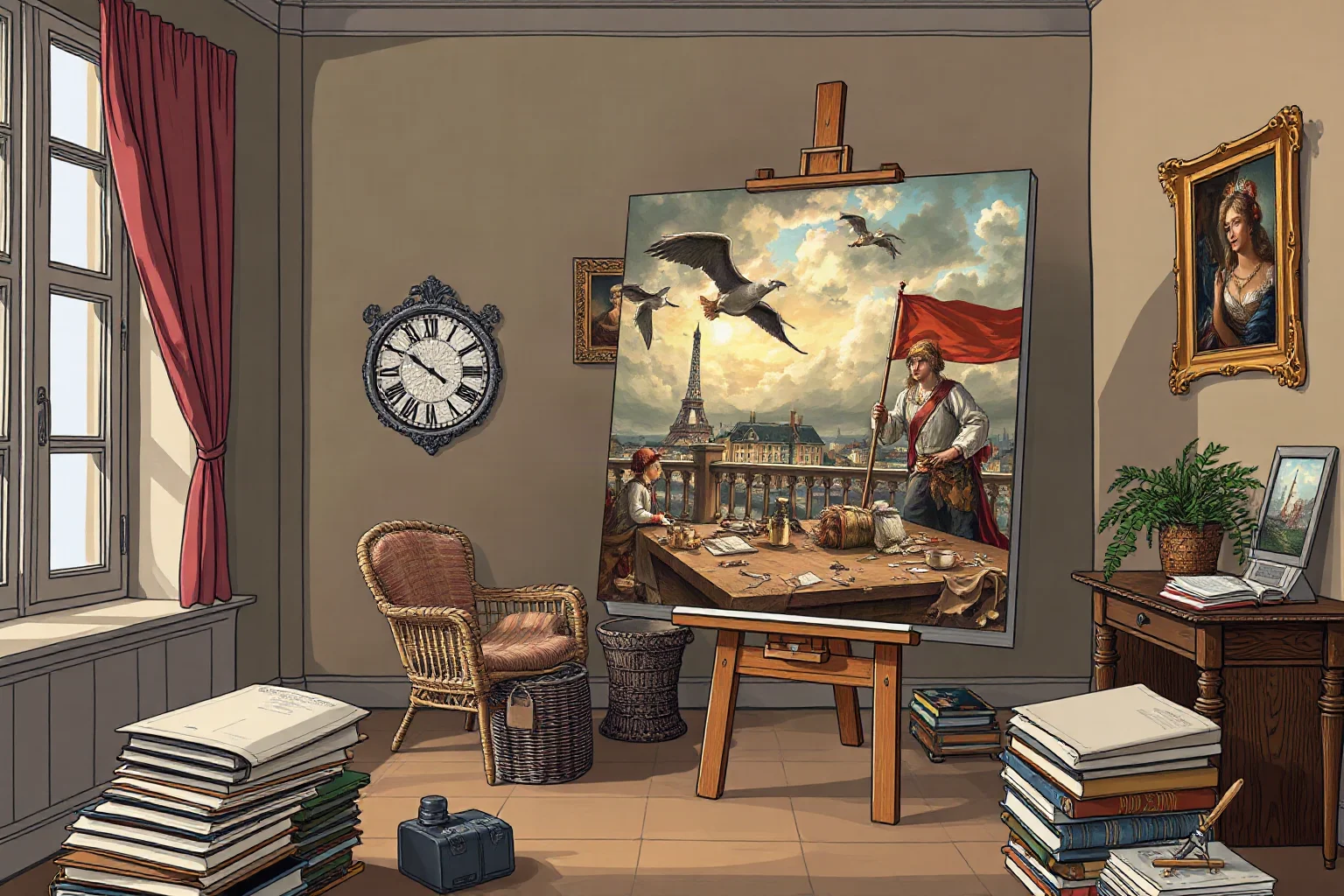
Jacques-Louis David was the leading painter of the era and a genuine political participant, serving as a deputy and close ally of Robespierre. His works, including The Death of Marat and The Oath of the Tennis Court, shaped how the revolution saw and remembered itself.
He narrowly survived Robespierre’s fall by avoiding execution himself, later becoming Napoleon’s official painter. David’s art remains some of the most enduring visual records of the entire revolutionary period.
18. Charles François Dumouriez – The Turncoat General
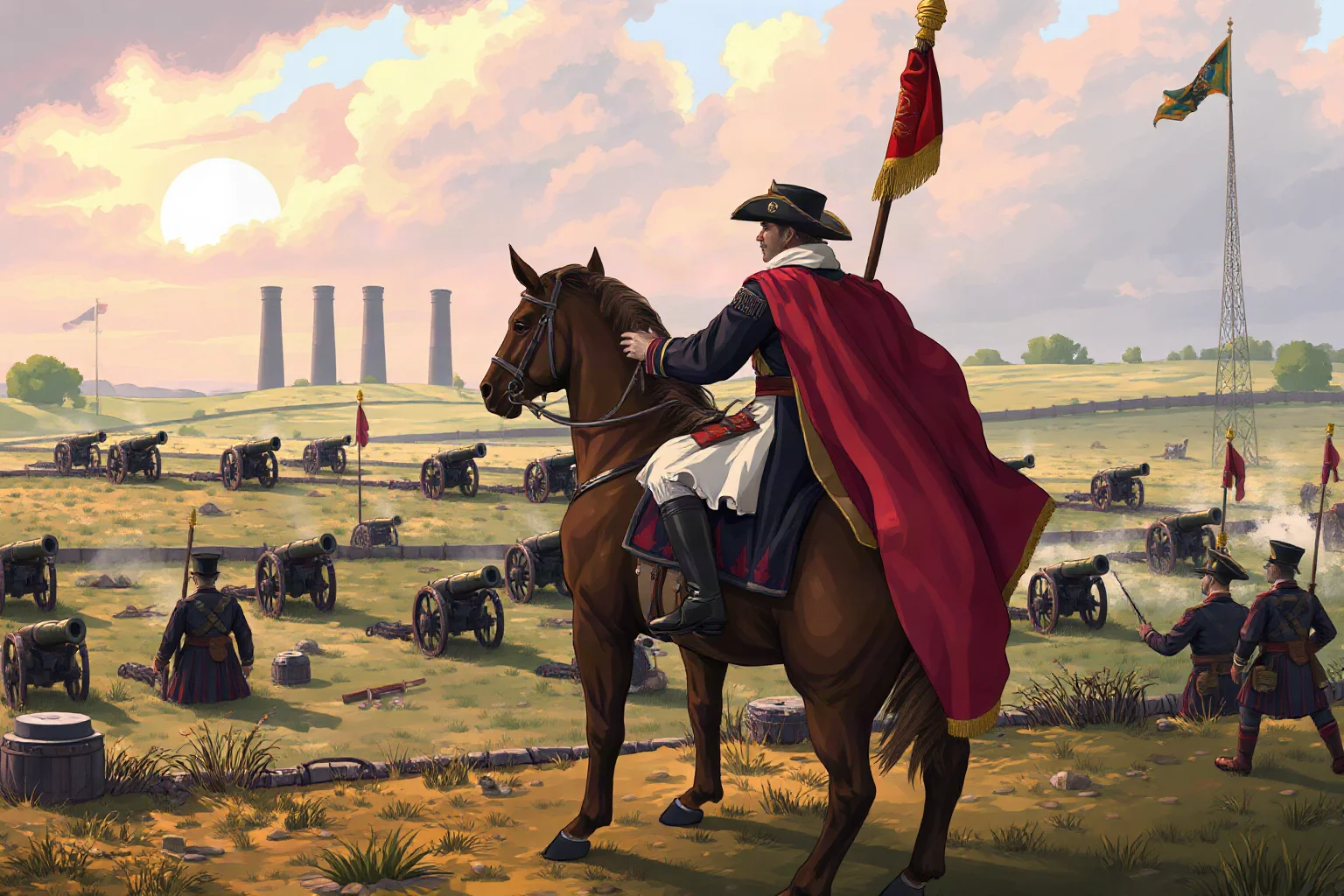
General Dumouriez led French revolutionary soldiers to a crucial victory at Valmy in 1792, a battle that arguably saved the revolution from an early Austrian-Prussian invasion. For a time, he was treated as a national hero.
As the political situation radicalized further, Dumouriez grew disillusioned and eventually defected to the Austrians in 1793. His betrayal fed growing revolutionary paranoia about traitors hiding within the military and government.
19. Napoleon Bonaparte – The Revolution’s Heir
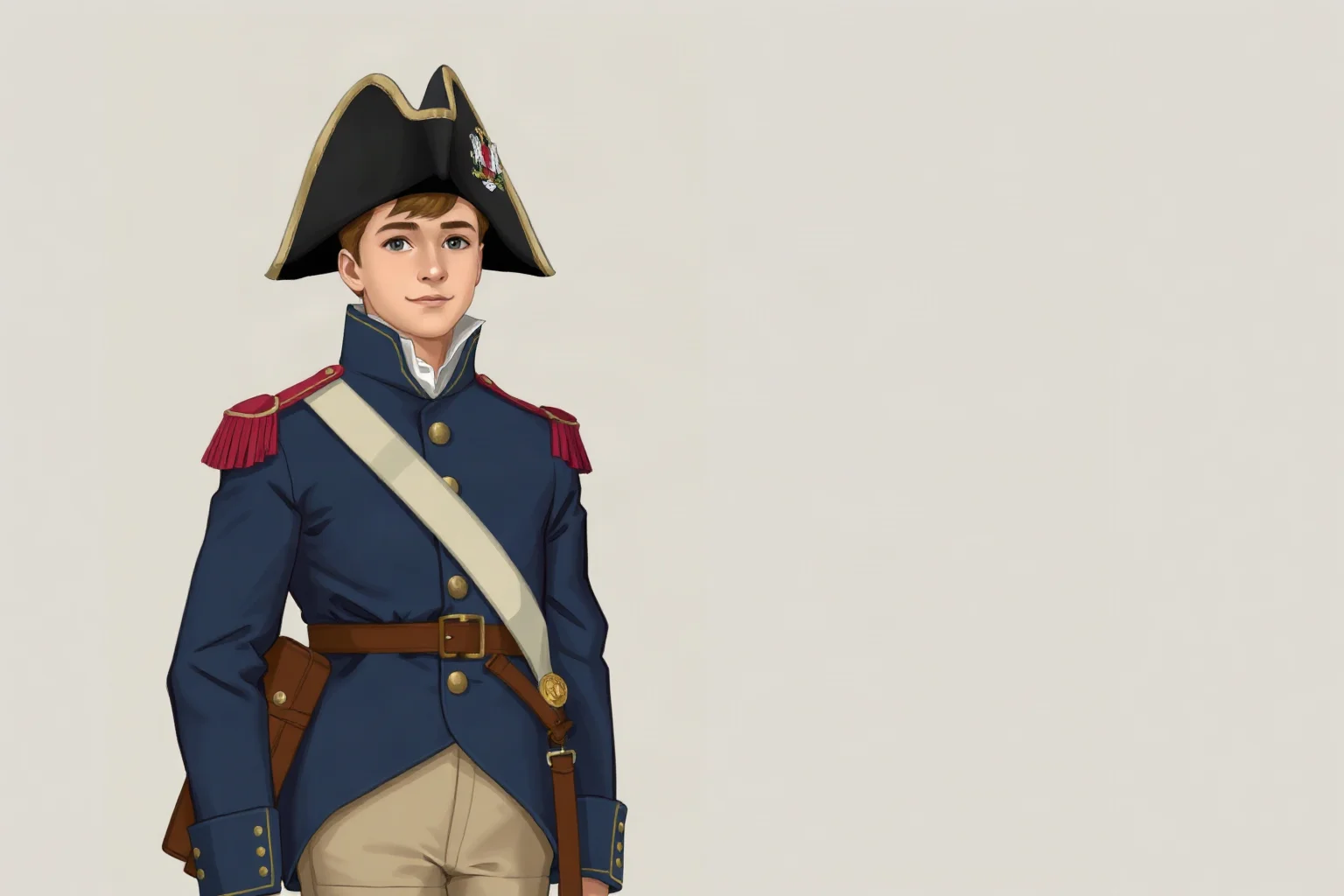
Napoleon Bonaparte rose through the revolutionary army’s ranks, gaining notice for helping suppress a royalist uprising in Paris in 1795. His military talent and political ambition made him increasingly influential as the Directory struggled to govern effectively.
In 1799, he helped engineer the coup of 18 Brumaire, an event most historians treat as the effective end of the French Revolution. What followed — the Napoleonic era — was in many ways revolutionary France’s single most consequential legacy.
20. Paul Barras – The Directory’s Power Broker
Paul Barras was a former nobleman turned revolutionary politician who became one of the five members of the Directory that governed France after the Terror. Pragmatic and often accused of corruption, he was, above all else, a survivor.
He’s remembered today largely for recognizing and promoting a young Napoleon Bonaparte, a decision that reshaped French and European history for decades to come. Barras’s career is a reminder that the revolution’s ending was as much about backroom deals as it was about battlefield victories.
What the Heroes and Villains of the French Revolution Teach Us
Looking back across these key figures in the French Revolution, one pattern stands out: almost nobody stayed a hero for the entire decade. Reformers who stormed the Bastille’s political barricades in 1789 were often executed as traitors by 1794, sometimes by former allies who had once shared their exact goals.
That’s the myth worth busting most: the French Revolution wasn’t a clean story of heroes defeating villains. It was a cascading series of alliances and betrayals, where today’s revolutionary leader could easily become tomorrow’s enemy of the state. Even Robespierre, the man most associated with revolutionary virtue, ended up a victim of the very machinery of terror he’d helped build.
Understanding these figures — royalists and radicals, generals and journalists, queens and pamphleteers — gives a much richer picture of revolutionary France than any single “hero vs. villain” framing ever could. The French Revolution’s true legacy lies in that complexity, and in the political language of liberty, equality, and citizenship it left behind for the rest of the world, echoing forward through other major revolutions throughout history.
Frequently Asked Questions
Who are the most important people in the French Revolution?
There's no single list, but the figures historians point to most often include King Louis XVI and Marie Antoinette, reformers like Lafayette and Mirabeau, radical leaders such as Robespierre, Danton, and Marat, and rising figures like Napoleon Bonaparte. Together they represent the reform, radical, royalist, and military strands that shaped the revolution's decade-long course.
Who was the leader of France during the French Revolution?
There wasn't one continuous leader. Power shifted from the King to the National Assembly, then to the radical National Convention and its Committee of Public Safety (where Robespierre held major influence), and finally to the five-member Directory before Napoleon Bonaparte took control in 1799.
Who was the French Revolution fought against?
Initially it was fought against the privileges of the monarchy, nobility, and clergy. As it progressed, revolutionary France also fought foreign coalitions including Austria and Prussia, and internally against royalist uprisings such as the revolt in the Vendée region.
How are the American and French Revolutions connected?
Figures like the Marquis de Lafayette and Thomas Paine were directly involved in both revolutions, and French financial support for American independence contributed to the debt crisis that helped trigger the French Revolution. Both movements also shared core ideals around liberty, citizenship, and representative government.
Who fought whom in the French Revolution?
The conflict shifted over time: the Third Estate against the privileged nobility and clergy early on, moderate Girondins against radical Jacobins in the National Convention, French revolutionary armies against foreign monarchies, and the republic against internal royalist rebellions like the one in the Vendée.
Were there royalists during the French Revolution?
Yes, royalists included nobles and clergy who fled France as émigrés, as well as ordinary citizens, particularly in regions like the Vendée, who took up arms in support of the monarchy and the traditional Catholic Church against the revolutionary government.
Was Robespierre a hero or a villain of the French Revolution?
Both, depending on the era being judged. Early in his career he championed human rights and opposed capital punishment, but as a leader of the Committee of Public Safety he became closely associated with the mass executions of the Reign of Terror before being executed himself in 1794.

Alex Warren
Related Articles