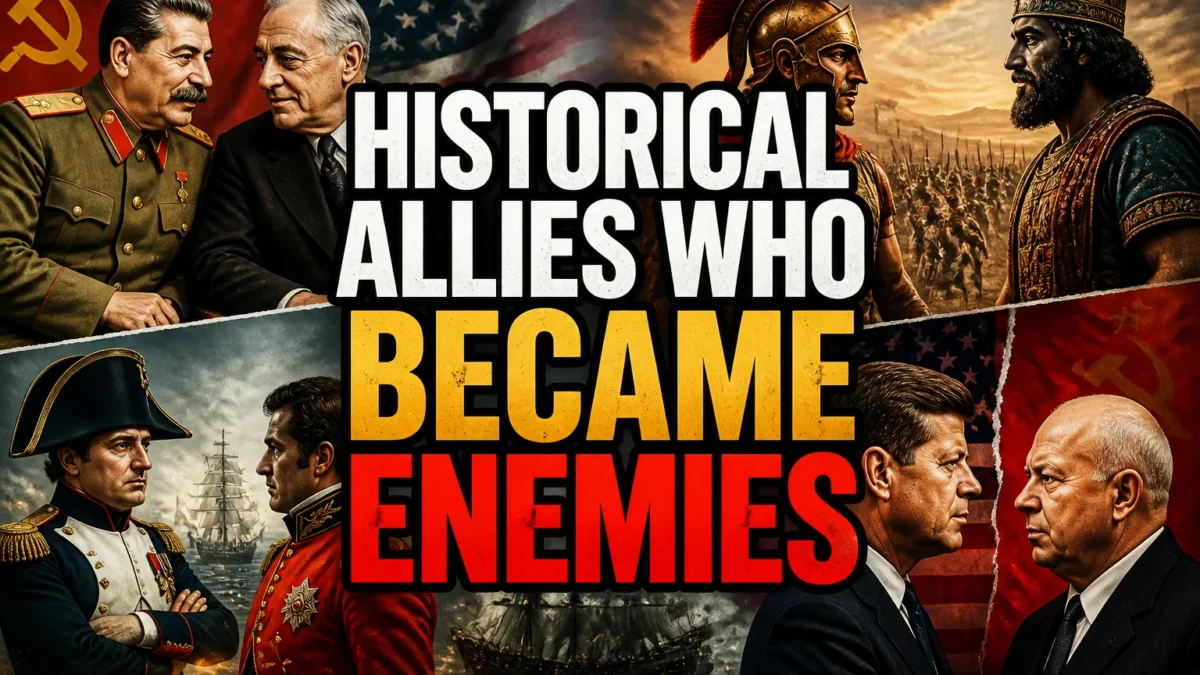
History tends to treat the words “ally” and “enemy” as fixed labels, but they are often only a negotiation away from changing. Rival states have signed treaties, shared intelligence, and fought side by side, only to turn on each other when the common threat disappeared. The question “who is the United States allies and enemies” has never had one permanent answer, and the same is true across centuries.
The list below traces twenty historical allies who became enemies. Some were formal treaty partners, while others were pragmatic co-belligerents. None of these stories is a simple morality tale; they show that interests, not friendship, usually hold historical alliances together.
TL;DR: Historical allies often become enemies when the threat that united them fades, the balance of power shifts, or one partner breaks the terms.
Why the Line Between Allies and Enemies Blurs
The phrase enemies and allies often sounds like a clear divide, but real relationships are messy. An ally in history could be a formal signatory one year, a neutral spectator the next, and an armed rival soon after. States usually form alliances to balance against a bigger power or secure trade and territory, not because leaders trust each other.
This is why lists of enemies & allies can mislead if they are frozen in time. A “Saudi Arabia allies and enemies list” or any modern alliance chart captures a moment, not a permanent order. Historical alliances are best read as temporary bargains that survive only as long as both sides gain more than they lose.
Common Drivers of Alliance Collapse
Alliances tend to break in predictable ways. One cause is the disappearance of a shared enemy, which removes the main reason for cooperation.
A second cause is a shift in the balance of power. When one partner becomes much stronger, weaker allies may fear it more than the original rival.
A third cause is a broken bargain, whether through invasion, territorial dispute, or a diplomatic side deal. These drivers appear across centuries and regions.
Ancient and Medieval Cases
Ancient and medieval sources are full of pacts that lasted only as long as the shared threat did. The cases below show how city-states, leagues, and empires could become enemies after fighting on the same side.
1. Athens and Sparta: The Persian War Alliance That Created a Rivalry
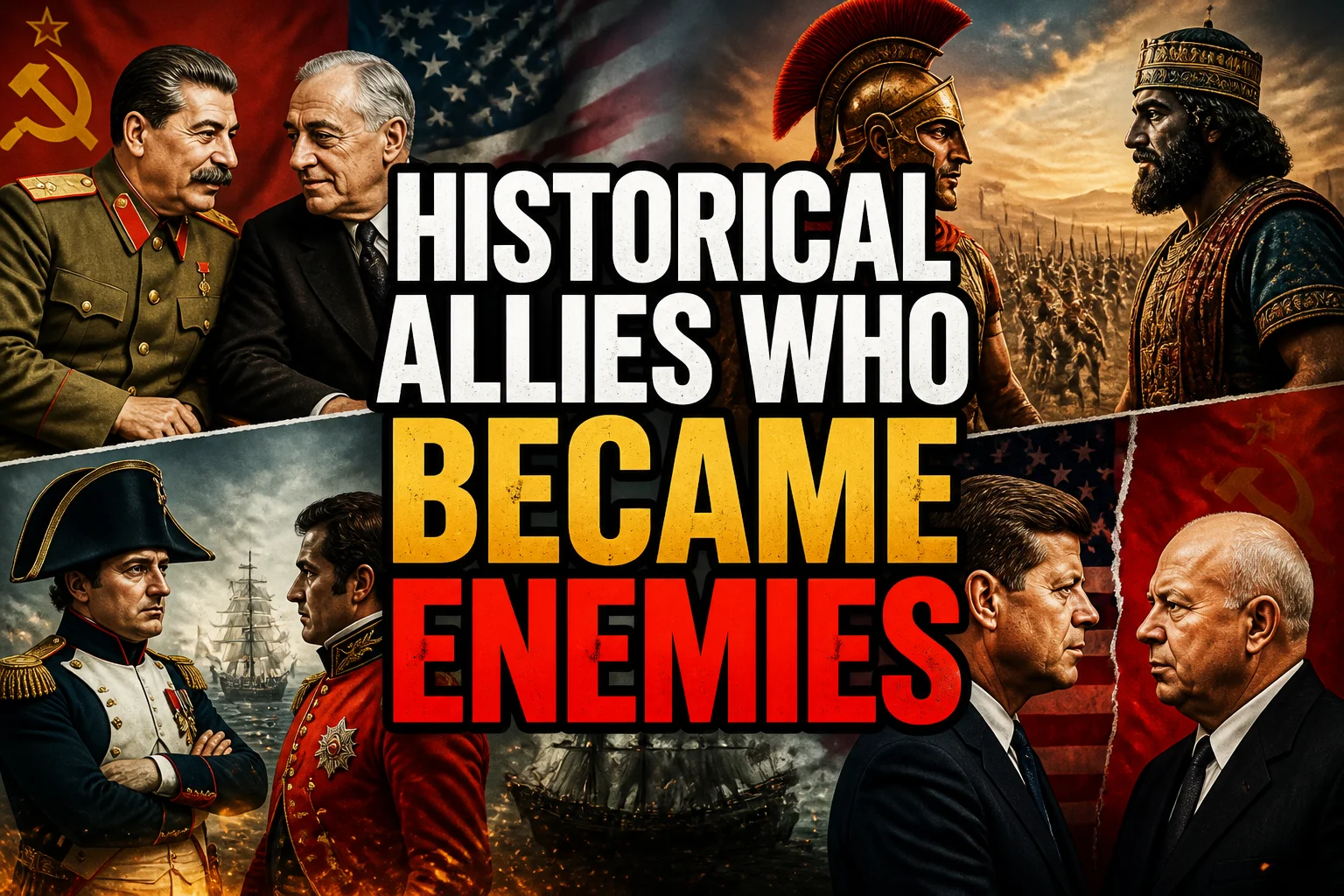
Athens and Sparta fought together as leaders of the Greek coalition against Persia in 480–479 BCE. At Plataea and Salamis, their combined forces preserved Greek independence and made them the two strongest powers in the Aegean.
After the Persian threat receded, Athens built the Delian League into an empire, while Sparta led its own Peloponnesian League. The mutual fear and ambition turned allies into enemies, eventually producing the Peloponnesian War from 431 to 404 BCE.
The Peloponnesian War did not just split two cities. It pulled much of the Greek world into competing alliances and exhausted both powers, eventually opening space for Macedonian dominance.
2. Rome and the Latin League: From Defense Pact to Dissolution
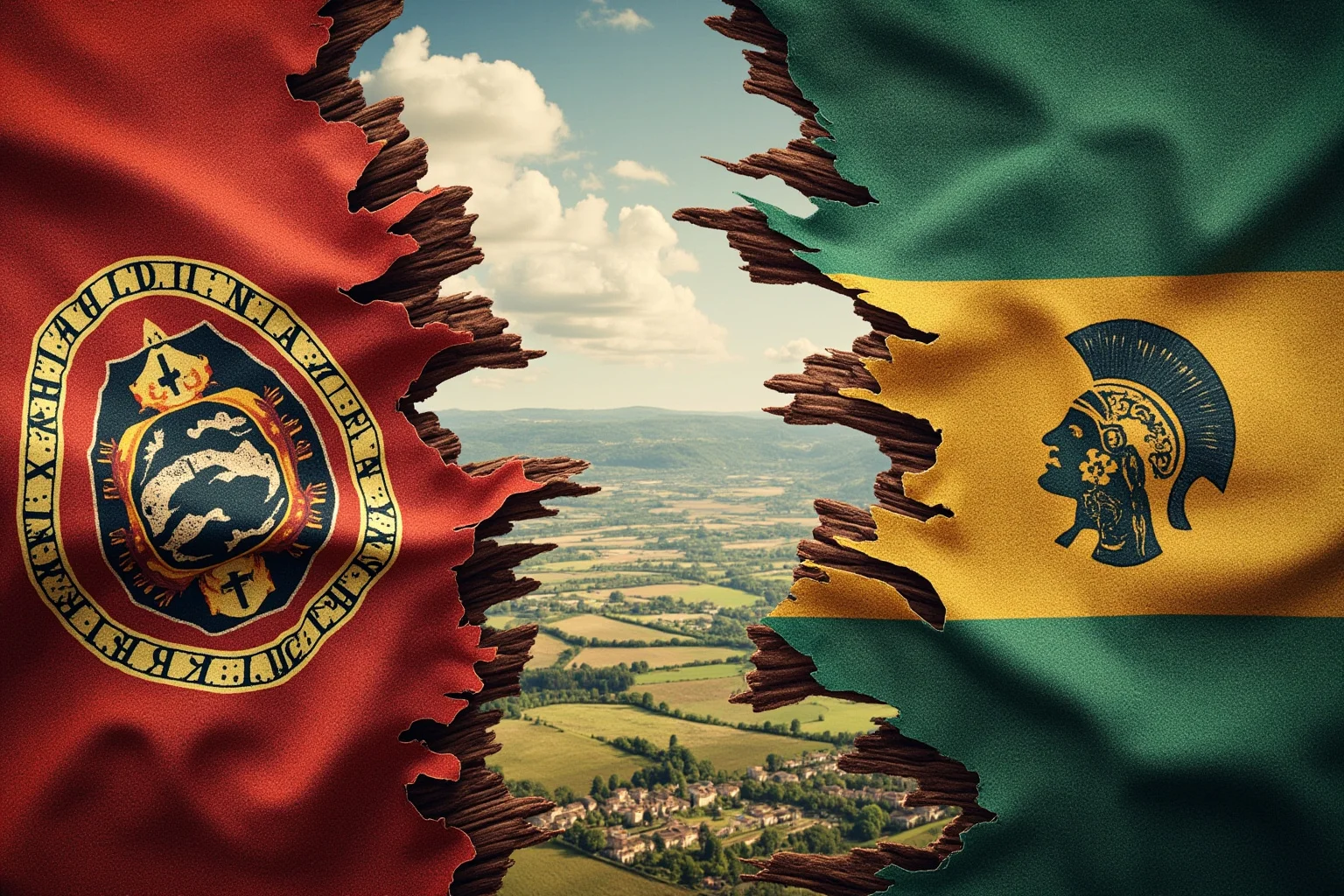
Rome was once just one member of the Latin League, a collection of Latin cities that shared military obligations and religious ties. They campaigned together against the Aequi, Volsci, and other regional rivals during Rome's early expansion.
As Roman power grew, the alliance stopped being equal. Latin cities demanded full Roman citizenship and political rights, but Rome refused, leading to the Latin War in 340 BCE. Rome won, dissolved the league, and turned former allies into incorporated subjects.
The Latin League's end shows that Rome often converted allied communities into subordinate ones. Former allies could keep local status but lost independent foreign policy, a pattern Rome repeated across Italy.
3. Song China and the Mongols: The Alliance That Ended a Dynasty
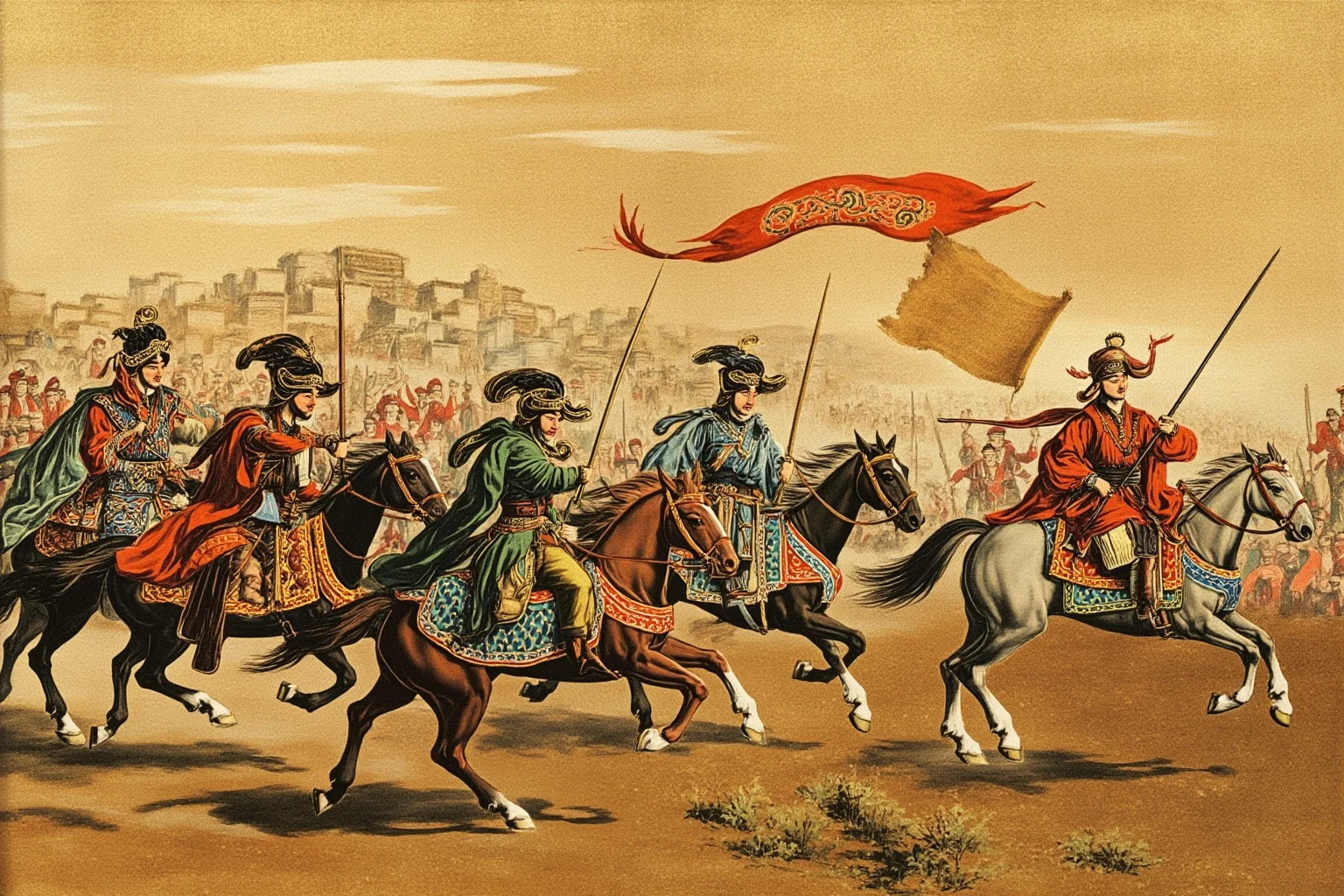
The Song dynasty allied with the Mongols to destroy the Jin dynasty in 1234, hoping to recover old Chinese territory and end a long northern threat. The partnership worked in the short term.
After the Jin collapsed, the Mongols quickly turned south. Their armies conquered Song China by 1279, bringing an end to the dynasty that had once helped them. This is one of the clearest cases of a temporary “ally in history” becoming an existential enemy.
The Song-Mongol alliance is often studied because it shows the danger of helping a powerful outsider eliminate a buffer state. Once the Jin were gone, the Mongols had no reason to stay north.
4. The Aetolian League and Rome: A Partnership That Backfired
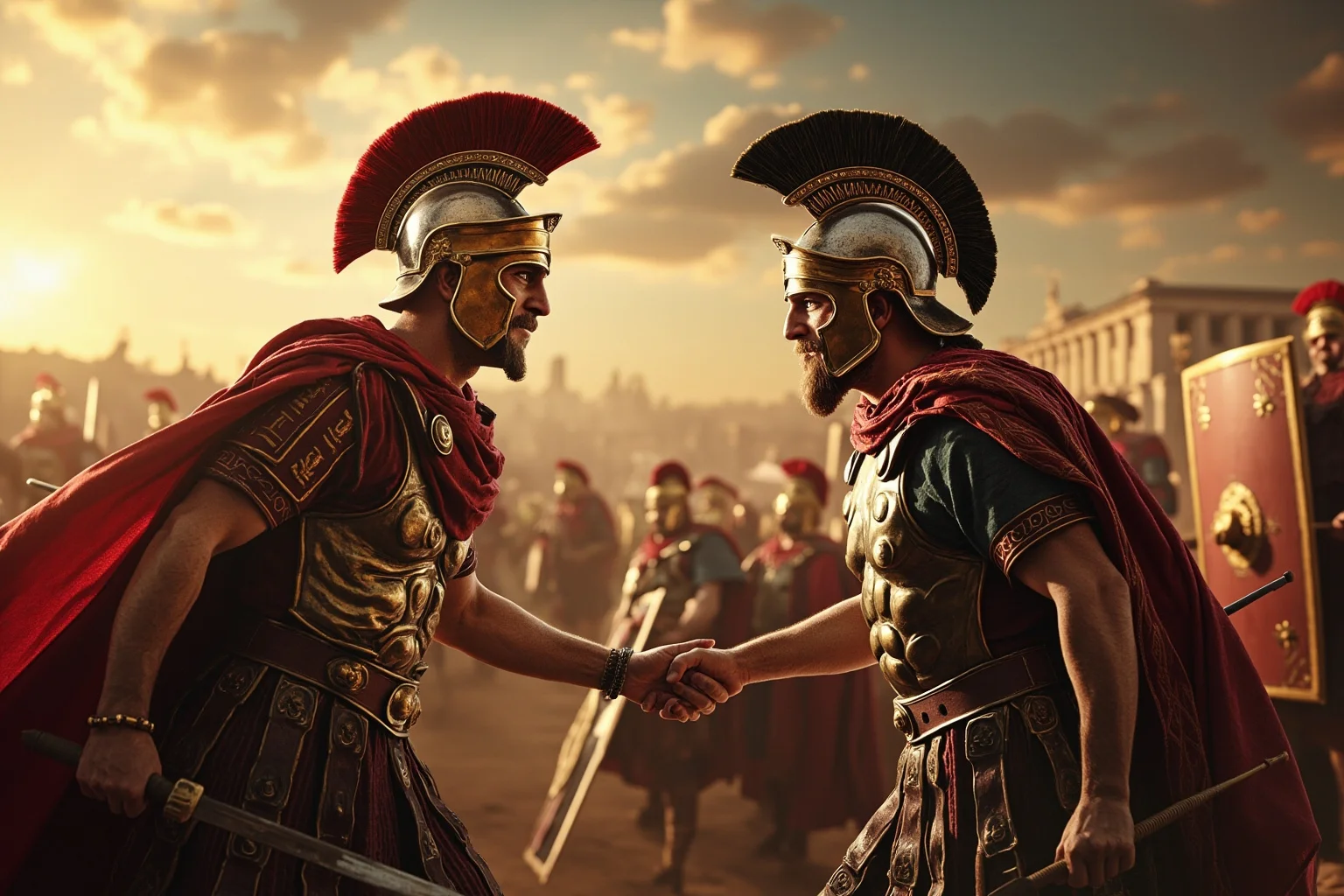
The Aetolian League, a Greek confederation, allied with Rome against Macedon during the Second Macedonian War around 200 BCE. Aetolian soldiers helped Rome defeat Philip V, but the peace settlement left the League feeling underpaid and disrespected.
In response, Aetolia invited the Seleucid king Antiochus III to intervene in Greece, turning directly against Rome. Rome defeated the Seleucids and the Aetolians, stripping the League of most power. The allies had become enemies within a few years.
The Aetolian case illustrates how smaller allies often overplay their hand. Allying with Rome gave the League short-term leverage, but turning against Rome exposed it to overwhelming retaliation.
5. Byzantium and Venice: From Trade Privileges to the Fourth Crusade
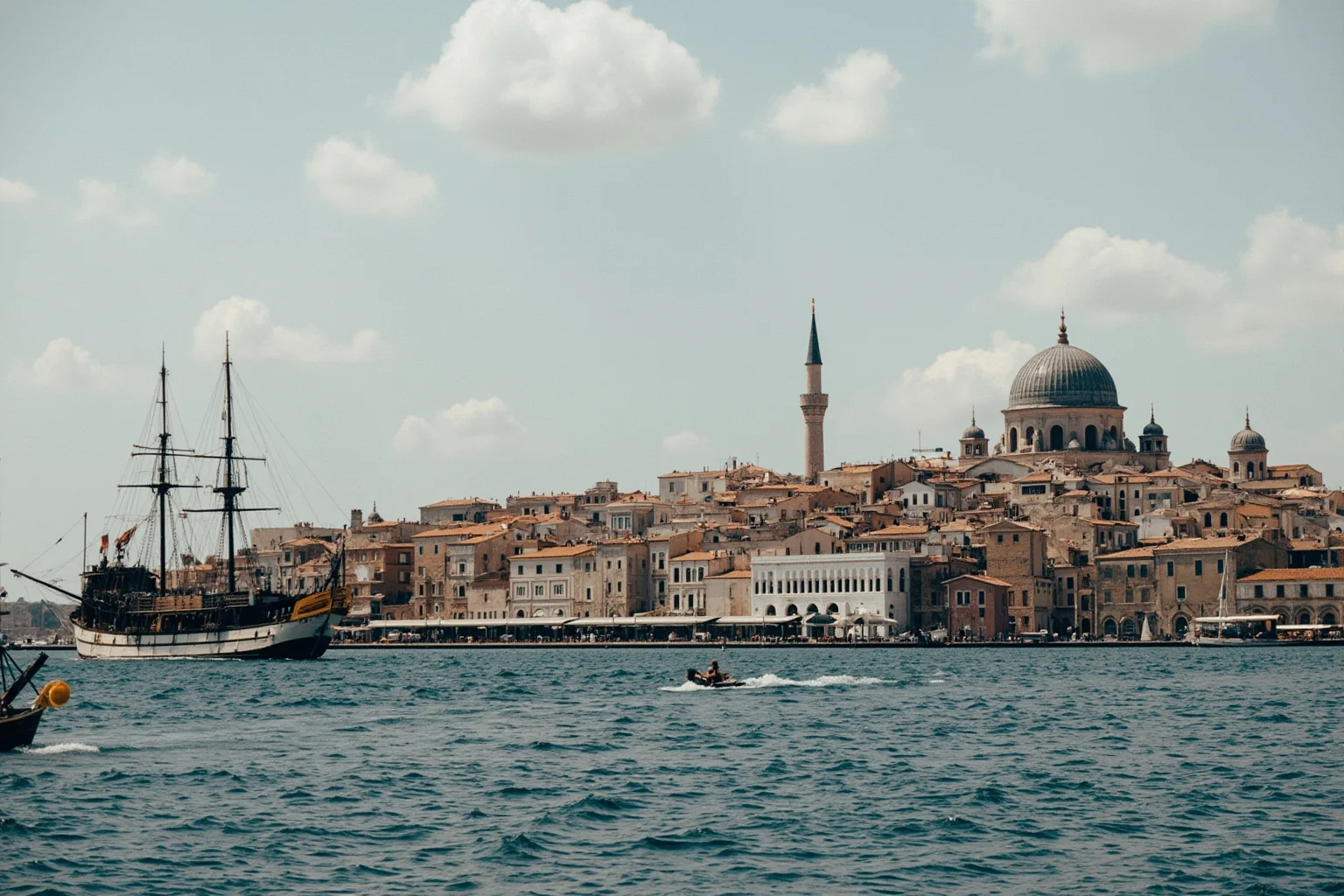
Byzantine emperors granted Venice extensive trading rights in 1082 in exchange for naval support against the Normans. That alliance enriched Venice and gave its merchants a privileged place in Constantinople.
Over time, resentment and commercial rivalry boiled over, especially after the massacre of Latins in 1182. In 1204, Venetian ships helped divert the Fourth Crusade to Constantinople, and the city was sacked. Byzantium and Venice went from allies to mortal enemies.
The sack of Constantinople left lasting bitterness between Orthodox and Latin Christians. Venetian power grew from the chaos, while Byzantine authority never fully recovered.
Early Modern Turning Points
Between the 16th and early 19th centuries, European and Mediterranean powers built shifting coalitions around trade, religion, and territory. Several of those partnerships collapsed into open conflict when a revolution or invasion changed the stakes.
6. France and the United States: Revolutionary Allies, Quasi-War Enemies
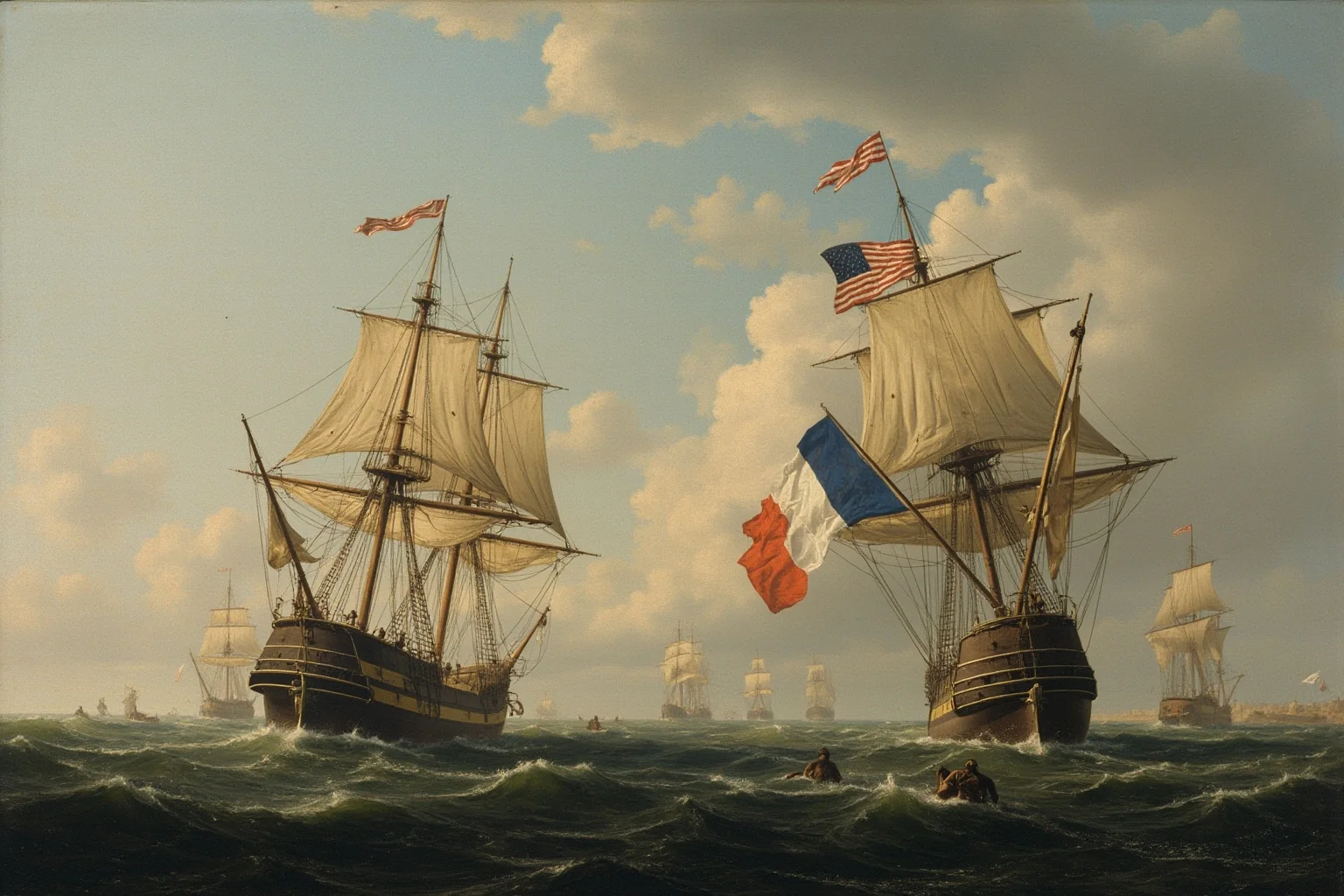
France's 1778 alliance was essential to American victory in the Revolutionary War. French money, soldiers, and naval power helped force Britain to negotiate.
After the French Revolution, the United States stayed neutral and signed the Jay Treaty with Britain, which French leaders saw as a betrayal. French privateers began seizing American ships, and the US fought an undeclared naval war with France from 1798 to 1800. The Quasi-War turned Revolutionary allies into limited enemies.
The Quasi-War ended with the Convention of 1800, but the alliance was not renewed. The French alliance had served its purpose for both sides, especially once the US believed neutrality was safer.
7. Italy and the Triple Alliance: The Pact Italy Abandoned
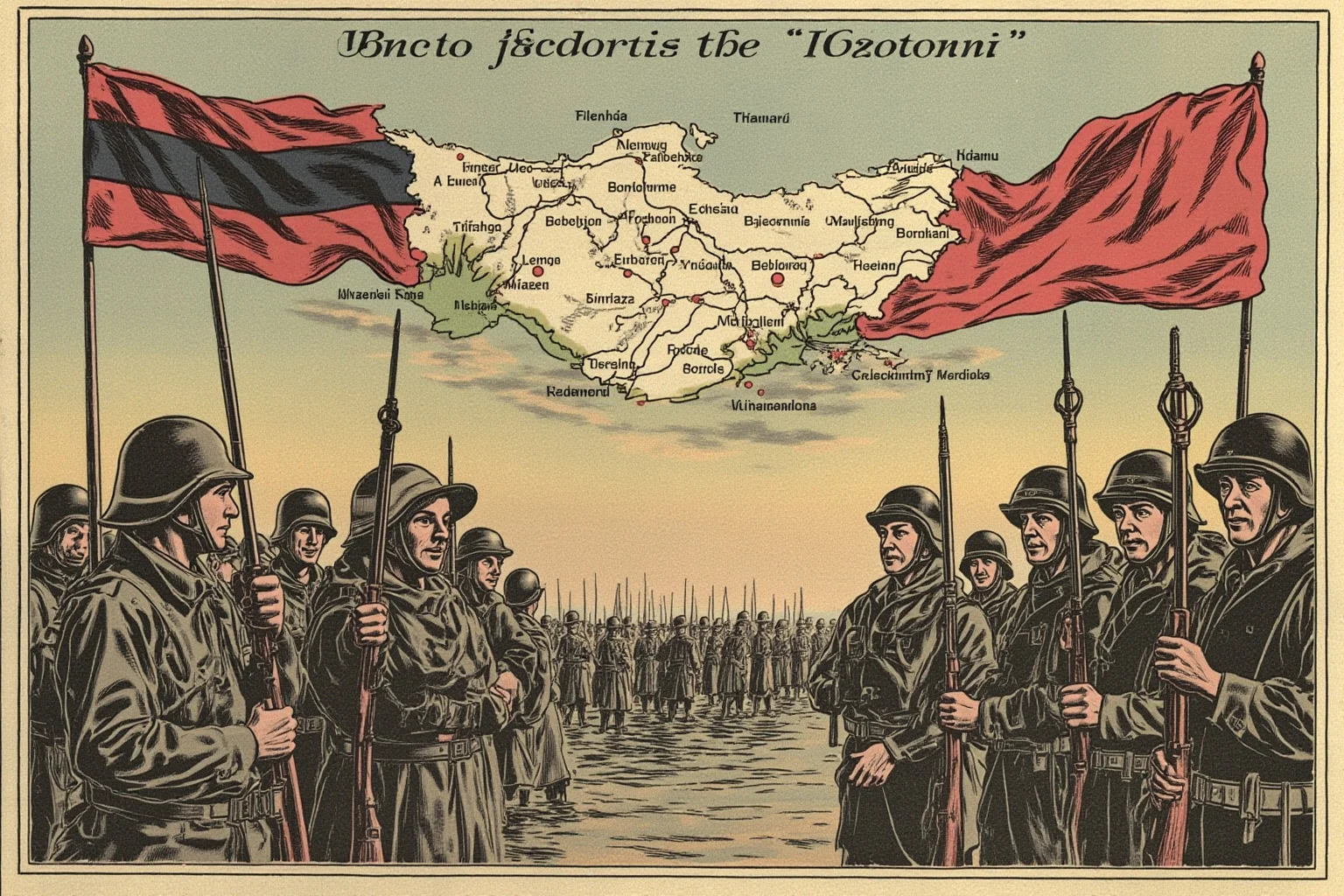
Italy joined Germany and Austria-Hungary in the Triple Alliance in 1882, but the partnership was never easy. Italy wanted Italian-speaking territories controlled by Austria-Hungary, its nominal ally.
When World War I began, Italy declared neutrality and then joined the Entente in 1915 under the Treaty of London. It declared war on Austria-Hungary and Germany, making former allies formal enemies. The switch showed that a historical alliance can be undone by territorial ambition.
Italy's switch was not sudden idealism. It was negotiated to secure territorial gains, showing that even formal alliances can be abandoned when better terms appear.
8. Serbia and Bulgaria: The Balkan League's Bitter Break
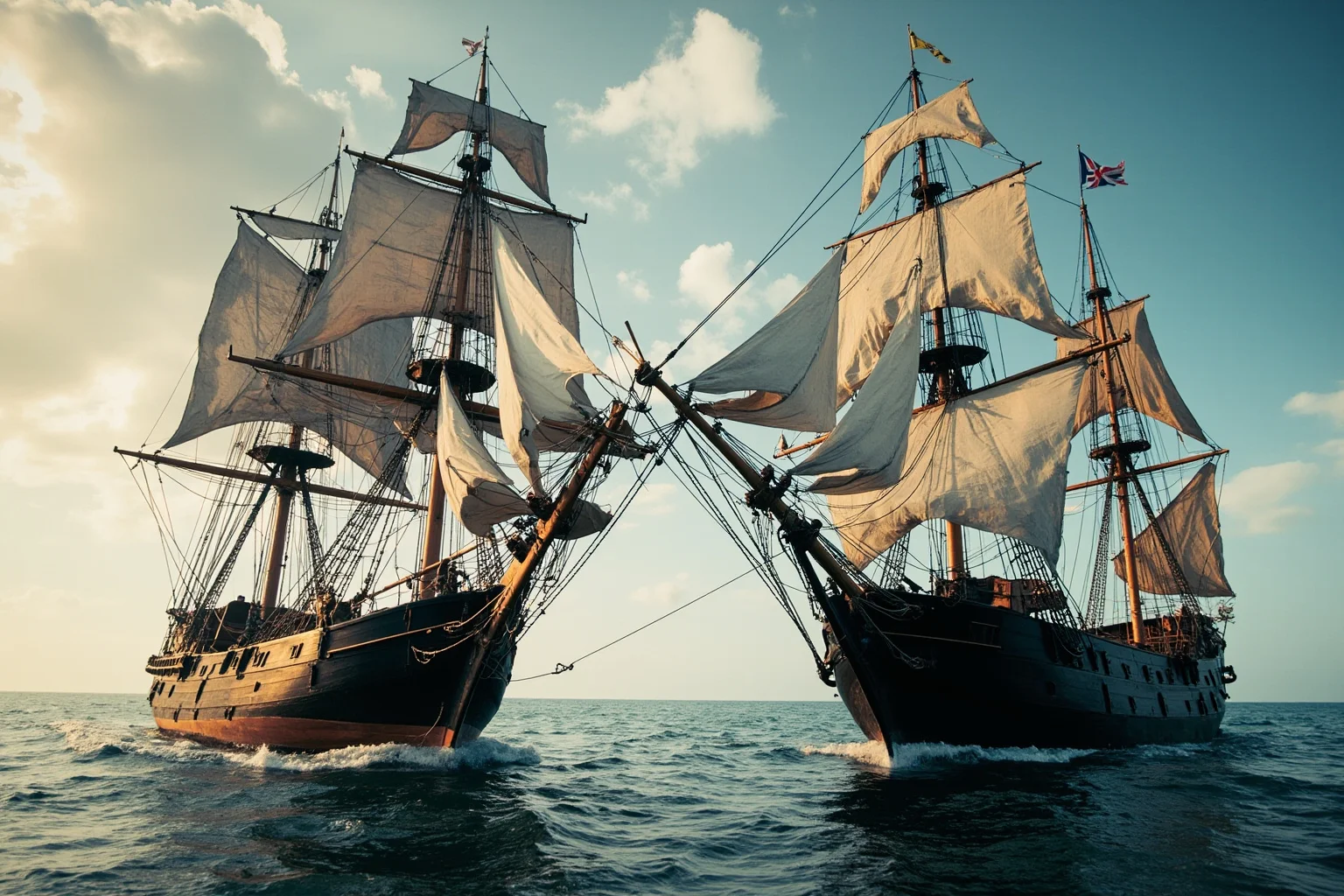
Serbia and Bulgaria joined Greece and Montenegro in the Balkan League to push the Ottoman Empire out of most of its European territory in 1912. They were allies of convenience against a common enemy.
After victory, the allies fell out over the division of Macedonia. Bulgaria attacked Serbia and Greece in 1913, starting the Second Balkan War. Bulgaria lost, and former allies Serbia and Greece became enemies, helping set the stage for later regional conflict.
The Second Balkan War redrew borders and left Bulgaria isolated. It also deepened Serbian and Greek cooperation against Bulgaria, a realignment that mattered when World War I erupted.
9. Britain and the Dutch Republic: From Protestant Partners to Naval Rivals
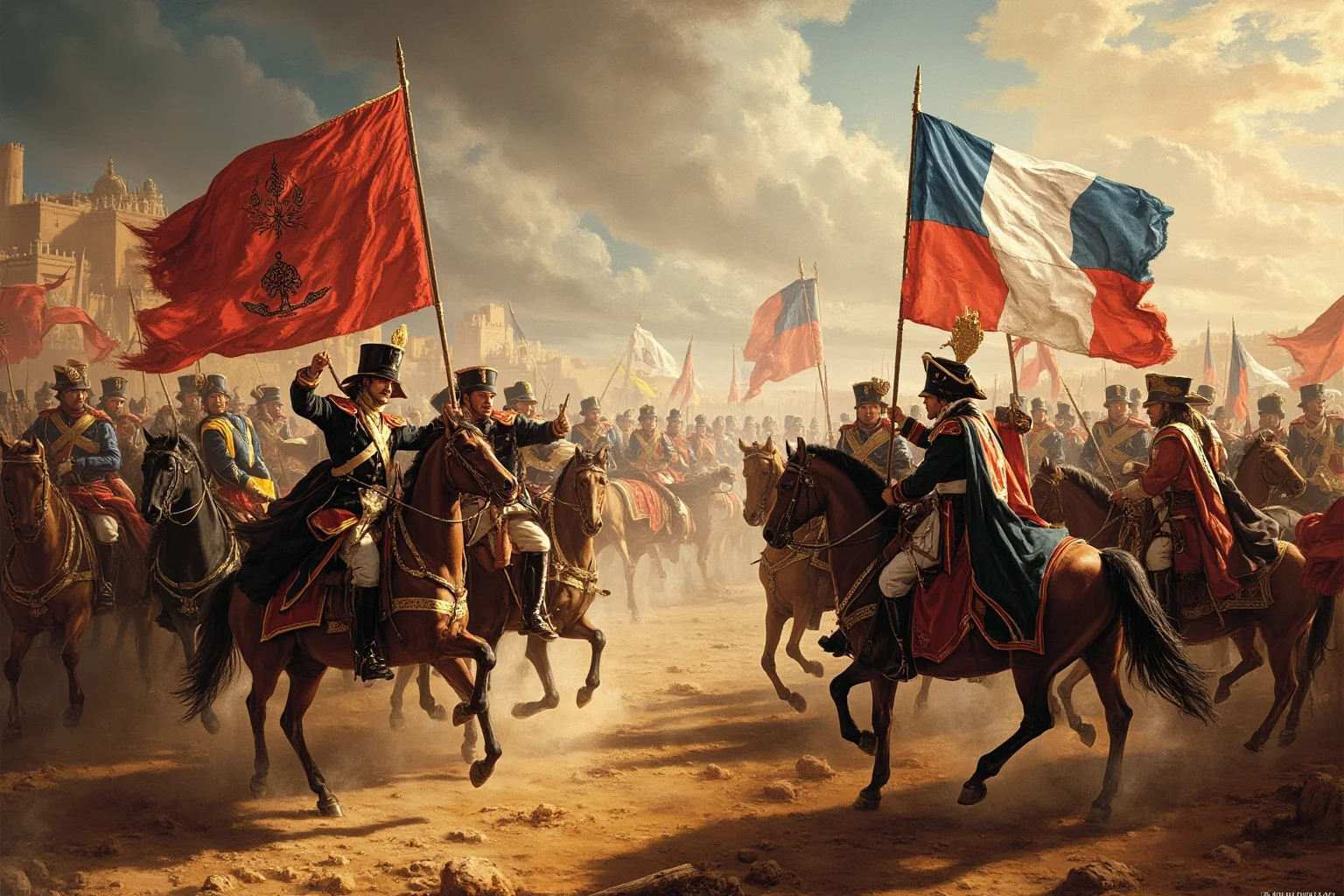
England supported the Dutch Revolt against Spain in the late sixteenth century, sending troops and money to the emerging Dutch Republic. Both were Protestant powers facing the same Habsburg threat.
But by the mid-seventeenth century, competition over trade routes and shipping turned the partnership sour. The Anglo-Dutch Wars of 1652–74 pitted former allies against each other in repeated naval conflicts. Economic rivalry had replaced the earlier shared cause.
The Anglo-Dutch Wars reshaped global maritime power. They also showed that shared religion or past aid does not prevent conflict when commercial interests collide.
10. France and the Ottoman Empire: A Centuries-Old Alliance Undone by Egypt
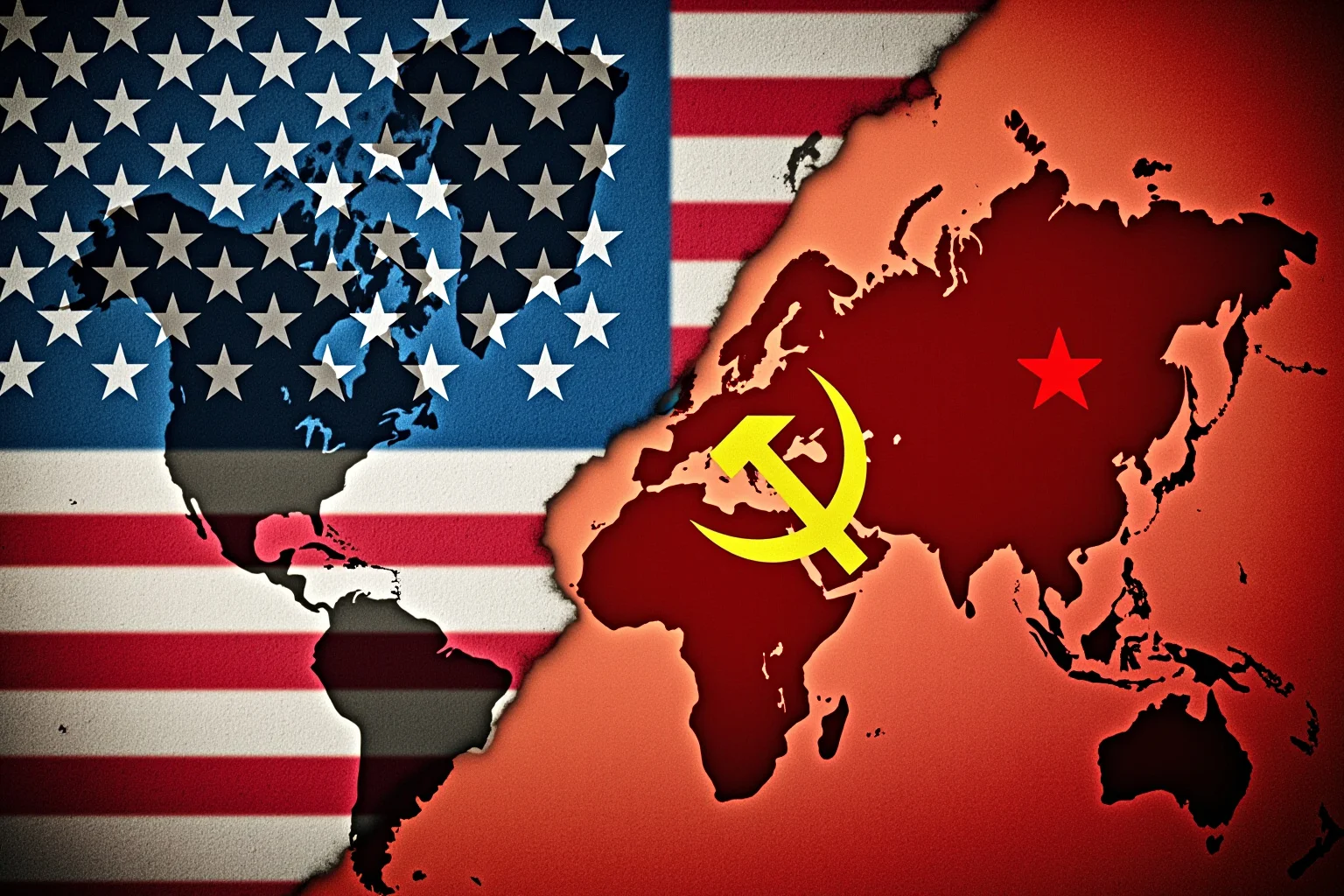
France and the Ottoman Empire maintained one of the most durable alliances in early modern Europe, beginning in 1536 around shared hostility to the Habsburgs. For centuries, French and Ottoman cooperation shaped Mediterranean politics.
That alliance broke when Napoleon invaded Ottoman Egypt in 1798. The French expedition fought Ottoman and British forces until 1801, ending the old Franco-Ottoman alliance in all but memory. It is a reminder that even long historical alliances can collapse when a new strategic ambition appears.
Napoleon's invasion was not the only strain, but it symbolized the end of an old order. France and the Ottoman Empire later restored diplomatic contact, yet the special alliance never regained its former character.
World War and Cold War Shifts
The 20th century produced some of the fastest flips from ally to enemy, especially during World War II and the Cold War. Allies and enemies in WW2 often shifted within a few years.
11. The United States and the Soviet Union: WWII Allies, Cold War Enemies
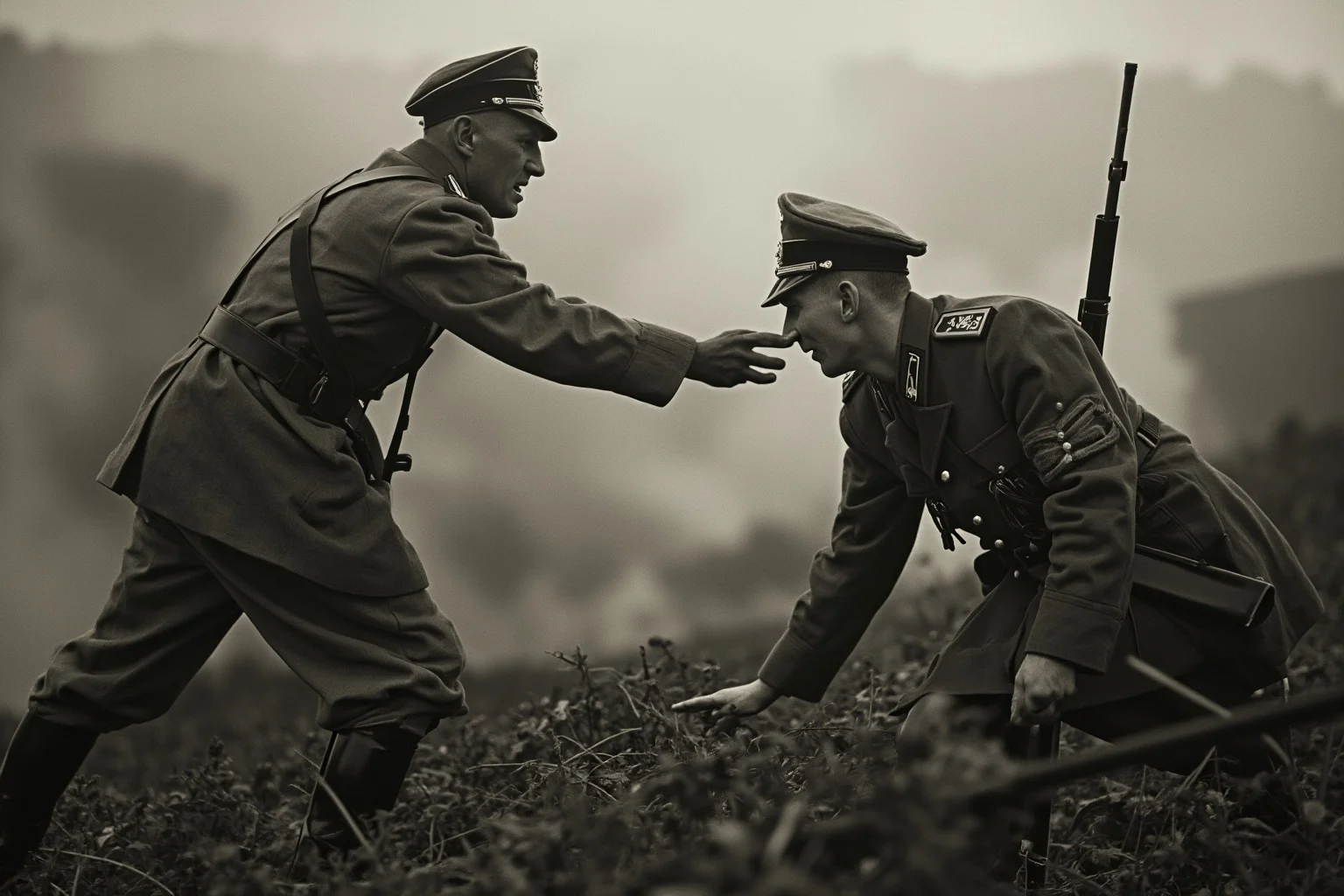
During World War II, the United States and the Soviet Union fought on the same side against Nazi Germany. American Lend-Lease aid flowed to the Soviet Union, and the two powers coordinated large military operations.
But the allies and enemies in WW2 map changed quickly after 1945. The US and USSR became ideological and geopolitical rivals in the Cold War, facing each other through proxy wars, nuclear arms races, and divided Europe. For anyone asking who is the United States allies and enemies, the answer depends heavily on the period.
The Cold War created a world divided into alliances like NATO and the Warsaw Pact. Still, even those blocs contained tension, and the US-Soviet rivalry became the defining frame for enemies and allies after 1945.
12. Germany and the Soviet Union: The Pact That Partitioned Poland
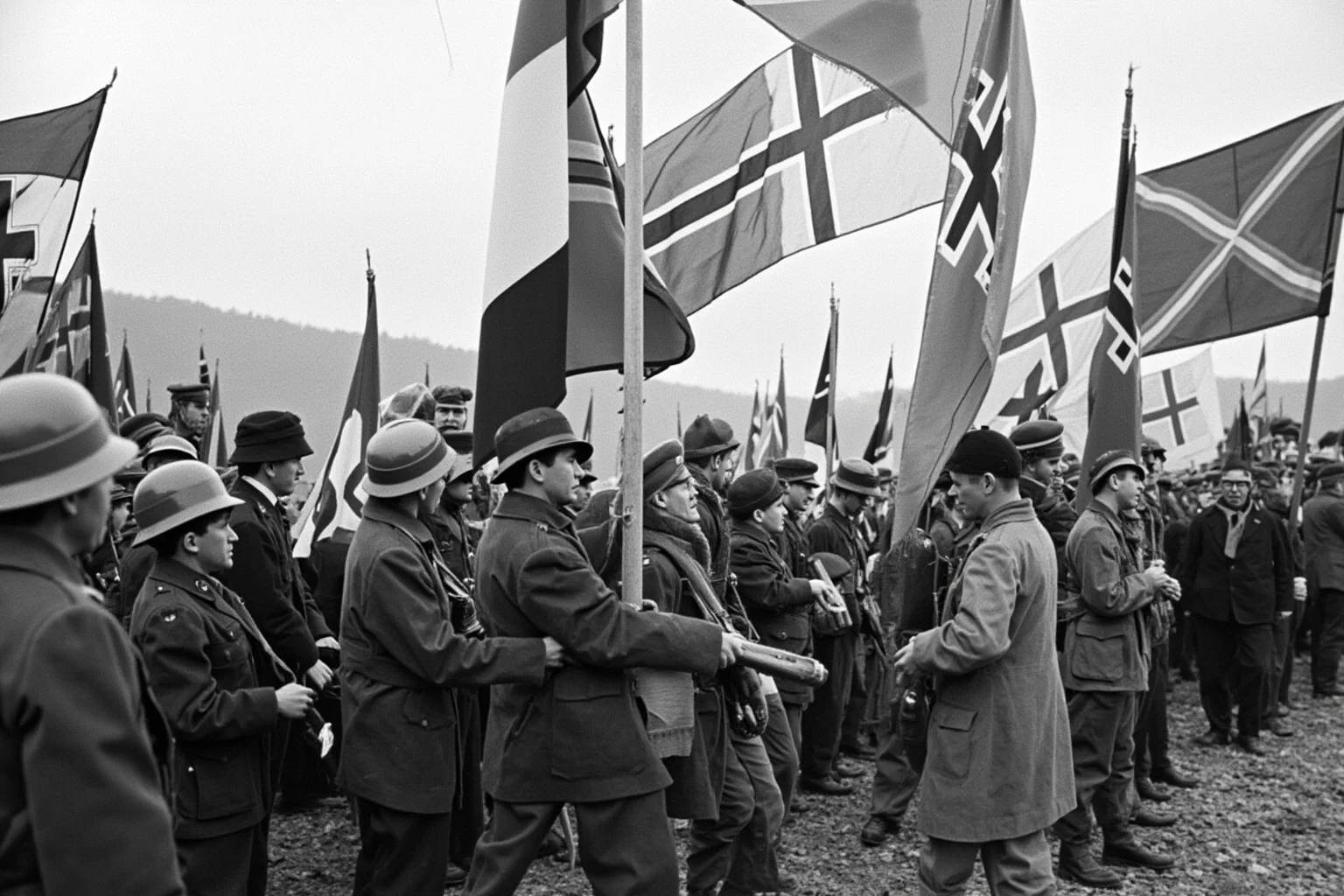
Nazi Germany and the Soviet Union signed the Molotov-Ribbentrop Pact in 1939, including a nonaggression agreement and secret spheres of influence. They jointly invaded and partitioned Poland that September.
Less than two years later, Germany launched Operation Barbarossa in 1941, invading the Soviet Union. The two allies of convenience became total enemies on the Eastern Front. This is one of the most dramatic examples of allies and enemies of WW2 swapping roles.
The German-Soviet switch contributed to the massive scale of the Eastern Front. Millions of Soviet and German soldiers died after former pact partners turned their armies against each other.
13. Italy and Germany: Axis Partners Turned Combatants
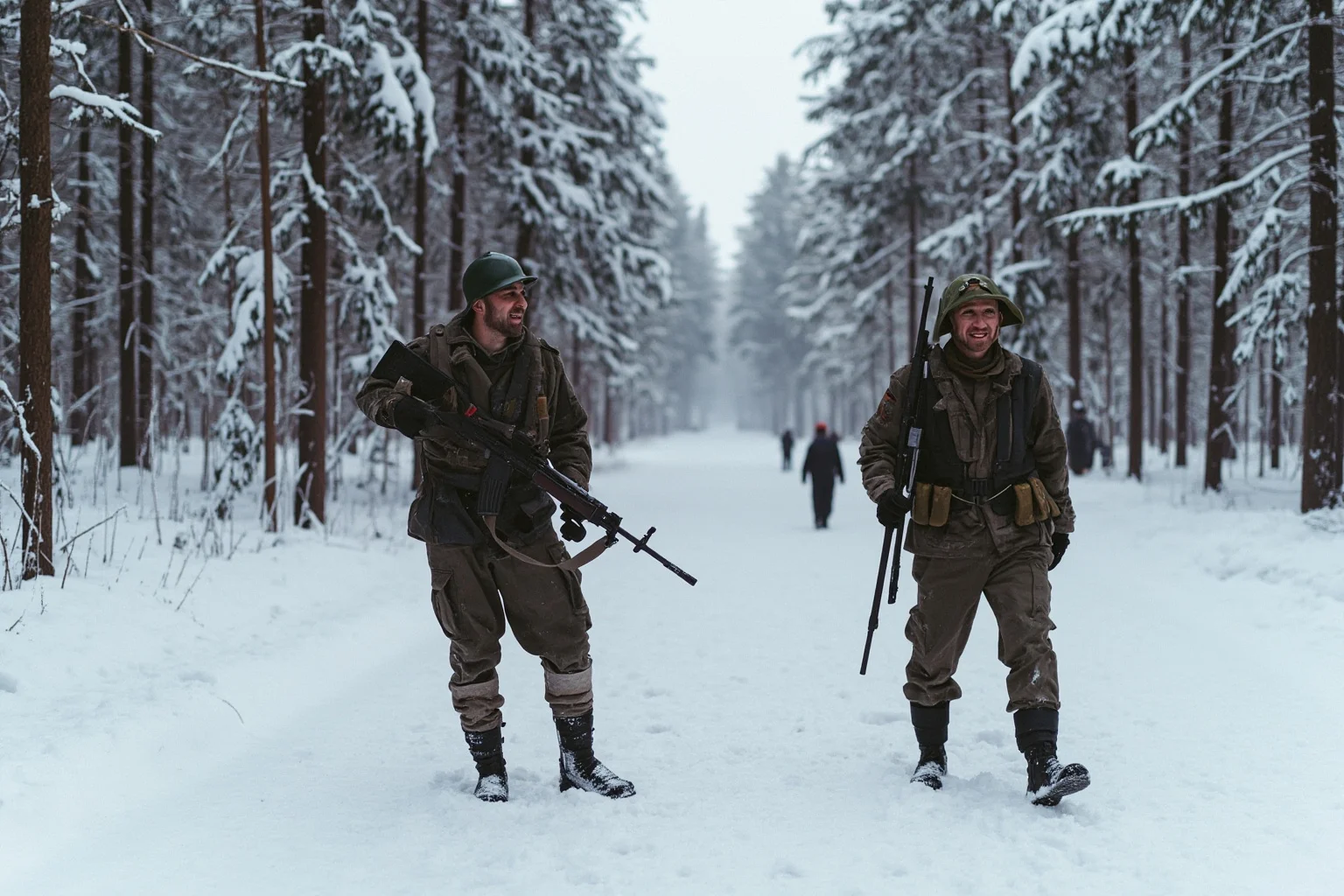
Italy and Germany were Axis allies during World War II, formalized in the Pact of Steel in 1939. Italian forces fought alongside Germany in North Africa, the Mediterranean, and the Soviet Union.
In 1943, after Mussolini was deposed, Italy signed an armistice with the Allies and declared war on Germany. German troops occupied much of Italy, and Italian partisans fought against their former ally until 1945. The Axis alliance had become a bitter war between former partners.
The Italian case is often described as a civil war and an occupation. It reminds us that switching sides can be as dangerous as staying in an alliance, especially when a powerful former partner remains nearby.
14. Finland and Germany: Co-Belligerents Until the Lapland War

Finland fought alongside Germany against the Soviet Union during the Continuation War from 1941, viewing Germany as a necessary ally against Soviet pressure. The relationship was never ideological for Finland.
After Finland made a separate armistice with the Soviet Union in 1944, it was required to drive German forces out of Finnish territory. The Lapland War of 1944–45 made Finland and Germany enemies, with Finnish troops fighting their former co-belligerents.
Finland managed to preserve its independence despite the Lapland War. The episode shows how a small state can be forced into a chain of enemies and allies without fully sharing the goals of its larger partners.
15. China and the Soviet Union: The Communist Alliance That Split
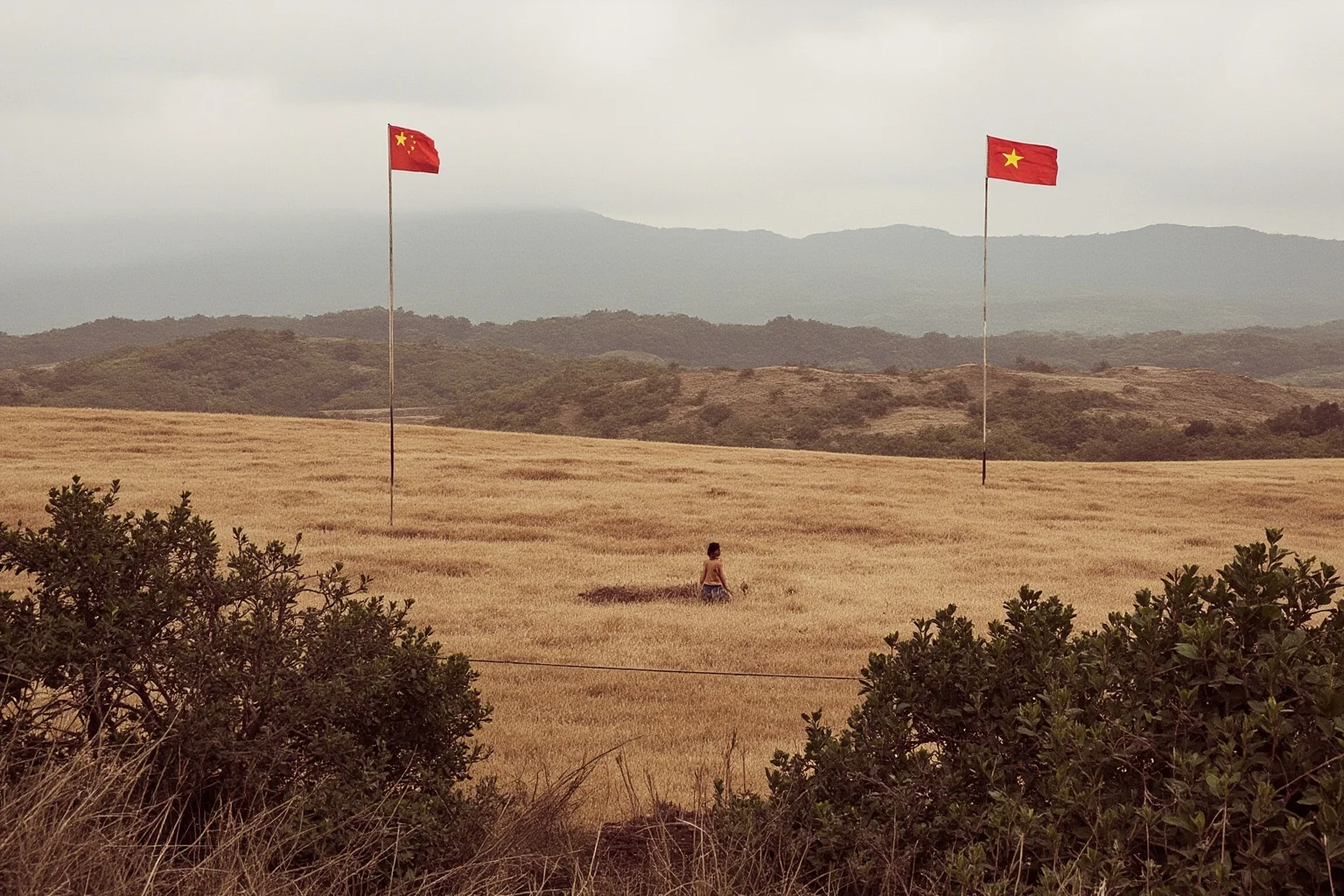
The People's Republic of China and the Soviet Union signed a treaty of friendship in 1950 and seemed to be close communist allies. Soviet aid, advisors, and industrial support flowed into China during the early Cold War.
By the late 1950s, ideological and national differences produced a deep split. Border clashes in 1969 brought the two powers to the brink of conflict. China and the Soviet Union had become enemies in all but formal war.
The Sino-Soviet split reshaped communism globally. It also opened the door for the United States to improve relations with China in the 1970s, a realignment that changed Cold War calculations.
16. China and Vietnam: Revolutionary Allies at War
China supported North Vietnam against the United States during the Vietnam War, providing weapons, supplies, and strategic backing. To many observers, they were natural communist allies.
After Vietnam's unification, disputes over Cambodia, territorial claims, and regional influence escalated. China launched a brief border war against Vietnam in 1979. The former allies had become military enemies, showing that shared ideology does not guarantee lasting alliance.
The Sino-Vietnamese War was short but costly. It did not resolve the two states' distrust, and border tensions continued for years after the fighting stopped.
Post-Colonial and Modern Realignments
Modern alliances can be especially unstable because they are often informal, tactical, or tied to regimes rather than durable institutions. These examples show how quickly a partner can become an adversary after a revolution, invasion, or regional crisis.
17. Iran and Israel: From Quiet Cooperation to Open Hostility
Before the 1979 revolution, Iran under the Shah recognized Israel and maintained quiet security and economic cooperation. The two countries coordinated on oil, intelligence, and regional strategy.
After the revolution, Iran severed ties and adopted a strongly anti-Israel position. What had been one of the Middle East's more practical alignments became one of its most bitter rivalries. If you search for a “Saudi Arabia allies and enemies list,” you will see similar patterns of regional alliances shifting with regime change and security fears.
The Iranian revolution transformed the region's alliance map. It replaced a pro-Western monarchy with an Islamic republic that made opposition to Israel a major part of its foreign policy.
18. Iraq and the United States: Tactical Alignment Then Gulf War

During the Iran-Iraq War in the 1980s, the United States tilted toward Iraq with intelligence, loans, and diplomatic support. The relationship was pragmatic rather than a warm alliance.
When Iraq invaded Kuwait in 1990, the same strategic logic collapsed. The United States led an international coalition against Iraq in the Gulf War. A former tactical partner had become an enemy, demonstrating how quickly modern enemies and allies can switch.
The Gulf War coalition included states that had complex and sometimes contradictory relationships with Iraq. It also showed that a tactical partner can become a target when it disrupts the regional order.
19. The United States and Afghan Mujahideen Networks: A Blowback Puzzle
In the 1980s, the United States supported Afghan mujahideen groups fighting the Soviet occupation. That support was channeled through Pakistan and aimed at hurting the Soviet Union, not building a permanent Afghan government.
After the Soviet withdrawal, Afghanistan fragmented, and some armed networks became hostile to US interests. The Taliban, which sheltered al-Qaeda, emerged from that post-war chaos, but the relationship between old US-backed factions and the Taliban is not a simple direct line. What is clear is that some former partners ended up on the opposite side of the post-9/11 war.
Blowback is a debated term, but the Afghan case is often invoked because wartime allies do not remain under control. It underscores that supporting one set of fighters can have unintended consequences after the original common enemy is gone.
20. Yugoslavia and the Soviet Union: The Communist Alliance That Broke
Yugoslav Partisans and the Soviet Red Army cooperated in liberating parts of Eastern Europe during World War II. After the war, Yugoslavia was a communist state closely aligned with Moscow.
But Josip Broz Tito refused to accept Soviet domination, and the two leaderships split in 1948. Yugoslavia was expelled from the Soviet-led Cominform, and the Soviet bloc treated it as a hostile deviation. The former allies became ideological and military rivals without ever fighting a direct war.
The Tito-Stalin split proved that communist states could disagree. It gave Yugoslavia room to move between the Cold War blocs, but it also meant living under years of threat from its former ally.
What These Broken Alliances Reveal
These cases do not mean that alliances are meaningless. They mean that historical alliances are tools, not friendships.
An ally in history is a state or faction whose current interests overlap with your own, and that overlap can vanish quickly. The language of enemies and allies also hides a middle zone of suspicion, rivalry, and partial cooperation.
If you ask “who are the united states allies and enemies” or look for any modern enemies & allies list, the only complete answer is: it depends on when you ask. From ancient Athens and Sparta to Cold War Yugoslavia and Moscow, the pattern is consistent. Common threats create temporary friends, and changing threats create permanent historical lessons.
Some alliance breakdowns led to open war, while others settled into long cold rivalries. The difference often came down to geography, military capacity, and whether both sides still had something to lose from fighting. None of these breaks was inevitable, but each followed pressures that leaders at the time could not or would not manage.
Frequently Asked Questions
What is a Saudi Arabia allies and enemies list?
There is no official Saudi Arabia allies and enemies list, because alliance relationships are not always formal or permanent. Analysts commonly describe Saudi Arabia as closely aligned with the Gulf Cooperation Council states and the United States as a security partner, while naming Iran and some non-state actors such as the Houthis as adversaries. These classifications can shift with diplomatic deals, conflicts, and regime interests, so any list is a snapshot rather than a fixed ranking.
Who is the United States allies and enemies?
The United States has treaty allies including NATO members, Japan, South Korea, and Australia, along with security partners around the world. Its main rivals and adversaries commonly include China, Russia, Iran, and North Korea. Because alliances and rivalries change with policy, the answer depends on the period and the definition of ally or enemy.
Who were the main allies and enemies in WW2?
The main Allied powers included the United States, the Soviet Union, the United Kingdom, China, and France, while the Axis powers were Germany, Italy, and Japan. That picture is complicated by shifting alignments: Germany and the Soviet Union began the war with a nonaggression pact, Italy later switched sides, and Finland fought alongside Germany before becoming its enemy in the Lapland War.
Why do historical allies become enemies?
Historical allies usually become enemies when the common threat disappears, one side sees better opportunities elsewhere, or a dispute over territory and influence grows. Ideology and friendship are often less important than interests and security. Alliances are best understood as temporary bargains that can end when the balance of power changes.

Alex Warren
Related Articles