
History books love to focus on kings who won wars, scientists who cracked codes, and leaders who changed the world. But tucked into the footnotes of every era are the oddballs — the eccentrics, the self-declared emperors, the geniuses with bizarre habits, and the people whose lives were so strange that historians still argue about where fact ends and legend begins.
This list rounds up some of the most interesting historical figures ever recorded, from ancient Rome to the 20th century. Some were brilliant. Some were reckless. A few were almost certainly dealing with mental illness that history unfairly turned into a punchline. All of them are proof that the past was never as tidy as textbooks make it look.
TL;DR: From emperors who crowned horses to widows who built endless staircases, these real historical figures show that eccentricity, genius, and chaos have always gone hand in hand.
What Is a Historical Figure, Exactly?
Before diving into the list, it helps to nail down the historical figure definition. A historical figure is simply a real person from the past whose life, actions, or influence were documented well enough that historians can study them today. That's the whole meaning behind the term — no myth, no legend, just a verifiable human being who left a mark on the record.
This distinguishes historical figures from folklore characters or legendary figures whose existence can't be confirmed. Robin Hood is a legend. Emperor Norton I of San Francisco, who we'll get to shortly, is a documented historical figure with newspaper clippings, photographs, and city records to prove it. That difference matters, especially when so many "crazy historical figures" stories online blur the line between the two.
Why History Keeps Producing Eccentrics, Oddballs, and Absolute Legends
Here's the thing about eccentric famous people: they've existed in every century, on every continent, in every social class. Wealth and power gave some the freedom to act on their strangest impulses without consequence. Poverty and desperation pushed others into schemes that look unhinged with the benefit of hindsight.
You don't need to be a history snob to enjoy these stories — you just need a curiosity for the humans behind the timelines. Many of the figures below were labeled "mad," "insane," or "crazy" by contemporaries who didn't understand mental illness, chronic disease, or simple nonconformity. We'll flag those cases honestly rather than pretending every odd historical figure was diagnosable by modern standards.
22 of the Weirdest, Funniest, and Most Chaotic Historical Figures Ever
This is not a ranked "worst to best" countdown — it's a tour through some of the strangest, funniest, and most niche historical figures on record. Real people, real documentation, genuinely wild lives.
1. Caligula — Rome's Wildcard Emperor
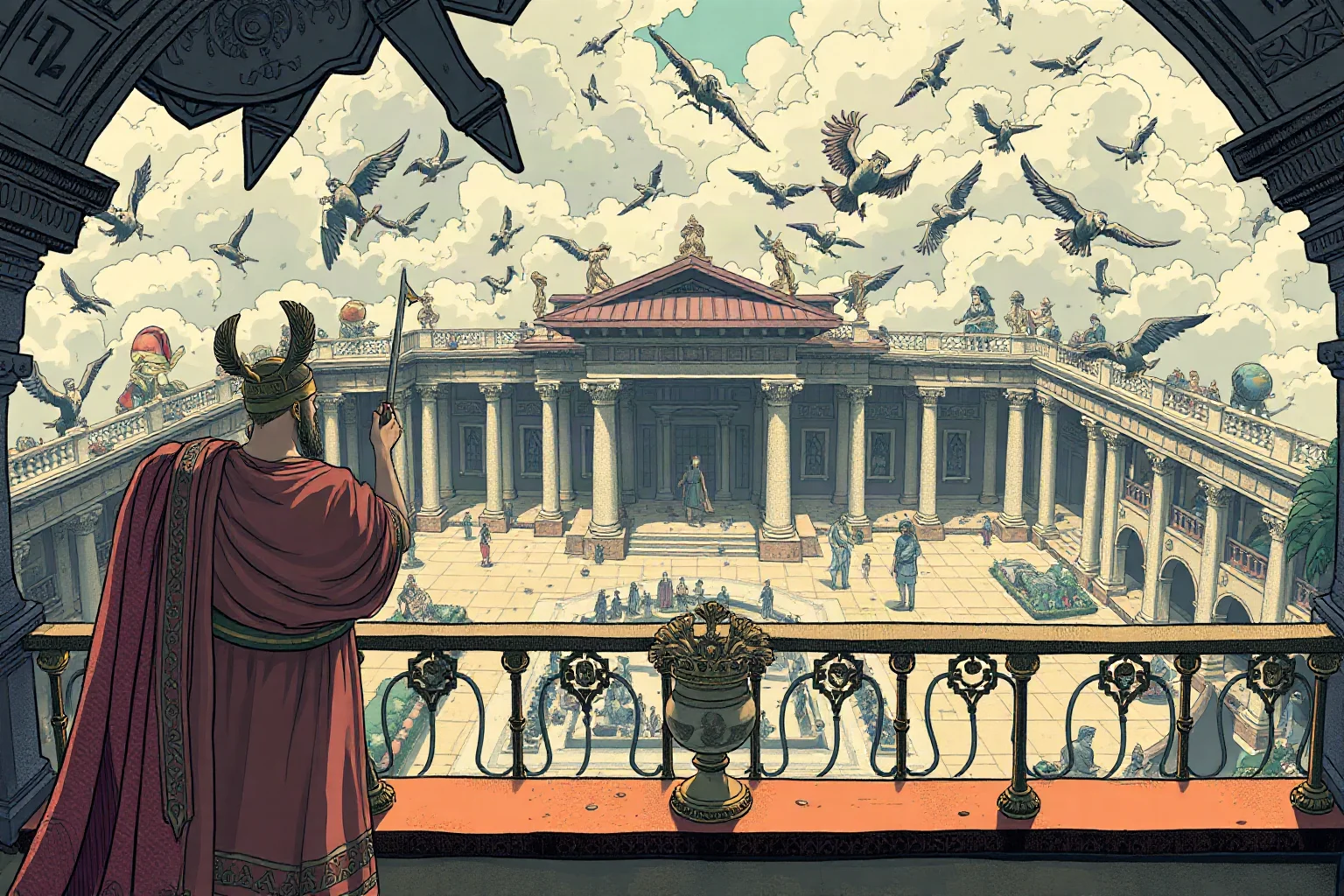
Caligula ruled Rome from 37 to 41 AD, and ancient sources describe erratic, cruel, and extravagant behavior almost from day one. The famous claim that he made his horse, Incitatus, a Roman consul comes mainly from the historian Suetonius, writing decades later, and modern historians debate how literally to take it.
What's less disputed is that Caligula spent lavishly, clashed constantly with the Senate, and was eventually assassinated by his own guards. Whether every wild story about him is true or exaggerated Roman gossip, he remains one of the most talked-about crazy historical figures from antiquity.
2. Elagabalus — The Boy Emperor Who Broke Every Rule
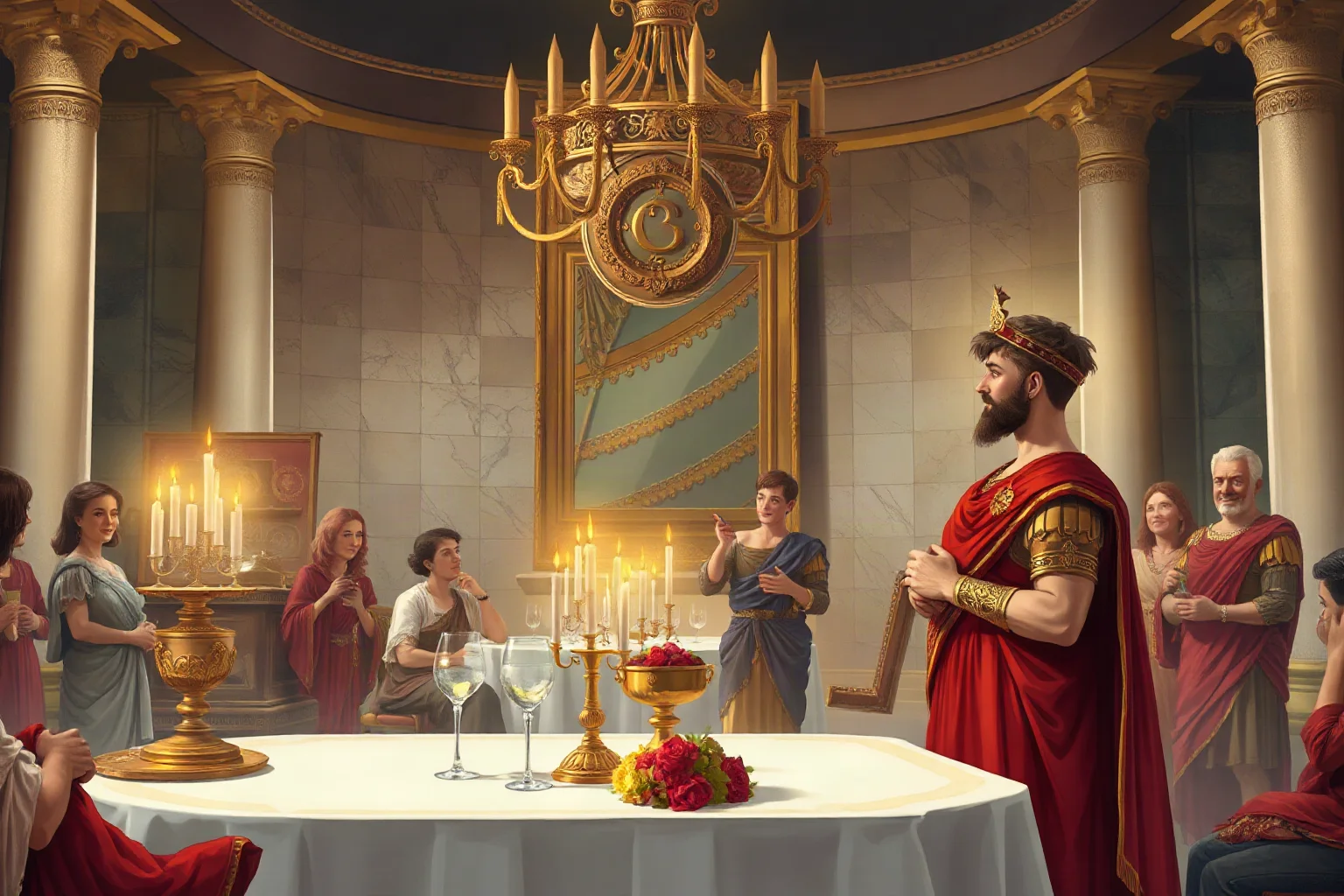
Elagabalus became Roman emperor at just 14 years old, around 218 AD, and reportedly spent his short reign upending Roman religious and social norms. Ancient historians, who were often hostile to him, describe elaborate banquets, unconventional relationships, and religious practices that scandalized the traditional Roman elite.
Because the surviving accounts come from writers who disliked him, historians treat many details with caution. Still, his reign is remembered as one of the strangest in Roman history, ending in his assassination at just 18.
3. Charles VI of France — The King Who Thought He Was Made of Glass

Charles VI ruled France starting in 1380 and suffered from severe episodes of mental illness later in his reign, earning him the nickname "Charles the Mad." Court records describe periods where he believed he was made of glass and reportedly had iron rods sewn into his clothing to keep himself from shattering.
Historians today suspect he may have experienced a form of psychosis or schizophrenia, though a precise modern diagnosis is impossible centuries later. His illness left France politically unstable for decades, contributing to the chaos of the Hundred Years' War.
4. George III — The "Mad King" Who Wasn't Just Mad

George III of Britain, who reigned during the American Revolution, suffered recurring bouts of severe illness later in life that included confusion, agitation, and physical symptoms. For years, popular history simply labeled him insane, but modern researchers have proposed alternative explanations, including the metabolic disorder porphyria, though this remains debated among historians and physicians.
His case is a good reminder that many famous "insane" people from history may have been dealing with undiagnosed physical illness rather than pure madness. Reducing George III to a punchline erases a much more complicated medical story.
5. Ludwig II of Bavaria — The Fairy-Tale King

Ludwig II became King of Bavaria in 1864 and quickly became famous for his obsession with elaborate castle-building rather than governing. Neuschwanstein Castle, his most famous project, drained royal funds and left him deeply in debt by the 1880s.
In 1886, Bavarian officials declared him mentally unfit to rule, and he died mysteriously days later, drowned in Lake Starnberg. Historians still debate whether his death was suicide, accident, or something else entirely.
6. Emperor Norton I — San Francisco's Self-Crowned Ruler

Joshua Norton was a failed businessman in 1850s San Francisco who, in 1859, simply declared himself "Emperor of the United States." Remarkably, the city played along — local newspapers printed his proclamations, and merchants reportedly accepted his self-printed currency.
He became a beloved local eccentric rather than a mocked outsider, and thousands attended his funeral in 1880. Norton remains one of the most genuinely charming odd historical figures America has produced.
7. Timothy Dexter — The Merchant Who Sold Coal to Newcastle (and Won)
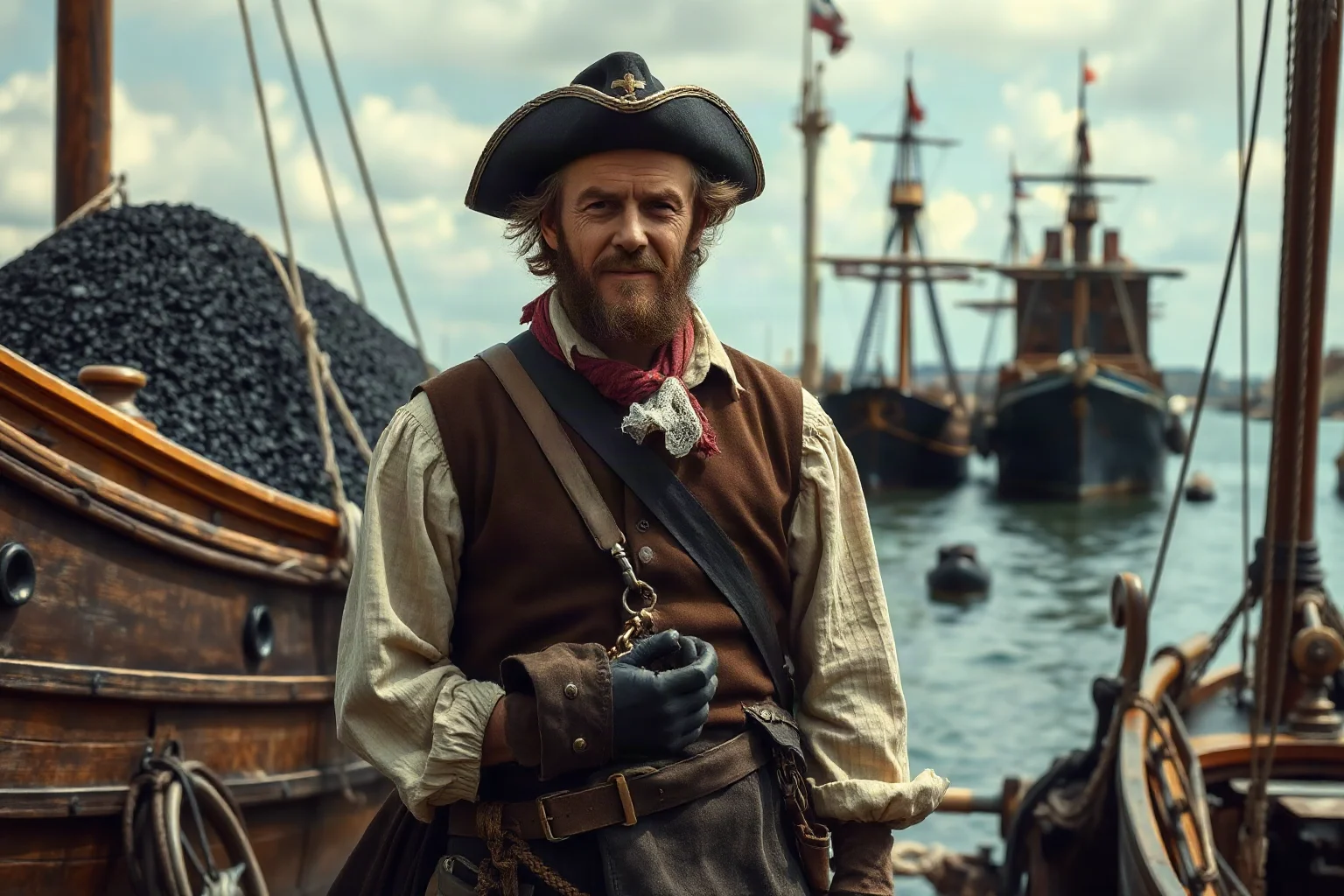
Timothy Dexter was an 18th-century American merchant with almost no formal education who made a fortune through absurdly risky trades. He reportedly shipped coal to Newcastle, England — a city already famous for its coal mines — and somehow profited due to a local miners' strike.
Dexter also wrote a memoir with no punctuation at all, later adding a page of periods and commas so readers could insert them wherever they liked. He even staged his own funeral to see who would mourn him, reportedly punishing his wife for insufficient grief.
8. Jack Mytton — The Englishman Who Set Himself on Fire for a Laugh
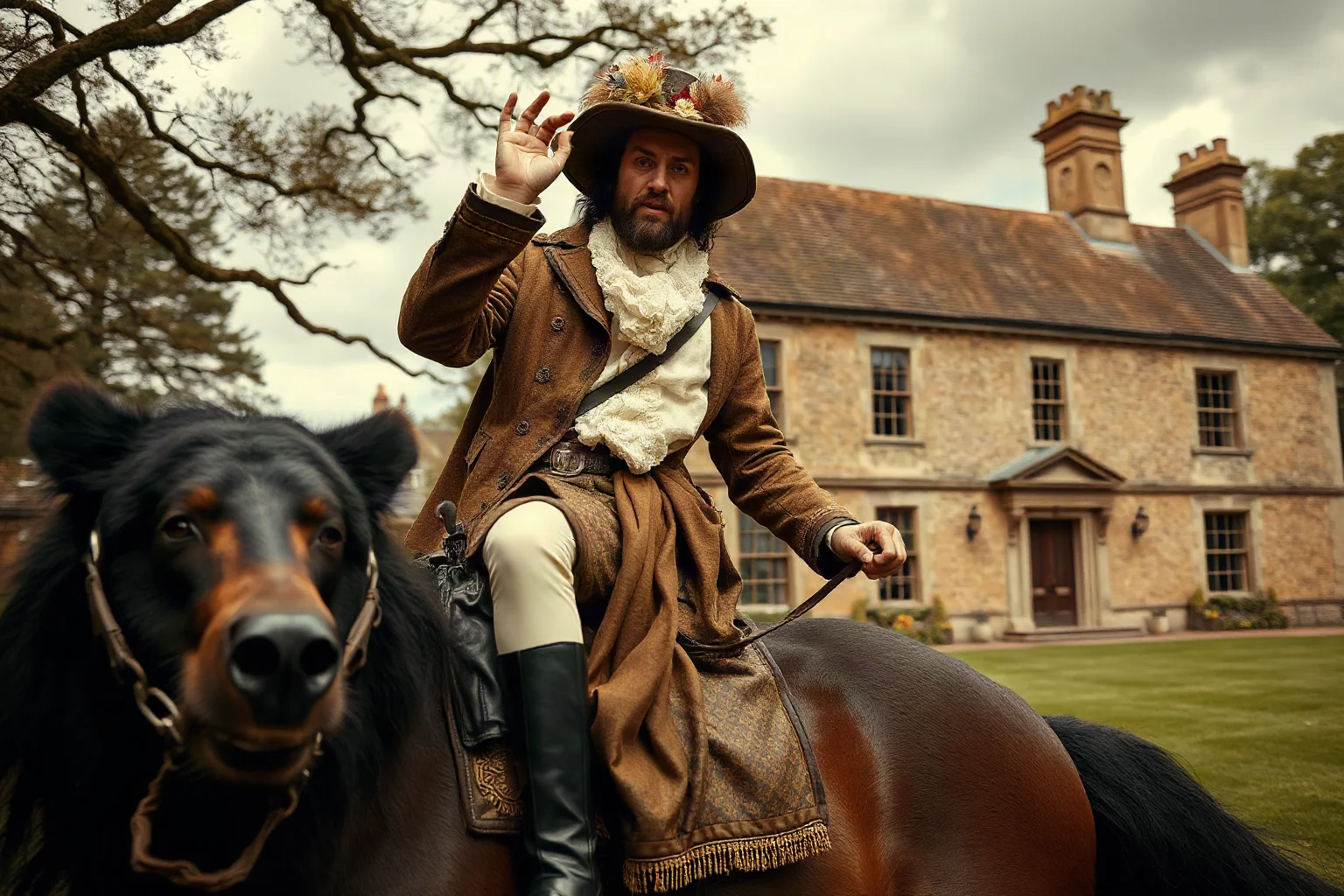
John "Jack" Mytton was a wealthy English sportsman in the early 1800s known for reckless stunts that burned through his fortune. Stories describe him riding a bear into his own dining room and, in one infamous account, setting his nightshirt on fire to "cure" a case of hiccups.
He died young, in debtor's prison, after years of extravagant and self-destructive behavior. Mytton is frequently cited among funny historical figures precisely because his antics sound almost too absurd to be real.
9. Sarah Winchester — The Widow and Her Endless Staircase

Sarah Winchester, widow of gun-fortune heir William Winchester, spent decades continuously expanding her San Jose, California mansion starting in the 1880s. The house famously includes staircases leading nowhere and doors opening onto blank walls.
Popular legend claims she built endlessly to appease ghosts, but historians note there's no verified documentation of that motive. It's more likely she simply enjoyed architecture and had the resources to indulge it without limit.
10. Gregor MacGregor — The Con Man Who Invented a Country
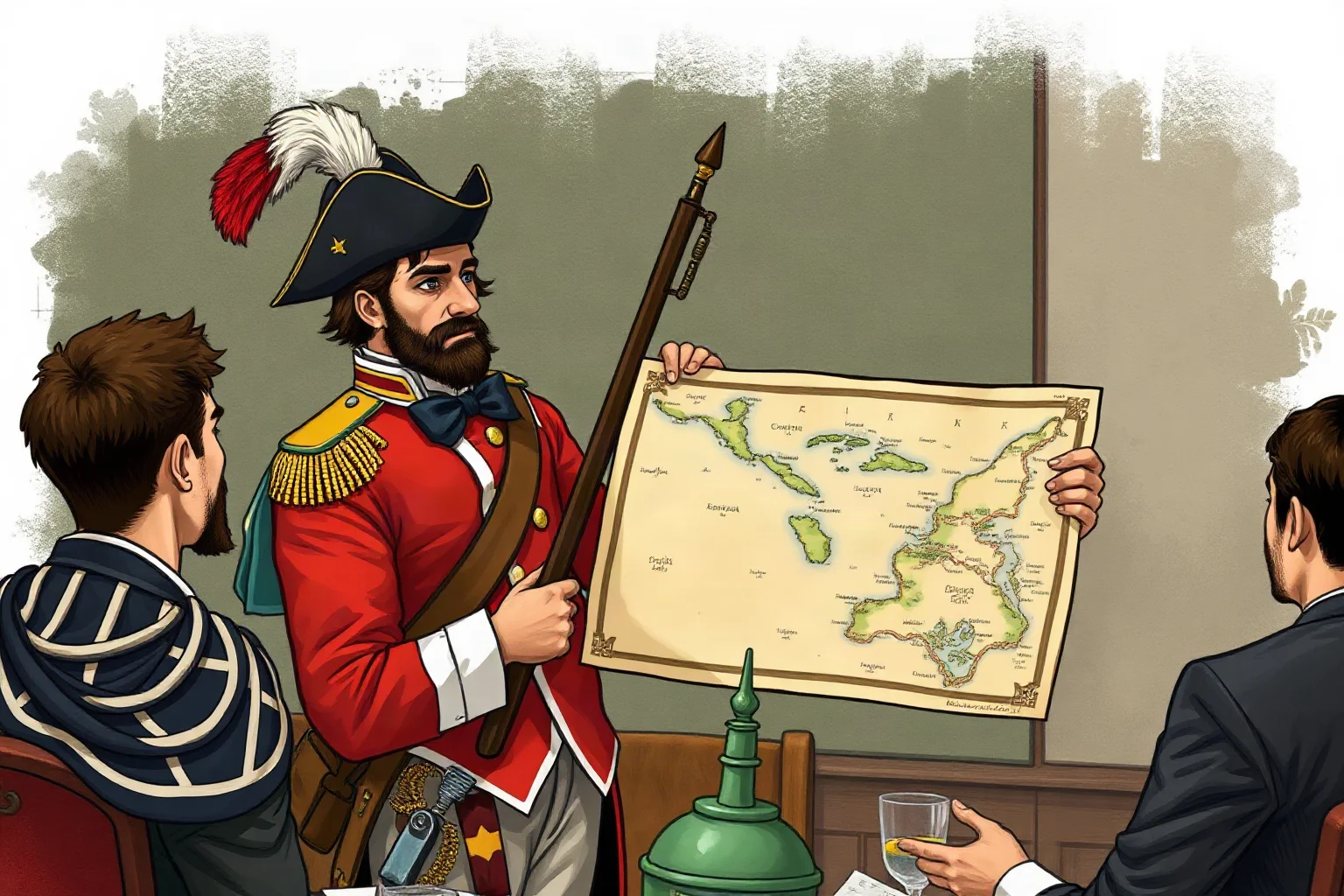
In the 1820s, Scottish soldier Gregor MacGregor invented a fictional Central American nation called "Poyais" and sold investors land, bonds, and even government jobs in it. He styled himself the "Cazique of Poyais," a self-granted noble title with zero real authority.
Hundreds of settlers sailed to the actual, undeveloped land, and many died from disease and starvation before rescue. MacGregor's fraud makes him one of the more staggering historic patron-style con artists on record — a man who invented an entire country and got people to buy into it.
11. Jeremy Bentham — The Philosopher Who Never Really Left
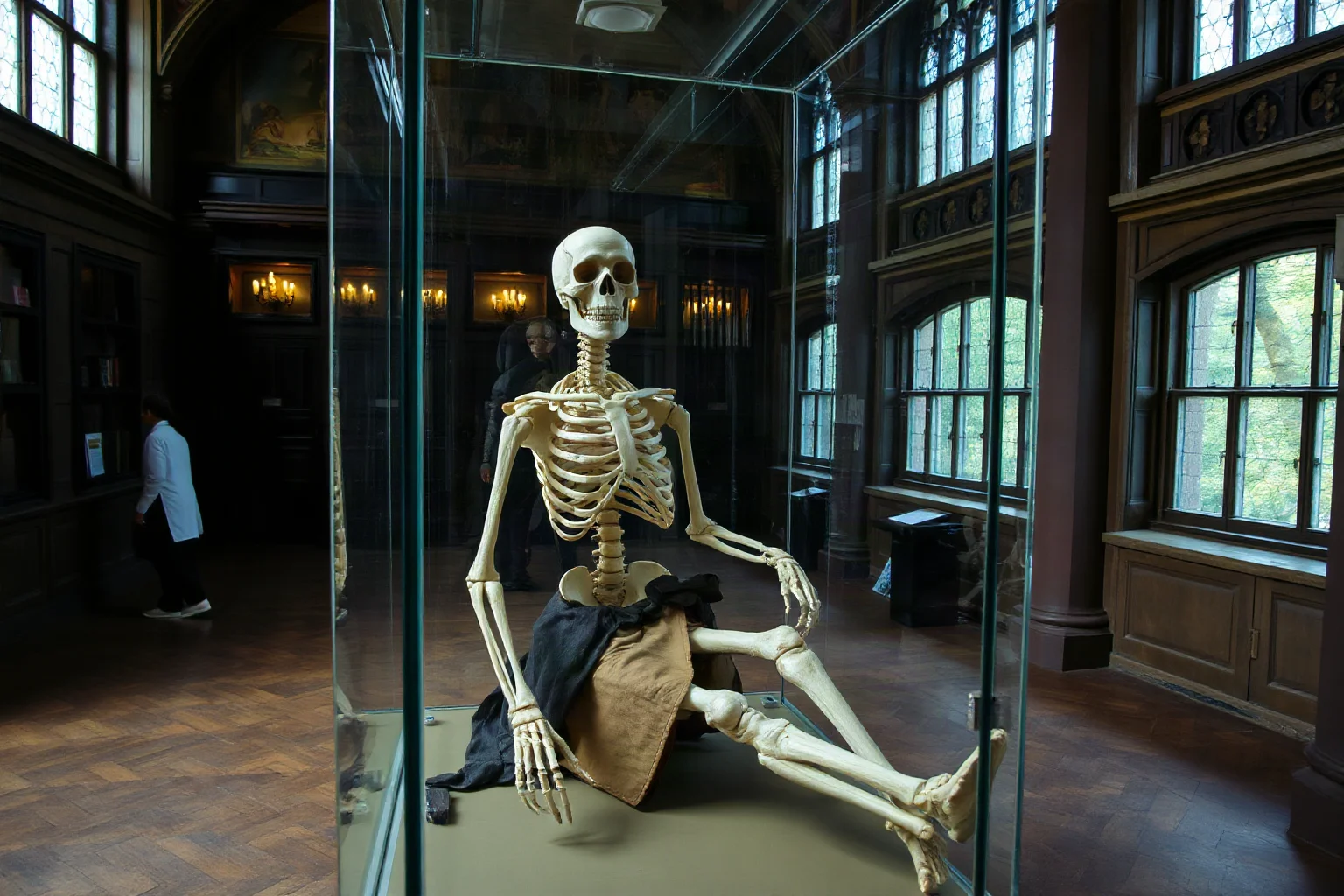
Jeremy Bentham, the 18th-century philosopher behind utilitarianism, requested that his body be preserved and displayed after death rather than buried. His preserved skeleton, dressed in his own clothes with a wax head, still sits in a wooden cabinet at University College London.
Bentham called this his "auto-icon," and it's occasionally still wheeled into meetings as a joke nod to his legacy. It remains one of the strangest, most literal ways any historical figure has stayed part of the conversation.
12. Henry Cavendish — The Scientist Too Shy to Speak
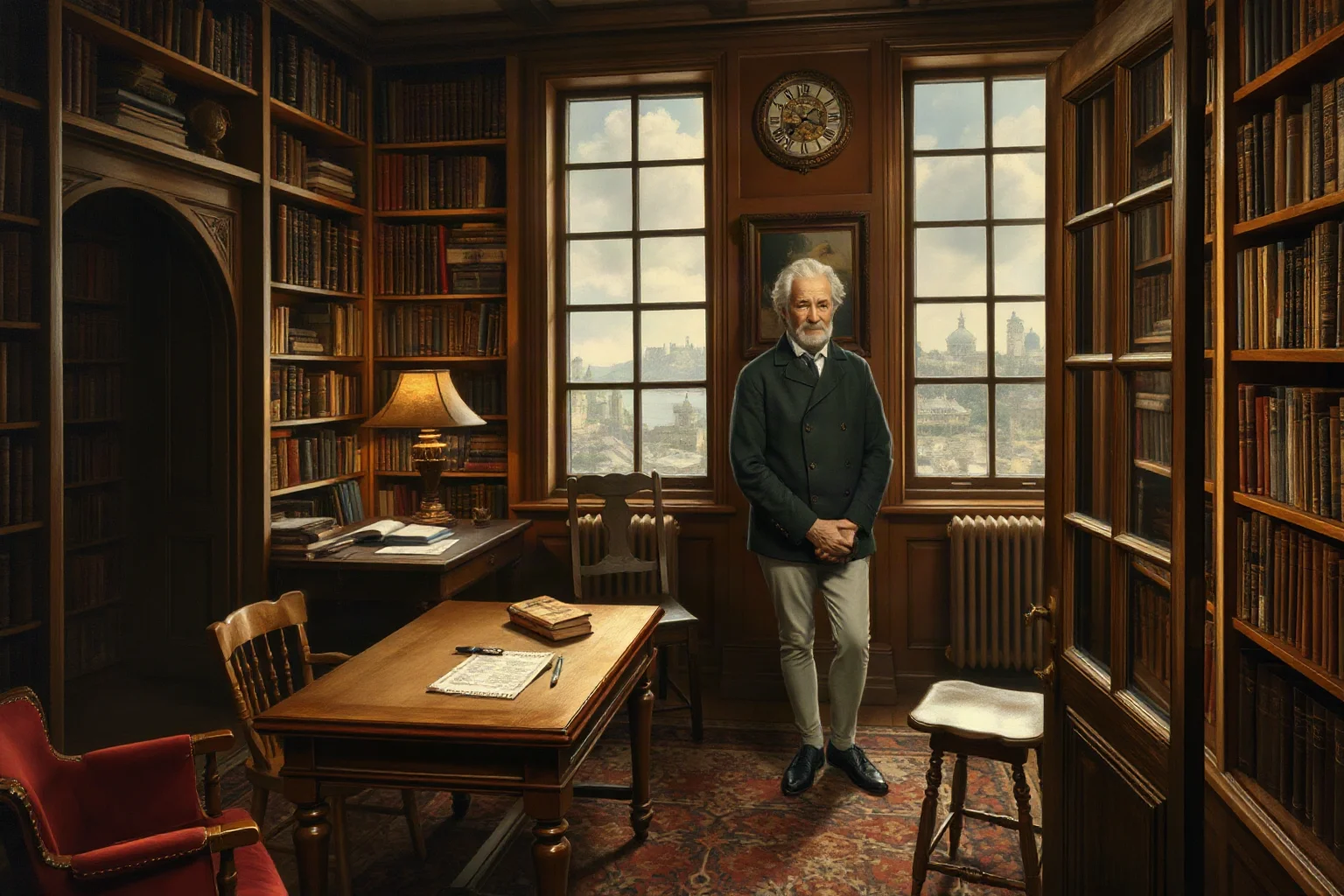
Henry Cavendish was a brilliant 18th-century scientist who discovered hydrogen and calculated the density of the Earth with remarkable accuracy for his era. He was also so intensely reclusive that he reportedly communicated with his own servants through written notes to avoid direct conversation.
Colleagues described him as almost pathologically shy, avoiding social contact whenever possible despite his scientific fame. Cavendish shows that genius and extreme eccentricity have coexisted throughout history far more often than people assume.
13. William Buckland — The Geologist Who Ate His Way Through the Animal Kingdom
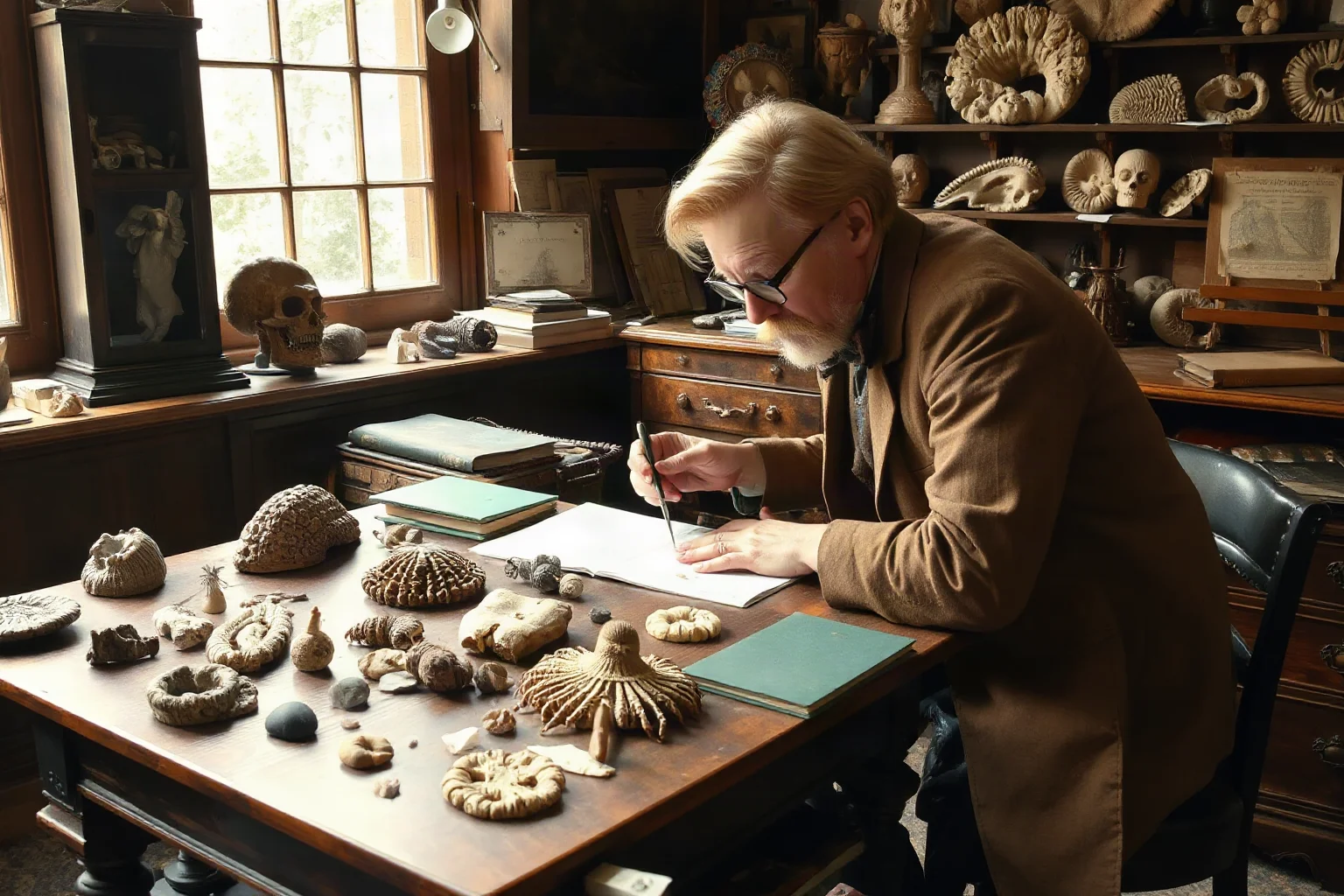
William Buckland was a respected 19th-century geologist and clergyman, one of the first scholars to scientifically describe dinosaur fossils. He was also famous among peers for "zoophagy," his personal project of trying to eat a sample of every animal species he encountered.
Accounts describe him sampling mice, moles, and even, according to popular anecdote, a preserved human heart, though some of these stories rely on secondhand retellings. Whatever the exact truth, Buckland earned a lasting reputation as one of Victorian science's most memorably odd characters.
14. Grigori Rasputin — The Mystic Myths Outgrew the Man

Grigori Rasputin was a Russian mystic who gained significant influence over Tsar Nicholas II's family in the early 1900s, largely through his claimed ability to help the ailing heir, Alexei. Popular legend has since inflated Rasputin into an almost supernatural figure who supposedly survived poisoning, shooting, and drowning during his 1916 assassination.
Historians have long questioned how much of that dramatic death story is accurate versus exaggerated by the men who killed him. Rasputin remains one of history's most mythologized figures, which makes separating fact from folklore genuinely difficult.
15. Nikola Tesla — Genius, Pigeons, and the Power of Three

Nikola Tesla was a groundbreaking inventor whose work on alternating current shaped modern electricity. He was also known for intensely eccentric habits, including a documented fondness for feeding and caring for pigeons in New York City and a well-noted preference for numbers divisible by three.
Associates described his hotel room routines, germ concerns, and specific daily rituals as remarkably rigid even by the standards of his era. Tesla is a favorite example of a famous eccentric person whose personal quirks never overshadowed his scientific brilliance.
16. Comte de Saint-Germain — The Man Who Claimed He'd Never Die

The Comte de Saint-Germain was an 18th-century figure who moved through European royal courts claiming expertise in alchemy, music, and unusual longevity. Rumors circulated that he was centuries old, though no verified evidence supports claims beyond his documented adult lifetime.
His real background remains murky, and much of what's "known" about him comes from secondhand gossip and later legend. He's a genuinely niche historical figure who blurred self-invented mystery with whatever fragments of fact survive.
17. P.T. Barnum — The Showman Who Turned Hoaxes into History
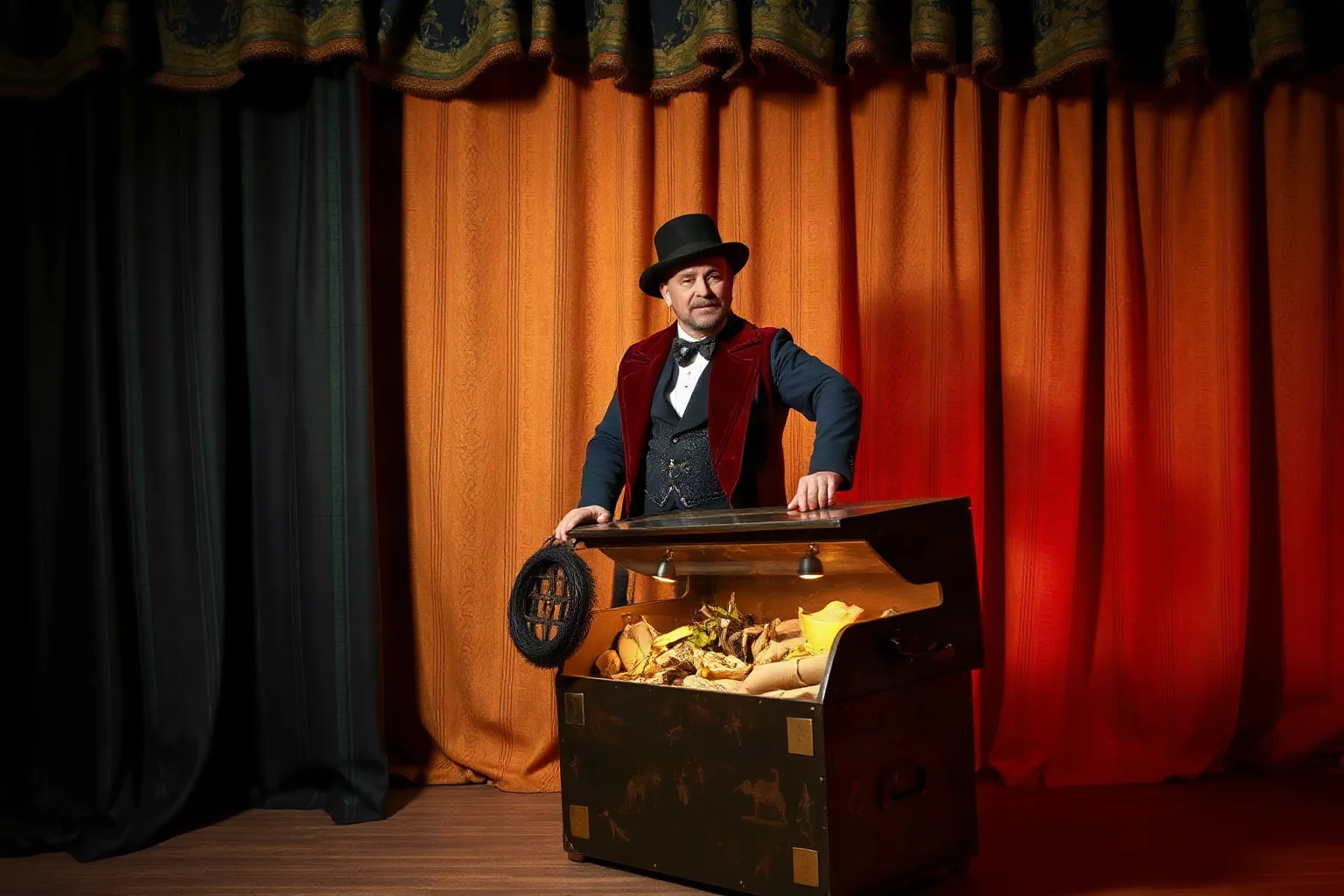
P.T. Barnum built a 19th-century entertainment empire on curiosities, exaggerated advertising, and outright hoaxes, including the infamous "Feejee Mermaid" exhibit. The famous line often attributed to him, "there's a sucker born every minute," has no solid documentation proving he ever said it.
Barnum genuinely did blur truth and showmanship for profit, which is part of why the misattributed quote stuck so easily. He's remembered today as much for savvy myth-making about himself as for the acts he actually promoted.
18. Phineas Gage — The Railroad Worker Whose Brain Rewrote Neuroscience

Phineas Gage was a railroad construction foreman who survived an 1848 accident in which an iron rod was driven through his skull. Remarkably, he lived for years afterward, but those who knew him reported significant changes to his personality and behavior.
His case became one of the earliest documented links between brain injury and personality change, still referenced in neuroscience today. Gage isn't "weird" by choice, but he remains one of history's most genuinely fascinating and unusual real people.
19. Vincent van Gogh — The Tortured Artist Behind the Myths

Vincent van Gogh produced some of the most celebrated paintings in history while struggling with severe mental health episodes during his lifetime, including the well-documented incident where he cut off part of his own ear in 1888. He voluntarily entered psychiatric care afterward, seeking help during a period of intense crisis.
Modern historians and doctors have proposed various explanations for his condition, from bipolar disorder to other neurological factors, though no definitive retroactive diagnosis exists. Van Gogh's story is a reminder to treat historical mental illness with empathy rather than treating it as quirky trivia.
20. Typhoid Mary — The Cook History Turned Into a Cautionary Tale

Mary Mallon, better known as "Typhoid Mary," was an early 1900s cook in New York identified as an asymptomatic carrier of typhoid fever who unknowingly infected multiple families she worked for. Public health officials forcibly quarantined her for years, a decision still debated by historians as both medically justified and ethically troubling.
Mallon never intended harm and didn't fully believe she was a carrier for much of her life. Her case remains one of the most important, and genuinely tragic, stories in the history of public health.
21. Marie Antoinette — The Queen Blamed for a Line She Never Said
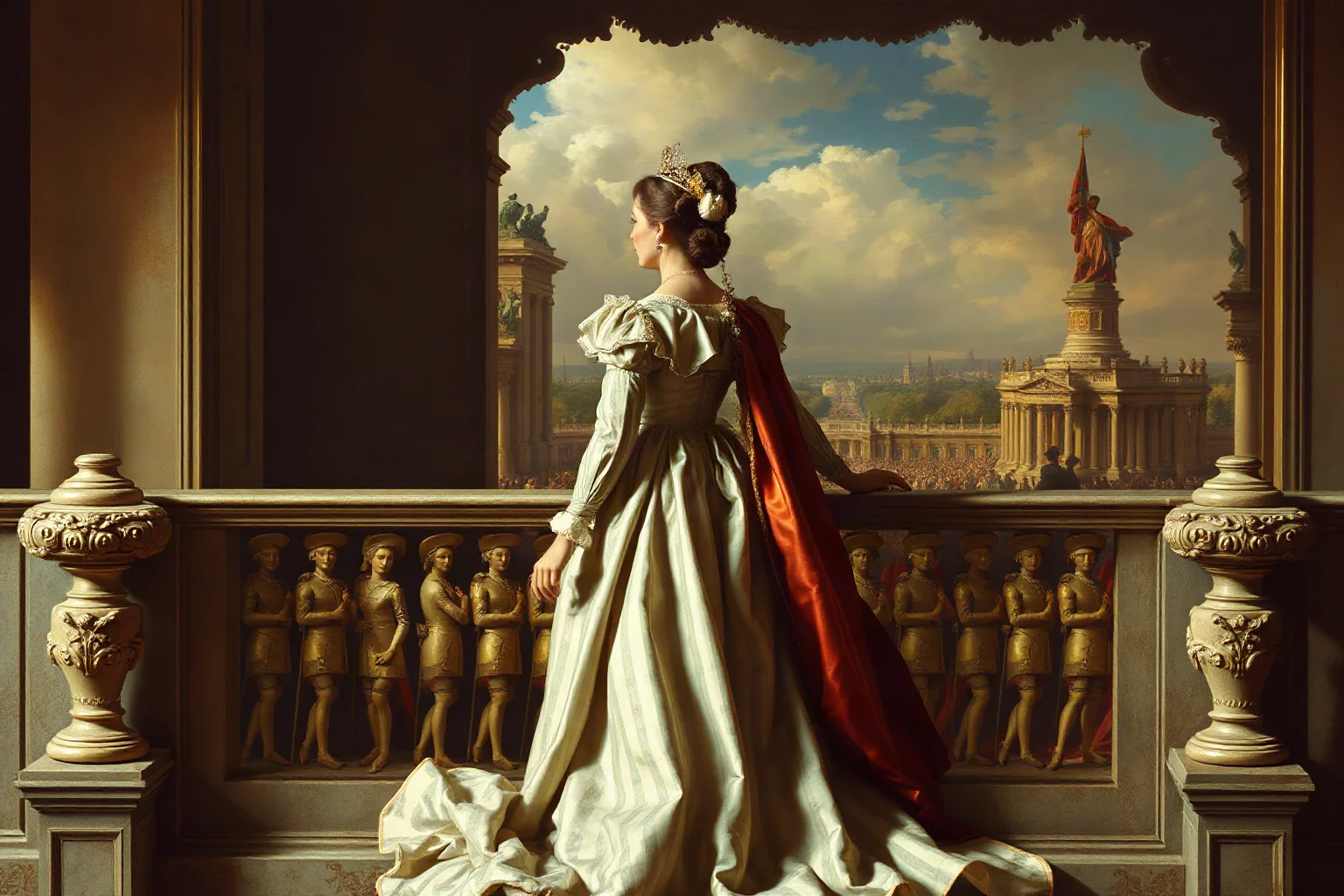
Marie Antoinette is remembered by many for the phrase "let them eat cake," but historians have found no reliable evidence she ever said it. The line appears to predate her and was likely attached to her reputation later as anti-monarchy propaganda spread during the French Revolution.
She did live an extravagant court life at Versailles, which made her an easy target for public anger during a period of national hardship. Her story is a useful example of how myth can eclipse the documented historical record.
22. Diogenes of Sinope — The Philosopher Who Lived in a Barrel
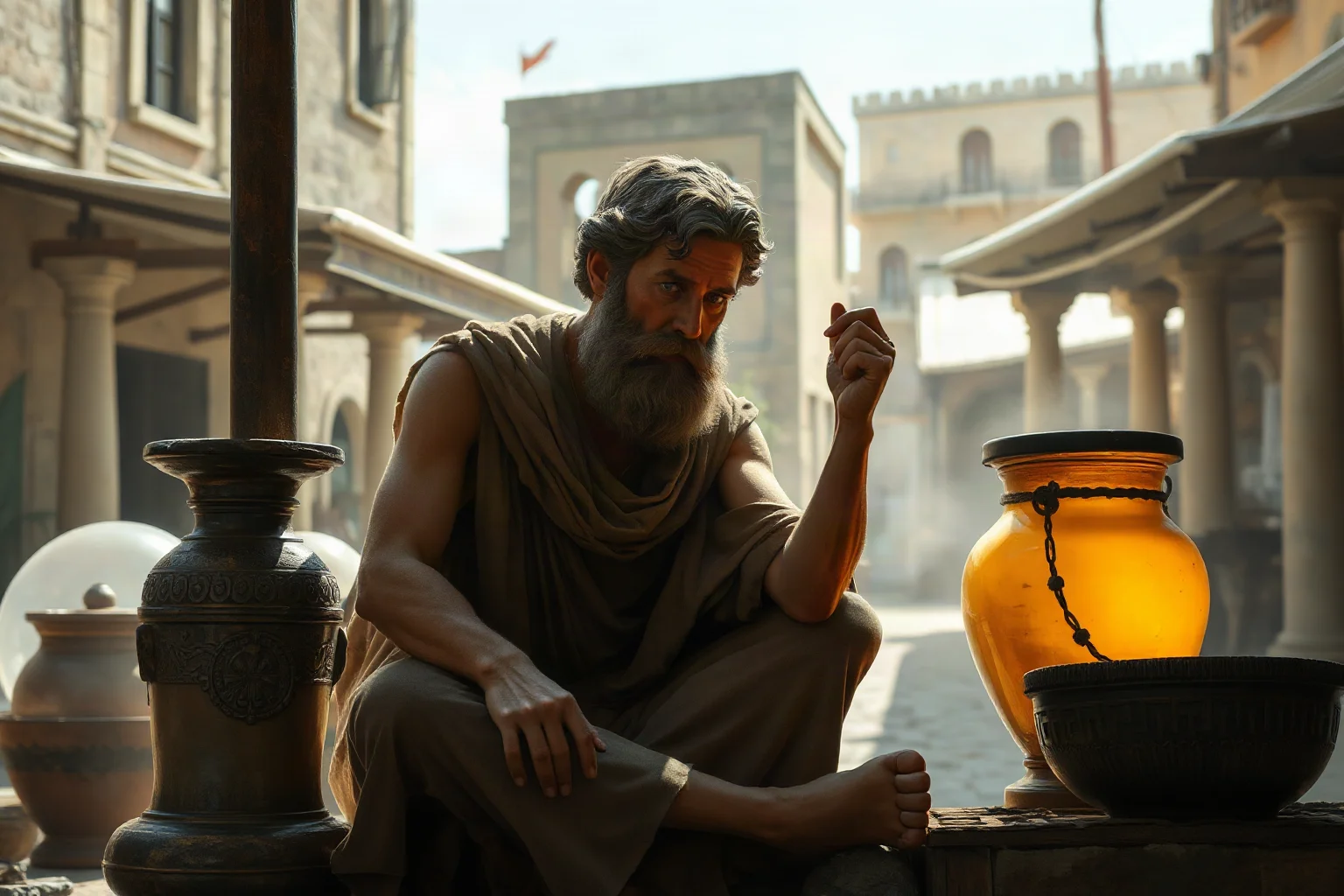
Diogenes of Sinope was an ancient Greek philosopher, active around the 4th century BC, known for rejecting material comforts and living in extreme simplicity, reportedly inside a large ceramic jar rather than a proper home. Ancient sources describe him wandering Athens with a lamp in daylight, claiming he was "looking for an honest man."
His blunt, provocative behavior was intentional philosophy, not madness — a deliberate challenge to social norms he considered shallow. Diogenes remains one of the funniest and most quotable interesting characters in history, even by modern standards.
So, Who Was Actually the Craziest Person in History?
Here's the honest myth-busting answer: there's no single verifiable "craziest person in history," and treating it as a real contest oversimplifies very different situations. Some figures on this list, like Charles VI or Van Gogh, likely dealt with real, serious mental illness that deserves empathy rather than mockery.
Others, like Emperor Norton or Timothy Dexter, were simply unconventional people who leaned fully into their own eccentricity by choice. Lumping "famous crazy person" stories together flattens a much more complicated, and more human, picture of the past.
What these 22 people share isn't madness — it's that they refused to blend into the background of history. Whether through genius, delusion, showmanship, or sheer stubbornness, each one left a documented trail strange enough that we're still talking about them centuries later.
Final Thoughts
History isn't just a timeline of wars and treaties; it's also a record of genuinely strange, funny, and occasionally heartbreaking human lives. The figures on this list, from Roman emperors to Victorian scientists to a con man who invented his own country, prove that eccentricity has never been in short supply.
Next time someone claims history is boring, this list is a pretty solid rebuttal. Real people really did live lives this chaotic, and the documentation to prove it is sitting in archives, court records, and old newspapers right now.
Frequently Asked Questions
What are some of the most interesting characters in history?
Interesting characters in history span every era, from Roman emperors like Caligula and Elagabalus to eccentric inventors like Nikola Tesla and self-declared royalty like Emperor Norton I of San Francisco. What makes them interesting is usually a mix of documented eccentric behavior, genuine achievement, and stories that blur the line between fact and legend.
What is the definition of a historical figure?
A historical figure is a real person from the past whose life and actions are documented well enough for historians to study and verify. This sets them apart from folklore or legendary characters, whose existence often can't be confirmed through historical records.
Who is considered the craziest person in history?
There's no single agreed-upon answer, since "craziest" mixes very different things: genuine mental illness, deliberate eccentricity, and exaggerated legend. Figures like Charles VI of France, who reportedly believed he was made of glass, are often cited, but historians caution against casually diagnosing people who lived centuries before modern psychiatry existed.
Were there really funny or eccentric historical figures, or is that mostly exaggeration?
Many funny historical figures are well documented through letters, newspapers, and court records, though some details get exaggerated over time through retelling. Figures like Timothy Dexter and Jack Mytton have well-sourced eccentric behavior, even if a few specific anecdotes have grown taller with age.
What’s a good example of an obscure or niche historical figure worth knowing?
Gregor MacGregor, a Scottish soldier who invented a fake Central American country called Poyais and sold fraudulent investments in it during the 1820s, is a strong example. He's less famous than kings or scientists but represents a genuinely wild, well-documented slice of history.
Is it fair to call historical figures with mental illness “crazy” or “insane”?
Not really, and it's worth using more careful language when discussing figures like George III or Vincent van Gogh, who likely dealt with real medical or psychological conditions. Modern historians generally avoid retroactively diagnosing historical figures and instead describe documented symptoms and behavior in context.

Alex Warren
Related Articles