Every culture has its legends: heroes who slay monsters, cities swallowed by the sea, warriors who never really existed—except maybe they did.
Long before written history, communities turned real wars, natural disasters, and remarkable people into stories that could be passed down, exaggerated, and eventually mistaken for pure fantasy.
The fascinating part is that so many of these tales have a kernel of documented truth buried underneath the embellishment.
This list looks at cultural myths from every corner of the globe and traces them back to the archaeology, geology, and history that likely inspired them. Some connections are well-supported by scholars, while others remain educated speculation, and we’ll be clear about which is which along the way.
It’s a pattern that echoes the broader theme of urban legends that turned out to be true, where modern rumors also turned out to have real roots. Think of this as a myth-busting tour through mythology of different cultures, built to show how legend and history constantly borrow from each other.
TL;DR: Many of the world’s most famous myths and legends started as real wars, disasters, or people before centuries of storytelling turned them into something larger than life.
What Is a Myth, and Why Do Cultures Need Them?
Before diving into examples, it helps to define the term. A myth is a traditional story, usually passed down orally before being written down, that explains a natural phenomenon, a cultural practice, or the origin of a people.
Myths are different from simple folktales because they often carry religious, symbolic, or foundational weight for the community that tells them.
What is myth and examples of it look like in practice? Think of Greek stories about the gods explaining thunder, or Mesopotamian flood epics explaining why humanity nearly vanished.
These aren’t just entertainment; they’re a culture’s way of processing real events—wars, floods, droughts, plagues—that were too big or too old to explain any other way.
That’s exactly why myths around the world so often echo real history. A drought becomes a curse, a tsunami becomes an angry sea god, and a skilled general becomes a demigod. The following 20 cultural myth examples show that pattern again and again, across continents and centuries.
1. The Trojan War and the City of Troy
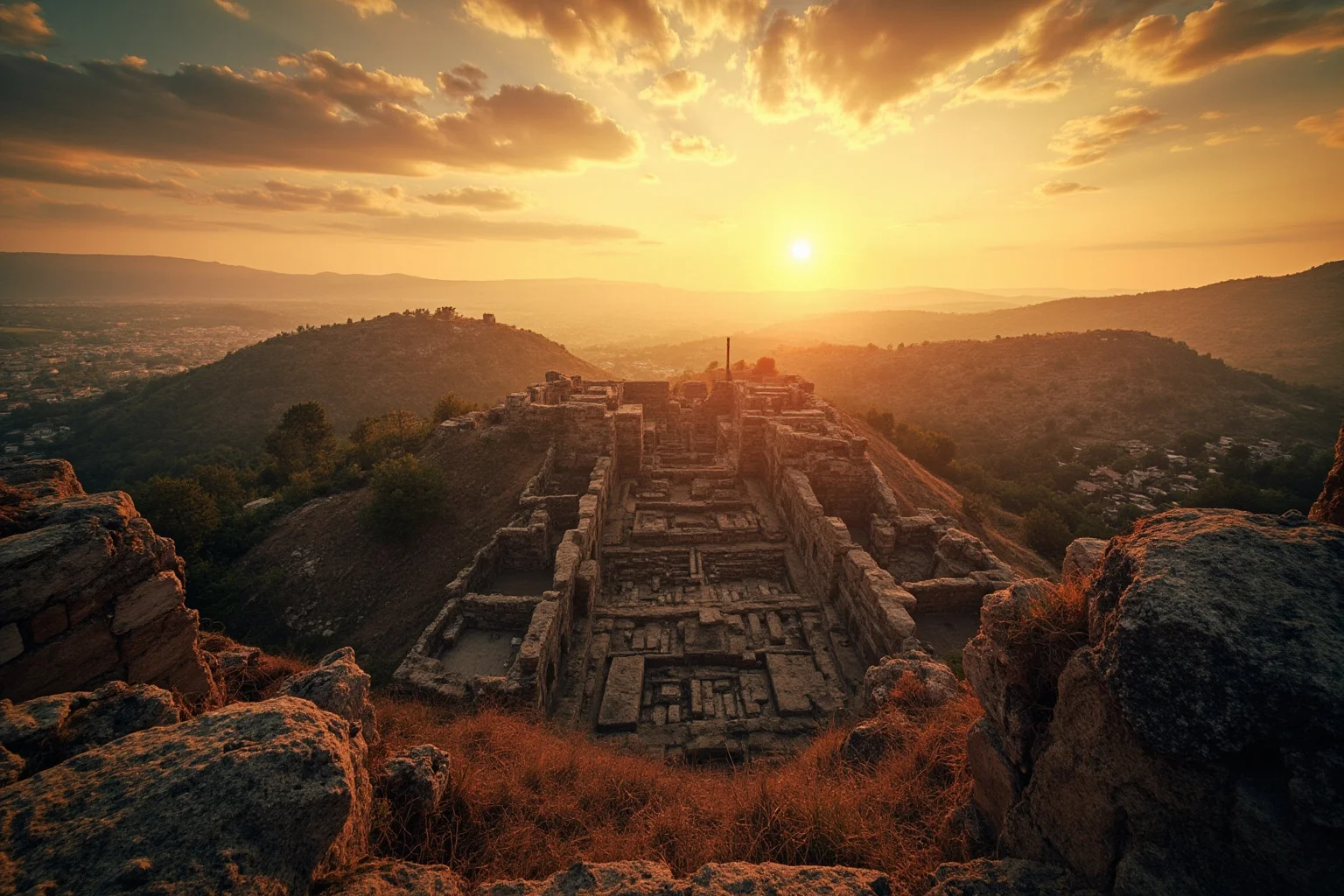
For centuries, scholars assumed the Trojan War was pure invention by Homer, a poetic backdrop for the Iliad and nothing more. That changed in the 1870s when archaeologist Heinrich Schliemann excavated a mound at Hisarlik in modern Turkey and found the layered ruins of a real Bronze Age city.
Archaeologists have since identified evidence of destruction and conflict at the site dating to around 1200 BCE, roughly when the war was said to occur. Nobody has proven a wooden horse or a war fought over Helen, but the city itself, and signs of violent upheaval, are real.
2. Atlantis and the Thera Eruption
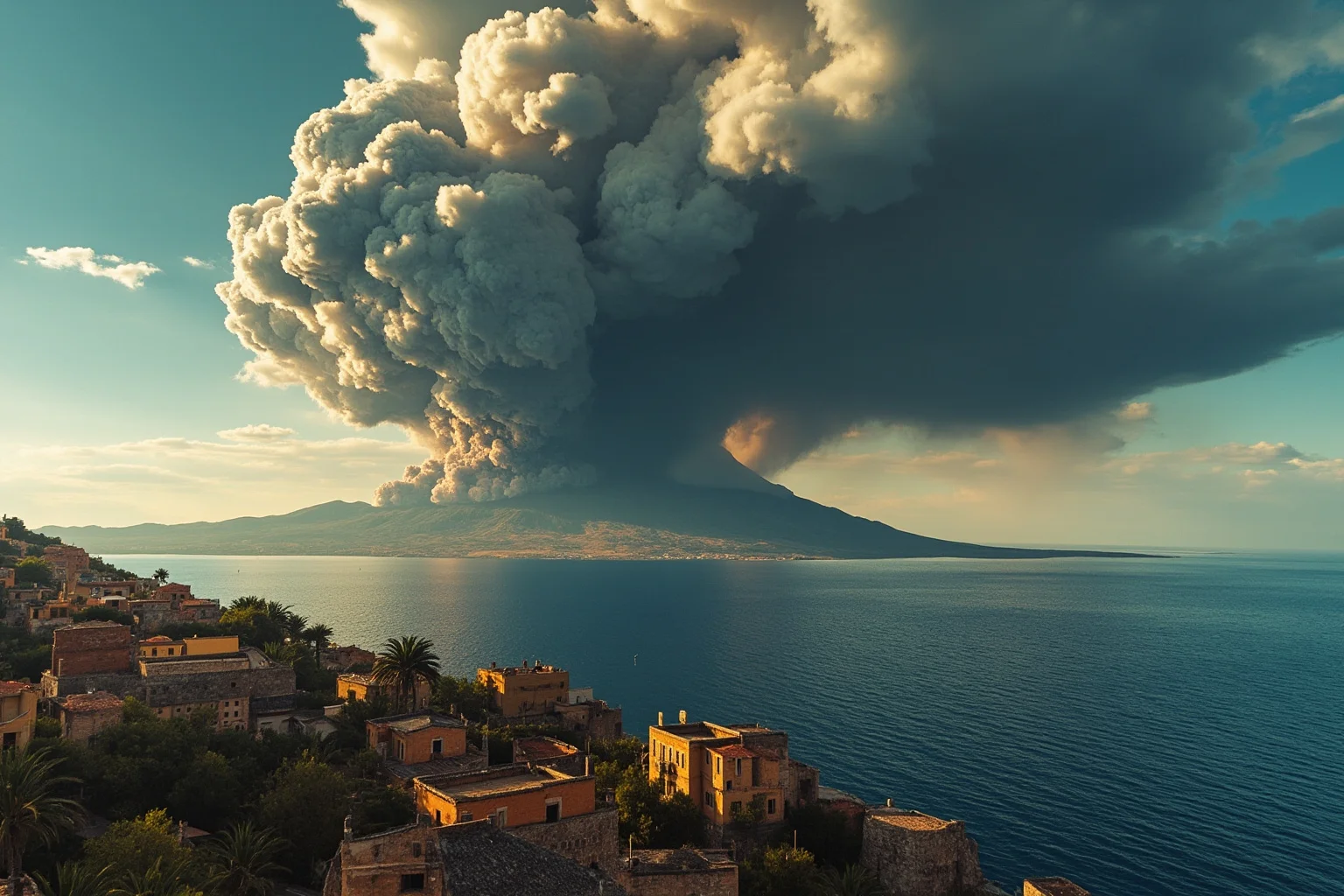
Plato introduced Atlantis in his dialogues Timaeus and Critias, describing a powerful island civilization swallowed by the sea in a single day. Many historians treat this as Plato’s philosophical invention, a moral parable rather than a travelogue.
Still, some researchers connect the story to the massive eruption of Thera (modern Santorini) around 1600 BCE, which devastated the Minoan civilization and may have triggered tsunamis across the Aegean. It’s a compelling theory, not a settled fact, but it shows how a genuine natural catastrophe can echo into legend centuries later.
3. King Arthur and the Once and Future King
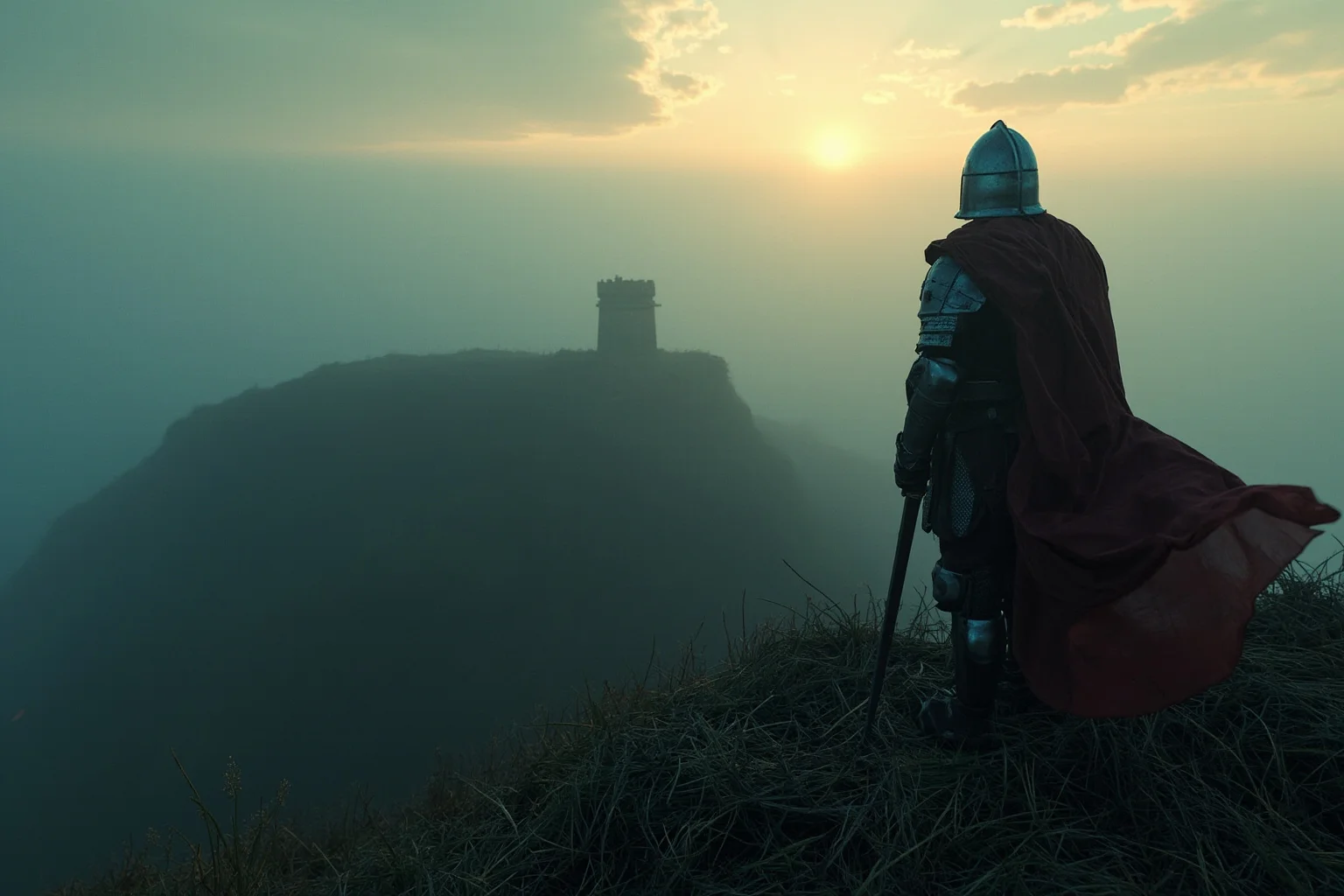
The romanticized Arthur of shining armor and Camelot is a medieval literary creation, developed mostly by writers like Geoffrey of Monmouth centuries after the fact. But some historians think the character may trace back to a real Romano-British war leader who resisted Anglo-Saxon incursions in the 5th or 6th century.
Early Welsh sources mention a warrior named Arthur in fragmentary, hard-to-verify accounts. There’s no solid archaeological proof of a single historical Arthur, but the political chaos of post-Roman Britain was very real, and it’s easy to see how a successful local leader could become legend.
4. Robin Hood, Outlaw of Sherwood Forest
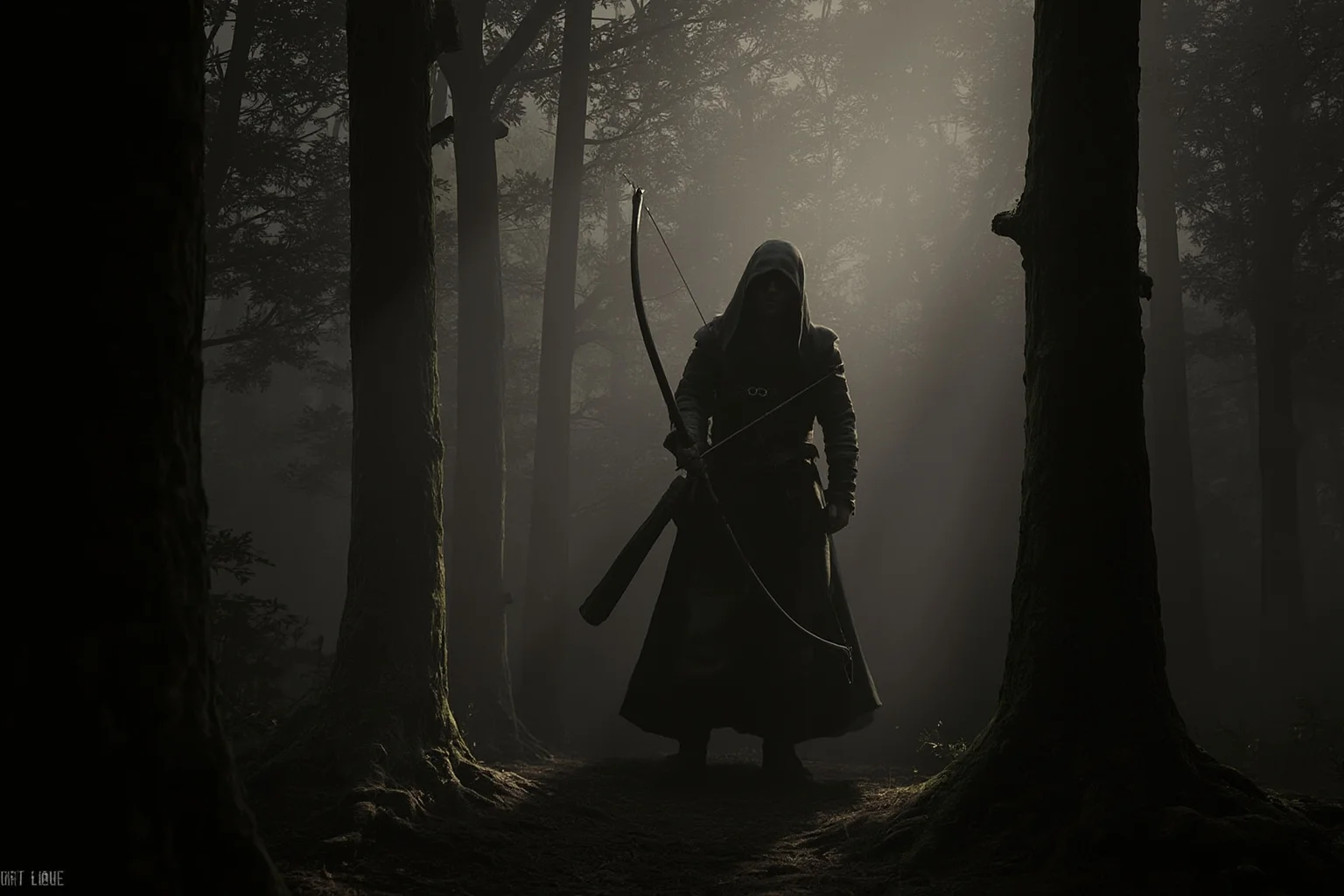
Robin Hood ballads first appeared in England around the 14th and 15th centuries, describing an outlaw who robbed the rich and helped the poor. Historians have never found one single person who matches the legend perfectly.
Court records from medieval England do show multiple men nicknamed “Robinhood” or similar, some of them genuine outlaws. The character was likely a composite, stitched together from real criminal folklore and the widespread resentment toward corrupt forest laws and taxation.
5. The Great Flood Myths

Flood stories appear in an astonishing number of cultures: the Mesopotamian Epic of Gilgamesh, the biblical account of Noah, and flood legends from Chinese, Indian, and Indigenous American traditions. The similarities have fueled centuries of debate.
Geologists have documented real, catastrophic flooding events in ancient Mesopotamia, including sediment layers at sites like Shuruppak that suggest a major regional flood around 2900 BCE. A single global flood isn’t supported by geological evidence, but localized floods devastating enough to end civilizations were real, and clearly memorable—a reminder that, much like the entries in worst man-made disasters in history, catastrophe often leaves scars that outlast written record.
6. The Minotaur and the Labyrinth of Knossos

Greek myth tells of a half-man, half-bull monster kept in a maze beneath the palace of King Minos on Crete. Archaeologist Arthur Evans excavated the actual Palace of Knossos in the early 1900s and found a sprawling, maze-like complex with hundreds of interconnected rooms.
Bull imagery, including frescoes of bull-leaping ceremonies, was central to Minoan culture. The labyrinth may have been inspired by the palace’s confusing architecture, while the Minotaur itself likely symbolizes the real power and danger the Minoans represented to mainland Greeks.
7. The Amazons and Scythian Warrior Women
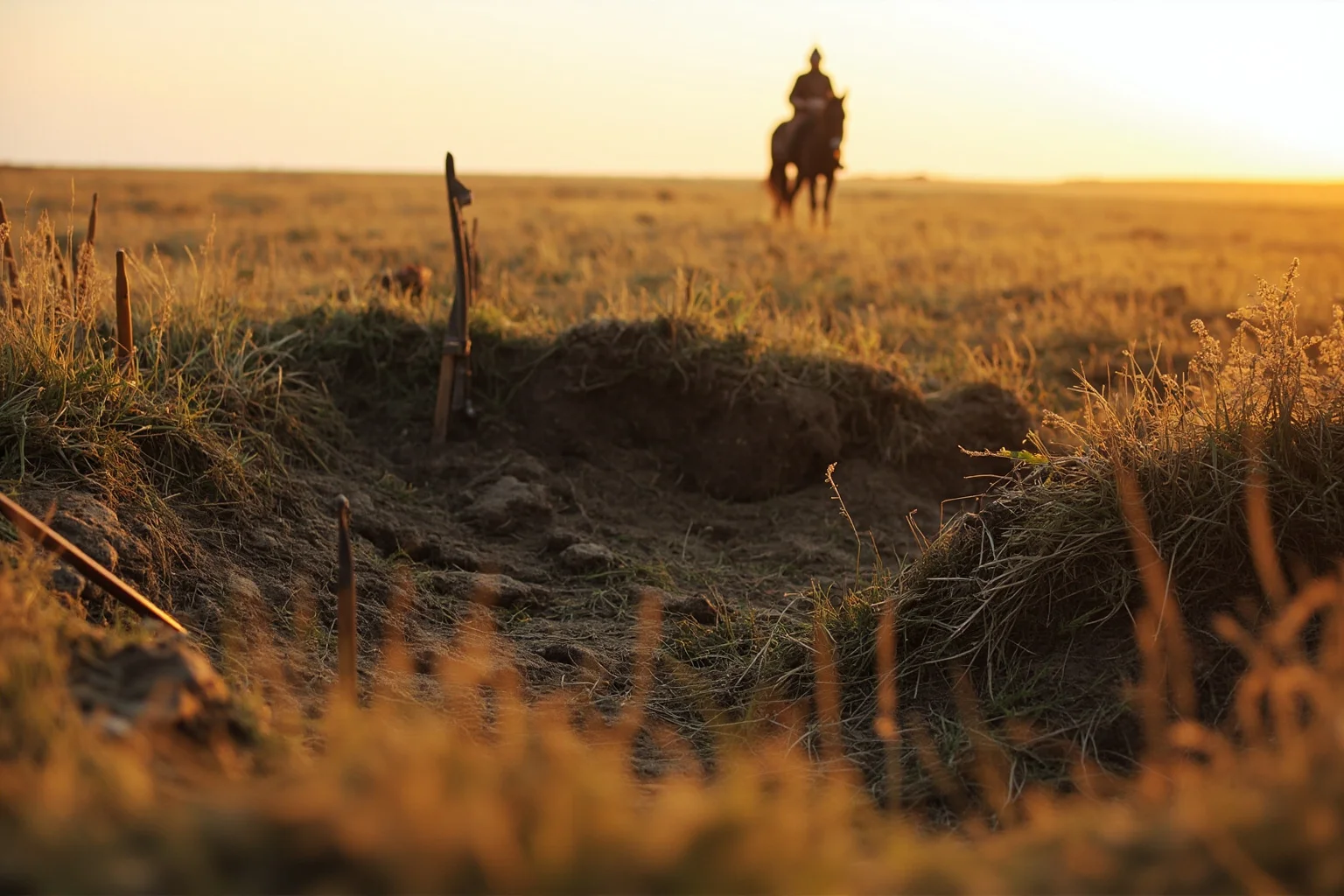
Greek writers described the Amazons as a tribe of fierce women warriors living beyond the edges of the known world. For a long time, this was treated as pure fantasy, a way for Greek storytellers to imagine a world turned upside down.
Modern archaeology has complicated that dismissal. Excavations of Scythian and Sarmatian burial mounds in Central Asia have uncovered female skeletons buried with weapons, arrowheads, and battle injuries, suggesting that armed women warriors were a genuine part of steppe nomad societies that Greeks encountered and mythologized.
8. El Dorado, the Lost City of Gold

Spanish conquistadors chased rumors of El Dorado, a city or kingdom made of gold, across South America for decades, driven by greed and half-understood legend. No golden city was ever found, and countless expeditions ended in disaster.
The legend appears to stem from a real ceremony practiced by the Muisca people near Bogotá, Colombia. Their new ruler was reportedly covered in gold dust and would ritually bathe in Lake Guatavita, tossing gold and jewels into the water as offerings, a practice historians and archaeologists consider well-supported.
9. William Tell and the Apple

Swiss legend holds that marksman William Tell was forced by a tyrannical Austrian official to shoot an apple off his own son’s head, an act of both skill and defiance that sparked a rebellion. The story became central to Swiss national identity, especially during independence movements.
Most historians now believe William Tell himself was not a real individual, since no contemporary records from his supposed 14th-century lifetime mention him. The rebellion against Habsburg rule in that era, however, was genuine, part of the same current running through many major revolutions throughout history, and Tell likely emerged as a symbolic hero built around real anti-Habsburg resistance.
10. Beowulf and the Historical Geats
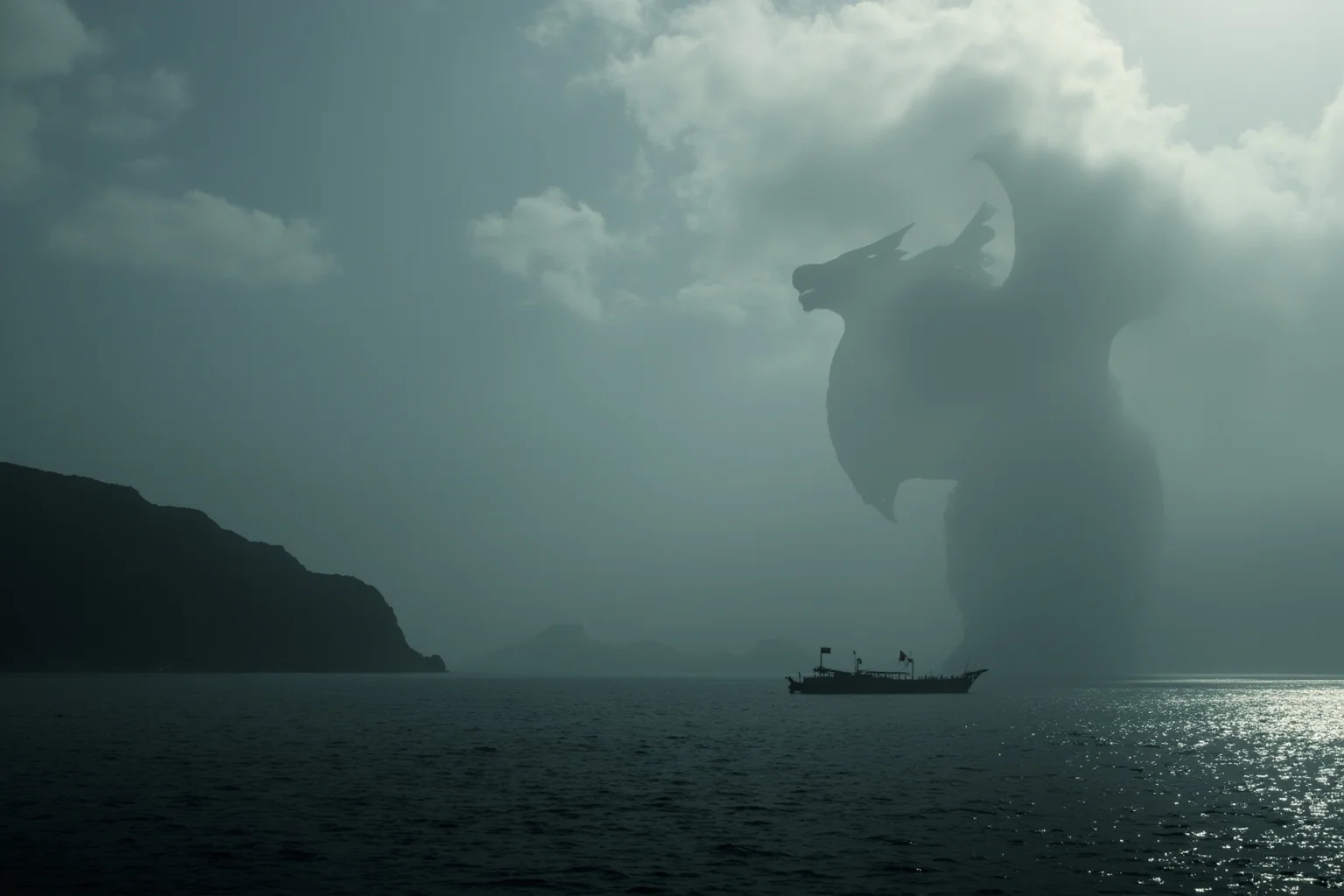
The Old English epic Beowulf follows a hero who battles the monster Grendel, Grendel’s mother, and eventually a dragon. Beowulf himself has no confirmed historical record, but several characters around him do.
King Hygelac, Beowulf’s uncle in the poem, is mentioned in the writings of the Frankish historian Gregory of Tours as a real Scandinavian king who died in a raid around 521 CE. That real political backdrop suggests the poem blends genuine early medieval Scandinavian history with supernatural adventure.
11. Vlad the Impaler and the Legend of Dracula
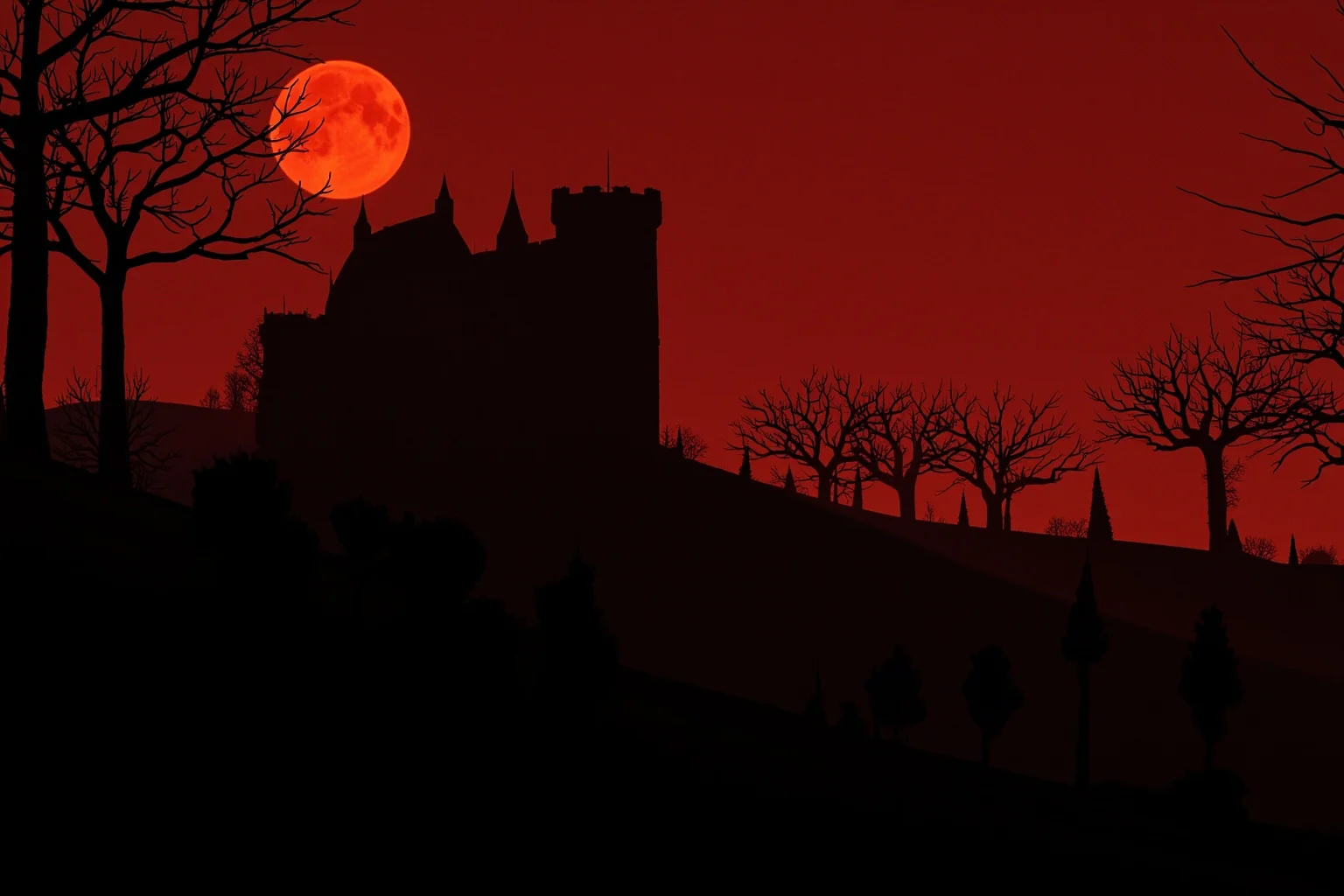
Bram Stoker’s Dracula turned a footnote of Eastern European history into a global horror icon. The historical figure behind the name, Vlad III of Wallachia, was a 15th-century ruler known for brutally impaling enemies and criminals as a method of execution and psychological warfare.
Vlad was a real political and military leader who fought against Ottoman expansion, one of the major wars everyone knows about in Eastern European history, and contemporary accounts, including exaggerated German pamphlets, describe his extreme cruelty. Stoker borrowed the name and reputation but invented the vampire mythology entirely for his 1897 novel.
12. The Pied Piper of Hamelin

The famous German legend describes a piper who lures rats out of Hamelin with music, and later leads the town’s children away after being cheated of payment. The tale sounds purely fantastical, but town records reference a real, unexplained loss of children around 1284 CE.
Historians have proposed several theories, including a mass emigration of young people to Eastern Europe, a plague outbreak, or even a tragic accident. The rat-catching element was likely added centuries later, blending with a separate, darker historical mystery about Hamelin’s missing children.
13. Mulan and the Ballad of the Filial Daughter

The story of Hua Mulan, a woman who disguises herself as a man to take her father’s place in the army, comes from a Chinese poem known as the Ballad of Mulan, likely composed during the Northern Wei dynasty. No historical records confirm Mulan as a real individual.
The ballad reflects real conditions of the era, including frequent conscription and warfare along China’s northern frontier. Mulan became an enduring symbol of filial piety and courage, standing alongside other bravest acts done in history, precisely because the setting and pressures she faced were historically accurate, even if she personally wasn’t.
14. La Llorona, the Weeping Woman
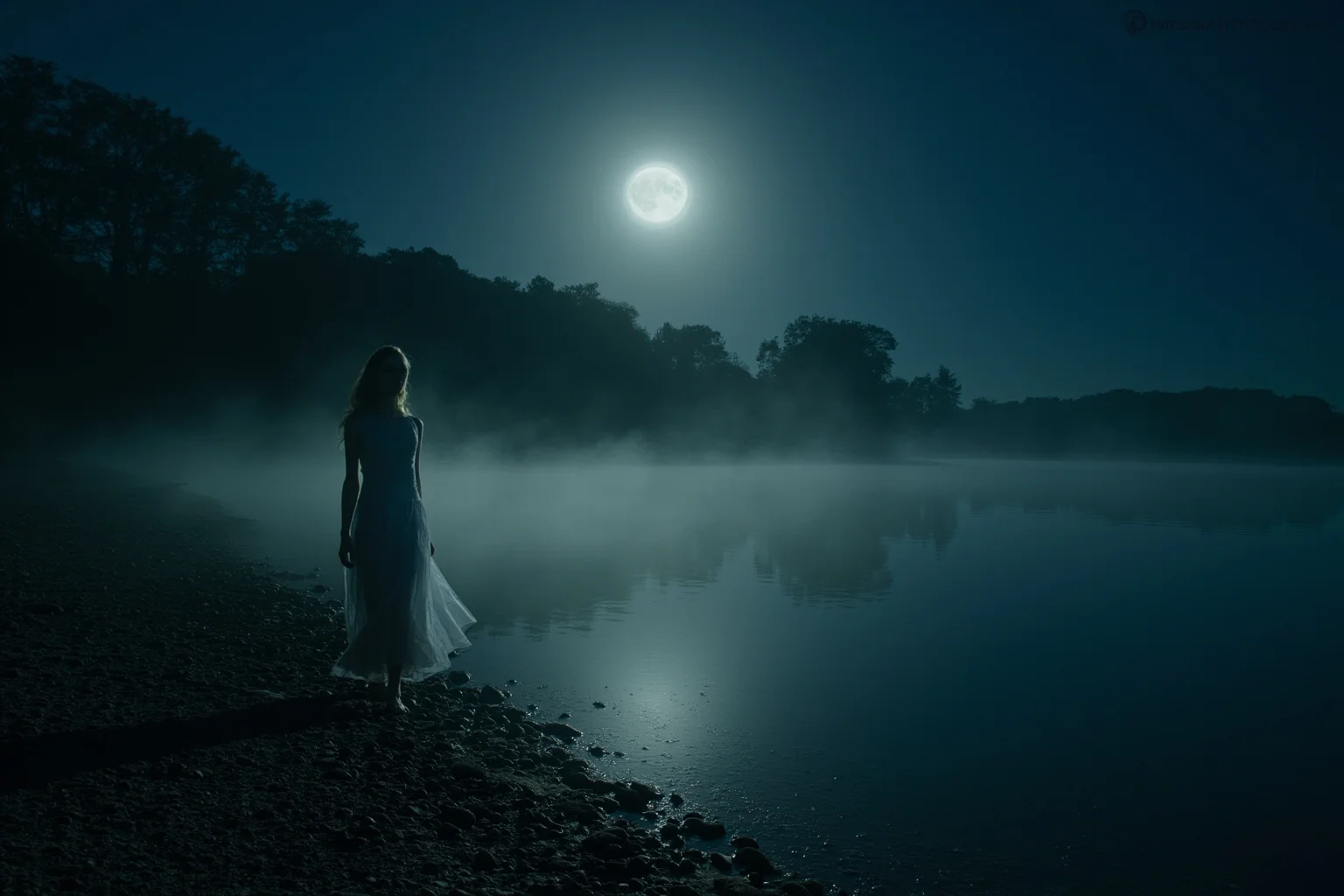
La Llorona is a mournful ghost from Mexican folklore who drowned her own children and now wanders waterways weeping and searching for them. Versions of the story vary widely, and its exact origins are debated among folklorists.
Some researchers connect the tale’s emotional core to real historical trauma following Spanish colonization, including forced separations, disease, and violence that devastated Indigenous families. Others trace echoes to older Aztec goddess legends, making La Llorona a genuine blend of Indigenous myth and colonial-era grief.
15. Paul Bunyan and the American Logging Frontier
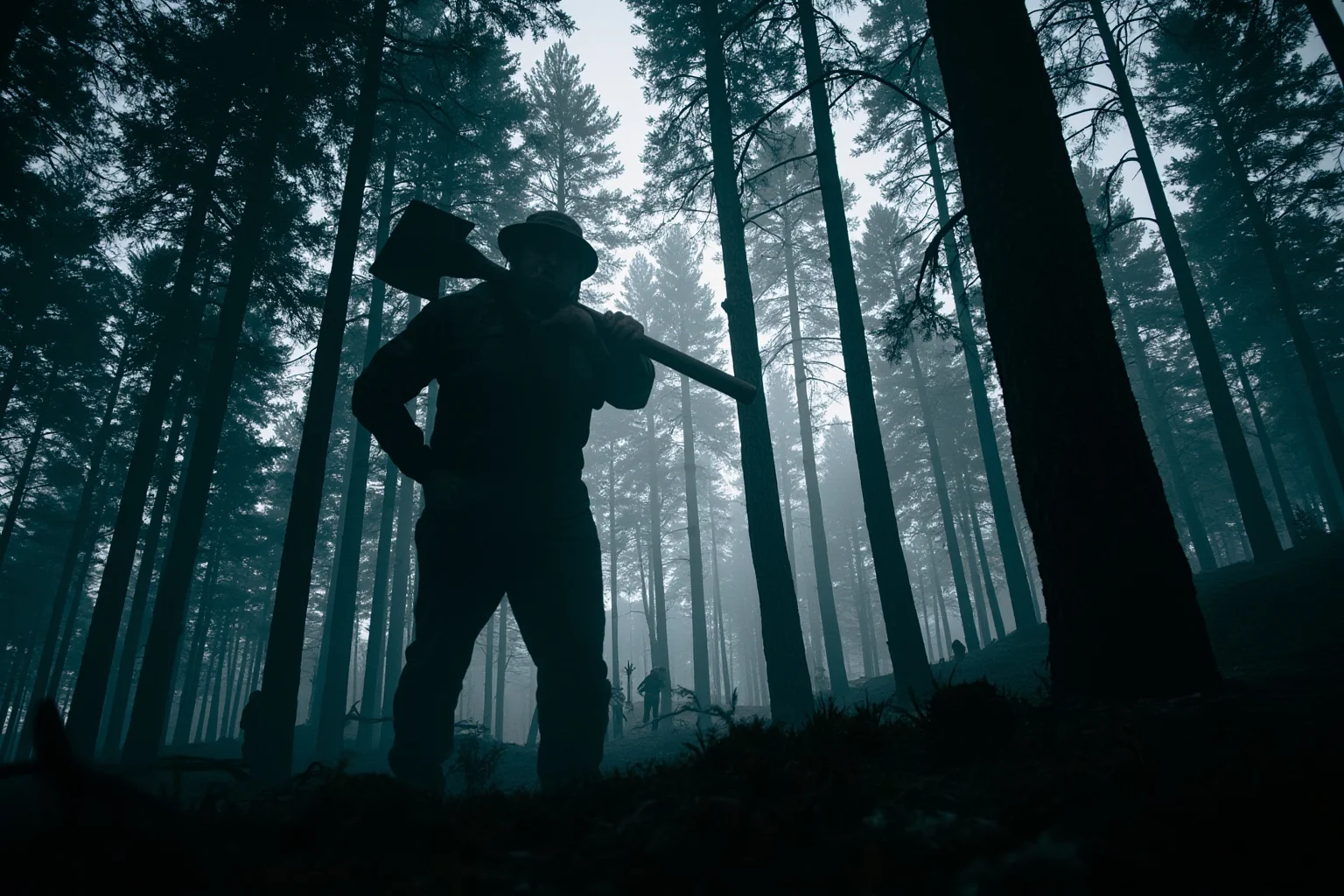
Paul Bunyan, the giant lumberjack who carved out the Great Lakes with his footprints and traveled with a massive blue ox, is pure tall tale. He was never a real person, and no serious historian claims otherwise.
The legend grew out of genuine 19th-century logging camp culture in the American Midwest, where exaggerated stories were a form of entertainment and camp folklore. Later, advertising campaigns in the early 1900s helped popularize and standardize the character nationally, turning oral tradition into commercial Americana.
16. Johnny Appleseed, the Man Behind the Myth

Unlike Paul Bunyan, Johnny Appleseed was a real person. John Chapman was born in 1774 and spent decades traveling through Ohio, Pennsylvania, and Indiana planting apple orchards and nurseries ahead of settler expansion.
The barefoot, eccentric folk hero of children’s books is an exaggeration, but Chapman really did establish numerous orchards and was known locally for his generosity and simple lifestyle. His real business, planting nurseries to sell to settlers, got mythologized into a wandering symbol of frontier kindness.
17. The Fountain of Youth and Ponce de León

Spanish explorer Juan Ponce de León is often credited with searching for a mythical Fountain of Youth when he explored Florida in 1513. This detail is almost certainly a later legend, since it doesn’t appear in accounts from his own lifetime.
Ponce de León was a real conquistador and the first governor of Puerto Rico, and his Florida expedition was genuinely historic as one of the earliest European encounters with the region. The fountain legend was likely attached to his story decades after his death, blending a real explorer with an old European folk motif about magical healing waters.
18. The Kraken and Giant Squid Sightings
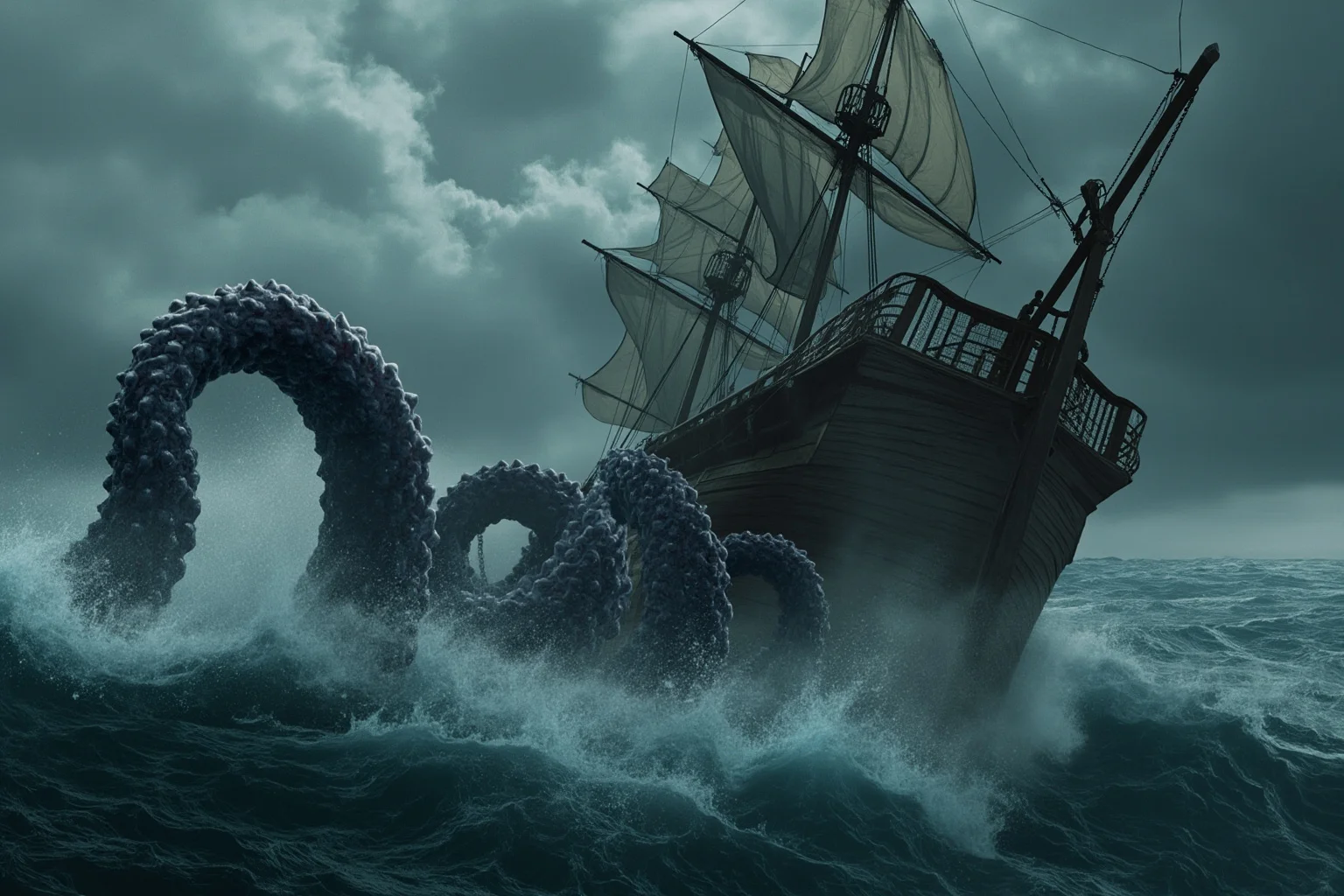
Scandinavian sailors told stories of the Kraken, a colossal sea monster capable of dragging entire ships beneath the waves. For centuries this was dismissed as pure maritime superstition, useful mainly for explaining shipwrecks.
Marine biologists now know that giant squid, which can grow to lengths of over 40 feet, do exist in deep ocean waters and were rarely seen alive until recent decades. Sailors encountering massive squid carcasses or rare surface sightings almost certainly contributed to Kraken legends passed down through Norse and later European folklore.
19. Anansi the Spider and West African Oral Tradition

Anansi is a trickster spider figure from Akan folklore in West Africa, known for outsmarting stronger animals through cleverness rather than strength. These stories were never meant to be literal history, but they carried real cultural weight.
Anansi tales traveled across the Atlantic during the transatlantic slave trade, surviving in Caribbean and African American oral tradition as a symbol of using wit to survive oppression. The myth itself is fictional, but the historical journey of the stories reflects a very real and painful chapter of history.
20. The Cyclops and Fossil Elephant Skulls
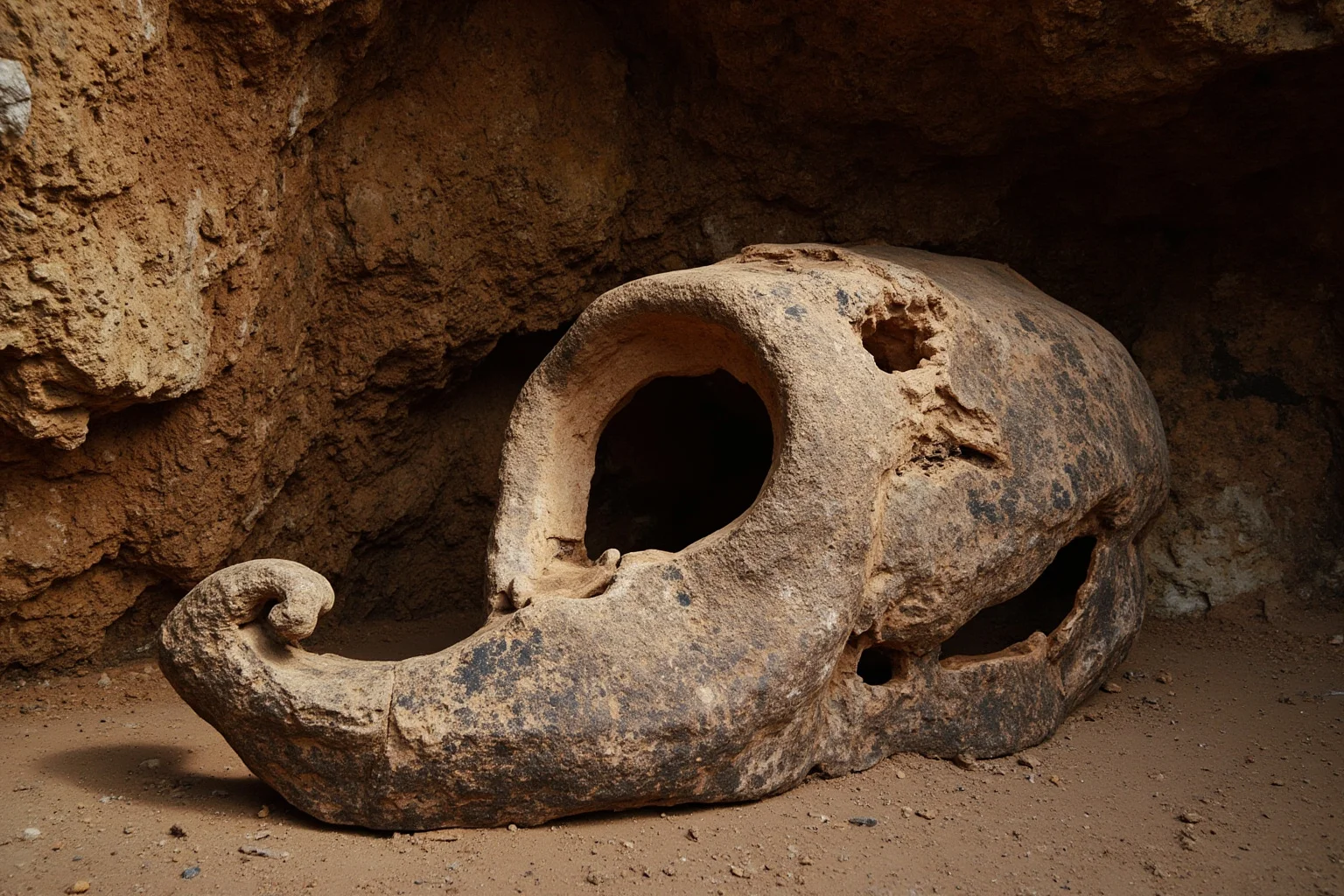
The one-eyed Cyclops from Greek mythology, most famous from Homer’s Odyssey, has a surprisingly physical possible explanation. Ancient Greeks living on Mediterranean islands like Crete and Sicily regularly encountered fossilized skulls of extinct dwarf elephants.
These skulls feature a large central nasal cavity that can resemble a single eye socket to someone unfamiliar with elephant anatomy. Paleontologist Othenio Abel proposed this connection in the early 20th century, and while it’s not proven beyond doubt, it remains one of the more elegant explanations for how a real fossil could inspire a lasting monster myth.
Why These Legends Still Matter
Looking across these famous myths around the world, a clear pattern emerges. Real wars, natural disasters, migrations, and remarkable individuals get filtered through generations of retelling until the factual edges soften into something larger and stranger.
That doesn’t make these stories any less valuable. Cultural myths give communities a shared identity, a way to process trauma, and a framework for teaching values like courage, cleverness, or humility. Understanding the true events tucked inside them doesn’t ruin the magic; it just adds another layer of meaning to stories that have already survived thousands of years.
The next time you hear a legend that sounds too wild to be true, it’s worth asking what really happened underneath it. As this list shows, the answer is often just as fascinating as the myth itself.
Frequently Asked Questions
What is a myth, and what are some examples?
A myth is a traditional story, often passed down orally before being written, that explains natural events, cultural customs, or the origins of a people or place. Classic examples include the Greek myth of the Minotaur, the Mesopotamian flood epic in the Epic of Gilgamesh, and the Chinese Ballad of Mulan, all of which blend symbolic storytelling with echoes of real history.
What are some famous myths around the world with real historical roots?
Many myths around the world trace back to documented events. The Trojan War myth connects to the real archaeological site of Troy in Turkey, the El Dorado legend stems from an actual Muisca gold ceremony in Colombia, and the Pied Piper of Hamelin legend may relate to a genuine unexplained disappearance of children recorded in German town archives around 1284.
Are all cultural myths based on real events?
No, not every myth has a confirmed historical basis. Some, like Paul Bunyan, are entirely invented folklore created for entertainment or cultural identity, while others, like the Trojan War or El Dorado, have strong archaeological or documentary support. Historians generally treat these connections as varying levels of likely inspiration rather than proven fact.
Why do so many different cultures have similar myths, like flood stories?
Similar myths often arise because separate cultures experienced comparable real-world events, such as regional floods, volcanic eruptions, or invasions, and independently mythologized them. In the mythology of different cultures, shared human experiences like disaster, war, and death frequently produce structurally similar stories even without any direct contact between the societies.
How do historians tell the difference between myth and real history?
Historians and archaeologists look for physical evidence such as ruins, artifacts, and skeletal remains, along with contemporary written records that can corroborate details in a legend. When a myth's core details align with verified findings, like the layered ruins at Troy or Scythian burial mounds containing armed women, researchers treat the connection as plausible rather than declaring it definitively proven.

Alex Warren
Related Articles