

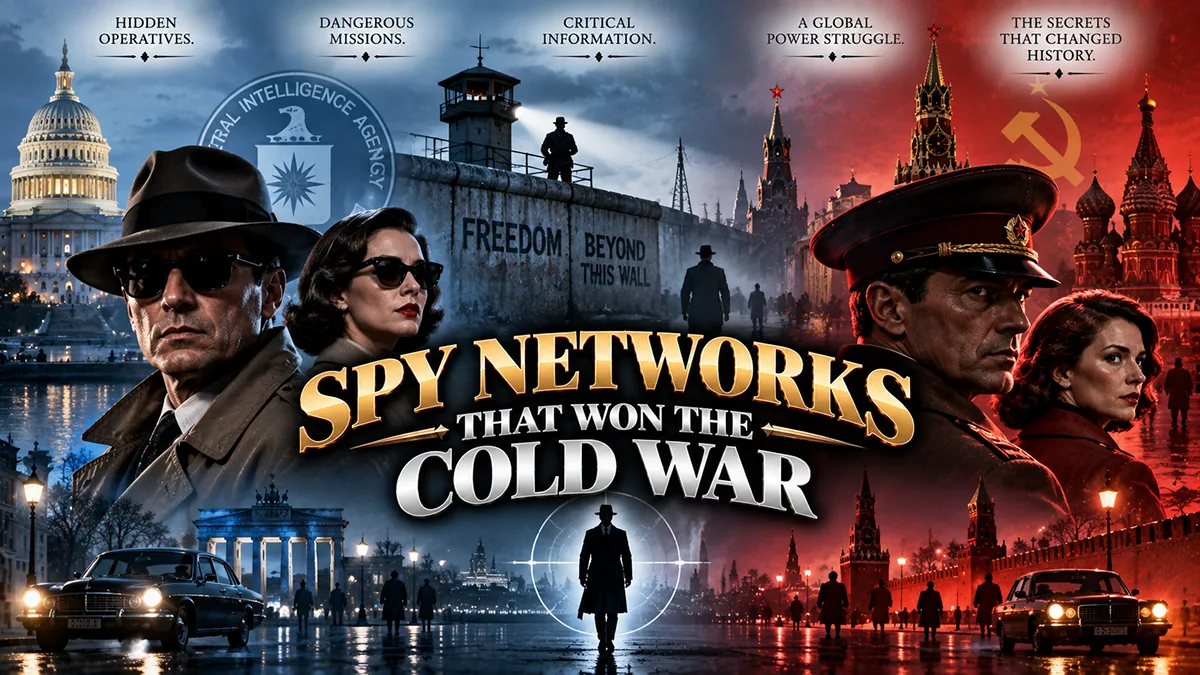
Picture a diplomat’s briefcase with a false bottom, a chalk mark on a park bench meaning “meet tonight,” and microfilm hidden inside a hollowed-out nickel.
That last one isn’t spy fiction — it’s a real object the FBI found in Brooklyn in 1953. It’s also a fair snapshot of what spying in the Cold War actually looked like: patient, unglamorous, and often decided by a single careless mistake.
For nearly five decades, the United States and the Soviet Union fought a shadow war of moles, defectors, and stolen blueprints, and they never once fought each other directly on a battlefield — making it one of the biggest events in American history even without a formal declaration of war.
This post walks through the real cold war spy networks, double agents, and technology that shaped the outcome, separating documented history from the myths that decades of spy movies have layered on top of it.
TL;DR: Cold War spies and espionage — from the Cambridge Five to Corona spy satellites — quietly shaped superpower decisions for 45 years without a single direct US-Soviet battle.
Setting the Scene: Why Espionage Became the Cold War’s Real Battlefield
When the wartime alliance between the US and USSR collapsed in the late 1940s, both sides faced a new problem. Nuclear weapons made a direct war between them almost unthinkable, so intelligence gathering became the main way each side tried to gain an edge without risking global annihilation.
This is why espionage during the Cold War grew into something far larger and more organized than the spy stories of earlier wars. The CIA was founded in 1947, Britain’s MI6 expanded its Soviet desk, and the Soviet KGB (formed in 1954 from earlier state security services) ran operations across five continents.
What follows isn’t a ranked “best of” list in the sense of approval — some of these networks did enormous damage to the countries they betrayed.
It’s a chronological tour of the spy networks and individual spies during the Cold War whose actions are the best documented, drawing on declassified files, trial records, and defector testimony rather than speculation.
1. The Cambridge Five — Britain’s Soviet Moles
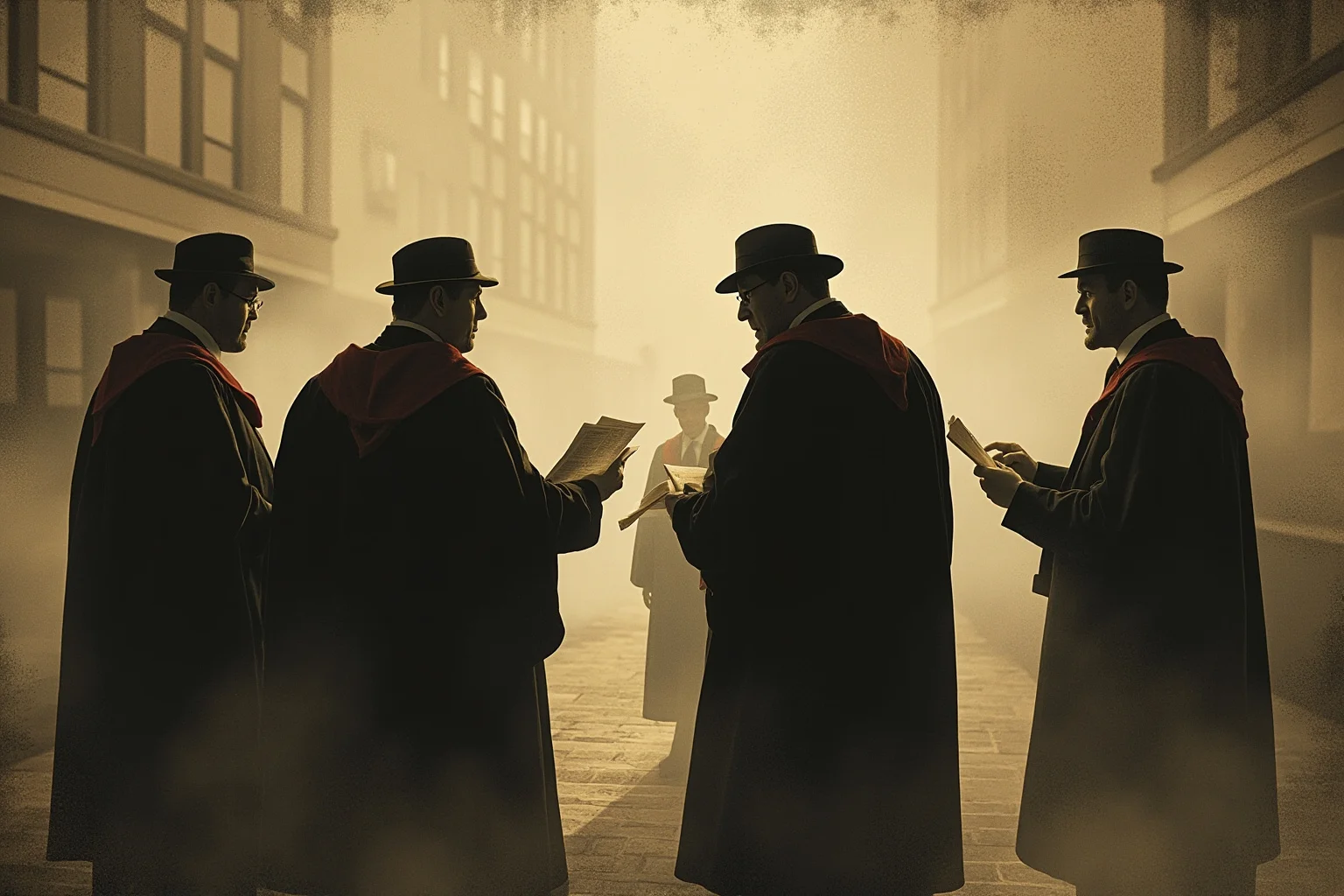
The Cambridge Five were a group of British men recruited by Soviet intelligence while studying at Cambridge University in the 1930s, driven by genuine ideological commitment to communism. The core members — Kim Philby, Guy Burgess, Donald Maclean, Anthony Blunt, and John Cairncross — went on to hold senior positions in British intelligence, the Foreign Office, and royal art collections.
For over two decades they passed classified material to Moscow, including details on Western nuclear policy and NATO planning. Their exposure between 1951 and 1963 remains one of the most damaging counterintelligence failures in British history.
2. Kim Philby — The Spy Who Fooled MI6
Of the five, Kim Philby did the most damage. He rose high enough within MI6 to be considered for the role of its chief, all while secretly reporting to the KGB.
Philby is believed to have tipped off fellow moles Burgess and Maclean before their 1951 defection, and he was formally unmasked as a Soviet agent only in 1963, after which he fled to Moscow. He lived out his life in the USSR, a fact that still stands as a stark reminder of how deeply Soviet espionage penetrated allied institutions.
3. The Rosenberg Ring — Atomic Secrets for Moscow
Julius and Ethel Rosenberg led a small network that funneled information about the American atomic bomb program to the Soviet Union during and after World War II. Much of the material reportedly came through Ethel’s brother, David Greenglass, who worked at the Los Alamos laboratory.
The Rosenbergs were convicted of espionage in 1951 and executed in 1953, a case that remains controversial in terms of sentencing and stands as one of the most notorious flashpoints of the Red Scare, whose core facts of Soviet infiltration were later corroborated by declassified Venona decrypts.
4. Klaus Fuchs — The Physicist Who Leaked the Bomb
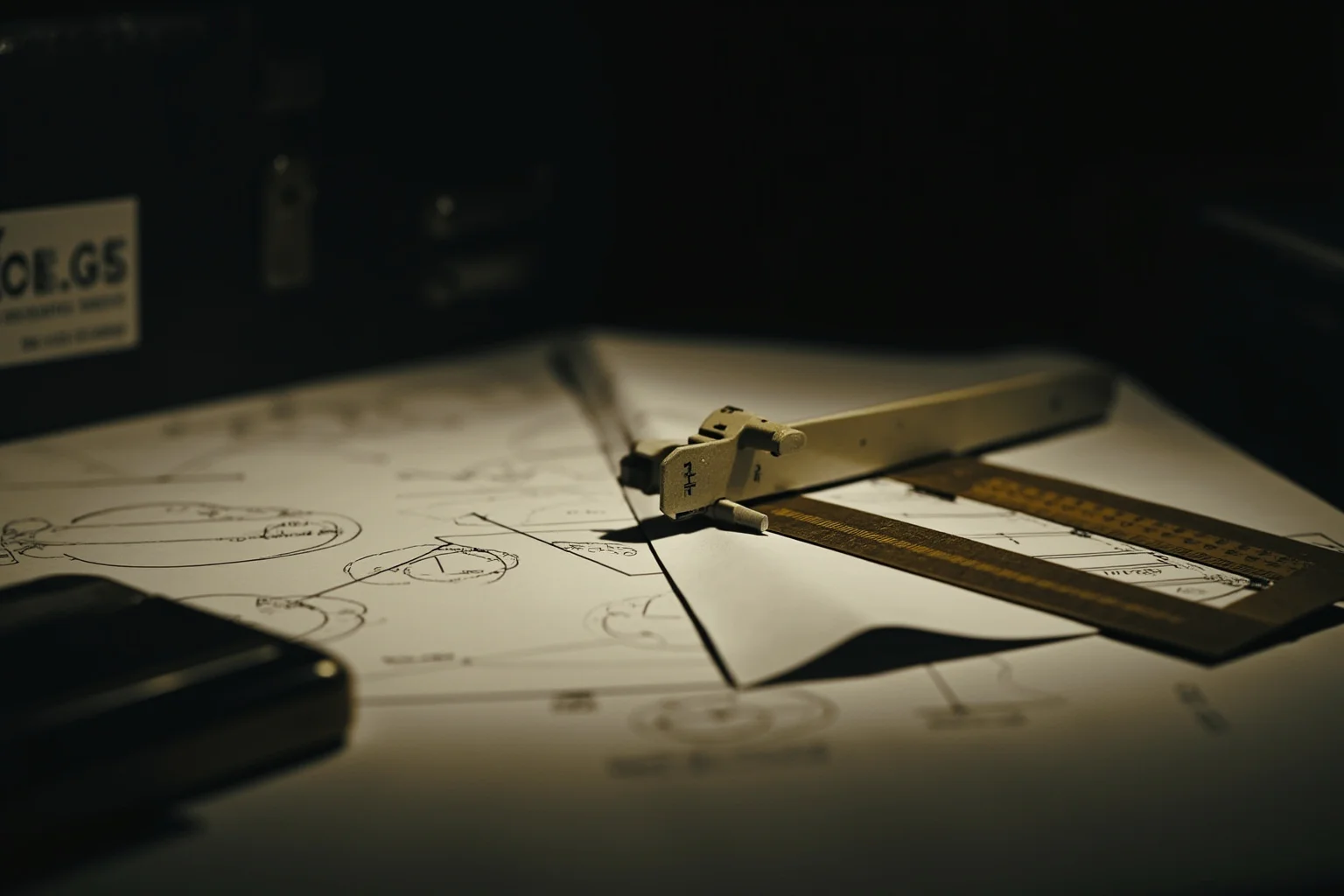
Klaus Fuchs was a German-born physicist who worked on both the British and American atomic bomb projects, including at Los Alamos. He passed detailed technical designs to Soviet intelligence throughout the 1940s.
Historians generally agree Fuchs’s material helped the USSR accelerate its own bomb program, which detonated its first device in 1949. He confessed in 1950, was convicted in Britain, and served nine years before emigrating to East Germany.
5. The Silvermaster Group — A 1940s Spy Group Inside the US Treasury
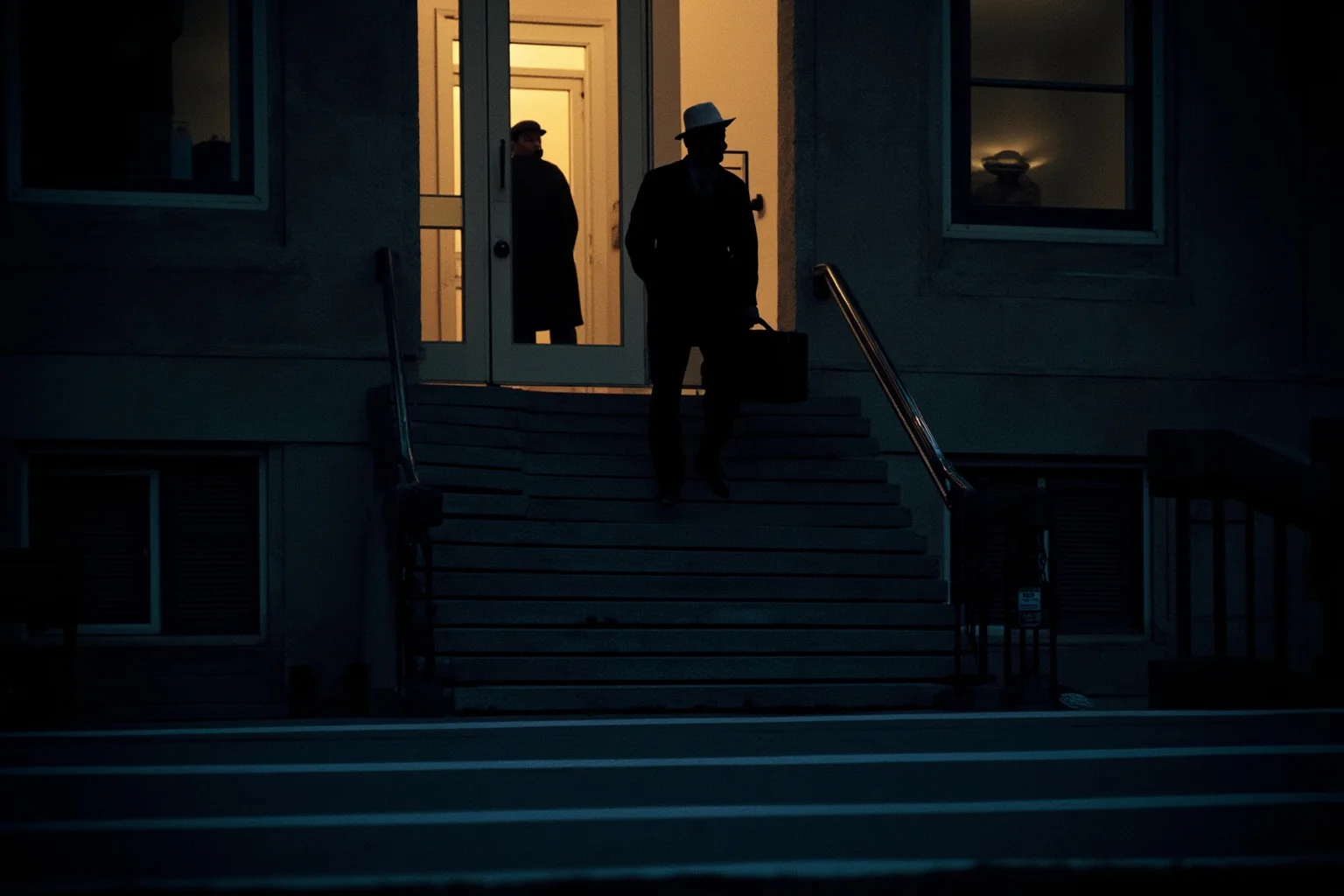
Led by Treasury economist Nathan Gregory Silvermaster, this 1940s spy group placed sympathetic officials inside several US government agencies to funnel policy documents to Moscow. Members reportedly included contacts close to senior Treasury official Harry Dexter White, though White’s own role remains debated among historians.
The group’s existence was confirmed through a combination of the Venona intercepts and testimony from defector Elizabeth Bentley, making it one of the clearest documented cases of Soviet espionage inside 1940s Washington.
6. Elizabeth Bentley — The Defector Who Blew the Whistle
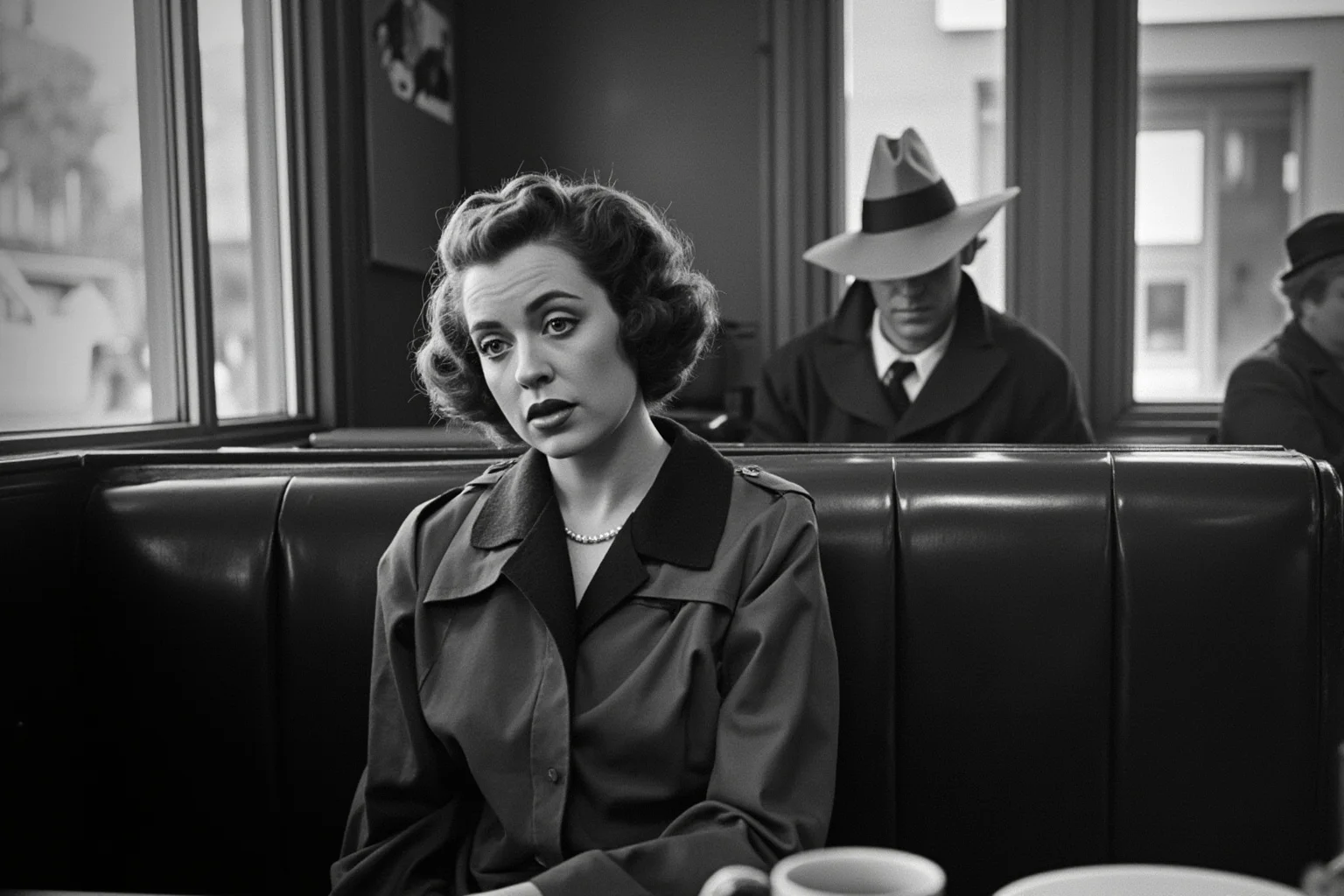
Elizabeth Bentley had worked as a courier for Soviet intelligence before defecting to the FBI in 1945. Her detailed statements named dozens of alleged American spies and Soviet contacts.
Bentley’s credibility was questioned at the time and some of her claims couldn’t be independently verified, but Venona decrypts later confirmed many of her core allegations. She became known in the press as the “Red Spy Queen,” a nickname that oversold her glamour but not her impact on Cold War American spies investigations.
7. Whittaker Chambers and the Ware Group
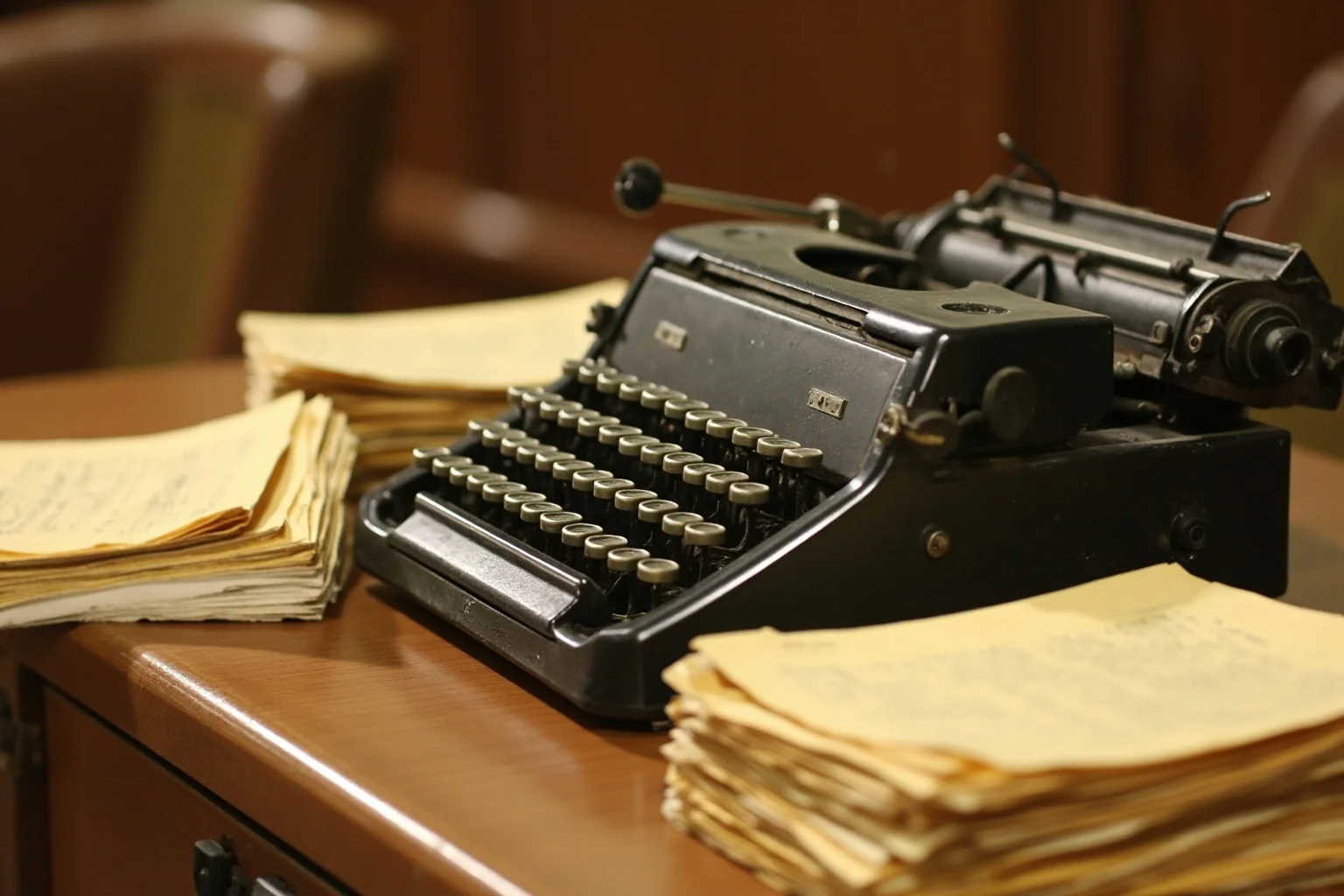
Whittaker Chambers was a former Soviet courier who testified in 1948 that a State Department official named Alger Hiss had passed him classified documents in the 1930s as part of what became known as the Ware Group. Hiss denied espionage but was convicted of perjury in 1950.
The Hiss-Chambers case became a defining early Cold War controversy that helped fuel the broader anti-communist fears of America’s Red Scare, and later Soviet-era archival research has generally supported Chambers’s account, though debate among historians has never fully disappeared.
8. The Venona Project — Codebreakers Who Unmasked a Generation of Spies
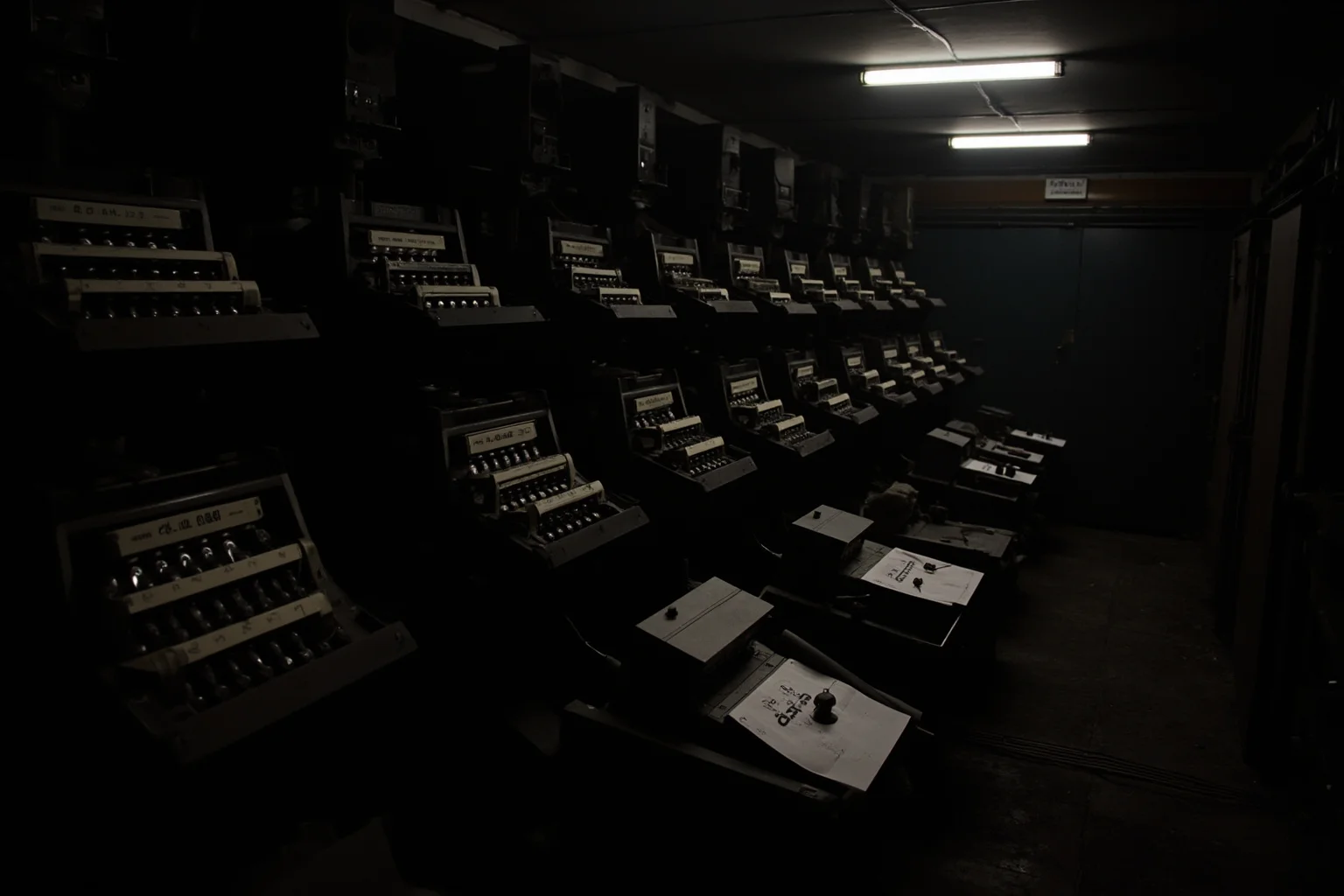
Venona wasn’t a spy network — it was the codename for a US Army Signal Intelligence effort that decrypted thousands of Soviet intelligence cables sent between 1942 and 1945. The project ran in secret for decades and wasn’t declassified until 1995.
Venona confirmed the existence of numerous Soviet espionage operations inside the US government and gave later historians hard evidence to check earlier accusations against. It remains one of the single most important sources for understanding spying during the Cold War’s early years.
9. The Portland Spy Ring — Submarine Secrets from Britain
This Soviet-run network operated out of Portland, England, and focused on stealing British underwater weapons research. Its members included Royal Navy clerk Harry Houghton, his colleague Ethel Gee, and the mysterious “Gordon Lonsdale,” later revealed to be Soviet intelligence officer Konon Molody.
British counterintelligence uncovered the ring in 1961 with help from a Polish defector, and the case exposed how ordinary-looking suburban couples — including a pair of Soviet illegals posing as antiquarian booksellers — could run an active spy network for years without suspicion.
10. Oleg Penkovsky — The GRU Colonel Who Talked to the West
Oleg Penkovsky was a Soviet military intelligence (GRU) colonel who secretly passed extensive military information to British and American intelligence in the early 1960s. His material reportedly included details relevant to Soviet missile capabilities around the time of the 1962 Cuban Missile Crisis.
Some historians credit his intelligence with helping Western leaders gauge Soviet intentions during that crisis, though the precise extent of his impact is debated rather than settled fact. Penkovsky was arrested by Soviet authorities in 1962 and executed in 1963.
11. Operation Gold and the Berlin Tunnel
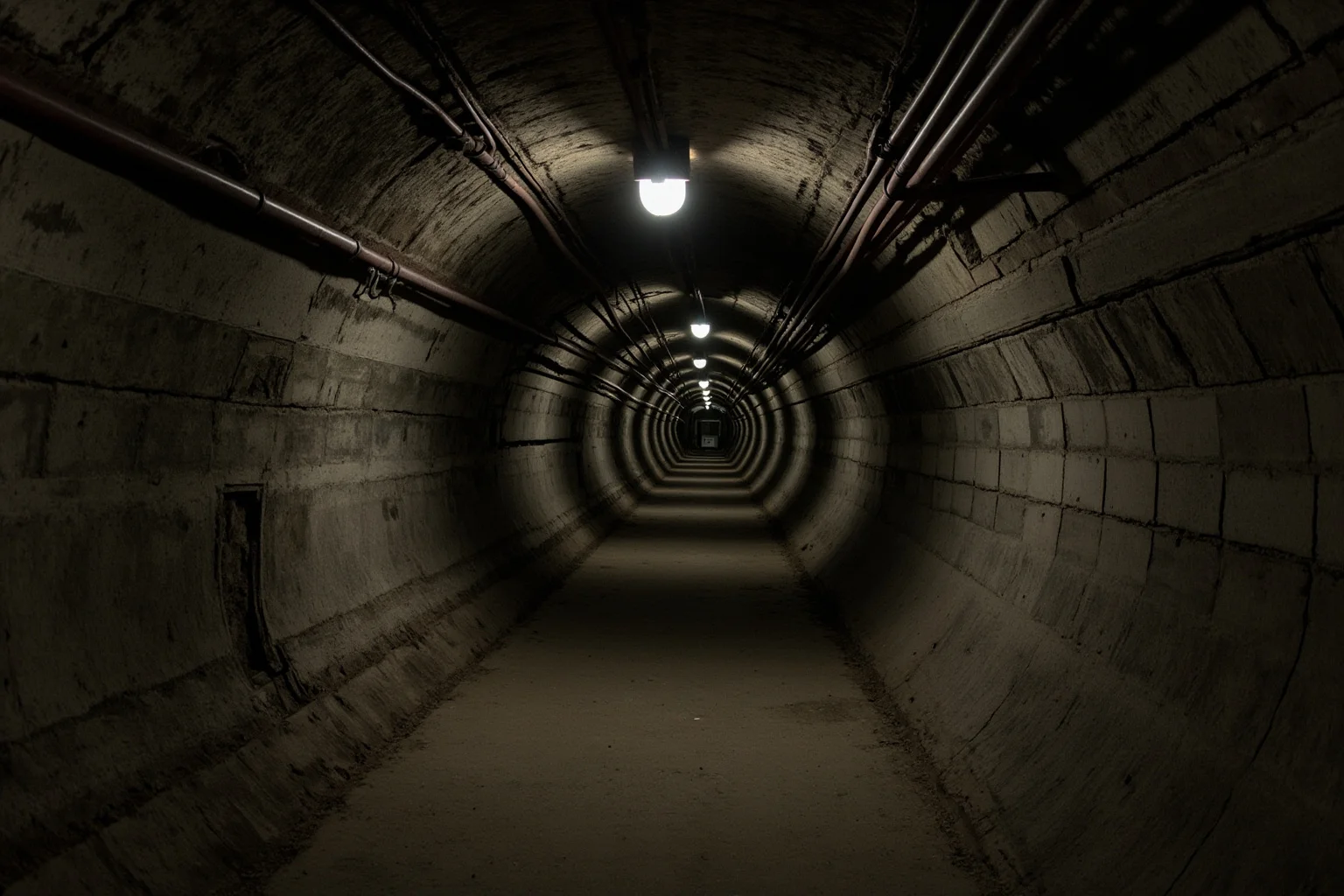
In the mid-1950s, the CIA and Britain’s MI6 jointly built a tunnel beneath Berlin to tap Soviet and East German communication lines, an operation known as Gold on the American side. It ran for about a year, from 1955 into 1956, gathering intelligence on Soviet military activity.
The twist is that the Soviets knew about the tunnel almost from the start, tipped off by Cambridge Five member George Blake, who was working inside British intelligence. Moscow reportedly let the tunnel operate anyway to protect Blake’s cover, feeding some genuine and some staged material through it.
12. The CIA’s Berlin Base
Cold War Berlin, divided between East and West, became one of the most concentrated intelligence battlegrounds anywhere in the world. The CIA’s Berlin Base ran agent networks, recruited defectors, and coordinated closely with West German intelligence throughout the 1950s and 1960s.
Its location made it uniquely useful, since officers could recruit Eastern Bloc contacts and extract them relatively quickly compared to more isolated postings elsewhere in the Soviet sphere.
13. Markus Wolf and the Stasi’s Foreign Intelligence Arm
Markus Wolf led the HVA, the foreign intelligence branch of East Germany’s Stasi, for over three decades. Western agencies reportedly struggled for years to even obtain a photograph of him, earning him the nickname “the man without a face.”
Wolf’s service became known for so-called “Romeo” operations, in which male agents cultivated relationships with women working in West German government offices to gain access to documents. The Stasi’s overall surveillance apparatus, of which the HVA was one part, is now widely studied as one of the most extensive domestic and foreign intelligence operations of the era.
14. Oleg Gordievsky — The KGB Colonel Working for MI6
Oleg Gordievsky was a senior KGB officer stationed in London who secretly worked for British intelligence for over a decade. He is credited with warning the West about Operation RYAN, a real Soviet program monitoring for signs of a surprise NATO nuclear strike during the tense early 1980s.
Gordievsky was recalled to Moscow in 1985 and came under suspicion, but MI6 extracted him from the Soviet Union in a tightly planned escape. His case remains one of the most consequential Western intelligence successes of the late Cold War.
15. Vladimir Vetrov and the Farewell Dossier
Vladimir Vetrov was a KGB officer who, disillusioned with the Soviet system, passed thousands of documents to French intelligence starting around 1981. The material, later called the Farewell Dossier, detailed a massive Soviet program to steal Western technology for military and industrial use.
The information reportedly led the US and its allies to expel dozens of Soviet officials in 1983 and to feed deliberately flawed technology back into Soviet supply chains. Vetrov was arrested and executed by Soviet authorities in 1983 for an unrelated crime before his espionage was even discovered by the KGB.
16. Aldrich Ames — The CIA Officer Who Sold Names for Cash
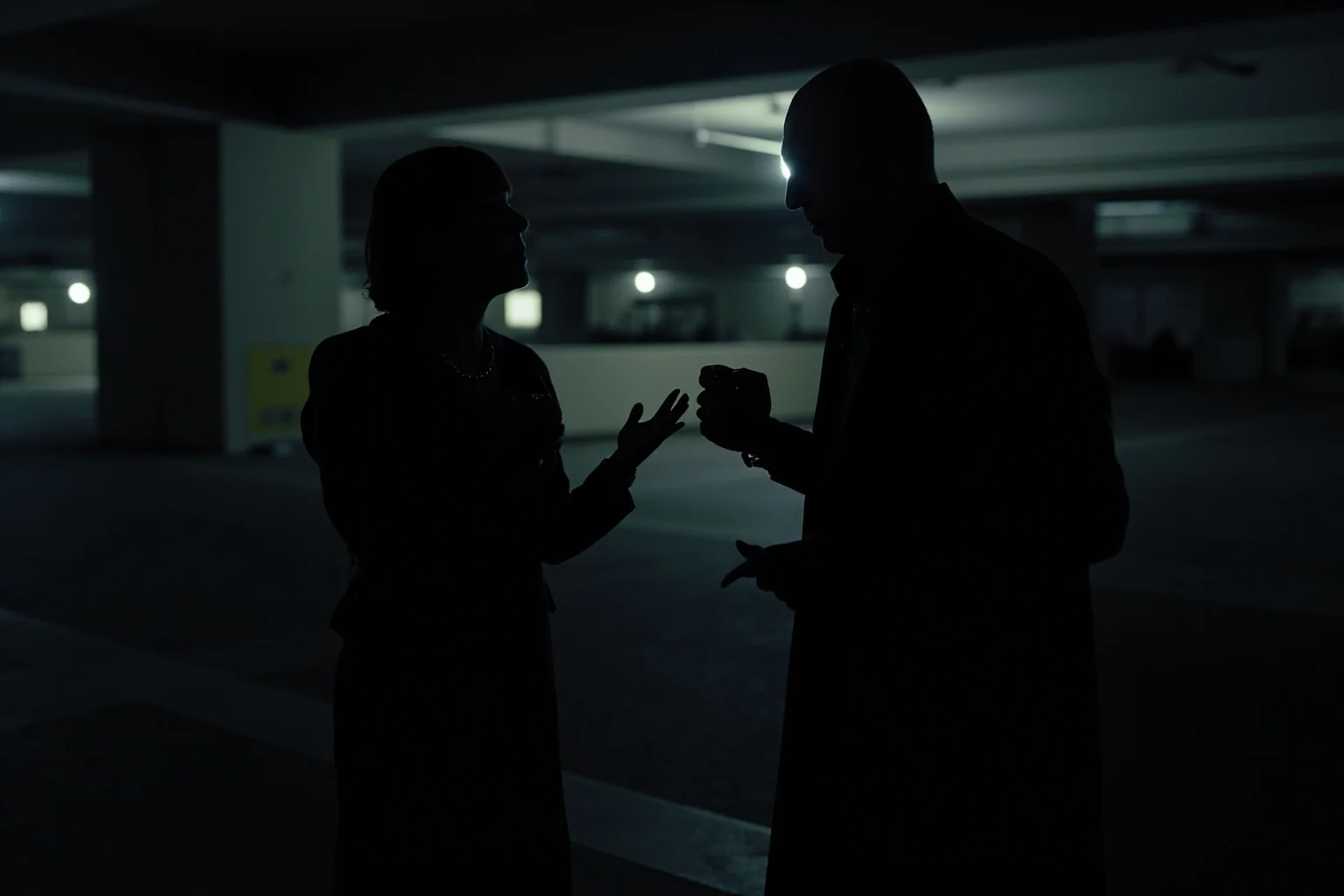
Aldrich Ames was a CIA counterintelligence officer who began spying for the KGB in 1985, reportedly motivated largely by money. He compromised the identities of numerous US intelligence assets inside the Soviet Union, several of whom were executed as a result.
Ames evaded detection for nearly a decade despite an unexplained increase in personal wealth, and his arrest in 1994 triggered a major overhaul of internal CIA security practices.
17. Robert Hanssen — The FBI Mole Who Evaded Detection for Decades
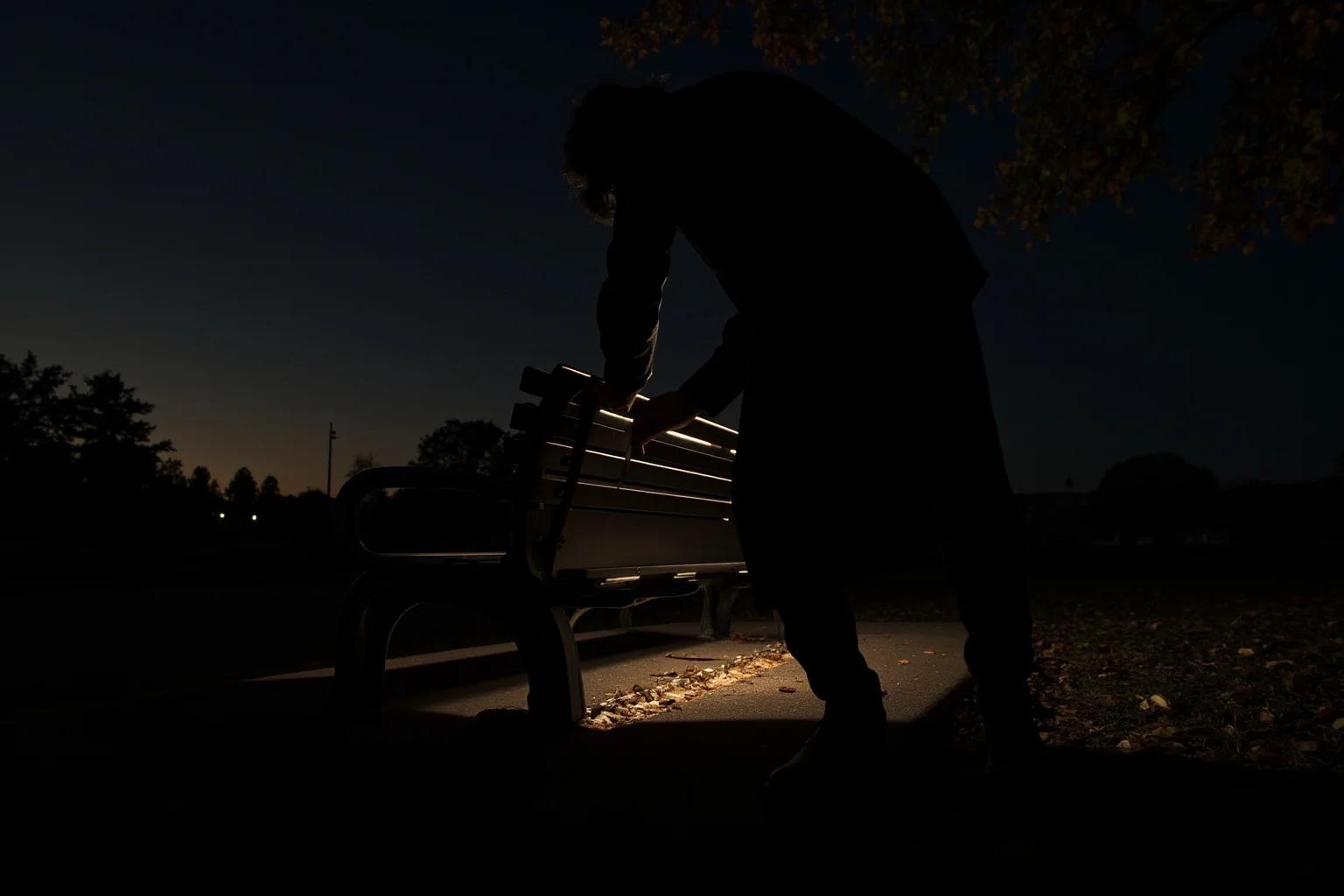
Robert Hanssen was an FBI agent who spied for Soviet, and later Russian, intelligence intermittently from 1979 until his arrest in 2001. He used dead drops in Virginia parks and encrypted communications to pass along extraordinarily sensitive material, including details on US nuclear war planning.
Hanssen’s case is often studied alongside Ames’s as one of the two most damaging instances of Cold War and post-Cold War American spies working from inside US intelligence itself.
18. John Anthony Walker and the Family Spy Ring
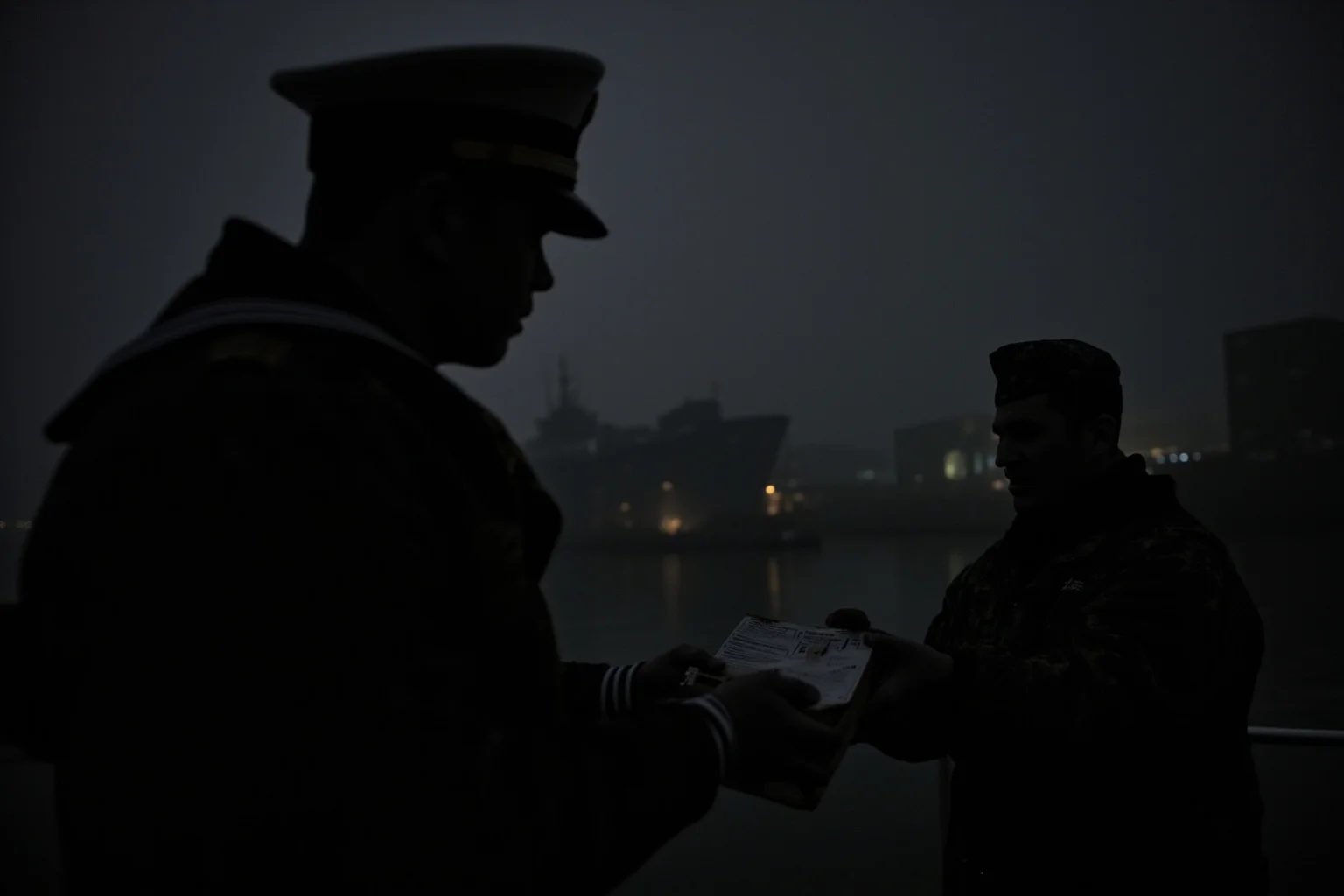
John Anthony Walker was a US Navy warrant officer who began selling cryptographic material to Soviet intelligence in 1967. Over the following years he recruited his brother, son, and a close friend into the operation, creating a genuine family-run spy network.
The ring compromised significant Navy communications security before Walker’s ex-wife tipped off the FBI, leading to his arrest in 1985. It stands as one of the more unusual structures among Cold War Soviet spies operations, built on family loyalty rather than ideology.
19. The U-2 Program — Eyes in the Sky
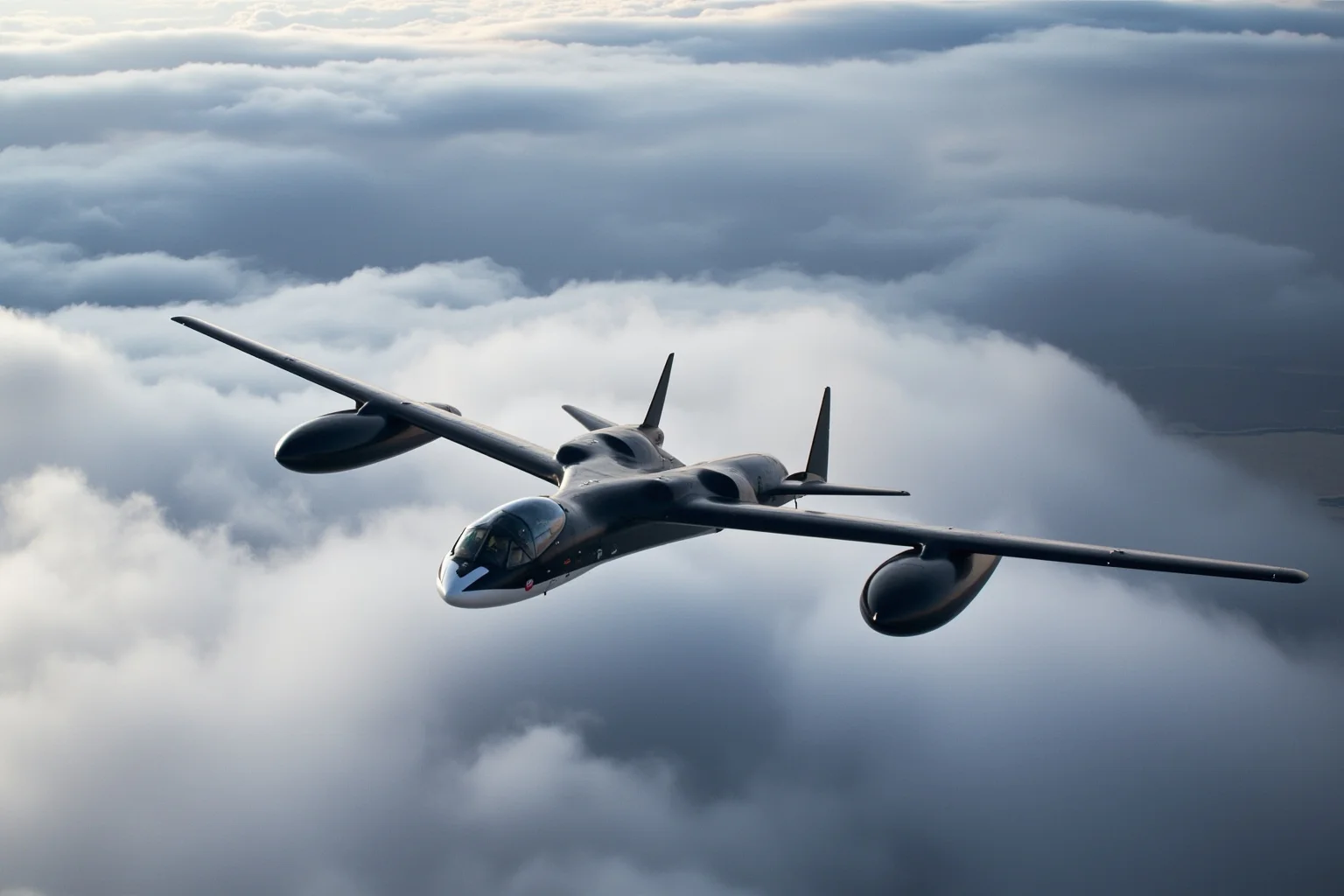
The U-2 was a high-altitude reconnaissance aircraft developed by the CIA and Lockheed in the 1950s, capable of flying above the range of most Soviet air defenses at the time. It provided crucial photographic intelligence on Soviet military installations for several years.
The program’s cover was blown dramatically in 1960 when pilot Francis Gary Powers was shot down over Soviet territory, an incident that derailed a planned US-Soviet summit and publicly embarrassed the Eisenhower administration.
20. Corona — Spying from Space
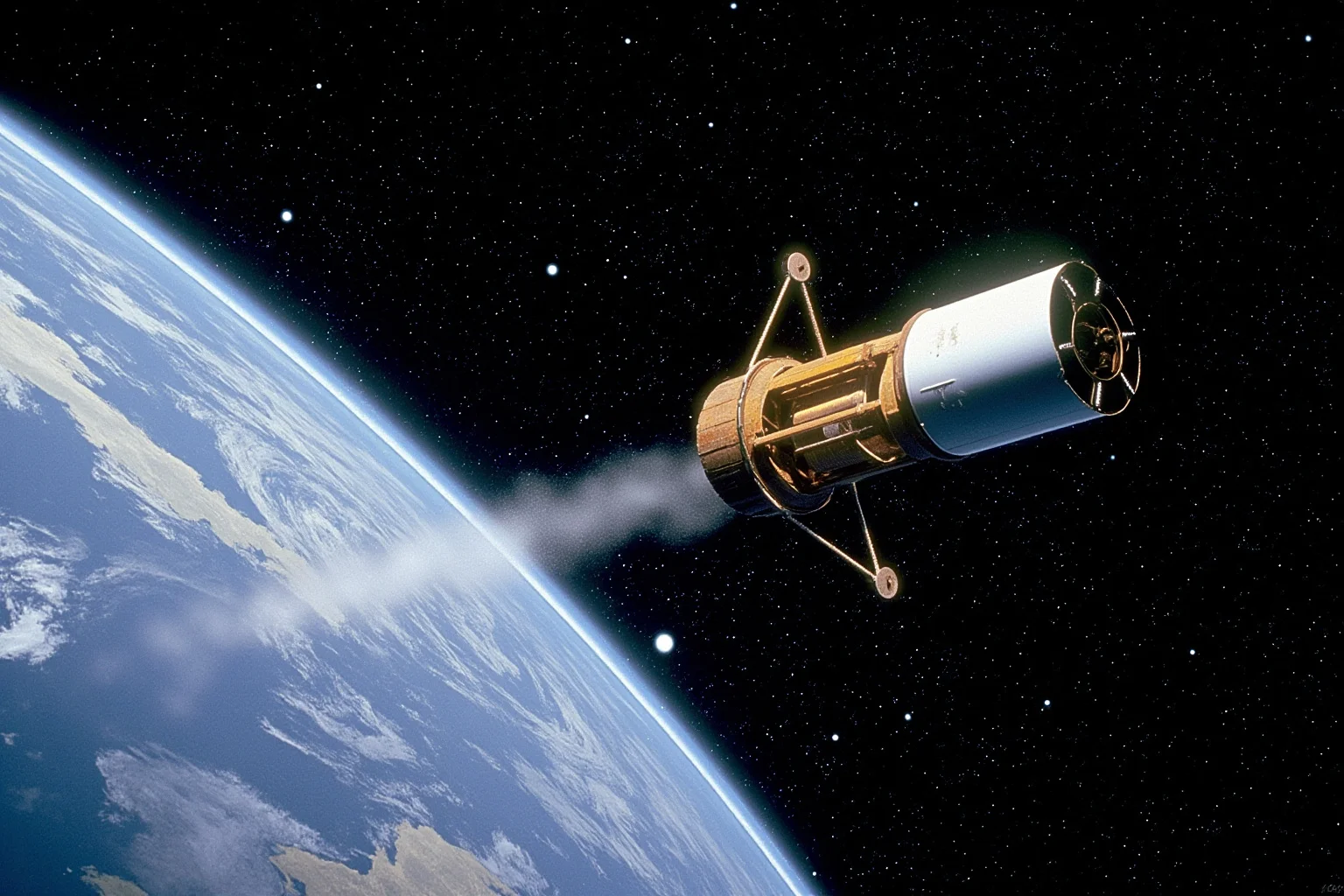
After the U-2 became too risky to fly over Soviet airspace, the US turned to satellite reconnaissance through the Corona program, which achieved its first successful mission in 1960. Corona satellites photographed vast stretches of Soviet territory and ejected film canisters that were retrieved mid-air by specially equipped aircraft.
The program remained classified until 1995, and it’s now recognized as a foundational piece of Cold War spy technology that shaped decades of later satellite intelligence work.
21. Tradecraft and Tools — The Hidden Technology of the Spy Trade
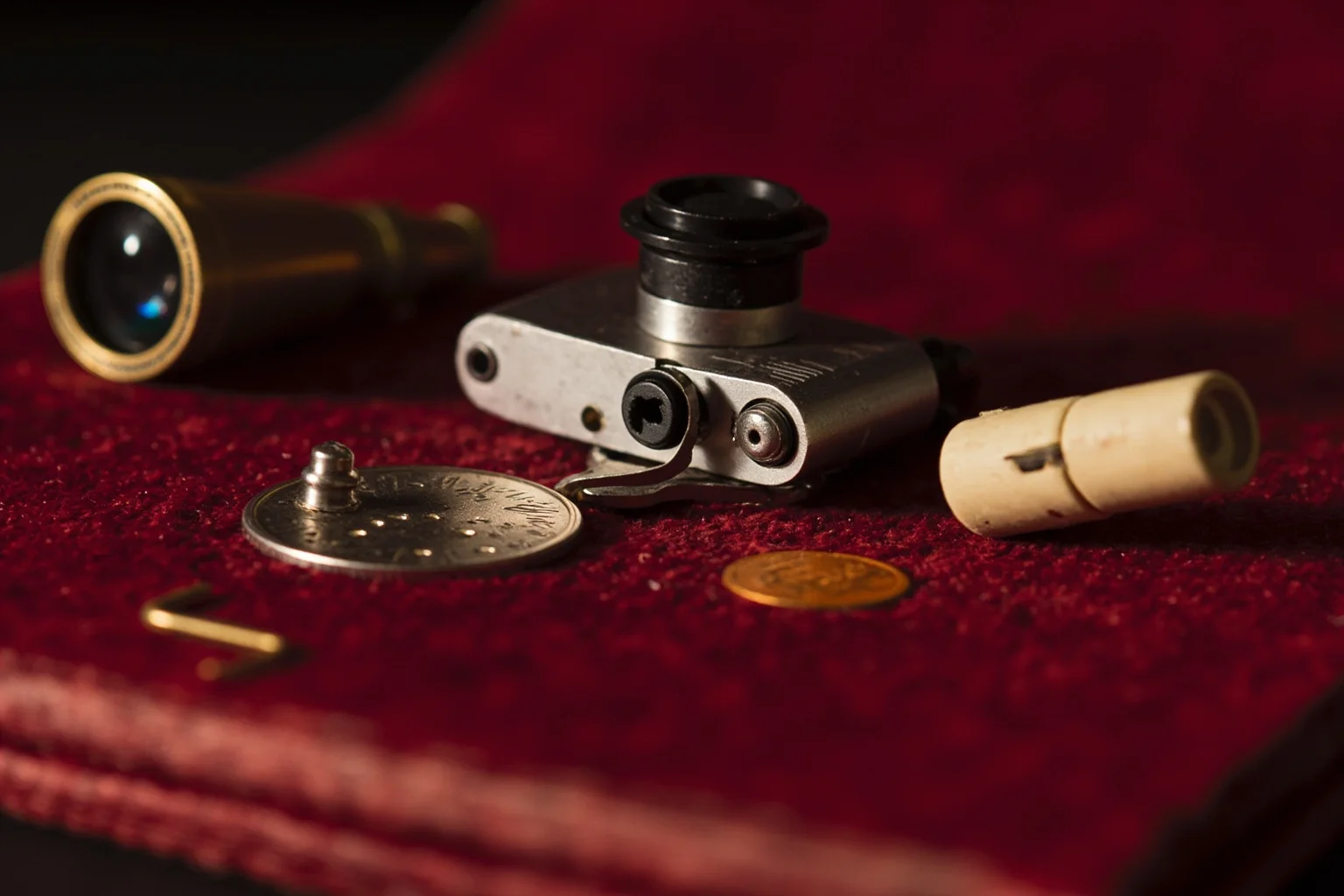
Beyond satellites and aircraft, everyday Cold War spy technology relied on remarkably low-tech tools. Microdots that shrank entire documents onto a speck smaller than a period, hollowed-out coins and books, miniature Minox cameras, and one-time pad ciphers were all standard equipment for agents on both sides.
Dead drops — prearranged hidden locations for leaving material without a face-to-face meeting — let handlers and agents communicate with minimal risk of being seen together. These low-cost methods often proved just as decisive as the era’s high-tech reconnaissance programs.
22. The GRU vs. the KGB — Two Rival Soviet Spy Services
It’s a common misconception that Soviet espionage ran through a single agency. In reality, the KGB handled state security and much of the political and scientific espionage, while the GRU, military intelligence, ran its own separate networks focused on defense and weapons technology.
The two services reportedly competed with each other as much as they cooperated, occasionally running parallel operations against the same targets. This rivalry is one of the more overlooked details in popular accounts of the history of espionage during this period.
The Legacy of Cold War Espionage
What’s striking about looking back at spies in the Cold War is how often the outcome hinged on ordinary human motives — money, ideology, resentment, or a defector’s crisis of conscience — rather than gadgets alone. The tunnels, satellites, and microdots mattered, but almost every major network on this list was eventually broken by a person talking, not a piece of technology failing.
That’s also why the myths deserve pushback. Cold War spies weren’t uniformly suave operators pulling off flawless missions; many operations dragged on for years through tedious paperwork, and plenty ended because of simple mistakes like unexplained cash or a missed meeting. The real record, preserved in declassified files like Venona and the Farewell Dossier, tells a messier and arguably more interesting story than fiction ever has.
Understanding these networks also helps explain why intelligence agencies still operate the way they do today. The counterintelligence lessons learned from Philby, Ames, and Hanssen reshaped vetting procedures inside agencies like the CIA and FBI, and the technological leap from U-2 flights to Corona satellites set the template for modern reconnaissance. The Cold War’s spy networks didn’t just influence their own era — they built the intelligence world we’re still living in.
Frequently Asked Questions
What was spying in the Cold War actually like?
Spying in the Cold War was far less glamorous than films suggest. Much of it involved slow relationship-building, tedious surveillance, coded letters, and dead drops, with agents often working for years before producing usable intelligence, and many networks were eventually undone by simple mistakes like unexplained wealth or a missed signal.
Who were the most famous spies of the Cold War?
Widely studied figures include Kim Philby and the other Cambridge Five members on the Soviet side, atomic spies Julius and Ethel Rosenberg and Klaus Fuchs, and later moles like Aldrich Ames and Robert Hanssen who spied for the Soviets and Russians from inside the CIA and FBI. Defectors such as Oleg Gordievsky and Oleg Penkovsky are equally significant on the Western side of the ledger.
How did Soviet espionage differ from American and British efforts?
Soviet espionage often relied on recruiting ideologically motivated agents, like the Cambridge Five, alongside dedicated technology-theft programs run through the KGB and GRU. Western agencies leaned more heavily on defectors, technical reconnaissance like the U-2 and Corona satellite programs, and paid informants, though both sides used a mix of all these methods.
What role did technology play in Cold War espionage?
Cold War spy technology ranged from high-altitude U-2 aircraft and Corona reconnaissance satellites down to low-tech tools like microdots, hollowed-out coins, and miniature cameras. Both the flashy technical programs and the simple tradecraft tools proved essential, and neither side's tech advantage ever fully replaced the need for human sources.
How were most Cold War spy networks eventually uncovered?
Most networks were exposed through a combination of defector testimony, codebreaking efforts like the Venona project, and old-fashioned counterintelligence work rather than dramatic chases. Cases like Aldrich Ames and Robert Hanssen were ultimately unraveled partly because of unexplained financial changes that eventually drew investigators' attention.
Did Cold War espionage ever directly change the outcome of a major crisis?
Some historians argue that intelligence from sources like Oleg Penkovsky helped Western leaders better understand Soviet capabilities and intentions during the 1962 Cuban Missile Crisis, though the exact extent of his influence remains debated rather than definitively proven. Espionage more broadly shaped policy decisions throughout the Cold War, even when its precise impact on any single event is hard to isolate.

Alex Warren
Related Articles





