

Throughout history, some people have simply refused to be pinned down. There’s no confirmed name, no clear motive, no tidy ending — just a trail of clues that historians, investigators, and armchair detectives have argued over for decades, sometimes centuries. These are the mysterious figures who turn “closed case” files into questions that keep reopening.
This list rounds up 20 of the most mysterious people in history, from unidentified bodies washed up on quiet beaches to modern figures who built entire careers on staying anonymous.
Along the way, we’ll separate documented history from popular legend, because even the best mystery deserves an honest look at the actual evidence.
TL;DR: From Kaspar Hauser to Satoshi Nakamoto, these 20 mysterious people and unidentified figures show that some of history’s biggest questions about identity, motive, and fate remain unanswered — sometimes by accident, sometimes by design.
What Makes Someone a “Mystery Person”?
Not every unsolved question makes someone a genuine mystery person. Historians generally reserve that label for cases where a name, motive, fate, or entire identity is missing from the historical record, despite real attempts to fill in the blanks.
In its simplest sense, a person or thing that is mysterious is defined by the gaps in what we know rather than by what anyone can actually prove. That’s an important distinction, because plenty of so-called mysteries are really just poorly documented stories that got exaggerated over time.
Deciding who is mysterious enough to earn a spot on a list like this means looking for cases with real documentation — police files, court records, contemporary letters, or forensic evidence — rather than pure internet folklore. Every era of history seems to produce its own strange peoples in the world and its own unclassifiable individuals, and the entries below were chosen because they’ve held up to genuine scrutiny.
1. Kaspar Hauser — The Boy Who Appeared From Nowhere
In 1828, a teenage boy appeared in the streets of Nuremberg, Germany, carrying a letter and apparently unable to explain much about his own past. He claimed he had been raised in near-total isolation, kept in a small dark cell for most of his life before being abandoned.
Kaspar Hauser became a minor celebrity and the subject of intense speculation, including theories linking him to the royal House of Baden. He died in 1833 from a stab wound under circumstances that were never fully resolved, and no version of his origin story has ever been definitively proven.
2. The Man in the Iron Mask
During the reign of Louis XIV, a prisoner was held for decades in French fortresses and later the Bastille, reportedly forced to wear a mask (historical records suggest cloth or velvet, not literal iron) whenever guards or other inmates might see his face. His real identity was never officially recorded.
Historians have proposed several candidates, including a servant named Eustache Dauger, but nothing has been confirmed. The legend was hugely amplified by Voltaire and later by Alexandre Dumas, whose fiction blurred the line between the documented prisoner and the myth.
3. The Comte de Saint-Germain
In 18th-century European courts, a man known as the Comte de Saint-Germain gained a reputation as an alchemist, musician, and conversationalist who claimed knowledge of secrets far older than his apparent age. Voltaire reportedly described him as a man who seemingly did not age or die in the way others expected.
Records of his birth, background, and even his death are inconsistent across the surviving documents. He’s often cited as one of history’s most mysterious men, largely because so little about him can be verified outside of secondhand accounts.
4. D.B. Cooper — The Vanishing Hijacker

In November 1971, a man using the alias “Dan Cooper” hijacked a Northwest Orient Airlines flight, demanded $200,000 in cash, and parachuted out of the plane somewhere over the Pacific Northwest. He was never seen again.
The FBI investigated for decades before officially suspending active pursuit of new leads in 2016. Some of the ransom money was later found along a riverbank, but Cooper’s true identity and fate remain unknown, making him one of the most famous unknown people in modern American history.
5. Jack the Ripper

In the autumn of 1888, a series of brutal murders in London’s Whitechapel district was attributed to an unidentified killer nicknamed “Jack the Ripper” after a taunting letter sent to police. Dozens of suspects have been proposed over the decades, from local laborers to members of high society.
Despite modern forensic re-examinations and a handful of controversial DNA claims in recent years, no theory has achieved consensus among serious historians. The case remains one of the most studied unsolved mysteries in criminal history.
6. The Zodiac Killer
Between the late 1960s and early 1970s, a killer active in Northern California sent taunting letters and encrypted ciphers to newspapers, some of which weren’t solved until decades later by amateur codebreakers. He was never captured.
In 2021, a group of independent investigators announced a suspect they believed matched the evidence, but law enforcement agencies have not confirmed this identification as conclusive. The Zodiac’s true identity is still, officially, unknown.
7. The Somerton Man (Tamám Shud Mystery)
In December 1948, an unidentified man was found dead on Somerton Beach near Adelaide, Australia, with all clothing labels removed and no wallet or identification. A scrap of paper reading “Tamám Shud” — Persian for “finished” or “ended” — was found sewn into his pocket, torn from a rare edition of the Rubáiyát of Omar Khayyám.
The case baffled investigators for over 70 years. In 2022, researchers using DNA analysis tentatively identified him as Carl “Charles” Webb, an Australian engineer, though questions about how and why he died still linger.
8. Perkin Warbeck — The Pretender Prince
In the 1490s, a young man appeared in Europe claiming to be Richard, Duke of York — one of the “Princes in the Tower” believed murdered years earlier. He gathered enough support to threaten King Henry VII’s throne before being captured and executed in 1499.
English authorities at the time claimed he was actually a Flemish commoner named Perkin Warbeck, though some historians still debate how much of that official story was true. Either way, his real origins remain genuinely uncertain.
9. Anna Anderson — The Woman Who Claimed to Be Anastasia
For decades, a woman known as Anna Anderson insisted she was Grand Duchess Anastasia Romanov, the youngest daughter of Russia’s last tsar, who supposedly escaped the 1918 execution of her family. Her claim captivated the public and sparked legal battles for most of the 20th century.
This is actually one mystery with a confirmed answer: DNA testing conducted after her death in 1984 showed she was Franziska Schanzkowska, a Polish factory worker with a documented history of mental illness. It’s a useful reminder that not every dramatic mystery stays unsolved forever.
10. B. Traven — The Novelist With No Past
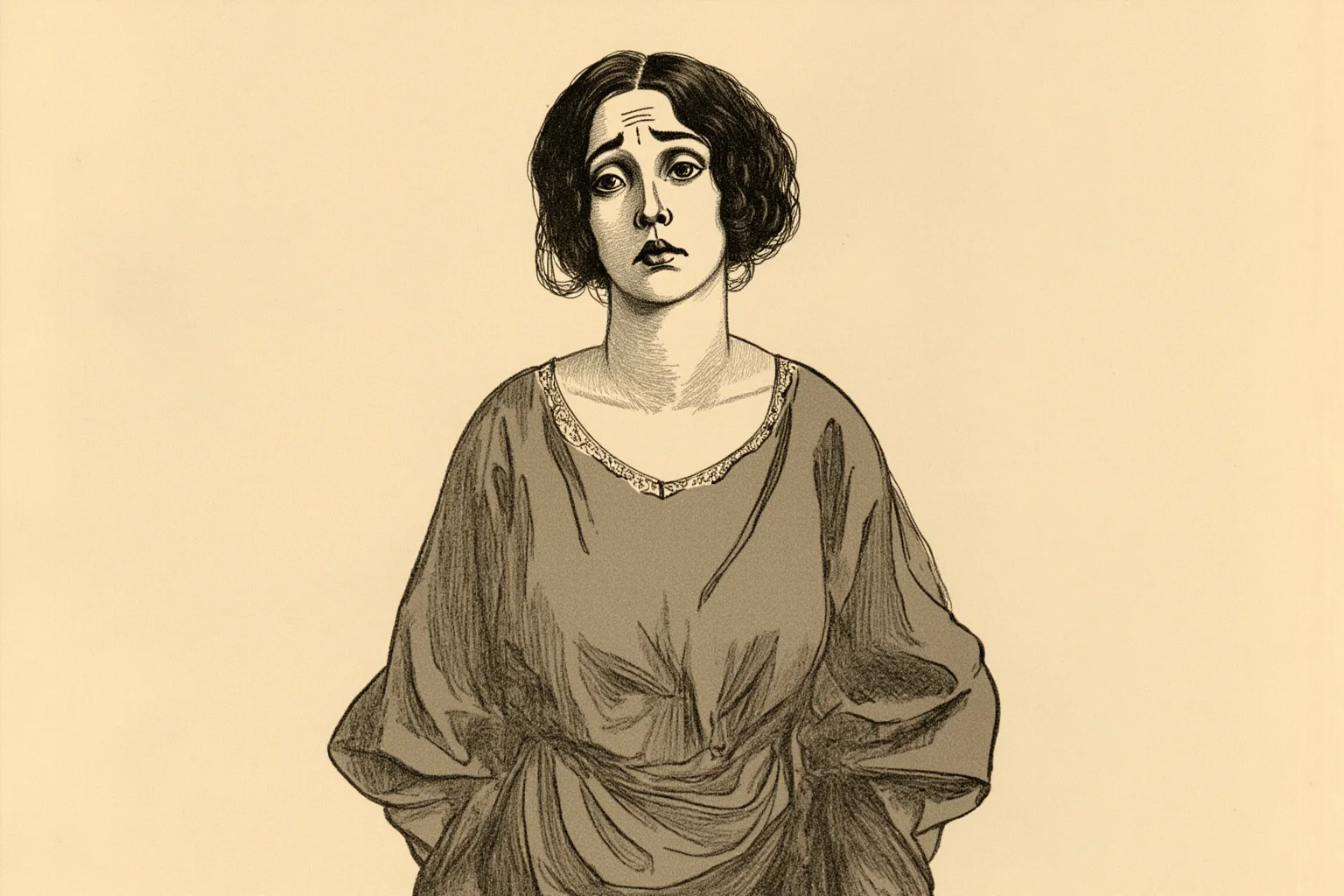
B. Traven authored “The Treasure of the Sierra Madre” and several other novels set in Mexico, publishing from the 1920s through the mid-20th century while giving almost no verifiable personal details. Multiple names and backstories have been linked to him, including a German actor and activist named Ret Marut.
Even after his death in 1969, biographers have never fully agreed on which identity was genuine. Traven remains one of literature’s most mysterious individuals, having apparently spent a lifetime designing his own disappearance.
11. Satoshi Nakamoto — Bitcoin’s Ghost Creator

In 2008, a white paper describing Bitcoin was published under the name Satoshi Nakamoto, laying the groundwork for the entire cryptocurrency industry and, depending on who you ask, quietly earning a spot among the historical figures who changed the world for the better. Nakamoto communicated online with early developers for a couple of years, then went silent around 2010–2011 and has not been reliably heard from since.
Several individuals have been publicly suggested — and some have even claimed the title themselves — but none of these claims have been proven to the satisfaction of the broader tech community. Many consider Nakamoto the most mysterious man in the world in a purely modern, digital sense.
12. Banksy — The Artist Nobody Can Name
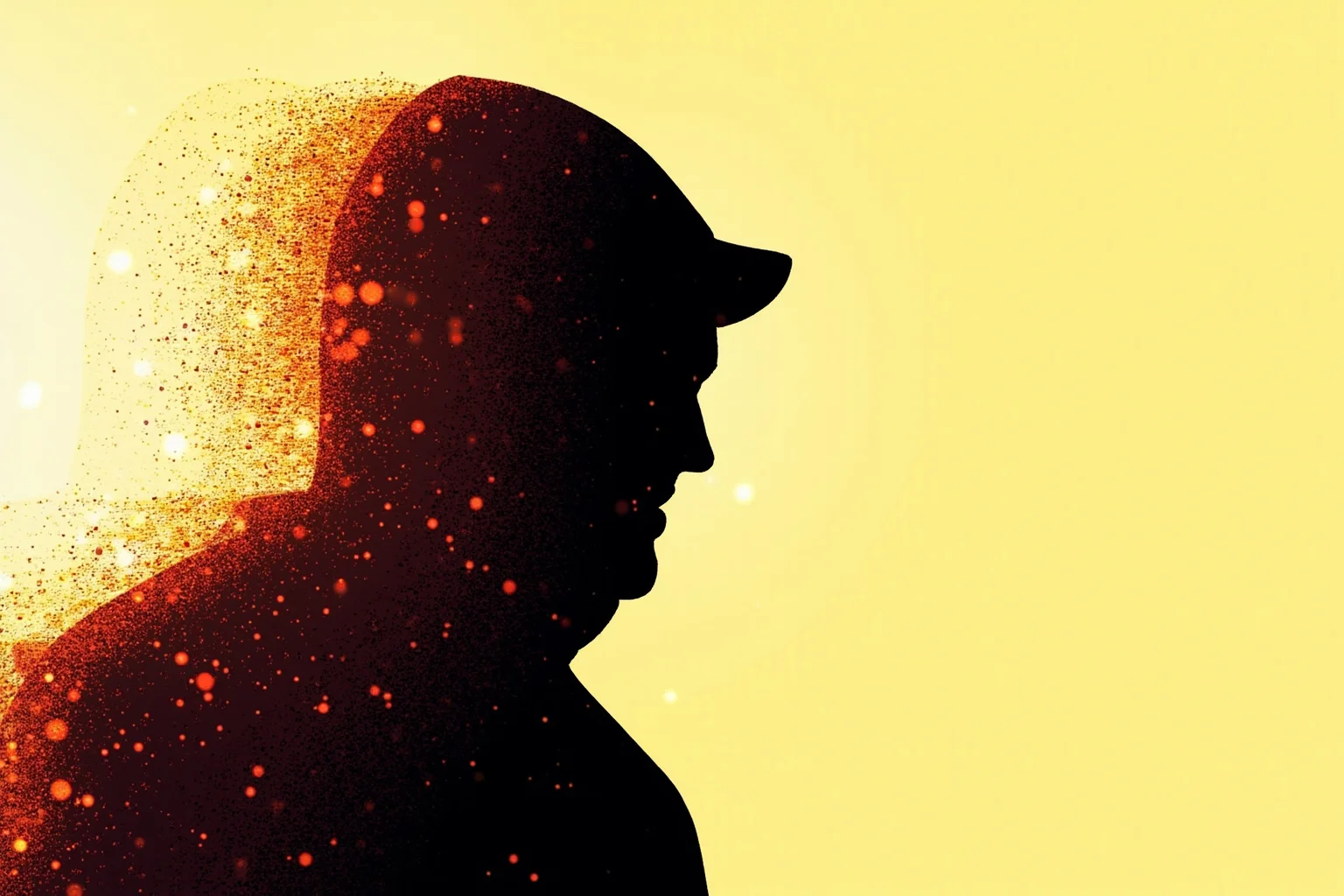
Since the 1990s, the street artist known as Banksy has produced globally recognized work while keeping his or her identity deliberately hidden. Media outlets have floated names over the years, most notably a Bristol-based artist, but Banksy’s team has never confirmed any of these reports.
The anonymity itself has become part of the art, turning Banksy into a genuinely mysterious figure in an age when almost everyone’s identity is searchable online. Whether that mystery ever gets solved may depend entirely on Banksy’s own choice.
13. Thomas Pynchon — The Recluse Novelist
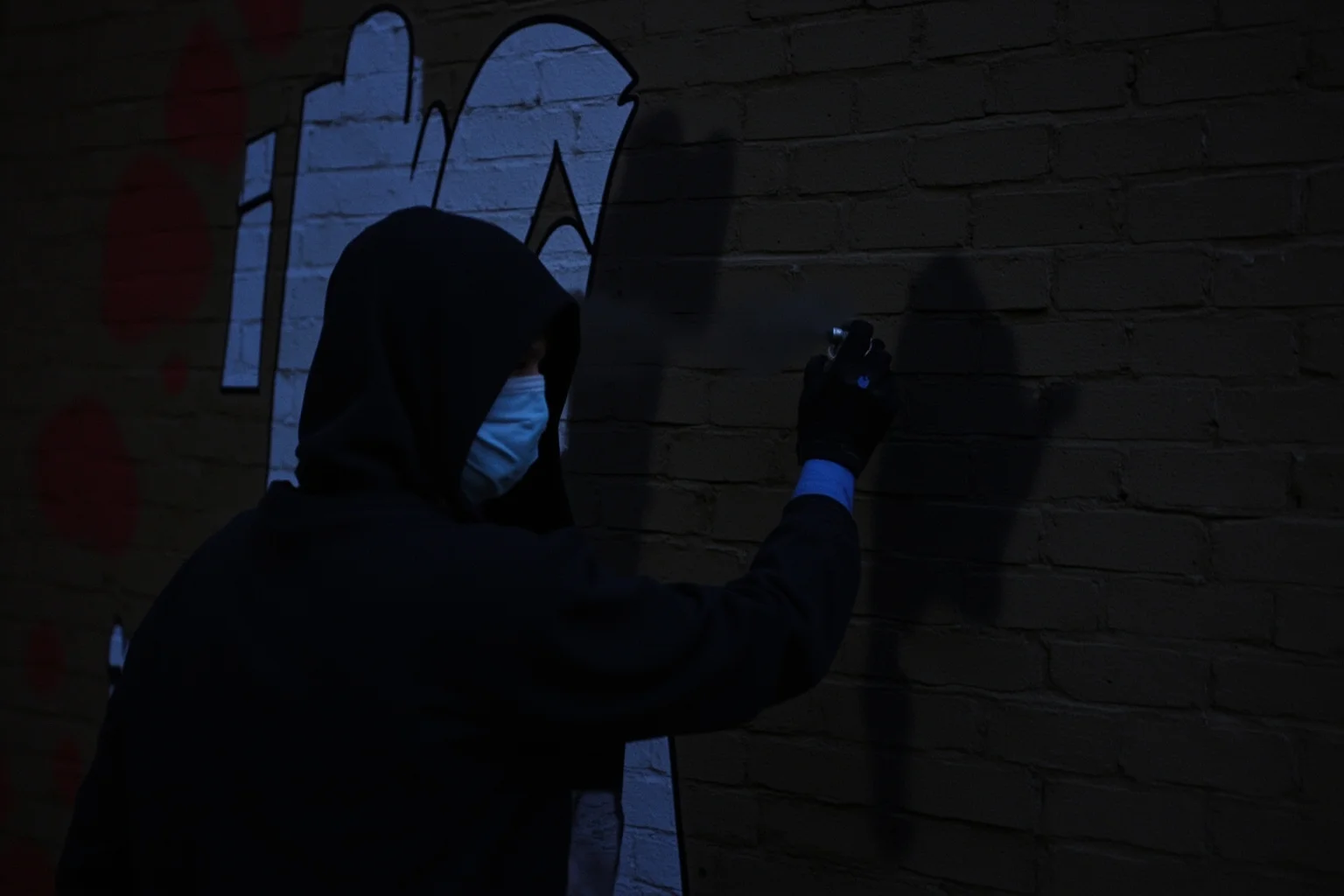
American novelist Thomas Pynchon, known for dense, sprawling books like “Gravity’s Rainbow,” has avoided public appearances, interviews, and photographs since the 1960s. Only a handful of confirmed images of him exist, mostly from decades ago.
Unlike some names on this list, Pynchon’s identity has never actually been in question — he’s simply chosen radical privacy over public life. It’s a good example of how a mysterious person doesn’t always need a hidden name, just a hidden presence.
14. The Man From Taured — An Urban Legend Worth Knowing

An often-repeated internet story describes a traveler arriving at a Japanese airport in the 1950s or 1960s claiming citizenship from a country called “Taured,” a nation that does not appear on any real map, before vanishing from custody. It’s frequently framed online as a genuine unsolved case.
In reality, there’s no verified original source, police report, or contemporary news account behind this story — it appears to have originated in internet forums decades after it supposedly happened. It’s a great example of a mystery that spread widely without ever being grounded in documented history.
15. Peter Bergmann — Ireland’s Unidentified Traveler

In June 2009, a man calling himself Peter Bergmann checked into a hotel in Sligo, Ireland, deliberately removed the labels from all his clothing, and destroyed identifying documents before his body was later found drowned nearby. Investigators were never able to determine his real name or nationality.
Security footage showed him methodically discarding items in different locations around town, suggesting a deliberate, planned disappearance rather than an accident. His case remains one of Europe’s more haunting modern examples of unknown people who die without ever being identified.
16. The Green Children of Woolpit

According to 12th-century English chroniclers William of Newburgh and Ralph of Coggeshall, two children with green-tinted skin appeared near the village of Woolpit in Suffolk, speaking an unknown language and refusing most food. The boy reportedly died soon after, while the girl eventually adapted, lost her green coloring, and integrated into village life.
Modern historians treat this largely as medieval folklore, possibly inspired by malnourished or foreign-born children (some theories point to Flemish immigrants) rather than a literal supernatural event. It’s still one of medieval England’s most enduring and strange recorded legends.
17. The Voynich Manuscript’s Unknown Scribe

The Voynich Manuscript is an illustrated codex, radiocarbon-dated to the early 1400s, written in a script that has never been deciphered by linguists, cryptographers, or computer analysts. Nobody knows who wrote it, in what language, or for what purpose.
Proposed authors have included the medieval scholar Roger Bacon, often cited among history’s greatest geniuses, and the Elizabethan con artist Edward Kelley, though neither claim is supported by solid evidence. The scribe behind it remains one of history’s most genuinely unknown people, hidden behind a text that still resists translation.
18. Nostradamus — The Man Behind the Myth
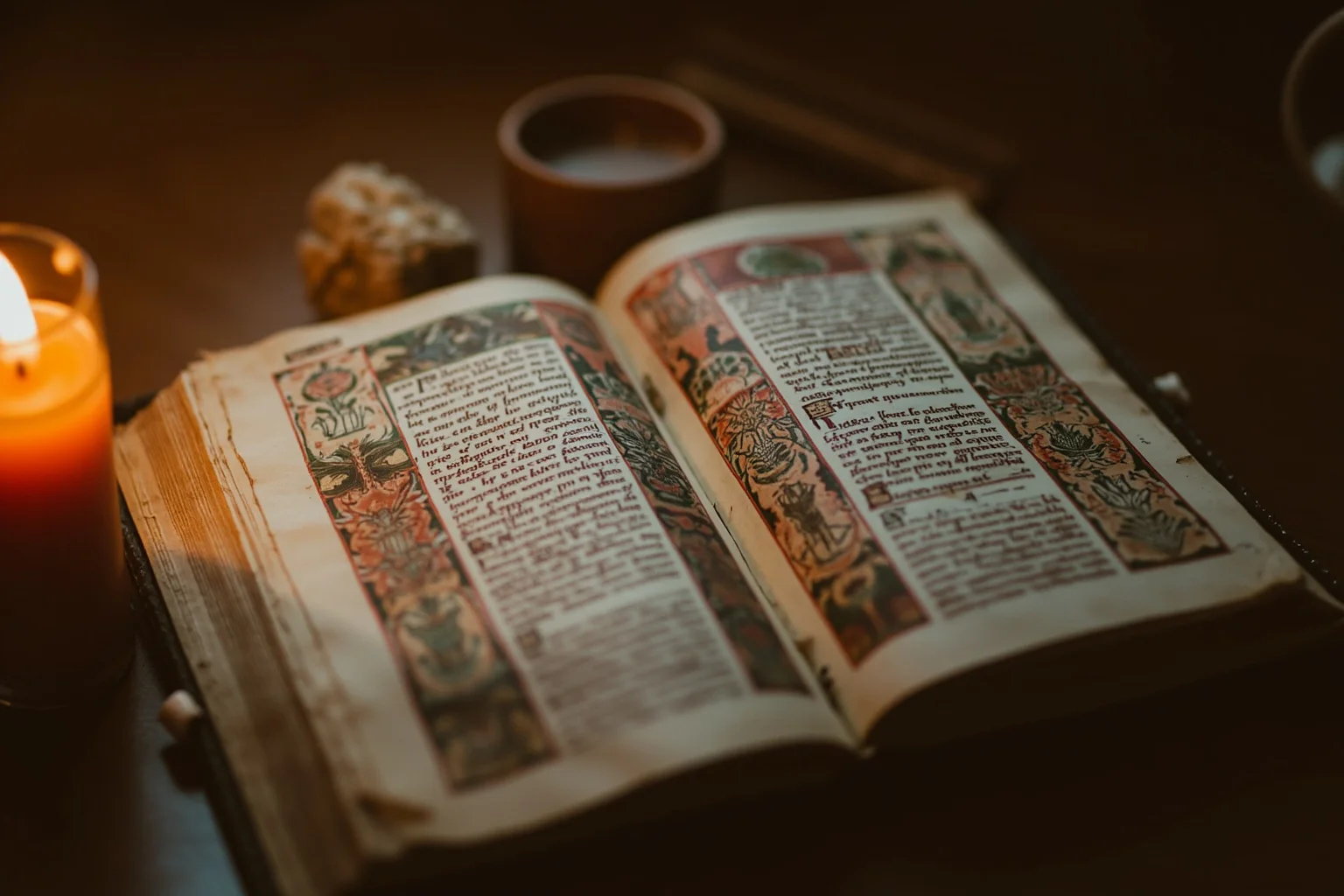
Michel de Nostredame, better known as Nostradamus, was a 16th-century French apothecary and astrologer whose life is reasonably well documented in French records. His real mystery lies in his written quatrains, vague verses that later readers have retroactively matched to major world events.
Most historians view this pattern-matching as a product of hindsight rather than genuine prophecy. Even so, Nostradamus remains a mysterious figure in popular culture precisely because his cryptic writing style invites endless reinterpretation.
19. Rasputin — The Mystic Nobody Fully Understood
Grigori Rasputin was a Russian mystic who gained significant influence over Tsar Nicholas II and Empress Alexandra in the years before the Russian Revolution, eventually becoming one of the most recognized historical figures of the era despite the mystery surrounding him. His death in December 1916 is described in wildly conflicting accounts involving poison, gunshots, and drowning, many of which were embellished decades later by his own assassins’ memoirs.
Historians generally agree Rasputin was shot, but the exact sequence of events that night is still debated. His personality, motives, and true level of influence over the royal family remain genuinely contested topics among Russian history specialists.
20. John Titor — The Self-Proclaimed Time Traveler
Between 2000 and 2001, an anonymous internet poster using the name John Titor claimed to be a soldier from the year 2036 sent back in time on a mission. He made a series of specific predictions about future events, most of which never came true.
No credible evidence has ever tied the account to a real identity, and most researchers treat it as an elaborate, well-crafted piece of early internet fiction. It’s a modern reminder that not every viral “mysterious individual” story deserves to be taken at face value.
Why These Mysteries Still Matter
Mysteries like these persist because they sit right at the edge of what historical evidence can actually confirm. A mystery person captures our attention precisely because the missing pieces feel almost within reach, even when they never fully arrive.
Some of the entries above, like Anna Anderson’s case, remind us that patience and better technology eventually solve real mysteries. Others, like the Voynich Manuscript or the Man in the Iron Mask, may simply never have enough surviving evidence to close the file for good.
What ties them together is a shared refusal to fit neatly into the historical record. Every era seems to produce its own strange peoples in the world and its own unclassifiable individuals, and that steady stream of unanswered questions is exactly why history never really gets boring.
Frequently Asked Questions
What defines a mystery person in history?
A mystery person is someone whose identity, motive, or fate can't be confirmed by solid historical evidence, even after genuine investigation. This is different from stories that are simply under-documented or exaggerated over time — a true historical mystery person usually has real records, forensic evidence, or contemporary accounts that still leave key questions unanswered.
Who is considered the most mysterious man in the world?
There's no single agreed-upon answer, since "most mysterious" depends on era and context. Historically, figures like the Comte de Saint-Germain and the Man in the Iron Mask are classic candidates, while in the modern era, Bitcoin's anonymous creator Satoshi Nakamoto is often cited as the most mysterious man in the world alive today.
What are some of the strangest peoples in the world throughout history?
Rather than entire peoples being objectively "strange," history is full of individuals and small groups whose customs, isolation, or unexplained appearances puzzled outsiders — from the legendary Green Children of Woolpit to isolated communities that avoided outside contact for centuries. It's worth noting that many groups labeled "strange" by outsiders were simply unfamiliar to the observers writing about them, not actually mysterious by any objective measure.
Who is the most unknown person in history?
Strong candidates include the Somerton Man, found dead on an Australian beach in 1948 with no identification, and the scribe who wrote the still-undeciphered Voynich Manuscript in the 1400s. Both cases involve real physical evidence but no confirmed name, which is what makes them stand out even among other historical mysteries.
Has Jack the Ripper’s identity ever been confirmed?
No. Despite over a century of investigation, dozens of suspects, and several controversial modern DNA claims, no theory about Jack the Ripper's identity has been accepted as conclusive by mainstream historians. The case remains officially unsolved.
Was the Man in the Iron Mask a real historical figure?
Yes, a real prisoner was held under Louis XIV's orders for decades and was reportedly required to keep his face covered, likely with cloth rather than literal iron. His true identity was never officially recorded, and while historians have proposed candidates like Eustache Dauger, the mystery has never been definitively resolved.

Alex Warren
Related Articles





