Political scandals have toppled empires, ended careers, and reshaped public trust in government for centuries. From backroom bribery schemes to affairs that brought down entire administrations, the history of political corruption is as old as governance itself.
These dramatic moments reveal what happens when power goes unchecked. Whether it's a president covering up a break-in or a defense contract padded with kickbacks, each of these cases left a permanent mark on history.
TL;DR: From Tammany Hall to Watergate and beyond, these 22 political scandals represent the most dramatic examples of government corruption, bribery, and abuse of power ever recorded.
1. The XYZ Affair (1798)
The XYZ Affair stands as one of the earliest political scandals in the United States. It involved French agents demanding bribes from American diplomats who were sent to negotiate a peace treaty and normalize relations.
Three French agents—identified only as X, Y, and Z in diplomatic correspondence—demanded a $250,000 bribe and a $12 million loan to France before any negotiations could proceed. The American envoys refused, and the resulting public outrage pushed the U.S. to the brink of war with France.
President John Adams published the diplomatic correspondence, replacing the agents' names with letters to maintain diplomatic protocol. The scandal inflamed anti-French sentiment and led to the Quasi-War, an undeclared naval conflict between the two nations.
This early example of diplomatic bribery showed how international negotiations could be derailed by corruption. It also fueled the passage of the Alien and Sedition Acts, themselves deeply controversial restrictions on speech and immigration.
2. The Petticoat Affair (1829–1831)
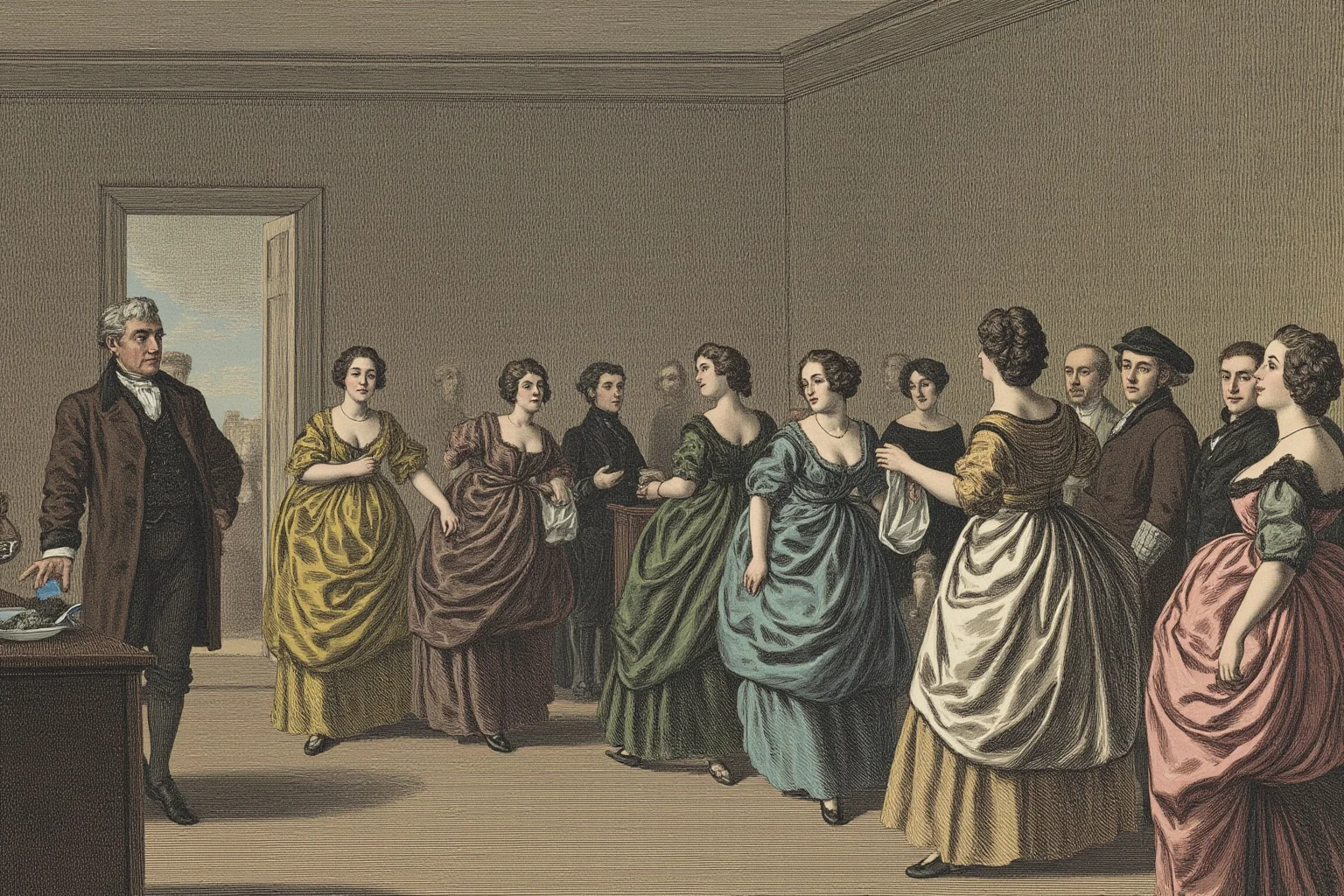
The Petticoat Affair, also known as the Eaton Affair, rocked Andrew Jackson's presidency and paralyzed his entire cabinet. It began when Jackson's Secretary of War John Eaton married Margaret O'Neill Eaton, a woman rumored to have been involved in scandalous relationships before their marriage.
Jackson defended Mrs. Eaton fiercely, believing she was the victim of a coordinated smear campaign by social rivals. Most of the cabinet wives, led by Floride Calhoun (wife of Vice President John C. Calhoun), refused to socialize with her, creating an unbearable social rift.
What started as a social dispute became a full-blown political crisis that ground Jackson's administration to a halt. The president eventually demanded the resignations of nearly his entire cabinet to resolve the impasse and restore functionality.
The scandal also deepened the rift between Jackson and Calhoun, contributing to Calhoun's eventual break with the administration. It remains one of the most bizarre political controversies in early American history, proving that personal drama could derail governance.
3. Tammany Hall and Boss Tweed (1850s–1870s)
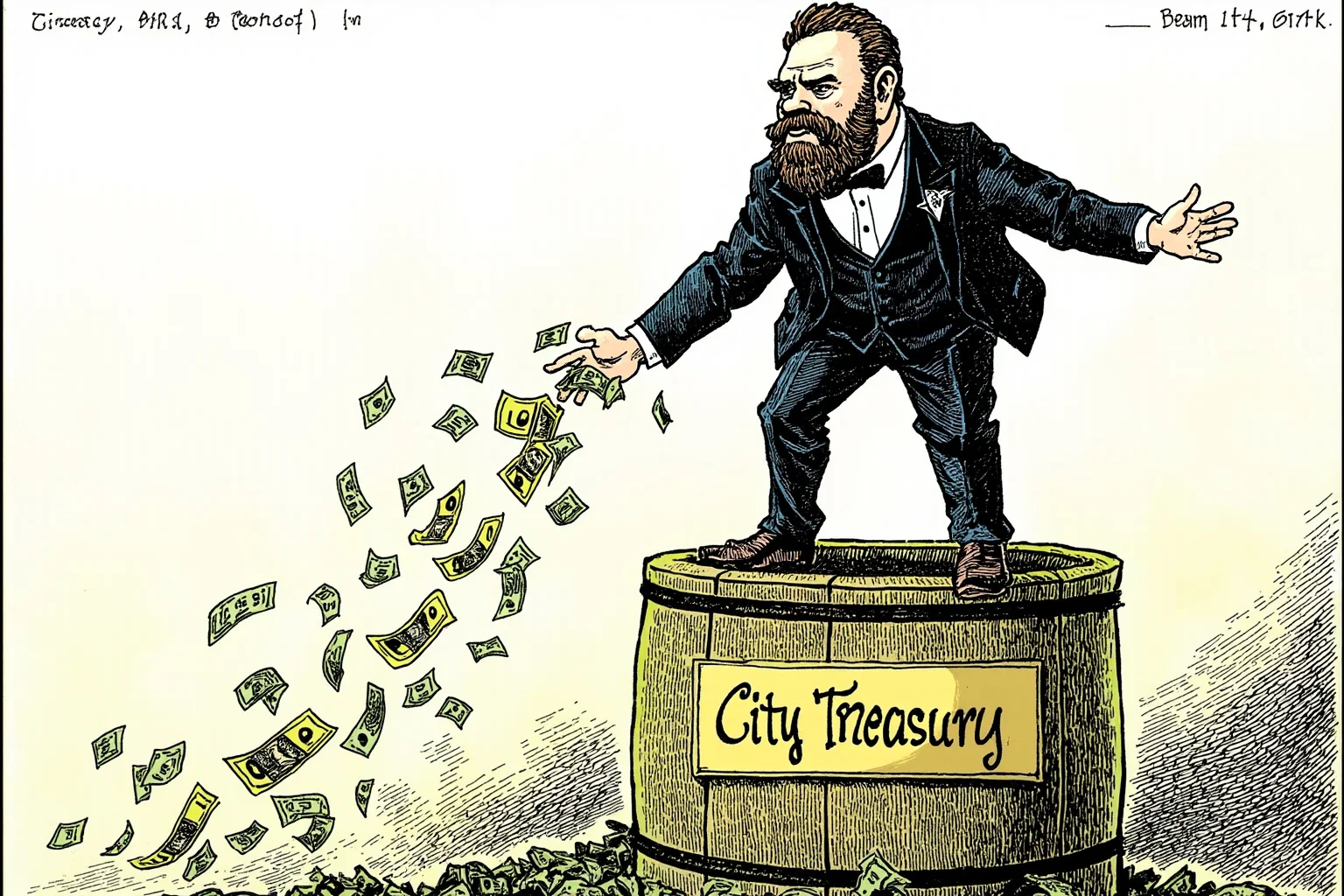
Tammany Hall was the Democratic Party political machine that dominated New York City politics for over a century. Its most notorious leader, William "Boss" Tweed, turned the organization into one of the most corrupt political operations in American history.
Tweed and his associates siphoned millions of dollars from city contracts through a system of inflated bills, fake leases, and kickbacks. The Tweed Ring reportedly stole between $45 million and $200 million from New York City taxpayers—an astronomical sum for the era.
The scheme was exposed largely through the efforts of newspaper cartoonist Thomas Nast, whose relentless satirical drawings in Harper's Weekly turned public opinion against Tweed. The New York Times also published detailed accounts of the financial fraud, adding to the pressure.
Tweed was arrested in 1871 but escaped briefly before being recaptured in Spain, reportedly recognized because of Nast's cartoons. He died in prison in 1878, and Tammany Hall's grip on city politics gradually weakened in the decades that followed.
This case remains one of the most famous examples of government corruption in any American city. It also gave rise to lasting reforms in municipal governance and civil service protections.
4. The Crédit Mobilier Scandal (1872)
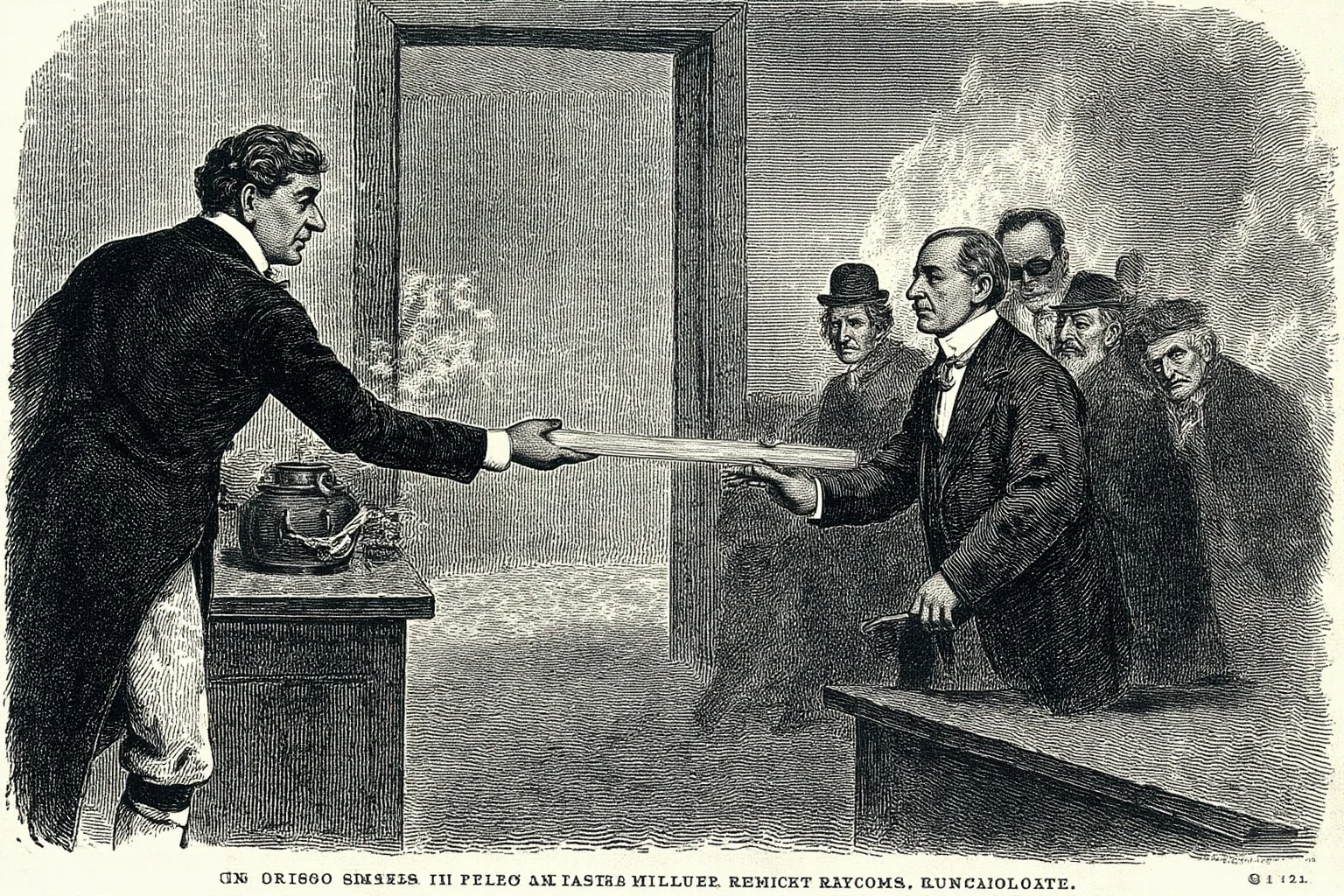
The Crédit Mobilier scandal was one of the biggest scandals in American history during the post-Civil War era. It involved the Union Pacific Railroad and a shell company called Crédit Mobilier of America, created to siphon profits from the construction of the transcontinental railroad.
Stock in Crédit Mobilier was distributed to influential members of Congress at below-market rates, essentially buying their silence and political support. The arrangement allowed the railroad's builders to charge the government inflated construction costs while pocketing the difference.
When the scheme was exposed by a newspaper investigation in 1872, it implicated several prominent politicians. Vice President Schuyler Colfax and future President James Garfield were among those tainted by their association with the company.
The scandal badly damaged the reputation of President Ulysses S. Grant's administration, which was already reeling from other corruption allegations. It also highlighted the cozy relationship between railroad corporations and the federal government during the Gilded Age.
5. The Whiskey Ring Scandal (1875)
The Whiskey Ring was another corruption scandal that hit the Grant administration in the 1870s, further eroding public trust. It involved a vast network of distillers and government officials who conspired to evade federal whiskey taxes.
Distillers bribed Treasury Department officials to underreport their production, cheating the government out of millions in tax revenue. The scheme was widespread, operating in major cities including St. Louis, Chicago, and Milwaukee, with collusion reaching high into the revenue service.
Grant's private secretary, Orville Babcock, was implicated in the conspiracy and indicted. Grant testified on Babcock's behalf at his trial, and Babcock was acquitted, though the evidence against him was substantial and the verdict was controversial.
The Whiskey Ring demonstrated how deeply corruption could penetrate federal agencies tasked with revenue collection. It remains a textbook example of public corruption and the challenges of enforcing tax laws when insiders are complicit.
6. The Dreyfus Affair (1894–1906)
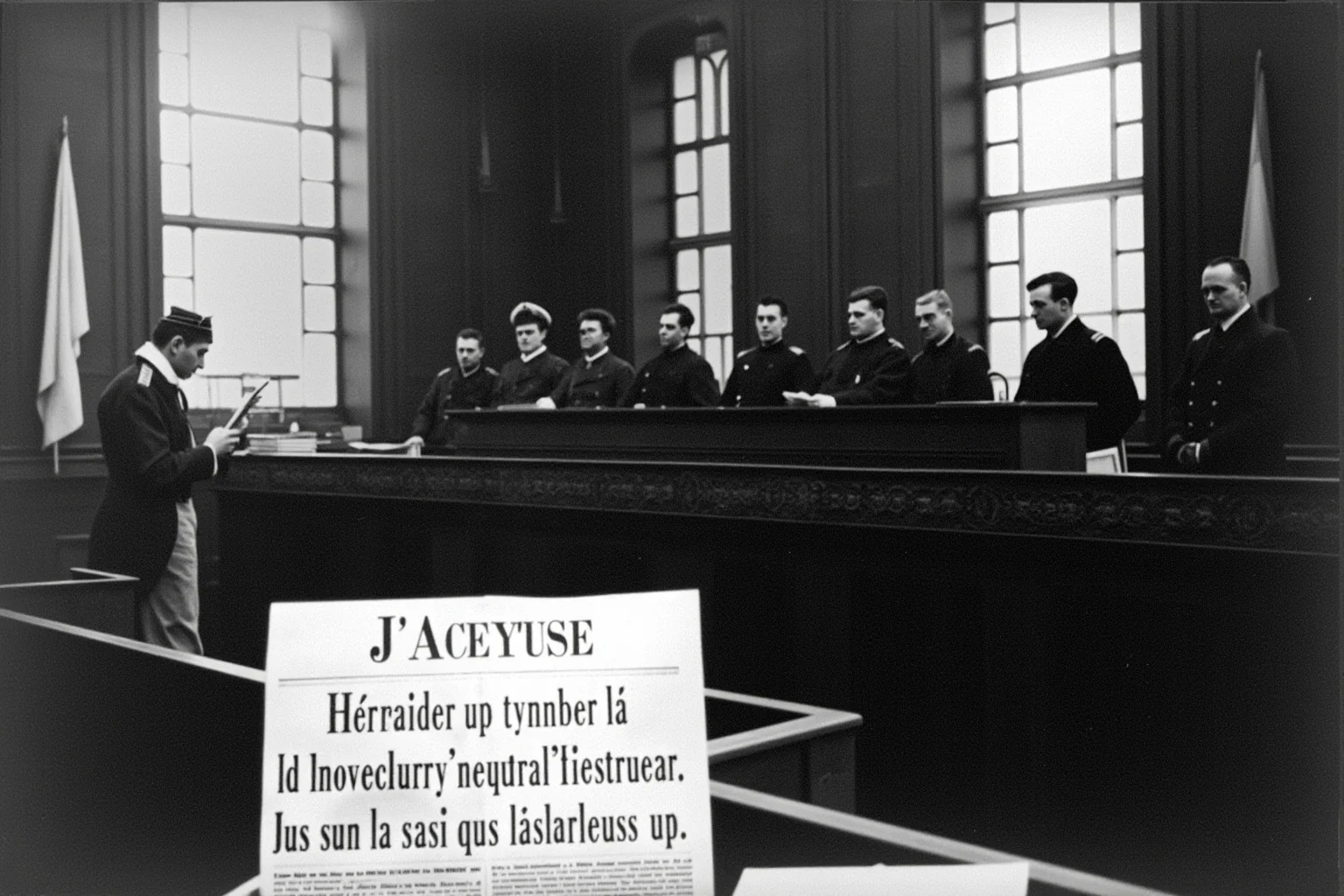
The Dreyfus Affair was a political scandal that tore France apart for over a decade and exposed deep fractures in French society. It began when Captain Alfred Dreyfus, a Jewish artillery officer, was falsely accused and convicted of treason for passing military secrets to Germany.
The evidence against Dreyfus was virtually nonexistent, and the real spy was later identified as Major Ferdinand Walsin-Esterházy. Anti-Semitic elements within the French military and government covered up the truth to protect their own reputations and maintain institutional honor.
In 1898, writer Émile Zola published his famous open letter "J'Accuse," denouncing the military's cover-up and the wrongful conviction. The letter ignited a firestorm of public debate and forced a reassessment of the case that had divided the nation.
Dreyfus was eventually exonerated and reinstated in 1906, but the damage to French society was lasting. The scandal exposed deep-seated anti-Semitism in French institutions and became one of the most significant political controversies in European history.
7. Teapot Dome Scandal (1921–1923)
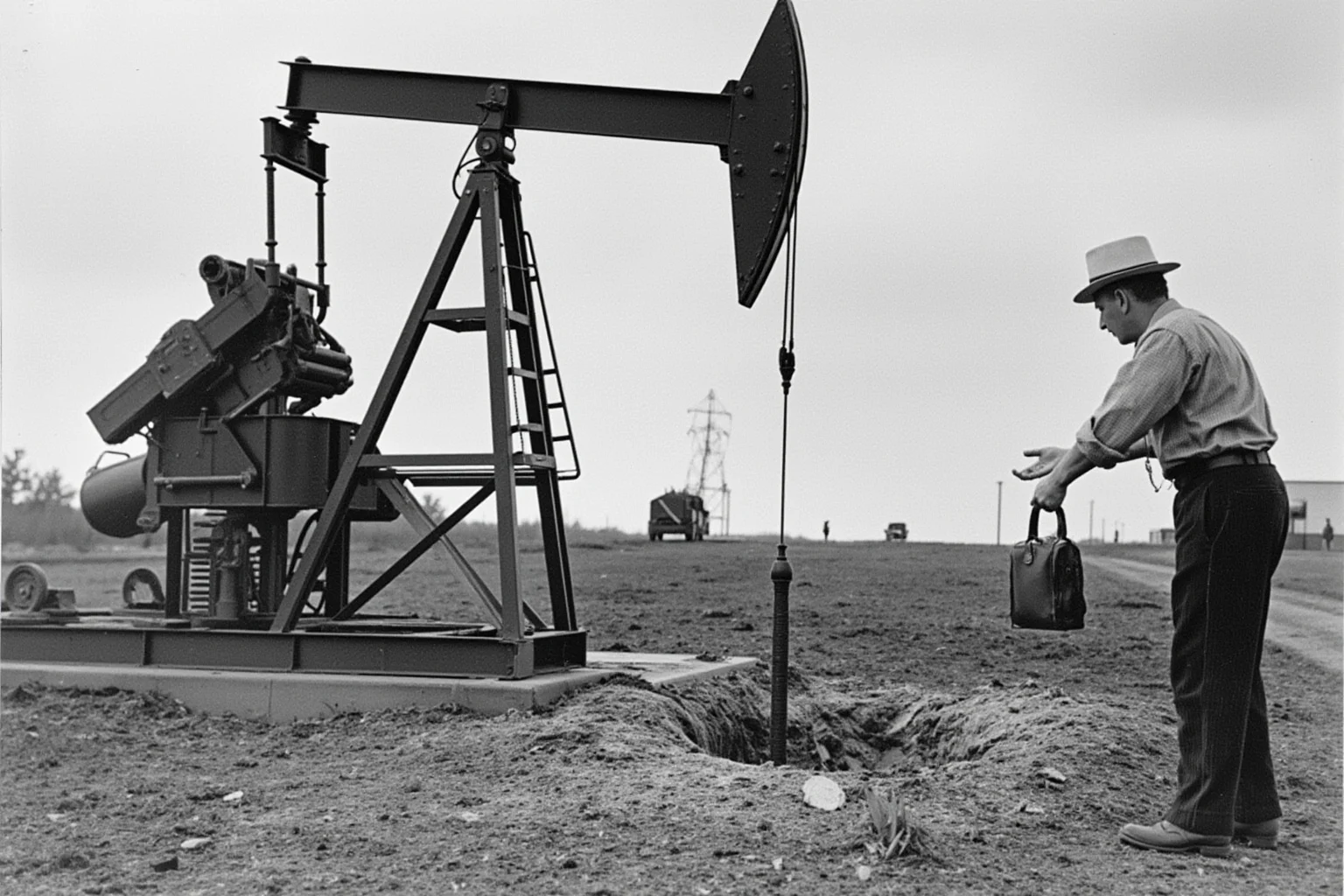
The Teapot Dome scandal was the defining political scandal of the 1920s and one of the biggest scandals in American history before Watergate. It involved Secretary of the Interior Albert Fall, who secretly leased federal oil reserves to private companies without competitive bidding.
Fall accepted bribes from oil executives Harry Sinclair and Edward Doheny in exchange for the lucrative leases. The reserves at Teapot Dome, Wyoming, and Elk Hills, California, had been set aside by Congress for national defense purposes, making the secret leases illegal.
When the secret leases came to light, a Senate investigation led by Senator Thomas Walsh exposed the bribery scheme. Fall became the first former cabinet member in U.S. history to be convicted of a felony and imprisoned for crimes committed while in office.
The scandal rocked President Warren Harding's administration, though Harding himself died before the full extent of the corruption was known. It remains one of the most famous bribery cases in American political history and a touchstone for political scandals 1920s.
8. The Tuskegee Syphilis Experiment (1932–1972)
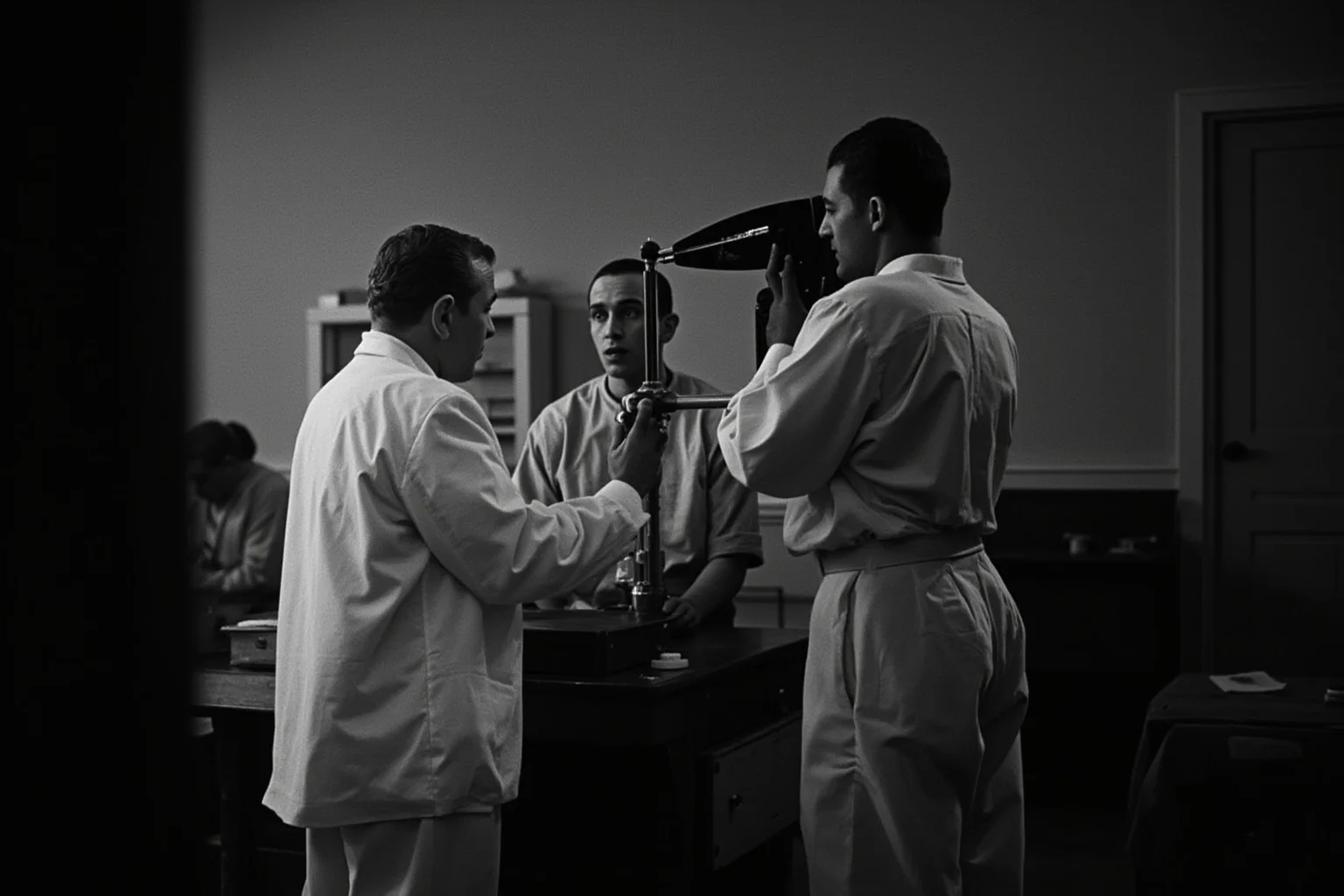
The Tuskegee Syphilis Experiment was a government-run medical study that became one of the most horrifying political scandals in American history. The U.S. Public Health Service studied the progression of syphilis in approximately 600 African American men in Tuskegee, Alabama, without their informed consent.
The men were never told they had syphilis, nor were they treated for it—even after penicillin became the standard cure in 1947. Instead, researchers watched the disease ravage their bodies for decades while telling participants they were receiving free medical care.
The experiment was exposed by journalist Jean Heller of the Associated Press in 1972, sparking national outrage and disbelief. Congressional hearings followed, leading to major reforms in medical research ethics, informed consent laws, and the establishment of institutional review boards.
The scandal had devastating consequences for trust in government health programs, particularly among Black Americans. It stands as one of the darkest examples of government corruption and institutional abuse of vulnerable populations in U.S. history.
9. COINTELPRO (1956–1971)
COINTELPRO was a secret FBI program designed to surveil, infiltrate, and disrupt domestic political organizations deemed subversive. Run under the direction of FBI Director J. Edgar Hoover, the program targeted civil rights leaders, anti-war activists, feminist groups, and other perceived threats to the political status quo.
The FBI used illegal tactics including warrantless wiretaps, blackmail, forged documents, and psychological warfare to undermine groups and individuals. Martin Luther King Jr. was among the most prominent targets, receiving anonymous threatening messages from the FBI urging him to take his own life.
The program was exposed in 1971 when a group of activists broke into an FBI office in Media, Pennsylvania, and stole thousands of documents. The stolen files, shared with journalists, revealed the staggering scope of the surveillance and disruption campaigns.
COINTELPRO remains one of the most significant political scandals involving government surveillance and domestic intelligence abuse. It led to reforms in FBI oversight and restrictions on domestic intelligence operations, though debates about surveillance continue today.
10. The Profumo Affair (1963)
The Profumo Affair was a British political scandal that nearly brought down Prime Minister Harold Macmillan's entire government. Secretary of State for War John Profumo had a brief affair with Christine Keeler, a woman who was simultaneously involved with a Soviet naval attaché named Yevgeny Ivanov.
The relationship raised serious national security concerns because of the Cold War context and Profumo's access to sensitive military information. Profumo initially denied the affair in Parliament, lying directly to his colleagues and the public, but the truth emerged through relentless press coverage.
Profumo resigned in disgrace, and the scandal contributed to the resignation of Prime Minister Macmillan later that year on health grounds. The affair became a symbol of the decline of traditional British establishment values and the growing power of the tabloid press.
The Profumo Affair remains one of the greatest scandals in history, blending espionage, sex, and political deception into a single drama. It also marked a turning point in the British press's willingness to expose the private lives of politicians and public figures.
11. The Chappaquiddick Incident (1969)
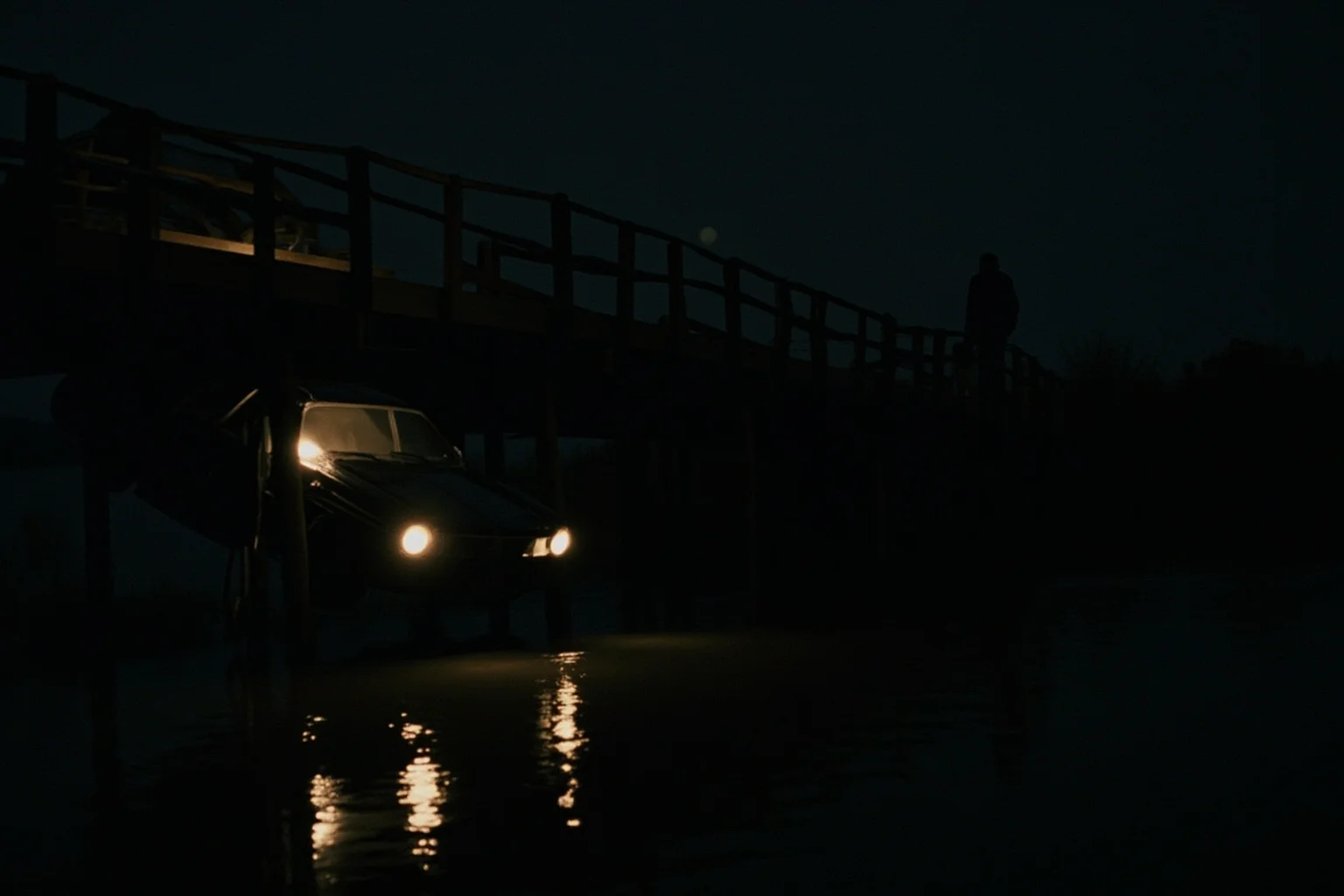
The Chappaquiddick Incident was a political accident that permanently derailed Senator Ted Kennedy's presidential ambitions. Kennedy drove his car off a bridge on Chappaquiddick Island, Massachusetts, resulting in the death of his passenger Mary Jo Kopechne, a young campaign worker.
Kennedy left the scene and did not report the accident to police until the following morning, some ten hours later. His delayed response and shifting explanations about what happened that night raised serious questions about his conduct and whether alcohol was involved.
The incident became a major political scandal that haunted Kennedy for the rest of his long Senate career. Although he remained a powerful and influential senator for decades, the Chappaquiddick Incident effectively ended any realistic chance he had of becoming president.
The scandal highlighted the different standards applied to powerful politicians versus ordinary citizens in similar circumstances. It remains one of the most controversial incidents involving a major American political figure and continues to generate debate.
12. The Pentagon Papers (1971)
The Pentagon Papers were a classified Department of Defense study detailing U.S. involvement in Vietnam from 1945 to 1967. Military analyst Daniel Ellsberg leaked the documents to The New York Times, exposing decades of government deception about the war's origins and progress.
The papers revealed that multiple presidential administrations had knowingly misled Congress and the public about the scope, cost, and likelihood of success of the war. The government attempted to block publication through injunctions, but the Supreme Court ruled in favor of the press in a landmark decision.
The leak intensified public opposition to the Vietnam War and further eroded trust in government institutions. It also set an important legal precedent for press freedom and the public's right to know about government activities.
The Pentagon Papers represent one of the most significant political controversies in American history. They demonstrated how government secrecy could be used to hide policy failures from the public and reinforced the importance of whistleblowers and a free press.
13. Watergate (1972–1974)

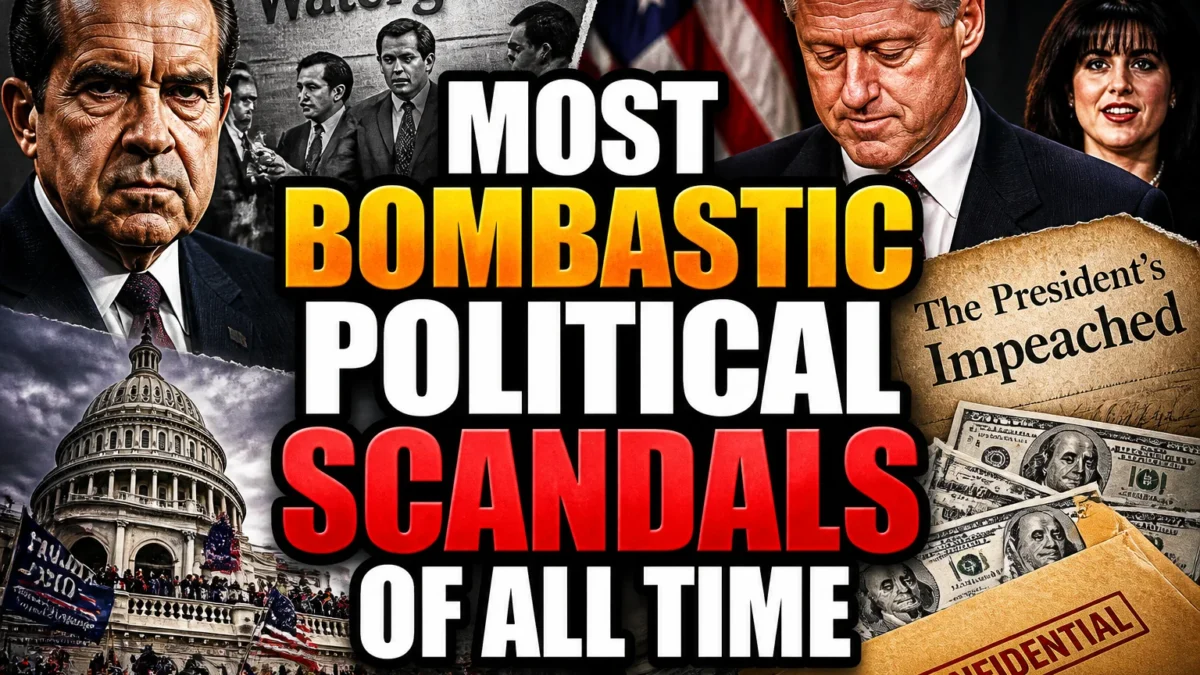
Watergate is arguably the most famous political scandal in American history and the benchmark for all subsequent political scandals. It began with a break-in at the Democratic National Committee headquarters in the Watergate office complex in Washington, D.C., in June 1972.
President Richard Nixon's administration attempted to cover up its involvement in the break-in and related crimes. The cover-up extended to wiretapping political opponents, paying hush money to defendants, and the destruction of evidence.
Two Washington Post journalists, Bob Woodward and Carl Bernstein, relentlessly investigated the story with guidance from their managing editor. Their reporting, aided by anonymous source "Deep Throat" (later revealed as FBI Associate Director Mark Felt), gradually unraveled the conspiracy.
The scandal culminated in Nixon's resignation in August 1974, making him the only U.S. president to resign from office. Several of his top aides were convicted of crimes related to the break-in and cover-up, and dozens faced legal consequences.
Watergate became the standard against which all subsequent political scandals have been measured. The suffix "-gate" has been attached to controversies ever since, a testament to the scandal's lasting cultural and political impact.
14. Abscam (1978–1980)

Abscam was an FBI sting operation that targeted corruption in Congress and became one of the most dramatic public corruption examples in U.S. history. Undercover agents posed as representatives of a wealthy Arab sheik seeking political favors and investment opportunities in exchange for cash.
The operation caught multiple members of Congress accepting bribes on hidden cameras, sometimes stuffing cash into their pockets. Six representatives and one senator were eventually convicted of bribery and conspiracy charges as a result of the sting.
The operation was controversial because critics argued the FBI had entrapped the politicians by creating a crime that would not otherwise have occurred. However, courts upheld the convictions, ruling that the politicians had willingly accepted the bribes without being coerced.
Abscam became one of the most famous public corruption examples in American history. It inspired the plot of the film "American Hustle" and demonstrated the potential of undercover operations in fighting political corruption.
15. Iran-Contra Affair (1985–1987)
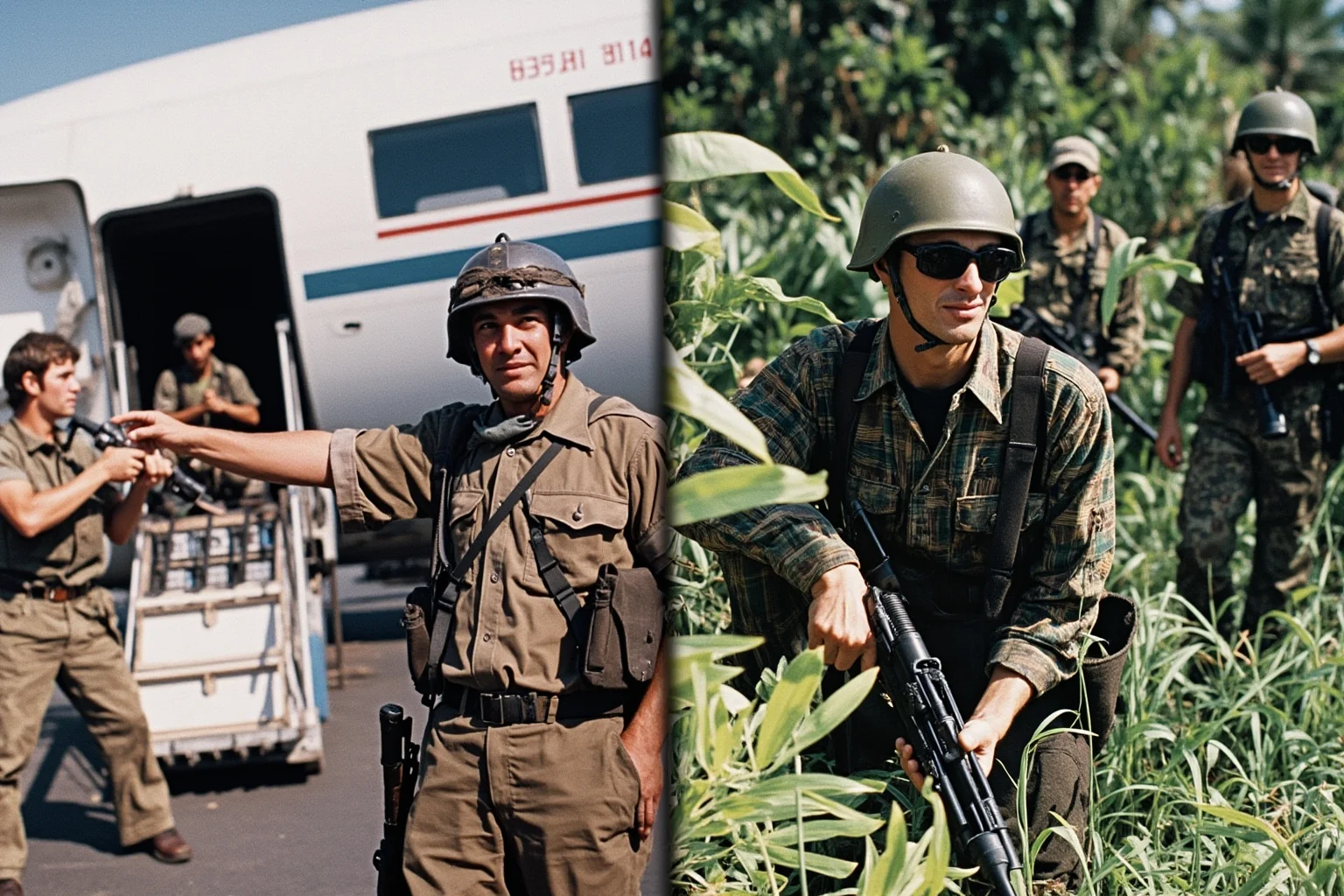
The Iran-Contra Affair was a political scandal that rocked President Ronald Reagan's second term and raised fundamental questions about executive power. The scandal involved two secret and illegal operations: selling arms to Iran and using the proceeds to fund Contra rebels in Nicaragua.
Senior administration officials sold weapons to Iran, which was under an arms embargo, in hopes of securing the release of American hostages held in Lebanon. The profits from the arms sales were then secretly diverted to fund the Contras, despite a congressional ban on such support.
When the story broke in November 1986, it triggered a massive congressional investigation and the appointment of an independent counsel. Several officials were indicted, including National Security Advisor John Poindexter and Lieutenant Colonel Oliver North, who became a public figure during televised hearings.
Reagan claimed he had no knowledge of the diversion of funds, though the investigation questioned this assertion and found significant evidence of involvement by senior staff. The scandal raised serious concerns about executive power, congressional oversight of foreign policy, and the rule of law.
16. The Bofors Scandal (1986)
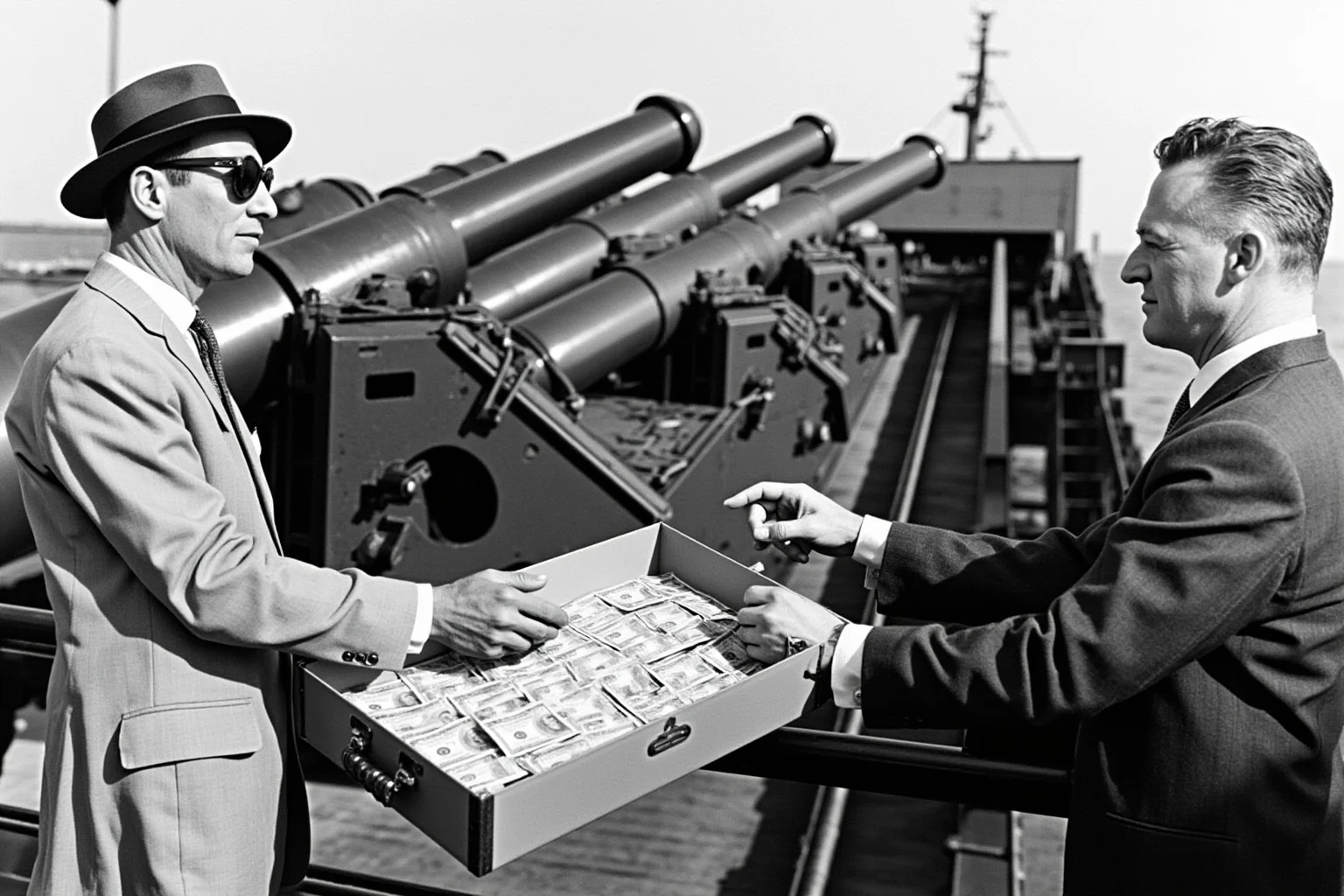
The Bofors Scandal was a major political corruption case in India that implicated the government of Prime Minister Rajiv Gandhi. The scandal involved the payment of alleged kickbacks in a deal to purchase 400 howitzer artillery guns from the Swedish arms manufacturer Bofors.
Allegations emerged that Bofors had paid approximately $40 million in bribes to secure the $1.4 billion contract, routed through shell companies and intermediaries. The Indian government had publicly promised a clean deal with no middlemen, making the allegations especially damaging to its credibility.
The scandal dominated Indian politics for years and contributed significantly to Gandhi's electoral defeat in 1989. Multiple investigations followed, including a joint Swedish-Indian probe, though the legal proceedings dragged on for decades with limited resolution.
The Bofors case remains one of the most famous examples of corruption in international defense contracting. It became a lasting symbol of political corruption in India and inspired decades of public cynicism about government procurement processes.
17. The Keating Five (1989–1991)
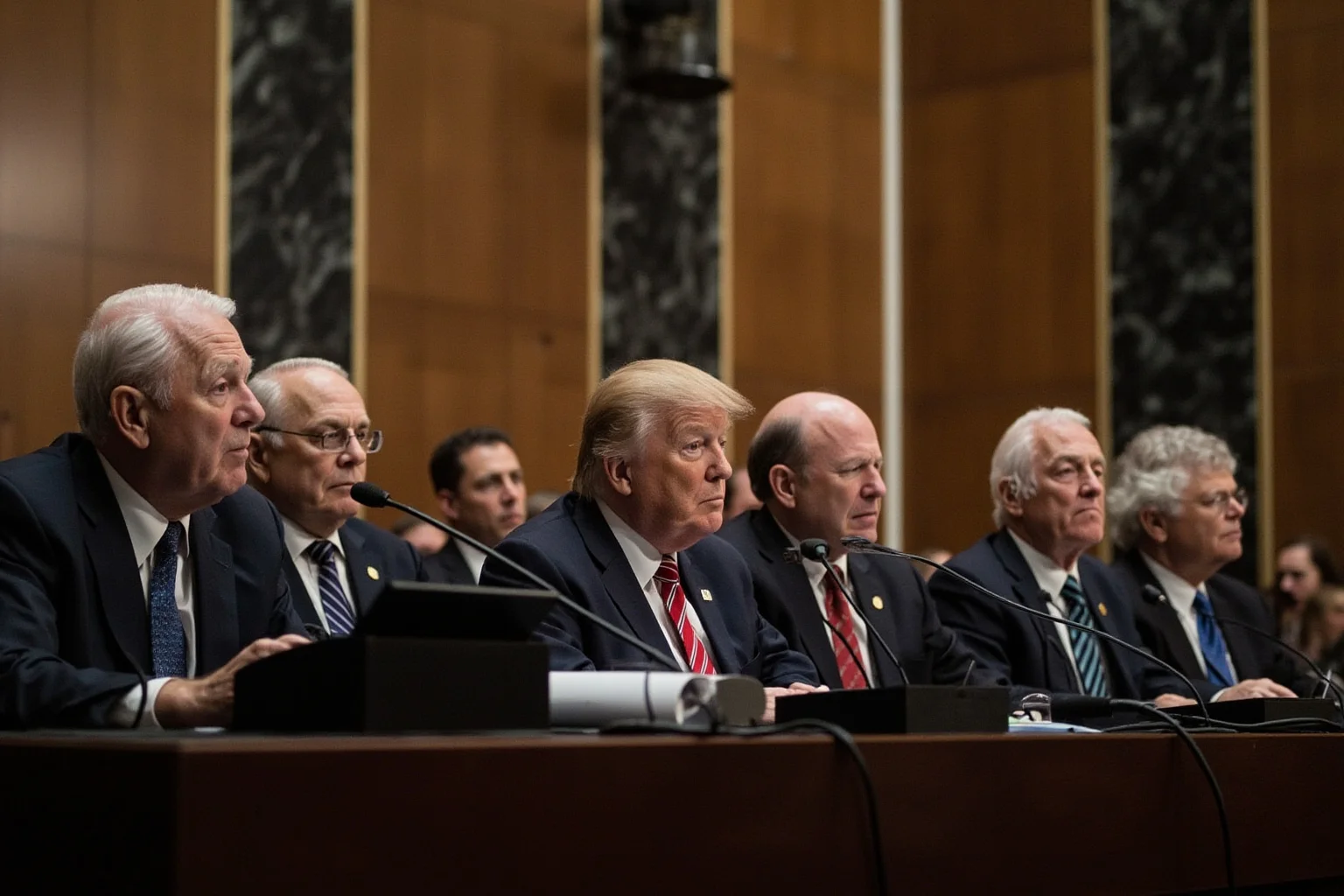
The Keating Five was a political scandal involving five U.S. senators accused of improperly intervening in a federal regulatory investigation. The senators had accepted substantial campaign contributions from Charles Keating, a savings and loan executive whose Lincoln Savings and Loan was under regulatory scrutiny for risky practices.
The senators met with federal regulators to pressure them to ease up on the investigation of Keating's institution, raising questions about quid pro quo arrangements. When Lincoln Savings and Loan collapsed in 1989, costing taxpayers approximately $3.4 billion, the senators' actions came under intense public and media scrutiny.
The Senate Ethics Committee investigated all five senators and issued varying levels of rebuke. Senator Alan Cranston was formally reprimanded, while Senators Dennis DeConcini and Donald Riegle received lesser criticisms, and Senators John Glenn and John McCain were cleared of significant wrongdoing.
The scandal raised enduring questions about the influence of campaign contributions on political behavior and the line between constituent advocacy and corruption. Among the five senators was John McCain, whose involvement became a recurring issue in his later presidential campaigns and motivated his career-long advocacy for campaign finance reform.
18. The Clinton-Lewinsky Scandal (1998)
The Clinton-Lewinsky scandal was one of the defining political scandals in the 1990s and consumed American public life for over a year. President Bill Clinton had an affair with White House intern Monica Lewinsky and then denied the relationship under oath in a deposition for a separate civil lawsuit.
The affair came to light during a broader investigation into Clinton's conduct by Independent Counsel Kenneth Starr, who had originally been appointed to investigate a land deal. Clinton's initial denial—"I did not have sexual relations with that woman"—became one of the most famous statements in American political history.
The House of Representatives impeached Clinton in December 1998 on charges of perjury and obstruction of justice, making him only the second president to be impeached. The Senate acquitted him in February 1999, and he remained in office, but the scandal dominated national attention for months and polarized the country.
The scandal raised complex questions about the intersection of personal conduct and political leadership, and the appropriate use of impeachment. It also demonstrated the growing power of independent counsel investigations and the role of cable news in amplifying political scandals.
19. The Mark Foley Scandal (2006)
The Mark Foley scandal involved a Republican congressman from Florida who sent sexually explicit messages to teenage congressional pages. The messages were uncovered by reporters in the fall of 2006, just before midterm elections, and the fallout was immediate and severe.
Foley resigned immediately when the story broke, but the scandal quickly expanded beyond his individual conduct. Questions arose about whether Republican House leadership, including Speaker Dennis Hastert, had known about Foley's behavior and failed to take protective action for the pages.
Hastert and other leaders faced intense scrutiny for their handling of earlier warnings about Foley's inappropriate communications with pages. The scandal damaged the Republican Party significantly in the 2006 midterm elections, contributing to their loss of control of the House.
The Foley case highlighted the vulnerability of young people working in government institutions and the importance of institutional accountability. It became one of the most significant political scandals involving a sitting member of Congress and exposed systemic failures in congressional oversight.
20. The Cash for Honours Scandal (2006)
The Cash for Honours scandal was a British political controversy involving the alleged sale of peerages and other honors in exchange for political donations. Several political parties were accused of nominating wealthy donors for seats in the House of Lords in exchange for secret loans that circumvented disclosure rules.
The practice of rewarding donors with honors was not entirely new in British politics, but the scale and apparent transparency of the transactions drew scrutiny. Police launched a criminal investigation—the first time in modern history that a serving prime minister was interviewed as part of a criminal probe—though Tony Blair was interviewed only as a witness.
No charges were ultimately brought, but the scandal damaged public trust in the British political system and the honours process. It also prompted reforms in how party finances and honors nominations are regulated and reported.
The Cash for Honours affair remains one of the most notable political controversies in modern British history. It demonstrated how the intersection of money and political patronage could create perceptions of corruption even when no laws were technically broken.
21. The UK Parliamentary Expenses Scandal (2009)
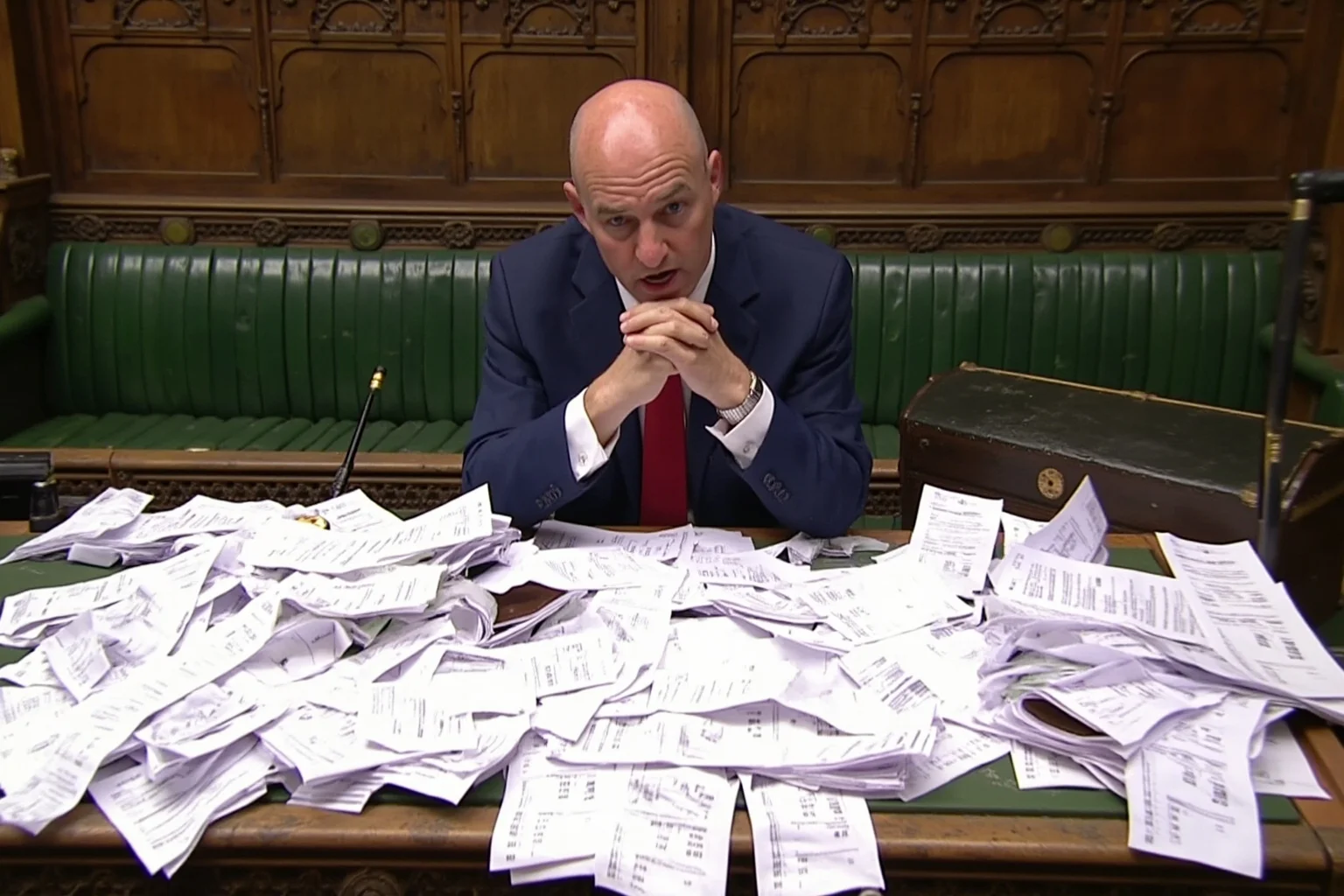
The UK Parliamentary Expenses Scandal was a massive political controversy that erupted in 2009 and shook British politics to its core. The Daily Telegraph obtained and published leaked details of MPs' expense claims, revealing widespread and sometimes absurd abuse of the parliamentary allowance system.
Claims included taxpayers being billed for moat cleaning, floating duck islands, ornamental hanging baskets, and mortgage payments on homes that did not exist. The sheer range and audacity of the claims stunned the British public and provoked widespread fury across the political spectrum.
Dozens of MPs resigned, retired, or were prosecuted following the revelations. Several were imprisoned for fraud and false accounting, and the scandal triggered sweeping reforms of the expenses system, including the creation of the Independent Parliamentary Standards Authority.
The expenses scandal remains one of the biggest scandals in British political history. It caused lasting damage to public trust in Parliament and highlighted the significant gap between politicians' public self-image and their private conduct.
22. Bridgegate (2013)
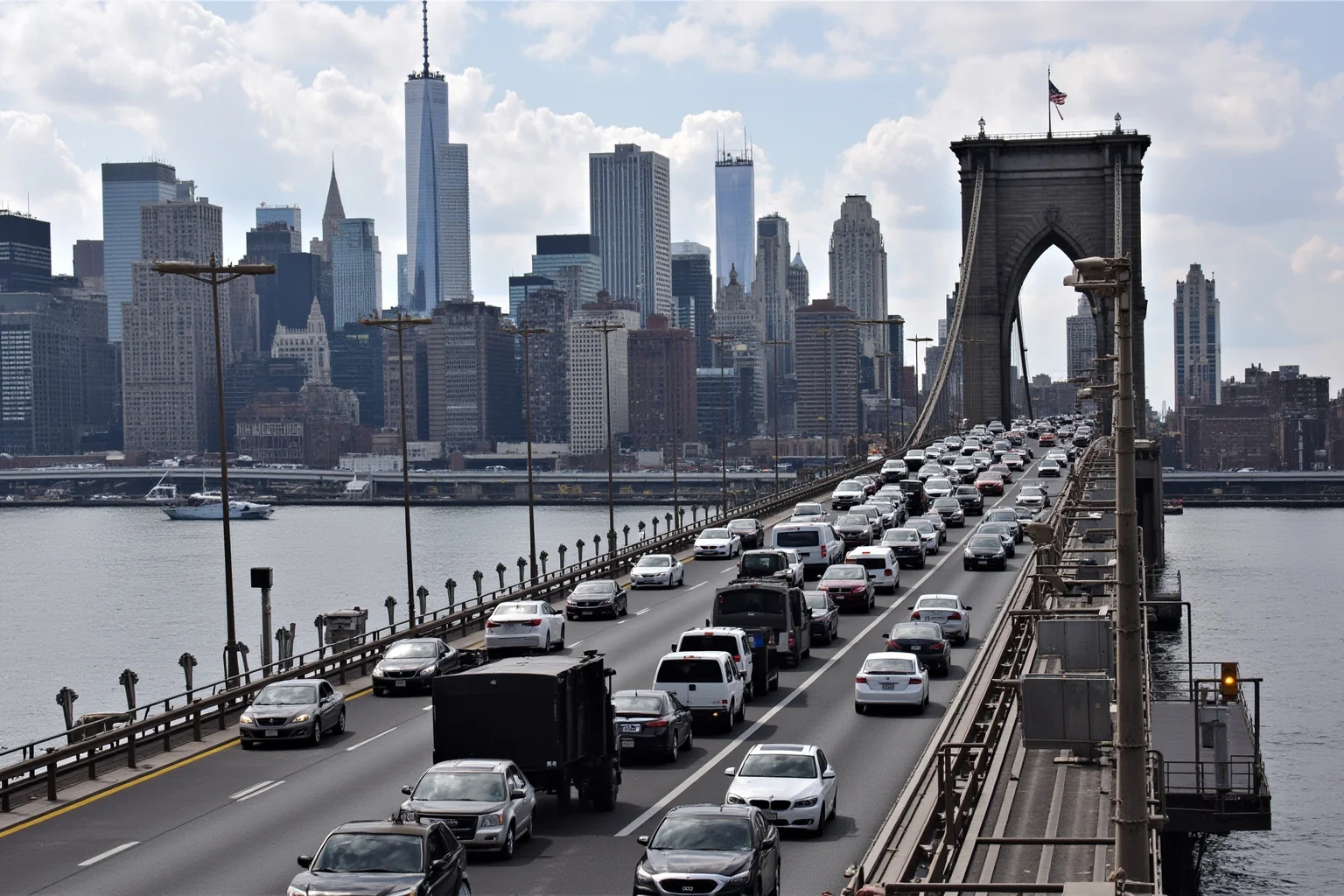
Bridgegate was a political scandal involving members of New Jersey Governor Chris Christie's administration and became one of the top scandals of all time in terms of sheer audacity. In September 2013, lanes on the George Washington Bridge were deliberately closed, creating massive traffic jams in the town of Fort Lee, New Jersey.
The lane closures were allegedly ordered as political retaliation against the Democratic mayor of Fort Lee, who had declined to endorse Christie's reelection bid. The resulting gridlock endangered public safety, delaying emergency responders and school buses for days.
Three Christie associates were convicted of federal charges related to the scheme, including conspiracy and wire fraud. Christie himself denied any knowledge of the closures, though the scandal cast a long shadow over his political career and effectively ended his presidential ambitions.
Bridgegate became one of the most notable political scandals of the 2010s and a stark example of political crime. It demonstrated how petty political score-settling could escalate into a serious abuse of governmental power with real-world consequences for ordinary citizens.
The Lasting Impact of Political Scandals
Political scandals have shaped the course of history in ways that extend far beyond the individuals directly involved. Each of these cases prompted reforms, investigations, and public debates about the nature of power, accountability, and the relationship between citizens and their government.
When people ask which political party has the most scandals, the honest answer is that corruption is bipartisan and transnational. Both major American parties and political parties worldwide have produced their share of controversies, criminal conduct, and ethical failures throughout history.
The examples of government corruption catalogued here share common threads: abuse of power, lack of oversight, and the belief that political position places individuals above the law. Understanding these patterns is essential to preventing future misconduct and strengthening democratic institutions.
History shows that no institution or era is immune to corruption. From Tammany Hall to Bridgegate, the struggle between accountability and abuse of power continues to define political life around the world, reminding us that vigilance is the price of honest governance.
Frequently Asked Questions
What are some examples of government corruption throughout history?
Some of the most notable examples of government corruption include the Tammany Hall political machine under Boss Tweed, which stole up to $200 million from New York City taxpayers; the Teapot Dome scandal, where a cabinet member accepted bribes for oil leases; the Crédit Mobilier scandal, involving railroad stock bribes to members of Congress; and the Whiskey Ring, where distillers and officials conspired to evade federal taxes. More modern examples include the Abscam sting operation, which caught members of Congress accepting bribes, and the UK Parliamentary Expenses Scandal of 2009, which revealed widespread abuse of taxpayer-funded allowances.
Which political party has the most scandals?
Both major U.S. political parties have experienced significant scandals throughout history. Republicans have been associated with scandals like Watergate, Iran-Contra, Teapot Dome, and Bridgegate, while Democrats have been linked to scandals like Tammany Hall, the Keating Five, Chappaquiddick, and the Clinton-Lewinsky affair. Rather than one party being more corrupt, history suggests that power itself creates opportunities for corruption regardless of party affiliation, and that effective oversight and transparency matter more than partisan labels.
What was the biggest political scandal in American history?
Watergate is widely considered the biggest political scandal in American history. The scandal began with a 1972 break-in at Democratic National Committee headquarters and expanded into a massive cover-up orchestrated by President Richard Nixon's administration. The investigation resulted in Nixon's resignation in 1974—the only presidential resignation in U.S. history—and the conviction of numerous top aides. Watergate fundamentally changed American politics, leading to campaign finance reforms, strengthened ethics oversight, and a lasting erosion of public trust in government.
What is the difference between a political scandal and political corruption?
Political corruption involves the illegal or unethical use of political power for personal gain, such as bribery, embezzlement, or fraud. A political scandal is a broader term that refers to any event that damages the reputation of politicians or government institutions, which may or may not involve illegal activity. For example, the Clinton-Lewinsky affair was a scandal involving personal misconduct and perjury, while the Teapot Dome scandal was both a scandal and a clear case of political corruption involving bribery.

Alex Warren
Related Articles