

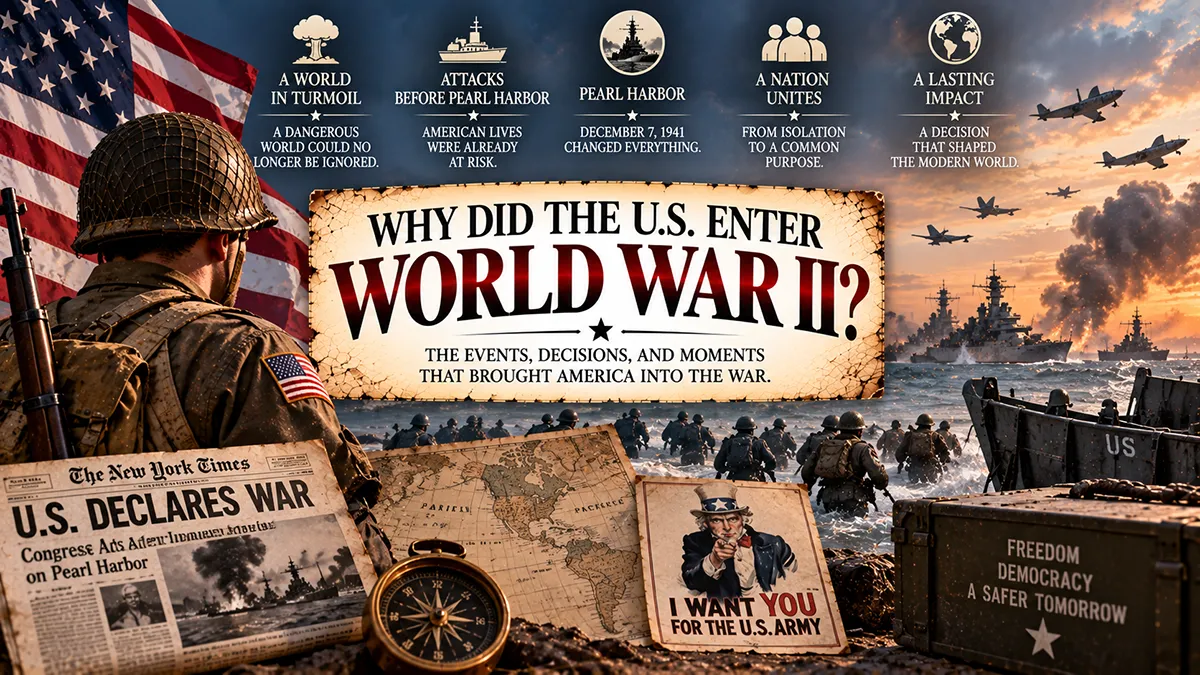
Ask most people why the United States entered World War II, and you’ll get one word: Pearl Harbor. It’s true that the December 7, 1941 attack was the spark that pushed America into a formal declaration of war, but the real story is much bigger and stretches back years before a single Japanese bomber crossed the Pacific.
By the time the US officially joined the fight, the country had already been sliding toward involvement through trade policy, naval incidents, and a growing sense that isolation was no longer possible in a world at war.
Some historians and commentators have long argued that America should have entered the conflict earlier, given the scale of the threat Nazi Germany and Imperial Japan posed. This piece breaks down the real reasons the US entered WWII, when it officially happened, and why the debate over “too little, too late” still matters today.
TL;DR: The US entered WWII in December 1941 after years of creeping involvement — through Lend-Lease, naval clashes, and economic pressure on Japan — finally tipped into full war by the attack on Pearl Harbor.
When Did WWII Start for the US? A Quick Timeline
World War II began in Europe on September 1, 1939, when Germany invaded Poland, and Britain and France declared war days later. The United States, however, did not join the fighting for more than two years, choosing instead to officially remain neutral while quietly leaning toward the Allies.
That changed on December 7, 1941, when Japan launched a surprise attack on the US naval base at Pearl Harbor, Hawaii. The US declared war on Japan the very next day, December 8, 1941. Germany and Italy then declared war on the United States on December 11, 1941, and the US responded in kind that same day, making America a full combatant in both the Pacific and European theaters.
America’s Isolationist Mood Before Pearl Harbor
To understand why the US waited so long, it helps to remember the national mood of the 1930s. Memories of the major battles of World War I — and the roughly 116,000 American deaths in that conflict — left many Americans deeply skeptical of getting pulled into another European war.
Congress passed a series of Neutrality Acts between 1935 and 1937 that restricted arms sales and loans to countries at war, reflecting this cautious mindset. Groups like the America First Committee, formed in 1940, argued loudly that the war in Europe and Asia was not America’s fight, and public opinion polls throughout the late 1930s showed most Americans wanted to stay out of any foreign conflict.
This is exactly why the question of why America did not want to enter WWII sooner has a real answer: it wasn’t apathy, it was a specific, widely shared belief that neutrality had kept the country safe before and could do so again. That belief slowly eroded as events in Europe and Asia grew harder to ignore.
The Real Reasons America Entered World War II
No single event fully explains why the US entered WWII. Instead, it was a chain of political, economic, and military pressures that built for years before finally boiling over. Here are the key reasons, in roughly the order they unfolded.
1. The Attack on Pearl Harbor
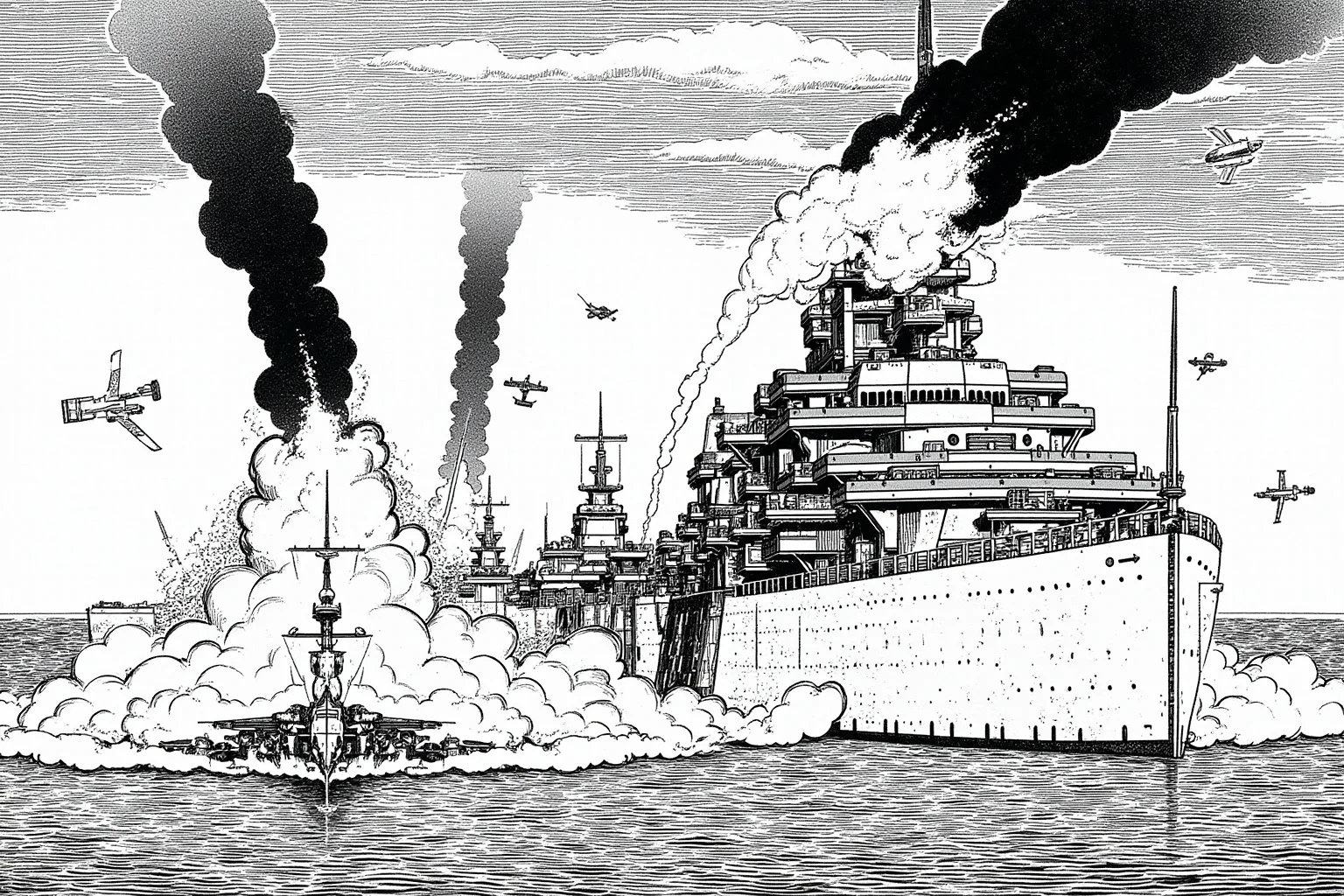
On the morning of December 7, 1941, Japanese aircraft carriers launched a surprise assault on the US Pacific Fleet at Pearl Harbor. More than 2,300 American service members died, and much of the fleet was damaged or destroyed in just under two hours.
This attack is the single most direct answer to “why did the US enter the second world war,” because it turned a divided, hesitant Congress into a nearly unanimous one. The Senate and House approved a declaration of war against Japan with only one dissenting vote.
2. Germany and Italy’s Declarations of War
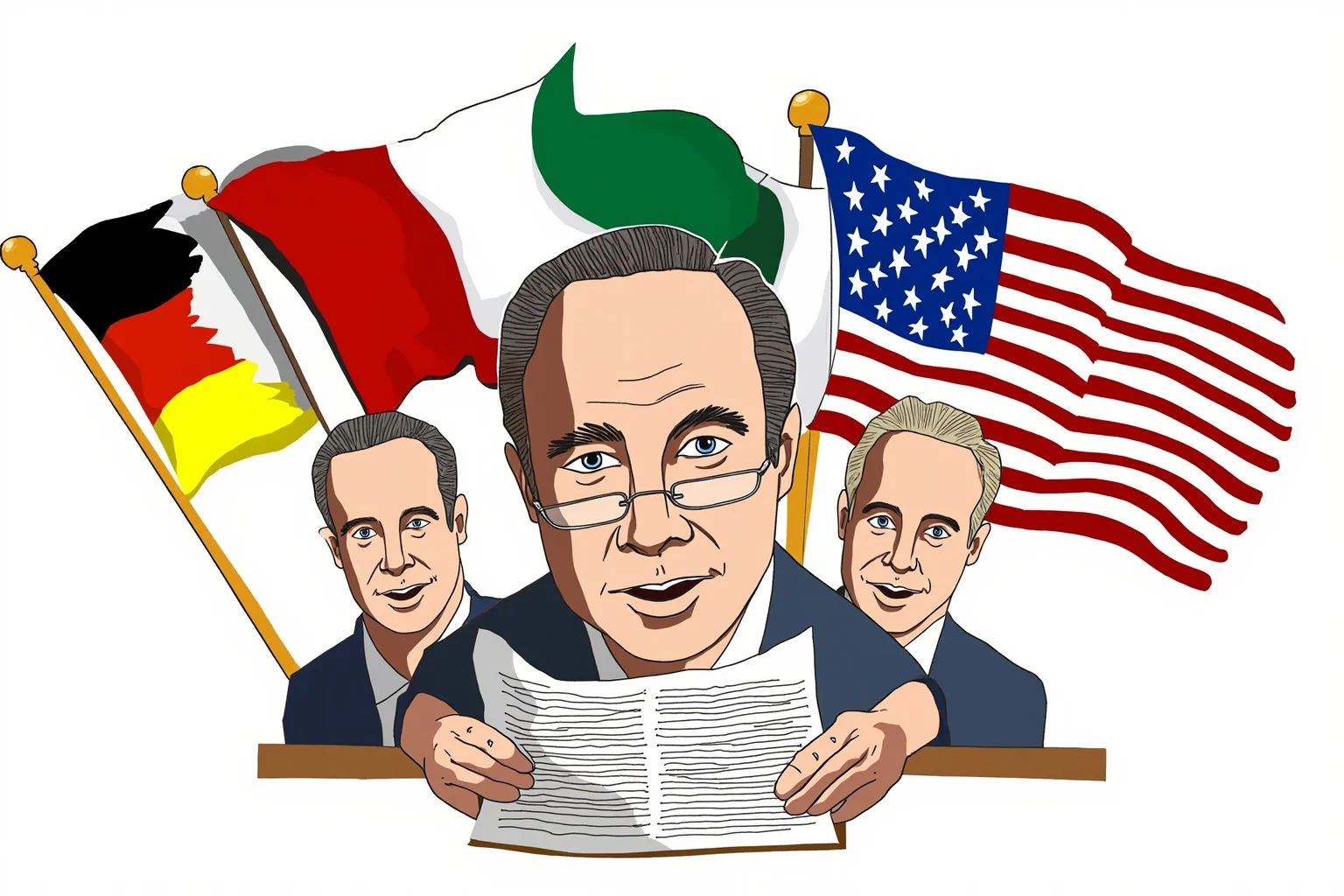
Interestingly, the US did not declare war on Germany first. It was Adolf Hitler and Benito Mussolini who declared war on the United States on December 11, 1941, honoring their Axis alliance with Japan.
This decision — arguably one of Hitler’s biggest strategic miscalculations — instantly turned America’s war with Japan into a two-front global conflict. It removed any lingering political debate about whether the US should also fight in Europe.
3. The Shift From Neutrality to Lend-Lease
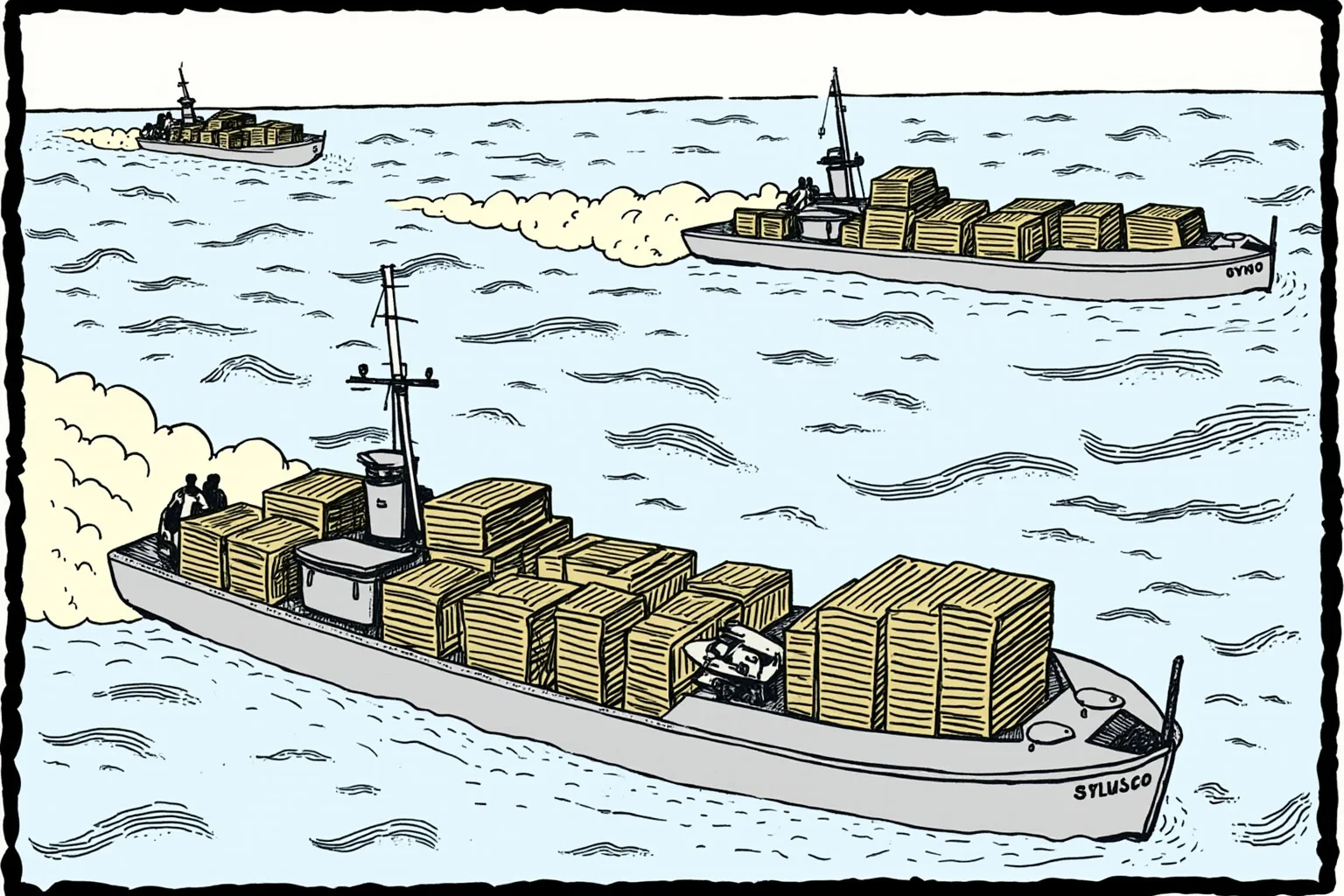
Even before Pearl Harbor, the US had been abandoning strict neutrality. The 1939 “Cash and Carry” policy let Britain and France buy American weapons if they paid upfront and transported the goods themselves.
By March 1941, Congress passed the Lend-Lease Act, allowing the US to supply Britain, and later the Soviet Union and China, with weapons, food, and equipment without immediate payment. This made America what President Franklin D. Roosevelt called the “Arsenal of Democracy,” and it blurred the line between neutral bystander and active participant.
4. The Atlantic Charter and Closer Ties With Britain
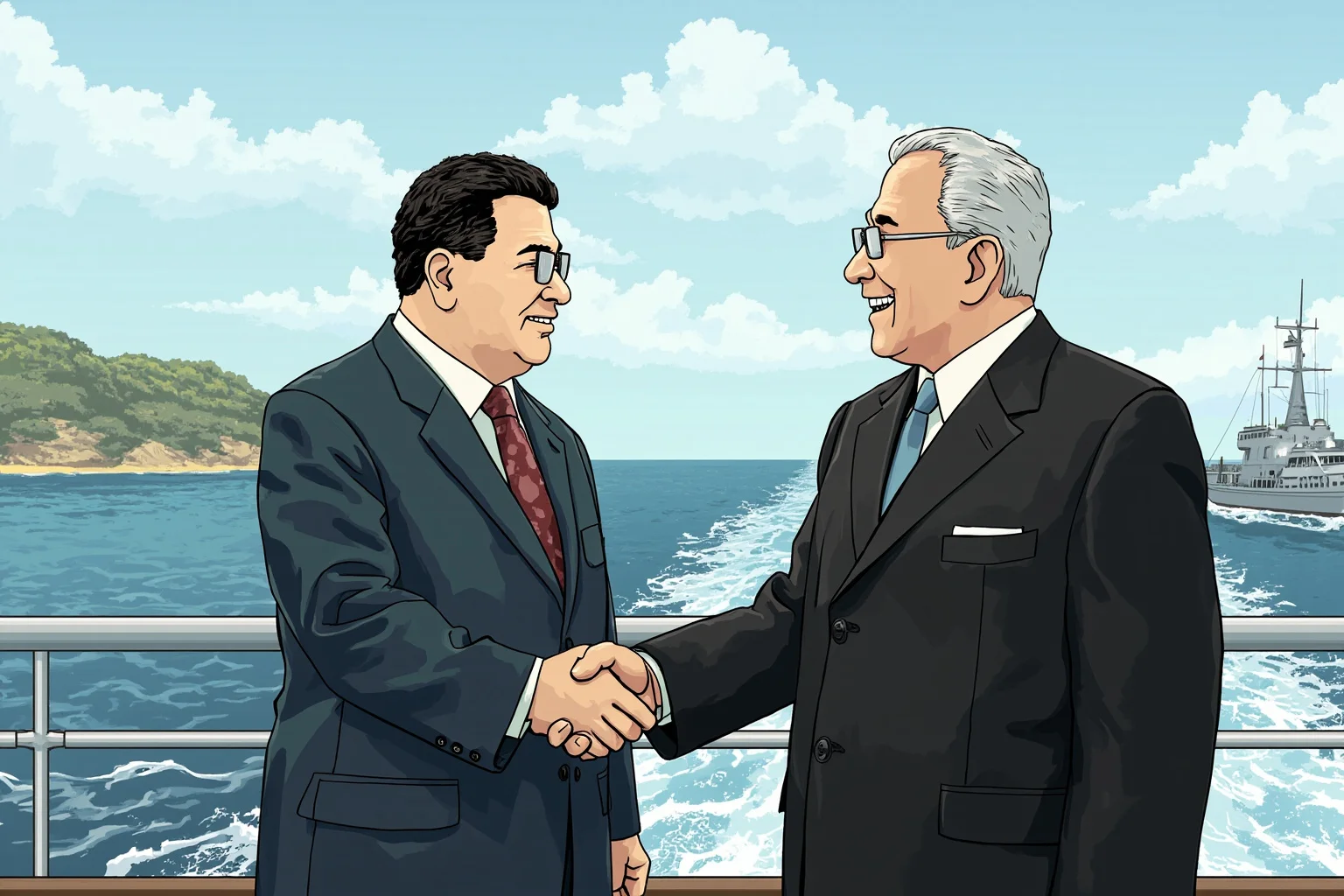
In August 1941, Roosevelt met British Prime Minister Winston Churchill off the coast of Newfoundland. The result was the Atlantic Charter, a joint statement outlining shared postwar goals like self-determination and disarmament of aggressor nations.
While it wasn’t a military alliance, the meeting signaled that the US was aligning itself firmly with Britain’s cause. It also showed Roosevelt was willing to act like a wartime partner well before Congress had declared any war.
5. German U-Boat Attacks on US Ships
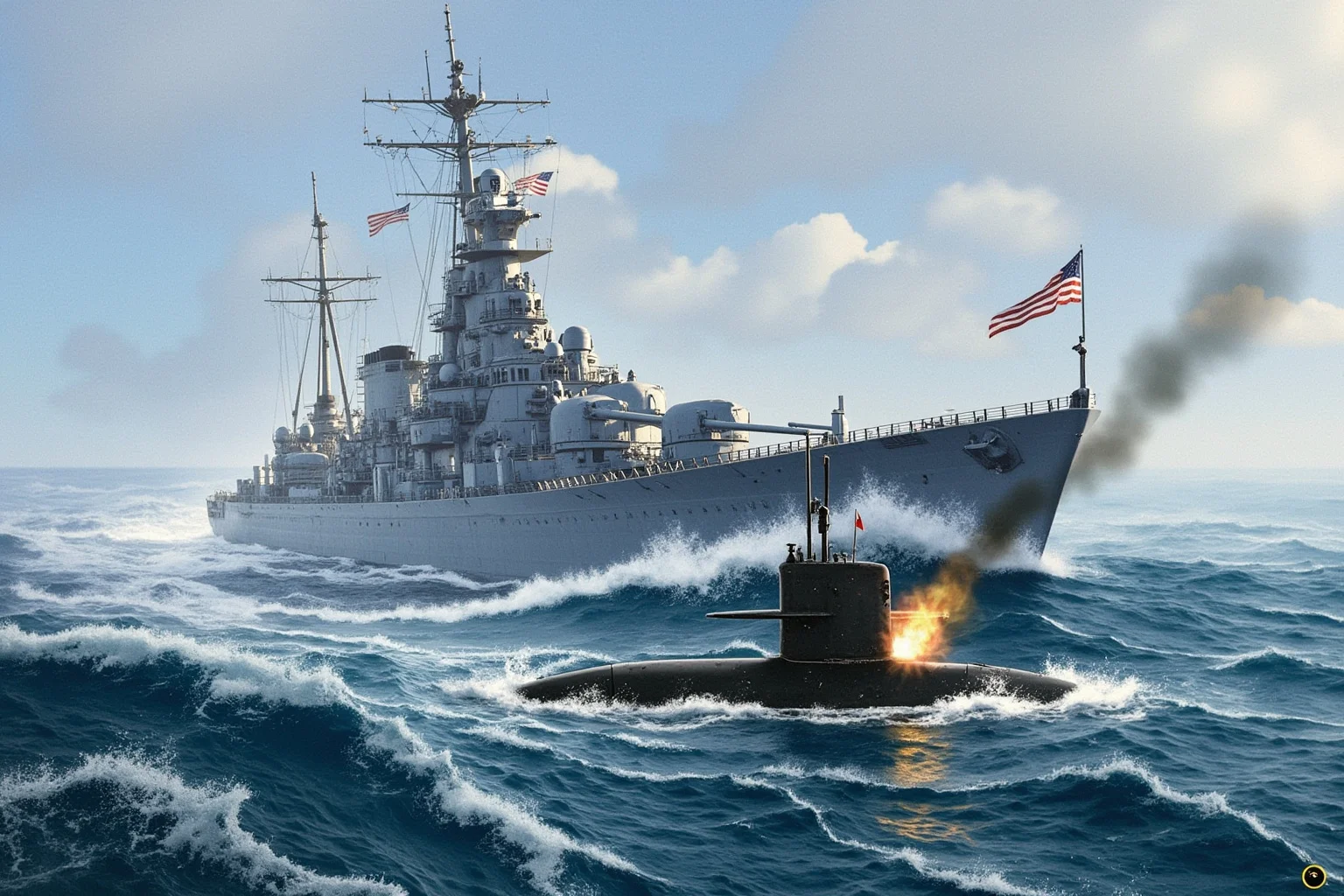
By the fall of 1941, US Navy ships were already skirmishing with German submarines in the Atlantic, even without a formal war. The destroyer USS Greer was attacked by a U-boat in September 1941, and the USS Reuben James was sunk by a German submarine in October 1941, killing more than 100 American sailors.
These clashes meant American blood was already being spilled in the Atlantic before Pearl Harbor. Some historians argue this “undeclared naval war” made a formal declaration of war almost inevitable, regardless of what happened in the Pacific.
6. Japanese Expansion Across Asia and the Pacific
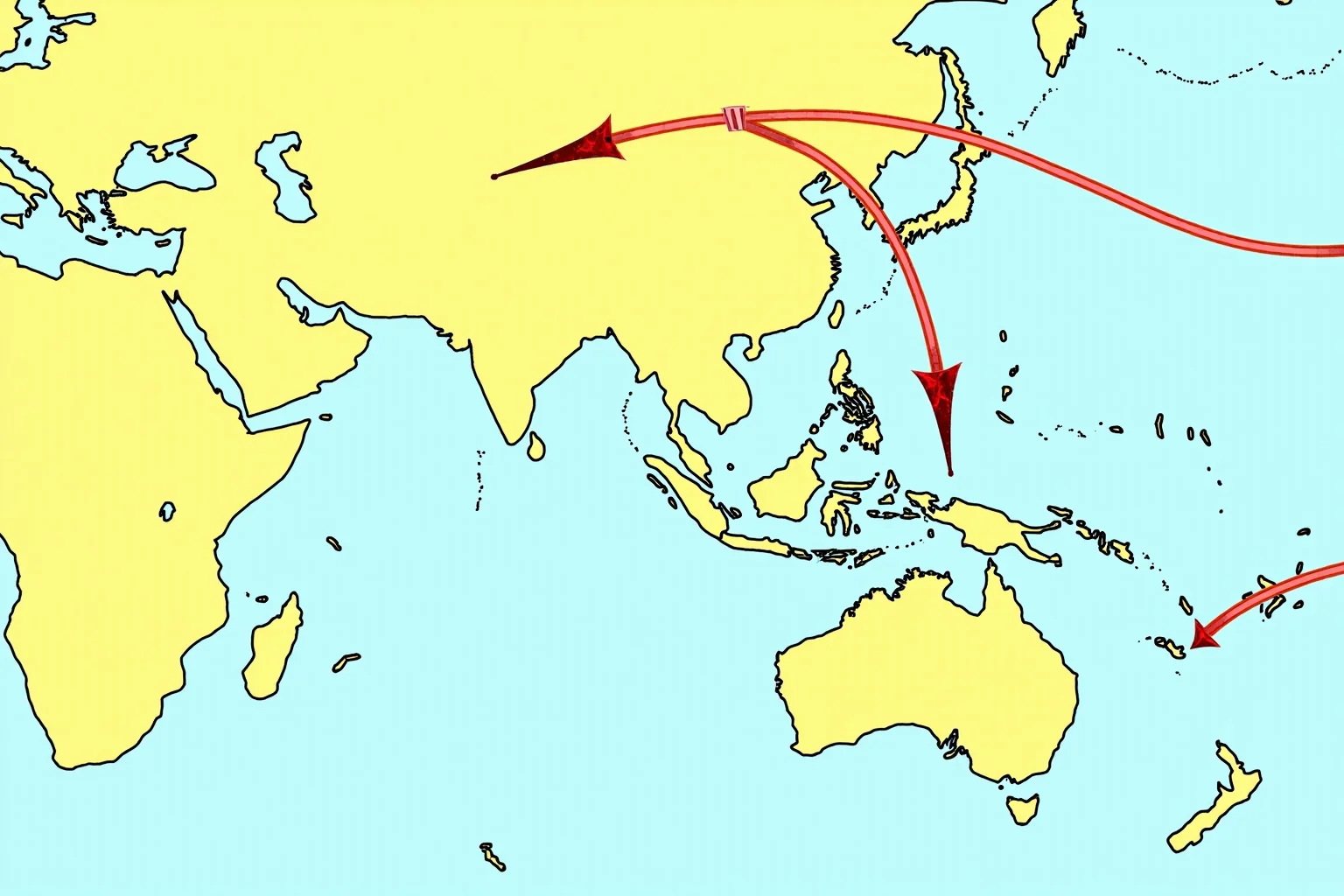
Japan had been expanding aggressively since invading Manchuria in 1931 and launching a full-scale war with China in 1937. Reports of brutal treatment of civilians in occupied China, along with Japan’s move into French Indochina in 1940 and 1941, alarmed US policymakers.
Washington saw Japan’s expansion as a direct threat to American interests and allies in the Pacific, including the Philippines, then a US territory. This regional rivalry had been simmering for a decade before it exploded into open war.
7. US Economic Sanctions on Japan
In response to Japanese expansion, the US froze Japanese assets and imposed an oil embargo in the summer of 1941. Since Japan imported the vast majority of its oil, this sanction threatened to cripple its military and economy.
Japanese leaders viewed the embargo as an existential threat and began planning a strike to secure resources elsewhere in Southeast Asia, while simultaneously trying to neutralize the American fleet that could interfere. Pearl Harbor was, in large part, a response to this economic pressure.
8. Failed Diplomacy With Japan
Throughout 1941, US and Japanese diplomats held talks trying to defuse tensions, but neither side would budge on core issues like Japan’s presence in China. In November 1941, Secretary of State Cordell Hull presented Japan with a set of demands, sometimes called the Hull Note, calling for full withdrawal from China and Indochina.
Japanese leaders considered these terms unacceptable and moved forward with military plans instead. The breakdown of diplomacy removed the last realistic off-ramp before war.
9. Shifting American Public Opinion
Public opinion didn’t flip overnight, but it moved steadily between 1939 and 1941. As newsreels showed the Blitz on London and Nazi conquests across Europe, and popular songs of the era captured the nation’s growing unease, more Americans came to see the Axis powers as a genuine danger rather than a distant squabble.
Polling data from the era shows a slow but real shift toward supporting aid to Britain, even among people who still didn’t want US troops sent to fight. That shift gave Roosevelt more room to push interventionist policies like Lend-Lease.
10. Strategic Fears About a Nazi-Dominated Europe
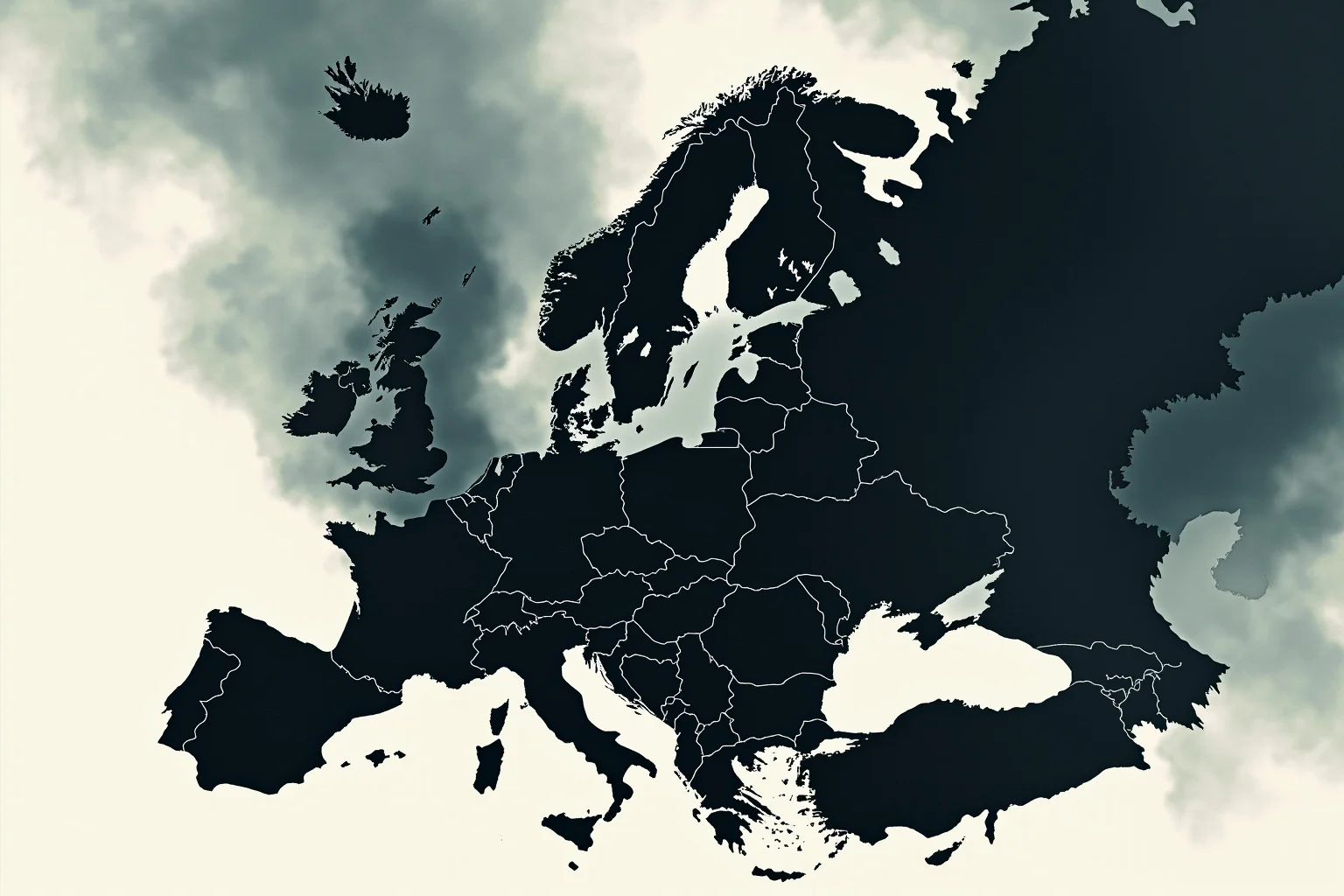
By 1940, France had fallen, and Britain stood largely alone against Germany. American military planners worried that if Britain fell too, a hostile power could dominate the Atlantic and threaten the Western Hemisphere directly.
This wasn’t just about ideology; it was about hemispheric security. Keeping Britain in the fight, even through indirect aid, was seen as protecting America’s own strategic position.
11. FDR’s Behind-the-Scenes Maneuvering
Roosevelt personally believed the Axis powers posed a serious threat well before most of the public or Congress agreed. He used speeches, executive actions, and policies like Lend-Lease to nudge the country toward greater involvement, even while publicly promising to keep America out of foreign wars during his 1940 re-election campaign.
This balancing act frustrated isolationists who felt misled, and it remains a point of historical debate. Still, it reflects how much groundwork was laid before Congress ever voted on a formal declaration.
12. Ideological Opposition to Fascism
Beyond strategy and economics, there was a genuine ideological dimension to America’s eventual entry. Nazi Germany’s aggressive expansion, its alliance system, and its authoritarian ideology stood in stark contrast to the democratic values the US claimed to champion.
While this wasn’t the primary trigger for war, it shaped how the conflict was framed publicly once the US did enter — as a fight for democracy and freedom against tyranny. It’s worth noting that the full scope of the Holocaust was not widely confirmed or understood by the American public until later in the war, so stopping it was not a stated reason for entering in 1941.
13. Pressure and Appeals From Allies
Churchill repeatedly appealed to Roosevelt for greater American involvement throughout 1940 and 1941, both publicly and through private correspondence. Free French, Chinese, and other Allied representatives similarly lobbied Washington for support.
While the US resisted formal military commitments until Pearl Harbor, this steady diplomatic pressure kept the issue in front of American leaders and helped shape policies like Lend-Lease. It also meant the groundwork for cooperation was already in place once war was declared.
14. Intelligence Warnings and Rising Tensions in Late 1941
By late November 1941, US codebreakers had intercepted Japanese diplomatic communications suggesting a break in negotiations was imminent, and American commanders in the Pacific were put on alert for possible Japanese action. However, the specific target of Pearl Harbor was not clearly anticipated by US intelligence at the time.
This near-miss in intelligence has fueled decades of debate about whether the attack could have been foreseen and prevented. Most mainstream historians conclude it was a serious intelligence failure rather than any deliberate choice to let the attack happen.
Could the US Have Entered World War II Earlier? Examining the Debate
The idea that America should have entered WWII earlier is a long-running historical argument, not a settled fact. Supporters of this view point out that Nazi Germany’s aggression was clear as early as 1938 and 1939, and that earlier, decisive Allied action might have shortened the war or altered its course.
They also note that isolationist sentiment and restrictive laws like the Neutrality Acts arguably slowed the flow of aid to Britain and France when it might have mattered most. From this angle, US involvement limited to “Cash and Carry” and later Lend-Lease was too cautious given the scale of the threat unfolding in Europe.
On the other side, defenders of the actual timeline point out that American democracy required public and congressional support to go to war, and that support simply wasn’t there until Pearl Harbor made the threat undeniable. Roosevelt himself moved about as fast as domestic politics allowed, given strong isolationist opposition in Congress throughout 1939 to 1941.
It’s also worth noting that the US was not militarily prepared for a full-scale war in 1939 or 1940. The peacetime US Army was relatively small by great-power standards at the time, and American industry needed time to convert to wartime production, something Lend-Lease and later full mobilization eventually achieved.
Historians remain divided on whether earlier entry was realistically possible without a triggering event like Pearl Harbor. What’s clear is that the eventual shift from neutrality to full engagement was gradual, not sudden, and shaped by a mix of public opinion, political will, and military readiness.
Common Myths About US Entry Into WWII
A few persistent myths — alongside plenty of little-known facts about World War II — cloud the real story of why the US entered WWII, so it’s worth clearing them up.
Myth: The US was completely isolationist right up until Pearl Harbor. In reality, by late 1941 the US was already supplying Britain and the Soviet Union through Lend-Lease and had naval forces clashing with German U-boats in the Atlantic. Neutral in name, the US was already deeply involved in supporting the Allied war effort.
Myth: Franklin Roosevelt knew about the Pearl Harbor attack in advance and let it happen. This claim has circulated for decades, but mainstream historians have found no credible evidence supporting it. The consensus view is that Pearl Harbor resulted from intelligence gaps and miscommunication, not a deliberate plot.
Myth: America entered WWII primarily to stop the Holocaust. While the horrors of Nazi persecution became part of the moral case for the war once the US was fighting, the immediate causes of US entry were strategic and military — Pearl Harbor and the Axis declarations of war. The full scale of the Holocaust wasn’t widely confirmed by Allied governments until later in the conflict.
Myth: Pearl Harbor came completely out of nowhere. Tensions between the US and Japan had been building for years over China, resource embargoes, and failed diplomacy. The specific attack was a surprise, but the broader deterioration in US-Japan relations was not.
The Legacy of America’s Entry Into WWII
Once the US formally entered the war in December 1941, its industrial and military resources reshaped the entire conflict. American factories produced ships, tanks, and aircraft at a scale no other combatant could match, fundamentally shifting the balance of the war.
The debate over whether the US should have entered earlier remains a meaningful historical question, not just an academic exercise. It touches on bigger issues about the limits of democratic decision-making in foreign policy, the role of public opinion during a crisis, and how much warning is enough before a nation acts.
What’s certain is that the road to war was long and layered, built from economic sanctions, naval skirmishes, broken diplomacy, and finally a devastating surprise attack. Understanding all of these threads together gives a far more accurate picture than reducing the story to a single date in December 1941 — one entry among many biggest events in American history.
Frequently Asked Questions
Why did the US enter the Second World War?
The US entered WWII primarily because of the Japanese attack on Pearl Harbor on December 7, 1941, which killed over 2,300 Americans and prompted an almost unanimous congressional declaration of war on Japan. Germany and Italy then declared war on the US on December 11, 1941, pulling America into the European theater as well. This came after years of rising tension, including Lend-Lease aid to Britain, naval clashes with German U-boats, and economic sanctions on Japan.
When did WWII start for the US?
The US officially entered World War II on December 8, 1941, the day after the attack on Pearl Harbor, when Congress declared war on Japan. It became fully involved in the European theater on December 11, 1941, after Germany and Italy declared war on the United States.
Why did America not want to enter WWII sooner?
Many Americans remained wary of foreign wars due to the heavy losses of World War I and a strong isolationist movement, backed by groups like the America First Committee. Congress had also passed Neutrality Acts in the 1930s specifically to keep the US out of foreign conflicts, and public opinion polls showed limited support for direct military involvement before Pearl Harbor.
What was the main cause of the US entering WWII?
The immediate cause was the surprise Japanese attack on Pearl Harbor on December 7, 1941. However, this attack followed years of building tension, including US economic sanctions on Japan, failed diplomacy, and America's growing support for Britain through programs like Lend-Lease.
Did the US declare war on Germany or did Germany declare war on the US first?
Germany, along with Italy, declared war on the United States on December 11, 1941, honoring its alliance with Japan after the US declared war on Japan. The United States then declared war on Germany and Italy that same day.
Should the US have entered World War II earlier?
This remains a debated historical question rather than a settled fact. Some historians argue earlier, more decisive action against Nazi Germany could have shortened the war, while others point out that strong isolationist sentiment and a lack of military readiness made earlier entry politically and practically difficult without a triggering event like Pearl Harbor.

Alex Warren
Related Articles





