
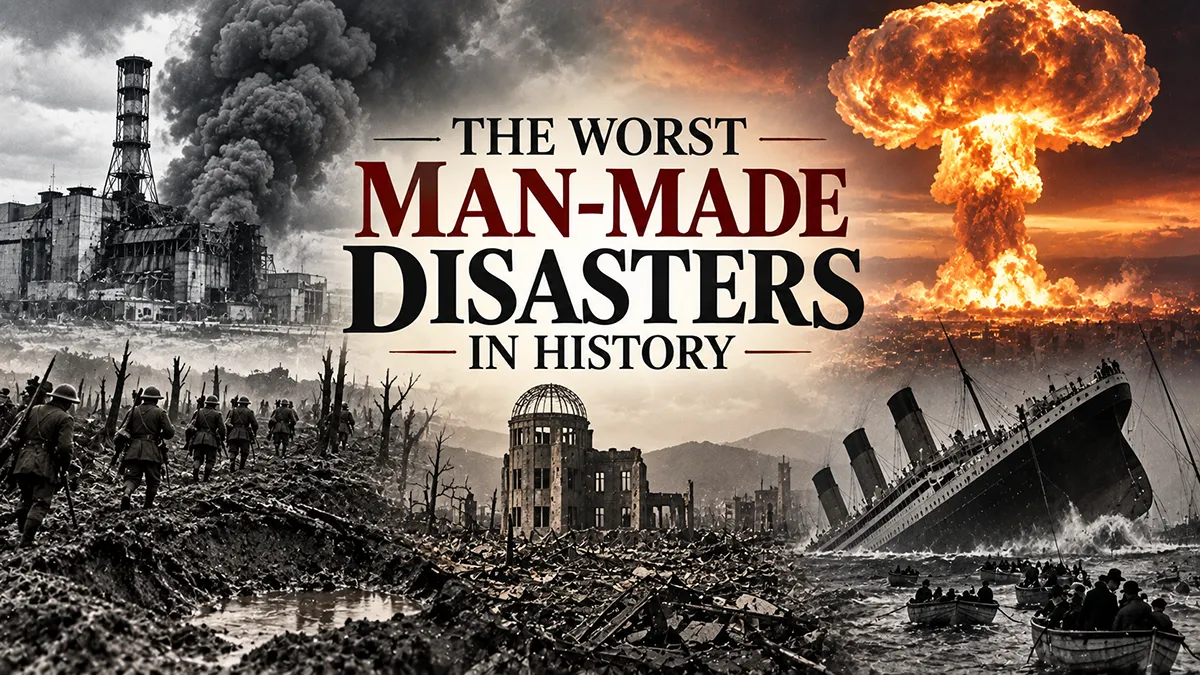
History is full of tragedies, and not all of them came from nature. Some of the worst catastrophes ever recorded were built entirely by human hands, through war, greed, negligence, or plain bad decisions.
Others were natural disasters that nature alone unleashed, though even those were often made deadlier by how people prepared for them or responded once the dust settled.
This guide walks through both categories side by side. We’ll look at the worst natural disasters in history, the worst man-made disasters in history, and the blurry space where the two overlap. Along the way, we’ll bust a few myths and clarify what the numbers actually tell us.
TL;DR: History’s deadliest catastrophes split into two families, nature’s fury and human error or cruelty, and the worst man-made disasters, from genocides to industrial meltdowns, have often killed on a scale that rivals the deadliest floods, earthquakes, and pandemics combined.
What Is a Man-Made Disaster?
A man-made disaster, sometimes called an anthropogenic disaster, is any catastrophic event caused primarily by human action, decision, or negligence rather than natural forces.
This covers a huge range of events. Wars, genocides, famines caused by bad policy, industrial accidents, nuclear meltdowns, oil spills, dam failures, and structural collapses all count.
The formal definition used by many emergency-management agencies distinguishes man-made hazards from natural hazards by looking at root cause. A hurricane is a natural hazard. A dam that fails and floods a valley below it is a man-made hazard, even if heavy rain was the trigger.
Common man-made hazard examples include chemical spills, transportation accidents, terrorism, nuclear accidents, structural fires, and pollution events.
Human-caused disasters also include slower-moving catastrophes like deforestation, groundwater depletion, and climate change, which unfold over decades rather than minutes.
Natural Disasters vs. Man-Made Disasters: Why the Line Blurs
It’s tempting to sort every historical catastrophe into a clean “natural” or “man-made” bucket, but reality rarely cooperates. Many of history’s worst disasters sit in a gray zone where nature provided the trigger and human decisions turned it into a mass casualty event.
The 2011 Fukushima nuclear disaster is a good example. An earthquake and tsunami were entirely natural, but the meltdown that followed was shaped by engineering choices and regulatory decisions.
The American Dust Bowl of the 1930s is another: drought was natural, but decades of aggressive over-farming stripped the topsoil that let the storms turn catastrophic.
Bengal’s famine of 1943, which killed an estimated two to three million people in British India, followed a similar pattern. A cyclone and crop disease played a role, but wartime policy decisions and grain diversion turned a bad harvest into a mass starvation event.
Keeping this overlap in mind helps explain why some lists of “natural disasters” and “man-made disasters” don’t always agree on where a given event belongs.
Part 1: The Worst Natural Disasters in History
Before getting to human-caused catastrophes, it’s worth grounding the discussion in the deadliest natural disasters on record.
Death tolls for events before the 20th century are especially hard to pin down, since record-keeping was inconsistent and many victims died from disease or famine long after the initial event. The estimates below reflect ranges commonly cited by historians and disaster researchers, not exact figures.
1. The 1918 Influenza Pandemic
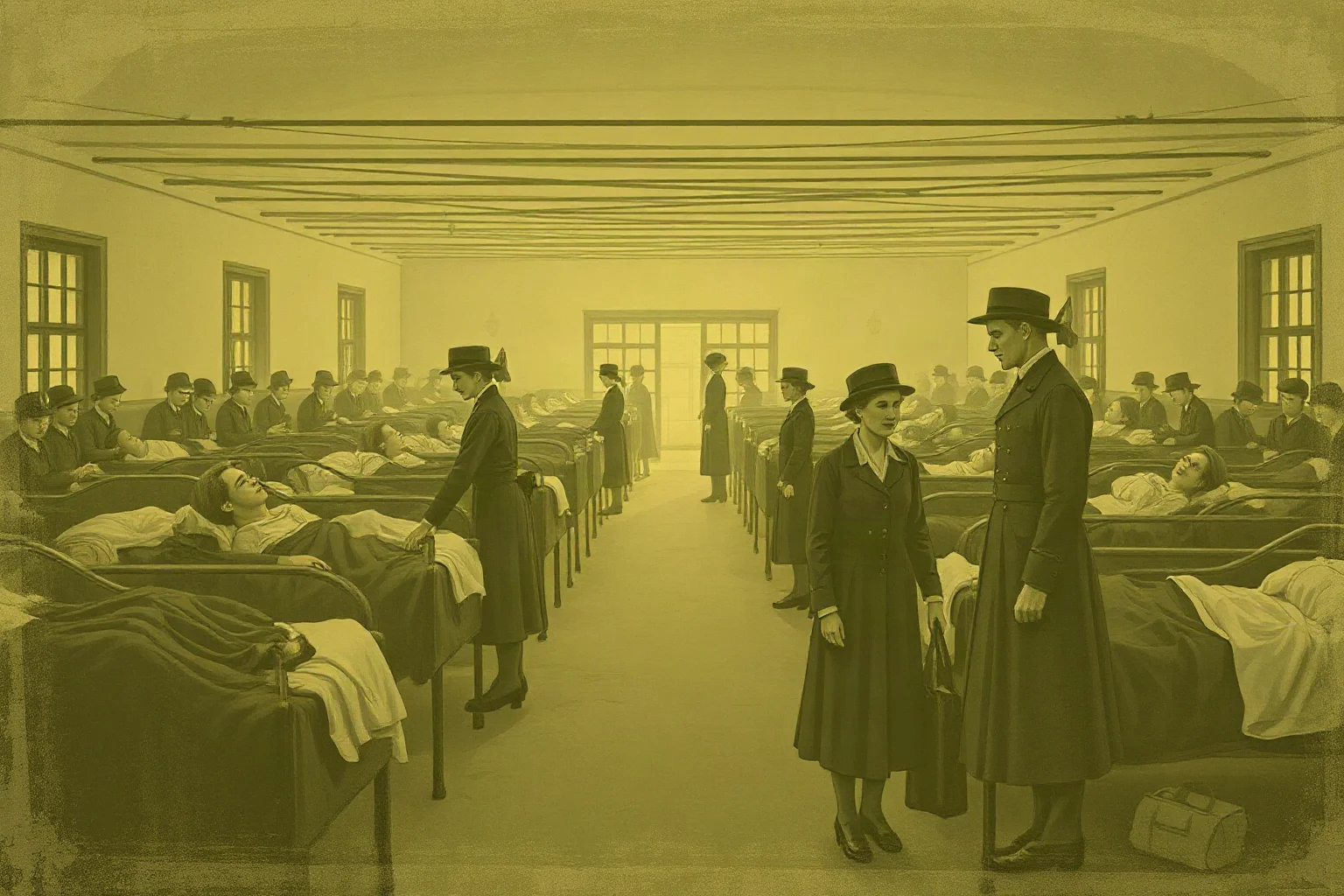
The so-called “Spanish flu” swept the globe between 1918 and 1919, infecting roughly a third of the world’s population at the time. Estimates of the death toll range from 50 million to 100 million people, making it arguably the deadliest natural disaster in recorded history if pandemics are counted alongside geological and weather events.
Its spread was accelerated by the mass troop movements of World War I, which is a reminder of how natural and man-made forces often intertwine. Whether a disease outbreak “counts” as a natural disaster is debated, but its scale is undeniable.
2. The 1931 China Floods
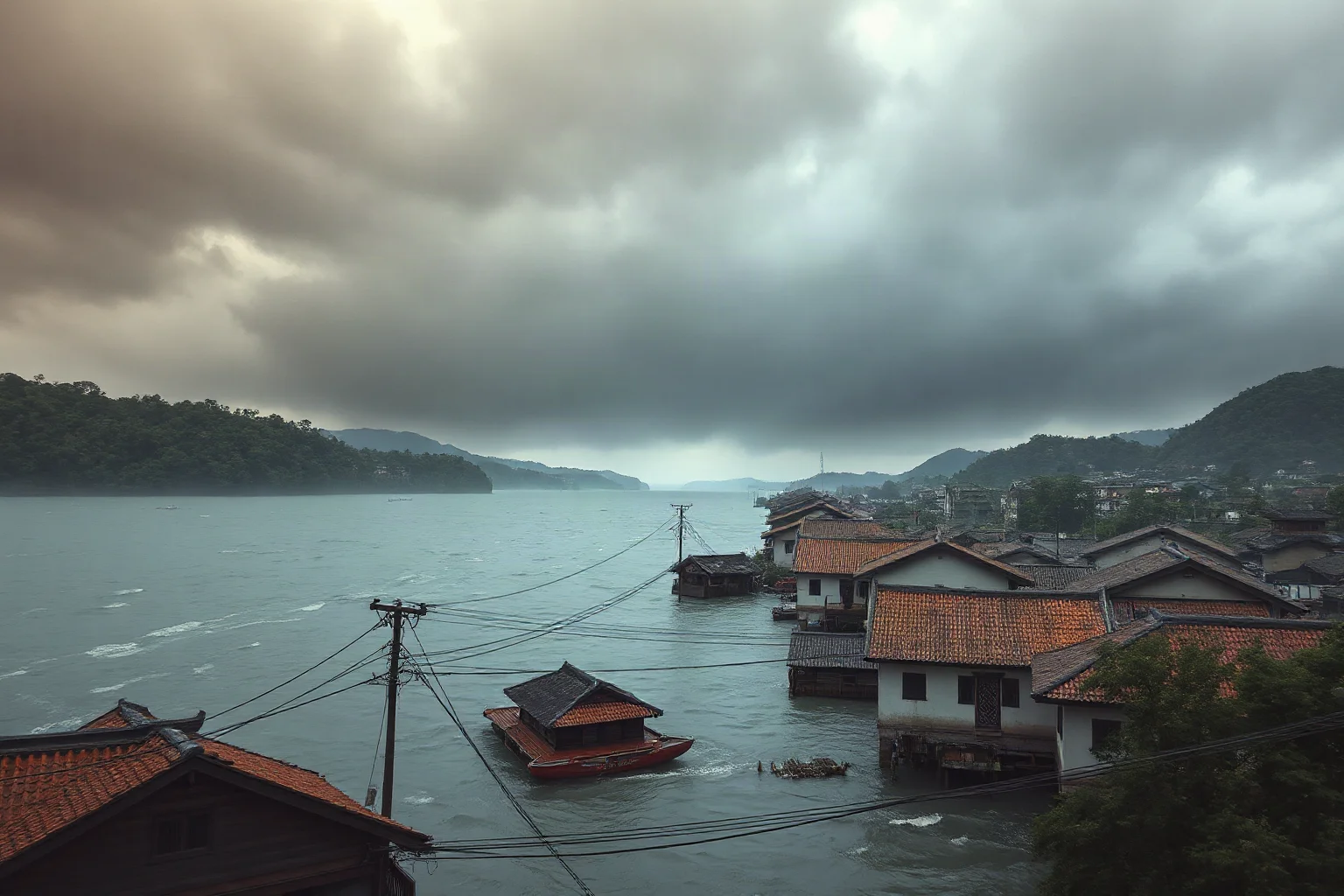
The Yangtze-Huai River floods of 1931 are frequently cited as the single deadliest natural disaster in recorded history. Estimates vary enormously, from around 1 million to as high as 4 million deaths, most from subsequent famine and disease rather than drowning alone.
Extreme snowmelt, heavy monsoon rains, and a series of cyclones combined to overwhelm China’s river systems that year. The scale of destruction affected an area roughly the size of the entire United Kingdom.
3. The 1887 Yellow River Flood
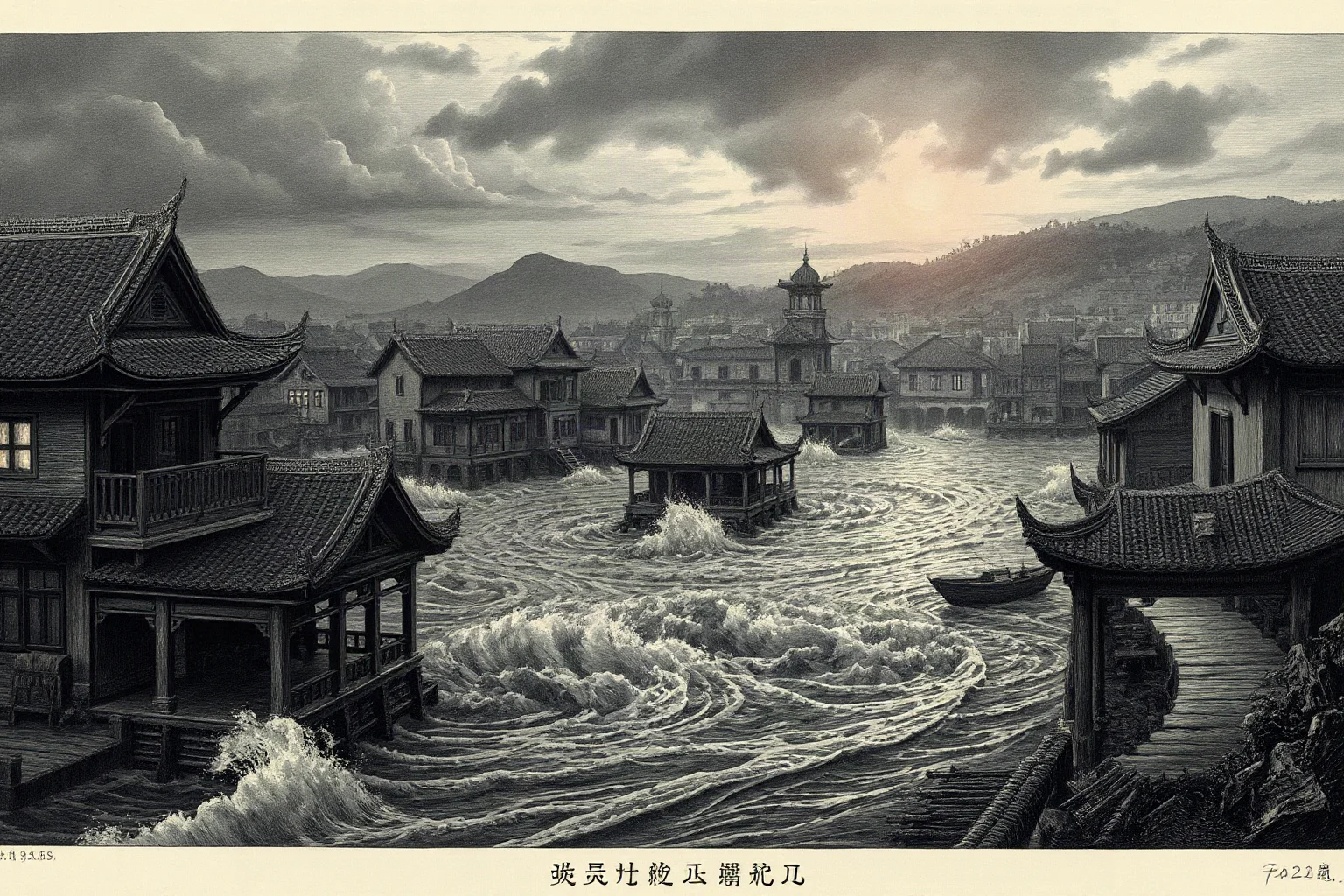
China’s Yellow River, nicknamed “China’s Sorrow” for its long history of catastrophic flooding, burst its banks in 1887 after unusually heavy rains overwhelmed local dikes. Death toll estimates range from about 900,000 to 2 million people.
Much of the loss of life came from the flooding of low-lying farmland where millions of people lived, followed by widespread famine in the flood’s aftermath.
4. The 1556 Shaanxi Earthquake
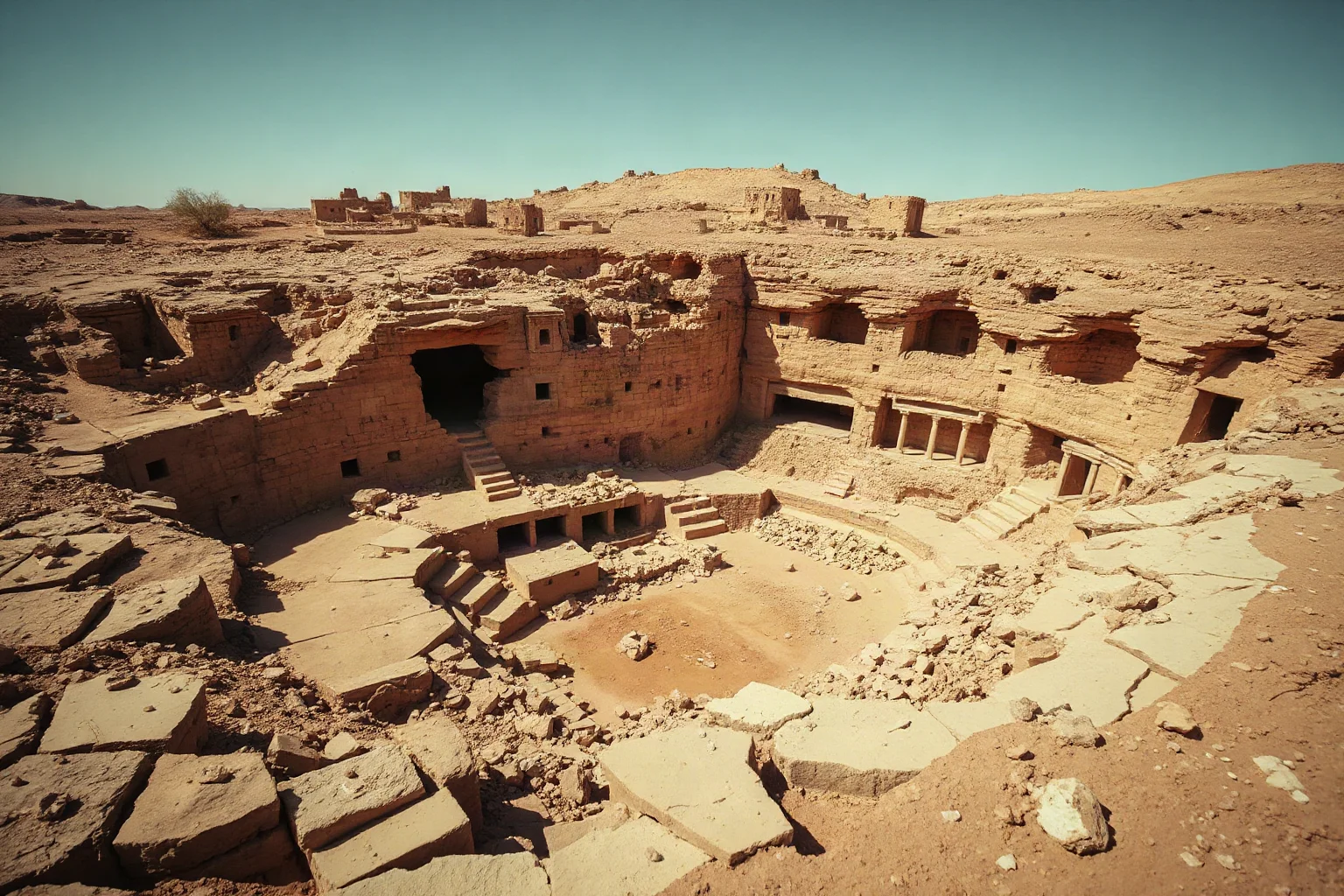
On January 23, 1556, a massive earthquake struck China’s Shaanxi province, killing an estimated 830,000 people. It remains the deadliest single earthquake ever recorded.
The extreme casualty count is partly explained by the region’s dense population and the widespread use of cave dwellings carved into loess cliffs, many of which collapsed instantly.
5. The 1970 Bhola Cyclone
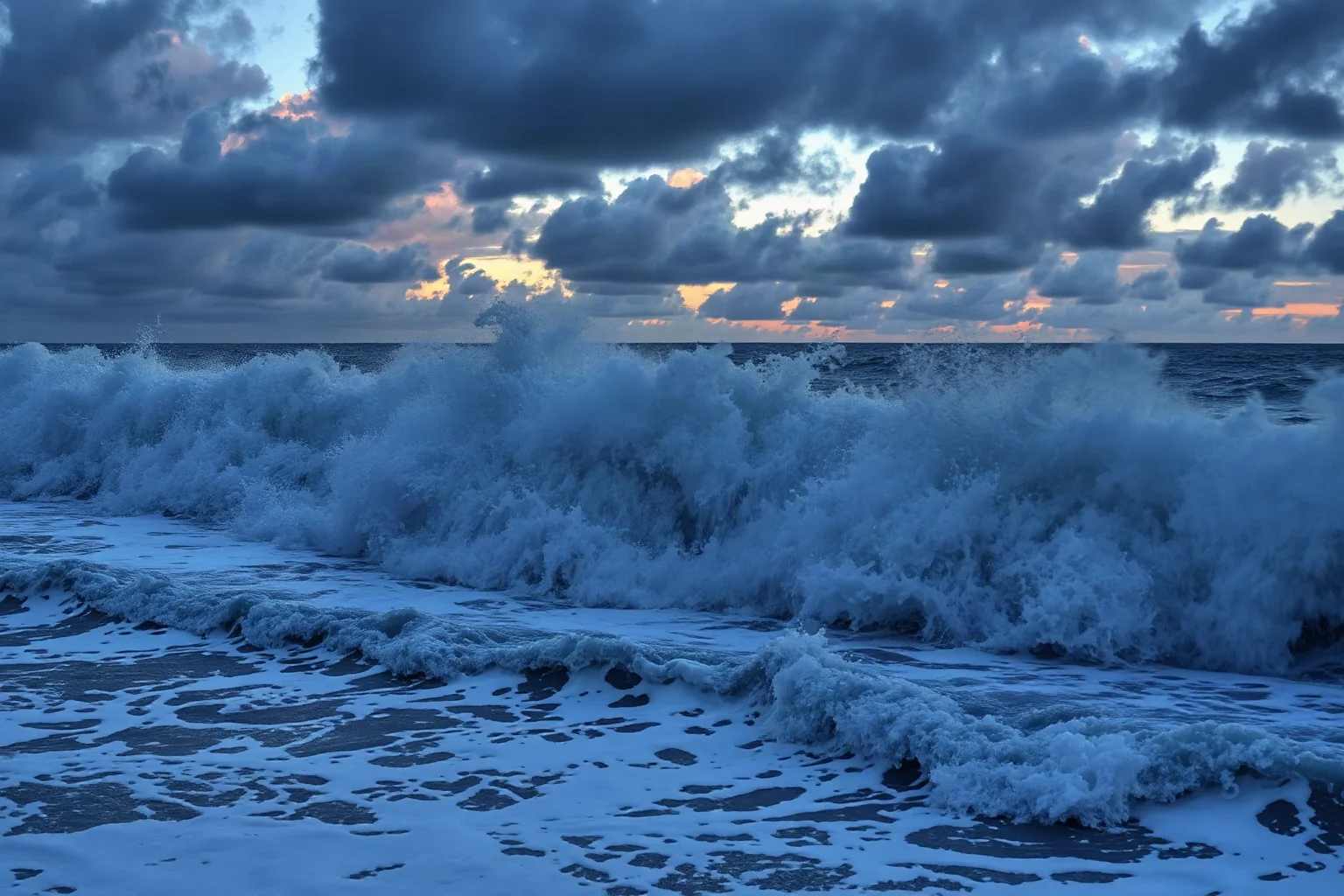
In November 1970, a powerful tropical cyclone struck the densely populated Ganges Delta region of what was then East Pakistan, now Bangladesh. Estimates of the death toll range from 300,000 to 500,000, making it the deadliest tropical cyclone ever recorded.
The storm surge caught many low-lying coastal communities with little warning, and the disaster’s aftermath contributed to political unrest that helped fuel Bangladesh’s independence movement the following year.
6. The 1976 Tangshan Earthquake
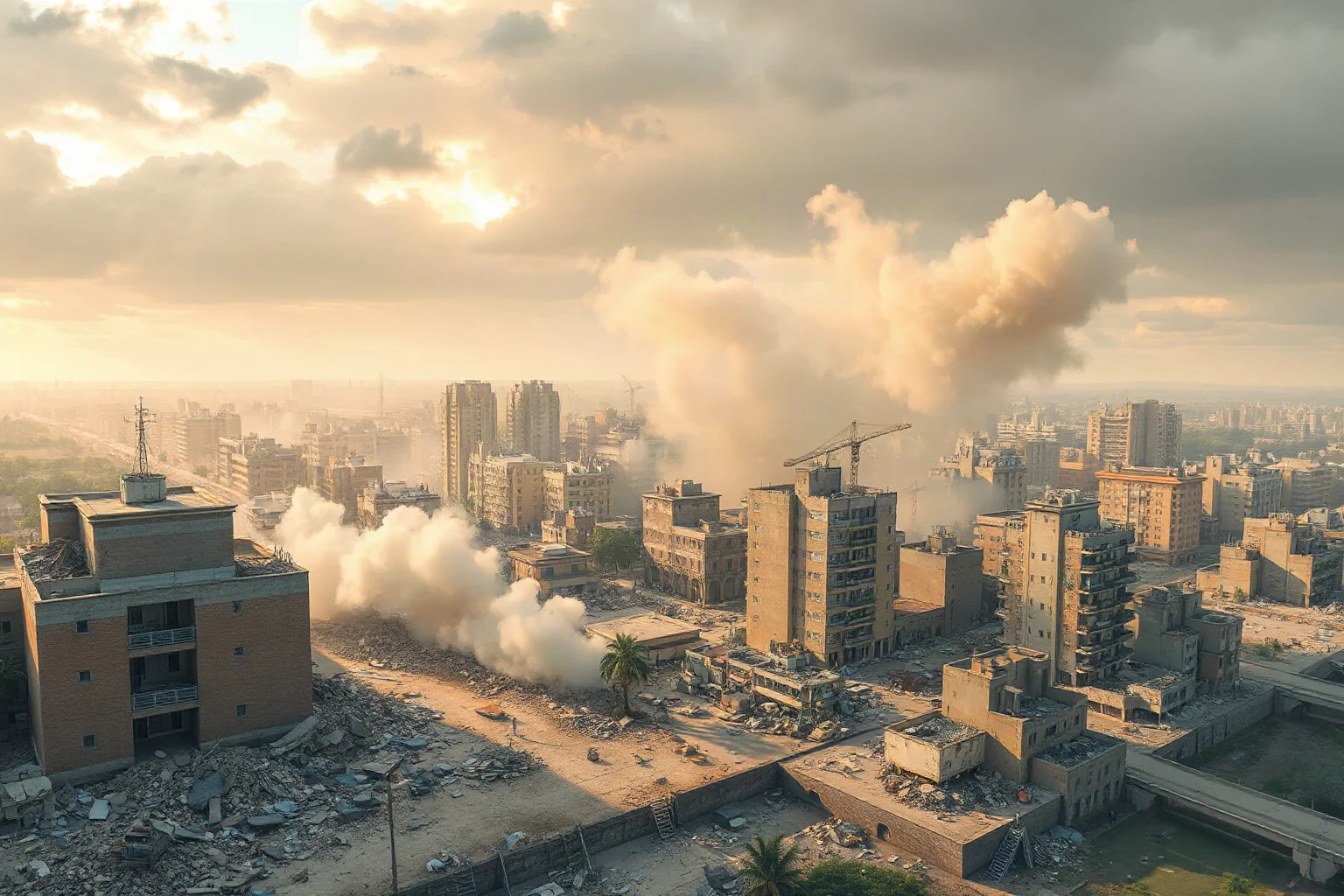
A magnitude 7.6 earthquake struck the industrial city of Tangshan, China, in the early morning of July 28, 1976, while most residents were still asleep. The official death toll stands at 242,000, though some researchers believe the true number may be closer to 655,000.
The quake struck with almost no warning and leveled most of the city within seconds, making it one of the deadliest earthquakes of the 20th century.
7. The 2004 Indian Ocean Tsunami

A magnitude 9.1 earthquake off the coast of Sumatra on December 26, 2004, triggered a series of tsunami waves that struck coastlines across 14 countries. The death toll is estimated at around 227,000 to 230,000 people, with Indonesia, Sri Lanka, India, and Thailand hit hardest.
The disaster exposed a near-total lack of tsunami warning infrastructure in the Indian Ocean region, leading to major international investment in early-warning systems afterward.
8. The 1920 Haiyuan Earthquake
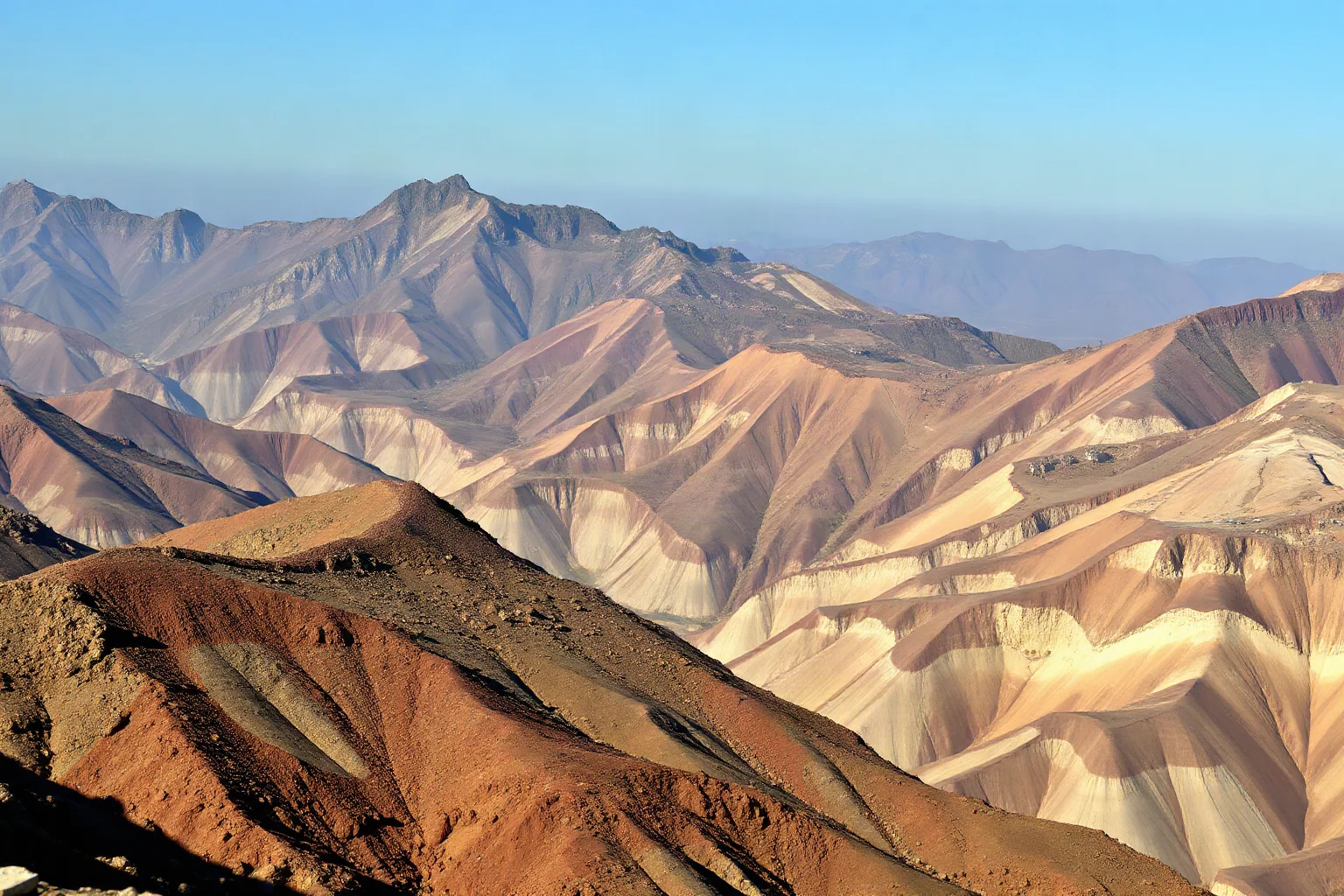
A massive earthquake struck the Haiyuan region of China’s Ningxia and Gansu provinces in December 1920. Estimates put the death toll between 200,000 and 273,000, with entire towns swallowed by landslides triggered by the shaking.
The quake also permanently altered local geography, rerouting rivers and creating new lakes in the mountainous terrain.
9. The 1815 Eruption of Mount Tambora
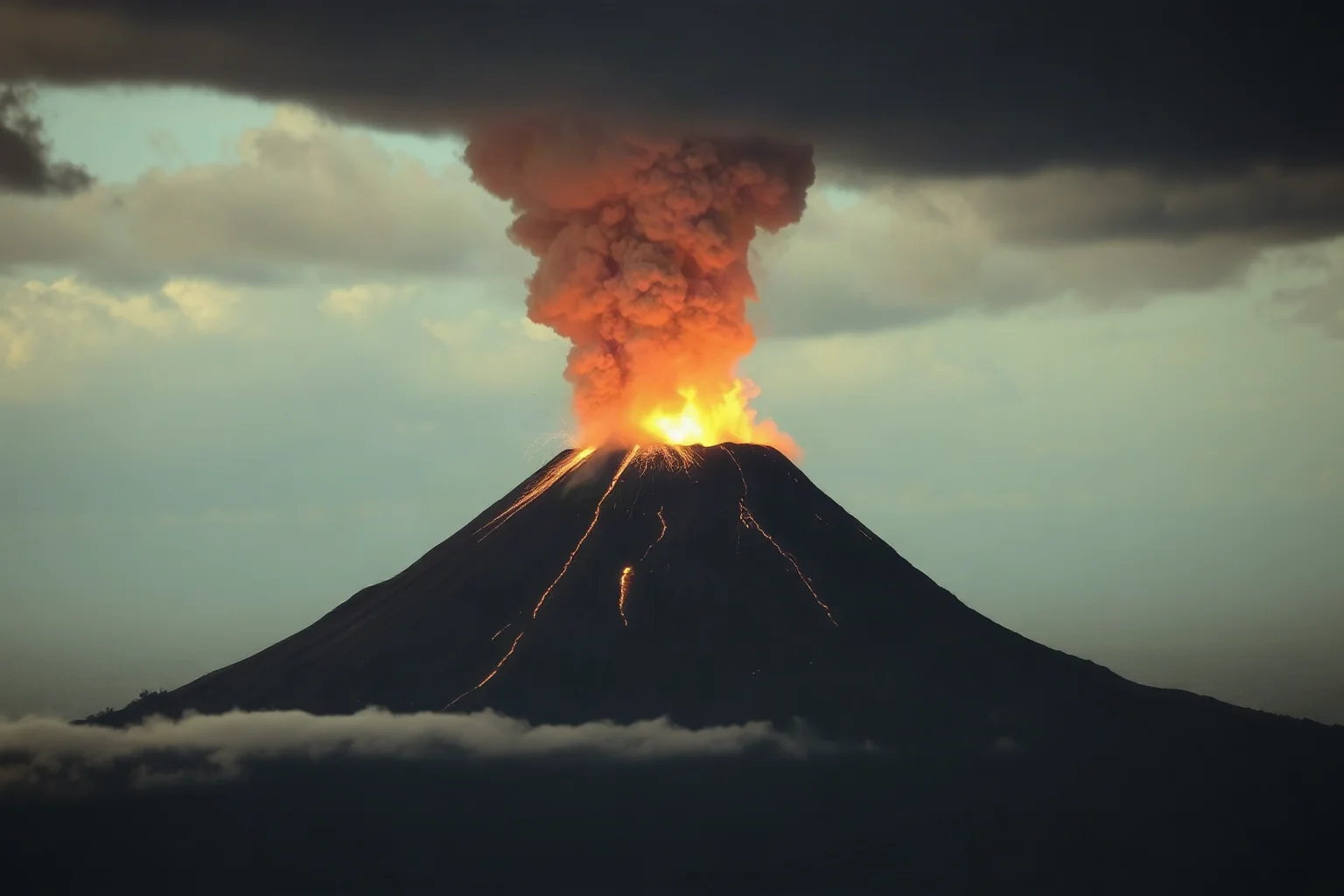
Indonesia’s Mount Tambora produced the largest volcanic eruption in recorded history in April 1815. Around 10,000 people died directly from the eruption itself, but the resulting “volcanic winter” triggered global crop failures that pushed the total death toll to an estimated 71,000 to 100,000 or more.
The eruption’s ash cooled global temperatures enough to cause 1816 to be remembered as the “Year Without a Summer,” with snow reported in New England in June.
10. The 1900 Galveston Hurricane
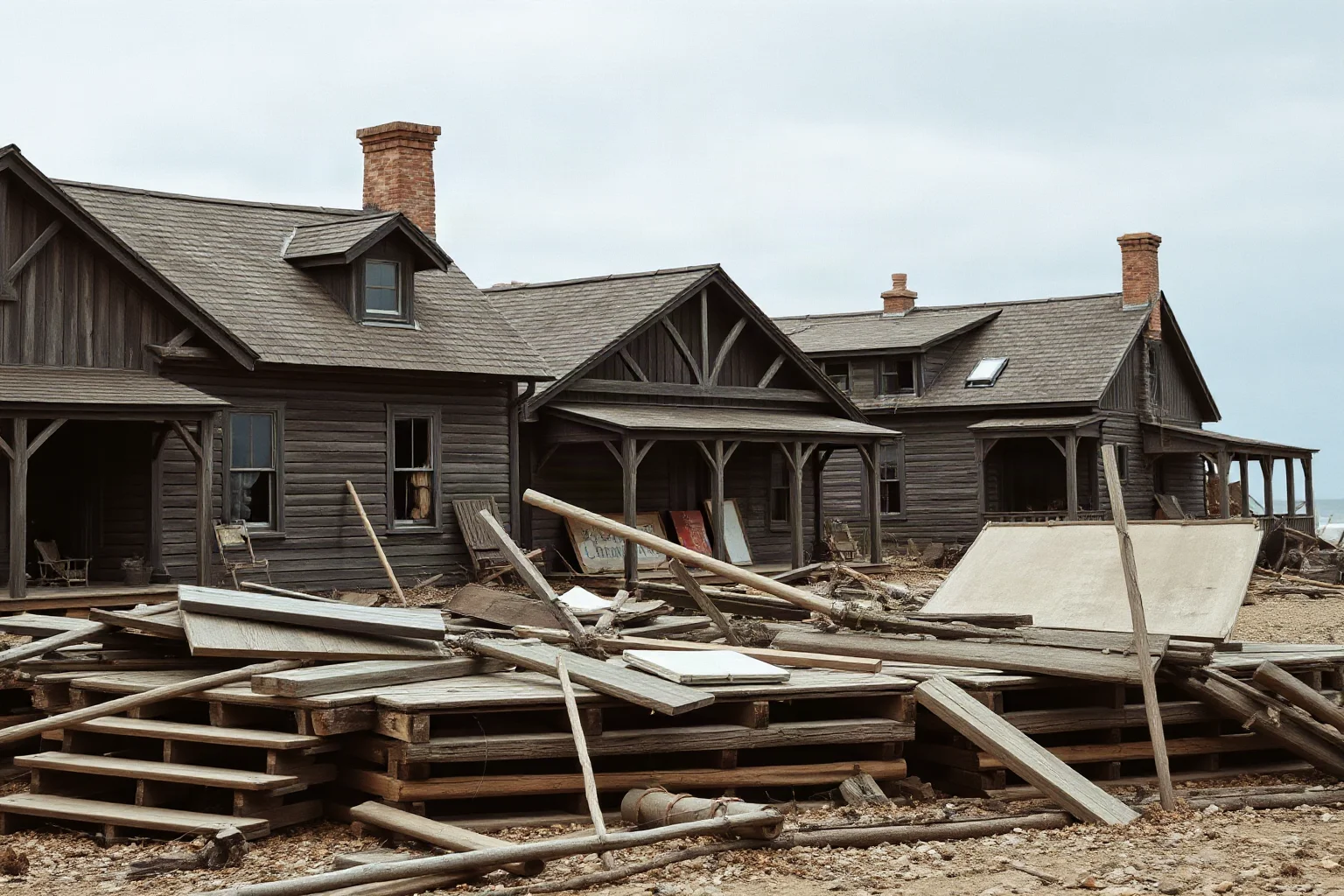
Often cited as the worst natural disaster in U.S. history, the Galveston hurricane struck the Texas coast on September 8, 1900, with little advance warning. Estimates place the death toll between 6,000 and 12,000 people in a city of roughly 38,000 residents.
The disaster remains the deadliest natural disaster in United States history and permanently changed how American cities approached coastal building codes and storm forecasting.
Part 2: The Worst Man-Made Disasters in History
Man-made disasters cover a much wider range of causes than natural ones, spanning war, genocide, industrial failure, and environmental negligence. Death tolls for events like famines and wars are especially contested among historians, so the ranges below reflect commonly cited scholarly estimates rather than single definitive figures.
1. World War II
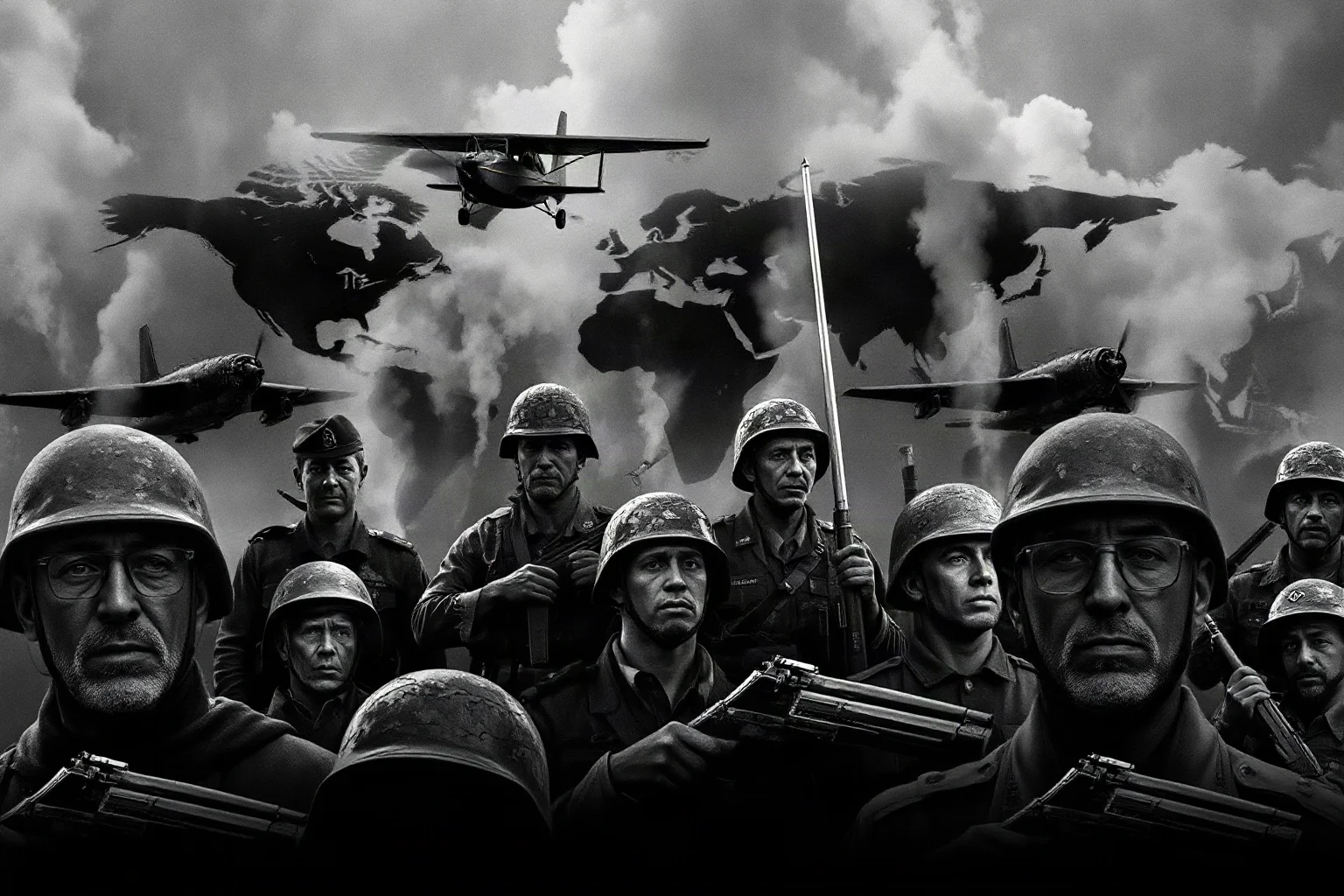
World War II (1939-1945) is widely regarded as the deadliest event in human history when military deaths, civilian casualties, and genocide are combined. Estimates range from roughly 70 million to 85 million deaths worldwide.
The war’s toll came from combat, bombing campaigns, disease, and famine, but a huge share came from deliberate atrocities carried out under the cover of war, including the Holocaust.
2. The Great Leap Forward Famine
Mao Zedong’s Great Leap Forward, an economic and social campaign launched in China in 1958, aimed to rapidly industrialize the country through forced collectivization. The policy failures that followed, including wildly exaggerated grain quotas and mismanaged farming practices, triggered a famine between 1959 and 1961.
Historians estimate the death toll at anywhere from 15 million to 55 million people, making it one of the deadliest man-made disasters ever recorded and a stark example of how policy decisions, not weather, can cause mass starvation.
3. The Holocaust
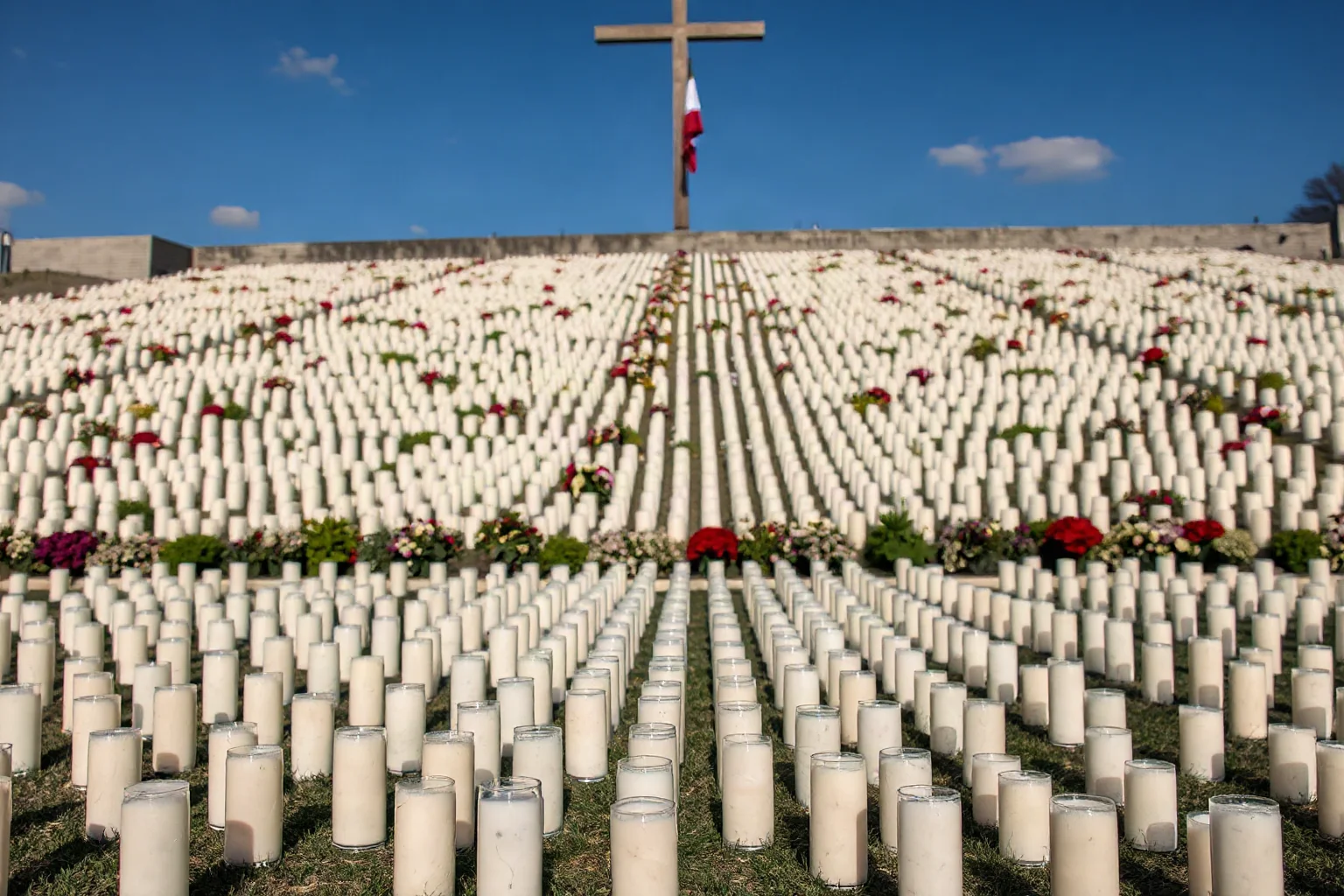
Between 1941 and 1945, Nazi Germany carried out the systematic genocide of roughly 6 million European Jews, alongside millions of Roma people, disabled individuals, political prisoners, and others deemed “undesirable” by the regime. Total victims are estimated at around 11 million.
The Holocaust remains one of history’s most thoroughly documented genocides and a defining example of state-organized mass murder.
4. The Holodomor
The Holodomor was a famine that struck Soviet Ukraine between 1932 and 1933, killing an estimated 3.5 million to 5 million people. Historians widely agree it was worsened, and in the view of many, deliberately engineered, by Stalinist policies of forced collectivization and grain confiscation.
Several countries have formally recognized the Holodomor as an act of genocide against the Ukrainian people, though the classification remains a subject of historical and political debate.
5. World War I
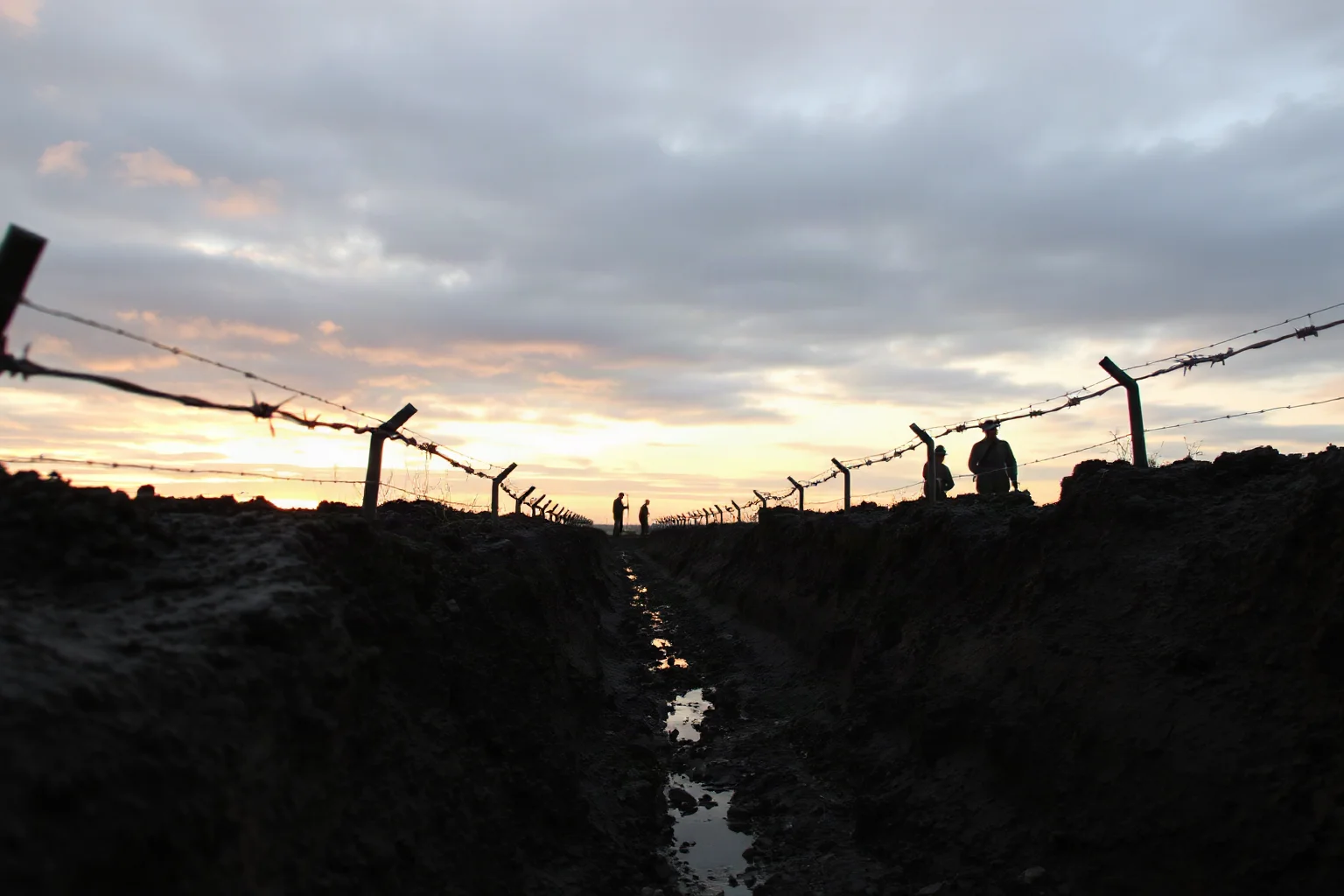
The First World War (1914-1918) killed an estimated 20 million people through combat, disease, and civilian hardship. It introduced industrial-scale warfare technologies like machine guns, chemical weapons, and trench warfare across the war’s major battles that made casualty rates unlike anything seen before.
The war’s aftermath also helped spread the 1918 influenza pandemic through mass troop movements, compounding its already staggering toll.
6. The Rwandan Genocide
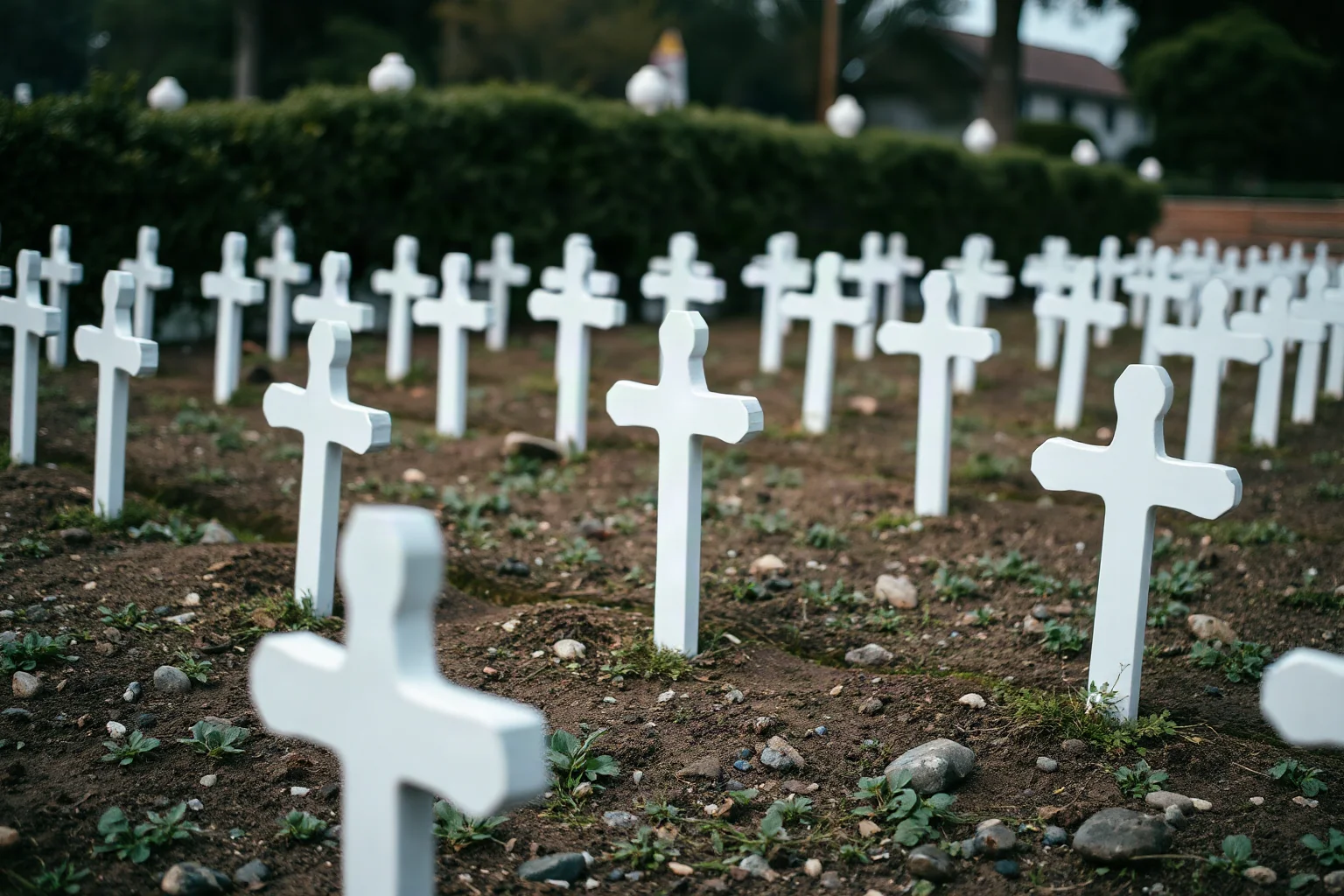
Over roughly 100 days in 1994, extremist Hutu militias killed an estimated 800,000 Tutsi and moderate Hutu civilians in Rwanda. The killings were carried out largely with machetes and other simple weapons, driven by ethnic propaganda and a near-total failure of international intervention.
The genocide remains one of the fastest-moving mass killings in modern history relative to its death toll.
7. The Cambodian Genocide
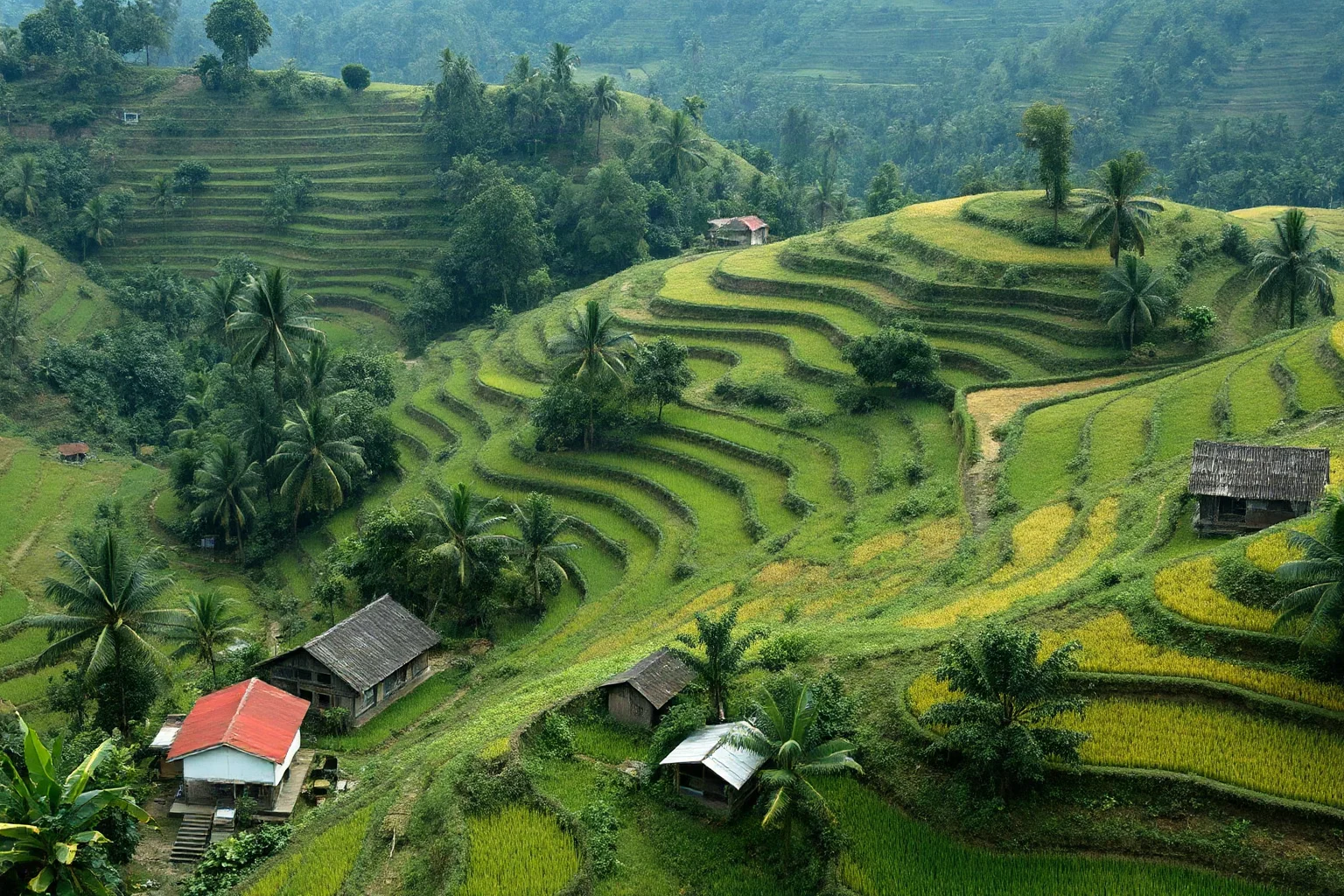
Under Pol Pot’s Khmer Rouge regime from 1975 to 1979, an estimated 1.5 million to 2 million Cambodians died from execution, forced labor, and starvation. The regime attempted to forcibly transform the country into an agrarian society, part of one of history’s major revolutions, emptying cities and targeting educated citizens, ethnic minorities, and perceived political enemies.
The Khmer Rouge’s “Killing Fields” remain one of the starkest examples of an ideology turned into mass murder.
8. The Chernobyl Nuclear Disaster
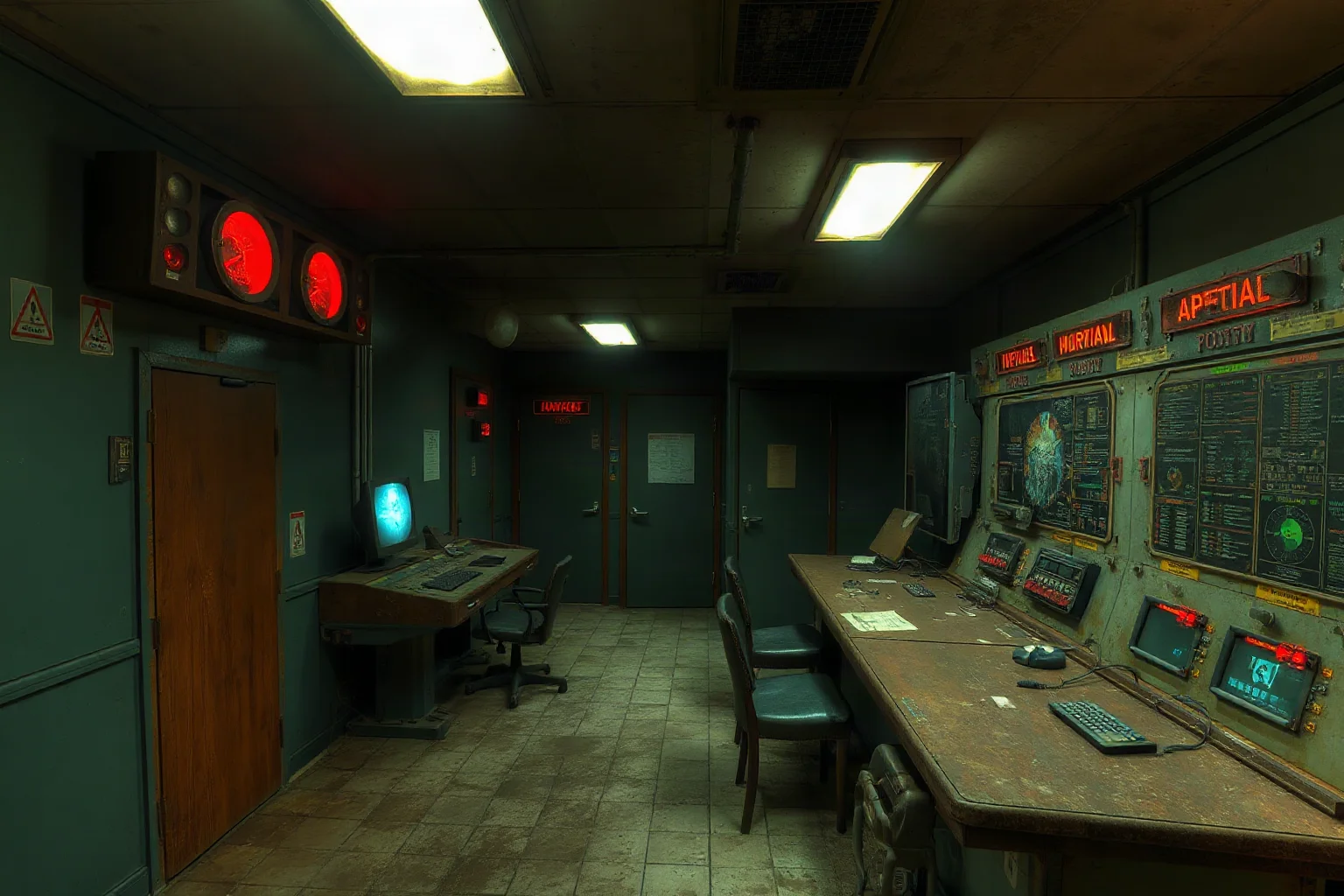
On April 26, 1986, a reactor at the Chernobyl nuclear power plant in Soviet Ukraine exploded during a botched safety test, releasing massive amounts of radioactive material into the atmosphere. Official Soviet figures listed around 31 immediate deaths, though estimates of long-term cancer deaths linked to the fallout range from a few thousand to tens of thousands, and remain genuinely disputed among researchers.
The surrounding exclusion zone remains largely uninhabited nearly four decades later, making Chernobyl a lasting symbol of nuclear catastrophe.
9. The Bhopal Gas Tragedy
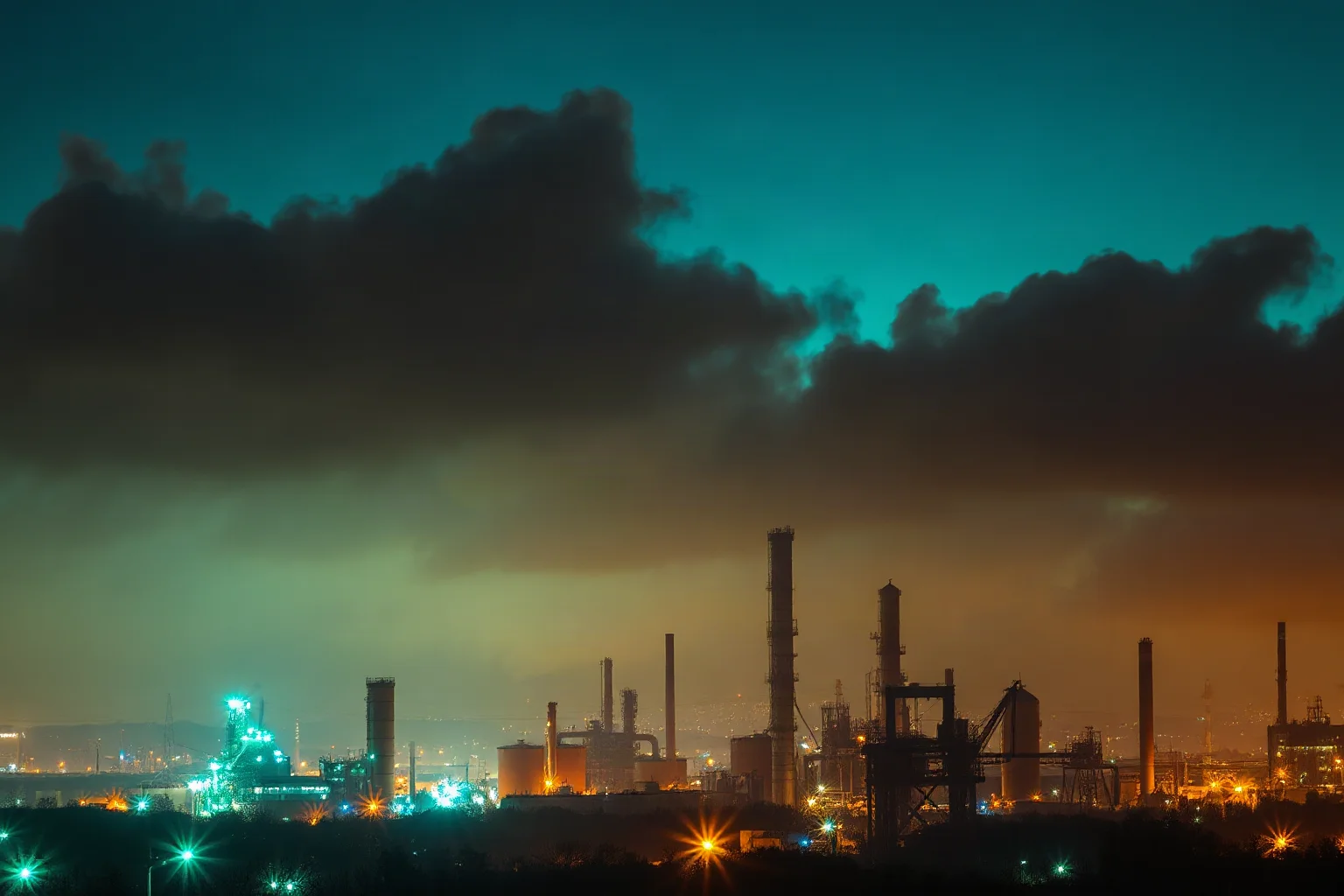
In December 1984, a Union Carbide pesticide plant in Bhopal, India, leaked massive quantities of toxic methyl isocyanate gas into the surrounding city. Immediate deaths are estimated between 2,000 and 8,000, with total deaths over the following years reaching an estimated 15,000 to 20,000.
Bhopal is widely considered the world’s worst industrial disaster and remains a landmark case study in corporate safety failures.
10. The Banqiao Dam Failure
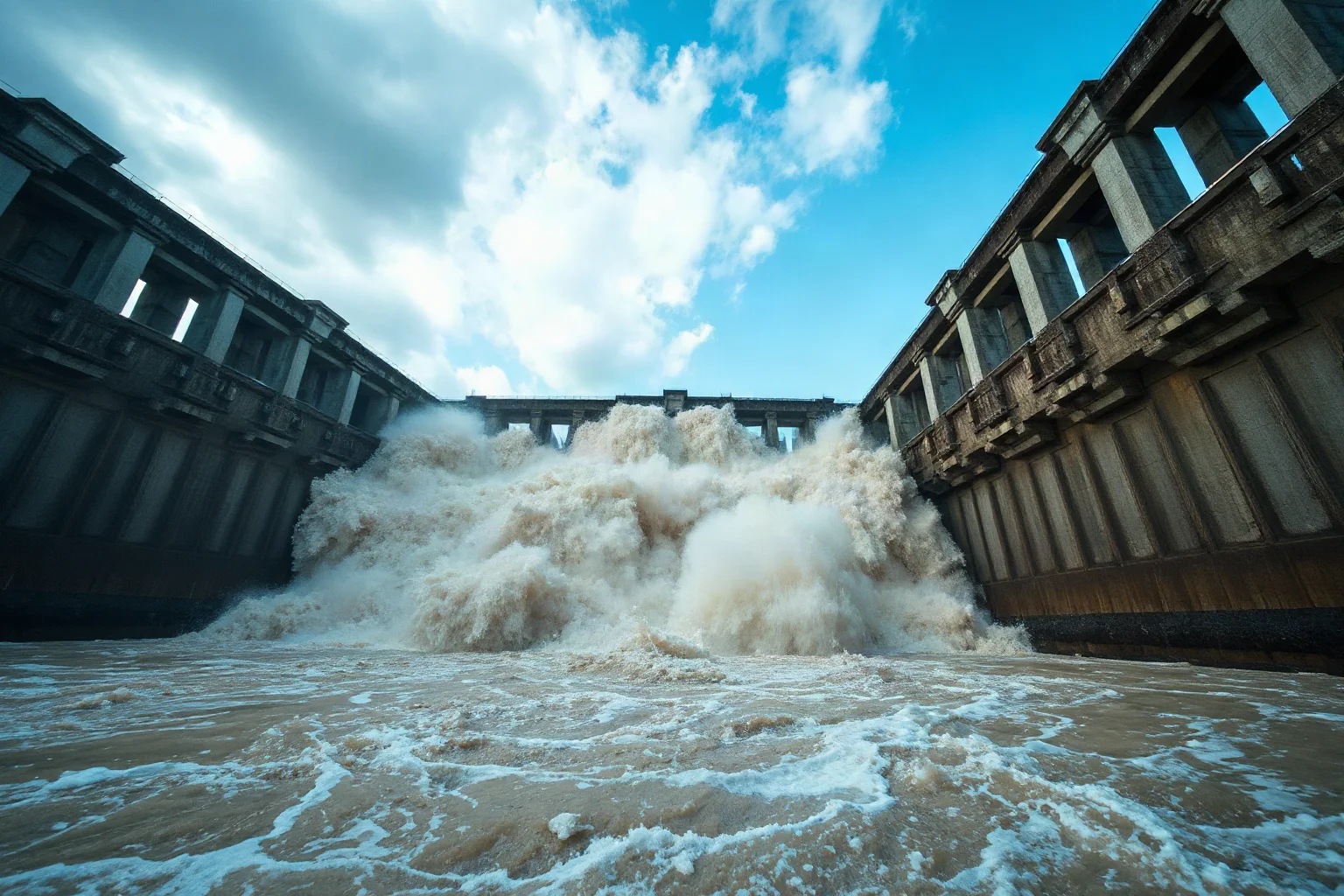
In August 1975, Typhoon Nina dumped record rainfall on China’s Henan province, causing the Banqiao Dam and dozens of smaller dams to fail in a chain reaction. Estimates of the death toll run as high as 171,000 people when direct drowning deaths and subsequent famine and disease are combined.
It remains the deadliest dam failure in recorded history and a sobering example of how infrastructure decisions can turn a natural weather event into a man-made catastrophe.
11. The Atlantic Slave Trade
Over roughly four centuries, an estimated 12.5 million Africans were forcibly transported across the Atlantic Ocean into slavery. Historians estimate that between 1.2 million and 2.4 million people died during the crossing itself, known as the Middle Passage, with millions more dying during capture, transport to the coast, and enslavement.
The slave trade stands as one of history’s most sustained man-made catastrophes, with consequences that shaped economies and societies for centuries afterward.
12. The Triangle Shirtwaist Factory Fire
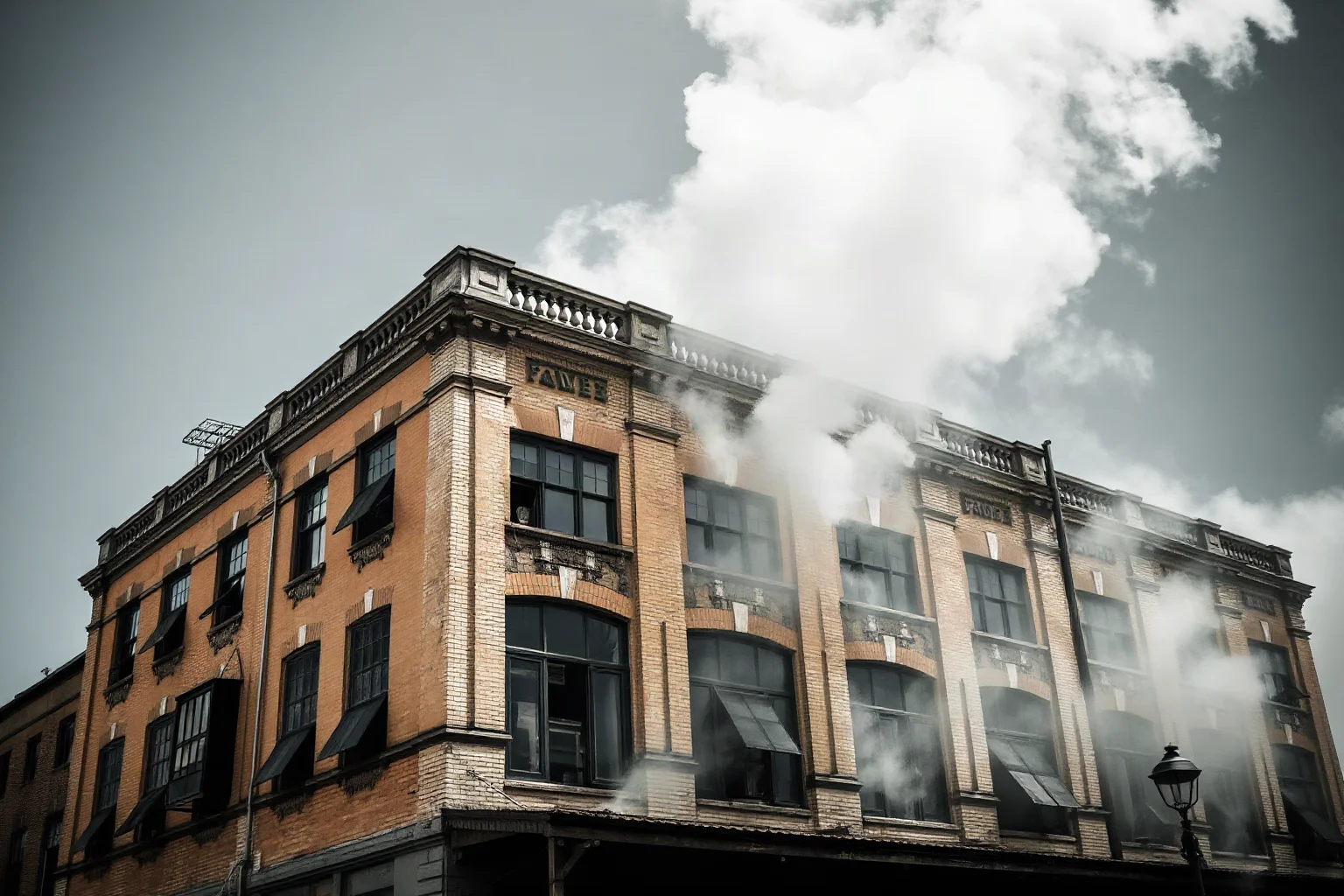
On March 25, 1911, a fire broke out at a garment factory in New York City, killing 146 workers, most of them young immigrant women. Locked exit doors and inadequate fire escapes trapped many victims inside the building.
The tragedy became one of the most consequential American tragedies in labor history, directly leading to sweeping new workplace safety and fire code regulations across the United States.
13. The September 11 Attacks
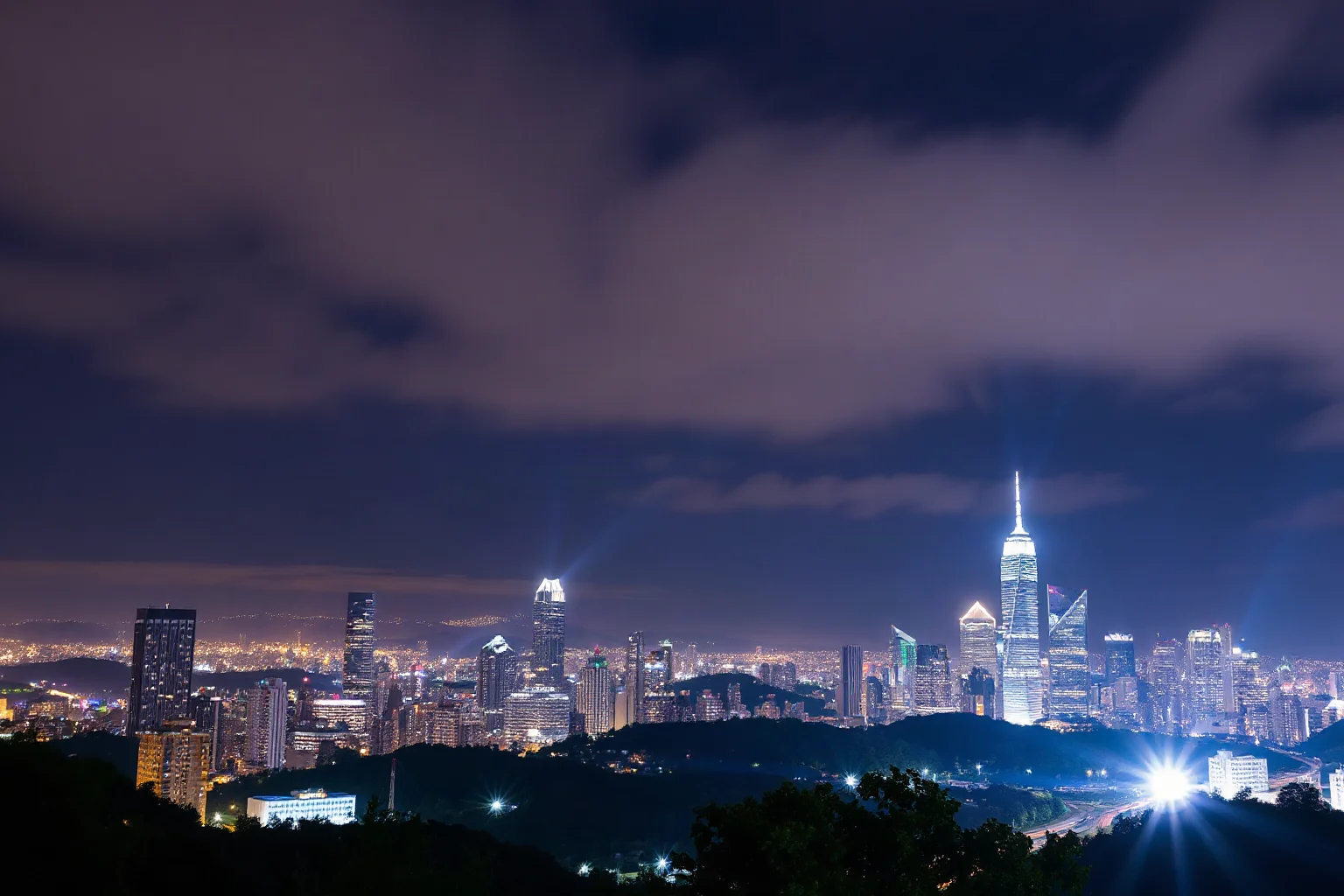
On September 11, 2001, coordinated terrorist attacks using hijacked commercial airplanes killed 2,977 people in New York City, Washington D.C., and Shanksville, Pennsylvania. It remains the deadliest terrorist attack in modern history and one of the biggest events in American history of the last century.
The attacks reshaped global security policy, air travel, and American foreign policy for decades afterward.
14. The Deepwater Horizon Oil Spill
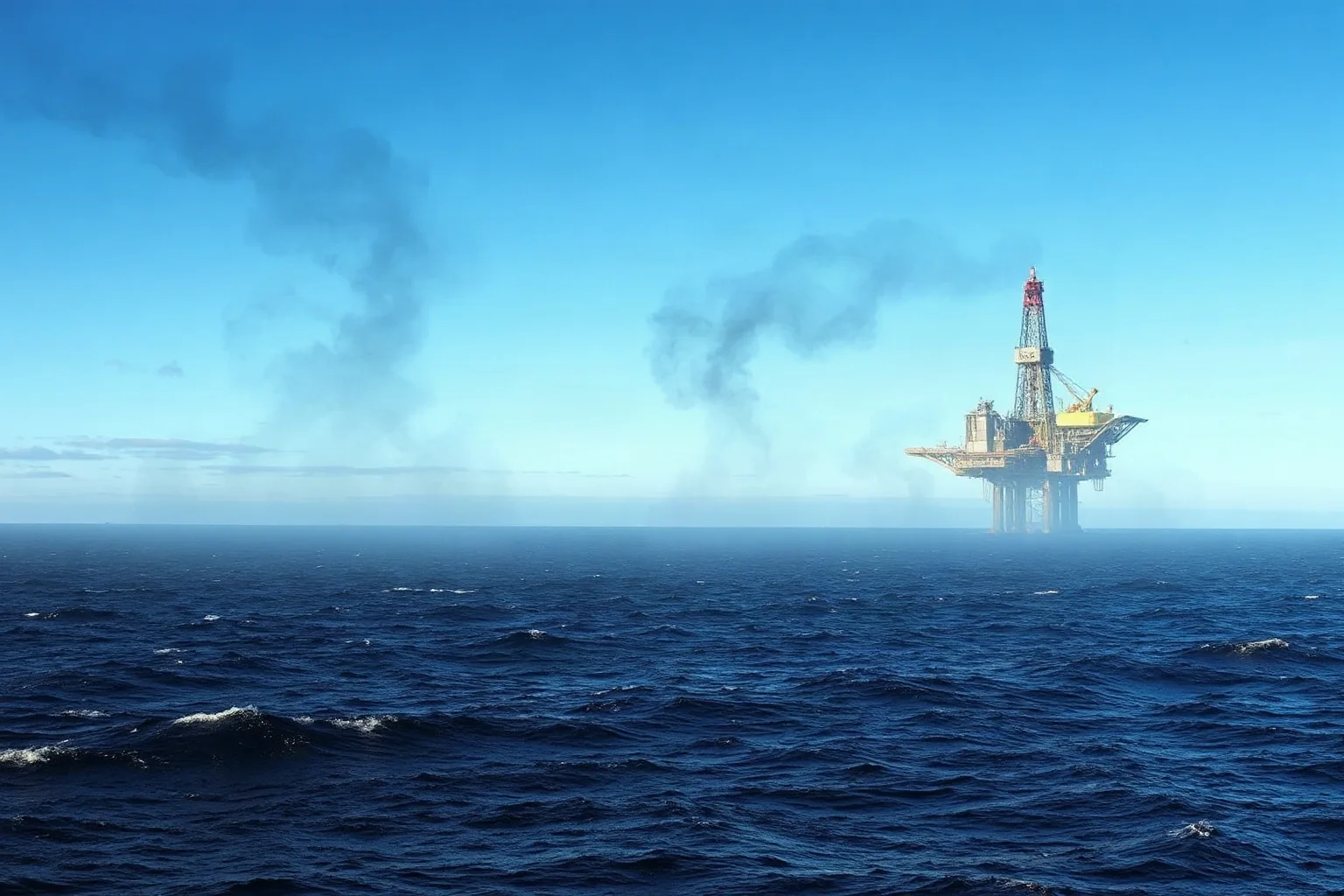
In April 2010, an explosion on the Deepwater Horizon drilling rig in the Gulf of Mexico killed 11 workers and triggered the largest marine oil spill in history. Roughly 4.9 million barrels of oil spilled into the Gulf over 87 days before the well was capped.
The environmental damage to marine ecosystems and coastal economies along the Gulf Coast is still being studied more than a decade later.
15. The Aral Sea Disaster
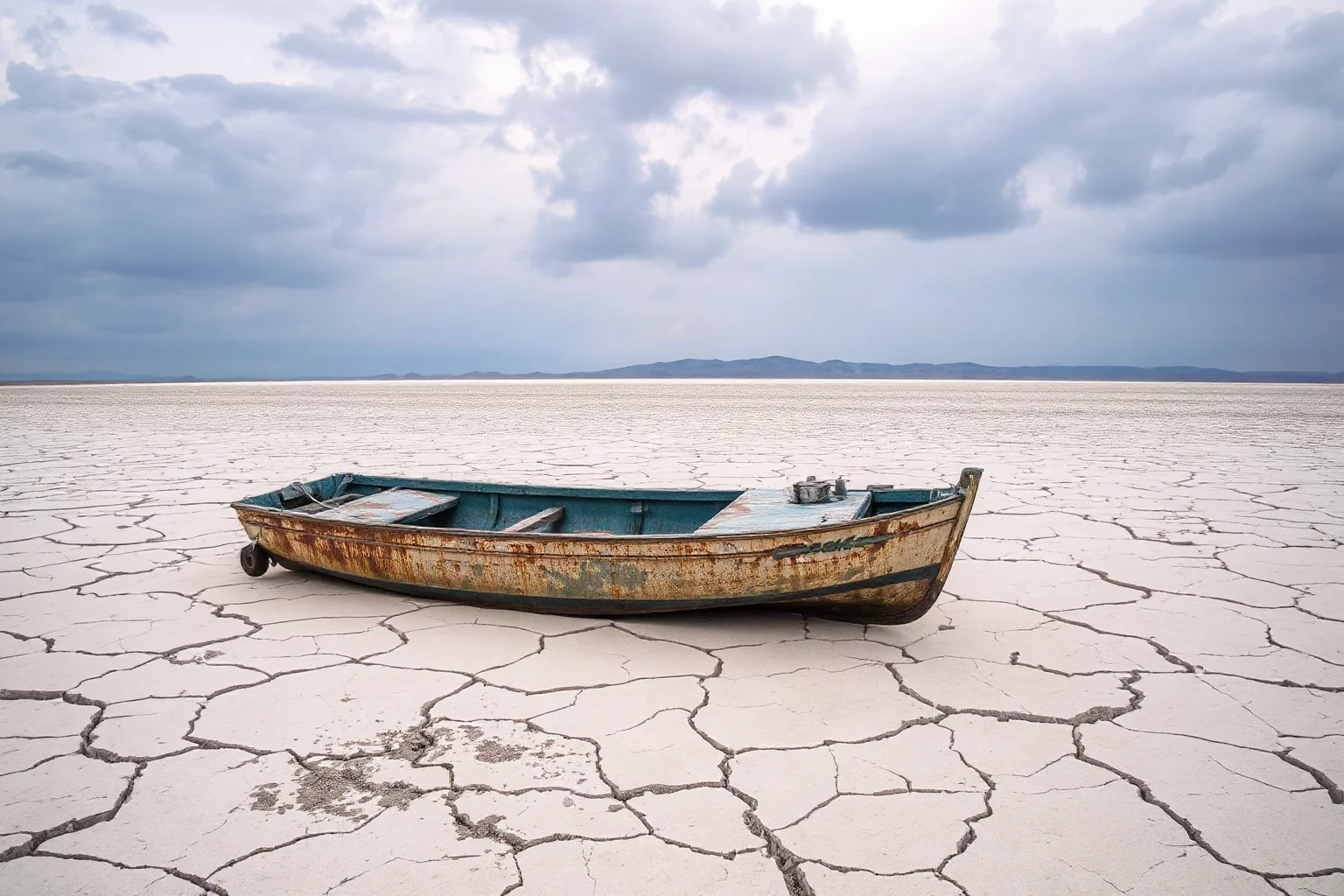
Starting in the 1960s, Soviet irrigation projects diverted the rivers feeding Central Asia’s Aral Sea to support cotton farming. Over the following decades, the sea lost more than 90 percent of its volume, collapsing local fisheries and leaving behind a toxic, dust-choked wasteland.
Often cited as one of the worst ecological disasters caused by humans, the Aral Sea’s slow-motion destruction shows that man-made catastrophes don’t always arrive suddenly.
Words That Still Echo Through These Stories
A few phrases keep coming up whenever people discuss humanity’s worst chapters, and they’re worth addressing directly. Biologist Jared Diamond famously titled a 1987 essay “The Worst Mistake in the History of the Human Race,” arguing that the shift from hunting and gathering to agriculture worsened health, nutrition, and equality for most early farmers, echoing the kind of reassessment found in other historical events that changed the world more than people initially realized. It’s a provocative argument rather than settled historical consensus, but it’s become a widely referenced framework for questioning “progress.”
A related sentiment, often quoted from the writings of Martin Luther King Jr., warns that history will remember silence in the face of injustice as its own kind of failure. Whether applied to genocide, industrial negligence, or environmental destruction, the point holds up across nearly every entry on this list: most man-made disasters were preventable, and many were enabled by people who saw warning signs and stayed quiet.
What These Disasters Have in Common
Looking across both natural and man-made catastrophes, a pattern emerges. The deadliest events almost always combine a trigger, whether that’s a storm, an earthquake, or a bad policy decision, with a failure of preparation, warning systems, or basic human accountability.
Galveston’s hurricane became catastrophic partly because forecasters underestimated the storm’s strength. Bhopal’s gas leak became catastrophic partly because safety systems had been neglected for years. The common thread isn’t nature versus humanity, it’s how well societies anticipate risk and act on what they know.
Final Thoughts
Ranking tragedy is an uncomfortable exercise, and no death toll fully captures the grief behind it. Still, studying history’s worst disasters, both the ones nature caused and the ones people caused, gives us a clearer picture of where systems fail and how they can be strengthened.
From ancient earthquakes to modern oil spills, the throughline is remarkably consistent. Preparation, honest warning systems, and basic accountability save lives, while denial, greed, and silence tend to cost them. That lesson applies just as much to tomorrow’s risks as it does to the catastrophes already written into the history books.
Frequently Asked Questions
What is the worst natural disaster in history?
It depends on how you count it. The 1931 China floods are often cited as the deadliest natural disaster in recorded history, with estimates ranging from about 1 million to 4 million deaths. If pandemics are included as natural disasters, the 1918 influenza pandemic likely killed even more, somewhere between 50 million and 100 million people worldwide.
What is the most dangerous natural disaster?
By raw death toll, pandemics and major floods have historically killed the most people, but earthquakes and tropical cyclones are considered especially dangerous because they strike with little warning. There's no single 'most dangerous' natural disaster type; it depends on the region, population density, and how prepared a community is when disaster strikes.
What is the worst man-made disaster in history?
Many historians point to World War II, with an estimated 70 to 85 million deaths, as the deadliest man-made event overall. If judged strictly by famine deaths from policy failure, China's Great Leap Forward famine (1959-1961) is sometimes ranked even higher, with estimates as high as 55 million deaths.
What event killed the most people in history?
World War II is generally considered the deadliest single event in human history when combat deaths, the Holocaust, and related famines and disease are combined, totaling an estimated 70 to 85 million people. The 1918 influenza pandemic is a close contender, with estimates reaching as high as 100 million deaths.
What is the ‘worst mistake in the history of the human race’?
This phrase comes from a 1987 essay by biologist Jared Diamond, who argued that humanity's shift from hunting and gathering to agriculture actually worsened health, nutrition, and social equality for most people at the time. It's a thought-provoking historical argument rather than a settled fact, and it remains widely debated among anthropologists and historians.
What is a man-made disaster?
A man-made disaster, also called an anthropogenic disaster, is a catastrophic event caused primarily by human action, decision, or negligence rather than natural forces. Examples include wars, genocides, industrial accidents, nuclear meltdowns, oil spills, dam failures, and famines caused by policy failures rather than weather alone.
What was the worst natural disaster in U.S. history?
The 1900 Galveston hurricane is widely considered the deadliest natural disaster in United States history, killing an estimated 6,000 to 12,000 people in the Texas coastal city. It remains the benchmark against which other American natural disasters, including major hurricanes and the Dust Bowl, are typically measured.
What’s the difference between natural and man-made disasters?
Natural disasters are triggered by physical processes like weather, geology, or disease, while man-made disasters stem primarily from human decisions, negligence, or intent. In practice the line often blurs, since human choices like poor infrastructure, deforestation, or wartime policy can turn a natural trigger into a far deadlier catastrophe than it would otherwise have been.

Alex Warren
Related Articles