

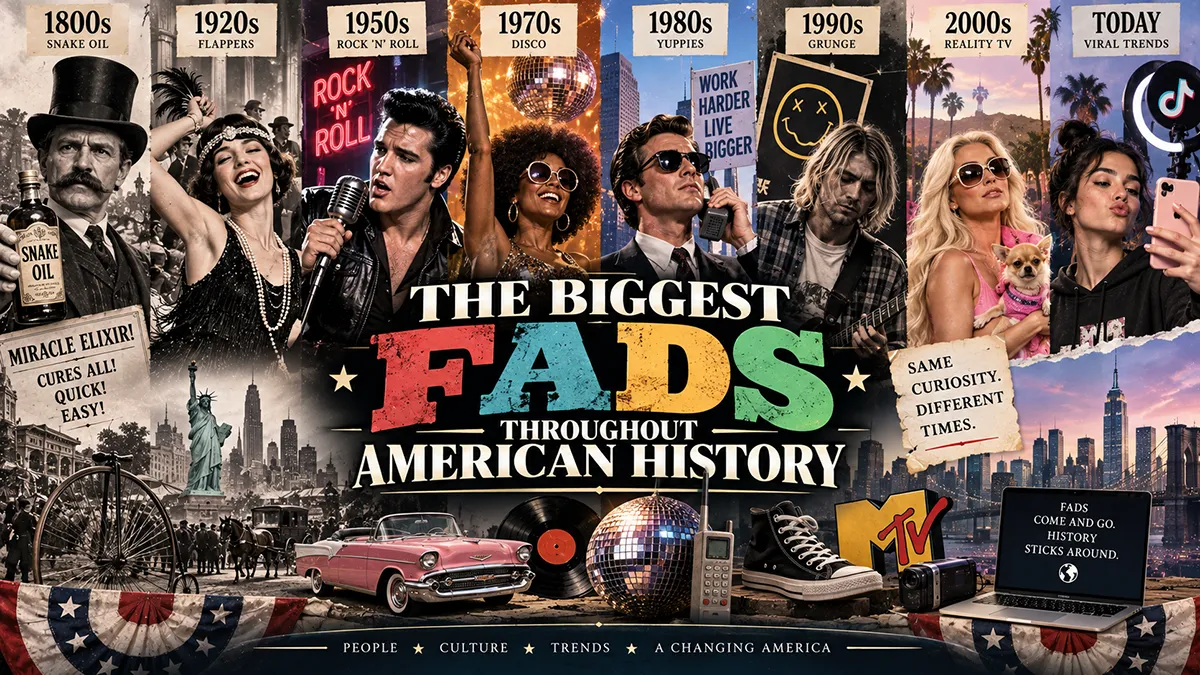
Every generation likes to think its viral obsessions are brand new, but Americans have been losing their minds over silly, short-lived crazes for well over a century.
Long before hashtags and algorithms, word of a good fad spread through newspapers, newsreels, radio, and plain old gossip over the backyard fence, and it spread just as fast.
From flagpole sitters perched above city streets to teenagers swapping rubber bracelets, the history of American fads is really a history of how people entertain themselves when times are good, cope when times are hard, and always, always look for the next fun thing.
This list walks through more than two dozen of the biggest fads across American history, decade by decade, separating the well-documented stories from the ones that have gotten exaggerated with retelling.
TL;DR: From 1920s flagpole sitting to 2010s fidget spinners, American fads follow a predictable pattern of sudden mass excitement and quick fade, and understanding that pattern explains why old fads keep coming back around.
What Exactly Makes Something a Fad?
A fad is different from a lasting trend in one key way: speed. A fad explodes in popularity very quickly, gets embraced by a huge share of the public, and then fades almost as fast as it arrived, often within months or a couple of years.
A trend, by contrast, builds more gradually and tends to stick around, reshaping habits or culture over a longer stretch of time. Blue jeans became a trend; the coonskin cap was a fad.
What’s interesting is that almost any popular fad shares a few common ingredients. There’s usually a low barrier to entry, a strong visual or social hook that makes it easy to copy, and some kind of media amplification, whether that’s a 1920s newspaper photo or a 2020s video app.
It’s also worth noting that fads rarely disappear completely. Many old fads fade from the mainstream spotlight only to resurface a generation or two later, dressed up as nostalgia or reinvented for a new audience, which is part of why so many people say fads never truly die out.
The Roaring Twenties: Fads of the 1920s
The 1920s are often remembered as the first great era of modern American fads, fueled by radio, mass-market newspapers, and a booming consumer economy. Fads of the 1920s tended to be playful and a little reckless, matching the freewheeling spirit historians often call the Jazz Age.
1. Flagpole Sitting
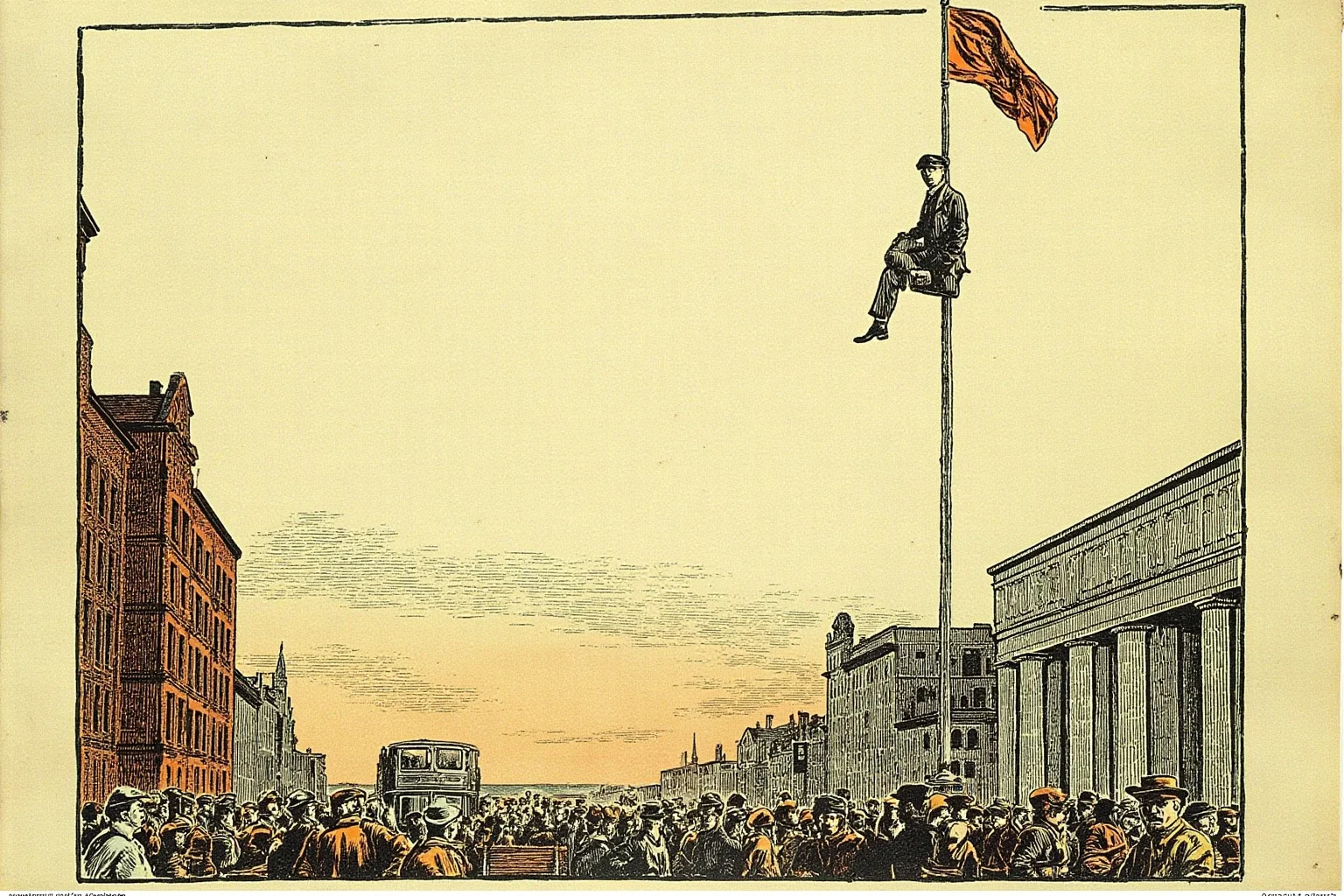
In 1924, a former sailor and stuntman named Alvin “Shipwreck” Kelly climbed a flagpole and sat on a small platform for over 13 hours, and the stunt caught on almost overnight. Imitators across the country tried to break his endurance records, turning flagpole sitting into a genuine nationwide spectacle for the rest of the decade.
Newspapers loved covering it because it was cheap, visual, and easy to sensationalize. By the early 1930s the craze had mostly faded, though occasional revivals popped up for decades afterward.
2. The Charleston
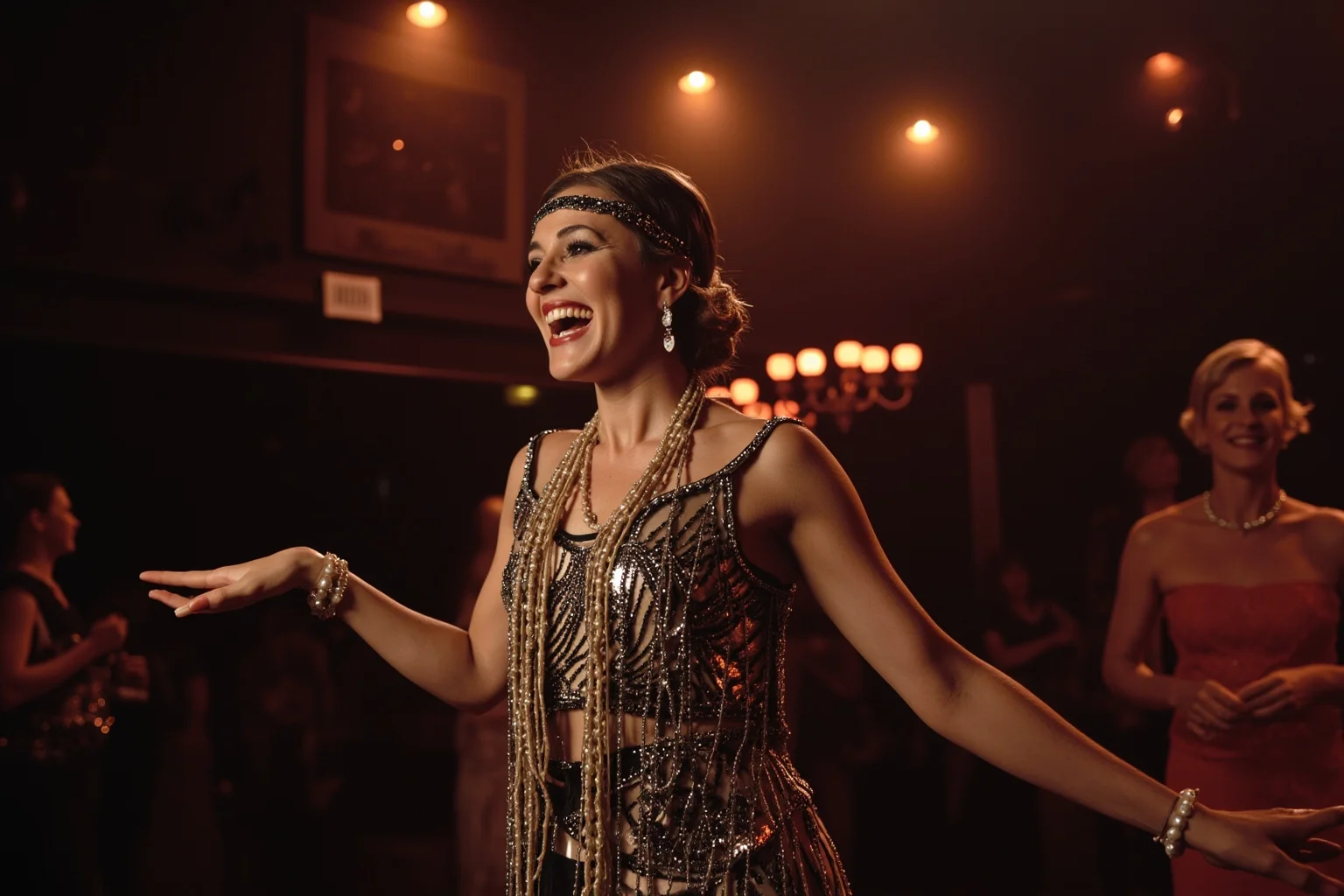
Named after Charleston, South Carolina, this energetic dance swept the nation after appearing in the 1923 Broadway show “Runnin’ Wild.” Its signature kicks and swiveling steps became the defining image of flapper culture almost instantly.
The Charleston represented more than just a dance craze; it symbolized a broader shift in young women’s fashion and behavior during the decade. By the early 1930s, newer dances had taken its place, but it remains one of the most recognizable symbols of the era.
3. Crossword Puzzle Mania
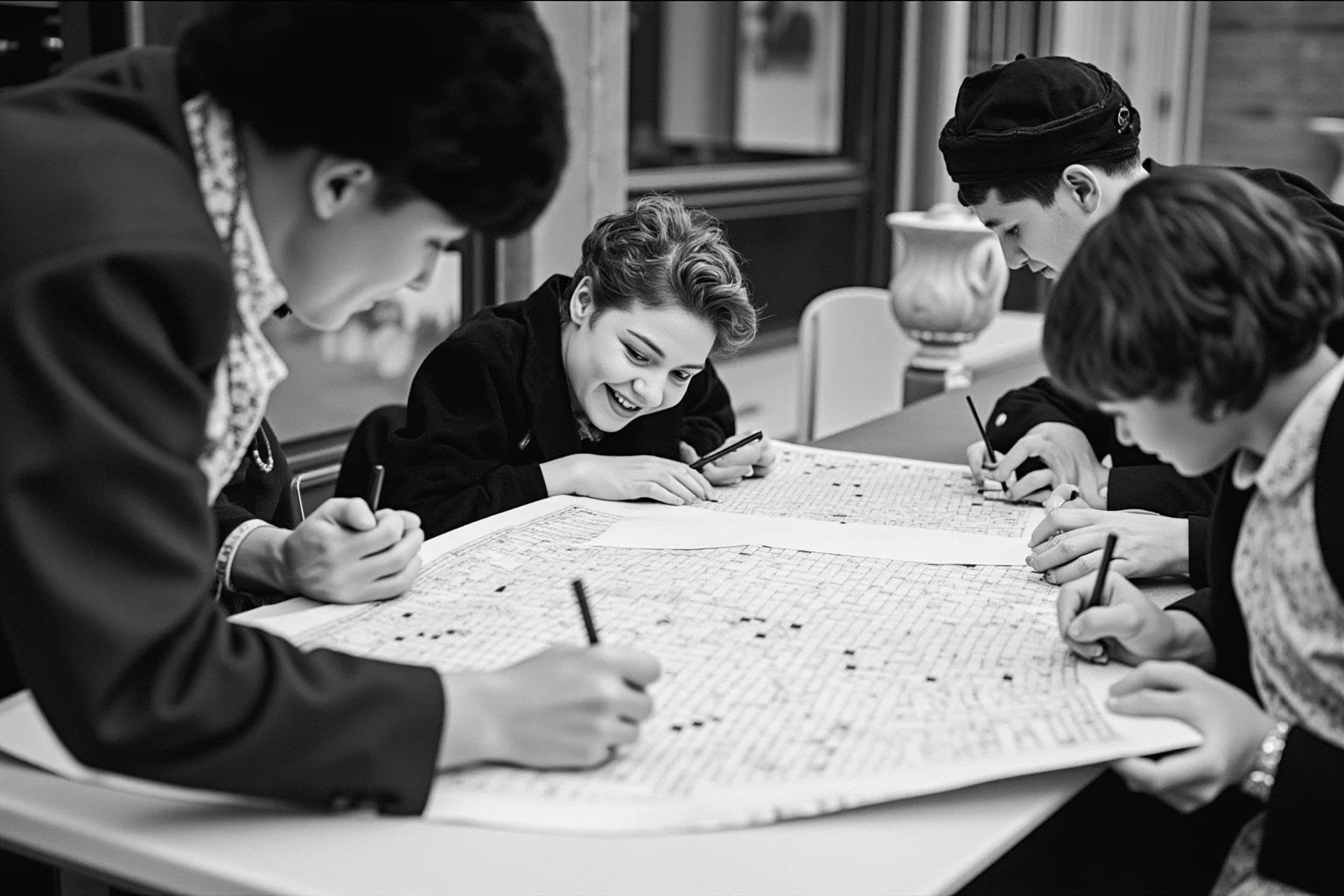
When Simon & Schuster published its first crossword puzzle book in 1924, nobody expected it to become a bestseller, but it did, and puzzle mania followed. Crossword-themed dresses, jewelry, and even train cars with built-in puzzle dictionaries appeared within a couple of years.
Some commentators at the time worried the puzzles were a waste of time or even harmful to productivity, an early example of moral panic around a fad. The obsession cooled by decade’s end, though crosswords never really went away and remain a beloved pastime today.
4. Mahjong Fever
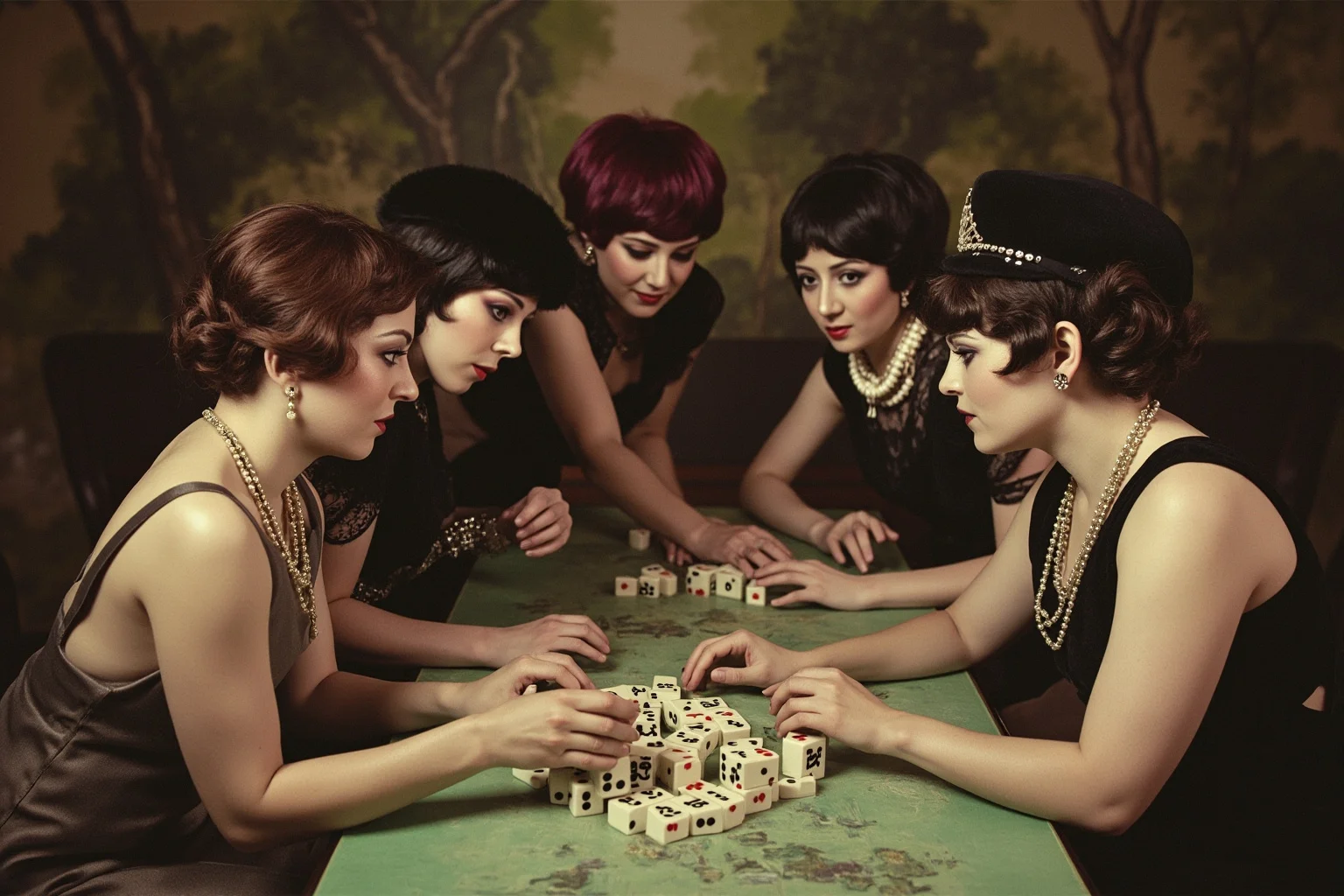
American importers brought a simplified version of the Chinese tile game Mahjong to the United States in the early 1920s, and it became an unlikely sensation. Manufacturers reportedly sold well over a million sets during the peak years of the craze, often bundled with instruction booklets for American players.
Mahjong parties became a fashionable social event, especially among middle-class women. The game’s popularity declined by the 1930s but it retained a loyal following that persists to this day.
5. Dance Marathons
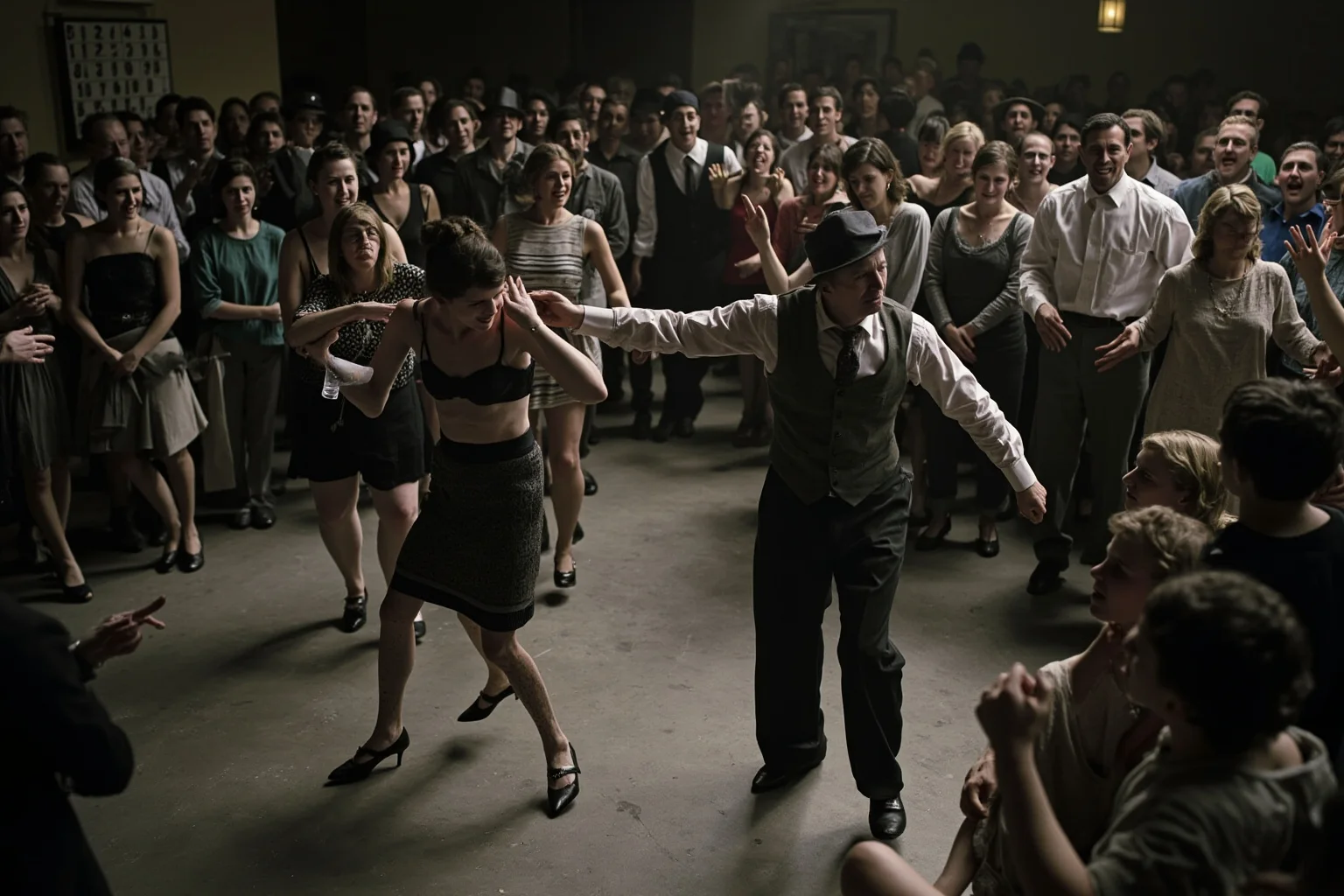
Couples competed to stay on their feet dancing for as long as possible, sometimes for days at a stretch, in exchange for prize money and free meals. What started as a lighthearted 1920s fad took a much darker turn during the Great Depression, when desperate contestants used the marathons as a genuine survival strategy.
Promoters staged increasingly grueling events, and public concern eventually led several states to restrict or ban them by the late 1930s. The marathons are a good reminder that a popular craze can shift meaning dramatically depending on the economic backdrop.
The Great Depression Era: 1930s Fads
1930s fads look noticeably different from the flashy excess of the previous decade. With money tight for most families, the biggest crazes of the 1930s tended to be cheap, escapist, or just plain absurd.
6. Goldfish Swallowing
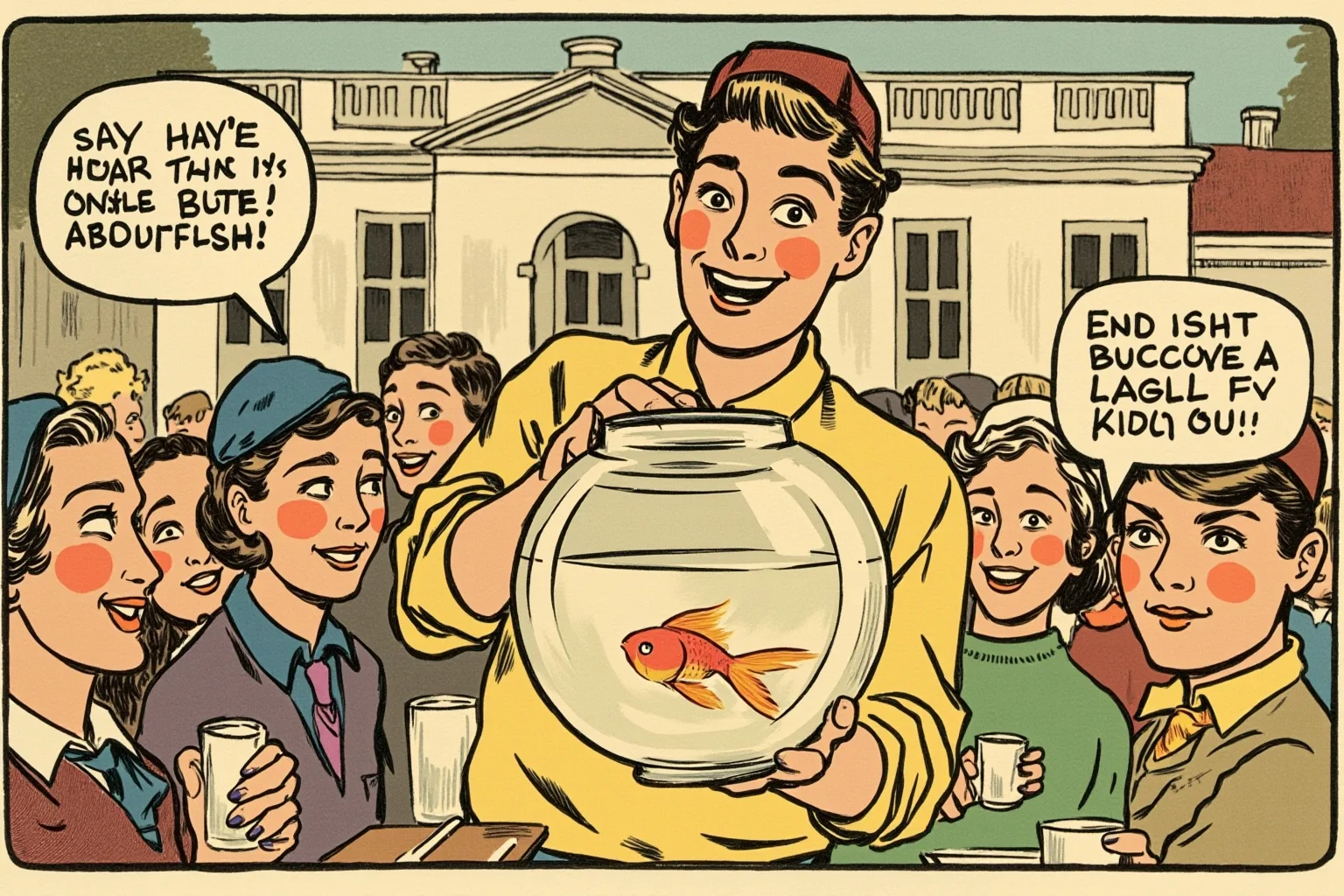
In 1939, a Harvard freshman reportedly swallowed a live goldfish on a bet, and the story spread through campus newspapers across the country. Within weeks, college students everywhere were competing to swallow the most goldfish, with some claimed records reaching into the dozens.
It’s worth noting the exact details of who started it vary slightly between accounts, a common problem with fad origin stories from this era. The fad faded almost as quickly as it appeared once colleges and humane societies pushed back against it.
7. Monopoly Madness
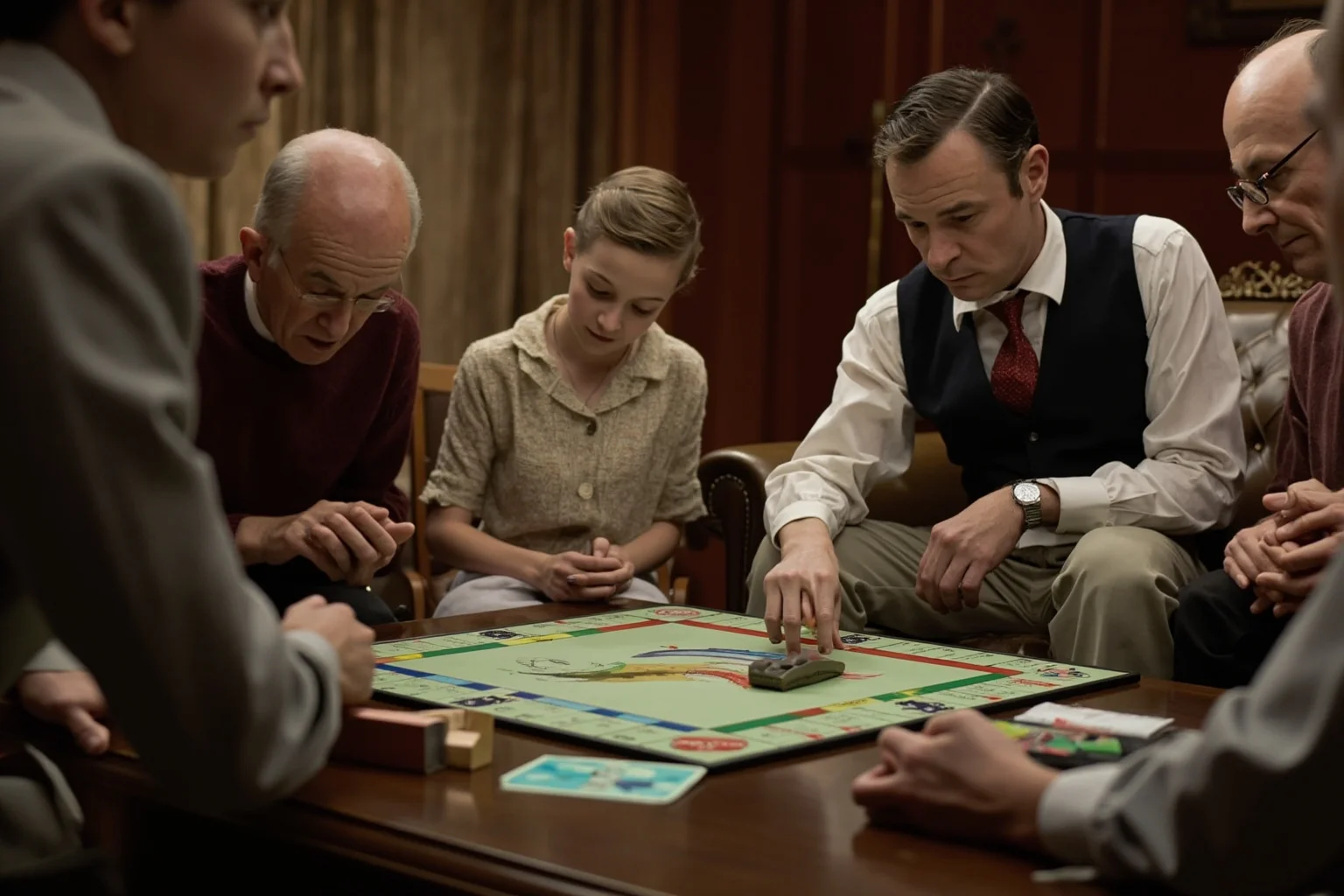
Parker Brothers released Monopoly in 1935, right in the middle of the Great Depression, and it became an instant bestseller. Part of its appeal was pure escapism: players could pretend to buy hotels and bankrupt their friends at a time when real estate and easy money felt impossibly out of reach.
The game’s popularity has never really faded, which makes it one of the rare fads that graduated into a permanent fixture of American life. It remains one of the best-known examples of fads that outgrew their original moment.
8. Miniature Golf Boom
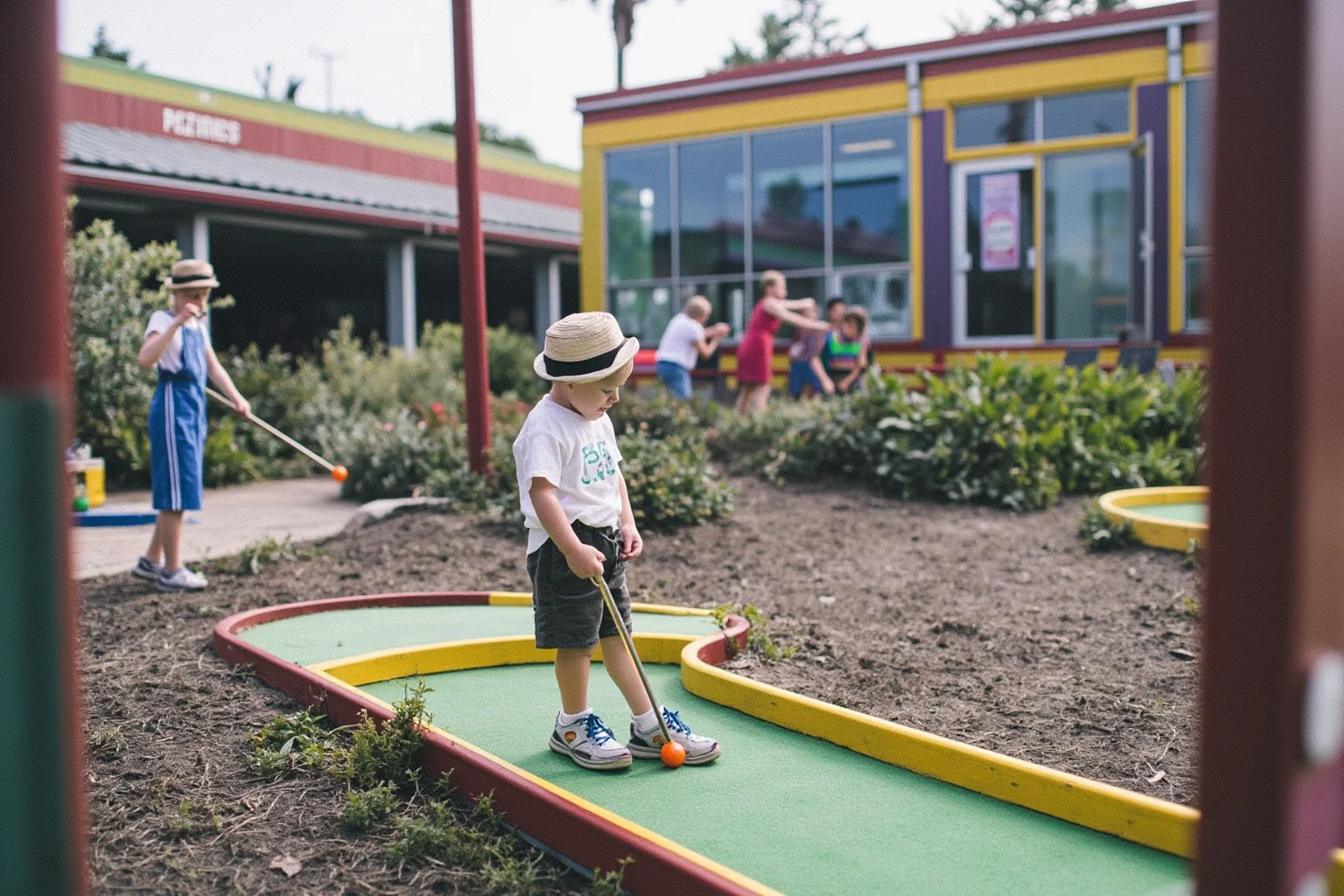
Miniature golf courses, often called “Tom Thumb” golf, popped up by the thousands on city rooftops and vacant lots starting in the late 1920s and peaking in the early 1930s. The appeal was simple: it was cheap, social, and required no special skill or equipment.
At the height of the boom, some estimates suggest tens of thousands of courses existed nationwide. The fad crashed hard by the mid-1930s as the Depression deepened and many courses closed, though the pastime survived in a smaller, steadier form for decades afterward.
9. Shirley Temple Curls and Dolls
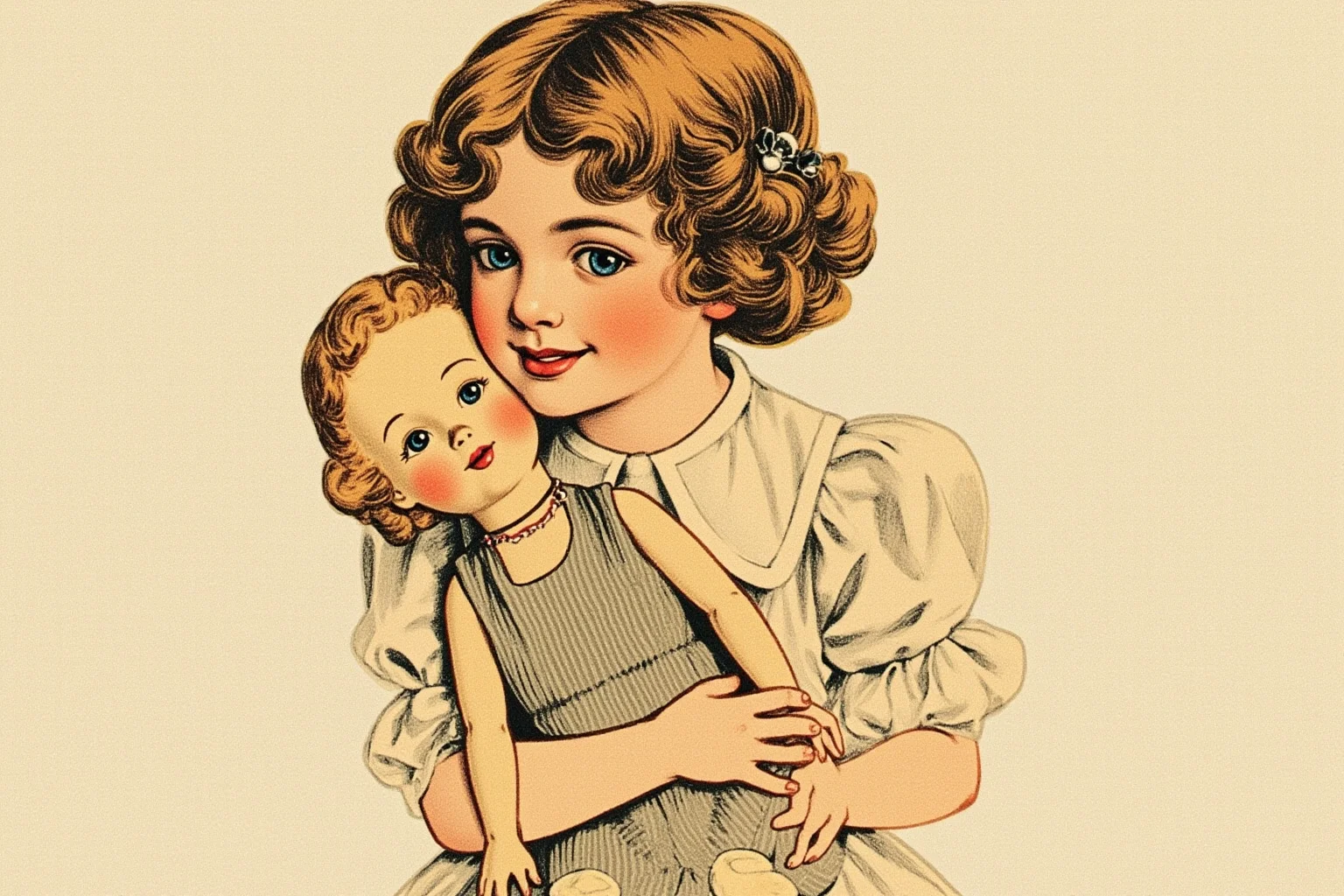
Child star Shirley Temple became one of the biggest box office draws of the decade, and her trademark ringlet curls sparked a nationwide fashion craze for little girls. Dolls modeled after her became one of the top-selling toys of the 1930s, moving in the millions.
Parents lined up to buy the dolls and copy the hairstyle, making Shirley Temple merchandise one of the clearest examples of a celebrity-driven fad from this period. Her popularity as a style icon faded as she grew older, following the typical arc of a fad tied to a single famous figure.
Wartime and Postwar: Fads in the 1940s
Fads in the 1940s were shaped heavily by World War II, rationing, and the eventual return of prosperity once the war ended. Fads 1940s style tended to reflect either patriotic duty or a hunger for fun after years of sacrifice.
10. Zoot Suits
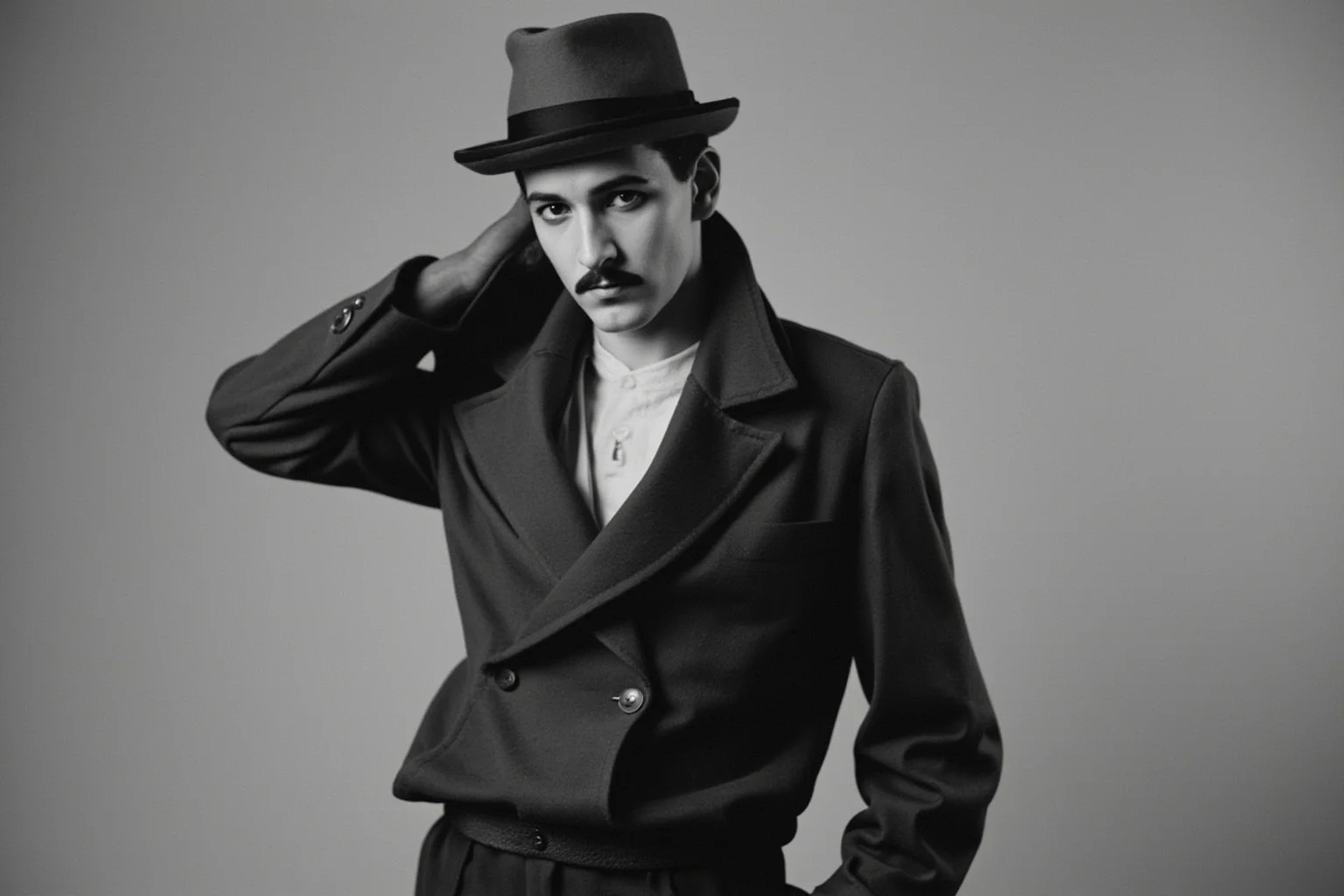
These oversized suits, with wide-shouldered jackets and high-waisted, tapered trousers, became especially popular among young Black, Latino, and Italian American men in the early 1940s. The style carried real cultural weight as a form of self-expression and identity.
Because the suits used more fabric than wartime rationing guidelines recommended, they became a flashpoint for tension, culminating in the 1943 Zoot Suit Riots in Los Angeles. The fad is a striking example of how a fashion trend can become tangled up in much bigger social conflicts.
11. Victory Gardens
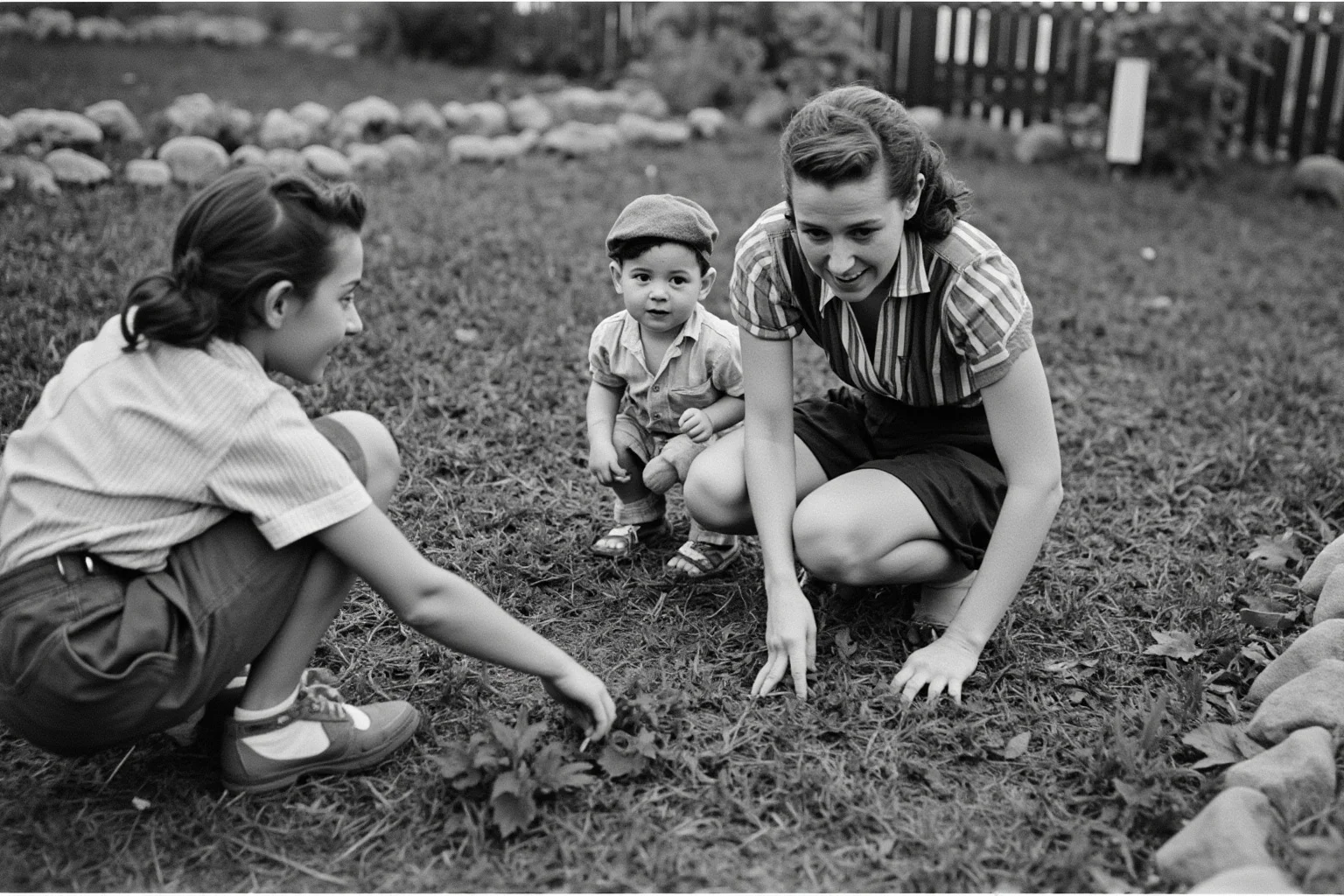
The federal government encouraged Americans to plant their own fruit and vegetable gardens during World War II to ease pressure on the food supply, and the public embraced it enthusiastically. At the peak of the movement, an estimated 20 million victory gardens were reportedly planted across backyards, schoolyards, and city parks.
Unlike most fads on this list, victory gardens were actively promoted by the government as a patriotic duty rather than emerging purely from pop culture. Once the war ended, the craze faded quickly, though home gardening has seen periodic revivals ever since.
12. Jitterbug Dancing
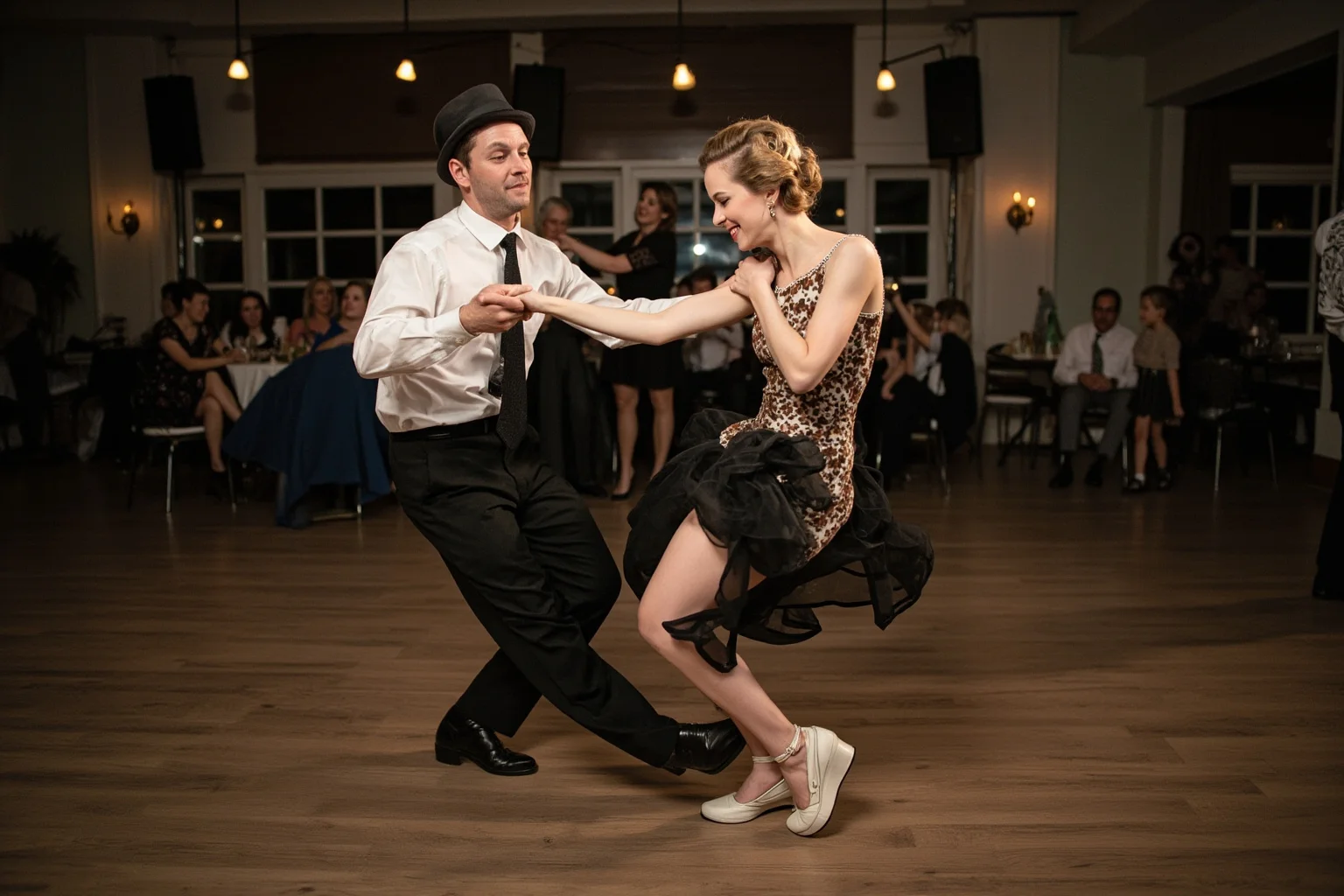
Paired with the swing music of big bands like Benny Goodman’s, the jitterbug turned dance halls into high-energy spectacles throughout the decade. Its acrobatic lifts and fast footwork made it distinct from the smoother dances of earlier eras.
Servicemen and women helped spread the dance around military bases and USO events during the war. Like most dance fads, it eventually gave way to new styles in the 1950s, though swing dancing has enjoyed occasional revivals since.
13. The Slinky
Inventor Richard James accidentally discovered the coil-spring toy’s bouncing, “walking” motion while trying to design ship stabilizers. When the Slinky debuted at Gimbels department store in Philadelphia in 1945, the entire first batch reportedly sold out in about 90 minutes.
Unlike flagpole sitting or goldfish swallowing, the Slinky is a fad that turned into a genuine classic, still manufactured and sold today. It’s one of the clearest examples of fads that managed to escape the usual boom-and-bust cycle entirely.
14. Pin-Up Culture
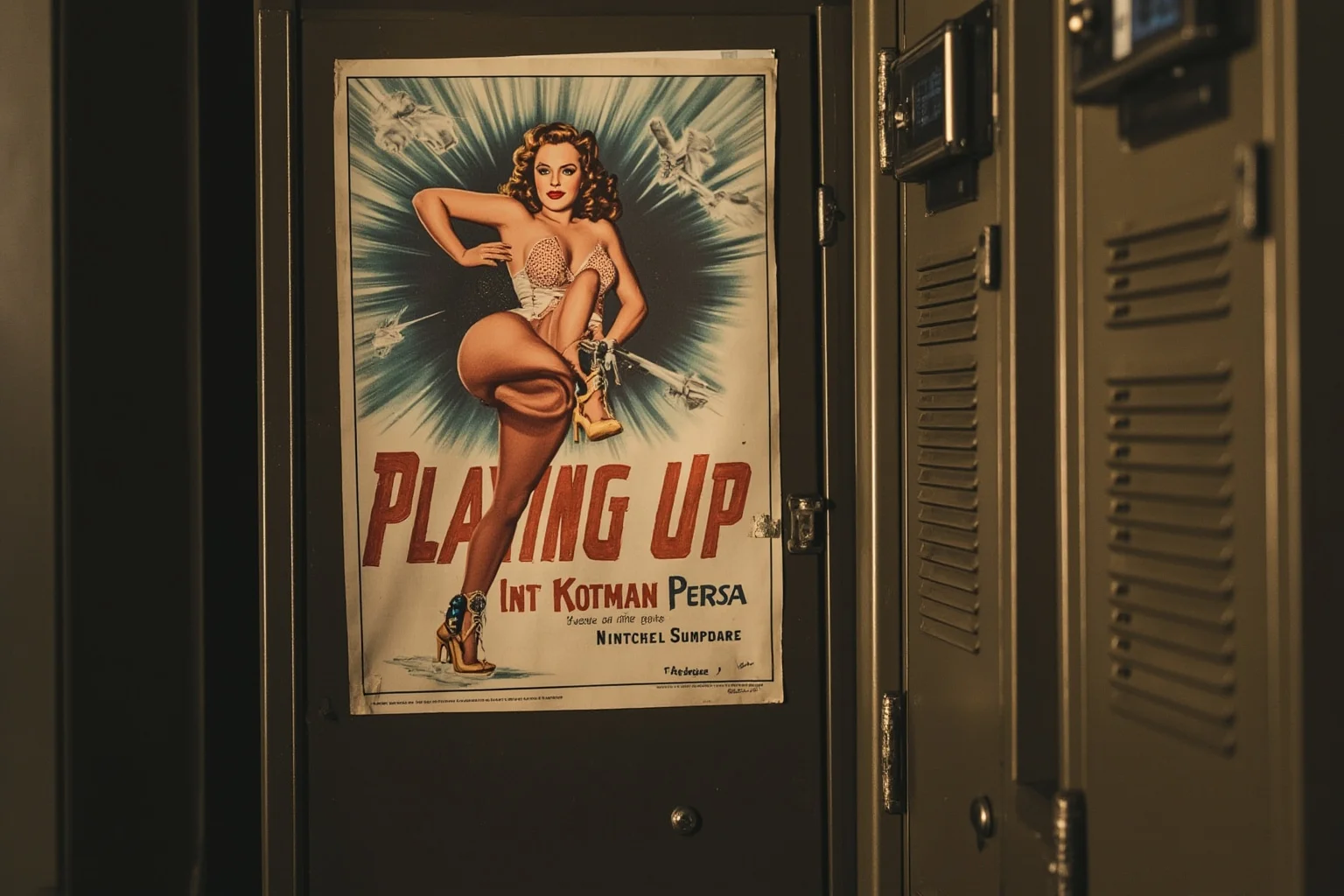
Images of glamorous women, often painted or photographed in playful poses, became a massive visual phenomenon during the war years. They decorated military lockers, magazine pages, and even the nose art on bomber planes.
The pin-up aesthetic reflected both wartime morale-boosting efforts and a broader shift in how mass media depicted women. Its popularity declined after the war but left a lasting mark on American commercial art and fashion photography.
The Conformist Fifties
Postwar prosperity, television, and suburban growth gave 1950s fads a very different flavor: mass-produced, media-driven, and often aimed squarely at teenagers for the first time.
15. Coonskin Caps
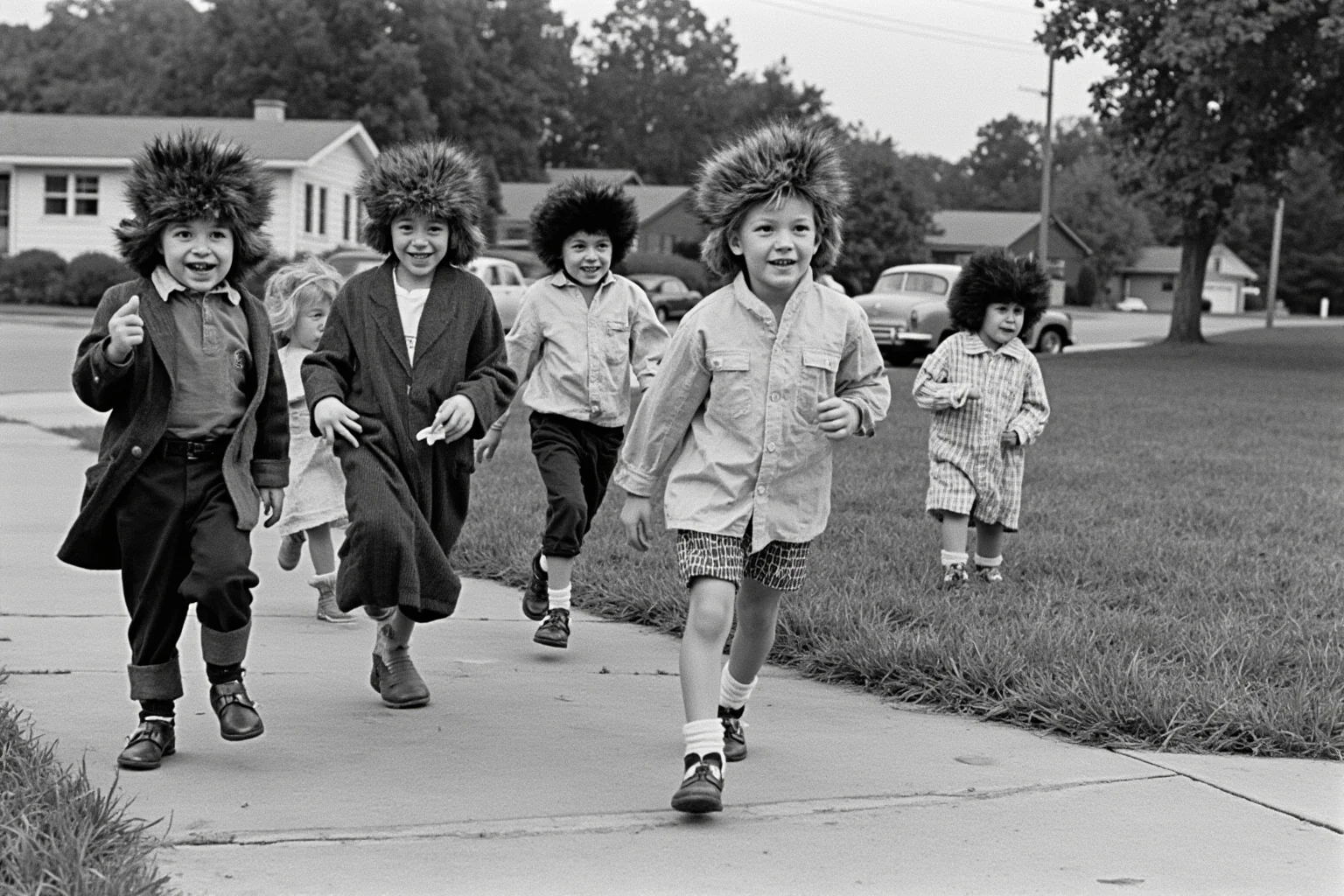
When Disney’s “Davy Crockett” television miniseries aired in 1954 and 1955, it triggered a genuine merchandising frenzy. Millions of raccoon-tail caps sold within months, reportedly straining the supply of raccoon fur and pushing up prices.
The fad is often cited as one of the earliest examples of a television show driving a nationwide consumer craze. It faded quickly once the show’s popularity cooled, but it foreshadowed the kind of media-merchandise tie-ins that would define pop culture for decades to come.
16. Poodle Skirts
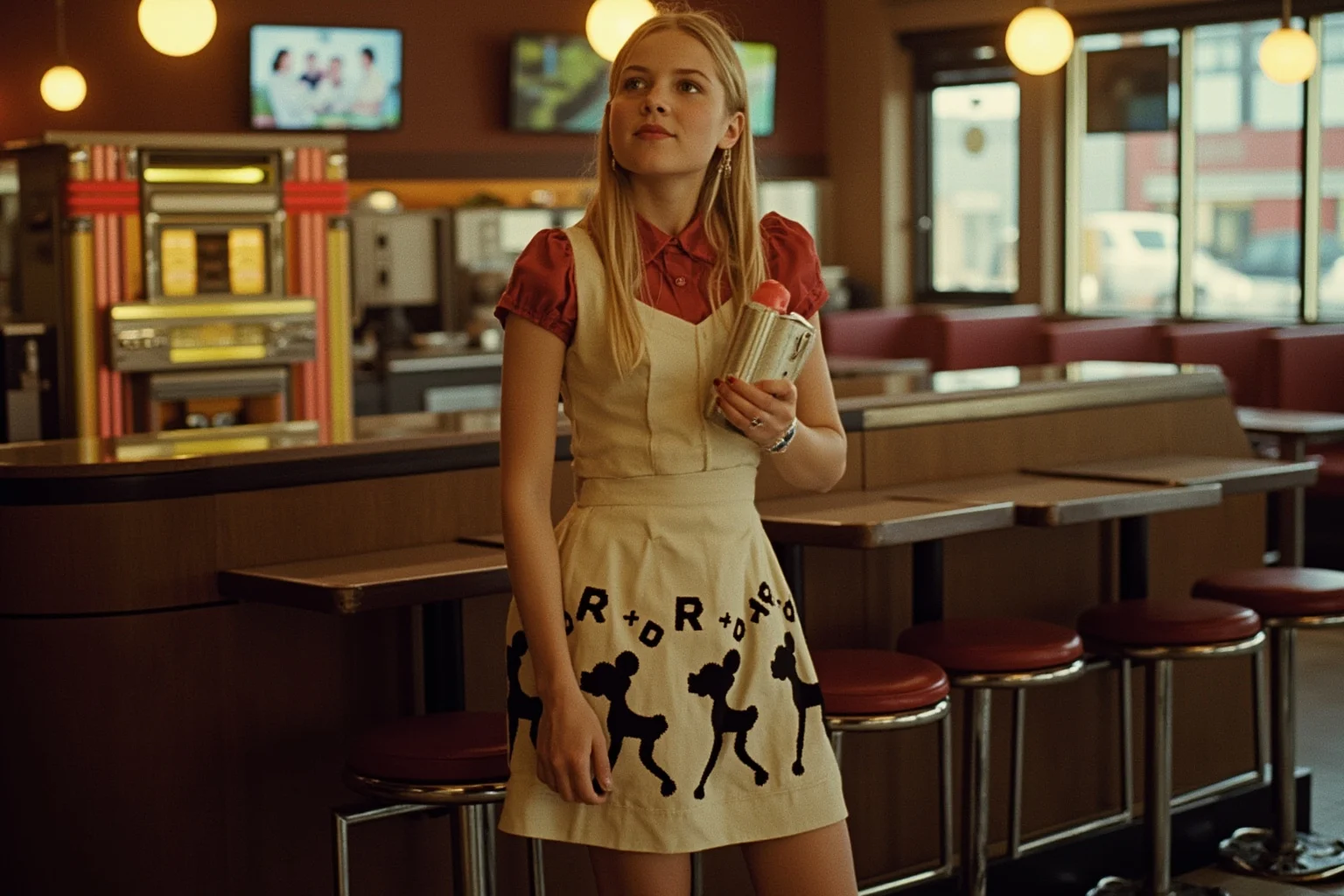
Felt skirts decorated with an appliquéd poodle became a defining look for American teenage girls in the mid-1950s, closely associated with sock hops and diner culture. The style was colorful, affordable, and easy to personalize, which helped it spread quickly among high schoolers.
It faded within a few years as fashion moved on, but it remains one of the most instantly recognizable images of 1950s teen culture. Its bright, nostalgic look still shows up regularly in retro-themed parties and media today.
17. 3-D Movie Glasses
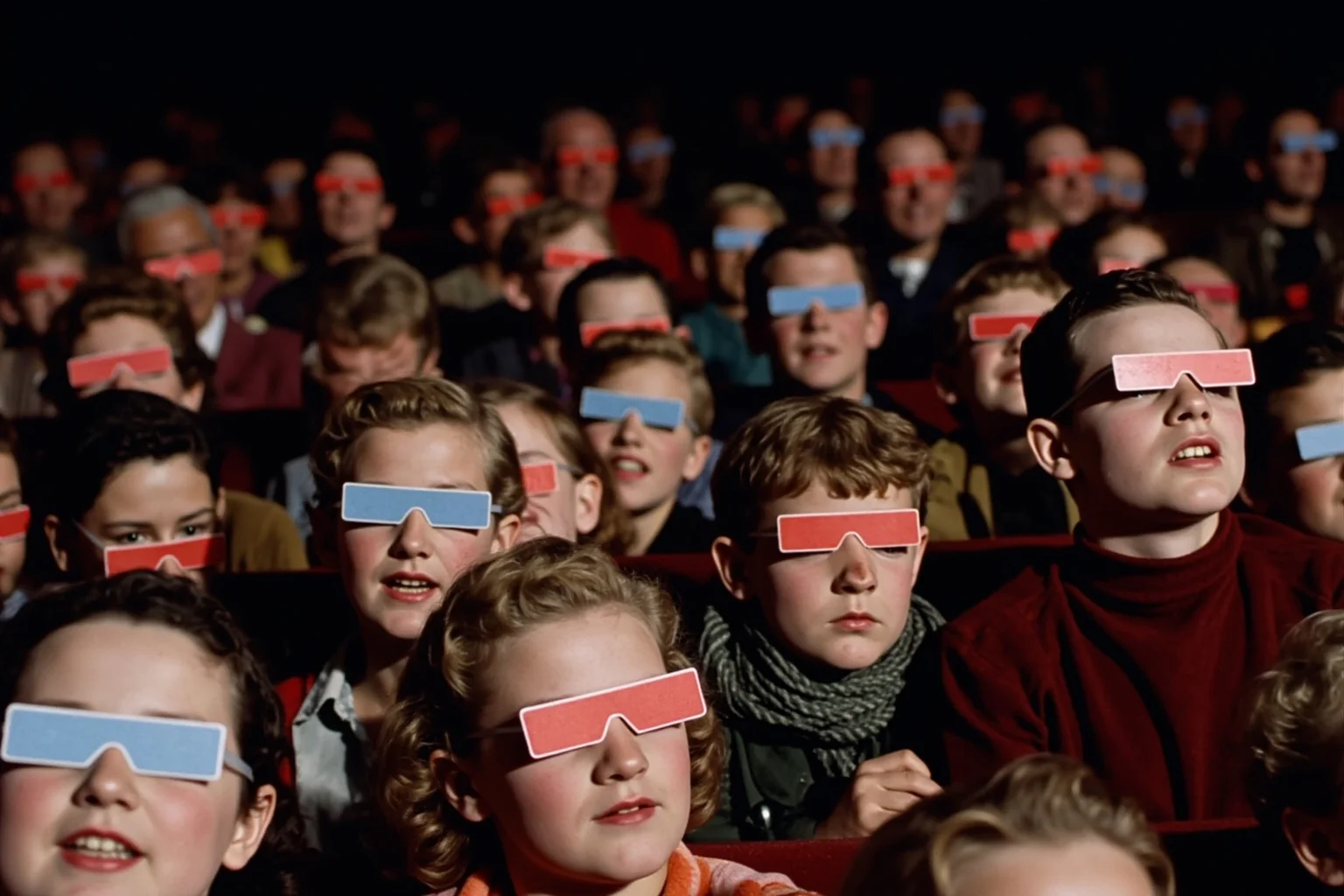
Hollywood studios, worried about competition from television, leaned hard into 3-D films in the early 1950s, starting with movies like “Bwana Devil” in 1952. Audiences flocked to theaters wearing red-and-blue paper glasses for the novelty of objects seeming to fly off the screen.
The technology and the era’s simple glasses had real limitations, including eye strain and inconsistent effects, and the fad faded within just a few years. It’s a solid reminder that the entertainment industry has been chasing gimmicky crazes for far longer than modern viewers might assume.
18. Backyard Bomb Shelters
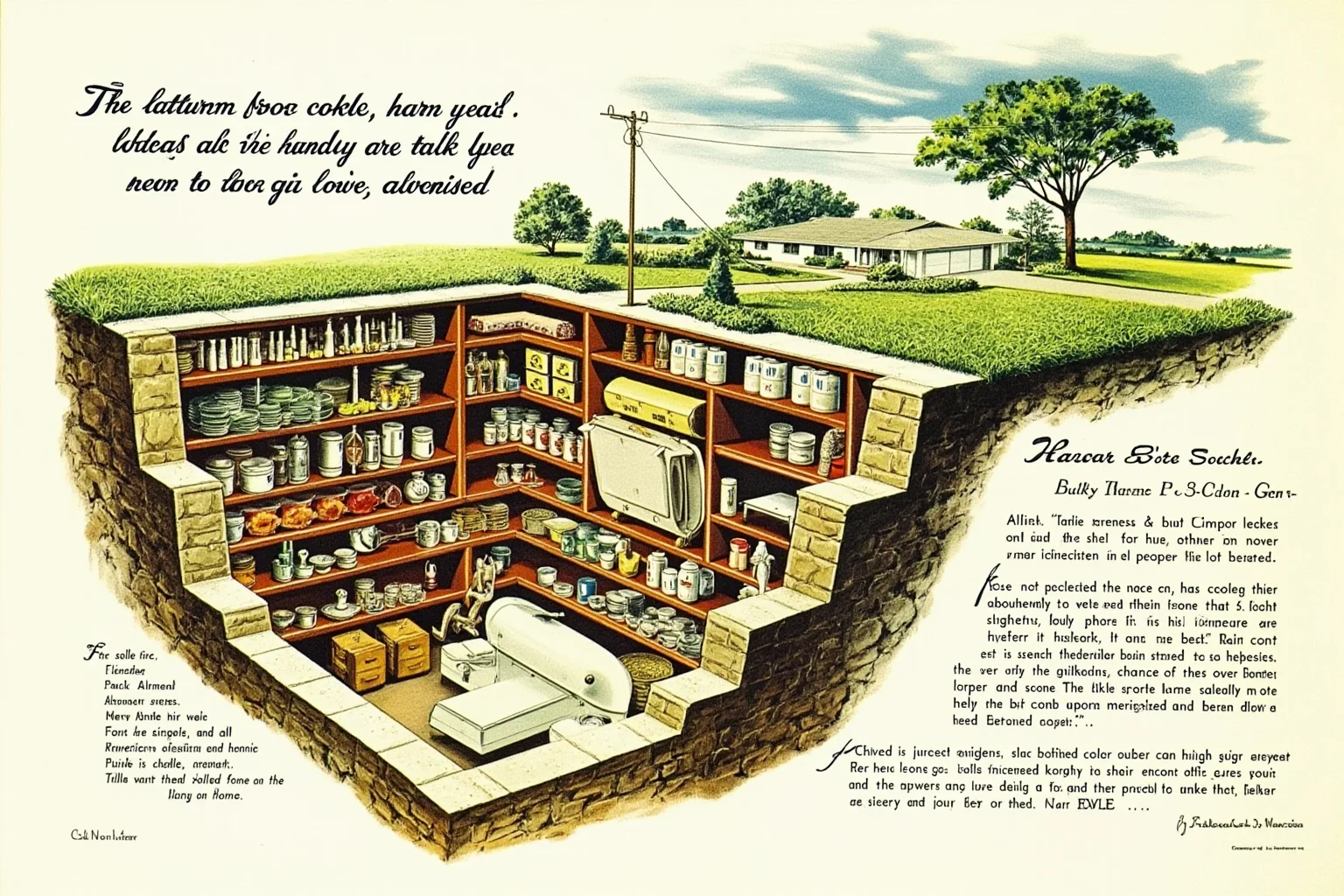
As Cold War fears intensified, especially after events like the 1961 Berlin Crisis, many American families built backyard fallout shelters stocked with canned goods and supplies. Government pamphlets and civil defense campaigns actively encouraged the practice.
While not a lighthearted fad in the traditional sense, it swept through suburban communities with the same rapid, imitative energy as any pop culture craze. Interest declined as Cold War tensions eased and shifted in later decades, though the shelters themselves sometimes remain, tucked away and forgotten in old backyards.
The Free-Spirited Sixties and Seventies
As counterculture movements and a booming toy industry collided, fads in these two decades became louder, weirder, and more commercially engineered than ever before.
19. Troll Dolls
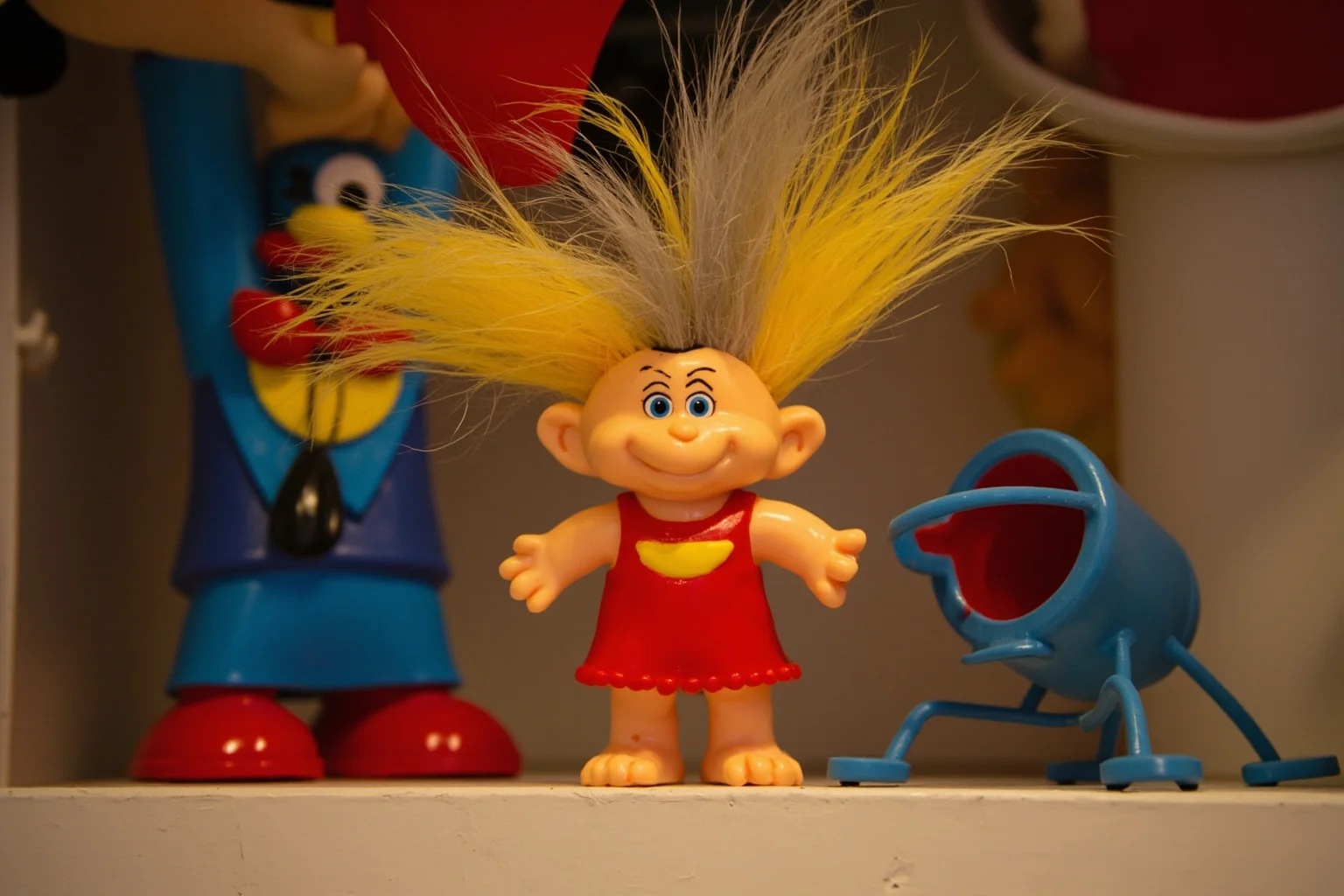
Originally created in Denmark in 1959 by woodcutter Thomas Dam, these wide-eyed, brightly-haired dolls became a massive American fad through the 1960s. Their odd, almost ugly-cute look made them instantly recognizable and endlessly collectible.
The dolls faded from mainstream shelves by the early 1970s but resurfaced in later toy revivals, including renewed popularity in the 1990s. It’s a good early example of how old fads have a habit of returning once nostalgia kicks in.
20. Lava Lamps
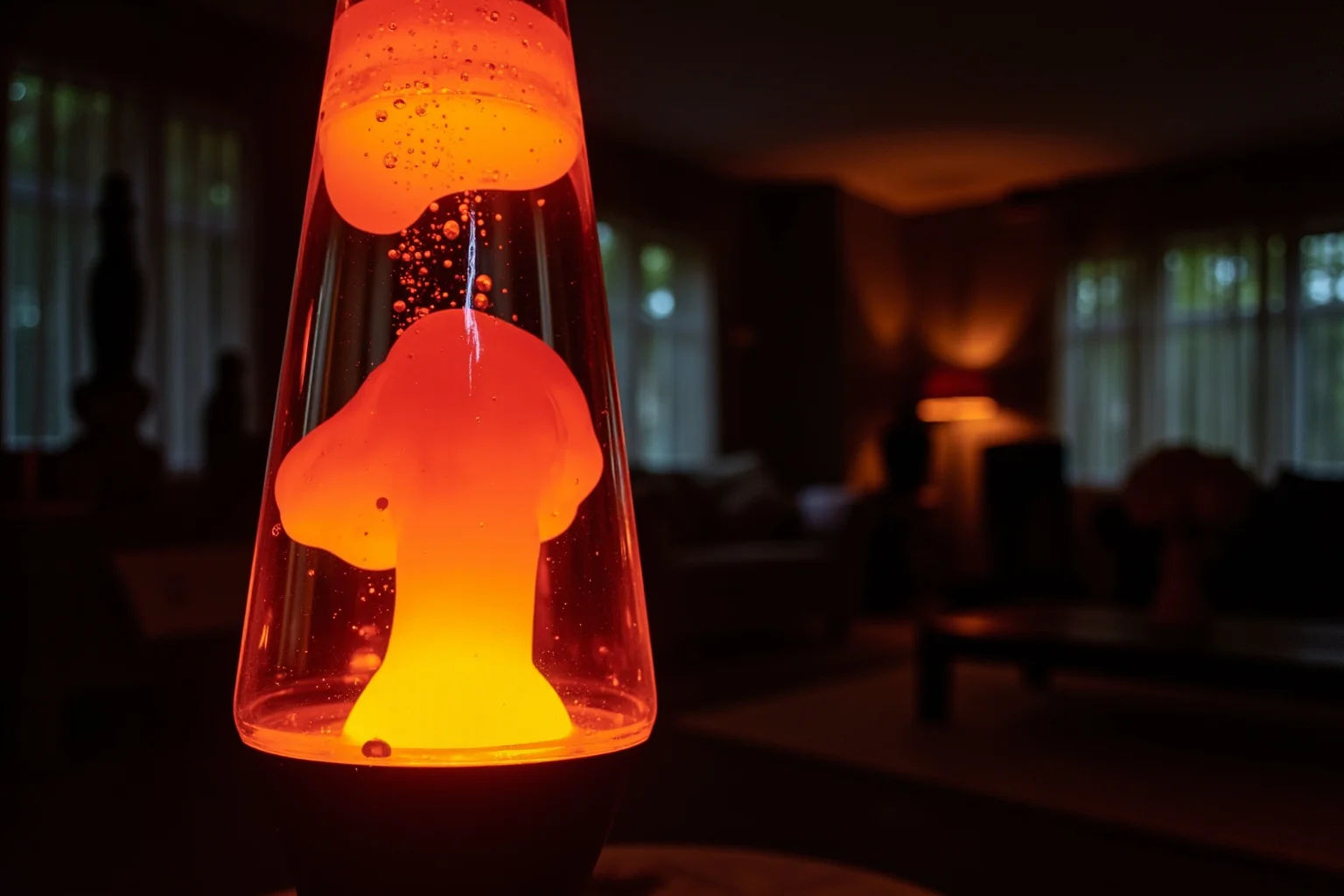
Invented by British entrepreneur Edward Craven Walker in 1963, lava lamps became a staple of American counterculture and psychedelic decor by the late 1960s and into the 1970s. Their slow-moving wax blobs fit perfectly with the era’s aesthetic and mood.
Sales dipped through the more minimalist 1980s but rebounded in later decades as a retro decorating trend. Today they’re less a fad than a permanent, if niche, fixture of home decor.
21. Pet Rocks
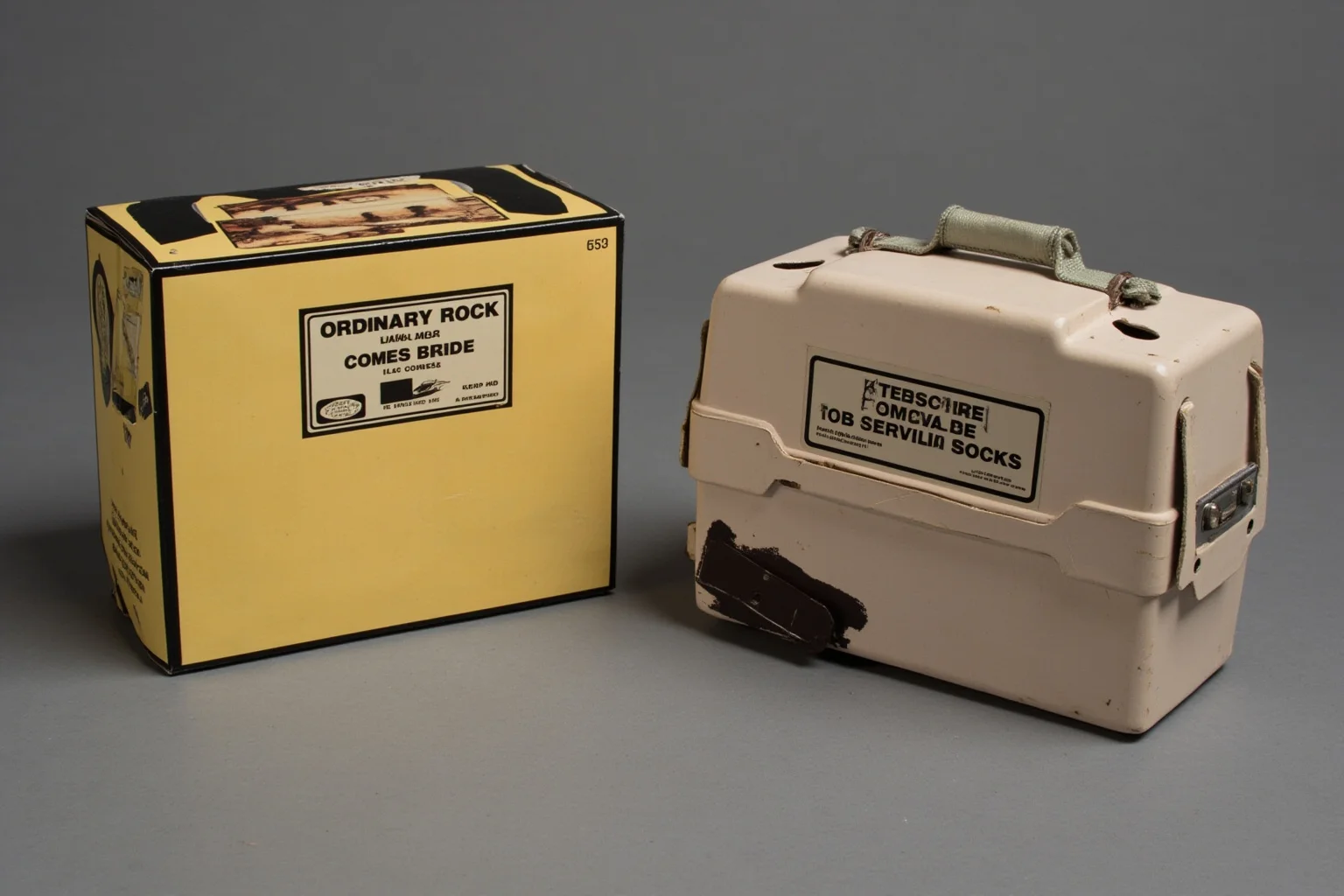
In 1975, advertising executive Gary Dahl marketed ordinary rocks as low-maintenance pets, complete with a tongue-in-cheek instruction manual covering care and training. The joke gift became a genuine phenomenon, reportedly selling more than a million units within months at the height of the craze.
It’s one of the purest examples of a manufactured fad with essentially no practical function beyond humor. Sales collapsed almost as fast as they rose, making Pet Rocks a textbook case study in how quickly a popular fad can rise and fall.
22. Mood Rings
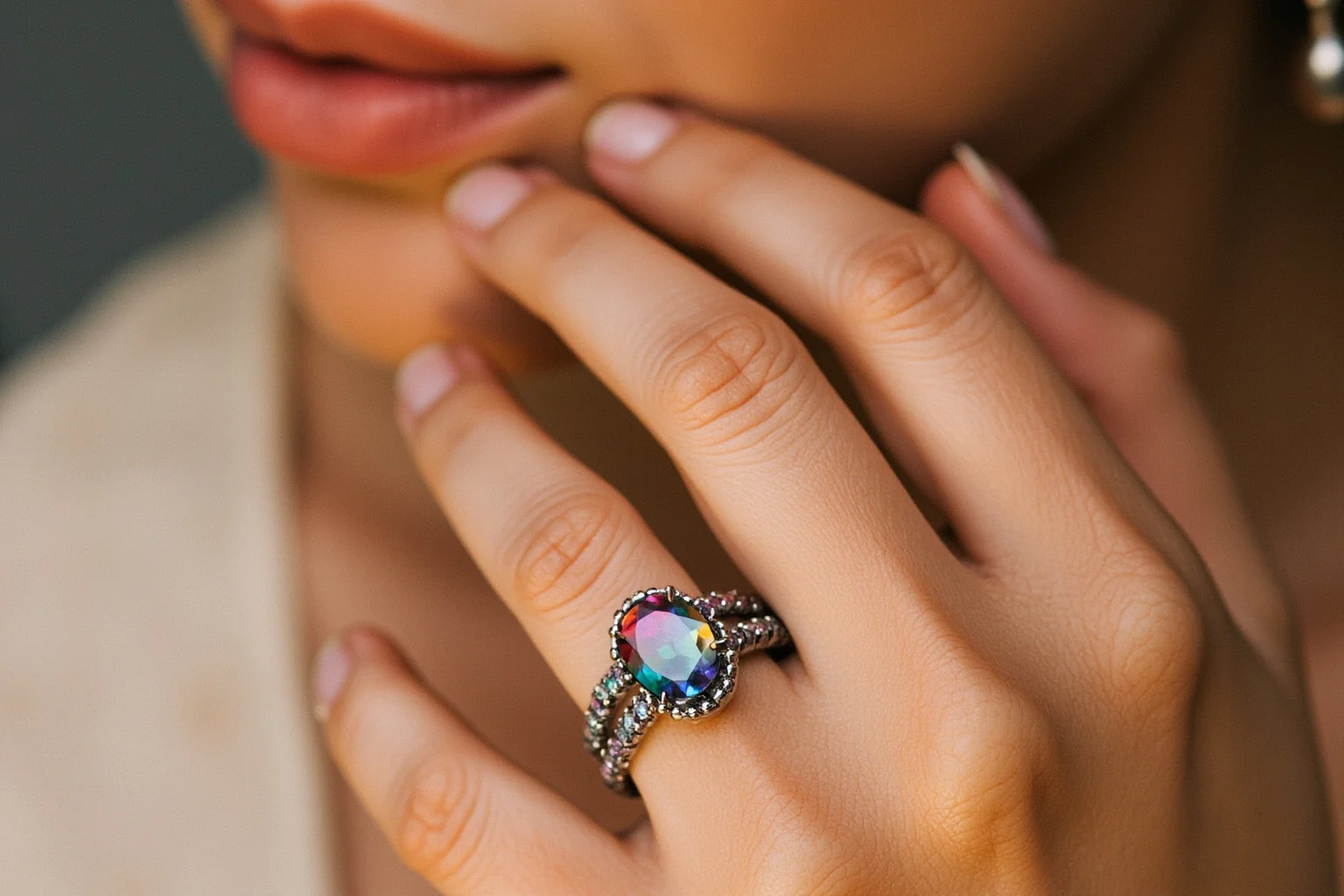
Inventors Josh Reynolds and Maris Ambats introduced mood rings in 1975, using heat-sensitive liquid crystals that supposedly revealed the wearer’s emotional state through color changes. The rings sold extremely well for a short stretch of the mid-1970s.
It’s worth being clear-eyed here: the color shifts reflect skin temperature, not verified emotional states, so the “mood-reading” claims were always more marketing than science. The fad faded within a couple of years but has popped up in smaller nostalgic waves since.
23. Streaking
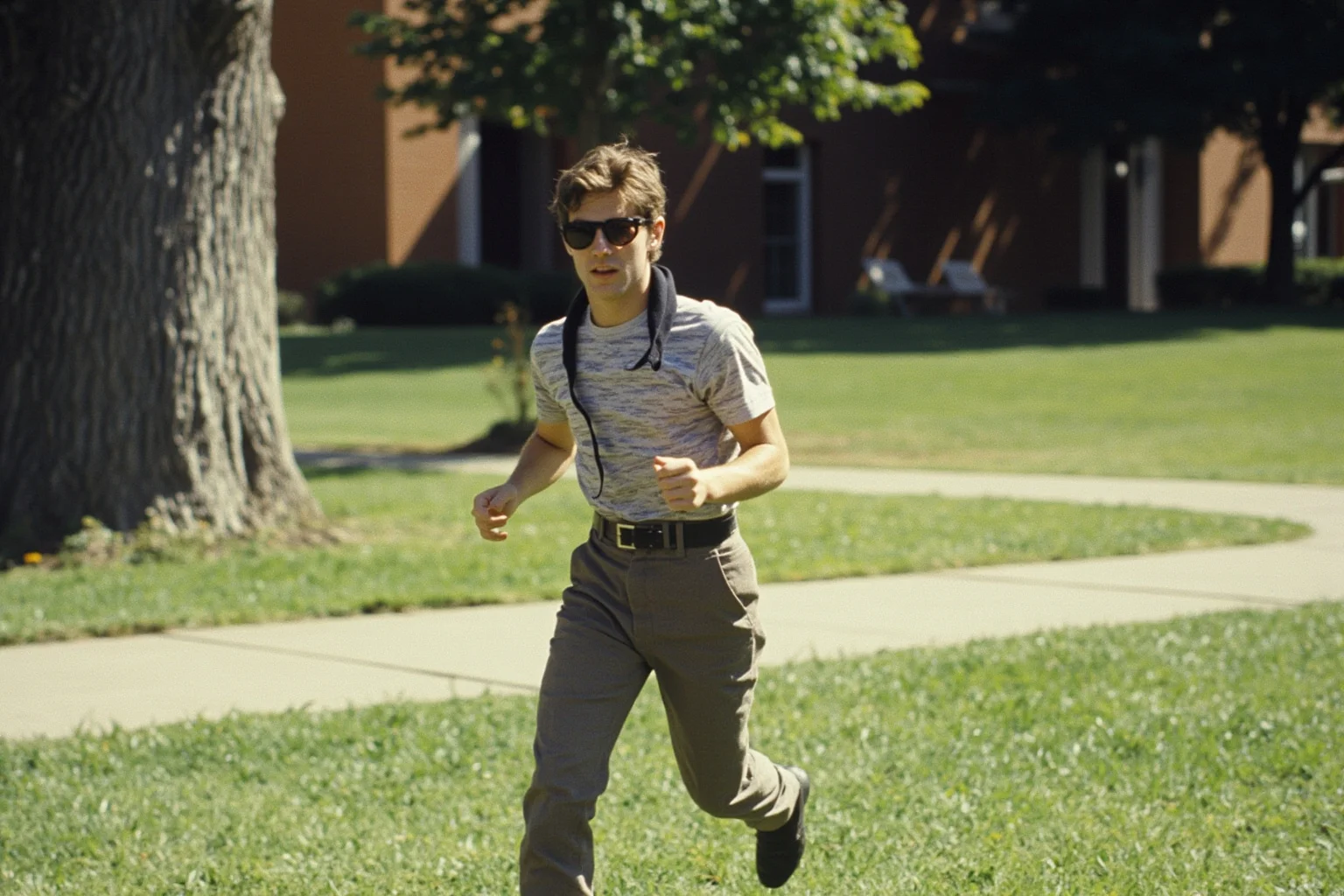
Running through public spaces while naked became a surprisingly widespread campus fad in 1974, spreading across college campuses and even making a brief, unscripted appearance during the live broadcast of the 1974 Academy Awards. News coverage of the phenomenon only fueled more copycat incidents.
The fad burned out within roughly a year as novelty wore off and universities cracked down. It remains one of the odder entries on any list of examples of fads, precisely because of how briefly and intensely it flared up.
The Eighties and Nineties Boom
As toy marketing and collector culture matured, fads of the 1980s and 1990s often came with real financial stakes, not just social ones.
24. Rubik’s Cube

Hungarian architecture professor Ernő Rubik invented the puzzle in 1974, but it didn’t reach mass popularity in the United States until around 1980, when it exploded into a worldwide phenomenon. Tens of millions were sold within just a couple of years, and speed-solving competitions sprang up almost immediately.
Interest cooled by the mid-1980s but never disappeared entirely, and the cube has enjoyed steady popularity ever since among puzzle enthusiasts. Competitive cubing today is arguably bigger than it was during the original 1980s fad.
25. Cabbage Patch Kids
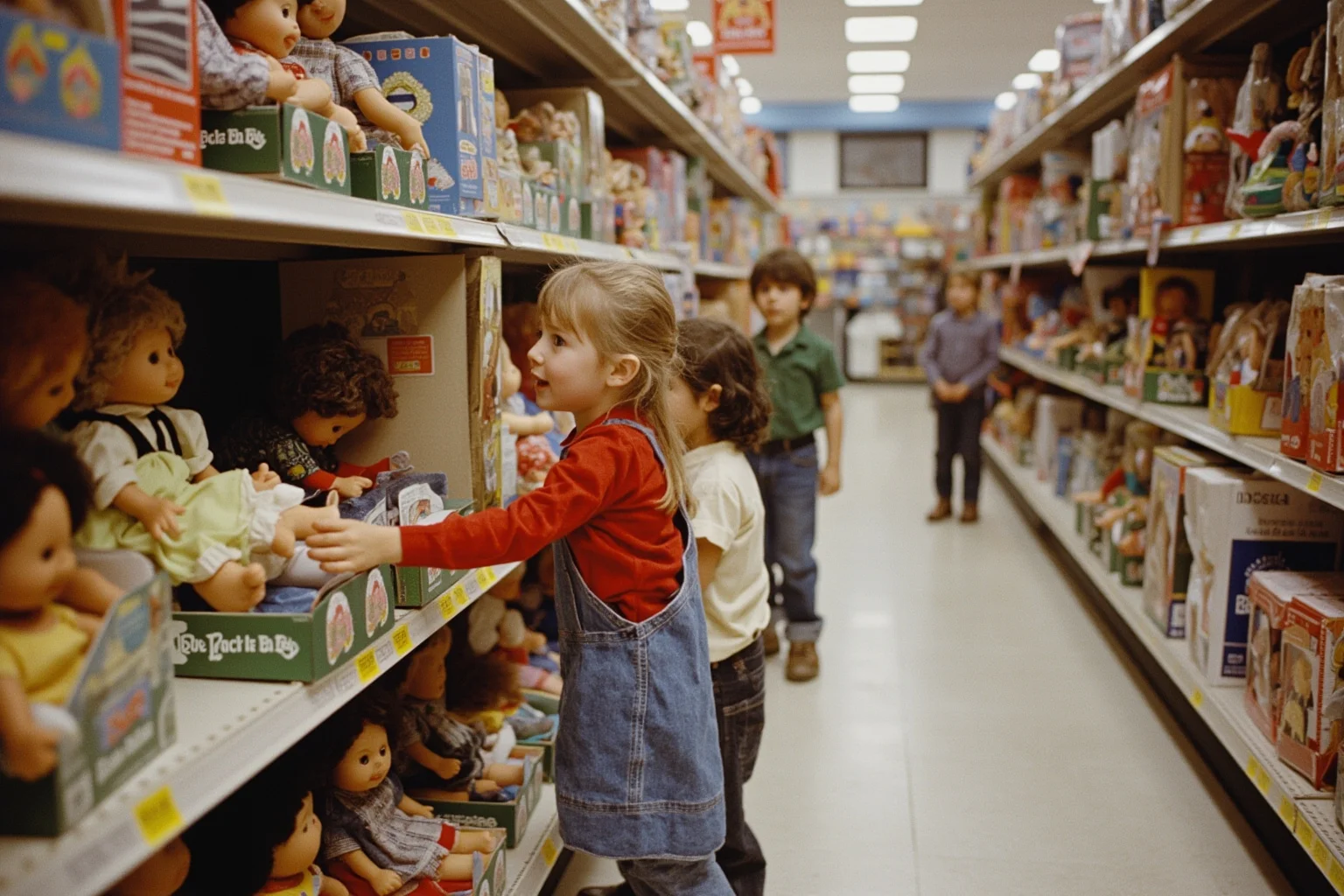
The 1983 holiday season saw genuine chaos over these soft-sculpture dolls, with shortages triggering shoving matches and even minor scuffles in toy store aisles across the country. Each doll came with its own “adoption papers” and unique name, which added to the collecting frenzy.
The mania settled down within a year or two as supply caught up with demand. Cabbage Patch Kids remain in production today, but nothing has matched the sheer intensity of that first holiday shopping season.
26. Beanie Babies
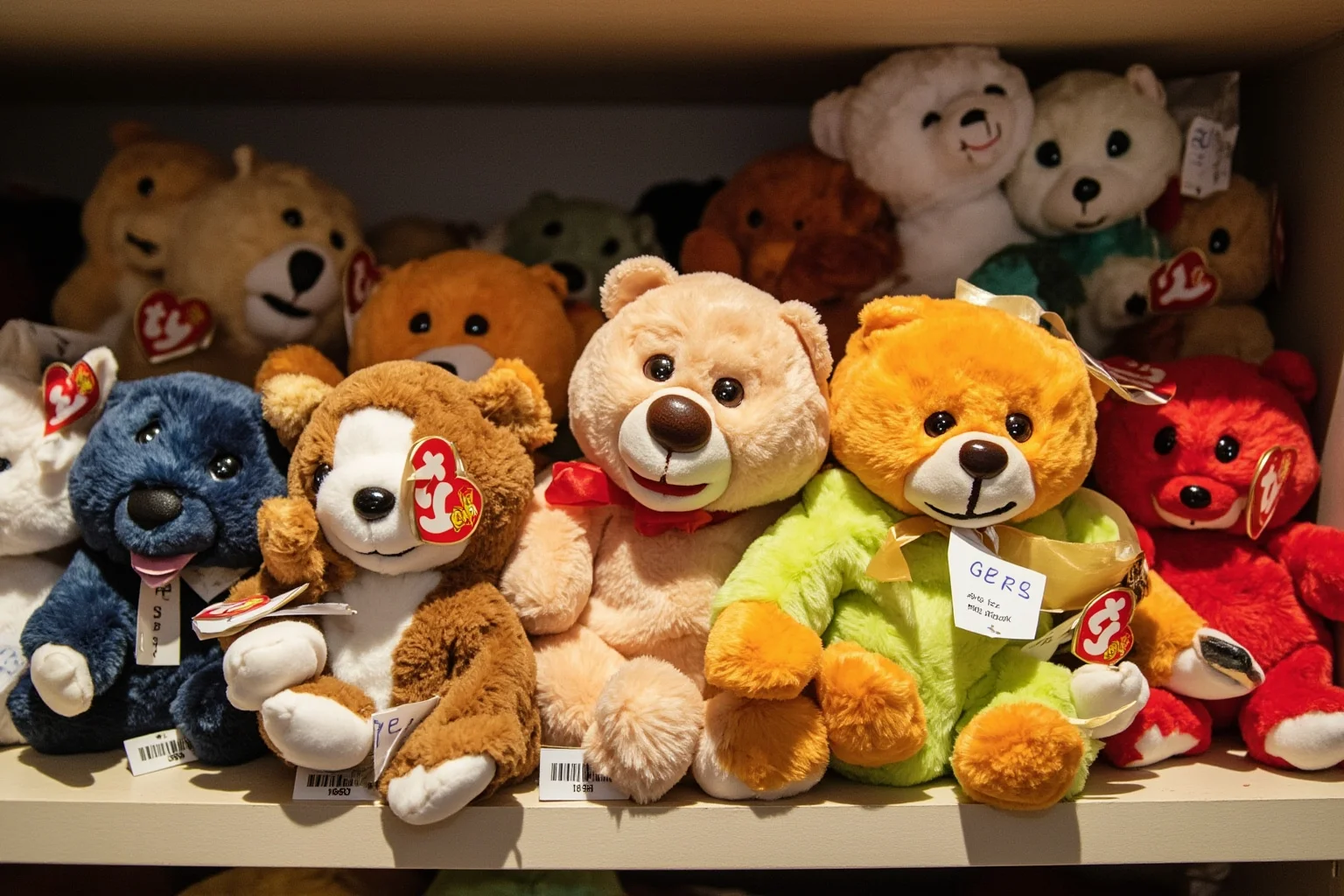
Ty Inc.’s small, bean-filled plush animals became a genuine speculative bubble in the mid-to-late 1990s, with some collectors treating retired designs as investments rather than toys. Certain rare Beanie Babies reportedly resold for hundreds or even thousands of dollars at the peak of the frenzy.
The bubble collapsed by the early 2000s as resale values crashed and the market flooded with unsold stock. It stands as one of the most vivid modern examples of a fad fueled by artificial scarcity and speculation rather than the toy’s actual play value.
Into the 2000s
27. Fidget Spinners

These small handheld spinning toys became an enormous, almost overnight fad among schoolchildren and teens around 2017. Marketing at the time often claimed they helped with focus, anxiety, or ADHD symptoms, though those specific therapeutic claims were never well supported by strong clinical evidence.
Many schools ended up banning them as classroom distractions rather than embracing them as focus tools. Within about a year, the fad had largely faded from mainstream popularity, following the same rapid rise-and-fall pattern seen throughout American history.
Why Old Fads Keep Coming Back
Looking across a full century of American fads, a pattern becomes pretty clear: almost nothing disappears forever. Troll dolls, lava lamps, yo-yos, and even flagpole-sitting-style endurance stunts have all seen modern revivals, often introduced to a new generation through nostalgia marketing or social media.
That’s really why people say fads never die out completely; they just go dormant until the right cultural moment brings them back. A popular craze from 1975 can look remarkably fresh to a teenager in the 2020s who has never encountered it before.
What separates a fad from a lasting institution usually comes down to whether it filled a genuine, ongoing need or just a fleeting social itch. Monopoly and the Slinky stuck around because they offered real, repeatable value beyond novelty, while goldfish swallowing and mood rings burned bright and vanished because the appeal really was just the novelty itself.
Either way, tracking these crazes offers a surprisingly clear window into what each generation of Americans cared about, worried about, and wanted to laugh about. That, more than any single toy or dance step, is what makes the history of fads worth remembering.
Frequently Asked Questions
What were the fads of the 1920s?
The biggest fads of the 1920s included flagpole sitting, the Charleston dance craze, crossword puzzle mania after Simon & Schuster's 1924 puzzle book, the Mahjong craze imported from China, and dance marathons. These fads were fueled by the decade's booming newspapers, radio, and post-World War I economic optimism.
What are some examples of fads from American history?
Examples of fads span every decade, including 1920s flagpole sitting, 1930s goldfish swallowing, 1940s zoot suits and jitterbug dancing, 1970s pet rocks and mood rings, 1980s Rubik's Cube and Cabbage Patch Kids, and 1990s Beanie Babies. Each one rose to mass popularity quickly and then faded within a few years.
What were popular fads in the 1940s?
Fads in the 1940s included zoot suits, victory gardens encouraged during World War II, jitterbug and swing dancing, the debut of the Slinky in 1945, and wartime pin-up imagery. Many were shaped directly by wartime rationing, patriotism, and the eventual postwar return to consumer spending.
Do old fads ever come back into style?
Yes, many old fads resurface in new forms once nostalgia sets in, which is part of why people often say fads never fully die out. Troll dolls, lava lamps, yo-yos, and Rubik's Cubes have all seen genuine revivals decades after their original peak, often introduced to a new generation through media or social platforms.
What is the difference between a fad and a trend?
A fad rises to popularity very quickly, spreads widely, and fades within a short period, often a few months to a couple of years. A trend develops more gradually and tends to have staying power, gradually reshaping habits or culture over a much longer stretch of time.
What was the biggest fad of the 1930s?
Monopoly is often considered the defining fad-turned-classic of the 1930s, released by Parker Brothers in 1935 and offering Depression-era Americans an affordable escape into fantasy wealth. Other notable 1930s fads included goldfish swallowing, the miniature golf boom, and merchandise tied to child star Shirley Temple.

Alex Warren
Related Articles





