

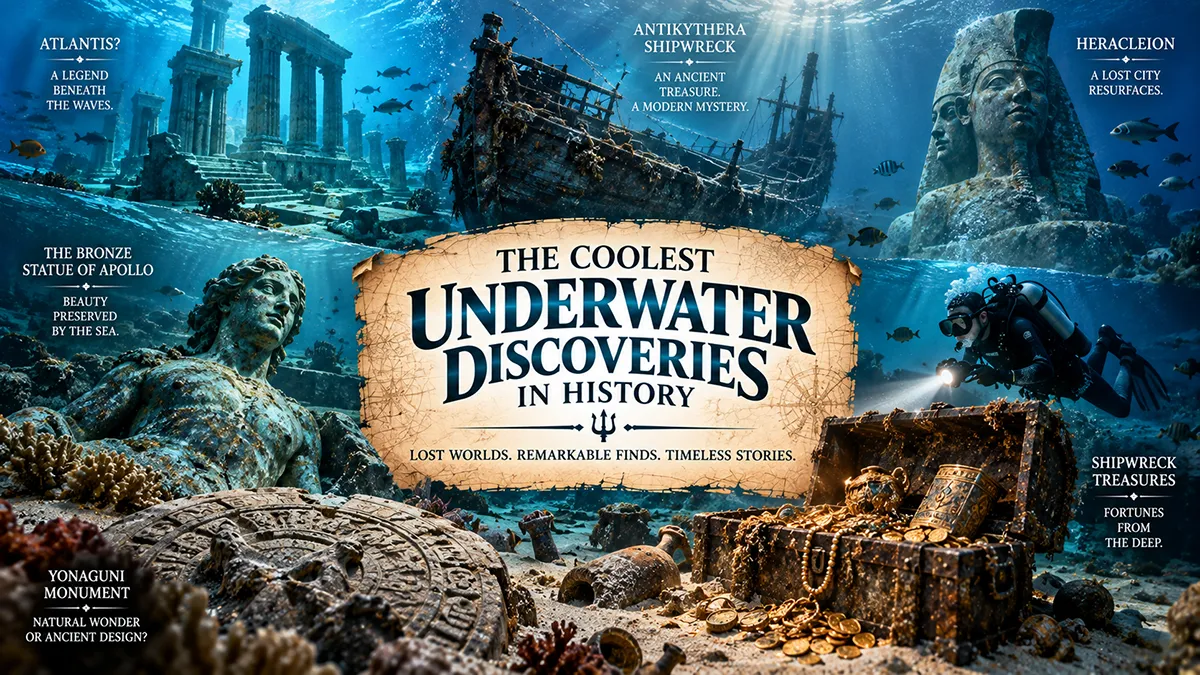
The ocean floor, the beds of ancient lakes, and the shallows off forgotten coastlines have quietly kept some of history’s best secrets. Every shipwreck, sunken city, and drowned temple down there is a time capsule, sealed by water instead of dirt, often preserved in astonishing detail because oxygen and looters couldn’t easily reach it.
Some of these underwater discoveries confirm legends historians had long dismissed as folklore. Others, like a certain curious formation off the coast of Malta, remain genuinely unresolved and are more myth than proven history. Either way, the underwater search for the past has only gotten more exciting as diving and sonar technology has improved.
TL;DR: From ancient shipwrecks to sunken cities and disputed stone formations, underwater discoveries keep rewriting history — though not every headline-grabbing find is as settled as it sounds.
1. The Antikythera Mechanism – Ancient Greece’s Underwater Computer
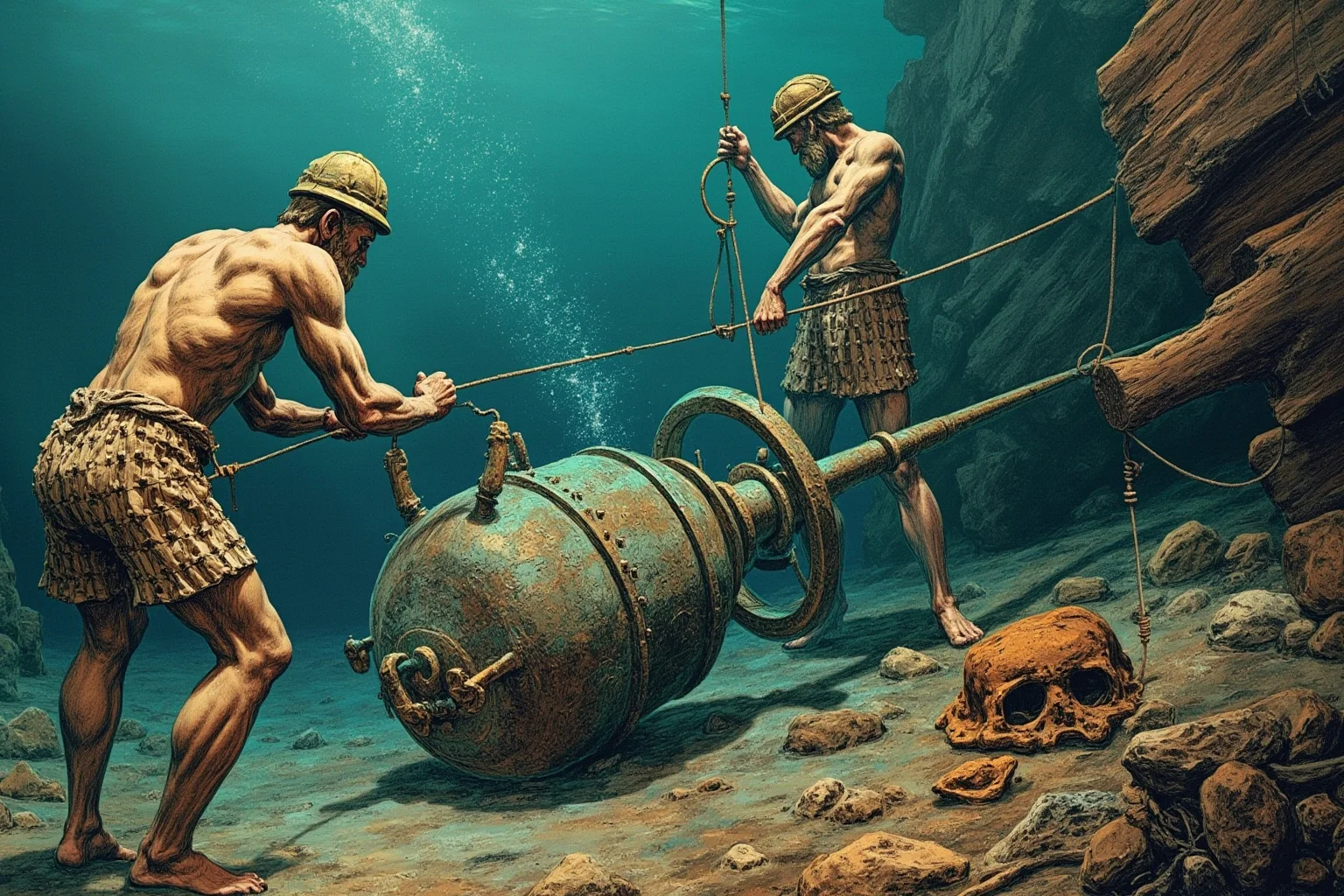
In 1901, sponge divers working off the Greek island of Antikythera stumbled onto a Roman-era shipwreck dating to around the 1st century BCE. Among the bronze statues and pottery was a corroded lump that turned out to be an extraordinarily complex geared device, now known as the Antikythera Mechanism, and now considered one of the most incredible artifacts ever uncovered.
Decades of research revealed it was used to track astronomical cycles, including eclipses and the Olympic calendar. It’s frequently called the world’s first analog computer, and no comparable device from antiquity has ever been found.
2. Thonis-Heracleion – Egypt’s Sunken City of Myth and Fact
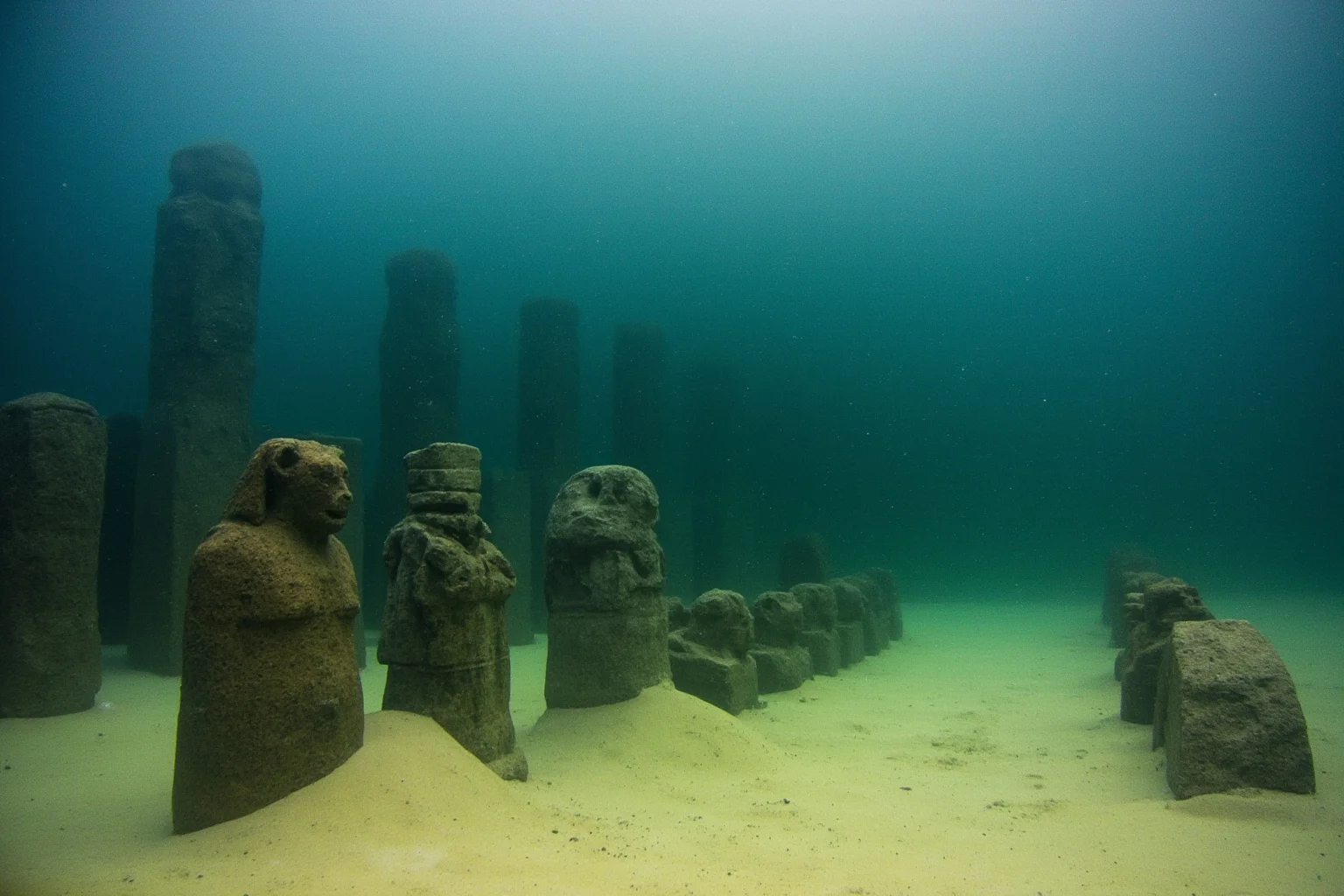
For centuries, the city of Heracleion existed only in the writings of ancient Greek historians like Herodotus. Underwater archaeologist Franck Goddio and his team finally located it in Egypt’s Abu Qir Bay in 2000, buried under silt for over a thousand years.
The site turned out to be a real, thriving port city, complete with temples, statues, and shipwrecks, that had gradually sunk due to earthquakes, tsunamis, and rising sea levels. It’s one of the clearest cases of legend meeting verified underwater discovery.
3. Cleopatra’s Palace – Alexandria’s Drowned Royal Quarter
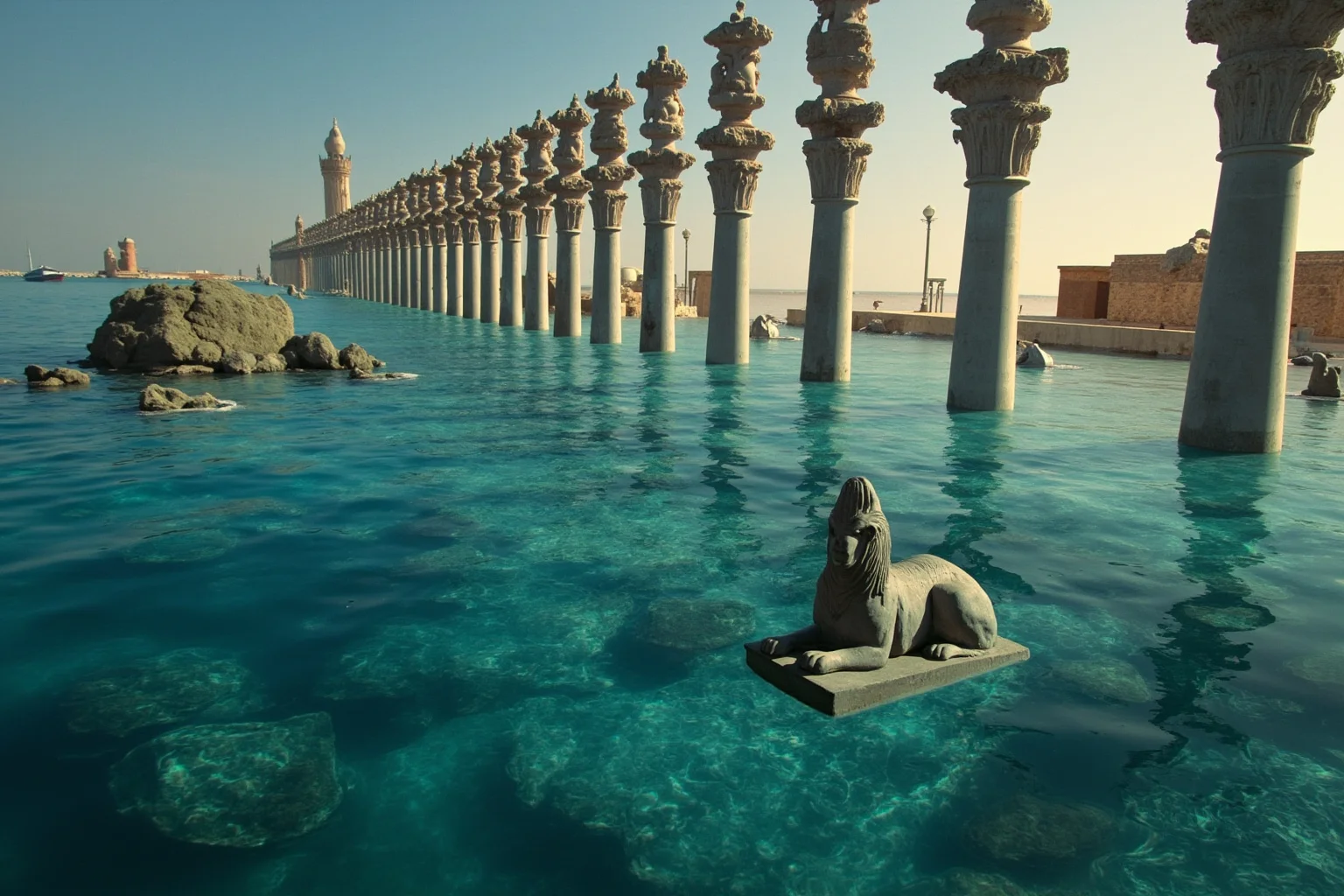
In the same stretch of Egyptian coastline, Goddio’s team also mapped the submerged royal quarter of ancient Alexandria, believed to include portions of Cleopatra’s palace complex. Columns, sphinxes, and building foundations now sit several meters below the harbor surface.
Earthquakes and land subsidence pulled much of ancient Alexandria into the sea over the centuries. Excavation is ongoing, and researchers are careful to note that identifying specific buildings with certainty, including exactly which structure Cleopatra used, is still an evolving picture rather than a closed case.
4. Pavlopetri – Europe’s Oldest Submerged Town
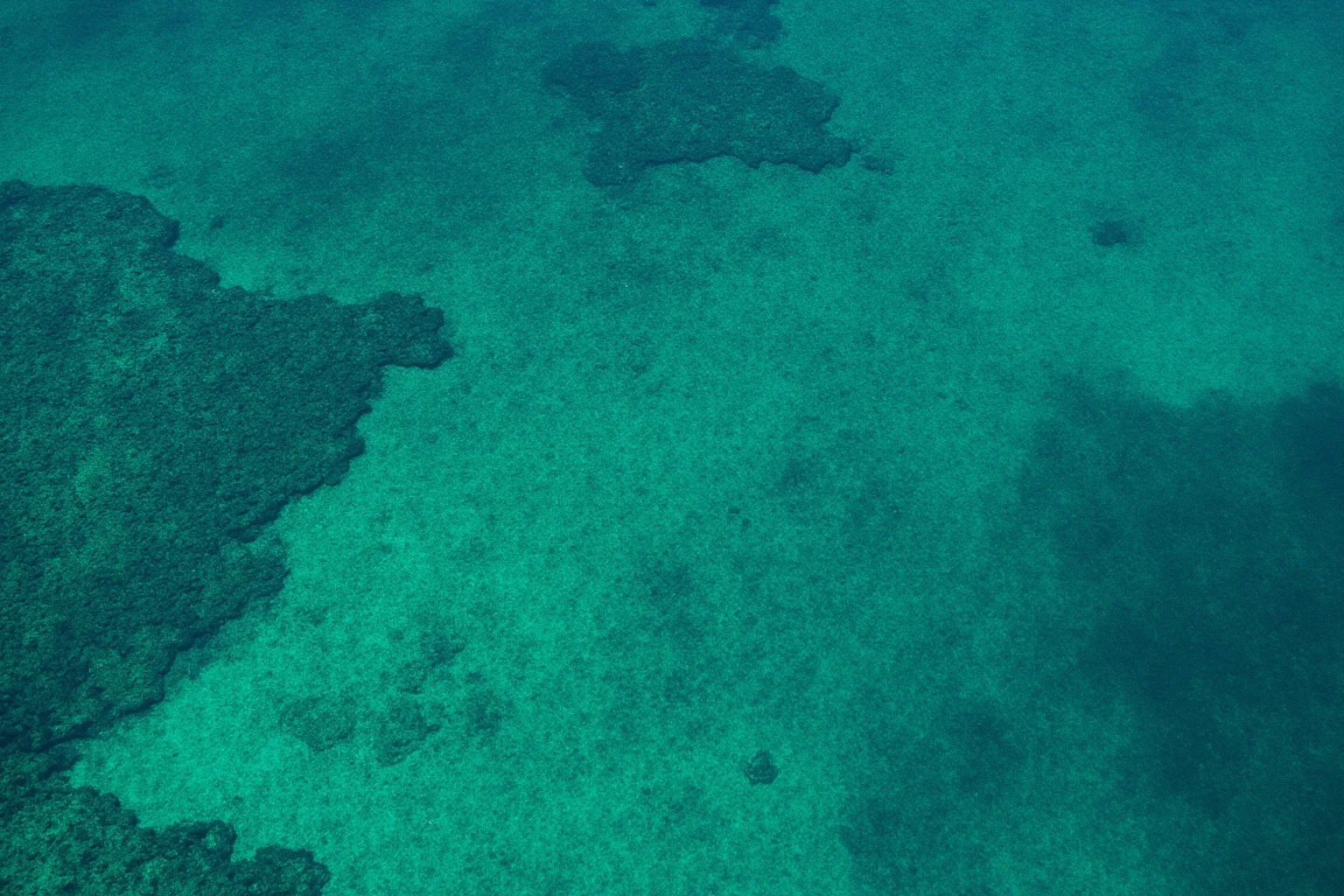
Off the southern coast of Greece lies Pavlopetri, a Bronze Age settlement dating back roughly 3,500 years. It’s considered one of the oldest known submerged towns in the world, with complete street plans, courtyards, and tombs still visible on the seabed.
Unlike many sunken sites, Pavlopetri wasn’t swallowed by a single dramatic event. It slowly slipped underwater as sea levels rose and the coastline shifted over millennia.
5. Baiae – Rome’s Sunken Playground for the Rich
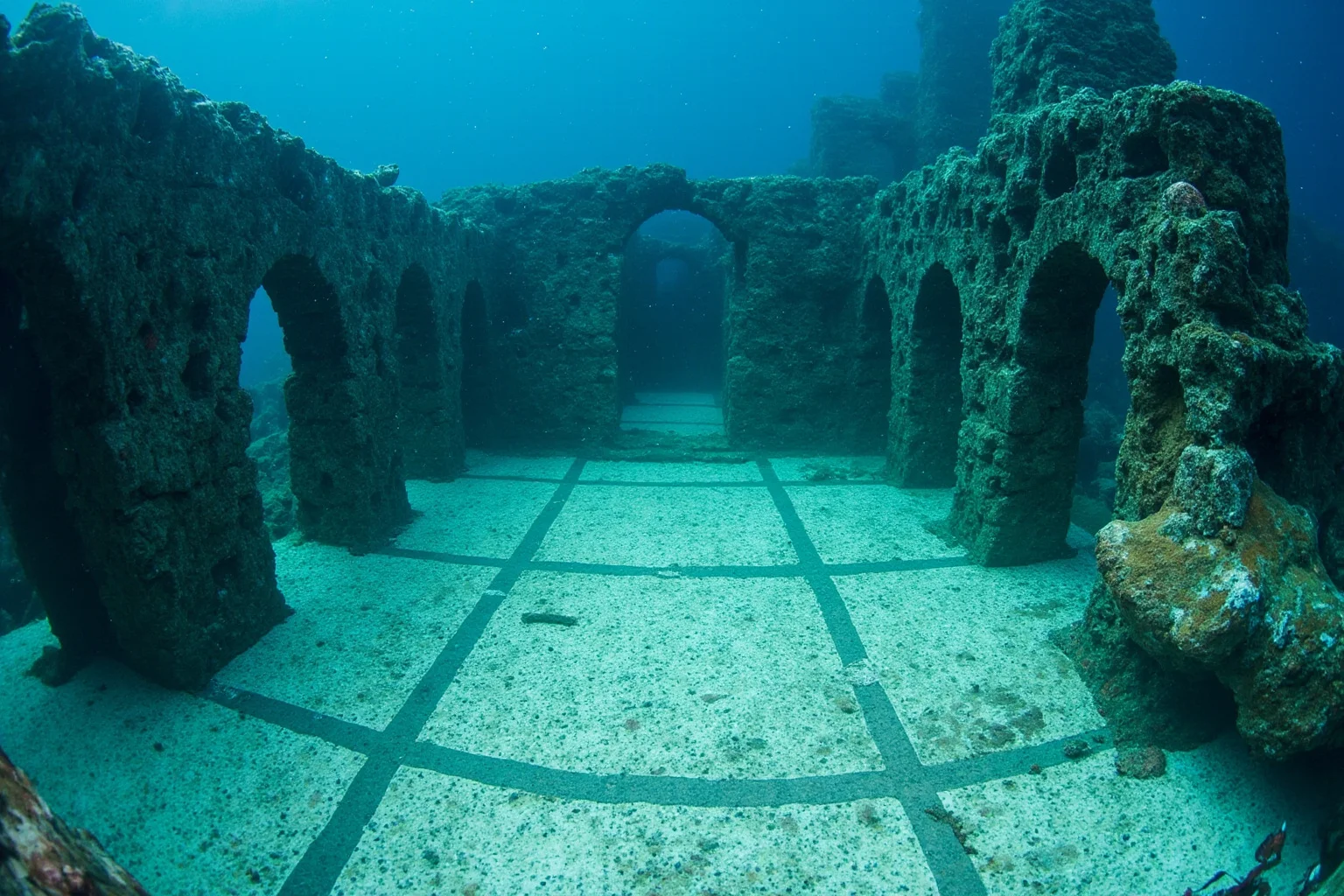
Baiae was the Las Vegas of the Roman Empire, a resort town on Italy’s Bay of Naples favored by emperors and elites. Volcanic activity in the region caused the ground to sink gradually, submerging much of the town over centuries.
Today, divers can swim through the remains of villas, mosaic floors, and a nymphaeum built for Emperor Claudius. It’s now protected as an underwater archaeological park.
6. The Gebel Ġol-Baħar Puzzle – Malta’s Unexpected Underwater Discovery
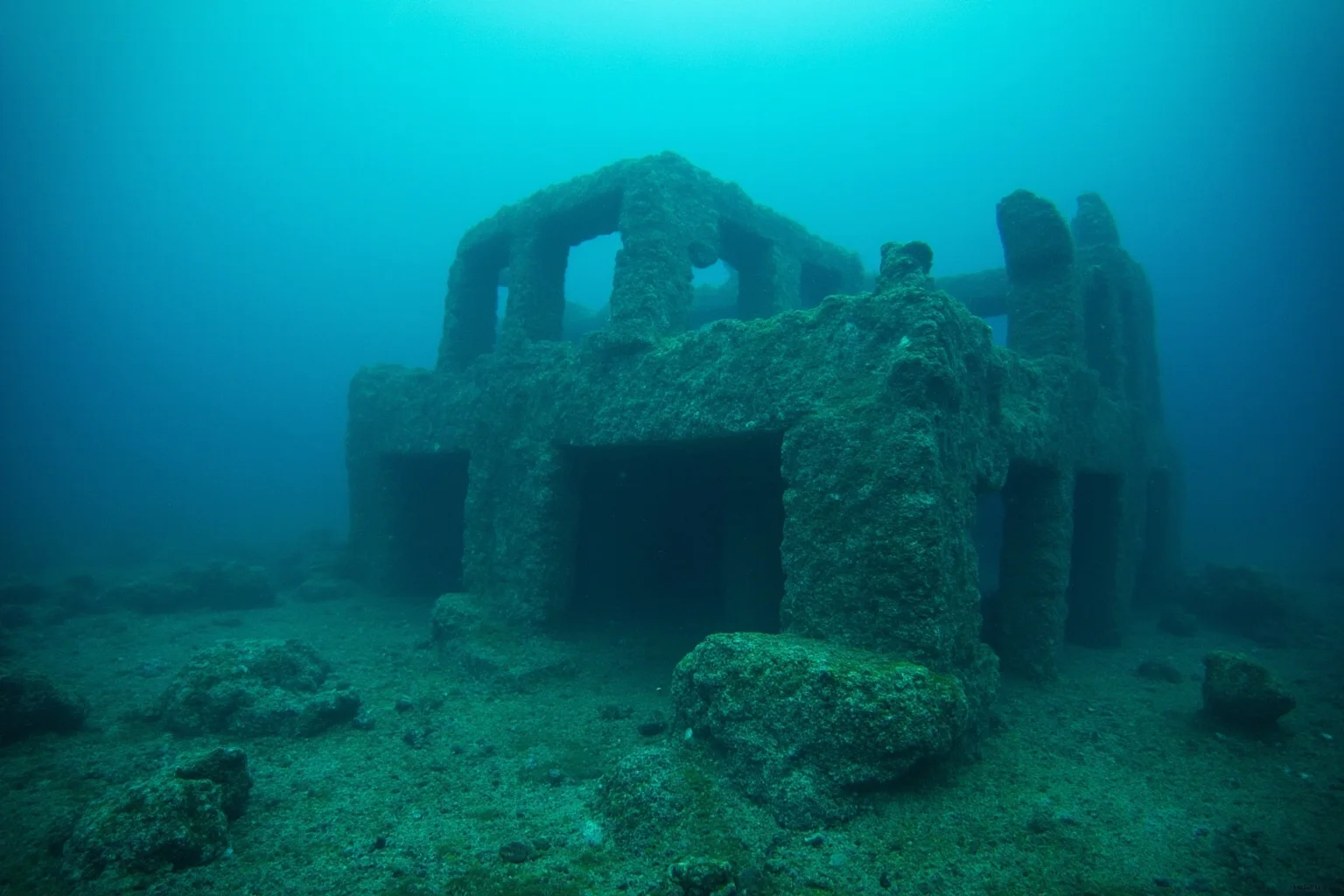
One of the more debated underwater discoveries connected to Malta involves a submerged formation off the coast near Sliema, sometimes called Gebel Ġol-Baħar, meaning “stone in the sea.” It was documented in the 1990s and drew attention because its layout loosely echoes Malta’s famous megalithic temples like Mnajdra and Ħaġar Qim.
Here’s the myth-busting part: mainstream archaeologists have not confirmed this as a man-made structure, and claims that it belongs to a lost prehistoric civilization remain speculative rather than established fact. What is well documented is that sea levels around Malta rose significantly after the last Ice Age, so genuine Neolithic-era coastal features could plausibly exist underwater nearby.
This makes Malta a great example of why underwater search results need careful verification. An unexpected underwater discovery can generate huge public excitement long before scientists reach a consensus.
7. Port Royal – Jamaica’s Pirate City Claimed by the Sea
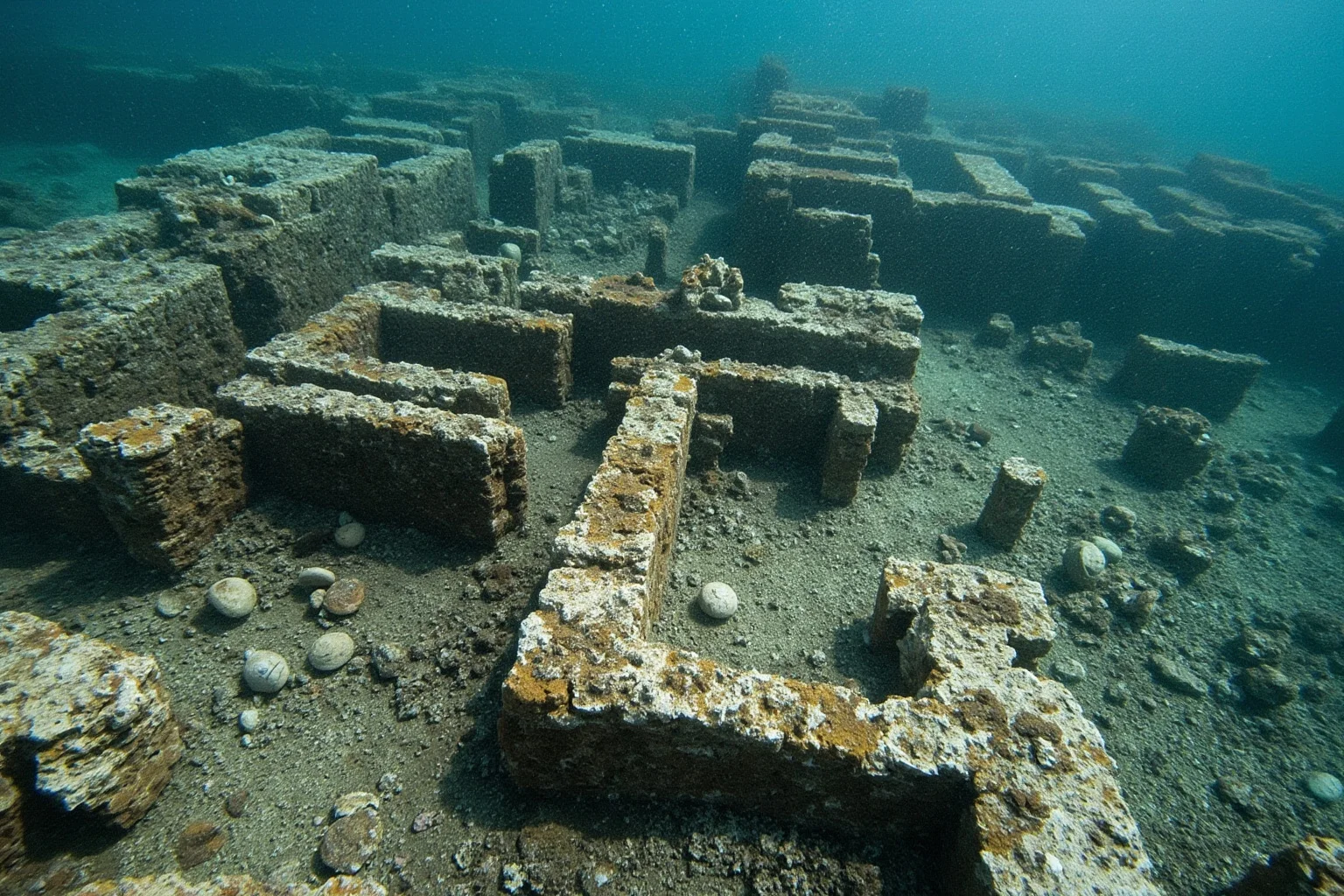
Once known as one of the wealthiest and wildest port cities in the Caribbean, Port Royal was largely swallowed by the sea after a massive earthquake in 1692. Roughly two-thirds of the town sank into Kingston Harbour within minutes.
Underwater excavations since the 1960s have recovered pottery, clay pipes, and building foundations remarkably preserved by the sediment. It offers a rare snapshot of everyday 17th-century Caribbean life, pirates and all.
8. The Mary Rose – Henry VIII’s Flagship Reborn
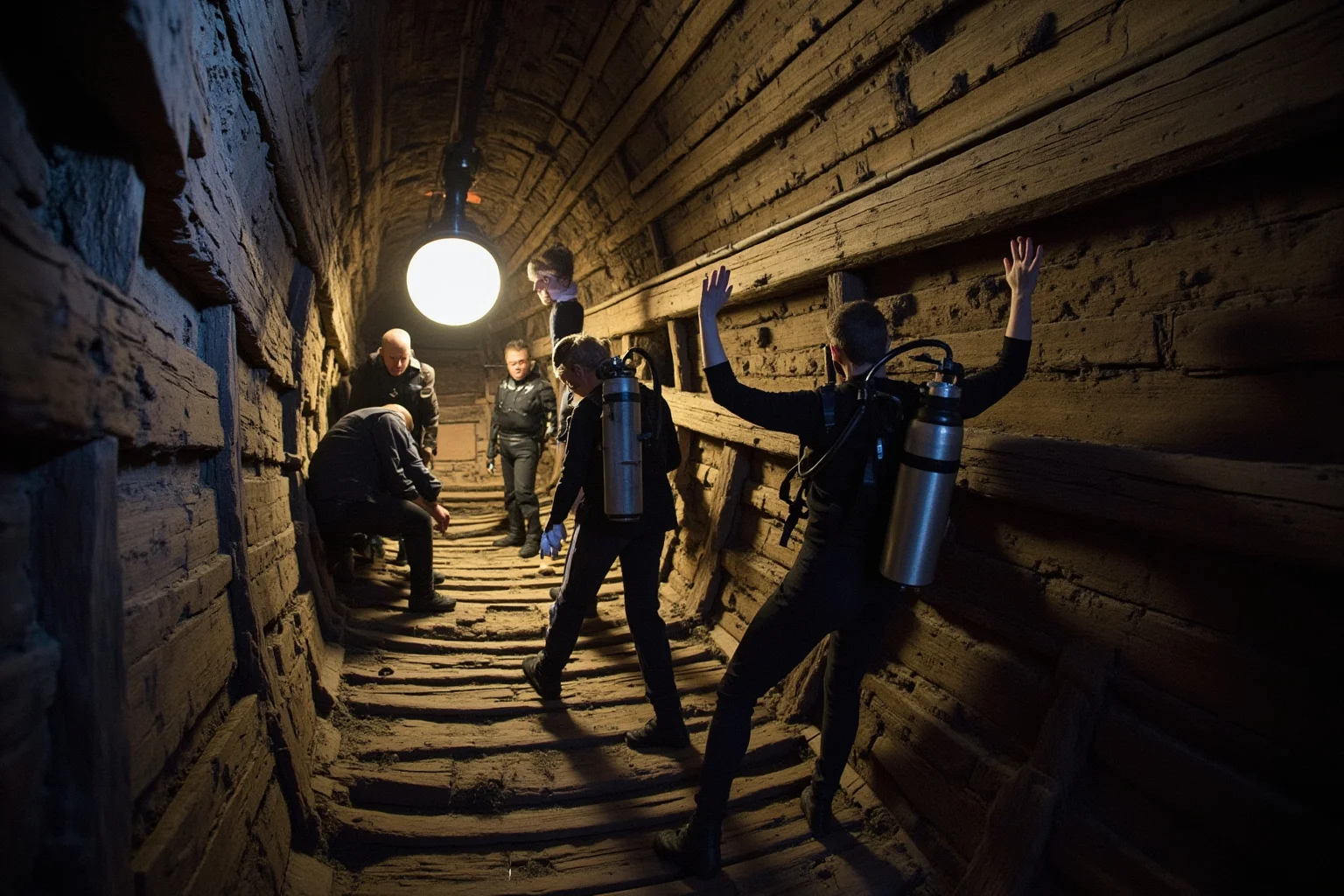
The Mary Rose sank in 1545 during a battle with a French invasion fleet, right in front of King Henry VIII, who reportedly watched from shore. It sat on the seabed of the Solent for over 400 years before being rediscovered and raised in 1982.
The hull’s preservation was so good that archaeologists recovered longbows, cannons, and even the remains of the crew’s clothing. It remains one of the most complete Tudor-era time capsules ever found.
9. The Vasa – Sweden’s Warship Frozen in Time
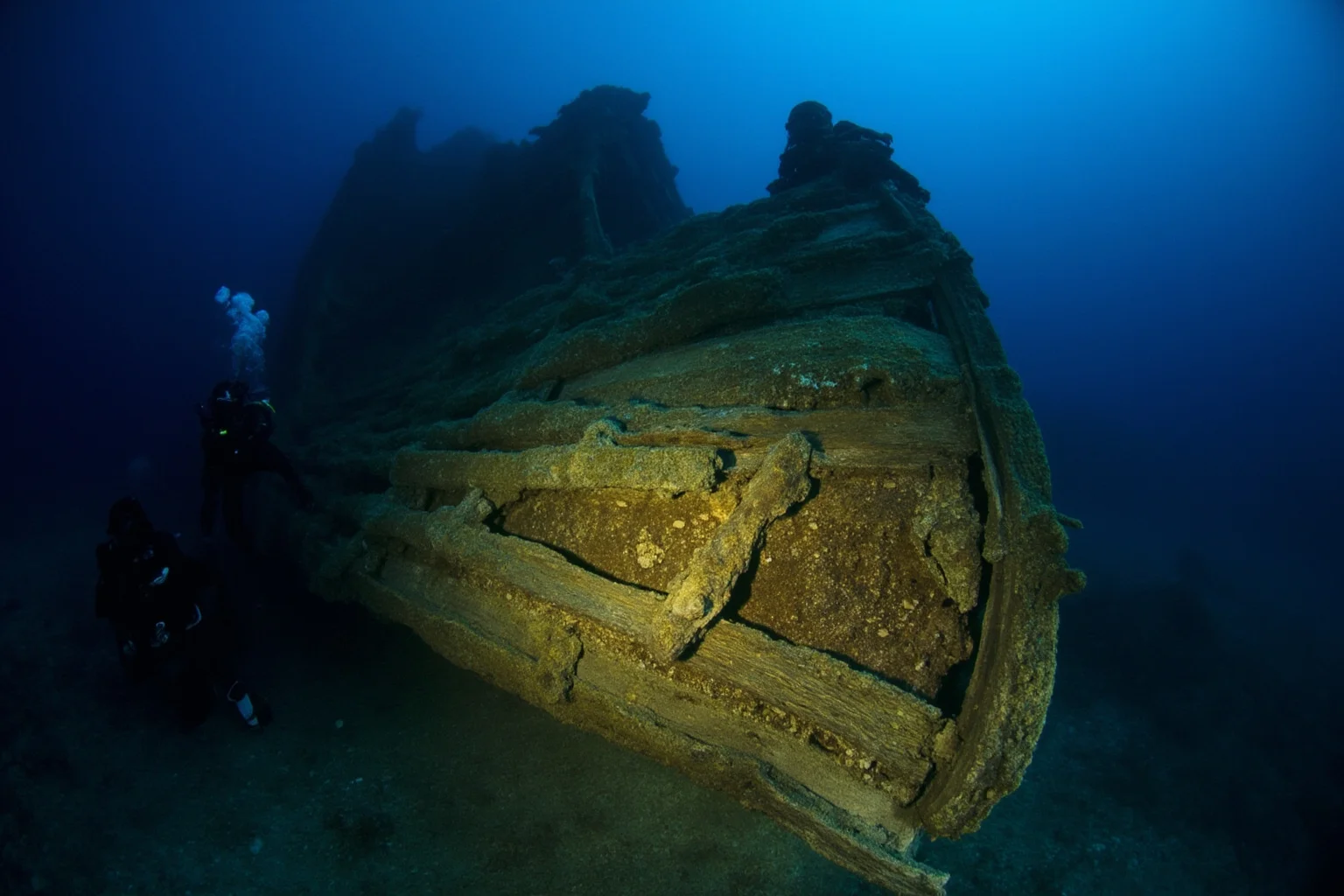
The Swedish warship Vasa sank on its maiden voyage in 1628, less than a mile into its journey, due to a fatal design flaw that made it unstable. It rested in the cold, low-salinity waters of Stockholm’s harbor for over 300 years, which helped preserve it almost intact.
When it was raised in 1961, it became one of the best-preserved 17th-century ships in the world. Today it’s the centerpiece of its own dedicated museum in Stockholm.
10. RMS Titanic – The Search That Changed Underwater Exploration
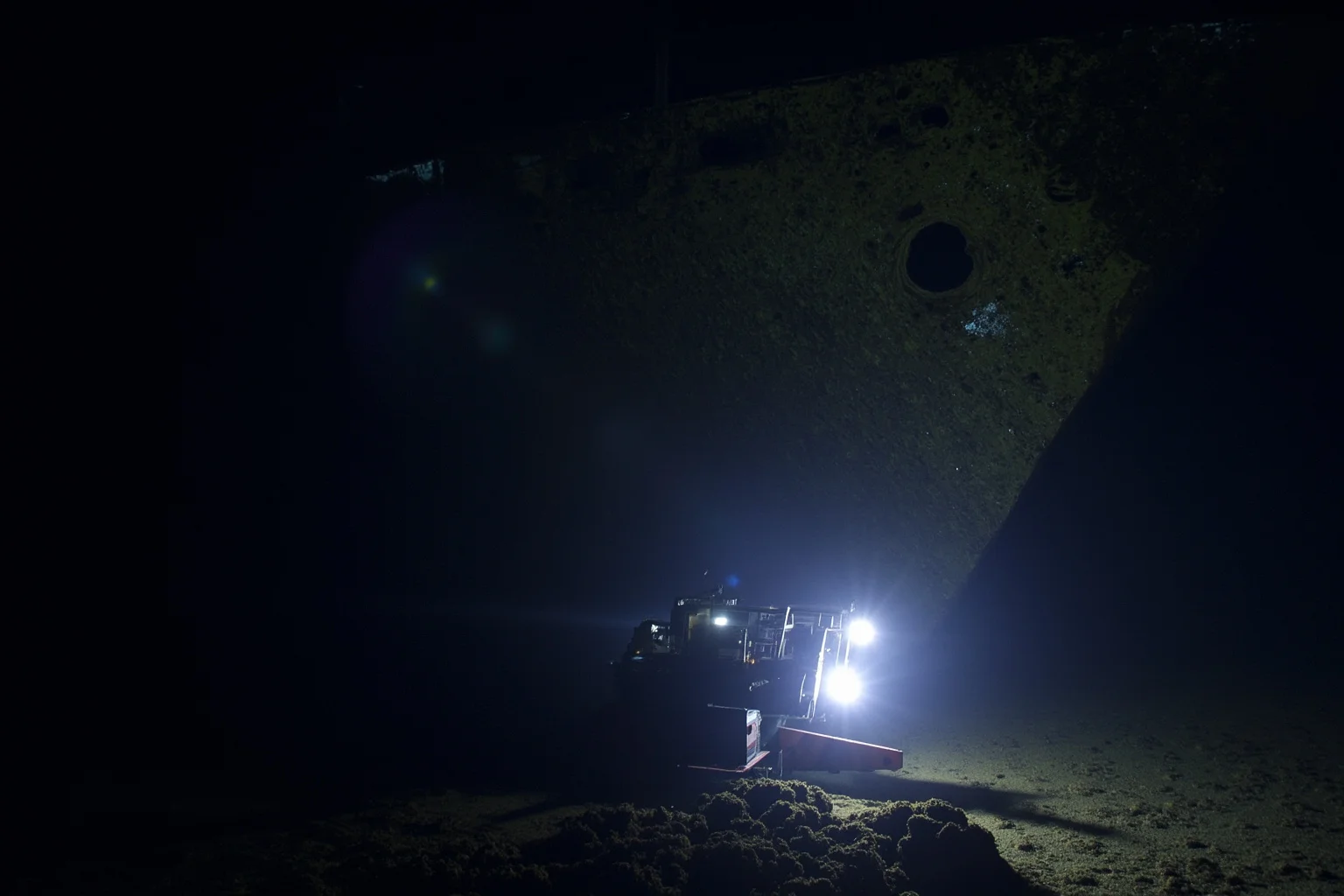
The Titanic sank in 1912, but it wasn’t found until 1985, when a team led by oceanographer Robert Ballard located the wreck roughly 12,500 feet down in the North Atlantic. The underwater search combined sonar mapping with a remotely operated vehicle to finally pinpoint the wreckage.
The discovery reshaped how the world approached deep-sea exploration, proving that ROV technology could reach and document sites far beyond the range of human divers. It also settled decades of speculation about exactly how and where the ship went down.
11. The Bismarck – Hunting Hitler’s Battleship in the Deep Atlantic
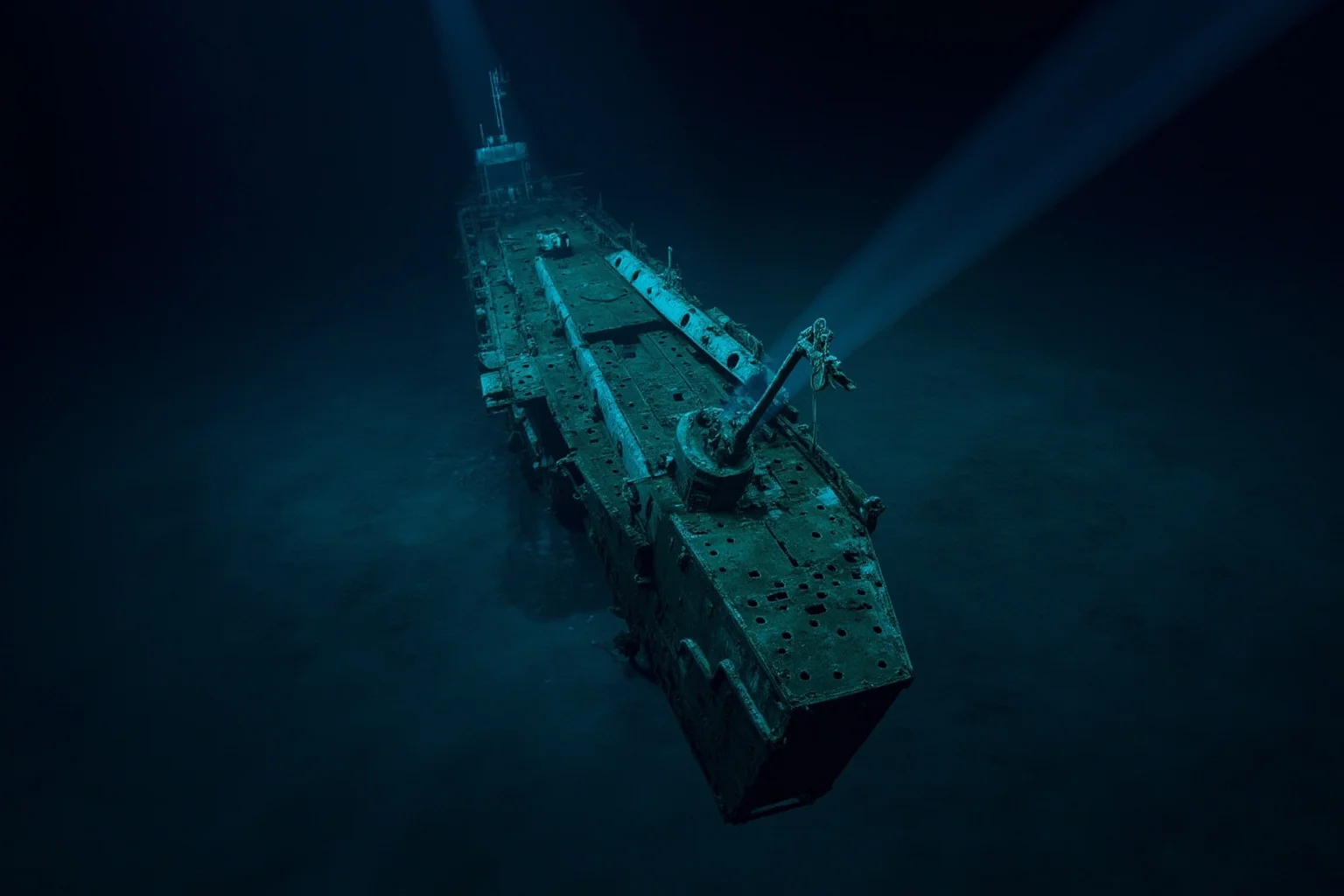
Germany’s battleship Bismarck sank in 1941 after a fierce pursuit by the British Royal Navy during World War II. Robert Ballard, fresh off his Titanic success, located the wreck in 1989 at a depth of around 15,700 feet.
The discovery helped historians better understand the ship’s final hours, including debate over whether it was sunk by British torpedoes or scuttled by its own crew. Damage patterns on the wreck have informed both sides of that ongoing historical discussion.
12. USS Indianapolis – A 72-Year Underwater Search Finally Solved
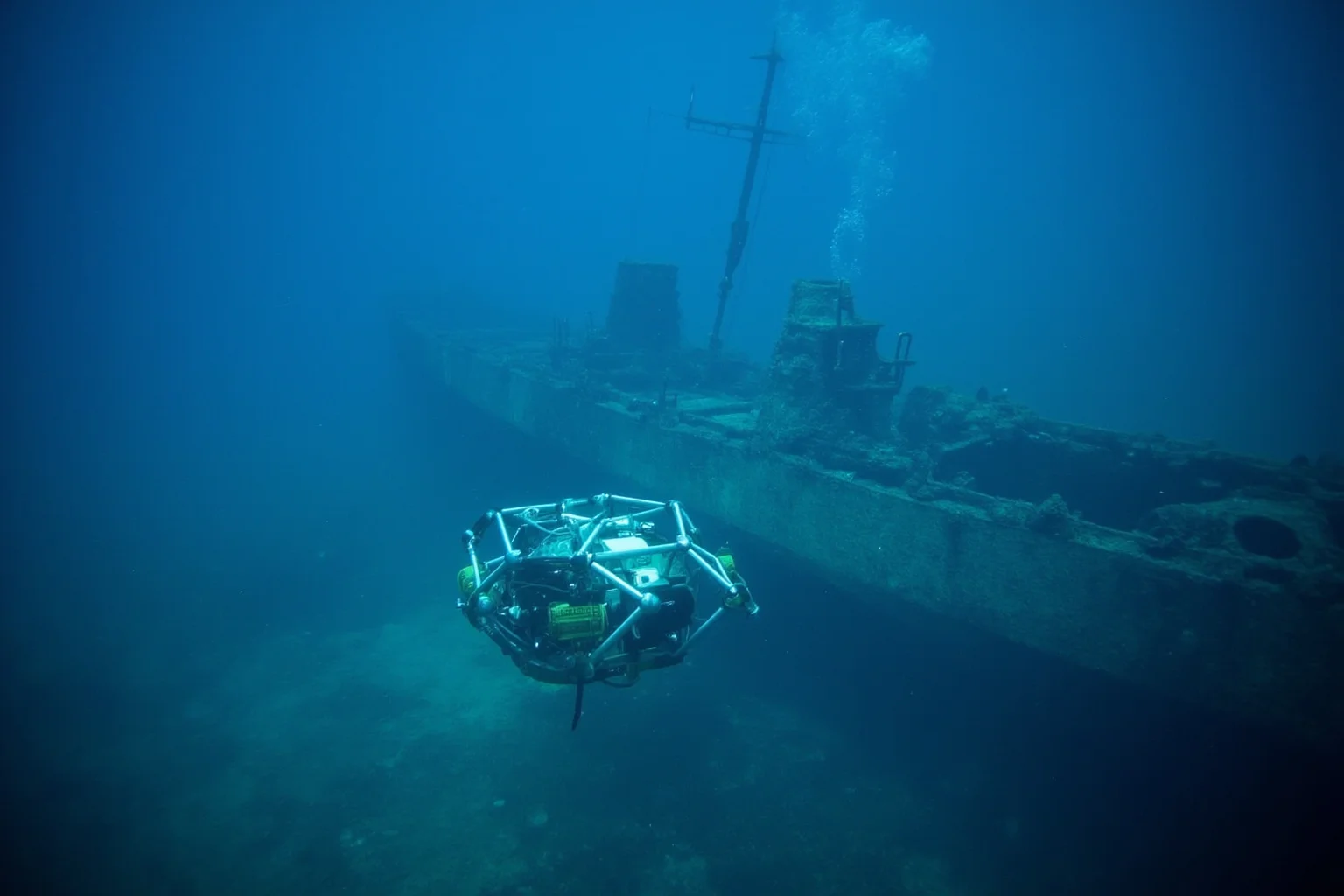
The USS Indianapolis was torpedoed in 1945 shortly after delivering components for the atomic bombs used on Japan, resulting in one of the U.S. Navy’s deadliest disasters at sea. Its exact resting place remained unknown for over seven decades despite multiple underwater search attempts.
In 2017, a research team funded by Microsoft co-founder Paul Allen finally located the wreck in the Philippine Sea using an autonomous underwater vehicle. The find gave closure to survivors’ families and historians who had puzzled over the ship’s final position for generations.
13. The Black Sea Shipwreck – Possibly the World’s Oldest Intact Ship
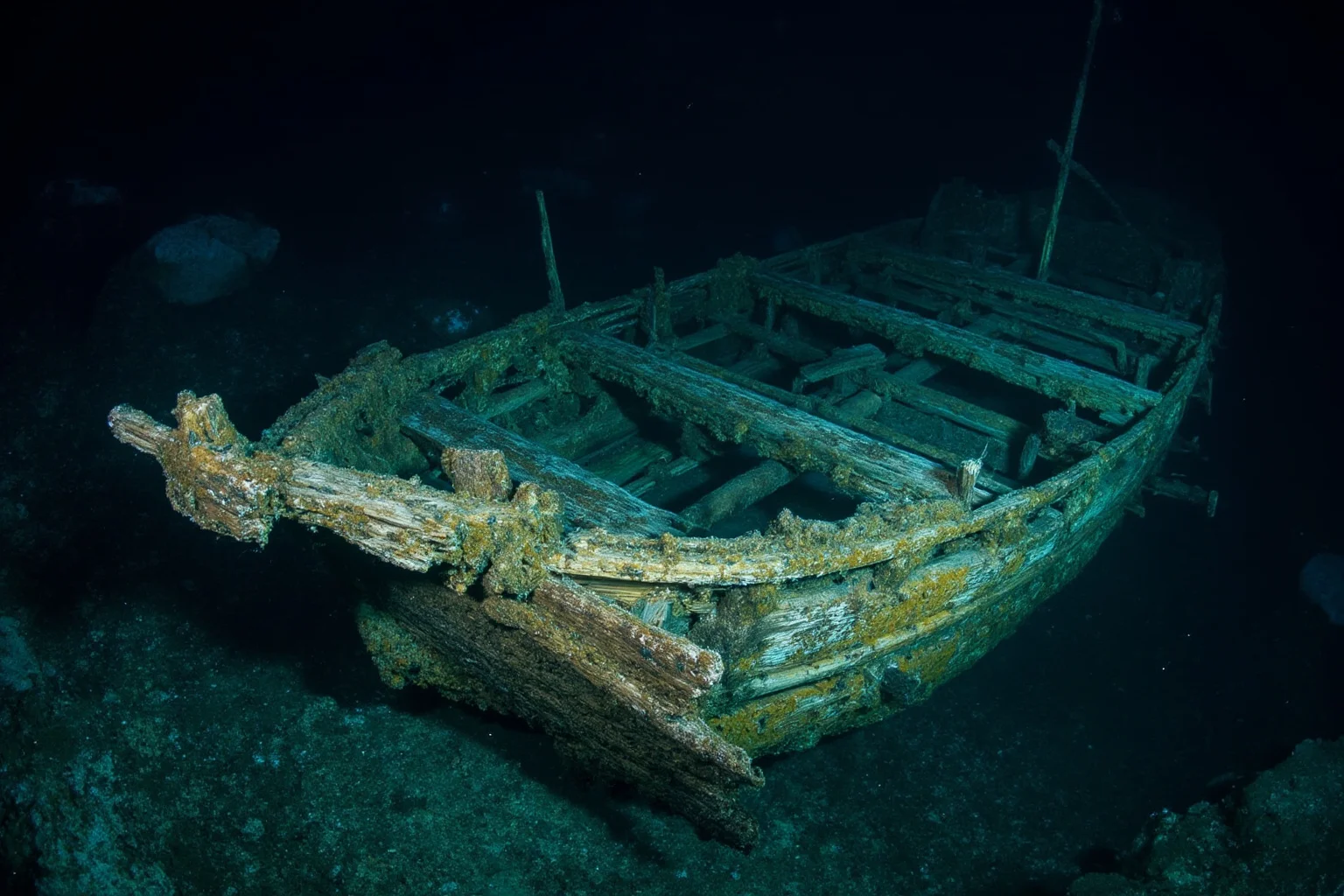
In 2018, researchers surveying the Black Sea found a Greek trading vessel believed to date back roughly 2,400 years. Thanks to the sea’s unique oxygen-free deep water, the ship’s hull, mast, and rowing benches survived largely intact.
Researchers involved in the Black Sea Maritime Archaeology Project noted it closely resembled ships depicted on ancient Greek pottery, like the famous “Siren Vase.” It’s considered one of the best-preserved ancient shipwrecks ever documented, though calling it definitively the “oldest intact ship in the world” is a claim researchers have treated cautiously rather than as final fact.
14. Nuestra Señora de Atocha – The Treasure Galleon Found After 3 Centuries
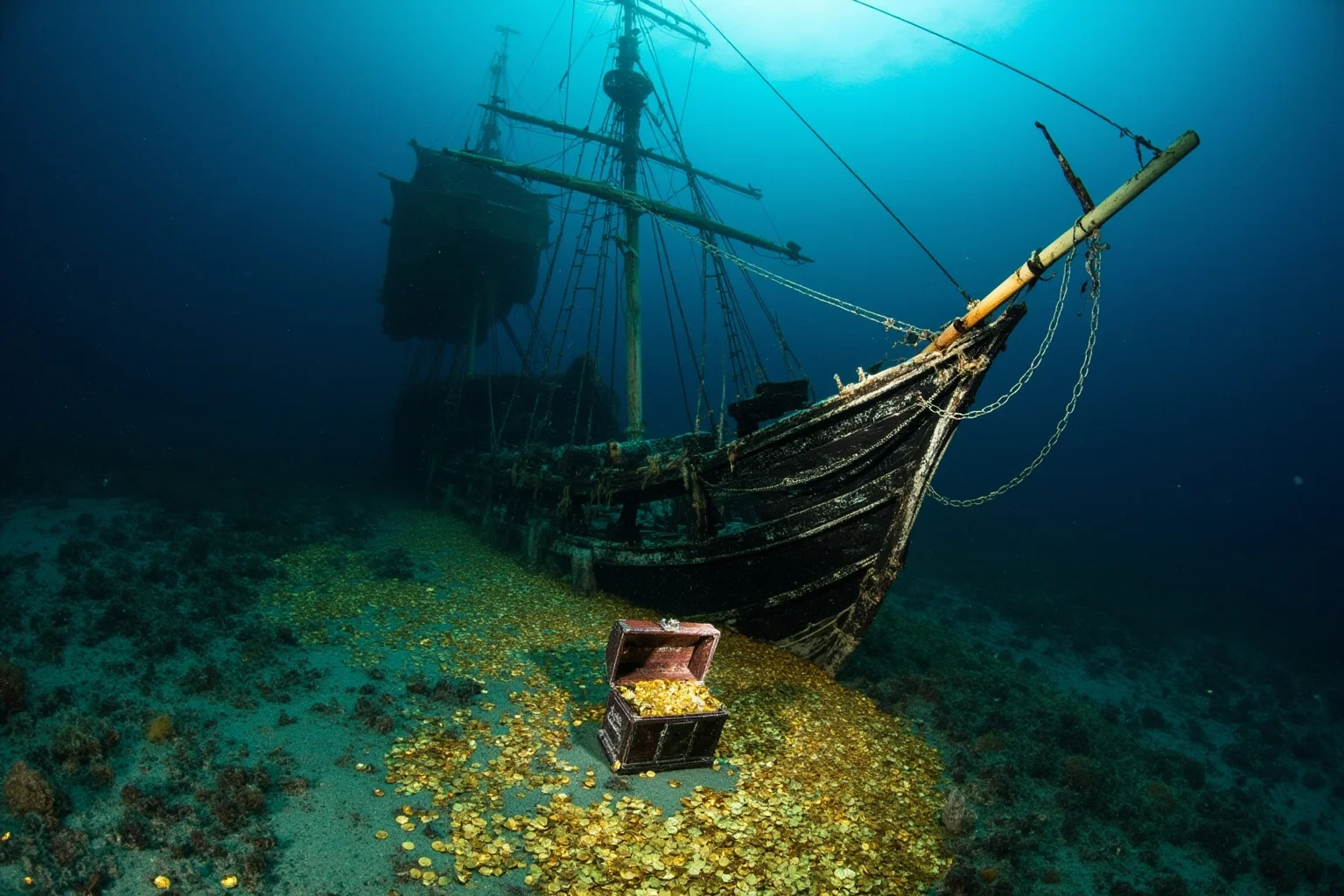
This Spanish galleon sank in a hurricane in 1622 off the Florida Keys, carrying an enormous cargo of gold, silver, and emeralds. Treasure hunter Mel Fisher spent 16 years searching for it before finally locating the wreck in 1985.
The recovered treasure was valued at hundreds of millions of dollars, making it one of the most lucrative underwater discoveries in history. It also sparked long-running legal battles over ownership between Fisher’s team, insurers, and the state of Florida.
15. San José – Colombia’s “Holy Grail of Shipwrecks”
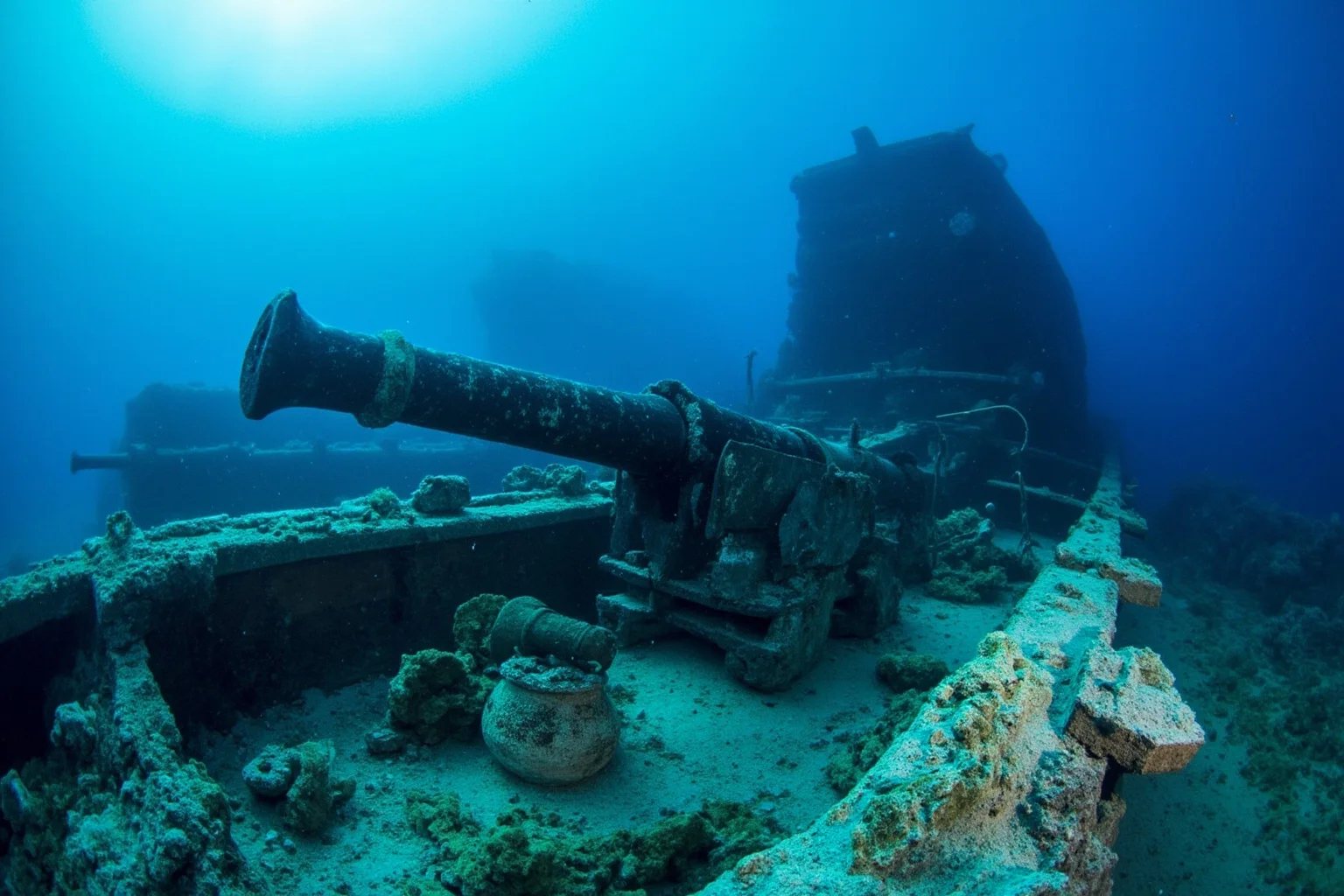
The San José was a Spanish galleon sunk by the British Navy in 1708 near Cartagena, Colombia, reportedly carrying a fortune in gold, silver, and emeralds destined for the Spanish crown. Its location was a mystery for over 300 years.
Colombia announced its rediscovery in 2015, though the exact find has been the subject of ownership disputes between Colombia, Spain, and private salvage companies. Estimates of the cargo’s value vary wildly, and much of it remains speculative until a full excavation takes place.
16. The Whydah Gally – America’s First Confirmed Pirate Shipwreck
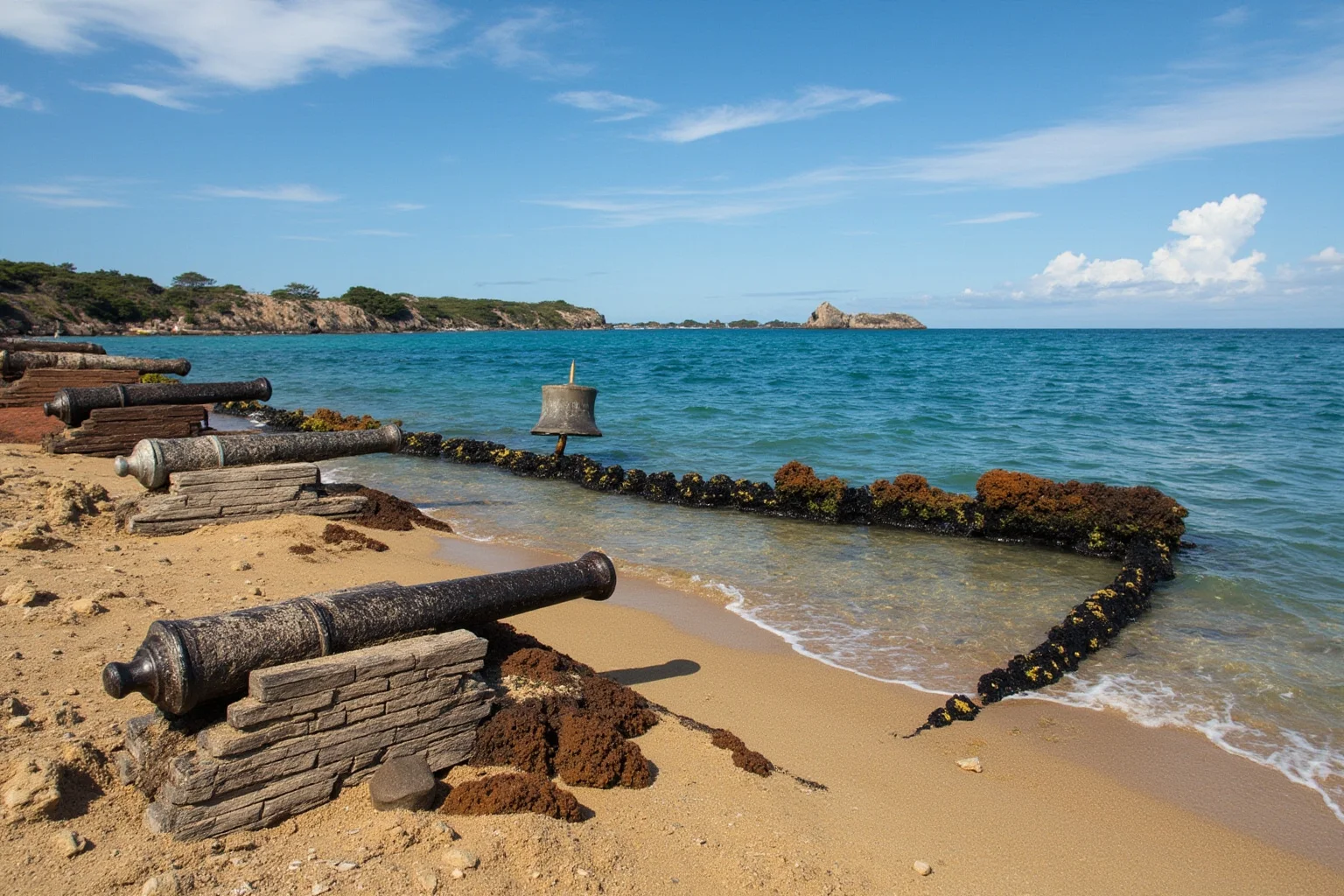
The Whydah Gally was a slave ship turned pirate flagship under the command of “Black Sam” Bellamy before it sank off Cape Cod in 1717. Underwater explorer Barry Clifford discovered the wreck in 1984, and it remains the only fully authenticated pirate shipwreck ever found in North America.
Artifacts recovered include cannons, coins, and the ship’s bell, which bears its name and confirmed its identity. The find gave historians rare, tangible evidence of the so-called Golden Age of Piracy.
17. Yonaguni Monument – Japan’s Underwater Riddle
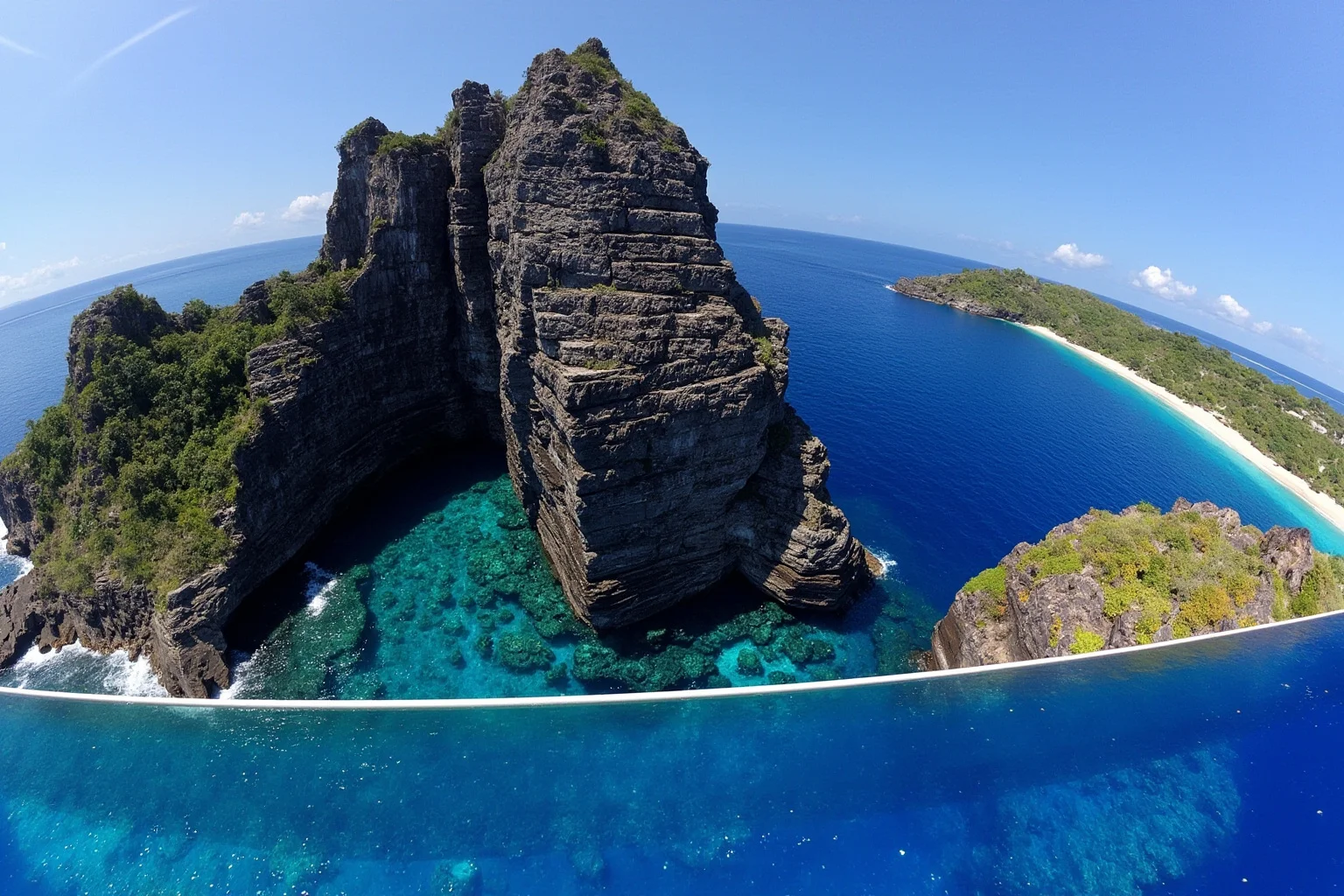
Discovered by a diver in 1986 off the coast of Yonaguni Island, this massive rock formation features strikingly straight edges and terrace-like steps. Some researchers, notably geologist Masaaki Kimura, have argued it could be a man-made structure tied to a lost civilization.
Most geologists disagree, pointing to natural sandstone fracturing patterns common in the region that can create similarly sharp angles without any human involvement. As of now, there’s no peer-reviewed consensus confirming it as an ancient monument, which makes it a genuinely open question rather than settled history.
18. Dwarka – India’s Submerged Ruins and Their Myths
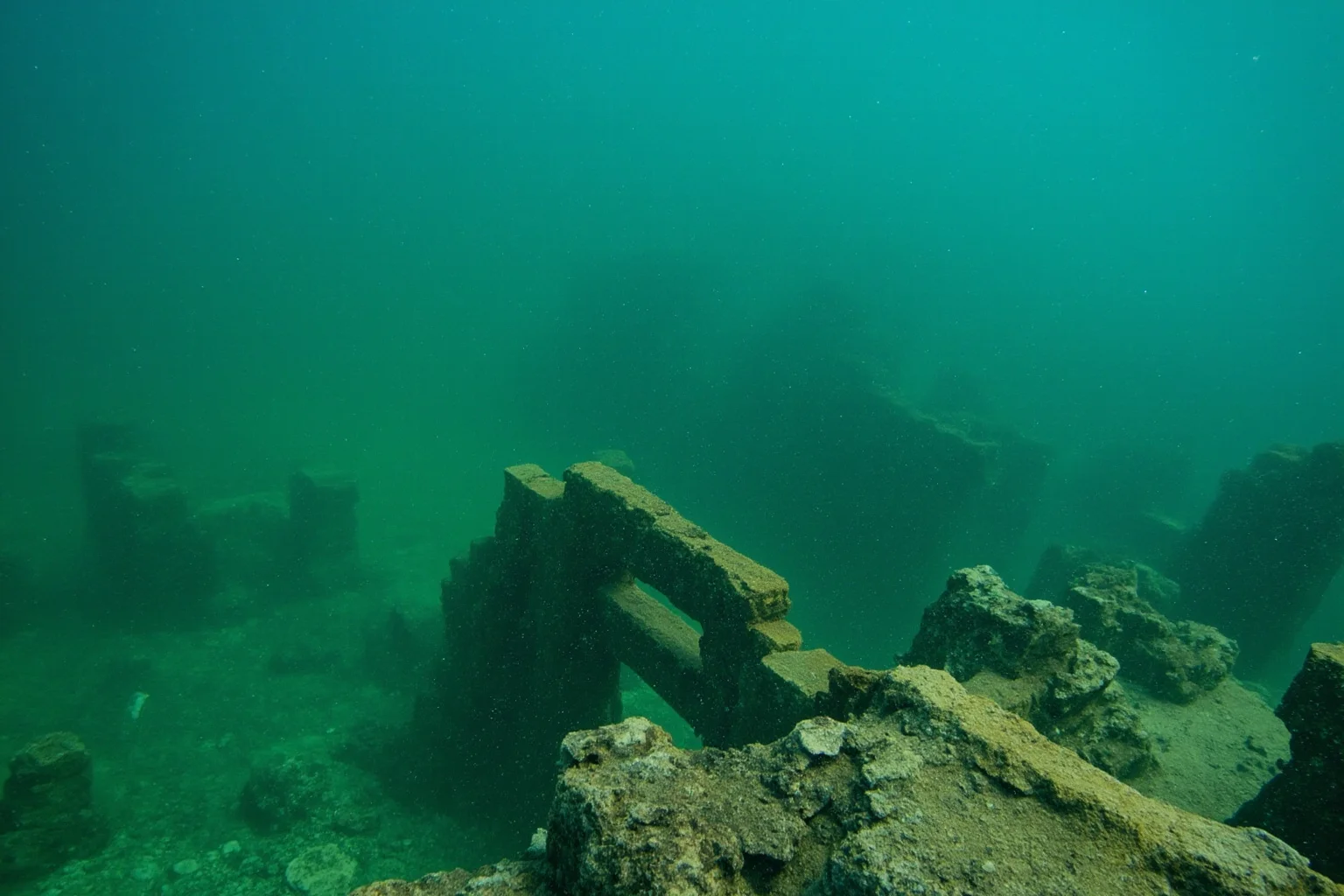
Off the coast of Gujarat, India, underwater surveys in the Gulf of Khambhat and near the town of Dwarka have revealed structures some have linked to the legendary city of Krishna described in Hindu texts. India’s National Institute of Oceanography has conducted several surveys of the area since the 1980s.
While some structures do appear to be man-made, claims about their age, sometimes stretched to 9,500 years old, go well beyond what mainstream archaeology currently supports. It’s a compelling case where genuine underwater findings and cultural legend intersect, but the more extraordinary dating claims remain unverified.
19. Cosquer Cave – Ice Age Art Hidden Beneath the Mediterranean
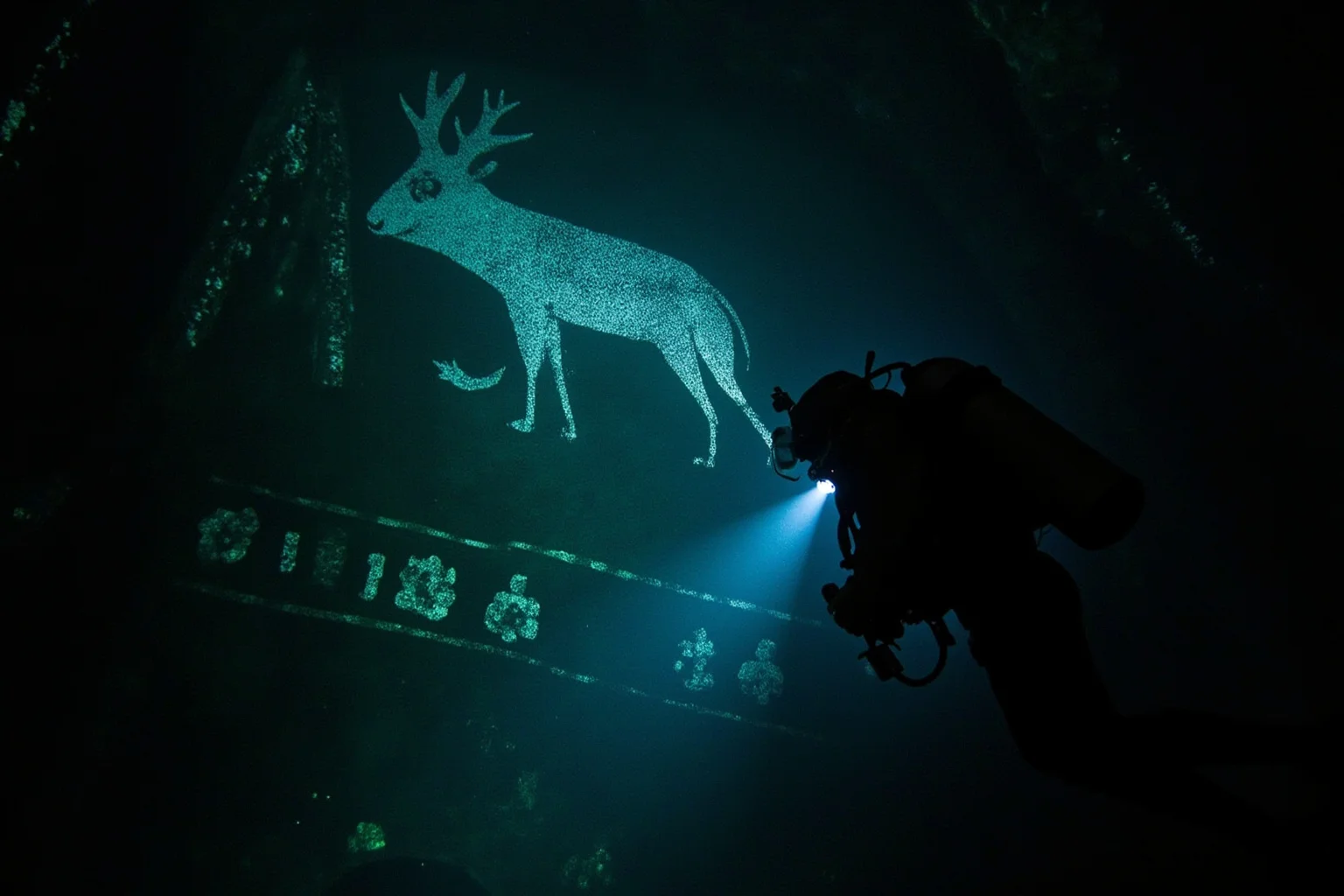
Discovered by diver Henri Cosquer in 1985 near Marseille, France, this cave’s entrance now sits below sea level due to rising waters since the last Ice Age. Inside, divers found prehistoric paintings and engravings dating back as far as 27,000 years, including images of horses, seals, and hand stencils.
Because the cave’s lower sections are flooded, access is extremely limited and dangerous, which has actually helped preserve the art from tourism damage. It stands as proof that some of humanity’s oldest art survived specifically because the sea eventually sealed it off.
20. The Lake Michigan Stone Circle – A Great Lakes Mystery
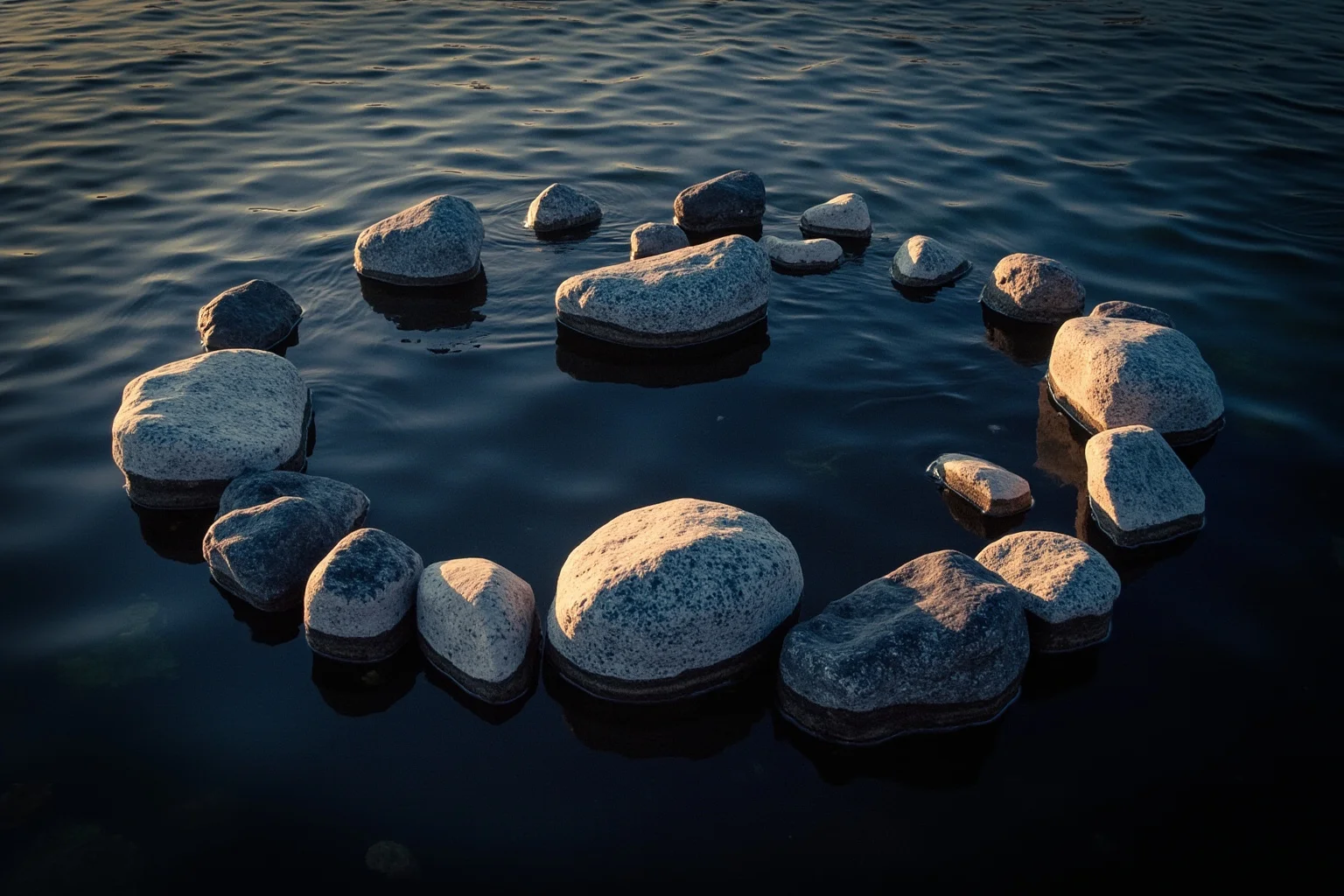
In 2007, a survey led by Mark Holley of Northwestern Michigan College found a formation of stones arranged in a rough circle roughly 40 feet deep in Lake Michigan, near Traverse City. One stone appeared to some observers to feature a carving resembling a mastodon.
It’s an intriguing underwater find, but it’s important to be clear-eyed here: it has not been conclusively dated or confirmed as human-made rather than a natural glacial formation. Further scientific study has been limited, so this remains a promising lead rather than a proven ancient site.
21. HMHS Britannic – The Titanic’s Sister Ship Found
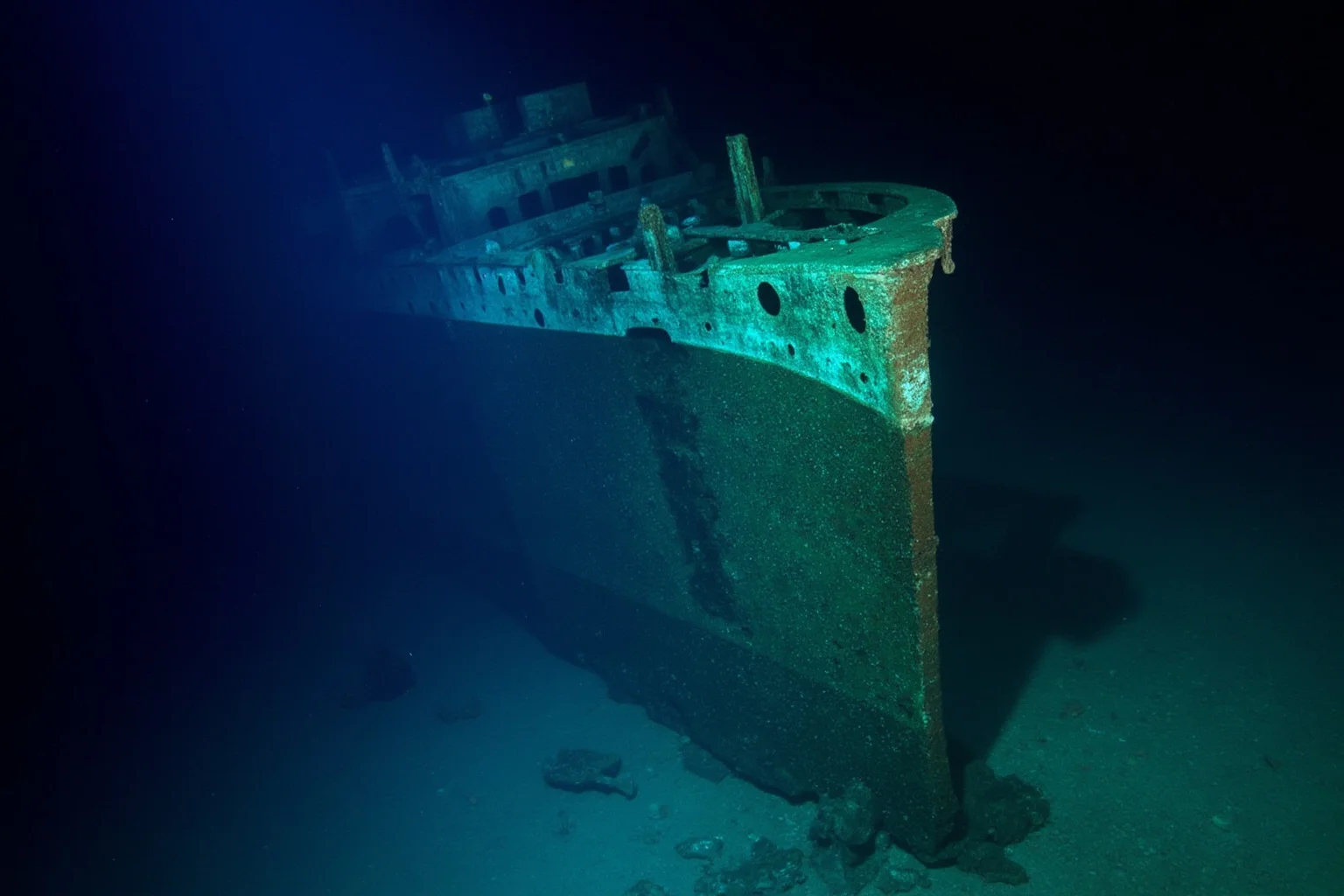
The Britannic, sister ship to the Titanic, sank in the Aegean Sea in 1916 after hitting a mine while serving as a hospital ship during World War I. Legendary explorer Jacques Cousteau located the wreck in 1975, decades before Ballard would find the Titanic itself.
Because it sank in relatively shallow water, around 400 feet, the Britannic has been far more accessible to divers than its famous sibling. Studying it has given historians useful comparisons for how the Titanic’s near-identical design behaved when flooding.
22. Skerki Bank – Ancient Rome’s Highway of Shipwrecks
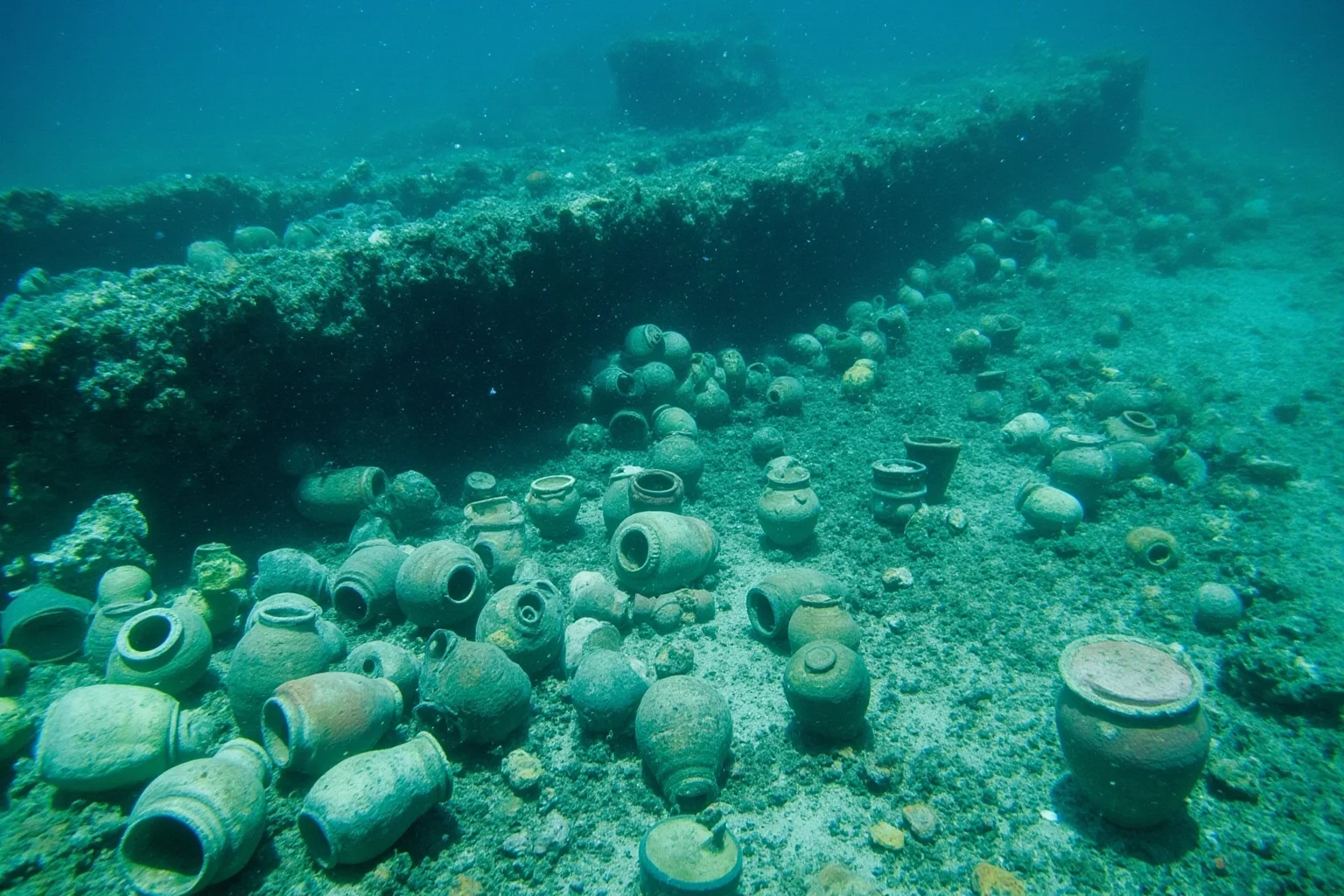
In the 1990s, Robert Ballard’s team surveyed the Skerki Bank in the Mediterranean, a treacherous shallow area between Sicily and Tunisia that sat along a major Roman shipping route. They found not one but multiple ancient shipwrecks clustered together, some dating back over 2,000 years.
The wrecks, discovered using deep-sea robotic vehicles, revealed cargoes of wine amphorae and pottery, offering a broader picture of Roman trade networks than any single wreck could provide. It’s a strong reminder that some of the richest underwater discoveries come from surveying entire regions, not just chasing one famous ship.
The Technology Behind These Discoveries: Key Underwater Innovations
None of these finds would have been possible without real progress in underwater technology, and the key innovations built on each other over roughly a century. Early 20th-century sponge divers relied on simple hard-hat diving suits, which is how the Antikythera wreck was first reached at all.
Sonar mapping, developed and refined largely during the World Wars, was one of many 20th-century inventions we now take for granted, and it gave researchers a way to “see” the seafloor without a single diver getting wet. This was crucial for locating wrecks like the Bismarck and Titanic, which sit far beyond the safe limits of human diving.
Remotely operated vehicles, or ROVs, took things further by letting researchers pilot cameras and robotic arms into wrecks at crushing depths. Robert Ballard’s use of ROVs in the 1980s is widely credited with modernizing underwater search as a discipline.
More recently, autonomous underwater vehicles (AUVs) have let teams like the one that found the USS Indianapolis scan enormous stretches of ocean floor without constant human control. Combine that with GPS-linked mapping and photogrammetry, which builds detailed 3D models from thousands of photos, and today’s underwater discoveries can be documented with a level of precision that would have seemed like science fiction to early 20th-century divers.
Why These Underwater Discoveries Still Matter
What makes this list so compelling isn’t just the treasure or the technology, it’s how often these underwater discoveries force historians to double-check old assumptions. Some, like Heracleion and Pavlopetri, confirm ancient stories that skeptics once dismissed as pure legend.
Others, like Yonaguni or the Malta formations, show why healthy skepticism matters just as much as enthusiasm. Not every dramatic underwater find gets a tidy, confirmed explanation, and that’s actually part of what keeps marine archaeology so interesting.
As sonar resolution improves and AUVs can map more seafloor in less time, it’s likely that more sunken cities, warships, and mysterious formations are still waiting to be found. The ocean has kept secrets for thousands of years, but it’s clearly running out of places to hide them.
Frequently Asked Questions
What are the key innovations in underwater technology that make these discoveries possible?
The underwater technology key innovations behind most major finds include sonar mapping for locating wrecks from the surface, remotely operated vehicles (ROVs) for exploring depths too dangerous for human divers, autonomous underwater vehicles (AUVs) for scanning large areas of seafloor, and photogrammetry for building detailed 3D models from photographs. Saturation diving and improved scuba equipment also expanded how deep and how long human divers could safely work.
What was the unexpected underwater discovery near Malta?
Off Malta's coast, particularly near Sliema, divers documented a submerged rock formation sometimes called Gebel Ġol-Baħar, whose layout loosely resembles Malta's famous megalithic temples. It has drawn attention because Malta's coastline changed significantly as sea levels rose after the last Ice Age, but mainstream archaeologists have not confirmed the formation as a man-made structure, so it remains an intriguing, unverified case rather than settled history.
What is the most famous underwater discovery in history?
The wreck of the RMS Titanic, found in 1985 by Robert Ballard's team, is arguably the most famous underwater discovery, both for its emotional significance and for how it advanced deep-sea search technology. The Antikythera Mechanism and the sunken city of Thonis-Heracleion are close contenders for their historical and archaeological importance.
How do archaeologists conduct an underwater search for shipwrecks or ruins?
Modern underwater search efforts typically start with sonar surveys to scan large areas of seafloor for unusual shapes or debris fields. Once a promising target is identified, teams send down ROVs or AUVs equipped with cameras and sensors, and only bring in human divers for detailed excavation once the site's depth and safety have been assessed.
Are all reported underwater discoveries scientifically verified?
No, and that's an important distinction. Sites like Thonis-Heracleion and the Mary Rose are well-documented and peer-reviewed, while others, such as the Yonaguni Monument, the Lake Michigan stone circle, and some Malta and Dwarka claims, remain debated among scientists and haven't been conclusively proven as man-made or as old as some claims suggest.

Alex Warren
Related Articles





