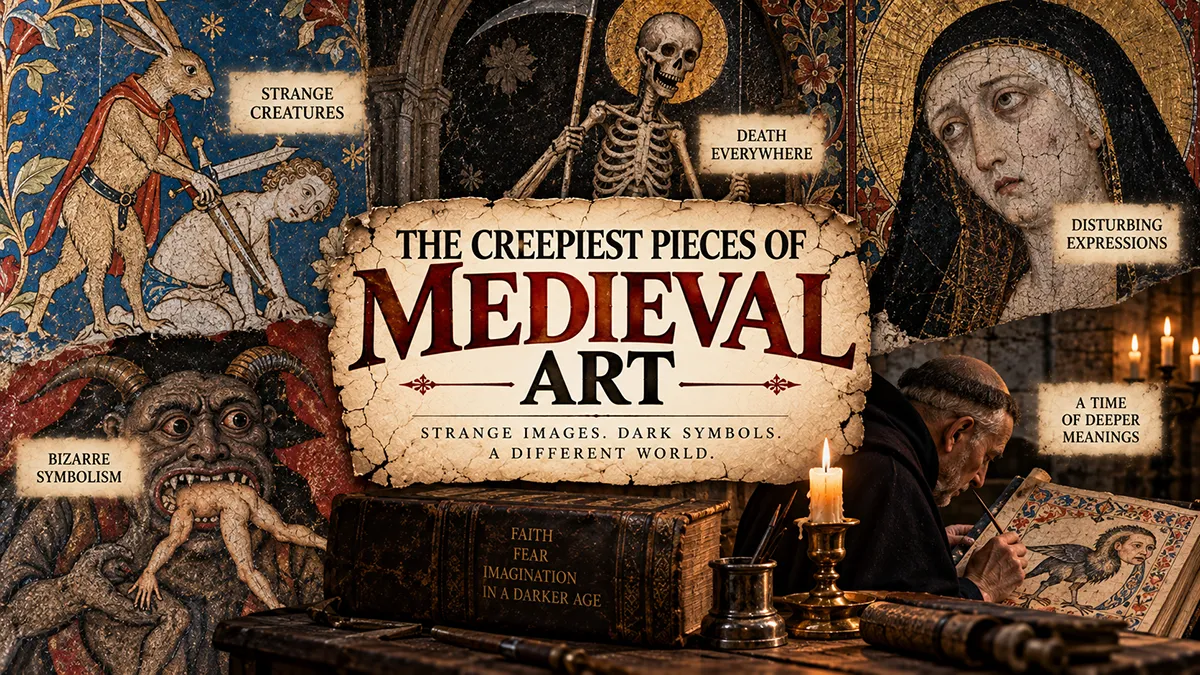
Medieval art has a reputation problem. Scroll through enough manuscript margins and church frescoes and you’ll find skeletal corpses mid-conversation, rabbits decapitating knights, and saints being boiled, flayed, or dragged into the gaping mouth of Hell.
It’s no wonder so many people search for “weird medieval art” or “why is medieval art so weird” — because on first glance, a lot of it looks less like devotional imagery and more like the fever dream of someone who really, really wanted you to think about death.
But there’s a fascinating logic behind the strangeness. Medieval and early Gothic painters weren’t bad at their jobs — they were working within a visual language built for teaching, warning, and confronting mortality, not for realism. This list rounds up the creepiest, strangest, and most talked-about pieces of medieval and early Renaissance art, along with the historical context that makes them make sense.
TL;DR: Medieval art looks creepy and “off” to modern eyes because it was built to teach and terrify, not to look real — and pieces like the Triumph of Death, Bosch’s hellscapes, and church Doom paintings prove medieval and early Renaissance artists were masters of the macabre on purpose.
Why Does Medieval Art Look So Weird (Or So “Bad”)?
A huge amount of the “why was medieval art so bad” conversation online misunderstands what medieval artists were trying to do. Realistic perspective, proportion, and anatomy weren’t the goal — communication was. A king or saint might be drawn larger than everyone else in a scene simply because they mattered more, not because the artist couldn’t draw people the same size.
Most surviving medieval art was also religious, commissioned by churches or monasteries for largely illiterate audiences. Stiff poses, flat gold backgrounds, and exaggerated symbolism weren’t accidents; they were a visual shorthand meant to be read like a sermon.
Dark Ages art in particular — art made roughly between the 5th and 10th centuries, one of the more misunderstood historical time periods and eras — leaned on symbolic figures and stylized icons because naturalism wasn’t the point of the exercise.
Then came the plagues, wars, and famines of the 14th century, and medieval art got noticeably darker. The Black Death alone killed an estimated third of Europe’s population, and art responded with an obsession with death, judgment, and decay that still reads as disturbing today. This is the era that gives us most of the genuinely “creepy medieval art” people search for.
It’s also worth noting that some of the creepiest pieces on this list, like Hieronymus Bosch’s and Matthias Grünewald’s work, technically fall in the early Northern Renaissance rather than the medieval period proper — a very different Renaissance mood than, say, the story behind the Mona Lisa and its serene smile.
They’re included because they carry on medieval visual traditions so directly that most people group them together — and because they’re exactly what people mean when they search for “dark renaissance paintings” or “creepy renaissance paintings.”
1. The Triumph of Death, Camposanto Monumentale (Pisa)
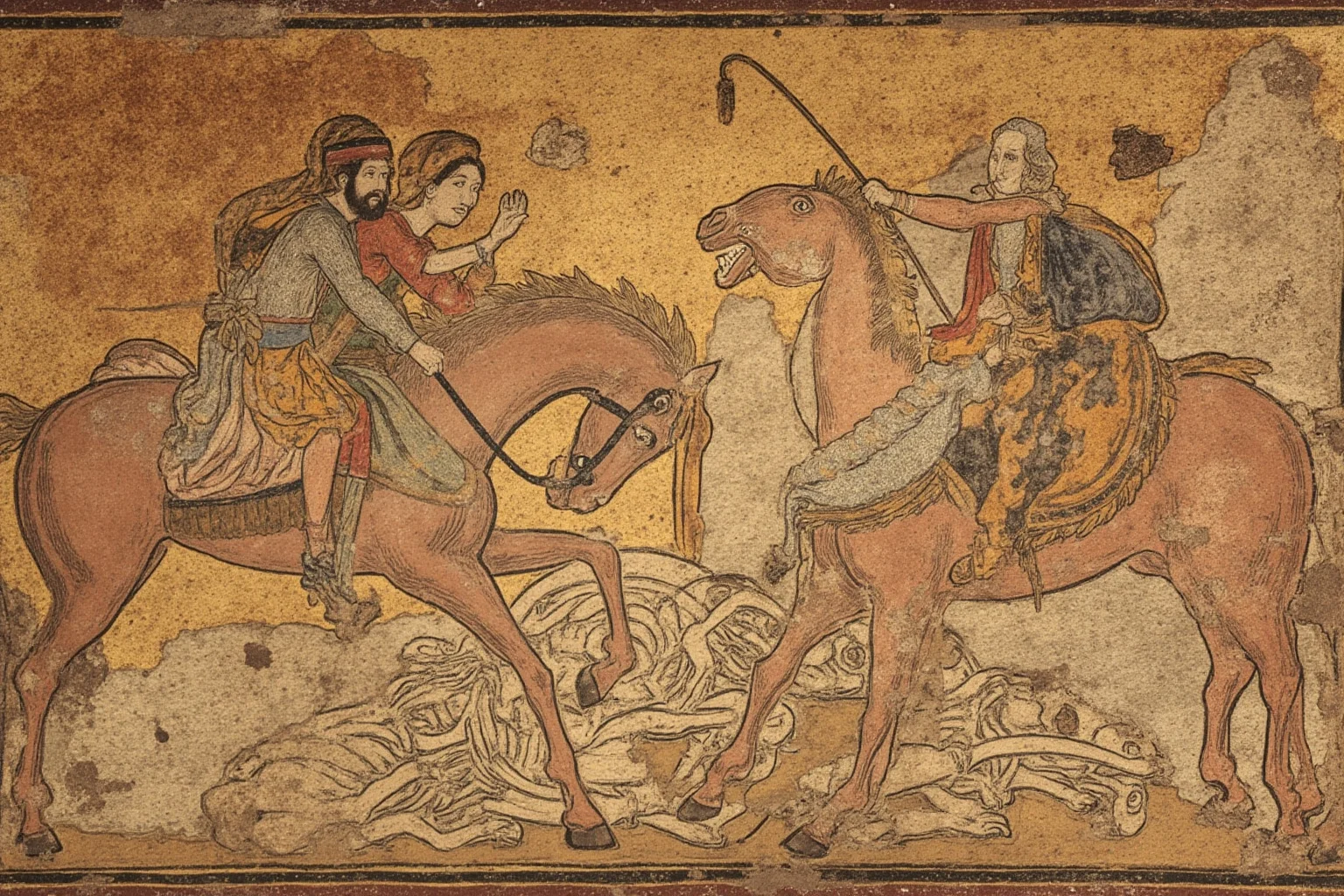
This massive 14th-century fresco, traditionally attributed to Buonamico Buffalmacco, shows elegant nobles on a hunting party riding straight into a pile of rotting corpses. Nearby, three kings recoil from open coffins containing their own decaying bodies. It’s widely considered one of the most striking works of Dark Ages and late medieval art to survive the plague era.
Painted not long after the Black Death swept through Italy, the fresco was a direct warning: no rank or beauty saves anyone from death. Its skeletal figures and grinning corpses became a template for death imagery across Europe for the next two centuries.
2. The Three Living and the Three Dead
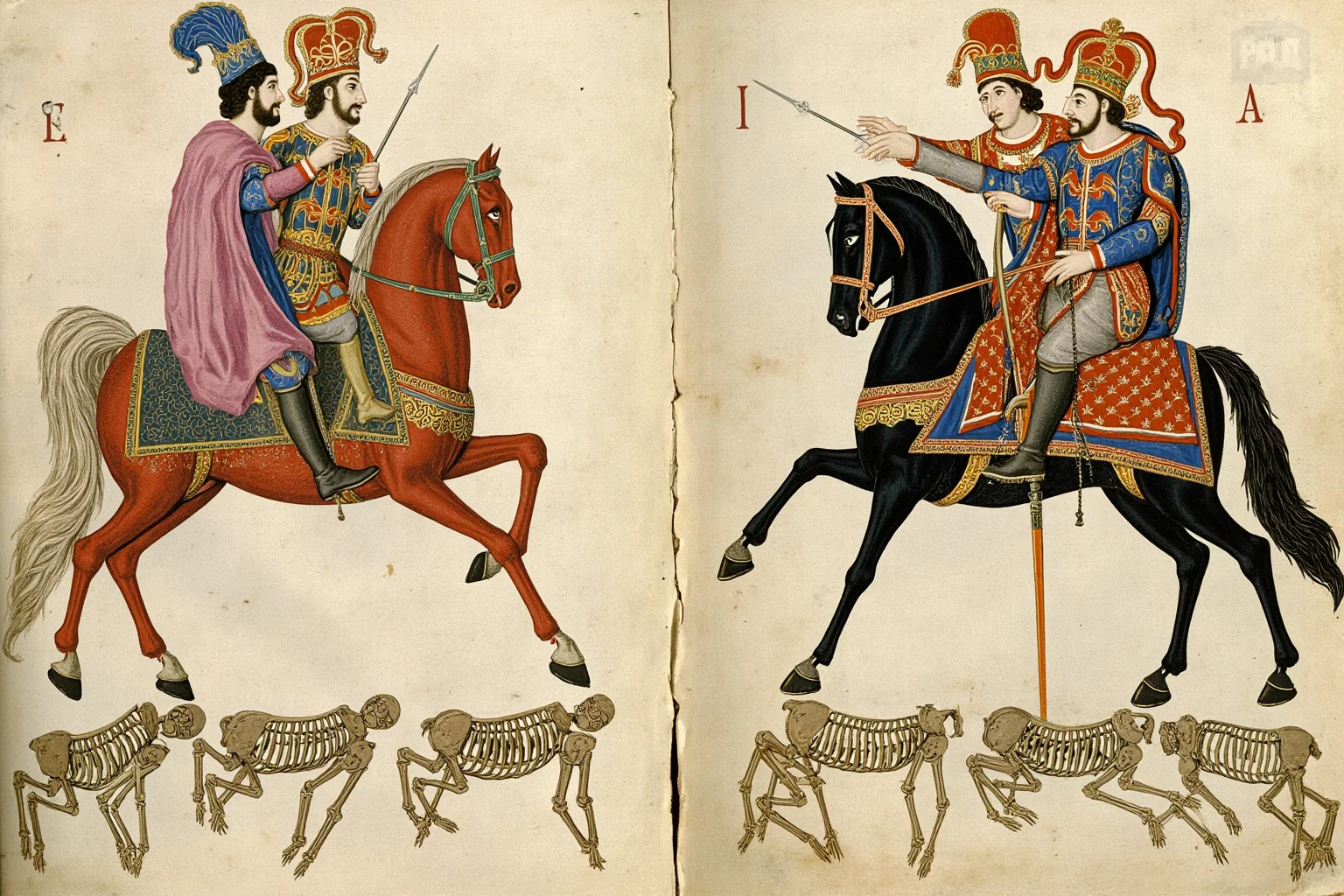
This wasn’t a single painting but a wildly popular motif repeated in illuminated manuscripts and church murals across medieval Europe. It usually shows three noblemen out riding who suddenly encounter three decaying corpses, sometimes captioned with a warning like “what you are, we once were.”
Versions appear in French, English, and Italian psalters from the 13th and 14th centuries. The recurring image is a textbook piece of medieval memento mori art — art meant to remind viewers that death comes for everyone, regardless of status.
3. Danse Macabre Murals, La Chaise-Dieu
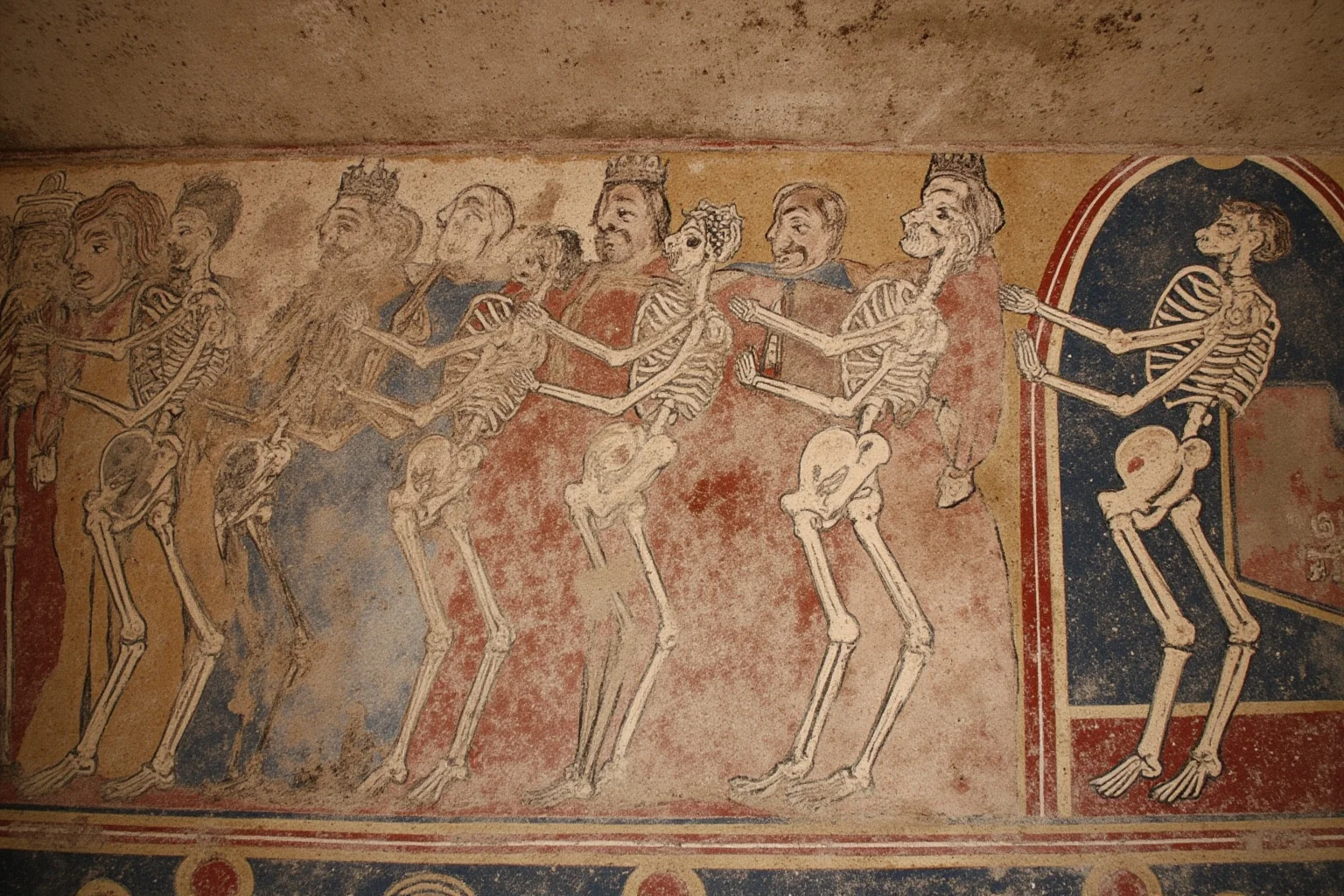
The Dance of Death mural cycle at the Abbey of La Chaise-Dieu in France, painted around the mid-15th century, shows skeletons leading popes, kings, merchants, and peasants in a single grim procession. Every level of society gets a skeletal dance partner, hammering home the idea that death makes no exceptions.
The Danse Macabre theme spread through frescoes, prints, and woodcuts all over late medieval Europe. It’s one of the clearest examples of how medieval Gothic paintings turned death into recurring, almost theatrical, imagery.
4. The Last Judgment Tympanum, Autun Cathedral
Carved by the sculptor Gislebertus around the 1130s, this stone tympanum over the cathedral’s main doorway shows Christ presiding over the weighing of souls, with grotesquely elongated demons dragging the damned toward Hell. Giant hands claw sinners out of a row of coffins below.
It’s one of the earliest signed pieces of Romanesque sculpture in France, and its nightmarish detail was very much the point. Medieval churchgoers walked beneath this scene every time they entered the building, making it a permanent, unmissable warning.
5. The Wenhaston Doom
English parish churches loved a “Doom painting” — a large panel or wall painting of the Last Judgment placed above the chancel arch, where the congregation couldn’t avoid seeing it. The Wenhaston Doom in Suffolk, painted around 1500, shows Christ in judgment with grinning demons herding naked sinners into a fiery Hellmouth.
Many English Doom paintings were whitewashed over during the Reformation and only rediscovered centuries later, sometimes by accident during church renovations. Wenhaston’s survived largely because it was plastered over rather than destroyed, preserving one of the more vivid examples of medieval artwork examples still visible today.
6. Transi (Cadaver) Tombs
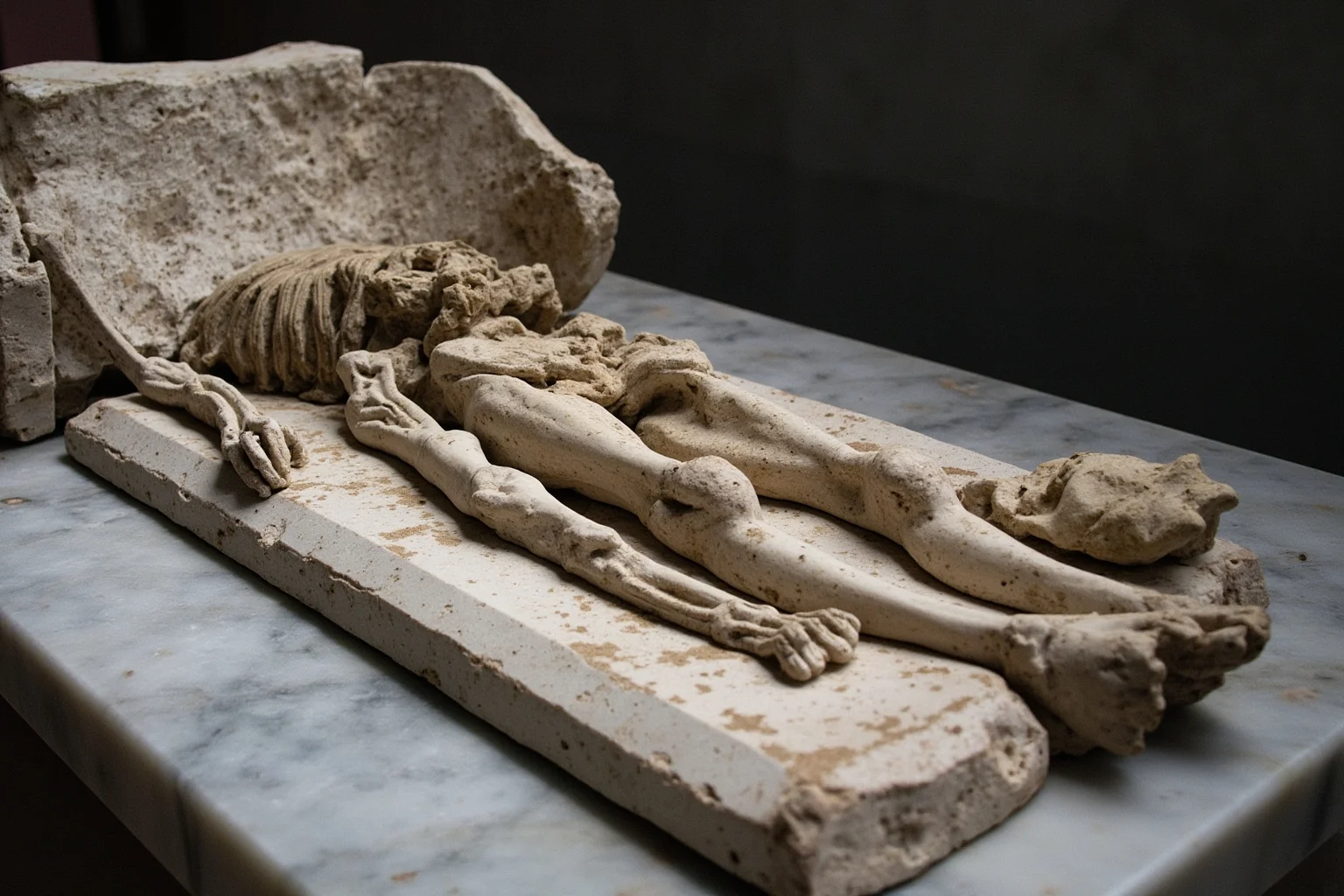
Starting in the 14th century, some wealthy Europeans commissioned tomb sculptures showing not a peaceful, idealized version of themselves, but a decomposing corpse riddled with worms. The tomb of René of Chalon in France is a particularly graphic example, showing a standing, skinless cadaver.
These “transi” tombs were meant as humility statements, reminding viewers (and perhaps the deceased themselves) that wealth and status vanish in death. They’re some of the most literal expressions of medieval art’s death obsession, carved directly in stone.
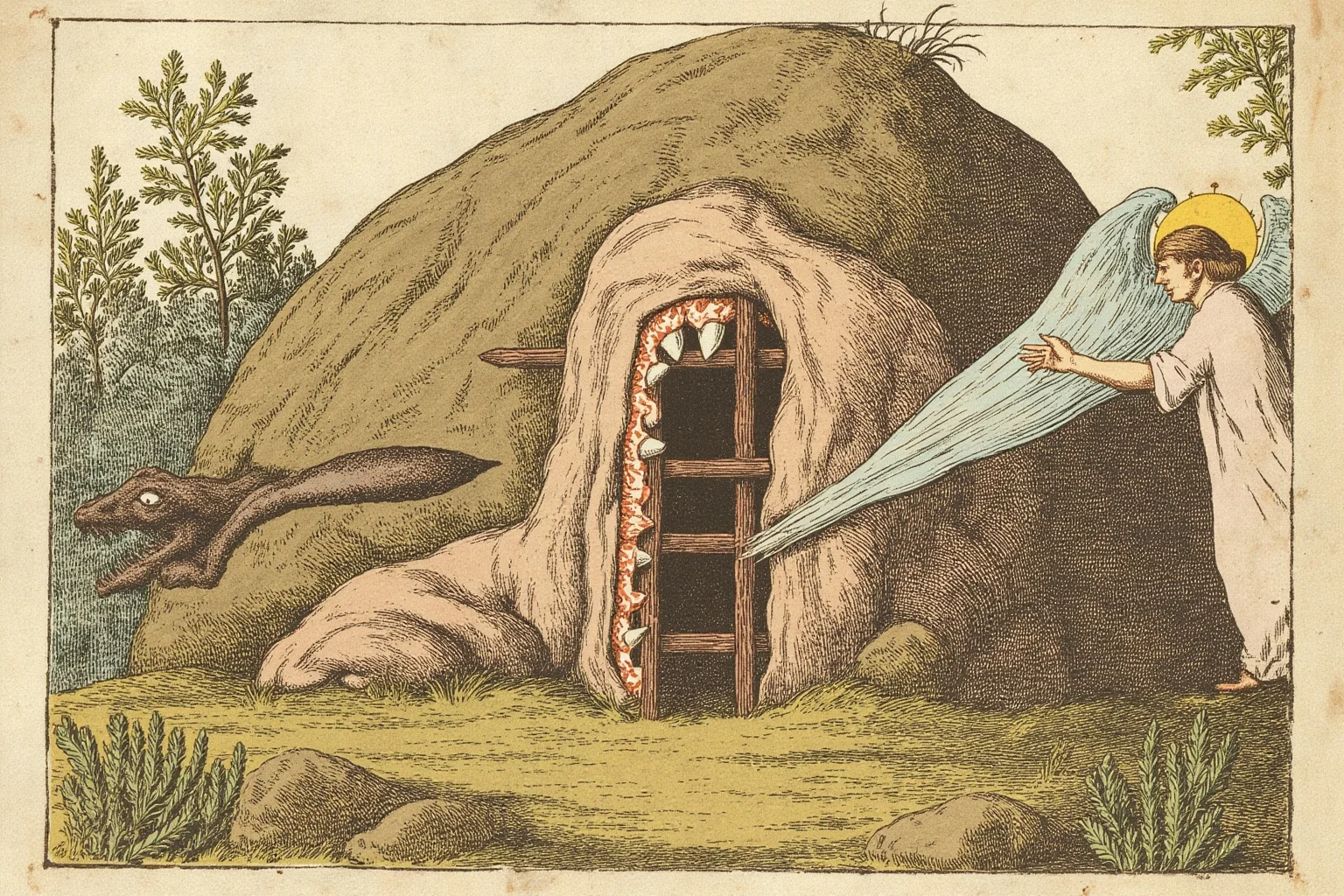
7. The Winchester Psalter’s Hellmouth
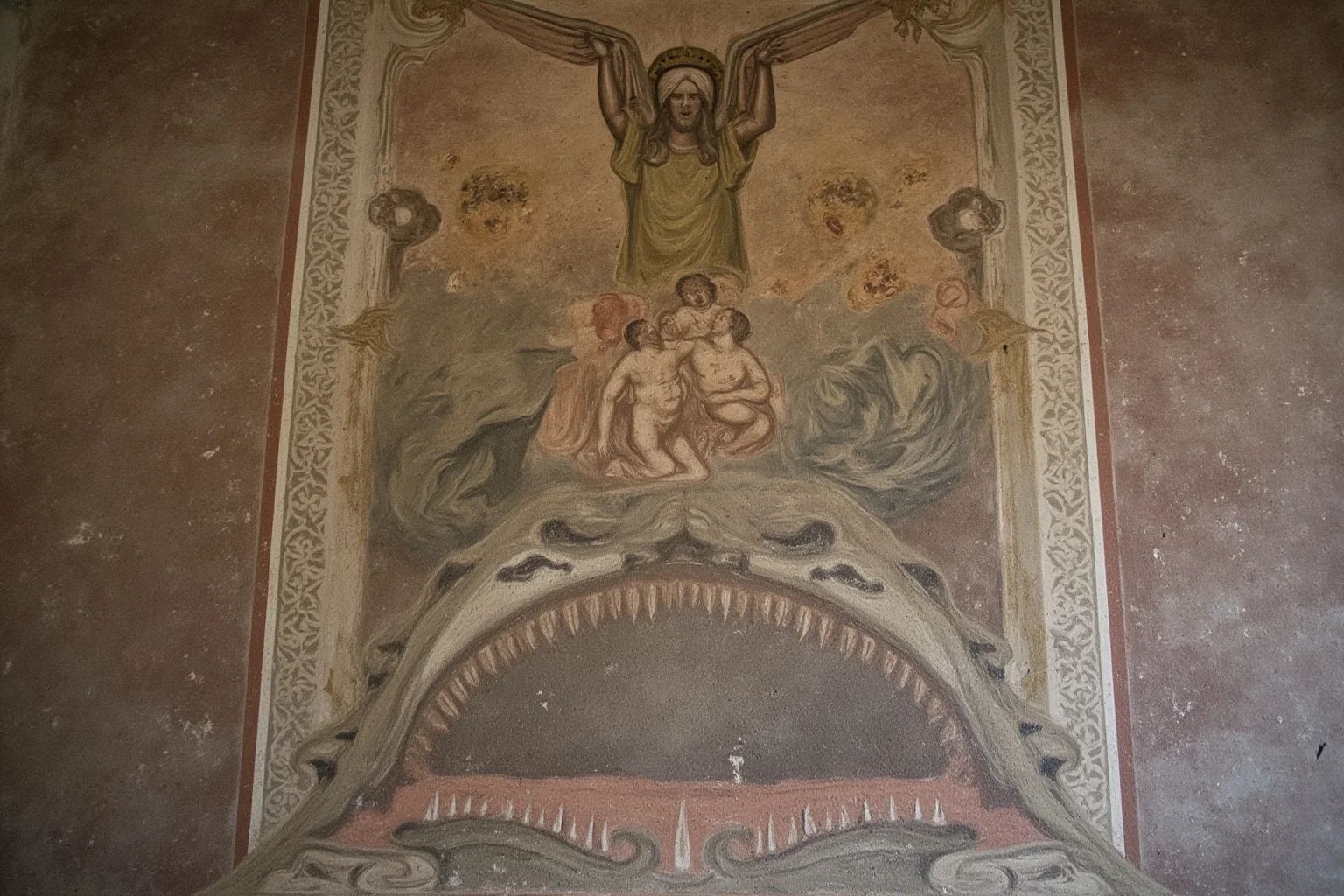
The 12th-century Winchester Psalter contains one of the most famous illustrations of a “Hellmouth” — Hell depicted as a giant, fanged beast’s mouth swallowing sinners whole, guarded by an angel locking the gate shut. The image is startlingly vivid for a small devotional manuscript.
Hellmouth imagery appears repeatedly across medieval manuscripts, church carvings, and mystery play sets, and it’s exactly the kind of thing people mean when they ask about scary medieval art. It also visually anticipates the demonic imagery Bosch would take even further centuries later.
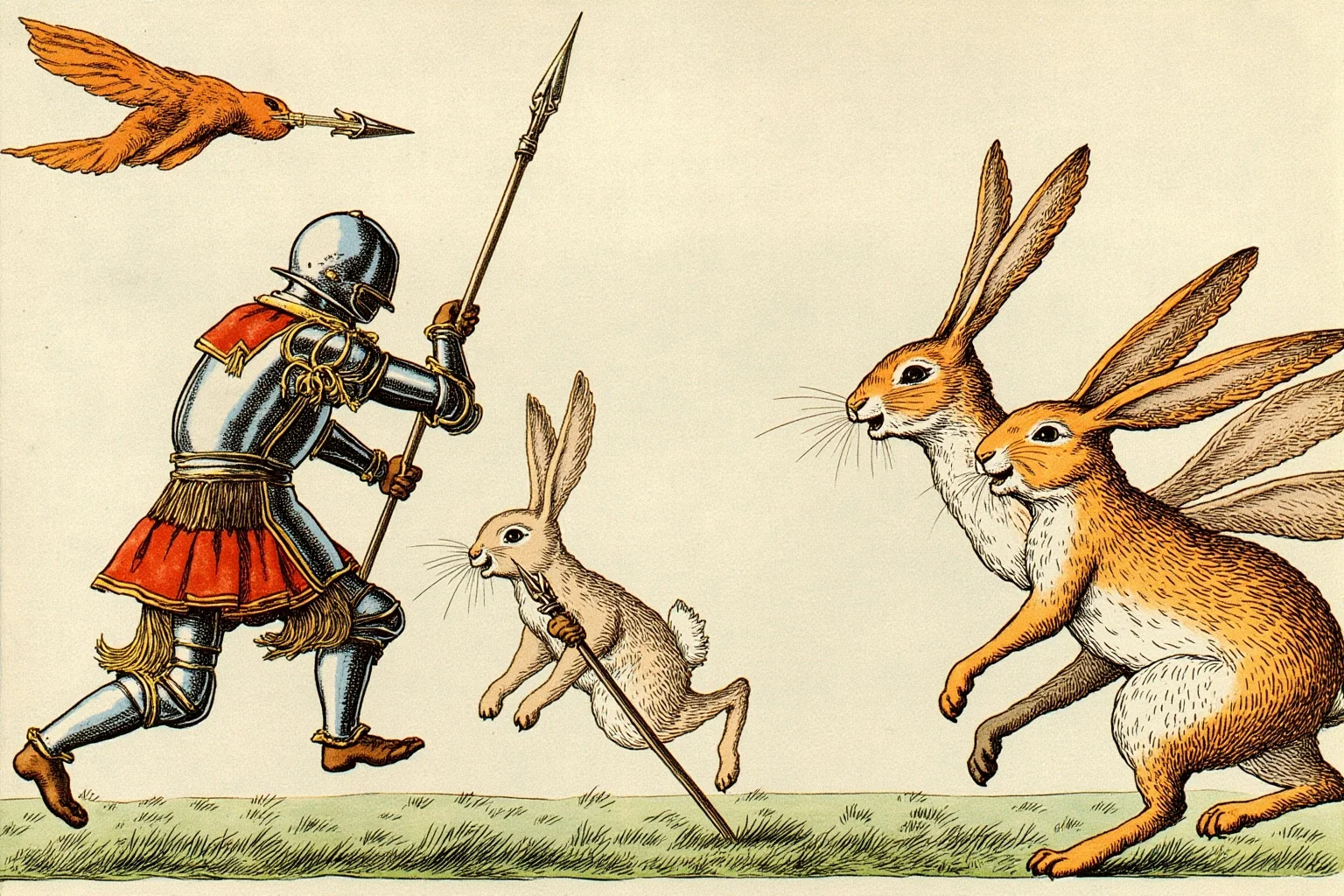
8. Killer Rabbit Marginalia
Flip through manuscripts like the Smithfield Decretals or the Gorleston Psalter and you’ll find bizarre marginal drawings of rabbits stabbing, beheading, or otherwise brutalizing armored knights. No one fully agrees on why medieval scribes loved this joke so much.
Some historians read it as satire of cowardly knights, others as pure absurdist humor doodled in the margins by bored illuminators. Either way, it’s one of the best-known pieces of trippy odd medieval art, and proof that medieval humor could be as strange as its religious imagery.
9. Giotto’s Last Judgment, Scrovegni Chapel
Giotto’s early 14th-century fresco cycle in Padua ends with a sprawling Last Judgment on the chapel’s rear wall, where Christ presides over rows of saved souls on one side and a chaotic mass of tortured sinners on the other. Demons devour and dismember the damned in graphic, almost cartoonish detail.
Giotto is often celebrated for pioneering more naturalistic figures, which makes the sheer grotesqueness of his Hell scene even more jarring. It’s a good reminder that even celebrated, famous medieval paintings could get genuinely disturbing when the subject called for it.
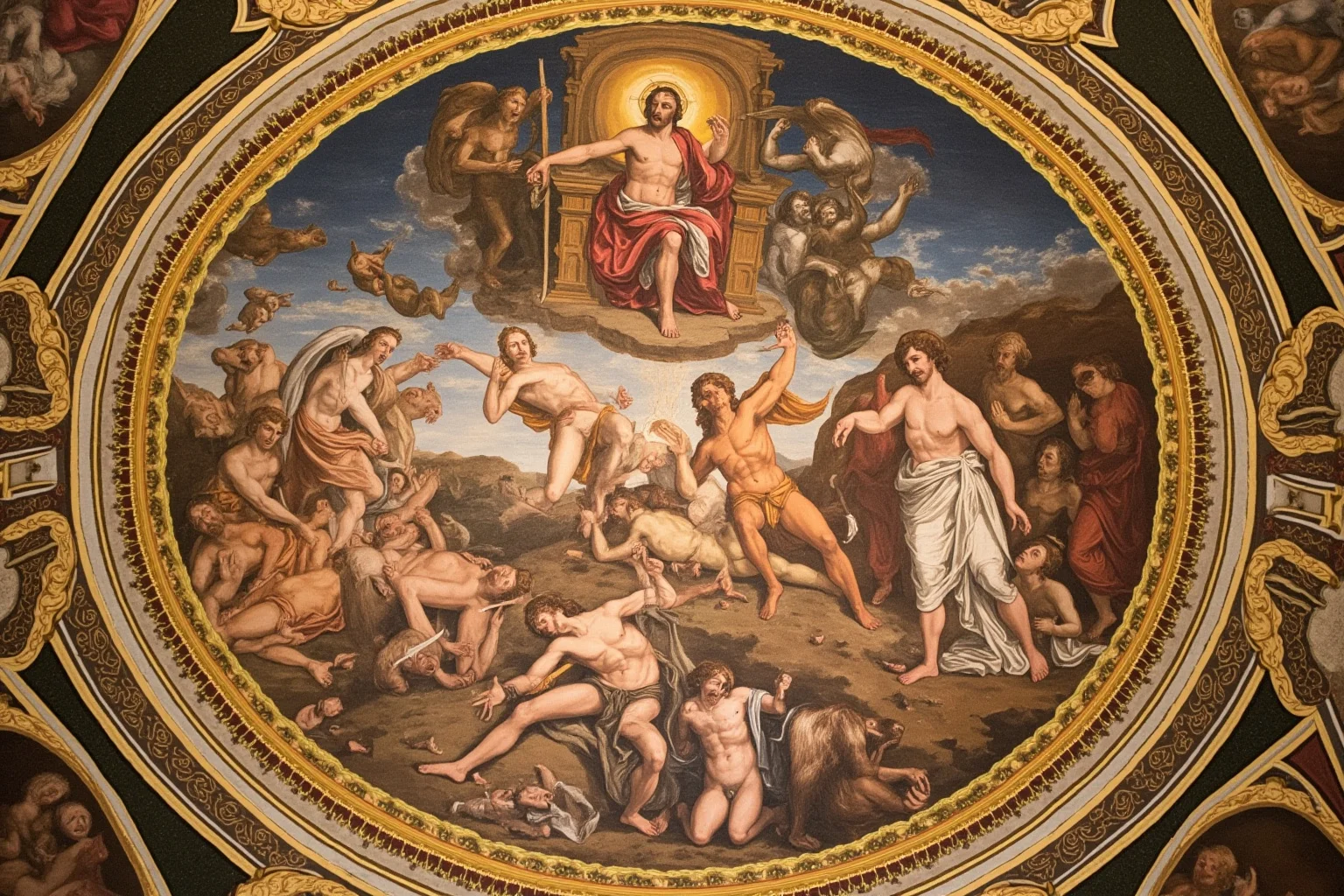
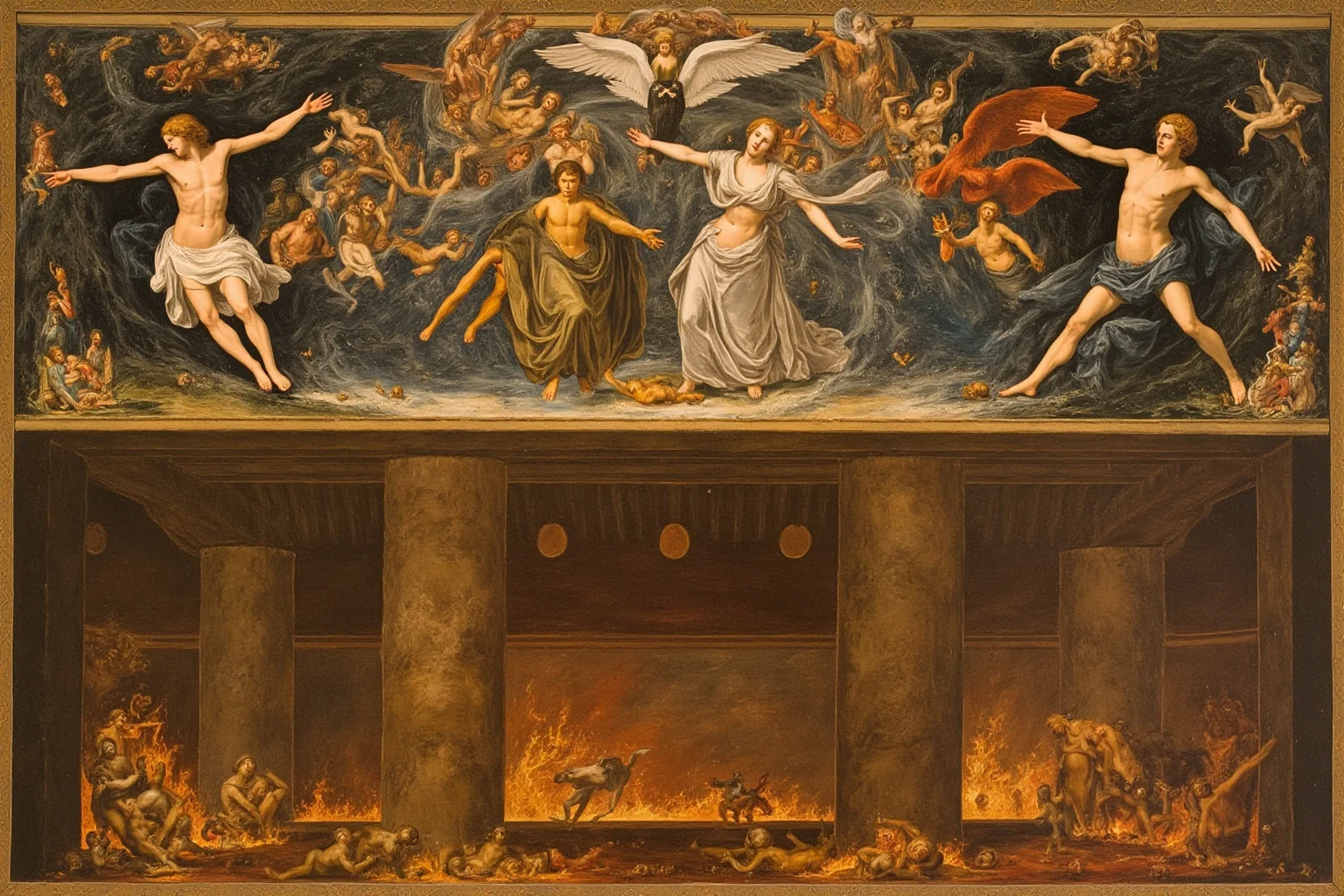
10. Fra Angelico’s Last Judgment
Fra Angelico, working in the early 15th century, painted a Last Judgment panel where the top half shows serene, dancing figures in Paradise — and the bottom half shows sinners crammed into distinct, torturous compartments of Hell, each themed around a different sin. The contrast between the two halves is deliberately unsettling.
Angelico was a friar as well as a painter, and his religious devotion shows in how seriously he treated damnation as a real, structured place. It remains one of the most famous middle ages artwork pieces dealing with judgment and the afterlife.
11. The Apocalypse Tapestry of Angers
Commissioned in the 1370s, this enormous set of tapestries illustrates the Book of Revelation in vivid, unsettling detail — multi-headed beasts, plagues, and cosmic destruction stretched across nearly 100 meters of woven fabric. It’s one of the largest surviving pieces of medieval textile art anywhere, and easily ranks among the most incredible artifacts ever uncovered from the era.
The tapestry was designed to be read almost like a graphic novel, panel by panel, walking viewers through the end of the world. Its scale alone makes it one of the most ambitious and eerie visual accounts of the apocalypse from the medieval period.
12. The Garden of Earthly Delights
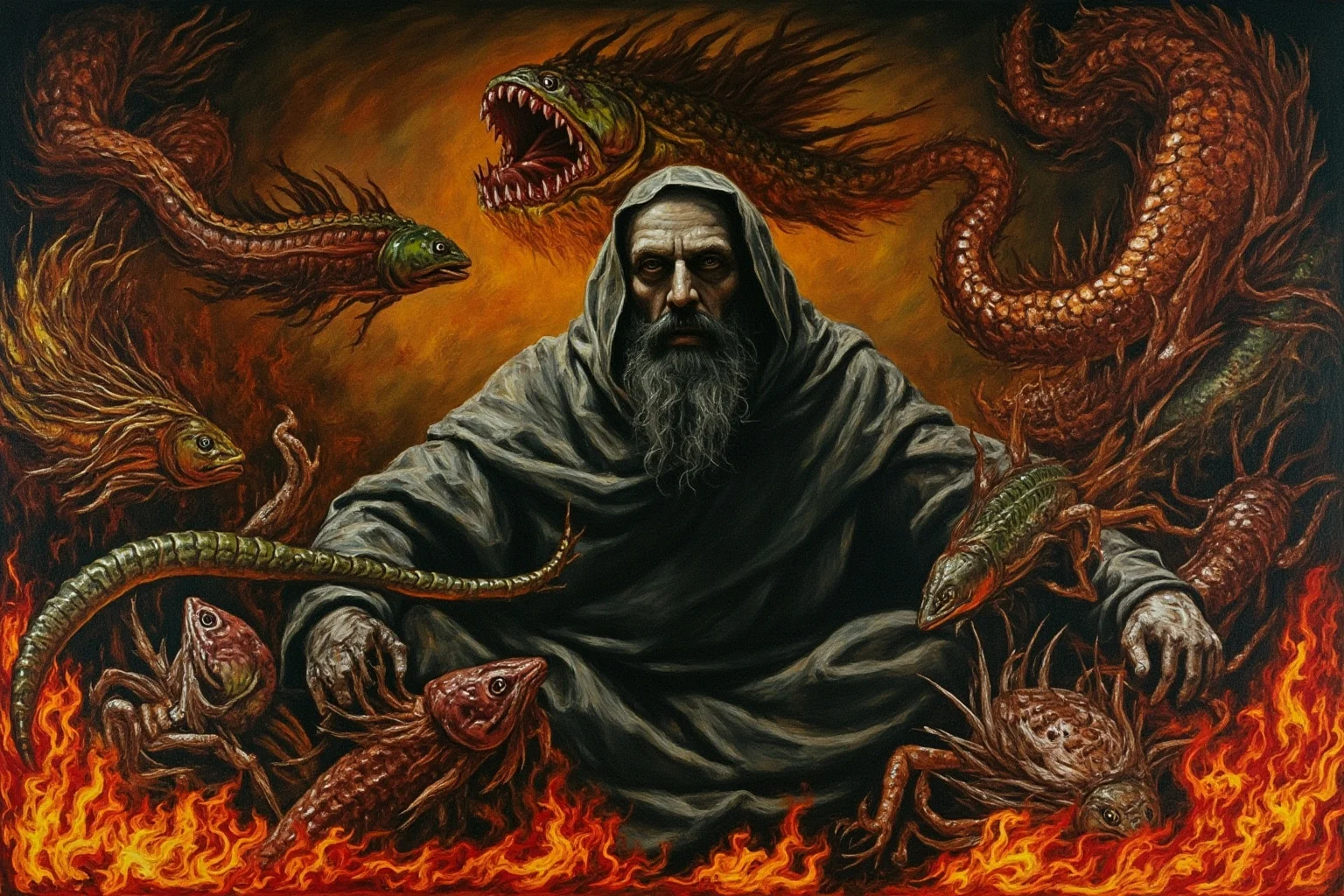
Hieronymus Bosch’s triptych, painted around 1490–1510, moves from an idyllic Eden to a crowded, surreal Garden of pleasure, and finally into a chaotic Hell full of musical instrument torture devices, giant insects, and half-human creatures. It remains one of the strangest surviving pieces of art from this era, medieval in spirit even though Bosch worked right at the edge of the Renaissance.
Historians still debate what exactly Bosch intended the central panel to mean — a warning against sin, an ambiguous fantasy, or something else entirely. What’s certain is that it’s the single painting most people picture when they search for weird medieval paintings or trippy odd medieval art.
13. The Temptation of St. Anthony
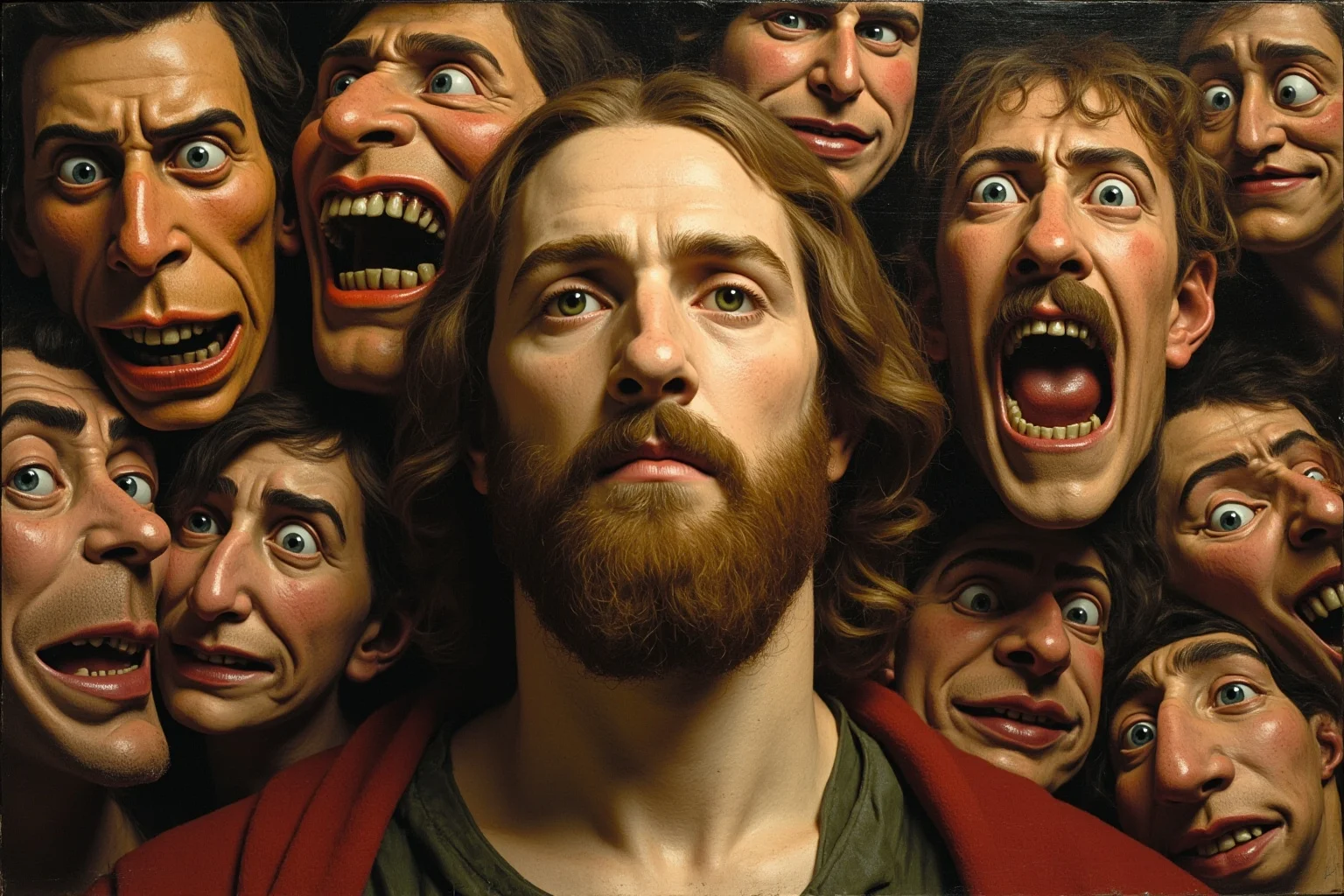
Also by Bosch, this triptych shows Saint Anthony besieged by grotesque demons disguised as everyday objects and hybrid creatures — fish with legs, burning buildings, and monstrous parodies of human faces. It’s chaotic in a way that feels almost modern.
The painting draws on a long tradition of “Temptation of St. Anthony” imagery, which medieval and Renaissance artists used as an excuse to paint the wildest monsters they could imagine. Bosch simply took the genre further than almost anyone before him.
14. Christ Mocked (Crowning with Thorns)
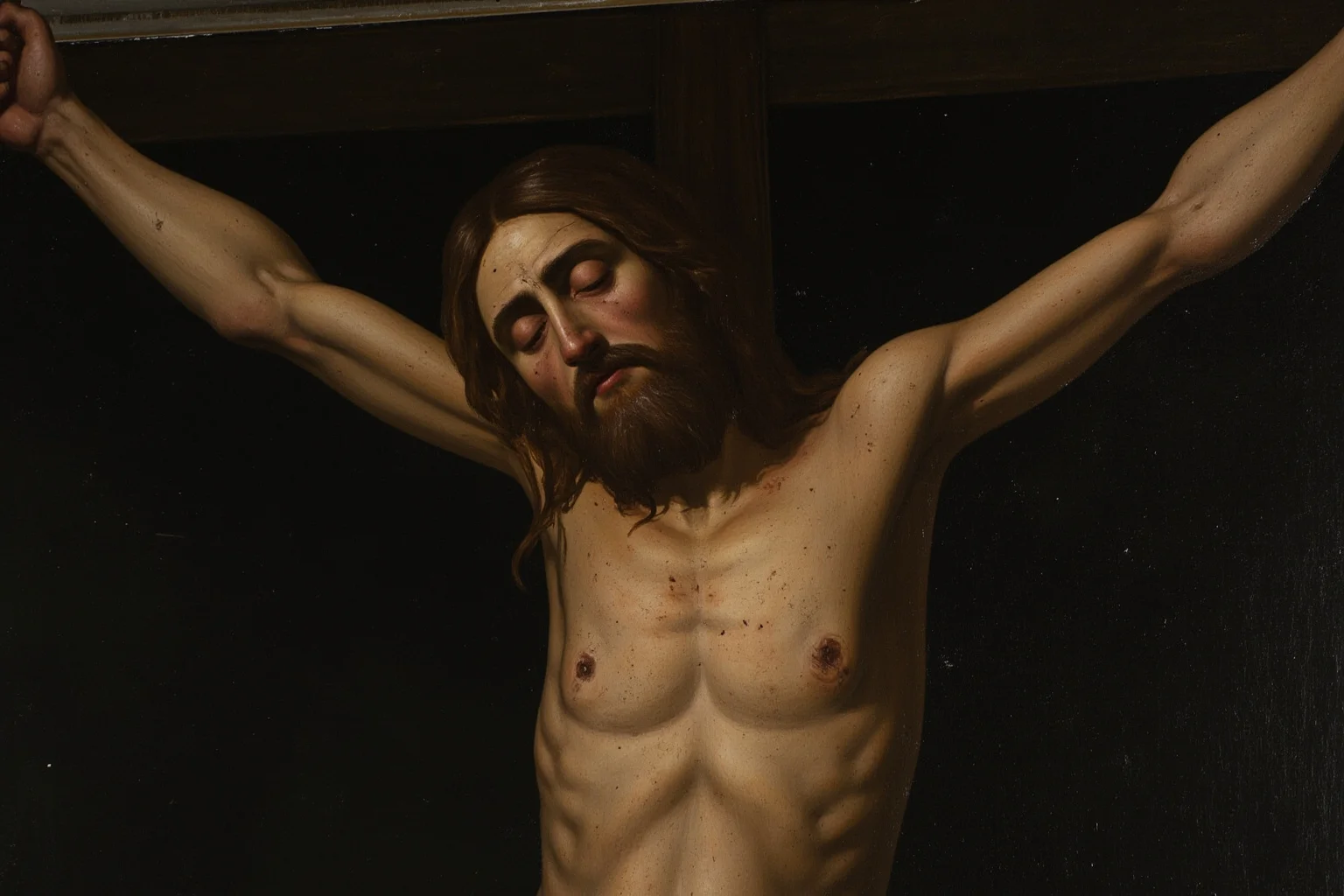
Bosch’s smaller paintings of Christ surrounded by mocking tormentors are quietly unsettling rather than fantastical. The faces of the men jeering at Christ are exaggerated into near-caricature, twisted with cruelty in a way that feels uncomfortably real.
This kind of grotesque facial distortion shows up across late medieval religious art, used deliberately to make viewers feel the ugliness of sin and cruelty. It’s a subtler kind of creepy medieval painting, relying on human expression rather than monsters.
15. The Isenheim Altarpiece
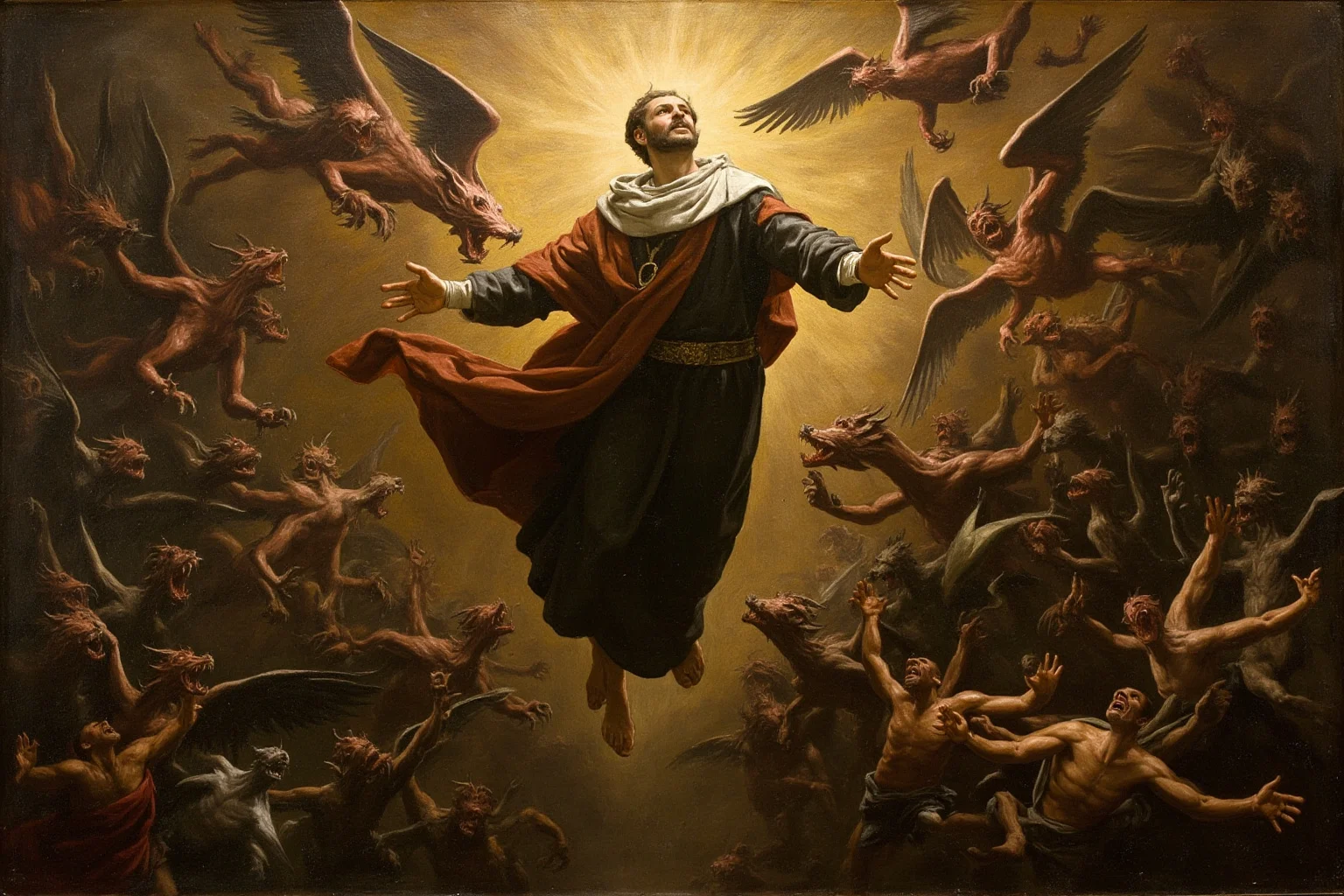
Matthias Grünewald’s altarpiece, completed around 1516 for a hospital run by monks who treated plague and skin disease patients, shows a crucified Christ with graying, diseased-looking flesh covered in sores. It’s one of the most physically disturbing depictions of the crucifixion ever painted.
The altarpiece was designed specifically for suffering patients to see, likely so they could feel their pain reflected and shared by Christ himself. It’s a strong example of how dark medieval art (and its Renaissance successors) could serve genuine pastoral purposes, not just shock value.
16. The Torment of Saint Anthony
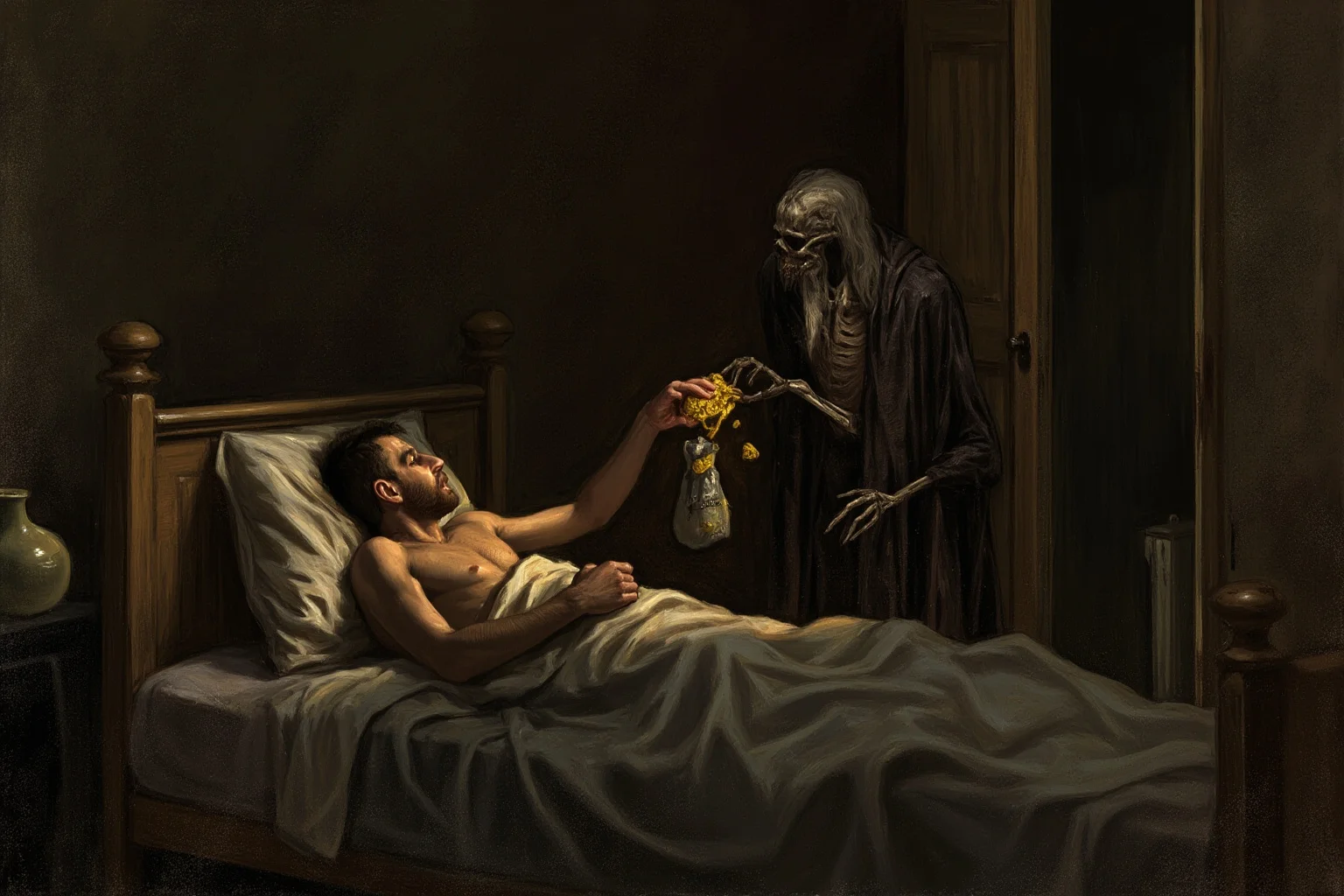
This painting, long attributed in part to a young Michelangelo and based on an engraving by Martin Schongauer, shows Saint Anthony being hoisted into the air and clawed at by a swarm of winged demons. The creatures are inventive and nightmarish, blending bat wings, fish scales, and insect limbs.
Schongauer’s original engraving from the 1470s was hugely influential, copied and adapted by multiple artists across Europe. It’s a great example of how “medieval painting of man” tormented by demons became a favorite showcase piece for artists proving their skill at inventing monsters.
17. Death and the Miser
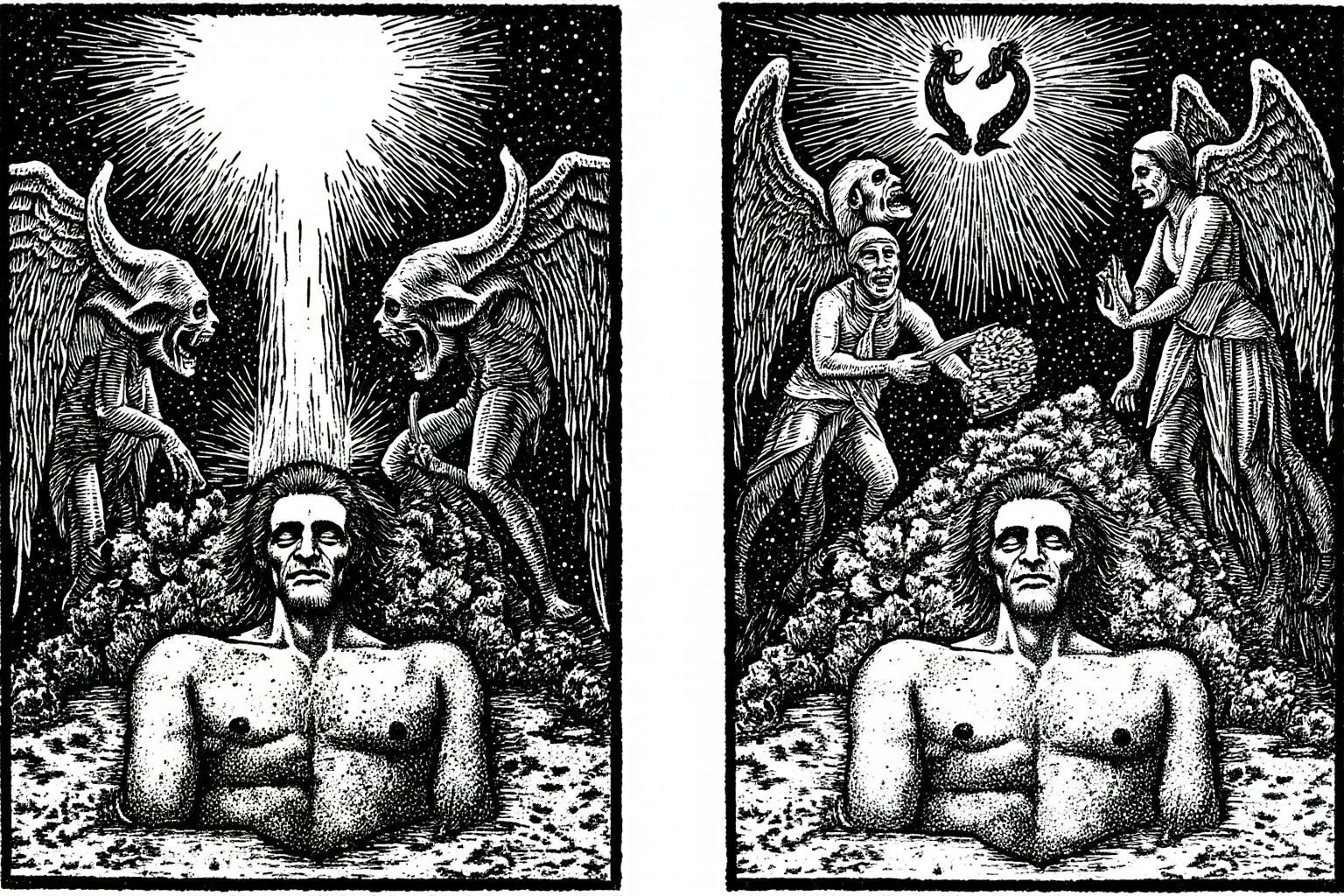
Another Bosch panel, this one shows a dying man in bed being offered a bag of gold by a demon, even as Death himself creeps through the door with an arrow. Little demons scurry around a strongbox in the foreground, symbolizing the miser’s greed following him to his final moment.
The painting fits into the broader “Ars Moriendi” tradition — guides to dying a good, moral death that were hugely popular in the 15th century. It’s a quieter kind of creepy old painting, less monstrous than psychologically tense.
18. Ars Moriendi Woodcuts
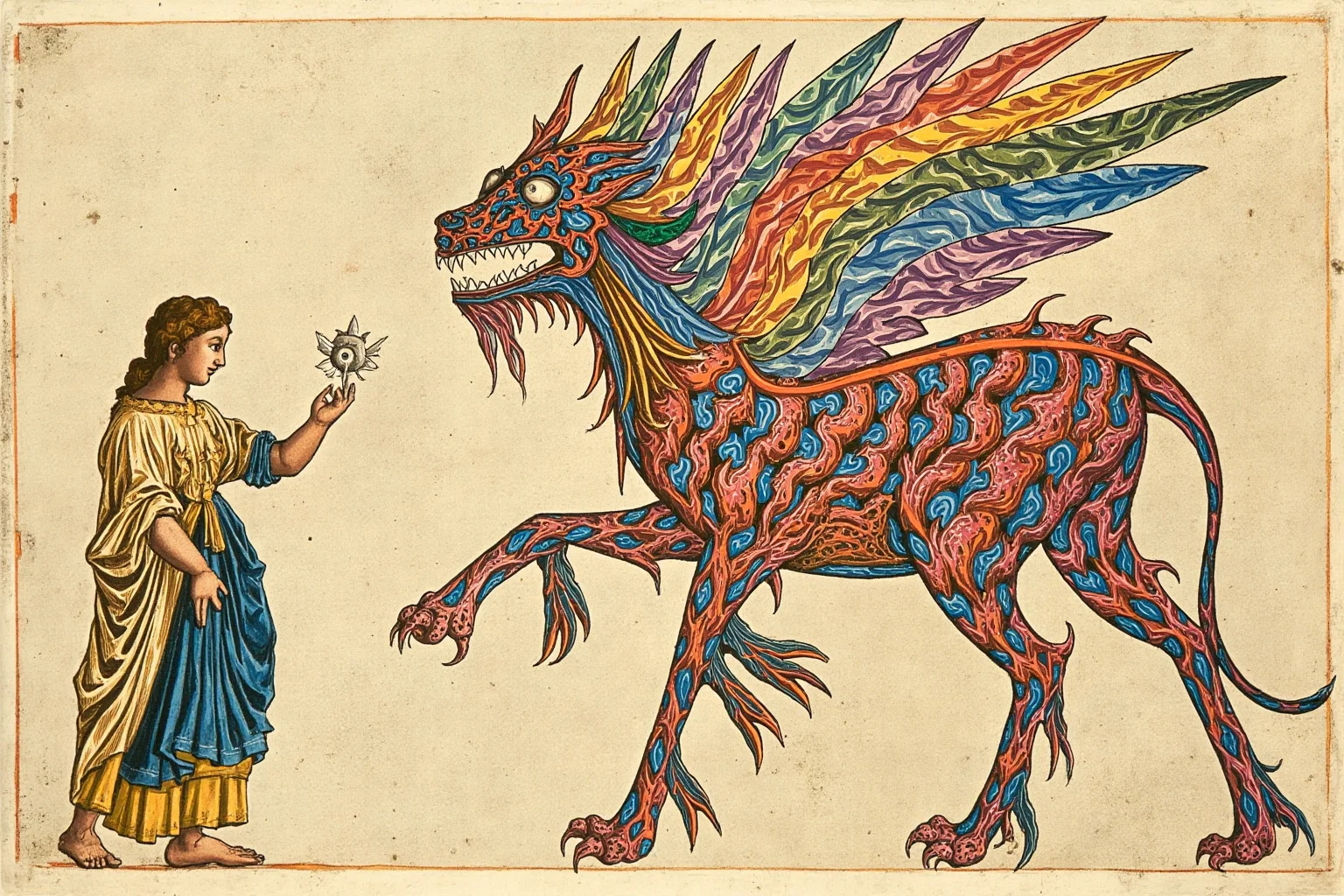
Speaking of which, the “Ars Moriendi” (Art of Dying) was a series of illustrated woodcut guides published from the 1450s onward, showing a dying man being tempted by demons on one side and comforted by angels on the other. Each print walked readers through a moral crisis playing out at someone’s actual deathbed.
These woodcuts were mass-produced and widely circulated, making them some of the most accessible “disturbing paintings in history” for ordinary medieval people, not just the wealthy. They’re a reminder that death imagery wasn’t confined to grand cathedrals — it was everywhere in daily life.
19. Beatus Apocalypse Manuscripts
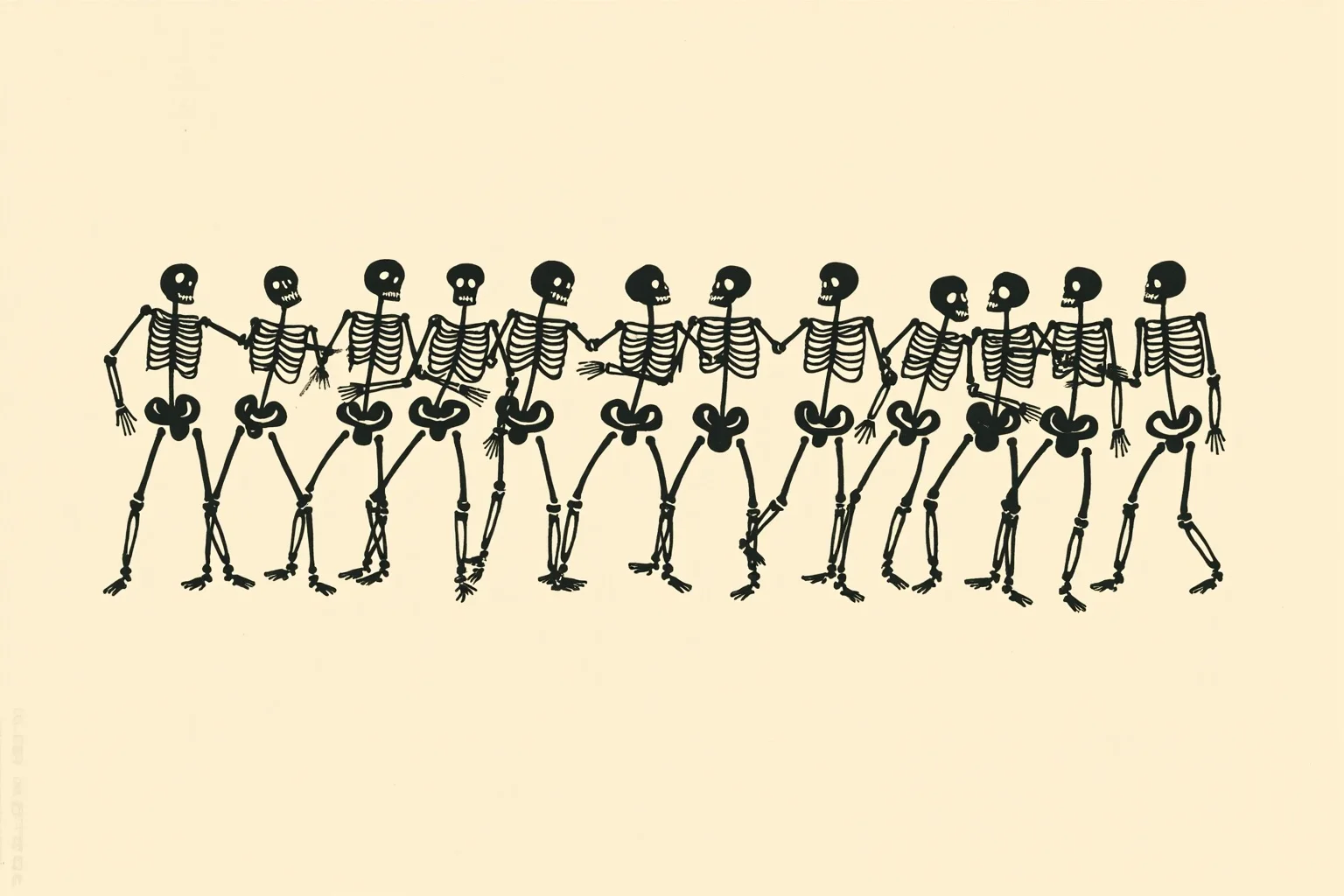
The Beatus manuscripts, illustrated copies of an 8th-century commentary on Revelation, were produced across medieval Spain from roughly the 10th to 13th centuries. Their illustrations are full of brightly colored, oddly proportioned beasts with too many heads, wings, and eyes, rendered in a style that looks almost abstract to modern viewers.
The most famous versions, like the Facundus Beatus, are often cited as some of the strangest and most disturbing manuscript art from the early medieval period. Their flattened, symbolic style is a great example of why people searching for “disturbing oldest painting in the world” often stumble onto early medieval manuscript art rather than actual paintings.
20. The Nuremberg Chronicle’s Dance of Death
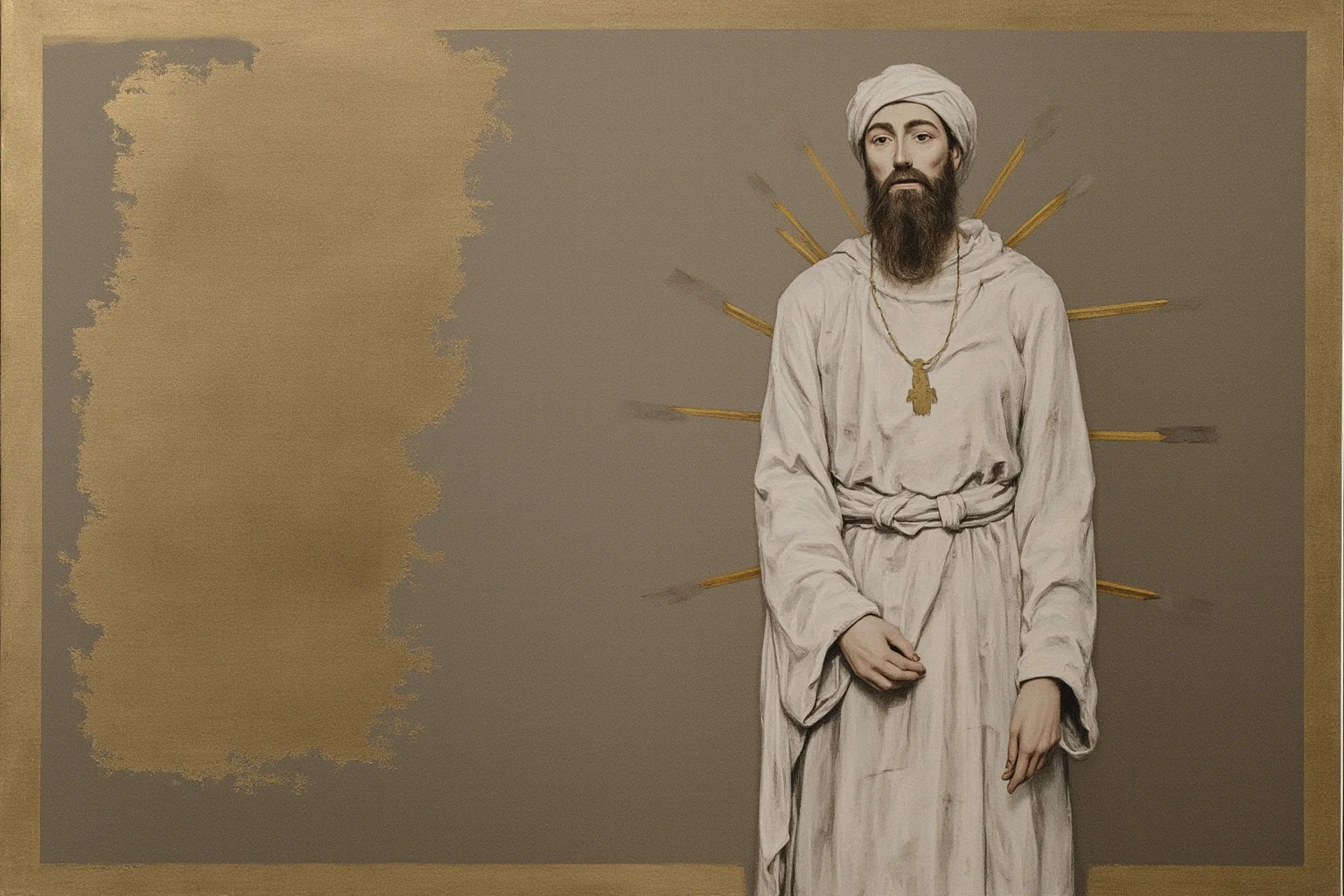
Printed in 1493, right at the tail end of the medieval period, the Nuremberg Chronicle included a woodcut usually credited to Michael Wolgemut showing skeletal figures dancing together in a row, sometimes referred to as one of the earliest printed “Dance of Death” images. It’s simple, but genuinely eerie in its stark black-and-white linework.
Because the Chronicle was printed rather than hand-painted, it could be reproduced and distributed far more widely than earlier manuscript art. That made death-themed woodcuts like this one some of the most widely seen “scary medieval art” of their day.
21. Plague Saint Panels and St. Sebastian Imagery
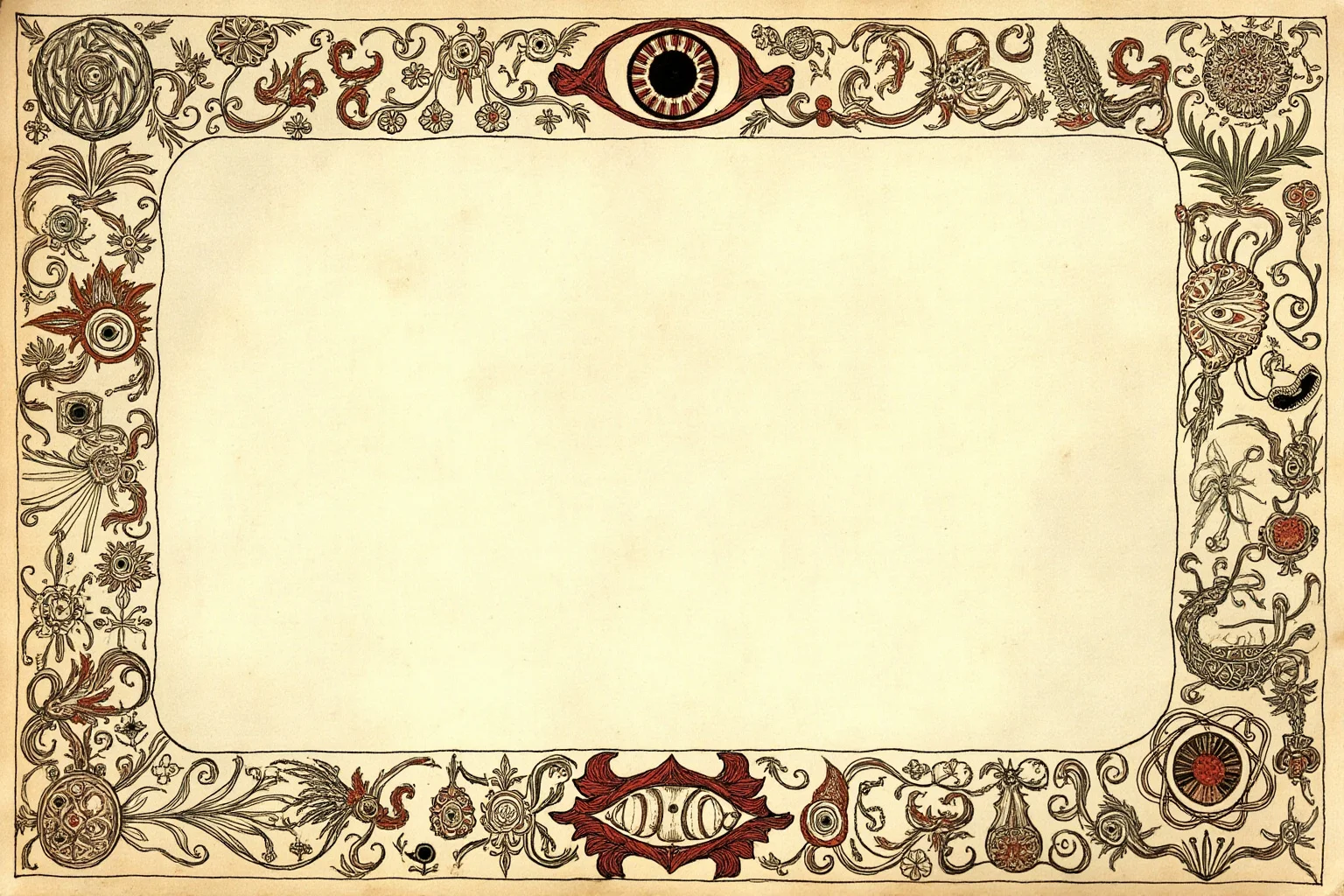
After recurring waves of plague swept Europe, panel paintings of saints associated with disease protection — especially St. Sebastian, shown pierced with arrows, and St. Roch, shown displaying a plague bubo — became extremely common. These weren’t meant to be gory for shock value; they were devotional objects people prayed to for protection.
The repeated imagery of wounded, suffering bodies reflects just how present death and illness were in daily medieval life. It’s a sobering entry under “medieval art death” as a search theme — this wasn’t abstract symbolism, it was a direct response to real epidemics.
22. The Hours of Catherine of Cleves Marginalia
This lavish 15th-century Dutch prayer book is full of strange, almost surreal marginal illustrations: severed limbs arranged into decorative borders, a giant eyeball on legs, and saints surrounded by oddly whimsical creatures. It’s simultaneously beautiful and unsettling.
Manuscripts like this show how medieval and early Renaissance artists could slide between devout religious imagery and outright bizarre invention on the very same page. It’s a fitting final example of just how weird — and how deliberately so — medieval art could get.
The Bigger Picture: Not Bad Art, Just a Different Purpose
Looking back across this list, a pattern emerges pretty quickly. Medieval and early Renaissance artists weren’t fumbling toward realism and failing; they were building an entirely different visual system meant to teach, warn, and console people living through plague, famine, and constant reminders of mortality.
The goal usually wasn’t beauty in the modern sense — it was legibility and impact. A grinning skeleton, a fanged Hellmouth, or a diseased Christ on the cross was supposed to stop you in your tracks and make you think about your soul, not win points for anatomical accuracy.
So the next time someone asks why medieval art looks so strange, it’s worth remembering that “creepy” was often the entire point. These artists were working in a visual language built around death, judgment, and the fragility of life — and honestly, centuries later, it still works exactly as intended.
Frequently Asked Questions
What are some famous Middle Ages artwork pieces besides the creepy ones?
Not all famous middle ages artwork is macabre. The Bayeux Tapestry, the Book of Kells, the stained glass of Chartres Cathedral, and Duccio's Maestà are all celebrated medieval works that focus on storytelling, devotion, or decoration rather than death and horror. The creepy pieces tend to get more attention online simply because they're more visually startling to modern audiences.
Why was medieval art so bad, or was it actually bad at all?
Medieval art wasn't bad — it followed different priorities than later Renaissance art. Artists prioritized symbolism, religious meaning, and clear storytelling over realistic proportion, perspective, and anatomy, because most medieval art was meant to teach or guide worship, not depict the world exactly as it looked.
Why is medieval art so weird compared to Renaissance art?
Medieval art looks weird to modern eyes because it uses flat backgrounds, exaggerated scale, and symbolic rather than realistic figures. Renaissance artists later developed techniques like linear perspective and anatomical study, which made their work look more naturalistic and familiar to us today.
What is the disturbing oldest painting in the world people talk about online?
This phrase usually refers to early medieval manuscript illustrations, like the Beatus Apocalypse manuscripts from Spain, rather than a single specific painting. Their unsettling, otherworldly beasts and flattened style often get mistaken for something far older or more mysterious than they are.
Is Hieronymus Bosch a medieval artist or a Renaissance artist?
Bosch worked around 1450–1516, which places him technically in the early Northern Renaissance rather than the medieval period. However, his surreal, morally driven imagery draws heavily on medieval visual traditions like Hellmouths and demon iconography, which is why his work is so often grouped with medieval art.
What defines Gothic medieval paintings specifically?
Gothic art refers roughly to the period from the 12th to the 16th century, known for elongated figures, increased naturalism compared to earlier Romanesque art, elaborate detail, and a growing interest in emotion and individual expression. It overlaps with the broader medieval period but represents its later, more refined phase.
What is a medieval ‘Doom painting’?
A Doom painting is a large mural or panel, usually placed above a church's chancel arch, depicting the Last Judgment with Christ separating the saved from the damned. English churches were especially known for these, though many were destroyed or whitewashed during the Reformation.
Were medieval artists deliberately trying to scare people?
In many cases, yes, at least in part. Death and Hell imagery was meant to prompt genuine reflection on sin and mortality, especially after traumatic events like the Black Death, so unsettling imagery was often an intentional teaching tool rather than an accident of poor skill.

Alex Warren
Related Articles