

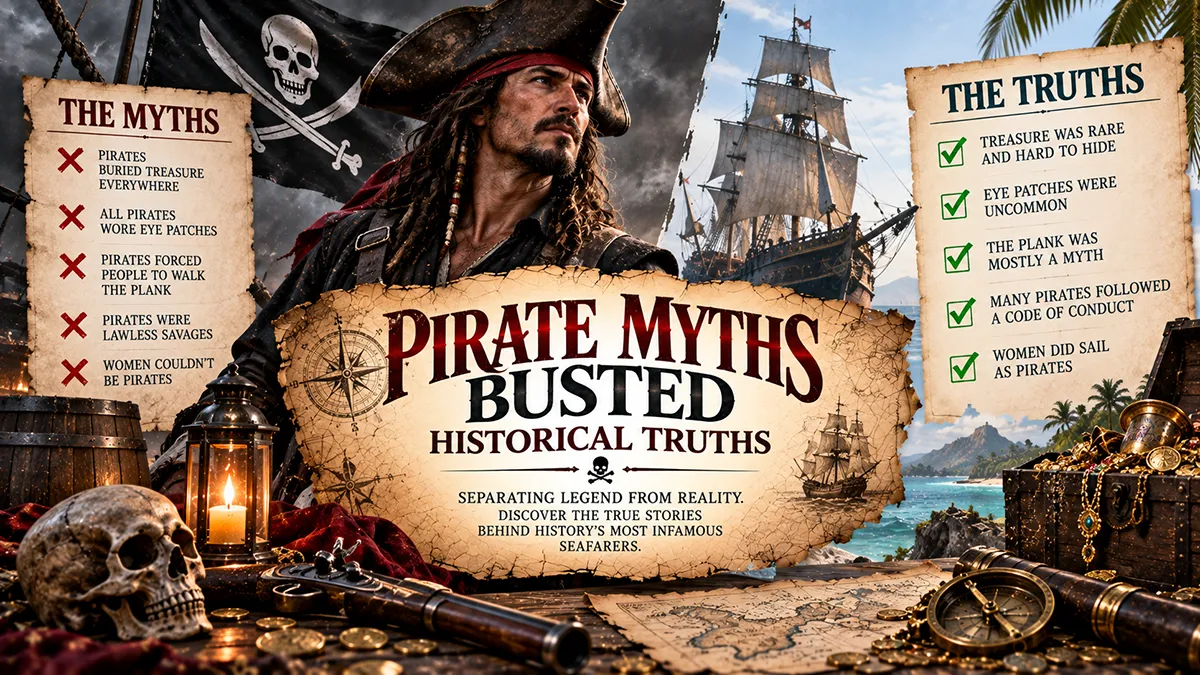
Ask most people to picture a pirate and you’ll get the same image: a peg-legged man with an eye patch, a parrot on his shoulder, shouting “Arrr, matey!” while forcing prisoners to walk the plank toward a chest of buried gold. It’s a fantastic image.
It’s also almost entirely fiction, cobbled together from novels, stage plays, and Hollywood films made centuries after the real “Golden Age of Piracy” ended.
So, are pirates real? Absolutely — piracy is one of the oldest crimes in human history, and it’s still happening today in places like the Gulf of Guinea and the Strait of Malacca.
But the swashbuckling, treasure-hunting stereotype most of us grew up with owes far more to storytellers than to ship’s logs and court records. Let’s separate the real pirate history from the pirate myths and legends that took on a life of their own.
TL;DR: Real pirates were far stranger, more diverse, and more organized than the eye-patched, treasure-burying stereotype — and piracy still exists today.
1. Pirates Always Buried Their Treasure

The buried-treasure trope is almost entirely a product of fiction, most famously Robert Louis Stevenson’s 1883 novel “Treasure Island.” In reality, most pirates spent their loot almost as fast as they stole it, gambling and drinking it away in port towns rather than burying it for later.
There is exactly one well-documented case of a real pirate burying treasure: Captain William Kidd, who buried some of his plunder on Gardiners Island, New York, before his 1701 trial. It was dug up and used as evidence against him, which rather defeats the purpose of hiding it in the first place.
2. Captives Were Forced to Walk the Plank

Walking the plank shows up in almost every pirate movie, but historical evidence for it is remarkably thin. Real pirates who wanted to kill or punish captives generally used far quicker and less theatrical methods, including marooning, whipping, or simply throwing someone overboard.
The plank-walking idea seems to have been popularized in 19th-century adventure fiction, long after the Golden Age of Piracy had ended. It made for a dramatic scene on the page, even if it rarely happened at sea.
3. Pirates Talked Like “Arrr, Matey!”
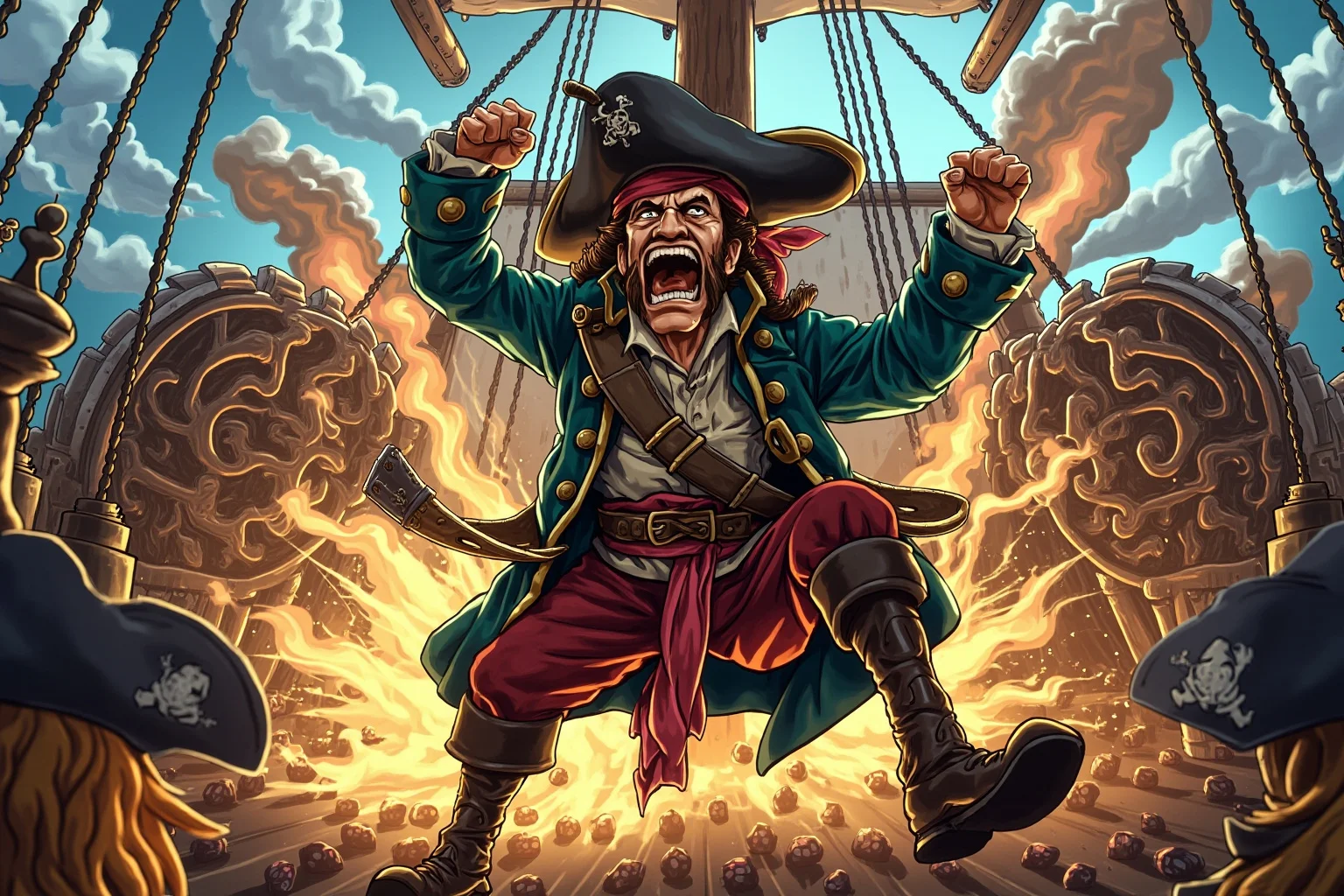
That growling, rolled-R pirate accent didn’t come from any historical pirate crew — it came from actor Robert Newton’s performance as Long John Silver in Disney’s 1950 film “Treasure Island.” Newton, who happened to have a natural West Country English accent, leaned into it heavily, and audiences loved it.
Real pirates spoke in the accents and dialects of wherever they were actually from, which included England, Wales, Ireland, France, the Netherlands, West Africa, and the Americas. There was no single “pirate voice” — just a wonderfully entertaining one invented for the screen.
4. Every Pirate Wore an Eye Patch Over a Missing Eye

Eye patches existed, but they weren’t the universal badge of a maimed pirate that pop culture suggests. Some sailors are believed to have worn a patch to keep one eye adjusted to darkness, so it could see quickly if they had to move between a sunlit deck and a dark lower hold during a fight.
This theory is debated among historians and isn’t confirmed by strong period evidence, but it’s more plausible than the idea that every pirate crew was full of one-eyed men. Losing an eye in a sword fight or cannon blast certainly happened, but it wasn’t the pirate uniform requirement fiction makes it out to be.
5. All Pirates Were Men
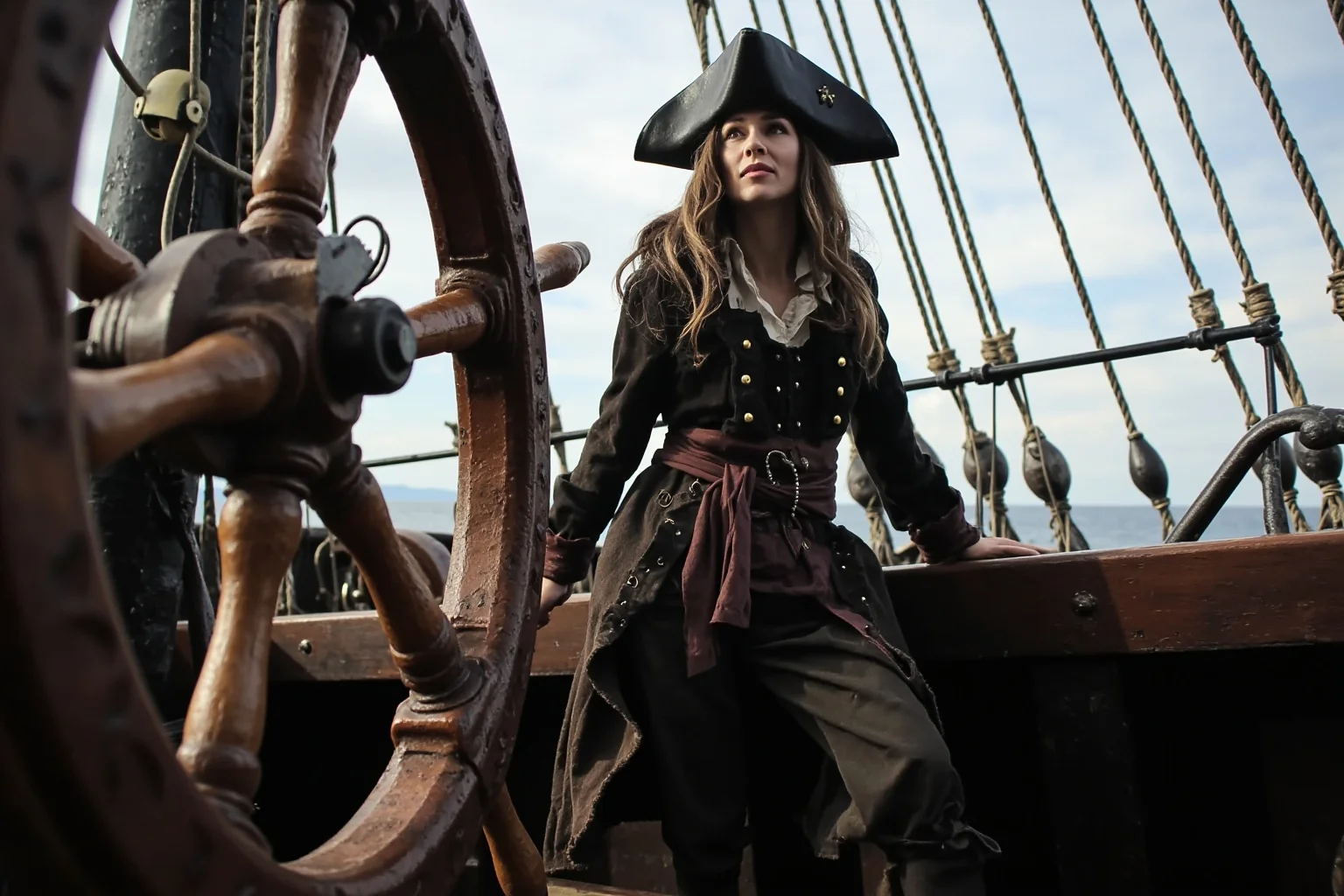
Piracy was overwhelmingly male, largely because sailing ships were male-dominated workplaces, but women absolutely took part. Anne Bonny and Mary Read sailed with Calico Jack Rackham in the early 1700s and were both convicted of piracy in Jamaica in 1720.
Farther afield, the Chinese pirate leader Ching Shih commanded a massive confederation of pirate fleets in the early 1800s, reportedly with tens of thousands of sailors under her command. She eventually negotiated an amnesty with the Chinese government and retired, which is a far better ending than most male pirates got.
6. The Jolly Roger Was the Only Pirate Flag
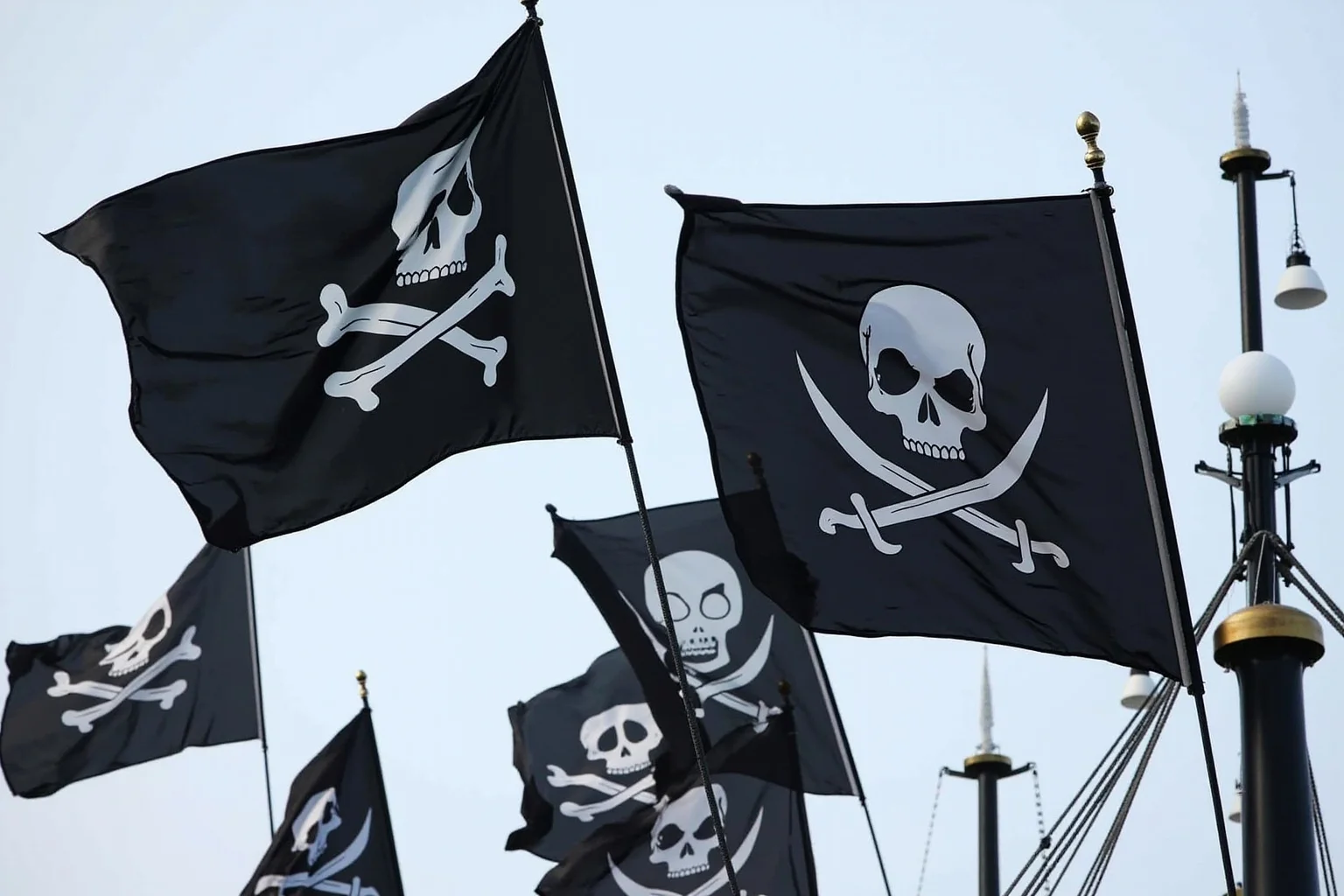
The classic white skull and crossbones on a black field is the most famous pirate flag, but it wasn’t the only design in use. Different captains flew their own personalized flags, including images of skeletons, hourglasses, bleeding hearts, and spears, each meant to intimidate a targeted ship’s crew.
Some pirate ships also flew false flags — the colors of a friendly or neutral nation — to get close to a target before revealing their true intentions. The “Jolly Roger” was more of a general term for a pirate flag than one single fixed design.
7. Pirate Ships Were Lawless Free-for-Alls
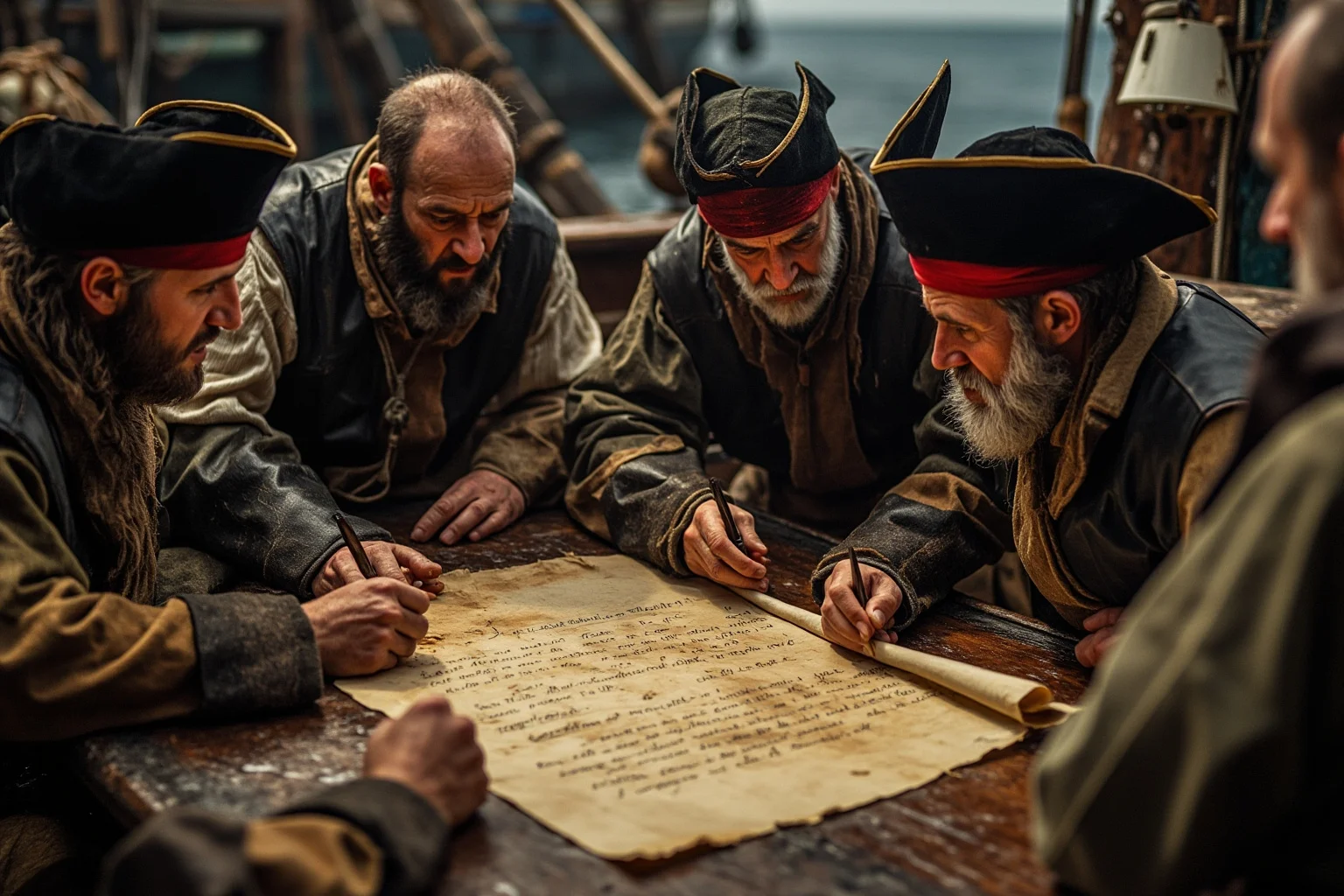
It seems counterintuitive, but many pirate crews operated under surprisingly formal rules called “articles,” which every crew member had to agree to and sign before a voyage. These articles covered everything from how plunder would be divided to compensation for injuries suffered in battle.
Bartholomew Roberts, one of the most successful pirates of the era, ran his ship under a detailed code that even regulated gambling and lights-out times. Pirate crews needed cooperation and discipline to survive at sea, so total lawlessness would have been bad for business.
8. Captains Had Absolute, Unquestioned Power
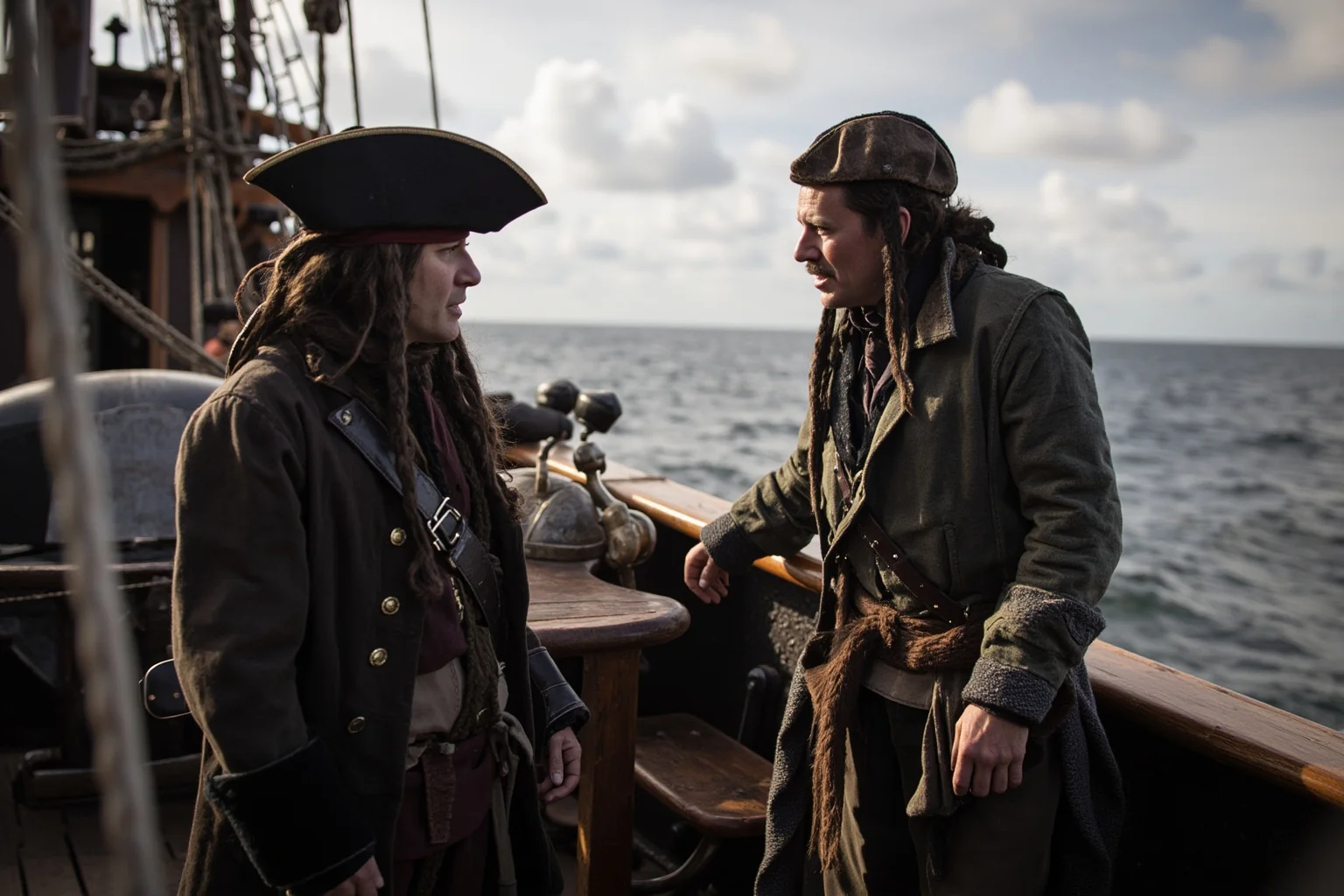
Naval captains of the era held near-total authority over their crews, but pirate captains often didn’t. On many pirate ships, the captain was elected by crew vote and could be removed the same way if he was seen as cowardly, cruel, or incompetent.
Day-to-day authority was frequently split with a “quartermaster,” who handled discipline and distributed plunder, acting as a check on the captain’s power. This more democratic structure was a striking contrast to the rigid hierarchies of national navies at the time.
9. Pirates Were Ignorant, Brutish Thugs

Piracy attracted plenty of desperate and violent men, but it also required real skill. Navigating open ocean, reading weather, maintaining a ship, and coordinating naval-style combat all demanded genuine expertise, and many pirates were former merchant sailors or navy men with real training.
Some pirates, like the well-read Captain Bartholomew Roberts or the University-educated Stede Bonnet, came from relatively privileged or educated backgrounds. Piracy was a brutal life, but it wasn’t necessarily a life for fools.
10. Piracy Only Happened in the Caribbean’s “Golden Age”
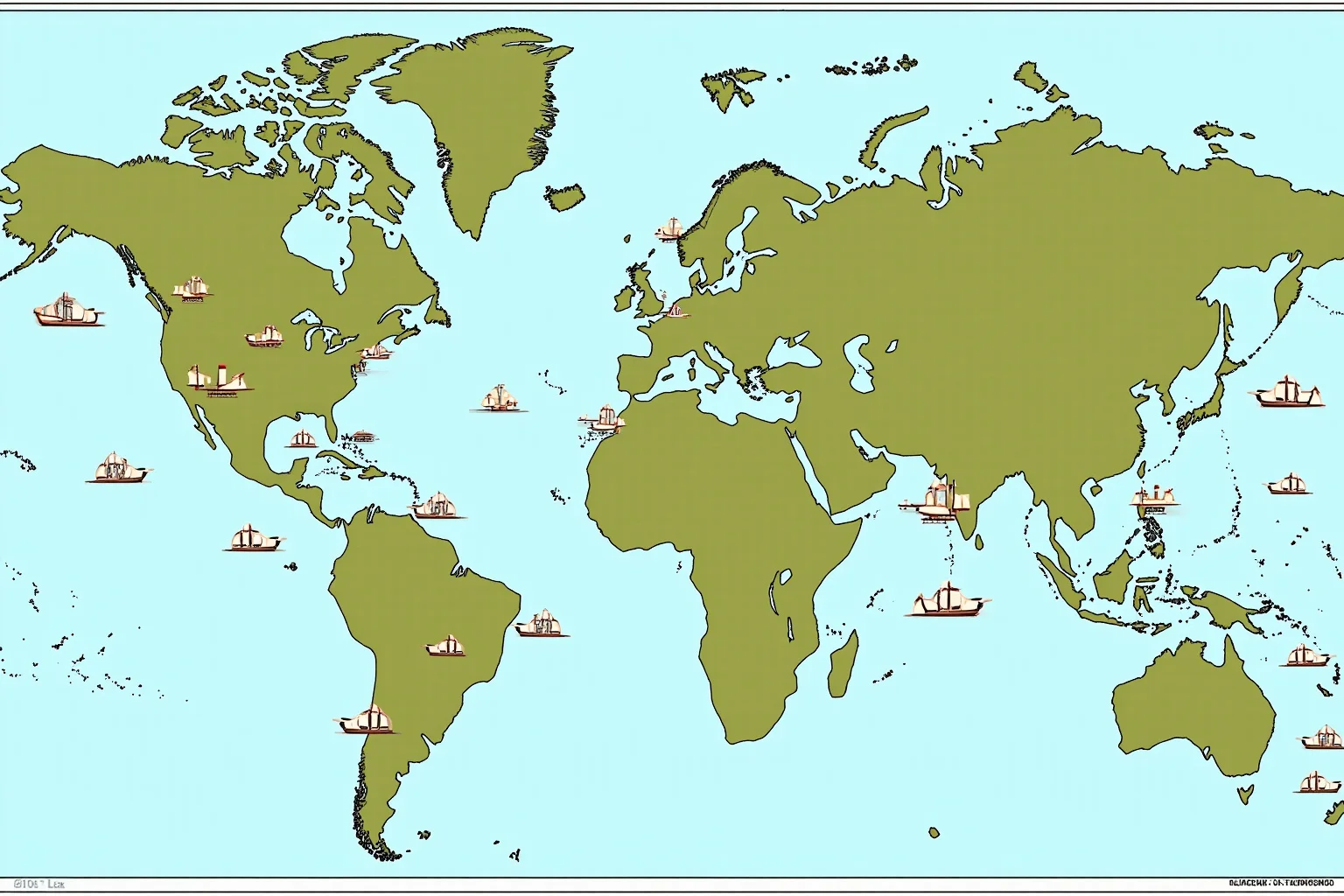
The Golden Age of Piracy, roughly the 1650s to the 1730s, is the era most closely tied to pirate myths and legends today, largely thanks to famous names like Blackbeard and Captain Kidd. But piracy is far older and far more global than that single period suggests.
Ancient Mediterranean piracy troubled Rome enough that Julius Caesar was famously kidnapped by pirates as a young man. Barbary corsairs raided European coastlines for centuries, and pirate fleets operated extensively along the coasts of China and Southeast Asia well into the 1800s.
11. Treasure Maps Marked With a Big Red “X”
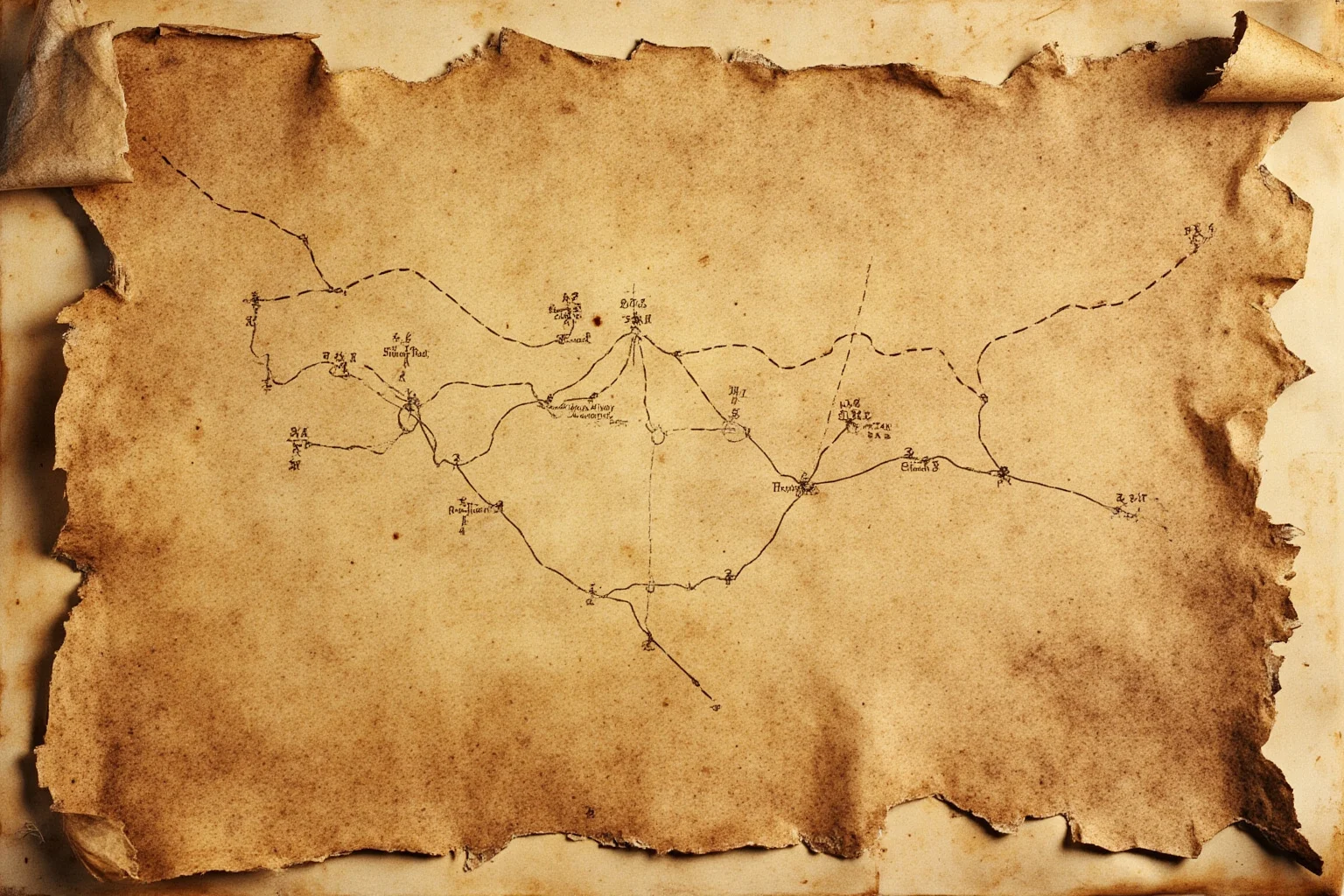
There’s no solid historical evidence that real pirates drew treasure maps with an “X marking the spot,” mostly because, as noted earlier, burying treasure itself was rare. This trope, too, traces back to “Treasure Island,” where the map is a central plot device.
Real pirates were far more concerned with quickly selling or spending their plunder in friendly ports than with drawing elaborate maps for future generations. The treasure map is a wonderful storytelling tool, but not a historical artifact.
12. Every Pirate Had a Peg Leg or Hook Hand
Sailing was dangerous work, and injuries from cannon fire, falls, and infections were common enough that some sailors did end up with amputated limbs and crude prosthetics. However, this was true of sailors and soldiers generally, not a defining pirate trait.
The peg leg became a fixture of pirate fiction largely through characters like Long John Silver, whose missing leg is central to his identity in “Treasure Island.” Most real pirates kept both their legs and both their hands throughout their (often short) careers.
13. Parrots Were Standard Pirate Sidekicks
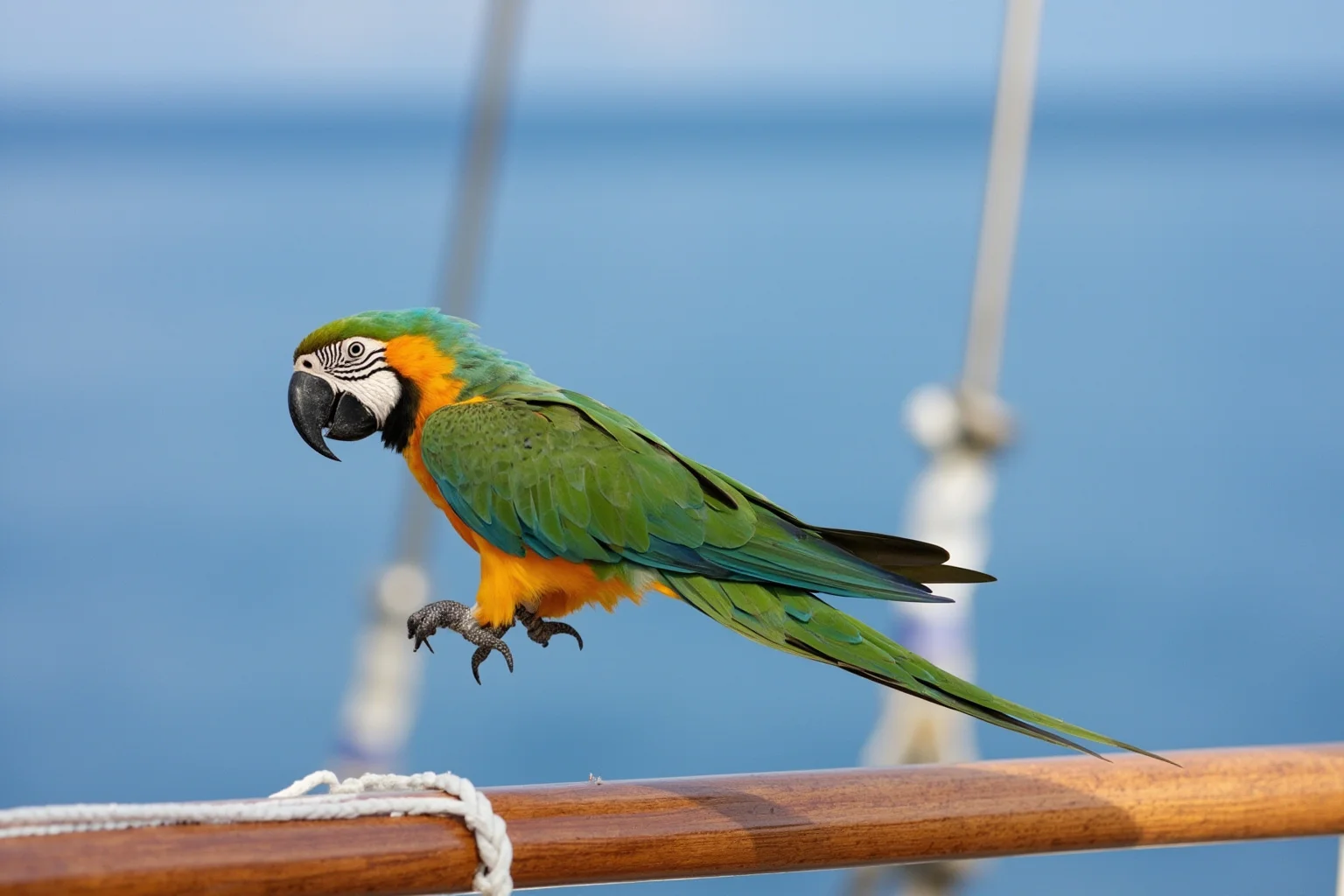
Some sailors genuinely did bring home exotic birds, including parrots, from voyages to the Caribbean, West Africa, and South America, since they were valuable and easy to sell in European ports. So there’s a small kernel of truth buried in this one.
But the image of every captain strolling the deck with a parrot perched on his shoulder is, again, mostly thanks to Long John Silver and his parrot Captain Flint in “Treasure Island.” It’s one of the funny pirate facts that turns out to be part truth, part 19th-century marketing.
14. Blackbeard Was a Bloodthirsty Killer
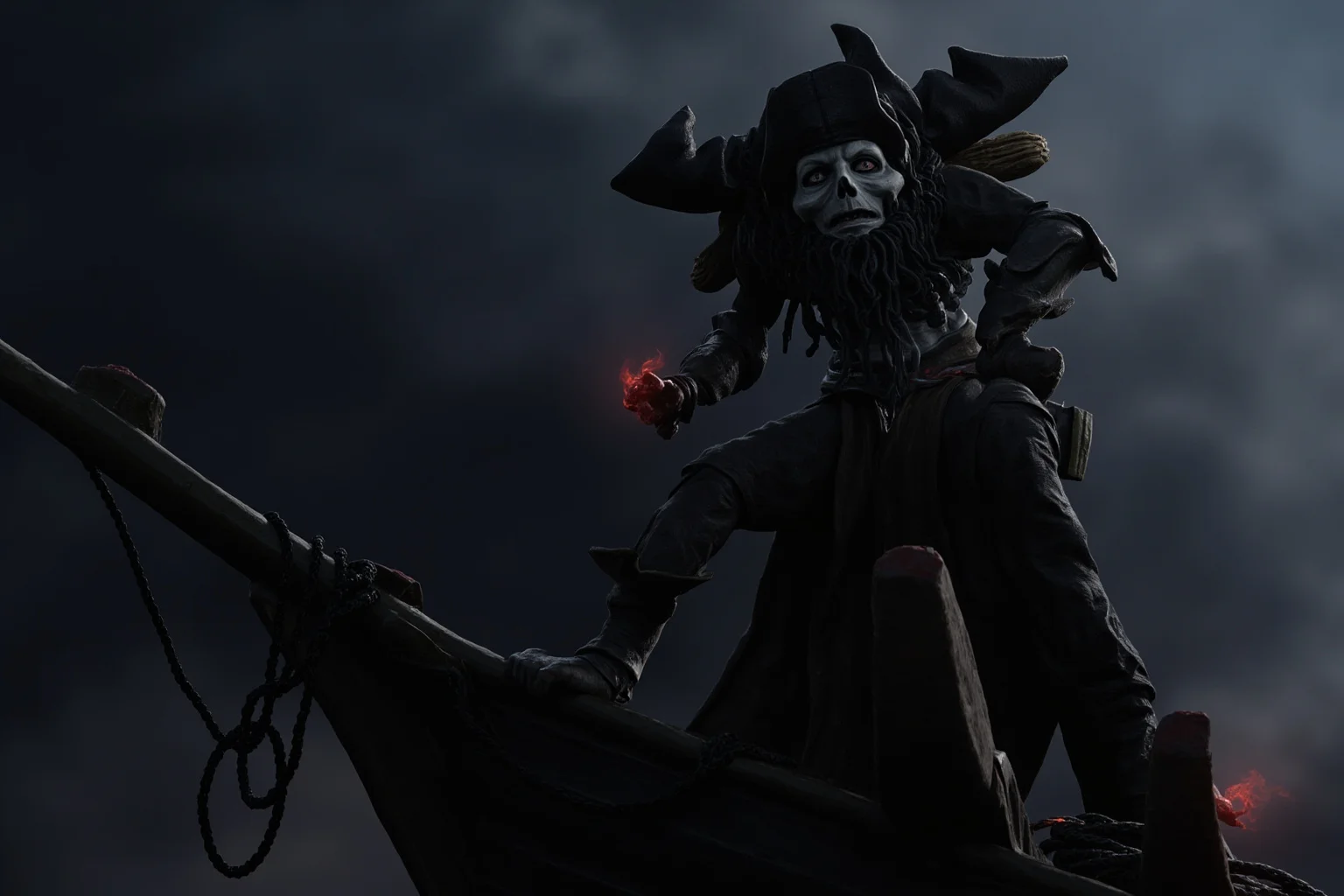
Edward Teach, better known as Blackbeard, cultivated one of the scariest reputations in pirate history, reportedly weaving lit fuses into his beard during battle to look demonic. But historical records show surprisingly little evidence that he actually killed people before his final, fatal battle with the Royal Navy in 1718.
Blackbeard preferred psychological warfare over bloodshed, relying on his terrifying appearance and reputation to make crews surrender without a fight. It was smart strategy: dead crews don’t hand over cargo, but frightened ones usually do.
15. Pirates and Privateers Were the Same Thing
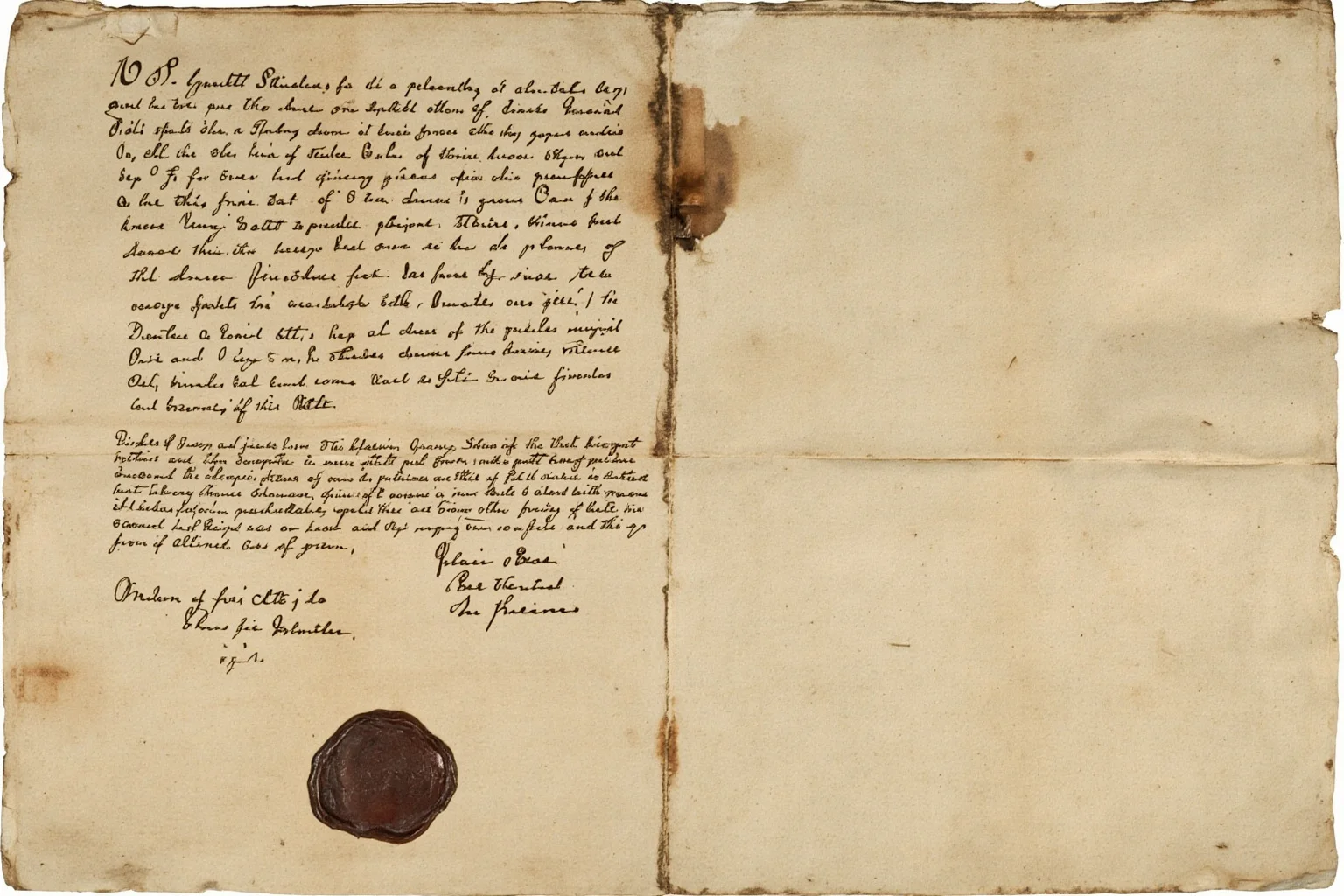
Privateers were privately owned ships authorized by a government, through a document called a “letter of marque,” to attack and plunder enemy vessels during wartime. Pirates, by contrast, operated entirely outside the law, with no government backing at all.
The line between the two was often blurry in practice, and plenty of privateers turned to outright piracy once a war ended and their letters of marque became worthless. Captain Kidd himself started his career as a privateer before being tried and executed as a pirate in 1701.
16. Pirates Were Constantly Drunk on Rum
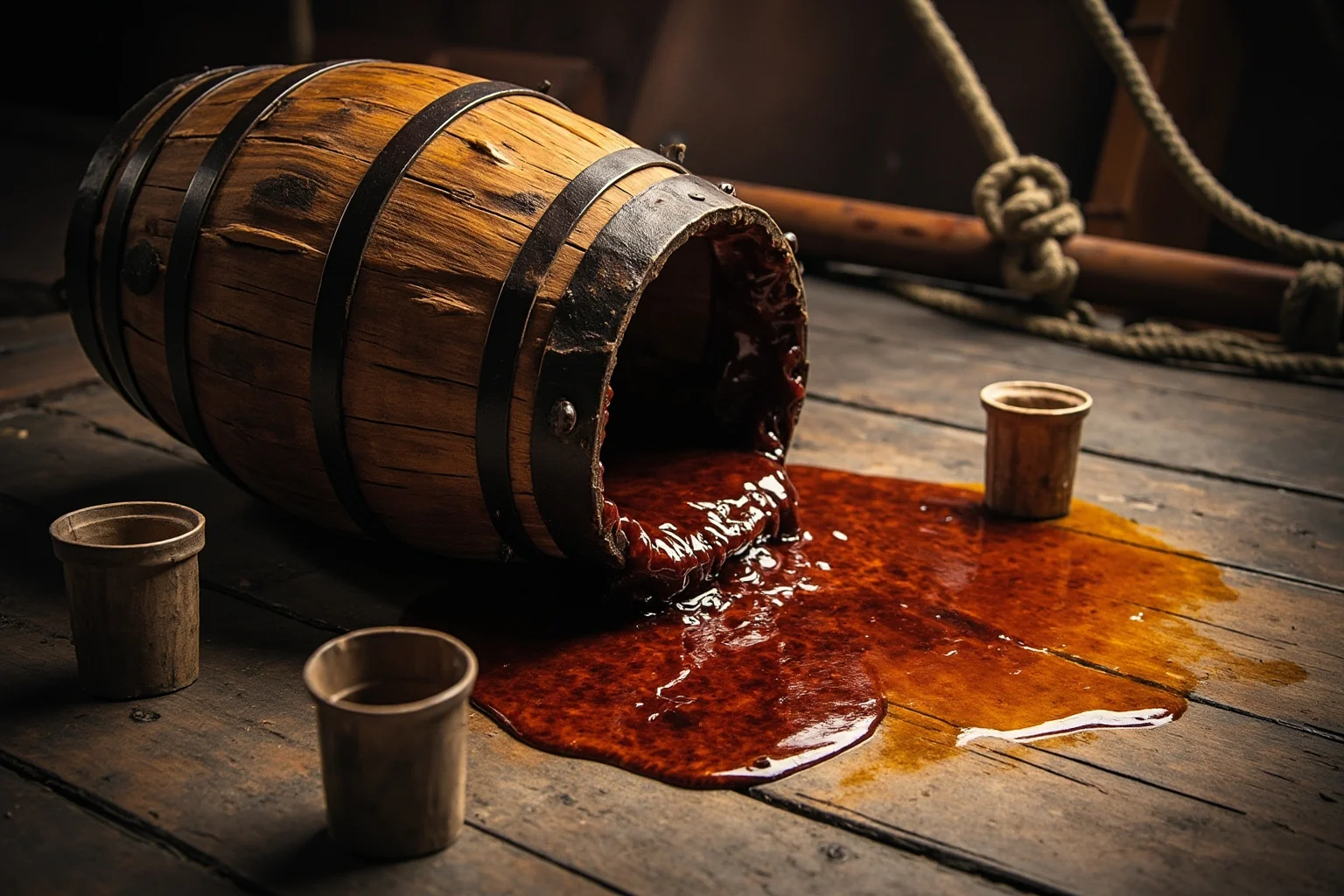
Rum and other alcohol were certainly common aboard pirate ships, partly because fresh water spoiled quickly at sea and alcohol kept longer. Drinking was also one of the few pleasures available during long, dangerous, and often boring voyages.
But a ship full of genuinely drunk sailors would have struggled to navigate, fight, or even survive rough weather, so the stereotype of constant, reckless drunkenness is exaggerated. Some pirate codes, including Bartholomew Roberts’ articles, actually restricted heavy drinking and gambling to keep the crew functional.
17. Female Pirates Didn’t Really Exist
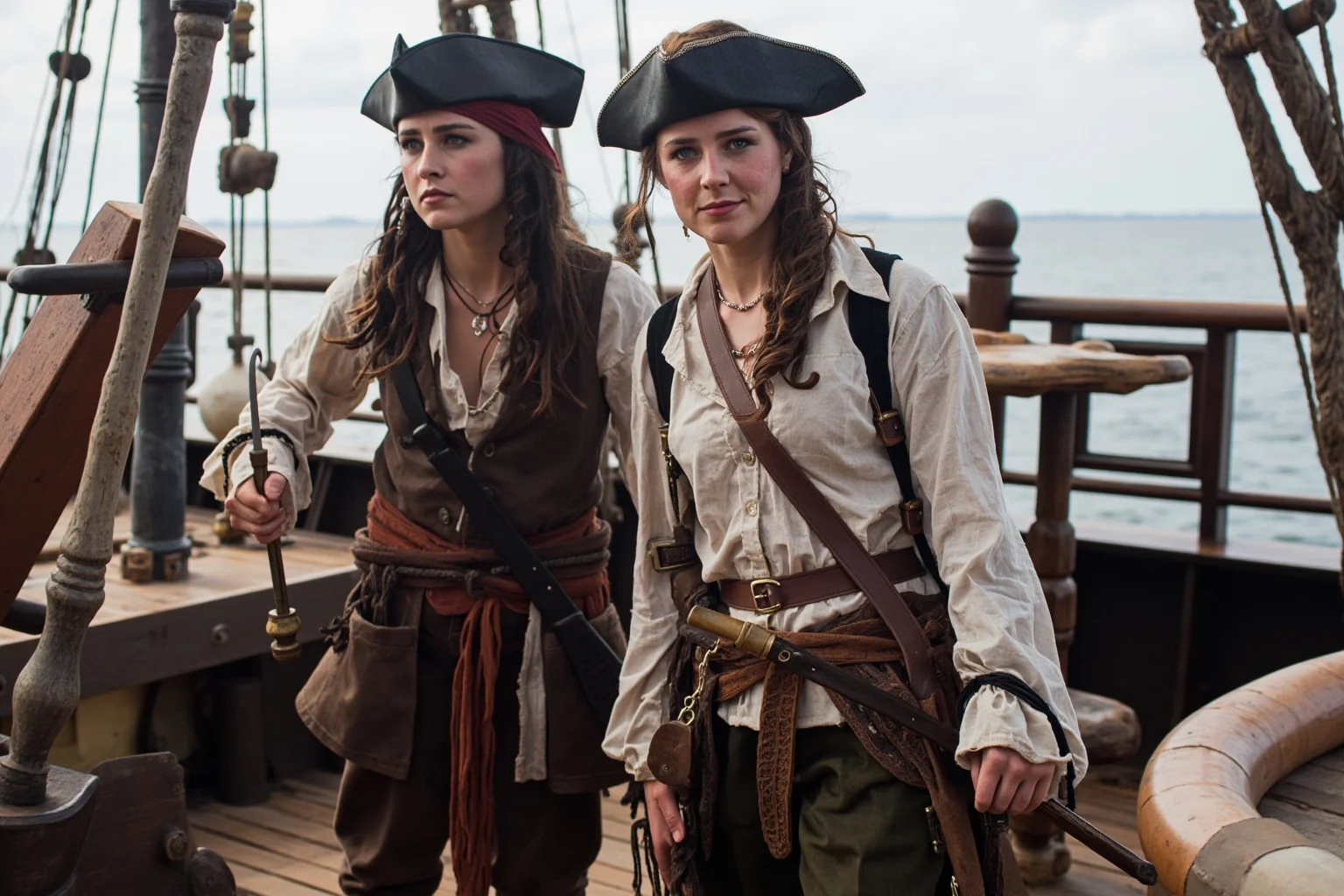
Beyond Anne Bonny, Mary Read, and Ching Shih, there are historical records of other women who disguised themselves as men to serve on ships or who commanded pirate vessels outright in various parts of the world. Their numbers were small, but they were real, documented figures, not just legend.
Anne Bonny and Mary Read were both tried in 1720 and reportedly avoided execution by claiming pregnancy, a legal loophole known as “pleading the belly.” Their trial records are among the best surviving documents we have about real pirate life in the Caribbean.
18. Pirates Robbed From the Rich to Give to the Poor
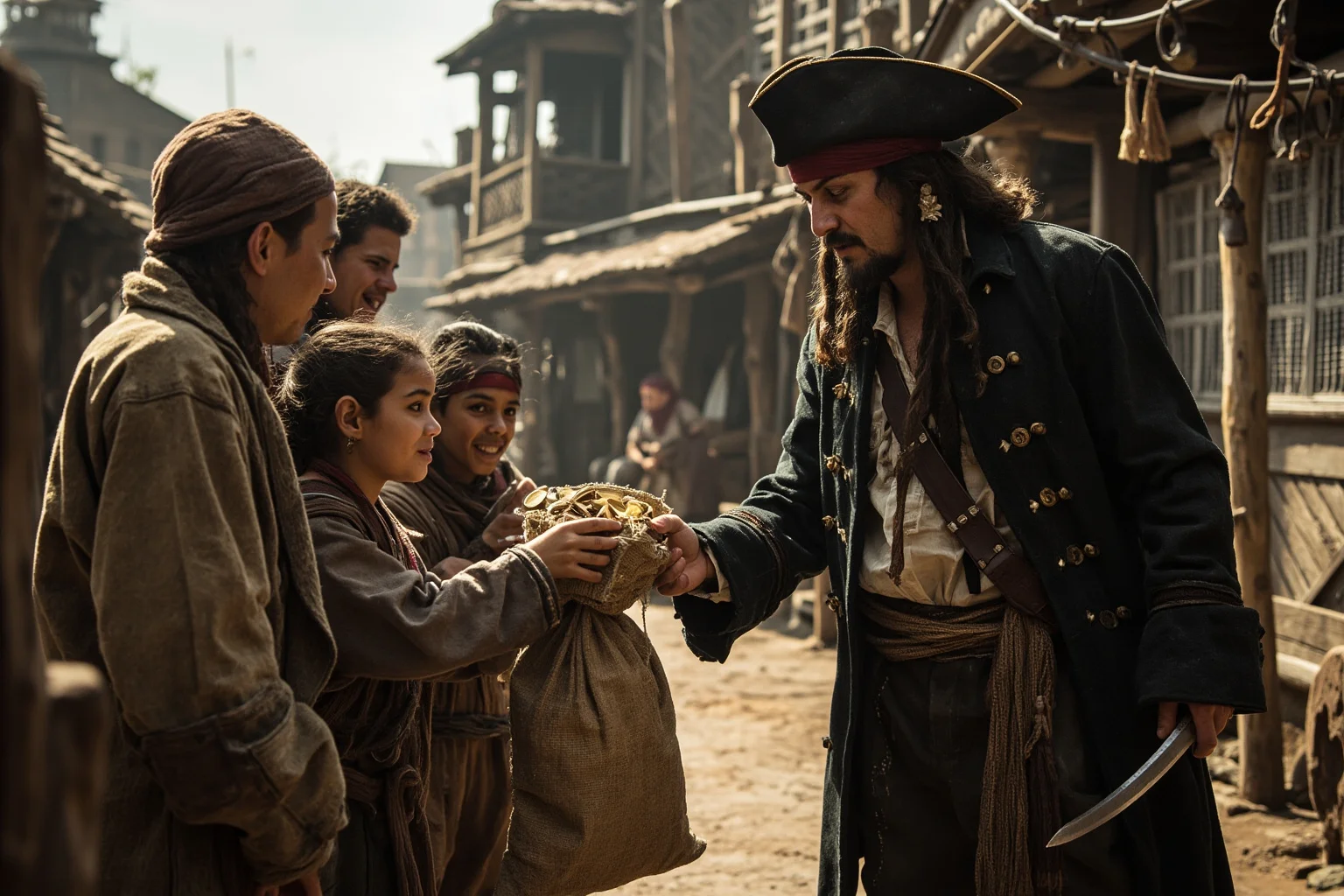
The Robin Hood image of a noble pirate redistributing wealth to the needy makes for a great story, but there’s little historical evidence that real pirates operated this way. Most plunder was kept by the crew and divided according to the ship’s articles, not handed out to struggling villagers.
That said, some pirates did enjoy genuine popular support in port communities, since they brought in cheap goods and spent freely in local taverns and markets. Sympathy from the poor wasn’t charity from pirates — it was simple economics.
19. Pirates Had No Ties to Legitimate Society
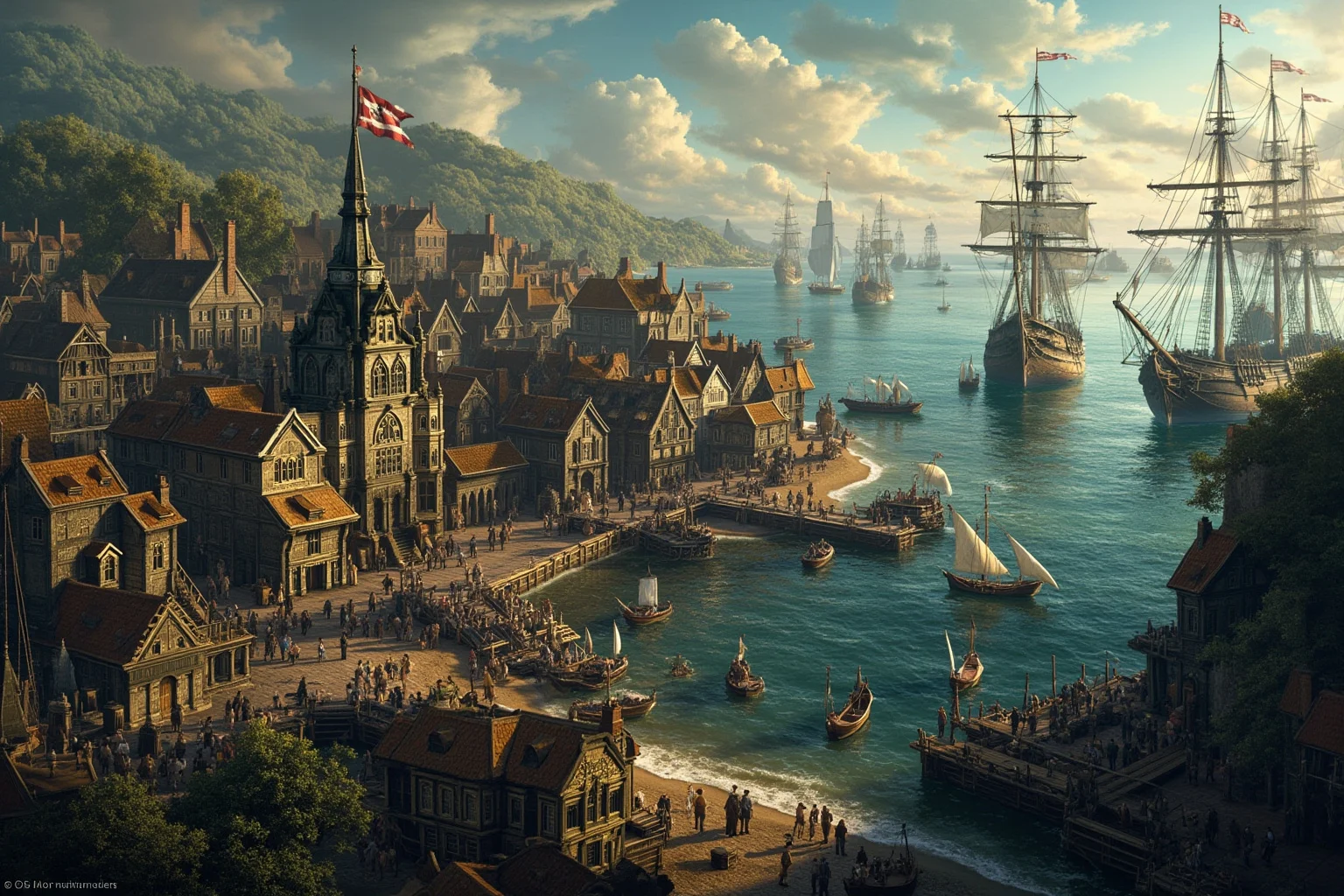
Far from being total outcasts, pirates relied heavily on cooperative merchants, corrupt officials, and pirate-friendly ports to survive. Places like Port Royal in Jamaica and Nassau in the Bahamas thrived as hubs where pirates could resupply, sell stolen goods, and spend their earnings.
Some colonial governors and merchants quietly profited from trading with pirates, even while piracy was officially illegal. The pirate economy depended on a surprisingly wide network of willing, legitimate business partners on land.
20. Piracy Is Just a Thing of the Past

It’s tempting to think of pirates as purely historical figures from powdered-wig-era ships, but piracy never actually went away. Modern piracy remains a serious problem in areas like the Gulf of Guinea off West Africa, the Strait of Malacca in Southeast Asia, and, at times, waters off the Horn of Africa.
Modern pirates use speedboats and firearms instead of cutlasses and cannons, targeting cargo ships, oil tankers, and fishing vessels for ransom or stolen goods. So if you’ve ever wondered, “were pirates real,” the honest answer is that they were real then, and in a modern form, they’re still real now.
Why These Pirate Myths Stuck Around
Most of the enduring pirate myths trace back to a surprisingly small handful of sources: Robert Louis Stevenson’s “Treasure Island,” J.M. Barrie’s “Peter Pan” with Captain Hook, and 20th-century Hollywood films. These stories borrowed a little bit of real history and then filled in the rest with whatever made for the best adventure. It’s a pattern seen across history — even a fairly well-documented figure like Christopher Columbus has had his real story blurred by centuries of myth-making.
Once Disney’s 1950 “Treasure Island” gave audiences that unforgettable pirate voice and peg-legged silhouette, the image was locked in for generations. It’s a testament to good storytelling that these myths have outlasted the actual historical record in most people’s minds.
Separating the Real History From the Legend
None of this is meant to suggest that real pirates were boring — quite the opposite. The true stories of legendary pirates like Ching Shih, who commanded a fleet of tens of thousands, or Blackbeard, who built an entire reputation on theater and intimidation, are just as compelling as anything fiction invented, as you’ll see among these legendary pirates who ruled the seas.
Real pirate history is a story about desperate economics, wartime opportunism, and the brutal realities of life at sea in the 17th and 18th centuries. It’s a story worth knowing accurately, rather than only through the lens of eye patches and buried treasure.
Final Thoughts
Pirates were absolutely real, and in some parts of the world, piracy remains a genuine modern danger. But the swashbuckling, treasure-map-carrying, “arrr”-shouting version most of us know is largely a creation of novelists and filmmakers working centuries after the fact.
Understanding the real history behind these pirate myths and legends doesn’t make the subject any less fun — if anything, the true stories of pirate codes, elected captains, and figures like Ching Shih are even stranger and more fascinating than the fiction. The next time someone brings up buried treasure or walking the plank, you’ll know exactly which parts of the legend to take with a grain of sea salt.
Frequently Asked Questions
Are pirates real, or are they just a legend?
Pirates are absolutely real, both historically and today. Piracy has existed since ancient times, including well-documented Mediterranean and Barbary Coast piracy, the Golden Age of Piracy in the Caribbean during the late 1600s and early 1700s, and modern piracy that still occurs in regions like the Gulf of Guinea and the Strait of Malacca.
What is the biggest myth about pirates?
One of the most persistent pirate myths is that pirates routinely buried treasure and marked it with a map. In reality, most pirates spent their plunder quickly in port rather than hiding it, and only one well-documented case of buried pirate treasure exists, involving Captain William Kidd.
What are some funny pirate facts most people don’t know?
Some genuinely funny pirate facts include that pirates likely wore eye patches to help their eyes adjust between light and dark areas of a ship rather than because they'd lost an eye, that the famous 'pirate accent' comes from a single 1950 film actor, and that pirate crews sometimes had formal written rules banning excessive gambling and drinking.
What are the most common pirate myths and legends?
The most common pirate myths and legends include buried treasure marked with an X, prisoners walking the plank, a universal pirate accent, and the idea that all pirates were violent, uneducated men. Most of these ideas come from 19th and 20th century novels and films rather than historical records.
Were there any real female pirates?
Yes, several women are documented as real pirates. Anne Bonny and Mary Read sailed with Calico Jack Rackham and were tried for piracy in Jamaica in 1720, while the Chinese pirate leader Ching Shih commanded a massive pirate confederation in the early 1800s before negotiating an amnesty.
Did pirates really make people walk the plank?
There is very little solid historical evidence that pirates commonly forced captives to walk the plank. This idea became popular mainly through 19th-century adventure fiction, well after the Golden Age of Piracy had ended, while real pirates tended to use quicker methods of punishment or execution.

Alex Warren
Related Articles





