

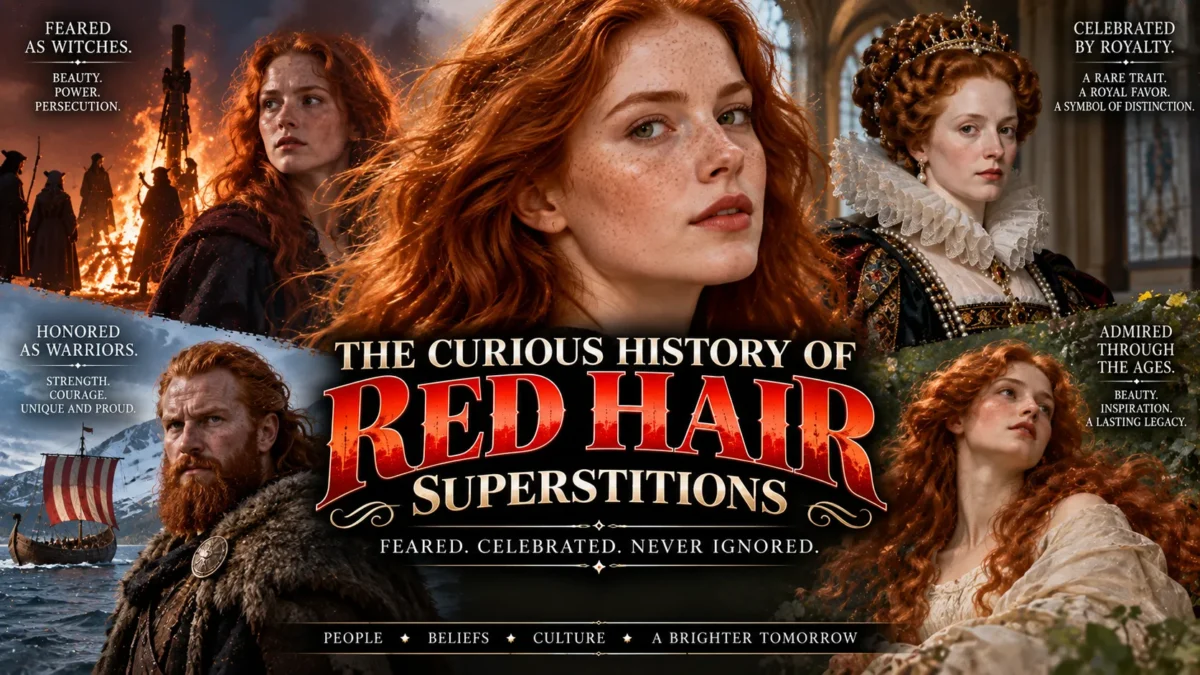
Red hair has always drawn a second look. For most of human history, that second look wasn’t necessarily a compliment — it was suspicion, fascination, or outright fear. Redheads have been called witches, vampires, barbarians, and traitors, all because of a genetic quirk that affects roughly one to two percent of the world’s population.
So how did a simple pigment variation turn into centuries of folklore? The story of red hair origin winds through genetics, ancient empires, medieval witch hunts, and eventually pop culture pride parades. Let’s untangle the science from the superstition.
TL;DR: Red hair comes from a recessive MC1R gene mutation most concentrated in Northern and Western Europe, and for centuries that rarity fueled superstitions ranging from witchcraft to bad luck, before red hair was eventually reclaimed as a celebrated trait.
The Science Behind Red Hair Strands
Before diving into the myths, it helps to understand what’s actually happening biologically. Red hair strands get their color from high levels of a pigment called pheomelanin and comparatively low levels of eumelanin, the pigment responsible for brown and black hair. This pigment ratio is controlled largely by variations in a single gene, and it’s this gene that historians and geneticists point to when discussing redhead origin.
Understanding this gene doesn’t just explain hair color. It also explains why red hair correlates with fair skin, freckles, and heightened sun sensitivity, all traits that shaped how ancient societies perceived redheads long before anyone understood genetics.
1. It All Starts With a Gene: MC1R and the Red Hair Theory
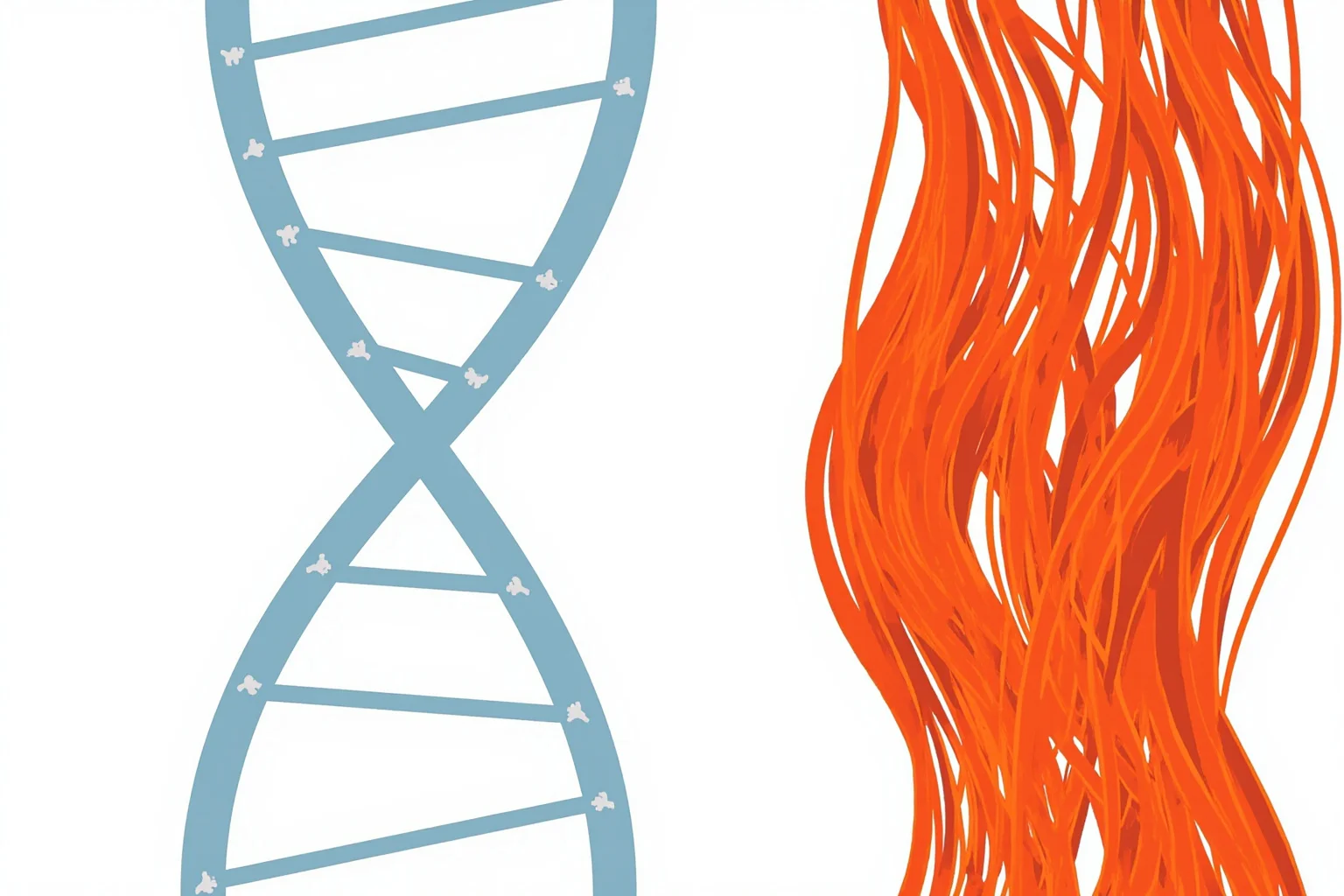
The leading red hair theory in modern genetics centers on the MC1R gene, which regulates melanin production in skin and hair follicles. When both copies of this gene carry certain mutations, the body produces more pheomelanin, resulting in red or reddish hair. Because the trait is recessive, both parents typically need to carry the gene, even if neither parent has red hair themselves.
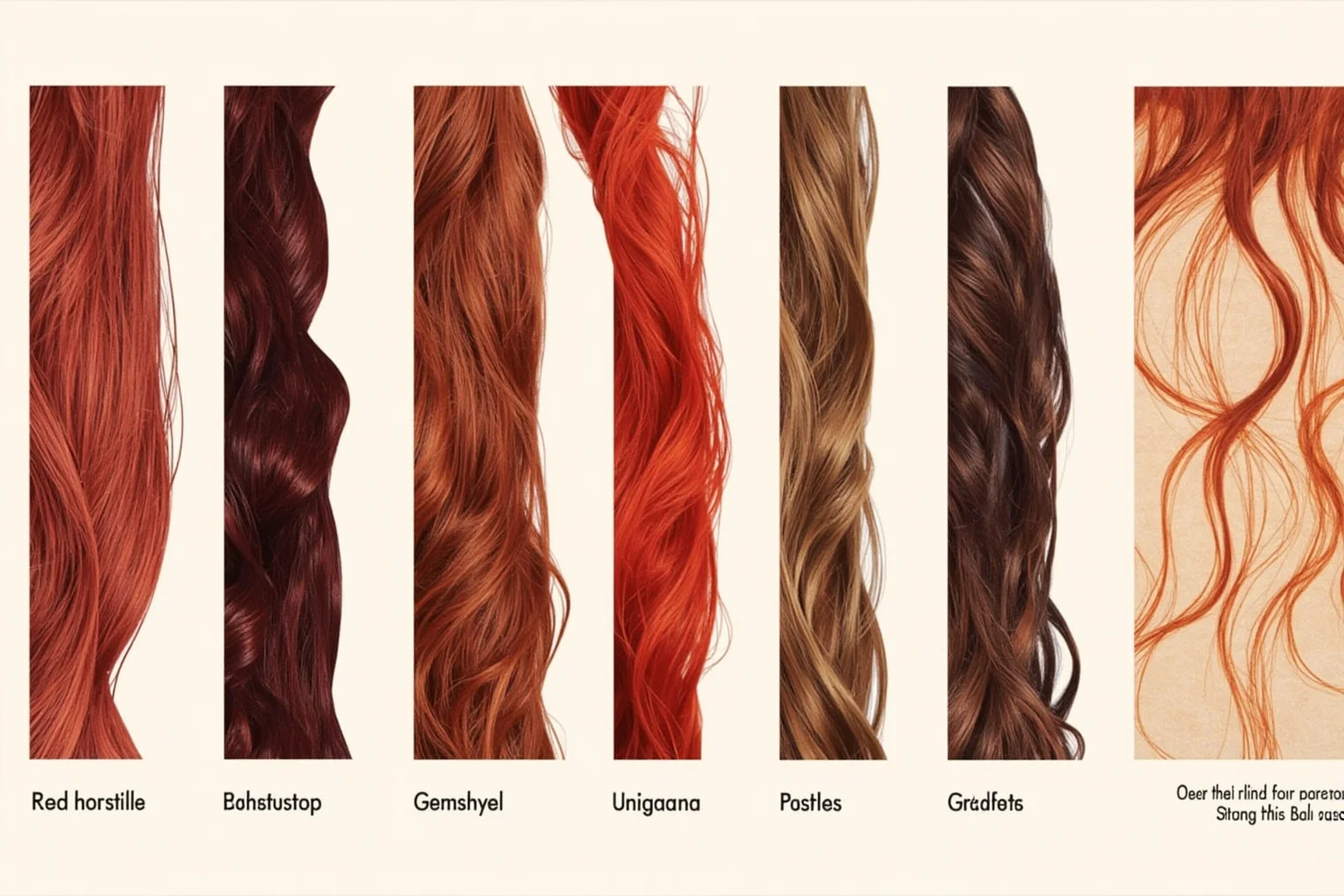
This is why red hair can seemingly “skip” generations, popping up in families with no visibly red-haired relatives. Geneticists have identified several MC1R variants linked to red hair, which also explains the wide range of shades from strawberry blonde to deep auburn.
2. So, Where Do Red Hair Origins Actually Trace Back To?

When people ask where red hair originates from, the honest answer is that the mutation likely arose tens of thousands of years ago, though pinpointing an exact date and location is difficult with current evidence. Genetic studies suggest the trait became concentrated in populations across Northern and Western Europe, particularly around the British Isles and Scandinavia. Some researchers have proposed it emerged as an adaptation to the low-sunlight environments of Ice Age Europe, since paler skin helps the body synthesize vitamin D more efficiently in cloudier climates.
It’s worth noting this remains a scientific theory rather than a settled fact, since sunlight adaptation is one of several explanations researchers have explored. What is well documented is that red hair shows up in populations across the globe, from the Middle East to Central Asia, just at much lower frequencies than in Europe.
3. The Neanderthal Myth: A Different Mutation Entirely
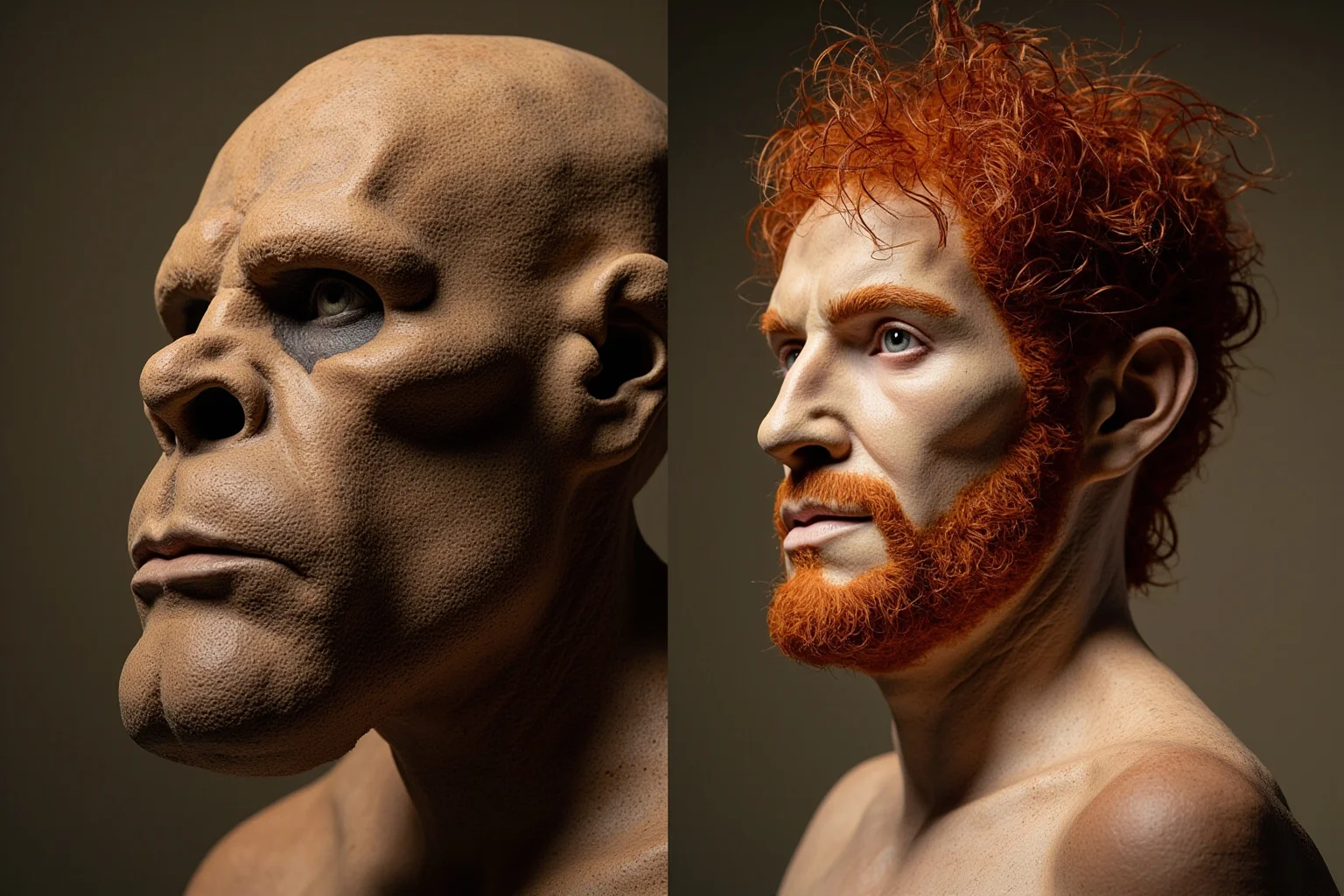
A popular claim making the rounds online is that redheads descend from Neanderthals. It’s a catchy idea, but it doesn’t hold up under scrutiny. Genetic research has found that while some Neanderthals likely had red hair, the mutation responsible for it was different from the MC1R variants found in modern redheads.
In other words, Neanderthal red hair and human red hair appear to be a case of convergent evolution rather than direct inheritance. It’s a great reminder that catchy science headlines don’t always survive closer examination.
4. Just How Rare Is Red Hair, Really?
Red hair is estimated to occur in only about one to two percent of the global population, making it the rarest naturally occurring hair color. Compare that to blonde hair, which shows up in roughly two to sixteen percent of people depending on the region, and the rarity becomes clear. That scarcity is part of why redheads have historically stood out so much, for better or worse.
Because the gene is recessive, red hair can become even rarer in populations where fewer people carry two copies of the mutation. This rarity has fed centuries of curiosity, myth-making, and occasionally, outright prejudice.
5. Scotland and Ireland: The Redhead Capitals of the World

No discussion of redhead history is complete without mentioning Scotland and Ireland, which have the highest concentrations of natural redheads anywhere on Earth. Estimates suggest around six percent of the Scottish population and up to ten percent of the Irish population carry red hair, with a much larger percentage carrying the recessive gene without expressing it visibly. This concentration likely developed due to genetic isolation and the specific ancestral populations that settled the region.
The strong association between red hair and Celtic identity has become so ingrained in popular culture that many people assume redheads originated there entirely. In reality, the trait’s spread is more complicated, but the British Isles remain its most iconic stronghold.
6. Ancient Egypt: Red Hair as a Mark of Chaos and Set
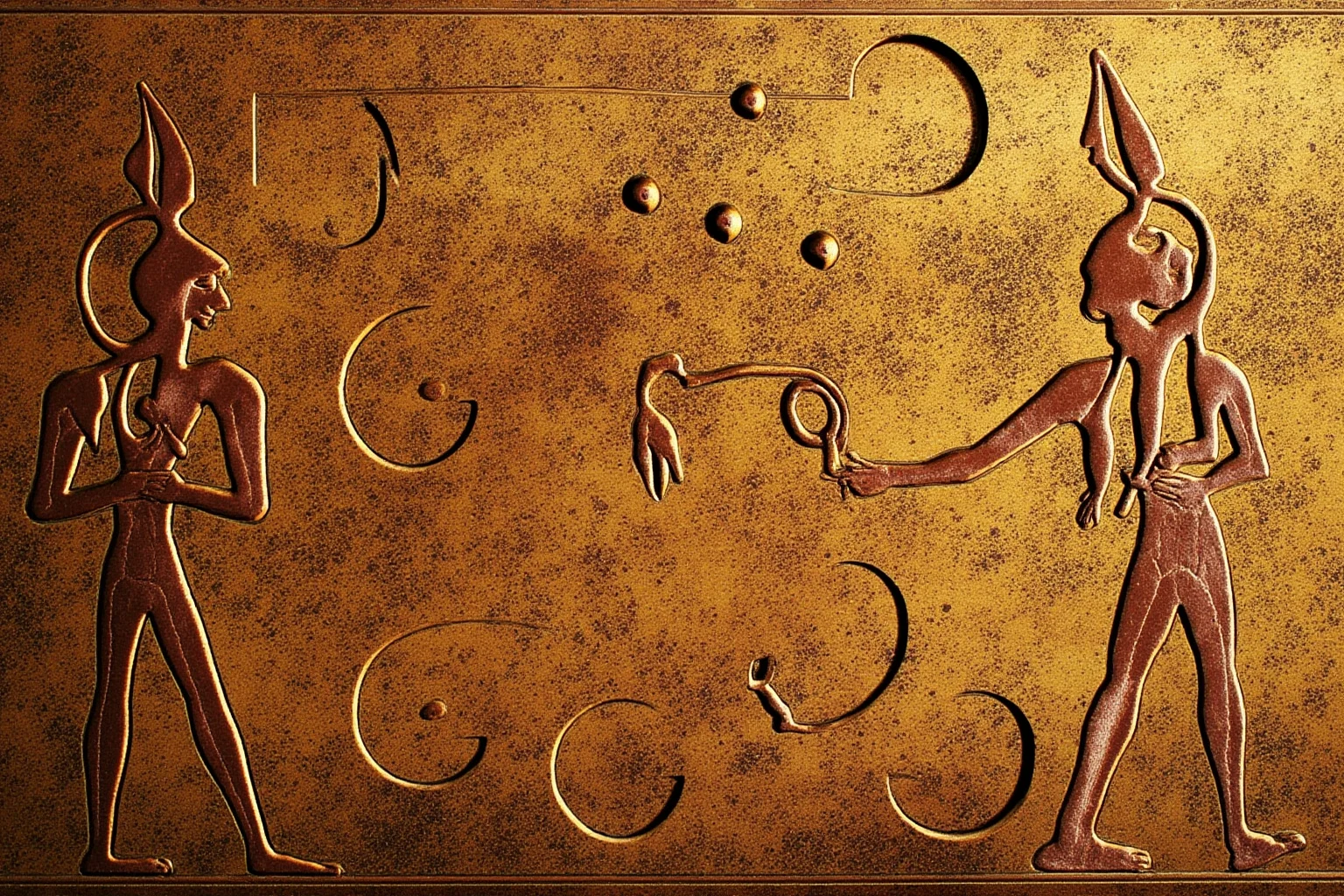
In ancient Egypt, red hair carried an unsettling reputation. It was closely associated with Set, the god of chaos, storms, and disorder, who was sometimes described or depicted with reddish coloring. Because of this connection, some historical accounts suggest red-haired individuals faced suspicion or were viewed as unlucky.
There are also accounts describing ritual practices involving red-haired individuals in certain periods of Egyptian history, though the details are debated among historians and shouldn’t be treated as definitively confirmed. What’s clear is that red hair carried symbolic weight in Egyptian culture, and rarely a positive one.
7. Ancient Greece: Redheads and the Vampire Myth
Ancient Greek folklore contributed one of the more dramatic red hair superstitions: the belief that redheads would turn into vampires after death. This idea appears in later Greek folk tradition rather than classical Greek philosophy or mythology, and it reflects how deeply unfamiliar traits could become tied to supernatural fear. Pale skin, a tendency toward sunburn, and the simple rarity of red hair likely all played a role in cementing this association.
This vampire connection would echo for centuries in European folklore, resurfacing in different forms well into the medieval period. It’s a good early example of how a physical trait becomes a stand-in for “otherness” in cultural storytelling.
8. Ancient Rome: Red Hair as the Look of the Outsider

The Romans encountered red hair frequently as they expanded into Gaul, Britain, and Germanic territories, where the trait appeared more commonly among local populations. Roman writers sometimes described these red-haired peoples as fierce, wild, or uncivilized compared to Roman ideals of appearance. This framing tied red hair to the broader Roman concept of the “barbarian,” an outsider beyond the boundaries of Roman culture.
Interestingly, some Roman fashions later embraced reddish hair dyes and wigs, showing that even a trait viewed with suspicion could become desirable when detached from its association with conquered peoples. This tension between fear and fascination would repeat throughout redhead history.
9. Medieval Europe: Red Hair and the Rise of Witchcraft Suspicion
By the medieval period, red hair had picked up a reputation as a physical sign of moral or spiritual deviance in parts of Europe. Popular belief in some regions held that red-haired individuals were more likely to possess fiery tempers, deceitful natures, or even supernatural ties. This wasn’t universal, but it appeared often enough in folklore and popular sayings to shape public perception for generations.
These beliefs didn’t emerge from nowhere. They built on centuries of earlier associations between red hair, otherness, and the demonic imagery found in religious art of the period.
10. The Witch Trials: When Red Hair Strands Became “Evidence”
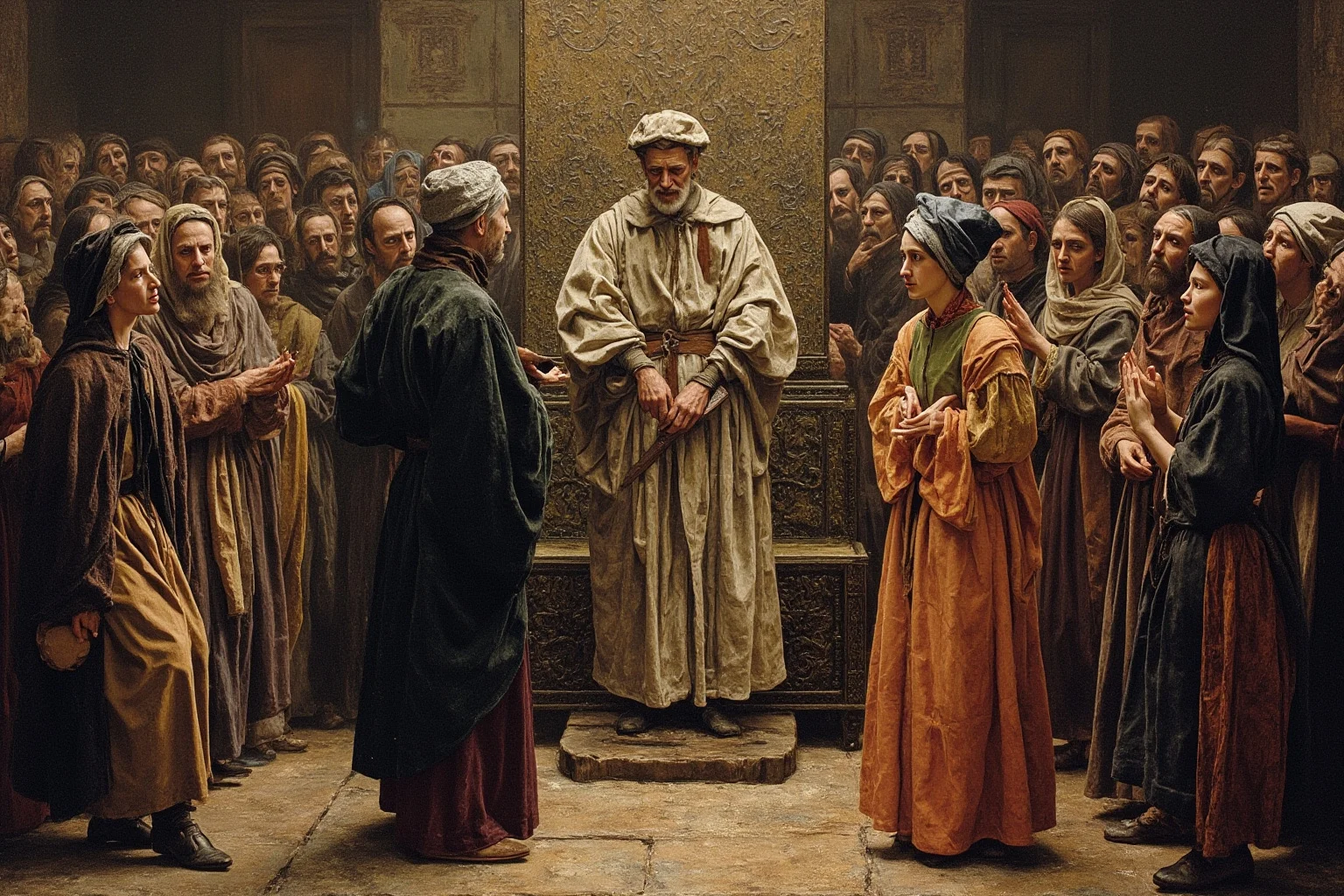
During the witch trials that swept parts of Europe between the 15th and 17th centuries, physical differences were sometimes used as circumstantial evidence against accused individuals. Some historical accounts describe red hair being cited alongside other traits, like moles or birthmarks, as a supposed “mark” associated with witchcraft. It’s important to be careful here, since surviving trial records vary widely by region, and red hair was never a universal or official criterion for accusation.
Still, the folklore linking red hair strands to witchcraft persisted strongly enough to influence popular imagination for centuries afterward. This is one of the clearest examples of how superstition, not evidence, could put ordinary people at real risk.
11. Judas Iscariot and the Art of Villainizing Red Hair
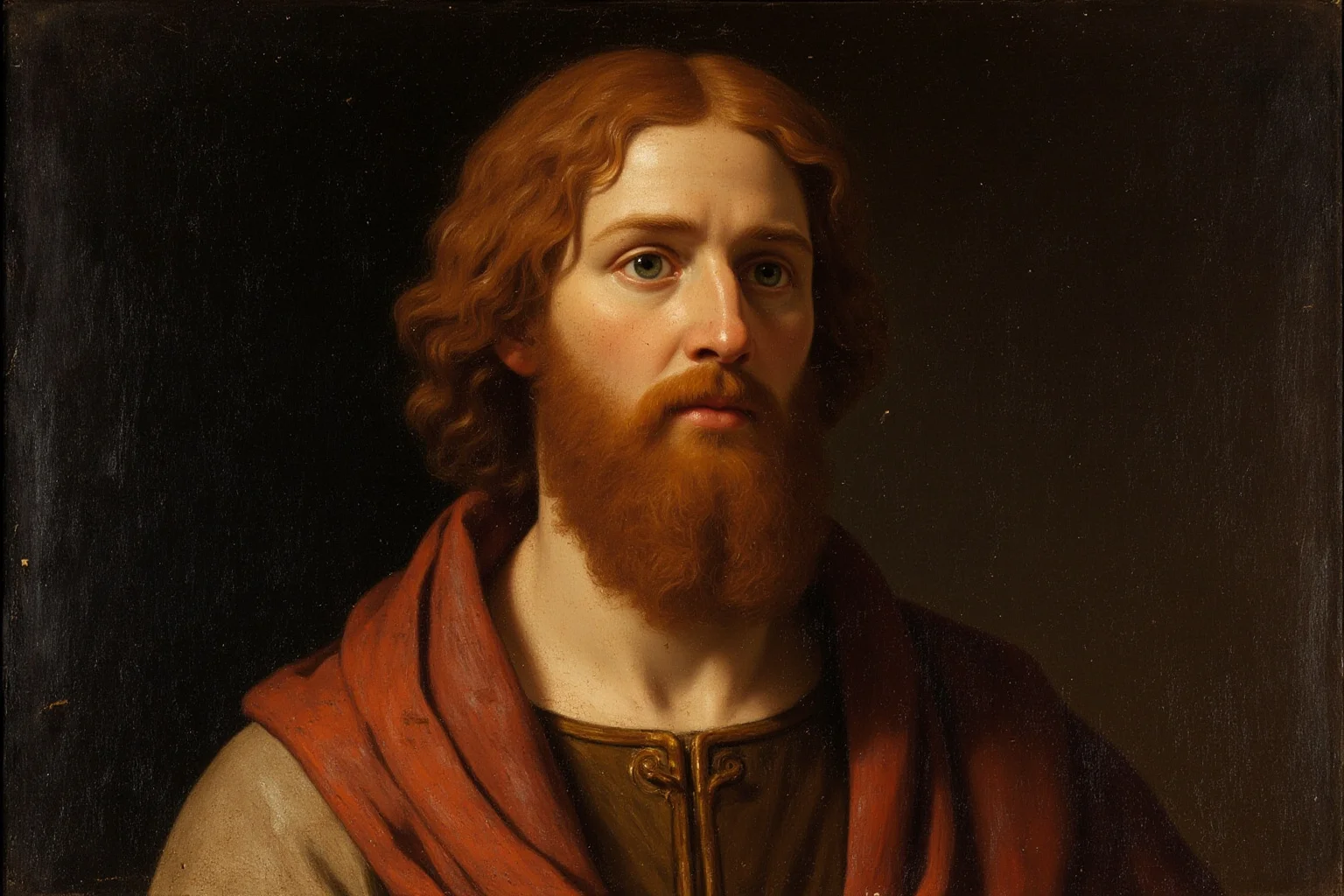
One of the most enduring visual traditions in Western art depicts Judas Iscariot, the disciple who betrayed Jesus, with red hair. This artistic choice became common in medieval and Renaissance paintings, even though nothing in scripture describes his appearance. Art historians generally view this as a reflection of the era’s negative associations with red hair rather than any factual detail.
Because religious art was often the primary way ordinary people absorbed moral lessons, this repeated visual cue likely reinforced suspicion toward redheads across generations. It’s a striking example of how art can shape prejudice just as much as folklore or oral tradition.
12. Germanic and Slavic Folklore: Fire, Omens, and Bad Luck
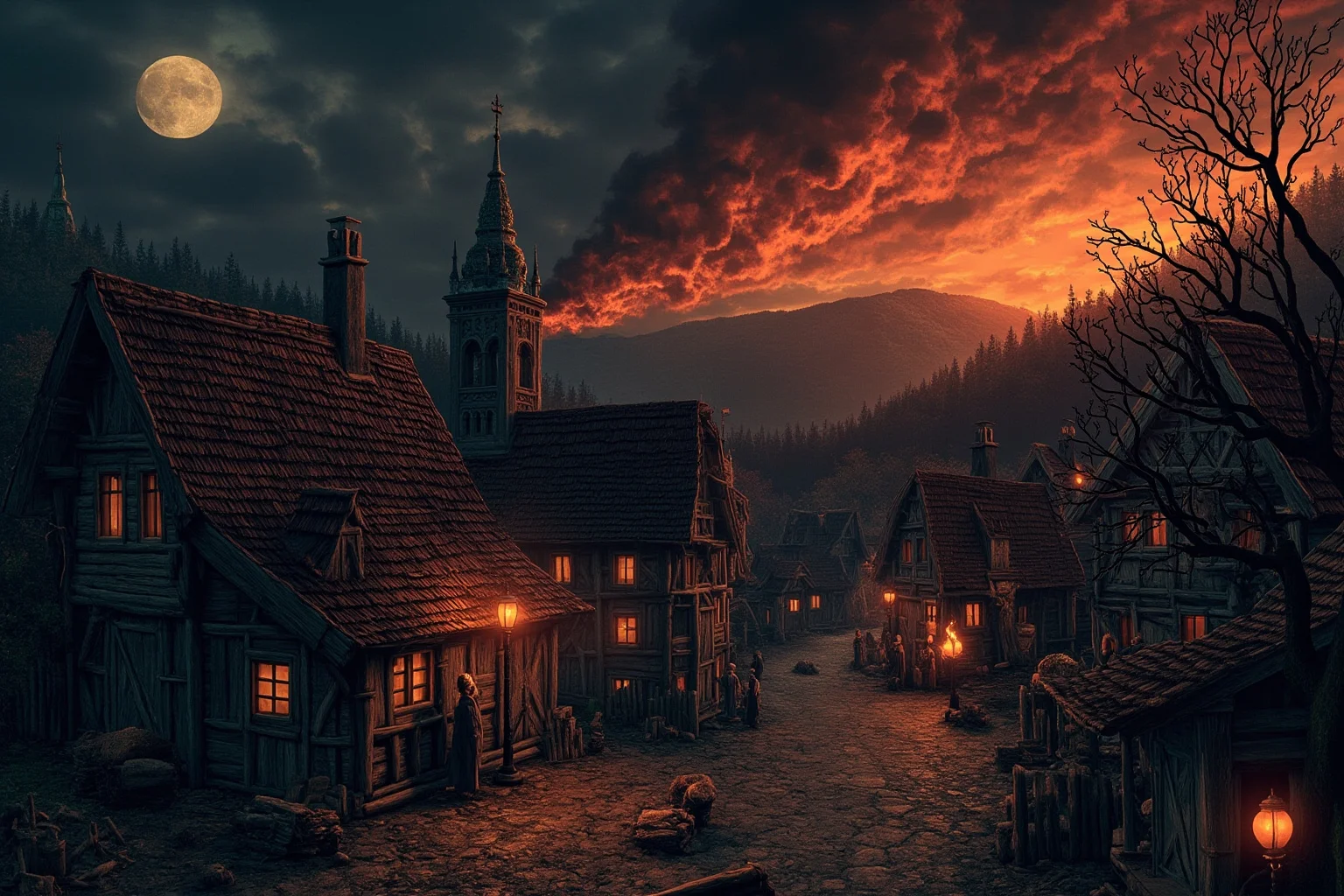
Across parts of Germanic and Slavic Europe, red hair picked up its own regional superstitions. In some German folk traditions, redheads were thought to be quick-tempered or even unlucky to encounter first thing in the morning. Slavic folklore in various regions echoed the earlier Greek association between red hair and vampirism, blending it with local beliefs about restless spirits.
These beliefs varied significantly by region and time period, and it’s worth remembering that folklore is rarely uniform across an entire culture. What ties them together is a consistent theme: red hair as something notable enough to require an explanation, usually a supernatural one.
13. The Fiery Temper Stereotype: Where It Came From
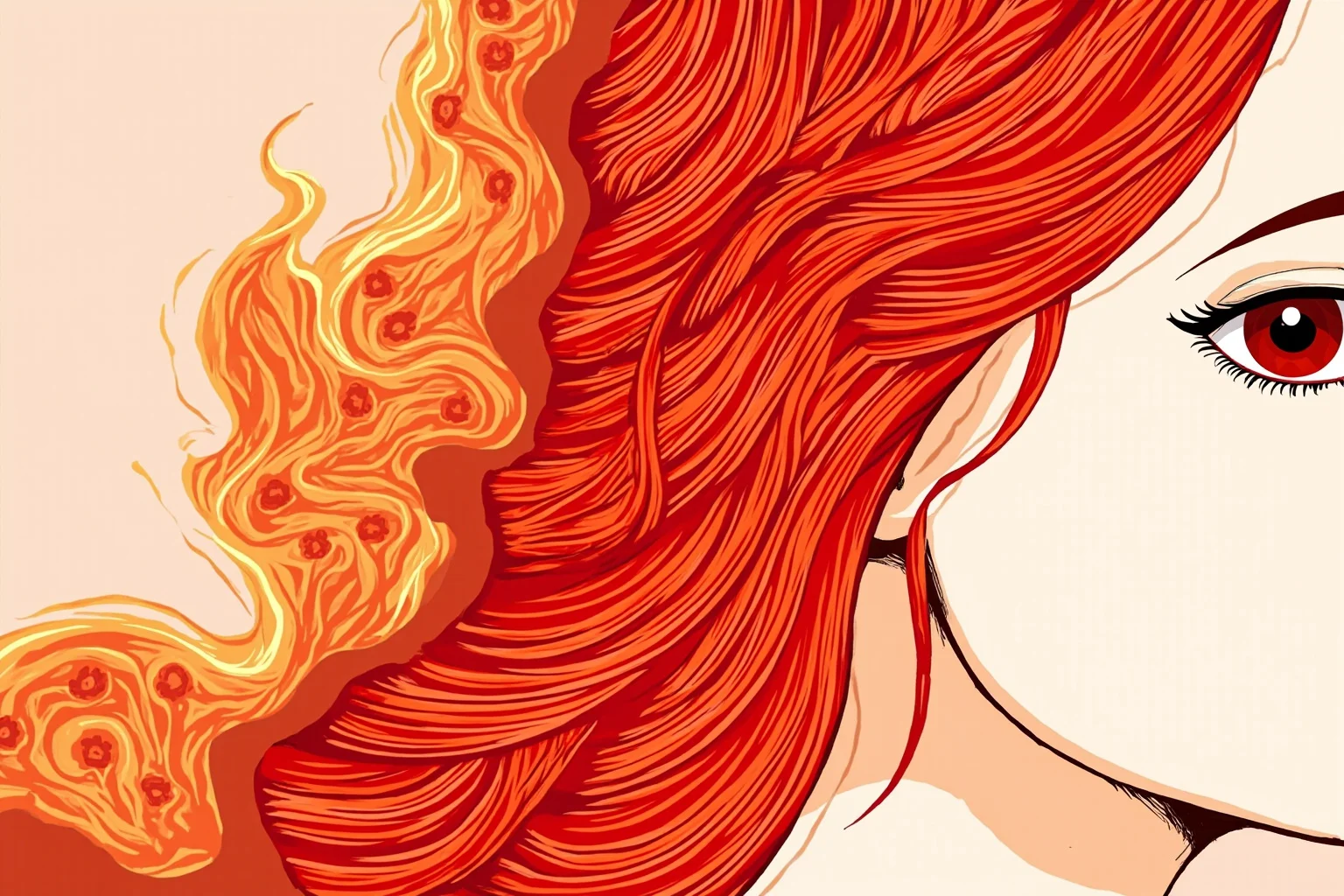
One of the most persistent redhead stereotypes is the idea that red hair comes paired with a hot temper. This belief has no scientific basis, but it has proven remarkably durable across centuries and cultures. Some historians suggest it grew out of the broader tendency to associate red, the color, with fire, passion, and intensity, and then apply those associations to people with red hair.
Once established, the stereotype became self-reinforcing in literature and art, where red-haired characters were frequently written as passionate, rebellious, or quick to anger. It’s a great example of how cultural storytelling can manufacture a “trait” that has nothing to do with biology.
14. Elizabeth I: The Queen Who Made Red Hair Fashionable
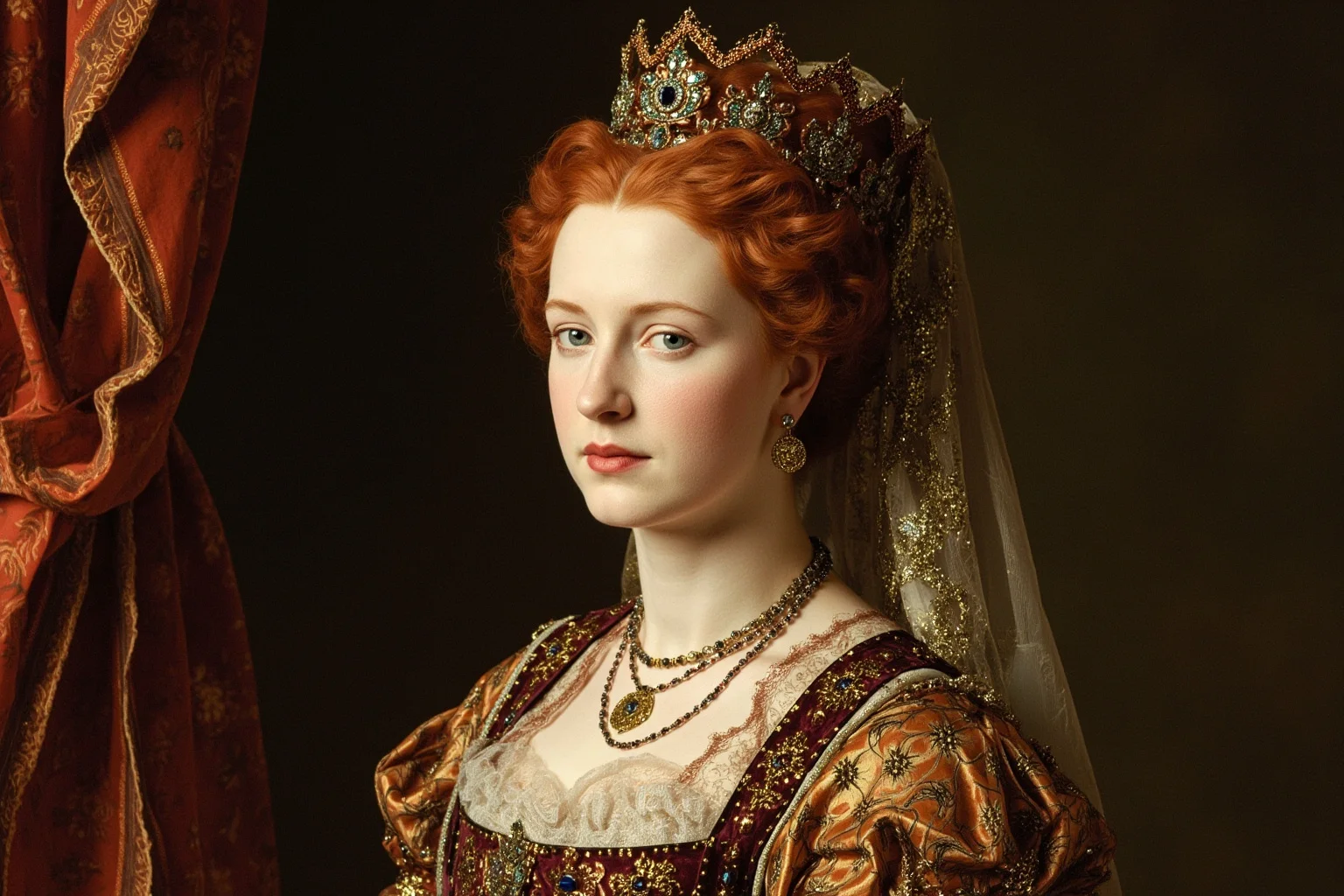
Not every chapter of redhead history is negative. Queen Elizabeth I of England, who ruled from 1558 to 1603, had naturally red hair and used her image deliberately to project strength and majesty. During her reign, red hair became fashionable among the English aristocracy, with wigs and hair dyes used to emulate the queen’s look.
This is one of the clearest historical examples of a single influential figure reshaping public perception of a physical trait almost overnight. It shows that redhead symbolism has never been fixed, but has shifted dramatically depending on who was wearing it and when.
15. The Pre-Raphaelites: Redheads as Romantic Ideal
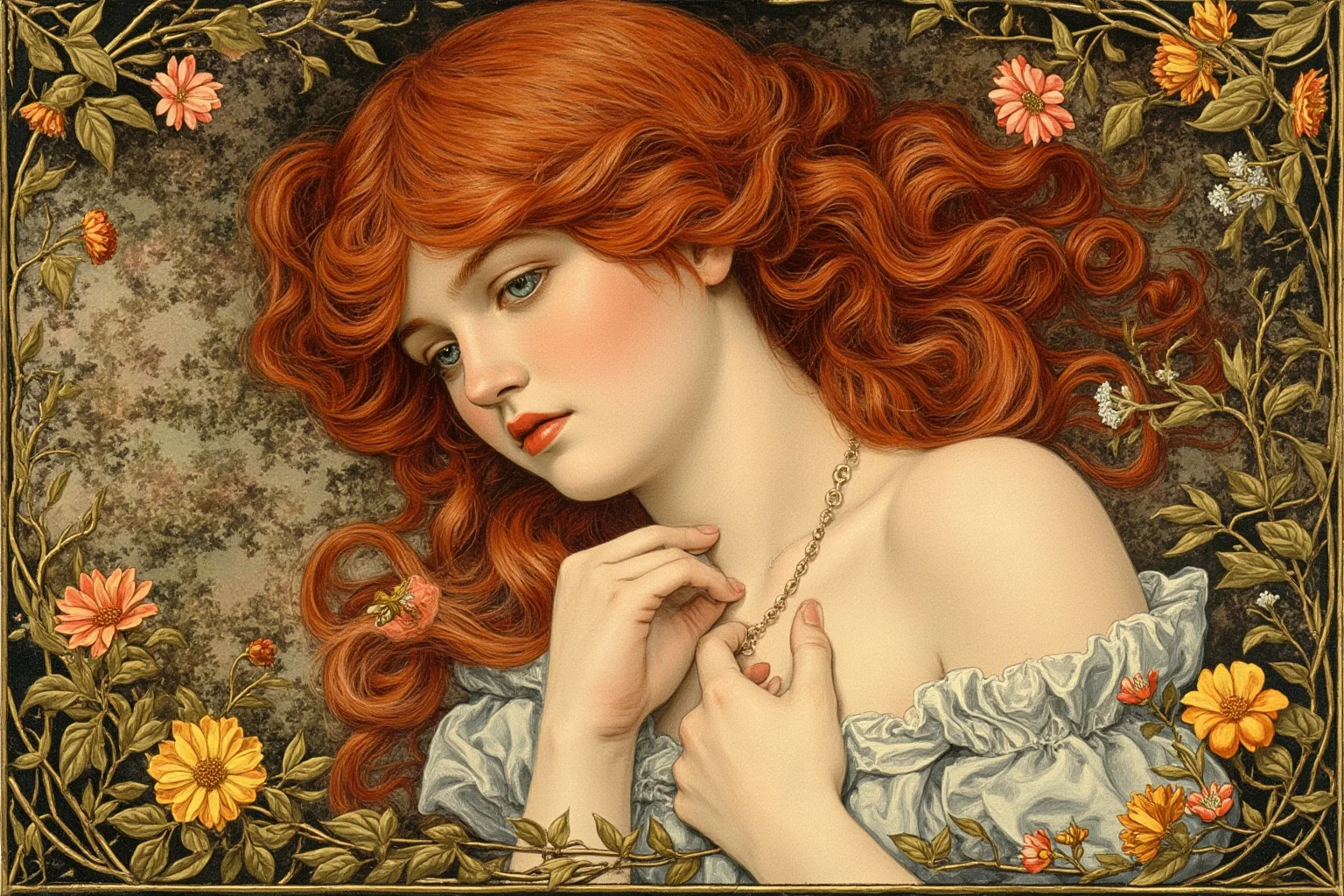
By the 19th century, a group of British painters known as the Pre-Raphaelite Brotherhood helped redefine red hair as a symbol of beauty, romance, and artistic inspiration. Painters like Dante Gabriel Rossetti frequently featured red-haired models in their work, portraying them as ethereal and captivating rather than sinister. This artistic movement played a major role in softening centuries of negative red hair symbolism in Western culture, not unlike the way the Mona Lisa’s centuries-long rise to fame shows how a single work of art can single-handedly reshape a cultural narrative.
The Pre-Raphaelite aesthetic still influences how red hair is romanticized in art and media today. It’s a useful reminder that cultural symbols can be rewritten, even after centuries of negative framing.
16. Victorian Prejudice: Red Hair and Pseudo-Science
Despite the artistic embrace of red hair by some circles, the Victorian era also produced its own strain of prejudice, dressed up as science. Some 19th-century pseudo-scientific theories, including elements of physiognomy, claimed physical traits like red hair could predict character flaws or even criminal tendencies. These ideas have been thoroughly discredited, but they were taken seriously by some academics and social commentators at the time.
This period shows how superstition doesn’t disappear with modernization, it often just adopts more “scientific” language while carrying the same old biases forward.
17. What Does Red Hair Symbolize Across Cultures?
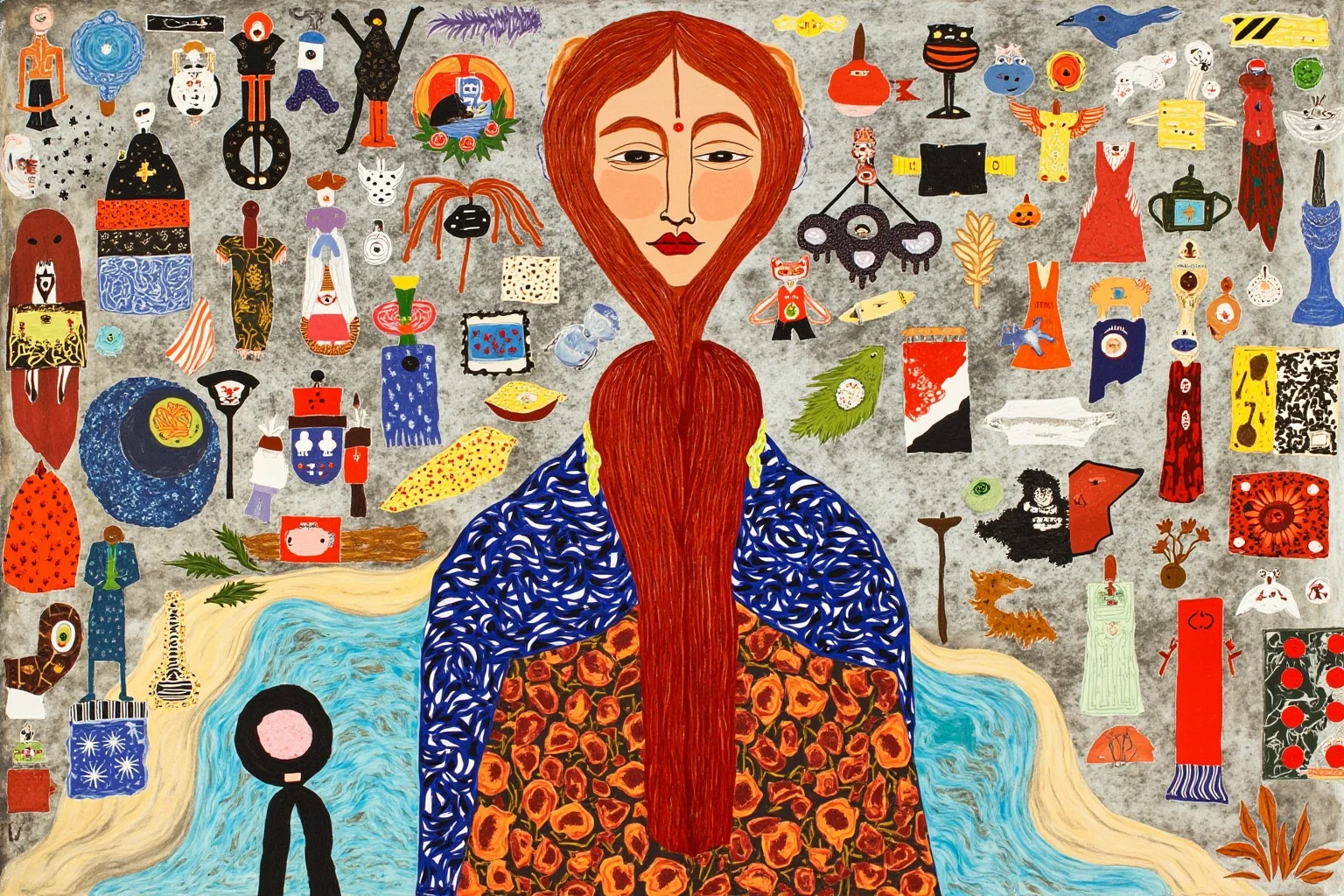
So what does red hair symbolize when you zoom out across all these eras and regions? The honest answer is that it depends heavily on time and place. In some contexts it symbolized chaos, danger, or the supernatural, while in others it came to represent passion, beauty, or individuality.
What stays consistent is that red hair rarely goes unnoticed. Its rarity has made it a powerful cultural symbol precisely because societies have always needed to explain what makes it different, whether through myth, religion, art, or eventually, genetics.
18. Modern Science: Pain, Vitamin D, and the Redhead Body

Modern research has moved redhead history away from folklore and into the lab, with some genuinely interesting findings. Some studies suggest that people with red hair may have a higher pain threshold in certain contexts and may require different levels of anesthesia during medical procedures, likely linked to MC1R’s role in pain-related receptors. Other research continues to explore the vitamin D adaptation theory as a possible explanation for why the trait became concentrated in low-sunlight regions.
It’s worth stressing that some of these findings are still active areas of research rather than fully settled conclusions. Science has replaced superstition as the primary lens for understanding red hair, but there’s still more to learn.
19. Redhead Days: How the World Started Celebrating Red Hair

In a striking turnaround from centuries of suspicion, red hair is now actively celebrated in parts of the world. The Netherlands hosts an annual event called Redhead Days in the city of Tilburg, drawing thousands of red-haired attendees from around the globe for a multi-day celebration of the trait. Similar redhead pride events and gatherings have popped up in other countries as well.
These events stand as a direct cultural counterpoint to the historical prejudice redheads have faced. They reflect a broader modern shift toward embracing rare physical traits rather than fearing them.
20. Famous Redheads Who Reshaped the Narrative
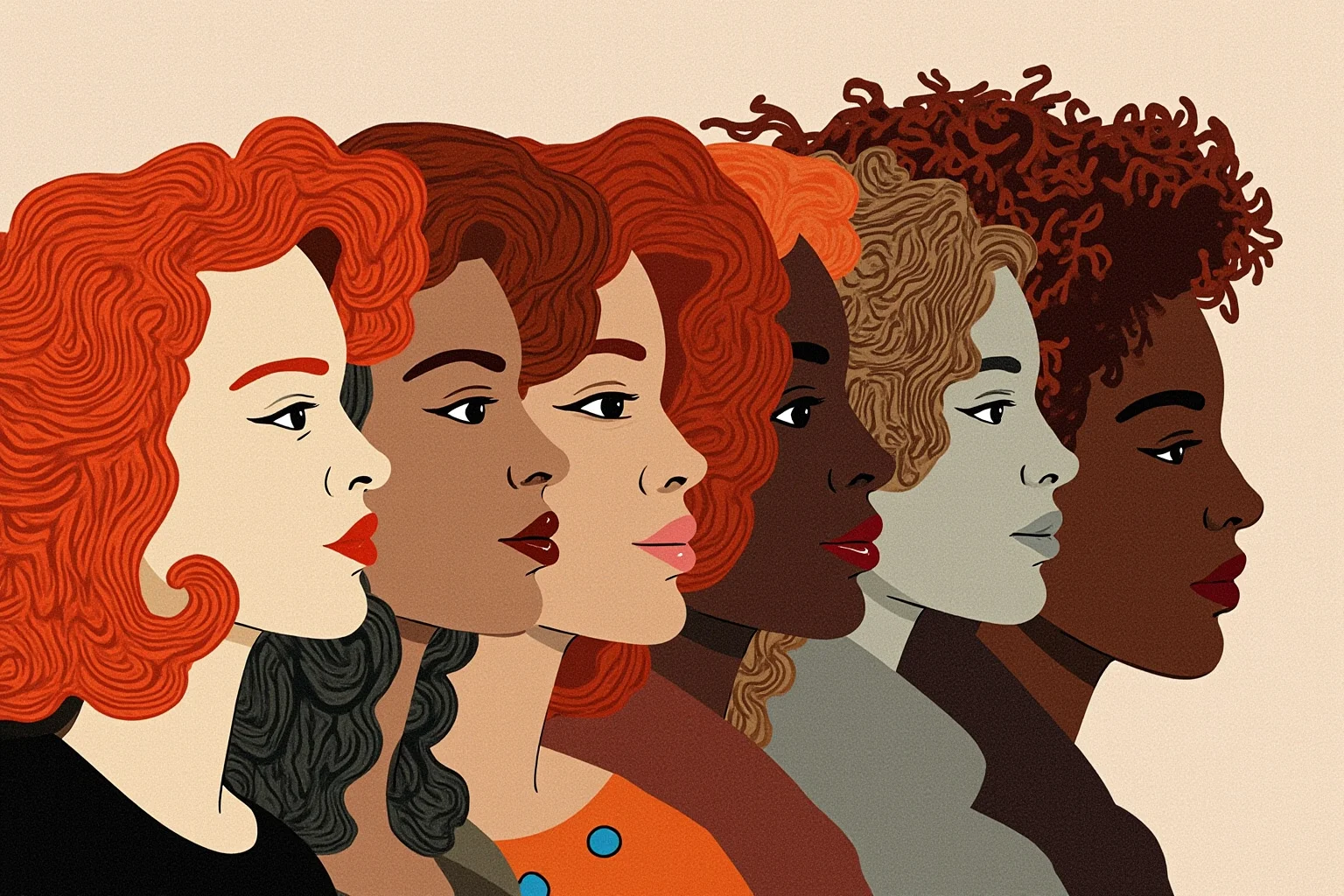
Throughout history, notable red-haired figures have helped shift public perception, from monarchs like Elizabeth I to countless artists, writers, and public figures who embraced the trait rather than hid it. Their visibility has steadily chipped away at older superstitions, replacing them with associations of confidence and individuality. Pop culture continues this trend today, with red-haired characters frequently portrayed as bold, memorable, and distinctive rather than sinister or unlucky.
This long arc, from feared omen to celebrated trait, captures the strange journey of red hair through human history. Few physical traits have swung so dramatically between fear and admiration over the centuries.
The Real Story Behind an Unreal Amount of Myth
Looking back across all of this, the real story of red hair is less about magic and more about how humans respond to rarity. When something stands out, cultures tend to build stories around it, and those stories say more about the society telling them than about the trait itself. Red hair just happened to be rare enough, and visually striking enough, to become a recurring canvas for those stories.
Today, science has given us a much clearer picture of red hair origin, from the MC1R gene to its geographic concentration in places like Scotland and Ireland. The superstitions haven’t fully disappeared, old stereotypes about temper and personality still pop up in casual conversation — not unlike many popular idioms with equally strange, and often dark, origins — but they’ve largely lost their power to genuinely harm people the way they once did. That shift, from feared mark to celebrated feature, might be the most interesting part of this whole history.
Frequently Asked Questions
Where do red hair origins actually come from?
Red hair originates from mutations in the MC1R gene, which affects melanin production in skin and hair. While the exact time and place the mutation first appeared isn't precisely known, the trait became most concentrated in Northern and Western European populations, particularly in and around the British Isles and Scandinavia.
What does red hair symbolize historically?
Red hair's symbolism has shifted dramatically over time and by region. It has represented chaos and bad luck in some ancient cultures, been linked to witchcraft and villainy in medieval Europe, and later came to symbolize beauty, passion, and individuality in more modern eras.
Is red hair actually going extinct?
There's no solid scientific evidence supporting the claim that red hair is disappearing. Because it's a recessive trait, it can seem to skip generations or become less visible in certain populations, but the underlying gene remains present and continues to be passed down.
Which country has the most redheads?
Scotland and Ireland have the highest documented concentrations of natural redheads in the world, with estimates suggesting around six percent of Scots and up to ten percent of the Irish population carry the trait, alongside a much larger percentage carrying the recessive gene.
Did Neanderthals really have red hair?
Some Neanderthals likely did have reddish hair, but genetic research indicates the mutation responsible was different from the one found in modern humans with red hair. This means today's redheads are not directly descended from red-haired Neanderthals, despite the popular myth.
Why were redheads associated with witchcraft?
During the European witch trials, physical differences including red hair were sometimes cited alongside other traits as circumstantial suspicion against accused individuals. This wasn't a universal or official rule, but it reflected centuries of earlier folklore that had already painted red hair as unusual or supernatural.

Alex Warren
Related Articles





