Paleontology likes to present itself as a tidy science: dig up a bone, compare it to known species, slot it into the tree of life. But the fossil record is full of specimens that refuse to cooperate. Some look like nothing alive today, some were reconstructed wrong for decades before anyone noticed, and some are so strange that researchers still argue about which kingdom of life they even belong to — proof that reality can rival any list of weird mythical creatures from around the world.
This list rounds up the weirdest fossils and genuine mystery fossil cases that continue to challenge paleontologists, from half-billion-year-old Ediacaran oddities to a Tennessee red panda relative that shouldn’t have been in North America at all. We’ll separate what’s actually settled science from what’s still an open question, because that distinction matters.
TL;DR: From the three-armed Tribrachidium heraldicum to the Miocene red panda relative Pristinailurus bristoli, dozens of fossils — including a batch of puzzling 97-million-year-old specimens from Australia — still defy easy classification, reminding us that the fossil record is far stranger than any textbook diagram suggests.
What Makes a Fossil “Mysterious,” Exactly?
A mystery fossil usually falls into one of a few categories. Sometimes the specimen is so poorly preserved that key anatomical details are simply missing, leaving researchers to guess at soft tissues, limbs, or feeding structures that never fossilized.
Other times the fossil is beautifully preserved but represents a body plan with no modern equivalent, so there’s nothing to compare it against. And occasionally, as you’ll see below, scientists get the reconstruction wrong for years before new techniques or new specimens force a rethink.
None of this is a failure of science — it’s exactly how science is supposed to work. Every entry on this list has been debated in peer-reviewed journals, and several remain genuinely unresolved today.
1. Tribrachidium heraldicum — The Three-Armed Puzzle of the Ediacaran Seas
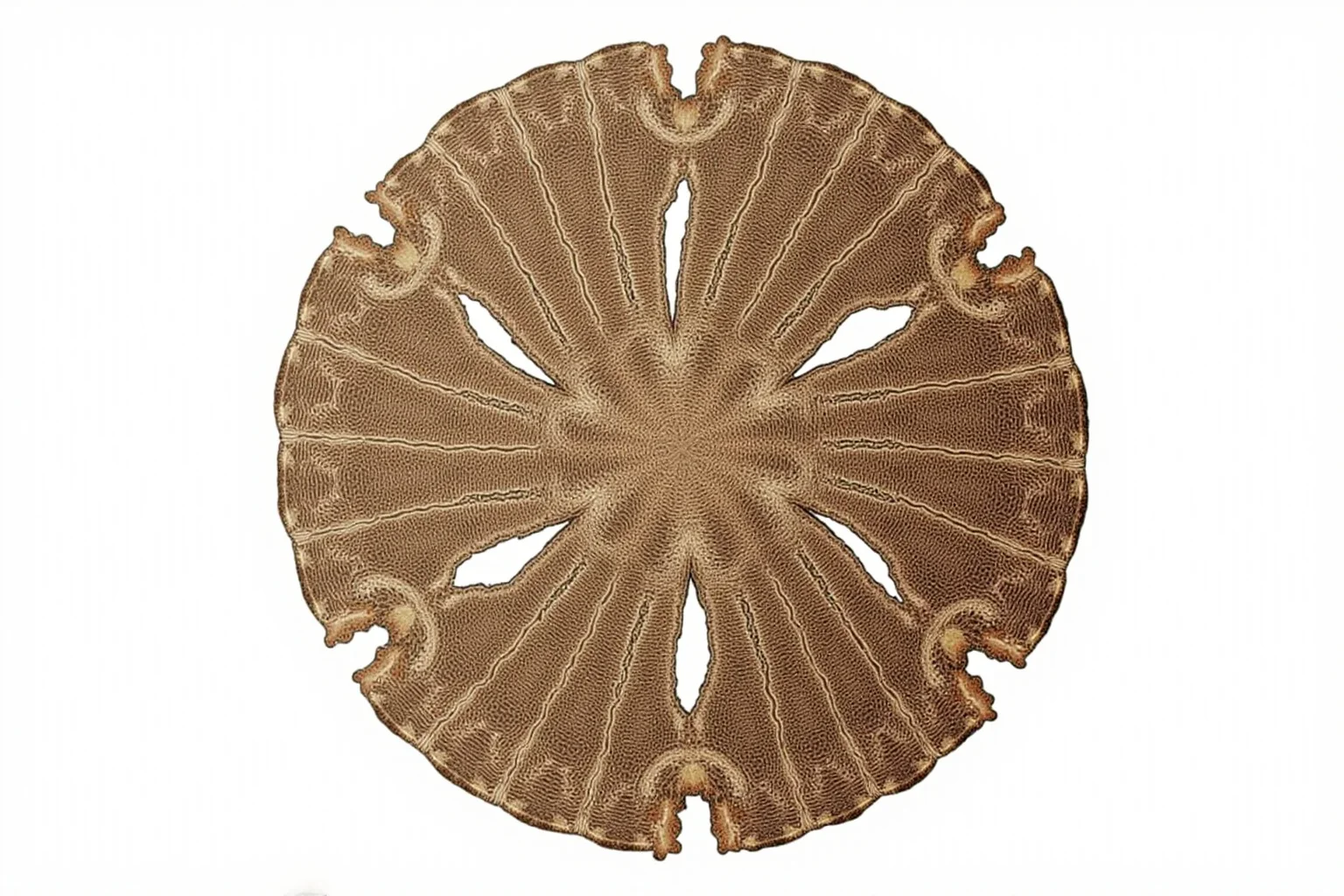
Tribrachidium heraldicum is one of the most recognizable fossils from the Ediacaran period, roughly 555 million years ago. It was first described in 1958 by geologist Martin Glaessner from specimens found in Australia’s Ediacara Hills, and similar fossils have since turned up in Russia.
What makes it so strange is its three-fold, or triradial, symmetry — a body plan that doesn’t match any living animal group, which are almost all built on bilateral (two-sided) or radial (like a jellyfish) symmetry. Some researchers have proposed it belongs to an entirely extinct group sometimes called the Trilobozoa, but whether Tribrachidium heraldicum was even an animal in the modern sense is still debated.
2. Dickinsonia — The Fossil That Redefined “Animal”
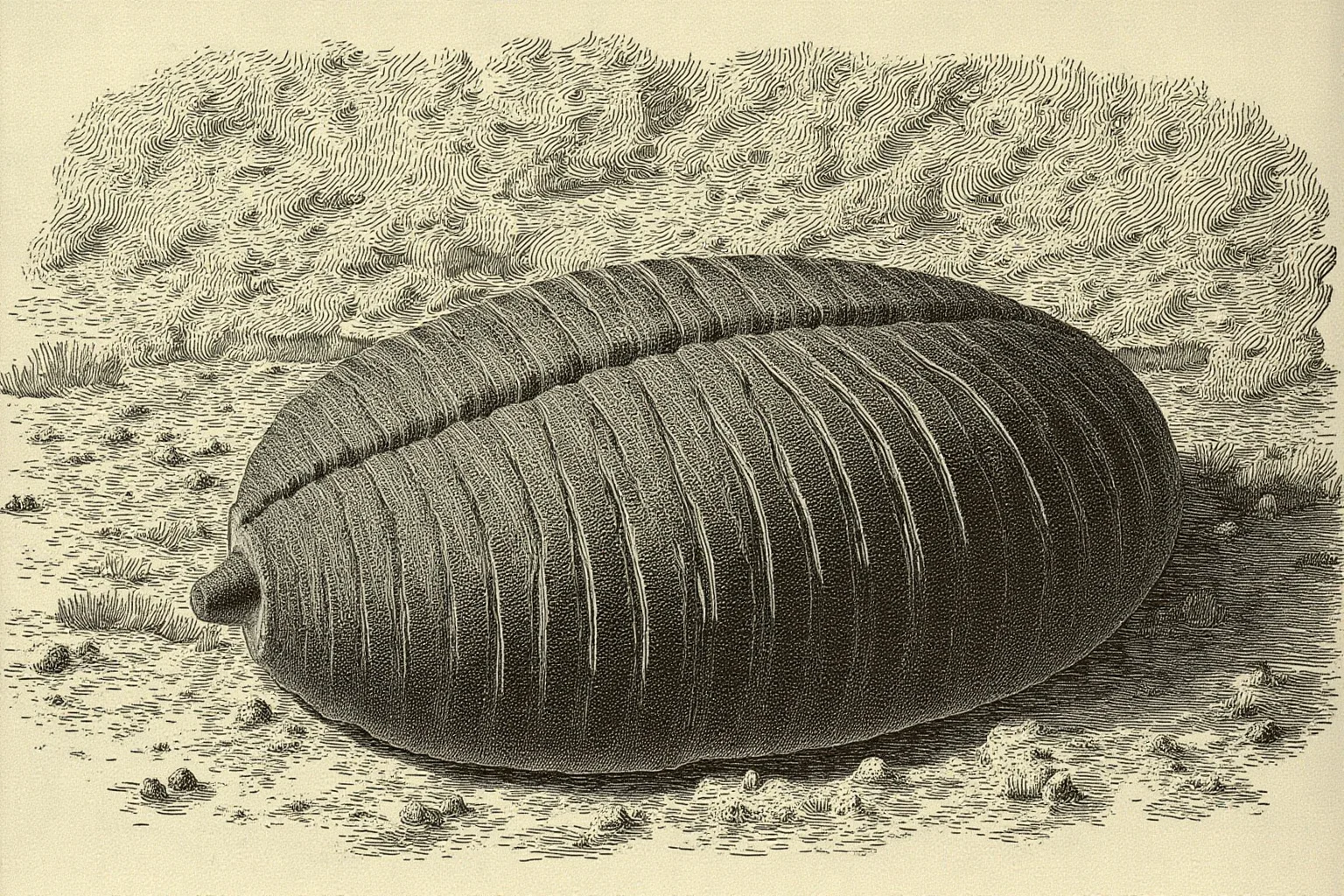
Dickinsonia is a flat, ribbed, oval-shaped Ediacaran fossil that can grow to over a meter long, first described by Reg Sprigg in 1947. For decades, scientists couldn’t agree whether it was an animal, a giant single-celled protist, a fungus, or something else entirely.
In 2018, a team led by Ilya Bobrovskiy analyzed fossilized cholesterol-like molecules preserved in exceptional Dickinsonia specimens from Russia’s White Sea coast, publishing their findings in Science. That chemical evidence strongly suggested Dickinsonia was indeed an animal, but exactly how it moved, fed, or reproduced remains an open question.
3. Charnia — Earth’s Oldest Known Complex Life?
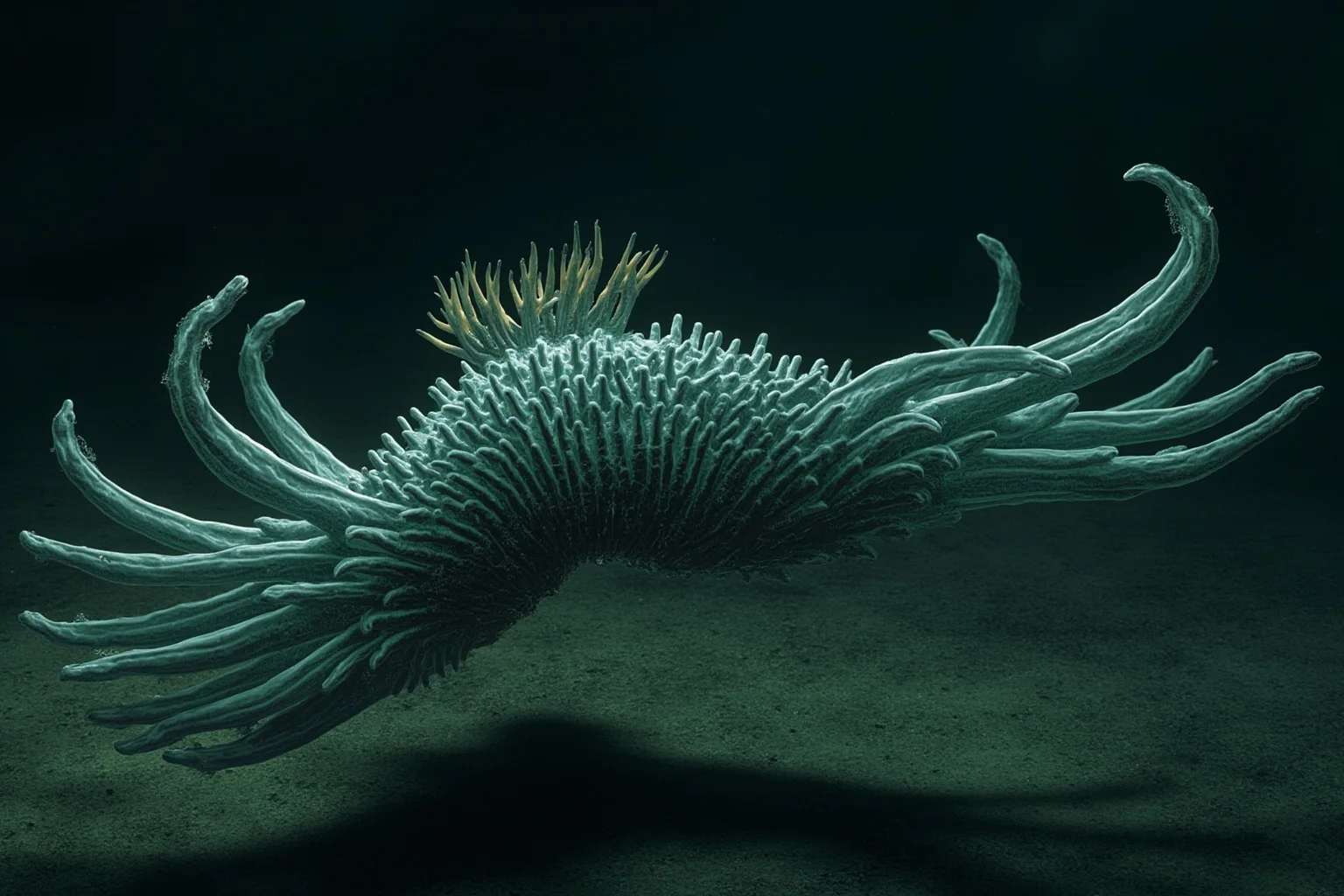
Charnia is a frond-shaped fossil discovered in 1957 in Charnwood Forest, England, notably by a schoolboy named Roger Mason. It’s one of the oldest widely accepted examples of complex, multicellular life on Earth.
It superficially resembles a modern sea pen, but most researchers now place it in an extinct group called rangeomorphs that may not be closely related to any living organism. Whether rangeomorphs were animals, a separate kingdom, or something in between is still discussed in the literature.
4. Tortotubus — The Fossilized Fungus That Built the Soil
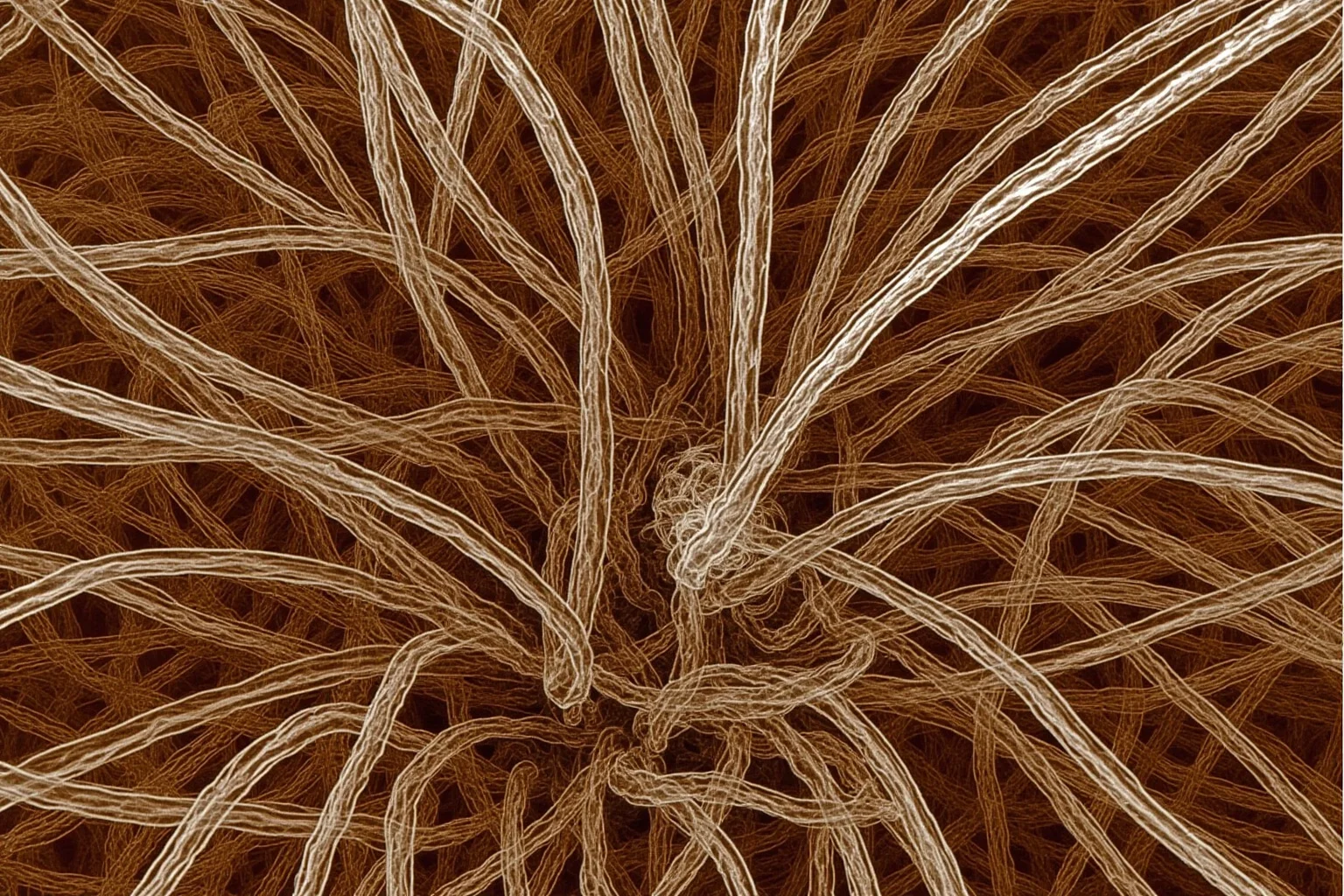
Tortotubus is a thread-like fossil dated to roughly 440 million years ago, during the Silurian period, based on specimens from Sweden and Scotland described by researcher Martin Smith in 2016. It’s widely interpreted as one of the earliest known terrestrial fungi, forming branching filament networks similar to modern fungal mycelium.
This matters because Tortotubus appears to predate land plants, meaning fungus-like organisms may have helped build the earliest soils long before forests existed. Some debate continues over exactly how to classify these filaments within the fungal family tree, but their ecological importance is widely accepted.
5. Tullimonstrum — The Tully Monster Nobody Can Classify
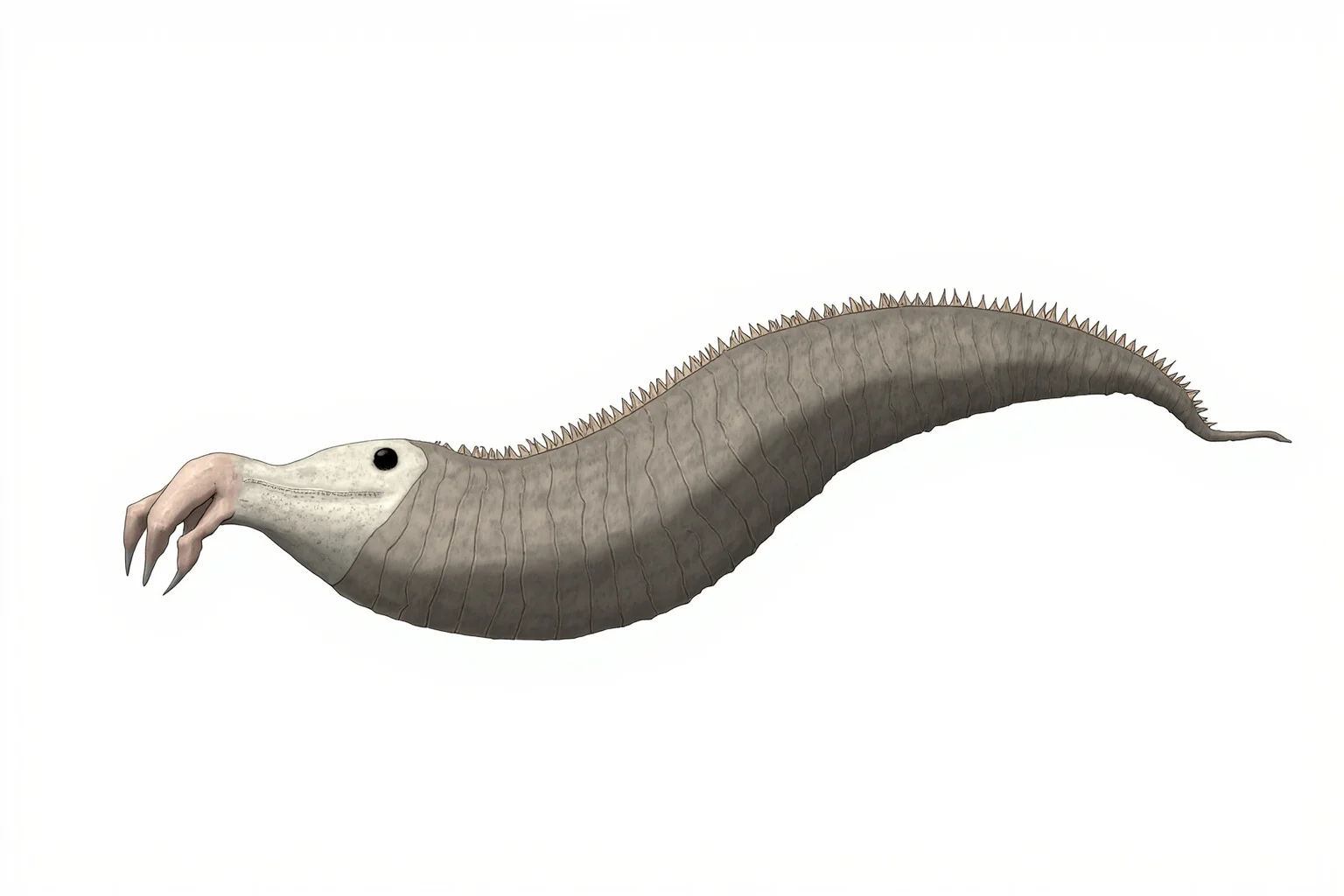
Discovered by amateur collector Francis Tully in 1958 near Mazon Creek, Illinois, the Tully Monster lived around 300 million years ago and became Illinois’s official state fossil in 1989. It has a torpedo-shaped body, eyes on stalks, and a long proboscis tipped with a claw — a combination found nowhere else.
For decades it was treated as an unclassifiable invertebrate. In 2016, two research teams proposed it was actually a vertebrate related to lampreys, based on structures resembling a notochord and gill pouches. Later studies pushed back hard on that interpretation, particularly regarding the chemistry of its eyes, so its classification remains one of paleontology’s most contested debates.
6. Hallucigenia — The Cambrian Oddity Paleontologists Put Upside Down
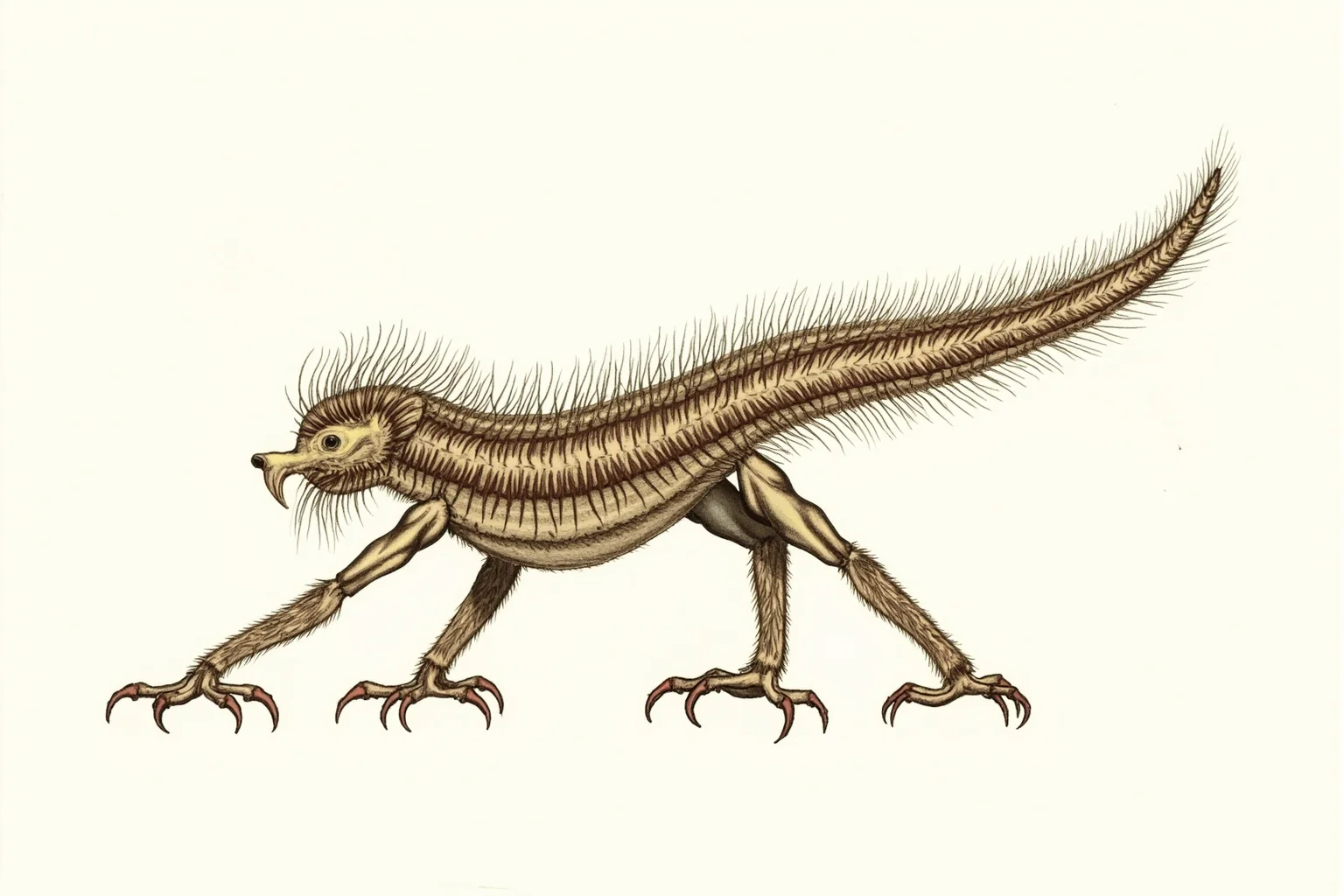
Hallucigenia comes from the Burgess Shale, a Cambrian fossil deposit in Canada roughly 508 million years old. When it was first studied in the 1970s, paleontologist Simon Conway Morris reconstructed it upside down and backward, mistaking its rigid spines for legs and its actual legs for spines.
In the 1990s, researcher Lars Ramsköld used electron microscopy to correct the error, revealing paired legs and claws beneath the spines. Even the question of which end was the head wasn’t settled until a 2015 study identified simple eyes, finally letting scientists orient this bizarre lobopodian correctly.
7. Opabinia — The Five-Eyed Cambrian Curiosity
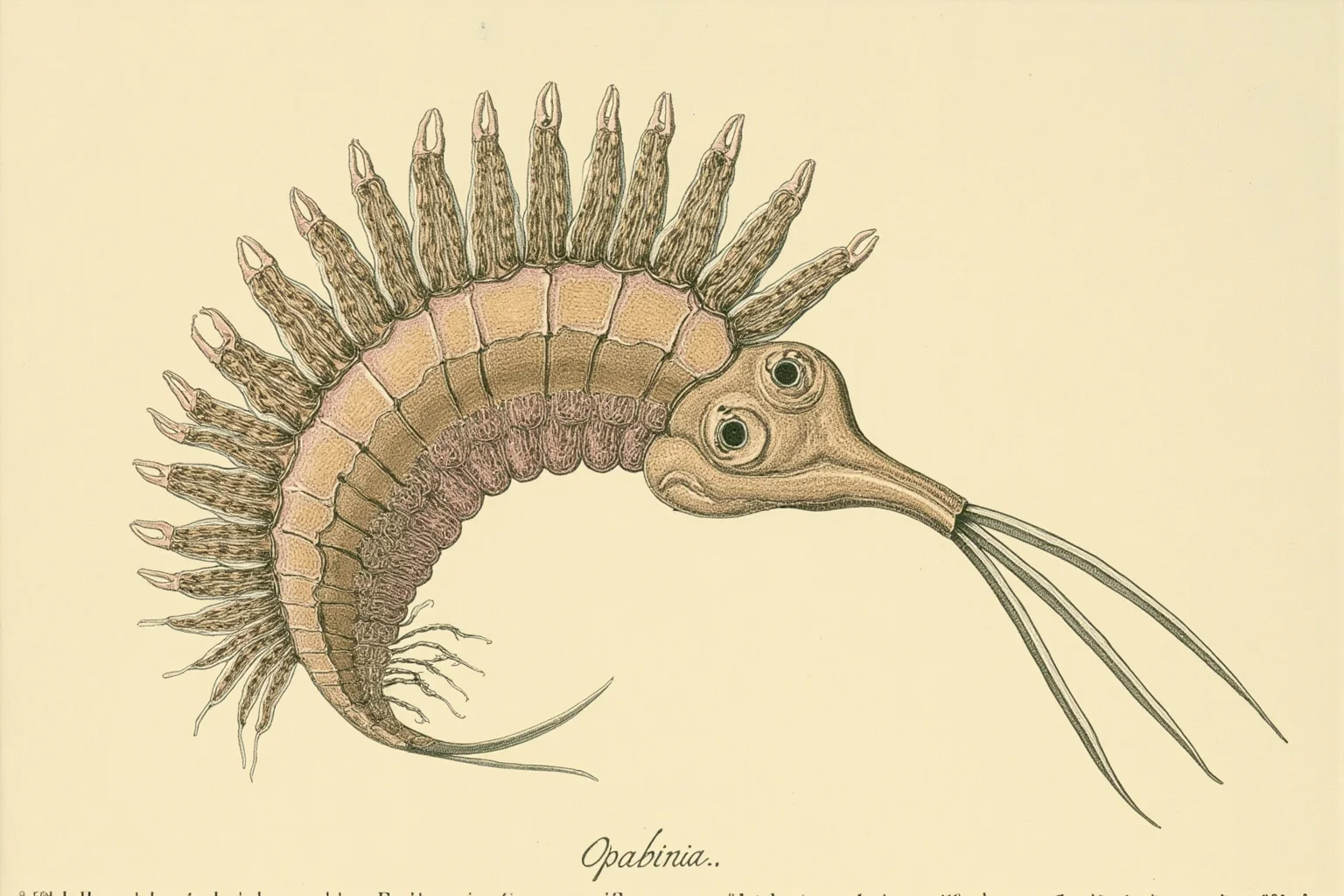
Another Burgess Shale resident, Opabinia had five eyes and a long, flexible, claw-tipped proboscis unlike anything seen in living animals. When paleontologist Harry Whittington presented his reconstruction at a scientific conference in 1972, the audience reportedly laughed, assuming it had to be a joke or a composite of unrelated animals.
It wasn’t a joke — Opabinia is now understood as a genuine, if bizarre, member of the arthropod stem lineage. It has no direct living descendants, which is part of why it still looks so alien more than 500 million years later.
8. Anomalocaris — The Apex Predator Assembled From Mismatched Fossils
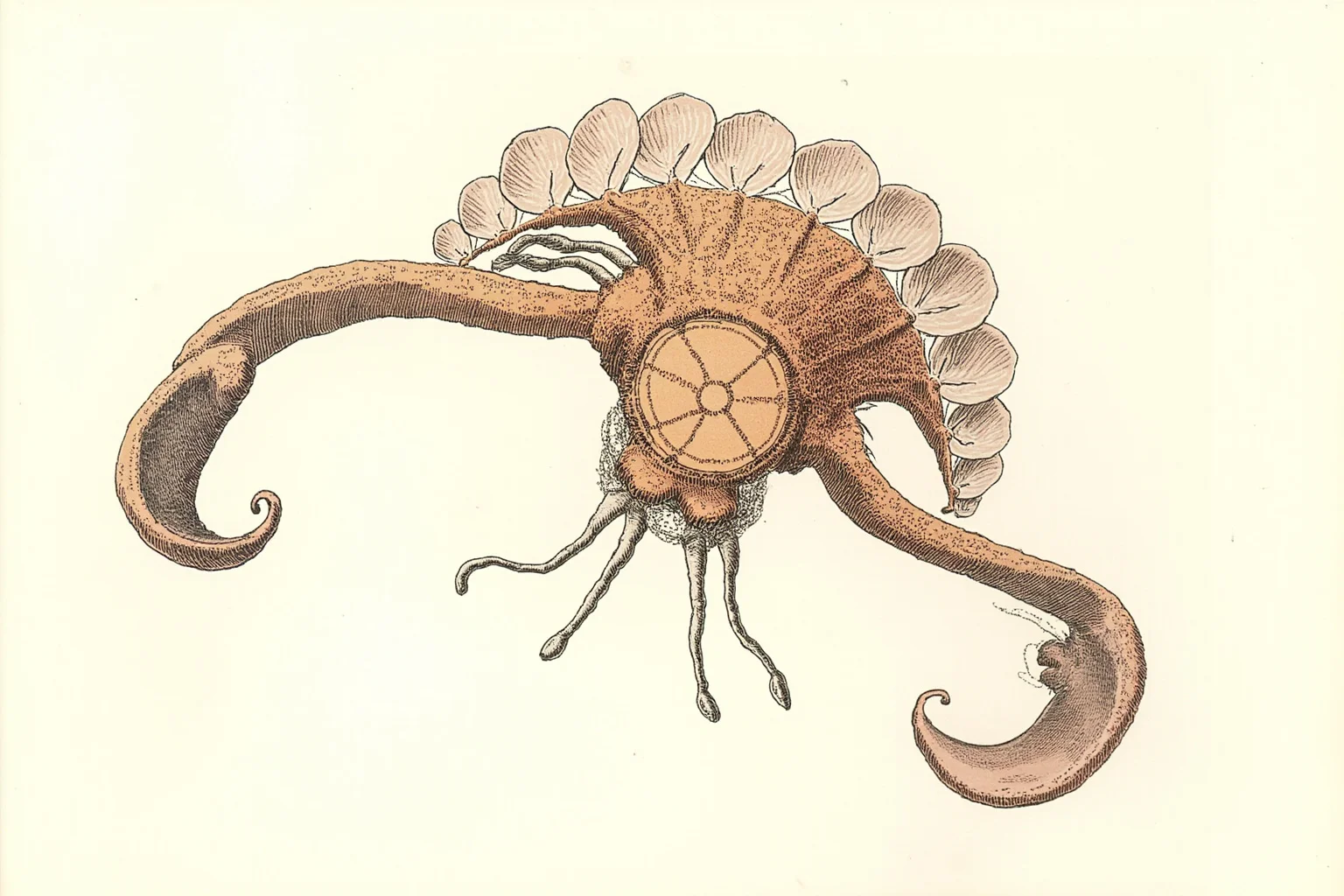
Anomalocaris was the largest predator of the Cambrian seas, reaching up to a meter in length. For nearly a century after its parts were first found, scientists didn’t realize they belonged to a single animal.
The grasping appendages were originally classified as a separate shrimp-like creature, the circular mouth was mistaken for a jellyfish and named Peytoia, and the body was thought to be a type of sponge. It wasn’t until 1985 that researchers Harry Whittington and Derek Briggs recognized all these pieces belonged to one giant predator, in one of paleontology’s more memorable correction stories.
9. Nectocaris — Squid, Shrimp, or Something Else Entirely?
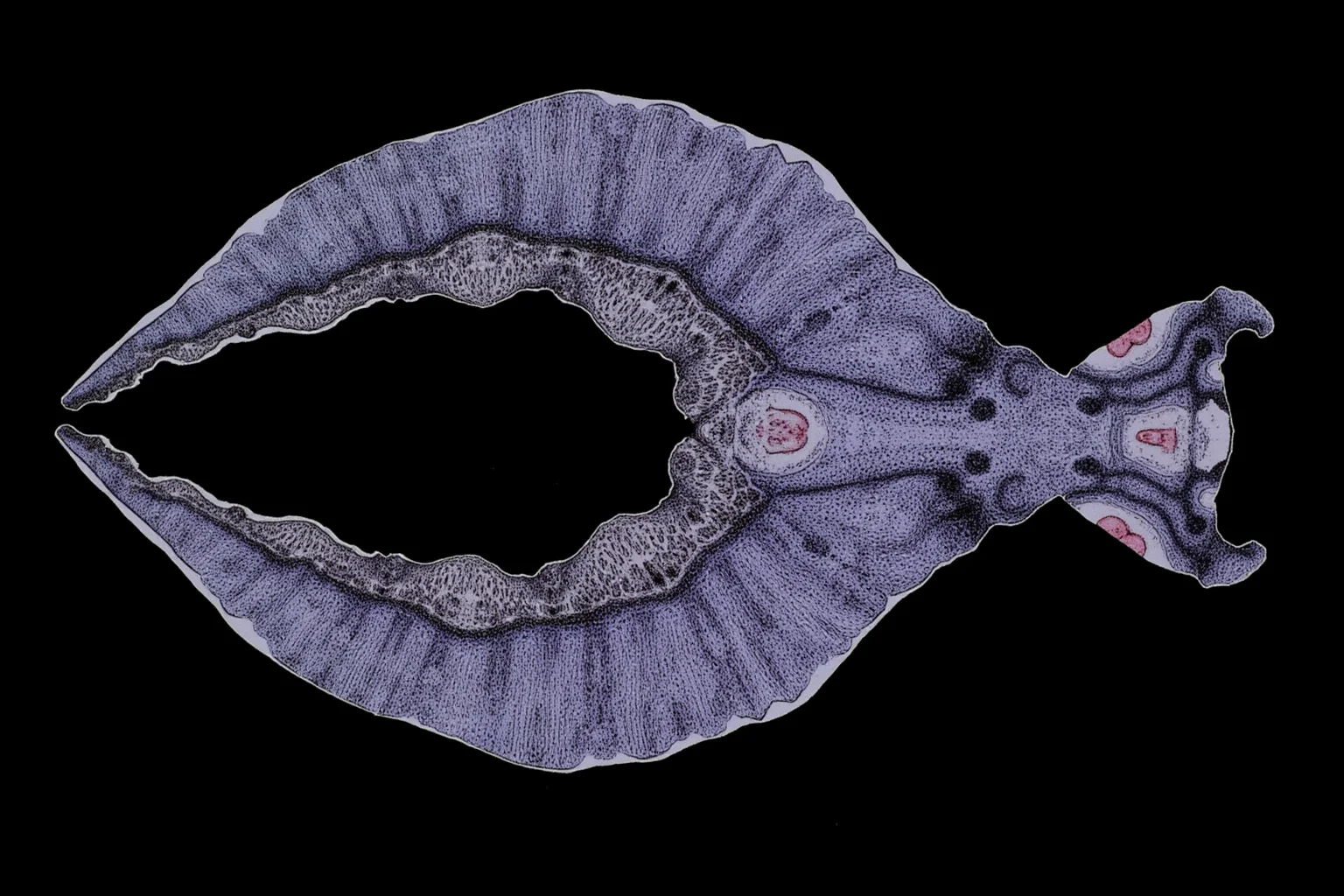
Known from a single well-preserved specimen, Nectocaris was first described in 1976 as an arthropod. In 2010, researcher Martin Smith re-examined it and proposed it was instead an early relative of cephalopods, pointing to a possible camera-type eye and a funnel-like structure similar to squid jet propulsion.
That reinterpretation was significant because it would push back the origin of cephalopods by tens of millions of years. Not everyone agrees with the cephalopod classification, though, and Nectocaris remains one of the more actively disputed Cambrian fossils.
10. Wiwaxia — The Armored Slug With No Clear Family
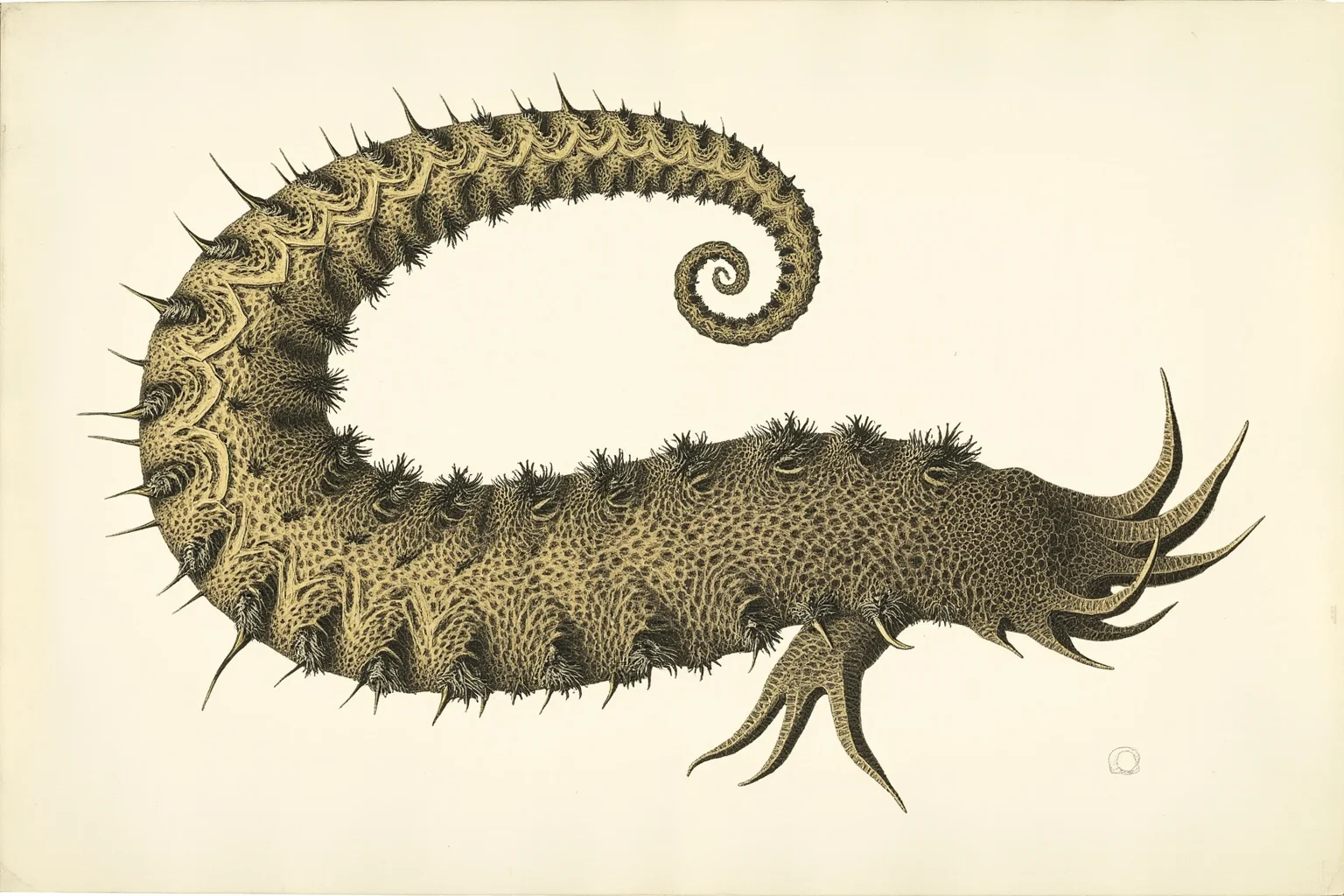
Wiwaxia was covered in overlapping scale-like plates called sclerites, plus rows of defensive spines along its back. Its armor resembles structures found in both mollusks and segmented worms (annelids), which has fueled decades of debate about where it actually belongs on the tree of life.
Some researchers argue it’s closer to early mollusks, others place it nearer to annelid worms, and some treat it as its own separate lineage entirely. Without living relatives to compare it to directly, the debate isn’t likely to resolve cleanly anytime soon.
11. Typhloesus — The “Alien Goldfish” of Montana
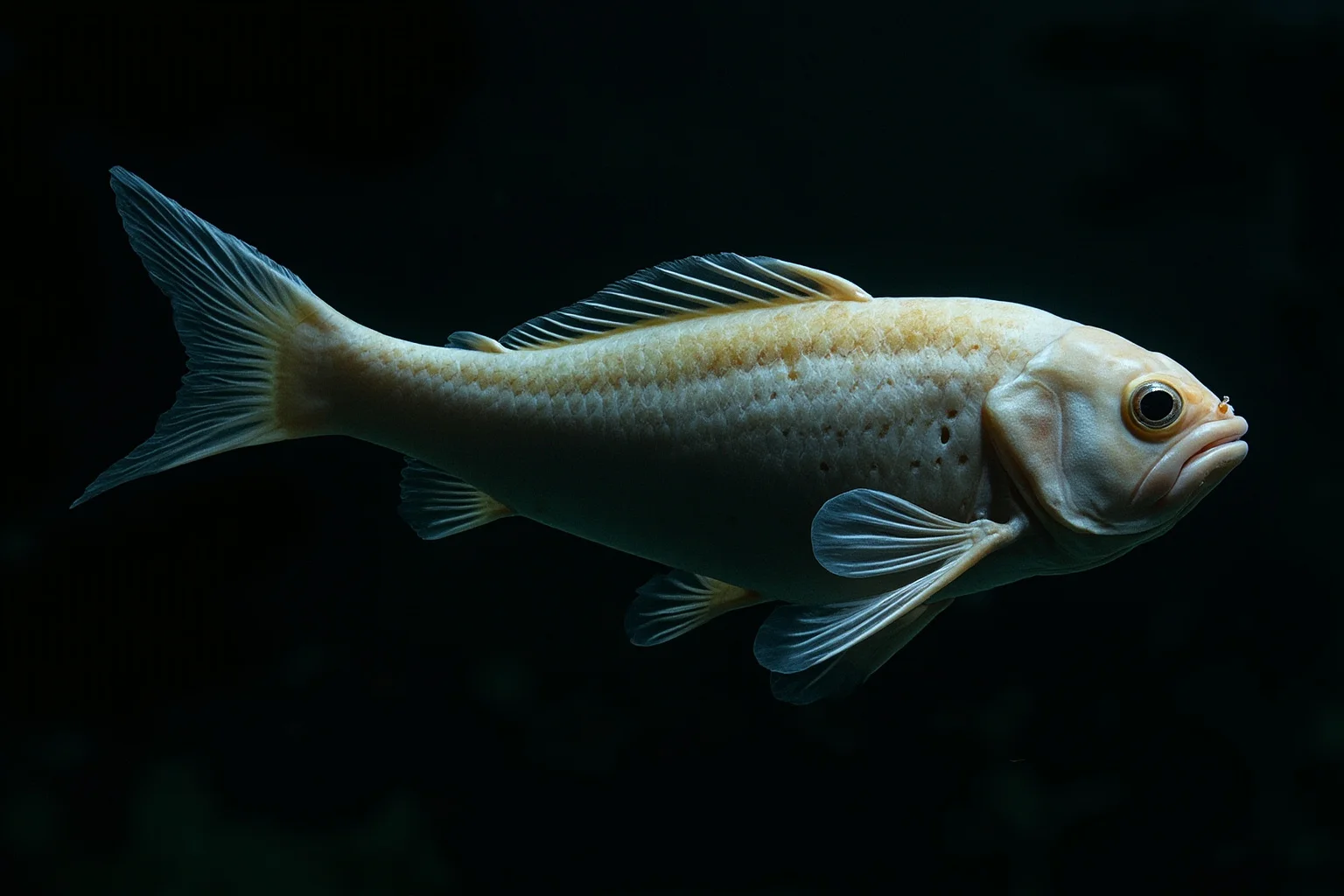
Typhloesus comes from the Bear Gulch limestone deposit in Montana and dates to around 324 million years ago, during the Carboniferous period. It’s earned the nickname “alien goldfish” for its finned, soft-bodied shape, and it’s often cited among the weirdest fossils in North America.
Strangely, some specimens preserve conodont elements — tooth-like structures from another mystery animal — inside what appears to be its gut, hinting at diet. Its broader classification within the animal kingdom, however, is still unresolved.
12. Conodonts — A Tooth Mystery That Took Over a Century to Solve
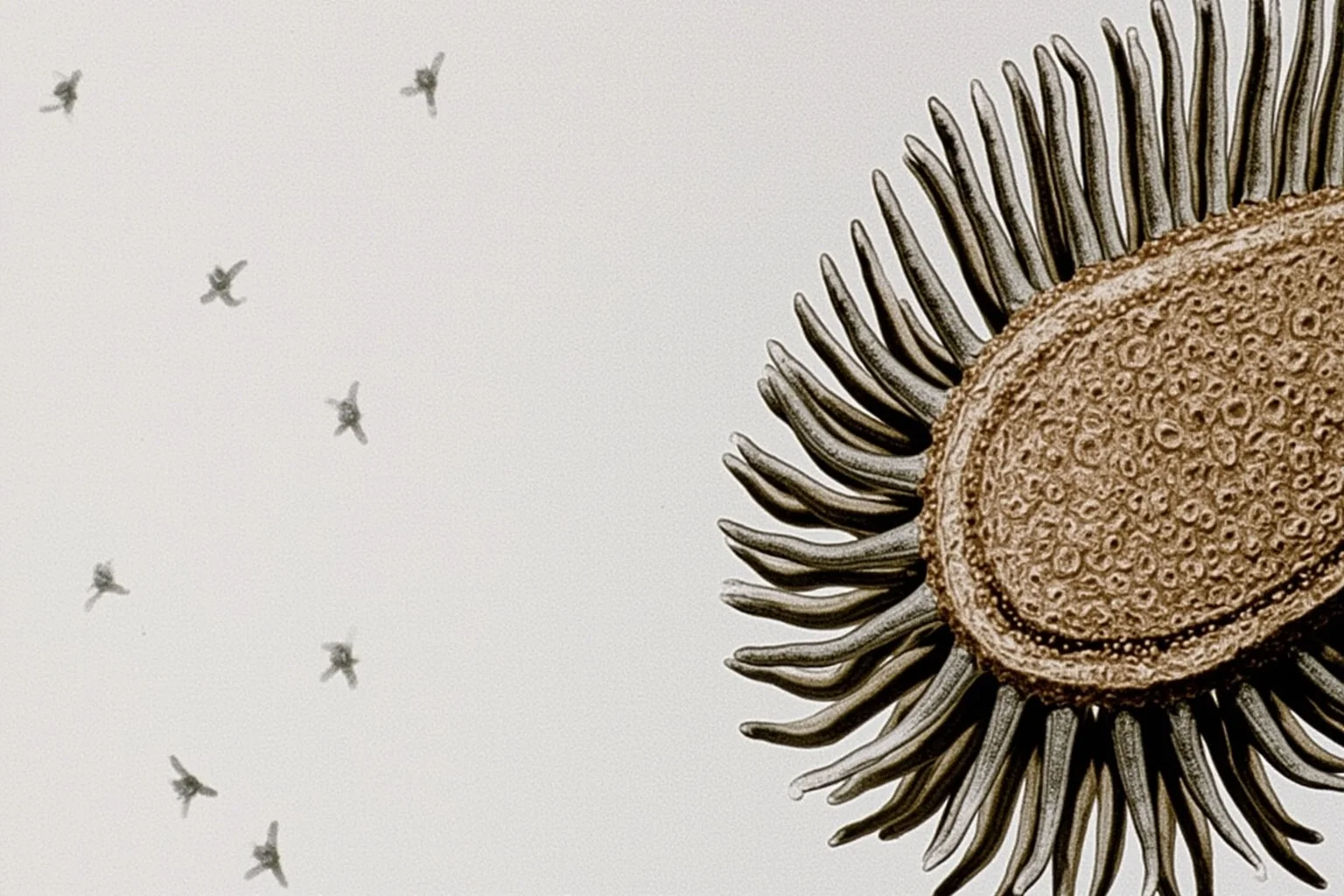
Conodont fossils are tiny, tooth-shaped microfossils known to science since 1856, but for well over a hundred years nobody knew what kind of animal actually produced them. They were so common and useful for dating rock layers that geologists used them constantly without knowing their source.
The mystery finally cracked in 1983, when researchers Derek Briggs, Euan Clarkson, and Richard Aldridge described a soft-bodied, eel-like fossil from Scotland with conodont elements still in place as a feeding apparatus. That discovery identified conodont animals as early relatives of vertebrates, though details of their exact place in the vertebrate family tree are still discussed.
13. Yilingia spiciformis — The Fossil That Took the First Steps
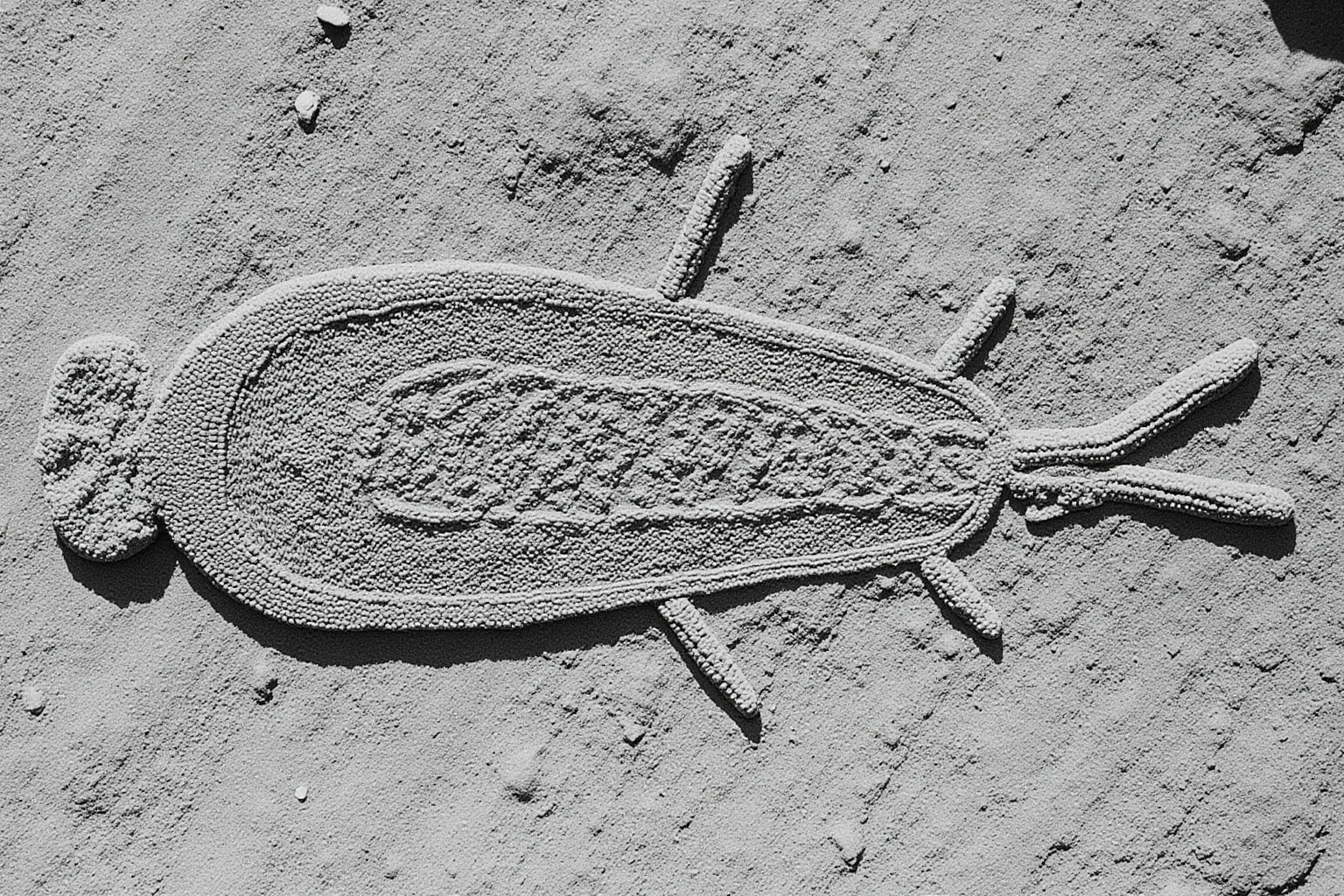
Described in 2019 from China’s Yangtze Gorges area, Yilingia spiciformis is an Ediacaran fossil dated to roughly 551 million years ago. It shows a clearly segmented body, and — unusually for its time — it was found alongside trackways showing it actively moved across the sea floor.
This is a big deal because most Ediacaran organisms appear to have been stationary or passively drifting. Yilingia spiciformis is one of the earliest confirmed examples of an animal capable of directed, repeated movement, making it a genuine milestone even though many details of its biology remain unknown.
14. Otavia antiqua — Earth’s Possible First Animal, Still Disputed
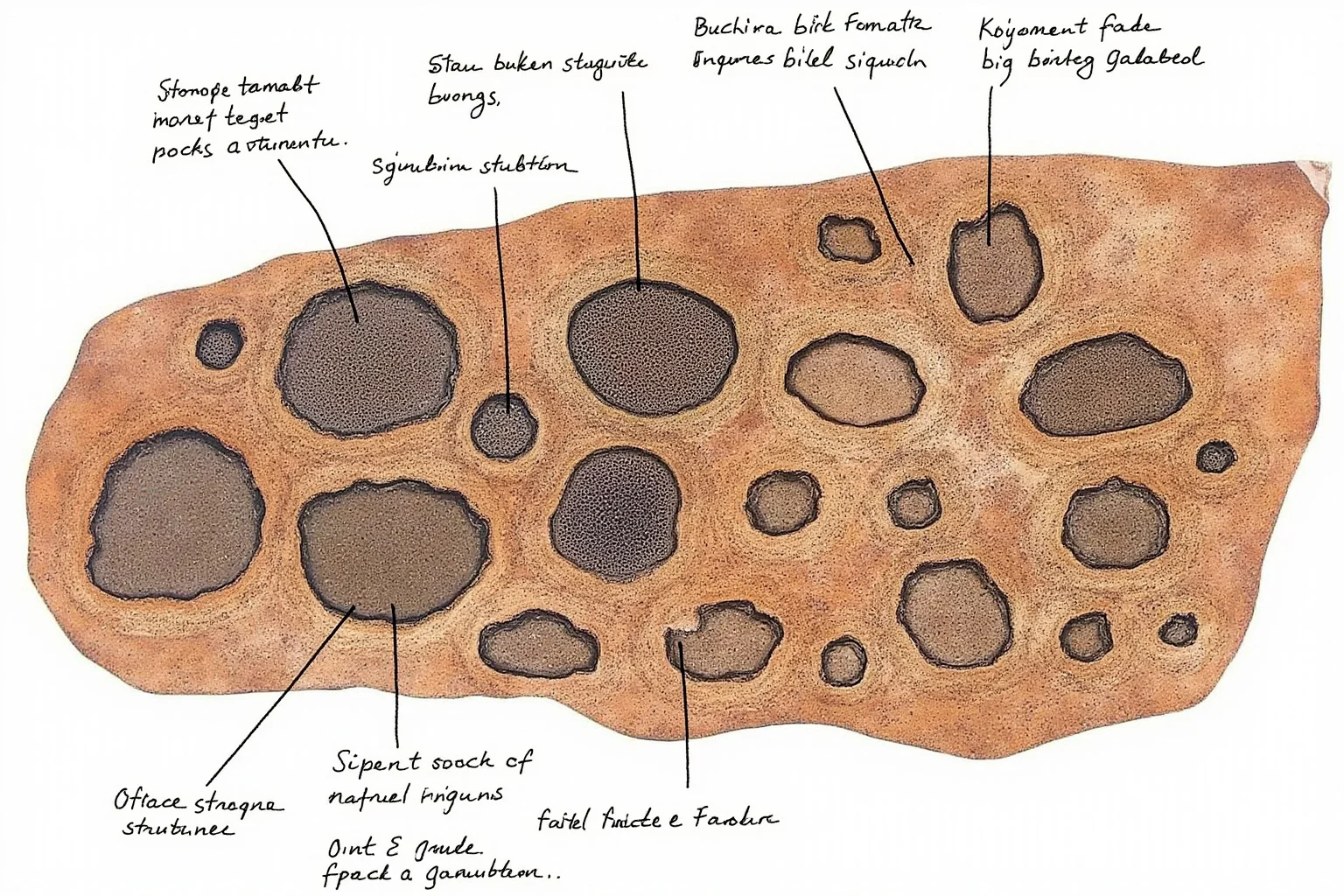
Found in Namibia, Otavia antiqua has been proposed by some researchers as evidence of animal life stretching back as far as 760 million years, well before the Ediacaran period even begins. If confirmed, it would dramatically rewrite the timeline of when animals first evolved.
That claim, put forward primarily by researcher C.K. Brain and colleagues in 2012, has not been widely accepted by the broader paleontological community. Many scientists remain unconvinced the structures are biological at all, rather than mineral formations, which keeps Otavia antiqua firmly in mystery-fossil territory.
15. Fractofusus — The Fractal Fossil With No Modern Relatives
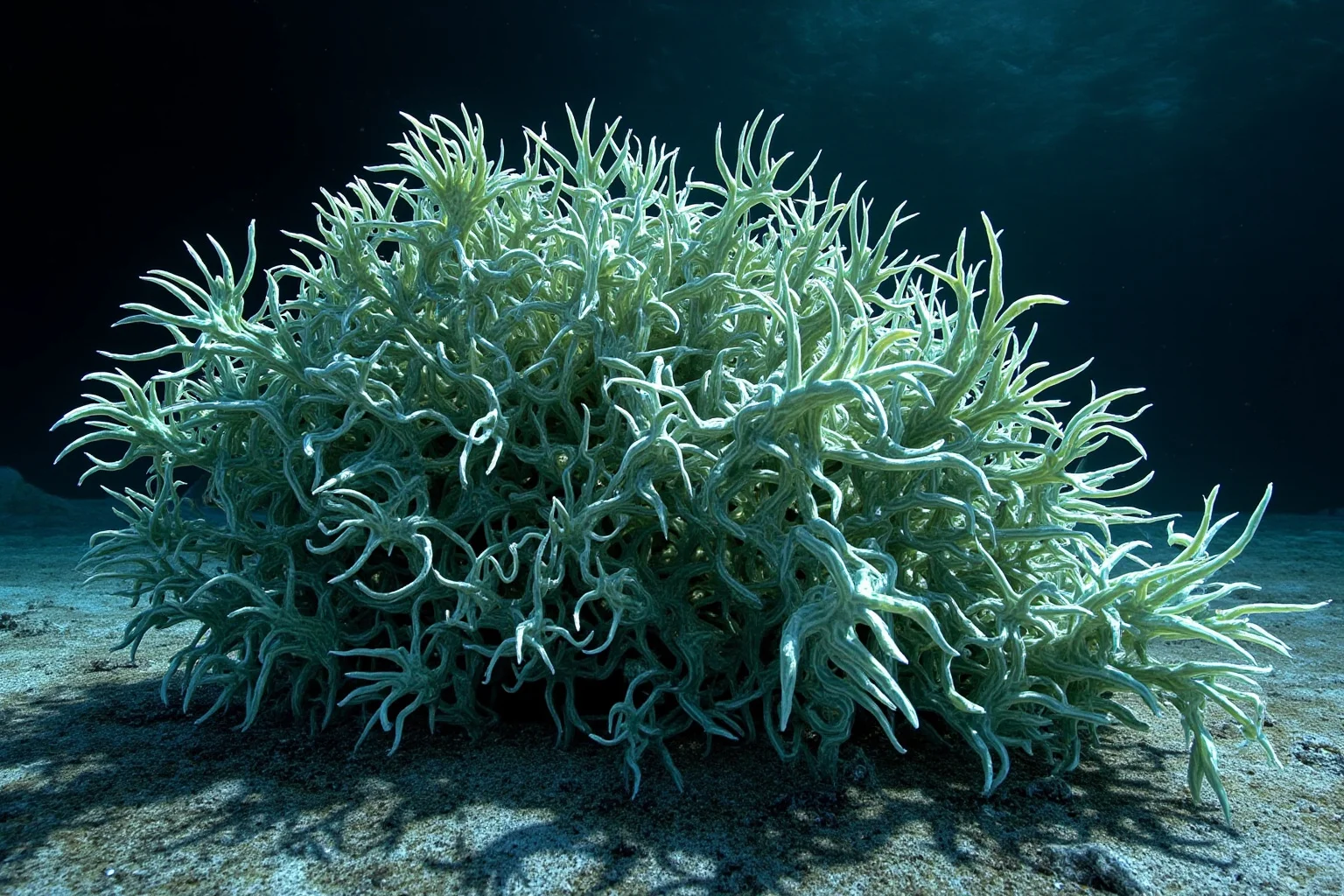
Fractofusus is an Ediacaran rangeomorph found at Mistaken Point, Newfoundland, notable for its branching, fractal-like frond structure. It appears to have reproduced by sending out runners or stolons, similar in concept to how strawberry plants spread, though it’s not related to plants at all.
Like other rangeomorphs, Fractofusus doesn’t have any clear modern descendants, and many researchers treat the entire rangeomorph group as an evolutionary experiment that ultimately went extinct. That makes reconstructing its actual biology — how it fed, especially — largely a matter of informed inference.
16. Longisquama insignis — The Reptile With Mysterious Rods on Its Back
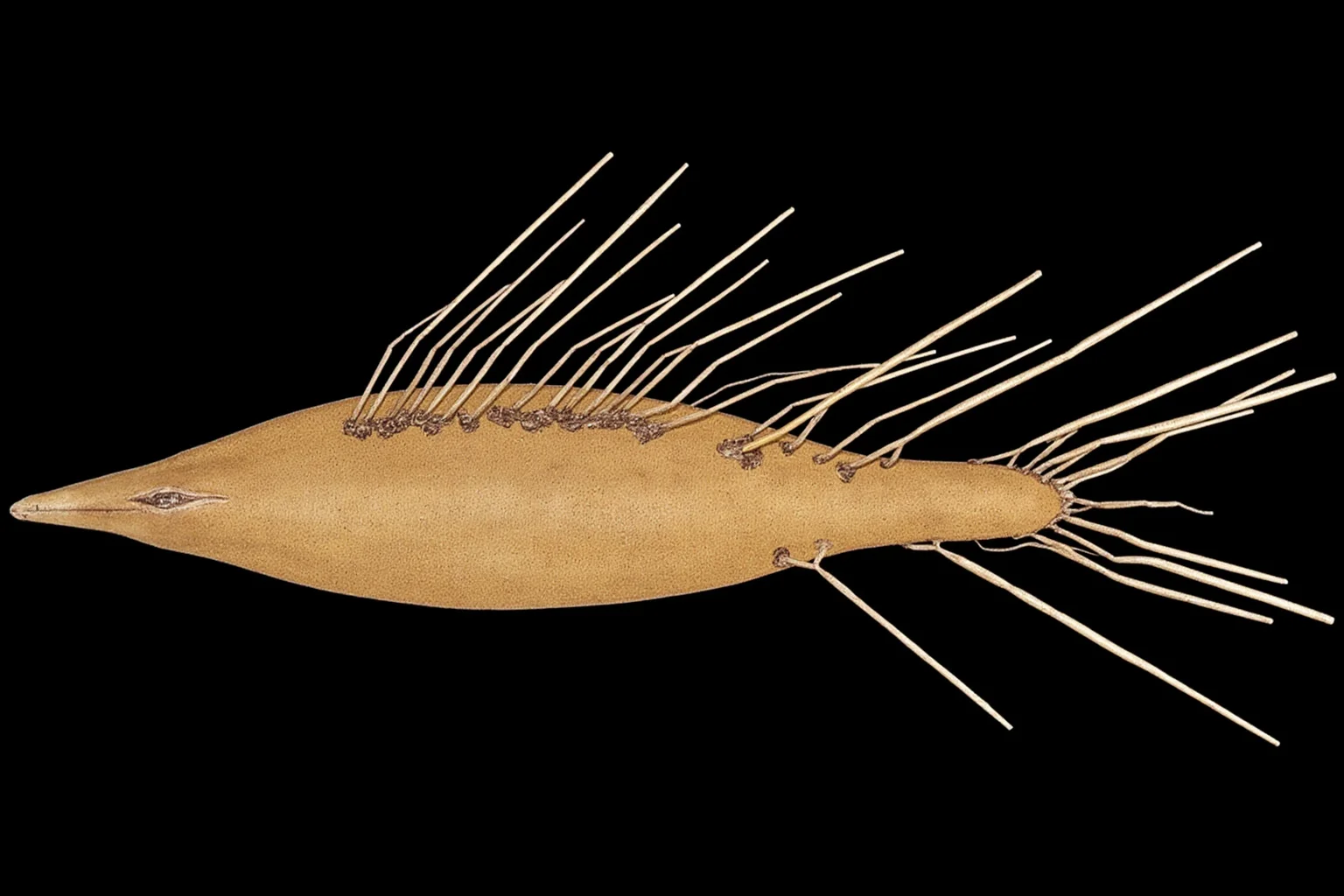
Longisquama insignis is a Triassic reptile from Kyrgyzstan, roughly 242 million years old, preserved with a row of long, paired appendages running along its back. Since its description, researchers have debated whether these structures were early feather precursors, unusually elongated scales, or even plant fronds that happened to be preserved alongside the animal.
The stakes of this debate are higher than they might seem, because if the structures are feather-related, it would have implications for theories about when feathers first evolved. Most researchers today lean toward the scale or frond interpretations rather than true feathers, but the debate has never been fully closed — echoing the same feather controversy that still surrounds T. rex itself.
17. Pristinailurus bristoli — Tennessee’s Miocene Red Panda Enigma
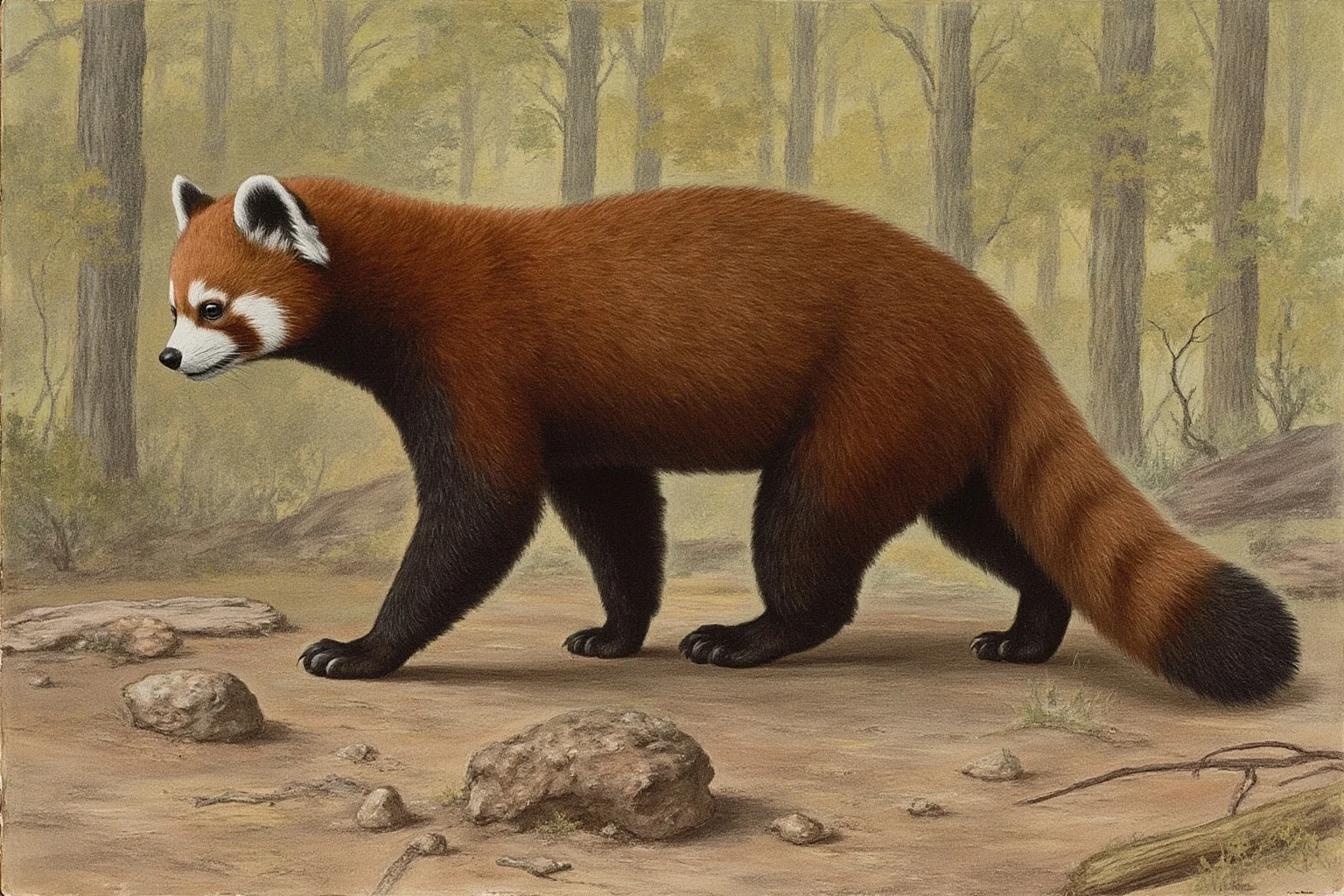
Pristinailurus bristoli was described in 2004 by paleontologists Steven Wallace and Xiaoming Wang, based on fossils from the Gray Fossil Site in northeastern Tennessee. It dates to the Miocene epoch, roughly 4.5 to 7 million years ago, and belongs to the red panda family, Ailuridae.
What makes Pristinailurus so interesting is geography: nearly all red panda relatives, living and extinct, are found in Eurasia, not North America. Its presence at a single site in Tennessee raises real questions about ancient migration routes across the Northern Hemisphere, and a second species, Pristinailurus simplicidens, was later described from the same region, adding more pieces to a puzzle that’s still being worked out.
18. The 97-Million-Year-Old Mystery Fossils of Outback Australia
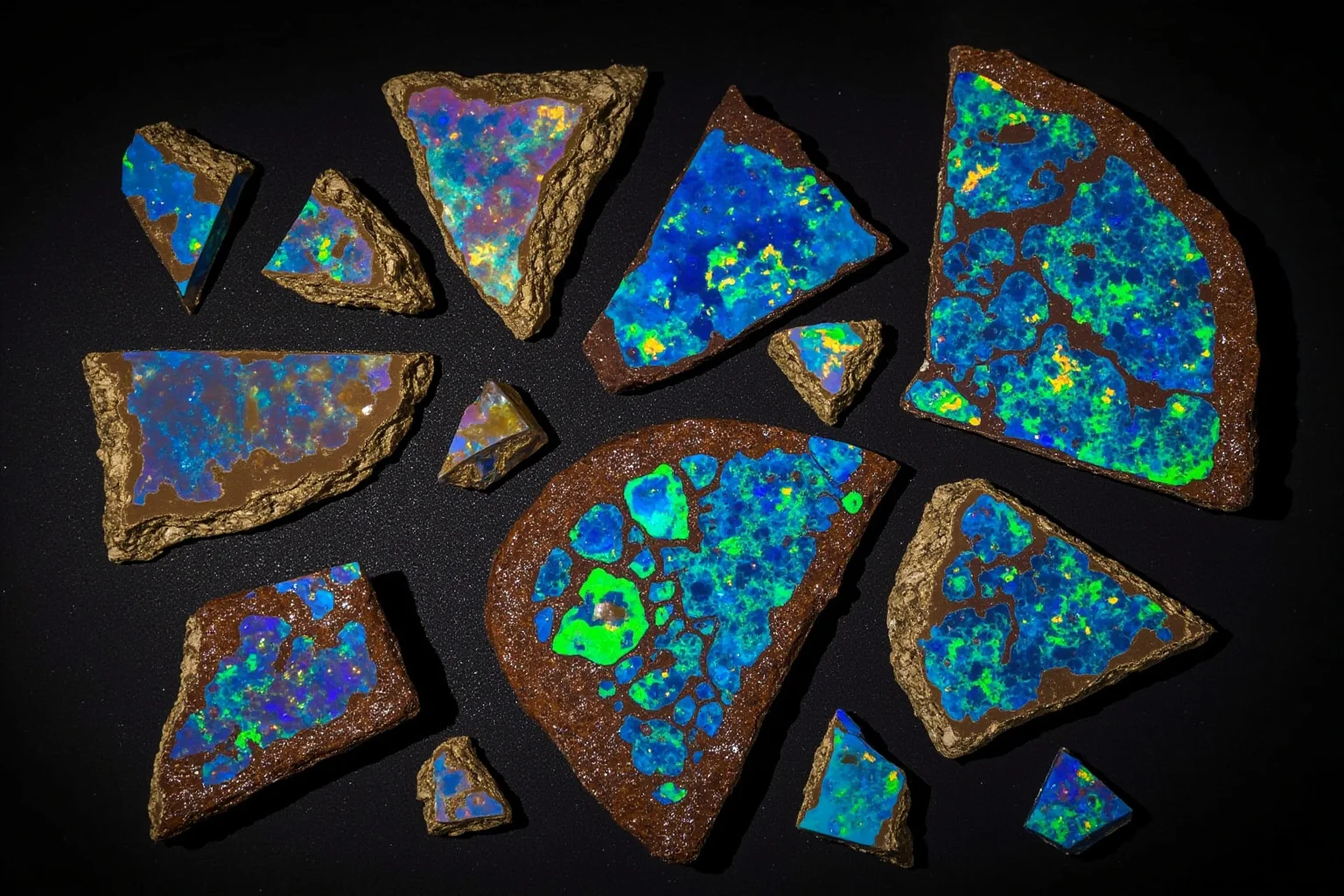
In the opal fields of Lightning Ridge and the Winton Formation of Queensland — among the areas with the most dinosaur bones worldwide — miners and paleontologists working with organizations like the Australian Opal Centre have recovered opalized bones and teeth generally dated to the mid-Cretaceous, roughly 95 to 100 million years ago — often rounded to 97 million years in popular coverage. These finds include the opalized sauropod skeleton Fostoria dhimbangunmal, described in 2019, along with a number of isolated bone and jaw fragments that don’t cleanly match any known species.
Part of the difficulty is the opalization process itself, which replaces bone with silica and can blur or destroy the fine anatomical details paleontologists rely on for identification. Because of that, several of these 97-million-year-old mysterious fossils remain informally labeled as unidentified dinosaur, pterosaur, or marine reptile material while researchers continue comparing them against known Australian Cretaceous species.
19. Qingjiang Biota — China’s New Trove of Unidentified Life
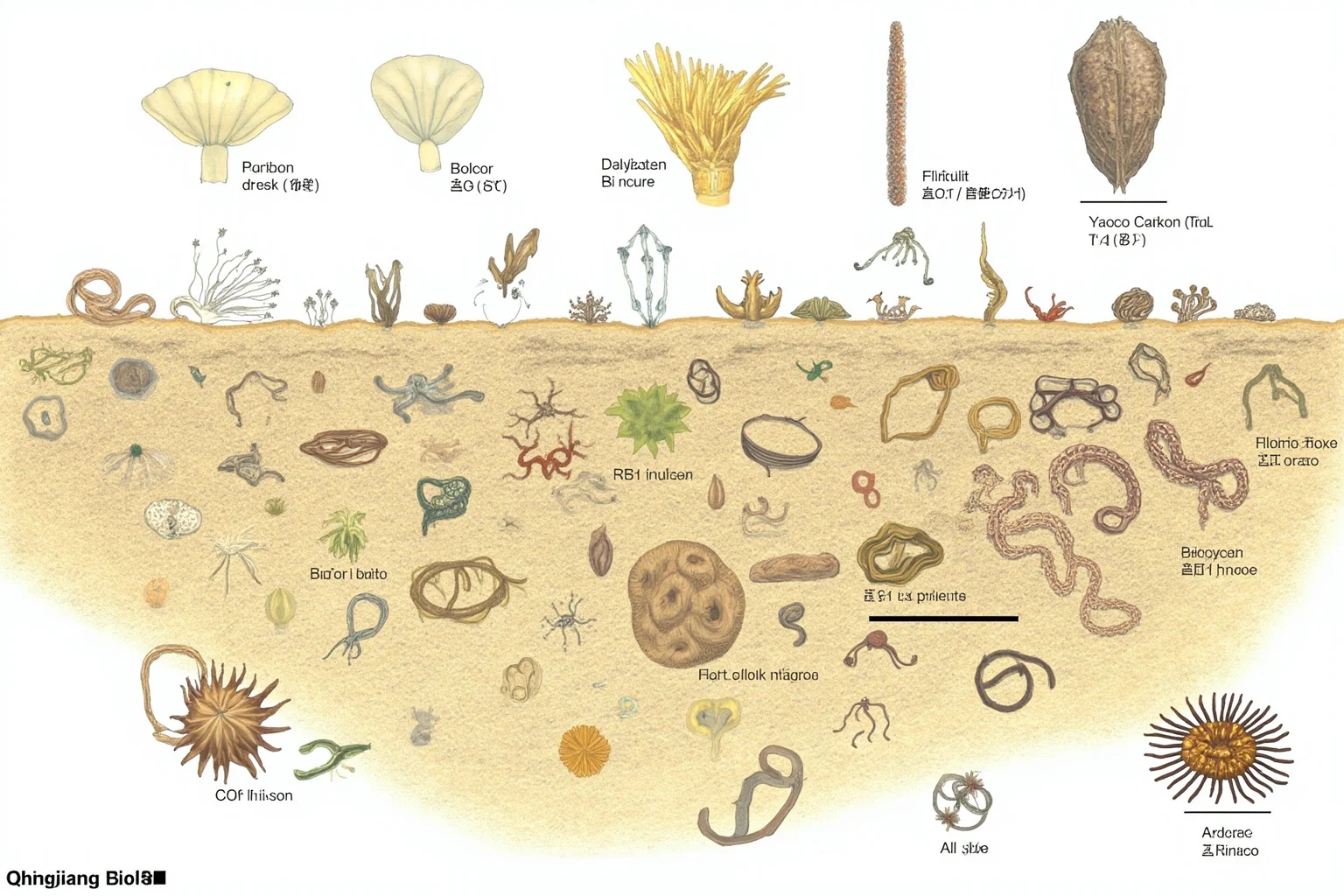
Described in 2019 by a team led by Dongjing Fu, the Qingjiang biota is a Cambrian fossil deposit from Hubei Province, China, dated to roughly 518 million years ago. It offers exceptionally preserved soft-bodied fossils that rival the famous Burgess Shale and Chengjiang deposits in quality.
According to the original research, more than half of the species identified so far are entirely new to science, and many specimens remain formally undescribed. Paleontologists expect the Qingjiang biota to keep generating fresh mystery fossils for years as researchers work through the backlog of unidentified organisms.
20. Kimberella — The Mollusk That Might Not Be a Mollusk
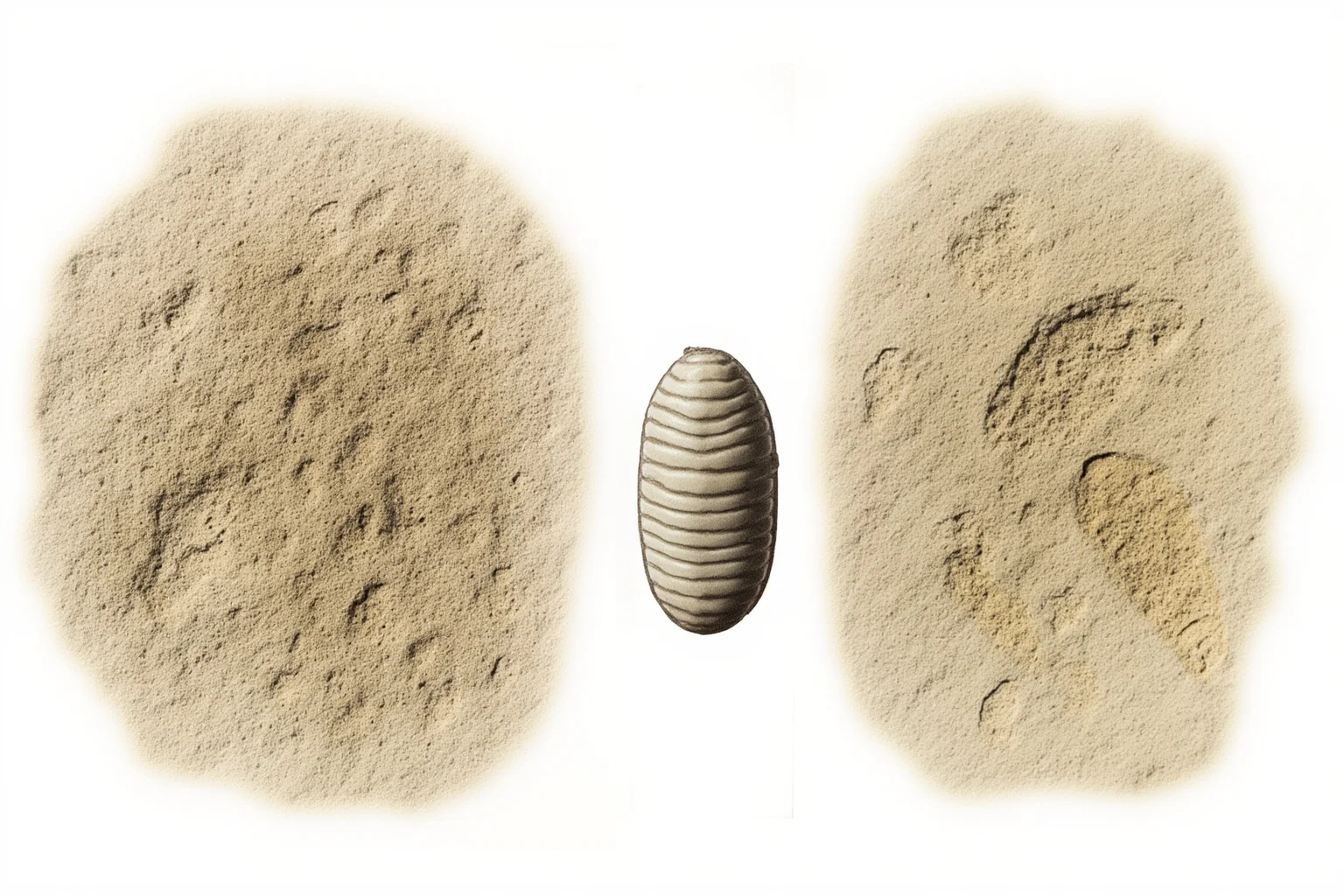
Kimberella is an Ediacaran fossil, roughly 555 million years old, found primarily along Russia’s White Sea coast and in Australia. Its oval, slug-like body impression is often accompanied by scratch-like trace fossils on the surrounding sediment, interpreted by many researchers as feeding marks left by a radula-like scraping organ.
That combination has led some scientists to argue Kimberella is one of the earliest true mollusks, or at least a very close relative. Others are more cautious, viewing it as a stem-group bilaterian animal that merely resembles a mollusk without being a confirmed member of that group, which keeps the classification genuinely open.
How Scientists (and Students) Crack These Cases
Solving a mystery fossil rarely comes down to one dramatic discovery. It’s usually a slow accumulation of new specimens, better imaging technology, and chemical analysis techniques that weren’t available to earlier researchers, the same pattern that finally resolved the conodont mystery after more than a century.
This process has also made its way into classrooms. Science curriculum publisher Amplify, for example, has built a well-known middle-school unit around a “Mystery Fossil” activity, where students practice the same observational reasoning real paleontologists use to compare unidentified bones against known species. It’s a useful reminder that figuring out a mystery fossil isn’t about guessing — it’s about carefully weighing evidence, the same way professional researchers do with specimens like the ones on this list.
Citizen science has played a role too, particularly with fossils recovered by amateur collectors and opal miners in places like Lightning Ridge, where local knowledge often leads researchers straight to significant finds.
The Fossils That Keep Paleontology Honest
What ties this list together isn’t just weirdness for its own sake — it’s a reminder that the fossil record is incomplete, and that incompleteness is exactly what makes paleontology an active, evolving science rather than a finished catalog. Every one of these specimens, from the ancient triradial Tribrachidium heraldicum to the geographically puzzling Pristinailurus bristoli, has forced researchers to question their assumptions at some point.
That’s a healthy thing. Mysteries like the Tully Monster or the still-unresolved opalized bones of outback Australia aren’t failures of science; they’re the visible edge of where current evidence runs out. The next major fossil discovery, or the next new imaging technique, could resolve any one of them — or add a brand new mystery fossil to the list entirely.
Frequently Asked Questions
What is Tribrachidium heraldicum?
Tribrachidium heraldicum is an Ediacaran-period fossil, roughly 555 million years old, first described in 1958 from Australia's Ediacara Hills. It's known for its unusual three-fold (triradial) symmetry, a body plan not found in any living animal group, which is why its exact classification is still debated among paleontologists.
What is Pristinailurus bristoli and why is it significant?
Pristinailurus bristoli is an extinct red panda relative described in 2004 from fossils found at the Gray Fossil Site in Tennessee, dating to the Miocene epoch. It's significant because nearly all red panda relatives are otherwise known from Eurasia, making its presence in North America an interesting biogeographical puzzle.
What are the 97-million-year-old mysterious fossils from Australia?
These refer to opalized bones and teeth recovered from Australia's Lightning Ridge and Winton Formation, generally dated to the mid-Cretaceous, roughly 95 to 100 million years ago. Because opalization can obscure fine anatomical detail, several specimens remain difficult to classify and are informally called mystery fossils.
Is Tortotubus really a fossilized fungus?
Tortotubus is widely interpreted as one of the earliest known terrestrial fungi, based on thread-like Silurian fossils from Sweden and Scotland dated to about 440 million years ago. Most researchers accept the fungal interpretation, though details of its precise classification within the fungal lineage are still discussed.
Why do paleontologists still disagree about the Tully Monster?
The Tully Monster (Tullimonstrum) has an anatomy so unusual that researchers have proposed both invertebrate and vertebrate classifications. A 2016 study argued it was a vertebrate related to lampreys, but later research challenged that conclusion based on the chemistry of its eye structures, leaving its classification unresolved.
What makes a fossil a ‘mystery fossil’ in paleontology?
A fossil typically earns the mystery label when it's too poorly preserved to identify confidently, represents a body plan with no living or closely related comparison, or was originally reconstructed incorrectly before later research corrected the picture. Many mystery fossils are eventually resolved as new specimens and technologies become available.

Alex Warren
Related Articles