
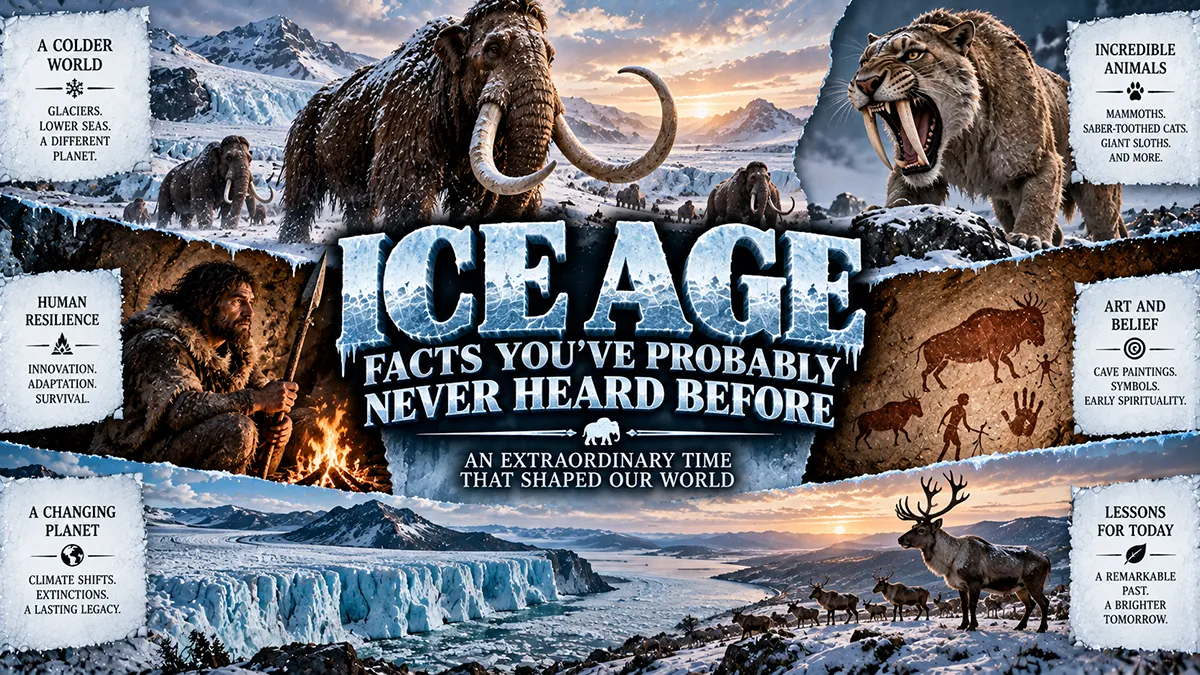
When most people hear "ice age," they picture a snow-covered wasteland, a woolly mammoth or two, and maybe a wisecracking sloth from an animated movie. The real story is stranger, older, and far more interesting than pop culture lets on. Earth hasn't had just one ice age — it's had several, spanning billions of years, and by one common definition we're technically still living inside one right now.
TL;DR: Ice ages are real, recurring chapters of Earth's history driven by orbital wobbles, shifting continents, and changing atmospheric chemistry — and by the broadest scientific definition, we're actually still living in one today.
This list breaks down what an ice age actually is, how many have happened, what life was like during the last one, and why the animated movie franchise borrowed the name but not much of the science. Let's clear up the myths and get into the real, fascinating history of Earth's coldest chapters.
1. What Is an Ice Age, Really?
The textbook definition of an ice age is a long period of time — often millions of years — during which Earth's average temperature drops enough for ice sheets and glaciers to expand across large parts of the planet. That's what defines an ice age: not a single cold winter or a bad snowstorm, but a sustained, global climate shift lasting thousands to millions of years.
Within that long cold era, temperatures still rise and fall in smaller cycles called glacial and interglacial periods. So the meaning of "ice age" is really about the big picture: a climate state where polar ice sheets exist at all, as opposed to a fully ice-free planet.
2. Yes, the Ice Age Was Real — Here's the Proof
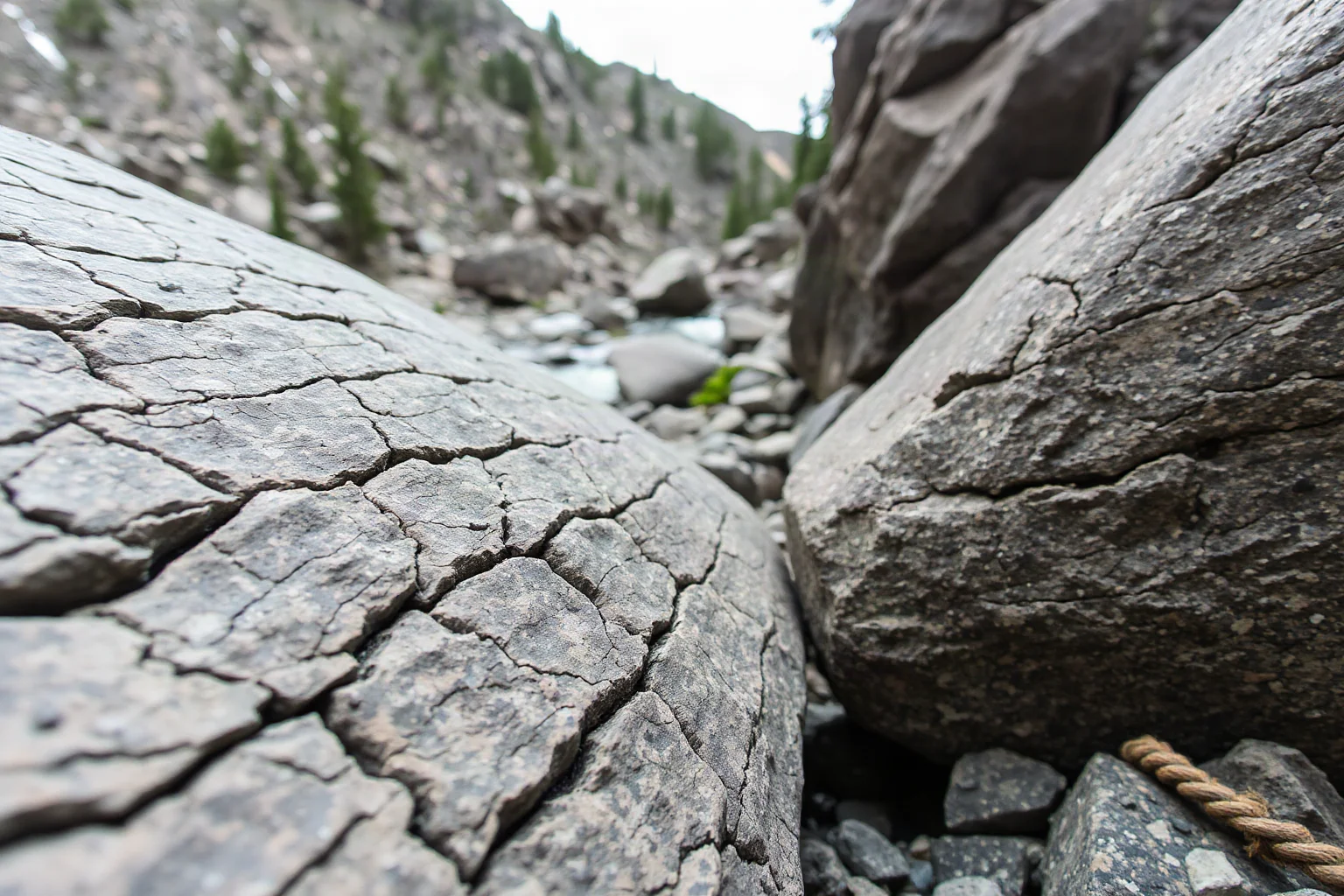
It's a fair question: is the ice age real, or is it just something we assume happened? The evidence is overwhelming and comes from multiple independent scientific fields, which is exactly why the ice ages are treated as settled science rather than speculation.
Geologists point to scratched and polished bedrock, U-shaped valleys, and giant boulders called erratics dropped far from their origin by moving glaciers. Ice cores drilled from Greenland and Antarctica also preserve tiny air bubbles that record atmospheric conditions from hundreds of thousands of years ago, giving scientists a direct chemical fingerprint of past cold periods.
3. How Many Ice Ages Has Earth Actually Had?
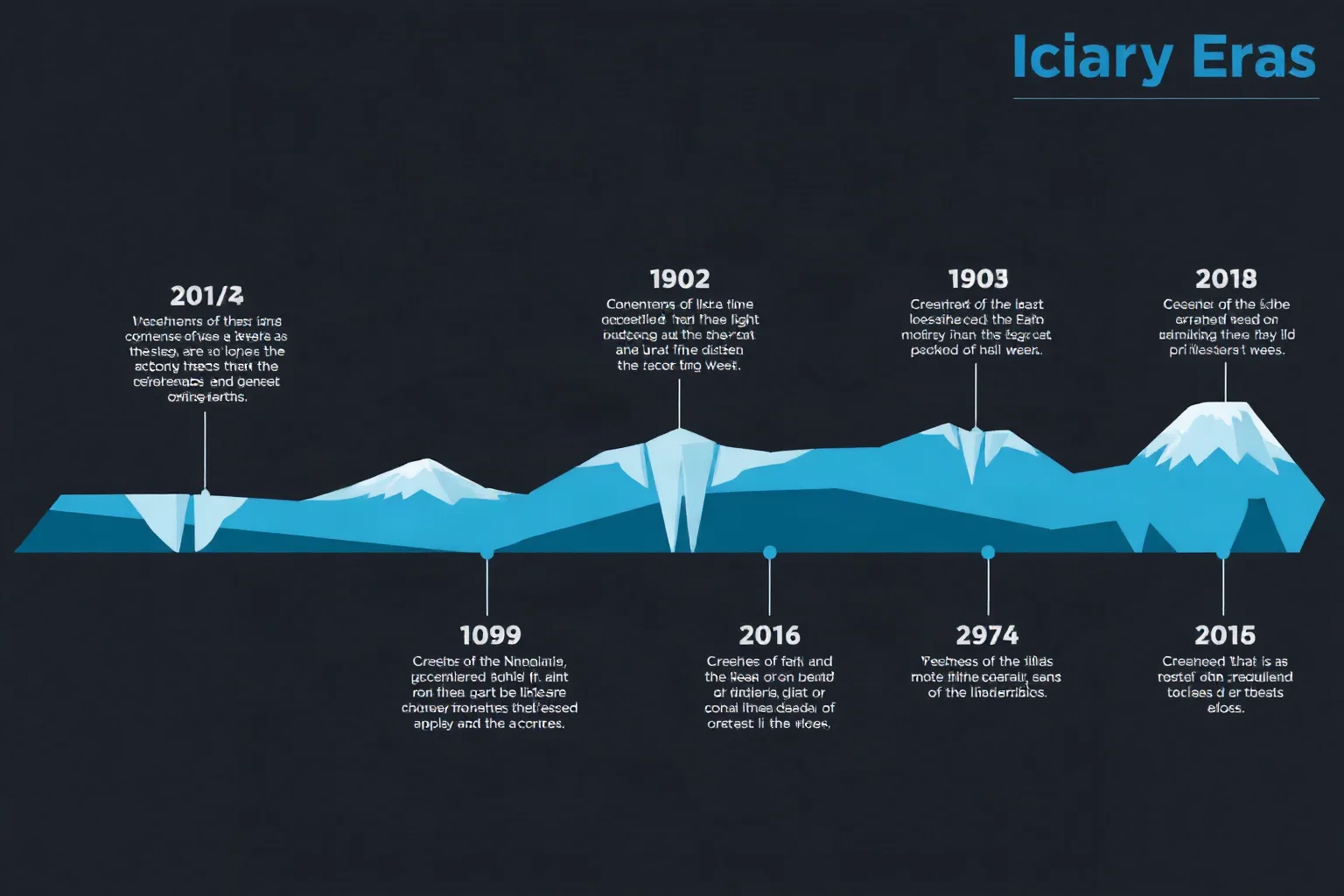
One of the most searched questions on this topic is simply: how many ice ages have there been? Scientists generally recognize at least five major ice ages in Earth's 4.5-billion-year history, though evidence for the earliest ones is less complete than for recent ones.
These include the Huronian (around 2.4 to 2.1 billion years ago), the Cryogenian (roughly 720 to 635 million years ago), the Andean-Saharan (about 450 million years ago), the Karoo Ice Age (360 to 260 million years ago), and the current Quaternary Ice Age, which began roughly 2.6 million years ago. So when people ask how many ice ages the world has had, the honest answer is "at least five that we can clearly identify, and we're living in the middle of the most recent one."
4. The Ice Age That Almost Froze the Entire Planet
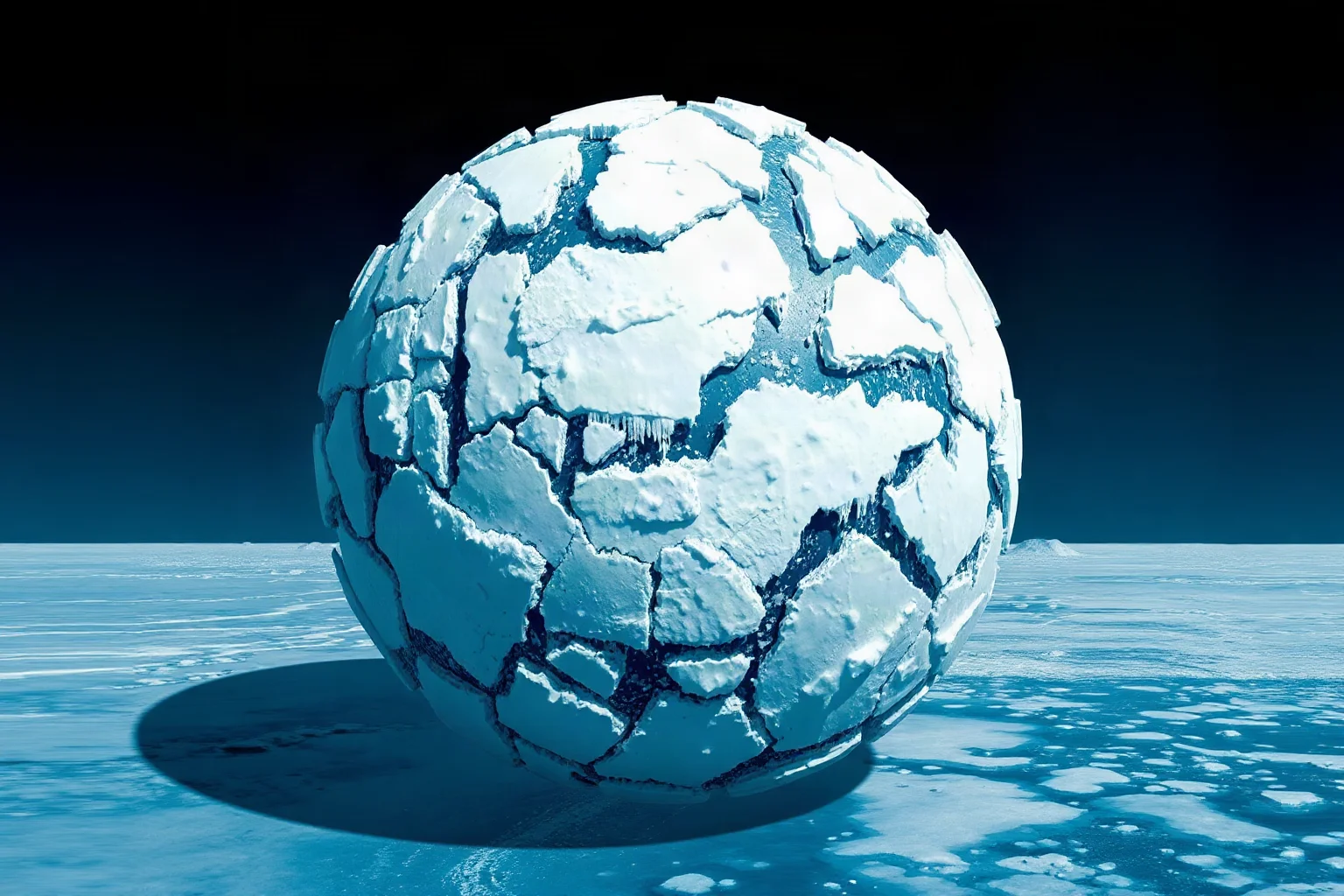
Of all the ice ages in history, the Cryogenian period stands out as the most extreme. Some geologists argue this era, nicknamed "Snowball Earth," saw ice sheets reach all the way to the equator, essentially turning the entire planet into a giant frozen ball.
This idea is still debated among scientists, and not every researcher agrees on how total the freeze really was. Still, the rock evidence from this period is dramatic enough that most geologists agree it was one of the coldest, harshest stretches our planet has ever experienced.
5. When Did "The" Ice Age Start?
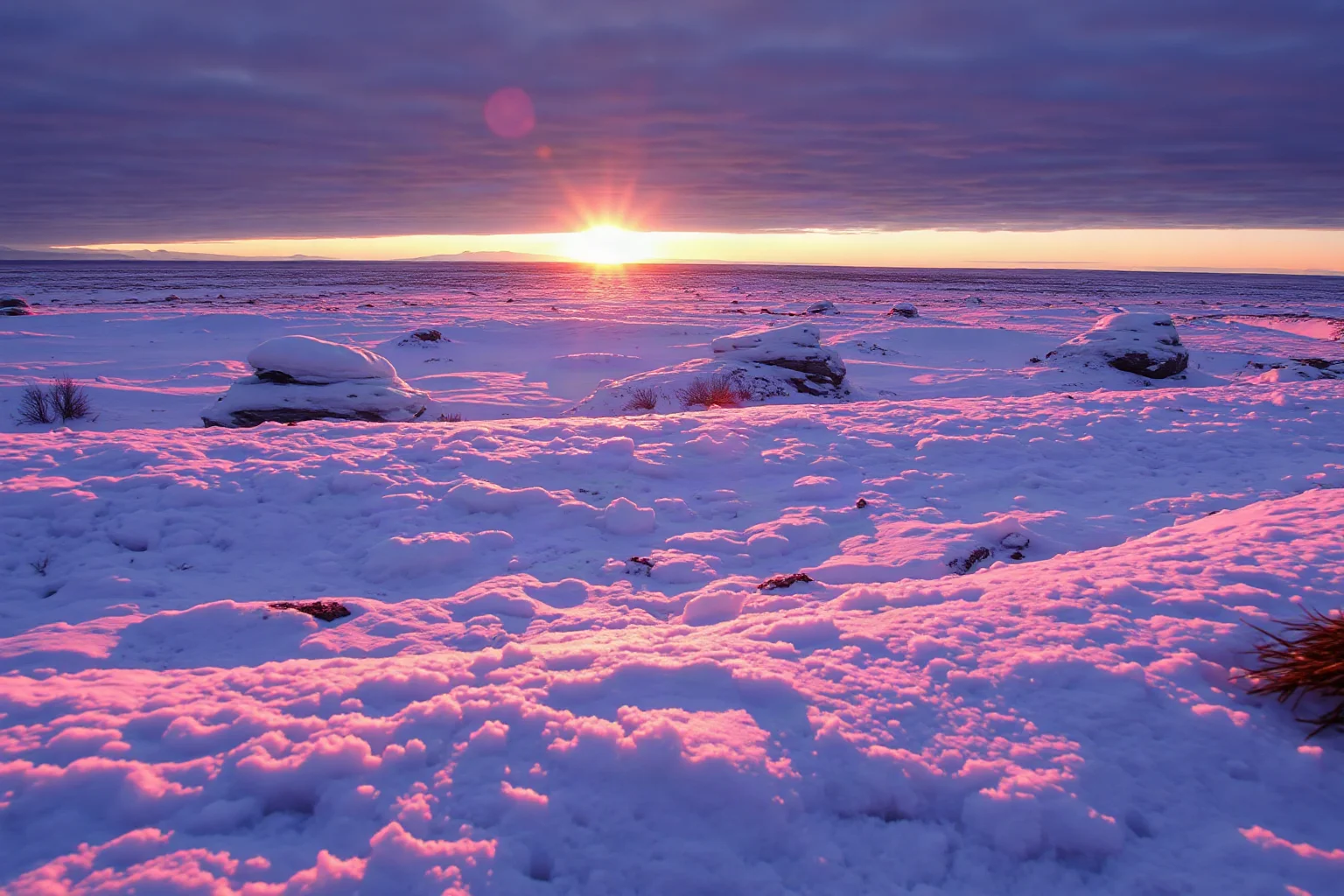
When people ask when the ice age started, they're usually thinking of the most recent one — the Quaternary Ice Age, which began about 2.6 million years ago. This is the ice age most closely tied to woolly mammoths, saber-toothed cats, and early humans.
Within that broader Quaternary Ice Age, the most recent severe cold stretch is called the Last Glacial Period, which peaked around 20,000 years ago and mostly ended around 11,700 years ago. So depending on which "ice age" someone means, the honest answer to what year the ice age happened could be 2.6 million years ago or as recently as the tail end of the last glacial maximum.
6. How Do Ice Ages Actually Happen?
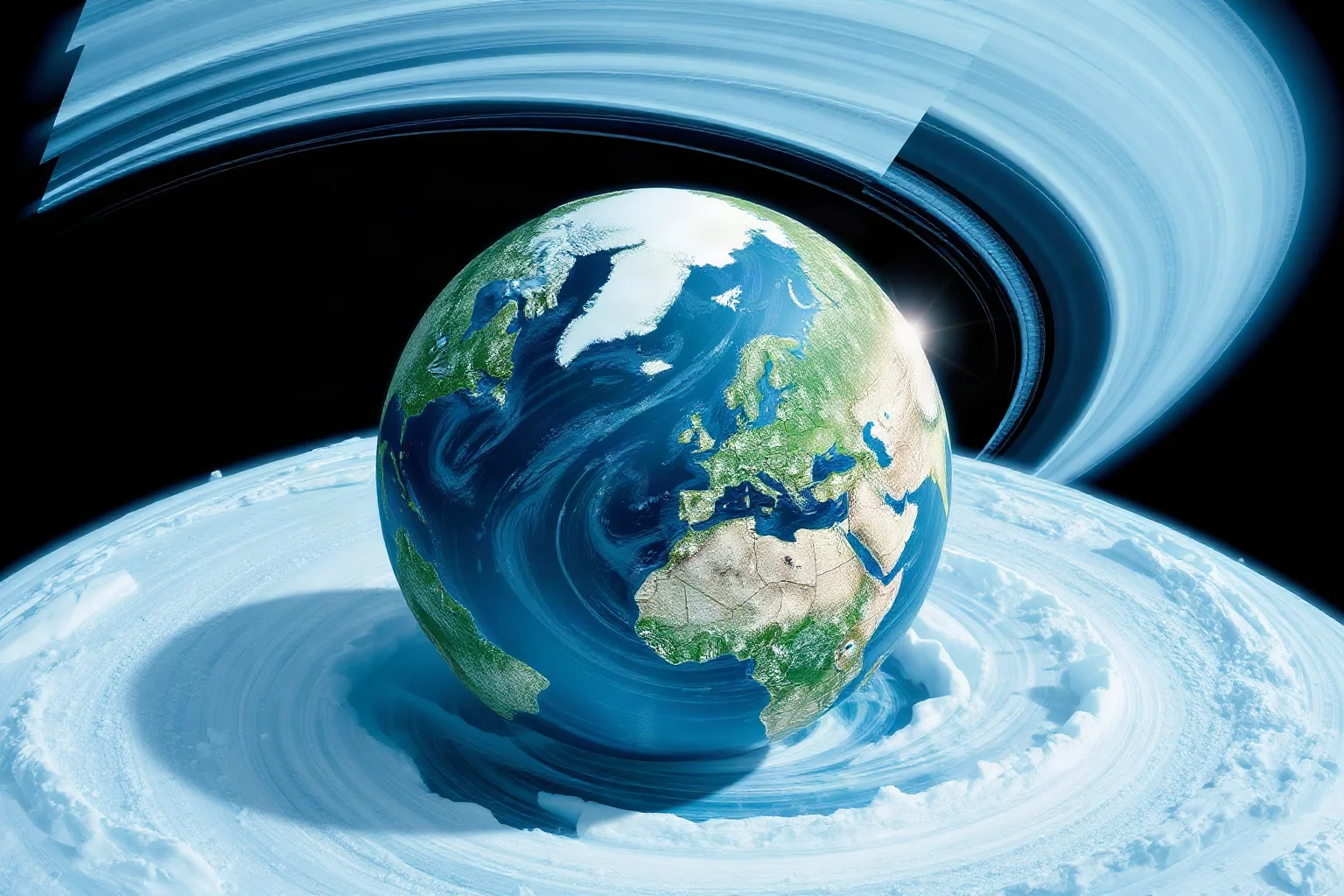
So how did the ice age begin, and how do ice ages happen in general? There's no single cause — it's usually a combination of factors working together over long stretches of time. Shifting continents can block or redirect ocean currents that normally distribute heat around the globe, setting the stage for cooling.
Changes in atmospheric carbon dioxide levels, volcanic activity, and the position of landmasses relative to the poles all play a role too. Once enough ice and snow build up, they reflect more sunlight back into space, which cools the planet further in a feedback loop that can lock in an ice age once it starts.
7. Milankovitch Cycles: The Wobble That Changes Everything
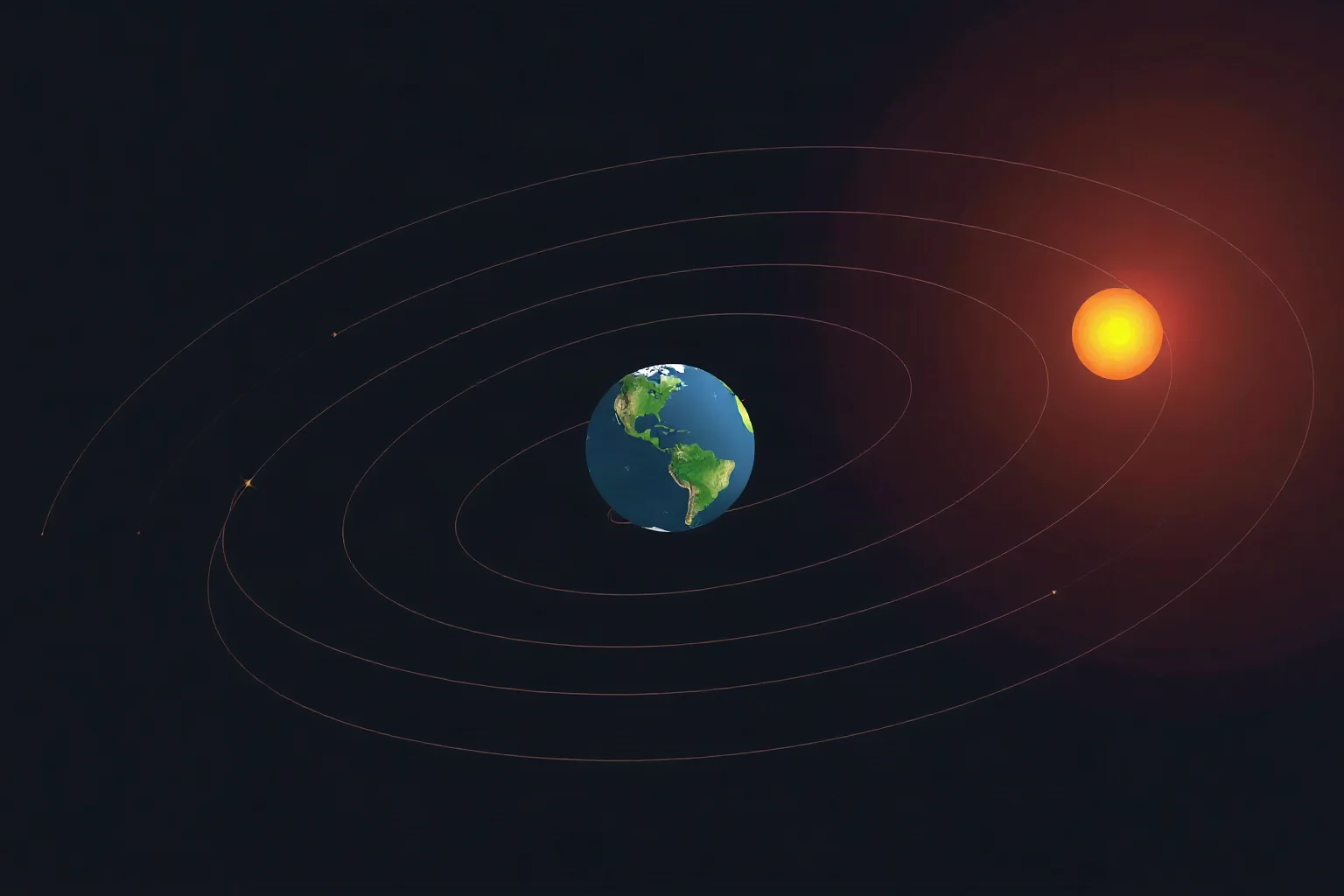
One of the most important pieces of the puzzle explaining how ice ages happen is something called Milankovitch cycles. These are slow, predictable changes in Earth's orbit, axial tilt, and wobble that occur over tens of thousands of years, subtly changing how much sunlight reaches different parts of the planet.
These cycles don't single-handedly cause an ice age from scratch, but they act like a dimmer switch on incoming solar energy. When combined with the right background conditions — like current continental positions and atmospheric CO2 levels — these orbital shifts can tip the climate into a glacial period.
8. Ice Ages Have Smaller Cycles Inside Them: Glacials and Interglacials
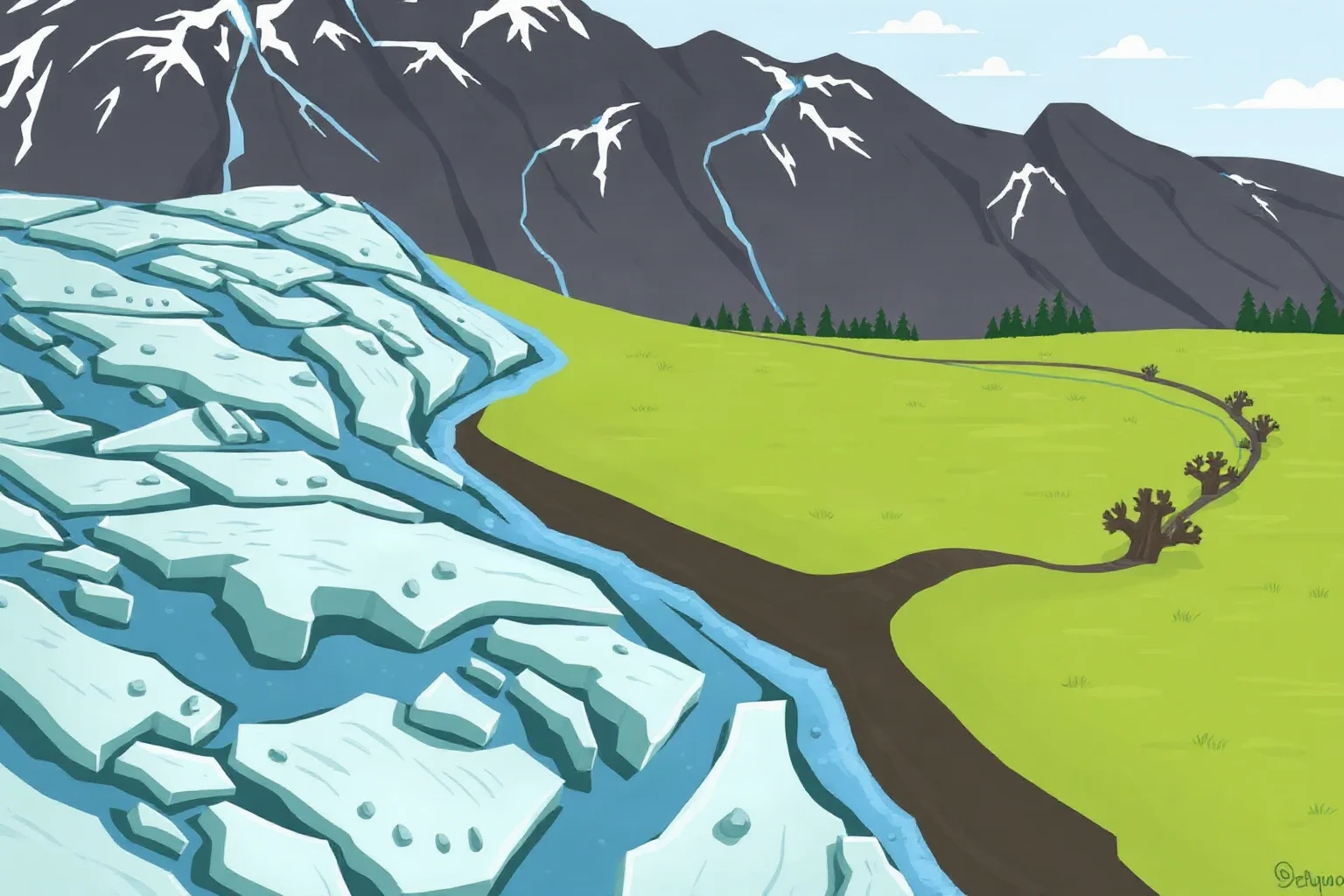
Here's something that trips a lot of people up: an ice age isn't one continuous deep freeze from start to finish. Instead, it's made up of alternating glacial periods (colder, ice-heavy phases) and interglacial periods (warmer phases where ice retreats, but doesn't disappear completely).
We're actually living in an interglacial period right now, called the Holocene, which started about 11,700 years ago. This detail matters a lot for understanding whether we are still in an ice age today, which we'll get to shortly.
9. Key Characteristics of an Ice Age
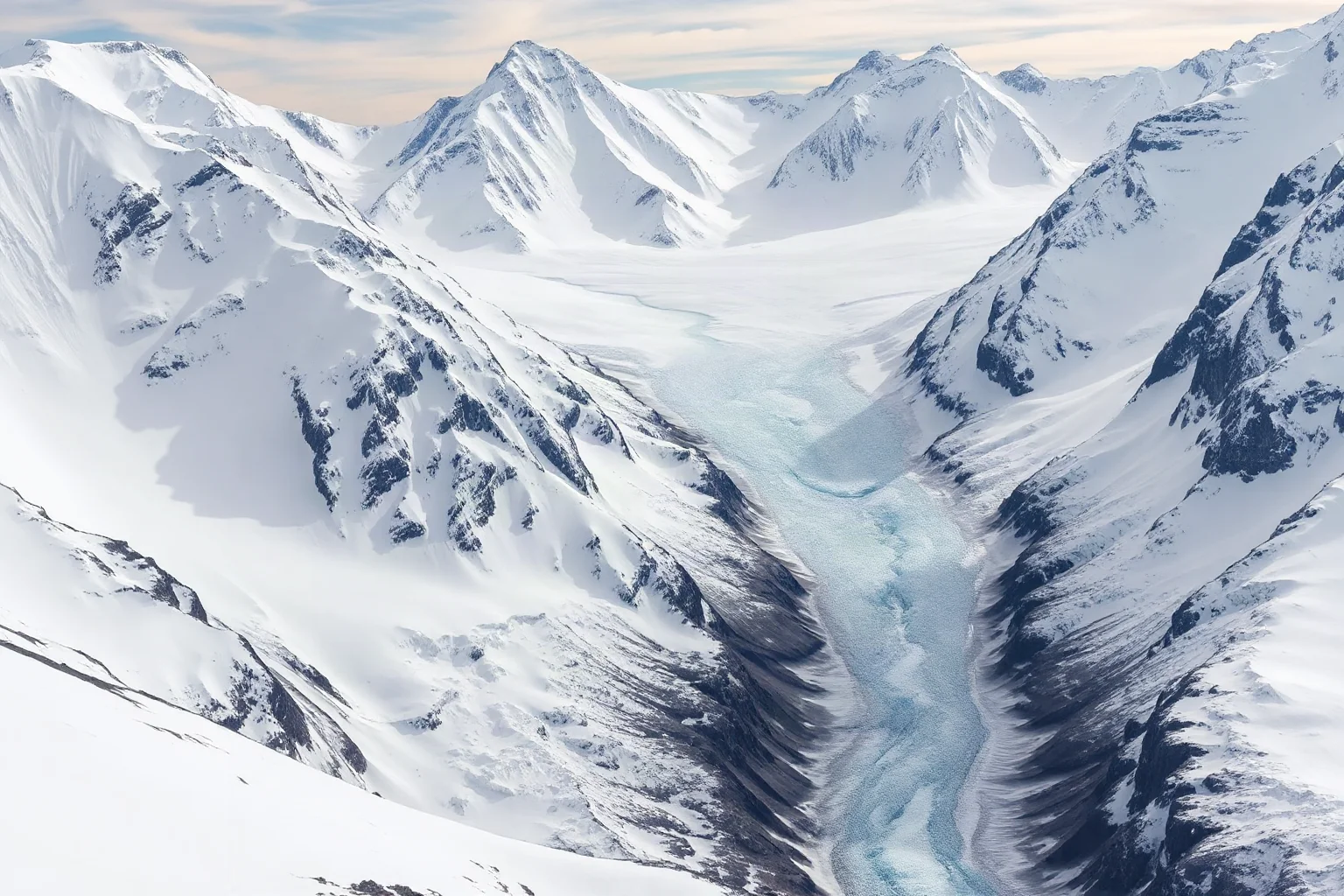
So what are the defining ice age characteristics? The most obvious is the growth of massive ice sheets and glaciers covering continents at high and middle latitudes, sometimes over a mile thick. Global sea levels also drop significantly because so much of Earth's water gets locked up as ice on land.
Other characteristics of an ice age include colder average global temperatures (often 5 to 10 degrees Celsius lower than today), shifting biomes as forests give way to tundra and grassland, and changes to ocean currents and atmospheric circulation. Together, these features reshape ecosystems, coastlines, and even where life can survive.
10. Just How Much Ice Are We Talking About?
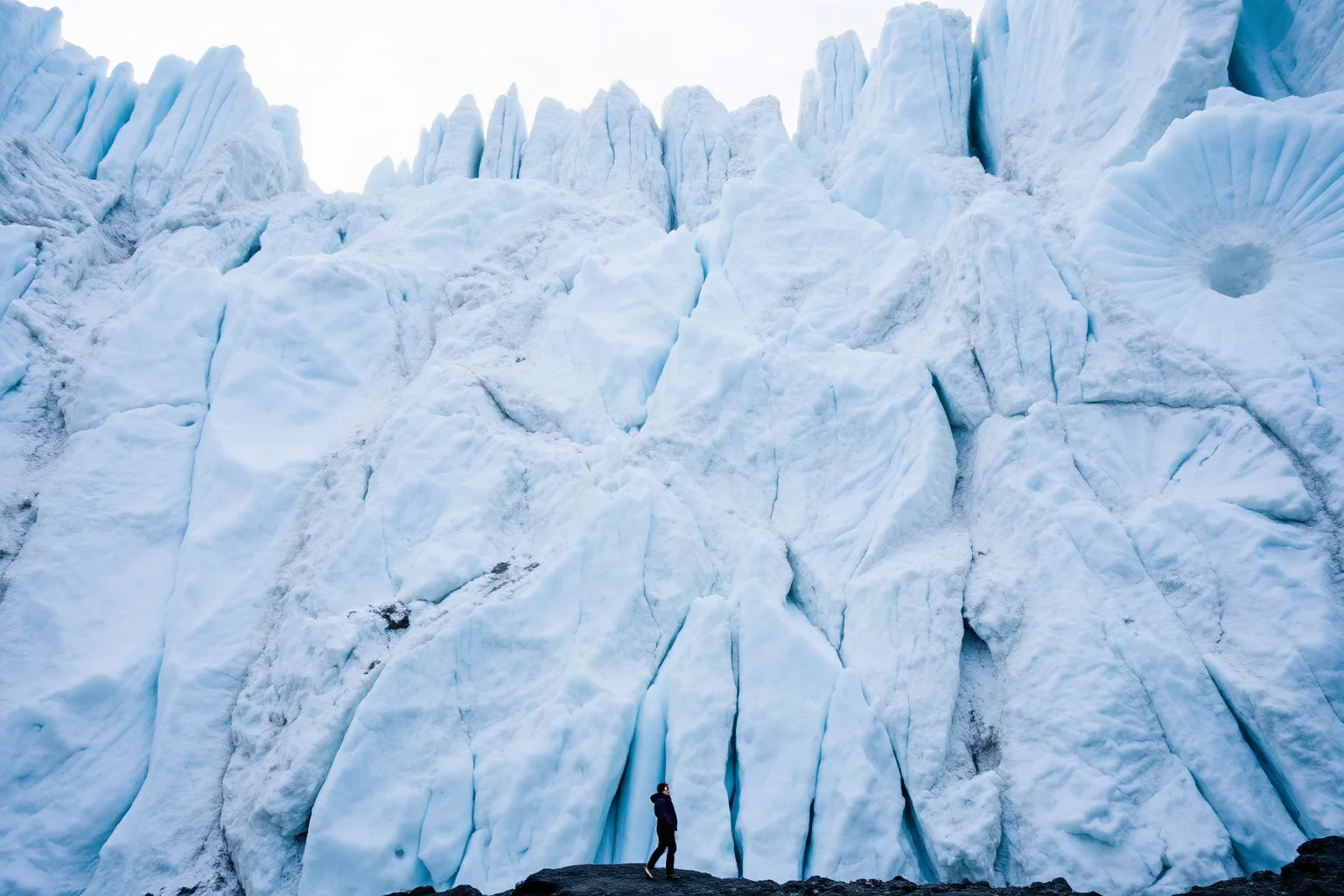
When people search for "ice age ice," they're usually curious just how much frozen water covered the planet. At the peak of the last glacial period, ice sheets covered roughly 30% of Earth's land surface, compared to about 10% today.
Some ice sheets, like the one that covered much of North America, were over a mile thick in places — thick enough to bury entire mountain ranges. That's an almost unimaginable amount of frozen water sitting on top of the continents for thousands of years at a stretch.
11. What Happened During the Last Ice Age?
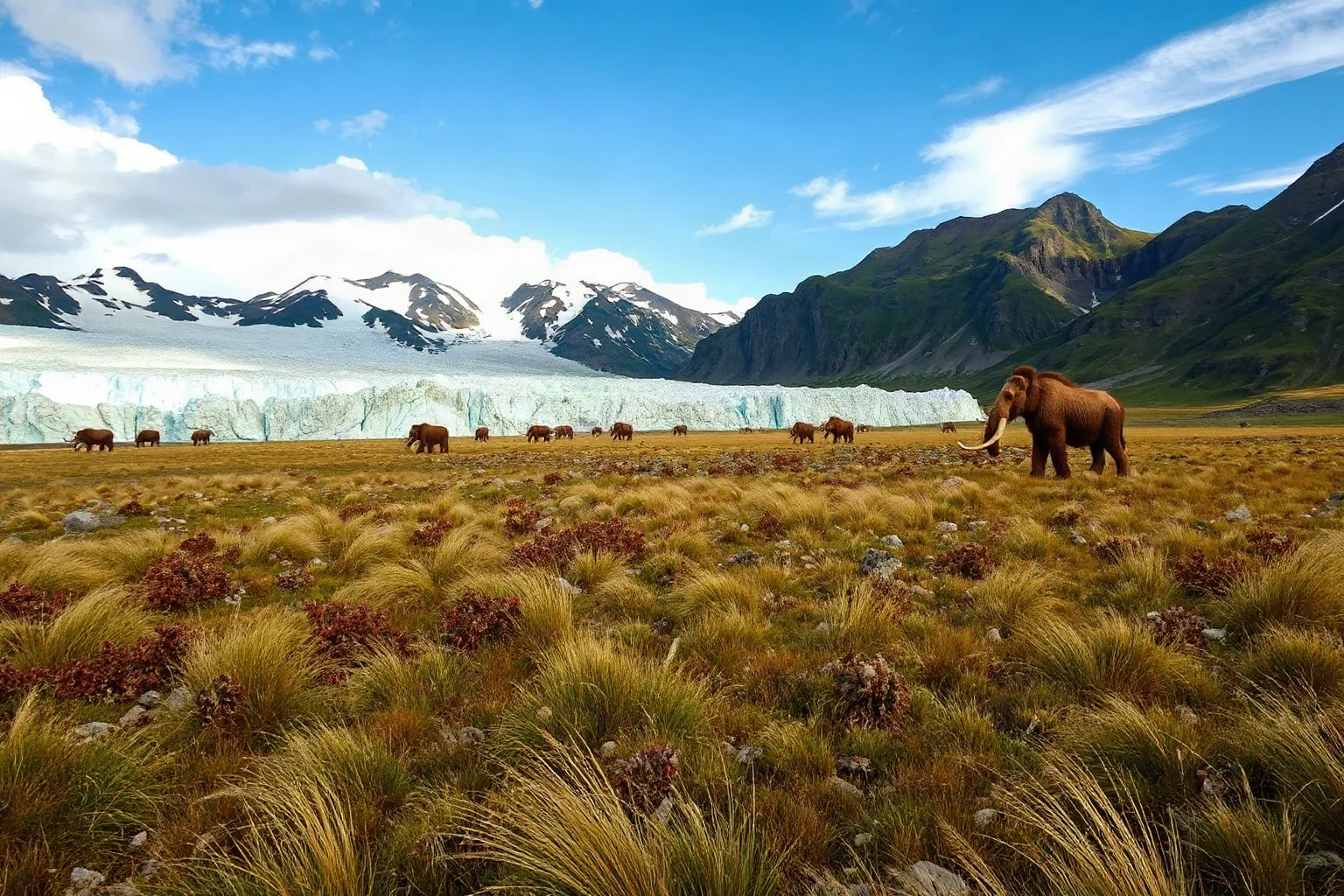
So what actually happened during the ice age most people picture — the last glacial period? Huge ice sheets crept down from the poles across North America, Europe, and Asia, reshaping landscapes as they advanced and retreated. Sea levels dropped by an estimated 120 meters (about 400 feet) compared to today, because so much ocean water was locked into land ice.
This exposed land bridges that don't exist now, changed coastlines dramatically, and pushed plants, animals, and eventually humans to adapt or migrate. It was a slow, gradual transformation stretched over thousands of years, not an overnight catastrophe.
12. Sea Levels Dropped Enough to Walk Between Continents
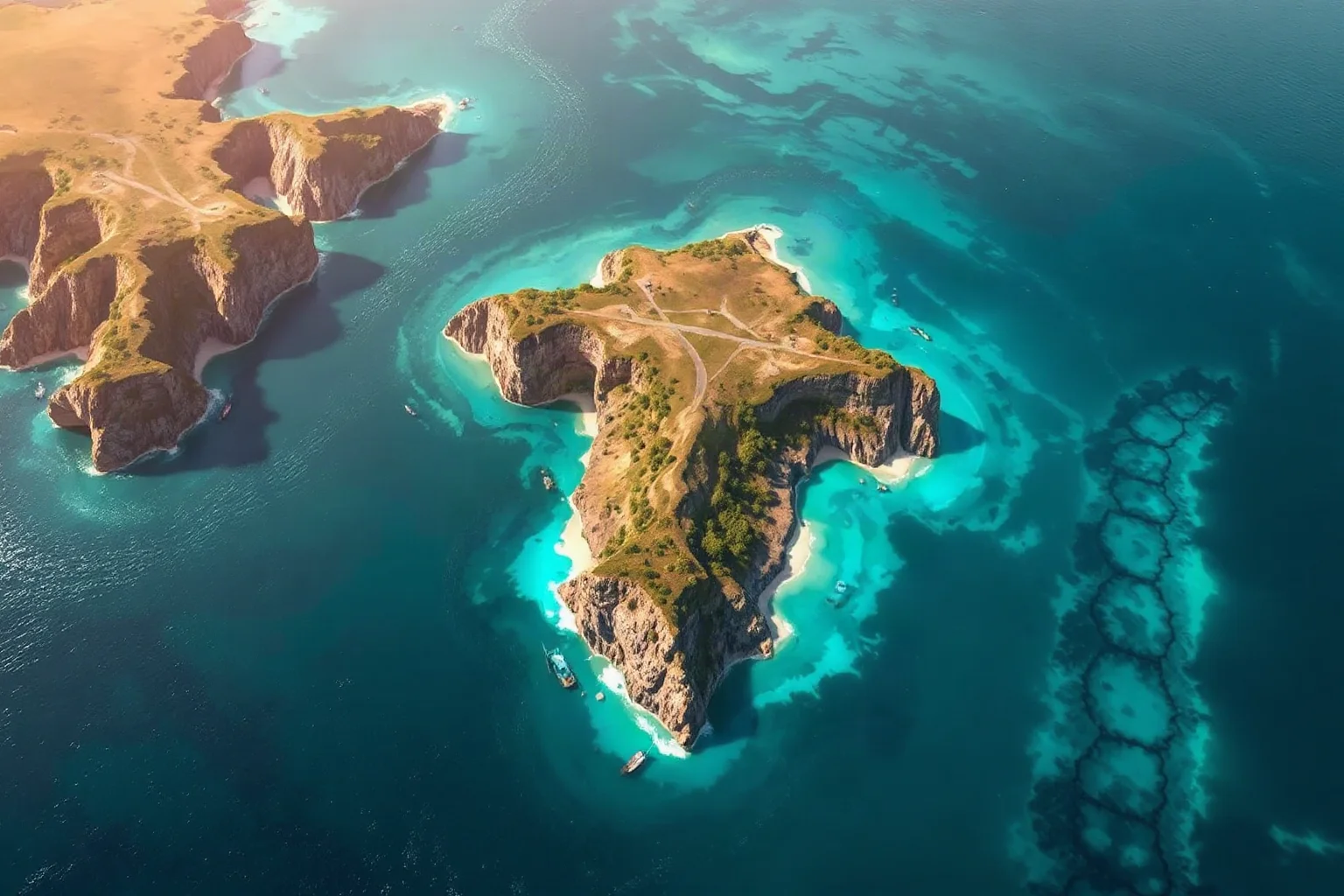
One of the wildest consequences of the last ice age is that dropping sea levels created land bridges connecting continents that are separated by ocean today. The most famous is the Bering Land Bridge, which connected Siberia to Alaska and is widely considered the route by which humans first migrated into the Americas.
Similar exposed land connected Britain to mainland Europe and linked many Southeast Asian islands together. When the ice melted and sea levels rose again, these bridges disappeared underwater, permanently changing the map.
13. Woolly Mammoths and Other Ice Age Megafauna
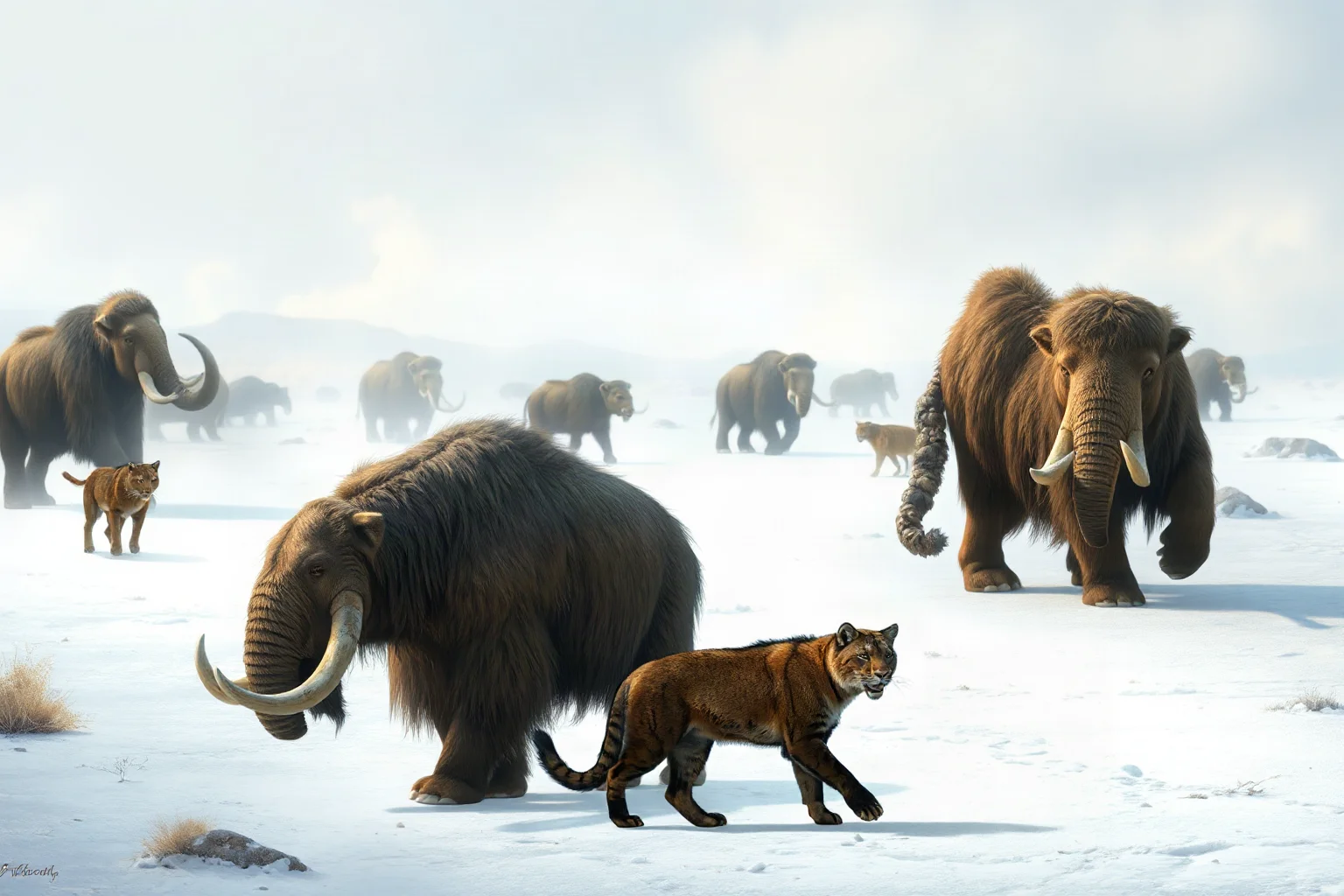
No discussion of ice ages in history is complete without the megafauna — the giant animals that defined the era. Woolly mammoths, saber-toothed cats, giant ground sloths, woolly rhinos, and massive short-faced bears all roamed the cold landscapes of the last glacial period.
Most of these species went extinct as the ice age ended, likely due to a combination of rapid climate change, habitat loss, and pressure from human hunting — forces not unlike those behind how the dodo bird went extinct millennia later. Their fossils and, in the case of mammoths, remarkably preserved frozen remains, give scientists direct physical evidence of what the ice age world actually looked like.
14. Did People Live During the Ice Age?
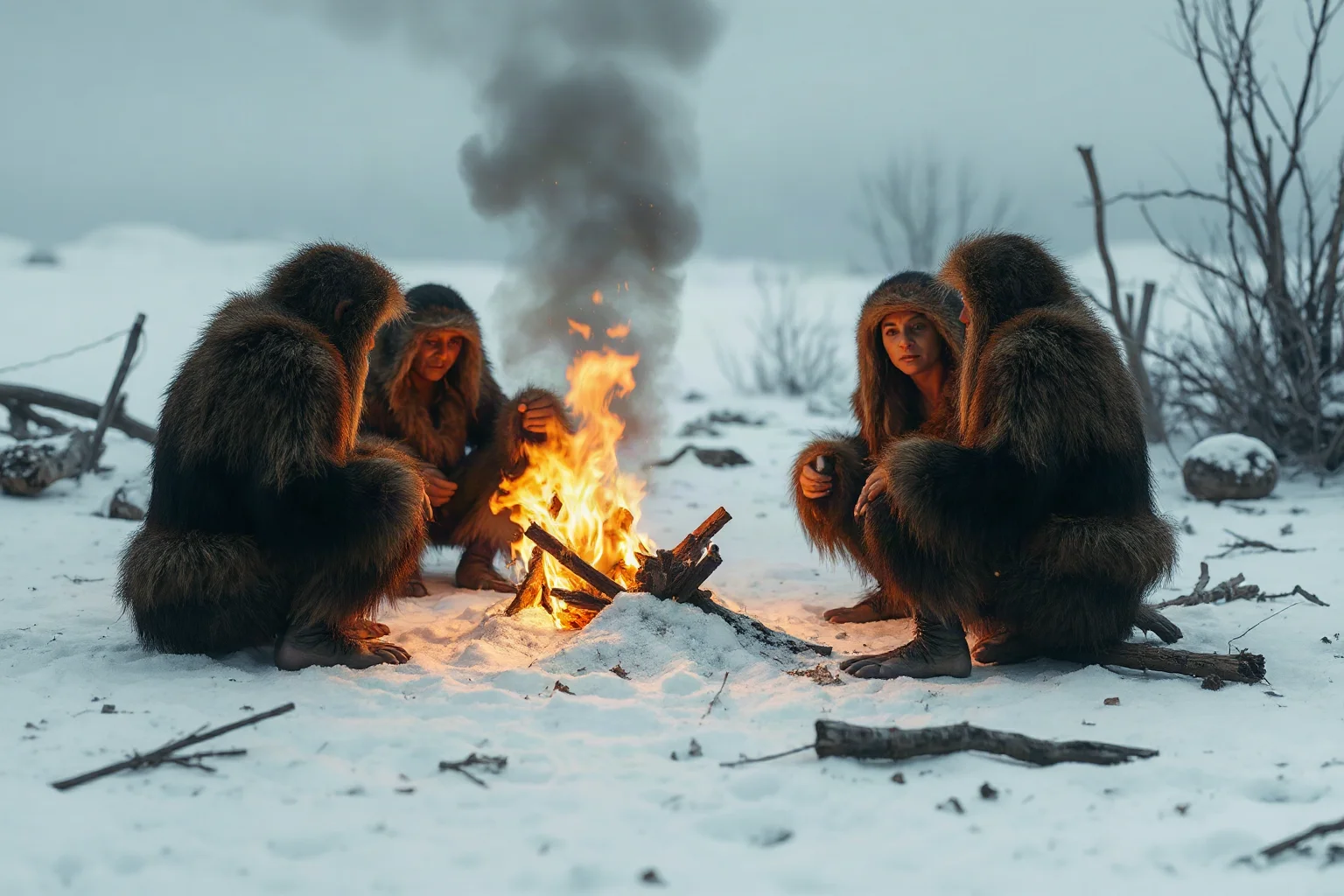
A surprisingly common question is whether people in the ice age actually existed at all — and the answer is a clear yes. Early modern humans, along with Neanderthals and other now-extinct human relatives, lived through significant portions of the last glacial period.
Did people live in the ice age in large numbers? Populations were much smaller and more scattered than today, but archaeological sites across Europe, Asia, and eventually the Americas confirm that people during the ice age survived, hunted, and adapted across multiple continents.
15. How Early Humans Survived the Cold
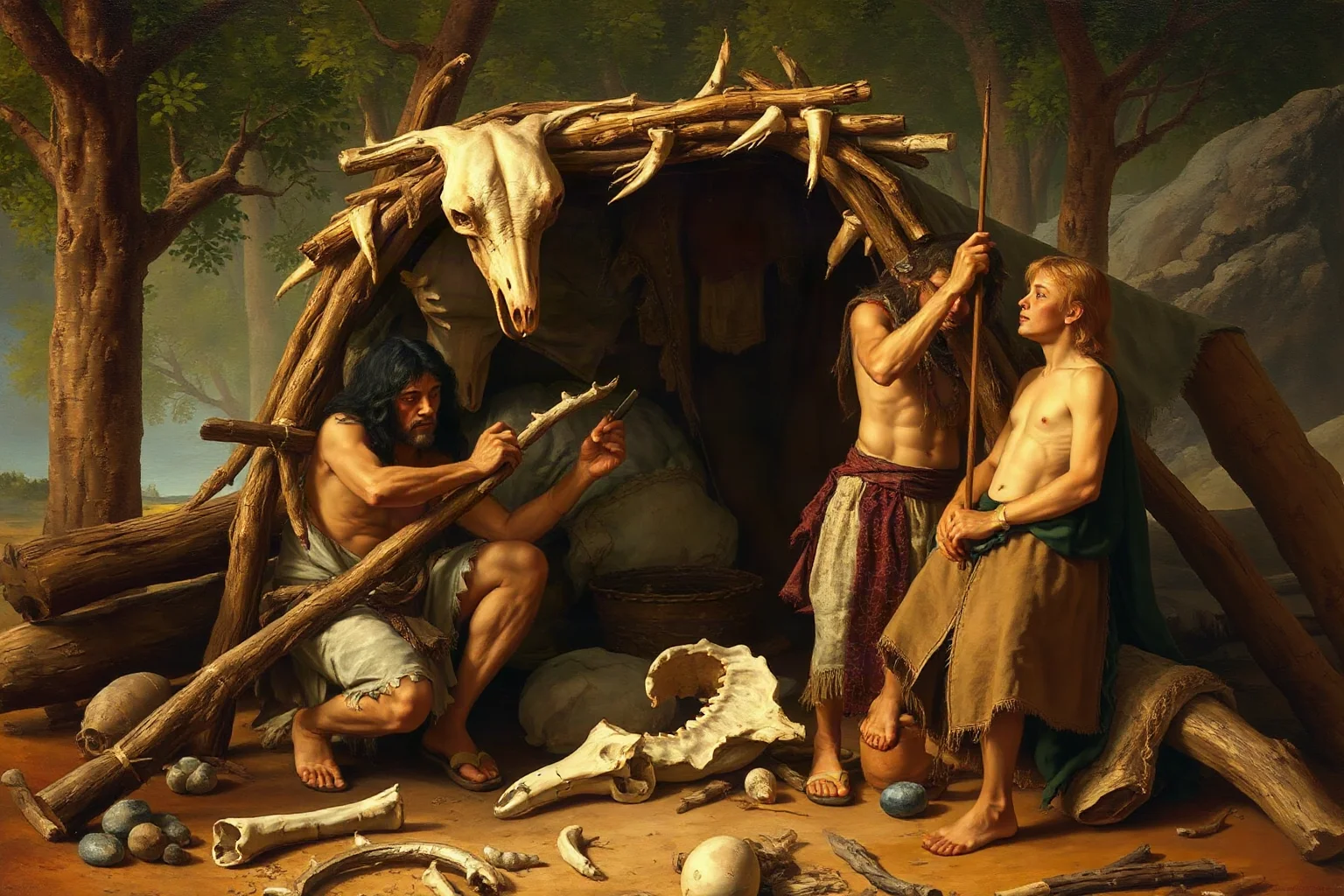
Surviving an ice age took serious ingenuity. Early humans developed sewn clothing from animal hides, built shelters partly underground or braced with mammoth bones, and used controlled fire for warmth, cooking, and protection.
They also became highly skilled hunters, following migrating herds of reindeer, bison, and mammoths across the tundra for food, fuel, tools, and clothing material. This adaptability is a big part of why our species survived conditions that wiped out other large animals.
16. Cave Art and Culture Born From the Ice
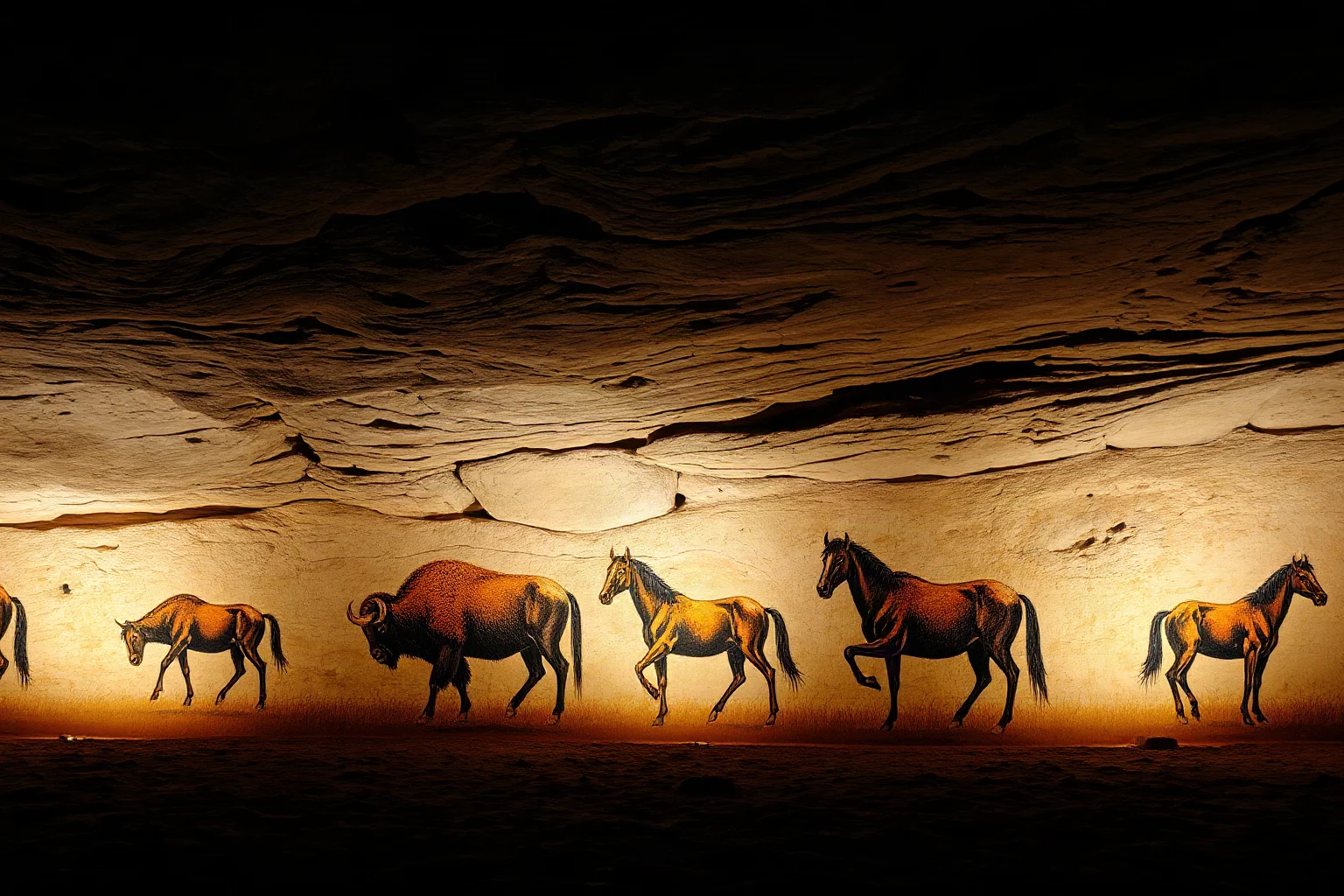
Some of humanity's oldest known art comes directly from the ice age. The famous cave paintings at Lascaux in France and Altamira in Spain, both created roughly 15,000 to 20,000 years ago, rank among the most incredible artifacts ever uncovered and depict horses, bison, and other animals that shared the landscape with ice age humans.
This art suggests that even under harsh conditions, people found time for symbolic expression, ritual, and storytelling. It's a powerful reminder that ice age life wasn't purely about survival — it included culture, creativity, and community too.
17. How Bad Was the Ice Age, Really?
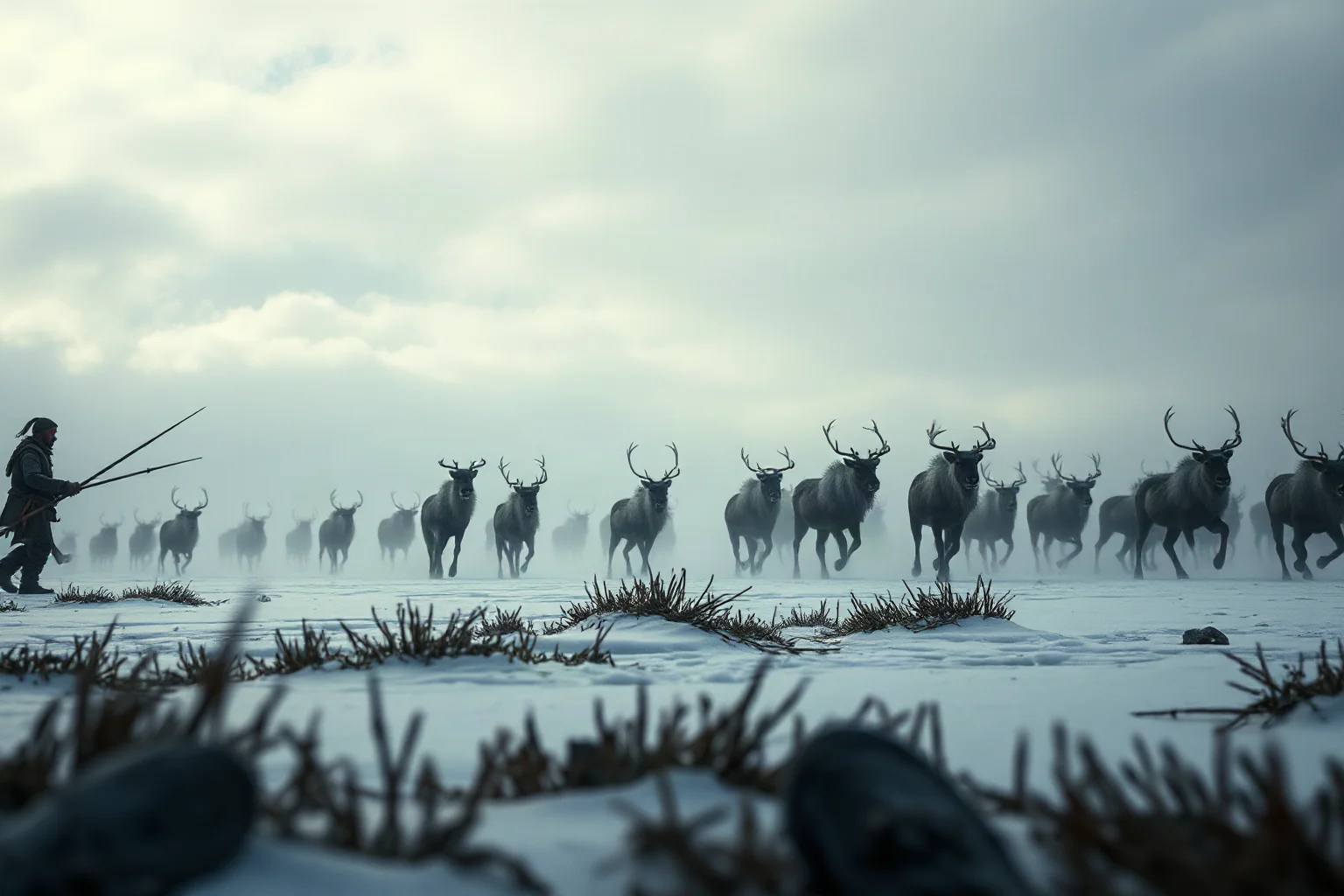
So how bad was the ice age for the people and animals living through it? It was undeniably harsh — colder temperatures, shorter growing seasons, and dramatically different landscapes made survival a constant challenge. But "bad" doesn't mean uninhabitable or lifeless.
Ecosystems adapted, with grasslands and tundra supporting huge herds of grazing animals that in turn supported human and animal predators. It was a tougher world than today's, but it was also a thriving one in its own way, with rich biodiversity suited to cold conditions.
18. Are We Still in an Ice Age Right Now?
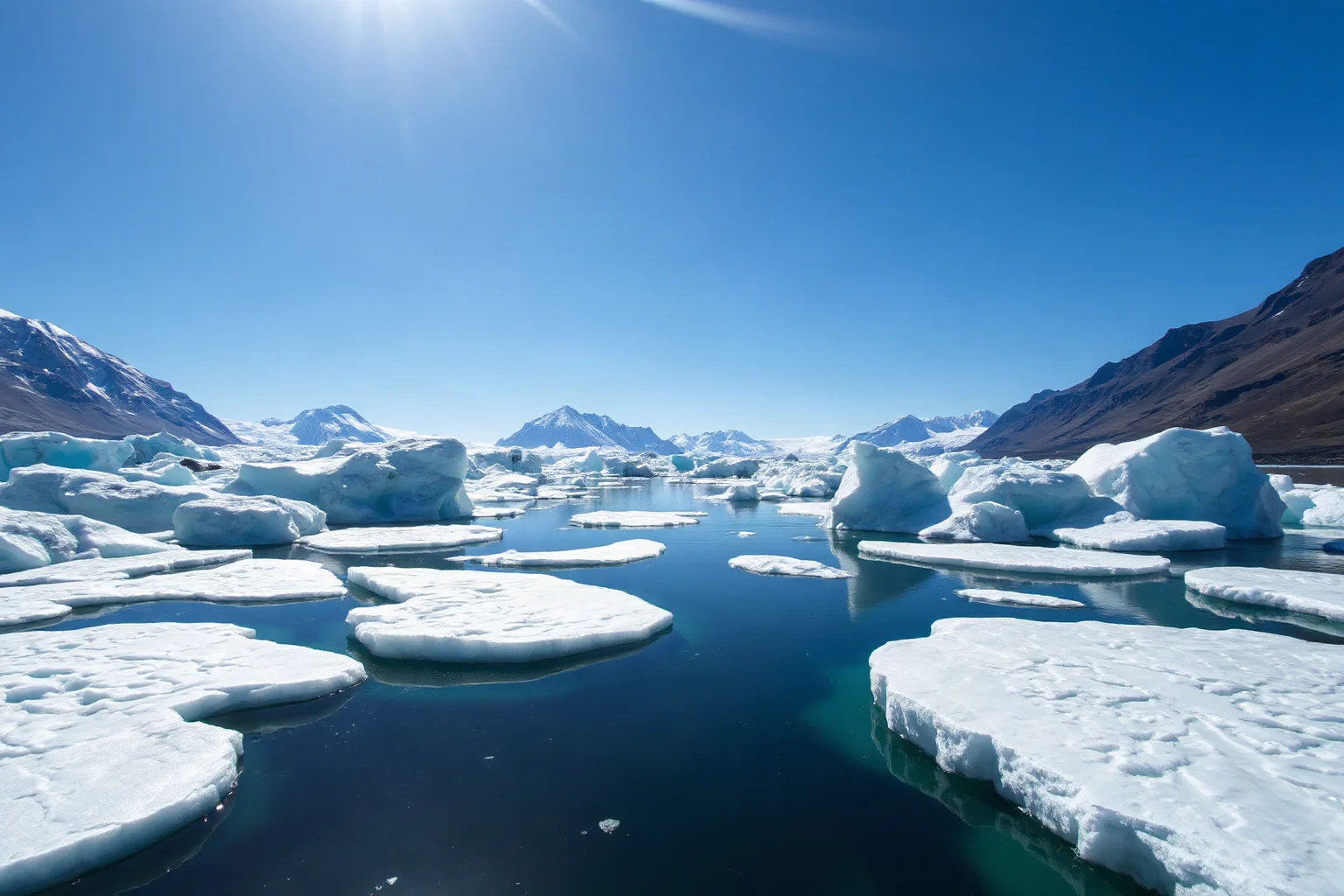
Here's the fact that surprises almost everyone: are we currently in an ice age? By the strict scientific definition, yes — we're technically still in the Quaternary Ice Age, just in a warmer interglacial phase called the Holocene. Ice ages are defined by the presence of permanent polar ice caps, and Earth still has those at Greenland and Antarctica.
So when people ask if we are still in an ice age, or wonder are we still in a ice age despite the warm weather outside, the technical answer is that we never fully left the current one. We just happen to be in one of its milder, ice-retreating stretches.
19. The Difference Between an Ice Age and a Glacial Period
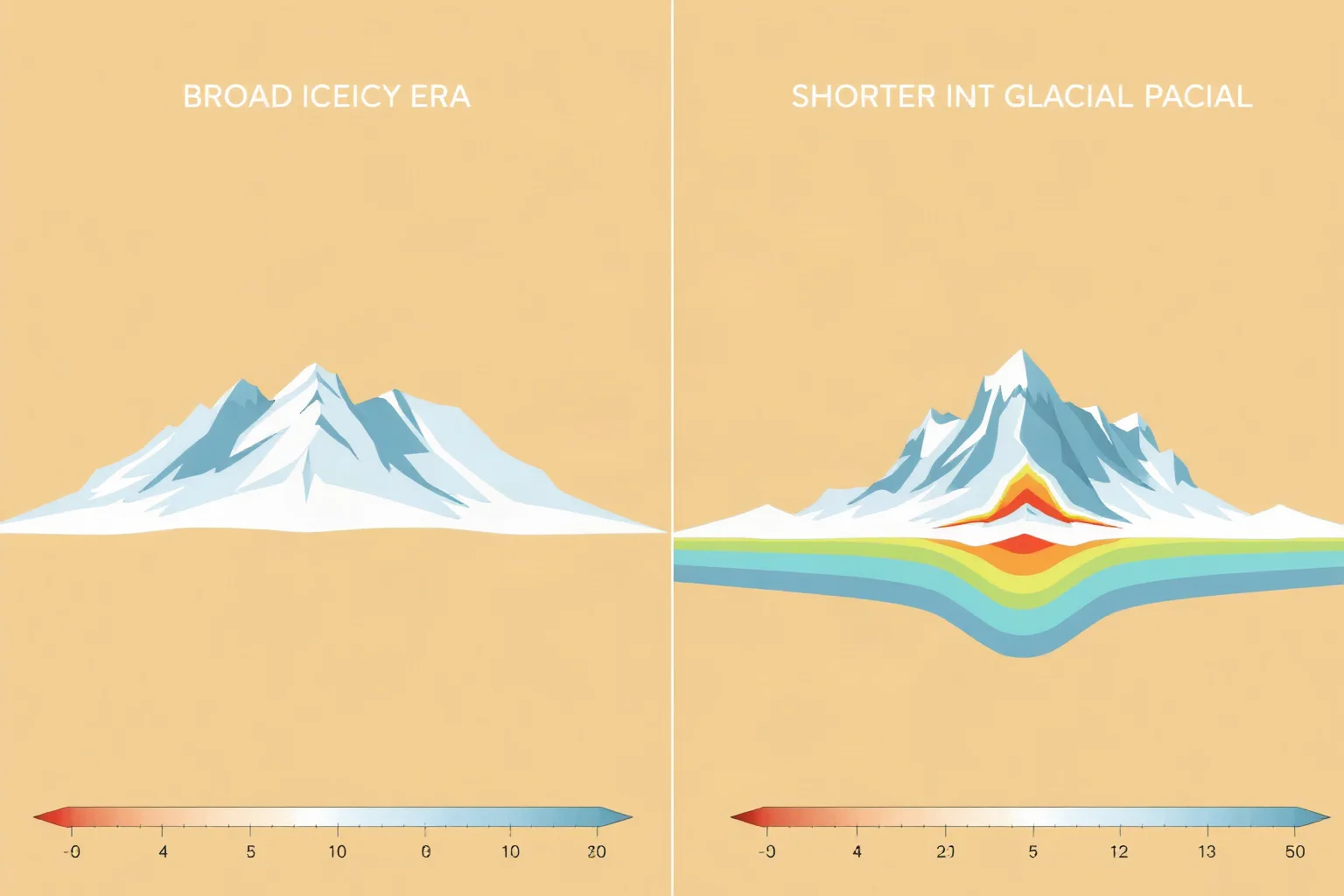
A lot of confusion around this topic comes down to mixing up two related but different terms. An ice age is the broad, multi-million-year era where polar ice exists at all, while a glacial period is a shorter, colder phase within that ice age where ice sheets expand furthest.
The opposite of a glacial period is an interglacial, a warmer phase like the one we're in now. Understanding this distinction clears up a lot of the confusion about whether the ice age "ended" — technically, only the last glacial period ended, not the ice age itself.
20. In Which Geological Period Would You Actually Find an Ice Age?
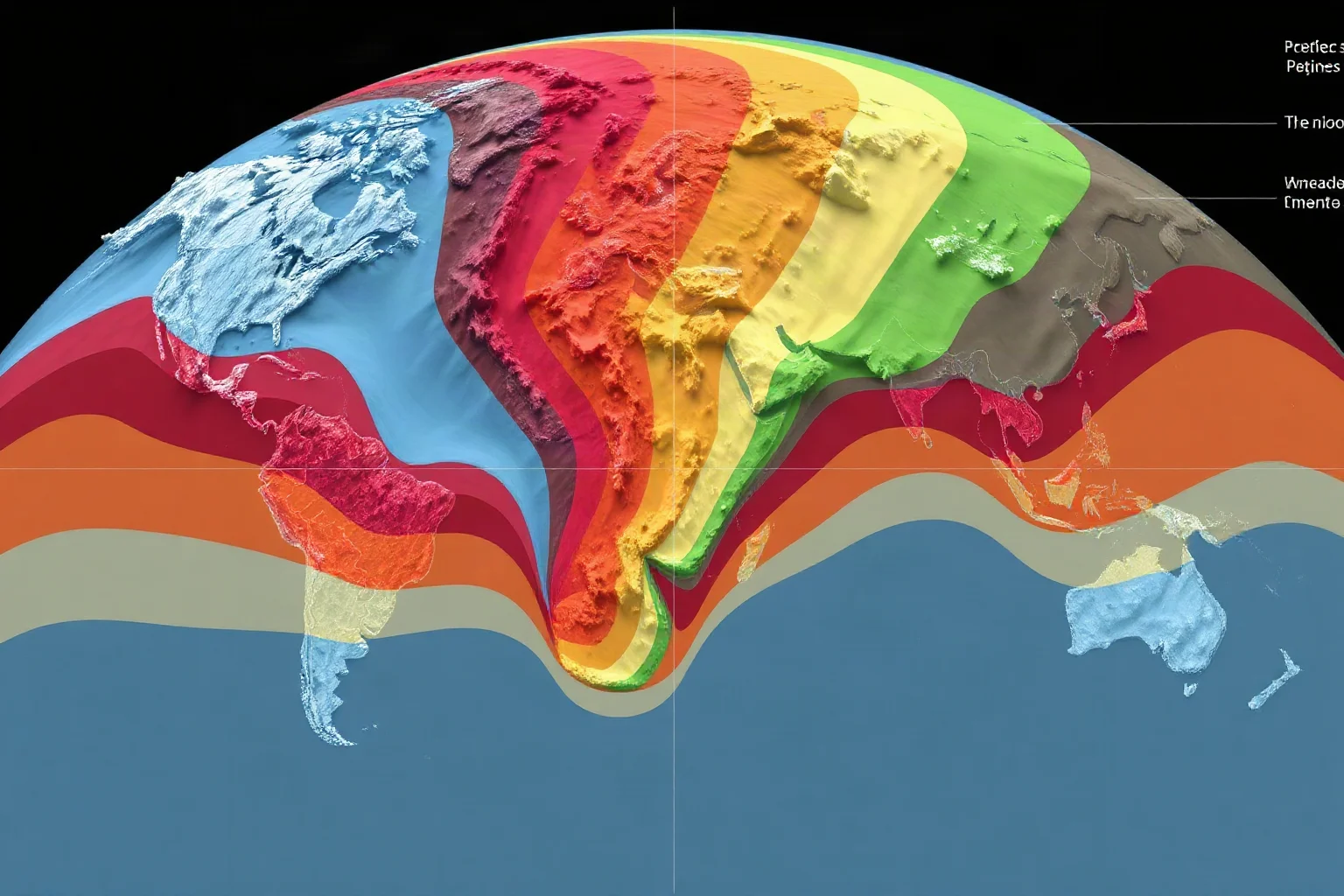
A common trivia-style question asks: in which period would you have had an ice age? Ice ages have occurred across several distinct geological periods, not just one. The Karoo Ice Age spanned the Carboniferous and Permian periods, while the most recent ice age falls within the Quaternary period, which is still ongoing today.
So what period was the ice age most people picture, with mammoths and early humans? That's the Pleistocene epoch, part of the Quaternary period, running from about 2.6 million years ago to 11,700 years ago. Different ice ages really do belong to different, widely separated chapters of Earth's geological timeline.
21. How Old Is "Ice Age" — the Movie, Not the Era
It's worth clearing up a common mix-up: a lot of searches about "how old is ice age" or "what year was ice age" are actually about the animated film, not the geological event. The original Ice Age movie was released by Blue Sky Studios in 2002, meaning as of the 2020s it's well over two decades old.
The film's soundtrack also famously features "Send Me On My Way" by Rusted Root, a song that became closely associated with the movie's marketing and closing scenes despite being written years earlier. The movie's story takes place during the last glacial period, loosely inspired by real ice age megafauna like mammoths and saber-toothed cats.
22. Is the Ice Age Movie Franchise Realistic?
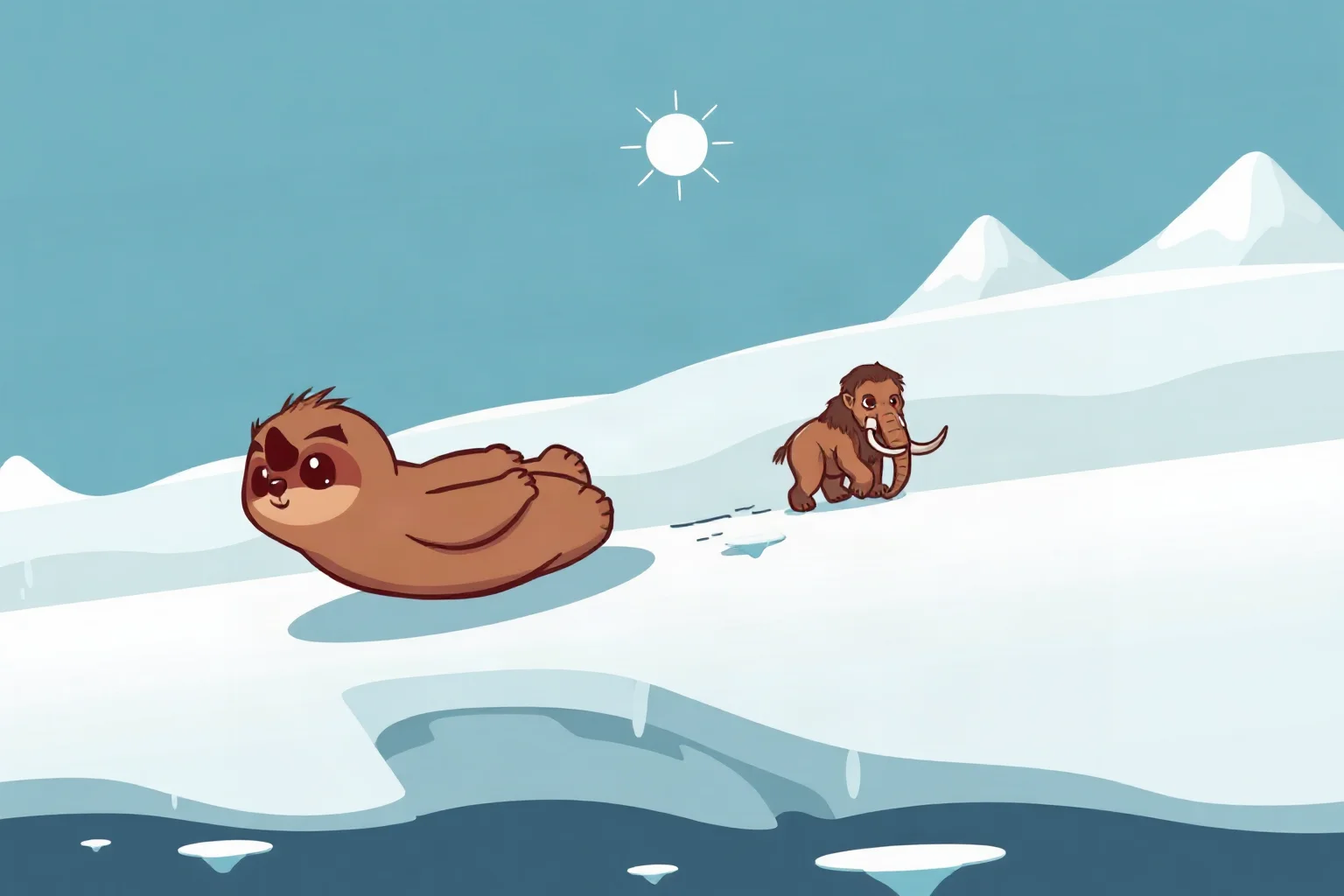
So just how ice age realistic is the beloved animated franchise? The honest answer is: not very, and that's fine, because it was never meant to be a documentary. Real mammoths and saber-toothed cats did coexist during parts of the last glacial period, but they almost certainly didn't talk, form friendships, or chase acorns across continents together.
The films also compress and blend different time periods and species that didn't necessarily overlap perfectly in real life. It's genuinely fun, family-friendly entertainment loosely dressed in ice age clothing, but it shouldn't be treated as an accurate history lesson.
23. Fun and Surprising Facts About Ice Itself
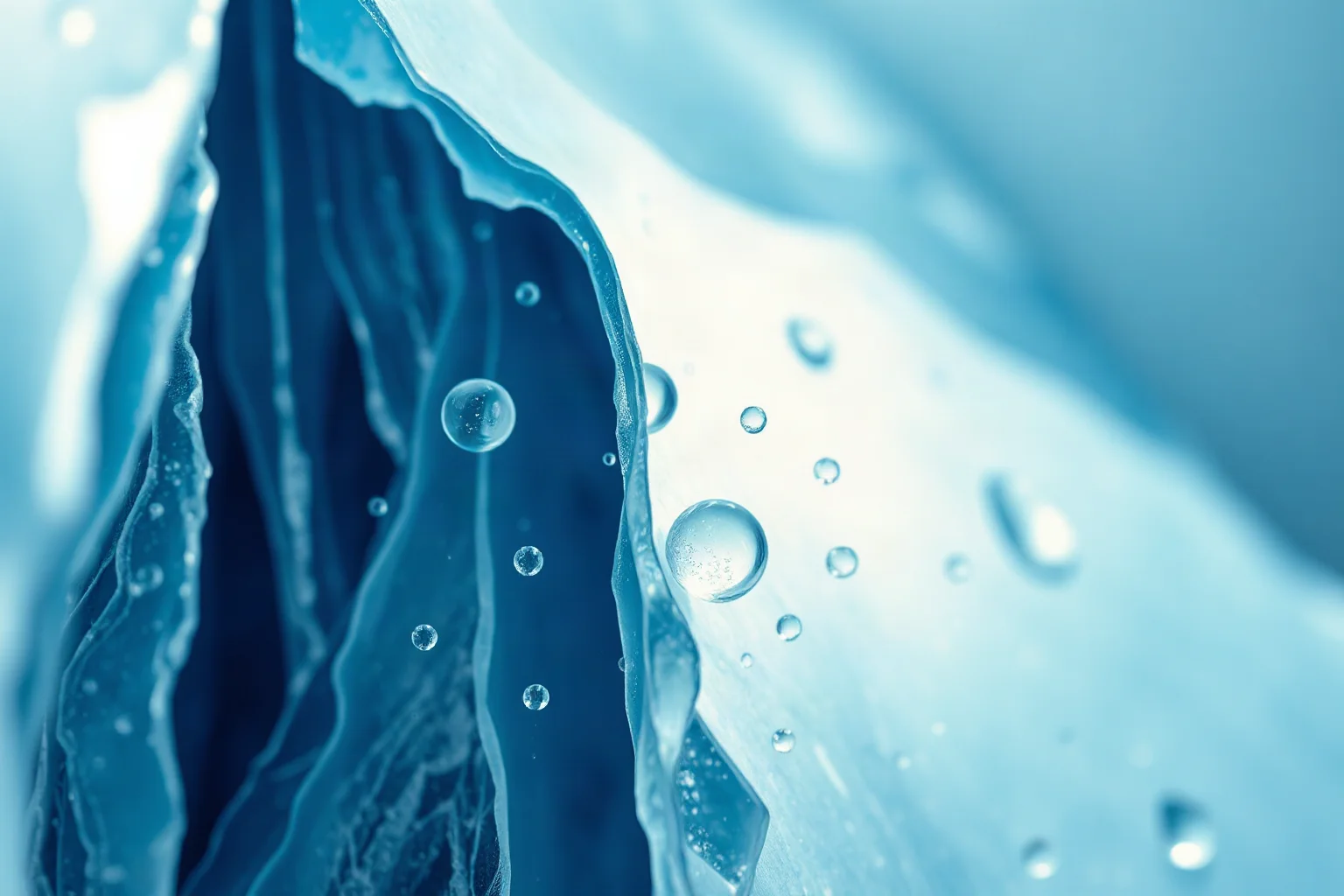
Beyond the big historical picture, there are some genuinely fun facts about ice worth knowing. Glacial ice can trap ancient air bubbles for hundreds of thousands of years, giving scientists a literal breath of the ancient atmosphere to study. Ice also isn't uniform — glacial ice forms in dense layers over centuries as snow compresses under its own weight.
As for whether does ice have an age limit, glacial ice itself doesn't have a strict expiration date; some ice cores from Antarctica contain ice estimated to be well over 800,000 years old. That makes ancient ice one of the best natural time capsules on the planet for studying Earth's climate history.
24. Ice Age Facts for Kids: Quick and Easy Takeaways
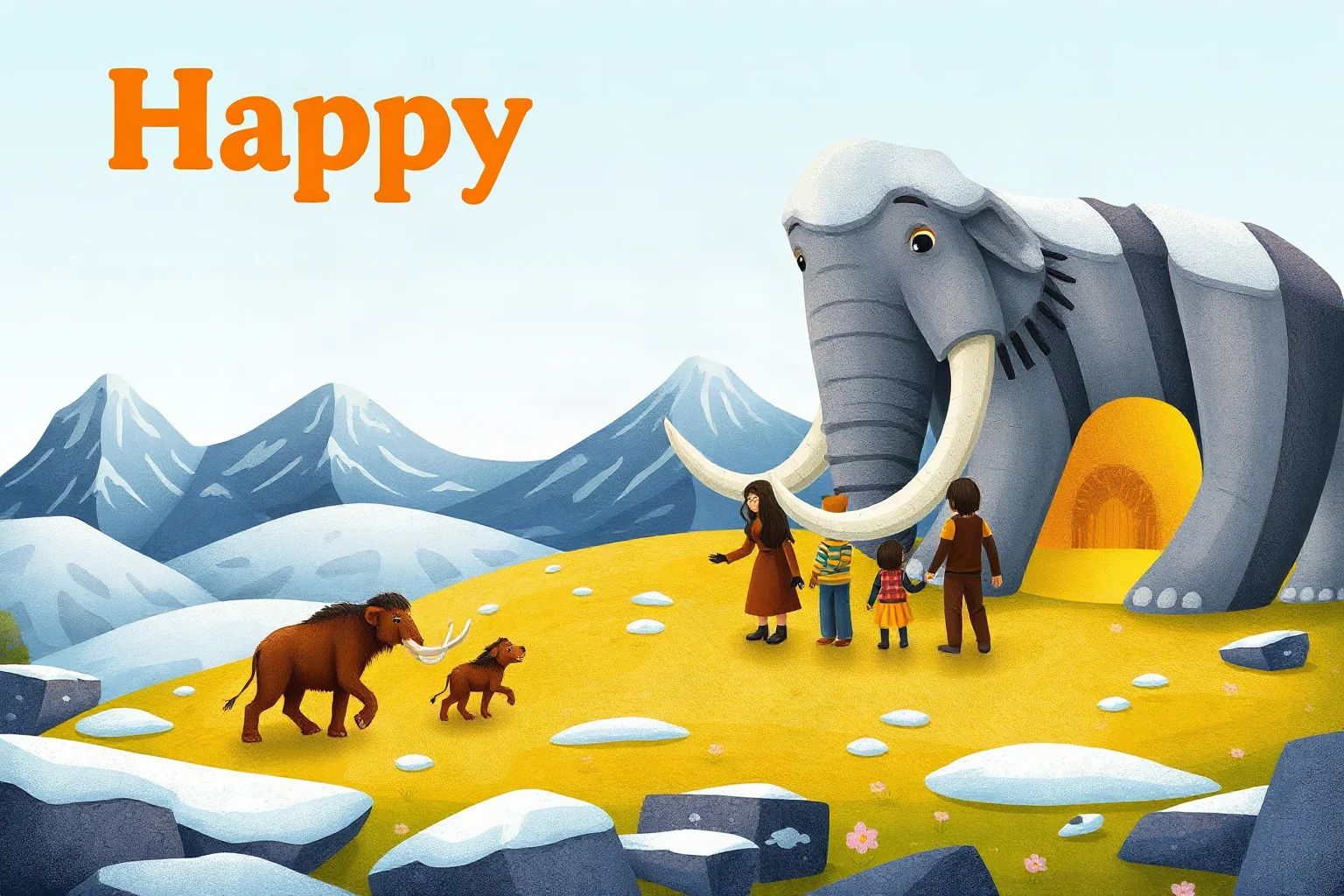
For younger readers or quick trivia, here are some simple ice age facts for kids that capture the essentials. Ice ages are long cold periods when huge sheets of ice cover parts of the Earth, and there have been at least five major ones in our planet's history. Woolly mammoths, saber-toothed cats, and early humans all lived during the most recent ice age, and some of that ice is still around today at the North and South Poles.
Another fun one: sea levels were so much lower during the last ice age that people could walk between continents that are separated by ocean today. It's a great example of how much our planet's surface can change over thousands of years.
25. What Ice Ages Teach Us About Climate Today
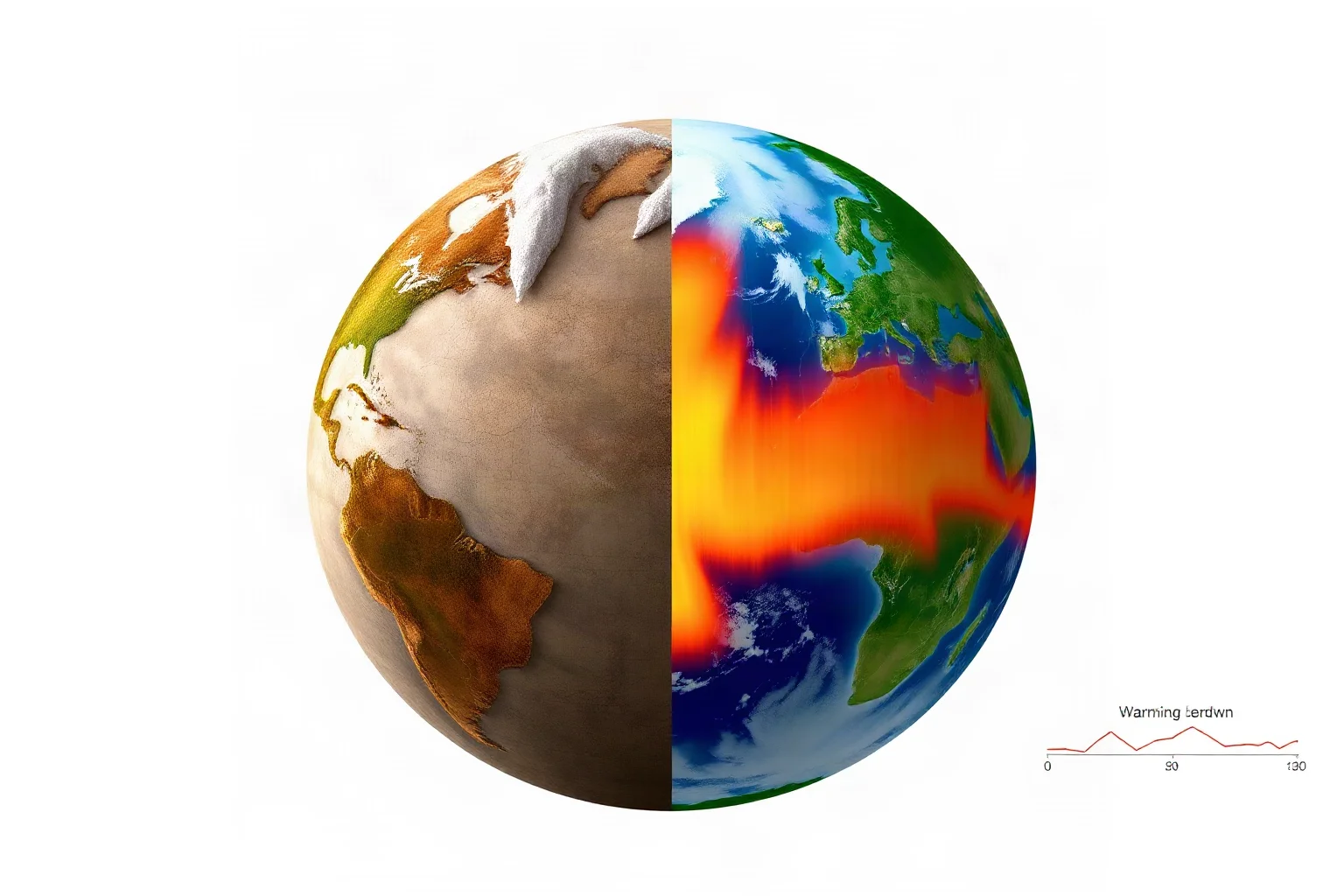
Studying past ice ages isn't just a history lesson — it's one of the best tools scientists have for understanding current climate change. Ice cores, ancient pollen, and fossil records show how sensitive Earth's climate is to changes in greenhouse gases, ocean currents, and solar patterns.
The key difference today is speed: past transitions between glacial and interglacial periods happened over thousands of years, while modern warming trends are unfolding over just decades. That contrast is exactly why ice age research remains such an active and important field of climate science today.
Final Thoughts on Earth's Coldest Chapters
The real story of the ice ages is bigger, older, and more layered than a single snowy era with a cartoon sloth in it. From Snowball Earth billions of years ago to the mammoth-filled tundras of 20,000 years ago, our planet has cycled through cold and warm extremes many times over.
Understanding how these ancient climate shifts happened — and the fact that we're technically still living in an interglacial slice of one right now — gives real context to conversations about climate change today. The ice ages aren't just ancient history; in a very real sense, they're still an ongoing part of our planet's story.
Frequently Asked Questions
How many ice ages have there been?
Scientists generally recognize at least five major ice ages in Earth's history: the Huronian (about 2.4 to 2.1 billion years ago), the Cryogenian (720 to 635 million years ago), the Andean-Saharan (around 450 million years ago), the Karoo Ice Age (360 to 260 million years ago), and the current Quaternary Ice Age, which began about 2.6 million years ago and is still ongoing.
What is the ice age, exactly?
An ice age is a long-term period, typically lasting millions of years, during which Earth's climate cools enough for large ice sheets and glaciers to form and persist at the poles and sometimes across much of the planet's land surface.
When did the ice age start?
If referring to the most recent ice age, it began about 2.6 million years ago at the start of the Quaternary period. Within that, the last glacial period peaked around 20,000 years ago and largely ended about 11,700 years ago.
Are we currently in an ice age?
Yes, technically. Because Earth still has permanent polar ice caps at Greenland and Antarctica, scientists consider us to still be in the Quaternary Ice Age, currently in a warmer interglacial phase called the Holocene.
Did people live during the ice age?
Yes. Early modern humans, Neanderthals, and other human relatives lived through significant portions of the last glacial period, developing clothing, shelters, fire use, and hunting strategies to survive the cold.
Is the ice age real, or is it a myth?
The ice ages are well-documented scientific fact, supported by evidence including glacial landforms, ice cores, fossil records, and sediment layers found across the globe. They are not speculation or myth.
How did the ice age happen?
Ice ages are caused by a combination of factors, including shifts in Earth's orbit and tilt (Milankovitch cycles), changes in atmospheric carbon dioxide, shifting continents affecting ocean currents, and feedback loops from expanding ice reflecting more sunlight.
How old is the Ice Age movie?
The original animated Ice Age film was released in 2002 by Blue Sky Studios, making it more than two decades old as of the 2020s. It is loosely inspired by the last glacial period but is not scientifically accurate.
What happened at the end of the last ice age?
As the last glacial period ended around 11,700 years ago, global temperatures rose, ice sheets retreated toward the poles, sea levels rose significantly, and many large ice age animals, like mammoths and saber-toothed cats, went extinct.

Alex Warren
Related Articles