

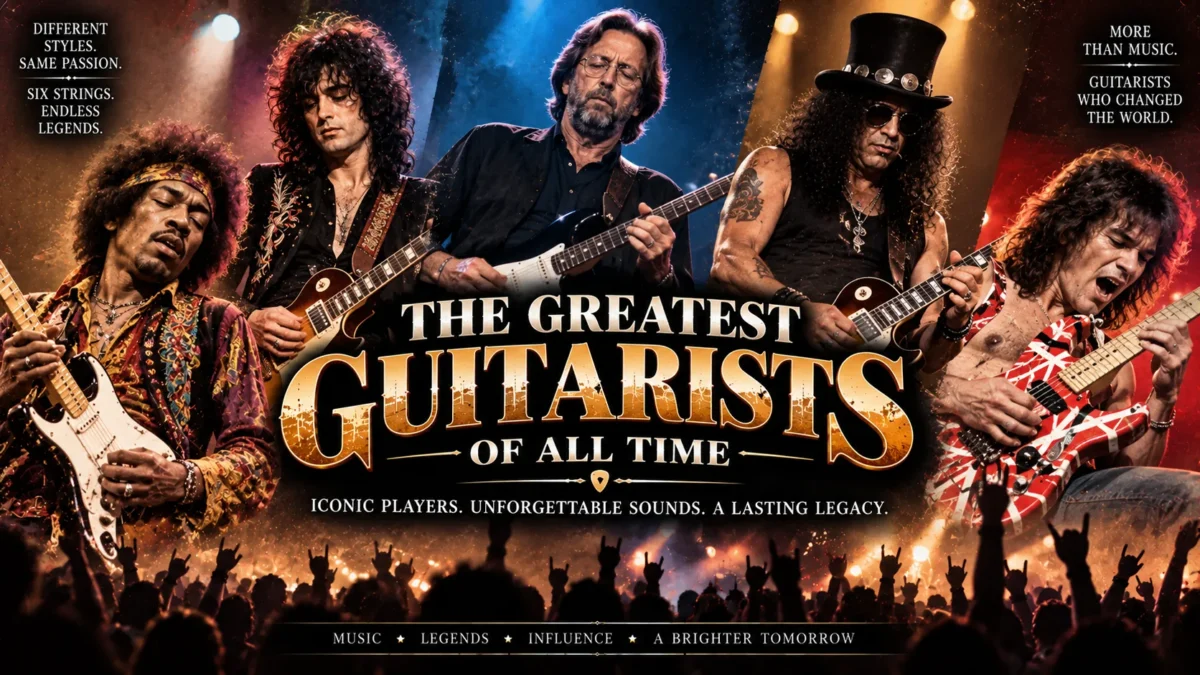
Ask five guitarists to name the greatest player of all time, and you’ll get five different answers—plus a friendly argument that could last all night. That’s part of the fun. The guitar has shaped nearly every genre of the last century, from Mississippi Delta blues to arena rock to jazz fusion, and no single ranking can capture all of it fairly.
Still, certain names come up again and again in these debates—much as they do in any ranking of history’s most recognized figures—and their influence is well documented in album credits, concert footage, and the testimony of the musicians who followed them.
This list pulls together 22 guitarists whose playing genuinely changed the instrument’s history, spanning classical, blues, rock, metal, and fusion. We’ve also flagged a few persistent myths along the way, because guitar history has picked up as much folklore as fact over the decades.
TL;DR: There’s no single “official” ranking, but the guitarists on this list—from Robert Johnson to Eddie Van Halen—are the ones whose playing most reshaped popular music across the 20th century and beyond.
What Actually Makes a Guitarist “Great”?
Before diving into any top 20 guitarists of all time list, it’s worth asking what “greatest” even means—a question that applies just as much to rankings of history’s greatest ancient rulers as it does to guitarists. Raw speed is the easiest thing to measure, but it’s rarely what separates a legend from a merely fast player. Tone, phrasing, songwriting, and the ability to make an audience feel something usually matter more than notes per second.
Innovation counts for a lot too. Many players on this list didn’t just play well—they changed how the instrument was approached, tuned, recorded, or amplified. Influence on other musicians is often the clearest evidence of lasting greatness, since it shows up decades later in totally different genres.
Finally, it helps to remember that most “greatest guitarist” rankings, including well-known lists from music magazines, are compiled through polls, editorial panels, or critic consensus rather than any objective formula. That doesn’t make them meaningless, but it does mean reasonable people can disagree—and have, loudly, for decades.
1. Jimi Hendrix (1942–1970)
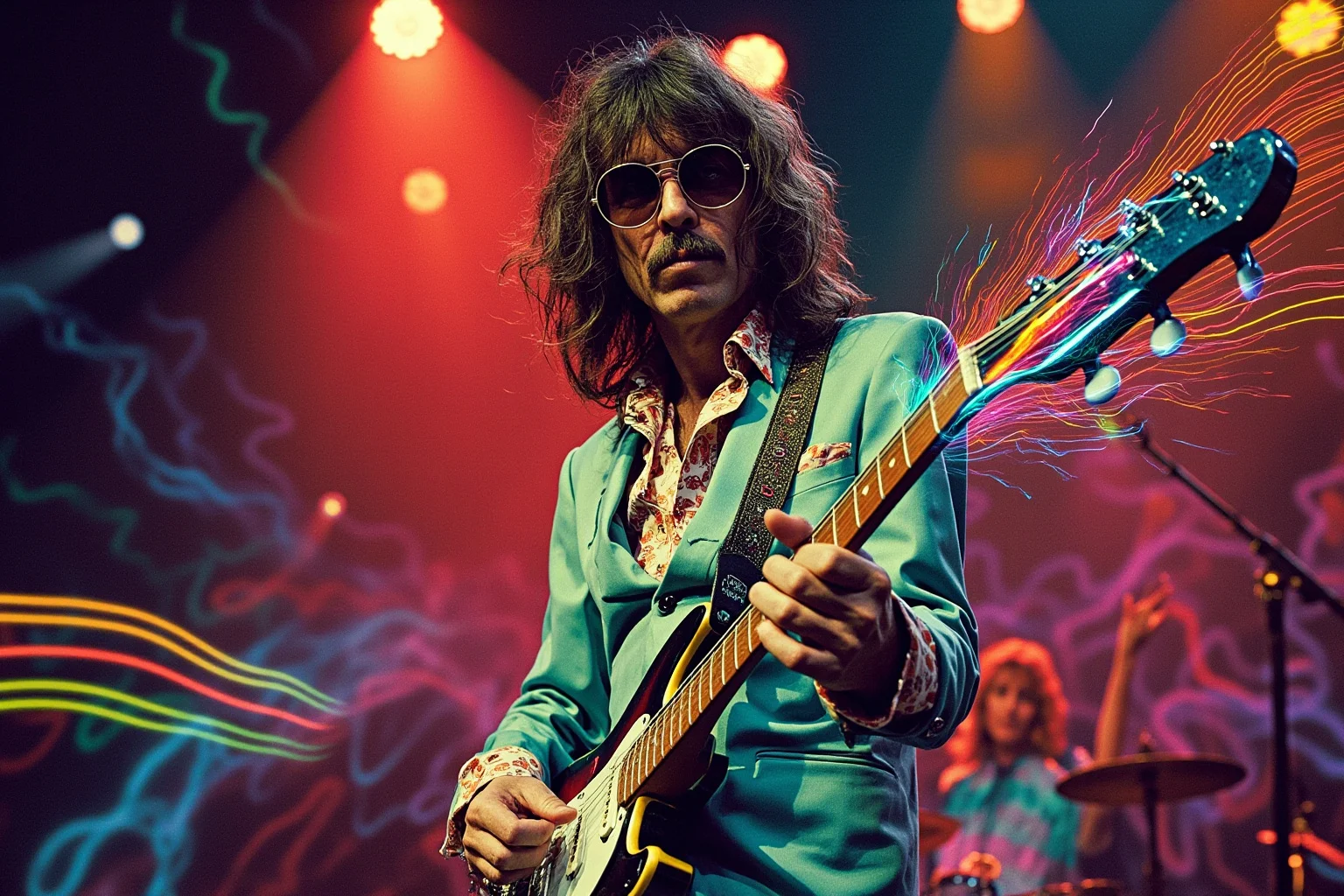
Jimi Hendrix is the name that tops nearly every top 10 best guitarists of all time discussion, and for good reason. In just four years of major recording, from 1966 to 1970, he redefined what the electric guitar could do with feedback, distortion, and the wah-wah pedal.
His Woodstock performance of “The Star-Spangled Banner” in 1969 remains one of the most analyzed guitar moments in history. Hendrix died in London in September 1970 at age 27, but his influence on rock, funk, and metal guitar is still audible today.
2. Chuck Berry (1926–2017)
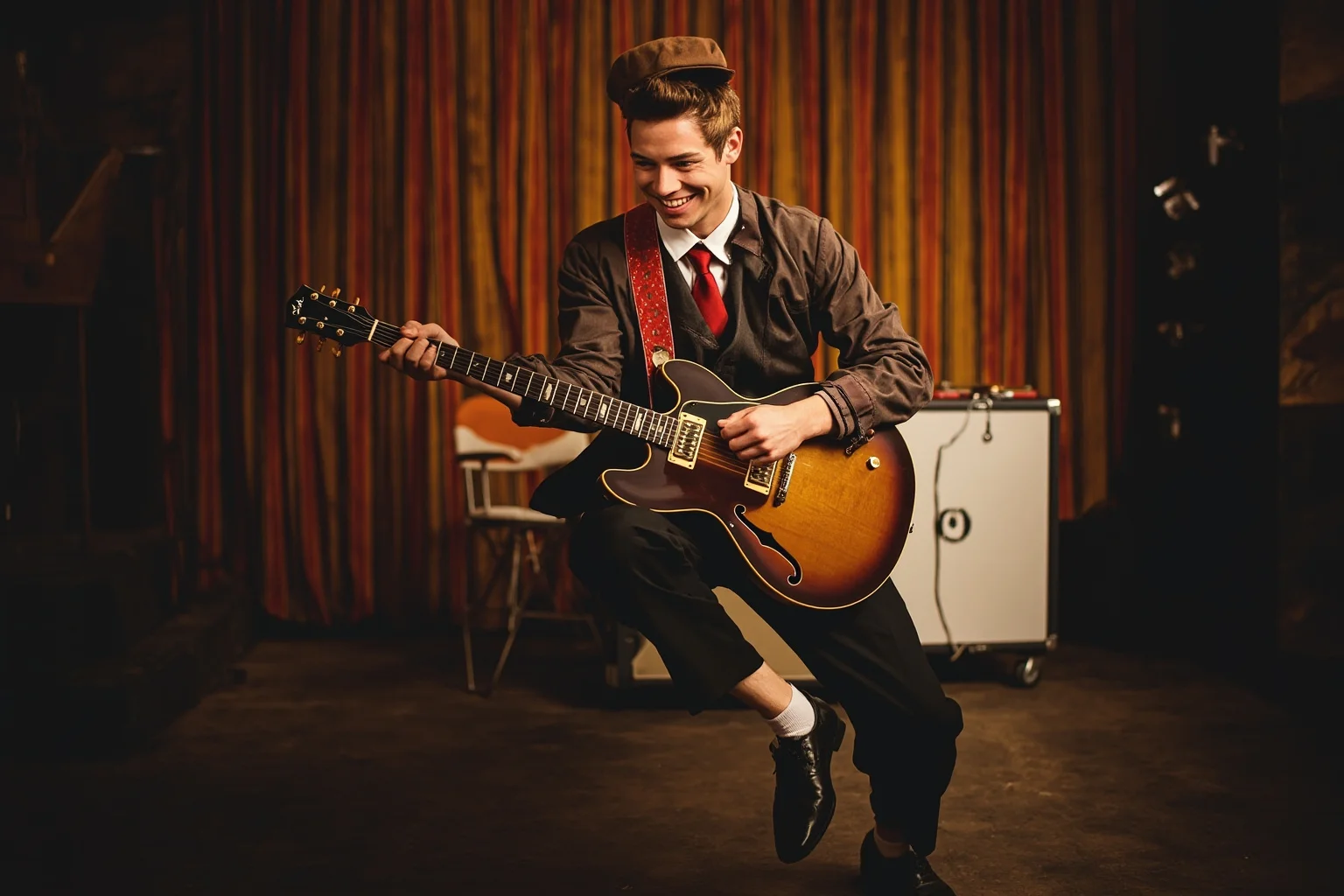
Chuck Berry didn’t just play guitar on early rock and roll records—he essentially invented the vocabulary. Songs like “Johnny B. Goode” and “Maybellene” established the double-stop riffing style that became rock’s basic grammar.
His energetic stage presence, including the famous duckwalk, made the guitar a visual centerpiece of live performance. Both the Beatles and the Rolling Stones cited Berry as a direct influence on their early sound.
3. B.B. King (1925–2015)
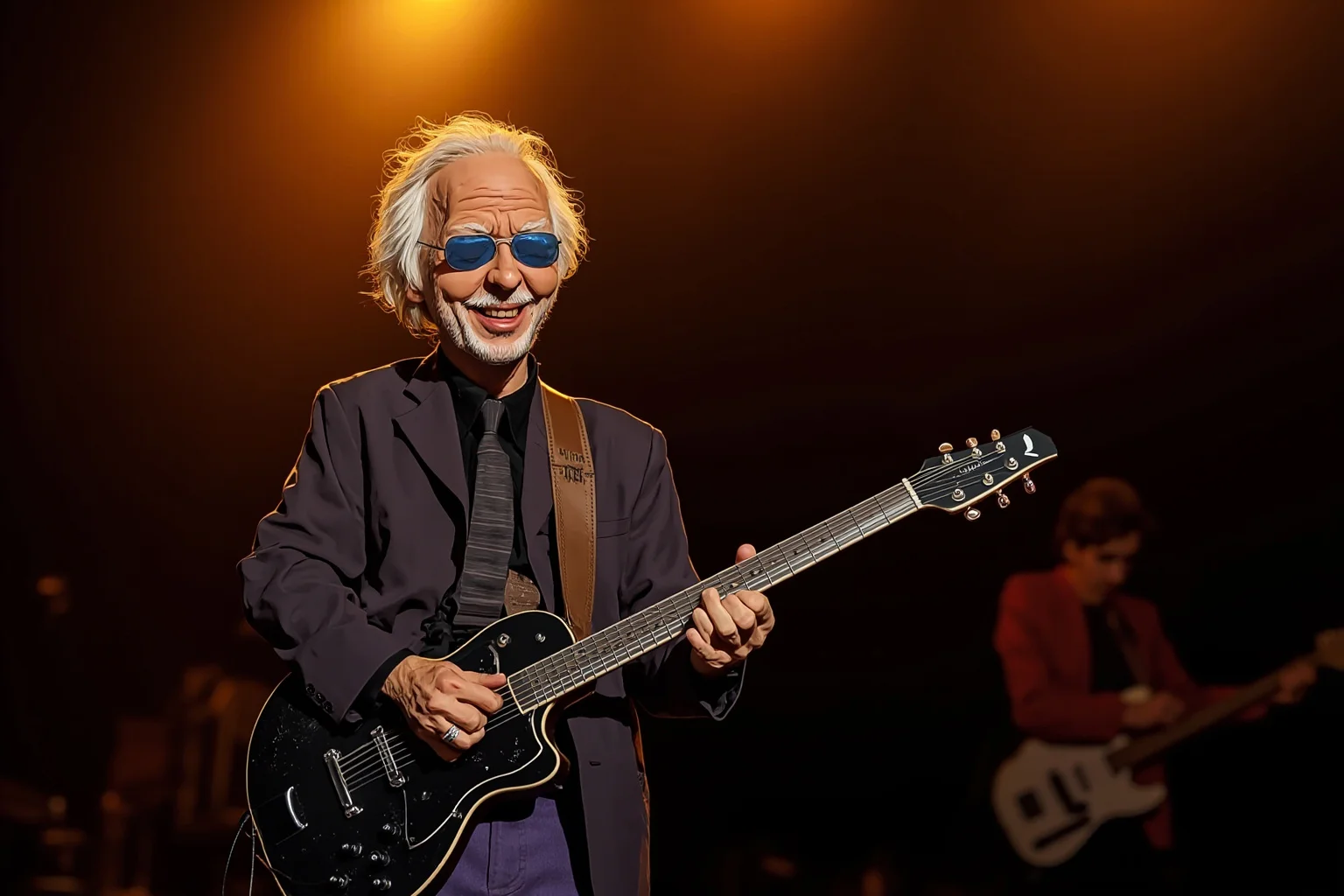
B.B. King spent more than six decades touring and recording, earning the nickname “King of the Blues” through sheer consistency and feel. His guitar, always named Lucille, became as famous as he was.
King’s style relied on expressive string bends and vocal-like vibrato rather than rapid runs, proving that a handful of well-placed notes could carry more weight than dozens of fast ones. He helped bring blues guitar to mainstream rock audiences throughout the 1960s and beyond.
4. Robert Johnson (1911–1938)
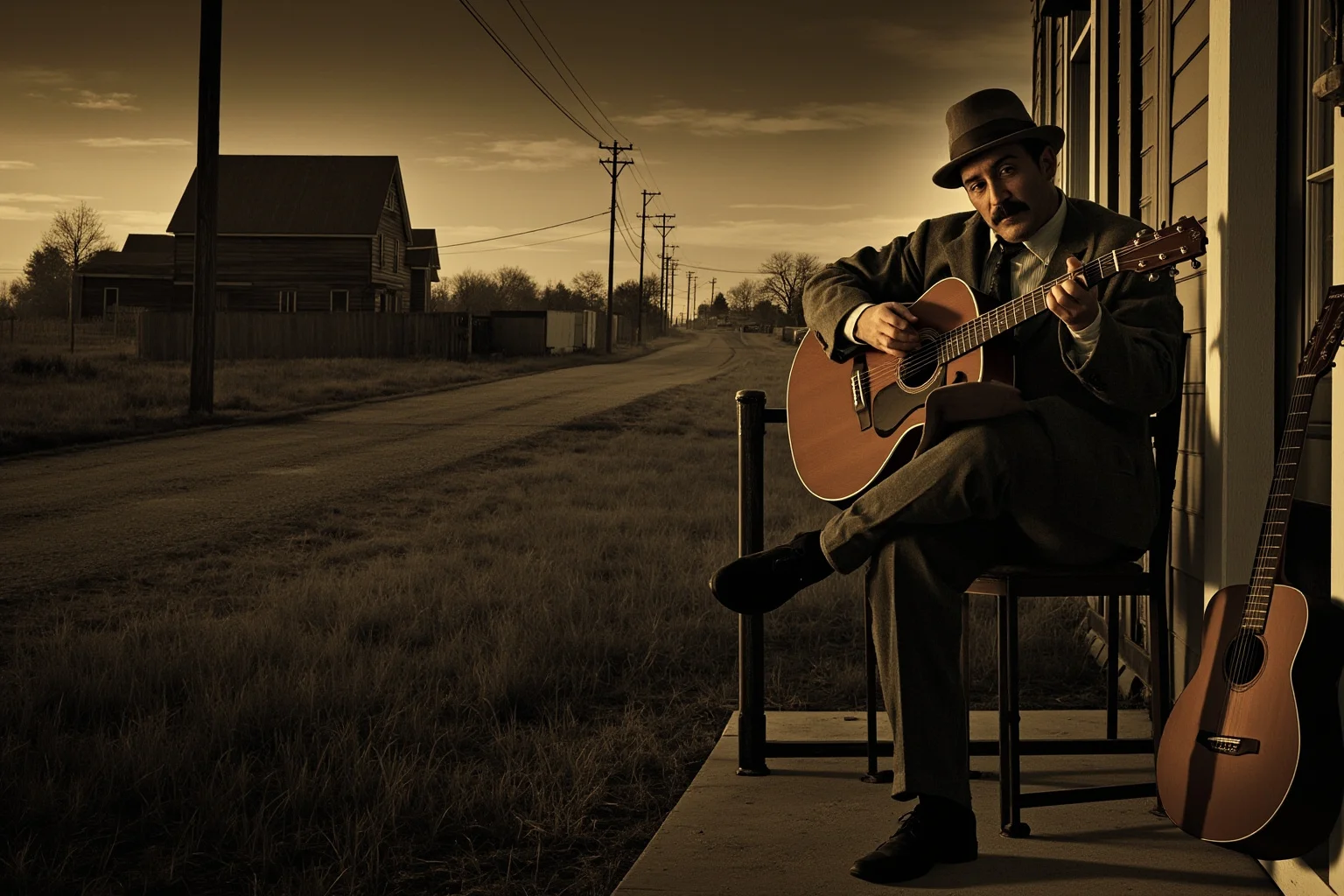
Robert Johnson recorded only 29 songs across two sessions in 1936 and 1937, yet his Delta blues guitar work became a foundational text for later blues and rock musicians. Players from Eric Clapton to Keith Richards have cited him as an enormous influence.
The famous “crossroads” legend, in which Johnson supposedly sold his soul to the devil for his talent, is folklore rather than documented history—it appears to have blended earlier tales about another blues musician, Tommy Johnson, with later mythmaking. Johnson’s real legacy is his guitar technique, not the ghost story attached to it.
5. Django Reinhardt (1910–1953)
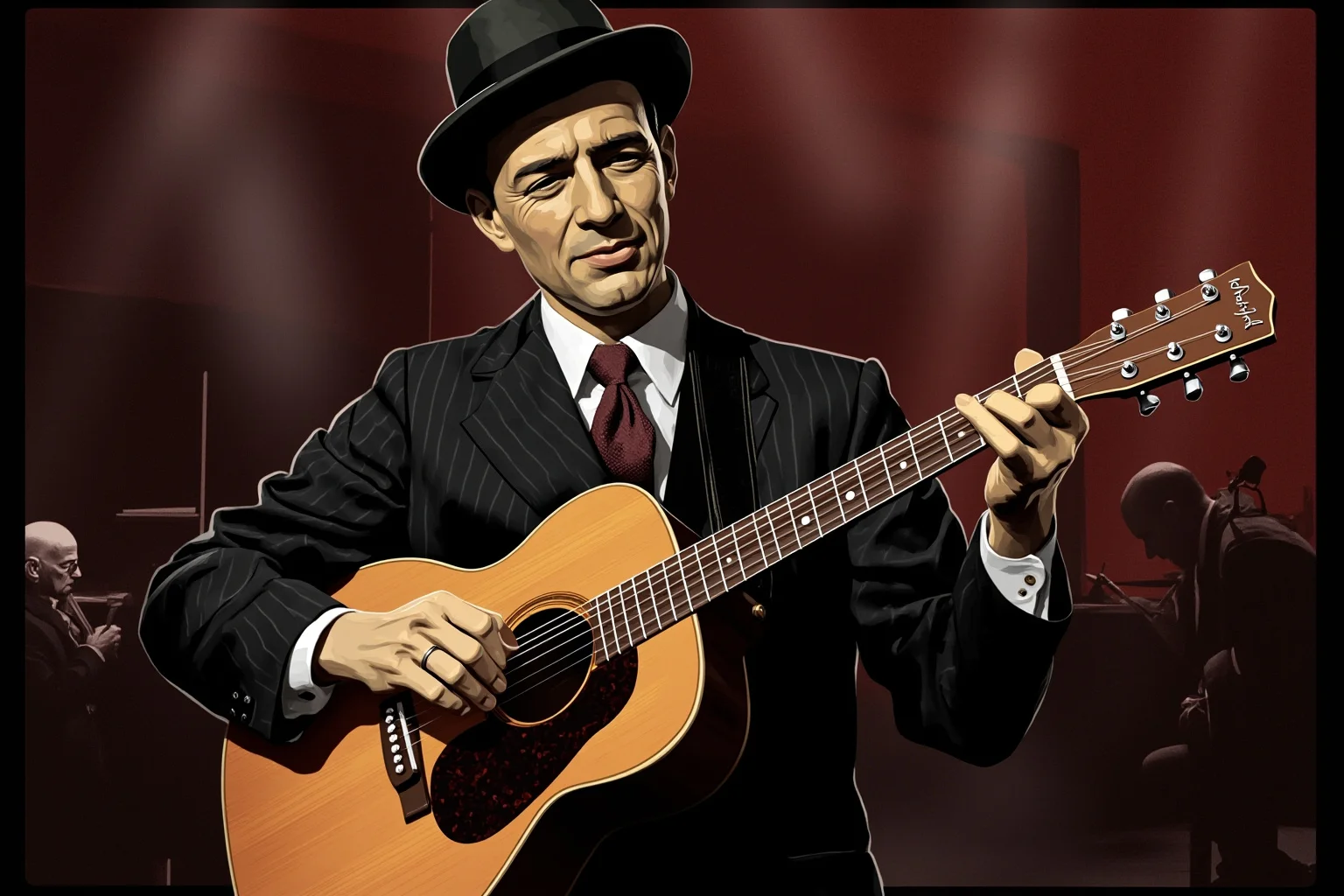
Django Reinhardt co-invented “gypsy jazz” guitar despite a devastating setback: a 1928 caravan fire severely injured his left hand, leaving him with limited use of two fingers. He adapted his technique around this injury and became one of the most virtuosic guitarists in jazz history.
As the leader of the Quintette du Hot Club de France, Reinhardt influenced generations of jazz and rock guitarists who followed. His story is also a genuine, well-documented example of overcoming physical limitation through technical reinvention.
6. Andrés Segovia (1893–1987)
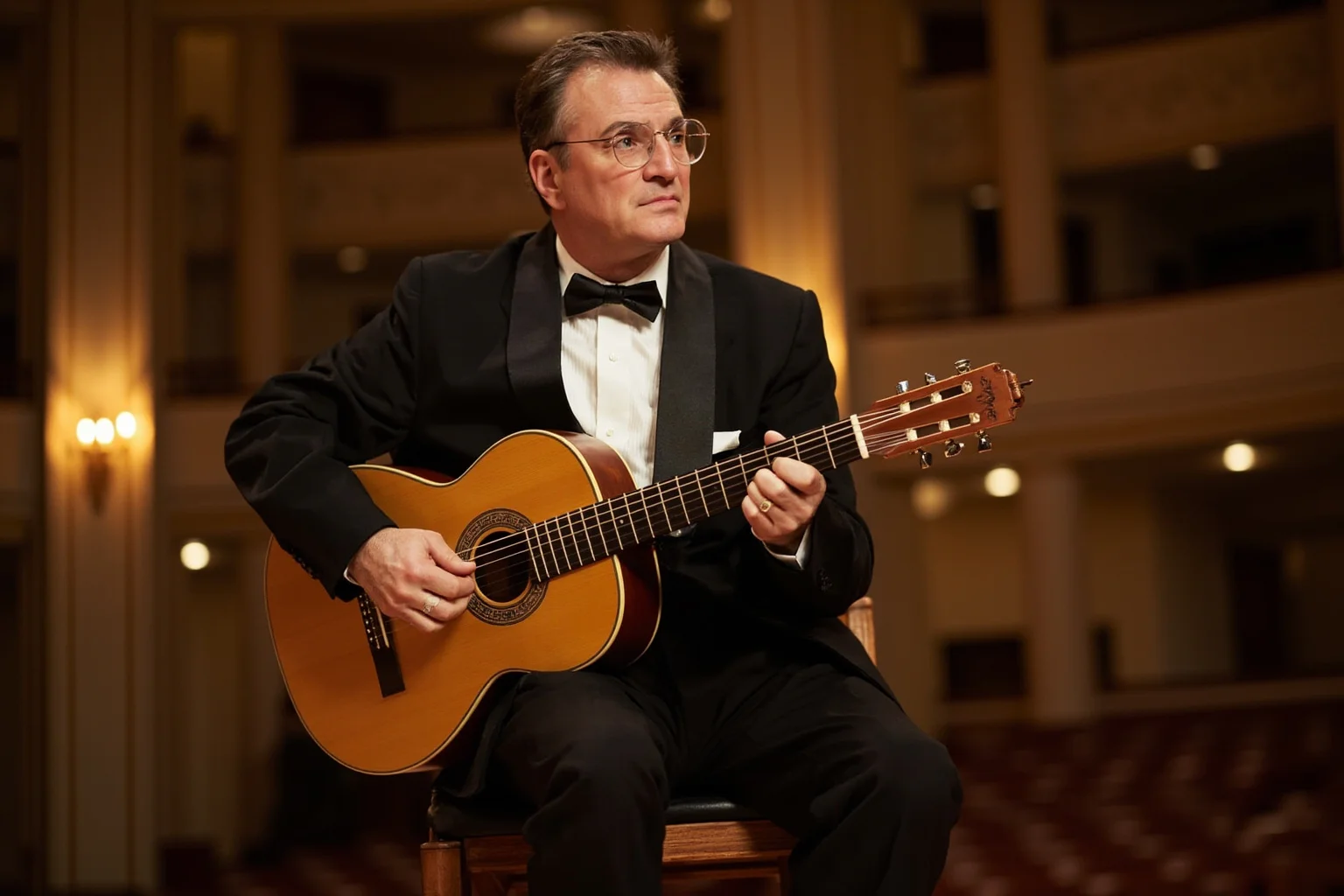
Andrés Segovia is widely credited with elevating the classical guitar from a folk instrument to a respected concert-hall fixture. As a 20th century guitar virtuoso, he commissioned new compositions, made influential transcriptions of older works, and toured internationally for decades.
His technical rigor and tone production set the standard that classical guitarists still study today. Segovia proved that virtuosity wasn’t limited to rock or blues—it existed just as powerfully in the classical tradition.
7. Les Paul (1915–2009)
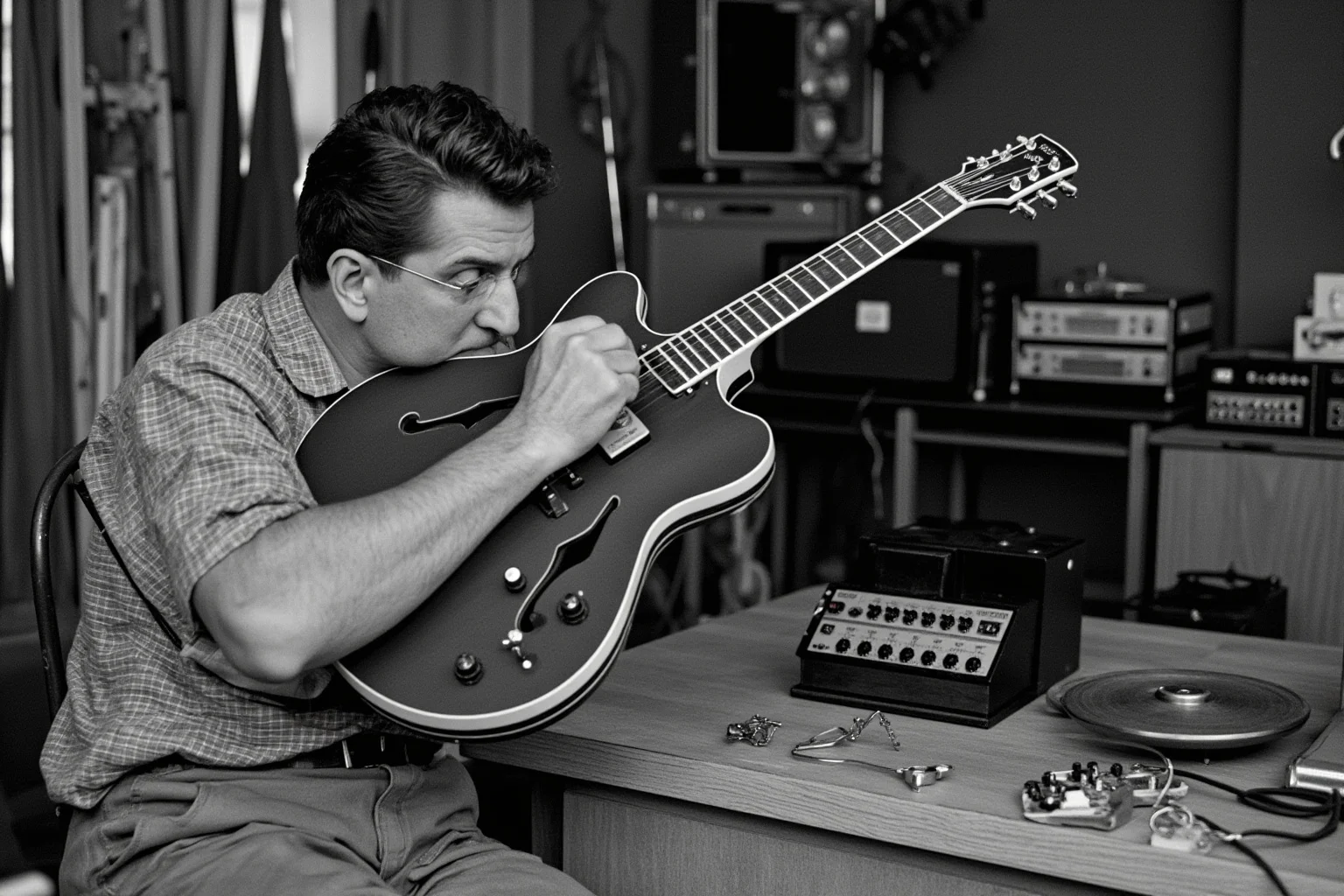
Les Paul was both a skilled jazz and pop guitarist and a relentless inventor, experimenting with solid-body electric guitar designs and multitrack recording techniques in the 1940s. Gibson’s iconic Les Paul model, launched in 1952, still bears his name.
It’s worth noting that credit for the solid-body electric guitar is genuinely contested among historians, with Leo Fender, Paul Bigsby, and others developing similar ideas around the same period. Even so, Paul’s combined impact as a player and innovator earns him a place on almost any serious guitar history list.
8. Jimmy Page (born 1944)
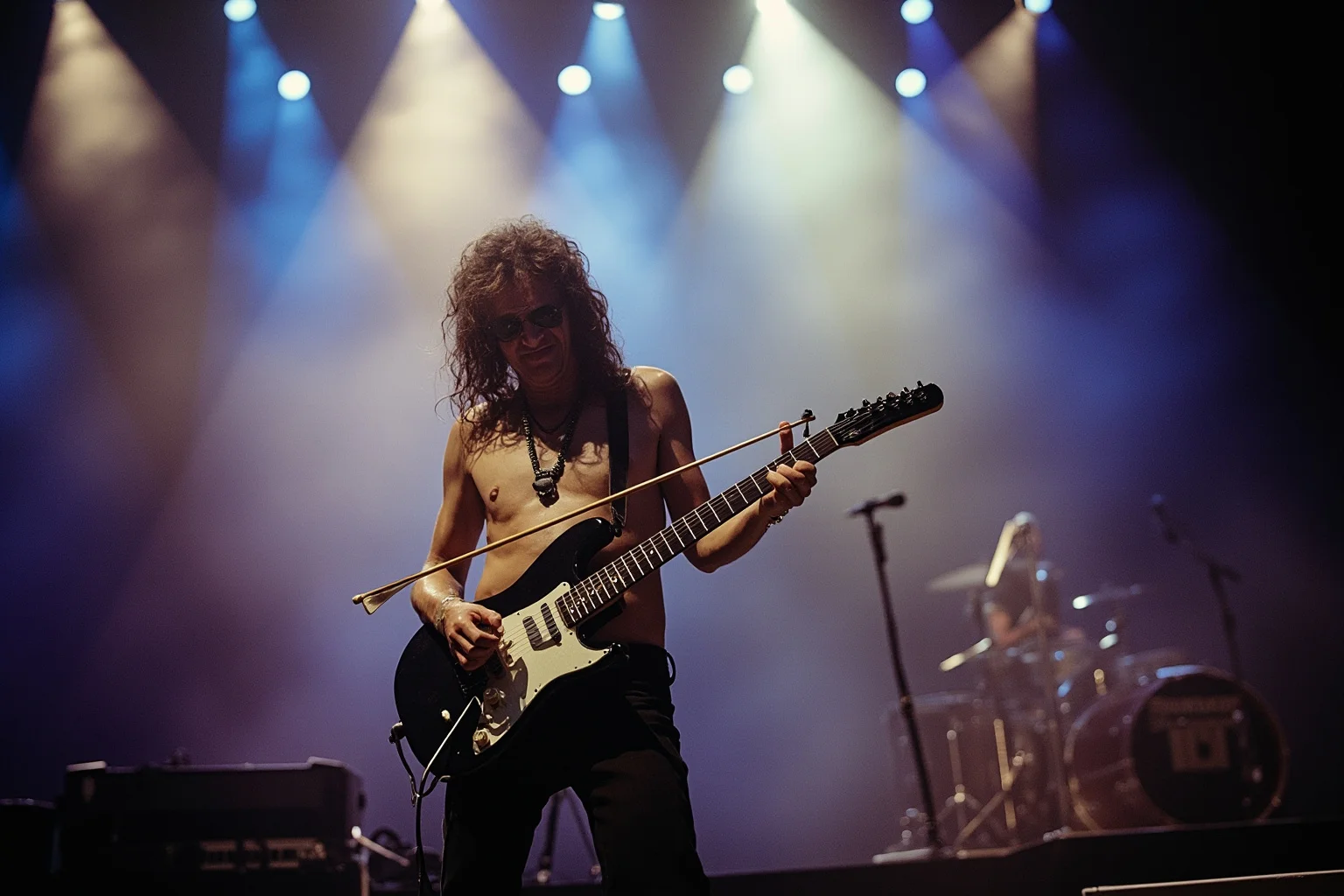
Before forming Led Zeppelin in 1968, Jimmy Page was already an in-demand London session guitarist, playing on tracks for a wide range of artists. As Zeppelin’s guitarist and producer, he wrote some of rock’s most enduring riffs, including “Whole Lotta Love” and “Stairway to Heaven.”
Page’s use of alternate tunings, a violin bow on electric guitar, and layered studio production techniques expanded what a rock guitarist could do both live and in the studio. His influence stretches across hard rock and heavy metal alike.
9. Eric Clapton (born 1945)
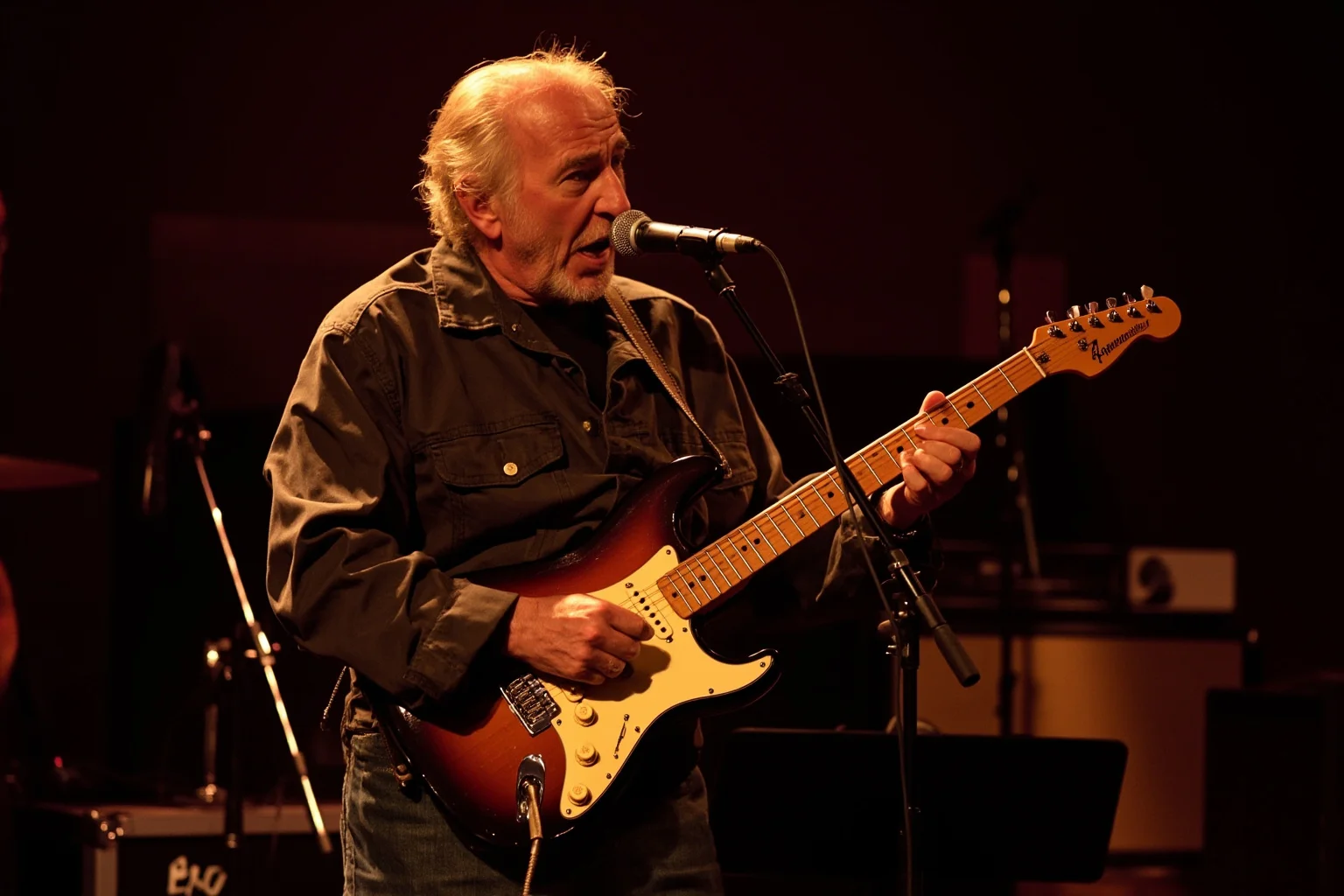
Eric Clapton built his reputation through the Yardbirds, John Mayall’s Bluesbreakers, Cream, and Derek and the Dominos before a long solo career. The graffiti phrase “Clapton is God,” which appeared on a London wall in the mid-1960s, reflected fan enthusiasm of the era rather than any claim Clapton himself made.
His blues-rooted phrasing and tone influenced countless guitarists who came after him. Clapton has continued performing and recording across genres including rock, blues, and unplugged acoustic formats.
10. Keith Richards (born 1943)
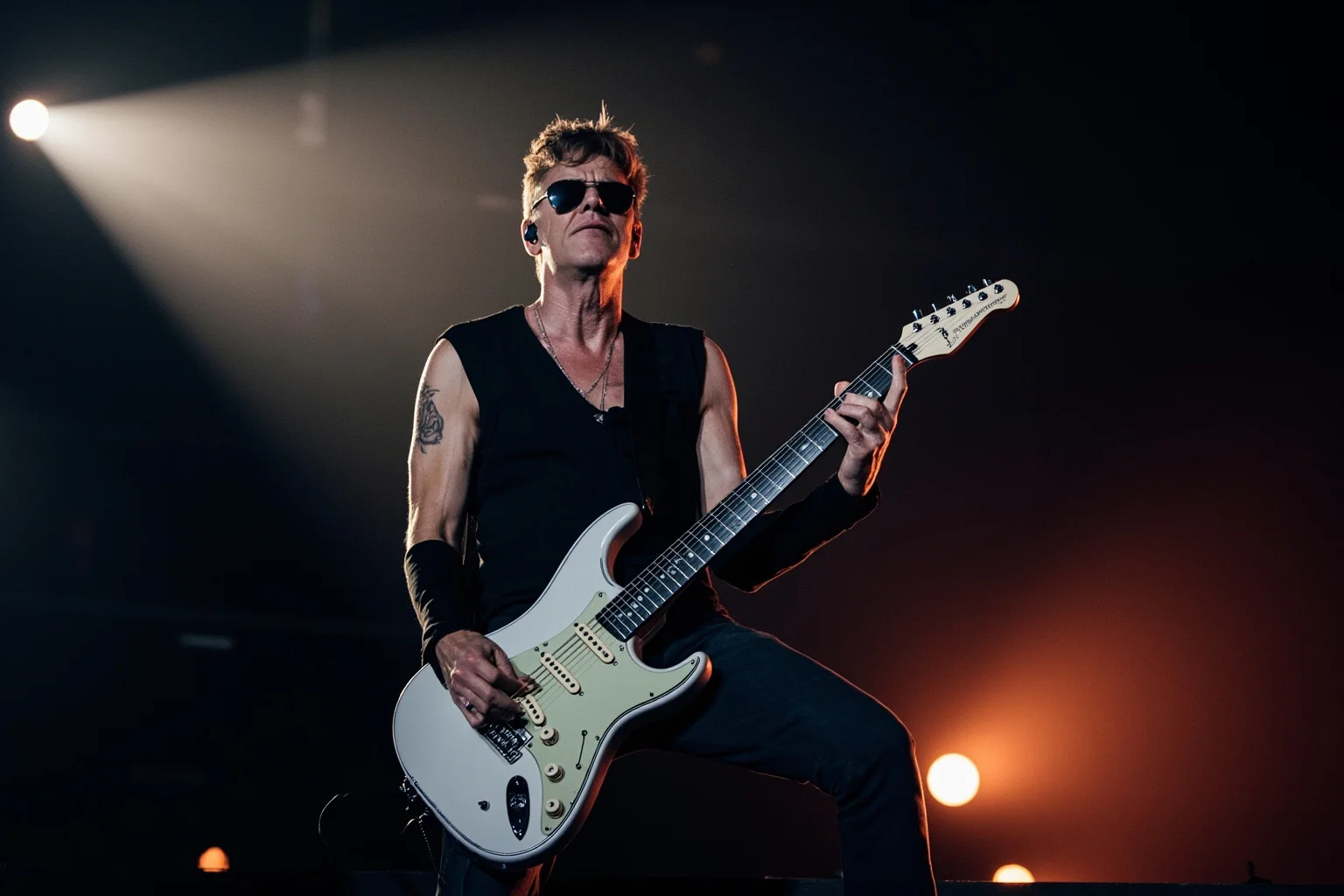
As the guitarist behind the Rolling Stones, Keith Richards built a career on riff-driven songwriting rather than flashy soloing. Tracks like “(I Can’t Get No) Satisfaction” and “Start Me Up” show his knack for a hook that instantly defines a song.
Richards is closely associated with open-G tuning and five-string guitar setups, a technique he adopted in the late 1960s that became a signature part of his sound. His economical, rhythm-first approach influenced generations of rock guitarists.
11. Carlos Santana (born 1947)
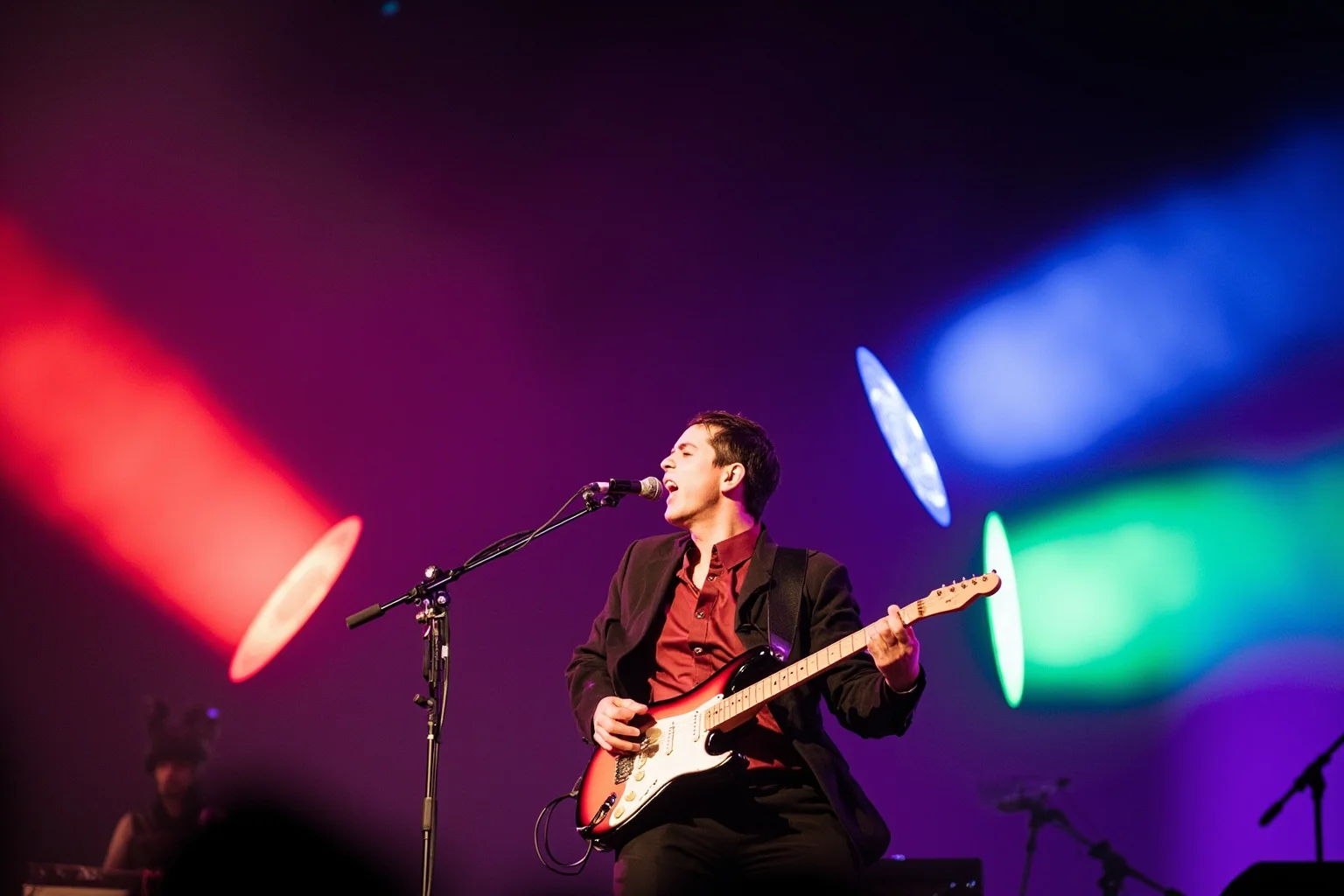
Carlos Santana blended blues rock with Latin American rhythms to create a distinctive, melodic guitar voice. His 1969 Woodstock performance, particularly on “Soul Sacrifice,” introduced his sustained, singing lead tone to a massive audience.
Santana’s career has spanned decades and multiple commercial peaks, including a major resurgence with the 1999 album “Supernatural.” His fusion of genres remains a touchstone for guitarists blending rock with world music traditions.
12. Jeff Beck (1944–2023)

Jeff Beck passed through the Yardbirds before pursuing an unusually varied solo career that touched rock, jazz fusion, and instrumental music. Unlike many peers, he largely avoided vocals, letting the guitar itself carry emotional expression.
Beck was known for his innovative use of the whammy bar and volume swells, achieving vocal-like phrasing without a pick in his later years. He won multiple Grammy Awards and was widely respected by fellow guitarists as a player’s player.
13. Stevie Ray Vaughan (1954–1990)
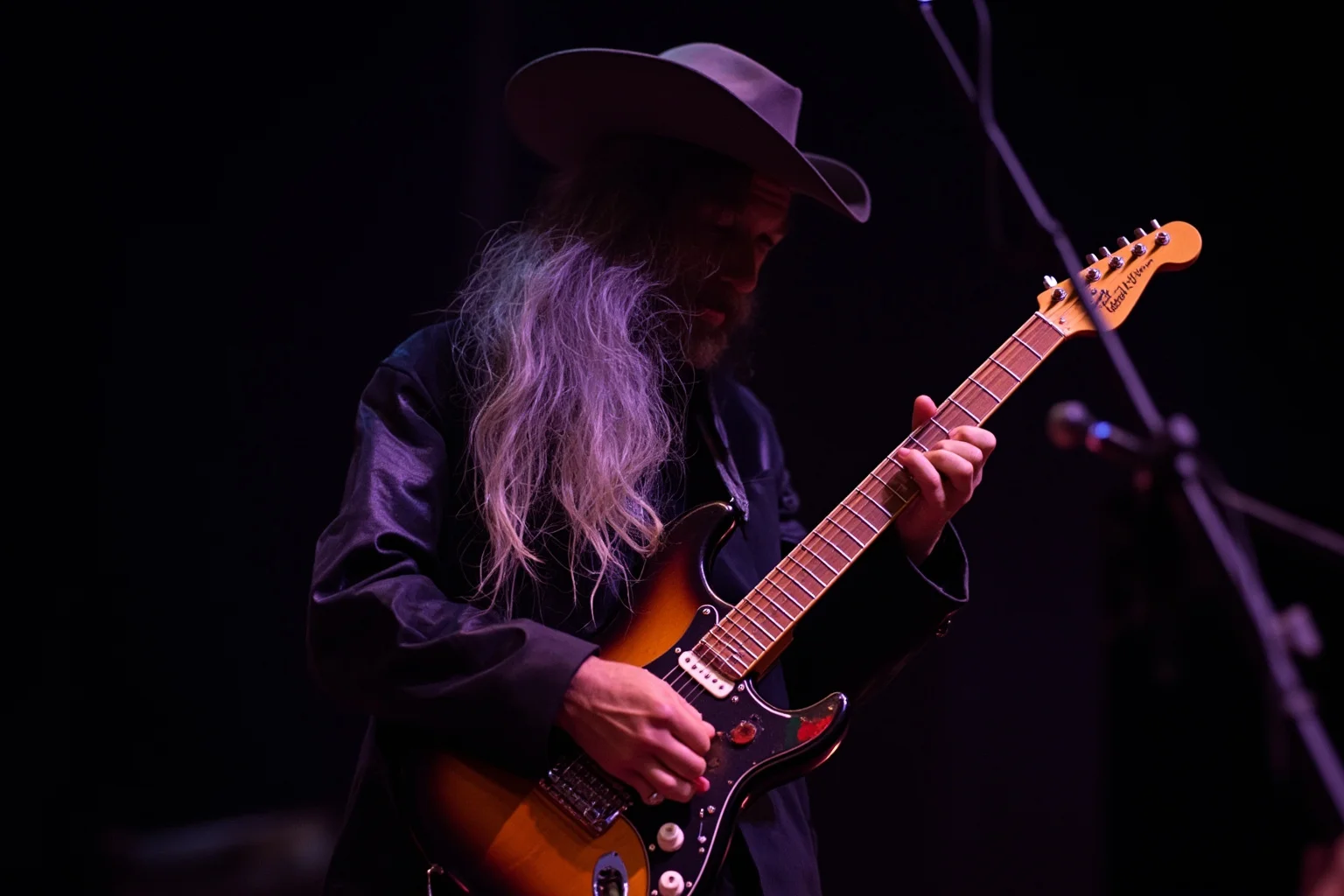
Stevie Ray Vaughan led a blues revival in the early 1980s with his band Double Trouble, reviving interest in Texas blues guitar for a new generation. His aggressive picking style and heavy string gauges produced a thick, powerful tone that stood out on rock radio.
Vaughan’s life was cut short in a helicopter crash in August 1990, at the height of his career. Despite a relatively brief recording span, his influence on blues-rock guitarists remains substantial.
14. Eddie Van Halen (1955–2020)
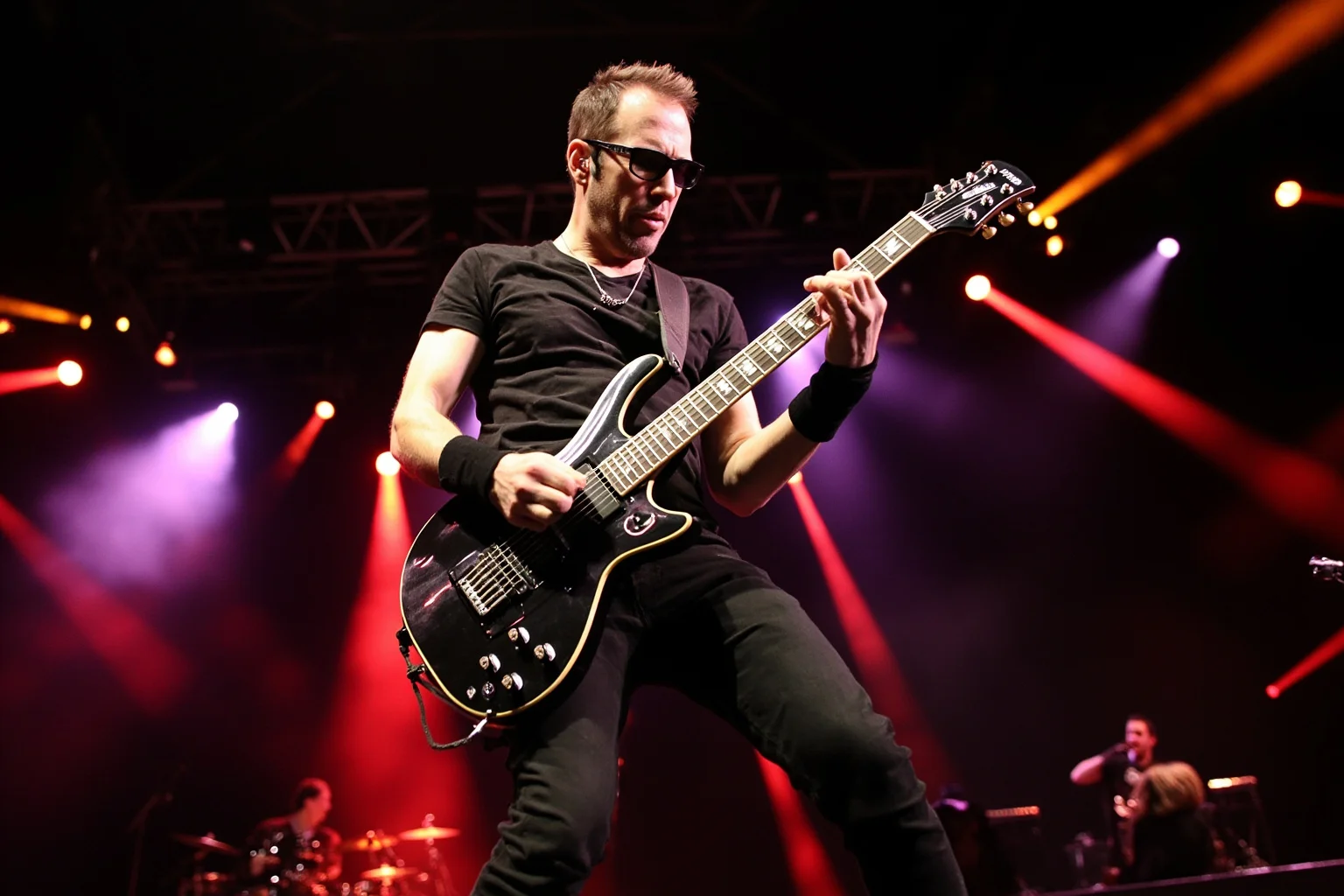
Eddie Van Halen’s 1978 instrumental “Eruption” showcased two-handed tapping in a way that stunned rock audiences and reshaped guitar solos for a generation. It’s a common myth that Van Halen invented tapping outright; similar techniques had appeared earlier with players like Harvey Mandel and touch-style pioneer Emmett Chapman, though Van Halen undeniably popularized and refined it dramatically.
His “brown sound,” achieved through a heavily modified amplifier setup, became one of rock’s most imitated tones. Van Halen passed away in 2020, but his technical influence remains everywhere in rock and metal guitar.
15. David Gilmour (born 1946)
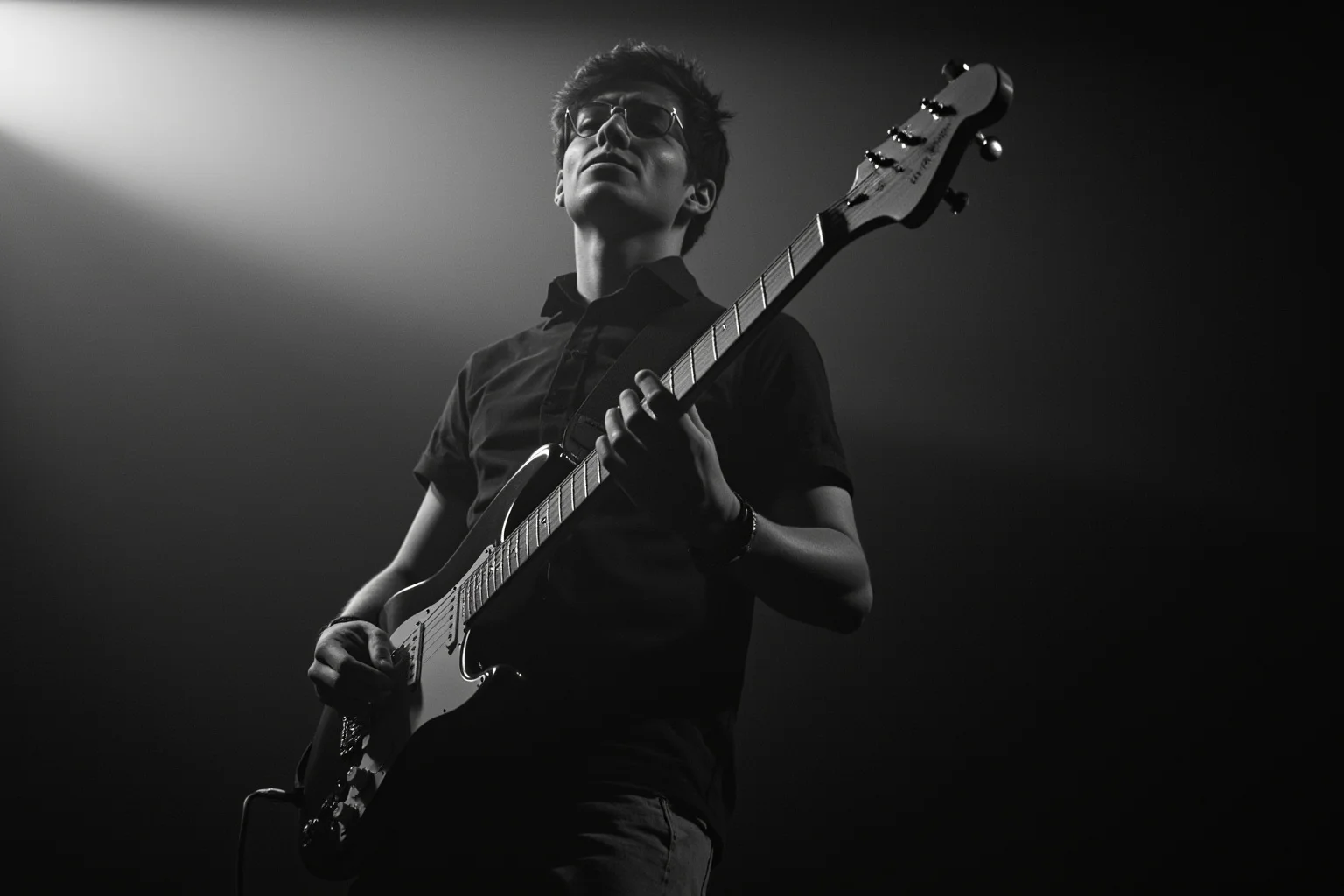
David Gilmour joined Pink Floyd in 1968 and became known for melodic, deliberately-paced solos built around sustain and string bends rather than speed. His solo on “Comfortably Numb” is frequently cited as one of the most emotionally effective guitar performances in rock history.
Gilmour’s approach demonstrates that restraint and phrasing can carry as much impact as technical complexity. His tone, shaped through specific pedal and amp combinations, remains widely studied by guitarists today.
16. Mark Knopfler (born 1949)

Mark Knopfler, guitarist and frontman for Dire Straits, developed a distinctive fingerstyle technique, often playing without a pick at all. This approach gave songs like “Sultans of Swing” a cleaner, more percussive attack than typical rock guitar of the era.
Knopfler’s songwriting also drew on folk and country influences, broadening what a rock guitar hero could sound like in the late 1970s and 1980s. His playing favored clarity and narrative feel over overt showmanship.
17. Tony Iommi (born 1948)
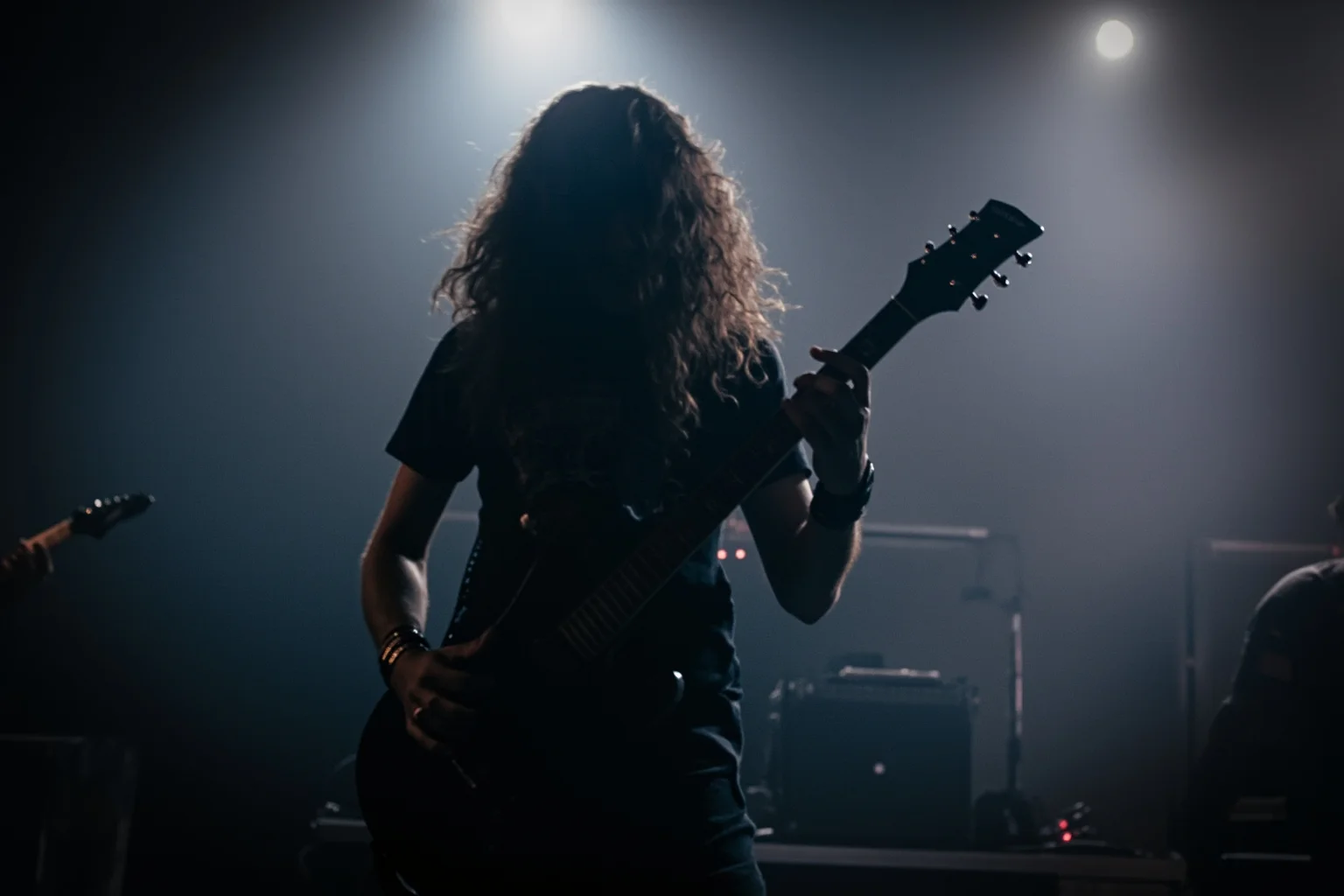
Tony Iommi’s guitar work with Black Sabbath essentially created the template for heavy metal. After losing the tips of two fingers in a factory accident shortly before Sabbath formed, he adapted by using lighter-gauge strings and down-tuning his guitar, which contributed to the band’s heavier, darker sound.
Riffs from songs like “Iron Man” and “Paranoid” became foundational texts for metal guitarists in the decades that followed. Iommi’s injury-driven adaptation is one of guitar history’s better-documented examples of necessity shaping innovation.
18. John McLaughlin (born 1942)
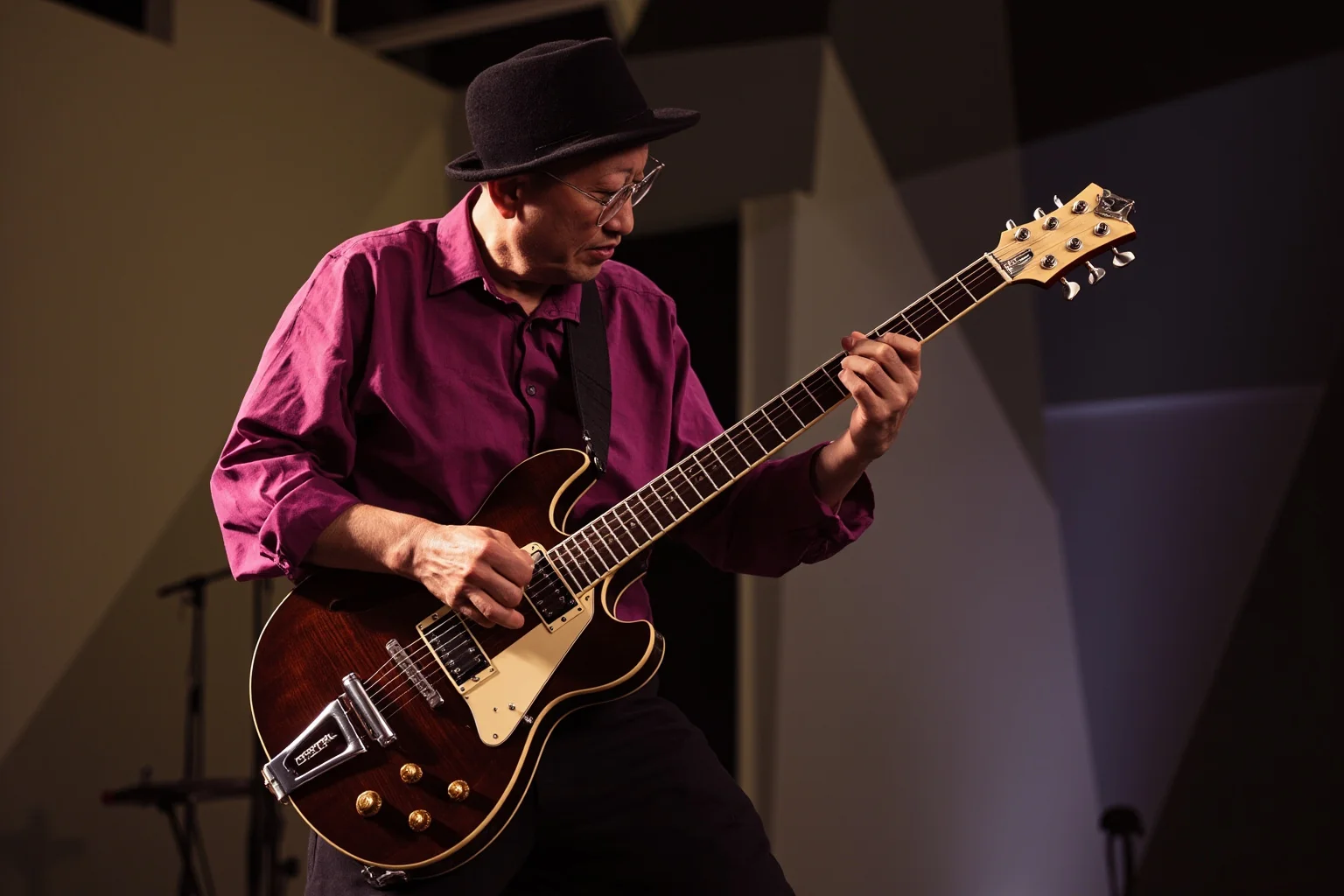
John McLaughlin bridged jazz and rock through his work with Miles Davis in the late 1960s and his own band, the Mahavishnu Orchestra, in the early 1970s. As a 20th century guitar virtuoso operating at the edges of jazz fusion, he combined blistering technical speed with complex time signatures drawn from Indian classical music.
His playing pushed fusion guitar into territory few rock or jazz players had attempted before. McLaughlin’s influence is especially strong among instrumental and progressive guitarists.
19. Prince (1958–2016)
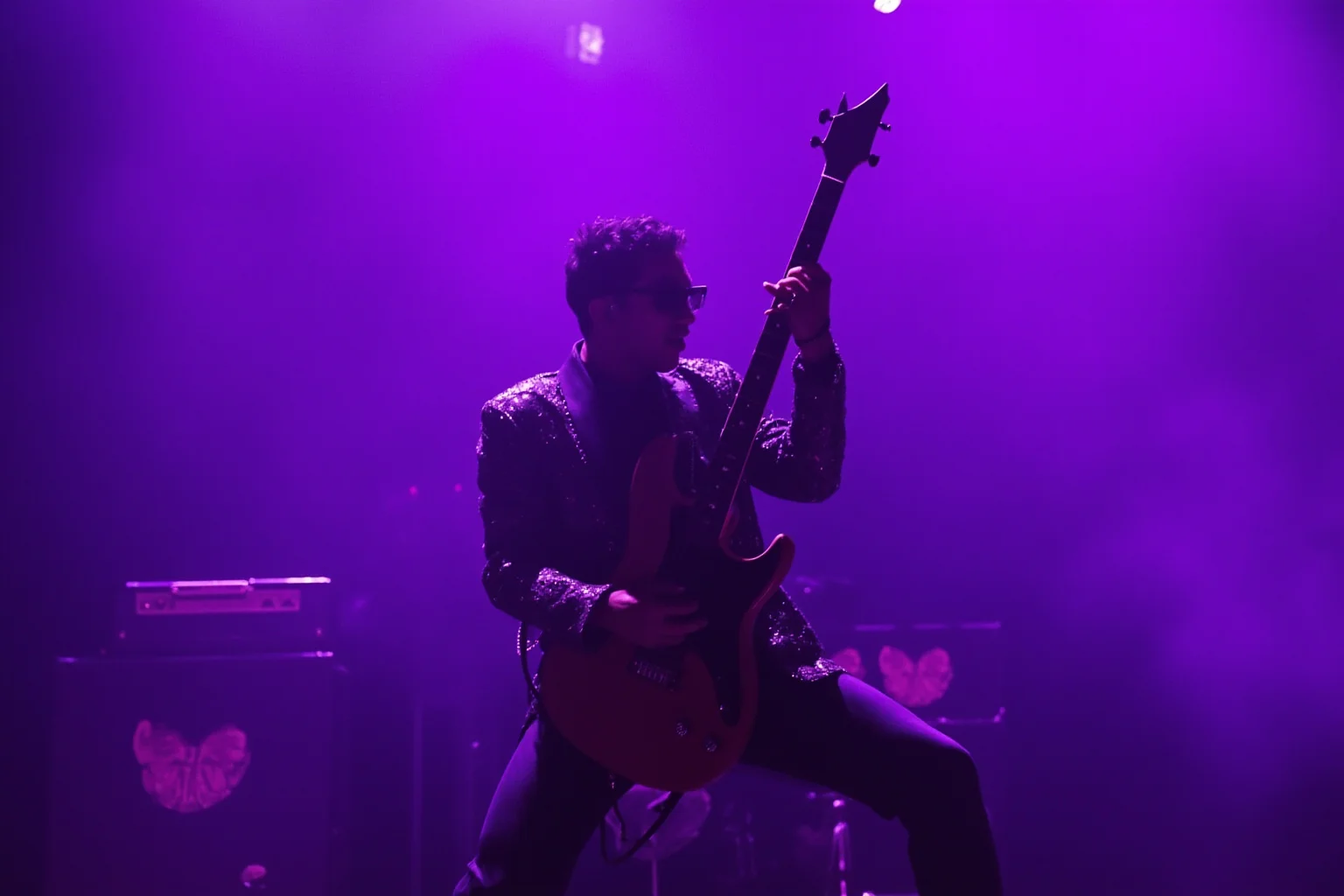
Prince is often remembered first as a songwriter and performer, but he was also a formidable guitarist, something highlighted vividly during his solo on “While My Guitar Gently Weeps” at the 2004 Rock and Roll Hall of Fame induction ceremony. His guitar work spanned funk, rock, and pop with equal fluency.
As a multi-instrumentalist who often played every part on his own recordings, Prince’s guitar skill was frequently overshadowed by his broader musical persona. Many guitarists consider him one of the most underrated technical players of his era.
20. Slash (born 1965)
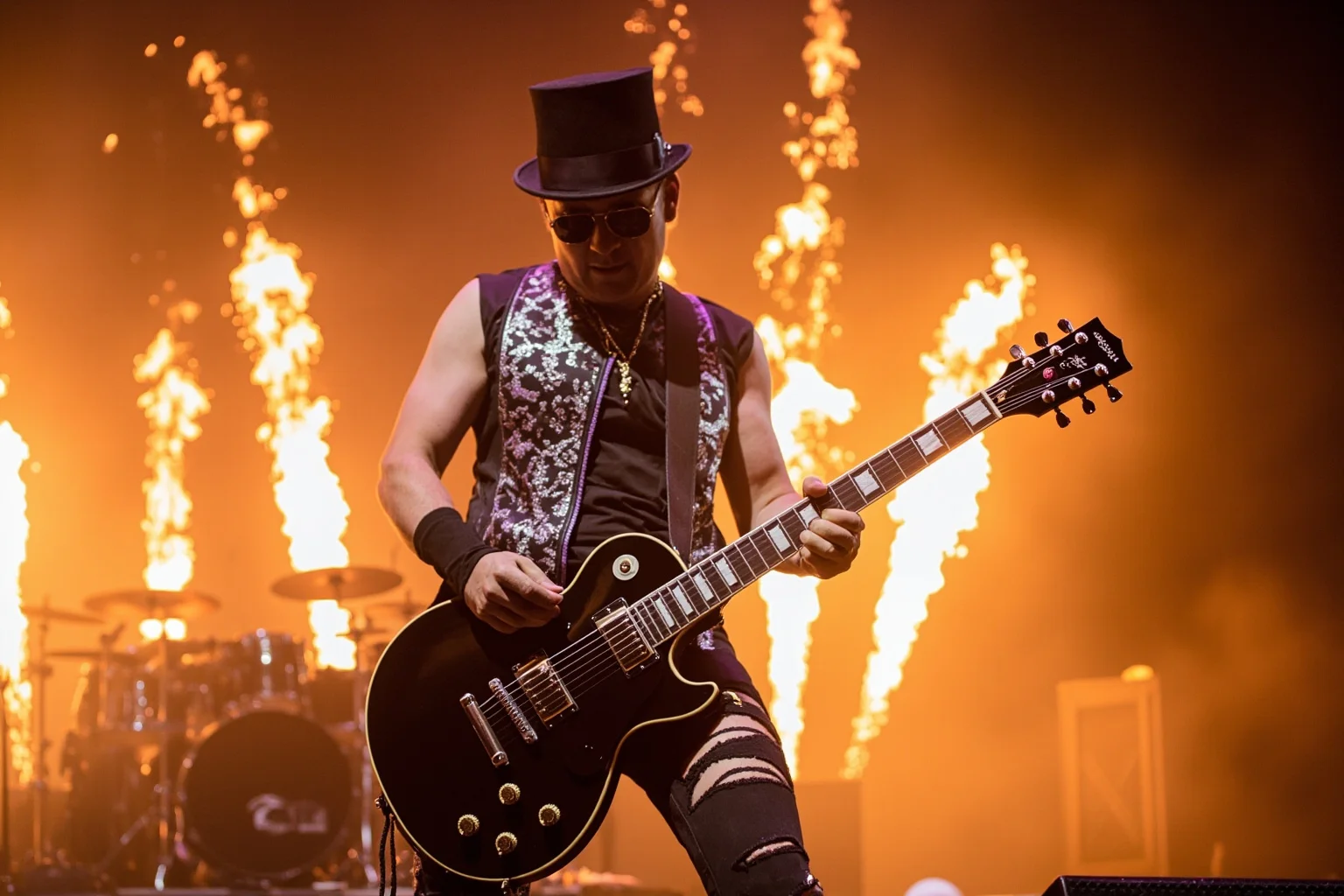
As lead guitarist of Guns N’ Roses, Slash became one of the most recognizable rock guitarists of the late 1980s, largely through the top hat, sunglasses, and Les Paul combination that defined his image. His solo on “Sweet Child O’ Mine” remains one of the most learned guitar parts among aspiring players.
Slash helped keep blues-based hard rock guitar relevant during an era increasingly dominated by shredding and synthesizers. His tone and phrasing drew heavily on earlier blues-rock guitarists like Clapton and Beck.
21. Joe Satriani (born 1956)
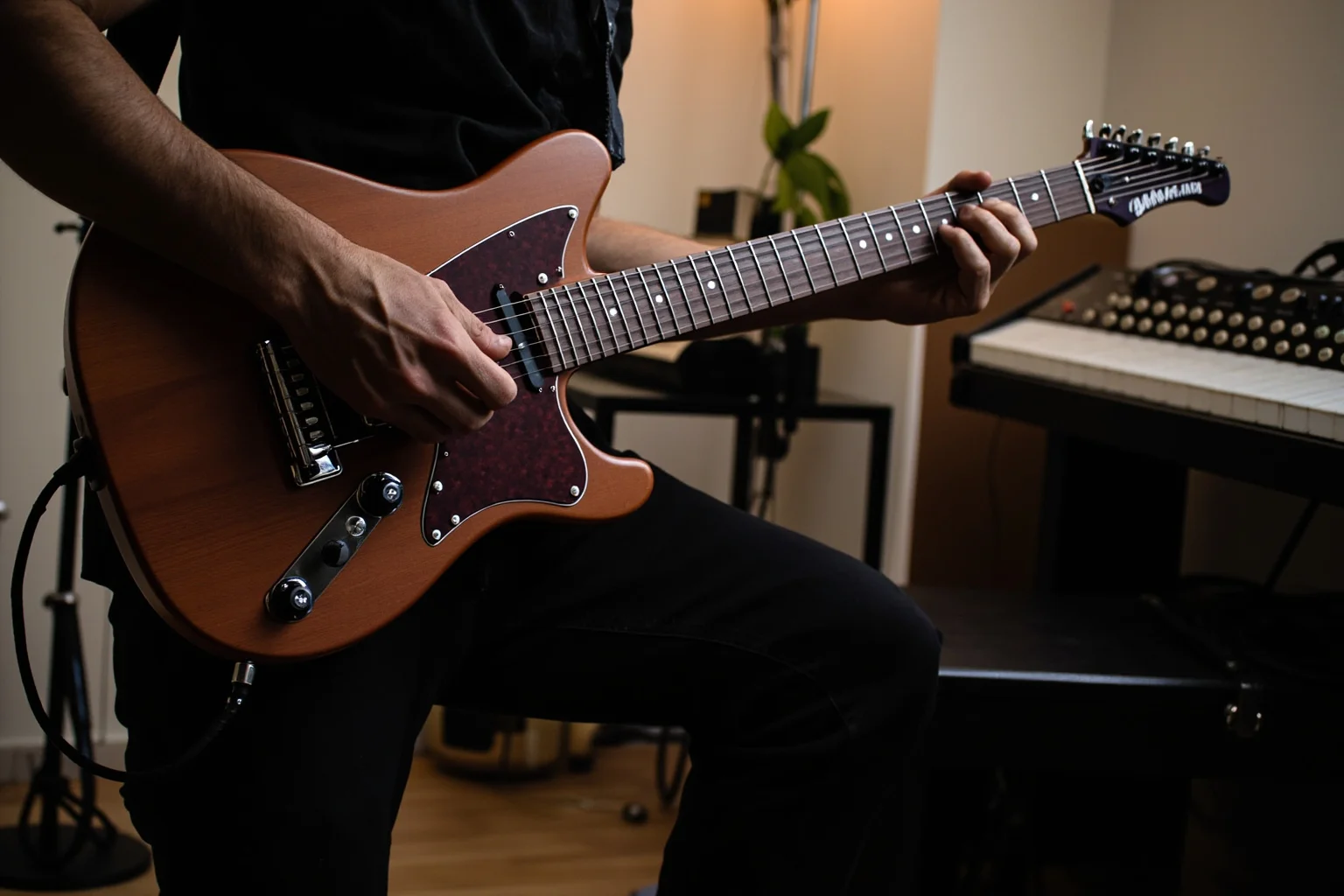
Joe Satriani built a career almost entirely on instrumental guitar music, with his 1987 album “Surfing with the Alien” becoming an unlikely commercial hit for a guitar-instrumental record. Beyond his own recordings, he’s also known as an influential teacher, having taught guitarists including Steve Vai and Metallica’s Kirk Hammett before their own careers took off.
Satriani’s combination of technical precision and melodic songwriting helped keep instrumental rock guitar commercially viable. He remains active as both a performer and an influence on younger virtuoso players.
22. Rory Gallagher (1948–1995)
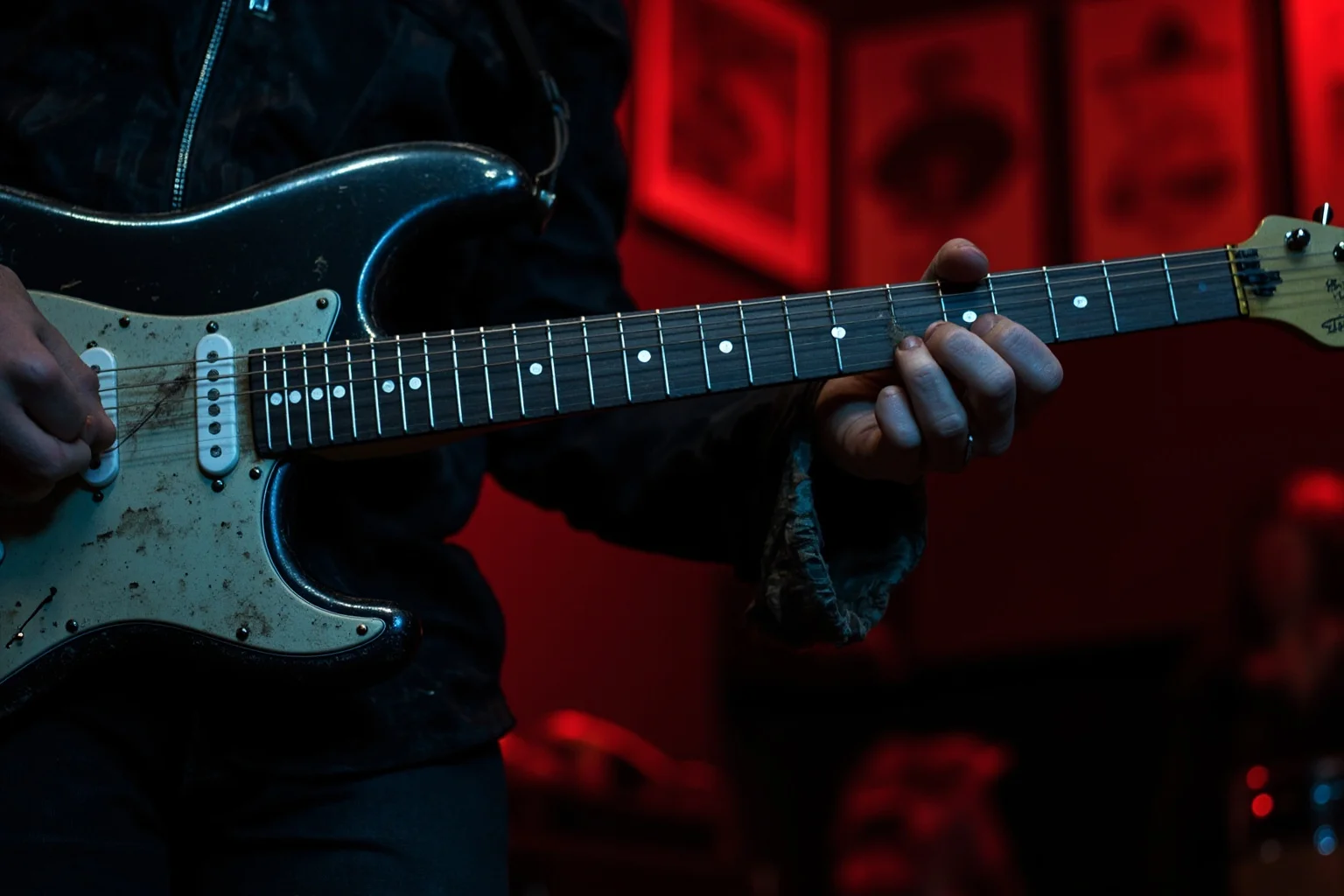
Rory Gallagher, an Irish blues-rock guitarist, never achieved the mainstream superstardom of some peers but earned deep respect among fellow musicians, reportedly including several who appear elsewhere on lists like this one. His battered, well-worn Fender Stratocaster became almost as iconic as his playing itself.
Gallagher’s raw, energetic live performances throughout the 1970s built a devoted following, particularly in Europe. His relative lack of mainstream fame compared to his talent is a frequently cited example of how commercial success and musical greatness don’t always align.
Guitar Legends and the Myths That Follow Them
Guitar history has accumulated plenty of legend alongside genuine fact, and it’s worth separating the two. The Robert Johnson crossroads story is probably the most famous example, blending real biographical mystery with older Southern folklore about musicians and the devil.
Similarly, the idea that any single player “invented” a widely used technique is usually an oversimplification. Two-handed tapping, alternate tunings, and even the solid-body electric guitar itself all had multiple contributors working in parallel, even when one musician became the technique’s most famous ambassador.
Even ranking itself can become mythologized, as if there’s a definitive, universally agreed top 20 guitarists of all time waiting to be discovered. In reality, these lists reflect the tastes, eras, and genres favored by whoever compiles them, which is exactly why new names keep entering the conversation.
Final Chord: Why the Debate Never Ends
Part of what makes guitar greatness so hard to rank is that the instrument itself keeps evolving. A blues player from the 1930s and a fusion virtuoso from the 1970s are doing genuinely different things, even though they’re using variations of the same six strings.
That’s also why any top ten greatest guitarists of all time list will always spark disagreement, and honestly, that’s a good sign. It means the instrument’s history is rich enough that reasonable people can build entirely different top 20s and still be right about the artists they’ve chosen to celebrate.
Frequently Asked Questions
What is a commonly cited top 20 guitarists of all time list?
There's no single official ranking, since most "top 20 guitarists of all time" lists come from music magazine polls or editorial panels rather than an objective formula. Names like Jimi Hendrix, Chuck Berry, B.B. King, Django Reinhardt, and Jimmy Page appear on nearly every serious version of the list, though the exact order and remaining entries vary depending on genre focus and era.
Who is usually ranked first on top 10 best guitarists of all time lists?
Jimi Hendrix is the guitarist most frequently placed at number one across critic and fan polls, largely due to his innovations in tone, feedback, and improvisation during his short but hugely influential career from 1966 to 1970. That said, placement is subjective, and other lists favor different players depending on genre preference.
Who tops most top ten greatest guitarists of all time rankings?
Alongside Hendrix, guitarists like Eric Clapton, B.B. King, Chuck Berry, and Jimmy Page consistently appear near the top of most respected rankings. The exact top ten greatest guitarists of all time list changes depending on whether the ranking emphasizes rock, blues, jazz, or classical guitar.
What does it mean to call someone a 20th century guitar virtuoso?
The term describes a guitarist whose technical mastery and innovation went beyond standard performance, pushing the instrument's boundaries during the 1900s. Andrés Segovia in classical guitar, John McLaughlin in jazz fusion, and Eddie Van Halen in rock are all commonly described as 20th century guitar virtuosos, despite working in very different genres.
Is guitar greatness mostly about speed and technical skill?
No, speed is only one factor, and many guitarists widely regarded as the greatest, like B.B. King and David Gilmour, are celebrated more for tone, phrasing, and emotional expression than raw technical speed. Innovation and influence on later musicians tend to matter more in long-term rankings than sheer note count.

Alex Warren
Related Articles





