

Once upon a time, fairy tales weren’t bedtime lullabies. They were warnings, told by firelight, meant to unsettle as much as entertain. Long before glass slippers and singing mice, the stories collected by Jacob and Wilhelm Grimm in the early 1800s were soaked in cruelty, grief, and body horror that would make a modern horror film blush.
This is your guide to the darkest corners of the Grimm brothers’ collection — the genuinely creepy fairy tales, the scariest Grimm fairy tales, and the ones Disney wisely left on the cutting room floor. If you came looking for a grimms fairy tales list with real teeth, you’ve found it.
TL;DR: The original Brothers Grimm fairy tales were folk horror stories full of mutilation, cannibalism, and death long before they became gentle children’s classics.
Who Were the Brothers Grimm, Really?
Jacob and Wilhelm Grimm were German academics, not novelists. Working in the early 1800s, they collected oral folk stories from across German-speaking regions and published them as “Kinder- und Hausmärchen” (Children’s and Household Tales), with the first edition appearing in 1812.
It’s a common myth that the Grimms invented these plots. In reality, they were folklorists documenting stories that had circulated for generations among peasants, craftsmen, and storytellers, many of whom had heard variations passed down orally long before anyone wrote them on paper — a process not unlike the way famous Greek myths and lesser-known epics survived through oral retelling for centuries before anyone set them in writing.
What the brothers did shape heavily was tone. Between the 1812 first edition and the final 1857 edition, Wilhelm in particular kept editing the tales, softening some violence, adding Christian moralizing, and occasionally making things darker if it served a moral lesson. The result is a body of work that swings wildly between tender and genuinely nightmare fairy tales territory.
How Many Grimm Fairy Tales Are There, Really?
If you’re hunting for a complete list of the Brothers Grimm fairy tales, the final 1857 edition of “Kinder- und Hausmärchen” contains 200 numbered tales, plus ten additional “Children’s Legends” appended at the end. That brings the commonly cited total to around 210 stories.
Not all of them are dark. Plenty are whimsical, funny, or simply strange without being gruesome. But a striking number of the most famous Brothers Grimm fairy tales lean disturbing, and those are the ones we’re focusing on here.
The 20 Darkest Brothers Grimm Fairy Tales
What follows is our list of the creepiest, most brutal, and most quietly devastating stories in the Grimm catalogue. Some are among the best-known Grimm fairy tales in the world; others are obscure enough that even devoted fans haven’t heard of them. All of them earn their place on any real dark fairy tales list.
1. The Juniper Tree
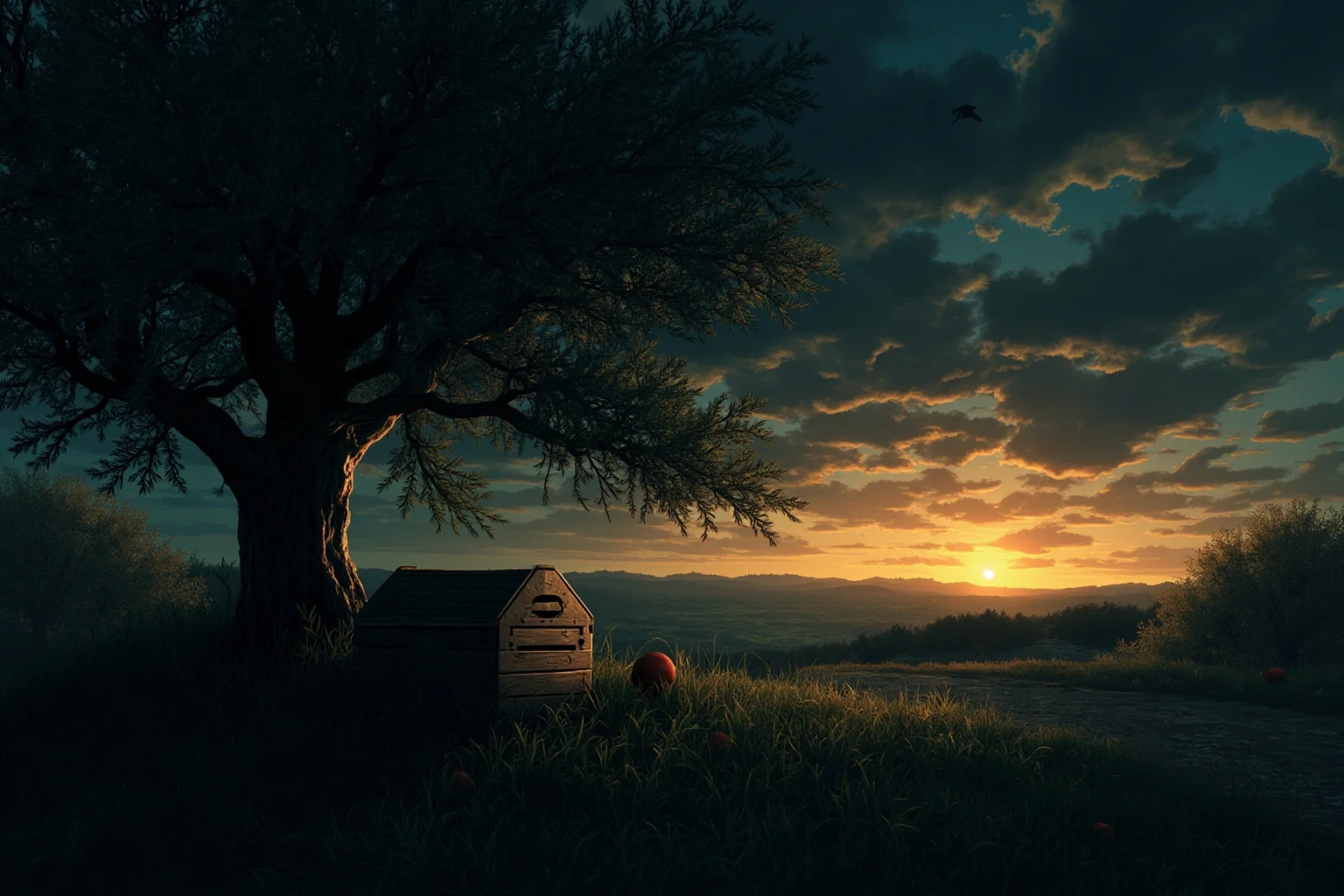
Often cited as the single darkest Grimm fairy tale, “The Juniper Tree” opens with a wished-for child, a jealous stepmother, and a murder disguised as an accident. The stepmother tricks her stepson into bending over an apple chest, then slams the lid on his neck.
She then cooks the boy into a stew and feeds him to his unsuspecting father. His sister gathers his bones beneath a juniper tree, where he’s reborn as a bird that eventually delivers poetic justice.
This tale appeared in the very first 1812 edition and has barely been softened since, which tells you something about how the Grimms viewed their audience.
2. Snow White
Disney’s version ends with true love’s kiss, but the Grimm original ends with torture. The villainous queen — in the earliest printed text she is Snow White’s own mother, later changed to a stepmother in subsequent editions — orders a huntsman to bring back the girl’s lungs and liver so she can eat them.
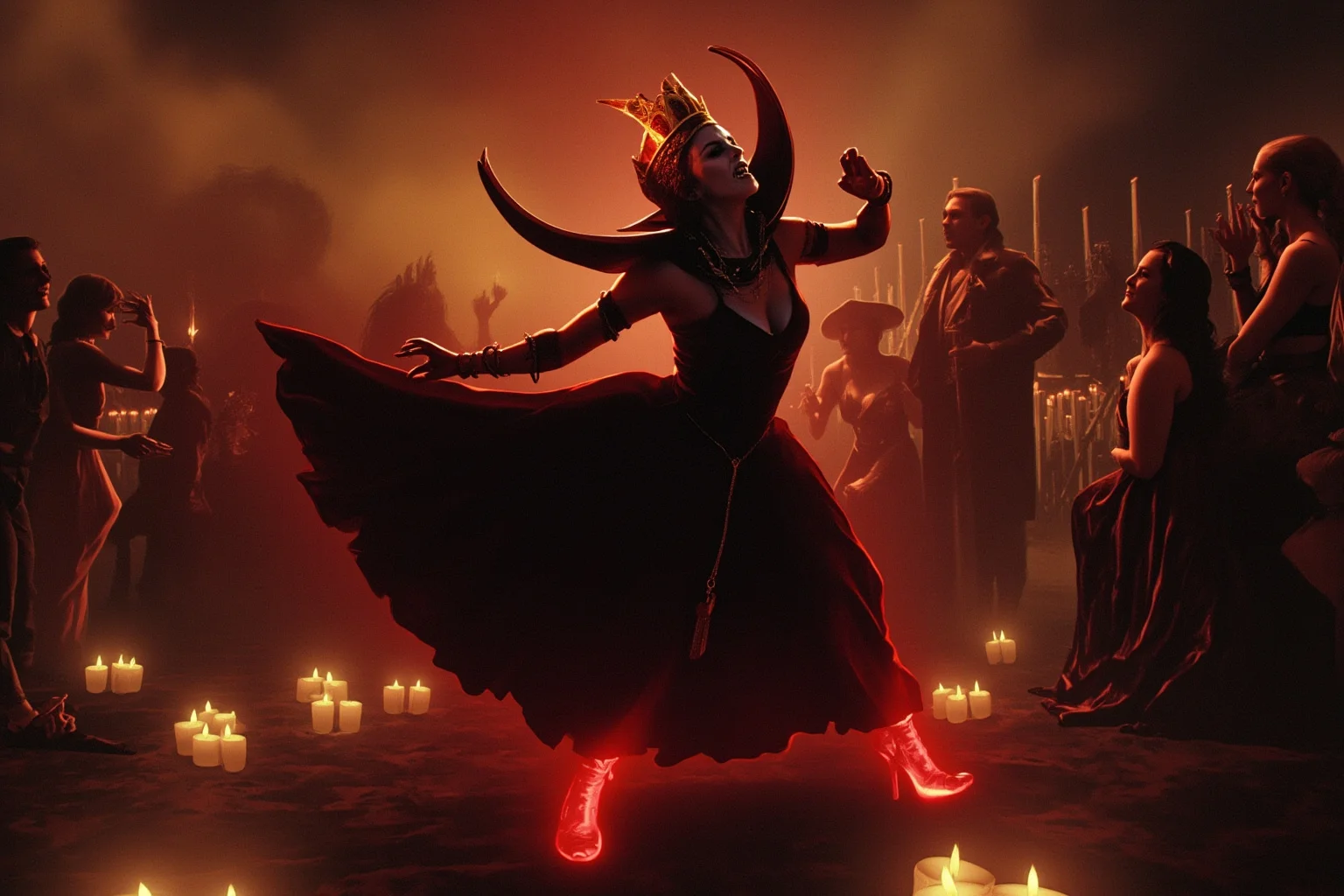
When that fails, she tries three separate murder attempts personally: a suffocating corset, a poisoned comb, and the famous apple. The story’s true ending is its darkest beat: the queen is forced to dance at Snow White’s wedding in red-hot iron shoes until she drops dead.
3. Cinderella
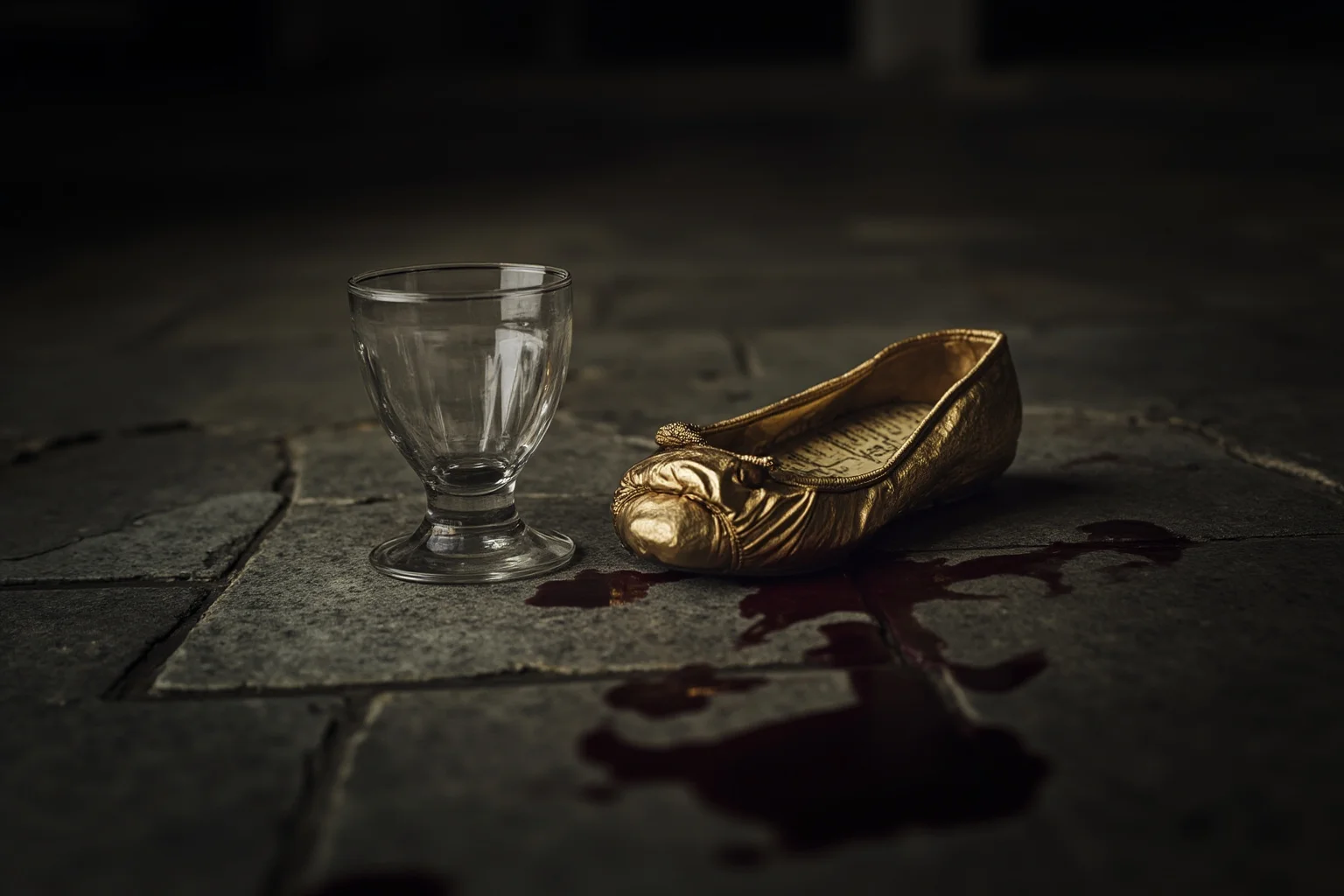
The Grimm version of “Aschenputtel” skips the fairy godmother entirely in favor of a wishing tree and helpful birds. It also includes two moments that rarely make it into picture books: one stepsister slices off her toe and the other her heel to force her foot into the golden slipper.
At the wedding, those same birds peck out both stepsisters’ eyes as punishment for their cruelty. It’s a tidy moral lesson delivered through genuinely gory imagery.
4. Hansel and Gretel
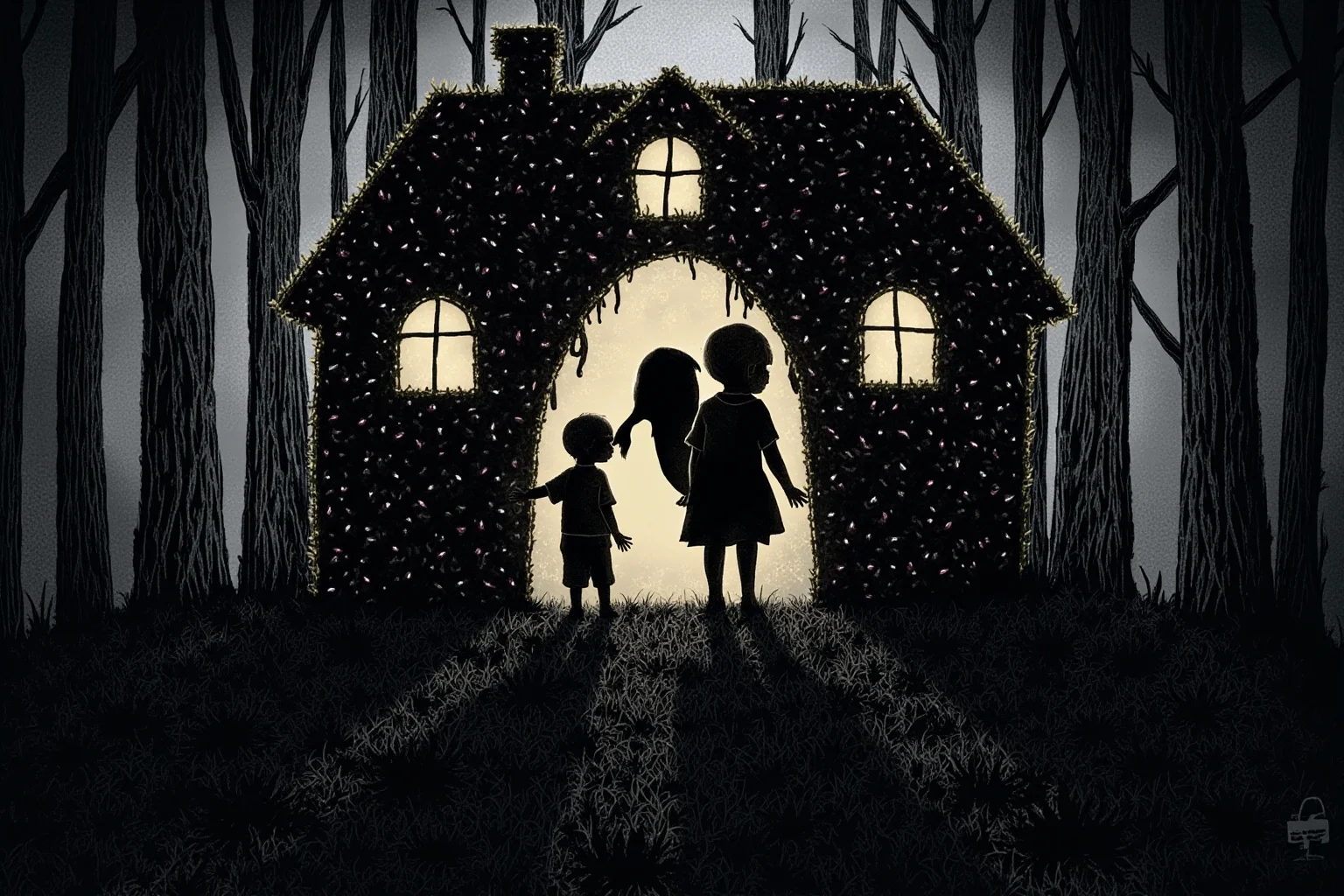
Starvation drives the parents in this tale to abandon their own children in the forest, not once but twice. The children then stumble on a cannibalistic witch who fattens Hansel up in a cage before Gretel shoves her into her own oven.
Famine was a real and recurring threat in pre-modern Europe, and many folklorists have noted that this story likely reflects genuine anxieties about hunger and child abandonment rather than pure fantasy.
5. The Girl Without Hands
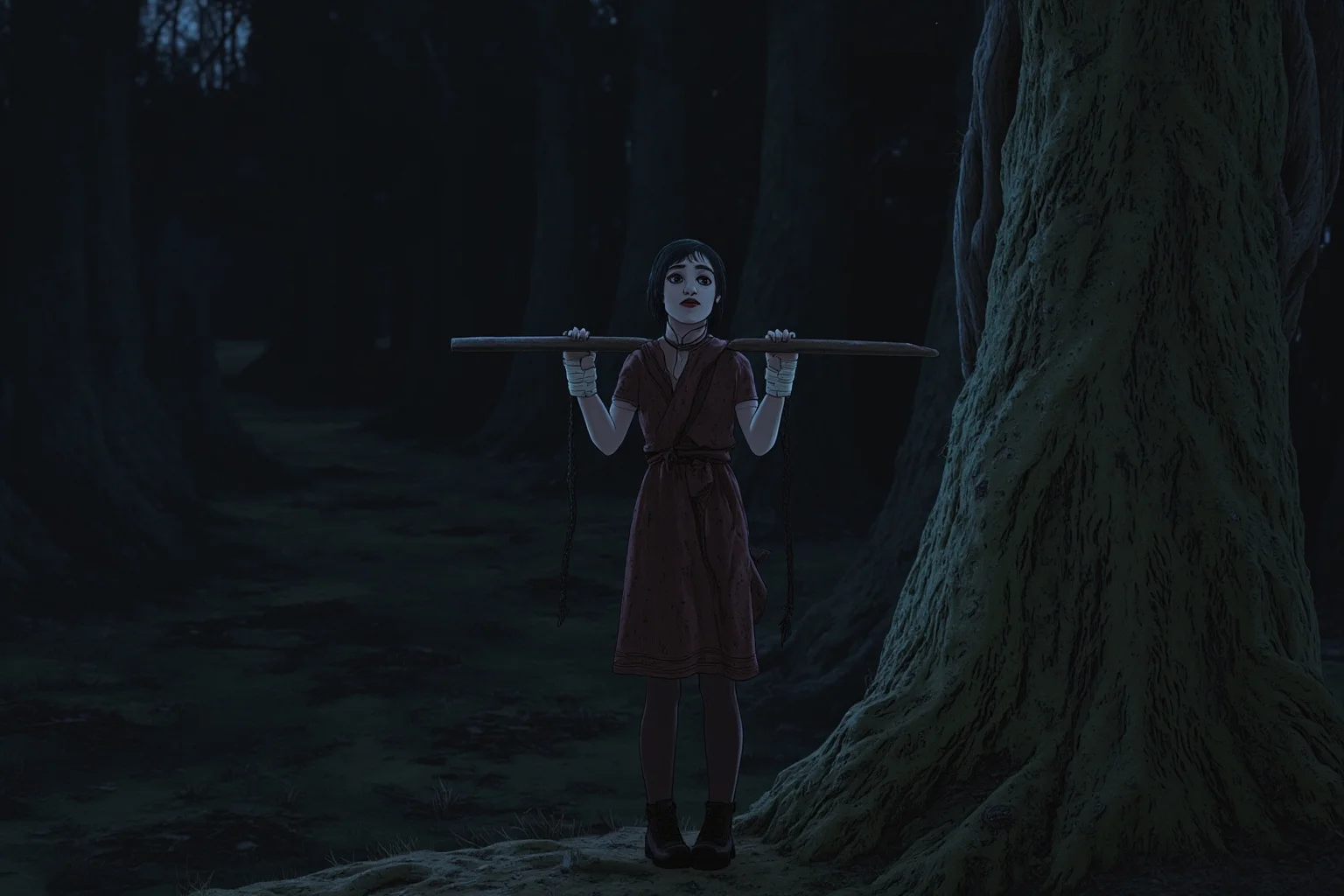
A poor miller unknowingly promises his daughter to the devil in exchange for wealth. When the devil can’t take her because of her purity, the miller is instructed to cut off her hands himself, which he does.
She wanders the world maimed and eventually marries a king, only to be cast out again after forged letters falsely accuse her of monstrous crimes. It’s one of the more upsetting original fairy tales, dark not for monsters but for human cruelty and betrayal.
6. Fitcher’s Bird
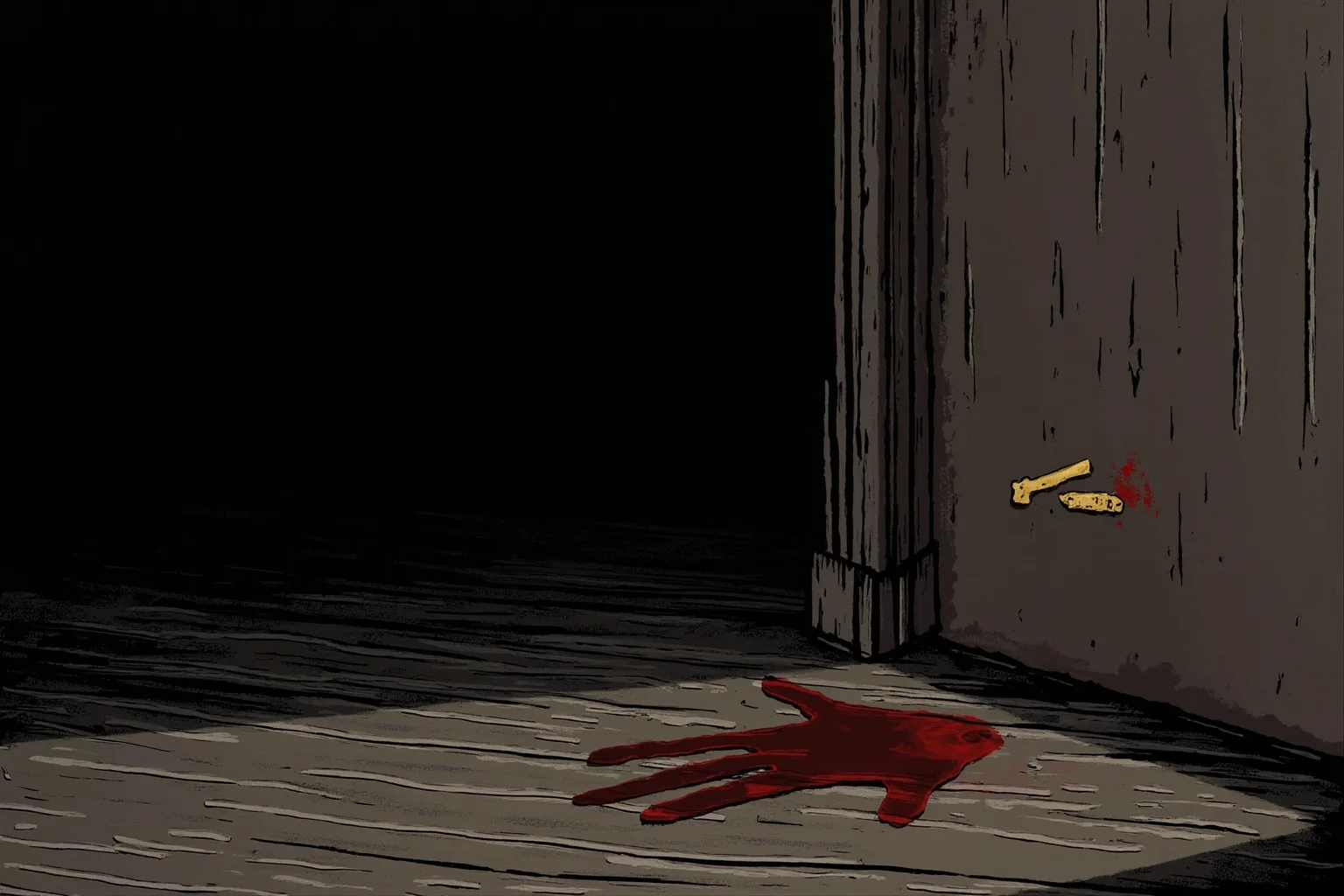
This is the Grimms’ answer to the Bluebeard legend. A sorcerer disguised as a beggar kidnaps young women, gives them an egg and a key, and forbids them from entering one room.
Those who disobey find the dismembered bodies of previous brides in a basin of blood. The third sister outsmarts him, resurrects her sisters, and helps engineer his fiery death — making this one of the more satisfying revenge arcs on this list.
7. The Robber Bridegroom
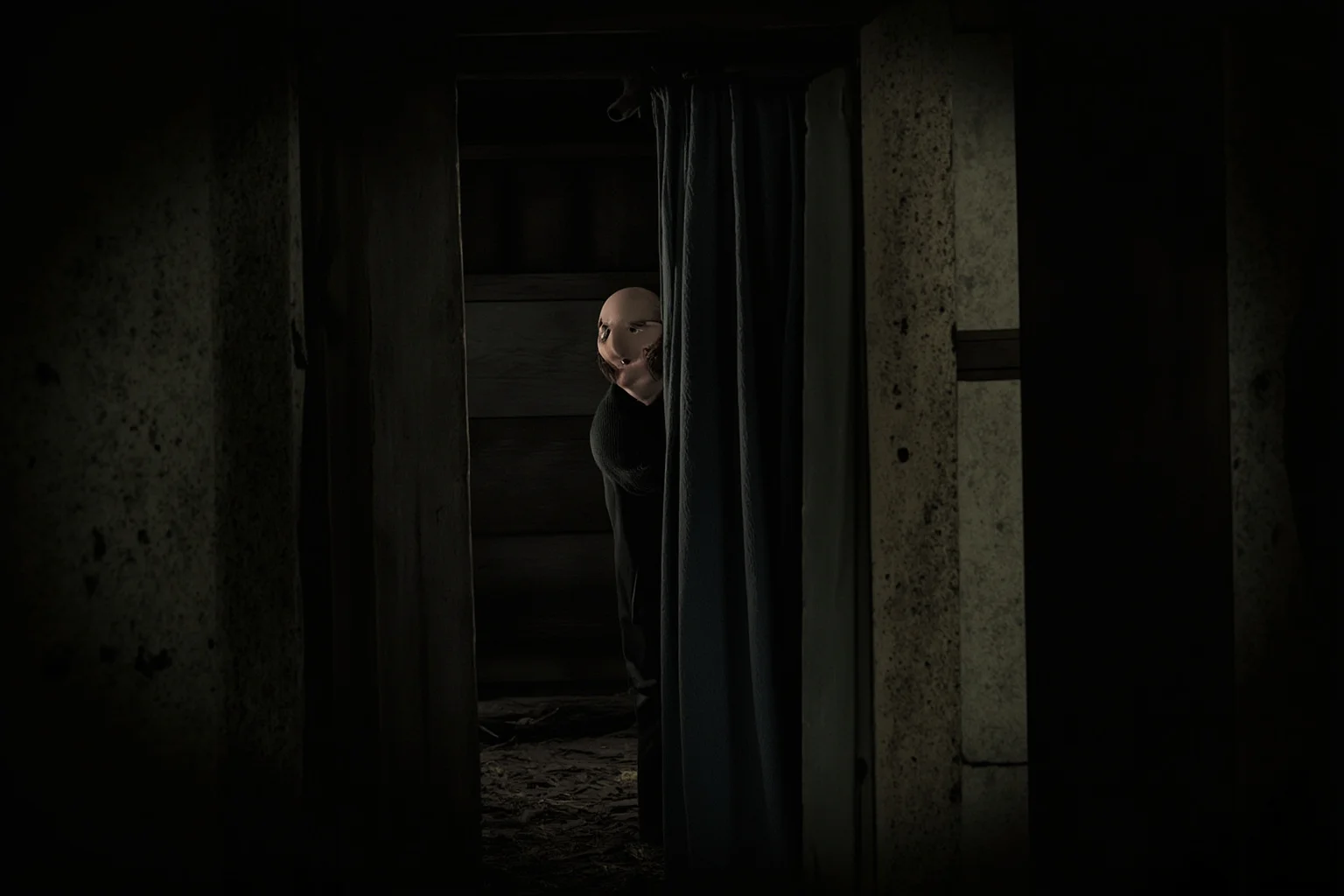
A young woman visits her fiancé’s home in the forest, only to discover he and his gang are cannibalistic robbers who murder and eat young women for sport. She hides and watches them kill and dismember another victim, then narrowly escapes with proof of the crime.
The tale ends with the bridegroom and his entire gang executed, a rare Grimm story where justice arrives swiftly and completely.
8. Rumpelstiltskin
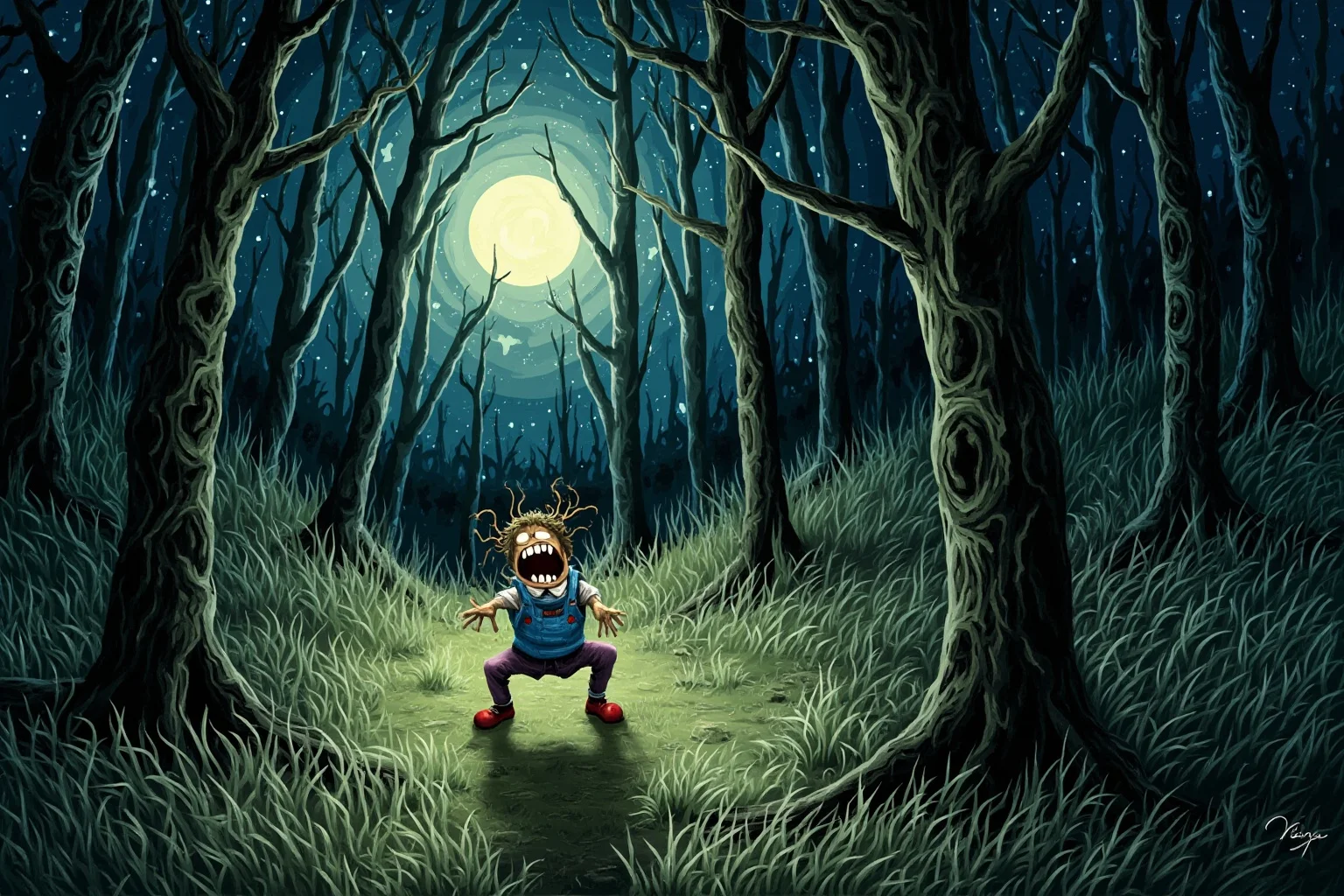
The setup is already dark: a desperate father lies that his daughter can spin straw into gold, and a miller’s daughter must trade her future firstborn to a strange little man to survive. The famous guessing game for the child’s fate is tense enough, but the ending is the real shock.
In the Grimms’ final version, Rumpelstiltskin doesn’t simply storm off. He flies into such a rage that he tears himself in two, a startlingly violent image for what starts as a bargaining story.
9. The Six Swans
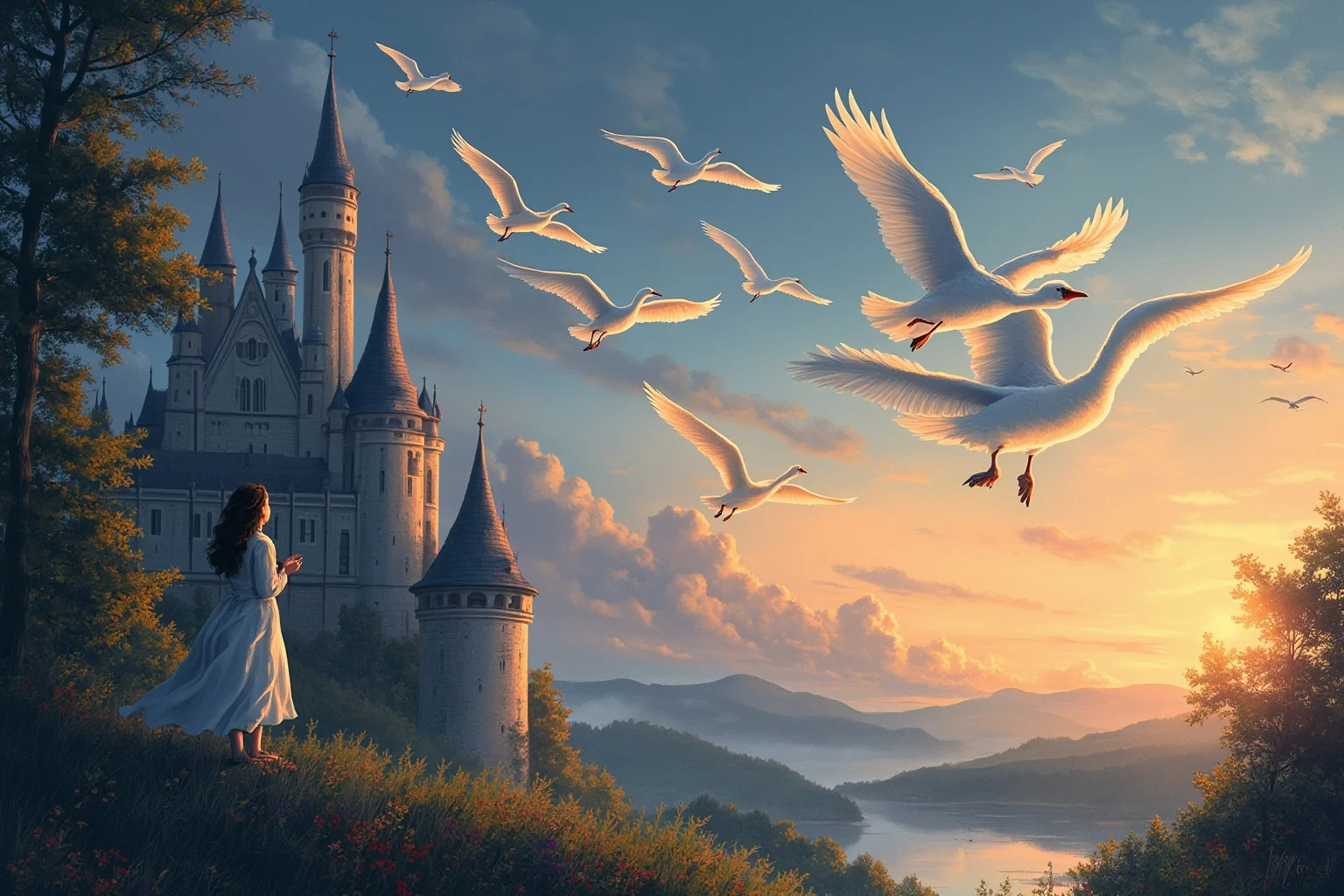
A king’s six sons are cursed into swans by a jealous stepmother, and their sister must stay completely silent for six years to save them. While mute, she marries a king, but his mother accuses her of eating her own newborn children — twice.
She’s sentenced to be burned at the stake and is only saved in the final moments when her silence period ends and she can finally speak the truth.
10. The Twelve Brothers
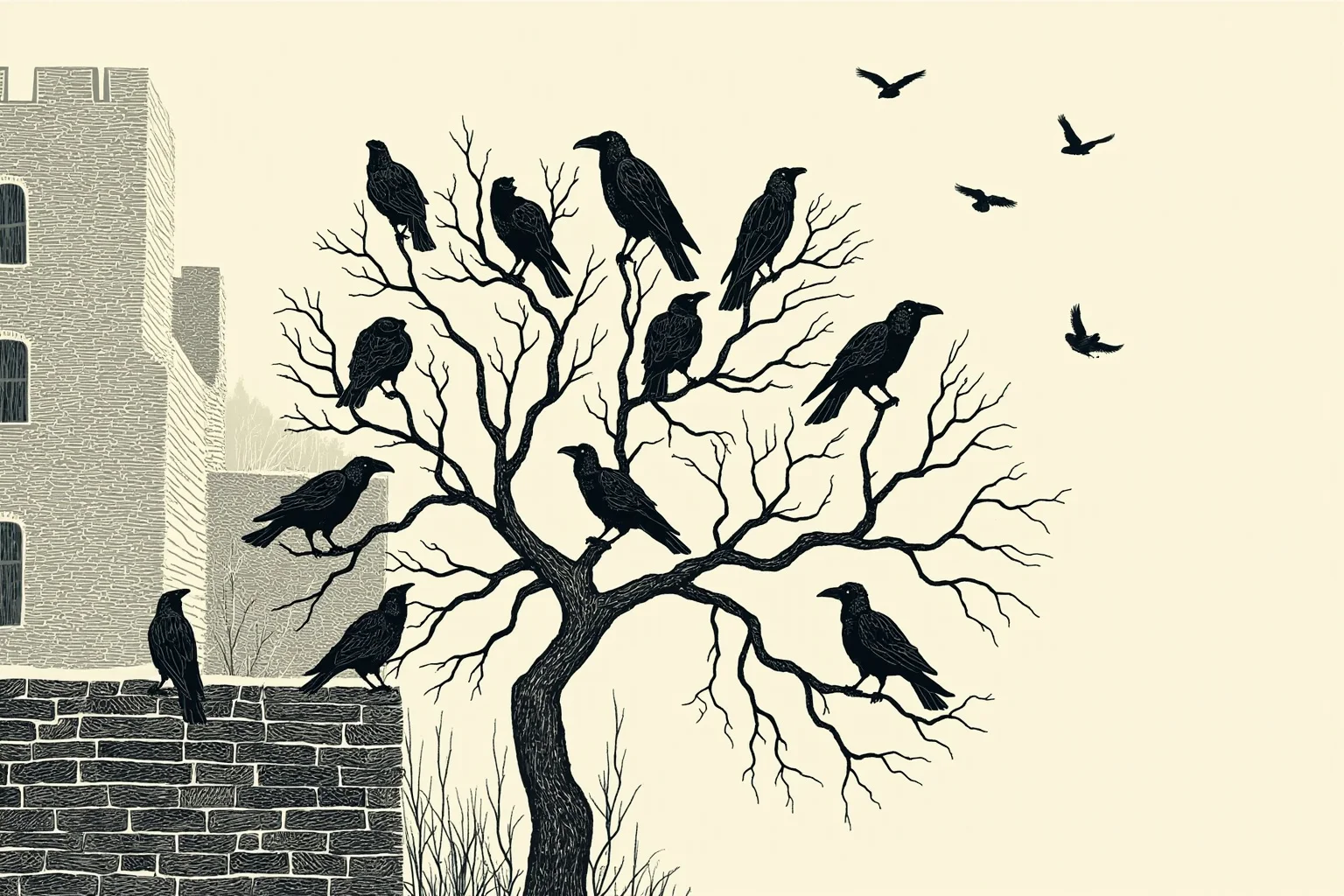
A close cousin to “The Six Swans,” this tale features twelve brothers turned into ravens and a sister bound by a similar vow of silence. Her later husband nearly has her executed after being manipulated by his own mother into believing she murdered their children.
The repetition of this plot across multiple Grimm tales suggests it was a popular and widespread folk motif across German-speaking regions, not a one-off invention.
11. Little Red Cap
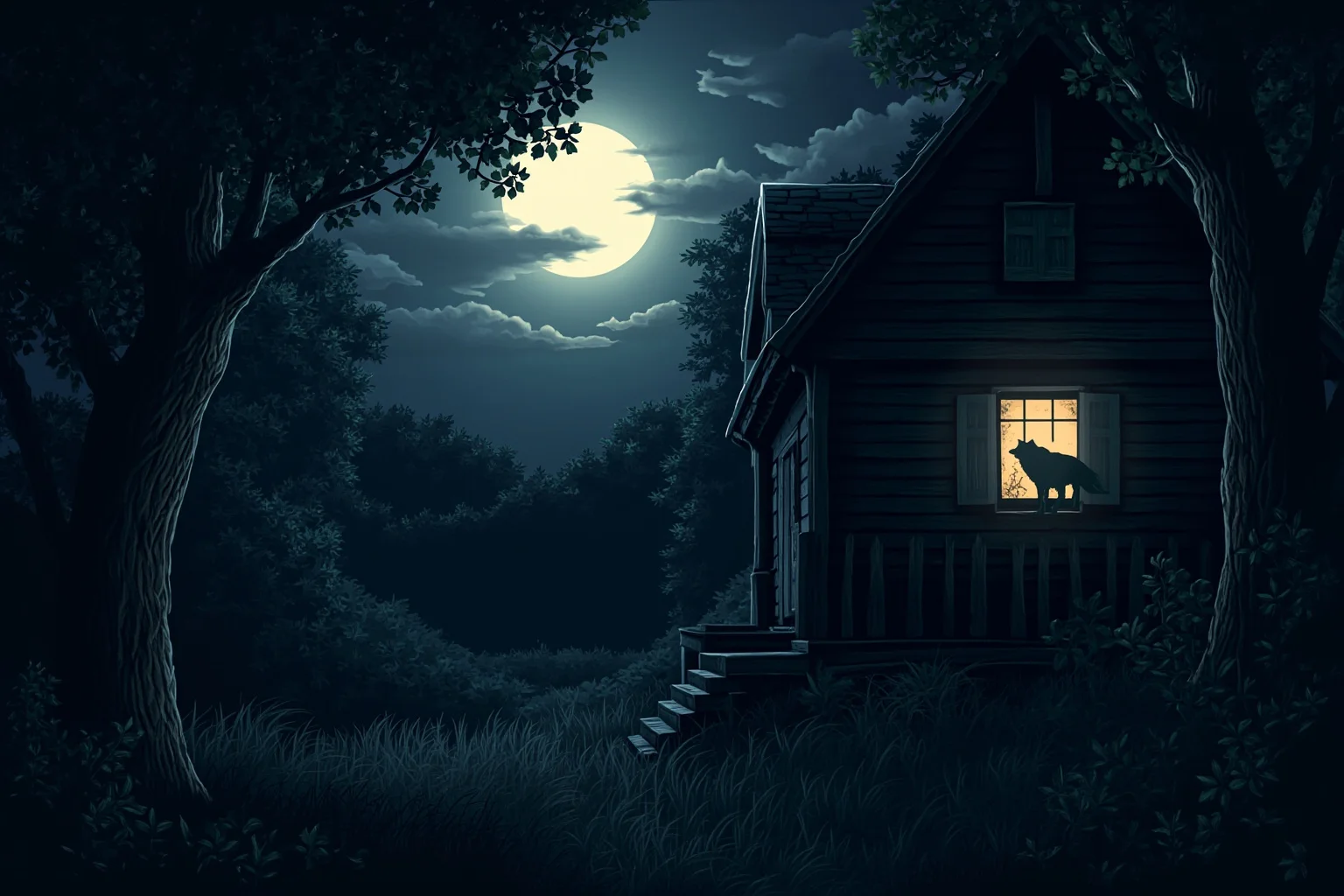
Known to English readers as “Little Red Riding Hood,” the Grimm version is genuinely scary fairy tale material: both the grandmother and the girl are swallowed whole by the wolf. Unlike the French Perrault version, which often ends with the wolf victorious, the Grimms gave their tale a rescue.
A huntsman cuts the wolf open, frees both victims alive, and they fill the wolf’s belly with stones before he drowns trying to flee.
12. The Wolf and the Seven Young Kids
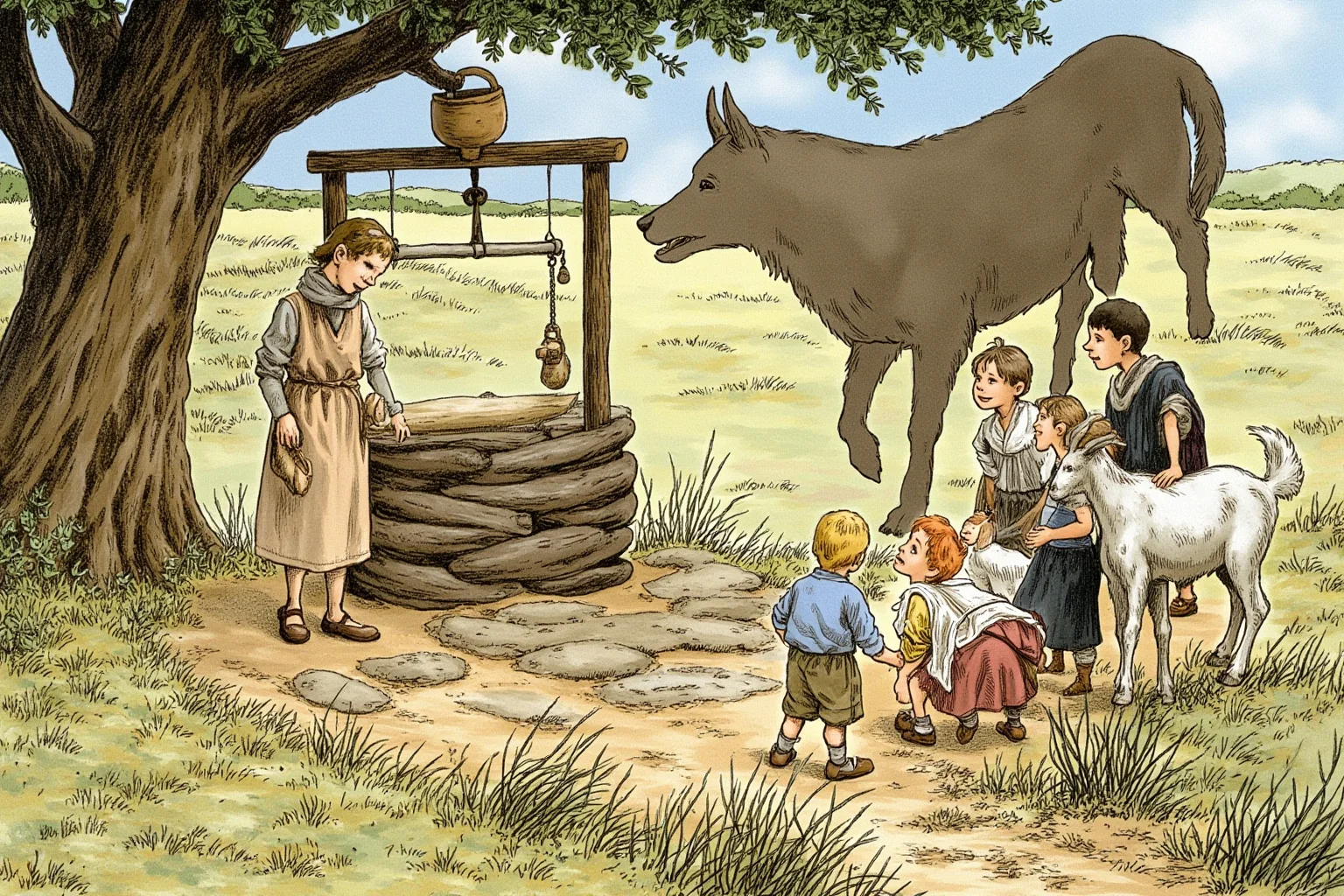
This is essentially a variation on the same warning about predators and disguise. A wolf tricks his way into a goat family’s home and swallows six of the seven kids whole.
The mother goat cuts open the sleeping wolf, rescues her children, and replaces them with stones that drown him when he tries to drink from a well. It’s violent, but it’s also one of the more clearly instructive Grimm fables about trusting strangers.
13. Rapunzel
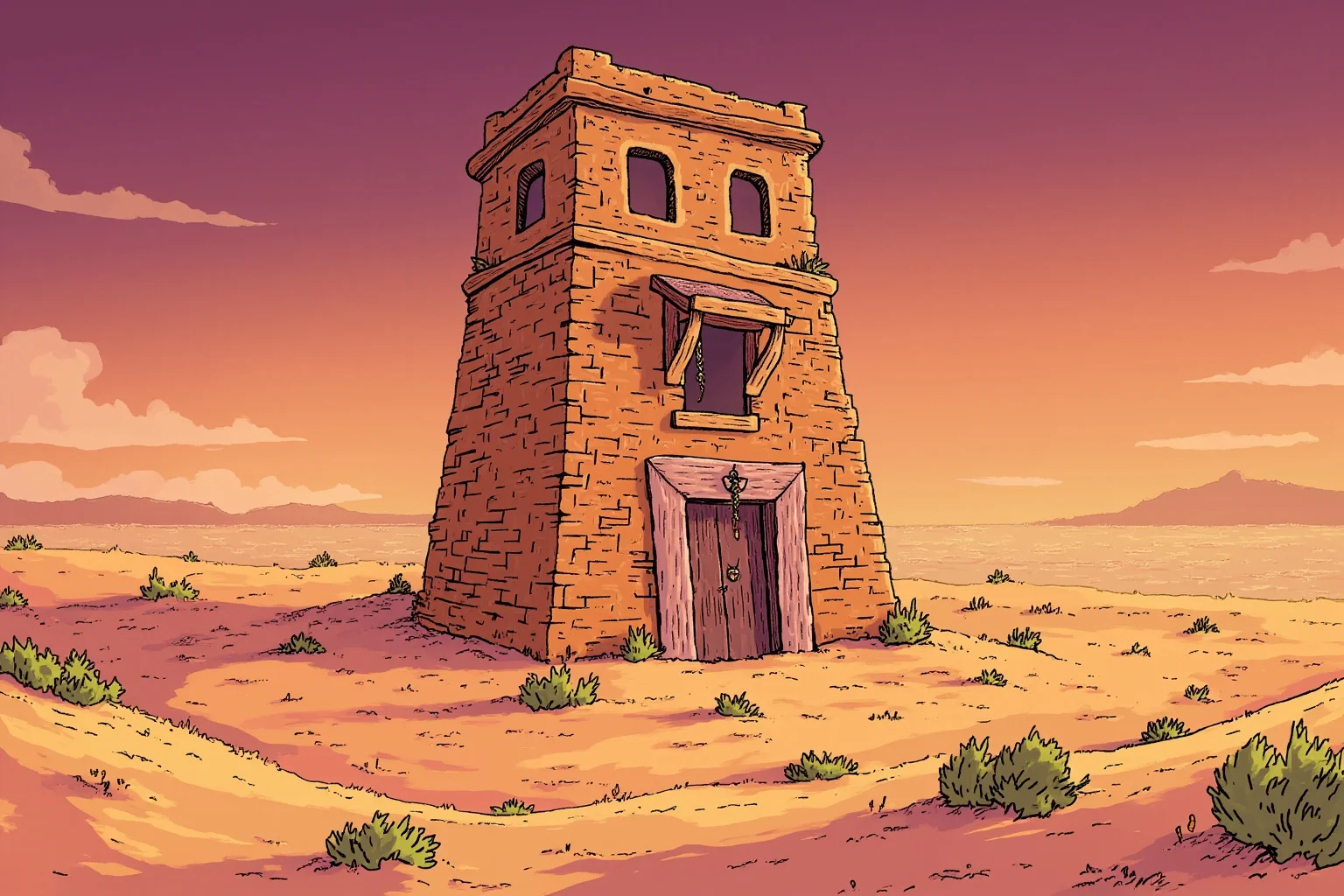
Before the Disney tower and magic hair, the Grimm version has a considerably crueler middle act. When the enchantress discovers Rapunzel’s secret prince, she banishes the pregnant girl to a barren wasteland to fend for herself and eventually give birth to twins alone.
The prince, meanwhile, is blinded when he falls into a thicket of thorns after the enchantress cuts Rapunzel’s hair and uses it to lure him into a trap.
14. The Goose Girl
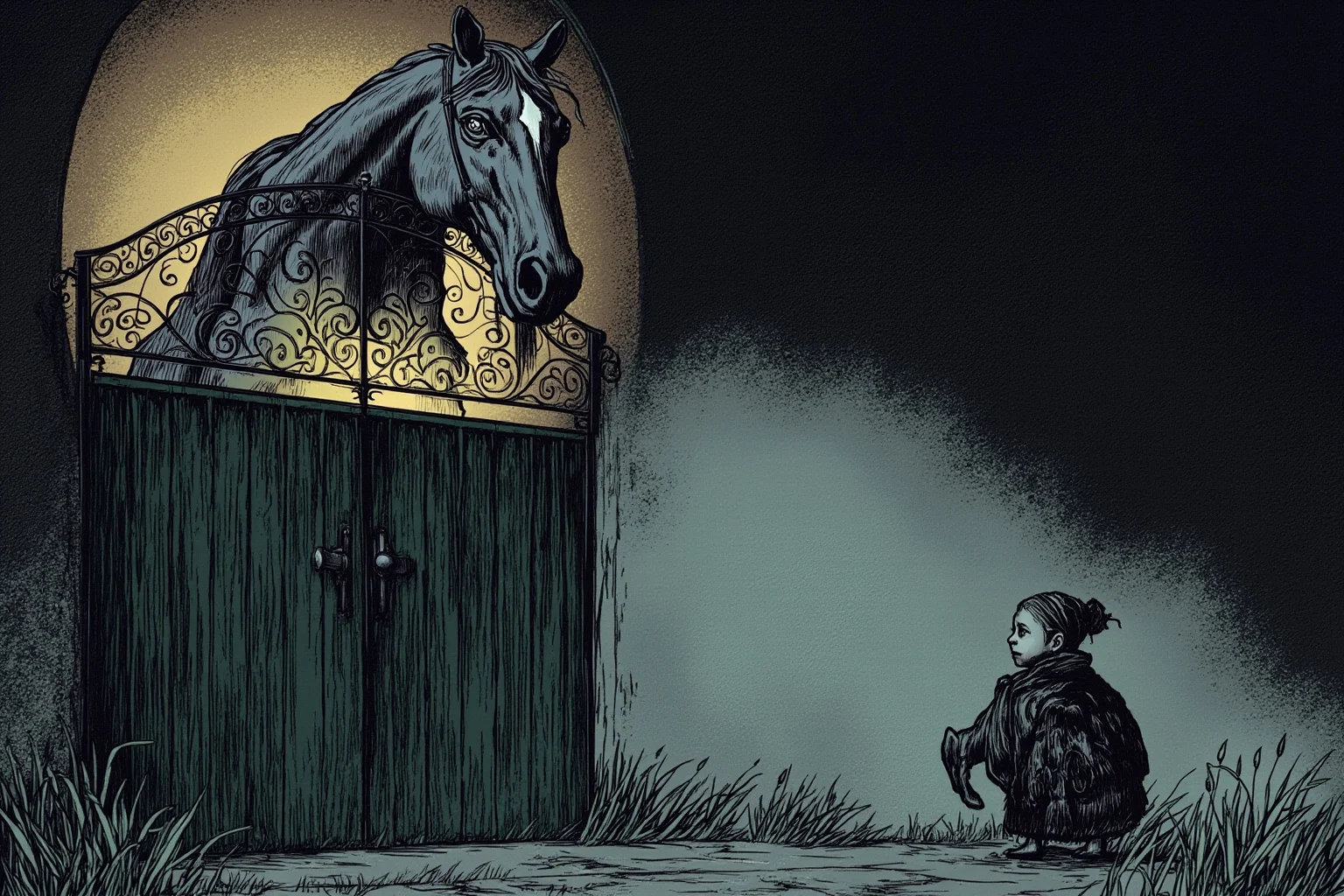
A true princess is replaced by her scheming lady-in-waiting on the road to her own wedding, then forced into servitude as a goose girl. When the princess’s beloved talking horse, Falada, is beheaded to silence him, she still manages to keep his memory alive by talking to his severed head at the city gate.
The villain’s punishment is one of the most brutal endings in the entire collection: the impostor is stripped naked, sealed inside a barrel studded with sharp nails, and dragged through the streets to her death.
15. One-Eye, Two-Eyes, and Three-Eyes
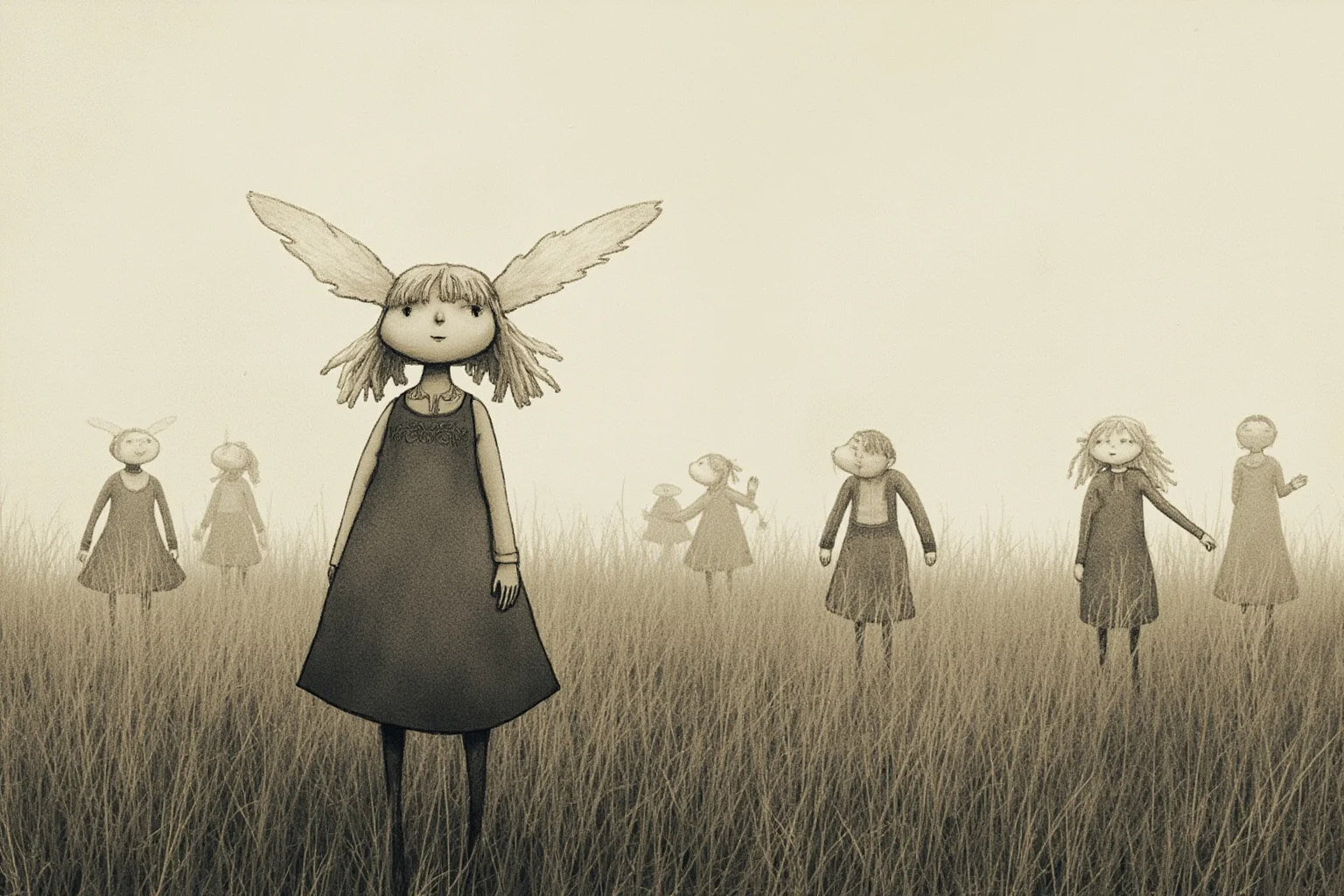
This lesser-known tale follows Two-Eyes, a girl mocked and starved by her mother and sisters simply for looking ordinary compared to her siblings’ unusual eyes. Her only comfort, a magical goat that feeds her, is slaughtered by her family the moment they suspect it’s helping her.
It’s less about monsters and more about the mundane cruelty of family favoritism, which arguably makes it creepier in a quieter way.
16. The Stubborn Child
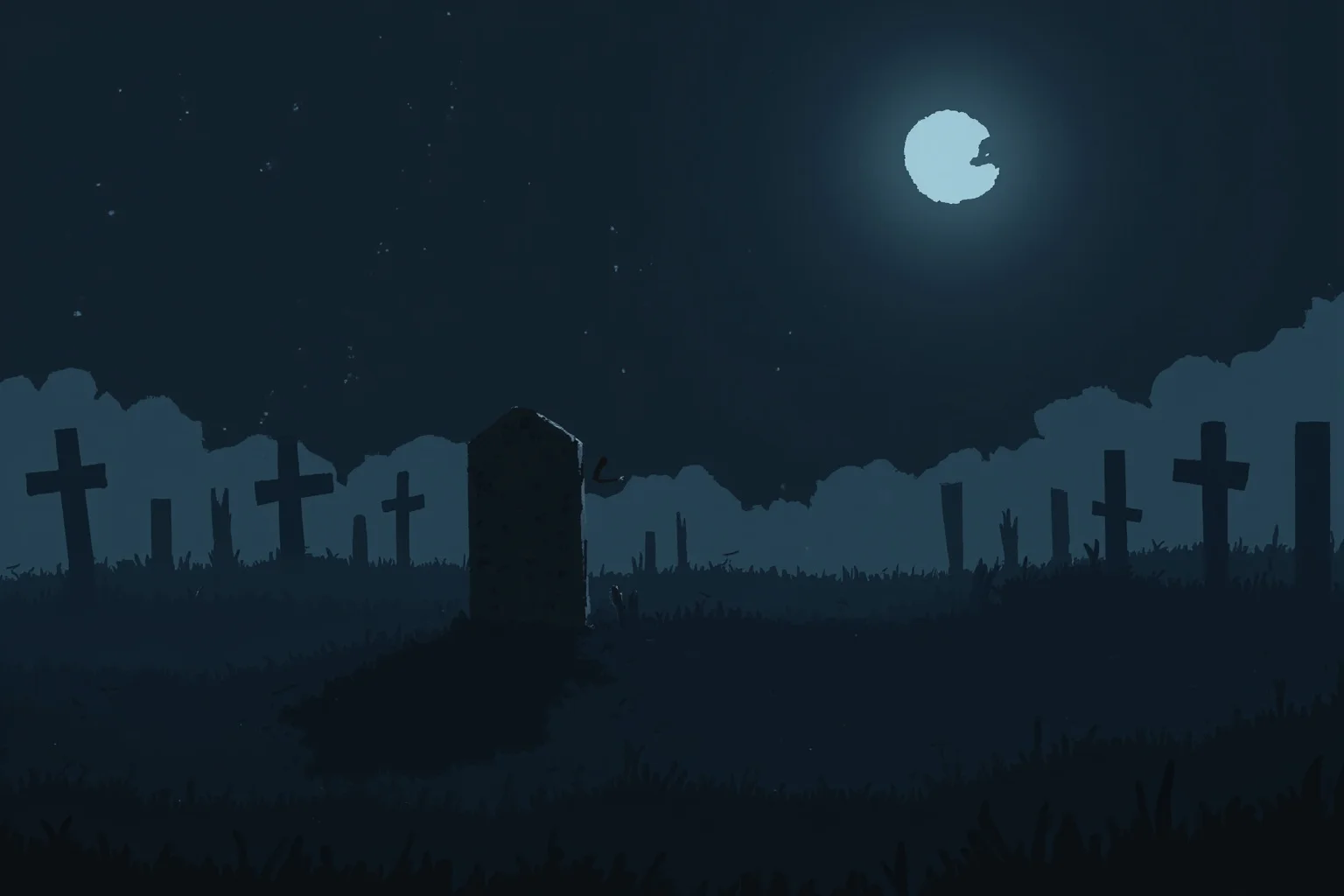
One of the shortest and strangest entries in the entire collection, this tale is barely a paragraph long. A disobedient child dies and is buried, but an arm keeps pushing up through the grave dirt no matter how many times it’s reburied.
The unsettling resolution comes only after the mother beats the exposed arm with a switch, at which point it finally sinks back down and stays still. Scholars generally read it as a blunt religious morality tale rather than literal horror, but it remains one of the strangest, darkest Grimm tales ever printed.
17. How Some Children Played at Slaughtering
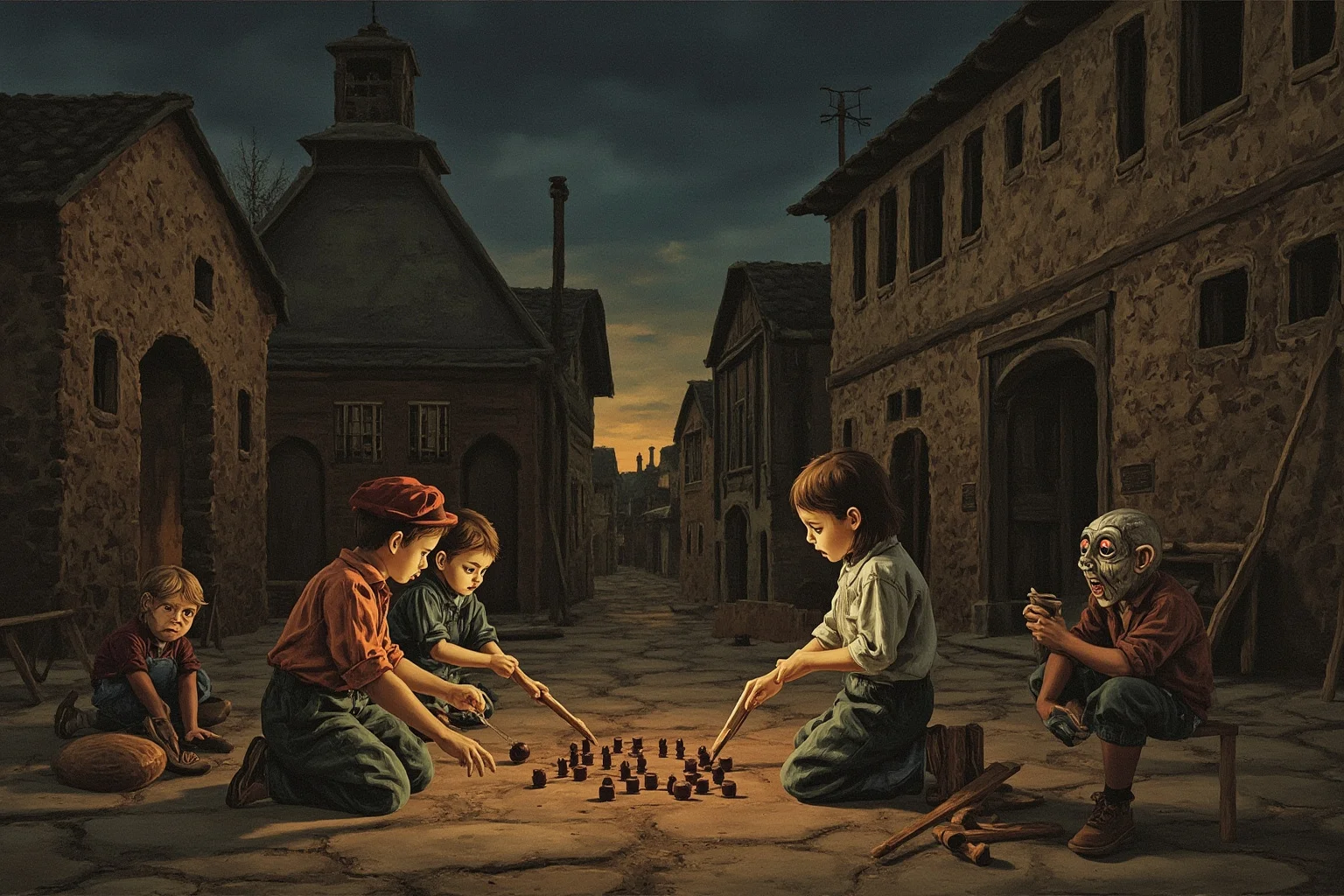
This genuinely disturbing tale appeared only in the 1812 first edition before being removed from later printings, reportedly due to public discomfort with its content. It describes children imitating butchers in a game that results in real death.
Its removal is a useful reminder that even the Grimms recognized limits, and it stands as proof that the earliest editions were considerably rawer than the versions most people encounter today.
18. The Three Army Surgeons
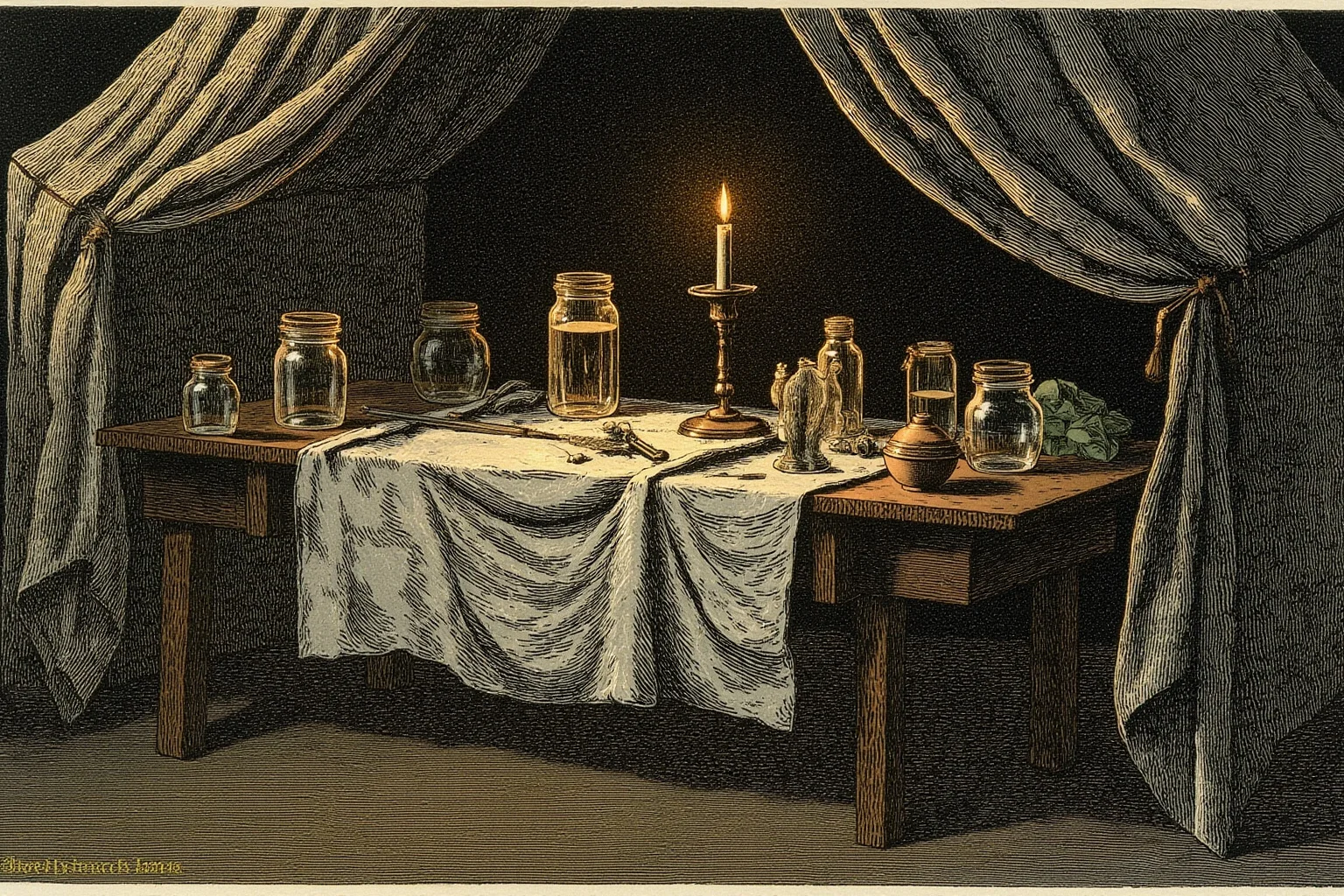
Three boastful surgeons each remove one of their own body parts — a hand, an eye, a heart — to prove they can reattach anything with their skill, storing the parts overnight for the procedure. A thief steals the jars, forcing a servant to make a grim substitution with a cat’s parts and other mismatched replacements.
The surgeons wake up none the wiser, blissfully unaware they now have animal parts fused to their bodies, which makes this one of the more absurdly gruesome curiosities on any list of creepy fairy tales.
19. Godfather Death

Death himself agrees to be godfather to a poor man’s son and gives him a herb that can cure any illness, with one strict rule: never use it to cheat Death out of a life he’s claimed. Death shows the godson a cave lined with candles, each representing a living soul, burning down at different rates.
When the godson tries to save a king by tricking Death anyway, Death simply snuffs out the young man’s own candle. It’s a quietly bleak meditation on mortality dressed up as a folk tale, and one of the more mature entries in the collection.
20. The Shroud
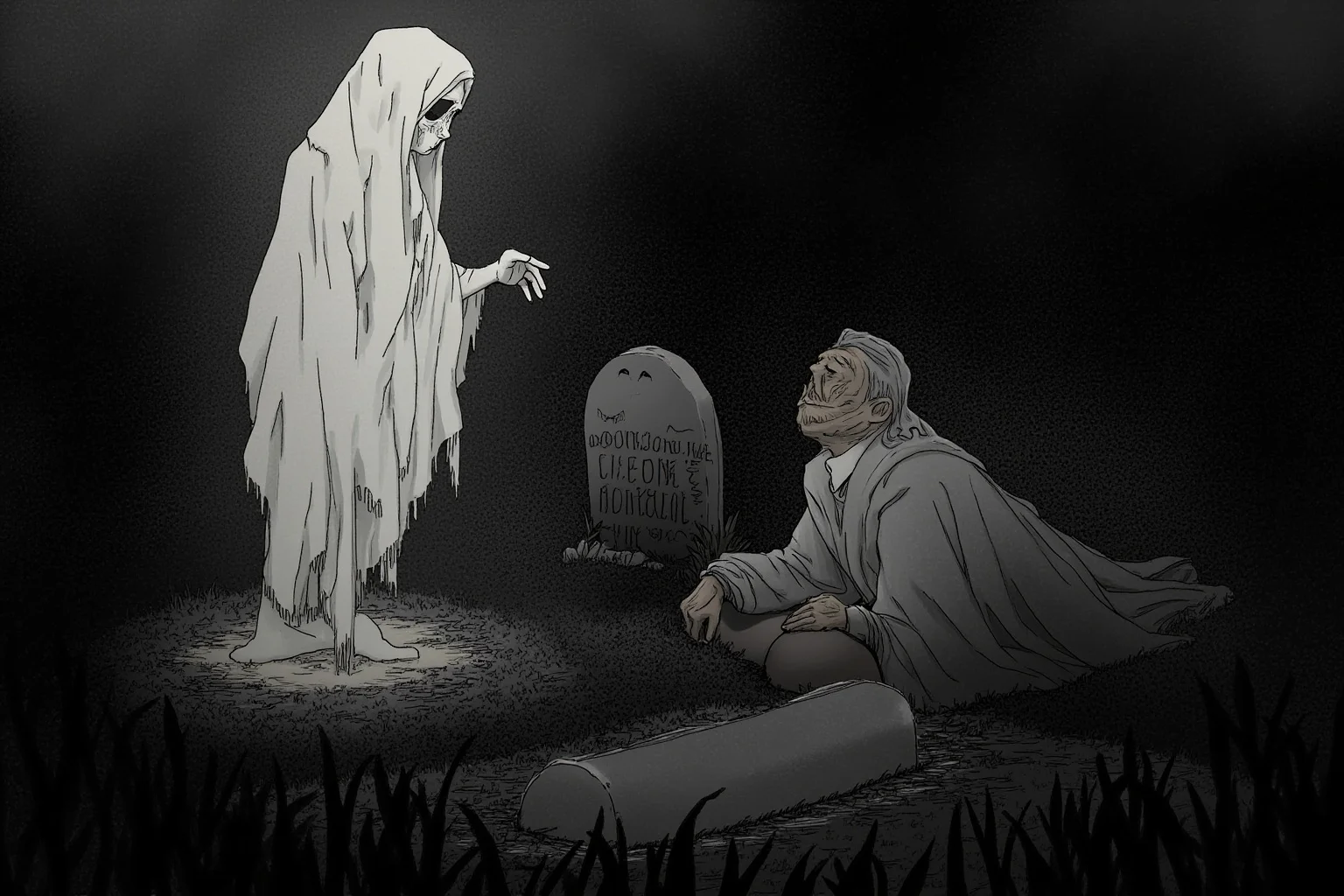
This brief, melancholy tale follows a mother who cannot stop weeping for her dead young son, so much so that her tears keep soaking through his burial shroud in the grave. The child’s ghost appears one night, still wrapped in the damp shroud, and gently asks her to stop crying so he can finally rest.
There’s no monster and no violence here, just raw grief rendered as something close to a ghost story. It’s proof that the darkest Grimm tales aren’t always the bloodiest ones.
A Quick List of Grimm Fairy Tale Villains Worth Knowing
If you’re compiling a list of Grimm fairy tale villains, a few names come up again and again: the cannibalistic stepmother of “The Juniper Tree,” the vain and murderous queen of “Snow White,” the sorcerer of “Fitcher’s Bird,” and the deceitful lady-in-waiting from “The Goose Girl.” Wolves, witches, and scheming in-laws round out the cast across most of the collection, alongside a handful of stranger figures that wouldn’t be out of place among the world’s lesser-known mythical creatures.
What’s notable is how often the true villain is a family member rather than a fantastical monster. Stepmothers, mothers-in-law, and even biological parents commit the worst acts in these stories, which says a great deal about the real domestic anxieties these tales were built to process.
From Page to Pop Culture: Grimm Tales in Modern Media
The sanitizing of Grimm stories really took off with Walt Disney’s adaptations starting in the 1930s, which is largely why so many people are shocked to learn what the original fairy tales dark content actually looked like. Feet weren’t sliced in Disney’s Cinderella, and Snow White’s queen didn’t dance herself to death.
Modern pop culture has gone in the opposite direction, leaning back into the horror. The NBC series “Grimm” reimagined the tales as modern monster hunting, and comic book publisher Zenescope’s “Grimm Fairy Tales” series — sometimes searched as grim fairy tale manhwa due to its stylized art and various international adaptations — spins the source material into an entirely separate horror-fantasy universe. It’s worth noting these modern properties are inspired by the Grimm name and reputation rather than being direct retellings of the 19th-century texts.
That gap between the cozy modern image of fairy tales and their genuinely horror fairy tales roots is exactly why this list exists. The Grimms weren’t writing bedtime stories in the way we think of them today; they were preserving the folklore of a world where death, hunger, and cruelty were everyday realities.
Final Thoughts on the Darkest Grimm Tales
Reading these stories now, it’s easy to see why they’ve endured for two centuries. Underneath the mutilation and cannibalism are surprisingly durable lessons about jealousy, grief, hunger, and survival, the same themes horror stories still explore today — not unlike the timeless morals taught by Greek myths.
If you came in looking for the scariest Grimm fairy tales or a genuinely dark fairytales reading list, hopefully these twenty selections gave you exactly that. Just maybe don’t read “The Juniper Tree” out loud at your next family dinner.
Frequently Asked Questions
Where can I find a full grimms fairy tales list?
The definitive source is the final 1857 edition of the Brothers Grimm's "Kinder- und Hausmärchen," which contains 200 numbered tales plus ten additional children's legends, bringing the widely cited total to around 210 stories. Many public domain translations of this complete collection are available online through libraries and academic archives.
How many Grimm brothers fairy tales are there?
The final German edition published in 1857 contains 200 numbered fairy tales along with ten shorter children's legends appended at the end, for a commonly cited total of roughly 210 stories. Earlier editions, starting with the first in 1812, contained different and sometimes fewer tales, since the brothers revised the collection multiple times.
What is the darkest Brothers Grimm fairy tale?
"The Juniper Tree" is widely considered the darkest Grimm fairy tale, featuring a child's beheading, his body being cooked into a stew fed to his own father, and a supernatural act of revenge. It appeared in the very first 1812 edition and remains largely unchanged in later printings.
Are the Brothers Grimm fairy tales based on real events?
The stories are folklore rather than historical records, but many scholars believe they reflect real anxieties of pre-modern rural life, including famine, child mortality, and dangerous strangers. The Grimms themselves did not claim the tales depicted actual events; they saw themselves as collectors of oral tradition rather than journalists or historians.
Did the Brothers Grimm actually write these stories themselves?
No, Jacob and Wilhelm Grimm were folklorists who collected and transcribed oral stories already circulating among storytellers in German-speaking regions in the early 1800s. Wilhelm did extensively edit the language and tone across multiple editions, but the core plots existed in oral tradition before the brothers wrote them down.
Why are Disney versions so different from the original dark fairy tales?
Walt Disney's studio adapted these stories for family audiences starting in the 1930s, removing graphic violence like mutilation and cannibalism while adding softer endings. This is why many people are surprised to learn how genuinely dark and violent the original Grimm source material actually is.
What is the grim fairy tale manhwa people search for online?
This typically refers to "Grimm Fairy Tales," a horror-fantasy comic book series originally published by Zenescope Entertainment, which has inspired stylized adaptations sometimes associated with manhwa-style art. It is a modern, independently created media franchise inspired by the Grimm name rather than a direct adaptation of the 19th-century Brothers Grimm texts.

Alex Warren
Related Articles





