

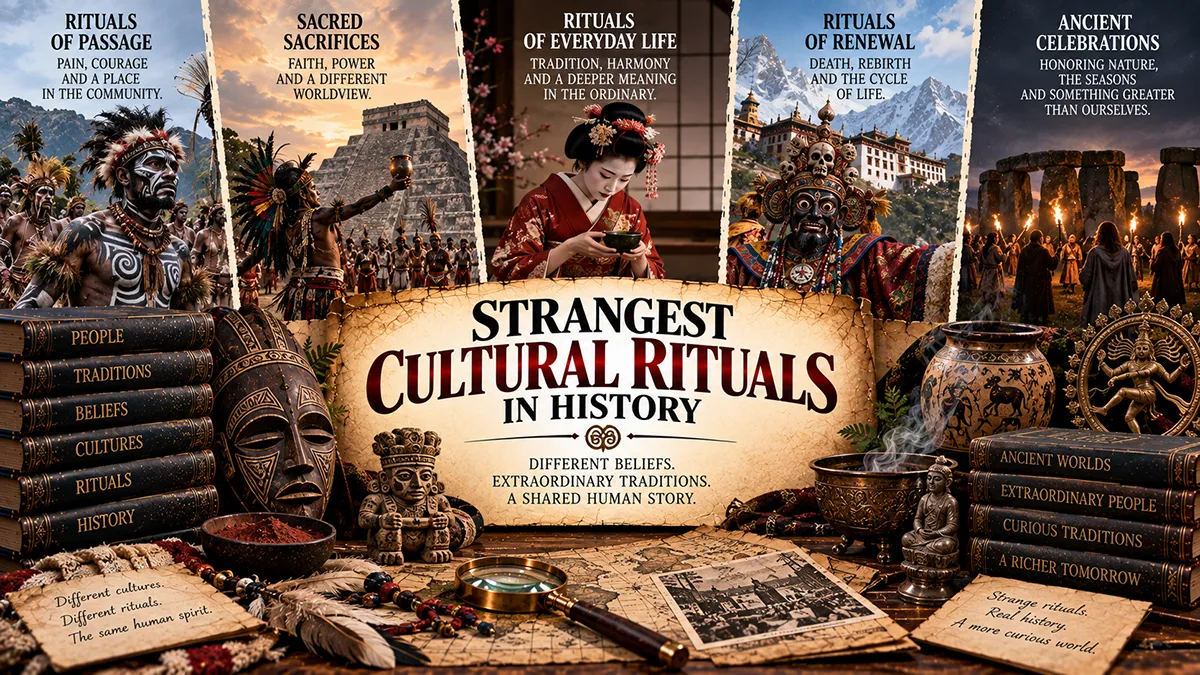
Every culture on Earth has developed traditions that look completely ordinary to insiders and utterly baffling to everyone else. That’s the strange magic of custom: it’s never really about logic, it’s about meaning.
Something that seems bizarre from the outside — mummifying yourself alive, jumping over infants, cutting off a fingertip in grief — usually made perfect sense within the belief system that produced it.
This list rounds up some of the strangest customs and rituals from history and around the world, spanning ancient empires, medieval villages, and living traditions that continue today.
Along the way, we’ll separate documented history from myth, because a surprising number of “weird ancient rituals” you’ve heard about are actually modern exaggerations or outright legends.
TL;DR: Human cultures across history have developed wildly different — and sometimes shocking — rituals around death, beauty, marriage, and community, and nearly all of them reveal a deeper logic once you understand the beliefs behind them.
What Counts as a Cultural Ritual or Custom?
Before diving in, it helps to define terms. A cultural custom is a shared practice a community repeats because it reinforces identity, belief, or social order, while a ritual is usually a more formal, symbolic act tied to specific occasions like birth, death, or coming of age. Traditional customs and rituals overlap constantly, and both evolve over generations as societies change.
It’s also worth addressing a strange search trend: people often look up “culturally insignificant examples” or ask what is something culturally insignificant, usually while trying to understand the opposite question.
In truth, very few customs are actually insignificant to the people practicing them. What looks trivial or arbitrary from outside — a specific way of greeting elders, a lucky number, a food taboo — almost always carries real social weight inside the culture itself.
With that in mind, here are 22 of the strangest, most striking cultural rituals in recorded history.
1. Sky Burials of Tibet

In traditional Tibetan Buddhist practice, a deceased person’s body is carried to a high mountain platform and offered to vultures rather than buried or cremated.
The custom, known as jhator, reflects Buddhist teachings on impermanence and the idea that the body is merely an empty vessel once the spirit has departed. Sky burials are still practiced in parts of Tibet and the Himalayan region today, regulated by local authorities and monastic tradition.
2. Sokushinbutsu: Self-Mummification of Japanese Monks
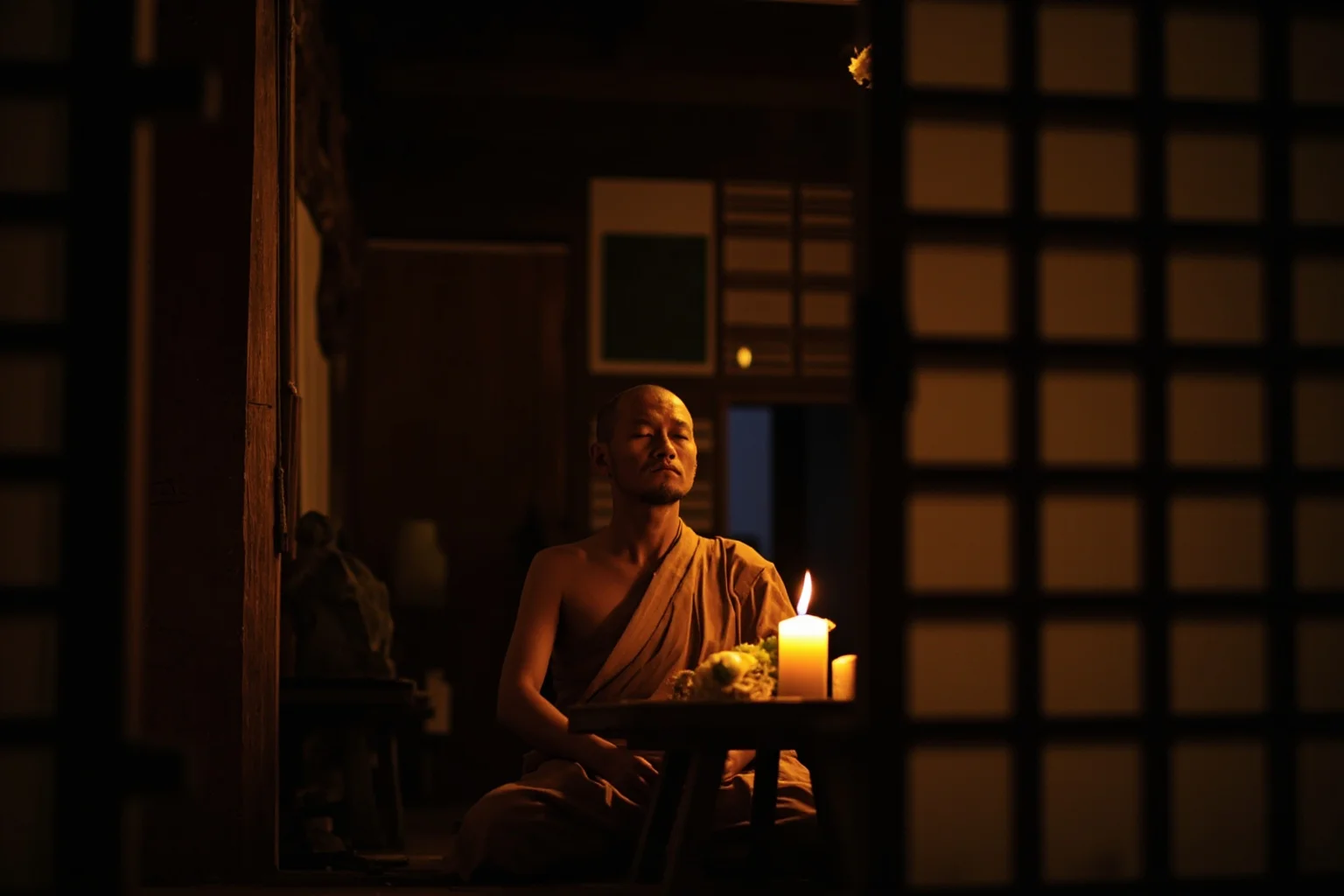
Between roughly the 11th and 19th centuries, a small number of Japanese Buddhist monks in the Shingon sect attempted a grueling process of self-mummification called sokushinbutsu.
Practitioners followed a restrictive diet, drank toxic tea to purge the body of decay-causing bacteria, and were eventually sealed alive in a small tomb to meditate until death.
Only a handful of preserved mummified monks have ever been confirmed, and the practice was officially banned by the Japanese government in the 1870s.
3. Famadihana: Madagascar’s “Turning of the Bones”
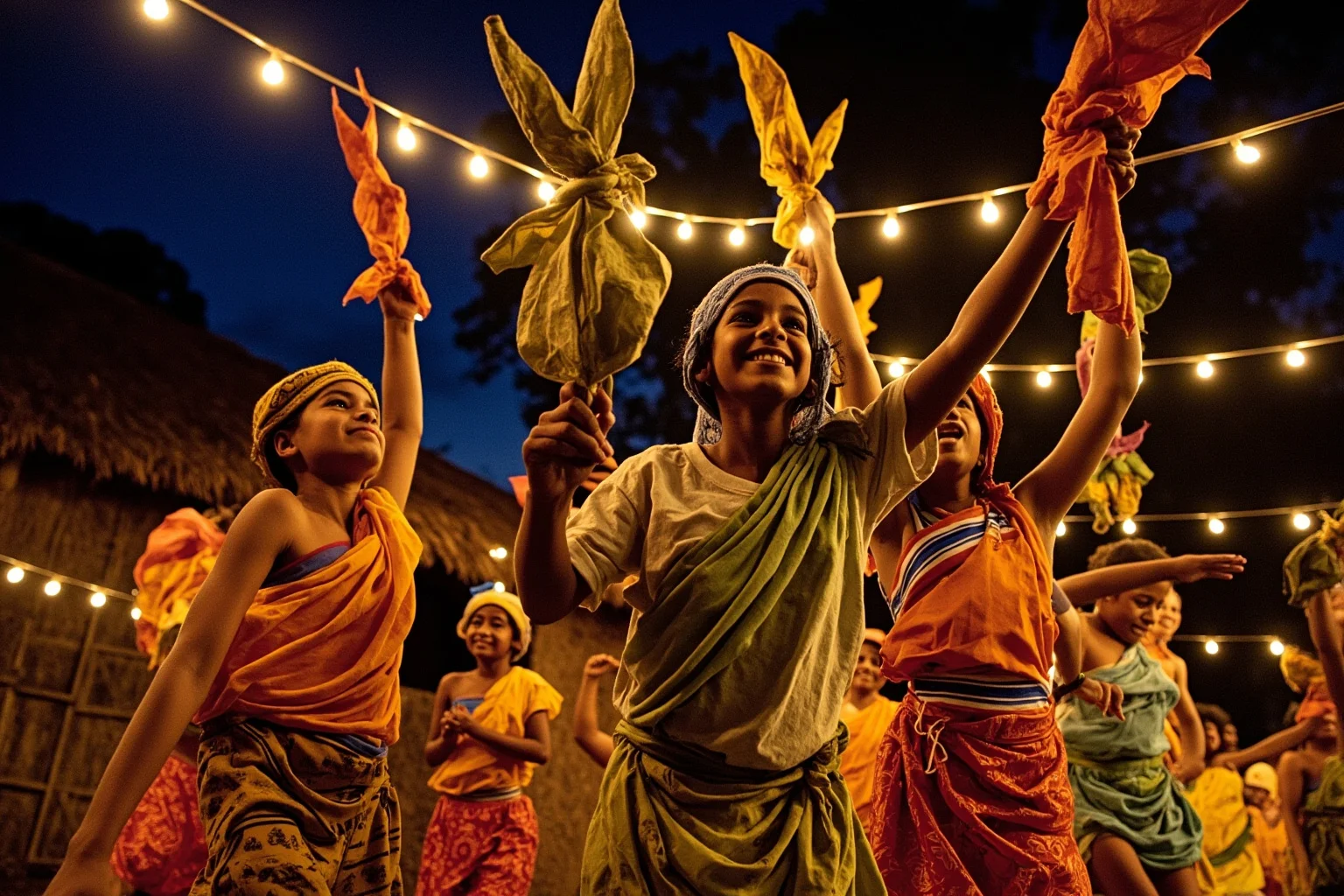
Among the Malagasy people of Madagascar, families periodically exhume the remains of ancestors, rewrap them in fresh silk shrouds, and dance with the bodies to live music in a joyous ceremony called famadihana.
Far from being frightening, the ritual is treated as a celebration of family continuity and respect for those who came before. It’s typically held every five to seven years and can involve significant community expense and planning.
4. Foot Binding in Imperial China
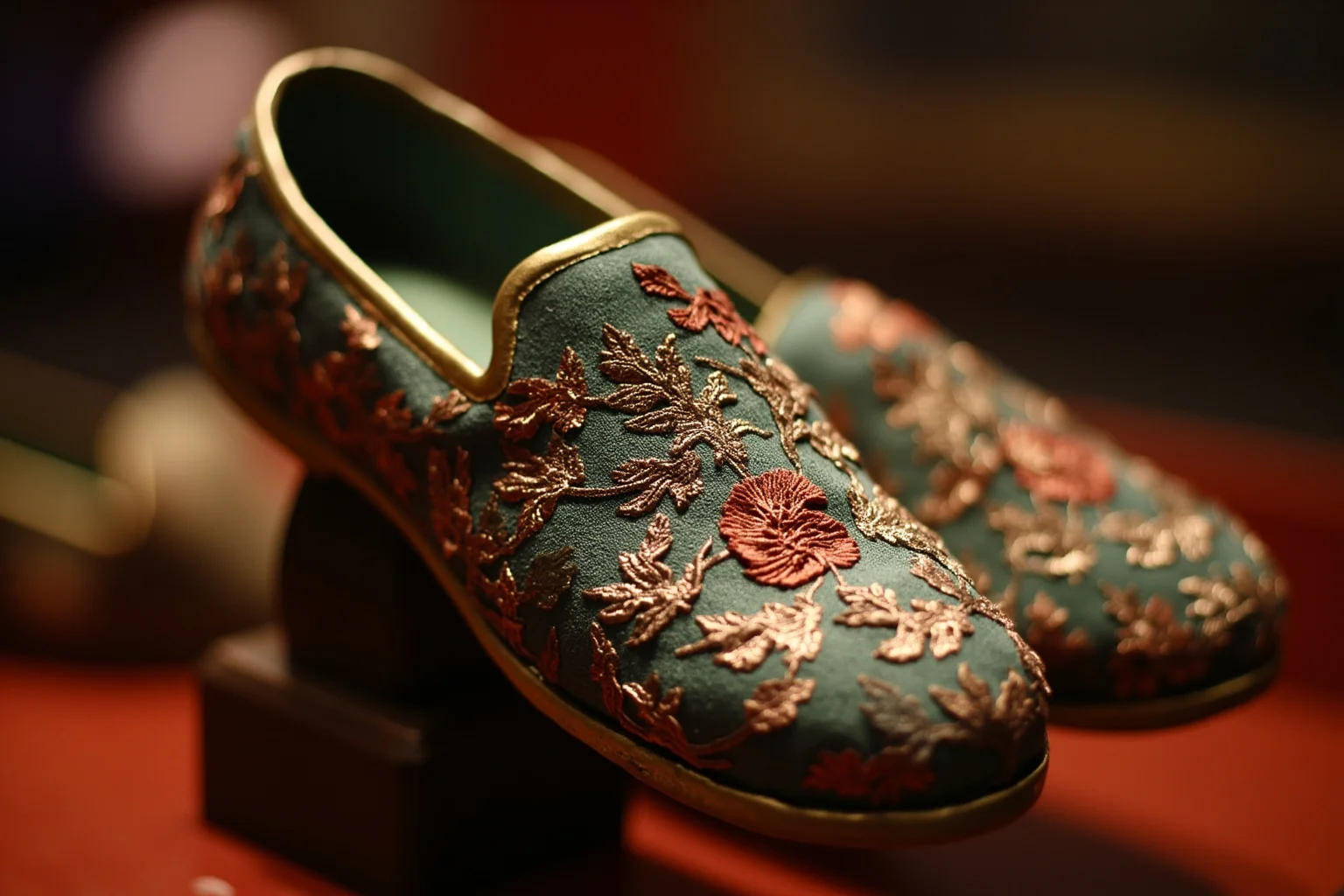
For roughly a thousand years, from around the Song Dynasty until it was outlawed in the early 20th century, foot binding was practiced among many Chinese families as a marker of beauty and status.
Young girls’ feet were tightly bound to alter their shape and size, a painful process rooted in aesthetic ideals and marriage prospects. The custom became a lightning rod for reformers in the late 1800s and was gradually eliminated through education campaigns and legal bans after 1912.
5. Ohaguro: Japan’s Black-Teeth Beauty Standard
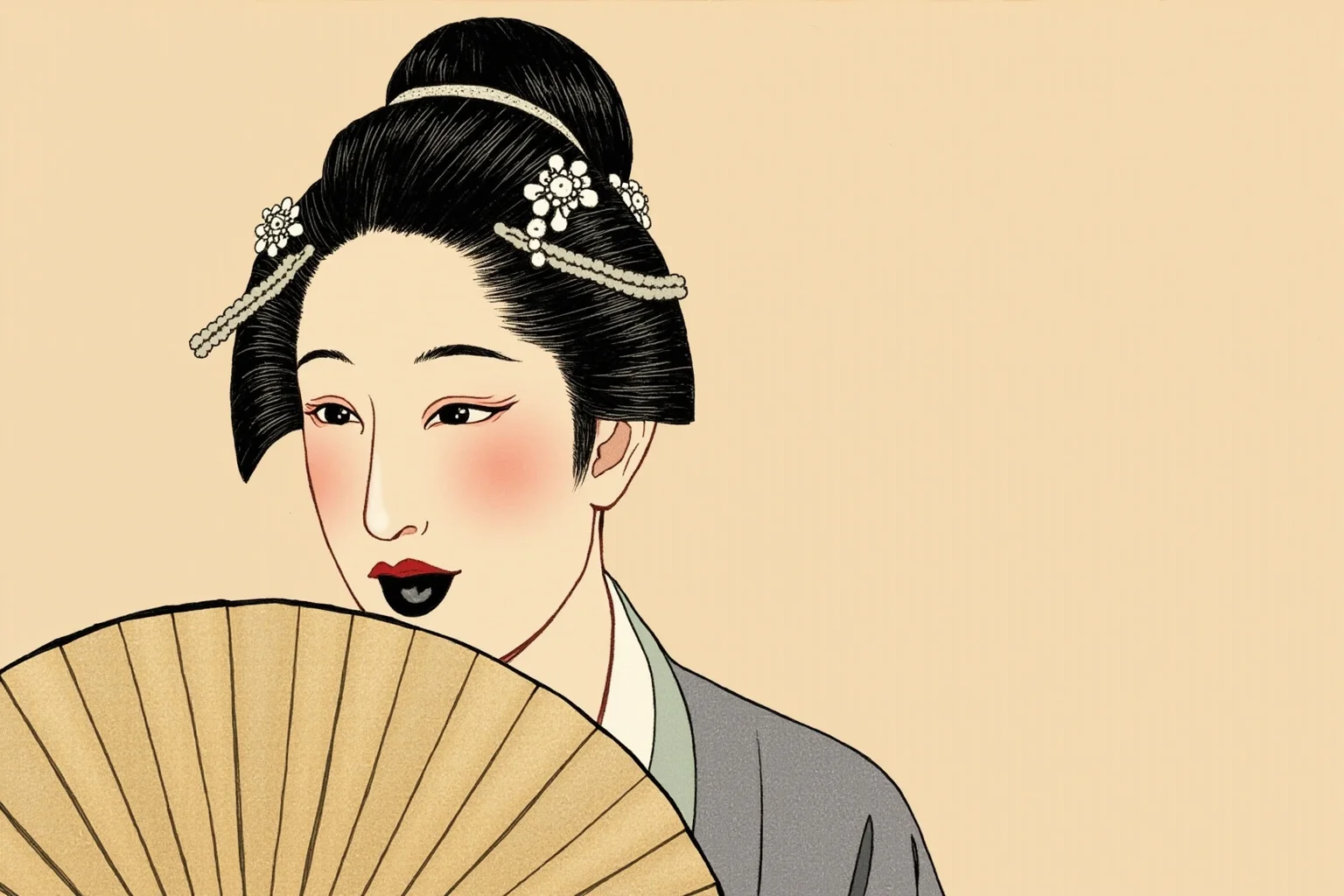
For centuries in Japan, married women and members of the nobility practiced ohaguro, deliberately dyeing their teeth black using an iron-based solution.
The custom was considered attractive and was also believed to protect teeth from decay. Ohaguro largely disappeared after the Meiji government discouraged it during Japan’s rapid modernization in the late 19th century.
6. The Spartan Agoge and Krypteia
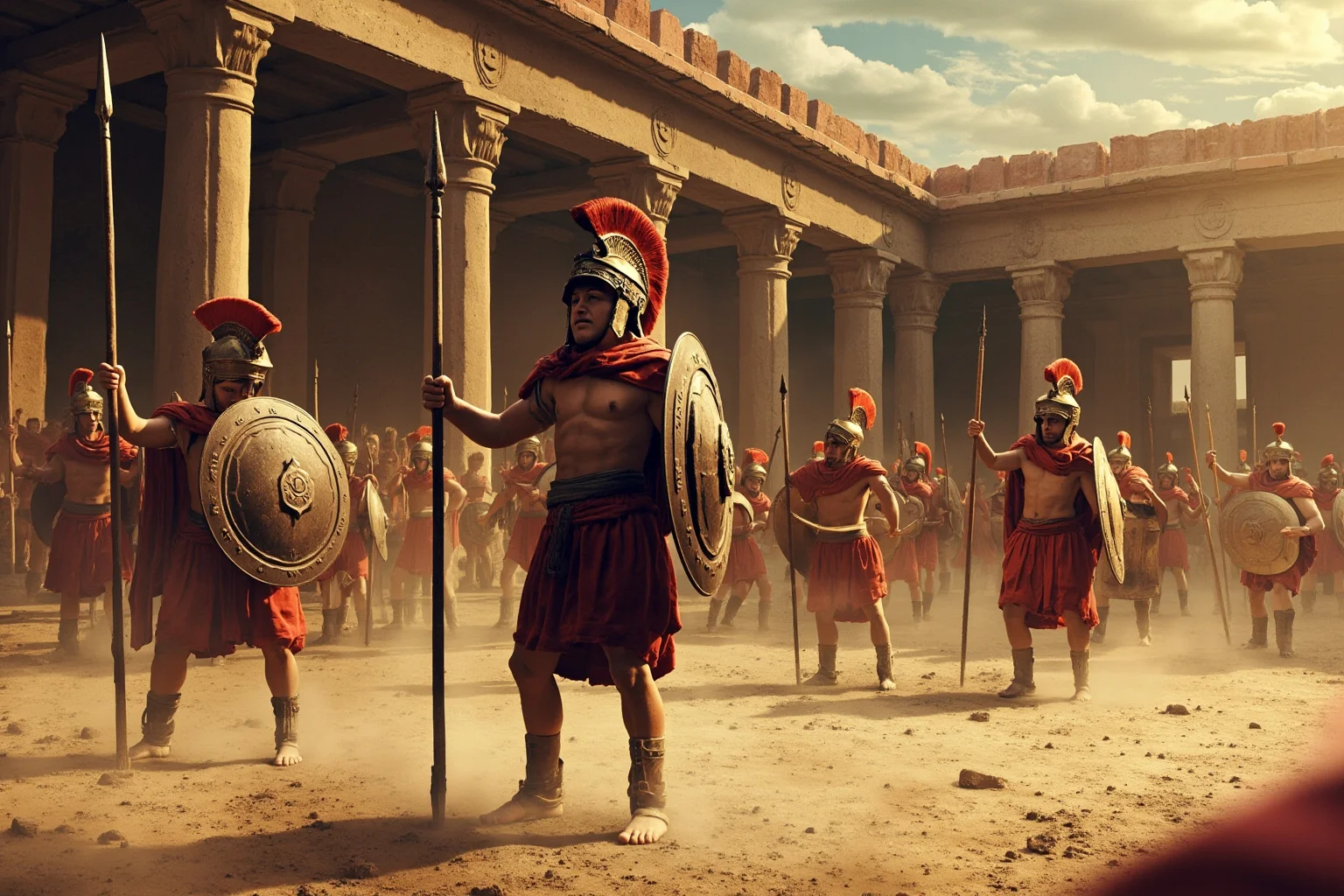
Ancient Sparta ran one of history’s most intense state-run education systems, the agoge, which removed boys from their families around age seven for years of physical and military training.
Some ancient sources also describe the krypteia, a secretive rite associated with young Spartan men that allegedly involved surveillance or violence against the helot underclass.
Historians debate how literally to read these accounts, since much of what we know comes from later, sometimes hostile, Greek writers rather than firsthand Spartan records.
7. Trepanation: Ancient Skull Surgery and Ritual
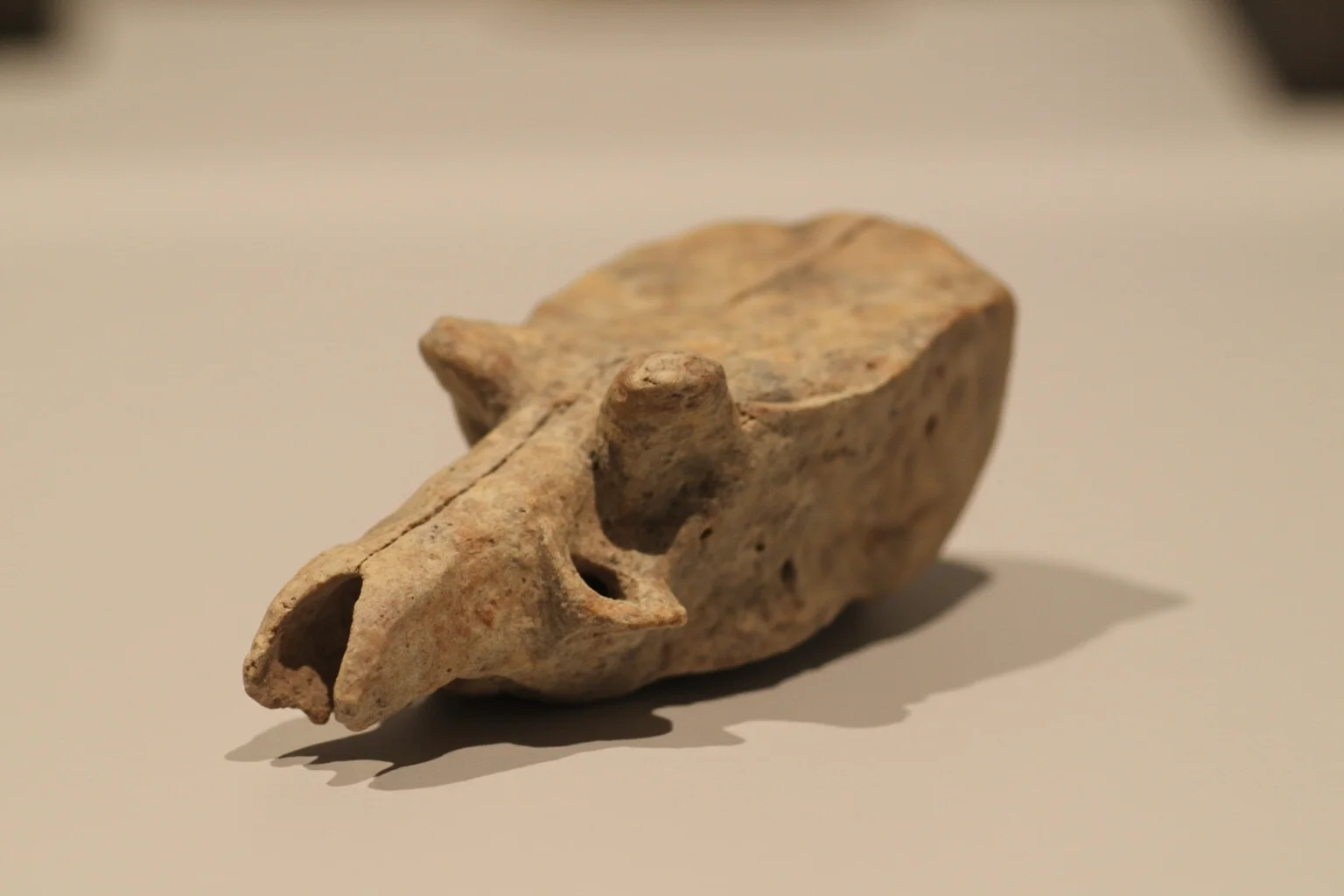
Archaeologists have found trepanned skulls — skulls with deliberately drilled or scraped holes — from cultures spanning ancient Peru, Neolithic Europe, and beyond.
Some cases show clear signs of healing, meaning patients survived the procedure, which may have been used to treat head injuries, seizures, or as a ritual believed to release evil spirits.
Because written records rarely accompany these finds, much of the reasoning behind trepanation remains inferred rather than confirmed.
8. Bog Body Sacrifices of Iron Age Europe
Northern European peat bogs have preserved remarkably intact human remains, known as bog bodies, some dating back over 2,000 years.
Several show signs of violent death — strangulation, throat-cutting, or blows to the head — leading many archaeologists to suspect ritual sacrifice tied to Iron Age religious practices. Not every bog body was a sacrifice victim, though, and researchers caution against assuming ritual killing without corroborating evidence.
9. Viking Ship Burials
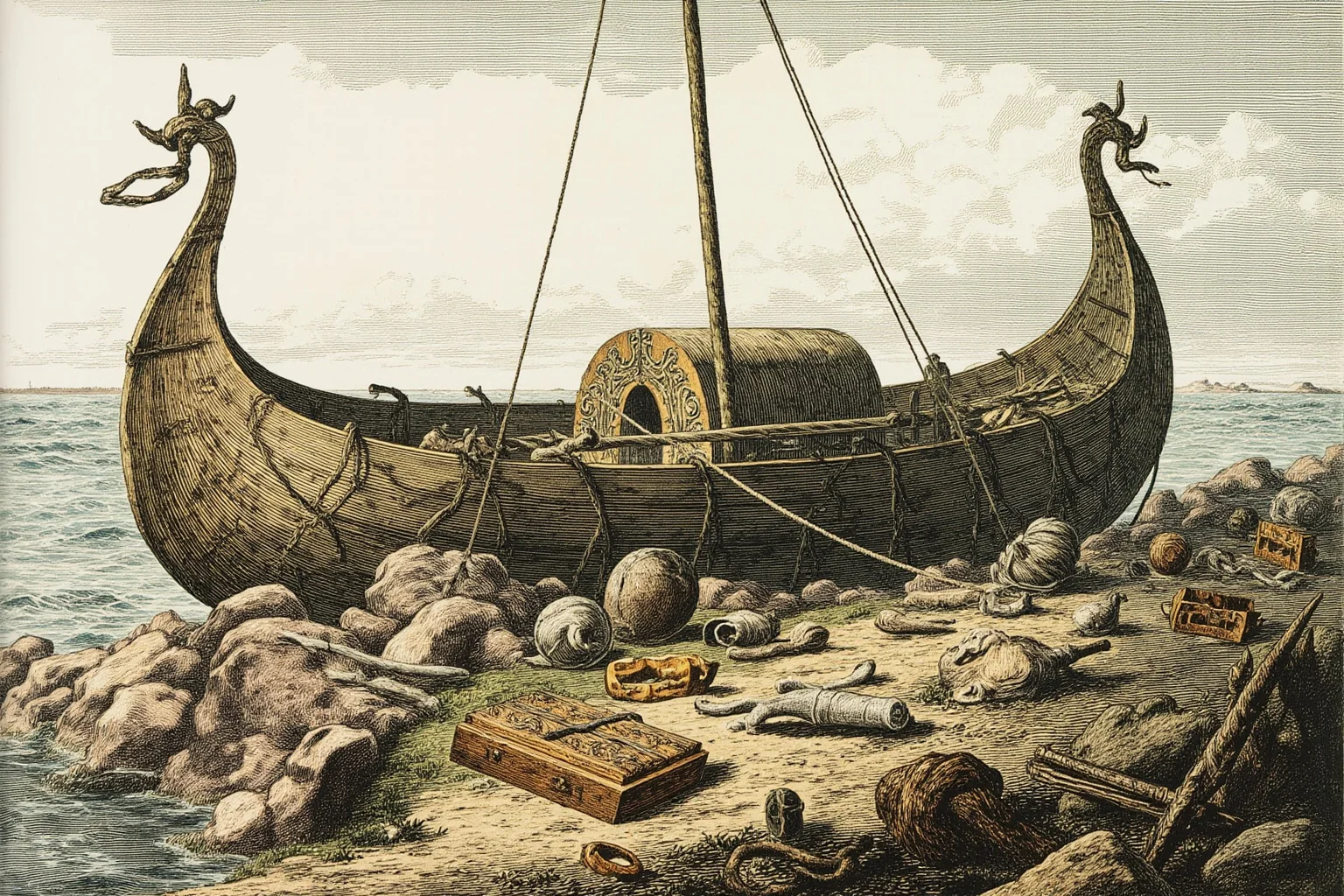
High-status individuals in Viking Age Scandinavia were sometimes buried inside full ships along with weapons, tools, and animals, intended to carry them into the afterlife. The Oseberg and Gokstad ship burials in Norway remain among the best-preserved examples, offering rich detail about Norse craftsmanship and belief.
Some historical accounts, notably from the Arab traveler Ahmad ibn Fadlan, also describe funerary customs involving human sacrifice, though scholars treat these outside accounts with appropriate caution.
10. Aztec Heart Sacrifice
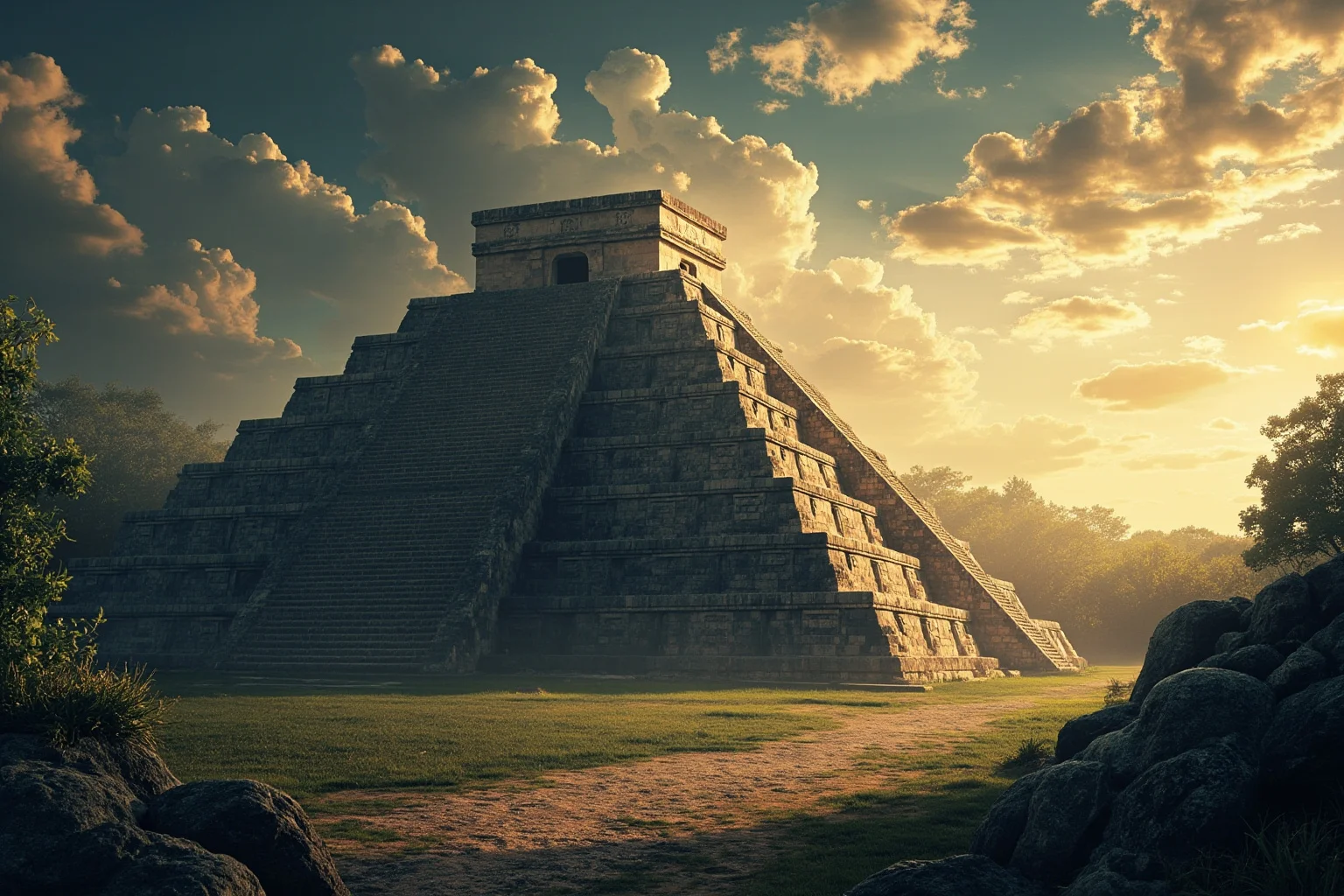
The Aztec Empire practiced ritual human sacrifice as part of a religious worldview in which the sun and cosmos needed to be sustained through offerings. Priests would remove the heart of a sacrificial victim atop temples such as the Templo Mayor in Tenochtitlan, an act tied to specific gods and calendar cycles.
Spanish colonial sources exaggerated the scale for propaganda purposes, so modern historians rely on a mix of archaeology and Indigenous-authored codices to reconstruct a more accurate picture.
11. Corpse Medicine in Early Modern Europe
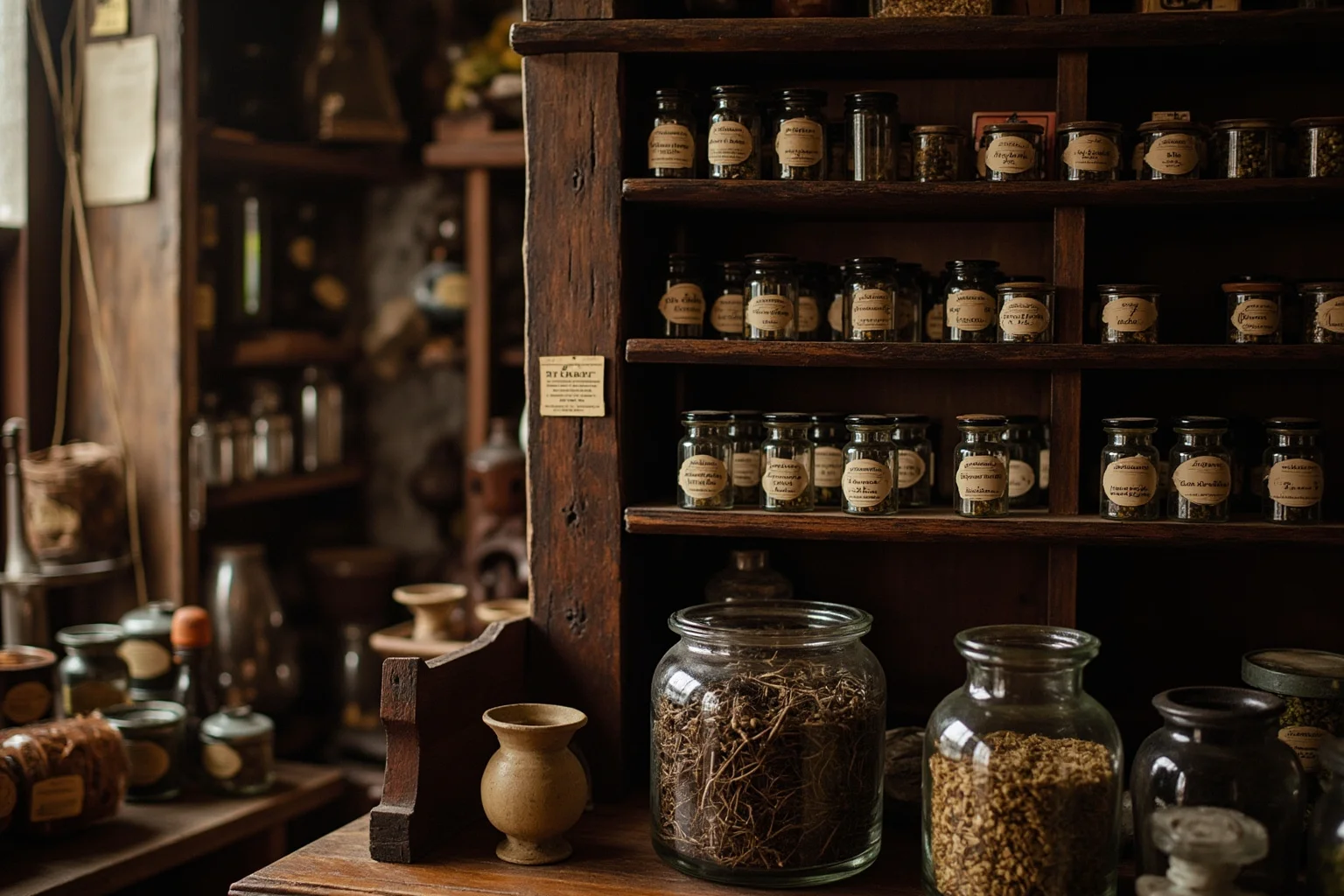
From roughly the 1500s through the 1700s, many educated Europeans genuinely believed that human remains had medicinal value. “Mummy powder” made from Egyptian mummies, human fat, and even ground skull were sold by apothecaries as remedies for everything from bruising to epilepsy.
This practice, sometimes called corpse medicine, faded out as medical science advanced through the 18th and 19th centuries.
12. Sin-Eating in Britain
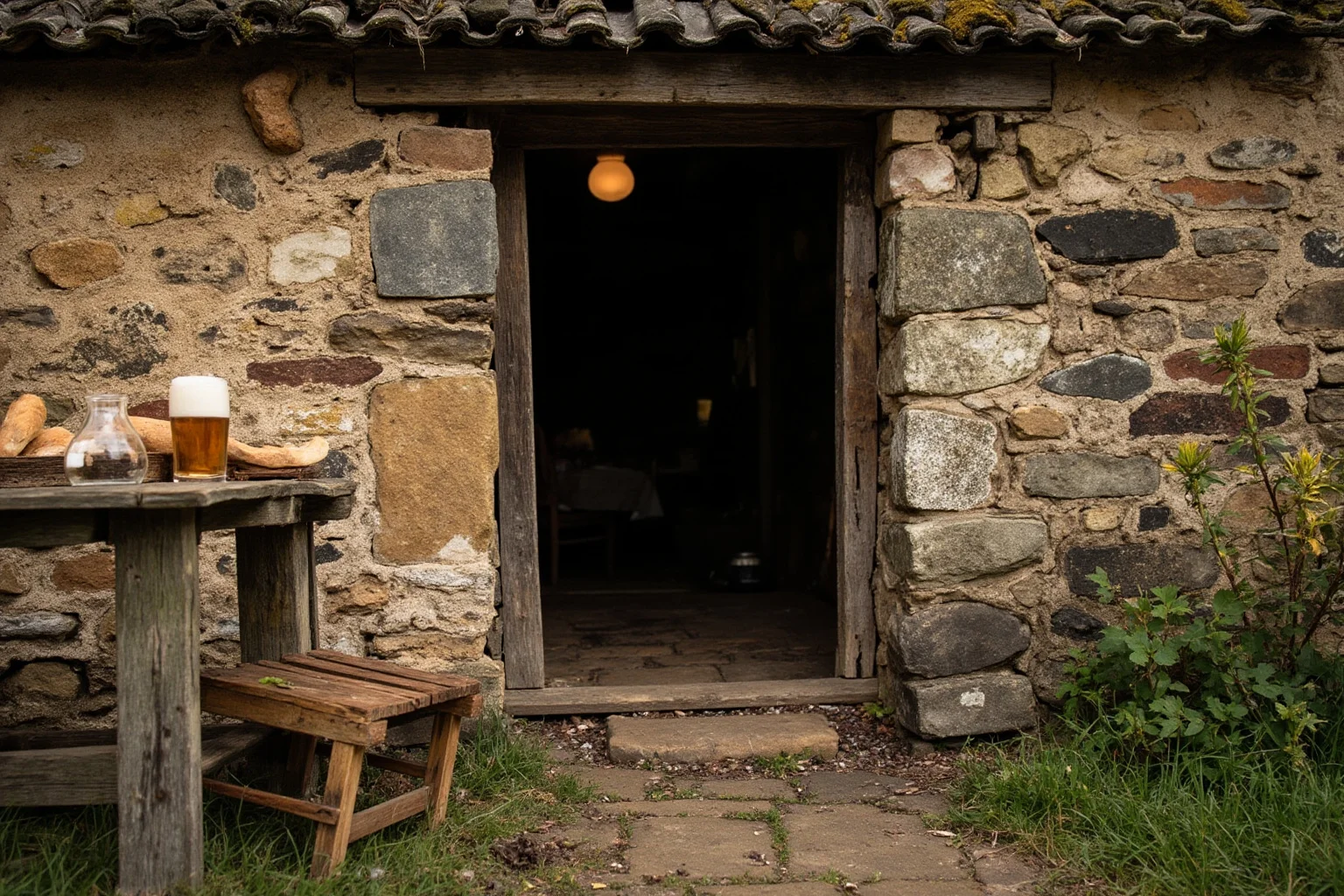
In parts of England and Wales, particularly Herefordshire, a folk custom existed in which a poor person — a “sin-eater” — would eat bread and drink ale passed over a corpse, symbolically absorbing the deceased’s sins so their soul could rest easier.
Documentation of the practice is patchy and largely comes from 17th-century antiquarian writers, so historians treat it as a real but likely localized and declining folk custom rather than a widespread institution. It had mostly disappeared by the 19th century.
13. Sati: Widow Immolation in India
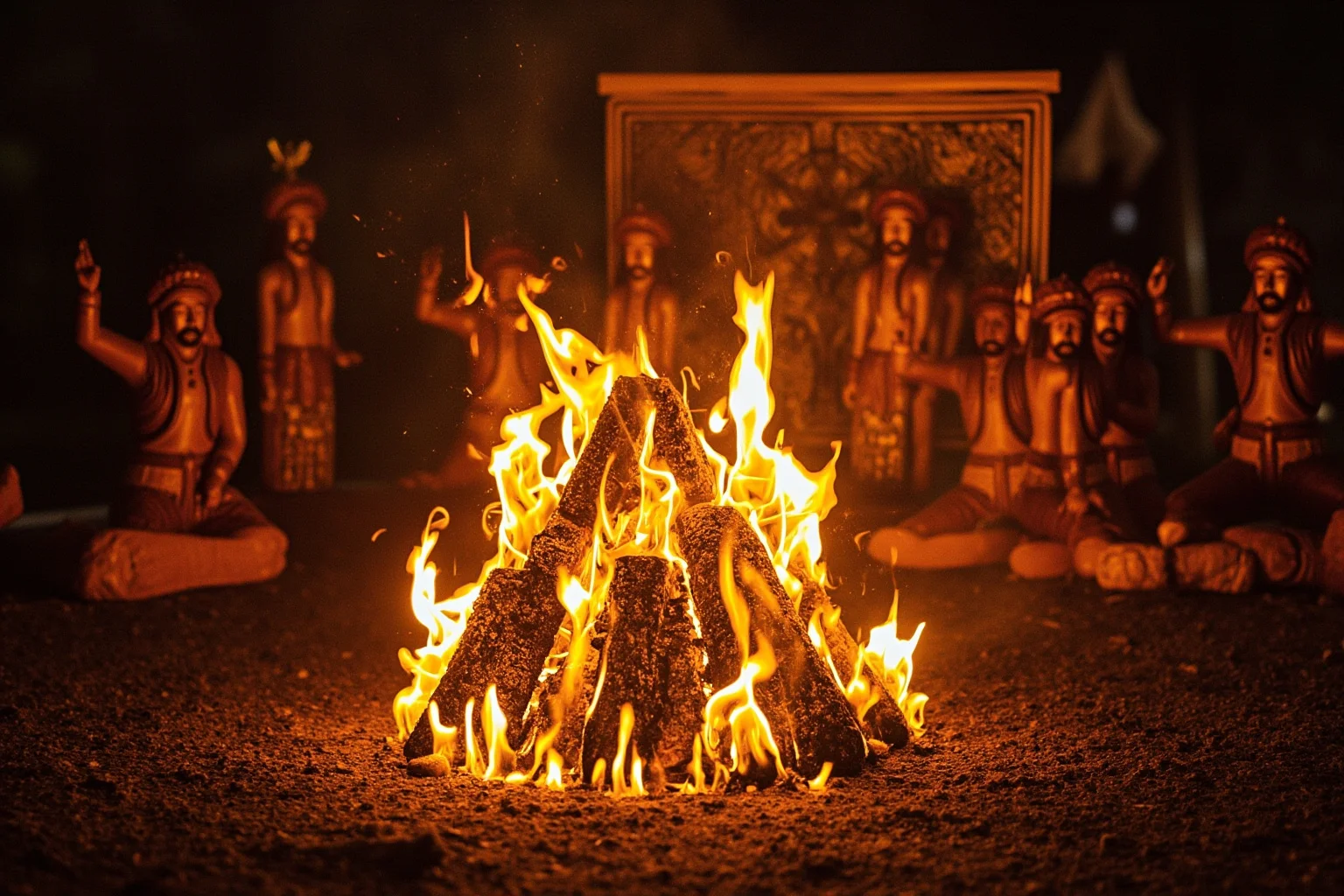
Sati refers to the historical practice of a widow immolating herself, sometimes voluntarily and sometimes under coercion, on her husband’s funeral pyre in parts of India.
It was never universal across Indian society and varied by region, caste, and era, with roots debated among historians.
The British colonial government formally banned sati in 1829, and it is illegal in India today, though isolated illegal cases have occasionally still been reported.
14. Ghost Marriages in China
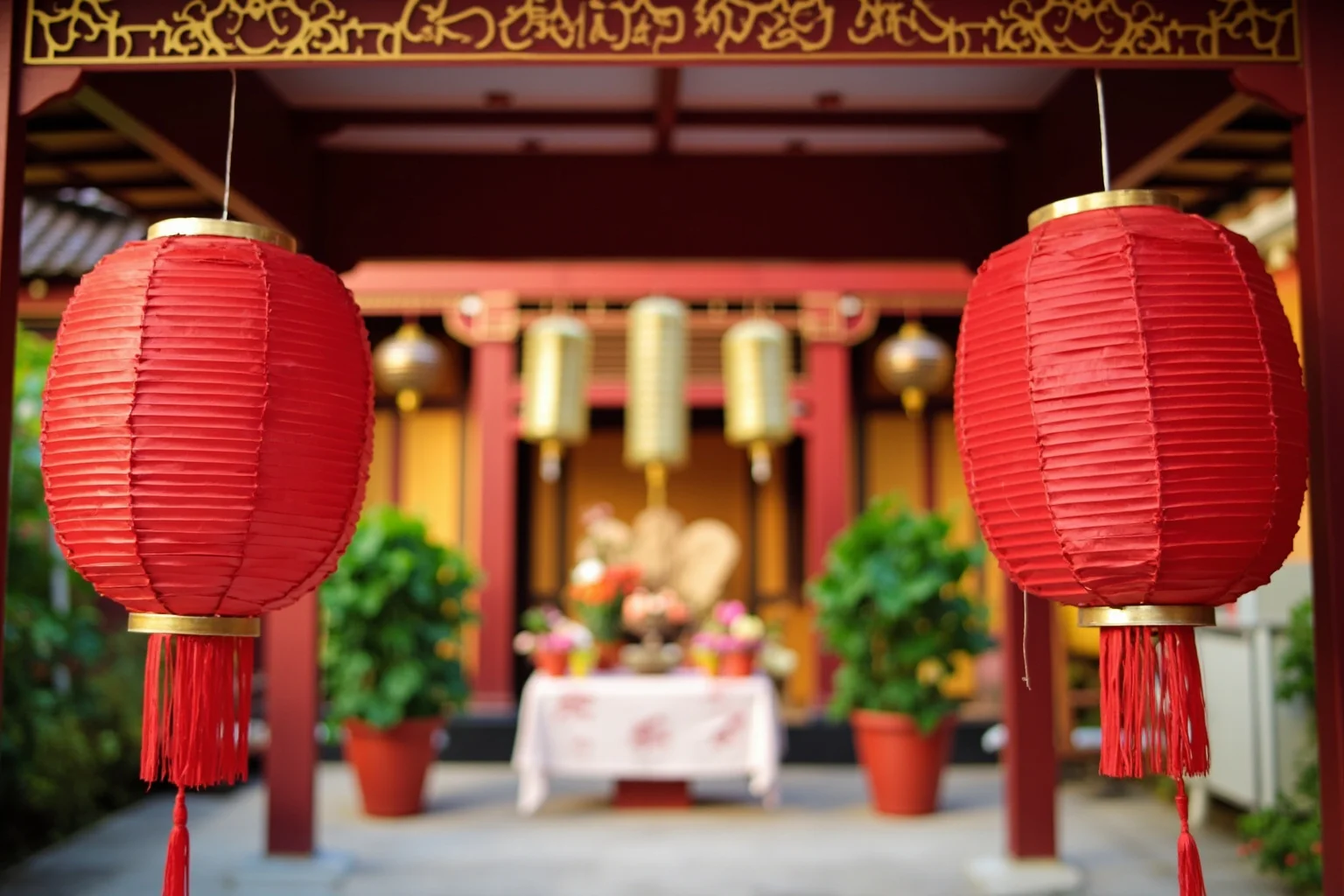
Chinese ghost marriage, or minghun, is a custom in which a deceased person is “married” — sometimes to another deceased person, sometimes symbolically — to ensure they aren’t alone in the afterlife or to resolve social obligations between families.
The practice dates back over two thousand years and, despite being officially discouraged, has occasionally resurfaced in rural areas in modern times. It reflects deep-rooted beliefs about family duty extending beyond death.
15. Thaipusam Kavadi Piercing
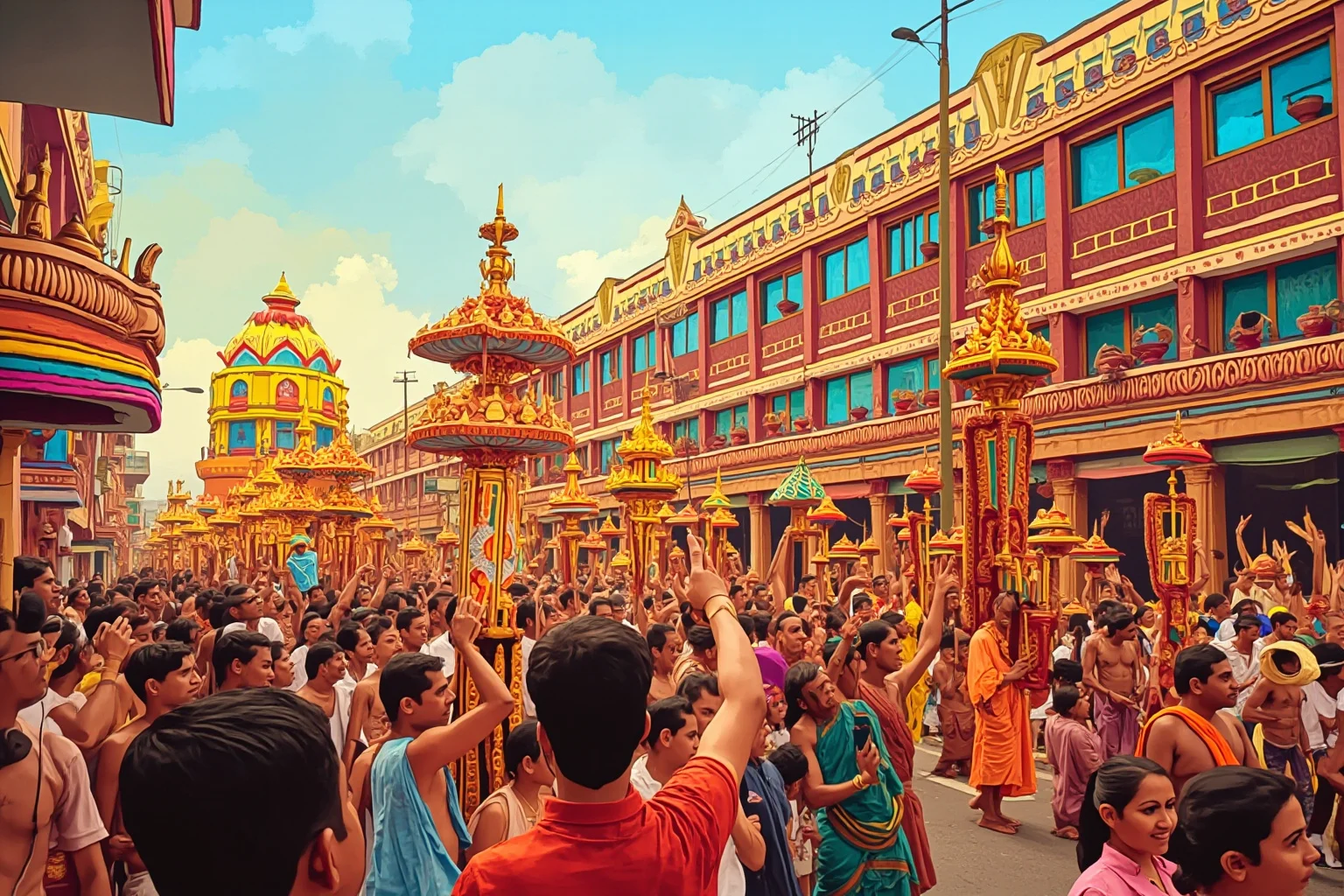
Thaipusam is a Hindu festival celebrated mainly by Tamil communities, especially in India, Malaysia, and Singapore, honoring the deity Murugan.
Devotees fulfilling vows may carry a kavadi, a ceremonial structure, and some pierce their skin, cheeks, or tongues with skewers as an act of devotion and penance.
Practitioners typically undergo trance-like states supported by prayer and fasting, and the festival remains a major, actively practiced tradition today.
16. Endocannibalism Among the Wari’ and Yanomami

Some Indigenous groups in the Amazon, including the Wari’ and, according to some accounts, the Yanomami, historically practiced forms of endocannibalism — consuming parts of a deceased community member’s remains as an act of mourning and respect rather than aggression.
Anthropologist Beth Conklin’s research on the Wari’ emphasizes that this was understood locally as compassionate, not violent. These practices had largely ended by the mid-to-late 20th century due to missionary influence and cultural change.
17. Finger Amputation Mourning of the Dani
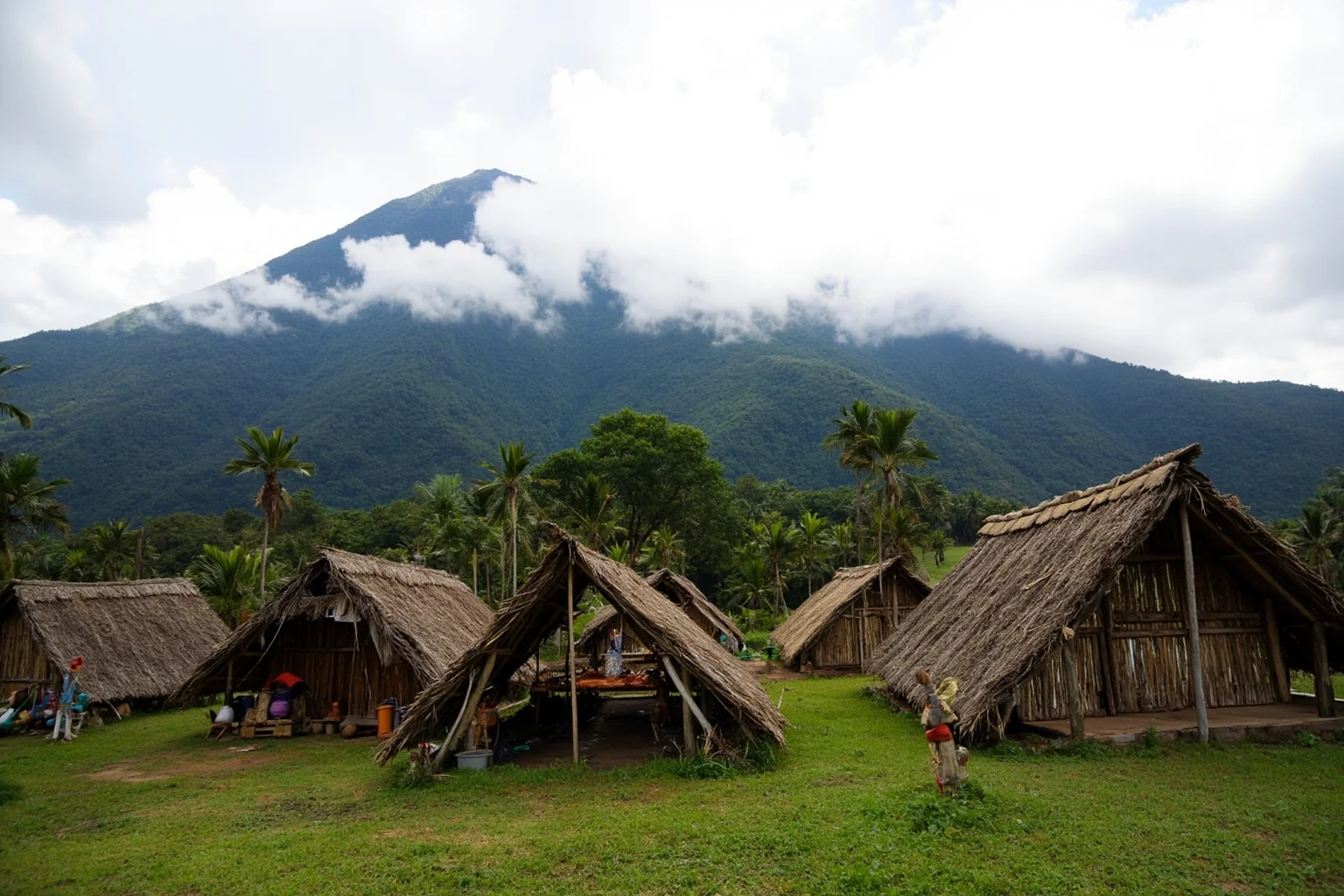
Among the Dani people of the Papua New Guinea highlands, some women historically practiced ikipalin, amputating a portion of a finger after the death of a close family member as an expression of grief and to appease ancestral spirits.
The custom has become rare in recent decades due to legal restrictions and cultural change. It remains one of the more startling documented mourning rituals from the 20th century.
18. Bride Kidnapping Traditions
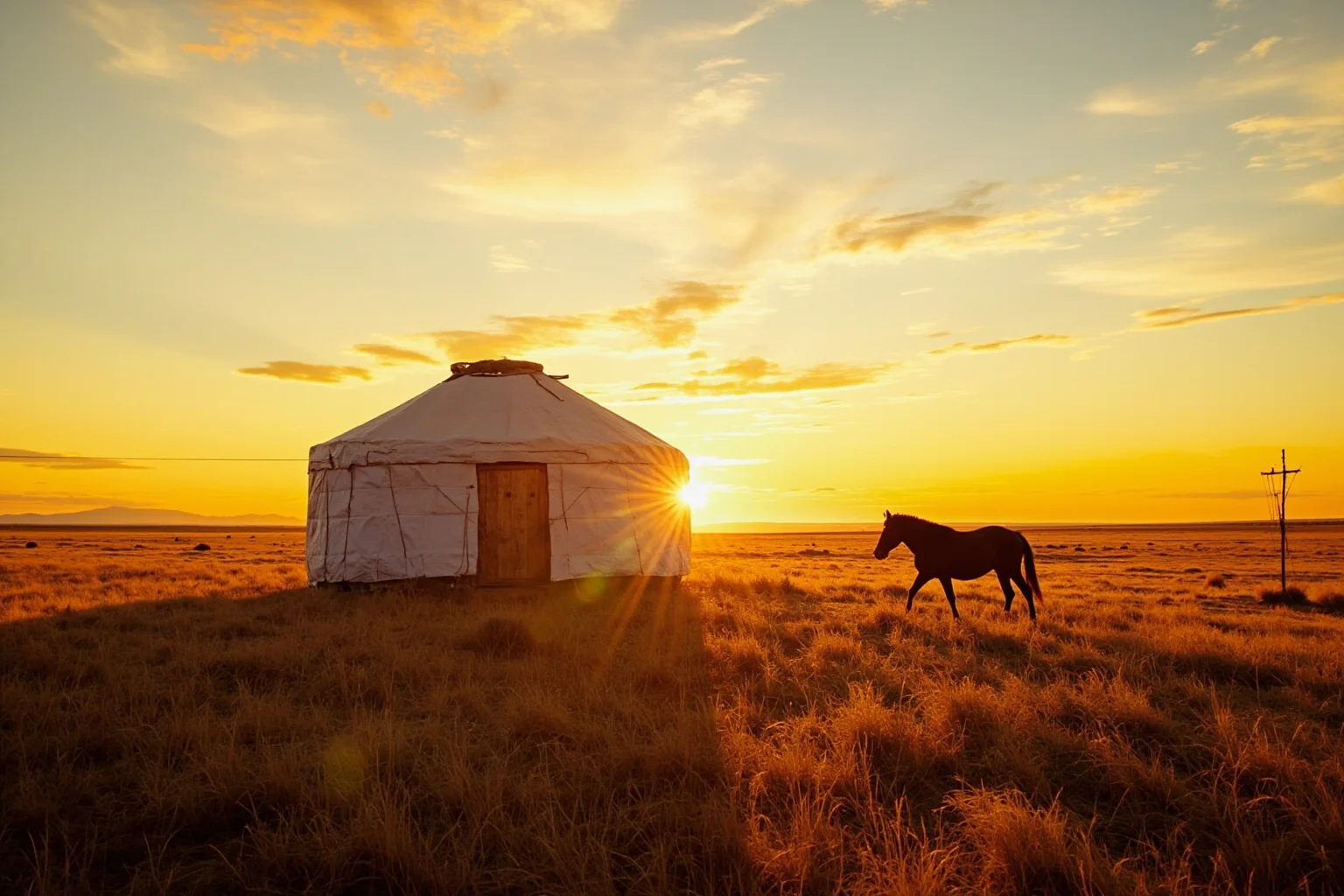
In parts of the Caucasus and Central Asia, particularly Kyrgyzstan, a custom known as bride kidnapping exists in both symbolic, consensual forms and, disturbingly, coercive real-life abductions.
Historically, some versions functioned as a ritualized, pre-arranged elopement to bypass expensive dowry demands. Human rights organizations have worked to distinguish this from genuine forced marriage, which remains illegal and is increasingly prosecuted in the region.
19. The Roman Vomitorium Myth
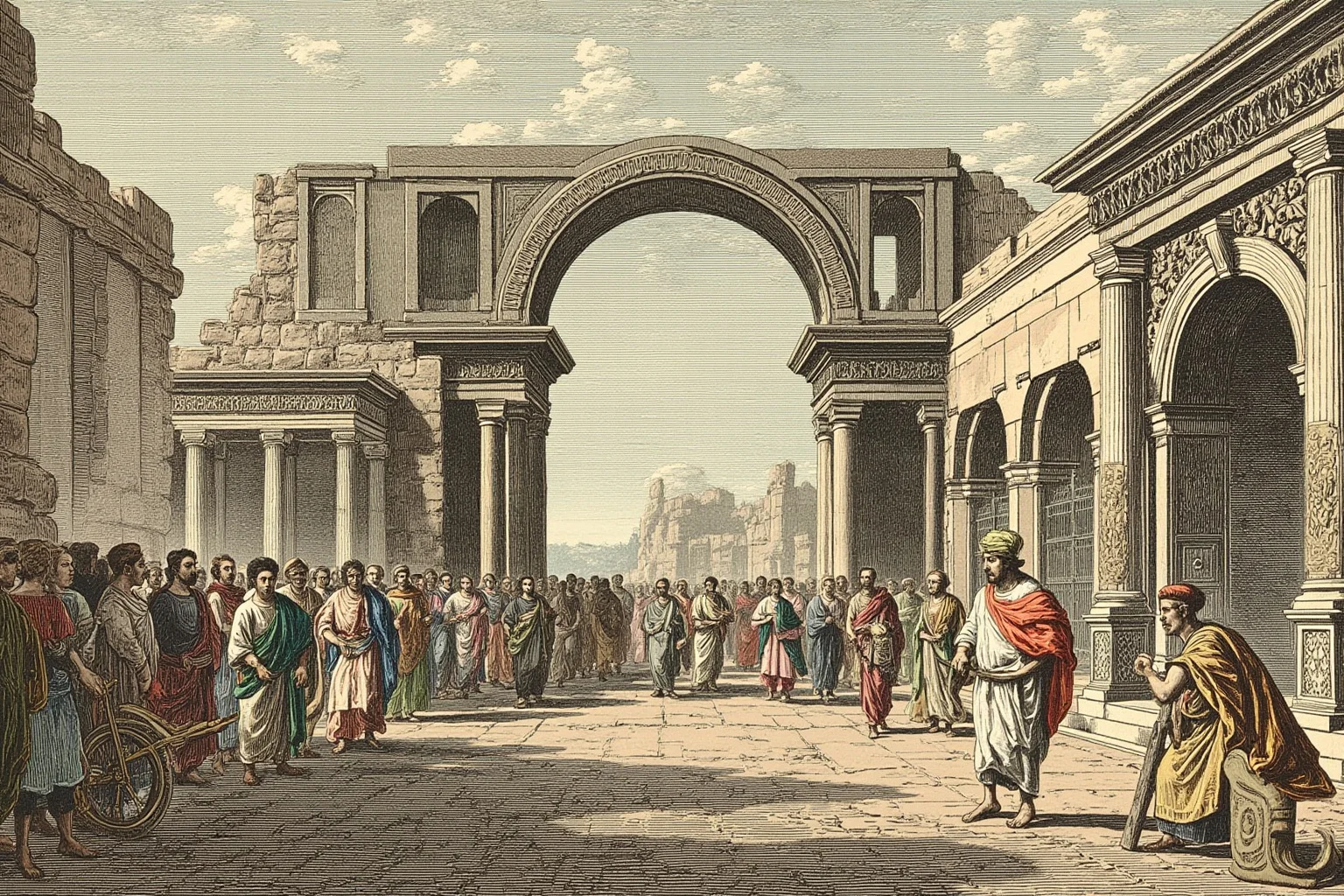
Here’s a classic case of a “weird ancient ritual” that isn’t actually true: the popular idea that wealthy Romans routinely vomited at banquets to make room for more food, using a special room called a vomitorium.
In reality, a vomitorium was simply an architectural term for an entryway or exit passage in a theater or amphitheater, named for how crowds “spewed out” of the building.
No credible ancient source describes ritualized vomiting at Roman dinner parties, making this a great reminder to fact-check viral history claims — the same skepticism worth applying to lists of supposedly ridiculous old laws that circulate online.
20. El Colacho: Spain’s Baby-Jumping Festival
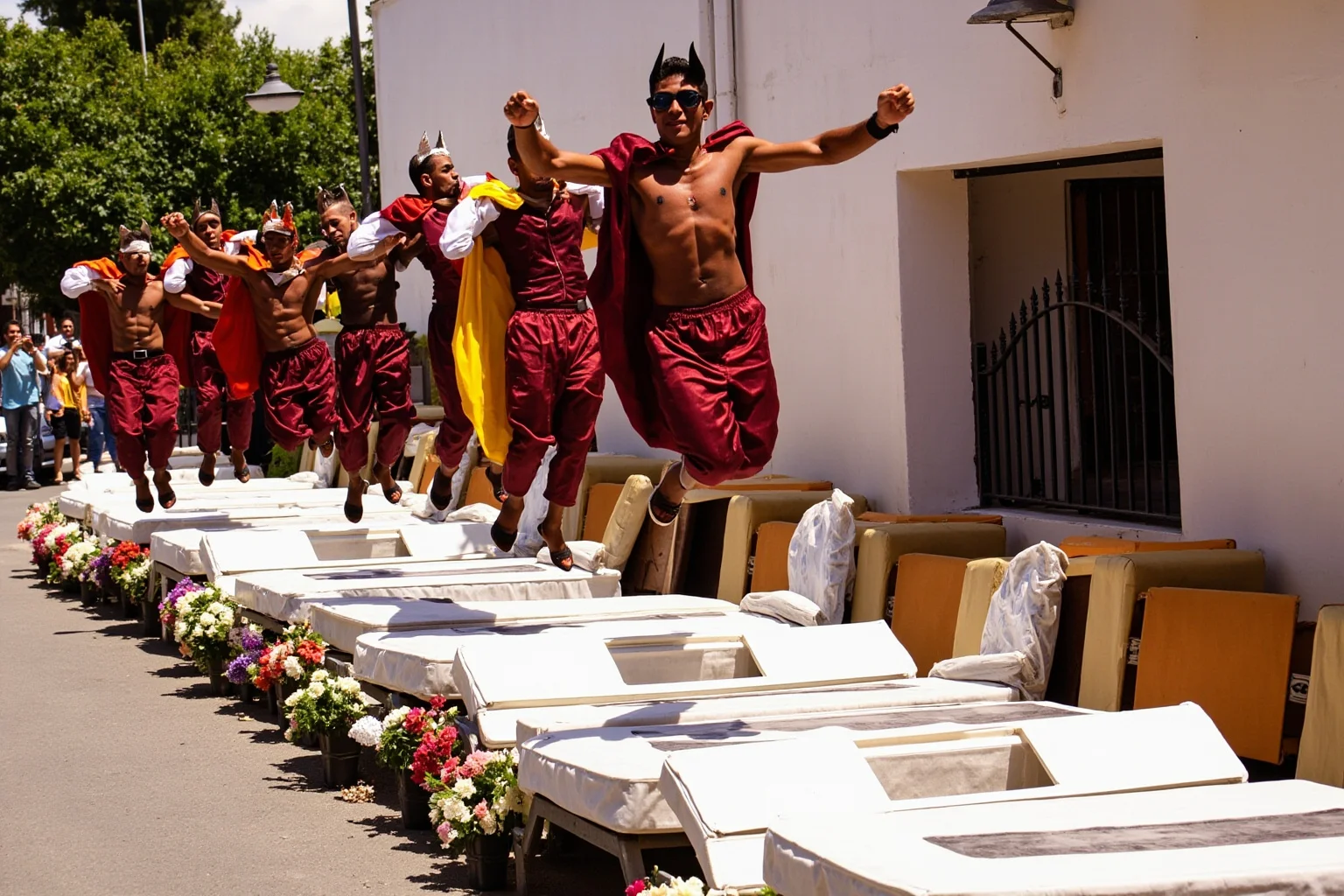
Since at least the early 17th century, the village of Castrillo de Murcia in Spain has held El Colacho, a festival in which men dressed as devils leap over rows of infants laid on mattresses in the street.
The tradition is tied to the Catholic feast of Corpus Christi and is believed locally to cleanse babies of original sin and protect them from illness. It remains an active, if unusual, annual tradition and draws curious visitors from around the world.
21. Monkey Buffet Festival in Thailand
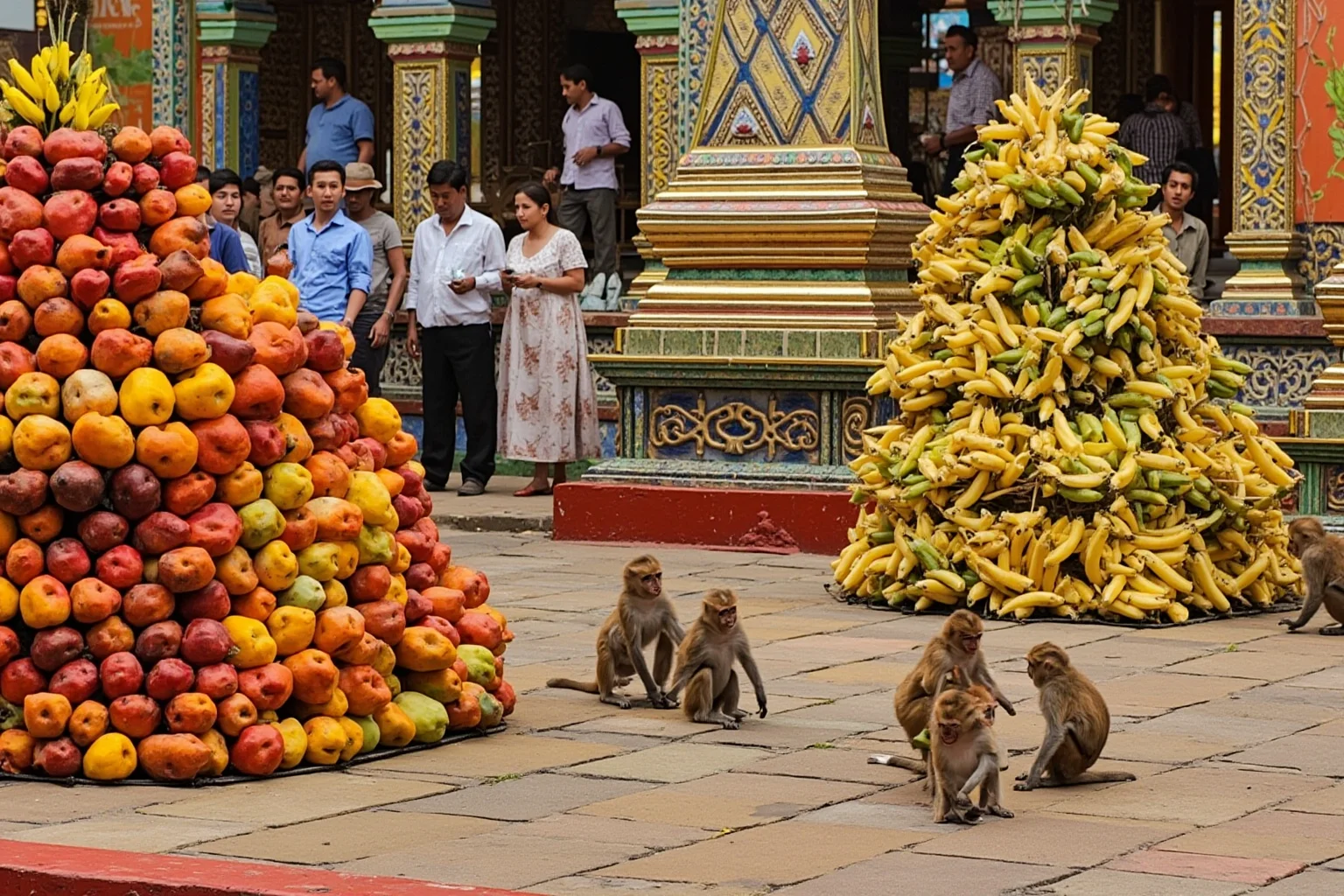
Each November in Lopburi, Thailand, locals hold the Monkey Buffet Festival, piling fruit, vegetables, and sticky rice into elaborate displays for the town’s large population of macaques.
The modern festival began in 1989 as a tourism initiative built around the area’s long-standing cultural reverence for monkeys, tied loosely to Hindu and local folklore about the monkey god Hanuman.
It’s a good example of how a modern, tourism-driven event can still draw on genuine older cultural beliefs.
22. Cheese-Rolling at Cooper’s Hill
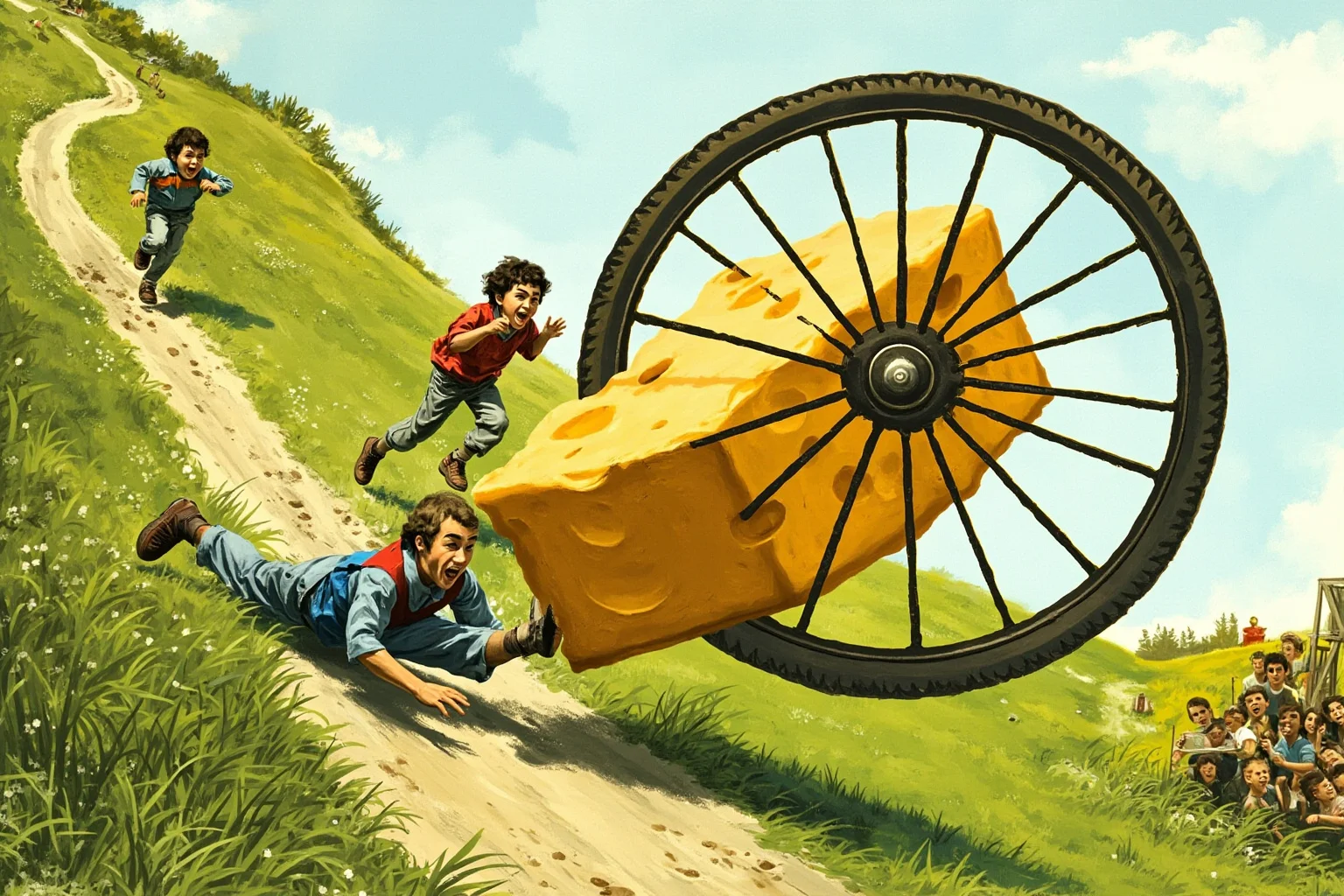
On a steep hill near Gloucester, England, competitors have chased a rolling wheel of cheese downhill in a chaotic annual race believed to date back at least 200 years, possibly longer.
Injuries are common, prizes are modest, and no one is entirely sure how the tradition started, though theories link it to older pagan fertility or seasonal customs. It’s one of many small European traditions that persist today simply because communities enjoy keeping them alive.
Why Do Cultures Develop Such Unusual Customs?
Looking across this list, a pattern emerges: nearly every strange ritual traces back to a handful of universal human concerns — death, fertility, status, belonging, and the fear of the unknown.
Death rituals especially tend to look extreme from the outside because they’re built to manage grief and uncertainty in ways that make sense within a specific belief system. What reads as “bizarre” is usually a rational response to an irrational, frightening part of life.
Historical traditions and customs also shift constantly under pressure from religion, colonization, law, and simple generational change. Foot binding, sati, and finger amputation mourning were all significantly reduced or banned once legal reform and shifting social attitudes intervened.
Meanwhile, customs like Thaipusam or famadihana have adapted but survived, showing that not every unusual tradition fades — some just keep evolving.
Separating Myth from Documented History
One theme worth repeating: not every viral claim about ancient rituals holds up to scrutiny. The Roman vomitorium is the clearest example on this list, but plenty of other “weird historical facts” circulating online distort real customs by exaggerating scale, misdating origins, or flattening regional variation into a single simplified story.
Good history writing treats ambiguous archaeological evidence, like bog bodies or trepanation, with appropriate uncertainty rather than declaring a definitive ritual meaning.
When exploring odd customs around the world, primary historical sources, peer-reviewed anthropology, and firsthand ethnographic research are far more reliable than secondhand “strange facts” listicles.
That doesn’t make these customs any less fascinating — if anything, the real, documented versions are usually more interesting than the exaggerated myths.
Final Thoughts on History’s Strangest Rituals
What unites all 22 of these traditions is that they made complete sense to the people who practiced them, even when they look shocking through a modern lens.
Weird cultures aren’t really “weird” so much as differently logical, shaped by unique histories, environments, and beliefs. The next time you stumble on a strange custom from another culture, or even an unusual tradition from your own family’s past, it’s worth asking what problem it was originally trying to solve.
That curiosity, more than shock value, is really what makes the study of cultural traditions and customs so rewarding. History is full of practices that look absurd out of context and profound within it, and learning the difference is a big part of what makes cultural history worth exploring in the first place.
Frequently Asked Questions
What are some traditions found across different cultures throughout history?
Traditions vary enormously, but common categories include death and mourning rituals (like Tibetan sky burials or Madagascar's famadihana), beauty customs (like foot binding or teeth-blackening in Japan), coming-of-age rites, and festival traditions (like Spain's El Colacho or Thailand's Monkey Buffet Festival). Most trace back to shared human concerns around death, status, fertility, or community bonding.
What is something culturally insignificant?
True cultural insignificance is rare — most customs, even small ones like a specific greeting or lucky color, carry real social or symbolic meaning within their community. What outsiders sometimes label as 'culturally insignificant' is usually just a tradition whose deeper purpose isn't obvious without local context.
What are 3 traditions from different cultures that seem strange to outsiders?
Three widely cited examples are Madagascar's famadihana, where families exhume and rewrap ancestors' remains during a festive ceremony; Spain's El Colacho, where men dressed as devils jump over infants; and Thailand's Monkey Buffet Festival, where locals lay out huge spreads of food for wild macaques.
Why do cultures develop unusual rituals in the first place?
Unusual rituals typically develop as a way to manage universal human concerns like death, illness, fertility, and social status within a specific belief system. Once a practice becomes tied to religion, family honor, or community identity, it tends to persist and evolve rather than disappear quickly.
Are any of these bizarre ancient rituals still practiced today?
Yes, several continue in some form, including Tibetan sky burials, Thaipusam kavadi piercing among Tamil Hindu communities, Madagascar's famadihana, and Spain's El Colacho baby-jumping festival. Others, like foot binding and sati, were banned by law and largely eliminated over the 19th and 20th centuries.
What’s the difference between a cultural custom and a ritual?
A cultural custom is a broadly shared habitual practice, like a greeting style or food tradition, while a ritual is usually a more formal, symbolic act performed at significant moments such as birth, marriage, or death. In practice, the two terms overlap heavily and are often used interchangeably in everyday language.

Alex Warren
Related Articles





