
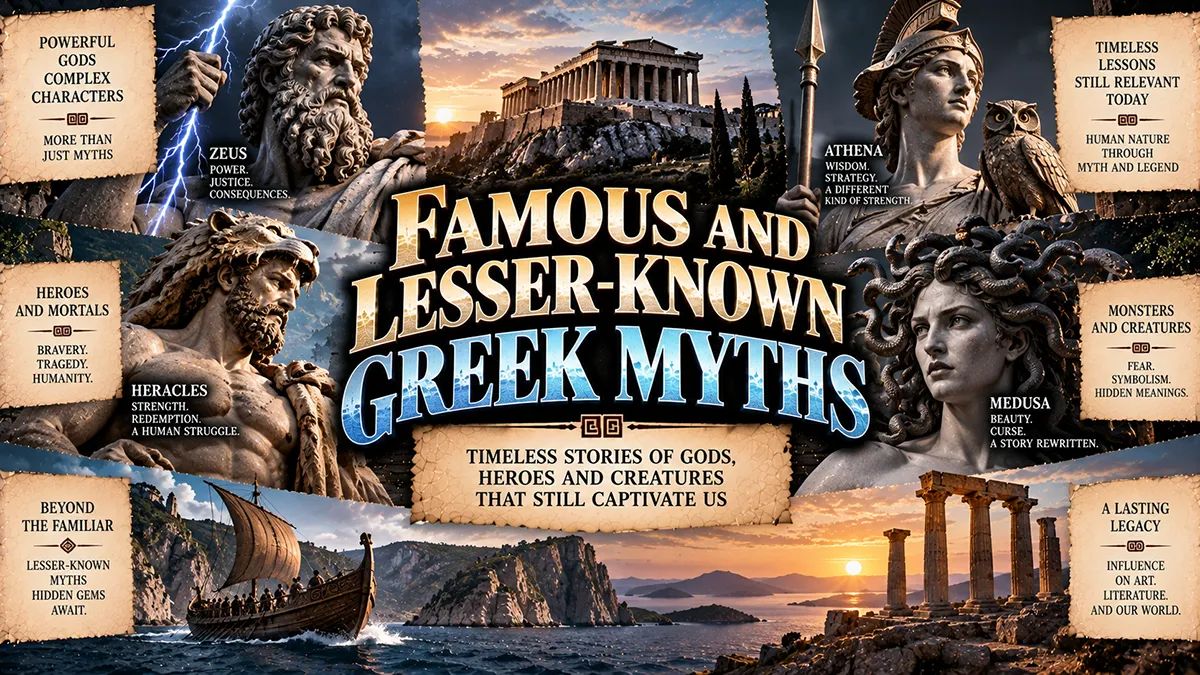
Greek mythology has a strange kind of staying power. More than two thousand years after they were first told around hearths and carved onto temple walls, these stories still show up in movies, video games, tattoos, and even the names of psychological conditions. But most people only ever encounter the same handful of well known myths — Heracles, Medusa, the Trojan War — while a whole universe of obscure Greek myths gathers dust in the footnotes.
This guide covers both sides of that coin. We’ll walk through the most famous Greek myths that built the foundation of Western storytelling, then dig into lesser known Greek myths that are just as strange, funny, or unsettling, but rarely make the highlight reel. Along the way, we’ll flag where sources disagree, because ancient Greek mythology was never one single fixed story — it was closer to fan fiction spanning a thousand years, retold differently by Homer, Hesiod, Ovid, and countless playwrights.
TL;DR: Greek mythology spans a handful of universally famous myths and a much larger, weirder collection of obscure legends — together they reveal a culture that used stories to wrestle with love, death, pride, and the limits of human power.
What Actually Counts as a Greek Myth?
Before diving into examples of myths, it helps to know there was never one official rulebook. Greek myths survived through oral storytelling for centuries before anyone wrote them down, which means variations were the norm, not the exception.
Our main written sources include Homer’s Iliad and Odyssey, Hesiod’s Theogony, the tragedies of Sophocles and Euripides, and later compilations like Pseudo-Apollodorus’s Bibliotheca and Ovid’s Metamorphoses (a Roman text retelling Greek stories). Because these sources were written centuries apart, the same god or hero can behave differently depending on who was telling the tale. That’s worth keeping in mind anytime you read a definitive-sounding claim about “the” Greek myth of anything.
Part 1: The Most Famous Greek Myths Everyone Knows
These are the greatest hits — the famous Greek myths that show up in school textbooks, blockbuster films, and casual conversation. They’re famous for good reason: they’re dramatic, quotable, and packed with the kind of moral tension that still resonates today.
1. The Twelve Labors of Heracles
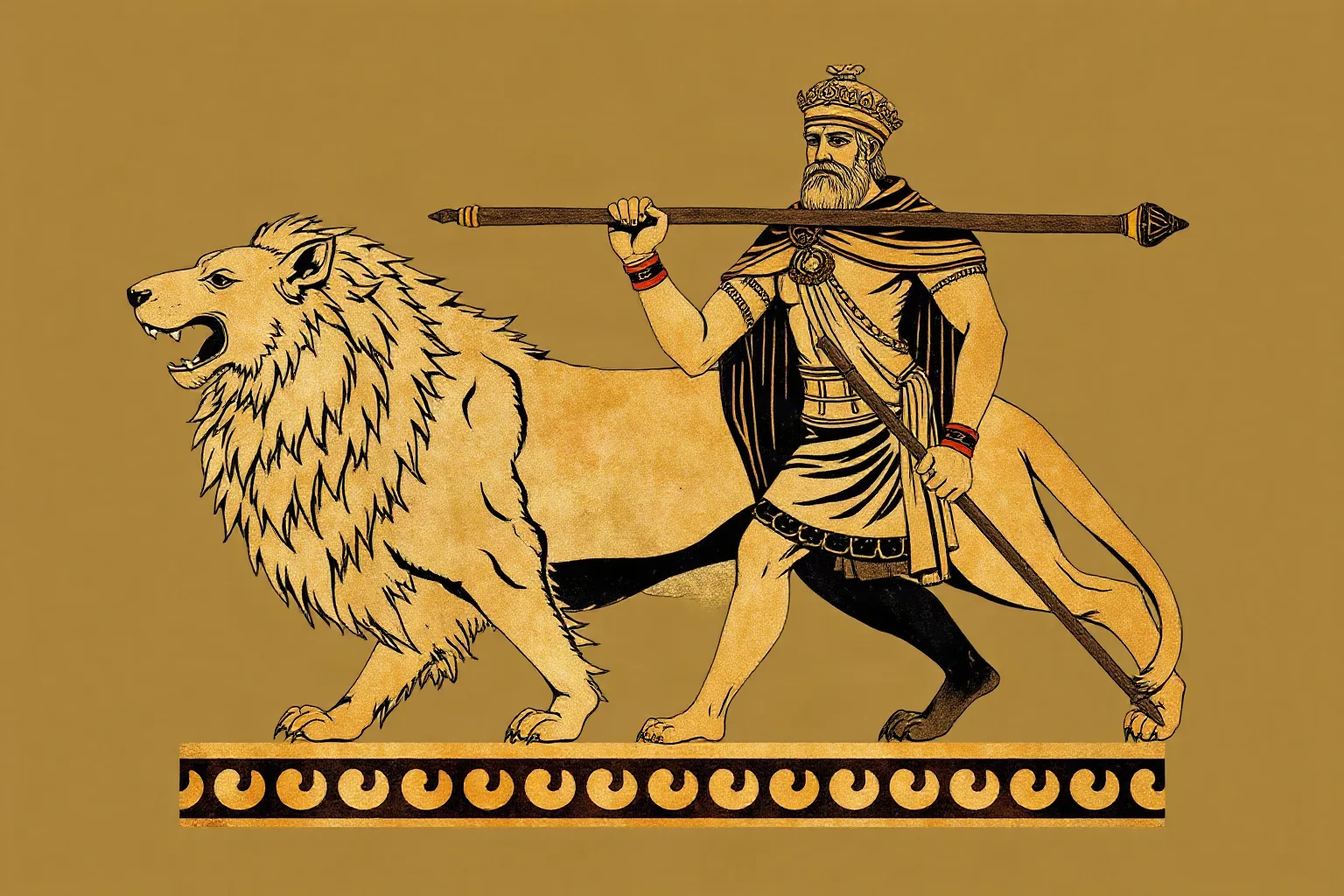
Heracles (known to the Romans as Hercules) was forced into a series of impossible tasks as punishment after the goddess Hera drove him into a fit of madness. The labors ranged from slaying the Nemean Lion to cleaning the Augean stables in a single day.
What makes this myth endure isn’t just the monsters — it’s the theme of a flawed, overpowered figure trying to atone for something he didn’t fully control. Different ancient sources list the labors in slightly different orders, a small reminder that even the most famous Greek myths weren’t set in stone.
2. The Trojan War and the Judgment of Paris
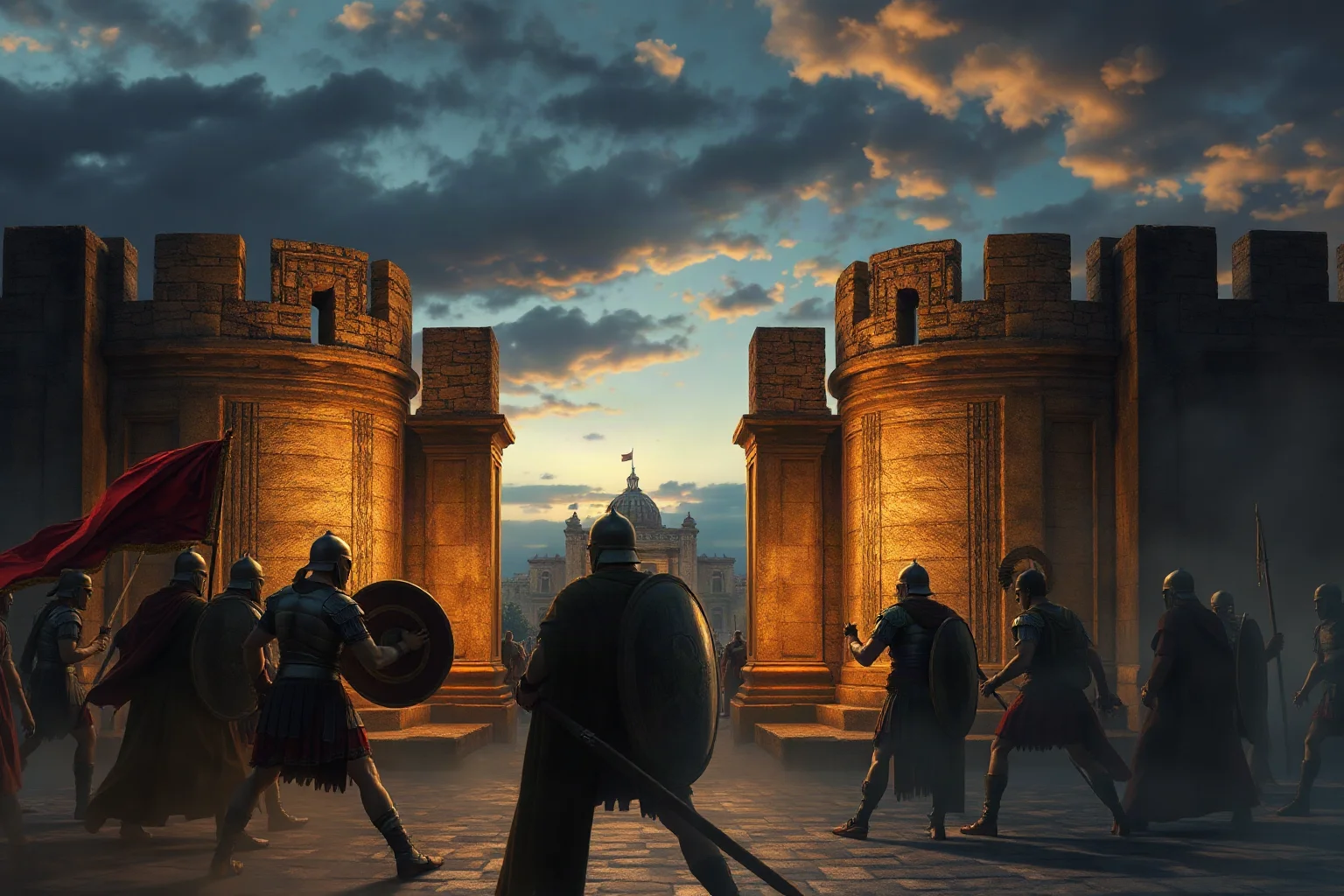
The Trojan War myth begins with a beauty contest among three goddesses, judged by a Trojan prince named Paris, who chooses Aphrodite after she promises him the world’s most beautiful woman: Helen of Sparta. That choice sparks a ten-year siege chronicled in Homer’s Iliad.
Historians generally agree that a real conflict near the site of Troy may have inspired the legend, but the gods, prophecies, and ten-foot warriors are almost certainly poetic invention layered on top. It’s one of the clearest examples of myths blending possible historical memory with pure storytelling.
3. Theseus and the Minotaur
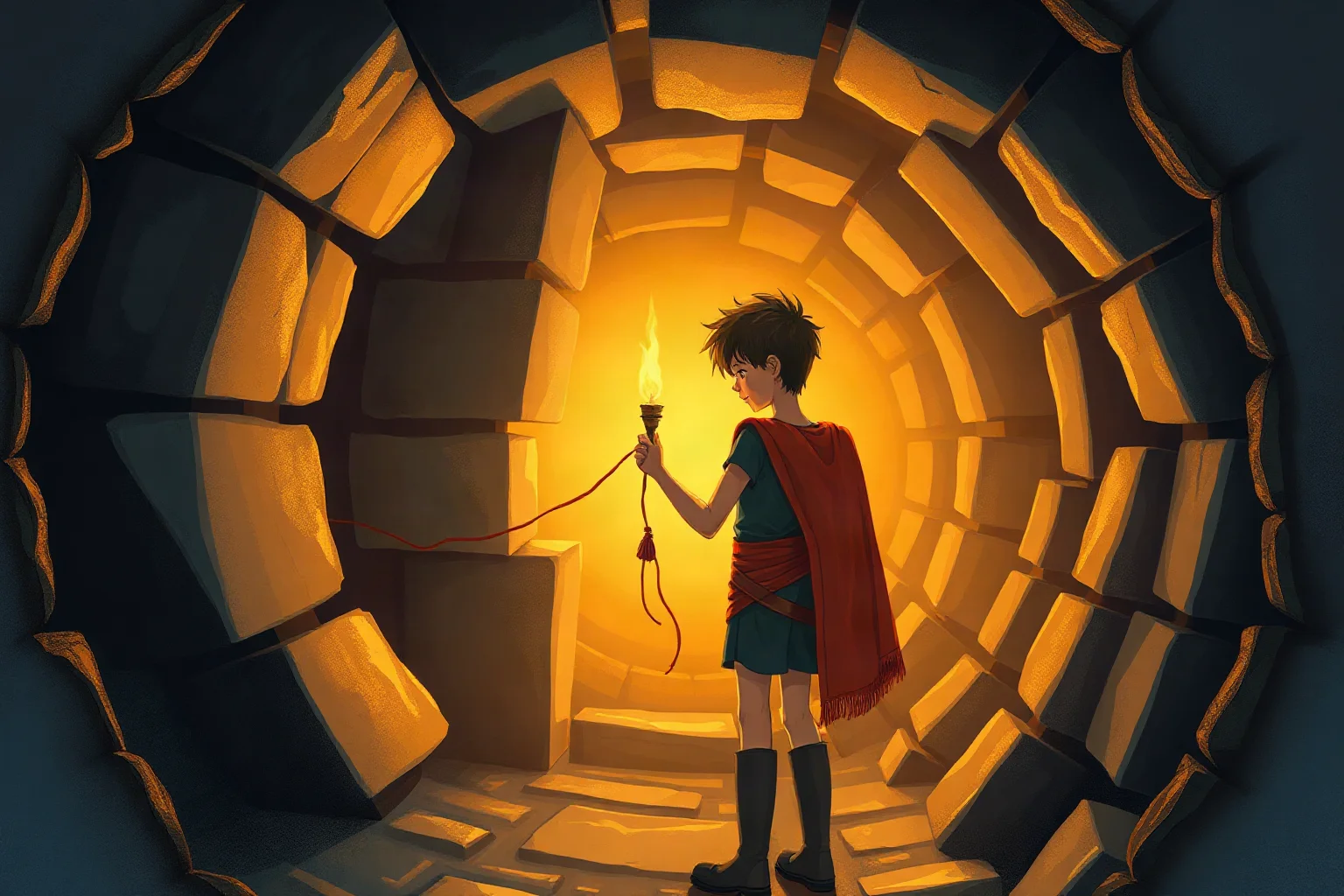
Theseus volunteered to enter the labyrinth of Crete to kill the Minotaur, a half-man, half-bull creature born from a curse on King Minos’s family. He succeeded with help from Ariadne, who gave him a thread to find his way back out.
The myth is often read as a metaphor for civilization triumphing over chaos, since Athens saw itself as the story’s moral center. It’s also a reminder that many Greek heroes come across as less noble the closer you look — Theseus later abandons Ariadne on an island.
4. Perseus and Medusa
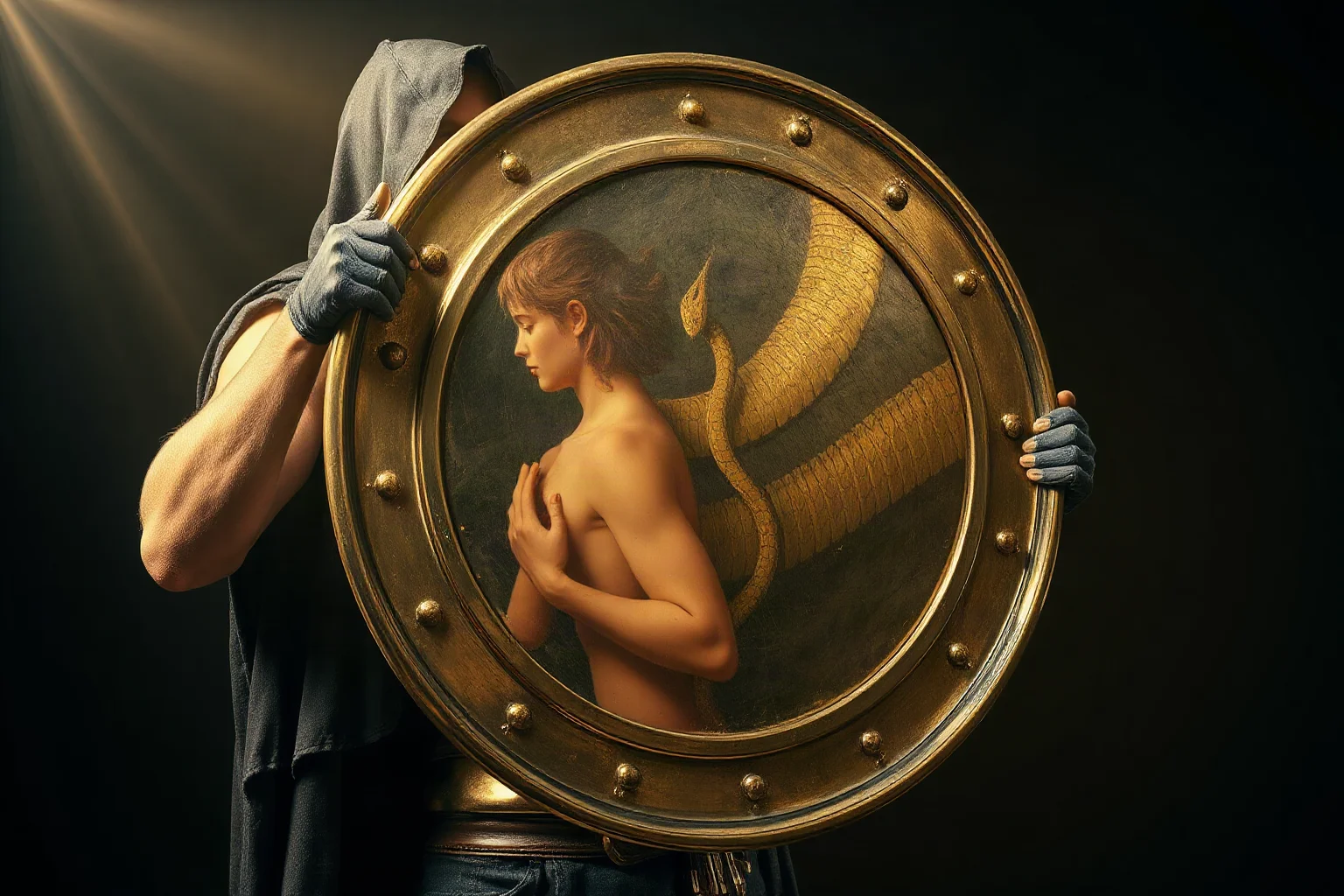
Perseus was tasked with retrieving the head of Medusa, a Gorgon whose gaze turned onlookers to stone. He used a polished shield to avoid looking at her directly, beheading her while she slept.
Medusa’s backstory varies by source: some versions describe her as always monstrous, while Ovid’s later retelling frames her as a woman transformed and punished after being assaulted in Athena’s temple. That difference matters, and it’s a good example of why context changes how a myth should be read.
5. Orpheus and Eurydice
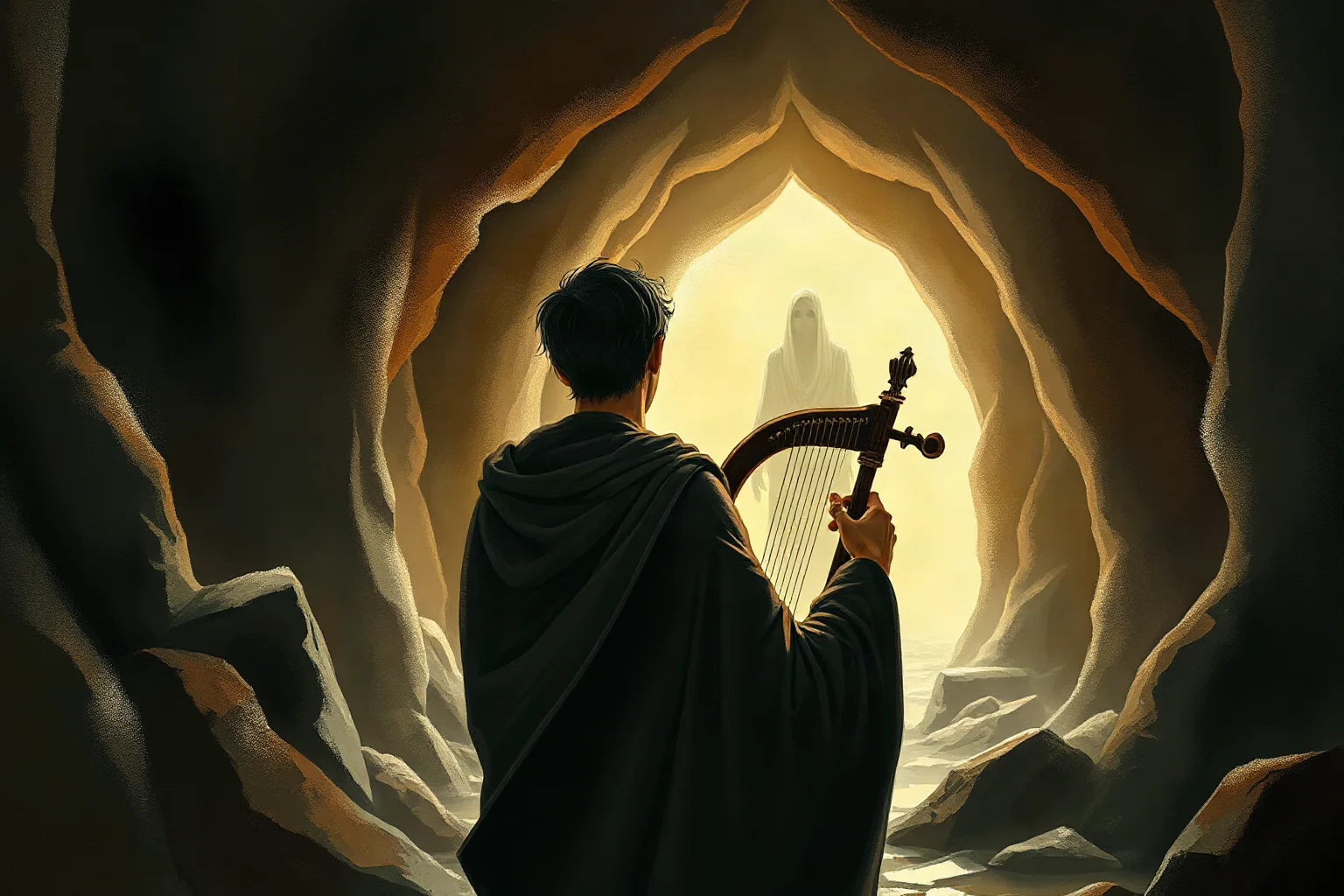
Orpheus, a musician so skilled he could charm rocks and rivers, traveled into the Underworld to bring back his dead wife Eurydice. Hades agreed, on one condition: Orpheus couldn’t look back at her until they reached the surface.
He looked back too soon, and lost her forever. It remains one of the most quoted Greek legends and myths about grief, doubt, and the impossibility of truly escaping death.
6. Pandora’s Box
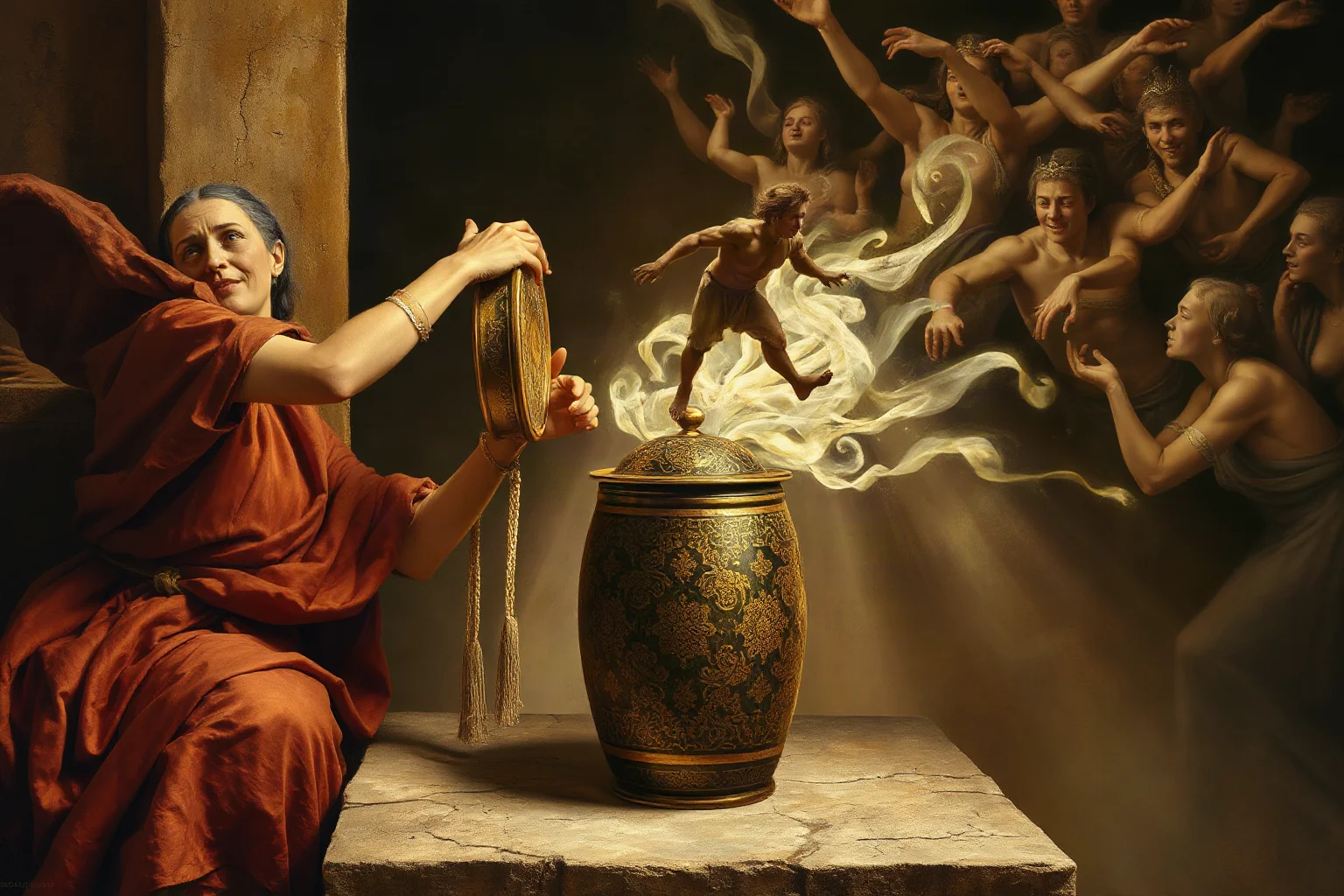
Pandora was given a sealed jar (later mistranslated as a “box”) and told never to open it. She did anyway, releasing sickness, sorrow, and hardship into the world, with only hope left trapped inside.
The story, recorded by Hesiod, has often been read as an ancient explanation for why life is hard. It’s also one of the more debated myths in terms of tone, since some scholars argue it reflects real anxieties about women’s roles in ancient Greek society rather than being a simple morality tale.
7. The Flight of Icarus
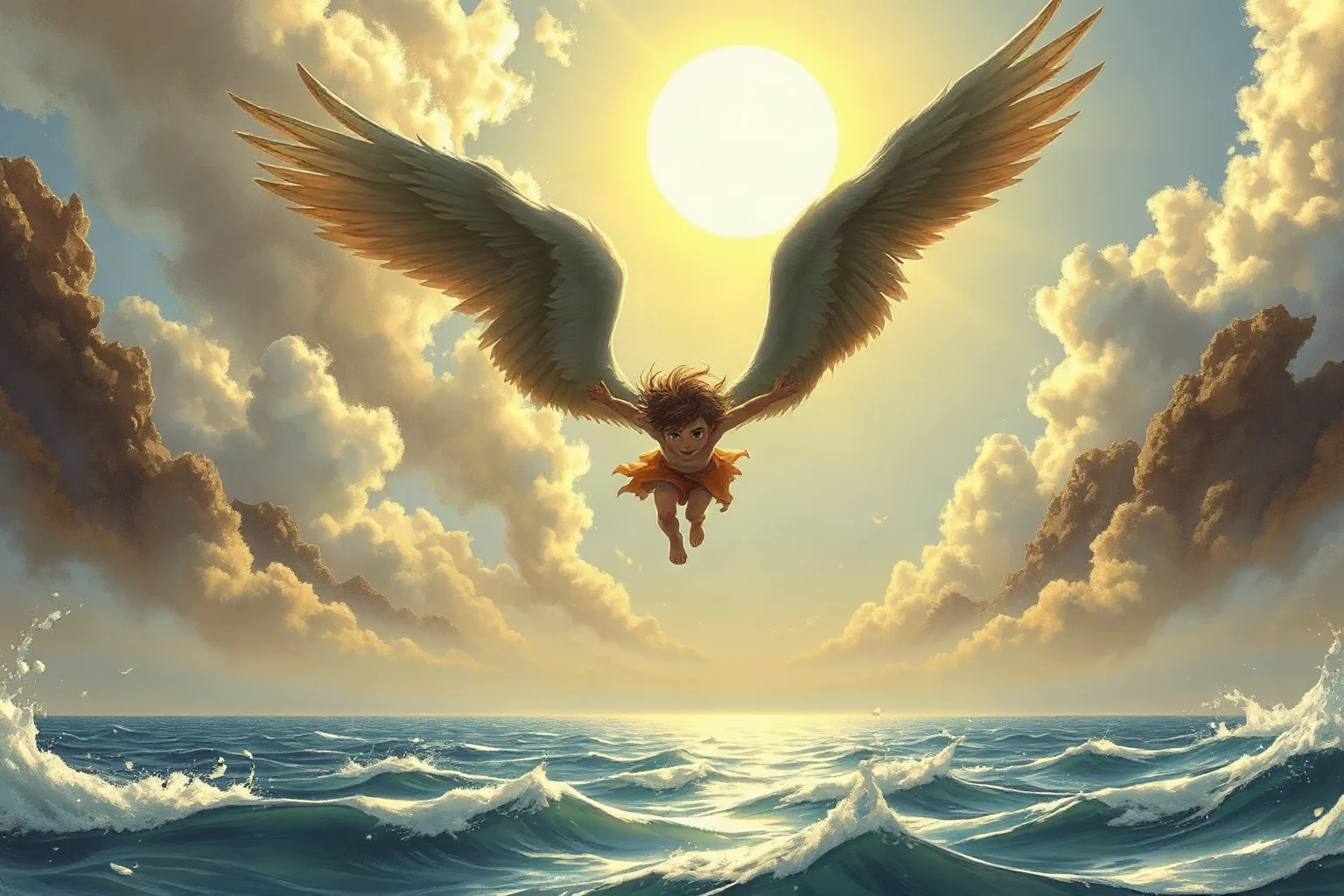
Icarus and his father Daedalus escaped imprisonment on Crete using wings made of feathers and wax. Icarus, ignoring his father’s warning, flew too close to the sun, melted his wings, and fell into the sea.
It’s a short, simple myth, which is exactly why it has lasted — a clean lesson about hubris that needs no further explanation. It also shows how Greek myths short stories could pack an entire moral into just a few sentences.
8. Persephone and the Seasons

Persephone, daughter of the harvest goddess Demeter, was taken to the Underworld by Hades. Demeter’s grief caused the earth to grow cold and barren, and a compromise was struck so Persephone would split her year between both worlds.
The myth was used in antiquity to explain the changing seasons, though ancient tellings differ on how willing or unwilling the abduction actually was. Modern retellings have leaned into that ambiguity rather than smoothing it over.
9. Prometheus and the Theft of Fire
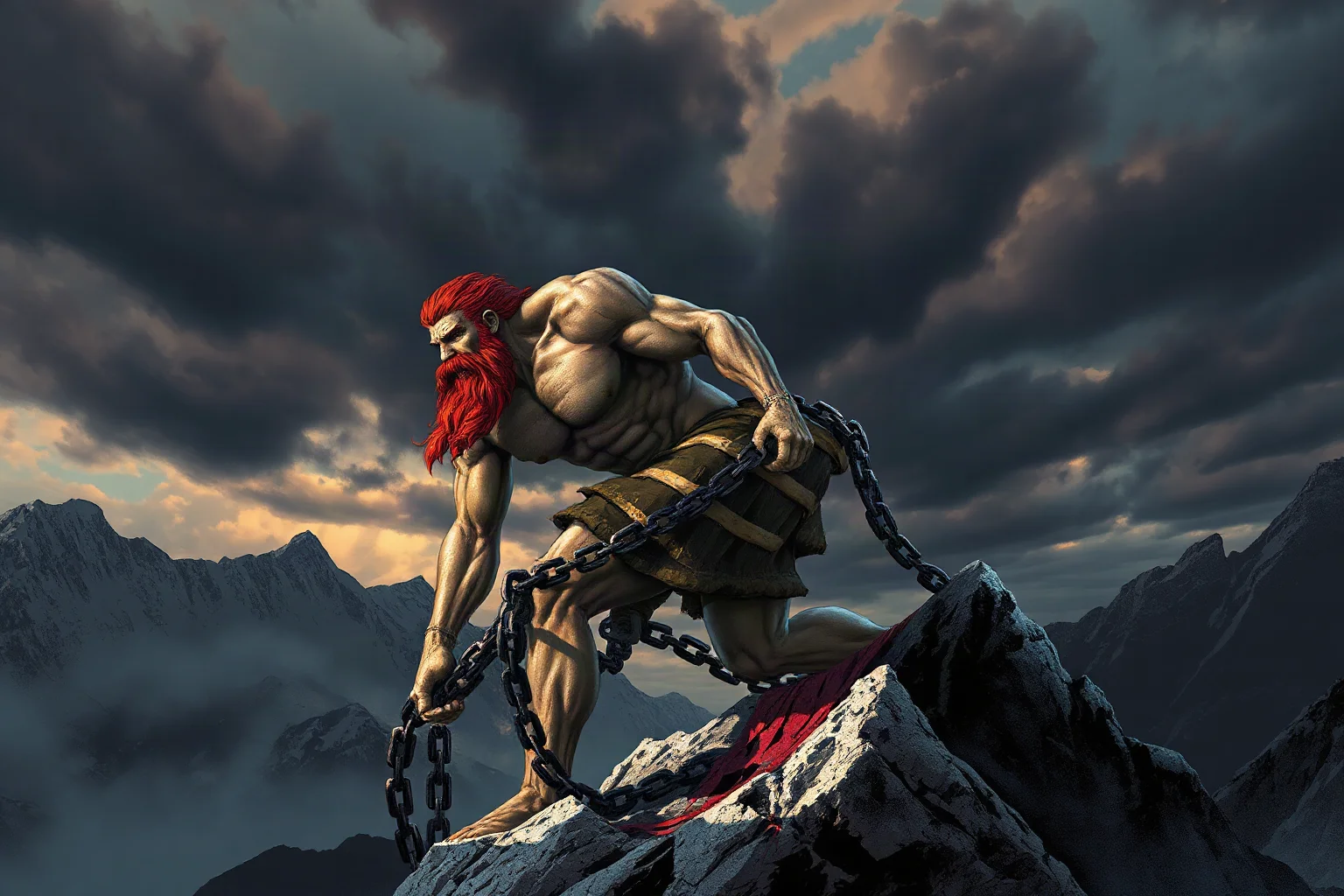
Prometheus, a Titan, stole fire from the gods and gave it to humanity, defying Zeus’s wishes. As punishment, he was chained to a rock where an eagle ate his liver daily, only for it to regenerate overnight.
The myth positions Prometheus as a champion of humankind against divine control, which is part of why his name still shows up in science and literature today. It’s also one of the scariest Greek myths in terms of sheer punishment, precisely because the torment never actually ends.
10. Sisyphus and His Eternal Boulder
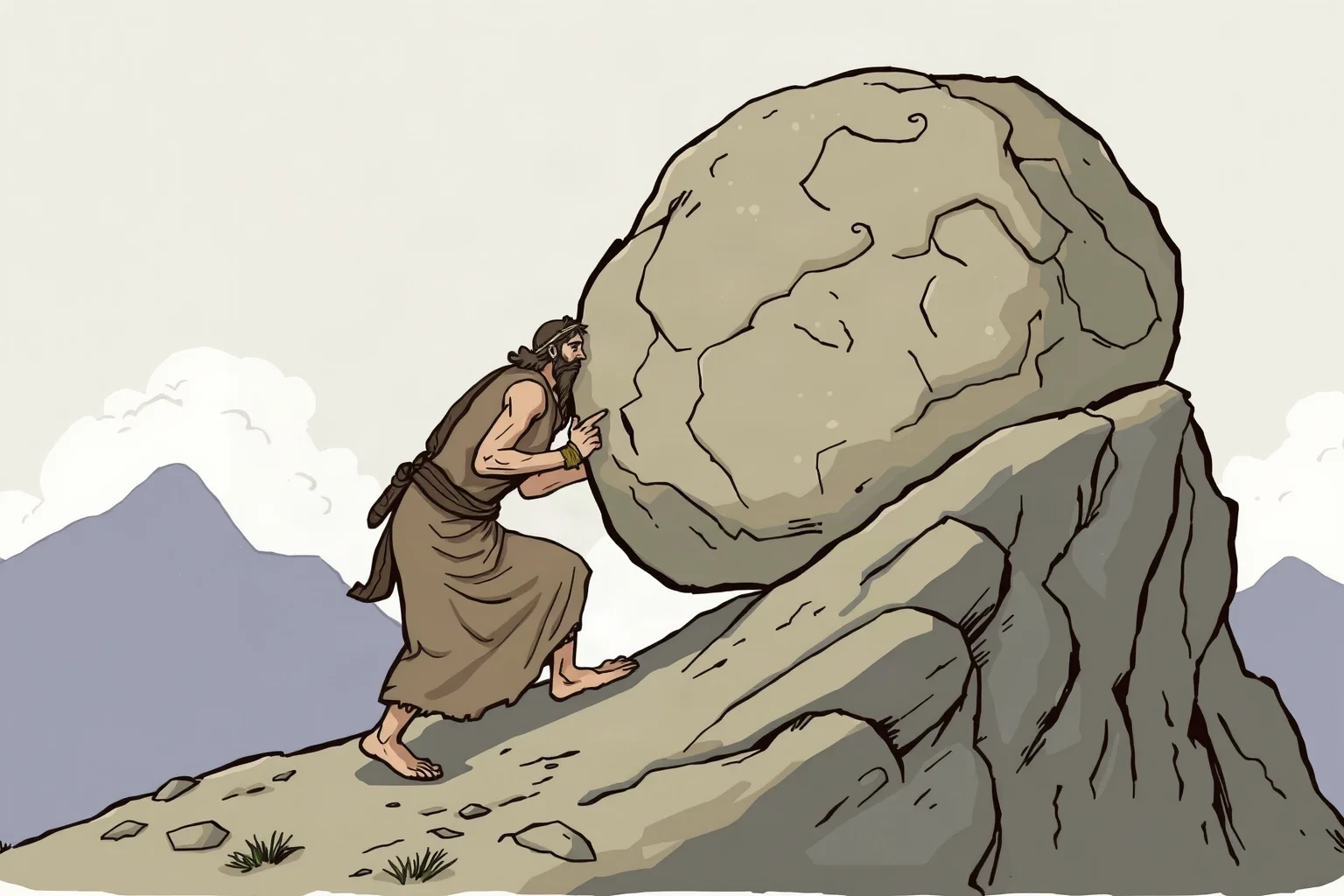
Sisyphus was a cunning king condemned to push a boulder up a hill for eternity, only to watch it roll back down every time he neared the top. Different sources give different reasons for his punishment, including tricking death itself.
The myth has become philosophical shorthand for meaningless, repetitive struggle — famously discussed by the philosopher Albert Camus in the 20th century. It’s proof that even the most well known myths keep finding new relevance centuries later.
Part 2: Lesser-Known and Obscure Greek Myths Worth Knowing
Here’s where things get genuinely weird. These lesser known Greek myths rarely make it into children’s books, either because they’re too strange, too dark, or just too obscure to have caught on in pop culture. If you want proof that Greek mythology was far stranger than the highlight reel suggests, this section is it.
11. The Bizarre Birth of Erichthonius
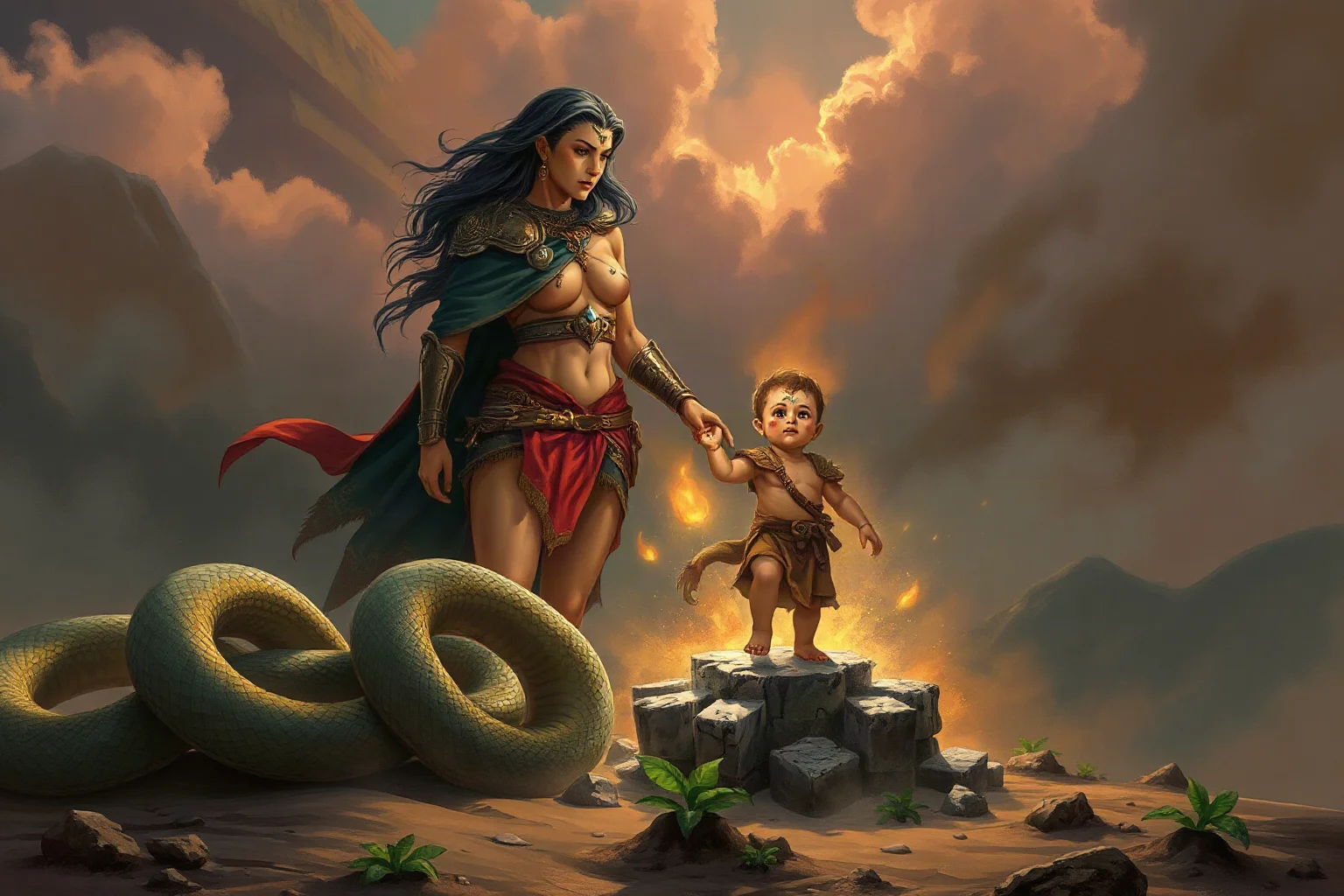
Erichthonius, a legendary early king of Athens, was said to have been born directly from the earth after Hephaestus’s unwanted advances toward Athena went nowhere. Athena reportedly raised the child herself, sometimes described as part-serpent.
This myth was used by ancient Athenians to claim a divine, literally “native” connection to their own land. It’s a strange origin story that most people outside classical scholarship have simply never heard.
12. Baucis and Philemon’s Test of Hospitality
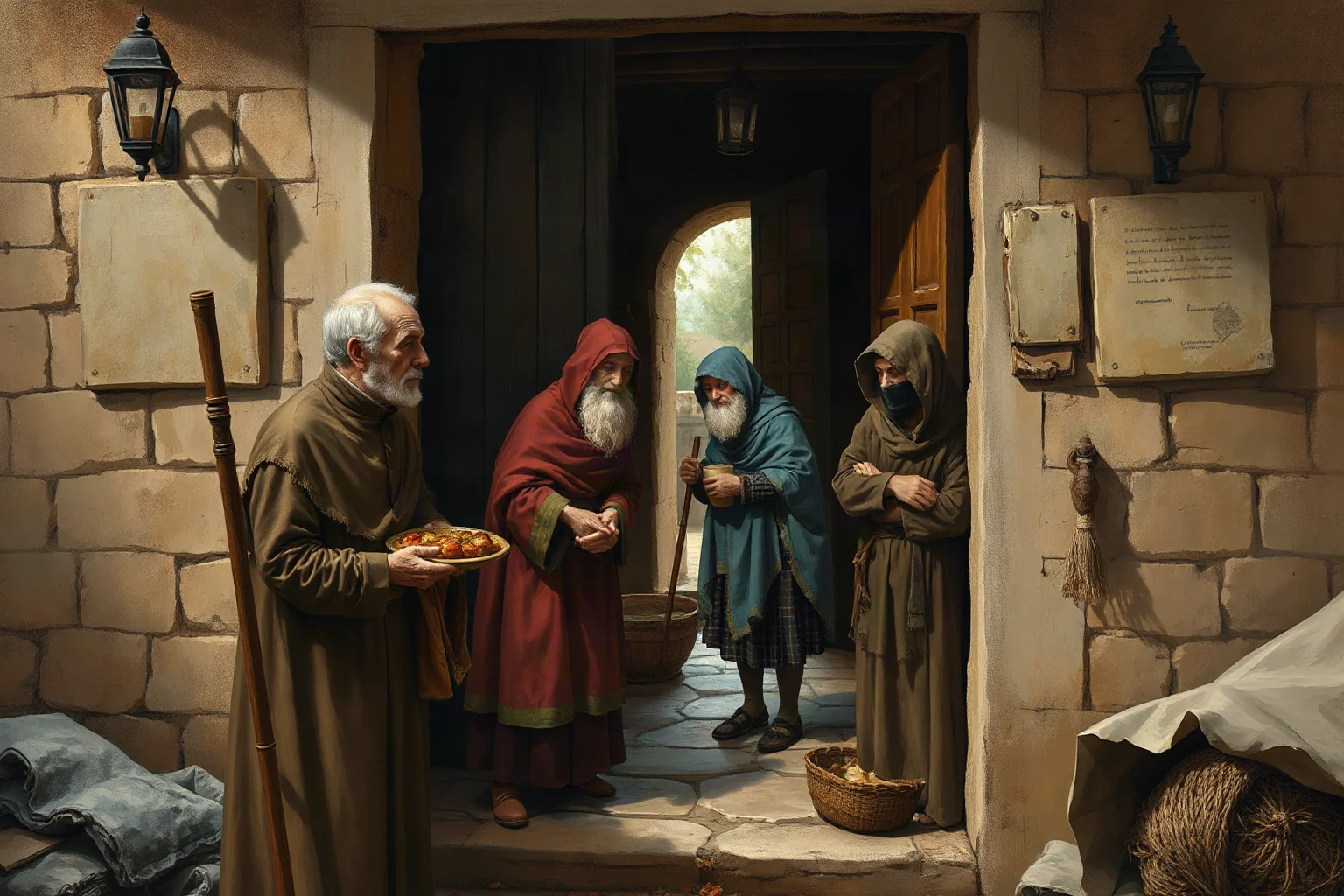
In this myth, recorded by Ovid, Zeus and Hermes disguised themselves as travelers to test how strangers were treated on earth. An elderly, poor couple named Baucis and Philemon welcomed them warmly, while wealthier neighbors turned them away.
The gods rewarded the couple and punished the inhospitable town. It’s a quieter, gentler myth than most on this list, and a good reminder that not every ancient Greek story ends in tragedy.
13. Tithonus and the Curse of Eternal Old Age
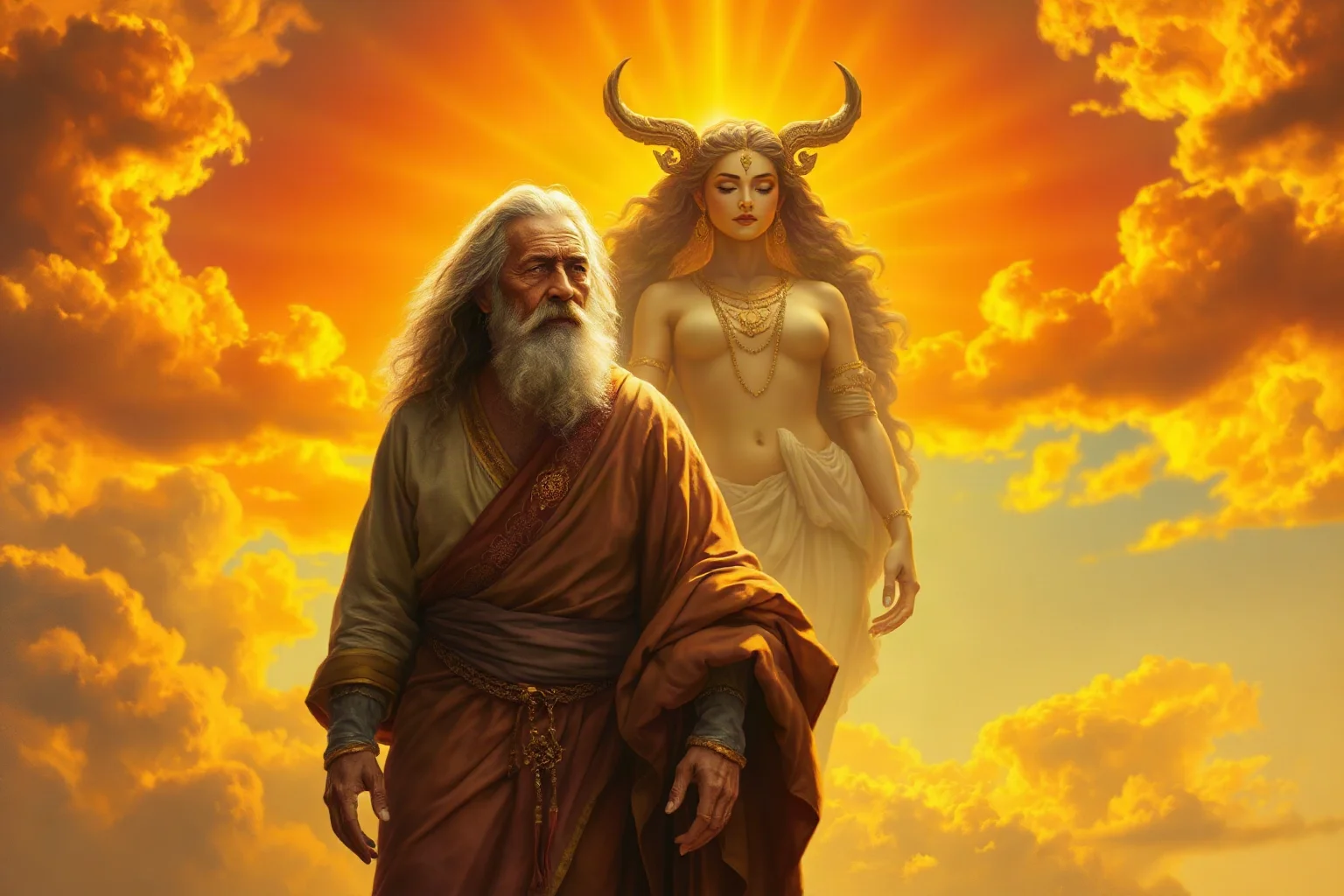
Tithonus was a mortal loved by the dawn goddess Eos, who begged Zeus to make him immortal. She forgot to ask for eternal youth alongside it, so Tithonus aged forever without ever being allowed to die.
It’s a quietly horrifying myth, and one of the better examples of Greek storytelling using a single twist to explore the difference between immortality and actually living well. Compared to Icarus or Sisyphus, it’s rarely taught, despite being just as sharp.
14. Actaeon and the Wrath of Artemis

Actaeon, a hunter, accidentally stumbled upon the goddess Artemis bathing. As punishment for seeing her unclothed, she transformed him into a stag, and his own hunting dogs tore him apart.
The myth is often cited in discussions of how disproportionately harsh divine punishment could be in Greek storytelling. It also shows up in scary Greek myths lists for a reason — the ending is genuinely brutal.
15. The Cursed House of Atreus

The House of Atreus is one of the darkest, most tangled family sagas in ancient Greek mythology, featuring betrayal, human sacrifice, and multiple generations of revenge killings. It includes Agamemnon, Clytemnestra, and their children Orestes and Electra.
The cycle formed the backbone of several Greek tragedies, especially Aeschylus’s Oresteia. It’s less “famous myth” and more sprawling family horror story, which is probably why it’s less commonly summarized outside academic settings.
16. Arachne’s Fatal Weaving Contest

Arachne, a mortal weaver, boasted that her skills rivaled Athena’s. Athena challenged her to a contest, and when Arachne’s tapestry mocked the gods’ bad behavior, Athena destroyed it and transformed Arachne into a spider.
The myth, recorded by Ovid, is often read as a warning against challenging the gods, but it’s also a rare moment where a mortal’s art is depicted as genuinely equal to divine skill. That nuance tends to get lost when the story is simplified.
17. Salmoneus, the Man Who Pretended to Be Zeus
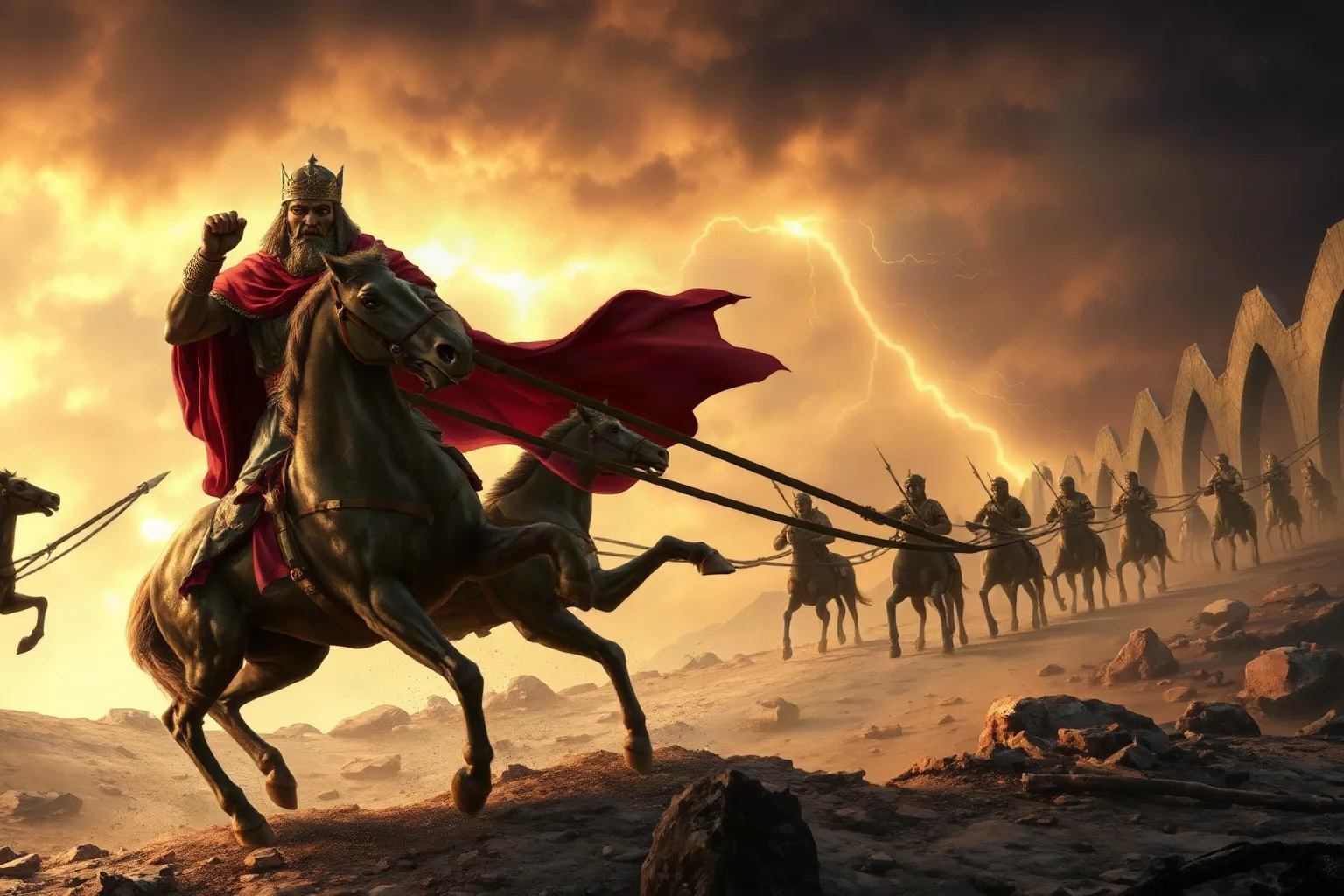
Salmoneus was a king who reportedly built a bronze bridge and dragged it with chariots to imitate thunder, claiming to be Zeus himself. Zeus was, understandably, not amused, and struck him down with an actual thunderbolt.
This is one of the more overlooked entries among weird Greek gods stories, mostly because Salmoneus isn’t a god at all — he’s a mortal absurd enough to try faking being one. It has a dark comedic streak that’s rare in Greek myth.
18. The Strange Transformations of Tiresias
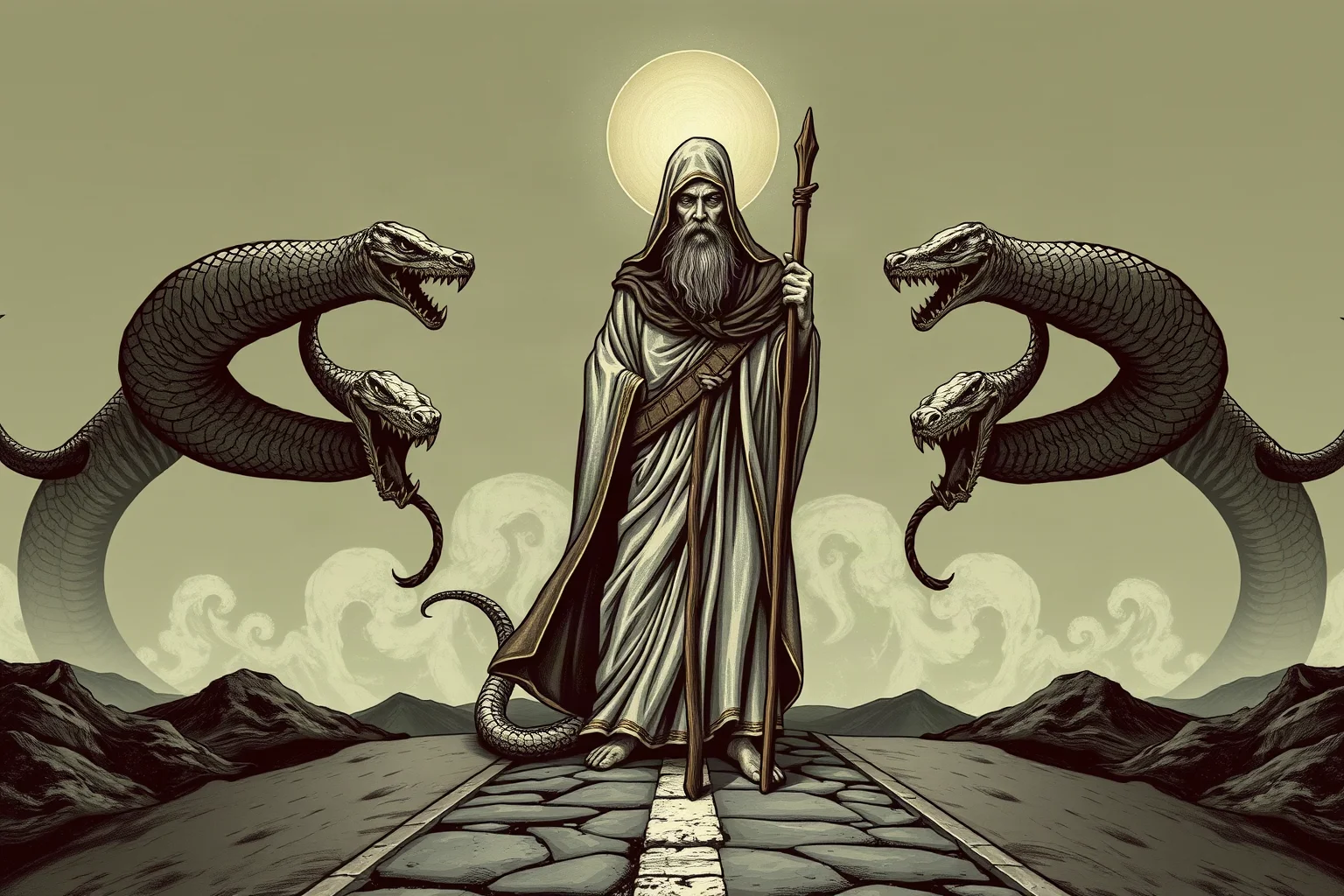
Tiresias was a blind prophet whose backstory includes being temporarily transformed into a woman for seven years, reportedly after striking two mating snakes. He later became the deciding vote in an argument between Zeus and Hera about which gender experiences more pleasure.
The myth is unusual enough that it rarely gets a full retelling outside specialist texts, even though Tiresias himself appears in the Odyssey and several tragedies. It’s one of the odder corners of obscure Greek mythology, blending humor, gender, and prophecy in one package.
19. Chiron, the Wounded Healer

Chiron was a centaur unlike the rest of his often-chaotic kind — wise, gentle, and skilled in medicine, music, and archery. He accidentally suffered an incurable wound from one of Heracles’s poisoned arrows and eventually gave up his immortality to end his suffering.
His myth is a quiet counterpoint to louder, more violent centaur stories. Chiron’s willingness to trade immortality for peace stands out as one of the more thoughtful, lesser known Greek myths in the whole tradition.
20. The Cercopes: Mischief-Makers Turned Monkeys
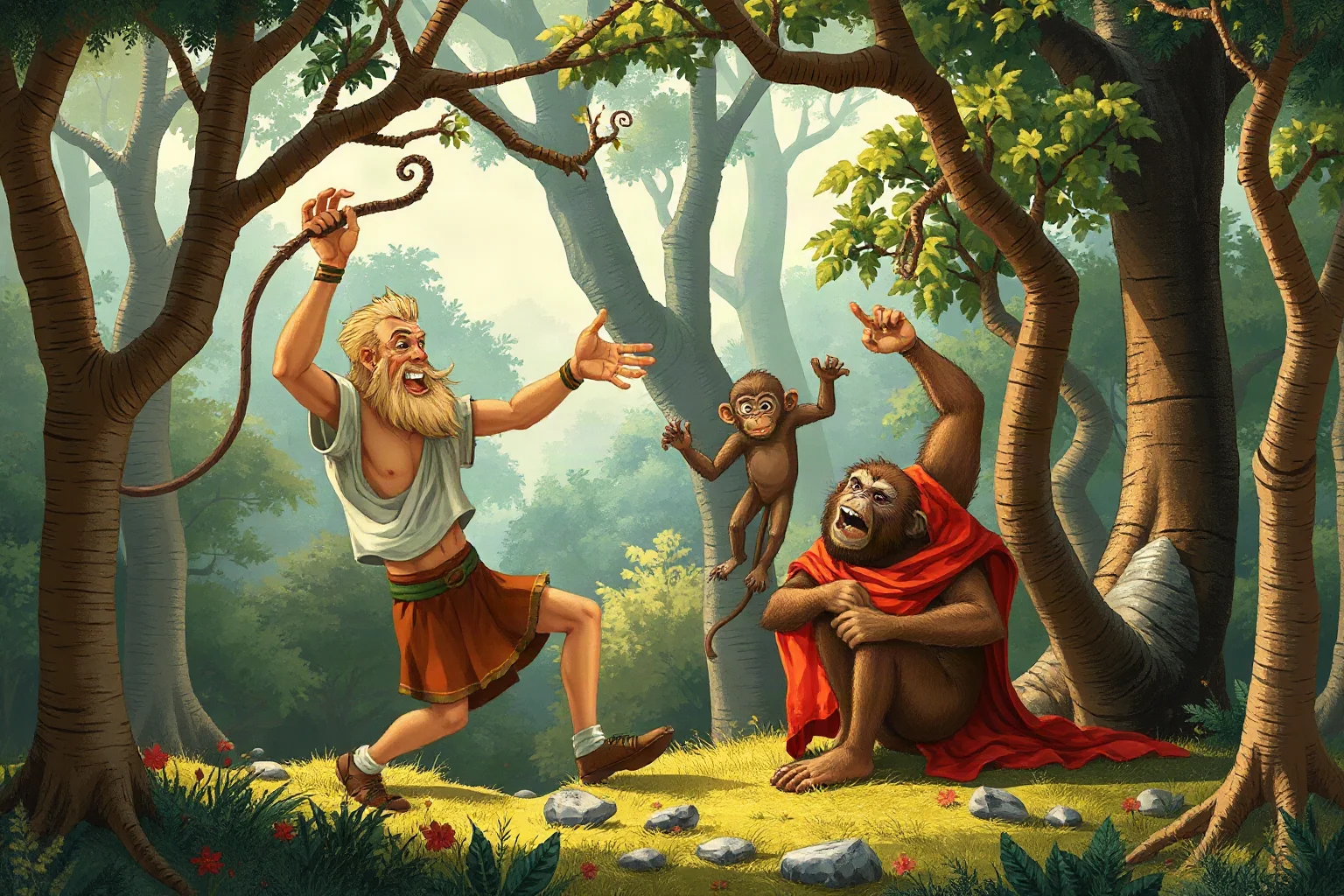
The Cercopes were two brothers known for constant lying and thievery, eventually punished by Zeus by being turned into monkeys, according to some ancient accounts. They’re a minor, almost comedic footnote compared to the grand tragedies most people associate with Greek myth, and a good example of the kind of lesser-known mythical creatures that folklore around the world is full of.
This is one of the better entries if you’re specifically looking for funny Greek mythology, since the punishment is almost cartoonish rather than gruesome. It’s a useful reminder that not every myth was meant to be taken with total solemnity.
21. Glaucus, the Fisherman Who Became a Sea God

Glaucus was an ordinary fisherman who ate a magical herb and transformed into an immortal sea deity, complete with a fish tail. Various later myths attach unrequited love stories to him, including a doomed pursuit of the nymph Scylla.
Glaucus never reached the fame of Poseidon or Triton, despite being a genuinely interesting minor sea god. He’s a solid example of how Greek mythology kept generating new characters well beyond the core Olympian cast.
22. The Myth of Alcyone and Ceyx

Alcyone and Ceyx were a devoted married couple; when Ceyx died in a shipwreck, Alcyone’s grief was so overwhelming that the gods transformed them both into kingfishers. Ancient sources connected the myth to “halcyon days,” a brief period of calm winter seas believed to occur while the birds nested.
It’s a gentler, more romantic myth than most obscure Greek myths on this list, closer in tone to Baucis and Philemon than to the House of Atreus. It’s also a nice example of how Greek mythology often tried to explain natural phenomena through emotional, human-centered stories.
Fun Facts About Greek Mythology
Beyond the myths themselves, there are some genuinely fun facts about Greek mythology that rarely make it into the main stories, similar to the kind of surprising details we cover in our roundup of fascinating facts about ancient Greece. Here are ten worth knowing.
- The word “myth” comes from the Greek “mythos,” which originally just meant “story” or “speech,” not necessarily something false.
- Many Greek gods had different regional cult centers, meaning the same deity could be worshipped quite differently depending on the city.
- The Greeks didn’t see their myths as fixed scripture — playwrights regularly rewrote endings for dramatic effect.
- Several Greek myths were used to explain real geographic features, like volcanic activity being attributed to trapped Titans or giants.
- The Odyssey and Iliad were likely composed and transmitted orally for generations before being written down.
- Some “monsters,” like the Minotaur, may reflect older Minoan bull-worship traditions absorbed into later Greek storytelling.
- Ancient Greek tragedy competitions were essentially state-sponsored storytelling contests, often reworking the same myths differently each time.
- Many Roman myths, including much of what people know from Ovid, are Greek myths with renamed gods and altered details.
- Some myths, like Tiresias’s story, directly engaged with questions of gender that modern readers still find striking today.
- There is no single “correct” version of most Greek myths — variation between sources was the norm, not an error.
Why These Stories Still Matter
Greek mythology has survived because it never really tried to be tidy. Even the most well known myths contradict themselves across different ancient sources, and the more obscure Greek mythology gets, the stranger and more human it becomes.
Whether you’re drawn to the grand tragedy of the Trojan War or the almost comedic absurdity of Salmoneus pretending to be Zeus, these stories were built to be retold and reshaped. That’s arguably the most interesting fact about Greek mythology of all: it was never meant to be finished.
Frequently Asked Questions
What are some lesser known Greek myths worth reading?
Beyond the familiar hits like Heracles or the Trojan War, lesser known Greek myths worth exploring include Tithonus's curse of eternal old age, Salmoneus pretending to be Zeus, the strange transformations of Tiresias, and the quiet romance of Baucis and Philemon. These stories rarely appear in popular retellings but reveal just how varied and strange ancient Greek storytelling could get.
What is the difference between a Greek myth and a Greek legend?
Myths generally involve gods, supernatural events, and explanations for natural or cosmic phenomena, while legends often center on human figures with looser, sometimes historically-rooted origins. In practice, ancient Greek storytelling blended both freely, so many Greek legends and myths overlap rather than falling into neatly separate categories.
What is considered the scariest Greek myth?
Many readers point to Actaeon's transformation and death, or Prometheus's endless liver-eating punishment, as among the scariest Greek myths due to their disproportionate cruelty. The House of Atreus saga is also frequently cited for its cycle of murder and revenge across generations.
Are there any funny Greek myths?
Yes — funny Greek mythology does exist alongside the tragedies. Salmoneus getting struck down for faking being Zeus, and the Cercopes being turned into monkeys for constant lying, are both examples of myths with a more comedic or absurd tone rather than a tragic one.
Why do some Greek myths have multiple different versions?
Greek myths were passed down orally for centuries before being written by different poets, playwrights, and historians across different regions and eras. Because there was no single official religious text, storytellers regularly adapted details, meaning variation was expected rather than seen as inconsistency.
What are some interesting facts about Greek mythology beginners should know?
One of the most interesting facts about Greek mythology is that most of what people know today comes from a patchwork of sources, including Homer, Hesiod, and later Roman writers like Ovid. Another is that many well known myths, such as Pandora's story, have been interpreted very differently by scholars over time.
What are the most famous Greek myths?
The most famous Greek myths typically include the Twelve Labors of Heracles, the Trojan War, Theseus and the Minotaur, Perseus and Medusa, and Persephone's abduction into the Underworld. These stories are widely known because they were retold constantly throughout ancient literature, art, and drama.
Do Greek myths explain real historical events?
Some scholars believe certain myths, like the Trojan War, may have been loosely inspired by real historical conflicts or Bronze Age memories, later embellished with gods and legendary detail. However, this connection is debated among historians and should not be treated as confirmed fact.

Alex Warren
Related Articles