
Say “mythical creatures” and most people picture the same handful of headliners: dragons, unicorns, mermaids, maybe a griffin if they’re feeling fancy. But world folklore is enormous, and for every dragon there are a dozen stranger, quieter beings that never made it into blockbuster movies or theme park rides.
This list digs into the folklore archives to bring you 25 lesser-known mythical creatures from cultures across the globe. Some are helpful, some are mischievous, some are downright terrifying, and a few are so obscure that even folklore enthusiasts have never heard of them. Along the way, we’ll separate documented folklore from internet legend—much like we’ve done before with some of the weirdest, dumbest laws in America—because not every “ancient creature” you find online actually has ancient roots.
TL;DR: Beyond the dragons and unicorns everyone knows, world mythology is packed with obscure, tiny, and often misunderstood creatures—like the Aitvaras, the Tikbalang, and the Menehune—that reveal just how creative and varied global monster mythology really is.
What Exactly Is a Mythical Creature?
A mythical creature is any being described in folklore, religion, or oral tradition that isn’t classified as a known biological species. That covers a huge range: mythological animals like the phoenix, entire mythical races like elves or selkies, and singular monsters tied to a specific legend, like the Minotaur of Crete.
Cultures around the world independently developed similar creature types, which is part of why dragons show up in both European and Chinese mythology despite no shared source. Storytellers everywhere seem to reach for the same building blocks: animal hybrids, spirits of nature, and beings that blur the line between human and monster.
The most famous mythical characters tend to dominate pop culture because they were picked up by Hollywood, Dungeons & Dragons, or Victorian folklorists who wrote them into widely translated books. Thousands of other creatures simply stayed local, told at firesides in languages that never got a major English translation.
Why Do Some Monster Myths Stay Hidden?
Obscurity in folklore usually isn’t random. Many creatures never made it into the Western mythology canon because they belonged to oral traditions that weren’t recorded in writing until relatively recently, if at all.
Colonial-era collectors also picked and chose which local legends to document, often favoring stories that resembled European fairy tales over ones that didn’t. That means entire regional catalogs of monster myths were left out of the popular record for generations.
The result is a strange imbalance: a handful of common mythological creatures get retold endlessly, while genuinely fascinating regional legends stay known only to folklorists and locals. This list tries to correct that balance, even if only a little.
25 Lesser-Known Mythical Creatures Worth Knowing
Here are 25 obscure, rare, and sometimes beautiful mythical creatures pulled from folklore traditions spanning six continents, joining our earlier roundup of phenomenally weird mythical creatures from around the world as further proof that folklore never runs out of surprises. They range from tiny household spirits to sea monsters, and from genuinely ancient legends to a couple of much newer additions to monster mythology.
1. Gyl Burnt-Tayl
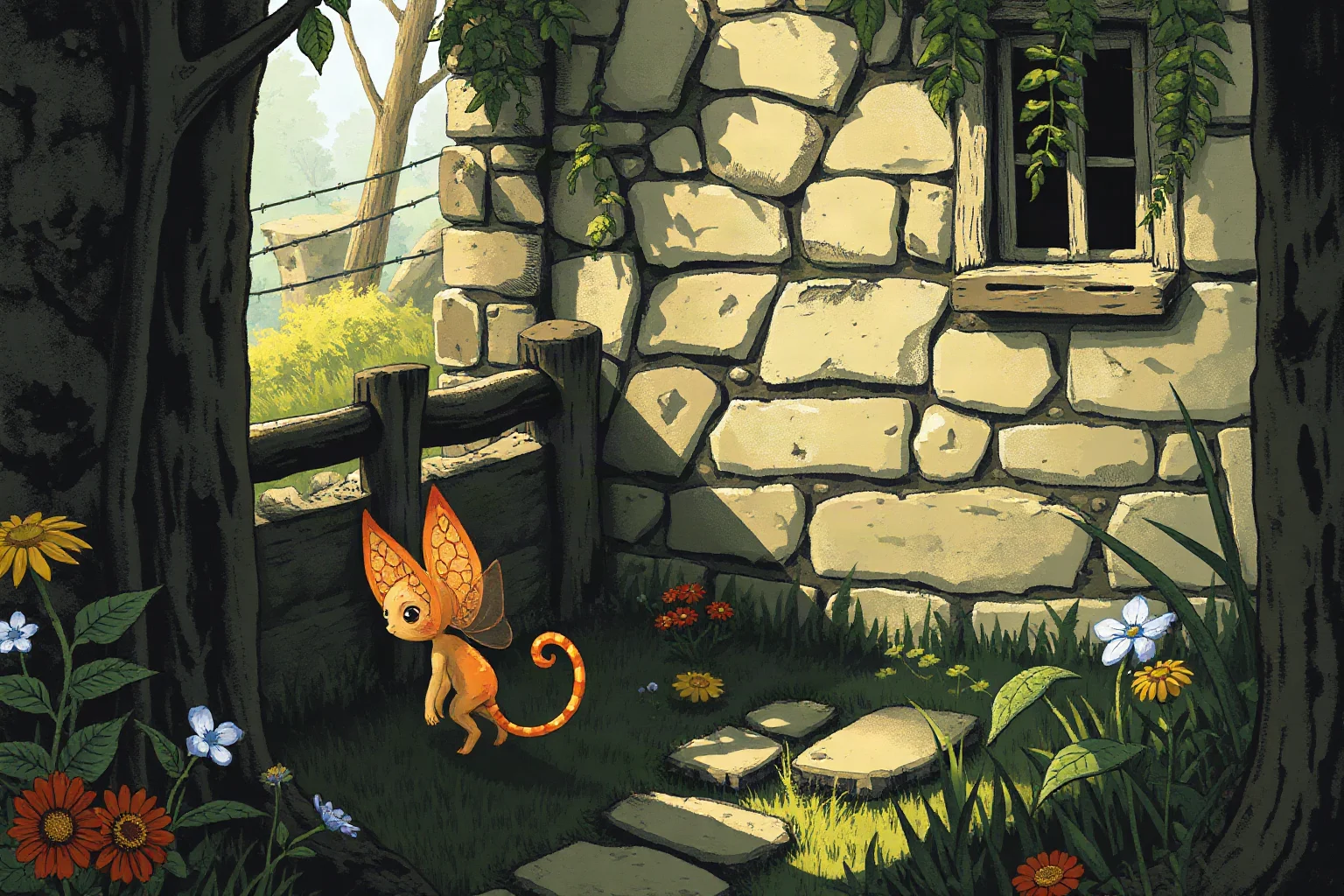
Gyl Burnt-Tayl is one of the strangest names to survive from English folklore, appearing in Reginald Scot’s 1584 book “The Discoverie of Witchcraft.” Scot listed her among a catalog of frightening spirits and bugbears that superstitious adults used to scare children.
Little detail survives about what she actually looked like or did, which makes her a genuinely obscure mythical creature even by folklore standards. Her name alone—suggesting a scorched or burning tail—has kept curious readers guessing for over four centuries.
2. Tikbalang
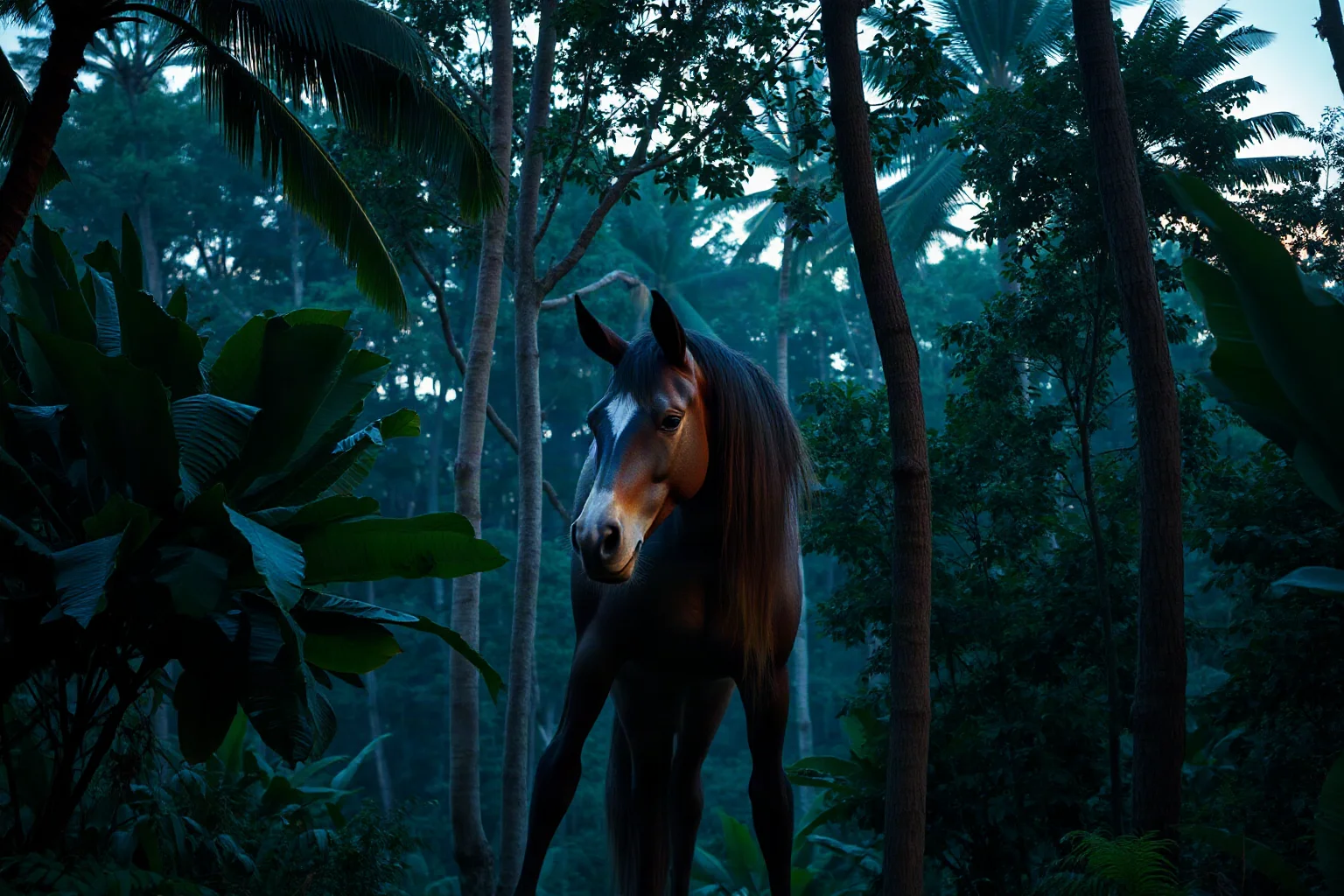
In Philippine folklore, the Tikbalang is a tall, lanky creature with the head and hooves of a horse and the body of a man. It’s said to lurk in forests and mountains, leading travelers astray by making paths loop back on themselves.
Some traditions say walking backwards, or turning your clothes inside out, can break the Tikbalang’s spell. It remains a well-known figure in Filipino storytelling, even though it rarely appears in Western lists of mythical creatures.
3. Aitvaras
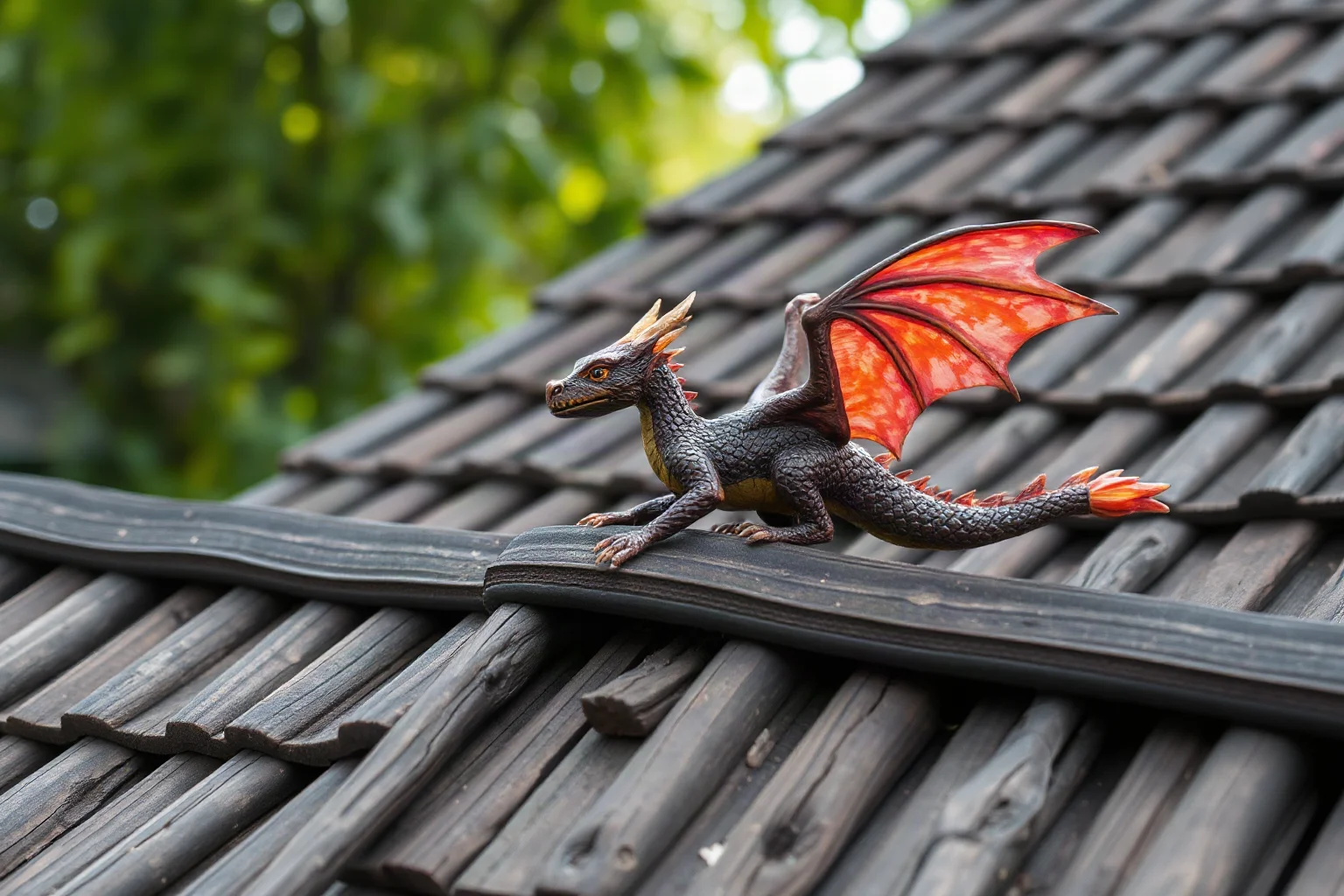
The Aitvaras comes from Lithuanian and broader Baltic folklore, described as a household spirit that brings its owner stolen grain, milk, or gold. It’s often pictured as a small dragon-like creature or a rooster with a fiery tail.
The catch is that an Aitvaras is a genuinely mischievous creature: it demands to be fed well, and if neglected, it may burn down the house that took it in. It’s a rare example of a helpful mythical creature that comes with real strings attached.
4. Adaro
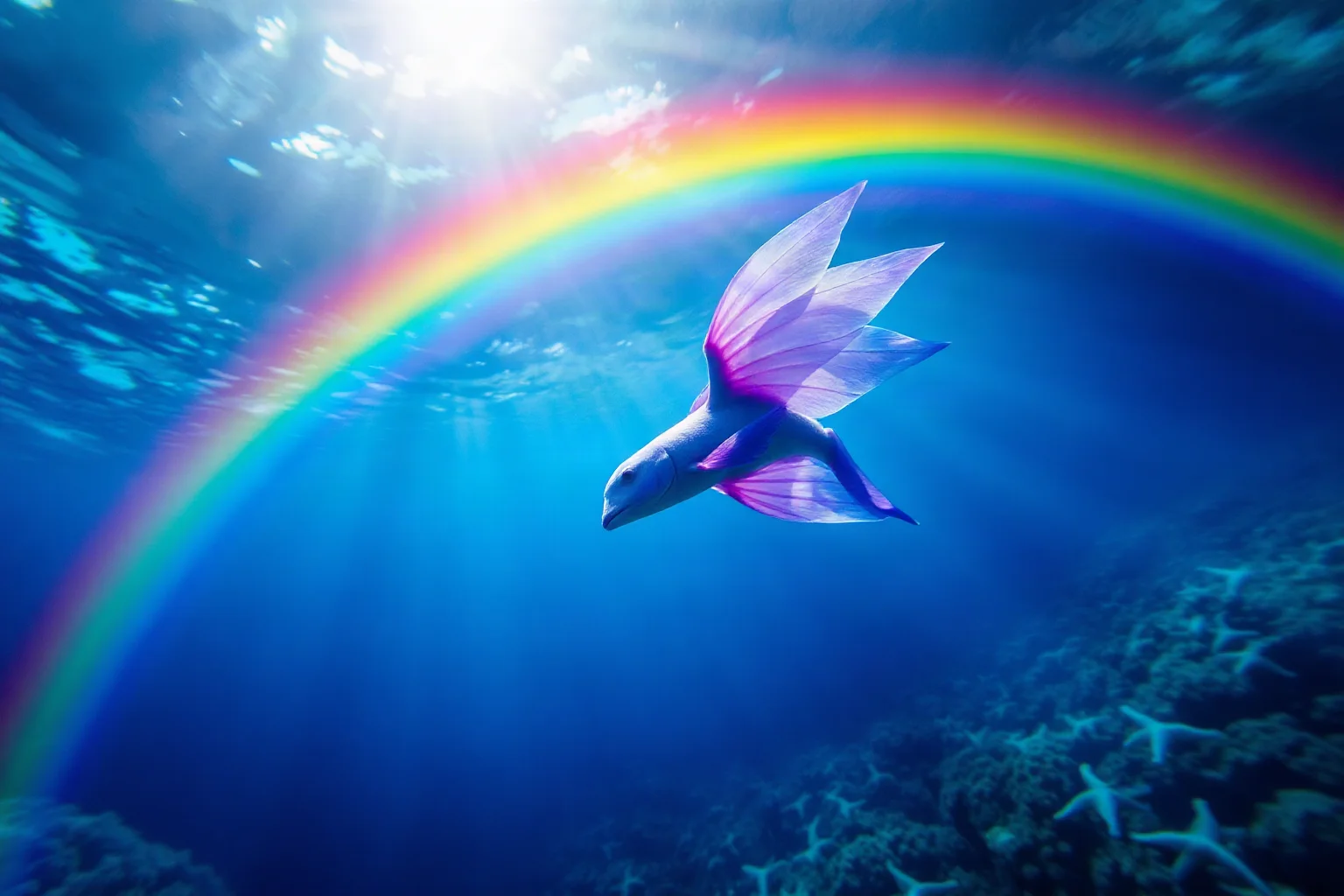
From the folklore of the Solomon Islands, the Adaro is a sea spirit said to travel along rainbows and waterspouts, armed with fins, a swordfish-like protrusion, and gills behind its ears. Adaro were traditionally described as dangerous, capable of causing sudden illness in people who crossed them.
They’re a good example of how monster mythology often reflects real environmental hazards, in this case sudden ocean storms and unexplained sickness in island communities.
5. Domovoi
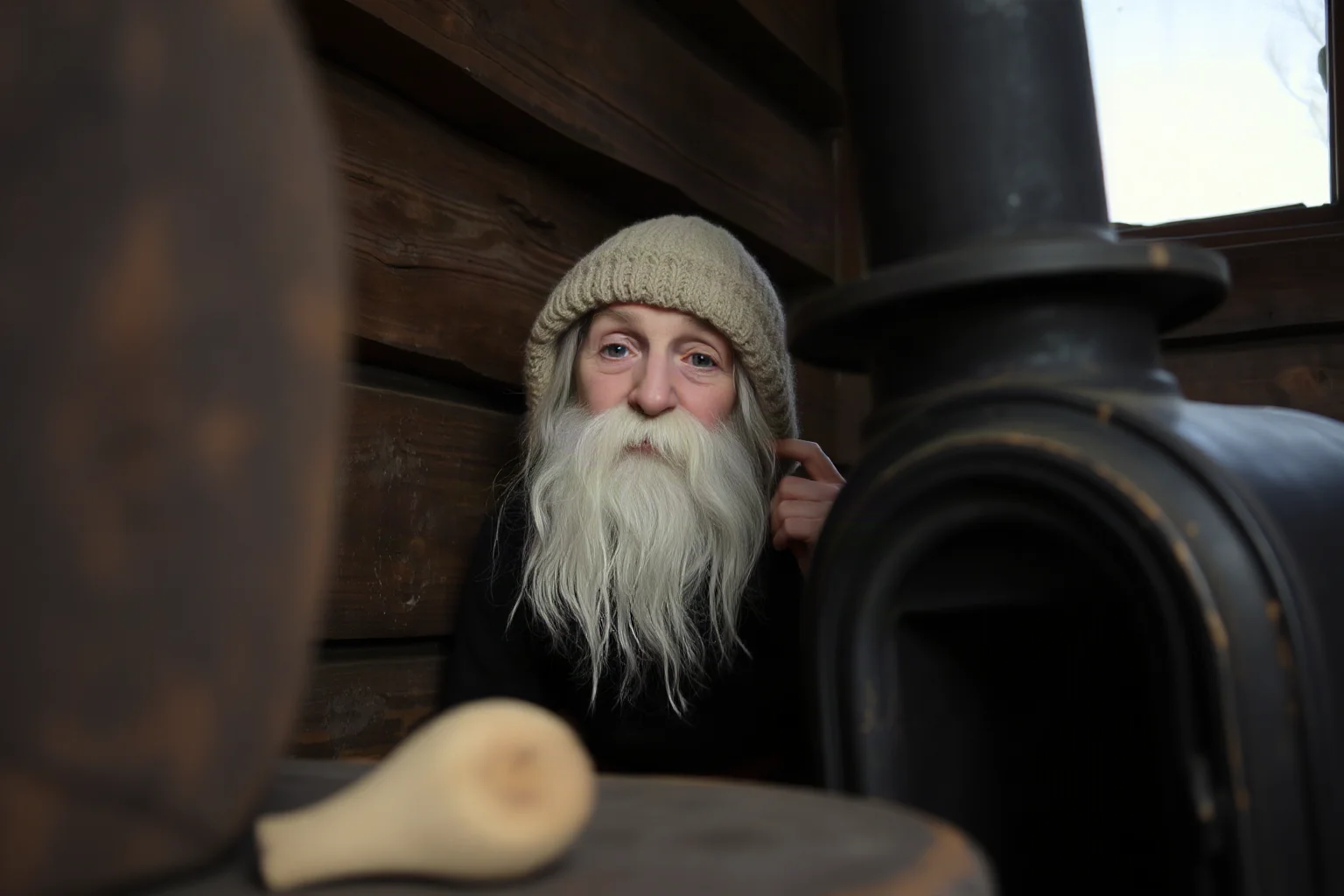
The Domovoi is a Slavic household spirit, usually imagined as a small, bearded old man who lives behind the stove or under the threshold. Unlike many folklore spirits, the Domovoi is generally helpful, protecting the home and family as long as it’s treated with respect.
Families would traditionally leave out small offerings of food to keep the Domovoi content. It’s one of the more genuinely helpful mythical creatures in European folklore, standing apart from the many entities designed purely to frighten.
6. Kikimora

Where the Domovoi is helpful, the Kikimora—also from Slavic folklore—is its far more mischievous counterpart. She’s typically described as a female house spirit who tangles yarn, disturbs sleep, and generally causes domestic chaos when a household is messy or disrespectful.
In some tellings, a Kikimora can be won over and turned protective if the home is kept tidy. That makes her a fitting folklore lesson about housekeeping wrapped inside a monster myth.
7. Nuckelavee
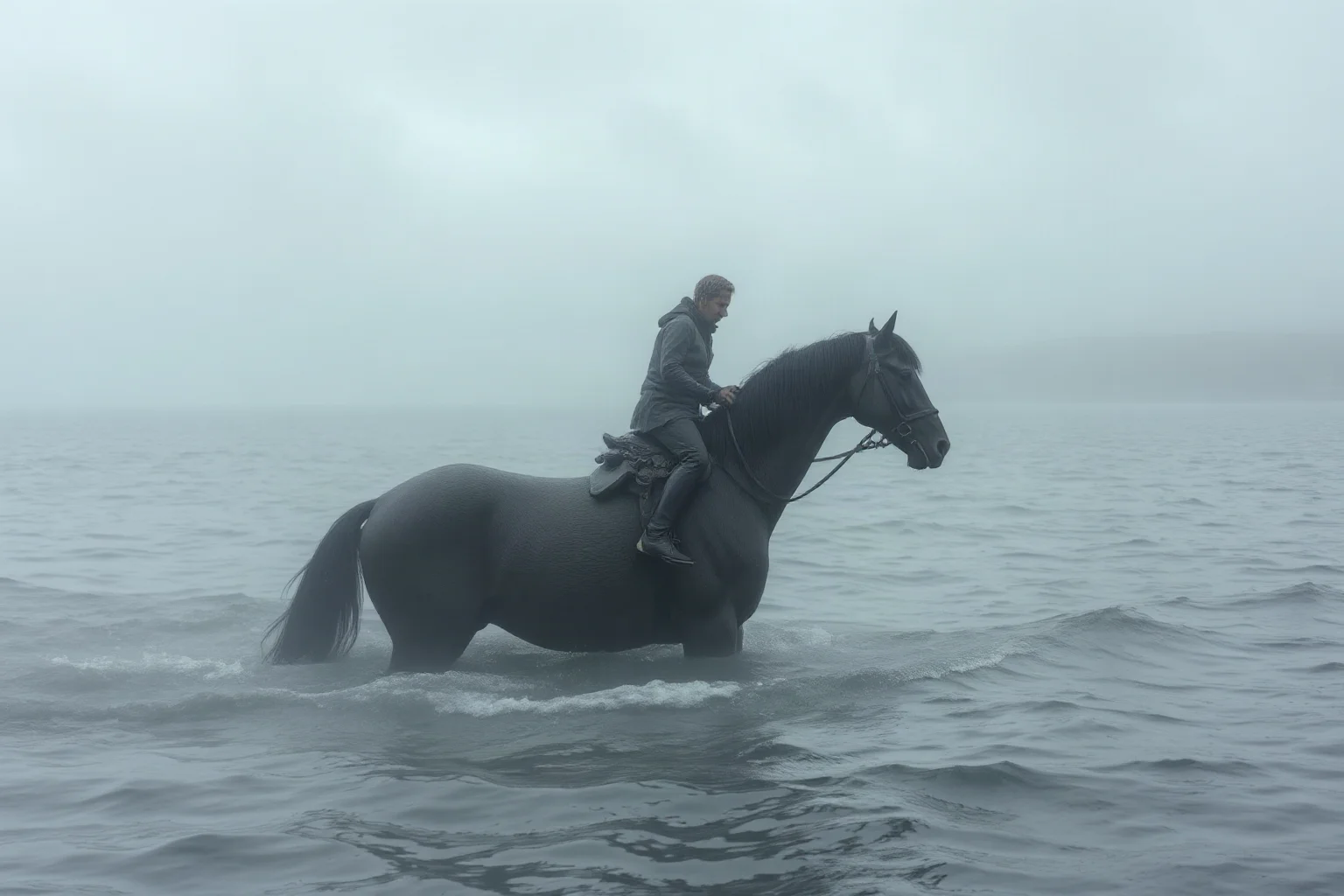
From the Orkney Islands off Scotland comes the Nuckelavee, one of the more genuinely disturbing creatures in British folklore. It’s described as a fused horse-and-rider figure with no skin, exposing raw muscle and black blood, and it was blamed for crop failure, drought, and disease.
Legend held that the Nuckelavee couldn’t cross fresh running water, which gave villagers a folkloric escape plan. It’s a monster from mythology that rarely gets mentioned outside of Scottish folklore circles.
8. Tarasque
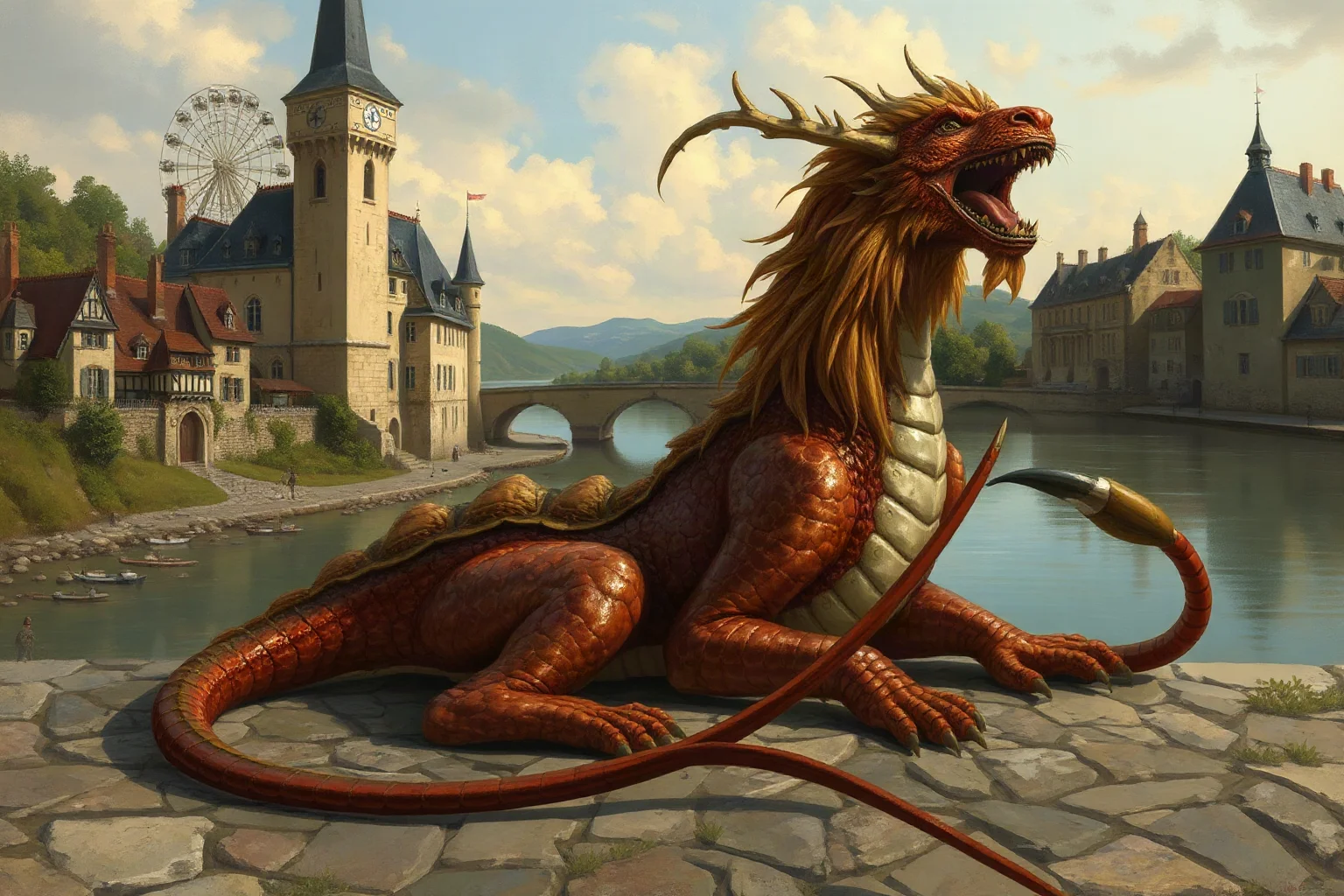
The Tarasque is a legendary dragon-like creature tied to the town of Tarascon in southern France, described as having a lion’s head, a turtle-like shell, and a scorpion’s tail. According to local legend, it terrorized the region until St. Martha calmed it using prayer rather than violence.
The town still holds a festival featuring a giant Tarasque effigy today. It’s a great example of how European monster myths often got woven directly into local civic identity.
9. Bakeneko
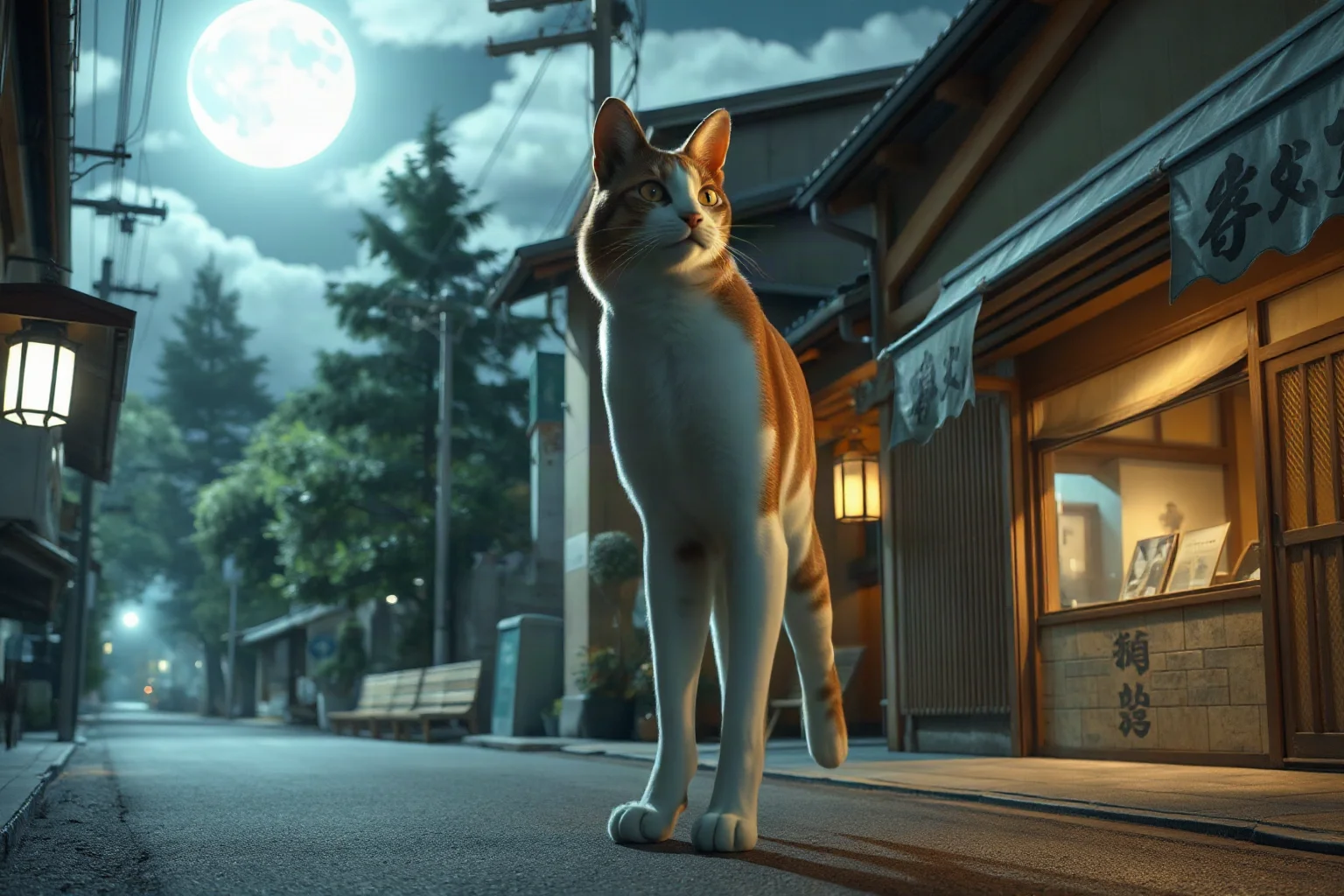
In Japanese folklore, a Bakeneko is a cat that has lived long enough, or grown large enough, to gain supernatural powers, including the ability to walk on two legs, talk, and even shapeshift into a human. It’s a close cousin of the better-known Nekomata.
Stories about Bakeneko likely reflect real cultural anxieties about cats, which were historically viewed with a mix of affection and suspicion in Japan. It’s a small mythological creature with an outsized reputation in regional ghost stories.
10. Aluxes
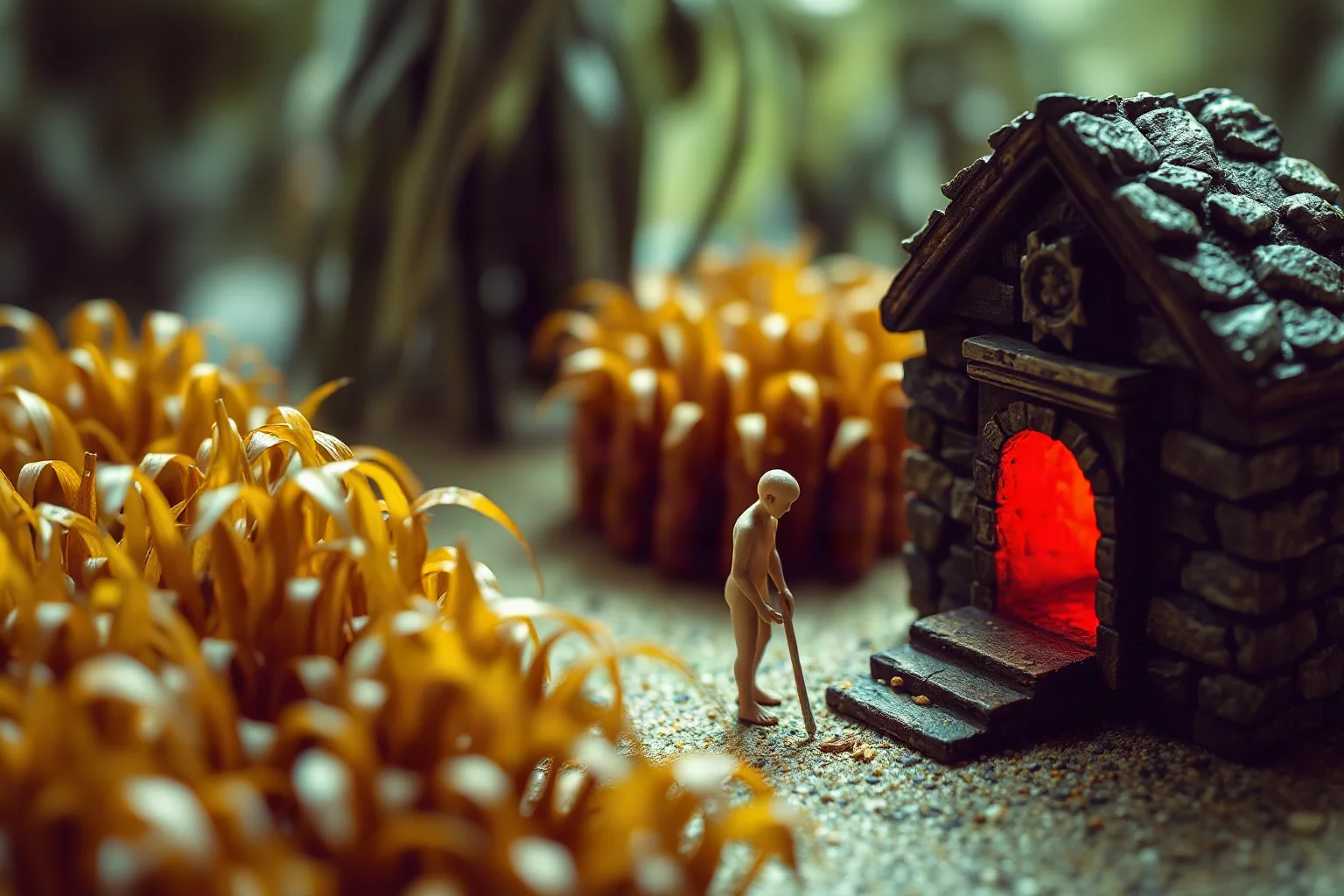
In Maya folklore from the Yucatán region, Aluxes are small, invisible spirit-people who guard cornfields and forests. Farmers traditionally built tiny stone houses for them and left small offerings to keep them friendly.
Aluxes can be helpful, protecting crops from thieves and pests, but they’re also known for playing tricks on people who disrespect them. They’re a strong example of small mischievous creatures from fairy tales existing well outside the European tradition most readers know.
11. Duendes
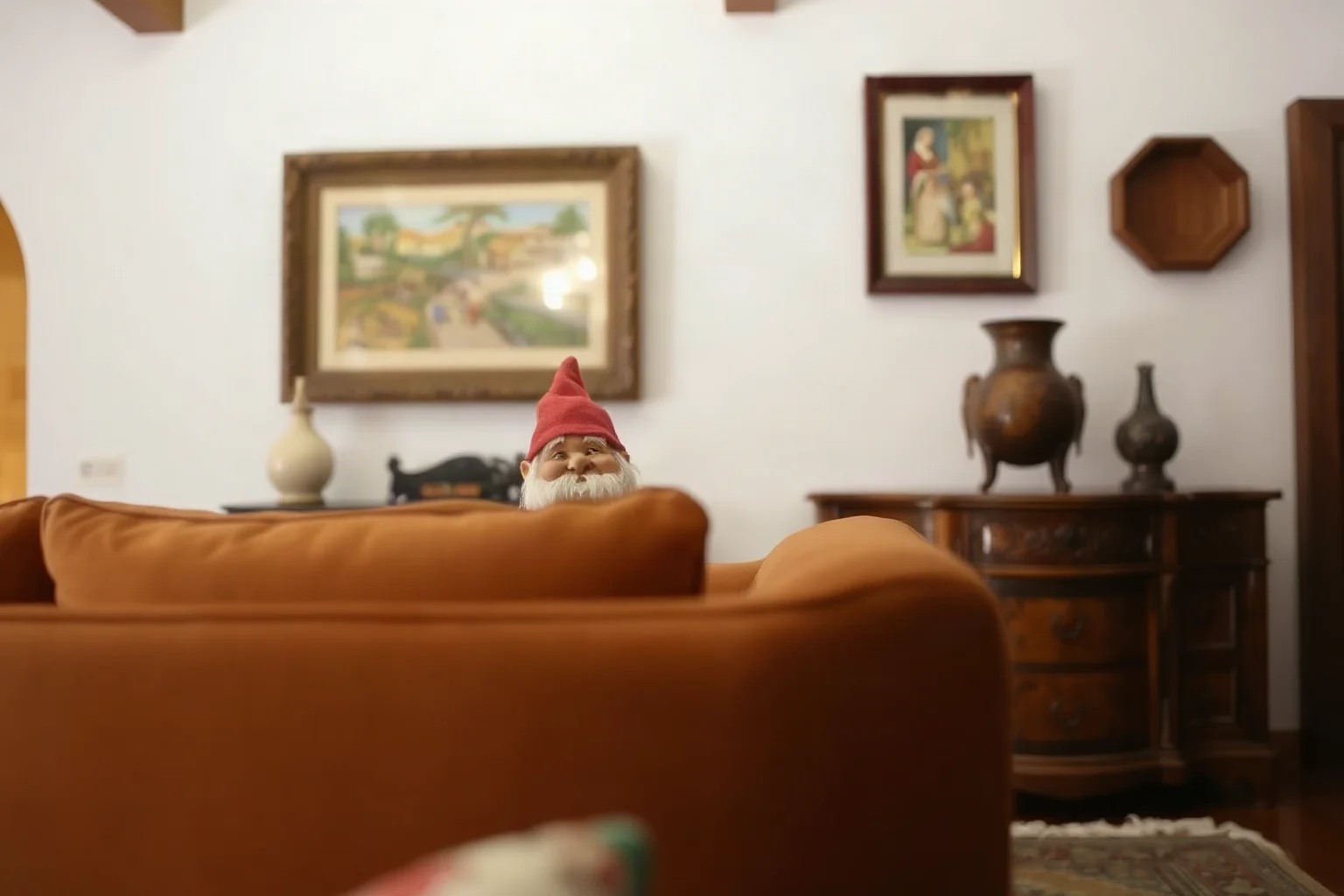
Duendes appear across Spanish and Latin American folklore as small, gnome-like house or forest spirits, often blamed for misplaced objects and odd noises. Depending on the region, they range from harmless pranksters to genuinely unsettling figures blamed for missing children.
The word “duende” is still used casually in Spanish today to mean a mischievous or elusive spirit. That everyday survival makes it one of the more quietly persistent entries in this list of small mythical creatures.
12. Sirin and Alkonost
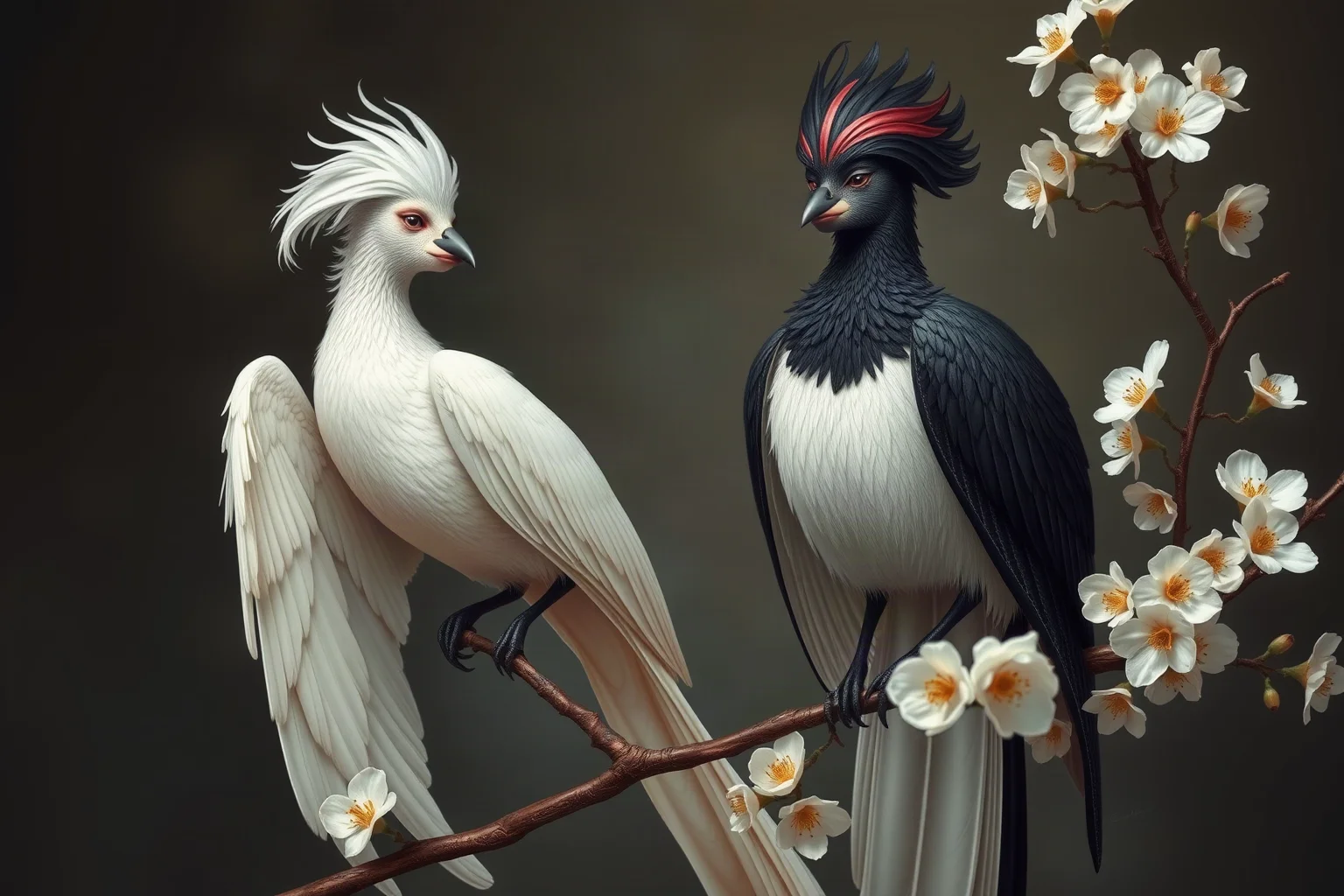
Slavic folklore describes a pair of bird-women: the Sirin, associated with joy and often depicted in lighter, almost white plumage, and the Alkonost, associated with sorrow and often shown with darker feathers. Both have the upper body of a woman and the body of a bird, echoing the Greek Sirens without being directly descended from them.
They’re frequently cited among the more beautiful mythological creatures in Eastern European art and iconography. Russian folk art and lacquer boxes still feature both figures today.
13. Peluda
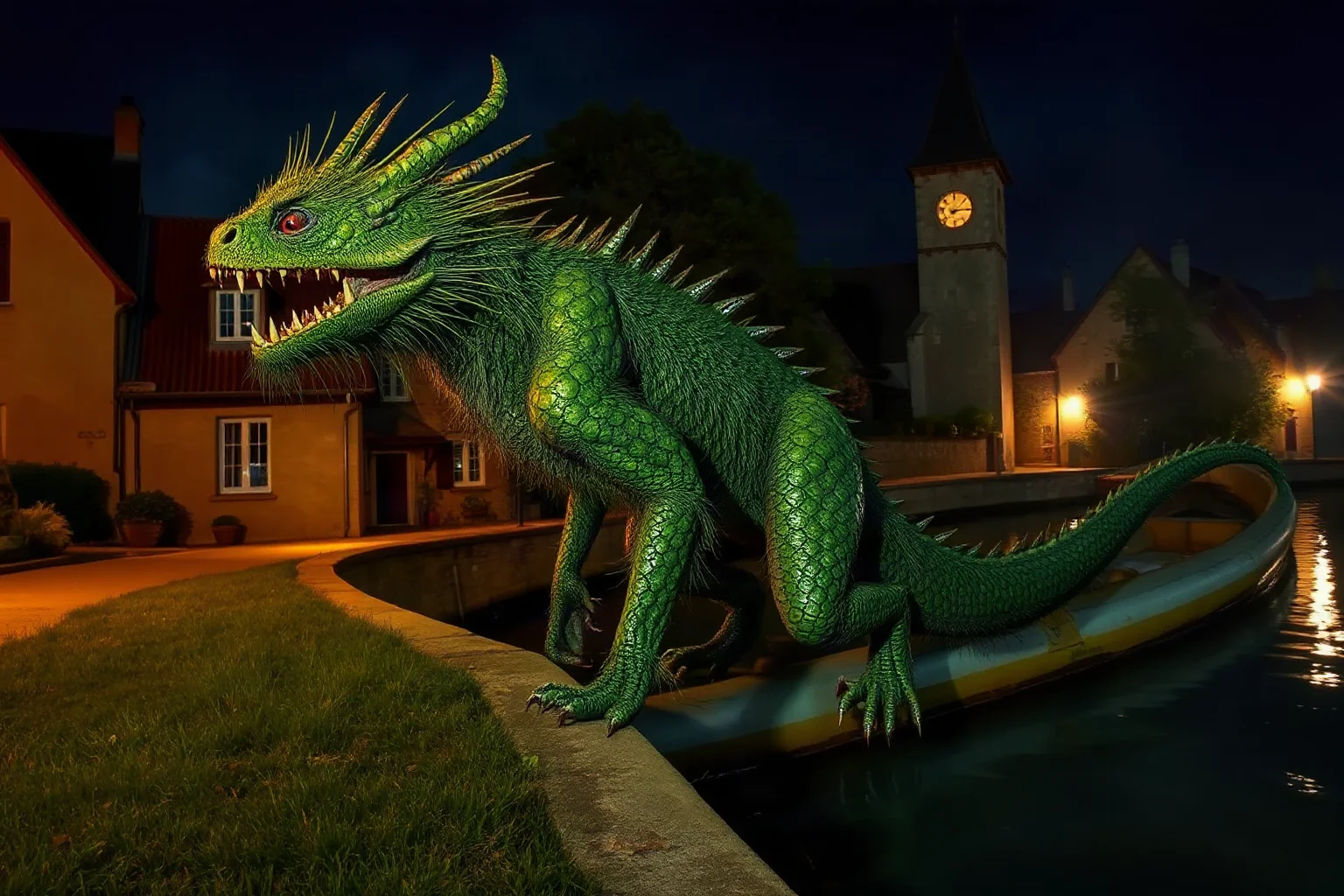
Also called the Shaggy Beast, the Peluda is a French dragon-like creature said to have terrorized the town of La Ferté near the Aisne River. It’s described as covered in green quills or bristles that it could shoot at enemies, with a serpent-like tail and turtle-like feet.
Legend claims it survived Noah’s flood by clinging to a mountain peak, which is a fun detail that shows how local monster myths sometimes got stitched into biblical stories. It remains one of France’s more obscure monsters outside folklore circles.
14. Qalupalik
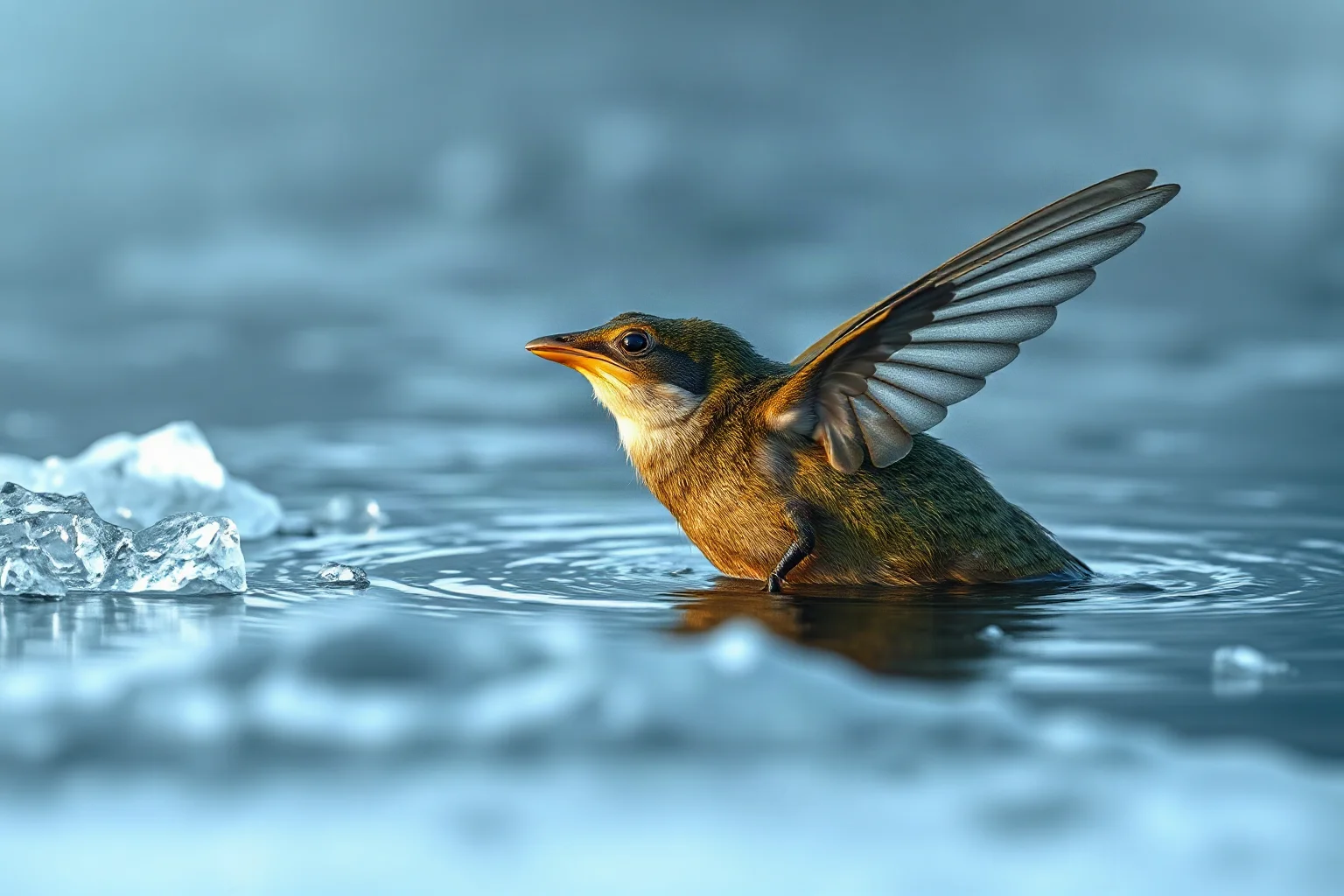
In Inuit folklore, the Qalupalik is an amphibious creature with long hair and greenish skin that lives in the cold coastal waters of the Arctic. It’s said to hum or sing to lure disobedient children near the shore before pulling them into the water.
Like many cautionary folklore figures, the Qalupalik likely served a practical purpose: keeping children away from genuinely dangerous icy waters. It’s a rare mythical creature that rarely appears outside of Inuit storytelling traditions.
15. Yara-ma-yha-who
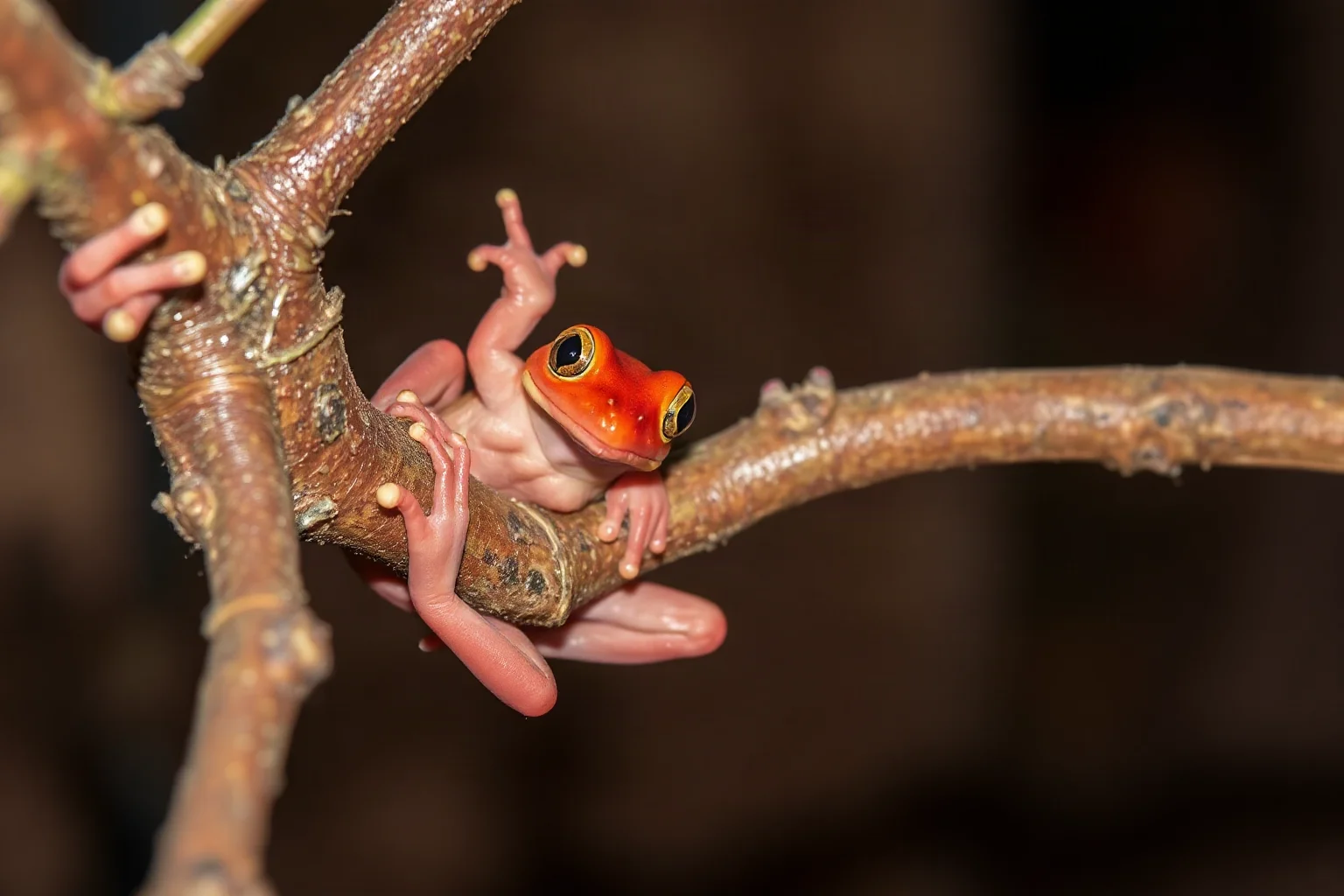
From Aboriginal Australian folklore, the Yara-ma-yha-who is described as a small, red, frog-like creature with suckers on its hands and feet. It’s said to drop from fig trees onto travelers, drain their blood through its suckers, and eventually swallow them whole before regurgitating them, slightly shorter and redder each time.
It’s an unusual entry among odd mythical creatures because of its bizarre transformation mechanic. Few non-Australian sources cover it in depth, which makes it a genuinely obscure mythological creature for most readers.
16. Menehune
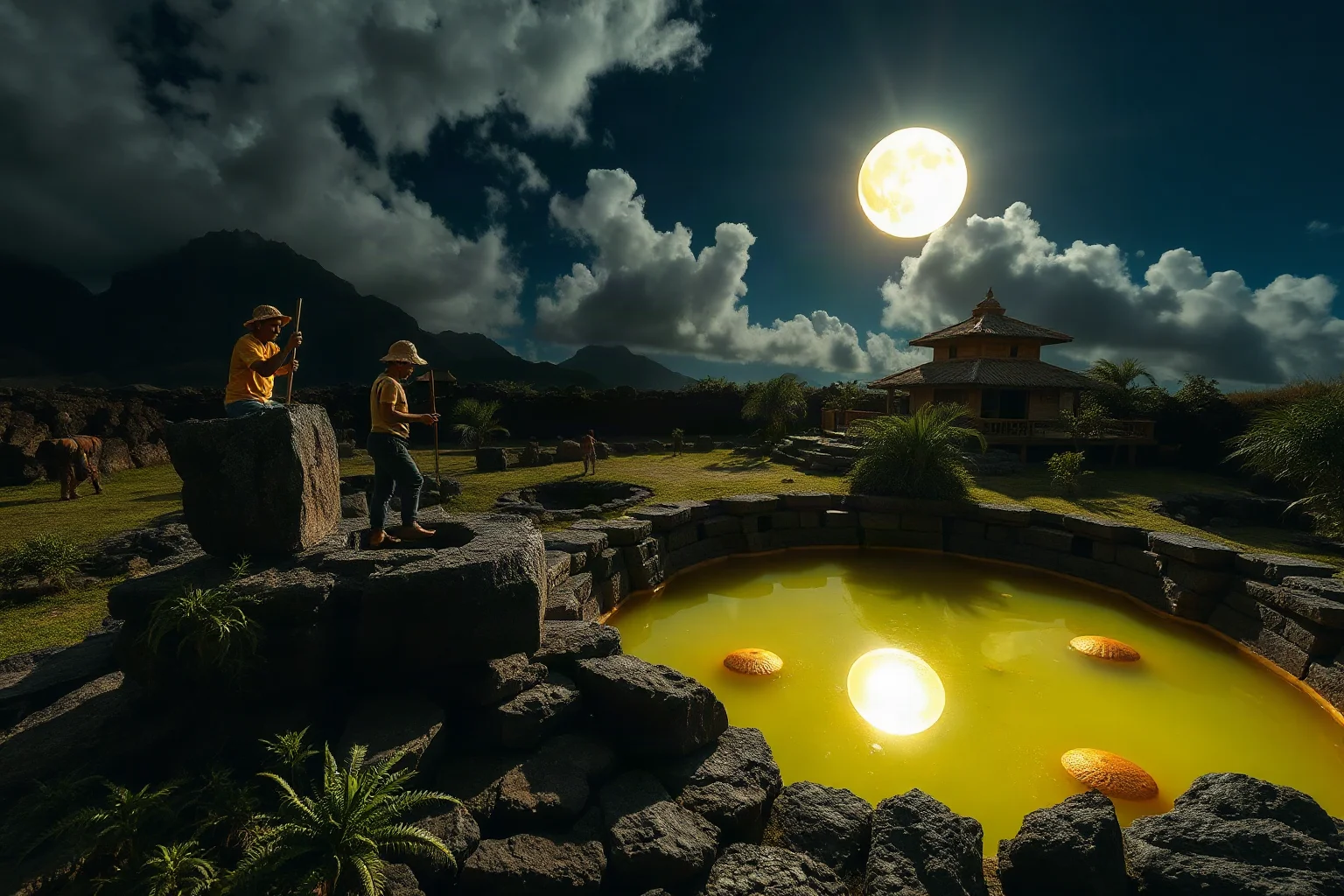
In Hawaiian tradition, the Menehune are a mythical race of small, skilled builders said to work only at night, constructing fishponds, roads, and temples before dawn. Several real stone structures in Hawaii have historically been attributed to them in local legend.
Whether the Menehune represent an early historical population or a purely legendary race is debated among folklorists, and no solid archaeological evidence confirms them as a distinct human group. Either way, they’re one of the most enduring examples of a mythical race tied to real geography.
17. Selkie

Selkies come from Scottish, Irish, and Faroese folklore, described as seal-people who can shed their sealskin to walk on land as humans. Many selkie stories involve a human hiding a selkie’s skin to force them into marriage, only for the selkie to eventually find it and return to the sea.
They’re often listed among the more beautiful mythological creatures because of the tragic romance built into their legends. Selkie folklore is thought to have partly grown out of real encounters with actual seals along the northern coastlines.
18. Alicanto
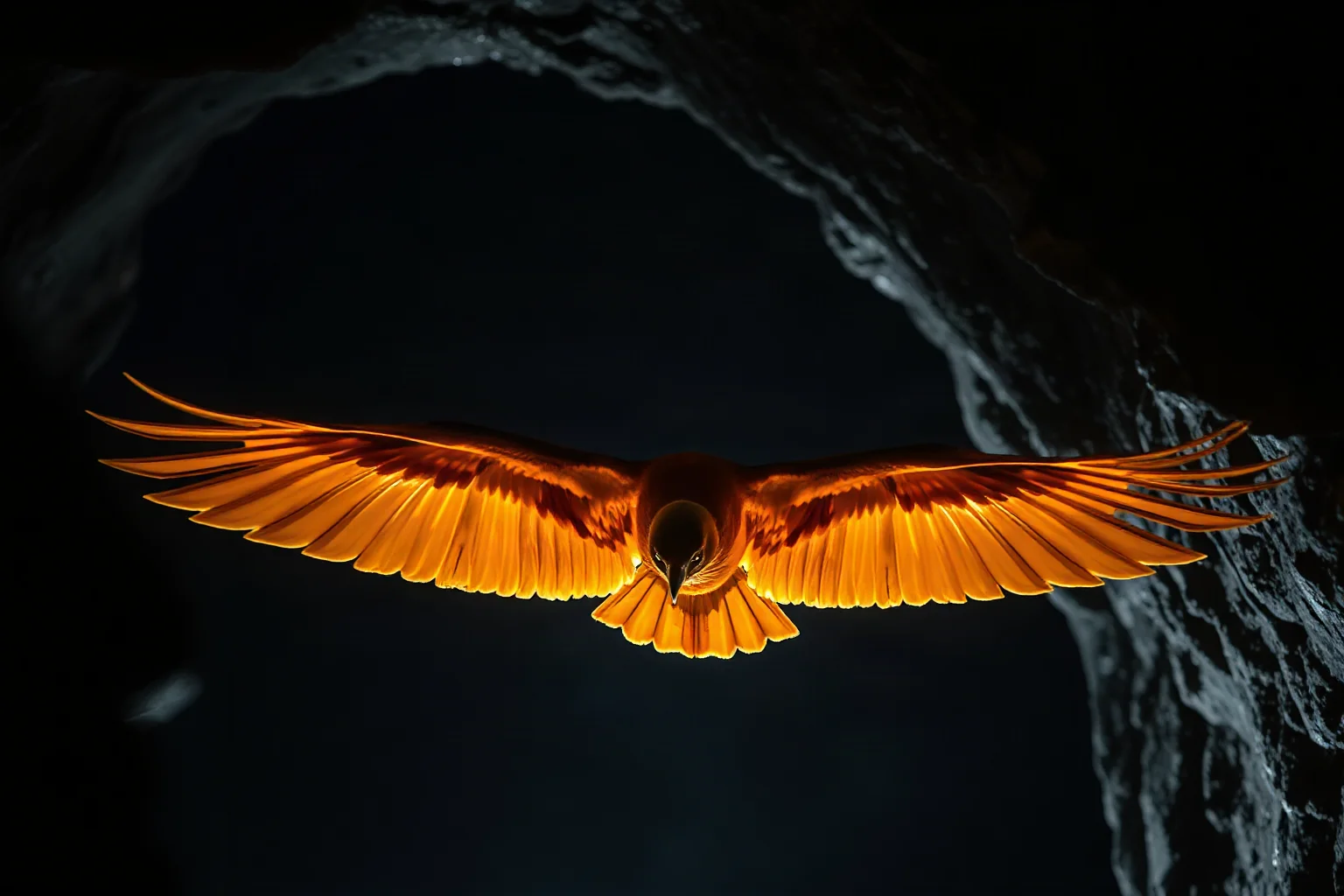
The Alicanto is a legendary bird from Chilean folklore, said to live in the mountains and feed on gold and silver ore, which makes its wings glow at night. Miners traditionally followed a visible Alicanto hoping it would lead them to a rich vein of metal.
Legend warns that a greedy miner who tries to steal from the bird, rather than simply following it, risks being led off a cliff instead. It’s a strong example of monster myths shaped directly by a region’s mining economy.
19. Encantado
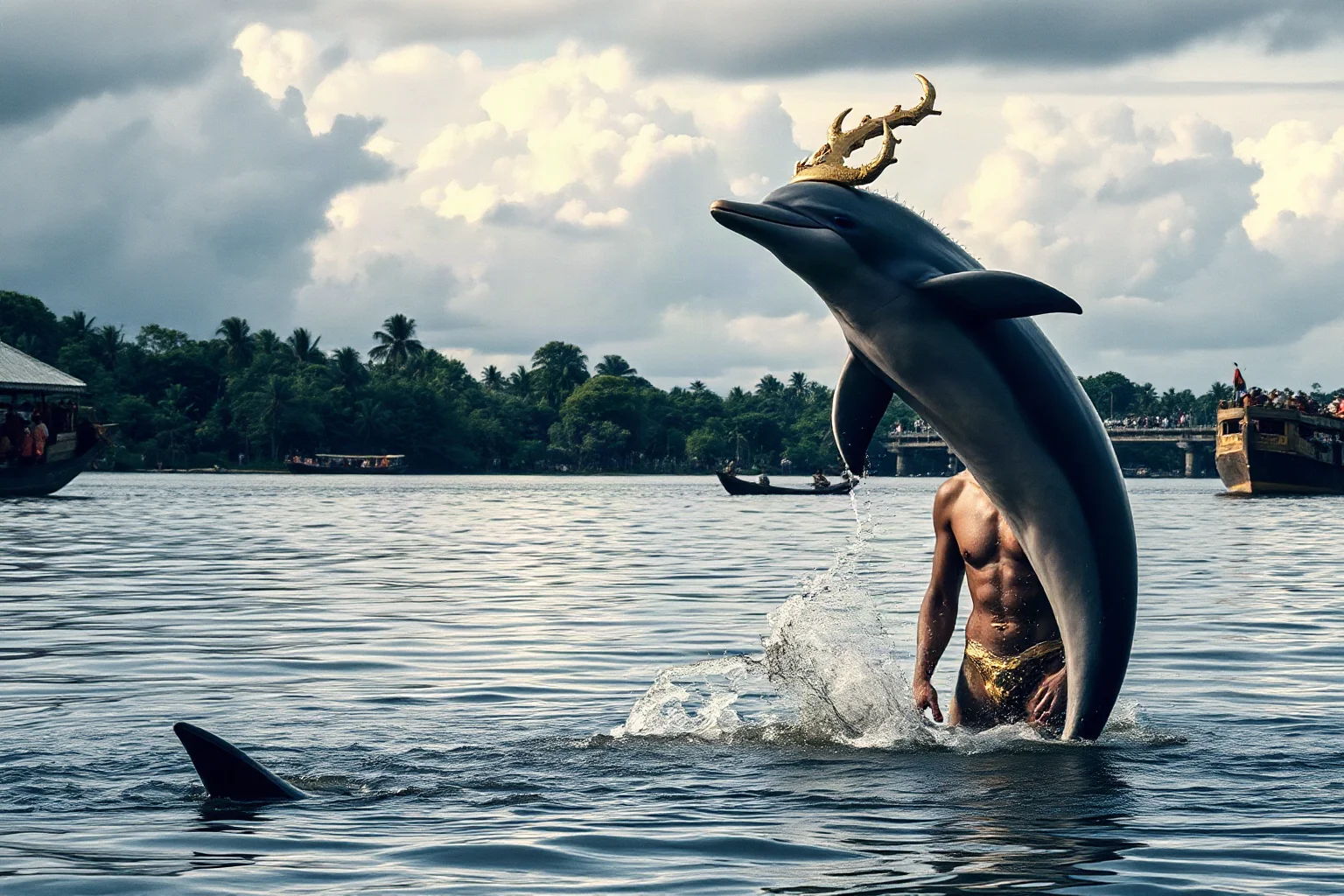
In Brazilian Amazonian folklore, Encantados are shape-shifting spirits, often associated with river dolphins, capable of taking human form to attend parties and seduce unsuspecting people. They’re linked to the boto, the pink river dolphin found in the Amazon basin.
The legend likely grew from genuine sightings of dolphins near riverside communities, blended with older indigenous spirit beliefs. Encantado folklore remains actively told in parts of the Amazon today, making it far from a dead myth.
20. Basan
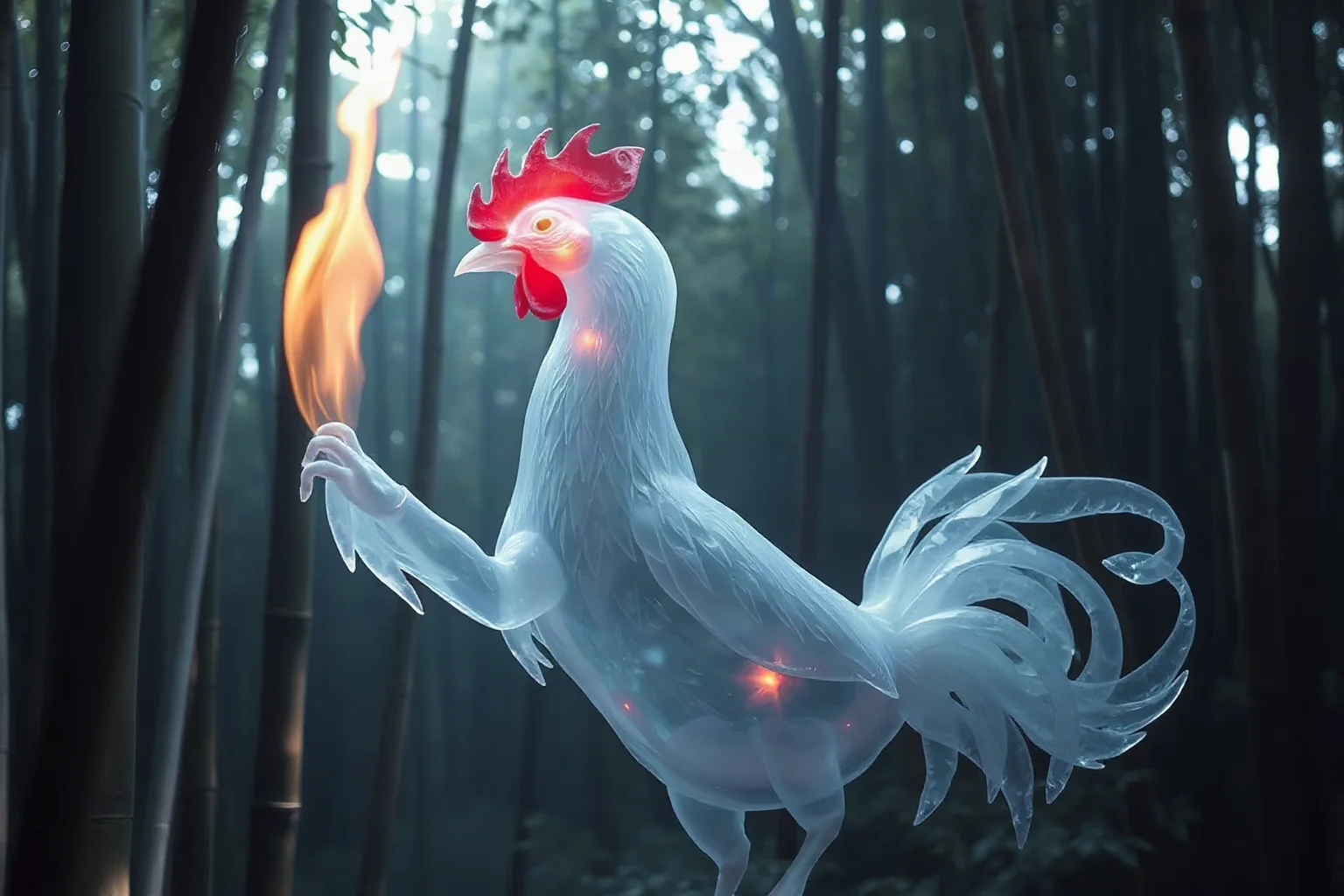
The Basan, also called Basabasa, is a ghostly chicken-like creature from Japanese folklore, said to produce a strange, cold phantom fire from its beak that doesn’t burn anything. Unlike many entries on this list, it’s considered largely harmless, more eerie than dangerous.
It tends to appear in old bamboo groves, and sightings were traditionally described as silent and fleeting. It’s a good reminder that not every monster in legends is actually meant to be scary.
21. Tizheruk
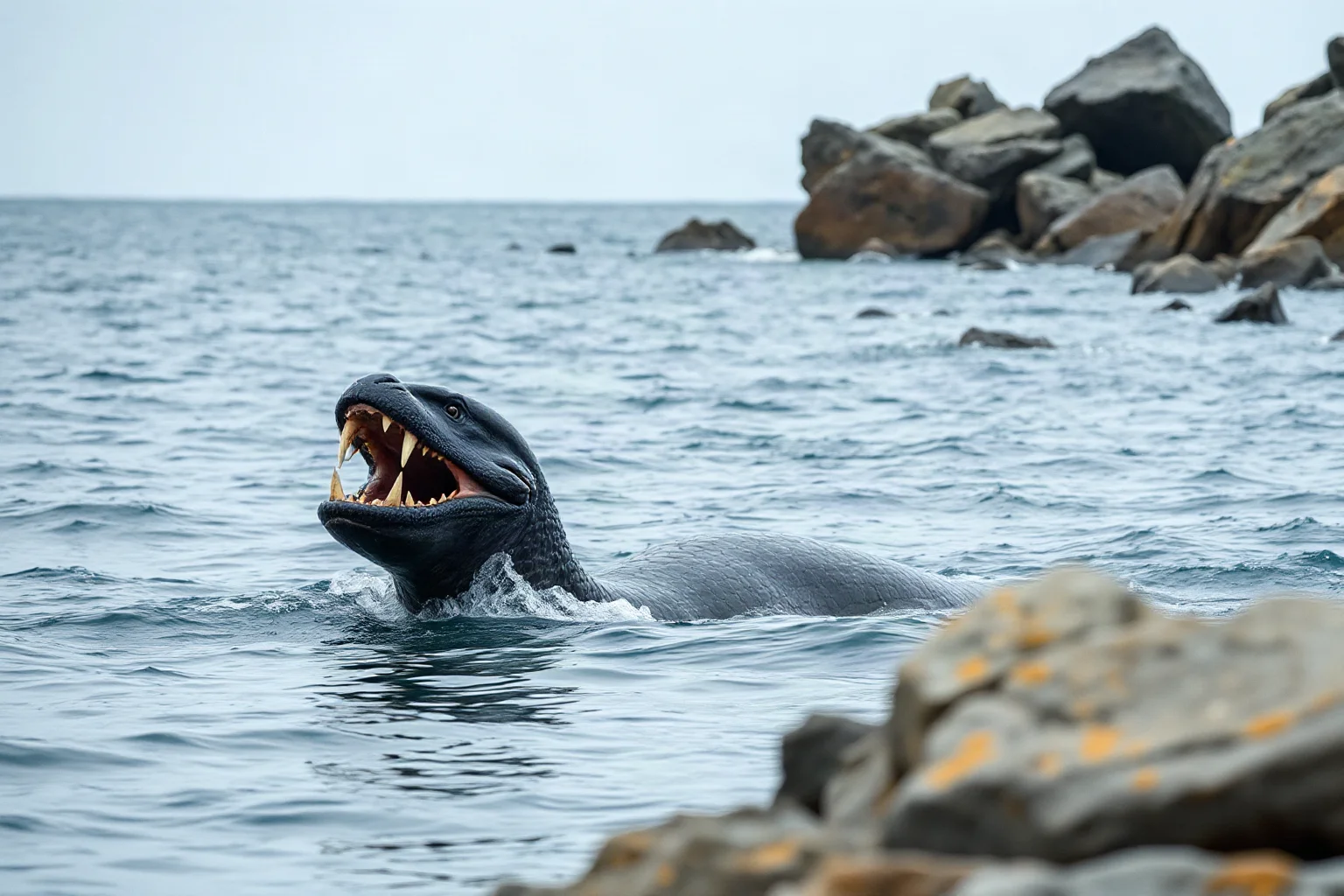
Among Alaska Native Inupiat traditions, the Tizheruk is described as a large, tusked, serpent-like creature said to live in coastal waters and occasionally drag people from the shore. Reports and oral accounts of Tizheruk-like sightings have persisted into the 20th century in some Arctic coastal communities.
It’s frequently cited today among lesser-known cryptids, sitting in the blurry space between traditional folklore and modern unexplained-sightings culture. Solid documentation is thin, which keeps it firmly in unknown-creature territory.
22. Idadanum
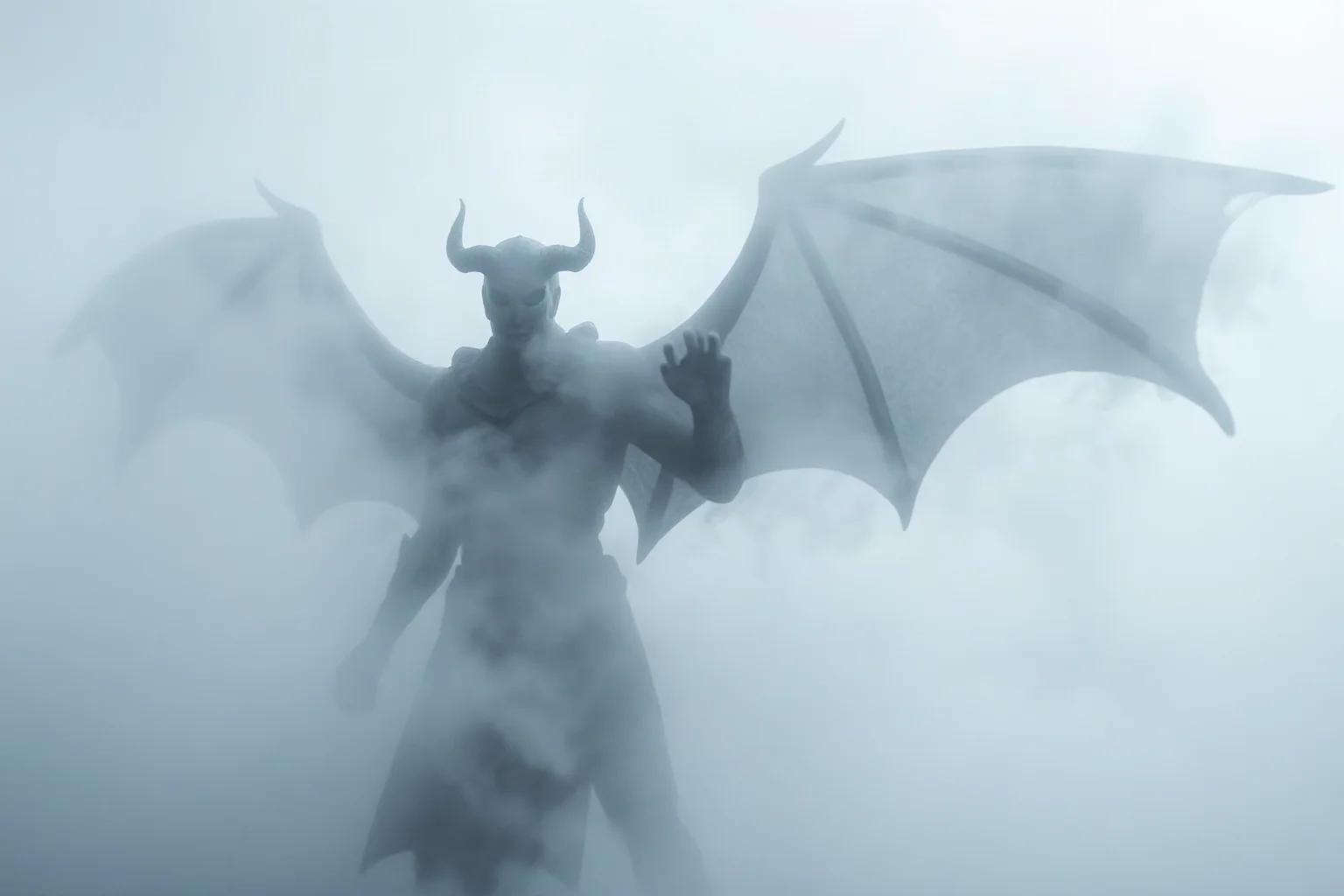
Idadanum is a name that occasionally surfaces in modern online lists of obscure mythological creatures, but it’s worth pausing here for a myth-busting note. Unlike the other entries on this list, Idadanum doesn’t trace back clearly to a documented classical or regional folklore source that historians can point to.
This is actually a useful example of how internet-era “creature lists” sometimes recycle names with unclear or garbled origins, mixing them in alongside genuinely old folklore—a phenomenon not unlike the Mandela Effect, where confidently repeated misinformation can feel like established fact. When researching mythology creatures names, it’s worth checking whether a name appears in primary historical or ethnographic sources before treating it as an ancient legend.
23. Cherufe
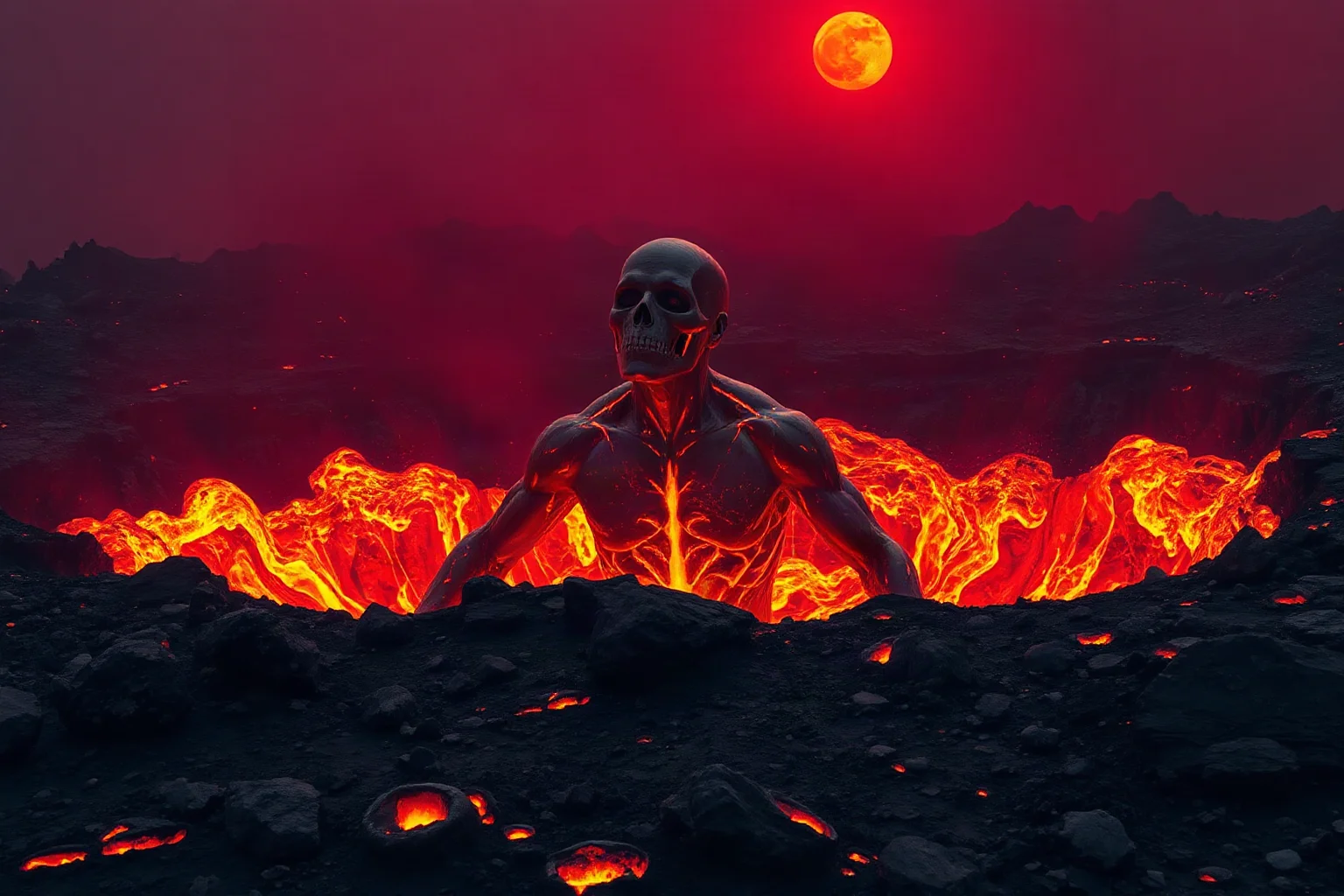
In Mapuche folklore from Chile, the Cherufe is a monstrous being said to live inside volcanoes, and volcanic eruptions were traditionally explained as the Cherufe stirring or being fed sacrifices to keep it calm. It’s often described as a massive, molten, humanoid or serpentine shape.
The legend is a clear case of a culture explaining a genuinely terrifying natural phenomenon through monster mythology. Chile’s volcanic geography makes this one of the more geographically grounded creature myths on this list.
24. Buggane
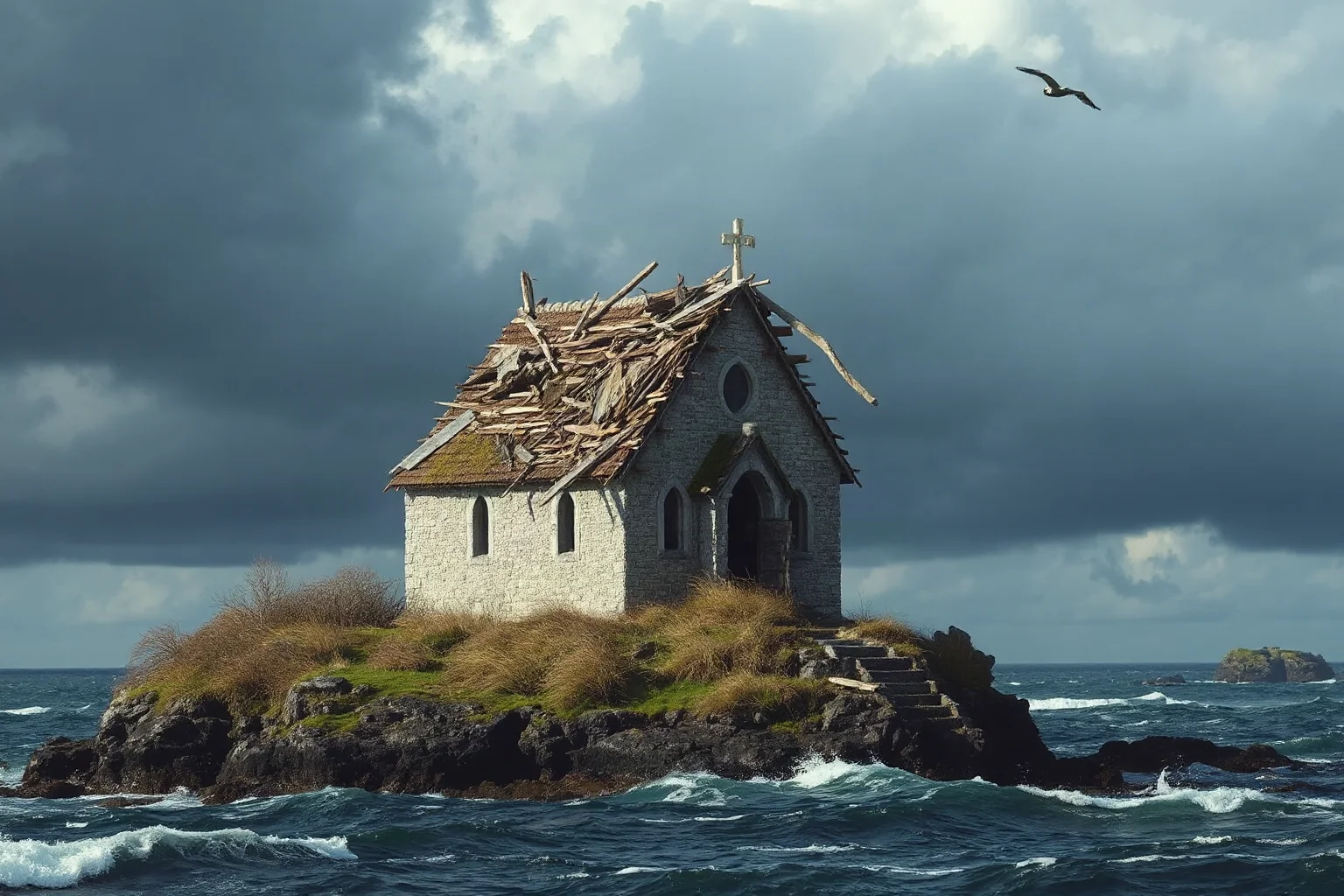
The Buggane is a shape-shifting ogre-like spirit from Isle of Man folklore, often associated with destroying buildings, particularly church roofs, out of spite. It could reportedly take animal forms, including a large black horse or bull.
One famous legend ties a Buggane to St. Trinian’s Chapel, which folklore claims lost its roof repeatedly due to the creature’s interference. It remains a fairly uncommon mythological creature outside of Manx folklore studies.
25. The Rake and 21st-Century Internet Cryptids
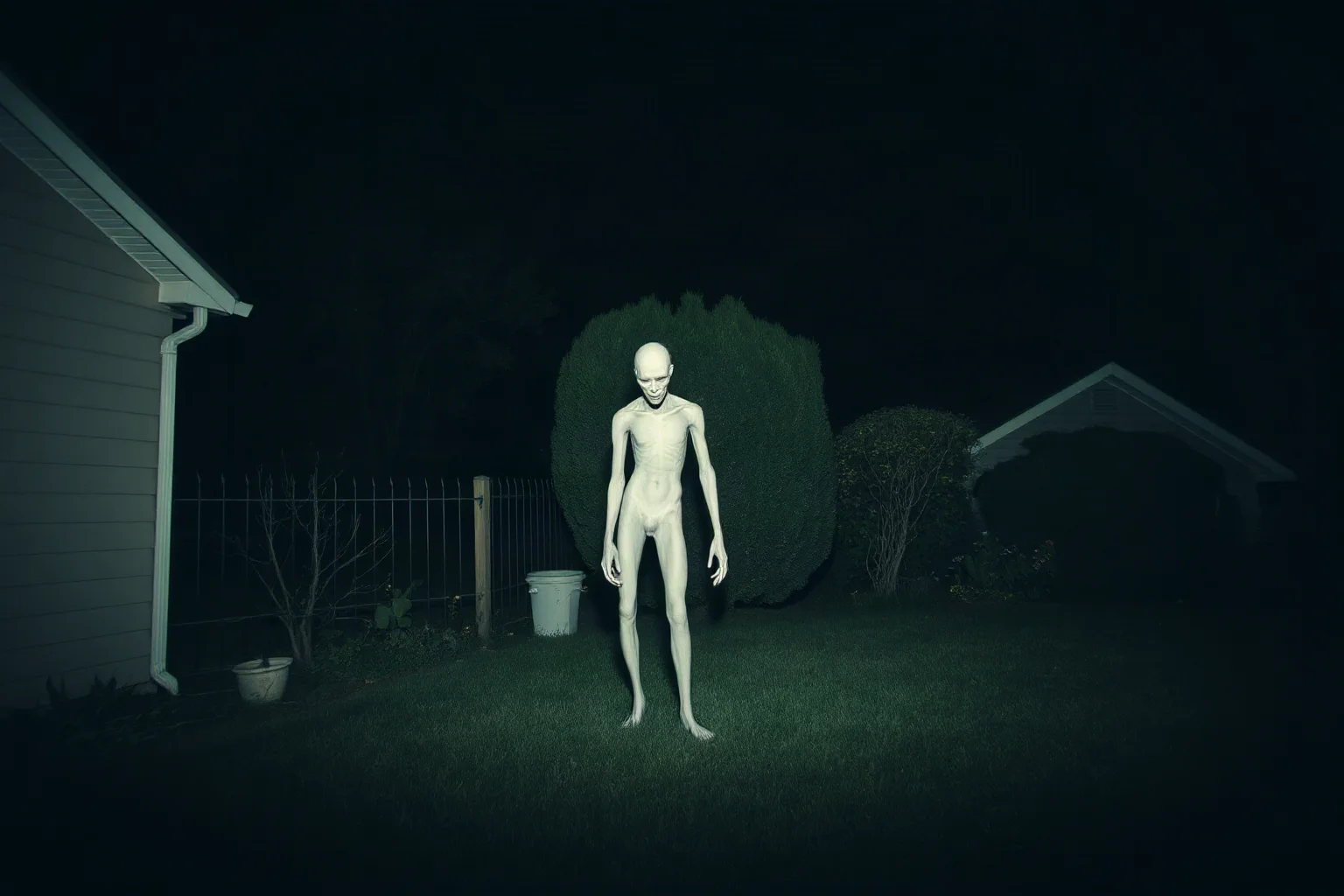
Not every entry in modern monster mythology comes from ancient oral tradition. Creatures like The Rake, born from online creepypasta communities in the 2000s, represent a genuinely new category: internet-age folklore, often associated with insomnia, nighttime dread, and “no sleep” style storytelling communities.
These modern legends spread the same way old folklore once did, through repeated retelling, just on forums and social media instead of firesides. They’re worth including specifically because they show that the tradition of inventing lesser-known monsters didn’t stop in the 21st century; it just moved online.
Are Mythical Creatures Real? Separating Folklore From Fact
It’s a fair question, and one search engines get asked constantly: are mythical creatures real? The honest answer is that no verified scientific evidence confirms the literal existence of dragons, selkies, or the Tarasque as they’re described in folklore.
That said, many monster myths were likely inspired by real animals, misunderstood fossils, or genuine natural events. Sailors describing giant squid tentacles may have fed kraken legends, while dinosaur and mammoth fossils found across Europe and Asia—now counted among some of the most incredible artifacts ever uncovered—likely inspired some dragon and giant myths long before paleontology existed as a field.
Other creatures, like the selkie or the Encantado, plausibly grew from real encounters with seals and river dolphins, filtered through storytelling traditions that added human-like qualities. In that sense, mythical creatures are “real” in the way that matters most historically: as genuine cultural artifacts that reveal how people explained their world before modern science offered other answers.
Cryptids like the Tizheruk sit in a slightly different category, closer to modern unexplained-sightings culture than ancient religious mythology. Even there, though, no cryptid on this list has been confirmed by mainstream biology, so they’re best treated as folklore and regional legend rather than settled zoological fact.
Why These Forgotten Myths Still Matter
The most famous mythical creatures survived because they were retold by empires, adopted by major religions, or picked up by pop culture. The 25 creatures on this list survived a much harder path: word of mouth, regional pride, and folklorists who bothered to write them down before they disappeared.
Looking past the usual dragons and unicorns doesn’t just make for a longer imaginary creatures list. It’s a reminder that every culture on Earth looked at the unexplained parts of their world, whether it was a volcano, a lonely stretch of coastline, or a messy household, and answered it with a story worth telling again.
Frequently Asked Questions
Mythical creatures, mythical creatures: what actually makes a being count as one?
A being is generally classified as a mythical creature if it appears in folklore, religion, or oral tradition and isn't a recognized biological species. This includes mythological animals like the phoenix, entire mythical races like selkies or menehune, and one-off monsters tied to a specific regional legend.
Are mythical creatures real?
No verified scientific evidence confirms mythical creatures as literally real beings. Many, however, were likely inspired by real animals, fossils, or natural events, which is why they remain historically important even without biological proof.
What mythical creatures are real, or based on real animals?
Several legends are thought to be based on real creatures, such as selkie myths likely inspired by seals, Encantado legends inspired by Amazon river dolphins, and some dragon myths possibly influenced by dinosaur or mammoth fossils discovered before paleontology existed.
What are some lesser-known mythical creatures from around the world?
Some genuinely obscure examples include the Aitvaras from Baltic folklore, the Adaro from the Solomon Islands, the Peluda from French legend, and the Yara-ma-yha-who from Aboriginal Australian tradition. These rarely appear outside regional folklore studies.
What’s the difference between a mythical creature and a cryptid?
Mythical creatures generally come from older religious or folkloric traditions passed down over centuries, while cryptids, like the Tizheruk, are typically tied to more recent, specific claimed sightings and modern cryptozoology culture rather than ancient mythology.
Are all the mythical creatures on obscure creature lists actually historical?
Not always. Some names circulating in modern online lists, such as Idadanum, lack a clear documented source in classical or ethnographic records, which is a good reminder to verify a creature's origin before treating it as genuine ancient folklore.

Alex Warren
Related Articles