

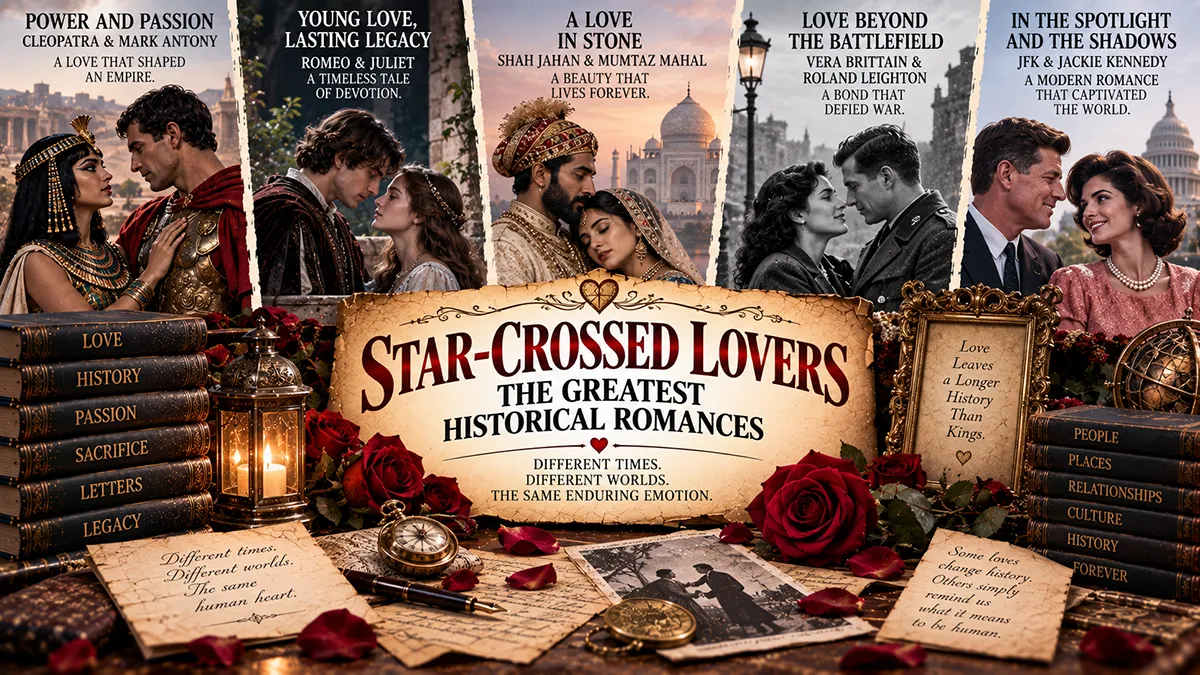
Long before Shakespeare coined the phrase “star-crossed lovers,” real people were living out romances just as dramatic, tender, and heartbreaking as anything found on a stage. Some of these couples changed empires. Others simply wrote letters so beautiful they’ve outlived the both of them by centuries.
This list blends verified historical love stories with a handful of ancient legends so famous they shaped what we even mean by “star-crossed” in the first place. Where the record is murky or mythologized, we’ll say so plainly, because the myth-busting is half the fun.
TL;DR: From Cleopatra and Mark Antony to Frida Kahlo and Diego Rivera, history’s greatest lovers prove that real love stories are often stranger, sadder, and more inspiring than fiction.
What Makes a Love Story Truly Legendary?
Not every royal marriage or famous couple earns a spot among history’s greatest lovers. The romances that endure in cultural memory tend to share a few traits: obstacles that should have kept the pair apart, a devotion that outlasted scandal or war, and often a tragic or bittersweet ending that cements the story in legend.
Some of the pairs below were genuine historical figures whose letters, diaries, and monuments survive today. Others are ancient or medieval legends, passed down through poetry long before anyone wrote history the way we do now. Both categories matter, because they show how the idea of the “star-crossed lover” has captivated humans across cultures and centuries.
The 22 Greatest Historical Romances and Star-Crossed Lovers
1. Cleopatra and Mark Antony
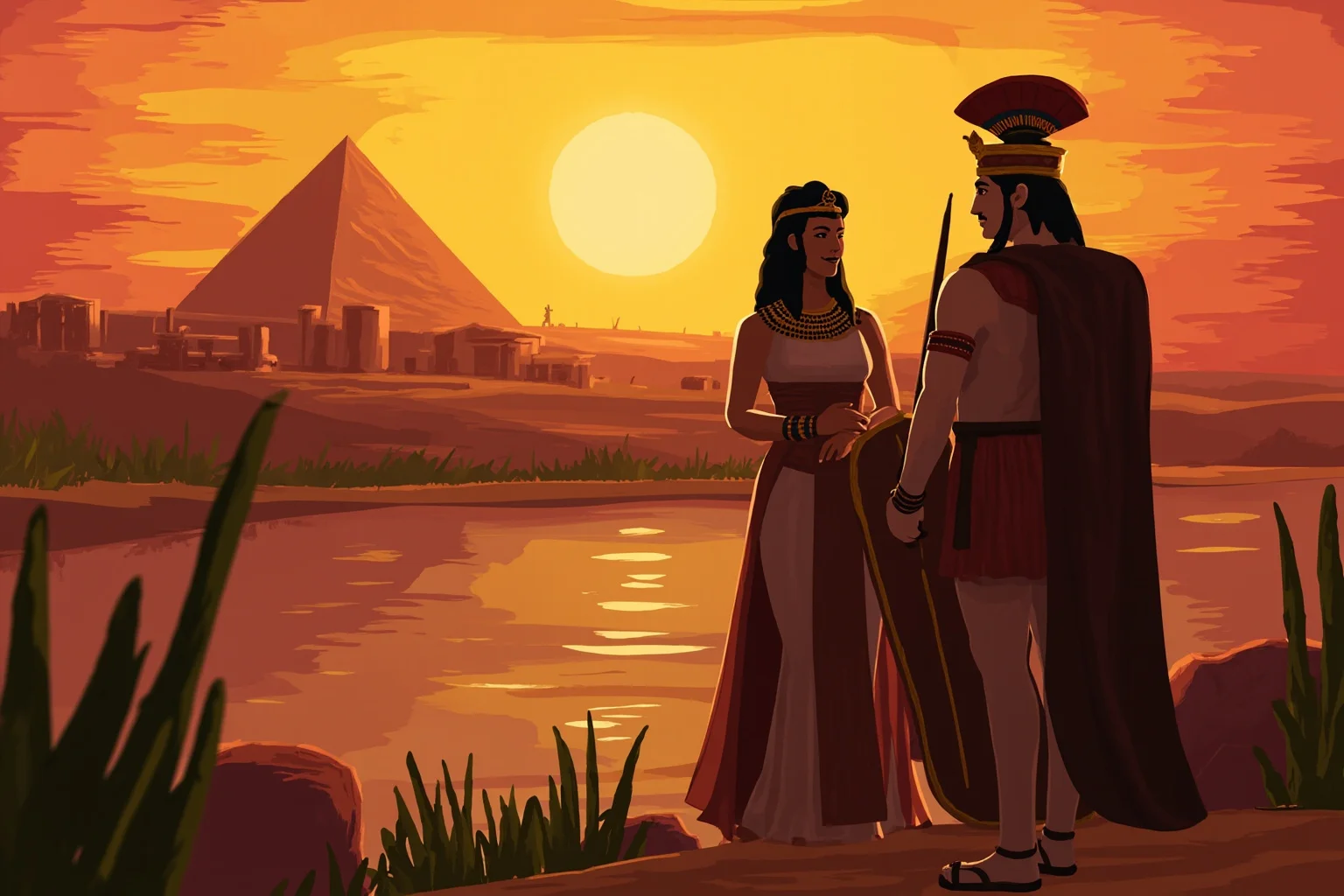
Cleopatra VII of Egypt, one of history’s most powerful women, and the Roman general Mark Antony formed one of antiquity’s most consequential political and romantic alliances. Their relationship began around 41 BC and became deeply entangled with the power struggles of the late Roman Republic.
After their combined forces lost the Battle of Actium in 31 BC, both died by suicide within days of each other in Alexandria. Their story has been retold by Roman historians, Shakespeare, and Hollywood, though much of the romantic detail we picture today is embellishment layered on top of a very real political partnership.
2. Napoleon and Josephine
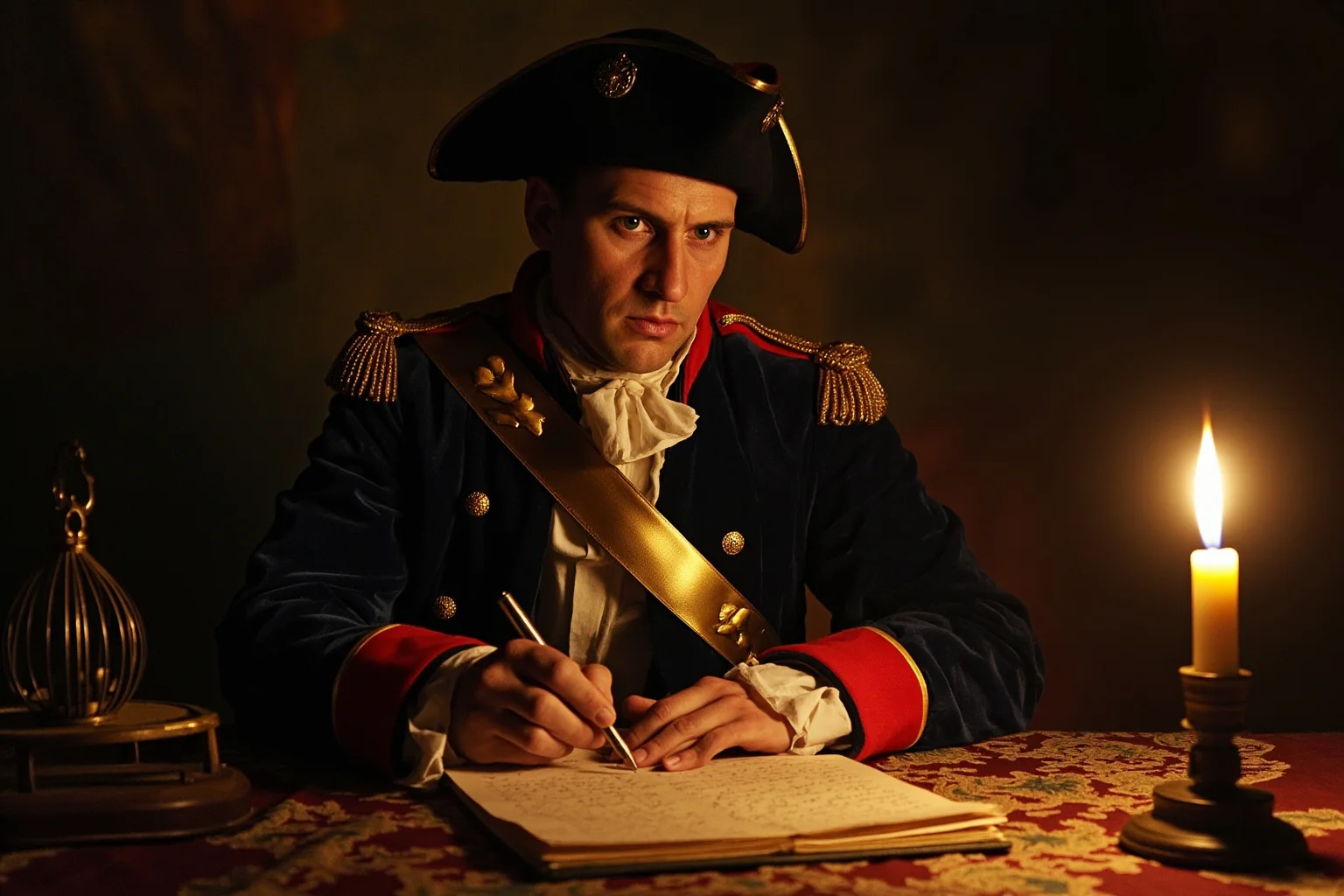
Napoleon Bonaparte married Joséphine de Beauharnais in 1796, and his letters to her during his early military campaigns are famously passionate. Their marriage was rocky, marked by his infidelities and her earlier affairs, yet the emotional bond between them was clearly real.
Napoleon divorced Josephine in 1810 because she could not produce an heir, a decision driven by dynastic politics rather than a lack of feeling. Popular legend claims her name was the last word he spoke on his deathbed in 1821, but this detail comes from secondhand accounts and should be treated as unverified rather than settled fact.
3. Abelard and Heloise
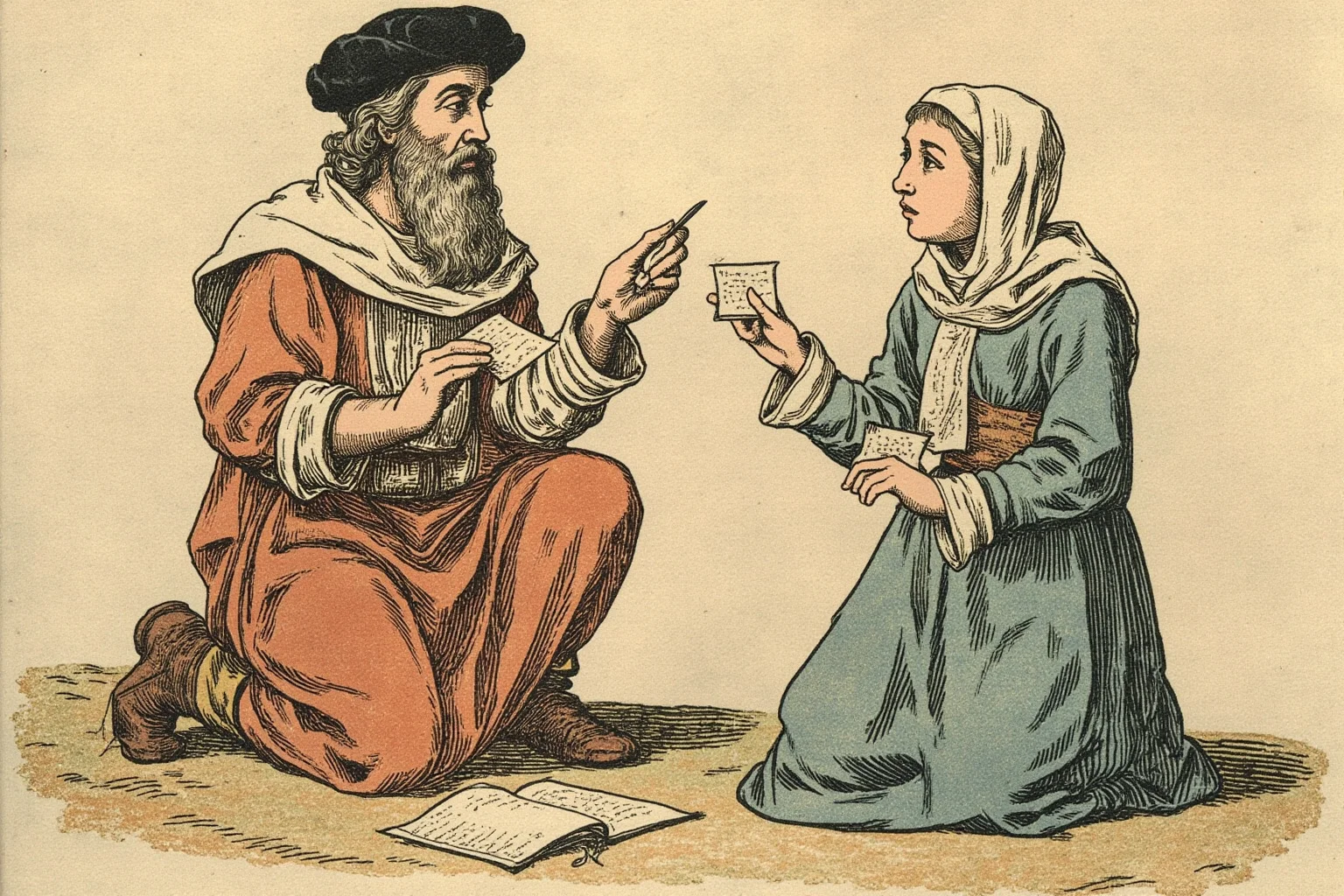
Peter Abelard was a celebrated 12th-century philosopher in Paris, and Heloise was his brilliant young student, and their secret affair and marriage scandalized medieval society. When her furious guardian had Abelard castrated in revenge, the couple separated into religious life, but their surviving letters remain some of the most intimate writing to survive from the Middle Ages.
Their correspondence, still studied today, reveals two intellectually equal partners grappling with love, faith, and loss. It’s one of the earliest and most detailed historical stories of love we have in Western literature.
4. Shah Jahan and Mumtaz Mahal
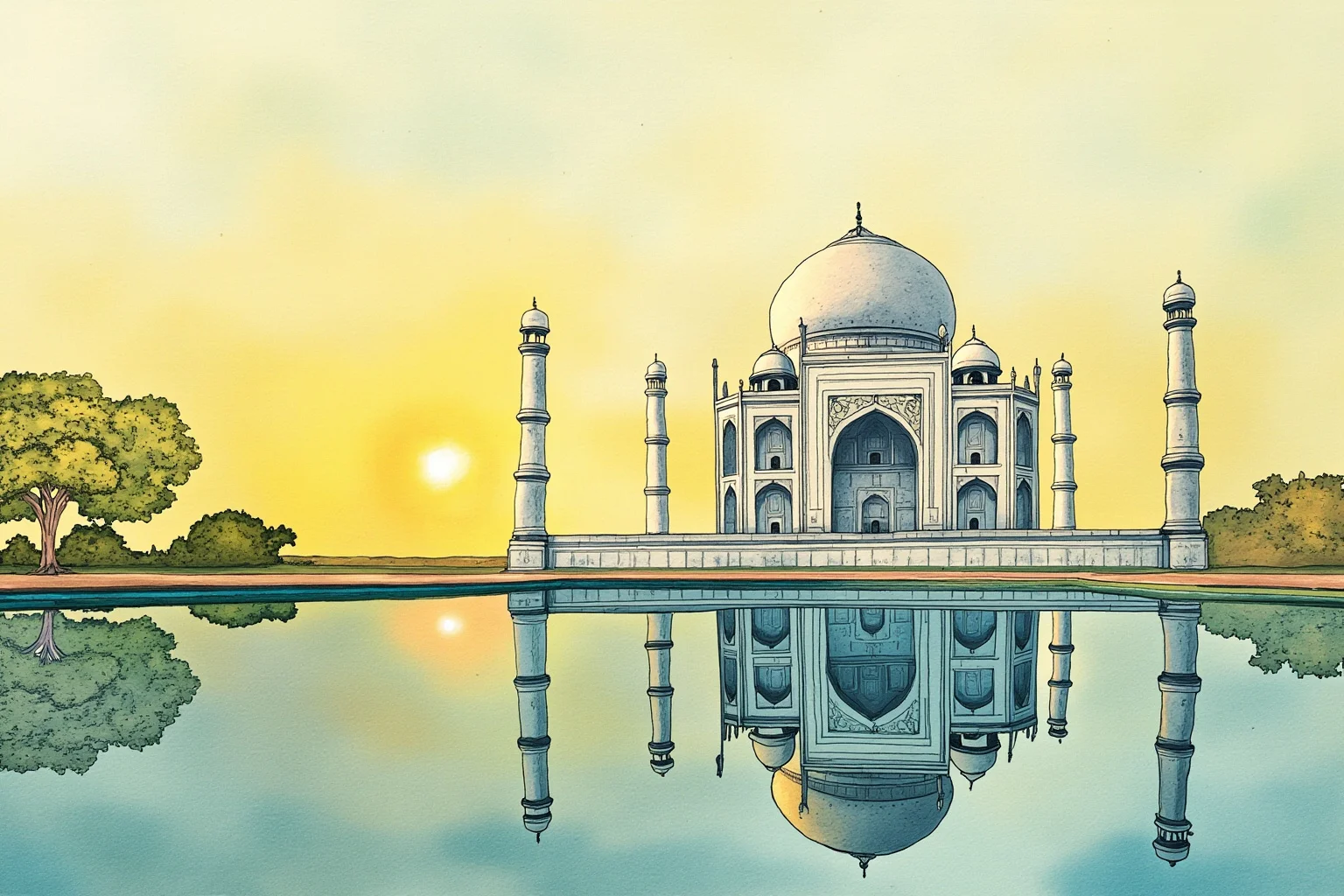
The Mughal emperor Shah Jahan was so devastated by the 1631 death of his wife Mumtaz Mahal during childbirth that he commissioned the Taj Mahal as her mausoleum. Construction took roughly two decades and remains one of the most recognizable monuments to love ever built.
Mumtaz Mahal had been his close confidante and trusted advisor throughout their marriage, not merely a ceremonial wife. The Taj Mahal endures as physical proof that grief, when channeled by an emperor’s resources, can become one of the world’s great architectural wonders.
5. John and Abigail Adams
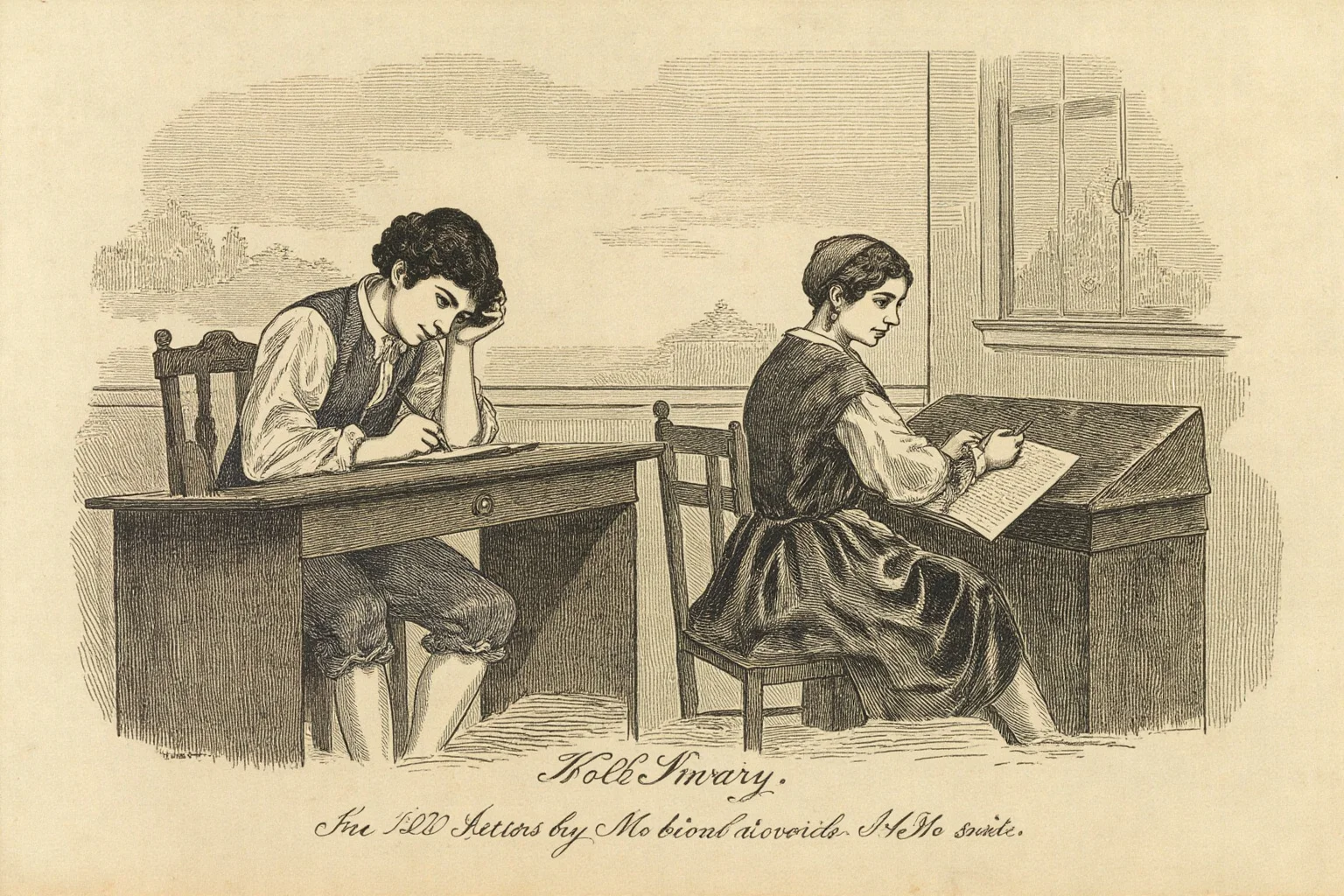
John Adams and Abigail Adams were separated for long stretches during the American Revolution and his later diplomatic and presidential duties. What survives from those years is an extraordinary archive of more than a thousand letters, full of political debate, personal tenderness, and mutual respect.
Abigail managed the family farm and finances independently and offered John sharp political counsel throughout his career. Their correspondence is frequently cited as one of America’s great historical love stories precisely because it reads as a genuine partnership of equals.
6. Robert Browning and Elizabeth Barrett Browning
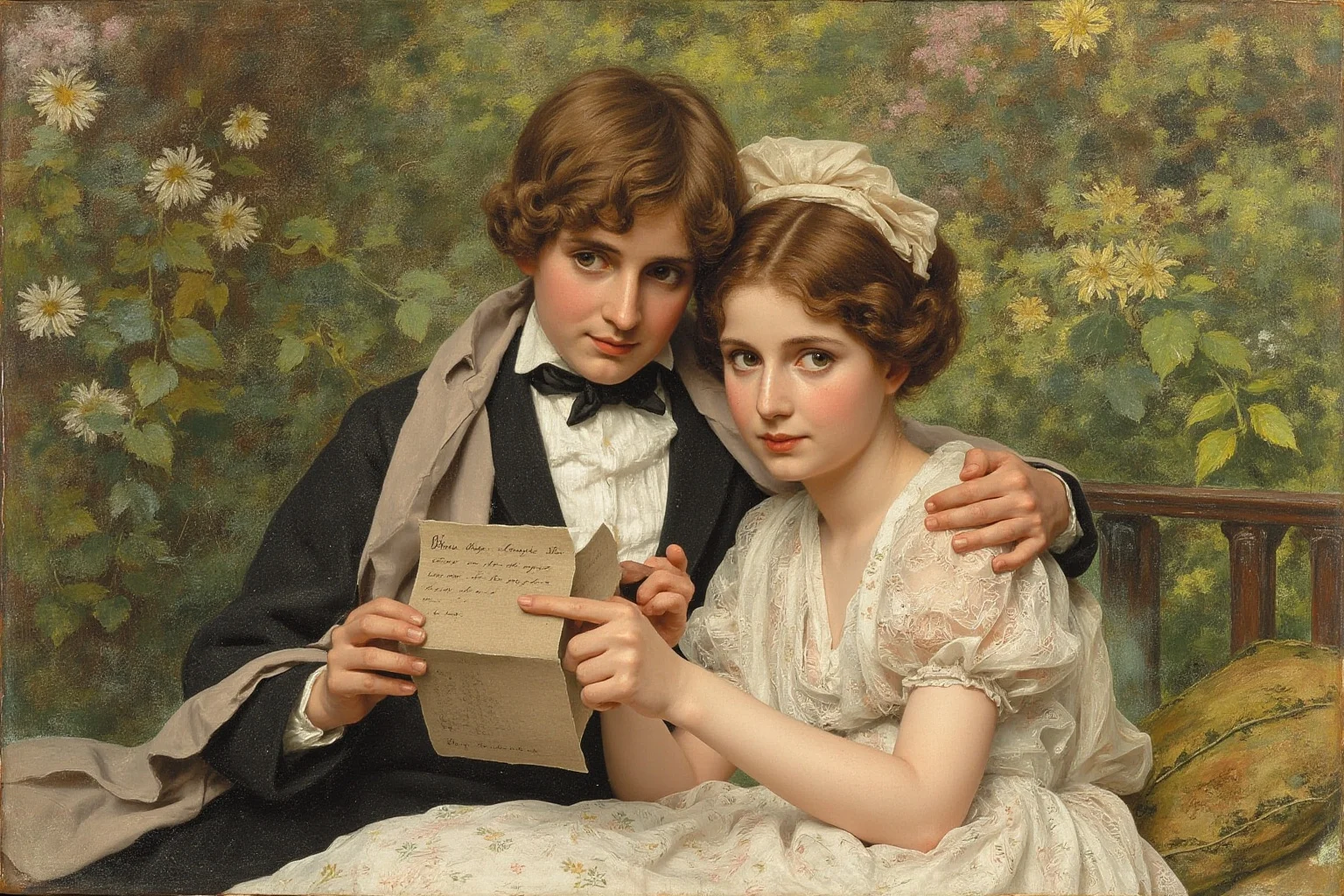
Poet Robert Browning began writing to fellow poet Elizabeth Barrett after admiring her published work, and their courtship unfolded almost entirely through letters. Elizabeth’s controlling father disapproved of marriage for any of his children, so the couple eloped secretly in 1846 and moved to Italy.
Elizabeth’s health, long fragile, reportedly improved in the warmer climate, and the couple remained devoted until her death in 1861. Their story is often cited as a template for the romantic hero archetype: the devoted suitor who rescues his beloved from isolation through sheer persistence and sincerity.
7. Victoria and Albert
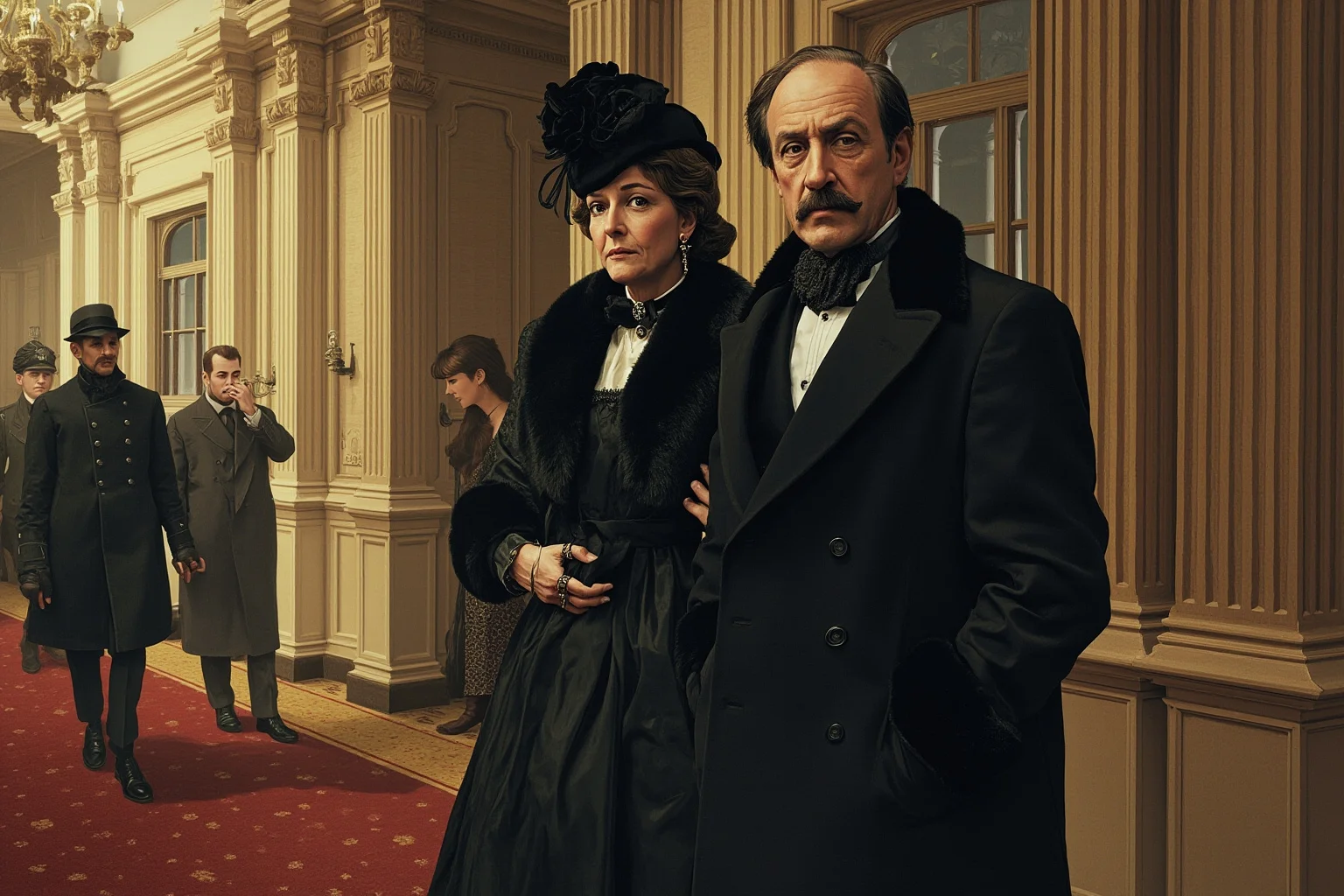
Queen Victoria and Prince Albert married in 1840 and by most historical accounts shared a genuinely close and affectionate marriage, unusual for royal unions of the era. Albert became an influential advisor and modernizer, shaping British institutions well beyond his ceremonial role.
When Albert died of typhoid fever in 1861, Victoria entered a period of mourning that lasted, in various forms, for the rest of her life. She wore black for the remaining four decades of her reign, making her grief one of the most visible in royal history.
8. Wallis Simpson and Edward VIII
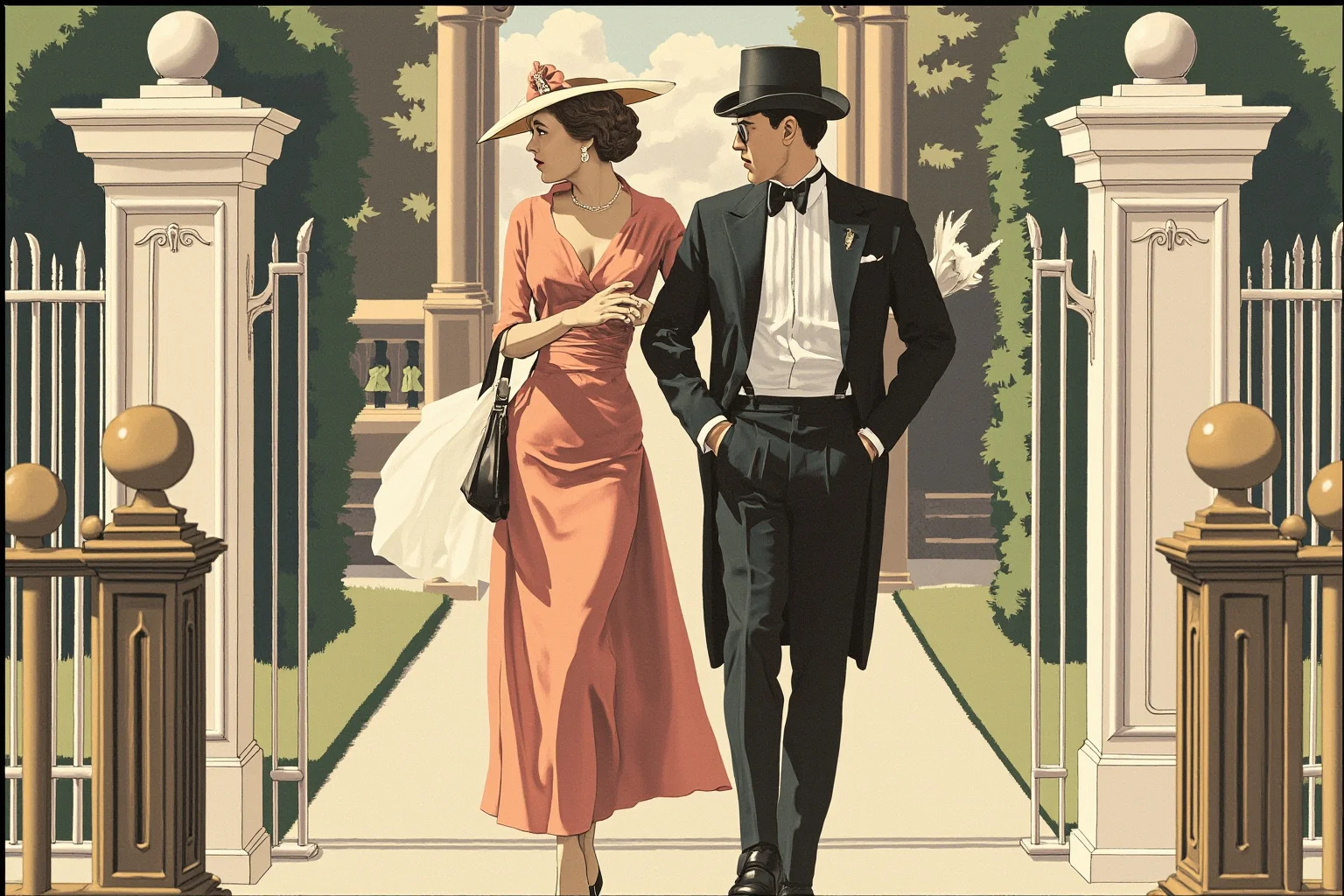
King Edward VIII’s decision to abdicate the British throne in 1936 rather than give up American divorcée Wallis Simpson remains one of the 20th century’s most dramatic royal love stories. The British establishment considered Simpson’s divorced status incompatible with her becoming queen.
Edward chose love over the crown, a decision that was genuinely unprecedented for a reigning British monarch. The couple, later titled the Duke and Duchess of Windsor, remained married until his death in 1972.
9. Pocahontas and John Rolfe
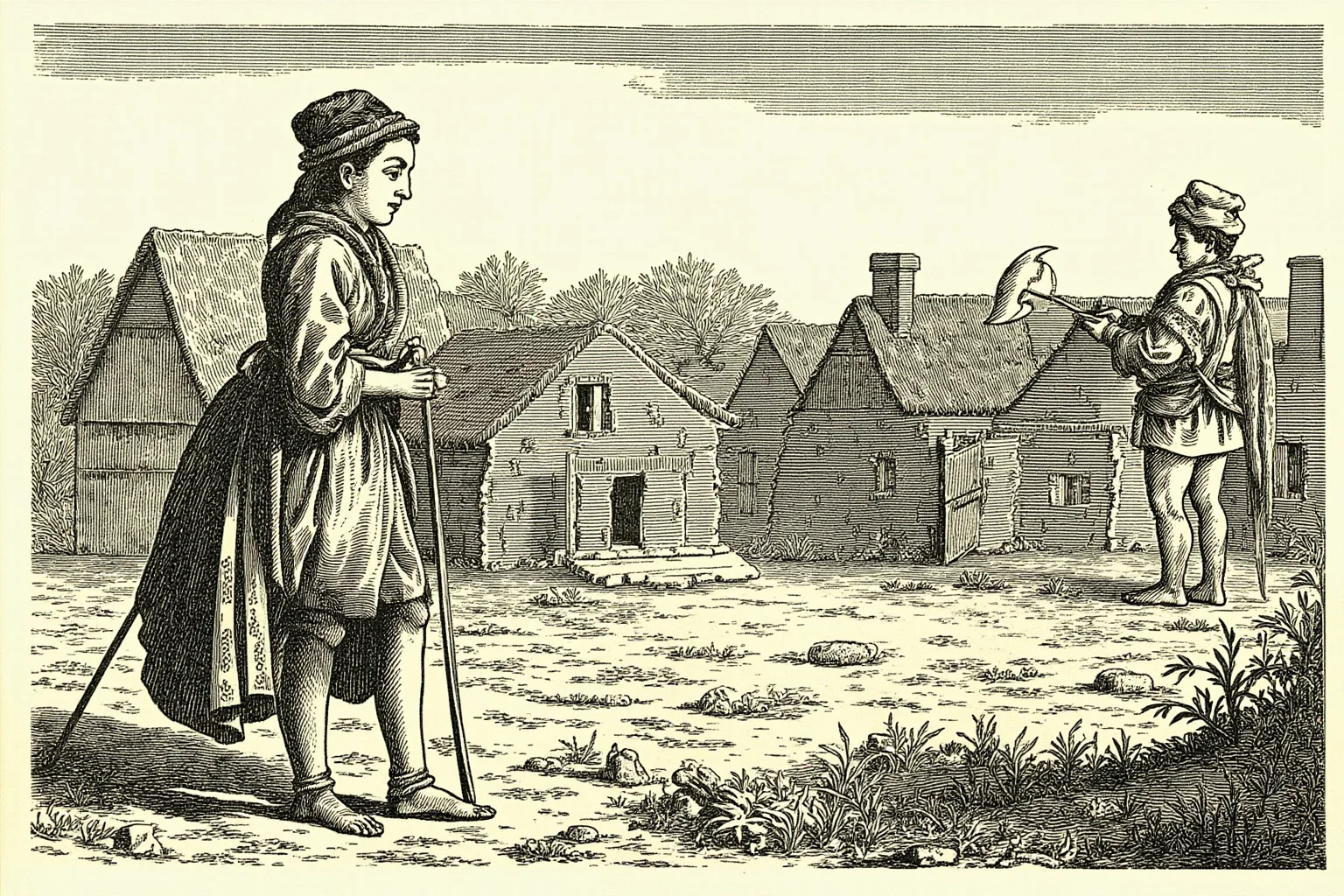
Pocahontas, daughter of Powhatan chief Wahunsenaca, married English colonist John Rolfe in 1614 amid the tense early years of the Jamestown settlement. Their marriage helped temporarily ease hostilities between the Powhatan Confederacy and English colonists.
Historians caution against romanticizing this union as a simple love story, since it occurred within a deeply unequal colonial power structure and Pocahontas was likely still a teenager. She died in England in 1617, and her later mythologizing in American culture often obscures the harder political realities of her short life.
10. Frida Kahlo and Diego Rivera
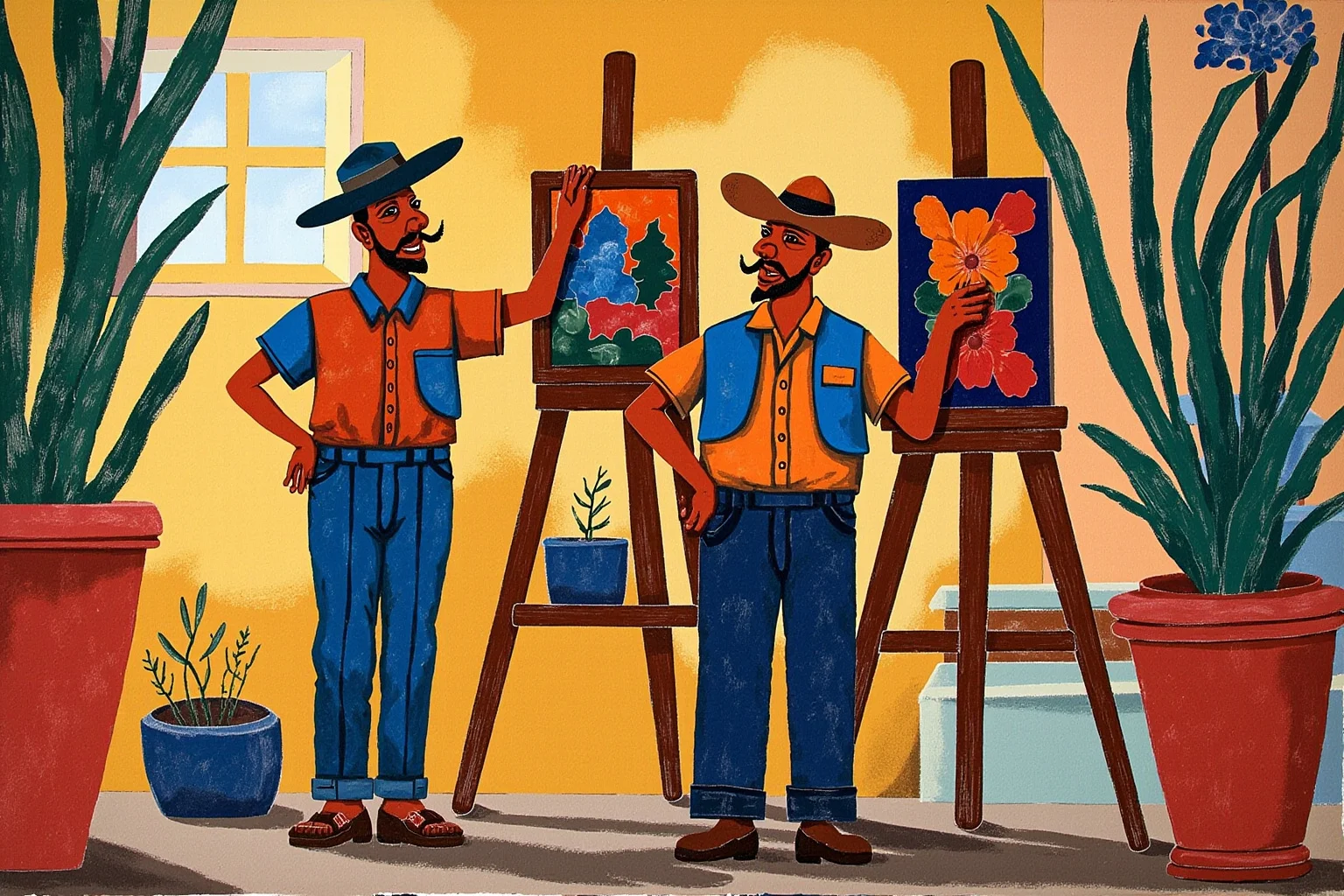
Mexican artists Frida Kahlo and Diego Rivera married in 1929, and their relationship was as turbulent as it was passionate, involving affairs on both sides, a divorce in 1939, and a remarriage in 1940. Both were prolific painters and committed political activists, and their shared artistic world made their bond as intellectual as it was romantic.
Kahlo’s letters and diary entries describe a love that was, in her own words, complicated by pain but never diminished by it. Their combined legacy remains one of the most examined artistic love stories of the 20th century.
11. Marie and Pierre Curie
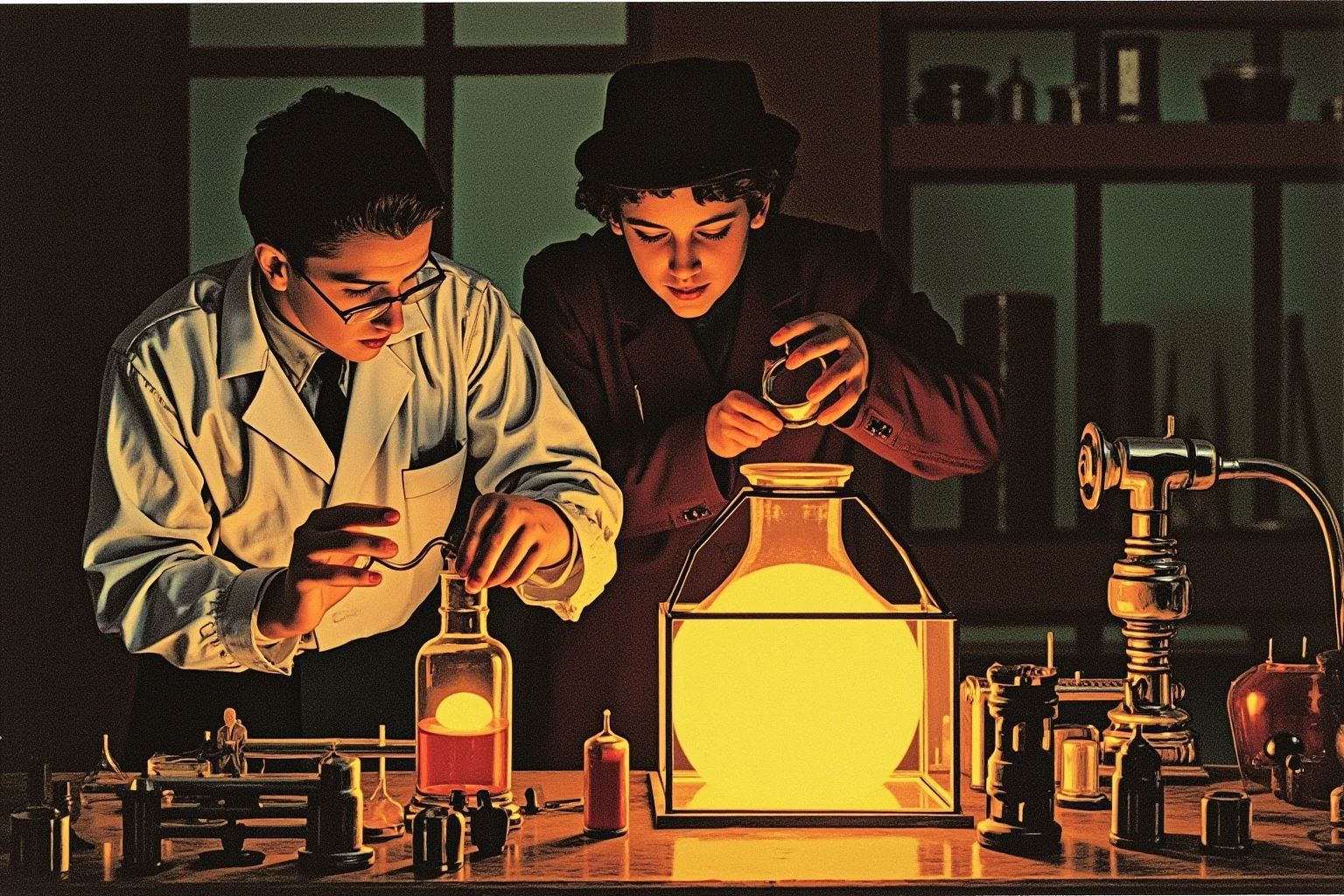
Marie Curie, often ranked among the smartest people in history, and Pierre Curie married in 1895 and became one of history’s great scientific and romantic partnerships, jointly researching radioactivity and sharing the 1903 Nobel Prize in Physics. Their laboratory collaboration blurred the line between professional partnership and personal devotion.
Pierre died in a street accident in 1906, and Marie continued their research alone, later winning a second Nobel Prize in Chemistry in 1911. Their story stands out among great lovers in history for being built as much on shared intellectual ambition as on romantic affection.
12. Elizabeth Taylor and Richard Burton
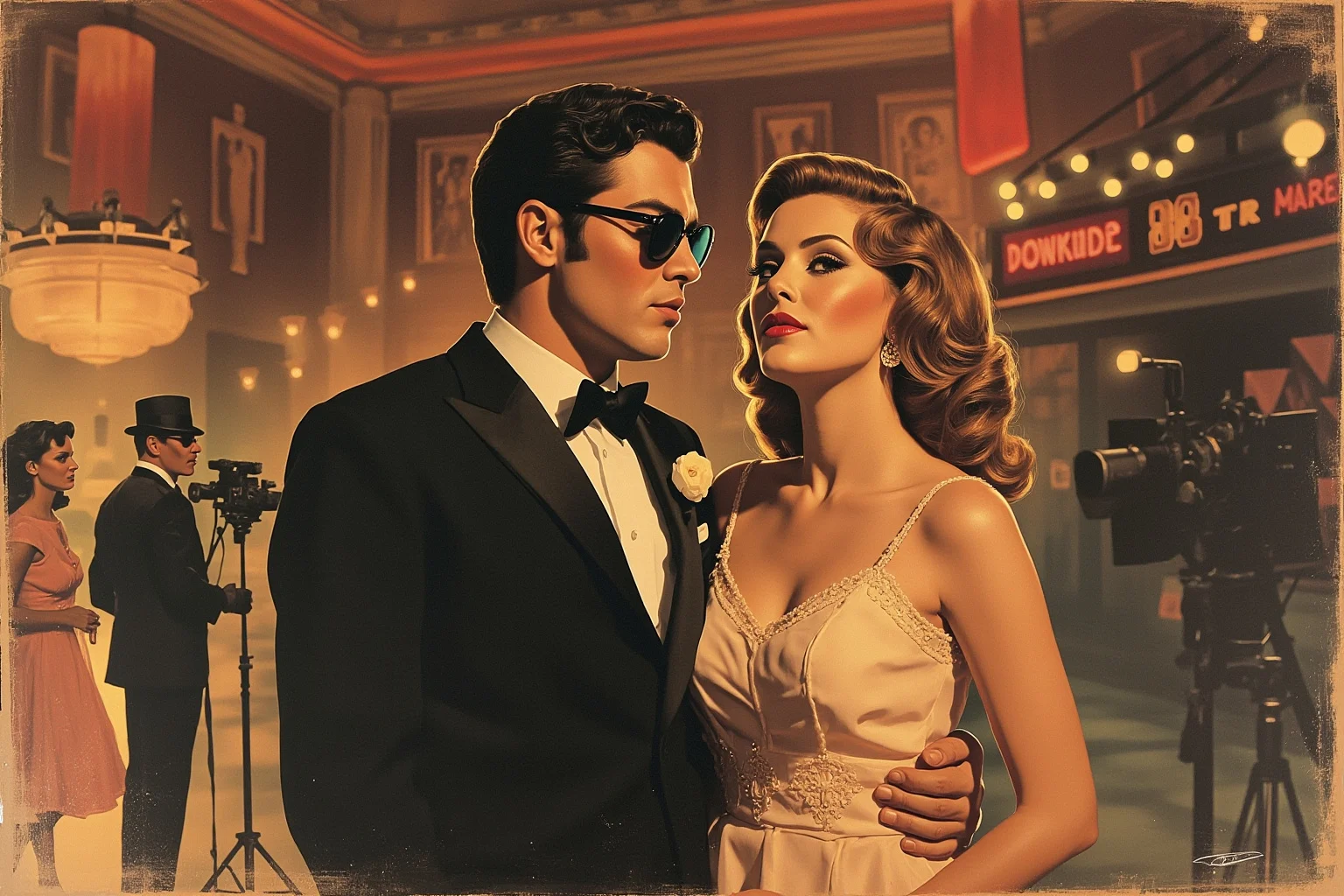
Hollywood stars Elizabeth Taylor and Richard Burton met filming “Cleopatra” in the early 1960s and began an affair while both were married to other people, sparking a massive tabloid scandal. They married in 1964, divorced in 1974, remarried in 1975, and divorced again in 1976.
Their on-again, off-again relationship became a template for the modern celebrity love story, complete with lavish gifts, public fights, and genuine devotion between films. Burton reportedly kept writing to Taylor for years afterward, and their letters reveal a bond that never fully resolved even after the marriages ended.
13. F. Scott and Zelda Fitzgerald
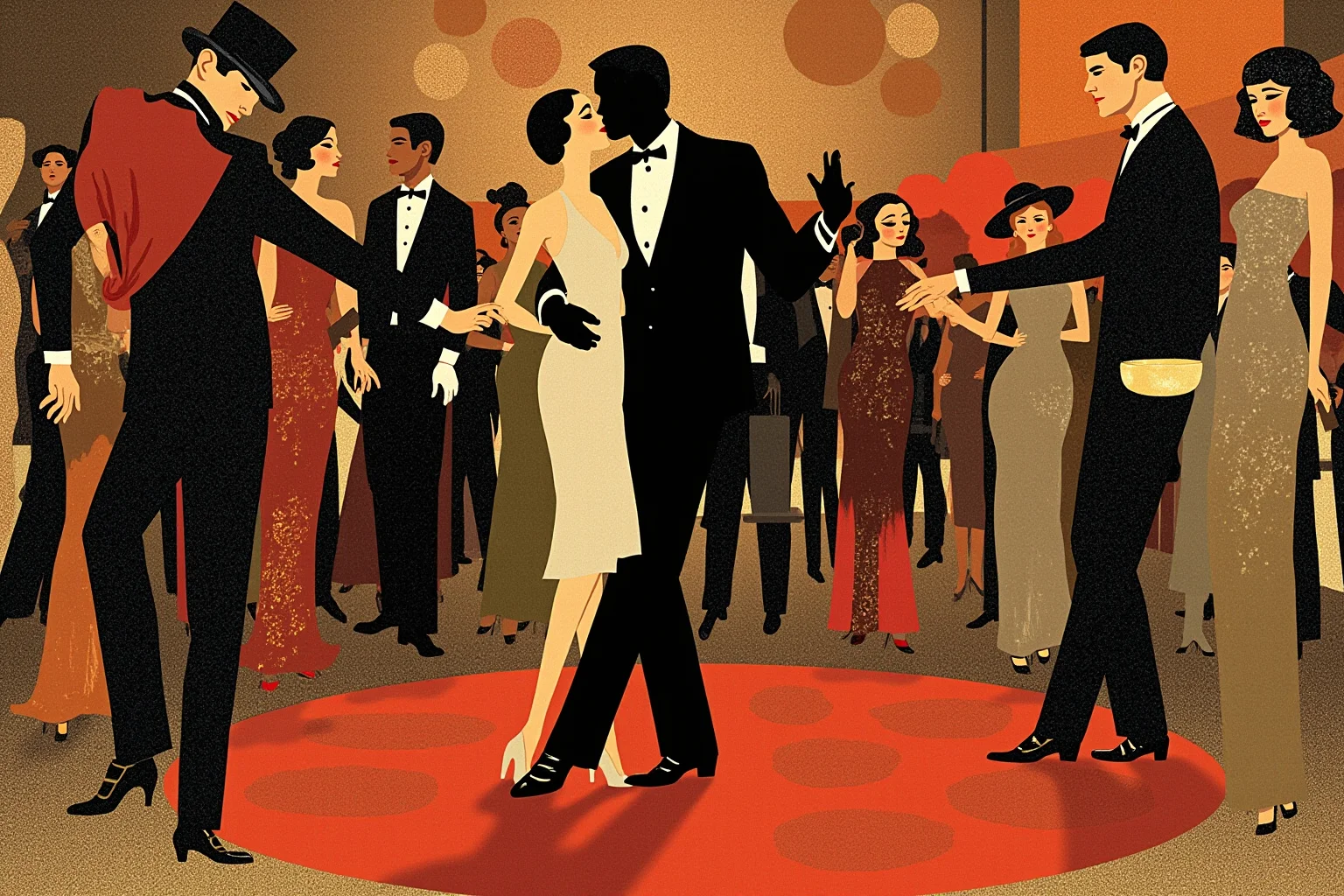
F. Scott Fitzgerald and Zelda Sayre married in 1920 and became the emblematic couple of the Jazz Age, living lavishly across New York and Paris. Their marriage was marked by mutual creative ambition, heavy drinking, and Zelda’s later struggles with mental illness, which led to long periods of hospitalization.
Scott drew heavily on their relationship for novels like “Tender Is the Night,” sometimes controversially using Zelda’s own writing and experiences. Zelda died in a fire at a psychiatric hospital in 1948, eight years after Scott’s own death, closing one of American literature’s most tragic real-life love stories.
14. John Keats and Fanny Brawne
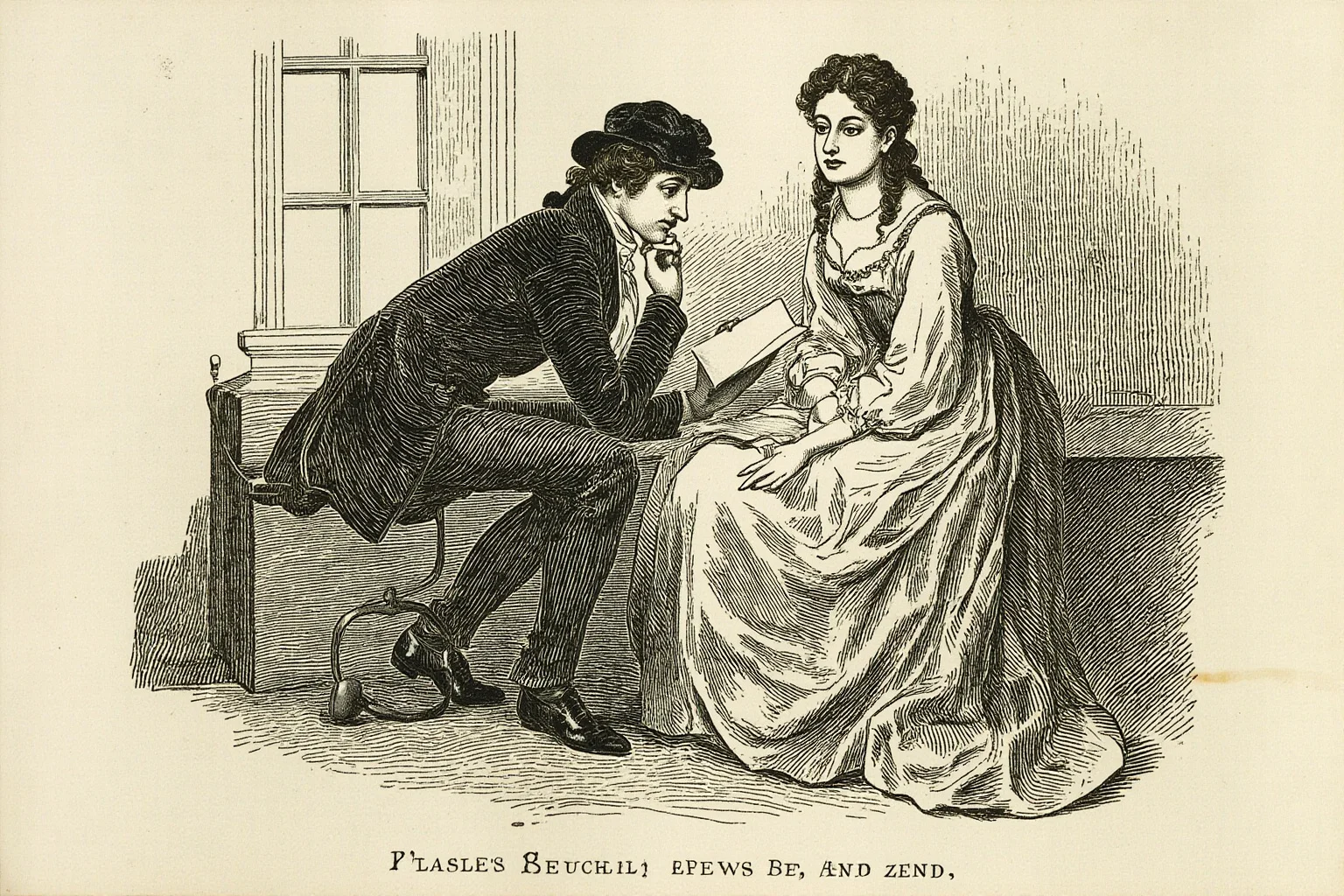
Romantic poet John Keats, often ranked among the greatest poets of all time, fell deeply in love with his neighbor Fanny Brawne in London, and the couple became engaged despite Keats’s precarious finances and worsening health. His love letters to her are considered some of the most emotionally raw correspondence in English literature.
Keats died of tuberculosis in Rome in 1821 at just twenty-five, having traveled there in a failed attempt to recover his health. Fanny reportedly wore mourning clothes for years afterward, and the couple’s short, unfulfilled romance has made them enduring symbols of star-crossed love cut short by illness.
15. Catherine the Great and Grigory Potemkin
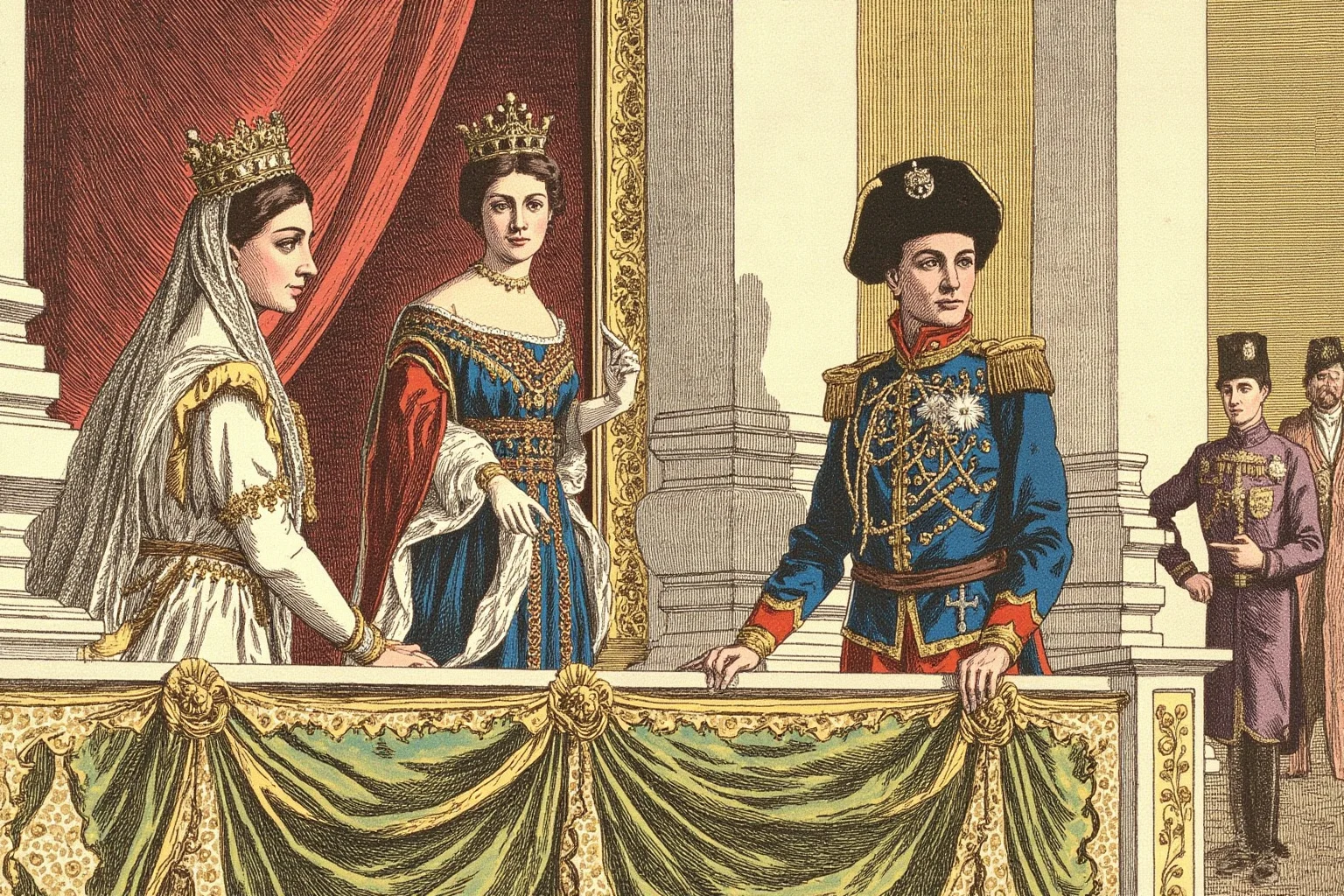
Russian Empress Catherine the Great, one of history’s most powerful women, and military leader Grigory Potemkin shared one of history’s most powerful political and romantic partnerships. Some historians believe the two secretly married, though definitive documentary proof has never been confirmed.
Even after their romantic relationship cooled, Potemkin remained one of Catherine’s most trusted advisors and generals until his death in 1791. Their bond blended empire-building with genuine personal devotion in a way few royal romances ever managed.
16. Justinian and Theodora
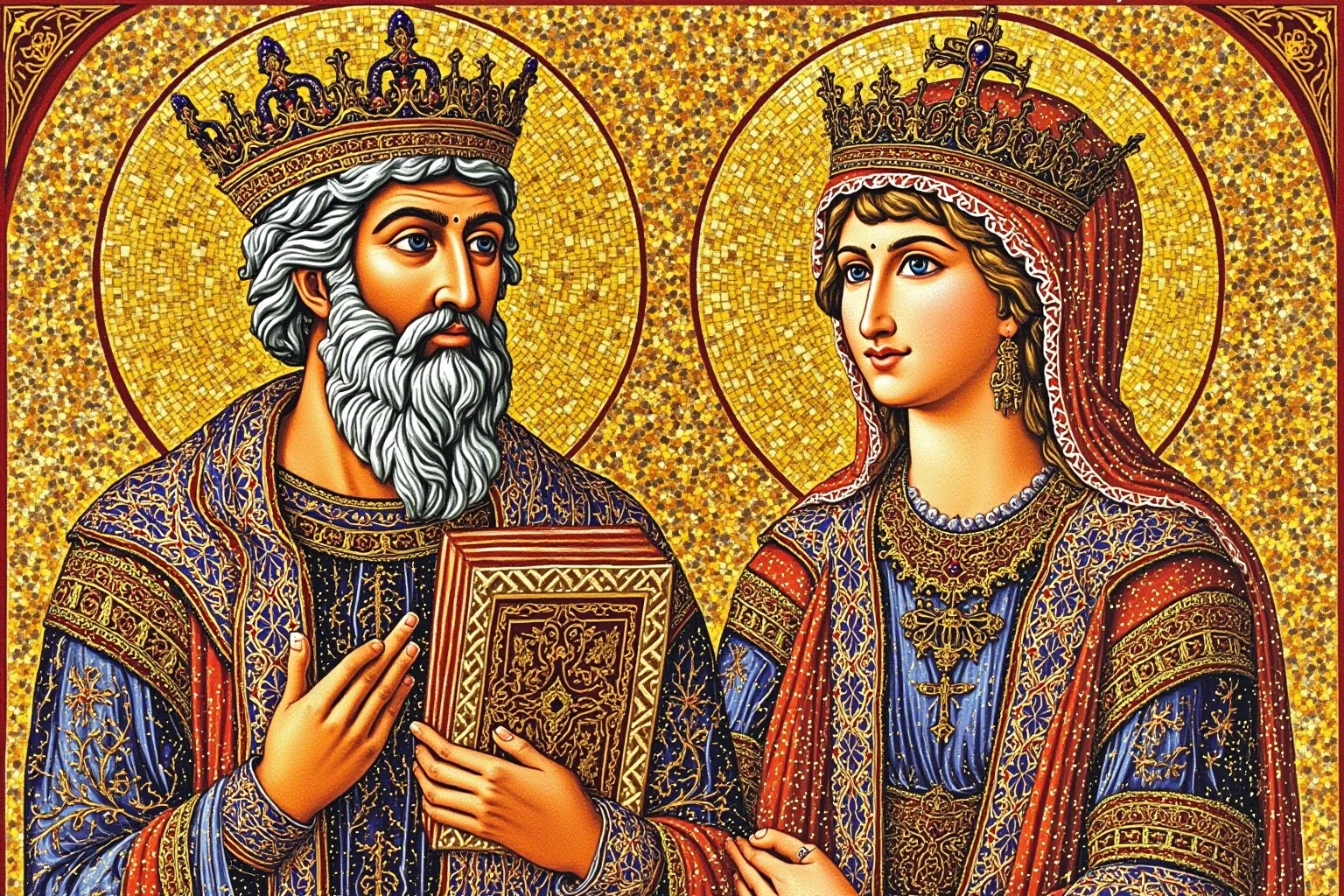
Byzantine Emperor Justinian I married Theodora, a former actress from a low social class, around 525 AD, defying strict Roman laws that barred such unions until he had them changed. Theodora became one of the most influential empresses in Byzantine history, advising on law, religious policy, and even talking Justinian out of fleeing during the deadly Nika riots of 532.
Their marriage lasted until Theodora’s death in 548, and contemporary accounts describe Justinian as genuinely devastated by the loss. Their story remains one of the great ancient lovers’ tales precisely because it crossed such a rigid social divide.
17. Simón Bolívar and Manuela Sáenz
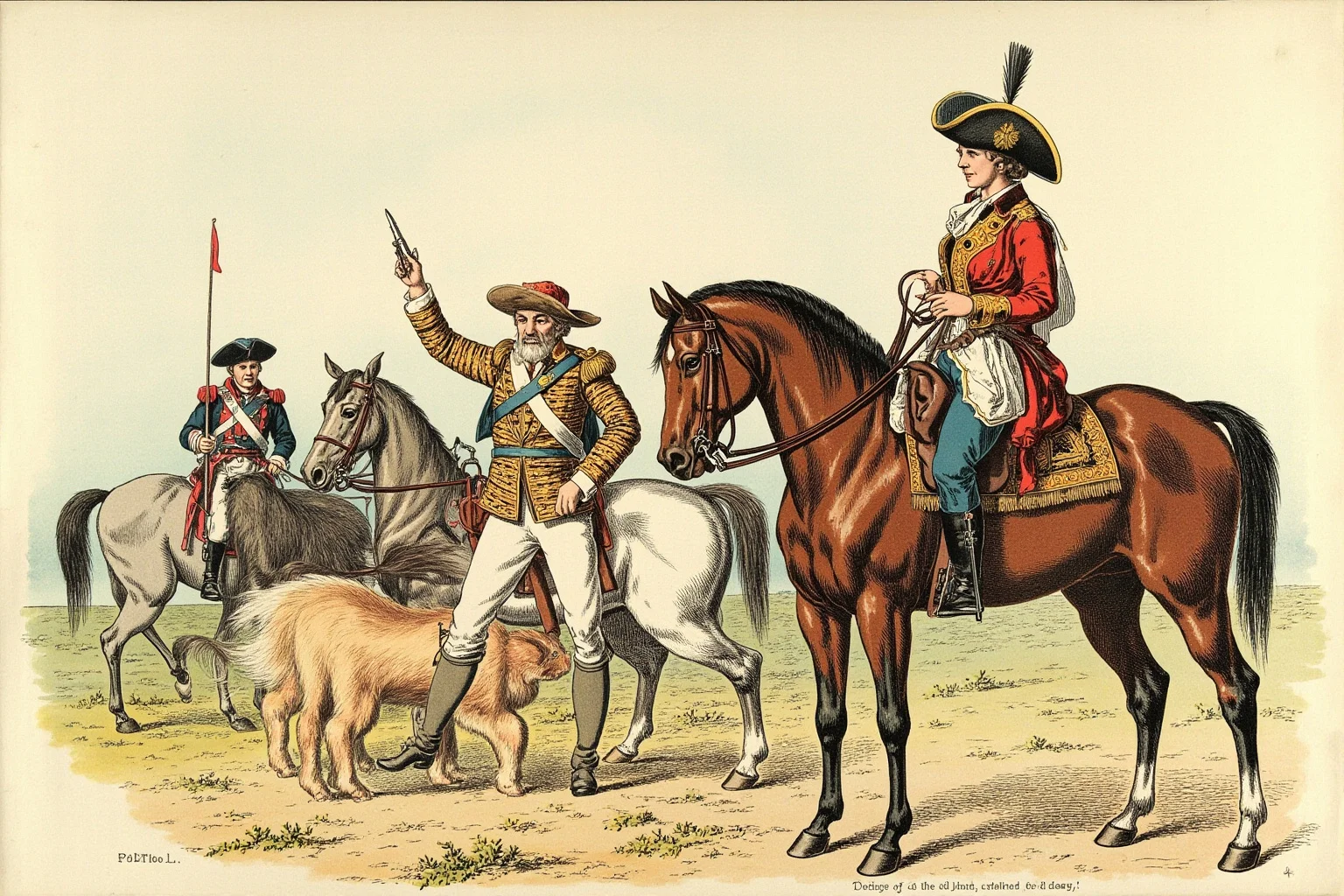
Manuela Sáenz became the companion of South American revolutionary leader Simón Bolívar during his campaigns for independence in the 1820s. She was a skilled strategist and fierce loyalist in her own right, not merely a romantic footnote to his political career.
In 1828, Manuela helped Bolívar escape an assassination attempt in Bogotá, an act that earned her the enduring title “Liberator of the Liberator.” Their relationship blended battlefield partnership with deep personal loyalty until Bolívar’s death in 1830.
18. Odysseus and Penelope
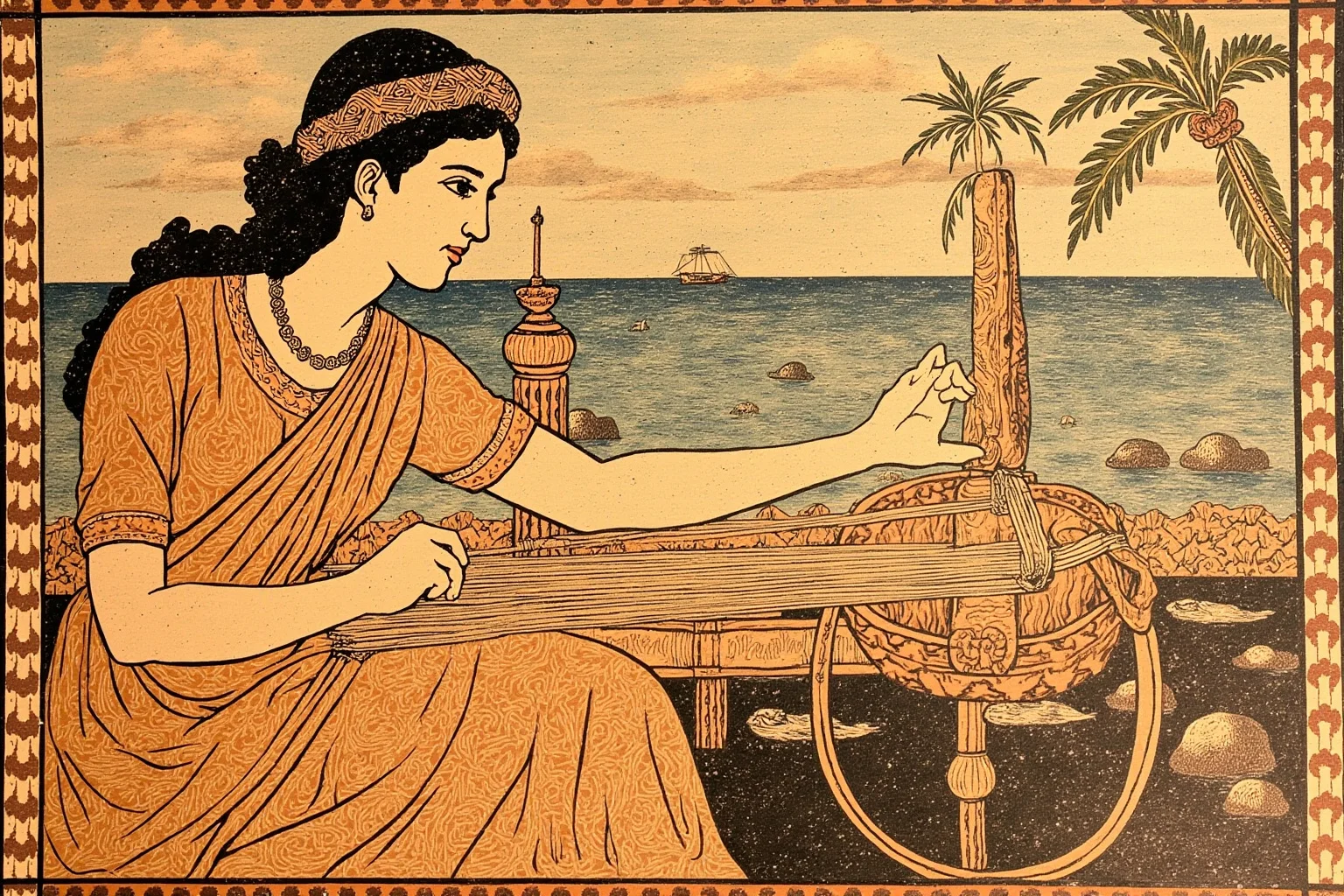
Homer’s “Odyssey” tells of Penelope waiting twenty years for her husband Odysseus to return from the Trojan War, fending off suitors through cleverness and sheer persistence. This is mythology rather than documented history, but its influence on later ideas about loyalty and devotion is undeniable.
Penelope’s patience and Odysseus’s eventual homecoming became an ancient template for enduring love tested by distance and time. Their story still shapes how we talk about faithfulness across long separation, even three thousand years later.
19. Orpheus and Eurydice
In Greek mythology, the musician Orpheus traveled into the underworld to bring back his dead wife Eurydice, only to lose her again when he broke a condition not to look back at her before reaching the surface. It’s one of the oldest tragic love stories in Western storytelling and a clear ancestor of the modern star-crossed lover archetype.
The tale isn’t historical, but it has shaped opera, poetry, and art for over two thousand years. Its enduring message, that love can’t always overcome fate, echoes through nearly every tragic romance on this list.
20. Tristan and Isolde
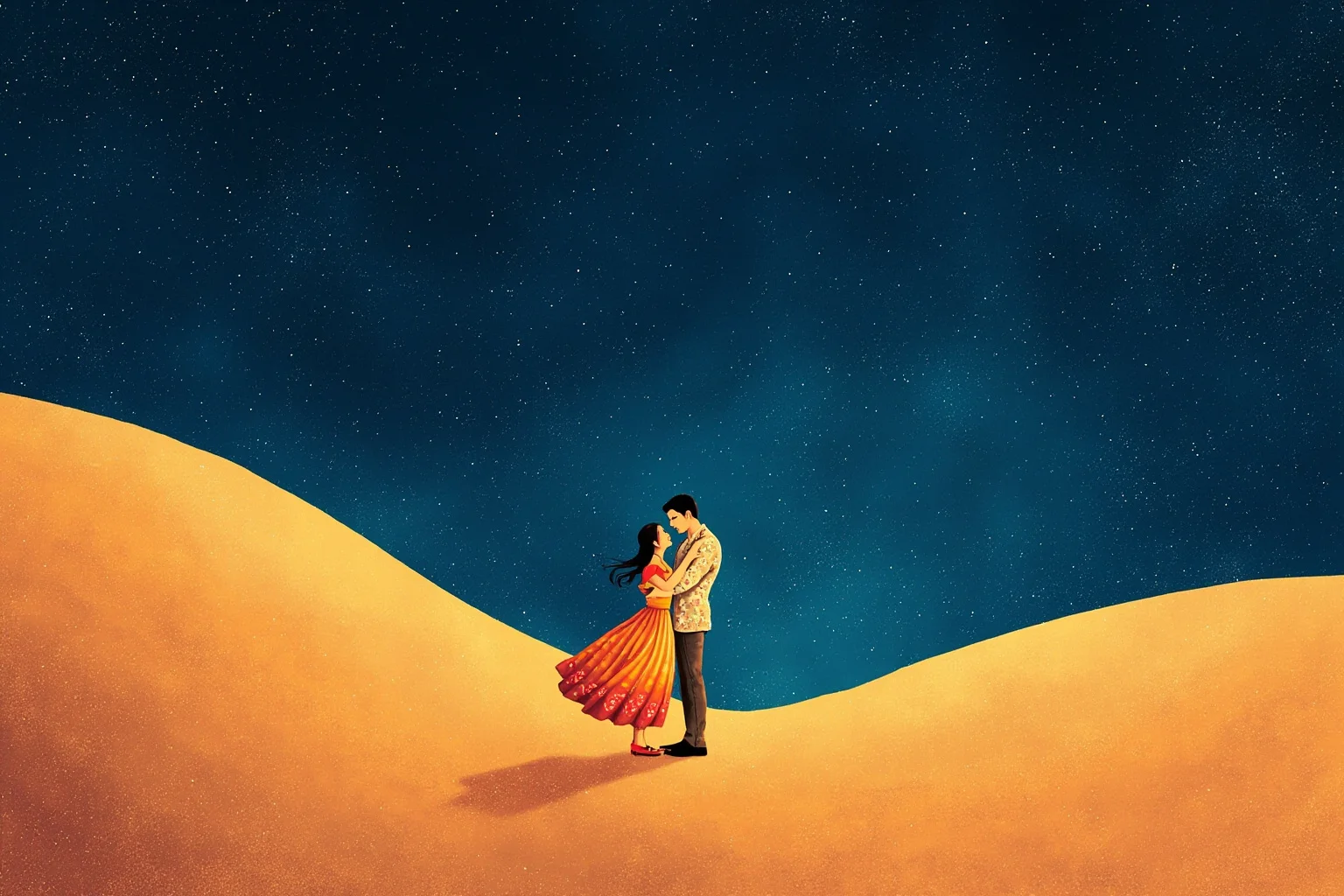
The medieval legend of Tristan and Isolde tells of a knight and a queen bound by a magic potion into an illicit, ultimately fatal love affair. Its exact origins are uncertain, likely rooted in Celtic folklore before being popularized across medieval French and German literature.
There’s no solid historical evidence that Tristan or Isolde existed as real people. Even so, their legend heavily influenced later Arthurian romance and is frequently cited as one of the clearest sources for the modern idea of “star-crossed lovers.”
21. Layla and Majnun
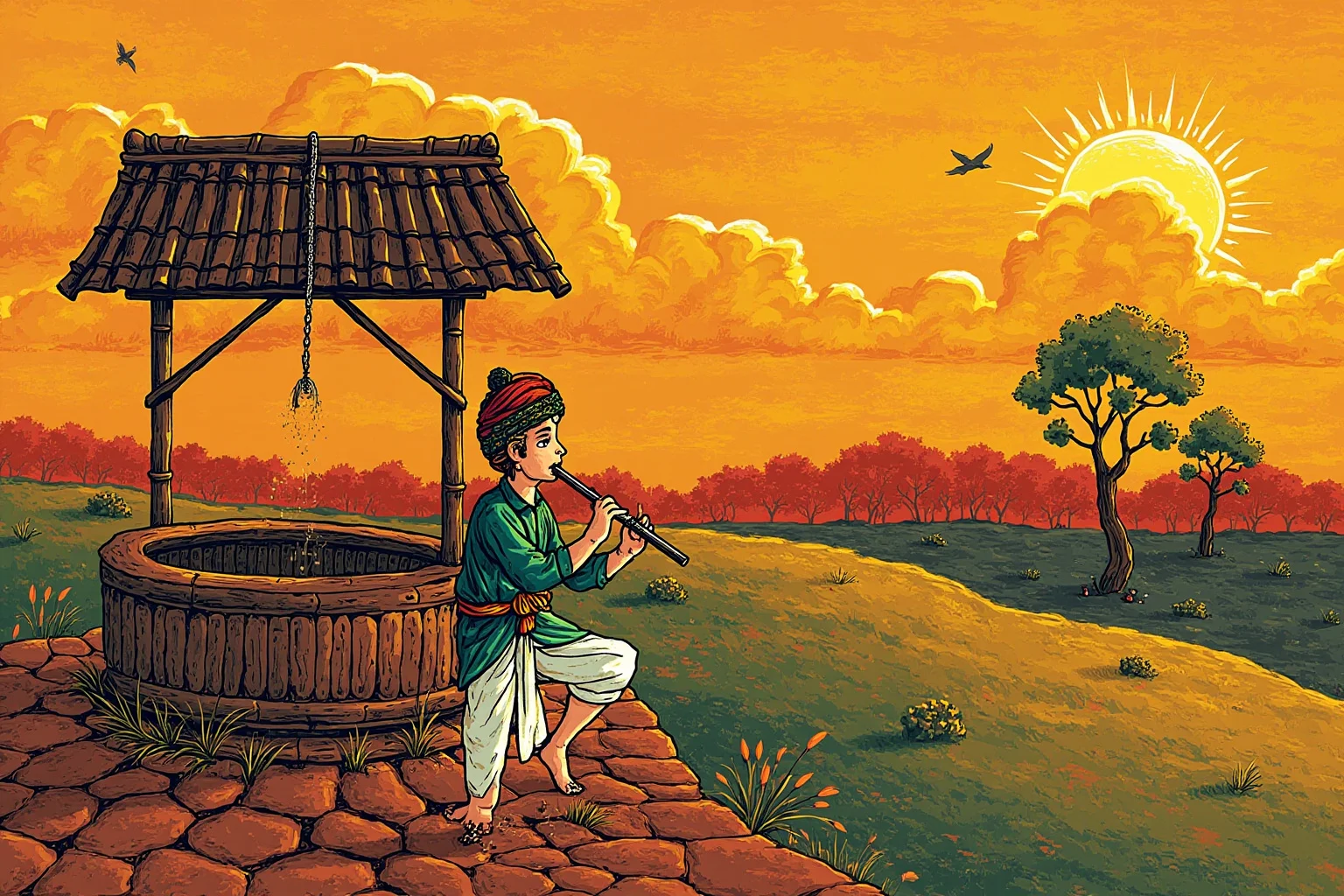
Layla and Majnun is a centuries-old story from Arabic folklore about a young man driven to obsessive devotion, and eventual madness, by his forbidden love for Layla. The 12th-century Persian poet Nizami Ganjavi popularized the tale in an epic poem that remains a cornerstone of Persian and Arabic literature.
Like Tristan and Isolde, the story likely blends folklore with possible fragments of real oral tradition, though it isn’t considered documented history. It remains one of the most famous star-crossed lover stories outside the Western canon, often compared directly to Romeo and Juliet.
22. Heer and Ranjha
Heer and Ranjha is a beloved Punjabi folk legend about two lovers kept apart by family rivalry and social expectation, most famously immortalized in an 18th-century epic poem by Waris Shah. The story remains one of the most recited romantic legends across Punjab, India, and Pakistan.
As with other legendary entries on this list, Heer and Ranjha are folkloric rather than verified historical figures. Their enduring popularity shows how the star-crossed lover archetype appears independently across many cultures, not just in European literature.
Common Threads Among History’s Greatest Lovers
Looking across all twenty-two stories, a few patterns stand out. Many of history’s greatest lovers faced outside forces, be it politics, family, war, or class, actively working to keep them apart, which is exactly what makes a romance feel “star-crossed” rather than simply happy.
Others, like the Curies or the Adamses, show that some of the greatest real-life love stories aren’t about obstacles at all, but about sustained partnership through decades of ordinary and extraordinary life. Both kinds of stories still get told centuries later because they capture something true about devotion, sacrifice, and timing.
It’s also worth noting how many of these tales blur the line between documented history and legend. Figures like Cleopatra and Napoleon are historically verified, yet layers of myth have been added to their stories over time, while figures like Tristan or Layla may never have existed at all in the way their legends describe.
Final Thoughts on Love in History
What ties all of these amazing lovers together, real or legendary, is how their stories keep getting retold. Each generation reshapes these historical romances slightly to reflect its own values, whether that means emphasizing Cleopatra’s political savvy over her romance, or reexamining Pocahontas’s story with a more critical eye toward colonial power dynamics.
That’s ultimately what makes a love story great: not perfection, but staying power. Whether carved into a Byzantine mosaic, sealed in a medieval letter, or passed down through a Punjabi folk song, these are the relationships humanity has decided are worth remembering.
Frequently Asked Questions
Who is the most famous star-crossed lover in history?
There's no single official answer, but Cleopatra and Mark Antony are often cited as the most famous star-crossed lovers from actual recorded history, while Tristan and Isolde are frequently named as the most famous legendary example. Both stories share the key ingredients of star-crossed romance: powerful attraction, forces working against the couple, and a tragic ending.
What does “star-crossed lovers” actually mean?
The phrase comes from Shakespeare's "Romeo and Juliet" and refers to lovers whose relationship is doomed by fate or forces beyond their control, originally an astrological metaphor about unlucky stars. Today it's used more broadly for any couple kept apart by circumstances like family conflict, social class, war, or distance.
Were Romeo and Juliet based on real historical people?
No solid historical evidence supports Romeo and Juliet as real individuals. The story likely evolved from earlier Italian tales and poems before Shakespeare popularized it in the 1590s, and it should be treated as literary fiction rather than documented history.
What’s the difference between a love story and a star-crossed romance?
A general love story simply follows a couple's relationship, which can be happy, difficult, or anything in between. A star-crossed romance specifically involves fate, circumstance, or outside opposition actively working against the couple, usually leading to separation, sacrifice, or tragedy.
Who are generally considered history’s greatest lovers?
Historians and cultural tradition point to a mix of documented couples, like Cleopatra and Mark Antony, Napoleon and Josephine, and the Brownings, alongside legendary pairs like Tristan and Isolde or Layla and Majnun. The list tends to include anyone whose devotion, sacrifice, or tragedy became culturally memorable enough to be retold for generations.

Alex Warren
Related Articles





