

Look around your kitchen, your closet, or your desk right now. There’s a good chance at least one ordinary object sitting there — a fork, a pair of sunglasses, a bag of sugar — was once so rare and expensive that owning it announced your wealth to the entire neighborhood.
History is full of these quiet reversals. Objects we now buy without thinking twice were once carefully guarded status symbols, reserved for royalty, nobility, or the merchant elite who could afford imported luxury.
Tracing how they trickled down to everyday life tells us a lot about trade routes, technology, and the endless human urge to show off.
TL;DR: Many objects we now consider ordinary — sugar, forks, umbrellas, wristwatches, even bananas — began as expensive status symbols before trade, manufacturing, and changing fashions made them common.
What Turns an Ordinary Object Into a Status Symbol?
A status symbol usually starts with scarcity. Something has to be hard to get — whether it’s grown in a distant climate, requires rare materials, or demands slow, skilled labor to produce.
Once an object is scarce and desirable, the wealthy adopt it to signal their position. Sumptuary laws in medieval and early modern Europe even codified this directly, restricting certain fabrics, colors, or accessories to specific social ranks.
Eventually, trade routes expand, technology improves, or manufacturing scales up, and the object becomes affordable. What was once an elite status symbol becomes an unremarkable part of daily life. Below are more than twenty objects that followed exactly this path.
1. Pineapples
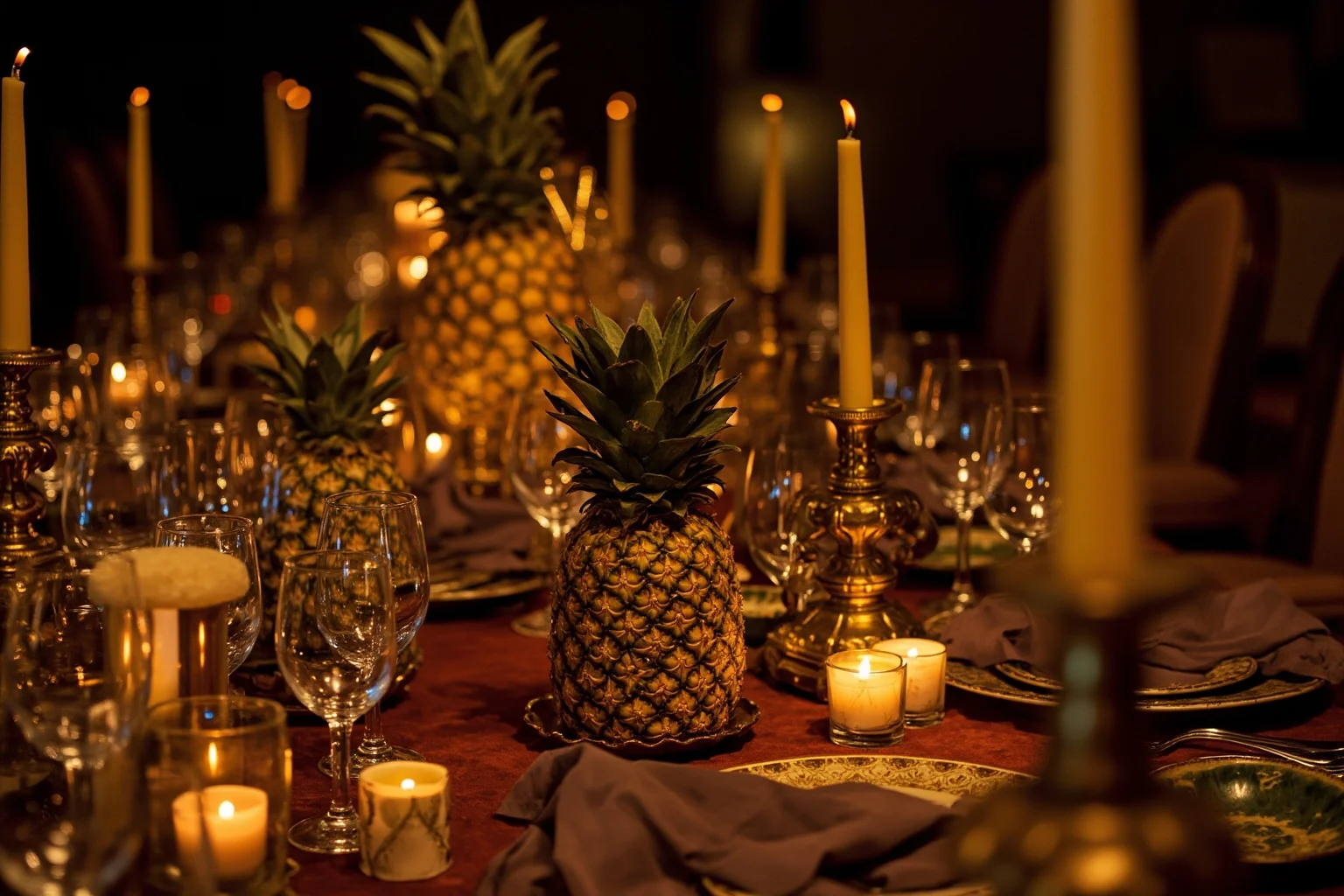
In 17th and 18th century Europe, pineapples were almost impossible to grow outside the tropics, and importing them fresh across the Atlantic was slow and expensive. A single pineapple could cost the modern equivalent of thousands of dollars, so the ultra-wealthy sometimes rented one just to display at a dinner party rather than eat it.
King Charles II of England was even painted receiving a pineapple as a gift, a portrait meant to broadcast royal access to rare luxury. Stone and wood pineapple finials still decorate old gateposts and rooftops in Britain today, a leftover architectural flex from the fruit’s status-symbol heyday.
2. Black Pepper and Spices
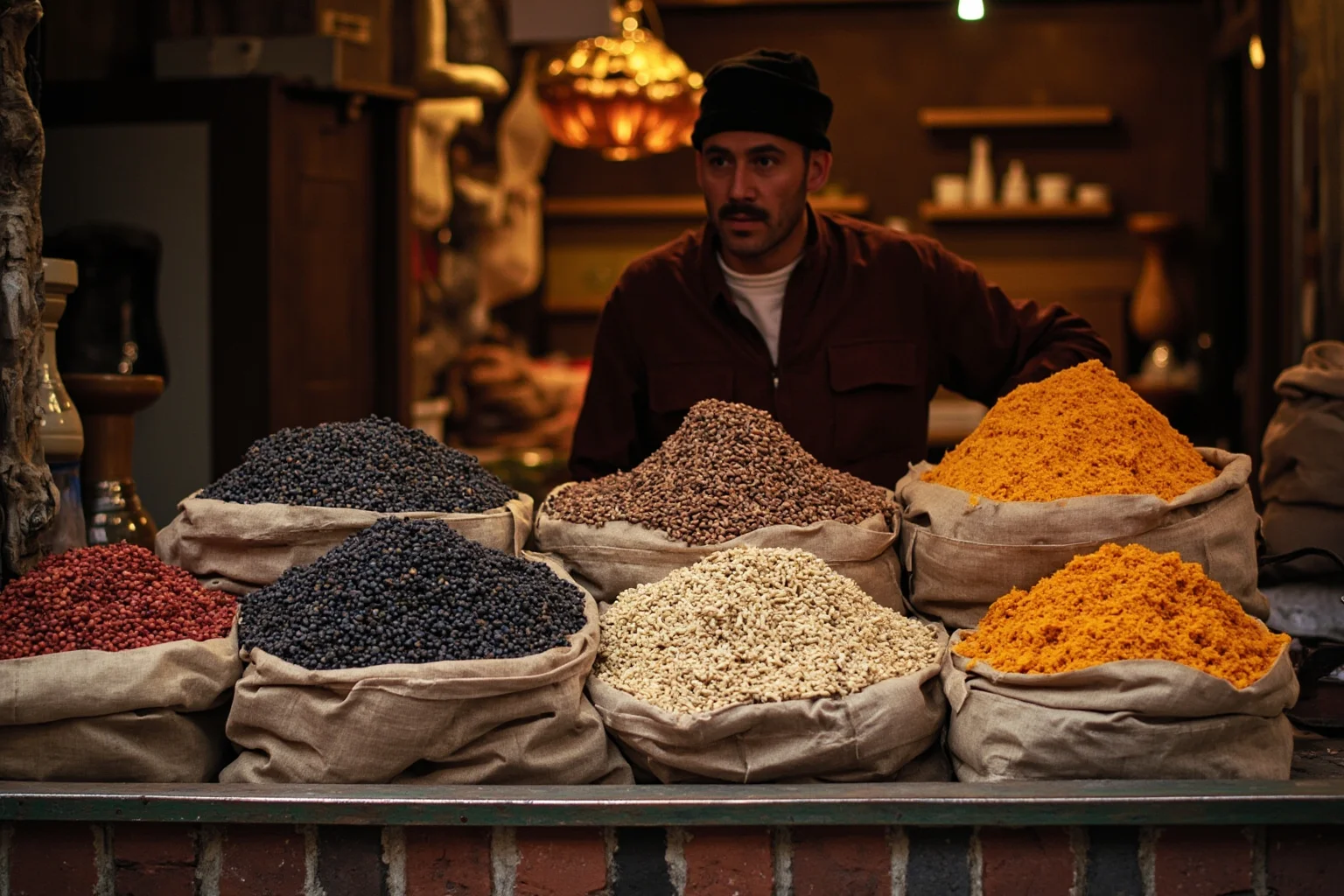
Before refrigeration and global shipping, spices like pepper, cinnamon, and cloves traveled thousands of miles by caravan and ship to reach European markets. That scarcity made pepper genuinely valuable — valuable enough that rents and dowries were sometimes calculated in peppercorns, which is where the phrase “peppercorn rent” comes from.
Owning a well-stocked spice chest in medieval Europe was a clear status symbol, since it signaled trade connections most people simply didn’t have. Once European powers established direct sea routes to Asia, prices fell and pepper became the everyday shaker-table staple it is now.
3. Sugar
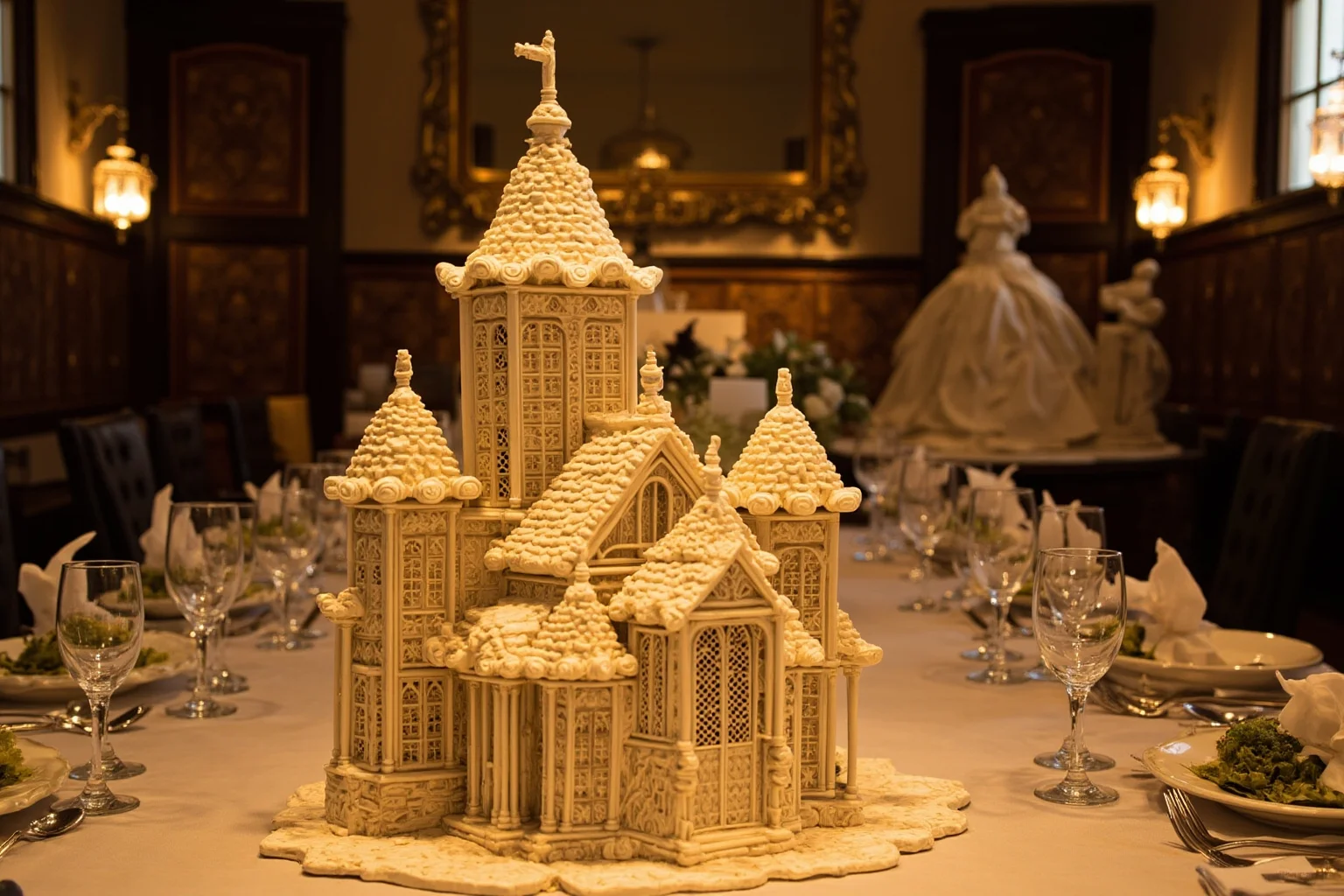
Sugar was once so expensive that European nobility used it to build elaborate table sculptures called “subtleties,” shaped like castles, animals, or coats of arms, purely to impress dinner guests. Refined white sugar was a genuine luxury good for centuries before Caribbean plantation labor dramatically expanded supply.
According to some historical accounts, heavy sugar consumption among the European elite even became linked to visible tooth decay, which some contemporaries reportedly saw as an unfortunate side effect of wealth rather than something to hide. Whether or not that specific detail is fully verified, sugar’s transformation from rare luxury to cheap pantry staple is well documented.
4. Tea
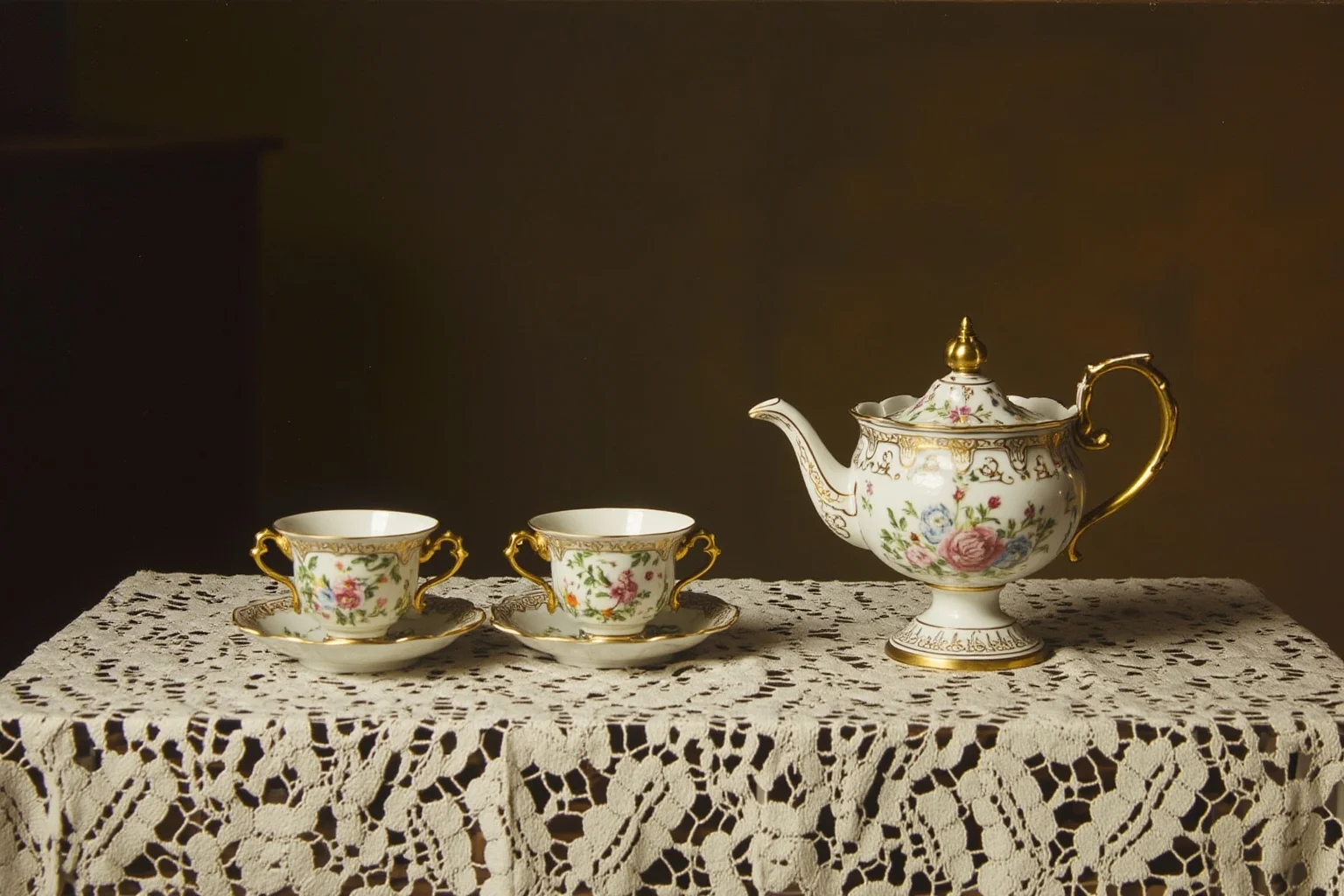
When tea first arrived in England from China in the 17th century, it was taxed heavily and sold at a price only the upper classes could justify. Owning delicate porcelain teapots and cups to go with it added another layer of expense and prestige.
As the British East India Company expanded tea imports and later cultivation in colonial India, prices dropped steadily through the 18th and 19th centuries. What began as an aristocratic ritual eventually became a working-class staple, and then a global everyday drink.
5. Chocolate
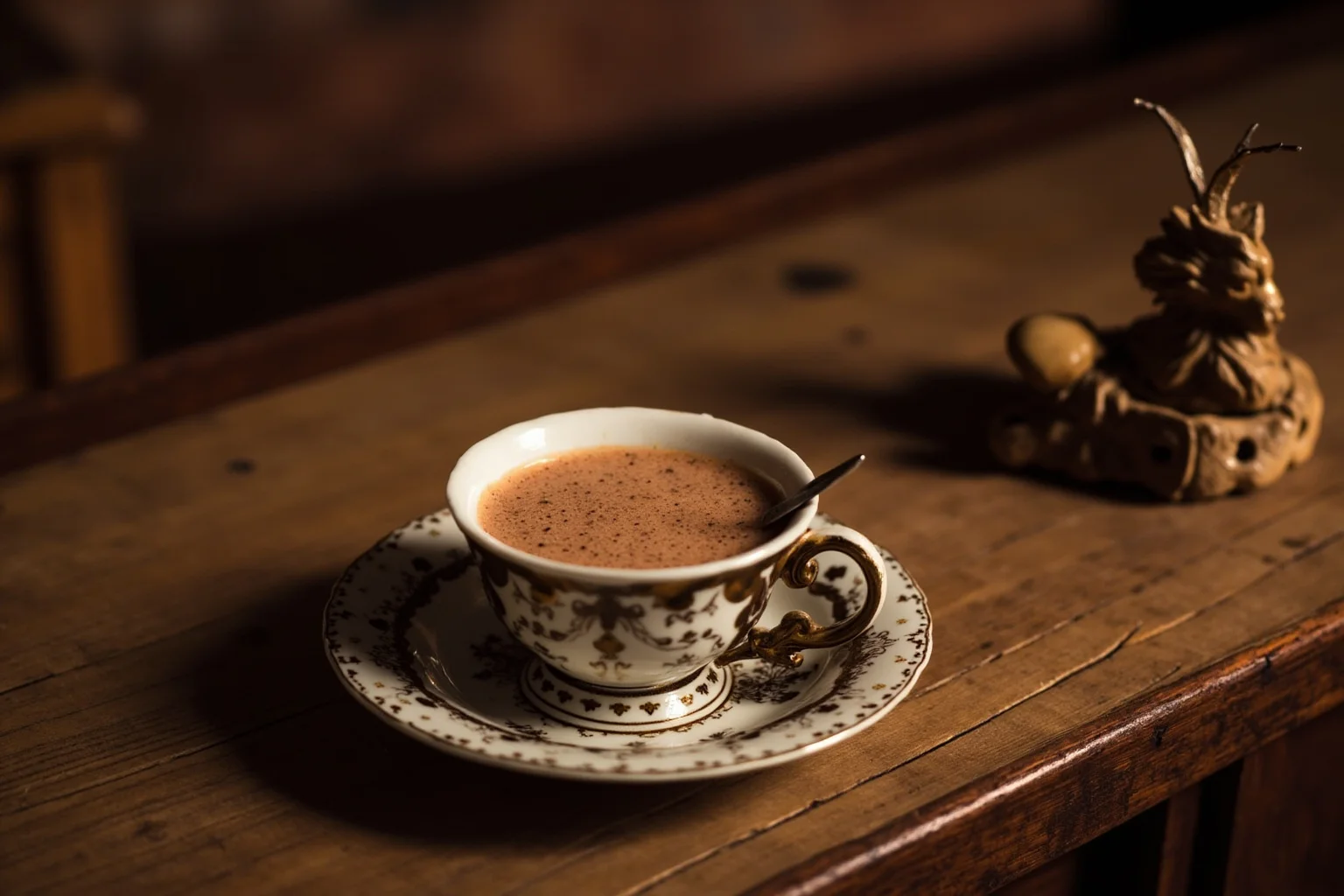
Long before Europeans encountered it, chocolate was already a prestige item among Aztec and Maya elites — two of the ancient civilizations whose achievements still fascinate historians today — who drank it as a bitter, spiced beverage often reserved for nobility and warriors. When Spanish colonizers brought cacao to Europe, it kept its elite status, now sweetened and served in fashionable chocolate houses.
Those 17th and 18th century chocolate houses functioned much like exclusive clubs, charging high prices that kept out anyone but the wealthy. Industrial processing in the 19th century, especially solid chocolate bars, finally turned it into a mass-market treat.
6. Coffee
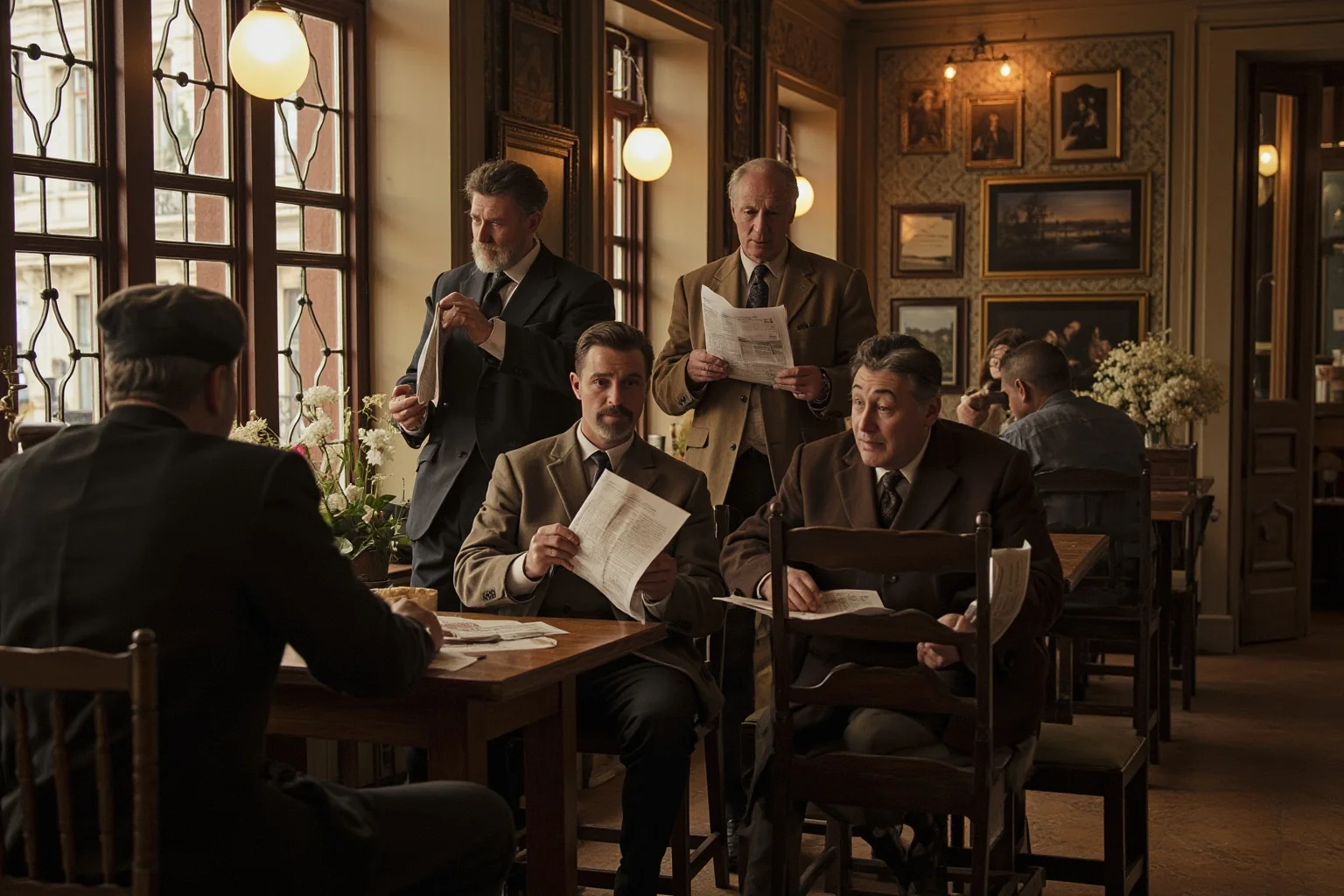
Coffee’s status-symbol phase played out largely in coffeehouses, which spread from the Ottoman Empire into Europe by the 17th century. In London, these venues were sometimes nicknamed “penny universities” because for the price of a cup, patrons could sit among merchants, writers, and politicians discussing the news of the day.
Coffee itself wasn’t always cheap, and access to a good coffeehouse implied a certain social standing. Mass cultivation in colonies and later industrial roasting brought prices down, eventually making coffee one of the most widely consumed drinks on earth.
7. Forks
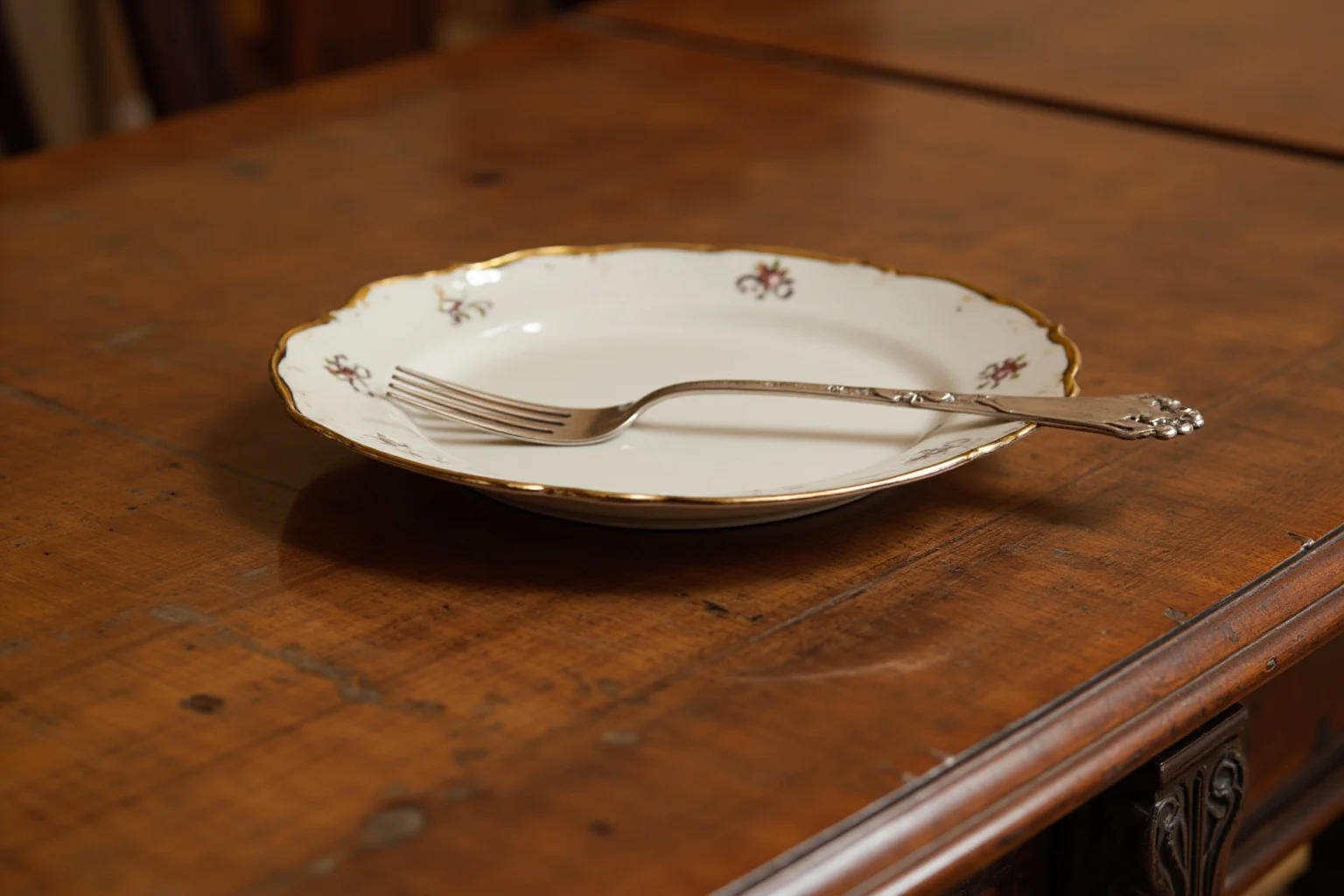
It’s strange to imagine now, but the fork was once considered suspiciously fussy in much of Western Europe. For centuries, most people ate with knives, spoons, and their hands, and using a fork was seen by some as an affectation of Byzantine or Italian elites.
Catherine de Medici is often credited with helping popularize forks at the French court in the 16th century, though like many origin stories, the full picture involves gradual adoption rather than a single dramatic introduction. By the 18th century, owning a matched set of forks had become a marker of refined, wealthy dining.
8. Mirrors
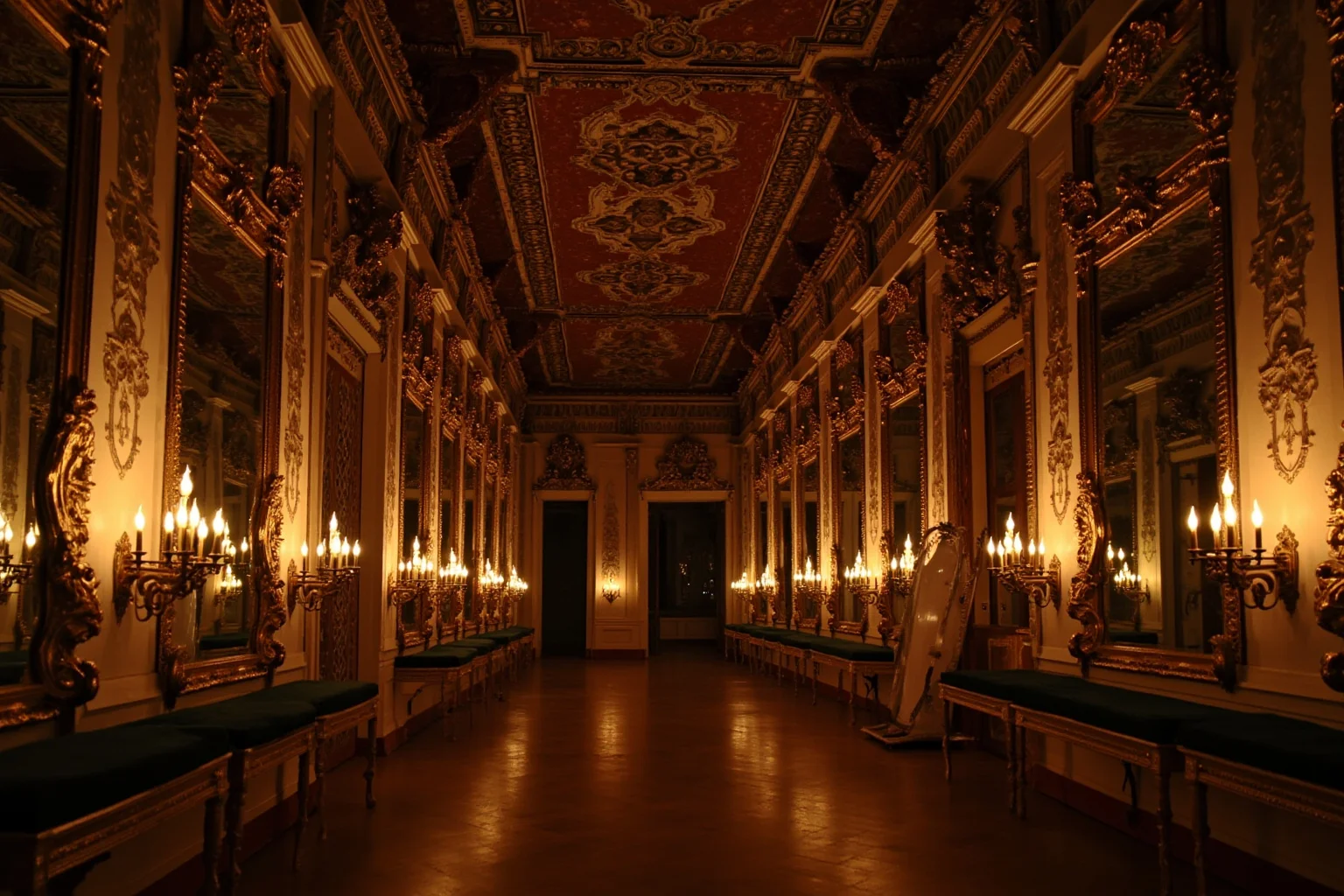
Before reliable glassmaking, clear mirrors were genuinely rare and expensive, and Venice held a tightly guarded monopoly on high-quality mirror glass for centuries. Venetian glassmakers were reportedly restricted from leaving the city to protect the trade secret, underlining just how valuable this technology was considered. That rarity is likely part of why breaking one was once considered such an ominous act, a belief that still shows up among the superstitions that used to run our lives.
The Hall of Mirrors at the Palace of Versailles, completed in the late 17th century, was a deliberate display of French wealth and industrial capability once France developed its own glassmaking know-how. As glass production techniques spread and industrialized in the 19th century, mirrors became a normal household item rather than a royal flex.
9. Umbrellas

In parts of the ancient world, including China and Egypt, ornate parasols and umbrellas were associated with royalty and used to shield rulers from the sun as a mark of rank. In 18th century England, umbrellas carried a different kind of social baggage: they were seen as slightly effeminate or overly cautious for men to carry.
Jonas Hanway, an English philanthropist, is often credited with helping normalize umbrella use among men in London during the 1750s, though he faced ridicule for it at first. Mass production eventually turned the umbrella into the unremarkable rain gear it is today.
10. Decorative Buttons
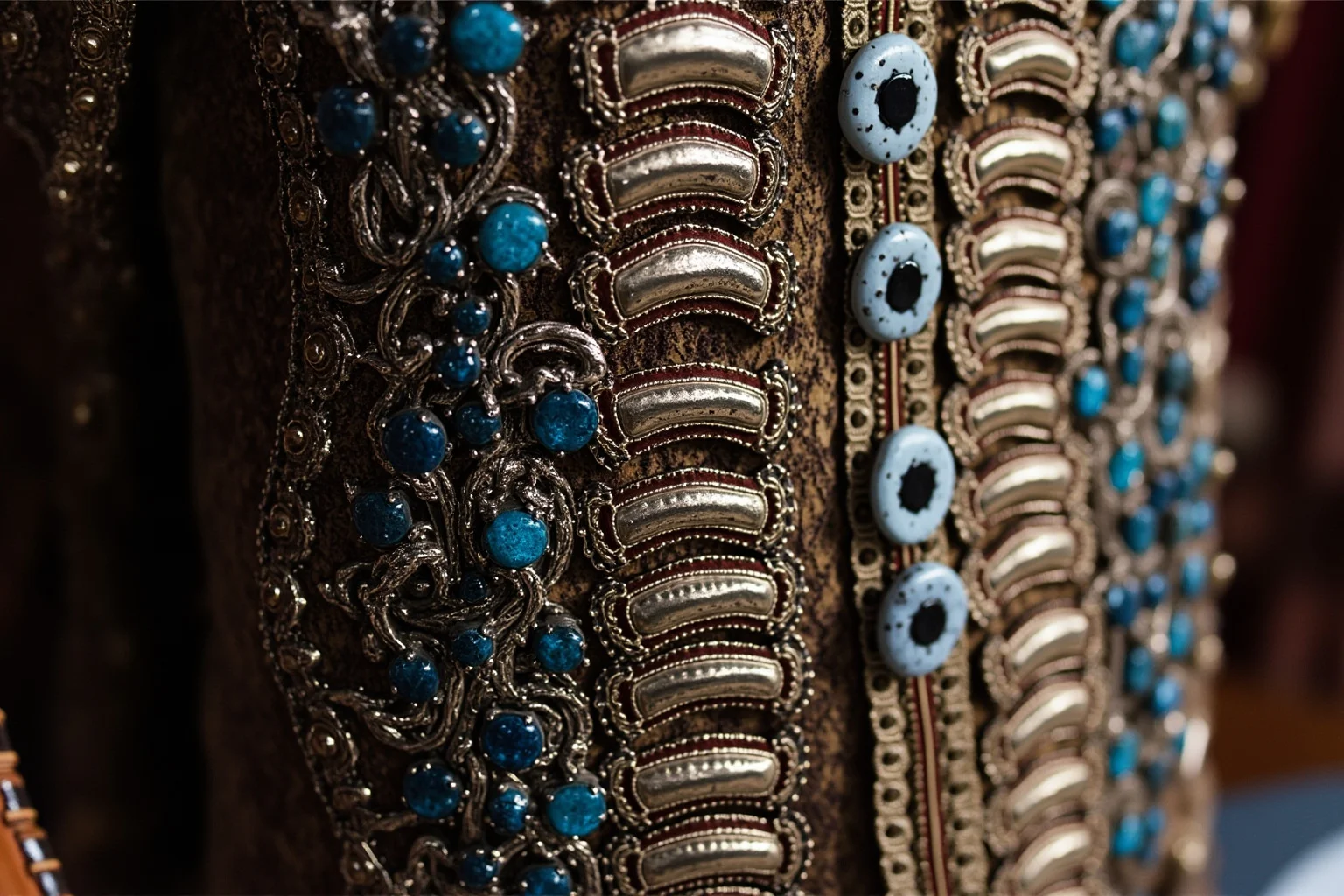
Functional buttons existed for centuries, but ornate buttons made from silver, gold, or gemstones became a genuine status symbol among European nobility from the medieval period onward. Some sumptuary laws even regulated how many buttons a person of a given rank was allowed to wear, since a coat covered in costly buttons was an obvious wealth display.
Industrial button manufacturing in the 19th century, using materials like glass and later plastic, made decorative buttons cheap and widely available. Today they’re a functional afterthought rather than a class marker.
11. Silk Stockings
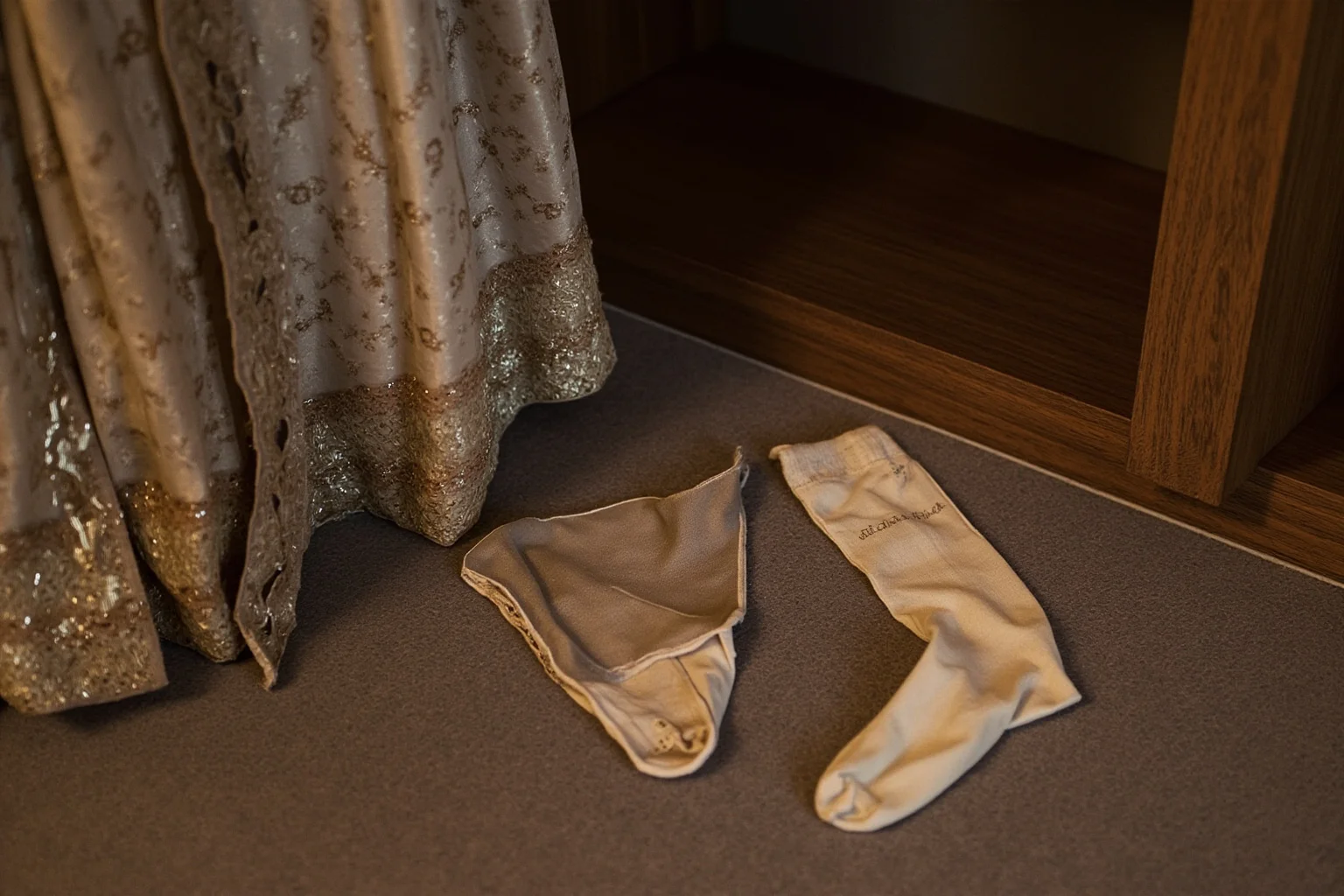
Silk stockings were prized among European royalty and nobility for their smooth texture and difficulty to produce, since silk itself required imported thread and skilled weaving. Queen Elizabeth I of England reportedly loved silk stockings so much that she refused to go back to cruder wool ones once she’d tried them.
The invention of nylon in the 1930s changed everything, offering a cheaper alternative that still looked sleek. Within a couple of decades, stockings shifted from a luxury item to an everyday fashion staple.
12. Hand-Painted Wallpaper
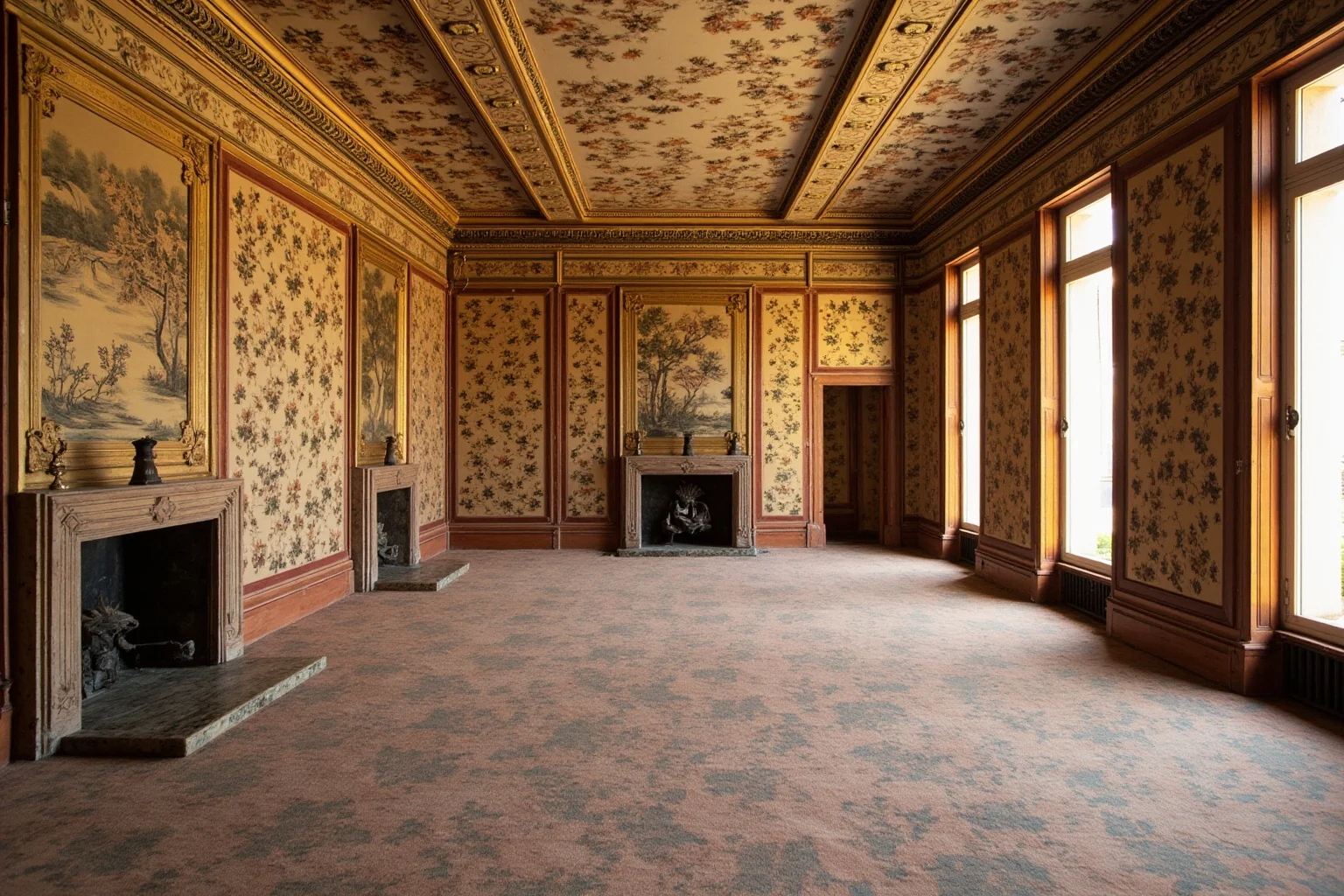
In the 17th and 18th centuries, hand-painted Chinese wallpaper imported into Europe was extraordinarily expensive, prized for its intricate florals, birds, and landscapes. Owning a room papered in it signaled both wealth and sophisticated taste for exotic goods.
European manufacturers eventually developed printing techniques to imitate the look at a fraction of the cost. By the 19th century, mass-produced wallpaper patterns were decorating homes across the social spectrum.
13. Wristwatches

For most of the 19th century, wristwatches were considered a woman’s accessory, more jewelry than tool, while respectable men carried pocket watches instead. That perception shifted dramatically during World War I, when soldiers found wristwatches far more practical for coordinating attacks than fumbling for a pocket watch under fire.
After the war, returning soldiers helped normalize the wristwatch for men, and it quickly became both a practical item and a status symbol depending on the brand and materials — one of many small markers of postwar prosperity that would later define life in the 1950s. Today, of course, cheap digital watches and smartphones have made basic timekeeping nearly free.
14. Sunglasses

Tinted lenses had practical uses going back centuries, including protecting eyes from glare, but sunglasses didn’t become a true fashion status symbol until Hollywood’s rise in the early 20th century. Movie stars wore them to shield sensitive eyes from studio lighting and to avoid being recognized, which only made the accessory more glamorous by association.
Mass production by companies making affordable sunglasses eventually brought the look to the general public. Designer sunglasses still carry prestige today, but the basic function is now available to anyone for a few dollars.
15. Oranges

In colder parts of Europe, citrus fruit had to be shipped long distances or grown in expensive heated greenhouses called orangeries, making a fresh orange a genuine luxury well into the 19th century. This is part of why receiving a single orange in a Christmas stocking was once considered a delightful, memorable gift rather than an afterthought.
Improved transportation, refrigerated shipping, and large-scale citrus farming in places like Florida and California eventually made oranges cheap and available year-round. The tradition of the Christmas orange lingers as a charming echo of when citrus was something special.
16. Ice
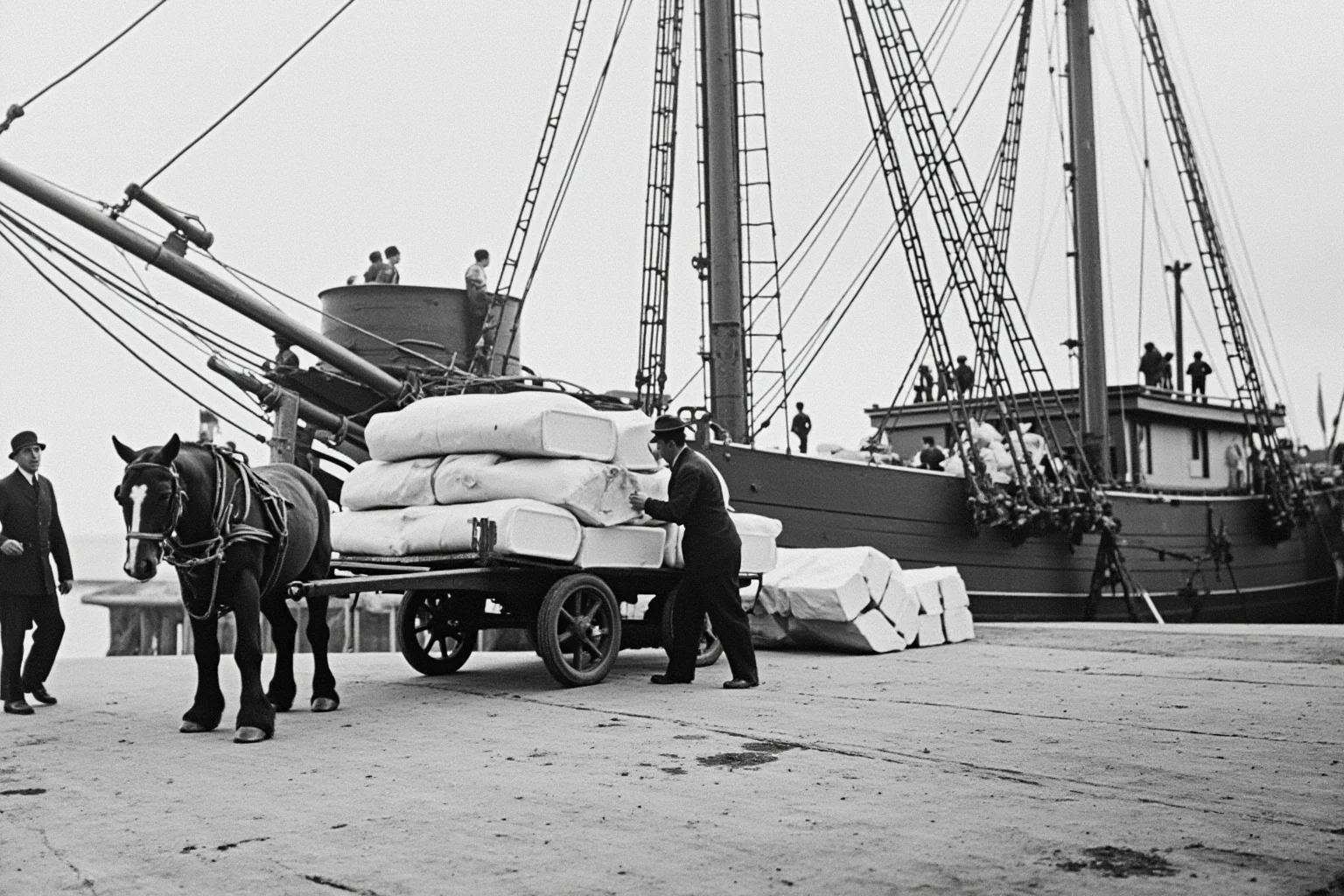
Before mechanical refrigeration, ice had to be cut from frozen lakes and rivers and shipped, often across oceans, to reach warmer regions. In the early 19th century, American businessman Frederic Tudor built a substantial trade exporting New England ice to the Caribbean and beyond, and having ice in your drink or icebox became a mark of real wealth.
Owning an icebox stocked with ice year-round was, for decades, something only well-off households could manage. Electric refrigeration in the 20th century made ice essentially free, turning a former luxury into something we now barely think about.
17. Bananas
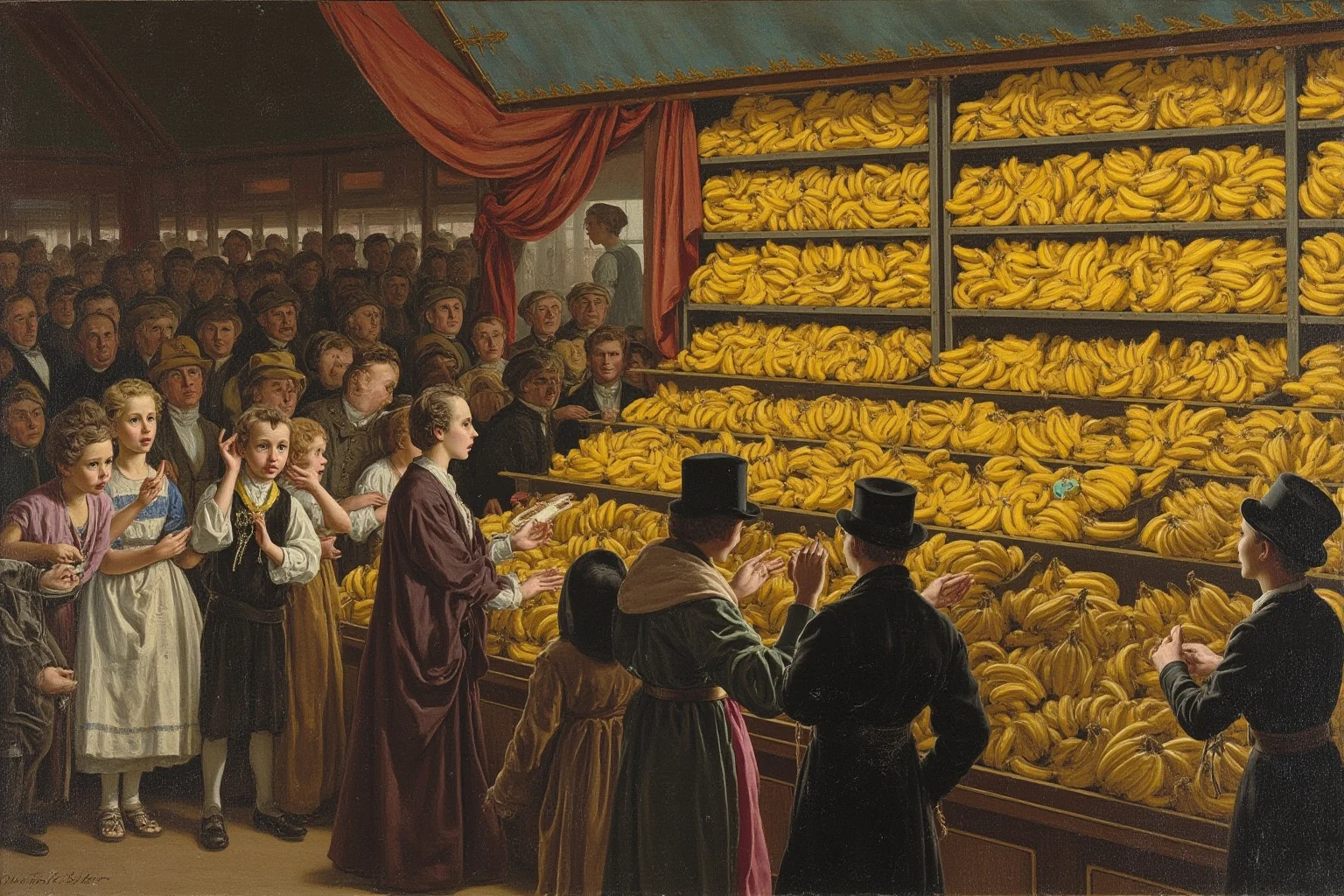
In 19th century Europe and North America, bananas were an exotic novelty, often displayed at trade fairs and expositions where curious crowds paid to see and taste them. Because they grew in tropical regions and spoiled quickly, getting them to market before refrigerated steamships existed was a genuine logistical challenge.
Once companies developed refrigerated shipping and large banana plantations in Central America in the late 19th and early 20th centuries, prices dropped sharply. The banana went from a fairground curiosity to one of the cheapest fruits available in supermarkets worldwide.
18. Perfume
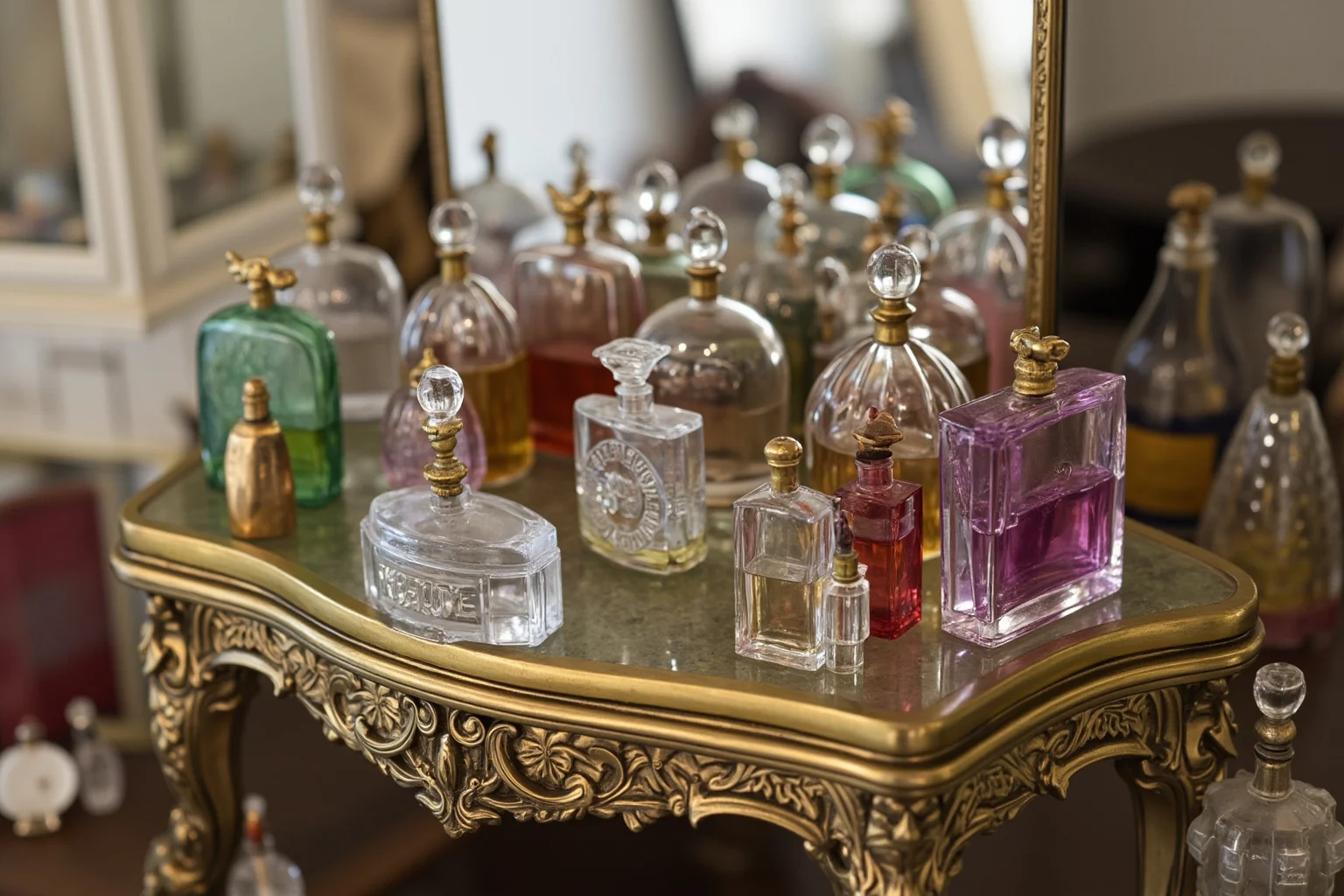
Fragrant oils and perfumes date back to ancient Egypt, where they were used in religious ritual and by the elite to signal refinement and status. Producing perfume required rare aromatic ingredients and skilled distillation, keeping it firmly in the luxury category for centuries across many cultures.
Synthetic fragrance compounds developed from the 19th century onward made pleasant scents far cheaper to produce. High-end perfume brands still trade on prestige today, but basic scented products are now available at nearly any price point.
19. Soap
Good quality soap was historically labor-intensive to make and, in England, was even subject to a specific soap tax from the 17th century until it was repealed in the mid-19th century, which kept prices artificially high. Fine, scented soaps like Pears, developed in the 18th century, were marketed toward a genteel, image-conscious clientele.
Industrial soap manufacturing and the repeal of soap taxes eventually made basic hygiene products affordable for everyone. What was once a marker of refinement is now sitting by nearly every sink in the world.
20. Blue Jeans
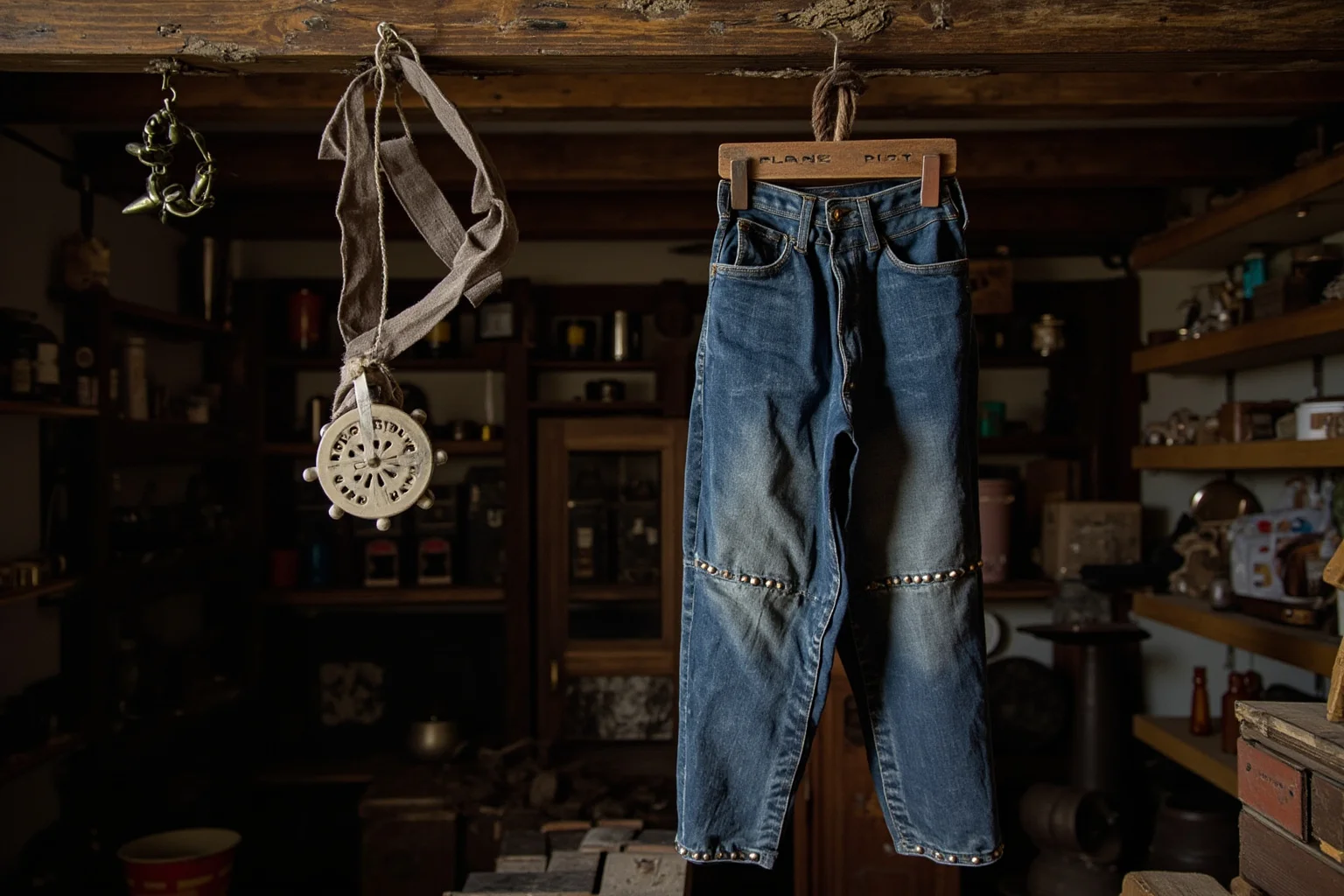
Jeans are a fascinating exception because they ran the status-symbol arc in reverse. Levi Strauss and Jacob Davis patented riveted denim work pants in 1873 specifically as tough, cheap workwear for miners and laborers, about as far from a luxury item as clothing could get.
It wasn’t until the mid-20th century, when jeans became associated with youth rebellion, Hollywood, and later high fashion — turning into one of the biggest fads throughout American history — that they picked up genuine status-symbol appeal. Designer denim today can cost hundreds of dollars, a strange twist for a garment originally designed to survive a day in a mine.
21. Diamonds
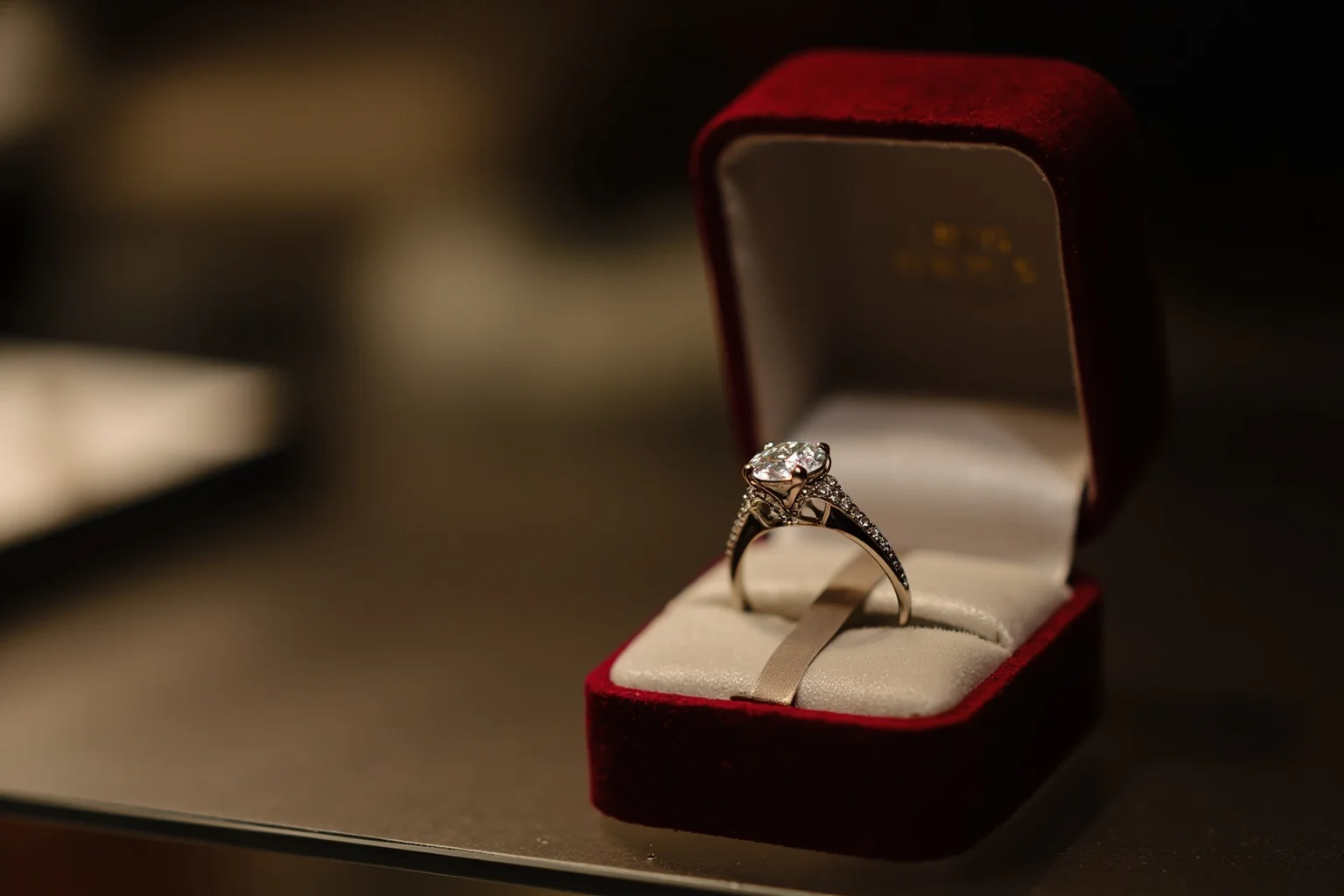
Diamonds themselves were a status symbol among royalty and the wealthy for centuries thanks to their rarity and difficulty to cut. But the specific modern tradition of a diamond engagement ring as an expected purchase is much more recent than most people assume.
A well-documented 20th century advertising campaign by the diamond company De Beers, built around the slogan “A Diamond is Forever,” played a major role in cementing diamonds as the default choice for engagement rings in the mid-1900s. It’s a rare case of a status symbol being reinforced as much by marketing as by genuine scarcity.
22. Bicycles

When bicycles first appeared in the 19th century, particularly the high-wheeled “penny farthing” style, they were expensive, somewhat dangerous, and mostly ridden by wealthier young men with leisure time to spare. Owning one was as much a status display as it was practical transportation.
The development of the safer, cheaper “safety bicycle” in the late 1880s, with equal-sized wheels and chain drive, opened cycling up to a much wider public, including women, for whom it also became a small symbol of newfound independence. Mass manufacturing in the 20th century finished the job, making bicycles an everyday tool rather than an elite toy.
From Rare Luxury to Everyday Object
Looking at this list together, a pattern becomes obvious. Nearly every object here got its start as a status symbol because it was hard to grow, hard to make, or hard to ship, and it lost that status the moment trade routes opened up or manufacturing scaled up.
It’s a helpful reminder that scarcity, not inherent value, drives a lot of what we consider luxurious. Many objects that feel unremarkable today were once so coveted that people built entire social rituals, laws, and even architecture around showing them off.
Final Thoughts
The next time you reach for a fork, sip a cup of tea, or grab an orange from the fruit bowl, it’s worth remembering that these objects carry a surprisingly dramatic history. They traveled through trade wars, sumptuary laws, colonial plantations, and marketing campaigns before landing, quietly, in your kitchen.
Status symbols always seem to follow the same arc: rare and exclusive, then fashionable, then eventually just normal. It’s worth watching for which of today’s status symbols — certain foods, gadgets, or experiences — might look just as ordinary a century from now.
Frequently Asked Questions
What are some clear status symbol examples from history?
Classic historical examples include pineapples, black pepper, sugar, tea, silk stockings, and hand-painted wallpaper. Each was once rare, expensive, and imported, making it a way for wealthy households to visibly display their status before trade and manufacturing made these items widely affordable.
What does ‘status symbol’ actually mean?
A status symbol is an object, possession, or behavior that signals a person's wealth, rank, or social position to others. Historically, status symbols were usually rare or expensive goods, like imported spices or fine silk, that ordinary people simply couldn't access.
How are symbols used in ‘The Things They Carried’?
In Tim O'Brien's novel 'The Things They Carried,' the physical objects soldiers carry into the Vietnam War function as literary symbols of identity, memory, love, and fear rather than literal status markers. It's a different kind of symbolism than a historical status symbol, but both share the idea that ordinary objects can carry outsized emotional or social meaning.
Why do status symbols eventually become ordinary objects?
Status symbols usually lose their exclusivity once supply increases, whether through new trade routes, colonial agriculture, or industrial manufacturing. As an object becomes cheaper and easier to obtain, it stops signaling wealth and simply becomes a normal part of everyday life.
Are there modern examples of former status symbols becoming everyday items?
Yes. Items like wristwatches, sunglasses, and even bananas followed this pattern in the 19th and 20th centuries, moving from rare luxury or novelty items to cheap, widely available goods. It's an ongoing pattern, and some of today's expensive gadgets or experiences may follow the same path.

Alex Warren
Related Articles





