

Have you ever thrown spilled salt over your shoulder without thinking twice, or felt a small jolt of dread walking under a ladder? Most of us carry around a handful of superstitions we can’t fully explain, passed down from parents, grandparents, or a culture we grew up in. They feel silly in daylight, yet somehow we still knock on wood just in case.
These beliefs aren’t random. Many common superstitions trace back centuries, rooted in real historical events, religious practices, or simple misunderstandings about how the world works. Looking at where they came from tells us as much about human psychology as it does about history.
TL;DR: Most common superstitions trace back to real historical fears, religious rituals, or misunderstood science rather than actual magic, but they still quietly shape how millions of people behave every single day.
What Exactly Is a Superstition?
A superstition is a belief or practice rooted in the idea that certain actions, objects, or events can influence outcomes in ways that have nothing to do with cause and effect.
It’s not the same as religion, exactly, though the two often overlap and borrow from each other. Superstitions tend to survive because they’re low-cost “just in case” behaviors: it costs nothing to avoid a ladder, so why not sidestep it.
Historians and folklorists generally sort superstitions into two broad types of superstitions: those meant to ward off bad luck, and those meant to invite good fortune.
Some are ancient, some are surprisingly recent, and many have murky origins that folklorists still debate. What follows is a superstitions list built from the ones with the clearest, most historically traceable backstories.
The Origin of Superstitions: Fear, Faith, and Folklore
The origin of superstitions almost always comes down to one of a few things: fear of the unknown, religious symbolism, or an attempt to explain misfortune before science could.
Ancient people faced disease, crop failure, and death without any understanding of germs, weather patterns, or genetics. Assigning meaning to a black cat or a broken mirror gave people a sense of control over a chaotic world.
Religion also played an enormous role. Christianity, Norse mythology, ancient Roman ritual, and countless folk traditions all left fingerprints on the superstitions we still repeat today. Even the number 13 owes much of its unlucky reputation to a mix of biblical storytelling and older numerological anxiety.
Psychologists add another layer: superstitions persist because of something called the “illusion of control.” When outcomes are uncertain, like a job interview or a long flight, people reach for rituals that make them feel less powerless, even when those rituals have no real effect. That’s likely why so many bad luck superstitions cluster around moments of risk, travel, performance, and death.
Bad Luck Superstitions Through History
This first batch covers some of the most widespread bad luck superstitions in Western folklore, several of which have close cousins in other cultures around the world. These are the classic entries you’ll find on almost any bad luck superstitions list, and each one has a surprisingly specific backstory.
1. Breaking a Mirror
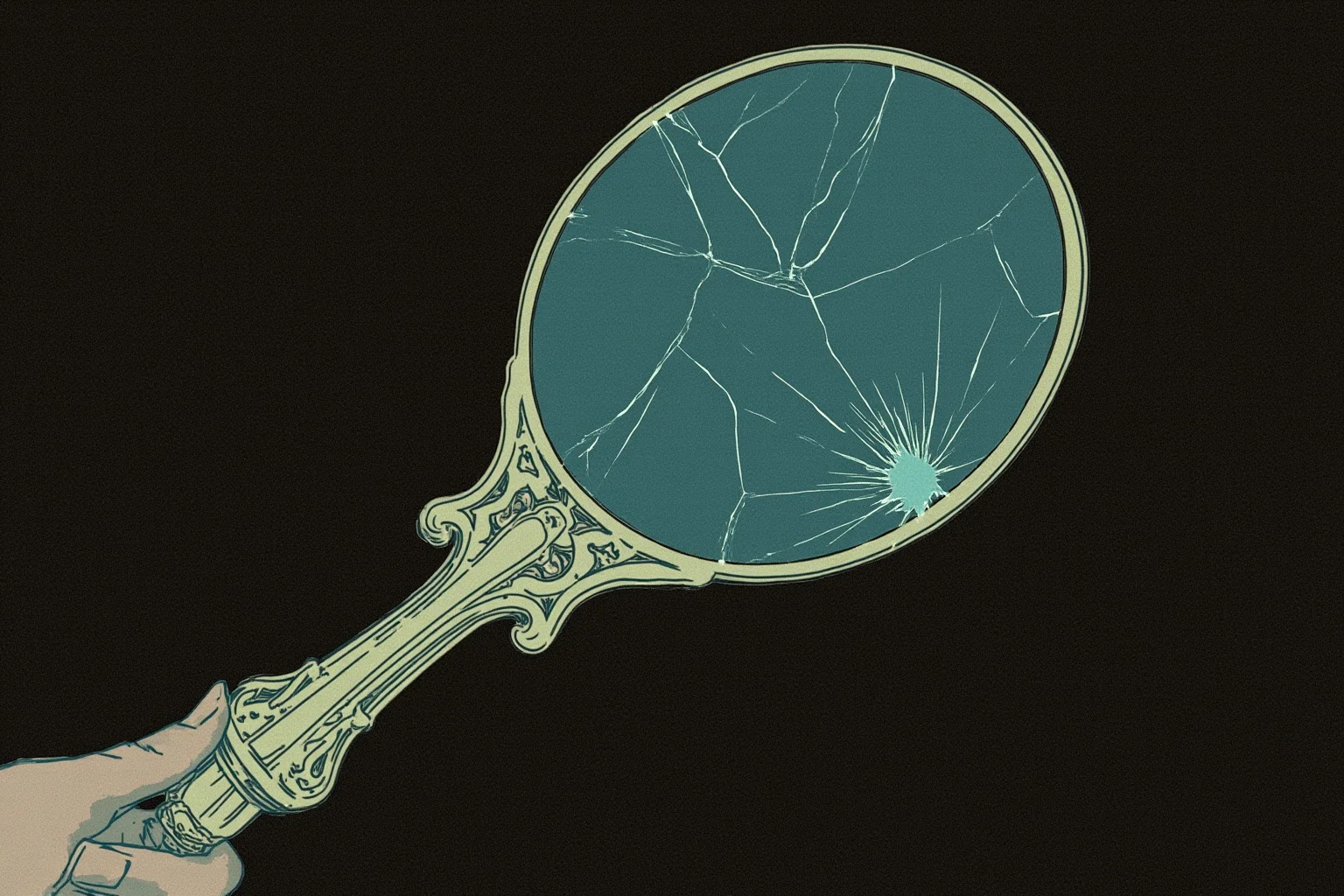
The belief that breaking a mirror brings seven years of bad luck dates back to the Romans, who were among the first to produce polished metal and glass mirrors. Ancient peoples believed a mirror captured a piece of a person’s soul or life force, so shattering one supposedly damaged the soul itself. The specific “seven years” detail is thought to come from Roman beliefs about the body renewing itself in seven-year cycles.
2. Walking Under a Ladder

A leaning ladder forms a triangle with the wall and ground, and in medieval Christian symbolism, triangles represented the Holy Trinity.
Walking through that triangle was considered a kind of blasphemy or an invitation for misfortune. There’s also a more practical explanation: ladders were genuinely dangerous to walk under, since tools or paint could fall on you.
3. Black Cats Crossing Your Path
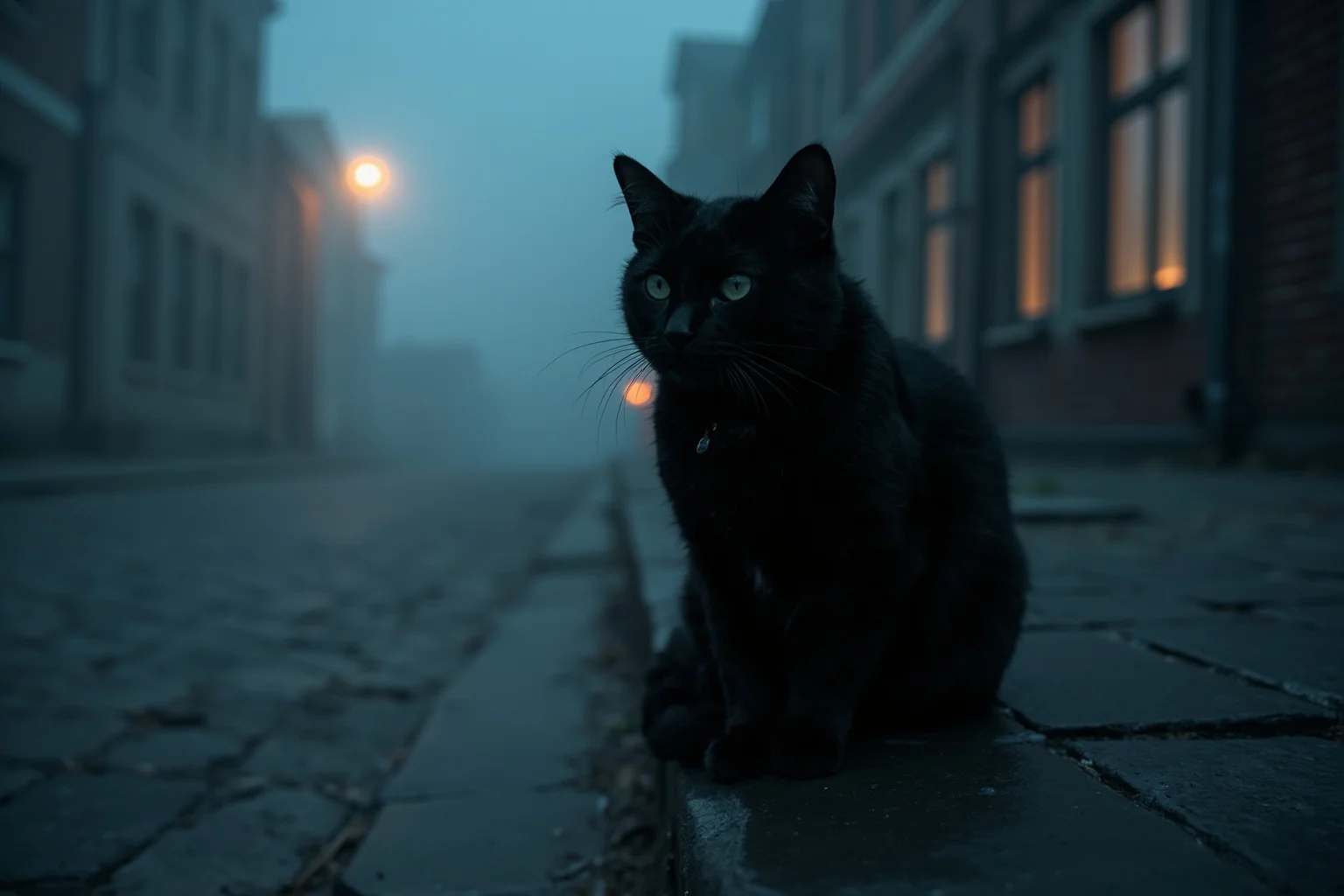
In ancient Egypt, cats were revered and even associated with the goddess Bastet, making them a symbol of good fortune rather than bad.
The negative reputation of black cats specifically grew during the medieval and early modern periods in Europe, when they became linked to witchcraft and were sometimes killed during witch trials.
That grim history is largely why a black cat crossing your path is still one of the most recognizable bad luck things in Western folklore.
4. Friday the 13th
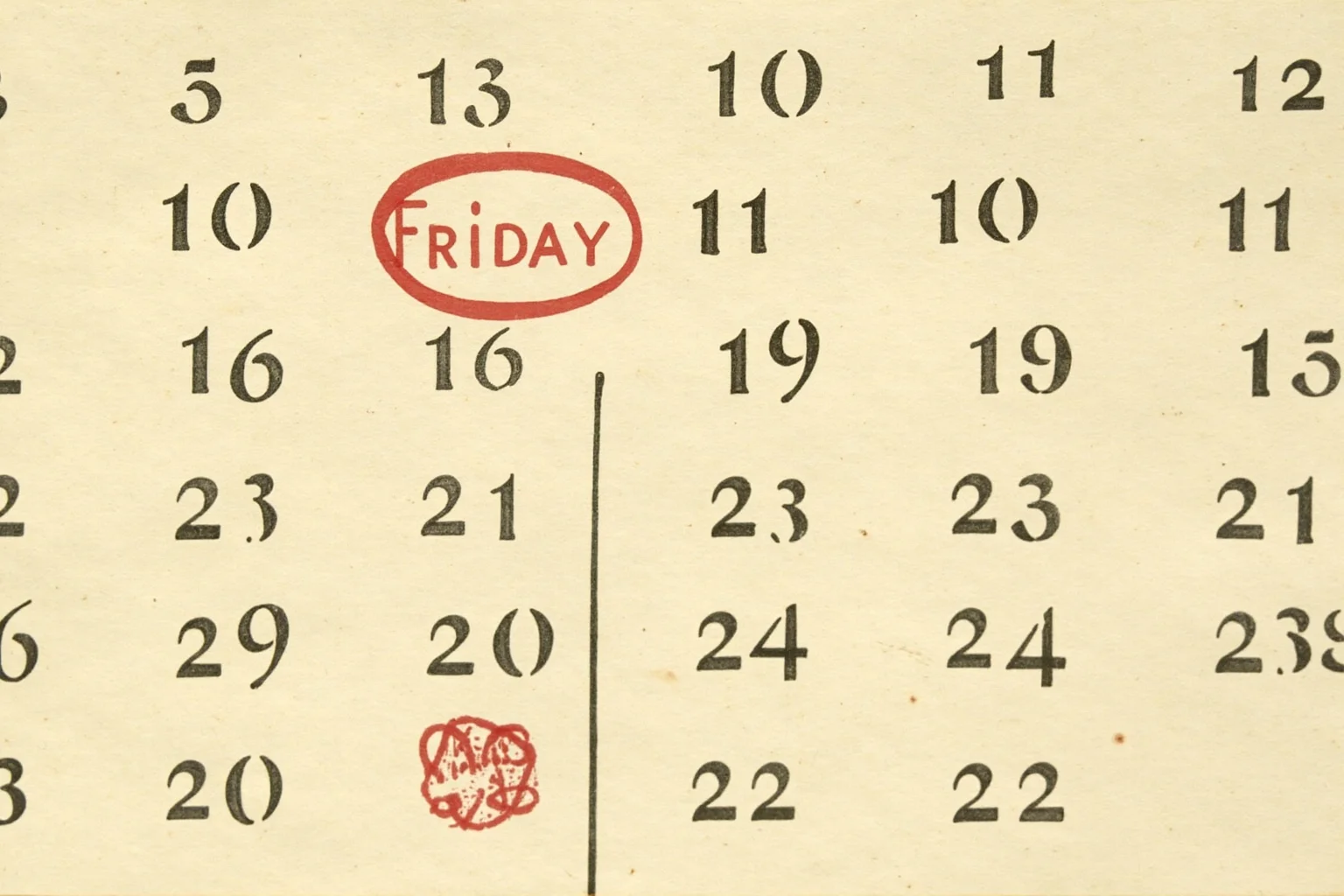
This is really a combination of two separate unlucky things: Friday and the number 13. In Christian tradition, Jesus was crucified on a Friday, and Judas Iscariot is counted as the 13th guest at the Last Supper, which fed the idea that 13 at a table invites death.
The specific pairing of “Friday the 13th” as uniquely cursed became widely popular in the late 19th and 20th centuries, partly through popular fiction and media.
5. Opening an Umbrella Indoors

This superstition likely has a practical Victorian-era root. Early umbrellas used stiff, spring-loaded metal mechanisms that could snap open violently and injure someone or knock over a lamp in a small room.
Over time, the practical warning hardened into a folk belief about inviting bad luck rather than just breaking a vase.
6. Spilling Salt

Salt was once an extremely valuable commodity, so valuable that Roman soldiers were partly paid in it, which is where the word “salary” comes from. Wasting something so precious was seen as tempting fate.
The superstition got another boost from Leonardo da Vinci’s painting of the Last Supper, in which Judas is depicted knocking over a salt cellar, reinforcing the link between spilled salt and betrayal or misfortune.
7. The Number 13 Itself
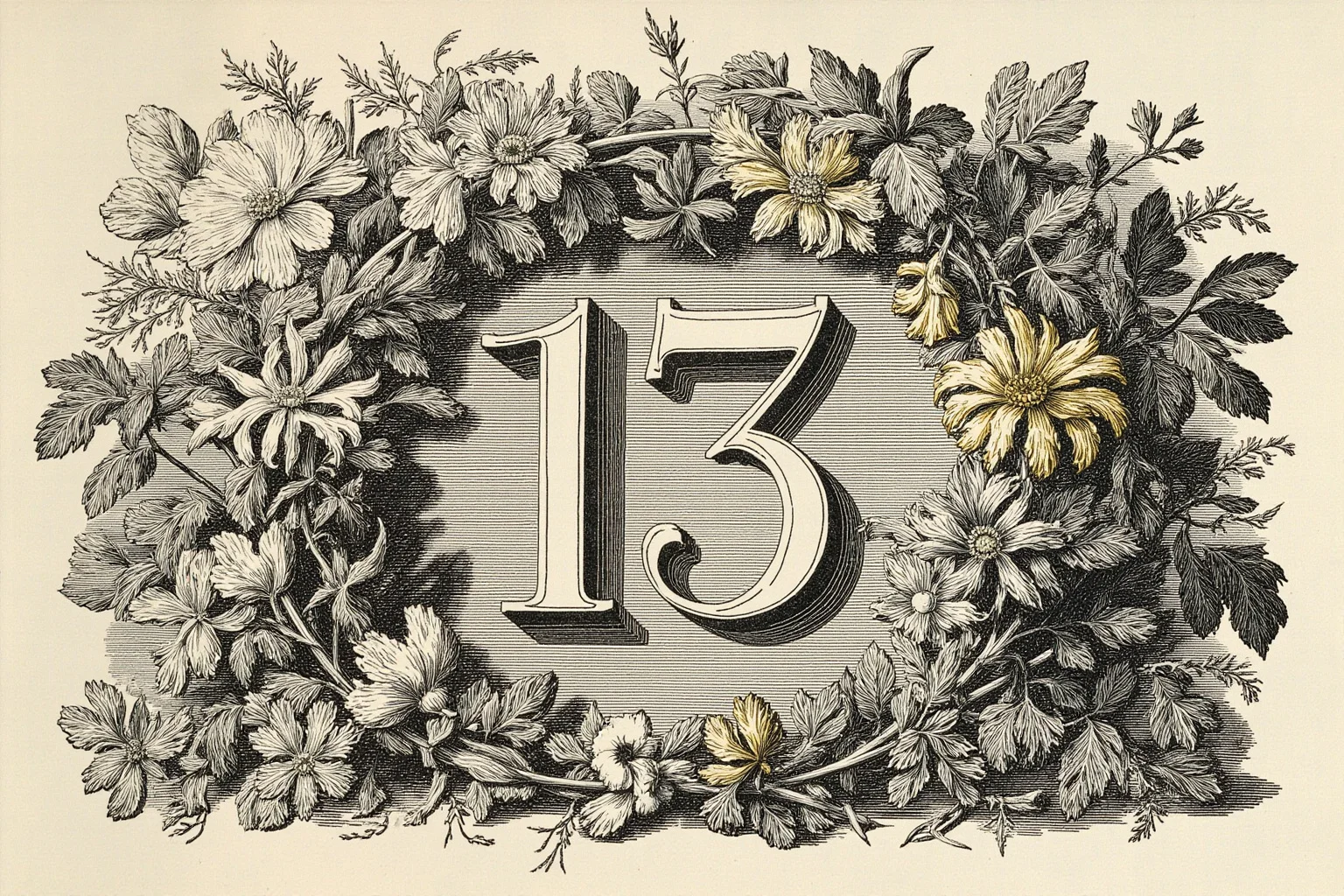
Beyond Friday the 13th, the number 13 carries its own standalone reputation as one of the most unlucky things across Western culture.
In Norse mythology, a story describes a banquet of twelve gods disrupted by the uninvited thirteenth guest, Loki, whose presence leads to chaos and death. Combined with the Last Supper connection, 13 became so unlucky that many buildings still skip labeling a 13th floor.
8. Stepping on Cracks

The rhyme “step on a crack, break your mother’s back” is a relatively modern American addition to this superstitions list, likely dating to the late 19th or early 20th century.
Some folklorists suggest it grew from children’s games or superstitions about disturbing the dead, since cracked pavement historically ran near graveyards or unstable ground.
It’s one of the clearer examples of superstitious beliefs that spread mainly through childhood folklore rather than religion.
9. Crossing Someone on the Stairs

This one echoes the ladder superstition: stairs, a wall, and a person crossing paths can form a similar triangular shape considered sacred or dangerous to disturb.
It was also, more practically, a real safety hazard on narrow medieval staircases where two people passing could easily cause a fall. Over time the physical danger and the spiritual symbolism blended into one superstition.
10. Bringing Peacock Feathers Indoors
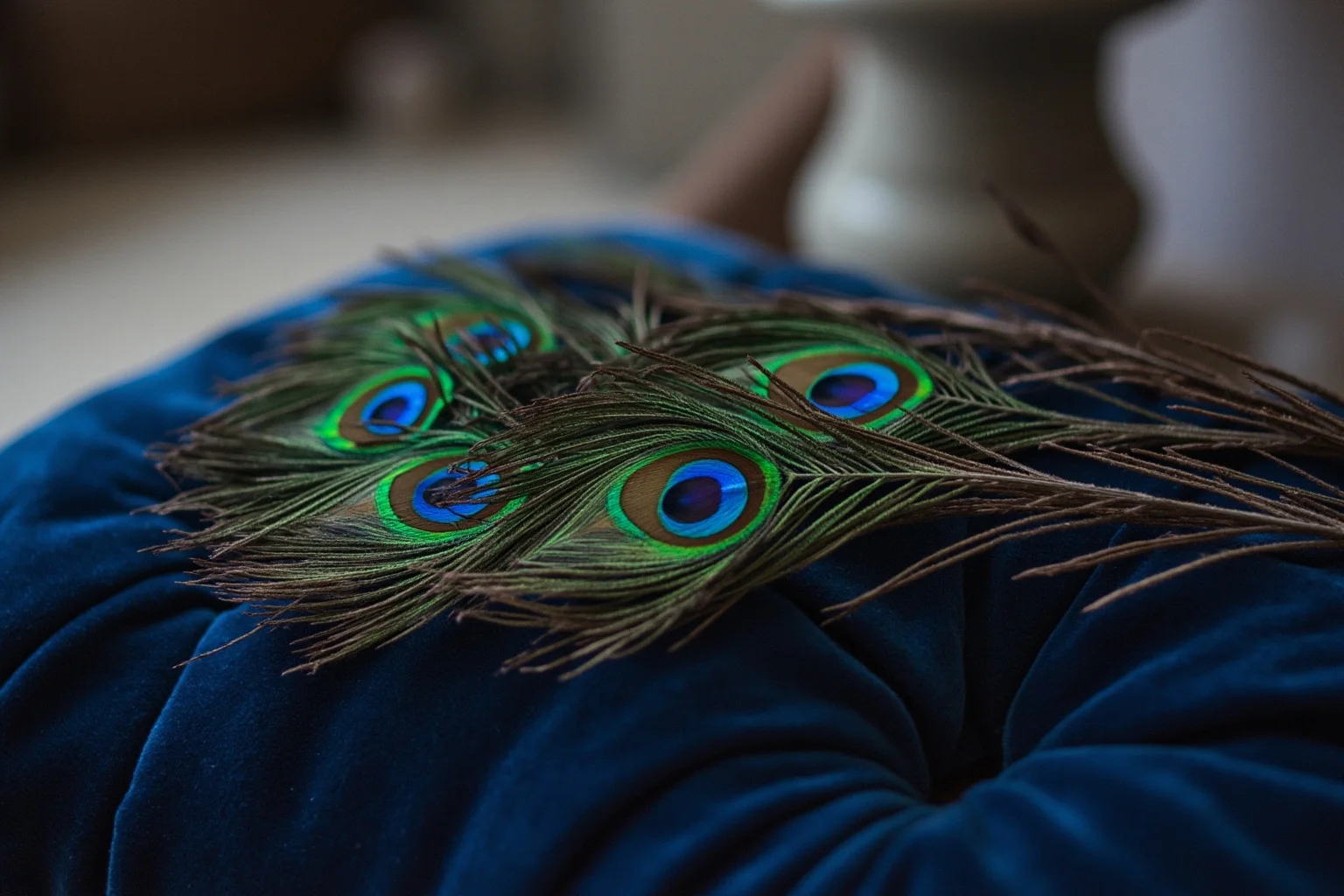
The eye-like pattern on a peacock feather has long been associated with the “evil eye” in Greek and other Mediterranean traditions, a mark thought to invite misfortune or watchfulness from malevolent spirits.
Victorian theater performers were especially wary of peacock feathers backstage, believing they caused accidents or bad performances. This is a good example of how different superstitions from different cultures can reinforce and blend into one another over time.
Good Luck Superstitions Worth Knowing
Not every old belief is about avoiding disaster. Plenty of good luck superstitions exist specifically to invite fortune, love, or protection, and many are just as old as their darker counterparts.
11. Four-Leaf Clovers

Ordinary clover has three leaves, so a four-leaf variation is a genuine rarity, historically estimated at around one in ten thousand.
Ancient Celtic Druids reportedly viewed the four-leaf clover as a way to see and ward off evil spirits, which may have helped cement its lucky reputation. Its rarity alone made it feel special long before anyone attached folklore to it.
12. Horseshoes Above the Door

The belief that iron wards off evil spirits goes back to early European and Celtic folk traditions, where blacksmiths were sometimes viewed as having a slightly magical trade because they worked with fire and metal.
A horseshoe’s crescent shape also echoes moon symbolism found in older fertility and protection charms. There’s long been folk debate over whether it should hang points-up or points-down, which shows how these lucky superstitions evolve and split regionally.
13. Knocking on Wood

This gesture likely connects to ancient pagan tree worship in parts of Europe, where certain trees were believed to house protective spirits.
Touching wood was a way of requesting that spirit’s protection or thanking it for good fortune. Today it survives mostly as a verbal reflex, said right after mentioning something we don’t want to jinx.
14. Crossing Your Fingers

One common explanation traces this gesture to early Christians in Rome, who reportedly used a crossed-finger sign to secretly identify one another or invoke divine protection during a period when practicing the faith openly was dangerous.
Over time the gesture shifted from a religious signal into a general good-luck charm used before anything uncertain. It’s a fairly clean example of superstitious beliefs shifting meaning as their original context faded.
15. Carrying a Rabbit’s Foot

The rabbit’s foot as a luck charm has roots in both European folk magic and African American hoodoo traditions in the United States, where it developed into a well-known protective talisman by the 19th and 20th centuries. Rabbits have long been associated with fertility and abundance in older European folklore too.
The specific idea of carrying just the foot for luck became especially popular in American pop culture through the 20th century.
16. Finding a Penny
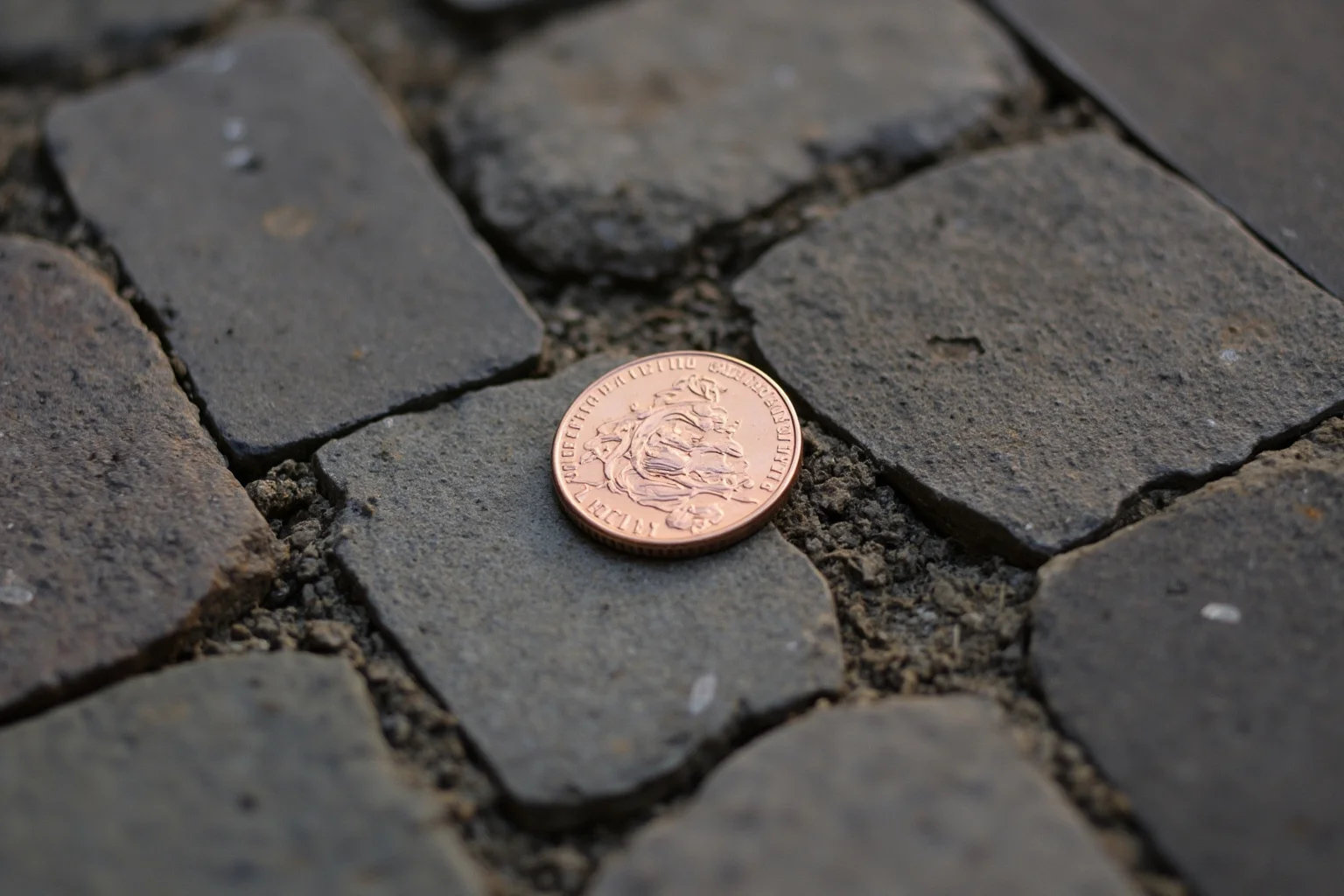
“Find a penny, pick it up, all day long you’ll have good luck” is a rhyme most people in the US grew up hearing. It likely dates to the era when metal itself, especially copper, was considered to have protective properties in older European folk belief. A found coin was seen as a small unexpected gift from fate, however small its actual value.
17. Throwing Coins Into a Fountain

This practice has a genuinely ancient pedigree. Romans and other ancient peoples tossed coins into sacred springs and wells as offerings to water deities, sometimes asking for healing, safe travel, or good fortune in return.
Modern wishing fountains, from Rome’s Trevi Fountain to shopping mall water features, are direct descendants of that ritual, even if most people tossing in a coin today have no idea about the Roman gods behind it.
Everyday Superstitions You Might Not Realize You Believe
Some of the most common superstitions are so woven into daily language and habit that people don’t even register them as superstitions anymore.
18. Saying “Bless You” After a Sneeze

One widely cited explanation ties this phrase to Pope Gregory I during a 6th-century plague outbreak in Europe, when sneezing was seen as an early symptom of serious illness worth blessing away.
An older folk belief also held that a sneeze briefly expelled the soul from the body, leaving a person vulnerable, so a blessing offered protection. Either way, the phrase has outlasted the specific beliefs that created it by many centuries.
19. Never Whistle Indoors

Sailors historically avoided whistling on ships, fearing it could “whistle up a storm” or anger the wind. A related superstition persists in Russian and other Eastern European theater traditions, where whistling indoors, especially backstage, is believed to bring financial loss or bad performances.
It’s one of the clearer different superstitions that traveled from a specific profession into general folk belief.
20. Eating Specific Foods for New Year’s Luck

Many cultures have food-based good luck superstitions tied to New Year celebrations. In the American South, eating black-eyed peas on New Year’s Day is thought to bring prosperity, a tradition with roots partly traced to African and African American culinary history.
In Spain, eating twelve grapes at midnight, one per chime of the clock, is a newer 20th-century tradition meant to secure luck for each month ahead.
21. Itchy Palms Mean Money

Older British folk belief held that an itchy left palm meant money was coming your way, while an itchy right palm meant you were about to pay money out, though some regional versions reverse the hands entirely.
This is a good superstitious example of a belief with no consistent internal logic, since which hand means what changes depending on where you ask. It likely persisted simply because itching is common enough that a “hit” always felt like confirmation.
22. Burning Ears Mean Someone’s Talking About You
The Roman writer Pliny the Elder recorded the belief that a sudden burning sensation in the ears meant someone, somewhere, was talking about you.
It’s one of the older documented examples of superstitious beliefs, showing that this specific superstition has been circulating in some form for roughly two thousand years. Modern folklore sometimes adds detail, like left ear for bad talk and right ear for good.
23. A Bird Getting Into the House

Across a lot of European folklore, a wild bird flying into a home was considered an omen of death or serious misfortune, especially if the bird was a species already associated with darkness, like a raven or crow.
This belongs on most lists of bad omens because the fear wasn’t really about the bird itself, but about what an unexpected, uncontrollable event might be warning you about.
Similar bird-based omens show up independently in various cultures worldwide, which suggests something universal in how humans read unexpected animal behavior as a sign.
Why These Superstitions Still Run Our Lives Today
Most people don’t genuinely believe a black cat can curse them or that a fountain coin guarantees a wish. Yet plenty of otherwise rational people still avoid ladders, knock on wood, or feel a flicker of unease on Friday the 13th. That gap between belief and behavior is what makes superstition such a durable piece of human culture.
Part of the answer is simply tradition and habit passed down through families and communities, long after the original religious or historical context fades from memory.
Another part is psychological: rituals that feel protective reduce anxiety, even when we know, logically, that they don’t change outcomes. That’s true whether it’s an athlete wearing “lucky” socks or a traveler avoiding the number 13 on a hotel room door.
It’s worth remembering that superstitions aren’t evenly distributed across cultures, either. What counts as an unlucky number in one country might be considered lucky in another, and a gesture that means good fortune in one place can be considered rude or ominous elsewhere.
That variation is part of what makes tracing the origin of superstitions such a rich area of folklore and history rather than a single universal rulebook.
A Little Perspective Before You Knock on Wood Again
None of this means superstition is something to mock outright. These beliefs are a genuine thread of human history, showing how people across centuries and continents tried to make sense of luck, danger, and the unknown using the tools available to them.
Understanding where a superstition came from doesn’t necessarily make the urge to avoid a ladder disappear, and that’s fine.
The next time you catch yourself crossing your fingers or tossing a coin into a fountain, it might be worth remembering the very real history behind the gesture.
These small rituals connect us to Roman soldiers, medieval villagers, Victorian theatergoers, and countless generations before us who were all just trying to feel a little more in control of an uncertain world.
Frequently Asked Questions
What are some superstitions people still believe today?
Some of the most common superstitions still practiced today include avoiding walking under ladders, knocking on wood after mentioning good fortune, avoiding black cats crossing your path, tossing spilled salt over a shoulder, and treating Friday the 13th with extra caution. Good luck versions include carrying a four-leaf clover, hanging a horseshoe above a door, and picking up a found penny. Most trace back to specific historical, religious, or cultural roots rather than being random modern inventions.
What is the origin of superstitions in general?
Most superstitions originated from a mix of religious symbolism, historical fear of disease or disaster, and attempts to explain misfortune before science offered better answers. Ancient Roman, Norse, Celtic, and medieval Christian traditions all contributed heavily to the superstitions common in Western culture today. Many started as practical warnings or religious rituals that gradually lost their original context over centuries.
What’s the difference between a superstition and a bad omen?
A superstition is a broader belief that certain actions or objects influence luck, like breaking a mirror or knocking on wood. A bad omen is usually a specific sign, often an unexpected event like a bird flying into a house, that is believed to predict misfortune yet to come. In practice, the two categories overlap heavily and most lists of bad omens include classic superstitions as well.
Are all superstitions about bad luck?
No, plenty of superstitions are specifically about attracting good fortune rather than avoiding bad luck. Examples include carrying a rabbit's foot, hanging a horseshoe, finding a four-leaf clover, or throwing a coin into a fountain. Cultures around the world have developed both protective, bad-luck-avoiding rituals and hopeful, good-luck-inviting ones side by side.
Why do superstitions persist even though they aren’t scientifically proven?
Psychologists suggest superstitions persist because they create an 'illusion of control' during uncertain or high-stress situations, like travel, performances, or exams. Even people who don't literally believe in bad luck often keep up superstitious habits out of family tradition, cultural comfort, or simple ritual, since the cost of the behavior is usually very low.

Alex Warren
Related Articles





