
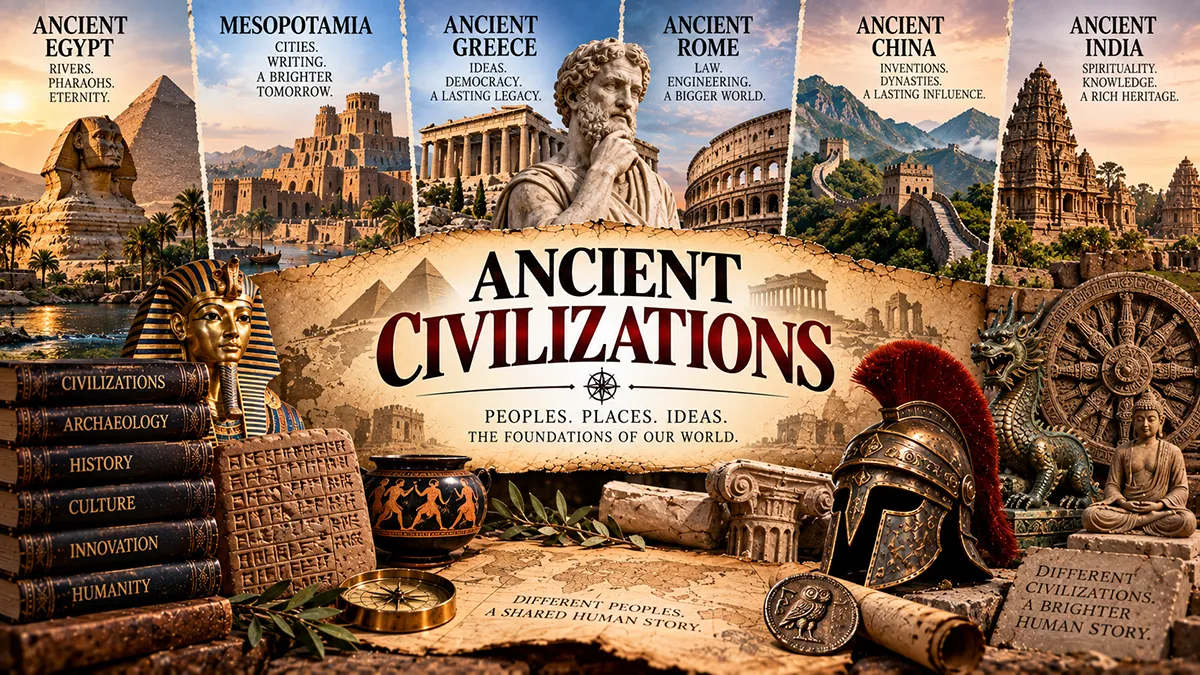
Long before smartphones, cars, or even the wheel in some parts of the world, groups of humans were already building cities with sewage systems, tracking the movements of planets with startling accuracy, and constructing monuments so precise that modern engineers still study how they were built without cranes, trucks, or electricity.
That combination — genuine achievement plus lingering mystery — is exactly why ancient civilizations remain some of the most searched, most documented, and most argued-about topics in history, standing alongside other pivotal historical time periods and eras that historians still study today.
Most lists of “ancient civilizations” default to the same handful of names — usually Egypt, Rome, and Greece — and stop there. That’s not wrong, exactly, but it leaves out entire continents’ worth of history.
Africa had more than just Egypt. The Americas had complex, city-building societies thousands of years before European contact. And several of the most advanced ancient civilizations left us puzzles that still haven’t been fully solved.
Here are 10 ancient civilizations worth knowing — some famous, some criminally underrated — along with what made each one remarkable, and the mysteries that still keep historians and archaeologists up at night.
1. Sumer (Mesopotamia) — The First Cities on Earth
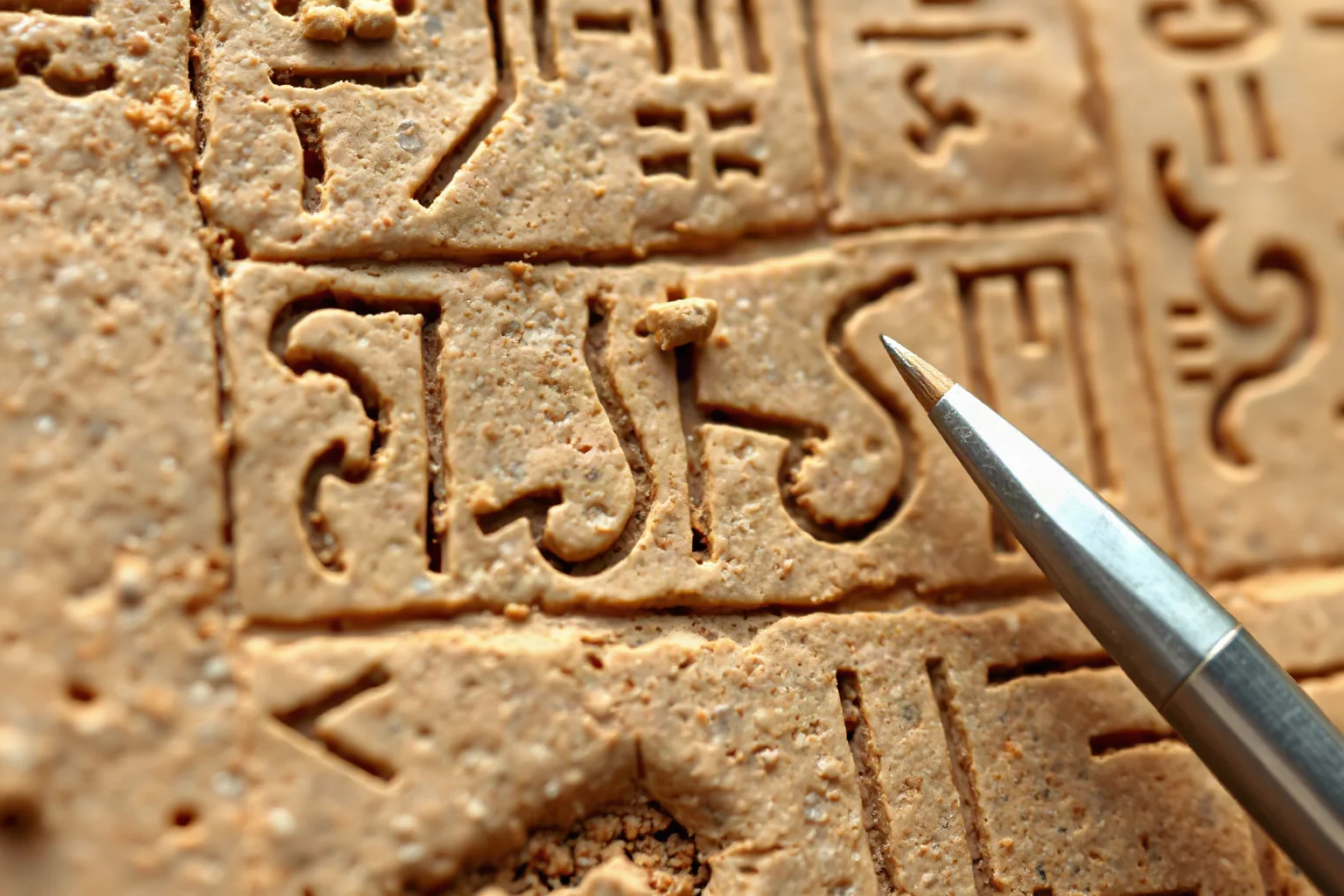
Sumer, in the fertile land between the Tigris and Euphrates rivers in modern-day Iraq, is widely considered the world’s first true civilization, emerging around 4500–4000 BCE. The Sumerians built the earliest known cities, including Uruk and Ur, and developed cuneiform — humanity’s first system of writing — pressed into wet clay with a reed stylus.
They also invented the wheel, organized the first known legal codes, and created a base-60 number system so effective that we still use it today: it’s the reason a minute has 60 seconds and a circle has 360 degrees.
Why it still fascinates people: Nearly every “first” in human civilization traces back here — the first cities, first writing, first laws, first epic story (the Epic of Gilgamesh). Sumer isn’t just an ancient civilization; it’s arguably the starting point for civilization as a concept at all.
2. Ancient Egypt — 3,000 Years of Continuity

Ancient Egypt thrived along the Nile River for roughly 3,000 years, from around 3100 BCE to 30 BCE — an almost unimaginable span of cultural continuity compared to most nations today.
Egyptians built the Great Pyramid of Giza with such mathematical and structural precision that it remained the tallest human-made structure on Earth for nearly 3,800 years. They developed hieroglyphic writing, sophisticated medicine, and elaborate mummification practices rooted in detailed beliefs about the afterlife.
Why it still fascinates people: Few civilizations left behind monuments this massive, this well-preserved, and this visually iconic. The exact construction methods behind the pyramids are still debated by engineers today, and new tombs and artifacts are still being discovered — as recently as the past decade.
3. The Indus Valley Civilization — History’s Best-Planned Cities
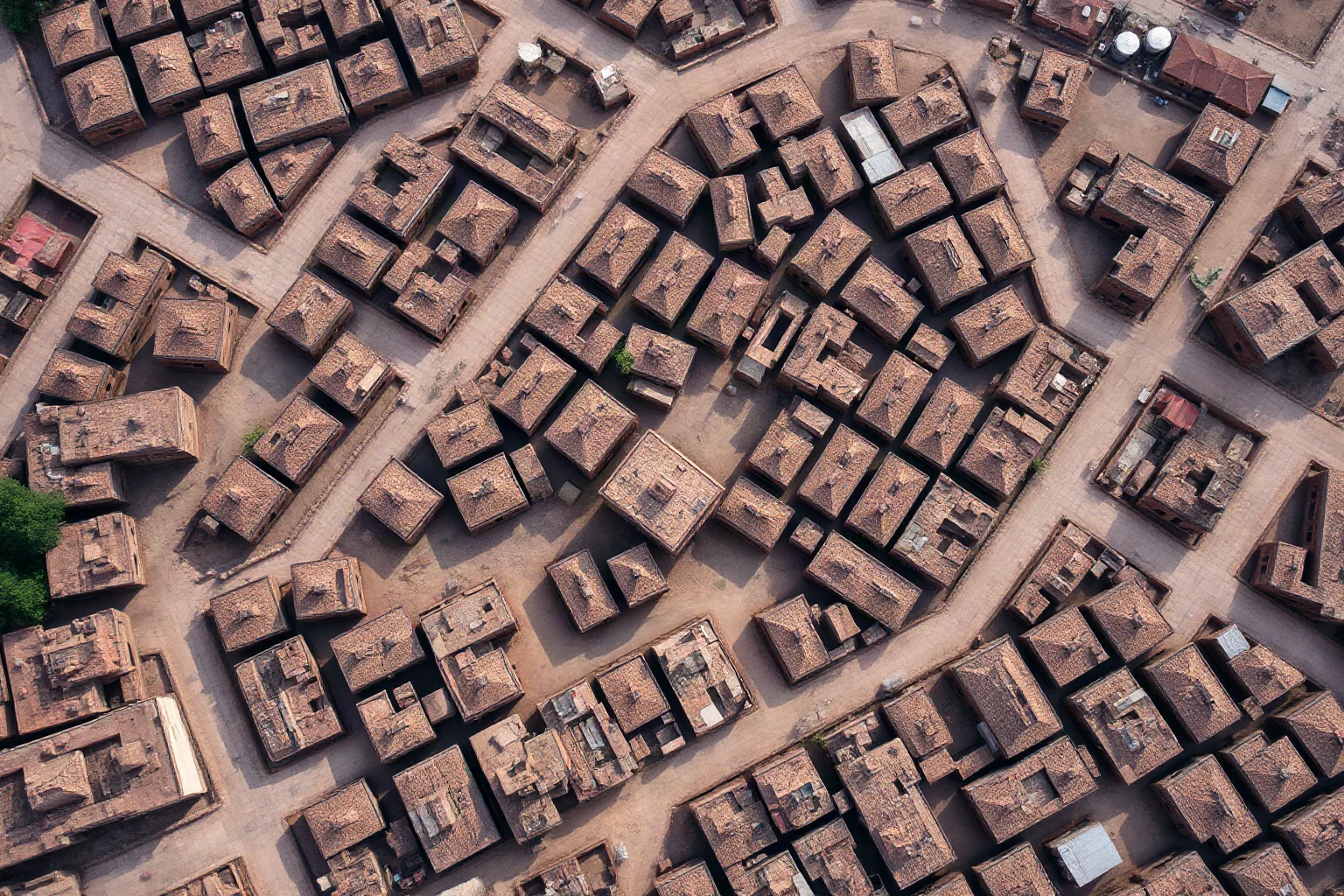
Flourishing between roughly 3300 and 1900 BCE across what’s now Pakistan and northwest India, the Indus Valley Civilization built cities like Mohenjo-daro and Harappa with a level of urban planning that wouldn’t be matched again for thousands of years — grid-pattern streets, standardized brick sizes, and some of the earliest known covered drainage and sewage systems in the world. At its peak, it may have been the largest of the early river-valley civilizations by population.
Why it still fascinates people: The Indus script — thousands of short inscriptions found on seals and pottery — has never been deciphered. Despite decades of effort by linguists and archaeologists, no one has definitively cracked what the symbols mean, or even confirmed whether it represents a full written language at all. It remains one of archaeology’s most stubborn unsolved puzzles.
4. Ancient China — Dynasties That Shaped a Civilization

Organized Chinese civilization along the Yellow River (Huang He) dates back to at least 2000 BCE, with the Shang Dynasty leaving behind some of the earliest confirmed Chinese writing, inscribed on “oracle bones” used for divination.
Over the centuries that followed, successive dynasties developed silk production, advanced bronze casting, centralized bureaucracy, and eventually innovations like papermaking, the compass, and gunpowder — technologies that reached the rest of the world centuries later.
Why it still fascinates people: Ancient China’s civilizational identity — language, philosophy, administrative traditions — has an unusually direct, traceable line to the present day, making it one of the longest continuously recognizable cultures in world history rather than a civilization that simply “ended.”
5. The Minoan Civilization — Europe’s First Advanced Society
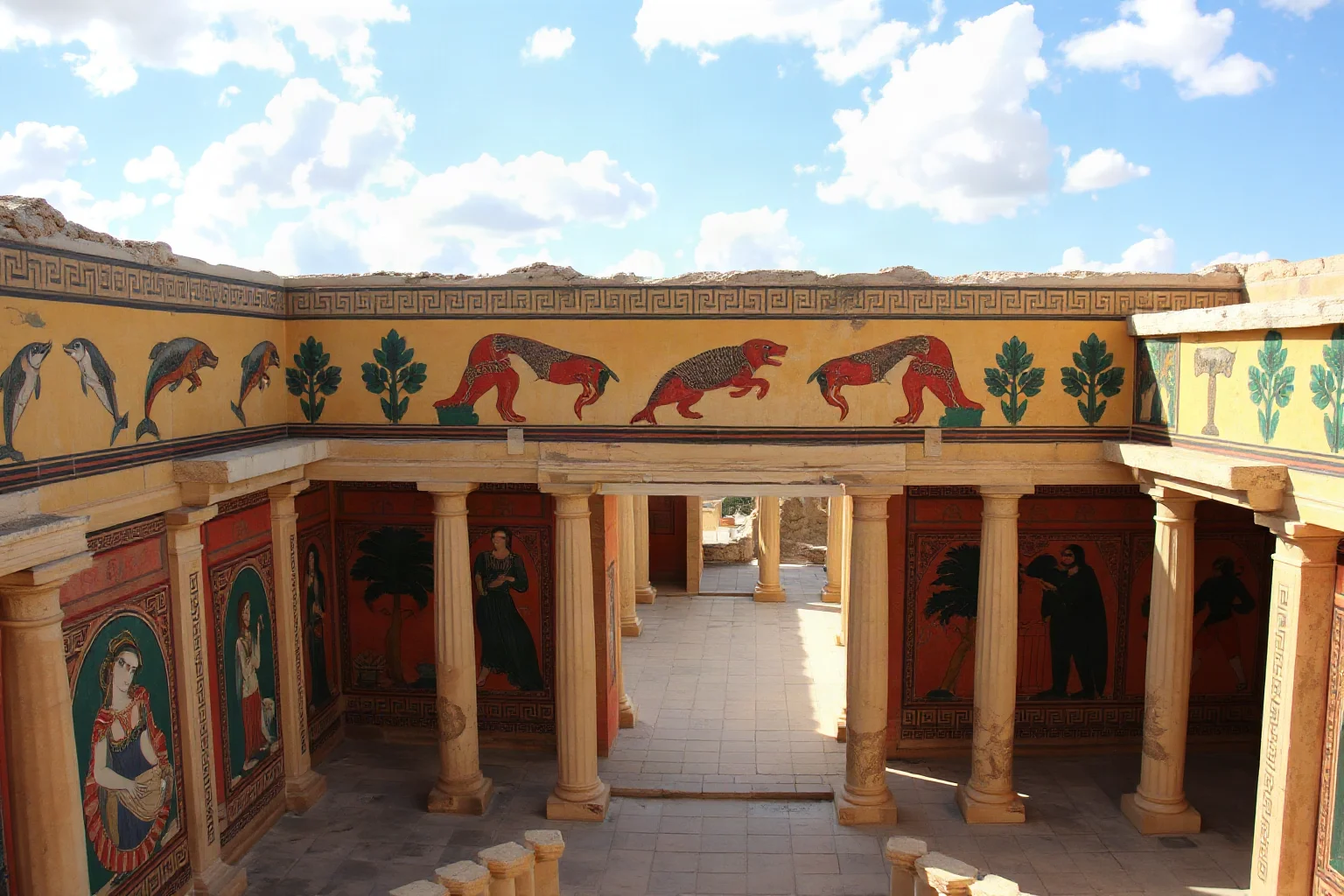
Centered on the island of Crete, the Minoan civilization flourished from roughly 3000 to 1450 BCE, building elaborate multi-story palace complexes — most famously at Knossos — with running water, advanced drainage, and vividly painted frescoes depicting sports, nature, and rituals.
Minoan traders connected Crete to Egypt and the wider Mediterranean, and their culture is often credited as the first sophisticated civilization to develop in Europe.
Why it still fascinates people: The Minoan civilization’s sudden decline is still debated. A massive volcanic eruption on the nearby island of Thera (Santorini) devastated the region around 1600 BCE, and some historians connect the fallout — tsunamis, ash, crop failure — to later Greek myths, including theories linking Minoan Crete to the legend of Atlantis.
6. The Kingdom of Kush — Africa’s Overlooked Empire
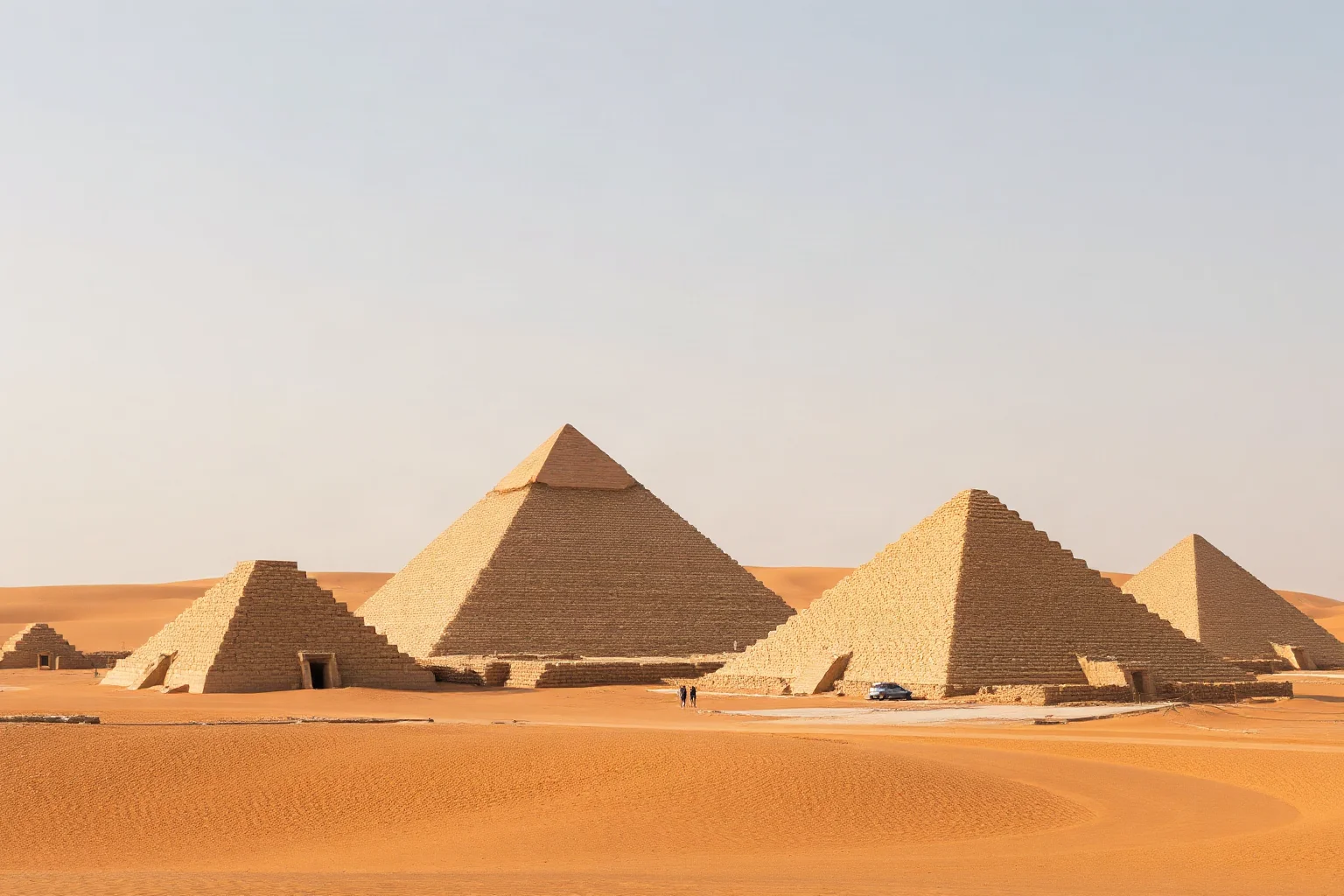
South of Egypt, along the Nile in what’s now Sudan, the Kingdom of Kush built its own powerful, long-lasting civilization from around 1070 BCE to 350 CE — including a period when Kushite pharaohs actually conquered and ruled Egypt itself as its 25th Dynasty.
Kush built its own pyramids (Sudan actually has more surviving pyramids than Egypt, though smaller), developed a unique writing system called Meroitic script, and controlled valuable trade routes for gold, ivory, and iron.
Why it still fascinates people: Kush is one of history’s clearest examples of a civilization overshadowed by a more famous neighbor. Most general “ancient civilizations” lists skip it entirely, despite the fact that it rivaled Egypt in longevity and, for a time, ruled it outright.
7. The Maya Civilization — Astronomy Without Modern Tools
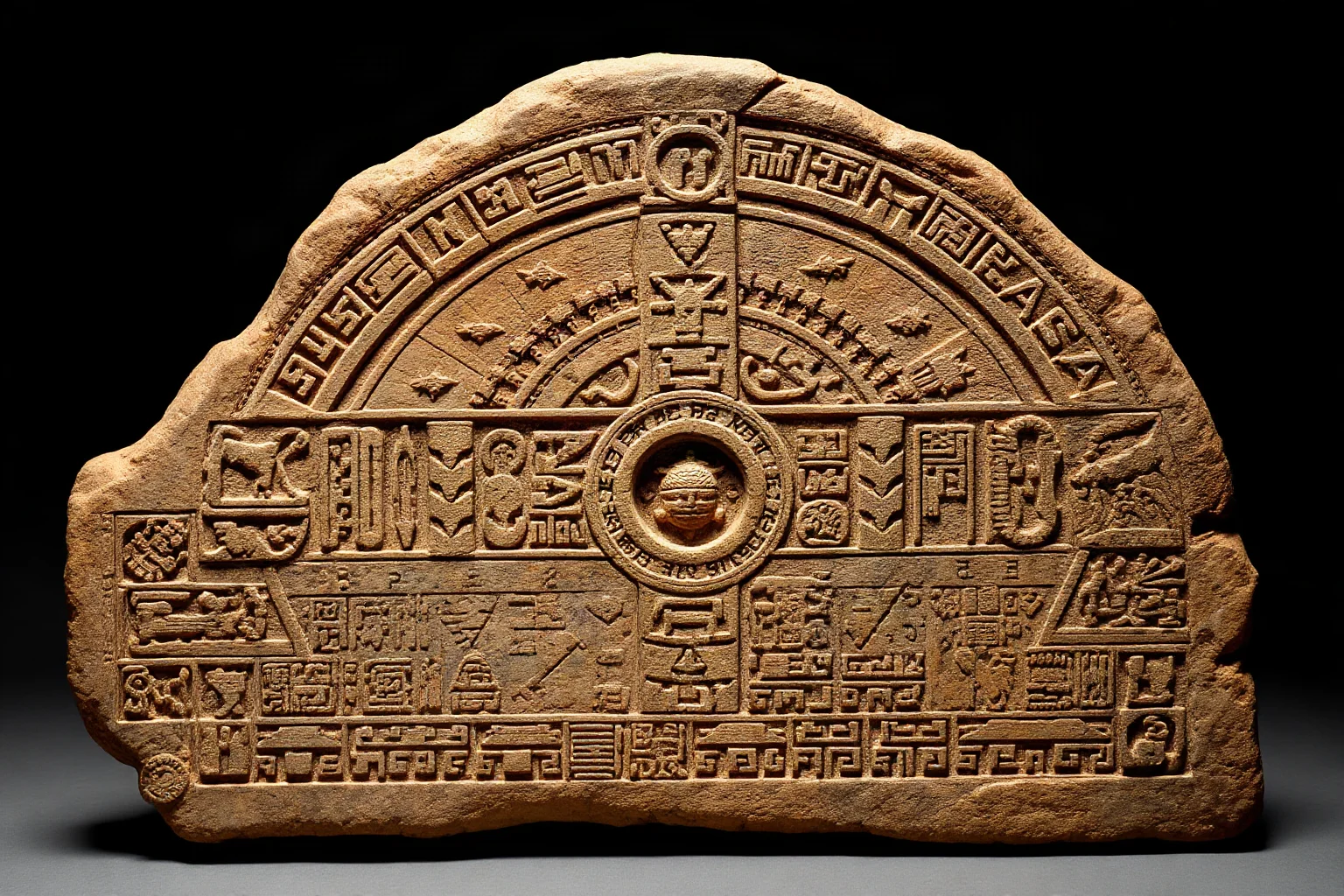
The Maya civilization, centered in what’s now Mexico and Central America, reached its height between roughly 250 and 900 CE, building massive stone pyramid-temples and city-states like Tikal and Chichén Itzá.
Maya astronomers tracked the movements of Venus and predicted solar eclipses with remarkable accuracy using nothing but careful long-term observation, and their calendar system was more precise in some respects than the one Europe was using at the same time.
Why it still fascinates people: The “collapse” of the southern Maya lowland cities around 900 CE — when many major urban centers were rapidly abandoned — remains a genuinely unresolved mystery, with drought, warfare, and resource overuse all cited as likely contributing factors rather than any single confirmed cause.
8. The Aztec Empire — A Capital Larger Than European Capitals
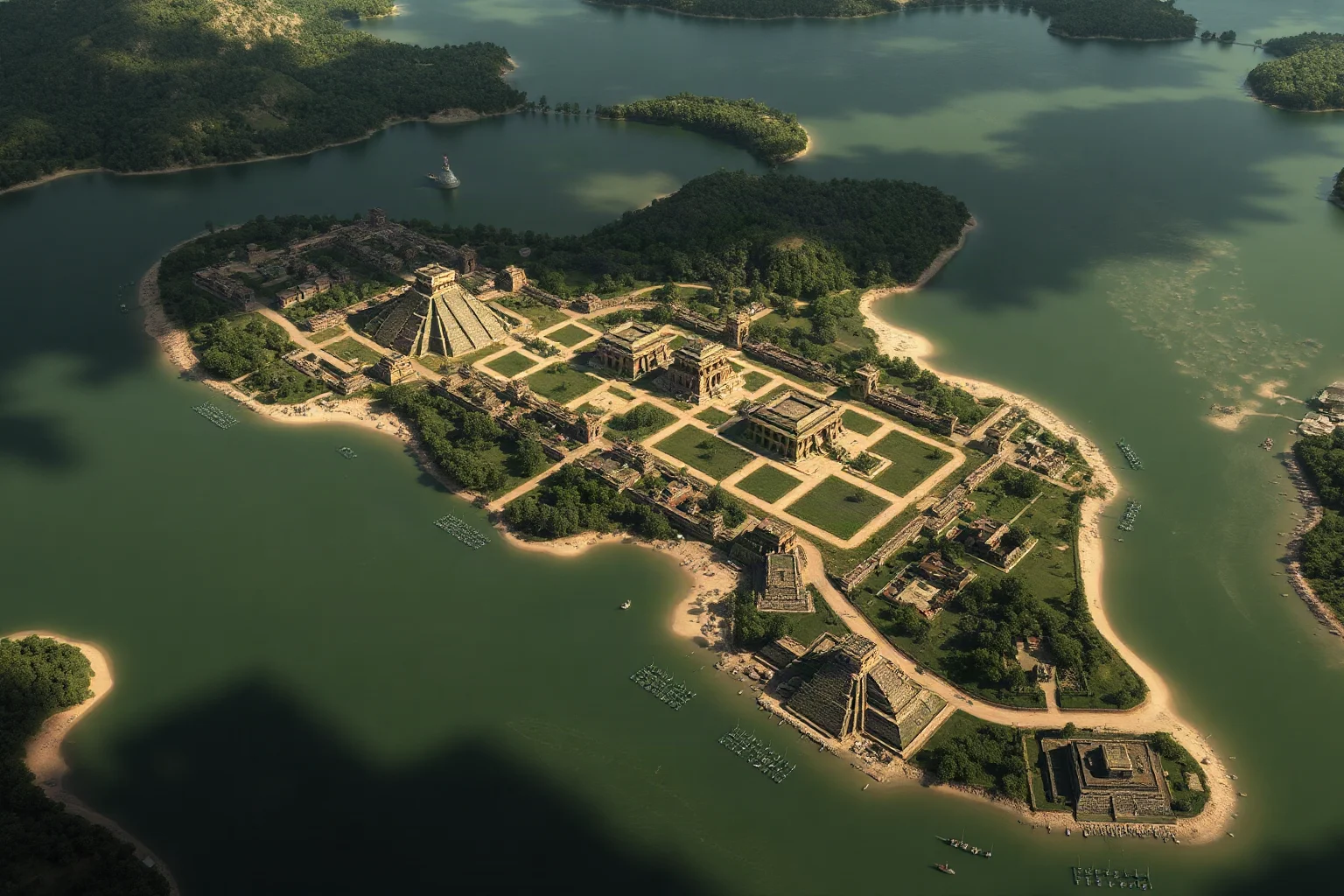
The Aztec Empire, centered on the city of Tenochtitlan (built on an island in a lake, in what’s now Mexico City), reached its peak in the early 1500s with a population estimated at 200,000–300,000 — larger than London or Paris at the time.
The Aztecs built causeways, floating agricultural gardens called chinampas, and a complex tribute-based economy across a wide network of conquered city-states, all without wheeled vehicles or draft animals.
Why it still fascinates people: The scale and sophistication of Tenochtitlan genuinely stunned the Spanish conquistadors who first saw it in 1519 — several wrote that it surpassed European cities in size and cleanliness, a detail that still surprises people who assume “advanced” cities were a purely European invention.
9. The Inca Empire — An Empire Held Together Without Writing
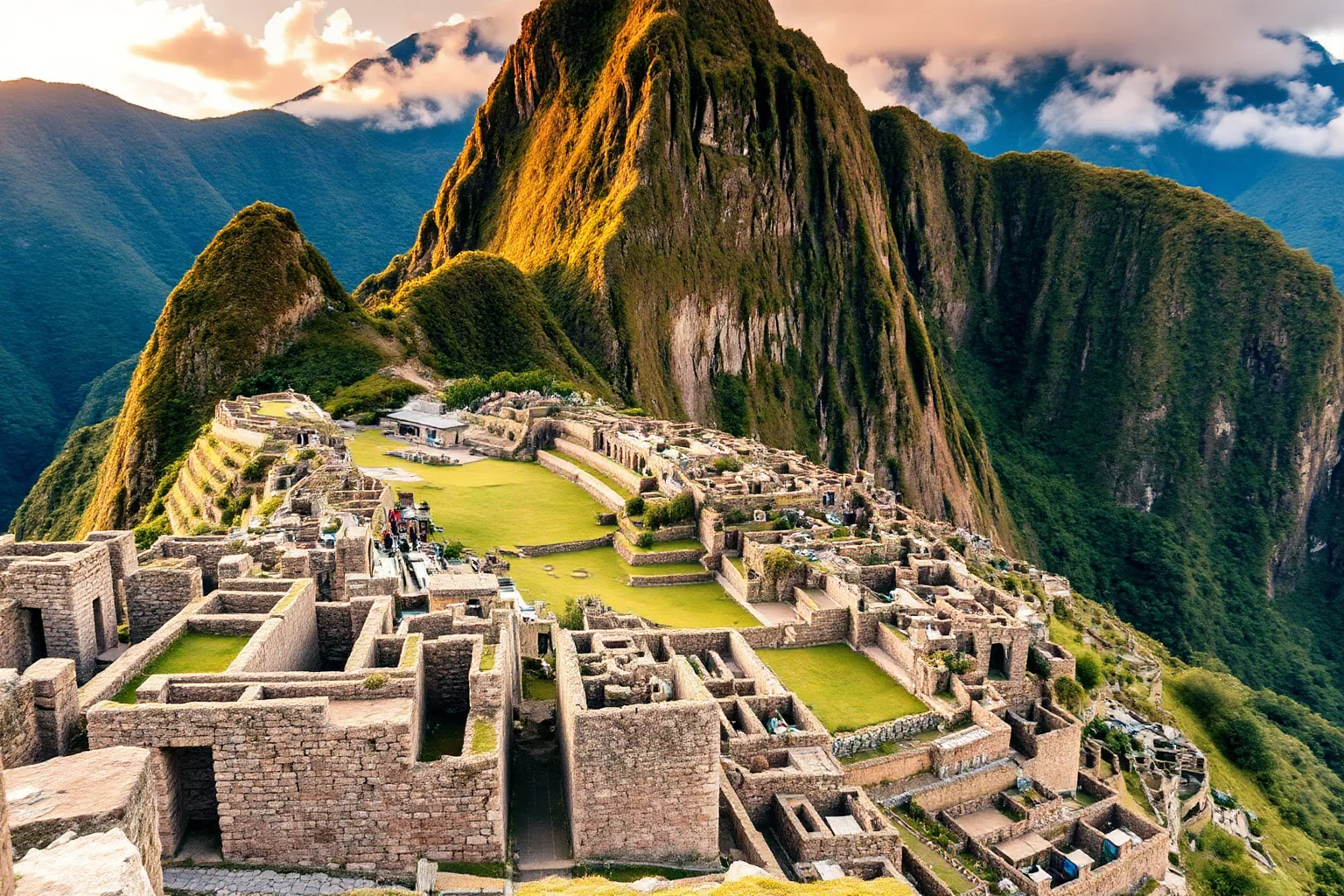
The Inca Empire became the largest empire in the pre-Columbian Americas, stretching over 2,500 miles along the Andes by the early 1500s, administered from its capital at Cusco.
The Inca built an extraordinary road network — over 24,000 miles of trails and stone roads across brutal mountain terrain — and constructed sites like Machu Picchu with precisely fitted stone blocks that required no mortar and have survived centuries of earthquakes.
Why it still fascinates people: The Inca ran an empire of millions of people without a conventional written language, instead using a system of knotted cords called quipu to record numbers and possibly narrative information — a record-keeping system historians still haven’t fully decoded.
10. Norte Chico (Caral-Supe) — The Americas’ Oldest Civilization
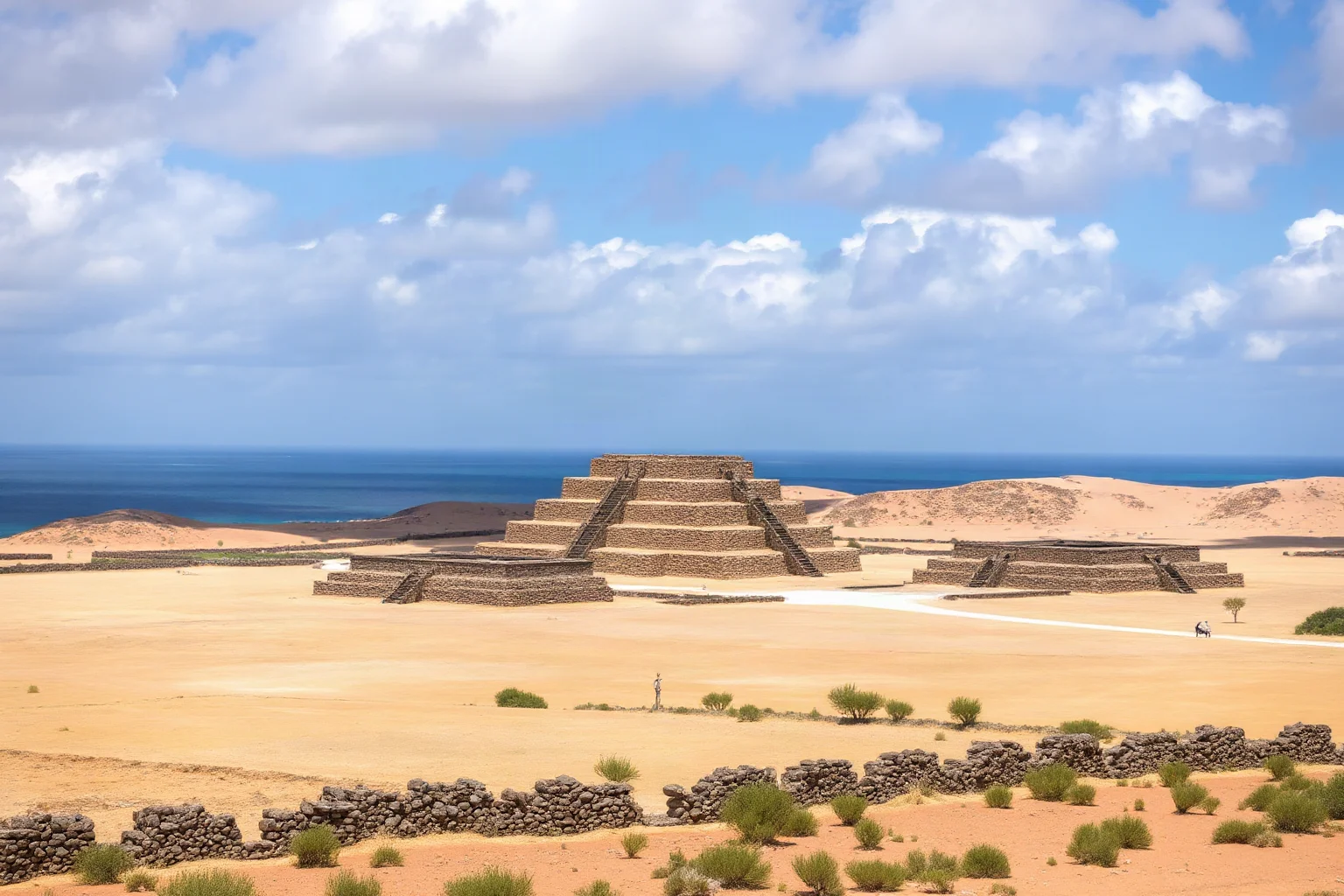
Long before the Maya, Aztec, or Inca, the Norte Chico civilization was building large ceremonial platform mounds and organized settlements along the coast of present-day Peru, as early as 3000–1800 BCE — making it roughly contemporary with early Egypt and Sumer.
The best-preserved site, Caral, includes plazas, pyramid-like structures, and sunken circular courts, despite showing little evidence of pottery, defensive walls, or the large-scale warfare seen in other early civilizations.
Why it still fascinates people: Norte Chico is frequently left off “oldest civilizations” lists entirely, even though it’s one of only a handful of places on Earth where civilization arose independently, without influence from other cultures — and it did so in the Americas thousands of years earlier than most people assume.
Ancient Civilizations at a Glance
| Civilization | Region | Approximate Period | Best Known For |
|---|---|---|---|
| Sumer (Mesopotamia) | Modern-day Iraq | c. 4500–1900 BCE | First cities, cuneiform writing, the wheel |
| Ancient Egypt | Along the Nile River | c. 3100–30 BCE | Pyramids, hieroglyphs, mummification |
| Indus Valley Civilization | Modern-day Pakistan/NW India | c. 3300–1900 BCE | Urban planning, sanitation, undeciphered script |
| Ancient China | Yellow River Valley | c. 2000 BCE onward | Oracle bones, silk, dynastic continuity |
| Minoan Civilization | Crete, Mediterranean | c. 3000–1450 BCE | Palace complexes, early European trade networks |
| Kingdom of Kush | Modern-day Sudan | c. 1070 BCE–350 CE | Pyramids, Meroitic script, ruling Egypt as its 25th Dynasty |
| Maya Civilization | Mexico/Central America | c. 250–900 CE | Astronomy, mathematics, stone pyramid-cities |
| Aztec Empire | Central Mexico | c. 1345–1521 CE | Tenochtitlan, chinampas, tribute-based economy |
| Inca Empire | Andes, South America | c. 1438–1533 CE | Road networks, Machu Picchu, quipu record-keeping |
| Norte Chico (Caral-Supe) | Coastal Peru | c. 3000–1800 BCE | Oldest known civilization in the Americas |
This table only scratches the surface, but it’s a useful reminder of just how spread out — geographically and chronologically — the story of “ancient civilization” actually is. These societies weren’t a single chain of influence passed hand to hand; several arose independently, thousands of miles and, in some cases, thousands of years apart.
How These Civilizations Still Shape Modern Life
It’s easy to treat ancient civilizations as closed chapters — interesting, but sealed off in the past. In practice, pieces of nearly all ten are still embedded in daily life today, often without most people realizing where they came from.
Sumer’s base-60 number system is why clocks have 60 minutes and 60 seconds, and why a circle is divided into 360 degrees. Egyptian medical papyri contain some of the earliest documented surgical techniques and anatomical observations, predating what most people think of as “ancient medicine” by over a thousand years.
The Indus Valley’s standardized weights and measures — one of the first known examples of large-scale trade regulation — anticipated a problem every economy since has had to solve. Chinese innovations like papermaking and the compass didn’t just shape China; they eventually reshaped global exploration and communication once they spread west along trade routes.
Even civilizations often treated as “lost” left practical fingerprints. Maya astronomical calculations were accurate enough that some of their eclipse predictions still check out against modern astronomical models.
Inca stonemasonry techniques — cutting blocks so precisely they didn’t need mortar — are still studied by structural engineers researching earthquake-resistant construction, because those buildings have outlasted plenty of “modern” ones in earthquake zones.
And the road network the Inca built across the Andes was so effective that parts of the Spanish colonial road system, and even some modern highways in Peru and Ecuador, were built directly on top of it.
Frequently Asked Questions
Historians generally point to a shared set of markers when identifying a “true” ancient civilization: organized cities, a system of writing or record-keeping, specialized labor and social classes, monumental architecture, and some form of centralized governance or religion.
By that standard, all 10 civilizations above qualify — but they arrived at those markers in strikingly different ways, using different materials, environments, and belief systems, often with no contact with one another at all.
That independent development is part of what makes comparative ancient history so compelling: multiple, unconnected groups of people, on different continents, separately arrived at cities, writing, and monumental construction — suggesting these aren’t accidents of one lucky culture, but something close to a natural stage of human social development once conditions are right.
Frequently Asked Questions
What are some examples of ancient civilizations?
Sumer, Ancient Egypt, the Indus Valley Civilization, Ancient China, the Maya, the Aztec Empire, and the Inca Empire are among the most well-documented ancient civilizations, spanning Africa, Asia, Europe, and the Americas.
What are the top 10 oldest civilizations in the world?
Rankings vary depending on the criteria used, but Sumer (Mesopotamia), Ancient Egypt, the Indus Valley Civilization, Norte Chico (Caral-Supe) in Peru, and Ancient China are consistently cited among the very oldest, with most dating back to between 3000 and 4500 BCE.
What is considered the most advanced ancient civilization?
“Most advanced” depends on the category — the Indus Valley Civilization is often cited for urban planning and sanitation, the Maya for astronomy and mathematics, Rome for engineering and infrastructure, and Ancient China for continuous technological innovation across centuries.
What are the greatest ancient civilizations, and why?
Sumer, Egypt, Rome, the Maya, and the Inca are frequently named among the greatest, typically based on longevity, scale of achievement, and lasting influence on later cultures — though “greatest” is ultimately a subjective, frequently debated ranking.
Why do so many ancient civilizations remain mysterious today?
Many ancient civilizations left behind writing systems that have never been deciphered (like the Indus script), or vanished quickly enough that historians still debate the cause (like the Maya lowland collapse or the Minoan decline) — gaps in the written and archaeological record that modern research hasn’t fully closed.
Final Thoughts
The most familiar ancient civilizations — Egypt, Rome, Greece — earned their fame honestly, but they’re far from the whole story. Kush ruled Egypt. Norte Chico built ceremonial cities before the pyramids existed.
The Indus Valley planned better sewage systems than most cities managed for thousands of years afterward. Ancient civilizations still fascinate us not just because of what they built, but because of everything we still don’t fully understand about how — and why — they did it.
None of these societies had power tools, computers, or even, in several cases, the wheel or a beast of burden strong enough to make hauling multi-ton stone blocks easy.
What they had instead was time, patience, and an apparently universal human drive to organize, build, record, and understand the world around them — a drive that shows up again and again, independently, on every inhabited continent.
That’s the real reason “ancient civilizations” keeps pulling in curious readers thousands of years later: it isn’t really a story about the past at all. It’s a story about what humans do, given enough time, regardless of where or when they happen to live.

Alex Warren
Related Articles