

Every few years, a grainy photograph or a strange forum post resurfaces online with the same breathless caption: proof of time travel has finally been found.
A man in sunglasses looks a little too modern in a 1940s photo. A woman in old newsreel footage appears to be holding a phone. A tomb in China supposedly contained a tiny wristwatch centuries before watches existed.
It’s a genuinely fun rabbit hole, and history is full of stories that feel like they belong in a science fiction script. But separating real historical curiosities from internet legend takes a little digging.
This guide walks through the 20 most talked-about pieces of time travel evidence, what actually happened according to historians and researchers, and what real physics has to say about whether anyone has ever time travelled at all.
TL;DR: None of the famous photos, notes, or stories people cite as proof of time travel hold up under historical scrutiny, though real physics does confirm a tiny, forward-only version of time travel exists.
What Would Actual Proof of Time Travel Even Look Like?
Before diving into the list, it helps to set the bar. Genuine time travel evidence would need to be independently verifiable, physically impossible to explain any other way, and confirmed by more than one source or witness. Most viral claims fail at least one of these tests almost immediately.
That doesn’t mean these stories aren’t worth exploring. Many reveal fascinating quirks of history, forgotten technology, or the way legends grow in the retelling. Let’s look at the cases people bring up most often, sorted into photos, personal accounts, ancient artifacts, and alleged messages from the future.
Photos and Film Footage People Call Time Travel Proof
Photos are the most shared form of supposed time travel evidence because they feel like hard proof. A picture, unlike a story, seems impossible to argue with. Here are the images most frequently cited as photos that prove time travel, and the far more grounded explanations behind them.
1. The Charlie Chaplin “Time Traveler” Film (1928)
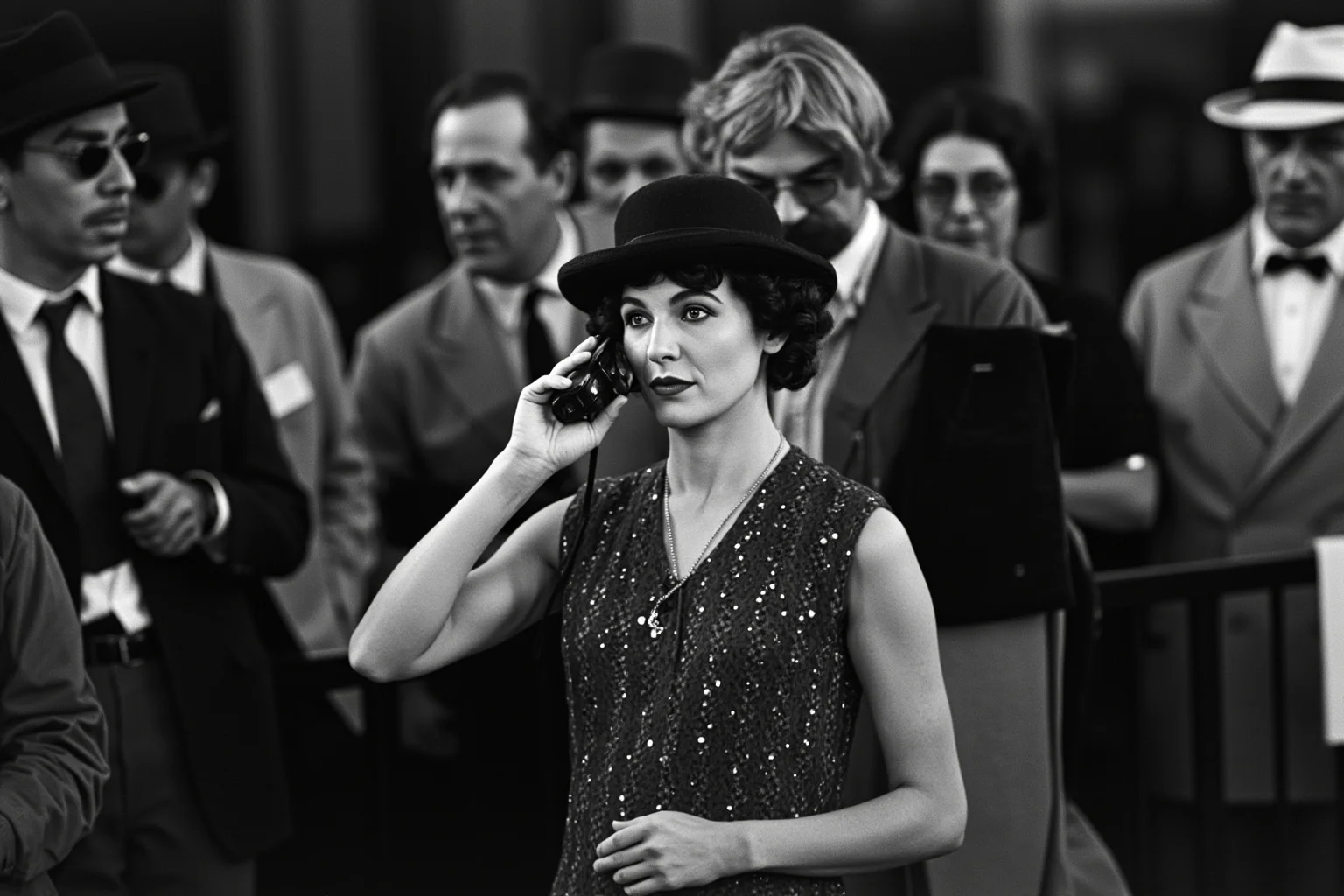
In 2010, filmmaker George Clarke released a video highlighting a woman in behind-the-scenes footage from the premiere of Charlie Chaplin’s film The Circus, walking while apparently holding something to her ear and talking. The clip exploded online as supposed time travel proof photos in motion, with viewers insisting she was using a cell phone decades before they existed.
Historians point out that portable hearing aids, including bulky ear-trumpet style devices and early Siemens models, were commercially available by the 1920s. It’s far more likely the woman was using a hearing device than a phone that wouldn’t be invented for another 60 years. No verified time traveler evidence has ever come from analyzing this footage further.
2. The “Time-Traveling Hipster” Bridge Photo (1941)
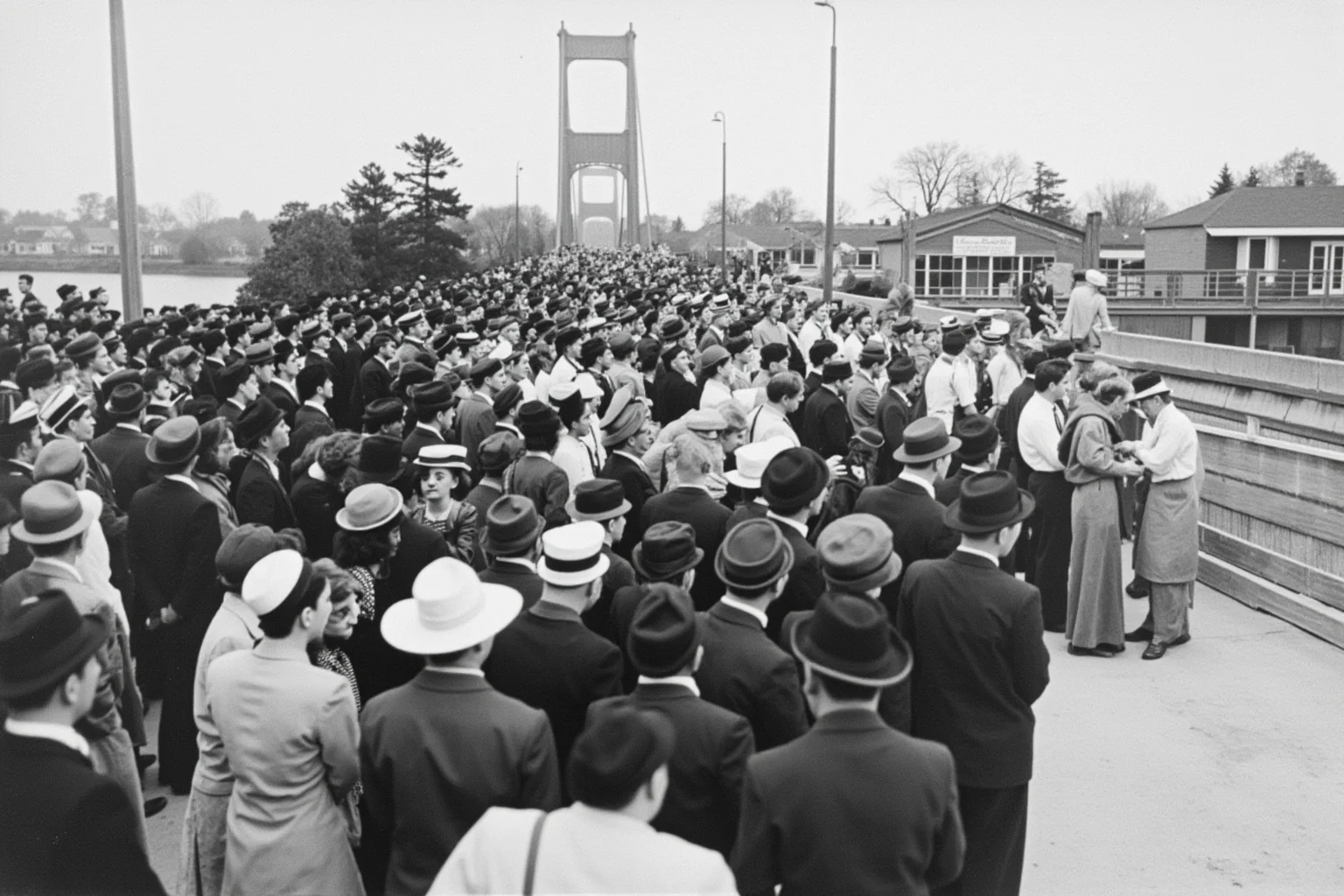
A black-and-white photo from a 1941 bridge reopening ceremony in British Columbia shows a man in the crowd wearing sunglasses, a printed sweater, and holding what looks like a small modern camera. When the image resurfaced online around 2010, commenters called it undeniable proof of time travel because his outfit looked so contemporary.
In reality, sunglasses were mass-produced and fashionable by the 1930s, and portable handheld cameras existed well before 1941. Museum archivists who reviewed the photo noted nothing in his clothing or equipment was actually out of place for the era. It’s a great example of how easily modern eyes misjudge historical fashion.
3. The 1860s “Man With a Laptop” Photo
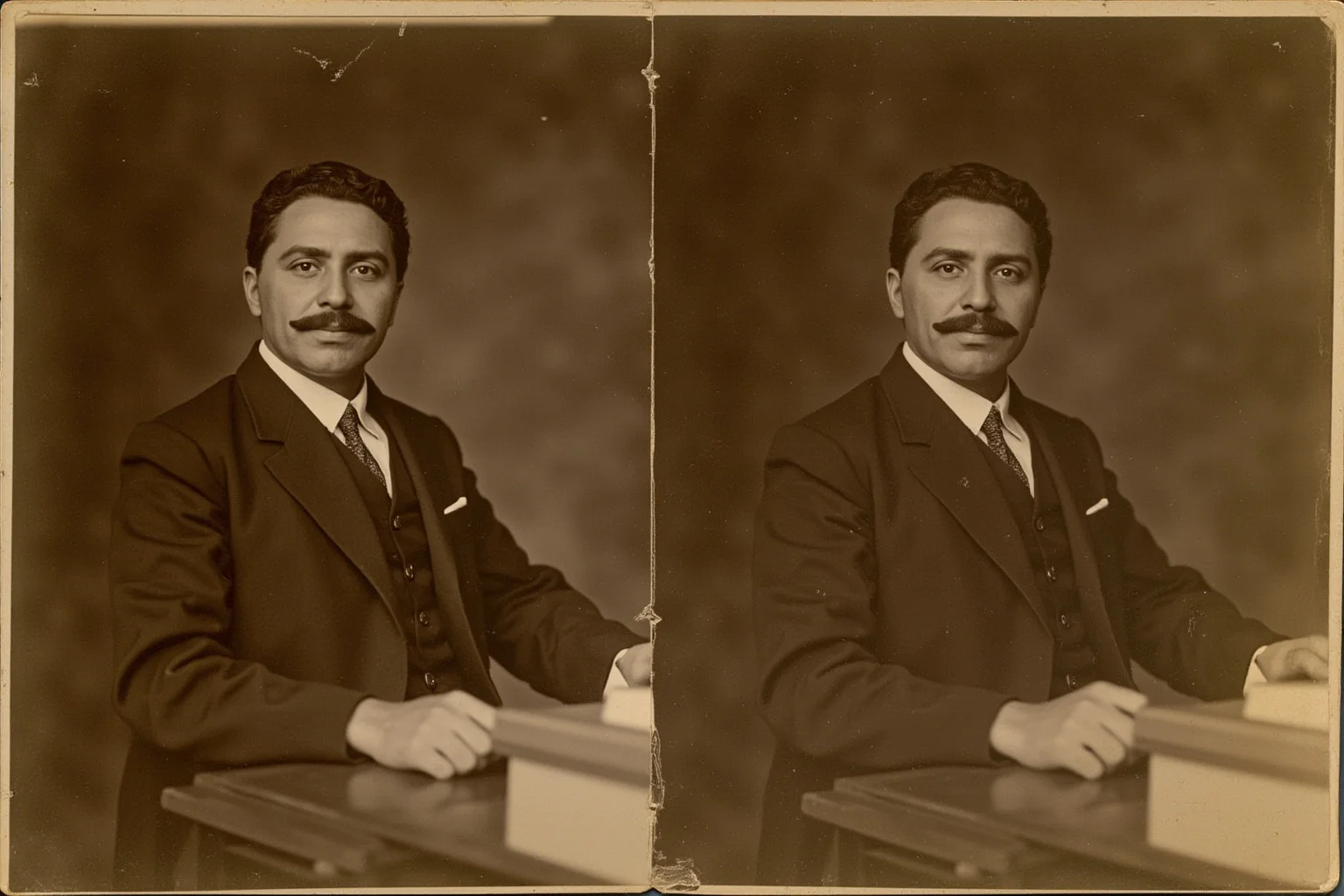
A stereoscopic photograph from the 1860s shows a man in a suit apparently sitting in front of a flat, laptop-shaped object. Internet sleuths seized on it as one of the more convincing pictures proving time travel, since laptops obviously didn’t exist during the American Civil War era.
Photo historians who examined the full, unc-cropped image identified the object as a portable writing slope or lap desk, a common Victorian accessory used for letter writing while traveling. The illusion only works in a tightly cropped, low-resolution version of the photo that strips away context.
4. The Swiss-Style Watch in a Ming Dynasty Tomb (2008)
During a televised excavation in Guangxi, China, a small ring shaped like a wristwatch, its hands frozen at 10:06, turned up in a tomb believed to date to the Ming dynasty. Chinese media briefly ran with the idea that this was hard evidence of time travel, and the story spread internationally within days.
Officials at the site quickly suspended the dig and distanced themselves from the claim, and no peer-reviewed archaeological report ever confirmed the object’s authenticity or true age. Many researchers believe it was a modern object mixed into the site, whether by accident or as a stunt, rather than a genuine 400-year-old artifact.
5. The Umberto Romano Mural “Smartphone” (1937)

A 1937 mural inside a Springfield, Massachusetts post office depicts a Native American figure holding a small rectangular object close to their face. Online galleries of time travel photos evidence regularly feature this painting, arguing the artist somehow depicted a smartphone decades early.
Art historians who study Umberto Romano’s work identify the object as either a mirror or a ceremonial item tied to the mural’s colonial New England theme, consistent with other symbolic imagery in the piece. Painted objects are especially easy to reinterpret with modern eyes, since there’s no photographic detail to rule out alternate explanations.
Strange Personal Accounts and Time Slip Stories
Not every claim involves a photo. Some of the most cited real stories of time travel come from firsthand written accounts, decades-old legends, or unverifiable personal testimony.
6. The Moberly-Jourdain Incident at Versailles (1901)
In August 1901, two Oxford academics, Charlotte Anne Moberly and Eleanor Jourdain, were walking through the gardens of Versailles when they reported an eerie shift in atmosphere, unusual figures in old-fashioned clothing, and landscape details that didn’t match the modern gardens. They later published their account as An Adventure in 1911, framing it as a psychic glimpse into the era of Marie Antoinette.
Skeptics note the women didn’t compare notes until months later, and their memories may have been shaped by shared reading about the French Revolution and by ordinary disorientation while lost in an unfamiliar garden. It remains one of history’s most famous time-slip stories, but it was never independently verified.
7. Victor Goddard’s Vanishing Airfield (1935)
British Air Marshal Victor Goddard claimed that while flying over a derelict Scottish airfield in 1935, he briefly saw it transformed, active mechanics, aircraft in unfamiliar yellow paint, and hangars that hadn’t been built yet. Years later, after the airfield was genuinely renovated for World War II, Goddard argued he’d glimpsed the future.
The story comes entirely from Goddard’s own later retelling, with no contemporary written record from 1935 itself. It’s a compelling anecdote, but as time travel evidence goes, it relies on one man’s memory recalled long after the fact.
8. The Rudolph Fentz Legend
This urban legend describes a man in 1876-style clothing struck by a car in 1950s Times Square, later “identified” through police records as someone who vanished decades earlier without aging a day. It’s one of the internet’s favorite has-someone-time-traveled-before stories.
The tale actually originated as a short story called “I’m Scared,” written by author Jack Finney in 1951. There is no police record, missing-persons case, or news report backing it up; it is fiction that escaped its original context and got retold as fact for decades.
9. The Green Children of Woolpit (12th Century)

Medieval chroniclers Ralph of Coggeshall and William of Newburgh both recorded a strange event in the English village of Woolpit: two children with green-tinted skin appeared, spoke an unknown language, and claimed to come from a place called “St. Martin’s Land.” Modern retellings sometimes frame it as an early time travel or interdimensional story.
Historians generally favor a more grounded explanation: the children may have been Flemish immigrant orphans, possibly speaking Flemish, with green pallor caused by chlorosis, a form of anemia linked to poor diet. It’s a genuinely strange medieval record, but nothing in it requires time travel to explain.
10. The Philadelphia Experiment (1943)

According to letters written by a man named Carlos Allende to writer Morris K. Jessup in the 1950s, the U.S. Navy secretly used electromagnetic fields to render the destroyer USS Eldridge invisible, and possibly teleported it, during World War II. Some versions of the legend claim crew members experienced time displacement.
The U.S. Navy has officially and repeatedly denied any such experiment took place, and no independent evidence beyond Allende’s letters has ever surfaced. Real wartime degaussing experiments, which reduced ships’ magnetic signatures, likely got mixed into the legend over time.
11. The Bold Street Time Slips (Liverpool)
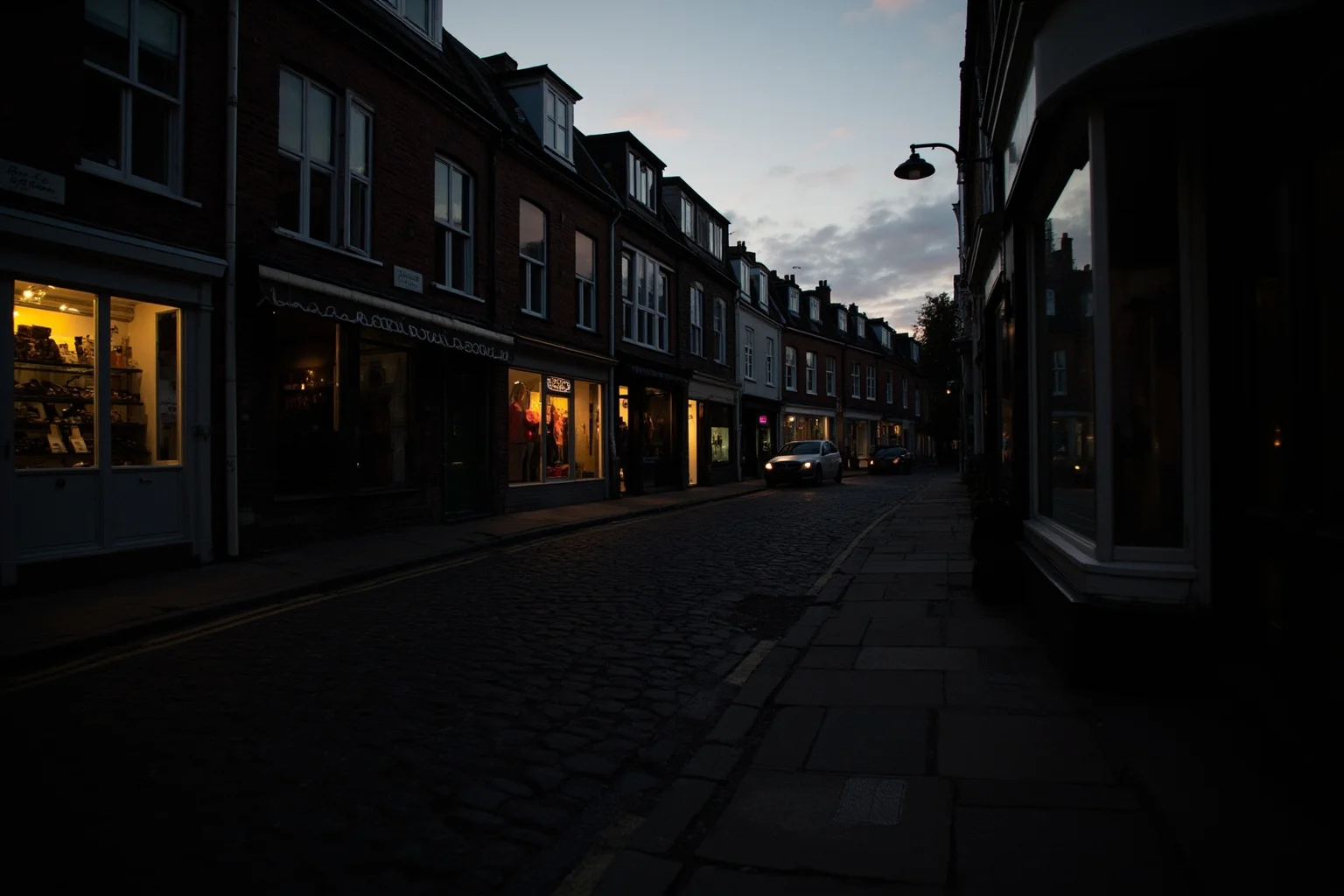
Over several decades, various visitors to Bold Street in Liverpool have reported brief, disorienting moments where the street appeared to shift, different storefronts, old vehicles, unfamiliar clothing, before snapping back to normal. Paranormal researchers have collected dozens of these anecdotes as some of Britain’s most discussed time travel stories real people say they’ve lived through.
No photographic or physical evidence has ever been produced from any of these encounters. Most researchers attribute the experiences to deja vu, temporal lobe quirks, or ordinary disorientation rather than any actual slip in time.
12. The Montauk Project

Starting in the 1980s, self-published books by Preston Nichols claimed that secret government experiments at Camp Hero in Montauk, New York, involved mind control and time travel technology, sometimes linked to the earlier Philadelphia Experiment legend. It became a cornerstone of American conspiracy folklore.
No declassified government documents, credible witnesses outside the original authors, or physical evidence have ever supported these claims. It remains firmly in the category of conspiracy theory rather than verified time traveler evidence.
Ancient Artifacts Mistaken for Time Travel Evidence
Some of the most enduring “proof of time travel” claims involve genuinely old objects that look surprisingly advanced, in the same vein as many of the most incredible artifacts ever uncovered. These cases usually say more about the ingenuity of ancient engineers than about anyone traveling through time.
13. The Antikythera Mechanism
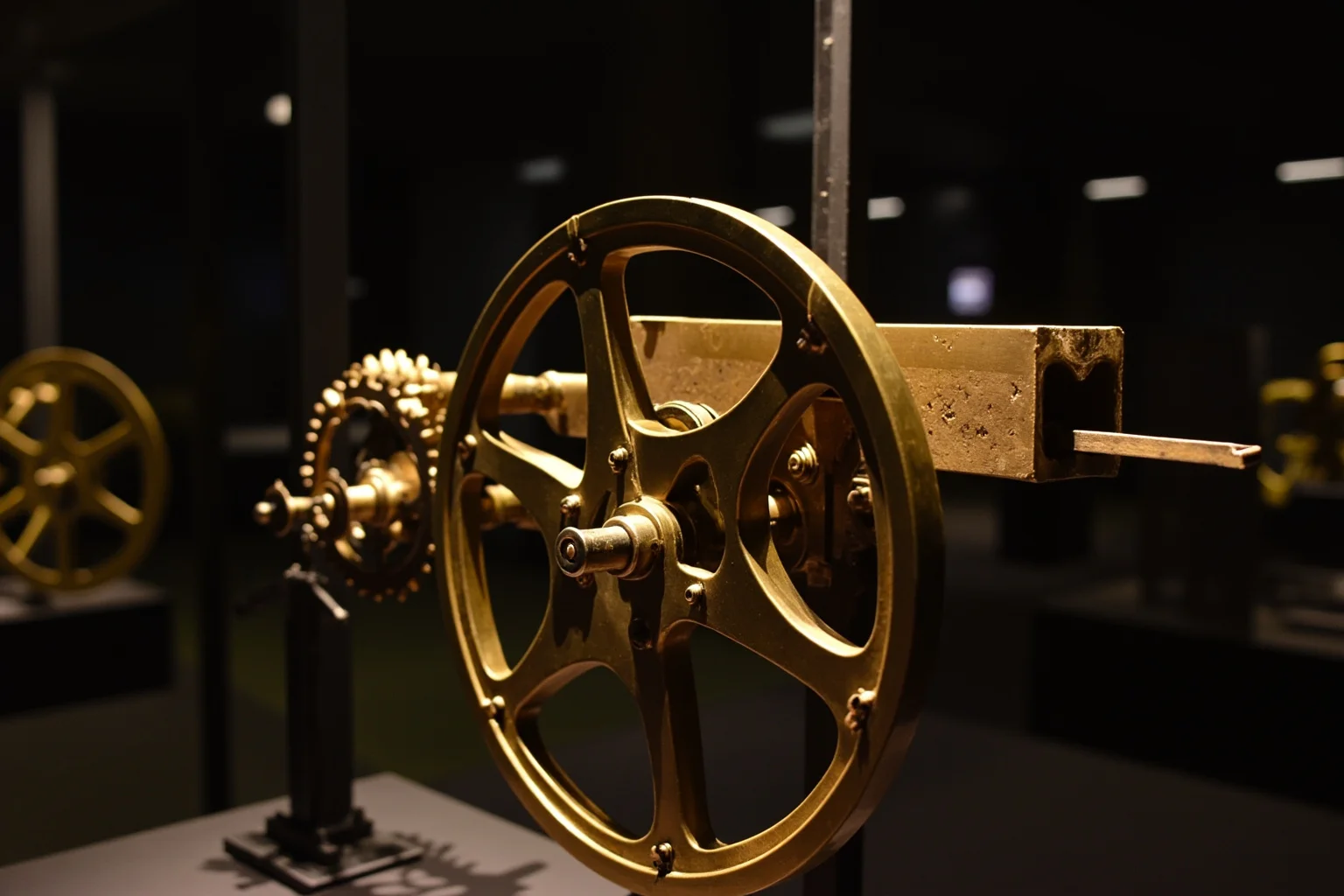
Recovered from a Greek shipwreck in 1901 and dated to around 100 BCE, this bronze device used dozens of precisely cut gears to track astronomical positions and predict eclipses. Its complexity was so far ahead of anything else from antiquity that some pseudo-historians have suggested it required outside or future help to build.
Decades of study, notably by historian of science Derek de Solla Price, have shown it fits within known Hellenistic astronomy and mechanical skill, just at an unusually sophisticated level. It’s a genuine ancient marvel, not evidence of anachronistic technology.
14. The Baghdad Battery
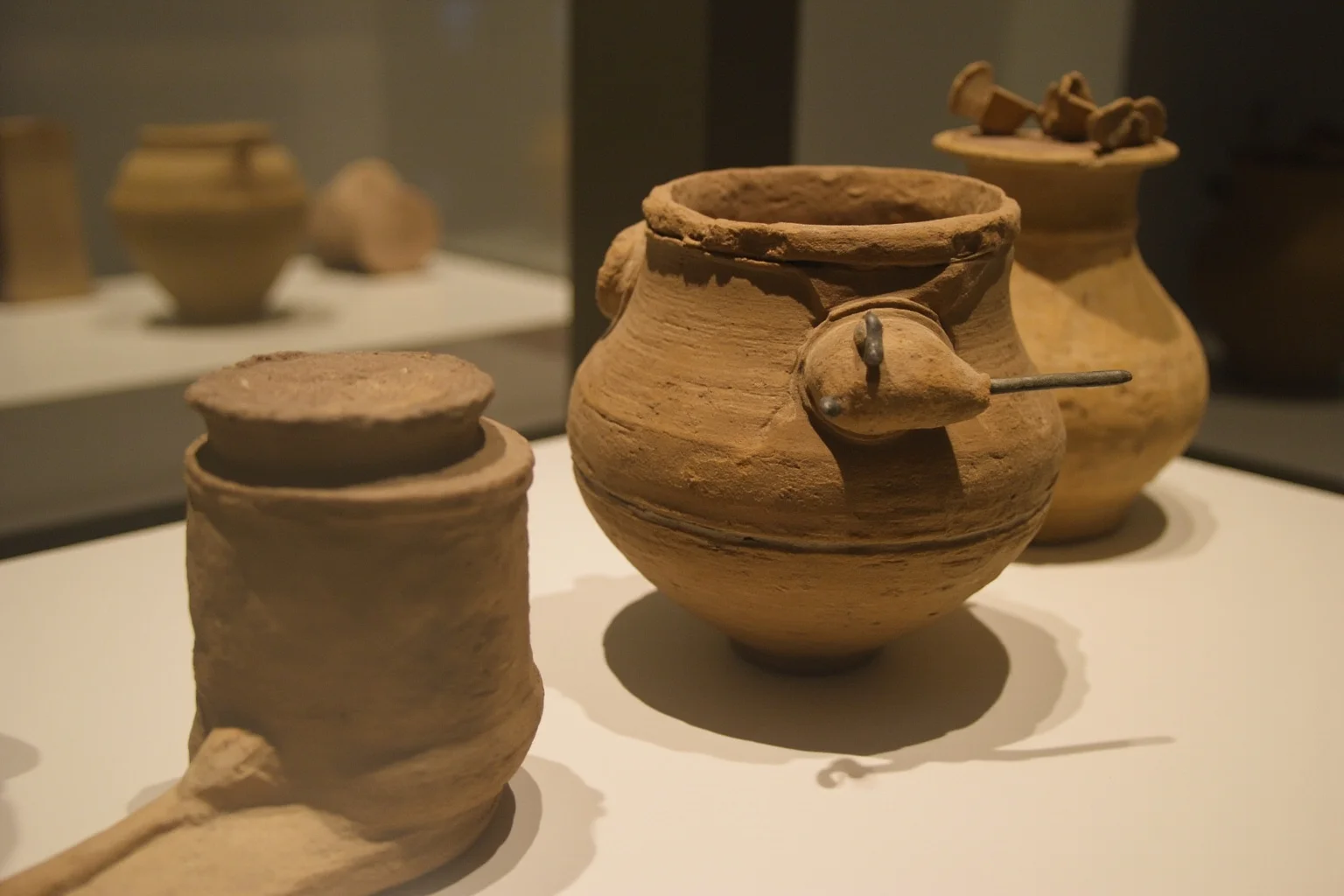
Clay jars discovered near Baghdad, dating to the Parthian period roughly 2,000 years ago, contain a copper cylinder and iron rod arranged in a way that resembles a simple galvanic cell. Some enthusiasts have argued this proves ancient people had access to electrical technology, possibly passed down through time travel contact.
Most archaeologists believe the jars were far more likely used for storing scrolls or ritual objects, with the metal arrangement being coincidental rather than functional. Attempts to recreate a working battery from the design have produced only weak, unreliable currents, undermining the more dramatic theories.
15. The Dendera Temple “Light Bulb” Reliefs
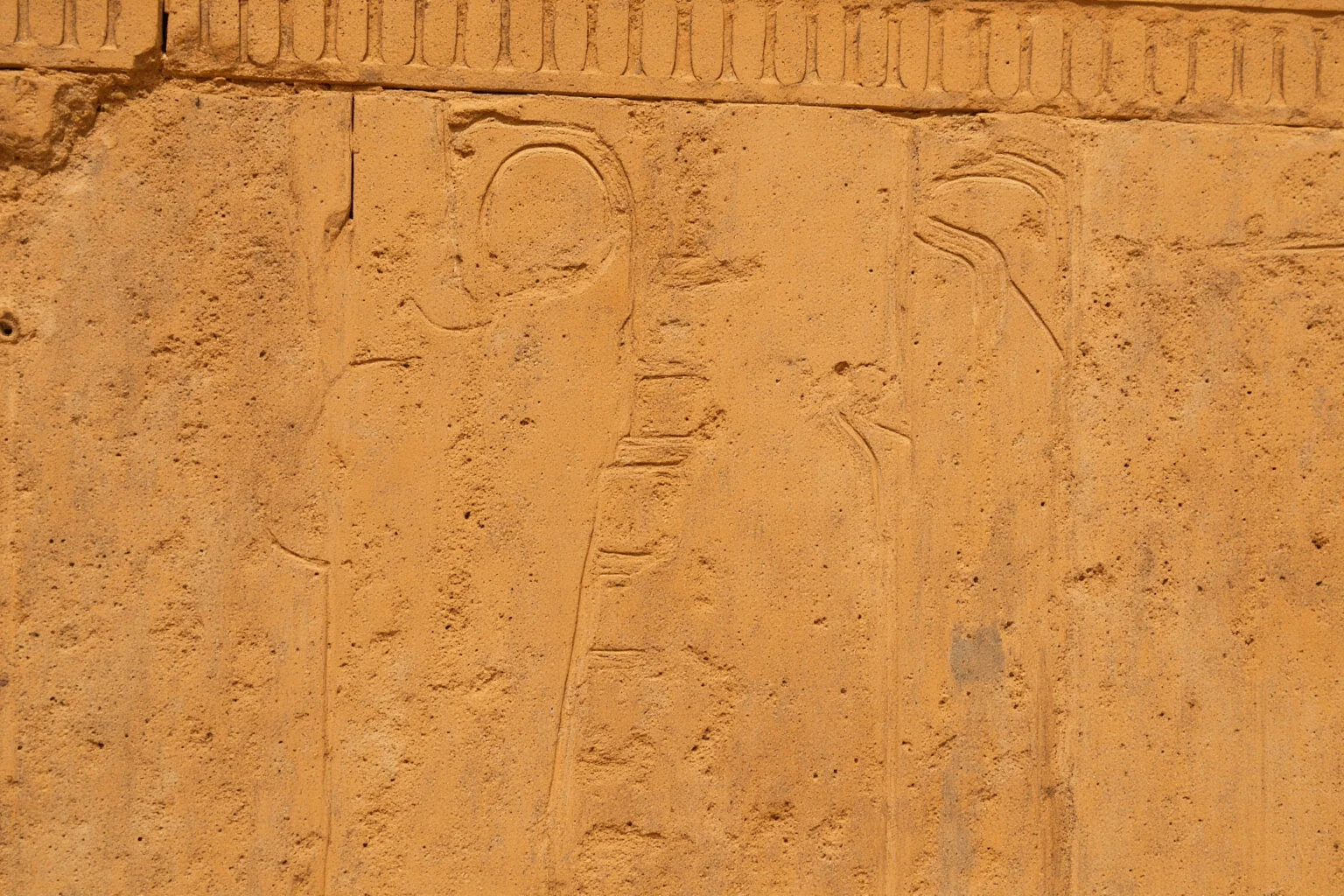
Carvings inside the Hathor Temple at Dendera, Egypt, show elongated oval shapes with snake-like forms inside them, images some fringe theorists interpret as ancient depictions of electric light bulbs. The claim often gets tied to ideas about lost advanced civilizations or outside technological influence.
Egyptologists identify the imagery as a well-documented symbolic motif: a lotus flower giving rise to a serpent, tied to Egyptian creation mythology and the djed pillar symbol of stability. The reliefs are religious art, not wiring diagrams.
16. The Coso Artifact (1961)
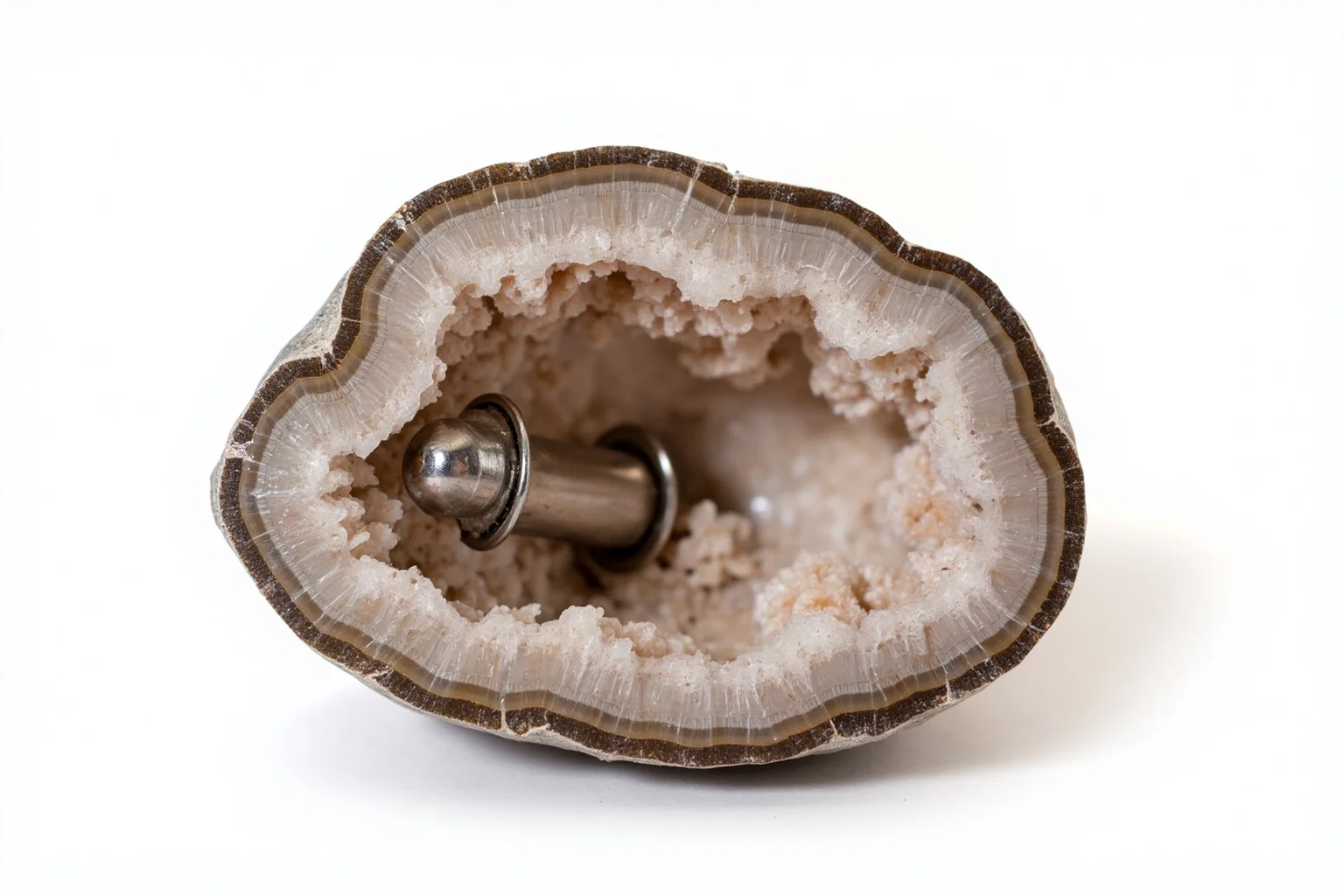
Rock hunters in California found a geode in 1961 that, when cut open, appeared to contain a modern-looking spark plug encased in ancient stone. Early reports suggested the surrounding rock could be hundreds of thousands of years old, making headlines as apparent time travel proof.
Further examination showed the object was almost certainly a 1920s-era spark plug that had become naturally encased in mineral deposits over a few decades, not eons. It’s a striking natural curiosity, but not a genuine out-of-place artifact.
17. The Piri Reis Map (1513)
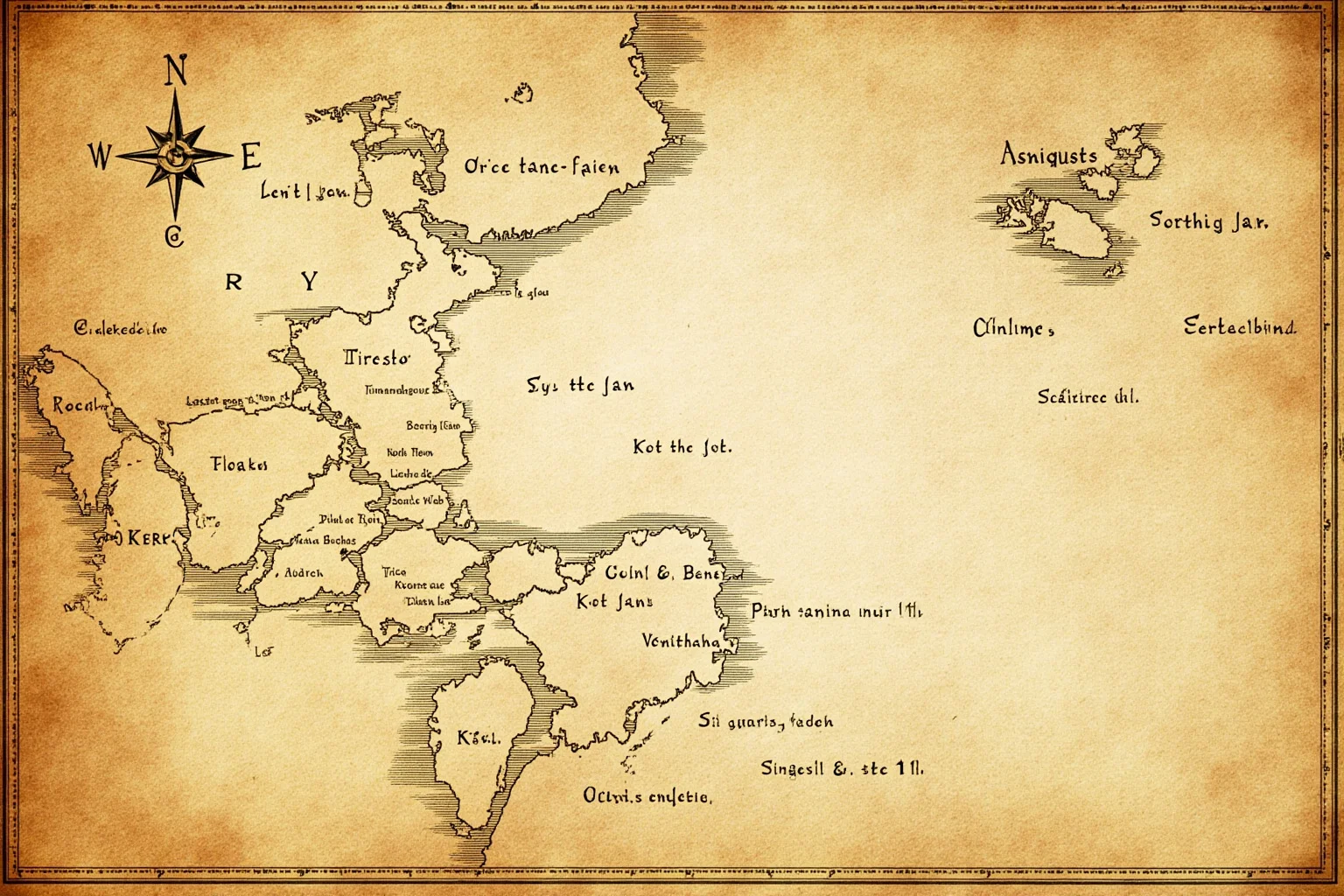
This Ottoman map, drawn by admiral Piri Reis in 1513, shows coastlines that some researchers have controversially argued resemble Antarctica’s ice-free coast, a landmass not officially discovered until 1820. Fringe theories suggest the mapmaker had access to future satellite-level knowledge.
Mainstream historians and cartographers argue the southern portion of the map more likely represents a distorted or speculative rendering of South America’s coastline, common in navigational maps of the era. The map is a genuinely impressive piece of 16th-century cartography, compiled from older source maps, but it isn’t proof of temporal or technological contact.
Notes, Predictions, and Messages People Claim Came From the Future
This last category covers a different kind of time travel evidence: written messages, predictions, and so-called time travel notes that people insist were left behind by visitors from another era.
18. John Titor’s Internet Posts (2000-2001)
An anonymous forum user calling himself John Titor claimed to be a soldier from the year 2036, sent back in time to retrieve a vintage IBM 5100 computer. He posted detailed predictions, including a civil war in the United States by 2004 and a global nuclear conflict by 2015, none of which occurred.
No verifiable identity was ever confirmed for Titor, and his failed predictions are the biggest reason researchers treat the posts as an elaborate, well-written hoax rather than genuine time travel notes. It remains one of the internet’s earliest and most influential viral time travel stories.
19. Andrew Carlssin, the “Time-Traveling” Stock Trader (2003)
A widely circulated story claimed a man named Andrew Carlssin turned $800 into $350 million through suspiciously perfect stock trades, then told SEC investigators he was a time traveler from the year 2256. The story spread across tabloids and later the early internet as a supposed real-world case of time travel proof.
The original source was Weekly World News, a satirical tabloid known for openly fictional stories, and no SEC case, court record, or named individual matching this account has ever been found. It’s a piece of satire that outgrew its original context and got mistaken for a genuine news report.
20. Nostradamus’s Prophecies (16th Century)

French astrologer Michel de Nostradamus published collections of cryptic quatrains in the 1550s that some readers have since connected to major historical events, from wars to assassinations. Believers often treat these writings as time travel notes smuggled backward from the future rather than the work of a 16th-century writer.
Historians note that Nostradamus’s verses are famously vague, and most “matches” to real events are made after the fact, a pattern researchers call retroactive interpretation. Given the wording could apply to countless different events, it falls well short of serious time traveler evidence.
Time Travel Facts: What Physics Actually Confirms
Here’s where the myth-busting gets a genuinely interesting twist. Time travel, in a very limited sense, is real and experimentally confirmed, just not in the dramatic way viral photos suggest.
Einstein’s theory of relativity predicts that time moves slightly slower for objects moving at high speed or in stronger gravity, an effect called time dilation. The 1971 Hafele-Keating experiment confirmed this by flying atomic clocks around the world and comparing them to stationary ones, finding tiny but measurable differences exactly as predicted.
Astronauts on the International Space Station experience this too. Cosmonaut Sergei Krikalev, who spent over 800 cumulative days in orbit, has technically travelled about 0.02 seconds into his own future compared to someone who stayed on Earth. It’s real, verified, forward-only time travel, just on a scale far too small to notice in daily life.
Backward time travel is a different story entirely. Some solutions to Einstein’s equations, like theoretical wormholes or rotating black holes, mathematically allow for something called closed timelike curves. No physicist has ever built or observed one, and most researchers believe fundamental laws of physics likely prevent them from existing in practice.
Has Someone Time Traveled Before? Separating Legend From Verified History
So, has anyone actually time travelled, in the sense most people mean when they ask? Based on everything historians, physicists, and archivists have examined, no credible, independently verified case of a person moving backward or dramatically forward through time has ever been confirmed.
Every photo, note, and story on this list has a far more mundane explanation once researchers dig into the original context, sources, and surviving records. That doesn’t make the stories worthless. They’re a fascinating window into how quickly rumors spread, how easily modern eyes misread old photographs, and how much fun people have imagining themselves into history.
How Can You “Time Travel” to the Past? (The Ways That Actually Work)
If you’ve ever searched for how you can time travel to the past, the honest answer is that literal time travel isn’t available to anyone yet. But there are genuinely satisfying ways to experience real connection to earlier eras, and historians rely on them constantly.
Visiting well-preserved historic sites, from Pompeii to colonial-era towns, puts you in physical spaces largely unchanged for centuries. Living history museums and reenactment events go a step further, recreating daily routines, clothing, and tools from specific decades or centuries in remarkable detail.
Reading primary source documents, letters, diaries, ship logs, and old newspapers, lets you hear history in the actual words of the people who lived it. Genealogy research can connect you directly to ancestors and the specific historical moments they experienced, which is often the closest thing to a personal time machine most people will ever find.
Why These Photos and Stories Keep Fooling Us
A few recurring patterns explain almost every case on this list. Cropped or low-resolution photos strip away context that would otherwise make an object or outfit look perfectly ordinary for its time period.
Satire and tabloid stories, like the Andrew Carlssin case, frequently get separated from their original clearly-labeled fictional source as they’re reshared online. Personal memories, like Victor Goddard’s airfield story, are also naturally reshaped over the years, often without any intent to deceive, a phenomenon closely related to the Mandela Effect examples where large groups of people misremember the same detail with total confidence.
Finally, humans are wired to find patterns and connections, which is why ambiguous ancient carvings or vague prophecies get reinterpreted to match events that already happened. None of this makes the stories any less fun to explore, as long as they’re understood as legend and speculation rather than settled history.
The Verdict on Time Travel Evidence
After working through 20 of the most famous claims, the pattern is clear: every widely shared photo, note, or personal account either has a documented mundane explanation or simply can’t be independently verified. Genuine proof of time travel, in the backward or dramatic sense most people imagine, has never been produced.
What is real is far more modest but still remarkable: measurable time dilation, confirmed by atomic clocks and astronauts, proves that time itself is more flexible than our daily experience suggests. Until physics finds a way to bend that flexibility into something closed timelike curves could actually use, the time travelers in these photos and stories will stay exactly where they’ve always been, in the realm of legend.
Frequently Asked Questions
What is the proof of time travel?
There is no verified proof of time travel in the sense of moving backward through history or jumping far into the future. The closest confirmed evidence is time dilation, a real effect predicted by Einstein's relativity and measured using atomic clocks and astronauts, which shows time passes at very slightly different rates depending on speed and gravity.
Has someone time traveled before?
No credible, independently verified case of a person time traveling has ever been confirmed by historians or scientists. Famous claims like John Titor's forum posts and the Rudolph Fentz legend have either been traced to hoaxes, fiction, or unverifiable personal accounts.
Are there any real stories of time travel?
There are many widely told stories, such as the Moberly-Jourdain incident at Versailles and Victor Goddard's vanishing airfield account, but none have been independently verified as genuine time travel. They remain historically documented anecdotes rather than confirmed evidence.
How can I time travel to the past?
Literal time travel to the past isn't currently possible with any known technology. However, you can experience a meaningful connection to history through preserved historic sites, living history museums, primary source documents, and genealogy research.
What are the most famous photos claimed to prove time travel?
The most shared examples include the 1928 Charlie Chaplin footage of a woman apparently using a phone, the 1941 'time-traveling hipster' bridge photo from British Columbia, and the 1860s 'man with a laptop' stereoscope image. All three have plausible, non-time-travel explanations involving period-accurate technology like hearing aids, sunglasses, and writing desks.
Can humans travel forward in time?
Yes, in a very limited and scientifically confirmed way. Time dilation means astronauts and objects moving at high speeds experience time passing slightly slower than it does on Earth, effectively moving them a tiny fraction of a second into the future relative to everyone else.

Alex Warren
Related Articles





