

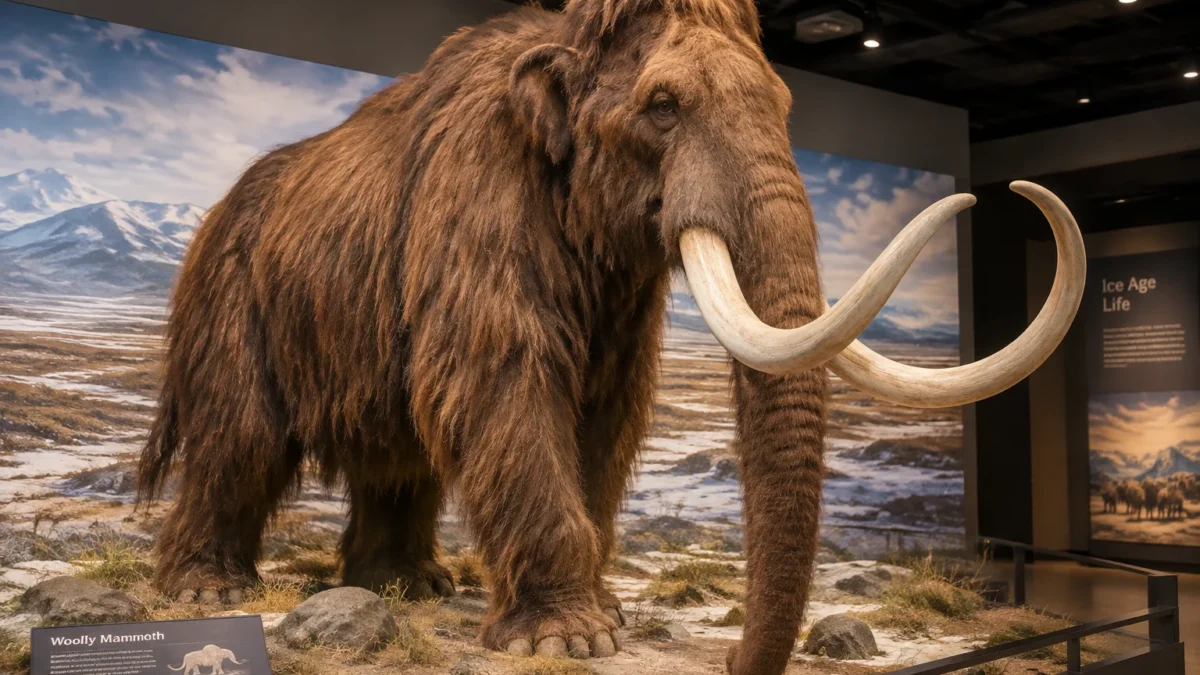
Few extinct animals have stayed as famous as the woolly mammoth. It is the mascot of the Ice Age: shaggy, tusked, and unmistakable, turning up everywhere from cave walls to cartoon movies. But a lot of what people "know" about it is a mix of genuine science and pure myth.
This guide rounds up 26 of the most interesting facts about the woolly mammoth, from its real size and diet to the frozen calves that gave us its DNA. Along the way we will separate what the evidence actually shows from what is still an open question — including whether these animals were ever friendly to humans.
TL;DR: The woolly mammoth was a true elephant that roamed the northern steppes for hundreds of thousands of years, survived on a remote Arctic island until about 4,000 years ago, and is now the subject of a real but still speculative de-extinction effort.
What Was the Woolly Mammoth?
The woolly mammoth was a cold-adapted elephant that lived across the northern parts of Europe, Asia, and North America during the Pleistocene. It is known from thousands of bones, dozens of partial carcasses, and even preserved hair, which makes it one of the best-understood extinct mammals. Its key traits — thick fur, small ears, a shoulder hump, and enormous curved tusks — are all adaptations to a cold, open landscape.
That rich fossil record is also why mammoth research moves so quickly. New genomes, new radiocarbon dates, and new frozen finds keep revising the details, which means some widely repeated mammoth facts are now out of date. Here is the short version of the woolly mammoth info most readers are after, followed by the full story.
1. They Were True Elephants, Not a Separate Kind of Beast
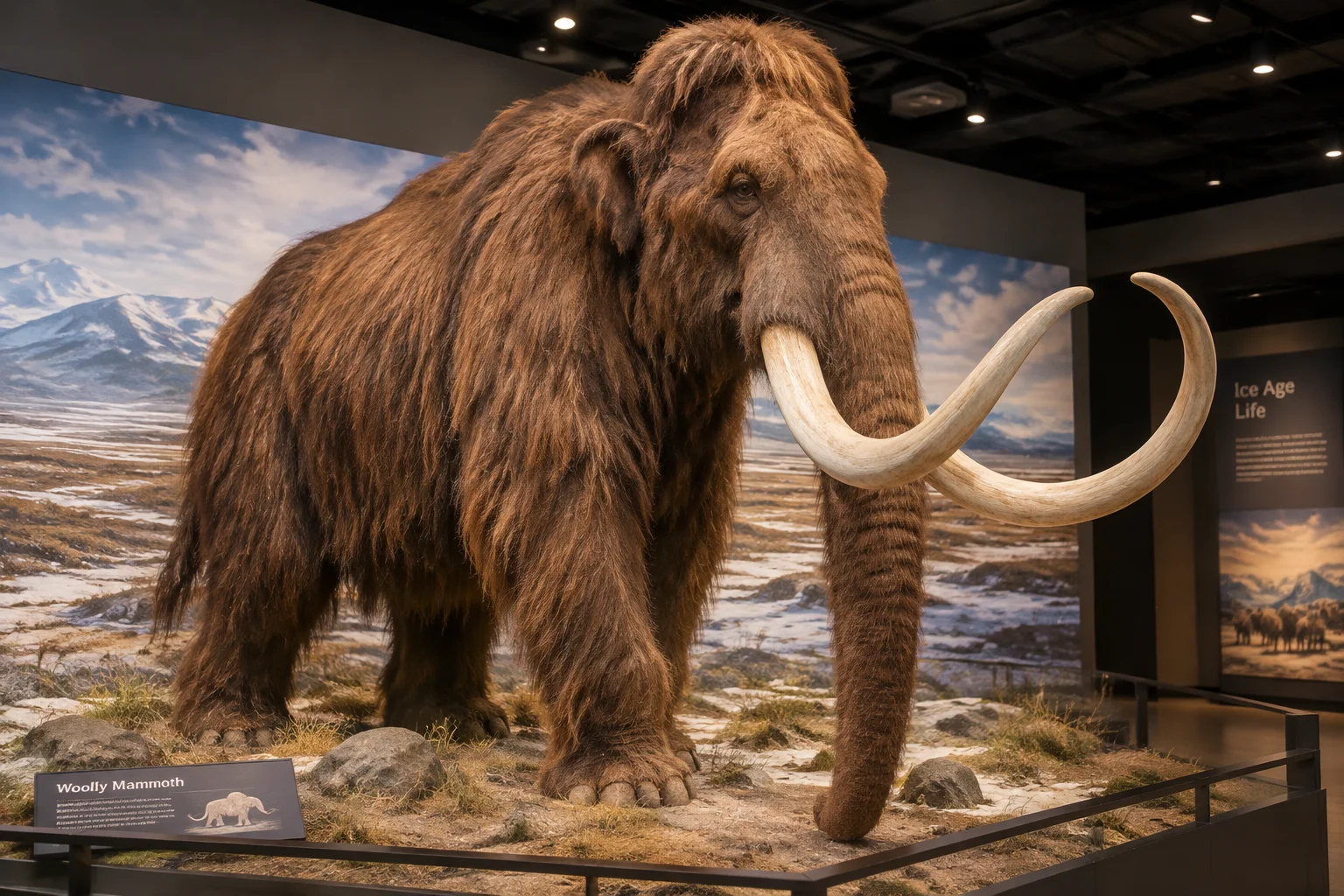
The woolly mammoth's scientific name is Mammuthus primigenius, and it sits inside Elephantidae, the same family as the elephants alive today. It was not a distant, exotic cousin but a genuine member of the elephant line that happened to specialise in cold climates. Every living elephant therefore shares an ancestor with mammoths, however far back that ancestor lived.
Mammoths as a group first appear in the fossil record in Africa roughly five million years ago. They spread into Eurasia and then North America, splitting into several species along the way. The woolly mammoth was the last and most cold-adapted of the bunch.
2. Their Closest Living Relative Is the Asian Elephant
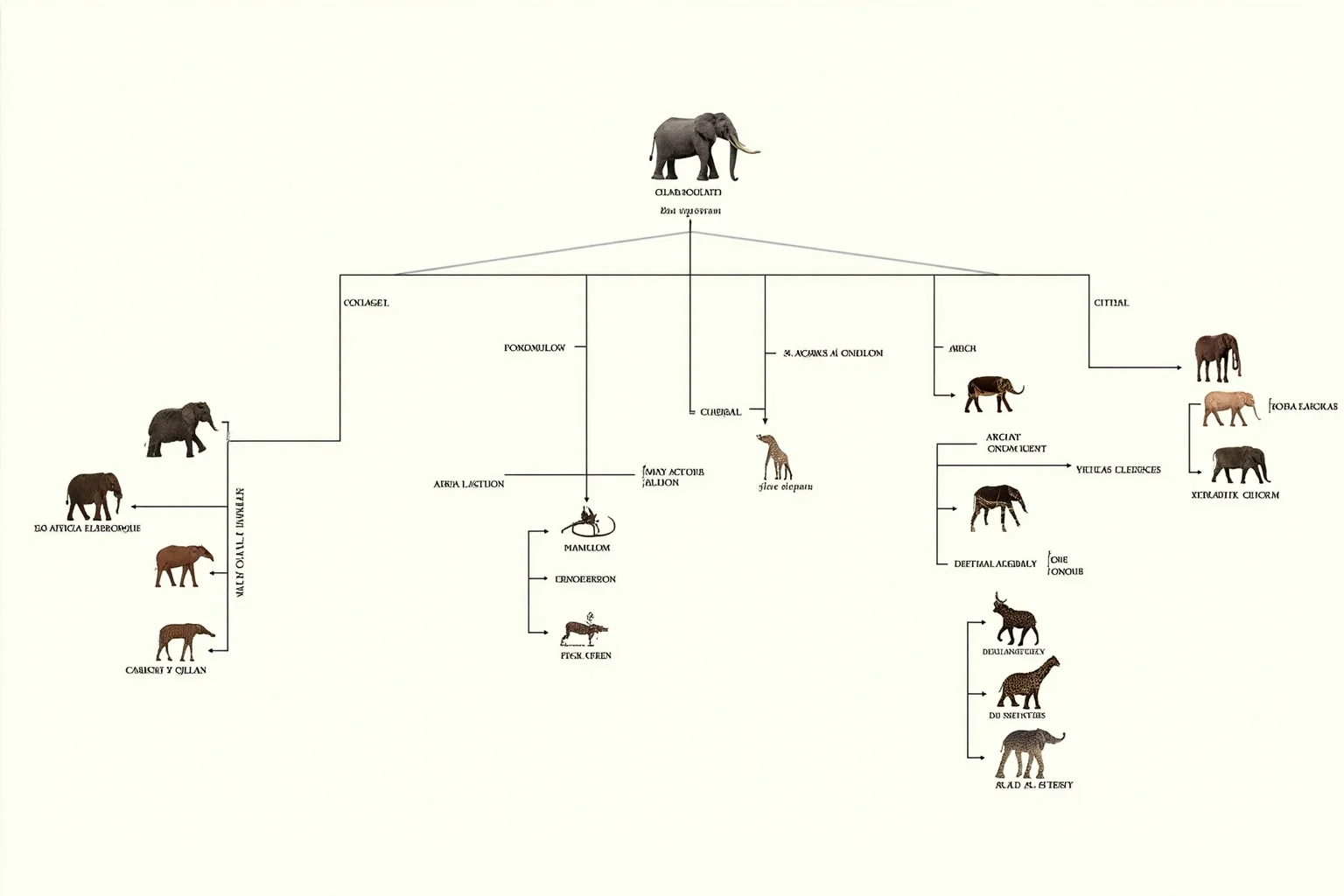
The woolly mammoth's nearest living relative is the Asian elephant, not the African elephant. Genetics has settled this fairly firmly: mammoths and Asian elephants form a sister pair, while African elephants sit on a branch that split off earlier. In plain terms, an Asian elephant is a closer cousin to a woolly mammoth than it is to an African elephant.
Comparisons of mammoth and elephant genomes have found the differences to be surprisingly modest for animals separated by millions of years. That closeness is exactly why de-extinction projects work with Asian elephant cells rather than starting from nothing.
3. They Lived From Roughly 400,000 to 4,000 Years Ago
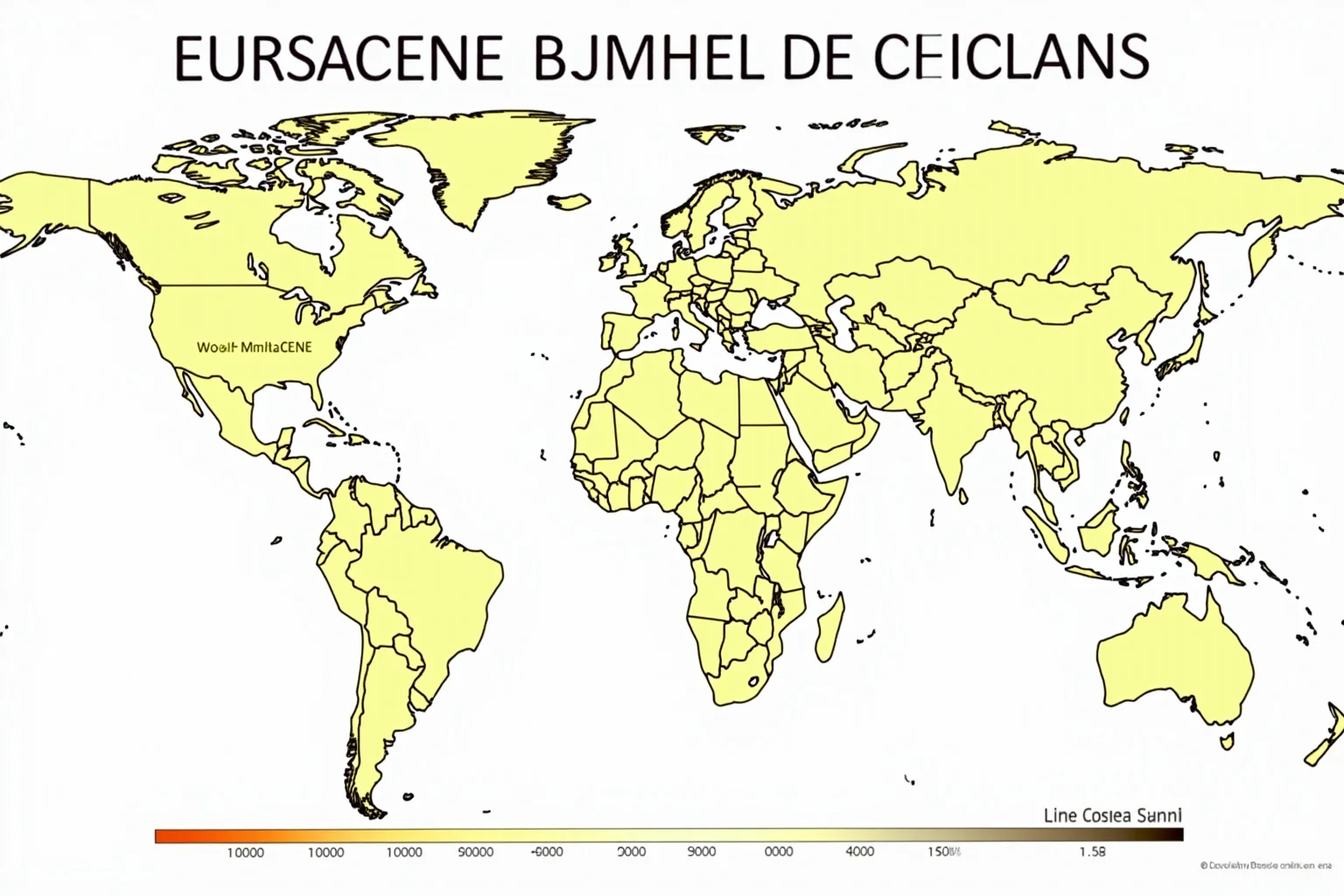
Woolly mammoths existed for an enormous stretch of the Pleistocene, from about 400,000 years ago until roughly 4,000 years ago. Their ancestors, the steppe mammoths, lived in Eurasia before them, and the woolly mammoth itself evolved in Siberia before spreading across the north. That span covers several ice ages and the warmer interglacial periods in between.
Across most of that range, the story ends much earlier. The vast majority of woolly mammoths died out around 10,000 to 11,000 years ago, as the last ice age gave way to a warmer world.
4. Wrangel Island Was Their Last Refuge
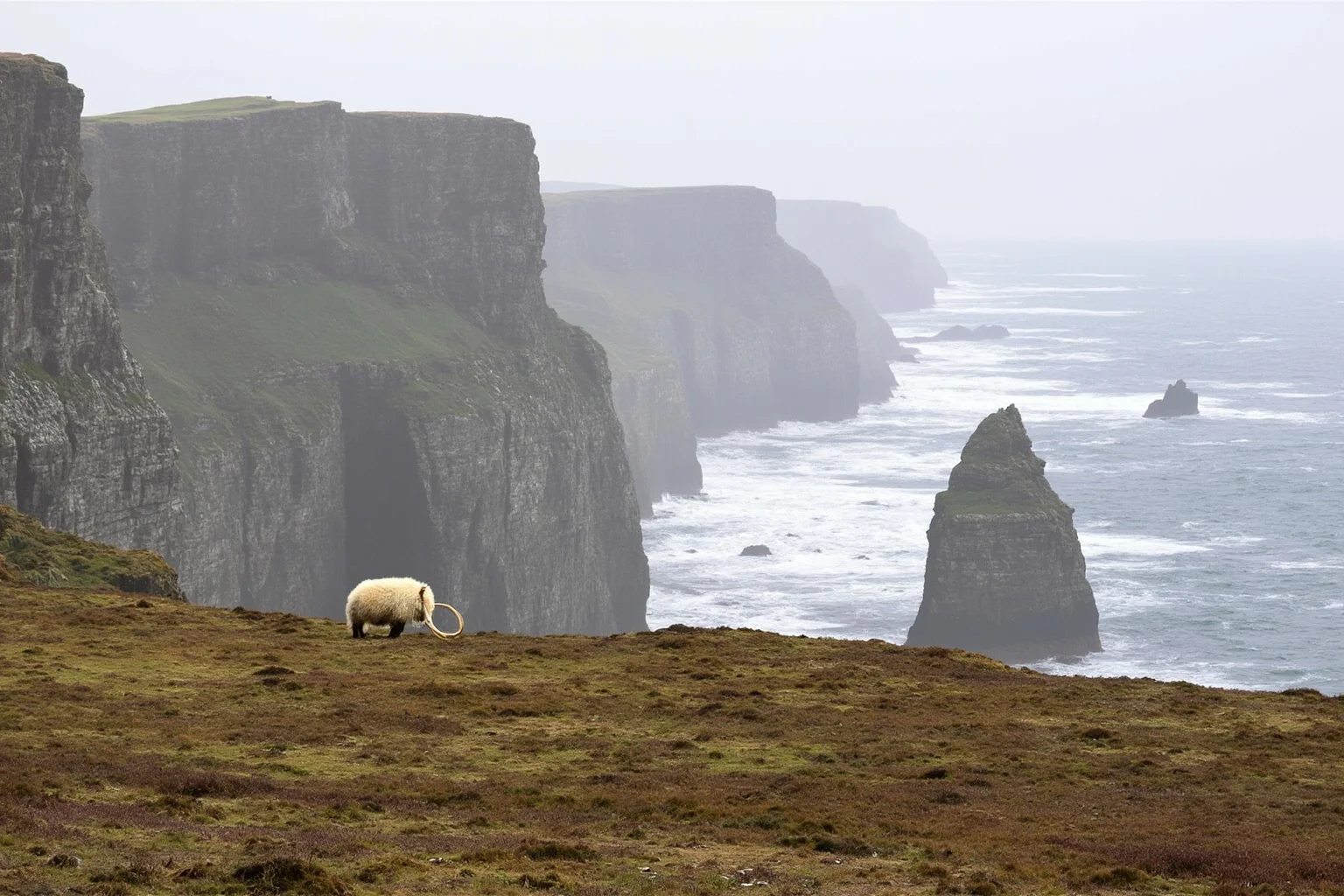
A small population held on Wrangel Island, off the coast of Siberia, until about 4,000 years ago. By that point Egypt's Great Pyramid had already stood for more than a thousand years, and mammoths had been gone from Europe and mainland Asia for millennia. These island mammoths were also smaller than their mainland ancestors, a common pattern in isolated populations.
Two other late survivors are worth noting. A population on St. Paul Island in the Bering Sea died out roughly 5,600 years ago, and the mainland groups vanished at the end of the Pleistocene.
5. A Large Male Stood About Three Metres at the Shoulder
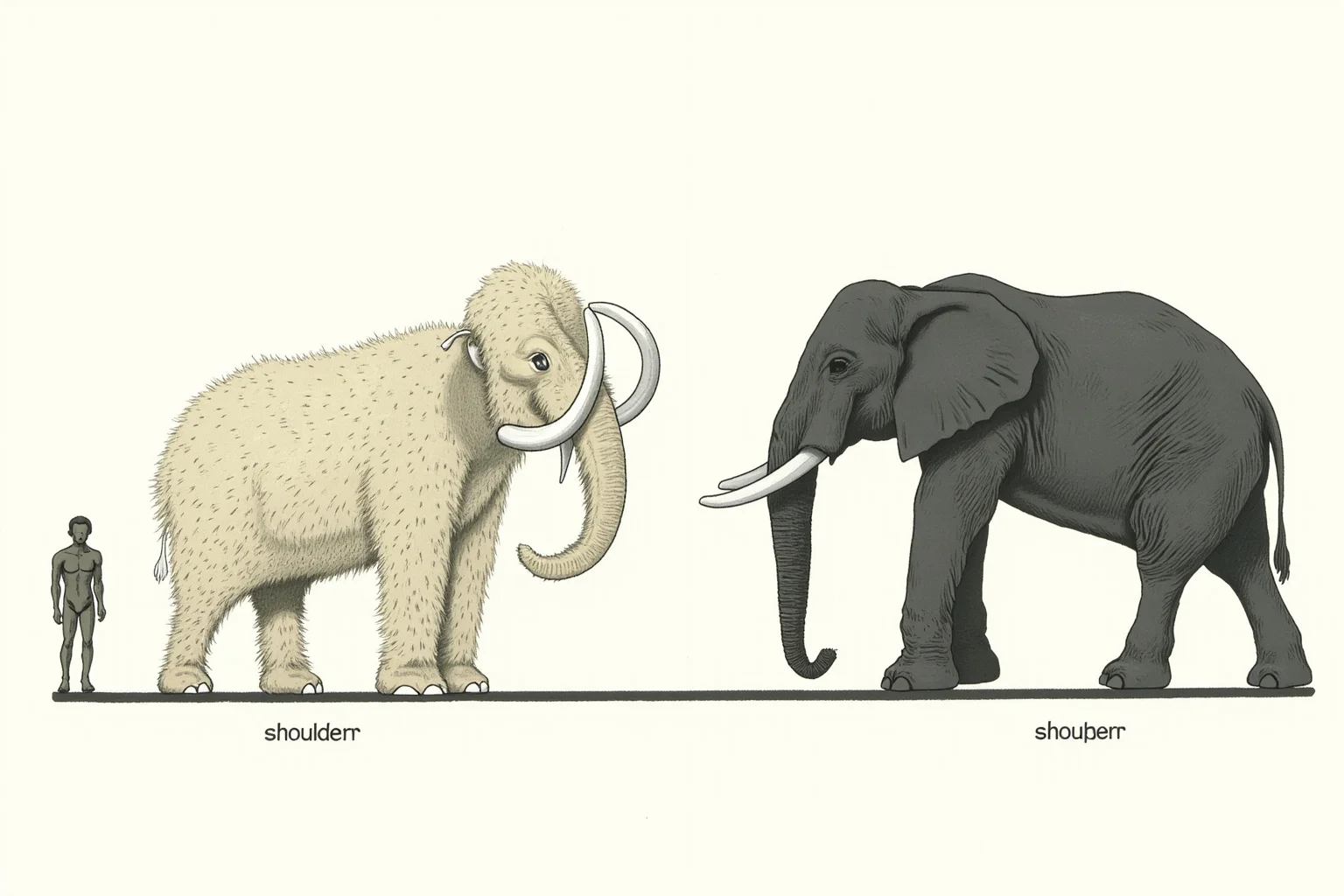
Woolly mammoths were roughly the height of a modern African bush elephant, though a little shorter on average. Large males stood about 2.7 to 3.4 metres (9 to 11 feet) at the shoulder, while females were smaller, typically around 2.5 metres. A newborn calf weighed only about 90 kilograms, roughly the weight of an adult human.
Height estimates come from complete limb bones and articulated skeletons, which is why the numbers vary between studies. The shoulder hump and the thick coat made mammoths look even bulkier than the bones alone suggest.
6. They Weighed Roughly Four to Six Tonnes
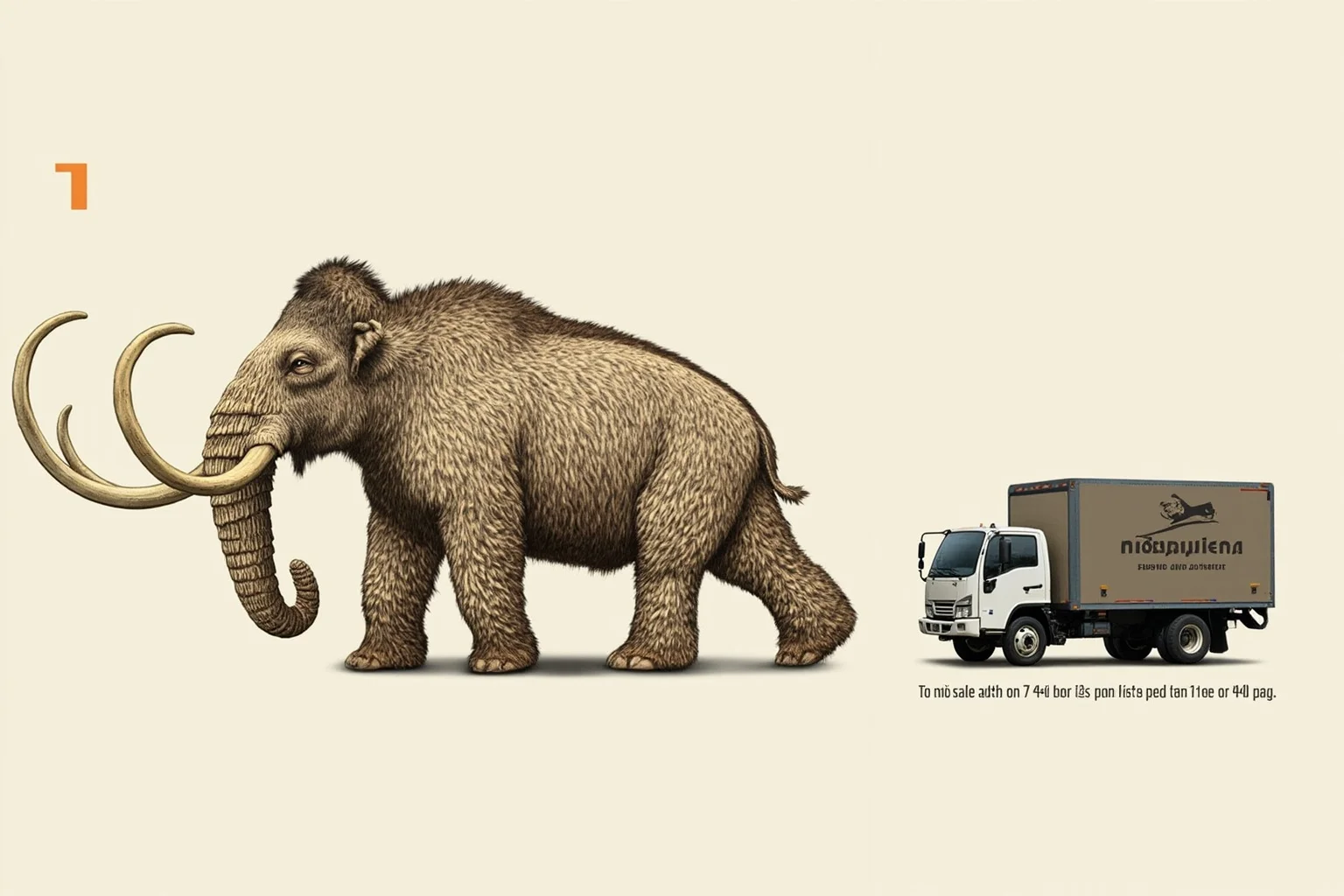
A typical woolly mammoth weighed somewhere between four and six tonnes, which is about 4,400 to 6,600 pounds. Some estimates for very large males push higher, perhaps approaching eight tonnes, though those figures are less certain. Females were lighter, generally in the three-to-four-tonne range.
Because we cannot put an extinct animal on a scale, these numbers come from measuring bones and scaling up from living elephants. The method is reasonable but not exact, so any single weight figure should be treated as an estimate rather than a measurement.
7. Their Coat Was Built for Extreme Cold — and Came in Several Colours
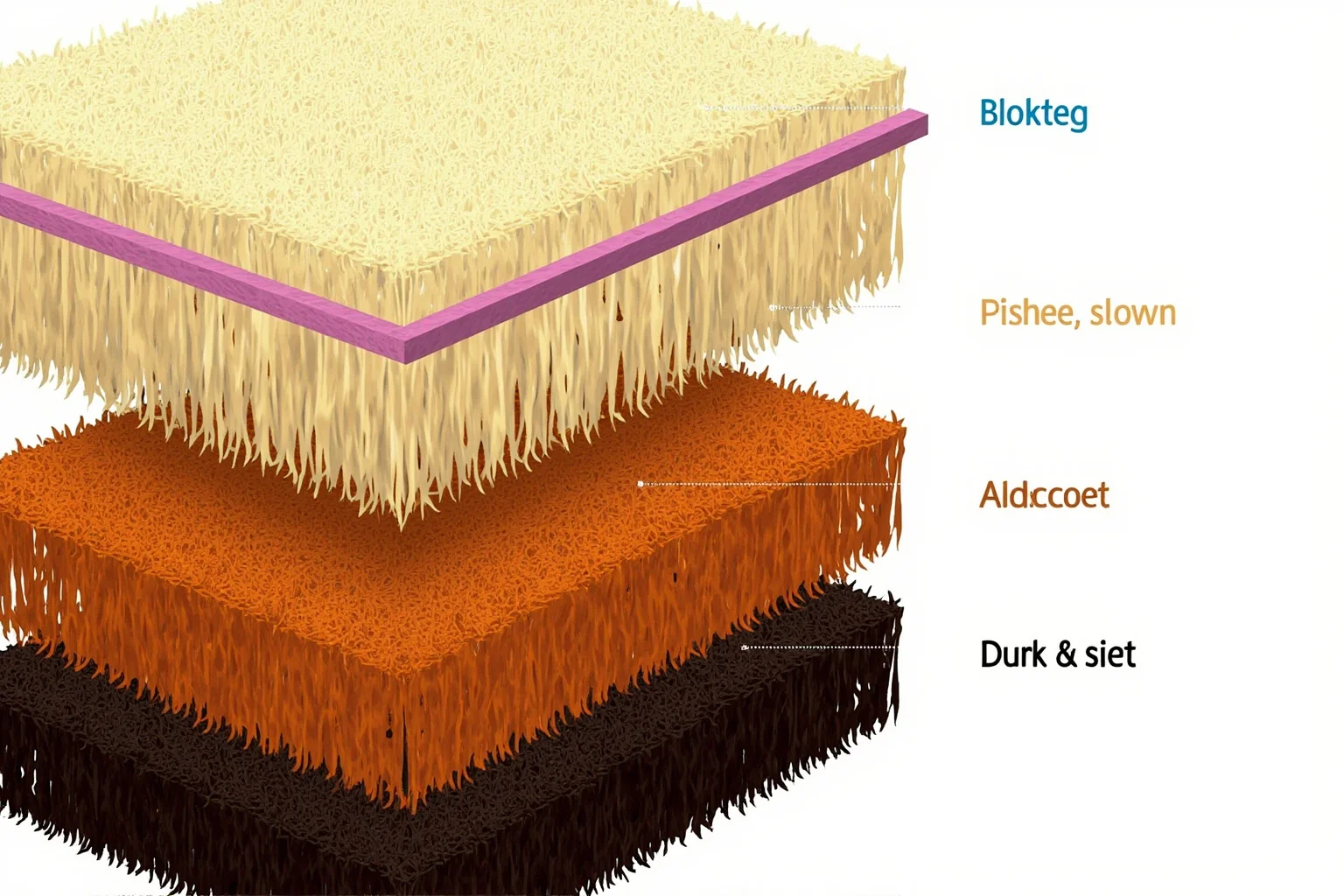
Woolly mammoths had two kinds of hair: a dense, fine undercoat for insulation and long guard hairs that could reach about a metre in length. Beneath the skin sat a fat layer that may have been up to 8 to 10 centimetres thick, while the ears and tail were small to limit heat loss. Together these are textbook adaptations to extreme cold.
Their coats were not all the same colour. Genetic work on a pigment gene, plus analysis of hair from dozens of Siberian specimens, points to individuals ranging from pale blonde through ginger to dark brown, with darker coats perhaps more common in certain periods.
8. The Domed Head and Shoulder Hump Were Fat and Bone
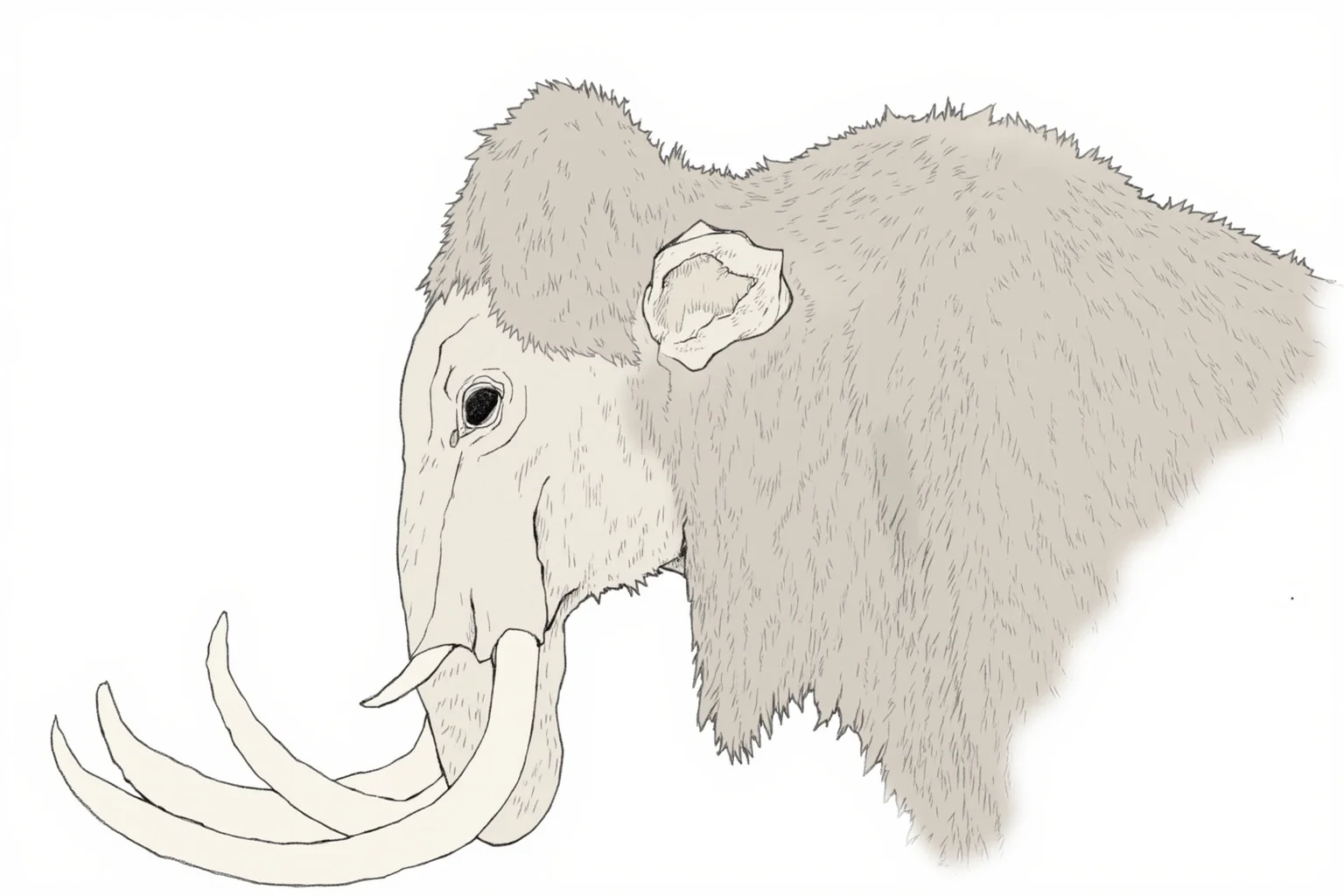
A woolly mammoth's silhouette is distinctive: a high, domed skull, a pronounced shoulder hump, and a back that slopes steeply down to the hips. The dome was partly bone — a crest on the skull — while the hump stored fat, similar in principle to a camel's. Both features make mammoth profiles easy to recognise in prehistoric art.
The trunk was shorter and more muscular than an Asian elephant's. Studies of the frozen calf Lyuba suggest the trunk tip was well suited to sweeping snow aside to reach the grass underneath.
9. Their Tusks Could Grow to Around Four Metres
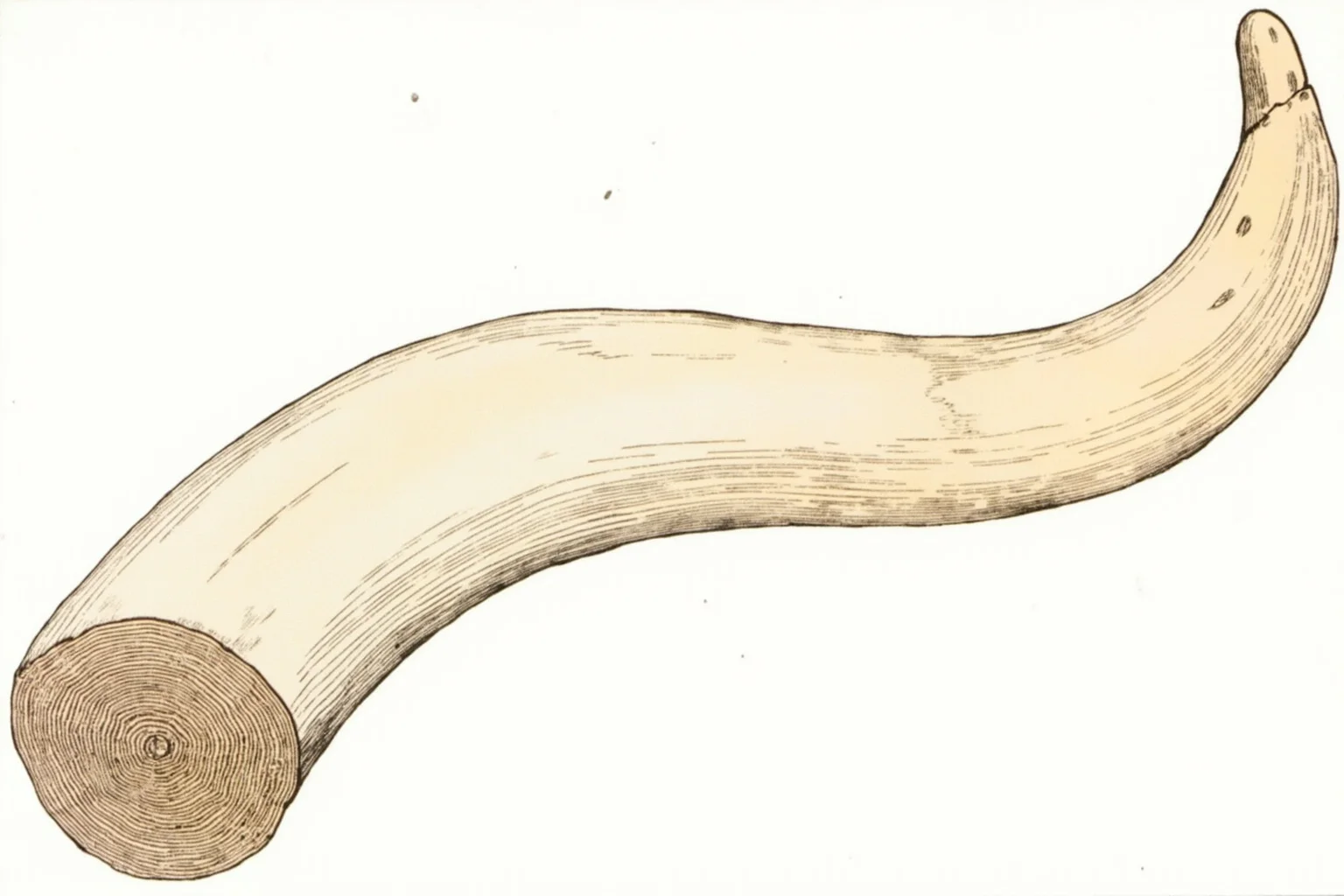
Woolly mammoth tusks were modified upper incisors that grew continuously throughout life, and in large males they could reach about four metres (13 feet) in length. They were used for display, for sparring with rivals, and for clearing snow. Females also had tusks, but shorter and thinner ones.
Because tusks grow in layers, they preserve a record of the animal's life. Researchers can read growth rings and chemical isotopes in a tusk to estimate age, diet, and even when a calf stopped nursing. Tusks are also the source of the mammoth ivory sold today.
10. They Had Only Four Teeth in Use at a Time
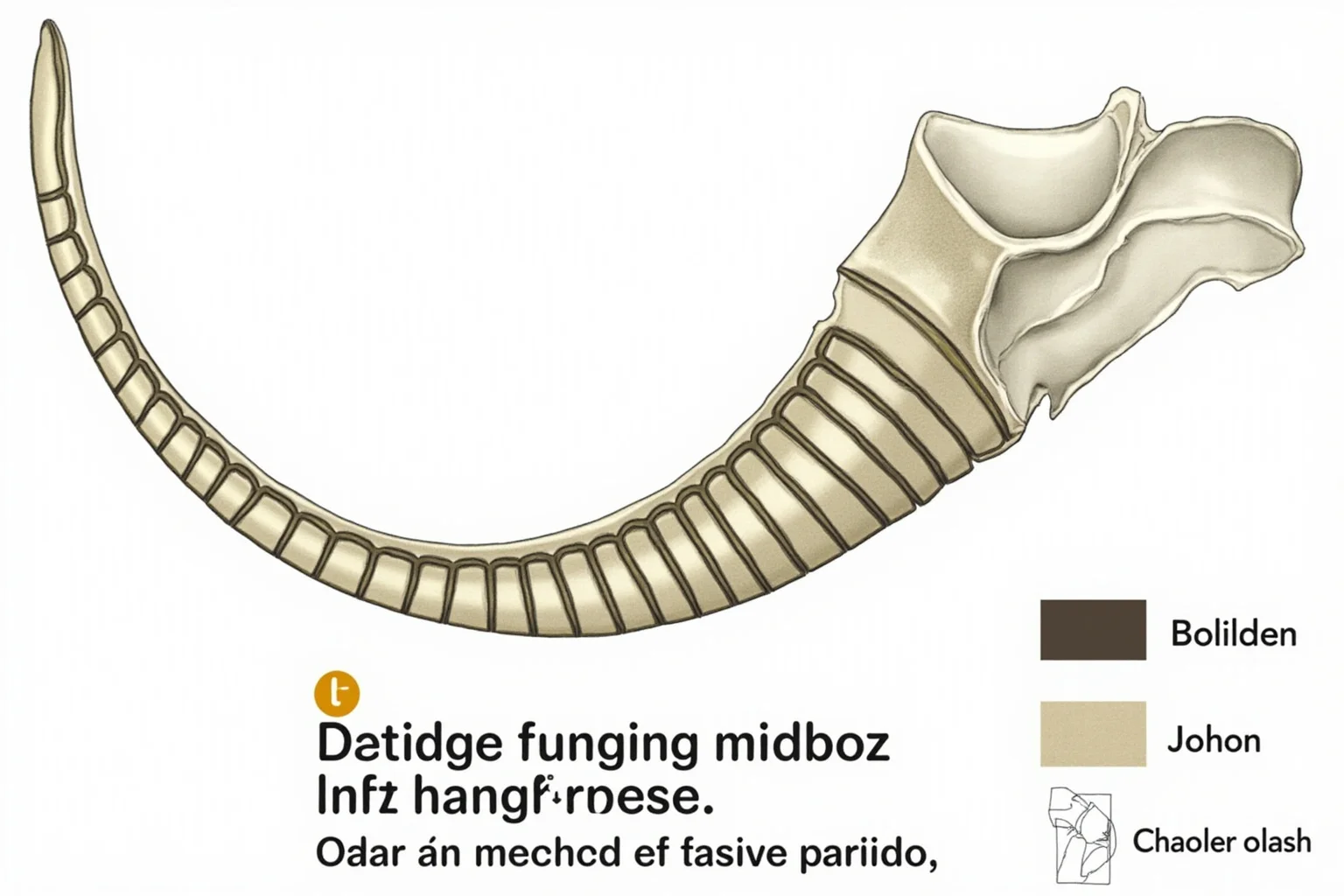
Mammoths had a remarkable dental arrangement: just four molars were in use at any moment, one in each quadrant of the jaw. Over a lifetime, an individual cycled through about six sets of teeth as the front ones wore down and replacements pushed forward from behind. The final set simply had to last.
Those last molars wore out at roughly 60 to 70 years of age, which probably capped the natural lifespan. Mammoth molars are also the main tool palaeontologists use to tell species apart, since the number and shape of the enamel plates differ between them.
11. They Were Grazing Specialists of the Mammoth Steppe
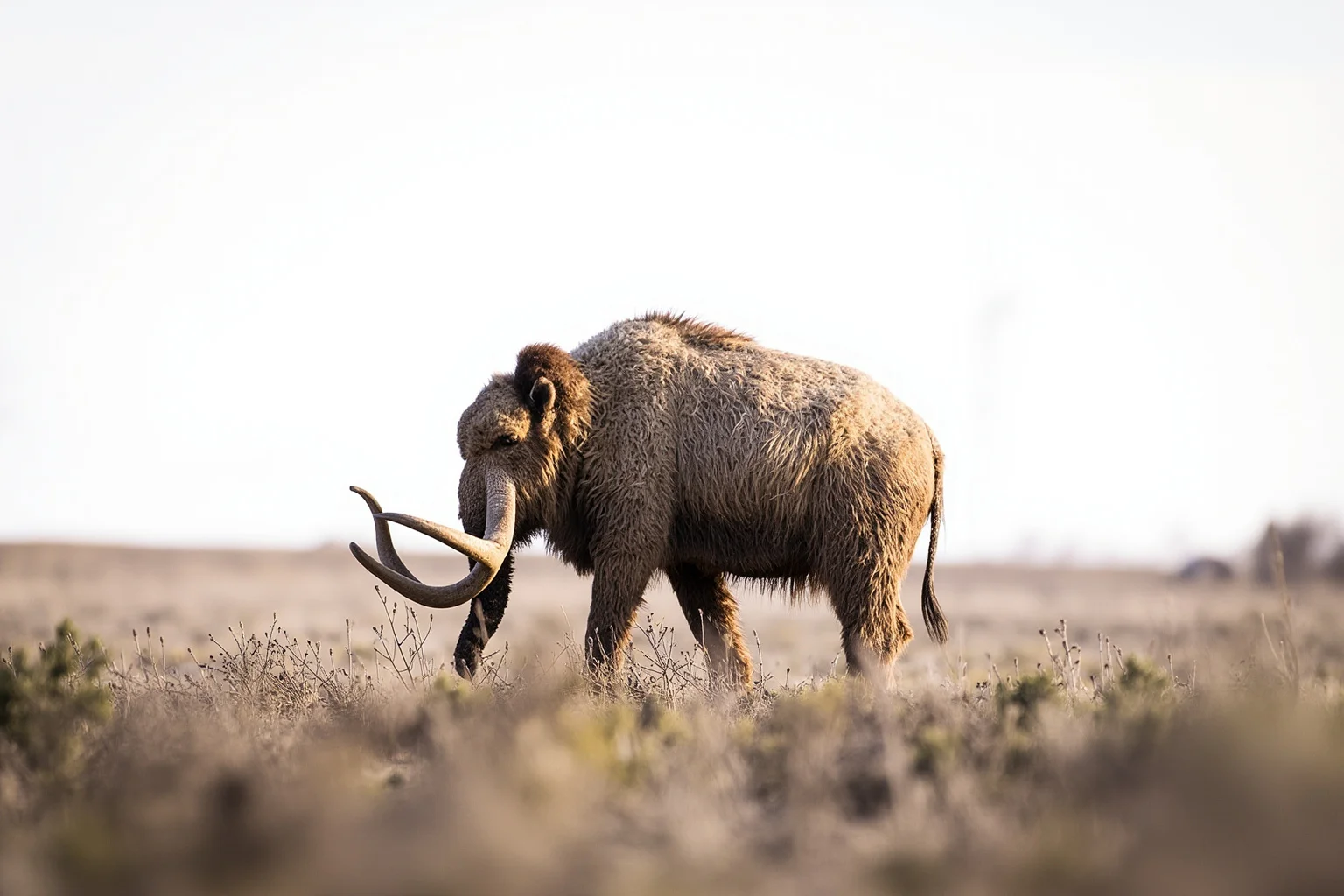
The woolly mammoth's teeth were built for grinding grass, and its world was the mammoth steppe — a dry, cold grassland that stretched from western Europe across Siberia and into North America. This was not a barren snowscape but a productive plain, closer in spirit to a cold prairie. Mammoths were grazers first and foremost, though their diet varied with location and season.
How much they ate is an estimate rather than a hard fact. Figures in the range of 100 to 180 kilograms of vegetation a day are commonly cited, based on comparisons with living elephants and on preserved stomach contents and dung.
12. They Walked Into North America Across Beringia
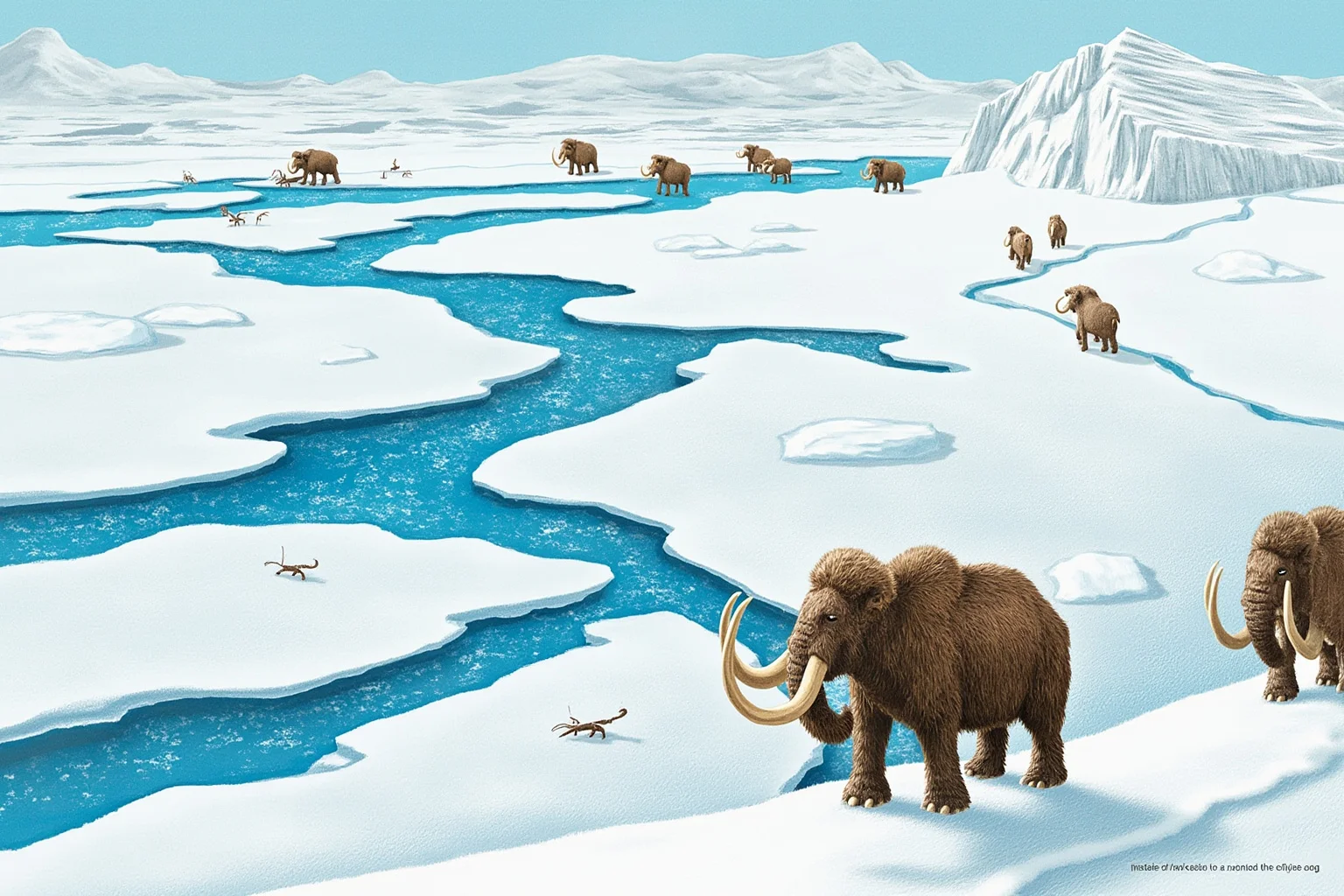
During periods of low sea level, a land bridge connected Siberia and Alaska across what is now the Bering Strait. Woolly mammoths crossed it into North America, apparently in more than one wave, and spread across the northern part of the continent. Their remains turn up from Alaska down to the Great Lakes region.
In North America they encountered Columbian mammoths, a larger and less shaggy species that lived further south. Genetic studies have found evidence that the two interbred, which complicates any neat dividing line between the species.
13. There Was More Than One Kind of Mammoth
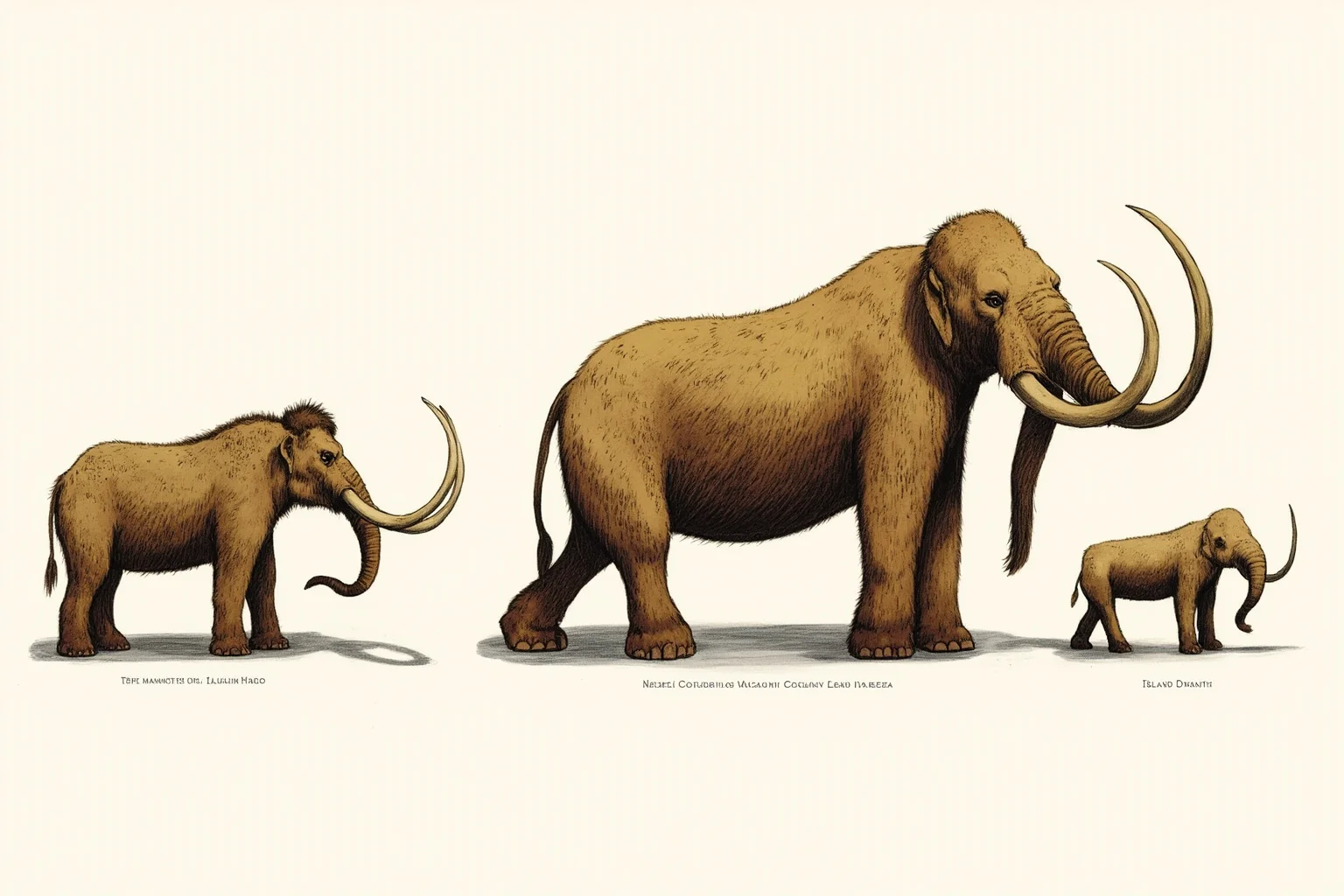
The woolly mammoth was just one member of a larger group. The steppe mammoth was among the largest, standing up to about four metres tall, and the southern mammoth was an earlier European species. In North America, the Columbian mammoth was the big grazing mammoth of the south.
Islands produced dwarf mammoths as well. A pygmy mammoth on California's Channel Islands stood only about 1.7 metres tall, and a dwarf species on Crete was smaller still, roughly the height of a human. The Wrangel Island woolly mammoths were also reduced in size compared with mainland animals.
14. Mammoths and Mastodons Are Not the Same Animal
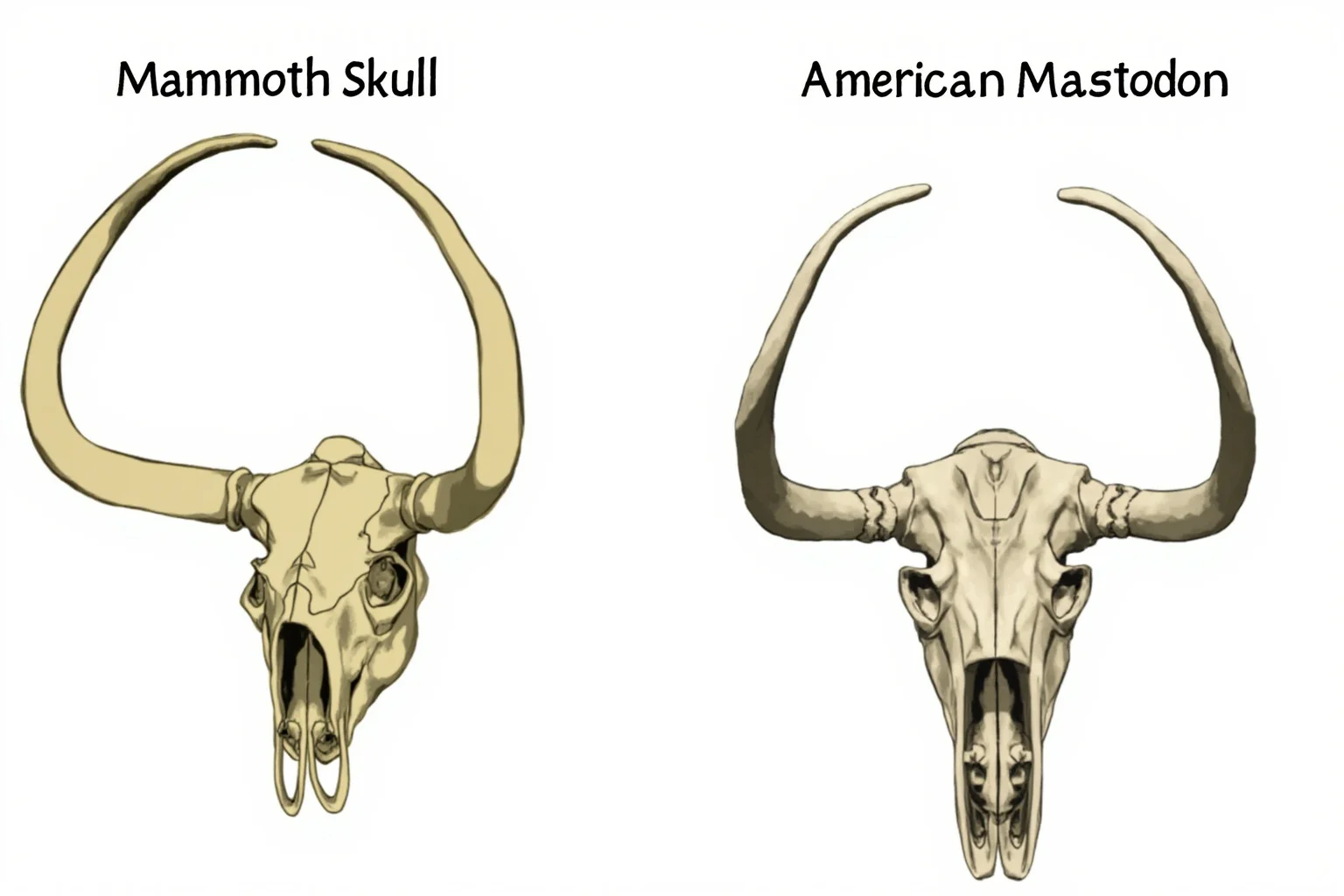
Mammoths and mastodons are routinely confused, and they really are different animals. The American mastodon belongs to a separate family, Mammutidae, and its teeth had conical cusps suited to browsing on twigs and leaves. Mammoths had flat, ridged teeth built for grinding grass, and they sit much closer to living elephants.
Both lived in North America and both went extinct, which is part of the confusion. If you are looking at a skeleton with a long, low skull and tusks set further forward, you are probably looking at a mastodon rather than a mammoth.
15. People Hunted Them, and the Evidence Is in the Bones
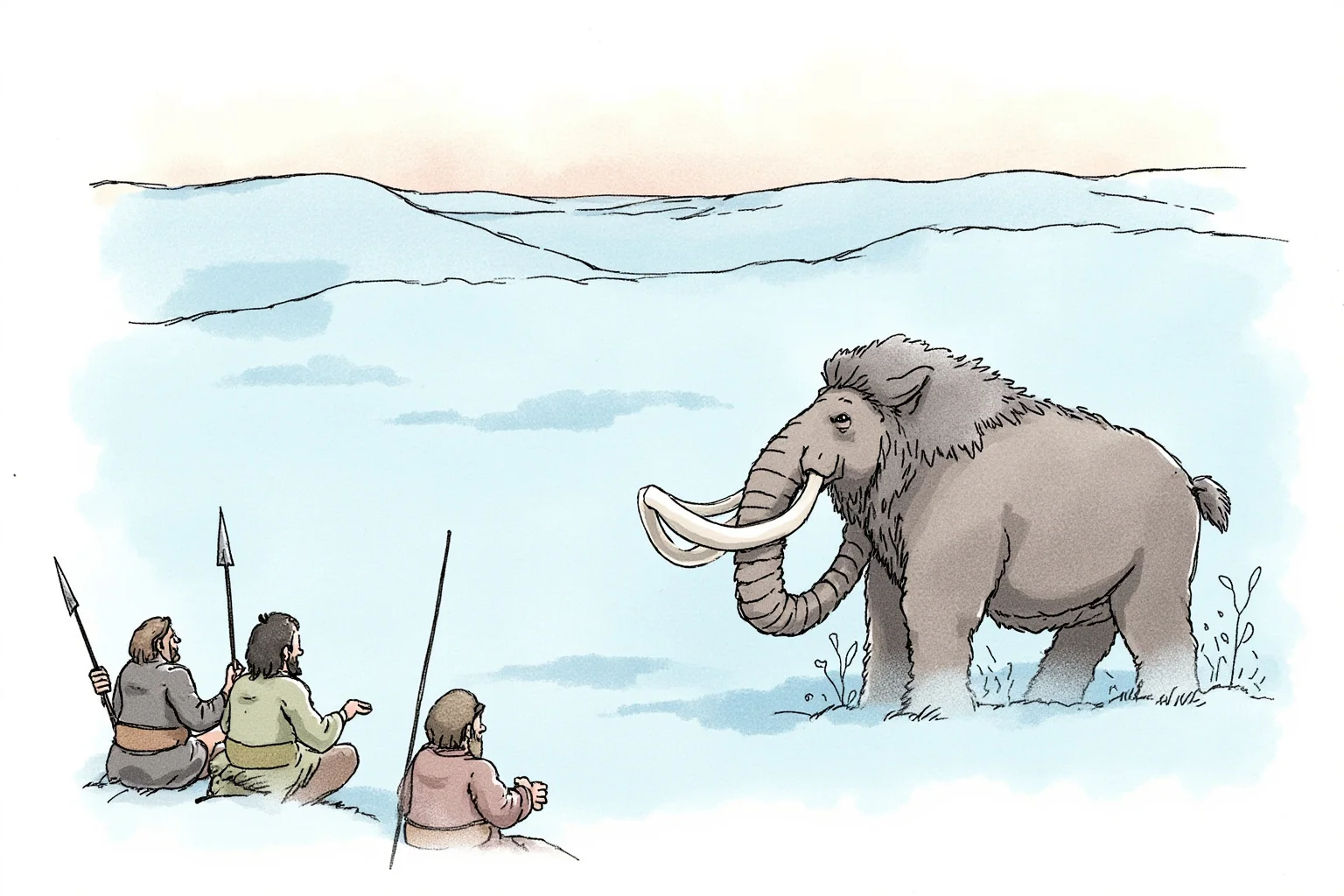
There is no serious doubt that humans hunted woolly mammoths. Clovis spear points have been found embedded in mammoth bones at sites in the American Southwest, and butchered mammoth remains with cut marks appear at sites across Europe, Siberia, and North America. Some animals show impact fractures consistent with spear strikes.
How important hunting was in driving the species extinct is a different question. Climate change, hunting, and other pressures all have their supporters, and the debate is far from settled.
16. Mammoth Bones Became Houses, Tools, and Fuel
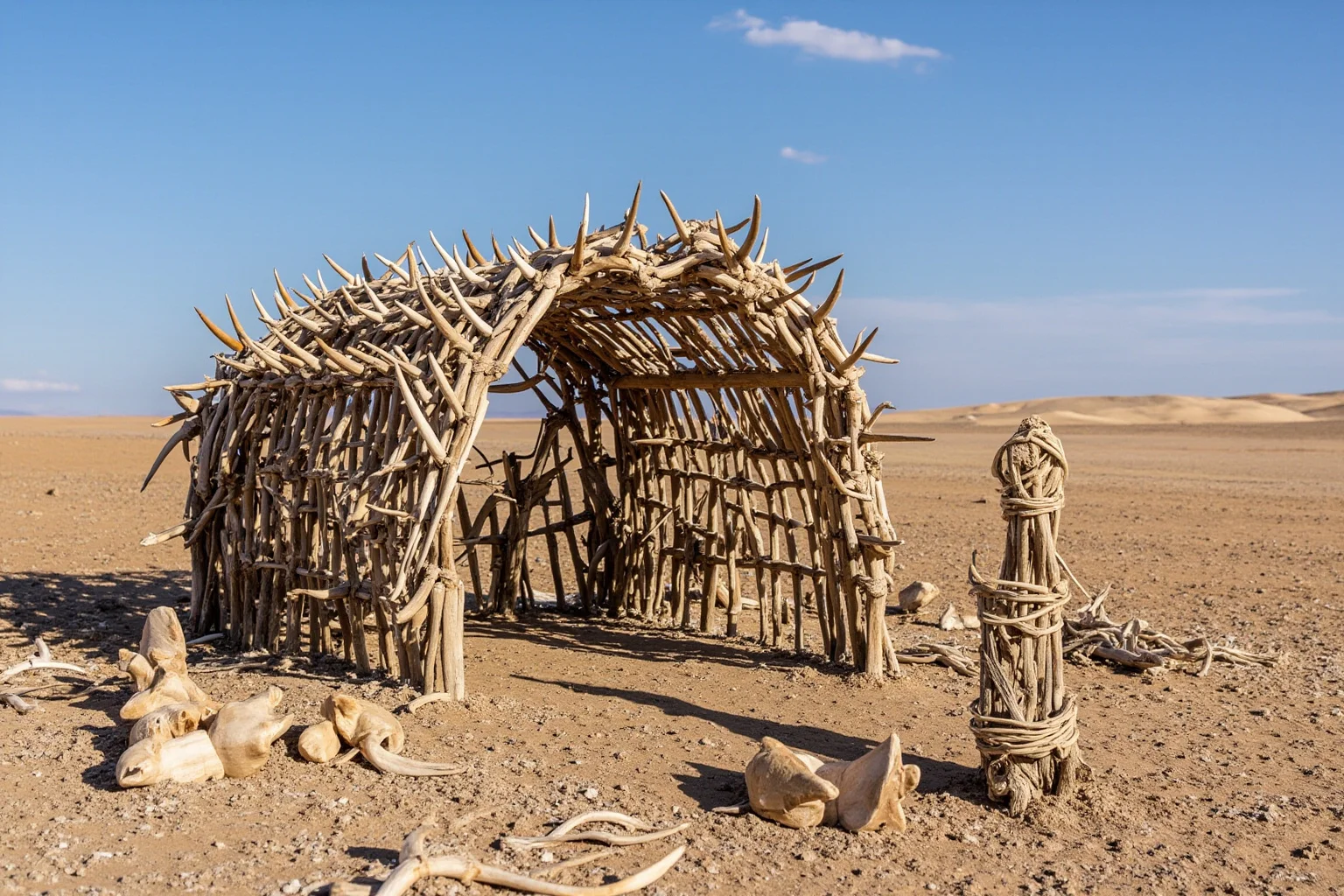
In the treeless steppe, mammoth bones were building material. At Mezhyrich in Ukraine, around 15,000 years ago, hunter-gatherers built a hut from roughly a hundred mammoth bones, with jaws and skulls worked into the structure. Similar bone dwellings are known from Kostenki and Yudinovo in Russia.
Bones and tusks were also burned as fuel, shaped into tools, and carved into ornaments. That makes mammoth remains both a fossil record and an archaeological one, and the same animal appears in both stories.
17. Mammoth Ivory Was the Ice Age's Favourite Art Material

Mammoth ivory was the plastic of the Ice Age. It was carved into figurines, beads, buttons, and spear-throwers across Europe and Siberia, and it was traded over long distances. The famous Venus of Hohle Fels, one of the oldest known human figurines, was carved from mammoth ivory around 40,000 years ago.
Flutes made from mammoth ivory have been found at several German cave sites dating to roughly the same period. Some of the oldest known musical instruments are therefore mammoth products.
18. Cave Paintings Show Us How They Looked
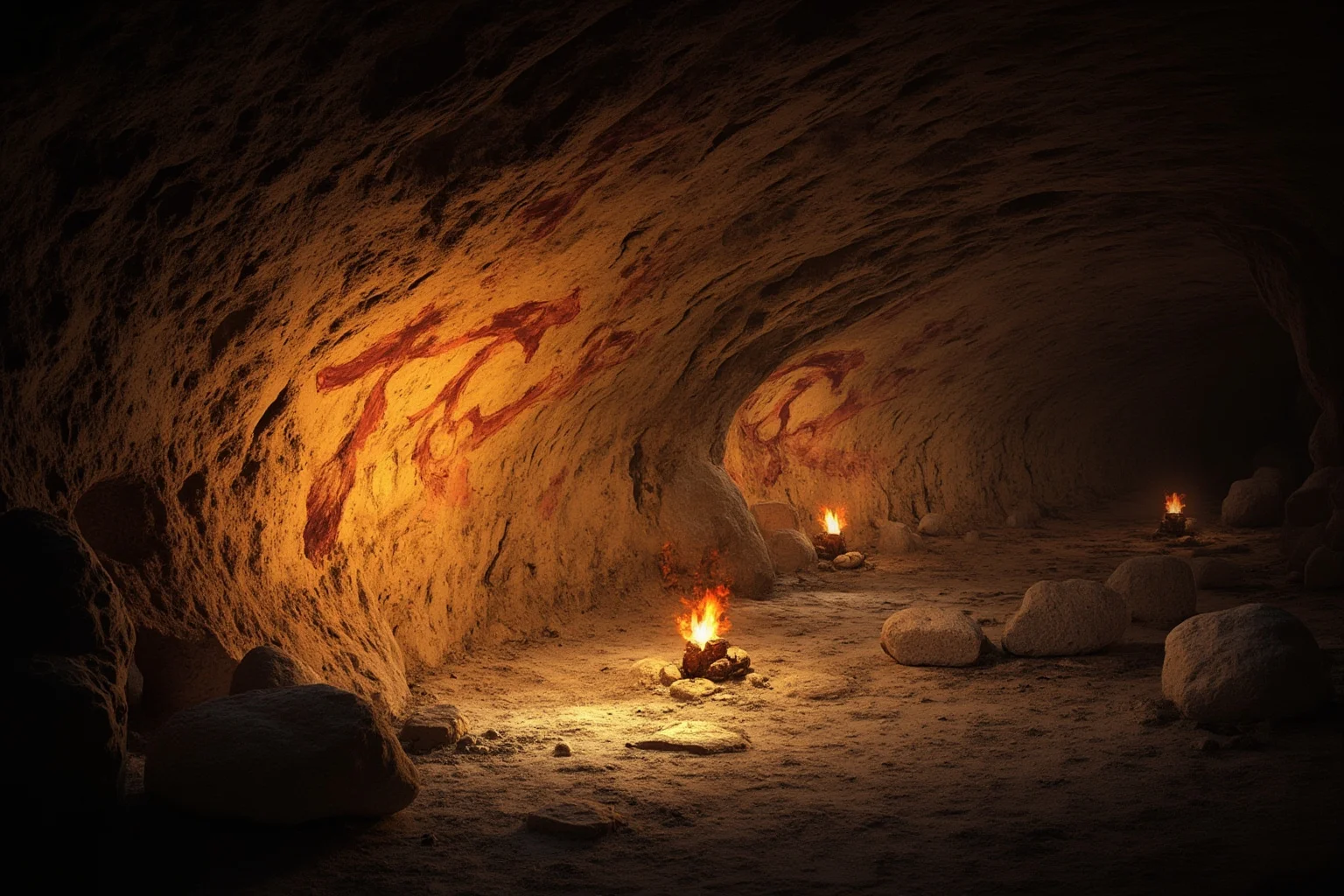
Cave art gives us eyewitness impressions of woolly mammoths. The Chauvet Cave in France, painted around 36,000 years ago, includes mammoth images, and Rouffignac Cave is nicknamed the "Cave of the Hundred Mammoths" for its dense engravings. Pech Merle in France and Kapova Cave in Russia also feature mammoths.
These images show the high domed head, sloping back, and long hair, and some appear to depict animals with different coat lengths. That said, cave art is art rather than photography, so its details should be read as impressions rather than anatomical records.
19. Frozen Carcasses Preserved Skin, Hair, and Stomach Contents
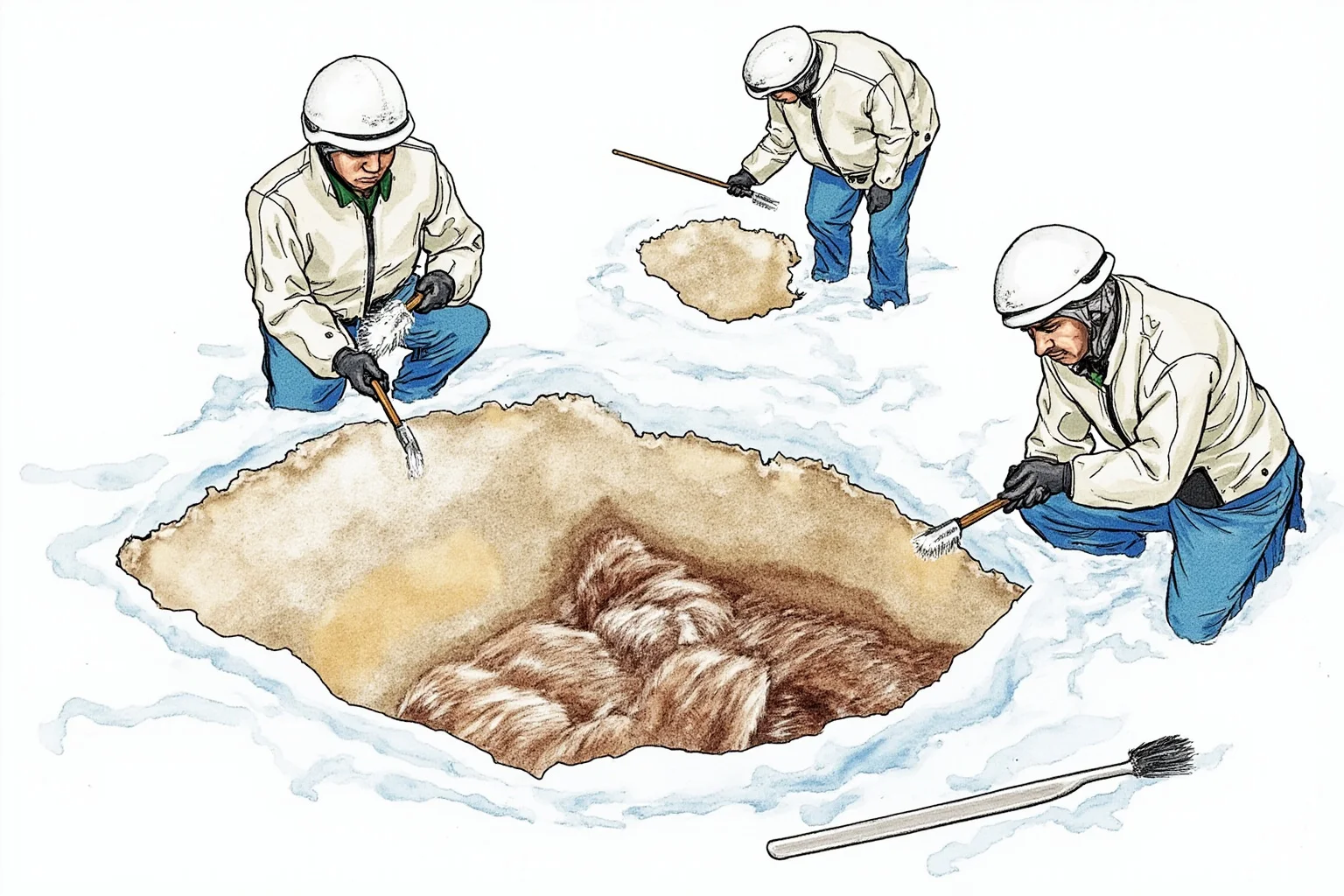
Permafrost has preserved whole mammoths, and those finds transformed what we know. The Beresovka mammoth was recovered in Siberia in 1900, and Dima, a baby mammoth, was found in 1977. In 2007, a one-month-old calf named Lyuba emerged from the Yamal Peninsula, dated to about 42,000 years ago and now the best-preserved mammoth calf known.
More recent finds include Yuka from Siberia and Nun cho ga, a mummified calf found in the Yukon in 2022. These carcasses have yielded skin, hair, stomach contents, and soft tissue, giving researchers a level of detail that bones alone could never provide.
20. Scientists Have Sequenced Mammoth DNA, Right Down to Its Chromosomes
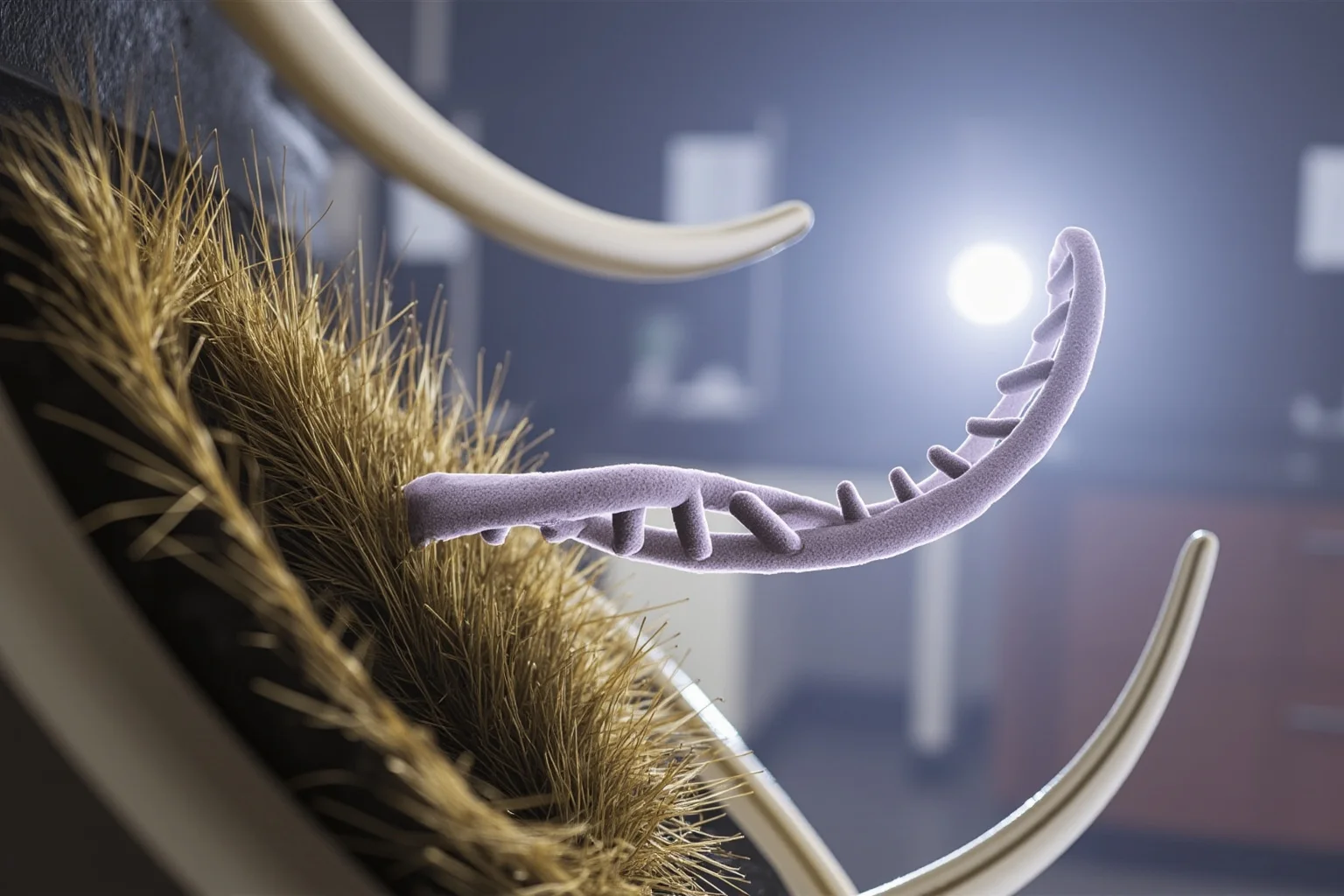
Mammoth DNA has been recovered from bones, teeth, and hair, and complete genomes have been sequenced from multiple individuals. That work confirmed the Asian elephant relationship and revealed that woolly mammoths split into distinct lineages that later interbred. Environmental DNA from soil has even been used to map where mammoths lived.
In 2024, researchers reported recovering the three-dimensional structure of chromosomes from a 52,000-year-old mammoth skin sample, preserved in a glassy state. It was the first time such ancient chromosome architecture had been reconstructed.
21. No One Has Cloned a Mammoth, and It May Never Be Possible
Cloning requires an intact cell with a working nucleus, and frozen mammoths do not provide one. Permafrost preserves tissue, but it damages DNA and cell structures, so the genetic material ends up fragmented rather than usable for cloning. Despite occasional headlines, no mammoth has ever been cloned.
That does not make the DNA useless, because it is more than good enough for sequencing and for identifying genes. It simply is not good enough for producing a living copy of the original animal.
22. "Mammoth-Like" Elephants Are Being Engineered Right Now
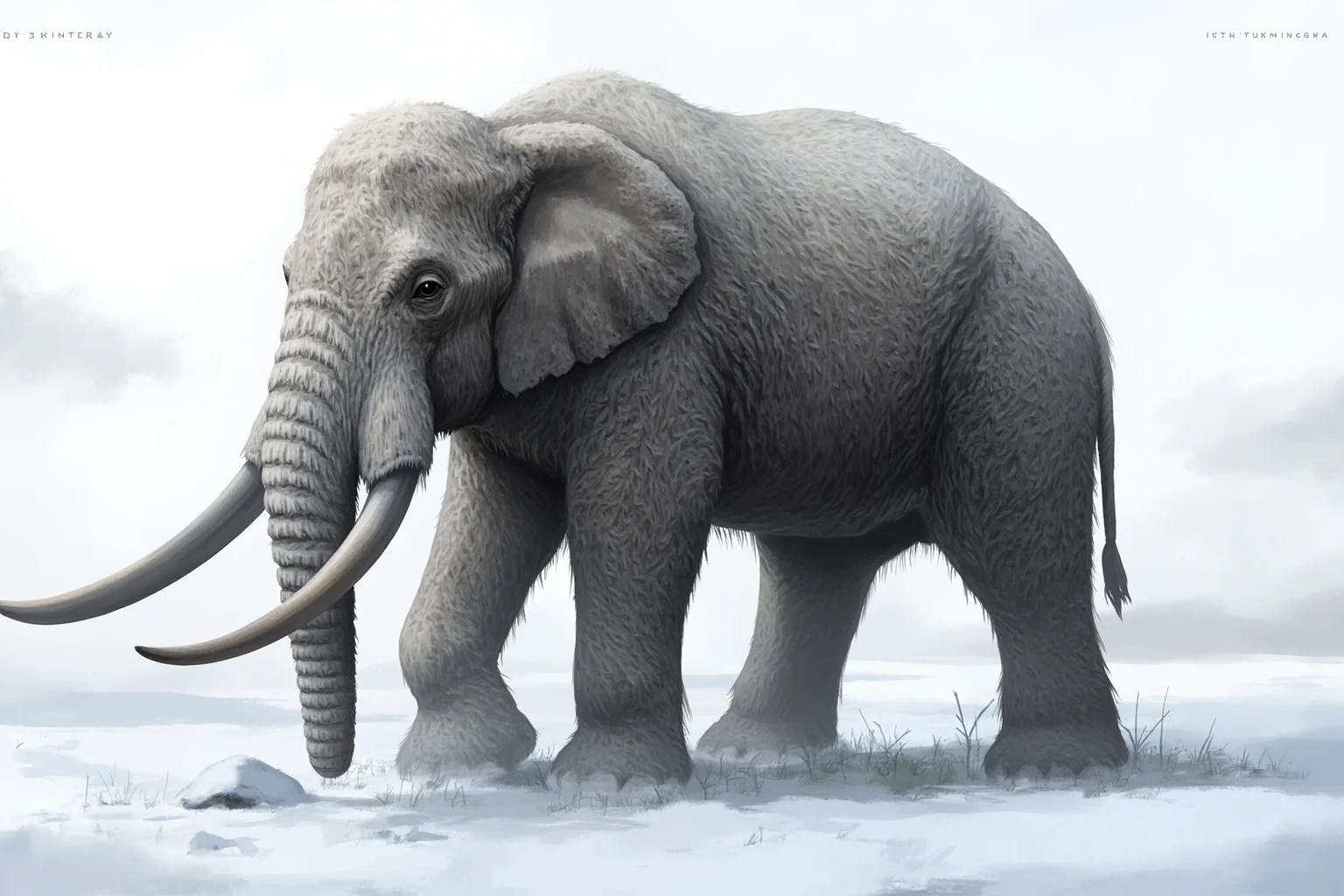
De-extinction efforts take a different route. Since 2021, the company Colossal Biosciences and the lab of geneticist George Church have been editing Asian elephant cells to carry mammoth-derived traits such as thick hair, fat storage, and cold tolerance. The goal is a cold-adapted elephant, not a genetic replica of Mammuthus primigenius.
Timelines announced for the project have met with scepticism from other scientists, and the work raises real ethical questions about animal welfare and conservation priorities. Critics argue the money and effort might do more good if spent on protecting living elephants and their habitats.
23. The Mammoth Ivory Trade Is a Modern Business With Modern Problems
Melting permafrost in Siberia exposes mammoth tusks, and a commercial trade in "ice ivory" has grown up around collecting them. Because woolly mammoths are extinct, their ivory is not regulated by CITES and can be sold legally in many countries. Estimates of the annual volume run into tens of tonnes.
The trade is controversial. Supporters argue it gives Siberian communities an income and may reduce pressure on living elephants, while critics worry it keeps ivory demand alive and can be used to launder illegal elephant ivory. Both concerns are live issues in conservation policy today.
24. Their Extinction Is Still Debated
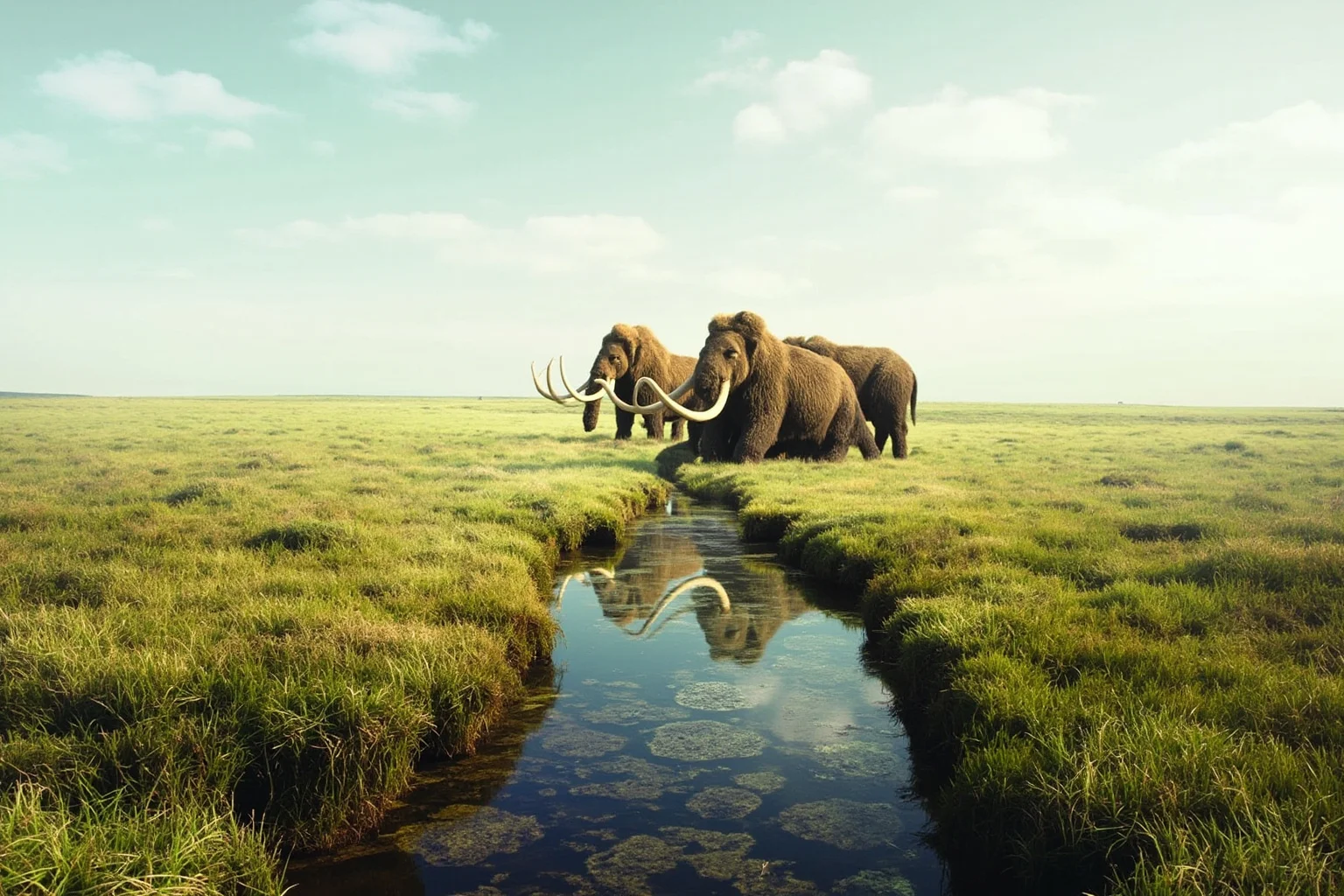
Why woolly mammoths died out is one of the most argued questions in palaeontology. The leading candidates are climate change, which shrank the mammoth steppe as the world warmed, and human hunting, which intensified as people spread north. Most researchers now lean towards some combination of the two, with local conditions mattering a great deal.
The Wrangel Island population is a useful test case because it survived thousands of years longer than everyone else. A 2024 genomic study found that this population had been declining for many generations before a rapid final collapse, and the authors argued that inbreeding alone does not explain it.
25. They Were Almost Certainly Not Friendly to Humans
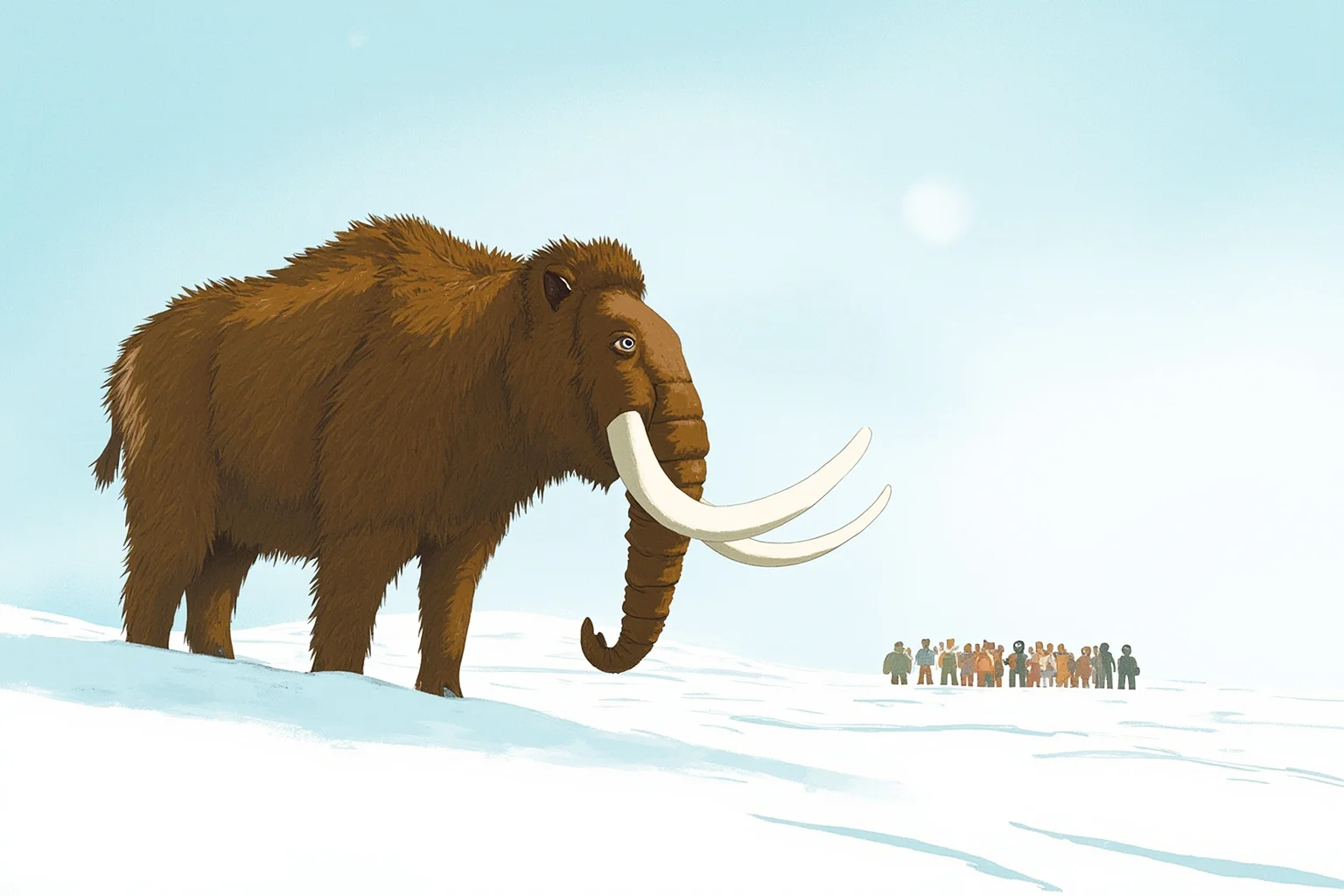
Were woolly mammoths friendly to humans? The honest answer is that we have no evidence they were, and good reason to doubt it. There is no sign that mammoths were domesticated or tamed, and the archaeological record shows them as prey rather than companions. A wild elephant today is not friendly in the pet sense either, and a mammoth would have been larger and more dangerous.
Humans and mammoths coexisted for thousands of years in some regions, so encounters were not always violent. But the relationship we can actually document is that of hunter and hunted, and the idea of a tame, approachable mammoth belongs to fiction rather than the fossil record.
26. Their Disappearance Reshaped the Arctic
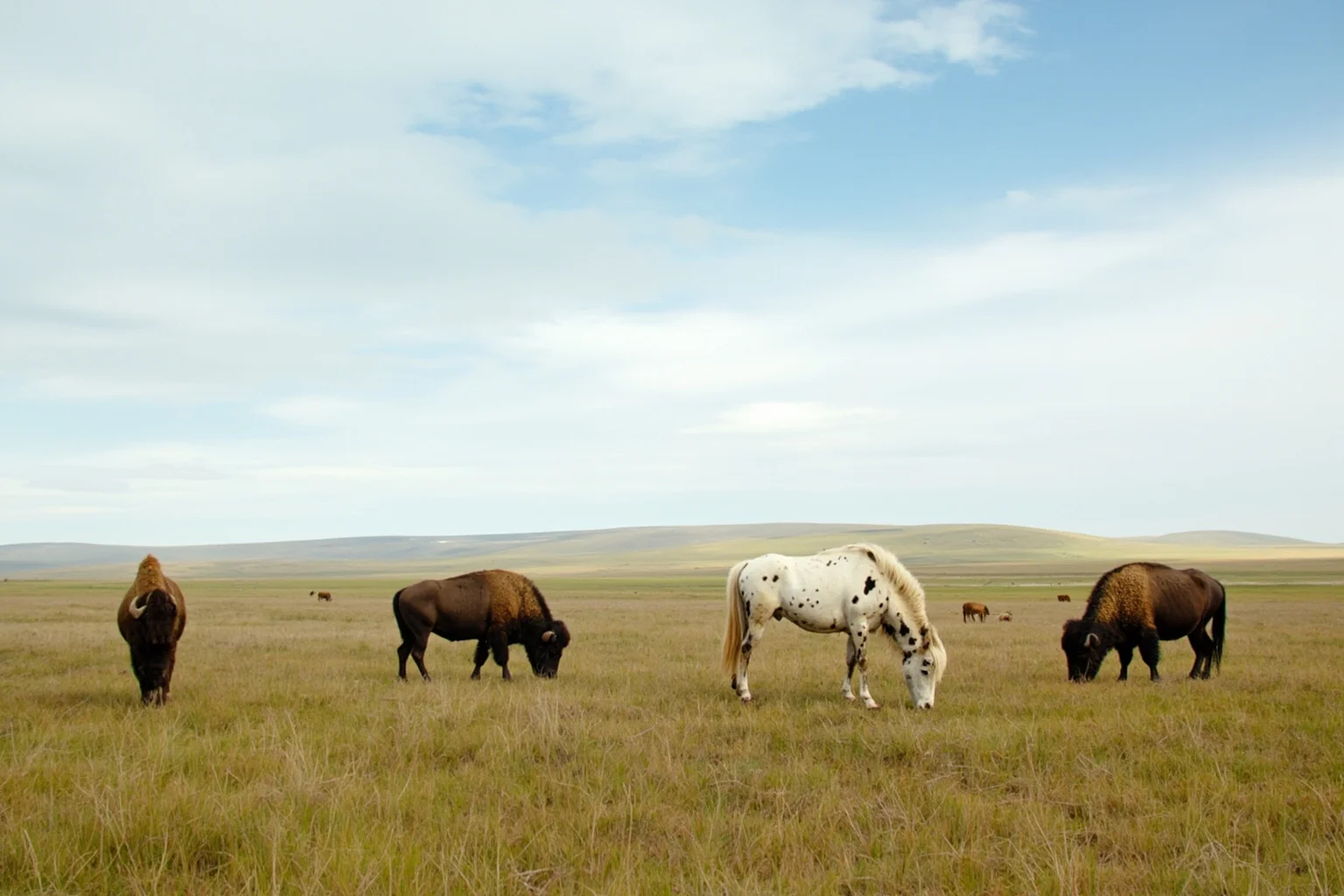
When mammoths and other large grazers disappeared, the vegetation changed with them. Without constant trampling and grazing, the productive mammoth steppe gave way in many places to mossy tundra, shrubs, and waterlogged ground. In effect, losing the megafauna helped build the modern Arctic landscape.
Some scientists want to reverse part of that change. Pleistocene Park in Siberia is a long-running experiment that reintroduces bison, horses, and other large herbivores to see whether grazing can restore grassland and slow the thaw of permafrost, an idea that remains debated but is taken seriously.
Why Woolly Mammoth Facts Still Matter
The woolly mammoth is more than a prehistoric curiosity. It is a case study in how large animals shape entire ecosystems, and in how quickly a species can disappear once its habitat shrinks and pressures mount. Its story is also a reminder that extinction is usually a process rather than a single event, much like the slow, drawn-out disappearance of the dodo bird.
The animal also sits at the centre of a live scientific argument about how far we should go to bring extinct species back. Whether or not a "mammoth-like" elephant ever walks the Arctic, the research behind that effort is already changing how we think about genetics, conservation, and our own role in the Ice Age extinctions.
Most of all, the mammoth shows how much we can learn from what the ice preserved. A calf frozen for 42,000 years can still rewrite textbooks, and that is a genuinely remarkable thing.
Frequently Asked Questions
What are the key woolly mammoth information facts to know first?
The woolly mammoth was a true elephant, Mammuthus primigenius, that lived across northern Eurasia and North America from roughly 400,000 years ago until about 4,000 years ago. Large males stood around 2.7 to 3.4 metres tall and weighed four to six tonnes, and they grazed the cold grasslands known as the mammoth steppe. Most died out around 10,000 to 11,000 years ago, with a final population surviving on Wrangel Island.
How long ago did woolly mammoths live?
Woolly mammoths existed from about 400,000 years ago to roughly 4,000 years ago, although the species vanished from most of its range far earlier. The last known population lived on Wrangel Island off Siberia and died out around 4,000 years ago, while a separate group on St. Paul Island disappeared about 5,600 years ago.
How much did a woolly mammoth weigh?
Estimates put a typical woolly mammoth at four to six tonnes, with some very large males possibly reaching closer to eight tonnes. Females were generally lighter, in the region of three to four tonnes. These figures come from measuring bones and scaling up from living elephants, so they are estimates rather than exact weights.
What did woolly mammoths look like?
They resembled heavily built elephants with a high domed head, a shoulder hump, a steeply sloping back, small ears, and a short tail. Their coats combined a dense undercoat with guard hairs up to about a metre long, and colours ranged from pale blonde to dark brown. Large males carried tusks that could reach around four metres.
Were woolly mammoths friendly to humans?
There is no evidence that woolly mammoths were friendly to humans, or that they were ever domesticated or tamed. Archaeology shows them as prey hunted with spears, and a wild mammoth would have been as wary and potentially dangerous as a wild elephant is today. Humans and mammoths did coexist for thousands of years, but the documented relationship is that of hunter and hunted.
Why did woolly mammoths go extinct?
The leading explanations are climate change, which shrank the cold grassland they depended on, and hunting by humans as people spread north. Most researchers favour a combination of factors rather than a single cause, and local conditions seem to have mattered a great deal. The isolated Wrangel Island population survived for millennia after the mainland extinctions, and the reasons for its final collapse are still debated.
Could woolly mammoths be brought back from extinction?
Not as exact clones, because frozen mammoths do not contain intact cells suitable for cloning. Current de-extinction work instead aims to edit Asian elephant DNA to produce a cold-adapted, mammoth-like elephant with traits such as thick hair and fat storage. Whether that counts as bringing the mammoth back is a matter of definition, and the timelines involved are uncertain.

Alex Warren
Related Articles





