Ask ten people what the highest military decoration in the world is, and you’ll probably get ten different answers. Some will say the Medal of Honor. Others will say the Victoria Cross.
A few might even mention medals that technically still exist on paper — a bit like some of the weirdest laws still on the books in America — but haven’t been awarded in decades, because the country, the war, or the entire government that created them no longer exists.
That’s the myth worth busting right away: there is no single “highest medal in the military” that towers above every other nation’s honors.
Instead, nearly every country has built its own hierarchy of valor, and at the very top of each sits an award so exclusive that most who earn it never live to receive it in person. This list walks through both the decorations still in active use and the ones that history has retired for good.
TL;DR: There’s no one universal “highest military decoration award” — nearly every nation has its own top honor, and several of history’s most exclusive medals, from the Blue Max to the Soviet Order of Victory, have been retired and will never be awarded again.
What Does “Highest Military Decoration” Actually Mean?
When people search for the highest medal in the military, they’re usually picturing one universal trophy of bravery. In reality, each country defines its own top-tier award for extraordinary valor, and the criteria vary quite a bit. Some require an act witnessed by multiple people under fire, others require the recipient to have knowingly risked near-certain death.
Most of these decorations sit at the peak of a much longer ladder of honors, with a “second highest military medal” typically reserved for gallantry that falls just short of the top standard. Understanding that structure helps explain why obsolete medals matter here too. Many of the decorations below were once the second-highest award in a country’s system, only to be phased out, merged, or replaced entirely as militaries reorganized their honors.
1. Medal of Honor (United States)
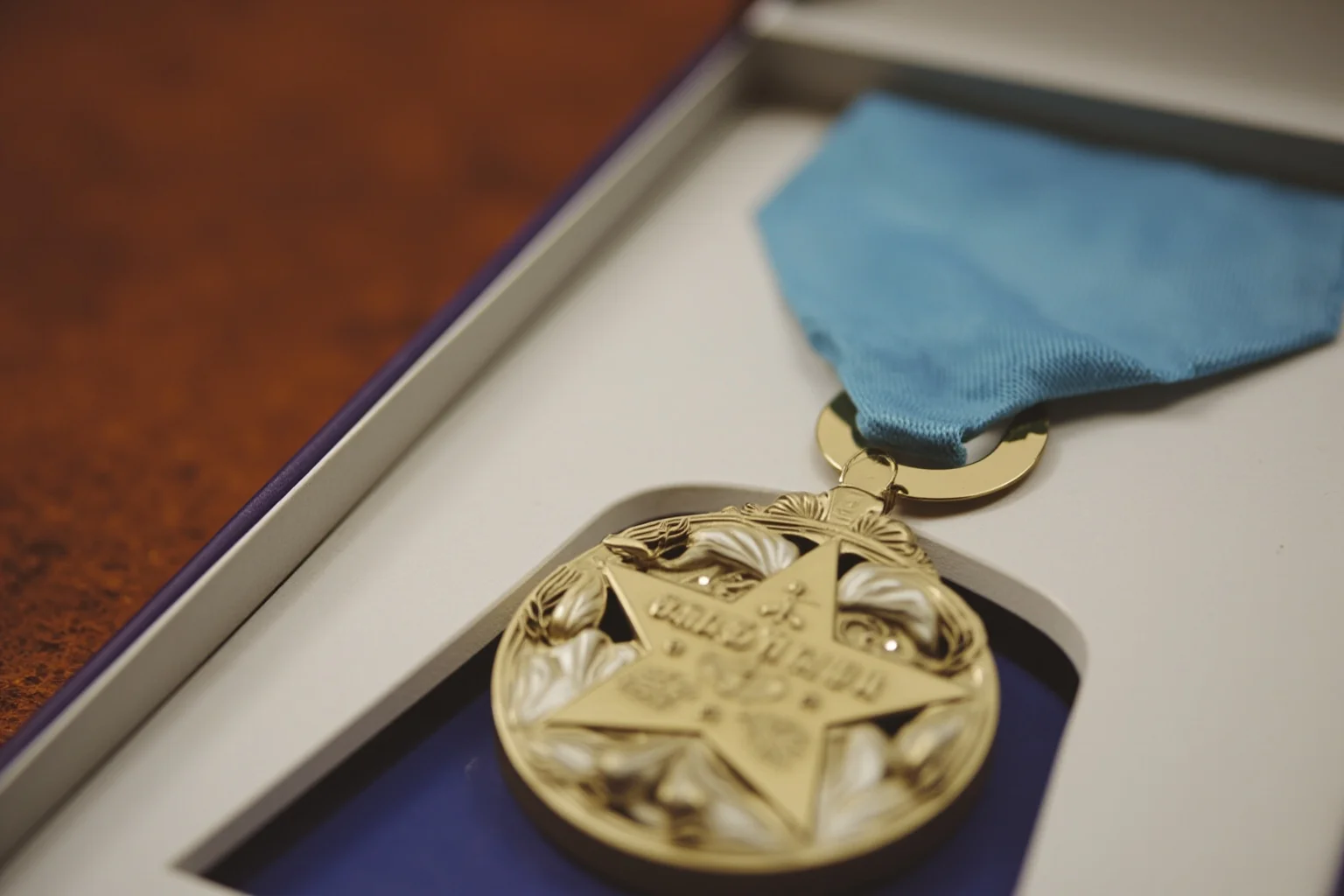
The Medal of Honor is the highest military decoration the United States can bestow, and it remains very much active today. Established during the Civil War in 1861 and 1862, it’s awarded for gallantry “above and beyond the call of duty” in combat against an enemy force.
Fewer than 3,600 have been awarded across all of American history, and a majority went to recipients posthumously. It’s frequently cited as the answer to “what is the highest medal in the military” for U.S. audiences, though as this list shows, that title looks different depending on which country you’re asking about.
2. Victoria Cross (United Kingdom and Commonwealth)
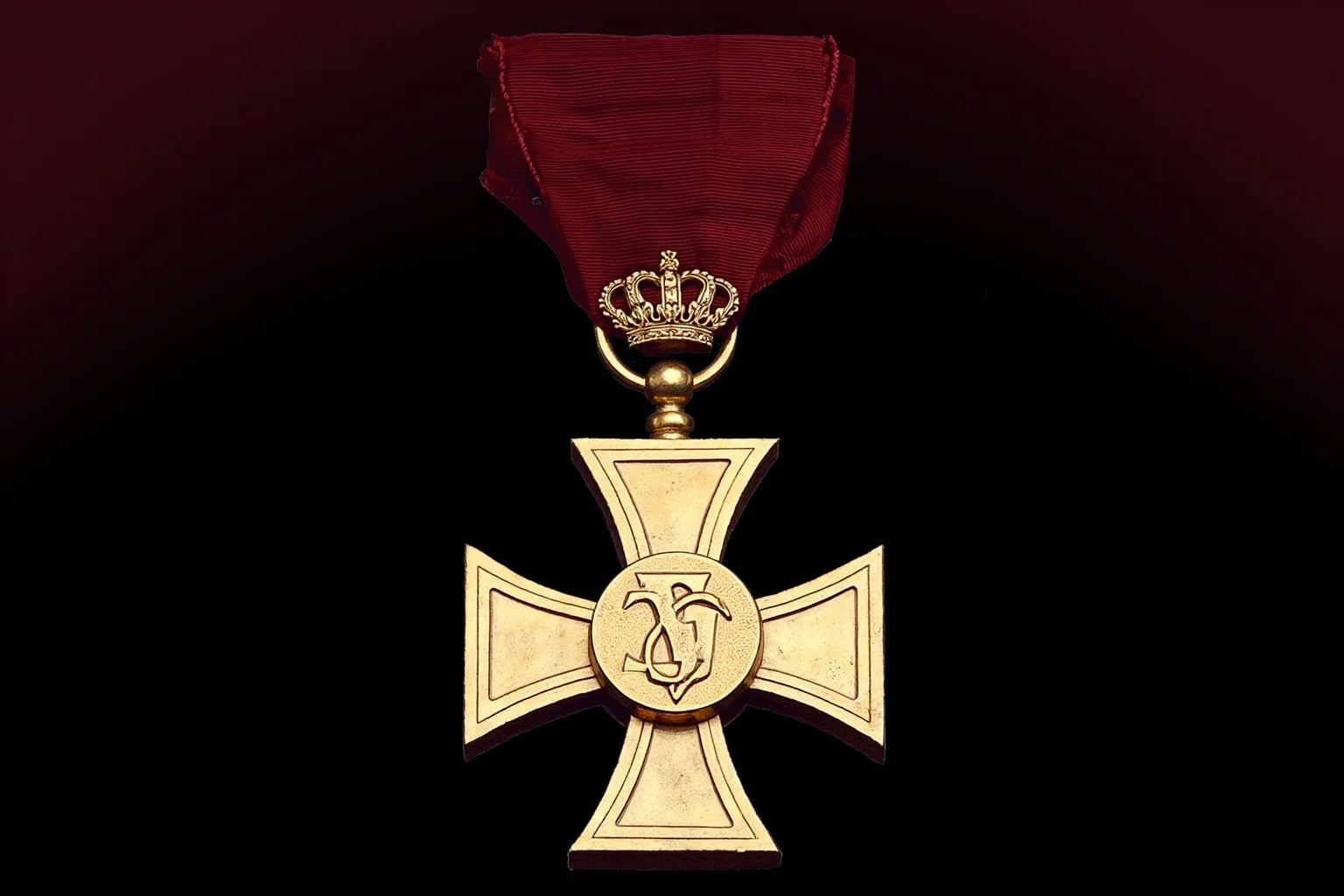
The Victoria Cross has been the highest award for valor in the United Kingdom and much of the Commonwealth since Queen Victoria instituted it in 1856. It’s cast, according to long-standing tradition, from bronze taken from Russian cannons captured during the Crimean War, though metallurgical studies over the years have raised questions about how consistently that origin story held true for every medal produced.
Like the Medal of Honor, it’s still actively awarded, making it one of the oldest continuously used top military honors in the world. Fewer than 1,400 have been given out since its creation, underlining just how rare the highest military honors tend to be everywhere.
3. Order of Victory (Soviet Union)
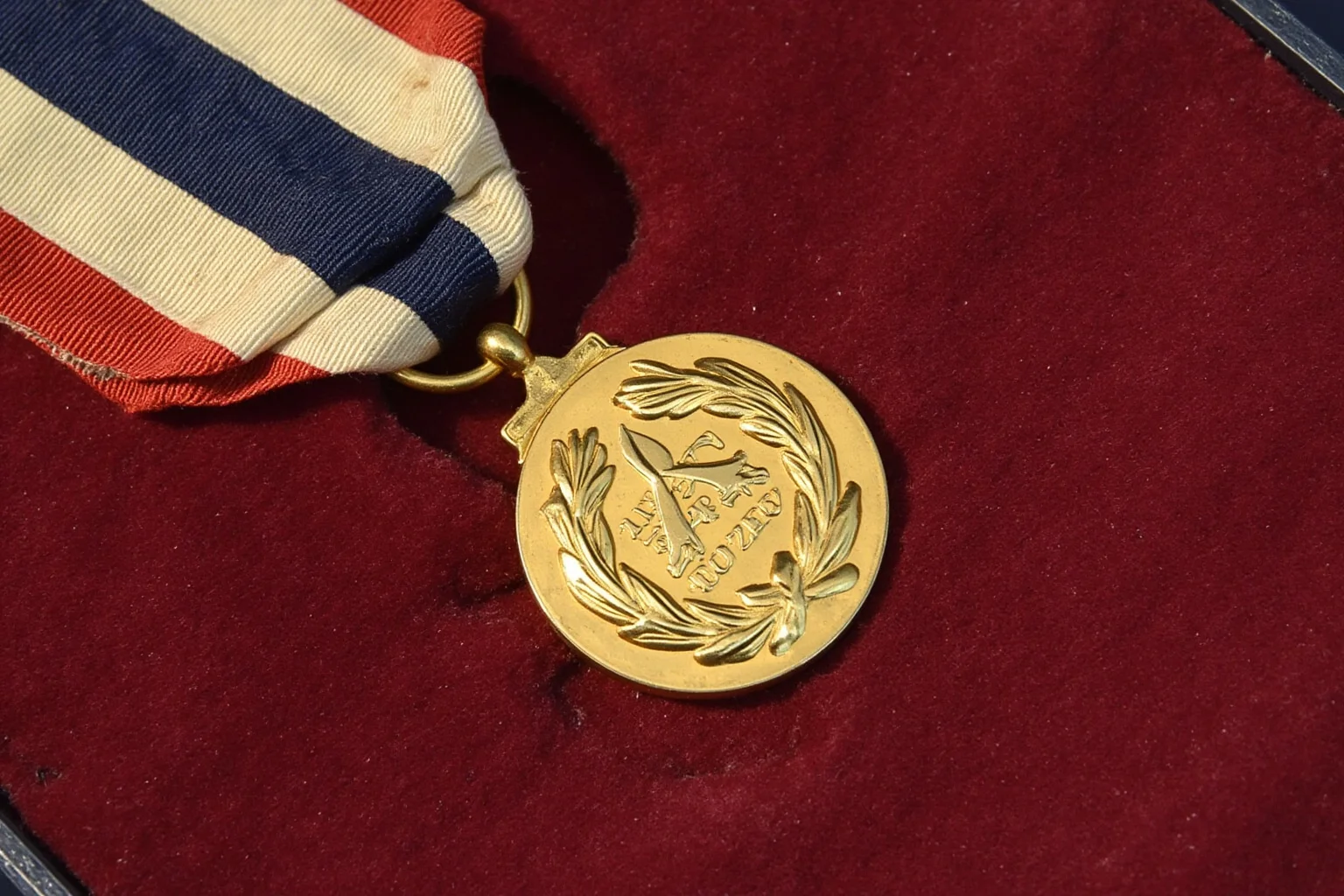
If you’re looking for the rarest military medal on this entire list, the Soviet Order of Victory is hard to beat. Created in 1943, it was reserved almost exclusively for senior commanders whose leadership dramatically changed the course of World War II on the Eastern Front and beyond.
Only around 20 were ever awarded, several of them to foreign Allied leaders rather than Soviet citizens. The Soviet Union that created it no longer exists, and no equivalent award has been issued in decades, effectively freezing it in history.
4. Pour le Mérite, “The Blue Max” (Imperial Germany)
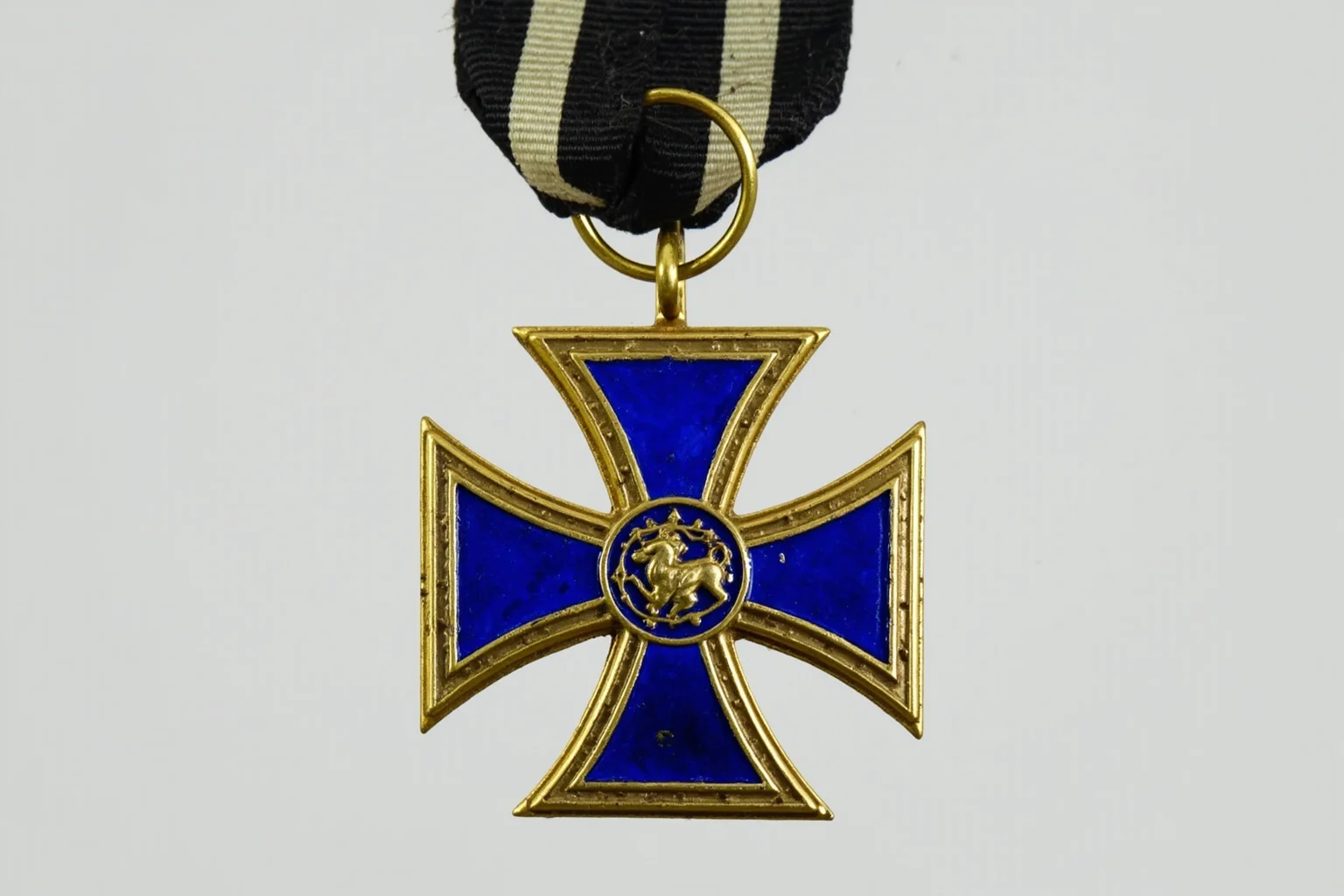
Before World War I ended the German monarchy, the Pour le Mérite with Golden Oak Leaves stood as Imperial Germany’s highest military decoration. Pilots and commanders nicknamed the medal “the Blue Max,” and it became legendary among World War I aviators for its striking blue-and-gold cross design.
When the German Empire collapsed in 1918, the new republic abolished the award entirely rather than carrying it forward. It has never been reinstated, making it one of the most famous obsolete medals in military history.
5. Knight’s Cross With Golden Oak Leaves, Swords, and Diamonds (Nazi Germany)
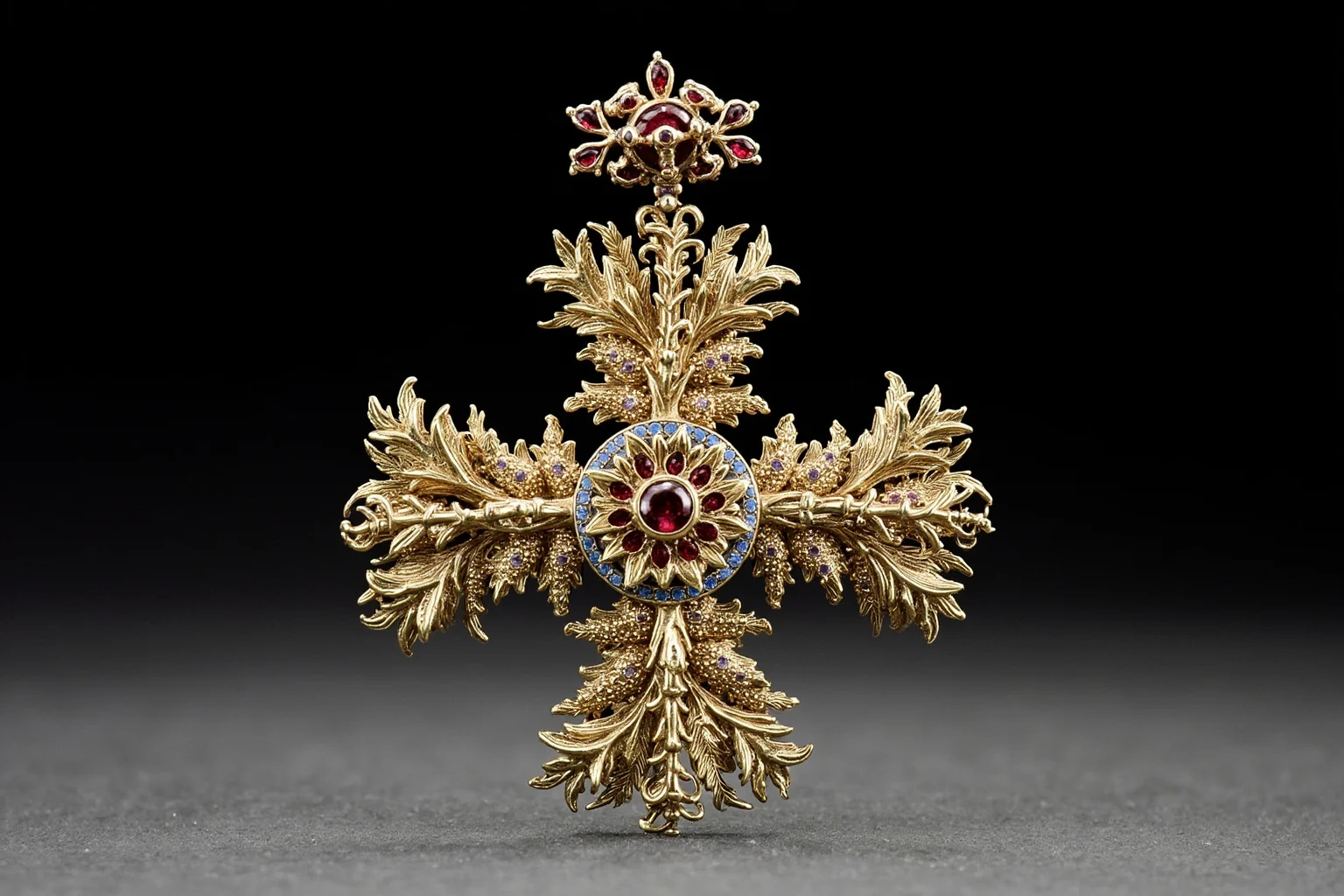
This extraordinarily elaborate decoration sat at the very top of Nazi Germany’s Knight’s Cross grading system during World War II. Historical records show it was conferred on only one recipient during the entire war, a distinction that made it arguably the rarest higher-grade combat decoration of the conflict.
The entire Third Reich honors system was dissolved after Germany’s defeat in 1945, and postwar West Germany later allowed only de-Nazified versions of some medals to be worn. The full decoration in its original wartime form will never be awarded again.
6. Order of St. George (Imperial Russia)
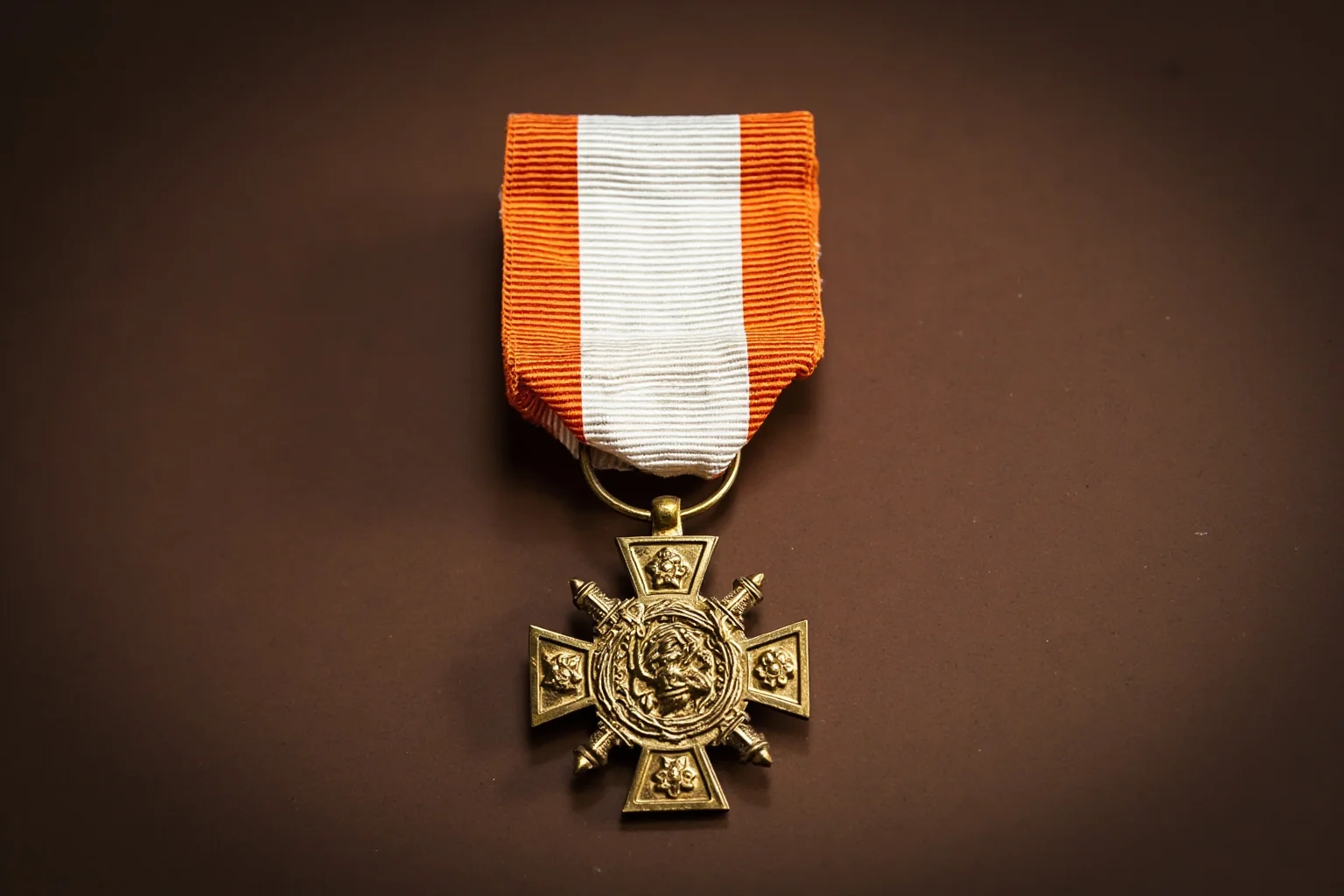
Catherine the Great established the Order of St. George in 1769 as Imperial Russia’s highest purely military honor, reserved for extraordinary battlefield courage and leadership. For nearly 150 years it represented the pinnacle of Russian military prestige.
The order was abolished after the 1917 revolution swept away the imperial government that created it. A modern Russian award borrows the name and imagery today, but it operates under an entirely different government and honors system, so the original imperial decoration is genuinely a thing of the past.
7. Order of Glory (Soviet Union)
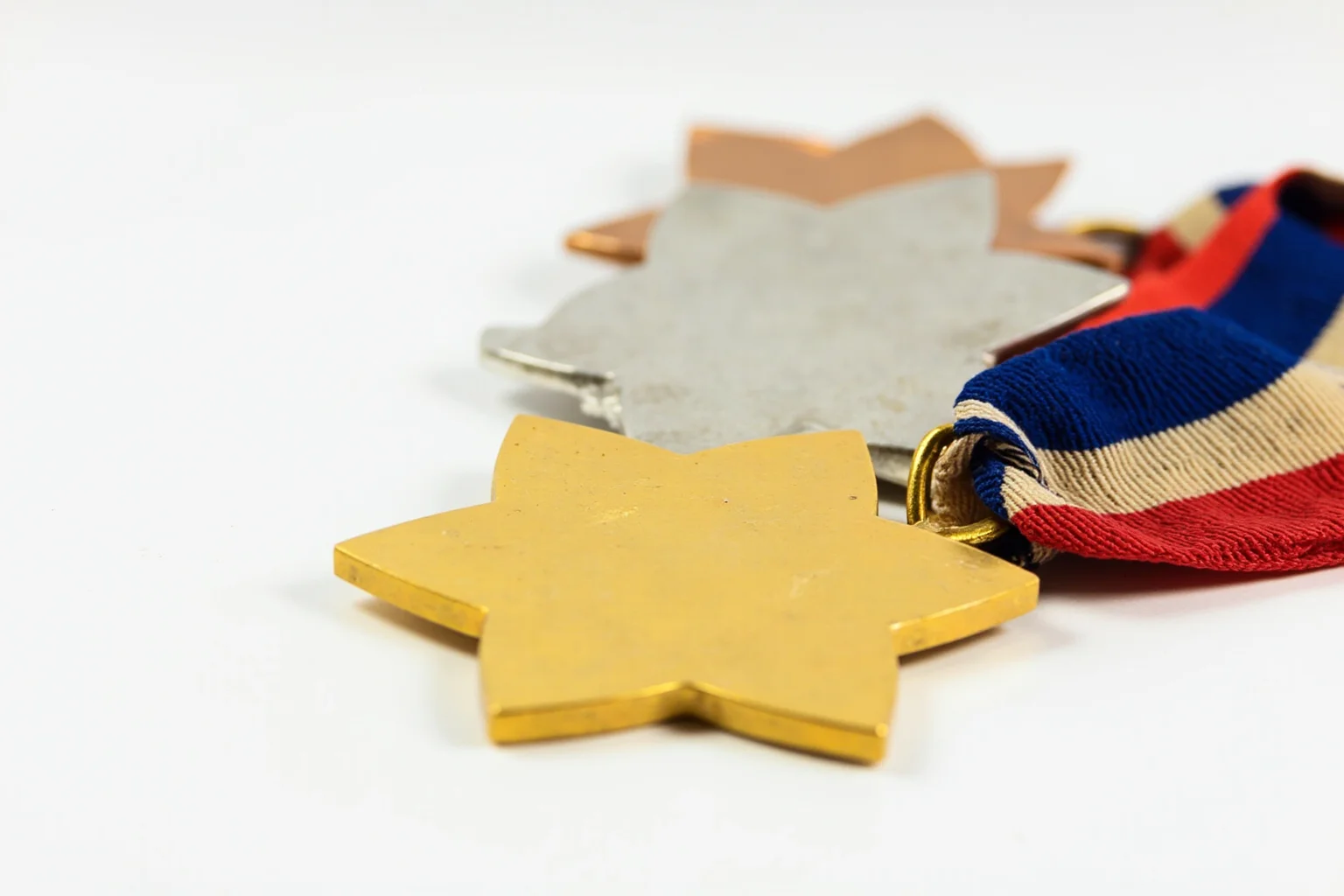
While the Order of Victory recognized top generals, the Soviet Order of Glory honored enlisted soldiers and junior officers for individual battlefield heroism. It came in three classes, and earning all three carried prestige roughly comparable to a Hero of the Soviet Union title.
It was awarded steadily throughout and after World War II, but the collapse of the Soviet Union in 1991 ended the program along with the state that ran it. It’s a good reminder that a country’s highest military honors often disappear the moment the country itself does.
8. Confederate Medal of Honor (Confederate States of America)
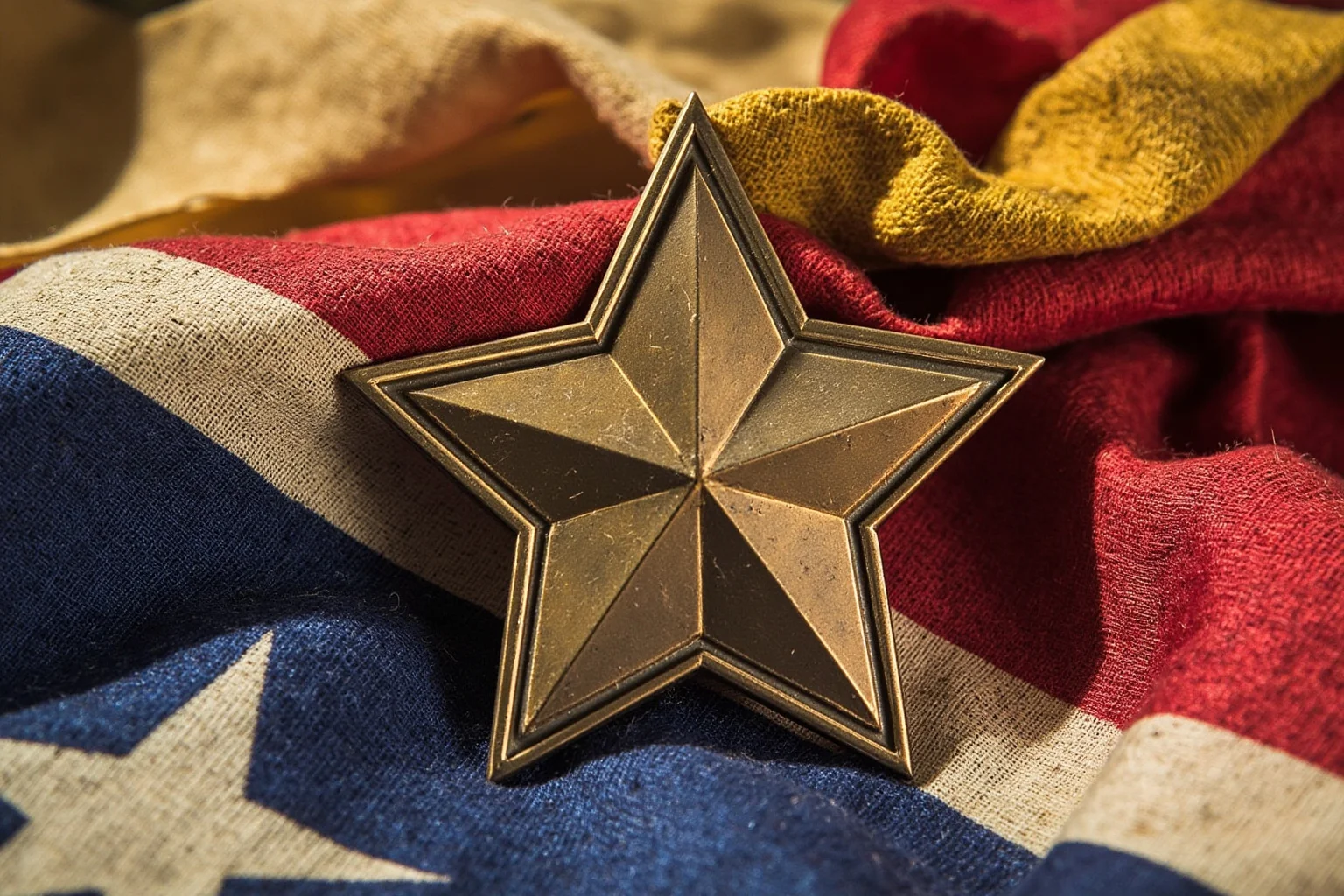
The Confederate Congress authorized a medal of honor during the American Civil War, intending it as their answer to the Union’s newly created award. However, historical accounts generally agree that wartime shortages and the Confederacy’s collapse in 1865 meant it was never actually manufactured or formally presented to soldiers during the conflict itself.
Because the Confederate government dissolved before the medal could be produced, any later commemorative versions exist today more as collectible curiosities than as recognized historical artifacts, outside any official government honors system. It stands as one of the more unusual entries on this list: a highest military decoration that a government intended to create but arguably never got to fully deliver.
9. Empire Gallantry Medal (United Kingdom)
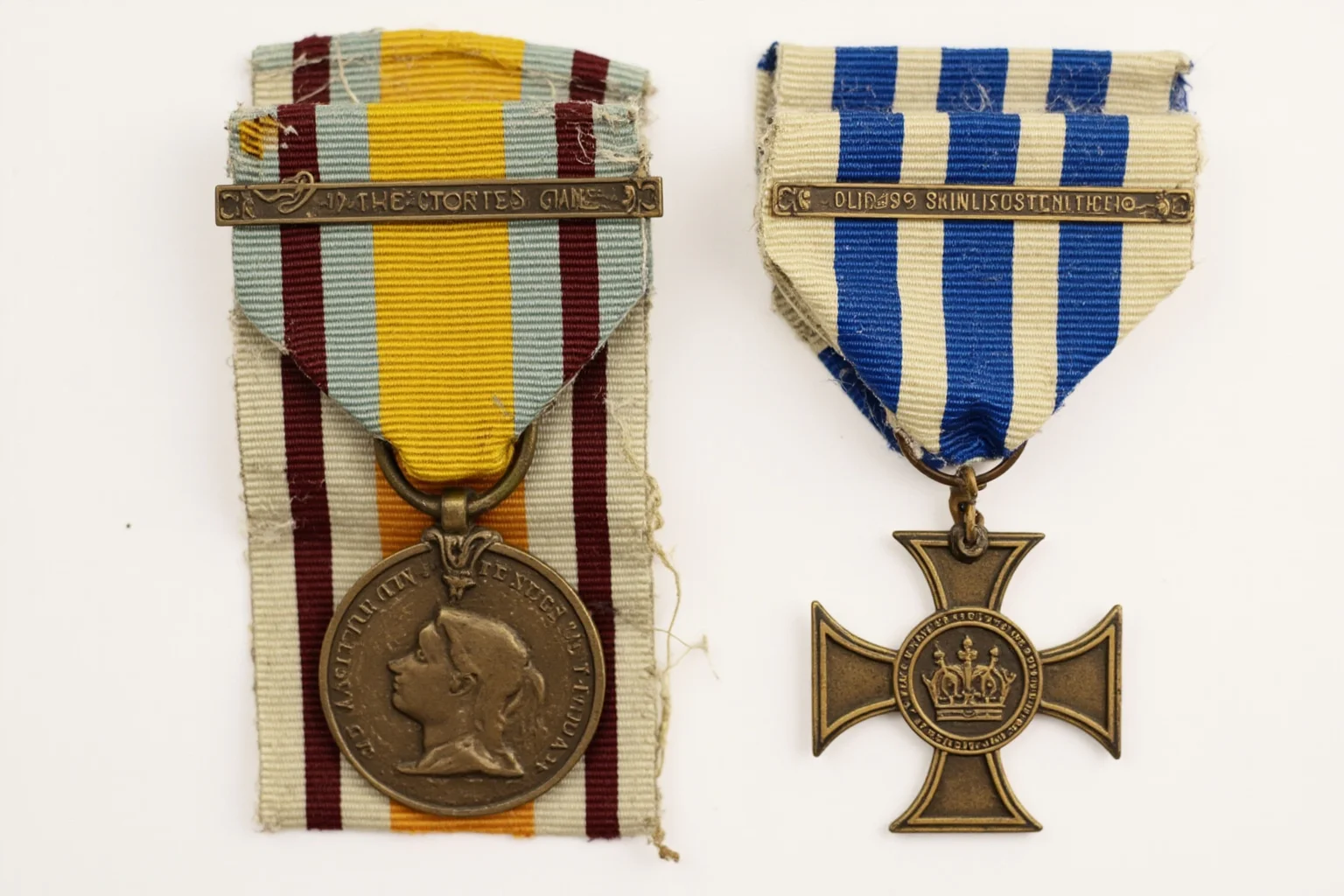
Instituted in 1922, the Empire Gallantry Medal briefly served as a high-level British award for both military personnel and civilians who displayed extraordinary bravery. It sat just below the Victoria Cross in overall prestige during its short run.
In 1940, the British government replaced it with the newly created George Cross, and existing holders were required to exchange their Empire Gallantry Medals for the new decoration. That exchange effectively retired the medal for good, making it a clear example of an obsolete medal you’ll never see issued again.
10. Albert Medal (United Kingdom)
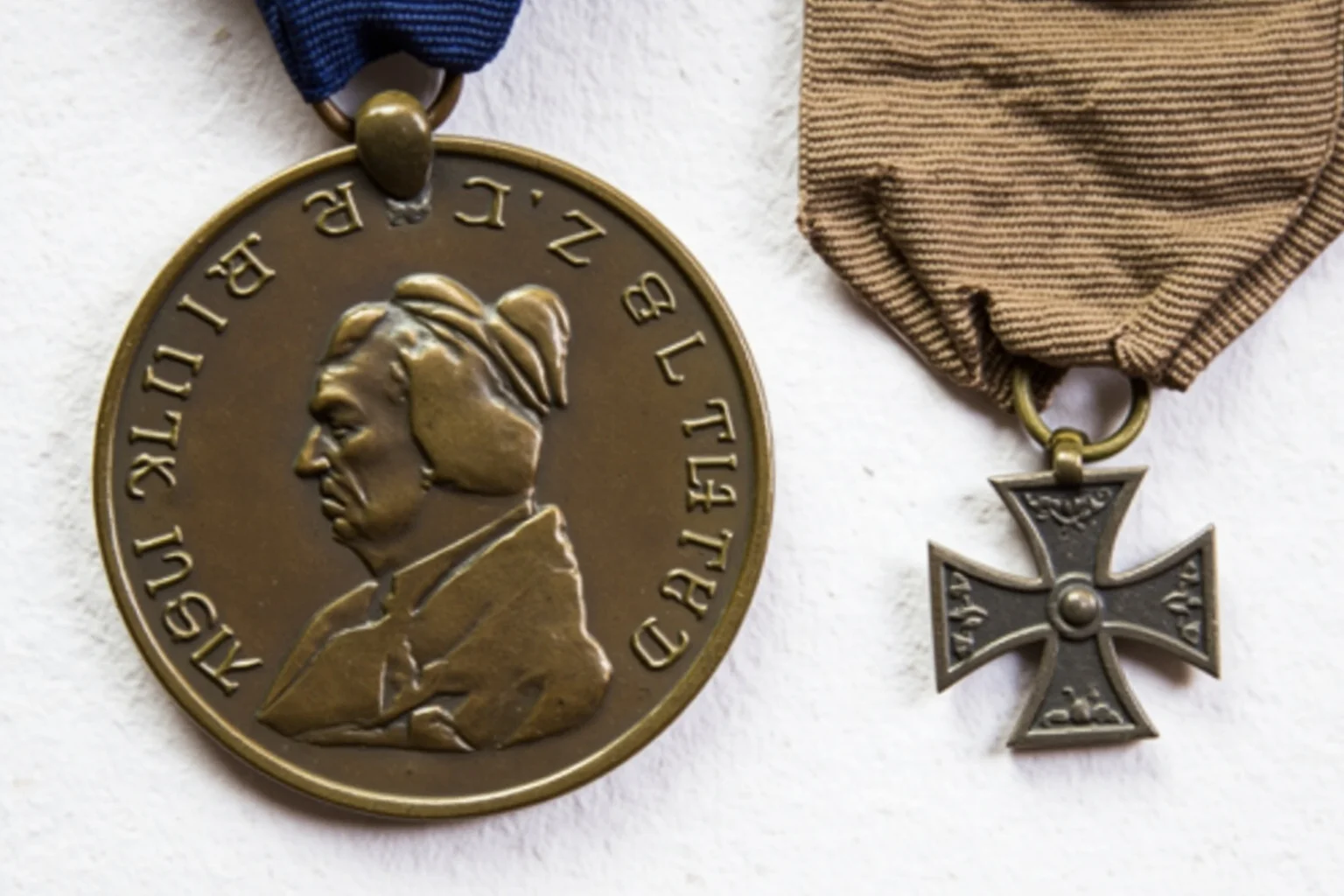
The Albert Medal began in 1866 as a British award primarily for lifesaving heroism, later expanding to cover certain military acts of bravery outside combat. For over a century, it carried real prestige within the broader honors system.
In 1971, the medal was discontinued and folded into the George Cross, with surviving recipients again asked to exchange their older decorations. The consolidation streamlined Britain’s gallantry awards but permanently ended the Albert Medal’s active use.
11. Distinguished Conduct Medal (United Kingdom)
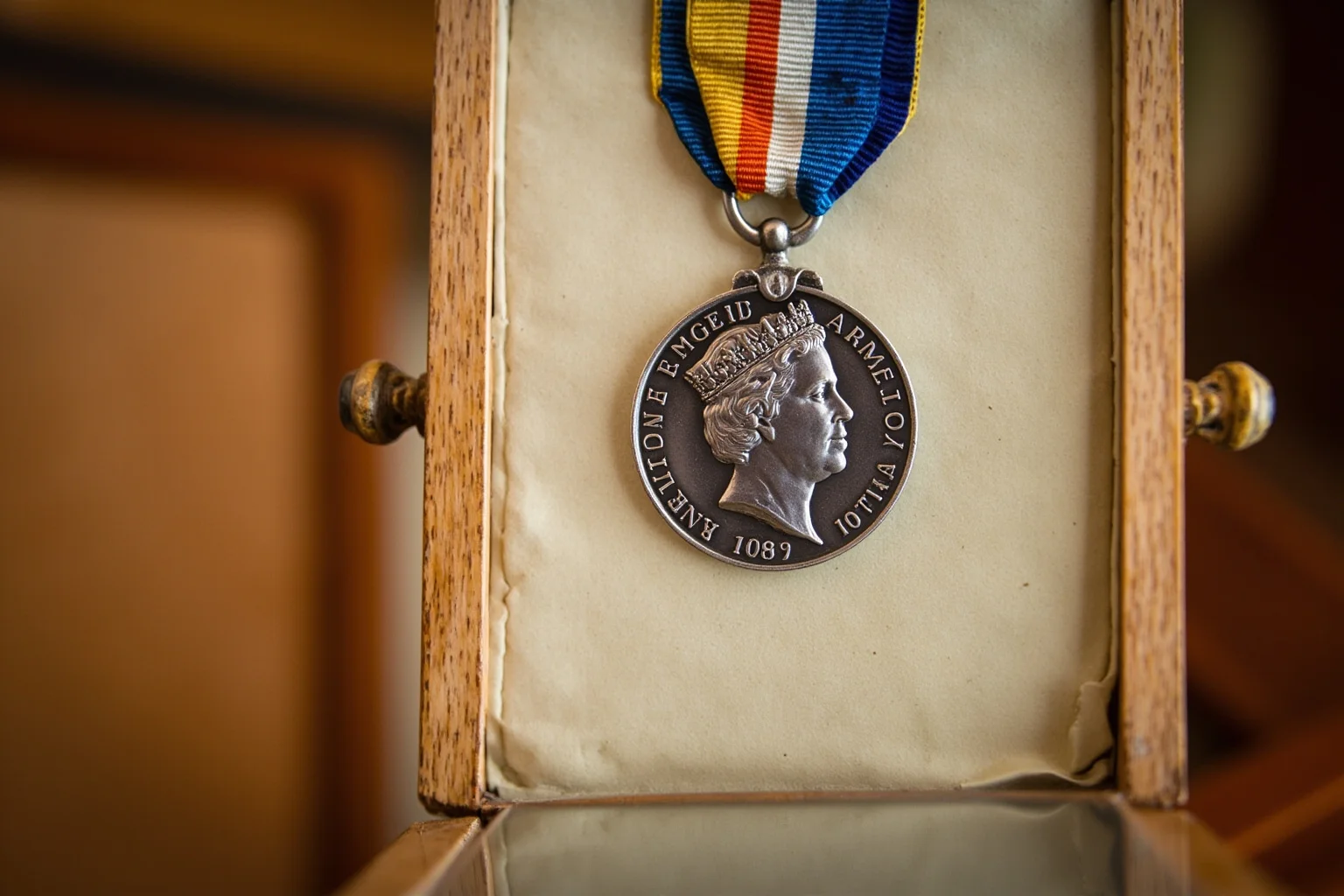
For nearly 140 years, the Distinguished Conduct Medal ranked as one of Britain’s most respected awards for gallantry among non-commissioned soldiers, sitting just below the Victoria Cross for other ranks. It was instituted in 1854 during the Crimean War era.
A major 1993 reform of the British honors system discontinued the medal, replacing it with the rank-neutral Conspicuous Gallantry Cross. The change reflected a broader push to make gallantry awards equal across officer and enlisted ranks, but it also meant retiring a medal with well over a century of battlefield history.
12. Conspicuous Gallantry Medal (United Kingdom)
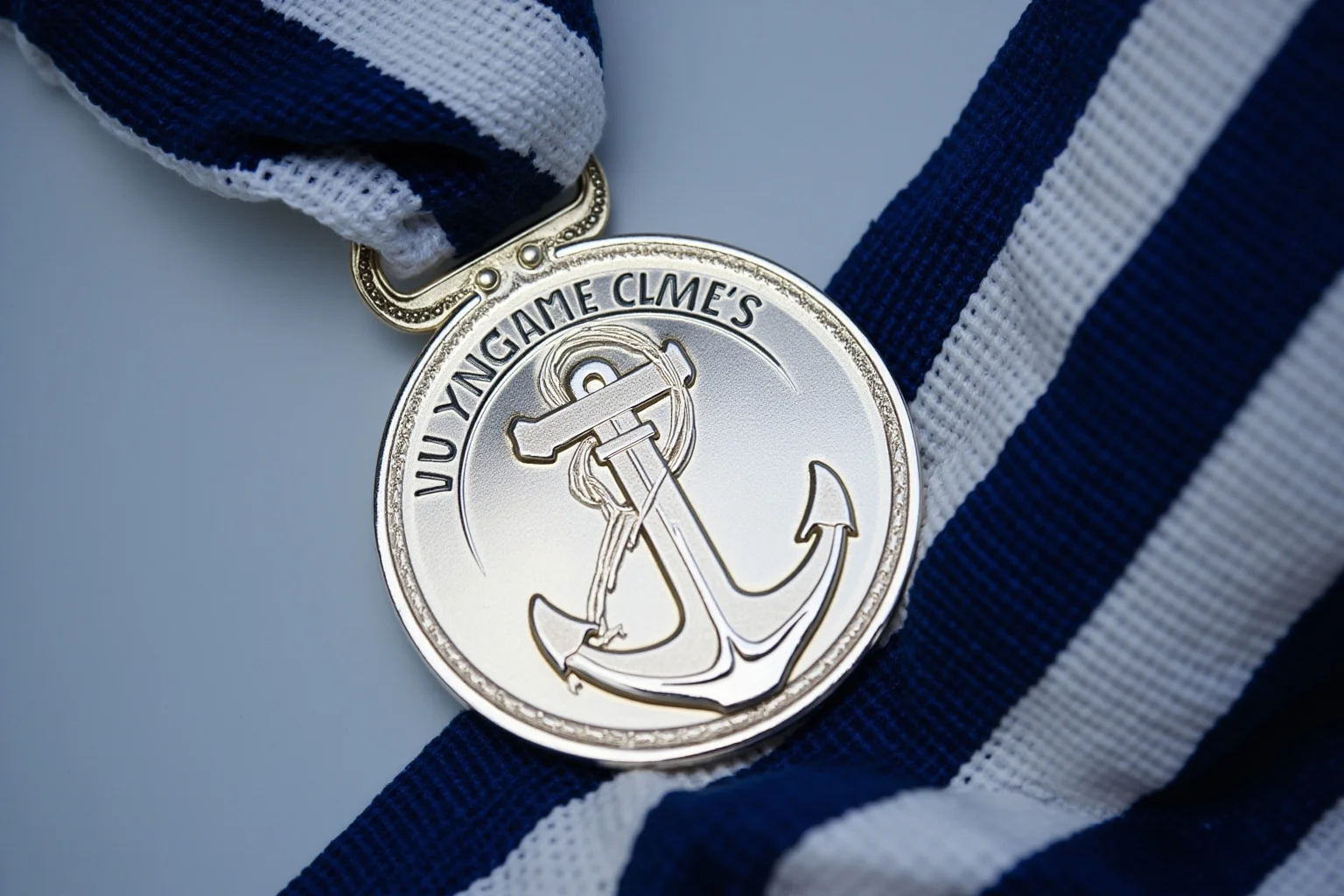
Originally created for the Royal Navy in the mid-1800s and later extended to other services, the Conspicuous Gallantry Medal recognized bravery in actual combat at a level just below the Victoria Cross. It became one of the more storied second-highest military medals in British service history.
Like the Distinguished Conduct Medal, it was discontinued in the 1993 reforms and absorbed into the new Conspicuous Gallantry Cross. Its retirement is a good example of how modern militaries often consolidate older, rank-specific medals into fewer, more universal ones.
13. Distinguished Service Cross (United States)
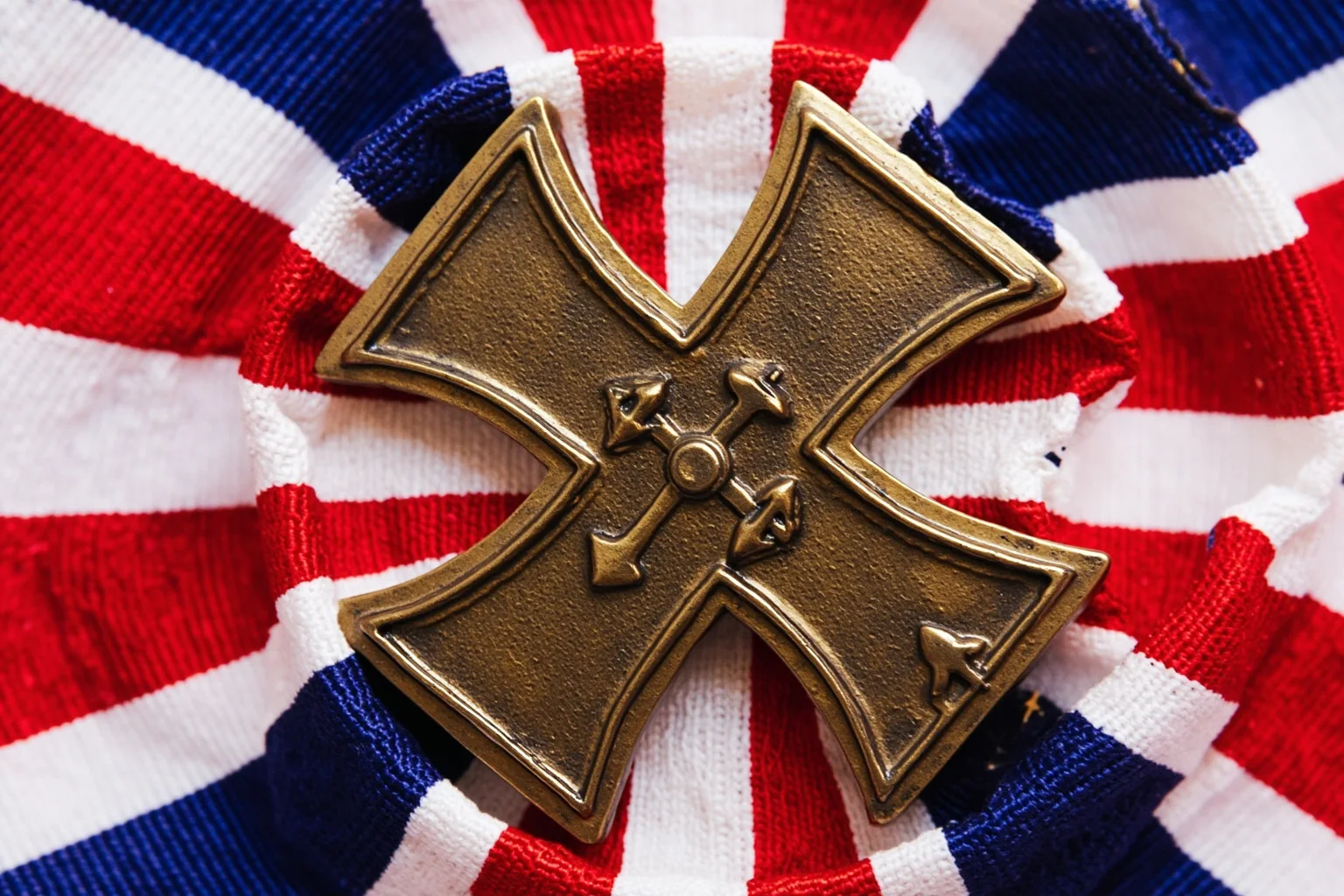
The Distinguished Service Cross is the U.S. Army’s second-highest military decoration, ranking just beneath the Medal of Honor for extreme gallantry in combat. It was established in 1918 during World War I and remains in active use today.
Unlike many entries on this list, it hasn’t been retired, but it’s included here because it directly answers a very common question: what is the second highest military medal in the American system. Its Navy and Air Force counterparts fill the same role for their respective branches.
14. Navy Cross (United States)
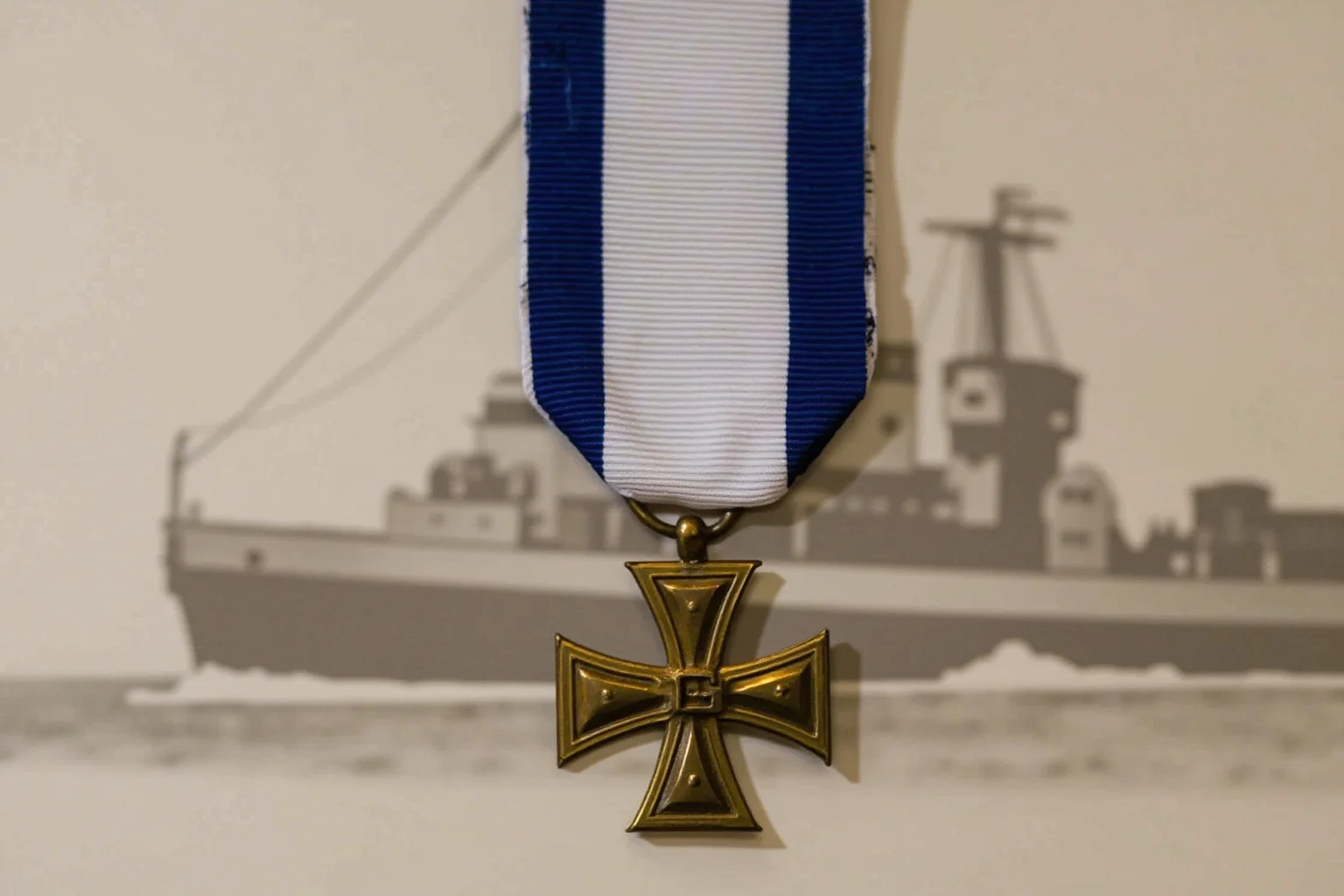
The Navy Cross serves as the second-highest decoration for members of the U.S. Navy, Marine Corps, and Coast Guard. Instituted in 1919, it recognizes extraordinary heroism in combat that doesn’t quite meet the exacting standard required for the Medal of Honor.
It remains an active, frequently referenced answer to “2nd highest military award” searches focused on U.S. sea services. Its continued use shows that not every prestigious historical medal has gone obsolete, some have simply endured.
15. Air Force Cross (United States)
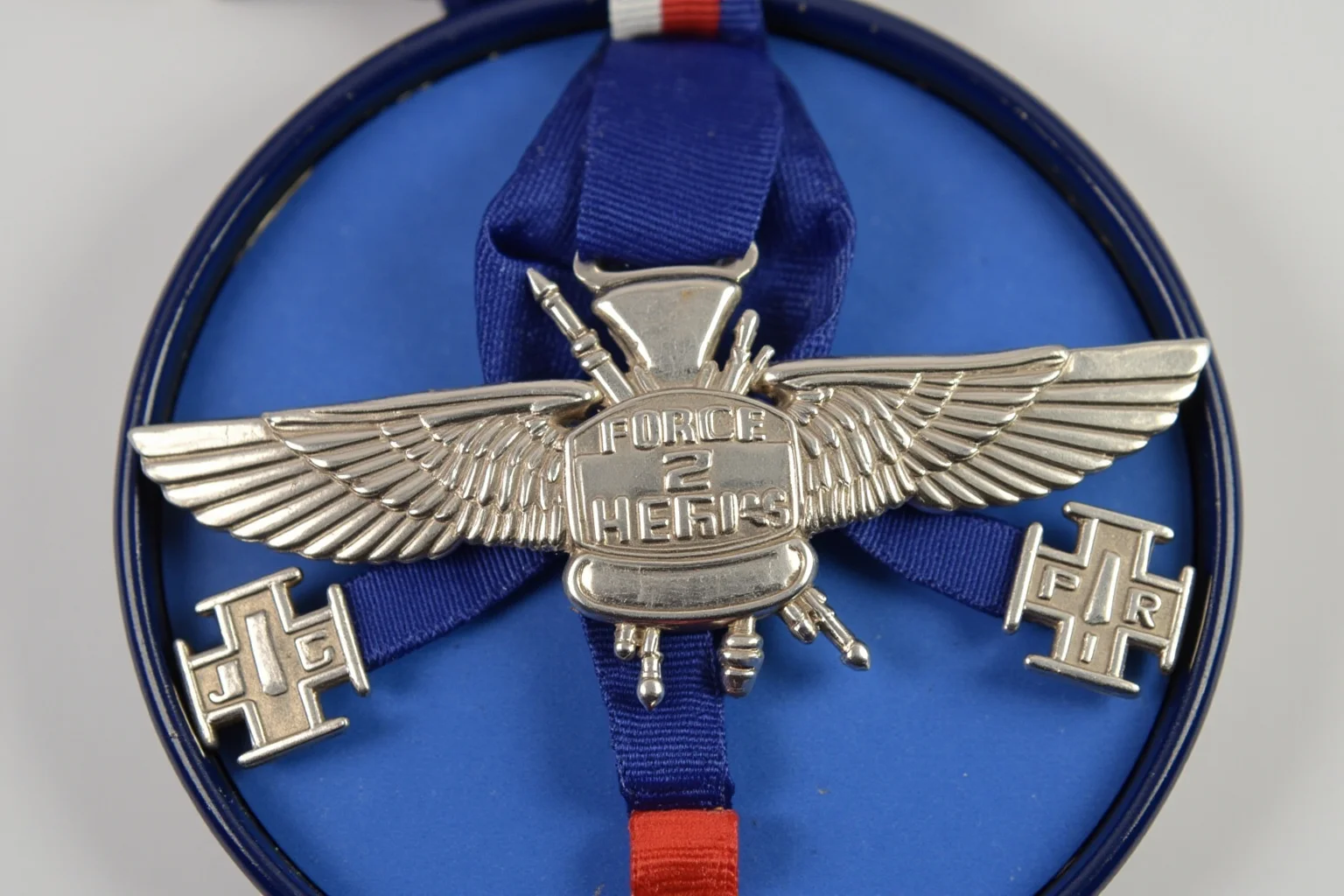
Created in 1960 after the Air Force became a separate branch, the Air Force Cross fills the same second-tier role that the Navy Cross and Distinguished Service Cross fill for their branches. It recognizes extraordinary heroism not directly against an armed enemy in some cases, broadening its scope slightly compared to its sister decorations.
Its relatively recent creation shows how honors systems keep evolving even after a country’s highest award has long been settled. New branches of service often need their own version of the second-highest military decoration to fit their specific structure.
16. Conspicuous Gallantry Cross (United Kingdom)
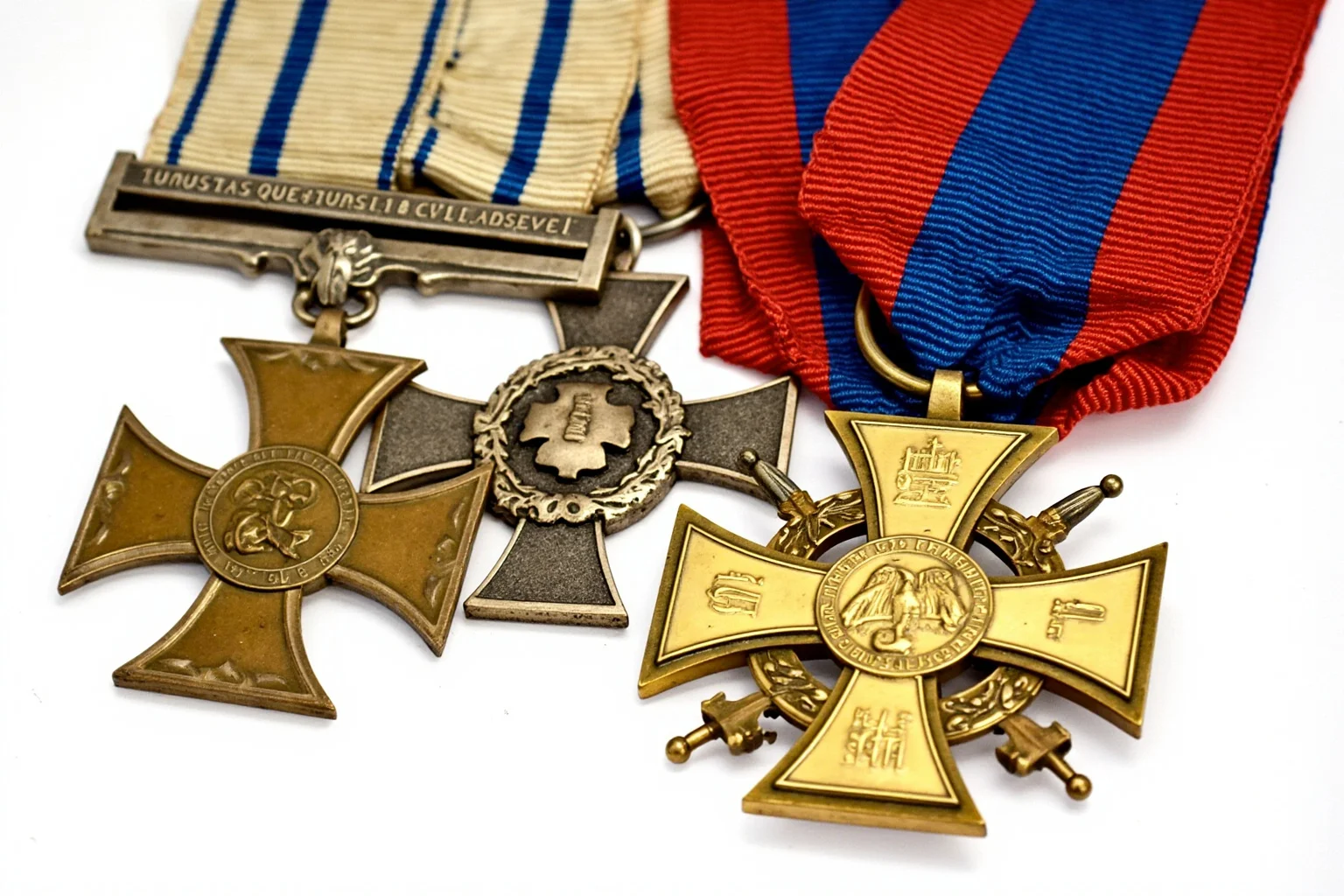
Born out of the 1993 honors reform that retired the Distinguished Conduct Medal and Conspicuous Gallantry Medal, the Conspicuous Gallantry Cross became Britain’s rank-neutral second-highest gallantry award. It sits directly beneath the Victoria Cross for all ranks and services.
It’s a useful modern example of how “second highest military medal” doesn’t always mean an old or fading decoration. Sometimes it means a newer award built to replace several older ones at once.
17. Distinguished Service Order (United Kingdom)
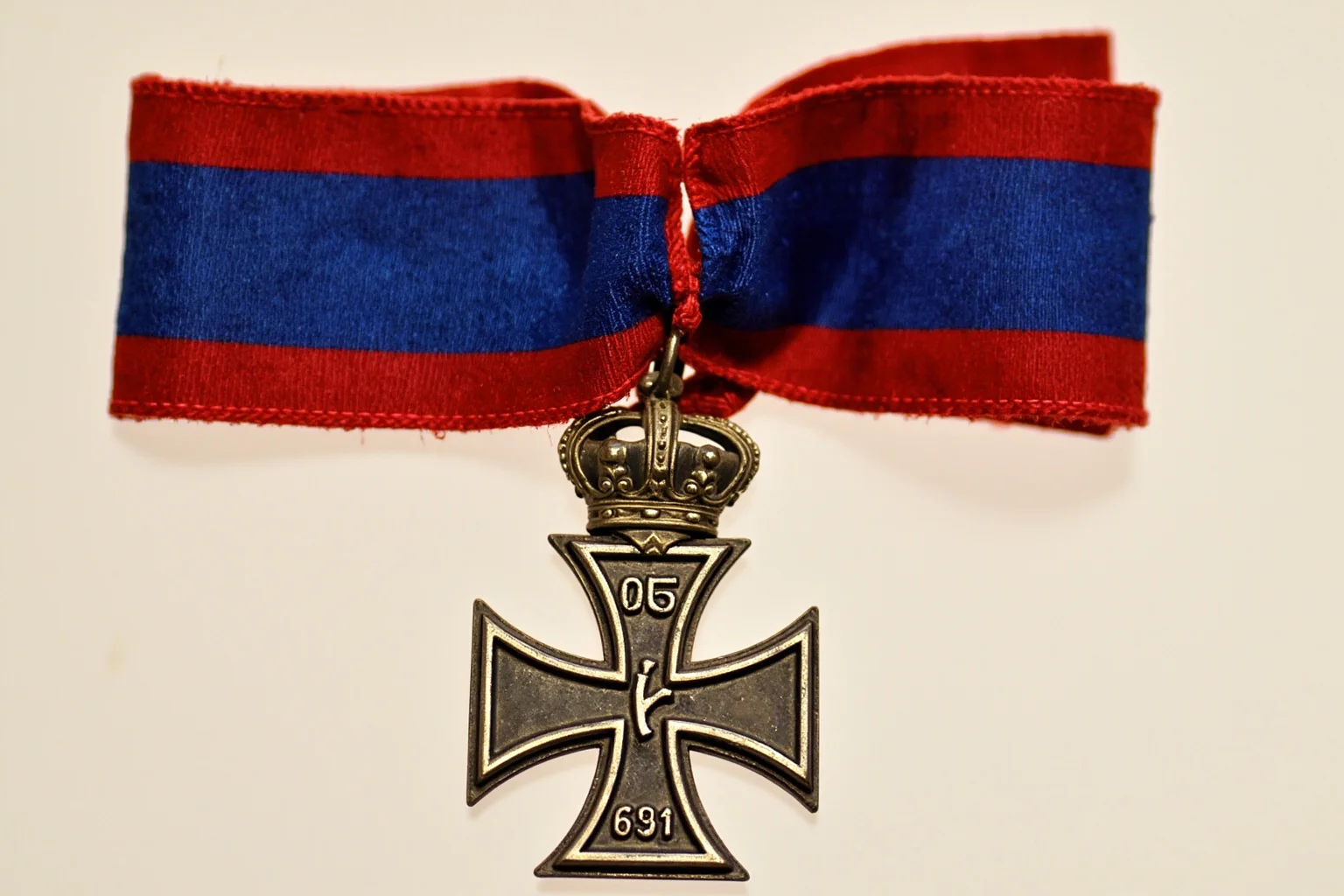
Instituted in 1886, the Distinguished Service Order was historically viewed as sitting very close to the Victoria Cross in prestige, often awarded to officers for gallant leadership in action. For much of its history, many considered it an unofficial “second highest” honor even though that wasn’t its formal designation.
It remains active today, but its role has shifted over time to focus more specifically on leadership in combat operations rather than individual acts of valor. That evolution shows how even surviving medals can change meaning considerably from their original purpose.
18. Order of the Golden Fleece
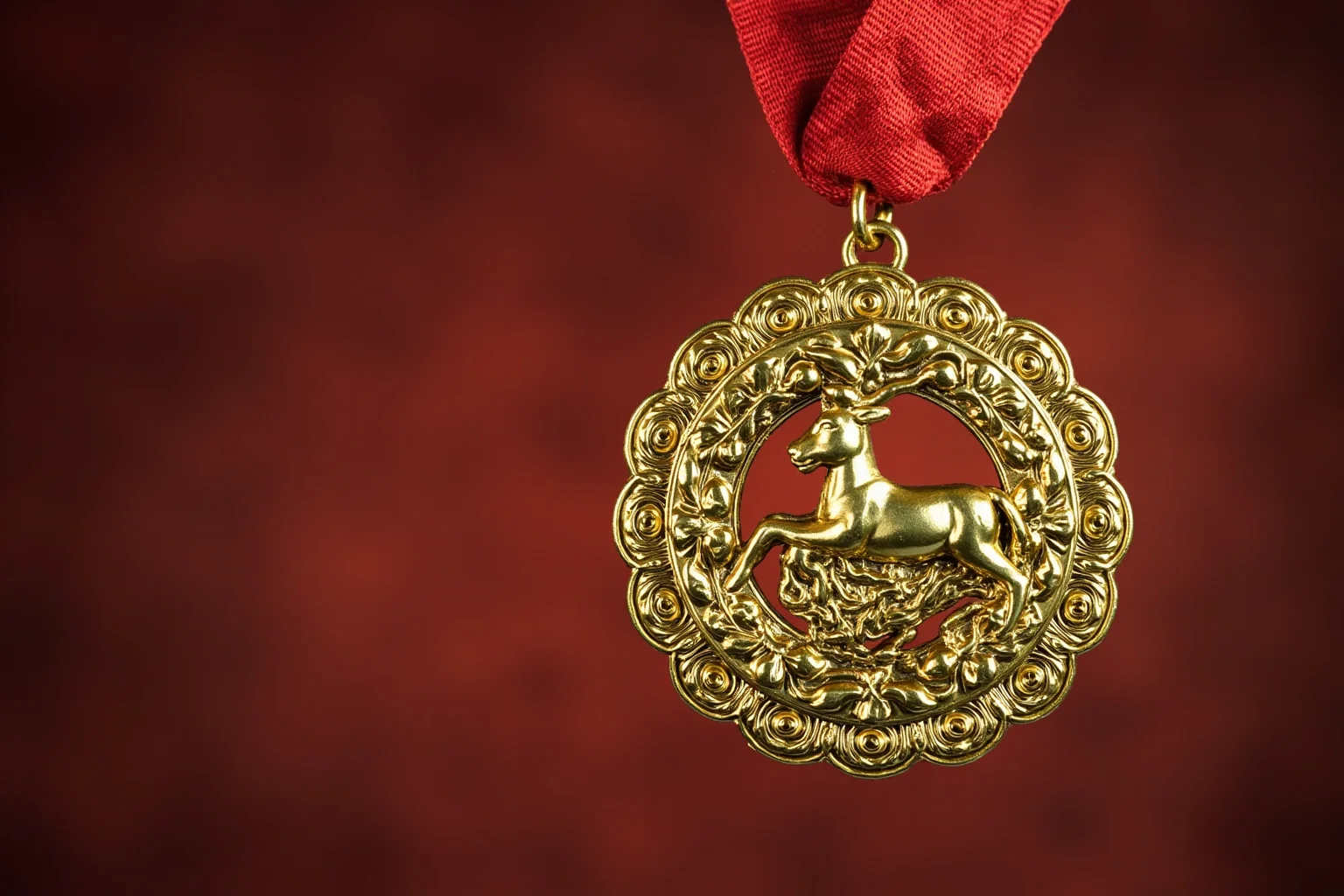
The Order of the Golden Fleece dates back to 1430, founded by the Duke of Burgundy as a chivalric order rather than a pure combat gallantry medal. Over the centuries it became one of the most exclusive honors in Europe, at times conferred on monarchs, statesmen, and military commanders alike.
Two branches, Spanish and Austrian, technically still exist today, but conferrals are exceptionally rare and largely ceremonial rather than tied to battlefield valor. It’s a fascinating outlier on any list of the highest awards in the world, since its military connection today is more historical than active.
19. Légion d’Honneur Grand Cross (France)
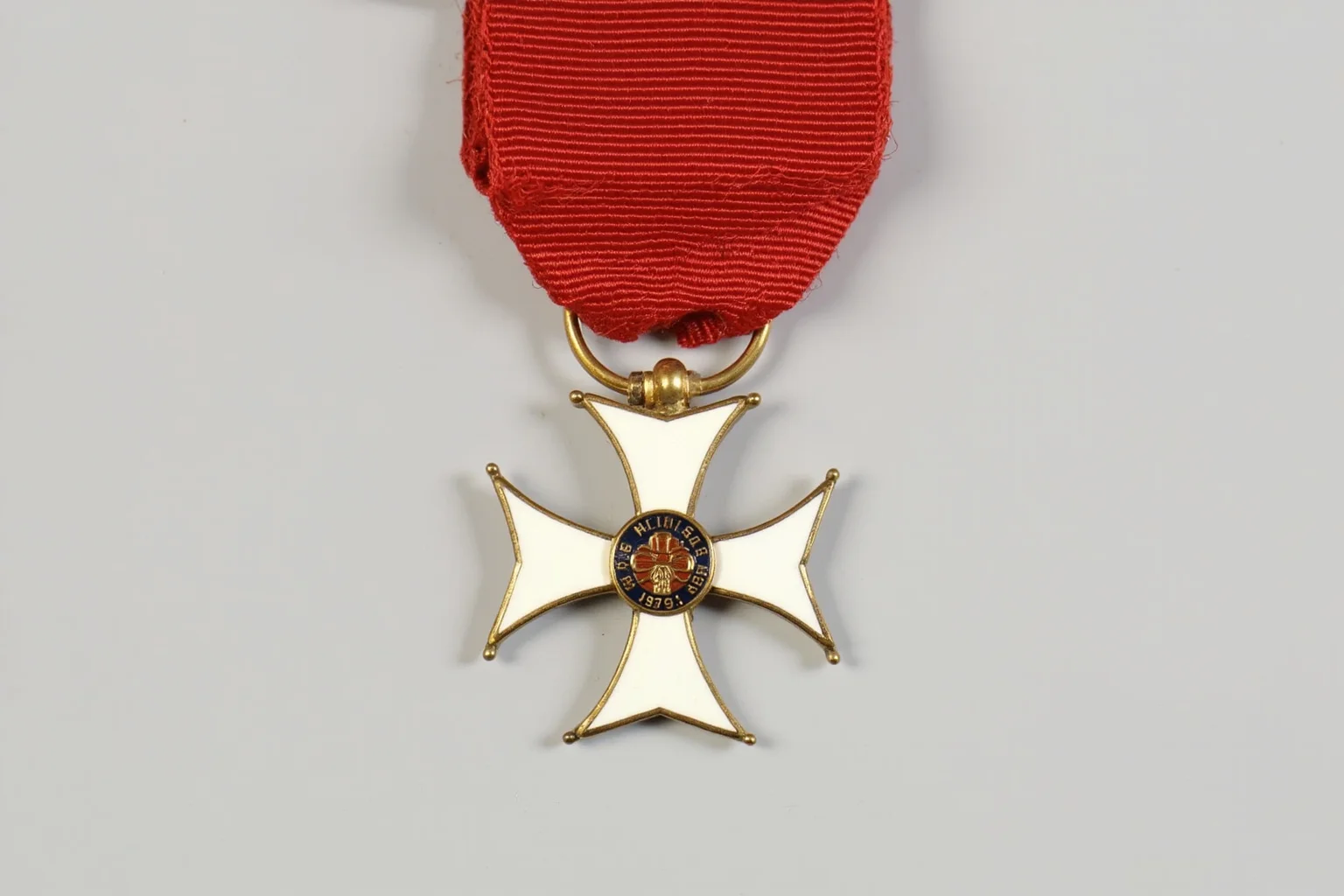
Napoleon Bonaparte established the Légion d’Honneur in 1802, and its Grand Cross grade remains France’s highest official honor for both military and civilian achievement. It has survived empires, republics, and world wars largely intact for over two centuries.
Unlike many entries here, it’s still actively conferred, though modern recipients increasingly come from civilian fields as much as military ones. It’s a useful reminder that not every historic “highest” award fades into obsolescence; some adapt and endure instead.
20. Grand Cross of the Iron Cross (Prussia and Germany)
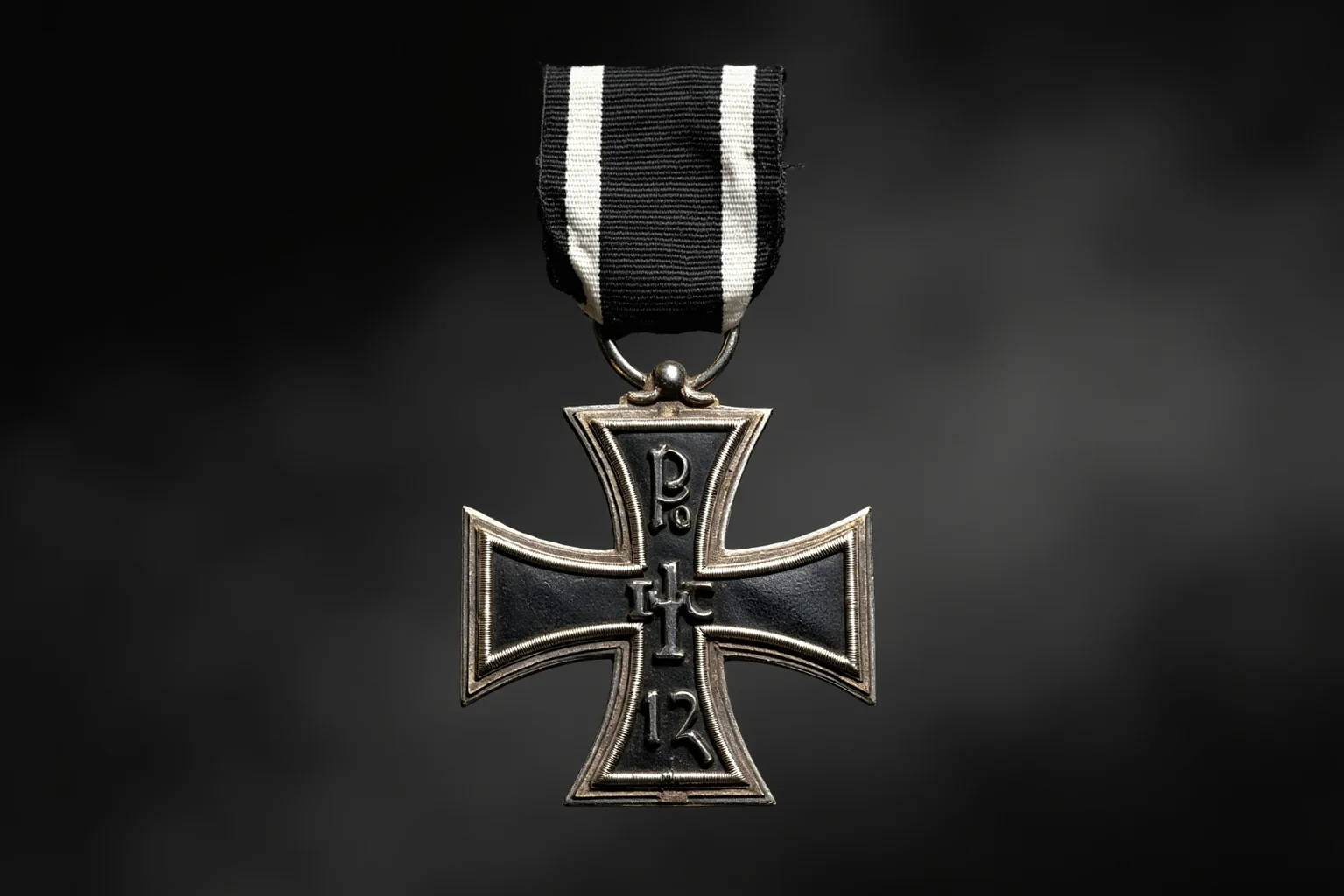
The standard Iron Cross had several grades, but above all of them sat the rarely used Grand Cross, reserved for decisive victories at the highest command level. Historical accounts note it was awarded only a handful of times across its entire existence, including once during the Napoleonic era and once during World War II, two vastly different historical eras separated by more than a century.
That World War II recipient’s award became deeply controversial given his later wartime record and the collapse of the regime he served. With the fall of Nazi Germany in 1945, the entire Iron Cross system was discontinued in its original form, permanently retiring the Grand Cross alongside it.
Highest Military Awards in Order (Using the U.S. System as an Example)
Because “highest military awards in order” is one of the most common questions people ask, it helps to see a real hierarchy laid out. The U.S. system is a good example because it’s well documented and still fully active today.
- Medal of Honor (highest, for extreme gallantry above and beyond the call of duty)
- Distinguished Service Cross / Navy Cross / Air Force Cross (second highest, branch-specific)
- Silver Star (third highest, for gallantry in combat)
- Legion of Merit and Distinguished Flying Cross (recognize meritorious service and aerial heroism respectively)
- Bronze Star and Purple Heart (recognize meritorious achievement and combat injury or death)
Other countries follow a similar pattern of one supreme award followed by branch-specific “second highest” medals, then a broader tier of valor and service decorations beneath that.
Why So Many of History’s Highest Honors Are Now Obsolete
Looking at this list, a clear pattern emerges: many of the world’s most prestigious military awards didn’t fade away because they lost meaning. They disappeared because the government or country that created them did too.
Empires collapsed, revolutions swept away old honors systems, and defeated regimes had their entire decoration structures dismantled by the victors or by their own successor governments. Other medals simply got absorbed into newer, more streamlined systems, as Britain did repeatedly across the 20th century.
That’s really the throughline connecting every obsolete medal here. A country’s highest military decoration is never just a piece of metal and ribbon; it’s a direct reflection of the government and military culture that created it, which is exactly why so many of them vanished the moment that context did.
Final Thoughts
The idea of a single “highest medal in military” history turns out to be far more complicated, and far more interesting, than most people expect. Every nation has built its own answer to that question, and plenty of those answers no longer exist in any active form.
What ties the Medal of Honor, the Victoria Cross, the Blue Max, and the Order of Victory together isn’t a shared design or a shared country. It’s the fact that each one represented the absolute peak of courage and sacrifice a government could formally recognize, whether that government is still standing today or long gone from the map.
Frequently Asked Questions
What is the highest military decoration award?
There isn't one single global answer, since every country sets its own top honor. In the United States it's the Medal of Honor, in the United Kingdom and much of the Commonwealth it's the Victoria Cross, and historically, nations like Imperial Russia and the Soviet Union had their own equivalents, such as the Order of St. George and the Order of Victory.
What is the second highest military medal?
This also depends on the country. In the U.S. system, it's the Distinguished Service Cross, Navy Cross, or Air Force Cross depending on branch. In the United Kingdom, the modern equivalent is the Conspicuous Gallantry Cross, which replaced older medals like the Distinguished Conduct Medal in 1993.
What is the rarest military medal ever awarded?
The Soviet Order of Victory is widely considered one of the rarest, with only around 20 ever presented, almost exclusively to senior World War II commanders. Certain wartime German decorations, like the Knight's Cross with Golden Oak Leaves, Swords, and Diamonds, were reportedly given to only a single recipient, making them extraordinarily rare as well.
Is there a single highest award in the world?
No, there is no universally recognized single highest award across all militaries. Each nation maintains its own honors system, and prestige is generally judged within that country's own hierarchy rather than against other nations' medals.
What is the highest military decoration in the United States specifically?
The Medal of Honor is the highest U.S. military decoration, established during the Civil War era in the early 1860s. It's awarded for gallantry above and beyond the call of duty and remains one of the rarest decorations in American military history.
Why do some of the highest military honors no longer exist?
Many top-tier medals were tied directly to a specific government or monarchy, such as Imperial Germany's Pour le Mérite or the Soviet Union's Order of Glory. When those governments collapsed or reformed their honors systems, the medals were discontinued and, in most cases, never revived in their original form.
What are the highest military awards in order, from top to bottom?
Using the U.S. system as an example, the order typically runs: Medal of Honor, then the branch-specific Distinguished Service Cross, Navy Cross, or Air Force Cross, followed by the Silver Star, Legion of Merit, Distinguished Flying Cross, Bronze Star, and Purple Heart. Other countries follow a broadly similar structure with their own equivalents.

Alex Warren
Related Articles