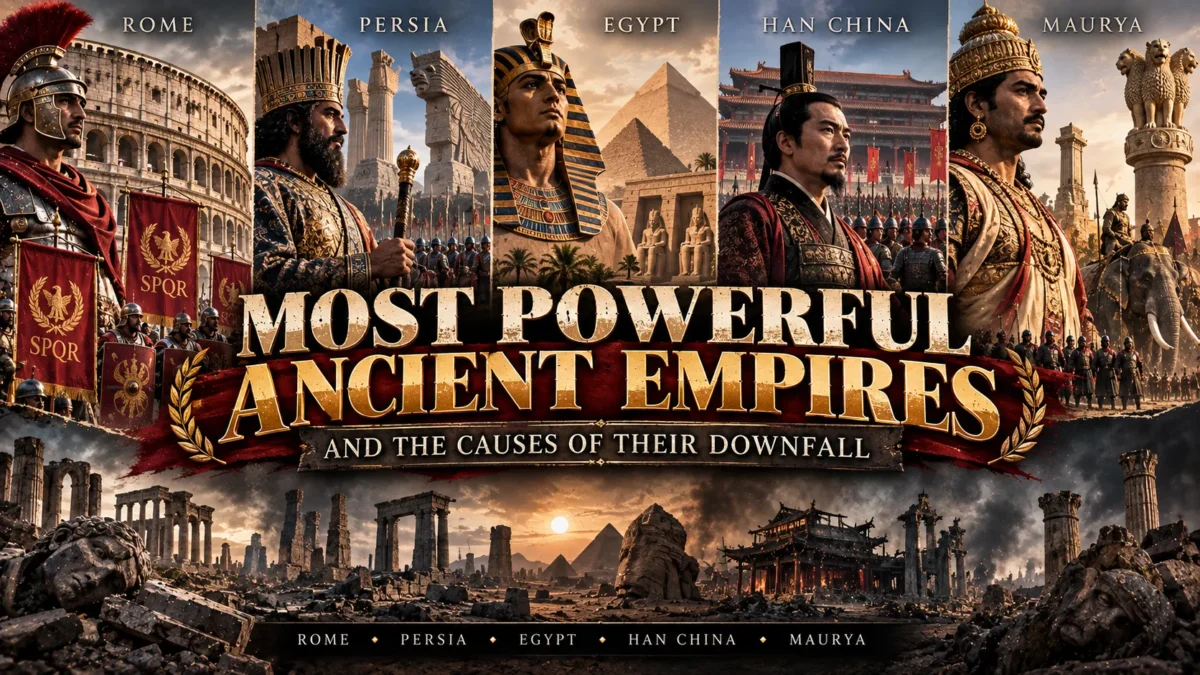
When people picture the ancient world, they usually imagine gleaming marble columns, gold-laden thrones, or endless armies marching across deserts.
It’s a romantic image, but the real story of historic empires is messier and far more interesting. Every old empire that ever rose to dominance eventually cracked, crumbled, or was conquered, and the reasons why are rarely as simple as “barbarians at the gate.”
In this guide, we’ll walk through fifteen of the most powerful empires the ancient and post-classical world ever produced, from Bronze Age Mesopotamia to the gunpowder empires of the early modern era.
Along the way, we’ll look at the ten most common threads historians point to when explaining why even the mightiest old empires eventually fell.
TL;DR: No single ancient empire fell for just one reason — war, disease, climate, debt, and bad succession planning almost always worked together to bring down even the strongest empires in history.
The Ancient World in Context: A Quick Chronology
Before ranking anything, it helps to place these historic empires within the broader sweep of historical time periods and eras. The chronology of ancient kingdoms doesn’t move in a straight line, since many empires overlapped, rose and fell in different regions, and influenced each other through trade and warfare.
Mesopotamia gets the honor of producing the first true empire around 2334 BCE, with Egypt, Assyria, and Babylon following in the centuries after. Persia’s Achaemenid dynasty then stitched together the largest empire the ancient world had yet seen, only to be absorbed by Alexander the Great’s conquests.
Meanwhile, separate and equally sophisticated empires were rising in India and China, largely independent of Mediterranean politics. Centuries later, Rome, Byzantium, the Mongols, the Aztecs, the Inca, the Ottomans, and Mali’s West African trading empire would each take their turn as some of the most powerful and, in some cases, richest empires in history.
Ten Recurring Causes Behind an Empire’s Collapse
Historians rarely agree on a single cause for any empire’s downfall, and it’s worth being skeptical of any explanation that sounds too neat. That said, ten patterns show up again and again across the history of ancient empires, and they’ll come up repeatedly in the list below.
- Overextension — armies and administrators stretched too thin across too much territory.
- Succession crises — unclear or contested transfers of power leading to civil war.
- Economic strain — currency debasement, unsustainable tribute systems, or trade collapse.
- Climate shifts and drought — crop failures that undercut food supply and tax revenue.
- Disease and pandemics — population loss that gutted armies, farms, and cities alike.
- Military stagnation — falling behind rivals in tactics, weapons, or logistics.
- Administrative corruption — decaying bureaucracies that stopped functioning effectively.
- Invasion or migration pressure — external groups pushing into weakened borders.
- Loss of legitimacy — rulers losing religious, cultural, or political authority to govern.
- Fragmentation and rebellion — provinces or vassals breaking away from central control.
With that framework in mind, let’s look at the empires themselves.
1. The Akkadian Empire (c. 2334–2154 BCE)
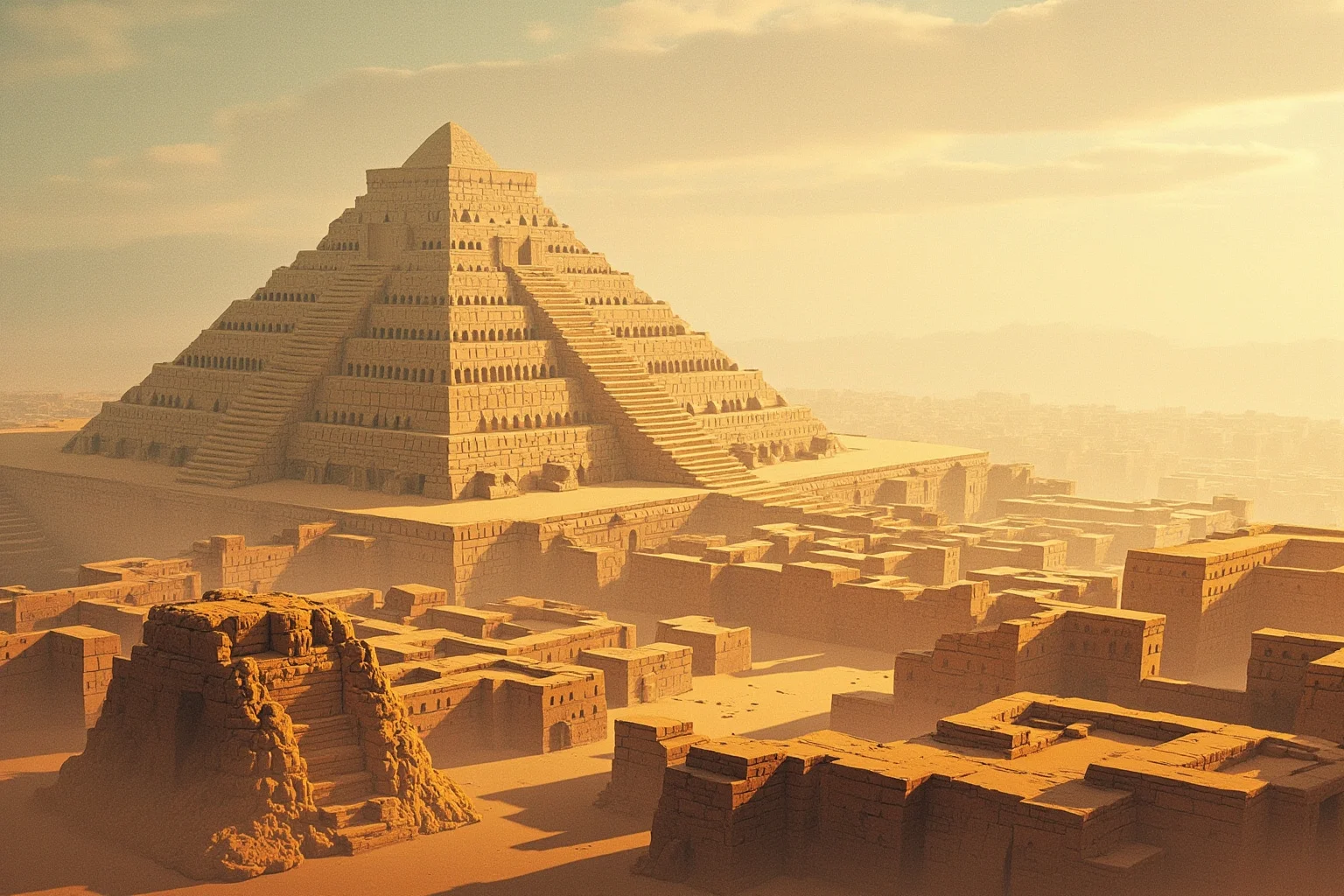
Founded by Sargon of Akkad, this was arguably the first true empire in the ancient world, uniting Sumerian city-states across Mesopotamia under one ruler. It pioneered many of the administrative tools — standardized weights, appointed governors, a professional army — that later empires would copy.
Its collapse is still debated, but most historians point to a combination of factors. Some geological and sediment evidence suggests a period of severe drought around 2200 BCE weakened agriculture, while invasions by the Gutians and internal rebellions from resentful city-states finished the job.
2. New Kingdom Egypt (c. 1550–1070 BCE)
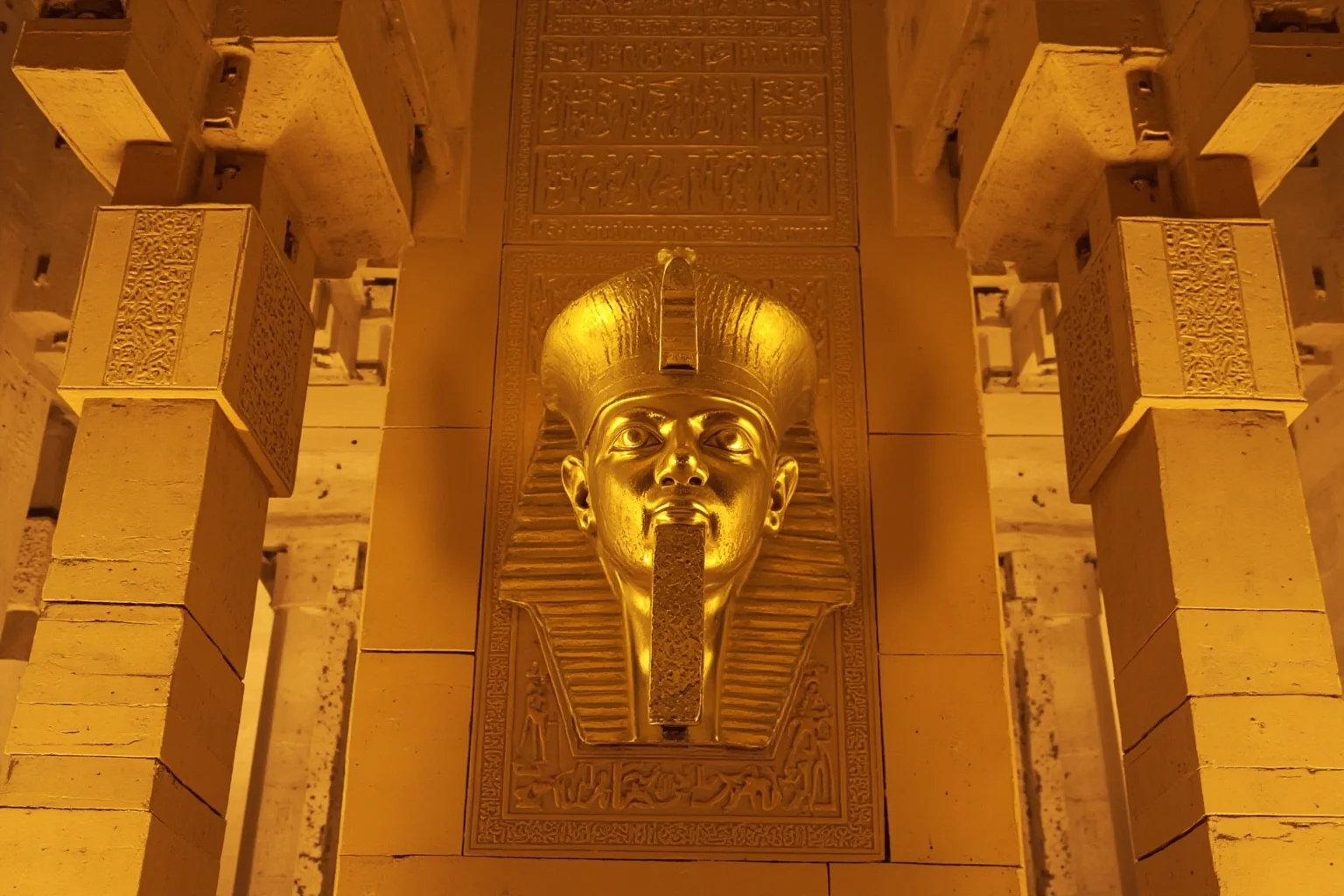
Egypt’s New Kingdom was the height of pharaonic power, with rulers like Thutmose III and Ramesses II expanding influence deep into the Levant and Nubia. Monumental temples, colossal statues, a professional army, and control of Nile trade routes made it one of the wealthiest old empires of its era.
Its decline came gradually rather than in one dramatic event. Succession disputes, the mysterious “Sea Peoples” invasions around 1200 BCE, and the loss of foreign territories all chipped away at central authority until Egypt fractured into competing dynasties.
3. The Neo-Assyrian Empire (c. 911–609 BCE)
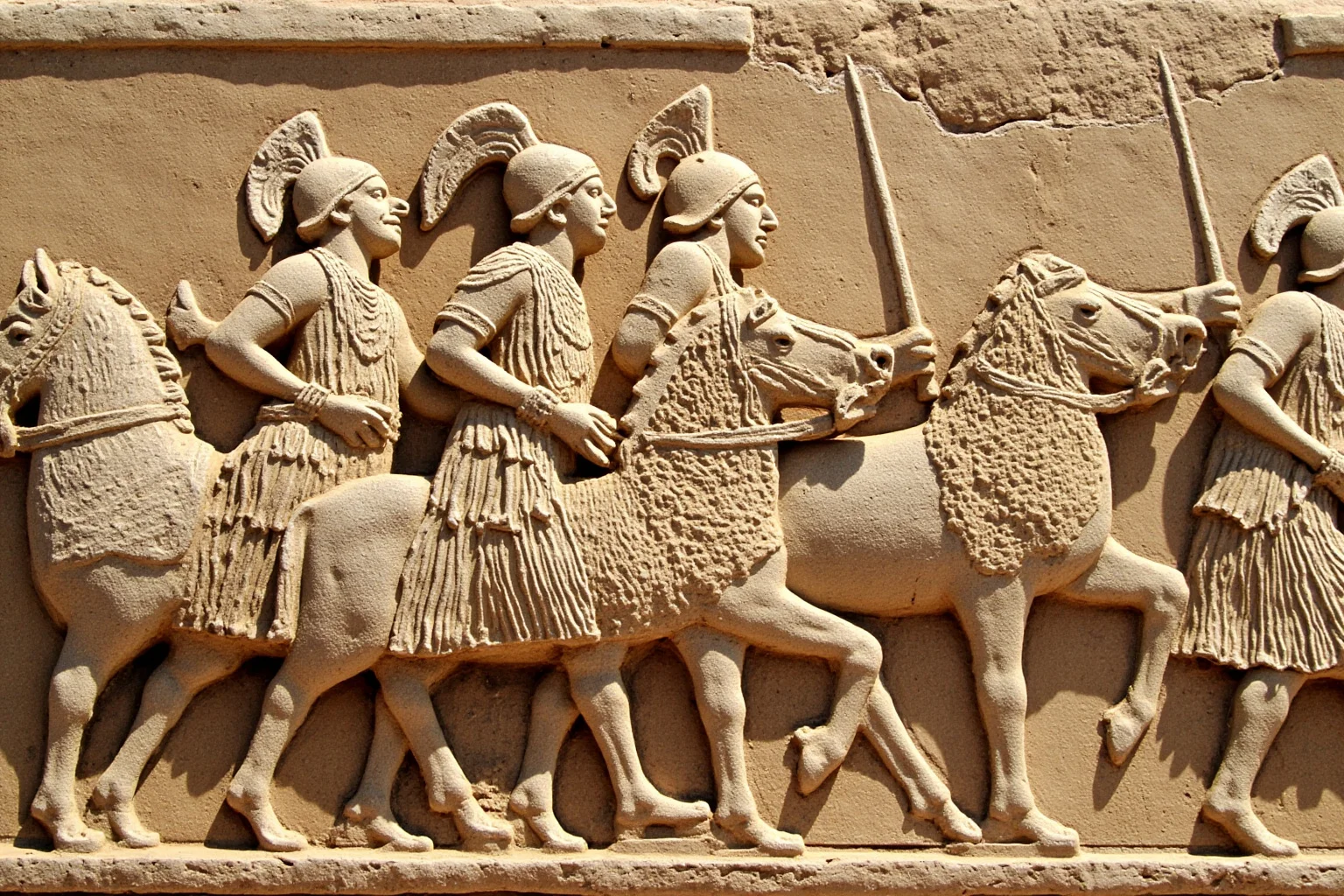
Assyria built its power on iron weapons, a genuinely terrifying reputation, and remarkably advanced logistics, including relay messenger systems and an early road network. At its height it controlled Mesopotamia, the Levant, and parts of Egypt, making it one of the strongest empires in history up to that point.
That strength came at a cost. Harsh repression bred constant rebellion, and after King Ashurbanipal’s death a brutal civil war weakened the empire from within, letting a coalition of Babylonians and Medes destroy the capital, Nineveh, in 612 BCE.
4. The Neo-Babylonian Empire (626–539 BCE)
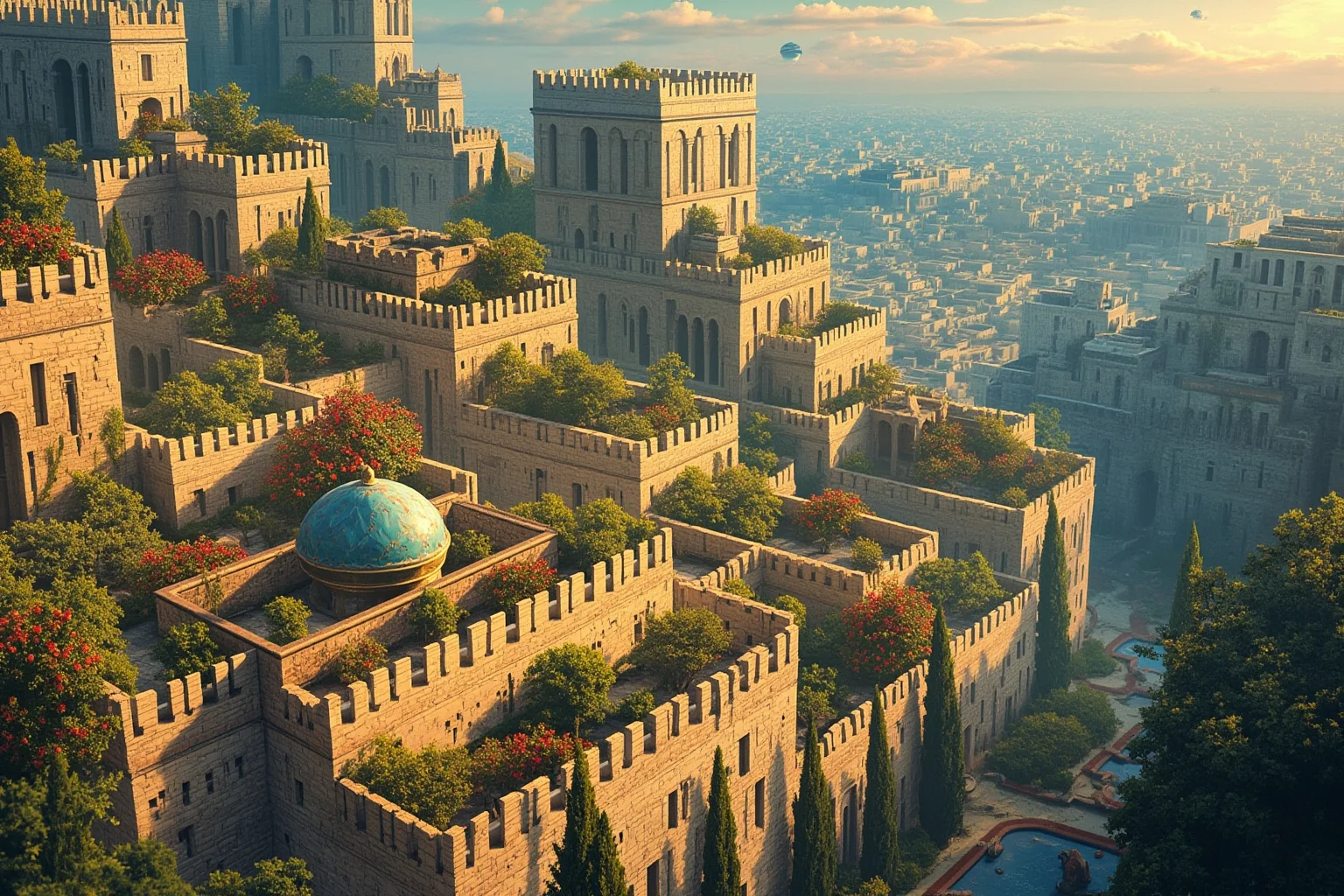
Under Nebuchadnezzar II, Babylon became the ancient world’s most celebrated city, famous for its walls and the legendary Hanging Gardens (a structure historians still debate the exact existence and location of). It was, briefly, one of the richest empires in history, controlling lucrative trade through Mesopotamia.
Its fall was surprisingly quiet. King Nabonidus’s unpopular religious reforms alienated Babylon’s priesthood, and when Cyrus the Great’s Persian forces arrived in 539 BCE, ancient sources describe the city surrendering with little resistance.
5. The Achaemenid Persian Empire (c. 550–330 BCE)
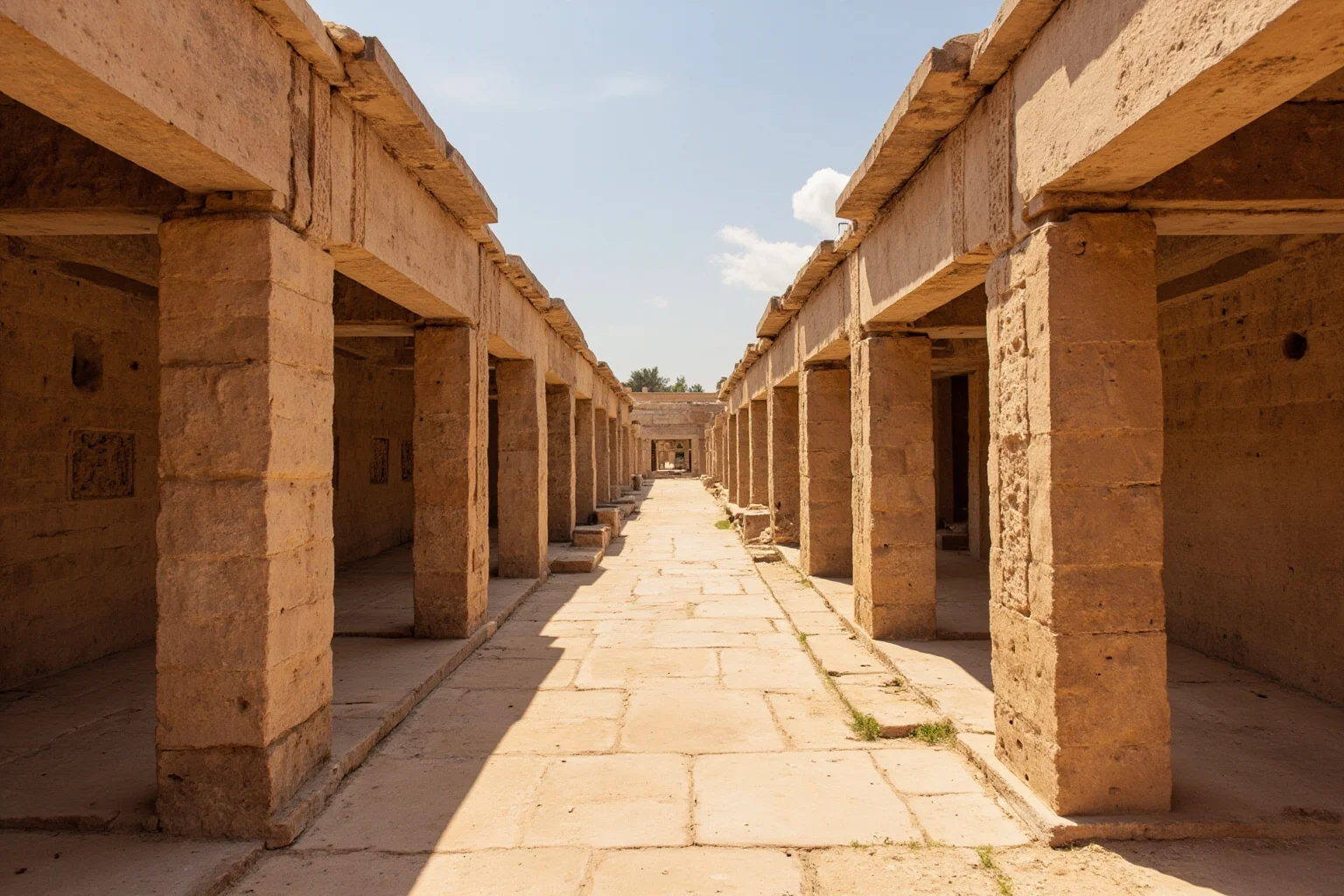
At its peak, Persia was the largest empire the ancient world had ever seen, stretching from the Balkans to the Indus Valley. Its success rested on genuine administrative innovation: the Royal Road, a satrapy system of regional governors, and a policy of relative religious tolerance toward conquered peoples.
Despite this sophistication, repeated succession struggles weakened the throne over generations. Alexander the Great exploited this instability, and after a series of decisive battles between 334 and 330 BCE, the Achaemenid Empire ceased to exist as an independent power.
6. The Maurya Empire (c. 322–185 BCE)
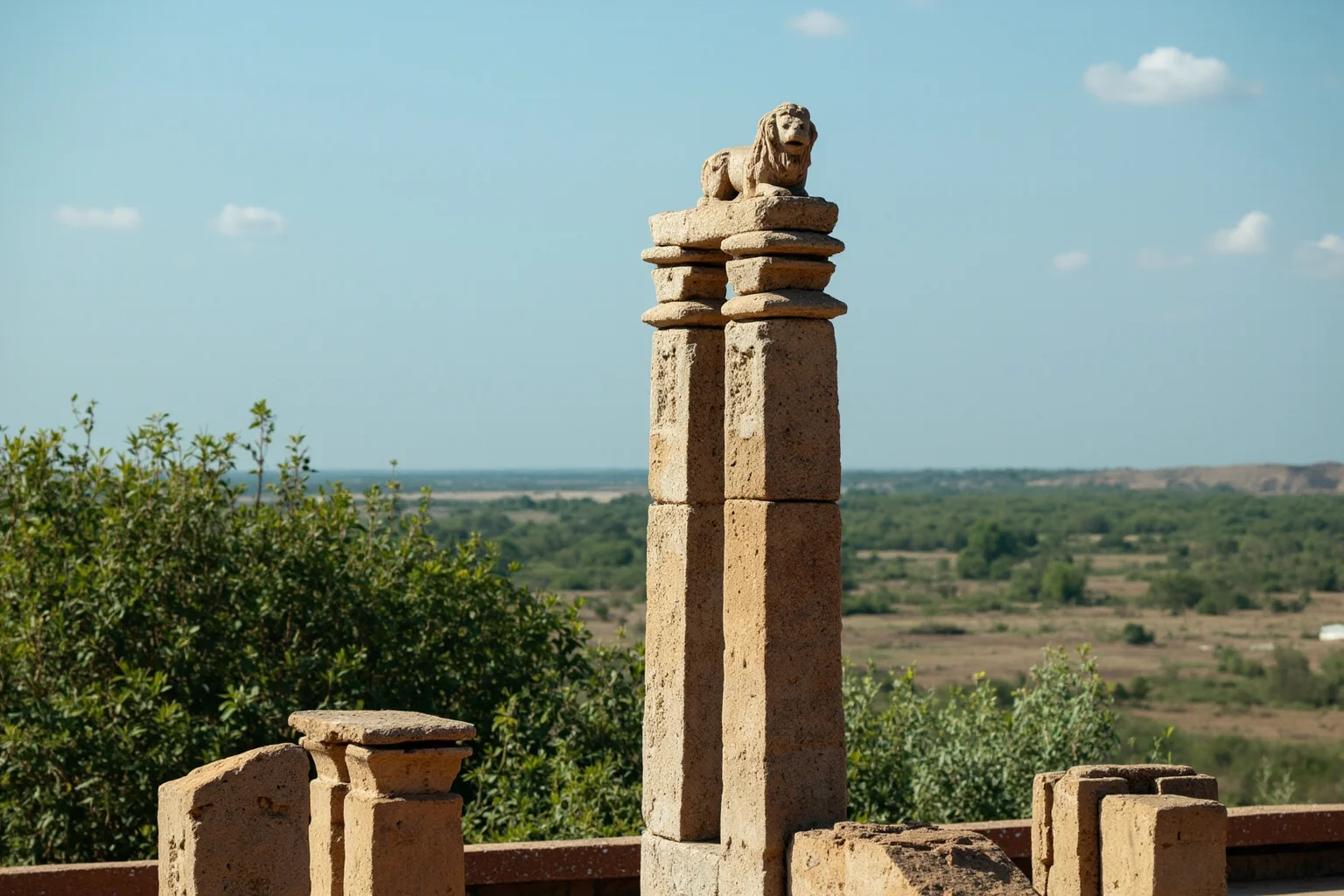
India’s Maurya Empire, especially under Emperor Ashoka, unified nearly the entire subcontinent for the first time. Ashoka’s later embrace of Buddhism and non-violence is often cited as a moral high point of ancient governance, alongside a genuinely impressive bureaucratic and espionage network.
After Ashoka’s death, weaker successors struggled to hold the empire together, and some historians argue reduced military assertiveness left the empire vulnerable to regional governors asserting independence. The dynasty ended when its last ruler was assassinated by his own military commander around 185 BCE.
7. Qin and Han Dynasty China (221 BCE–220 CE)
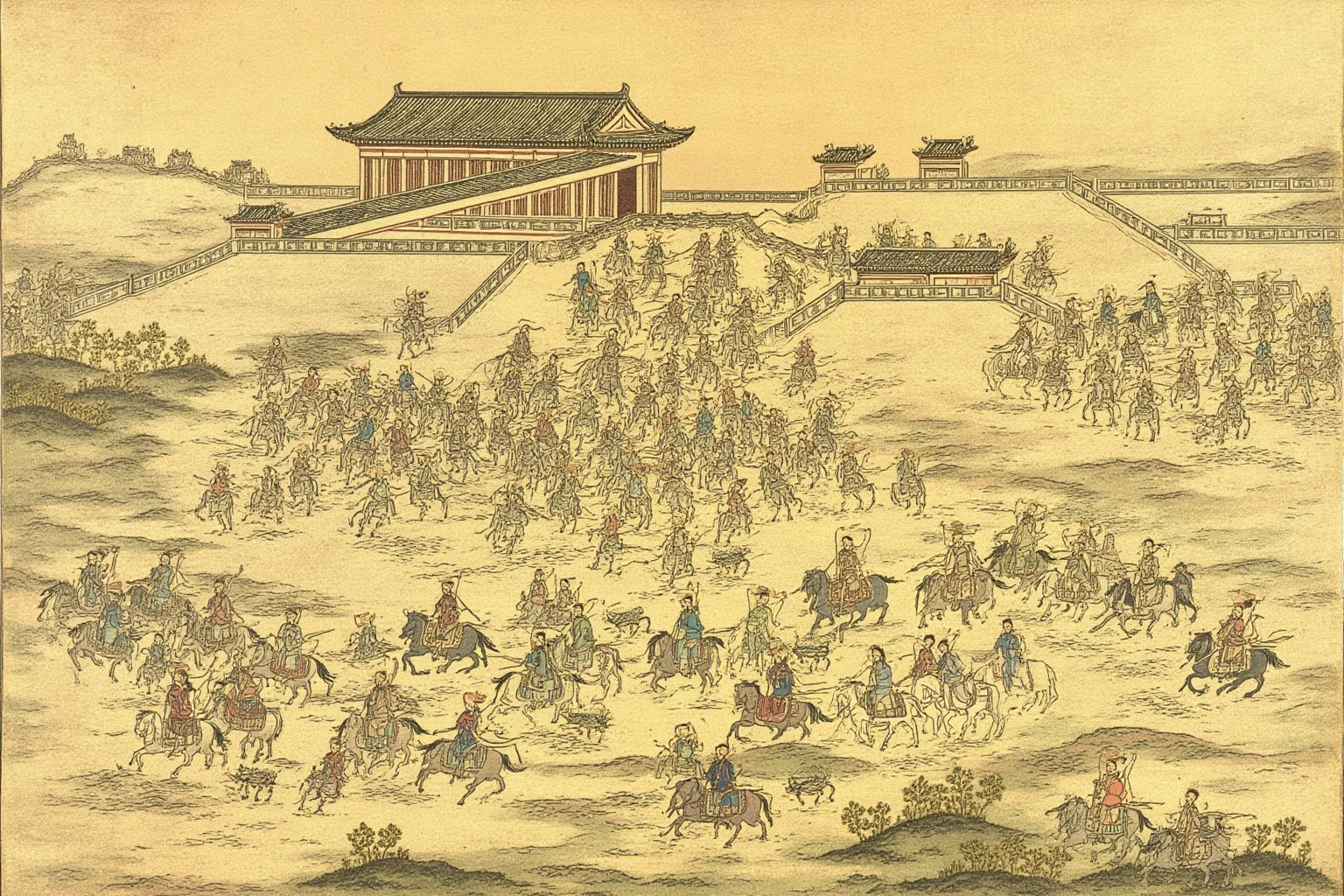
The short-lived Qin dynasty unified China’s warring states through ruthless legalism, standardizing writing, currency, and law. It collapsed almost immediately after founder Qin Shi Huang’s death, but the following Han dynasty built on its foundations to create one of the ancient world’s most durable empires, linked to the West via the Silk Road.
The Han eventually crumbled under a familiar mix of pressures: corrupt court eunuchs, land inequality, and the Yellow Turban Rebellion of 184 CE. Regional warlords carved up the empire afterward, ending centralized Han rule by 220 CE.
8. The Roman Empire (27 BCE–476 CE in the West)

Rome is probably the first empire that comes to mind when people search for the most powerful empire in history, and it’s easy to see why. Roads, aqueducts, a professional legal system, and a genuinely multicultural citizenship model let Rome dominate the Mediterranean for centuries.
Rome’s fall wasn’t caused by any single dramatic event, despite popular myths (lead pipes causing mass poisoning is a persistent one that most historians consider a minor factor at best). Economic strain, political instability, repeated civil wars, and sustained pressure from Gothic and Hunnic groups all combined until the last Western emperor was deposed in 476 CE.
9. The Byzantine Empire (330–1453 CE)
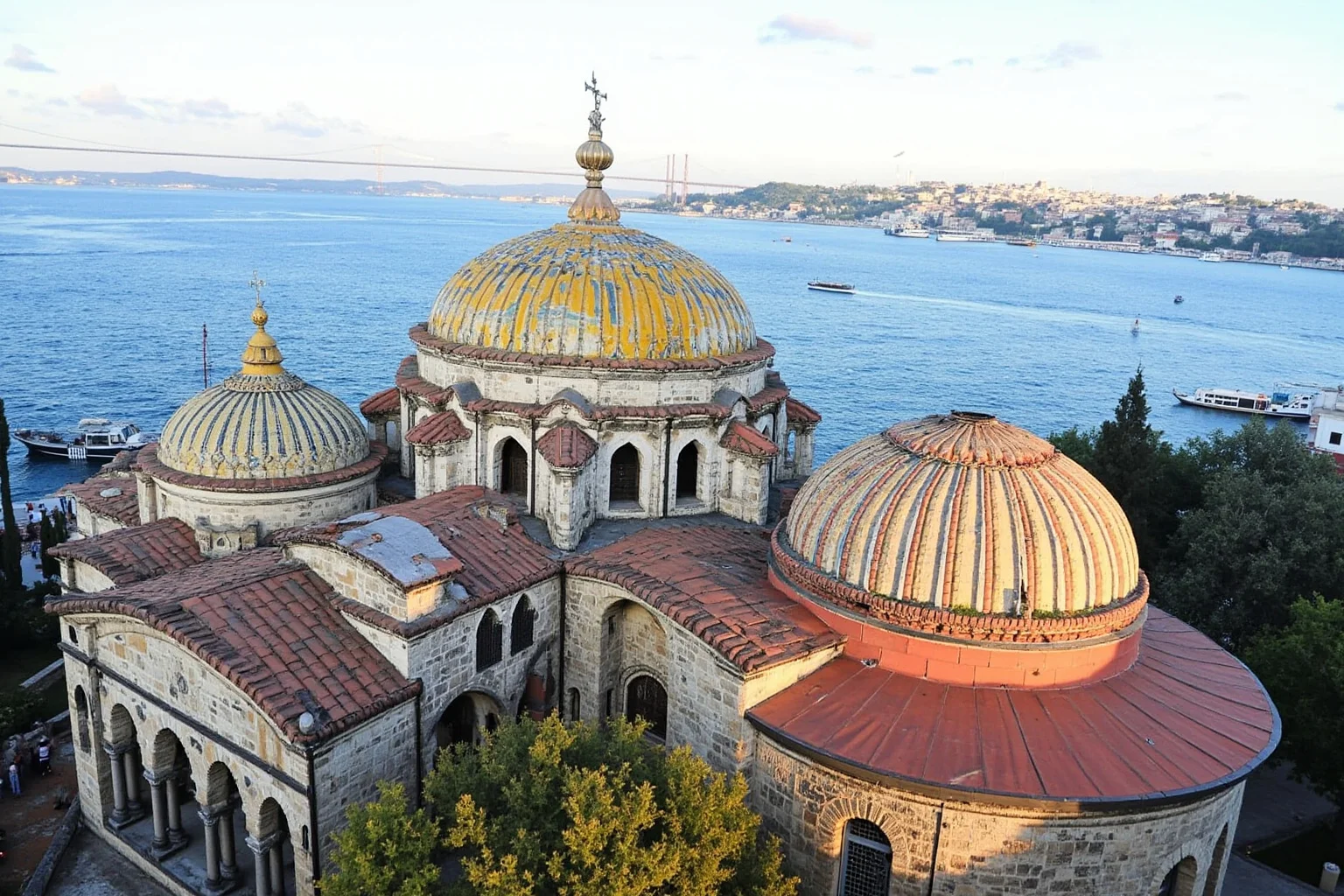
Often overlooked, the Byzantine Empire was essentially Rome’s eastern half continuing for another thousand years after the West collapsed. Constantinople’s position bridging Europe and Asia, combined with Justinian’s legal reforms, made Byzantium one of the great empires of the medieval Mediterranean.
Its long decline included the catastrophic sack of Constantinople during the Fourth Crusade in 1204, which it never fully recovered from. The final blow came in 1453, when Ottoman forces under Mehmed II breached the city’s walls using advanced siege artillery.
10. The Gupta Empire (c. 320–550 CE)
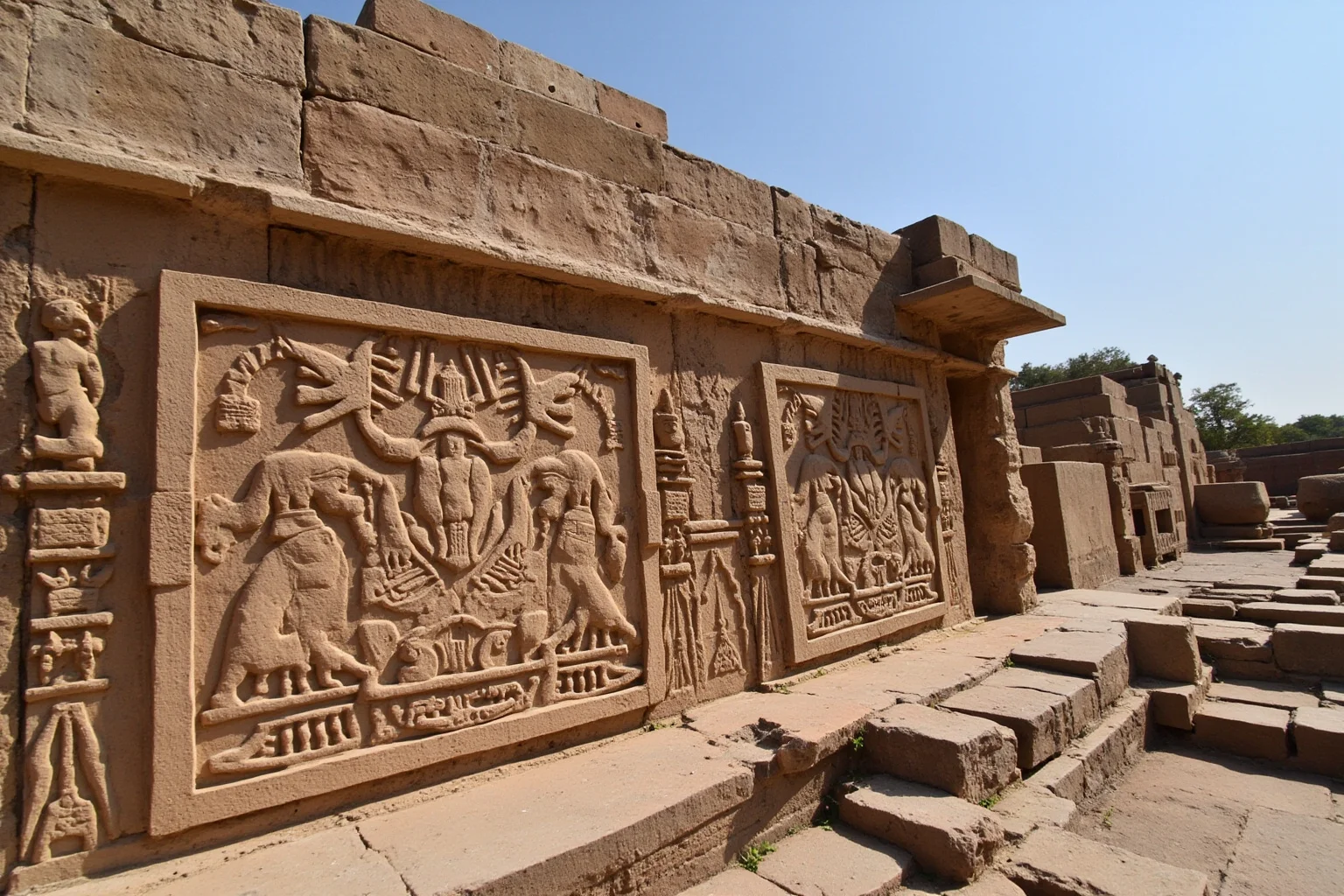
Often called India’s golden age, the Gupta Empire oversaw major advances in mathematics, astronomy, and the arts, including foundational work on the concept of zero. It ruled through a relatively decentralized system that gave regional elites meaningful autonomy in exchange for loyalty.
That same decentralization became a weakness once Huna (Hunnic) invasions pressed on the empire’s northwestern frontier in the late fifth century. Regional governors increasingly acted independently, and central Gupta authority faded rather than collapsing in one clean break.
11. The Mongol Empire (1206–1368 CE)
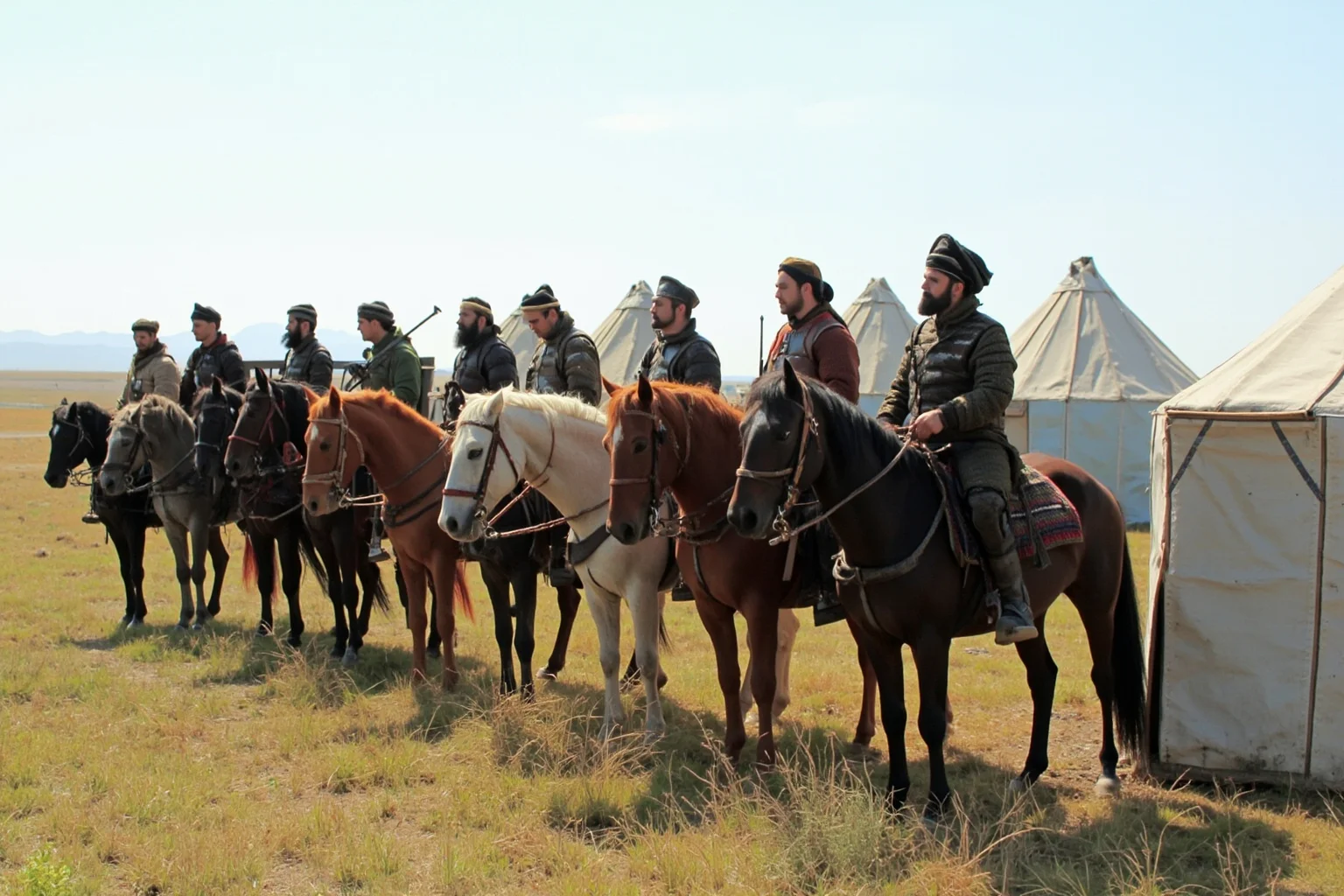
Under Genghis Khan and his successors, the Mongol Empire became the largest contiguous land empire in history, stretching from Korea to Eastern Europe. Its power came from disciplined cavalry, meritocratic promotion, and the Pax Mongolica, a period of relative safety that boosted trade along the Silk Road.
The empire’s sheer size proved impossible to sustain under one ruler, and it eventually split into four separate khanates. Succession disputes, the disruption of the Black Death, and cultural assimilation into local populations all contributed, with the Chinese branch (the Yuan dynasty) finally overthrown by the Ming in 1368.
12. The Aztec Empire (c. 1428–1521 CE)
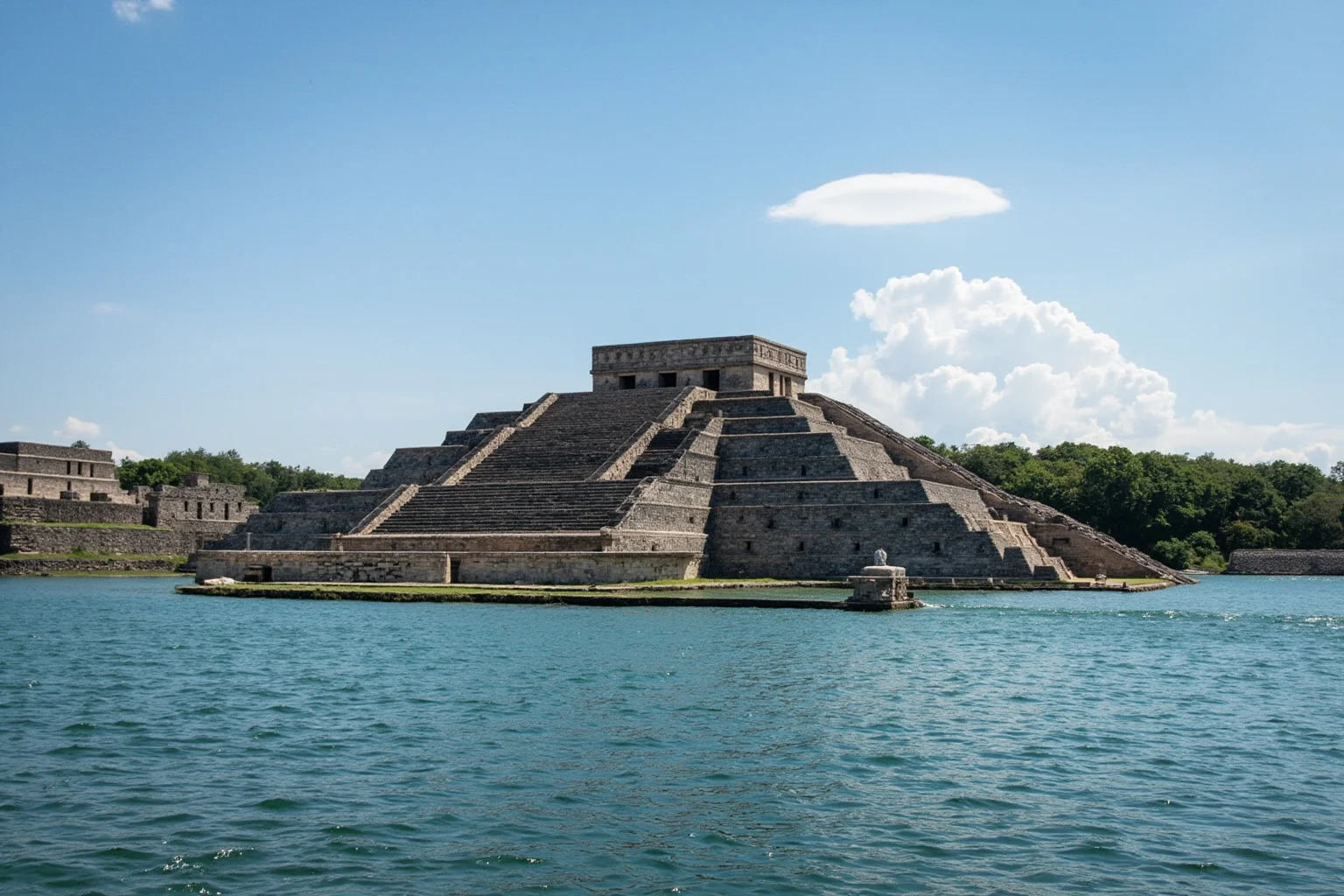
Centered on the island capital of Tenochtitlan, the Aztec (Mexica) Empire dominated central Mexico through a sophisticated tribute network drawn from dozens of subject city-states. Its markets, engineering, and calendar systems impressed even the Spanish conquistadors who eventually destroyed it.
Hernán Cortés’s forces succeeded partly through alliances with rival indigenous groups who resented Aztec tribute demands, and partly through devastating smallpox epidemics that swept through the population. Tenochtitlan fell in 1521, ending independent Aztec rule within just a few years of European contact.
13. The Inca Empire (c. 1438–1533 CE)

The Inca built the largest empire in the pre-Columbian Americas, an impressive feat given its mountainous terrain. A vast road network, sophisticated terrace farming, and the city of Cusco anchored an empire that stretched along the Andes for thousands of kilometers.
A civil war between rival claimants Huáscar and Atahualpa fatally weakened the empire just before Francisco Pizarro’s small Spanish force arrived in 1532. Disease, internal division, and Spanish steel and horses combined to bring down the empire within a matter of years.
14. The Ottoman Empire (1299–1922 CE)
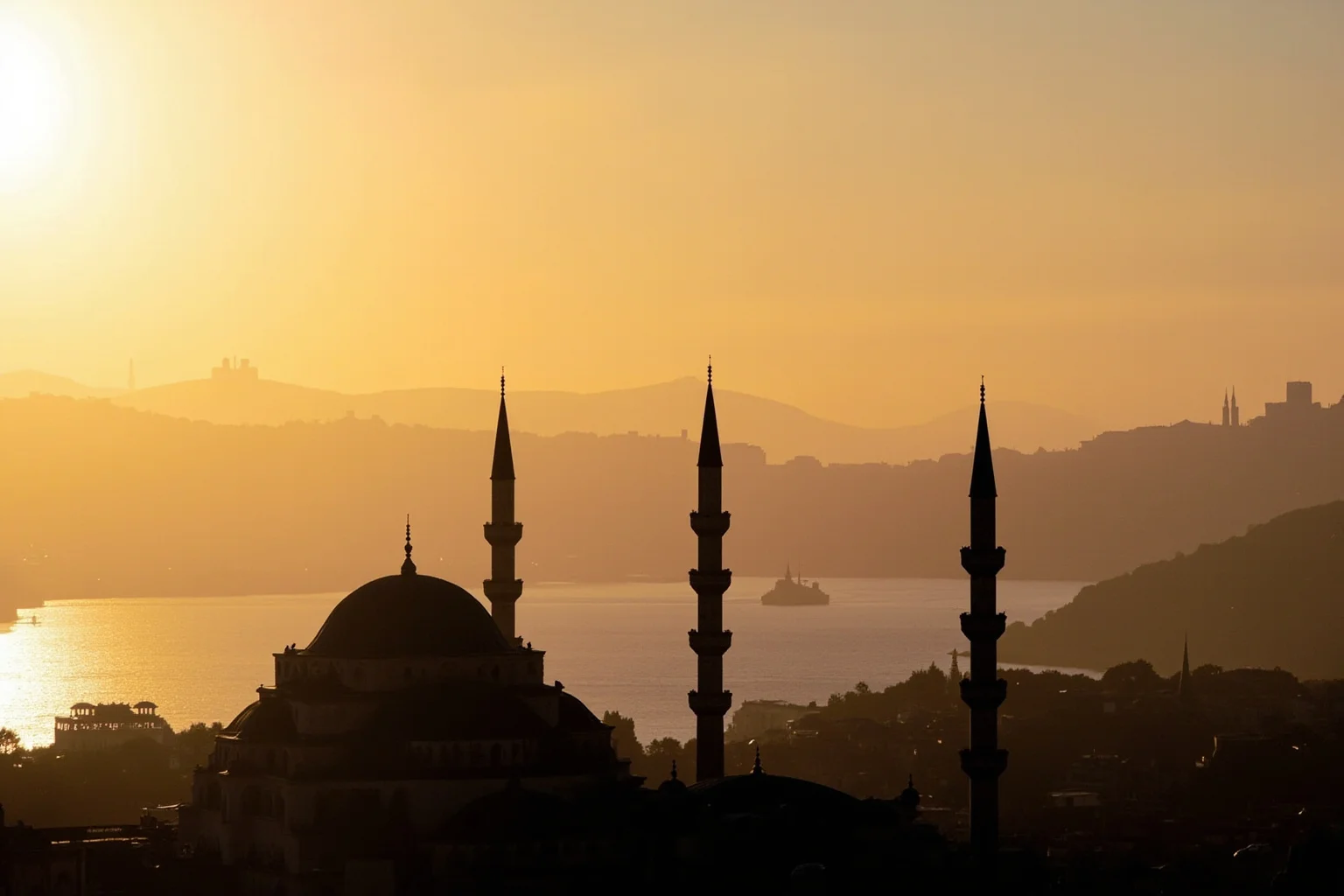
Many people specifically ask why the Ottoman Empire was so powerful, and the answer lies in a combination of military innovation and administrative flexibility. The elite Janissary corps, early and effective use of gunpowder artillery, control of key trade routes, and a relatively tolerant millet system for governing diverse religious communities all fueled centuries of expansion.
The empire’s eventual decline was slow, spanning centuries rather than decades. Failure to modernize its military and economy at the same pace as Western Europe, rising nationalist movements among its many ethnic groups, and defeat in World War One all led to its formal dissolution in 1922.
15. The Mali Empire (c. 1235–1600 CE)
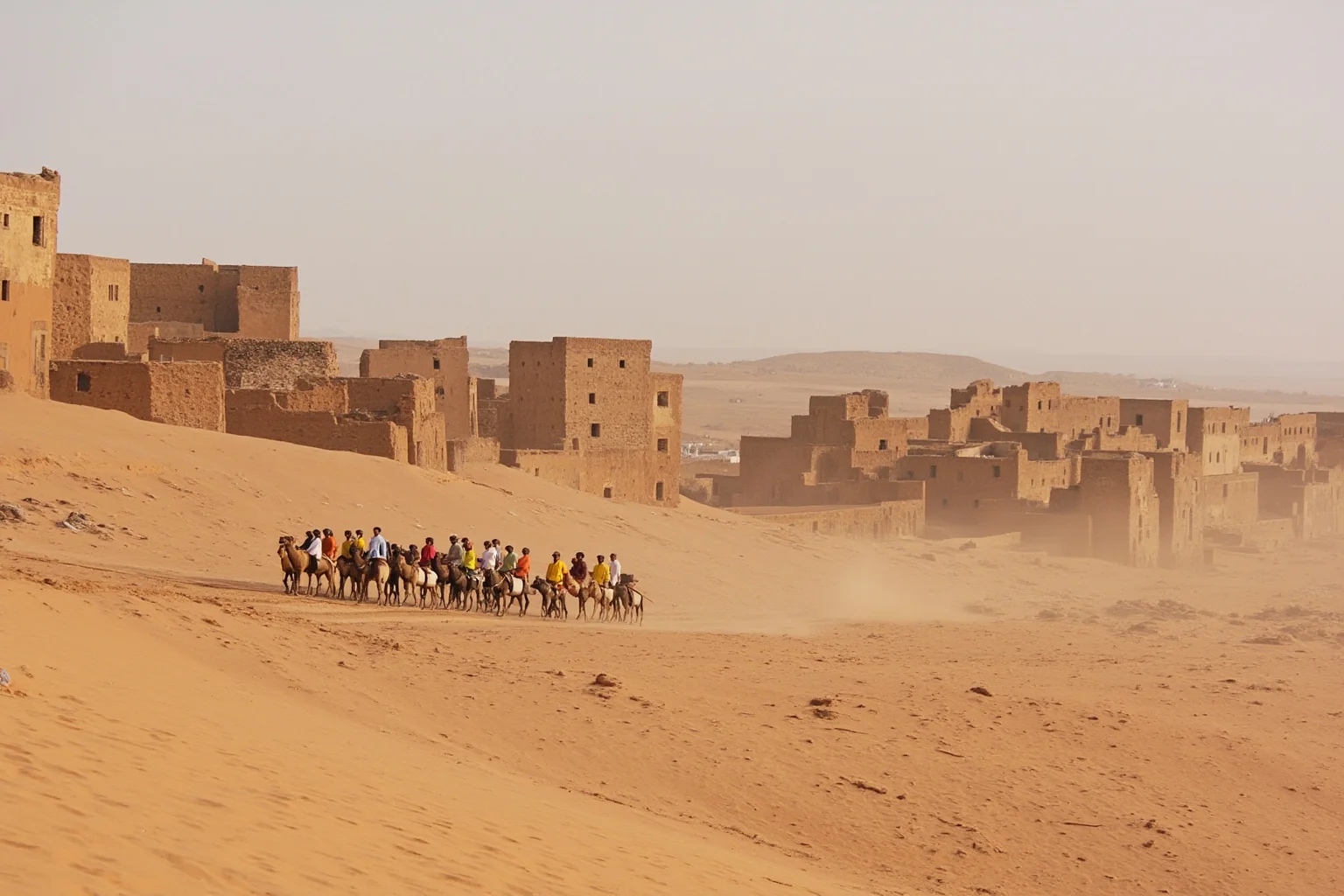
West Africa’s Mali Empire is frequently cited as an answer to the question of what was the richest empire in history, largely thanks to Mansa Musa, whose fourteenth-century pilgrimage to Mecca is described in historical accounts as staggeringly lavish. Mali’s wealth came from controlling trans-Saharan gold and salt trade routes, with Timbuktu emerging as a major center of scholarship and commerce.
After Mansa Musa’s reign, succession disputes weakened central authority, while the rising Songhai Empire and pressure from the Mossi kingdoms chipped away at Mali’s territory. By the late 1500s, the empire had fragmented into a much smaller regional power.
Lessons From Empires That Fell
Looking across all fifteen of these old empires, a few honest patterns emerge. No empire, no matter how strong, wealthy, or well-organized, proved immune to the combination of internal decay and external pressure described in our list of ten causes above.
It’s also worth resisting simple narratives. Rome didn’t fall because of one bad emperor or one poisoned water pipe, and the Aztec Empire didn’t fall purely because of superior European weaponry. Real historical collapse is almost always a tangle of economics, politics, disease, and timing.
That’s part of what makes the ancient world so endlessly fascinating to study. Every historic empire, from Akkad to the Ottomans, has left behind some of the most incredible artifacts ever uncovered, each offering a genuinely different case study in how power is built, and how it inevitably changes hands.
Frequently Asked Questions
What is the most powerful empire in history?
There's no single agreed-upon answer, since "powerful" can mean territorial size, military strength, economic output, or cultural influence. The Mongol Empire controlled the largest contiguous land area in history, Rome is often cited for its lasting institutional and cultural influence, and the British Empire (a later, non-ancient example) controlled the largest total territory of any empire ever. Historians generally avoid crowning one definitive "most powerful empire in history" because the comparison depends heavily on which measure you use.
What is the strongest empire in history?
Similar to "most powerful," the strongest empire in history depends on your criteria. In terms of sustained military dominance over the largest area, the Mongol Empire is a strong candidate, while Rome and the Ottoman Empire are often highlighted for combining military strength with long-term administrative stability across centuries.
Why was the Ottoman Empire so powerful?
The Ottoman Empire built its power on early mastery of gunpowder weapons and siege artillery, an elite and highly trained Janissary military corps, control over key trade routes between Europe and Asia, and a relatively flexible system for governing the many different religious and ethnic communities under its rule. This combination let it expand and hold territory across three continents for over six centuries.
What was the richest empire in history?
Mali's empire under Mansa Musa in the 14th century is frequently cited as one of history's richest empires, largely due to its control of West African gold and salt trade routes. Other strong contenders for richest empire in history include the Mughal Empire and the Roman Empire at its economic peak, though comparing wealth across such different eras and economies is inherently imprecise.
Which of the classical empires was the first to fail?
Among the classical Mediterranean and Near Eastern empires, the Akkadian Empire (which collapsed around 2154 BCE) is generally considered the first major empire to fall, following pressures from drought, invasion, and internal rebellion. If you're referring specifically to the classical Greco-Roman world, the Western Roman Empire fell in 476 CE, well before the Eastern Byzantine Empire, which survived until 1453.
Were there any “worst” empires in history?
Historians generally avoid ranking empires as simply "worst," since judgments depend on values like human rights, governance, or long-term stability rather than objective metrics. That said, empires such as the Neo-Assyrian Empire and Leopold II's Congo Free State (a later colonial example) are frequently cited in discussions of the worst empires in history due to their documented brutality toward conquered or colonized populations.
What is the rough chronology of ancient kingdoms?
Broadly, the chronology of ancient kingdoms begins with Sumerian city-states and the Akkadian Empire around 2300 BCE, followed by Egypt's Old, Middle, and New Kingdoms, then Assyria and Babylon in Mesopotamia. Persia's Achaemenid Empire rose around 550 BCE, followed by classical Greece, Rome, the Maurya and Gupta empires in India, and Han dynasty China, with later empires like Byzantium, the Mongols, and the Ottomans extending well into the medieval and early modern periods.

Alex Warren
Related Articles