

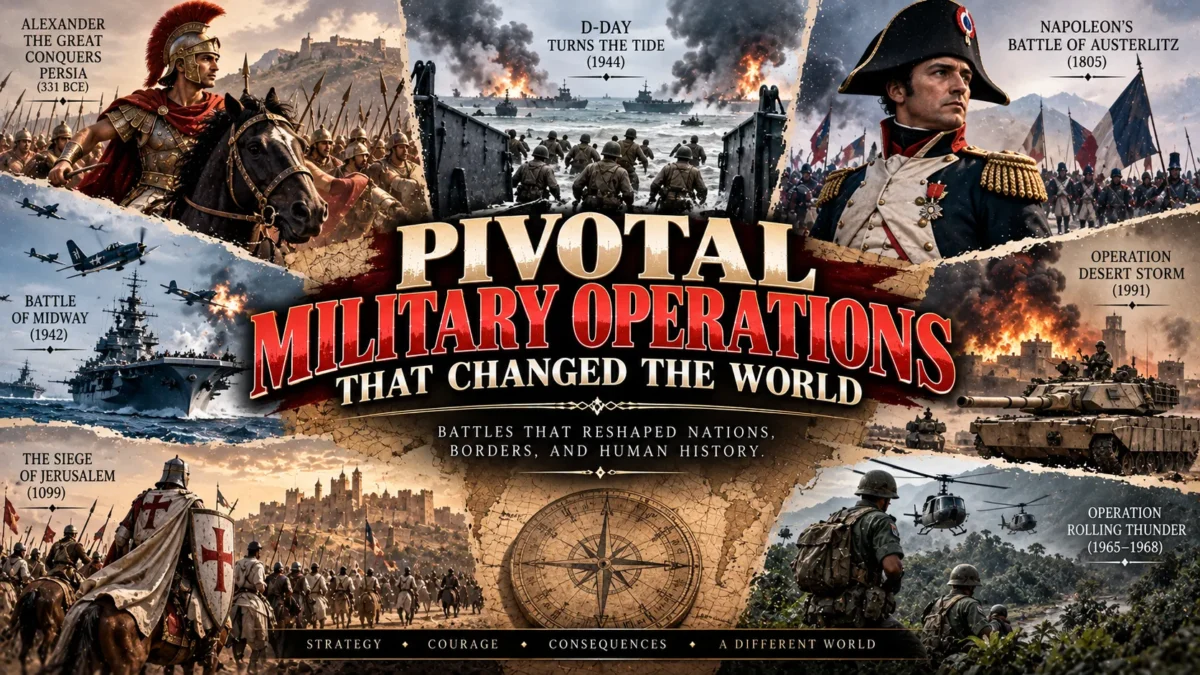
Say the words “Operation Overlord” or “Operation Desert Storm” out loud, and most people instantly picture something dramatic. That’s the whole point. Military operation names are designed to be memorable, but behind the catchy branding sits some of the most consequential decision-making in human history.
This list walks through 25 of the most pivotal military operations ever launched, spanning World War One through the modern era. Along the way, we’ll bust a few myths about how these names actually get chosen, look at which operations named after royalty or imperial families actually exist, and explain why some of the “coolest” operation names were later deemed too revealing — or too controversial — to keep.
TL;DR: From D-Day’s Operation Overlord to the raid remembered as Operation Neptune Spear, the code names military planners choose are rarely random, and the operations behind them have repeatedly reshaped the course of world history.
Why Military Operation Names Matter
A good operation name does real work. It has to be easy to say over a radio, hard to confuse with another operation, and — ideally — reveal nothing about the actual mission to anyone who intercepts it. That last requirement has shaped naming conventions for over a century of warfare.
During World War Two, British and American planners developed fairly strict rules about what a code name could and couldn’t imply. General Dwight D. Eisenhower reportedly insisted that names shouldn’t sound boastful or suggest the operation was guaranteed to succeed, since a name like that could look grim in the history books if the mission failed. This is part of why so many famous World War 2 operation names sound almost randomly poetic — Overlord, Torch, Dynamo — rather than aggressive or triumphant.
The United States eventually formalized this into a system for assigning two-word nicknames, now referred to informally as NICKA, where the first word is tied to a specific command and the second is chosen with restrictions in mind. Names can’t be offensive, can’t embarrass an ally, and can’t reference real people in a way that implies endorsement.
That system isn’t foolproof. In 2001, the US briefly announced the Afghanistan campaign as “Operation Infinite Justice” before renaming it Operation Enduring Freedom within days, after scholars pointed out that “infinite justice” is considered an attribute of God in Islamic theology and could be seen as offensive. It’s a good reminder that even famous military operation names go through real editorial scrutiny before the public ever hears them.
How This List Is Organized
The operations below are grouped roughly by era, moving from the trench warfare of World War One through the Cold War and into the 21st century. Some are massive, nation-defining offensives; others are small, secretive missions with outsized consequences. Together, they form a fairly representative list of military operations that shaped modern history.
World War I
1. Kaiserschlacht / Operation Michael (1918)
In spring 1918, Germany launched a series of offensives on the Western Front known collectively as the Kaiserschlacht, literally “the Kaiser’s Battle,” named in honor of Emperor Wilhelm II. The opening phase, Operation Michael, was the largest German offensive since 1914 and briefly threatened to break the Allied lines entirely.
It ultimately failed to achieve a decisive breakthrough, and the exhausted German army had little left to resist the Allied counteroffensives that followed. Kaiserschlacht is one of the earliest well-documented examples of a major military operation explicitly named to honor imperial leadership.
World War II
2. Operation Barbarossa (1941)
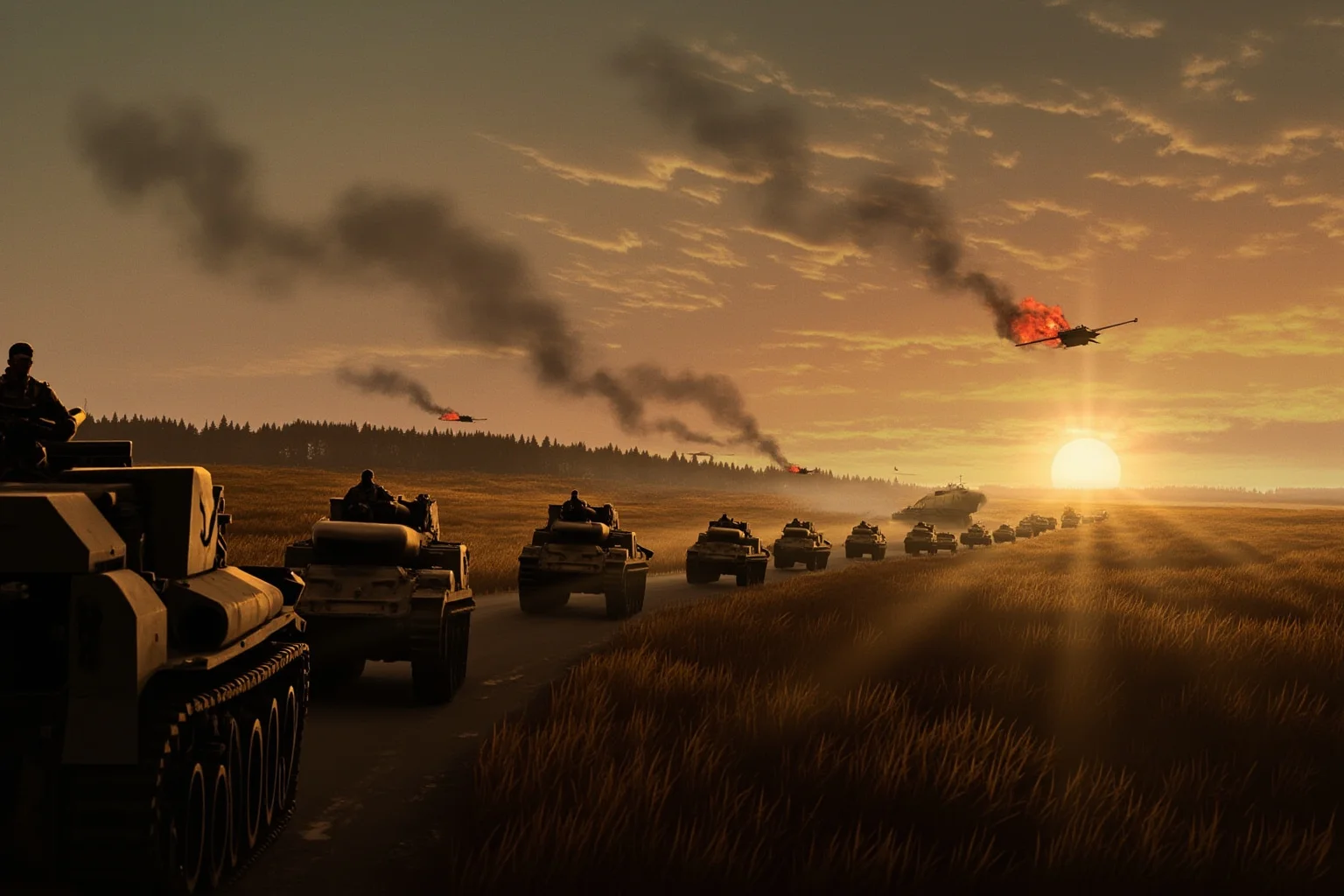
Launched on June 22, 1941, Barbarossa was Nazi Germany’s invasion of the Soviet Union, and by most measures of manpower — rivaling the scale of some of the largest militaries in the world today — it remains the largest military operation in history. Over three million Axis troops, thousands of tanks, and roughly 2,500 aircraft crossed into Soviet territory along a front stretching more than 1,800 miles.
The operation was named after Frederick I, the medieval Holy Roman Emperor nicknamed “Barbarossa” for his red beard, making this one of the clearest military operations named after royalty or imperial families on record. The invasion’s failure to capture Moscow before winter set in became a turning point that historians widely credit with dooming Germany’s war on the Eastern Front.
3. Operation Dynamo (1940)
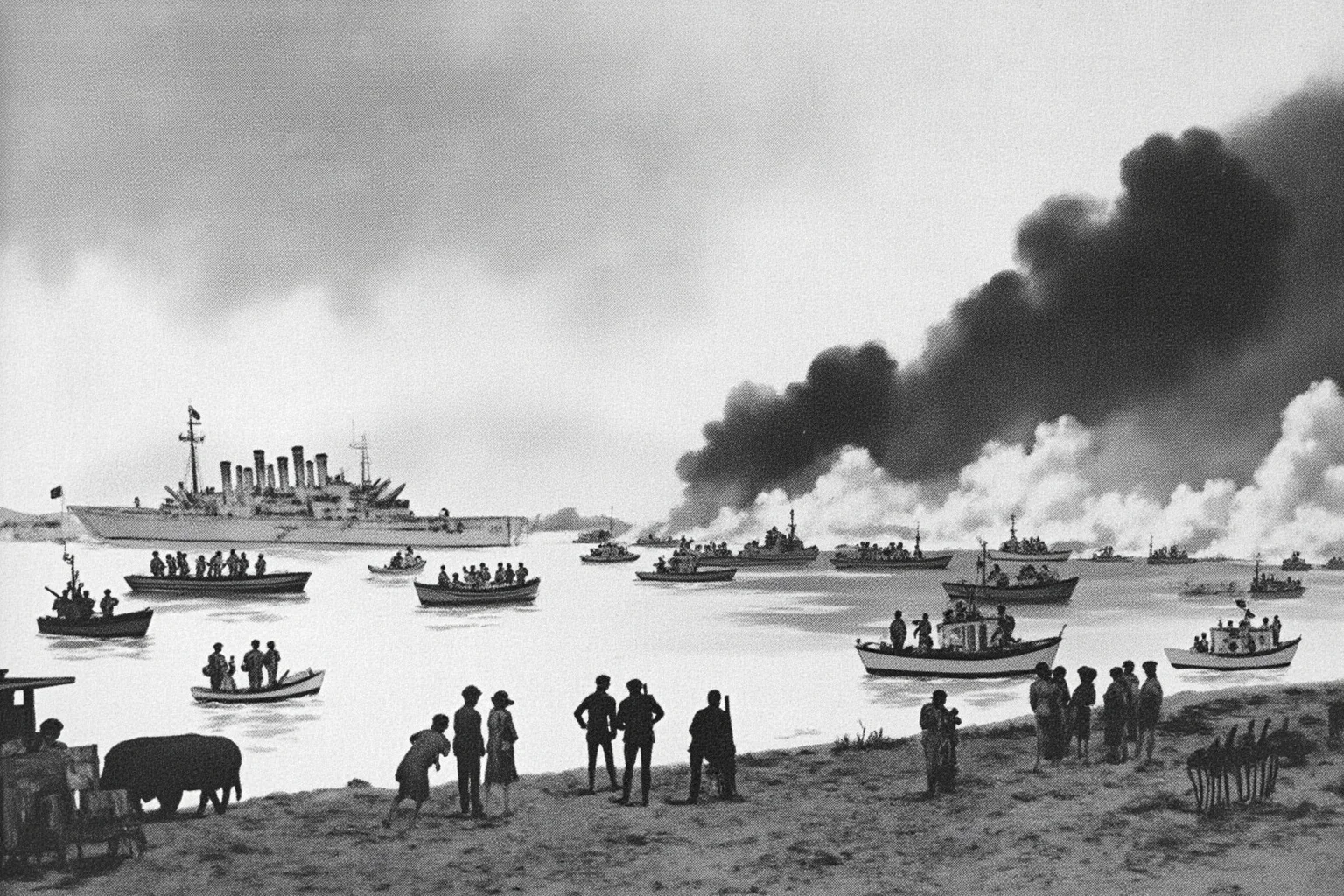
Operation Dynamo was the evacuation of Allied troops from the beaches of Dunkirk between May 26 and June 4, 1940. Roughly 338,000 British and French soldiers were rescued using a mix of Royal Navy vessels and hundreds of civilian “little ships.”
While not a combat victory, the operation preserved the core of Britain’s fighting force at a moment when the war could easily have ended in total German dominance of Western Europe. It’s still cited as one of the most famous military operations of the 20th century precisely because it turned near-catastrophe into a rallying point.
4. Operation Torch (1942)
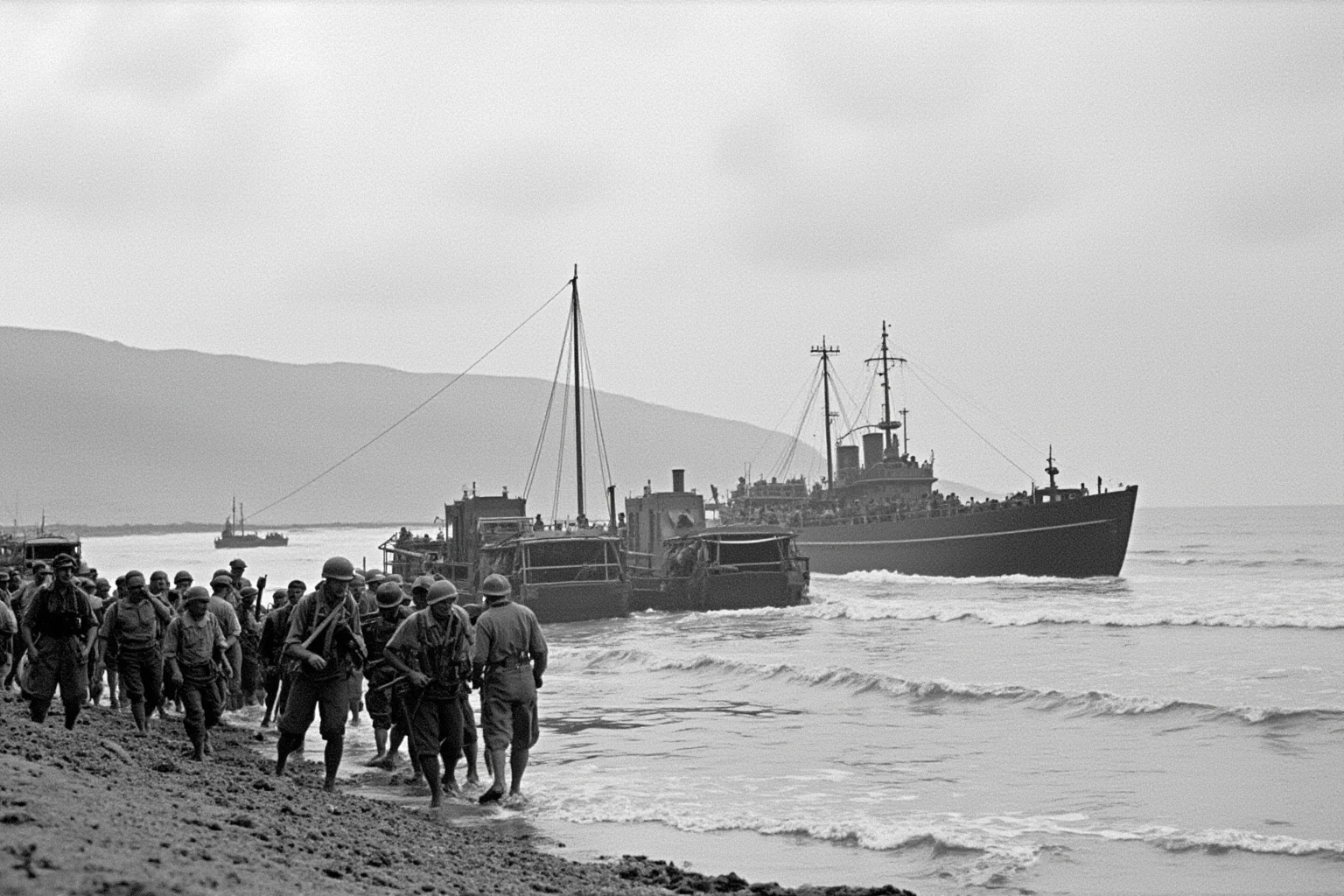
Operation Torch was the Allied invasion of French North Africa in November 1942, marking the first major joint US-British operation of the war. It opened a new front against Axis forces and gave American troops their first large-scale combat experience in Europe’s theater.
The campaign that followed helped clear North Africa of Axis control by mid-1943, setting the stage for the invasion of Sicily. It’s a solid early example of how names of operations in WW2 were used to coordinate genuinely multinational efforts.
5. Operation Husky (1943)
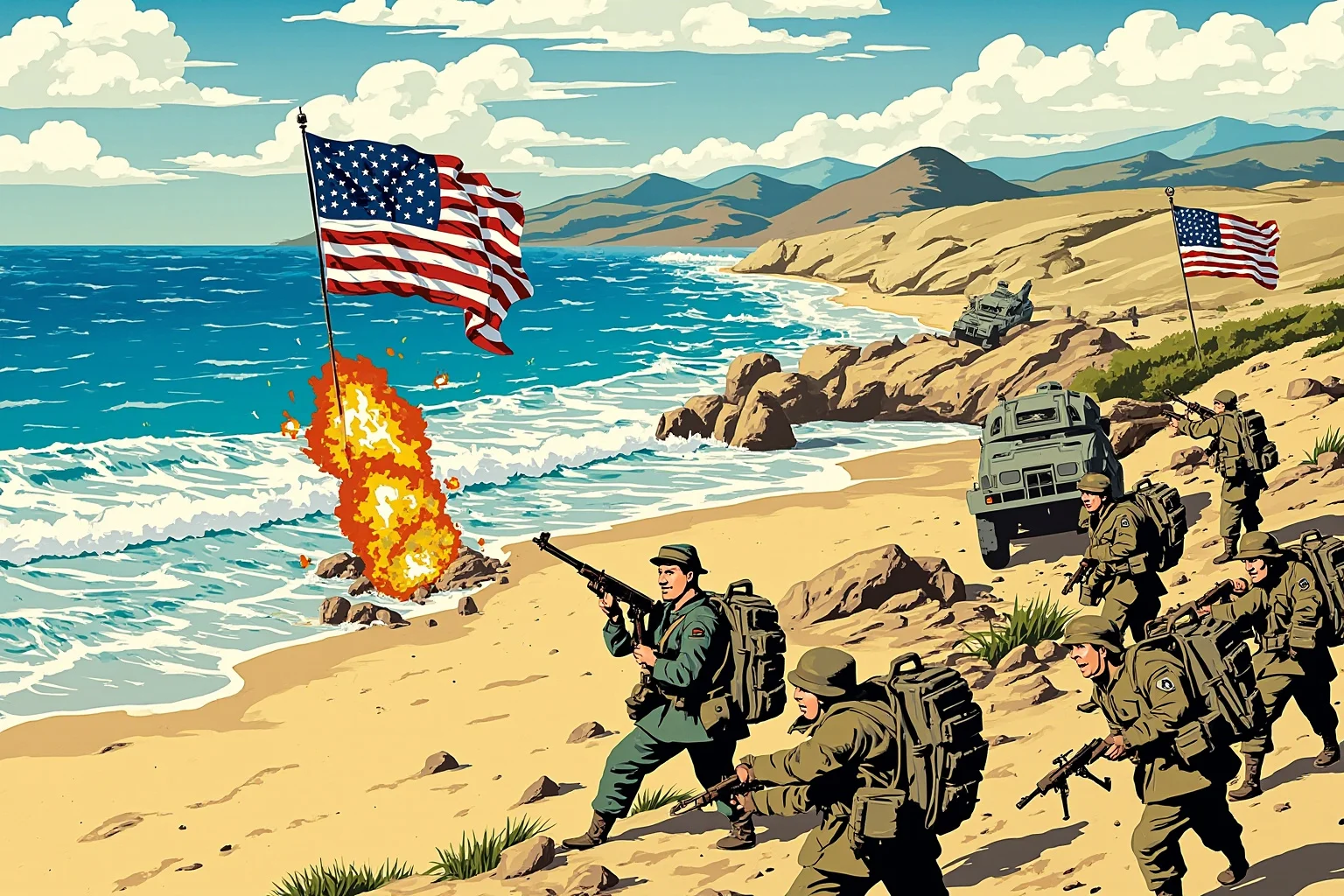
Husky was the Allied invasion of Sicily in July 1943, involving American, British, and Canadian forces landing across multiple beaches simultaneously. It was, at the time, one of the largest amphibious operations ever attempted.
The campaign contributed directly to the collapse of Mussolini’s government within weeks of the landings. Husky also served as a crucial rehearsal for the much larger amphibious assault that would follow at Normandy.
6. Operation Mincemeat (1943)

Mincemeat was a British deception operation designed to convince German intelligence that the Allies planned to invade Greece and Sardinia rather than Sicily. Planners placed fabricated documents on a corpse dressed as a British officer and let it wash ashore in Spain, where they knew German agents would find it.
The ruse worked well enough that German forces shifted resources away from Sicily ahead of the real invasion. It remains one of the most famous operation names associated with military deception, and it’s been the subject of multiple books and films.
7. Operation Jubilee (1942)
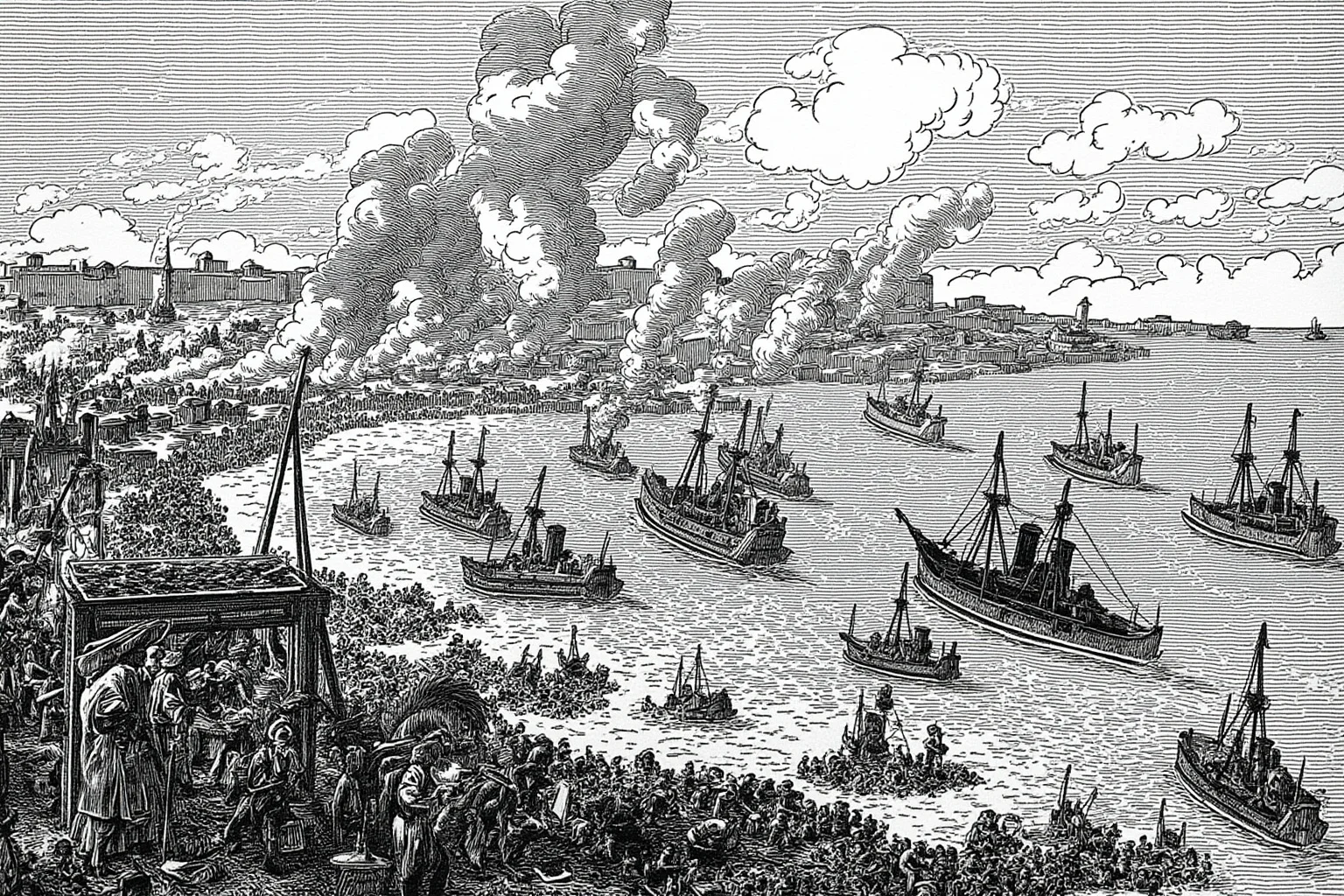
Operation Jubilee, better known as the Dieppe Raid, was a disastrous Allied assault on the German-occupied French coast in August 1942. Nearly 60 percent of the mostly Canadian landing force became casualties, prisoners, or were killed within hours.
Despite the heavy losses, the raid provided hard lessons about amphibious landings, fortified defenses, and logistics that directly influenced planning for D-Day two years later. It’s a sober reminder that not every entry in a list of famous military operations represents a victory.
8. Operation Overlord (1944)
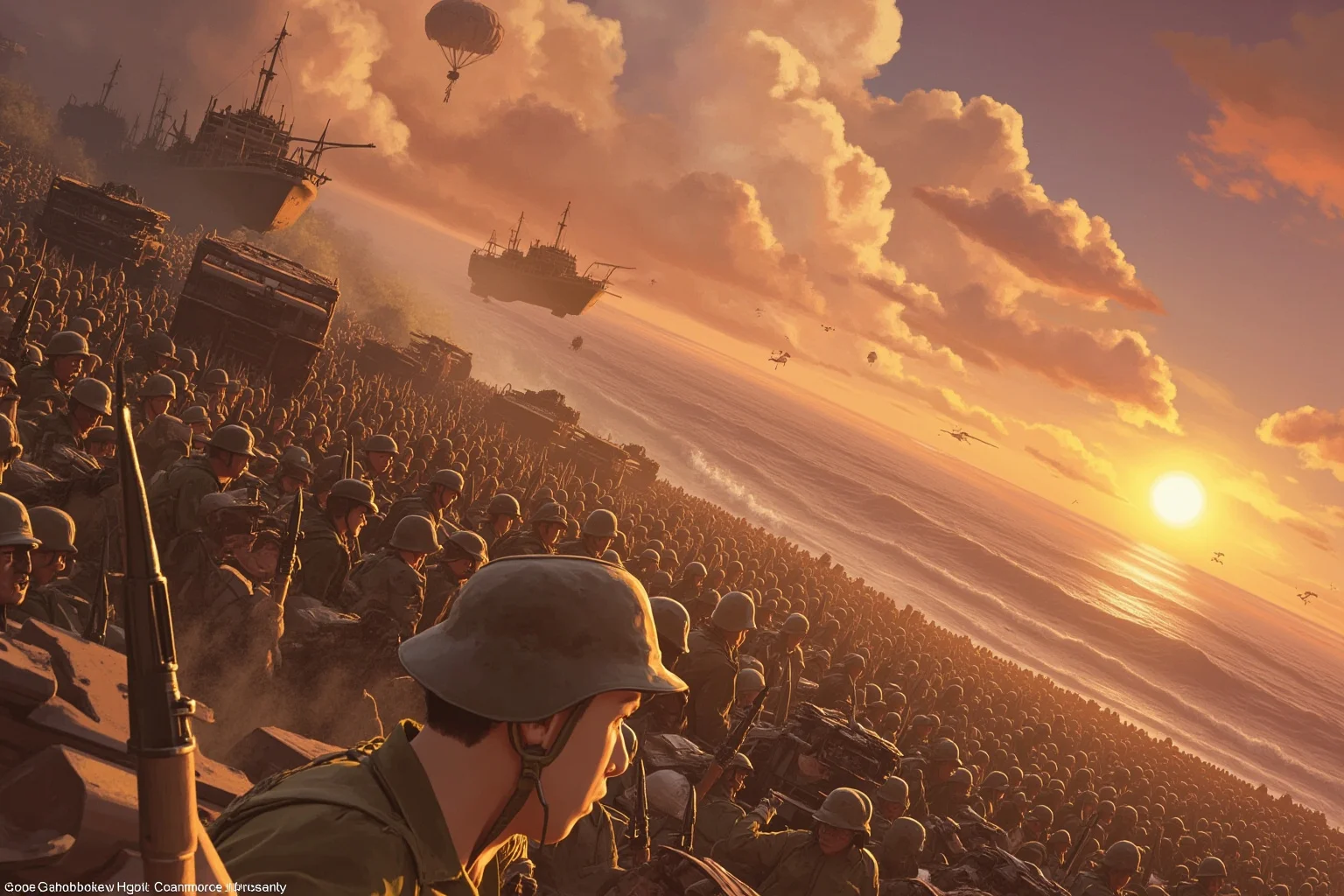
Overlord is the codename for the Allied invasion of Normandy, launched on June 6, 1944 — D-Day. Roughly 156,000 troops landed by sea and air on the first day alone, making it the largest amphibious invasion in history.
The naval portion of the landings had its own codename, Operation Neptune, while Overlord referred to the broader campaign to establish and expand the Normandy beachhead. Its success opened the long-awaited Western Front and set the Allies on a path toward Germany’s eventual defeat.
9. Operation Market Garden (1944)
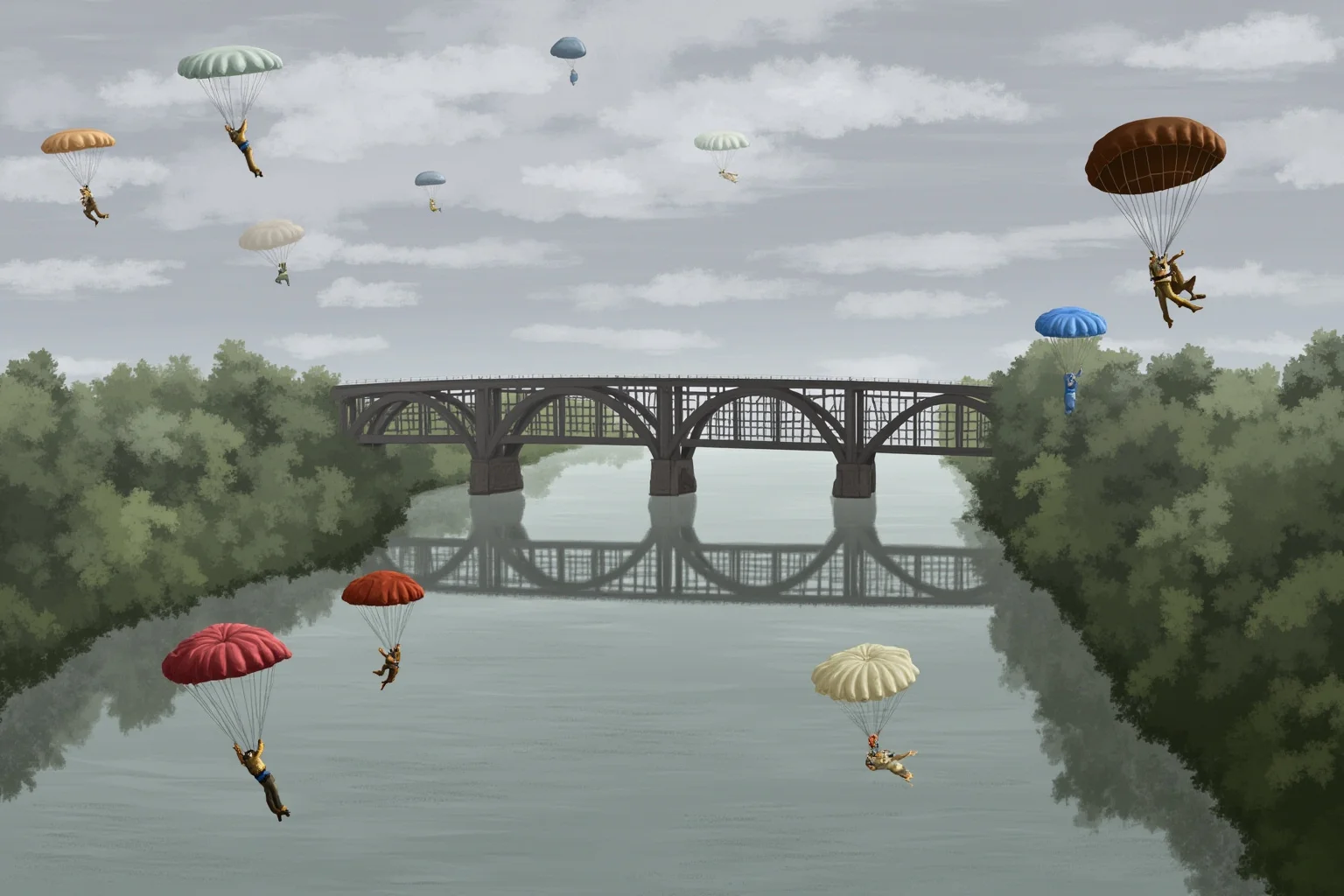
Launched in September 1944, Market Garden was an ambitious Allied plan to seize a chain of bridges through the Netherlands and push into Germany’s industrial heartland. It combined the largest airborne operation in history, Market, with a ground assault, Garden.
The plan unraveled at Arnhem, where British paratroopers held out far longer than expected but were ultimately overwhelmed, giving rise to the phrase “a bridge too far.” It stands as one of the more cautionary operations in WW2 for how ambition can outpace logistics.
10. Operation Bagration (1944)

Operation Bagration was a massive Soviet offensive launched in June 1944 that effectively destroyed Germany’s Army Group Centre on the Eastern Front. It’s considered one of the most successful and consequential offensives of the entire war, inflicting losses from which German forces never recovered.
The operation was named after Pyotr Bagration, a celebrated Russian general from the Napoleonic Wars descended from Georgia’s royal Bagrationi dynasty. That makes Bagration another notable entry among military operations named after royalty or imperial families, even though it was launched more than a century after its namesake’s death.
11. Operation Sea Lion (1940, planned)
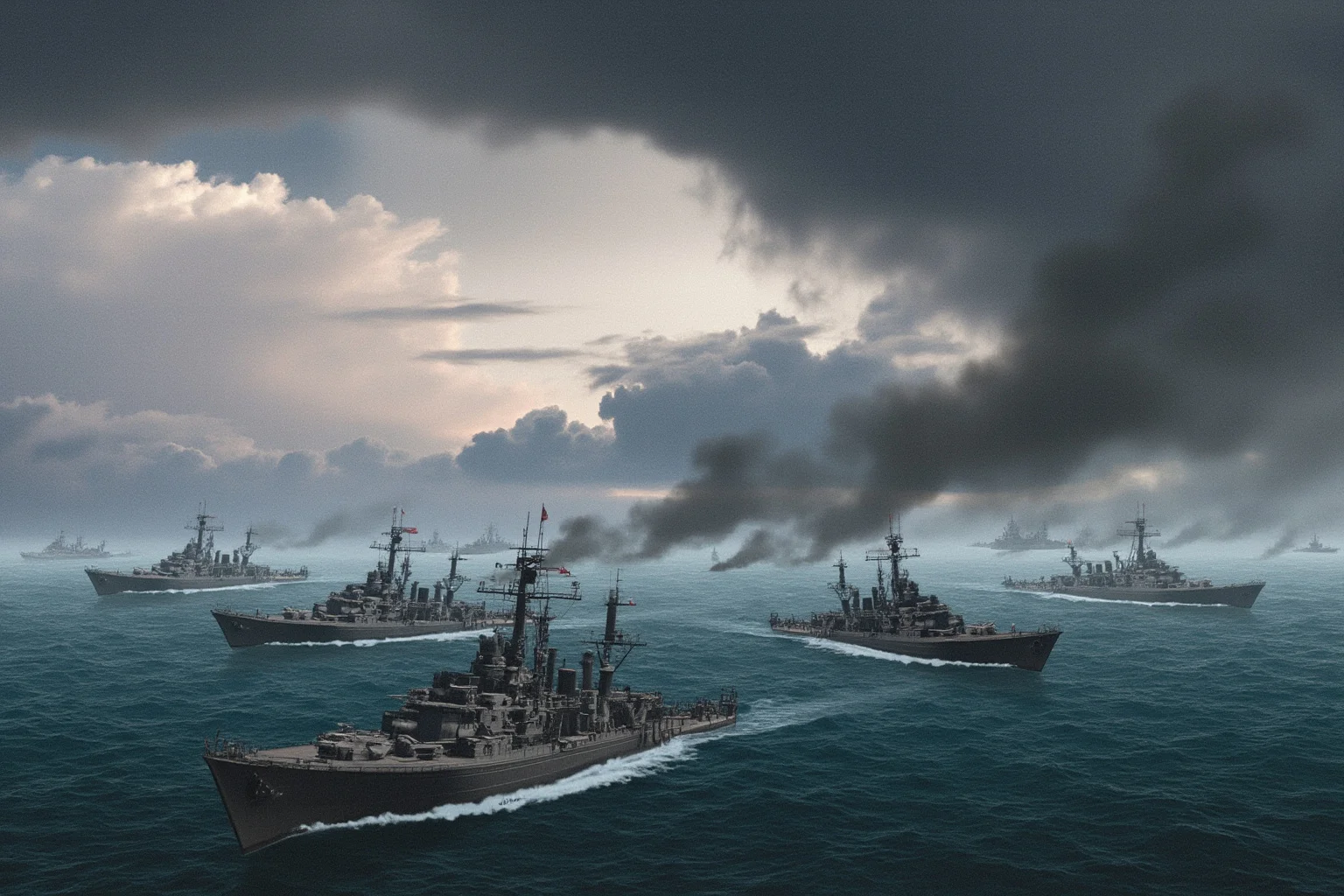
Sea Lion was Nazi Germany’s proposed invasion of Great Britain, dependent on first achieving air superiority over the RAF. That air superiority never materialized during the Battle of Britain, and the invasion was postponed indefinitely before eventually being abandoned.
It’s a useful example of how not every planned operation makes it off the drawing board. Sea Lion remains a popular subject of historical “what if” discussions precisely because it never actually happened.
12. Operation Downfall (1945, planned)
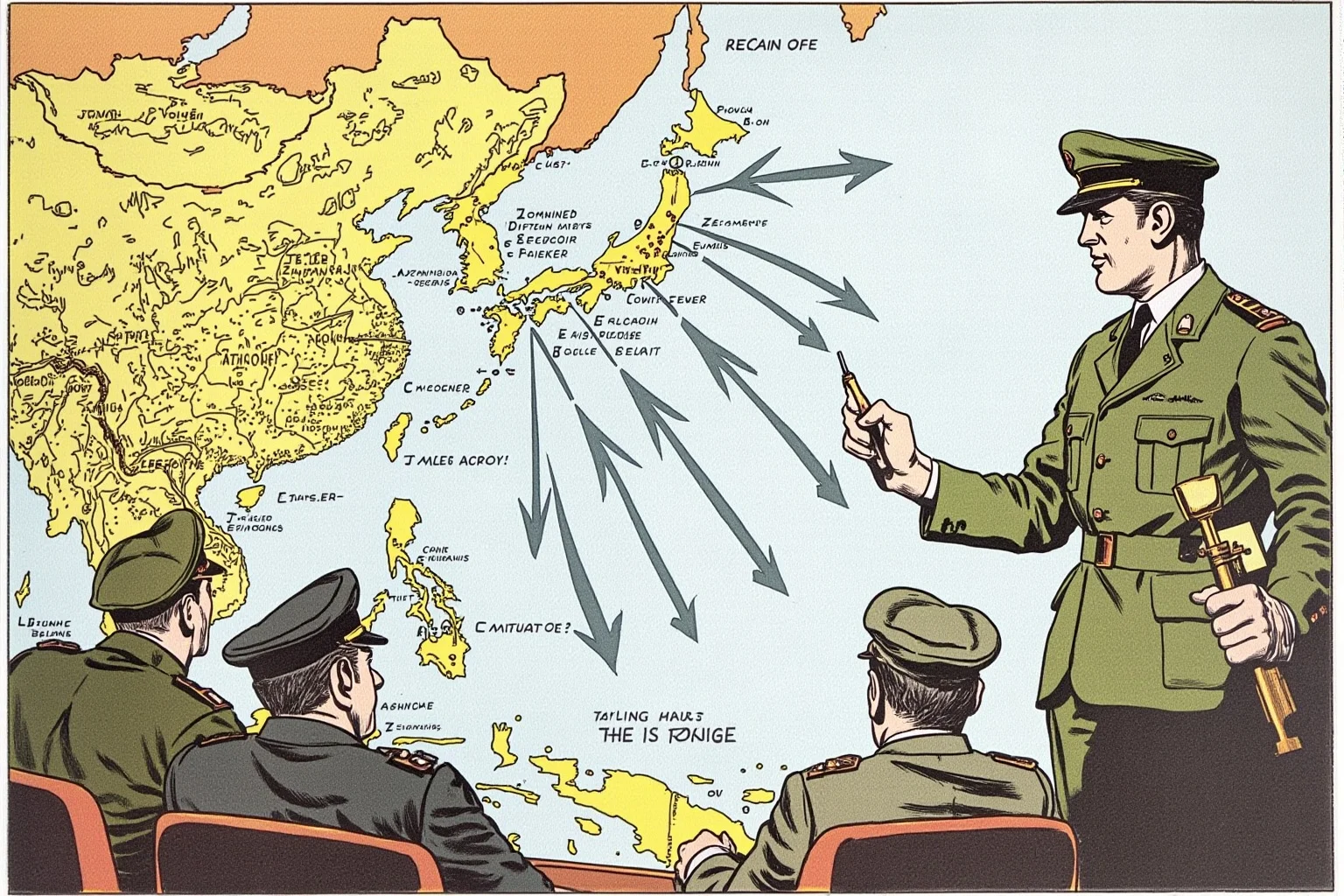
Downfall was the codename for the planned Allied invasion of the Japanese home islands, divided into two phases: Operation Olympic and Operation Coronet. Military planners projected it could have produced casualties in the hundreds of thousands on both sides.
The invasion was rendered unnecessary after the atomic bombings of Hiroshima and Nagasaki and Japan’s subsequent surrender in August 1945. It remains one of history’s most consequential operations that was planned in extraordinary detail but ultimately never executed.
Cold War Flashpoints
13. Operation Chromite (1950)
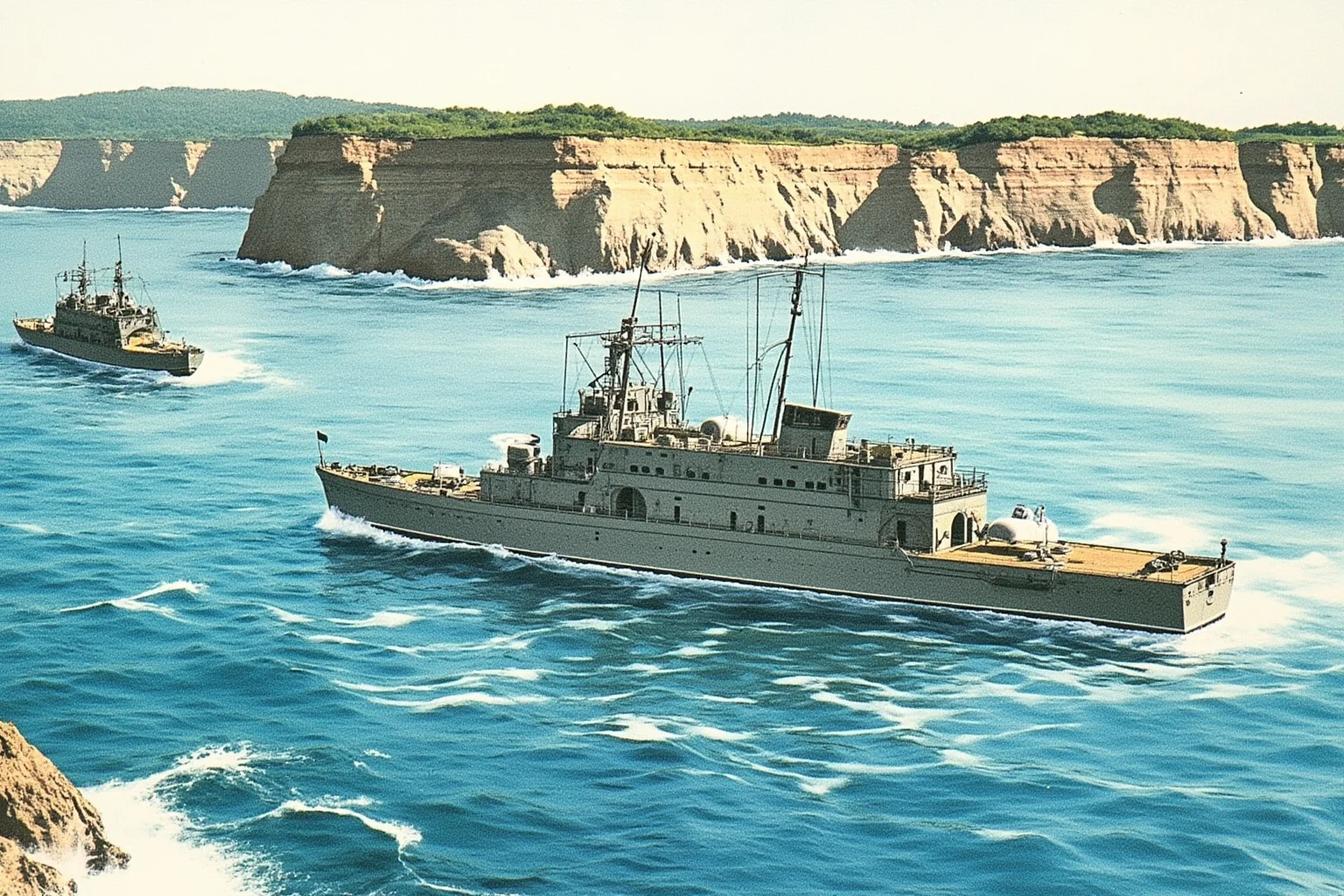
Chromite was General Douglas MacArthur’s daring amphibious landing at Incheon during the Korean War, executed despite significant risks posed by extreme tides in the harbor. The landing outflanked North Korean forces and allowed UN troops to recapture Seoul within weeks.
It’s widely taught in military academies as a textbook example of using amphibious assault to reverse a losing battlefield position. Chromite dramatically shifted the momentum of the Korean War almost overnight.
14. Operation Ajax (1953)
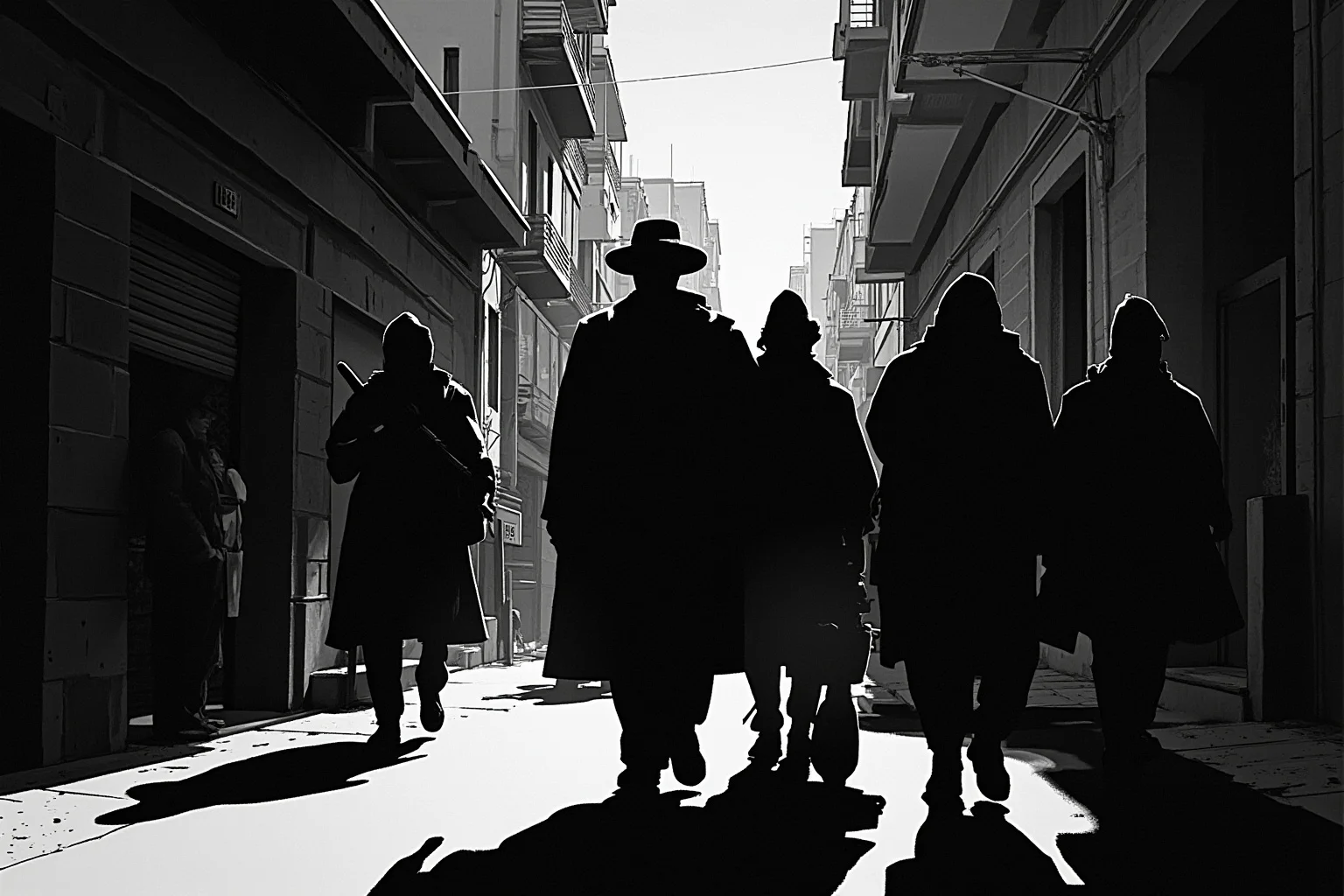
Operation Ajax, also known as TPAJAX, was a covert operation carried out by the CIA and British intelligence to help engineer the overthrow of Iran’s democratically elected prime minister, Mohammad Mossadegh. Its existence was denied for decades before US documents confirming American involvement were declassified.
The operation’s long-term political fallout in Iran is still debated by historians today. It’s frequently cited as one of the most consequential top secret military operations of the entire Cold War.
15. Operation Rolling Thunder (1965–1968)
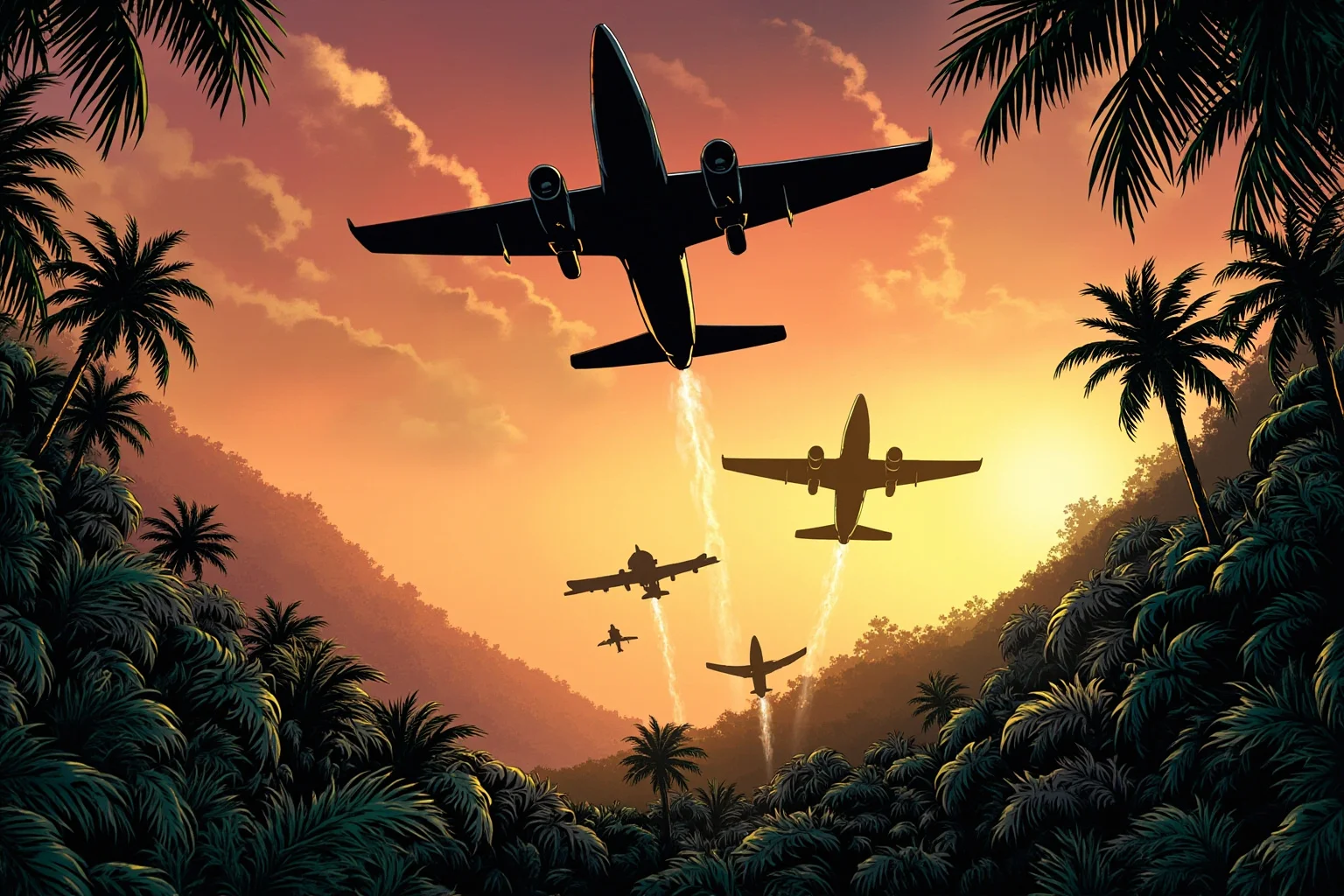
Rolling Thunder was a sustained American bombing campaign against North Vietnam, intended to pressure Hanoi into ending its support for the Viet Cong. Over three years, it became one of the longest bombing campaigns in modern military history.
Despite dropping massive tonnages of ordnance, the campaign failed to break North Vietnamese resolve and remains a widely studied case in the limits of airpower alone. It also became a major flashpoint in growing American public opposition to the war.
16. Operation Cyclone (1979–1989)
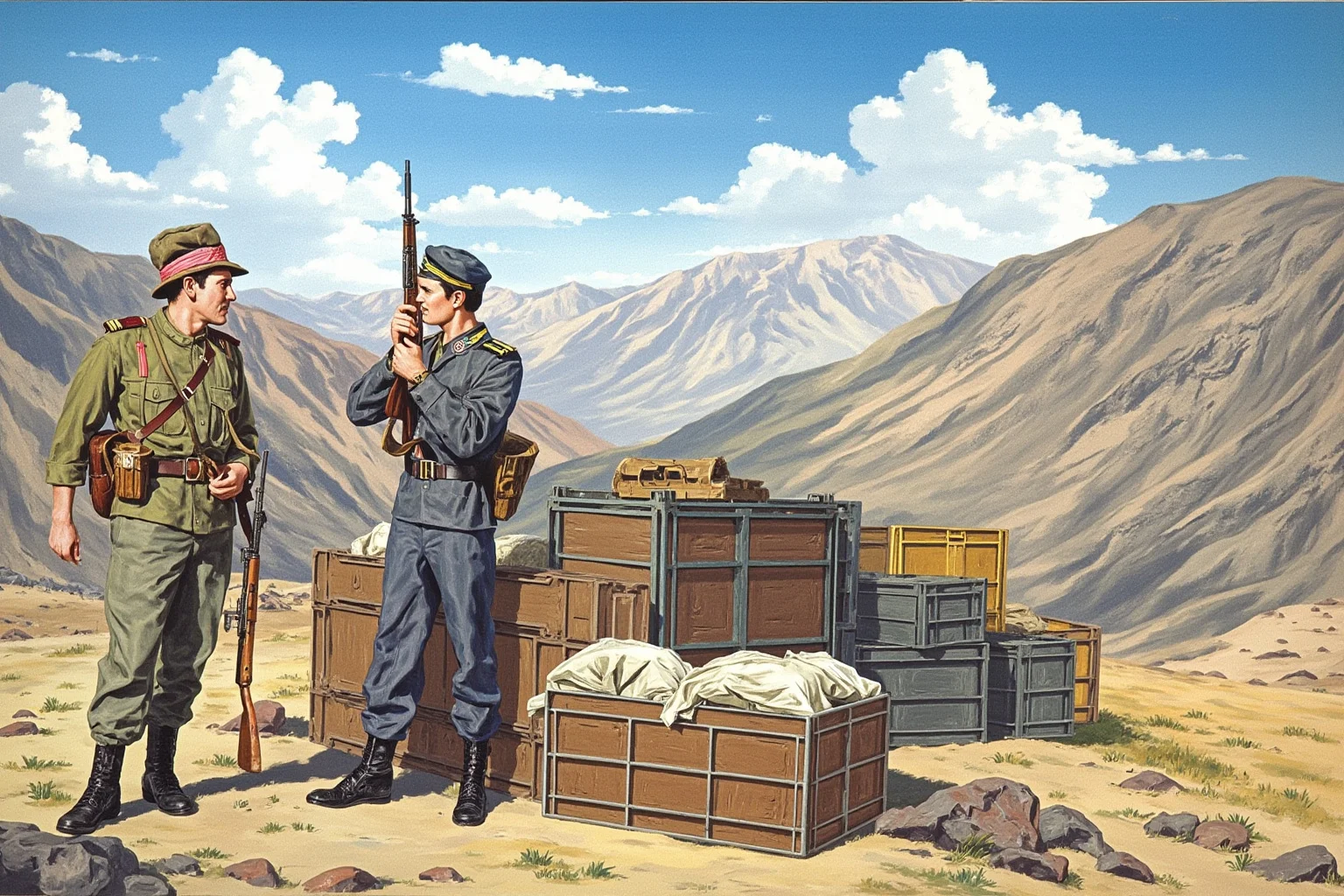
Cyclone was a long-running CIA program that funneled weapons, funding, and training to Afghan mujahideen fighters resisting the Soviet occupation of Afghanistan. It became one of the costliest and longest covert operations the CIA has ever run.
While it contributed to the Soviet withdrawal in 1989, its long-term legacy is far more complicated, given the later rise of militant groups partly connected to that same conflict. Historians continue to debate its full geopolitical consequences.
Late 20th-Century Interventions
17. Operation Eagle Claw (1980)
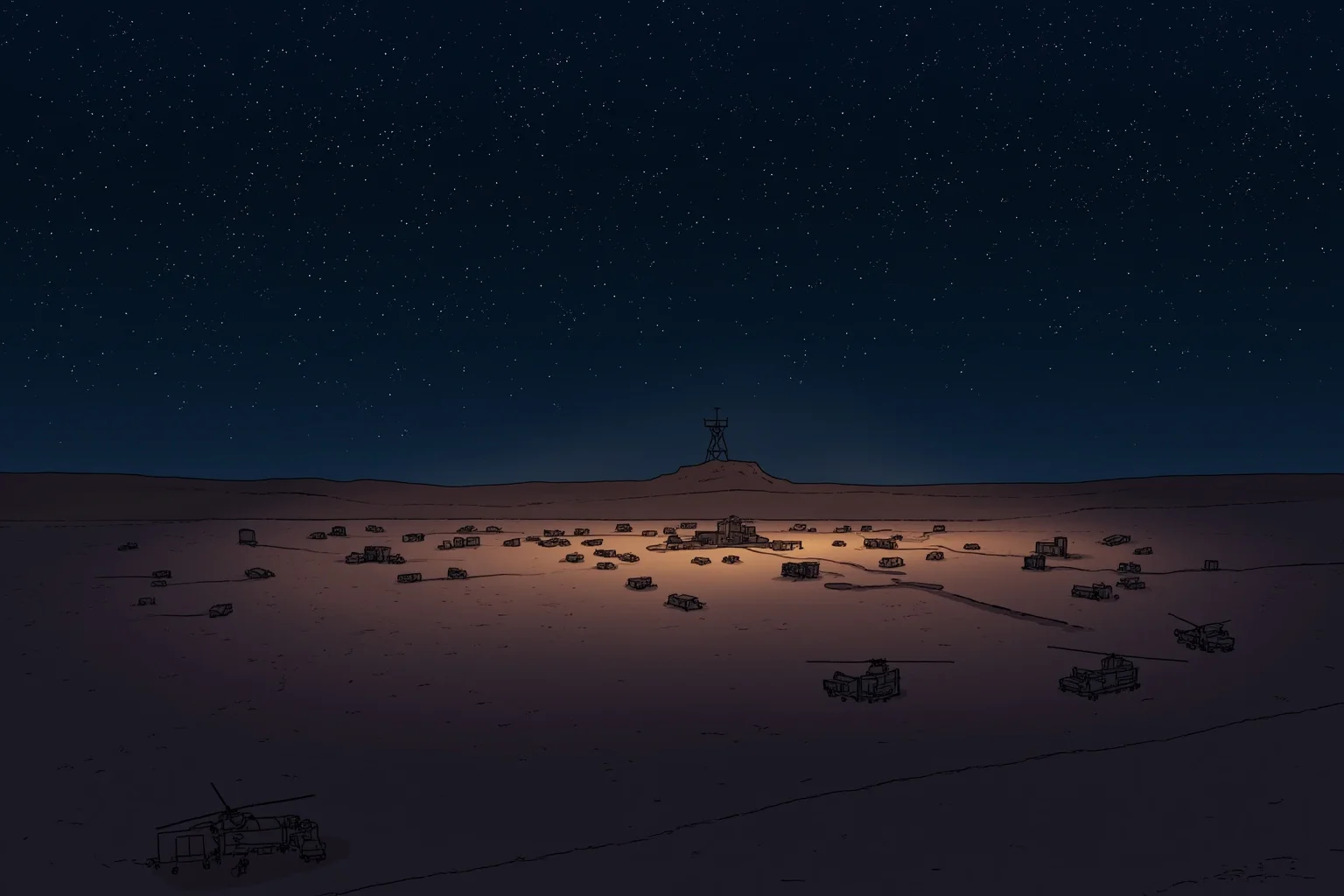
Eagle Claw was a failed US attempt to rescue American hostages held in Tehran following the 1979 Iran hostage crisis. The mission collapsed at a staging point known as Desert One after mechanical failures and a helicopter collision killed eight American servicemen.
The operation’s failure led directly to major reforms in US special operations capability, including the eventual creation of United States Special Operations Command. It remains one of the most studied failed military operations for the lessons it forced the Pentagon to learn.
18. Operation Urgent Fury (1983)
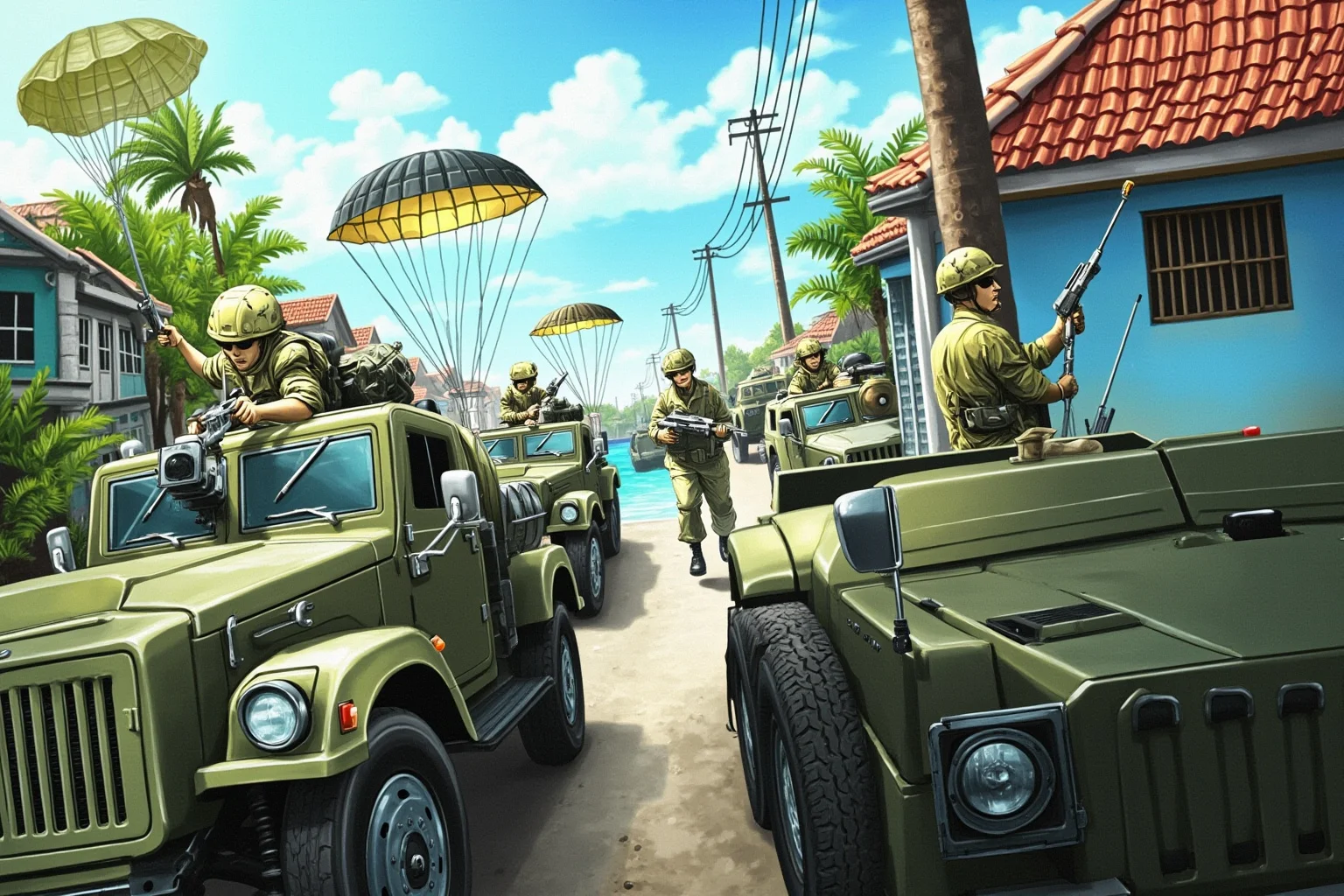
Urgent Fury was the US-led invasion of Grenada, launched after a coup created instability and concerns over the safety of American medical students on the island. It was one of the first major US combat operations since Vietnam and was completed within days.
The operation’s name later drew criticism for sounding more like a PR exercise than a military description. That criticism was part of what pushed the Pentagon toward tighter, more formal naming guidelines going forward.
19. Operation Just Cause (1989)
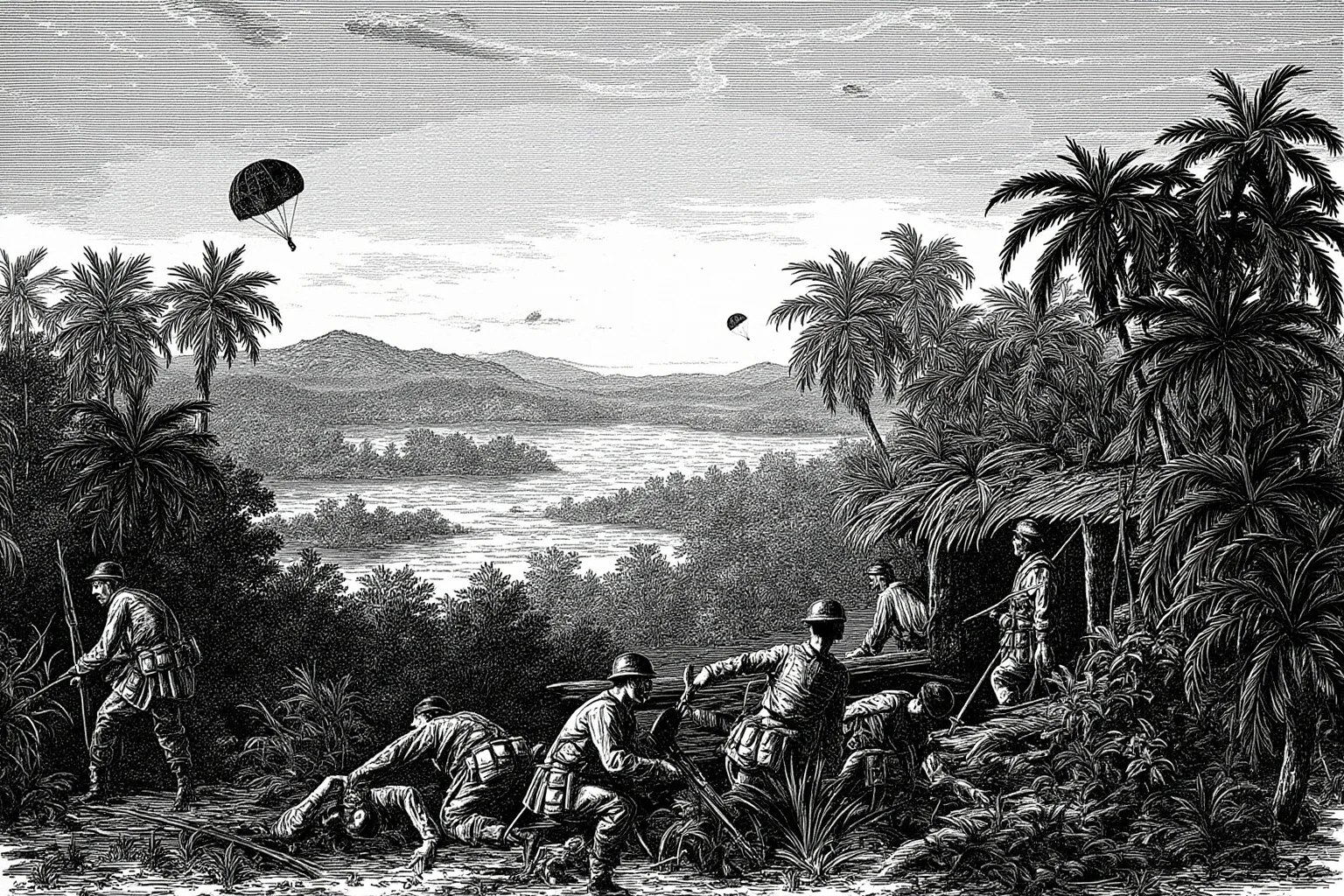
Just Cause was the US invasion of Panama in December 1989, aimed at removing dictator Manuel Noriega from power following years of tension over drug trafficking allegations and threats to American personnel. Noriega was eventually captured and later stood trial in the United States.
The operation combined airborne assaults, armor, and special operations forces in a rapid, decisive campaign. It’s frequently referenced in discussions of major combat operations that achieved their political objectives quickly.
20. Operation Thunderbolt / Entebbe (1976)
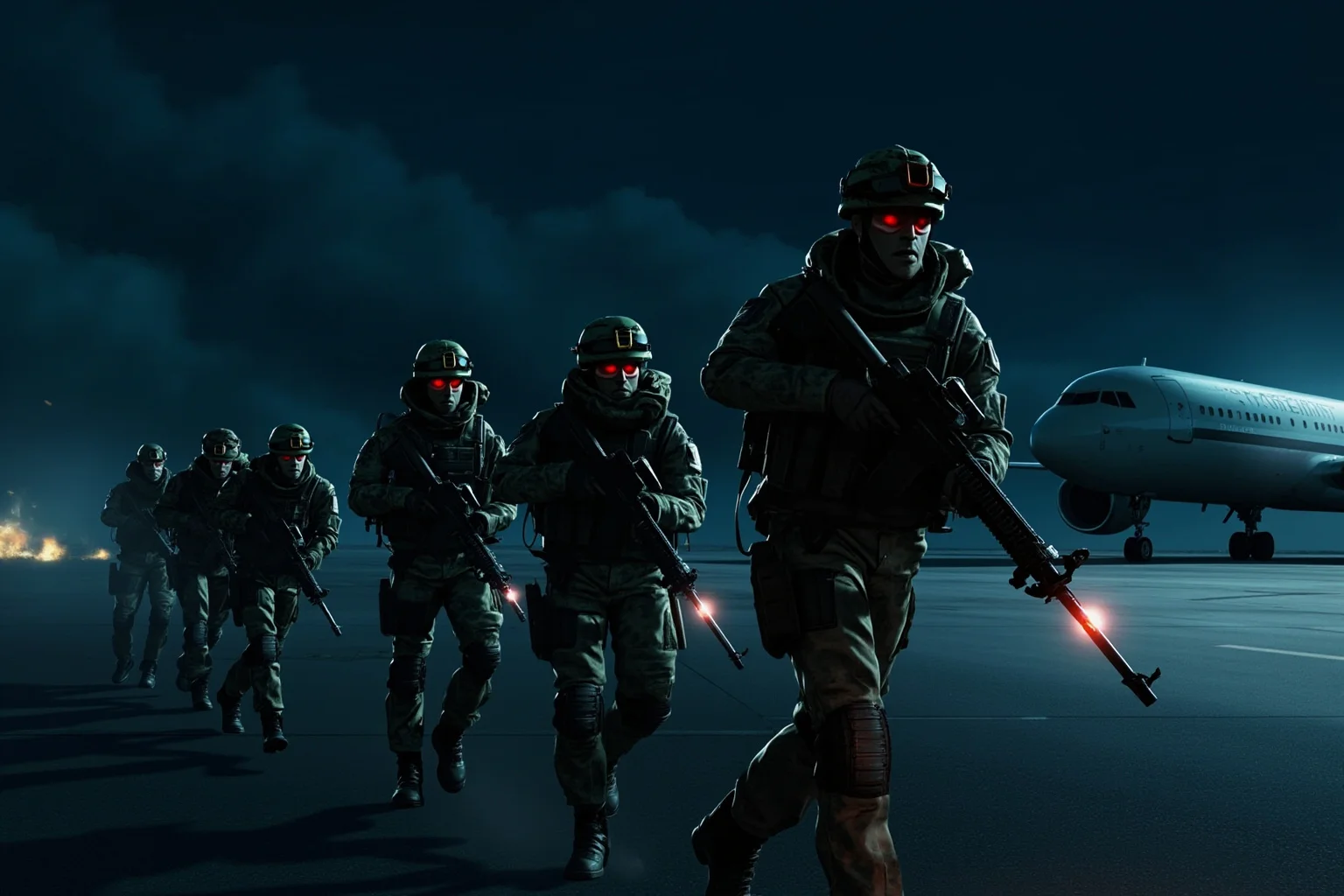
In July 1976, Israeli commandos carried out a raid at Entebbe Airport in Uganda to rescue more than 100 hostages taken by hijackers aboard an Air France flight. The mission was later renamed Operation Yonatan in honor of Lieutenant Colonel Yonatan Netanyahu, the raid’s only Israeli fatality.
The operation is still regarded as one of the most successful hostage rescue missions ever conducted, given the distance involved and the extremely limited planning window. It remains a benchmark case study in special operations training worldwide.
The Gulf War Era and Beyond
21. Operation Desert Shield (1990)
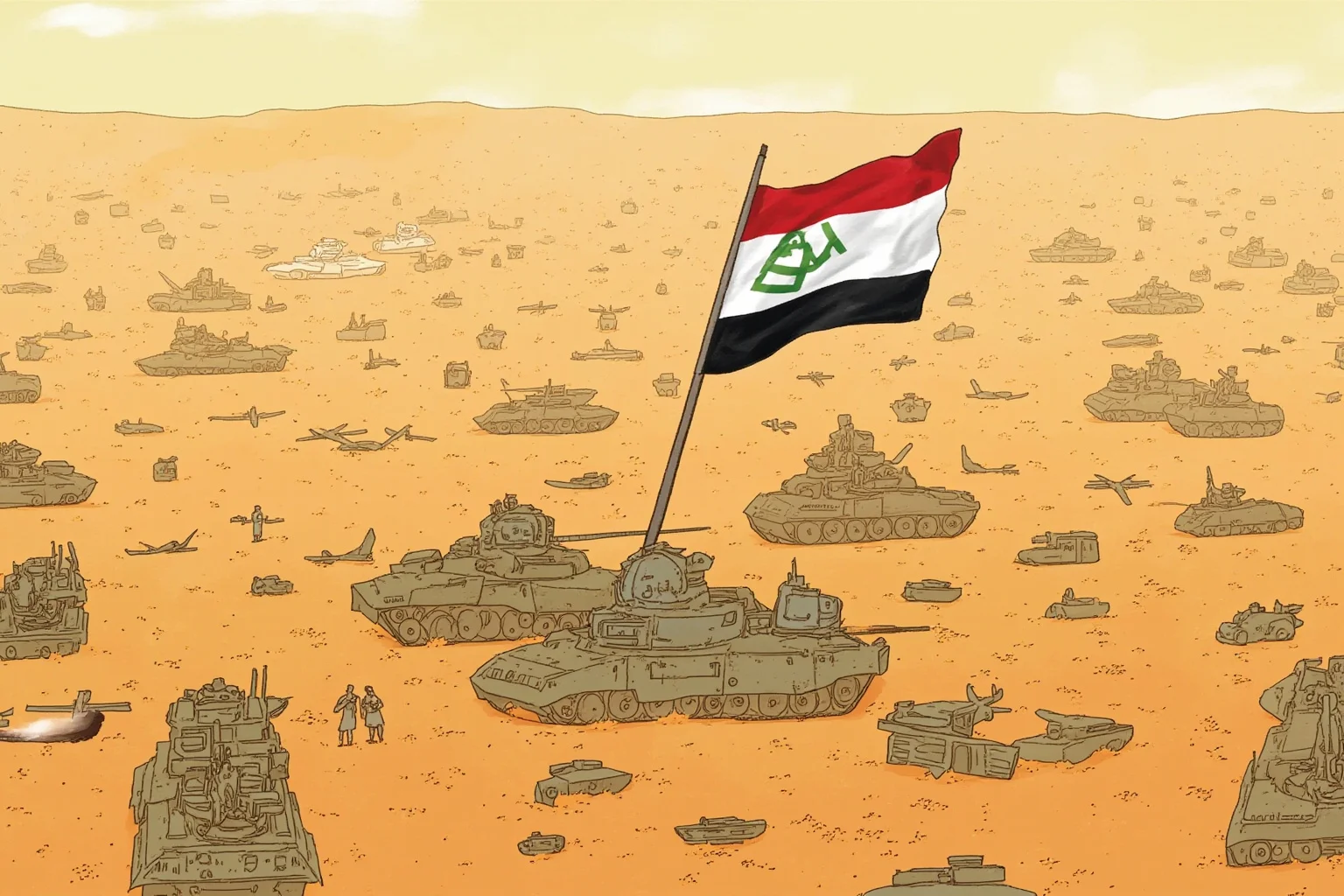
Desert Shield was the buildup phase following Iraq’s invasion of Kuwait in August 1990, during which a coalition of over 30 nations assembled a massive military presence in Saudi Arabia. It set the diplomatic and logistical stage for the combat operation that followed.
The scale of the coalition-building effort was itself historically significant, demonstrating a level of post-Cold War international cooperation that surprised many observers. It laid the groundwork for one of the most decisive military actions of the 1990s.
22. Operation Desert Storm (1991)
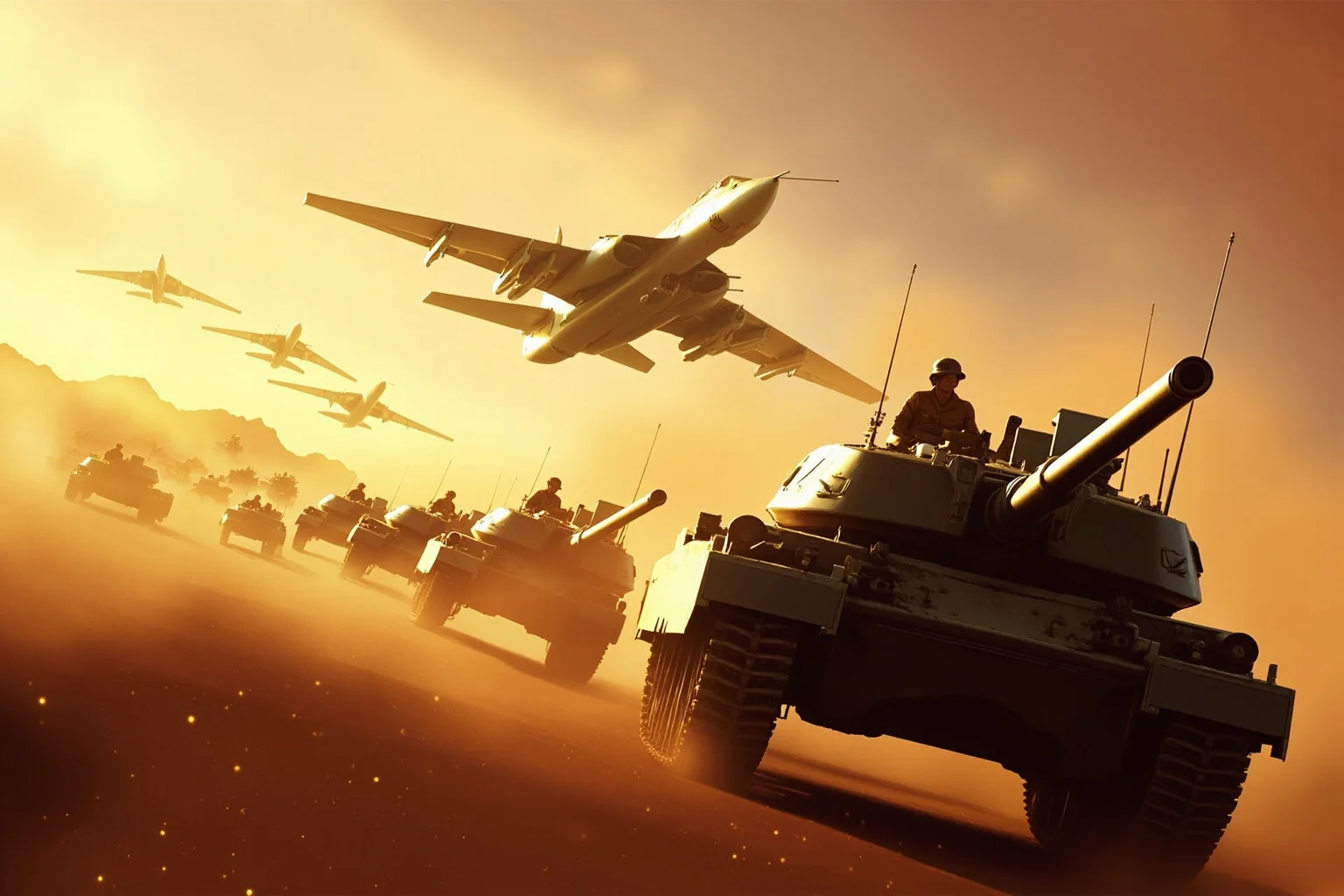
Desert Storm was the combat phase of the Gulf War, a coalition air and ground campaign that liberated Kuwait from Iraqi occupation in roughly six weeks. It became one of the most heavily televised conflicts in history, introducing much of the public to real-time footage of precision-guided munitions.
The swift, lopsided coalition victory reshaped how militaries around the world thought about airpower, coalition warfare, and modern combined-arms doctrine, and it’s often ranked among the biggest events in American history. It remains one of the most frequently cited examples whenever people search for famous operation names from recent history.
23. Operation Enduring Freedom (2001)
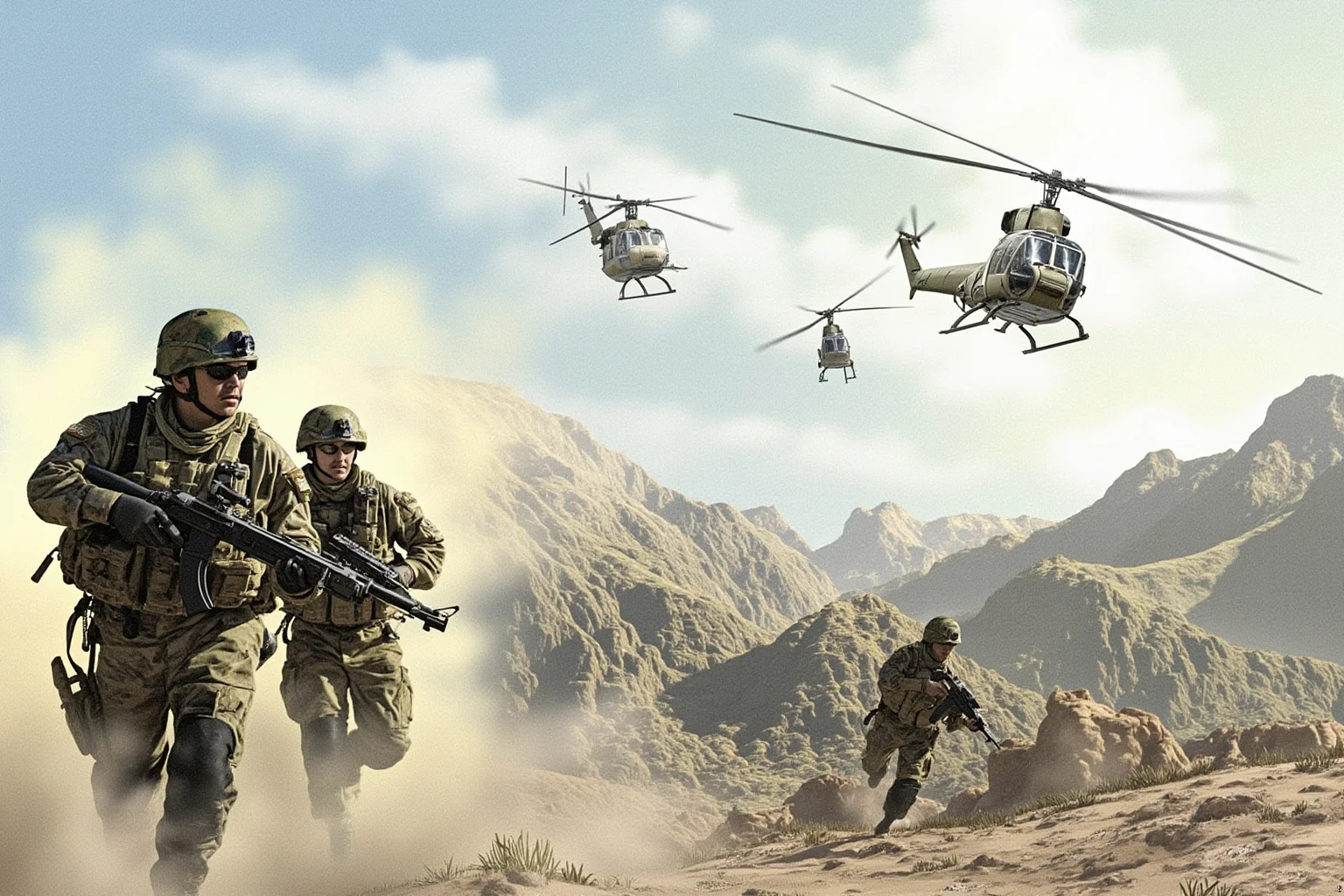
Enduring Freedom was the US-led military action launched in Afghanistan following the September 11 attacks, aimed at dismantling al-Qaeda and removing the Taliban government that had sheltered it. The operation was briefly announced under a different name, Operation Infinite Justice, before being changed within days over religious sensitivity concerns.
What began as a relatively swift campaign to topple the Taliban evolved into the longest war in US history, lasting two decades. Its long arc illustrates how an initial military action can outlast the political conditions that started it.
24. Operation Iraqi Freedom (2003)
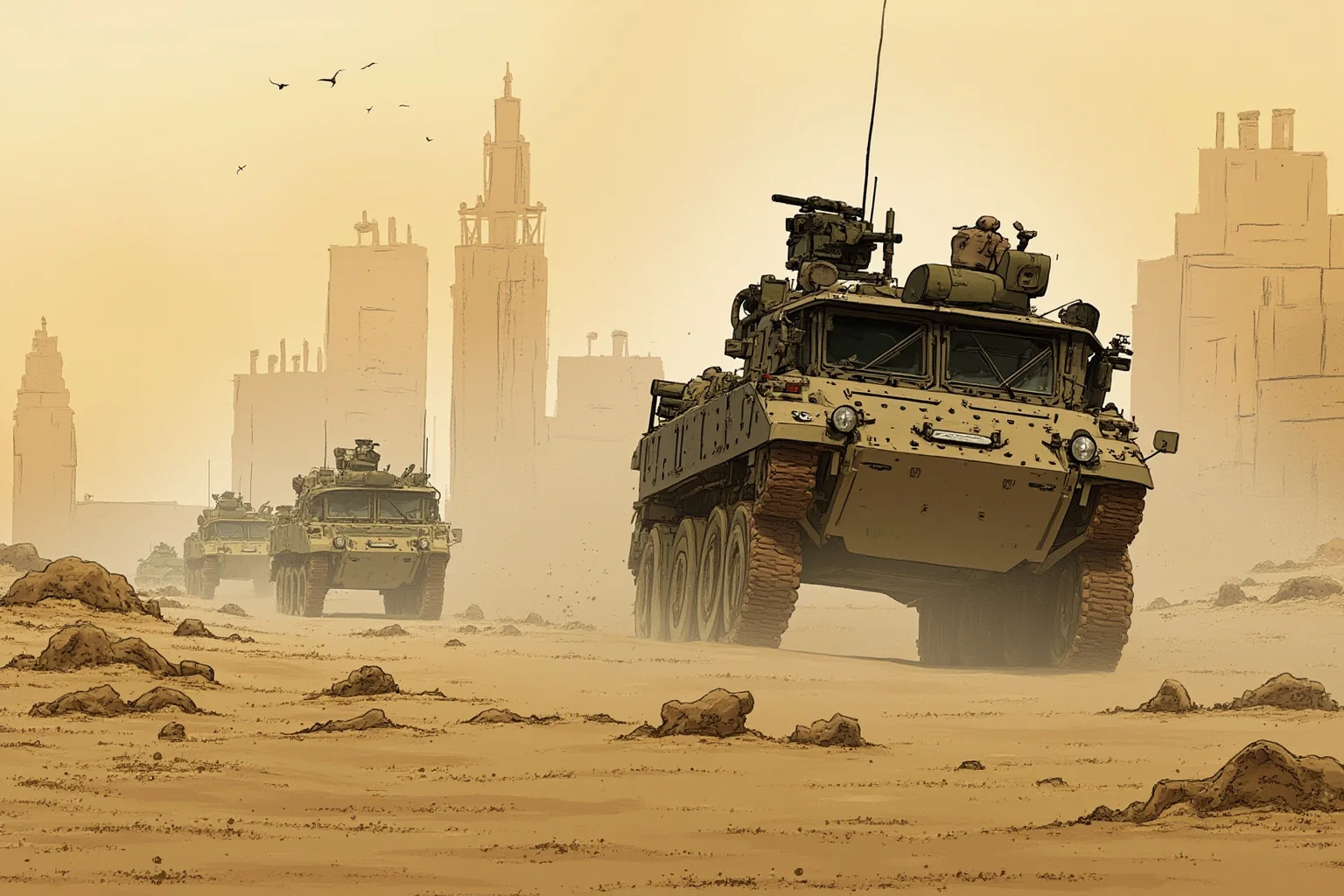
Iraqi Freedom was the 2003 invasion of Iraq led by the United States and a coalition of allied nations, resulting in the swift removal of Saddam Hussein’s government. The initial combat phase concluded quickly, but the operation’s aftermath led to a prolonged insurgency and years of continued US military presence.
The operation remains one of the most politically debated military actions of the 21st century, both for its stated justifications and its long-term regional consequences. It’s frequently included in any serious list of US military operations from the modern era.
25. Operation Neptune Spear (2011)
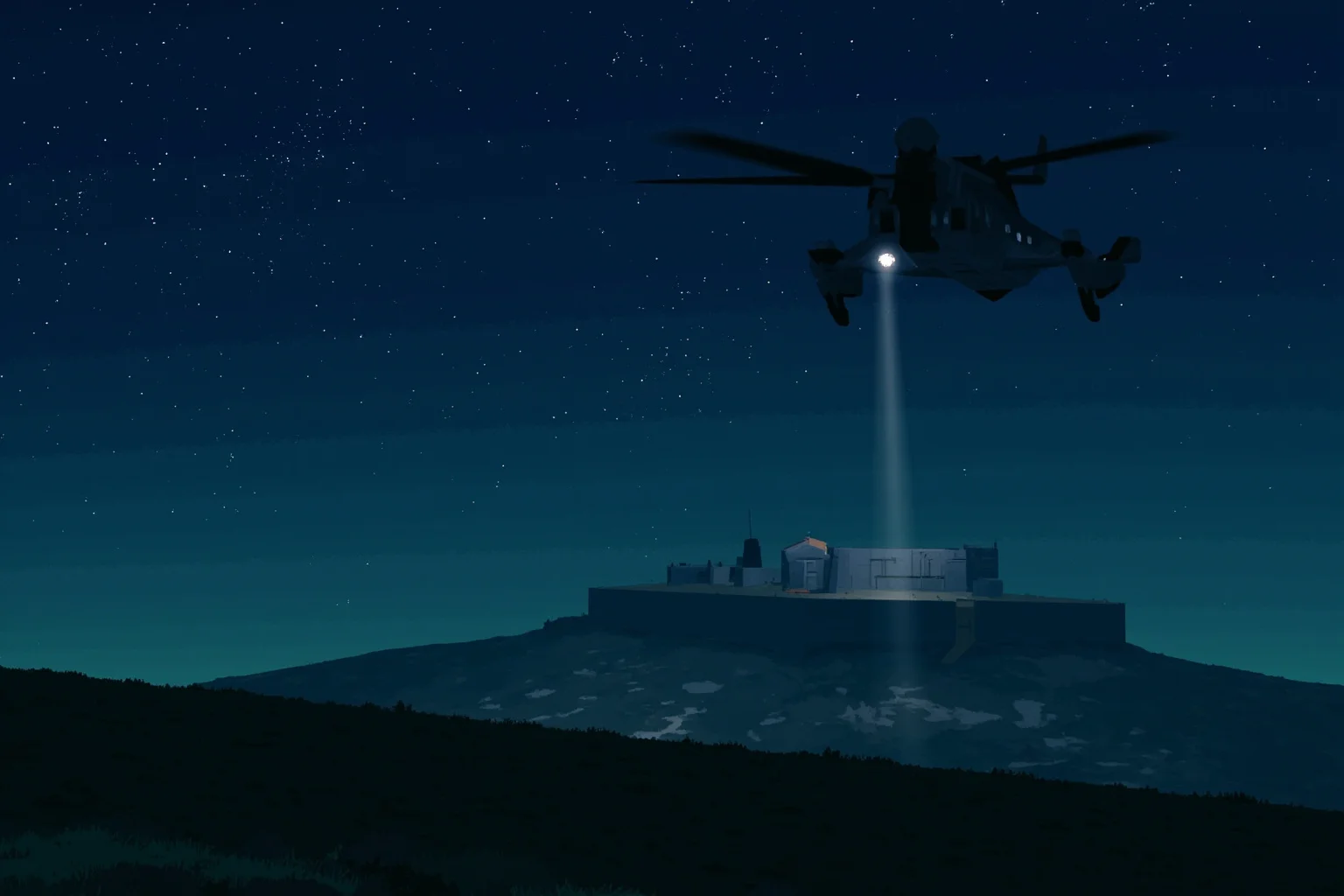
Neptune Spear was the US Navy SEAL raid that killed al-Qaeda leader Osama bin Laden in Abbottabad, Pakistan, in May 2011. The operation was planned in extreme secrecy, with only a small circle of officials aware of the mission’s true target beforehand.
Its success came nearly a decade after the September 11 attacks that had originally set the broader war in motion. Neptune Spear is now widely regarded as one of the most consequential top secret military operations of the modern era, both for its intelligence work and its precise execution.
The Legacy of These Operations
Looking across this list, a clear pattern emerges: the operations that changed history rarely did so because of a catchy name. They mattered because of timing, planning, intelligence, and often sheer human sacrifice on both sides of the fight.
Still, the names endure in public memory in a way that dry military designations never could. “D-Day” might be the popular shorthand, but it’s Operation Overlord that historians actually study, and it’s the naming conventions behind operations like Barbarossa, Bagration, and Enduring Freedom that reveal how militaries think about language, symbolism, and public perception.
Whether you’re researching World War 2 operation names for a school project or just curious how the Pentagon comes up with its next codename, the throughline is the same. Behind every operation name is a real decision made under pressure, by people trying to balance secrecy, morale, and history’s long memory all at once.
Frequently Asked Questions
What are some military operations named after royalty or imperial families?
A few well-documented examples exist. Operation Barbarossa, Germany's 1941 invasion of the Soviet Union, was named after Frederick I, the medieval Holy Roman Emperor nicknamed 'Barbarossa.' Germany's 1918 Kaiserschlacht ('Kaiser's Battle') offensive was named directly in honor of Emperor Wilhelm II, and the Soviet Union's 1944 Operation Bagration was named for Pyotr Bagration, a general descended from Georgia's royal Bagrationi dynasty. Modern US and NATO naming guidelines generally avoid referencing living leaders or reigning royals to prevent any implication of personal endorsement.
What is the largest military operation in history?
By most measures of troop numbers, Operation Barbarossa in 1941 is considered the largest military operation in history, involving over three million Axis soldiers along a front stretching more than 1,800 miles. If you're specifically asking about amphibious invasions, Operation Overlord (D-Day) in 1944 holds that record, with roughly 156,000 Allied troops landing on the first day alone.
How are US military operation names actually chosen?
The US uses a formal system, informally called NICKA, in which specific commands are assigned certain word combinations to draw from when naming an operation. Names are generally required to avoid sounding boastful, offensive, or overly revealing about the mission's true objective. This system isn't perfect, as shown when 'Operation Infinite Justice' was quickly renamed 'Operation Enduring Freedom' in 2001 over religious sensitivity concerns.
What’s the difference between a military operation and a military campaign?
A military operation typically refers to a specific, defined mission with clear objectives, such as Operation Overlord or Operation Neptune Spear. A campaign is usually a broader, longer-running strategic effort made up of multiple operations, such as the overall North Africa Campaign of World War Two, which included Operation Torch as just one component.
Are military operation names randomly generated?
Not entirely. While there's an element of structure, such as assigned letter combinations tied to specific commands, humans ultimately select the actual words within those rules. Historical guidelines also restrict names from being offensive, misleading about the mission's difficulty, or embarrassing to allies, which rules out true randomness.
Why do some famous military operations get renamed after they’re announced?
Renaming usually happens when a name is found to be culturally or politically insensitive, or when it risks revealing too much about the operation's objective. The most cited modern example is the US renaming 'Operation Infinite Justice' to 'Operation Enduring Freedom' in 2001 after scholars noted the original name's religious connotations in Islamic theology.

Alex Warren
Related Articles





