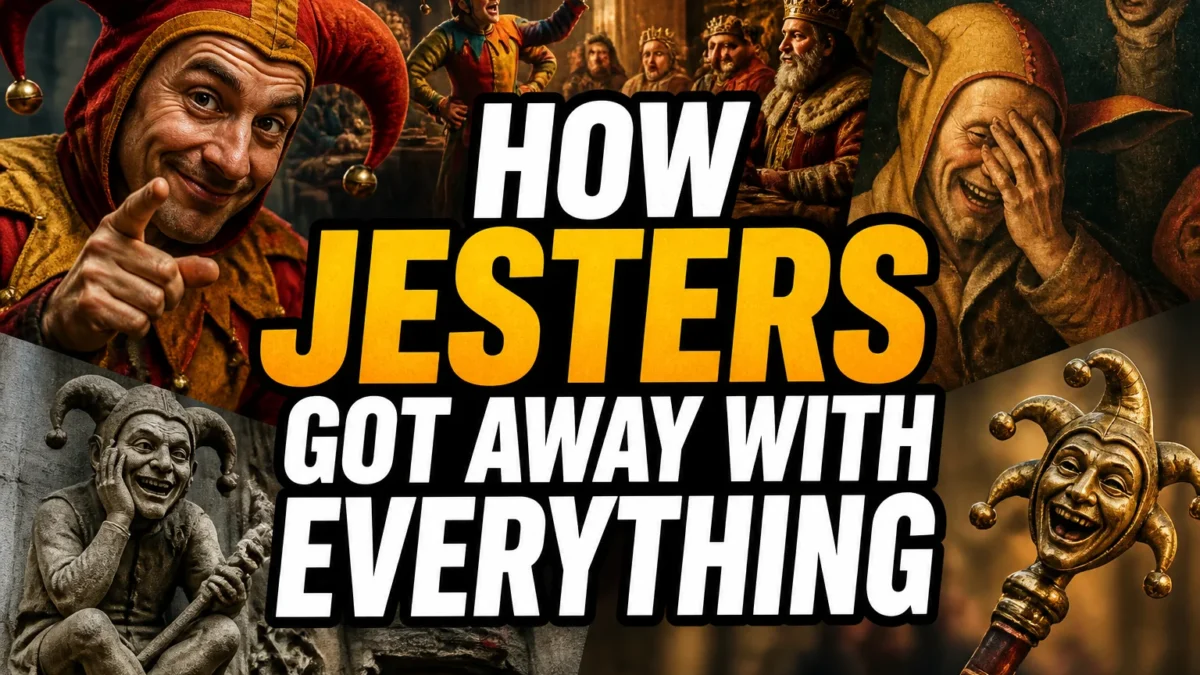
Court jesters are often imagined as harmless clowns in floppy hats, but that image hides a much stranger job. In medieval and early modern courts, a clever fool could mock a king's policies, tease a queen's temper, and still collect a salary. The real question is how they managed to say what would have gotten almost anyone else imprisoned or killed.
The answer is not that rulers simply loved jokes. Jesters survived because they operated inside an unspoken system of tolerated truth-telling, performance, and strategic nonsense. This system was fragile, and not every jester kept his head.
TL;DR: Court jesters got away with outrageous speech because their humor, outsider status, and the informal fool's license turned dangerous truths into entertainment.
Why Jesters Were More Than Comic Relief
Medieval courts were tense places built on hierarchy, patronage, and suspicion. A direct challenge to a monarch could end a noble career, or worse. In that environment, the jester was deliberately placed outside the normal ladder of ambition.
That placement gave jesters unusual freedom, but it was not unlimited. They were expected to entertain, but many also became trusted observers of the ruler's moods. The best jesters were part performer, part counselor, and part safety valve.
Court jesters existed in many places, from medieval Europe to the Islamic courts of West Asia. The details varied, but the problem they solved was similar: how to allow criticism without allowing rebellion.
The Two Types of Fools: Natural and Artificial
In court records, the word fool covered two very different roles. A natural fool was someone with an intellectual or developmental disability whose involuntary behavior could be seen as amusing or even holy. An artificial fool was a professional entertainer who performed foolishness for a living.
Both types could receive food, clothing, and protection, but their positions were not identical. Artificial fools often had more control over their material, while natural fools might be kept as living curiosities. The difference is important because it affected what each could get away with.
Artificial fools are the ones most modern audiences picture. They chose their words, shaped their jokes, and often understood court politics better than they admitted. That knowledge is one reason the jester that knows too much became such a lasting figure.
20 Ways Jesters Got Away With Everything
Below are twenty mechanisms that helped jesters get away with mockery, bad news, and sometimes dangerous knowledge. These strategies overlapped in practice, and each boundary could shift from one ruler to the next.
1. They Could Claim the Formal Fool's License
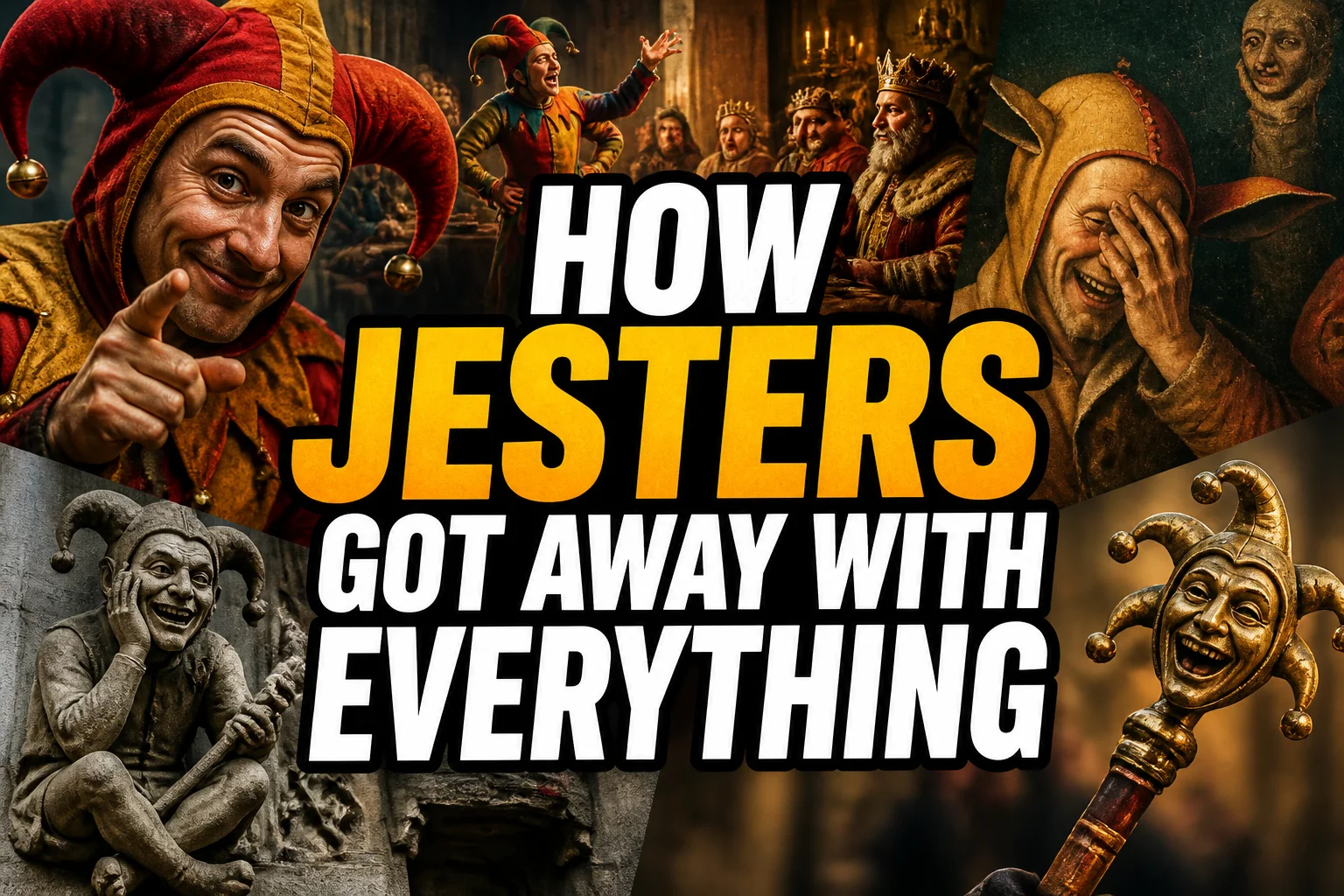
Many European courts recognized an informal fool's license that allowed jesters to speak freely within limits. This was not usually a written contract; it was a shared expectation that a fool's mockery was part of the job. Rulers often tolerated a jester's sarcasm precisely because it came from a person who was paid to be ridiculous.
The license had clear boundaries, which varied from court to court. A jester might mock a bad decision or a rival courtier, but treasonous statements or personal cruelty could break the spell. When the spell broke, punishment could be swift.
This license was strongest in courts that valued lively performance. A ruler who saw himself as cultured often wanted a fool who could make sharp observations without becoming a formal adviser.
2. They Were Permanent Outsiders

Jesters were rarely in line for land, titles, or military command. That made their words less threatening to the political order. A duke who criticized the king might be suspected of plotting; a fool who did the same could be seen as noise.
Even high-status jesters occupied an ambiguous social position. They might eat at the royal table but had no independent power base. Because they did not compete for the throne, rulers could hear them without immediately reaching for the sword.
Their outsider status came at a cost. Jesters depended on the ruler for almost everything, which meant their freedom was real but conditional.
3. They Made Criticism Feel Like Entertainment
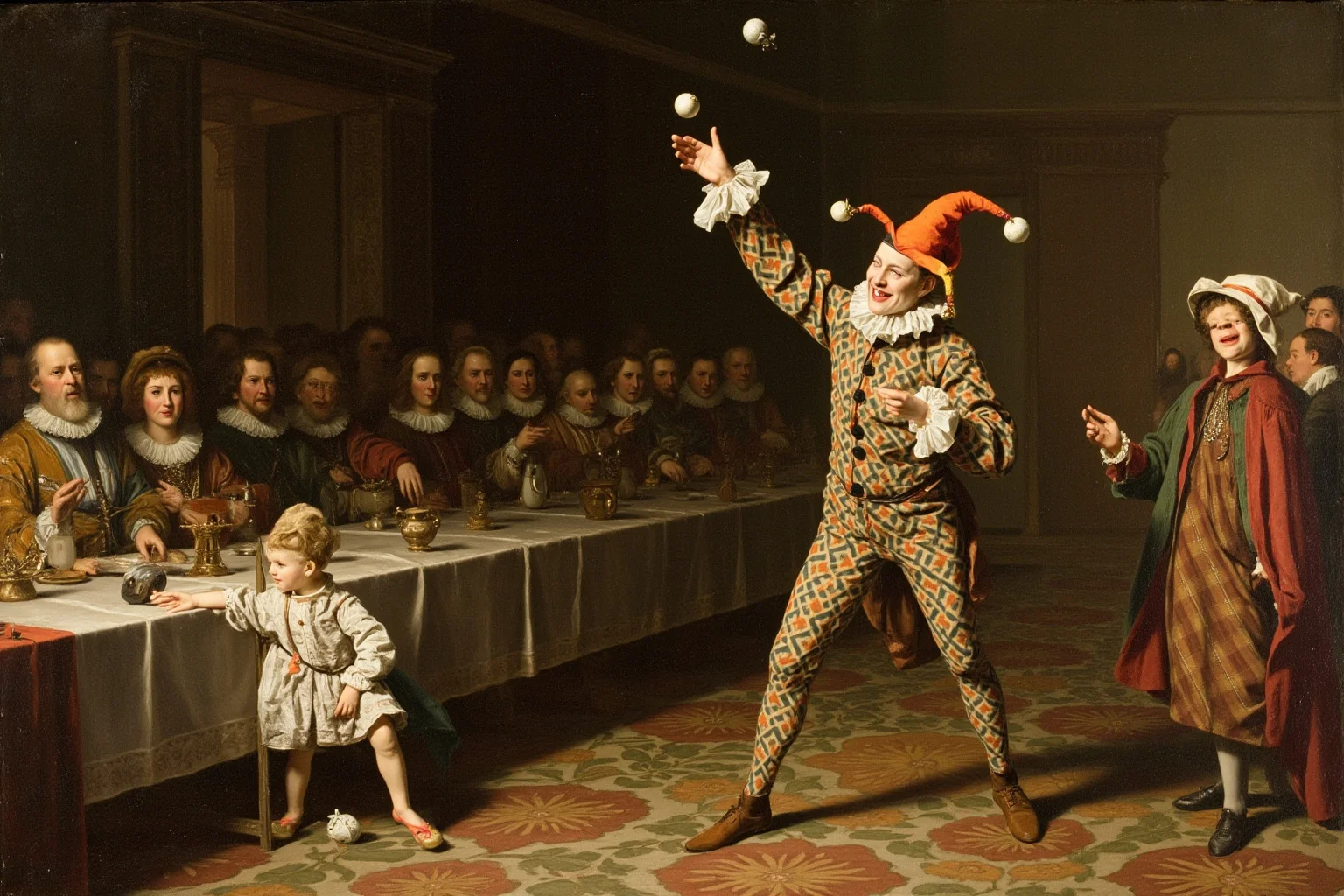
Laughter changes how the brain receives a message. When a jester wrapped a complaint in a joke, the king could hear the point without losing face. This allowed difficult truths to enter the room sideways.
Entertainment also gave jesters a cover story. They could say they were only trying to amuse the court, not to make a political statement. That distinction was often enough to cool tempers after a sharp jest.
The trick was to make the audience laugh while making the point. If the entertainment failed, the criticism became visible, and the risk increased sharply.
4. They Used Riddles, Puns, and Coded Speech
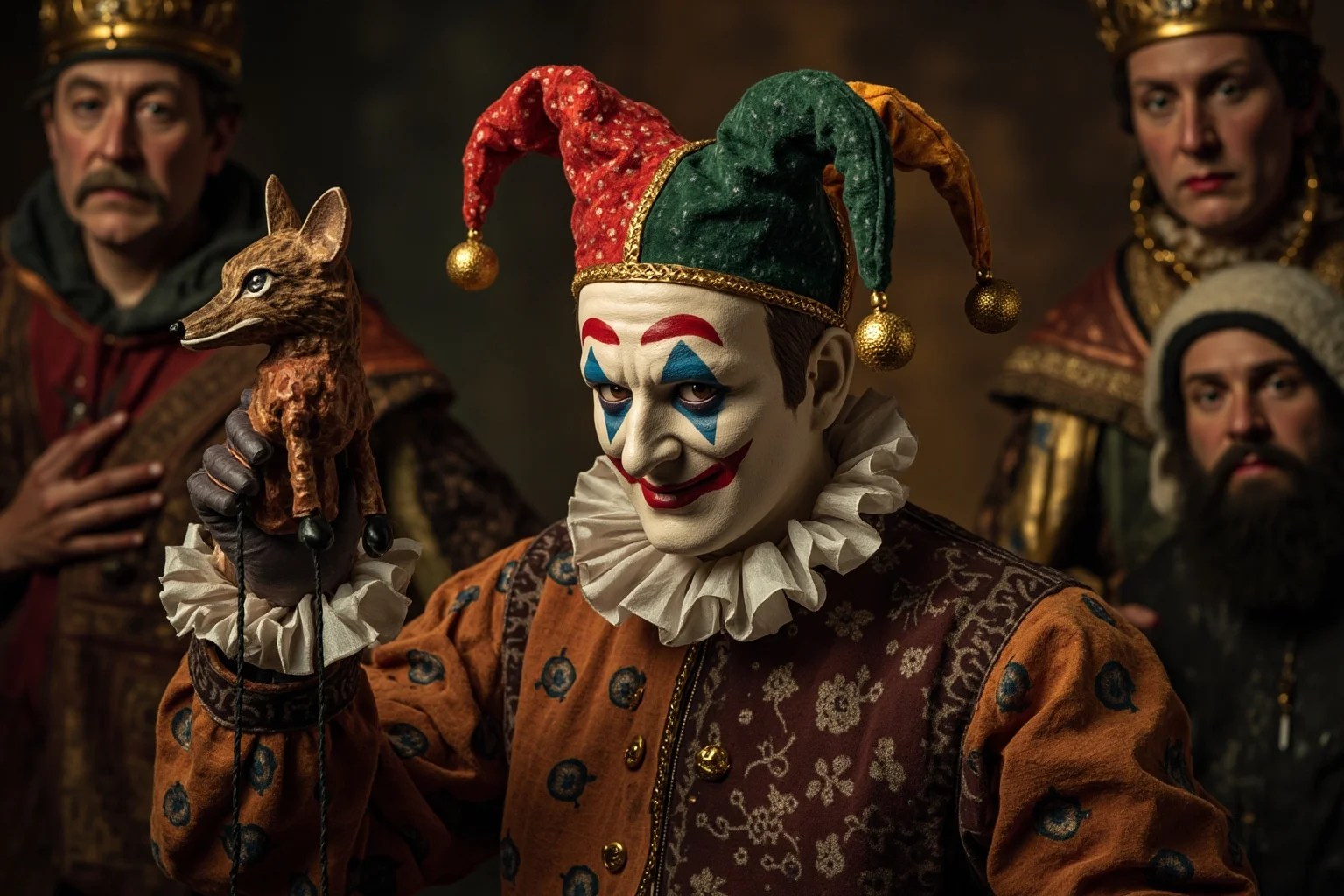
Jesters were masters of double meaning. A song about a greedy fox might be a comment on a corrupt treasurer, but it could also be just a song. The ambiguity protected the teller.
Coded speech let jesters criticize from a safe distance. If accused, they could claim the audience had supplied the dangerous interpretation. Courts accepted this game as long as the jester stayed clever enough not to be pinned down.
Skilled jesters used familiar tales and stock characters to hide their targets. The fox, the greedy priest, and the foolish peasant were all vehicles for comment.
5. They Fell Back on Physical Comedy
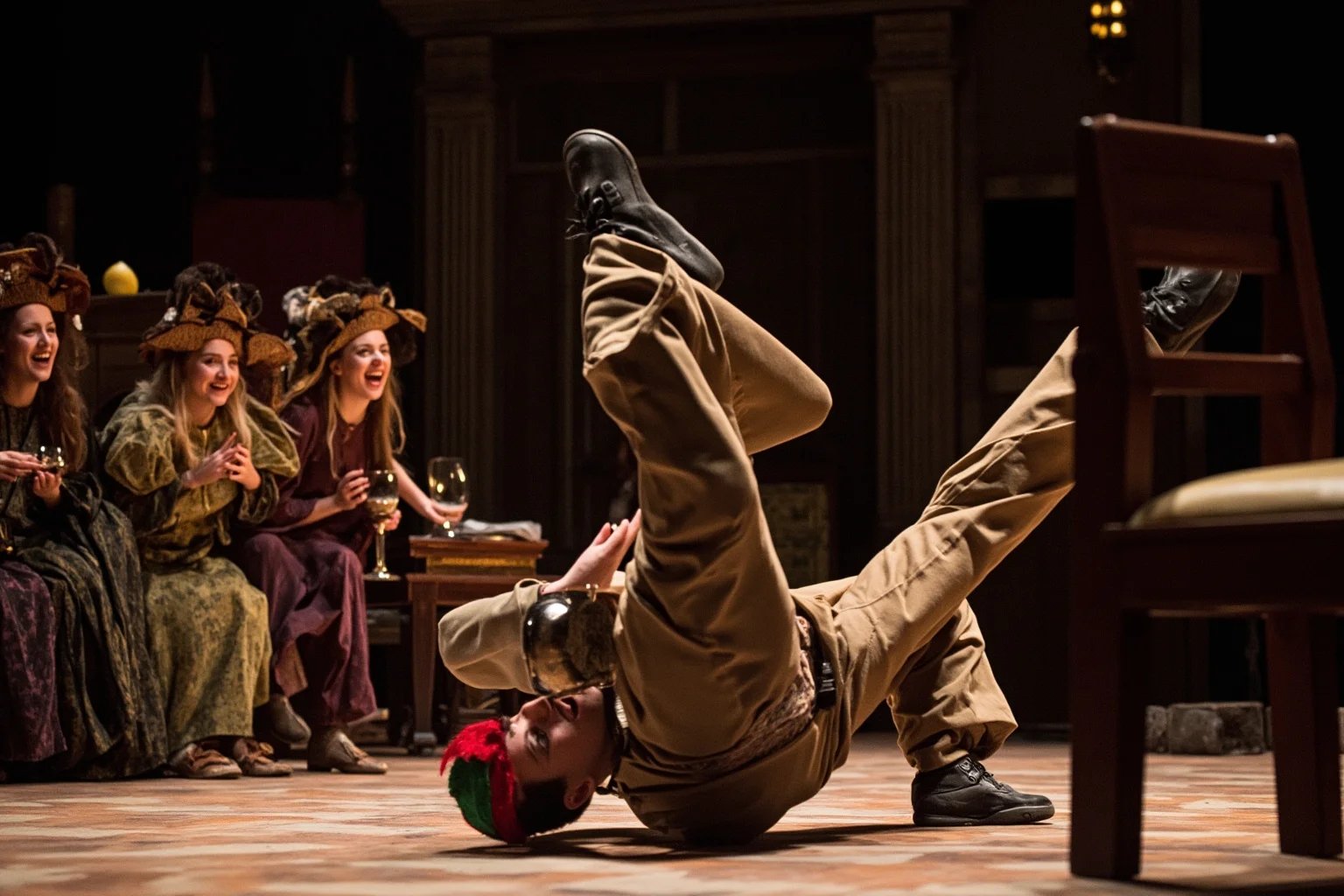
Slapstick turned a verbal jab into a pratfall. If a joke landed too hard, a jester could stumble, flail, or knock over a stool to reset the mood. The laughter that followed made the offense harder to sustain.
Physical comedy also reinforced the image of the fool as harmless. A person who trips over his own feet does not look like a political threat. That perception bought jesters a wider lane for sharper words.
A pratfall could also buy time. While the court was laughing, the jester could watch the ruler's face and decide whether to continue or retreat.
6. They Became a Jester That Knows Too Much—and Learned Silence
Close physical access meant jesters overheard arguments, secrets, and whispered plans. This is the origin of the jester that knows too much figure: a fool who carried more political knowledge than most courtiers. Such knowledge was dangerous unless it was handled with care.
Successful jesters parceled out what they knew through jokes, timing, and deliberate ignorance. They might hint at a scandal without naming it, or play dumb when directly questioned. The jester that knows too much survived by knowing when not to reveal what he understood.
The danger was real. A fool who seemed too knowing could be silenced, exiled, or treated as a spy. The line between trusted confidant and inconvenient witness was extremely thin.
7. They Belonged to No Faction
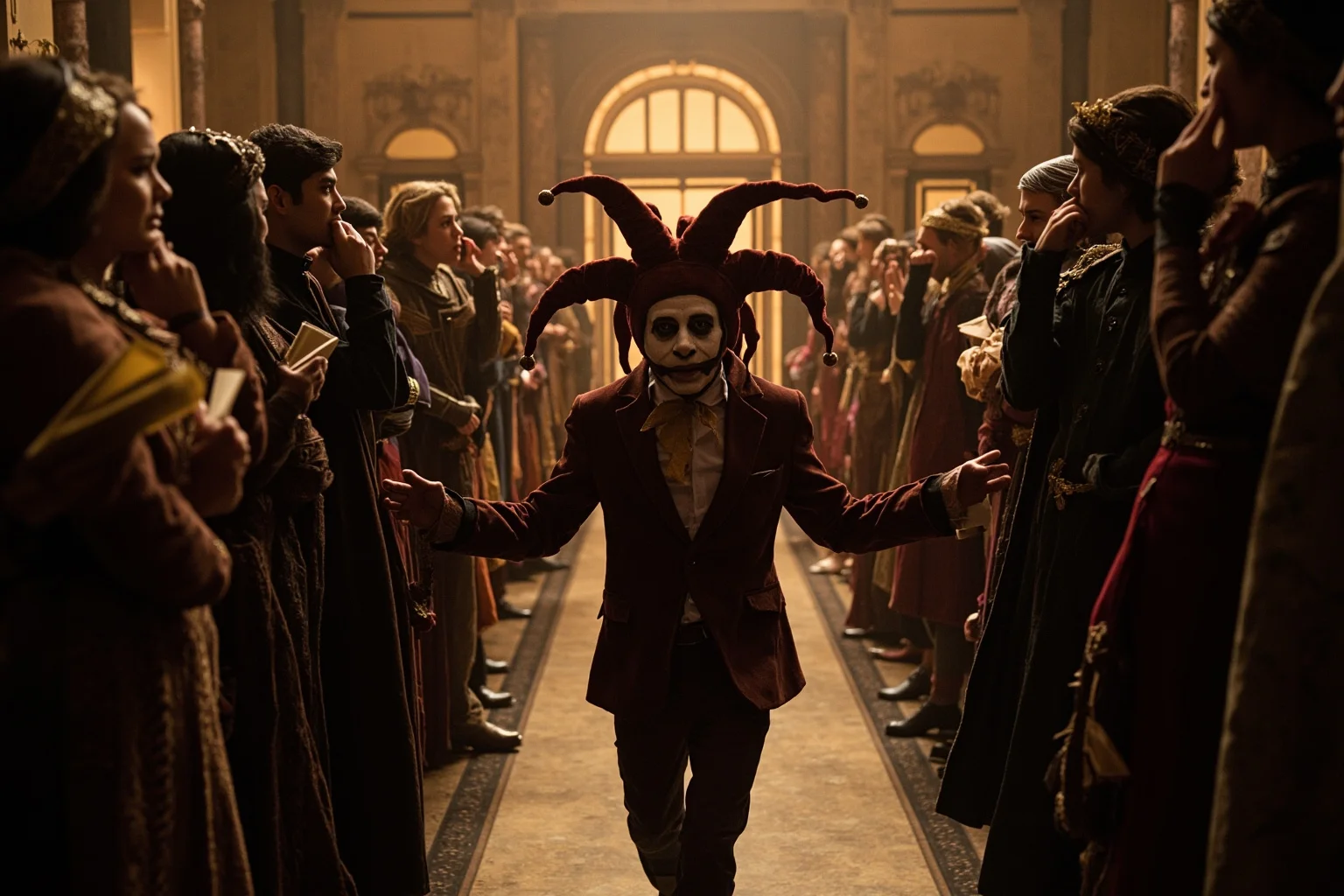
Court factions competed for influence, money, and the ruler's ear. A jester who was not bound to a noble house could move between groups without being seen as an agent. That made his mockery harder to read as a plot.
Some jesters did have protectors, but their survival often depended on appearing loyal only to the monarch. By mocking all sides, they avoided becoming a prize for any one faction. The joke was their politics.
In practice, this neutrality was never perfect. A jester might still prefer one patron or avoid mocking a powerful duke, but the performance of neutrality mattered.
8. Their Costume Marked Them as Outside the Rules
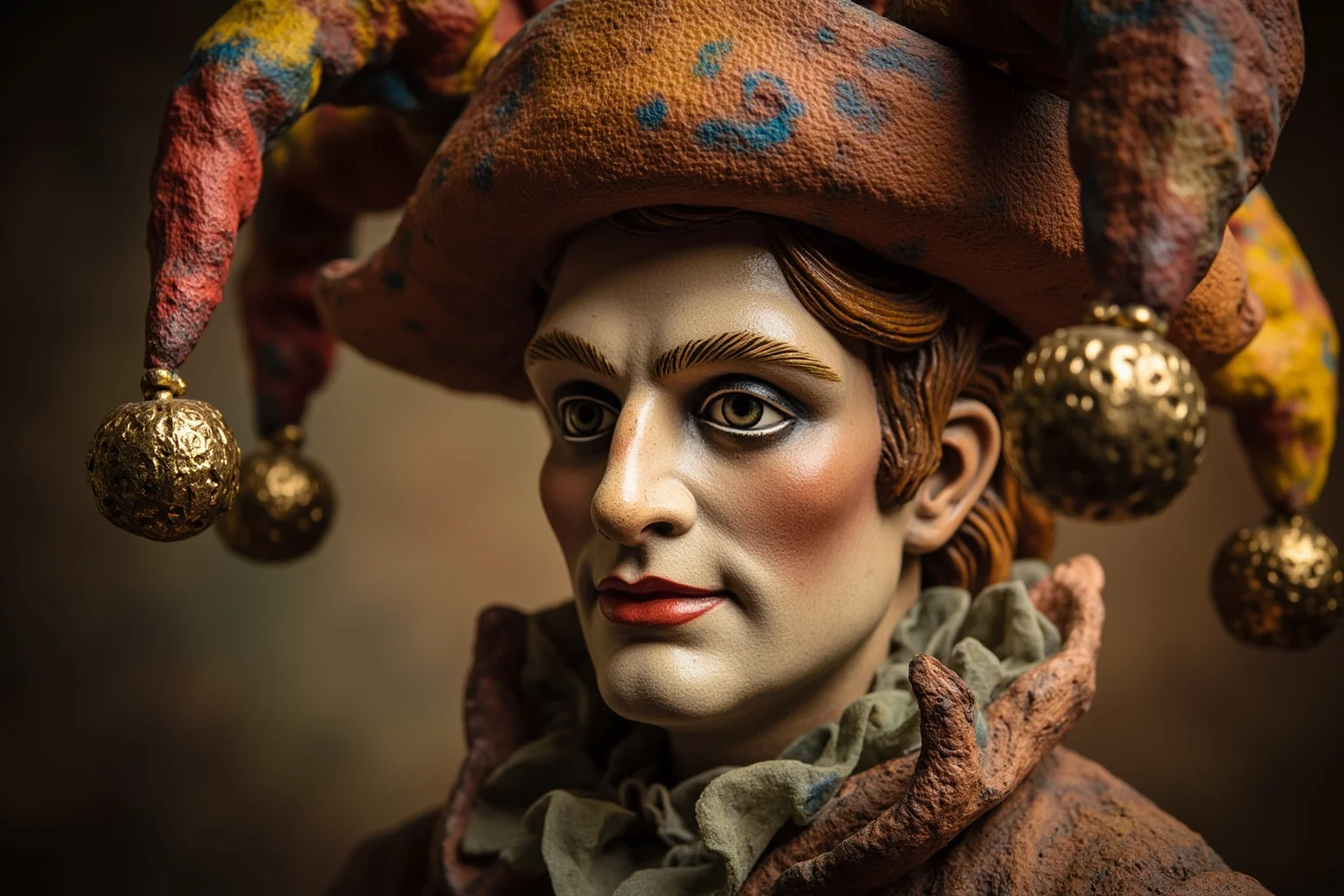
Motley, bells, and the cap with donkey ears were not just stage props. They signaled that the wearer was in a special role. Once dressed as a fool, a person could say things that would be unacceptable in court robes.
The costume worked like a frame around a painting. It told the audience that this speech was performance, not formal counsel. That frame gave jesters room to criticize without triggering the normal protocols of rank.
Costume also lowered expectations. Nobody expected a figure in bells to deliver formal policy advice, so a direct question or sharp remark could land with surprise.
9. Royal Favor Was Their Armor
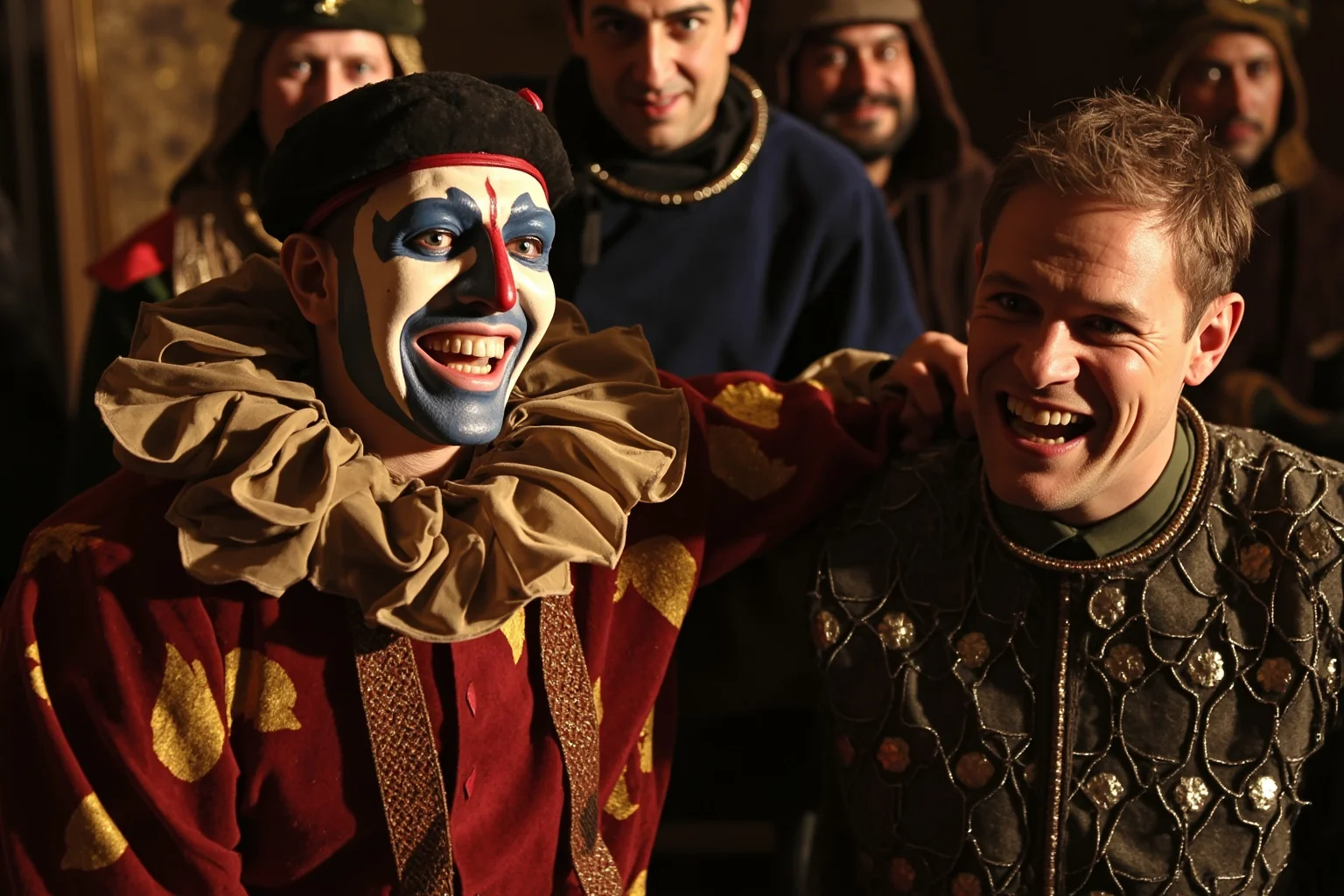
A jester's safety often depended on the ruler's personal affection. Will Sommers, who served Henry VIII and later Tudor courts, survived political turbulence for decades partly because he remained useful and liked. Royal favor made him a bad target for revenge.
Favor could also vanish. Jesters who were protected by one ruler might find the next ruler colder. The history of court fools is full of long careers, but also sudden falls when the personality at the top changed.
The Polish jester Stańczyk is remembered as a sharp observer at the court of Sigismund I, though many details of his life come from later art and legend. His image as a worried clown shows how royal favor and wise counsel blurred together.
10. Powerful Women at Court Sometimes Protected Them

Female jesters and fools appear in the records too, including Jane Foole, who served several Tudor royal women. A queen or queen consort could extend protection to a fool when male courtiers complained. This patronage gave jesters another layer of safety.
Royal women also used jesters as companions and informal confidants. That relationship did not guarantee power, but it placed the jester inside the royal household. Proximity to a powerful patron was a survival asset.
Female jesters were less common in surviving sources, but their appearances are enough to show that the role was not exclusively male. The basic logic of the licensed fool applied across gender lines.
11. They Could Sneak In Bad News
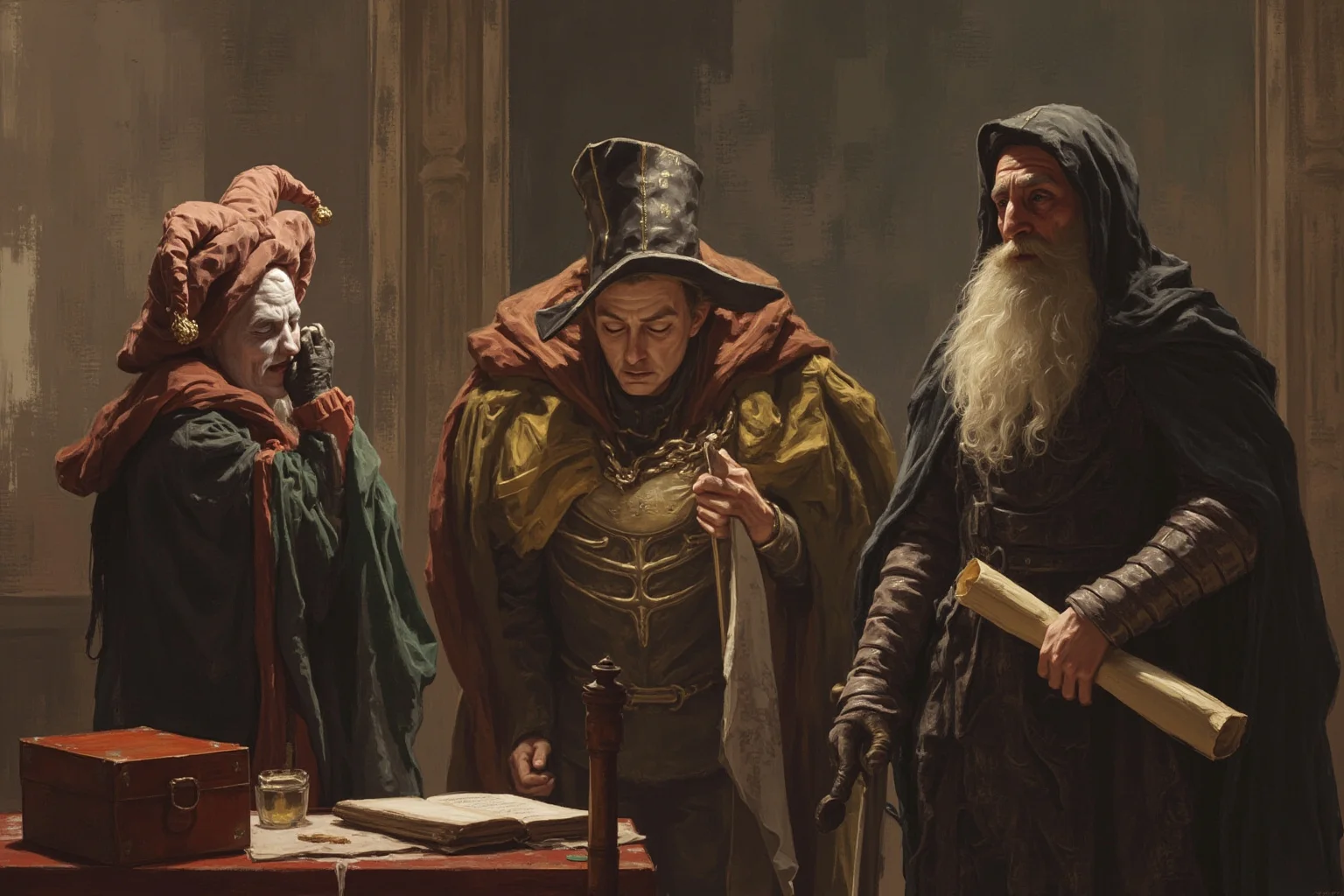
Monarchs did not like messengers who brought defeats, shortages, or rebellions. A jester could fold those messages into a humorous song or a mock complaint. The ruler got the information without the formal confrontation.
This role made jesters useful to ministers and courtiers as well. They could test the ruler's mood with a joke before a difficult petition. The jester became a human buffer zone for risky communication.
There was also a dark side to this role. If a jester became known for delivering bad news, he could be blamed for the message itself, not just the delivery.
12. They Made Themselves the Butt of the Joke

Self-deprecation defused envy. If a jester mocked his own greed, foolishness, or cowardice, the king could laugh without feeling attacked. This lowered the emotional temperature before sharper material.
By performing humility, jesters also reminded the court they were not rivals. A man who calls himself a fool is harder to treat as a conspirator. The strategy turned weakness into a kind of protection.
This technique appears in many cultures. The person who makes himself small can sometimes say the largest thing in the room without triggering violence.
13. They Rode the Tradition of Seasonal Inversion
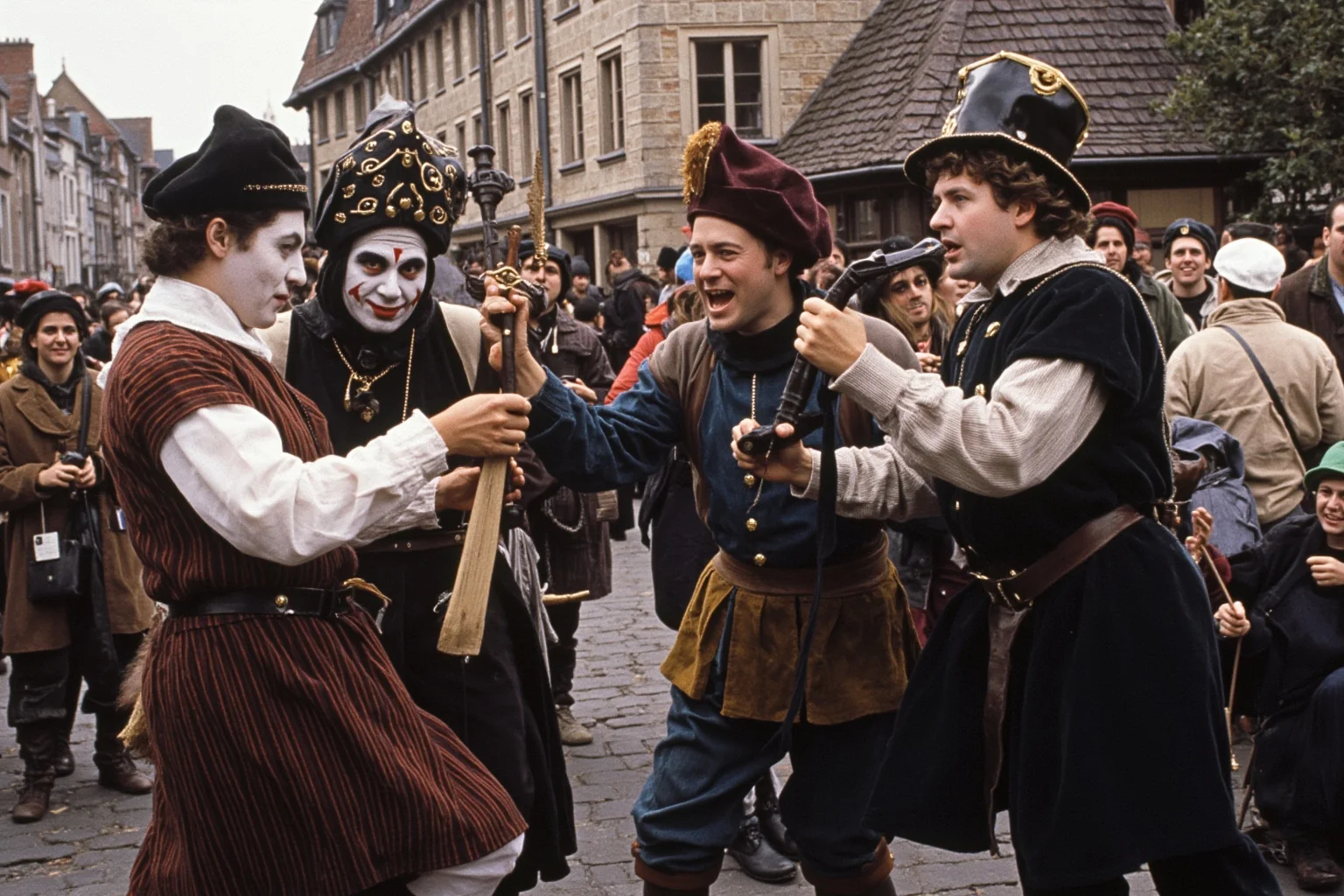
Medieval and early modern Europe had holidays and festivals that temporarily reversed social order, such as the Feast of Fools. During those events, lower clergy or lay performers could mock authority. The court jester inherited some of that licensed disorder.
Seasonal inversion did not mean total freedom. Church authorities sometimes condemned the excesses of the Feast of Fools, and rulers could still punish blasphemy or sedition. But the tradition reinforced the idea that mockery had a ritual place in the calendar.
A jester at court carried that seasonal spirit into ordinary days. He was a permanent hint of carnival, which made his mockery feel traditional rather than rebellious.
14. They Were Too Entertaining to Lose
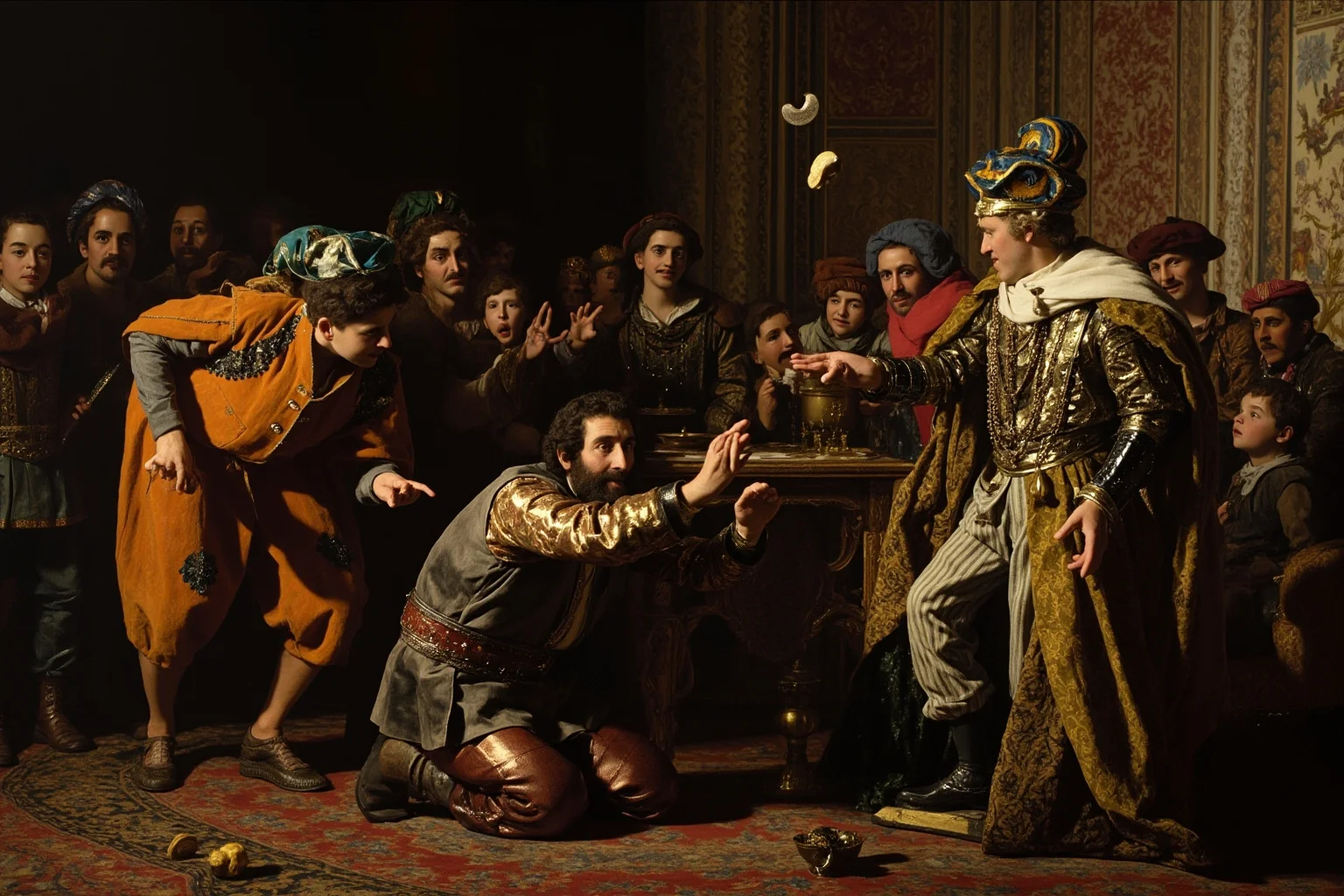
A skilled jester was a form of living luxury. Courts competed for accomplished fools, musicians, and performers, and a monarch might tolerate extra saucy speech because finding a replacement was difficult. Entertainment value bought forgiveness.
Jesters were also part of a ruler's public image. A king who kept a witty fool looked confident enough to laugh at himself. Banishing or executing the fool could make the ruler look insecure.
Skilled fools could also attract patronage from nobles who wanted access to the ruler's laughter. That made a jester valuable beyond the monarch alone.
15. They Could Always Claim It Was Only a Jest
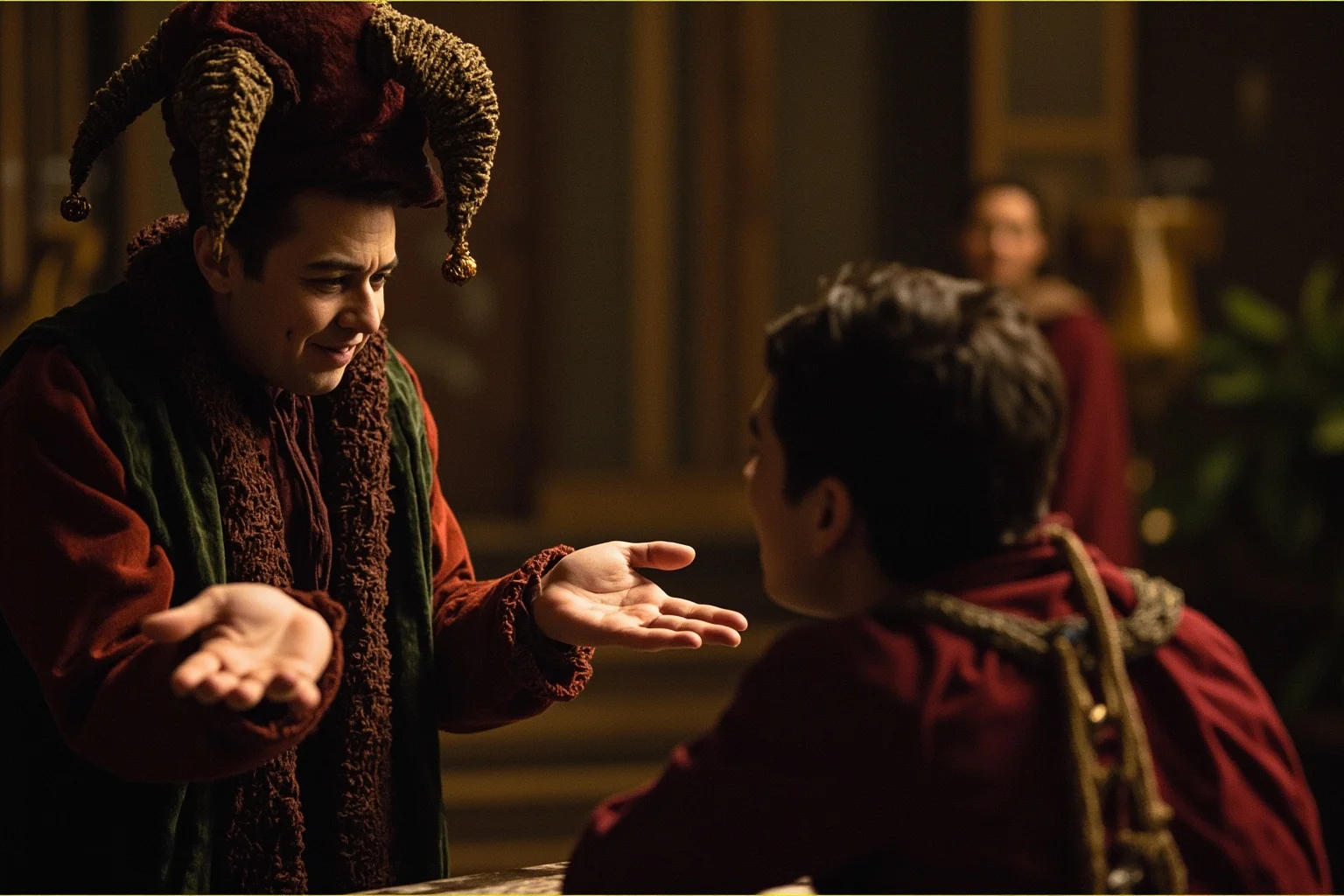
The phrase 'it was only a joke' is not a modern invention. A jester accused of insult could retreat by saying the words were meant in sport. This defense worked best when the jester had built a reputation for harmless mischief.
Of course, the claim had limits. If a joke exposed a genuine scandal or embarrassed the wrong noble, the defense collapsed. But in many cases, it gave the ruler an excuse to ignore the offense without appearing weak.
The joke defense worked best when the jester had already established a childish persona. Once he seemed too calculating, the same words could read as insubordination.
16. Their Private Access Gave Them Soft Power
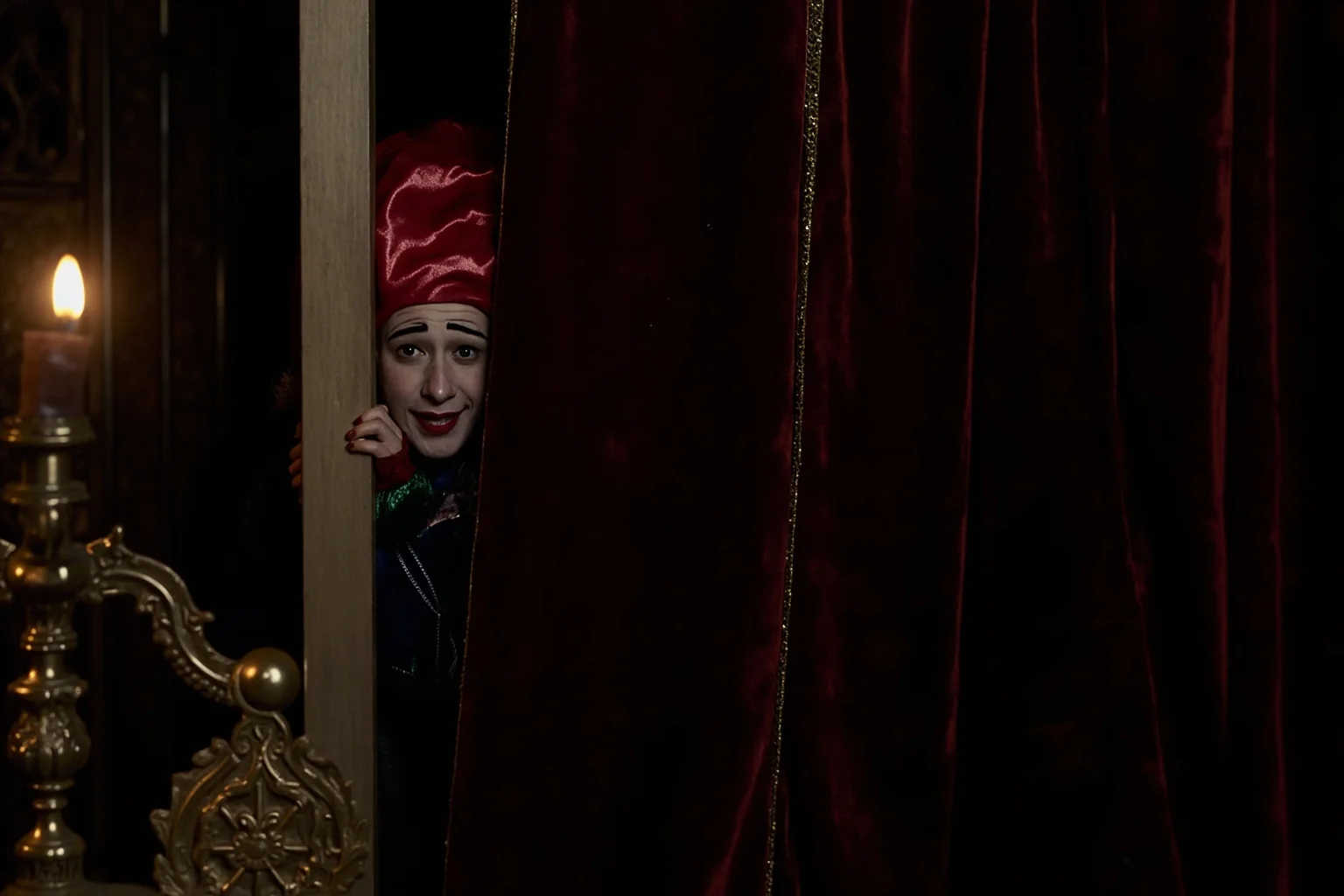
Court jesters often moved through spaces closed to foreign ambassadors and minor nobles. They might be present in the privy chamber, at meals, or during travel. That access let them speak in private, where a king could hear criticism without losing face before an audience.
Private counsel disguised as banter was valuable. A jester could raise a concern quietly, then turn it into a joke if the ruler reacted badly. The real message had already been delivered.
Soft power did not make a jester invincible. It meant that his influence was indirect, personal, and easily denied if the ruler chose to withdraw favor.
17. They Were Sometimes Seen as Holy Innocents

In medieval Christian culture, some natural fools and people with intellectual disabilities were regarded as touched by God or protected by their innocence. That belief could shield them from punishment. The holy fool tradition drew on similar ideas.
This did not mean all jesters were natural fools. Many were highly skilled professional entertainers. But even professional fools benefited from the broader cultural image of the fool as a person outside normal moral calculation.
This belief was not universal, and cruelty still occurred. But the ideal of the holy fool gave some vulnerable people a protected place in a violent world.
18. They Built a Reputation for Truth-Telling
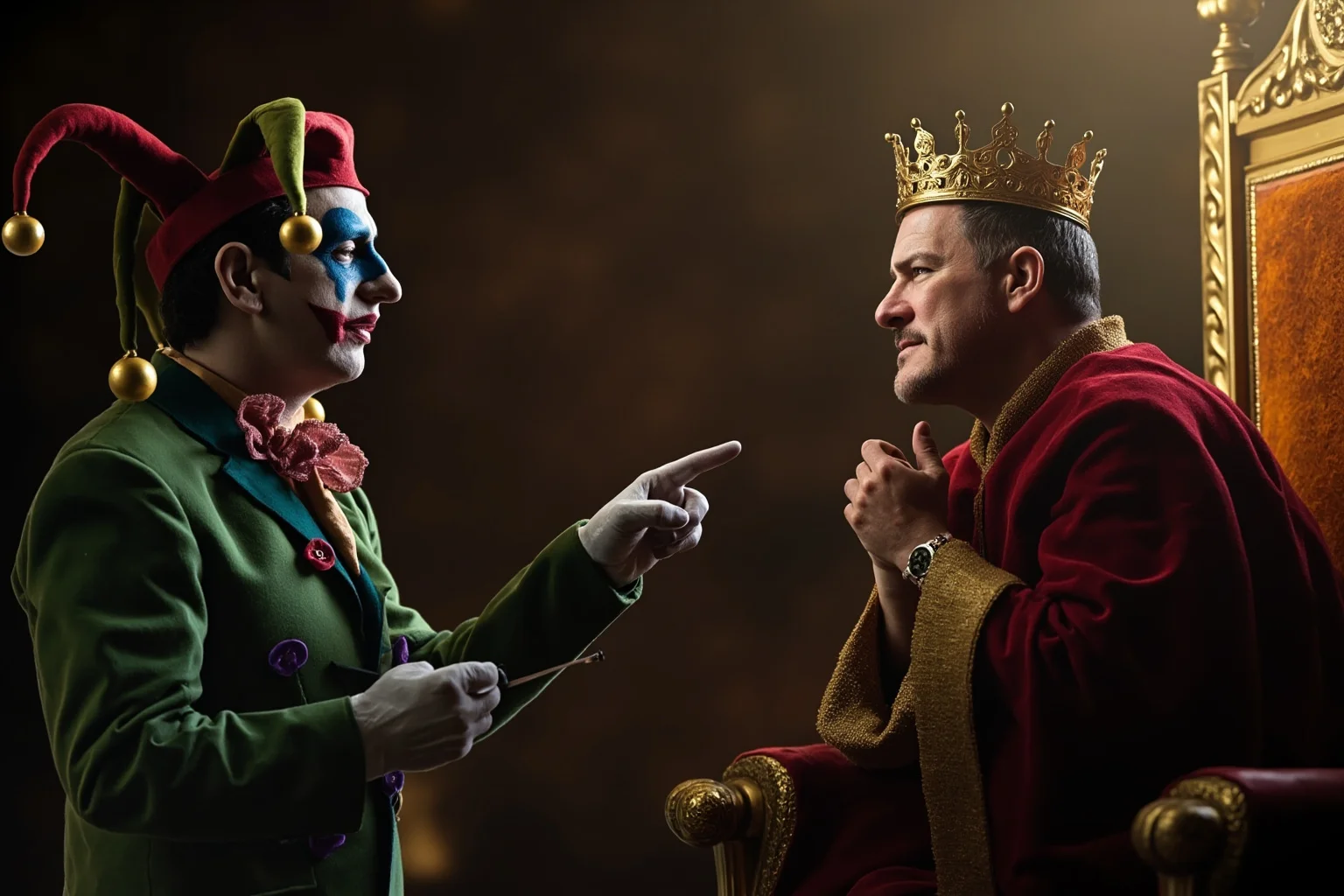
Some jesters deliberately cultivated the role of the wise fool who tells unpleasant truths. Once a king accepted that persona, the jester could push harder because silence would seem out of character. Expectation became a shield.
This was not the same as unlimited courage. A jester still needed to gauge which truths the ruler wanted to hear. The trick was to seem fearless while actually being highly attuned to the ruler's limits.
The wise fool persona was powerful but fragile. If the jester missed a shift in the ruler's mood, the same truth-telling could look like arrogance.
19. They Worked as Informal Intelligence
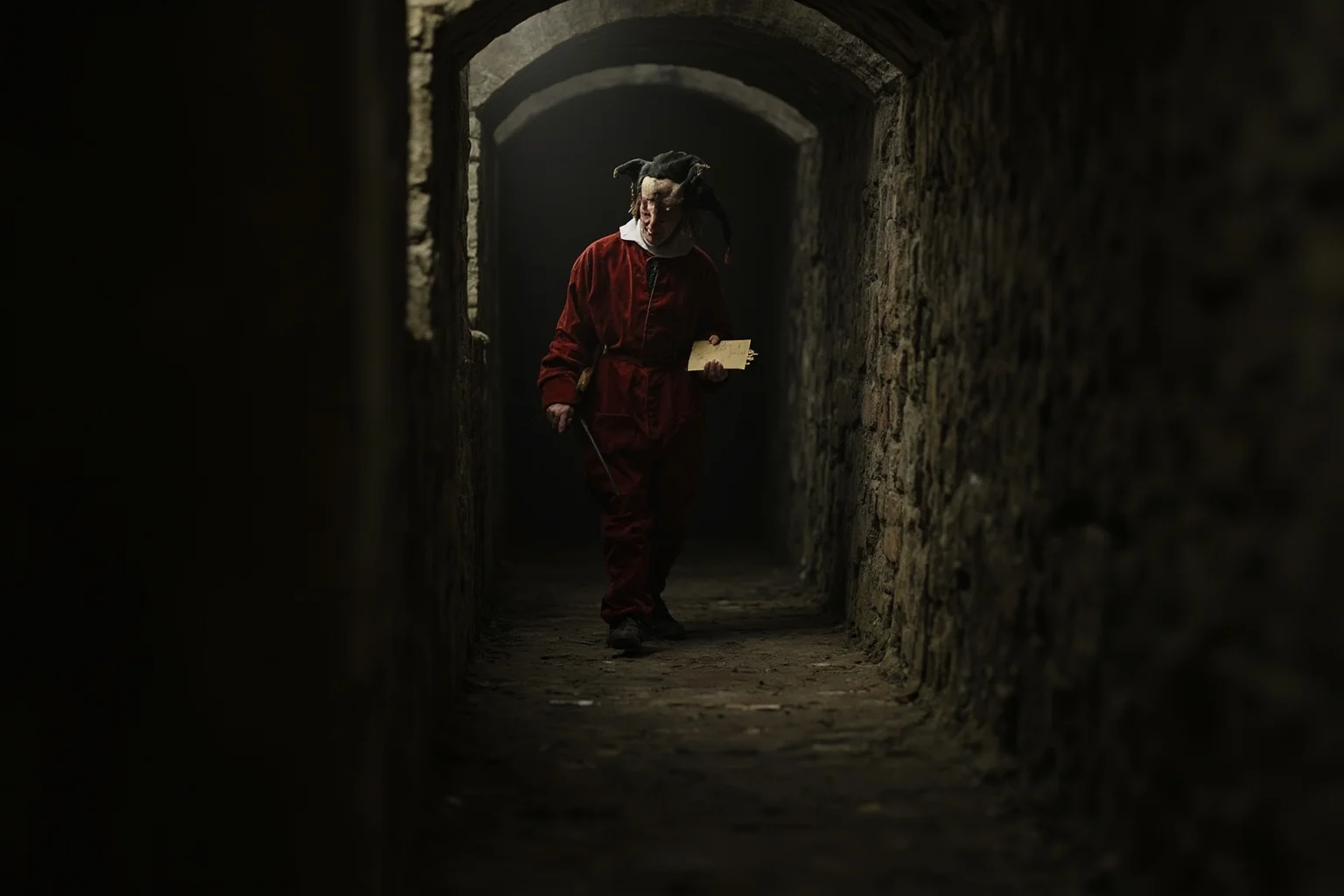
Because jesters were paid to be everywhere and treated as harmless, they overheard useful information about rival courts, factions, and domestic plots. Rulers sometimes valued fools as eyes and ears. The jester that knows too much was not only a risk; he could be an asset.
Chicot, the jester of Henry III of France, is often described as a political insider who carried messages and advice. The exact details of his influence are debated, but his image shows how a clever fool could move at the edge of statecraft.
A jester that knows too much could be useful to a ruler, but only if he remained discreet. Once courtiers began to fear what he might say, the jokes stopped feeling harmless.
20. They Knew When to Stop—or They Learned the Hard Way
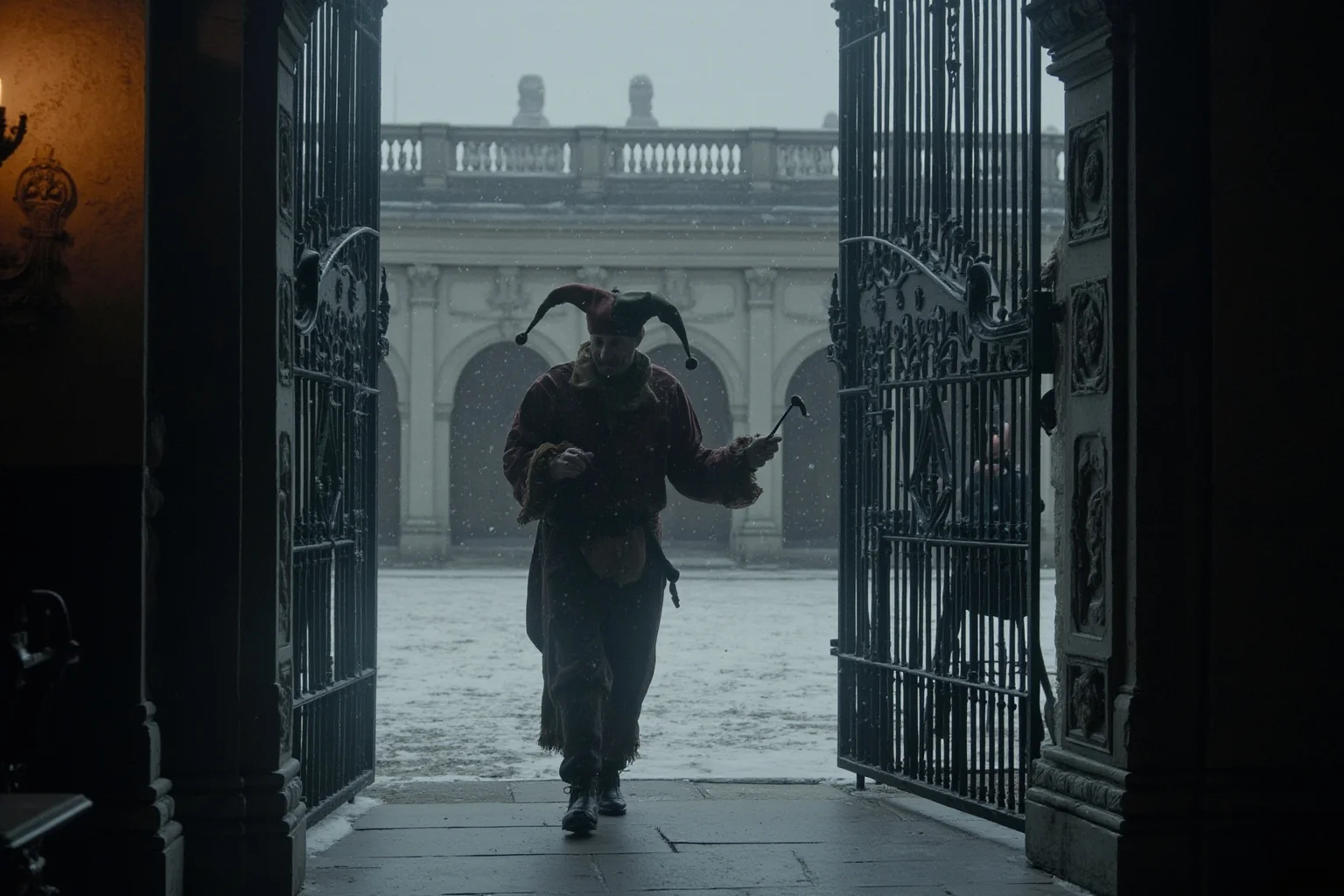
The fool's license was not a permanent immunity. Archy Armstrong, a jester to James I and Charles I, was banished in 1637 after clashing with Archbishop William Laud. The incident shows that even a royal fool could fall when the target was powerful enough.
Successful jesters studied the ruler's moods and the court's shifting alliances. They understood that one joke too many could end a career. The greatest survival skill was not wit, but timing.
The lesson from Armstrong's fall is not that jesters had no freedom. It is that the fool's license had outer edges, and real political power could snap back.
The Last Laugh: Why the Jester Myth Still Works
Modern audiences still love the jester because the job represents a fantasy of speaking truth to power and walking away. In reality, jesters took calculated risks inside a strict system. Their freedom was real but narrow.
The court jester was not simply a comedian. He was a pressure valve, an early political satirist, and sometimes a jester that knows too much. His story reminds us that humor has always been a strange form of power, especially when it comes wearing bells.
Frequently Asked Questions
What is a jester that knows too much?
A jester that knows too much is the court fool figure who overhears secrets and understands court politics better than the nobles around him. Historical jesters like Chicot had close access to power and could act as informal intelligence. Their safety often depended on revealing only part of what they knew and doing so through humor.
Did jesters really get away with insulting kings?
Some did, but only within limits. The fool's license allowed mockery if it stayed entertaining, loyal, and within the ruler's tolerance. Jesters who pushed too far could be banished, imprisoned, or worse.
What was the fool’s license?
The fool's license was an informal court custom that allowed jesters to speak freely, mock courtiers, and sometimes criticize the monarch through jokes. It was not usually a legal right, and its limits depended on the ruler's personality and the political moment.
Who is a famous jester that overstepped?
Archy Armstrong, a jester to James I and Charles I, is a well-known example of a fool who fell from favor. He was banished in 1637 after clashing with Archbishop William Laud. His case shows the fool's license had real outer edges.
Were there female court jesters?
Yes, although they appear less often in surviving records. Jane Foole served several Tudor royal women, and other female fools or entertainers appear in European court accounts. Their presence shows the role was not exclusively male.

Alex Warren
Related Articles