
History textbooks tend to focus on the headline events: empires rising and falling, wars starting and ending, famous names doing famous things. But wedged between those milestones are thousands of smaller, stranger stories that rarely make it into the classroom.
This list rounds up some of the most obscure, weird, and genuinely surprising history facts out there. Some will make you laugh, some will make you rethink what you thought you knew, and a few might make you go double-check us (please do — good history writing should survive scrutiny).
TL;DR: From a 45-minute war to a plague of uncontrollable dancing, real history is often stranger and funnier than anything in a textbook.
Ancient World Oddities
The ancient world gave us philosophy, democracy, and monumental architecture. It also gave us some genuinely bizarre historical facts that sound made up but check out against the historical record.
1. Napoleon Wasn’t Actually Short
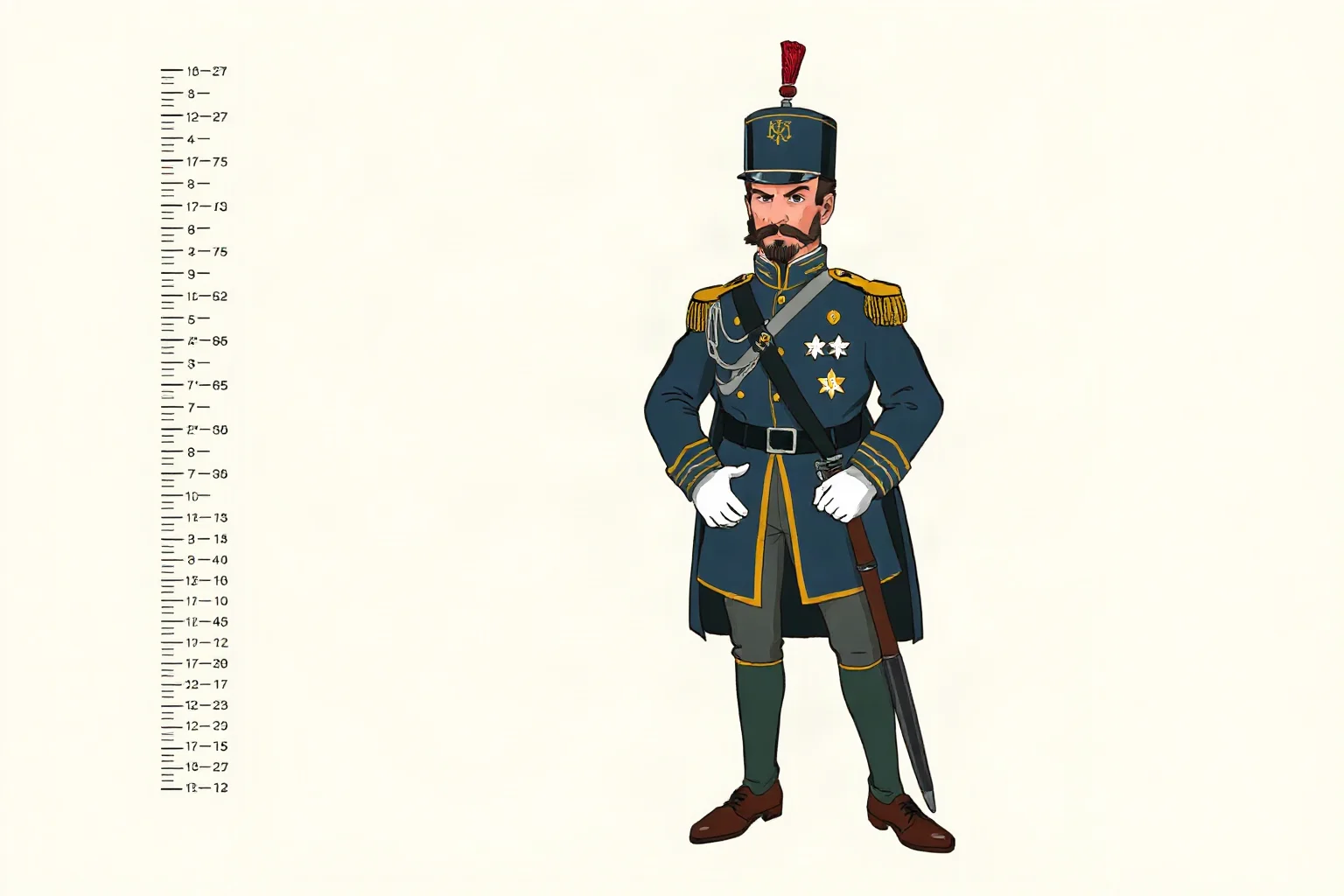
One of the most persistent myths in popular history is that Napoleon Bonaparte was unusually short, giving rise to the term “Napoleon complex.” In reality, historical records suggest he stood around 5 feet 7 inches, which was roughly average height for a Frenchman of his era.
The myth likely grew from British wartime propaganda cartoons that exaggerated his stature for mockery, plus confusion over French versus English measurement units. It’s a great early reminder that a lot of “interesting historical facts” are actually just interesting historical rumors.
2. Oxford University Predates the Aztec Empire
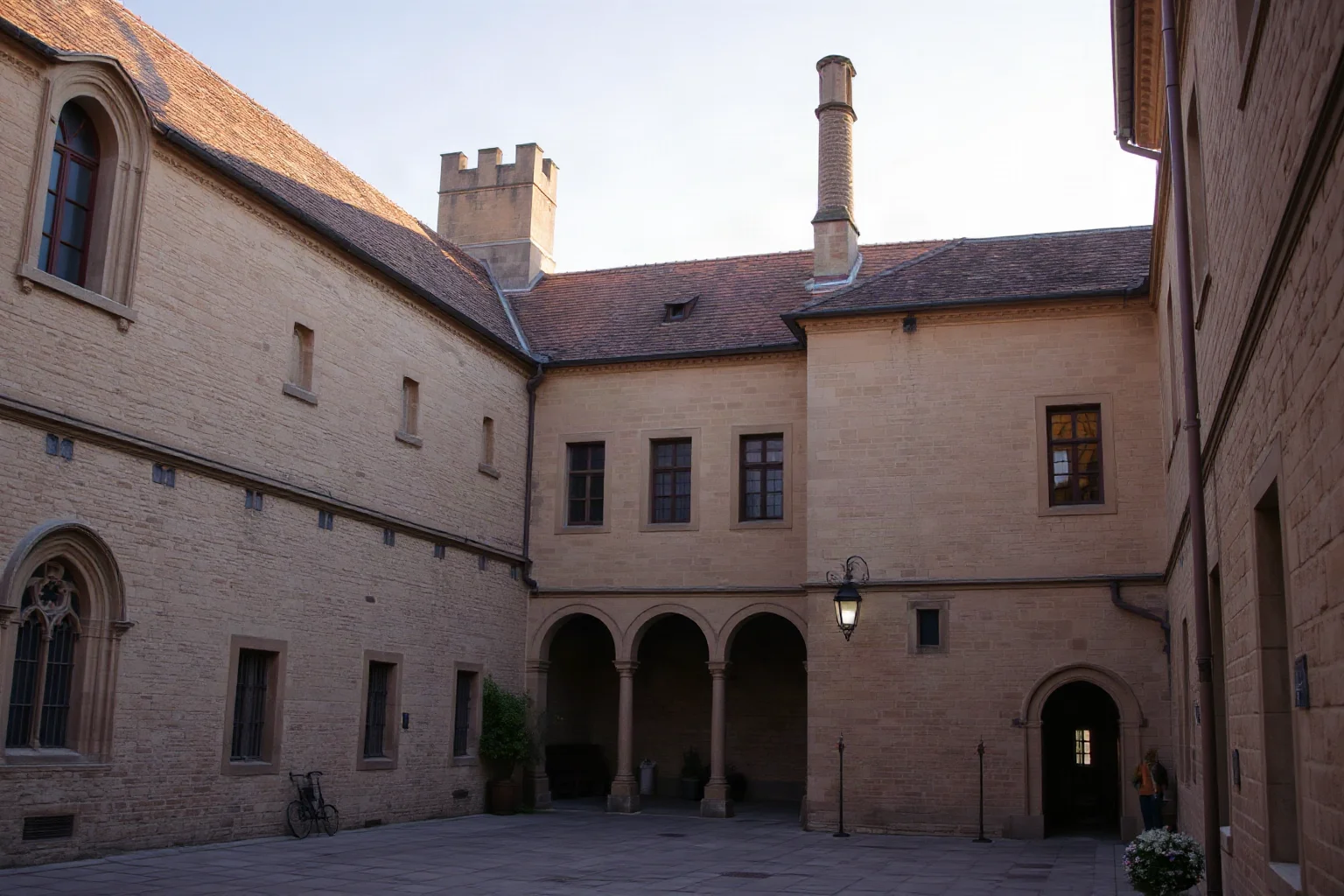
Oxford University has been operating in some form since around 1096, making it older than the Aztec Empire, which was founded around 1345. Teaching at Oxford was already well established before Tenochtitlan was even built.
It’s a strange bit of perspective that shows how differently we tend to picture timelines. The medieval European institution most of us associate with old stone buildings is actually older than an empire we usually file under “ancient.”
3. Moldy Bread Was Ancient Medicine
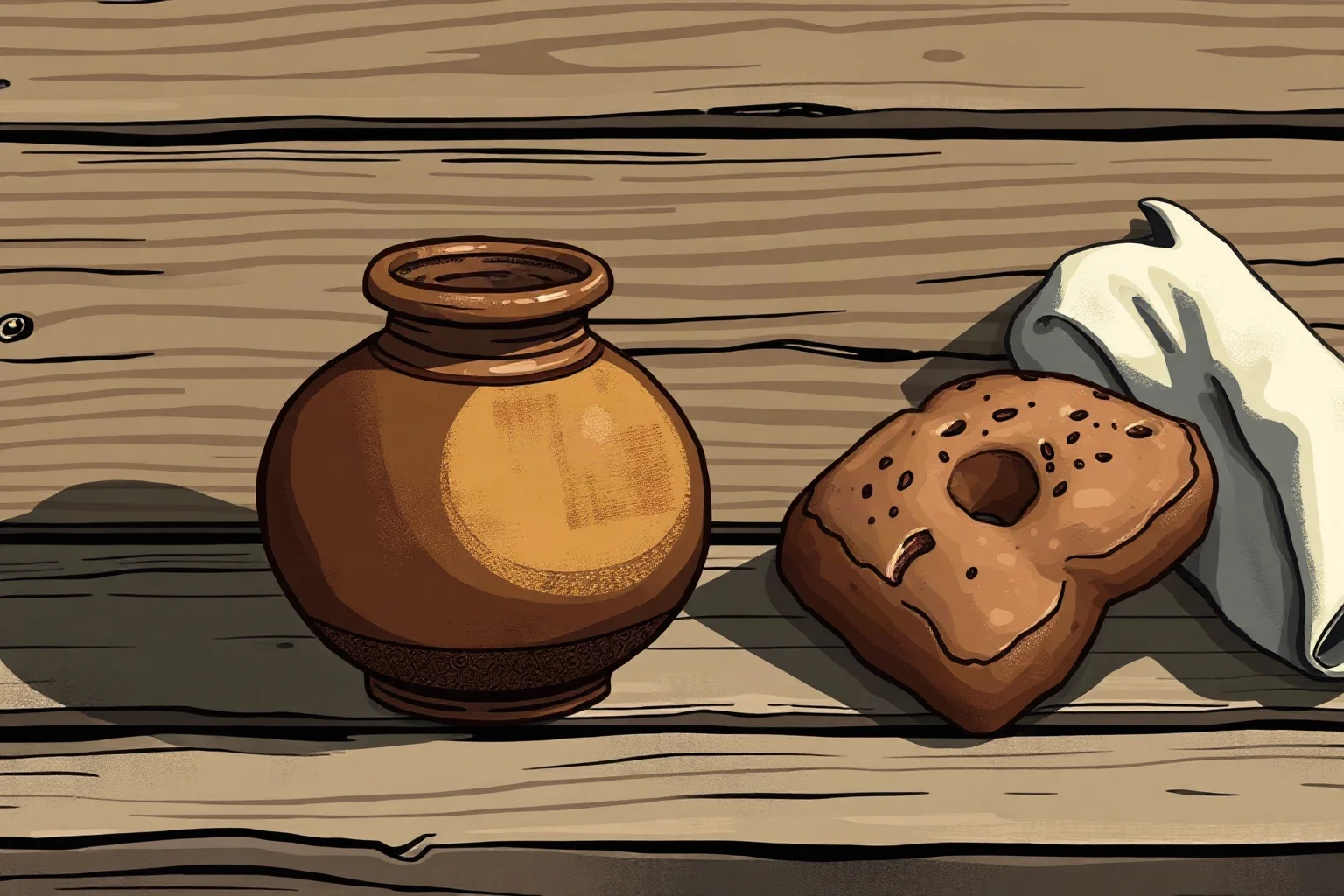
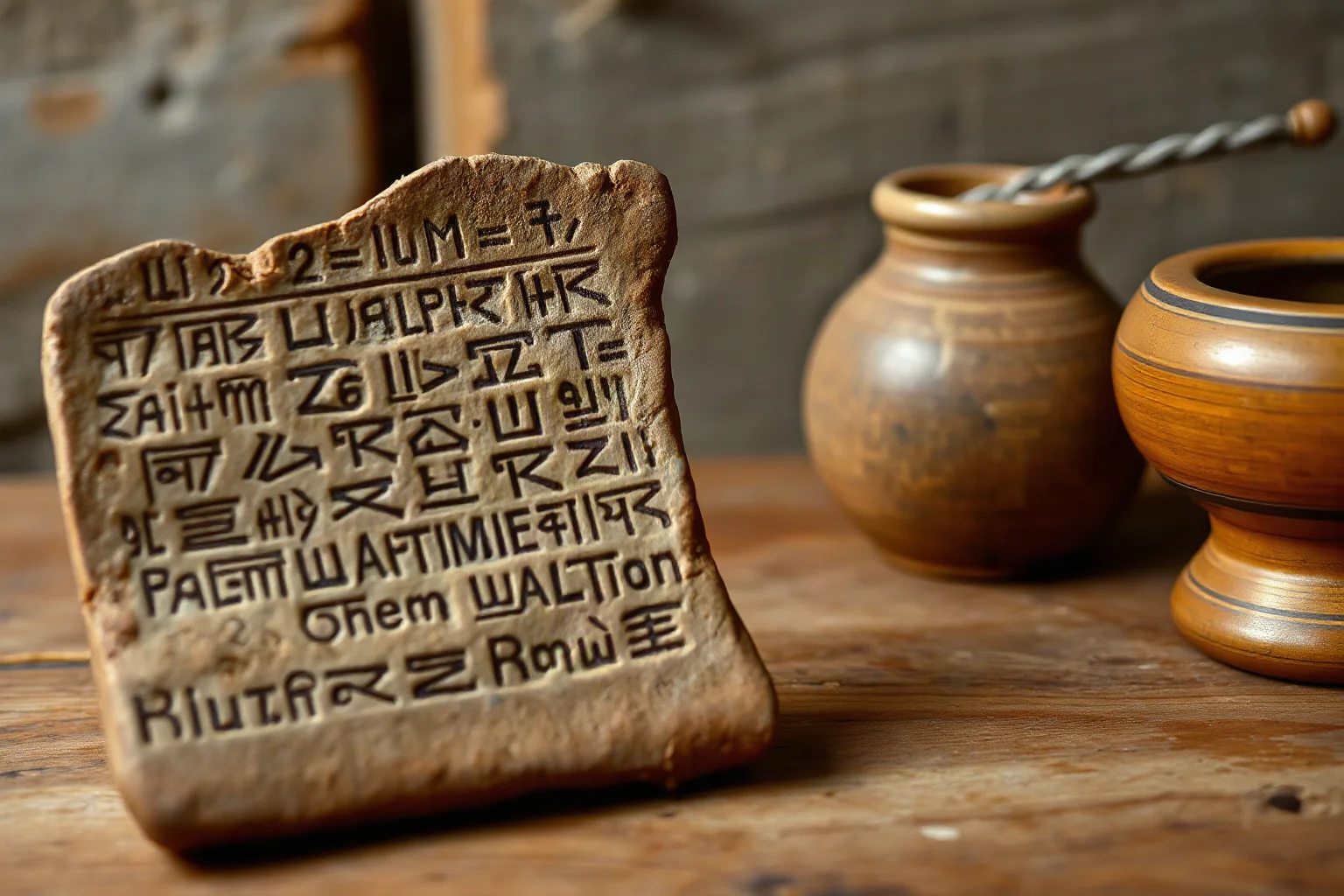
Long before Alexander Fleming discovered penicillin in 1928, ancient Egyptians and other cultures were applying moldy bread to wounds. Egyptian medical texts describe poultices involving fermented or moldy substances used to treat infections.
They didn’t understand the microbiology behind it, but they had noticed something worked. It’s one of those unknown facts about history that quietly connects ancient trial-and-error medicine to modern antibiotics.
4. Cleopatra Lived Closer to the Moon Landing Than to the Pyramids
This one breaks brains every time. The Great Pyramid of Giza was completed around 2560 BCE, while Cleopatra VII ruled Egypt roughly 2,000 years later, around 30 BCE.
That means Cleopatra was born closer in time to the 1969 Moon landing than to the construction of the pyramids she supposedly admired. Ancient Egyptian history spans a genuinely staggering amount of time.
5. Caligula’s Alleged War on the Sea

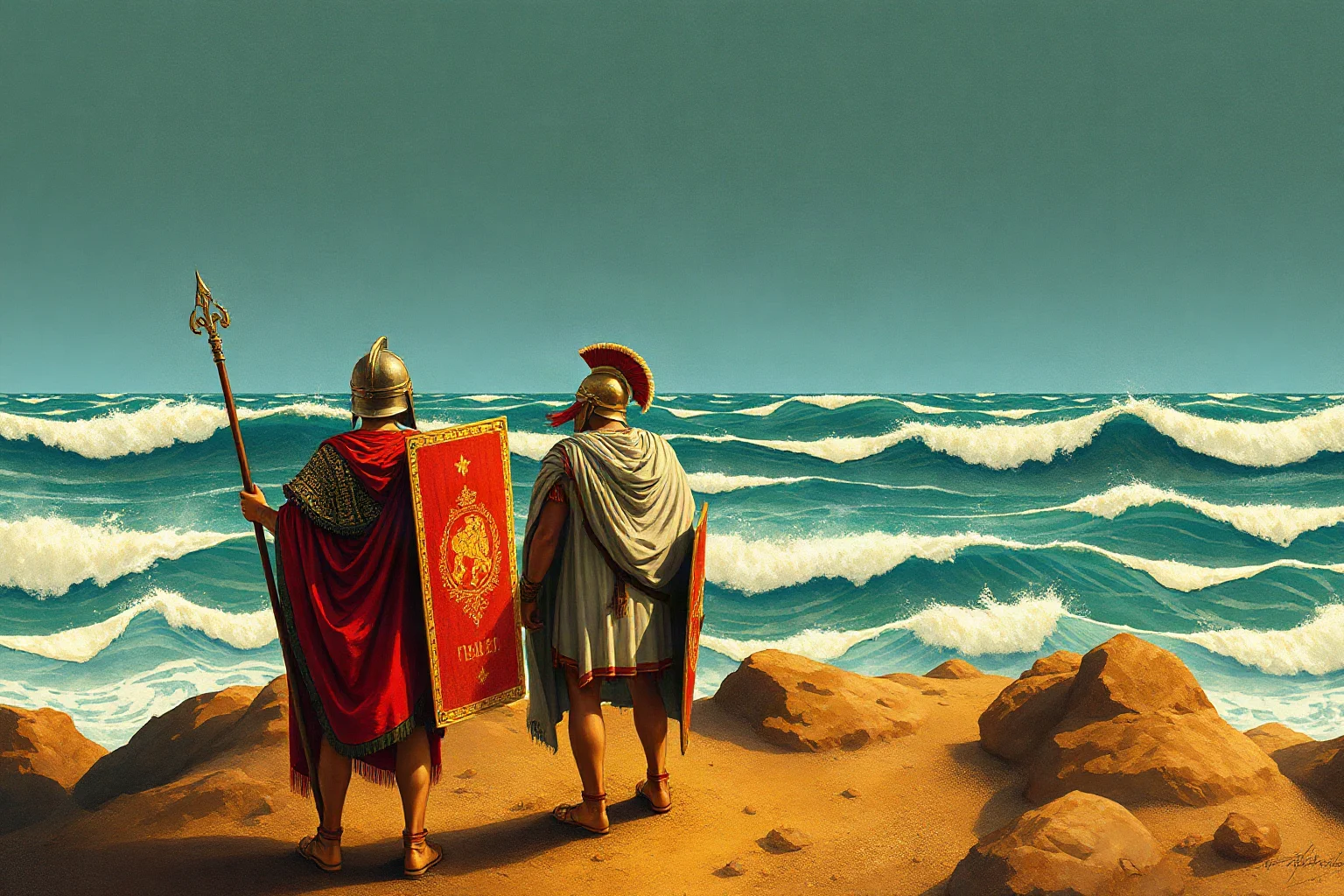
According to the Roman historian Suetonius, the emperor Caligula once ordered his troops to line up on the shore and “attack” the ocean, later claiming victory and having soldiers collect seashells as spoils of war. Modern historians treat this account cautiously, since much of what survives about Caligula comes from writers hostile to him.
Whether it happened exactly as described or was exaggerated for scandal, it’s a good reminder that even ancient sources need a skeptical read. Not every wild historical fact from antiquity should be taken at face value, even when it’s fun to repeat.
Medieval Mysteries and Mayhem
The Middle Ages get an unfair reputation as a dull, dirty era, but it’s full of strange historical facts that rarely make it into pop culture.
6. The Dancing Plague of 1518
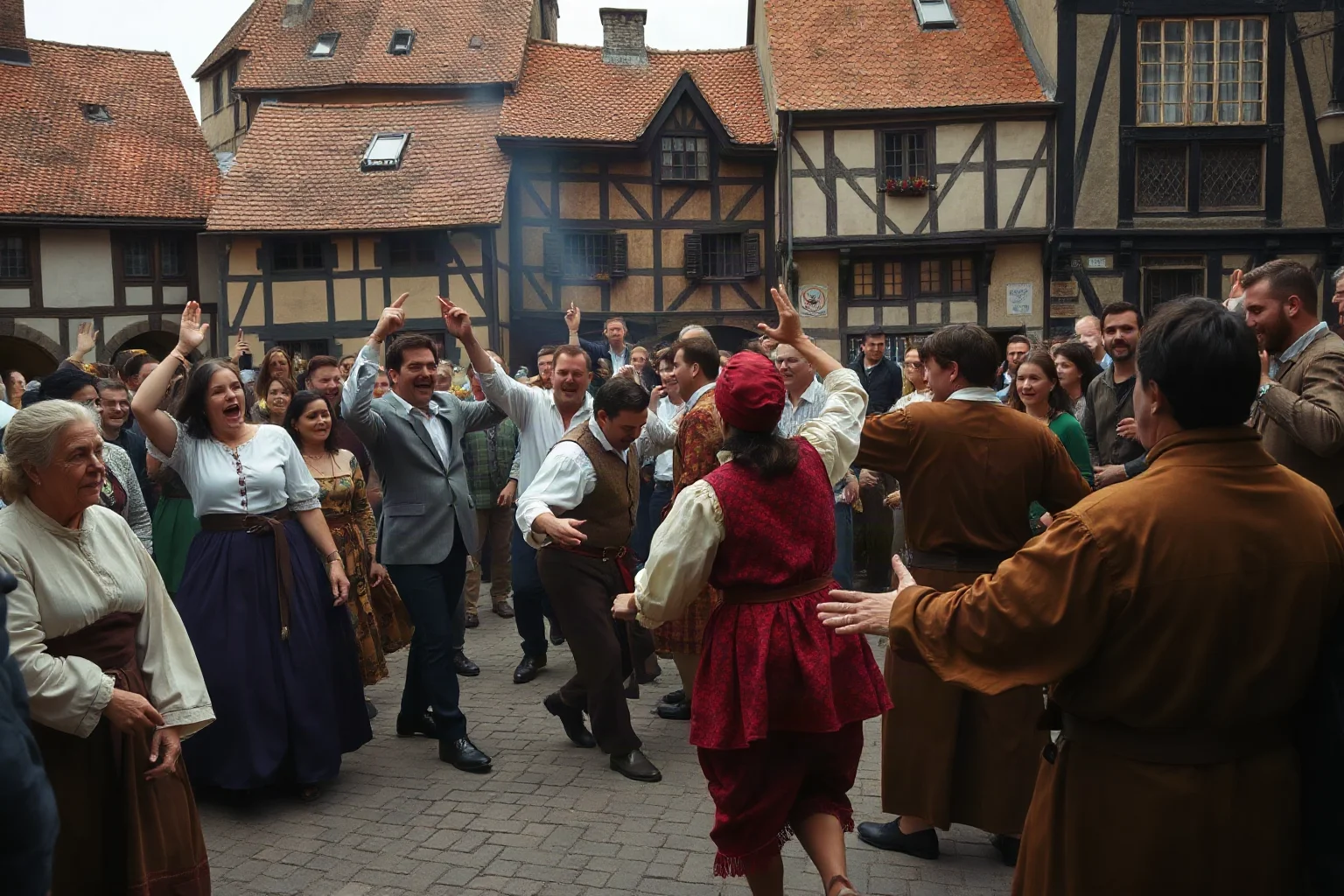
In July 1518, in Strasbourg, a woman began dancing in the street and reportedly couldn’t stop. Within a month, dozens of others had joined her, dancing for days in what became known as the “dancing plague.”
Historians still debate the cause, with theories ranging from mass psychogenic illness to stress-induced hysteria tied to famine and disease. City authorities at the time actually built a stage and hired musicians, believing music would cure the affliction, which obviously did not help.
7. Viking Women Could Divorce Their Husbands
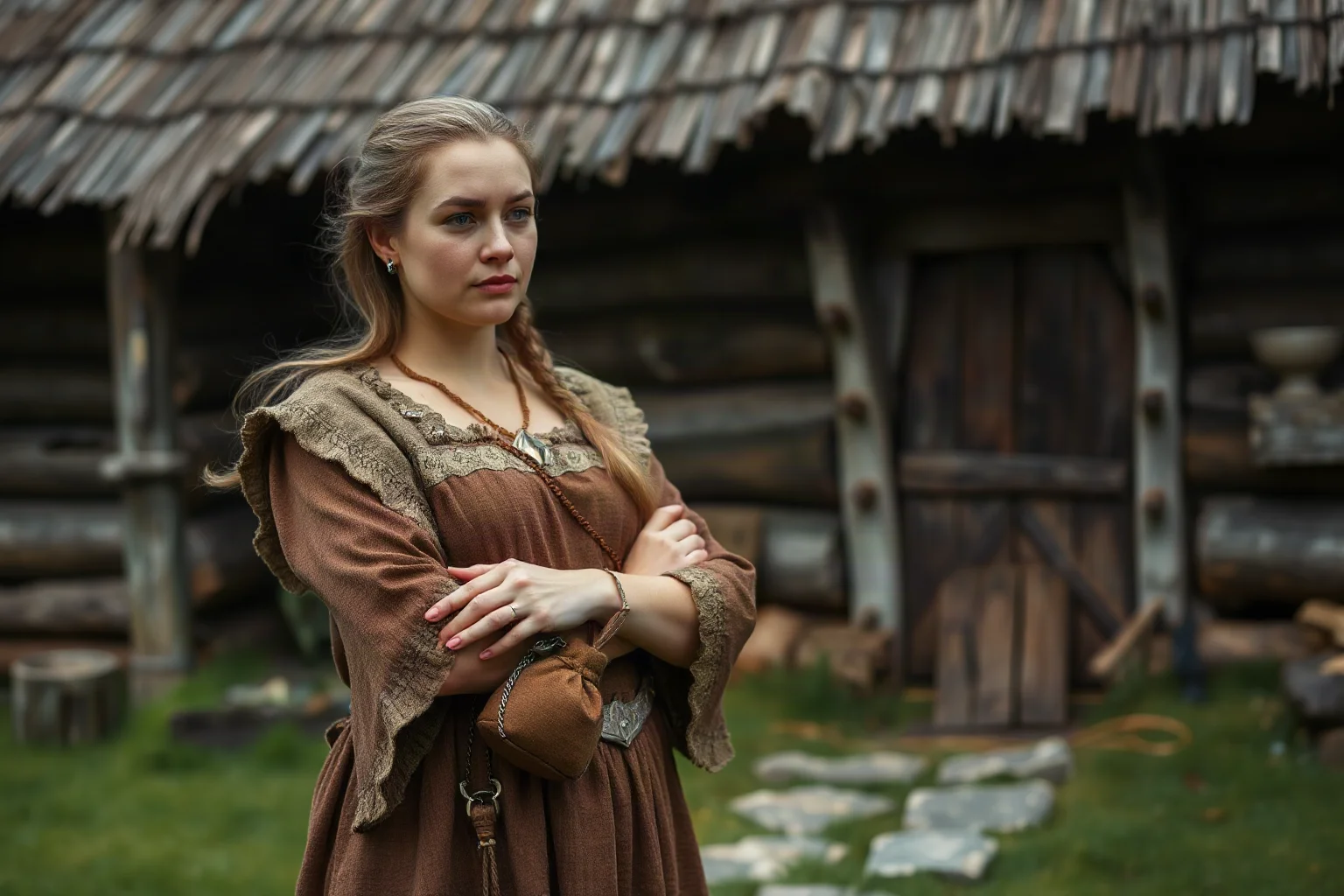
Norse society had surprisingly progressive divorce laws for its time. Under Viking-age Scandinavian custom, a woman could initiate divorce, reclaim her dowry, and even cite specific grievances like a husband’s cross-dressing or failure to provide, according to later Icelandic sagas and legal codes.
This doesn’t mean Viking society was egalitarian by modern standards, but it does complicate the popular image of medieval women having zero legal agency. Property rights and inheritance for women varied a lot across medieval Europe, and Scandinavia stood out.
8. Trial by Cheese and Other Medieval Ordeals
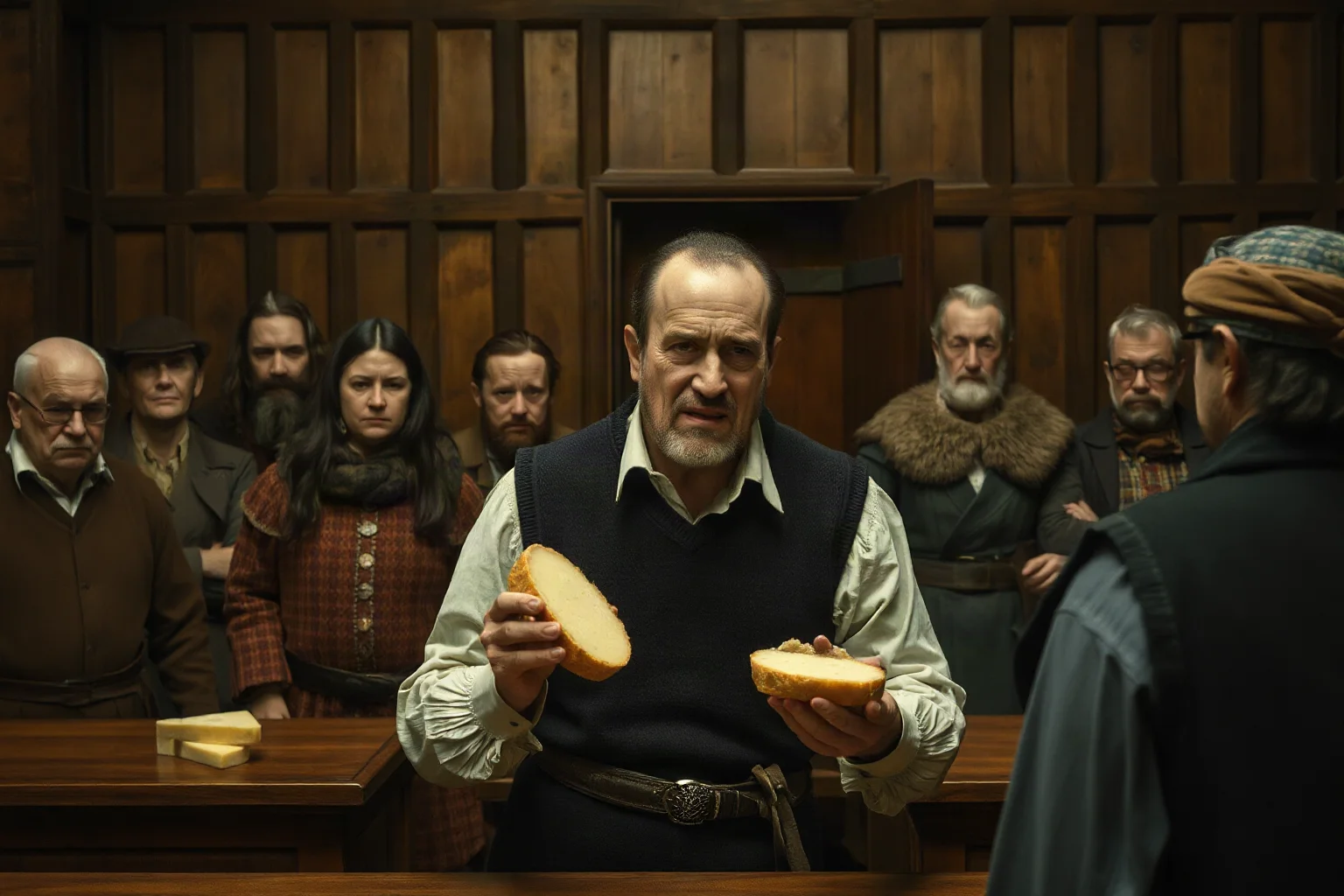
Medieval courts sometimes relied on “trial by ordeal” to determine guilt, including tests involving hot iron, boiling water, or consecrated bread and cheese that a suspect had to swallow without choking. The underlying belief was that God would intervene to protect the innocent.
These practices sound almost comedic now, but they were taken seriously as legal procedure for centuries in parts of Europe. The Fourth Lateran Council formally discouraged clerical involvement in ordeals in 1215, which slowly pushed the practice into decline.
9. The War of the Bucket
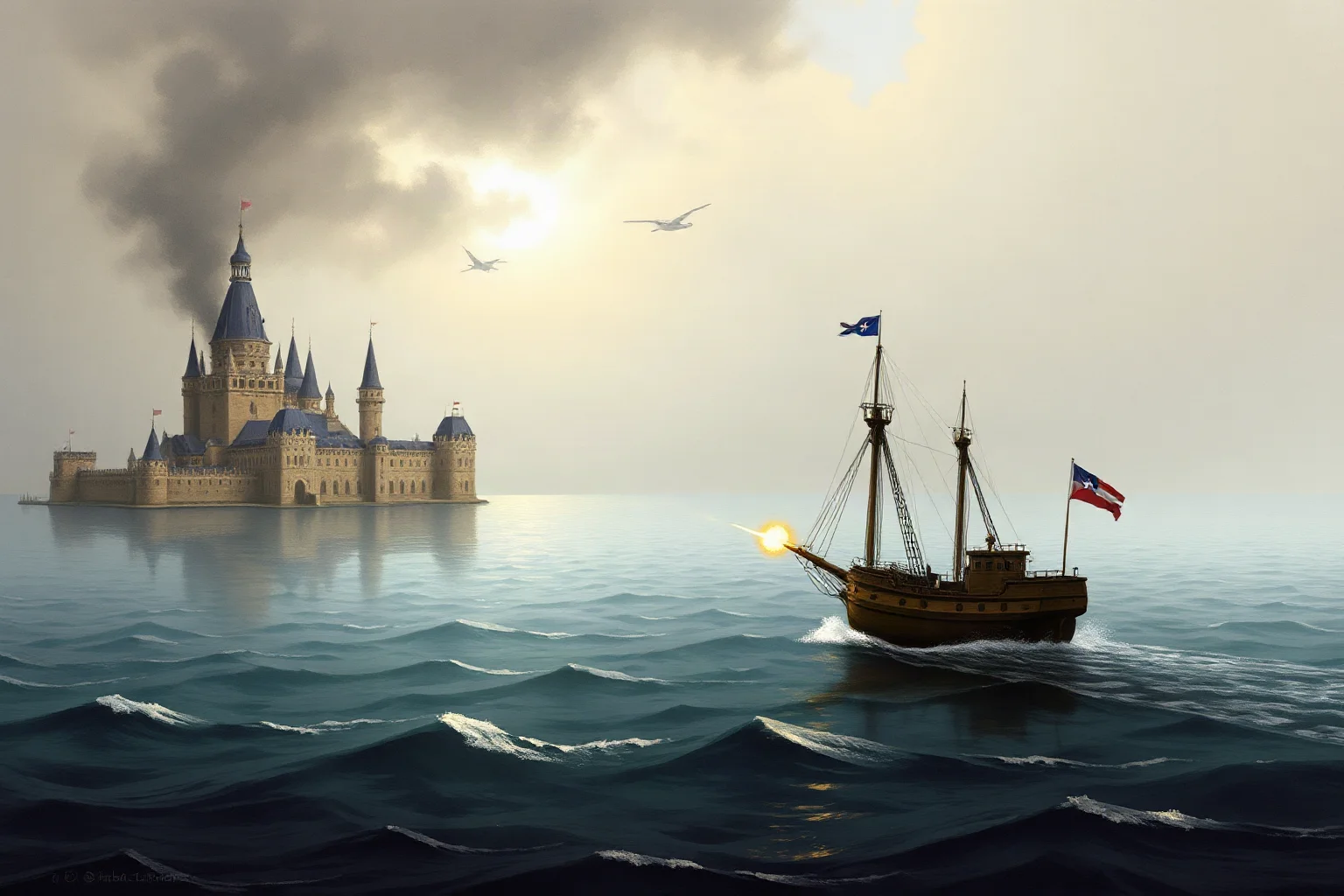
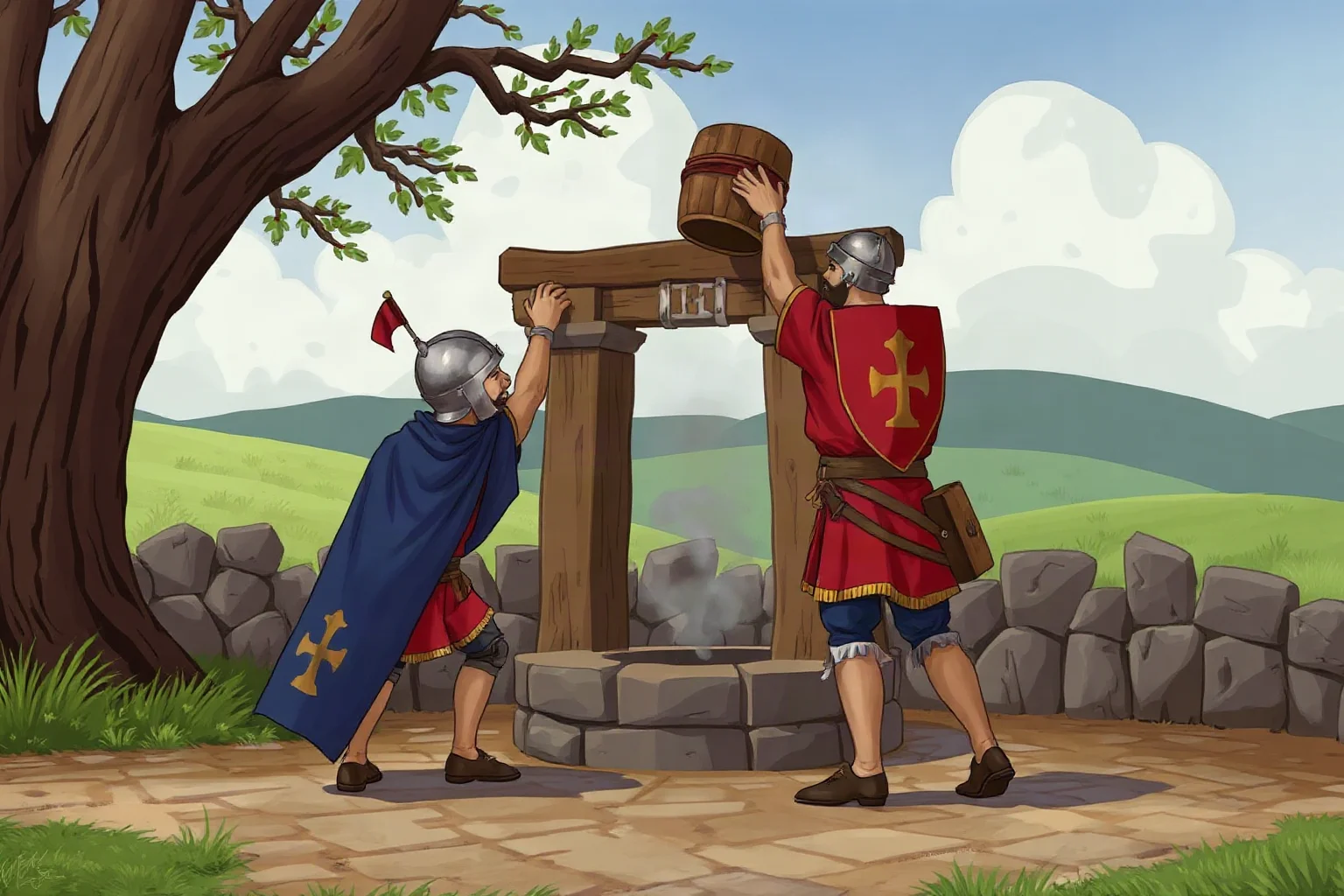
In 1325, the Italian cities of Bologna and Modena fought the Battle of Zappolino, part of a long-running rivalry between rival factions. Local legend holds that Modenese soldiers raided Bologna and stole a wooden bucket from a well as a trophy of war, an event later immortalized in a mock-heroic poem called “La Secchia Rapita.”
The battle itself was real and quite bloody for the time, even if the bucket’s exact role has been dressed up by legend over the centuries. It’s a good example of how a real historical conflict can pick up an absurd nickname that outlives the details of the actual fighting.
10. Where the Word “Quarantine” Comes From

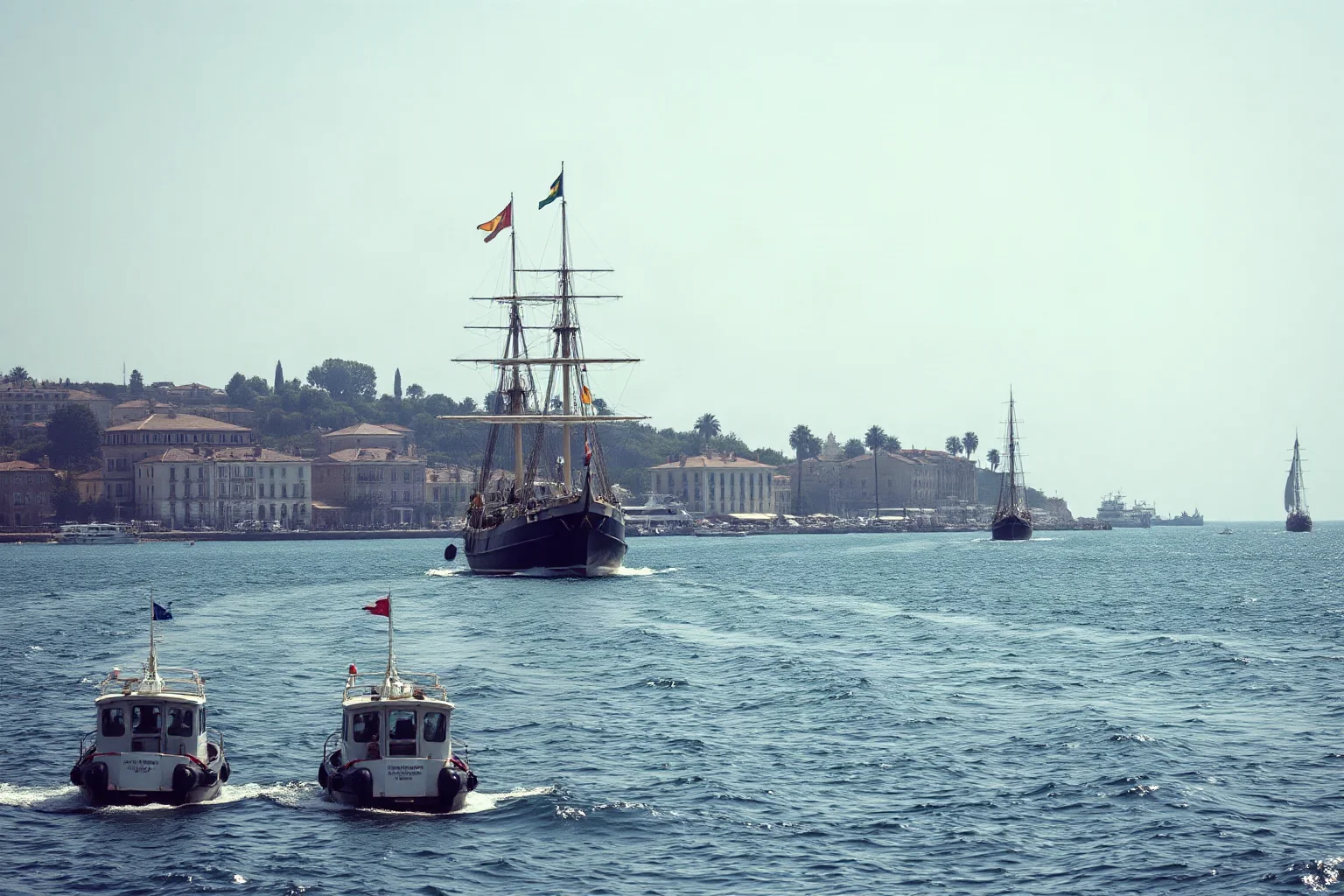
During the plague years of the 14th century, the Venetian-controlled port city of Ragusa (modern Dubrovnik) required incoming ships to wait offshore for 30 days before anyone could disembark. Venice later extended this isolation period to 40 days, called “quaranta giorni” in Italian.
That’s where the English word “quarantine” comes from. It’s a striking case of a medieval public health measure leaving a permanent mark on modern language.
Early Modern Weirdness
The early modern period, roughly the 1500s through 1700s, is packed with strange historical facts involving calendars, coffins, and questionable hygiene.
11. The Calendar That Skipped 10 Days
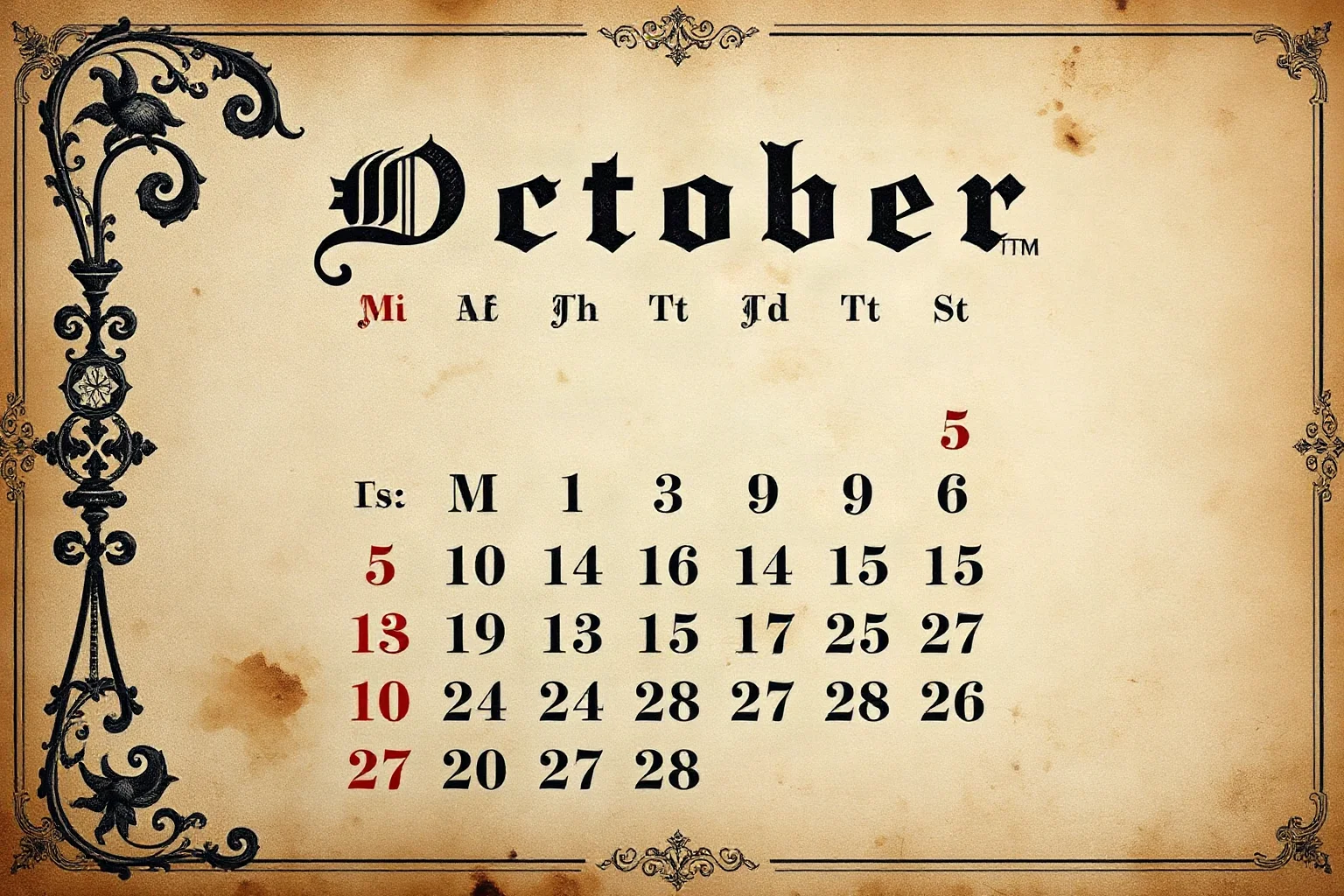
In October 1582, Pope Gregory XIII introduced the Gregorian calendar to correct drift in the older Julian calendar. To realign the calendar with the seasons, October 4 was immediately followed by October 15 in countries that adopted the reform.
People in those regions genuinely went to bed on the 4th and woke up on the 15th. Protestant and Orthodox countries adopted the change at different times, some not until the 20th century, which is why historical dates from this era can get confusing.
12. Romans Used Urine as Mouthwash and Laundry Detergent
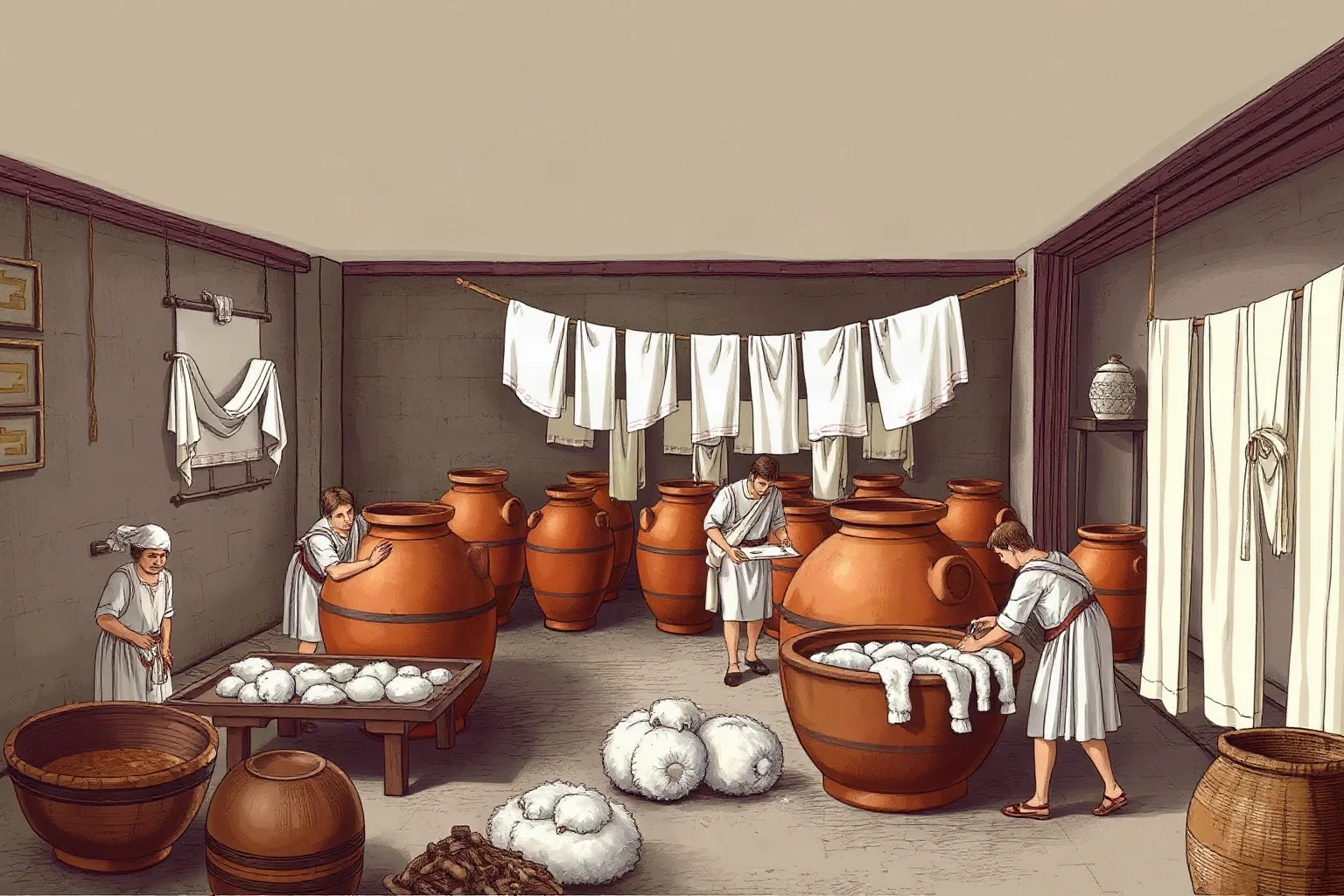
Ancient Roman fullers, the tradesmen who cleaned and treated wool and clothing, used stale human urine as a cleaning agent because of its ammonia content. Some Roman sources also mention urine-based mouth rinses, particularly Portuguese urine, which was apparently considered especially potent.
It sounds disgusting today, but ammonia genuinely does have cleaning and whitening properties. This is one of those weird history facts that’s less myth than uncomfortable chemistry.
13. Victorian “Safety Coffins” for Fear of Premature Burial
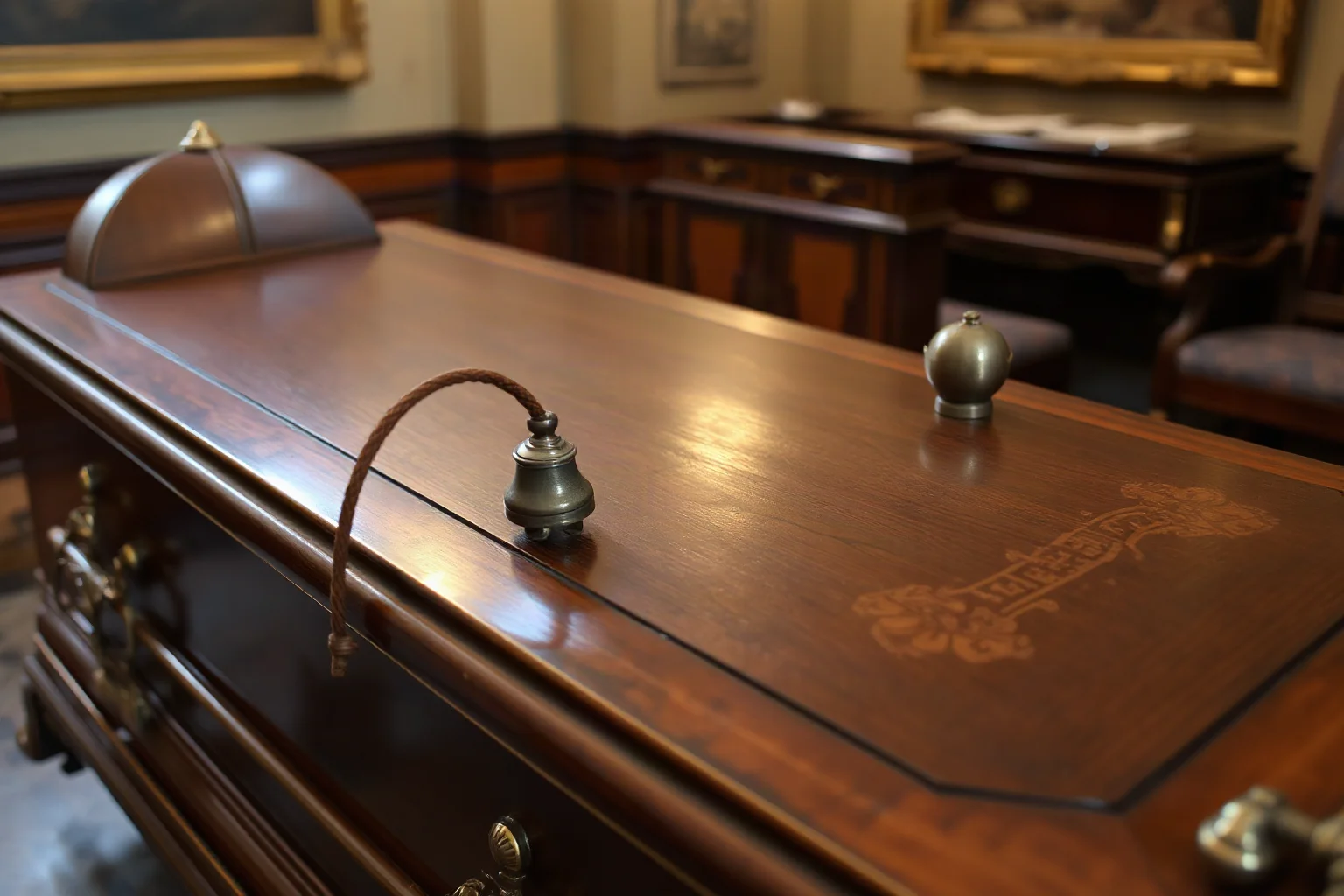
By the 18th and 19th centuries, fear of being buried alive had become widespread enough that inventors patented “safety coffins” equipped with bells, flags, or breathing tubes connected to the surface. If someone woke up underground, they could theoretically signal for help.
The fear was likely fueled by primitive medical understanding of comas and catalepsy, plus sensational newspaper stories. There’s no solid evidence any safety coffin ever actually saved someone, but the anxiety was real enough to spawn an entire market.
14. China Invented Toilet Paper Centuries Before Europe
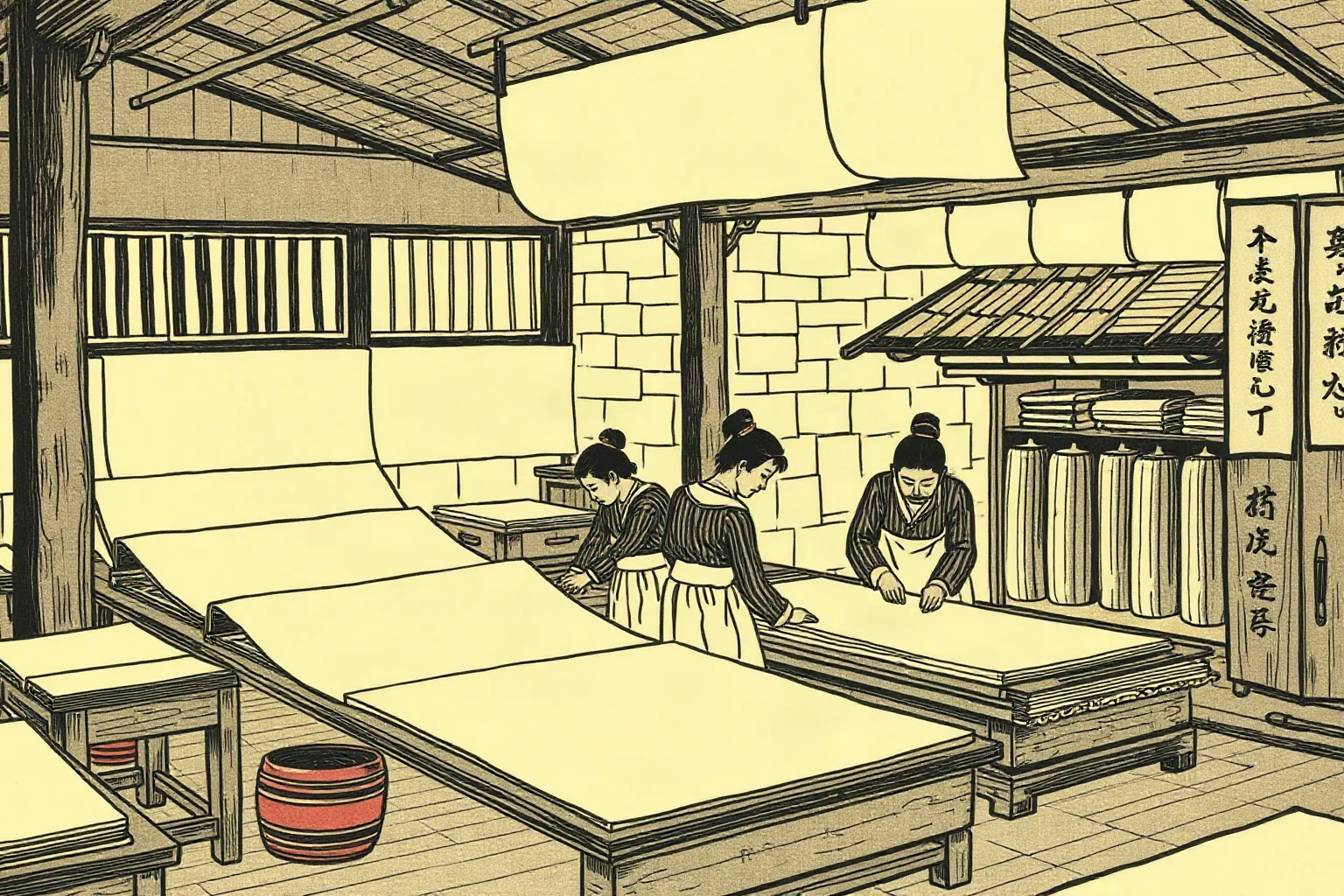
Paper for hygiene use appears in Chinese records as early as the 6th century CE, and by the Tang dynasty it was in wider use among the wealthy. Europe, by contrast, didn’t adopt anything similar until commercial toilet paper was developed in the 19th century.
It’s a small but telling data point about how differently technology spread across regions. Paper itself was a Chinese innovation centuries before it reached the Islamic world and later Europe.
15. The World’s Oldest Known Beer Recipe
A Sumerian hymn to Ninkasi, the goddess of beer, dating to around 1800 BCE, doubles as one of the oldest surviving beer recipes. It describes a process using bappir, a twice-baked barley bread, fermented into a drink shared communally.
Beer in ancient Mesopotamia wasn’t just recreational; it was often safer to drink than untreated water and served as a dietary staple. This is a genuinely fun fact about history that connects to something people still enjoy today.
Modern History Surprises
The modern era, from roughly the 1800s onward, has plenty of strange historical facts too, despite feeling closer and better documented.
16. The Statue of Liberty Wasn’t Always Green
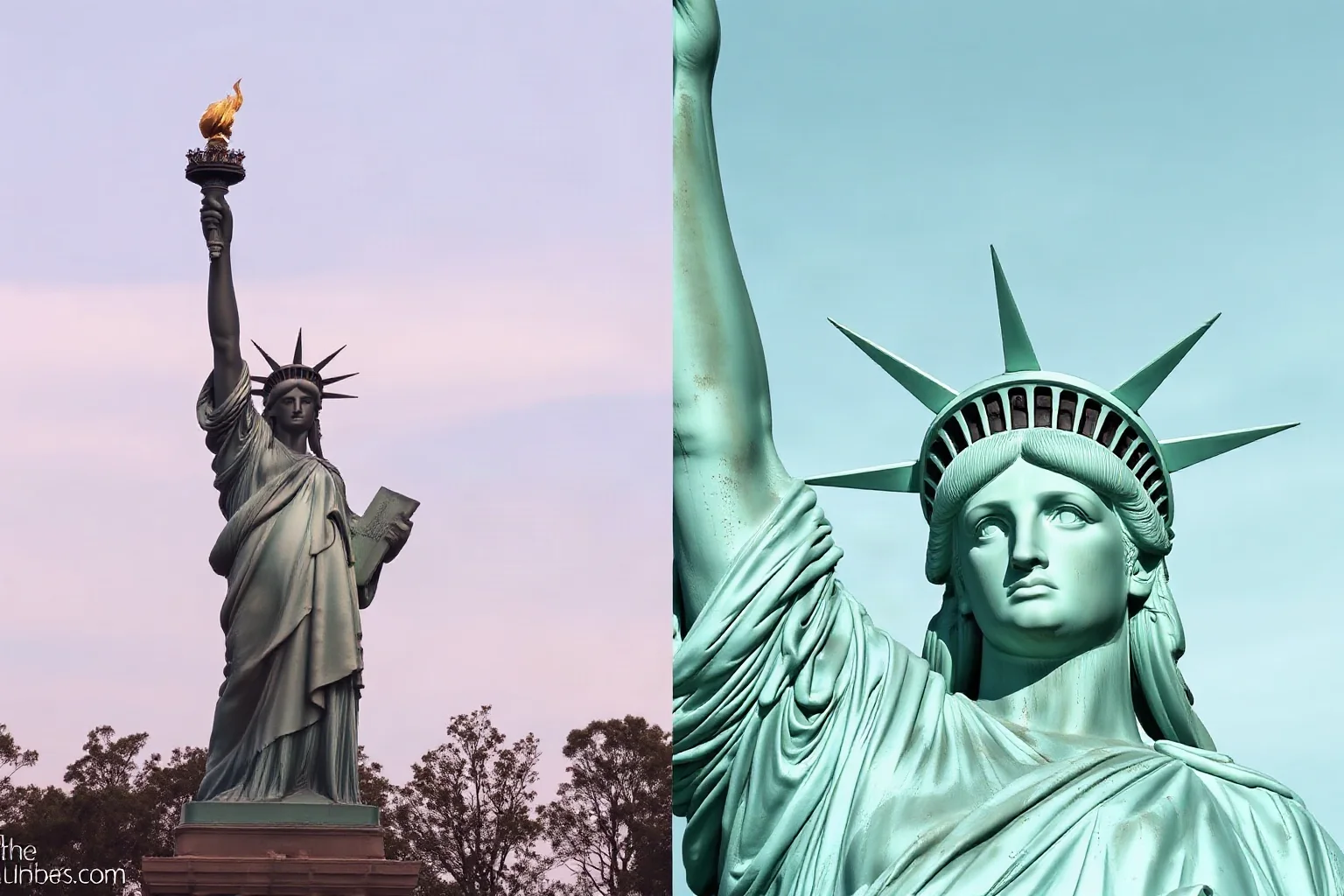
When the Statue of Liberty was completed in 1886, its copper surface was a shiny brown-orange, closer to the color of a new penny. Over the following decades, oxidation from exposure to air and moisture gradually turned the copper into the familiar blue-green patina.
By around 1920, the transformation was complete. It’s a slow chemical process most visitors never think about when they see photos of the statue’s current color.
17. The Great Fire of London’s Surprisingly Low Death Toll
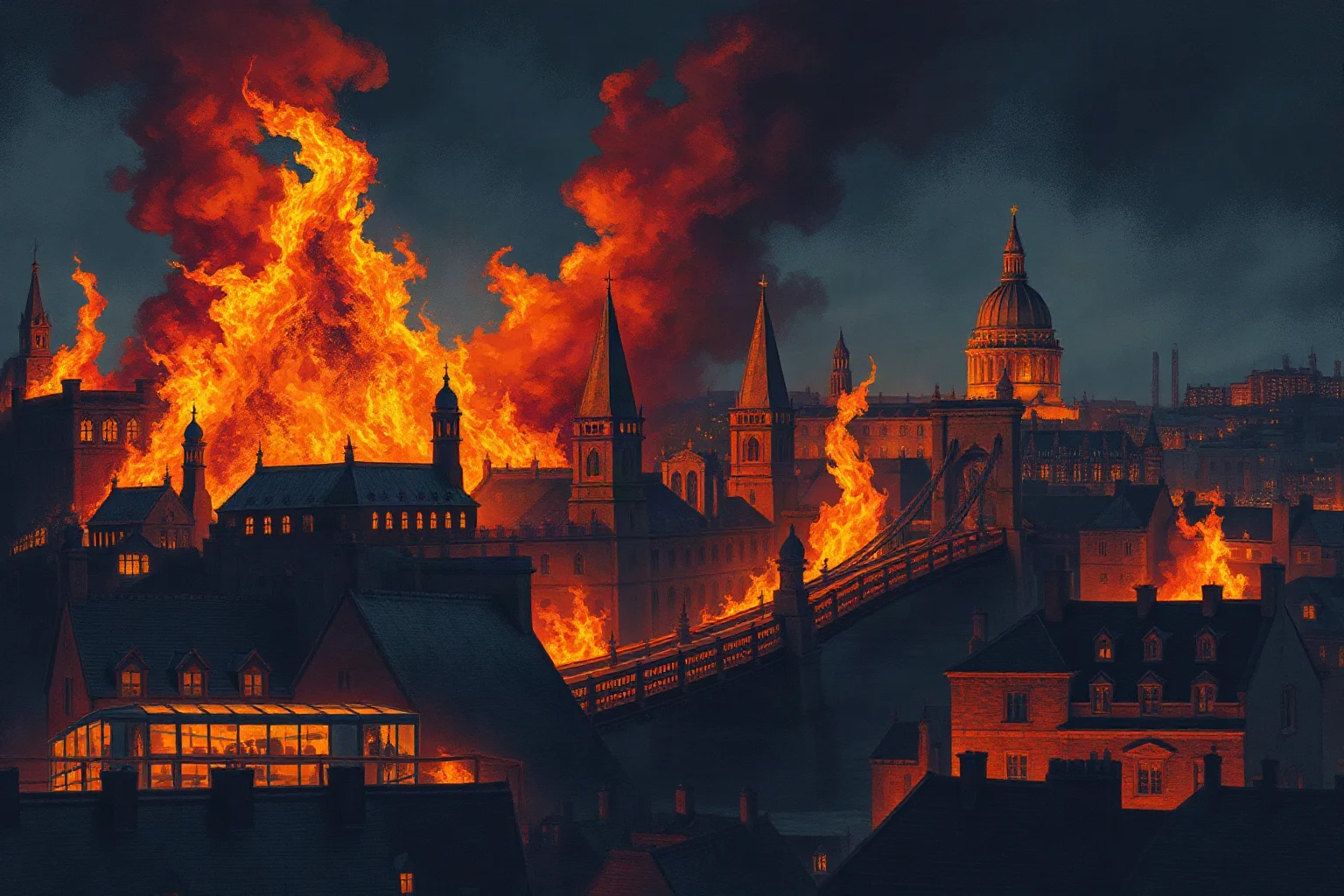
The Great Fire of London in 1666 destroyed roughly 13,200 houses and left tens of thousands homeless, yet official records list only a handful of confirmed deaths, often cited as around six. Historians generally believe the real number was higher, since deaths among the poor and elderly may have gone unrecorded, and extreme heat could have cremated some victims entirely.
Still, the low official figure compared to the sheer scale of destruction remains one of the more debated statistics in London’s history. It’s a good example of why old records need careful, honest interpretation rather than blind acceptance.
18. The Eiffel Tower Was Supposed to Be Torn Down
When the Eiffel Tower was built for the 1889 Exposition Universelle in Paris, its permit only guaranteed it would stand for 20 years before demolition. Many prominent Parisians actually petitioned against it, calling it an eyesore.
It survived because the French military found it useful for radio transmissions, which gave the city reason to keep it standing past its planned expiration. What was meant to be temporary became one of the most recognized landmarks in the world.
19. The Shortest War in Recorded History

The Anglo-Zanzibar War of August 27, 1896, is widely cited as the shortest war in recorded history, lasting somewhere between 38 and 45 minutes. Britain issued an ultimatum demanding the newly installed Sultan of Zanzibar stand down, and when he refused, the Royal Navy bombarded the palace until resistance collapsed.
Casualty estimates vary, but the fighting itself was over almost as quickly as it started. It’s a striking example of the imbalance of power during the height of the British Empire’s colonial reach.
20. The Hundred Years’ War Actually Lasted 116 Years
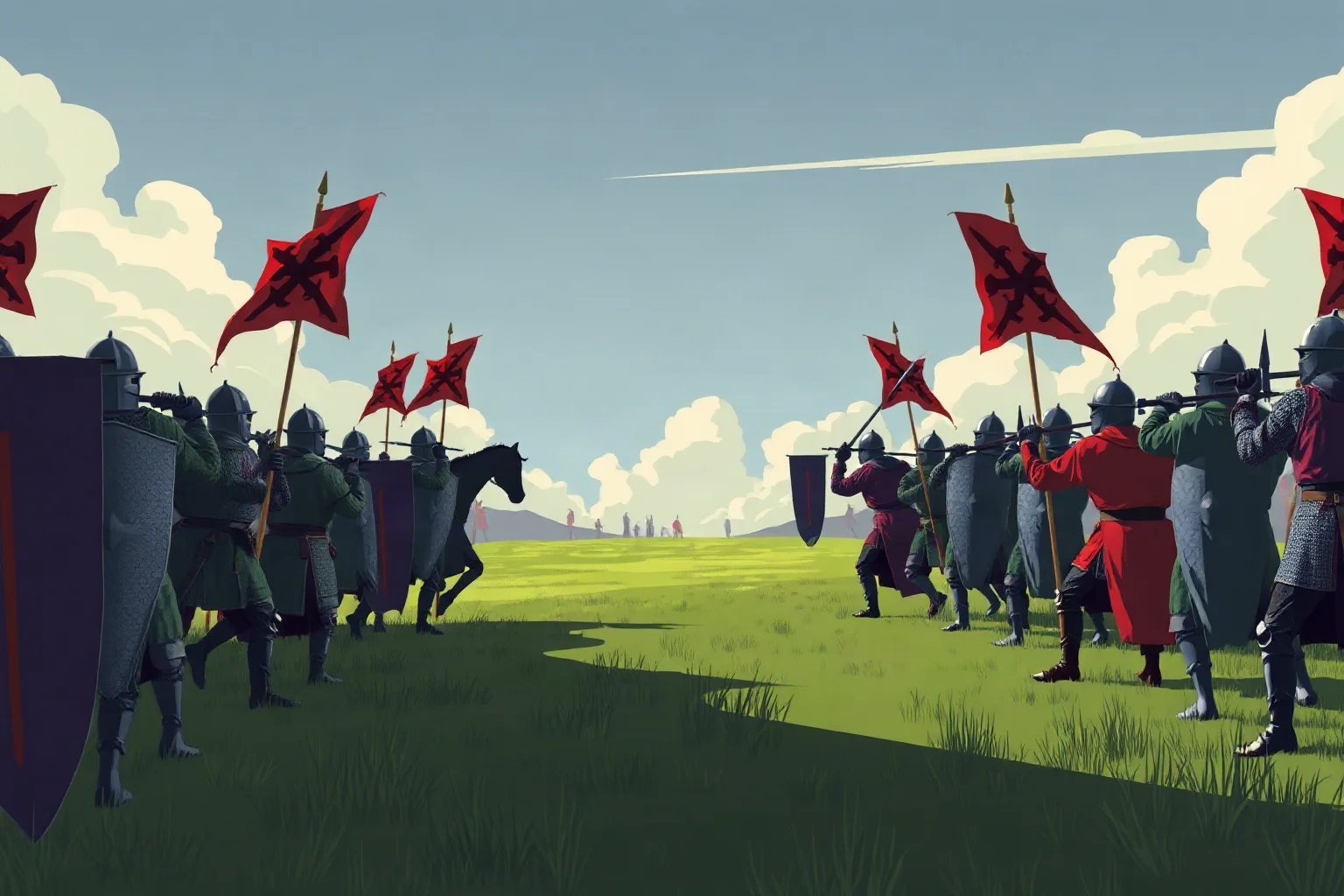
The Hundred Years’ War between England and France is traditionally dated from 1337 to 1453, which actually adds up to 116 years, not 100. The name refers more to a general era of recurring conflict than a single continuous war, since there were multiple truces and pauses within that span.
Historians later grouped these related conflicts under one umbrella term for convenience. It’s a small but persistent naming quirk that trips up a lot of history students.
21. The King Who Reigned for Only 20 Minutes
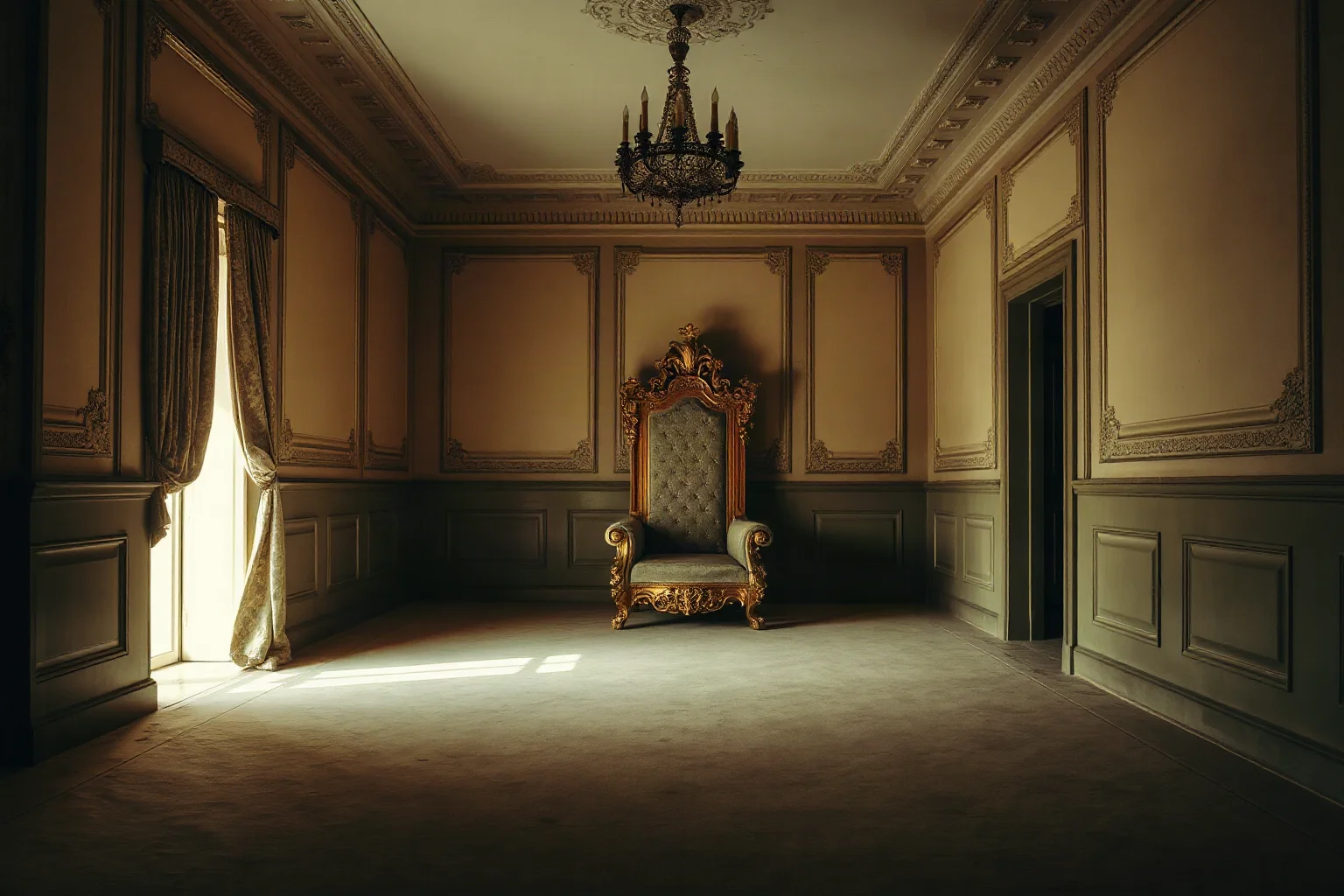
Louis XIX of France is sometimes cited as having the shortest reign of any monarch in history, holding the throne for roughly 20 minutes on August 2, 1830. His father, Charles X, abdicated in his favor, and Louis XIX reportedly signed his own abdication almost immediately afterward under political pressure.
Historians debate the exact legal status of this reign, since he may never have been formally recognized as king at all. Either way, it’s one of the more bizarre footnotes in French royal history.
22. Einstein Turned Down the Presidency of Israel
In 1952, following the death of Israel’s first president Chaim Weizmann, Albert Einstein was offered the largely ceremonial presidency of Israel. Einstein declined, citing his lack of political experience and preference for continuing his scientific work.
He reportedly said he lacked both the aptitude and experience to deal with human affairs in that kind of role. It’s a fun fact about history that shows even the most famous scientist of the 20th century knew his limits.
23. Silly Putty Was a Wartime Accident

During World War II, the United States faced a rubber shortage, and researchers were tasked with finding synthetic alternatives. A General Electric engineer named James Wright accidentally created a bouncy, stretchy silicone compound in 1943 that wasn’t useful for the war effort but eventually became the toy known as Silly Putty.
It took a few years and a clever marketer to turn the leftover lab curiosity into a commercial product in 1950. It’s a reminder that plenty of everyday inventions started as failed attempts at something else entirely.
24. Sparta’s Brutal Agoge Training System
Ancient Spartan boys were taken from their families around age seven to enter the agoge, a state-run education and military training system designed to produce disciplined soldiers. Life in the agoge was famously harsh, involving minimal food, competitive punishment, and constant physical testing.
Much of what we “know” about Sparta comes from later Greek writers like Xenophon and Plutarch, who weren’t always neutral observers. Some details have likely been exaggerated or romanticized over time, but the core of an extremely strict, state-controlled upbringing is well supported by ancient sources.
25. The Great Emu War of 1932
In 1932, Australian farmers in Western Australia struggled with large flocks of emus damaging crops after the birds migrated inland following breeding season. The military was called in with machine guns to cull the emu population in what became informally known as the Emu War.
The operation was largely unsuccessful, since emus proved surprisingly difficult to target in open terrain and scattered quickly under fire. It remains one of the more genuinely ridiculous history facts of the 20th century, and it’s completely real.
Why These Stories Matter
It’s easy to treat obscure historical facts as trivia, useful only for pub quizzes or social media posts. But these smaller stories often reveal how people actually lived, what they feared, and what they found funny or urgent at the time.
A calendar reform, a divorce law, or a badly planned bird hunt tells you something real about a society’s priorities and limits. Big historical narratives get the headlines, but the strange details are often what make history feel human rather than abstract.
A Note on Verifying Weird History Facts
Not every viral history fact holds up under scrutiny, and that’s worth keeping in mind whenever you come across a wild claim online. Ancient sources like Suetonius often had political motives for exaggerating a Roman emperor’s eccentricities, and Victorian-era panics, like the fear of premature burial, tell us more about the culture’s anxieties than about verified events.
The best approach is the same one historians use: check multiple sources, look for primary documents where possible, and stay a little skeptical of anything that sounds too perfectly dramatic. Good history writing embraces nuance rather than flattening everything into a tidy, shareable claim.
Final Thoughts
History is full of these detours, the strange, funny, and occasionally unsettling moments that don’t always make it into mainstream retellings. Whether it’s a bucket stolen in a medieval Italian raid or a president’s chair turned down by the world’s most famous physicist, these stories remind us that the past was lived by real, flawed, occasionally absurd people.
Keep digging past the textbook headlines, and you’ll keep finding more of these random historical facts hiding in plain sight. That’s really the whole appeal of history: there’s always another strange, verified story waiting to surprise you.
Frequently Asked Questions
What are some unknown facts about history?
Many genuinely unknown facts about history involve small, overlooked details rather than famous events. Examples include the fact that Oxford University predates the Aztec Empire, that the word "quarantine" comes from a 40-day isolation rule in Venetian-controlled ports, and that the Statue of Liberty was originally a shiny copper color before oxidizing to green over several decades.
What is considered the weirdest fact in history?
Opinions vary, but strong contenders include the Dancing Plague of 1518, where dozens of people in Strasbourg reportedly danced uncontrollably for days, and the Great Emu War of 1932, when the Australian military deployed machine guns against emus and largely failed to control them.
Are all popular history facts actually true?
No, and that's an important thing to keep in mind. Many widely shared history facts, like the myth that Napoleon was unusually short, are exaggerations or misunderstandings that took on a life of their own, so it's worth checking claims against credible historical sources before repeating them as fact.
What is the shortest war in recorded history?
The Anglo-Zanzibar War of August 27, 1896, is widely cited as the shortest war in recorded history, lasting somewhere between 38 and 45 minutes before the Sultan of Zanzibar's forces surrendered to the British Royal Navy.
Why do historians disagree about some ancient facts?
Ancient historical accounts, like those describing Roman emperor Caligula's alleged campaign against the sea, often come from writers with political motives or secondhand information. Because of this, historians treat many colorful ancient anecdotes as plausible but unconfirmed rather than settled fact.
Where can I find more obscure or random history facts?
Reputable sources include academic history journals, museum archives, university history department publications, and books written by credentialed historians. These tend to be more reliable than viral social media posts, which often strip away important context or exaggerate details for shareability.

Alex Warren
Related Articles