Few conflicts in American history divide memory as sharply as the Vietnam War. It shaped a generation, made millions of citizens question authority, and left questions that still feel urgent. Was the Vietnam War justified? The deeper historians dig, the more the original justifications look fragile.
The question of whether the war was necessary is not a hindsight-only debate. At the time, diplomats, soldiers, and ordinary citizens argued there were better choices. This post weighs why the Vietnam War was controversial, how bad it was, and why so many people did not like the war—not as a partisan lecture, but as a clear-eyed historical accounting.
TL;DR: The Vietnam War should never have happened because its legal, moral, and strategic foundations were weak from the start, and its catastrophic human cost never produced the safer world that supporters promised.
1. The United States Inherited a French Colonial Failure
Vietnam had fought for independence long before American combat troops arrived. The United States gradually replaced France in the 1950s after French colonial forces were defeated at Dien Bien Phu in 1954. This was not a simple fight between democracy and communism; it was a nationalist struggle with an imperial past.
Critics at the time warned that backing a colonial transition would put Washington on the wrong side of decolonization. Instead of encouraging a neutral or independent Vietnam, the United States inherited a collapsing colonial project. That origin is one of the strongest cons of the Vietnam War from a moral perspective.
By 1963, the United States was not defending an old democracy; it was propping up a new experiment. That is why many antiwar voices called the conflict a civil war, not an invasion. The framing mattered because it shaped every decision that followed.
2. The 1954 Geneva Accords Offered a Political Path, Not War
The Geneva Accords ended the French phase of the conflict and temporarily divided Vietnam at the 17th parallel. Crucially, the agreement called for nationwide elections in 1956 to reunify the country. Many experts see this as a missed exit ramp.
South Vietnam, backed by Washington, refused to sign the final declaration, and the promised vote never happened. Some U.S. officials worried Ho Chi Minh would win, but the alternative was endless armed conflict. This early choice undermined the argument that war was necessary to preserve Vietnamese self-determination.
Elections might have produced a government the United States disliked. But preventing a vote forced Washington deeper into a military role. The lost political path is one reason the war became harder to justify.
3. Ho Chi Minh Was More Nationalist Than Soviet Puppet
American policymakers often framed Ho Chi Minh as a simple Soviet or Chinese puppet. In reality, he had appealed to the Western world for support and later fought the Japanese and the French as a nationalist. He was a communist, but his popular legitimacy grew from anti-colonial leadership.
Even some U.S. intelligence assessments acknowledged that Ho’s appeal was broad and not easily redirected by Moscow or Beijing. That does not make his regime democratic, but it weakens the simple Cold War story. Why was Vietnam War controversial? Because many historians argue the United States misread the central motive: independence, not global communism.
To be clear, communism in Vietnam was oppressive in many ways. But treating every nationalist movement as a Soviet beachhead was a category error. That error made a regional conflict feel like a global emergency.
4. The Domino Theory Rested on Weak Evidence
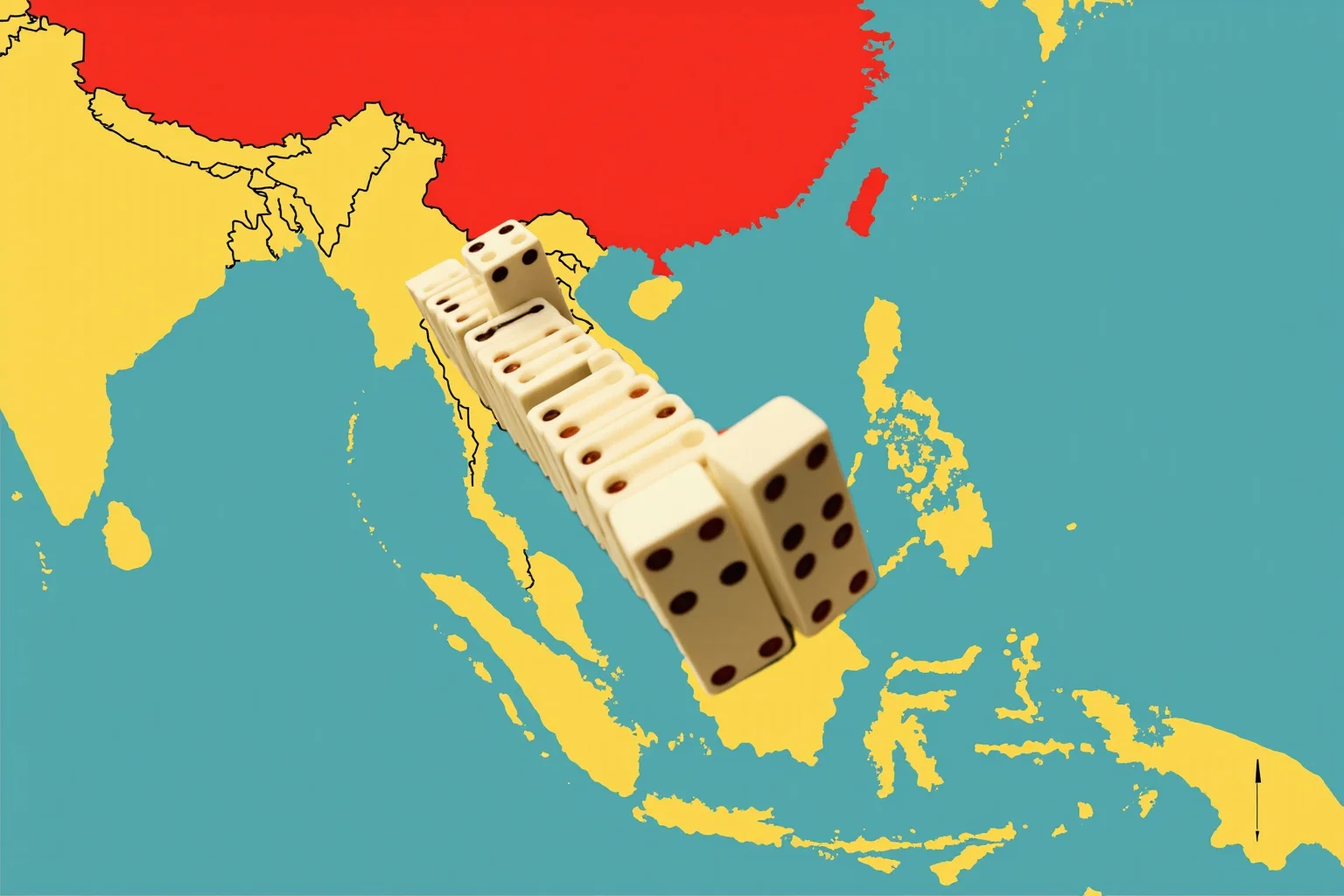
The domino theory claimed that if Vietnam fell to communism, all of Southeast Asia would follow. It was repeated so often that it became accepted as fact. The evidence was never as solid as its certainty suggested.
Indonesia, Thailand, Singapore, Malaysia, and even China’s later path did not confirm the theory after the war. The fear was real, but fear is not a strategy. Why was the Vietnam War necessary? In the minds of its architects, it was—but necessity based on worst-case thinking can become a self-fulfilling disaster.
Other U.S. allies in Asia did not fall after Vietnam. The theory was also applied selectively, ignoring local conditions. When a doctrine does not match facts, it should not launch a war.
5. South Vietnam’s Government Was Never a Stable Democracy
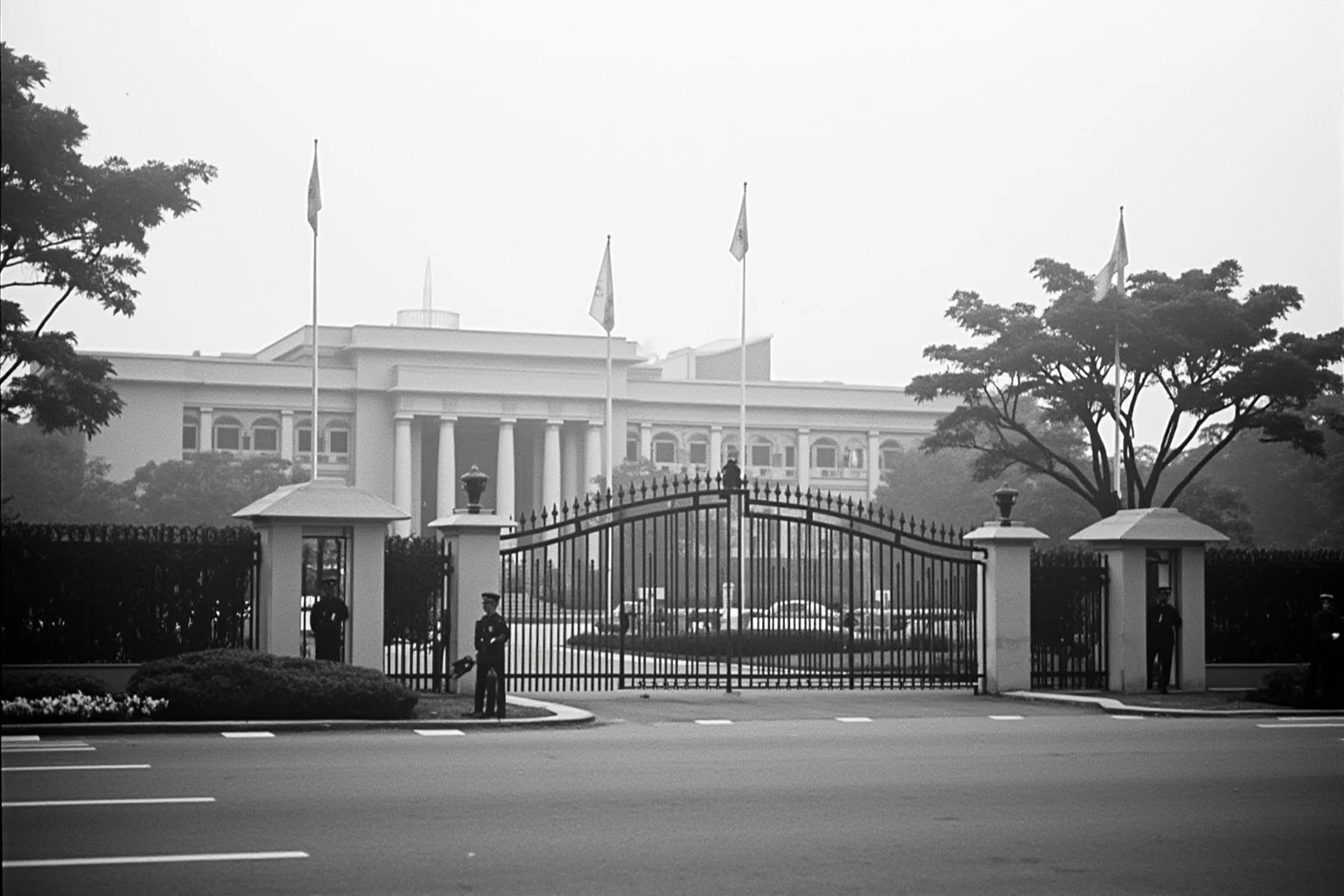
Ngo Dinh Diem ruled South Vietnam with authoritarian methods, suppressed Buddhist opposition, and filled prisons. He canceled local elections, appointed loyalists, and alienated large parts of the population. This was the government the United States claimed to defend.
Diem was assassinated in a U.S.-approved coup in 1963, and political instability followed for years. A war fought in the name of freedom relied on leaders who did not practice it. Was the Vietnam War a just war? That question becomes hard to answer when the allied state was widely seen as illegitimate.
The instability after Diem showed that no stable local partner existed. Washington found itself propping up a revolving door of generals. A just war needs a just cause, but also a plausible political goal.
6. The Gulf of Tonkin Resolution Was Not a Just War Foundation
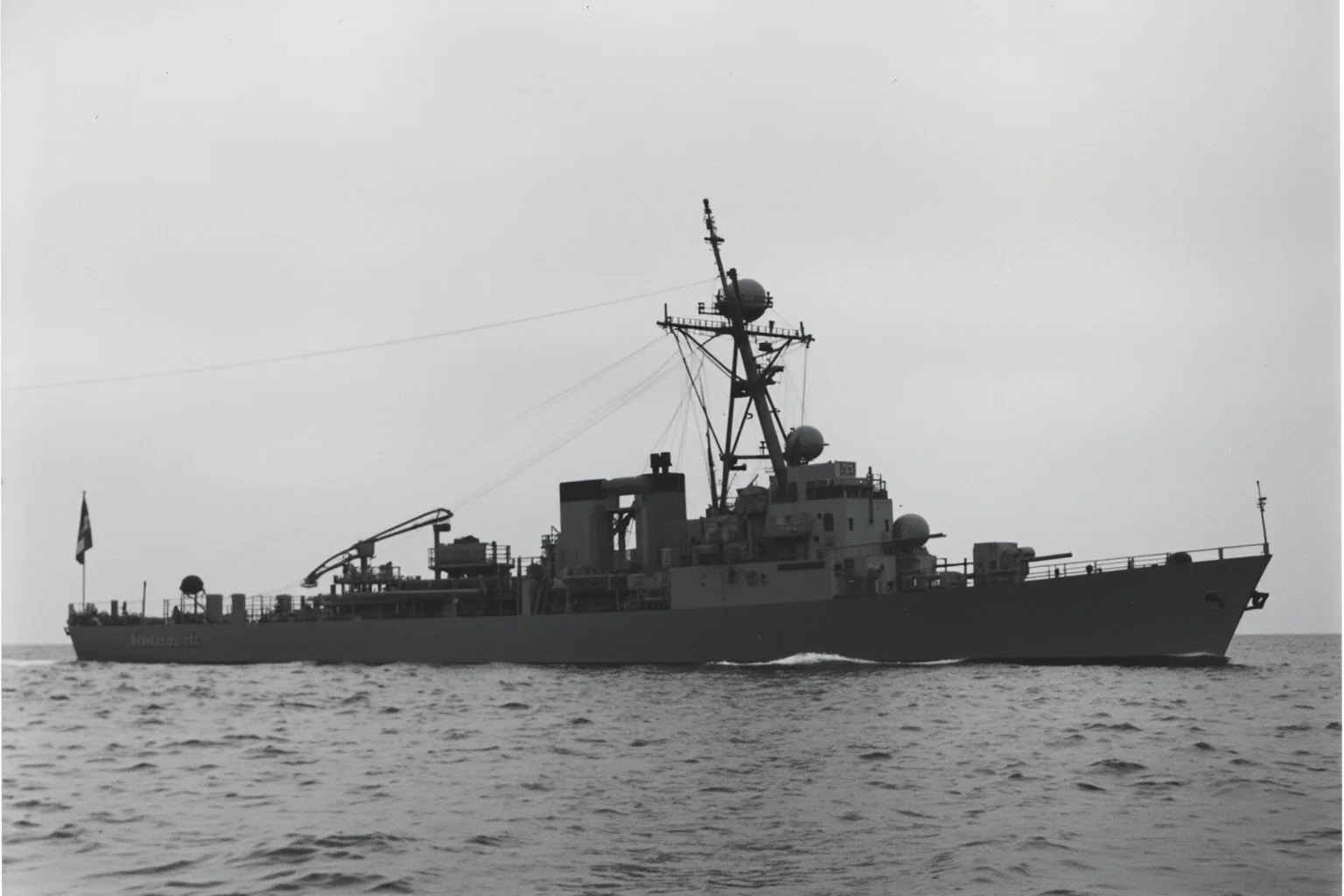
In August 1964, reports of North Vietnamese attacks on U.S. destroyers led Congress to pass the Gulf of Tonkin Resolution, an escalation trigger not unlike the Zimmermann Telegram. It gave President Johnson broad authority to escalate without a formal declaration of war. Later evidence seriously undermined the completeness of the official story.
The Pentagon Papers and declassified NSA documents revealed confusion about whether a second attack even occurred. The legal basis for massive escalation therefore rested on uncertainty and momentum. This is a central answer to whether the war in Vietnam justified its enormous human price.
Some scholars separate the initial Tonkin event from the later escalation. But the resolution functioned like a blank check. That blank check made it possible to avoid democratic debate at the exact moment it was needed.
7. U.S. Strategy Lacked Clear, Achievable Objectives
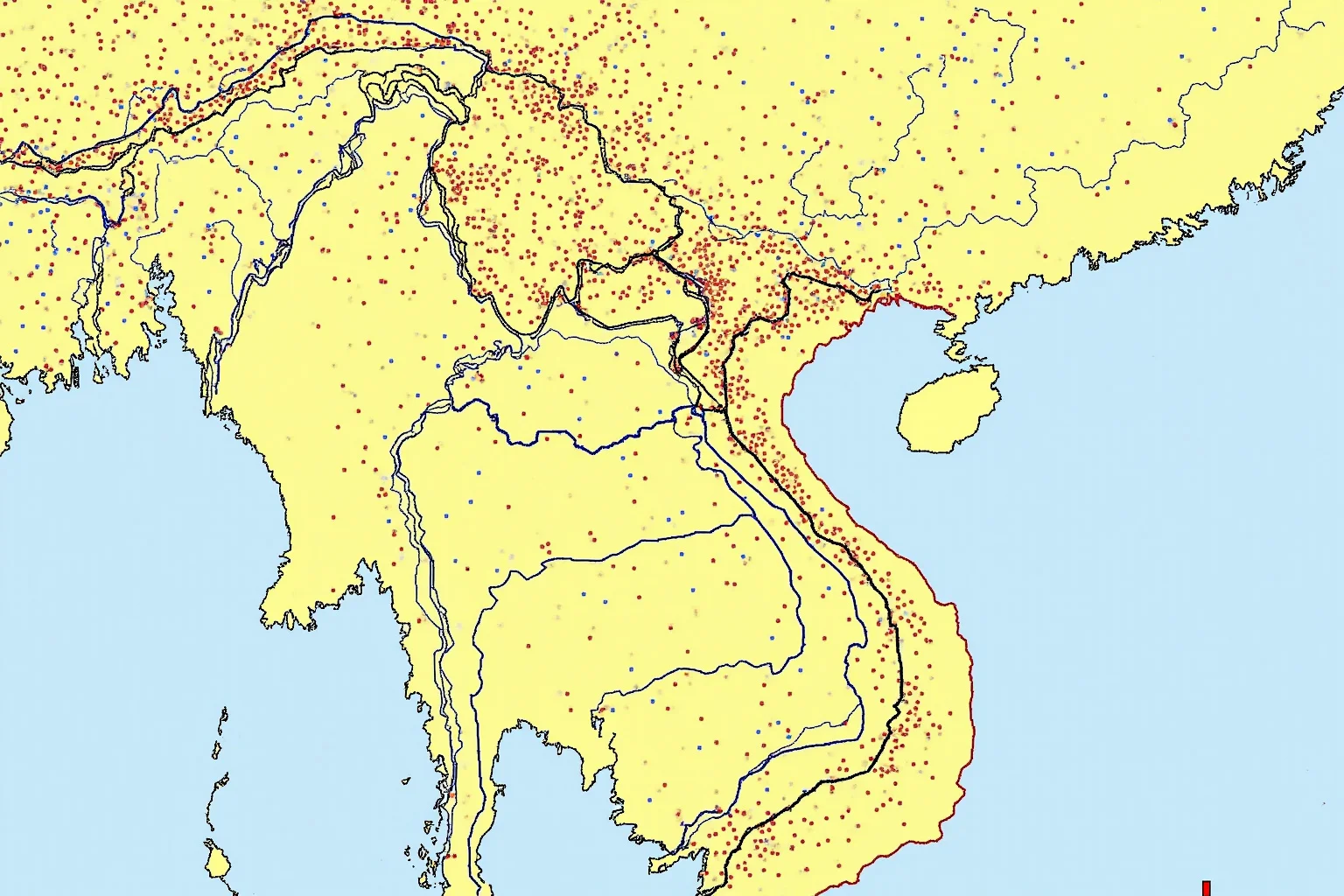
The United States never had a single, stable definition of victory. Objectives shifted from stopping infiltration to winning hearts and minds to bombing the enemy into negotiation. Without a clear endpoint, mission creep filled the vacuum.
Generals often measured progress through body counts, hamlets secured, and sorties flown. These metrics did not answer the larger political question of who would govern a peaceful Vietnam. The pros and cons Vietnam War debate usually misses this: even the “pro” case had no convincing map from battlefield success to lasting peace.
Some officials hoped attrition would force Hanoi to negotiate. Yet North Vietnam absorbed enormous losses and kept fighting. The strategy was costly, years-long, and ultimately unsuccessful.
8. How Bad Was the Vietnam War? The Human Cost Was Catastrophic

How bad was the Vietnam War? The numbers are sobering. More than 58,000 American service members died, and millions of Vietnamese, Cambodian, and Laotian people were killed, wounded, or displaced.
The civilian toll was not collateral damage at the margins; it was central to a conflict fought in villages, rice paddies, and jungle hamlets. The scale of loss alone forces serious moral questions. That human suffering is the strongest single cons of the Vietnam War.
Beyond death counts, millions of people became refugees inside their own country. Hospitals, schools, and farms were destroyed. The war was bad not only because of its scale, but because so much of the suffering was predictable.
9. The Draft Made the War Impossible to Ignore at Home
The Selective Service draft pulled young men into a war they had not chosen. College deferments, medical exceptions, and local board discretion made the system feel arbitrary. Many young Americans felt their futures were being decided by a distant bureaucracy.
This is a major reason why the Vietnam War was unpopular at home. Unlike today’s all-volunteer force, the war reached into nearly every community. When death became personal, public support eroded.
Resistance to the draft was not simply cowardice or anti-patriotism. Many draftees went willingly; others had deep religious or moral objections. The debate itself exposed how divided the country had become.
10. Working-Class and Minority Americans Bore the Heaviest Burden
The draft did not fall evenly across American society. Men with college deferments—often white and middle class—had a legal path away from combat, while working-class and minority men faced higher exposure. This inequality became a flashpoint.
Civil rights leaders pointed out that Black and Latino servicemen suffered disproportionately in combat roles, especially in earlier years. Vietnam became intertwined with domestic struggles for justice. That overlap deepened the moral crisis around the war.
That inequality made the war feel like a poor person’s fight. Draft boards could be inconsistent, and exemptions often favored the connected. It is no surprise that the antiwar and civil rights movements overlapped.
11. Agent Orange and Napalm Left Generational Wounds

The U.S. military sprayed millions of gallons of herbicides, including Agent Orange, to deny enemy cover. Napalm was used widely, causing horrific burns and widespread fear. These weapons did not distinguish between combatants and civilians.
Birth defects, cancers, and poisoned landscapes persist decades later. In Vietnam, Laos, and among American veterans, the chemical legacy remains an open wound. This is one of the deepest cons of the war, because the damage did not end when the last helicopter left Saigon.
Governments have long used chemicals in war, but scale matters. In Vietnam, the spraying was massive and systematic. The unresolved health claims keep the moral cost alive.
12. Massacres Like My Lai Shattered the Moral Case
In March 1968, U.S. soldiers killed hundreds of unarmed Vietnamese civilians at My Lai, including women, children, and elderly people. The massacre was covered up by parts of the chain of command before becoming public. It became a symbol of how so-called counterinsurgency could descend into atrocity.
Not every unit committed such crimes, but My Lai was not a complete aberration from the pressures of search-and-destroy missions. It forced Americans to ask why was the Vietnam War bad, not just in policy terms but in the conduct of individuals. The moral high ground became impossible to hold.
Atrocities often happen in wars, but My Lai became a turning point. It made it impossible to pretend this was a clean counterinsurgency. The cultural memory of that massacre still shapes American attitudes.
13. It Was a War Without Front Lines, So Civilians Paid the Price
There was no clear battlefield boundary in Vietnam. Fighters blended into civilian life, tunnels ran under villages, and booby traps turned ordinary paths into killing zones. This blurred environment produced constant fear and suspicion.
Because soldiers could not always identify enemies, free-fire zones and forced relocations uprooted millions of rural families. The suffering of noncombatants was not an accident; it was built into the strategy. That is a central reason why the Vietnam War was so unpopular among both Americans and Vietnamese.
Peasants often faced terrible choices: flee to squalid refugee camps or stay in war zones. Both options could be fatal. That is why civilians, not just soldiers, became the war’s most frequent victims.
14. The Financial Cost Hollowed Out Domestic Ambitions
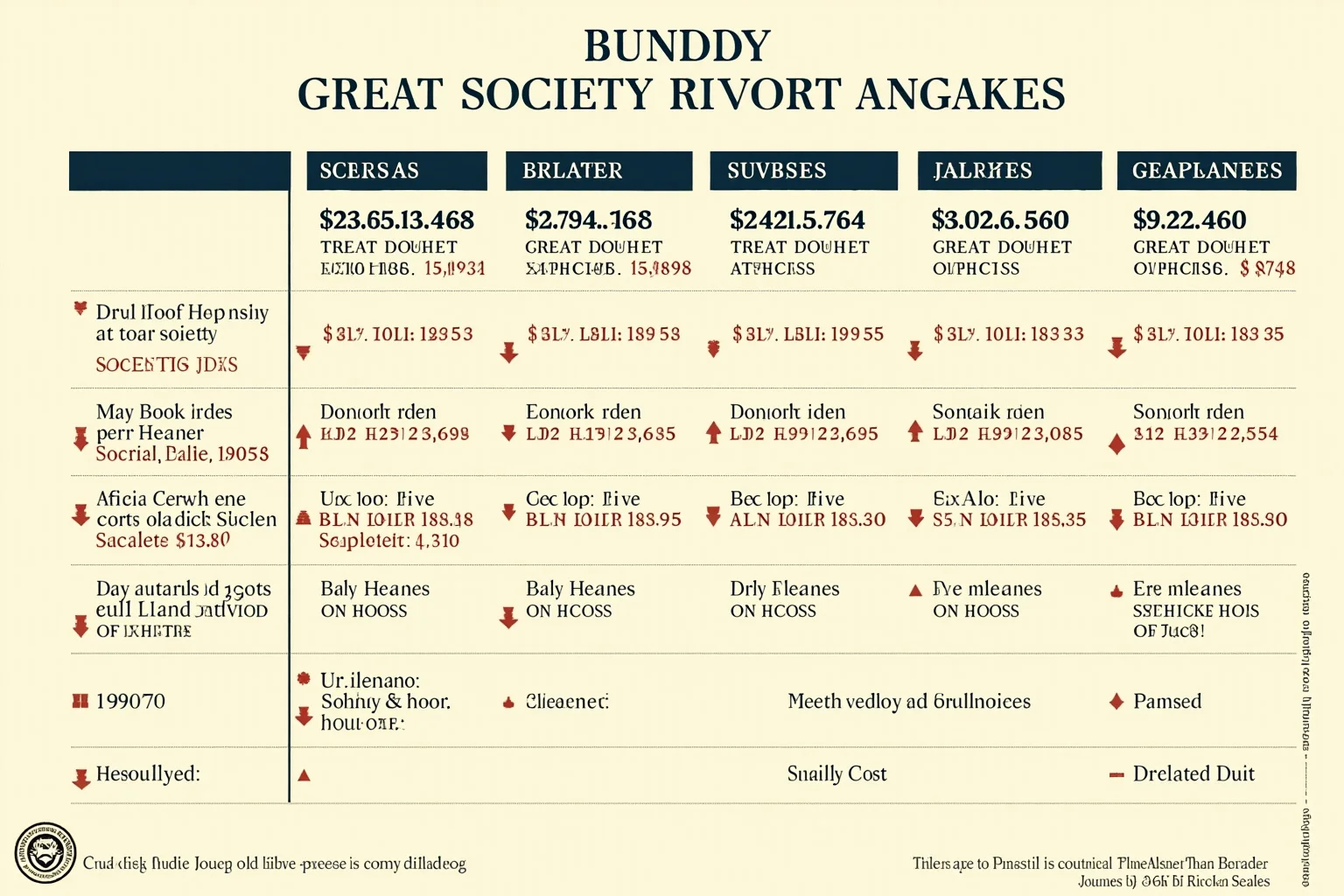
The war consumed enormous resources that could have gone elsewhere. President Johnson’s Great Society programs, meant to reduce poverty and expand education, competed directly with war spending. Guns and butter could not coexist easily.
Direct military spending reached over $168 billion, a figure that still underestimates long-term costs like veterans’ care and lost economic productivity. For Americans who watched cities struggle, the spending priorities felt backwards. This is one of the practical cons of the Vietnam War.
Some historians argue the economy could sustain both war and social programs for a time. But the political will for domestic reform faded as the war expanded. The result was a lost decade of opportunity at home.
15. The War Spread Chaos into Cambodia and Laos
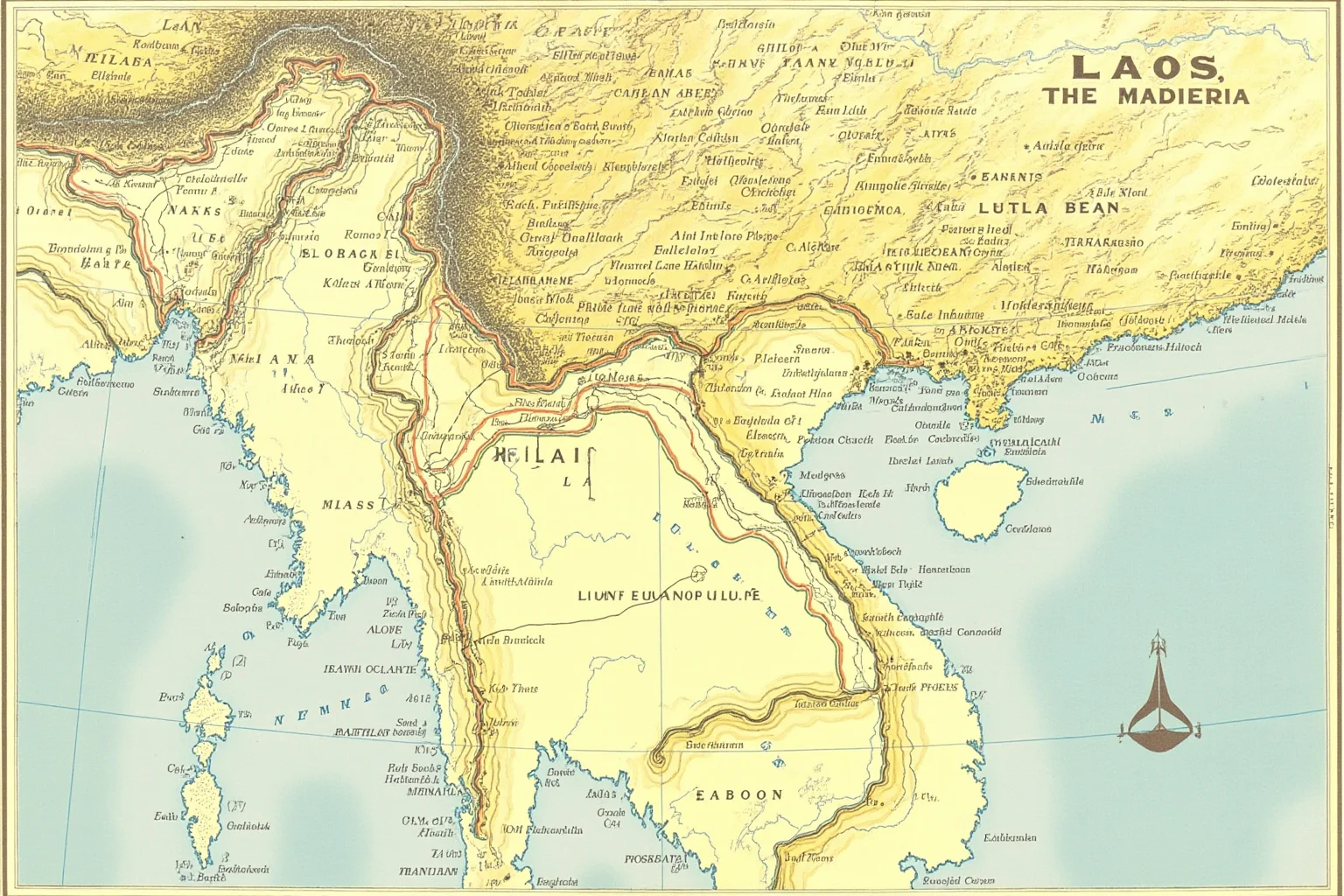
The United States expanded the conflict beyond Vietnam through bombing campaigns in Laos and the 1970 incursion into Cambodia. These operations aimed to strike supply lines and enemy sanctuaries. Instead, they helped destabilize neighboring societies.
In Cambodia, the chaos contributed to the conditions that enabled the Khmer Rouge’s rise. That genocide became its own catastrophe. Whatever tactical gains were imagined, the regional damage made the war harder to justify after the fact.
The secret bombing of Cambodia began before the public was fully informed. Once the war crossed borders, the regional consequences spun out of control. That expansion made the conflict harder to contain and harder to defend.
16. The Credibility Gap Destroyed Trust in Government
Officials often painted a rosy picture while evidence on the ground told another story. The Pentagon Papers revealed that administrations had misled the public about the war’s progress and plans. This gap between official statements and reality became known as the credibility gap.
When citizens lose trust that leaders are telling the truth, it is hard to sustain a war of choice. This is a huge part of why people did not like the Vietnam War—it was not only about casualties, but about being lied to. The controversy was fueled by secrecy and spin.
Johnson and Nixon both struggled to explain why American boys were dying far from home. When the public discovered the gaps, anger replaced resignation. That anger became a lasting part of American political life.
17. Antiwar Protests Were a Democratic Check, Not a Sideshow
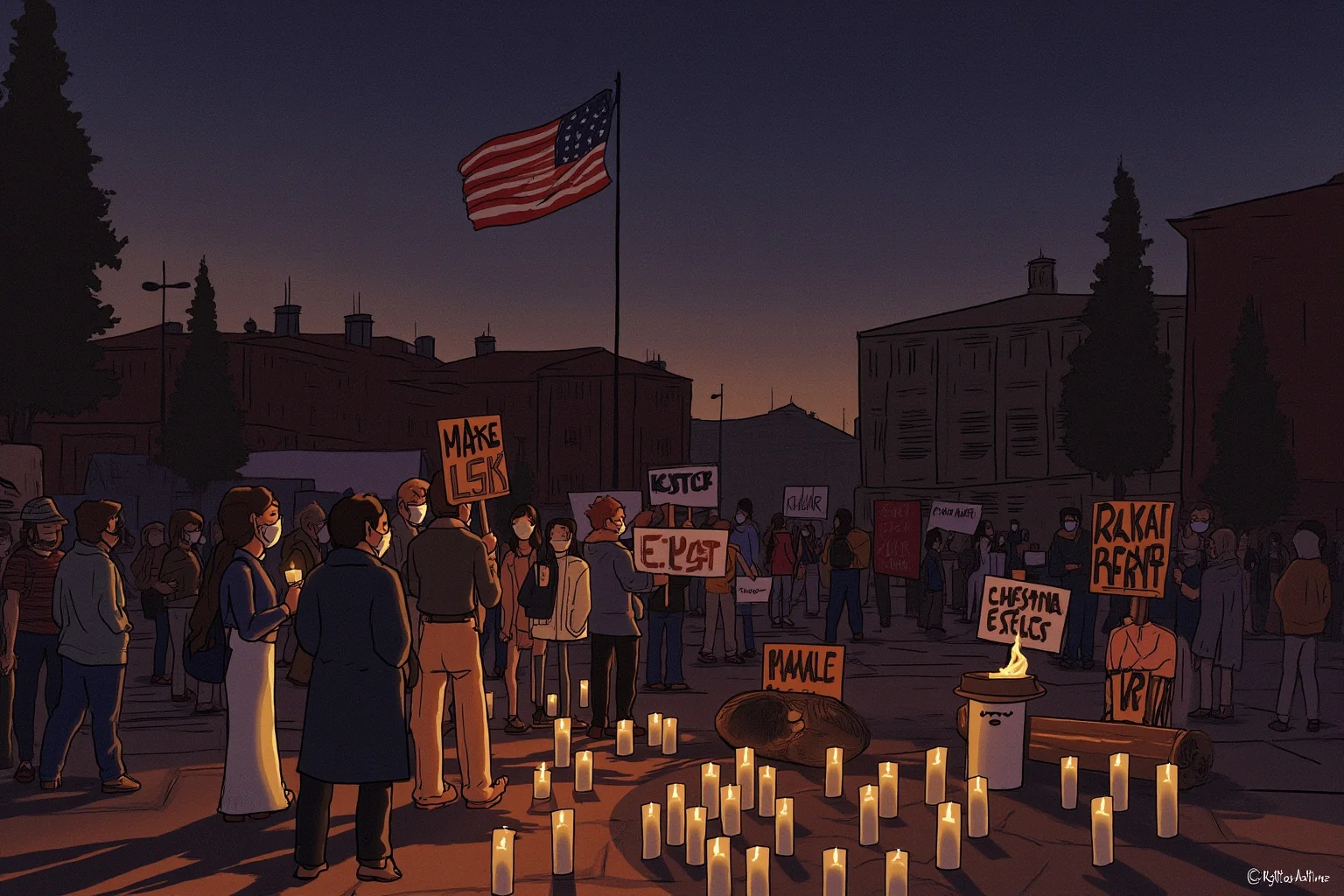
The antiwar movement grew from college campuses and churches to broad national marches. Participants included veterans, civil rights activists, clergy, and families of soldiers. Why was the Vietnam War unpopular in mainstream America? Because protest was not confined to the fringe.
Demonstrations at places like Kent State turned tragic in 1970 when National Guard troops killed four students. That violence shocked the country and made the war feel like a crisis at home as well as abroad. Public unpopularity helped shift opinion and eventually policy.
The movement was not monolithic, and it included many voices. Some wanted immediate withdrawal; others sought negotiated peace. But together they changed the political calculus in Washington.
18. The Pros and Cons Vietnam War Debate Ignores the Real Alternatives
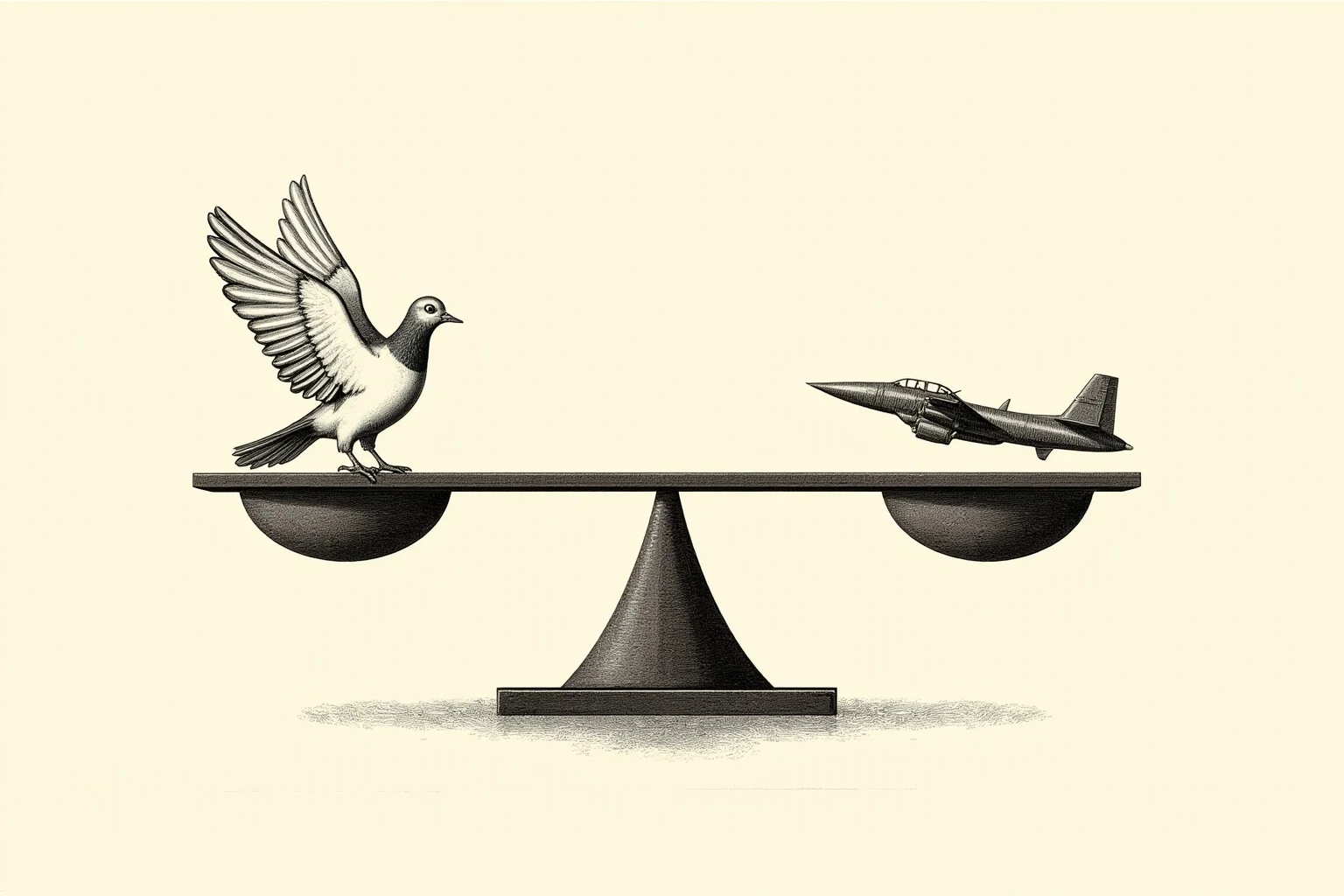
Supporters argued that the war bought time for allies and showed resolve against communist expansion. Those are the usual entries in any pros and cons Vietnam War ledger. But even the strongest “pro” case must confront the alternatives that were available.
Diplomacy, political neutralization, and a slower Cold War posture were all discussed at the time and dismissed. The United States did not have to pursue massive ground combat in Southeast Asia to contain the Soviet Union. Because the broader Cold War did not end with a communist Southeast Asia, the catastrophic choice looks even less necessary.
Some supporters still argue that the war sent a message to adversaries. Yet messages are not worth the lives of millions. A better Cold War strategy would have separated vital interests from peripheral ones.
19. The Postwar Domino Collapse Never Arrived
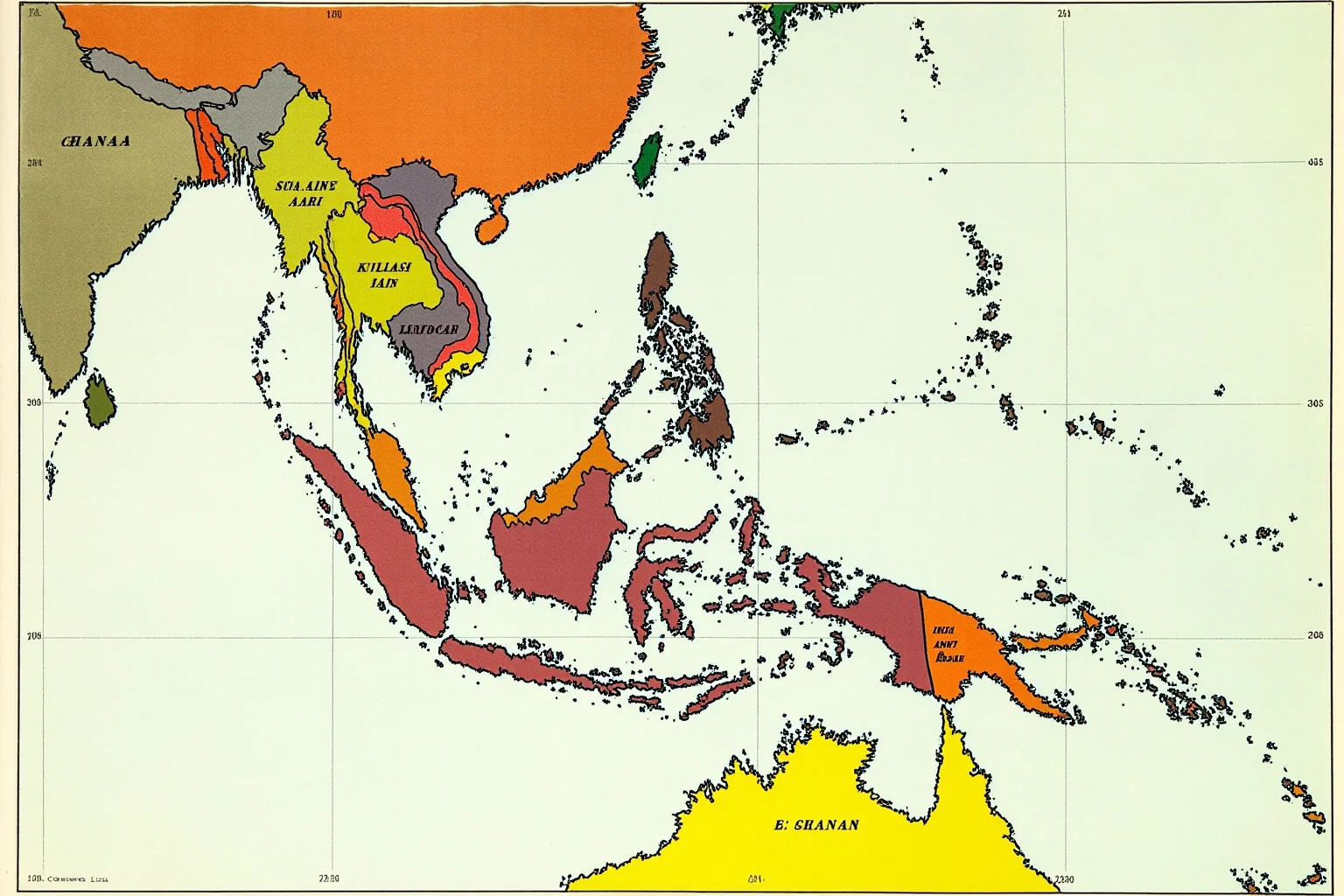
After the fall of Saigon in 1975, Vietnam, Laos, and Cambodia became communist. But the feared wave of falling dominoes across Thailand, Malaysia, Indonesia, and Singapore did not happen. The core strategic justification collapsed along with the embassy in Saigon.
This does not mean the postwar period was peaceful or free of suffering, especially in Cambodia and for Vietnamese boat people. It does mean the war’s central prediction was wrong. Was the Vietnam War necessary? The regional outcome says no.
Some dominoes did fall in Indochina itself, and that was tragic. But the regional and global catastrophe predicted by hawks never came. The theory, tested by history, failed its most important test.
20. What If the Vietnam War Never Happened? A Counterfactual Worth Taking Seriously
What if the Vietnam War never happened? A neutral or communist Vietnam might have emerged earlier, but the massive American ground war, bombing, and chemical destruction could have been avoided. Millions of Vietnamese and American lives might have been spared.
The counterfactual is not simple, because the Cold War still existed and other crises might have ignited. But the burden of proof lies on those who insist the war was necessary. Asking what might have been is not an idle game; it is a way to judge whether the real path was worth its price.
Counterfactuals are not proof, but they reveal what was truly at stake. The choice was not simply war or peace on a simple binary. There were plausible middle paths that might have avoided the worst outcomes.
The War That Should Never Have Happened
The Vietnam War remains a cautionary tale about fear-driven decisions, murky legal authority, and the gap between stated ideals and actual outcomes. It was not a just war in the classic sense, and its necessity was never proven. The evidence suggests it was a disaster that could have been avoided.
None of this diminishes the courage of those who served. They were sent into impossible conditions by leaders who often misjudged the situation and misled the public. Honoring them means asking hard questions so future generations are not sent to war without clear cause.
The lesson does not begin or end with Vietnam. The next time a crisis tempts leaders to escalate without debate, the ghosts of that war should whisper caution. That, above all, is why the Vietnam War should never have happened.
Frequently Asked Questions
Was the Vietnam War necessary?
Most historians argue it was not necessary. The war was sold as essential to stop a domino effect, but that theory proved weak, and the feared regional collapse never occurred after 1975. Diplomatic and political alternatives existed, but they were rejected or never fully tried.
Was the Vietnam War justified?
The justification is highly contested. The legal basis leaned on the shaky Gulf of Tonkin Resolution rather than a formal declaration of war. The moral case was undermined by the unstable South Vietnamese government, civilian casualties, and documented atrocities.
Why was the Vietnam War controversial?
It was controversial because it escalated without clear authorization, produced massive casualties, and divided American society. The credibility gap between official statements and events on the ground deepened the controversy. Images of combat, protest, and suffering made it impossible for the public to look away.
How bad was the Vietnam War?
The scale was catastrophic. More than 58,000 U.S. service members died, and millions of Vietnamese, Cambodians, and Laotians were killed, wounded, or displaced. Chemical agents, bombing, and brutal counterinsurgency added long-term health and environmental damage.
Why was the Vietnam War so unpopular?
The draft brought the war into nearly every American community, and its burdens fell unevenly across class and race. Casualties rose without clear progress, while protests and media coverage exposed official failures. The combination of personal loss, inequality, and distrust made public support collapse.
What if the Vietnam War never happened?
If major U.S. ground combat had been avoided, millions of lives might have been spared and much of the destruction of Vietnam, Cambodia, and Laos avoided. A unified or communist Vietnam may have emerged earlier through political processes. The counterfactual shows that alternatives existed, even if they carried their own risks.
Was the Vietnam War a just war?
Under classic just war criteria, the war is difficult to defend. The cause was tied to a weak ally and a disputed threat, the means included massive harm to civilians, and the probability of success was never clear. Many ethicists and historians therefore conclude it was not a just war.
Why did people not like the Vietnam War?
People opposed the war for overlapping reasons: the draft, rising deaths, unequal sacrifice, official deception, and moral outrage over civilian suffering. Some also believed the war was unwinnable or strategically unnecessary. Over time, this opposition became broad and mainstream.

Alex Warren
Related Articles