Most everyday objects came from somewhere specific, but the real stories are often stranger than the packaging suggests. A sandwich spread began in a home kitchen, a packaging material started as failed wallpaper, and a whole line of sticky notes sat unused for years inside a lab.
This list does not require you to be a history snob, but it might turn you into one. We will separate documented origins from popular tales and flag places where the record is genuinely murkier than the internet usually admits.
TL;DR: From Archibald Query's Marshmallow Fluff to the unclear origin of “let's blow this popsicle stand,” these 21 backstories show how ordinary items carry surprising and sometimes disputed histories.
A Short Note on Origin Stories
Most inventions arrive through a long chain of experiments, marketing, and accident, not a single eureka moment. When you see the word “invented” on a product page, it usually compresses that longer process into a neat sales-friendly sentence.
The items below include documented lab notes, oral traditions, and genuine mysteries. We will tell you which is which instead of pretending every myth is settled fact.
1. Archibald Query Invented Marshmallow Fluff in His Somerville Kitchen
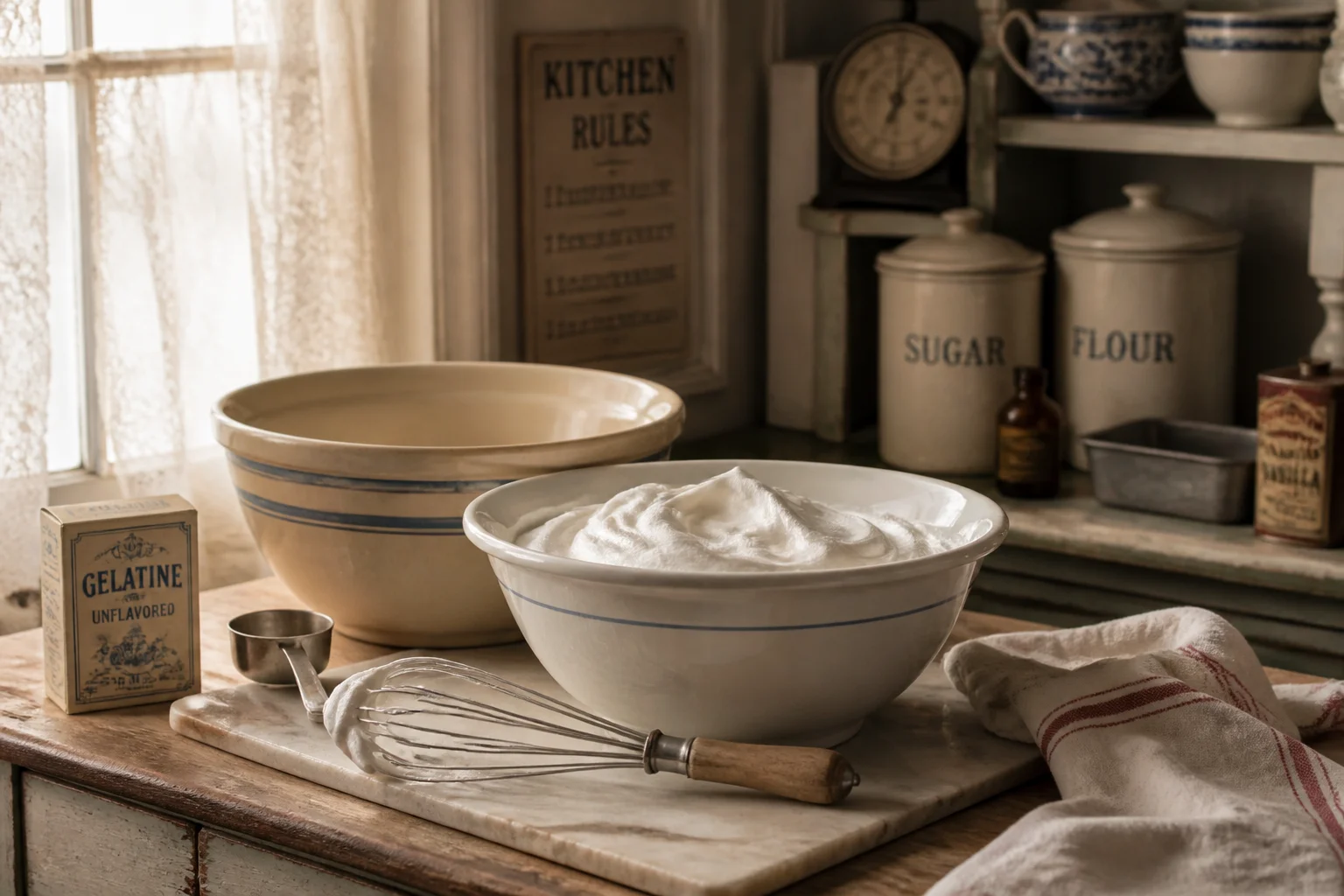
In 1917, Archibald Query, a home cook in Somerville, Massachusetts, made a spreadable marshmallow cream in his own kitchen. His creation was lighter and smoother than the molded marshmallow candy people already knew. He initially sold it door-to-door, but wartime sugar shortages made the business difficult.
After World War I, Query sold his formula to H. Allen Durkee and Fred Mower, who turned it into the brand now known as Marshmallow Fluff. That makes Archibald Query a perfect example of an ordinary person whose experiment became a regional icon. New England, especially Massachusetts and the Fluffernutter sandwich, still treats the product as local heritage.
Query's timing mattered less than the product's utility. The spread filled a niche between candy and frosting, and later mass production gave it a shelf life that home batches never had. Today, the Somerville kitchen story is preserved in local food lore and annual Fluff celebrations.
2. Where Did “Let's Blow This Popsicle Stand” Come From?

The phrase “let's blow this popsicle stand” is American slang meaning it is time to leave. “Blow” as a verb for leaving quickly appears in older phrases such as “blow this joint,” which gave the saying its basic structure. The substitution of “popsicle stand” made the expression more playful and deliberately small-time.
The origin of “let's blow this popsicle stand” is not documented to a single writer or TV show. Lexicographers generally treat it as a mid-twentieth-century American coinage, but printed evidence is scattered and often comes from memory. That murkiness suits a phrase about leaving a place before the details catch up with you.
For a phrase with no confirmed first use, “let's blow this popsicle stand” has proved remarkably durable. It keeps showing up in movies, television, and casual speech because the image is vivid enough to carry the meaning. The very uncertainty may be why it feels like a shared piece of American slang rather than a scripted quote.
3. The Popsicle Began as a Forgotten Cup of Soda
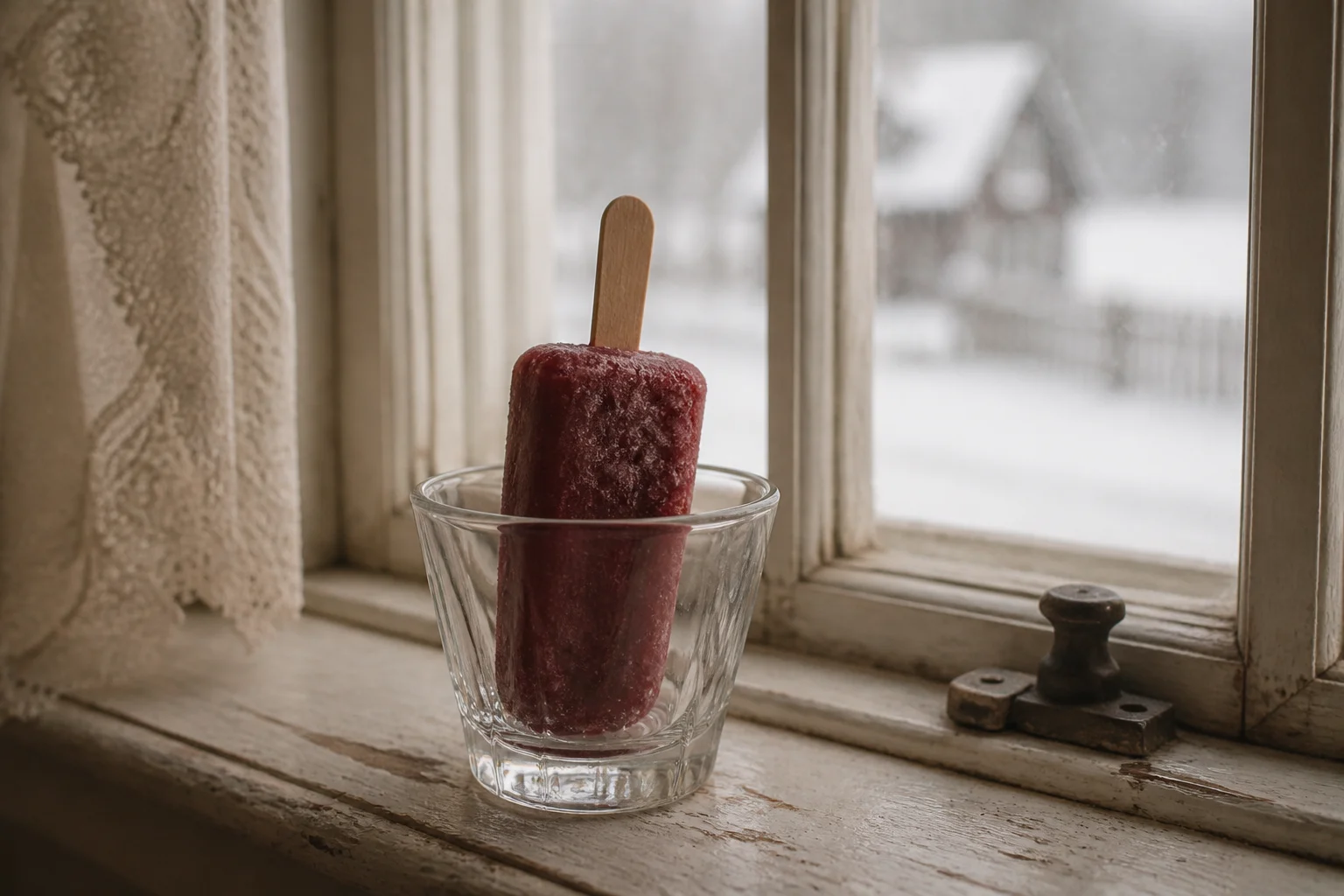
According to the brand's founding story, eleven-year-old Frank Epperson left a mixture of powdered soda, water, and a stirring stick on a cold San Francisco night in 1905. By morning it had frozen solid, and he pulled the first stick-bound ice treat out of the cup. He later called it the “Epsicle.”
Epperson patented a frozen ice on a stick in the 1920s, and the name evolved into Popsicle. The childhood accident story is widely retold, but food historians generally accept it as the company's oral history rather than a fully independent record. Still, the image of a forgotten drink becoming an ice treat explains why the phrase “popsicle stand” feels so tied to casual summer stops.
The Epperson story fits a common pattern in food history: a company preserves a memorable origin tale, while independent evidence remains partial. Popsicles were patented and mass-produced by the 1920s, so the timing is certain even if the frozen-cup detail leans on family memory. That combination is enough to keep the story alive without overclaiming.
4. Ketchup Started as Fermented Fish Sauce
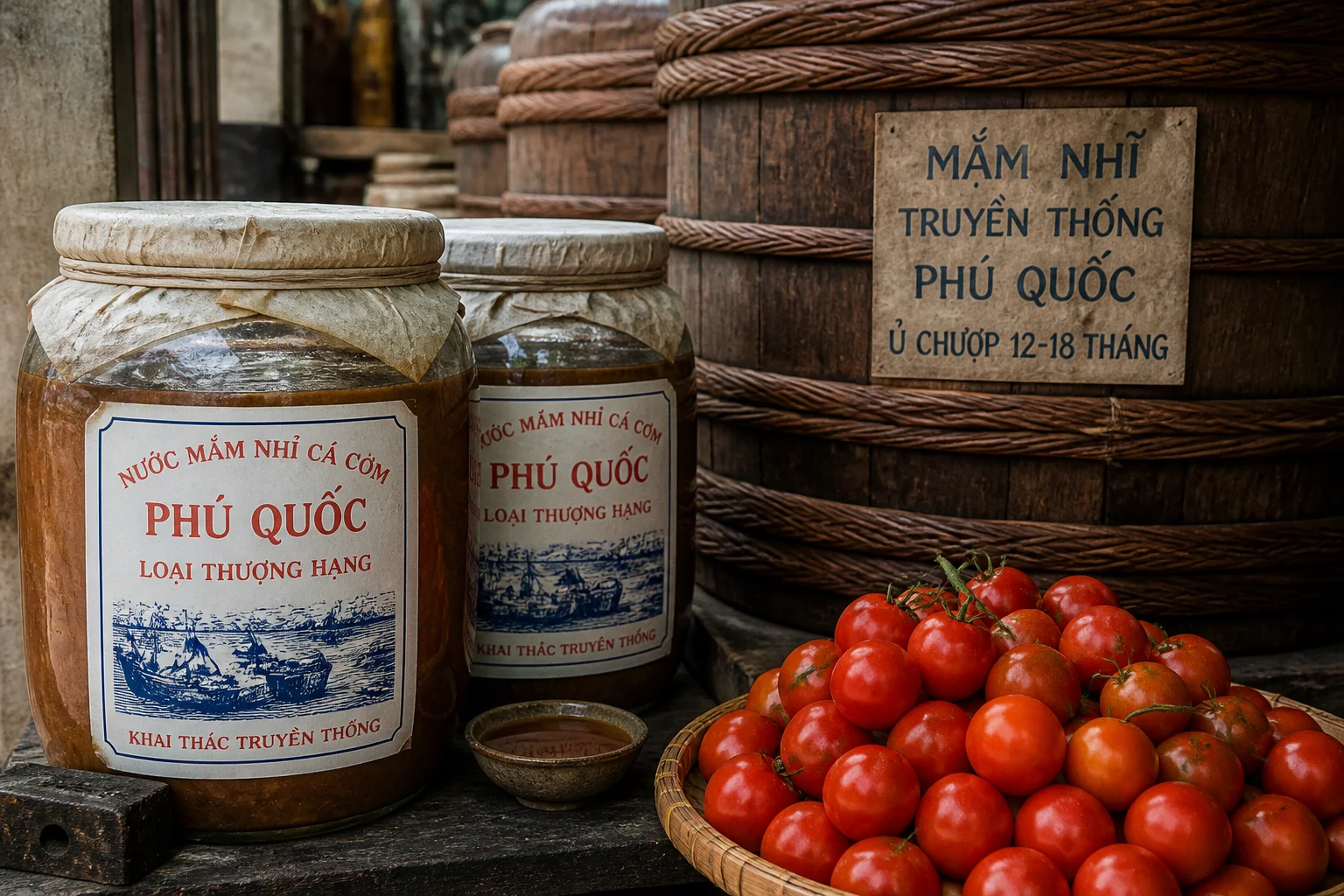
Long before tomatoes, ketchup was a fermented fish preparation. The name likely traces to words such as Hokkien “kê-tsiap” or Malay “kecap”, both referring to salted or fermented sauces with deep umami flavor.
British traders and sailors carried versions of the idea around the world, and cooks adapted it with mushrooms, walnuts, and other ingredients. Tomato ketchup became common in the United States in the nineteenth century, eventually sweetened and bottled by companies such as Heinz. What began as a briny maritime staple is now the default condiment on American tables.
Early ketchup recipes would taste strange to modern eaters. Before tomato versions dominated, cooks experimented with mushroom and walnut ketchups that were closer to savory sauces than to the bright red bottle. Those variations show that food categories can change almost beyond recognition.
5. Graham Crackers Were Designed as a Bland Health Food
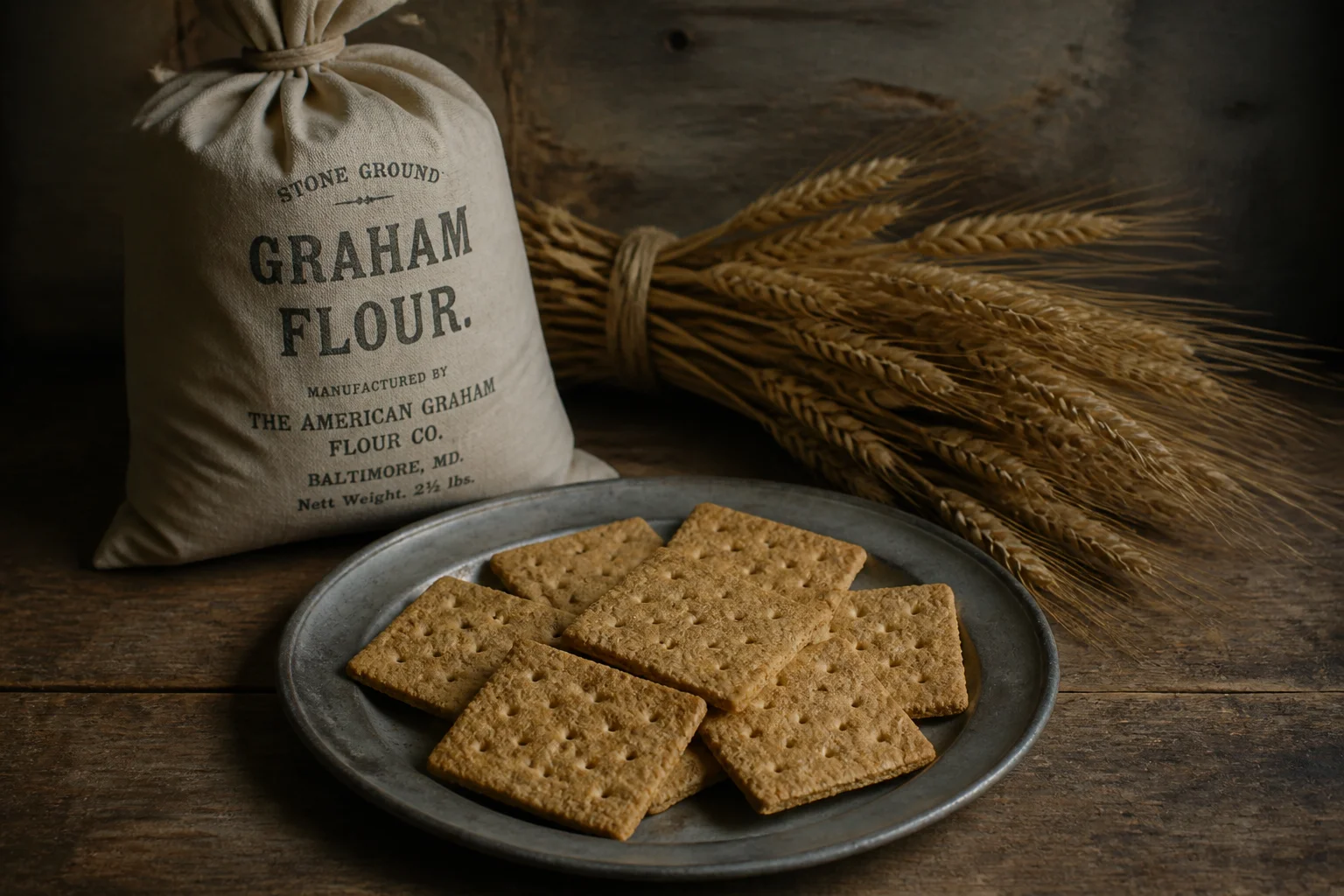
Sylvester Graham, a Presbyterian minister and dietary reformer in the 1830s, promoted whole-grain wheat flour as part of a Spartan vegetarian diet. He believed rich food, alcohol, and overly stimulating meals harmed both body and morals. His name survives on graham flour and the graham cracker.
The original graham crackers were not the sweet honey cookies sold today. They were dry, whole-grain products meant to be as plain as possible. That makes the modern s'more an ironic tribute to a reformer who wanted food to be boring.
Graham's influence extended beyond crackers. Grahamite boarding houses and lectures spread his ideas across the United States, even as critics mocked the strict diet. The cracker is a commercialized survival of a much larger reform movement.
6. Corn Flakes Came from a Battle Creek Sanitarium
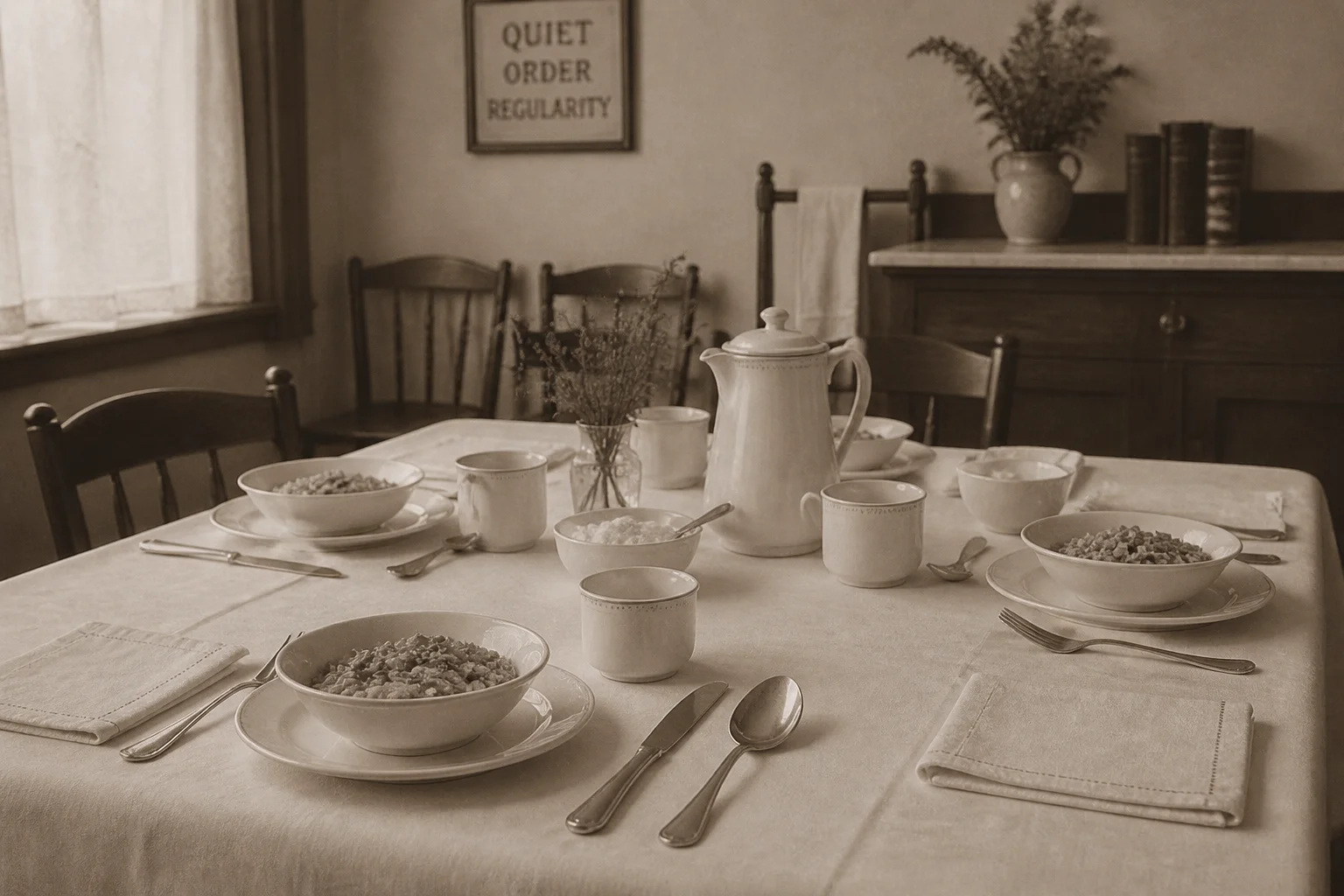
John Harvey Kellogg helped run the Battle Creek Sanitarium in Michigan, where patients followed a strict regimen of bland food, exercise, and abstinence. In the late nineteenth century, he and his brother Will developed flaked wheat and later flaked corn as easily digestible breakfast foods.
The claim that Corn Flakes were invented solely to reduce sexual desire oversimplifies the story, but Kellogg did see plain food as part of a moral and physical program. His brother Will Keith Kellogg saw the commercial potential and built a cereal company around it. The box in your pantry therefore connects to a health reform movement that mixed medicine, religion, and marketing.
The sanitarium context explains why the early cereal was so plain. Later versions added sugar and marketing aimed at children, which would probably have horrified John Harvey Kellogg. That tension between health origins and mass-market sugar remains part of cereal history.
7. Bubble Wrap Was Supposed to Be Wallpaper
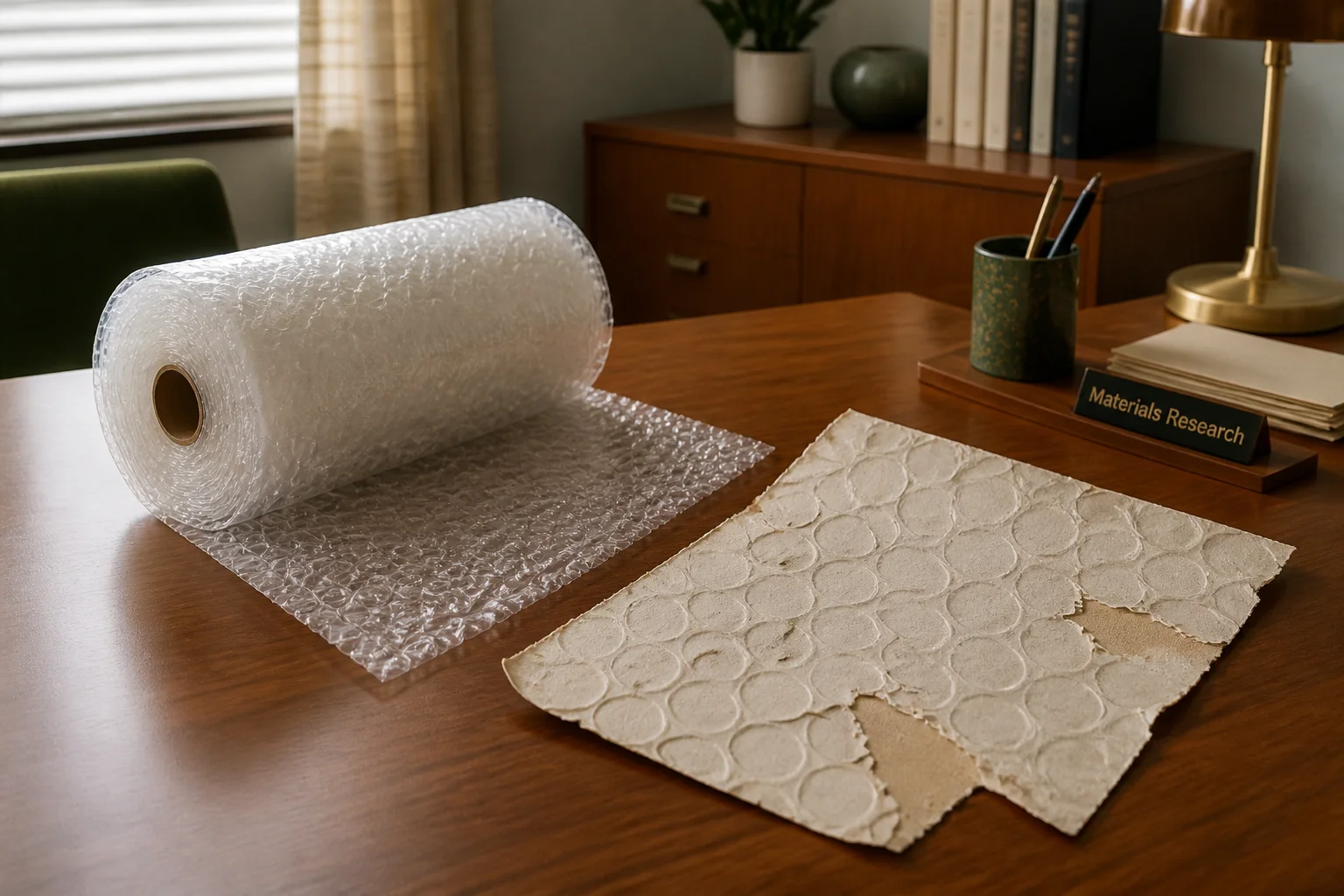
In 1957, engineers Alfred Fielding and Marc Chavannes sealed two shower curtains together and trapped air bubbles inside. They hoped the textured plastic would work as a washable, modern wallpaper, but that market never took off.
The material found a second life as protective packaging, especially after electronics companies needed cushioning for fragile equipment. The failed wallpaper is now one of the world's most satisfying packaging materials to pop. Its origin story is a case study in keeping a failed prototype long enough to find the right use.
Bubble wrap's shift from home decor to packaging was not instant. It took time for manufacturers to realize that cushioning, not texture, was the real value. That delay is an underrated detail in many accidental invention stories.
8. Play-Doh Was Originally Wallpaper Cleaner
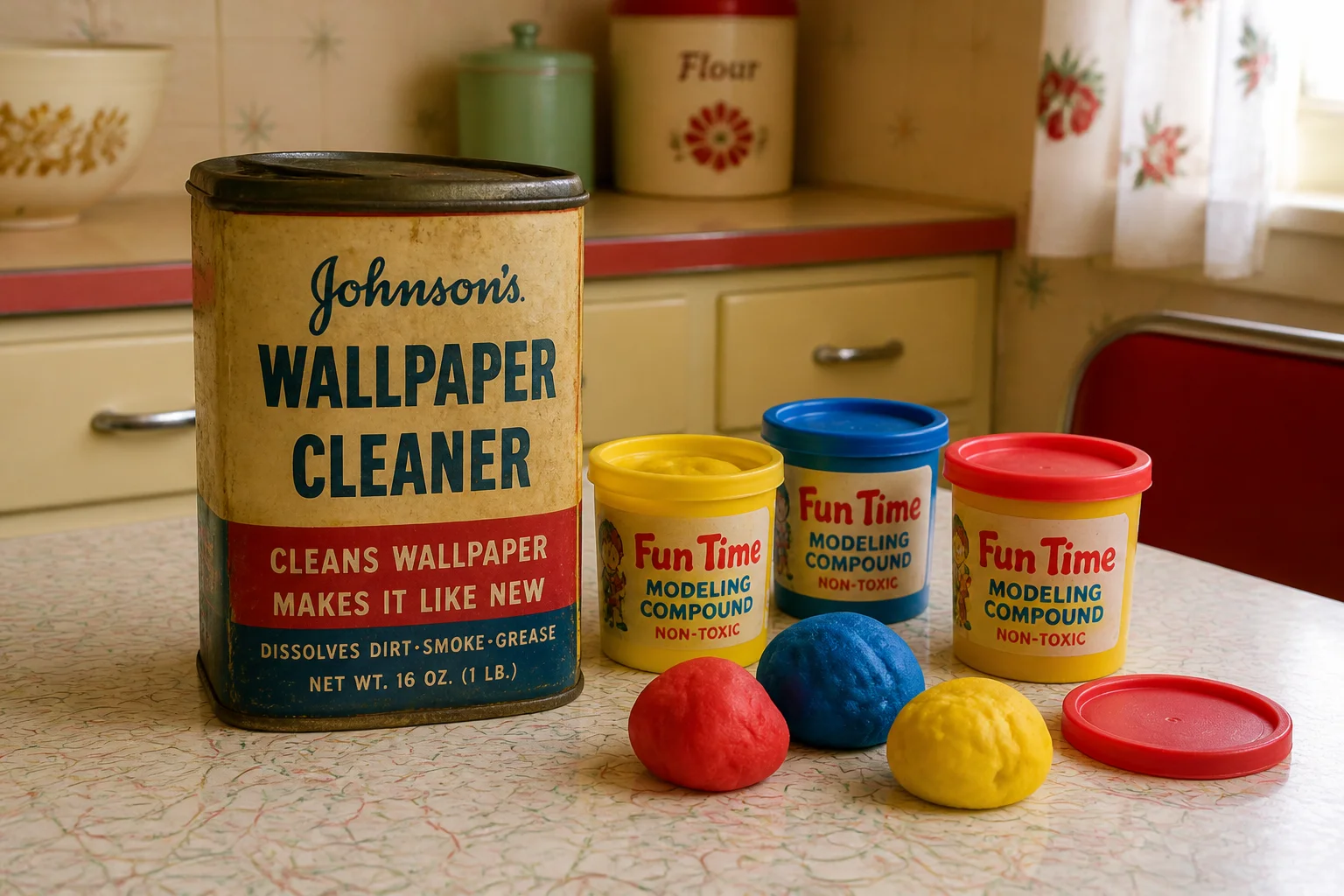
Before it became a children's modeling compound, Play-Doh was a dough-like wallpaper cleaner sold by Kutol Products. Coal soot and grime were common in mid-twentieth-century homes, and the soft compound lifted dirt from embossed wallpaper.
As vinyl wallpaper became popular and demand fell, a teacher reportedly suggested that the non-toxic cleaner could be used in classrooms as modeling clay. Kutol reformulated and relaunched it as Play-Doh in the 1950s. The story is a practical reminder that a product can survive by changing its job entirely.
Play-Doh's transformation from cleaning product to toy is a strong example of brand repositioning. The formula stayed essentially useful, but the audience changed completely. Children's creativity, rather than household maintenance, became the product's reason to exist.
9. Listerine Was First a Surgical Antiseptic
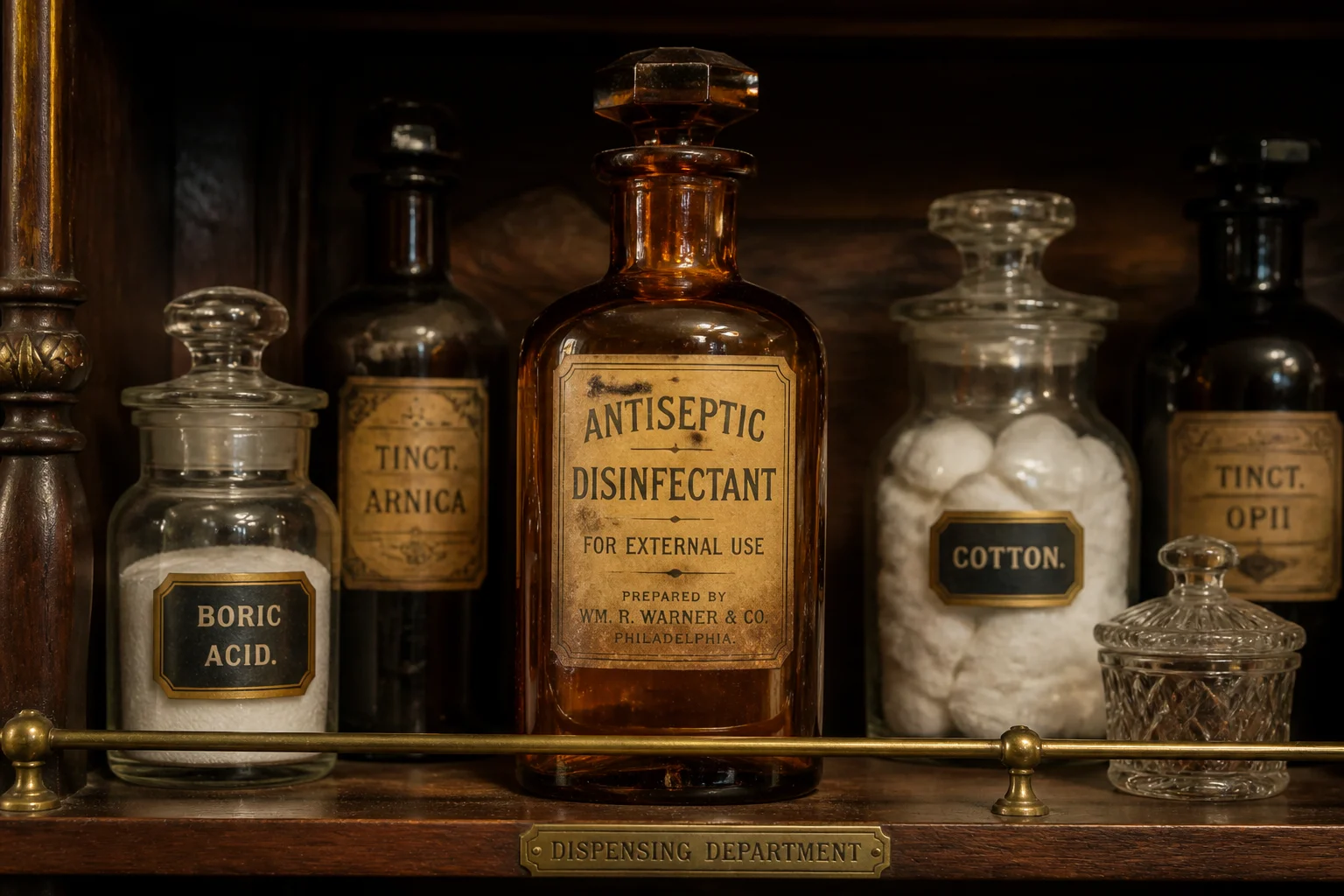
Listerine, named after British surgeon Joseph Lister, was developed in the late nineteenth century as a surgical antiseptic. Early uses also included cleaning surfaces and even treating dandruff; oral hygiene was only one of several proposed markets.
Its modern identity came from advertising. In the 1920s, marketers popularized the word “halitosis” as a medical-sounding term for bad breath, turning an old antiseptic into a daily mouthwash. That campaign changed how Americans thought about breath and made Listerine a bathroom staple.
10. Coca-Cola Was a Nineteenth-Century Patent Medicine
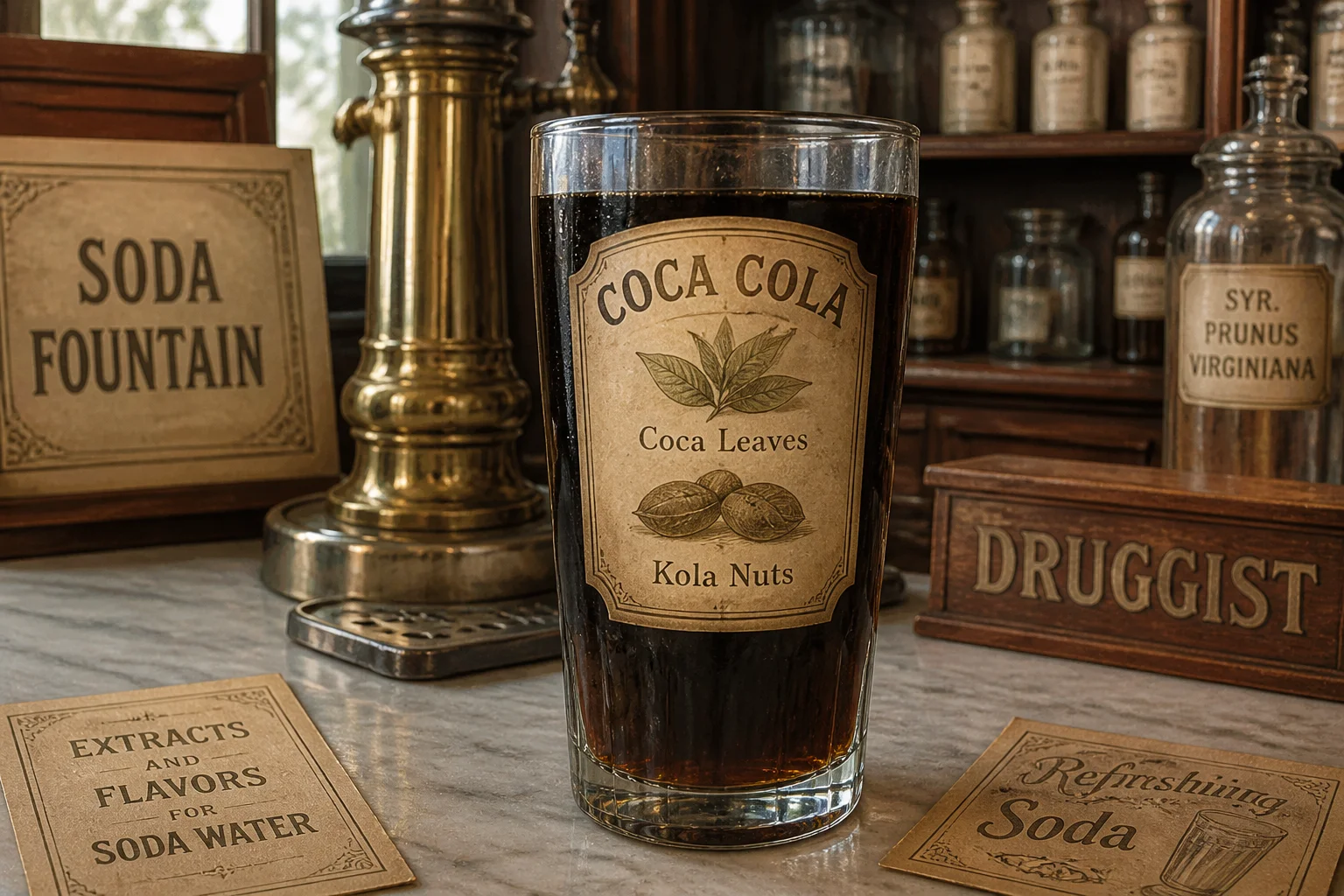
Atlanta pharmacist John Pemberton introduced Coca-Cola in 1886 as a fountain drink with a mix of coca leaf extract and caffeine-rich kola nut. In that era, soda fountains often sold beverages with medicinal claims, and early Coca-Cola was part of that patent-medicine world.
The company later shifted away from the public sale of coca leaf extract and removed cocaine from the ingredient line while keeping decocainized coca leaf for flavor. The modern beverage is sweet and global, but its name and early formula retain the trace of a very different drugstore product.
The drink's medicinal framing was typical of the late nineteenth century, when soda fountains sat alongside pharmacies. Today, the company emphasizes taste and refreshment rather than cure-all claims. The shift shows how regulation and marketing reshaped the beverage industry.
11. WD-40 Was Invented to Protect a Missile
WD-40 stands for “Water Displacement, 40th formula.” In the 1950s, a small San Diego company developed it for Convair, an aerospace contractor, to prevent corrosion and water damage on the exterior of the Atlas missile.
Workers found the lubricant useful enough that it later reached the consumer market. Its name is not a brand-created mystery; it is simply a lab notebook notation that stuck. The product's origin inside Cold War aerospace engineering contrasts sharply with its current household role.
12. Velcro Was Inspired by Burrs on a Dog's Fur
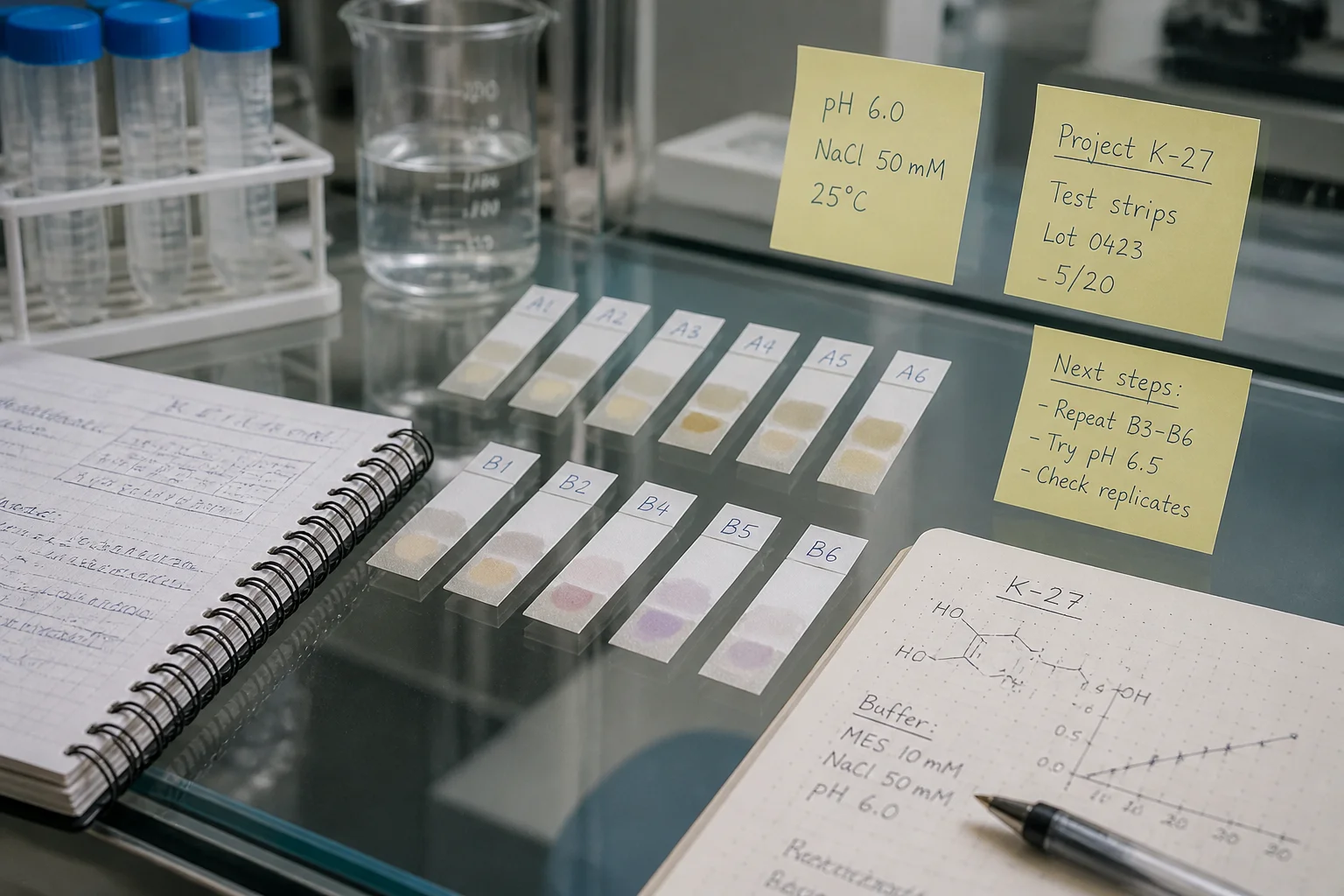
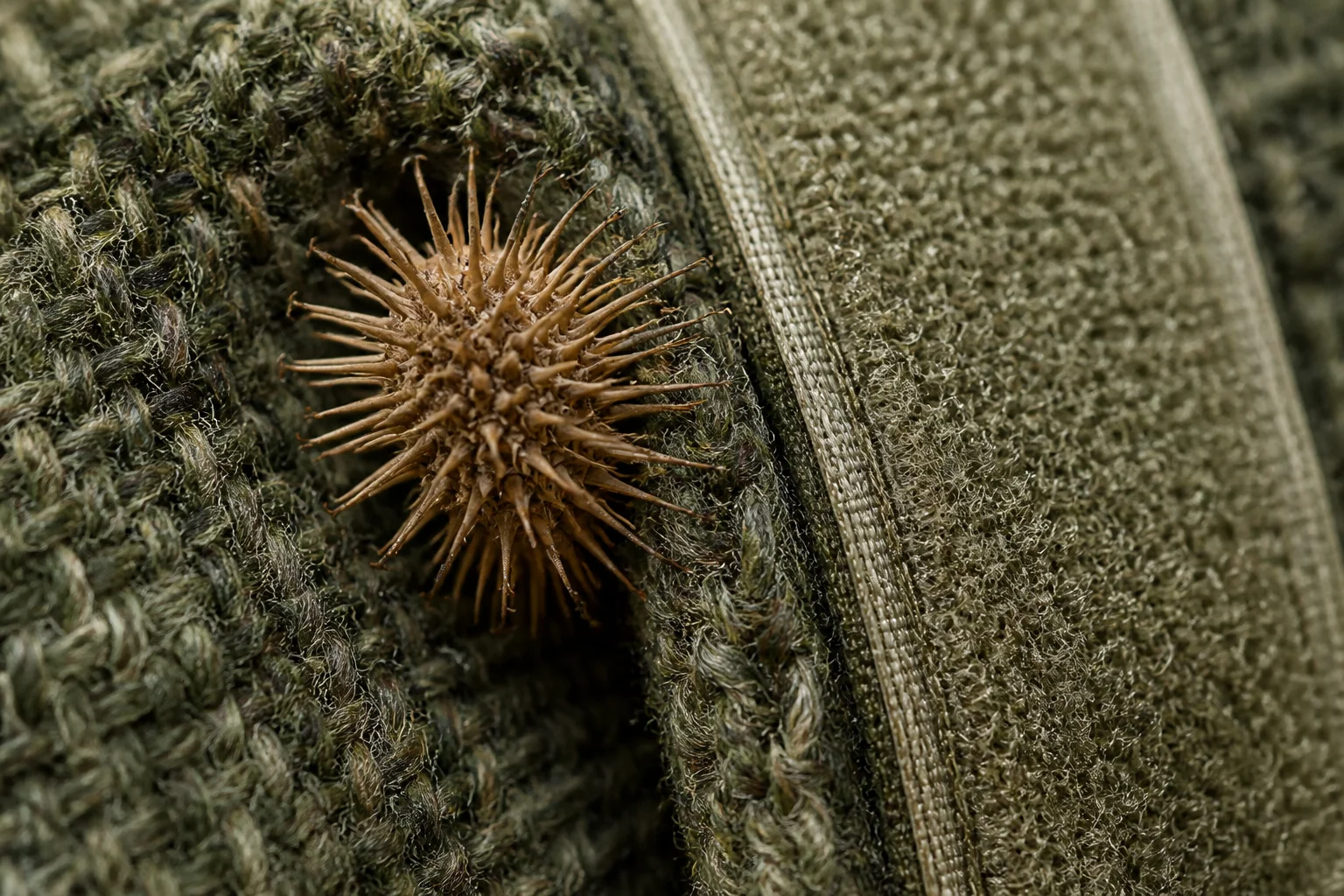
Swiss engineer George de Mestral took a close look at burrs stuck to his dog after a walk in the 1940s. He saw tiny hooks on the burrs grabbing loops in fabric and fur. That observation led him to develop a hook-and-loop fastener.
De Mestral patented the material in the 1950s, and the name Velcro blends the French words “velours” and “crochet.” The invention did not imitate a fully new principle; it copied the existing mechanics of plant seed dispersal. That turn from nature to industry remains one of the clearest examples of biomimicry in everyday products.
The hook-and-loop fastener took years to manufacture at scale, because producing tiny hooks consistently was harder than recognizing them on a burr. De Mestral's patience is part of the invention too. Nature provided the design, but engineering made it practical.
13. Post-it Notes Sat Around for Years Before Anyone Found a Use
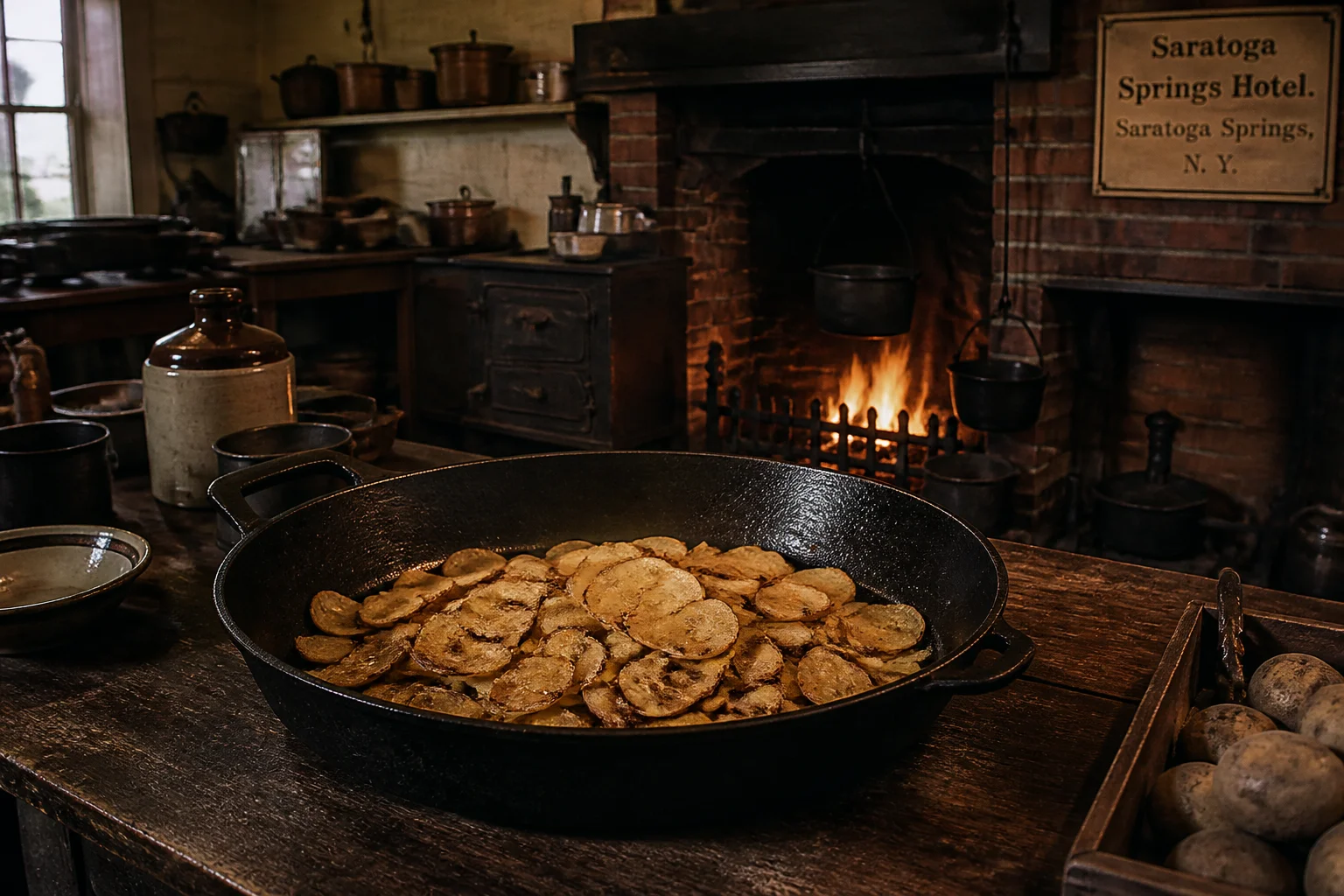
Spencer Silver, a 3M scientist, created a weak, pressure-sensitive adhesive in 1968 that did not seem good for much. It stuck lightly and peeled away without damaging surfaces, which was initially viewed as a failure by colleagues who wanted stronger bonds.
Years later, colleague Art Fry used the adhesive to keep a bookmark from falling out of his church hymnal. The product launched as Post-it Notes in 1980 after a slow road from lab accident to daily office tool. Its backstory shows that a “failed” glue can succeed when paired with the right problem.
14. Potato Chips Have a Famous Legend and an Older Paper Trail
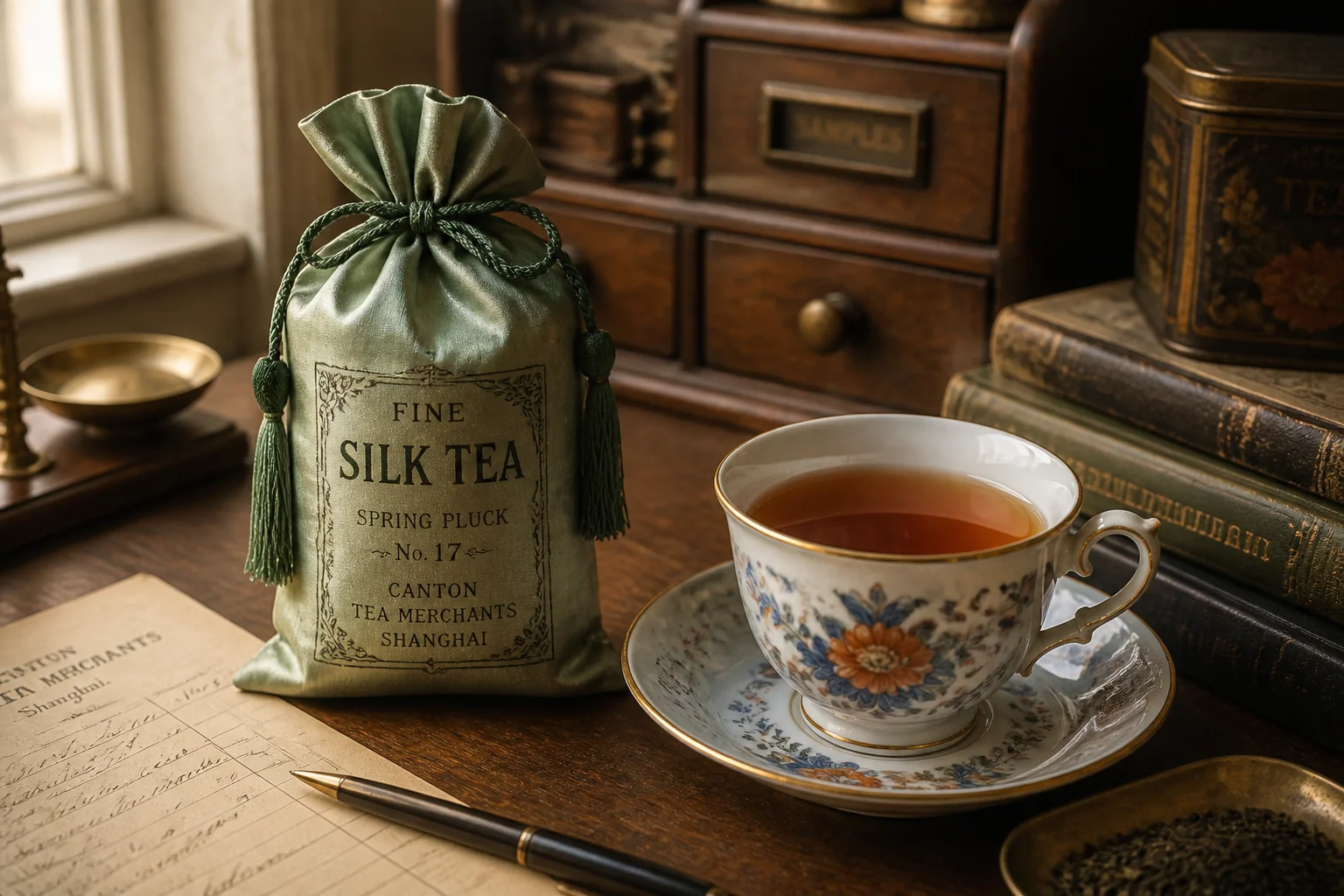
The popular story says chef George Crum invented potato chips in 1853 at Moon's Lake House in Saratoga Springs, New York, after a customer kept sending fried potatoes back for being too thick. Crum allegedly sliced them paper-thin to annoy the customer, but the customer loved them.
The problem with the tale is that printed recipes for fried potato slices appear earlier, so Crum likely popularized or perfected the dish rather than creating it from nothing. Saratoga chips did become a famous regional specialty. This is a good place to be a mild history snob: often the credited inventor is really the person who made something fashionable.
15. Tea Bags Were Popularized by a Sampling Accident
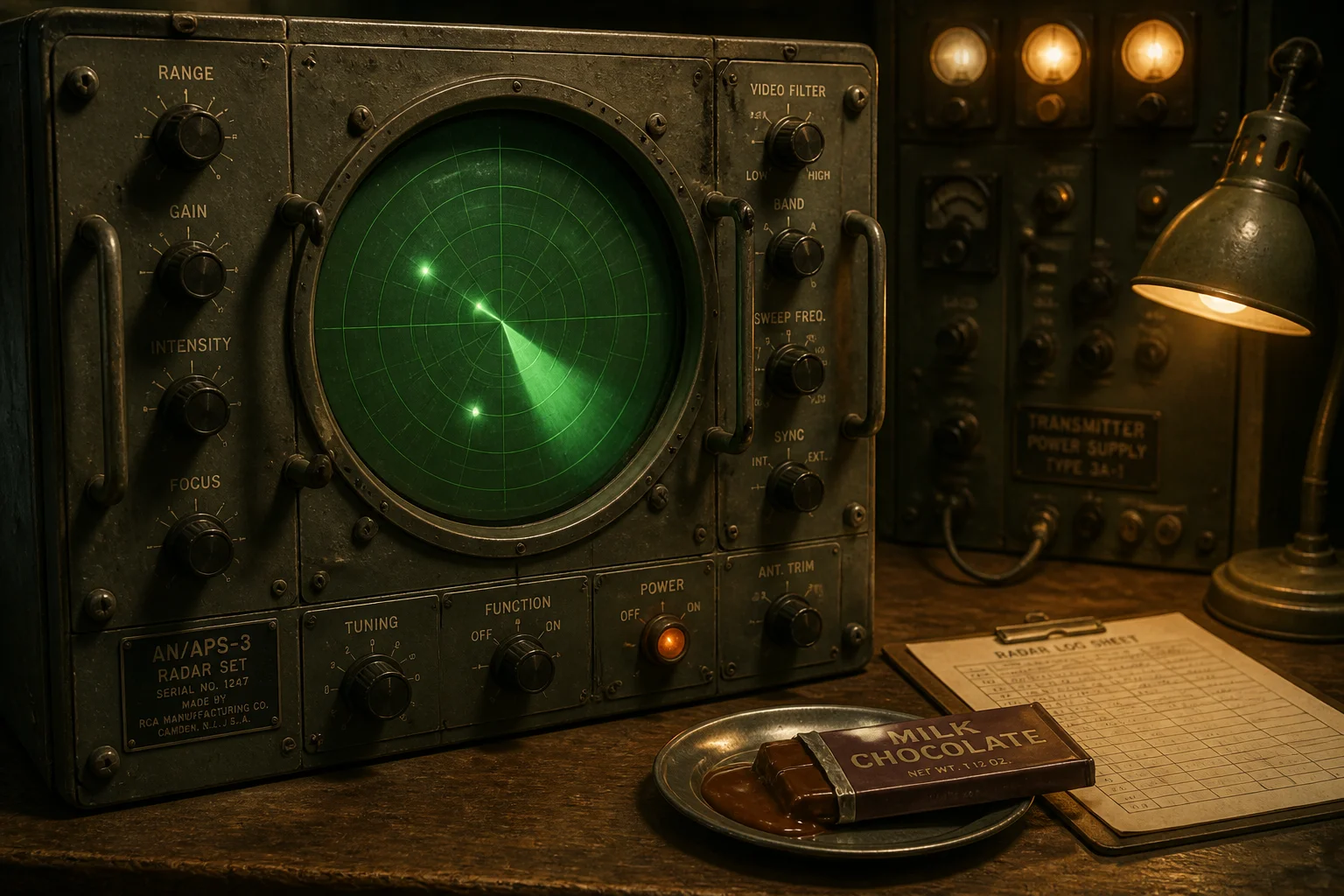
Around 1908, New York tea merchant Thomas Sullivan sent small samples of tea in silk pouches to customers. Some recipients did not remove the tea from the pouch; they simply steeped the whole thing. The convenience was immediate.
Sullivan's “accident” is often told as the invention of the tea bag, but patents and improvised tea holders existed before him. His contribution was to help popularize the disposable bag as a consumer format. The story is a reminder that origin myths often compress a longer process into one tidy moment.
Tea bags eventually moved from silk to paper and from samples to standard packaging. Their convenience won over many drinkers, even as loose-leaf purists resisted. The product's success demonstrates that packaging can change how a food is prepared and understood.
16. Microwave Cooking Was Discovered with a Melted Candy Bar
During World War II-era radar work at Raytheon, engineer Percy Spencer noticed that a candy bar in his pocket melted near an active magnetron. He then tested the effect with popcorn kernels and other foods. That observation became the basis for the microwave oven.
Raytheon introduced the first commercial “Radarange” in the late 1940s, though it was huge, expensive, and mostly used in commercial settings. Smaller countertop models took decades to become common. The microwave's origin story connects a wartime electronics lab to the modern kitchen.
17. Saccharin Was Found by a Chemist Who Forgot to Wash His Hands
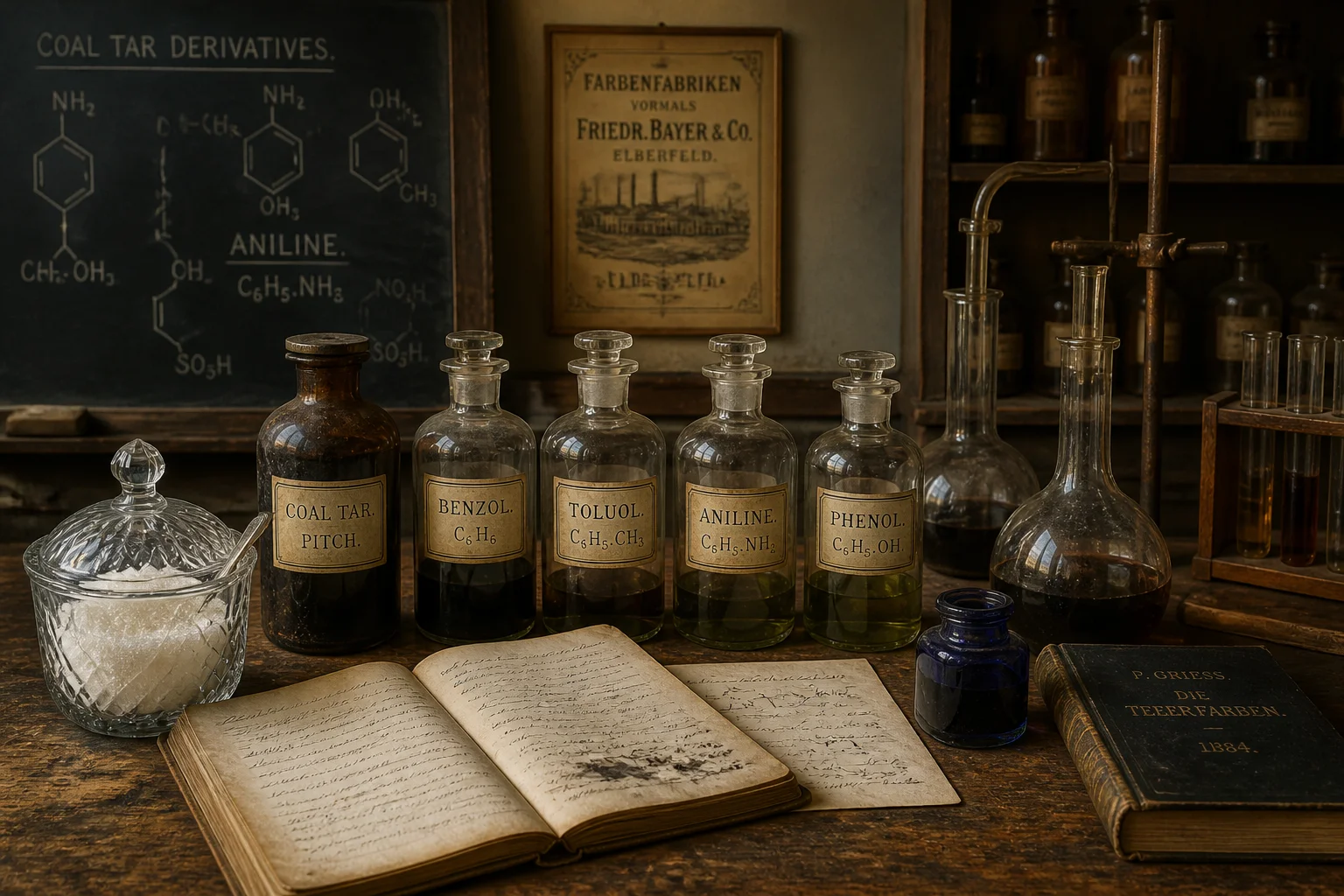
In the late 1870s, chemist Constantin Fahlberg was working with coal tar derivatives in a Johns Hopkins laboratory. After leaving the lab, he noticed a very sweet taste on his hands or food, traced it back to a compound he had handled, and recognized its potential as an artificial sweetener.
The discovery sparked a long argument over credit with Ira Remsen, the lab director, and the chemical's commercial success arrived during sugar shortages. Saccharin became one of the first widely used artificial sweeteners. It also began the recurring modern debate over what should count as a safe sugar substitute.
Saccharin's coal-tar origins sound alarming to modern ears, but many early synthetic chemicals came from industrial research. The sweetener also benefited from wartime sugar rationing, which pushed consumers to accept substitutes. Its history is entangled with chemistry, war, and changing ideas about food safety.
18. Teflon Was an Accidental Polymer in a Refrigerant Lab
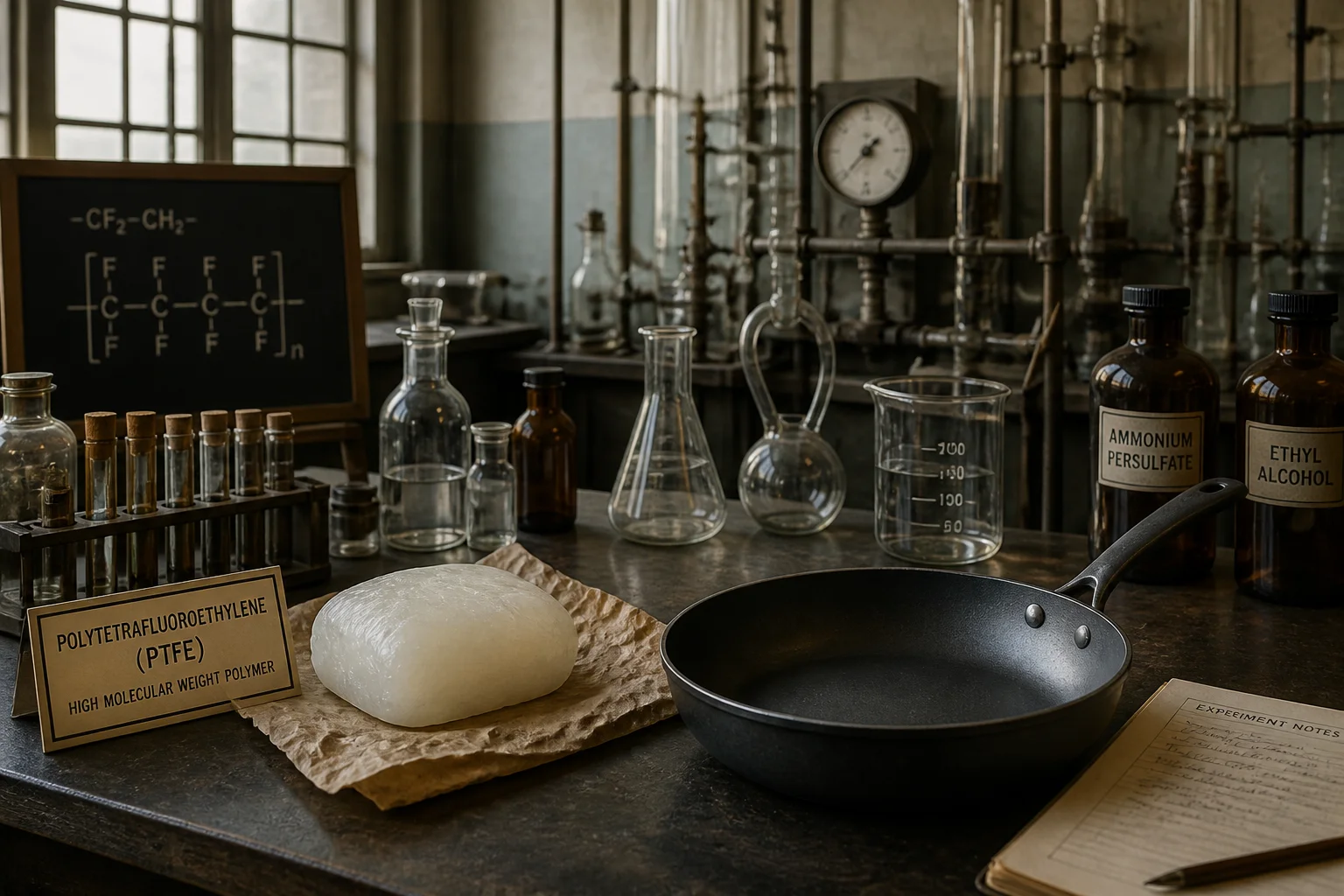
In 1938, DuPont chemist Roy Plunkett was researching refrigerant gases when a stored gas sample unexpectedly polymerized into a white, waxy solid. That material was polytetrafluoroethylene, later known by the brand name Teflon.
Its slippery, heat-resistant, nonstick properties made it useful in industrial applications first, then in cookware. The accidental discovery changed home cooking, though its later environmental scrutiny also added a more complicated chapter. The science is real even if the nonstick pan came long after the lab surprise.
19. Laminated Safety Glass Was Inspired by a Flask That Did Not Shatter
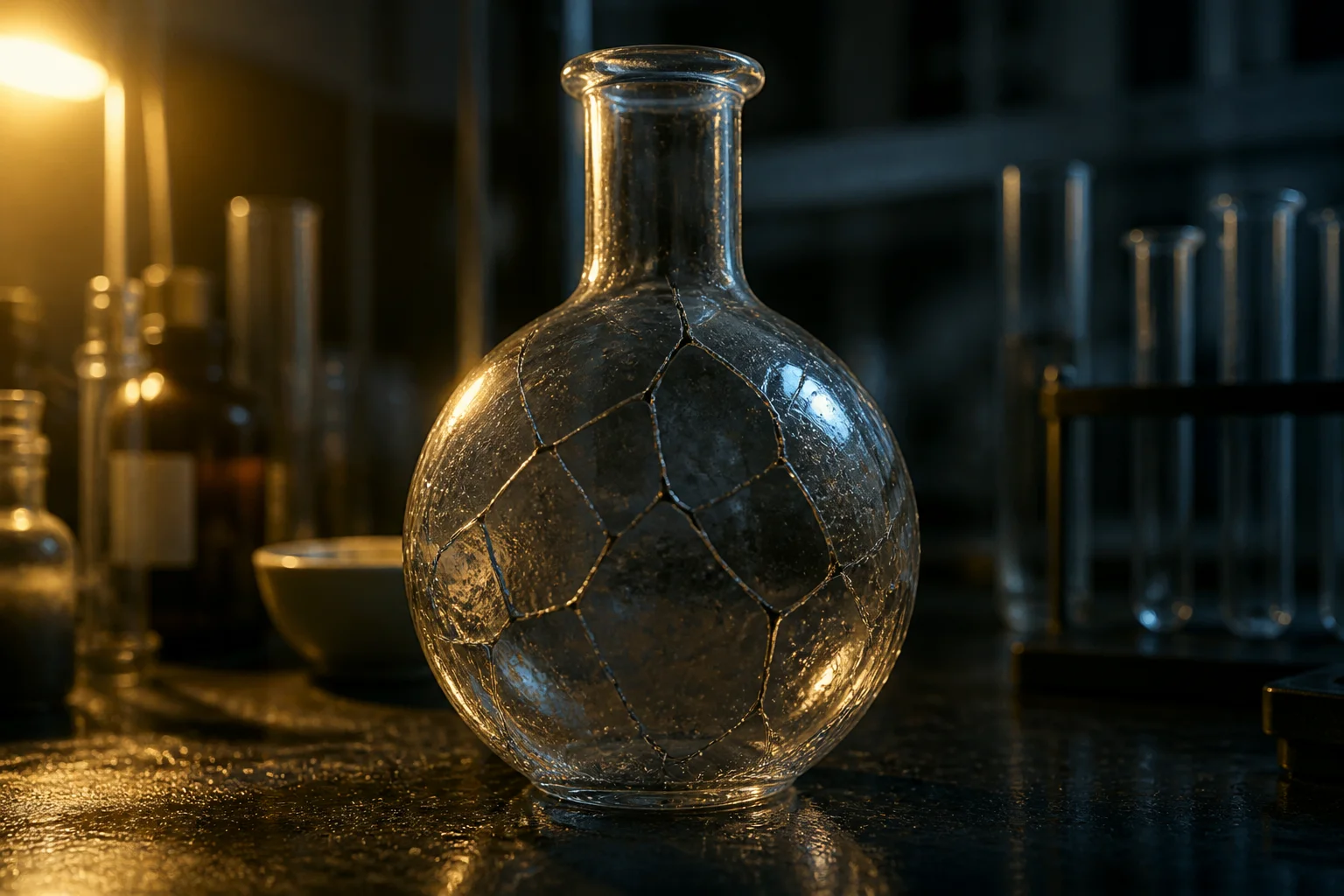
Around 1903, French chemist Édouard Bénédictus reportedly dropped a glass flask that had contained dried cellulose nitrate. The glass cracked but stayed mostly in place because a thin film had formed on the interior. That observation led to patents for laminated safety glass.
Early uses included lenses in gas masks and windshields in the early automobile industry. The material prevented the dangerous shattering of ordinary glass. Bénédictus's accident changed safety standards in cars and buildings, though the full path from lab accident to regulation took years.
20. Stage Planks Cookies Were an Early American Travel Snack
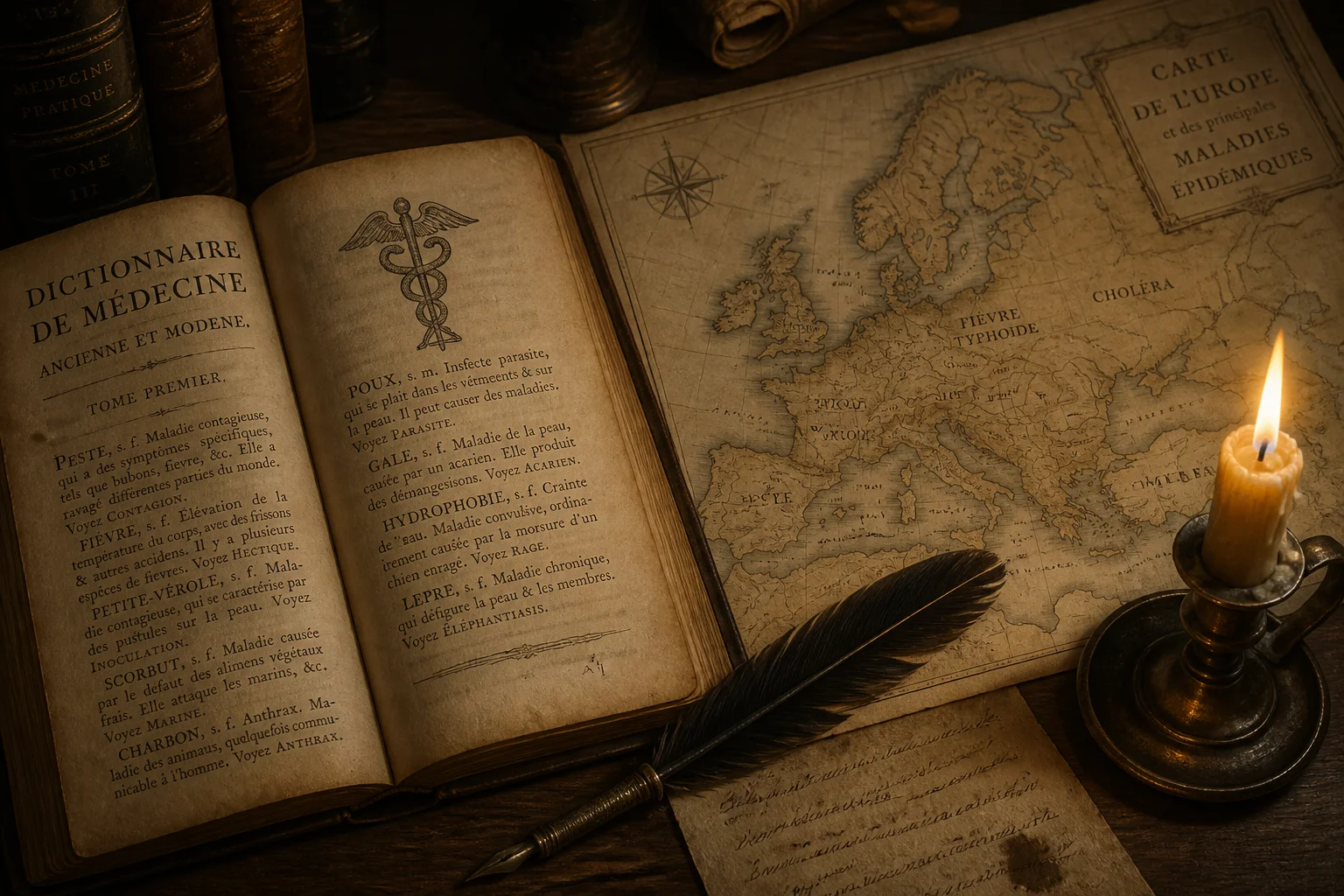
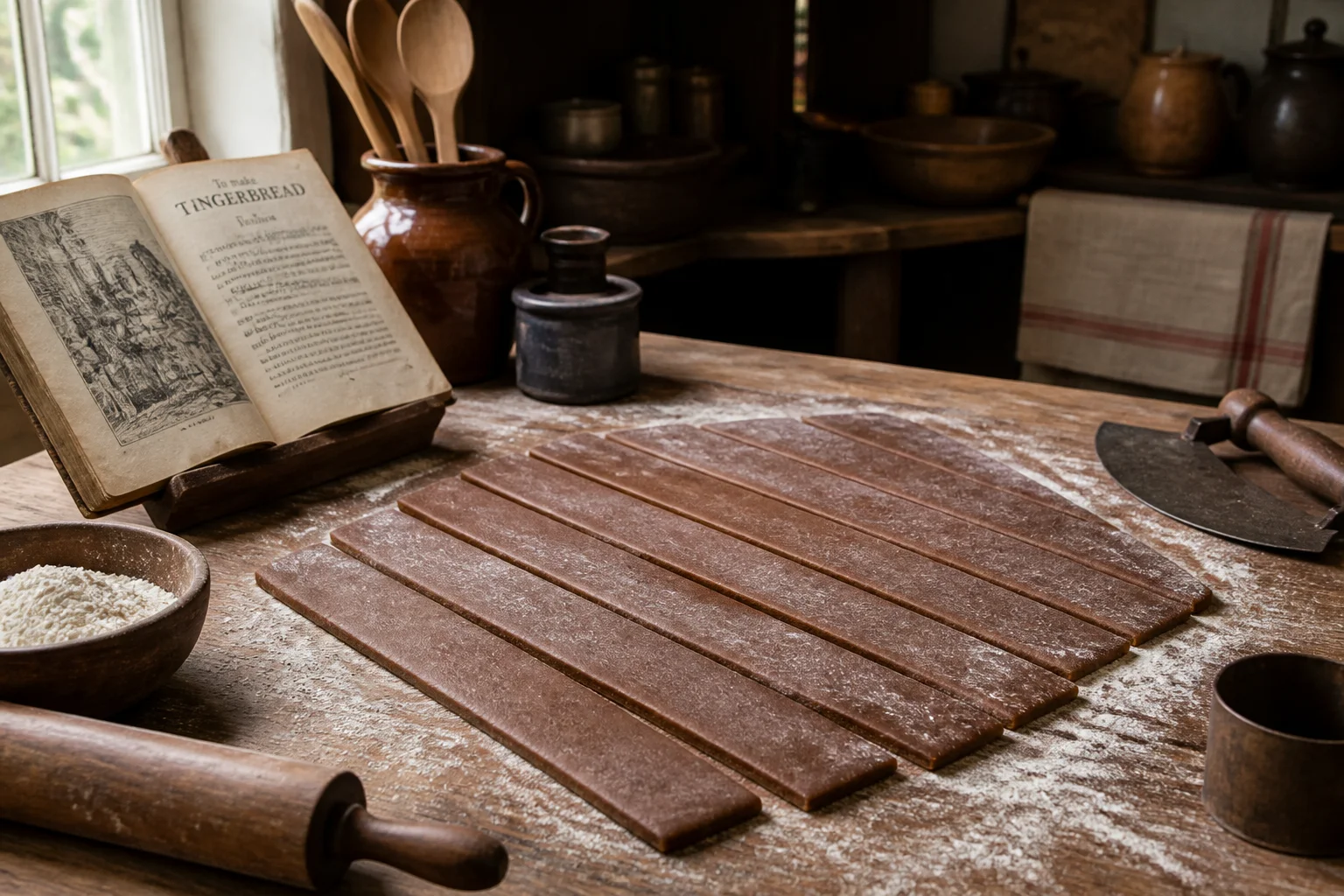
“Stage planks” appear in early American cookbooks as a form of hard gingerbread. Recipes called for rolling the dough into thin strips or planks and baking them dry, which made them sturdy and long-keeping. The name likely referred to those wooden-board shapes or to the stagecoach travel culture of the time.
The history of stage planks cookies is not tied to a single famous inventor, but to a practical need for food that could survive long trips without spoiling. They belong to the same hard-baked family as ship biscuit and hardtack, with ginger providing flavor. Modern cookie eaters would probably find them more durable than sweet.
Because recipes vary from one early cookbook to another, stage planks cookies do not have a single canonical form. Some call for molasses and ginger; others recommend rolling the dough as thin as possible. The flexible recipe is itself a small window into early American home baking.
21. “Scotch Pox” and the Old Habit of Blaming Neighbors
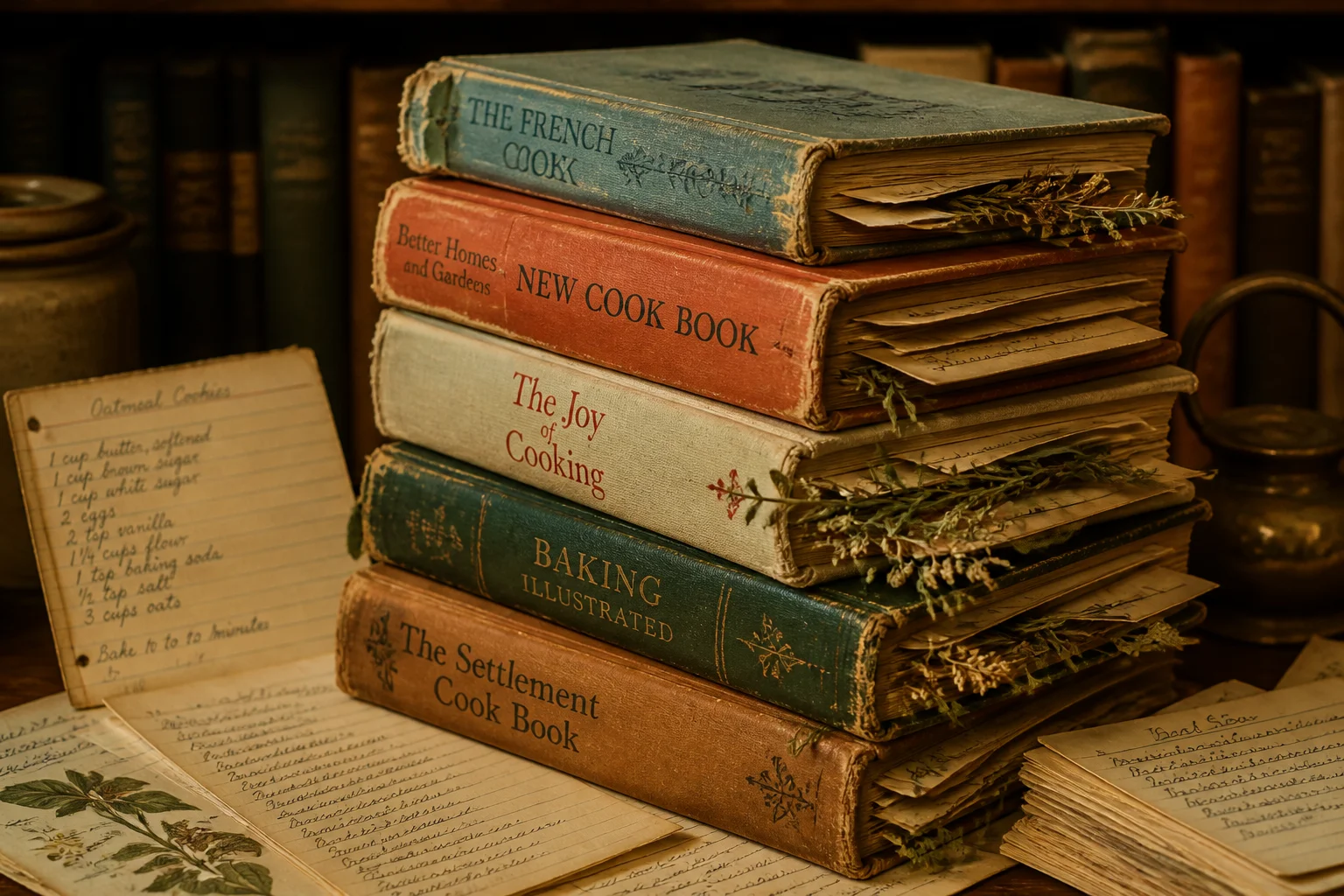
Before bacteriology gave diseases precise names, nations often labeled outbreaks after rivals. Syphilis, for example, was called the “French pox” in England and the “Neapolitan disease” in parts of France. These geographic labels expressed political grudges more than real origins.
The term “scotch pox” fits the same pattern. It appears in older slang or medical writing as a dismissive regional label, but the record is thin and messy; historians generally do not treat it as a stable modern diagnosis.
Its value to the story is what it reveals about blame, identity, and early public health. When a disease is named after another nation, the name often tells you more about the speaker than about the microbe.
The tradition of geographic disease naming outlived the germs themselves. Even after scientists identified pathogens, old labels such as “Spanish flu” continued to stick, often unfairly. The history of “scotch pox” is a reminder that public health language has always carried political weight.
The Real Backstory Is Revision
These objects do not have single clean origins, even though packaging and anecdotes often demand one. Some stories, like Archibald Query's Marshmallow Fluff, are unusually well documented; others, including the origin of “let's blow this popsicle stand,” remain partly open questions.
A lot of ordinary items carry legend, lab notes, marketing, and accident in the same box. The most honest way to read their histories is to ask who benefits from the neat version. That habit, more than any trivia collection, is what separates careful curiosity from a mere history snob.
Frequently Asked Questions
Where did let’s blow this popsicle stand come from?
The phrase is American slang from roughly the mid-20th century. It combines the older sense of 'blow' meaning to leave with a deliberately small, everyday venue, but no single inventor or first use has been firmly documented.
Where did blow this popsicle stand come from?
It is a variant of the same phrase. Lexicographers generally treat it as a playful expansion of older expressions like 'blow this joint,' though a precise origin remains unclear.
Who was Archibald Query?
Archibald Query was a Somerville, Massachusetts cook who created a spreadable marshmallow cream in 1917. He sold the formula to H. Allen Durkee and Fred Mower, who developed it into Marshmallow Fluff.
What are stage planks cookies?
Stage planks were an early American hard gingerbread. Recipes from old cookbooks call for thin strips baked dry, likely named for their plank-like shape and suitability for travel.
What does scotch pox mean?
It is an old regional insult or slang term for a disease, part of the early modern habit of naming illnesses after neighboring nations. It was not a stable modern medical diagnosis.

Alex Warren
Related Articles