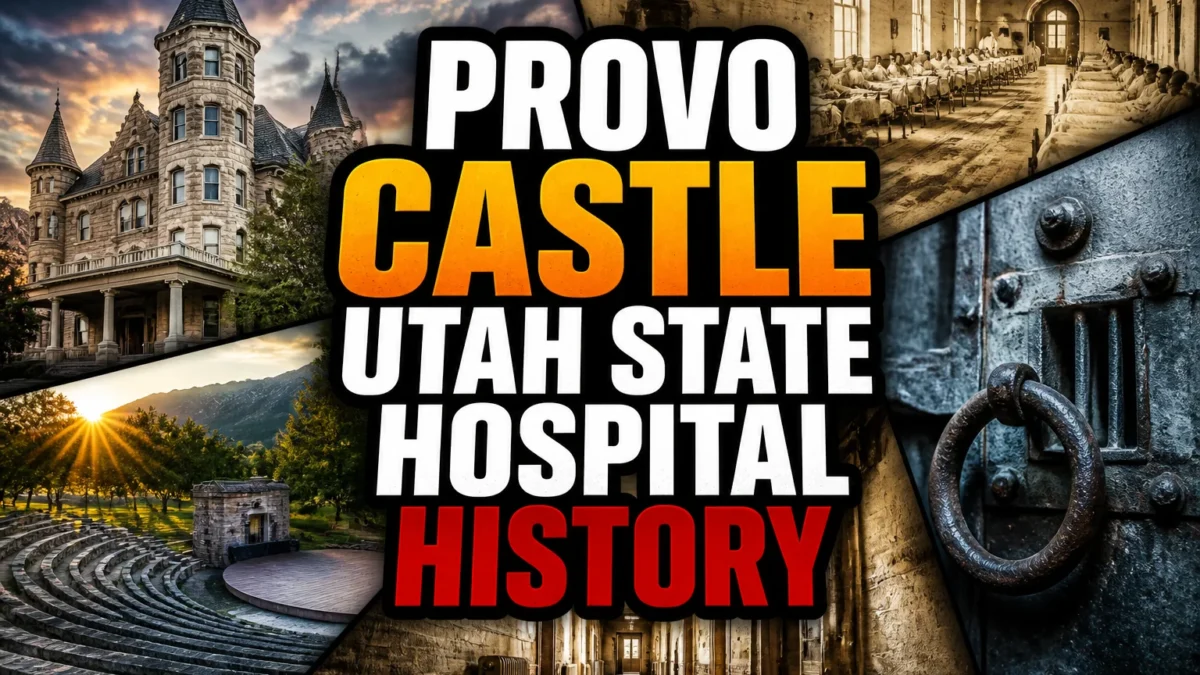
Most people expect to find a castle in the mountains, not on the grounds of a working psychiatric hospital. Yet on a tree-lined campus in central Provo, a castle-like stone structure has stood for decades as part of the Utah State Hospital.
That building, commonly called Provo Castle, is tied to one of Utah’s most persistent Halloween stories: the claim that the hospital once recruited actual psychiatric patients to operate its Haunted Castle. The real history is more nuanced than the legend, and it begins with a territorial asylum founded long before the haunted attraction existed.
TL;DR: Provo Castle is a real historic building on the Utah State Hospital campus, and while patient labor shaped much of its history, the haunted castle story is a mix of documented community tradition and exaggerated folklore.
1. Provo Castle Is Part of a Working State Hospital Campus
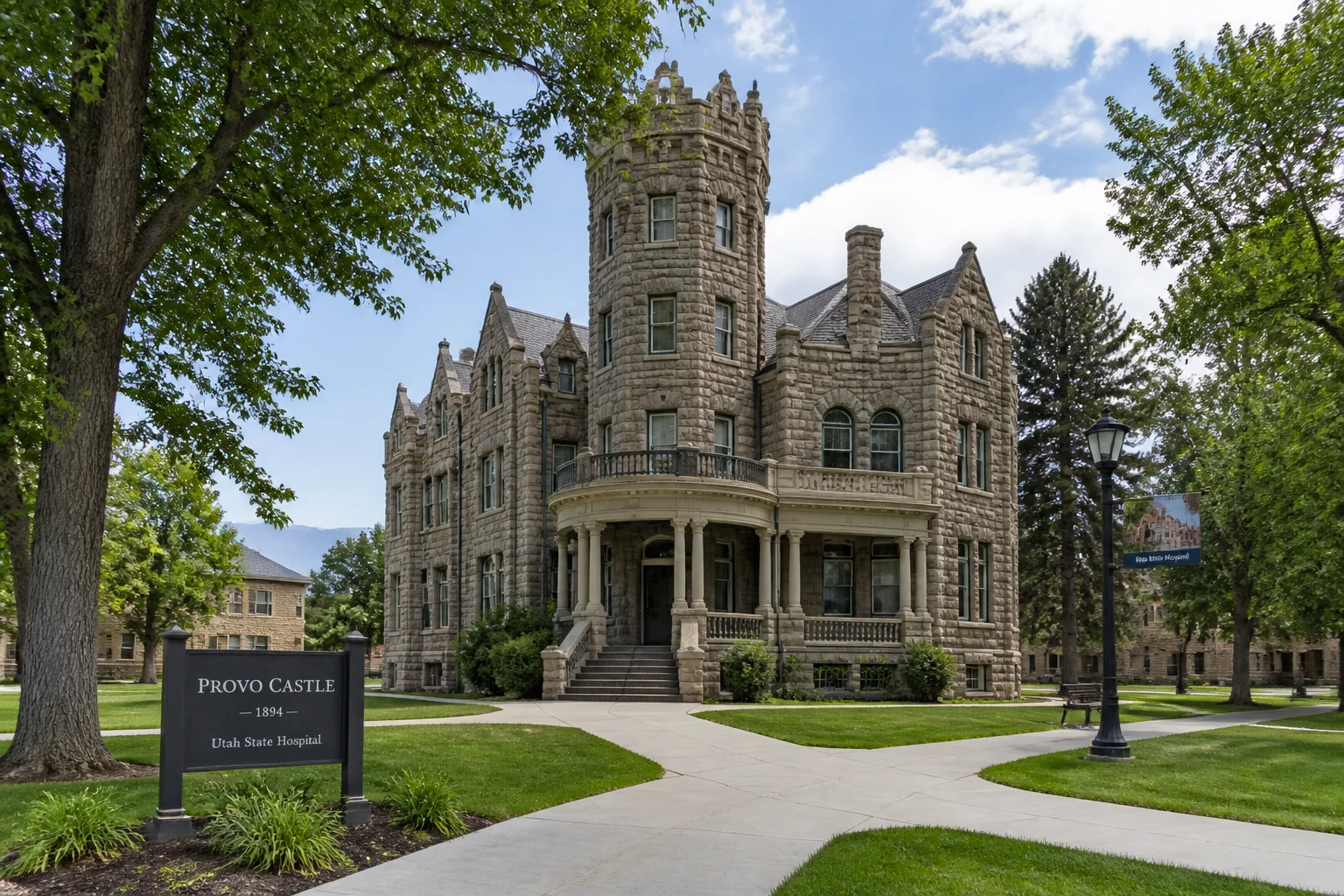
Provo Castle is not a medieval ruin or a fairy-tale attraction surrounded by a moat. It is a historic stone building located on the campus of the Utah State Hospital at 1300 East Center Street in Provo.
Many people assume the castle is abandoned, but the surrounding property is an active psychiatric treatment facility. That means public access is limited and some areas are closed for patient privacy.
Understanding the setting is important because almost every ghost story about the haunted castle grows from the tension between the building’s old-world appearance and its modern medical purpose.
2. It Began as the Territorial Insane Asylum in 1885
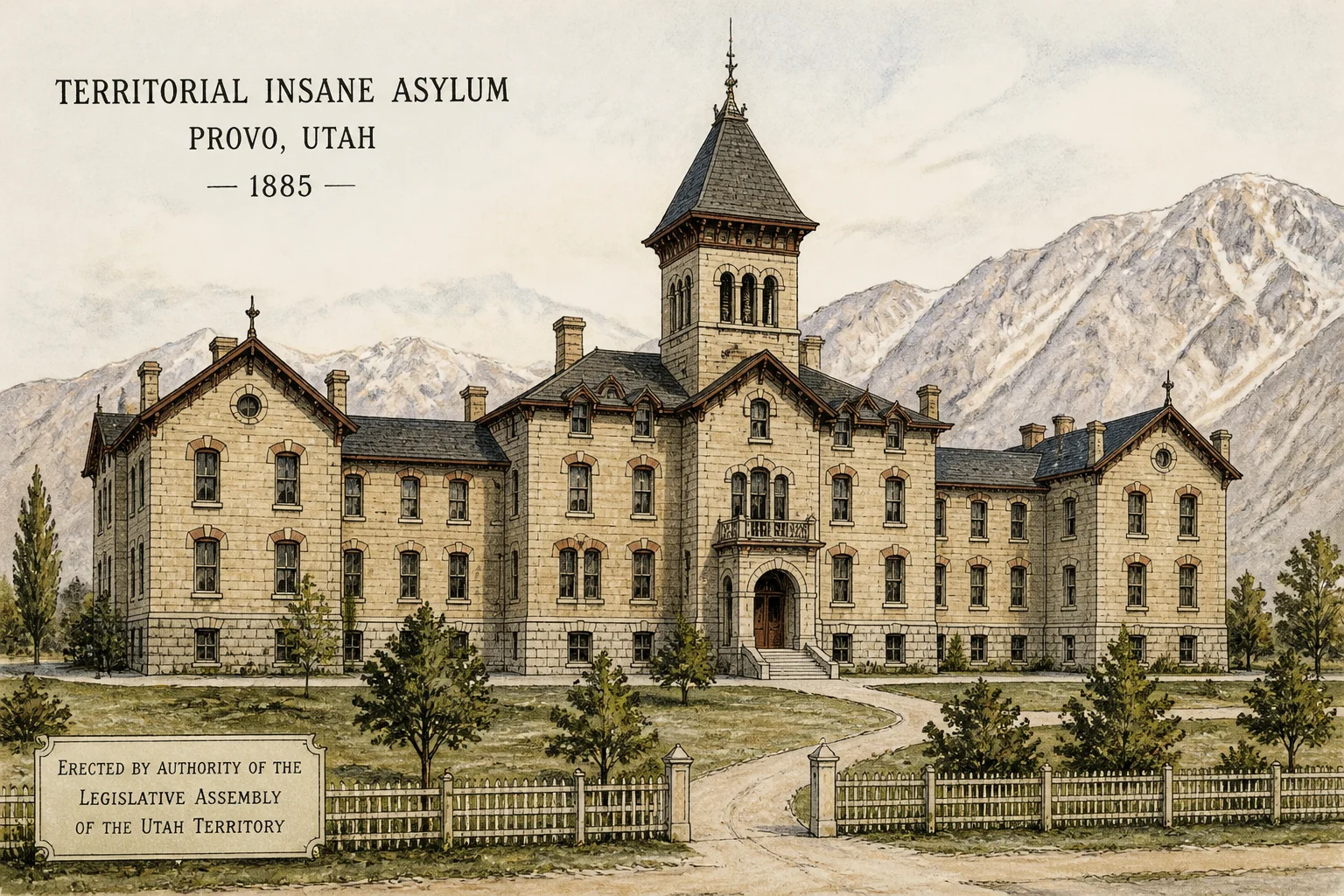
The institution that became the Utah State Hospital was founded in 1885 as the Territorial Insane Asylum. Utah’s territorial legislature selected Provo as the home for the new facility.
Before the asylum opened, people with serious mental illness in Utah often had few options beyond family care, jails, or distant institutions. The Provo campus gave the territory a dedicated, if modest, public mental-health facility.
Early care was shaped by the moral treatment movement, which emphasized routine, work, fresh air, and a calm setting. Over time, that philosophy would directly influence how the castle and grounds were used.
3. Statehood Changed the Name and the Mission
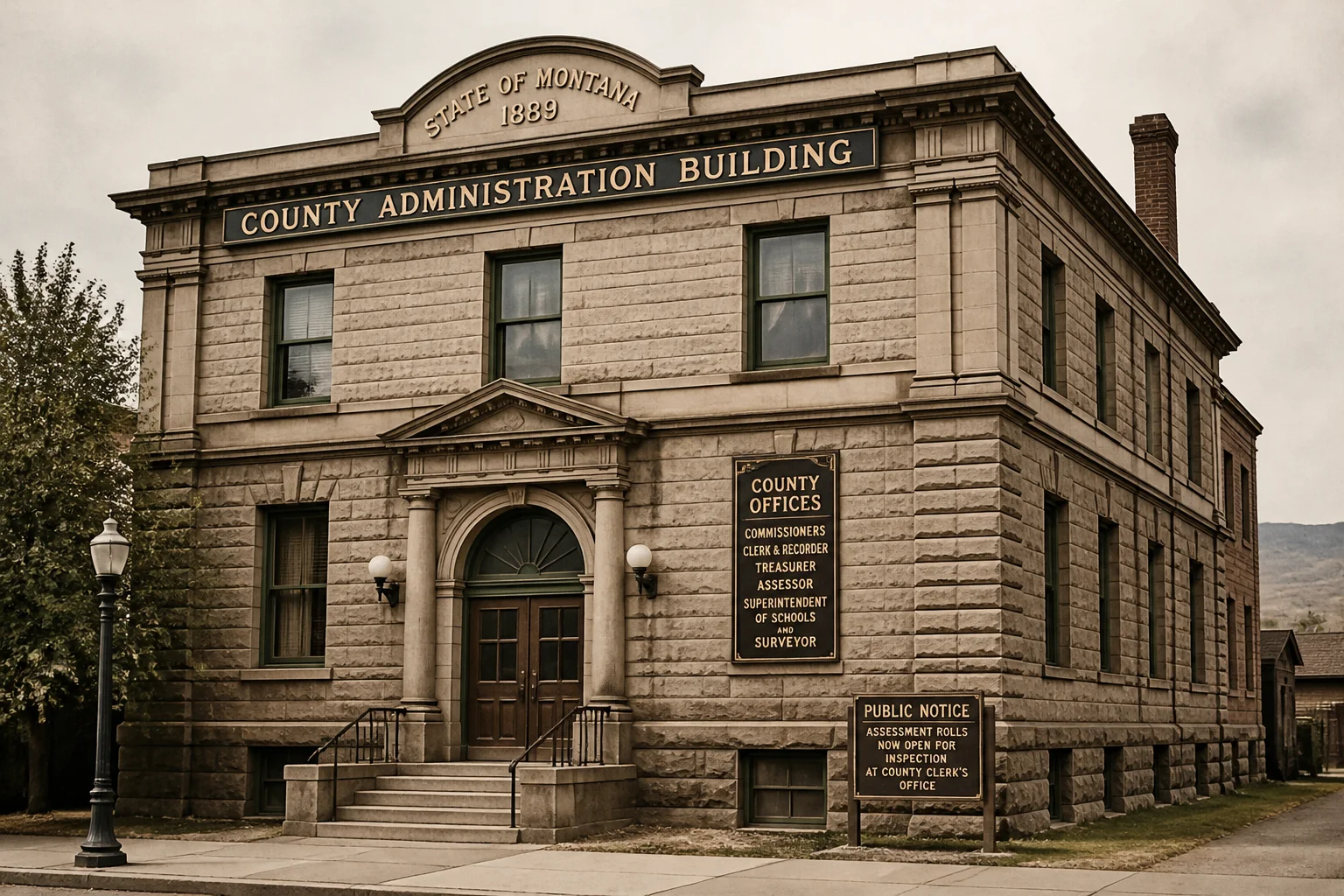
When Utah became a state in 1896, the asylum moved from territorial control to state authority. It later became known as the Utah State Mental Hospital and eventually the Utah State Hospital.
Name changes were not just cosmetic. They reflected shifting public ideas about mental illness, from a focus on confinement toward treatment and rehabilitation.
Still, older names like the Provo Utah mental hospital survived in newspapers and local speech. That is one reason searching the topic can be confusing.
4. Provo Castle Was Built With Distinctive Oolitic Limestone
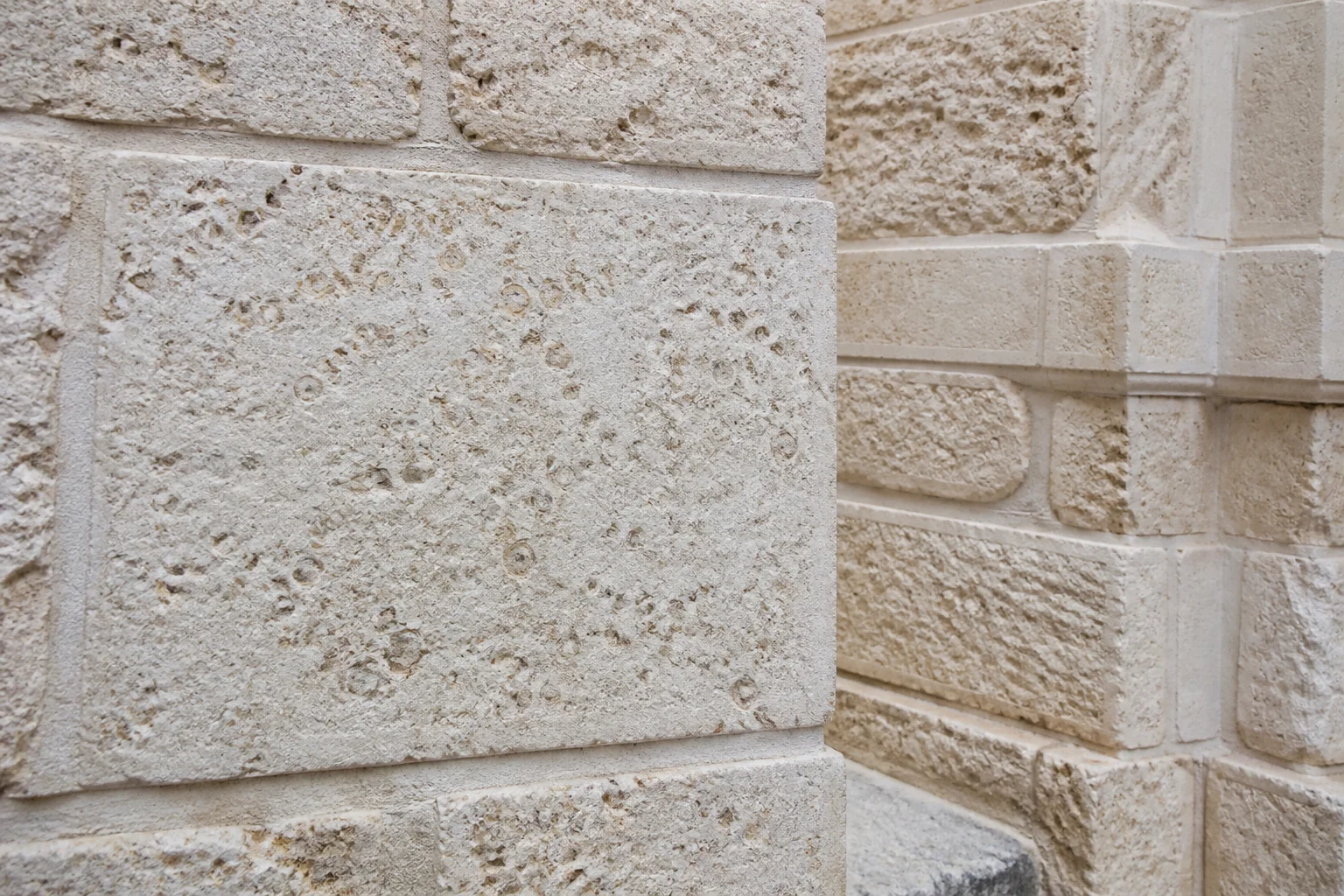
The most recognizable feature of Provo Castle is its pale, creamy stone. The stone is the same oolitic limestone used in many historic Utah buildings, giving the structure a warm but imposing look.
Oolitic limestone is relatively soft and easy to cut when freshly quarried, but it hardens with exposure. That quality made it practical for decorative stonework like battlements and arches.
Because the material weathers in a distinctive way, the castle appears older than it actually is. That appearance adds to its haunted reputation.
5. The Castle Look Was a Deliberate Architectural Choice
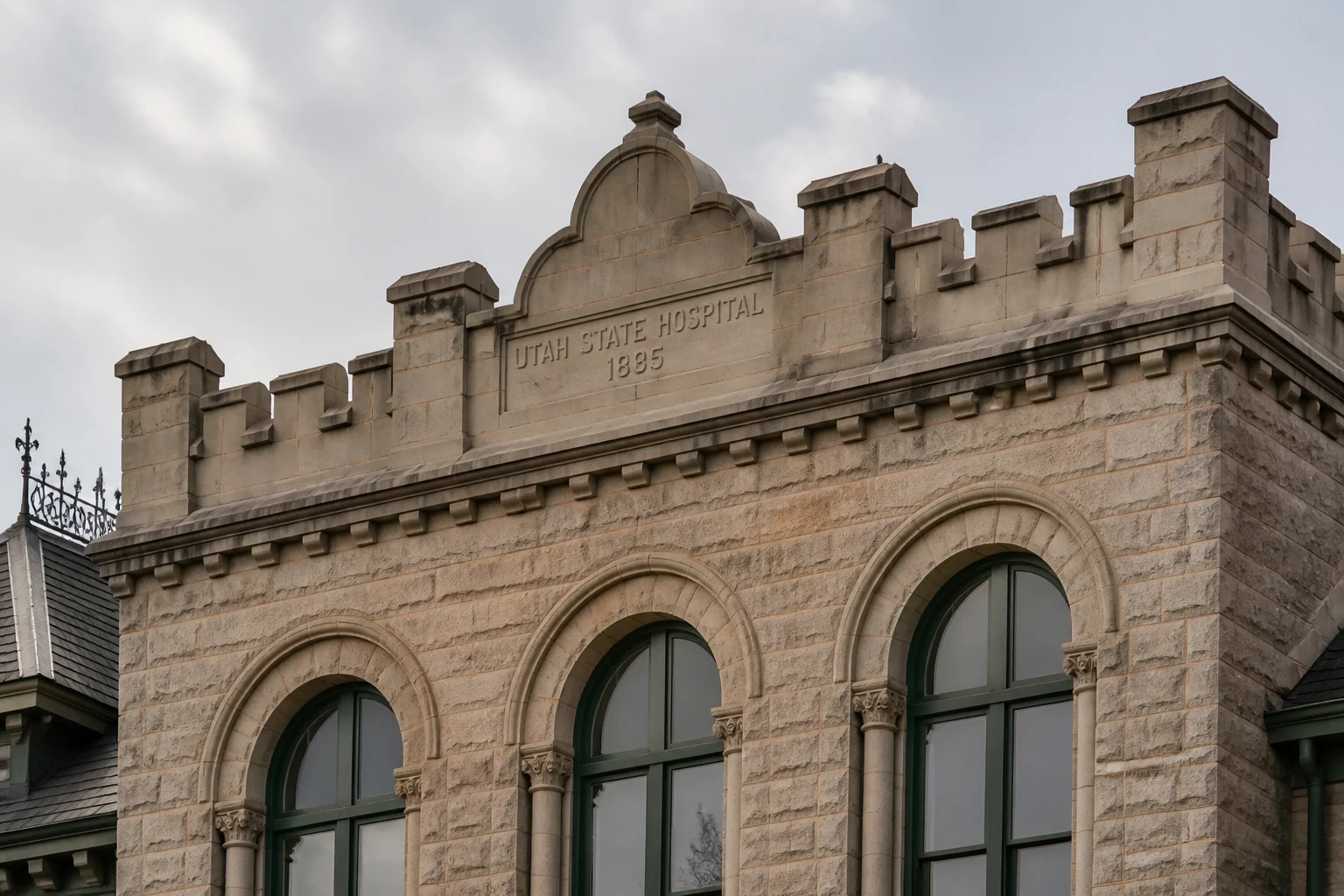
The castle look was not an accident or a sign that the hospital was meant to be a fortress. Institutional architects of the late 1800s and early 1900s often used castle-like towers, arched windows, and crenellated rooflines.
These design choices conveyed permanence, authority, and civic ambition. They also softened the harsh image of an asylum by making it resemble a grand public building.
Over several decades, those architectural details became the visual shorthand for the entire campus. That is why the building eventually picked up the nickname Provo Castle.
6. Patient Labor Played a Major Role on the Campus
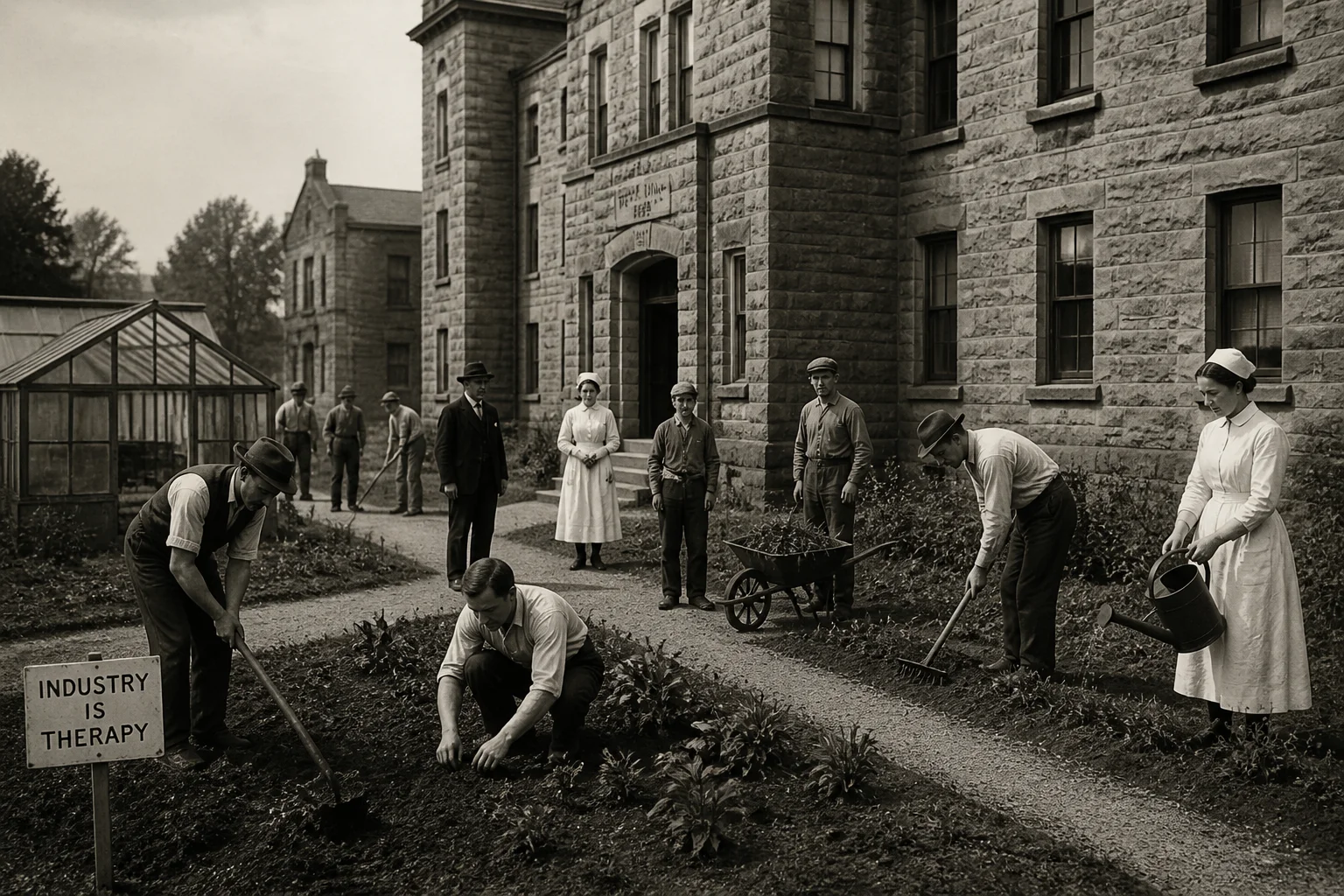
Patient labor was a standard part of psychiatric hospital life in the 19th and early 20th centuries. At the Utah State Hospital, patients helped with farming, laundry, building maintenance, and construction projects.
Administrators often described this work as therapeutic, arguing that routine tasks and physical activity improved patient well-being. It was part of a broader model called occupational therapy or moral treatment.
Modern historians, however, point out that patient labor was usually unpaid and could be physically demanding. That darker reality is part of the castle’s history, even when it is left out of Halloween stories.
7. The Provo Castle Amphitheater Is a Real Outdoor Venue
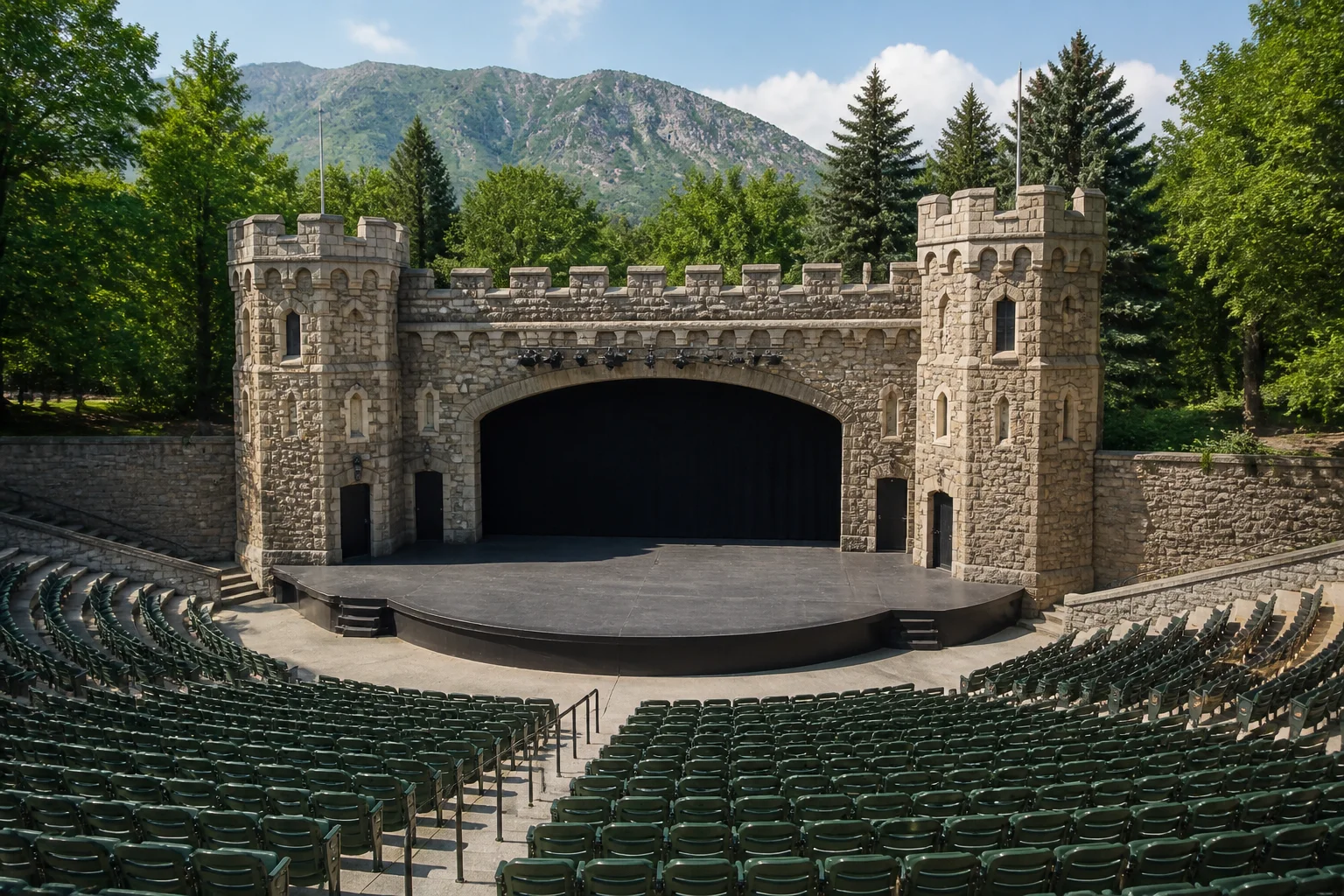
The Provo Castle Amphitheater is a separate outdoor feature from the castle building itself, though the two are often mentioned together. It sits on the hospital grounds and uses stone walls, terraced seating, and a stage area.
The amphitheater is not a medieval performance space, but it was designed to feel old and theatrical. That made it a memorable setting for pageants, concerts, and seasonal events.
Because the name includes the word castle, visitors sometimes arrive expecting a building and find an open-air venue instead. The confusion has only added to the site’s legend.
8. It Was Built During the 1930s Public Works Era
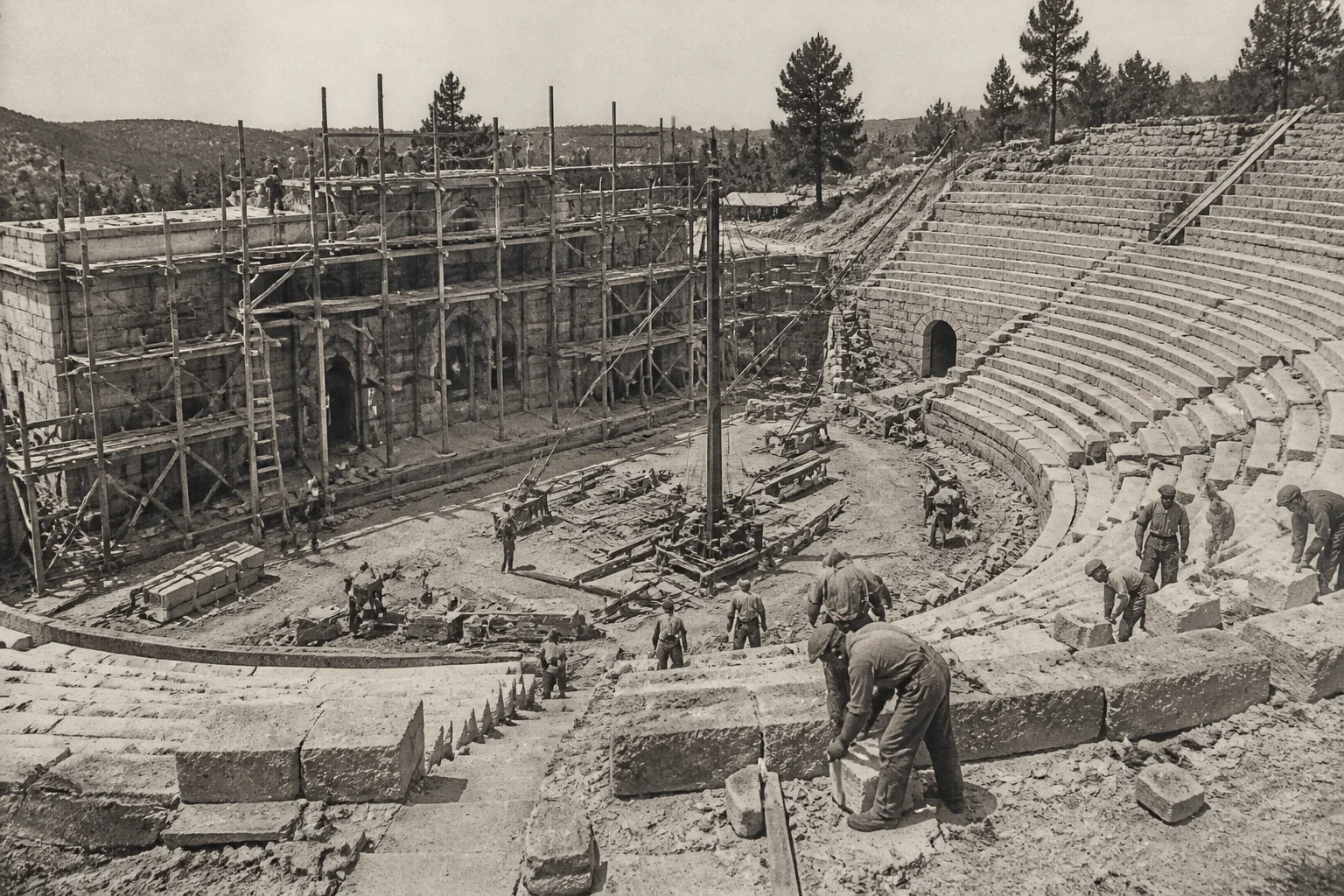
The major construction phase of the Provo Castle Amphitheater is usually associated with the 1930s. That decade saw government work programs reshape public spaces across Utah.
Such projects often combined hired labor with local resources and institutional work details. The amphitheater’s stonework fits that pattern, though the exact daily construction record is not always easy to reconstruct.
What is clear is that the finished venue became one of the most distinctive man-made sights in Utah Valley. It offered a castle-like backdrop unlike any other local stage.
9. The Amphitheater Was Designed for Community and Hospital Use
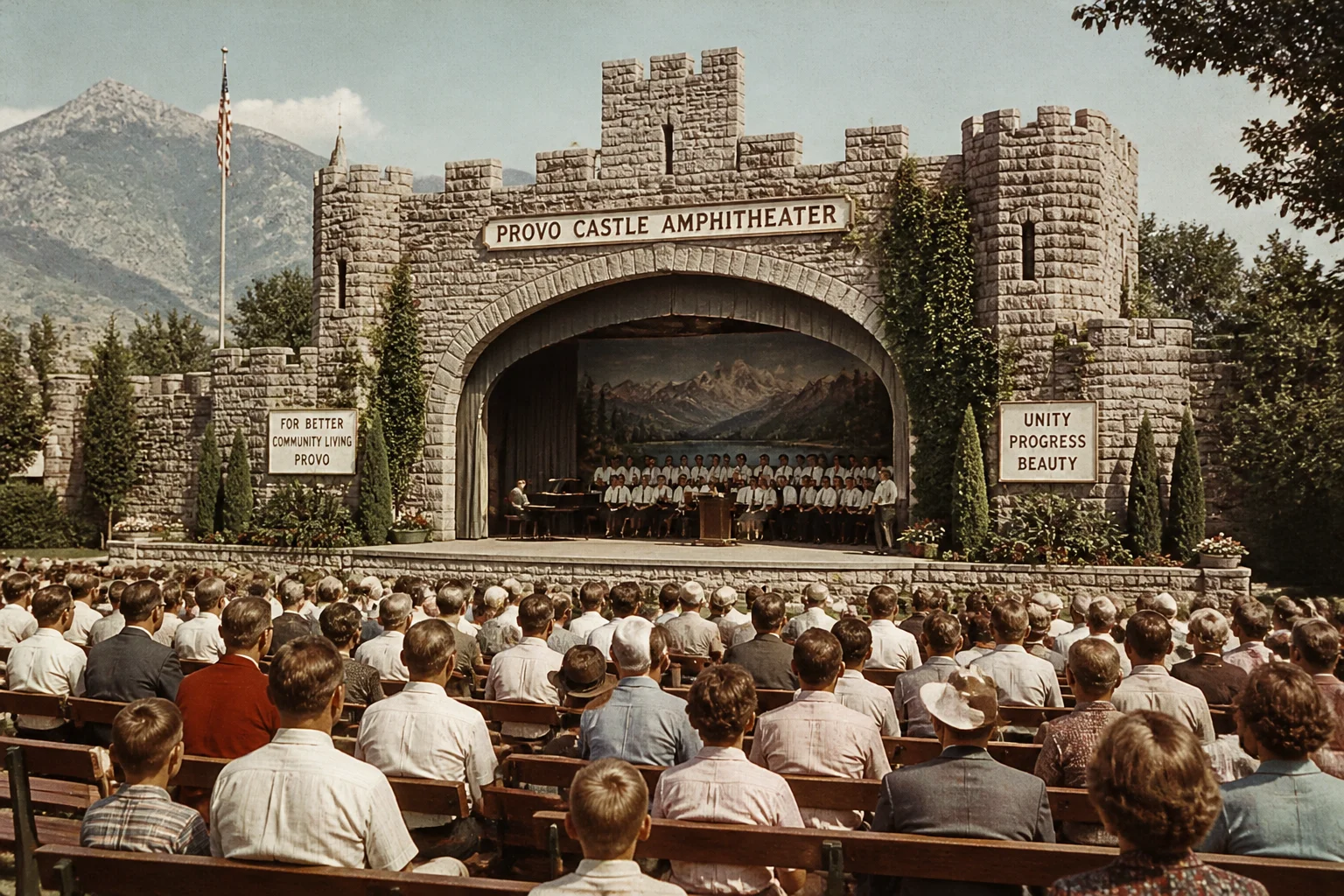
The amphitheater was never exclusively for hospital patients. It was used for hospital programs, community gatherings, religious events, and public entertainment.
That shared use created unusual social contact between the hospital and the surrounding Provo community. In an era when mental illness was heavily stigmatized, the amphitheater offered a rare point of connection.
Later, that openness made the space feel like a natural home for a public Halloween event. All of this happened while the hospital was still an active treatment facility.
10. The Utah State Hospital Museum Preserves a Complicated Past
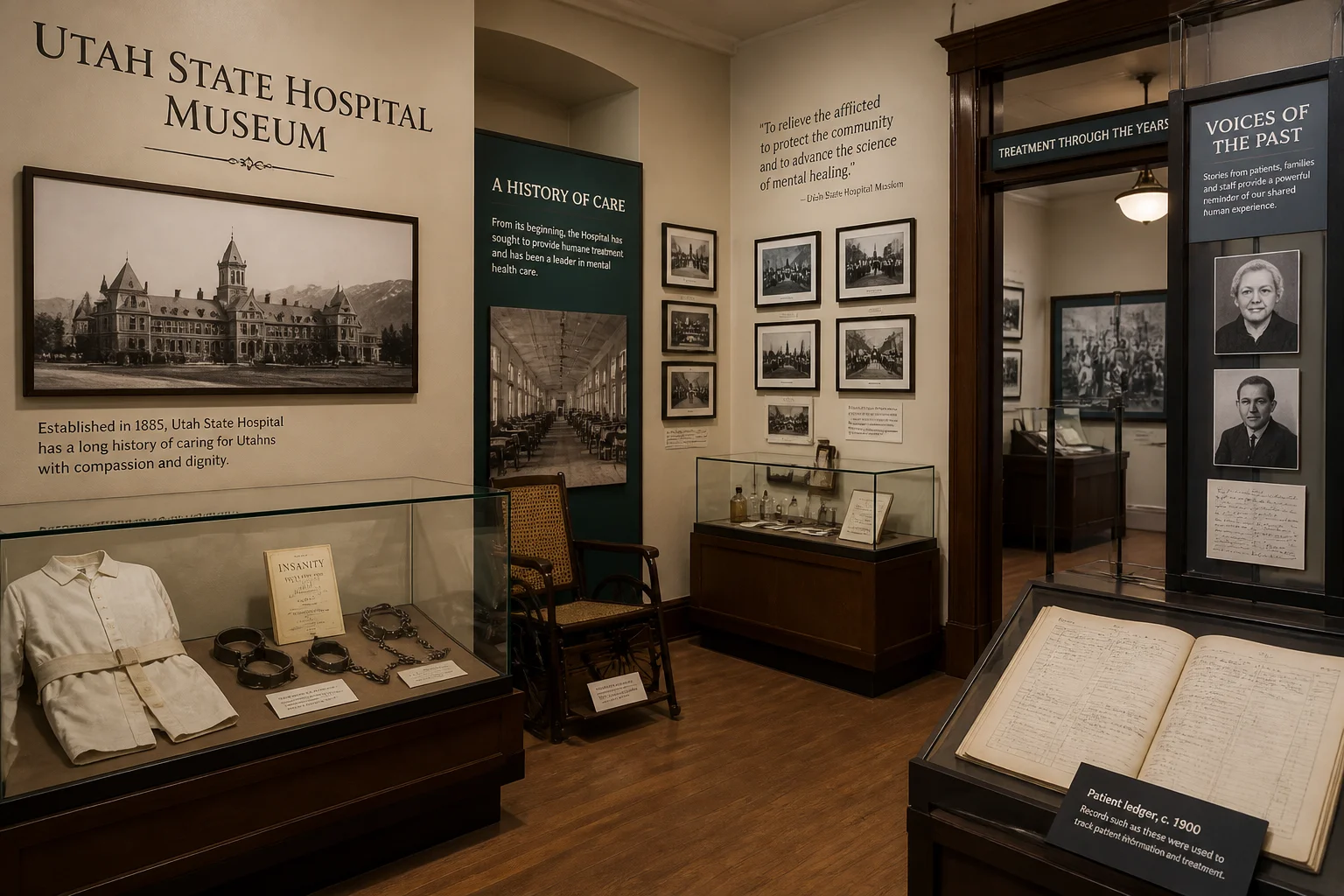
The Utah State Hospital Museum is the best source for grounded, documented information about the castle and the larger hospital campus. It preserves artifacts, photographs, records, and patient-made objects from more than a century of care.
The museum does not frame its collection as a horror attraction. Instead, it presents the hospital as a changing institution shaped by medicine, policy, work, and the people who lived there.
For anyone researching the Provo Castle story, a stop at the Utah State Hospital Museum provides the context that online ghost forums usually miss.
11. Museum Exhibits Reveal How Treatment Evolved
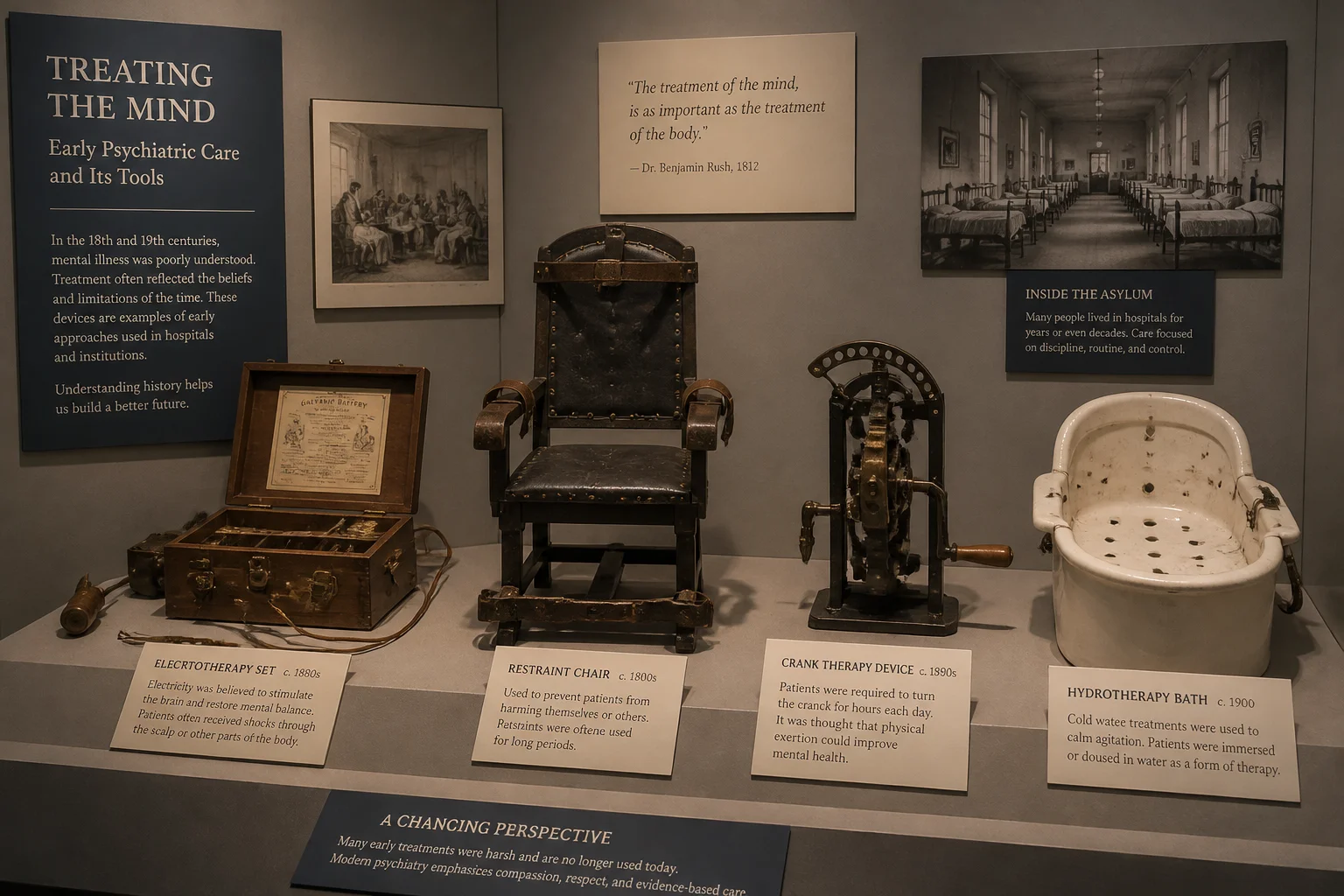
One of the museum’s most important themes is how psychiatric treatment changed over time. Early exhibits may include restraints, hydrotherapy equipment, or old diagnostic tools that look frightening to modern eyes.
The museum places those objects in historical context, explaining why doctors once used them and how later reforms replaced many older methods with medication and talk therapy.
This careful approach helps visitors understand the Provo Utah mental hospital as a real institution rather than a haunted backdrop.
12. The Provo Utah Mental Hospital Was a Nearly Self-Sufficient Campus
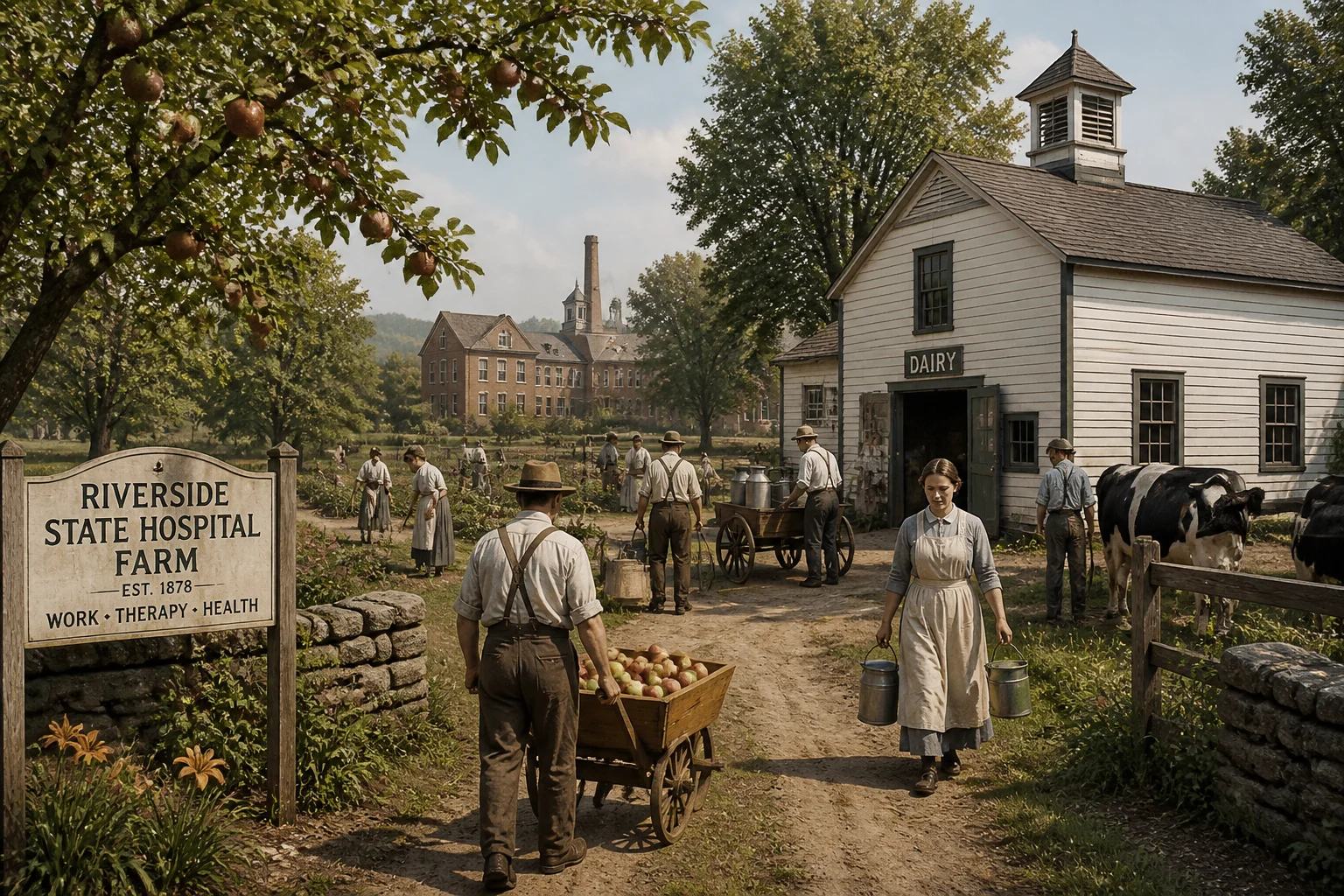
For much of its history, the Utah State Hospital in Provo functioned like a self-contained village. The campus operated a farm, orchard, dairy, bakery, laundry, and power plant.
Patients contributed to many of these operations, and the hospital relied on their labor to keep costs down. The farm supplied food for patients and staff while giving daily work assignments to residents.
Self-sufficiency was common among state mental hospitals, but the Utah campus was especially known for its agricultural output and large grounds.
13. The Patient Population Once Exceeded a Thousand People
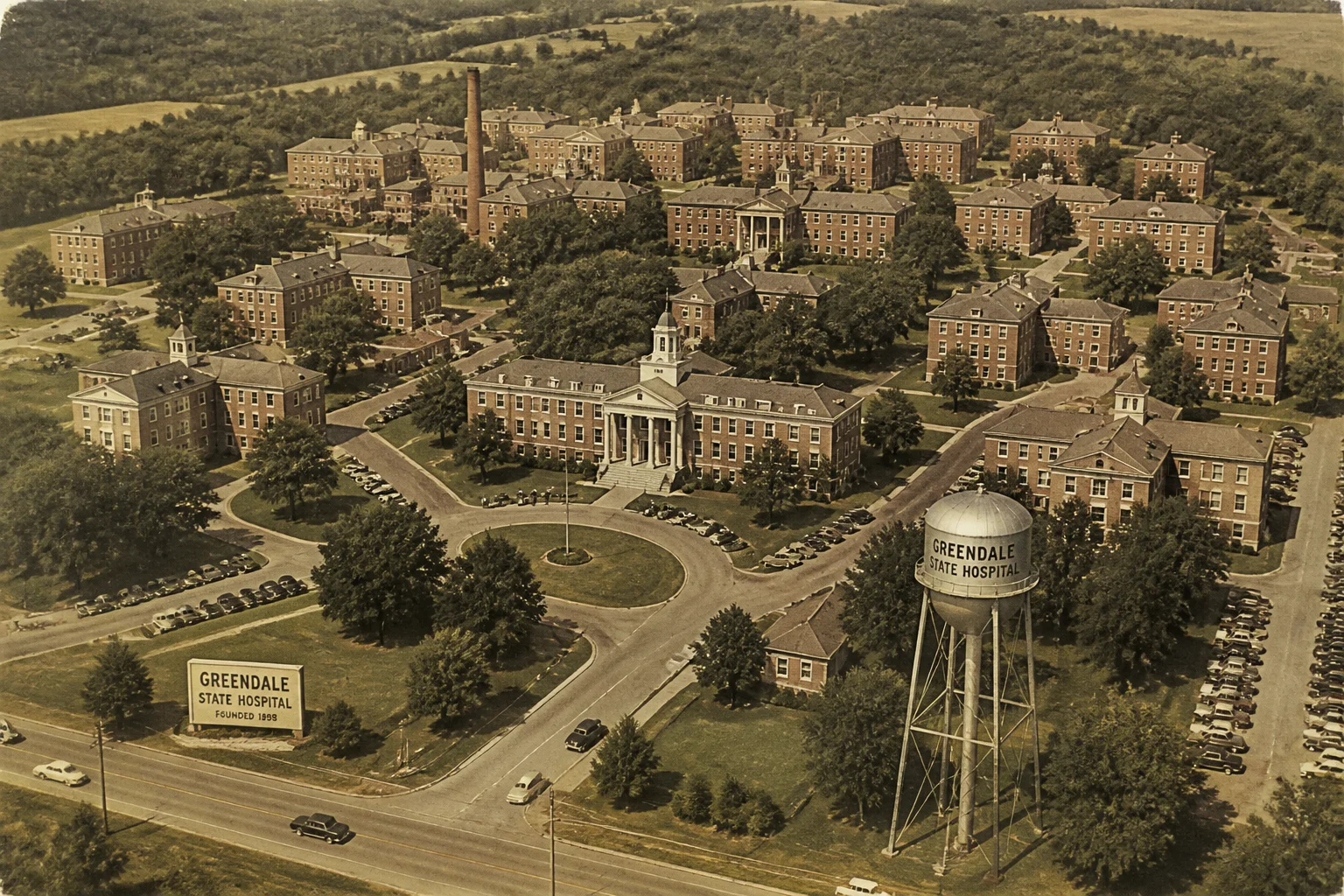
By the middle of the 20th century, the Utah State Hospital held well over a thousand patients at its peak. That was far beyond the original building’s intended capacity.
Overcrowding strained the old wards and made life more difficult for both patients and staff. Many of the eerie stories about the campus come from this period of intense institutional pressure.
Later reforms reduced the inpatient population, closed old wards, and shifted care toward smaller community-based programs. The hospital today is a very different place from the overcrowded institution of the mid-1900s.
14. The Haunted Castle Became a Provo Halloween Tradition
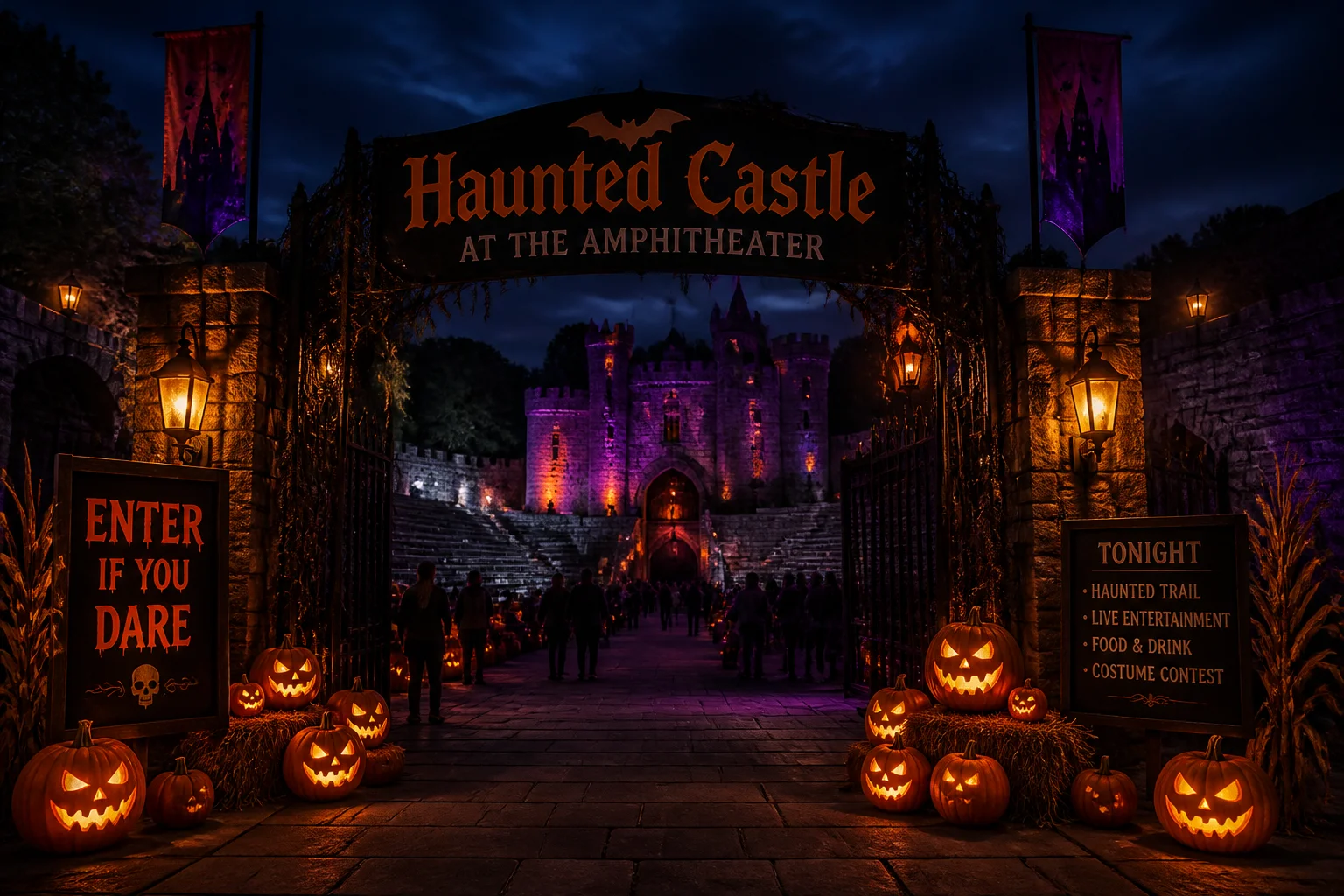
The Haunted Castle at Provo Castle became one of the most talked-about Halloween events in Utah Valley. The stone walls, dark trees, and old hospital setting created an atmosphere that no rented warehouse could match.
Local families and college students told stories about walking through the castle grounds, hearing screams, and feeling genuinely unsettled by the old asylum setting.
Even people who never attended the event remember hearing about it. That is exactly how the legend outgrew the actual historical program.
15. The Claim About Recruiting Actual Psychiatric Patients Needs Careful Parsing
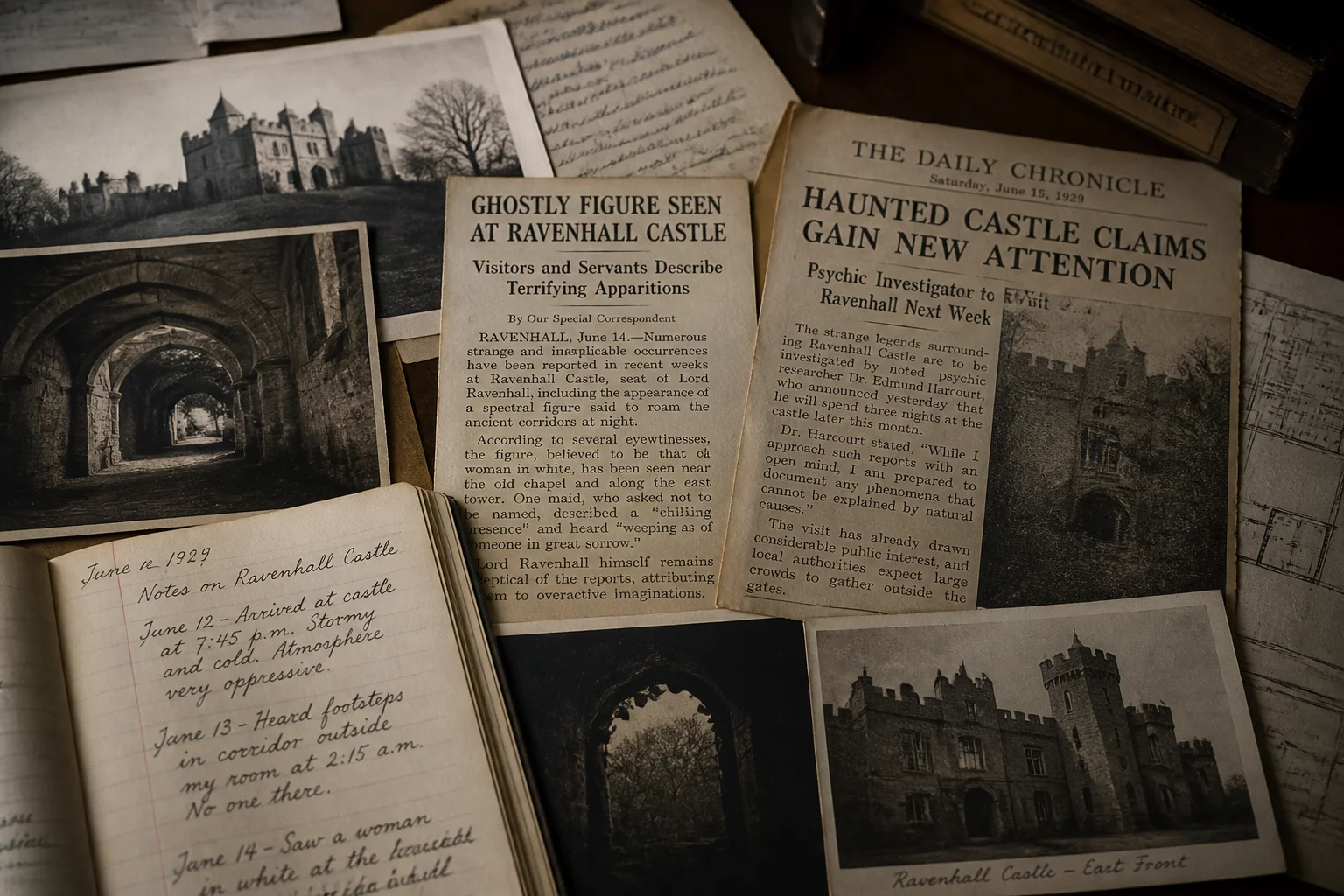
The most sensational claim attached to the Haunted Castle is that the Utah State Hospital recruited actual psychiatric patients to serve as scare actors. In the online telling, patients were supposedly used because they were already on-site and could shock visitors.
That version of the story makes the hospital sound like it exploited vulnerable people for entertainment. The available public record, however, does not clearly support such a simple narrative.
A more careful reading suggests that patients may have been involved in some hospital activities. The word recruited often overstates what historians and the museum can actually verify.
16. Oral Histories Blur Patient and Staff Involvement in Halloween Events
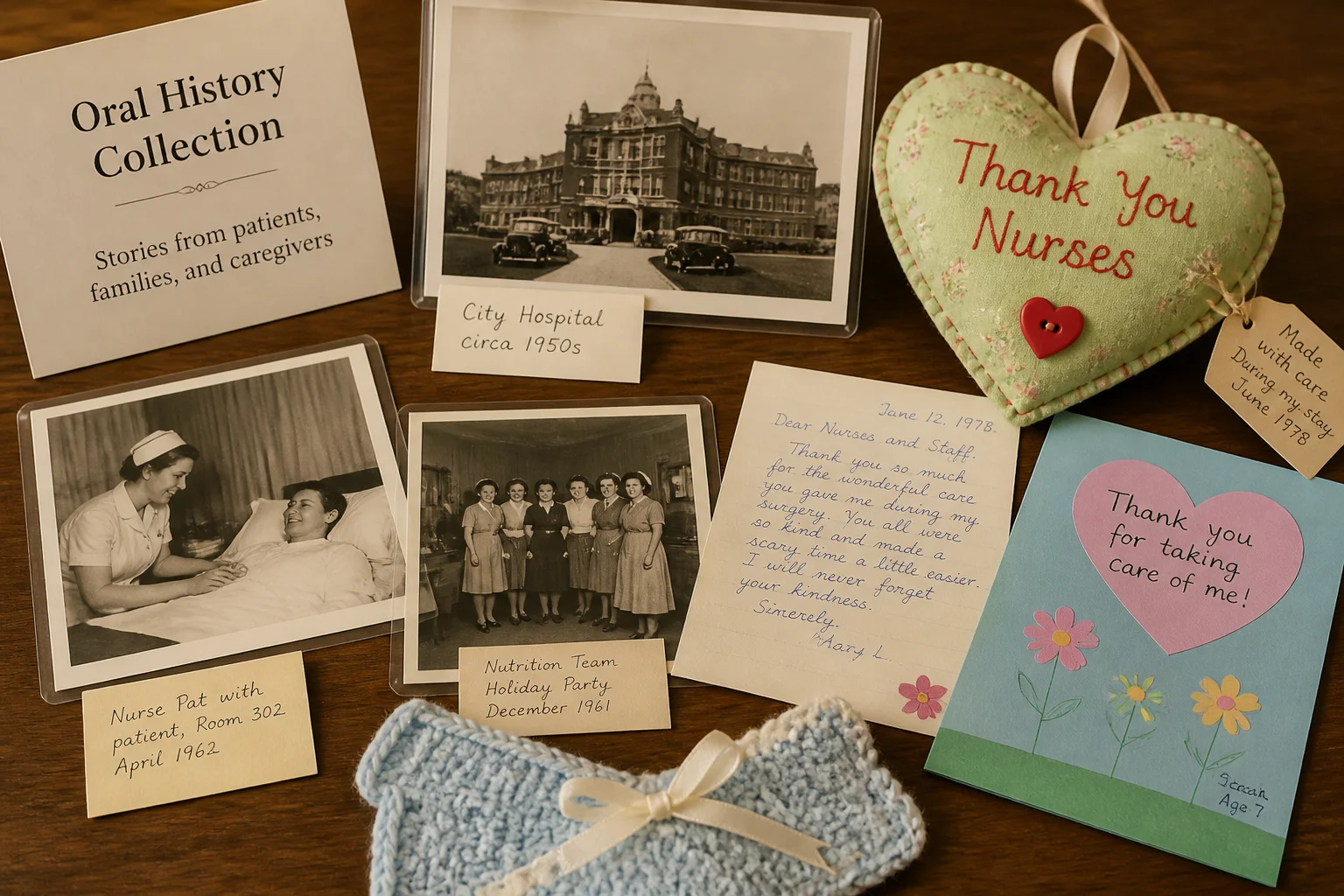
Local memory holds that some Halloween preparations at the hospital involved patients, staff, and volunteers working together. People who grew up in Provo sometimes recall hearing that patients helped build sets or decorate the castle grounds.
Those recollections are difficult to confirm because patient records are protected and many institutional records from that era are incomplete. Privacy laws make it even harder to reconstruct who specifically participated.
The gap between local memory and verifiable documentation is one reason the story remains so persistent. It cannot simply be proven or dismissed with a quick online search.
17. Staff, Patients, and Community Volunteers Often Worked Side by Side
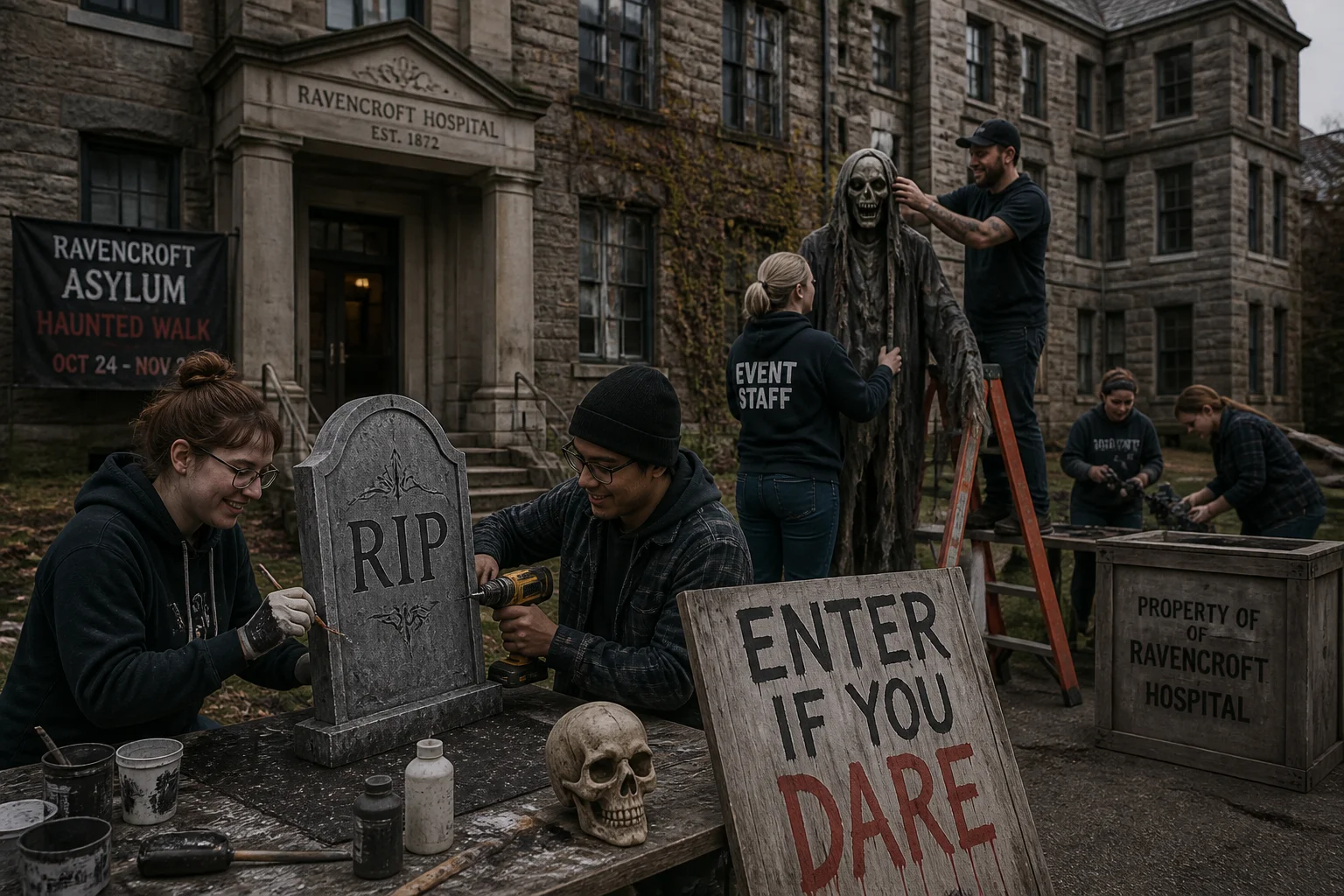
Before modern consent rules, institutions often blurred the line between patient life, work, and public activity. A patient who helped set up a Halloween event might have seen it as recreation, while staff might have seen it as therapy or vocational training.
Community volunteers, hospital employees, and students likely also took part in the haunted castle, especially as Halloween events became more commercial in the late 20th century.
Over time, these different kinds of participation collapsed into a single story: the hospital used patients to run a haunted house. The reality was probably less organized and less intentional than that.
18. Modern Mental Health Ethics Changed Patient Participation
Modern psychiatric hospitals operate under strict rules about informed consent, patient dignity, and therapeutic boundaries. Using current patients as public haunted-house performers would likely violate state and federal privacy standards.
That ethical shift is partly why the old haunted castle story feels so shocking today. Listeners judge a mid-century institution by 21st-century standards, even though the hospital has undergone enormous change.
The Utah State Hospital’s current focus is treatment, recovery, and community integration, not seasonal entertainment.
19. Old Hospital Buildings and Patient Memories Fuel Ghost Stories
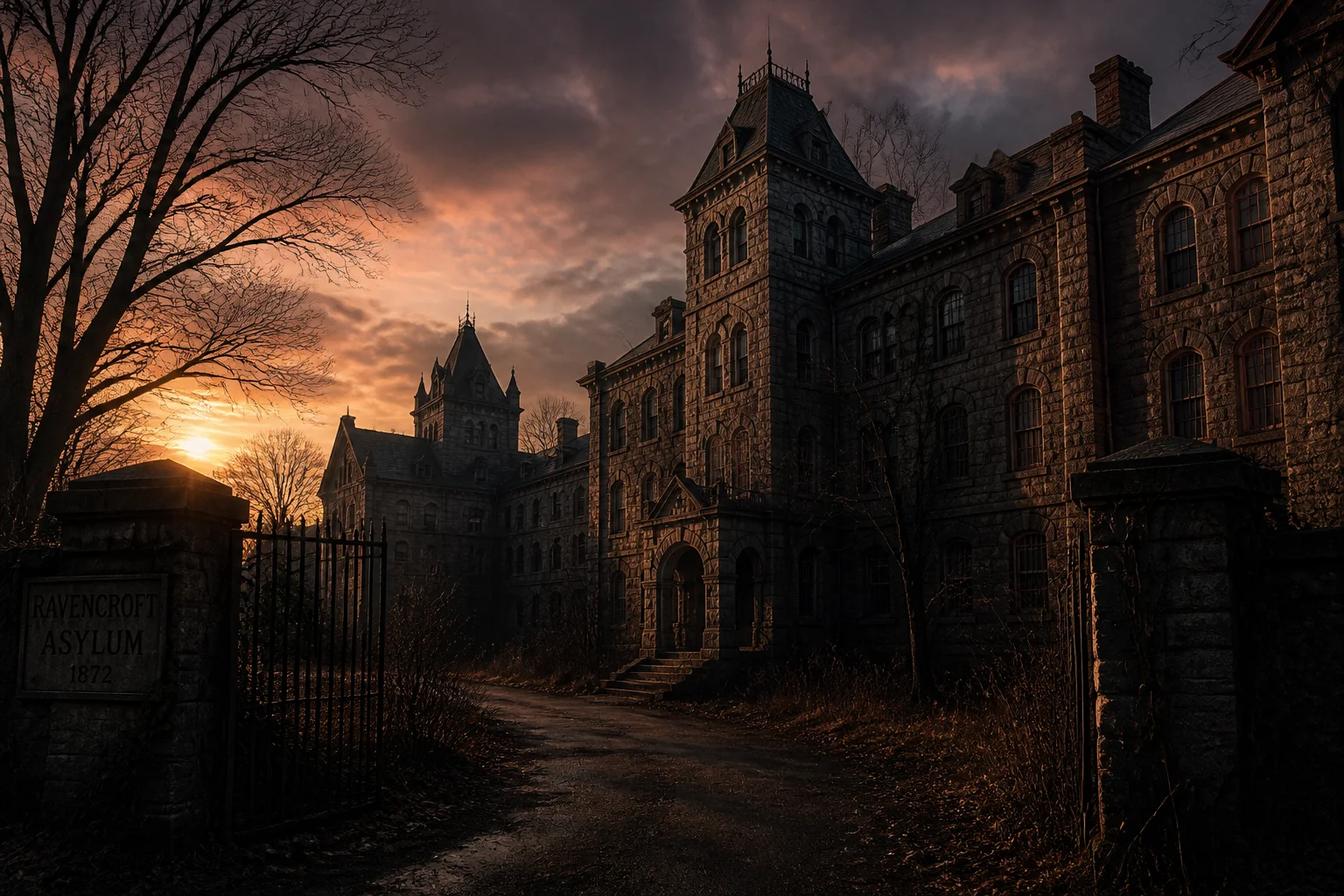
Old stone buildings like Provo Castle naturally collect ghost stories. Tall windows, uneven stone surfaces, and mature trees create long shadows and strange sounds, especially at night.
Many historic state hospitals across the United States have patient cemeteries or older burial plots, and these spaces often attract paranormal legends. Such places are real, but they do not by themselves validate supernatural claims.
In Provo, the castle and amphitheater serve as the visual center of these stories. That gives the campus an outsized place in Utah ghost lore.
20. Provo Castle Utah Is Not an Abandoned Attraction
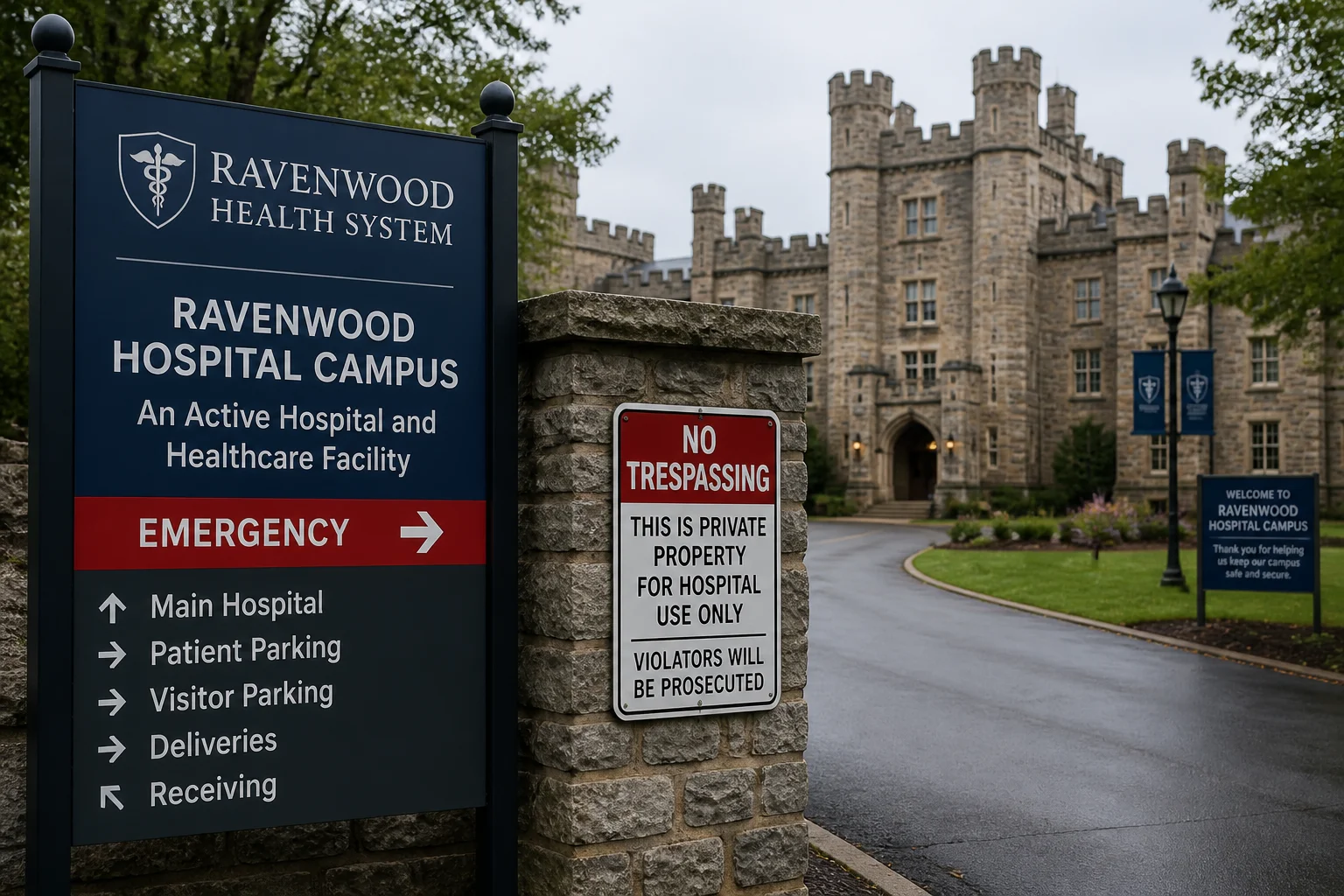
One common mistake is assuming Provo Castle Utah is an abandoned attraction open for wandering. The castle sits on an active medical campus, not a shuttered asylum.
Trespassing into restricted areas is both illegal and harmful to the people receiving treatment there. The castle’s dramatic history does not make it a public theme park.
Responsible visitors keep to public sidewalks, scheduled tours, and museum events. They do not treat the hospital as an urban exploration site.
21. The Haunted Castle Tradition Changed Over Time
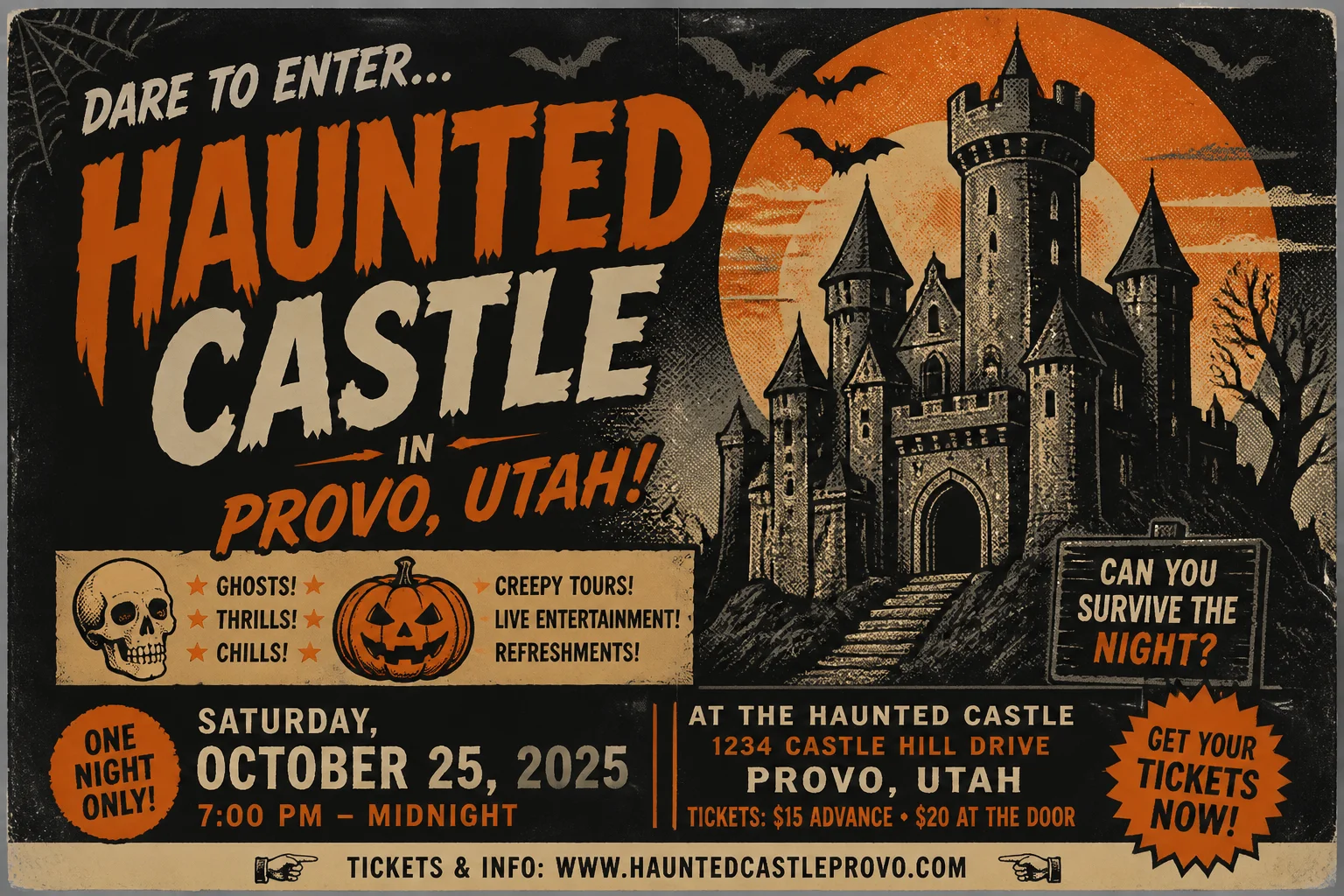
The Haunted Castle tradition has changed over the years, and the version people remember from past decades no longer operates in the same way. Some events were discontinued, moved, or replaced by more conventional community fundraisers.
Even though the event itself may have faded, the story survives online, on social media, and in local conversation. Each retelling adds new details that make the history harder to untangle.
This is characteristic of local legends. They persist not because they are wholly accurate, but because they feel true within a spooky landscape.
22. The Castle Nickname Is a Relatively Modern Convenience
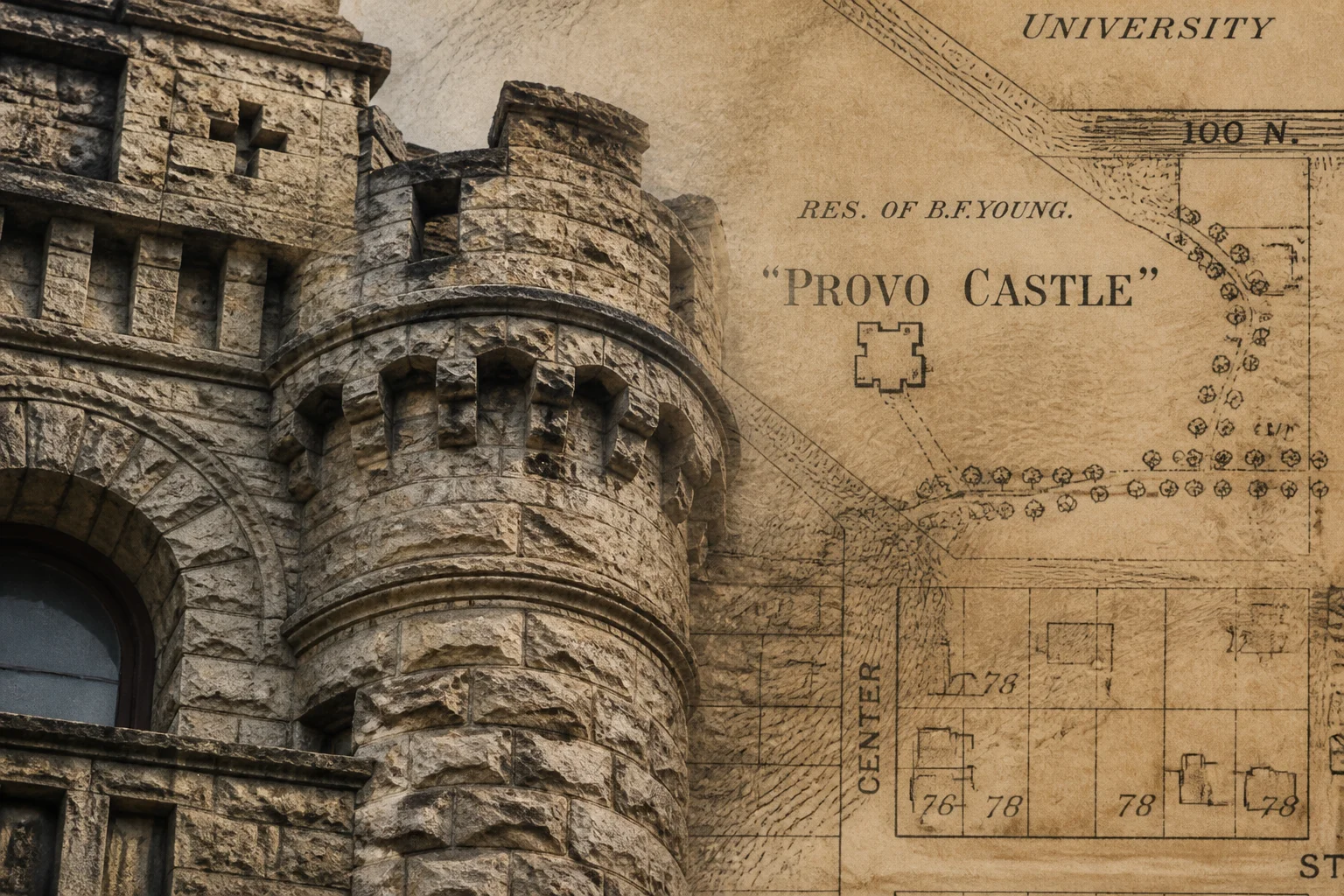
The name Provo Castle is not necessarily the building’s original or official name. It became a popular shorthand as visitors noticed the stone battlements and castle-like profile.
Official records may refer to the structure by ward names, building numbers, or institutional titles. The castle label helped community members and later social-media storytellers identify the campus more easily.
That nickname does useful work, but it also imports a set of medieval and Gothic associations. Those associations may have never been intended by the hospital’s original designers.
23. Provo Castle Fits a National Pattern of Asylum Architecture
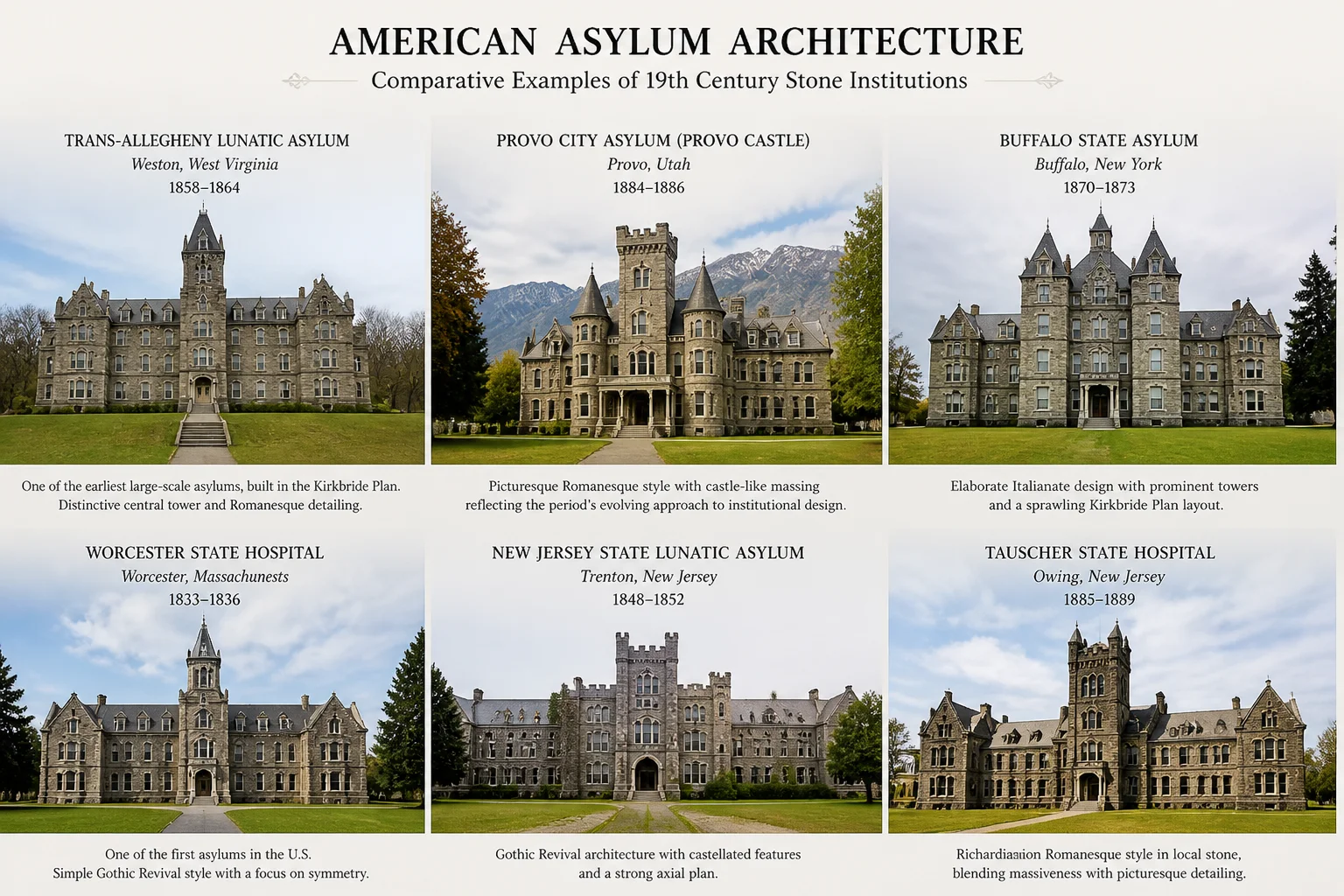
Many 19th-century American asylums used imposing, often castle-adjacent architecture to communicate stability and care. Utah’s hospital followed this national pattern rather than inventing a unique style.
Architectural historians point to similar stone institutional buildings from New York to California that used towers, arched windows, and symmetrical wings.
Placing Provo Castle in that national context helps demystify the building. It is an important local example of a widespread trend, not a mysterious one-off.
24. The Site Has Inspired Local Films, Podcasts, and Ghost Tours
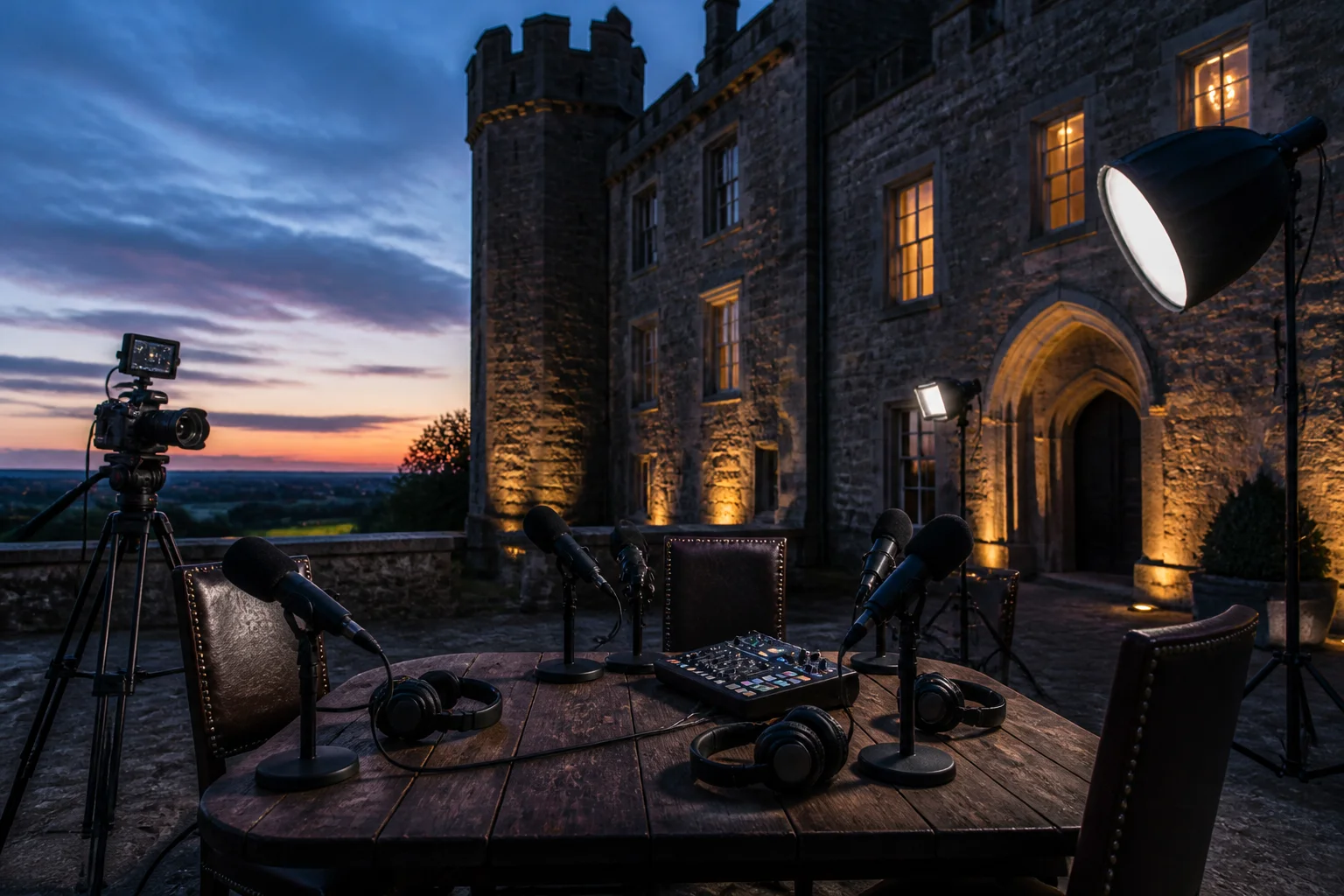
Over the years, the Provo Castle story has appeared in student films, local podcasts, paranormal walkthroughs, and seasonal features about Utah Valley haunts.
Creators are drawn to the contrast between the castle’s eerie stone appearance and its actual use as a mental hospital. That tension makes for compelling storytelling.
Unfortunately, these retellings often simplify the hospital’s history. They may omit the museum’s nuanced account and repeat the most extreme patient-recruitment version of the legend.
25. You Can Visit Provo Castle, the Amphitheater, and the Museum Today
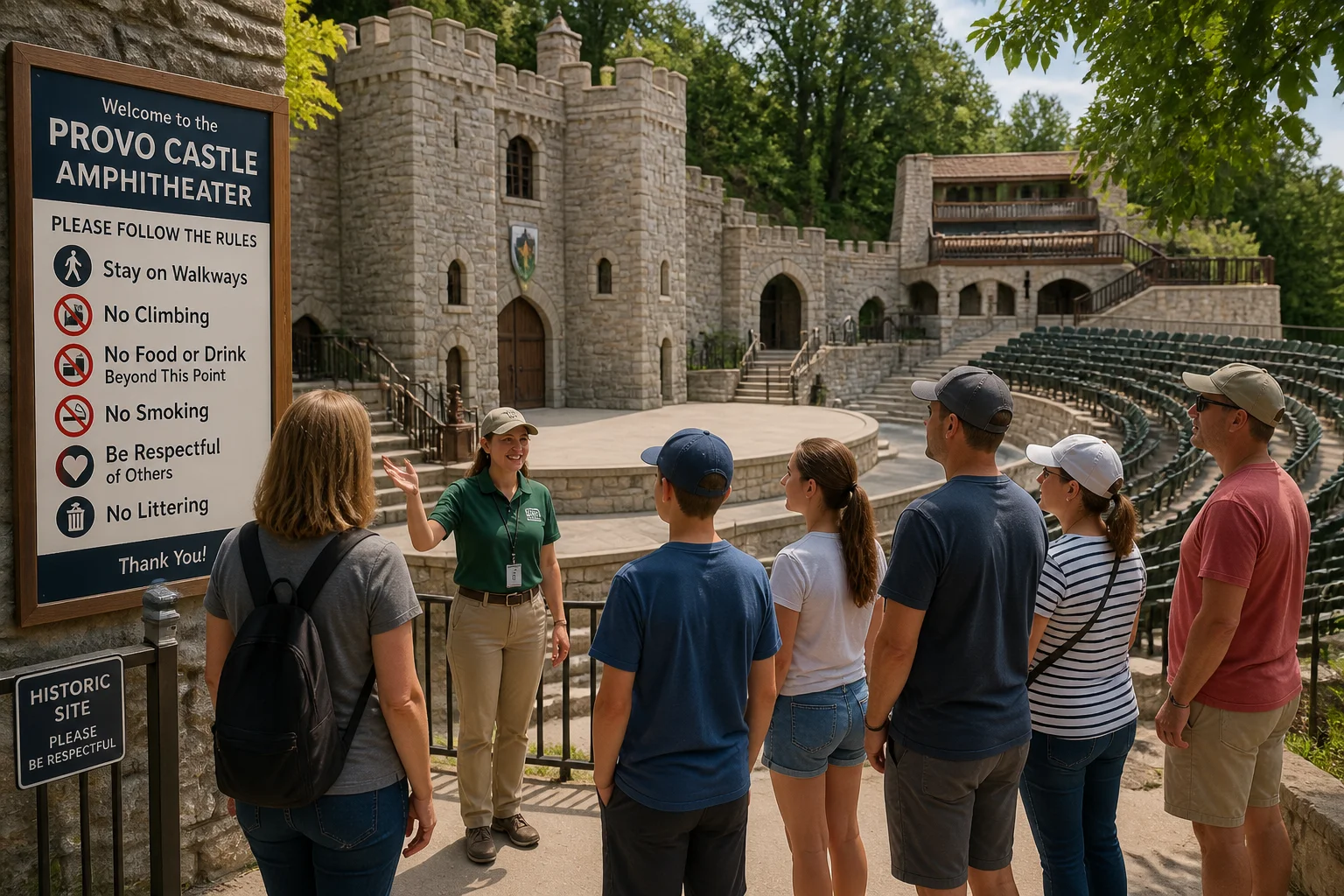
Provo Castle and the Utah State Hospital Museum are best experienced through scheduled tours, public museum hours, or official events rather than unplanned wandering.
The Provo Castle Amphitheater occasionally hosts community programs, and the surrounding streets offer legal views of the campus. Always respect patient privacy and posted restrictions.
By visiting with the right context, you can appreciate the architecture, the museum’s honest history, and the real people behind the legend.
Why the Legend Persists
Provo Castle survives in local memory because it combines an old asylum, distinctive stone architecture, and a Halloween tradition in one place. The claim that the hospital recruited actual psychiatric patients is a cautionary example of how real institutions become folklore.
By asking better questions and visiting the museum, you can respect both the patients and the place. The real history may not be as tidy as a haunted house script, but it is far more revealing about how Utah has treated mental illness over time.
Frequently Asked Questions
What is the Utah State Hospital Museum?
The Utah State Hospital Museum is a historical museum on the Utah State Hospital campus in Provo, Utah. It preserves artifacts, photographs, medical equipment, and patient-made objects that document more than a century of psychiatric care in Utah.
Where is Provo Castle in Utah?
Provo Castle is located on the Utah State Hospital campus at 1300 East Center Street in Provo, Utah. It is not an abandoned attraction; it sits on an active treatment campus, so access may be limited or appointment-based.
Is the Provo Castle Amphitheater open to the public?
The Provo Castle Amphitheater is an outdoor venue on the hospital grounds. It sometimes hosts community events, but visitors should check with the Utah State Hospital or local event listings before planning a visit because access can vary.
Did the Utah State Hospital really recruit psychiatric patients for its Haunted Castle?
The story is a mix of local memory and exaggeration. The hospital had a long history of patient work programs, and some oral accounts mention patient involvement in early Halloween preparations, but the lurid idea of formally recruiting patients as scare actors is not clearly supported by available public records.
Is the Provo Utah mental hospital haunted?
Many people tell ghost stories about the old stone buildings and the Haunted Castle tradition, but there is no credible evidence of paranormal activity. The setting is historically interesting and visually spooky, which explains the legends.

Alex Warren
Related Articles