The 1920s gave American English a jolt of wild new vocabulary. Jazz slang was fast, playful, and often used to wink at activities that polite society preferred not to name.
Some of those phrases still sound fresh today, while others need a little translation. This guide rounds up 22 pieces of jazz age slang, explains what they meant, and shows how to use them without sounding like a costume-party extra.
TL;DR: Jazz Age slang mixed music, nightlife, money, and social rebellion into a fast-moving code that is still fun to use today.
Why Is It Often Called the Jazz Age?
Jazz supplied the decade's soundtrack, but the label also captured its speed and improvisation. The phrase became widely known after F. Scott Fitzgerald used it in his 1922 story collection Tales of the Jazz Age.
Historians generally treat the name as shorthand for a broader cultural shift, not a claim that everyone loved jazz. It stuck because the music felt new, urban, and a little dangerous, much like the decade itself.
How to Use These Jazz Slang Terms
Slang works best when it fits the moment and the speaker. Use these words sparingly, and pair them with modern context so the meaning is clear.
Some terms are still common enough to use without explanation. Others are period pieces that work as playful throwbacks, especially when you add a quick gloss.
People, Praise, and Party Talk
The 1920s loved exaggerated compliments. Many of these terms came from vaudeville, college campuses, and jazz clubs, then spread through sheet music and film.
1. The Cat's Meow
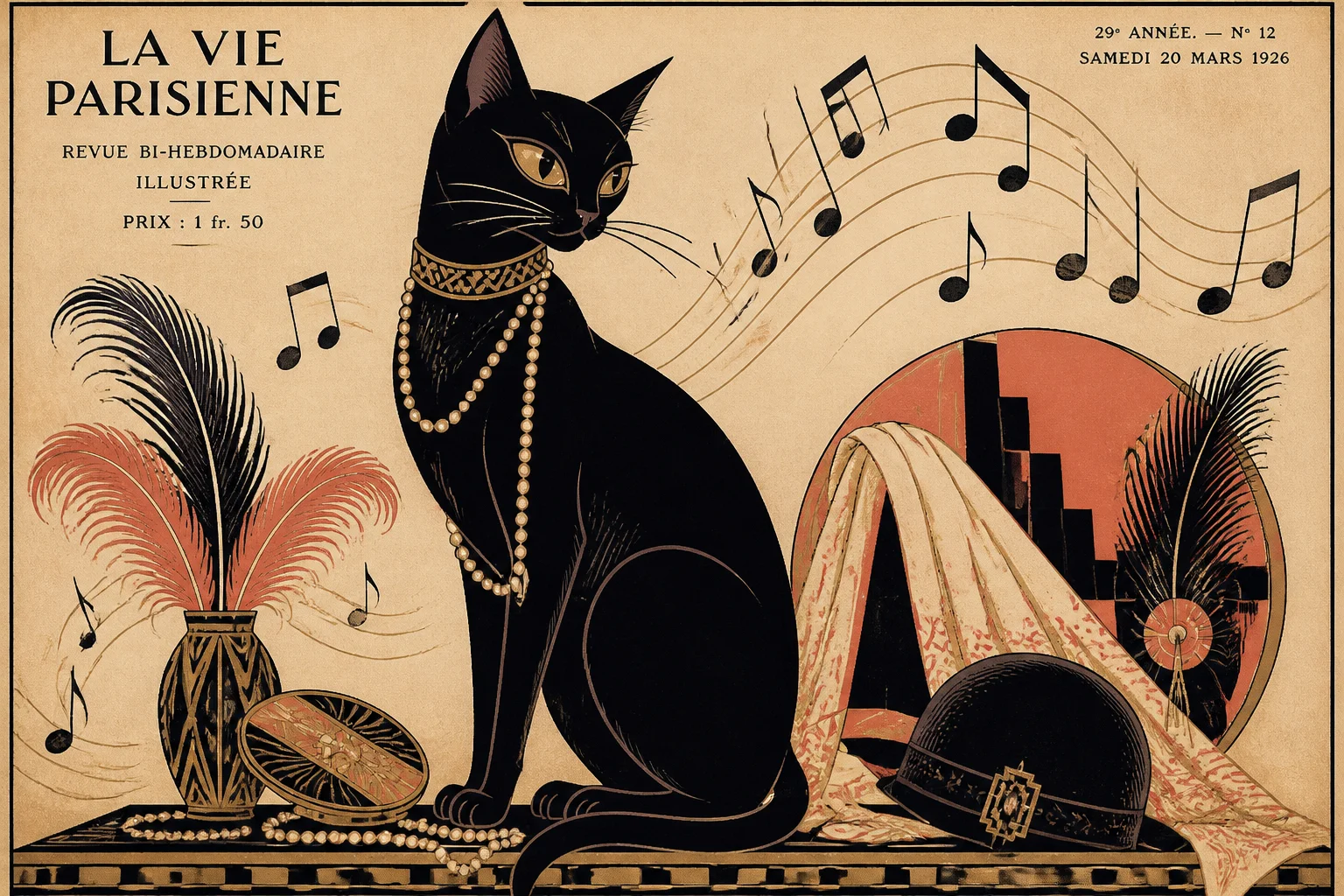
When 1920s speakers called something the cat's meow, they meant it was excellent, stylish, or the best of its kind. The phrase appeared in advertisements, song titles, and everyday chatter, which helped it travel far beyond jazz clubs.
Nobody can prove exactly where it started, which is normal for jazz slang. Animal-themed praise terms were simply fashionable, and the cat had an especially glamorous reputation in a decade obsessed with sleekness and motion.
Use it today for a playful throwback compliment. For example, you could call a friend's vintage dress or a perfectly mixed cocktail the cat's meow.
2. The Bee's Knees
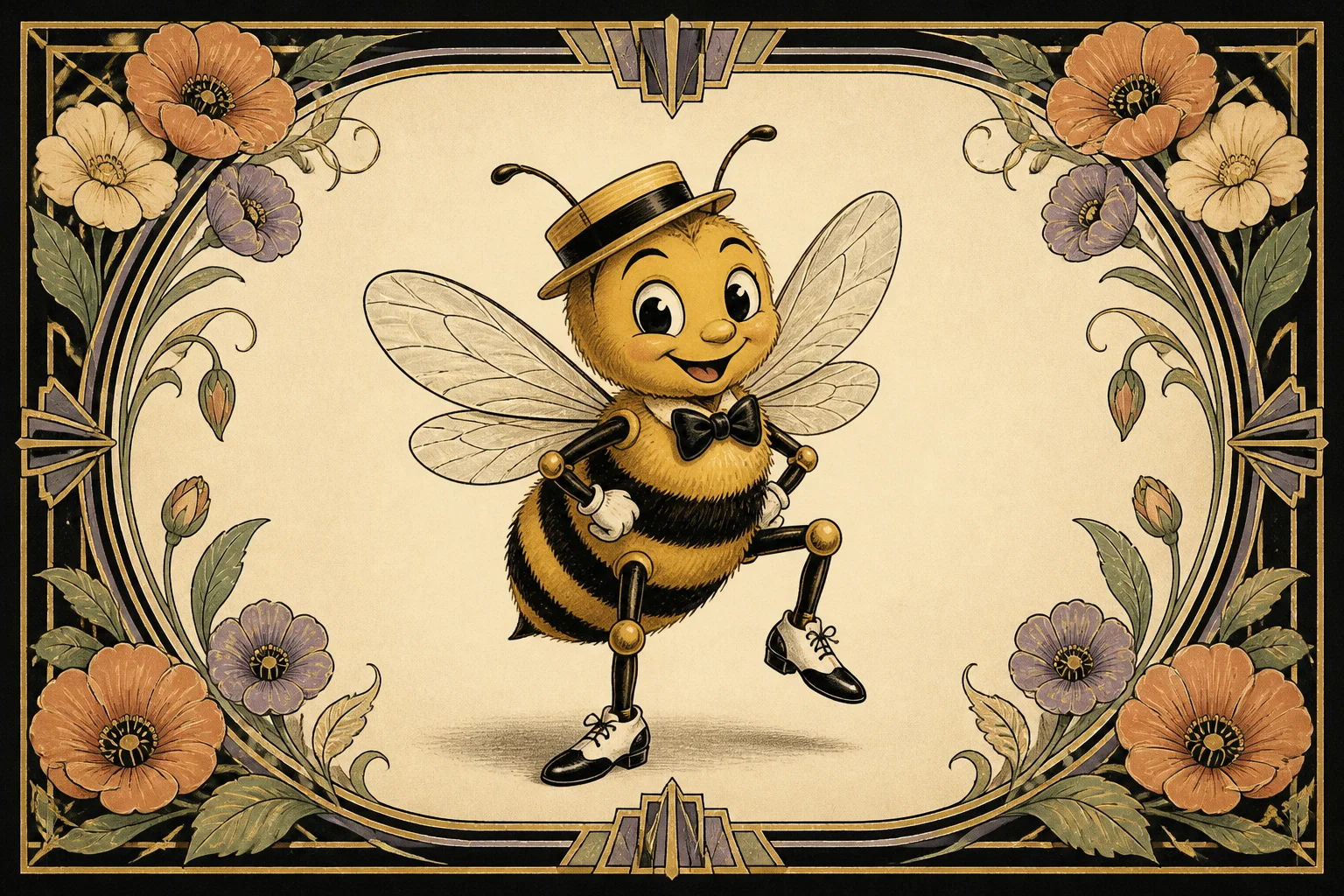
This phrase meant something small but exceptionally good, with a hint of absurdity since bees do not really have knees. It belonged to the same animal-praise boom as the cat's meow, and the two phrases often appeared together in slang lists.
Some language guides claim the expression was a pun on the word business, but that neat origin story is not solidly documented. What is clear is that the bee's knees became one of the decade's most recognizable compliments, especially in flapper-era humor.
Today it works as a lighthearted way to praise anything well made. Try it on a dessert, a playlist, or a clever piece of design.
3. Hotsy-Totsy
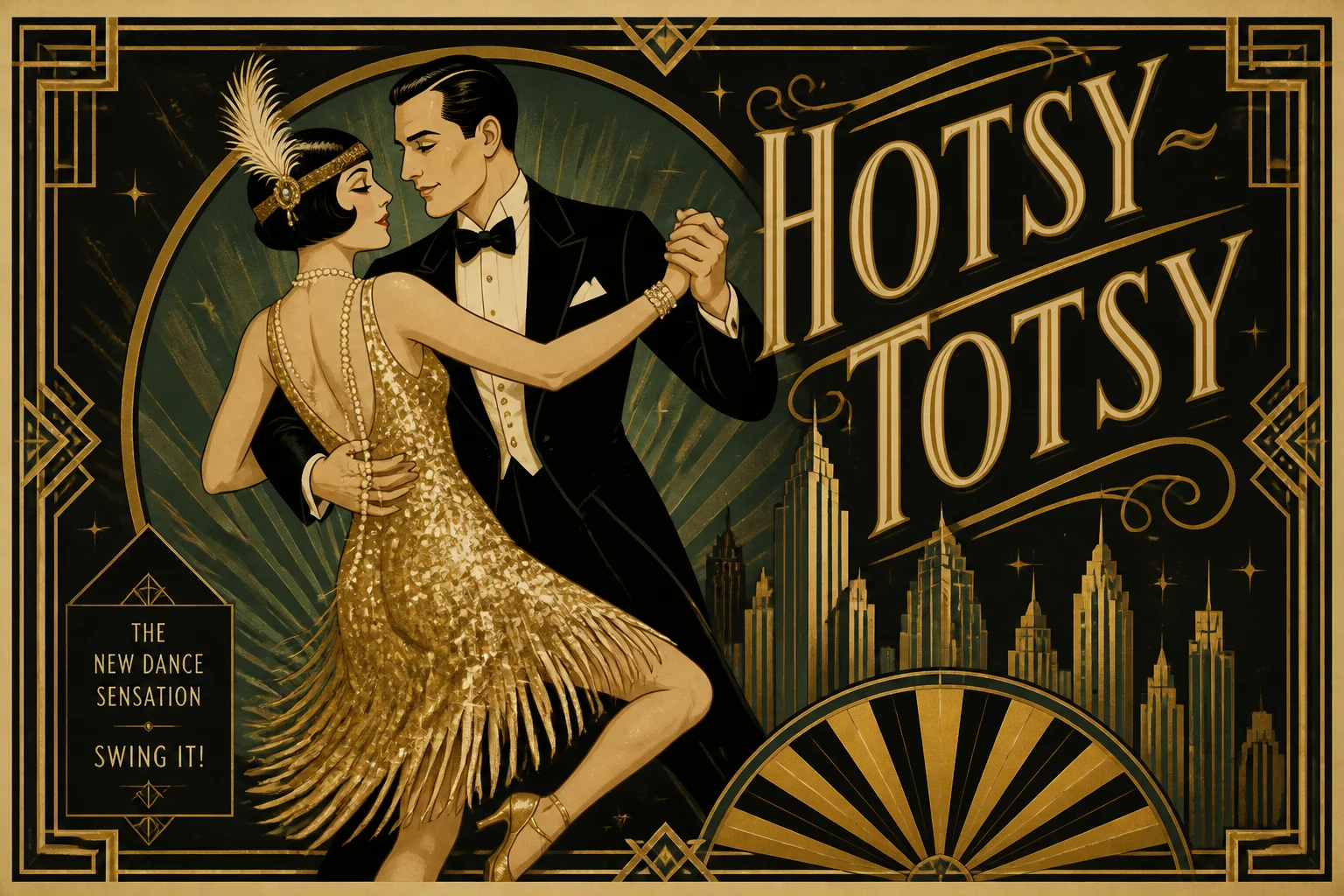
To call someone or something hotsy-totsy was to say it was pleasing, attractive, or just right. The word could describe a person, an outfit, or a smoothly run party, which made it wonderfully flexible.
The term sounds like nonsense, but that was part of its charm. Jazz slang often favored reduplicated syllables and rhyming echoes, which made phrases easy to remember and fun to say.
Modern speakers can use hotsy-totsy for affectionate exaggeration. It fits best when you want to sound deliberately old-fashioned and a little campy.
4. Sheba and Sheik
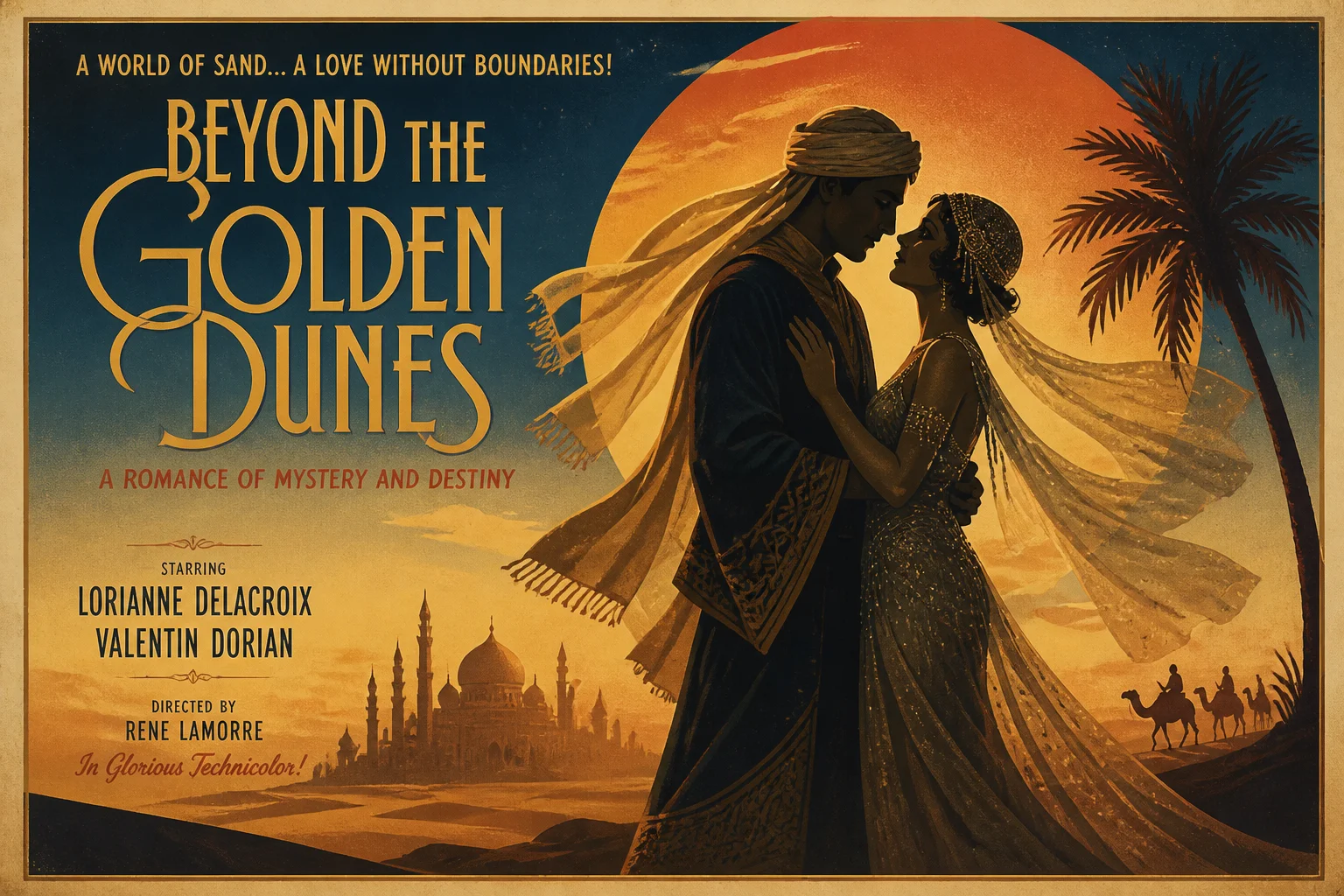
A sheik was a handsome, dashing man, and a sheba was his female counterpart. Both terms borrowed glamorous Middle Eastern imagery from popular adventure fiction and film.
The 1921 film The Sheik helped push the male version into mainstream speech, but the word quickly outpaced the movie. Calling someone a sheik or sheba was usually flirtatious rather than literal, and it carried a sense of screen-star polish.
Use these words sparingly today because the borrowed imagery can feel dated. A playful paraphrase such as total sheik energy can work, but the original terms are best treated as historical slang.
5. Flapper
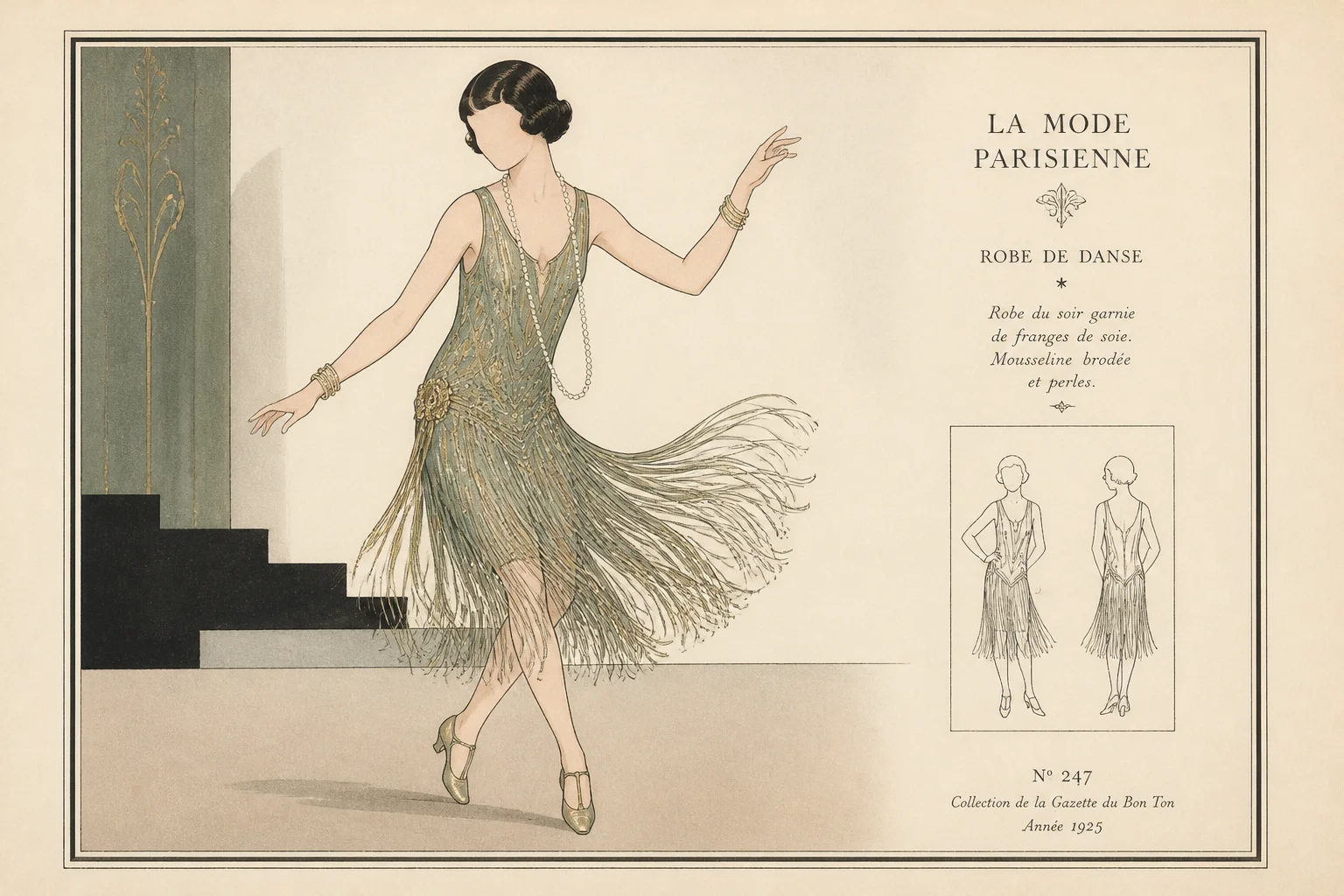
A flapper was a young woman who openly embraced new fashions, shorter hair, dancing, and social independence. The word was not always a compliment at first, but it became a badge of modern style.
The image of the flapper is now shorthand for the 1920s new woman. Historians caution that the stereotype was shaped heavily by advertising, magazines, and film, not only by real daily life.
Use flapper when discussing the era, not as a catch-all label for every woman of the 1920s. It is more accurate to treat it as a cultural type promoted by media and embraced unevenly.
6. Big Cheese
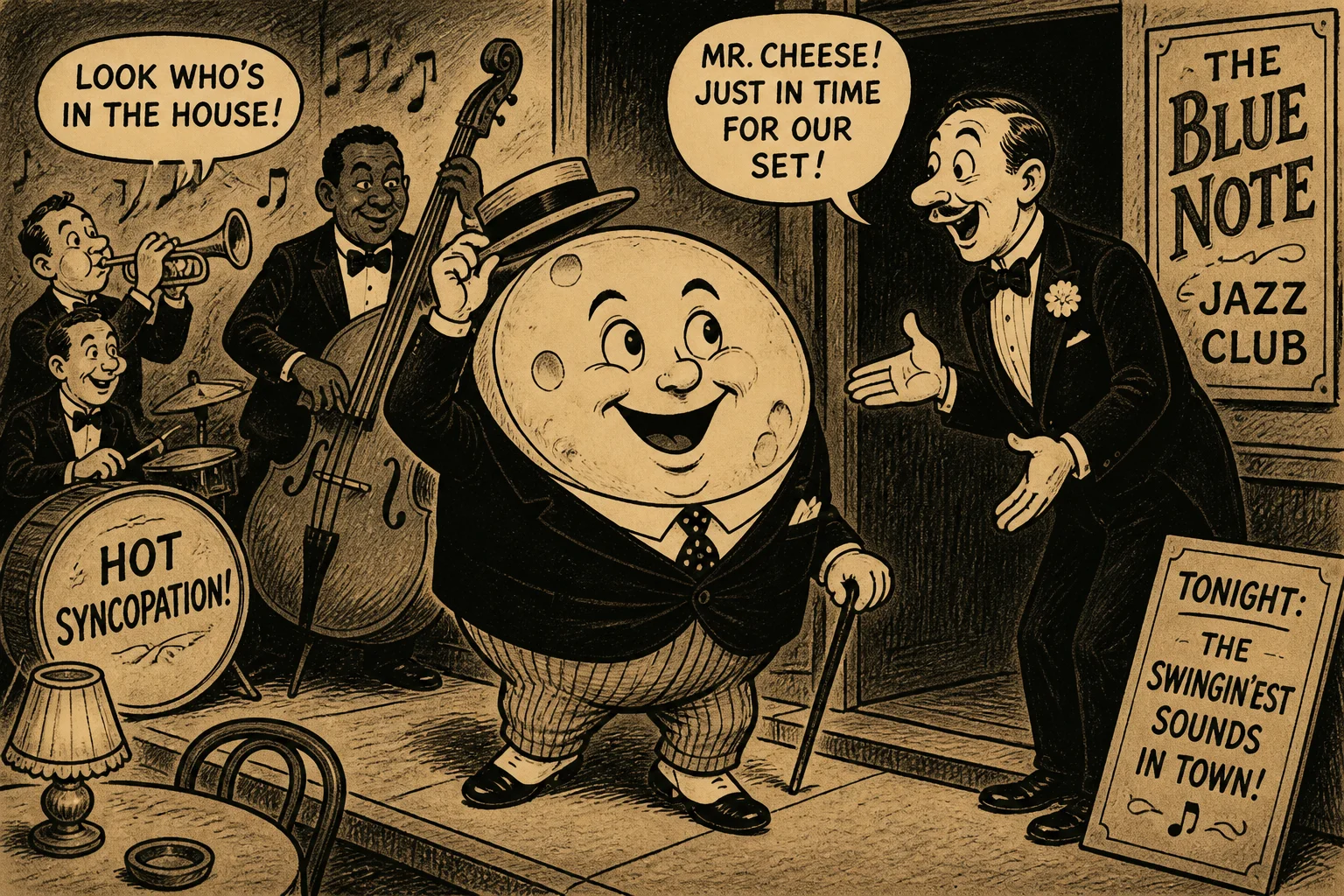
The big cheese was the boss, the important person, or the center of attention. It usually carried a playful edge, even when it referred to someone with real power.
Earlier forms of the phrase existed before the 1920s, and the exact origin is hazy. Jazz Age speakers kept it alive in films, cartoons, and slang lists as an affectionate way to mock authority.
Today the phrase is still understood, so you can use it without much explanation. Call a meeting organizer the big cheese and almost everyone will know what you mean.
Music, Money, and Everyday Cool
Jazz slang doubled as an insider code for musicians and fans. The terms below traveled from bandstands and dance floors into everyday conversation.
7. Hep
Hep meant aware, informed, or tuned in to the latest style and music. It was an early cousin of the later word hip, and both share roots in African American speech and jazz culture.
Musicians and fans used hep to signal that someone understood the scene. The exact spelling and pronunciation shifted over time, but the core meaning stayed remarkably stable.
Modern speakers usually say hip instead, but hep still works as a vintage synonym. You might describe someone with a sharp ear for new music as genuinely hep.
8. Jive
In the 1920s, jive could mean playful talk, teasing, or deceptive chatter. It was closely tied to jazz performance and African American vernacular, and it did not begin as a joke word.
Later decades turned jive into a broader term for slang or nonsense. Early uses often described the fast, witty language of musicians and nightlife regulars.
Use jive carefully today because it carries a lot of later television and movie baggage. The historical meaning is best explained as lively or misleading talk rather than just silly speech.
9. Swell
To call something swell was to say it was good, fine, or pleasing. The word existed before the 1920s, but jazz age slang gave it a fresh burst of popularity.
Swell worked as an adjective, a noun, and an expression of approval. It was versatile enough for dance floors, love letters, and everyday small talk.
Modern speakers can still use swell sincerely or with gentle irony. It is one of the safest pieces of jazz slang to revive because its meaning has never really disappeared.
10. Ritzy
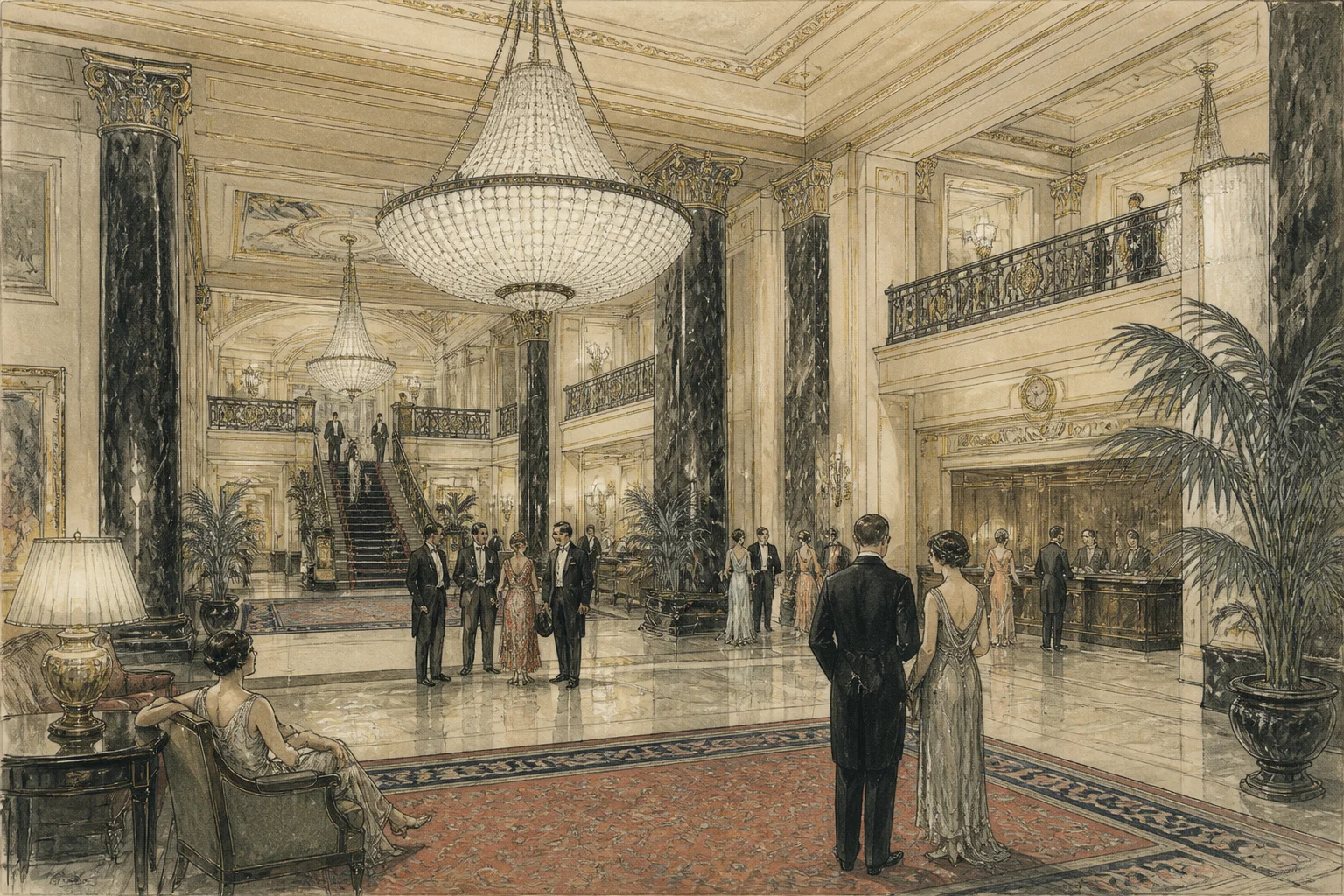
Ritzy meant elegant, luxurious, or fashionable in a showy way. It came from the Ritz hotels, which were associated with high-end dining and glamour.
The term spread as ordinary people used movie palaces and dance halls to sample a little luxury. Calling something ritzy was both a compliment and a hint of upward-looking aspiration.
Use it today for anything that feels glamorous but slightly old-fashioned. A sparkly dress, a marble lobby, or an over-the-top dessert could all be described as ritzy.
11. The Real McCoy
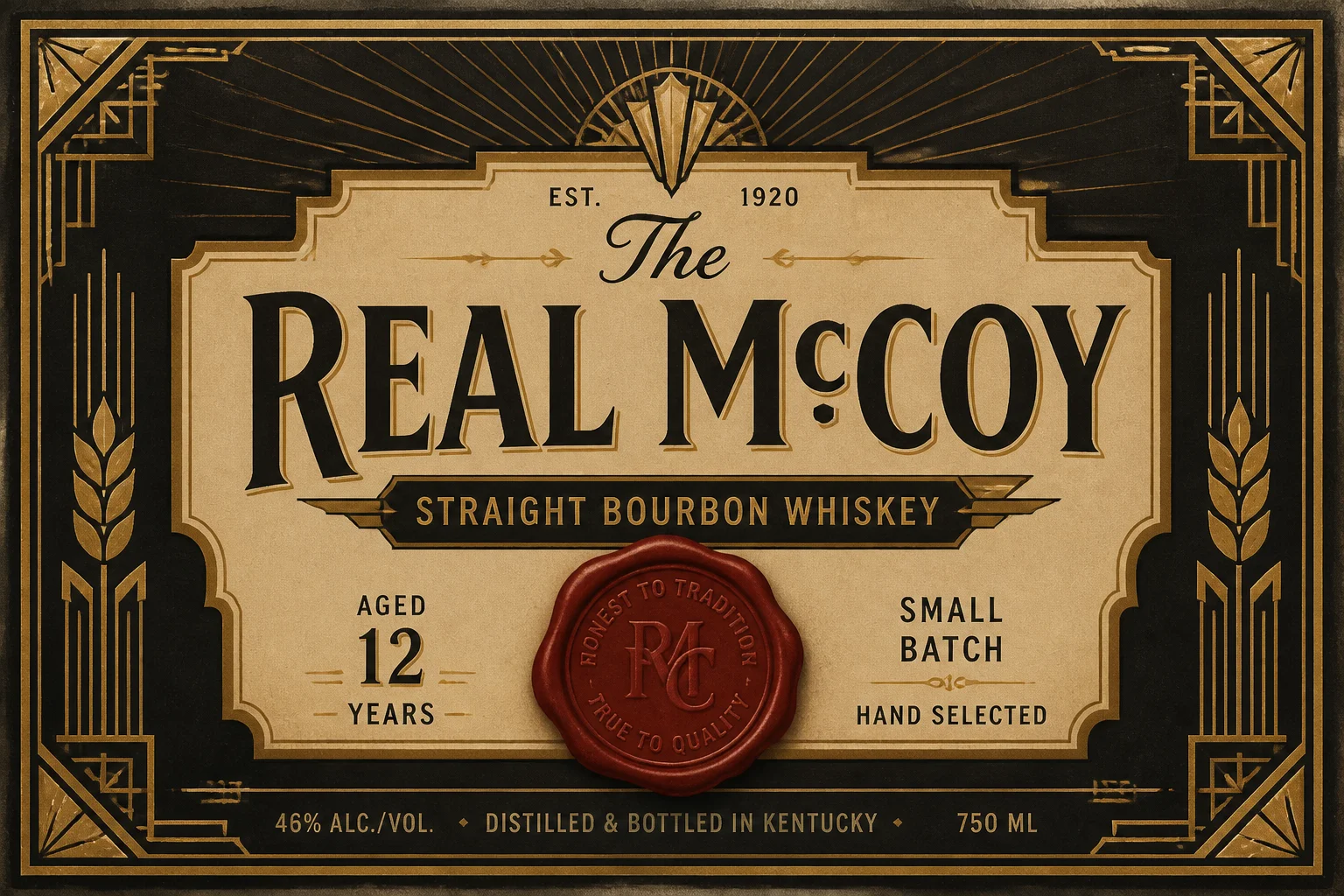
The real McCoy meant the genuine article, not a substitute or cheap imitation. It was often applied to liquor during Prohibition, when counterfeit or diluted alcohol was common.
Nobody knows for certain who or what the original McCoy was, and several competing origin stories exist. Historians treat the phrase as a useful example of how jazz slang absorbed older idioms and gave them new force.
You can still use the real McCoy without needing a history lesson. It works whenever you want to confirm that something is authentic or of high quality.
Booze, Bars, and Nightlife
Prohibition made ordinary drinking illegal from 1920 to 1933, so nightlife slang became a practical code. Many of these words named places, drinks, and states of mind that polite conversation avoided.
12. Speakeasy
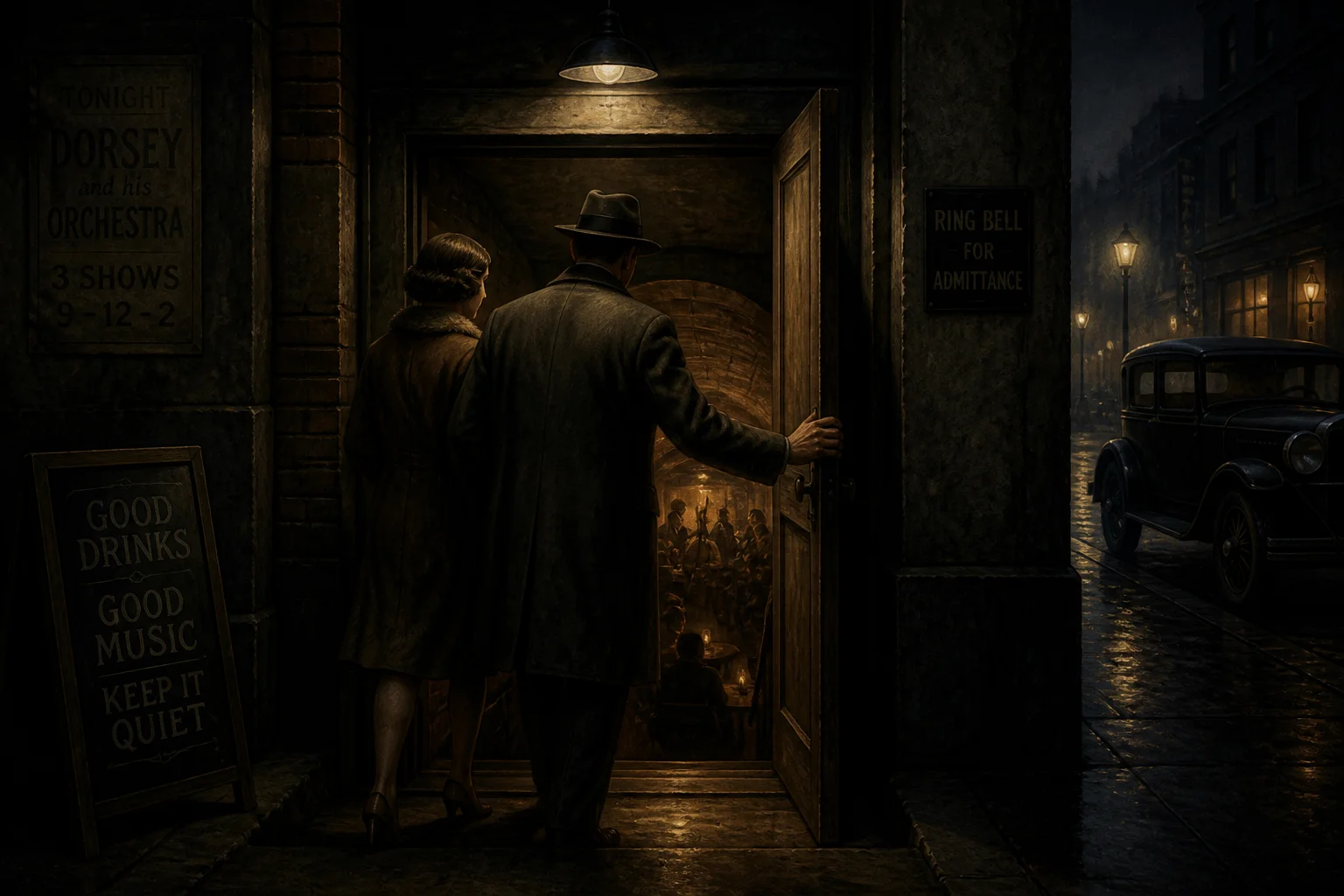
A speakeasy was an illegal bar or club that sold alcohol during Prohibition. The name came from the idea of speaking quietly about the place so authorities would not catch on.
These establishments ranged from dingy back rooms to glamorous nightclubs with live jazz. The term caught on because secrecy was part of the experience.
Today the word is used for bars that imitate 1920s style, often legally. Call a candlelit cocktail lounge with a jazz band a speakeasy and the reference is instantly clear.
13. Hooch
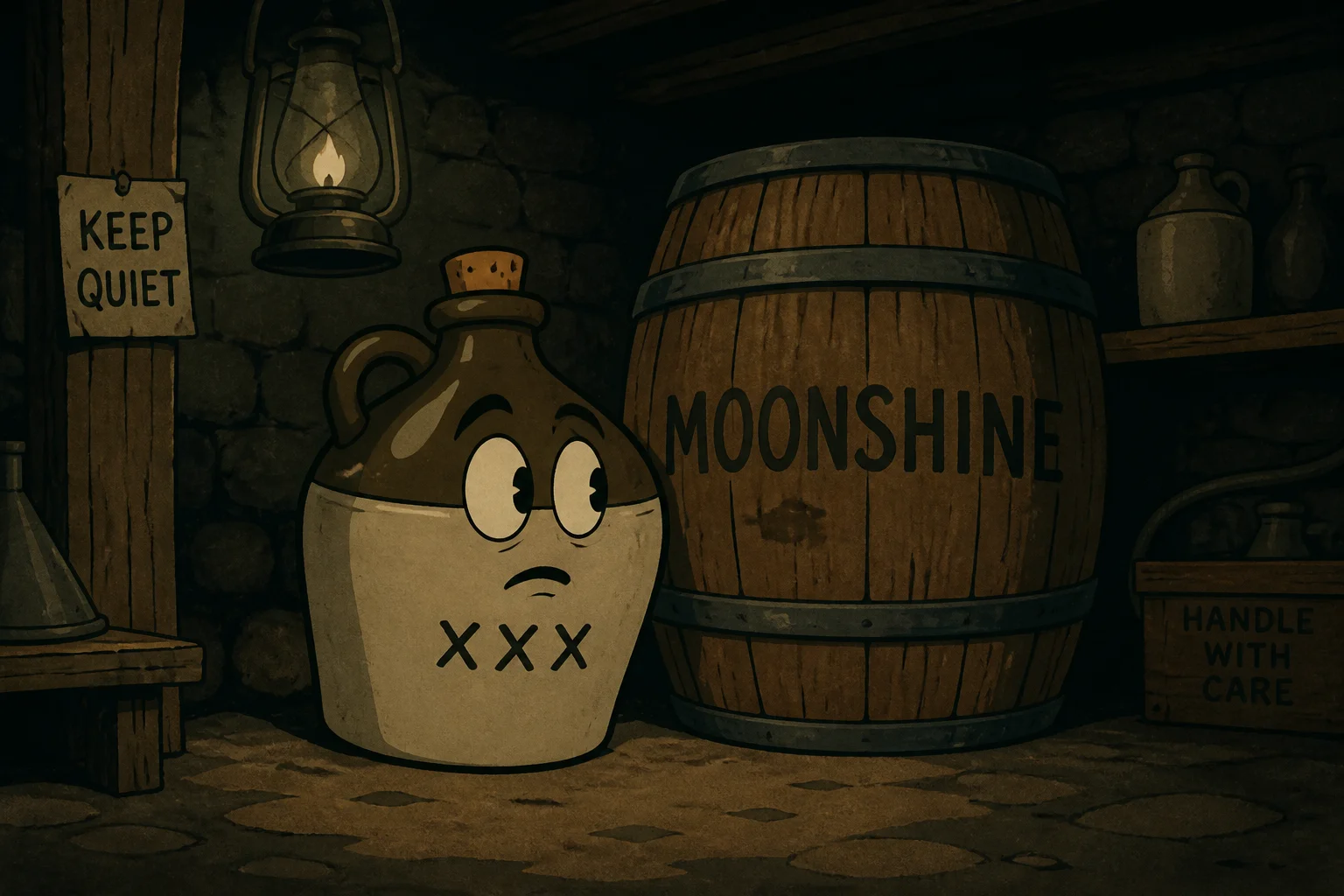
Hooch was slang for illicit or low-quality liquor. During Prohibition, people used it for everything from homemade whiskey to industrial alcohol that had been redistilled.
The word existed before the 1920s, but Prohibition gave it a dark new urgency. Bootleg liquor could be dangerous, and not every drink called hooch was safe.
Use hooch today as a joking term for any strong or rough alcohol. A campfire flask of no-name whiskey might earn the label.
14. Bathtub Gin
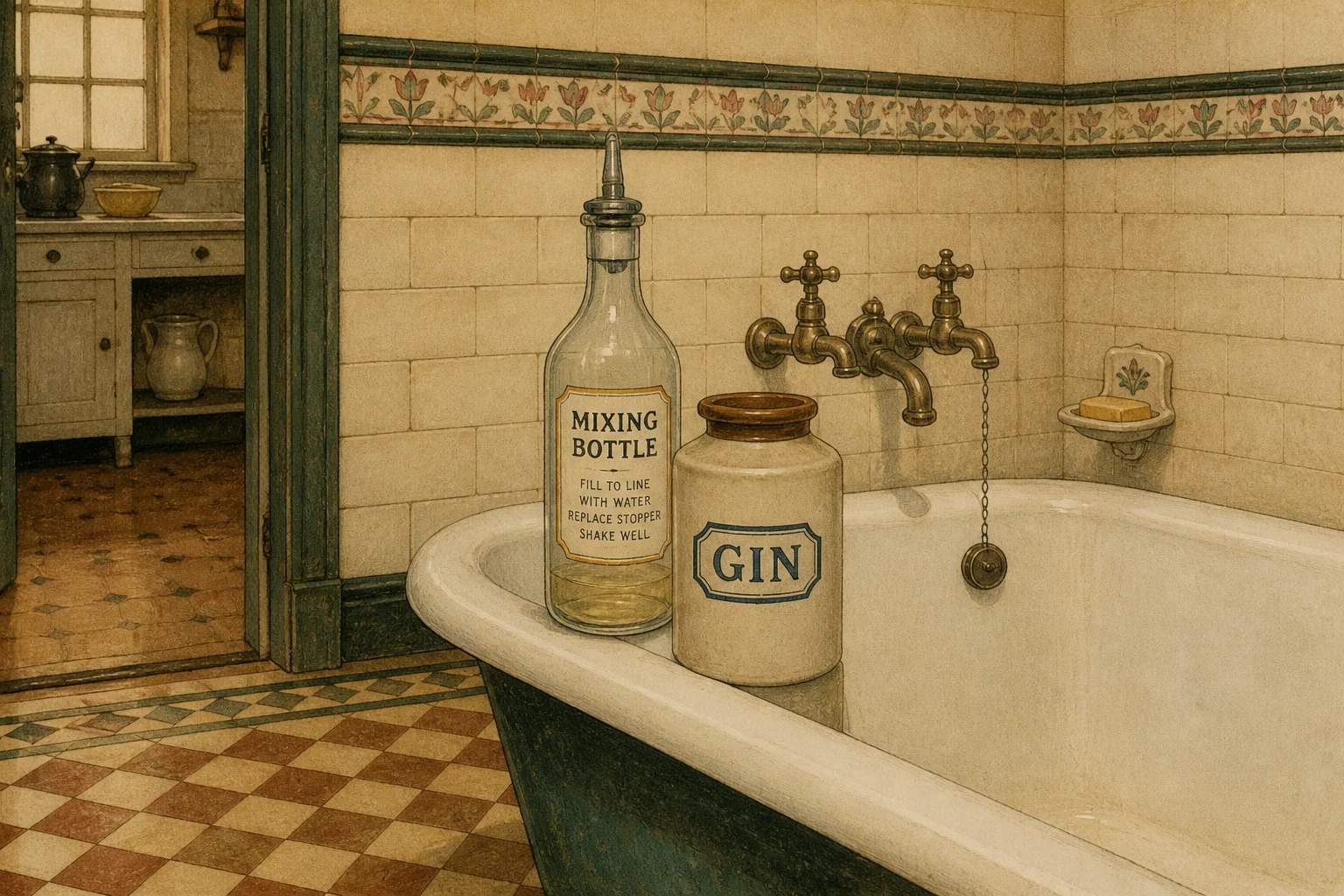
Bathtub gin was homemade gin mixed in bottles or containers large enough to dilute raw spirits. The name was often literal, though people also used it loosely for any amateur-made liquor.
Real bathtub gin could range from drinkable to hazardous, depending on what went into it. The term remains a symbol of Prohibition improvisation rather than a quality guarantee.
Modern use works best as a playful description of a dubious DIY cocktail. If someone makes a questionable home infusion, you can call it bathtub gin.
15. Gin Mill
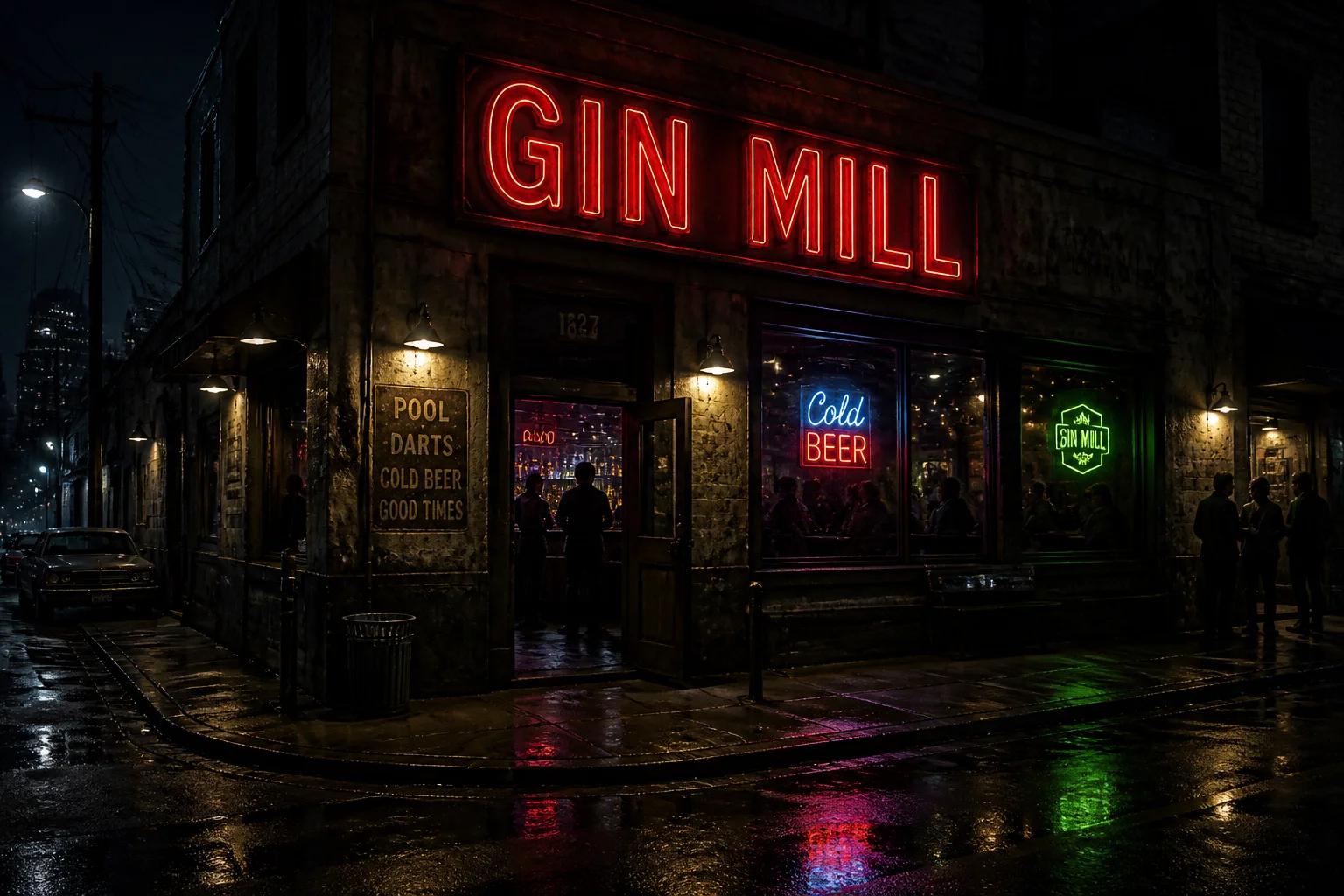
A gin mill was a bar, particularly a cheap or rough one. Unlike some high-end speakeasies, the gin mill suggested sawdust floors, loud talk, and no frills.
The term leaned on the association between gin and working-class drinking. It also gave a jokey industrial flavor to the business of selling alcohol.
Today gin mill is still used in some places to mean a simple neighborhood bar. It is a good phrase when you want to describe a room full of regulars and neon signs.
16. Blotto
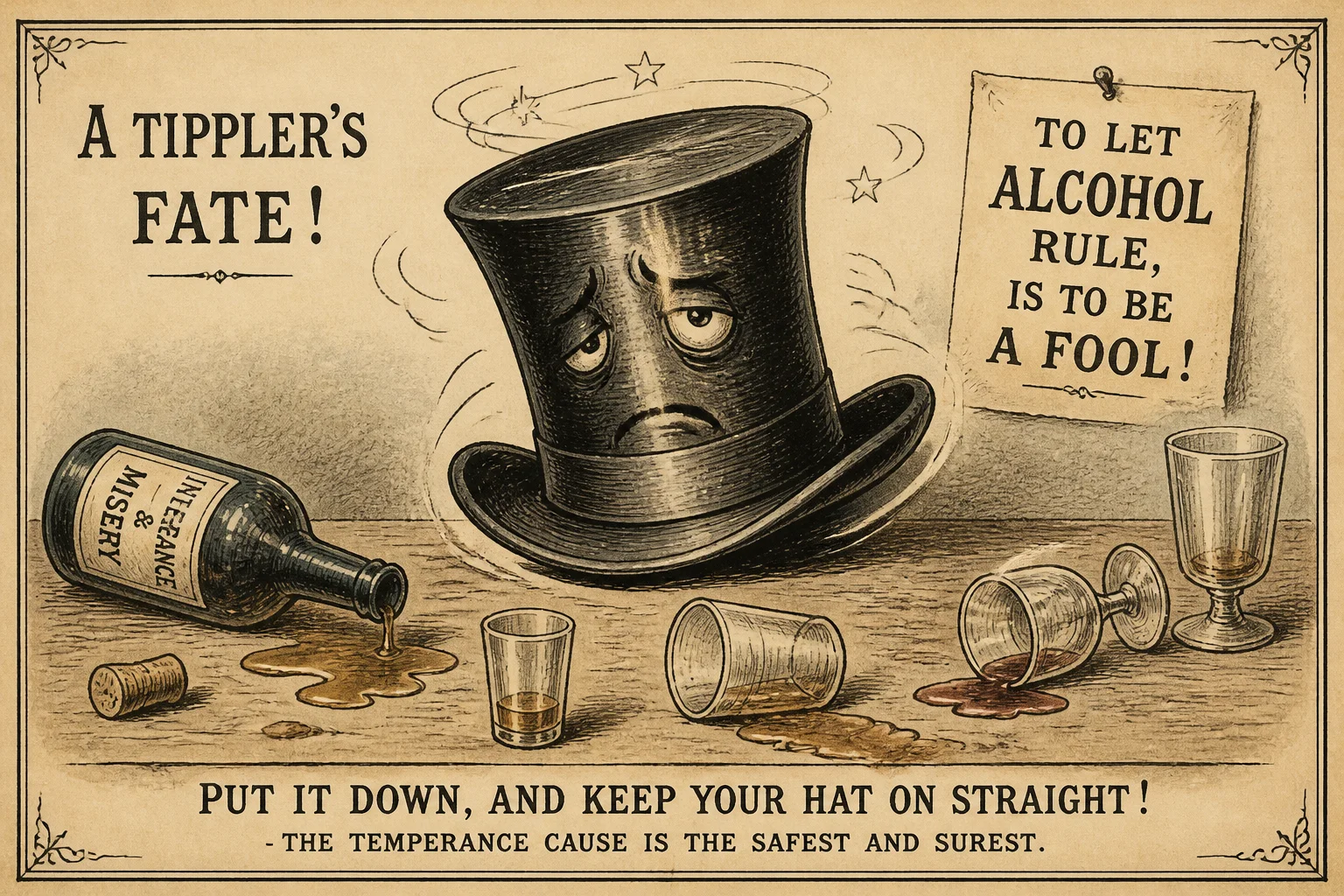
Blotto meant extremely drunk, to the point of losing coordination or memory. It was one of many 1920s terms for intoxication, including words like ossified and zozzled.
Slang for being drunk exploded during Prohibition because drinking itself was illegal and often discussed in code. Blotto was blunt, funny, and vivid enough to stick.
Use it today for comic exaggeration. Saying someone got blotto at a wedding paints a clear picture without sounding clinical.
17. Bootleg
Bootleg described liquor that was made, transported, or sold illegally during Prohibition. The word could also work as a verb, meaning to smuggle alcohol into a place where it was banned.
The term may come from the practice of hiding flasks in the leg of a boot, though that origin is not fully documented. Regardless of the exact source, bootleg became one of the defining words of the dry years.
Today bootleg survives as a label for unauthorized recordings, goods, or even sneaky snacks. It is a direct descendant of jazz age liquor talk.
Money, Bodies, and Trouble
Some jazz age slang was less glamorous and more practical. These final terms cover cash, physical description, police, and quick exits.
18. Dough
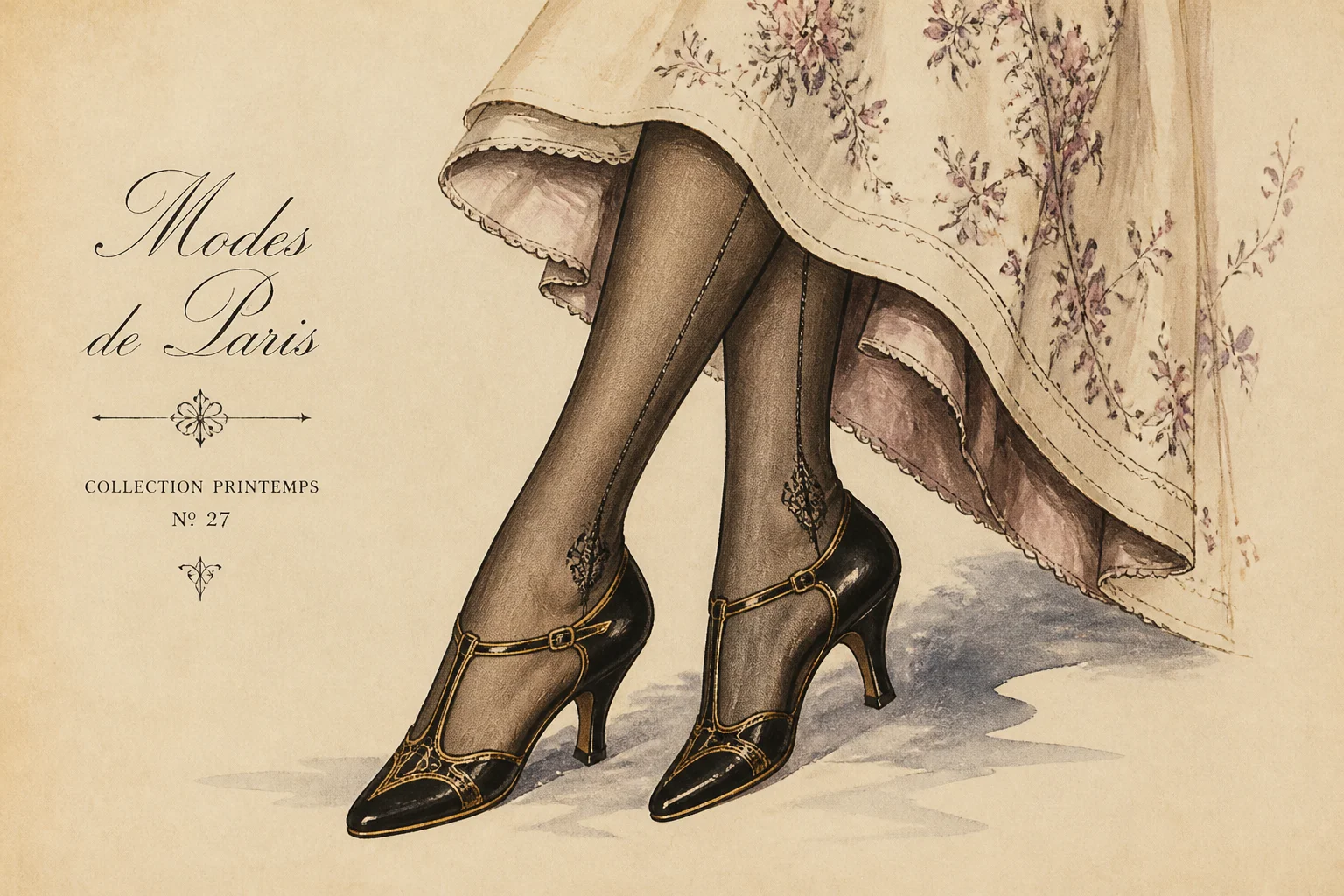
Dough meant money, and it was everywhere in 1920s speech. The metaphor of cash as bread or dough was already older, but the jazz age made it feel newly slangy.
People talked about earning dough, spending dough, and needing dough in songs and films. Prohibition also made ready money especially visible in the underground nightlife economy.
You can still say dough for money without anyone blinking. It is one of the oldest and most natural slang carryovers in the group.
19. Gams
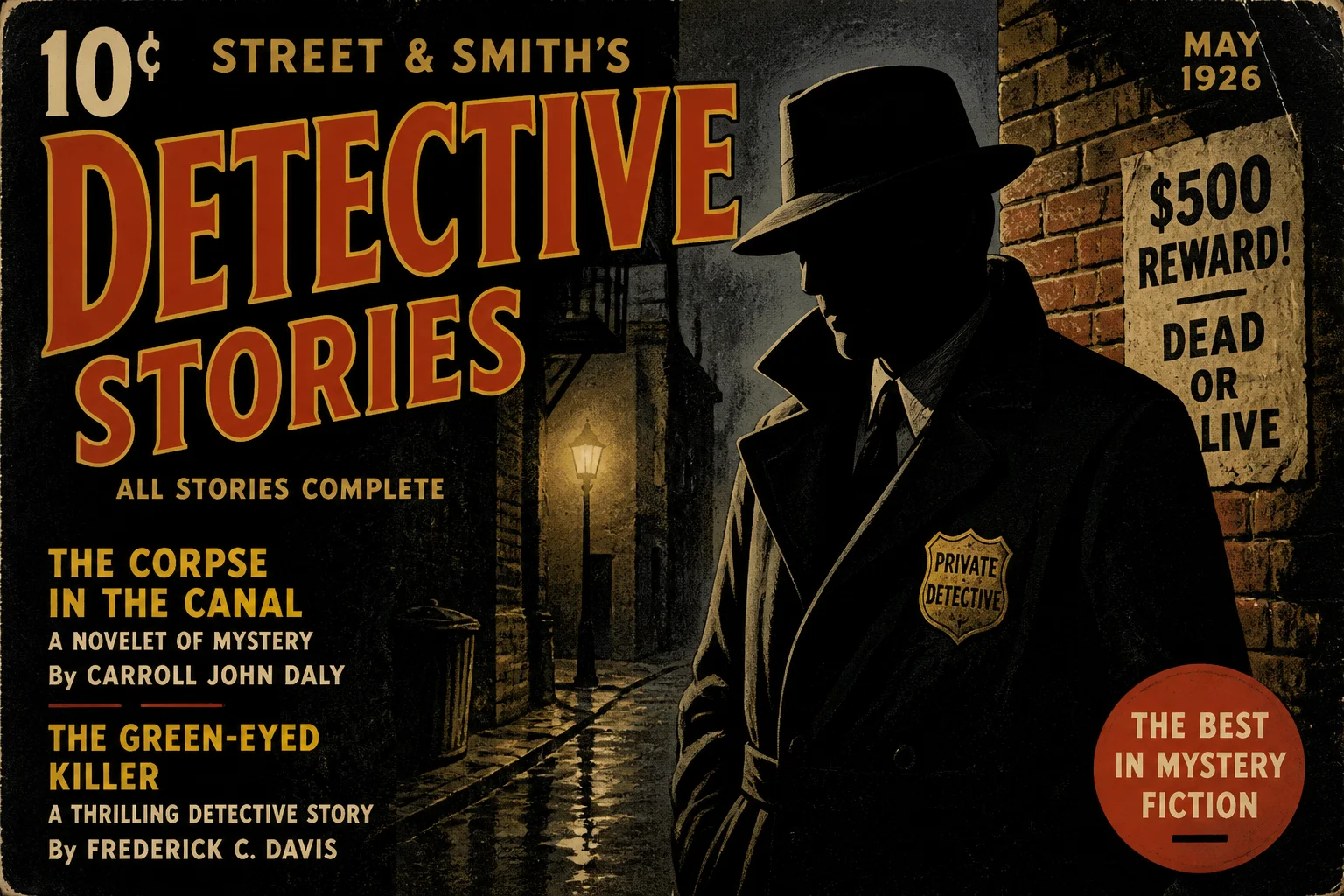
Gams was slang for legs, especially a woman's legs. The word appeared in entertainment writing, fashion commentary, and stage slang.
It was often used by admirers and show-business observers, so it carries a dated, objectifying charge. Historical slang lists record it, but that does not make it polite by modern standards.
Use gams only when discussing period language or writing historical dialogue. In ordinary conversation, a neutral word is almost always the better choice.
20. Flatfoot
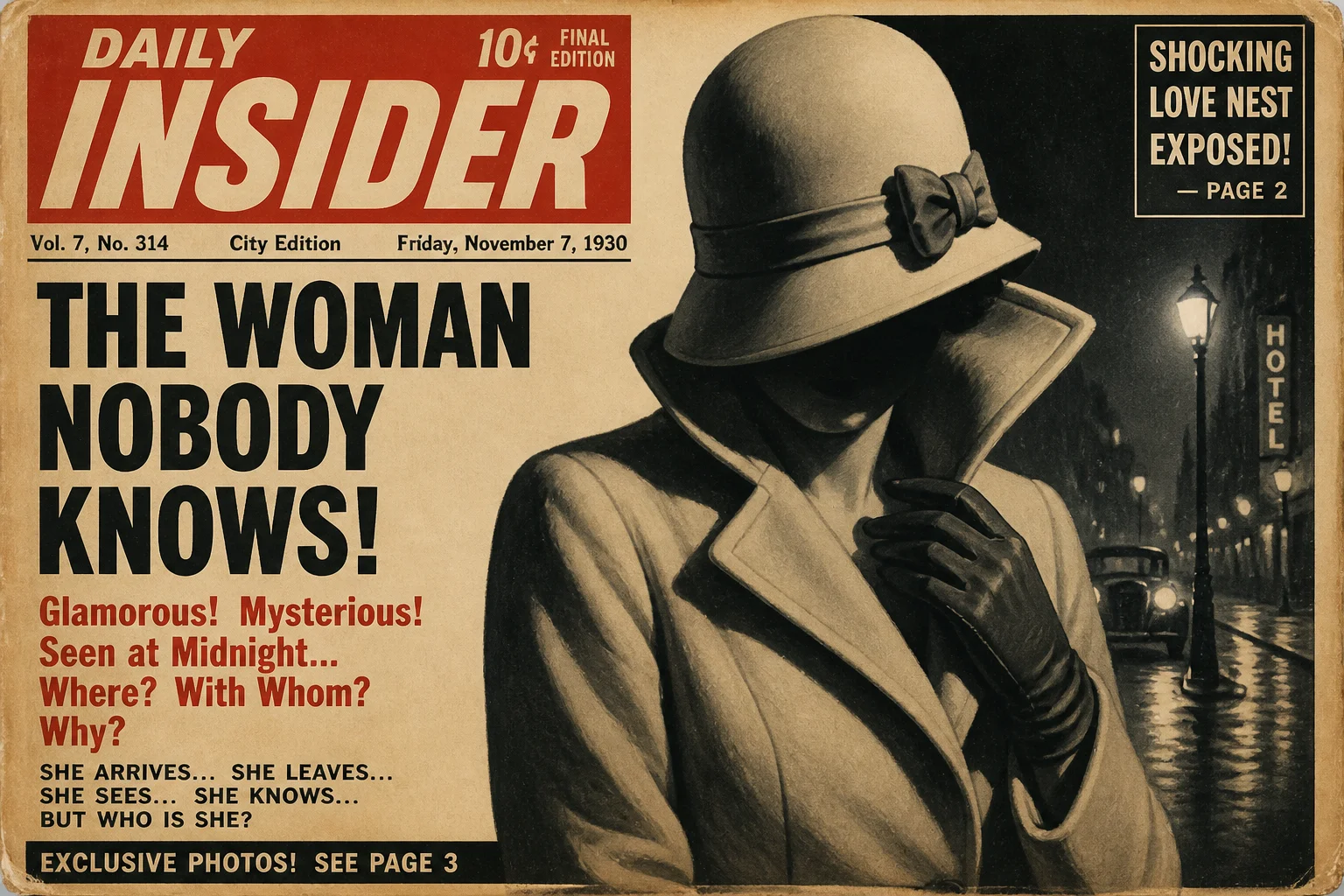
A flatfoot was a police officer or detective. The term was not usually affectionate, and it came from the world of criminals, nightlife regulars, and people who viewed police with suspicion.
Like much of the street slang jazz culture preserved, flatfoot was older than the 1920s but gained extra life during Prohibition. Enforcement of dry laws put police and federal agents into direct conflict with ordinary drinkers.
Use flatfoot as a period term in writing about crime or Prohibition. It does not fit everyday speech unless you are deliberately evoking an old detective story.
21. Moll
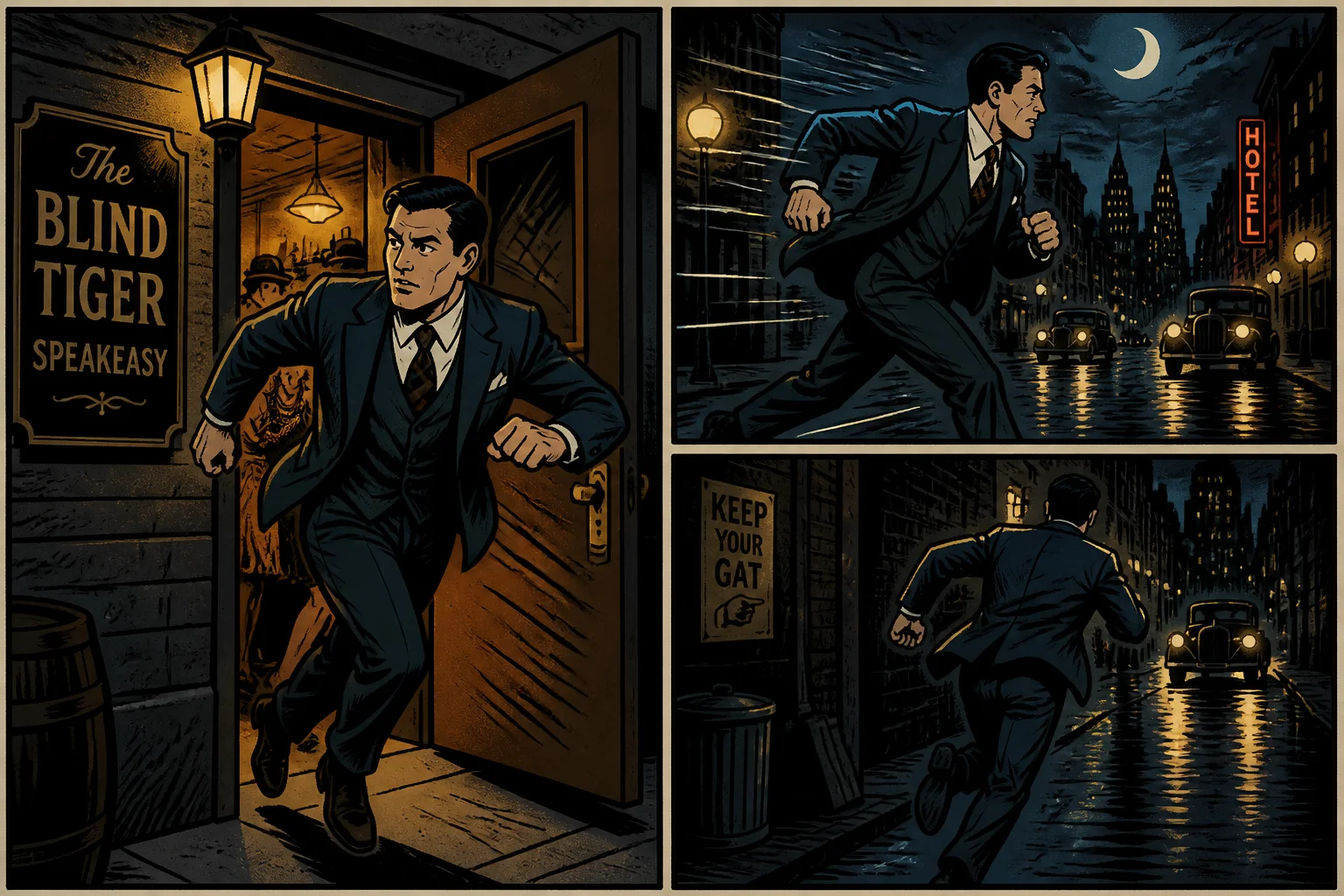
A moll was the girlfriend or female companion of a gangster. The word came from a longer tradition of underworld slang and was popularized by tabloid crime coverage.
It often carried a glamorous but limited image, shaped by newspapers and early crime films. Historians caution that the real women behind that label had far more varied roles than the stereotype suggests.
Use moll only when discussing the era or analyzing period media. In modern writing, it works best as a historical term rather than a casual description.
22. Scram
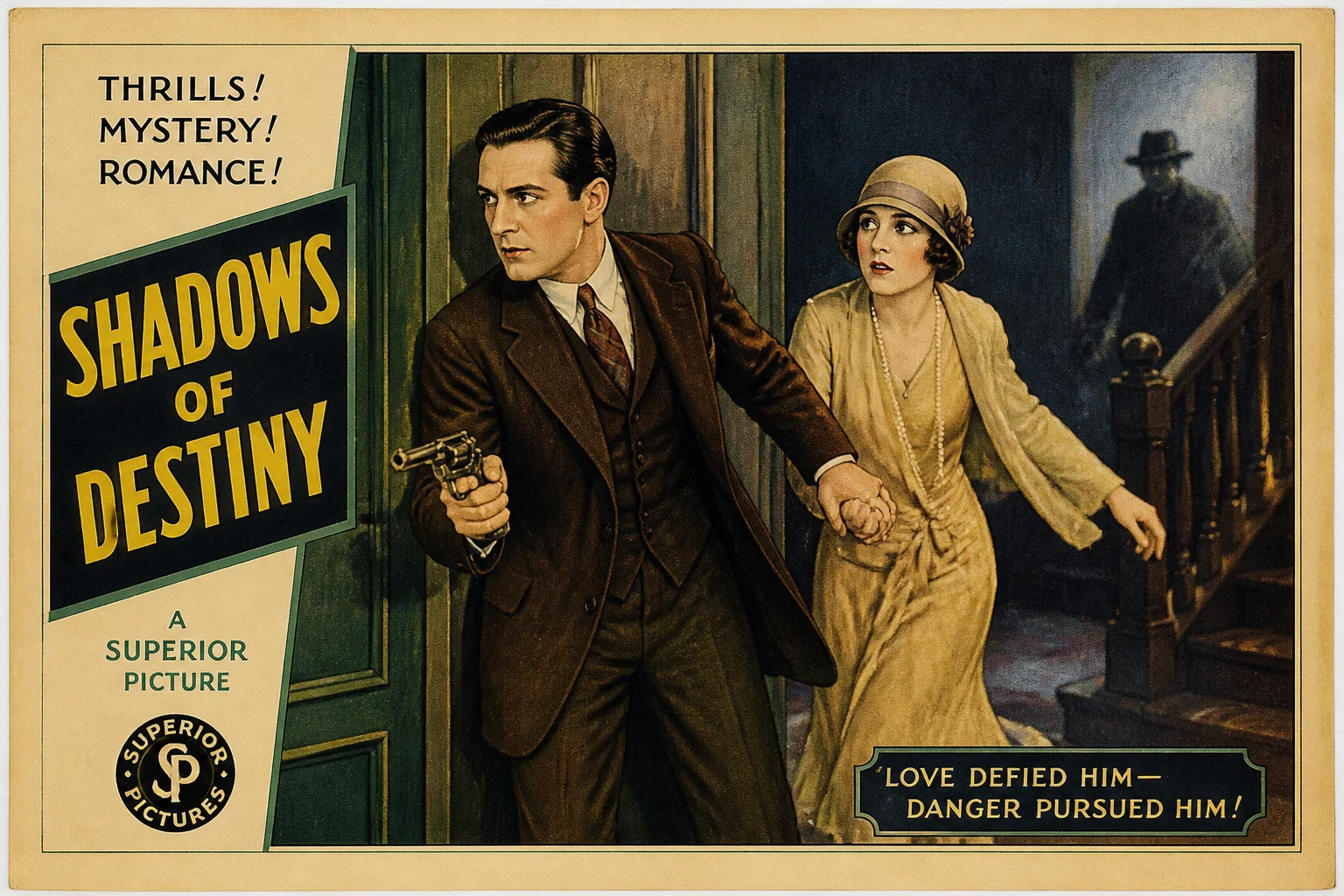
To scram meant to leave quickly, often because trouble was coming. A raid, a fight, or an angry partner could all be reasons to scram.
The word feels modern, but it was already part of 1920s slang and became even more common in later decades. It is a good example of how jazz slang bridged into general American English.
Use scram today as a playful command. Telling a friend to scram from a boring party still works if your tone is clearly joking.
The Lasting Echo of Jazz Slang
These 22 terms are only a sample of the decade's wordplay. Jazz slang spread through sheet music, film, vaudeville, and the new mass media that helped make the 1920s feel faster than any previous era.
Much of it was not invented from nothing. The slang jazz musicians coined was only part of a wider vocabulary that also borrowed from older speech, immigrant communities, African American vernacular, and criminal codes.
That is why the period still fascinates language lovers. The phrases are not just old words; they are small pieces of a cultural moment when music, nightlife, and social change moved to the same rhythm.
Frequently Asked Questions
Why is it often called the jazz age?
The label comes from the central role that jazz music played in 1920s culture. The phrase was popularized after F. Scott Fitzgerald used it in his 1922 story collection Tales of the Jazz Age. It captures the decade's reputation for speed, improvisation, and social change.
What is jazz slang?
Jazz slang is the informal vocabulary that spread through 1920s nightlife, music, film, and popular media. It mixed older slang with new phrases from African American speech, immigrant communities, vaudeville, and criminal codes. Many terms described music, dancing, alcohol, money, and social status.
Did everyone in the 1920s use these slang terms?
No. Slang lists, films, and popular songs spread these words widely, but not every person used them. Many phrases were strongest among young urban crowds, jazz fans, and nightlife regulars.
What does the bee’s knees mean?
The bee's knees means something excellent, stylish, or especially good. It was part of a 1920s trend for playful animal-based compliments such as the cat's meow.
Is jazz age slang still used today?
Some of it is. Words like swell, dough, ritzy, scram, and the real McCoy still survive in everyday speech. Others, such as hotsy-totsy or blotto, are mostly used as playful throwbacks or in period writing.

Alex Warren
Related Articles