

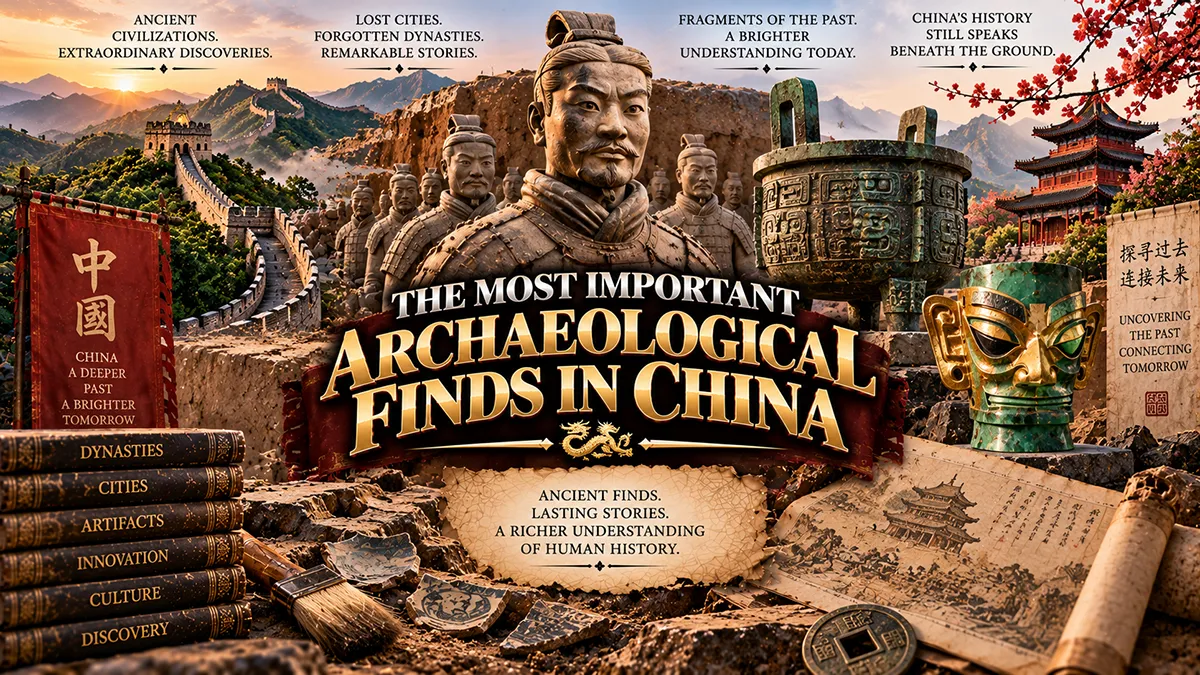
China’s archaeological record stretches back tens of thousands of years, and it keeps growing. New excavations, chance discoveries by farmers, and construction crews digging where they shouldn’t have to stop still reshape what historians thought they knew about the region’s past. Every china search for buried history seems to turn up something that forces textbooks to be rewritten.
This list rounds up the finds that mattered most, from Stone Age villages to Silk Road cave libraries. Some are single spectacular objects, others are entire historical sites in China that reveal how whole civilizations lived, worshipped, and buried their dead. Along the way, we’ll flag which claims are well-supported by evidence and which are still debated among archaeologists.
TL;DR: China’s archaeology in China spans over a million years of human activity, and finds like the Terracotta Army, oracle bones, and Sanxingdui bronzes have transformed our understanding of how Chinese civilization actually developed.
Why China’s Archaeology Matters So Much
China has one of the longest continuous written and material records on Earth, but for centuries much of its earliest history was known only through later texts, myths, and semi-legendary king lists.
Archaeology in China has been the thing that either confirms or complicates those old stories. Sites once dismissed as legend, like the city that may have belonged to the Xia dynasty, have turned out to have real physical foundations.
The artifacts in ancient China also tell a much bigger story than any single dynasty, and they hold their own among some of the most incredible artifacts ever uncovered anywhere in the world.
They show trade routes stretching to Central Asia and beyond, religious practices that blended local belief with imported Buddhism, and technological leaps in bronze casting, papermaking, and shipbuilding. Below are the finds that historians and archaeologists consistently point to as the most significant.
1. The Terracotta Army
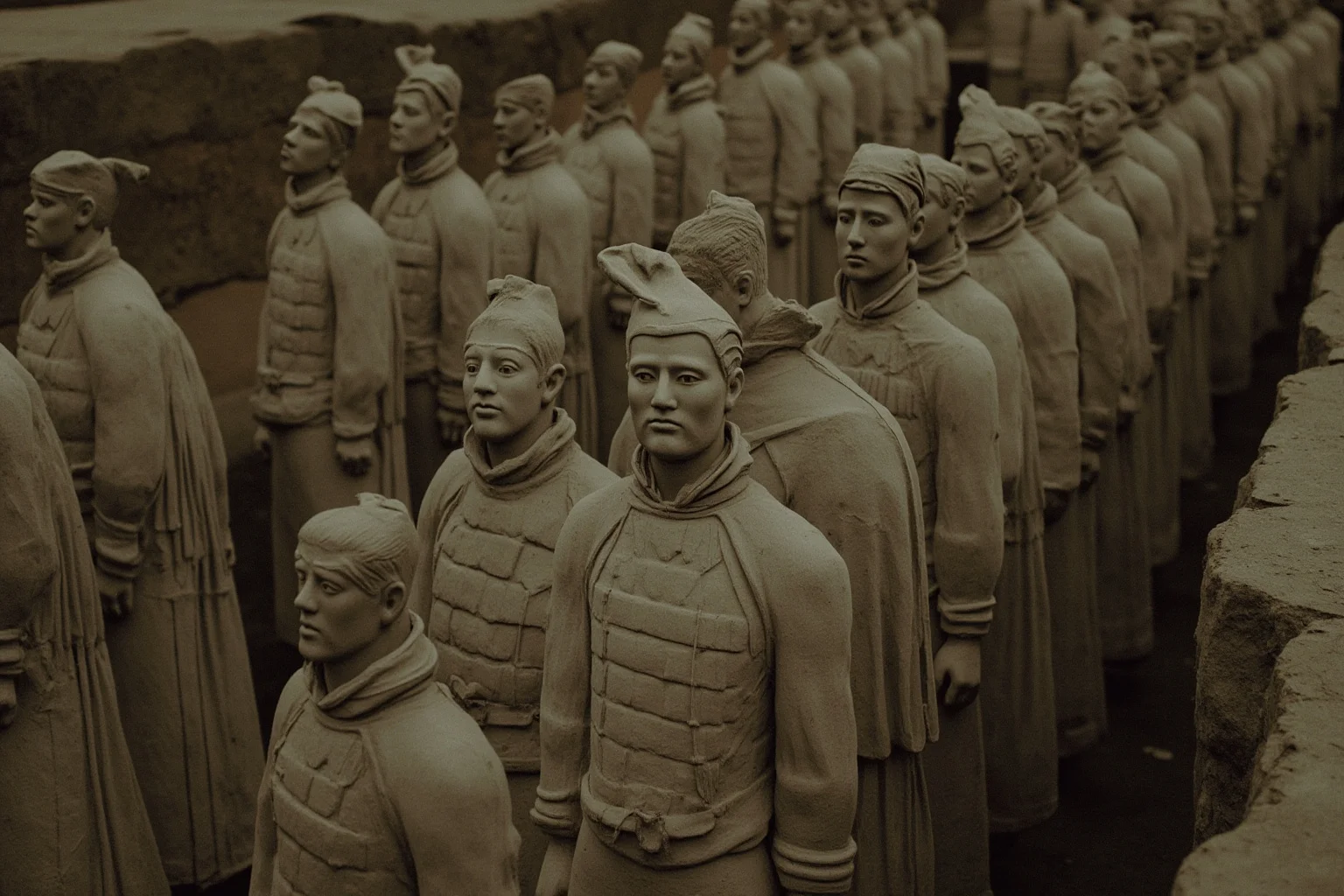
Discovered by farmers digging a well near Xi’an in 1974, the Terracotta Army consists of thousands of life-sized clay soldiers, horses, and chariots buried to guard the tomb of Qin Shi Huang, China’s first emperor.
Each figure has individualized facial features, and the sheer scale of the project (estimates run past 8,000 figures) reflects the emperor’s obsession with the afterlife. It remains one of the most recognizable ancient China artefacts in the world.
Excavation is still ongoing decades later, and archaeologists deliberately leave large sections unexcavated until preservation techniques improve. Original paint pigments on the figures degrade within minutes of exposure to air, so much of the site is left untouched on purpose.
2. The Oracle Bones of Yinxu
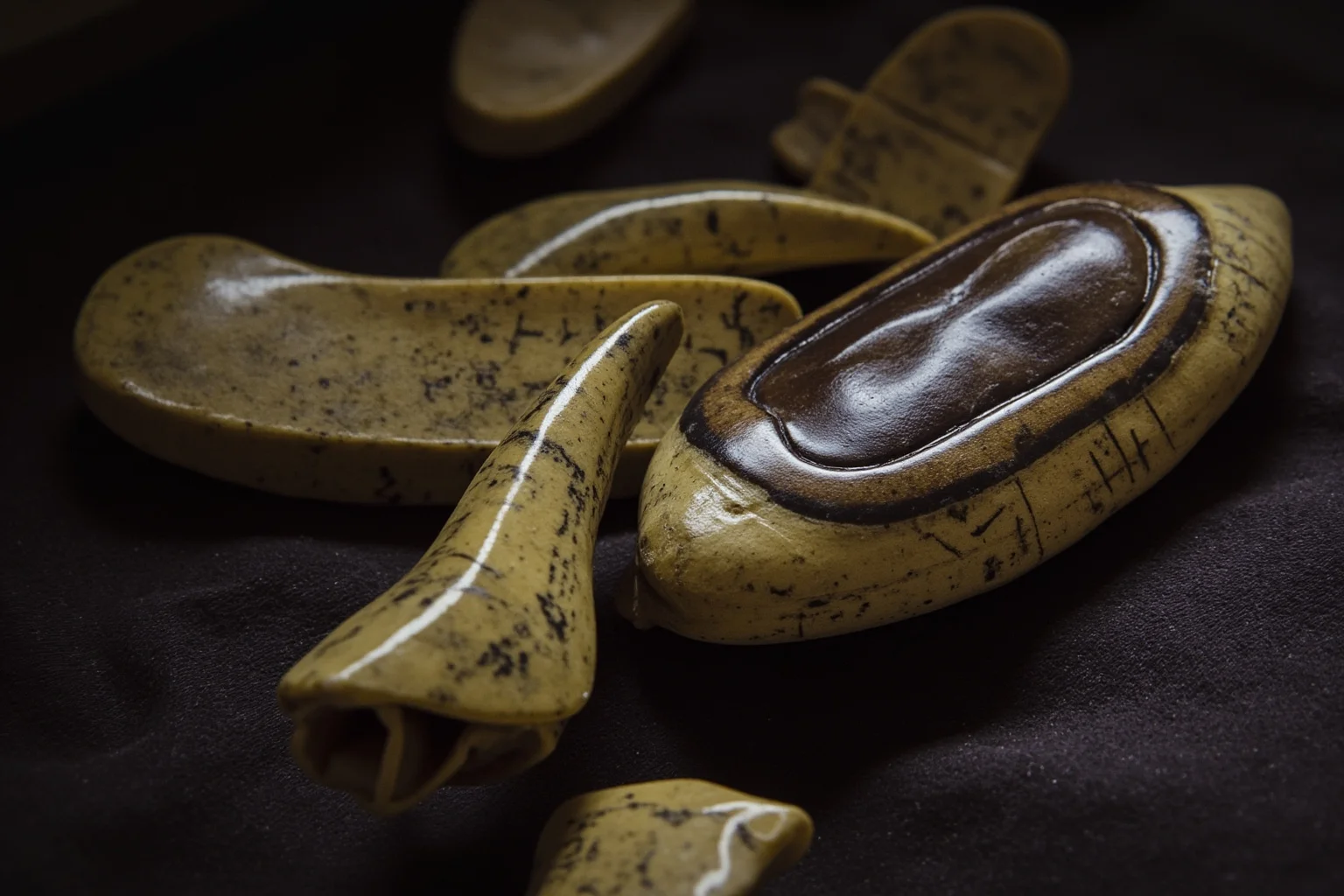
At the late Shang dynasty capital of Yinxu, near modern Anyang, archaeologists uncovered tens of thousands of inscribed ox scapulae and turtle shells used for divination.
These oracle bones carry the earliest known systematic form of Chinese writing, dating to roughly 1250-1050 BCE. They record questions put to royal ancestors about harvests, warfare, and childbirth.
The bones were first identified as ancient in 1899 after a scholar noticed strange characters on “dragon bone” medicine sold in Beijing pharmacies. That accidental find in ancient China artefacts trading kicked off one of the most important archaeological programs in the country’s history.
3. The Tomb of Fu Hao
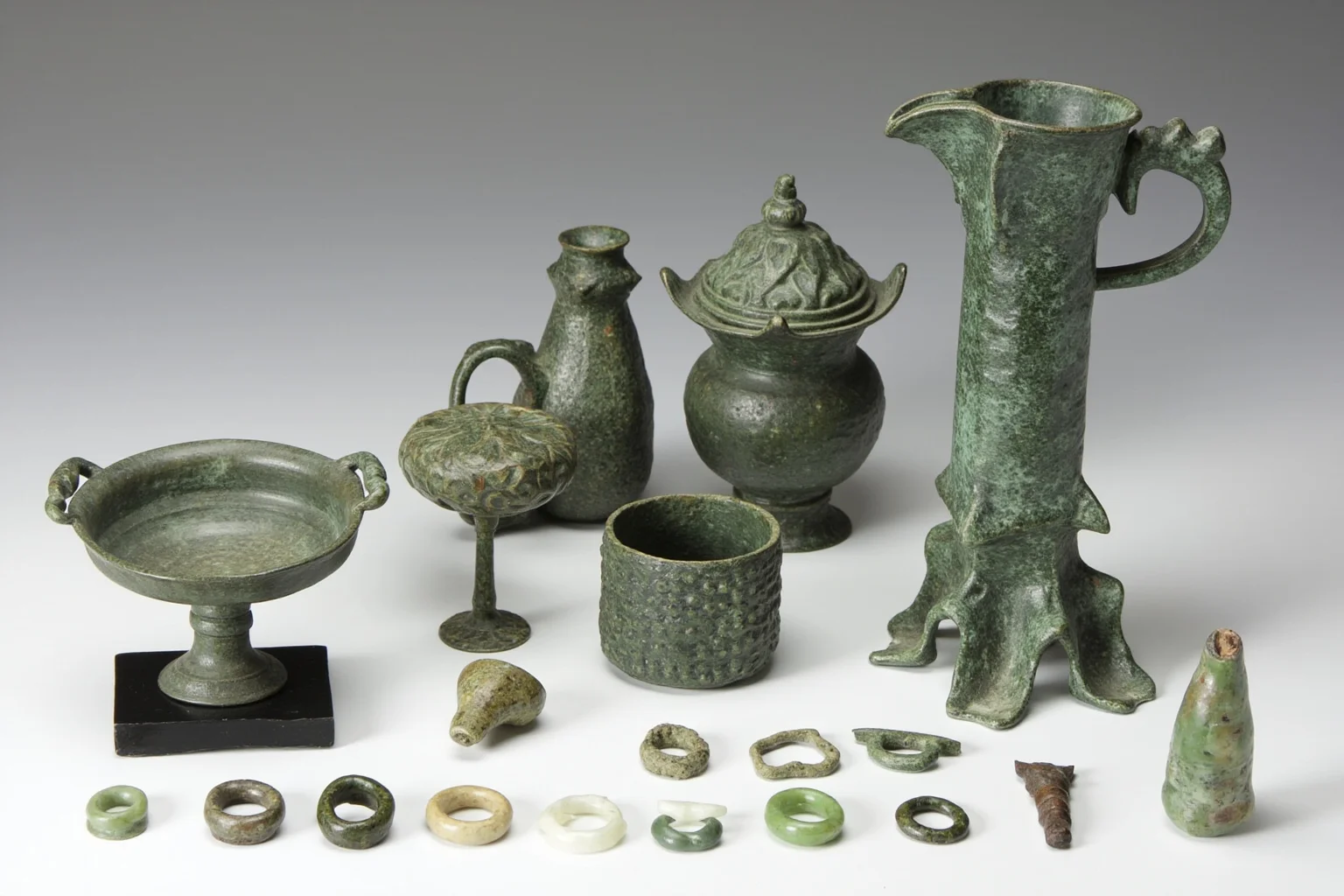
Also found at Yinxu, this intact Shang dynasty tomb belonged to Fu Hao, a royal consort and, unusually for her time, a military general. Excavated in 1976, it held over 1,600 grave goods including bronze vessels, jade ornaments, and weapons. It’s one of the few Shang-era tombs found undisturbed by looters.
Inscriptions on some of the bronzes confirm her identity and match her name to oracle bone records describing her military campaigns. That link between artifact and text is rare and gave historians unusually solid evidence about women’s roles in early Chinese aristocracy.
4. Peking Man at Zhoukoudian
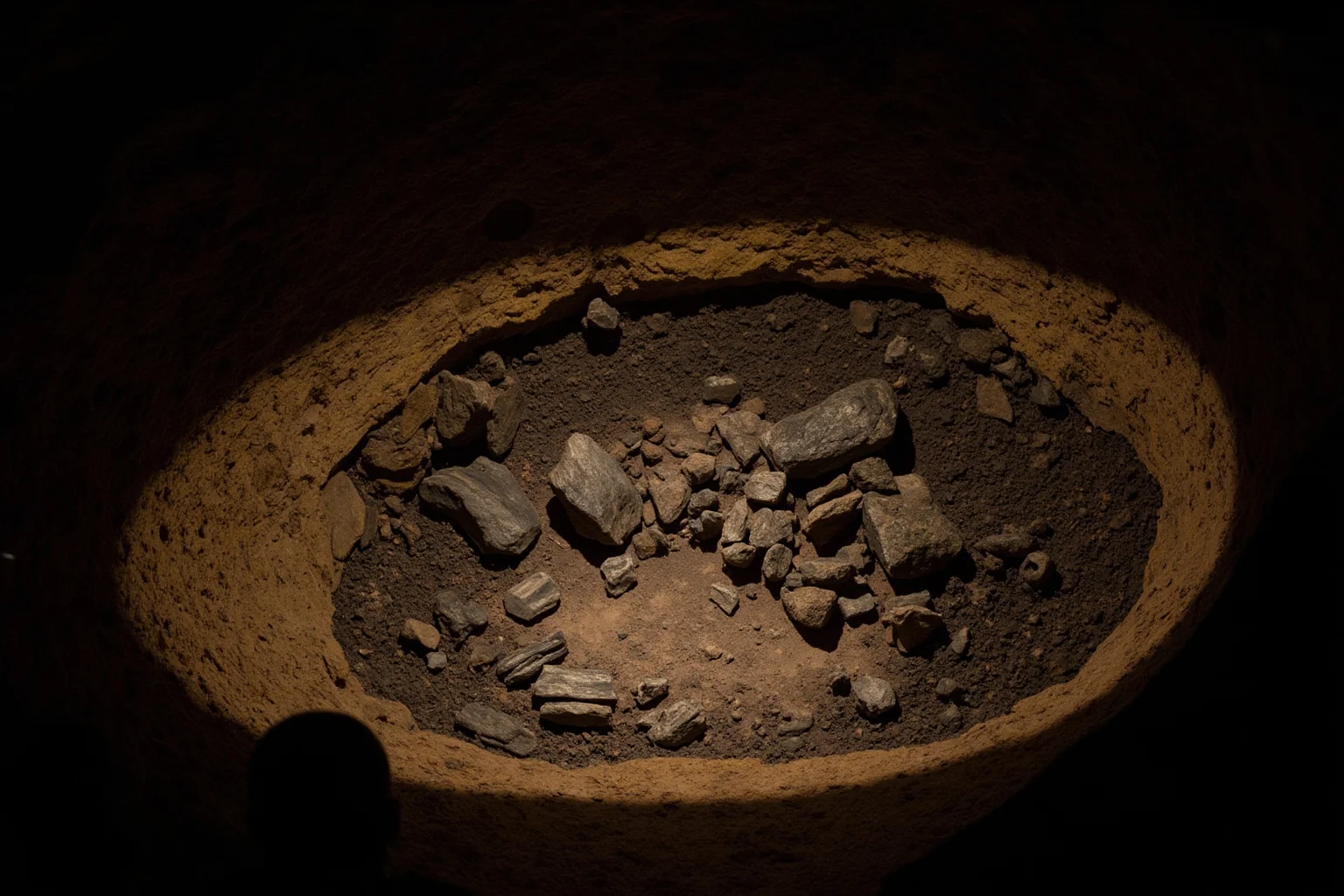
The Zhoukoudian cave system near Beijing produced fossils of Homo erectus, popularly known as Peking Man, along with stone tools and evidence of fire use dating back several hundred thousand years.
Excavations began in the 1920s and turned the site into one of the most important early human archaeology sites in Asia. The original fossils were tragically lost during World War II and have never been recovered.
Despite that loss, casts, records, and later finds at the site have kept Zhoukoudian central to debates about early human migration across Asia. It’s a reminder that some of the most important Chinese find sites are valued as much for what they taught us as for what physically survives today.
5. The Sanxingdui Bronze Masks
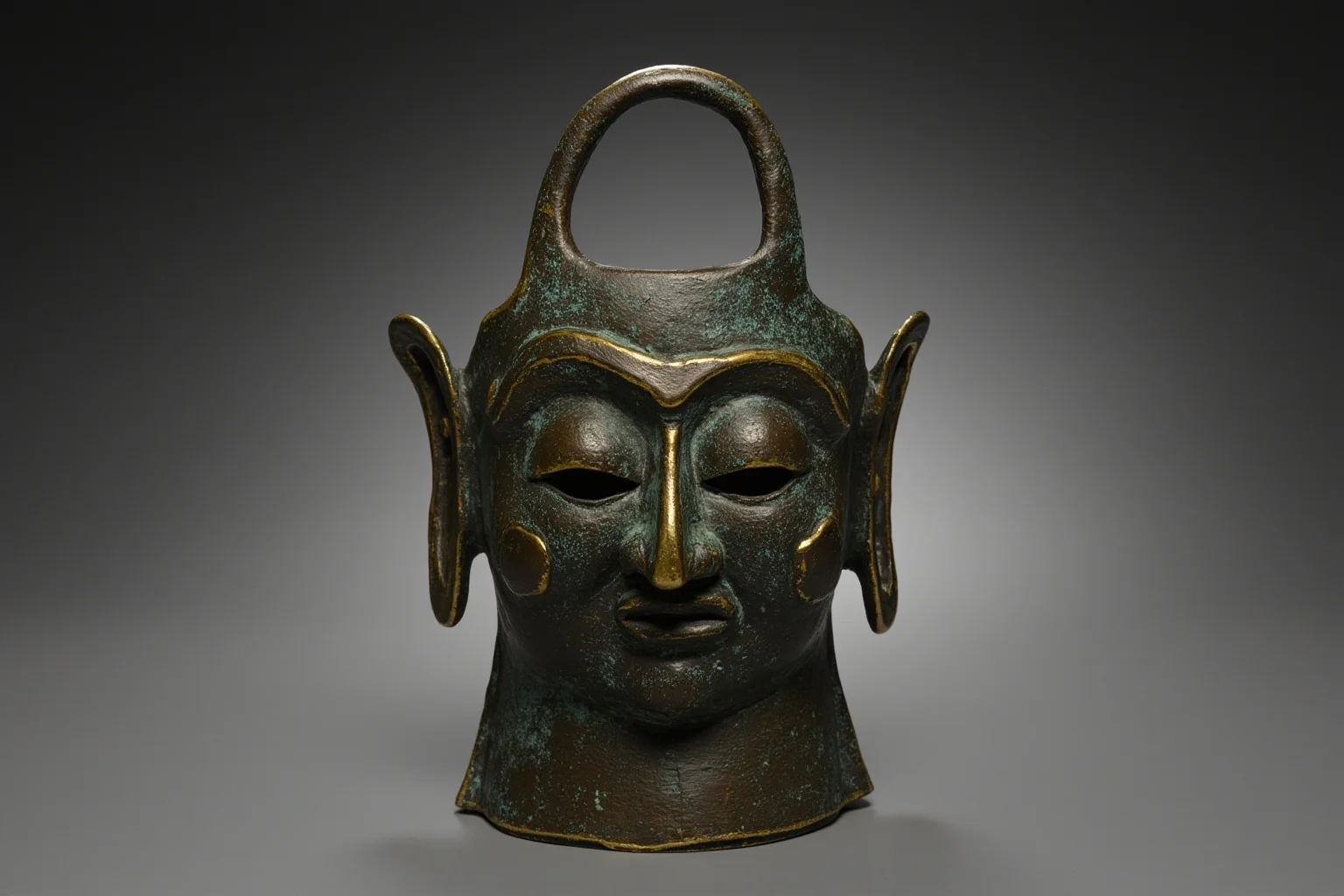
In Sichuan province, the Sanxingdui site produced enormous bronze masks with exaggerated, almost alien-looking features, along with gold foil, jade, and ivory objects.
These date to roughly 1200-1000 BCE and belong to a culture that isn’t mentioned in traditional Chinese historical texts at all. The style is unlike anything else found from the same period elsewhere in China.
Because the culture behind Sanxingdui left no clear written record, theories about its origins and beliefs remain genuinely open questions among archaeologists. It’s tempting to reach for dramatic explanations, but the honest answer is that researchers are still piecing together who made these objects and why.
6. The Jinsha Site
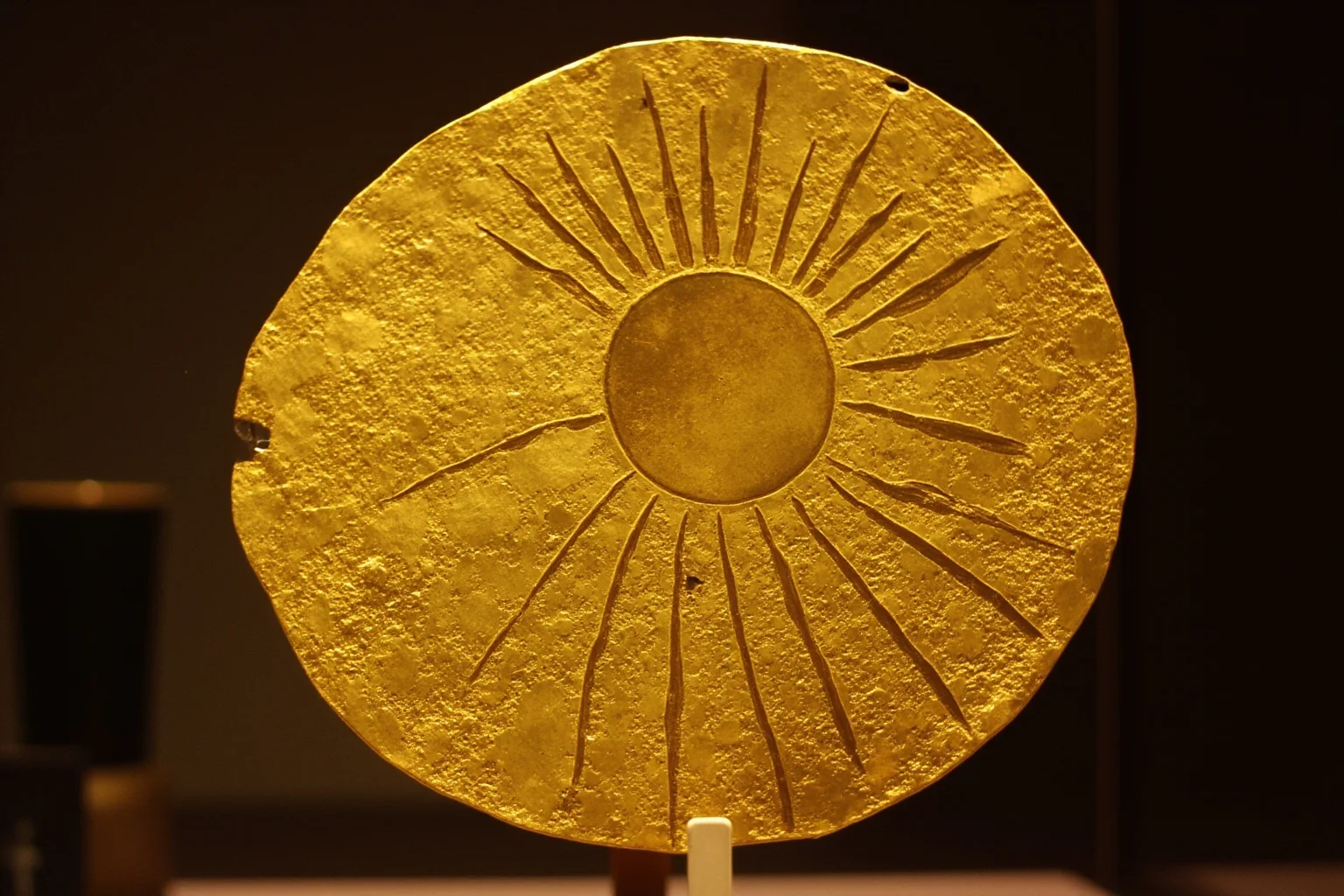
Discovered in Chengdu in 2001, Jinsha appears to be a later settlement connected to the same Shu culture responsible for Sanxingdui.
Excavators found gold ornaments, jade discs, ivory tusks, and a striking sun-and-bird gold foil pattern that has since become something of an unofficial symbol for Chinese cultural heritage. The site suggests the Shu civilization relocated rather than simply vanished.
Jinsha’s finds help bridge a gap in the archaeological record between Sanxingdui’s decline and later historical mentions of Sichuan cultures. It’s a good example of how one discovery can quietly resolve a mystery left by an earlier one.
7. The Mawangdui Han Tombs
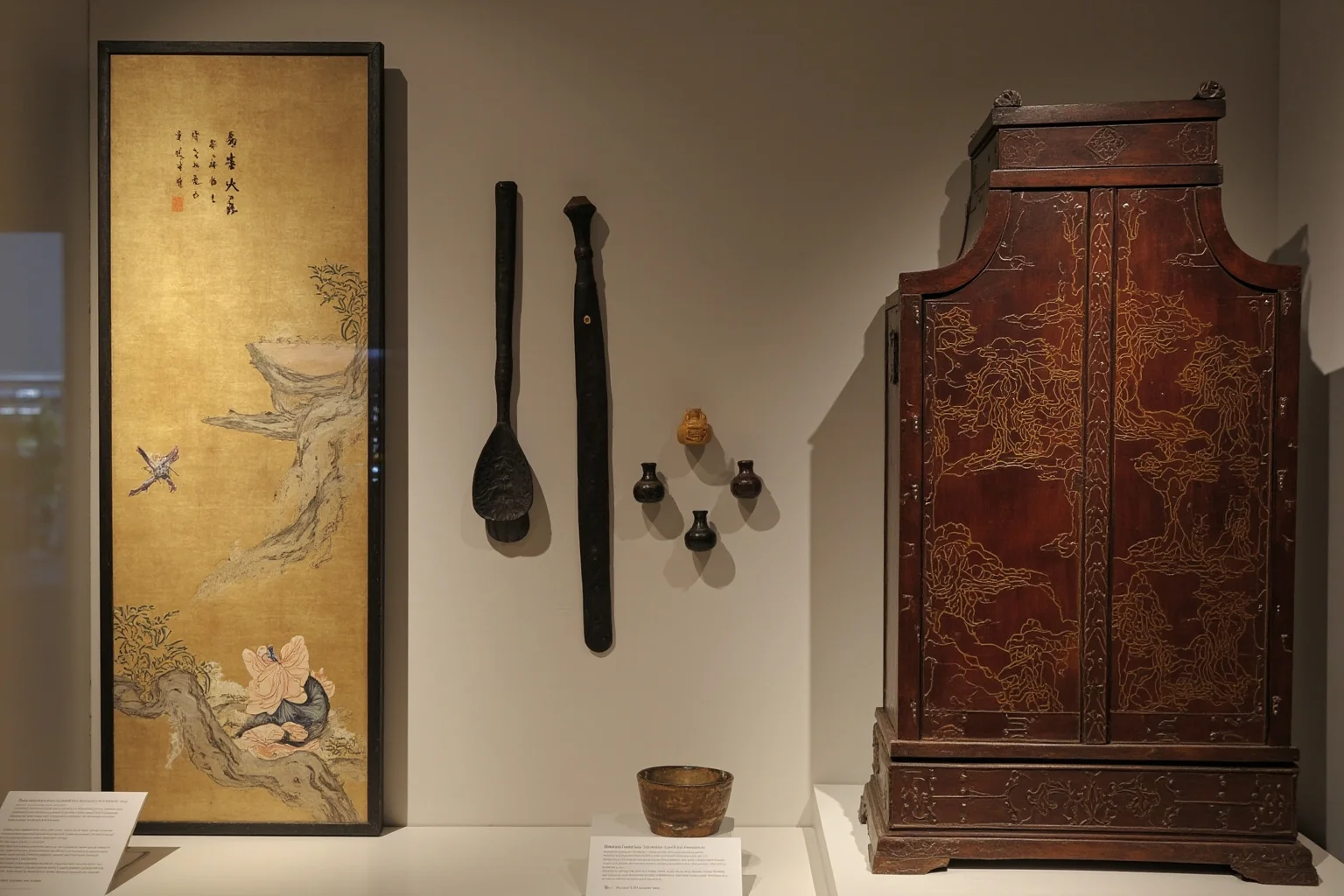
Excavated near Changsha in the early 1970s, the Mawangdui tombs belonged to a Han dynasty marquis and his family. The standout find was the remarkably preserved body of Lady Dai, whose skin, organs, and even joints remained supple after roughly 2,100 years thanks to an airtight burial method involving charcoal and clay. Silk paintings, lacquerware, and some of the oldest surviving copies of texts like the Tao Te Ching were also recovered.
The preservation was so unusual that researchers were able to perform something close to a modern autopsy, finding evidence of the illnesses Lady Dai suffered before death. It’s still cited as one of the best-preserved ancient bodies found anywhere in the world.
8. The Tomb of the Marquis of Haihun
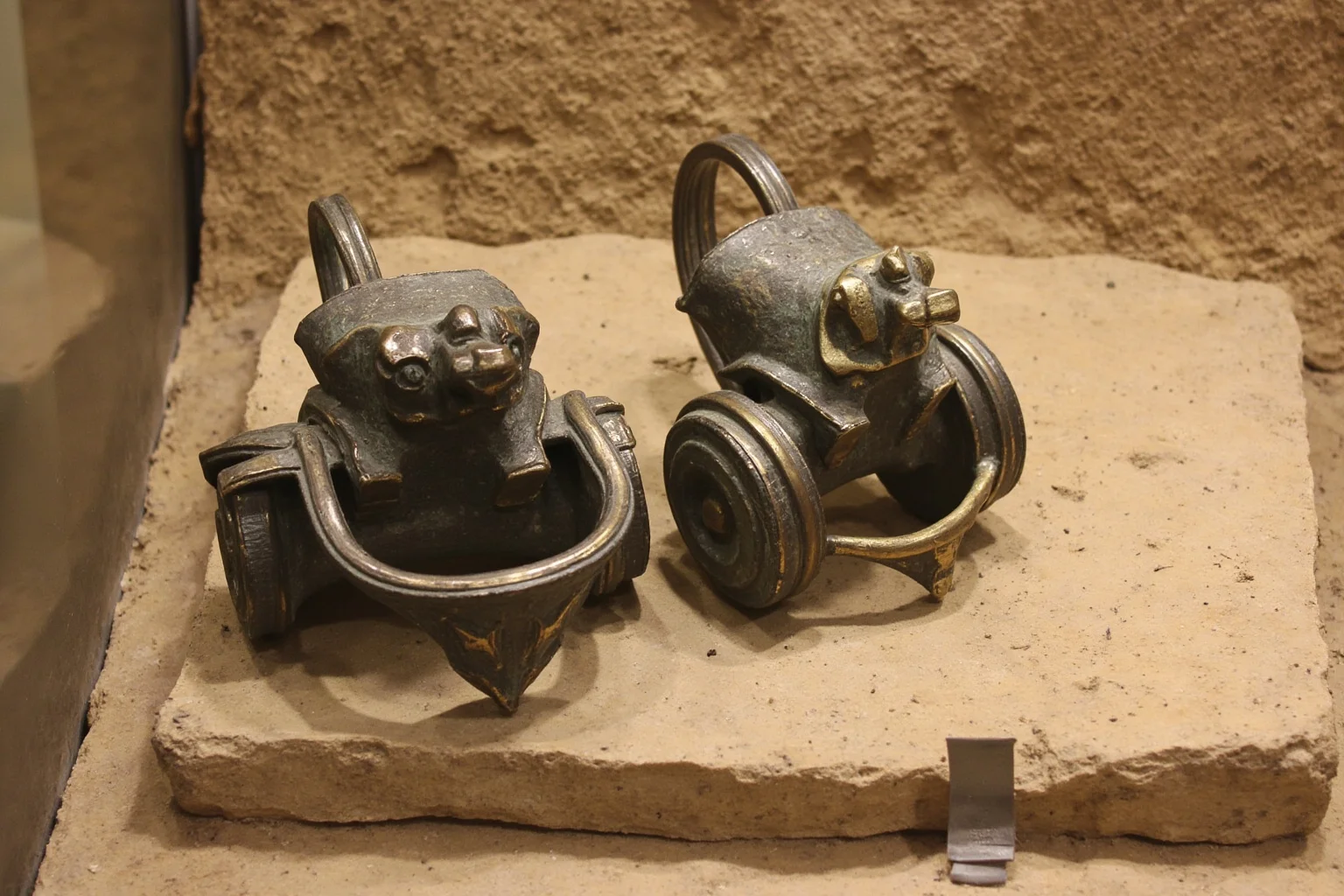
Found near Nanchang and excavated starting in 2011, this Han dynasty tomb belonged to Liu He, a man who briefly served as emperor before being deposed after only 27 days. Archaeologists recovered more than 10,000 artifacts, including gold ingots, bronze bells, chariots, and one of the earliest known portraits of Confucius on a bronze mirror. The wooden coffin chamber itself survived remarkably intact.
The find gave historians rare physical confirmation of a ruler who barely appears in surviving records due to his short and unflattering reign. It’s a strong example of how artifacts from China can rehabilitate or complicate figures that official histories preferred to downplay.
9. The Erlitou Site
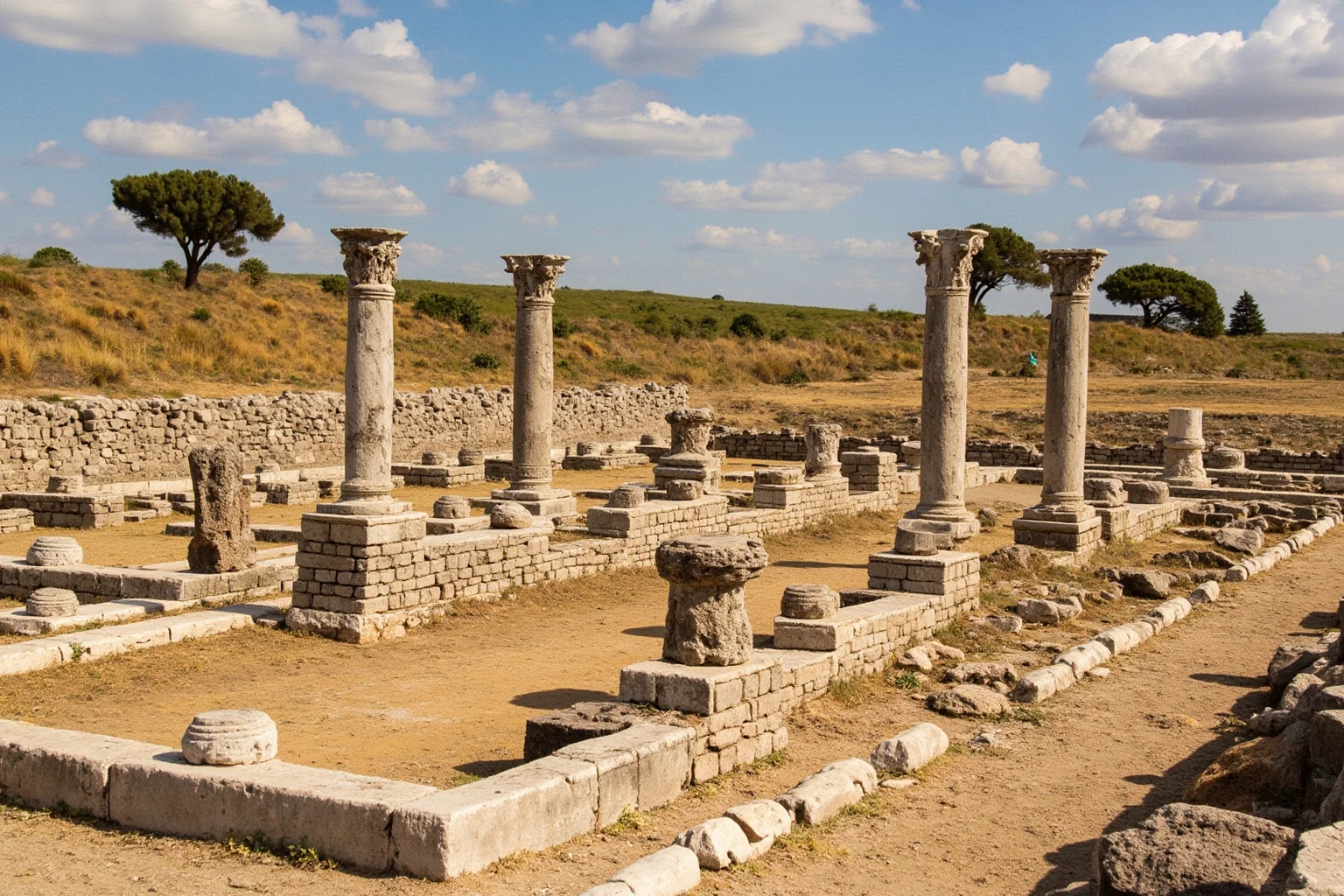
Located in Henan province, Erlitou dates to roughly 1900-1500 BCE and is widely considered by many Chinese archaeologists to be linked to the semi-legendary Xia dynasty, though this identification is still debated internationally. The site includes palace foundations, bronze workshops, and some of the earliest bronze ritual vessels found in China. It shows genuinely urban planning centuries before the Shang dynasty rose to power.
Whether or not Erlitou proves the Xia dynasty existed exactly as later texts describe it, the site confirms that organized, hierarchical society existed in the region earlier than once assumed. That distinction between “confirms a state existed” and “confirms the legendary Xia dynasty specifically” matters, and reputable archaeologists are careful to keep the two separate.
10. Banpo Village
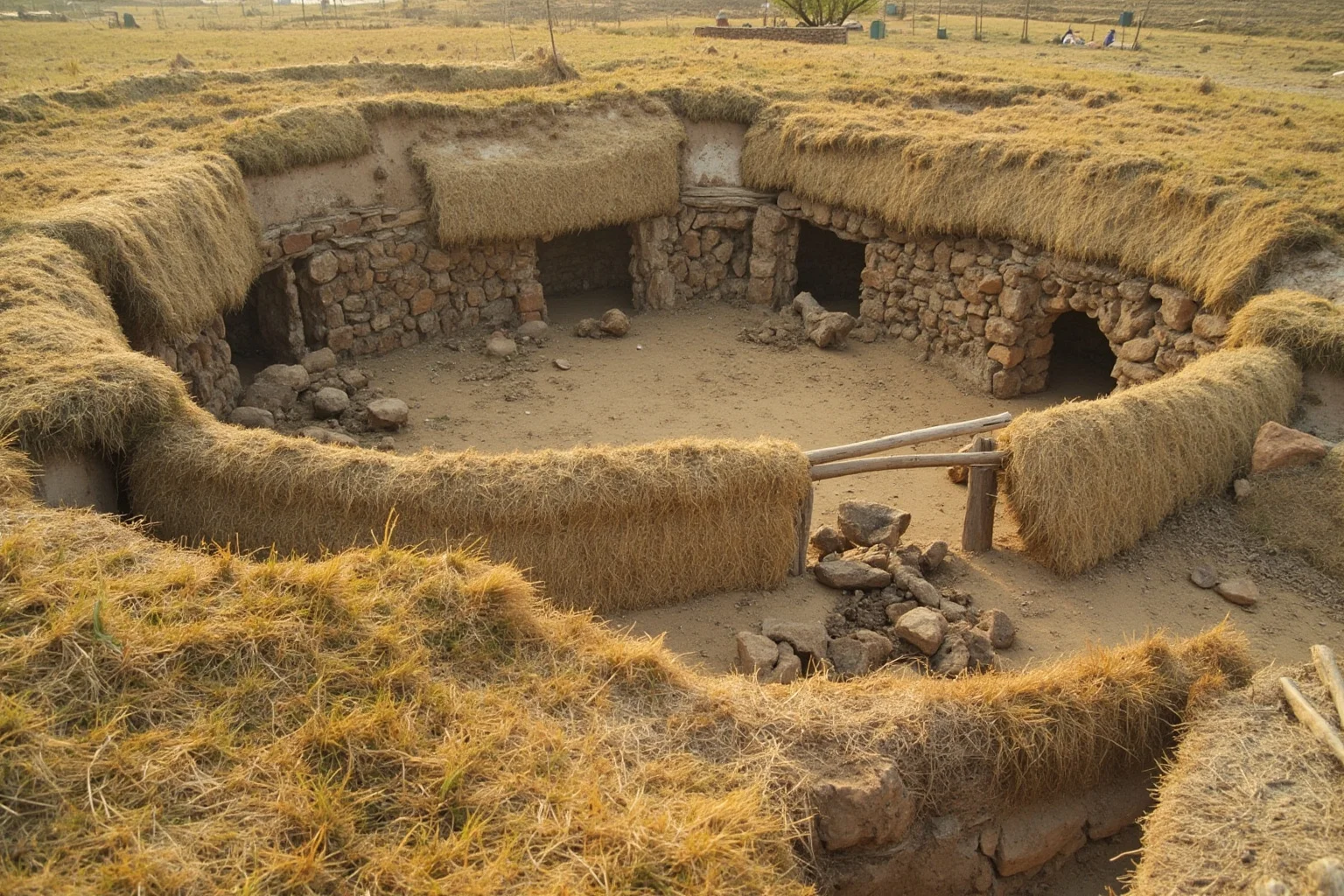
Banpo, near Xi’an, is a Neolithic Yangshao culture settlement dating back roughly 6,000 years. Excavations revealed round and square pit-houses, storage pits, pottery kilns, and a surrounding defensive ditch, giving a detailed picture of an early farming community. Painted pottery found here features fish and human-face motifs that are still studied for clues about early symbolic thinking.
The site is now protected as an open-air museum, letting visitors walk among reconstructed dwellings built on the original foundations. It remains one of the most complete pictures available of daily life in Neolithic China.
11. Liangzhu Ancient City
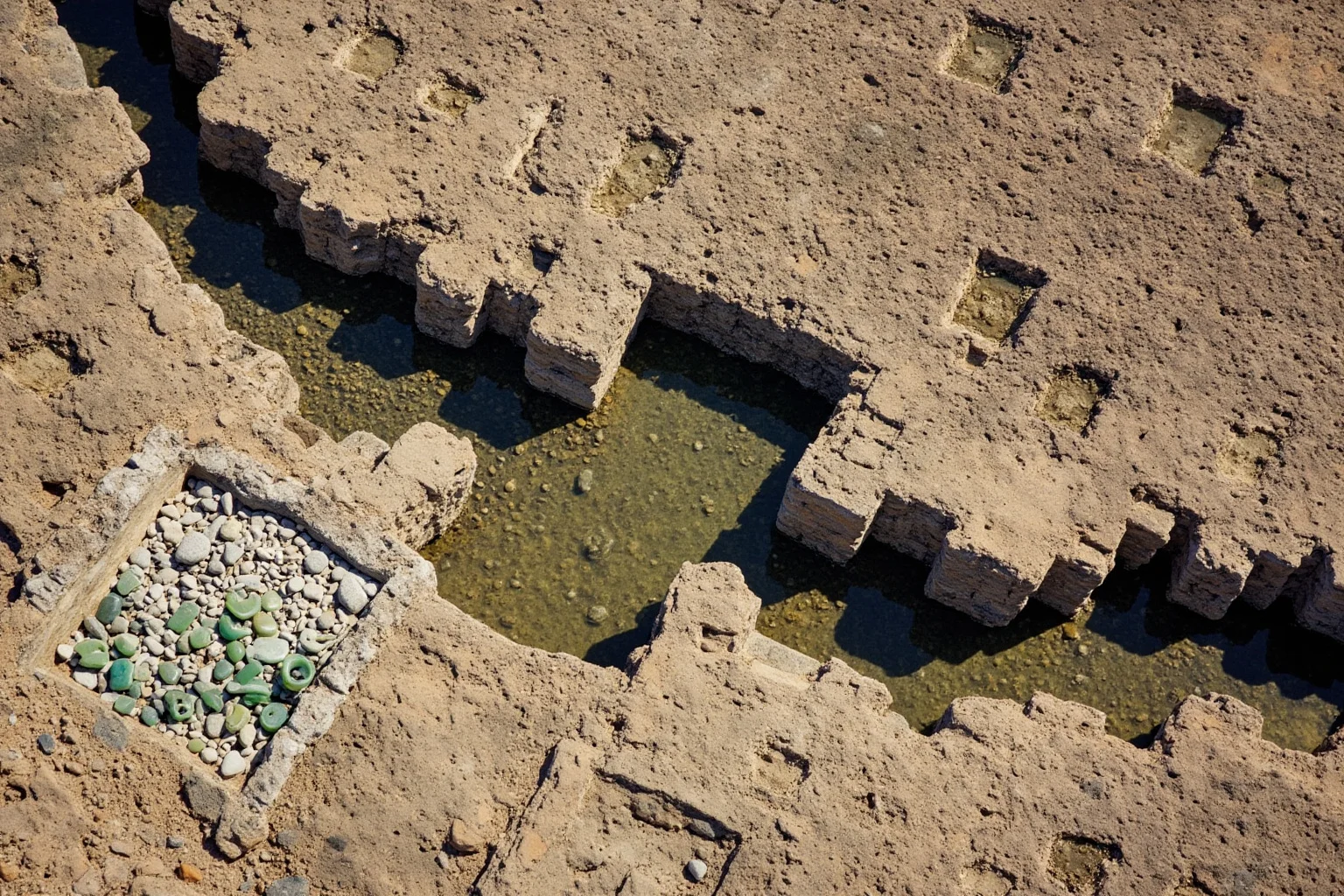
The Liangzhu site near Hangzhou dates to around 3300-2300 BCE and includes a walled city, elaborate water management systems, and huge quantities of finely carved jade. The scale of the hydraulic engineering, including dams, was unexpected for a culture this early and was only fully appreciated after extensive study in the 2000s. UNESCO recognized Liangzhu as a World Heritage Site in 2019.
Jade cong tubes and bi discs from Liangzhu are now considered some of the finest ancient China artefacts from the Neolithic period anywhere in the country. The site pushed back timelines for organized water infrastructure in China by centuries.
12. Hemudu Site
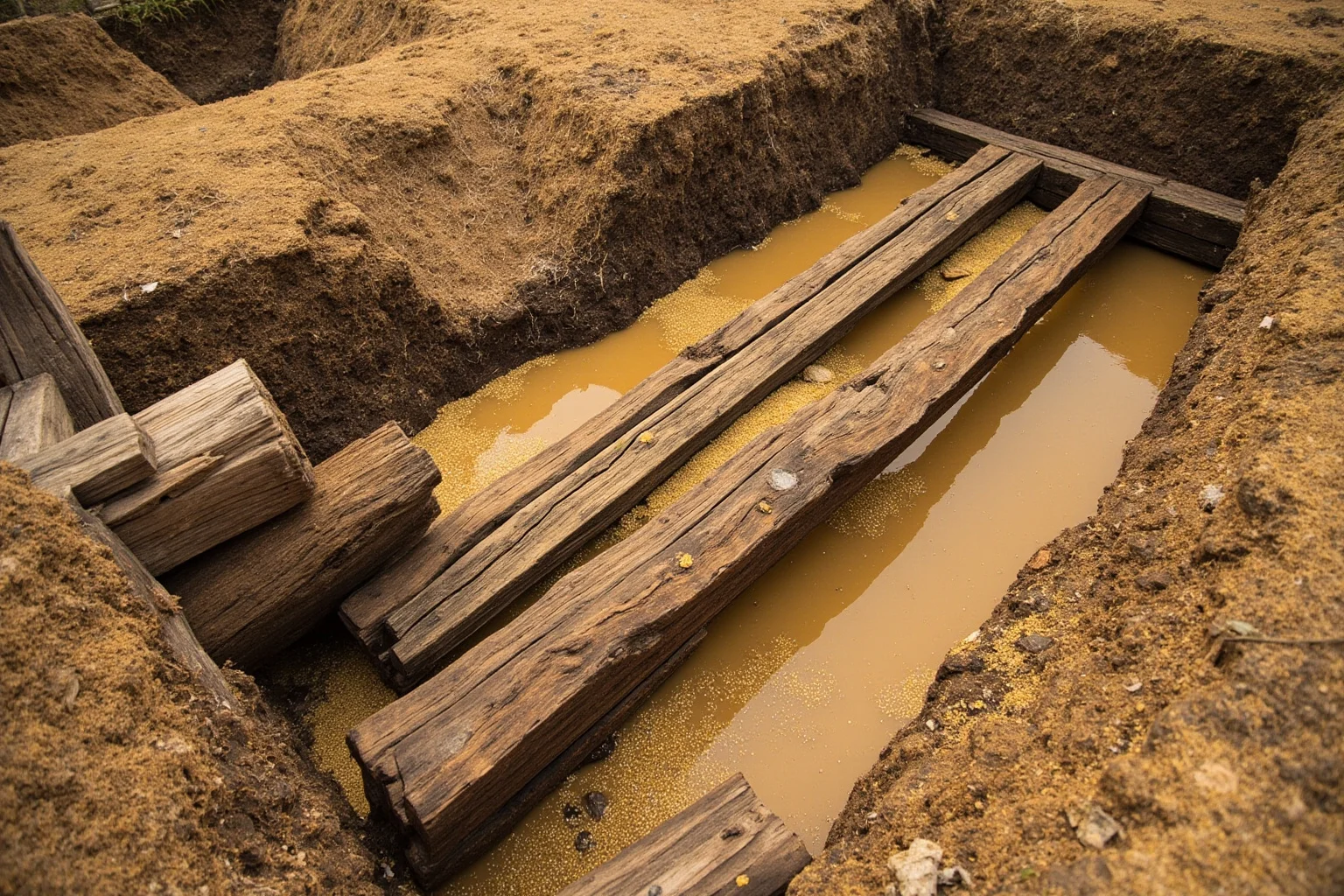
Hemudu, in Zhejiang province, preserved wooden structures, woven textiles, and some of the earliest solid evidence of domesticated rice cultivation in China, dating back around 7,000 years. Waterlogged soil conditions kept organic material intact that would normally have rotted away, giving archaeologists an unusually rich look at early agricultural life. Bone tools and lacquered wood objects were also recovered.
The rice remains at Hemudu were part of the evidence that helped settle long-running debates about where and when rice farming began in East Asia. It’s a strong example of how a single wetland site can outweigh dozens of drier ones for preservation quality.
13. Jiahu Site
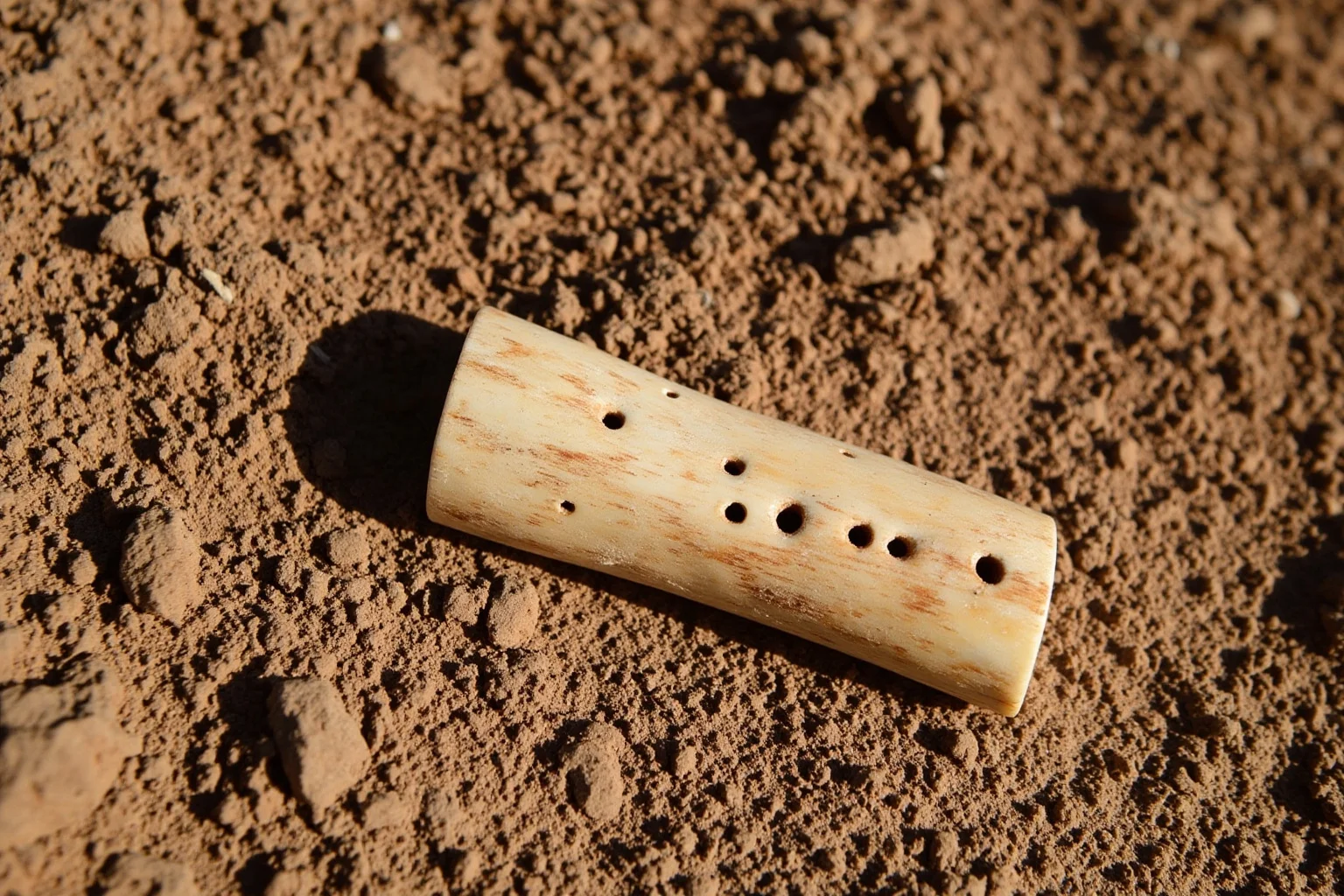
At Jiahu in Henan province, archaeologists uncovered bone flutes dating back roughly 9,000 years, among the oldest playable musical instruments ever found. The site also produced early evidence of rice cultivation, fermented beverages, and possible early writing-like symbols carved on tortoise shells, though that last point remains a matter of scholarly debate rather than settled fact. Jiahu shows just how early complex cultural behavior appeared in the region.
Tests on residue found in pottery vessels suggested a rice, honey, and fruit-based fermented drink, making Jiahu a candidate for one of the earliest known alcoholic beverages in human history. Claims about that being “the first beer” or “the first wine” get repeated a lot online, but it’s more accurate to call it early evidence of fermentation rather than a direct ancestor of any modern drink.
14. The Simuwu Ding
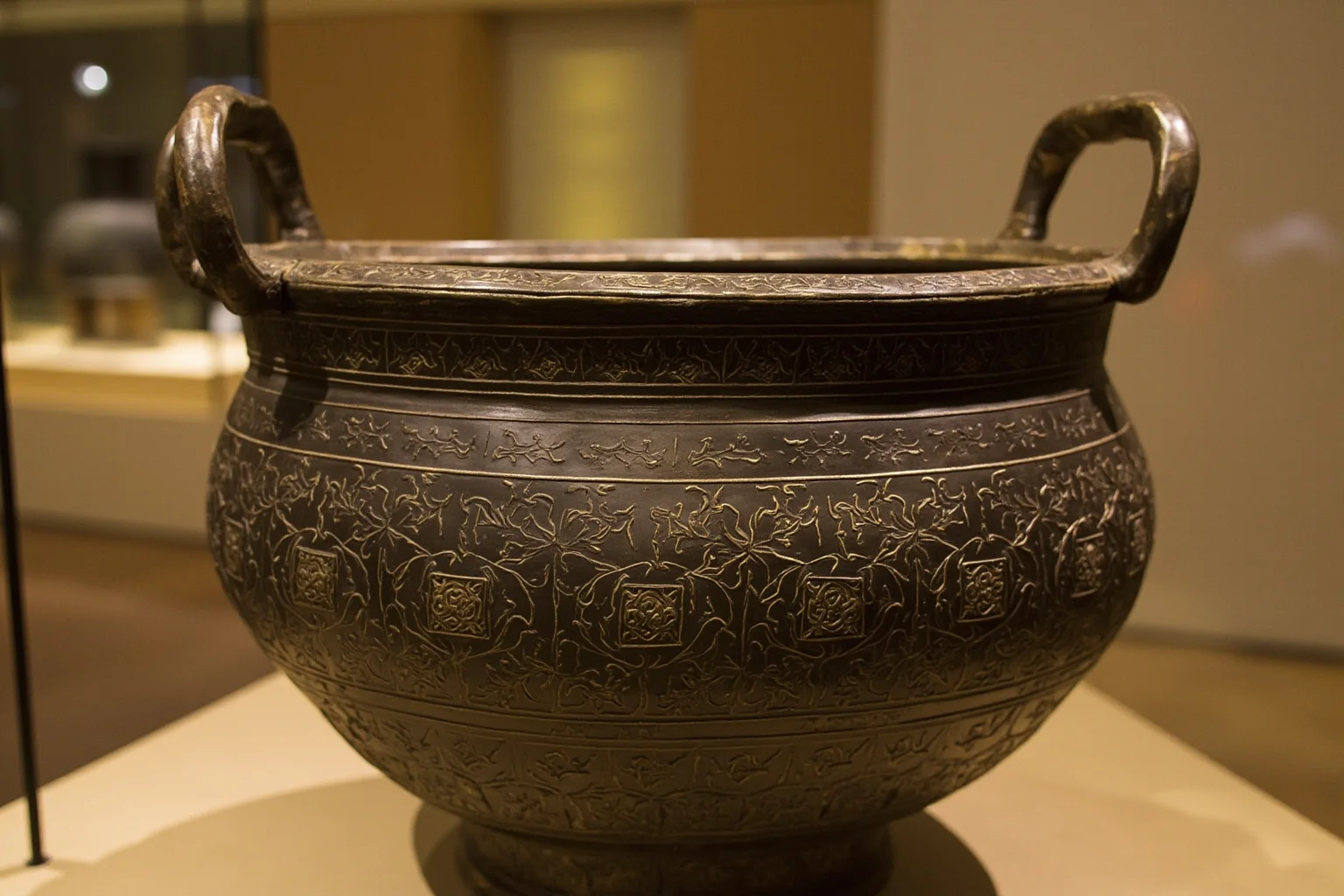
Also known as the Houmuwu Ding, this massive bronze ritual vessel from the late Shang dynasty weighs roughly 832 kilograms, making it the heaviest ancient bronze object ever found in China. It was unearthed in Anyang in 1939 and reburied by villagers to protect it from Japanese forces during the war, then recovered afterward. Inscriptions inside link it to a royal ancestor.
The ding demonstrates just how advanced Shang dynasty bronze-casting technology had become, requiring coordinated labor and sophisticated mold-making. It’s now housed in the National Museum of China and remains a centerpiece of Chinese bronze age archaeology.
15. The Famen Temple Relics
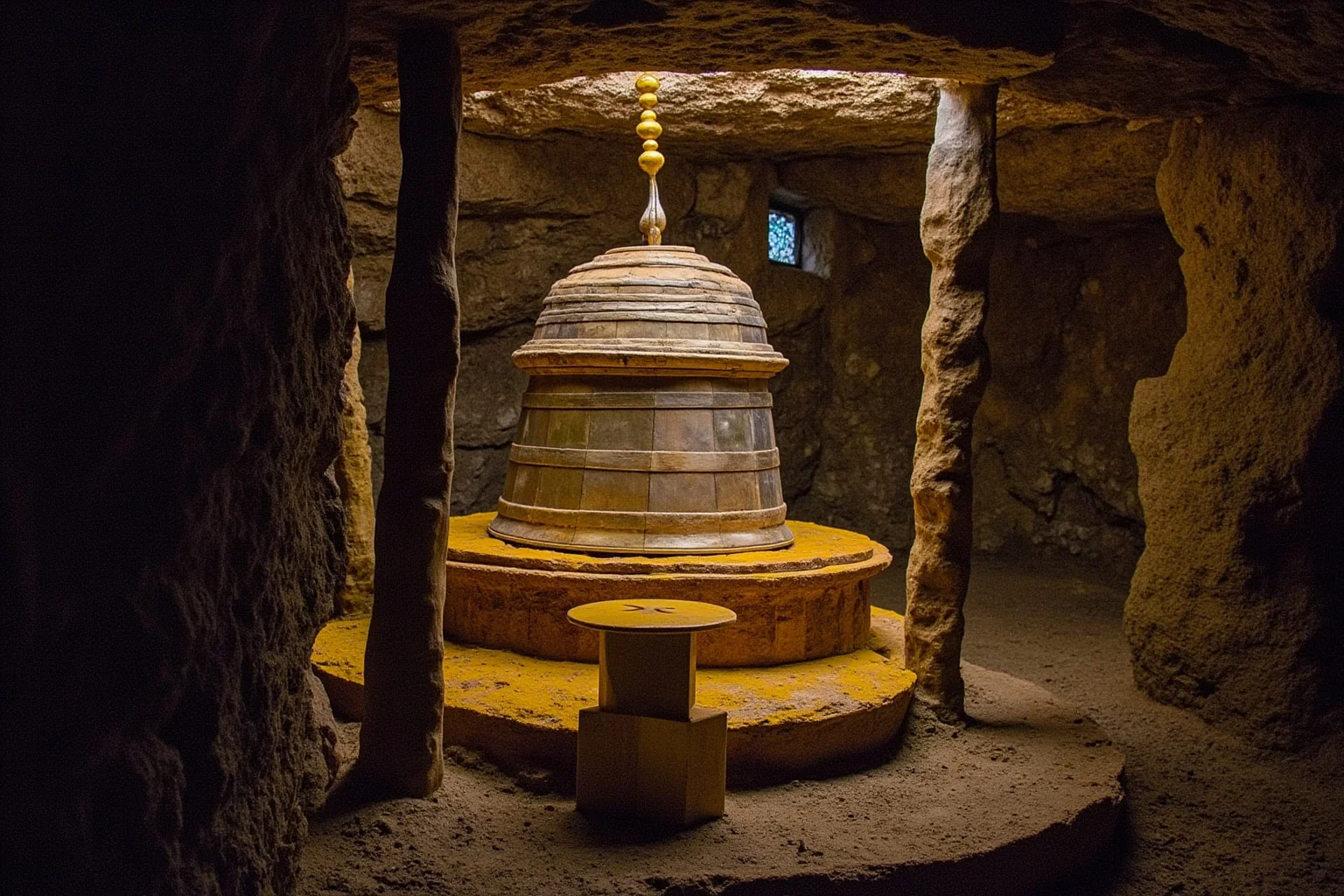
In 1987, restoration work at Famen Temple near Xi’an uncovered a hidden underground chamber sealed since the Tang dynasty. Inside were gold and silver ritual objects, glassware traded from as far as the Middle East, and relics believed by Buddhist tradition to include finger bones associated with the historical Buddha. The chamber had been sealed for over a thousand years.
While the religious authenticity of relics is a matter of faith rather than something archaeology can verify, the surrounding artifacts are undeniably real and offer strong physical evidence of Tang dynasty international trade and Buddhist court patronage. The glassware in particular shows just how far Silk Road connections stretched.
16. The Dunhuang Library Cave
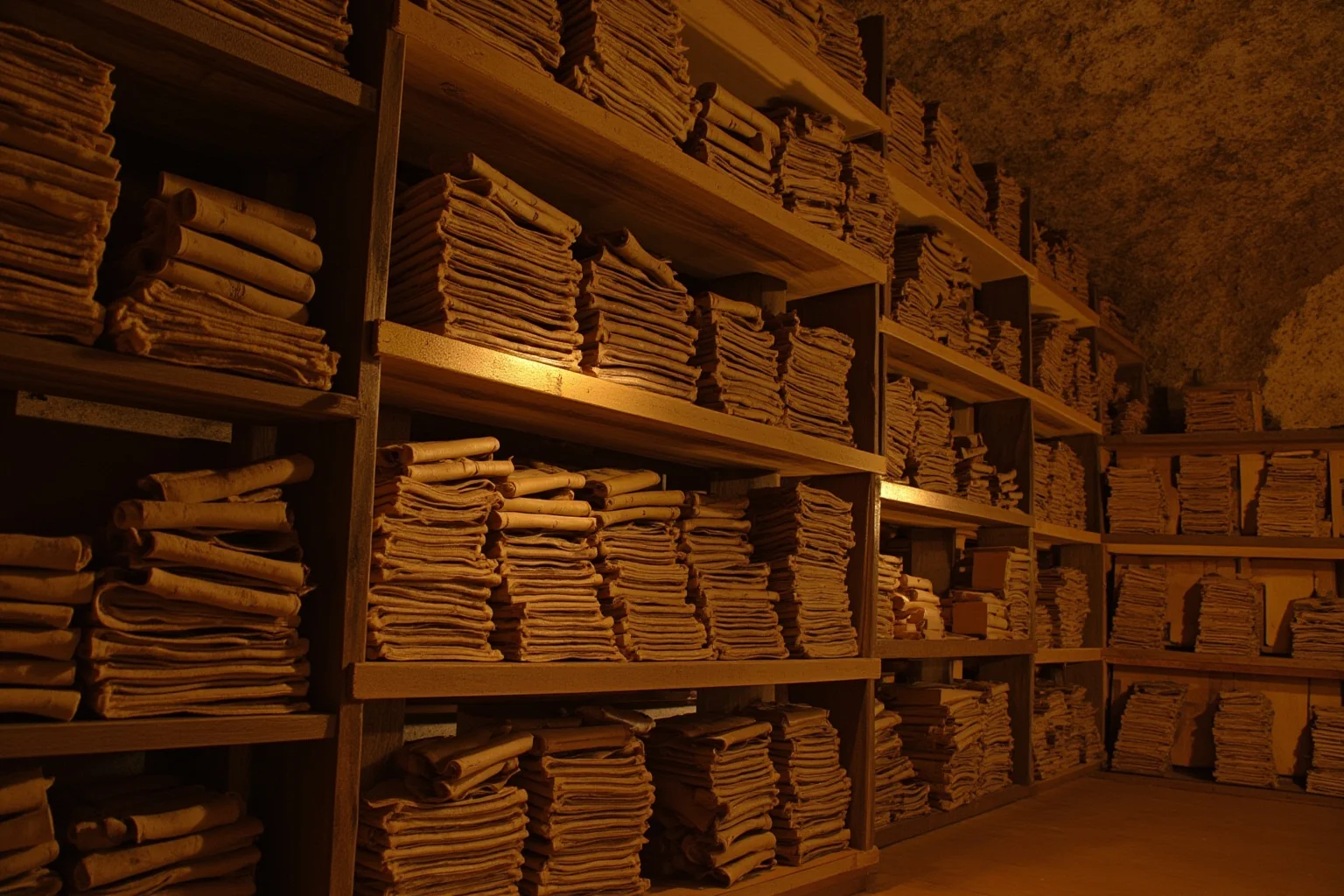
At the Mogao Caves near Dunhuang, a hidden chamber sealed around the 11th century was rediscovered in 1900, containing tens of thousands of manuscripts, paintings, and textiles spanning centuries. The materials cover Buddhist, Daoist, and even Nestorian Christian texts, along with everyday documents like contracts and letters. Many manuscripts are written in Chinese, Tibetan, Sanskrit, and other Central Asian languages.
Much of the collection was dispersed to institutions around the world in the early 20th century, which remains a sensitive and debated chapter in the history of archaeology in China. The cave is still considered one of the richest single sources of medieval Silk Road material ever found.
17. The Nanhai No. 1 Shipwreck
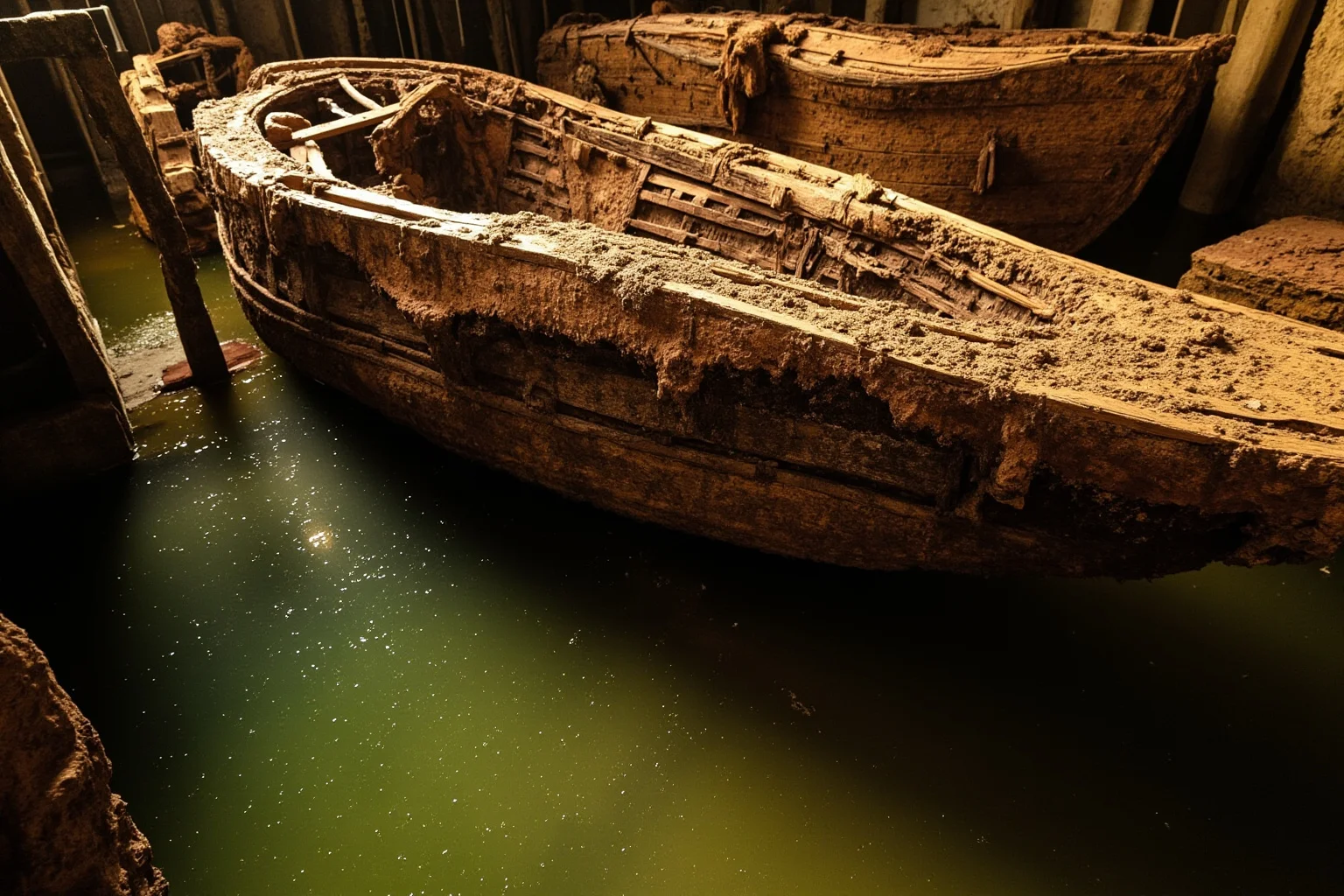
Discovered off the coast of Guangdong in 1987, this Song dynasty merchant ship sank around the 12th century while carrying a cargo of ceramics, gold, silver, and coins intended for overseas trade. Rather than excavate it underwater, engineers eventually raised the entire ship, encased in its surrounding silt, and moved it into a purpose-built museum tank in 2007. That approach let archaeologists excavate it slowly under controlled conditions on land.
More than 180,000 artifacts have been recovered from the wreck so far, offering a rare, dated snapshot of maritime Silk Road trade goods. It stands out among historical sites in China precisely because it’s a site that was moved rather than left in place.
18. The Mancheng Jade Burial Suits
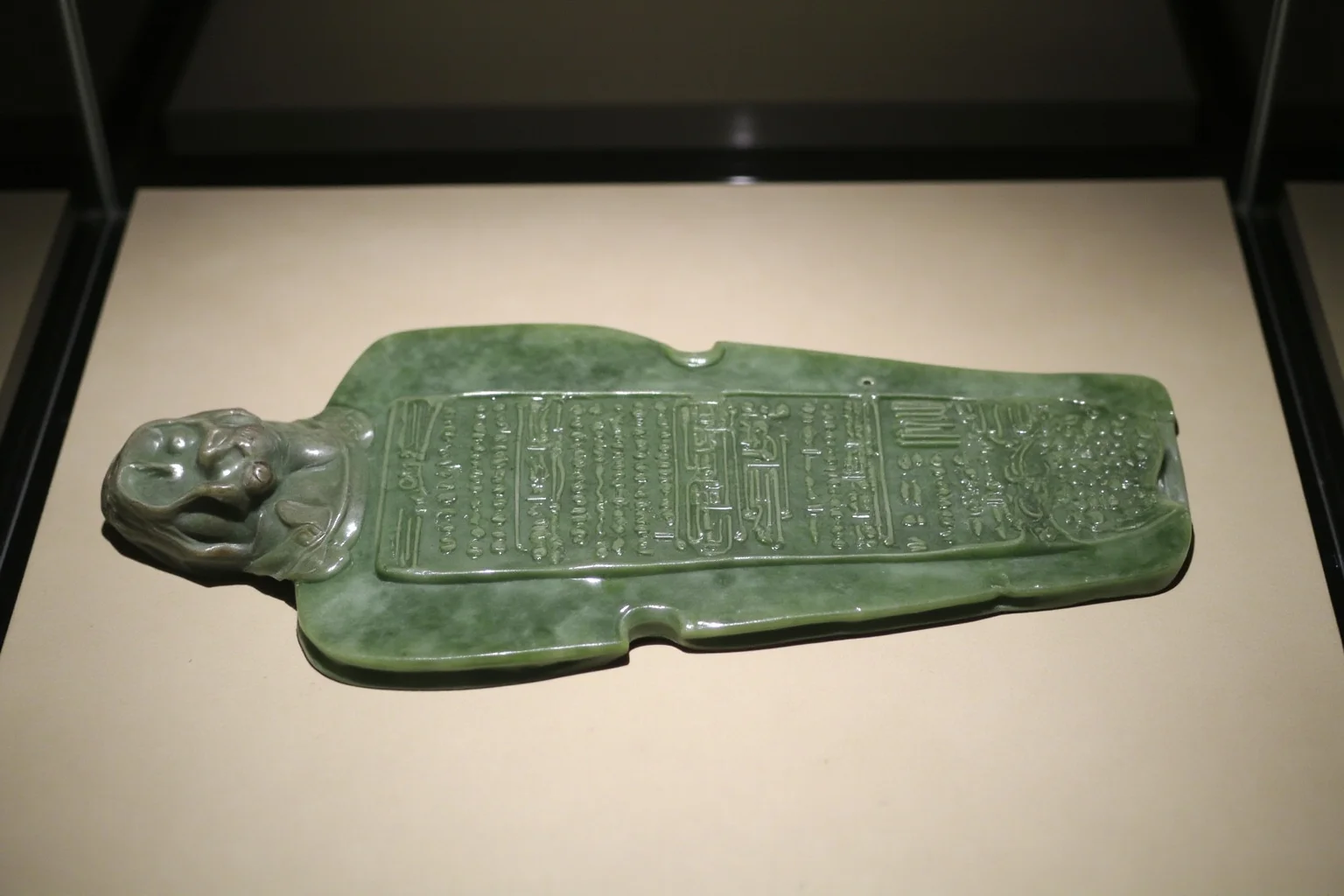
At Mancheng in Hebei province, archaeologists found the Han dynasty prince Liu Sheng and his wife buried in full-body suits made of thousands of small jade plaques sewn together with gold thread. The suits reflect a Han-era belief that jade could preserve the body and prevent decay after death, a burial custom that stands alongside some of the strangest cultural rituals in history. Similar suits have been found at other Han tombs, but the Mancheng examples are among the best preserved.
Creating one of these suits required enormous resources, since jade had to be cut into precise plaques and threaded individually. It’s one of the clearest physical illustrations of how seriously Han dynasty elites took the idea of an afterlife.
19. The Guodian Chu Bamboo Slips
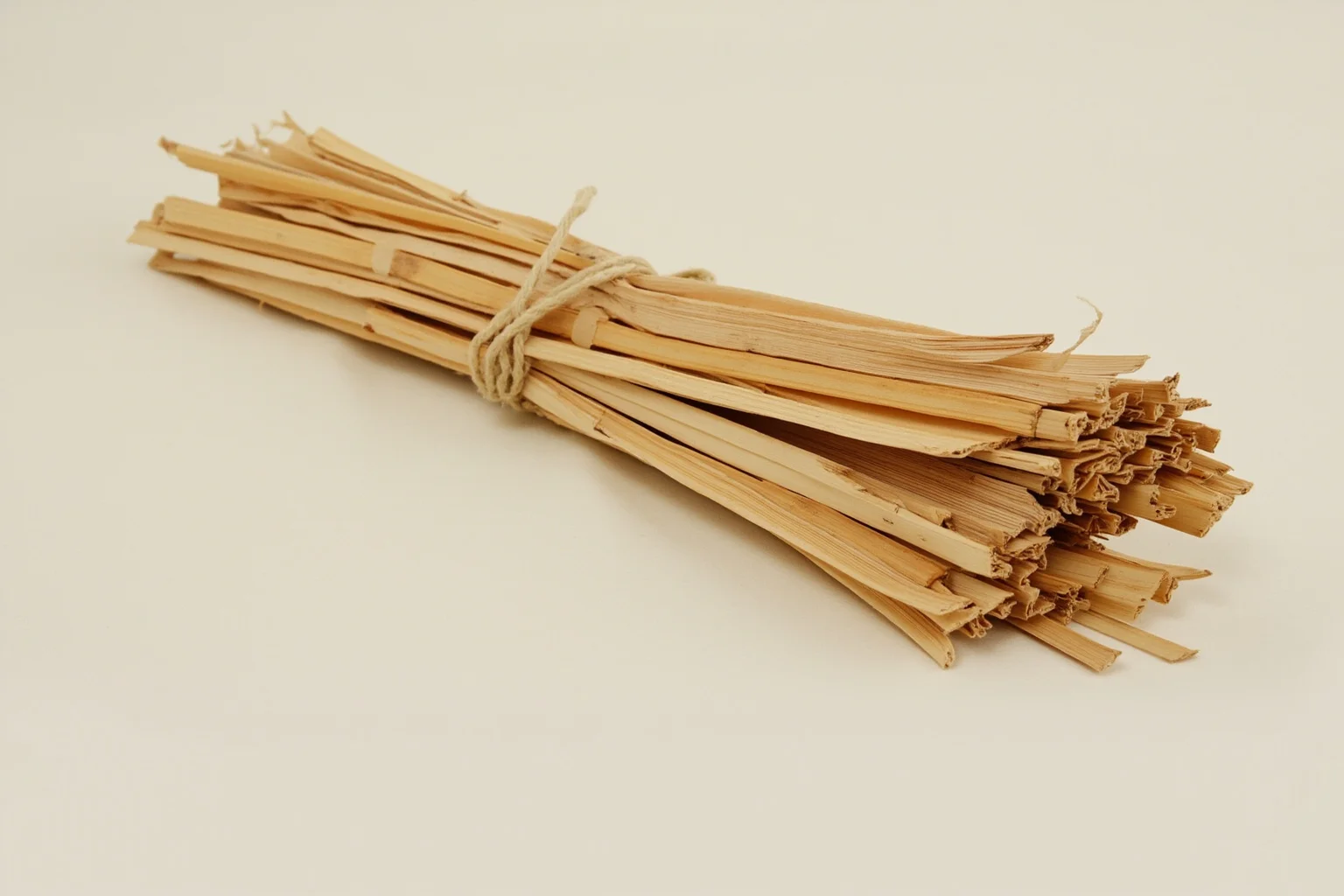
Excavated from a Warring States period tomb in Hubei province in 1993, the Guodian slips include some of the oldest known versions of the Tao Te Ching, along with Confucian texts previously known only from much later copies. Bamboo strips like these were bound together with cords to form ancient books before paper became common. The tomb dates to roughly the late 4th century BCE.
Comparing these early versions to later transmitted texts has let scholars see how philosophical writings changed and were edited over centuries. It’s a quieter kind of discovery than a gold tomb, but arguably just as important for understanding Chinese intellectual history.
20. The Dazu Rock Carvings
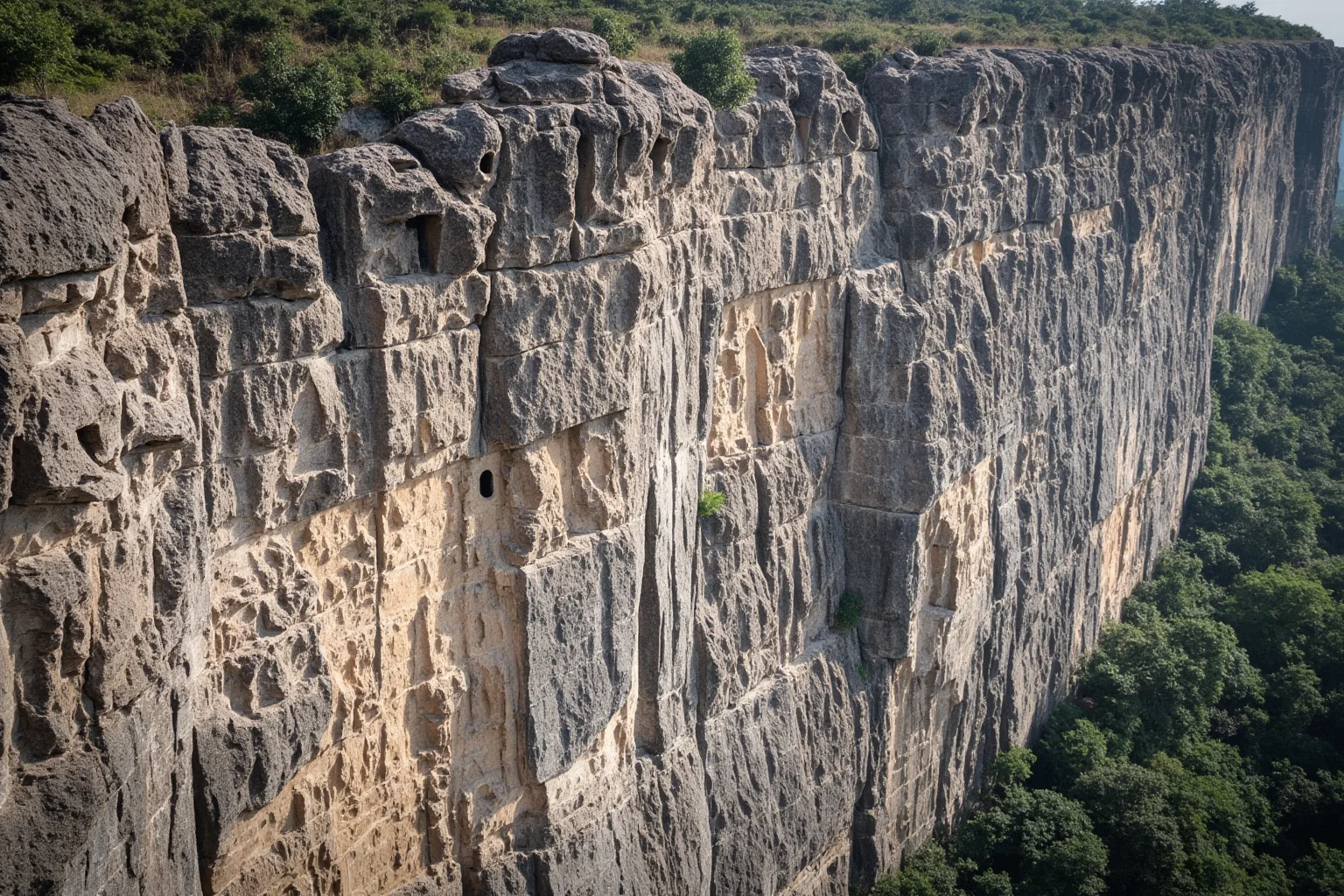
Spread across cliffs near Chongqing, the Dazu carvings include thousands of Buddhist, Daoist, and Confucian sculptures cut directly into rock faces, mostly dating from the 9th to 13th centuries. Unlike many single-tomb finds, this is a huge open-air religious site that was in continuous use and expansion for centuries. UNESCO recognized it as a World Heritage Site in 1999.
The carvings show how the three major belief systems of the period coexisted and sometimes blended within the same physical space. It’s a good reminder that not every important archaeological site in China involves something buried underground.
21. Shangdu, the Ruins of Xanadu
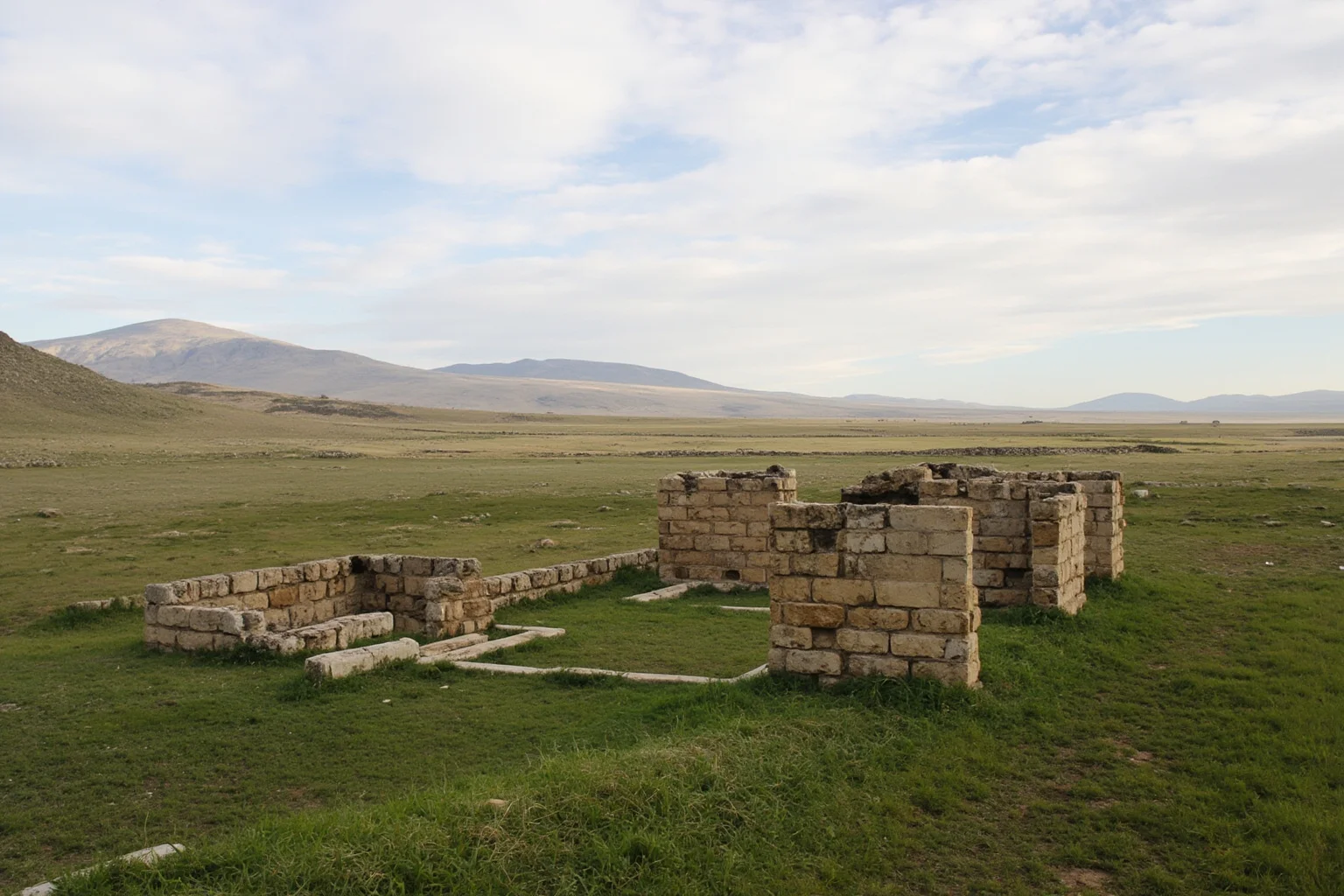
Shangdu, better known in the West as Xanadu, served as the summer capital of Kublai Khan’s Yuan dynasty court in Inner Mongolia. Archaeological surveys have mapped out palace foundations, city walls, and temple sites that confirm descriptions left by travelers like Marco Polo, though his more embellished stories should be read with some skepticism rather than taken as literal archaeology. The ruins were designated a UNESCO World Heritage Site in 2012.
Excavations here connect Chinese archaeology to the wider Mongol Empire and its network of trade and diplomacy stretching across Asia. It’s a useful check on how much of Marco Polo’s famous account holds up against what’s actually been dug out of the ground.
22. Longshan Culture Black Pottery
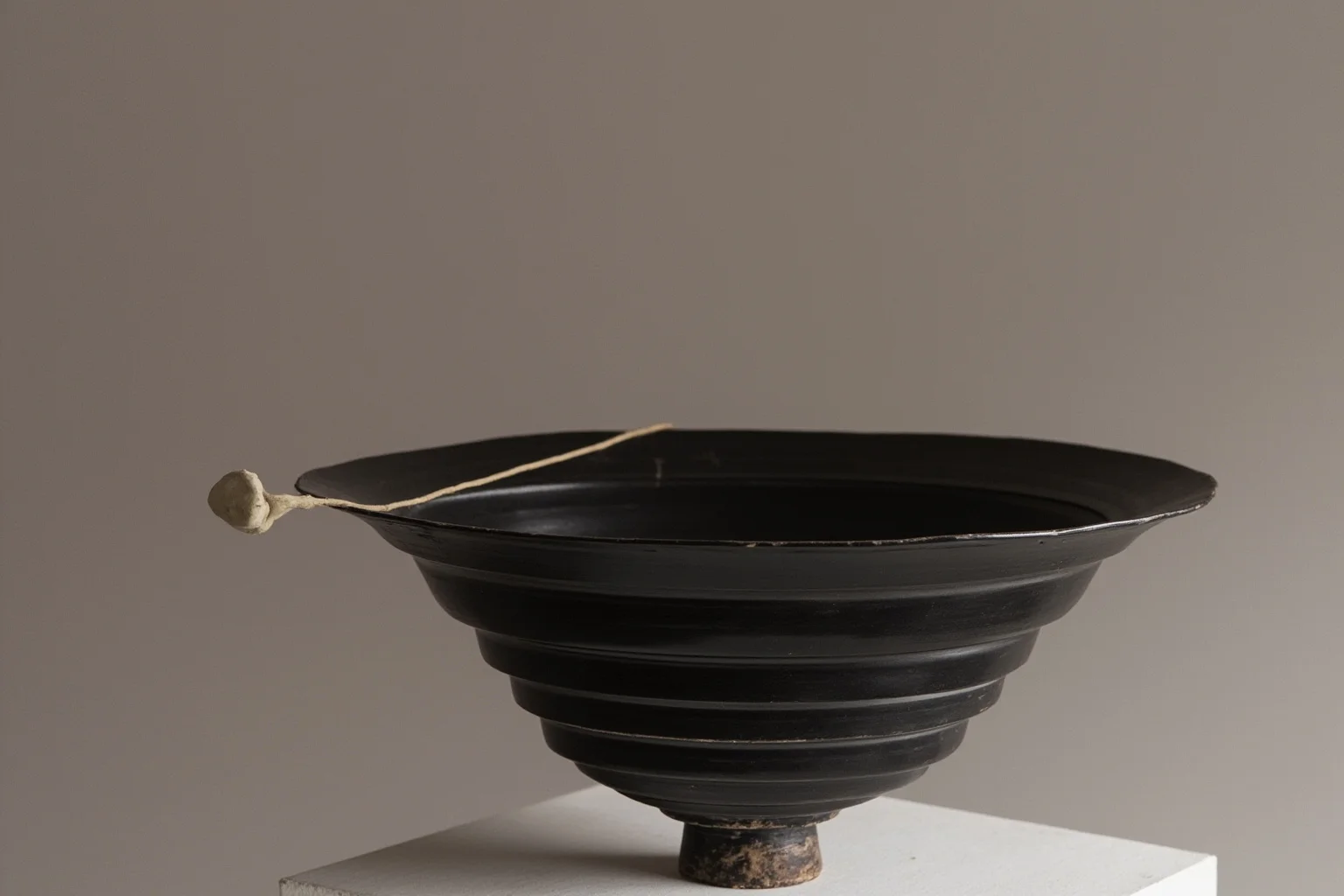
The Longshan culture, dating to roughly 3000-1900 BCE, is known for extraordinarily thin, black, wheel-turned pottery found at sites across the Yellow River region. Some vessel walls are less than a millimeter thick, a level of craftsmanship that took modern potters years of experimentation to fully understand and replicate. Longshan sites also show early evidence of walled settlements and social stratification.
The culture is often discussed as a transitional stage between scattered Neolithic villages and the more centralized early dynasties that followed. Its pottery remains some of the most technically impressive china ancient artifacts from before the Bronze Age even began.
What These Finds Tell Us Together
Taken as a whole, these discoveries chart a path from scattered Stone Age farming villages to a sophisticated, interconnected empire trading across continents. They also show how much of China’s early history had to be recovered piece by piece rather than read straight out of ancient books. Written records, when they survive at all, often needed physical evidence to confirm or correct them.
New excavations keep adding to this picture every few years, and plenty of sites remain only partially explored on purpose. The ongoing archaeology in China isn’t a finished project, and that’s part of what makes it worth following.
Final Thoughts
It’s easy to treat ancient artifacts as trivia, a list of “oldest” and “biggest” things to skim past. But each entry here represents years, sometimes decades, of careful excavation, lab analysis, and cautious interpretation by people trying to get the story right rather than just interesting. That distinction matters, especially with sites like Sanxingdui or Jiahu where genuine mystery still outpaces certainty.
Whether you’re drawn to the scale of the Terracotta Army or the quiet detail of a 9,000-year-old bone flute, China’s archaeological record rewards a closer look. There’s a strong chance the next major find is already sitting in the ground somewhere, waiting for the right shovel.
Frequently Asked Questions
What are the most famous artifacts in ancient China?
The Terracotta Army, the oracle bones from Yinxu, the Sanxingdui bronze masks, and the jade burial suits from Mancheng are among the most famous artifacts in ancient China. Each offers different insight, from religious beliefs about the afterlife to the earliest forms of Chinese writing.
What is the oldest archaeological site in China?
The Zhoukoudian cave site near Beijing, home to Homo erectus fossils known as Peking Man, is one of the oldest and most significant early human sites in China, with evidence dating back hundreds of thousands of years. For Neolithic farming settlements specifically, sites like Hemudu and Jiahu date back roughly 7,000 to 9,000 years.
Is the Xia dynasty confirmed by archaeology?
Not definitively. The Erlitou site is widely thought by many archaeologists to be connected to the legendary Xia dynasty, and it does show early urban planning and bronze production, but there is no inscriptional evidence directly naming it as Xia. Most scholars treat the identification as a strong hypothesis rather than a settled fact.
How was the Terracotta Army discovered?
Farmers digging a well near Xi'an in 1974 accidentally uncovered fragments of the buried clay soldiers, which led to a major excavation of Qin Shi Huang's tomb complex. Large sections of the tomb mound itself remain unexcavated to this day.
What do oracle bones tell historians about ancient China?
Oracle bones from the Shang dynasty capital of Yinxu contain the earliest known systematic Chinese writing, recording questions asked of royal ancestors about topics like harvests and warfare. They give historians direct, dated evidence of Shang dynasty beliefs and political structure rather than relying only on later written accounts.
Are there still active archaeological excavations in China today?
Yes, archaeology in China is very much an ongoing field, with new excavations, chance discoveries, and reanalysis of older sites happening regularly. Sites like the Terracotta Army and Sanxingdui are still only partially excavated, often deliberately, while preservation techniques continue to improve.
What historical sites in China should history fans visit?
The Terracotta Army near Xi'an, the Mogao Caves at Dunhuang, the Dazu Rock Carvings near Chongqing, and the Liangzhu Ancient City near Hangzhou are all accessible historical sites in China with strong museum or interpretive facilities. Many, including Liangzhu and Dazu, are recognized UNESCO World Heritage Sites.
Why were some Chinese artifacts moved to museums outside China?
Manuscripts from the Dunhuang Library Cave and other artifacts were collected and dispersed by foreign expeditions in the early 20th century, a period now viewed as ethically complicated within the history of archaeology in China. This remains a debated topic among historians, museums, and heritage officials today.

Alex Warren
Related Articles





