
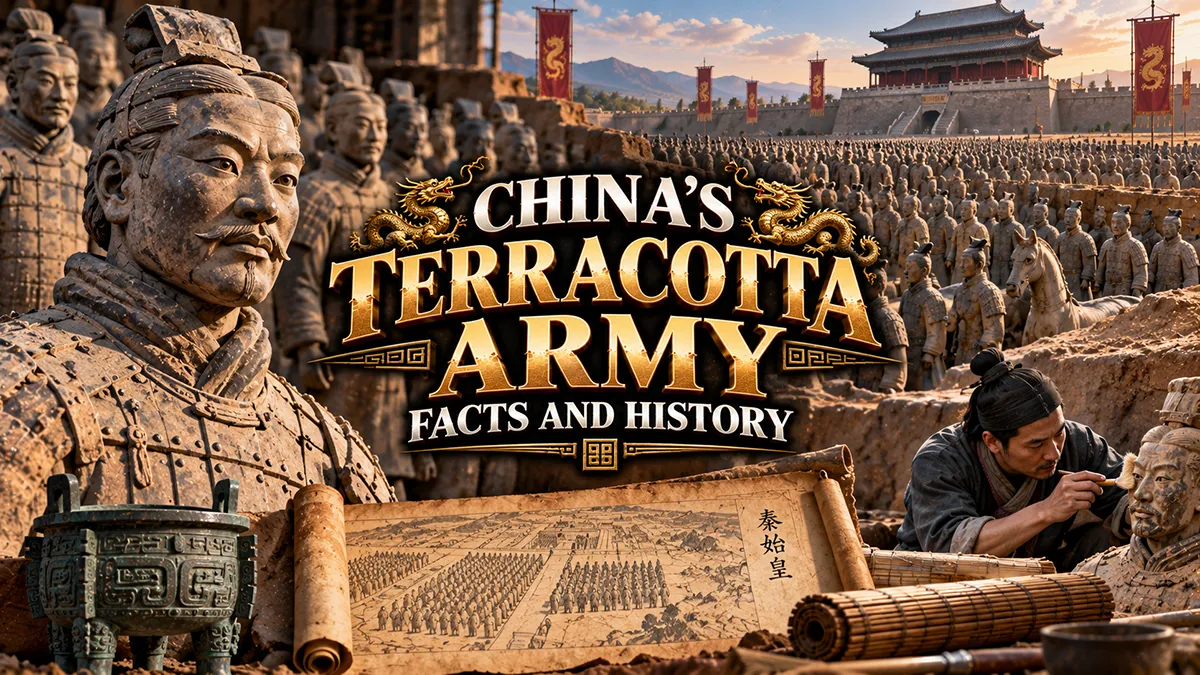
In 1974, a group of farmers digging a well in Shaanxi Province hit something that wasn’t rock or root — it was a clay head, staring back at them from beneath the earth. What they’d stumbled onto turned out to be one of the greatest archaeological finds of the 20th century: an underground army of thousands, standing silent guard for over two thousand years.
The Terracotta Army isn’t just a tourist photo-op or a curiosity from ancient China. It’s a window into the ambition, paranoia, and sheer scale of the man who first unified the country, and it’s still giving up secrets today. Let’s walk through what we actually know, separate it from what’s still guesswork, and cover every major fact worth knowing about the terracotta soldiers.
TL;DR: China’s Terracotta Army is a buried force of thousands of life-sized clay soldiers, built over 2,200 years ago to protect Emperor Qin Shi Huang in the afterlife, and rediscovered by accident in 1974.
1. What Exactly Is the Terracotta Army?
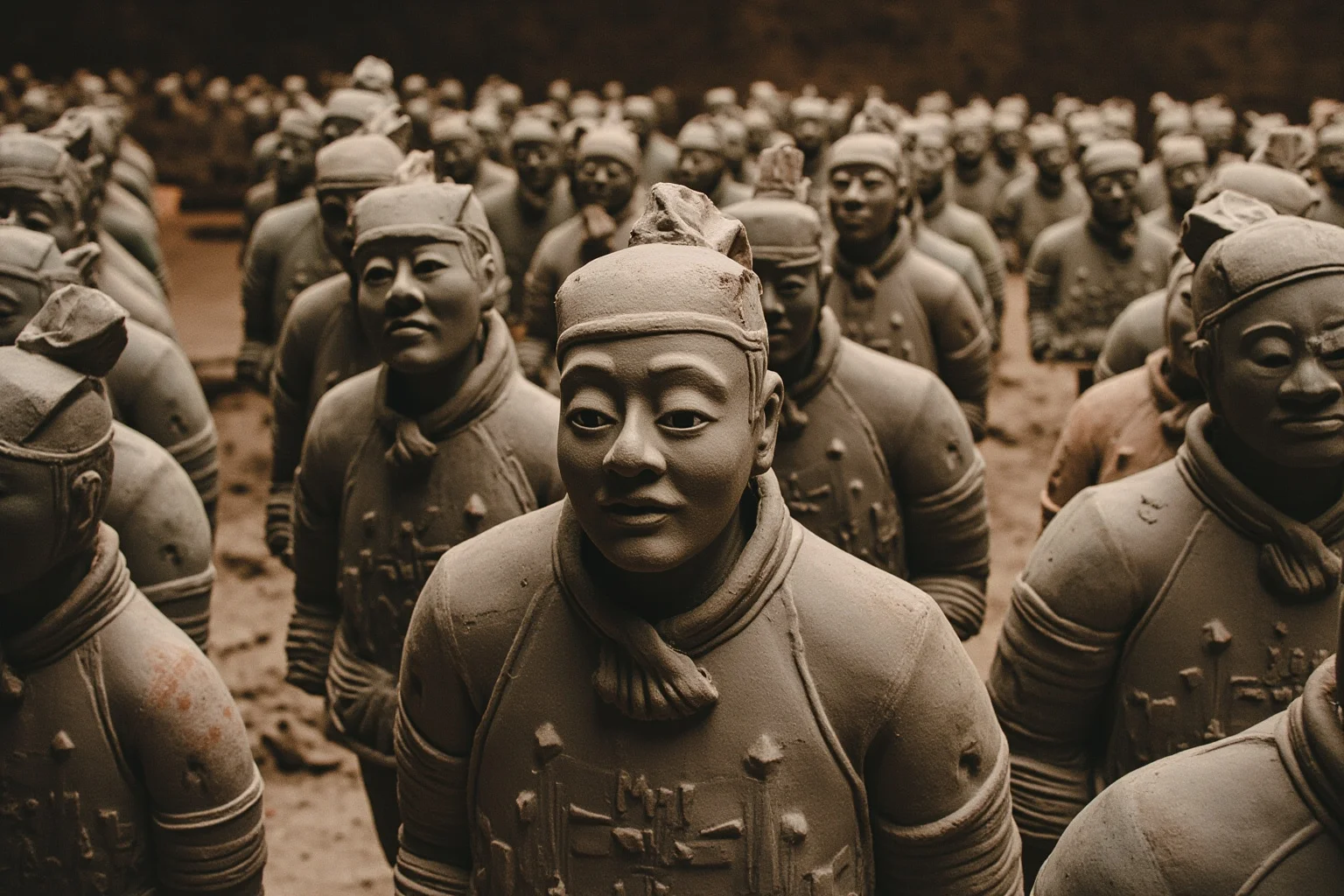
The Terracotta Army is a collection of thousands of life-sized clay figures — soldiers, horses, and chariots — buried near the mausoleum of China’s first emperor. Each figure was sculpted from terracotta, a fired clay material, and originally arranged in battle formation underground.
It wasn’t built as art for art’s sake. The soldiers were part of a much larger funerary complex meant to accompany and protect the emperor after death, reflecting how seriously ancient Chinese rulers took the afterlife.
2. Where Was the Terracotta Army Found?
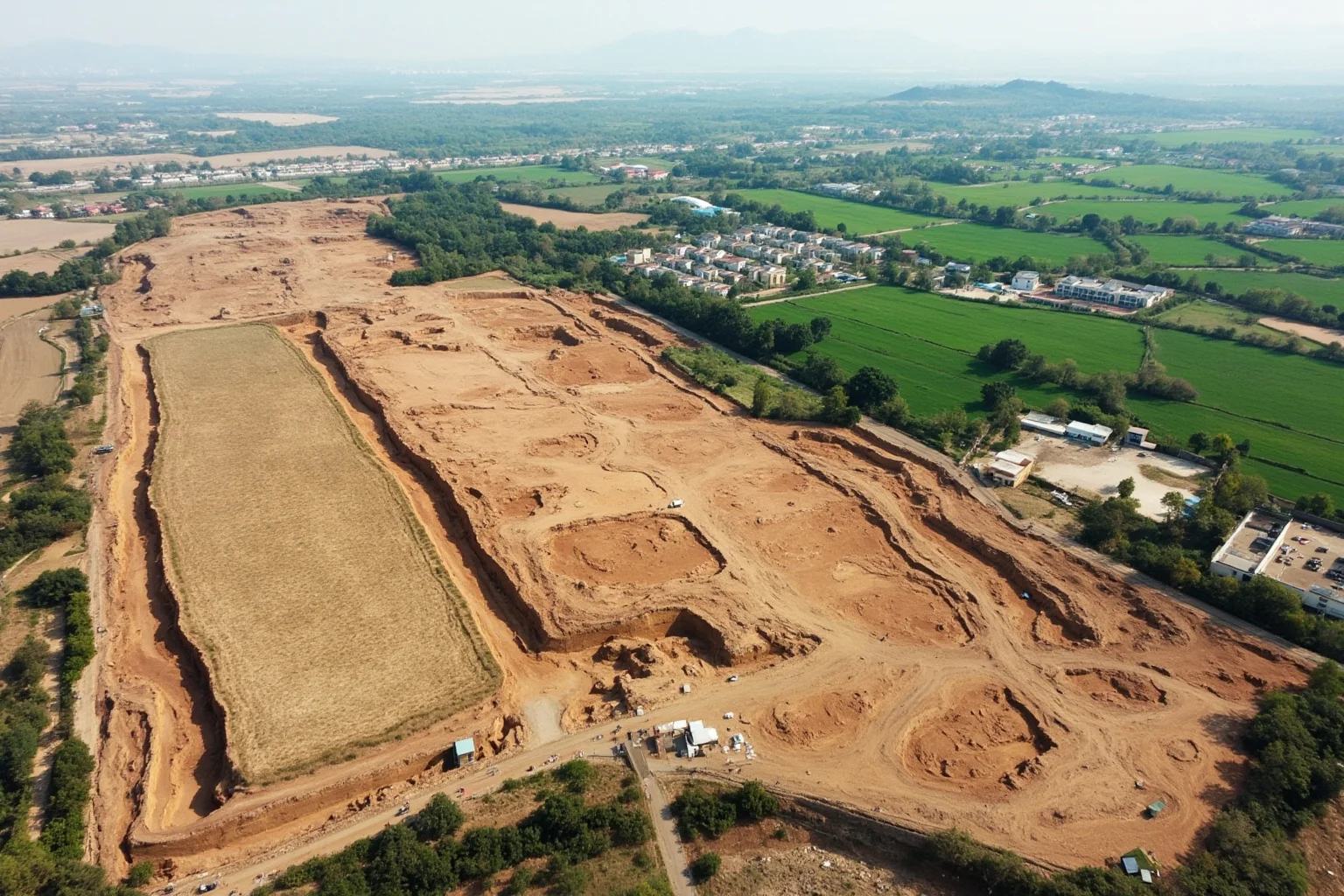
The terracotta soldiers were found near the city of Xi’an, in China’s Shaanxi Province, close to the ancient capital of Xianyang. This region sits in the Wei River valley, an area long associated with early Chinese dynasties.
Specifically, the army was discovered roughly 1.5 kilometers northeast of the burial mound believed to belong to Emperor Qin Shi Huang. The location wasn’t random — it was positioned to symbolically guard the emperor’s tomb from the east, the direction from which rival states had once threatened the Qin homeland.
3. When Was the Terracotta Army Discovered?
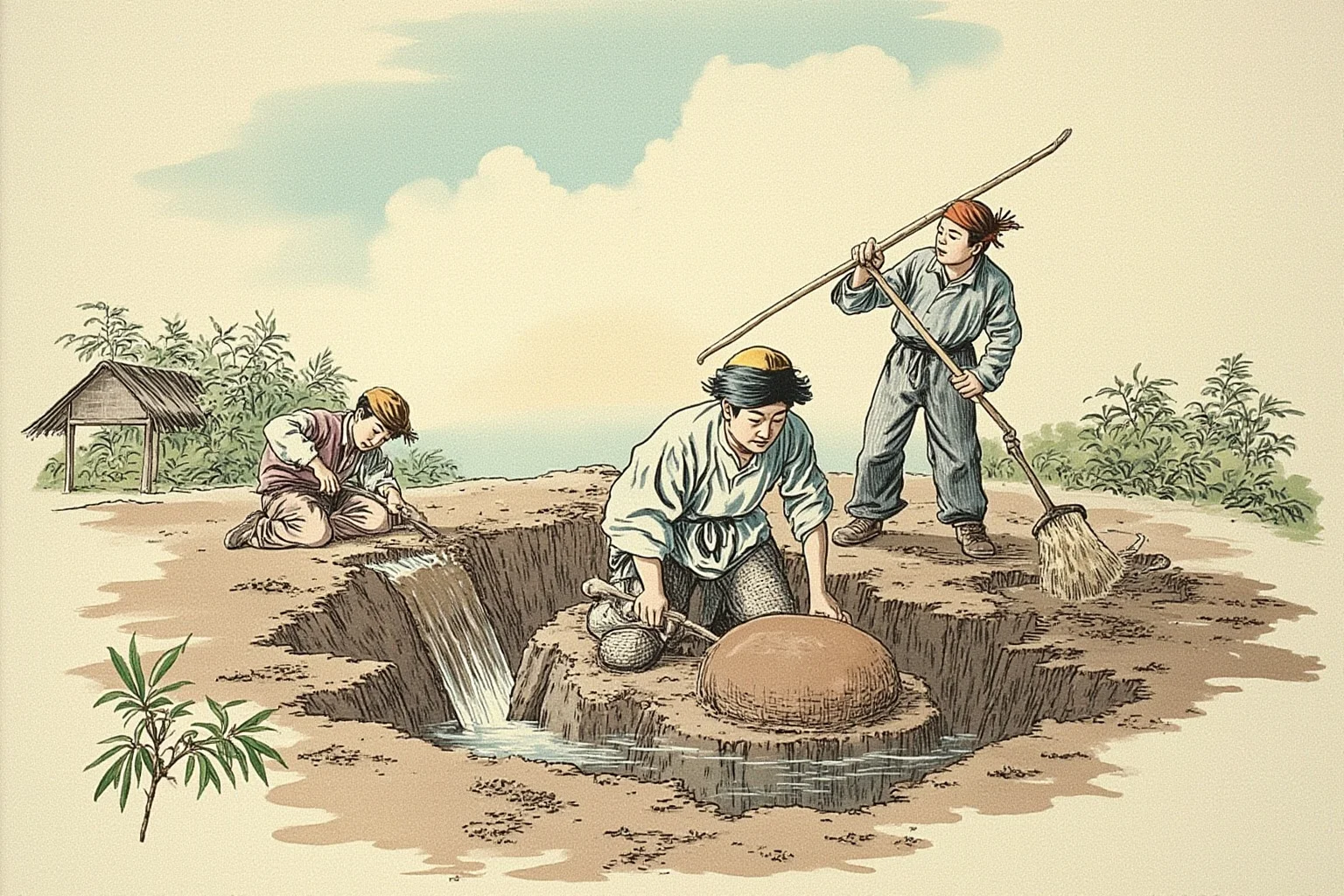
The terracotta army was discovered in March 1974, when local farmers were drilling a well during a drought. Instead of water, they hit fragments of a clay figure a few meters underground.
Word reached Chinese archaeologists soon after, and formal excavation began later that year. What started as a routine agricultural project turned into one of the most significant archaeological digs of modern times.
4. Who Found the Terracotta Army?
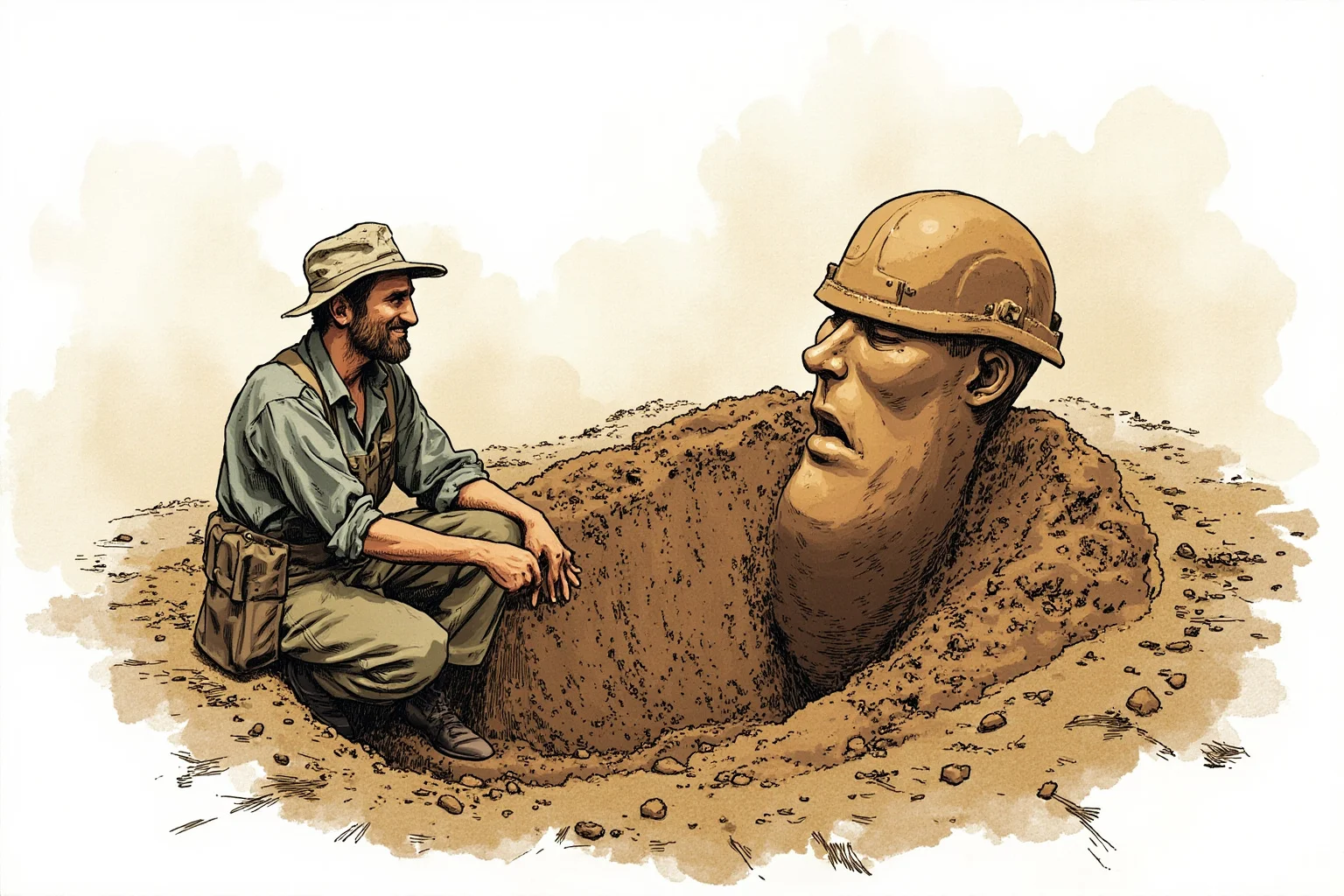
Credit for the discovery generally goes to a group of farmers, most notably Yang Zhifa and several fellow villagers from Xiyang, near Xi’an. They were digging in a dry patch of land hoping to find water for their crops.
While there have been differing accounts over the years about exactly who struck the first piece of clay, Yang Zhifa became the most publicly recognized of the group. He later spent decades meeting visitors at the site and became something of a living link to the discovery.
5. Who Made the Terracotta Army?
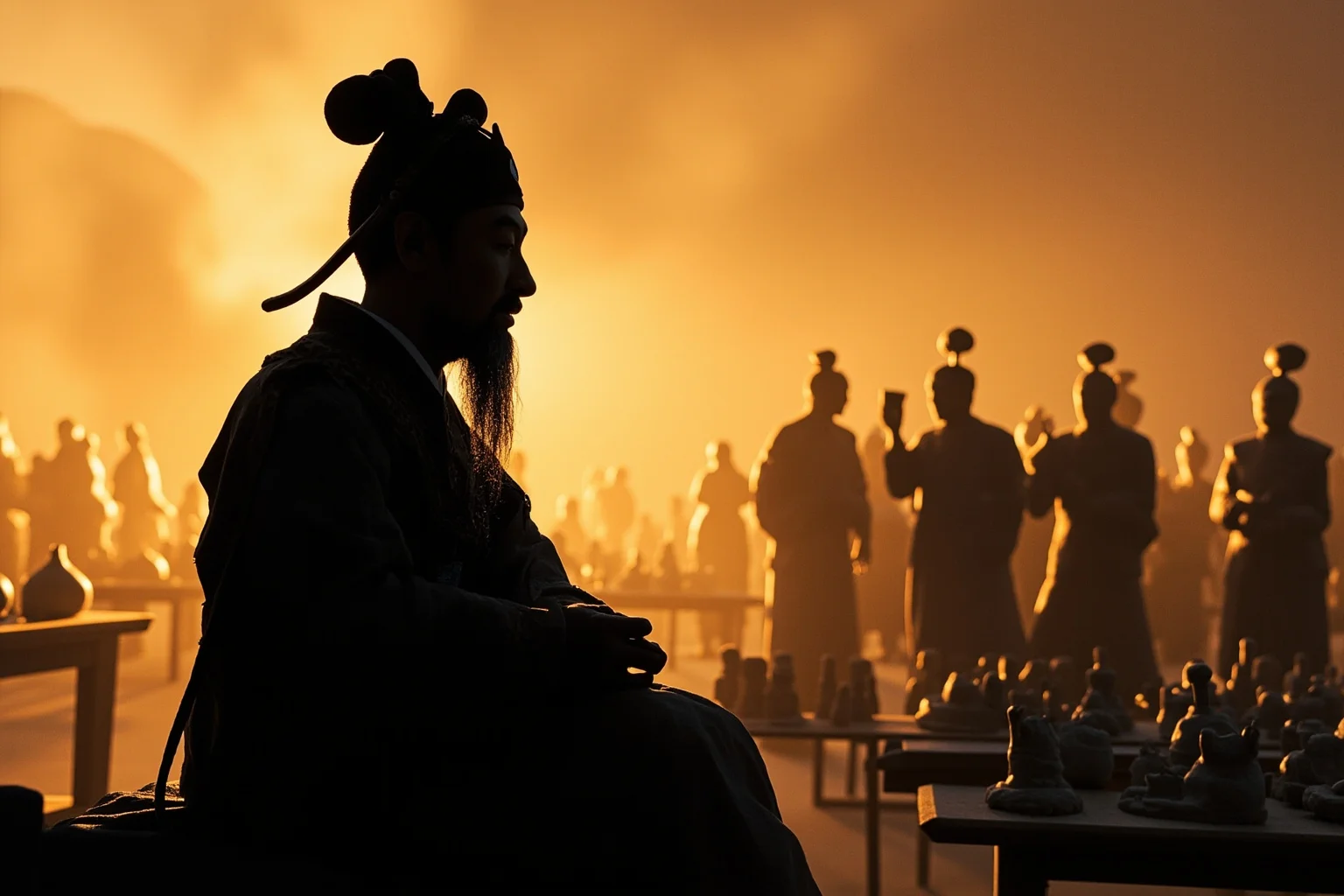
The army was commissioned by Qin Shi Huang, the first emperor of a unified China, but he didn’t shape the clay himself. Historical and archaeological evidence points to a workforce of conscripted laborers, craftsmen, and artisans, likely numbering in the tens of thousands over the project’s duration.
Inscriptions found on some figures include the names of workshop supervisors, suggesting a highly organized production system, similar to an assembly line, with quality control and accountability built in. This wasn’t a handful of sculptors working alone — it was closer to a state-run industrial project.
6. When Was the Terracotta Army Built?
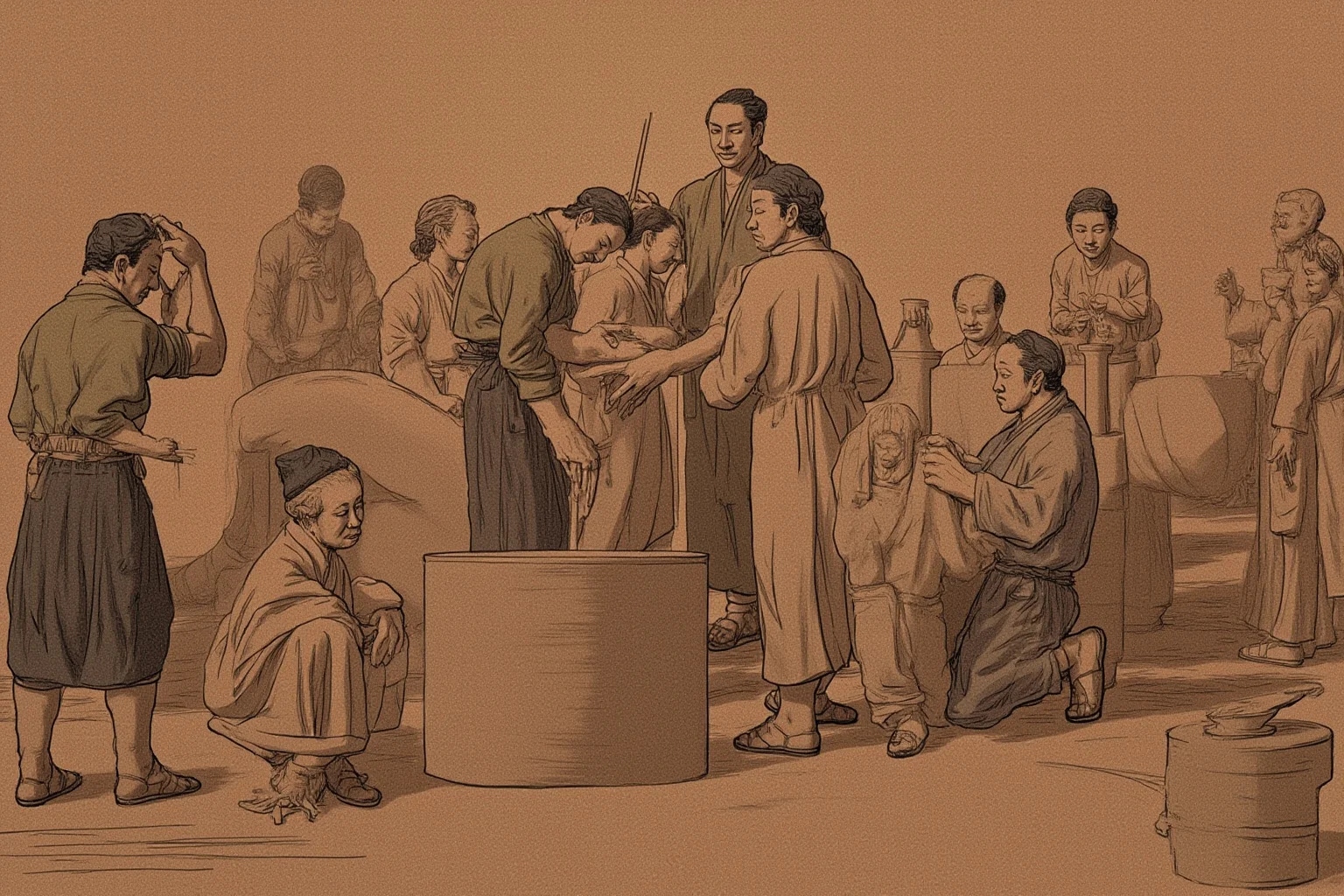
Most historians date the construction of the terracotta army to sometime between 246 BCE and 208 BCE. Work is believed to have begun soon after Qin Shi Huang took the throne as king of Qin in 246 BCE, continuing through his reign as emperor and even briefly after his death in 210 BCE.
That means the project spanned roughly three to four decades, overlapping with the construction of the emperor’s broader mausoleum complex. It’s a helpful way to answer the common question of when the terracotta army was made or created — it wasn’t a quick undertaking, but a generation-long effort.
7. How Old Is the Terracotta Army?
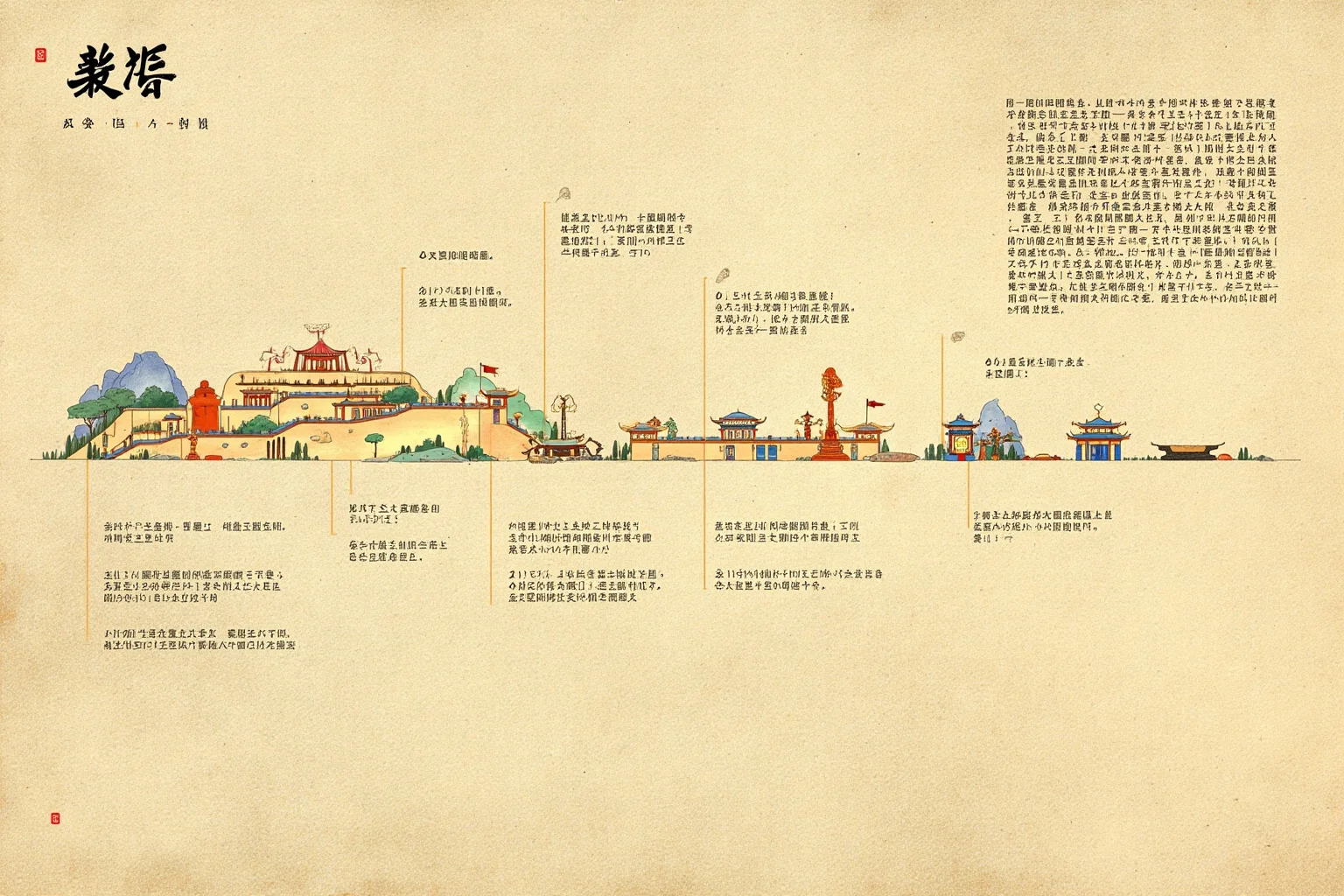
Given that construction wrapped up by around 208 BCE, the terracotta army is roughly 2,200 years old. That places it firmly in the Qin Dynasty, the short-lived but hugely influential dynasty that first unified China’s warring states into a single empire.
It’s worth noting the figures have sat underground for the vast majority of that time. They were only exposed to open air again after their rediscovery in 1974, which is part of why so many retained detail after two millennia.
8. Why Was the Terracotta Army Built?
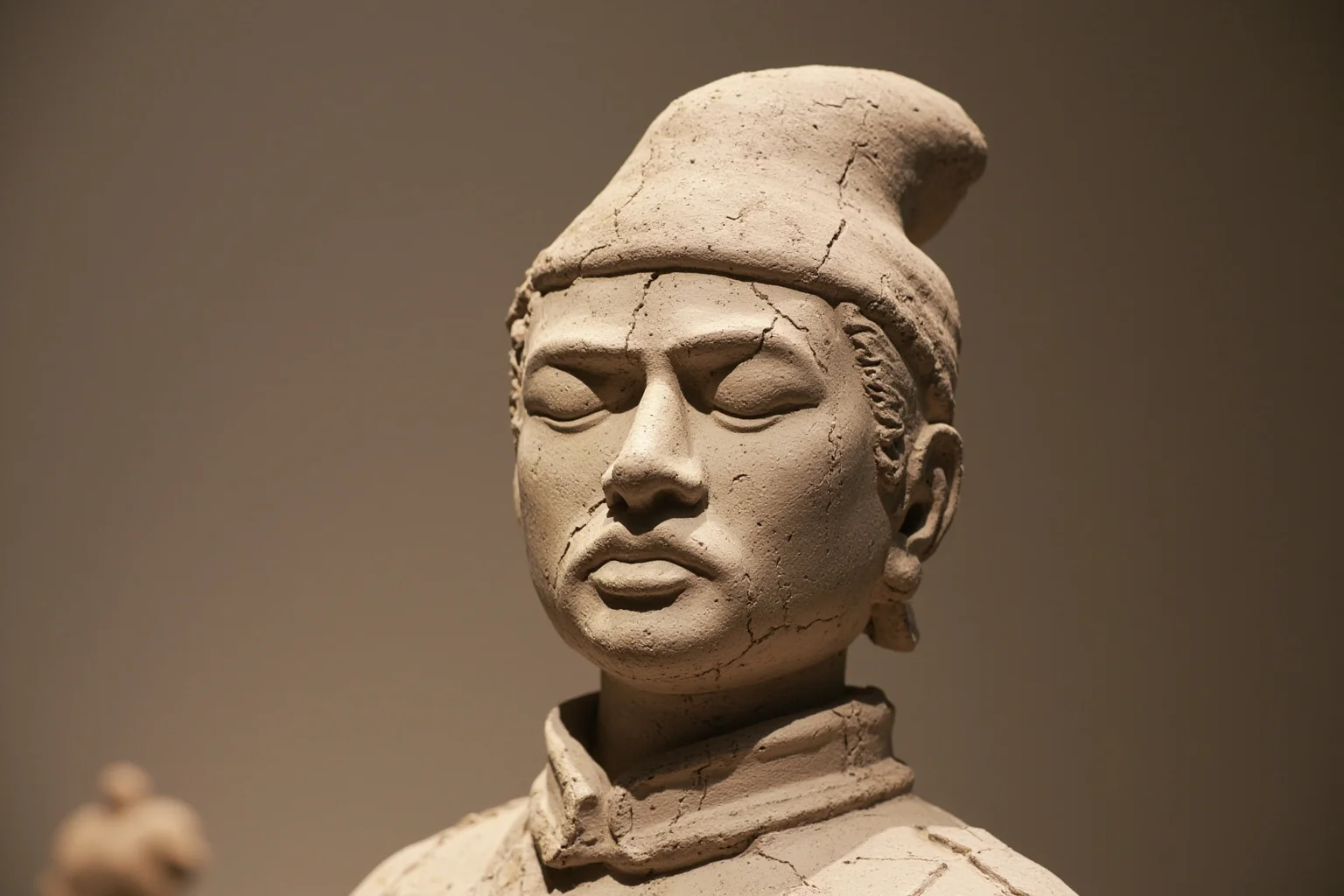
This is the question people ask most, and the honest answer combines historical record with reasonable inference. The Terracotta Army was built to serve and protect Emperor Qin Shi Huang in the afterlife, continuing the ancient Chinese belief that the dead needed the same resources, comforts, and protections in death as they had in life.
Earlier Chinese rulers were sometimes buried with real human servants and soldiers sacrificed to accompany them. Qin Shi Huang’s clay army is widely interpreted as a substitute for that older, brutal practice — a symbolic afterlife guard rather than an actual sacrifice of living soldiers.
9. For Whom Was the Terracotta Army Built?
The army was built specifically for Qin Shi Huang, born Ying Zheng, who became king of the Qin state in 246 BCE at just 13 years old. By 221 BCE, he had conquered the rival warring states and declared himself the first emperor of a unified China.
His reign was transformative — standardizing currency, writing, and even road widths — but also famously ruthless and obsessed with immortality. The terracotta army reflects both sides of that legacy: administrative ambition and deep personal anxiety about death.
10. What Was the Purpose of the Terracotta Soldiers?
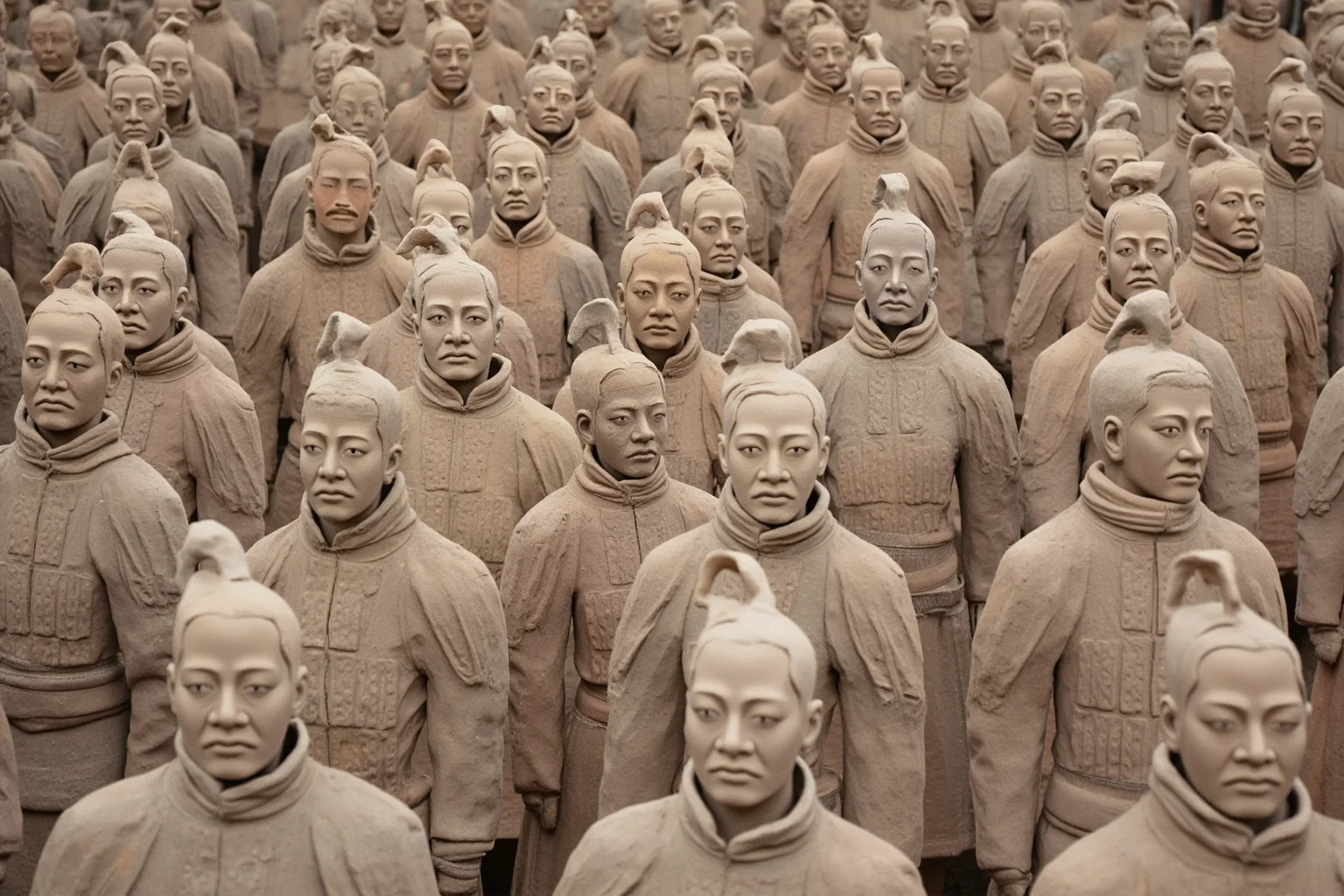
Beyond the general idea of afterlife protection, the terracotta soldiers were arranged specifically as a military formation, complete with infantry, archers, cavalry, and chariots. This suggests the purpose wasn’t just symbolic companionship, but replicating an actual imperial guard capable of defending the emperor from spiritual or supernatural threats in the next world.
Some historians also see it as a projection of earthly power into the afterlife, a way for Qin Shi Huang to remain an emperor with a functioning army even after death. It fits with his broader habit of using massive construction projects to assert control and permanence.
11. How Many Soldiers Are in the Terracotta Army?
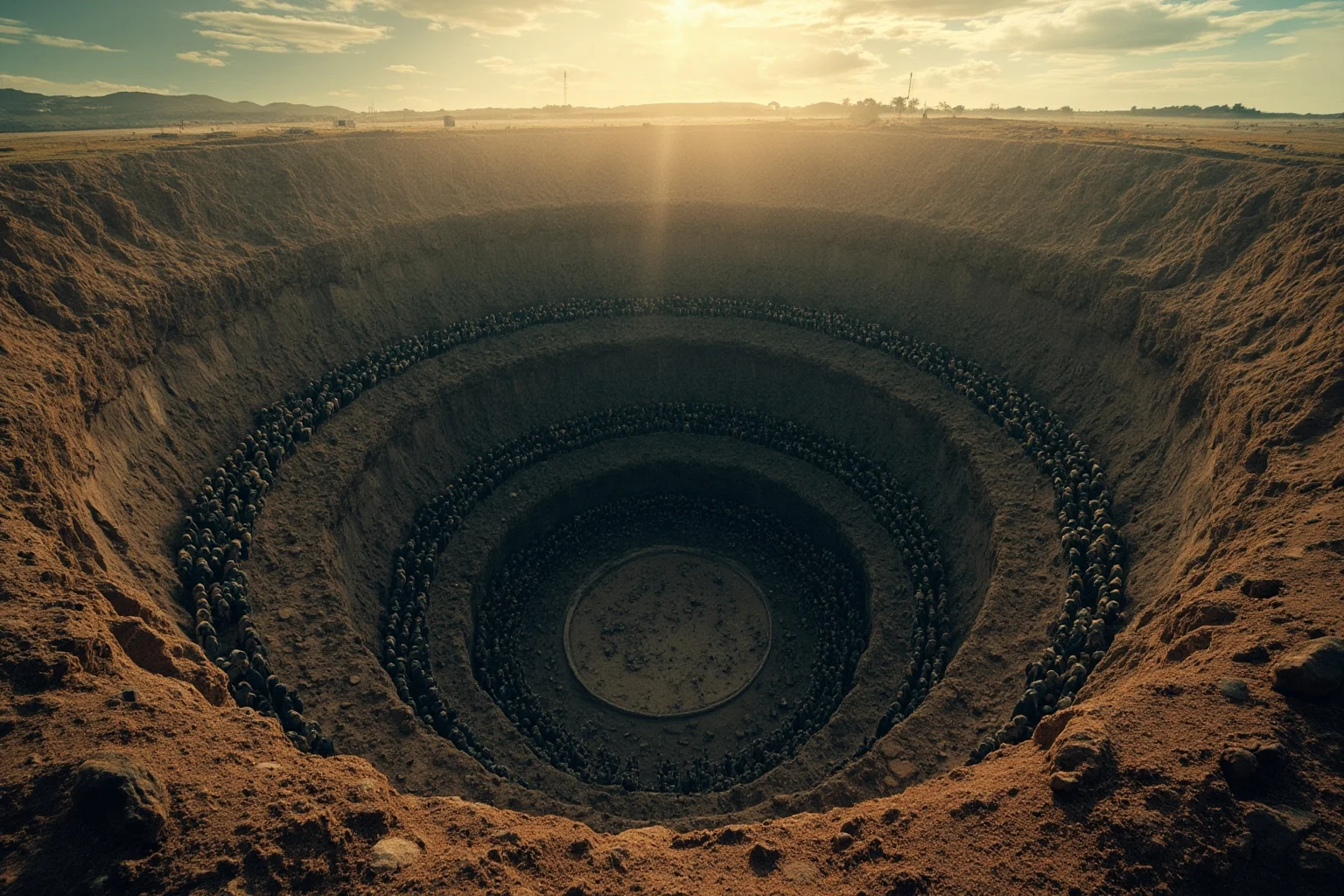
Estimates suggest the complex originally held more than 8,000 soldiers, along with roughly 130 chariots, 520 horses pulling them, and about 150 cavalry horses. Excavation is still ongoing, so this figure could shift as archaeologists uncover more of the site.
Only a portion of these figures have actually been excavated and restored so far. Large sections of the pits remain deliberately unexcavated, partly due to preservation concerns.
12. How Big Is the Terracotta Army Site?
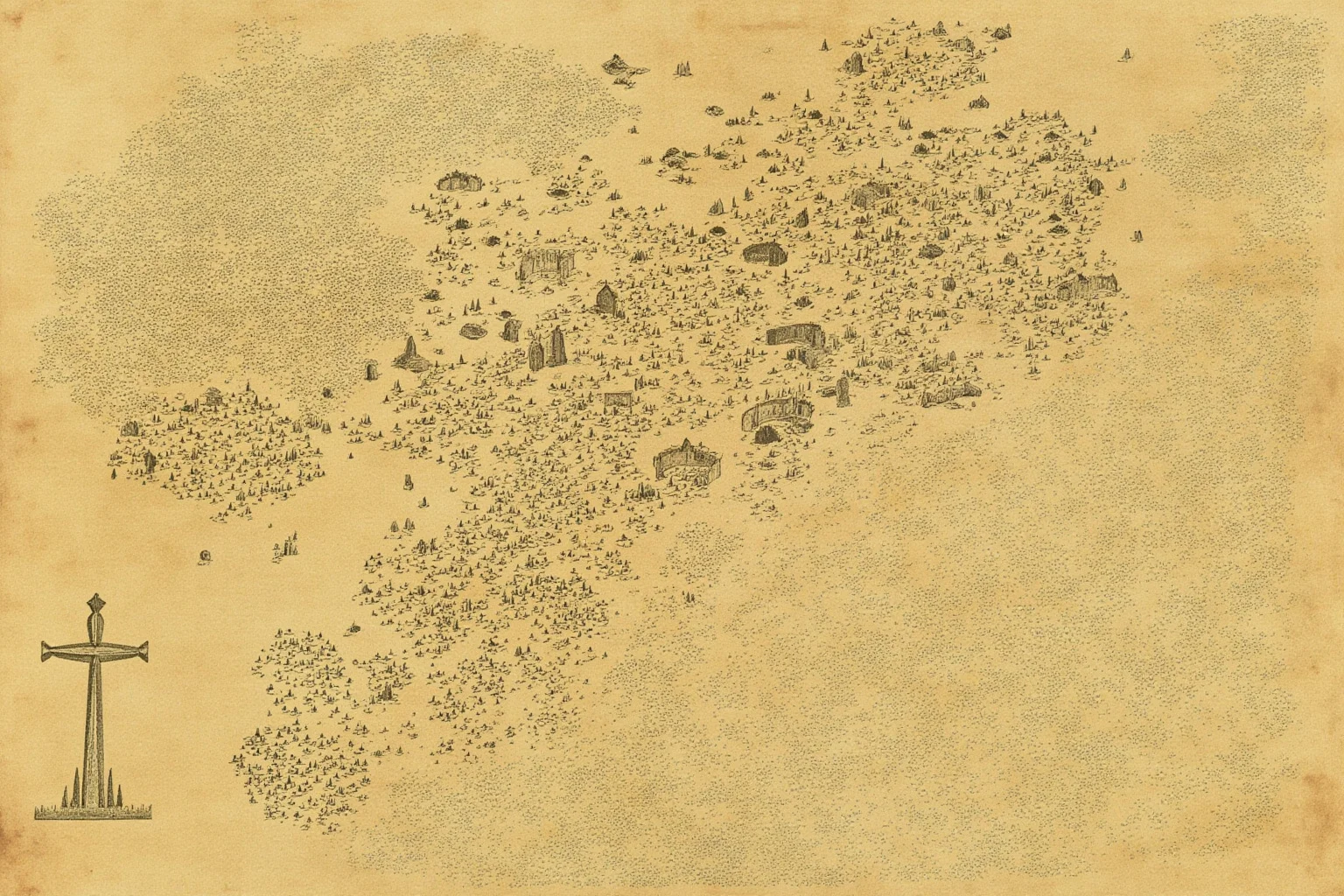
The army is spread across three main pits, with a combined area of over 20,000 square meters. Pit 1, the largest and most famous, alone stretches about 230 meters long and 62 meters wide, holding the bulk of the infantry formation.
The entire mausoleum complex, including the still-unopened tomb mound itself, covers a much larger area — some estimates put the full necropolis at around 98 square kilometers. That scale rivals a small city, which underscores just how significant this project was to Qin Shi Huang.
13. What Are the Terracotta Soldiers Made Of?
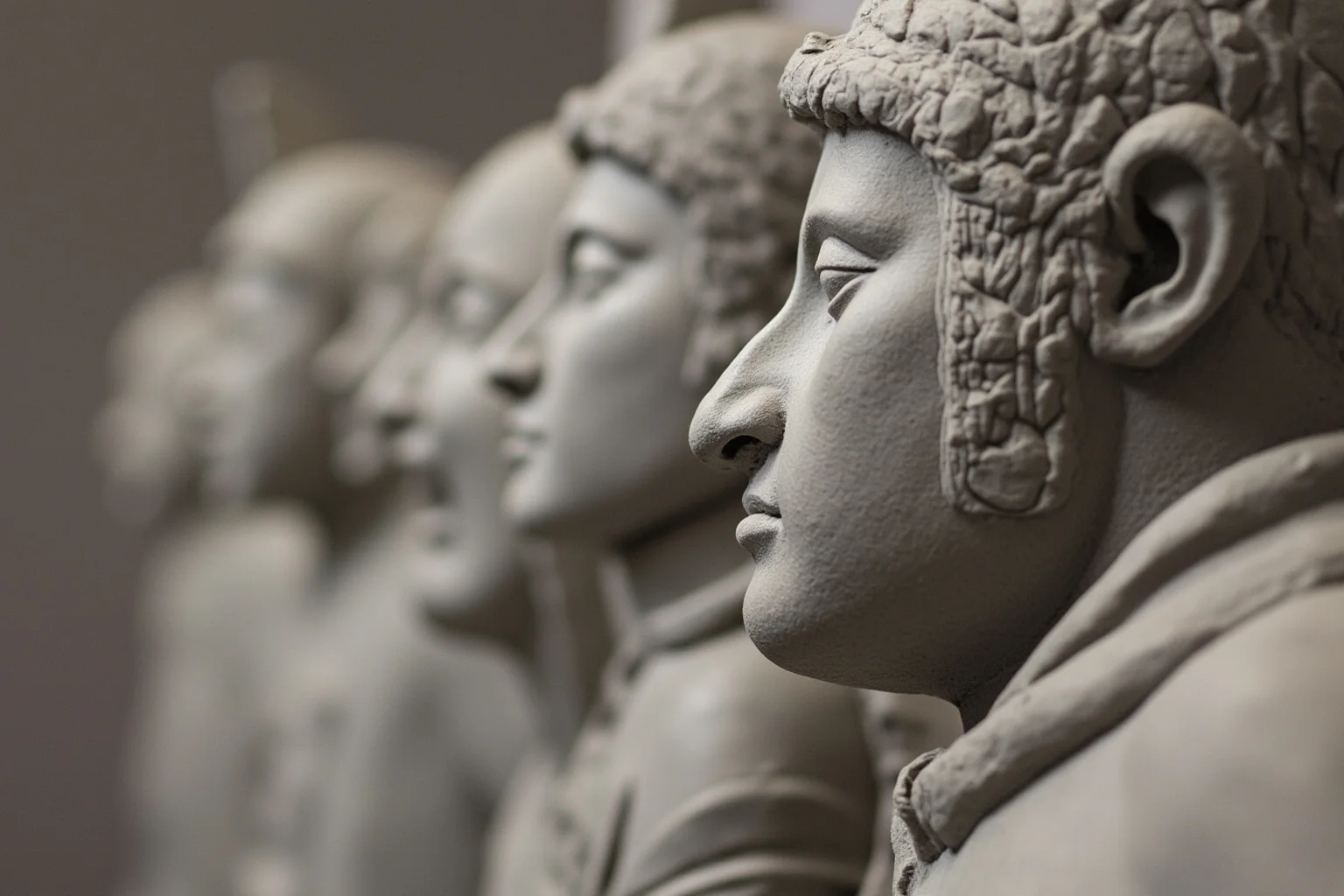
The figures were made from terracotta, a type of fired clay, molded and then baked in kilns much like pottery. Bodies were typically constructed in sections — legs, torso, arms, and head — which were made separately and then assembled before firing.
This modular approach allowed workshops to mix and match features, especially heads, to create individual variation across thousands of figures. It’s a detail that answers both what the terracotta soldiers are made of and how such a huge project was even logistically possible.
14. No Two Faces Are Truly Alike
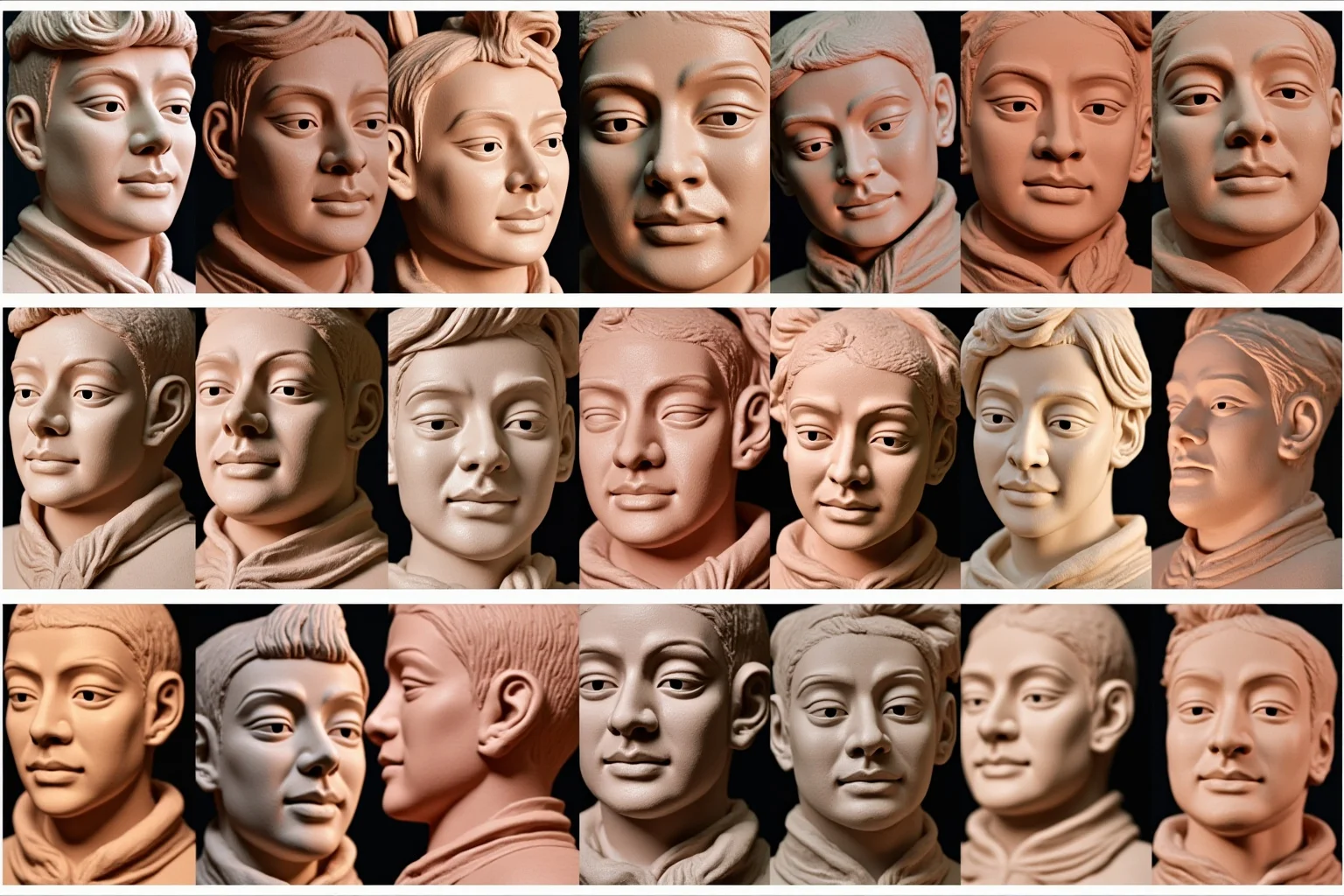
One of the most repeated claims about the terracotta army is that every single soldier has a unique face. Archaeologists have found strong evidence of individualized features, hairstyles, and expressions, likely achieved by combining a limited set of molded head shapes with hand-finished details.
While it’s fair to say the variety is remarkable and far beyond simple mass production, some researchers caution against treating “every face is unique” as an absolute, scientifically verified fact across all 8,000+ figures. It’s best treated as a well-supported observation rather than a settled statistic.
15. Weapons of the Terracotta Army
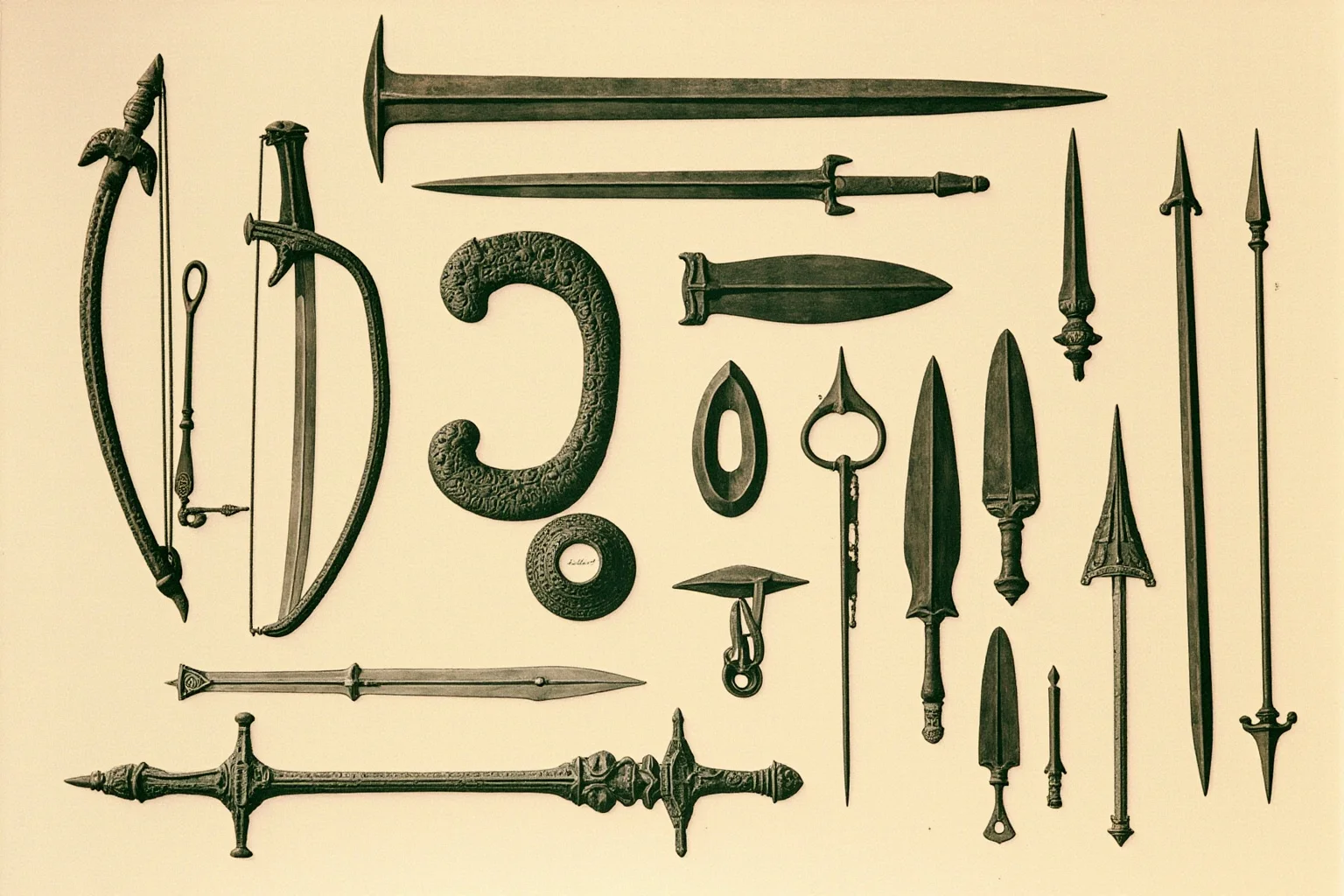
Many of the soldiers were originally equipped with real, functional weapons rather than sculpted clay ones. Archaeologists have recovered bronze swords, spears, crossbows, and arrowheads from the pits, some remarkably well preserved.
Interestingly, tests on some bronze weapons showed a thin chromium-like coating, which for years fueled claims of advanced ancient anti-rust technology. More recent research suggests this may actually be a byproduct of nearby soil and lacquer rather than a deliberate ancient chromium-plating process, so it’s a claim worth treating carefully rather than as confirmed fact.
16. The Soldiers Were Once Brightly Painted
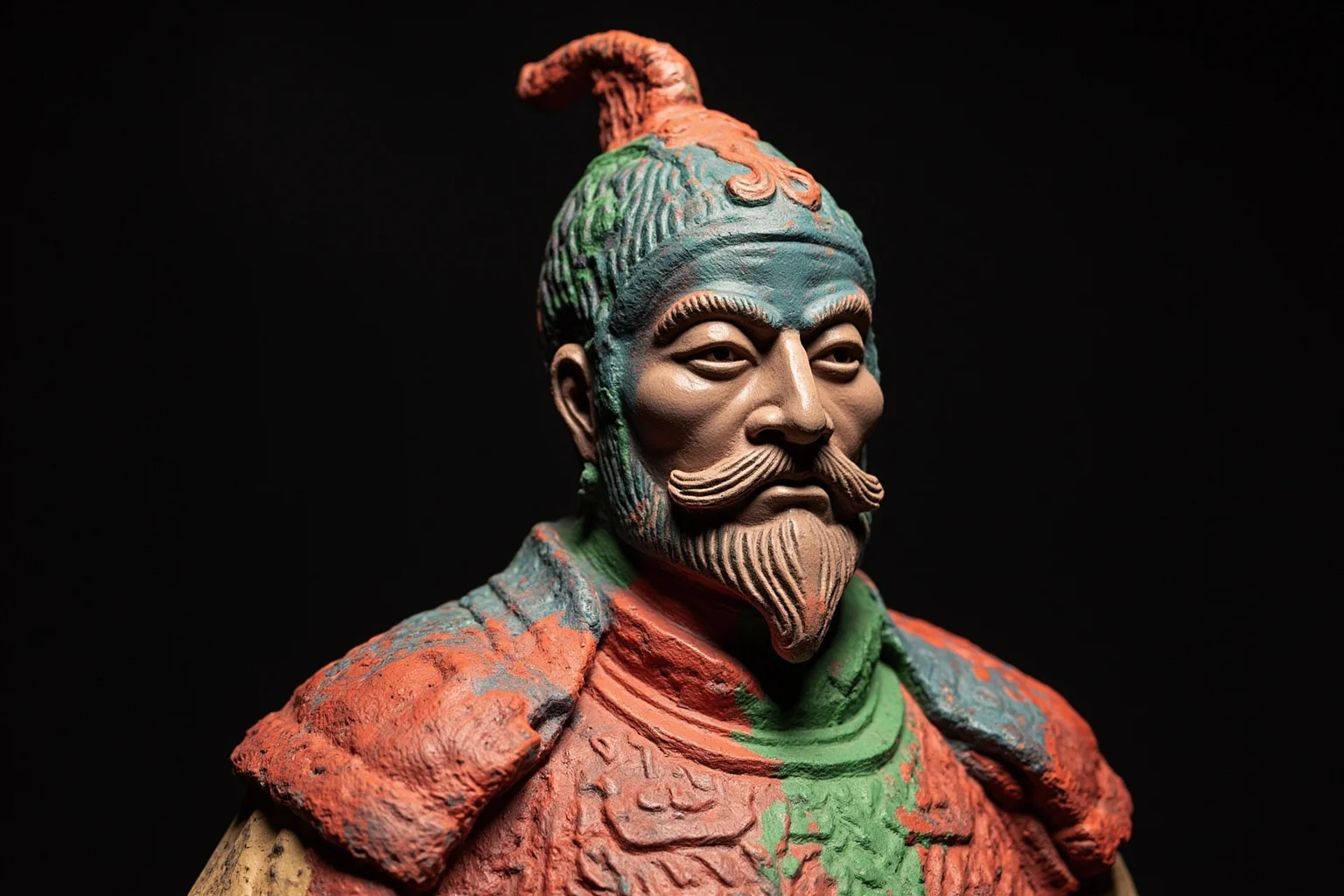
Today’s terracotta soldiers look like uniform earthy clay, but they weren’t always that way. When first unearthed, many figures still had traces of vivid paint in red, green, blue, and purple, applied over a lacquer base coat.
Unfortunately, this paint often flaked away within minutes of exposure to air after thousands of years underground. Conservationists now use specialized techniques to try to preserve pigment on newly excavated figures, but it remains one of the trickiest challenges of the entire site.
17. Ranks and Roles Within the Army
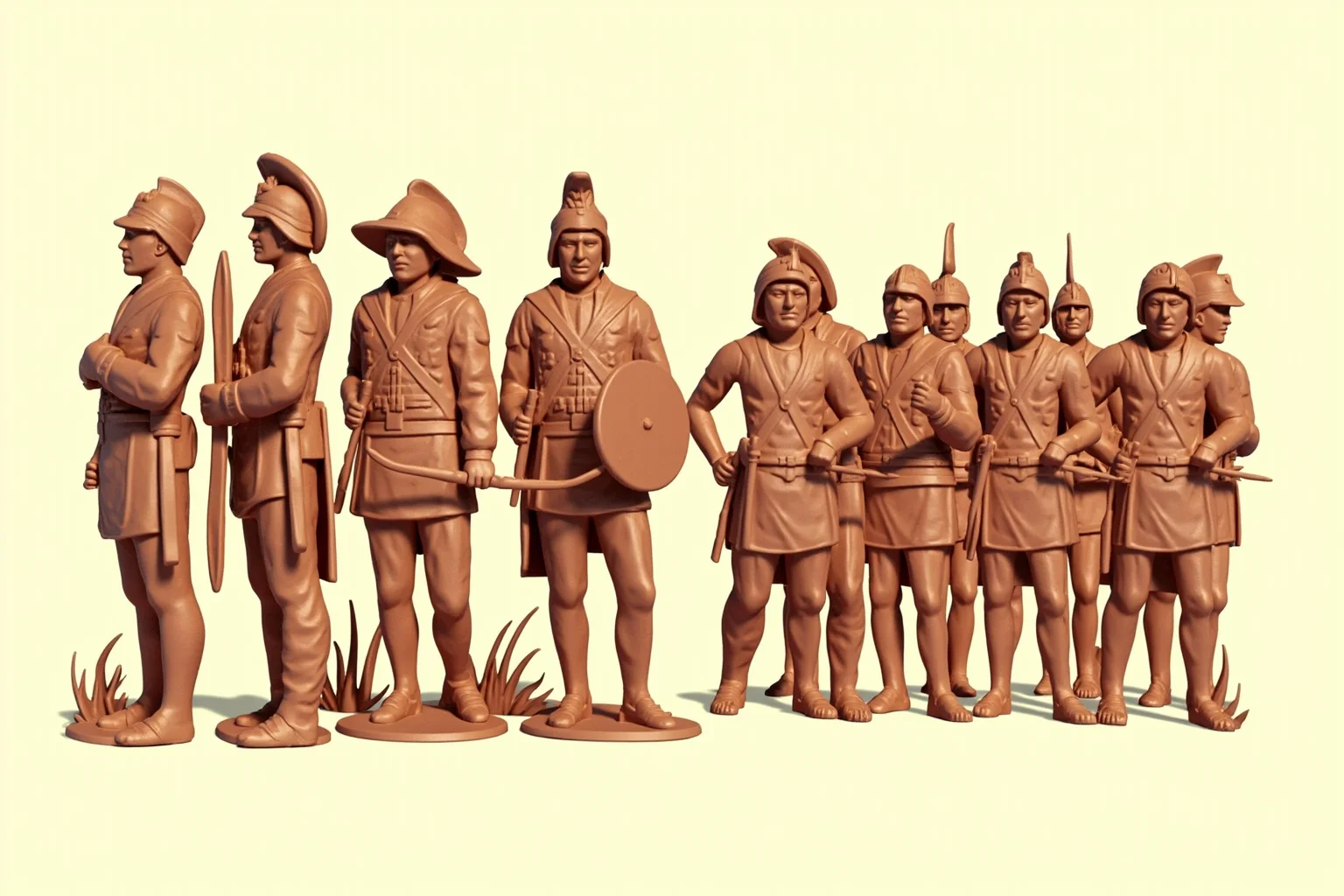
The terracotta soldiers weren’t a uniform block of identical infantry. The army includes generals, mid-ranking officers, infantrymen, kneeling and standing archers, and cavalrymen, each distinguished by height, posture, uniform, and hairstyle.
Generals, for example, tend to be taller and more elaborately dressed than common soldiers, reflecting real military hierarchy of the Qin Dynasty. This level of detail is part of why the site is treated as a genuine source for understanding ancient Chinese military organization.
18. The Terracotta Horses and Chariots
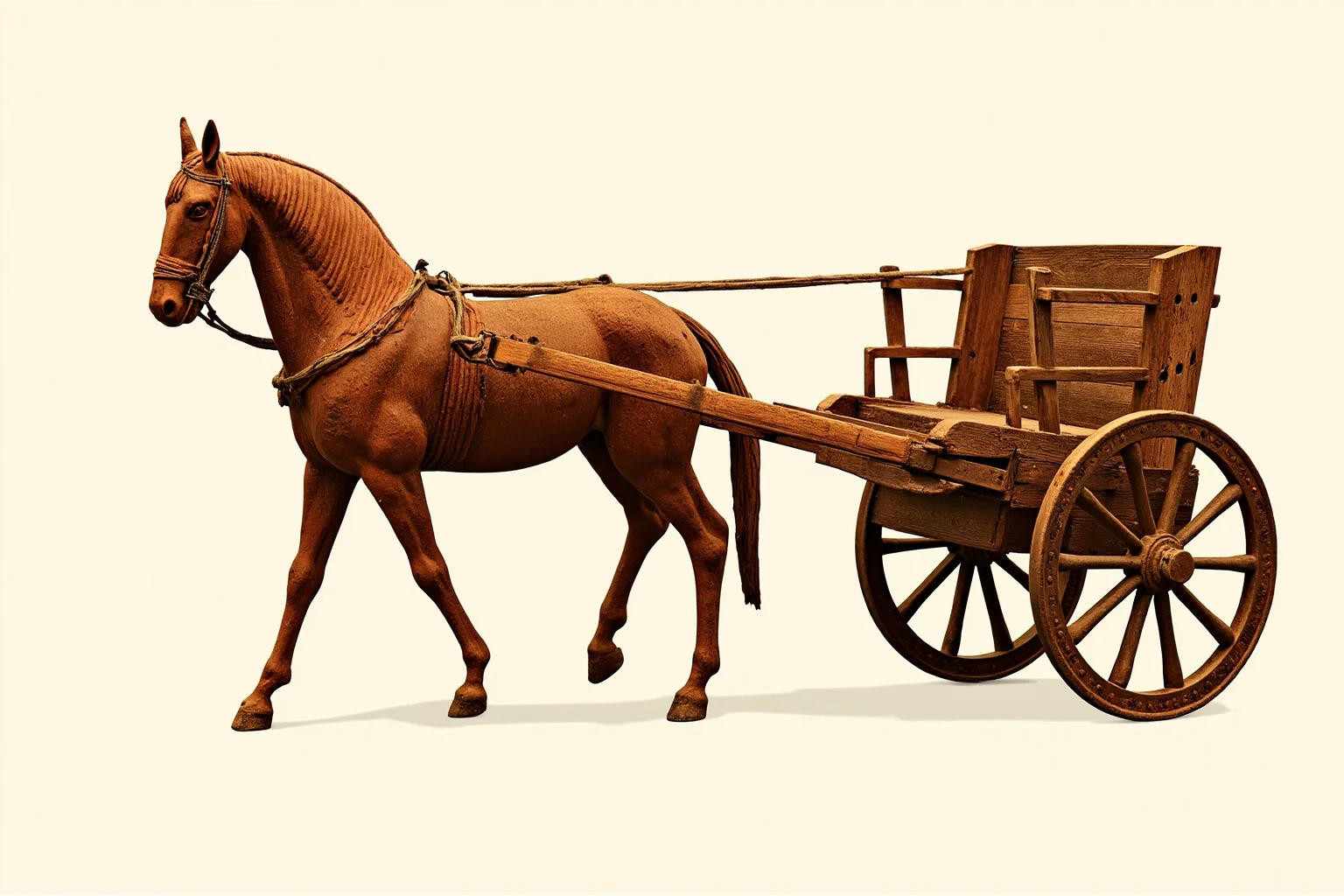
Alongside the human figures, the army includes life-sized terracotta horses, many originally harnessed to wooden chariots that have since decayed. The horses were sculpted with as much anatomical care as the soldiers, capturing muscle definition and realistic proportions.
Chariot pits found near the main soldier formations suggest a combined-arms force, mixing infantry, cavalry, and chariotry the way an actual Qin Dynasty army might have been organized. It reinforces the idea that this was meant to be a functioning military unit, not just decorative statues.
19. The Emperor’s Actual Tomb Remains Unopened
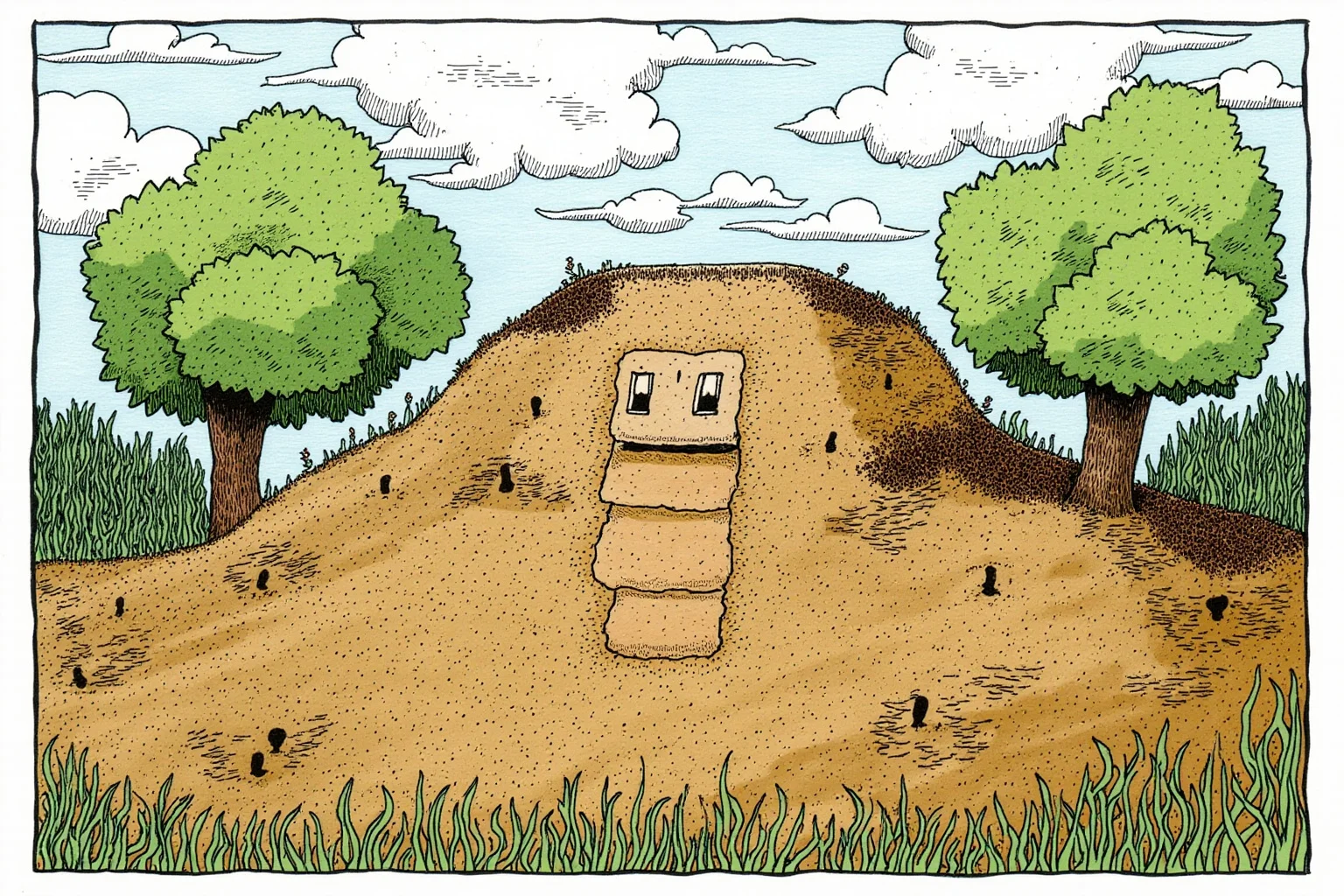
It’s a common misconception that archaeologists have fully excavated Qin Shi Huang’s tomb. In reality, the burial mound believed to contain his actual body and treasures has never been opened in modern times.
Chinese authorities have deliberately left it sealed, citing concerns about preservation technology and respect for the historical site. Ancient historical accounts describe an elaborate underground palace filled with treasures and traps, similar in spirit to the tomb-building traditions of ancient Egypt, but until the mound is opened, these descriptions remain historical claims rather than confirmed archaeological facts.
20. The Legend of Rivers of Mercury
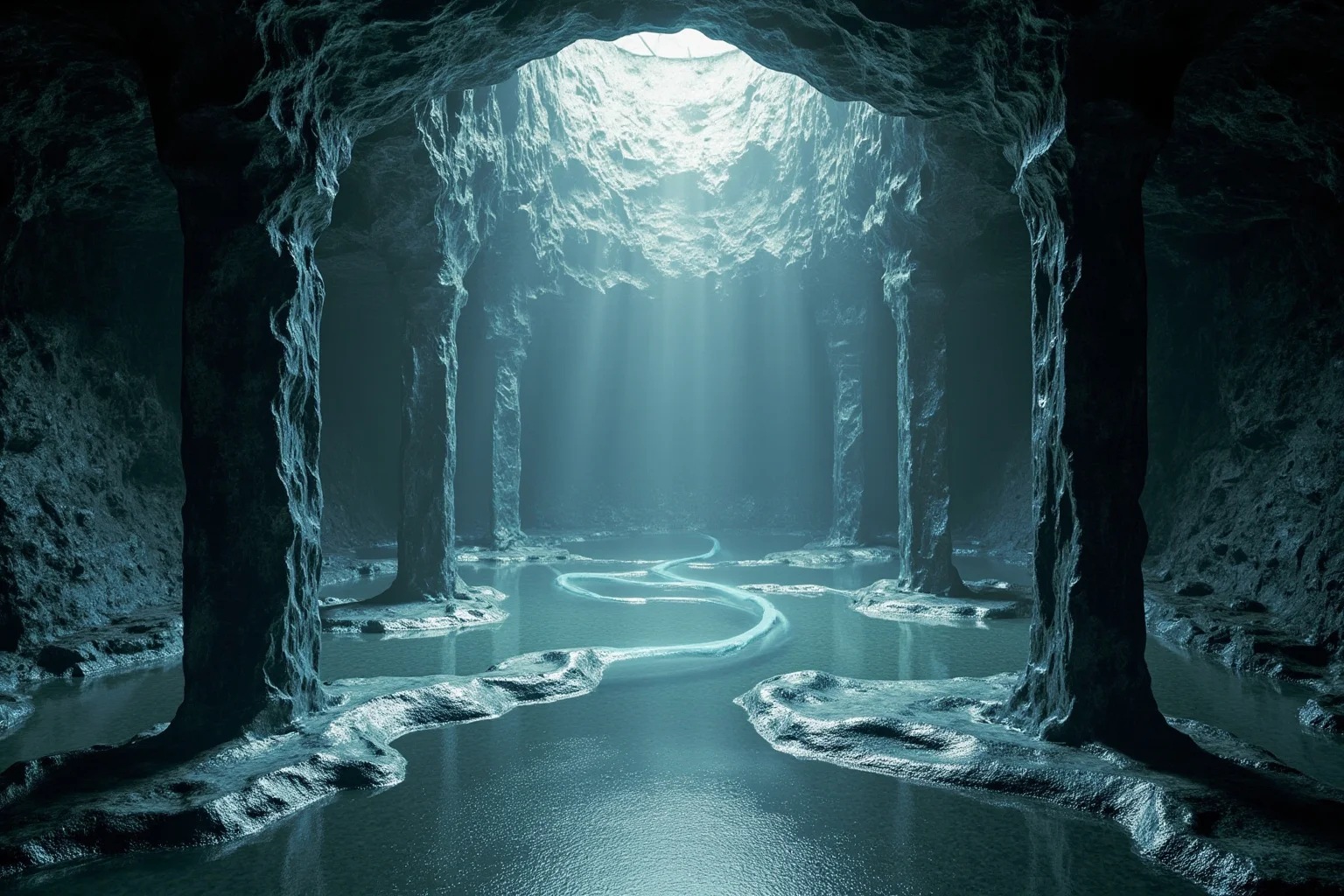
One of the more famous claims about the tomb comes from the ancient historian Sima Qian, writing about a century after Qin Shi Huang’s death. He described a tomb containing models of palaces, rivers of mercury, and a ceiling depicting the night sky.
Modern soil tests around the burial mound have actually detected unusually high mercury levels, which lends some credibility to parts of this account. Even so, without opening the tomb itself, historians treat the full “rivers of mercury” description as an intriguing but unconfirmed detail rather than proven fact.
21. Beyond Soldiers: Acrobats, Officials, and Animals
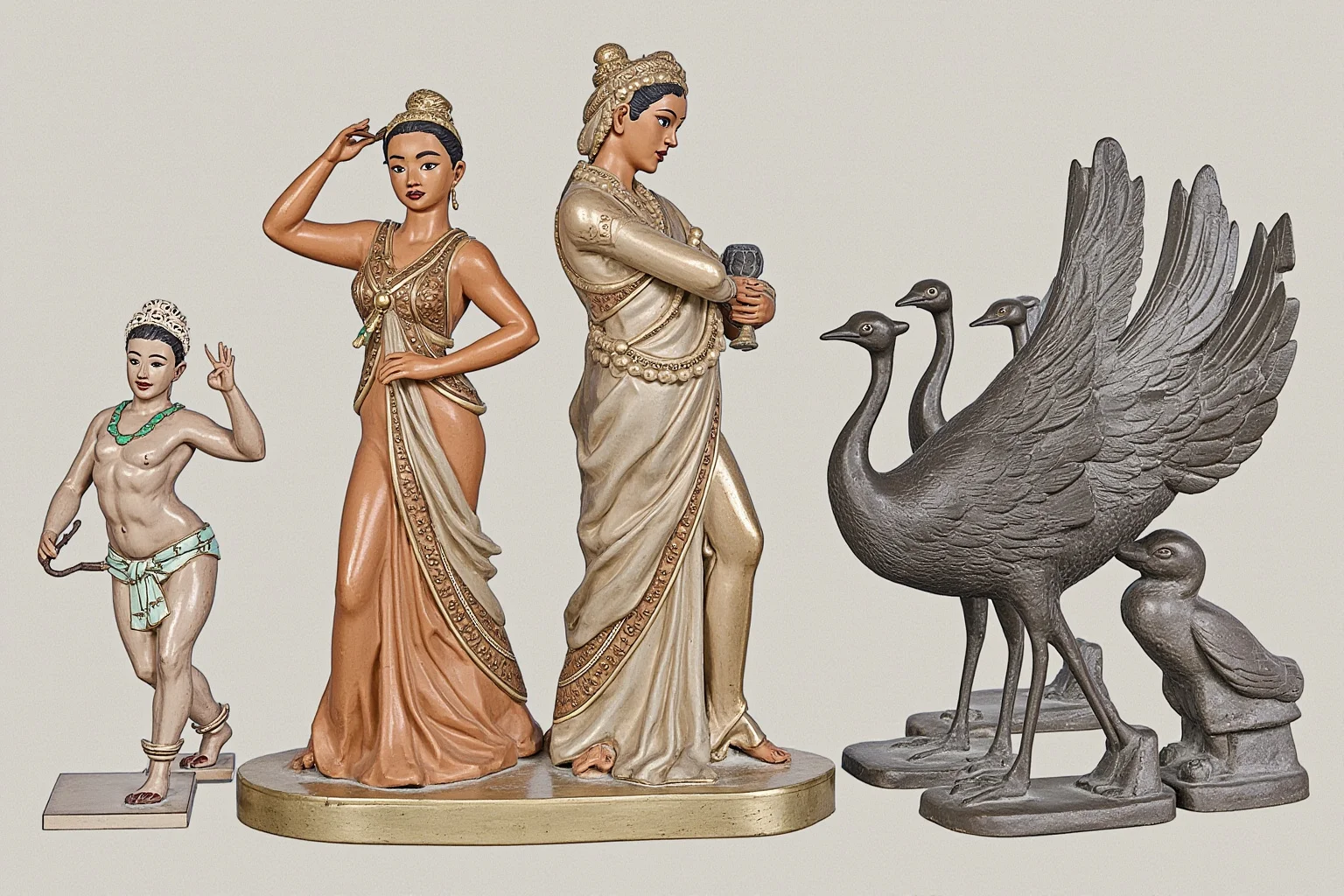
The broader mausoleum complex isn’t limited to a straightforward military force. Excavations nearby have uncovered terracotta figures of civilian officials, musicians, acrobats, and even bronze waterfowl arranged along an underground artificial river.
This suggests Qin Shi Huang’s afterlife plans went well beyond just military protection. He appears to have wanted an entire miniature version of his imperial court and court life, staffed and equipped to keep functioning underground indefinitely.
22. A UNESCO World Heritage Site and Global Icon
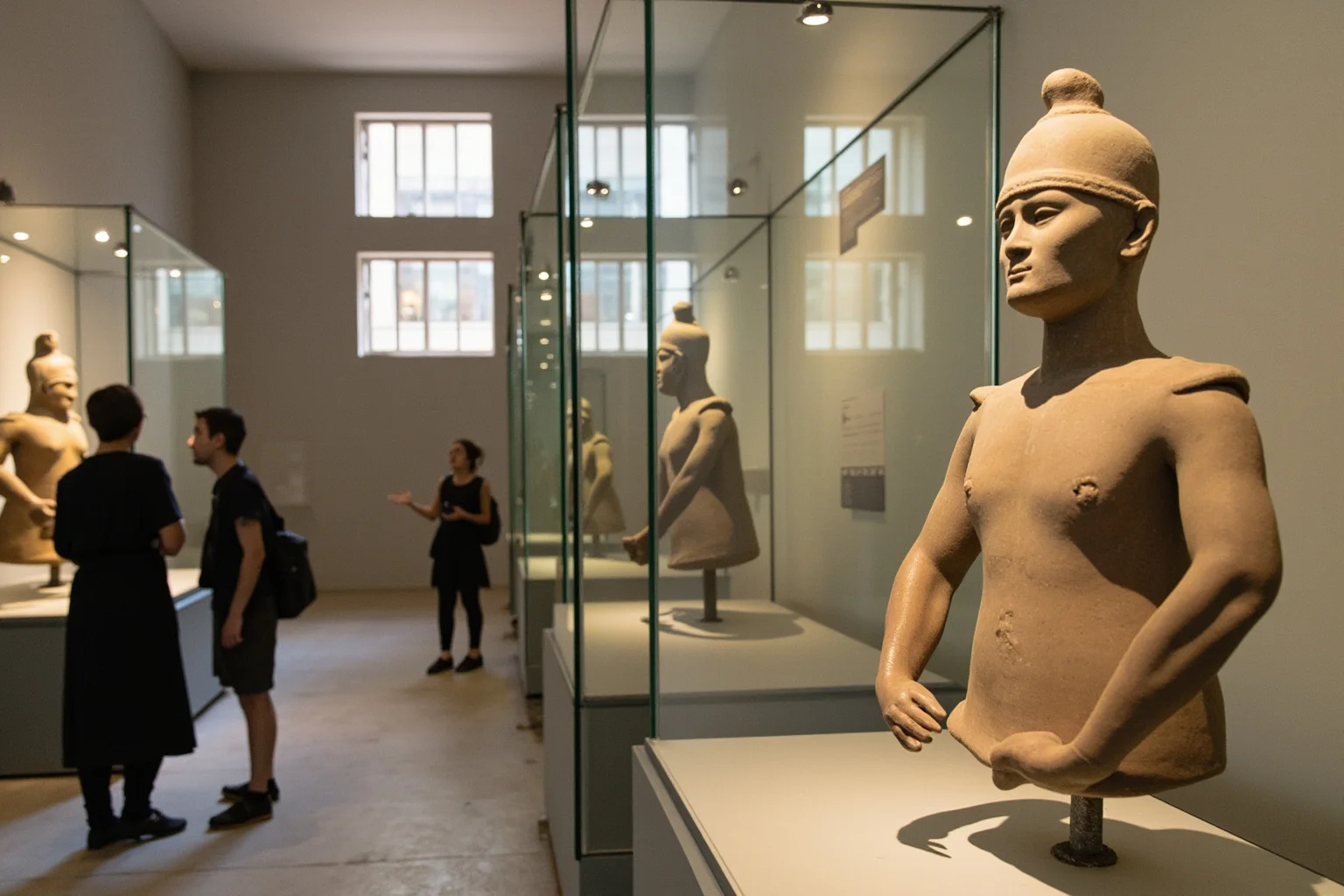
In 1987, UNESCO designated the Mausoleum of the First Qin Emperor, including the terracotta army pits, as a World Heritage Site. Today, it draws millions of visitors annually to the Emperor Qinshihuang’s Mausoleum Site Museum near Xi’an.
The site has become such a symbol of ancient China’s ancient China terracotta army legacy that it’s often cited alongside the Great Wall as one of the country’s defining historical landmarks. It’s also fueled a wave of documentaries, museum tours, and replicas that have introduced the soldiers china’s first emperor built to audiences who may never visit in person.
Why the Terracotta Army Still Matters
What makes the Terracotta Army so compelling isn’t just its size or age, it’s what it reveals about how an ancient ruler thought about power, death, and legacy. Qin Shi Huang didn’t just want to be remembered; he wanted to remain, in some form, permanently defended and permanently in command.
Even with everything archaeologists have uncovered since 1974, large parts of the site, and the emperor’s actual tomb, remain untouched. That means the story of the terracotta soldiers isn’t finished being told, and future excavations may well rewrite some of what we think we know today.
Frequently Asked Questions
Why was the Terracotta Army built?
The Terracotta Army was built to protect and serve Emperor Qin Shi Huang, the first emperor of a unified China, in the afterlife. Ancient Chinese belief held that rulers needed the same protections and resources in death as in life, and the clay soldiers are widely thought to have replaced the earlier, more brutal practice of burying real soldiers and servants with a ruler.
When was the Terracotta Army built?
Construction is generally dated to between around 246 BCE and 208 BCE, spanning most of Qin Shi Huang's reign as king and later emperor. The project continued for roughly three to four decades and involved a large, organized workforce of laborers and craftsmen.
When was the Terracotta Army discovered?
The Terracotta Army was discovered in March 1974, when farmers digging a well near Xi'an, in China's Shaanxi Province, unearthed fragments of a clay figure. Formal archaeological excavation began shortly afterward.
Who found the Terracotta Army?
A group of local farmers found the Terracotta Army while drilling a well during a drought. Yang Zhifa is the most widely credited and publicly recognized member of that group.
Where was the Terracotta Army found?
It was found near the city of Xi'an in Shaanxi Province, China, close to the burial mound of Emperor Qin Shi Huang. The pits sit roughly 1.5 kilometers northeast of the emperor's mausoleum.
Who made the Terracotta Army?
Emperor Qin Shi Huang commissioned the project, but it was built by a large workforce of conscripted laborers and skilled craftsmen. Some figures bear inscriptions naming the workshop supervisors responsible for quality control.
How many soldiers are in the Terracotta Army?
Archaeologists estimate the site originally held more than 8,000 soldiers, along with around 130 chariots, 520 chariot horses, and roughly 150 cavalry horses. Not all of these figures have been excavated yet, so exact numbers may be refined over time.
What are the Terracotta soldiers made of?
The soldiers were made from terracotta, a fired clay material, with bodies typically assembled from separately molded sections like the head, torso, arms, and legs. Many were originally painted in bright colors, though most of that pigment has faded since excavation.
How old is the Terracotta Army?
The Terracotta Army is roughly 2,200 years old, dating back to the Qin Dynasty in the 3rd century BCE. It remained buried and largely undisturbed until its rediscovery in 1974.

Alex Warren
Related Articles