


Ask ten history buffs what the oldest statue in the world is, and you’ll likely get ten different answers. Some will point to a tiny ivory carving found in a German cave. Others will insist it’s a limestone figure from Turkey, or a mysterious wooden idol pulled from a Siberian bog.
The truth is that “oldest statue” depends heavily on definitions — figurine versus statue, human figure versus abstract form, and confirmed dating versus disputed claims. This guide walks through the real archaeological record, in roughly chronological order, so you can see how sculpture actually evolved from tiny handheld carvings to towering colossal statues.
TL;DR: The strongest contender for the world’s oldest statue is the roughly 40,000-year-old Lion Man of Hohlenstein-Stadel, though prehistoric figurines like the Venus of Hohle Fels and the debated Shigir Idol keep the conversation lively.
How Do Historians Define an “Old Statue” Anyway?
Before diving into the list, it helps to clarify some terms that get used interchangeably but actually mean different things. A figurine is typically small and handheld, while a statue is generally understood to be larger, often life-size or bigger, and frequently meant to stand upright or be displayed.
An ancient sculpture can be either — the word simply refers to any three-dimensional artwork carved, molded, or otherwise shaped by human hands. Because of this overlap, many “oldest statue in the world” lists actually include figurines, since they represent the origins of the sculptural tradition.
We’ve grouped this list into four eras, mirroring the way historians typically break down major historical time periods — prehistoric figurines, the first monumental statues, statues of the early Near East and Egypt, and the colossal and classical statues that followed. Dates for prehistoric pieces are often ranges, based on radiocarbon dating of surrounding sediment or associated materials, so treat exact years as best estimates rather than fixed facts.
Prehistoric Origins: The Earliest Figurines (Roughly 40,000–10,000 Years Ago)
1. The Lion Man of Hohlenstein-Stadel
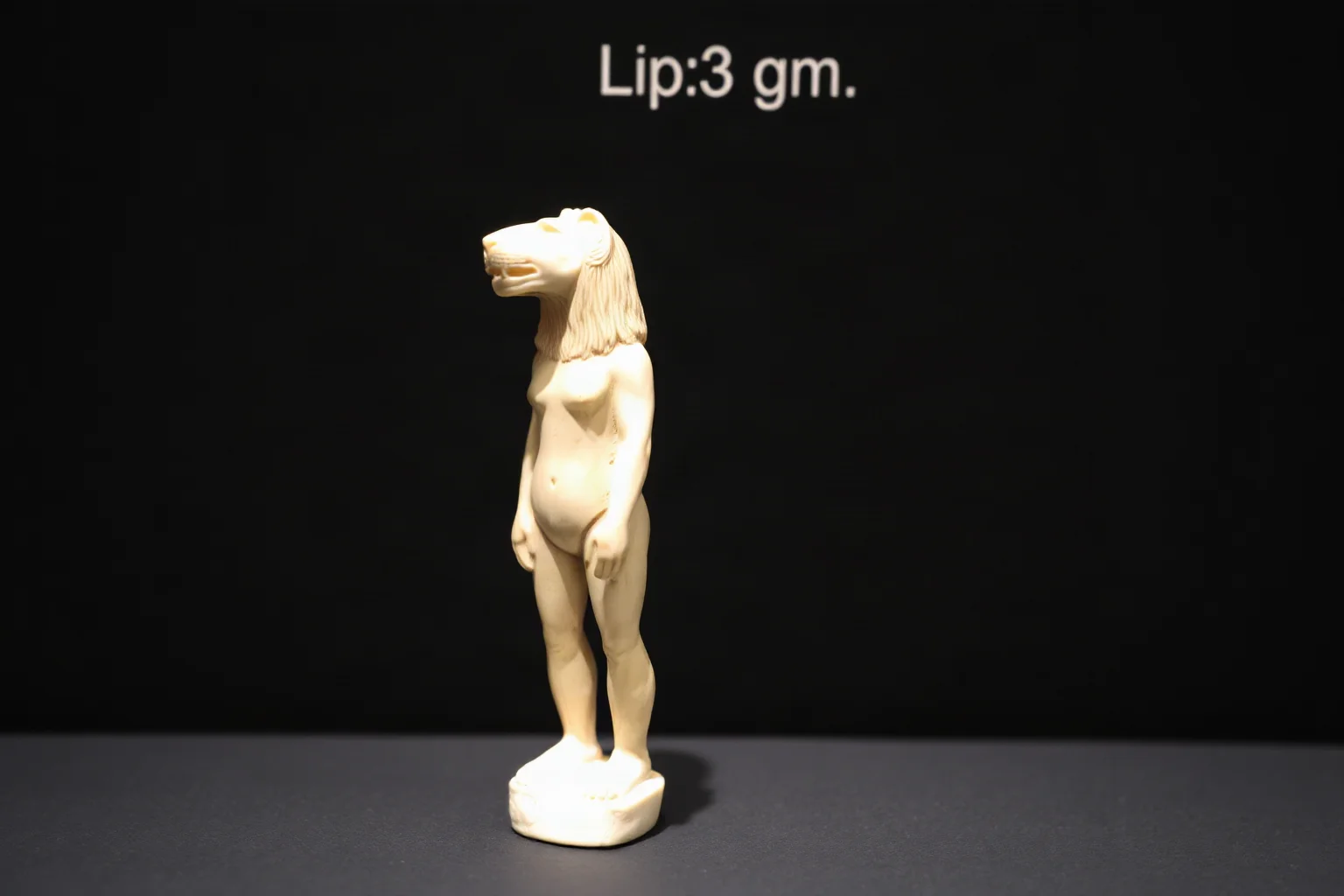
Carved from mammoth ivory around 40,000 years ago, deep within the depths of the last Ice Age, the Lion Man was discovered in fragments in a German cave in 1939 and later reassembled over decades. It depicts a human body with a lion’s head, making it widely regarded as the oldest known sculpture of an imaginary or composite being.
Because it represents something that doesn’t exist in nature, many archaeologists consider it the earliest clear evidence of symbolic, imaginative thought in human art. It’s housed today in the Museum Ulm in Germany.
2. The Venus of Hohle Fels

Found in a nearby German cave and dated to roughly the same 40,000-year mark, this small mammoth-ivory figure is often cited as the oldest undisputed depiction of a human being in art. It’s exaggerated and abstract rather than realistic, with an emphasis on rounded body forms.
Its age is significant because it predates cave paintings like those at Lascaux by tens of thousands of years. That makes it one of the strongest answers to “what is the oldest sculpture in the world” when the definition is limited strictly to human figures.
3. The Venus of Dolní Věstonice
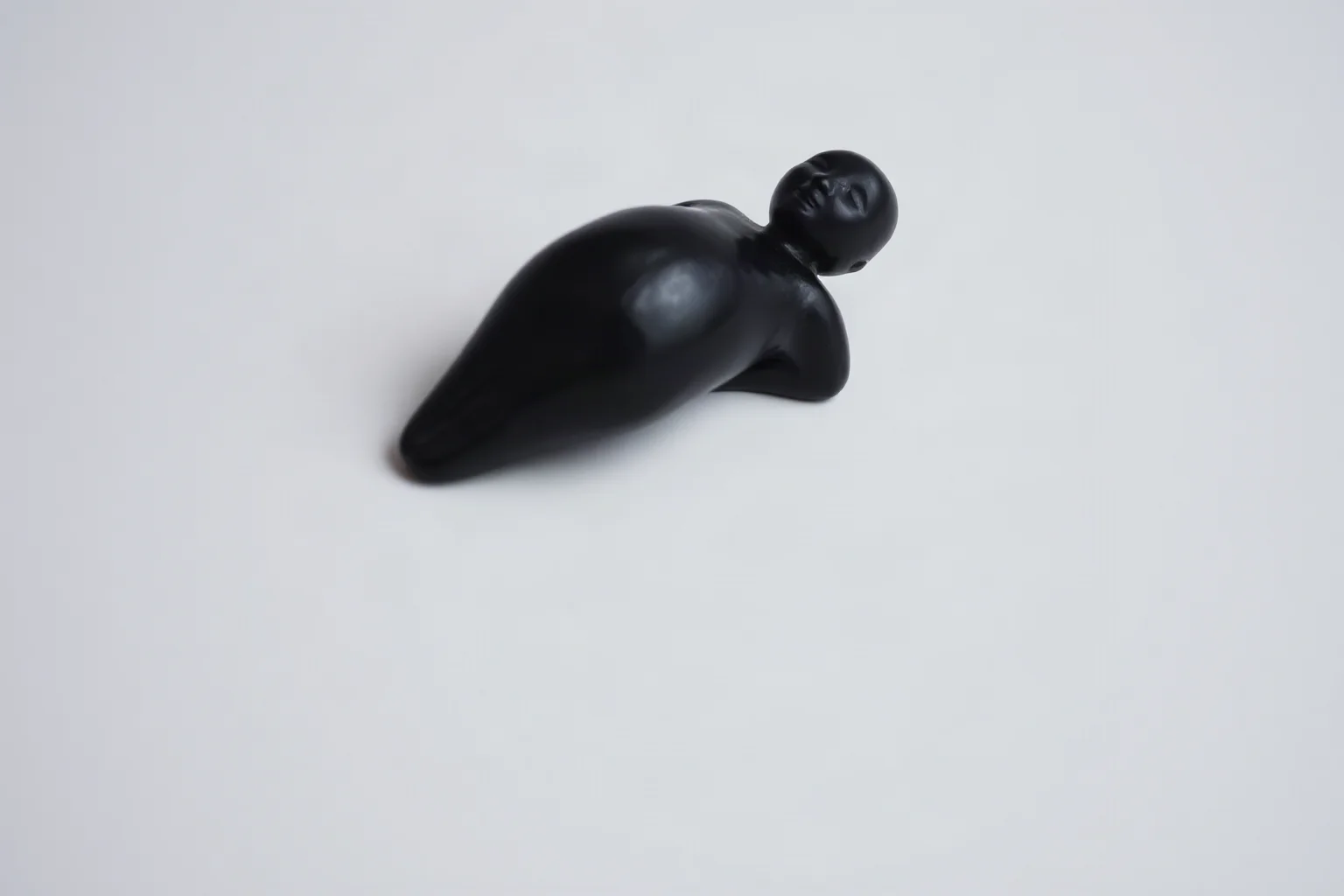
This figure from the modern-day Czech Republic dates to somewhere between 29,000 and 25,000 years ago. What makes it remarkable isn’t just its age — it’s made of fired clay, making it the oldest known ceramic sculpture in the world.
That’s thousands of years before humans began making fired pottery vessels for everyday use. It suggests that the impulse to create art may have come before the impulse to create practical containers.
4. The Venus of Willendorf
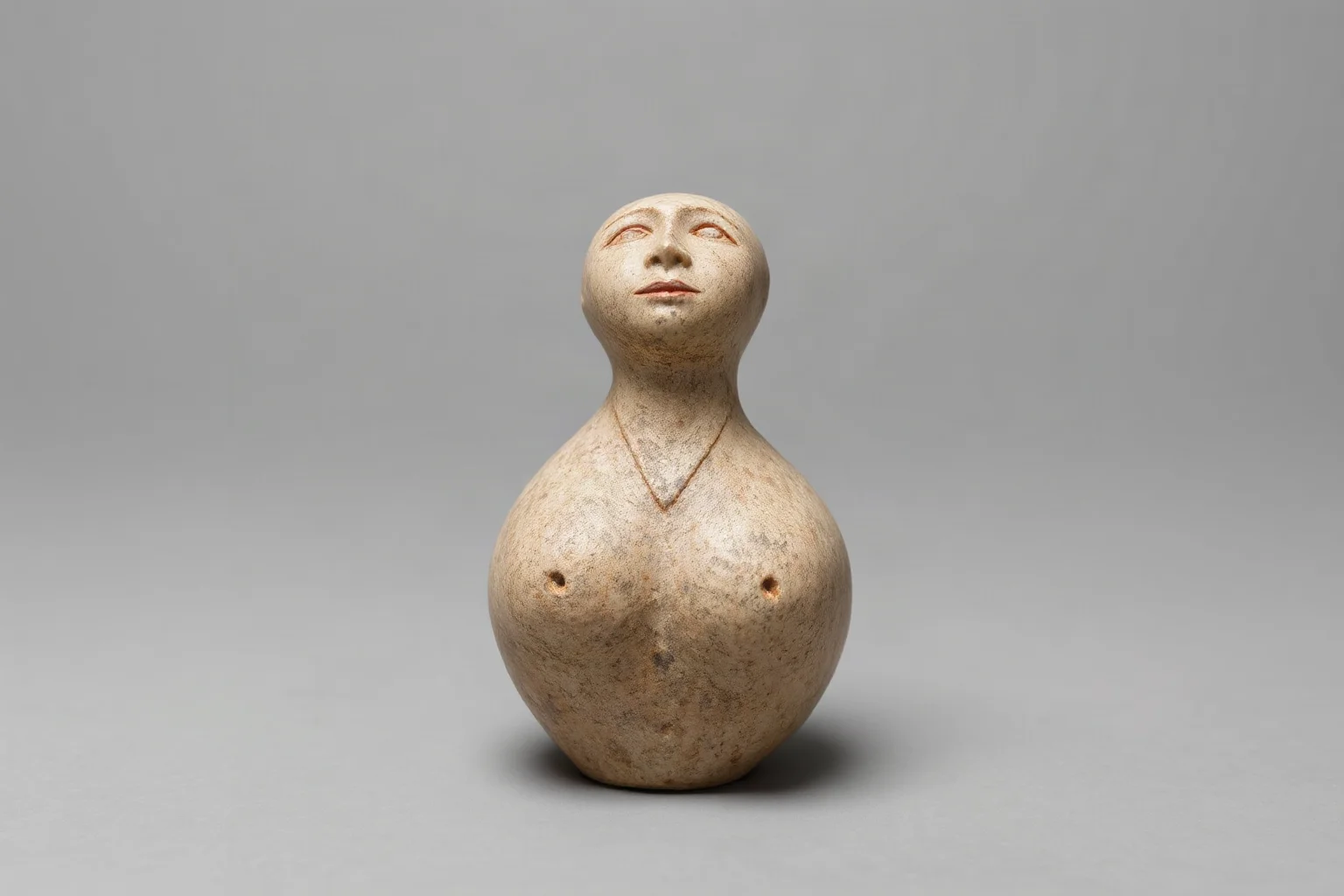
Discovered in Austria and dated to around 28,000–25,000 BCE, this limestone figure is probably the most famous of the so-called “Venus figurines.” It’s often labeled a fertility symbol, but that interpretation is a modern guess rather than a confirmed fact — we simply don’t know what these figures meant to the people who made them.
The safer, myth-busting answer is that no one alive today can say with certainty why Paleolithic people carved these figures. Theories range from religious icons to self-portraits to teaching tools, and the debate remains genuinely unresolved.
5. The Venus of Brassempouy
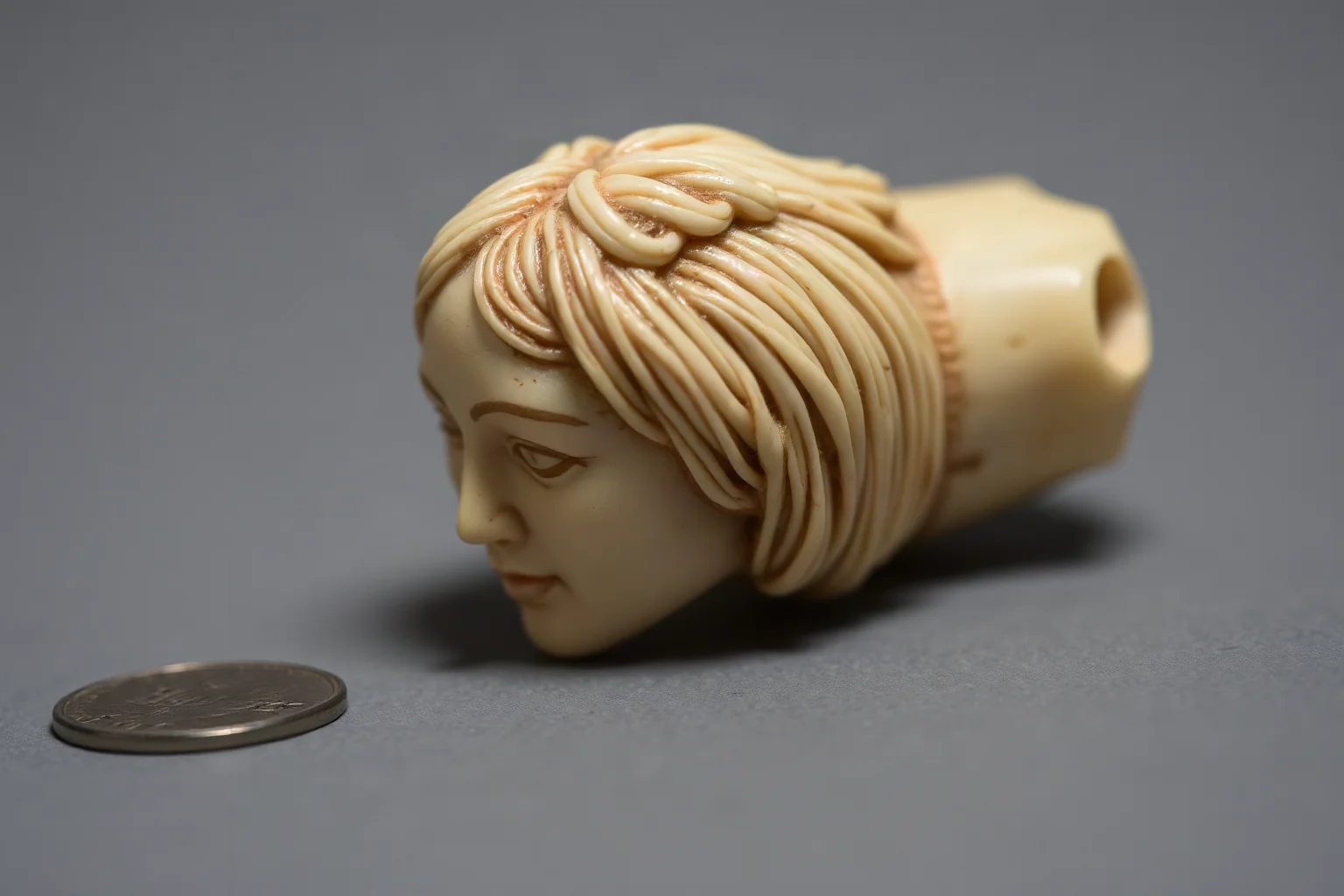
Carved from mammoth ivory in what’s now France around 26,000 years ago, this small piece is notable for being the oldest known realistic depiction of a human face. Unlike many Venus figurines, which abstract or omit facial features entirely, this one includes a nose, brow, and hint of hair.
It’s a small fragment — just a few centimeters — but its detail marks a meaningful shift toward portraiture in ancient sculpture. It currently resides in France’s National Archaeology Museum.
6. The Ain Sakhri Lovers Figurine
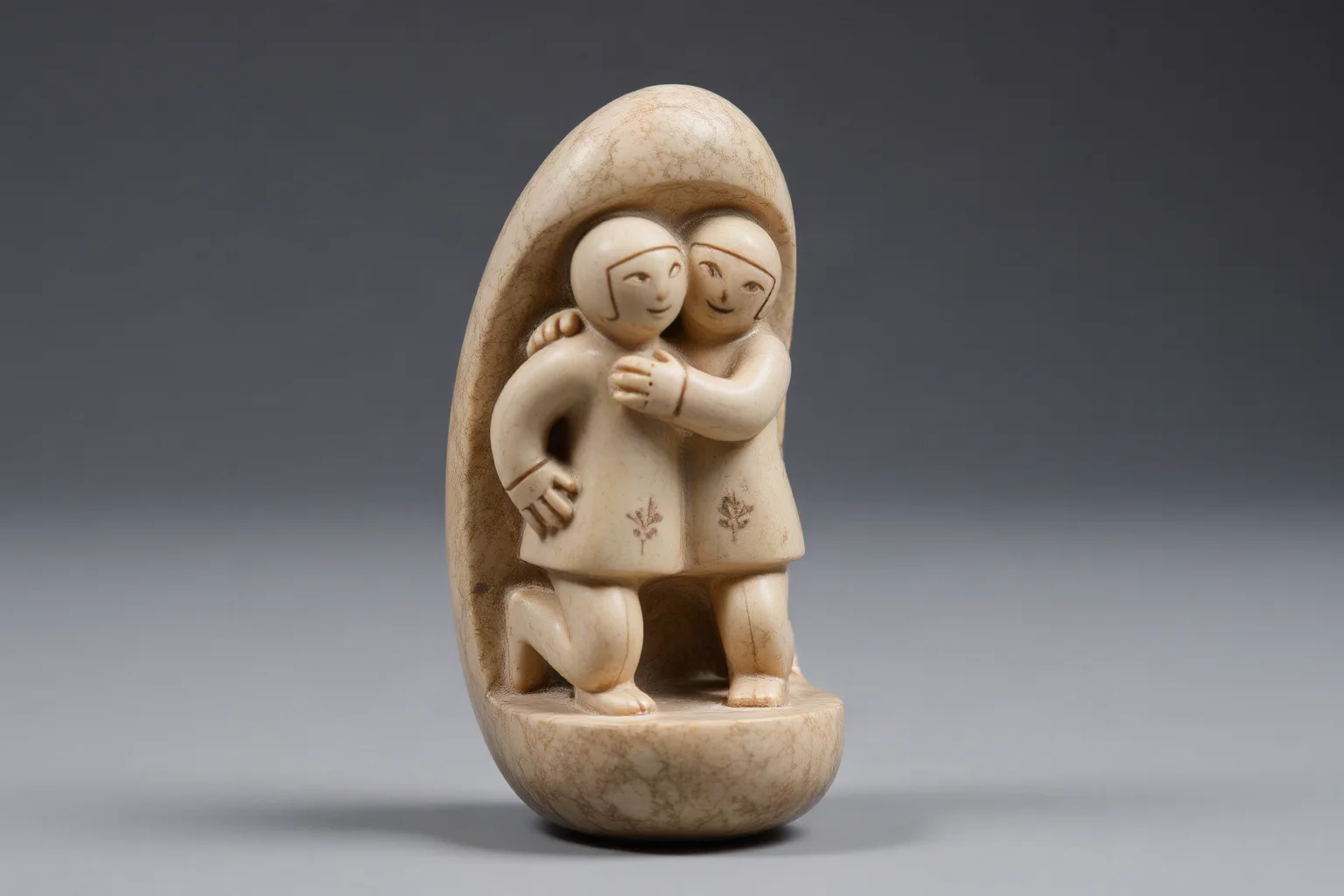
Found near Bethlehem and dated to roughly 11,000 years ago, this smooth stone carving depicts two embracing figures and is considered the oldest known sculptural representation of a couple. It comes from the Natufian culture, a group of hunter-gatherers who were on the cusp of transitioning to settled farming life.
The piece is small enough to hold in one hand, yet it captures a surprisingly tender, human moment. It’s now part of the British Museum’s collection.
7. The Shigir Idol
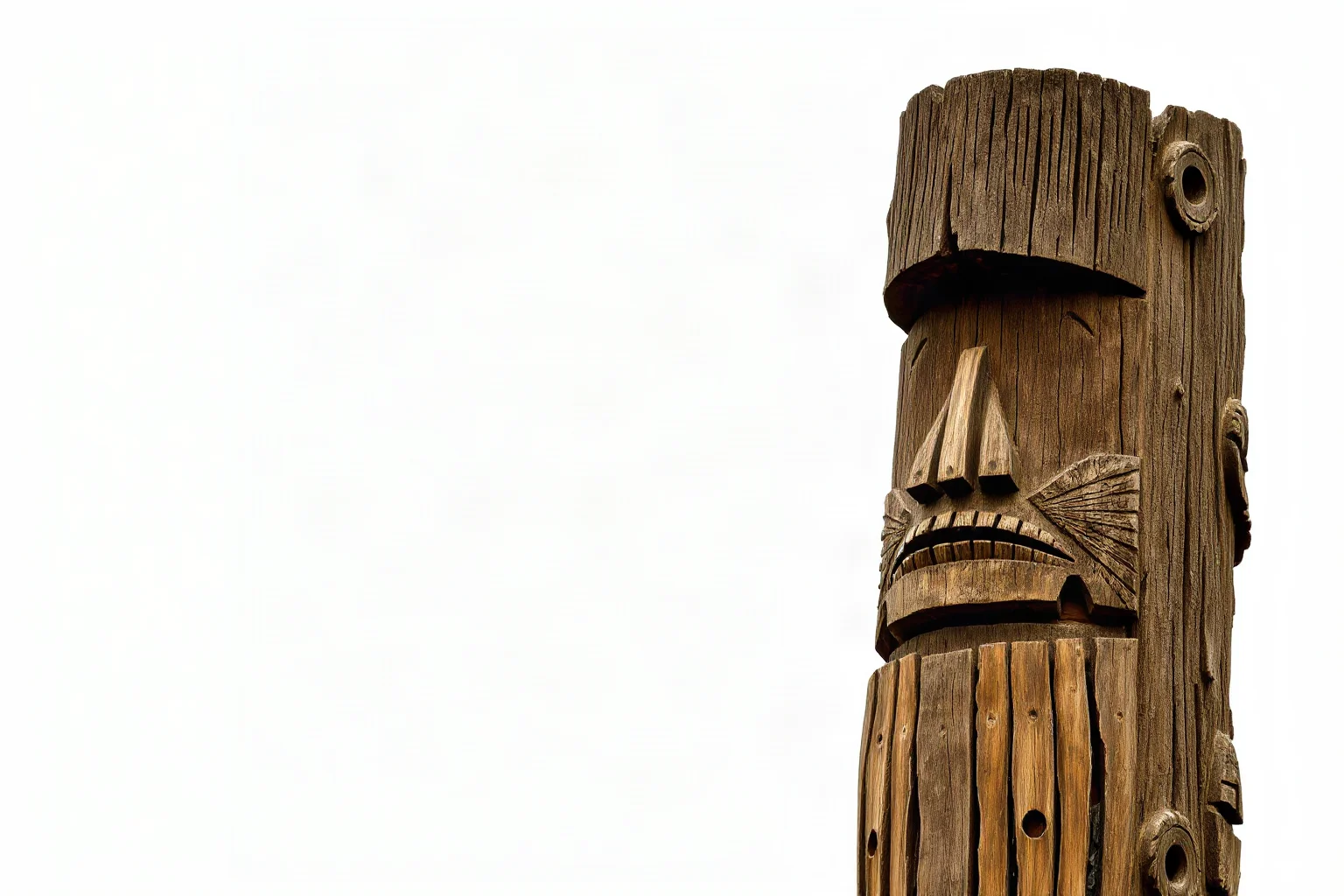
Pulled from a peat bog in Russia’s Ural Mountains, the Shigir Idol is a tall wooden sculpture covered in carved lines, zigzags, and faces. Dating estimates place it at roughly 11,000 years old, which would make it the oldest known wooden sculpture in the world by a wide margin.
Some popular articles have claimed the carvings encode a “secret message” or lost creation myth, but that’s speculation, not settled scholarship. What is verified is that the carvings show early humans were creating complex figurative art in wood far earlier than once assumed.
The First Monumental Statues (Roughly 10,000–6,000 Years Ago)
8. Urfa Man (The Balıklıgöl Statue)
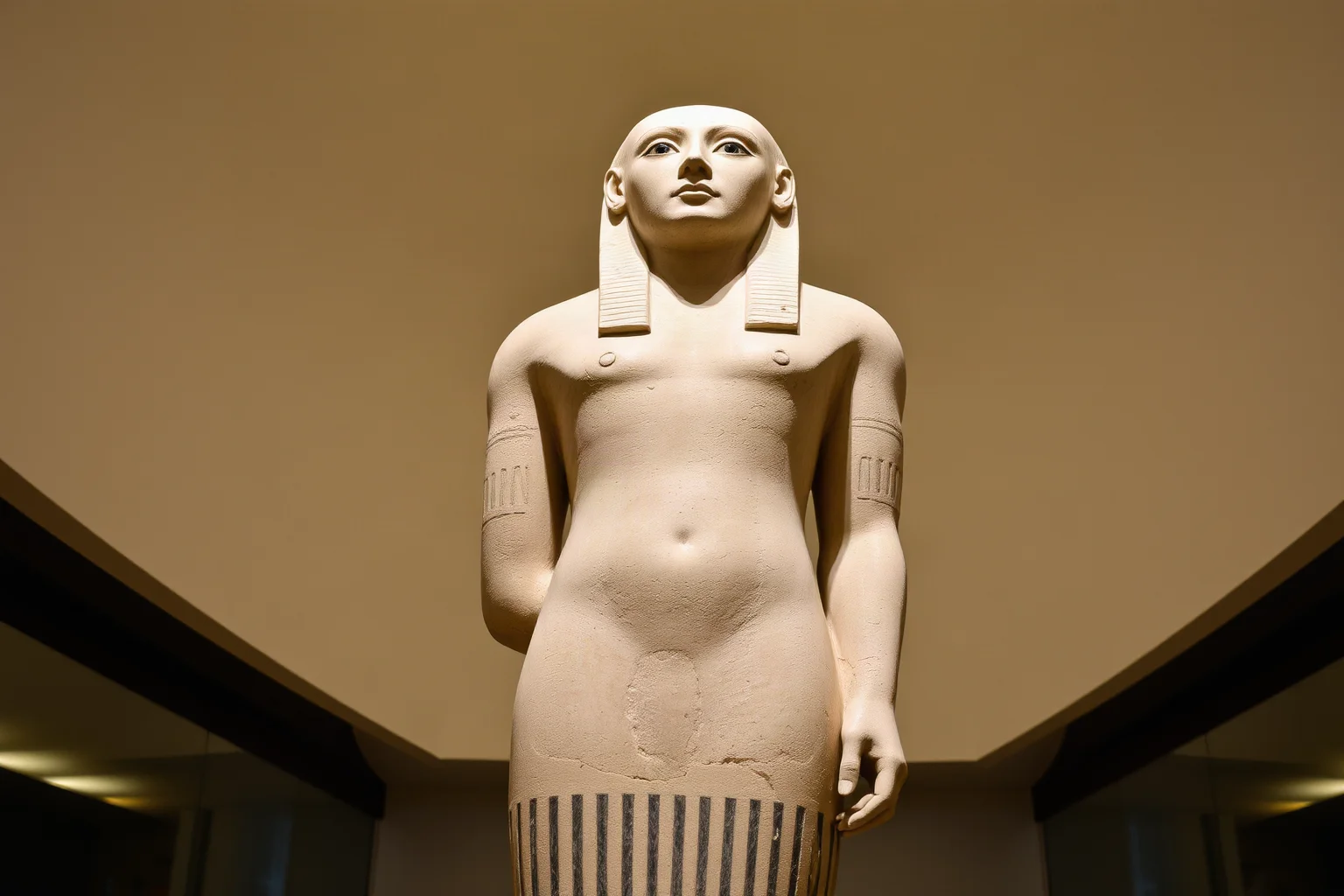
Discovered in Şanlıurfa, Turkey, and dated to around 9,000 BCE, Urfa Man is widely considered the oldest known life-size statue of a human being. Carved from limestone with inlaid obsidian eyes, it stands roughly life-sized and shows a figure with hands clasped in front of its body.
It was made by a Pre-Pottery Neolithic society, meaning it predates the invention of pottery and writing entirely. This single statue essentially marks the moment sculpture scaled up from handheld figurines to human-scale monuments.
9. The Göbekli Tepe Pillar Figures
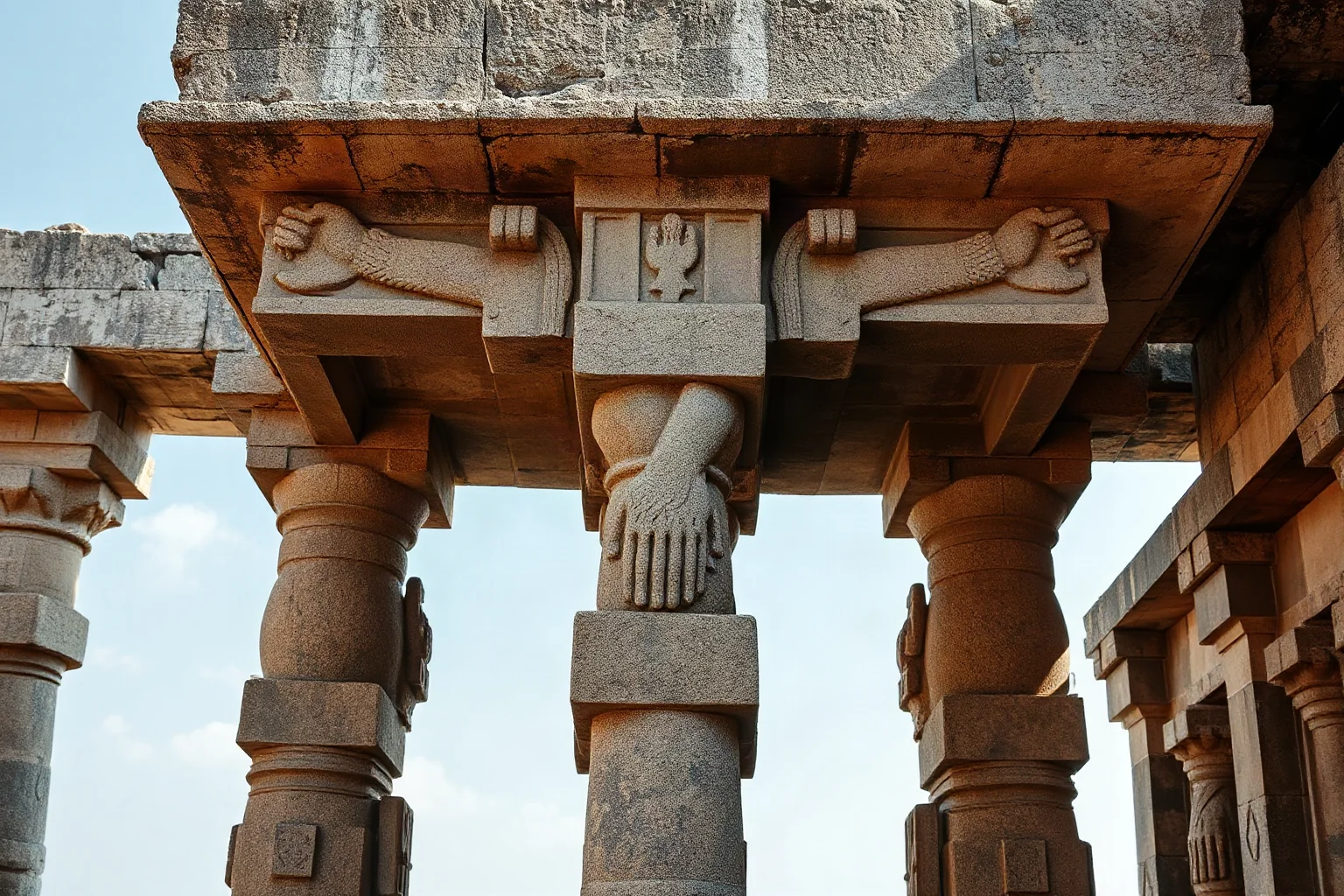
Göbekli Tepe, also in southeastern Turkey, is famous as one of the world’s oldest known monumental structures, dating back to roughly 9500 BCE. Its massive T-shaped limestone pillars are carved with human arms, hands, and belts, alongside reliefs of foxes, boars, and birds.
These aren’t freestanding statues in the traditional sense, but they represent some of the earliest large-scale figurative stone carving on record. They predate Stonehenge by roughly 6,000 years and Egypt’s pyramids by even more.
10. The ‘Ain Ghazal Statues
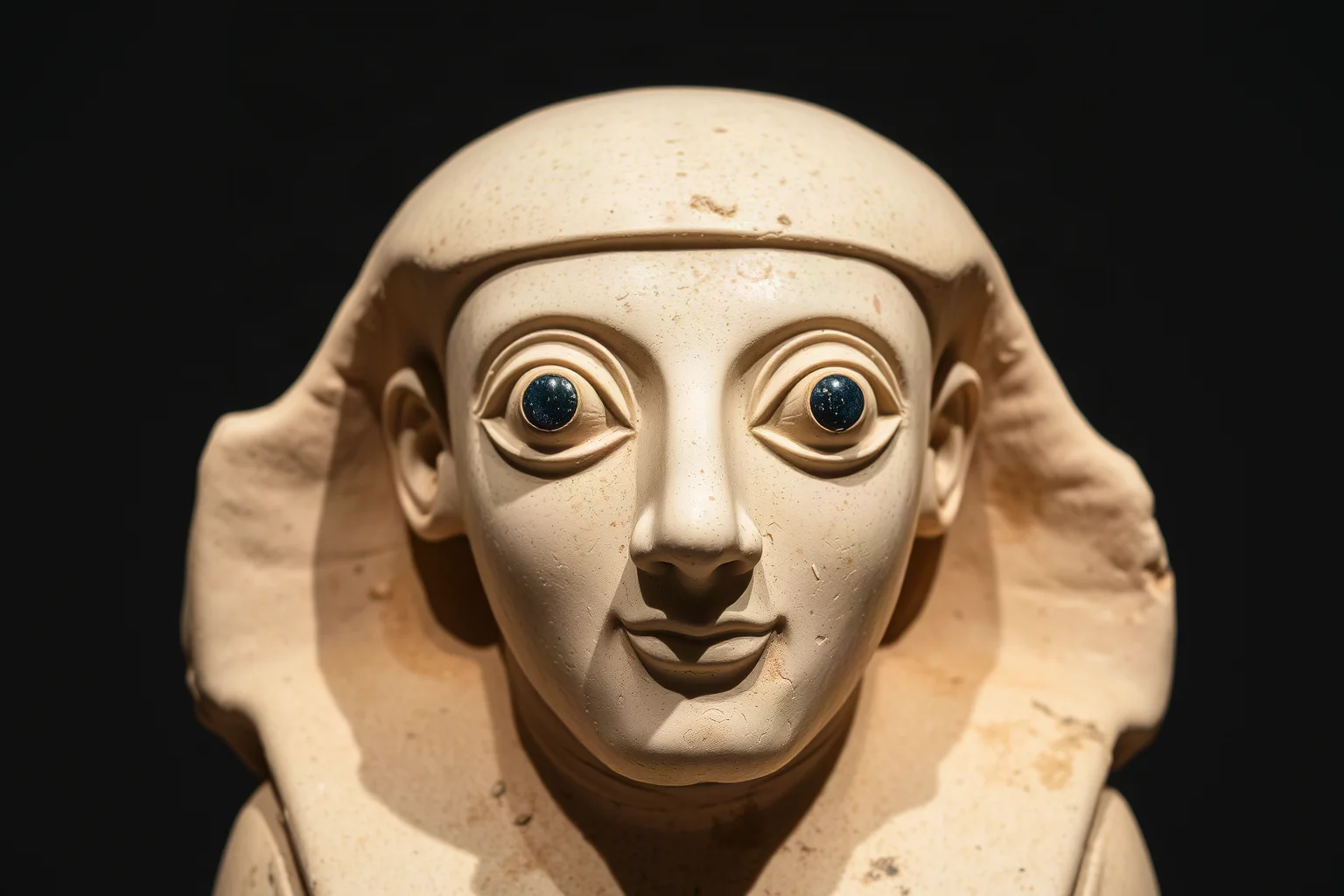
Unearthed in Jordan and dated to around 7200–6500 BCE, the ‘Ain Ghazal statues are plaster figures built over bundles of reeds, standing up to about a meter tall. They’re among the largest and oldest known statues from the prehistoric Near East.
Many have two-headed variants, and their exact purpose — ancestor figures, deities, or something else — remains debated. Several of these fragile plaster statues are now preserved in the Louvre, the British Museum, and the Jordan Museum.
11. The Nevalı Çori Figures
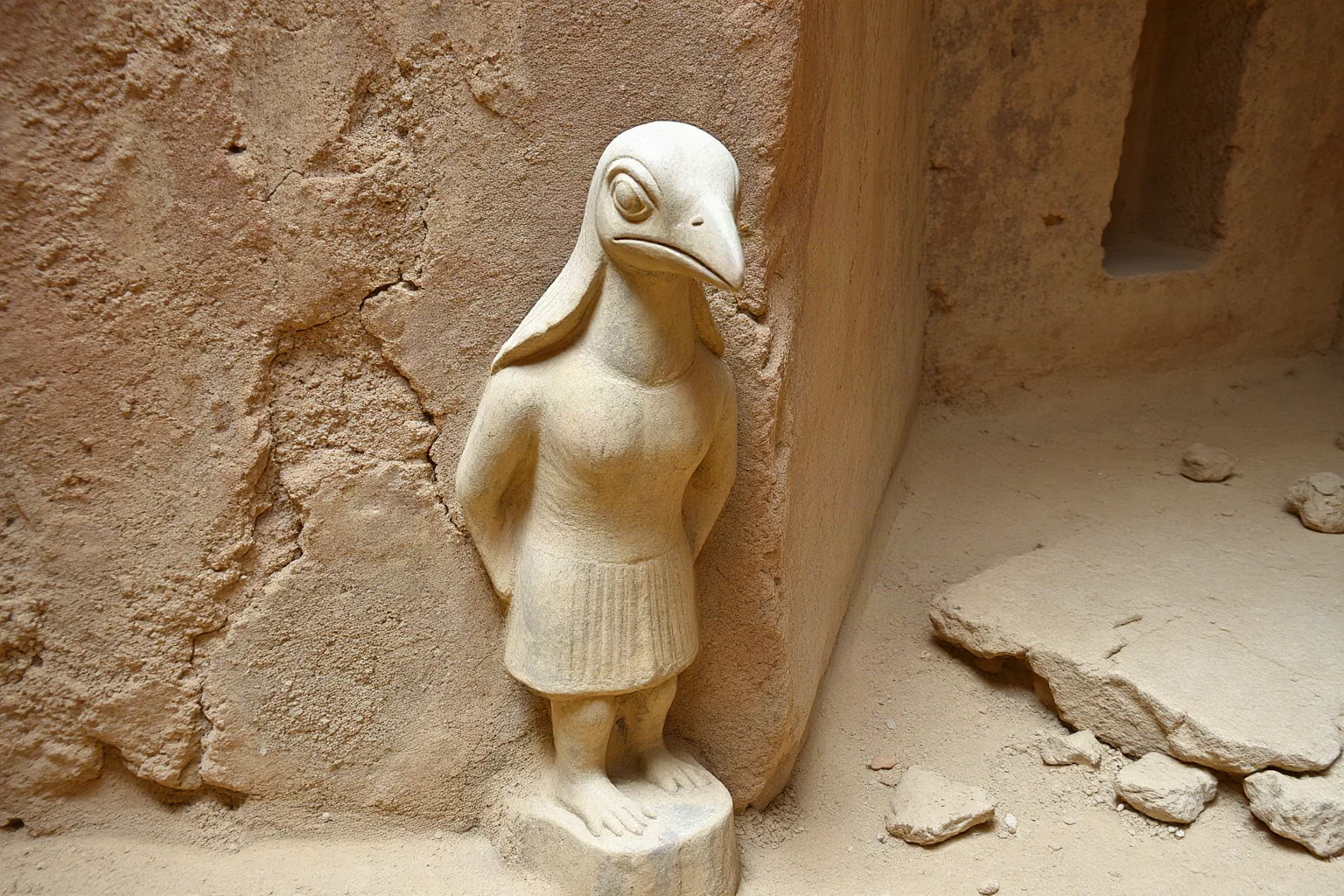
Found near Göbekli Tepe and dated to roughly 8000 BCE, the limestone figures from Nevalı Çori include human forms and a striking figure with a human body and bird-like head. The original site is now submerged under a reservoir, but the sculptures were excavated beforehand.
They show that the sculptural traditions of this region weren’t isolated to one site — several early Neolithic communities across Anatolia were experimenting with monumental figurative carving around the same time.
Statues of the Ancient Near East and Egypt
12. The Votive Statues of Eshnunna
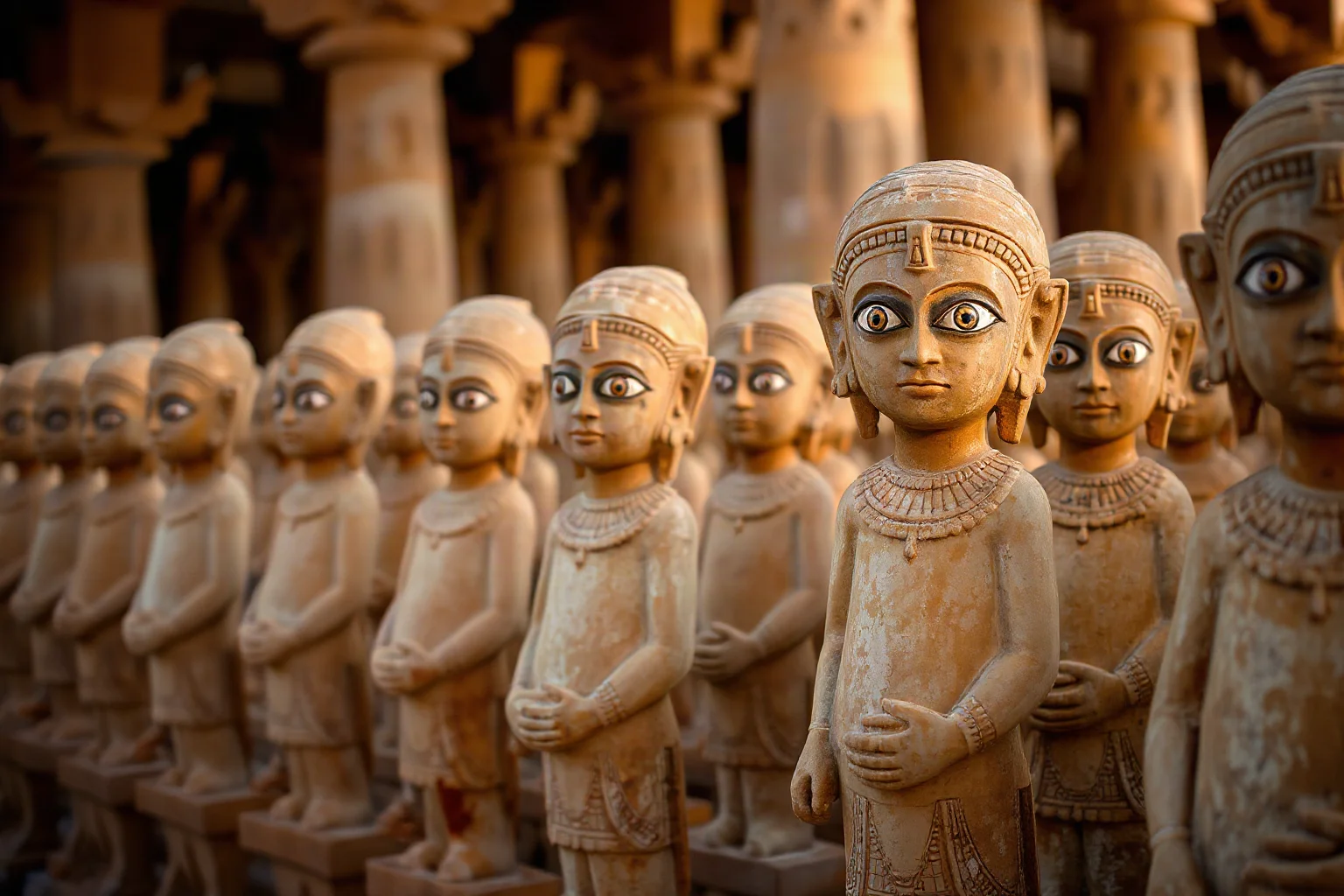
Discovered at Tell Asmar in modern Iraq and dated to around 2900–2600 BCE, these gypsum statues have oversized, wide-open inlaid eyes. The Sumerians, one of the earliest ancient civilizations in the region, placed statues like these in temples so they could stand in for a worshipper, gazing at the gods in perpetual prayer.
They’re a good reminder that many ancient statues weren’t meant to be admired as art the way we view sculpture in museums today. They served a religious function, acting almost like stand-in worshippers on behalf of real people.
13. Sheikh el-Balad: The “Old Man” Statue
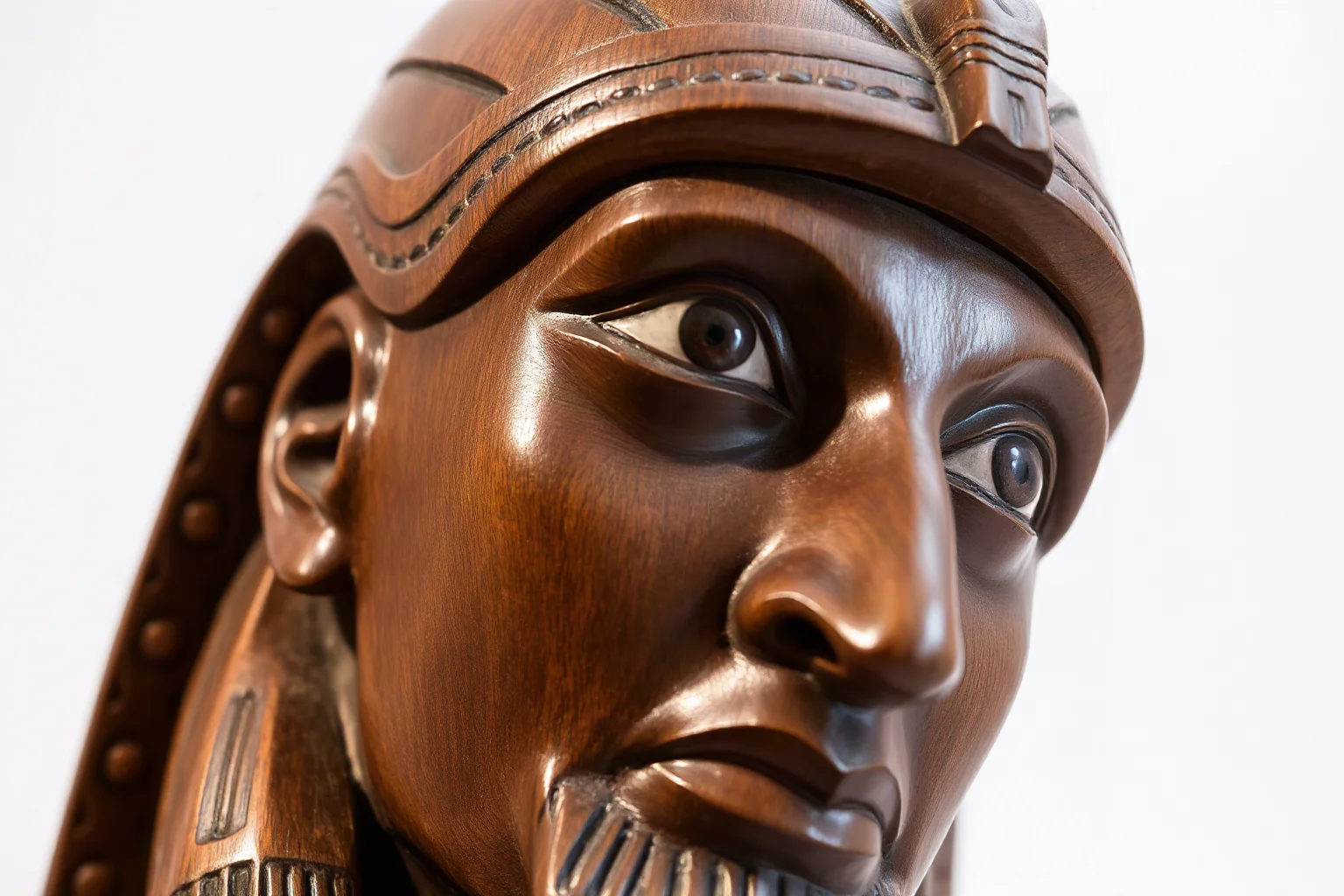
Carved from wood around 2500 BCE during Egypt’s Old Kingdom, this statue technically portrays a man named Ka-Aper. It earned its popular nickname, “Sheikh el-Balad” (meaning “Old Village Chief”), because the Egyptian workers who excavated it in the 19th century said it strongly resembled their own village headman.
It’s one of the best-known examples of an old man statue from the ancient world, prized for its lifelike inlaid eyes and naturalistic posture. It’s on display in the Egyptian Museum in Cairo.
14. The Great Sphinx of Giza
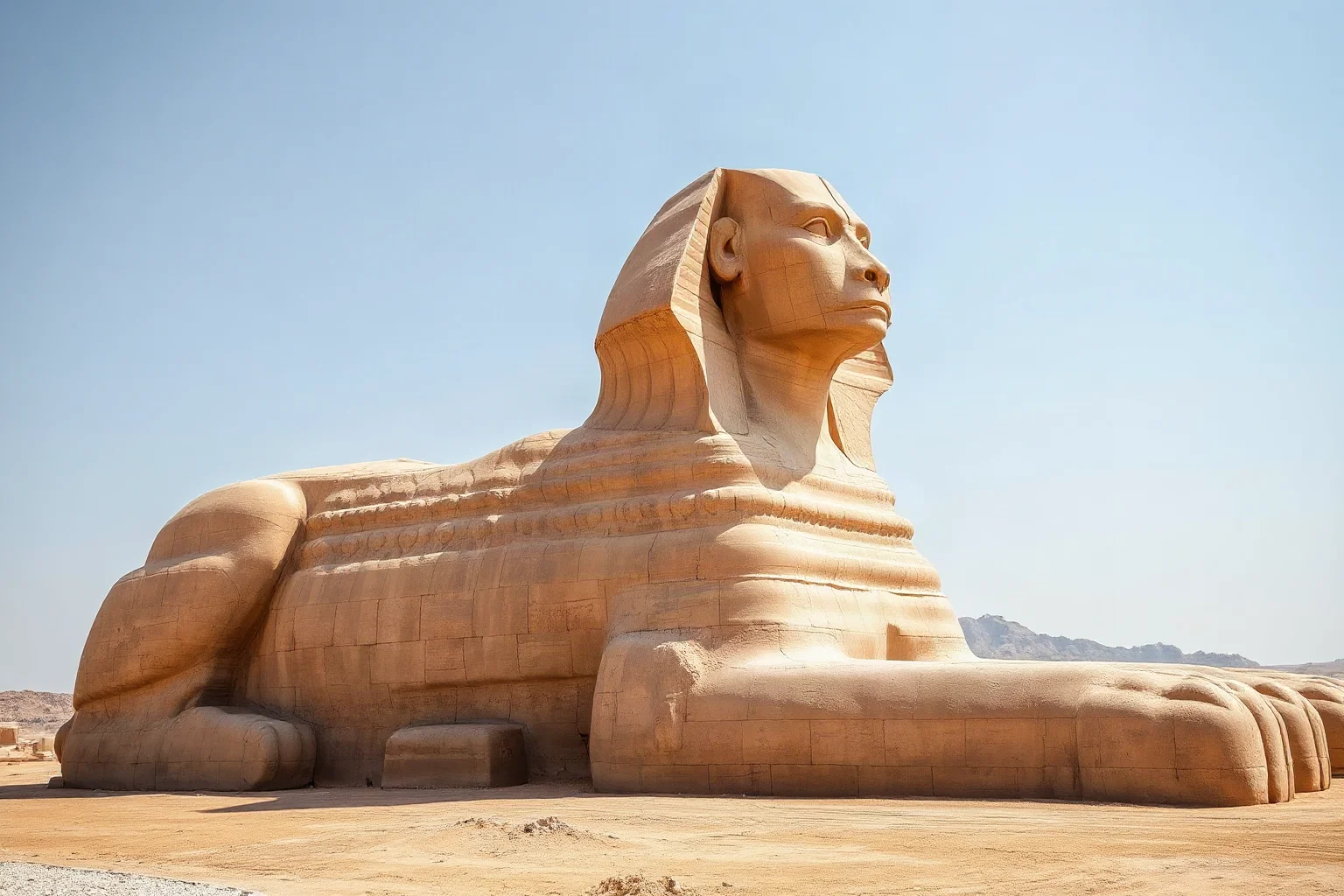
Carved from a single limestone outcrop around 2500 BCE, the Great Sphinx is the largest monolithic statue in the world, combining a lion’s body with a human head believed to represent the pharaoh Khafre. Its sheer scale makes it one of the most famous colossal statues ever created.
Despite popular myths, there’s no verified evidence of hidden chambers or lost civilizations beneath it — that idea is a modern legend, not an archaeological finding. What is documented is that erosion patterns and construction techniques tie it firmly to the Old Kingdom period, one of many fascinating facts about ancient Egypt that still surprise people today.
15. The Colossi of Memnon
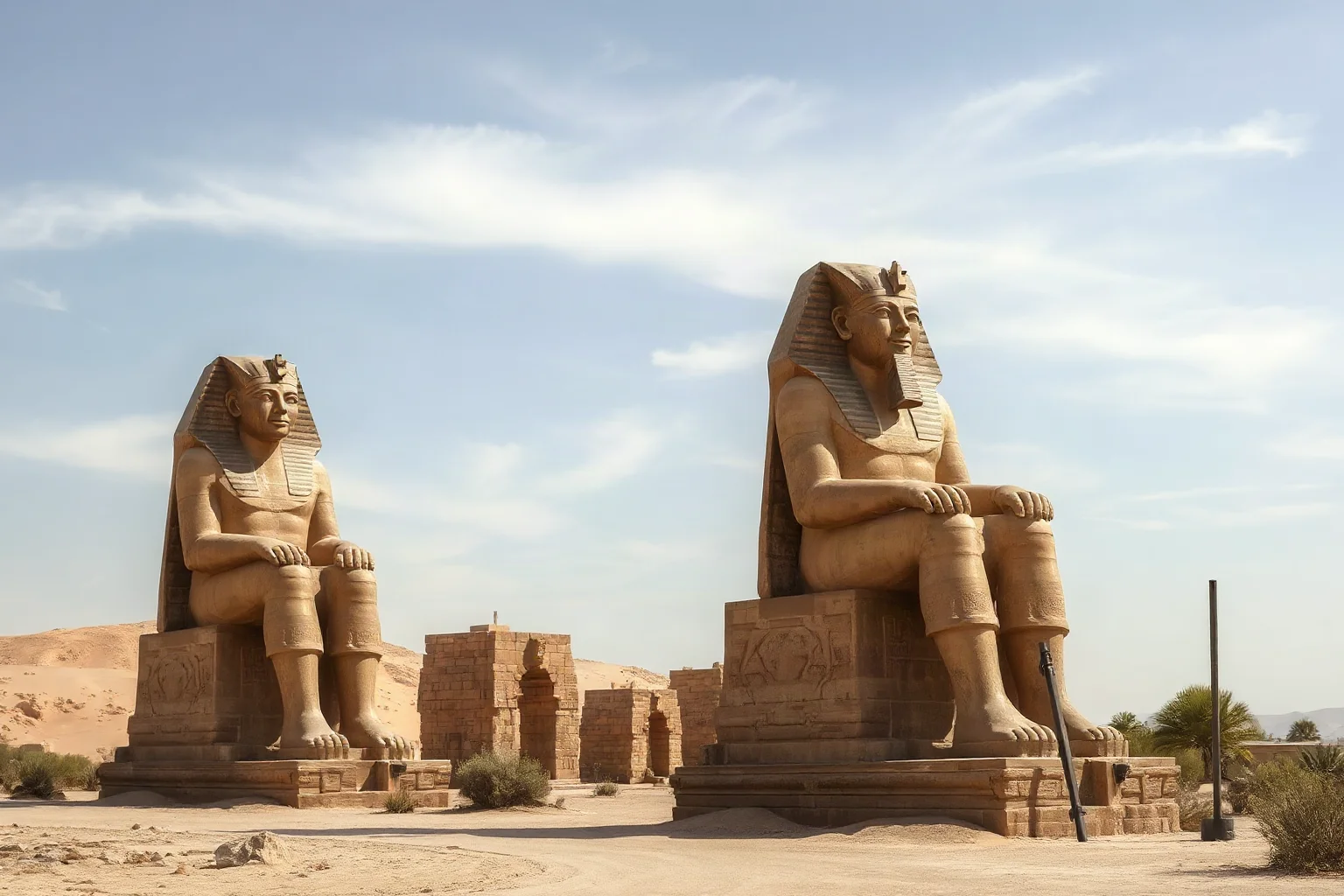
Built around 1350 BCE, these two massive stone statues near Luxor depict the pharaoh Amenhotep III seated on his throne, each standing about 18 meters tall. In antiquity, one statue reportedly produced a strange humming or singing sound at dawn, likely caused by cracks from an earthquake reacting to temperature changes.
The sound stopped after Roman emperor Septimius Severus had the statue repaired around 199 CE, which supports the crack theory rather than anything supernatural. Today they still stand, weathered but recognizable, on Egypt’s west bank of the Nile.
Colossal and Classical Statues That Shaped the World
16. The Moai of Easter Island
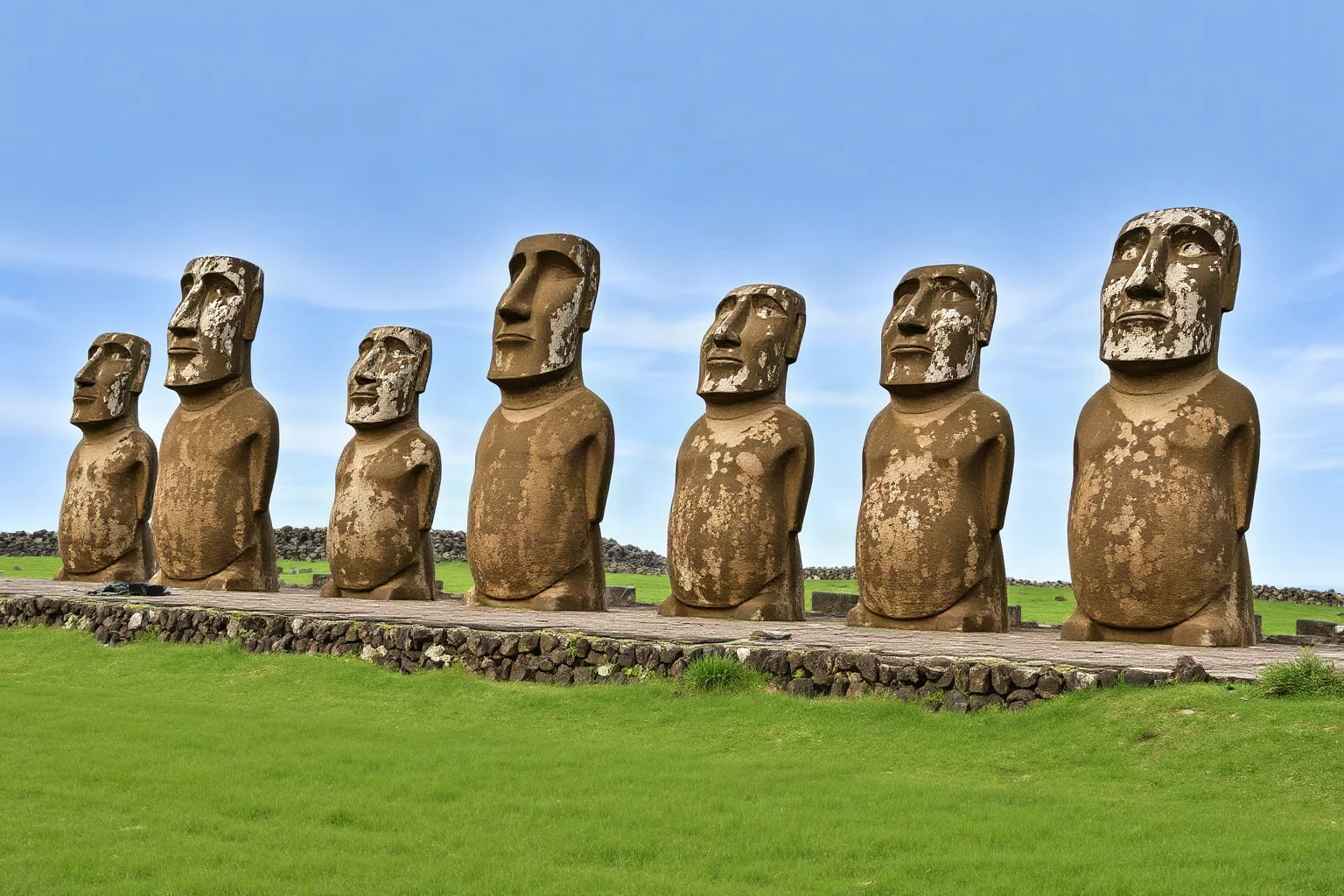
Carved by the Rapa Nui people starting around 1250 CE, the nearly 1,000 moai statues of Easter Island are far younger than the prehistoric pieces on this list, but they remain some of the most iconic colossal statues ever made. Most average around 4 meters tall and were carved from volcanic tuff.
Contrary to popular imagination, they aren’t just floating heads — most moai have full bodies buried up to the neck in soil over centuries. They’re widely believed to represent deified ancestors watching over their communities.
17. The Terracotta Army
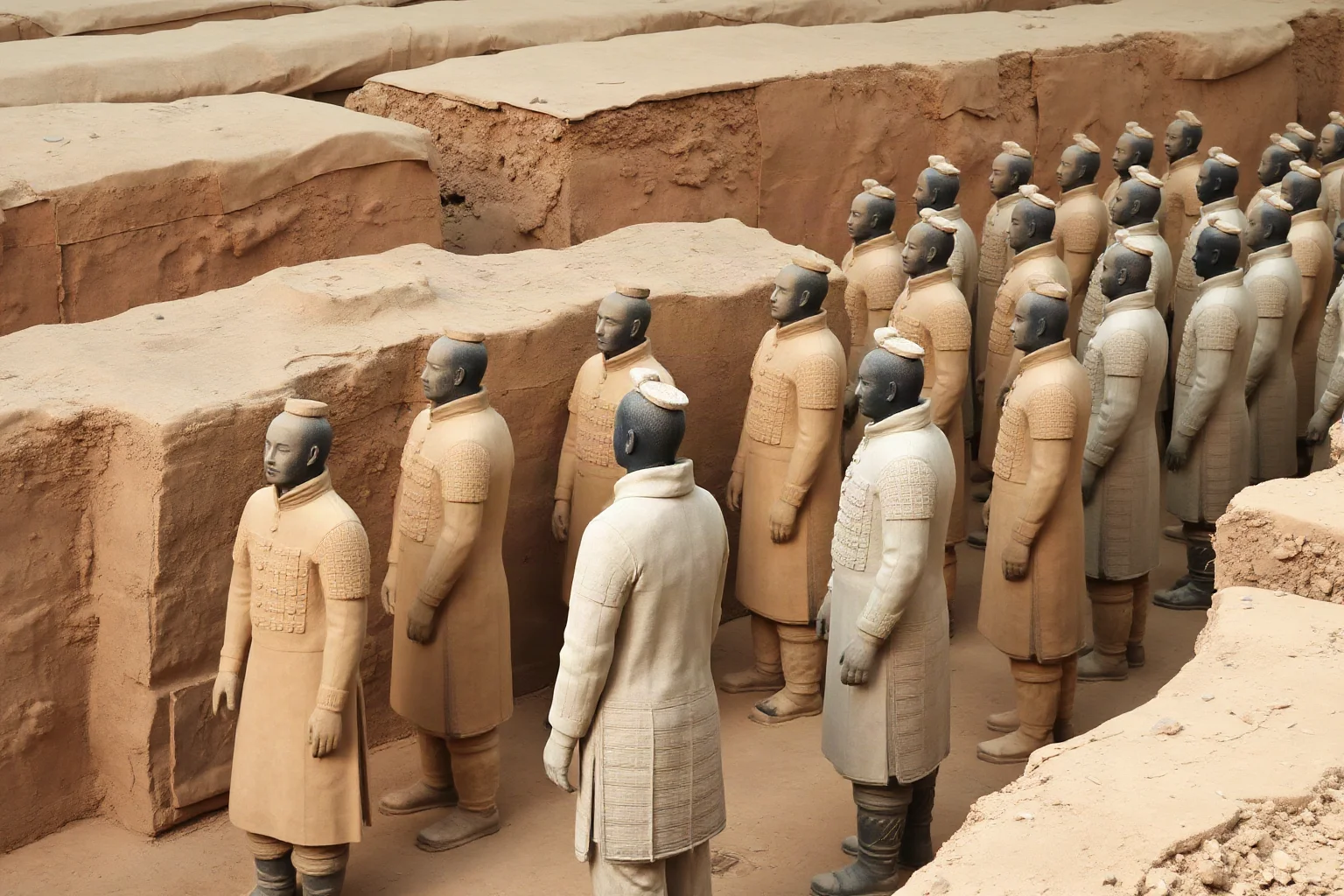
Buried around 210 BCE with China’s first emperor, Qin Shi Huang, the Terracotta Army consists of over 8,000 life-size clay soldiers, along with horses and chariots. Each figure has individualized facial features, which is remarkable for a project produced at such massive scale.
It wasn’t discovered until 1974, when farmers digging a well stumbled onto the buried pit. It remains one of the largest and most historically significant artifact discoveries ever found.
18. Greek Kouros Statues
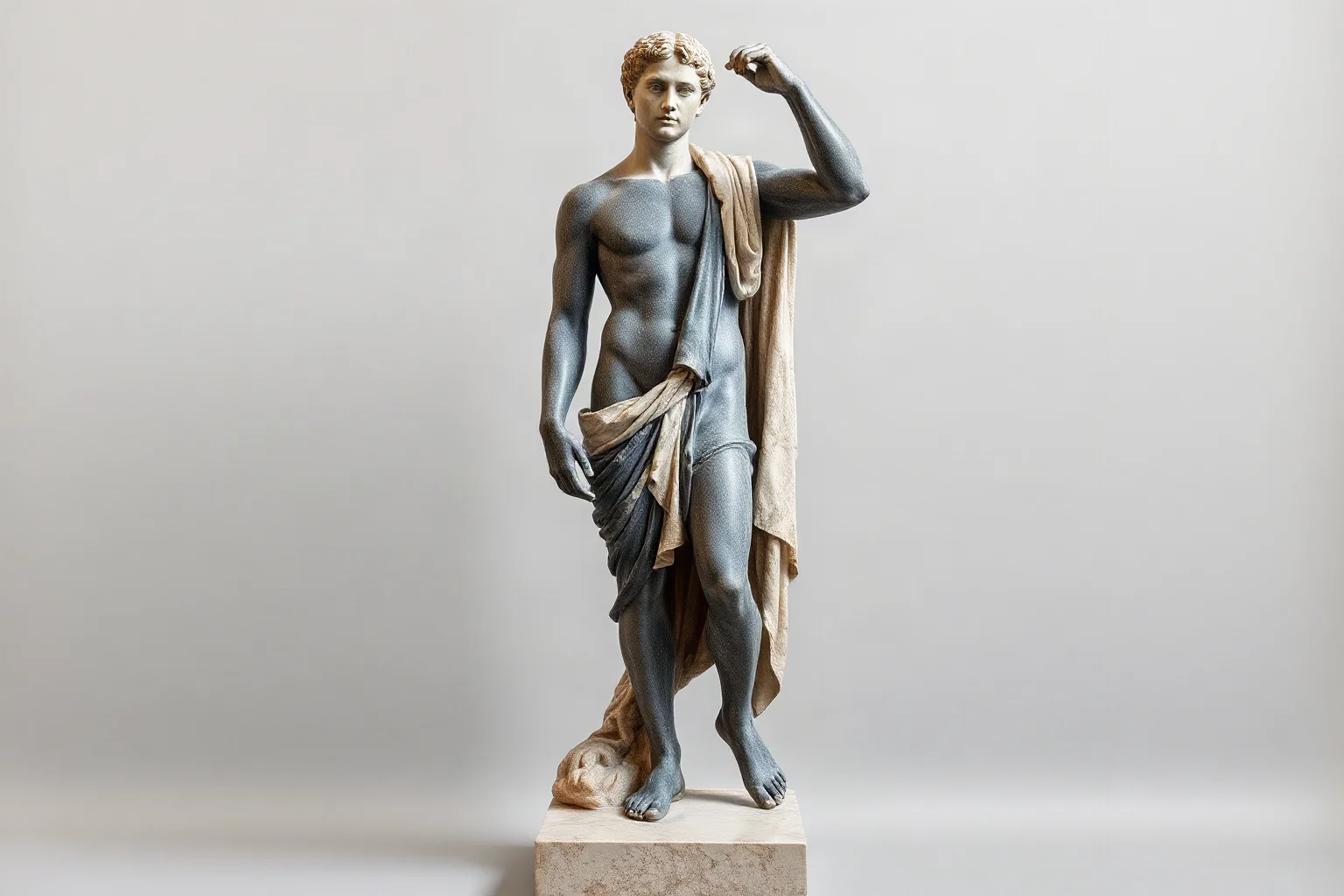
During Greece’s Archaic period, roughly 600–480 BCE, sculptors began producing kouros statues: standing marble figures of idealized young men, often nude and rigidly posed. These statues borrowed stylistic conventions from Egyptian statuary but gradually loosened into the more naturalistic style Greece is famous for.
They mark a major turning point in the history of statues, since they laid the groundwork for the Classical Greek sculpture that would influence Roman and later Western art for centuries. Many surviving examples can be seen in museums like the Acropolis Museum in Athens.
19. The Colossus of Rhodes
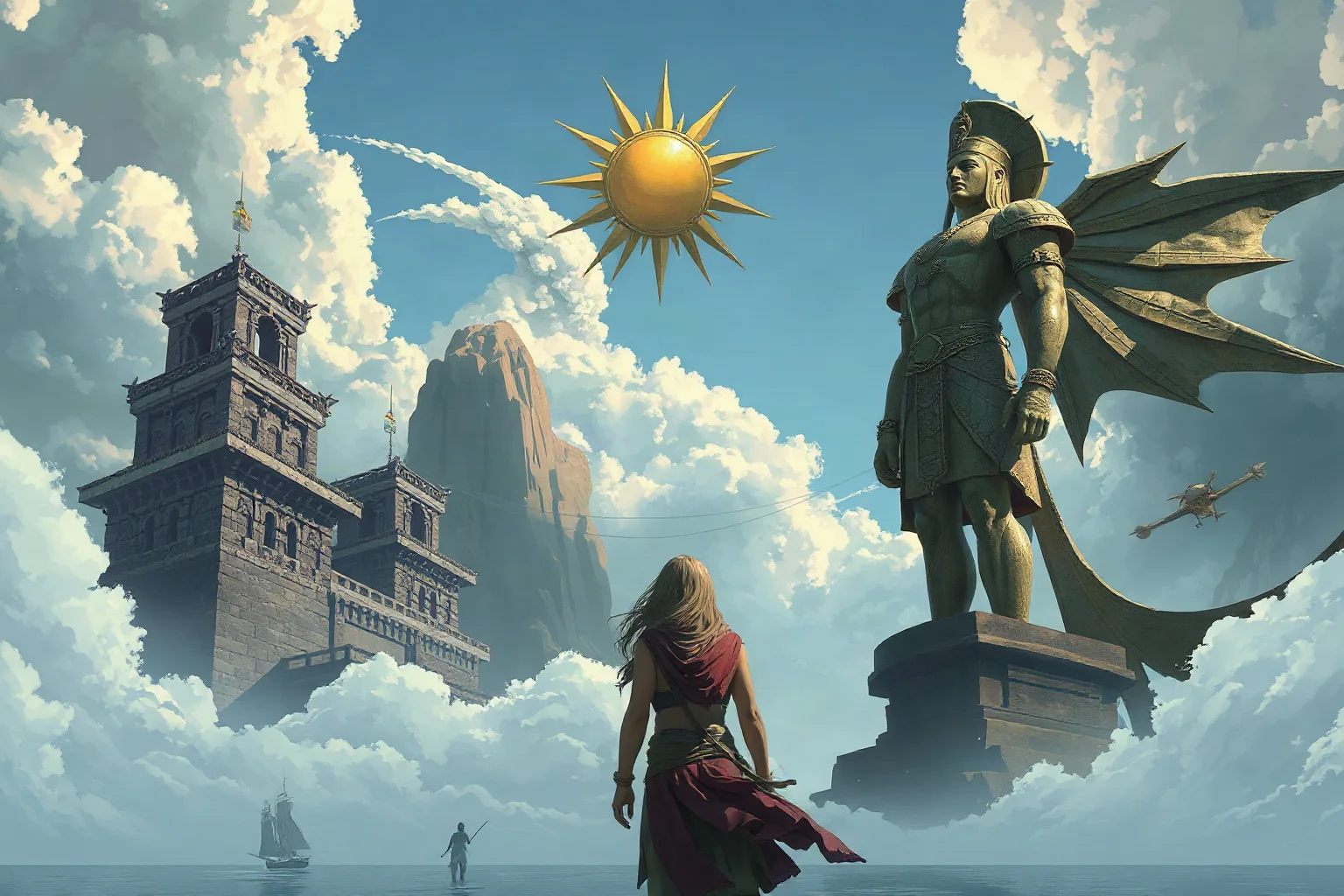
Erected around 280 BCE, the Colossus of Rhodes was a massive bronze statue of the sun god Helios, built to celebrate Rhodes’ victory over an invading force. It stood as one of the Seven Wonders of the Ancient World until an earthquake toppled it in 226 BCE.
No remains of the statue survive today, and its exact pose and appearance are based on ancient descriptions rather than physical evidence. Popular images of it straddling the harbor entrance are almost certainly later artistic invention, not historical fact.
20. The Statue of Zeus at Olympia

Completed around 435 BCE by the sculptor Phidias, this seated statue of Zeus was made from a chryselephantine combination of gold and ivory over a wooden frame. It was housed inside the Temple of Zeus at Olympia and counted among the Seven Wonders of the Ancient World.
The statue was lost sometime in antiquity, possibly destroyed by fire after being moved to Constantinople, and no verified fragments remain. It survives today only through ancient written descriptions and depictions on coins.
What These Statues Tell Us About Human History
Looking at this timeline side by side, a clear pattern emerges. Sculpture didn’t start with kings, gods, or grand temples — it started with small, personal objects carved by hunter-gatherers tens of thousands of years before farming, writing, or cities existed.
The move toward larger, life-size, and eventually colossal statues tracks closely with the rise of settled communities, religion, and political power. Once societies had the organization and resources to support monumental building projects, statues grew from handheld curiosities into public symbols meant to be seen for miles.
It’s also worth noting how much of this record is still being rewritten. Discoveries like the Shigir Idol and the statues of Göbekli Tepe were essentially unknown to mainstream archaeology a century ago, and both pushed back the accepted timeline of sculptural history. The current “oldest statue in the world” title is really just the oldest one we’ve found and dated so far — future digs could easily change the answer.
Final Thoughts on the World’s Oldest Statues
What’s clear from this list is that ancient sculpture wasn’t a single invention in a single place. Communities across Europe, the Near East, and Africa were independently carving human and animal forms tens of thousands of years apart, often without any contact with one another.
That’s arguably the most fascinating part of the story of statue history: the drive to shape stone, ivory, wood, and clay into meaningful figures seems to be something close to a universal human instinct, not a single cultural export. Whether it’s a 40,000-year-old ivory figurine or a colossal stone pharaoh, these old statues remain some of the clearest windows we have into how ancient people saw themselves and their world.
Frequently Asked Questions
What is the oldest statue in the world?
Based on current archaeological evidence, the Lion Man of Hohlenstein-Stadel, carved from mammoth ivory roughly 40,000 years ago in Germany, is generally considered the oldest known sculpture depicting a figure. The Venus of Hohle Fels, found nearby and dated to a similar age, is often cited as the oldest undisputed depiction of a human form. Dating on prehistoric pieces is based on scientific estimates, so this title could shift with future discoveries.
What is the oldest sculpture in the world if we include all materials?
If figurines count as sculpture, the answer is likely the Lion Man or the Venus of Hohle Fels, both around 40,000 years old. If you're looking specifically for the oldest life-size statue, that distinction usually goes to Urfa Man from Turkey, dated to roughly 9,000 BCE.
What is the oldest figurine ever discovered?
The Venus figurines from the Upper Paleolithic period, including the Venus of Hohle Fels and Venus of Dolní Věstonice, are among the oldest confirmed figurines, dating back roughly 25,000 to 40,000 years. The Venus of Dolní Věstonice is especially notable as the oldest known ceramic figurine in the world.
Is there a statue older than the Egyptian pyramids?
Yes, many. The pyramids of Giza date to around 2600–2500 BCE, but statues like Urfa Man (around 9,000 BCE), the pillar carvings at Göbekli Tepe (around 9500 BCE), and the Paleolithic Venus figurines (tens of thousands of years old) are all dramatically older than Egypt's pyramids.
People sometimes search “s t a t u e” with spaces between the letters — what does that mean?
That's simply an unusual way search engines or autocomplete tools sometimes render the word "statue," often due to typos, voice search transcription, or spacing quirks in search data. A statue, in the standard sense, is a three-dimensional sculpted representation of a person, animal, or figure, typically made from stone, metal, wood, or clay.
Do ancient statues show that a culture keeps its traditions alive?
In many cases, yes. Statues like the plaster figures of 'Ain Ghazal and Egyptian tomb statues were often created to honor ancestors, gods, or leaders, helping communities preserve religious and cultural practices across generations. Recreating or maintaining statues over centuries was frequently a deliberate way for a culture to signal continuity with its past.
What was the first statue ever made?
No one can say with certainty which was truly the very first statue ever made, since countless early artworks made from wood, bone, or other perishable materials haven't survived. Among surviving evidence, the Lion Man of Hohlenstein-Stadel and the Venus of Hohle Fels, both roughly 40,000 years old, are the earliest confirmed examples we have today.

Alex Warren
Related Articles