

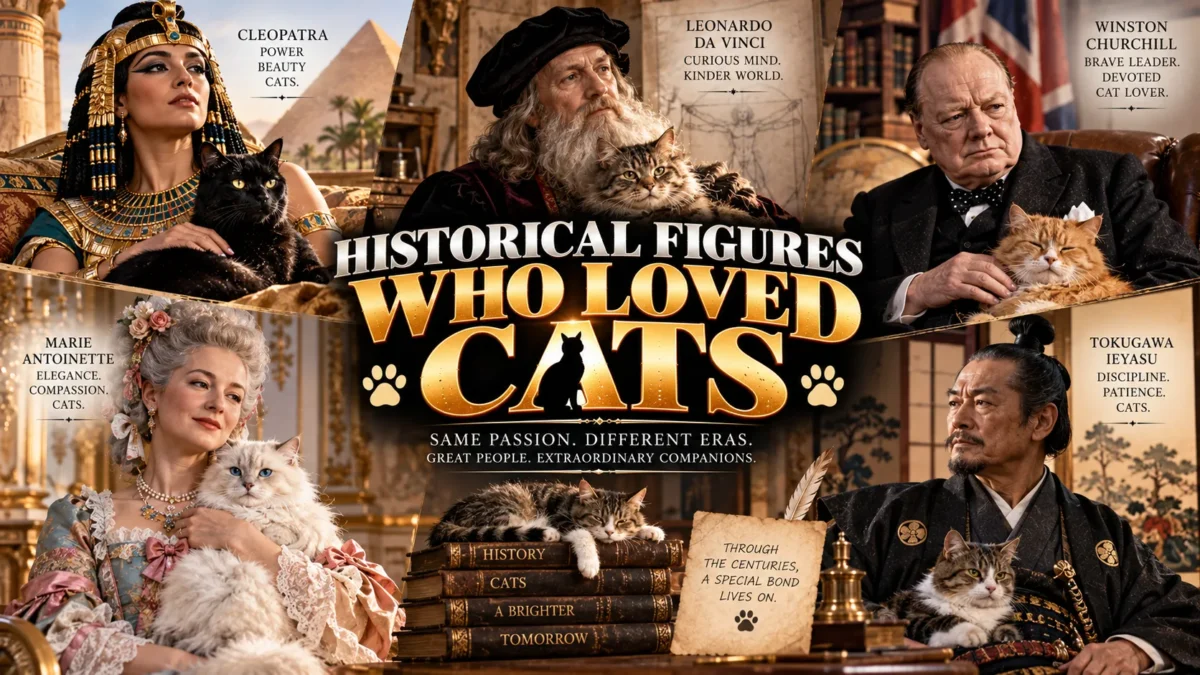
Cats have been curling up in the laps of the powerful, the brilliant, and the eccentric for thousands of years. Long before internet cat videos, emperors, writers, and scientists were arranging their entire schedules around a napping feline.
This piece rounds up some of the best-documented famous cat lovers in history, separates the well-sourced stories from the charming legends, and shows just how far back the human-cat bond really goes.
TL;DR: For millennia, people from pharaohs to prime ministers have organized their lives, their art, and even their laws around their love for cats.
A Quick Note on Sources
Before diving in, it’s worth saying that historical pet ownership is a tricky thing to document. Many beloved anecdotes about famous people and their cats come from letters, biographies, or oral tradition rather than hard official records.
Wherever a story is more legend than fact, we’ve flagged it. The goal here is a myth-busting tour through historical cats, not a list of unverified claims dressed up as settled history.
1. Ancient Egyptians and the Cult of Bastet
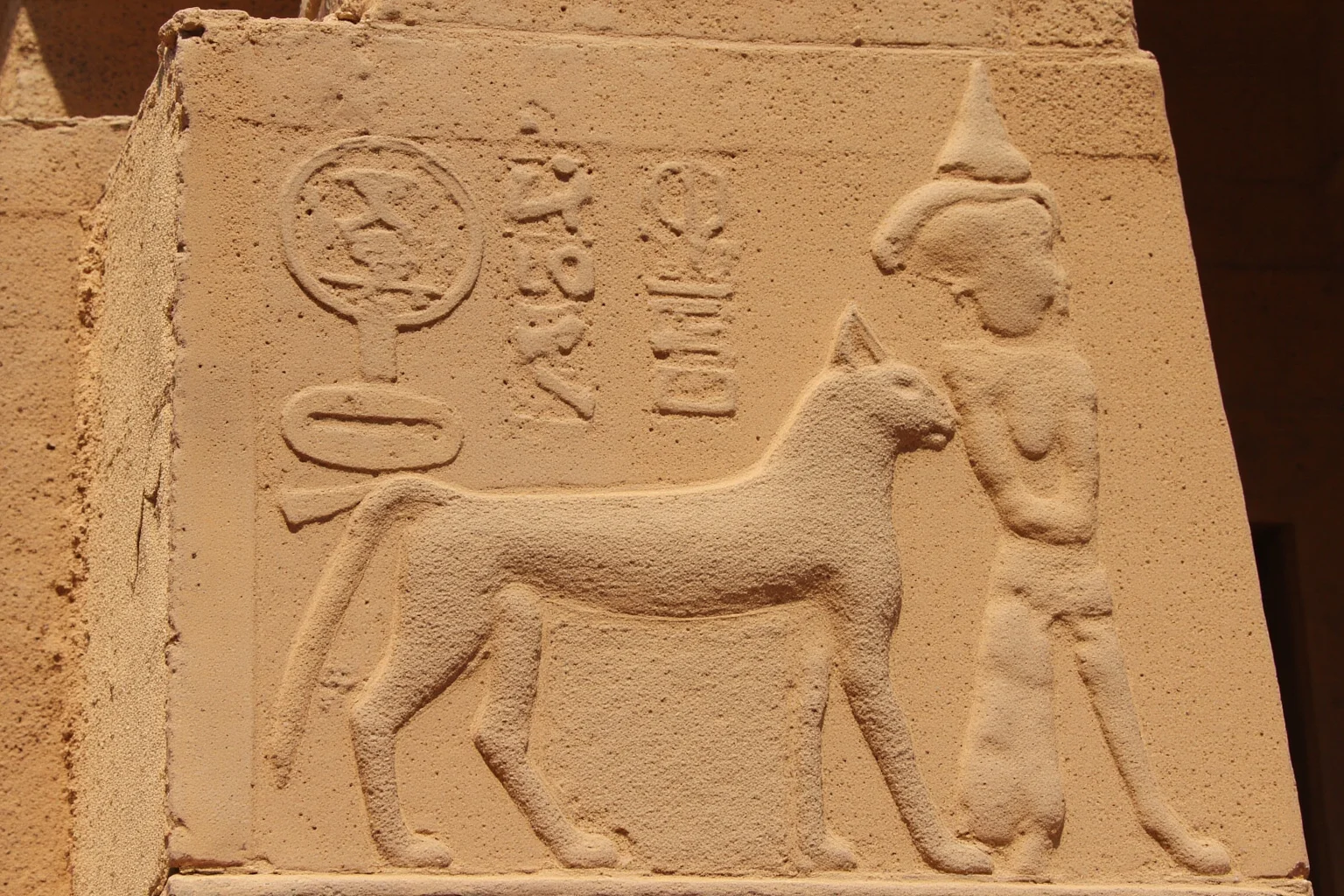
No list of historical cat lovers can skip ancient Egypt, where cats were treated as sacred rather than merely tolerated. The goddess Bastet was depicted as a woman with a cat’s head, and cats associated with her cult were mummified and buried with considerable ceremony. Killing a cat, even accidentally, reportedly carried serious social and religious consequences in some periods.
Households kept cats to protect grain stores from rodents, but the animals clearly became far more than pest control. Archaeologists have uncovered cat cemeteries containing thousands of mummified cats, some accompanied by tiny mummified mice, suggesting genuine reverence rather than utility alone.
2. The Prophet Muhammad and Muezza
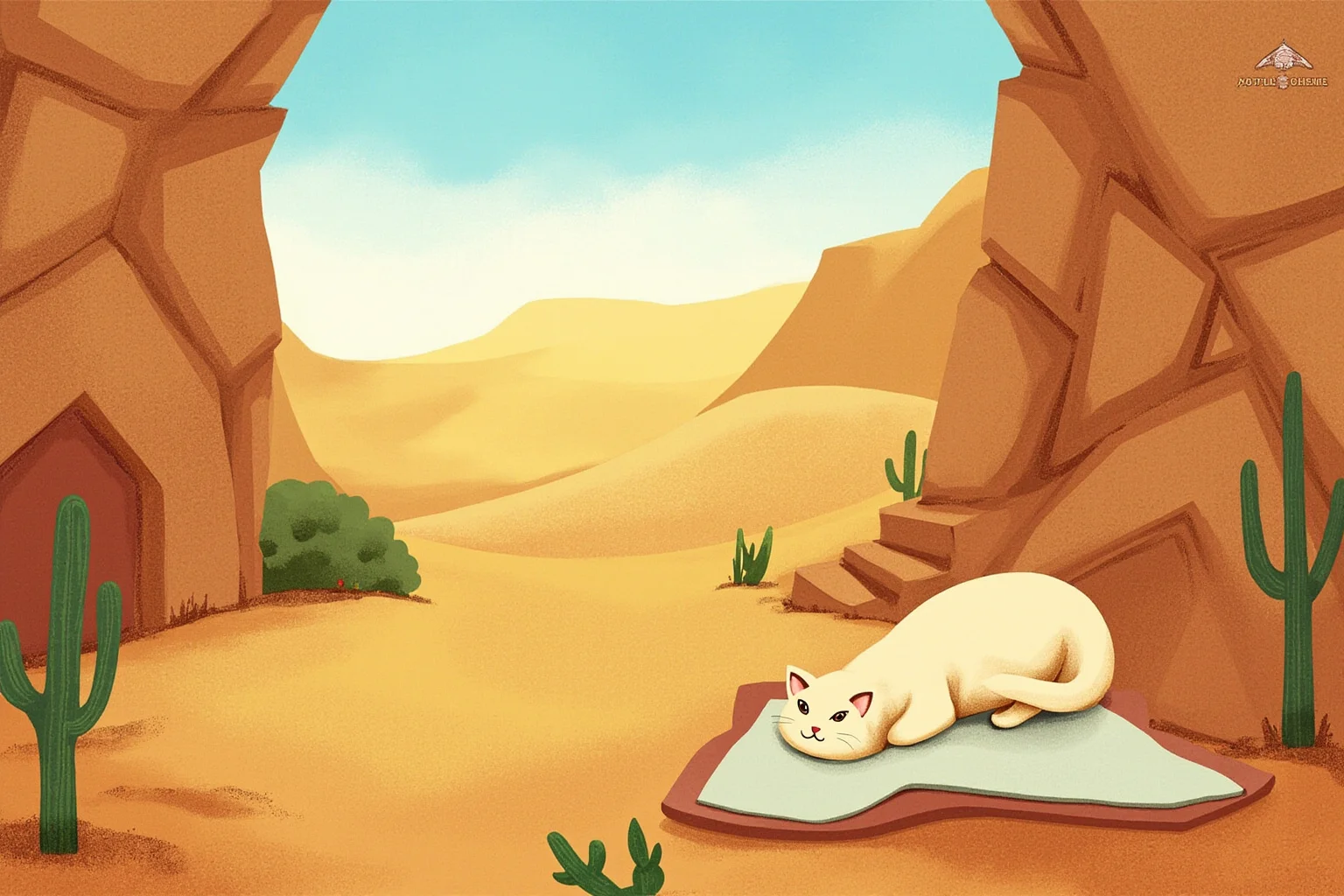
In Islamic tradition, the Prophet Muhammad is remembered as a notable cat lover, with cats regarded as clean animals in Islamic culture partly because of stories connected to him. The most famous involves a cat named Muezza, said to have fallen asleep on the sleeve of his robe; rather than disturb the cat, he is said to have cut off the sleeve instead of waking it.
This anecdote comes from later Islamic tradition rather than the earliest historical sources, so it should be read as a beloved cultural story rather than a verified historical event. Still, the broader respect for cats in Islamic tradition is well documented and has shaped attitudes toward the animals across much of the Muslim world for centuries.
3. Cardinal Richelieu
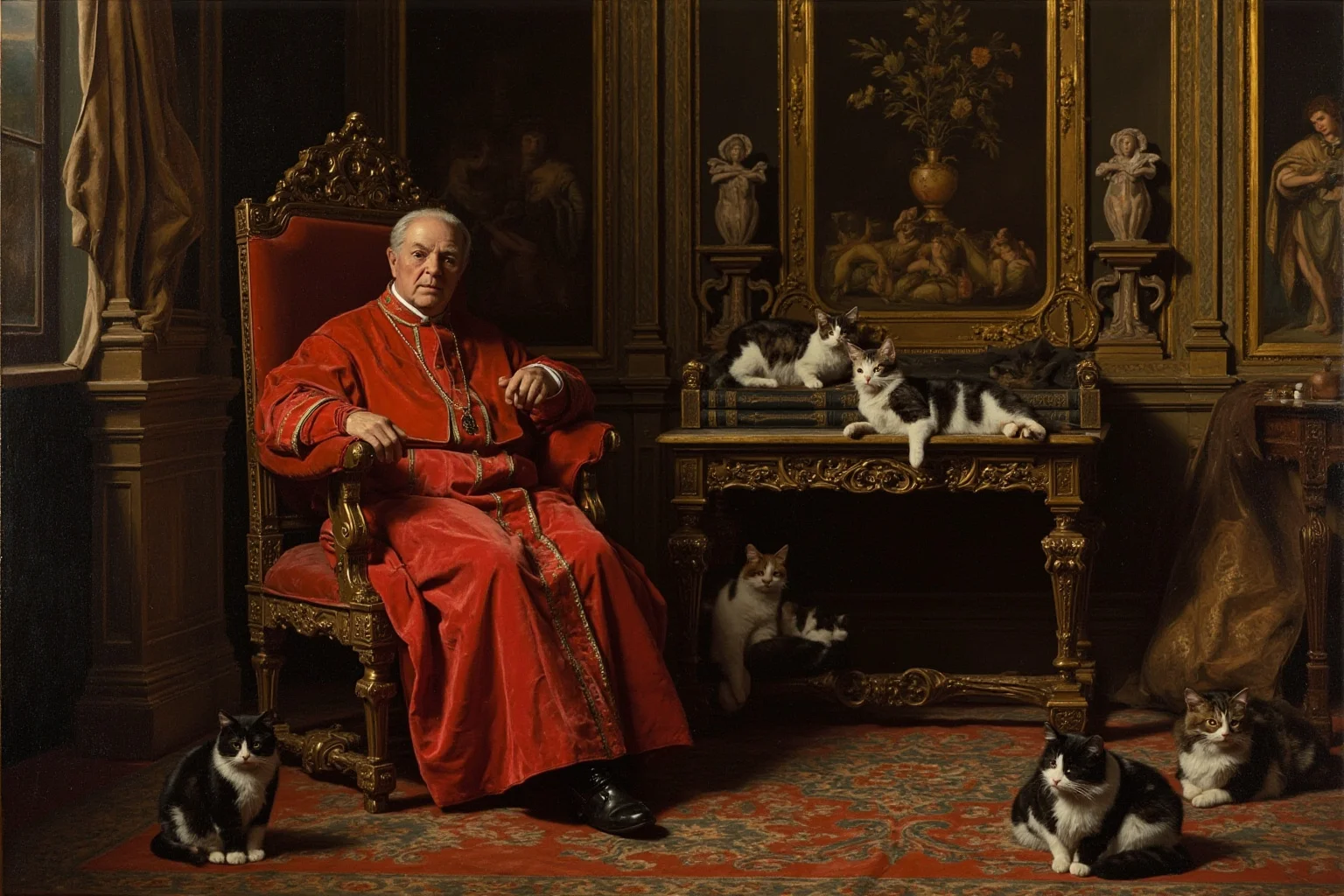
Seventeenth-century French statesman Cardinal Richelieu, chief minister to King Louis XIII, had a reputation as a ruthless political operator. Behind closed doors, though, he reportedly kept a household full of cats and was said to be genuinely devoted to them.
According to accounts from his era, he left provisions in his will for his cats’ continued care after his death. Whatever his political ruthlessness, the image of one of France’s most feared power brokers doting on a room full of cats has made him a recurring figure in histories of famous cat lovers.
4. Sir Isaac Newton
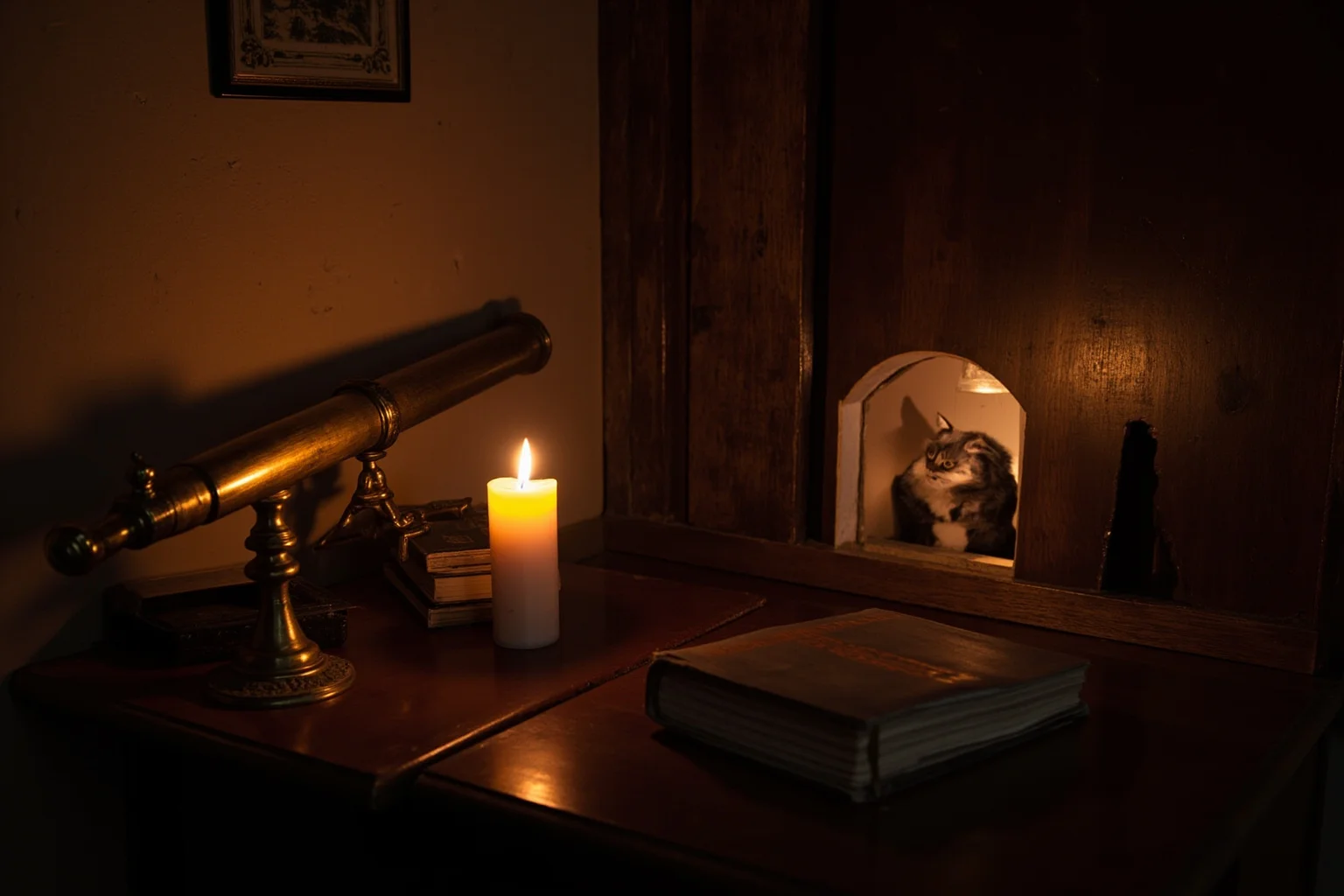
Isaac Newton is often credited with inventing the cat flap, or pet door, supposedly cut into his study at Cambridge so his cat could come and go without disturbing his experiments. It’s a delightful story, and it shows up constantly in lists of historical cats and inventions.
Unfortunately, there’s no solid contemporary documentation proving Newton actually built one. The anecdote seems to have grown popular well after his lifetime, so it belongs in the “charming but unverified” category rather than confirmed history, even though Newton is known to have kept cats.
5. Queen Victoria
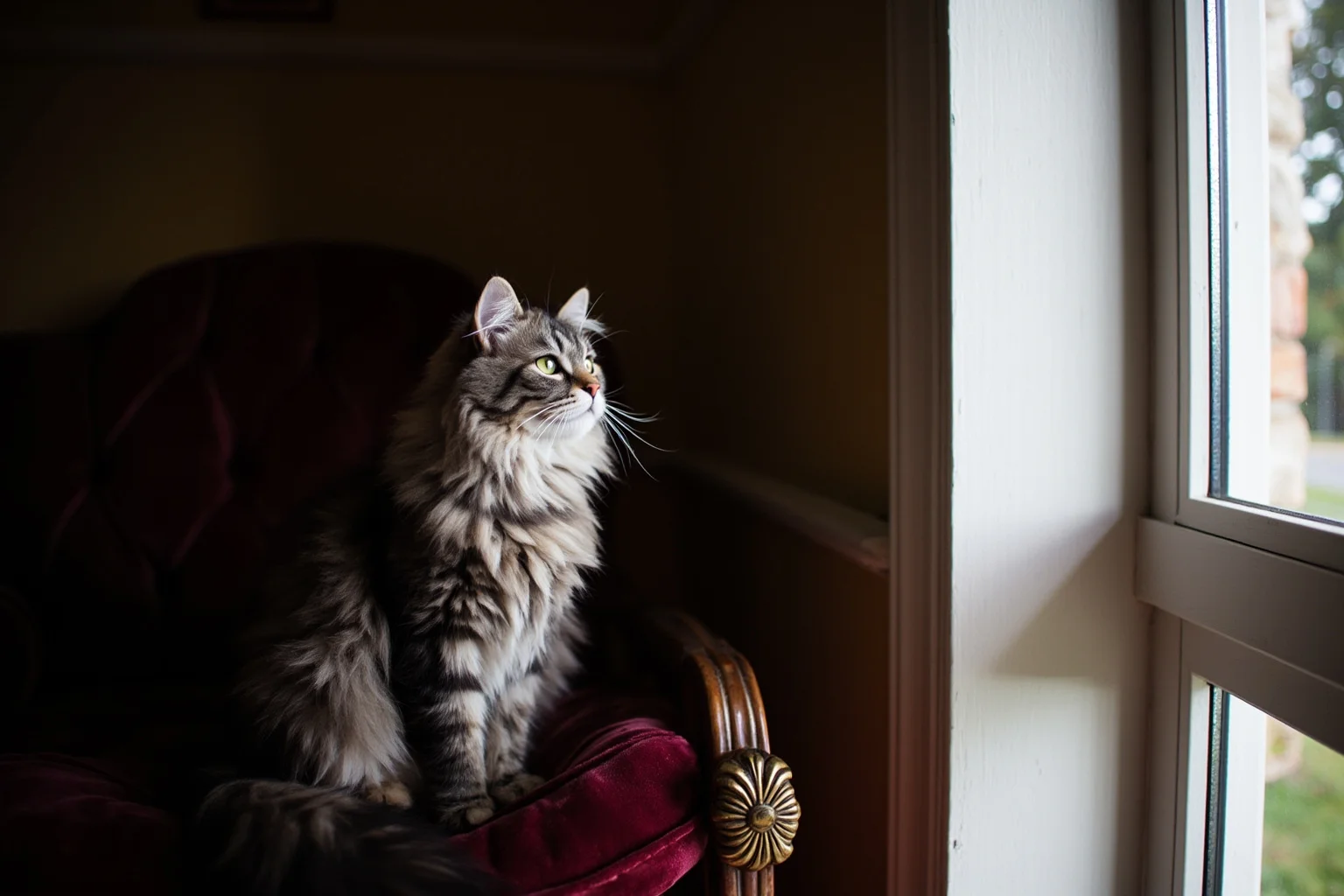
Queen Victoria, remembered as one of history’s most powerful women, kept a blue Persian cat named White Heather, who reportedly remained in residence at Buckingham Palace even after the queen’s death in 1901. Victoria was known for her fondness for animals generally, and her household records include care for various pets alongside the famous dogs she’s more often associated with.
Her affection for cats reflects a broader Victorian-era shift, when cats began moving from working animals into cherished household companions among the British upper classes.
6. Abraham Lincoln
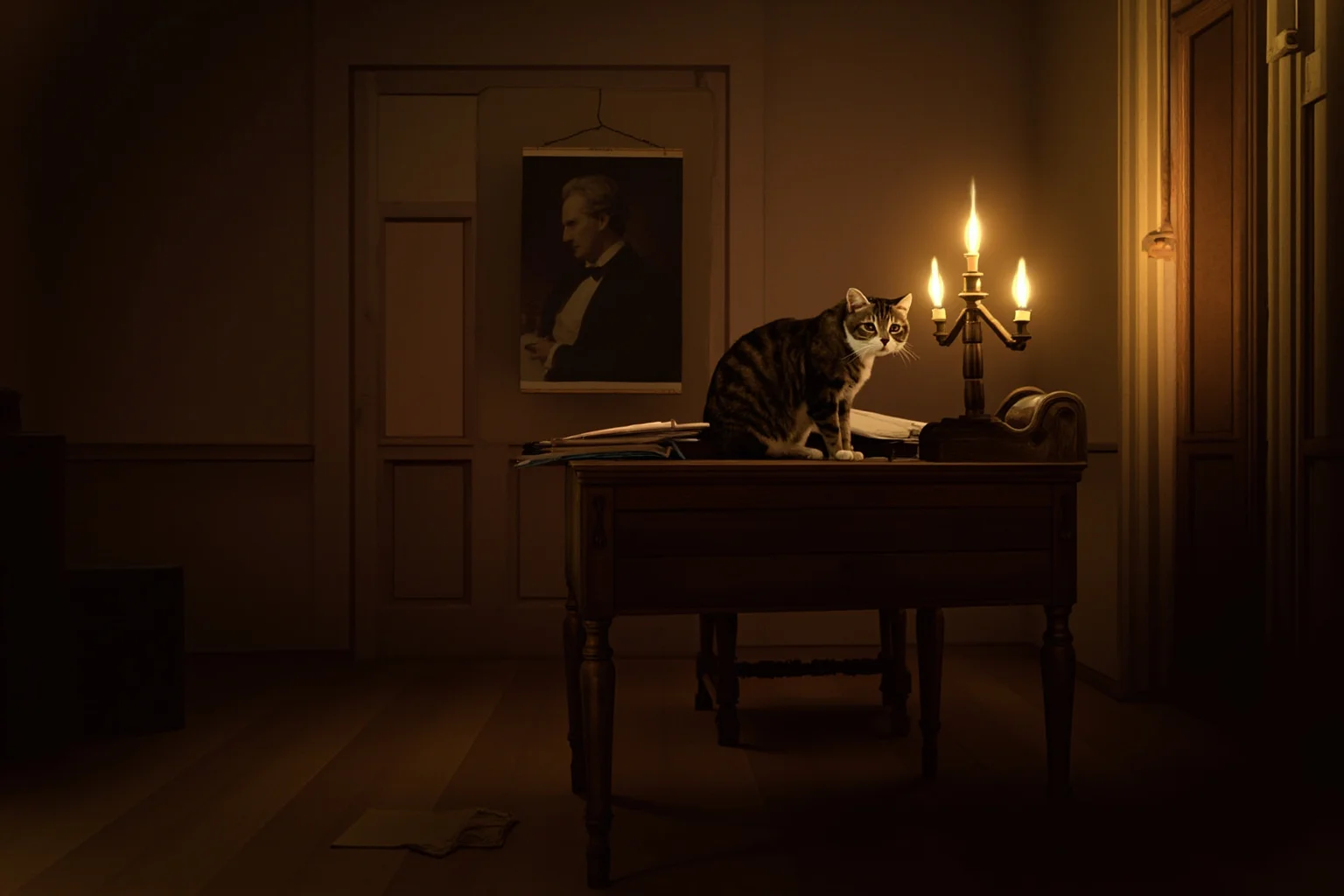
Abraham Lincoln is widely credited as the first U.S. president to keep cats in the White House, and by most accounts he was smitten with them. According to accounts from his secretary and contemporaries, he fed a cat named Tabby at the White House dinner table, reportedly to the disapproval of guests who felt it was improper etiquette.
Lincoln is also said to have remarked on his fondness for cats during the Civil War years, finding comfort in their company during an extraordinarily stressful presidency. His cats, Tabby and Dixie, are among the earliest well-known examples of famous people with cats in American political history.
7. Florence Nightingale
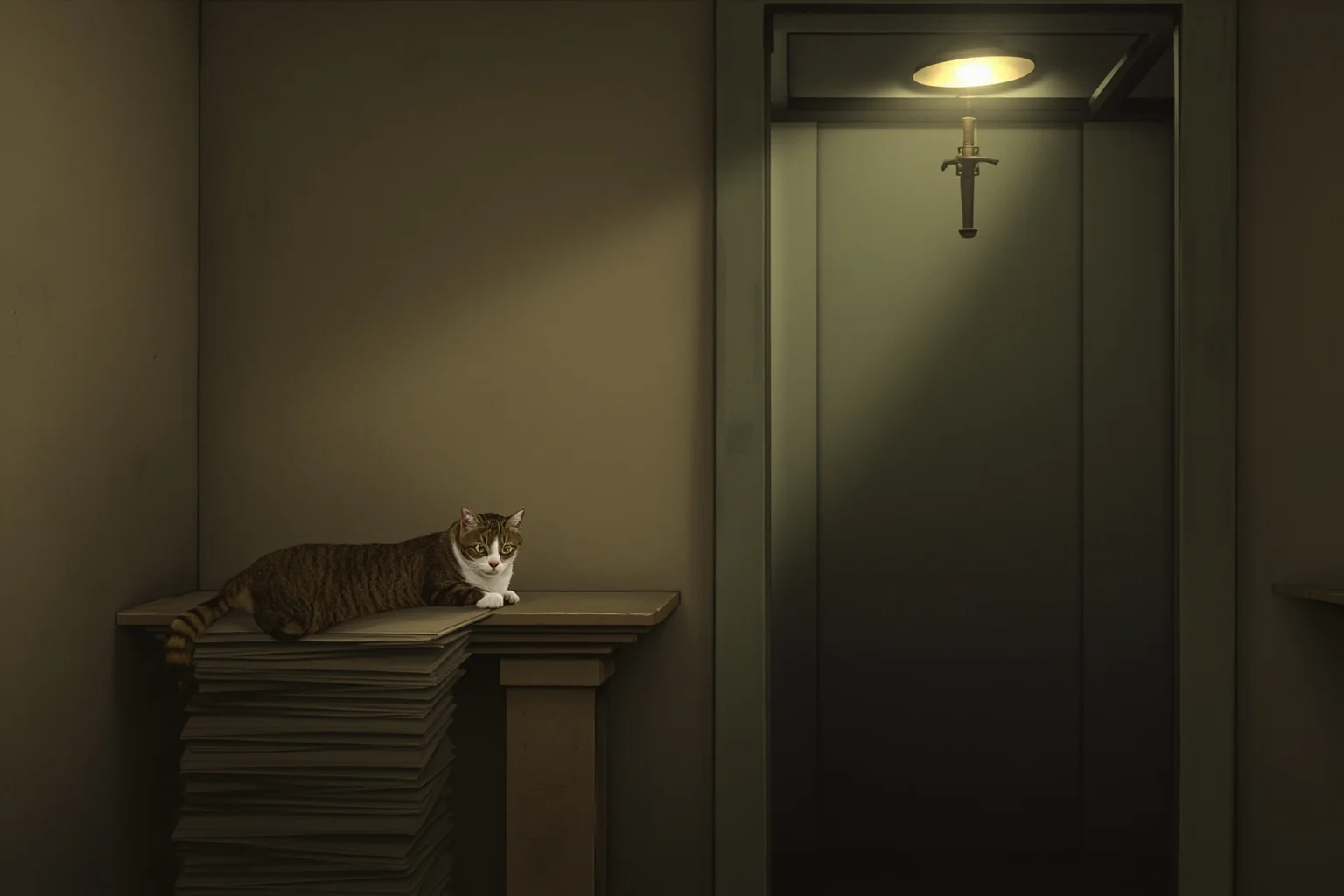
The founder of modern nursing was also a committed cat lover, reportedly keeping more than 60 cats over the course of her lifetime, though not all at once. Nightingale corresponded about her cats in letters and was known to let them walk across her dinner table and paperwork without complaint.
Her favorite breed was reportedly the Persian, and she named individual cats after figures she admired. For a woman famous for rigorous discipline and hygiene reform, her soft spot for cats offers a warmer, more personal glimpse into her character.
8. Mark Twain
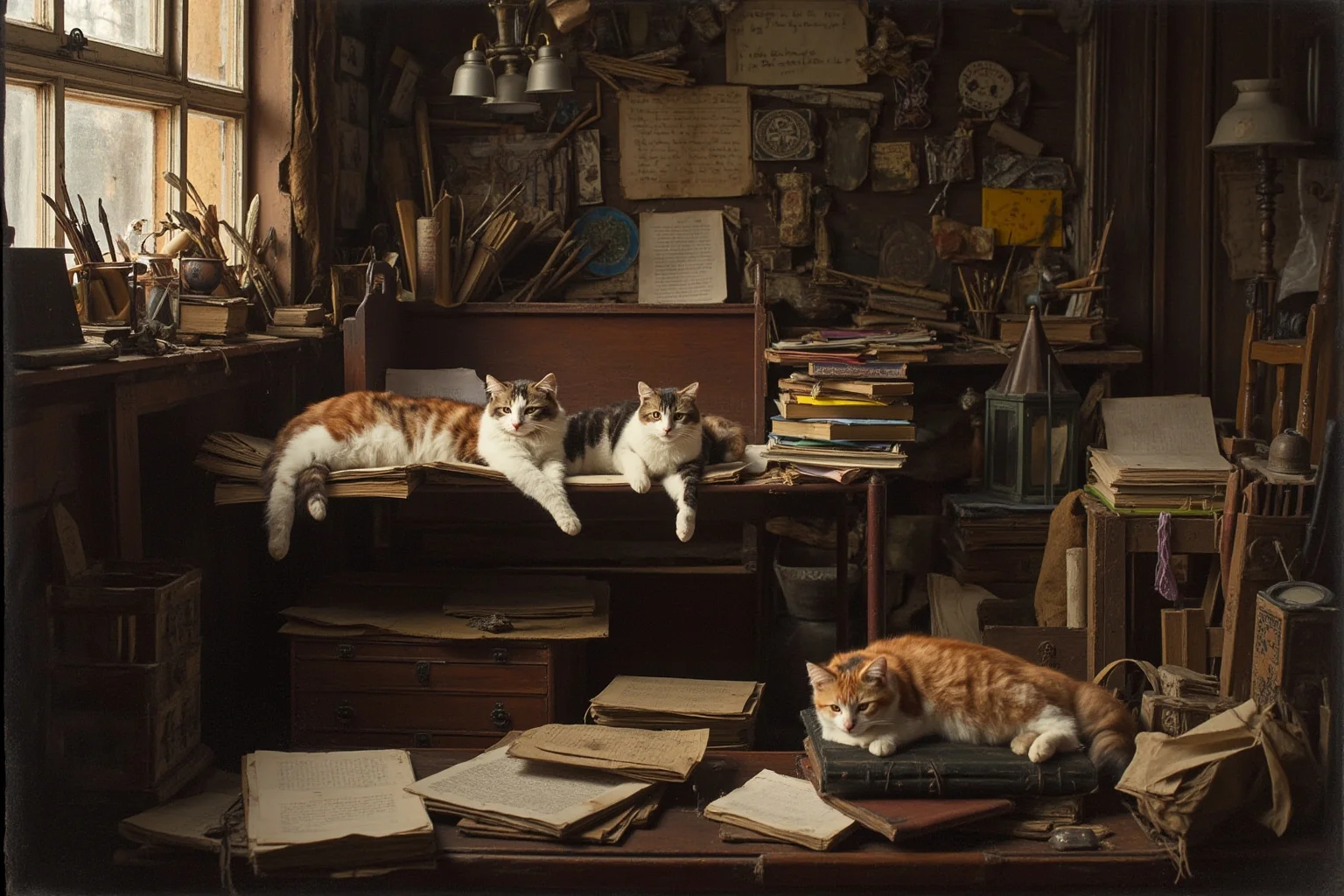
Mark Twain adored cats and reportedly kept as many as 19 at his home at one point, giving them memorably odd names like Sour Mash, Zoroaster, and Sin. He wrote about cats affectionately in essays and letters, once suggesting that a home without a cat might not be fully lovable.
Twain’s fondness for cats over dogs was well known among friends and biographers, making him one of American literature’s most quoted famous cat lovers.
9. Charles Dickens
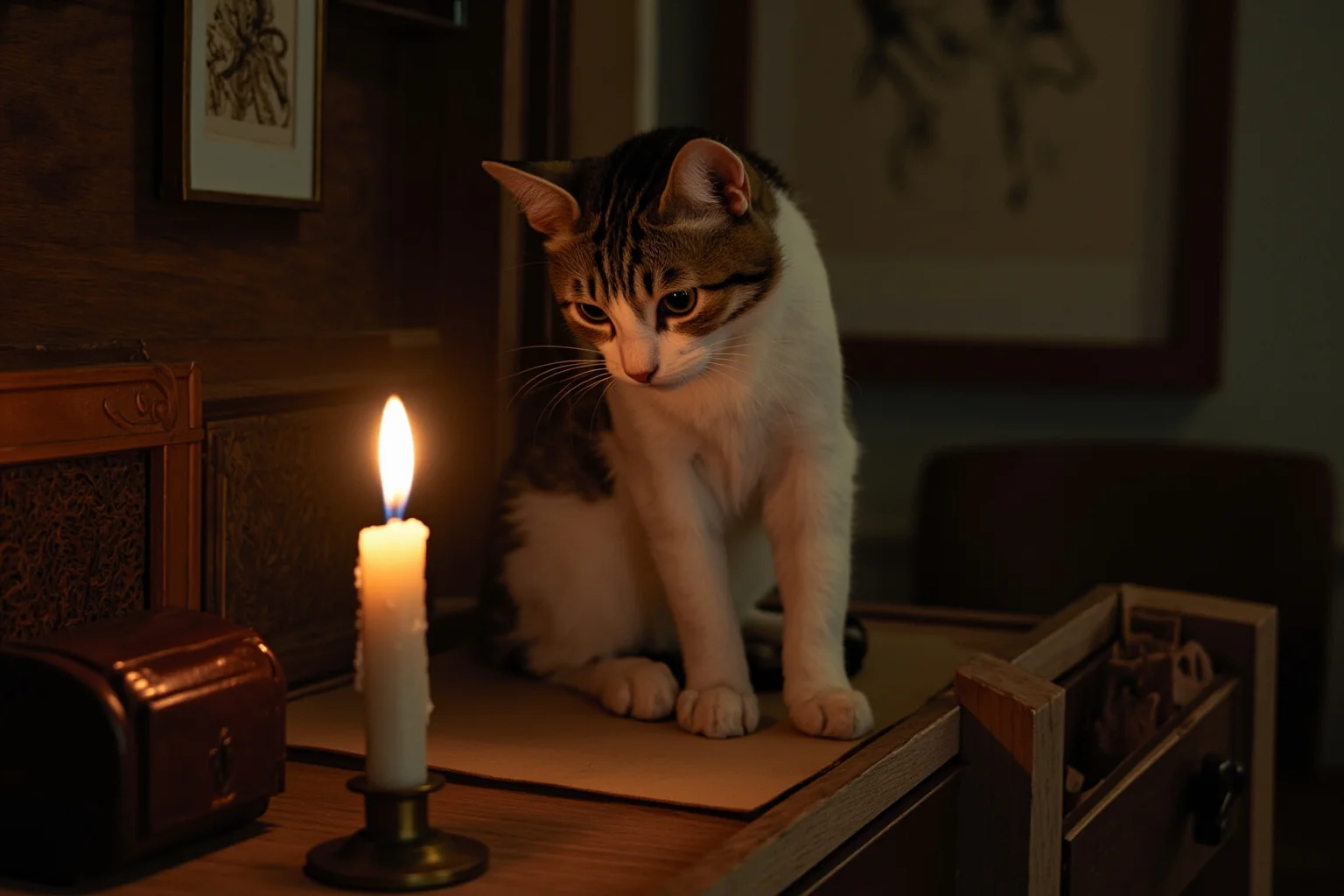
Charles Dickens kept a cat, sometimes referred to in household accounts as Williamina, who reportedly had a habit of snuffing out his candle to get his attention while he worked. Dickens’s biographers note his fondness for the family’s cats during his years at Gad’s Hill Place.
While some details of these stories have been embellished over time, Dickens’s general affection for cats around his household is well attested in letters and recollections from those who knew him.
10. Edgar Allan Poe
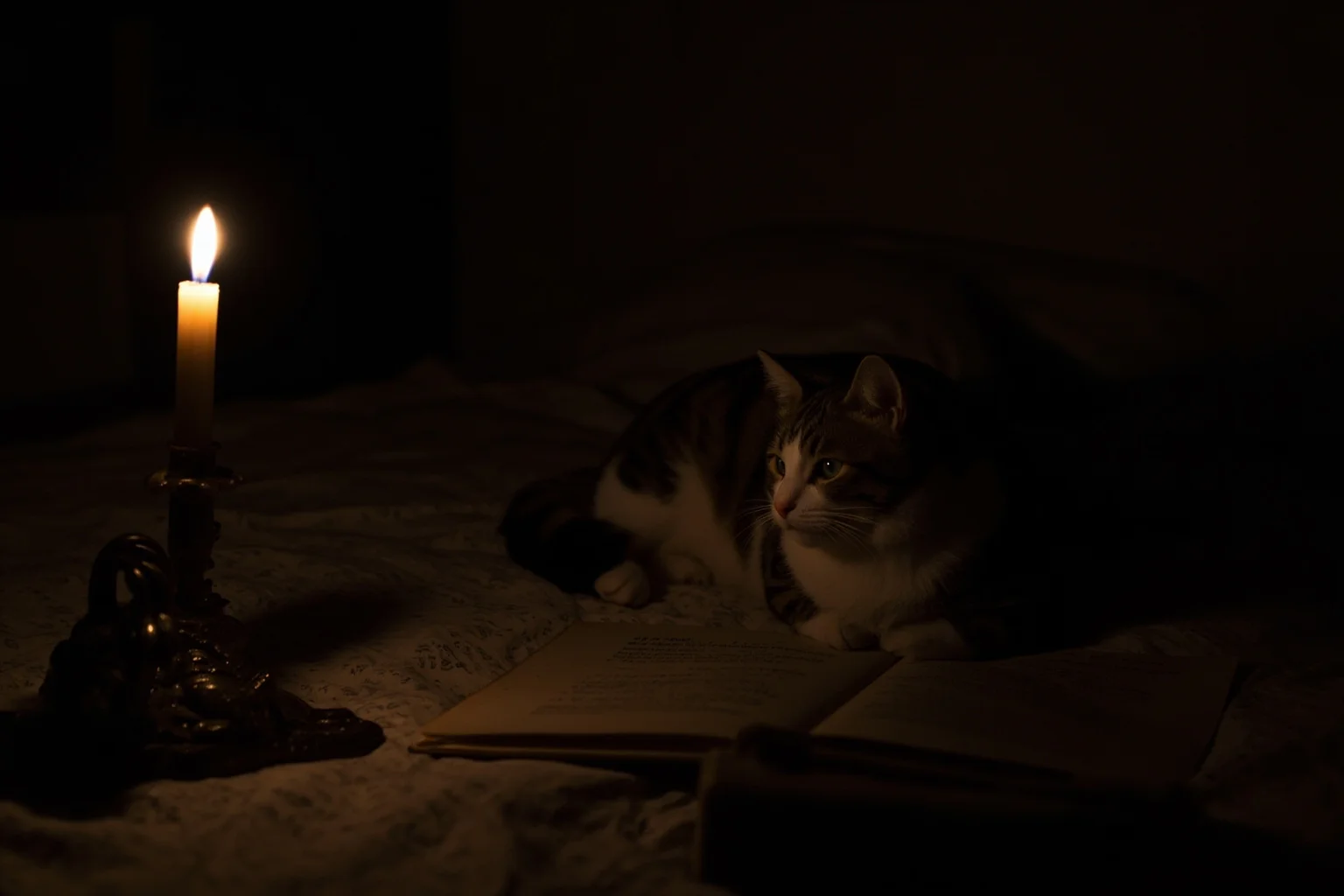
Edgar Allan Poe kept a tortoiseshell cat named Catterina, who reportedly used to sit on his shoulder while he wrote and curl up near his ailing wife, Virginia, in her final illness. Poe is, of course, also famous for his short story “The Black Cat,” a dark psychological tale that has nothing to do with his real pet’s temperament.
It’s worth separating fiction from fact here: Poe’s fictional cats were often sinister, but the real Catterina was, by most accounts, simply a beloved family pet during a difficult period in his life.
11. T.S. Eliot
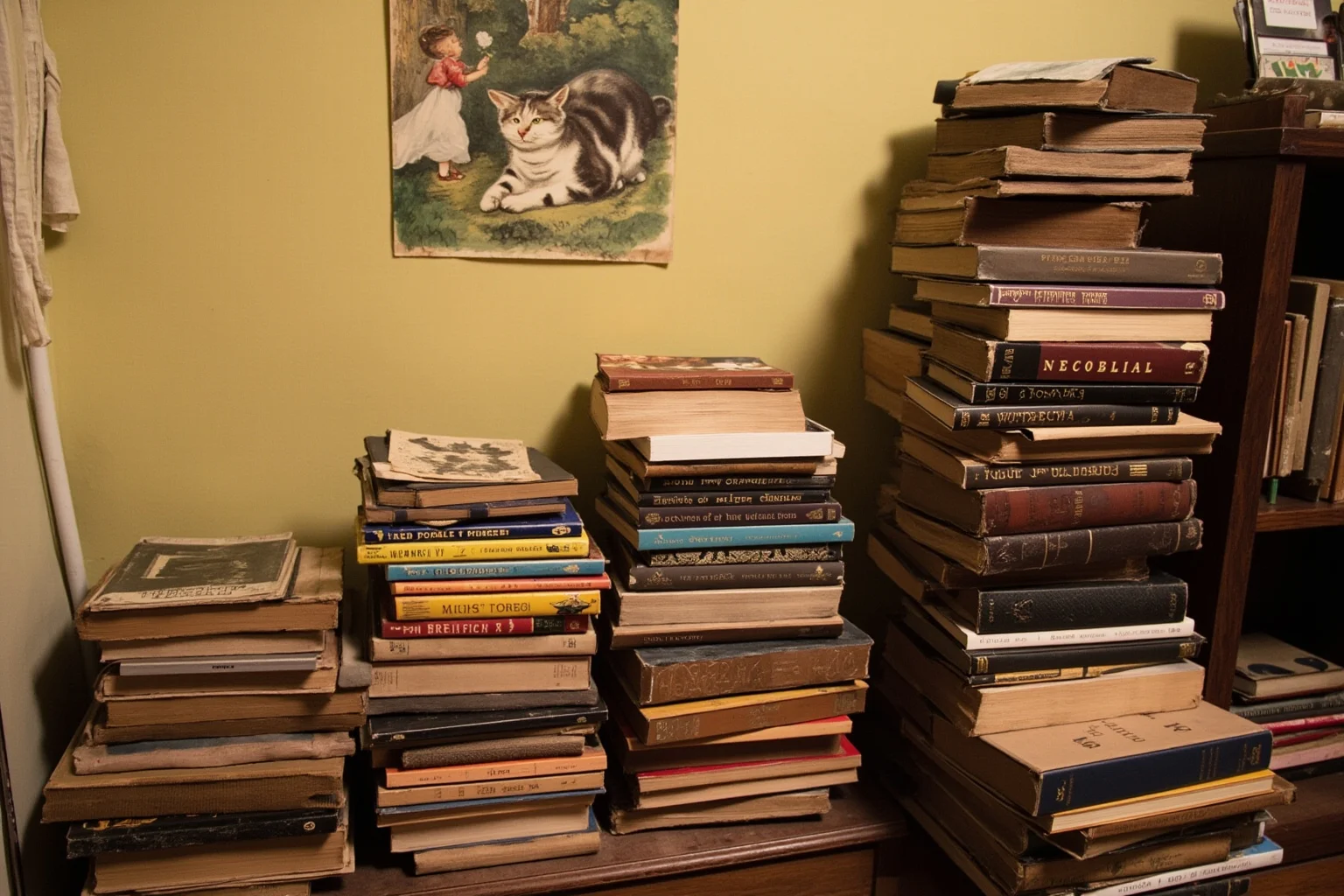
Poet T.S. Eliot was such a devoted cat lover that he wrote an entire collection of whimsical poems about them, “Old Possum’s Book of Practical Cats,” published in 1939. That collection later became the basis for the long-running musical “Cats.”
Eliot’s letters show a genuine fascination with feline behavior and personality, treating his cats almost like characters in their own right long before the stage adaptation made them famous worldwide.
12. Winston Churchill
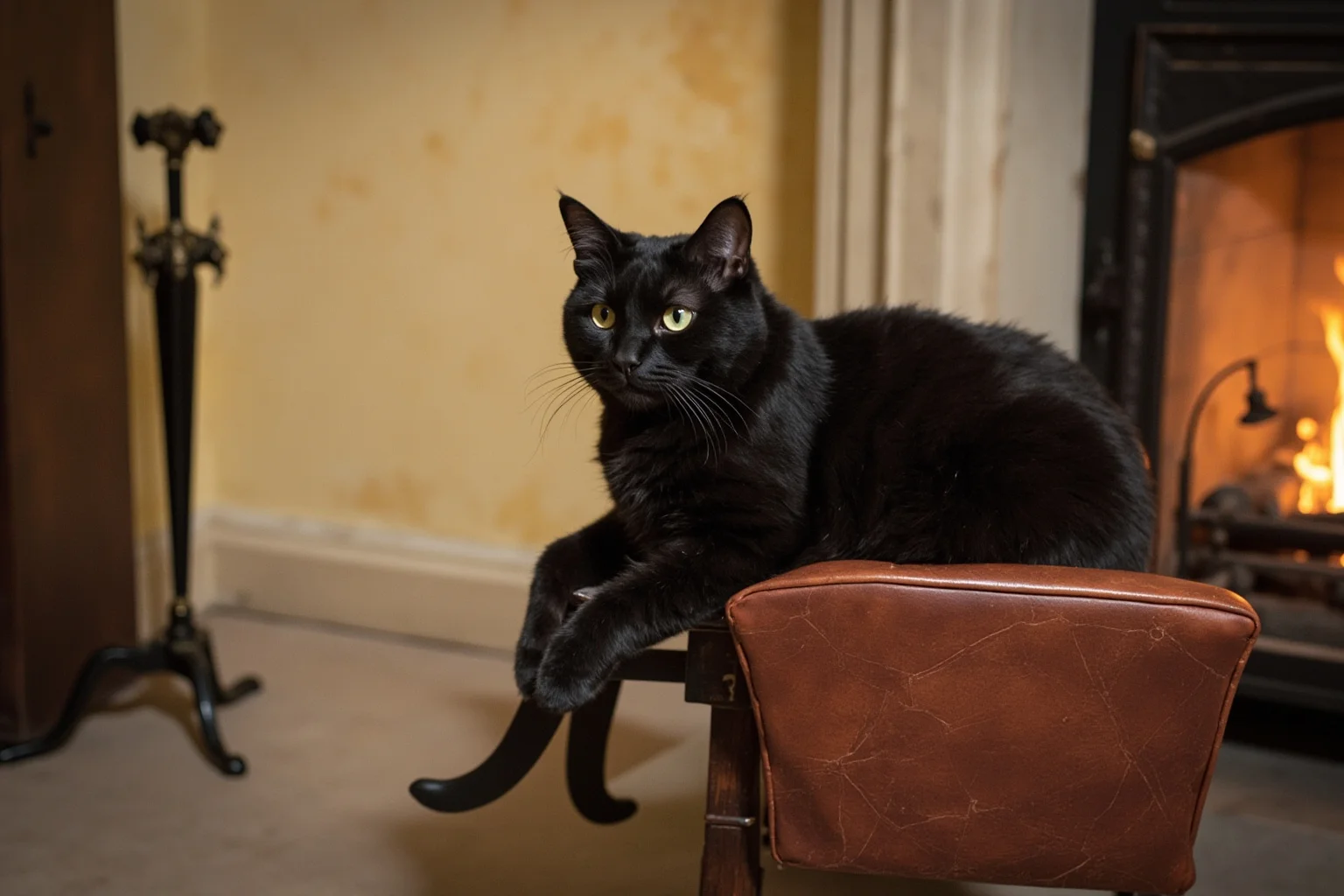
Winston Churchill, still regarded as one of the most recognized historical figures of the twentieth century, was famously attached to a cat named Jock, given to him late in life, and reportedly insisted that a cat always be present at Chartwell, his family home, as a condition of his will. Churchill was known to feed Jock at the table and even delay meetings so the cat could be present.
His affection extended to other cats during his career too, including a cat at 10 Downing Street. Chartwell, now managed by the National Trust, has maintained a cat named Jock in Churchill’s honor for decades since.
13. Nikola Tesla
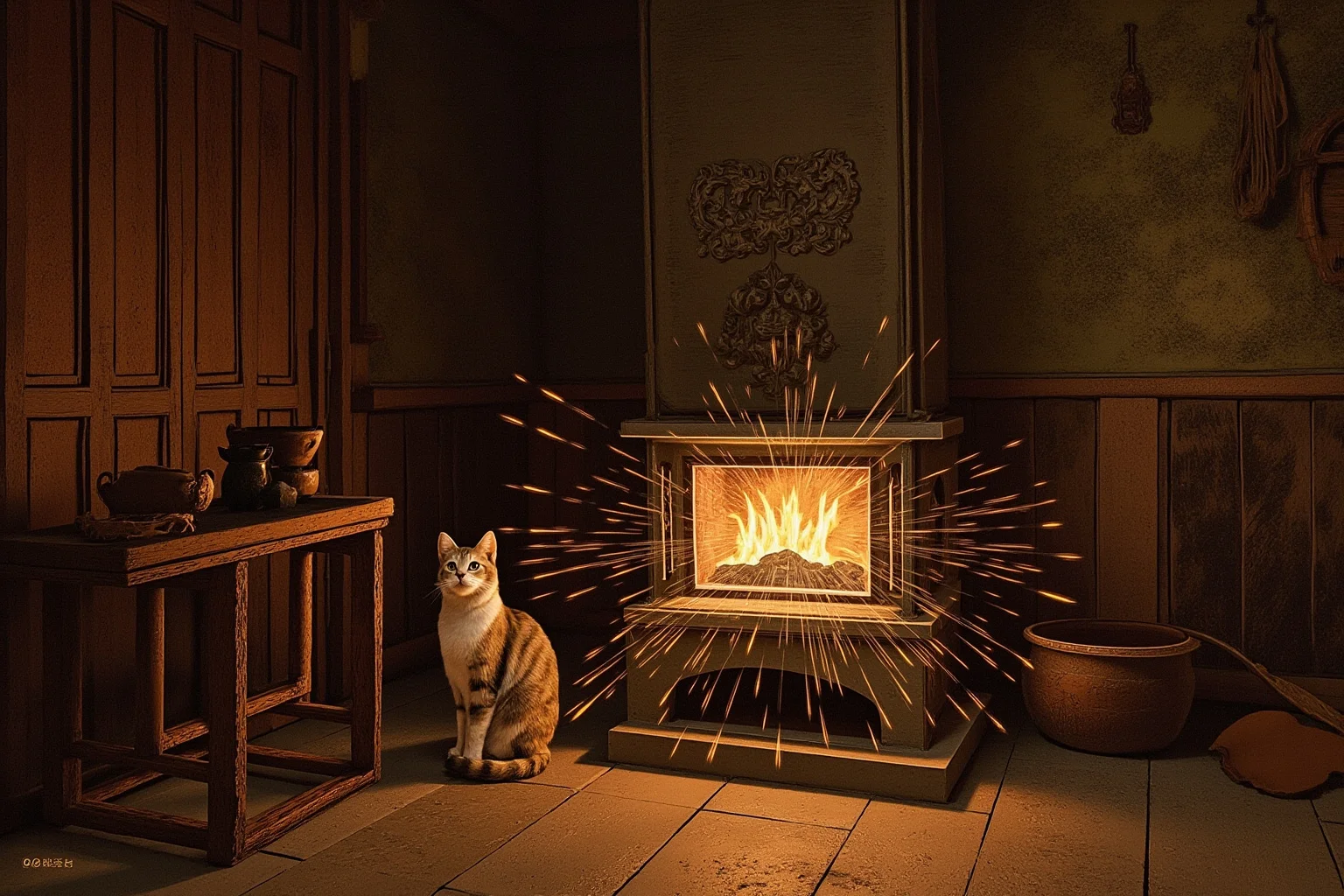
Inventor Nikola Tesla, counted among the greatest American inventors in history, wrote fondly in his memoirs about a cat named Mačak that he grew up with in Serbia, describing sparks of static electricity he noticed while petting the cat as a childhood inspiration for his later fascination with electricity. This early experience is often cited in biographies as a formative, if informal, spark for his scientific curiosity.
While it’s hard to verify how directly this single memory shaped his later work, Tesla himself described it as a vivid and important childhood memory in his own writing.
14. Ernest Hemingway
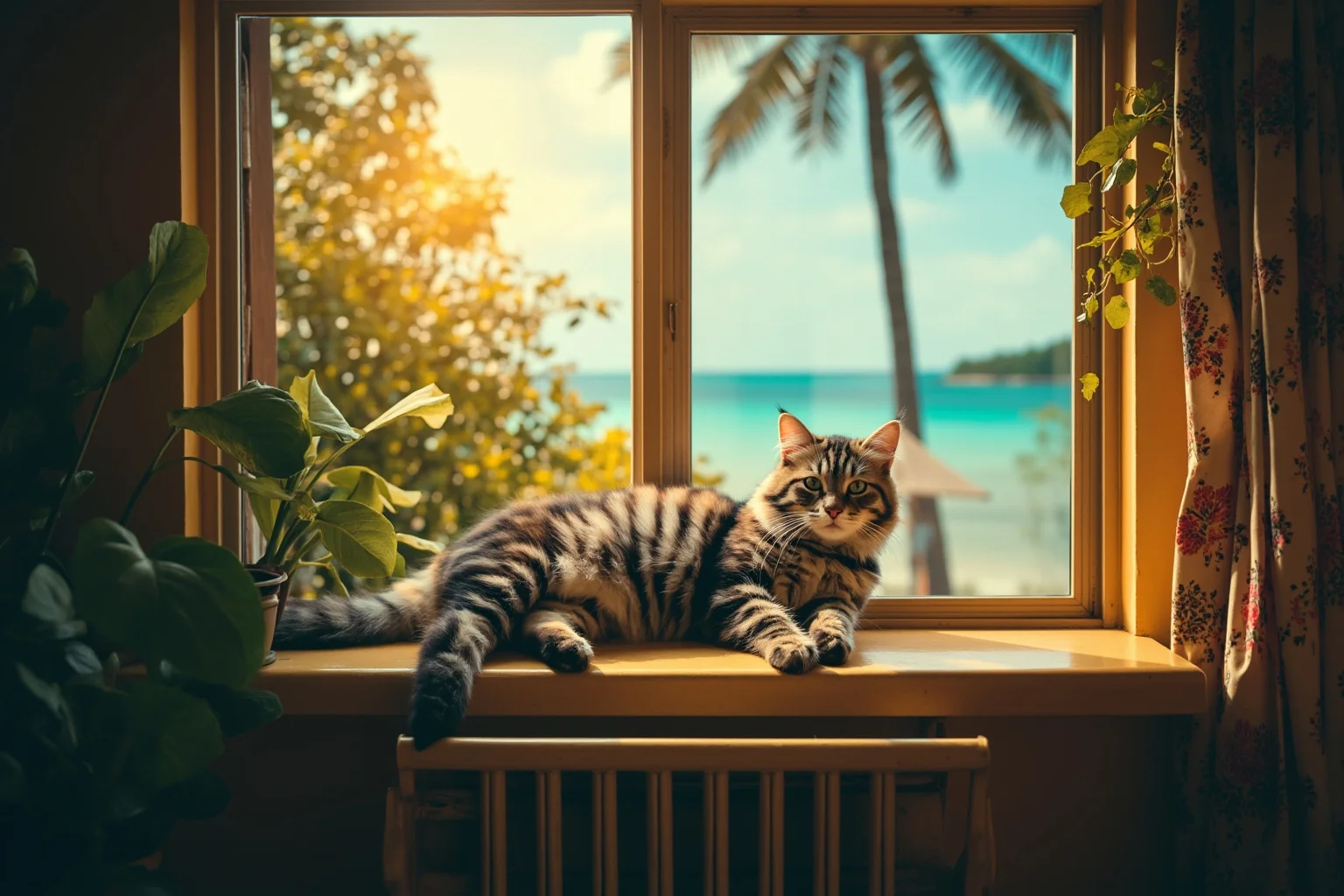
Ernest Hemingway is one of the most famous cat lovers in American letters, having been given a six-toed cat named Snow White by a ship’s captain. Hemingway’s home in Key West, now a museum, still houses descendants of his original cats, many of which display the same polydactyl (extra-toed) trait.
These cats are often called “Hemingway cats” today, and dozens of them still roam the museum grounds, cared for by staff who continue the tradition Hemingway started decades ago.
15. Raymond Chandler
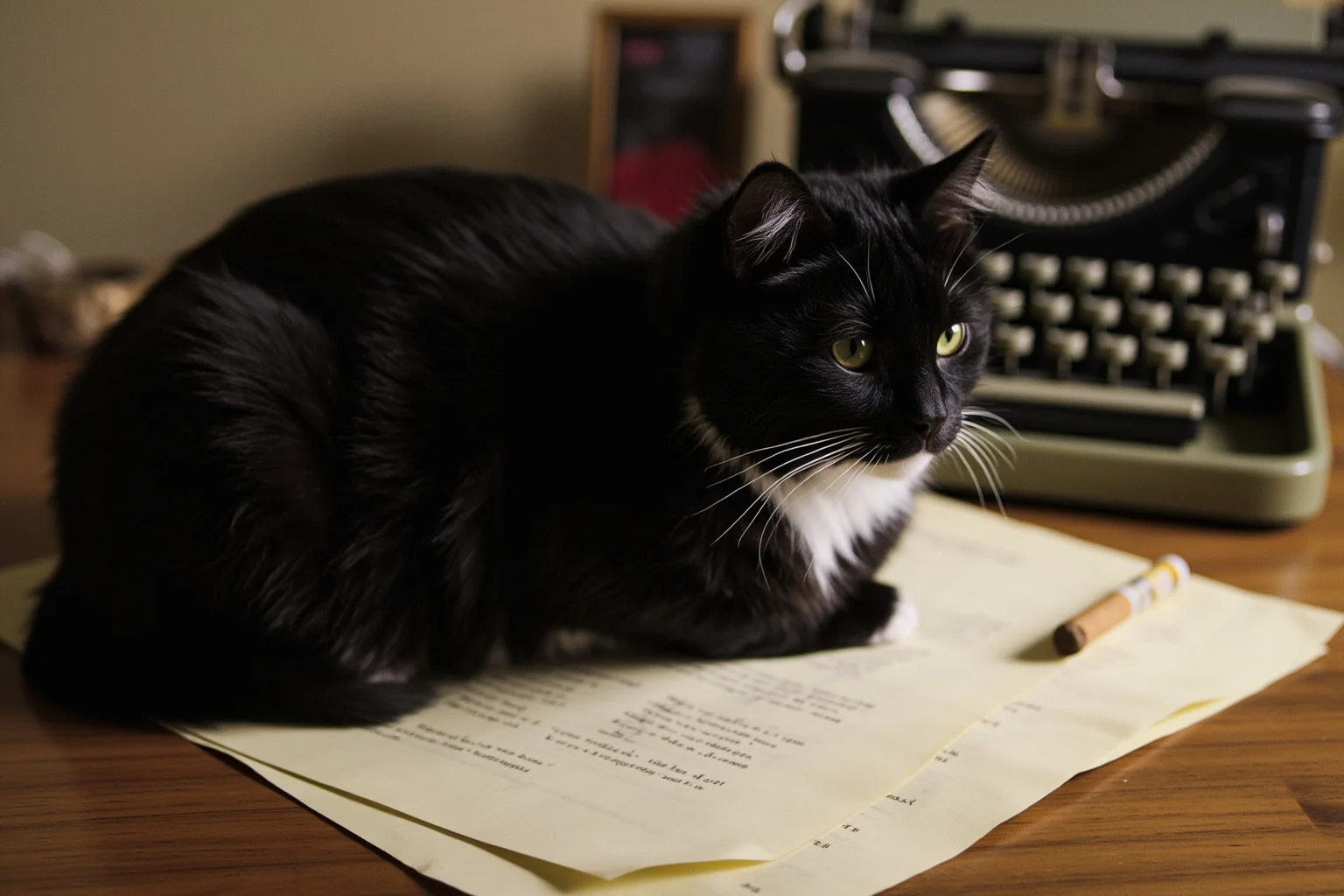
Hardboiled detective novelist Raymond Chandler kept a black Persian cat named Taki, who he reportedly considered something of a literary collaborator, joking in letters that she supervised his writing. Chandler’s correspondence shows genuine warmth and humor about his cat’s opinions on his manuscripts.
It’s a fittingly wry detail for a writer famous for sharp, dry humor: even his hardest-boiled prose had a soft spot reserved for Taki.
16. Pope Leo XII and Micetto
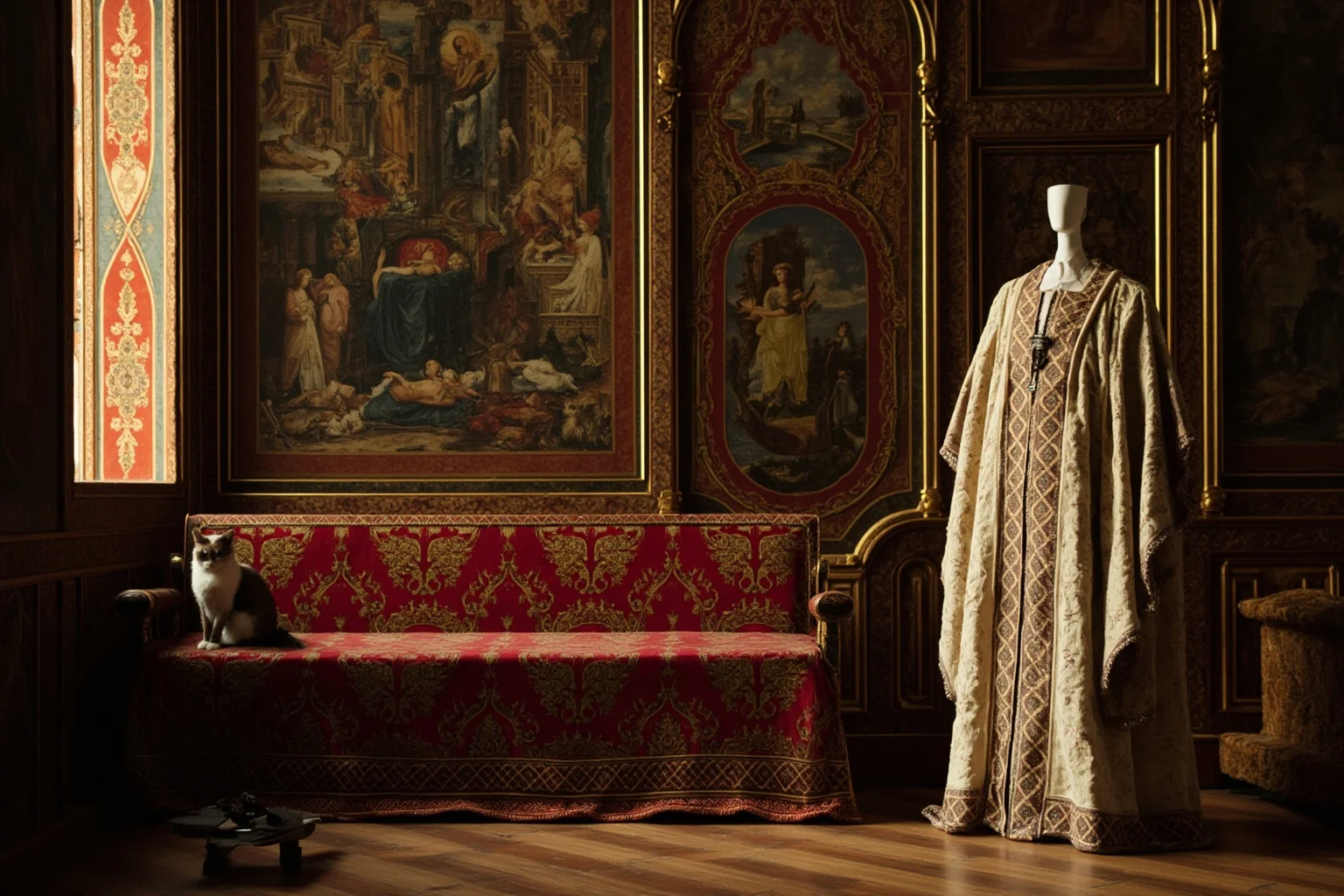
Pope Leo XII, who served as pope in the 1820s, reportedly inherited a cat named Micetto from Napoleon’s stepson, and the cat was said to accompany him during audiences, sometimes perched on his robes. Accounts of Micetto come mostly from period anecdotes rather than official Vatican records.
While the details are lightly documented compared to more modern figures, the story has persisted for two centuries as an example of a famous historical cat with a genuinely unusual résumé.
17. Emperor Ichijo of Japan
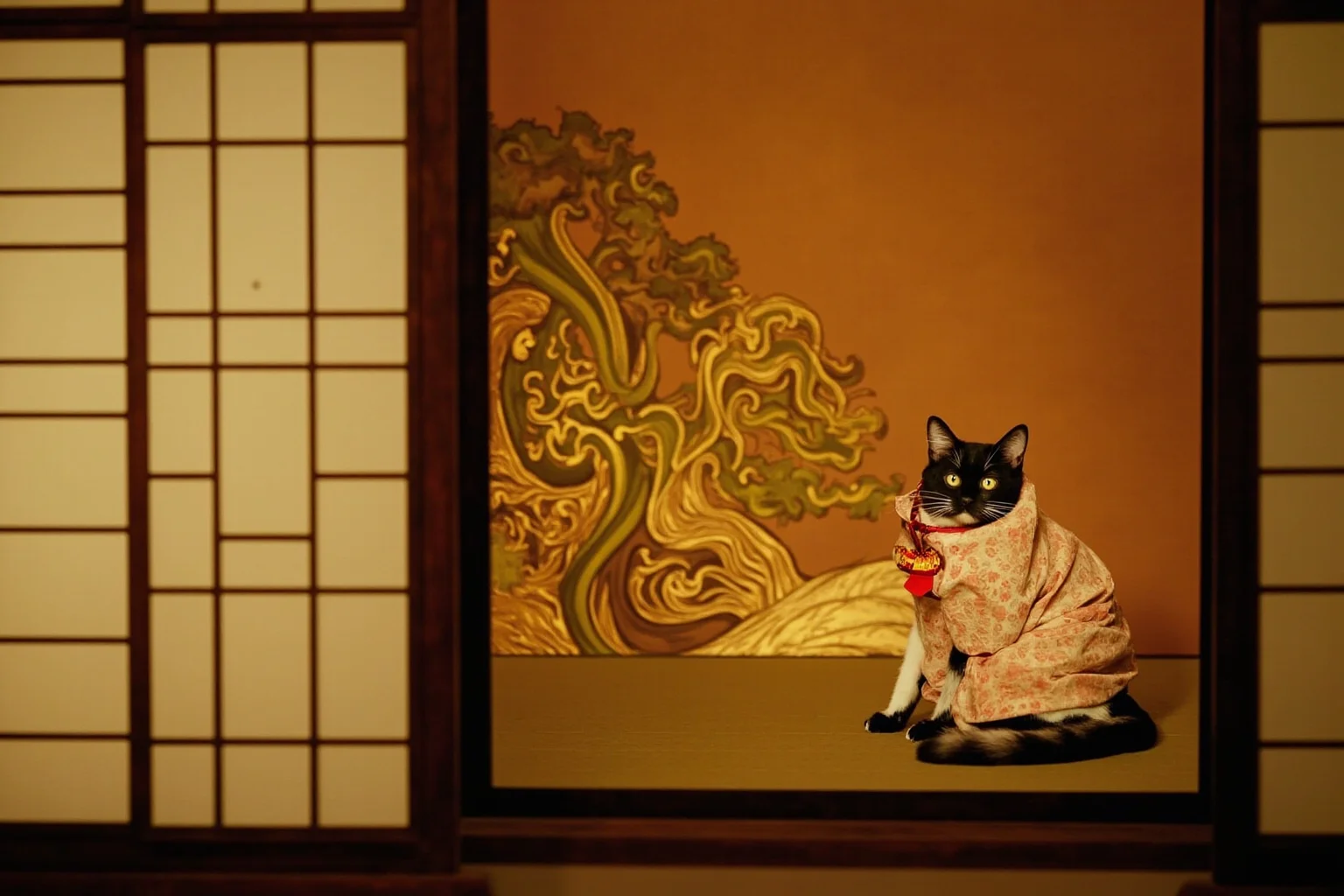
In early eleventh-century Japan, Emperor Ichijo reportedly kept a favored cat that was given an official court rank and formally presented with kittens in a ceremony recorded in period court diaries. Cats had been introduced to Japan from China and Korea and were considered rare, prestigious animals among the aristocracy at the time.
This makes Ichijo’s court one of the earliest documented examples of cats being treated as objects of elite status rather than simply working animals, a very different cultural role than the working cats of medieval Europe.
18. Marie Antoinette and the Turkish Angora
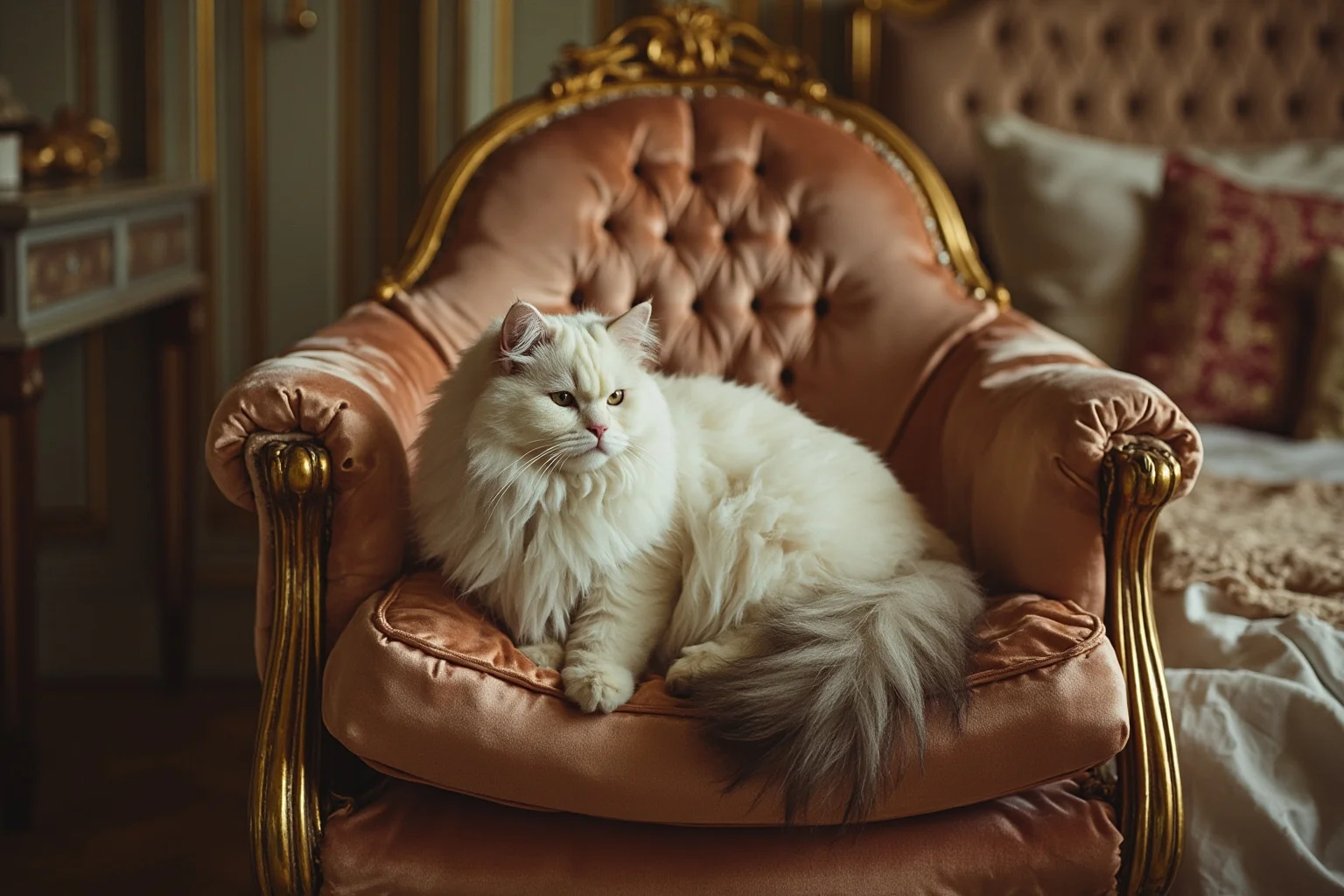
Marie Antoinette, remembered as one of history’s most powerful women, was known for her fondness for luxurious pets, and popular history often credits her with helping bring Turkish Angora cats into fashion among the French aristocracy before the French Revolution. Some accounts claim she arranged for her cats to be smuggled to safety in America as she awaited execution, though this particular detail is unverified and likely more legend than documented fact.
What is better supported is that fluffy, long-haired cat breeds became a genuine status symbol in pre-revolutionary French high society, partly thanks to royal interest in exotic pets.
19. Louis Wain
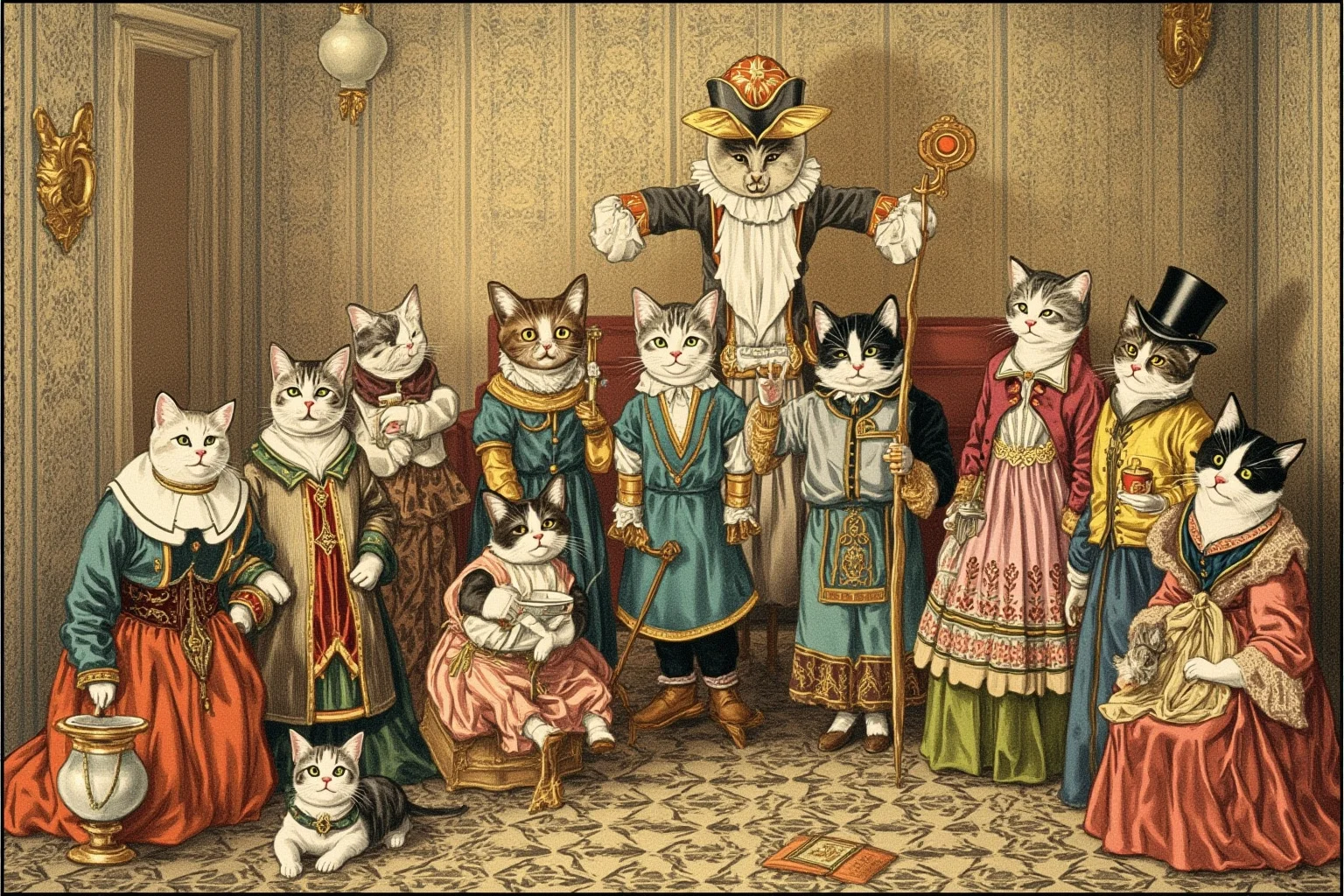
English illustrator Louis Wain built an entire career around drawing whimsical, anthropomorphized cats in the late nineteenth and early twentieth centuries, and his work is credited with helping reshape public perceptions of cats as charming and personable rather than merely useful. Wain kept cats himself and often drew inspiration from his own pet, Peter.
Later in life, Wain experienced serious mental illness, and some of his later cat paintings became more abstract and psychedelic. Historians debate how directly his artistic style reflected his health, but his broader legacy as a champion of cats in popular art is undisputed.
20. Colette
French novelist Colette, author of “Gigi” and many other works, was a devoted cat owner who wrote about her cats with the same sensory richness she brought to her fiction. Her Persian cats and other feline companions appear repeatedly in her personal letters and essays.
Colette’s writing helped cement the cat as a literary muse in French letters, an image that persisted well into the twentieth century among French writers and artists.
21. Jean Cocteau
French writer, filmmaker, and artist Jean Cocteau was such a committed cat lover that he became a founding member of a French cat lovers’ club in the 1930s. Cocteau reportedly once quipped about wishing to see the world through a cat’s eyes, reflecting his fascination with their independence and mystery.
His affection for cats fit neatly into his broader artistic persona, which prized elegance, mystery, and a slightly theatrical sense of style.
22. Theodore Roosevelt
Theodore Roosevelt, long counted among the most recognized historical figures in American history, had a White House menagerie that included several cats, most notably one named Slippers, who reportedly had extra toes and was known for napping in hallways, forcing guests and even foreign dignitaries to step around him during formal events. Roosevelt’s children were enthusiastic animal lovers generally, and the White House under his presidency became famous for its unusually large and varied collection of pets.
Slippers is often cited in histories of the White House as one of the more memorable historical cats to call the building home.
23. Albert Schweitzer

Physician and philosopher Albert Schweitzer, known for his medical missionary work in Africa, was reportedly so devoted to his cat Sizi that he would write letters and even conduct portions of his work with his left hand so as not to disturb the cat sleeping on his right arm. Colleagues at his hospital in Gabon recalled his unusual accommodations for the cat’s comfort.
For a man whose life’s work centered on compassion toward all living things, his patience with Sizi’s napping habits fits neatly into his broader philosophy of reverence for life.
24. Karl Lagerfeld
Bringing the story into more recent history, fashion designer Karl Lagerfeld became one of the most publicly documented celebrities with cats through his devotion to his Birman cat, Choupette. Choupette reportedly had her own staff, social media presence, and even modeling opportunities tied to Lagerfeld’s fashion brands.
Lagerfeld’s very modern, very public cat-parenting style shows how the old tradition of famous people and their cats has evolved in the age of social media, while still tapping into the same basic affection seen throughout this list.
Famous Cat Ladies: A Stereotype Worth Examining
The phrase “famous cat ladies” often gets tossed around as a punchline, but the historical record shows devoted cat ownership was never limited to any one gender. Florence Nightingale, Colette, and Marie Antoinette loved cats just as fiercely as Churchill, Hemingway, and Twain did.
The “crazy cat lady” stereotype is largely a modern cultural construction, gaining traction in the twentieth century rather than reflecting any historical pattern of who actually kept cats. Looking at the full sweep of history, cat love has always cut across gender, class, and profession pretty evenly.
Why So Many Historical Figures Loved Cats
Across centuries and continents, a few themes keep showing up in these stories. Cats offered quiet, low-maintenance companionship to people whose lives were often demanding, public, or intellectually intense, from wartime prime ministers to overworked novelists.
Cats also symbolized something many notable figures valued: independence, calm, and a certain unbothered confidence. It’s easy to see why writers, scientists, and rulers alike found something appealing in an animal that offered affection strictly on its own terms.
Closing Thoughts
From sacred temple cats in ancient Egypt to a fashion designer’s globally famous Birman, the bond between notable historical figures and their cats spans thousands of years and just about every culture imaginable. Some of these stories are meticulously documented; others are cherished legends that have simply outlived their fact-checkers.
Either way, they add up to a pretty compelling case: cats have always had a special talent for winning over even the busiest, most powerful, and most brilliant people in the room.
Frequently Asked Questions
What are some famous cats in history?
Well-known historical cats include Muezza, linked to the Prophet Muhammad in Islamic tradition; Jock, Winston Churchill's cat at Chartwell; Micetto, said to have accompanied Pope Leo XII; Snow White and her polydactyl descendants tied to Ernest Hemingway; and Choupette, the Birman cat made famous by designer Karl Lagerfeld.
Which celebrities are known for loving cats?
Historically, figures like Winston Churchill, Ernest Hemingway, and Florence Nightingale were well-documented cat lovers. In more recent times, Karl Lagerfeld became famous for his devotion to his cat Choupette, and many modern celebrities continue to be vocal, visible cat owners on social media.
Is the ‘crazy cat lady’ stereotype based on real history?
No, it isn't. Historical devotion to cats appears across genders and social classes, from Cardinal Richelieu and Churchill to Florence Nightingale and Colette. The 'cat lady' stereotype is a largely modern cultural trope rather than an accurate reflection of who actually kept and loved cats throughout history.
Did Isaac Newton really invent the cat door?
It's a popular story, but there's no solid contemporary documentation confirming Newton built a cat flap at Cambridge. Newton is known to have kept cats, but the pet-door invention story appears to have grown popular well after his lifetime, making it more folklore than verified fact.
Why did ancient Egyptians consider cats sacred?
Ancient Egyptians associated cats with the goddess Bastet and valued them for protecting grain stores from rodents. Over time, cats were honored well beyond their practical use, with some mummified and buried ceremonially, reflecting genuine religious reverence rather than simple household utility.

Alex Warren
Related Articles





