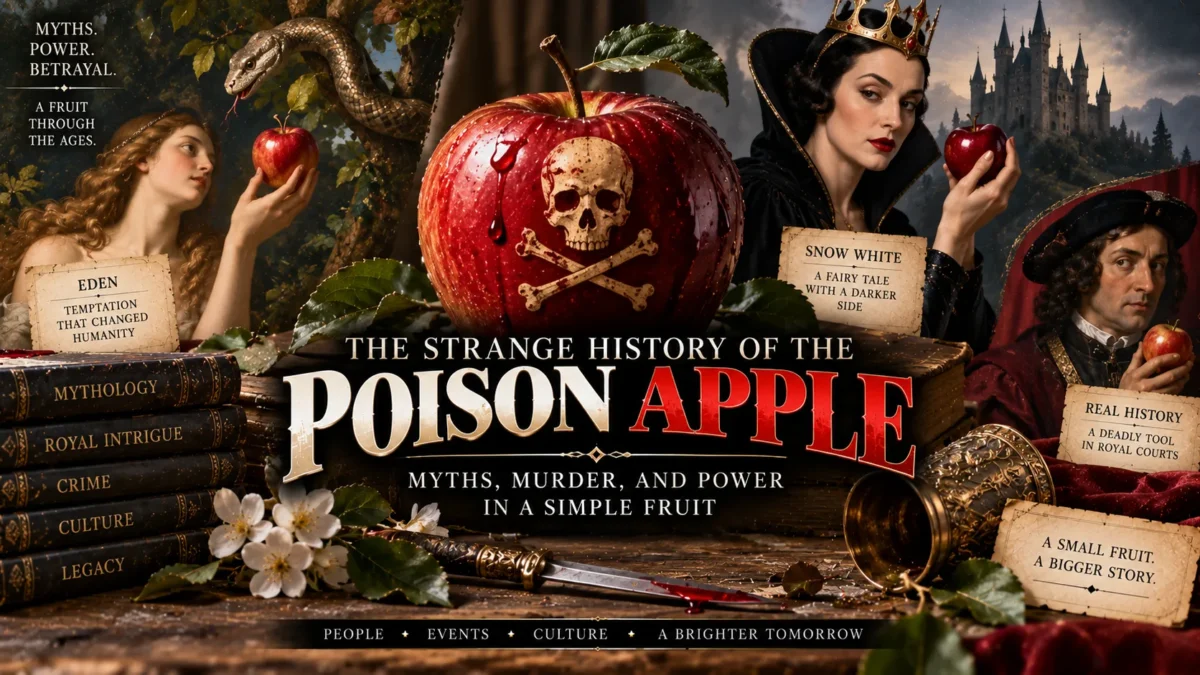
Few phrases carry as much fairy-tale menace as “poison apple.” It conjures a wicked queen, a gleaming red fruit, and a sleeping curse waiting to be broken. But the real history behind the poison apple is far stranger, and far more tangled, than any single storybook.
It involves Roman assassins, Victorian pesticide scandals, a 300-year European food panic, and a case of mistaken identity between apples and tomatoes that shaped how we eat today.
Some people search for this topic using spellings like “posion apple,” “poinson apple,” or “poisin apple,” and whichever way you spell it, the true story is weirder than the myth.
TL;DR: The “poison apple” is less a single historical fact and more a tangle of real toxicology, fairy-tale invention, and centuries of confusion between apples, tomatoes, and their genuinely dangerous nightshade relatives.
1. The Phrase “Poison Apple” Predates Snow White
Long before the Brothers Grimm wrote down their famous fairy tale, Europeans were already using “apple” as a catch-all word for many kinds of round fruit. This matters because it means “poison apple” wasn’t originally a specific fruit at all, but more of a linguistic habit.
Medieval and early modern writers routinely called unfamiliar fruits “apples” of one kind or another, whether or not they were botanically related. That habit is a big reason so many genuinely dangerous plants ended up with “apple” somewhere in their name.
2. The Tomato: History’s Most Famous “Poison Apple”
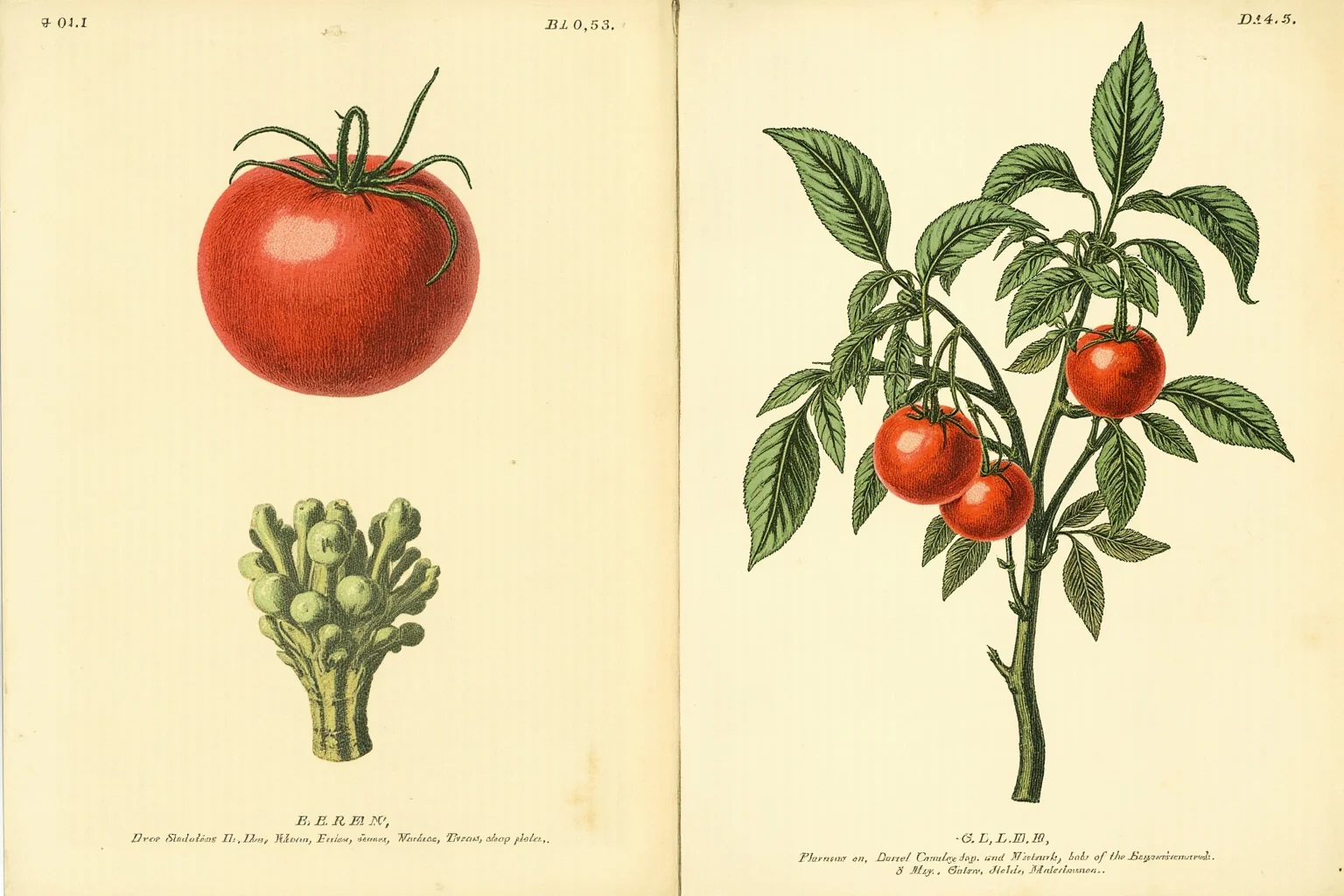
When Spanish colonizers brought tomatoes back from the Americas in the 1500s, Europeans didn’t know what to make of them. The fruit was bright, unfamiliar, and closely related to plants long associated with poison.
Italians eventually called it “pomodoro,” meaning golden apple, while the French referred to it as “pomme d’amour,” the love apple. Somewhere along the way, in English-speaking circles, it also picked up the ominous nickname “poison apple,” a label that stuck for generations even as evidence for real danger was thin.
3. Pewter Plates, Acid, and the Lead Poisoning Legend
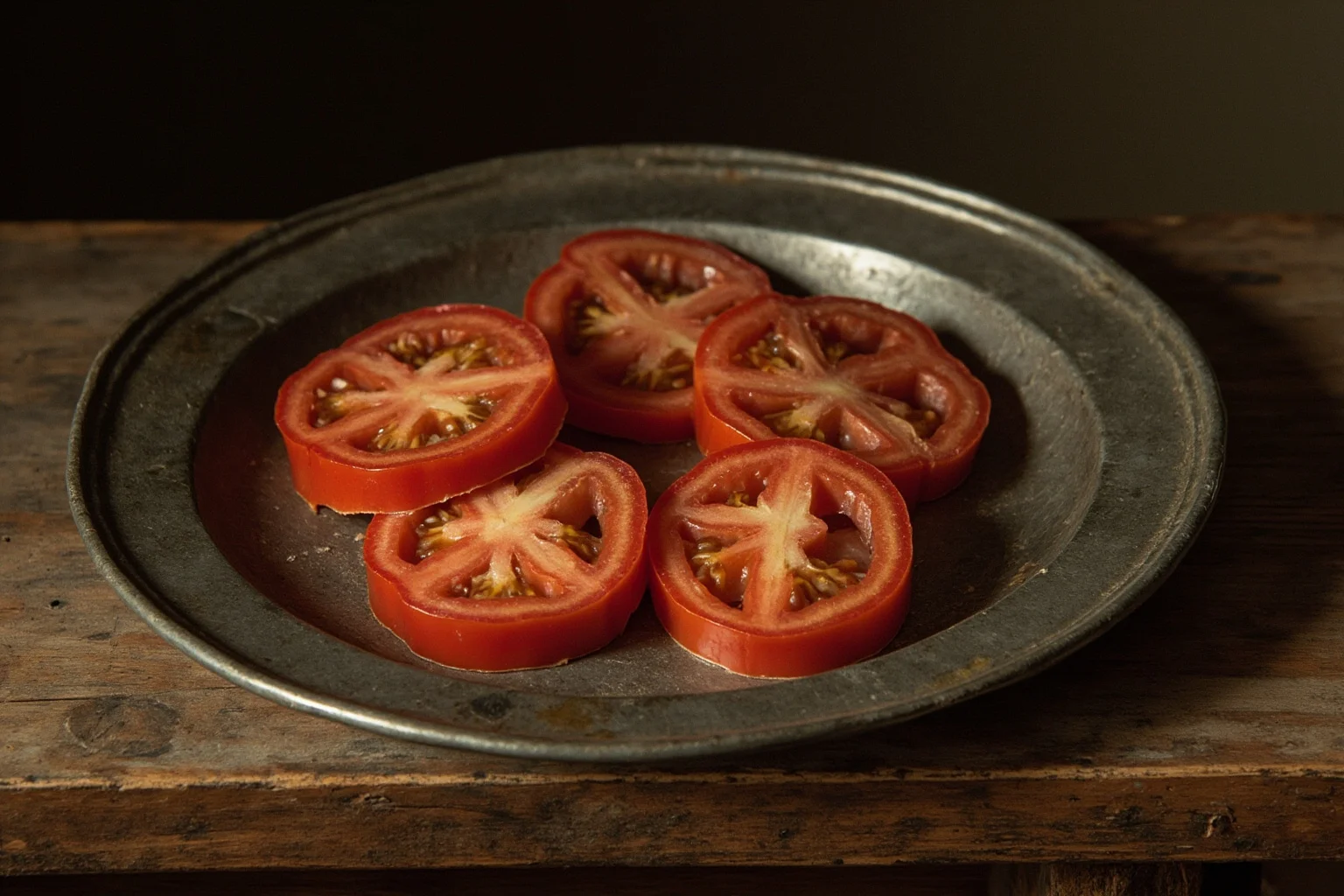
One of the most repeated stories claims that wealthy Europeans got lead poisoning because the tomato’s acidity leached lead out of their pewter plates. It’s a vivid explanation, and it shows up in a lot of popular food history writing.
However, historians who have traced the claim note that solid primary-source evidence for widespread tomato-related lead poisoning is surprisingly hard to pin down. It’s best treated as a plausible but unverified explanation rather than a settled historical fact, and the tomato’s bad reputation likely had several overlapping causes.
4. The Nightshade Family and the Tomato’s Toxic Cousins
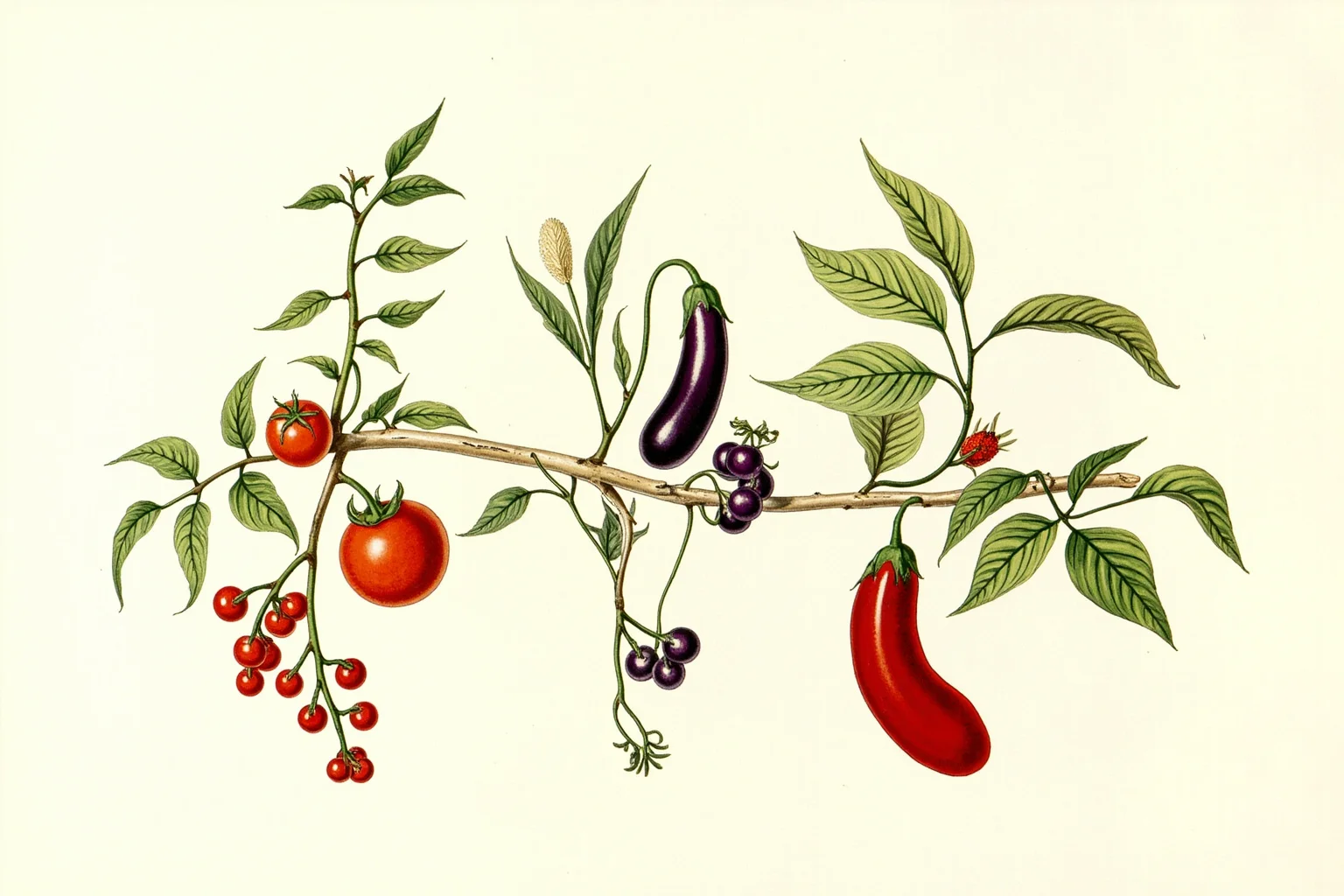
Part of the tomato’s problem was guilt by association. It belongs to the nightshade family, Solanaceae, which also includes genuinely toxic plants.
European botanists in the 1500s and 1600s were already wary of nightshades because of their links to poisoning and witchcraft folklore. A new fruit from an unfamiliar continent, sharing a family tree with known poisons, was an easy target for suspicion.
5. Deadly Nightshade (Belladonna) — A Real Poison Berry Mistaken for Fruit
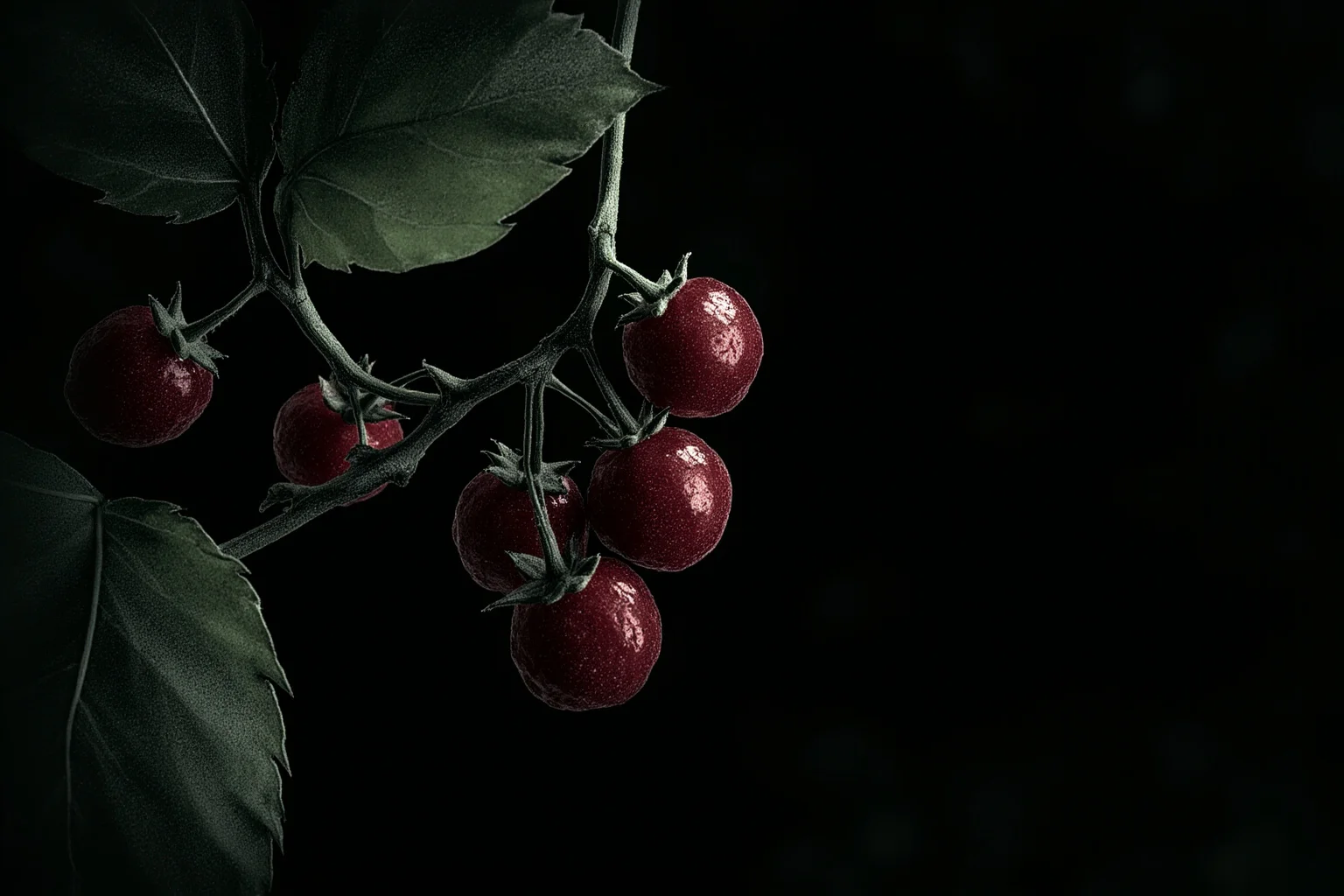
Unlike the tomato, deadly nightshade, or belladonna, is genuinely dangerous. Its dark, glossy berries have been linked to real poisoning cases throughout European history, sometimes fatal in fairly small doses.
Belladonna’s berries are not apples, but their appeal to foragers, and their place in the same plant family as tomatoes, helped cement the idea that shiny nightshade-family fruit could be lethal. That fear rubbed off on tomatoes almost by proximity.
6. The Manchineel Tree — Nature’s Actual Poison Apple
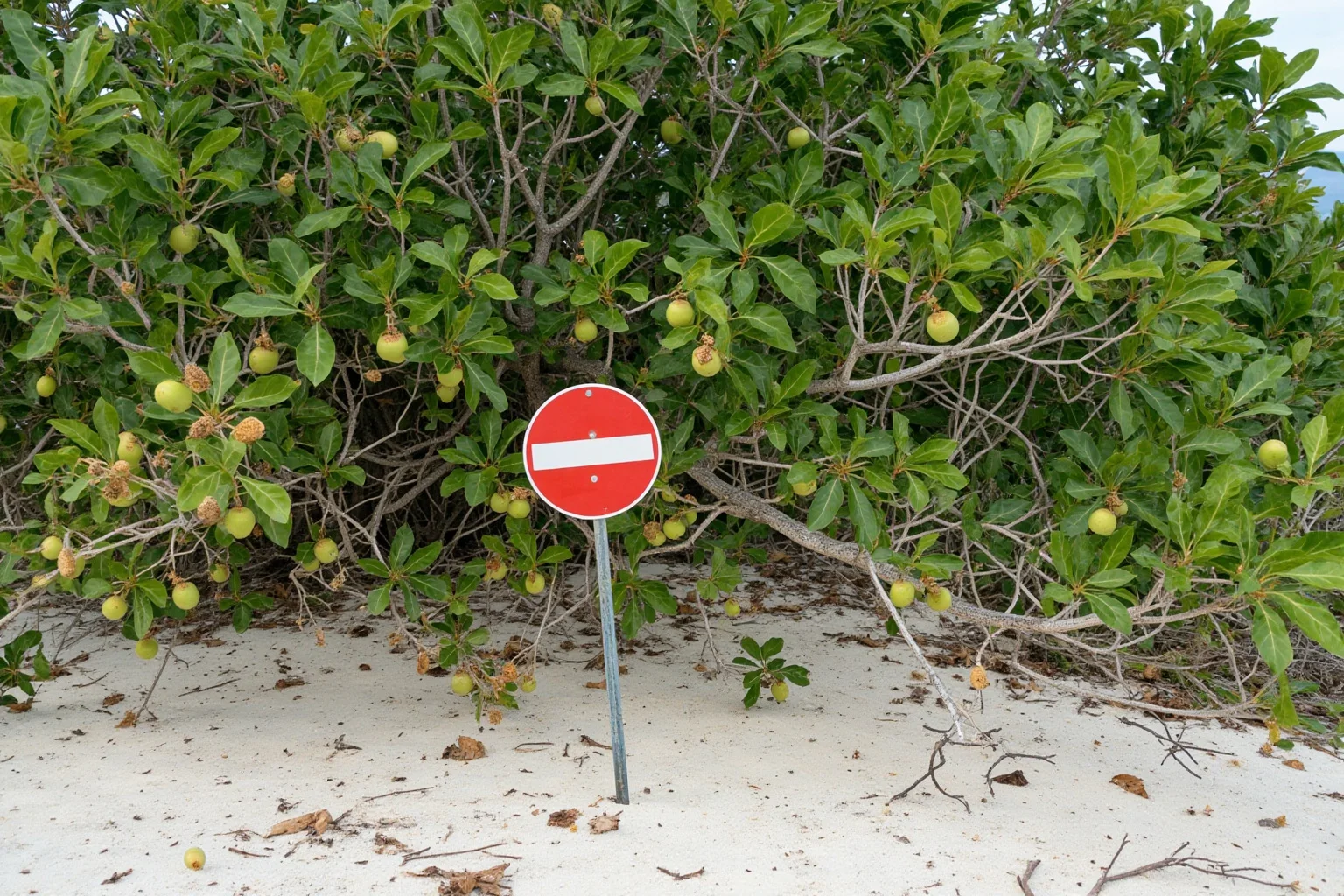
If any tree deserves the title “poison apple,” it’s the manchineel. Native to Florida, the Caribbean, and parts of Central America, its small, apple-like fruit is genuinely hazardous.
Spanish explorers nicknamed it “manzanilla de la muerte,” or little apple of death, and modern botanists still post warning signs near manchineel trees. Its sap can cause severe skin burns, and its fruit can cause serious internal harm if eaten, making it one of the rare cases where the poison apple label is fully deserved.
7. The Apple of Sodom — A Fruit That Turns to Ash
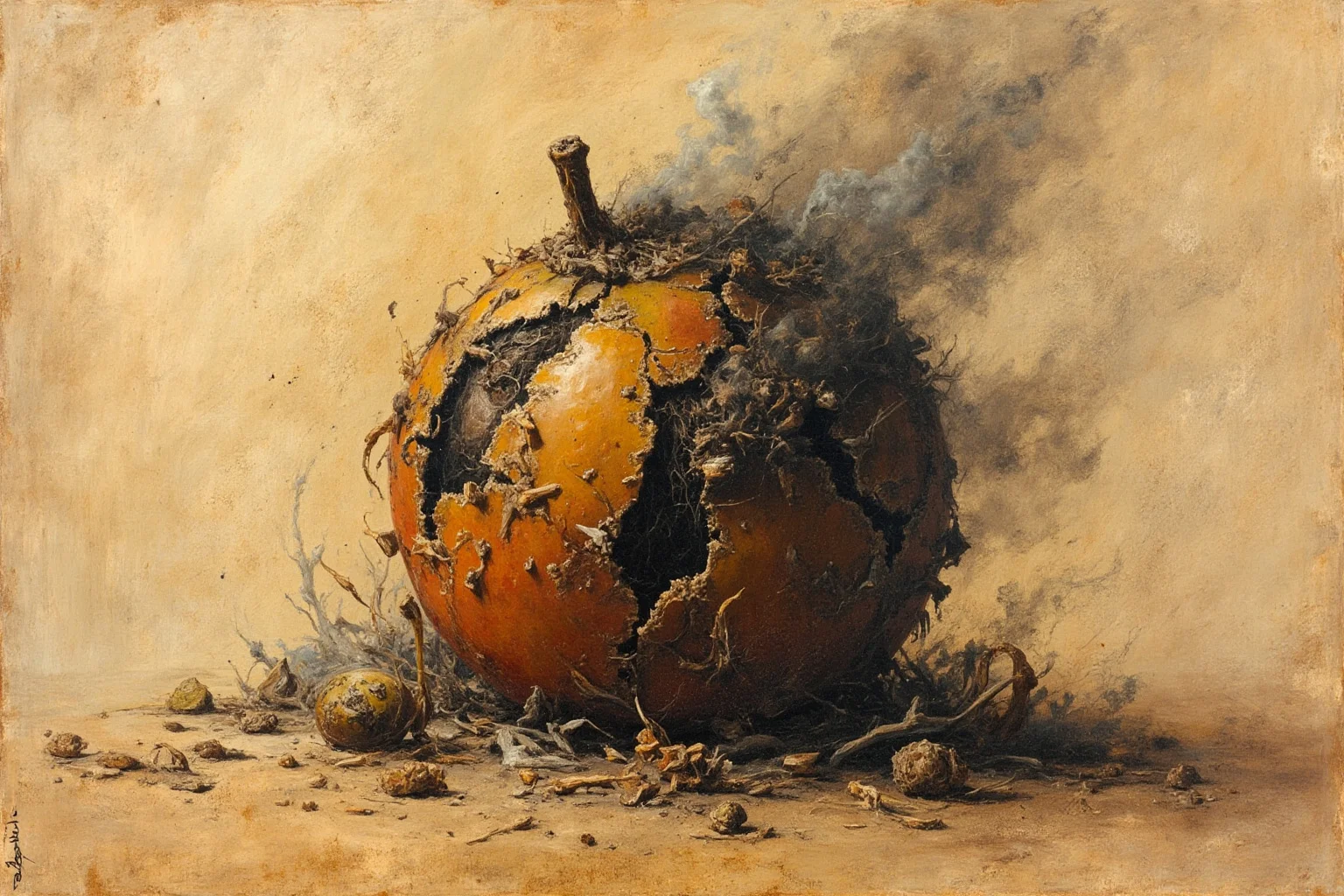
Ancient writers, including the Roman-Jewish historian Josephus, described a legendary fruit near the Dead Sea that looked tempting but crumbled into ash and smoke when touched. This became known as the “Apple of Sodom.”
Modern botanists generally connect the legend to plants like Calotropis procera, which produces a fruit that looks fleshy but is largely hollow and fibrous inside. The exact identity remains debated, but the story shows how ancient audiences already loved a good “beautiful but deadly fruit” narrative.
8. The Mad Apple — Eggplant’s Brush With a Poisonous Reputation
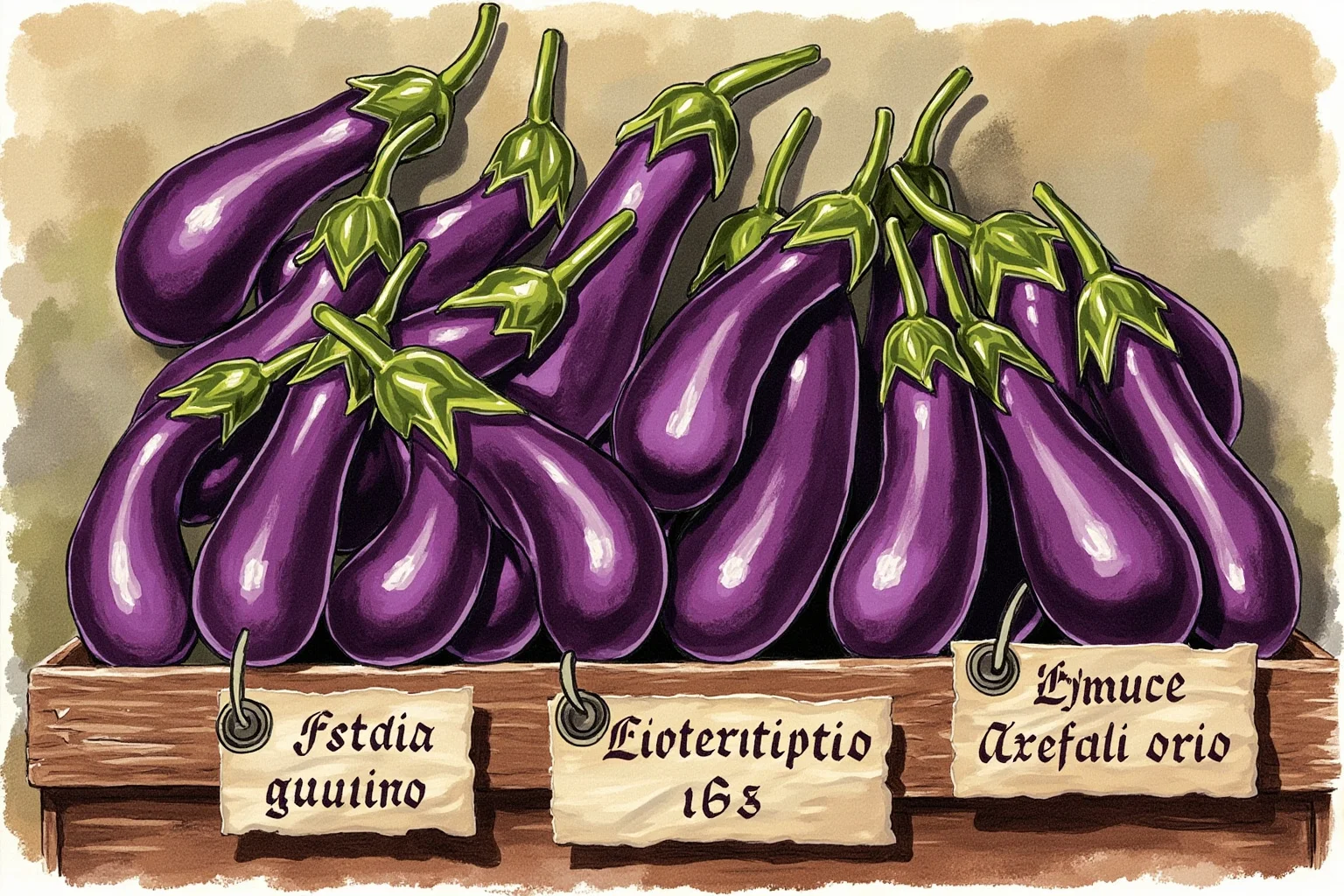
Eggplant faced its own version of the tomato’s ordeal. Early Italian botanists sometimes called it “mala insana,” or mad apple, because eating it was thought to cause insanity or illness.
Like the tomato, eggplant is a nightshade, and its wild ancestors do contain bitter, mildly toxic compounds. Cultivated eggplant is perfectly safe to eat, but the old nickname lingered as a reminder of how nervous early modern Europeans were about this whole plant family.
9. The Thorn Apple — Datura and Colonial America’s Poison Scare
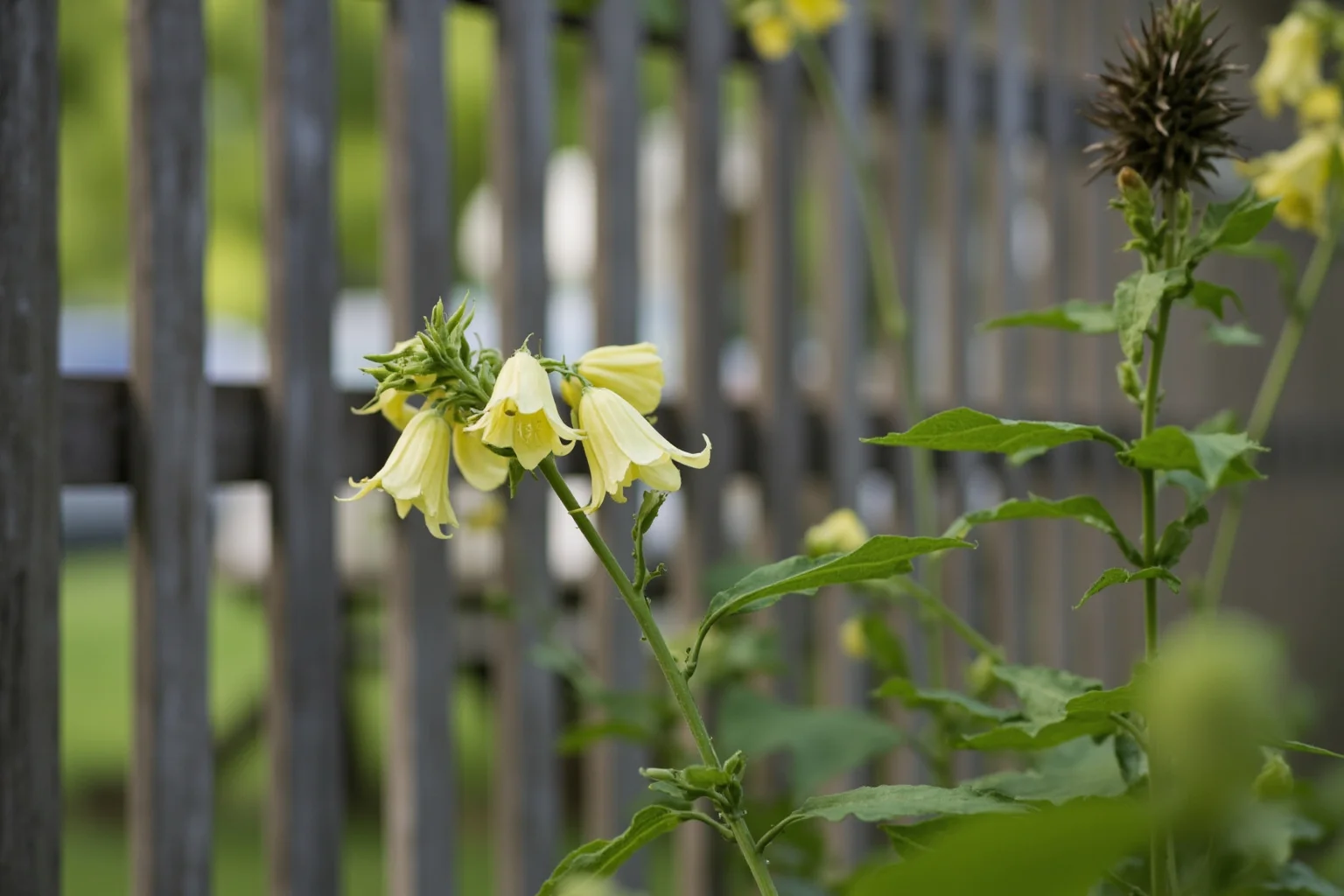
Datura stramonium earned the nickname “thorn apple” thanks to its spiky seed pods. It’s also known as jimsonweed, a name tied to a documented incident in Jamestown, Virginia, in the 1670s, when soldiers reportedly ate the plant and experienced severe hallucinations.
Unlike the tomato, datura genuinely is toxic and can be fatal in higher doses. Its long folklore history as a witches’ herb and poison ingredient is one of the more historically grounded “poison apple” stories on this list.
10. The Forbidden Fruit of Eden Was Never Called a Poison Apple
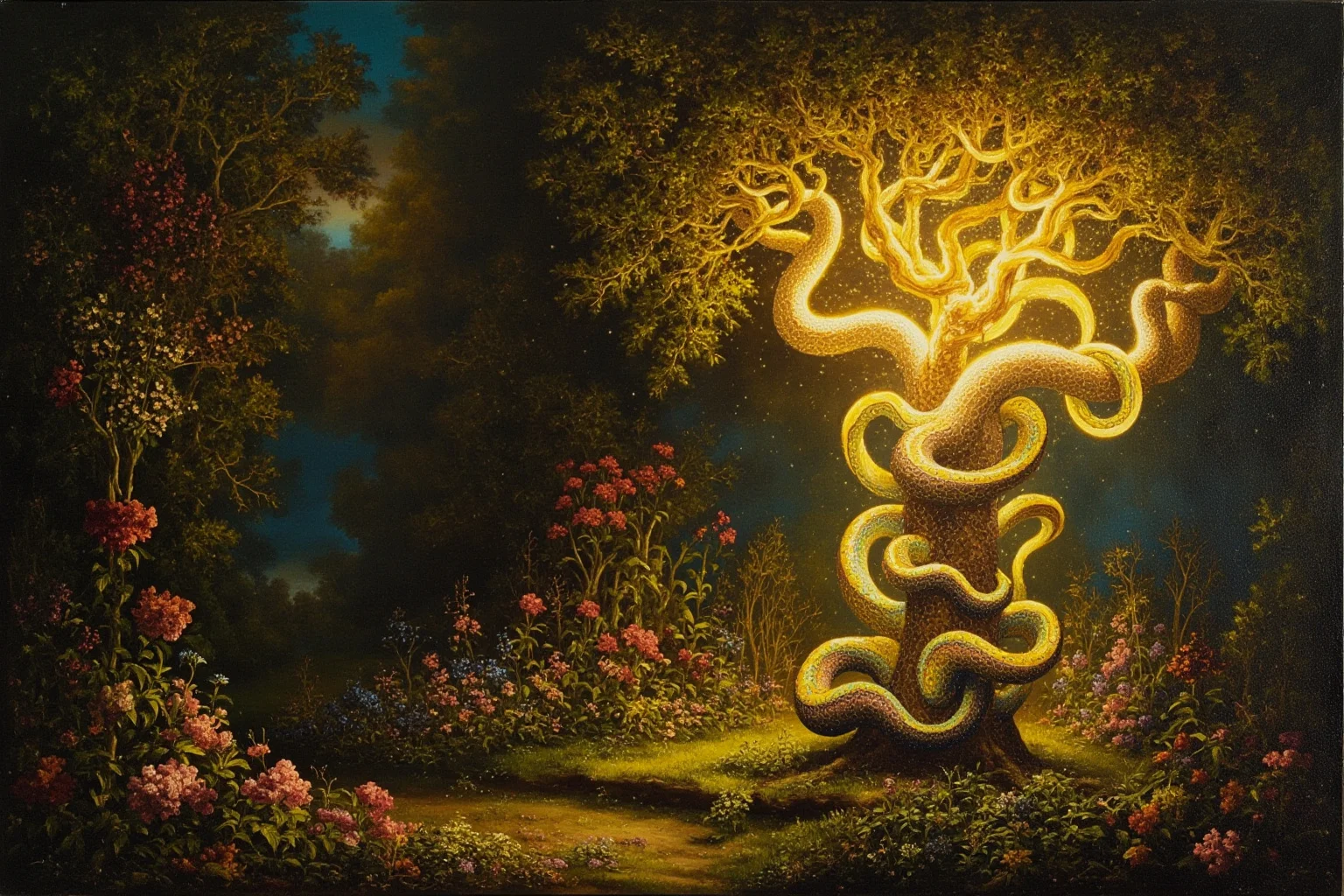
Many people assume the biblical forbidden fruit was an apple, and that it was somehow poisonous. Neither claim holds up well historically.
The Book of Genesis never names the fruit; the “apple” association came later, likely reinforced by wordplay in Latin, where “malum” can mean both “apple” and “evil.” The fruit is described as forbidden, not toxic, which makes this one of the oldest myth-ups in the entire poison apple story.
11. Apple Seeds and Cyanide — The Real Kernel of Truth
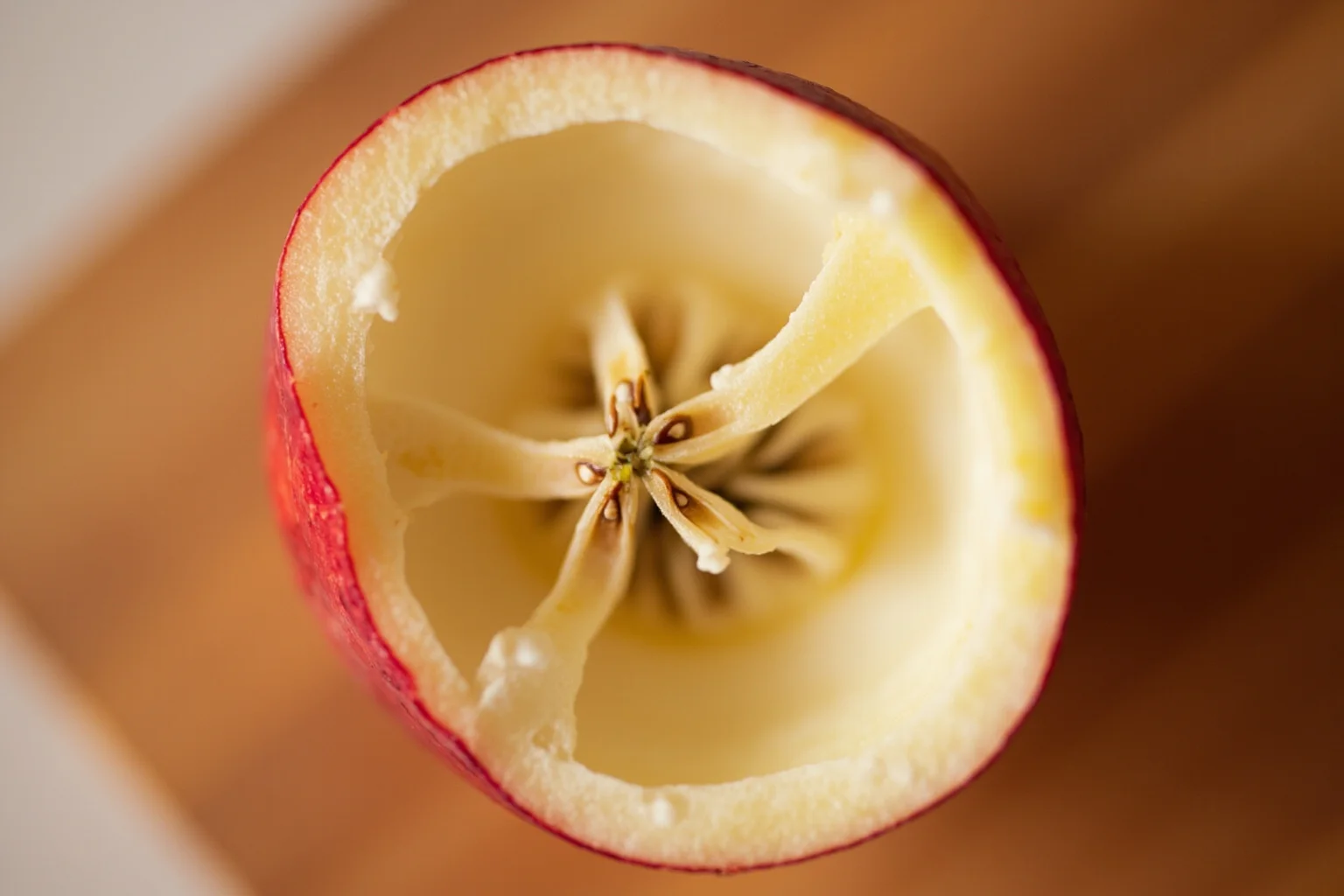
Here’s where actual apples enter the poison conversation. Apple seeds contain a compound called amygdalin, which can break down into a small amount of cyanide when digested.
Eating a few seeds from an apple core is essentially harmless, and there’s no verified case of someone dying this way from ordinary apple consumption. You would need to chew and swallow a genuinely large quantity of crushed seeds to approach a dangerous dose, which is why this fact is real but wildly overstated online.
12. Snow White and the Poisoned Apple — The Grimm Original
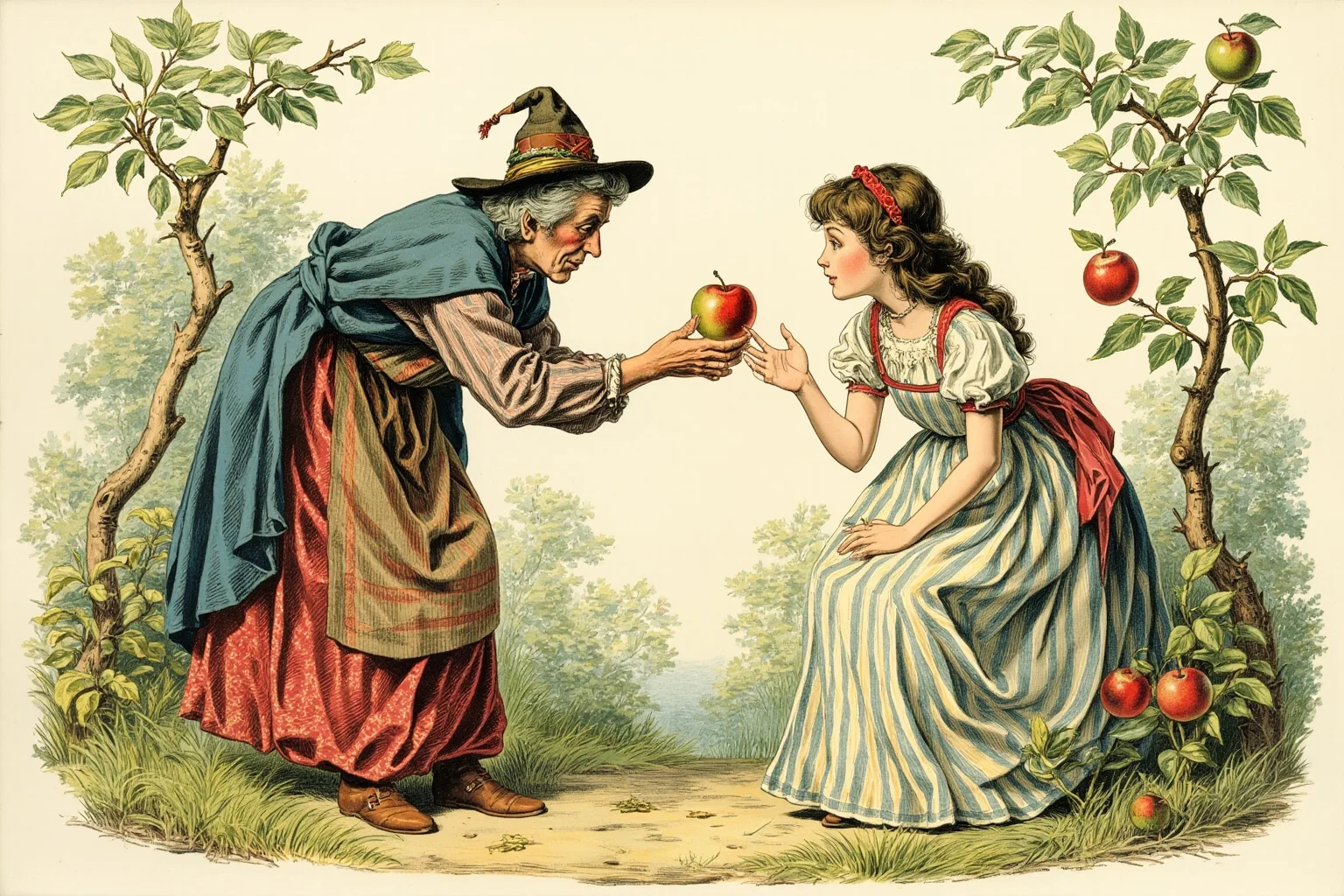
The Brothers Grimm published their version of “Sneewittchen,” or Snow White, in 1812. In it, the jealous queen disguises herself as a peddler and offers Snow White a two-toned apple, poisoned only on the bright red side, so the queen herself can eat the safe half.
It’s a small but clever detail that often gets lost in later retellings, including Disney’s famous 1937 film. The Grimm story wasn’t reporting a real event; it was folklore, but it’s the single biggest reason the phrase “poison apple” is now permanently linked to fairy tales.
13. Older European Folktales About Poisoned Fruit

The Grimms didn’t invent the poisoned-fruit trope from scratch. Similar motifs, a beautiful woman put into a death-like sleep by an enchanted object, including fruit, appear in earlier European oral traditions collected across Germany and neighboring regions.
Storytellers across cultures were already using poisoned or cursed food as a symbol of hidden danger and betrayal. The apple simply became the most famous version because of how widely the Grimm collection, and later Disney, were distributed.
14. Locusta of Gaul — Rome’s Most Feared Poisoner
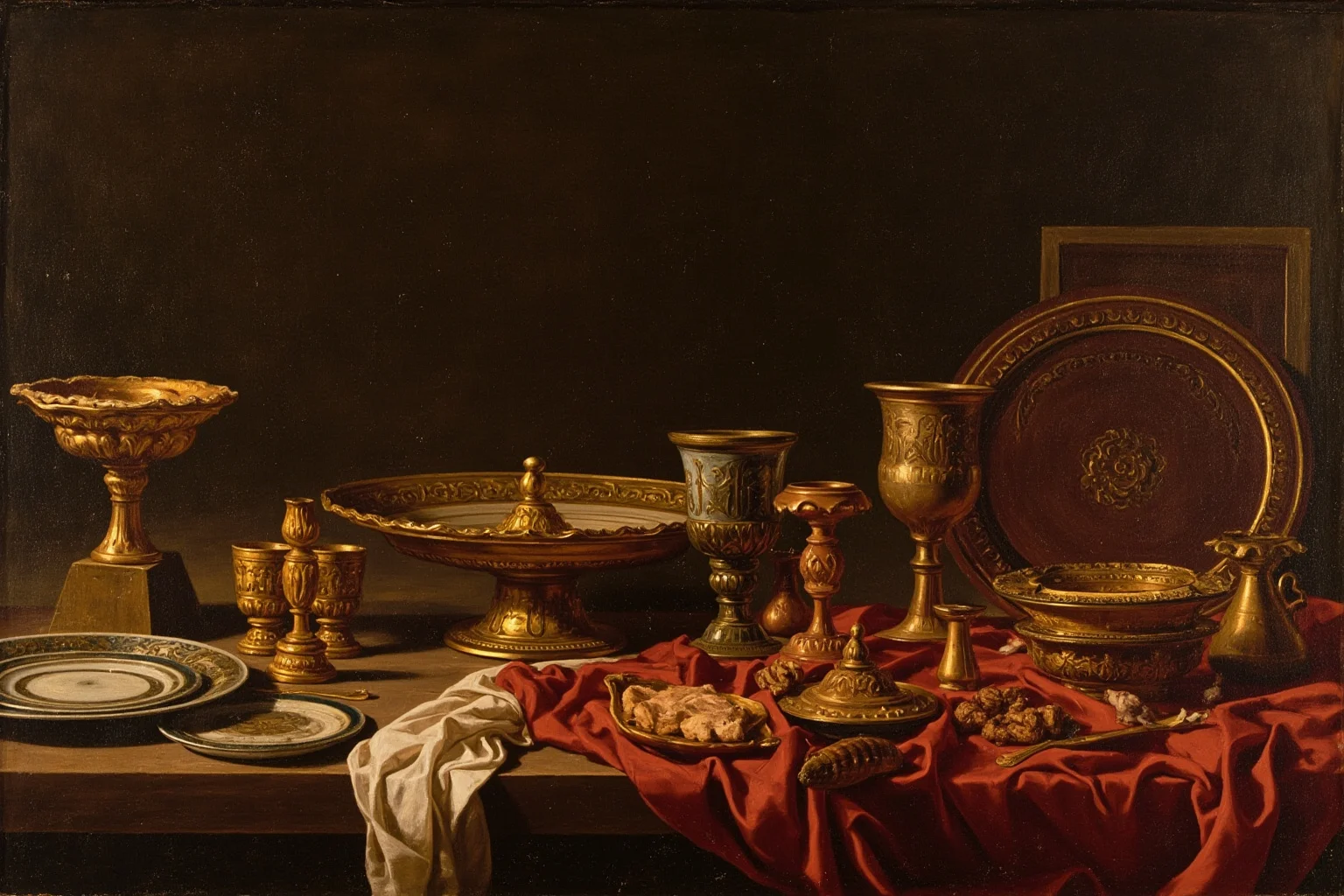
In ancient Rome, a woman known as Locusta of Gaul became notorious as a professional poisoner in the first century AD. Roman historical accounts link her to the imperial court, including alleged connections to the deaths of Emperor Claudius and others.
Surviving records don’t specifically describe her using poisoned apples, and much of what’s recorded comes from later Roman historians whose accuracy is debated. Still, her legend helped cement the broader cultural fear of poisoned food at royal tables, a fear that fairy tales like Snow White would later echo.
15. Poisoned Fruit in Medieval and Renaissance Court Intrigue
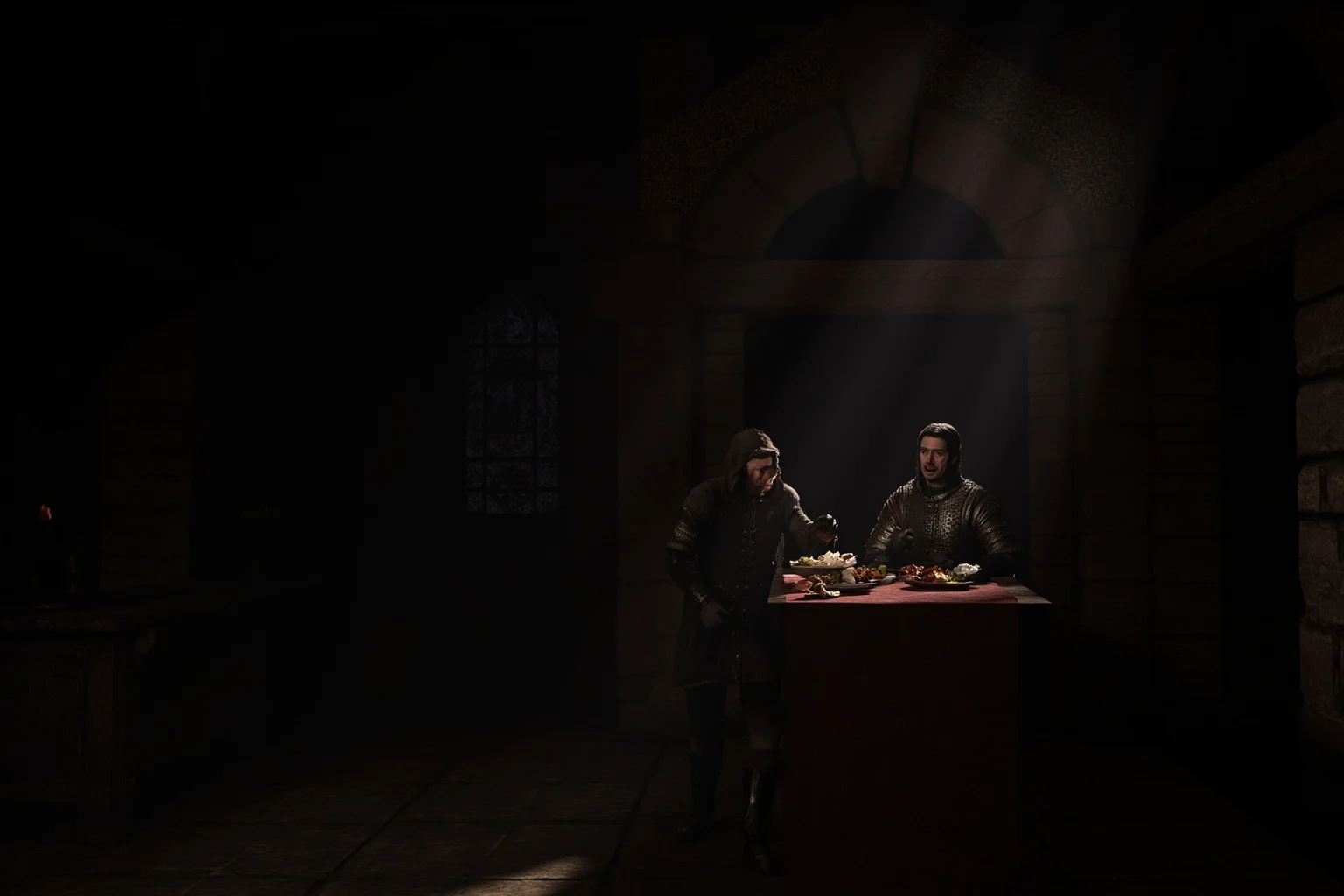
Medieval and Renaissance Europe had a genuine, widespread anxiety about poisoning at court, especially among nobility and royalty. Food tasters, a real historical role, existed largely because of this fear.
Many specific poisoned-fruit assassination stories from this era, however, are difficult to verify and often blend historical rumor with dramatic legend. It’s fair to say the fear was real even when the individual stories are murky.
16. Arsenic Orchards — Victorian Pesticides and Real Apple Poisoning Fears
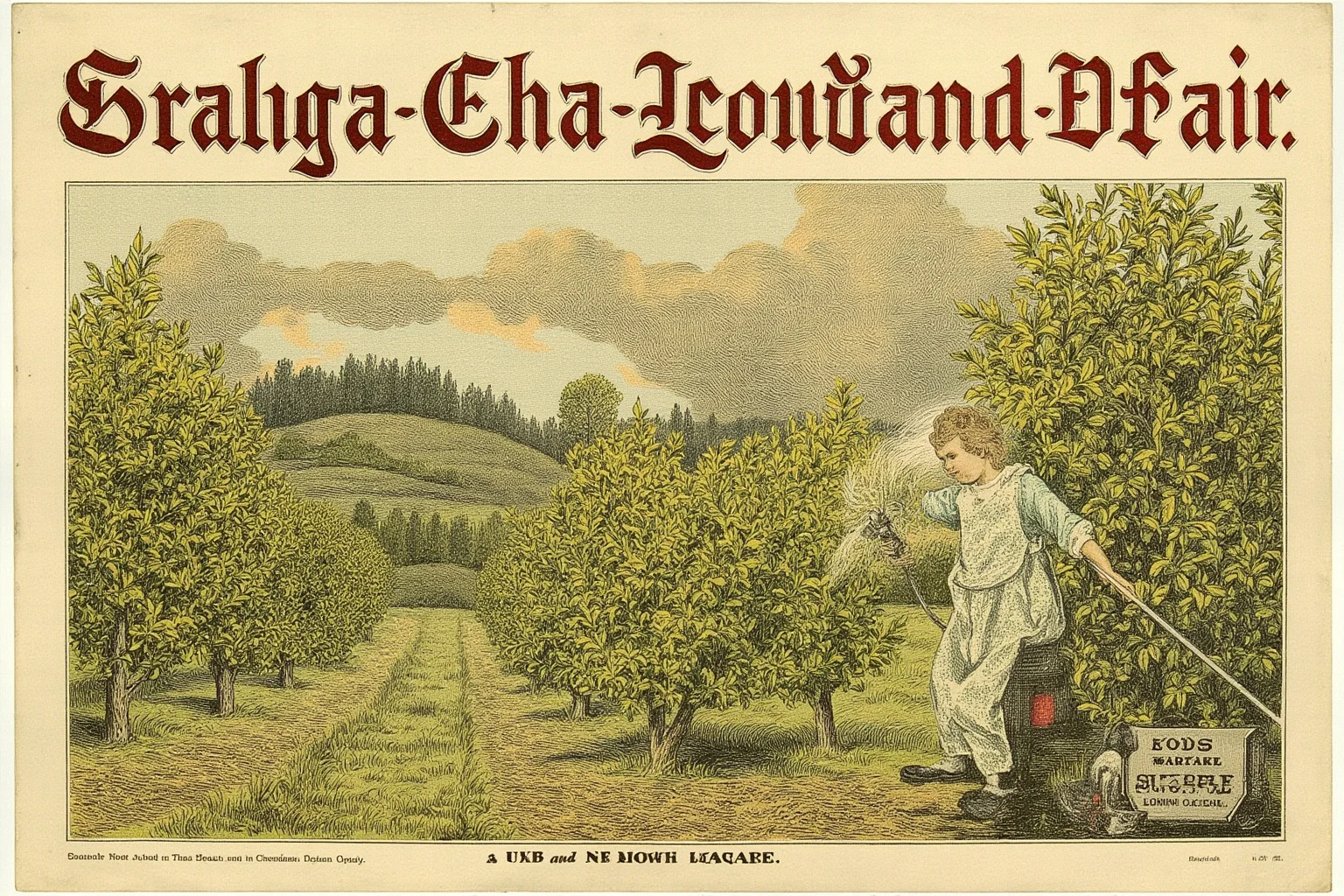
By the late 1800s, apple orchards faced a genuinely documented poison problem, just not the fairy-tale kind. Lead arsenate was widely used as a pesticide on apple crops in the United States and Europe from the 1890s through the mid-1900s.
Residue on unwashed fruit was a real public health concern, prompting some of the earliest food safety regulations in the United States. This is one of the rare points in this list where “apple” and “poison” were connected by documented science rather than folklore.
17. The Great Tomato Panic — Why Europe Waited Centuries to Eat It
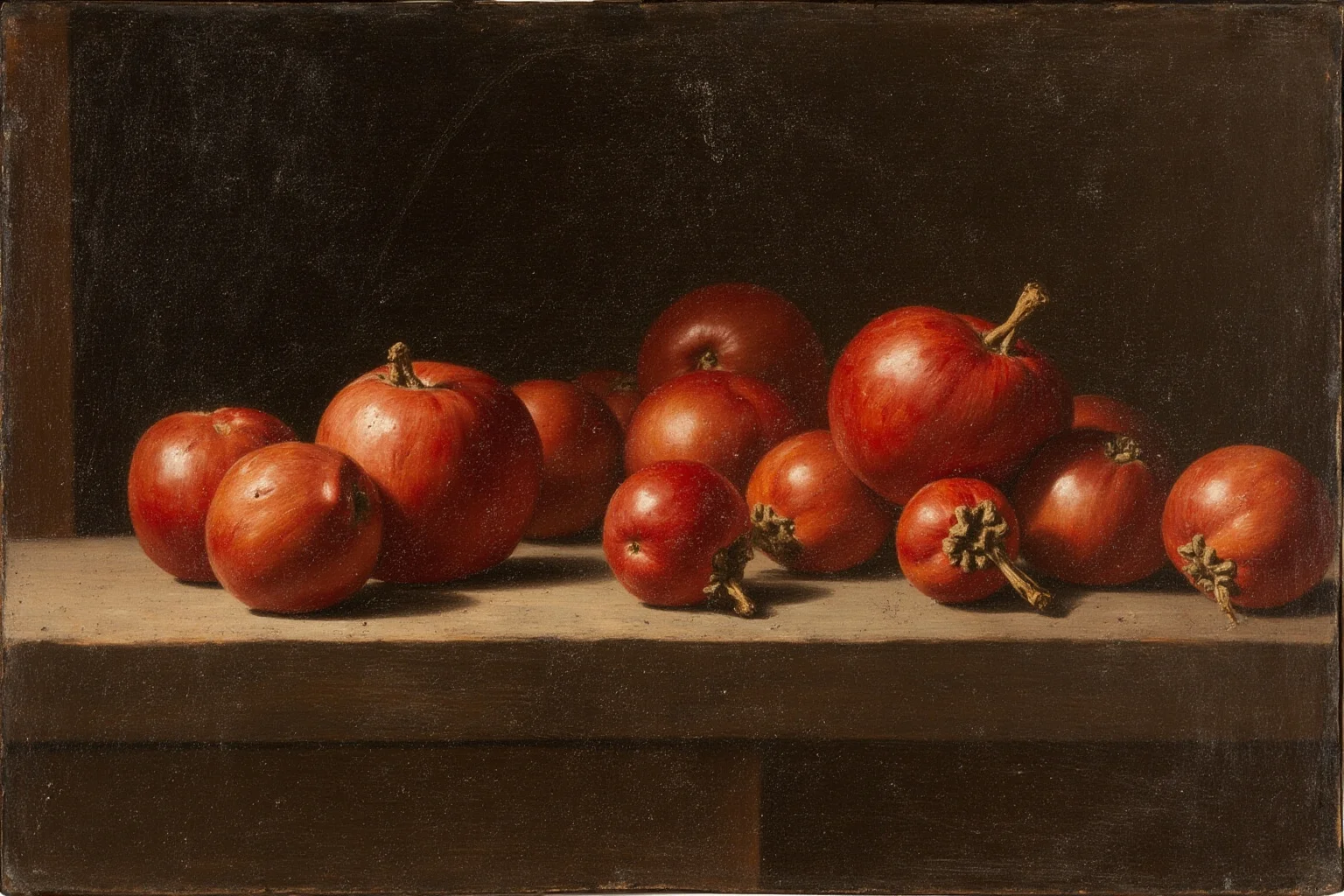
Despite arriving in Europe in the 1500s, tomatoes weren’t widely eaten as food for roughly 200 years in many regions. They were grown as ornamental curiosities long before they became dinner staples.
This slow acceptance is the real core of the tomato poison history that keyword searchers are often looking for. It wasn’t one single incident that scared people off, but a mix of nightshade suspicion, unfamiliarity, and its odd smell to noses used to different produce.
18. Pomodoro and Pomme d’Amour — What Old Names Reveal
The old European nicknames for the tomato tell their own story. “Pomodoro” and “pomme d’amour” both mean something like golden apple or love apple, hinting at romance and even aphrodisiac rumors rather than pure fear.
That’s a useful reminder that the tomato’s reputation was never uniformly negative across Europe. Some cultures leaned into suspicion, while others leaned into fascination, sometimes both at once.
19. Apple Vs Tomato — Untangling the Real Confusion
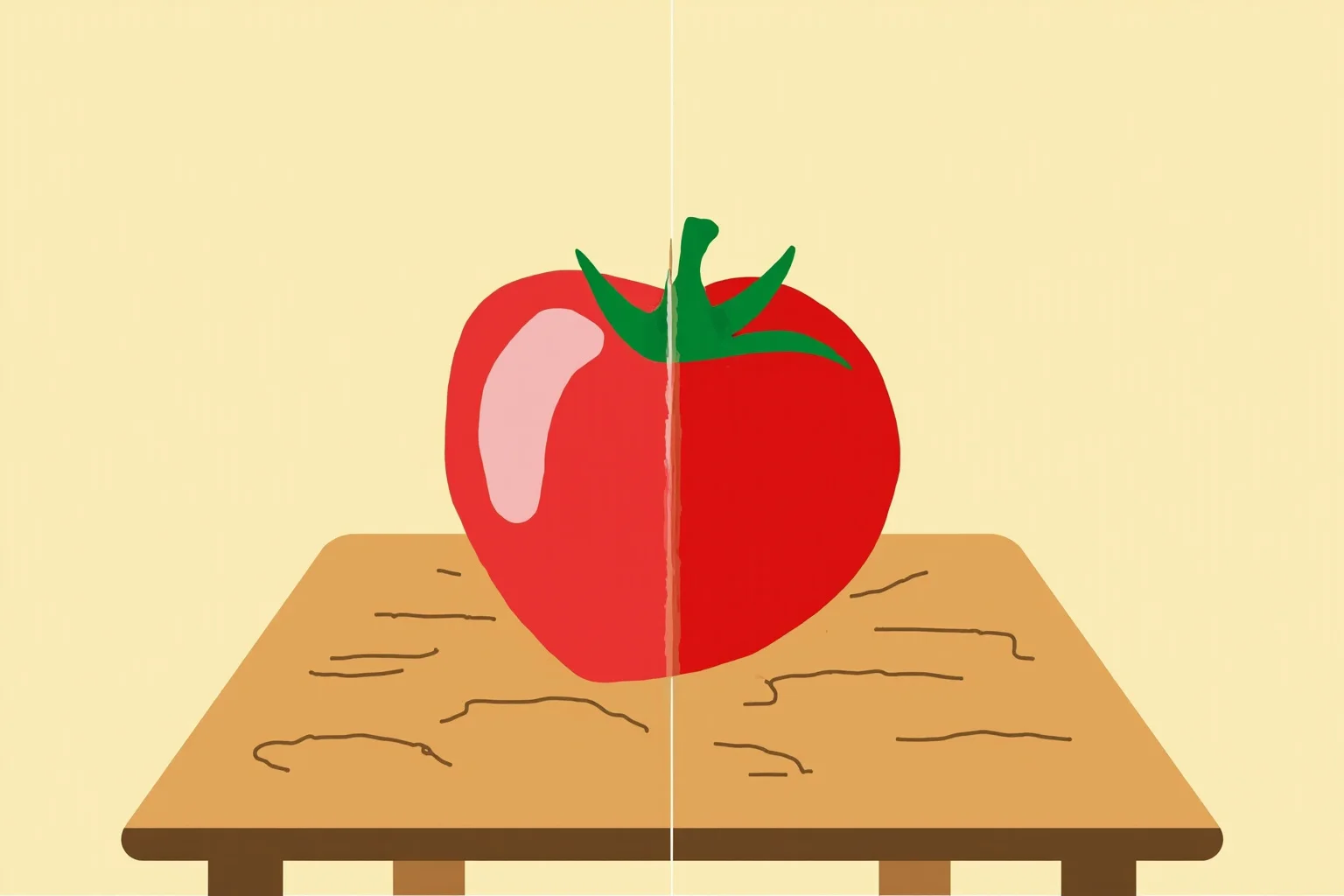
So how did an actual apple and a tomato end up sharing a poisonous reputation? Part of it is linguistic, since “apple” was used loosely for many round fruits, and part of it is botanical guilt by association through the nightshade family.
The apple vs tomato mix-up in old writing wasn’t really about which fruit was more dangerous. It was about unfamiliar produce getting lumped together under a scary-sounding shared name, long before modern botany sorted out the real family trees.
20. The Halloween Candy Poisoning Myth
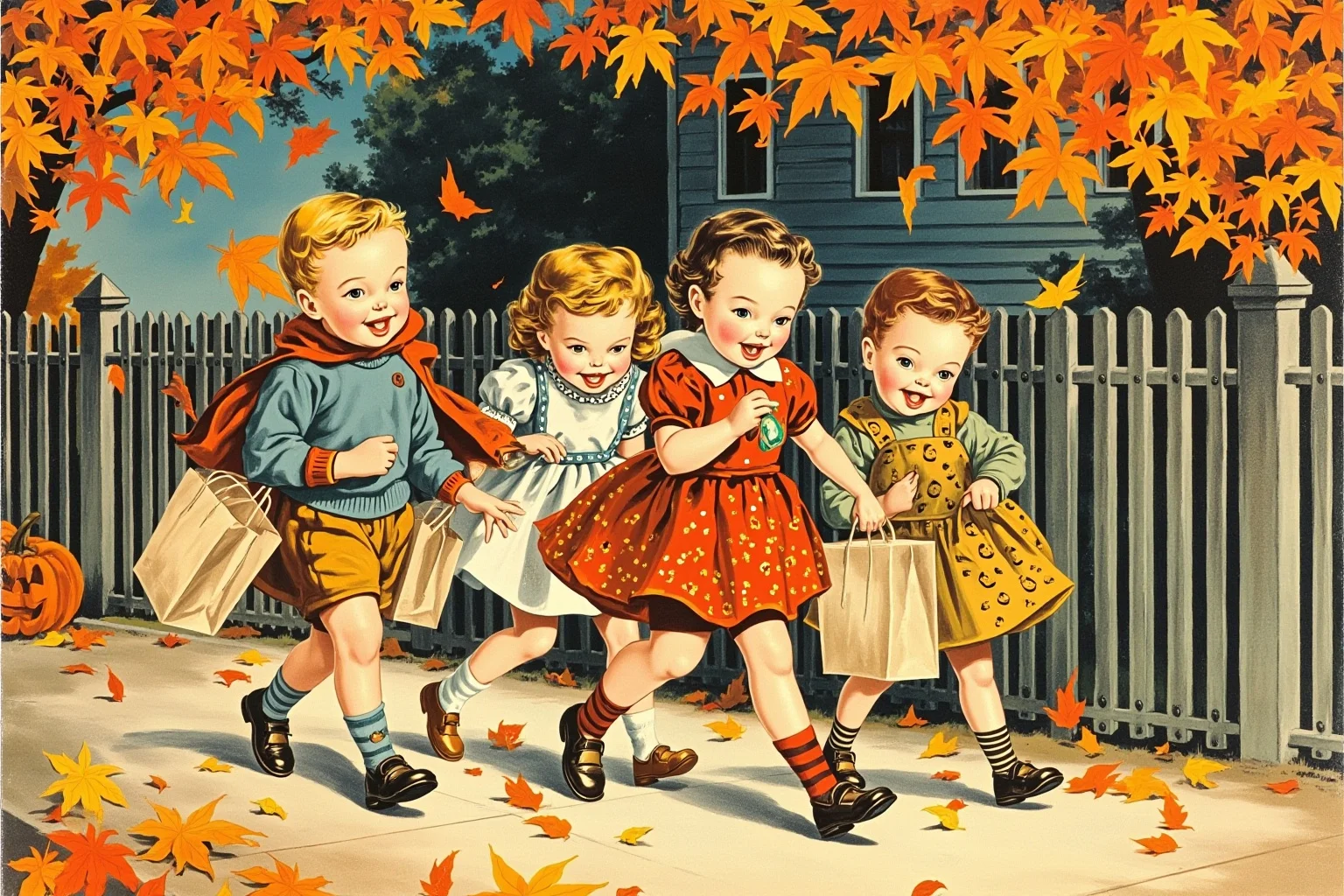
In the mid-20th century United States, a moral panic emerged around the idea of strangers poisoning Halloween treats, including apples laced with razor blades or drugs. Sociologists who have studied the phenomenon have found that verified cases of strangers randomly poisoning trick-or-treaters are exceptionally rare.
Most documented incidents traced back to family members or were hoaxes rather than random strangers. The fear itself, though, became a modern extension of the same “apple as hidden danger” storytelling that fairy tales established centuries earlier.
21. Alan Turing and the Poisoned Apple Legend
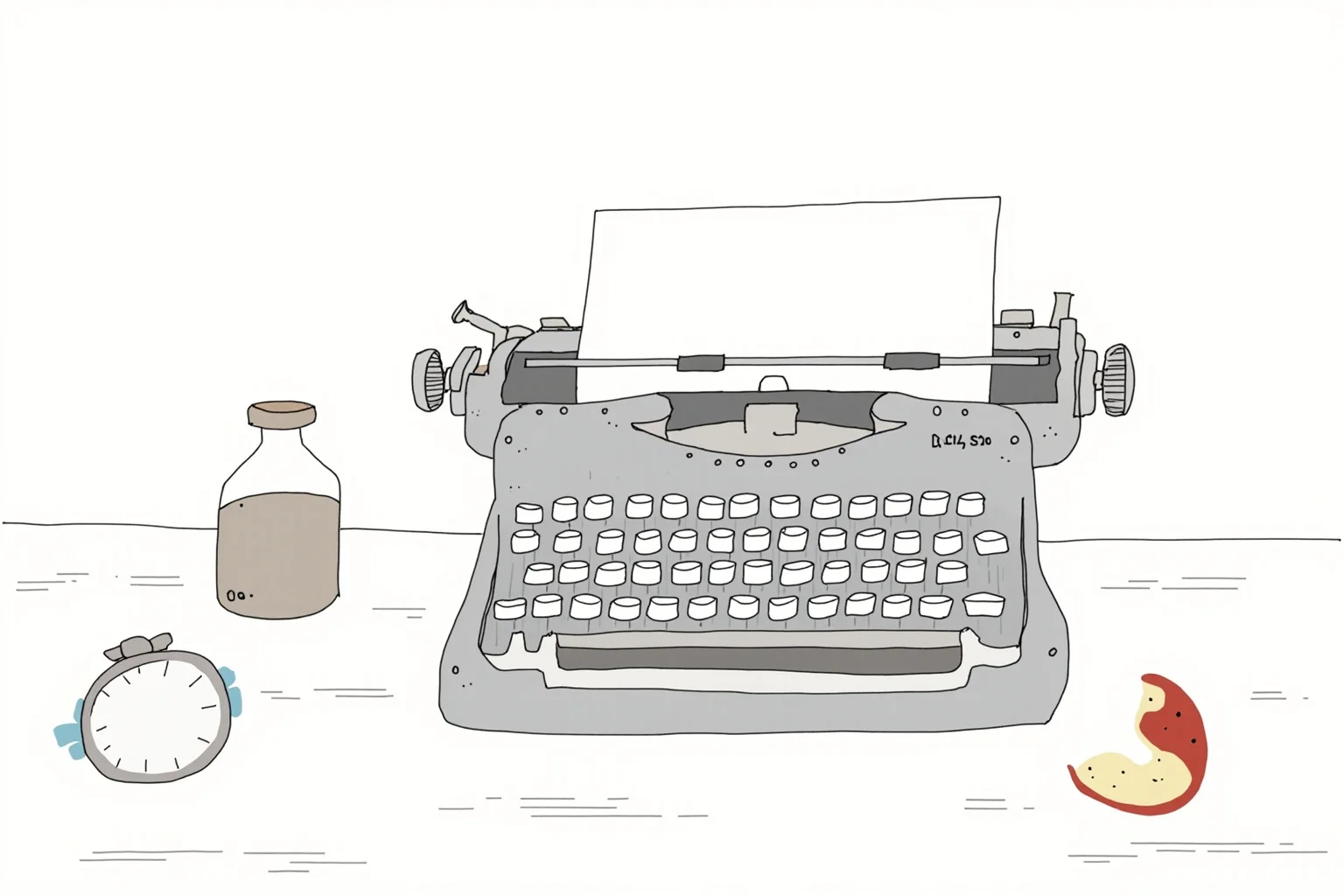
A persistent legend claims that mathematician Alan Turing, who died in 1954 of cyanide poisoning, was inspired by his fondness for the Snow White fairy tale, leaving a half-eaten apple beside him as a symbolic nod to the story. It’s a haunting image, and it’s often repeated online.
Historians note that the connection is speculative rather than confirmed by direct evidence, and there’s no verified statement from Turing linking the apple to Snow White. A related rumor claims Apple Inc.’s bitten-apple logo references Turing, which the logo’s designer, Rob Janoff, has publicly denied, saying the bite mark was simply a design choice for scale and recognizability.
22. The Poison Apple in Modern Pop Culture
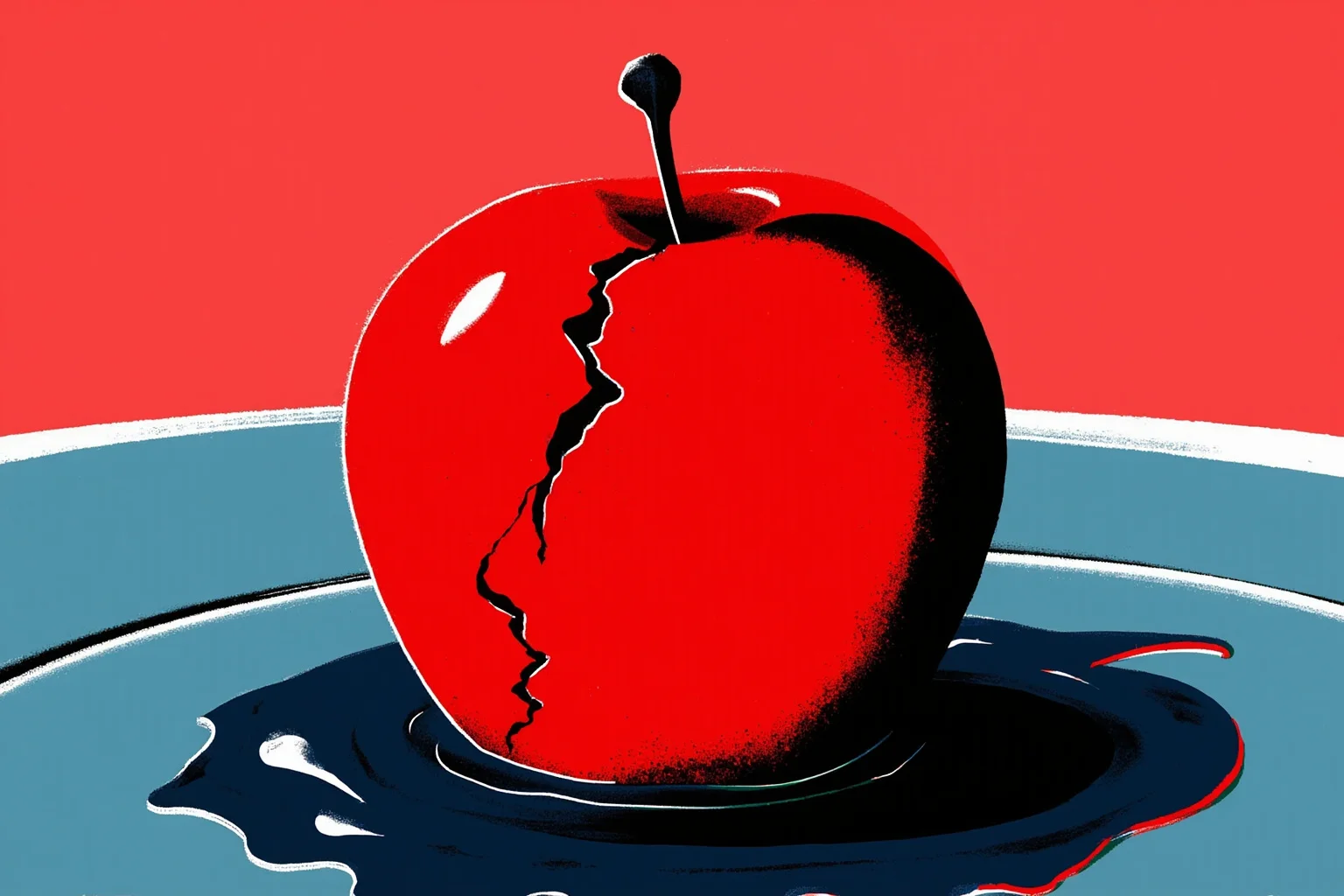
The poison apple has become permanent shorthand in modern storytelling for something that looks appealing but hides harm. It shows up in retellings of Snow White, in horror media, in branding for candies and cocktails, and in everyday idioms about things too good to be true.
That staying power says something about how effective the original fairy-tale image was. A single piece of fruit, half innocent and half deadly, turned out to be one of the most durable symbols in Western folklore.
The Real Story Behind the Poison Apple
Pulling all these threads together, the “poison apple” turns out to be less a single historical fact and more a layered mix of real toxicology, mistranslation, marketing nicknames, and one very influential fairy tale. Actual apples are almost entirely safe to eat, seeds and all in reasonable amounts, while the tomato’s poisonous reputation says more about 16th-century plant classification anxiety than about any real danger on the plate.
The genuinely toxic “apples” in this story, like the manchineel and the thorn apple, rarely get the fame that Snow White’s fictional fruit enjoys. That’s the strange irony at the heart of the poison apple’s history: the scariest name often belonged to the least dangerous fruit, while the truly hazardous ones stayed relatively obscure.
Frequently Asked Questions
Was the tomato really called a “poison apple”?
Yes, in some English-speaking circles the tomato picked up the nickname "poison apple" after being introduced to Europe in the 1500s, largely because it belongs to the nightshade family, which includes several genuinely toxic plants.
Did tomatoes actually poison wealthy Europeans who ate off pewter plates?
This popular story claims tomato acid leached lead from pewter dishes, but solid historical evidence for widespread tomato-related lead poisoning is thin. It's best treated as an unverified, if plausible, explanation rather than confirmed fact.
What is the most poisonous apple-like fruit in the world?
The manchineel tree, found in the Caribbean and parts of Florida, produces small apple-like fruit that is genuinely dangerous, along with sap that can cause severe skin burns. It's often called the little apple of death.
Is the Snow White poisoned apple based on a true story?
No, it comes from European folklore compiled by the Brothers Grimm in their 1812 collection. There's no evidence it was based on a specific real poisoning incident.
Can apple seeds actually kill you?
Apple seeds contain a compound called amygdalin that can release small amounts of cyanide when digested, but the amount in a normal serving of seeds is far too small to cause harm. You would need to chew and swallow a very large quantity of crushed seeds for it to be dangerous.
Did Alan Turing really die because of a poisoned apple like Snow White’s?
Turing died of cyanide poisoning in 1954, and a half-eaten apple was reportedly found nearby, leading to speculation about a Snow White connection. However, historians consider this link speculative rather than confirmed, since there's no direct evidence tying the apple to the fairy tale.

Alex Warren
Related Articles