
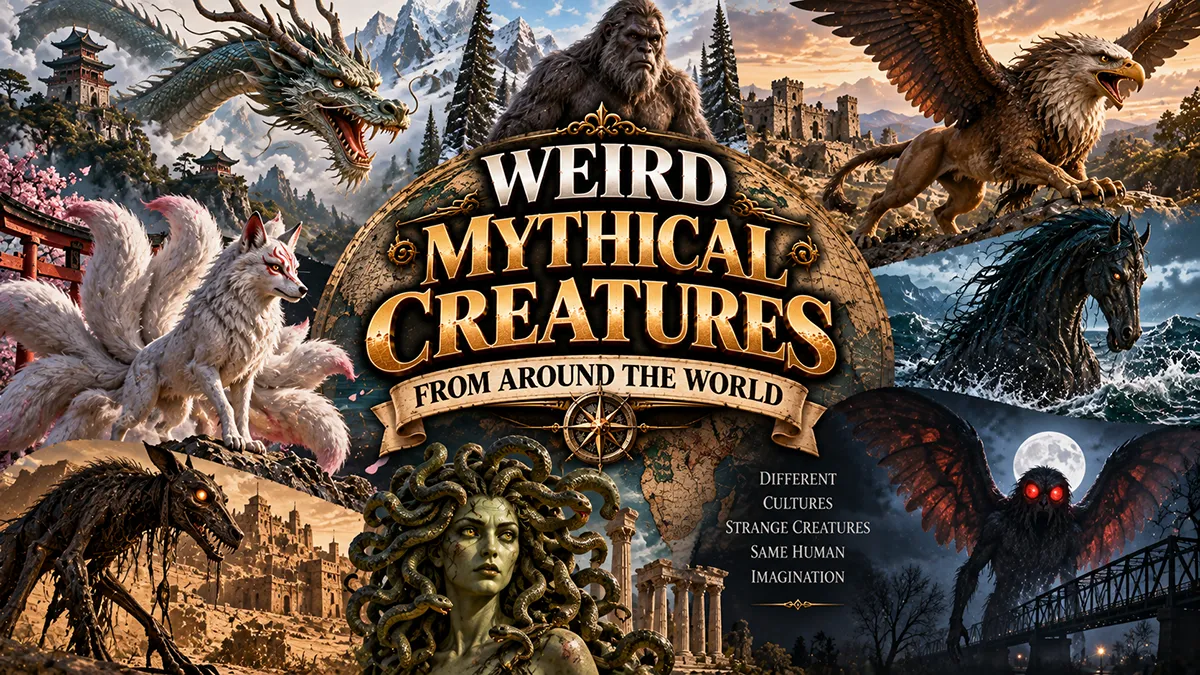
Every culture on Earth has, at some point, looked into the dark and decided the dark needed a face. The result is an enormous, gloriously strange bestiary of mythical creatures, mystical beings, and fantastical animals that range from majestic to downright absurd. Some were meant to terrify, some to explain the unexplainable, and a few seem to exist purely because someone, somewhere, had a very active imagination and a lot of free time.
This list rounds up some of the coolest mythological creatures, oddest mythical beasts, and funniest folklore figures from cultures spanning Europe, Asia, the Americas, and Africa. A few are famous. Most are wonderfully obscure. All of them prove that “weird” is a universal language.
TL;DR: From dung-shooting bulls to eye-footed monsters, cultures worldwide have dreamed up mythical creatures far stranger — and more fascinating — than dragons and unicorns alone.
What Exactly Is a Mythical Beast?
A mythical beast, broadly speaking, is any creature that appears in a culture’s folklore, religious texts, or oral tradition but has never been confirmed to exist through the natural sciences. That covers everything from towering dragons to tiny household spirits, and it includes both purely imaginative inventions and creatures likely inspired by misidentified real animals.
The terms “mythical creature,” “mystical creature,” and “magical creature” get used almost interchangeably today, though there are subtle shades of difference. A mythical creature usually belongs to a specific myth or legend with a traceable cultural origin, while “mystical” leans toward the spiritual or otherworldly, and “magical” simply implies supernatural power of some kind.
In practice, all three labels tend to blend together once a creature becomes popular. What matters more than the label is the story behind it — why a particular society imagined this particular monster, hero, or omen in the first place. That’s the thread running through every entry on this list.
The 22 Weirdest, Coolest, and Most Unusual Mythical Creatures
These aren’t your standard top 10 mythical beasts lineup of dragons, griffins, and mermaids, though a few classics do sneak in for context. Instead, this is a deeper dig into the strange mythological creatures that rarely make the highlight reel but absolutely deserve one.
1. The Tarasque
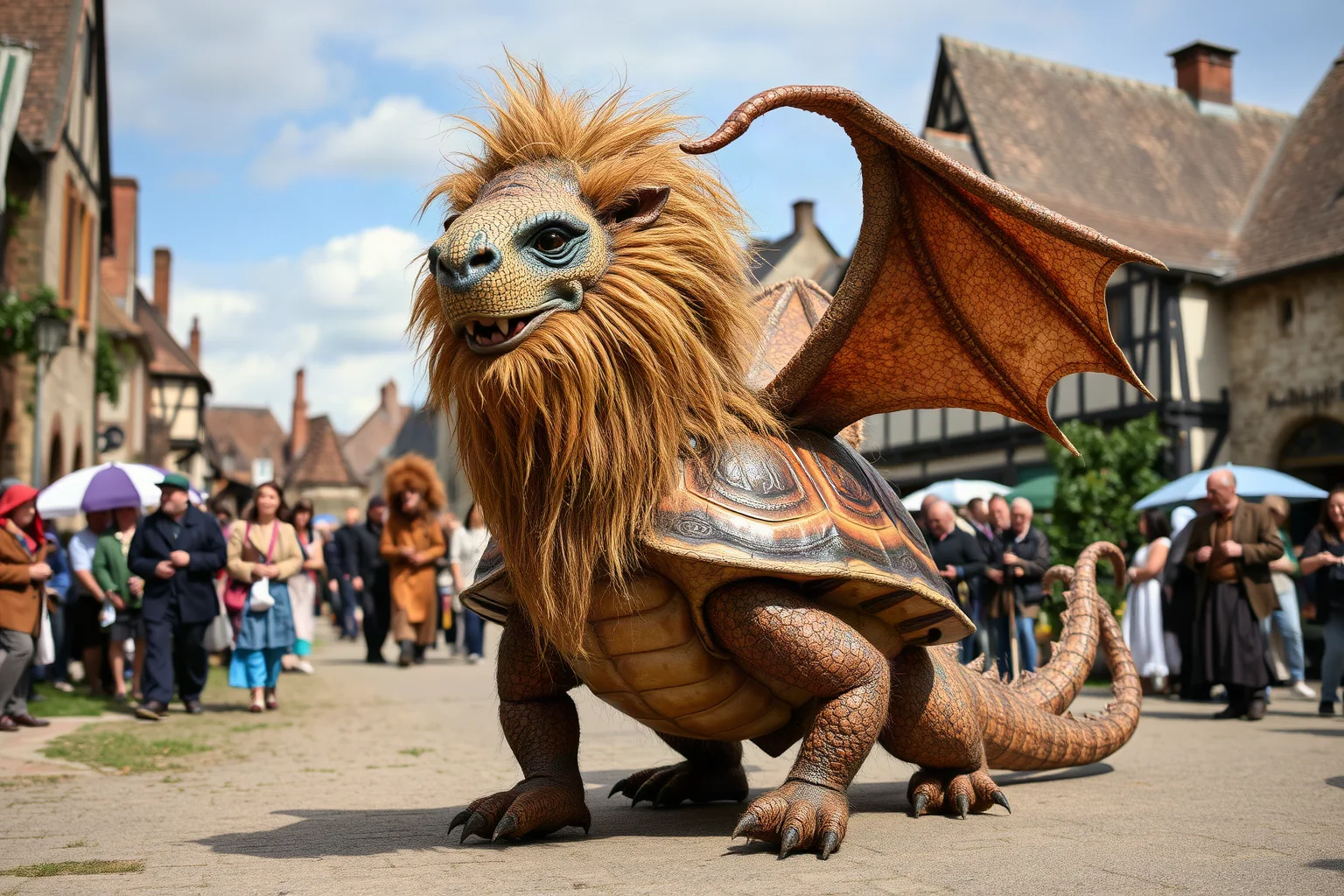
The Tarasque comes from the folklore of Provence, in southern France, tied to the legend of Saint Martha near the town now called Tarascon. According to the story, this dragon-like beast had a lion’s head, a turtle-like armored shell, six bear-like legs, and a venomous scorpion tail.
It’s a chimera in the truest sense, seemingly assembled from spare parts of every scary animal medieval storytellers could think of. The legend is still celebrated today with a UNESCO-recognized festival in Tarascon, complete with a giant Tarasque effigy parading through the streets.
2. The Catoblepas
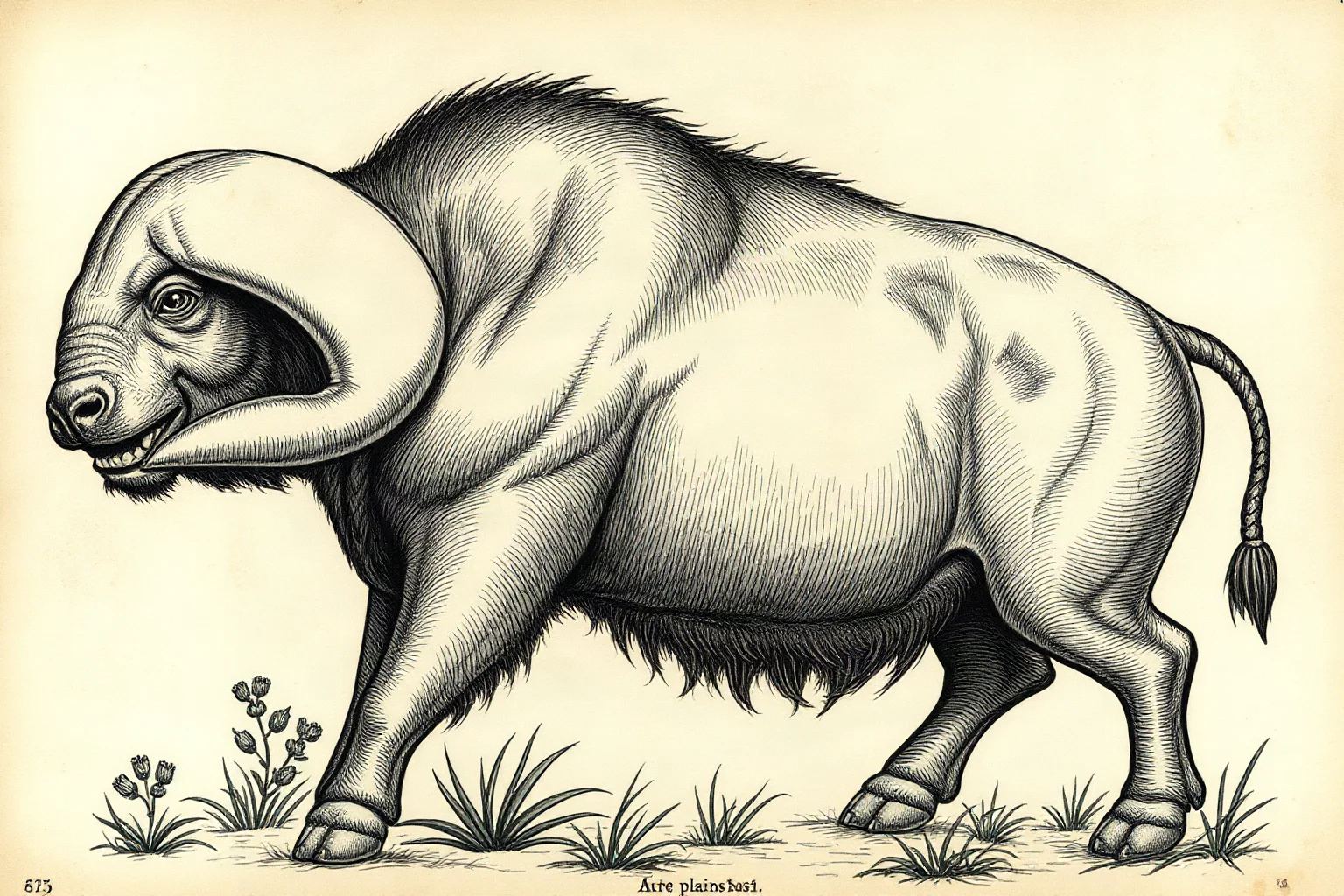
Described by the Roman writer Pliny the Elder and later medieval bestiaries, the catoblepas was said to live in Africa and have a body like a buffalo with a head too heavy to lift. That was allegedly a mercy, because its gaze — or in some versions its breath — could kill.
Many historians believe the legend was inspired by garbled traveler accounts of real animals like the wildebeest or gnu, whose low-slung head and grumpy demeanor may have gotten lost in translation. It’s a good reminder that a lot of “monsters” started as bad zoology reports.
3. The Bonnacon
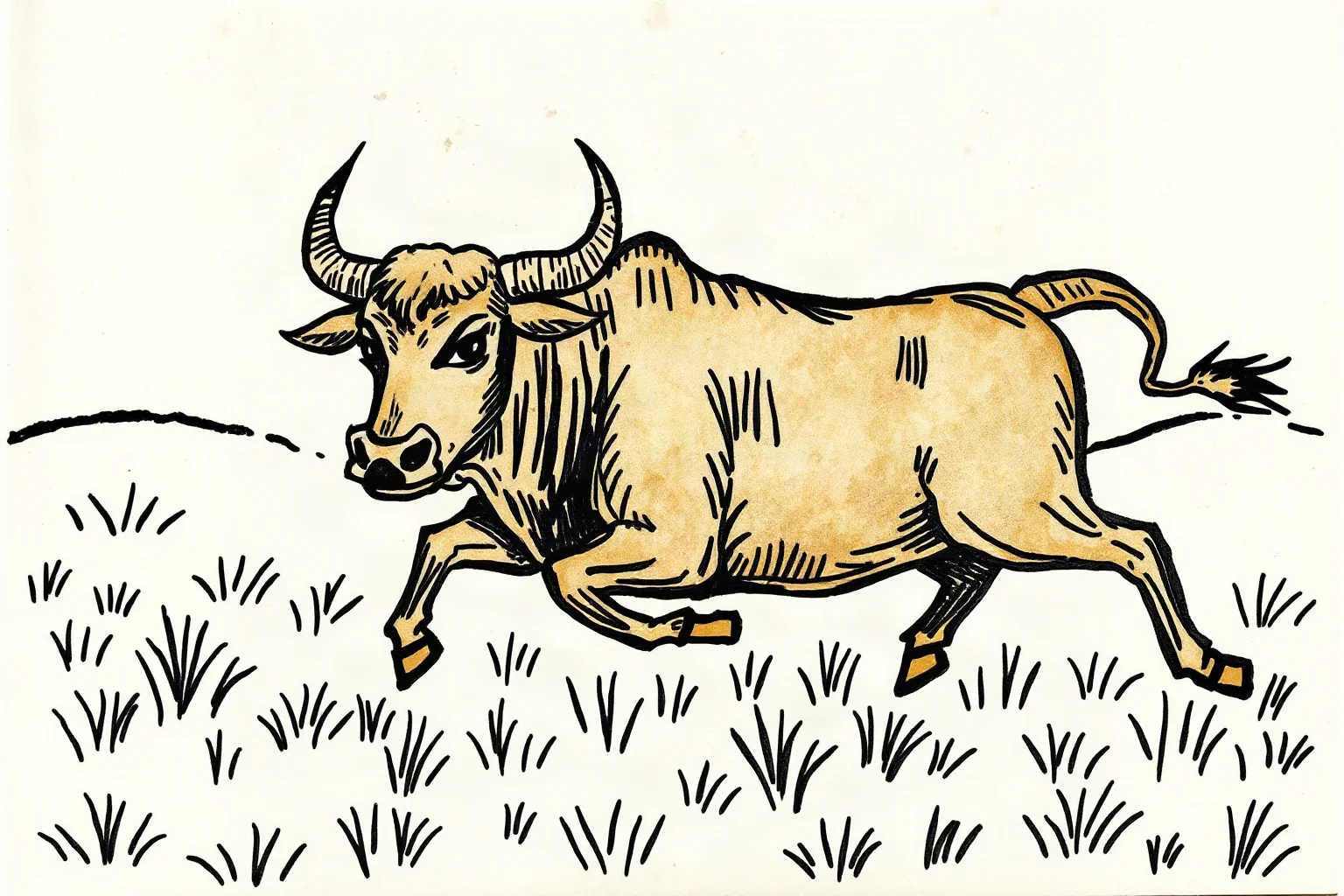
Medieval European bestiaries loved a bull with a gimmick, and the bonnacon’s gimmick was spectacular. Its horns curled inward and were useless for goring, so instead it defended itself by expelling scorching, corrosive dung over a huge distance, scorching anything foolish enough to chase it.
It sounds like a joke, and it might partly be one, but bestiary writers presented it as sober natural history. Scholars suspect the tale grew from distorted descriptions of bison or wild aurochs encountered on the fringes of the known world.
4. The Yale (or Centicore)
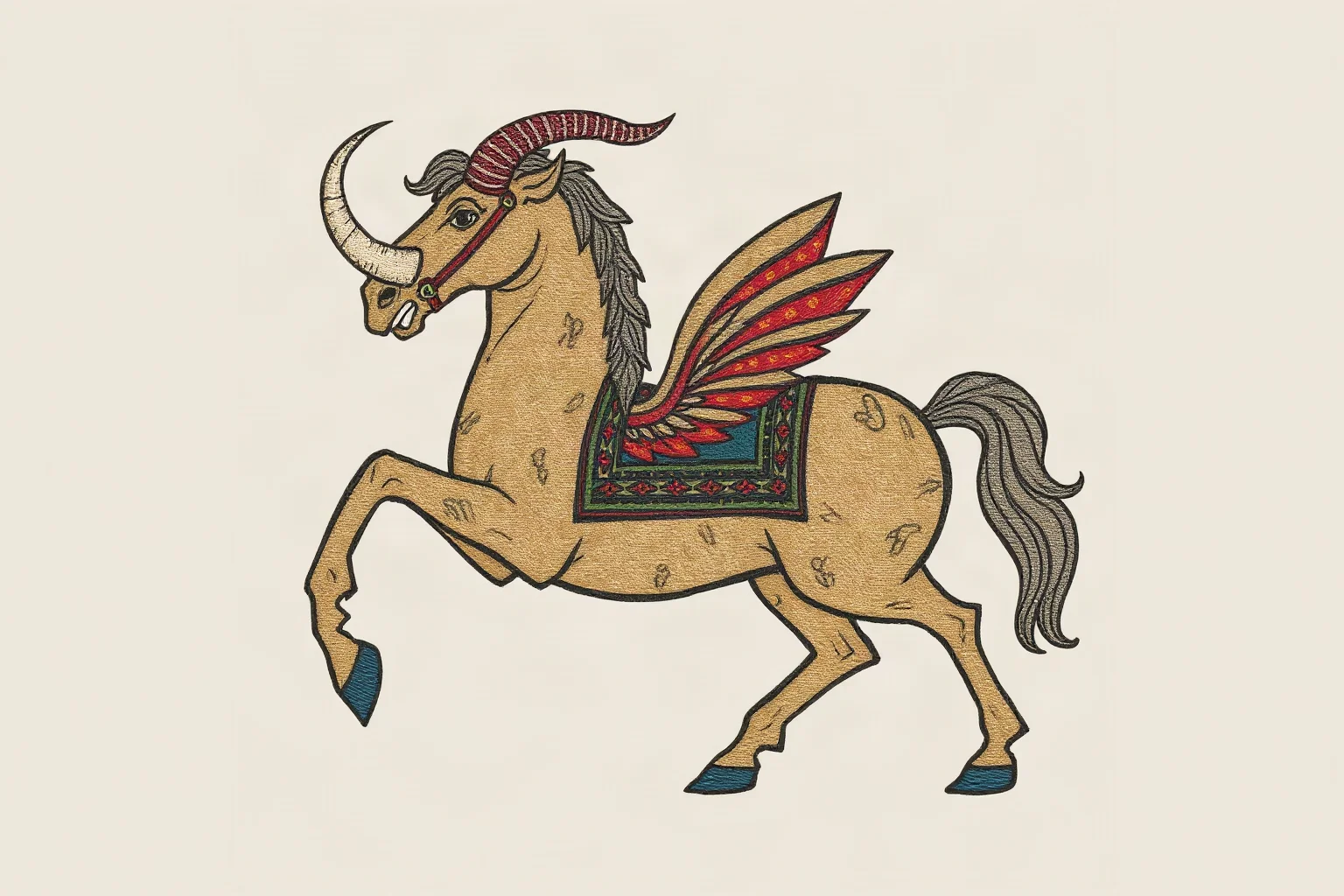
Also called the centicore, the yale shows up in medieval heraldry and bestiaries as a horse- or antelope-sized beast, sometimes compared to a hippopotamus, with tusks and horns that could swivel independently in any direction. In theory, that made it able to fight in two directions at once without turning its body.
It never quite caught on the way lions or unicorns did, but it remains one of the more genuinely odd mythical creatures of European heraldic art. Few beasts are quite so committed to an absurdly specific superpower.
5. The Al-mi’raj
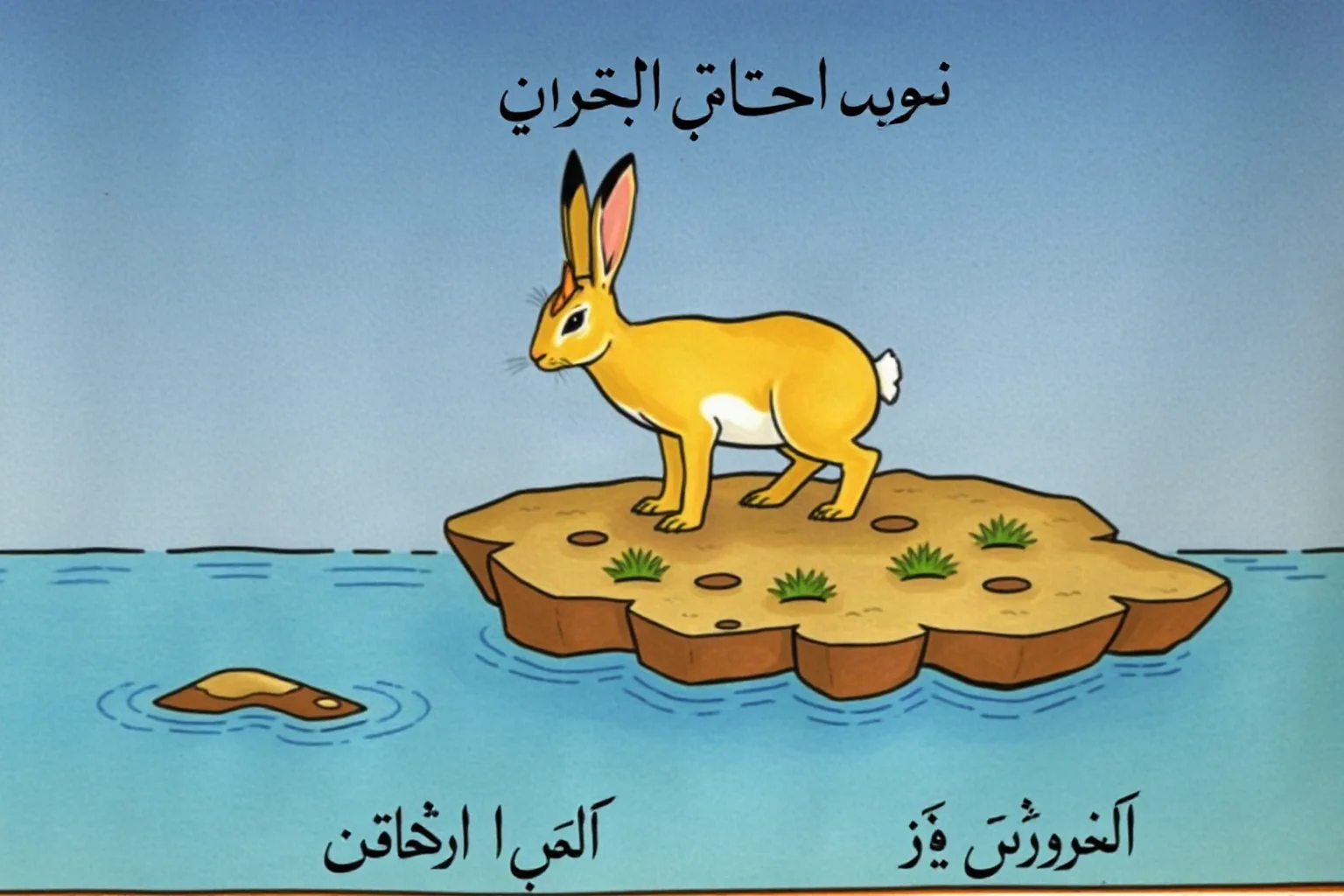
The al-mi’raj appears in medieval Arabic and Persian illustrated manuscripts as a golden, one-horned rabbit living on a remote island. Despite its cute appearance, legend held that it was ferocious enough to frighten off far larger animals.
It’s a striking example of how “cute but deadly” is not a modern internet invention. Centuries before jackalopes showed up on American postcards, storytellers across the Islamic world were already imagining horned rabbits with an attitude problem.
6. The Aspidochelone
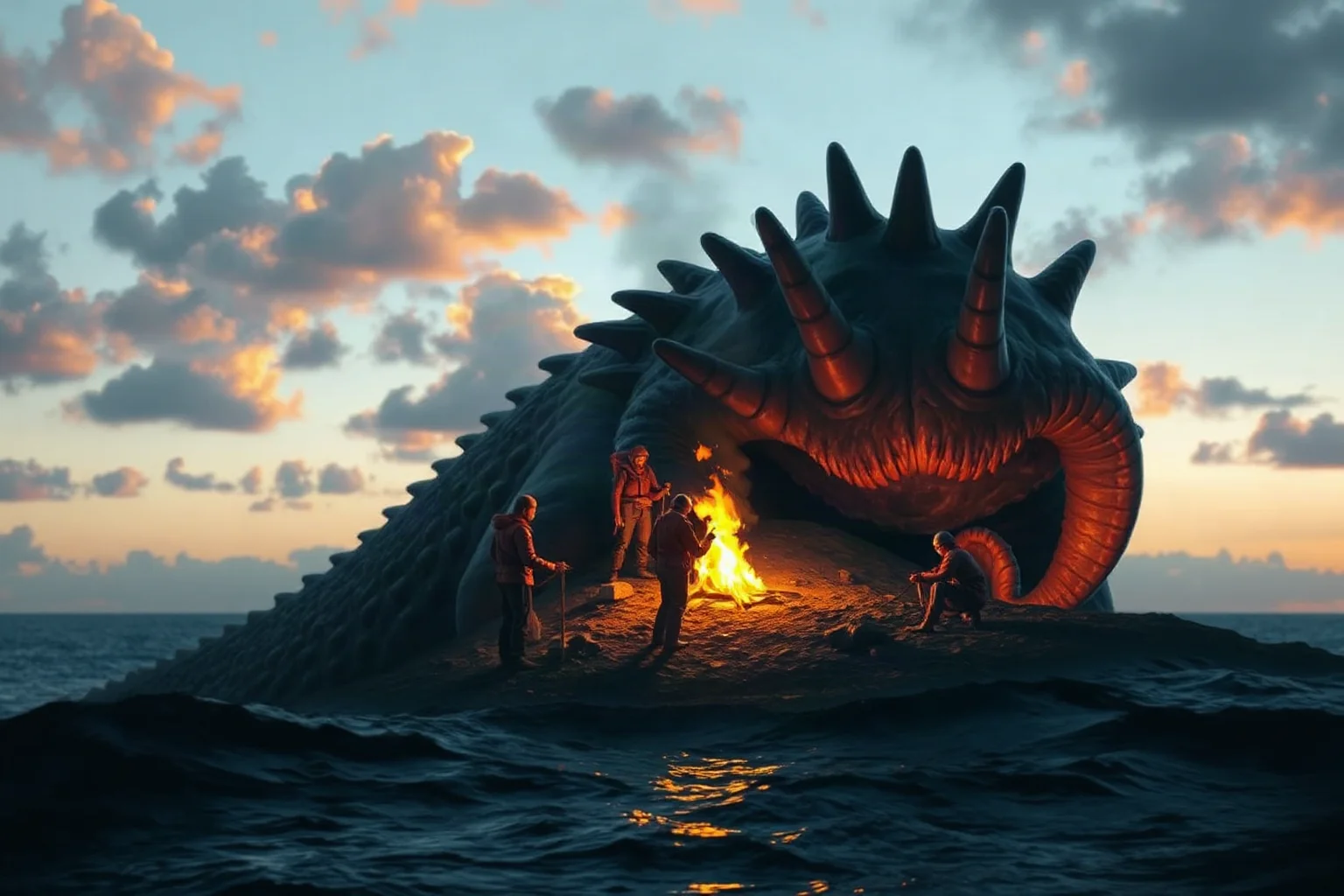
Found in the Greek-influenced bestiary tradition known as the Physiologus, the aspidochelone was an enormous sea creature, sometimes described as a whale, sometimes a turtle, so vast that sailors mistook its back for an island. Exhausted crews would anchor, light cooking fires, and settle in, only for the creature to dive and drag them under.
The tale was often used as a Christian allegory warning against trusting appearances, particularly the devil’s. It’s also a plausible ancestor of countless later “sailors land on a sea monster” stories that pop up across maritime folklore worldwide.
7. The Ahuizotl
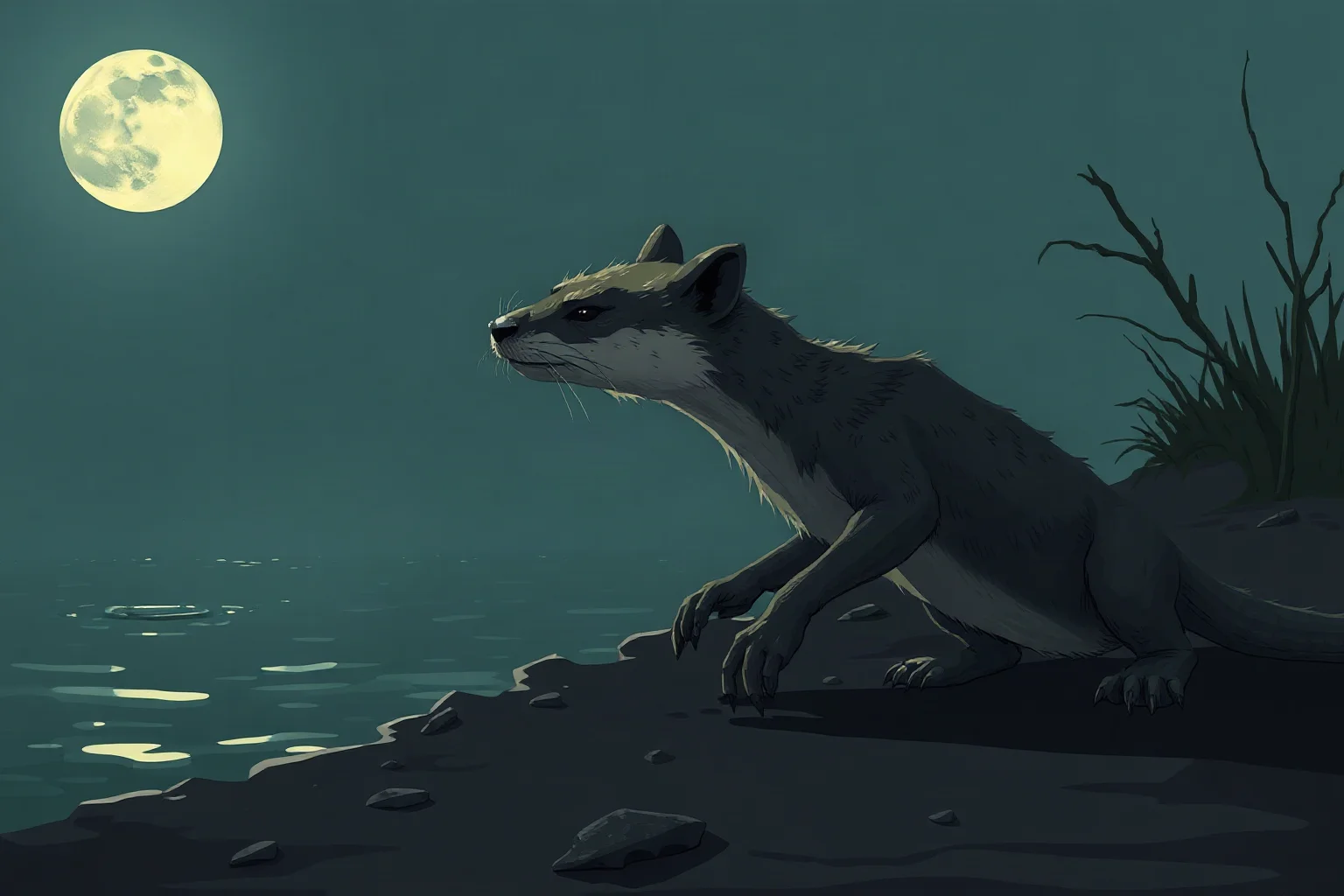
In Aztec mythology, the ahuizotl was a dog-like, otter-like creature lurking in lakes and rivers, closely tied to the rain god Tlaloc’s watery domain. Its most distinctive feature was a small hand at the tip of its tail, which it reportedly used to grab and drown unlucky swimmers.
Aztec tradition held that it specifically targeted those destined for a favorable afterlife with Tlaloc, making drowning by ahuizotl less a random tragedy and more a grim honor. It’s one of the more genuinely unsettling entries here, precisely because the logic behind it is so specific.
8. The Sigbin
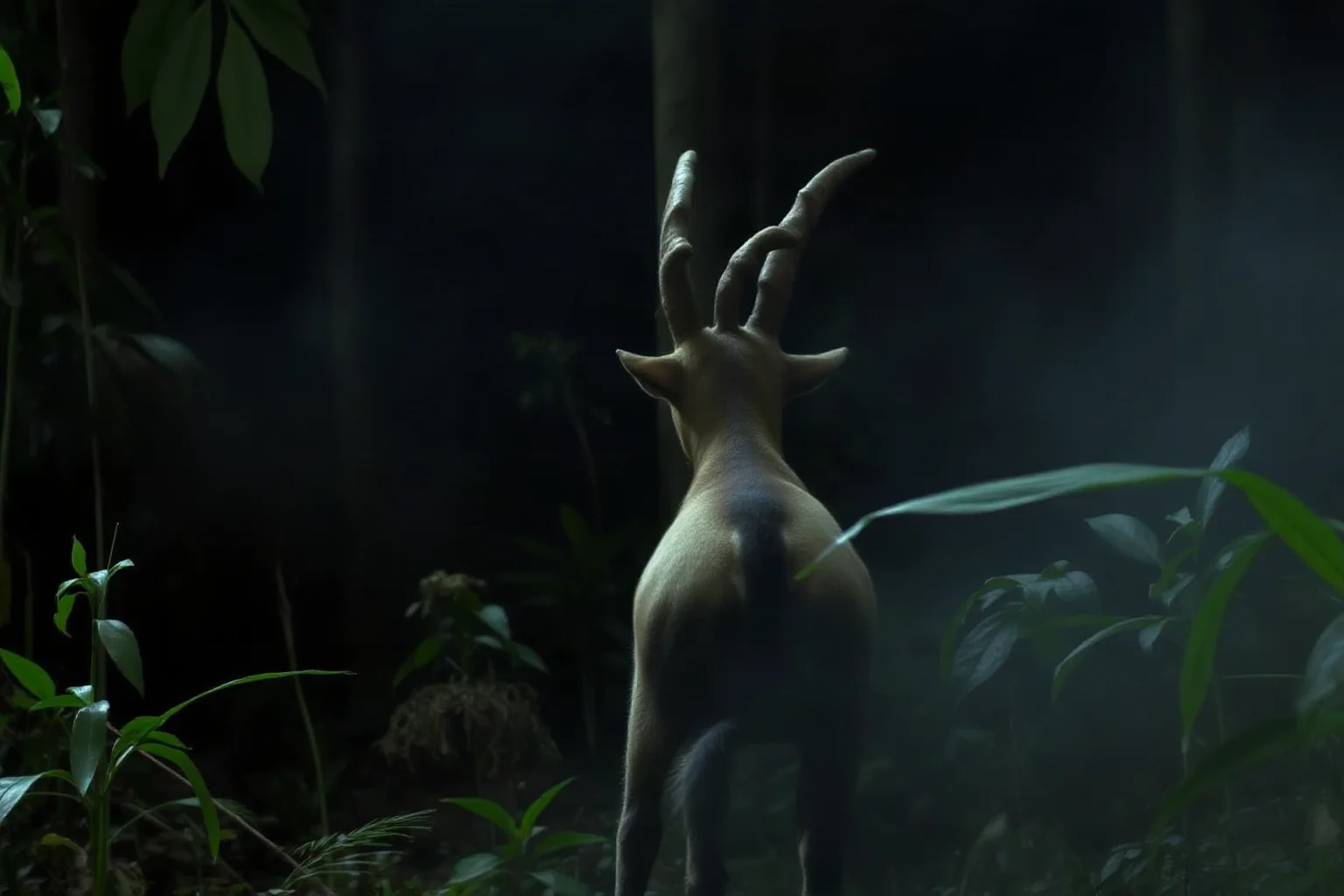
From Visayan folklore in the Philippines, the sigbin is described as a goat-like or kangaroo-like creature that walks backward with its head lowered toward the ground. Some tellings say it can turn invisible during Holy Week and is kept as a familiar by practitioners of folk sorcery.
Its nocturnal, blood-drinking reputation makes it a favorite in modern Filipino horror media. Yet the older oral traditions treat it less like a slasher-movie monster and more like an eerie omen tied to specific superstitions and seasons.
9. The Tikbalang
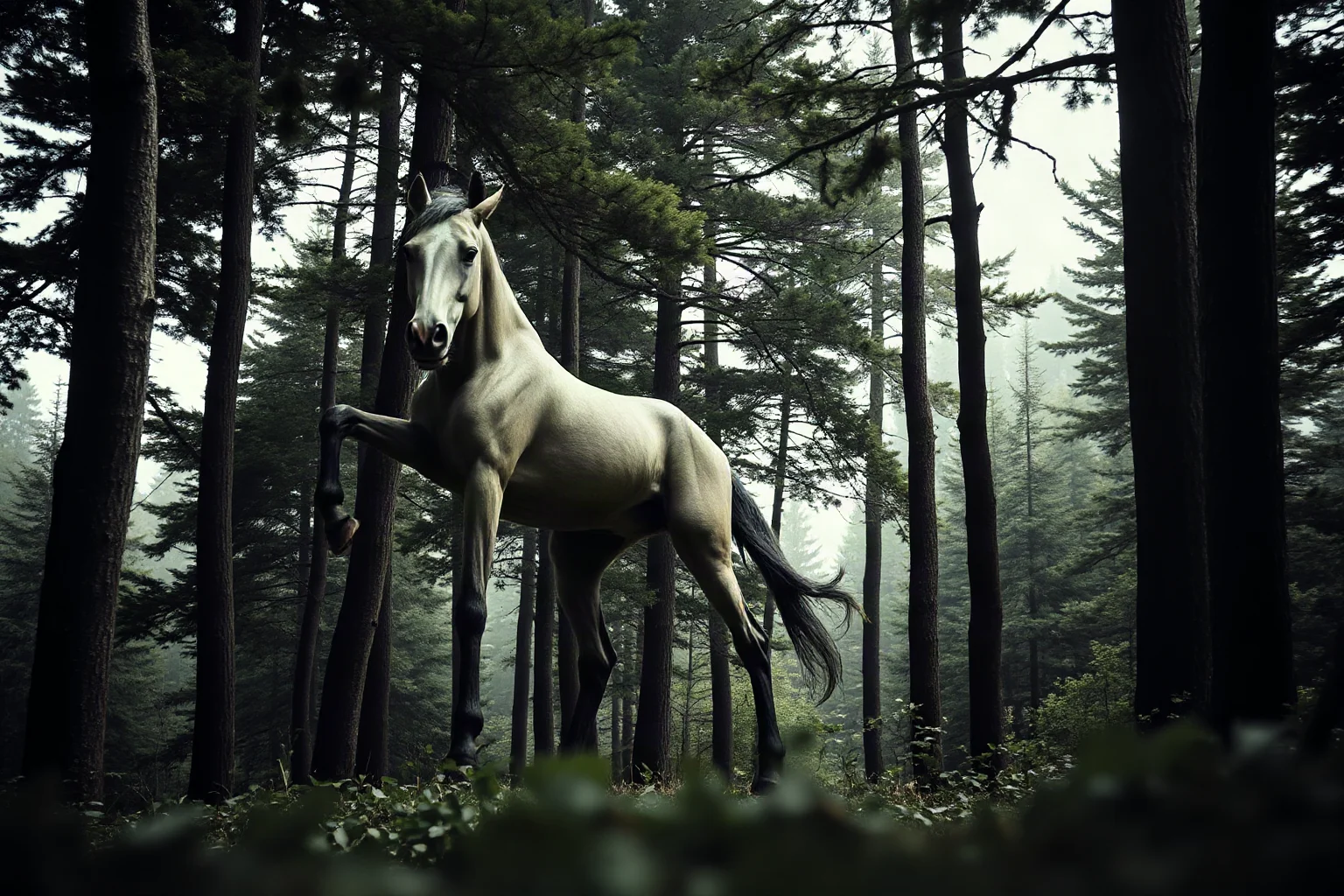
Also Philippine in origin, the tikbalang has the body of a lean man and the head and legs of a horse, often depicted as unnervingly tall. Folklore says it lurks in forests and mountains, leading travelers astray until they’re hopelessly lost.
One classic countermeasure, according to tradition, is to wear your shirt inside out if you suspect a tikbalang is toying with your sense of direction. It’s a small, oddly practical piece of folk wisdom attached to a genuinely strange mythical beast.
10. The Nuckelavee
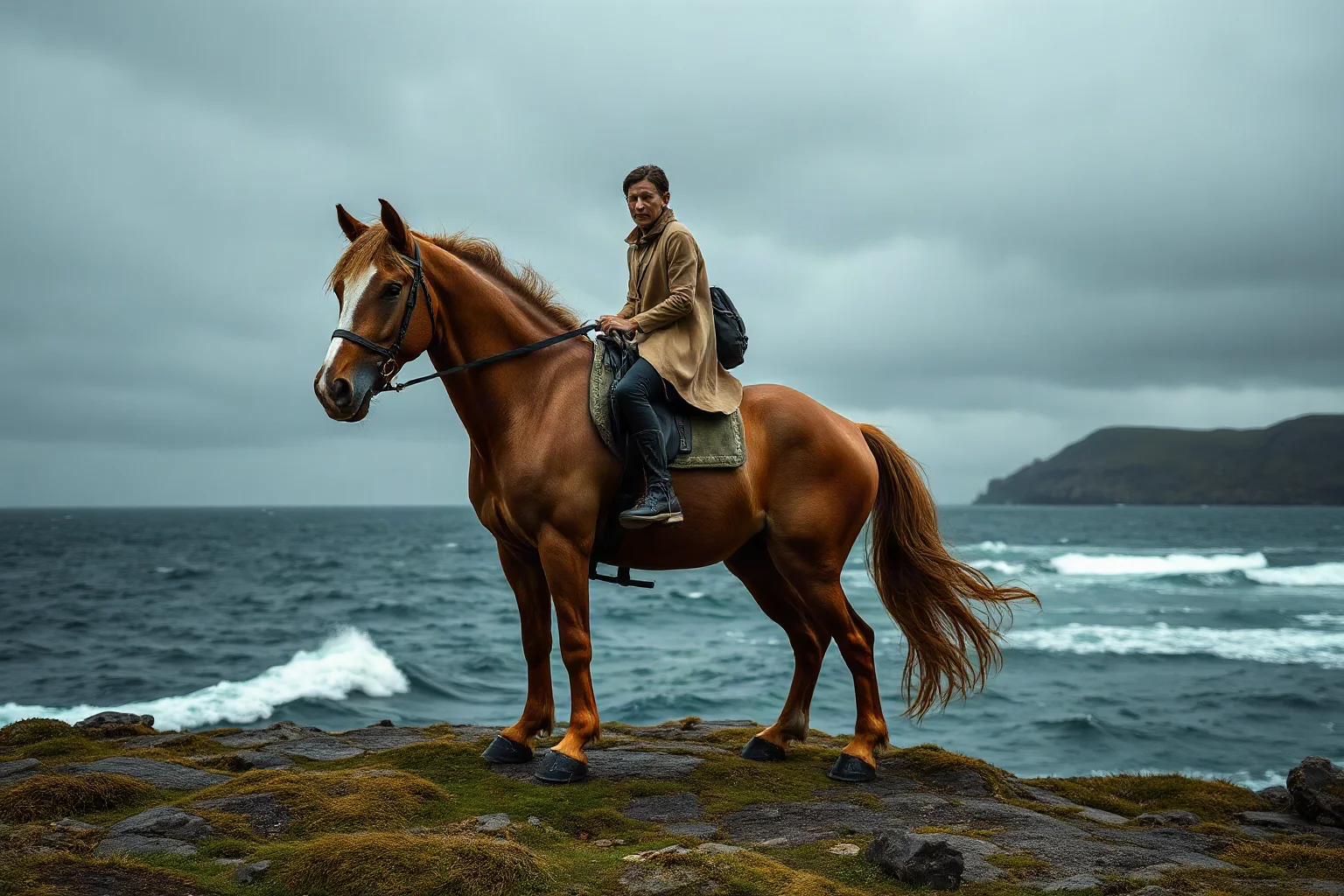
From the Orkney Islands off Scotland comes one of the more nightmarish figures on this list. The nuckelavee is described as a fused horse-and-rider creature with no skin at all, its raw muscles and pulsing veins exposed to the air, and a breath capable of withering crops and spreading plague.
Orcadian folklore does offer a weakness: the nuckelavee reportedly cannot cross fresh running water. It’s a small mercy for anyone unlucky enough to encounter one of Scottish folklore’s strangest and most evil magical creatures.
11. The Qiqirn
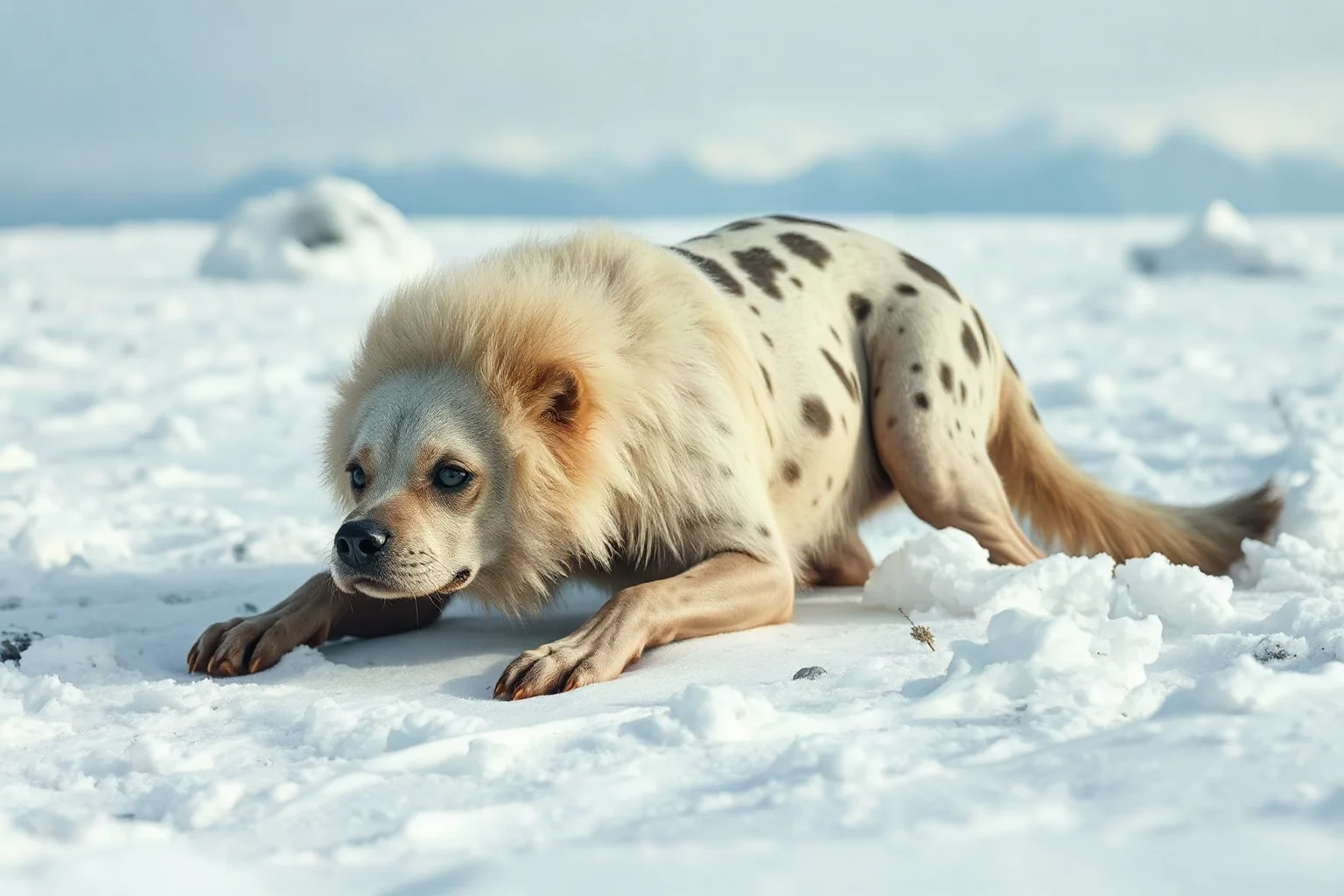
Inuit oral tradition describes the qiqirn as a giant, largely hairless dog-like spirit, patchy and unsettling to look at, that causes convulsions or paralysis in anyone who gets too close. Both people and sled dogs were said to fear it deeply.
Helpfully, tradition also holds that the qiqirn is timid and will flee if its name is shouted aloud. It’s a rare mythical monster whose defeat condition is essentially just confidently yelling at it.
12. The Aigamuxa
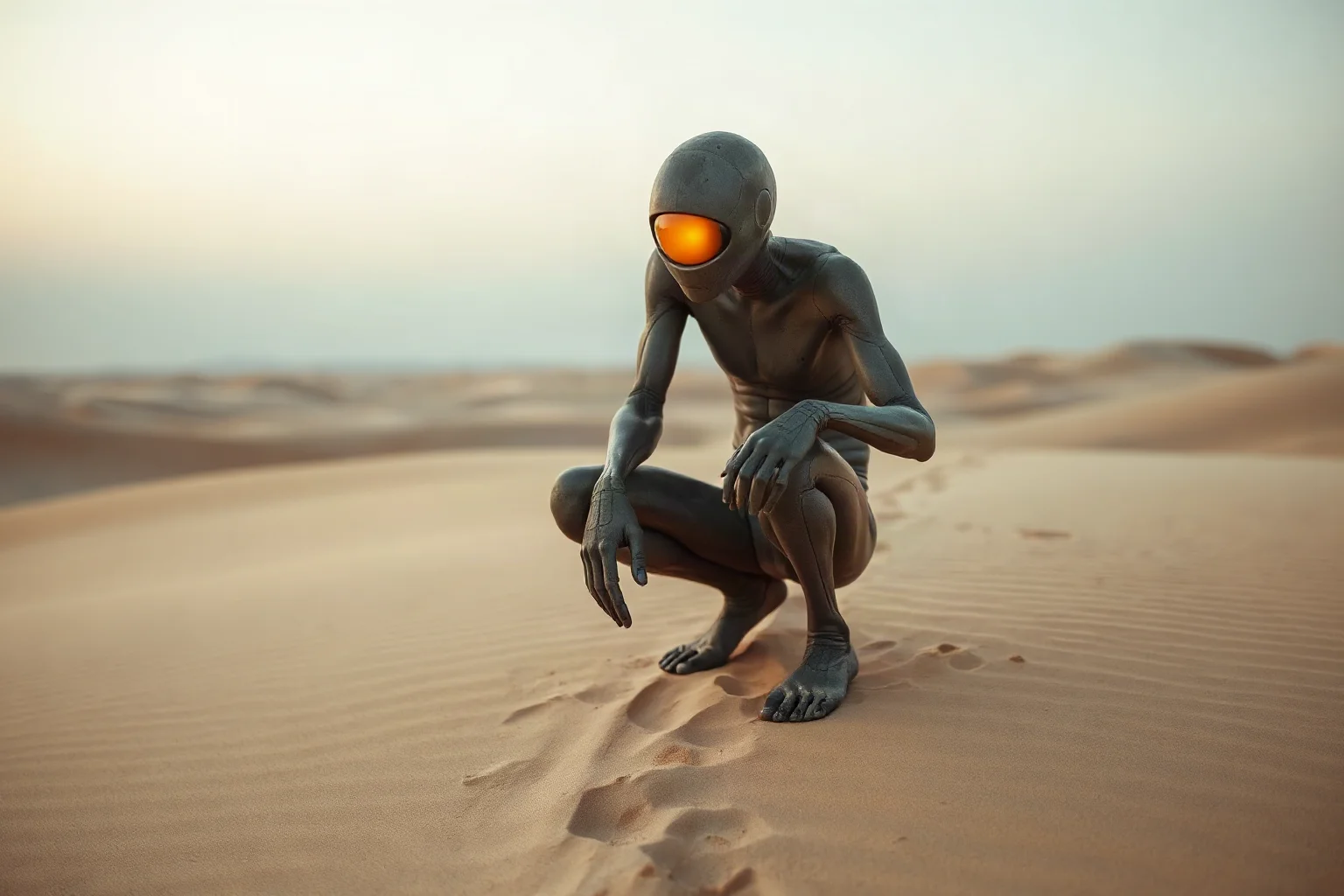
In the folklore of the Khoikhoi people of southern Africa, the aigamuxa is a humanoid being with no eyes on its face at all. Instead, its eyes are located on the soles of its feet, forcing it to crawl on the ground and lift a foot skyward whenever it needs to see.
That makes it slow and clumsy on open ground, but dangerous on sandy terrain where it can move more freely. It’s a genuinely unique mythical creature built around one deeply strange anatomical twist.
13. The Peluda
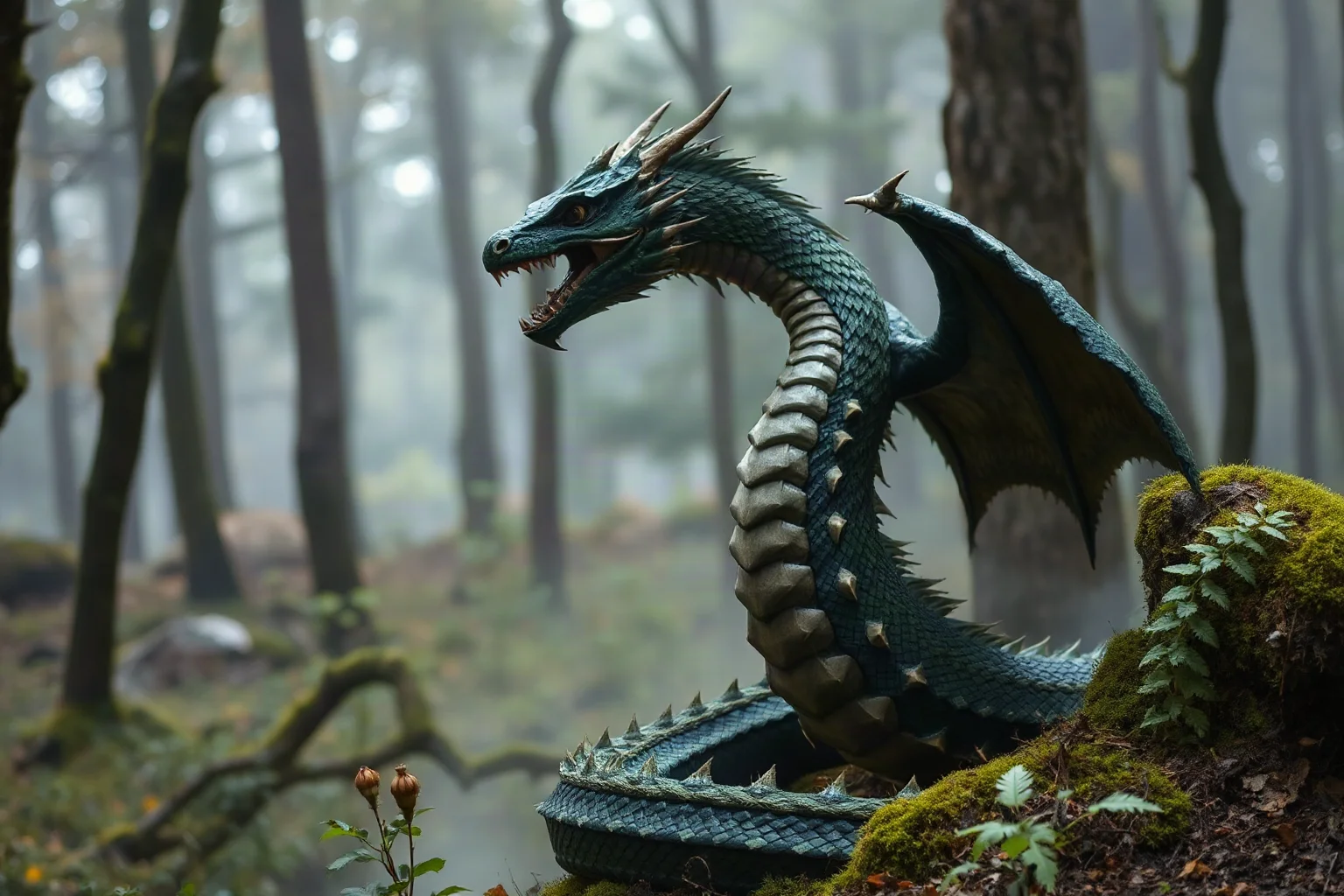
French folklore from the Sologne and La Ferté-Bernard regions tells of the Peluda, a serpentine dragon covered in shaggy, poisonous green quills that could be launched at attackers. Legend claims it survived Noah’s flood by clinging to a mountaintop, then went on to terrorize the surrounding countryside for generations.
As with many regional dragon legends, the tale ends with a local knight finally besting the creature by targeting its one vulnerable spot, its tail. It’s a great example of how small-town legends often mirror the structure of famous dragon-slaying myths.
14. The Wolpertinger
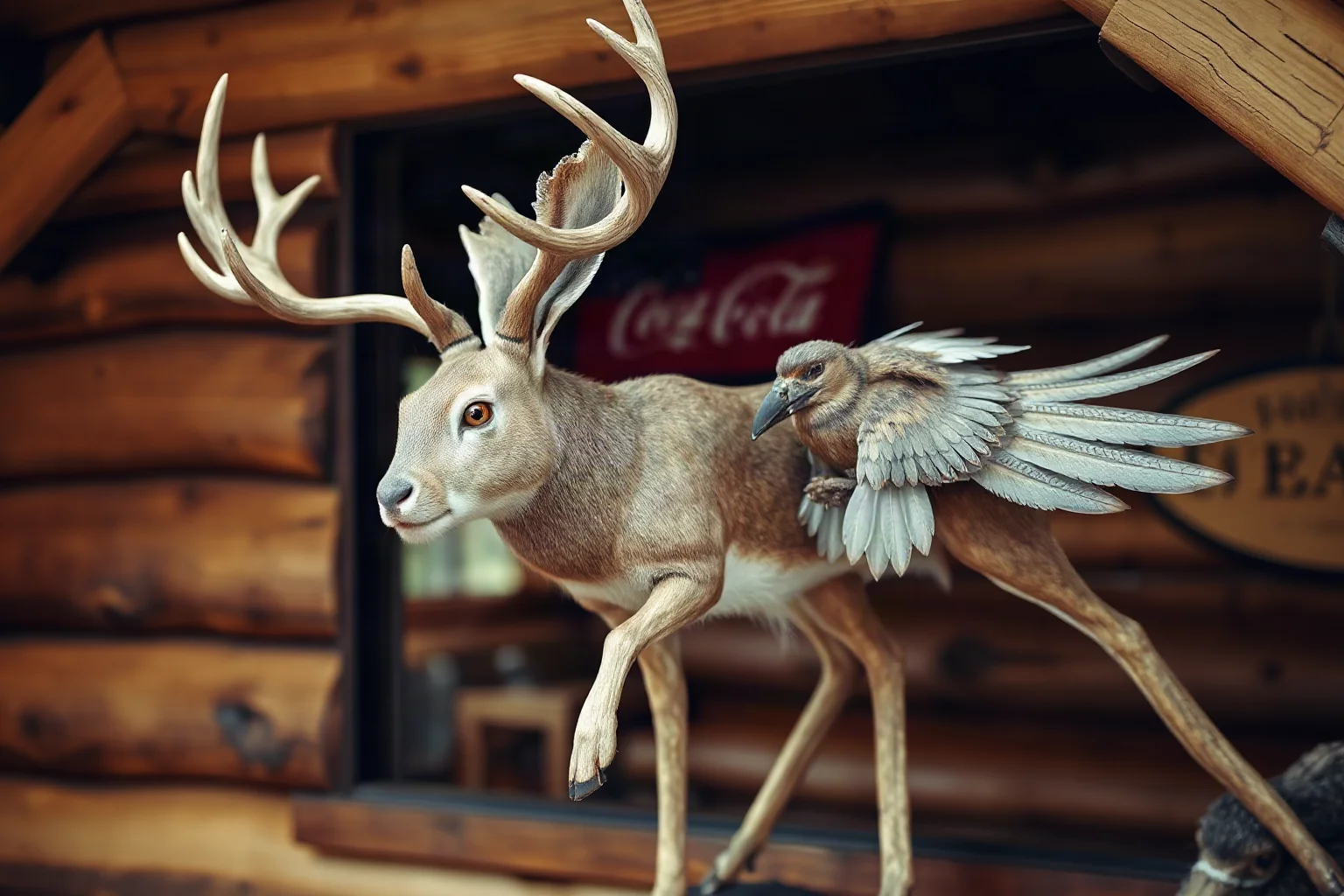
Bavarian folklore describes the Wolpertinger as a small forest chimera combining a rabbit’s body, deer antlers, bird wings, and sometimes boar tusks or a fox’s tail. Alpine taverns and gift shops still display taxidermy “specimens” for curious tourists, wink very much intended.
It shares obvious DNA with America’s jackalope and similar composite-creature jokes told around campfires worldwide. These tales sit in a fun gray zone between genuine folk belief and tongue-in-cheek local legend, which is part of what makes them so charming.
15. The Kappa
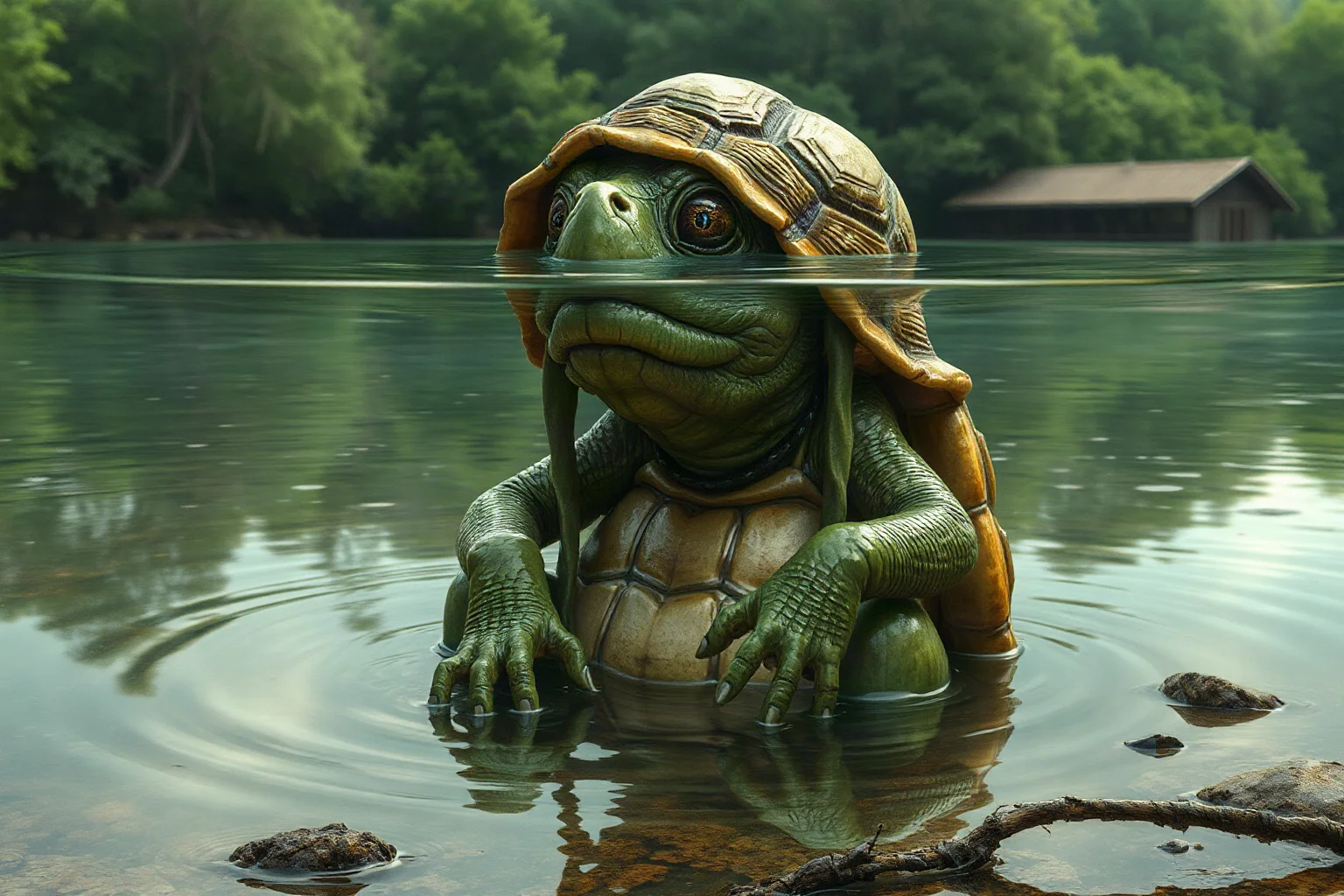
Japanese folklore’s kappa is a water-dwelling imp with a turtle-like shell, webbed hands, a beak-like mouth, and a bowl-shaped depression on its head that must stay filled with water to preserve its strength. Spill that water, and the kappa reportedly weakens dramatically.
Kappa are mischievous and sometimes genuinely dangerous, but folklore also insists they’re strangely honorable, keeping promises and even teaching bone-setting skills to humans who earn their respect. Few mythical creatures manage to be simultaneously funny, dangerous, and oddly polite.
16. The Jiangshi
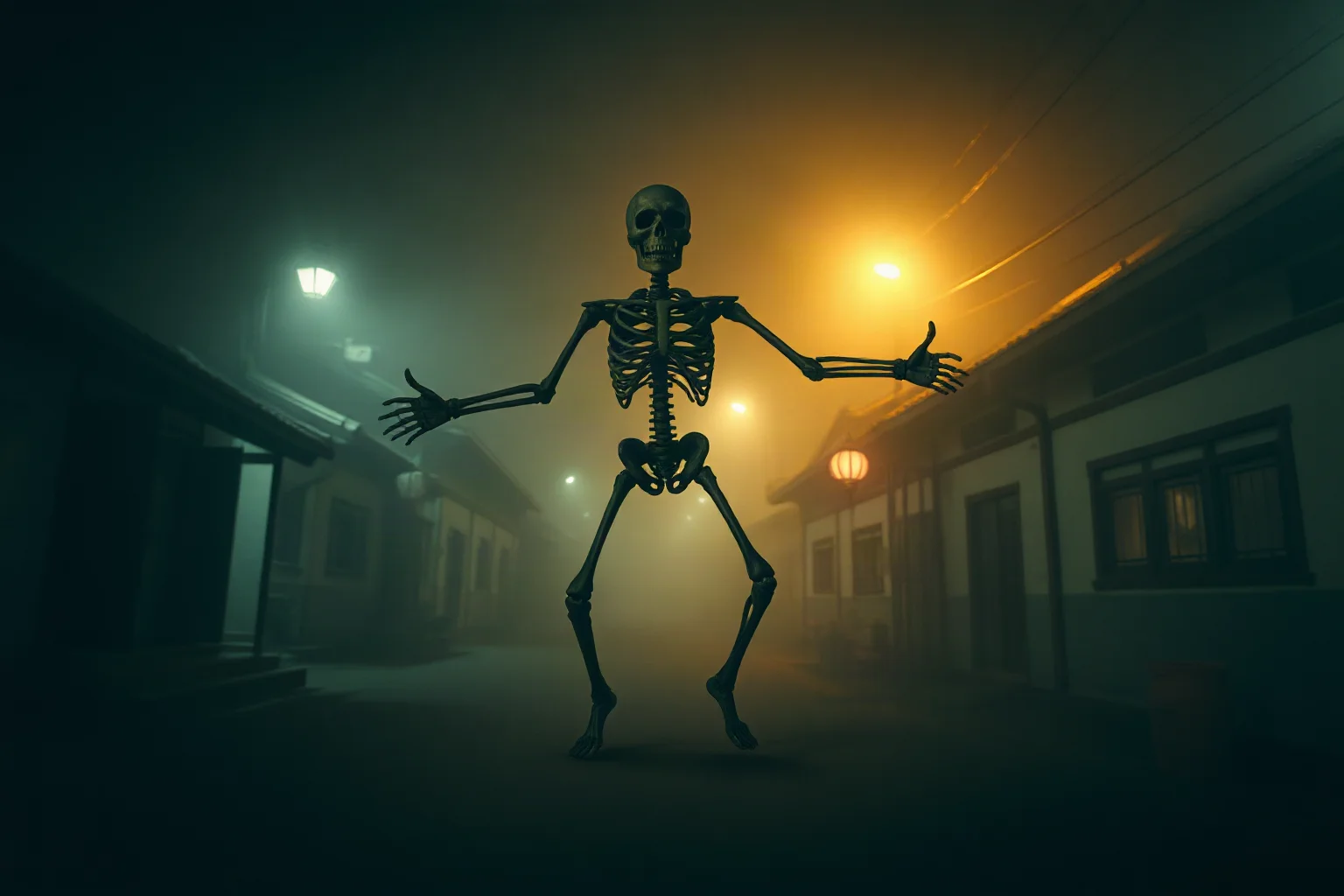
In Chinese folklore, the jiangshi is a reanimated corpse, often translated as a “hopping vampire” or “hopping zombie,” moving with stiff limbs and arms outstretched because rigor mortis never fully wore off. It drains life energy, or qi, from living victims to sustain itself.
Traditional countermeasures include sticky rice, mirrors, and the sound of ringing bells, all thought to disrupt or repel it. The jiangshi remains a staple of Chinese folklore, ghost stories, and, later, Hong Kong horror cinema.
17. The Bahamut
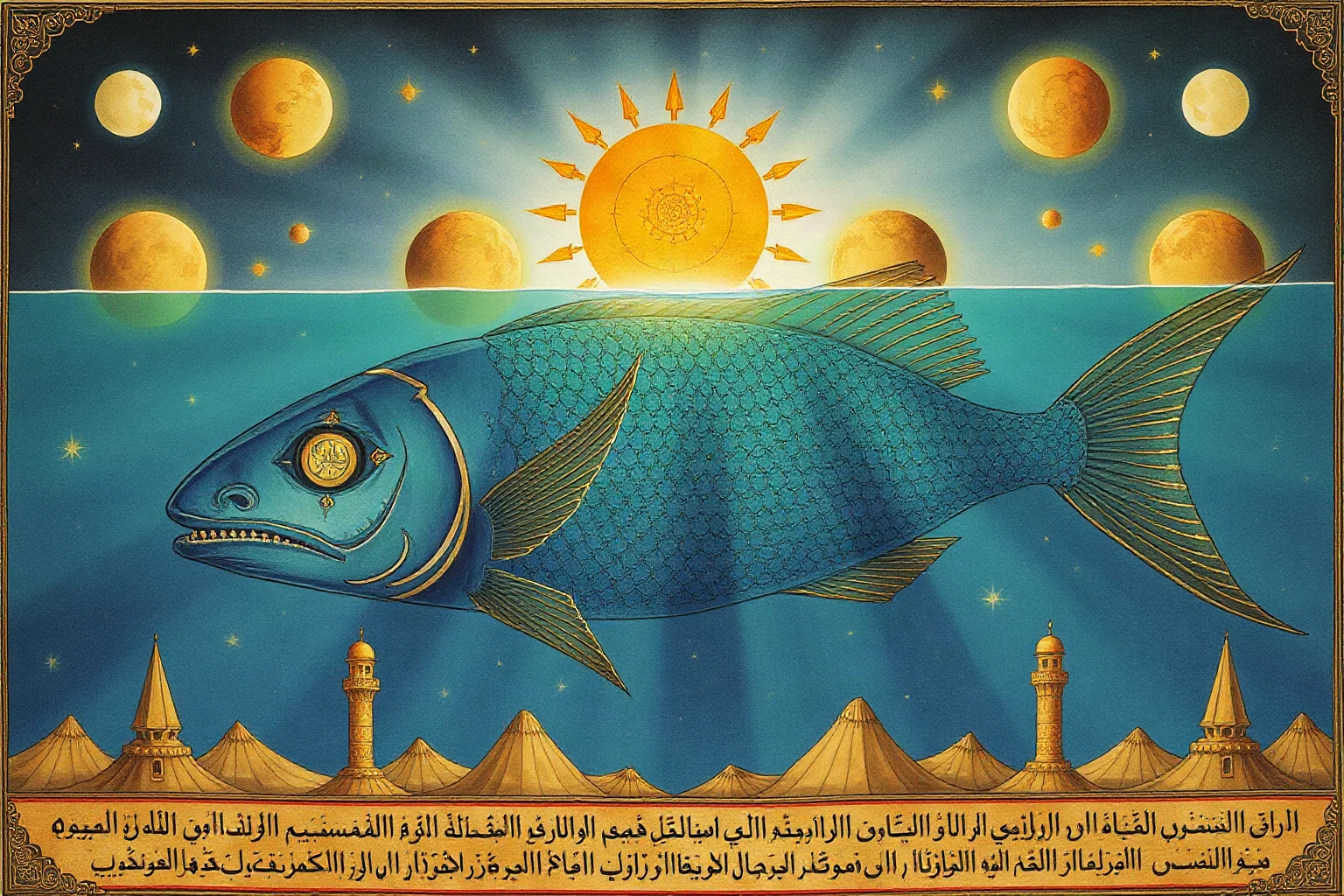
Within Islamic cosmological tradition, particularly as recorded by medieval scholars like al-Qazwini, Bahamut is described as an unimaginably vast fish supporting a bull, which supports a layer of sand, which in turn supports the world above. Its scale is described as being beyond human comprehension.
Bahamut later became a household name in modern fantasy games and novels, often reimagined as a gigantic dragon rather than a fish. The original cosmological image, though, is more about conveying divine scale than describing a literal animal.
18. Ammit
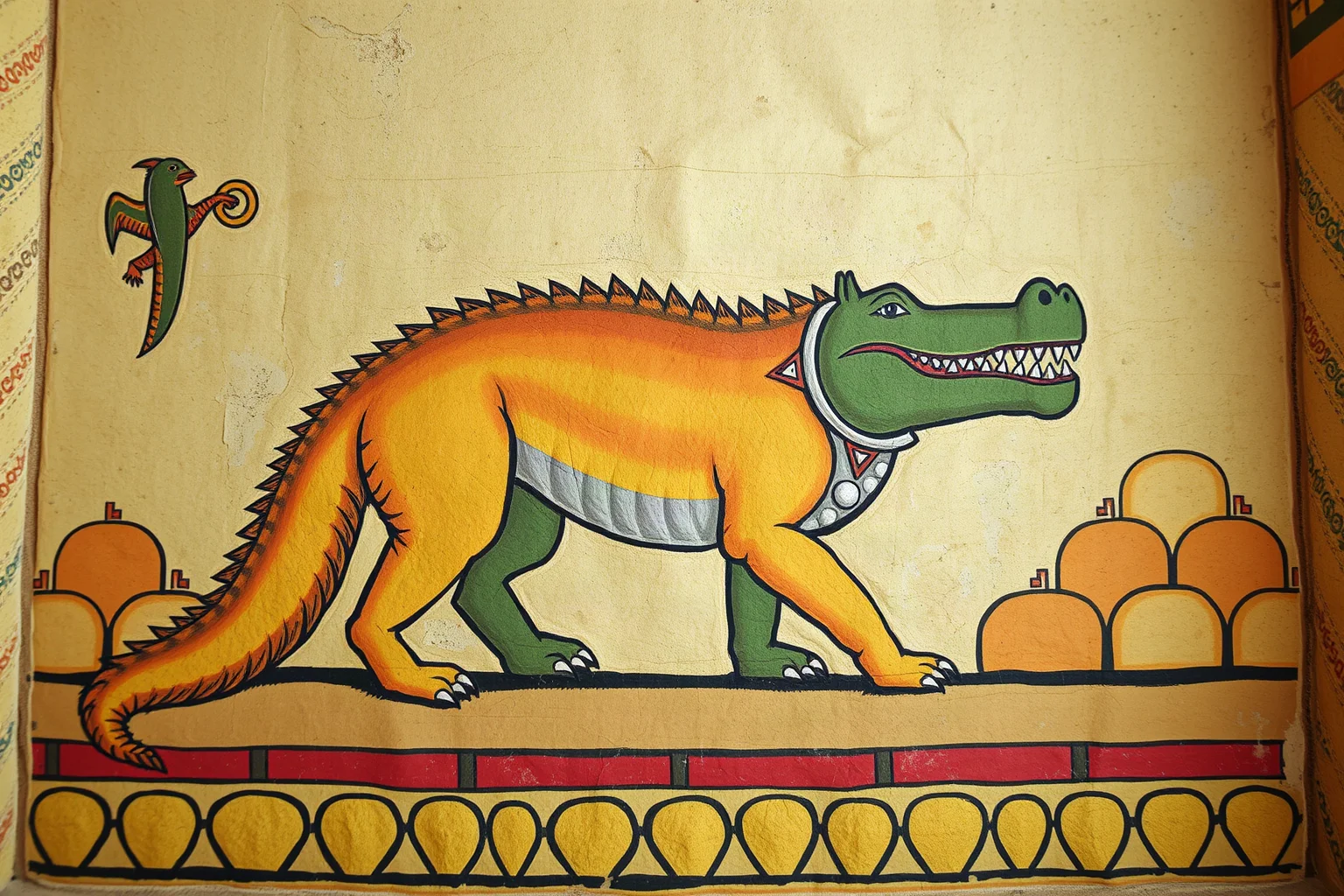
Ancient Egyptian mythology gives us Ammit, “the Devourer of the Dead,” a composite creature with the head of a crocodile, the forequarters of a lion, and the hindquarters of a hippopotamus. She waited beside the scales during the Weighing of the Heart ceremony described in the Book of the Dead.
If a person’s heart was found heavier than the feather of the goddess Ma’at, symbolizing a life weighed down by wrongdoing, Ammit was believed to devour it, denying the soul an afterlife. She’s less a monster to be fought and more a terrifying consequence to be avoided through a well-lived life.
19. Buer
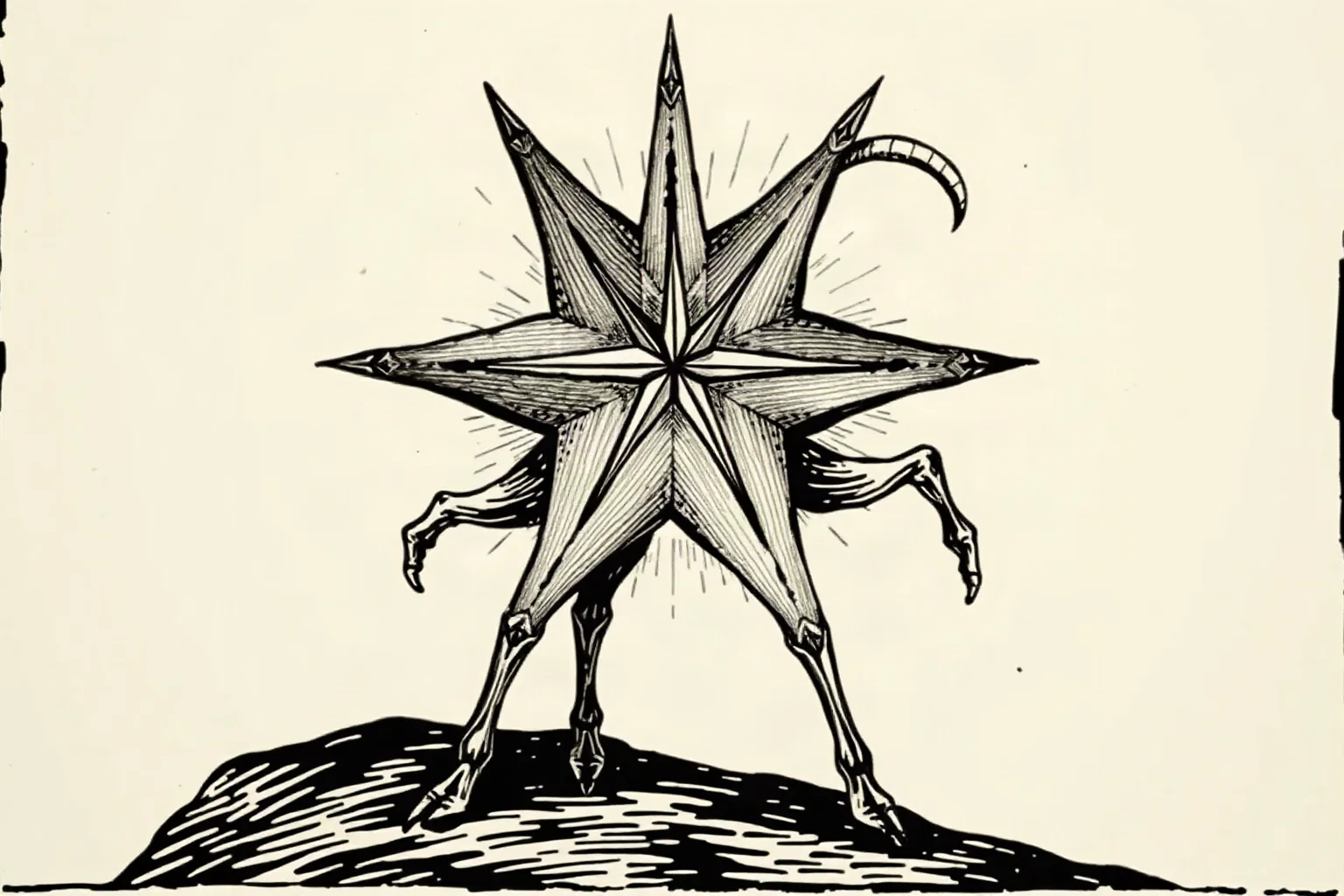
Buer appears in the Ars Goetia, part of the seventeenth-century grimoire collection known as the Lesser Key of Solomon, describing a catalog of demons summoned in European ceremonial magic traditions. It’s depicted as a star-shaped being with five goat-like legs arranged radially around its body.
Despite its unsettling design, the text claims Buer taught philosophy, logic, and the virtues of medicinal herbs to those who summoned it. It’s a strange entry in the long European tradition of cataloging evil magical creatures with oddly specific job descriptions.
20. The Tanuki
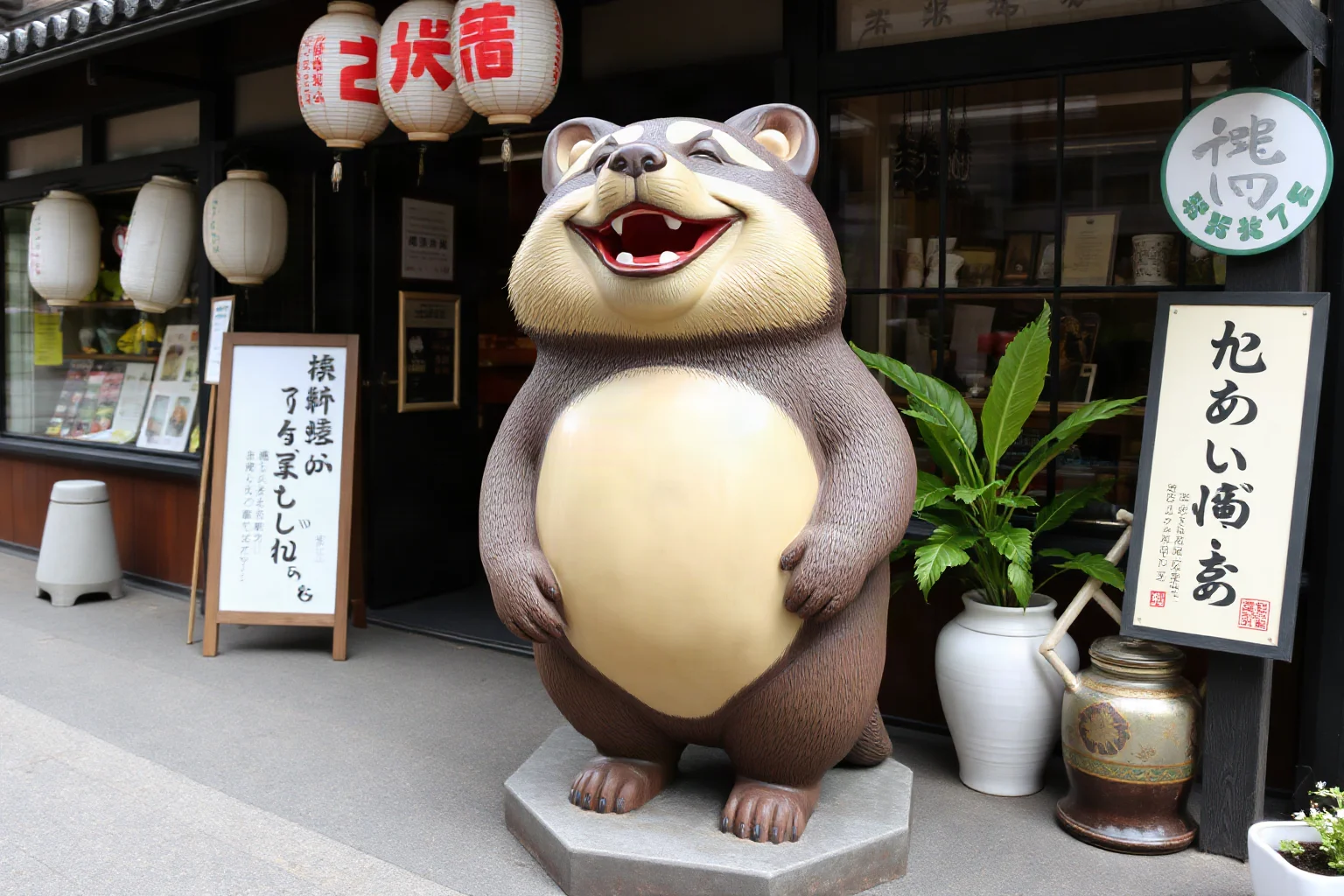
Japanese folklore’s tanuki is a shape-shifting raccoon dog known for jovial mischief rather than malice, often depicted with an enormous belly and, in traditional Edo-period woodblock art, a comically oversized scrotum used as a tool, sail, or drum. It’s one of the more genuinely funny mythical creatures in any culture’s folklore.
Statues of tanuki are still displayed outside Japanese shops and restaurants today, associated with good fortune and prosperity. Underneath the humor, the tanuki reflects a long tradition of trickster spirits who are more playful nuisance than genuine threat.
21. The Qilin
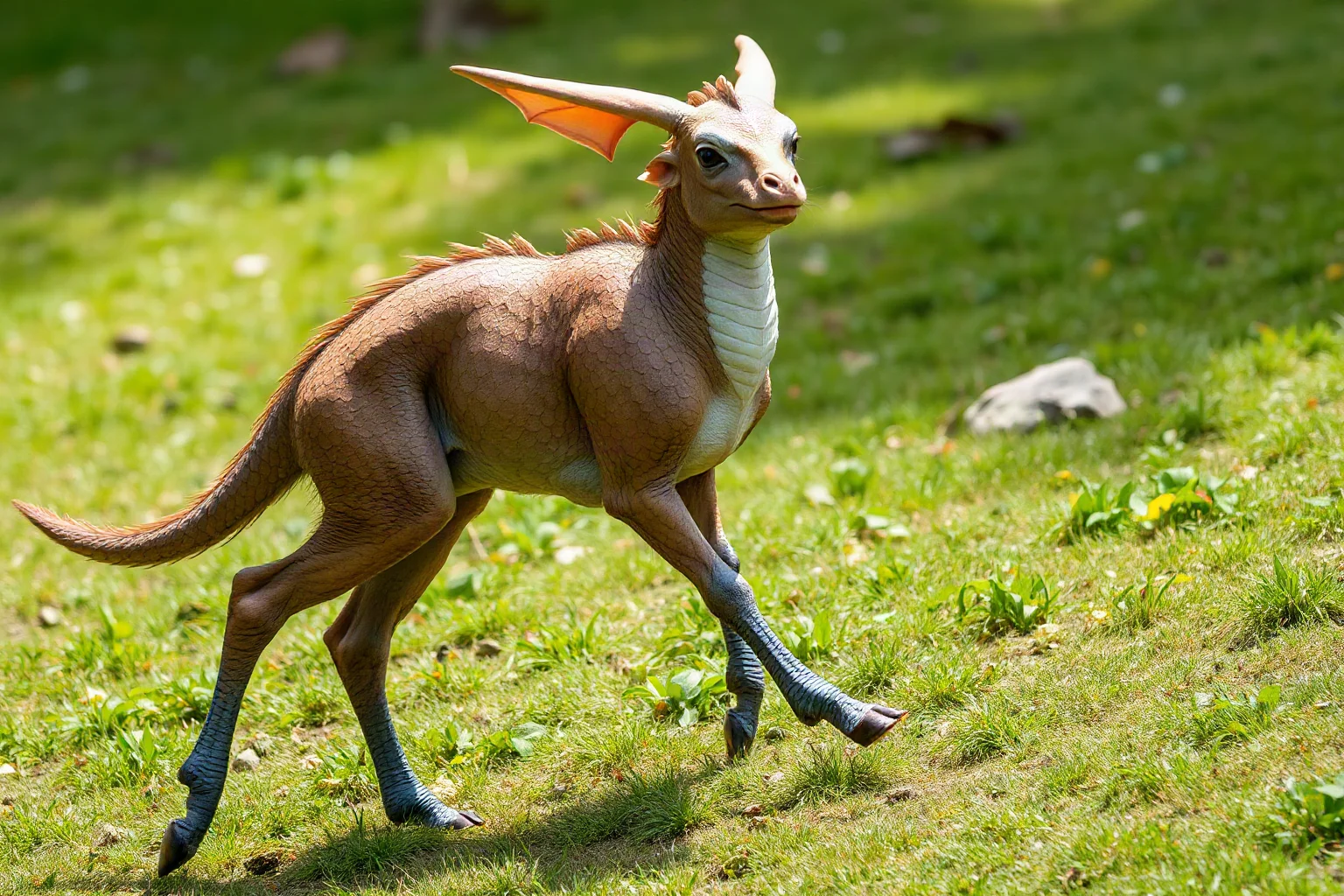
Chinese mythology’s qilin is a hooved chimeric creature, typically shown with a dragon-like head, scales, a lion’s mane, and sometimes a single horn. Unlike most beasts on this list, it’s considered deeply auspicious, said to appear only during the reign of a wise ruler or near the birth of a great sage.
Legend holds the qilin is so gentle it avoids trampling even a single blade of living grass. That makes it one of the clearest examples of a mythical beast serving as a powerful symbol of luck, virtue, and cosmic balance rather than fear.
22. The Wendigo
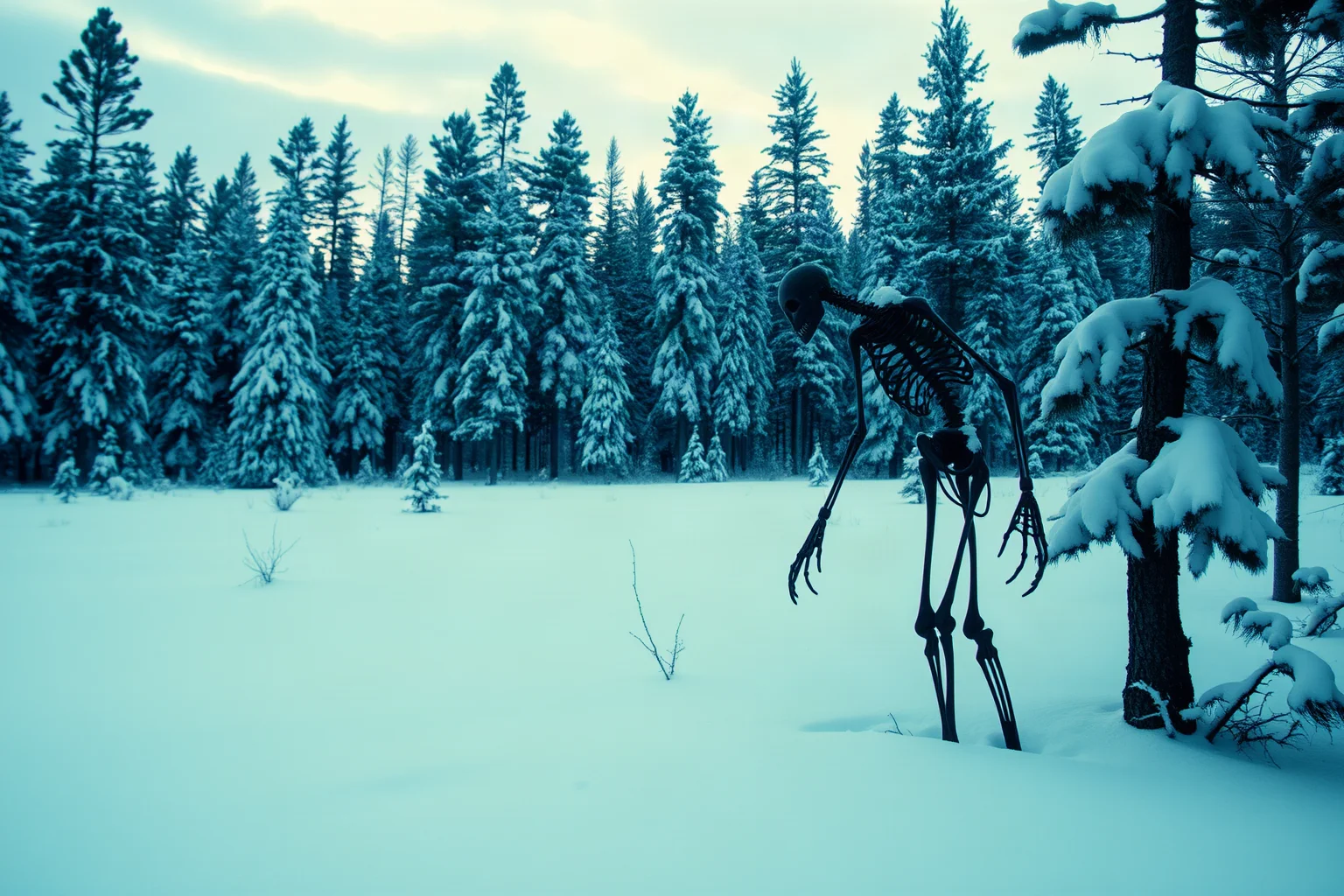
The Wendigo comes from the traditions of Algonquian-speaking peoples, including the Ojibwe, Cree, and related nations, and it carries real cultural and spiritual weight rather than functioning purely as campfire-story fodder. Traditionally, it’s described as a gaunt, emaciated spirit tied to winter famine, and it serves as a serious cautionary figure warning against greed, excess, and cannibalism.
Popular culture has flattened the Wendigo into a generic horror monster over the past century, which glosses over its deeper meaning within Indigenous belief systems. Approaching it with some historical and cultural care is part of telling its story honestly, rather than just cheaply.
Why Do So Many Cultures Invent Weird Creatures?
Looking across all 22 entries, a few patterns start to emerge. Many mystical creatures began as attempts to explain real but poorly understood animals, strange natural phenomena, or the dangers of specific landscapes like deep forests, cold seas, or flood-prone rivers.
Others were moral tools, built to encourage good behavior or warn against greed, dishonesty, or wandering off the safe path. Ammit, the Wendigo, and Buer all serve this function in very different ways, using fear or fascination to reinforce a culture’s values.
And a few, frankly, seem to exist simply because storytelling is fun. The Wolpertinger, the tanuki, and the bonnacon suggest that even our ancestors enjoyed a good tall tale purely for entertainment’s sake, no moral lesson required.
Final Thoughts on the World’s Strangest Mythical Creatures
What makes this collection of mythical beasts, magical creatures, and mystic animals so compelling isn’t just their shock value. It’s how clearly each one reflects the landscape, fears, humor, and values of the people who first told their stories.
A one-horned rabbit from Arabian folklore and a hairless dog-spirit from Inuit tradition were never going to look alike, because they weren’t answering the same questions. Together, though, they show just how universal the impulse is to fill the unknown with something unforgettable.
The next time someone asks for a top 10 mythical beasts list, feel free to hand them this one instead. Twenty-two strange, funny, unsettling, and occasionally beautiful creatures is a much better party.
Frequently Asked Questions
What is a mythical beast?
A mythical beast is a creature described in a culture's folklore, religious texts, or oral tradition whose existence has never been confirmed by natural science. Mythical beasts range from famous figures like dragons and unicorns to obscure regional legends, and they're typically tied to a specific cultural origin and story rather than being purely generic monsters.
What’s the difference between a mythical creature and a mystical creature?
The terms overlap heavily in everyday use, but 'mythical' usually refers to a creature rooted in a specific myth or legend with a traceable cultural origin, while 'mystical' leans toward spiritual, magical, or otherworldly qualities. In practice, most creatures discussed as folklore, like kappa or qilin, get described with both labels interchangeably.
What are some of the coolest mythical creatures from world folklore?
Beyond famous names like dragons and phoenixes, some of the coolest and strangest mythical creatures include Japan's kappa, China's qilin, the Philippines' tikbalang, and Scotland's nuckelavee. Each reflects the specific landscape, fears, and values of the culture that created it.
Are there mythical creatures considered symbols of good luck?
Yes. The qilin in Chinese mythology is one of the clearest examples, traditionally regarded as a powerful symbol of luck, virtue, and wise leadership that only appears during peaceful, well-governed times. Japan's tanuki is another, associated with prosperity and often displayed as a good-luck statue outside shops.
Are mythical creatures based on real animals?
Many appear to be. Historians believe creatures like the catoblepas and bonnacon likely originated from garbled or exaggerated travelers' descriptions of real animals such as wildebeest or bison. Others, like the aspidochelone, may have grown from sailors misinterpreting whales or basking sea creatures as islands.
What is the most feared or evil mythical creature on this list?
Opinions vary, but Scotland's nuckelavee and the Wendigo of Algonquian tradition are among the most feared, tied respectively to plague and famine. It's worth noting the Wendigo carries genuine cultural and spiritual significance for Algonquian peoples, so it deserves more respectful treatment than typical horror-movie monsters.

Alex Warren
Related Articles