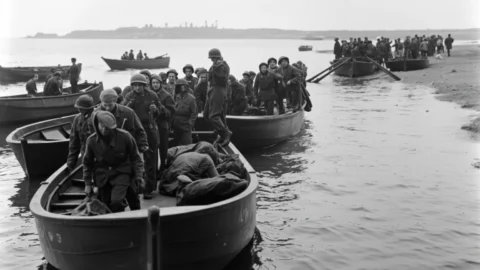
War is chaotic, loud, and often blindingly confusing, even for well-trained soldiers who know exactly who the enemy is supposed to be. Sometimes, tragically, they don’t get it right, and the result is what military historians call friendly fire: an attack on one’s own side.
It’s one of warfare’s oldest and most uncomfortable truths, and it has shaped battles from the fog-covered fields of medieval England to the high-tech deserts of the Gulf War.
This list looks back at some of the most memorable, well-documented friendly fire incidents in history, taking their place alongside history’s worst man-made disasters. Some are famous, some are controversial, and at least one is more legend than verified fact, which is exactly why a myth-busting look at the record matters.
TL;DR: Friendly fire has quietly shaped the outcome of battles for centuries, and understanding real historical incidents—rather than exaggerated legends—reveals just how often chaos, poor visibility, and human error turn allies into accidental targets.
What Is Friendly Fire?
So, what is a friendly fire incident, exactly? In military terms, friendly fire refers to an attack, whether by gunfire, artillery, bombs, or missiles, that mistakenly strikes friendly or allied forces instead of the enemy. It’s sometimes called “blue-on-blue” fire, a nod to the color used for friendly forces on military maps.
Friendly fire is not the same as sabotage or an intentional attack on one’s own troops. It’s almost always the result of misidentification, miscommunication, or the simple chaos of combat. The term applies across every branch of the military and every era of warfare, from a musket volley in the dark to a modern precision-guided missile.
Importantly, friendly fire incidents are not considered war crimes, since there’s no intent to harm one’s own side. That said, they are taken extremely seriously by military investigators, because understanding what went wrong can prevent the same mistake from happening again.
Why Does Friendly Fire Happen?
The causes of friendly fire incidents tend to repeat across centuries. Poor visibility from smoke, fog, darkness, or dust is one of the biggest culprits, and it shows up again and again in the incidents below. Similar-looking uniforms, vehicles, or aircraft silhouettes have also fooled soldiers into firing on their own side.
Modern warfare adds new wrinkles, including radio and radar identification failures, fast-moving armored units outpacing communication, and the sheer speed of long-range weapons. A tank commander or pilot may have only seconds to identify a target, and in that split second, tragic mistakes happen. The following incidents show how these factors have played out across very different eras of military history.
1. The (Possibly Exaggerated) Battle of Karánsebes, 1788
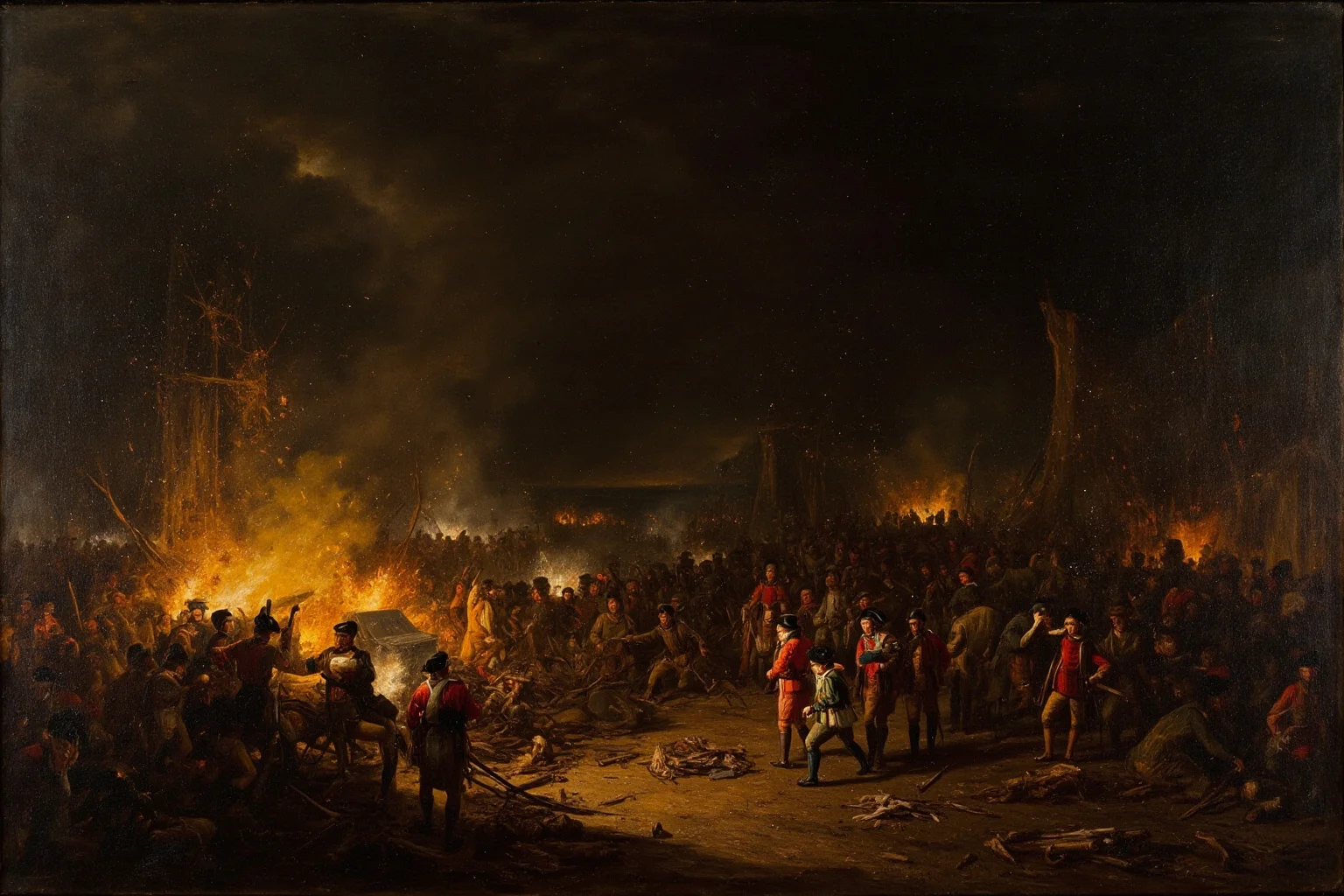
No list about friendly fire would be complete without addressing the legend of Karánsebes, often cited as history’s most chaotic self-inflicted military disaster — and a strong contender among historical events that sound too crazy to be true. As the story goes, an Austrian army preparing to fight the Ottomans in 1788 supposedly descended into a drunken, confused nighttime brawl worthy of a spot among the funniest historical events ever recorded, one that spiraled into gunfire between its own units.
The tale is retold constantly online, often with wildly inflated casualty figures. However, historians have pointed out that contemporary documentation is thin, and much of the popular version comes from later, embellished retellings rather than solid primary sources. It’s a great cautionary example of how a colorful friendly fire story can outgrow the actual historical record.
2. The Battle of Barnet, 1471 — Fog of War in the Wars of the Roses
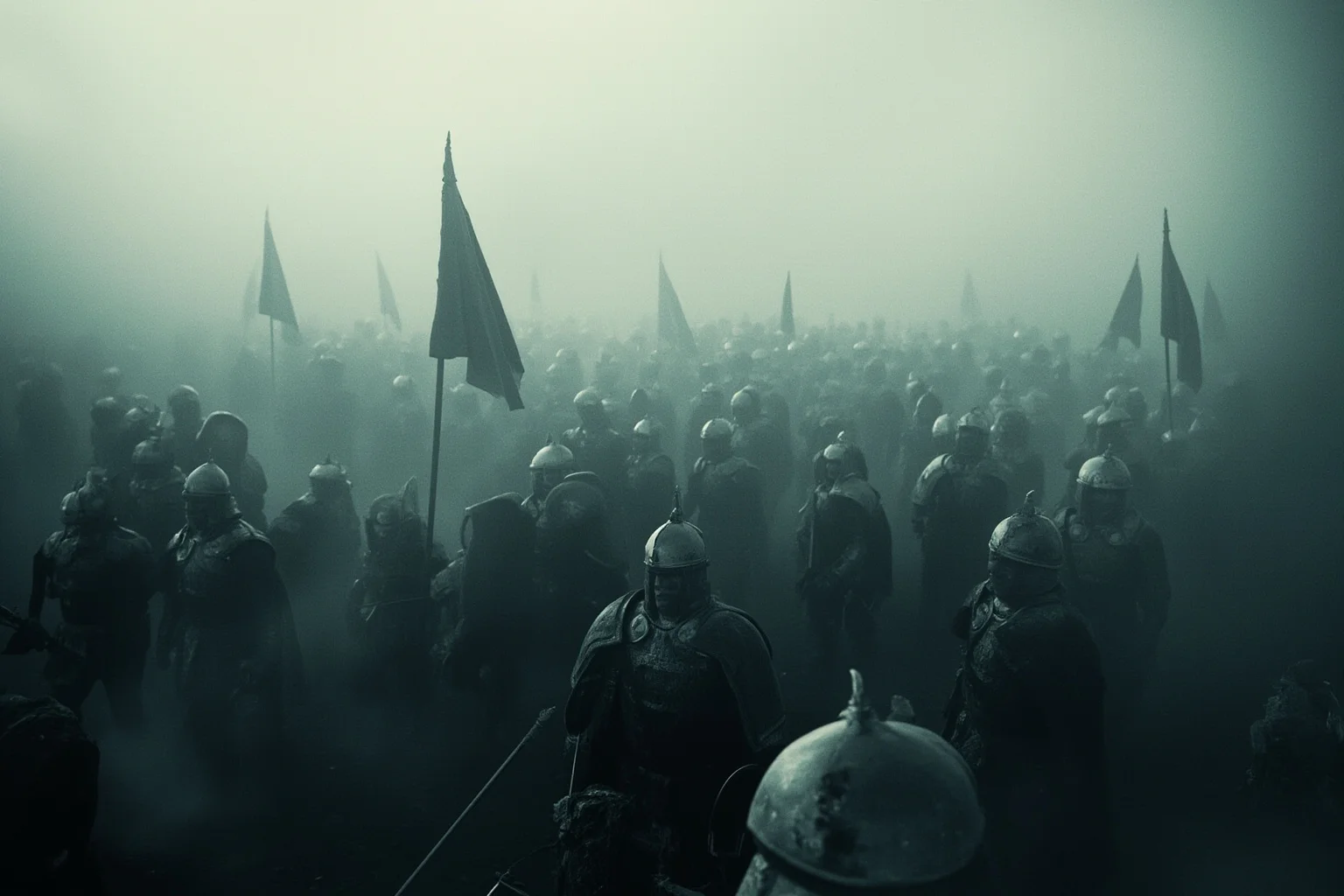
This one is far better documented. During the Wars of the Roses, a thick fog blanketed the battlefield at Barnet, England, making it nearly impossible for troops to see more than a few yards ahead. The Earl of Oxford’s Lancastrian soldiers, returning from a successful skirmish, were mistaken for the enemy by their own allies.
According to chroniclers of the time, the confusion stemmed partly from similar heraldic badges used by opposing commanders. The resulting panic and friendly fire contributed directly to a Lancastrian collapse and a decisive Yorkist victory for Edward IV.
3. Battle of Germantown, 1777 — American Revolution Fog Mishap
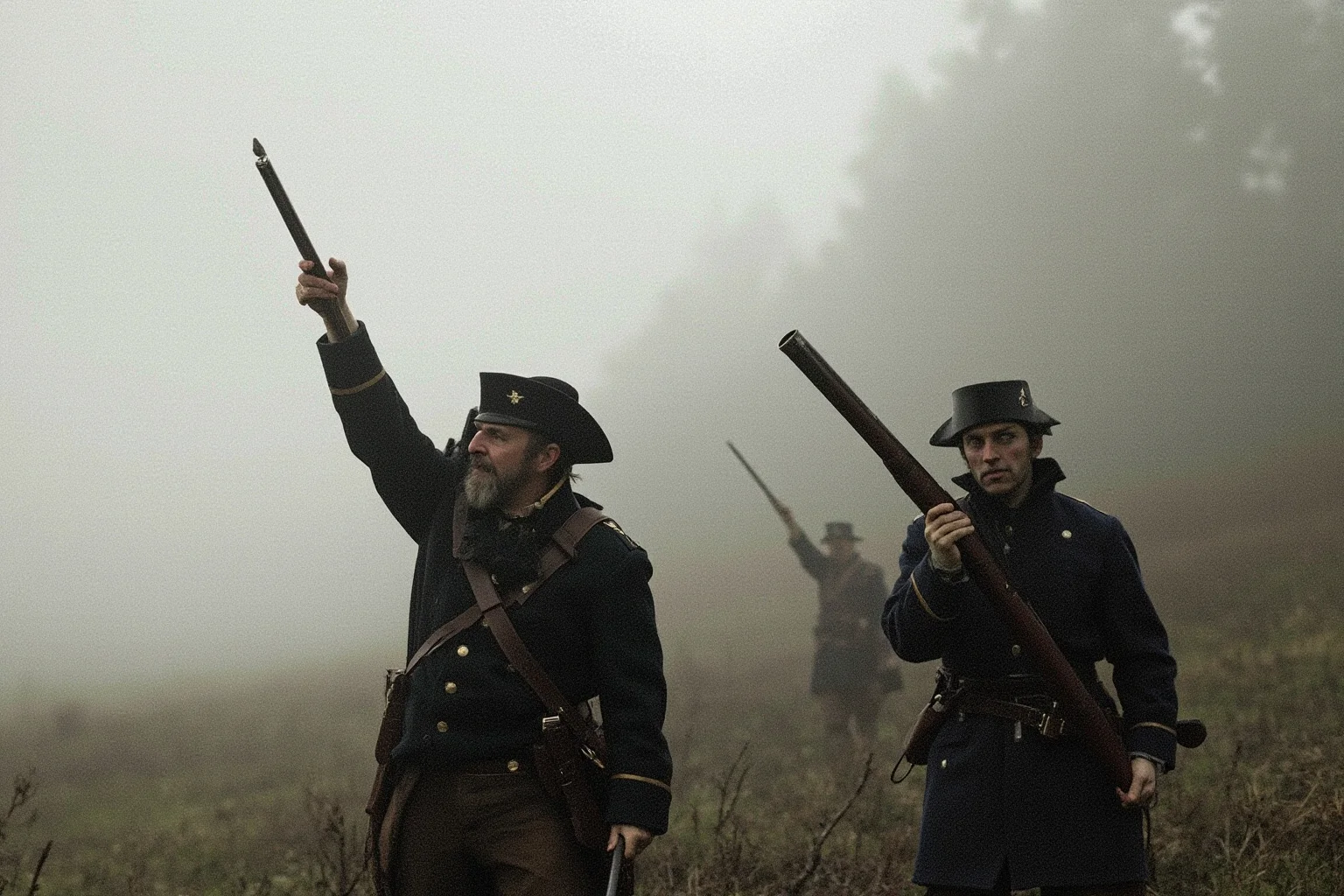
Fog struck again during the American Revolutionary War at the Battle of Germantown in Pennsylvania. Continental Army units under Generals Adam Stephen and Anthony Wayne became separated in heavy mist and began firing on each other, each side believing the other was British.
The confusion disrupted the American assault at a critical moment and is widely cited by historians as a factor in the battle’s ultimate failure. It’s a striking early American example of how limited visibility alone can turn a coordinated attack into a friendly fire incident.
4. The Death of Stonewall Jackson, 1863
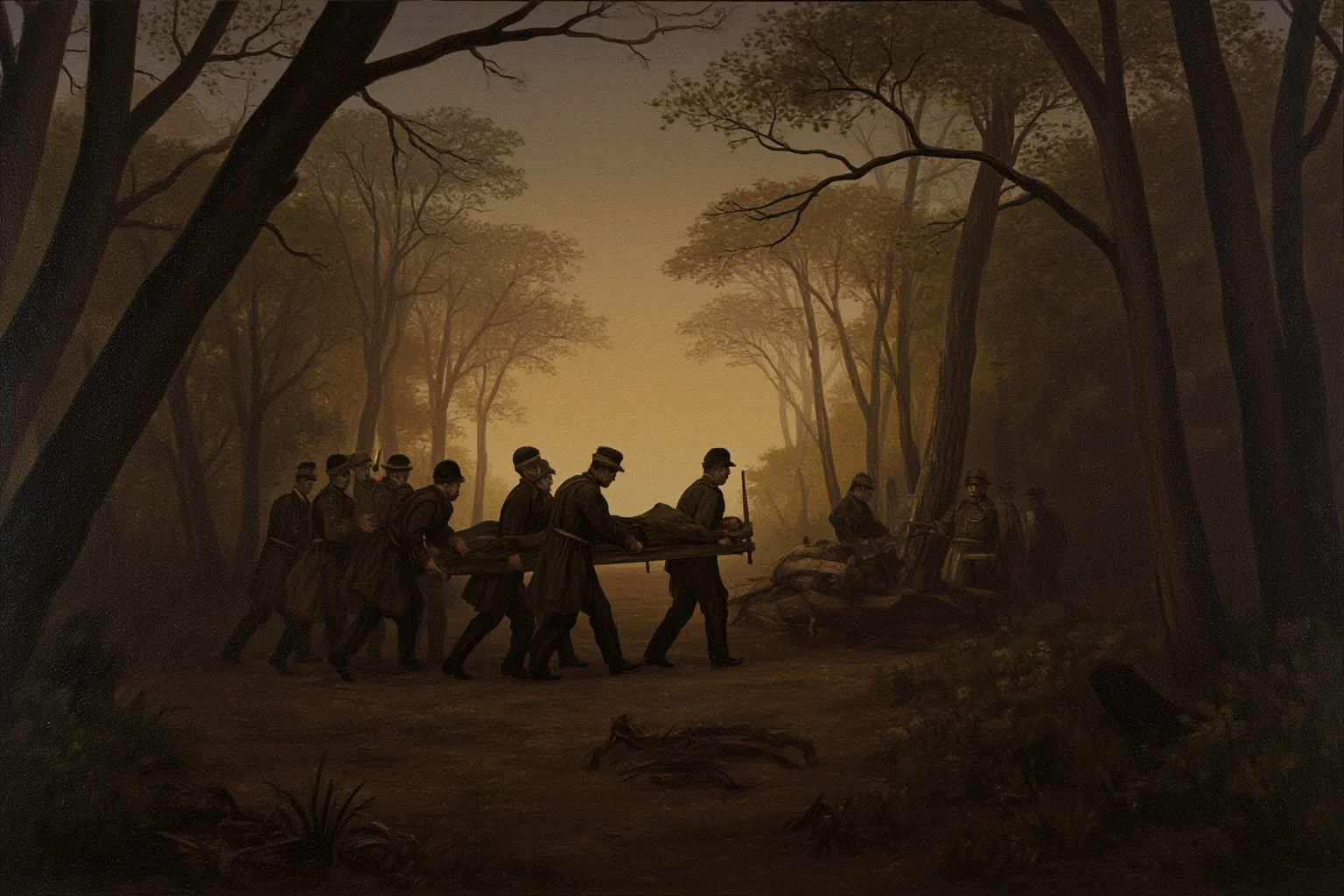
One of the most famous friendly fire incidents in American history happened during the Civil War’s Battle of Chancellorsville. On the night of May 2, 1863, Confederate General Thomas “Stonewall” Jackson was returning from a reconnaissance ride when his own North Carolina infantry mistook his party for Union cavalry in the darkness.
Jackson was struck by three bullets from his own men and had to have his left arm amputated. He died eight days later from complications, likely pneumonia, dealing a significant blow to Confederate leadership at a pivotal point in the war.
5. Gallipoli’s Difficult Naval Support, 1915
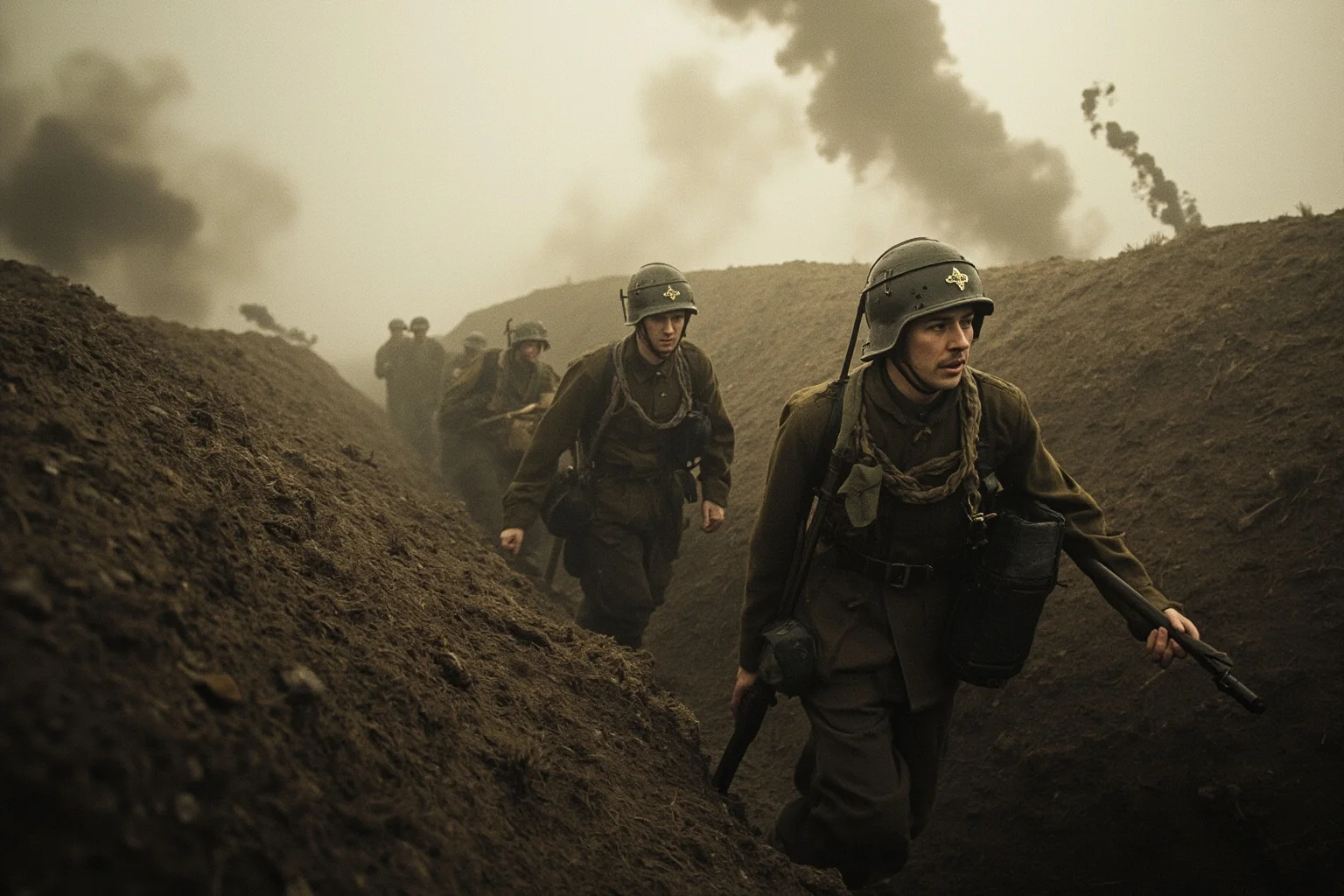
The Gallipoli campaign of World War I placed Allied troops in cramped, close-quarters trench positions where the front lines shifted constantly and communication was slow. Naval gunfire support, meant to soften Ottoman positions ahead of advancing troops, sometimes fell short or landed near friendly trenches instead.
While Gallipoli is remembered mostly for its brutal stalemate and heavy casualties, the campaign is also a textbook example of the coordination problems that plagued early 20th-century combined-arms warfare. Miscommunication between naval gunners and infantry on the ground made accurate targeting extremely difficult.
6. The Somme’s Creeping Barrage Problem, 1916
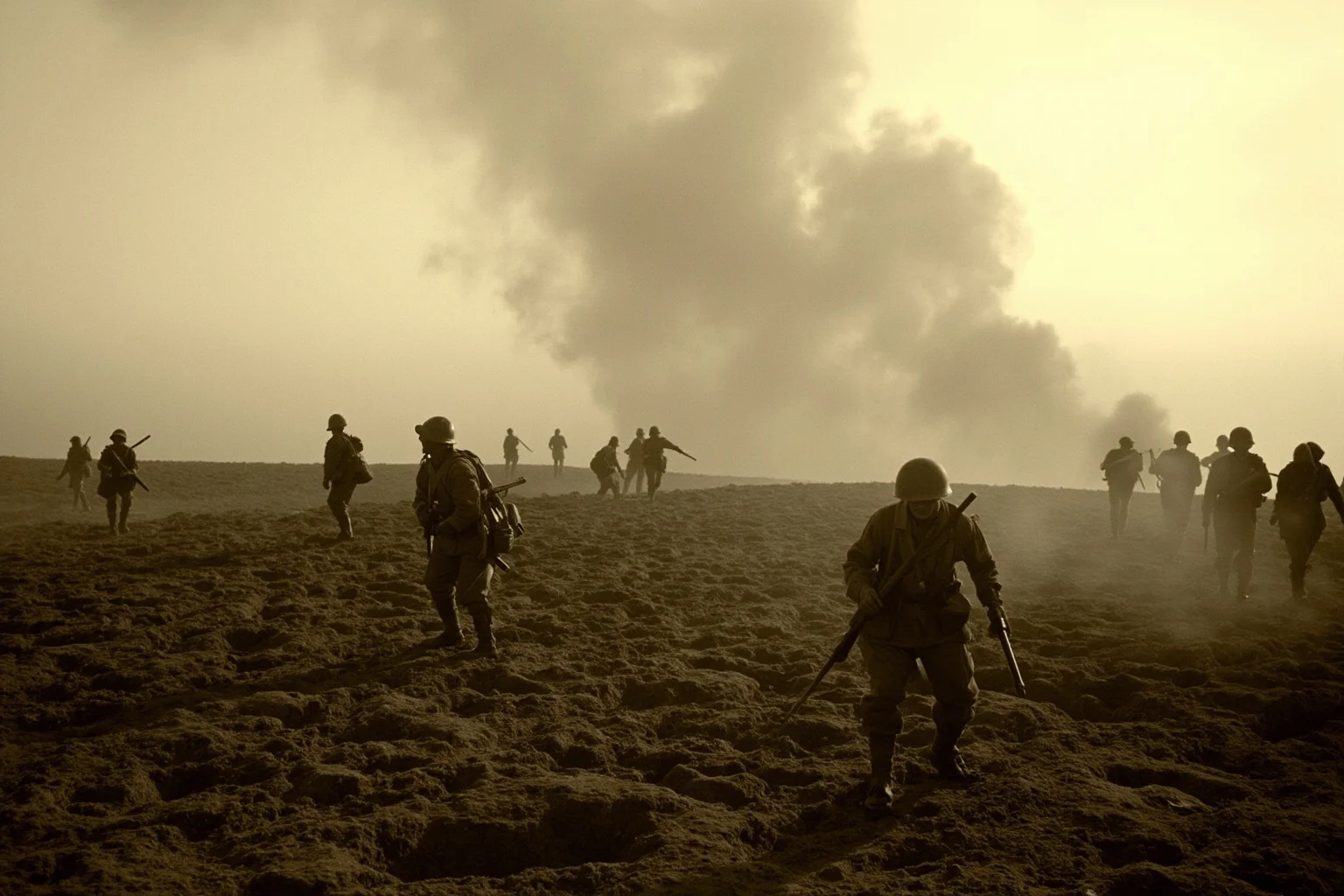
World War I introduced the “creeping barrage,” a tactic where artillery fire advanced ahead of infantry in carefully timed stages. In theory, it protected soldiers as they moved forward, but in practice, timing errors during the Battle of the Somme sometimes meant troops advanced too quickly or too slowly relative to their own shellfire.
When the pacing went wrong, soldiers walked directly into their own artillery’s kill zone. It remains one of the clearest illustrations of how even carefully planned tactics could produce deadly friendly fire under the immense pressure of trench warfare.
7. Operation Husky and the Sicily Airdrop, 1943
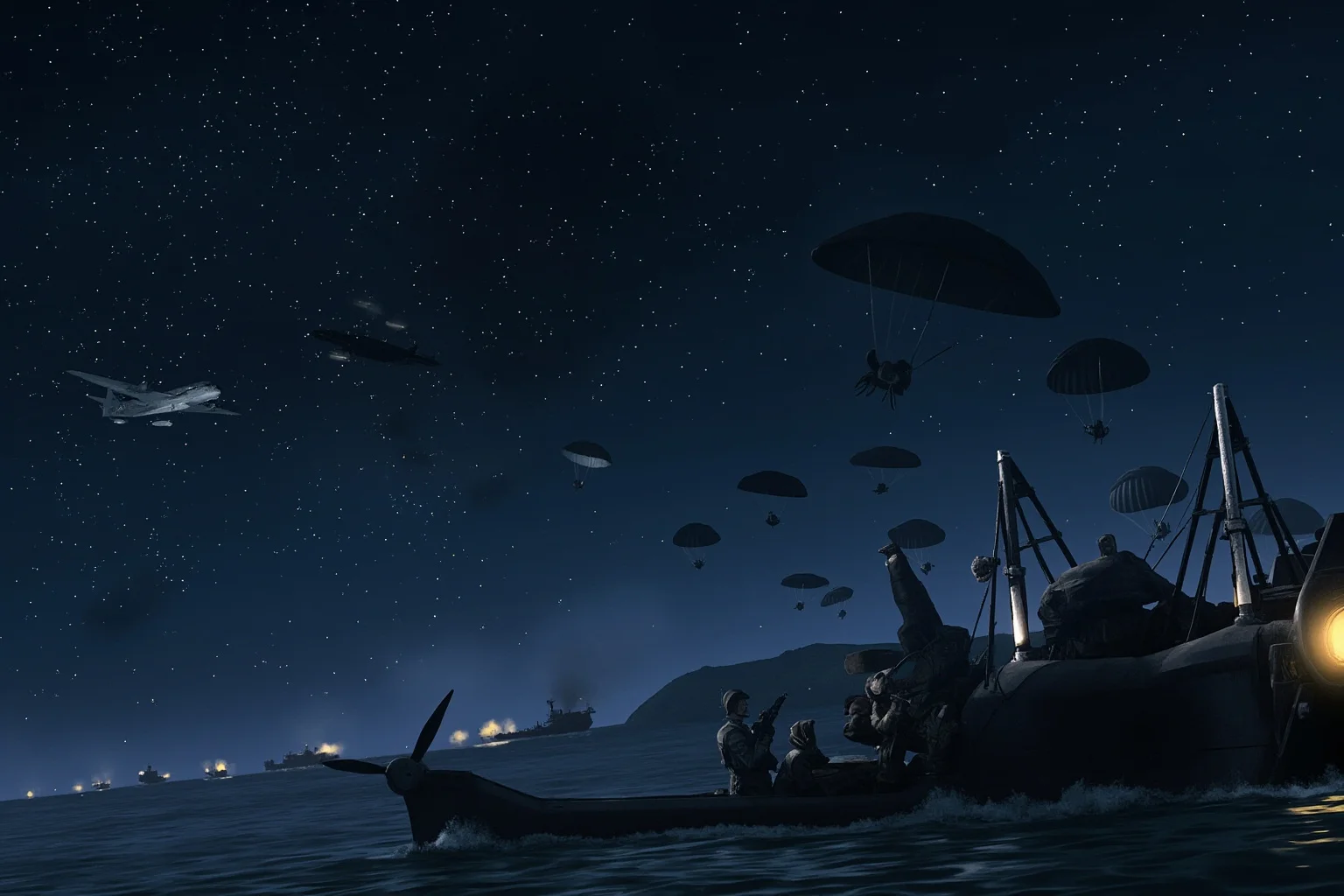
On the night of July 11, 1943, during the Allied invasion of Sicily, transport aircraft carrying American paratroopers of the 504th Parachute Infantry Regiment flew over Allied naval and ground forces already on edge from a recent Axis air raid. Nervous gunners on ships and ashore opened fire on the formation, believing it was an enemy attack.
The result was devastating: dozens of aircraft were shot down or damaged, and more than 300 American paratroopers were killed or wounded by their own side. It remains one of the deadliest friendly fire incidents involving airborne troops in modern military history.
8. Operation Cobra and the Death of Lt. Gen. McNair, 1944
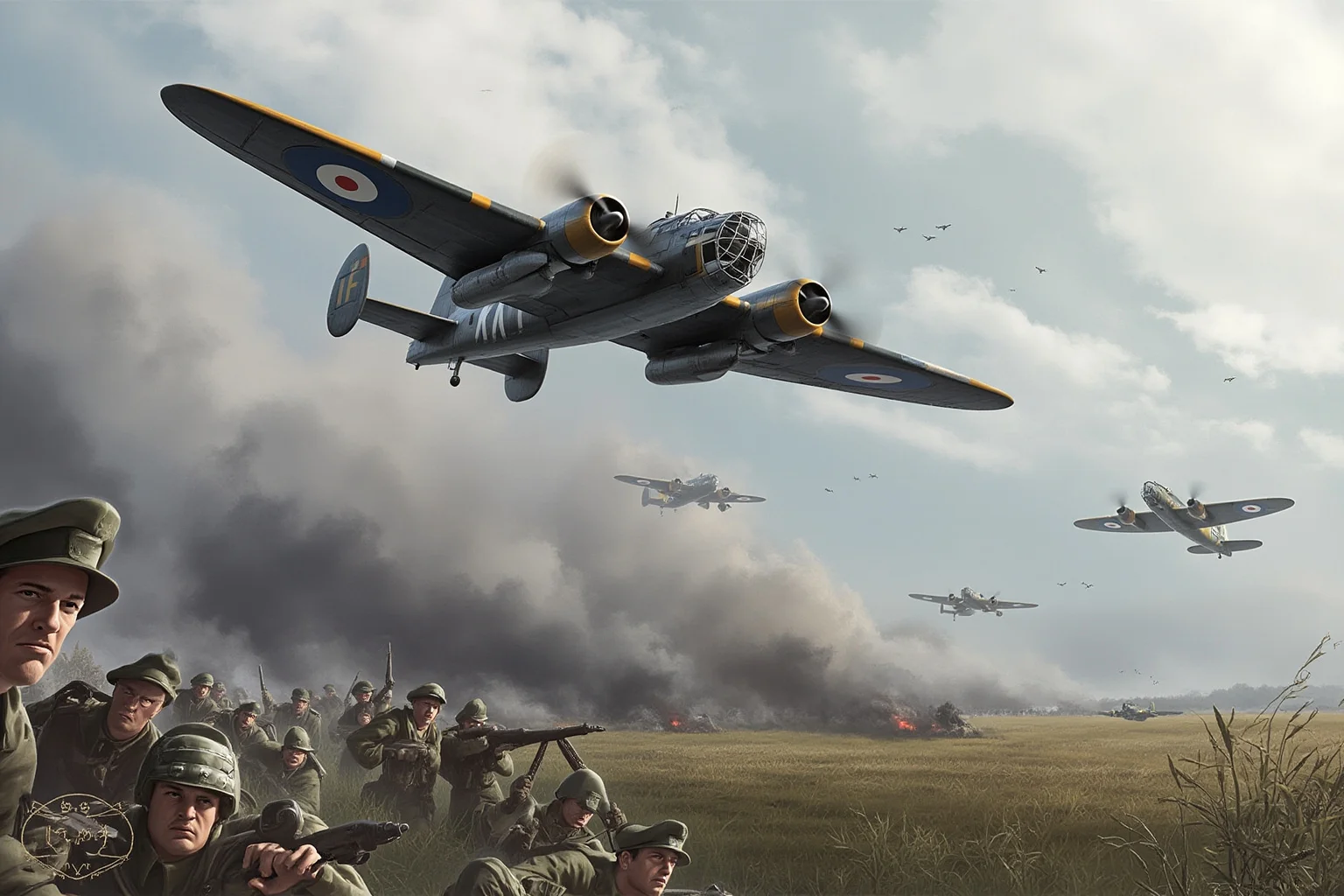
During the Allied breakout from Normandy in July 1944, American bombers supporting Operation Cobra were meant to strike German positions just ahead of U.S. lines. Smoke and dust drifted back over friendly positions, and successive waves of bombers, following the smoke rather than the intended target line, dropped their loads short.
Among roughly 111 American soldiers killed was Lieutenant General Lesley McNair, one of the highest-ranking U.S. officers lost to friendly fire in World War II. The incident led to a serious reassessment of how close air support was coordinated with ground troops.
9. The Battle of the Bulge’s Winter Fog, 1944-45
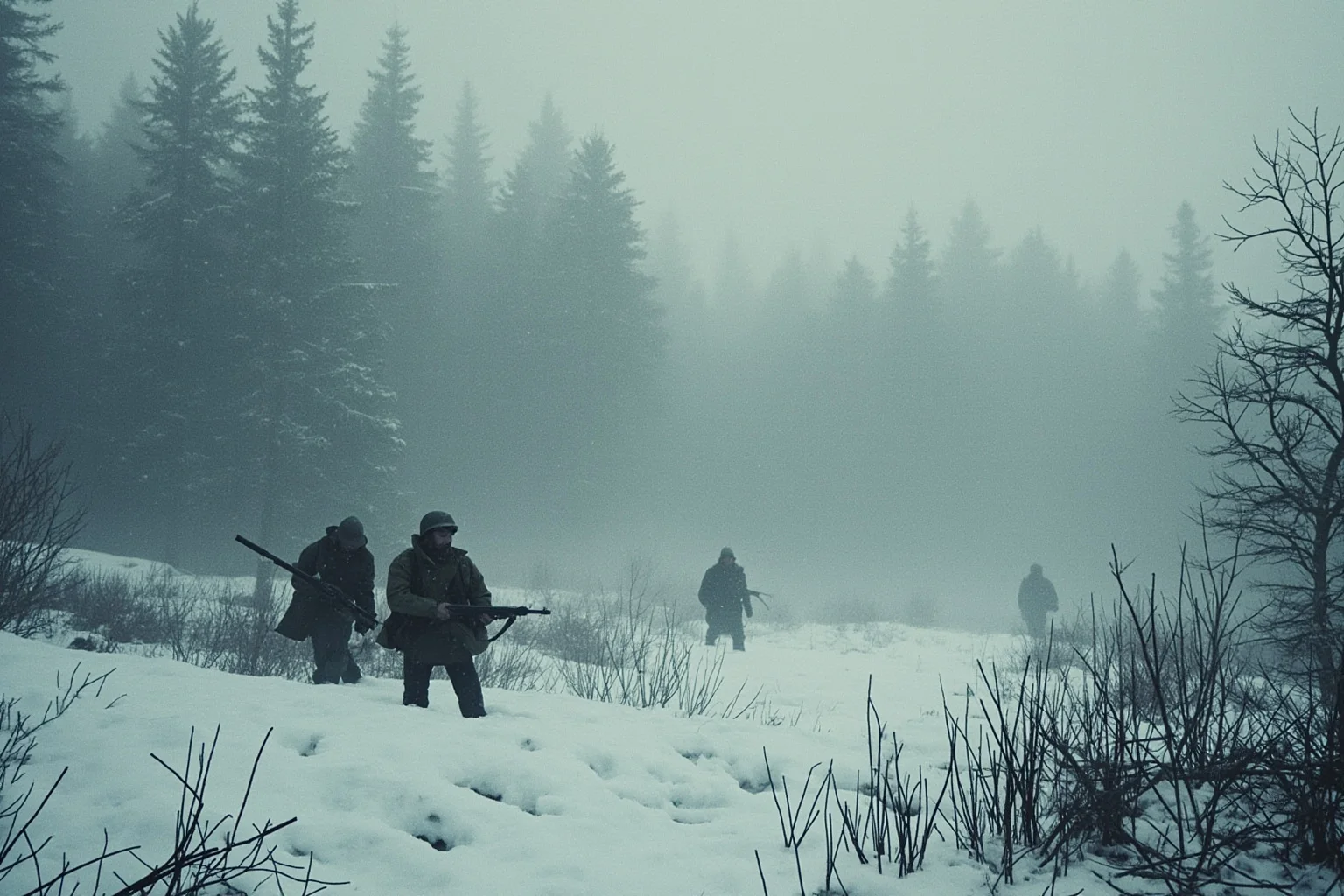
During the brutal winter fighting of the Battle of the Bulge, thick fog, heavy snow, and German infiltrators wearing captured American uniforms (part of the German Operation Greif) created an atmosphere of constant suspicion. Jumpy American units, unsure who was friend or foe, sometimes fired on their own patrols and reinforcements in low visibility.
The combination of harsh weather and infiltration fears made this one of the more understandable, if tragic, friendly fire environments of the war. Soldiers were essentially trained to distrust anyone they couldn’t positively identify, which occasionally worked against their own side.
10. The USS Liberty Incident, 1967
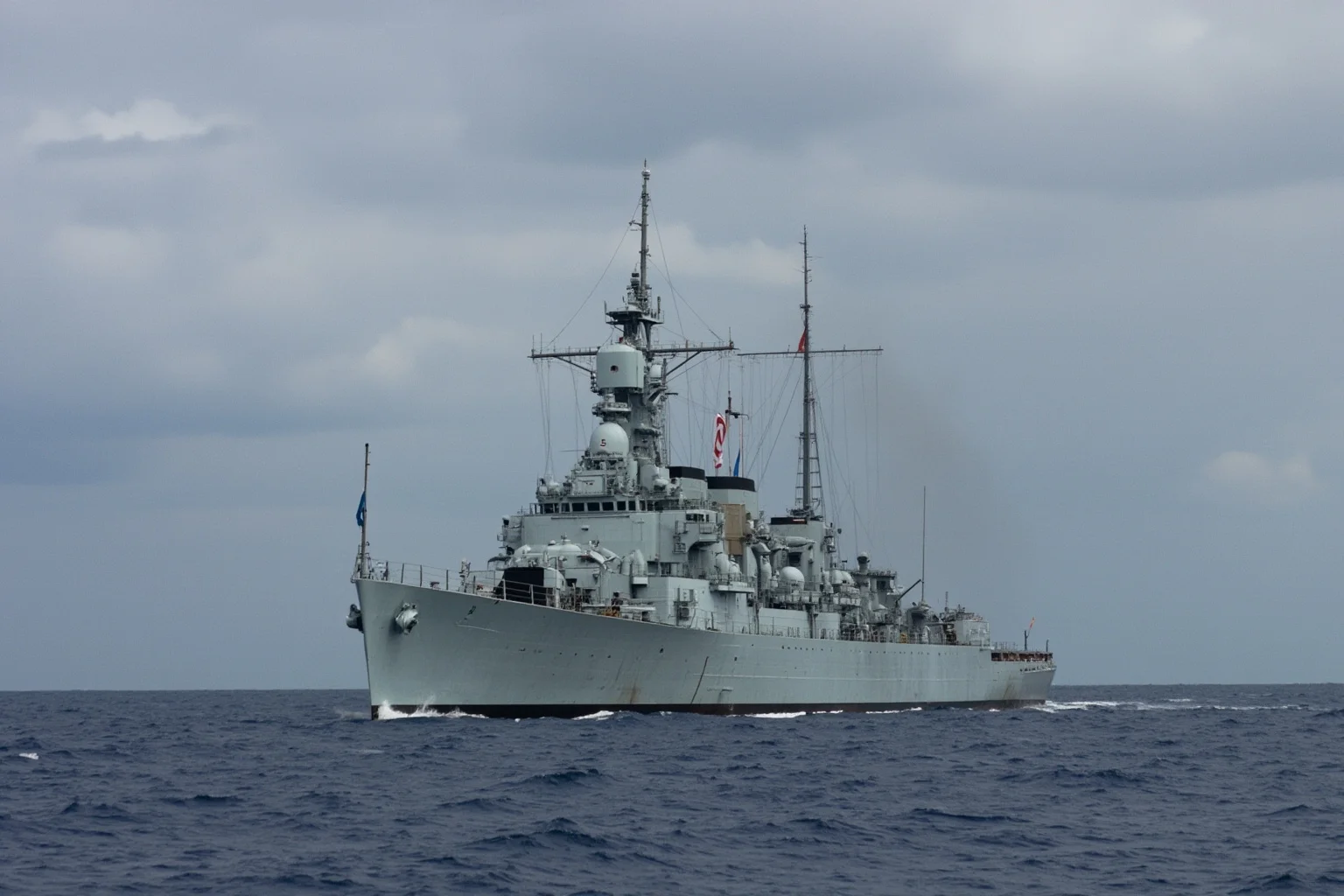
On June 8, 1967, during the Six-Day War, Israeli aircraft and torpedo boats attacked the USS Liberty, a U.S. Navy technical research ship operating in the eastern Mediterranean, killing 34 American crew members and wounding over 170 more. Israel maintained the attack was a tragic case of mistaken identity, believing the Liberty to be an Egyptian vessel.
Both Israeli and U.S. government investigations officially concluded the attack was accidental. However, some surviving crew members and independent researchers have long questioned that conclusion, and the incident remains one of the more debated episodes associated with the term friendly fire.
11. Friendly Fire in the Vietnam War’s Jungle Combat
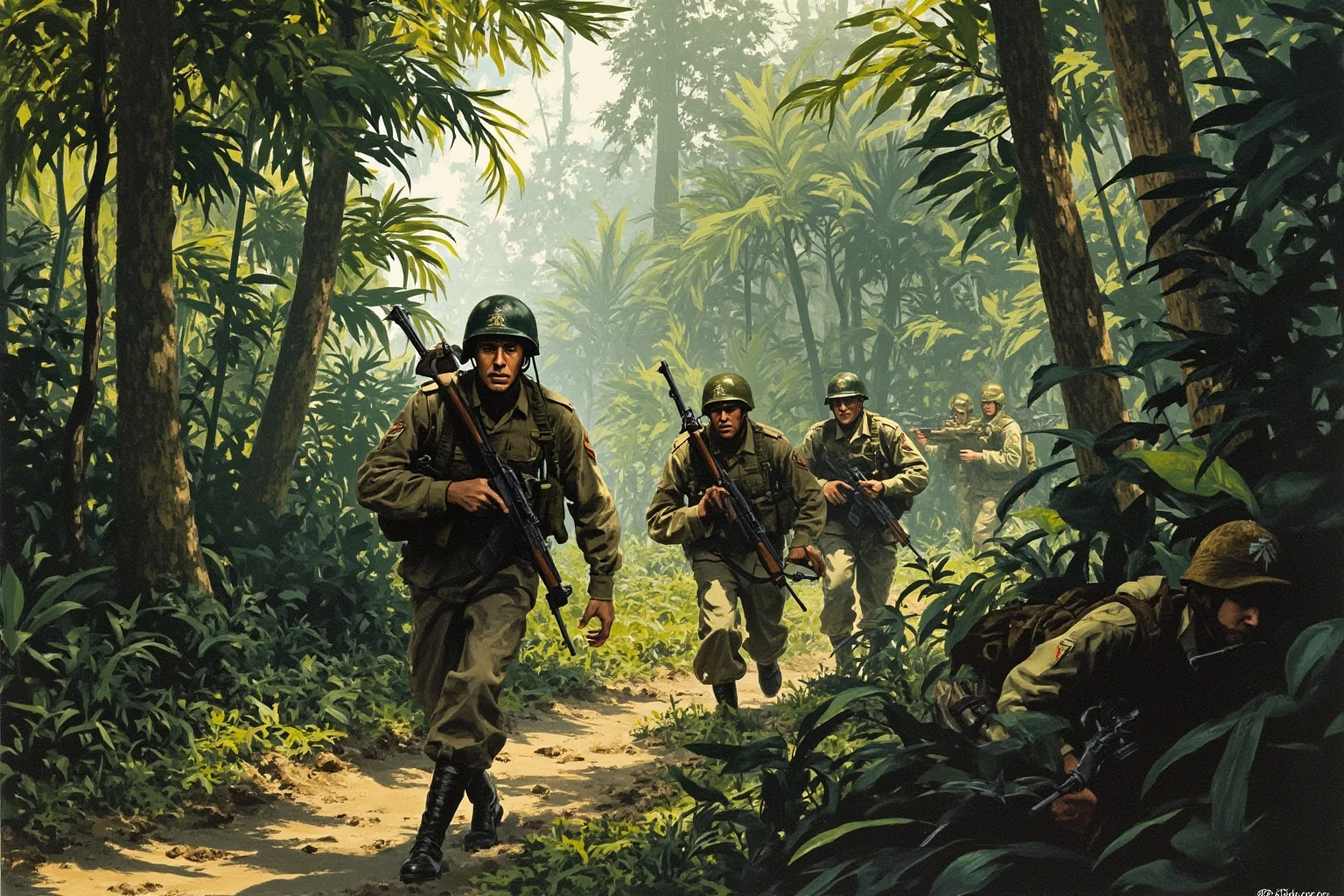
Dense jungle terrain, night ambushes, and close-range firefights made the Vietnam War a difficult environment to avoid friendly fire. Artillery “short rounds,” airstrikes called in too close to friendly positions, and confusion between allied South Vietnamese, American, and other coalition forces all contributed to incidents throughout the conflict.
Exact friendly fire casualty figures from Vietnam are difficult to pin down with full certainty, and estimates vary among historians. Still, the conflict is widely recognized as one where the fog of war, combined with dense terrain, made blue-on-blue incidents a persistent and serious problem.
12. The Falklands War’s Blue-on-Blue Losses, 1982
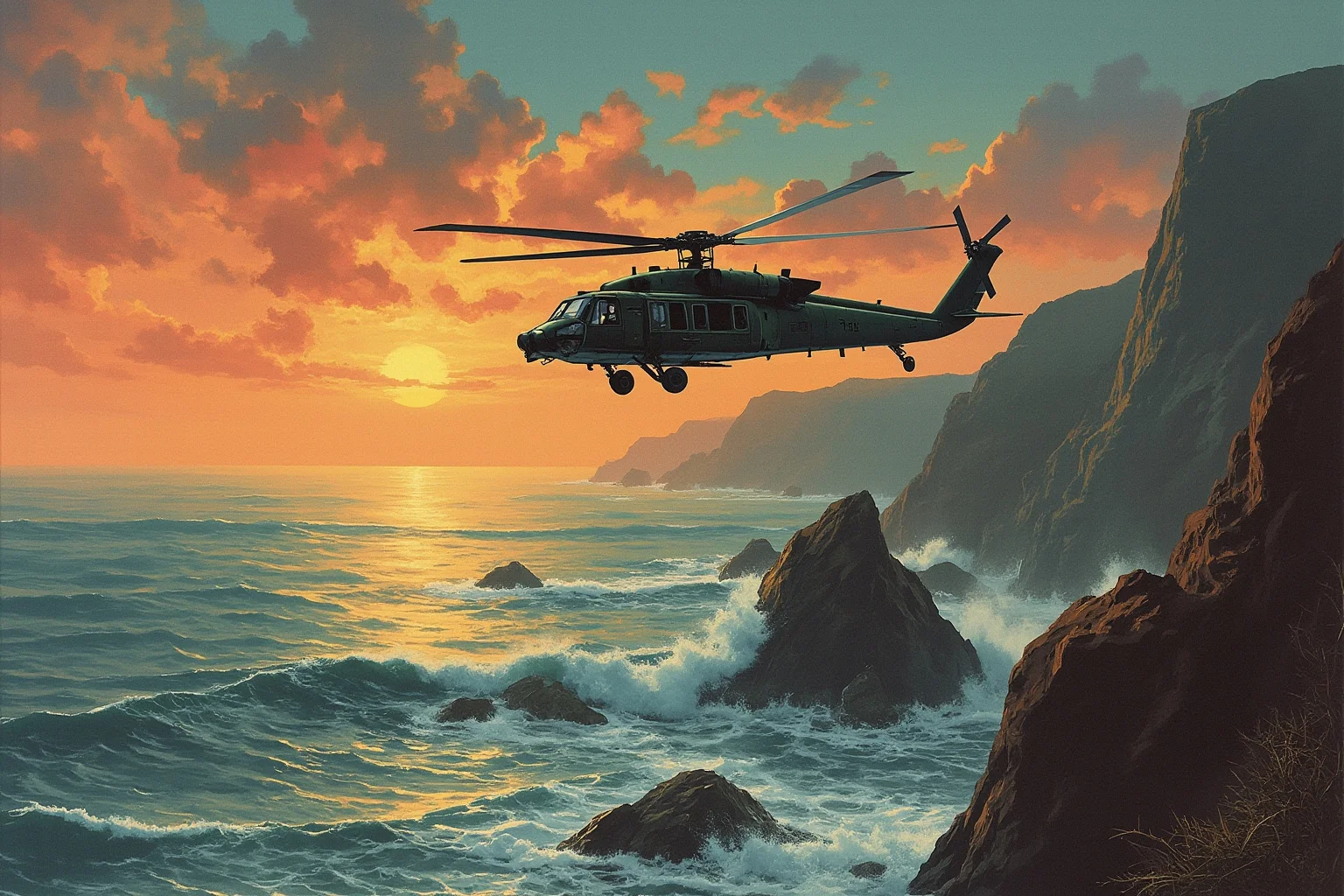
On the night of June 6, 1982, during the Falklands War, the British destroyer HMS Cardiff mistakenly shot down a British Army Gazelle helicopter, killing all four soldiers aboard. The helicopter had strayed into an area where air defense crews were on high alert for Argentine aircraft.
The tragedy highlighted how quickly modern missile systems could turn a moment of miscommunication into a fatal encounter. It remains one of the best-documented friendly fire incidents of the conflict.
13. Desert Storm’s Deadly Toll on U.S. Forces, 1991
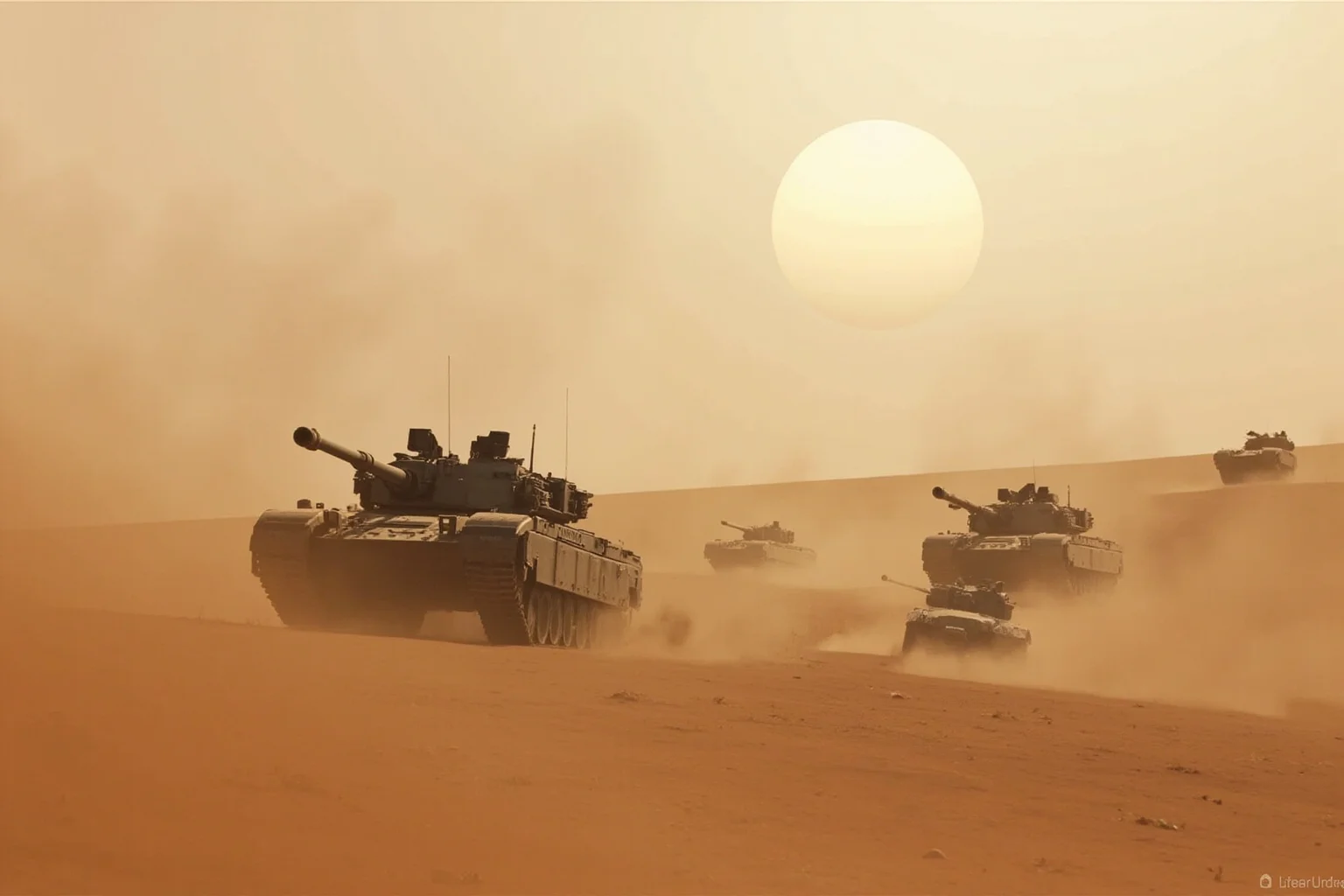
The 1991 Gulf War, often remembered for its swift and decisive victory, also produced a striking friendly fire statistic. Of the roughly 148 U.S. combat deaths during Operation Desert Storm, around 35 were the result of friendly fire, a proportion far higher than in most previous American wars.
Fast-moving armored columns, long-range weapons capable of striking before visual confirmation, and limited thermal identification technology all contributed to the toll. Desert Storm friendly fire incidents became a major focus of Pentagon reviews in the years that followed, prompting real changes to vehicle identification systems.
14. The A-10 Attack on British Warriors, 1991
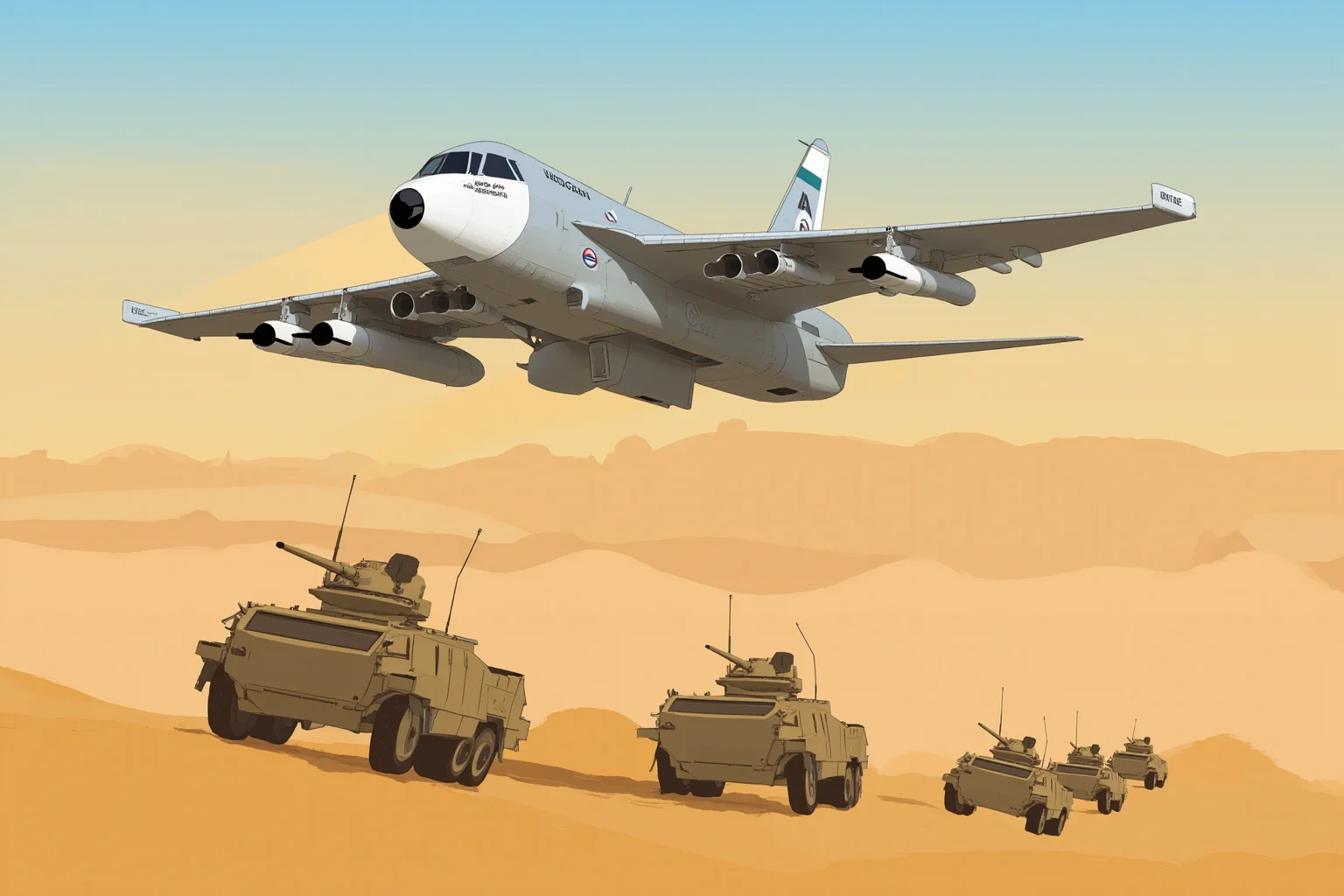
Among the most well-documented A-10 friendly fire incidents of Desert Storm occurred on February 26, 1991, when two U.S. Air Force A-10 Thunderbolt II aircraft mistakenly attacked British Army Warrior armored vehicles near Al Sudayr in southern Iraq. Nine British soldiers were killed and several others wounded.
The pilots reportedly mistook the Warriors for Iraqi armor due to similar vehicle silhouettes and a lack of clear identifying markings visible from the air. The incident sparked a formal inquiry and remains one of the most cited examples when discussing friendly fire incidents involving close air support aircraft.
15. The Battle of Khafji Confusion, 1991
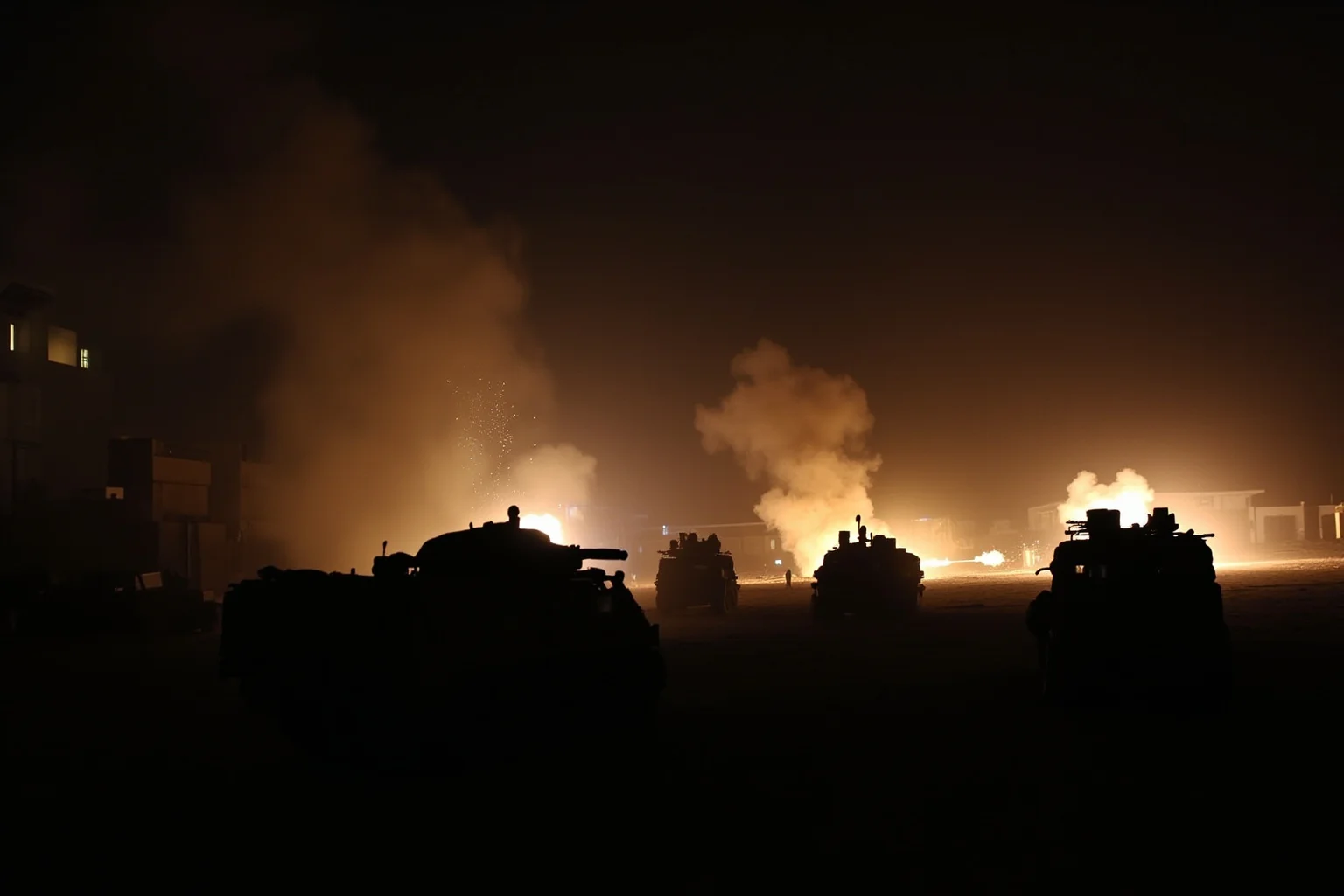
The late-January 1991 Battle of Khafji, fought between Iraqi forces and a coalition of Saudi, Qatari, and U.S. troops, was one of the messier engagements of the Gulf War. In the chaos of urban combat and overlapping unit movements, several coalition friendly fire incidents were reported among allied forces operating close together at night.
The battle is remembered as an important, if underreported, moment in Desert Storm, both for the coalition’s eventual success and for the coordination lessons it exposed. It reinforced how urban terrain and multinational forces increase the risk of mistaken identity in combat.
16. The Tarnak Farm Bombing, 2002
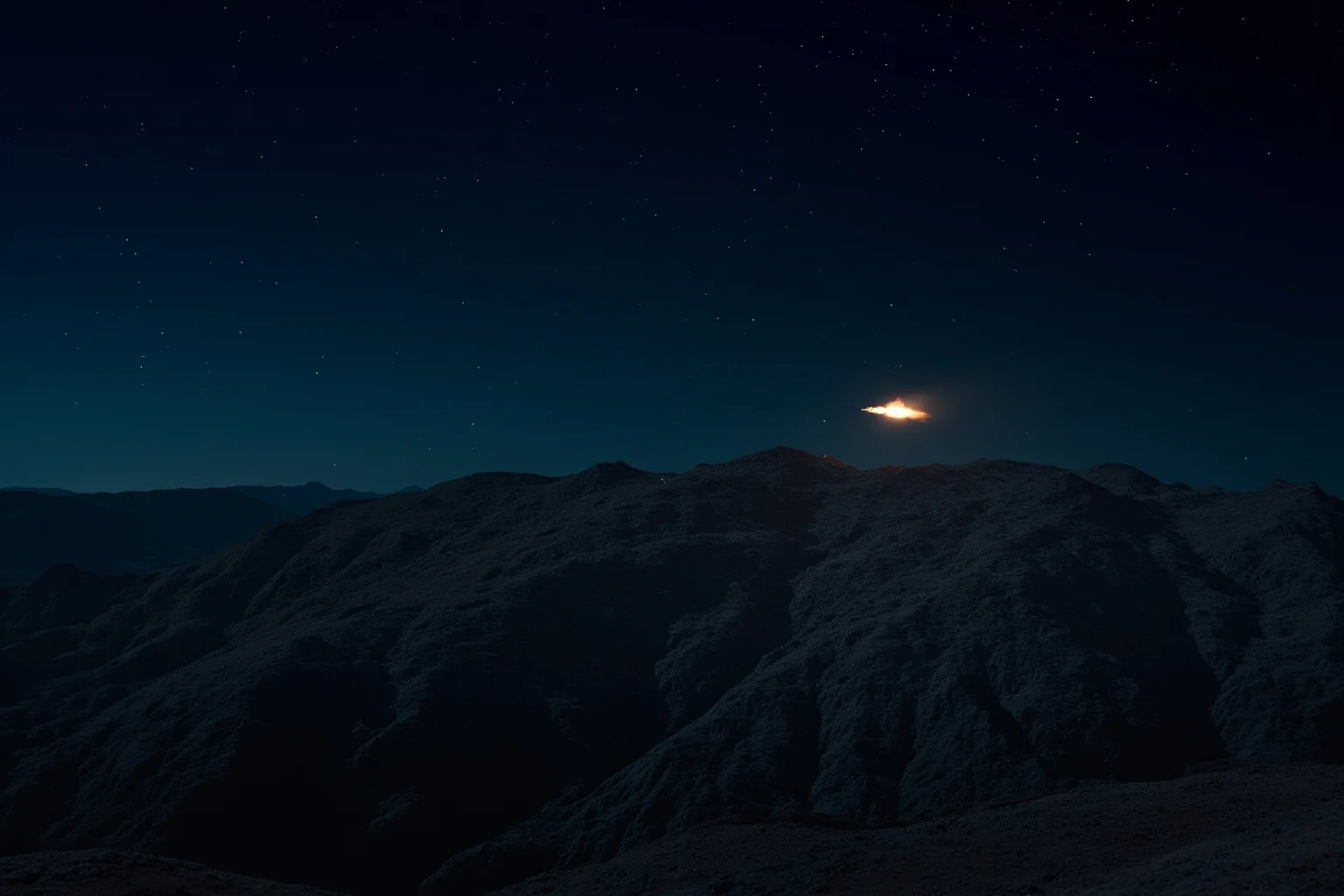
On April 17, 2002, during a nighttime live-fire training exercise near Kandahar, Afghanistan, a U.S. Air Force F-16 pilot dropped a laser-guided bomb on a group of Canadian soldiers, believing he was under fire from enemy positions. Four Canadian soldiers were killed and eight others wounded in what became known as the Tarnak Farm incident.
It was the first Canadian combat-related deaths of the Afghanistan War, and the pilot was later formally reprimanded following a U.S. military review. The incident strained diplomatic relations briefly and led to renewed scrutiny of pilot decision-making rules during coalition operations.
17. The Death of Pat Tillman, 2004

Former NFL player turned U.S. Army Ranger Pat Tillman was killed in Afghanistan on April 22, 2004, during a firefight in a narrow canyon. The Army initially told Tillman’s family and the public that he died from enemy fire, awarding him a Silver Star partly based on that account.
Weeks later, investigations revealed Tillman had actually been killed by fellow Rangers in a case of mistaken identity during confused nighttime fighting. The delayed and inconsistent disclosure of the truth sparked a lasting controversy over how the military handled the announcement, separate from the friendly fire incident itself.
18. The Patriot Missile Shootdowns, Iraq War 2003
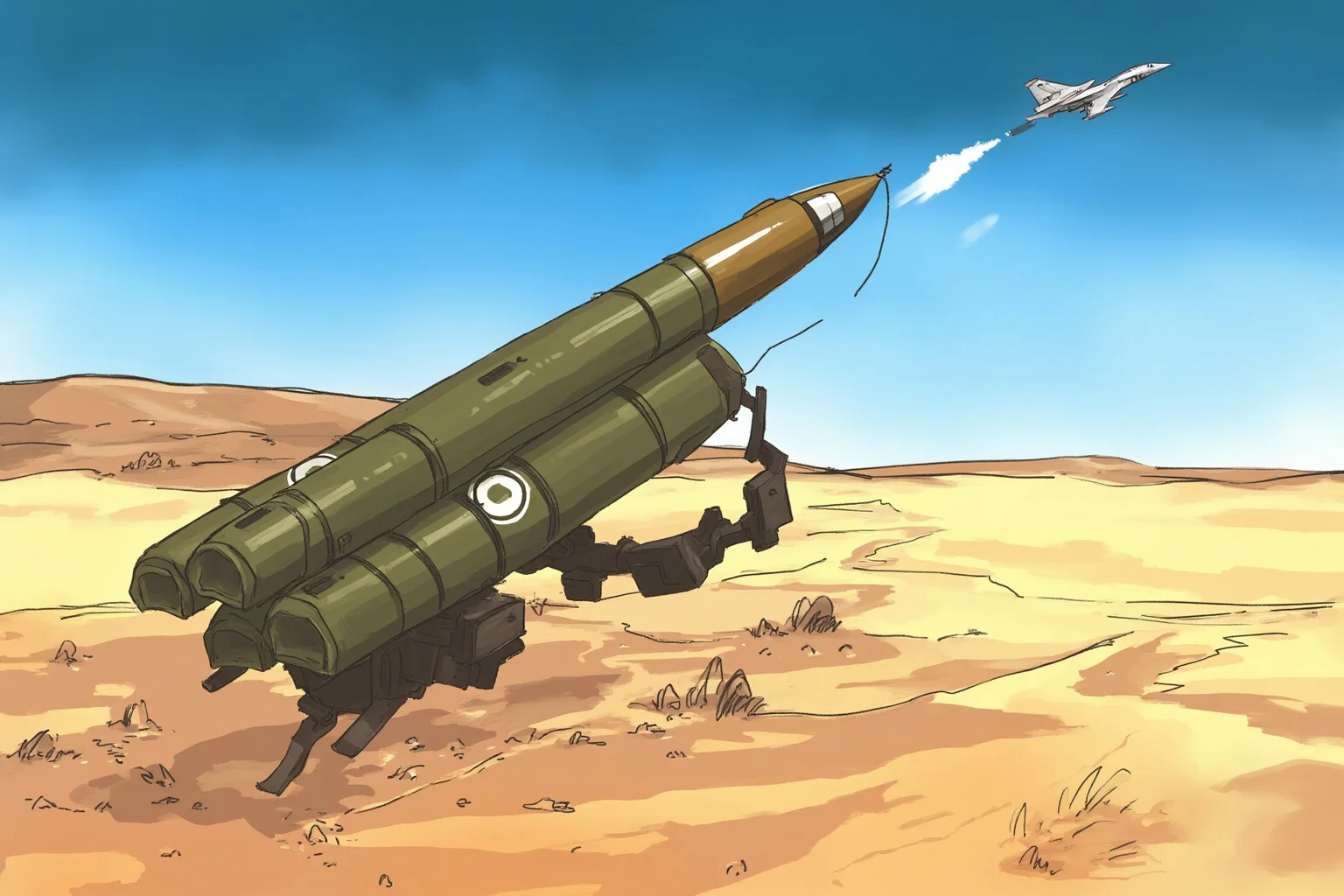
During the early weeks of the 2003 invasion of Iraq, U.S. Patriot missile batteries were involved in two serious friendly fire incidents within a two-week span. On March 22, 2003, a Patriot system shot down a British RAF Tornado GR4, killing both crew members, and on April 2, 2003, another Patriot battery downed a U.S. Navy F/A-18C Hornet, killing its pilot.
Both incidents were later linked to weaknesses in the Patriot system’s identification friend-or-foe (IFF) processes and human decision-making under pressure. The Pentagon conducted a detailed review afterward, leading to software and procedural changes for Patriot crews.
19. The Basra ‘Blue-on-Blue,’ Iraq War 2003
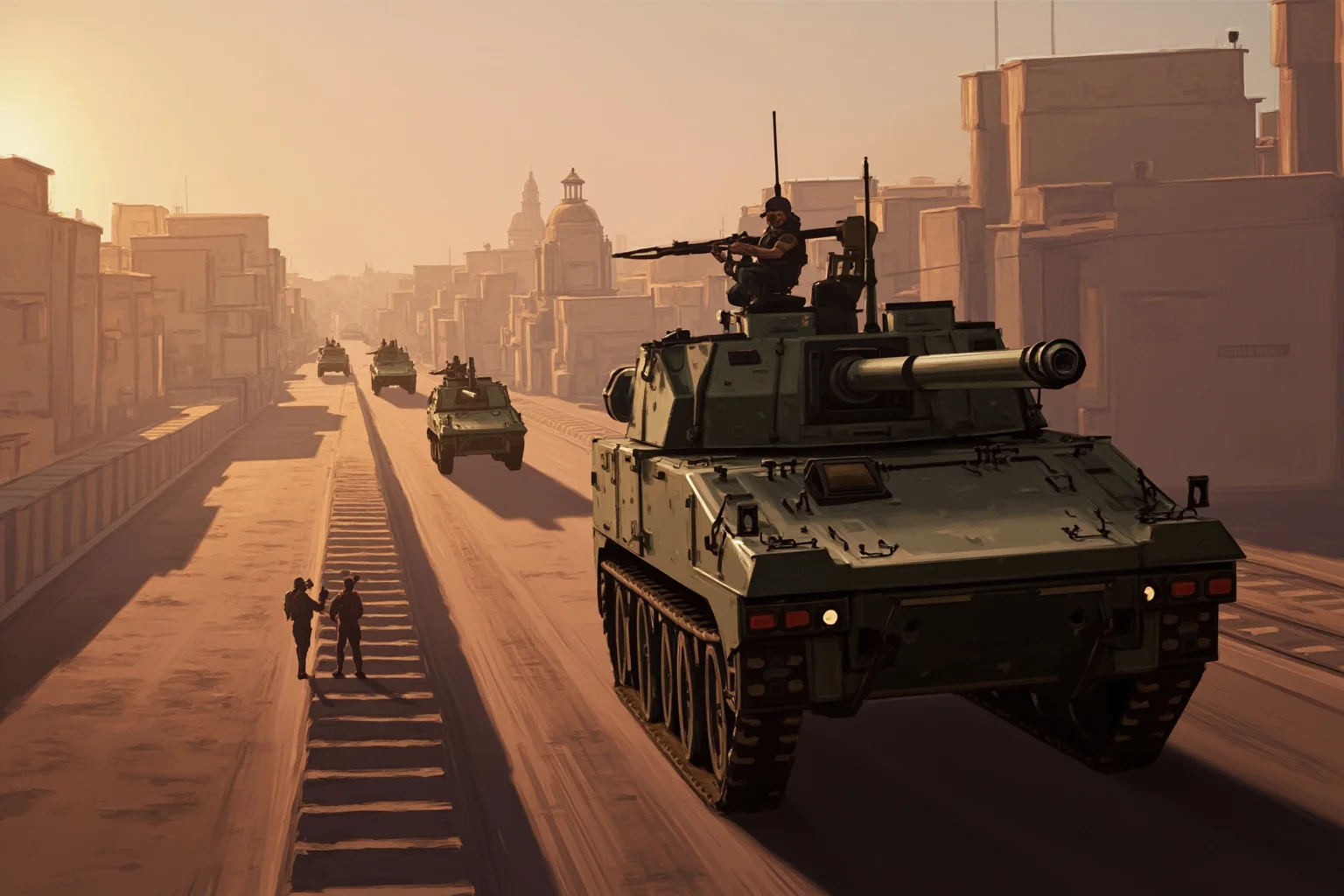
On March 28, 2003, U.S. A-10 aircraft mistakenly attacked a British armored column near Basra, killing Lance Corporal of Horse Matty Hull of the Household Cavalry. The incident became widely known after leaked cockpit video footage showed the pilots’ confusion in real time, sparking public debate in the United Kingdom.
A coroner’s inquest later ruled the death unlawful, while a U.S. military investigation found no wrongdoing on the part of the pilots. The case remains one of the most closely scrutinized A-10 friendly fire incidents due to the rare release of cockpit footage to the public.
20. Korean War Friendly Fire Amid Chaos, 1950-53
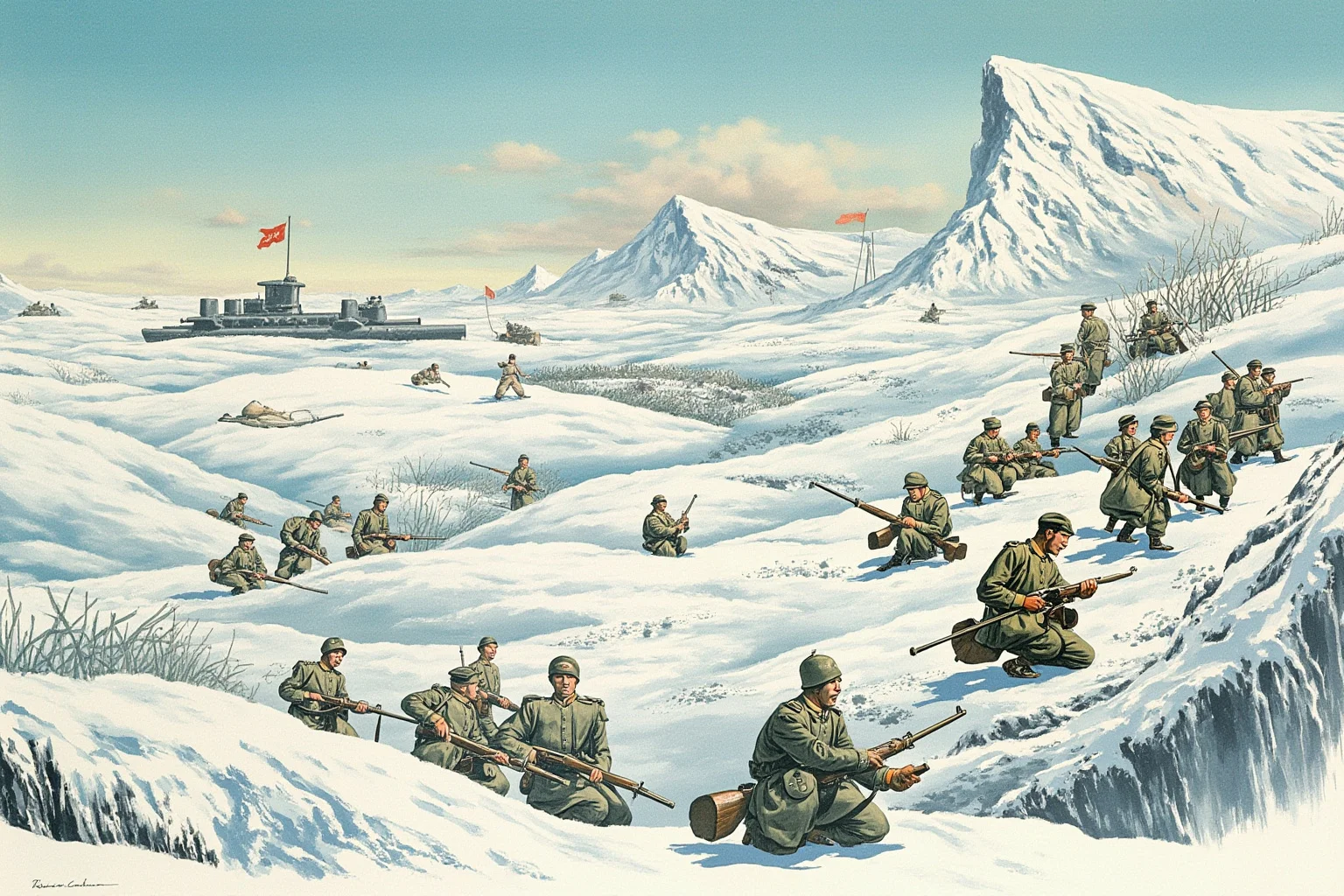
The Korean War brought together a genuinely multinational United Nations coalition, including American, British, Turkish, and other forces, often operating side by side with unfamiliar equipment, uniforms, and communication procedures. In the war’s fast-moving and often confused early months, this unfamiliarity contributed to friendly fire incidents among allied units.
Harsh winter conditions and rapidly shifting front lines only added to the difficulty of positive identification. While individual incidents from this era are less publicly documented than more recent conflicts, military historians widely recognize coalition coordination challenges as a recurring theme of the war.
Final Thoughts: Lessons From History’s Friendly Fire Incidents
Looking across more than five centuries of recorded conflict, a clear pattern emerges. Fog, smoke, darkness, speed, and simple human error show up again and again, regardless of whether the weapon involved is a longbow or a laser-guided missile.
Modern militaries have made real strides in reducing these incidents, from thermal identification systems to stricter communication protocols between air and ground forces. Even so, as long as war involves fast decisions made under extreme stress, the risk of friendly fire will likely never disappear entirely.
Understanding these historical incidents isn’t about assigning blame from a comfortable distance. It’s about recognizing how chaotic and unforgiving combat really is, and honoring the fact that many of history’s friendly fire casualties were simply doing their duty under impossible conditions.
Frequently Asked Questions
What is a friendly fire incident?
A friendly fire incident is when military forces accidentally attack their own troops or allies, usually due to misidentification, poor visibility, or miscommunication during combat. It is considered a tragic accident rather than an intentional act, and it is not classified as a war crime since there is no intent to harm one's own side.
What caused most of the friendly fire incidents during Desert Storm?
Desert Storm friendly fire incidents were mainly caused by fast-moving armored warfare, long-range weapons that could strike before visual confirmation, and limited thermal identification technology at the time. These factors contributed to roughly 35 of the 148 total U.S. combat deaths during the 1991 Gulf War.
Are A-10 friendly fire incidents common in military history?
A-10 friendly fire incidents are relatively rare given how many combat missions the aircraft has flown, but a handful of well-documented cases occurred during the Gulf War and the 2003 Iraq War, including attacks on British Warrior vehicles and a British armored column near Basra. These incidents prompted reviews of vehicle marking and pilot identification procedures.
Was the Battle of Karánsebes a real friendly fire incident?
The Battle of Karánsebes in 1788 is often cited as a dramatic example of friendly fire, but historians note that solid contemporary documentation is limited and much of the popular story comes from later, embellished retellings. It's best treated as a widely repeated legend rather than a fully verified historical event.
How does friendly fire differ from a war crime?
Friendly fire is an accidental attack on one's own forces, typically resulting from confusion, poor visibility, or technical failure, with no intent to cause harm. A war crime, by contrast, involves a deliberate violation of the laws of war, which makes intent the key legal difference between the two.
Why do friendly fire incidents still happen with modern technology?
Even with advanced identification systems, friendly fire incidents still happen because combat decisions often have to be made in seconds, under stress, and with incomplete information. Factors like smoke, darkness, similar-looking equipment, and communication delays between units continue to create risk despite technological improvements.

Alex Warren
Related Articles