

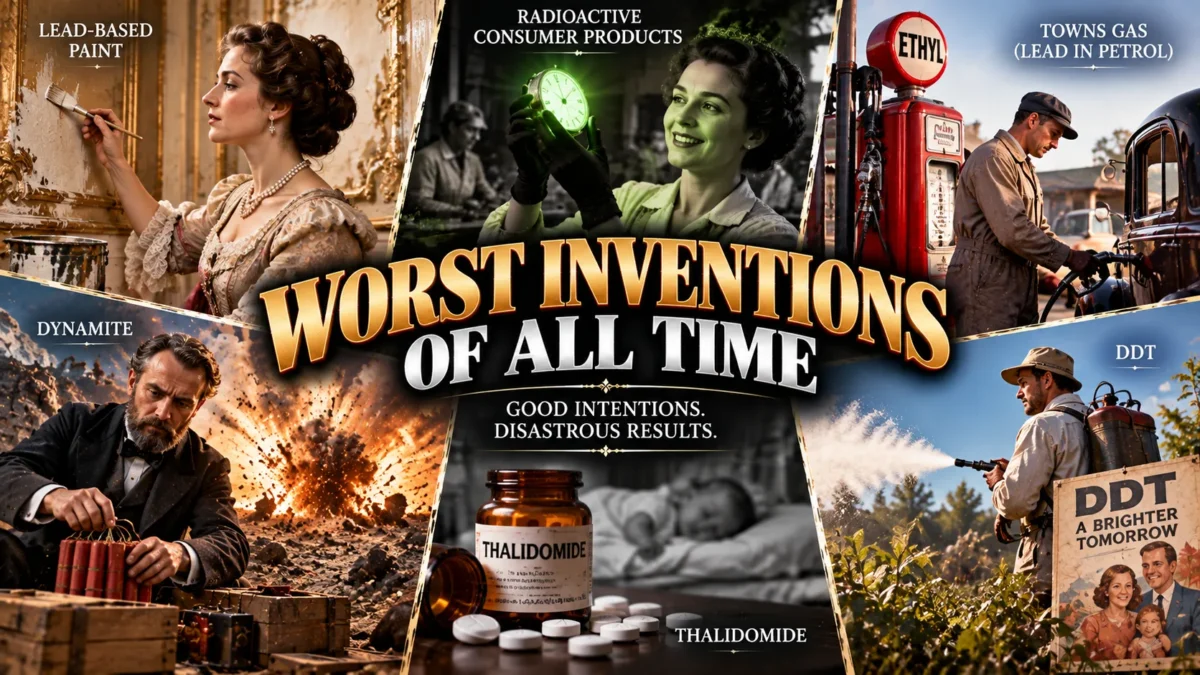
Human history is full of brilliant breakthroughs, but it’s also littered with spectacular mistakes. Some of these bad inventions were dreamed up by well-meaning scientists who had no idea what damage they’d unleash. Others were just plain silly products that never should have left the drawing board.
What makes a list of the worst inventions of all time so fascinating is that almost none of them were created with malice. Most inventors genuinely believed they were solving a problem.
This countdown looks at the science, the marketing, and the very human errors behind some of the most terrible inventions ever unleashed on the world, spanning several historical time periods and eras from ancient times to today.
TL;DR: Many of history’s worst inventions weren’t evil plots but well-intentioned ideas whose hidden dangers or design flaws took years, even decades, to fully understand.
TL;DR Highlights
Before diving into the full countdown, here’s the shape of the list. It spans toxic chemicals, disturbing medical gadgets, and modern tech flops that all earned a permanent spot in the hall of shame.
Each entry includes real historical context, so you can separate the genuinely dangerous inventions from the merely embarrassing ones. Let’s get into it.
Toxic and Deadly Inventions
These entries caused measurable, documented harm to human health or the environment. Many were used for decades before regulators caught up with the science.
1. Leaded Gasoline
In 1921, General Motors engineer Thomas Midgley Jr. discovered that adding tetraethyl lead to gasoline reduced engine knocking. It worked brilliantly as a fuel additive, which is exactly the problem.
Lead is a potent neurotoxin, and decades of leaded exhaust fumes are now linked by public health researchers to widespread childhood developmental harm across the 20th century. The United States didn’t fully ban leaded gasoline for road vehicles until 1996, and some countries continued using it well into the 2000s.
2. Asbestos Building Materials

Asbestos was prized for centuries because it’s fireproof, cheap, and an excellent insulator. Builders packed it into ceilings, pipes, and insulation across the industrialized world by the early 1900s.
The problem is that its microscopic fibers cause mesothelioma and other lung diseases when inhaled. Many countries didn’t begin serious restrictions until the 1980s, leaving generations of construction workers exposed.
3. DDT

Dichlorodiphenyltrichloroethane was hailed as a miracle pesticide in the 1940s, helping fight malaria-carrying mosquitoes and crop pests worldwide. Its inventor, Paul Hermann Müller, even won a Nobel Prize in 1948 for the discovery.
Biologist Rachel Carson’s 1962 book “Silent Spring” exposed how DDT accumulated in food chains and devastated bird populations. The U.S. banned most agricultural uses in 1972, though it’s still used in limited, controlled ways against malaria in some regions today.
4. Thalidomide
Marketed in the late 1950s as a sedative and morning-sickness remedy, thalidomide seemed like a gentle, safe drug. Testing standards at the time were far looser than today’s requirements.
Thousands of babies were born with severe limb and organ malformations after their mothers took the drug during pregnancy. The tragedy directly led to much stricter drug-safety testing laws in the United States and Europe.
5. Chlorofluorocarbons (CFCs)
Invented in the late 1920s, again largely by Thomas Midgley Jr., CFCs replaced dangerous, flammable refrigerants with something that seemed inert and safe. They were used in refrigerators, air conditioners, and aerosol cans for decades.
Scientists later discovered CFCs were steadily destroying the ozone layer, which shields the planet from harmful ultraviolet radiation. The 1987 Montreal Protocol phased them out, and the ozone layer has been slowly recovering ever since.
6. Radium-Based Consumer Products
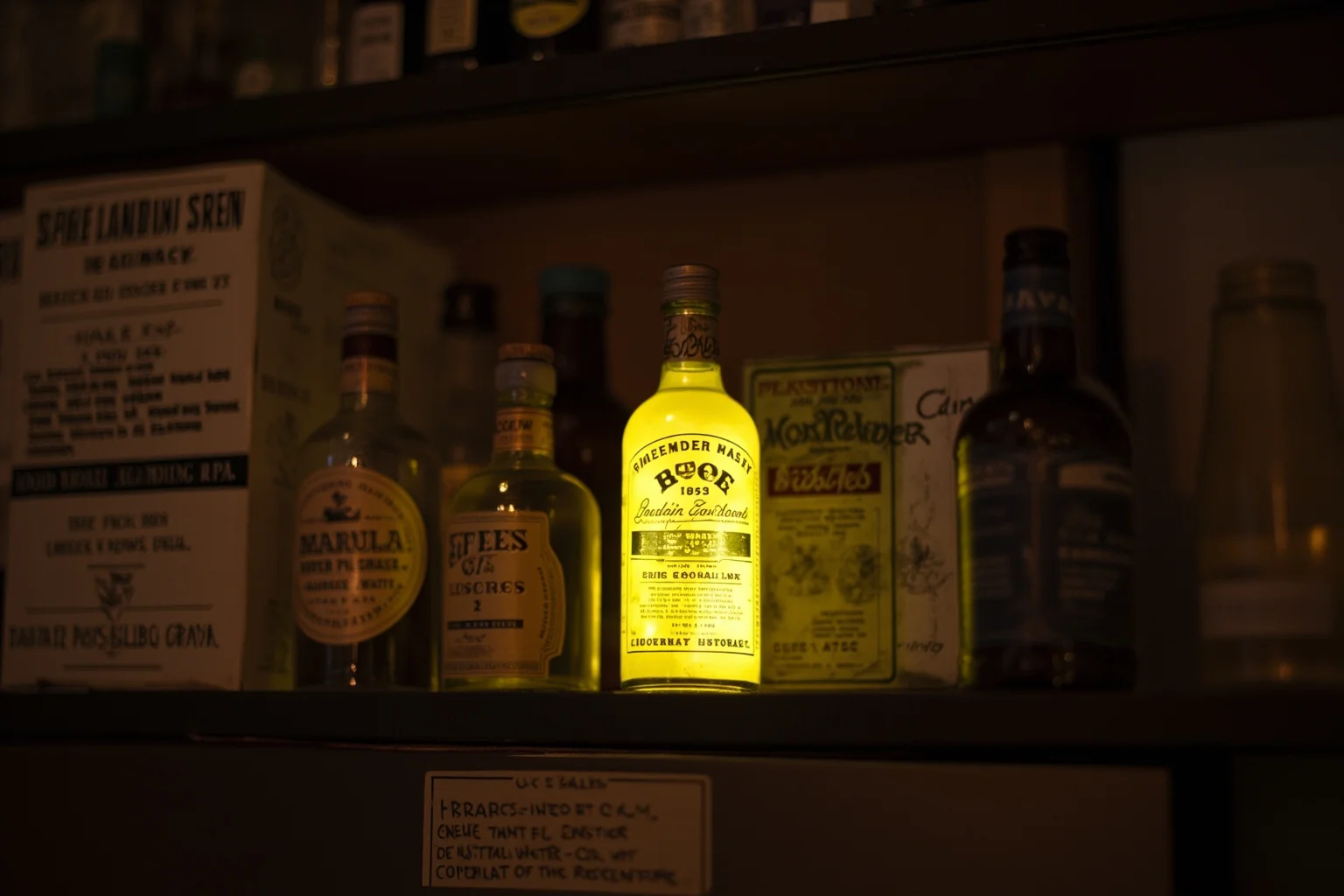
In the early 1900s, radium’s glow made it seem magical rather than dangerous. Companies sold radium-laced toothpaste, cosmetics, and even a popular tonic water called Radithor, marketed as a health booster.
Factory workers known as the “Radium Girls” painted watch dials with radium paint and were told it was harmless. Many suffered severe bone decay and cancer, and their resulting lawsuits helped establish modern workplace safety law.
7. Agent Orange

Developed as a herbicide to strip forest cover during the Vietnam War, Agent Orange was sprayed across millions of acres between 1961 and 1971. It did clear vegetation effectively, but it also contained dioxin, a highly toxic contaminant.
Exposure has been linked to serious health conditions in veterans and Vietnamese civilians alike, and cleanup efforts continue in affected regions today. It remains one of the starkest examples of a wartime invention with generational consequences.
8. Mustard Gas and Chemical Weapons
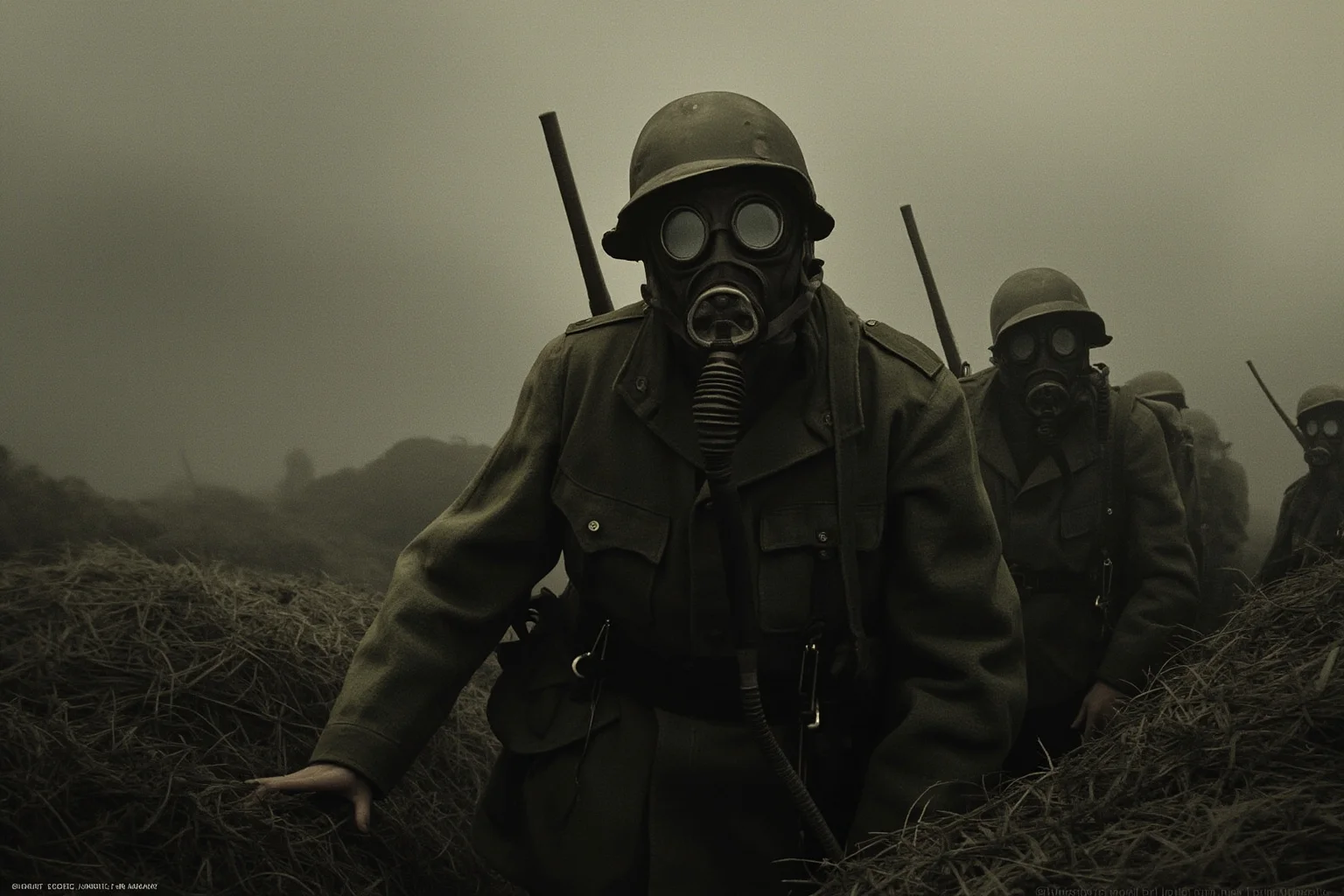
First used at scale during World War I, mustard gas caused horrific blistering, blindness, and respiratory damage. It was engineered specifically to incapacitate soldiers in trench warfare.
The global horror it produced led to the 1925 Geneva Protocol banning chemical weapons in warfare. It stands as a grim reminder that some inventions exist purely to cause suffering.
9. The Landmine

Buried explosive mines date back centuries, but industrialized landmines became devastating fixtures of 20th-century warfare. They’re cheap, easy to deploy, and disturbingly effective at maiming rather than just killing.
Decades after conflicts end, landmines continue injuring civilians and farmers in former war zones. The 1997 Ottawa Treaty banned anti-personnel mines, though not every nation has signed on.
10. Trans Fats (Partially Hydrogenated Oils)
Created in the early 1900s as a shelf-stable, cheap alternative to butter and lard, partially hydrogenated oils became a staple of processed food for most of the 20th century, much like many of the 20th century inventions we now take for granted. Crisco, introduced in 1911, was one of the first major commercial products built on the technology.
Decades later, researchers linked trans fats to significantly higher risks of heart disease. The FDA moved to eliminate them from the U.S. food supply starting in 2015, closing the loop on one of the most terrible inventions ever to sit quietly in kitchen cupboards.
Bizarre and Disturbing Historical Gadgets
Not every bad invention was a chemical disaster. Some were just deeply strange devices that reveal how differently past generations understood health, safety, and childcare.
11. The Cigarette Rolling Machine
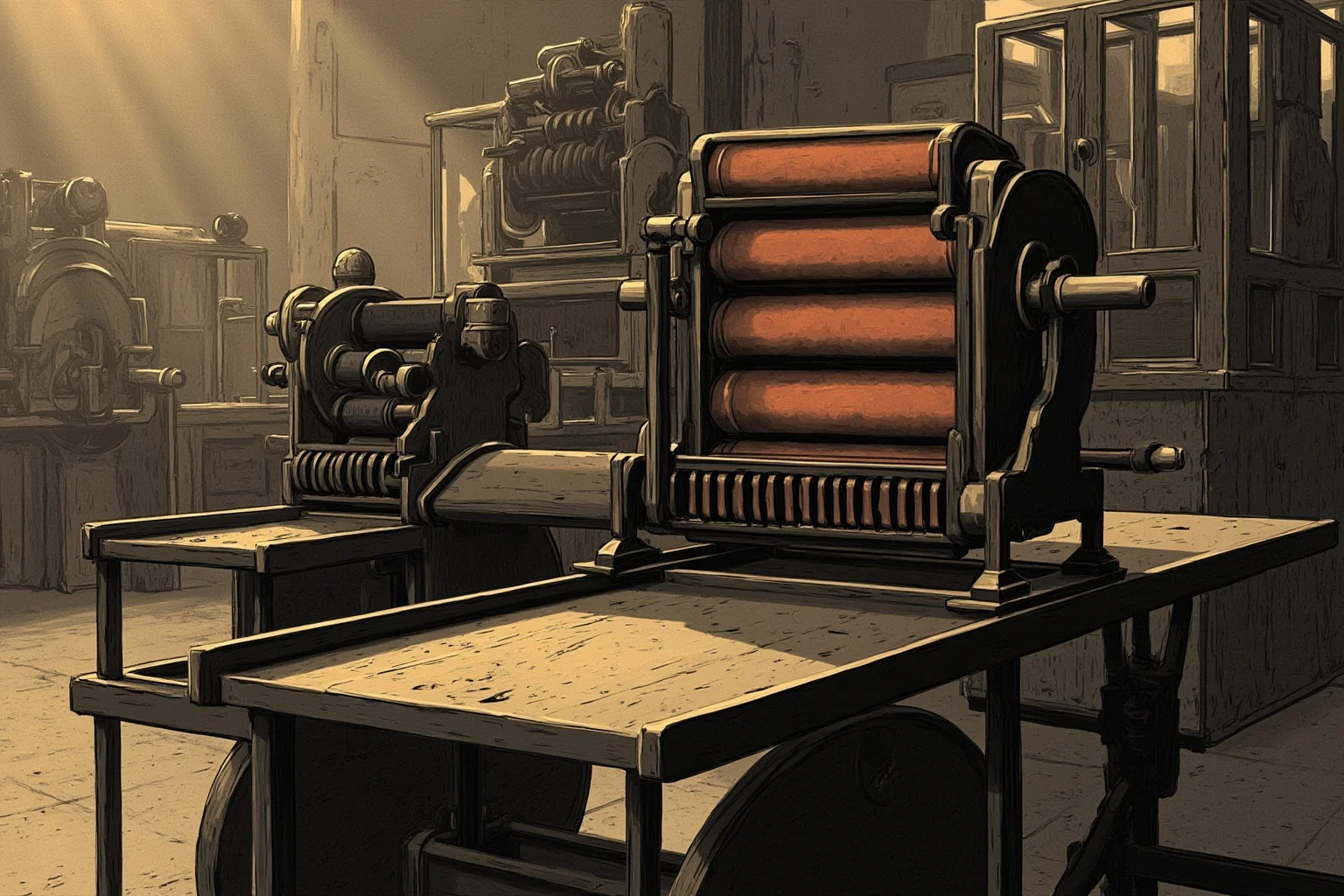
Before the 1880s, cigarettes were rolled by hand, which naturally limited how many people smoked. James Bonsack’s automatic rolling machine, patented in 1880, could produce over 200 cigarettes a minute.
This single mechanical innovation transformed tobacco from a niche habit into a mass-market product. Public health historians widely consider it a major factor in the 20th century’s smoking-related health crisis.
12. The Baby Cage
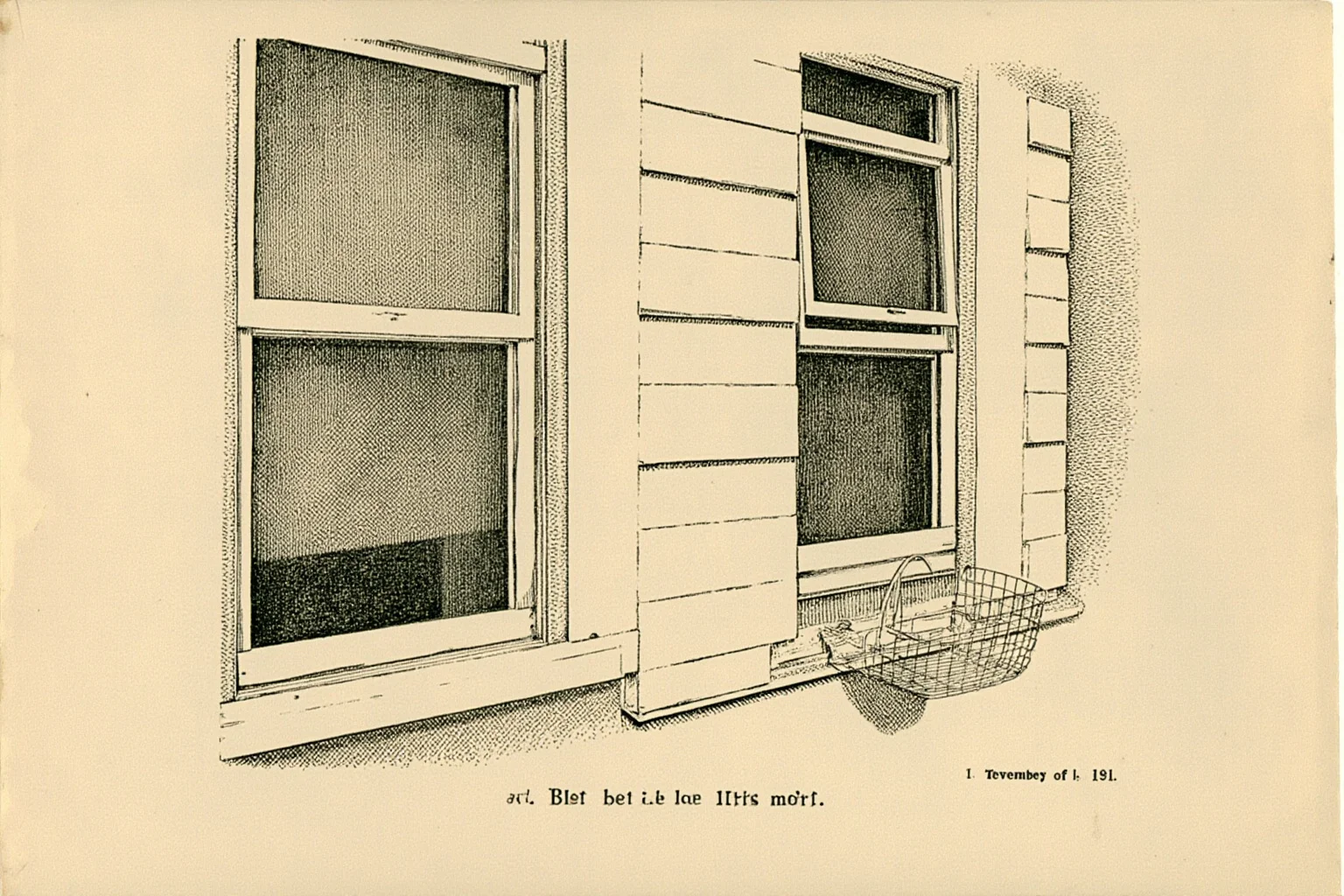
In the 1920s and 1930s, some urban parents in cramped apartment buildings used wire cages that hung outside windows to give infants “fresh air.” The idea was promoted by contemporary parenting advice that emphasized sunlight and outdoor exposure for babies.
Unsurprisingly, dangling a baby several stories above a city street in a wire basket looks horrifying by modern standards. The devices faded out by the mid-20th century as safety norms and housing standards changed.
13. The Tobacco Smoke Enema
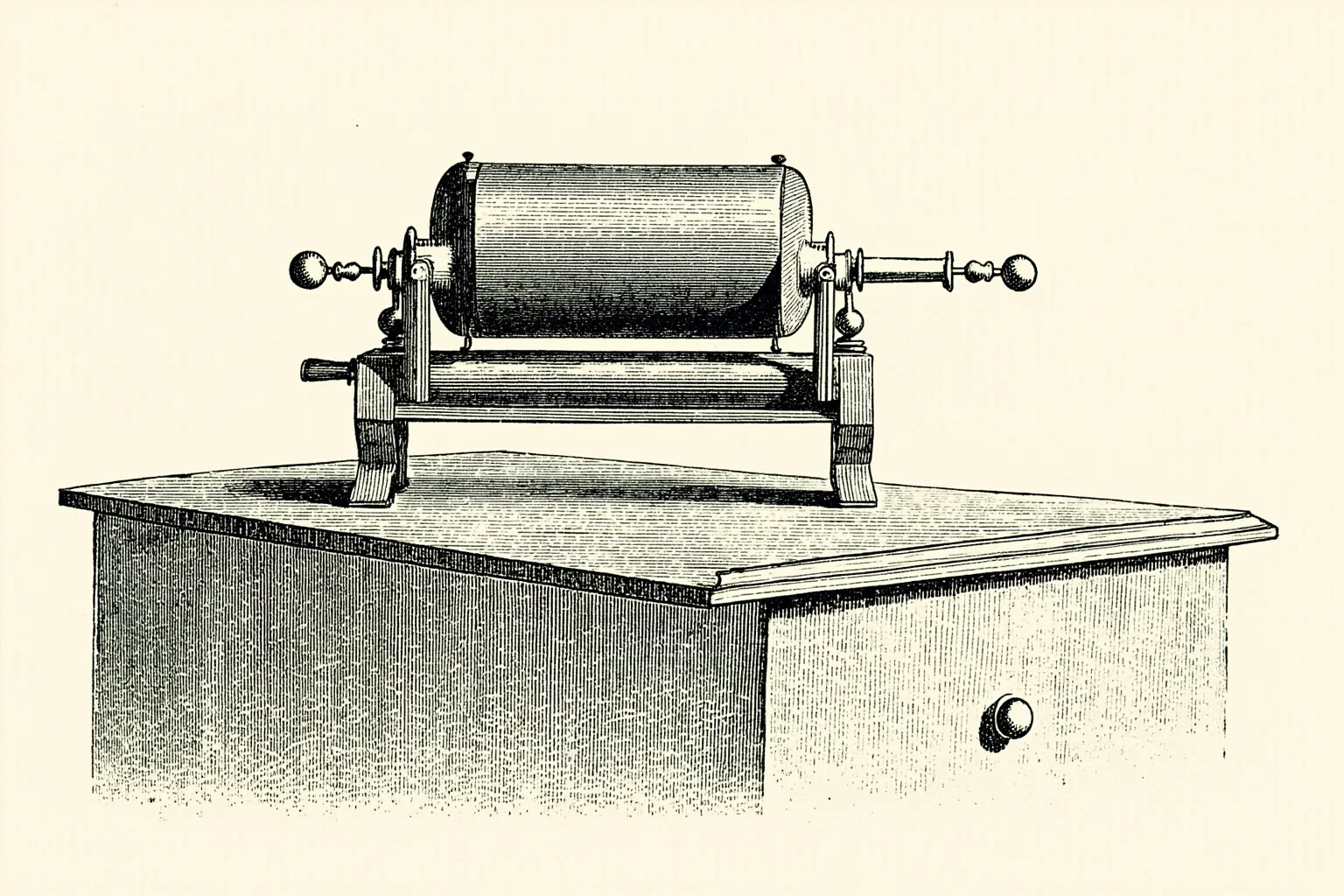
Eighteenth-century physicians used bellows-like devices to blow tobacco smoke into the rectums of drowning victims, believing the warmth and stimulant properties of nicotine could revive them. This practice was widespread enough to inspire the phrase “blowing smoke.”
It had no real resuscitative value and likely delayed more effective intervention. It quietly disappeared from medical practice by the early 1800s as anatomy and physiology became better understood.
14. The Scold’s Bridle
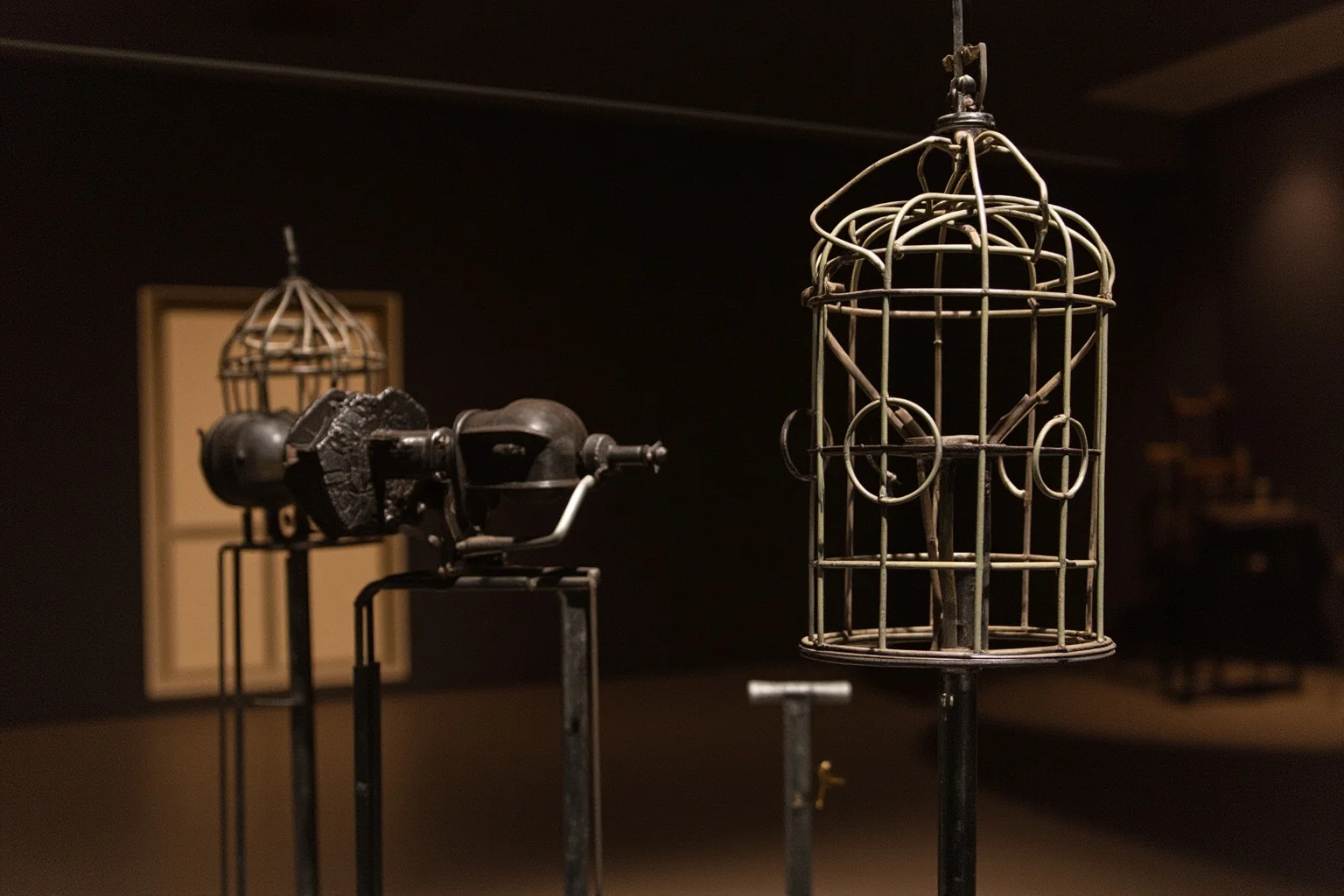
Used in parts of Britain from around the 1500s through the 1700s, this iron muzzle-like cage locked over a person’s head, often with a metal plate pressing down on the tongue. It was typically used to publicly punish women accused of gossiping or “nagging.”
It served no practical purpose beyond humiliation and pain. Historians now cite it as a disturbing artifact of the era’s harsh social control over women rather than any legitimate tool.
15. Ancient Trepanning Tools
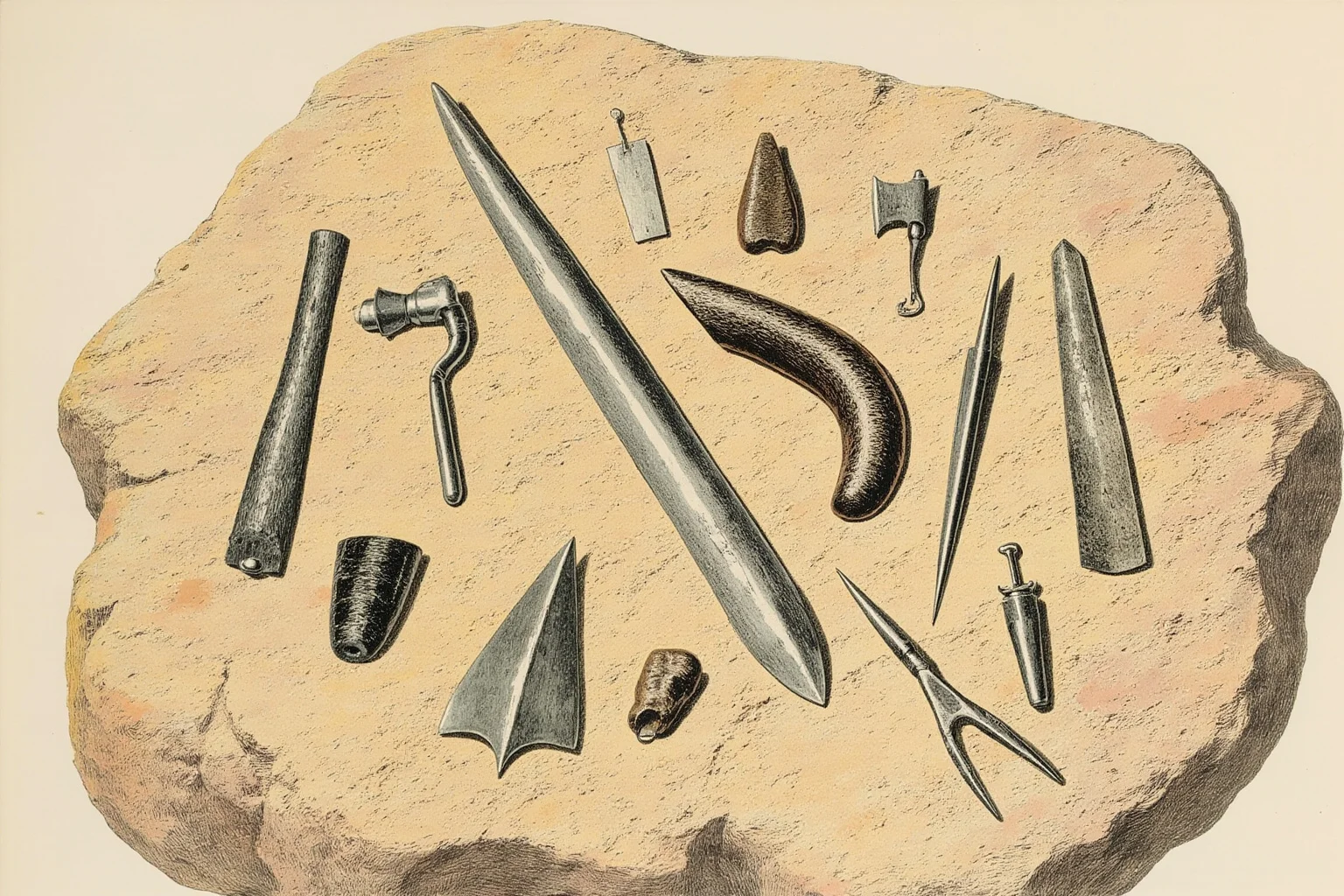
Trepanning, or drilling a hole into the skull, is one of humanity’s oldest surviving surgical practices, with evidence dating back thousands of years across many cultures, and surviving skull specimens rank among some of the most incredible artifacts ever uncovered. Some ancient practitioners believed it released evil spirits or relieved pressure from head injuries.
Without anesthesia or any understanding of infection, survival rates were unsurprisingly grim in many cases. Modern neurosurgery still uses a controlled version of skull drilling, but nothing resembling its crude ancient form.
16. The Ice Pick Lobotomy
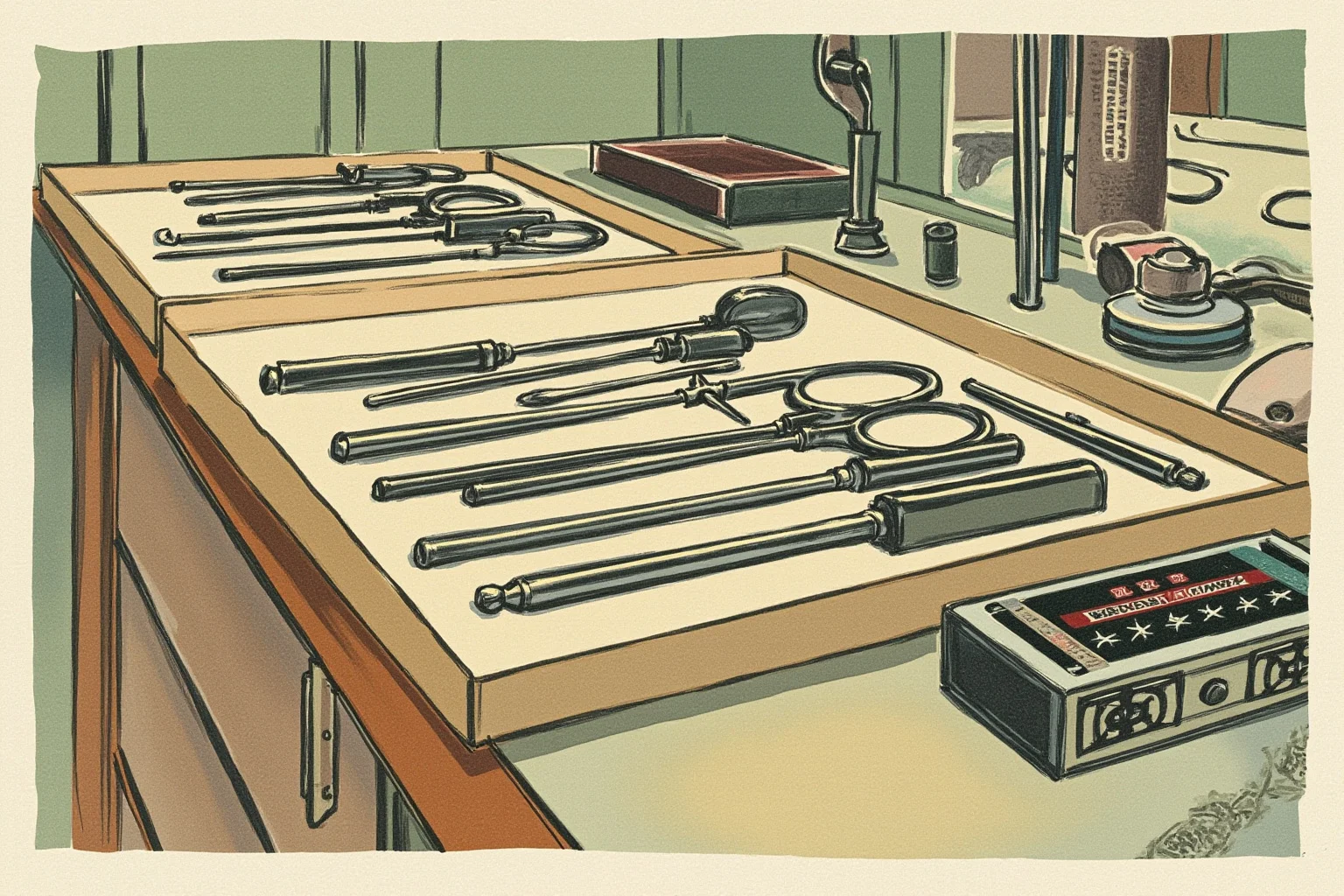
Neurologist Walter Freeman popularized the transorbital lobotomy in the late 1940s, using a thin surgical instrument resembling an ice pick to sever connections in the brain’s frontal lobes. He performed the procedure on thousands of patients, often in mere minutes and outside sterile operating rooms.
The results were frequently devastating, leaving patients with permanent personality changes, emotional flatness, or severe impairment. By the 1950s, newer antipsychotic medications and mounting ethical criticism largely ended the practice.
17. Phrenology Measuring Devices
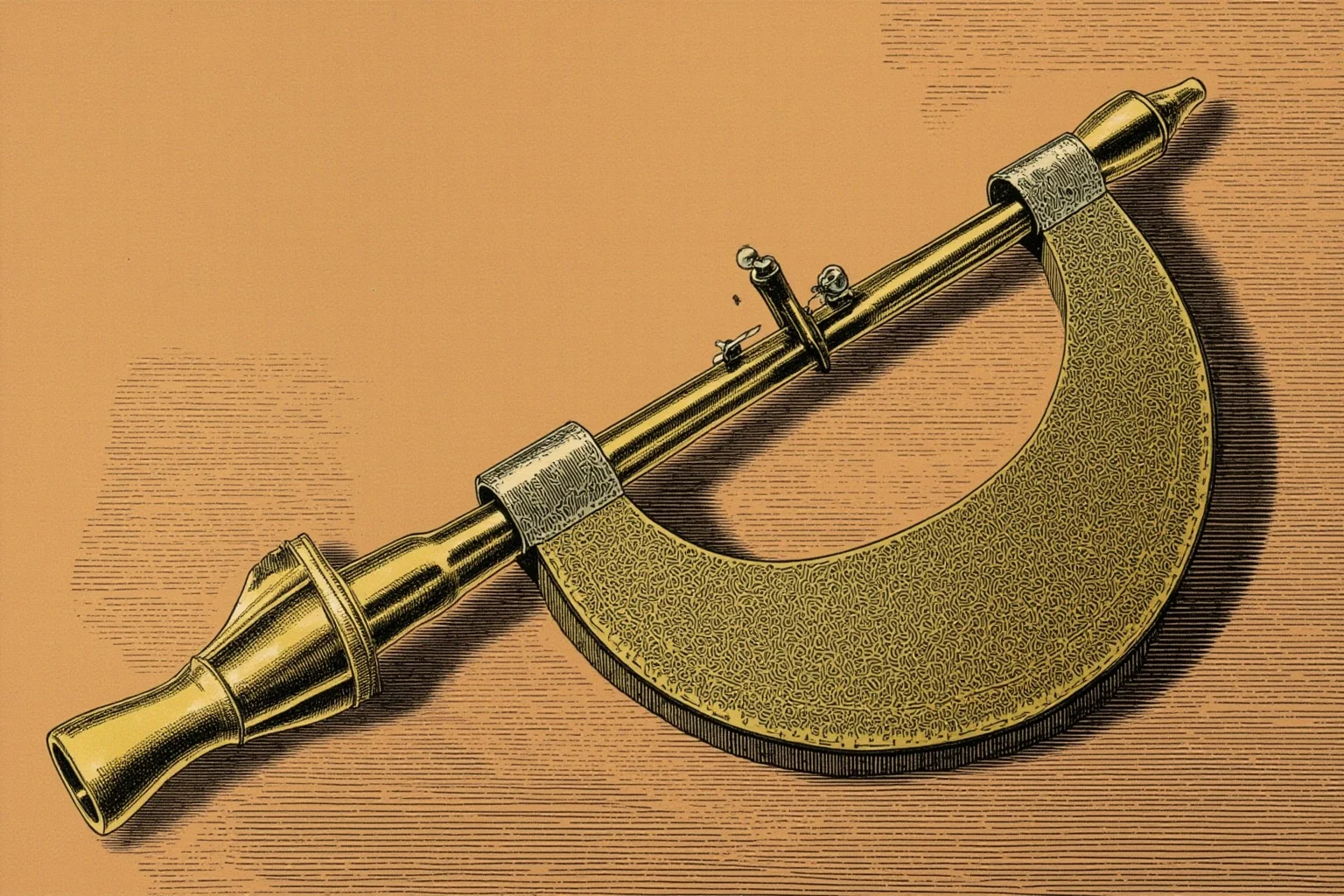
In the 19th century, practitioners used calipers and head-measuring helmets to assess skull bumps, believing they revealed personality traits and mental abilities. Franz Joseph Gall developed the underlying theory in the early 1800s, and it spread widely across Europe and America.
The entire field had no genuine scientific basis and has since been thoroughly discredited by modern neuroscience. It remains a cautionary tale about mistaking confident pseudoscience for real medicine.
Modern Inventions That Missed the Mark
Not every entry on a worst inventions list comes from centuries past. Some recent products prove that big budgets and slick marketing don’t guarantee a good idea.
18. The Segway
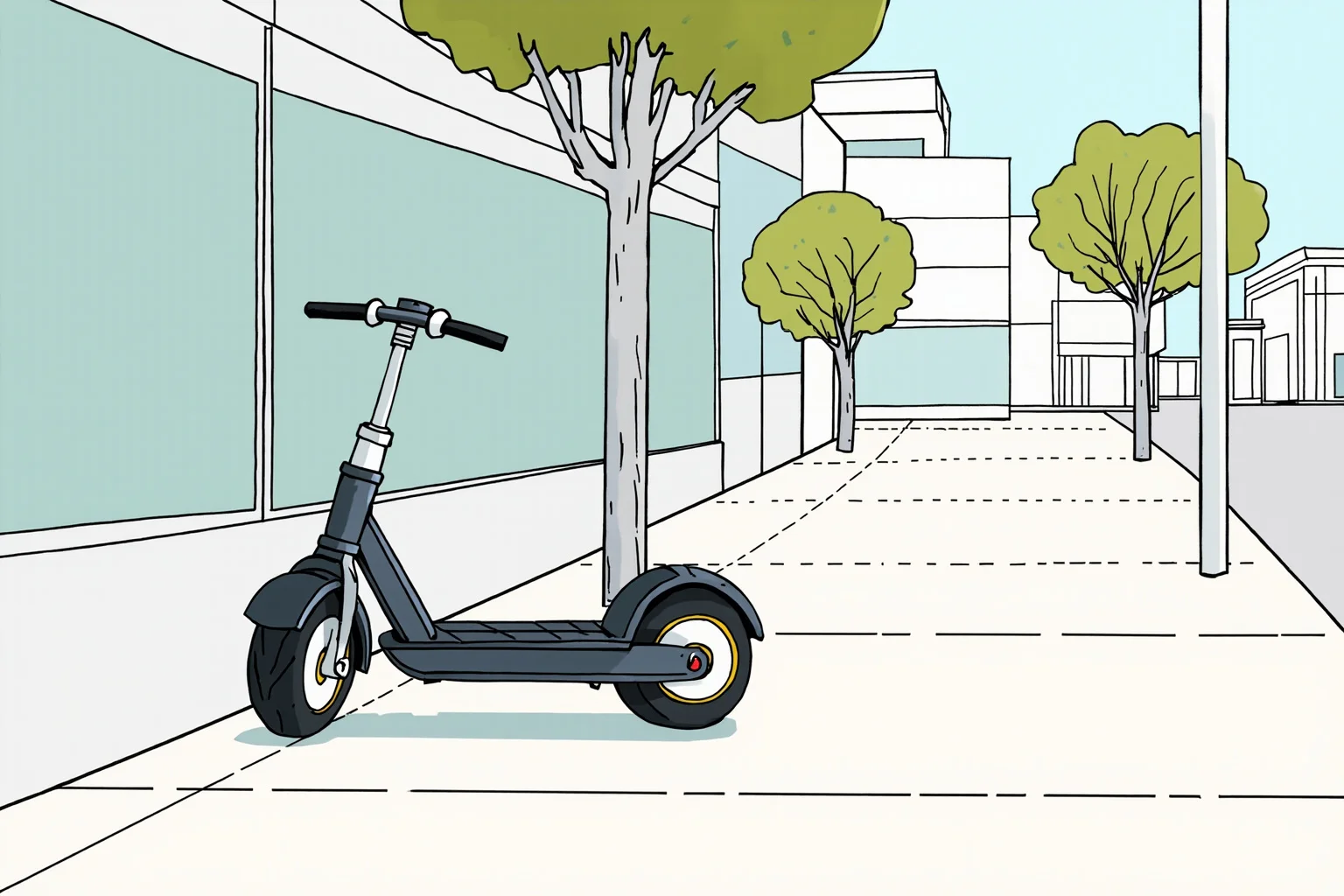
Launched in 2001 with enormous hype, the Segway’s inventor and early backers predicted it would reshape how cities were designed. Instead, its high price, bulky size, and unclear purpose meant it never found a genuine mass market.
It became more of a punchline and mall-cop cliché than the transportation revolution its creators imagined. Production officially ended in 2020, closing out one of the most infamous flops in modern invention history.
19. Clippy the Office Assistant
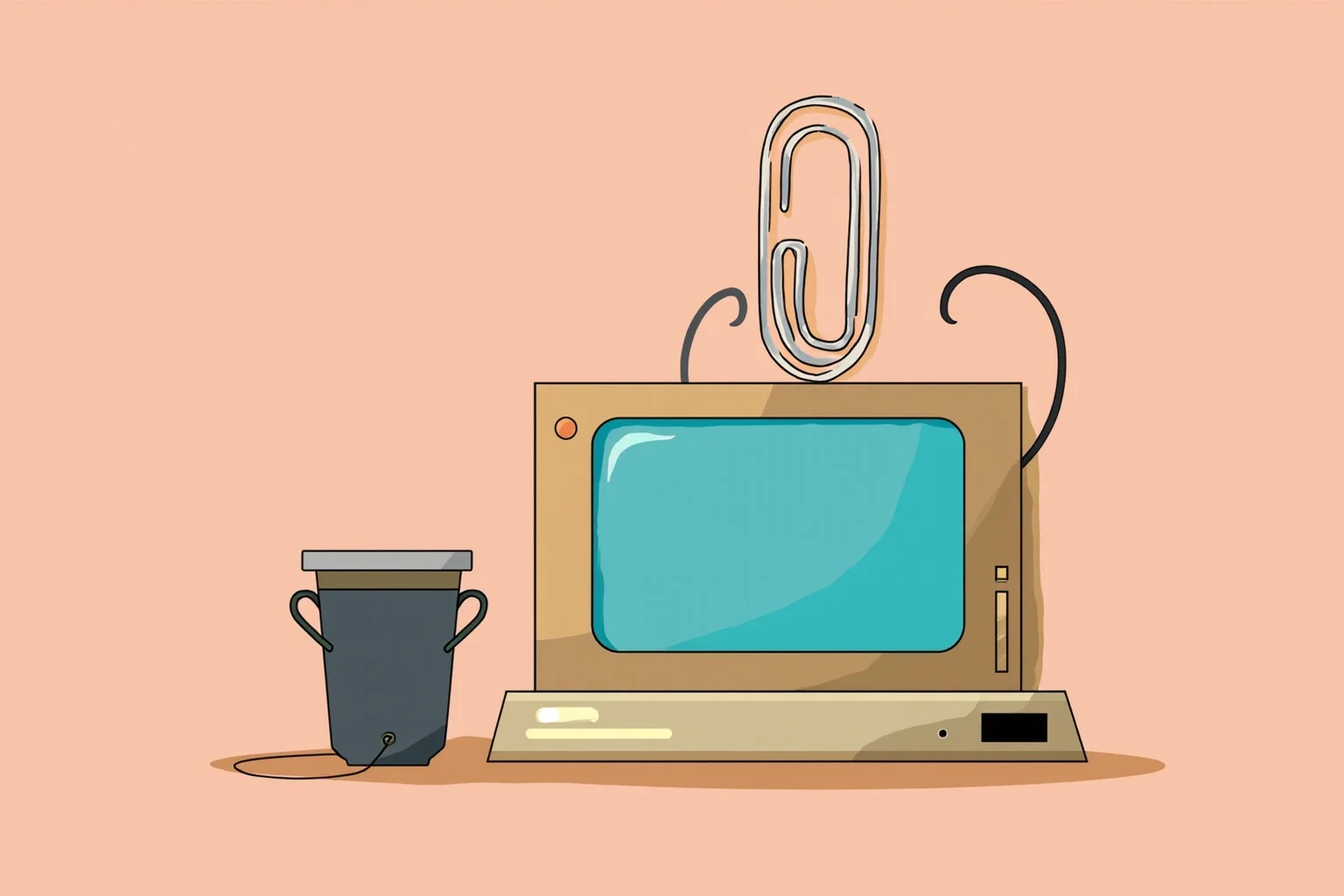
Microsoft introduced Clippy, an animated paperclip character, in Office 97 to offer helpful tips while people worked. Instead of feeling helpful, it interrupted constantly and became widely mocked as intrusive and annoying.
Microsoft retired the feature by 2007 after years of user complaints and parody. It’s a small but memorable example of good intentions creating a genuinely bad user experience.
20. The 3D Television

Manufacturers pushed 3D TVs hard in the early 2010s, betting that home theaters would follow cinema’s 3D movie boom. Most models required clunky glasses and gave many viewers headaches or eye strain.
Consumer interest never matched the marketing budgets behind it, and major manufacturers quietly dropped 3D features by the mid-2010s. It’s often cited as a classic case of a solution nobody actually asked for.
21. Google Glass
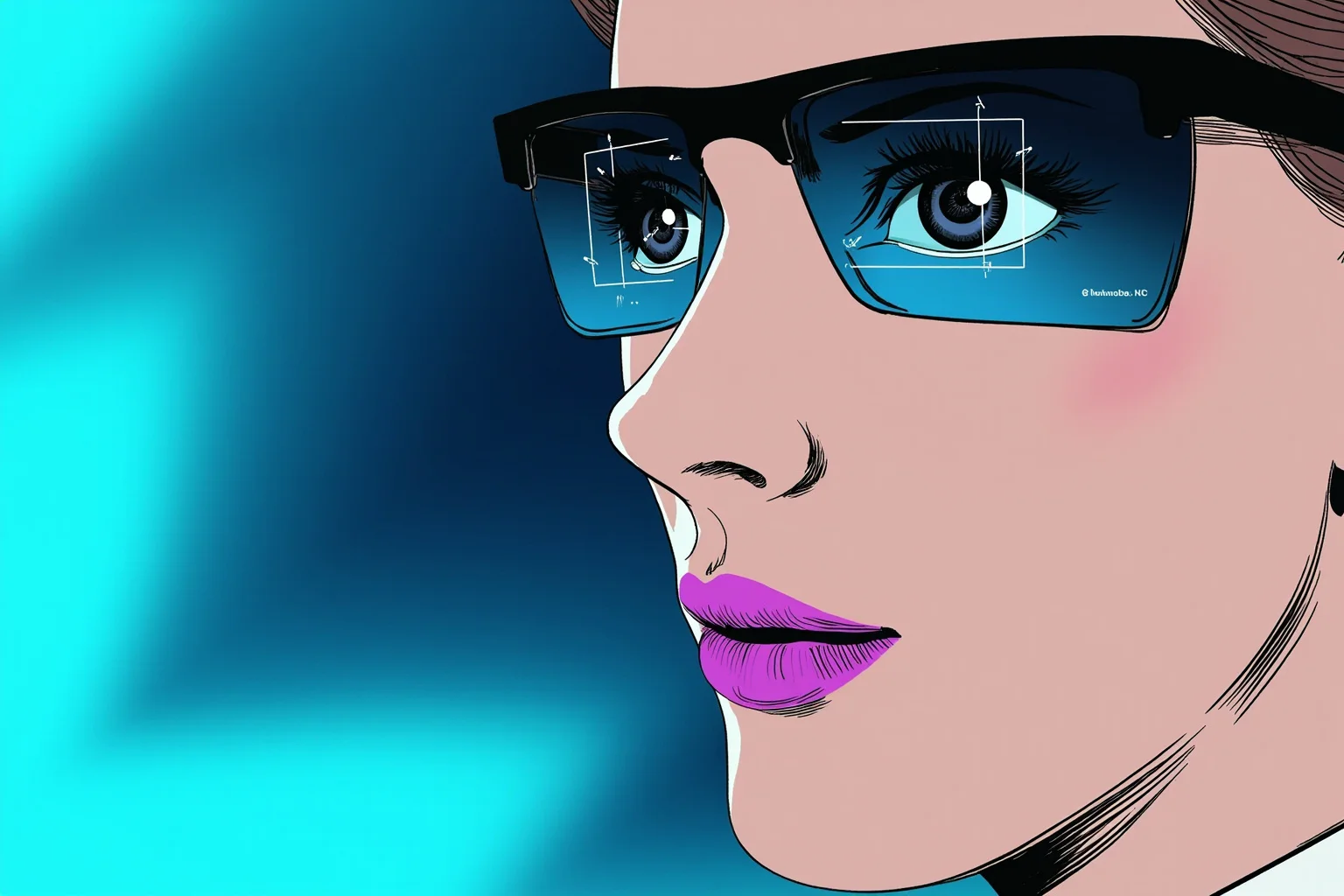
Released to select testers in 2013, Google Glass promised a hands-free future of augmented reality worn right on your face. Privacy concerns, an awkward design, and a steep price tag made it a hard sell for everyday consumers.
Google discontinued the consumer version in 2015, though enterprise versions lingered on in niche industrial use. It’s frequently referenced as a cautionary tale about launching futuristic tech before the public is ready for it.
22. Juicero

This Silicon Valley juicing machine launched in 2016 with roughly $120 million in venture funding and a price tag of several hundred dollars. It was designed to squeeze proprietary juice packets that, reporters later demonstrated, could simply be squeezed by hand just as effectively.
The company shut down in 2017 after the story became a symbol of overengineered, overfunded tech solving a problem that didn’t need solving. It’s a modern reminder that not every gadget-shaped idea deserves to exist.
Why Do So Many Bad Inventions Get Made in the First Place?
Looking back at this list, a pattern emerges pretty quickly. Most horrible inventions weren’t created by villains twirling mustaches in a lab.
They were created by people solving an immediate, visible problem while missing a slower, hidden cost. Leaded gasoline fixed engine knocking; nobody set out to poison a generation of children.
Other entries reveal how commercial incentives can outrun scientific caution. Radium seemed too glamorous to question, tobacco was too profitable to regulate quickly, and Juicero had too much investor momentum to admit failure early.
And a few, frankly, were just bad ideas that clever marketing couldn’t rescue. The Segway and 3D TVs weren’t dangerous, they were simply solutions in search of a problem that never quite existed.
What This List Teaches Us About Progress
It’s tempting to look at any list of the 50 worst inventions and assume our own era is smarter and safer. History suggests otherwise; we simply don’t yet know which of today’s celebrated inventions will end up on tomorrow’s version of this list.
The common thread across a century of terrible inventions is delayed accountability. Whether it took years, like Clippy’s annoyance becoming obvious, or decades, like lead’s toxicity becoming undeniable, the warning signs were often there long before action followed.
That’s really the myth this list busts. Bad inventions rarely start out looking bad; they usually start out looking like progress.
Final Thoughts on History’s Worst Inventions
Ranking the worst inventions of all time isn’t really about mocking the people who made them. It’s about understanding how good intentions, incomplete science, and market pressure can combine into genuine disasters.
From leaded gasoline to Juicero, each entry on this list reflects the values, blind spots, and technological limits of its time. Studying them honestly, rather than dismissing them as obviously foolish in hindsight, is what actually helps us avoid repeating the same mistakes.
Frequently Asked Questions
What are the worst inventions of all time?
Historians and public health researchers commonly point to leaded gasoline, asbestos building materials, DDT, thalidomide, and CFCs as some of the worst inventions of all time because of their well-documented, long-term harm to human health and the environment. Bizarre historical devices like the baby cage and disturbing medical tools like the ice pick lobotomy are also frequently cited for how misguided they now appear.
Why did so many harmful inventions get widely adopted before their dangers were known?
Most of these inventions solved an immediate, visible problem while their risks took years or decades of research to fully understand. Regulatory science, workplace safety standards, and drug testing laws were also far less rigorous through most of the 20th century than they are today.
Are modern gadgets like Google Glass and the Segway really considered bad inventions?
They're generally seen as commercial and design failures rather than dangerous ones. Both products struggled with impractical designs, high prices, and unclear everyday usefulness, which made them widely cited examples of overhyped technology that never found its intended market.
What made leaded gasoline one of the most terrible inventions in history?
Tetraethyl lead effectively reduced engine knocking, but decades of exposure to lead in vehicle exhaust is now linked by public health researchers to widespread neurological harm, especially in children. It remained in widespread use for over 70 years before most countries phased it out.
Is there a difference between a ‘bad’ invention and a ‘dangerous’ invention?
Yes. Some inventions, like Clippy or 3D televisions, were simply unpopular, poorly designed, or commercially unsuccessful without posing any real danger. Others, like DDT or mustard gas, caused measurable, lasting harm to human health or the environment, which puts them in a much more serious category.

Alex Warren
Related Articles





