

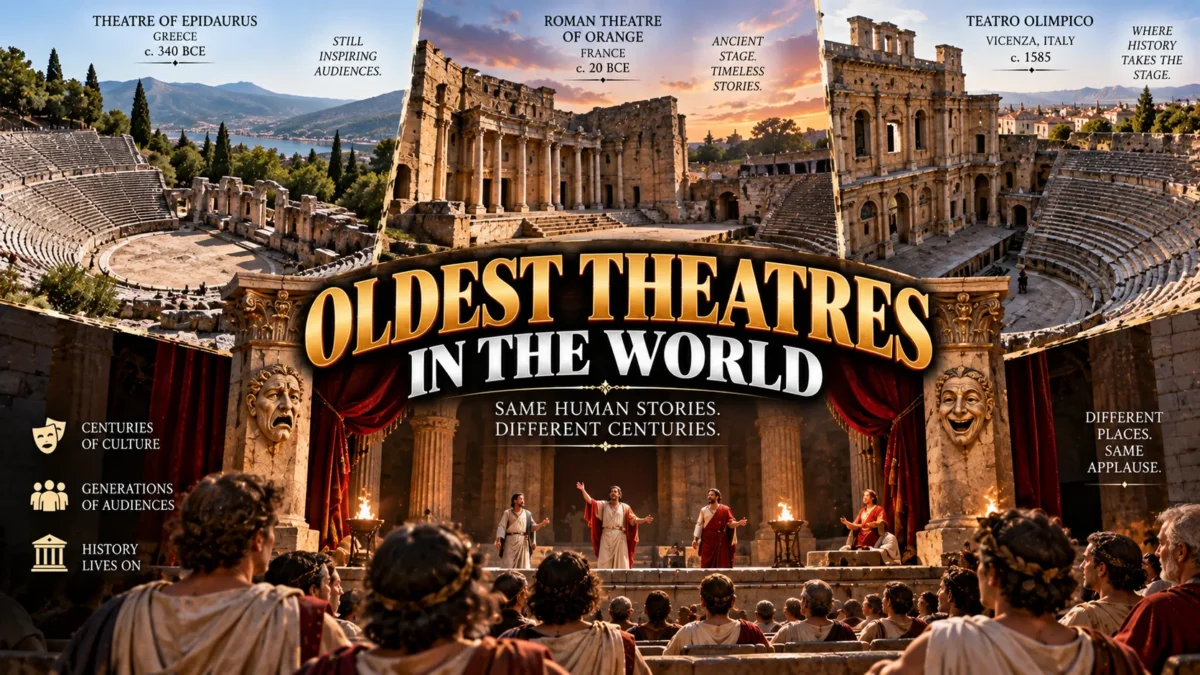
Long before anyone bought a ticket for a blockbuster or streamed a show from a couch, people were gathering in carved stone bowls on hillsides to watch actors perform, structures that still rank among the oldest buildings in the world.
The story of the oldest theatres in the world isn’t a single, tidy timeline — it’s a tangled mix of ancient amphitheaters, Renaissance court playhouses, grand opera houses, and eventually the flickering rooms where movies first played.
Along the way, a lot of “world’s oldest” claims get repeated without much scrutiny, so this guide separates the well-documented history from the popular myths.
We’ll move chronologically, from the earliest known theaters of ancient Greece through the theatres of the 16th century, into the oldest theatres still operating today, and finally into the birth of the movie theater. Consider this your myth-busting map of theatrical history.
TL;DR: The oldest theatres in the world trace an unbroken line from ancient Greek stone amphitheaters through 16th-century court playhouses to today’s opera houses and movie theaters, and no single building can honestly claim the title of “first” without some caveats.
What Actually Counts As A “Theatre”?
Before ranking anything, it helps to define terms, because “oldest theatre” means different things depending on who’s asking. An ancient Greek or Roman open-air venue, a fully enclosed Renaissance playhouse, a 19th-century opera house, and a 20th-century movie palace are all technically “theatres,” but they’re wildly different structures built centuries apart.
That’s why this list is organized in eras rather than one single ranking. It’s the only honest way to talk about early theater history without flattening thousands of years of architectural change into a misleading top spot.
The Oldest Theatres Of The Ancient World
Greek and Roman theatres are the foundation of Western performance history, and remarkably, many are still standing — some are even still used for live performances today. These ancient theaters were carved into hillsides, using the natural slope for seating long before anyone had modern engineering tools.
1. Theatre of Dionysus, Athens, Greece
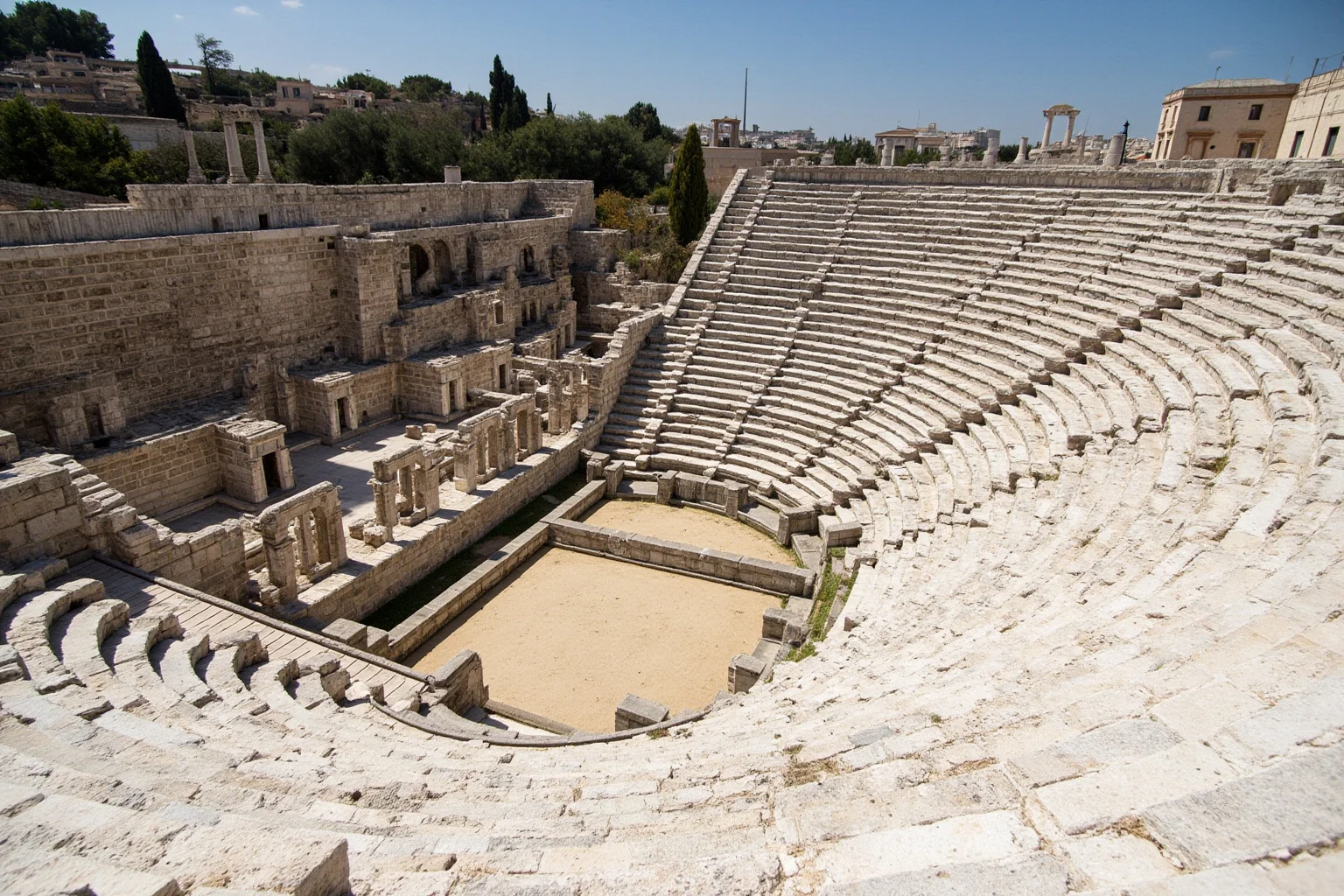
Built into the south slope of the Acropolis, the Theatre of Dionysus is generally regarded as the oldest theatre in the world with a documented history. Wooden seating structures likely existed here as early as the 6th century BC, tied to festivals honoring the god Dionysus.
The stone version most visitors picture today was largely rebuilt in the 4th century BC under the statesman Lycurgus. This is the spiritual birthplace of Greek tragedy and comedy, where playwrights like Sophocles and Aristophanes first saw their work performed.
2. Theatre of Epidaurus, Greece
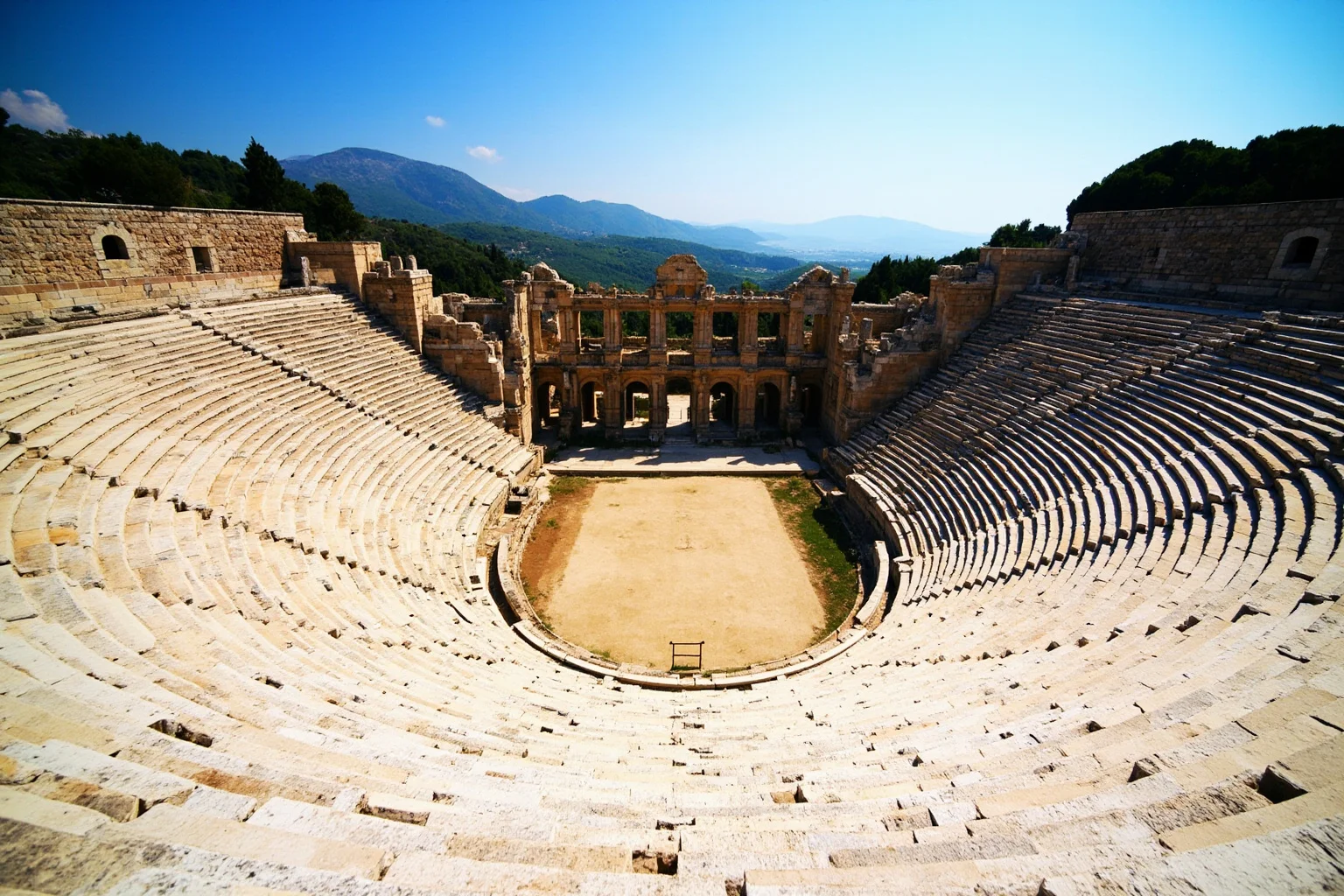
Epidaurus is often called the best-preserved ancient Greek theatre, and it’s famous for near-perfect acoustics that still amaze visitors. It was designed in the late 4th century BC, likely by the architect Polykleitos the Younger.
Researchers have studied why a whisper on stage can reportedly be heard from the back rows, with theories pointing to the limestone seats filtering out low-frequency noise. The theatre could originally seat well over 12,000 people and is still used for performances during the annual Epidaurus Festival.
3. Theatre of Segesta, Sicily
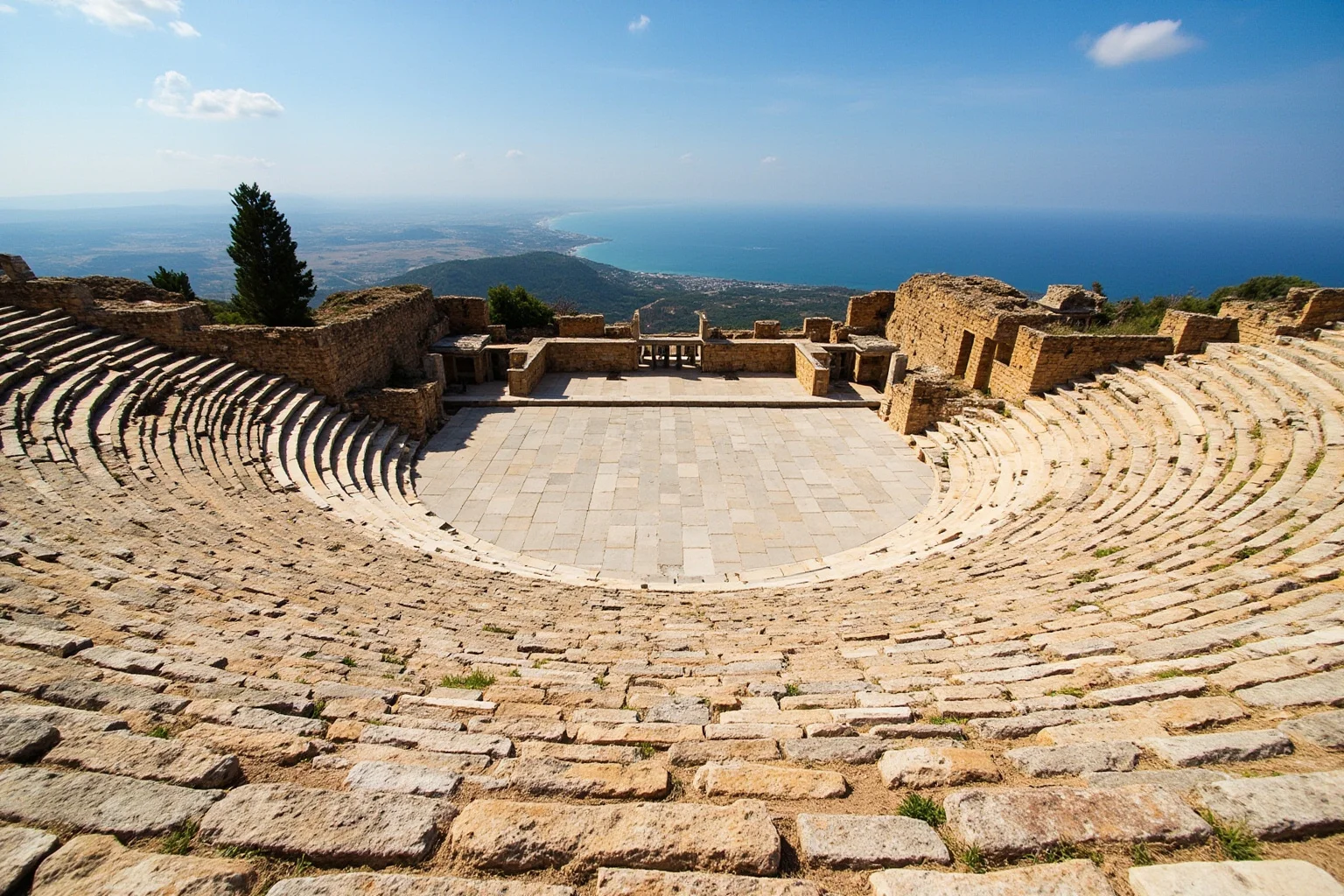
Perched high on a hilltop in western Sicily, the Theatre of Segesta dates to the Hellenistic period, roughly the 3rd century BC. It was built by the ancient Elymians, a people distinct from the Greeks but heavily influenced by Greek culture — one of many ancient civilizations we never hear about that shaped the classical world.
The theatre’s setting is part of its fame, with views stretching toward the Gulf of Castellammare. It remains one of the more atmospheric ancient theaters still open to visitors today.
4. Theatre of Delphi, Greece
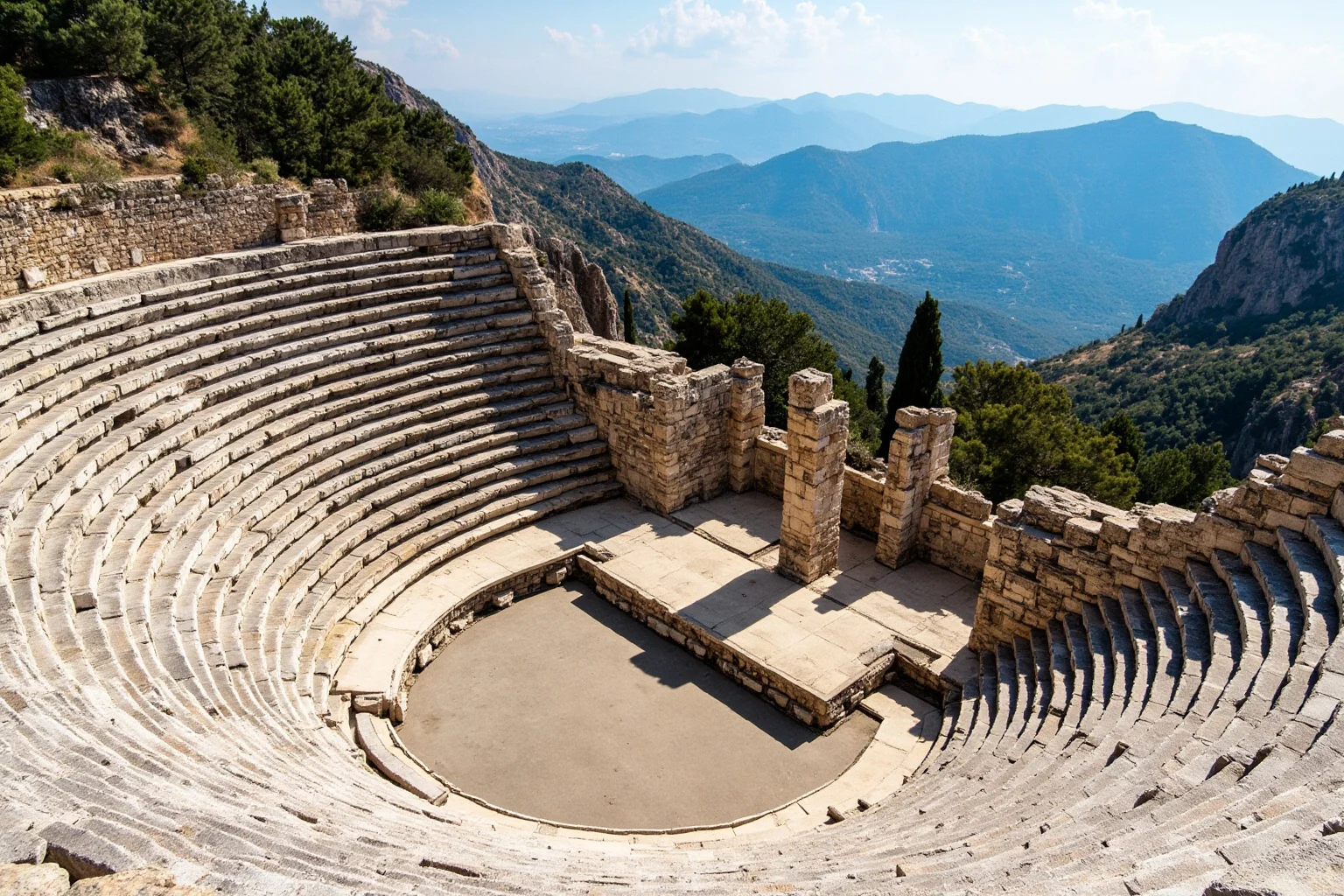
Built within the sanctuary of Apollo at Delphi, this theatre dates to around the 4th century BC, with renovations in later centuries. It held roughly 5,000 spectators, who watched performances against the backdrop of the Temple of Apollo and the valley below.
Delphi was one of the most important religious sites in the ancient Greek world, so its theatre carried real cultural weight. Performances here were tied closely to the Pythian Games, a festival rivaling the Olympics in prestige.
5. Roman Theatre of Orange, France
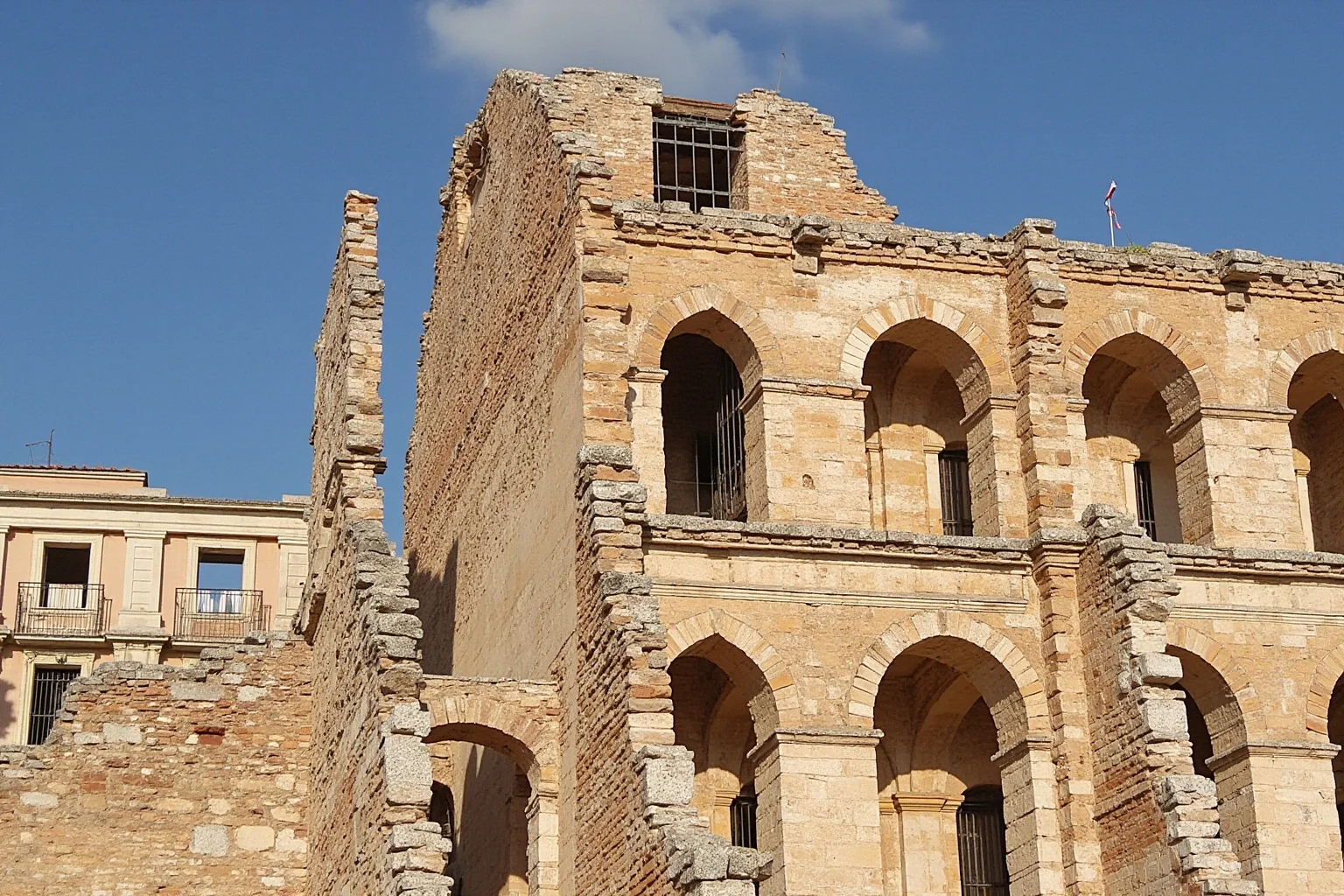
Built under the reign of Augustus, likely in the early 1st century AD, the Théâtre Antique d’Orange is one of only a handful of Roman theatres with its stage wall, the scaenae frons, still standing nearly intact. That wall rises over 100 feet and once held statues and elaborate decoration.
UNESCO recognized the site as a World Heritage Location, and it’s not just a museum piece. The theatre still hosts the Chorégies d’Orange, an opera festival held nearly every summer.
6. Teatro Grande, Pompeii, Italy
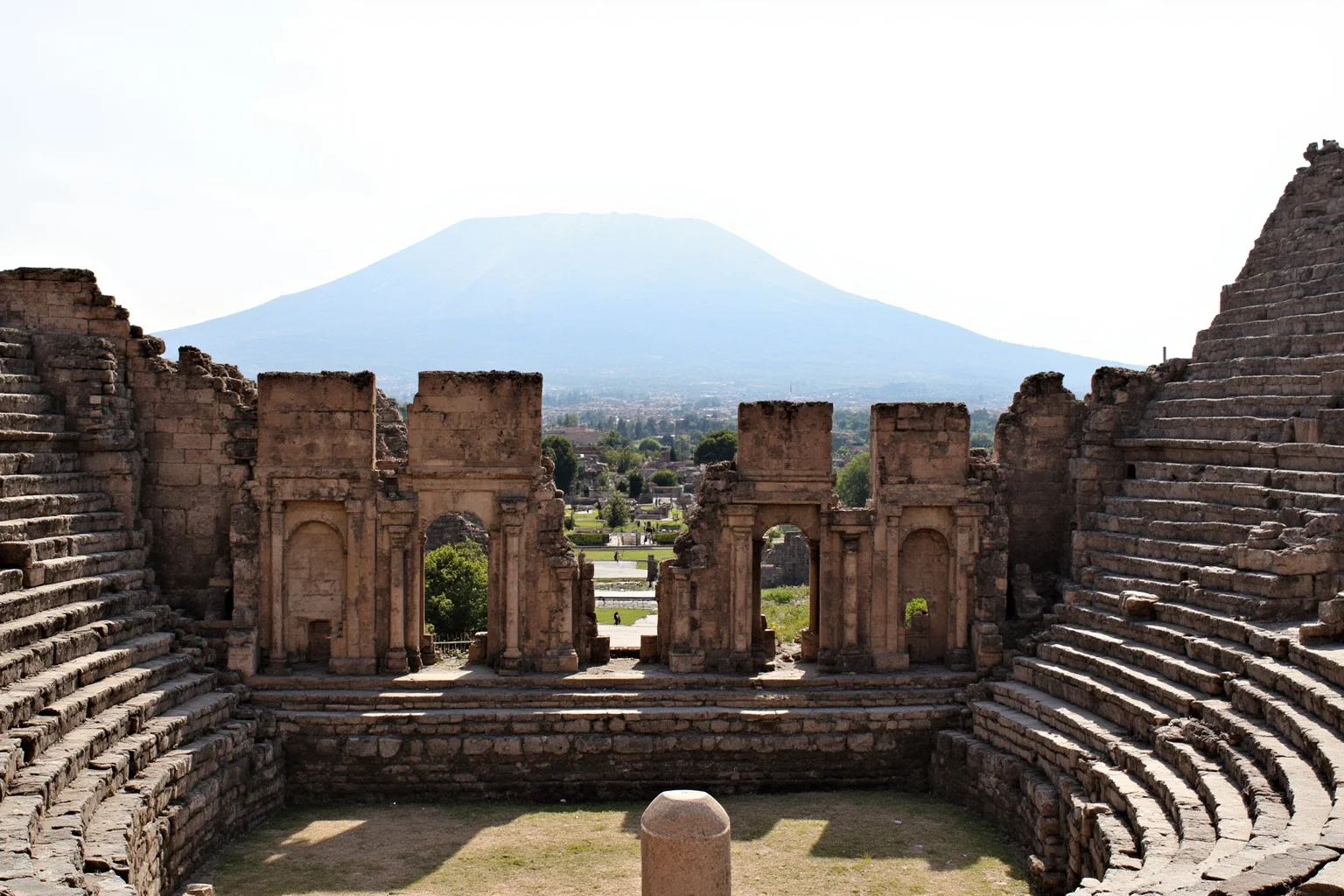
Pompeii’s Teatro Grande was originally built in the 2nd century BC and later renovated during the reign of Augustus. Because Pompeii was buried by the eruption of Mount Vesuvius in AD 79, the theatre survives as an unusually intact snapshot of Roman civic life.
It sat close to 5,000 spectators and stood alongside a smaller covered theatre, the Odeon, used for music and recitals. Together they show how Roman cities separated large public spectacles from smaller, more intimate performances.
7. Roman Theatre of Mérida, Spain
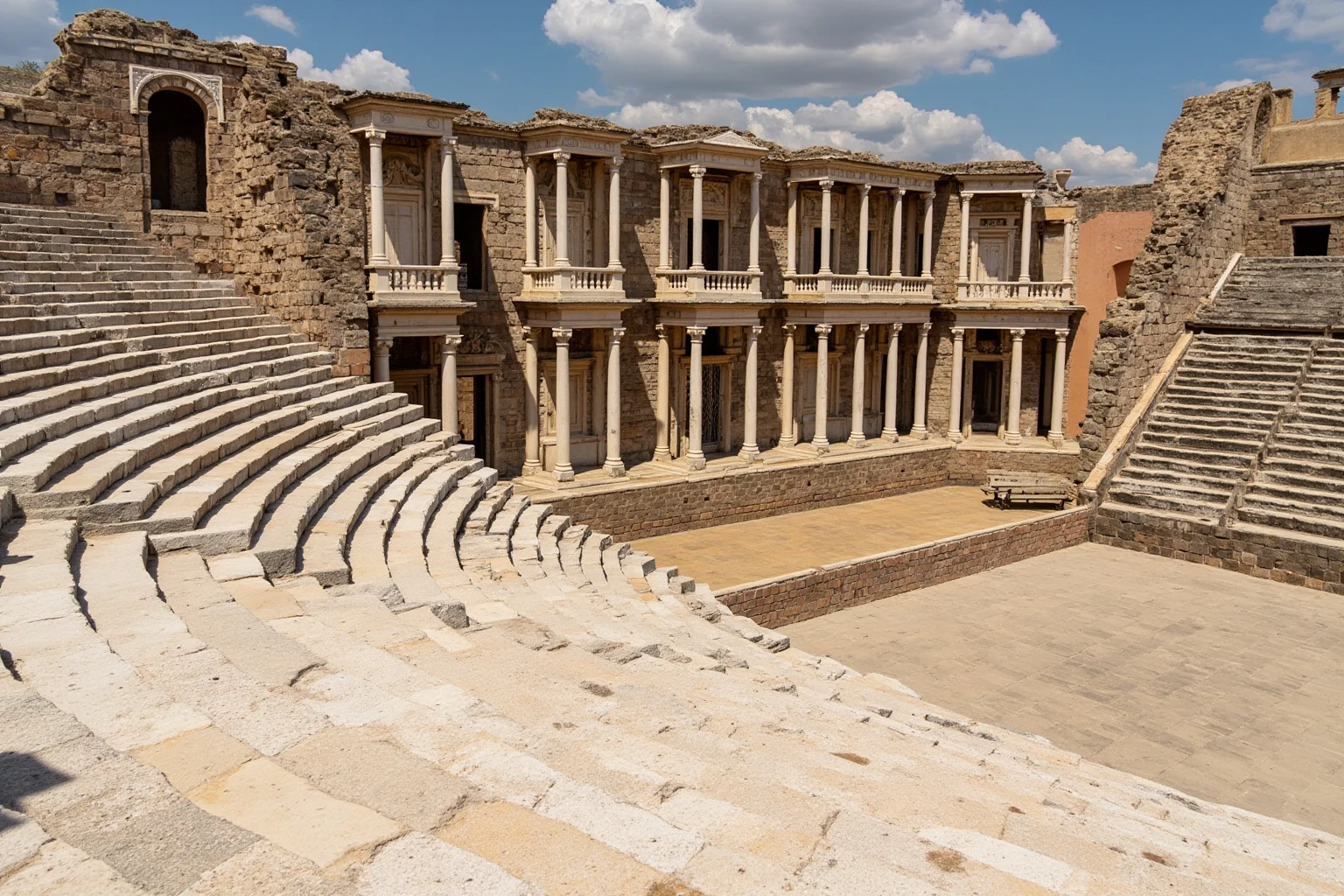
Commissioned around 16–15 BC by Marcus Agrippa, son-in-law of Emperor Augustus, the Roman Theatre of Mérida is one of the best-preserved Roman theatres in Spain. It could hold around 6,000 spectators across its tiered seating.
Today it’s the centerpiece of Mérida’s International Classical Theatre Festival, meaning actual plays are still performed on a stage first used two thousand years ago. That kind of continuity is rare even among ancient theaters.
8. Roman Theatre of Bosra, Syria
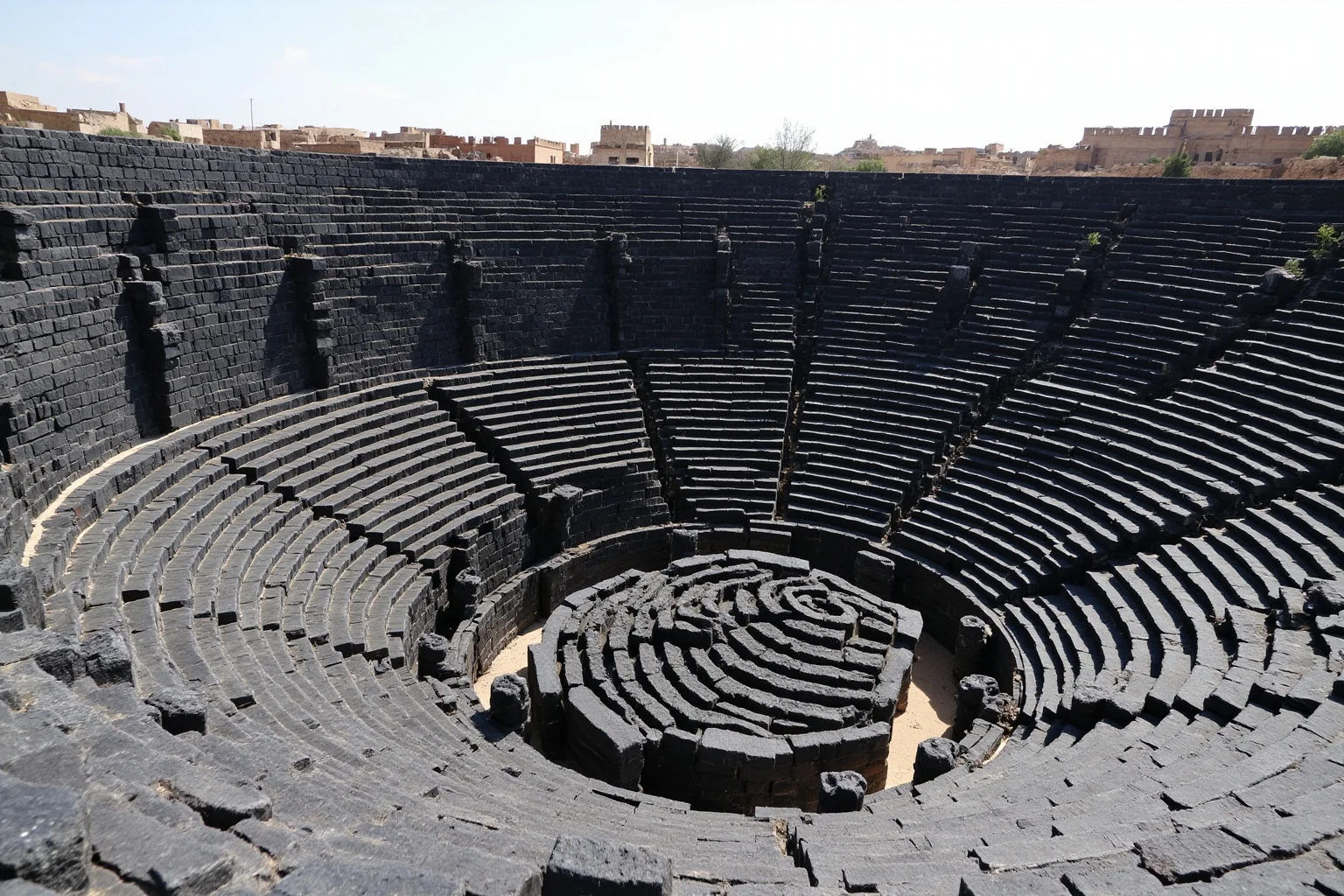
Built from distinctive black basalt stone in the 2nd century AD, the Theatre of Bosra survived remarkably intact partly because later rulers built a fortress around it, unintentionally protecting it from centuries of weather and conflict. It could seat around 15,000 people.
The theatre became a UNESCO World Heritage Site, though the Syrian civil war has raised serious concerns about the safety of the wider archaeological site. It remains one of the most complete Roman theatres anywhere in the world.
9. Aspendos Theatre, Turkey
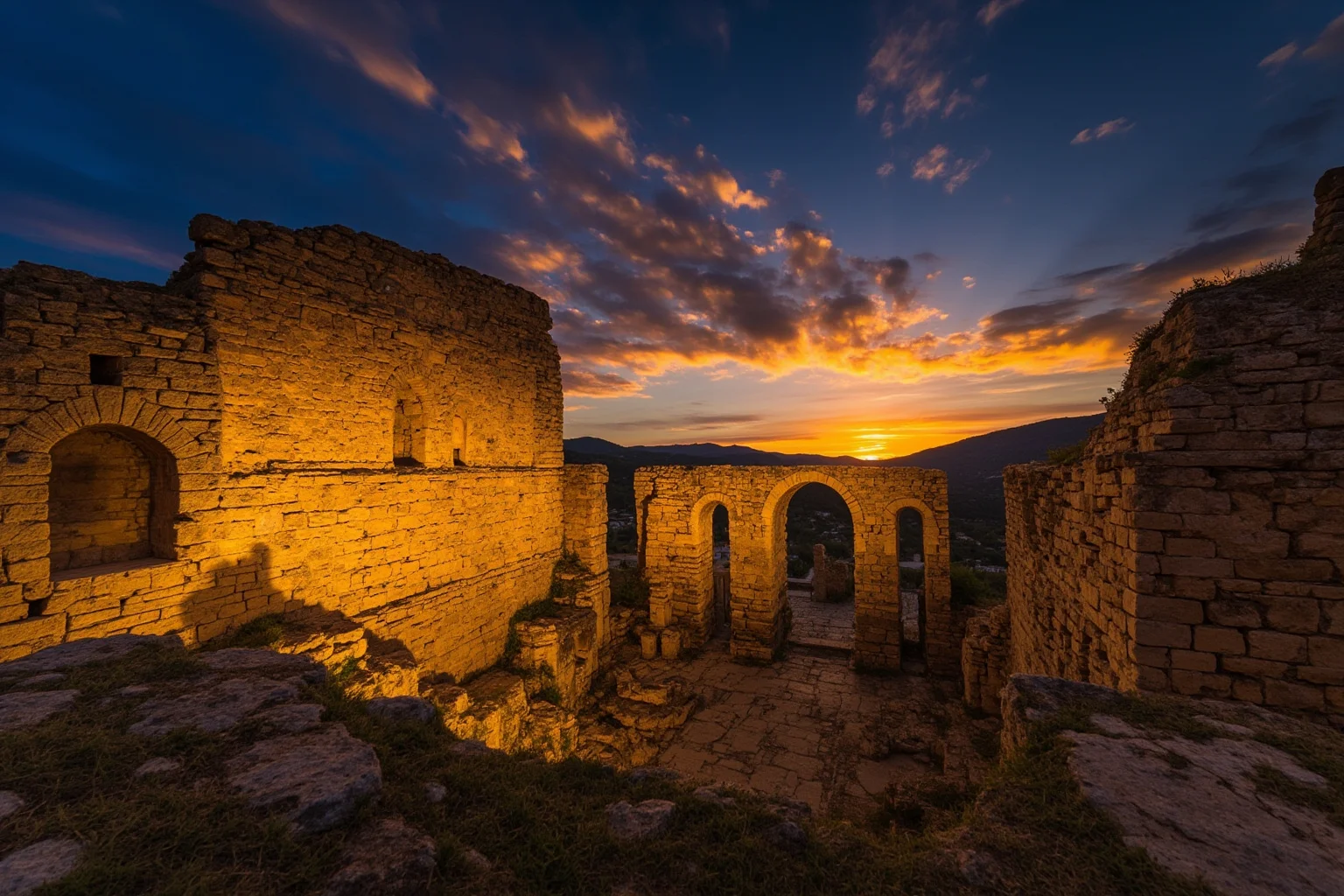
Built around AD 155 under the reign of Marcus Aurelius, the Aspendos Theatre in modern-day Turkey is considered one of the best-preserved Roman theatres on Earth. Its architect, a local named Zeno, designed acoustics so effective they’re still praised by modern engineers.
Part of its survival comes down to later reuse. During the Seljuk period, it was repurposed as a caravanserai, which kept the structure maintained rather than left to crumble. It now hosts an annual opera and ballet festival.
Theatres Of The 16th Century And The Early Renaissance
After the fall of Rome, purpose-built theatres largely disappeared from Europe for centuries, with performances happening in courtyards, inns, and church spaces instead. Theatres of the 16th century mark the reintroduction of dedicated, architecturally designed performance spaces, heavily inspired by rediscovered Roman texts and ruins.
10. Teatro Olimpico, Vicenza, Italy
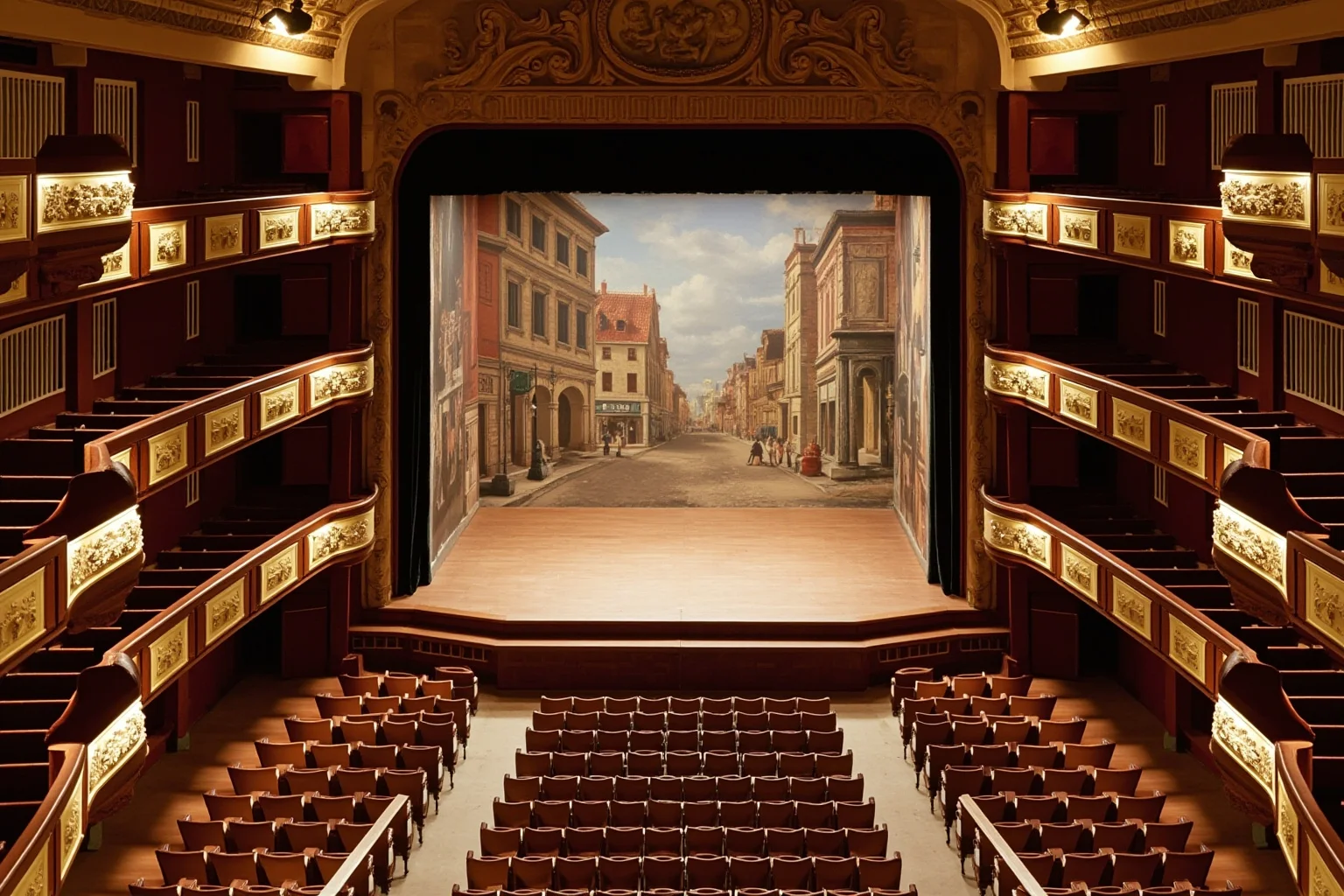
Designed by the great Renaissance architect Andrea Palladio and completed in 1585 after his death by Vincenzo Scamozzi, the Teatro Olimpico is widely considered the oldest surviving enclosed theatre in the world. Its permanent set, a trompe l’oeil street scene, is still in place today.
The building is a UNESCO World Heritage Site and is still occasionally used for performances, making it a genuinely living piece of early theater history. It directly inspired later court theatres across Europe.
11. Teatro all’antica, Sabbioneta, Italy
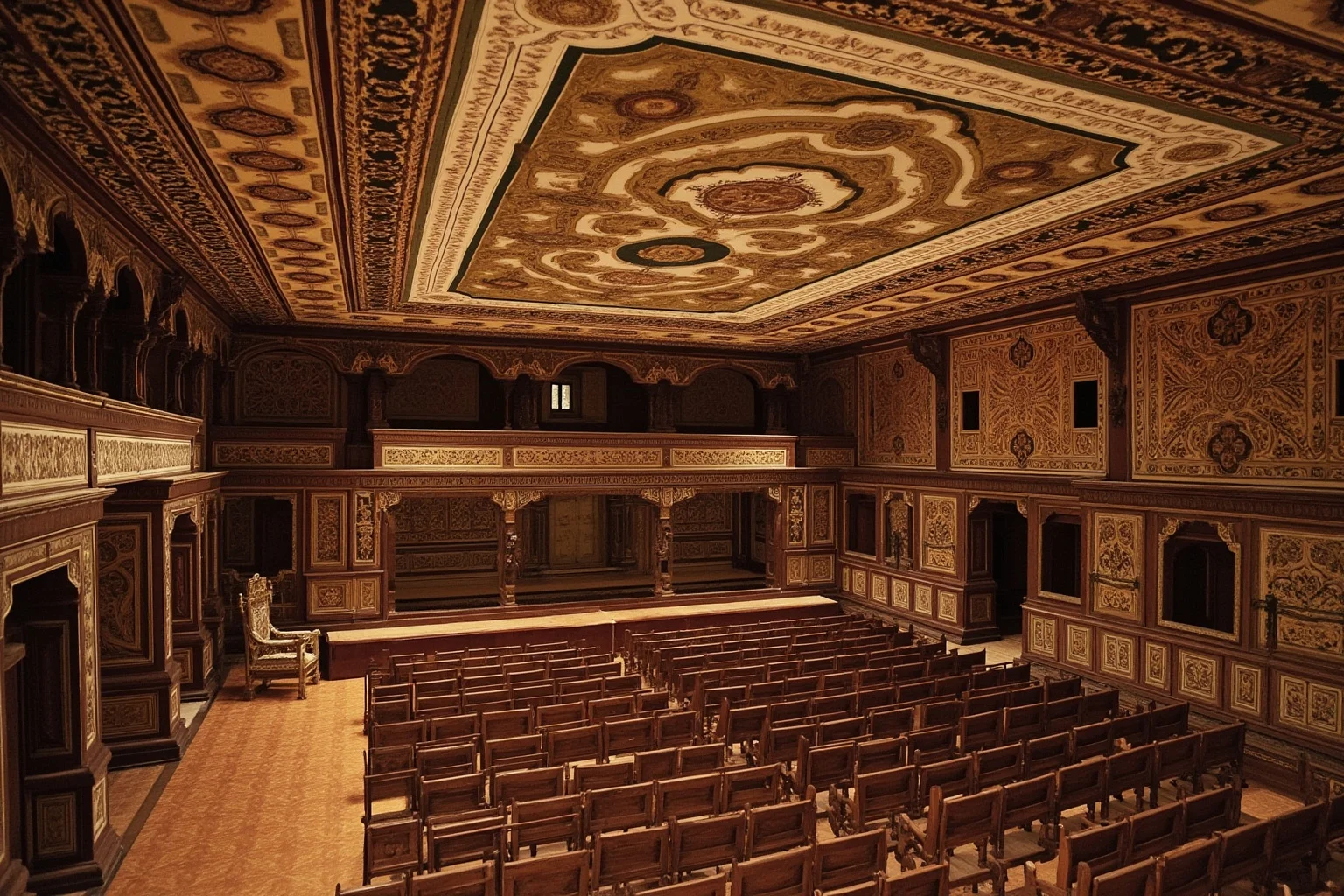
Built between 1588 and 1590 by Vincenzo Scamozzi for Duke Vespasiano Gonzaga, the Teatro all’antica in Sabbioneta is often cited as the oldest surviving freestanding, purpose-built theatre in the world. Unlike Teatro Olimpico, it wasn’t adapted from an existing building.
Sabbioneta itself was a planned Renaissance “ideal city,” and the theatre was part of that grand architectural vision. It remains a fascinating, lesser-known counterpart to its more famous neighbor in Vicenza.
12. The Globe Theatre, London, England
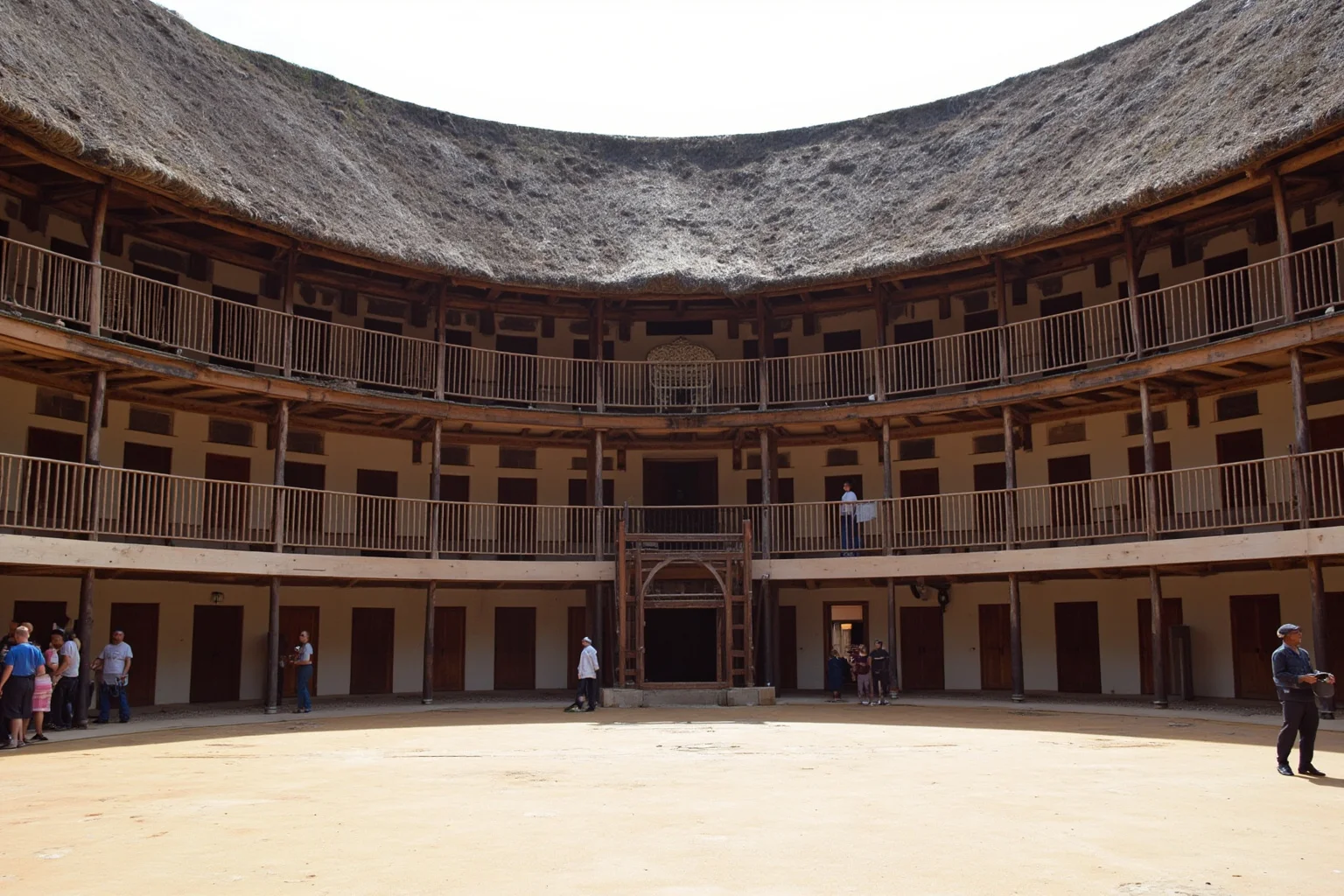
Built in 1599 on the south bank of the Thames, the original Globe Theatre was home to Shakespeare’s company, the Lord Chamberlain’s Men. It was a large, open-air polygonal wooden structure where groundlings stood in the yard while wealthier patrons sat in covered galleries.
The original building burned down in 1613 after a cannon effect during a performance of Henry VIII set the thatched roof alight. It was rebuilt, then closed by the Puritans in 1642 and demolished shortly after — the modern “Shakespeare’s Globe” near the site opened only in 1997 and is a reconstruction, not the original building.
13. Teatro San Cassiano, Venice, Italy
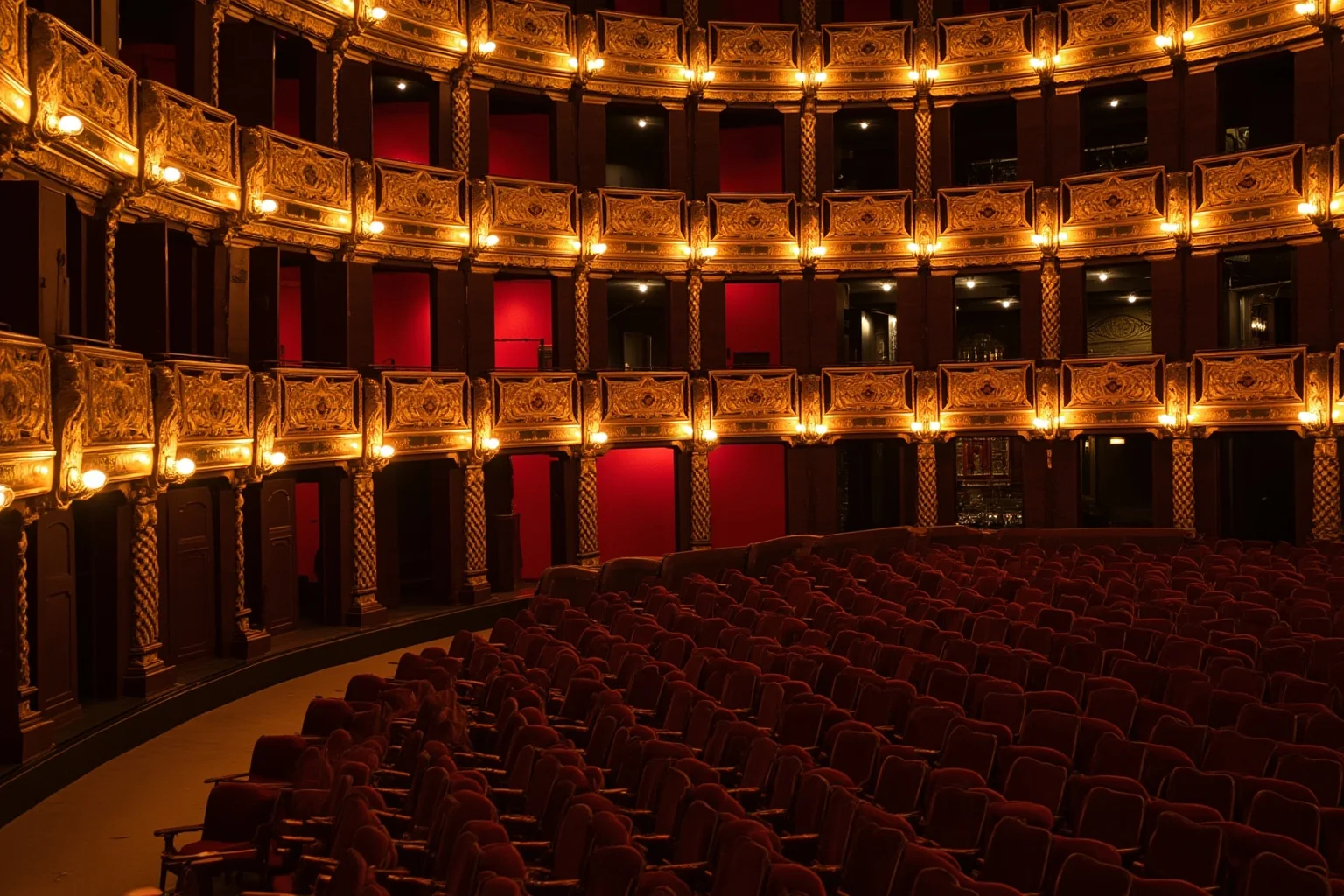
Opened in 1637, Teatro San Cassiano is generally credited as the first public opera house in the world, meaning the first opera venue open to anyone who could pay for a ticket rather than only invited nobility. This was a major shift from opera as private court entertainment to opera as commercial public spectacle.
The original building was demolished in the early 19th century, though there have been modern efforts to research and potentially recreate it. Its legacy, though, is why Venice is often considered the birthplace of public opera culture.
The Oldest Theatres Still Operating Today
Some historical theaters aren’t just preserved as monuments — they’re still hosting live performances, sometimes with original architecture and even original stage machinery intact, not unlike some of the oldest hotels in the world that have welcomed guests for centuries, or the oldest universities in the world that have kept teaching students the whole time. These are the venues that connect old theatres directly to modern audiences.
14. Teatro di San Carlo, Naples, Italy
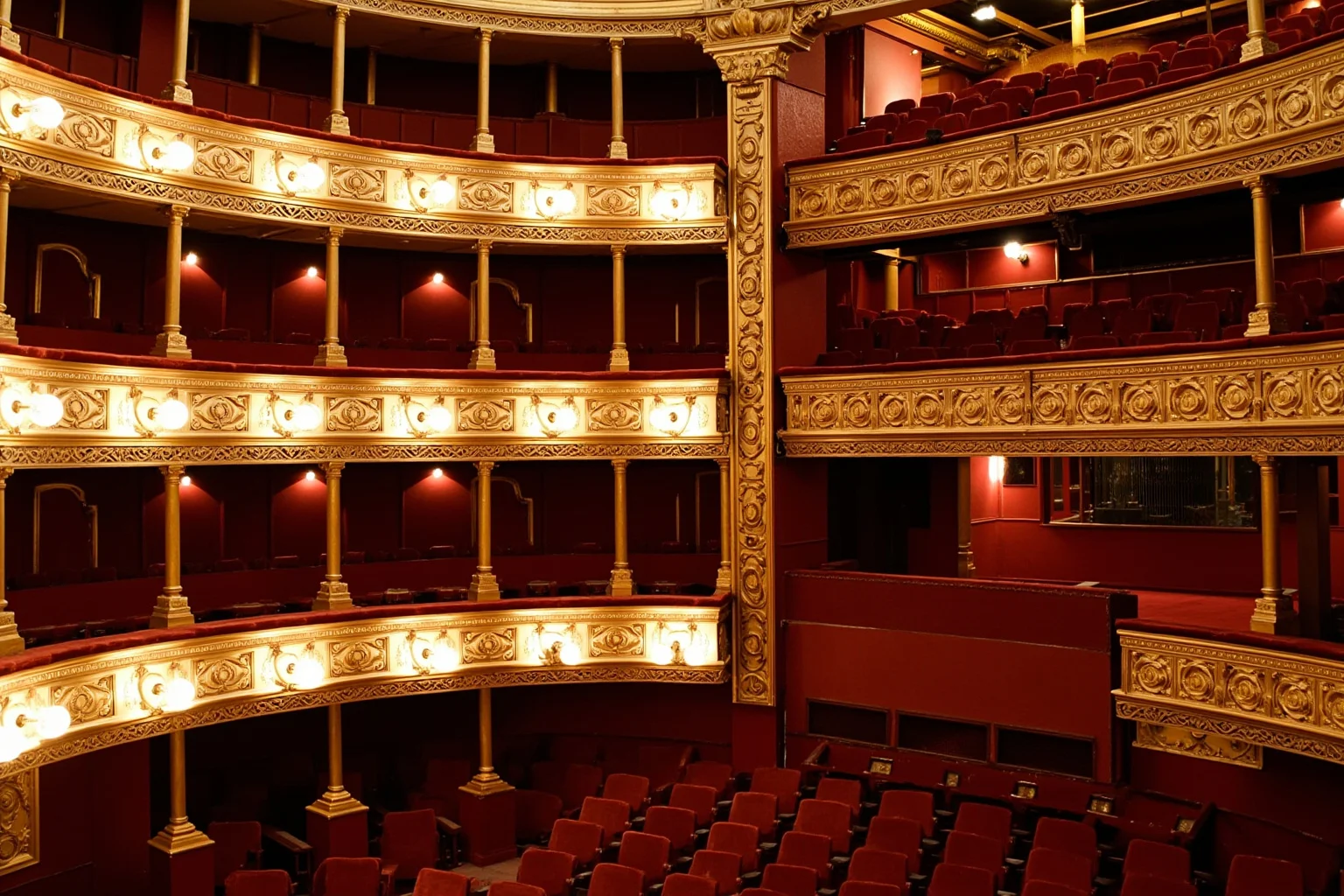
Opened in 1737 for King Charles of Naples, the Teatro di San Carlo is widely recognized as the oldest continuously active opera house in the world. A fire damaged it in 1816, but it was rebuilt within a year and has operated ever since.
Its survival through wars, fires, and centuries of political change makes it a genuine landmark of European performance history. Verdi, Rossini, and Donizetti all had works premiere on its stage.
15. Drottningholm Palace Theatre, Sweden
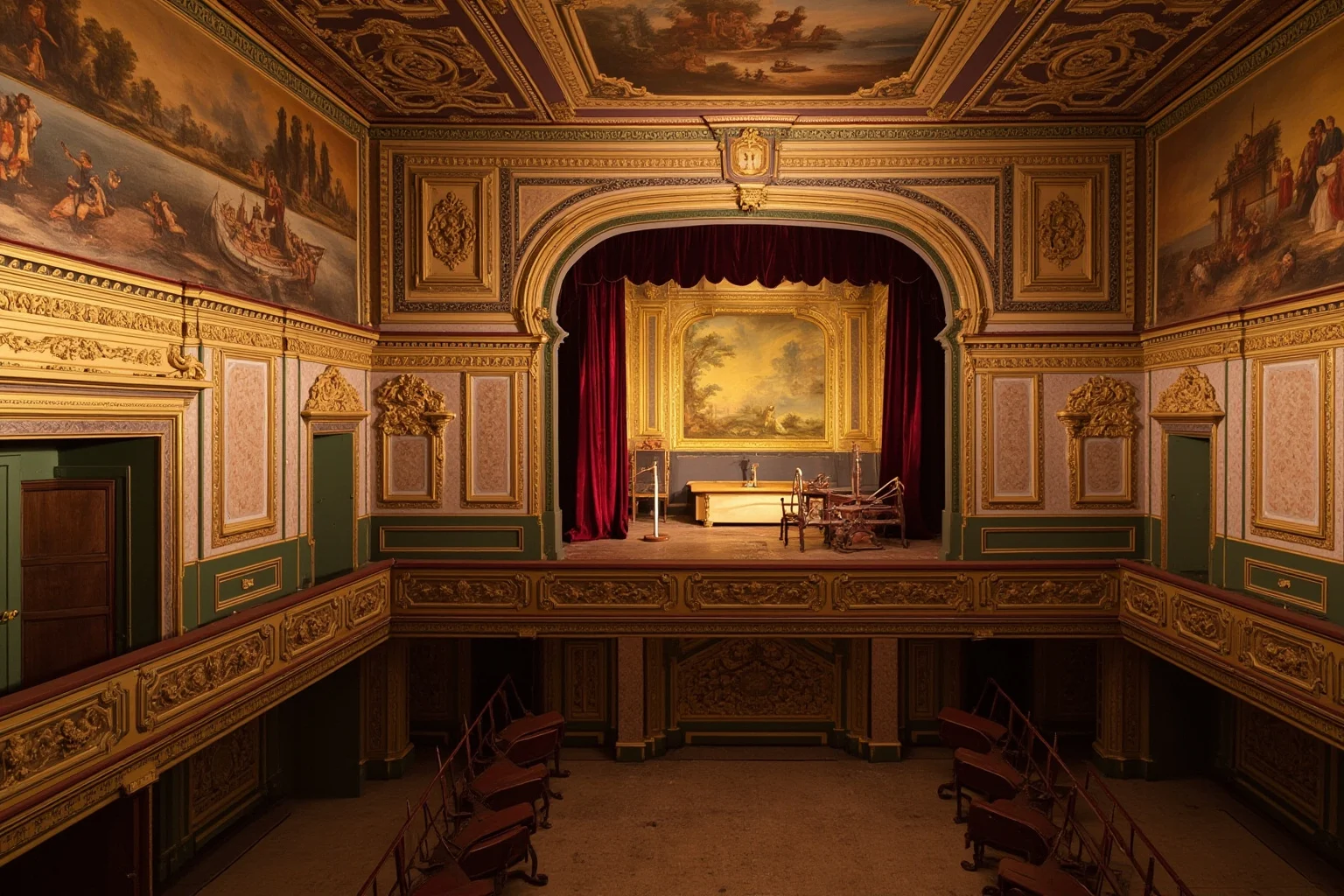
Built in 1766 for Queen Louisa Ulrika near Stockholm, the Drottningholm Palace Theatre is remarkable because its original 18th-century stage machinery still works. Wind machines, thunder effects, and hand-operated scene changes from centuries ago remain functional today.
It largely escaped major renovation because the palace fell out of royal use for a period, essentially freezing the theatre in time. It’s now used for authentic baroque opera performances using period techniques.
16. Theatre Royal, Bristol, England
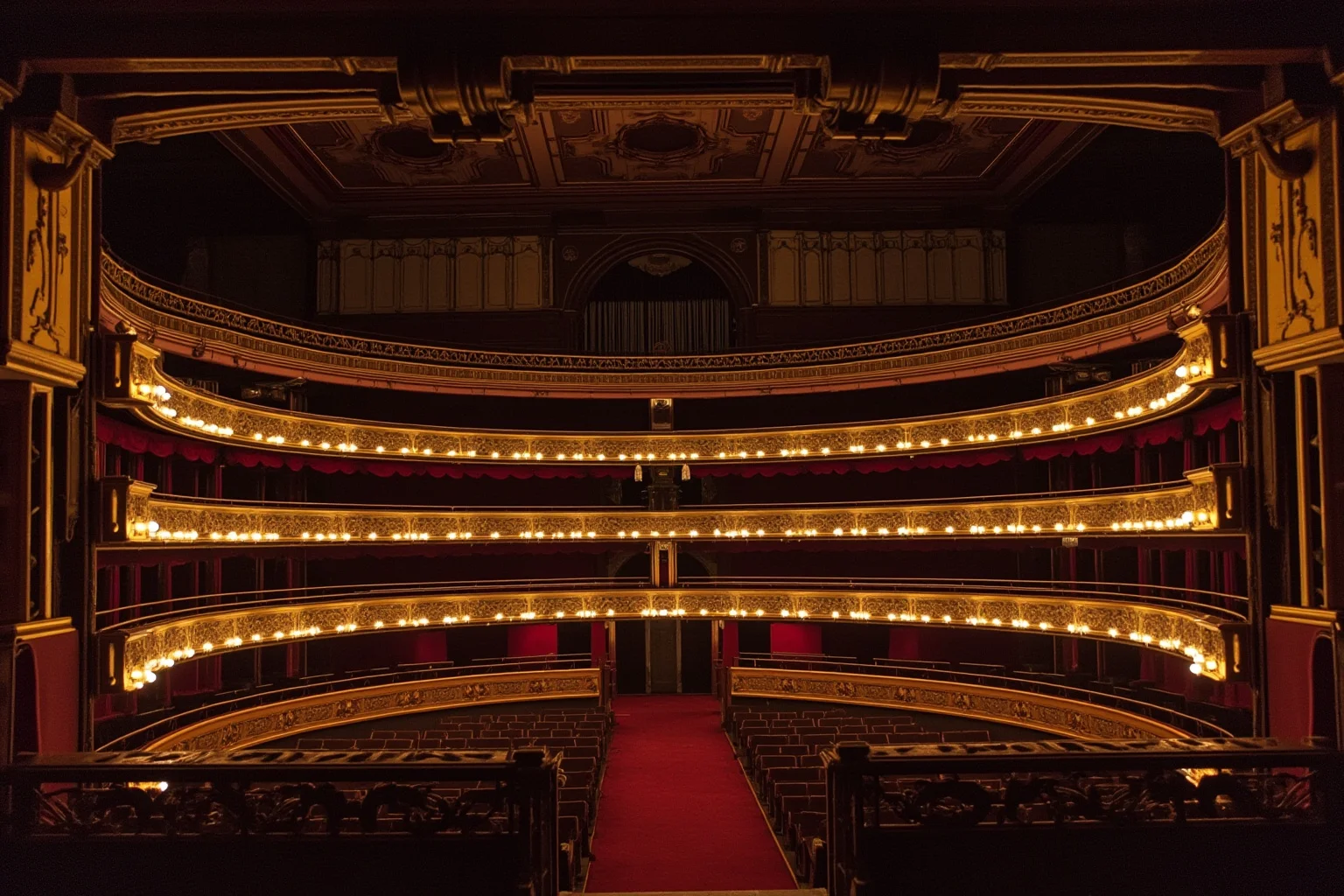
Opened in 1766, the Theatre Royal in Bristol, now home to Bristol Old Vic, is considered the oldest continuously operating theatre in England. It has run performances in some form for over 250 years, surviving renovations, near-closures, and changing tastes in entertainment.
Its Georgian auditorium has been carefully preserved even as backstage facilities were modernized. It stands as one of the clearest links between old theatres and modern British stagecraft.
17. Walnut Street Theatre, Philadelphia, USA
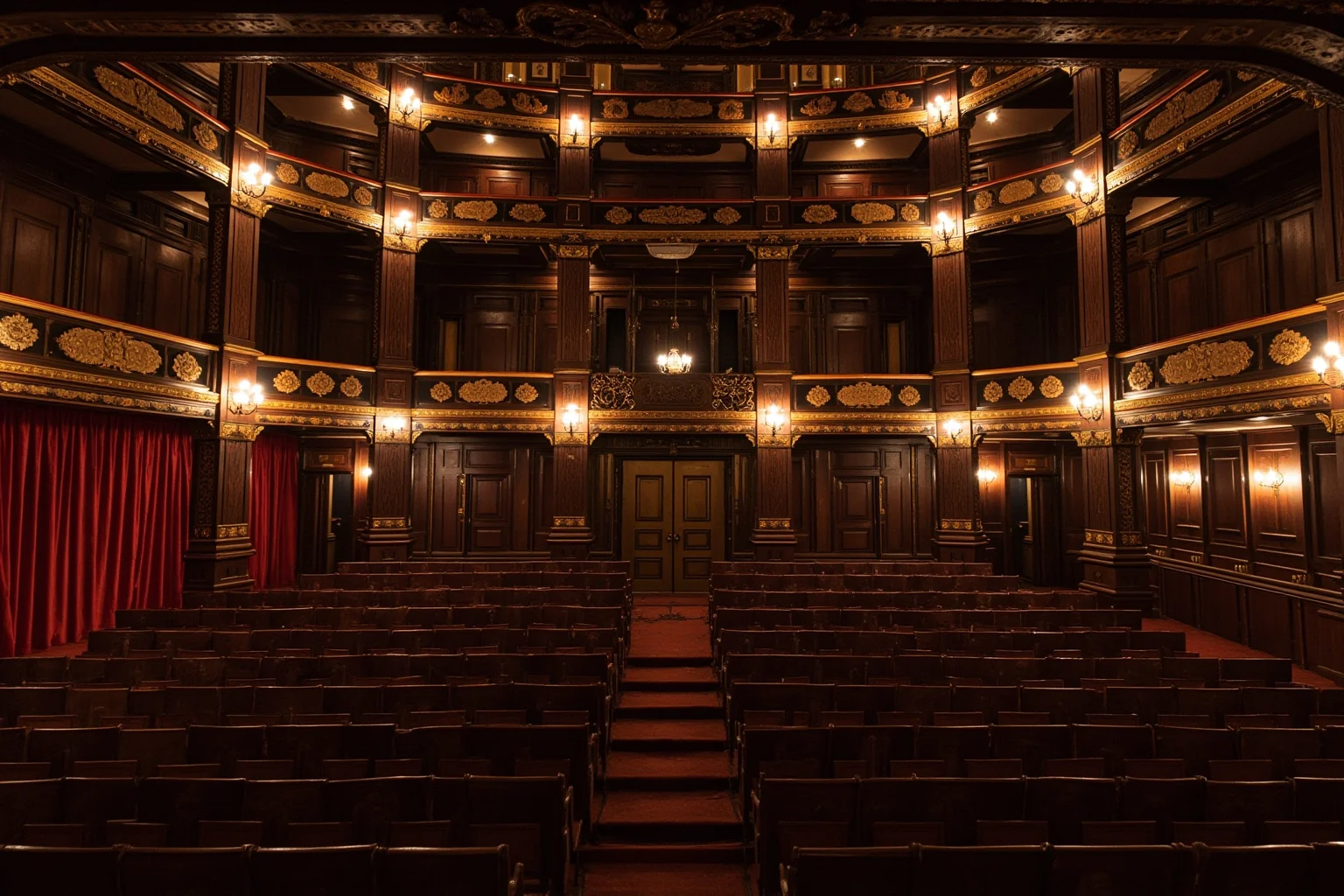
If you’re wondering about the oldest theatre in the US, the answer is generally the Walnut Street Theatre in Philadelphia, which opened its doors in 1809. It actually began life as a circus venue before being converted into a proper theatre a few years later.
It’s hosted a long list of American presidents and major actors across two centuries of continuous use. That makes it the oldest continuously operating theatre in the United States, and one of the oldest in the English-speaking world.
18. Park Theatre and Early American Stages
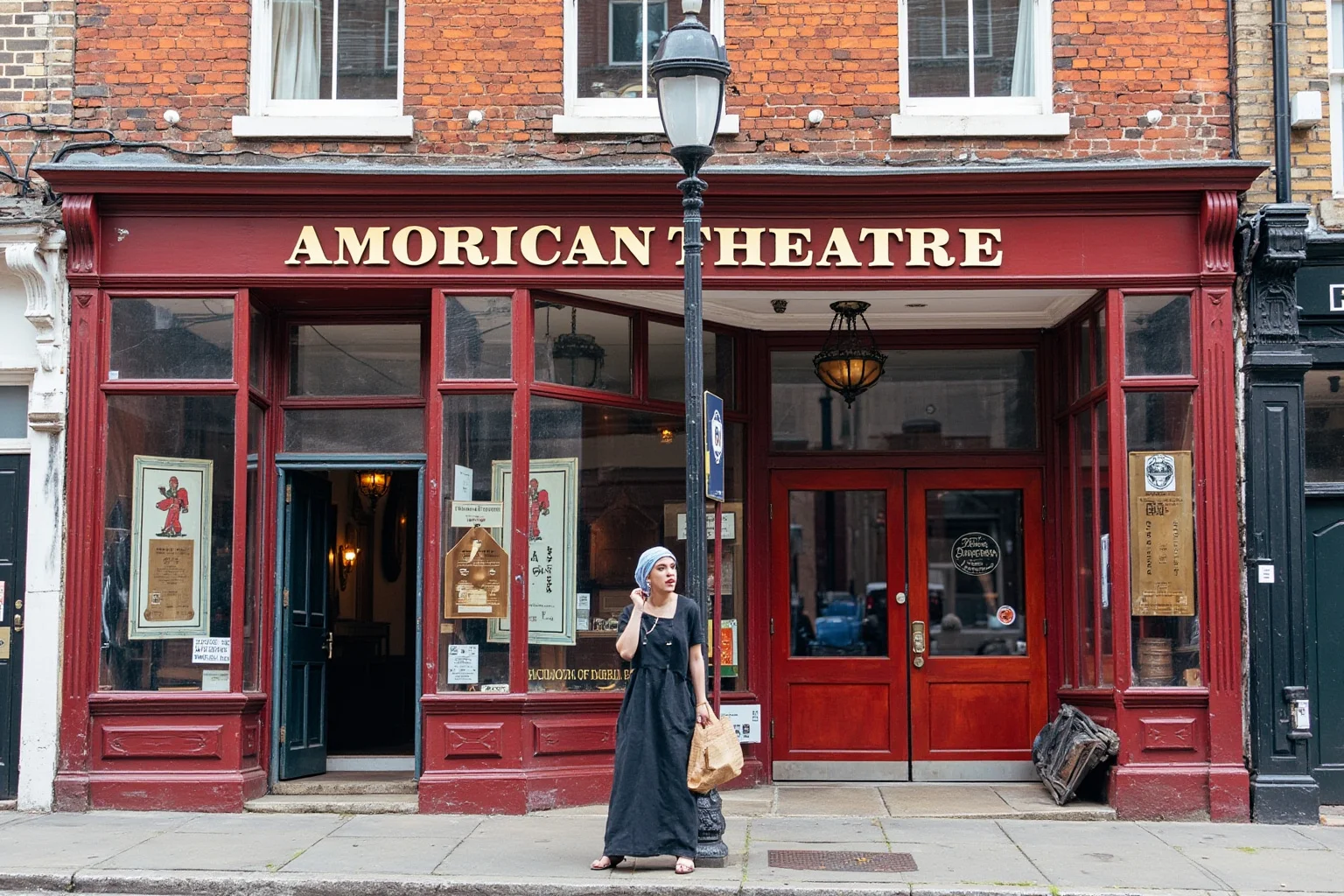
While Walnut Street holds the continuous-operation title, it wasn’t the only early American theatre of note. New York’s Park Theatre, opened in 1798, was one of the young country’s grandest early playhouses before burning down in 1848.
These early American venues borrowed heavily from British theatre architecture and touring companies. They laid the groundwork for the American theatre and, eventually, film exhibition industries that followed.
The Birth Of The Movie Theater
Here’s where things get genuinely myth-heavy. Ask “what was the first movie theater in the world?” and you’ll get several confident but conflicting answers, largely because the transition from novelty film screenings to dedicated movie theaters happened gradually across multiple cities.
19. Vitascope Hall, New Orleans, USA
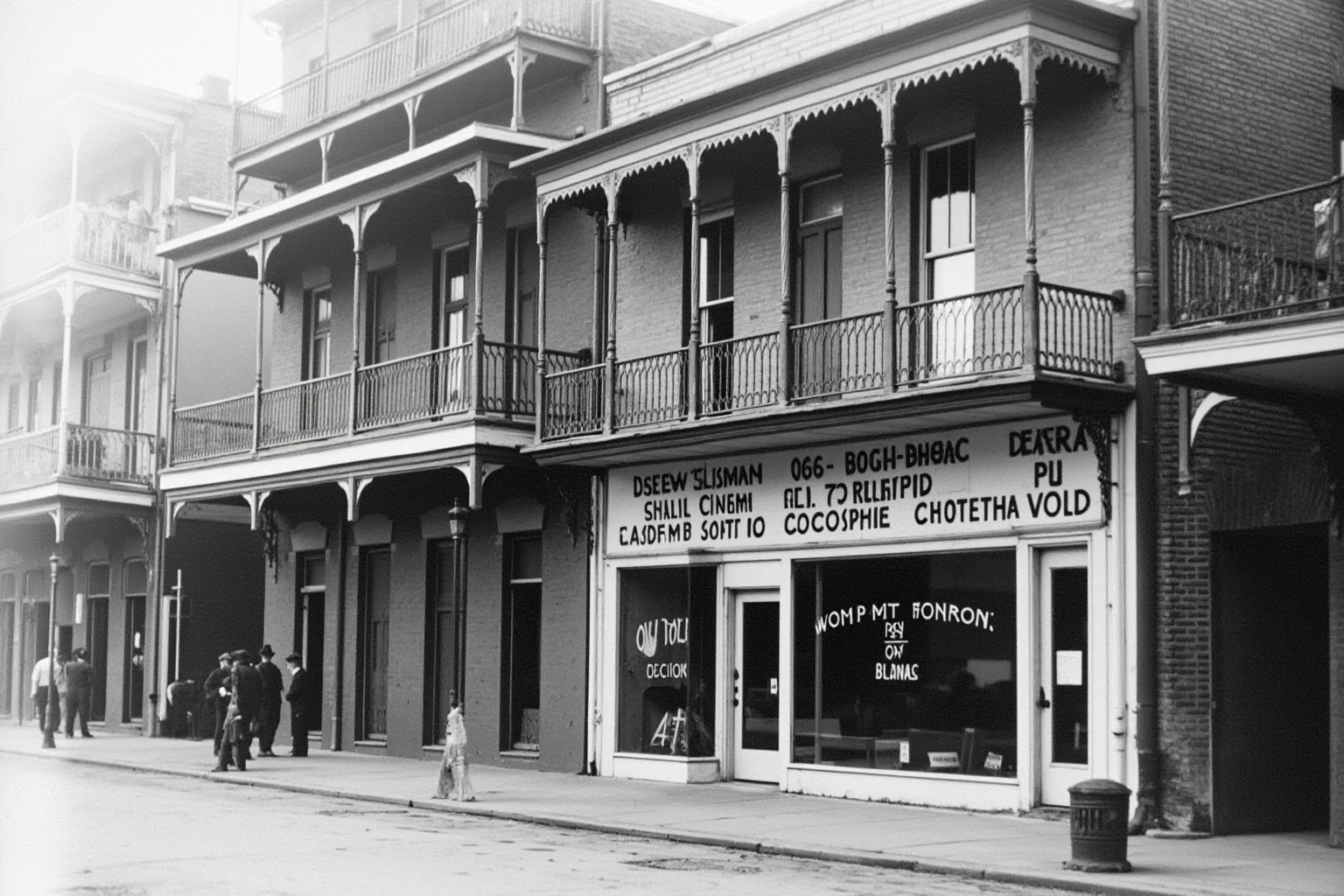
Opened in 1896, Vitascope Hall is often cited as the first theatre built specifically to project films, using Thomas Edison’s Vitascope projector. It was opened by entrepreneur William T. Rock in a converted storefront on Canal Street.
The catch is that it only lasted about a year before closing, which complicates its claim to being a true “first movie theater.” It’s better understood as an early, short-lived experiment rather than the start of a lasting institution.
20. Tally’s Electric Theatre, Los Angeles, USA
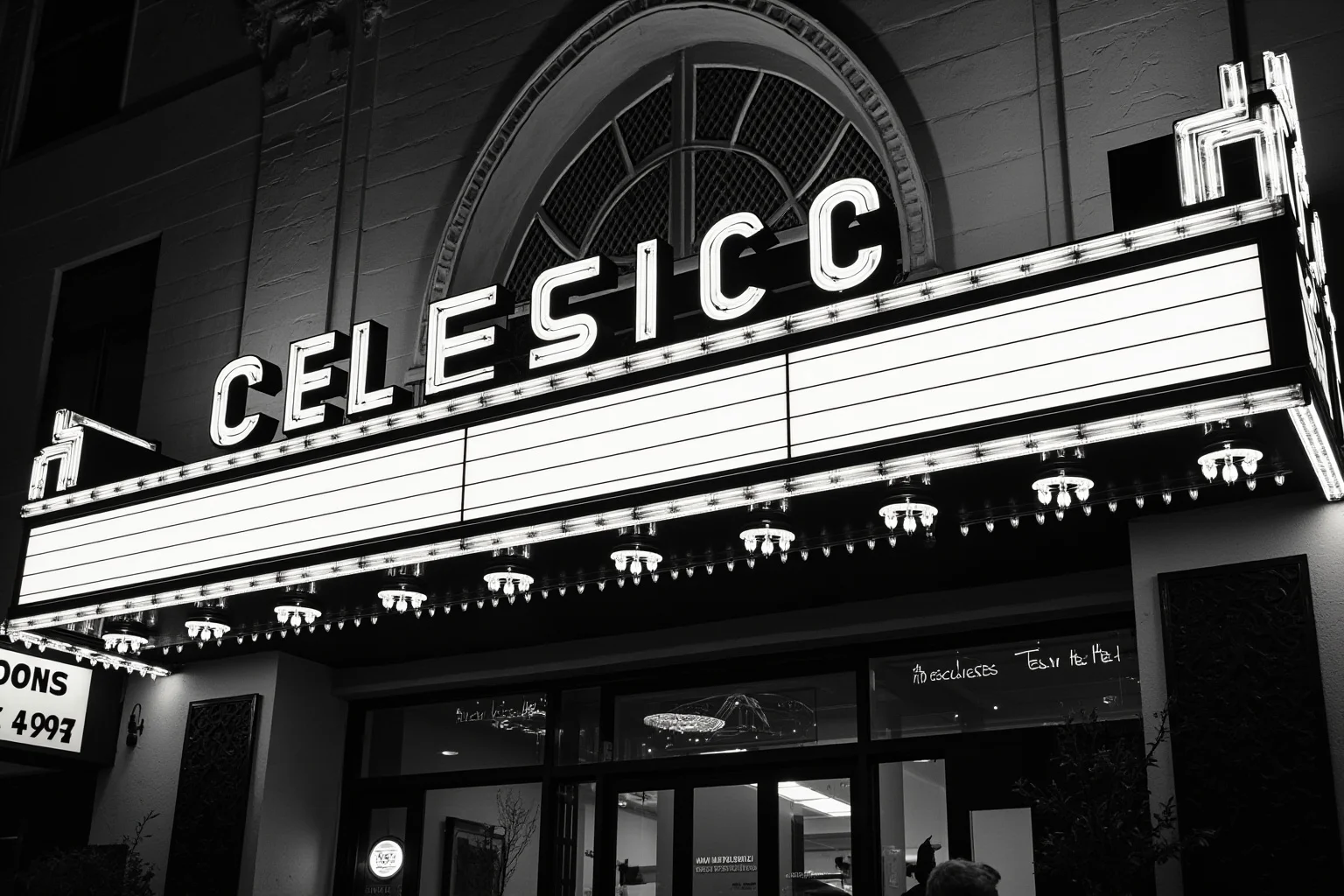
In 1902, Thomas L. Tally opened the Electric Theatre in Los Angeles, a storefront converted specifically to show films to a paying public on an ongoing basis. Many film historians point to this as the first theater built as a sustained, dedicated movie-going business, rather than a temporary novelty.
Unlike Vitascope Hall, Tally’s venture reflected a real business model, and Tally went on to become an influential figure in early American cinema exhibition. Still, it operated alongside vaudeville houses and other venues also experimenting with film screenings around the same time.
21. The Nickelodeon, Pittsburgh, USA
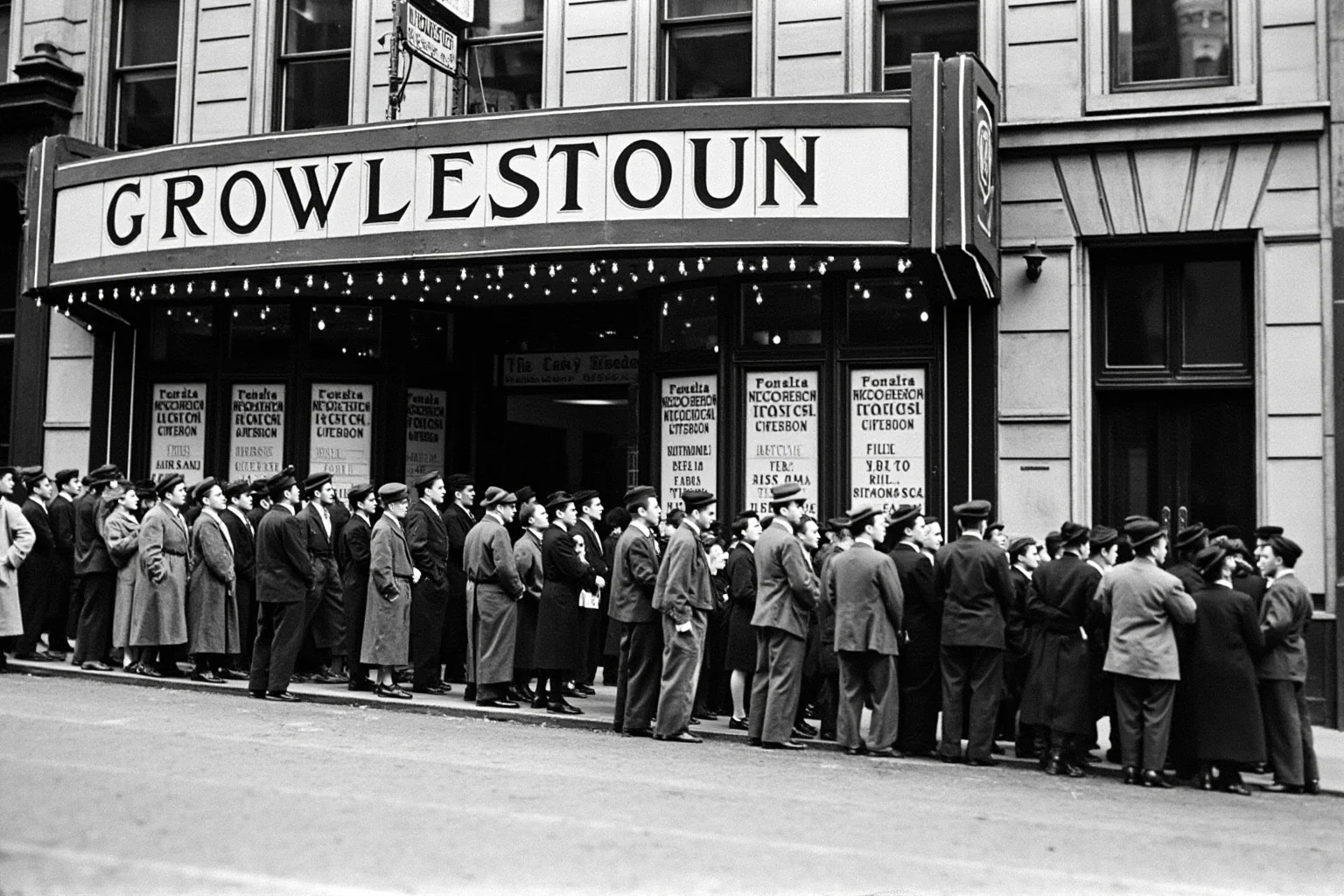
Opened in 1905 by John P. Harris and Harry Davis, The Nickelodeon in Pittsburgh didn’t necessarily invent the movie theater, but it named an entire era of them. The five-cent admission (a “nickel”) combined with the Greek word for theatre (“odeon”) gave rise to a nationwide wave of nickelodeons within just a few years.
By the end of the decade, thousands of similar small theaters had opened across the United States. This is arguably the moment movie-going shifted from a novelty attraction into mainstream, everyday entertainment.
Notable 20th Century Theatres Worth Knowing
By the 20th century, theatres had evolved again, this time into lavish movie palaces designed to make film-going feel like an event. These 20th century theatres aren’t the oldest on this list, but they’re historically significant chapters in the same continuous story.
22. Grauman’s Chinese Theatre, Hollywood, USA
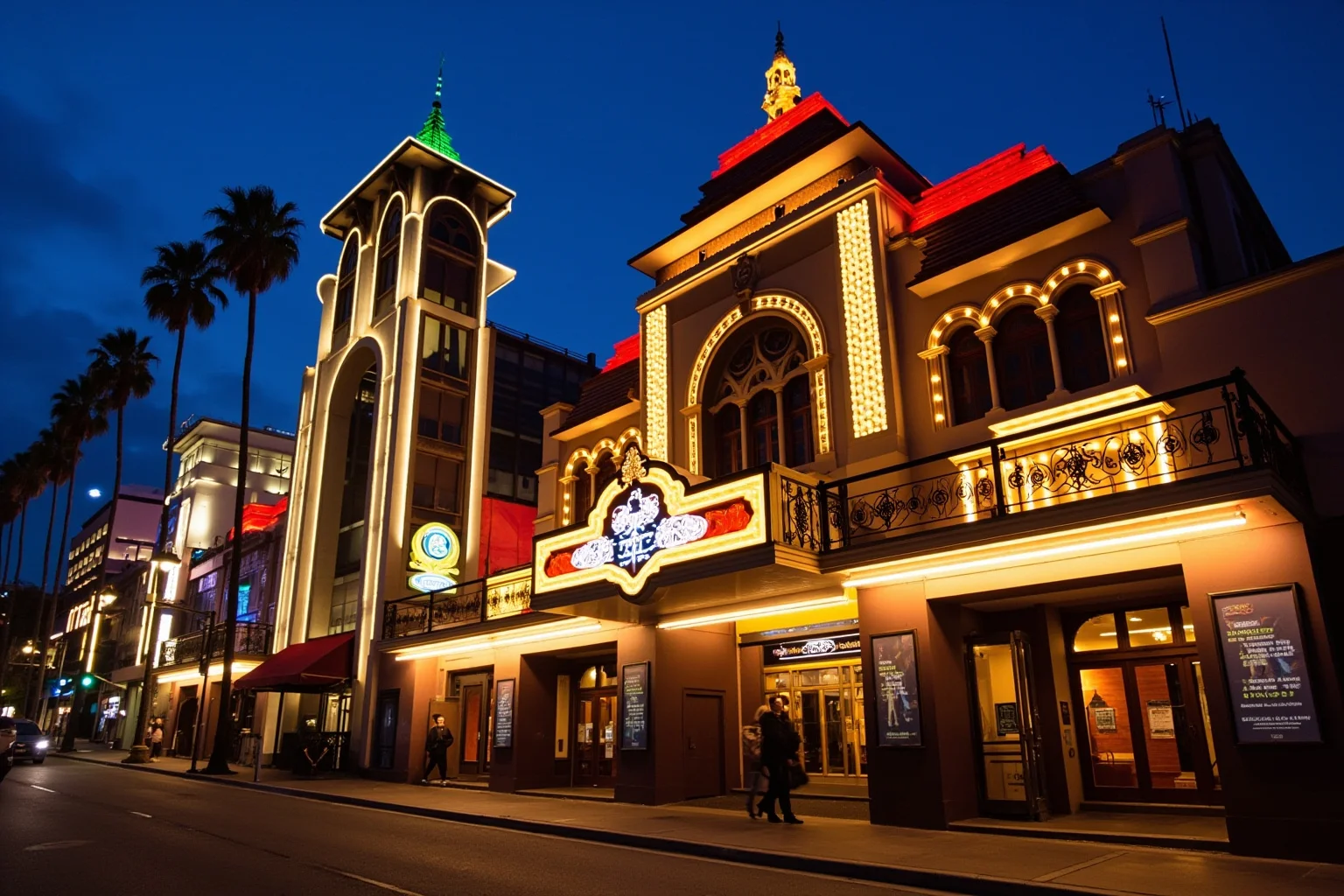
Opened in 1927 by showman Sid Grauman, this elaborately themed movie palace became instantly iconic, partly thanks to its forecourt of celebrity handprints and footprints, a tradition that began the same year it opened. It’s now known as the TCL Chinese Theatre.
Its exaggerated, exotic architectural style was typical of the movie palace era, when theatre owners competed to build the most memorable, photograph-worthy venues. It remains a working cinema and a major Hollywood landmark today.
For context, Radio City Music Hall in New York opened in 1932 as the largest indoor theatre in the world at the time, an Art Deco showcase that’s still in active use for concerts and stage shows nearly a century later. Together, these venues show how theatre architecture kept reinventing itself well into the modern era, long after those first stone seats in ancient Greece.
Why This History Still Matters
Walking through this timeline, one thing becomes clear: no single building gets to wear the crown of “the one true oldest theatre.” Instead, there’s a long relay race, from Greek hillside amphitheaters to Roman engineering marvels, from Renaissance court playhouses to grand opera houses, and finally to the nickelodeons that turned movie-going into a daily habit.
What’s genuinely impressive is how many of these historical theaters are still standing, and in several cases, still hosting live performances centuries after they were built. That continuity is rare in architecture generally, and it says something about how central live performance has always been to human culture.
Next time you settle into a seat at a modern multiplex or a restored old theatre downtown, it’s worth remembering the chain of history behind that seat. It stretches back roughly 2,500 years, through some of the most ambitious buildings humans have ever constructed for the simple purpose of watching a story unfold.
Frequently Asked Questions
What is the oldest theatre in the world?
The Theatre of Dionysus in Athens is generally regarded as the oldest theatre in the world with documented origins, dating back to wooden structures possibly built as early as the 6th century BC, with the stone version rebuilt in the 4th century BC. Because so few records survive from that era, most historians treat this as the earliest well-evidenced example rather than an absolute, undisputed first.
What was the first movie theater in the world?
There's no single agreed-upon answer, which is part of the fun of the history. Vitascope Hall in New Orleans (1896) is often cited as the first theatre built specifically to project films, but it closed within a year, while Tally's Electric Theatre in Los Angeles (1902) is frequently credited as the first movie theater run as a lasting, dedicated business.
What is the oldest theatre in the US?
The Walnut Street Theatre in Philadelphia, which opened in 1809, is widely recognized as the oldest continuously operating theatre in the United States. It originally opened as a circus venue before being converted into a full theatre a few years later.
Are there any theatres from the 16th century still standing?
Yes, though only a handful. The Teatro Olimpico in Vicenza, Italy, completed in 1585, is considered the oldest surviving enclosed theatre in the world, and the Teatro all'antica in Sabbioneta, built between 1588 and 1590, is often cited as the oldest surviving freestanding, purpose-built theatre.
What’s the difference between ancient theaters and other historical theaters?
Ancient theaters, like those built by the Greeks and Romans, were largely open-air structures carved into hillsides for acoustics and sightlines. Later historical theaters, from the Renaissance onward, were typically fully enclosed buildings with roofs, artificial lighting, and increasingly elaborate stage machinery.
Which theatre is considered the oldest continuously operating opera house?
The Teatro di San Carlo in Naples, Italy, opened in 1737, is generally recognized as the oldest continuously active opera house in the world. It has operated almost without interruption since then, aside from rebuilding after a fire in 1816.

Alex Warren
Related Articles





