

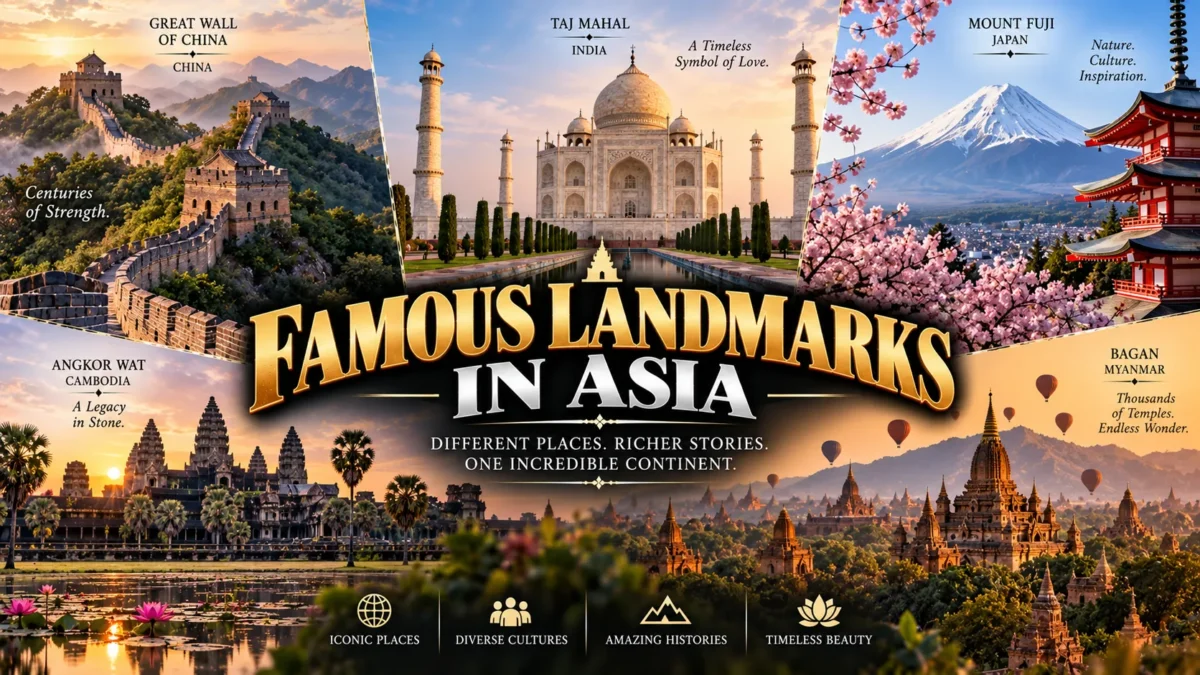
Asia is home to more history per square mile than almost anywhere else on the planet. It’s the continent where writing, organized religion, and some of the world’s first cities all took root, and that depth of history shows up in its architecture.
Whether it’s a temple carved from a single boulder or a palace that housed two dozen emperors, Asia’s famous landmarks are as varied as the cultures that built them.
This list pulls together 22 of the most significant historical sites across the continent, from ancient ziggurats in Iraq to rock fortresses in Sri Lanka. Along the way, we’ll separate documented history from the legends that tend to attach themselves to old stones.
TL;DR: From the Great Wall of China to the rock-cut temples of Ellora, Asia’s most famous landmarks trace thousands of years of empire, faith, and engineering — plus a few popular myths worth retiring.
What Makes an Asia Landmark Make This List
Asia stretches from the Mediterranean coast of Turkey to the Pacific shores of Japan, so “Asian landmark” covers a huge amount of ground. For this list, we focused on man-made landmarks in Asia with solid archaeological or historical documentation, not just tourist appeal.
We also tried to represent the continent’s real diversity. That means Buddhist stupas, Hindu temple complexes, Islamic palaces, Confucian imperial cities, and pre-Islamic Persian ruins all get a place here, because that’s genuinely what Asia’s historical sites look like.
1. The Great Wall of China
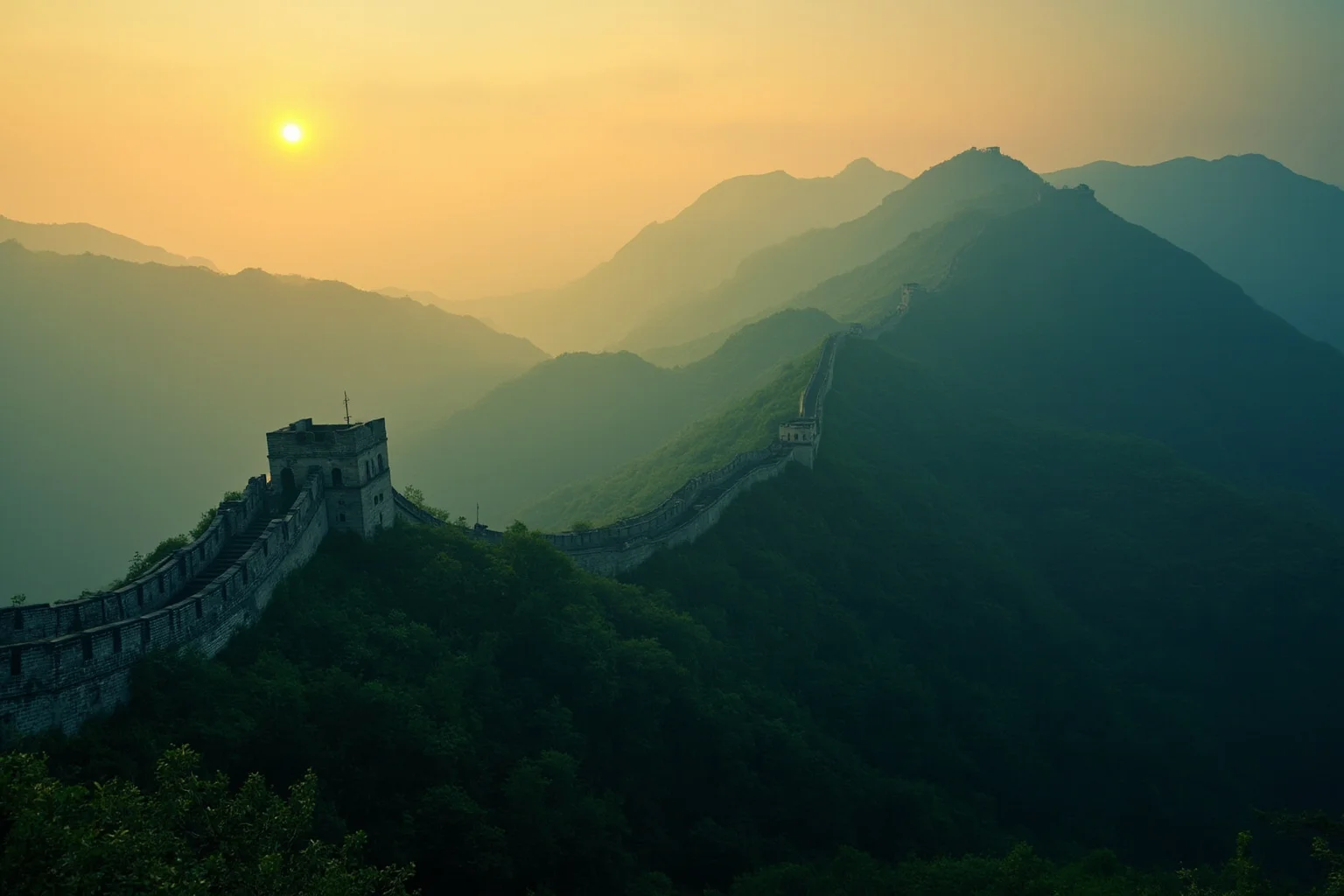
The Great Wall isn’t one single structure but a network of walls and fortifications built, rebuilt, and extended by multiple Chinese dynasties starting as early as the 7th century BC. Most of what visitors walk on today dates to the Ming dynasty (1368–1644), when it was reinforced with brick and stone against northern incursions.
One popular claim says the wall is visible from space with the naked eye. Astronauts, including those who’ve addressed the question directly, have said this isn’t true under normal viewing conditions, so it’s worth filing under “myth” rather than fact.
2. The Taj Mahal, India
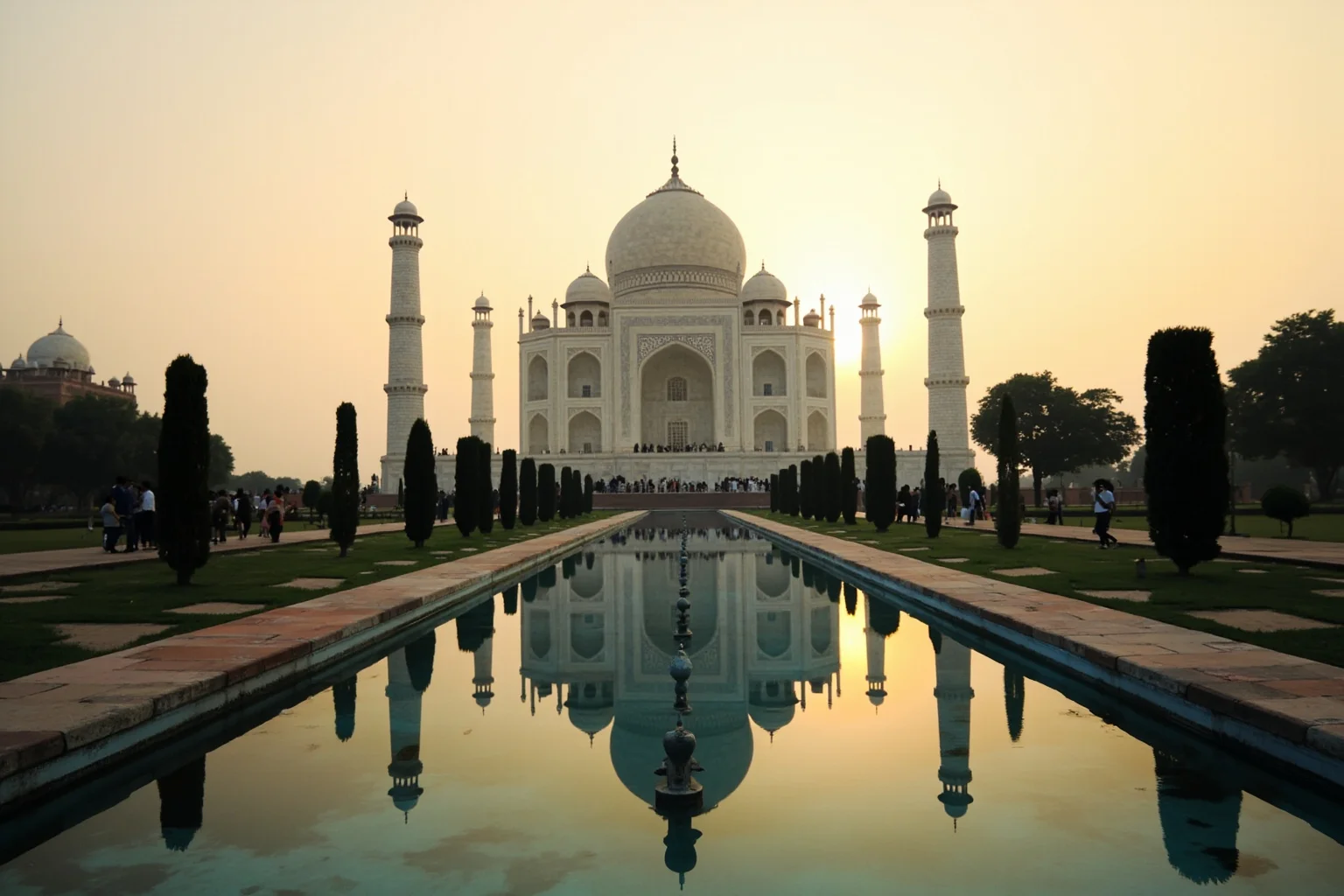
Commissioned by Mughal emperor Shah Jahan, the Taj Mahal was built between roughly 1632 and 1653 as a mausoleum for his wife, Mumtaz Mahal. It’s widely considered one of the finest examples of Mughal architecture, blending Persian, Islamic, and Indian design elements in white marble.
A long-circulated legend claims the emperor had the builders’ hands cut off so they could never replicate the design. There’s no credible historical evidence supporting this, and it appears to be folklore rather than documented history.
3. Angkor Wat, Cambodia
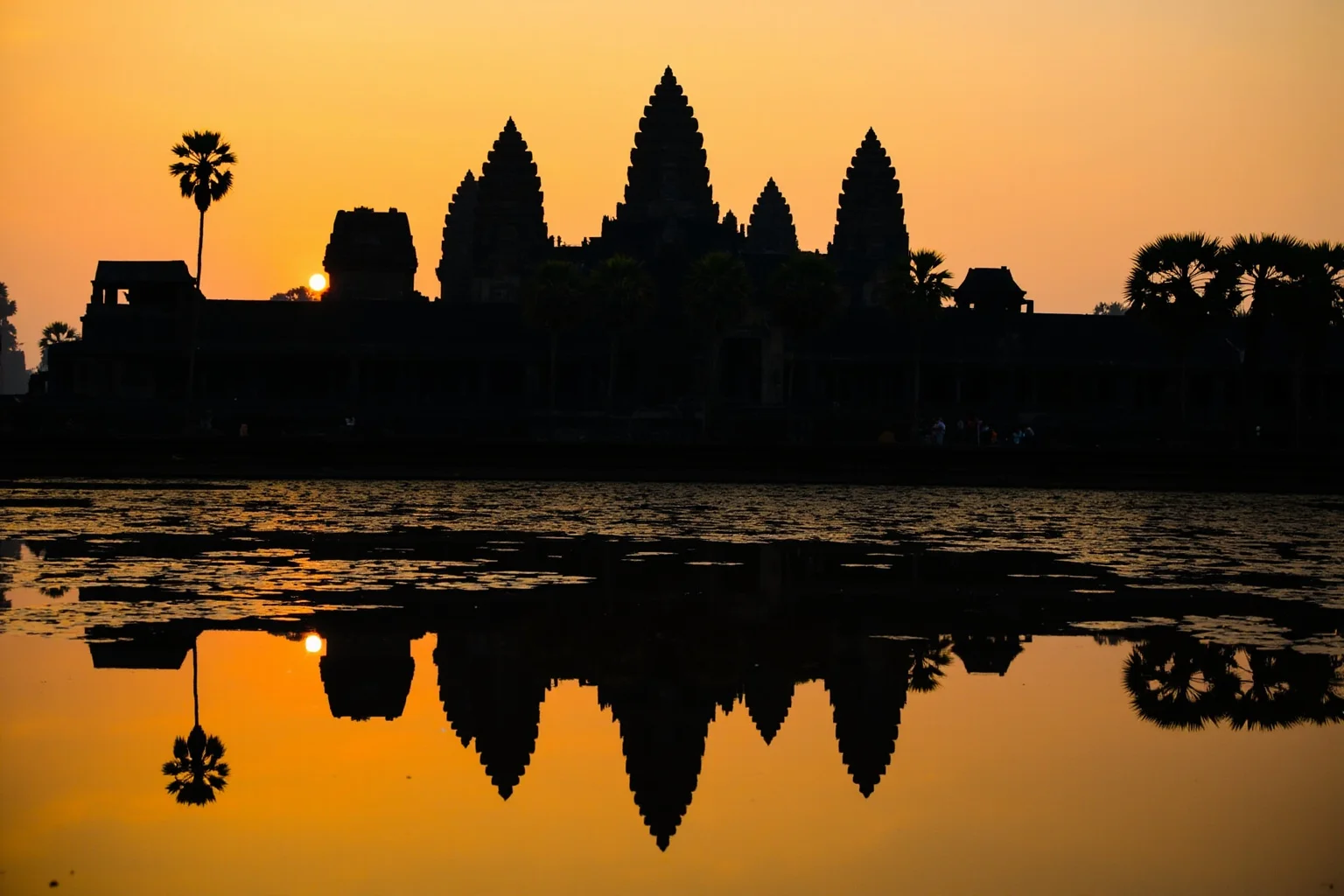
Built in the early 12th century under King Suryavarman II, Angkor Wat began life as a Hindu temple dedicated to Vishnu before gradually transforming into a Buddhist site. It remains the largest religious monument in the world by land area, part of the vast Angkor archaeological complex.
The temple’s five central towers and extensive bas-reliefs depicting Hindu epics make it one of Asia’s top landmarks for both historians and casual visitors. It also appears on Cambodia’s national flag, a rare honor for any single structure.
4. Petra, Jordan
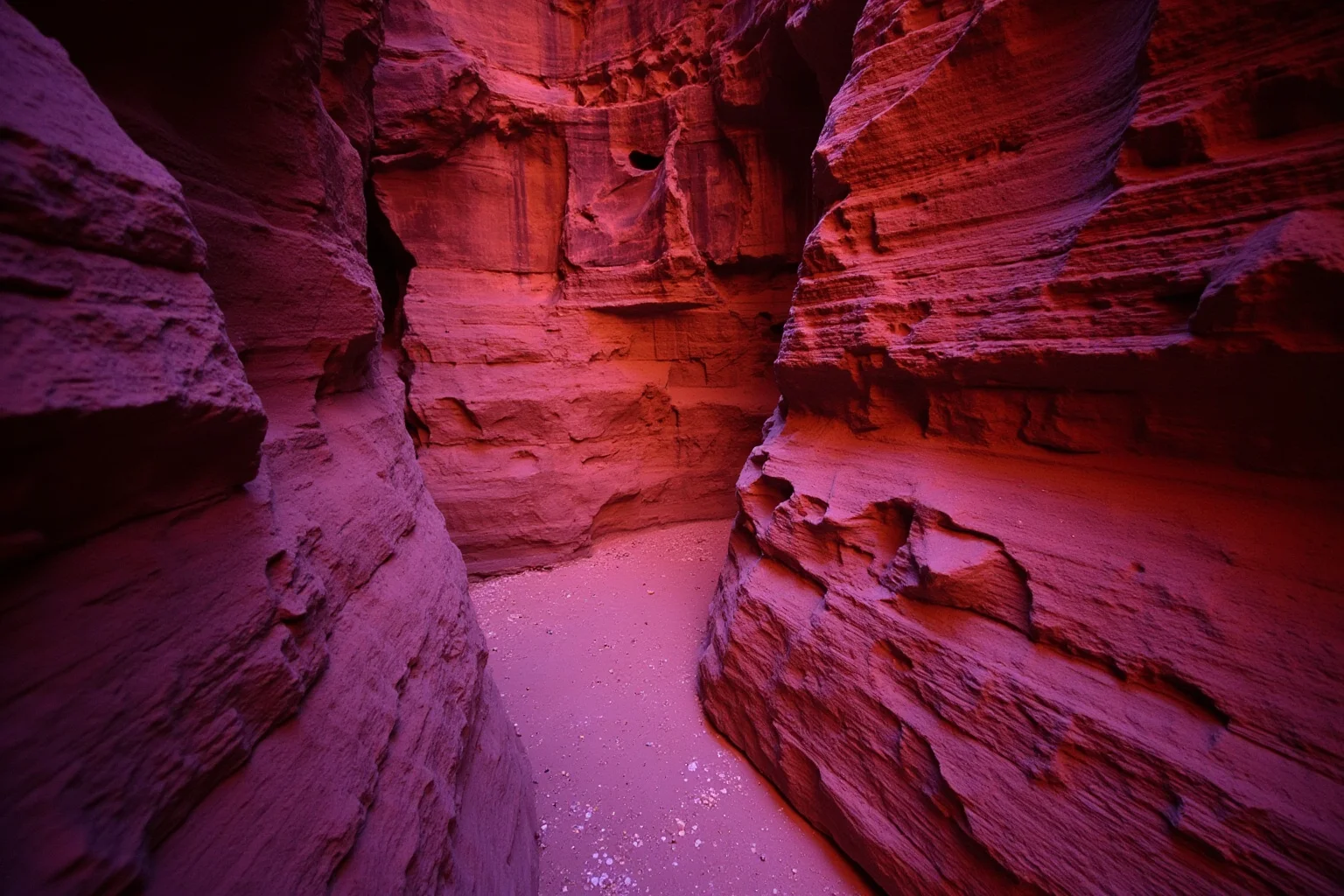
Carved into rose-colored sandstone cliffs, Petra served as the capital of the Nabataean Kingdom from roughly the 4th century BC to the 2nd century AD. Its position on ancient incense and spice trade routes made it remarkably wealthy for a desert city.
Petra is often called a “lost city,” but that’s a bit of an overstatement. Local Bedouin communities always knew of its location; it was simply unfamiliar to European travelers until Swiss explorer Johann Ludwig Burckhardt documented it in 1812.
5. The Forbidden City, Beijing
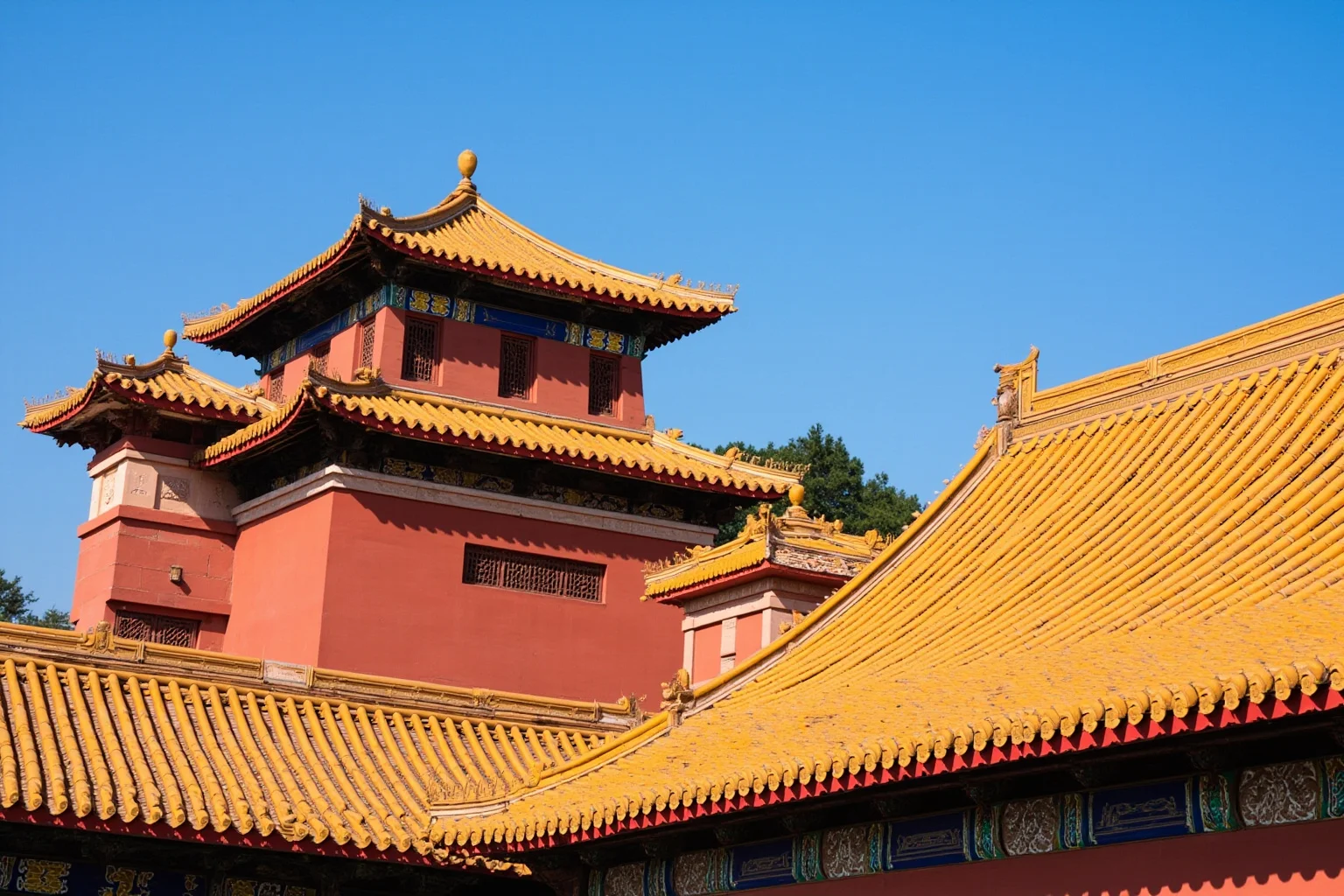
Constructed between 1406 and 1420 under the Yongle Emperor, the Forbidden City served as the imperial palace for 24 emperors across the Ming and Qing dynasties. Its nearly 1,000 surviving buildings make it one of the largest palace complexes ever built.
Access was restricted to the emperor’s household and government officials for centuries, hence the name. Today it’s one of the most visited famous buildings in Asia and a UNESCO World Heritage Site.
6. Borobudur, Indonesia
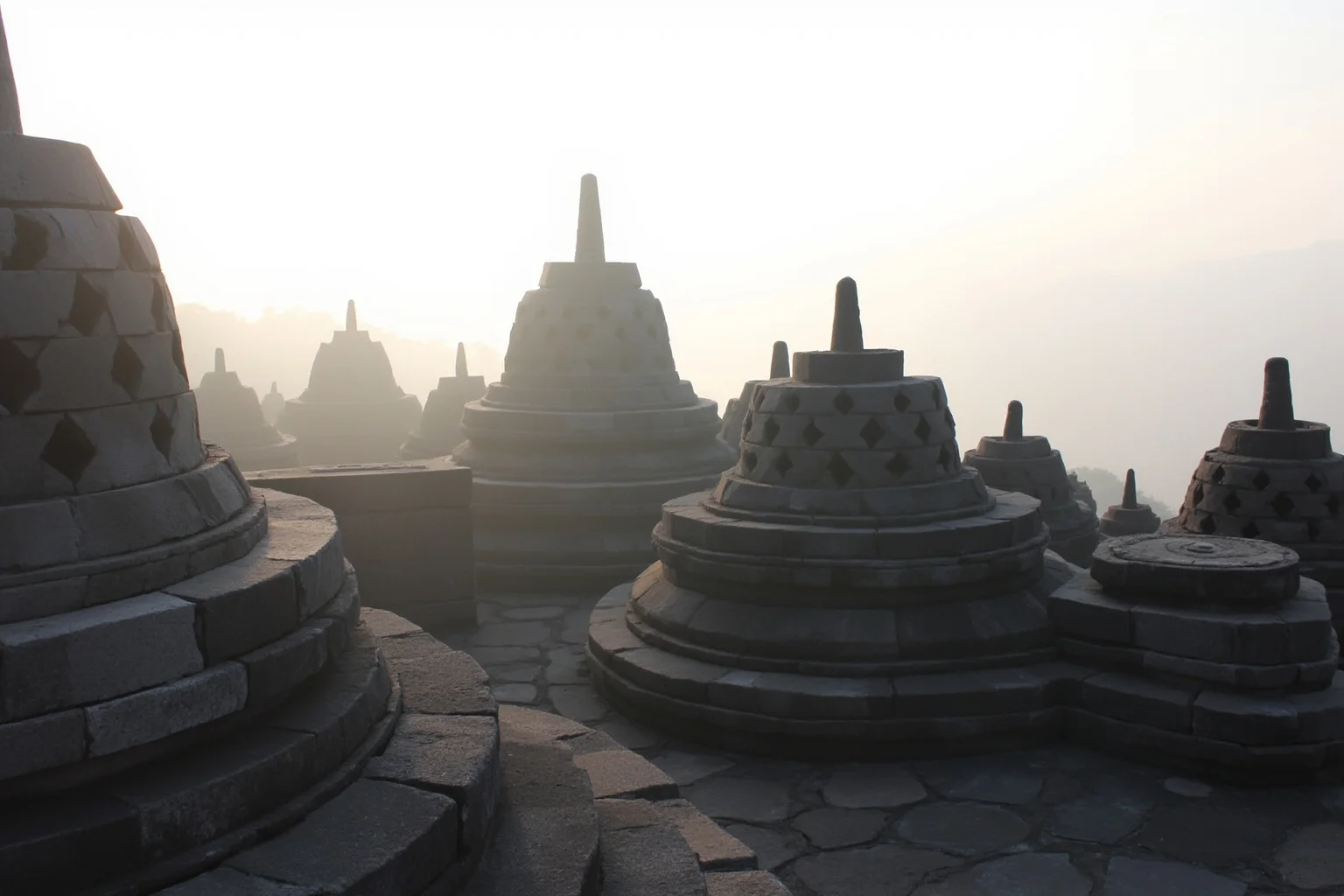
Built in the 9th century under the Sailendra dynasty on the island of Java, Borobudur is the largest Buddhist temple in the world. Its structure is arranged as a massive stepped pyramid, with pilgrims traditionally circling upward through galleries depicting Buddhist cosmology.
The temple was abandoned for centuries, buried under volcanic ash and jungle growth, before being rediscovered and cleared in the 19th century. Restoration work continued well into the 20th century under UNESCO’s guidance.
7. The Terracotta Army, Xi’an
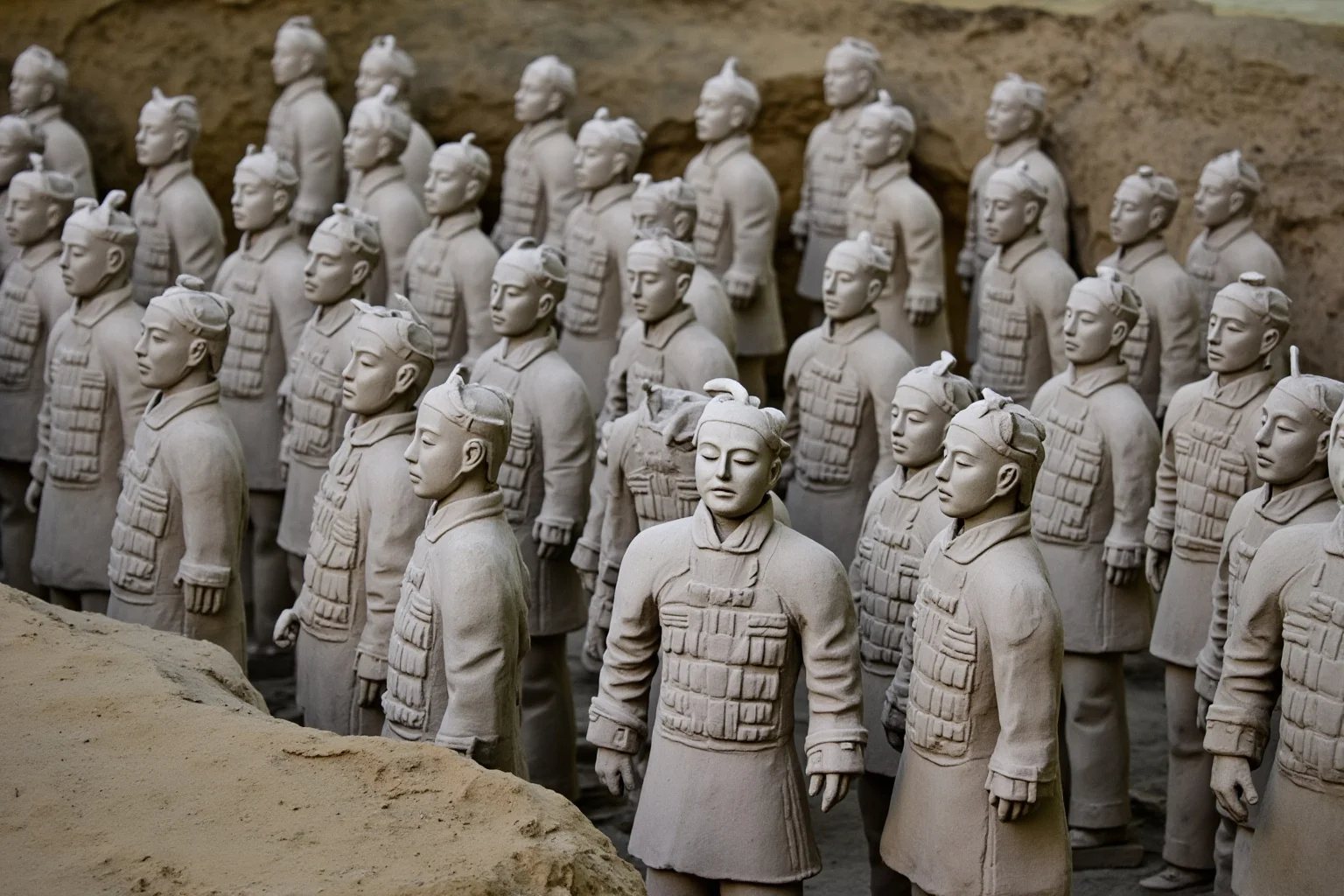
Discovered by farmers digging a well in 1974, the Terracotta Army consists of thousands of life-sized clay soldiers, horses, and chariots buried alongside China’s first unified emperor, Qin Shi Huang, who died in 210 BC. Estimates suggest there may be over 8,000 figures across the excavated pits.
Each soldier appears to have individualized facial features, though archaeologists debate exactly how this was achieved on such a massive scale. It remains one of the most significant archaeological finds of the 20th century.
8. Ephesus and the Library of Celsus, Turkey
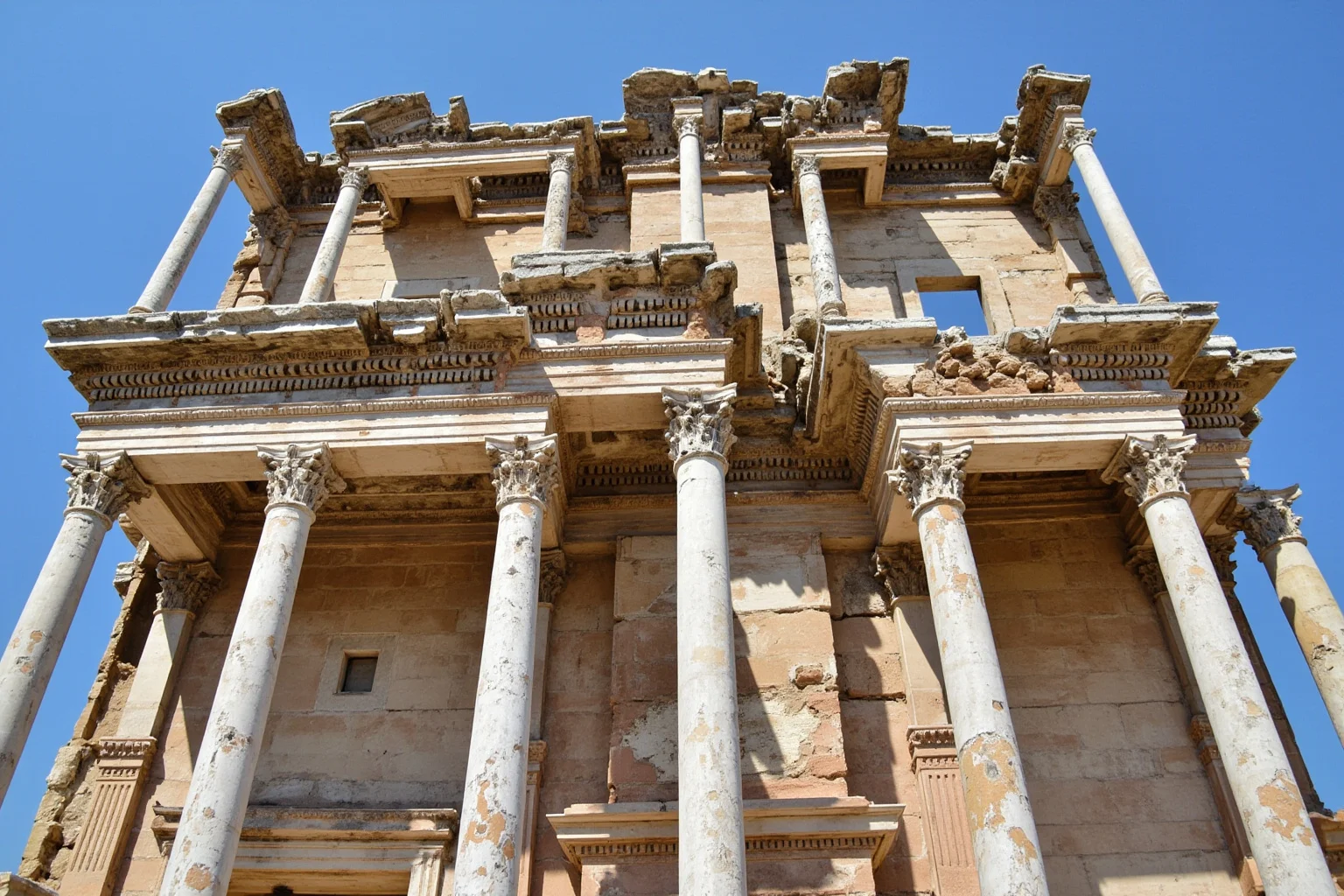
Located in Anatolia, on the Asian side of modern Turkey, Ephesus was once a major Greek city and later Roman city. Its ruins include the famous Library of Celsus facade, built in the 2nd century AD, along with a well-preserved theater and marketplace.
Ephesus also once hosted the Temple of Artemis, one of the ancient Seven Wonders of the World, though little of it survives today. What remains still makes Ephesus one of the most visited historical places in Asia’s western edge.
9. Potala Palace, Tibet
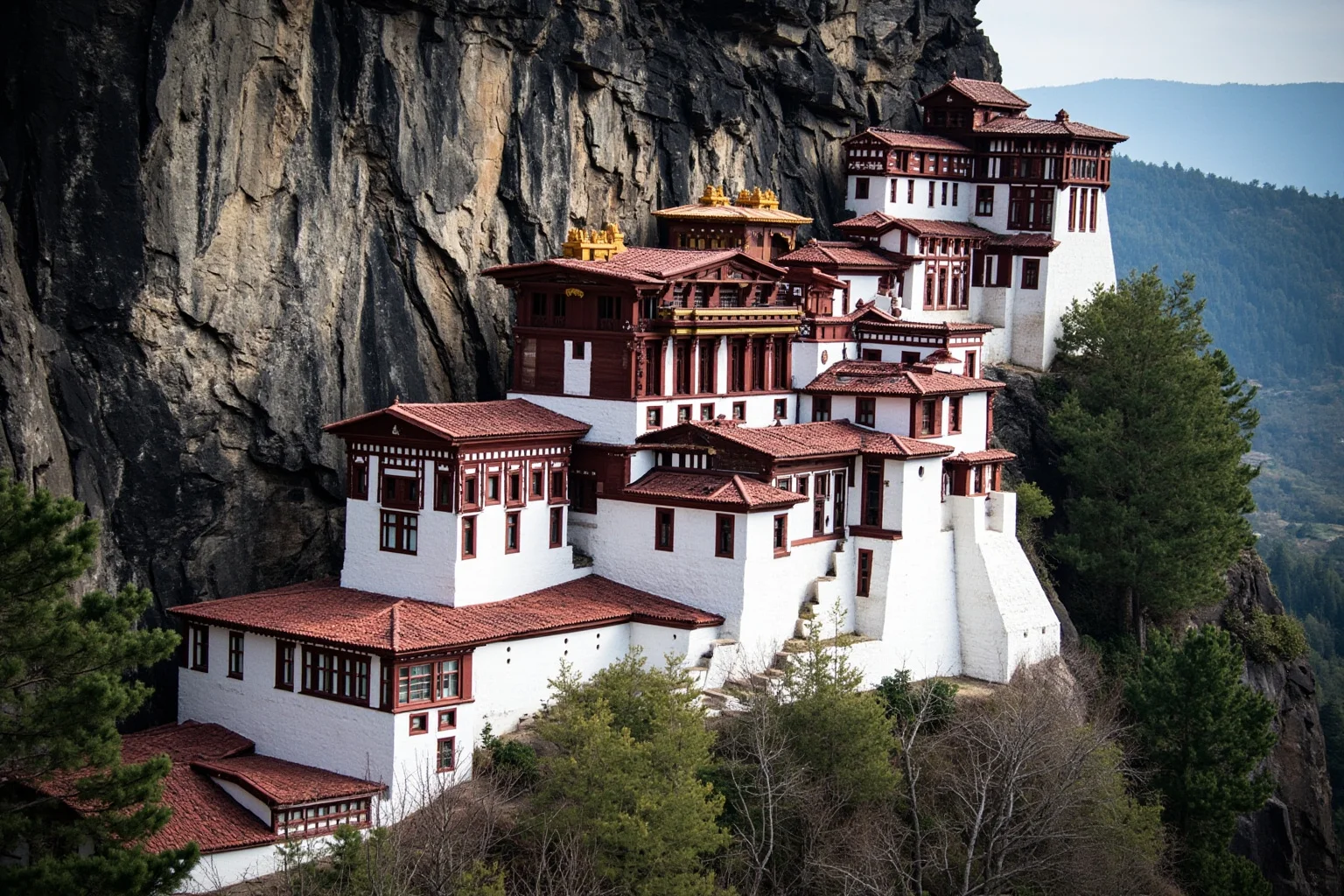
The current Potala Palace was built starting in 1645 under the 5th Dalai Lama, on a site that had held a fortress since the 7th century. Perched dramatically on Red Hill above Lhasa, it served as the winter residence of successive Dalai Lamas.
The palace combines religious, political, and residential functions across more than a thousand rooms. Its scale and setting make it one of the most visually striking monuments of Asia’s Himalayan region.
10. The Temples of Bagan, Myanmar
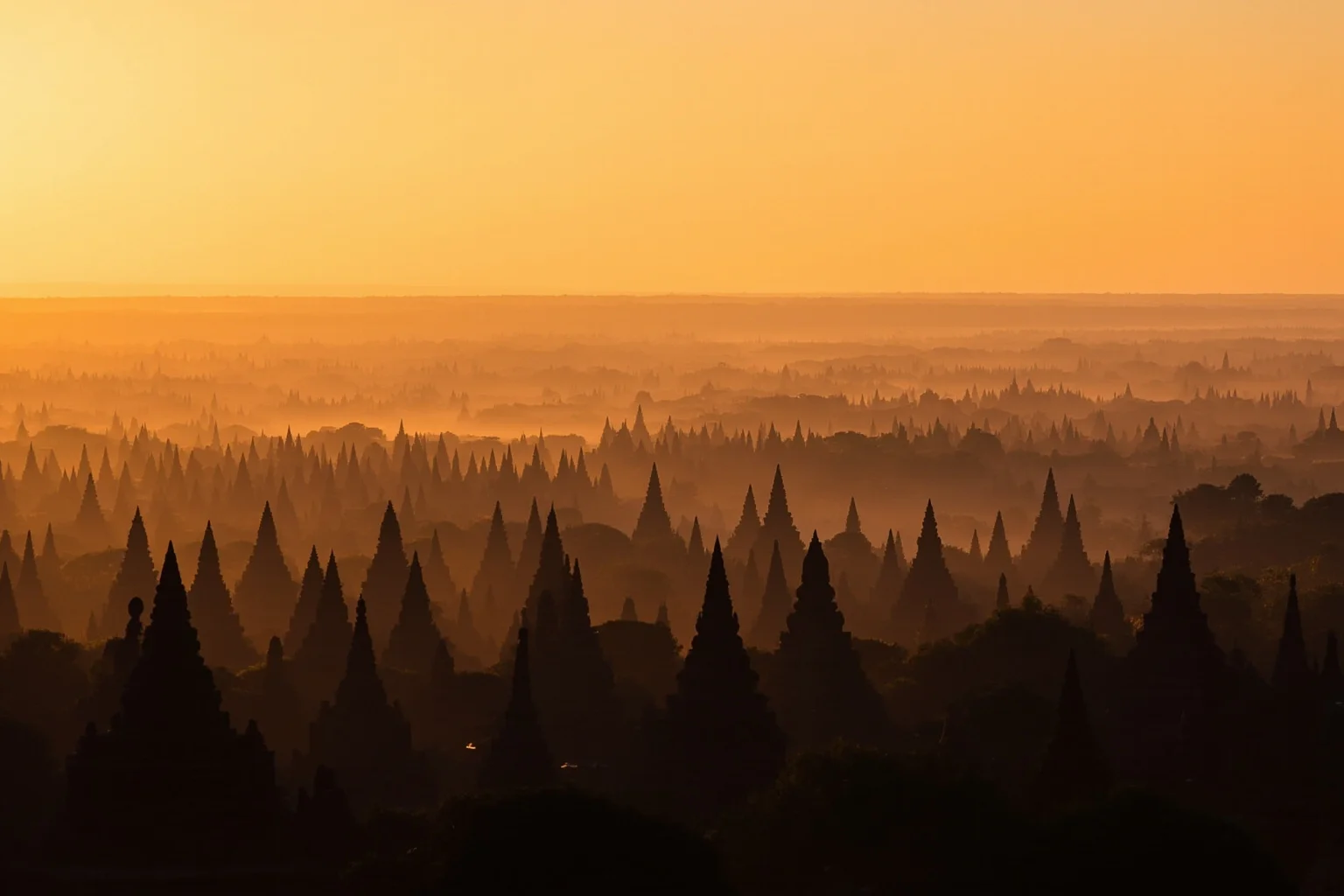
Between the 9th and 13th centuries, the kings of the Pagan Kingdom commissioned over 2,000 Buddhist temples, stupas, and monasteries across the Bagan plain. Many still stand today, scattered across a wide, dusty landscape near the Irrawaddy River.
Unlike more consolidated temple complexes, Bagan’s appeal comes from its sheer sprawl. Balloon rides at sunrise have made it famous in recent years, but the historical core is centuries older than any modern tourism trend.
11. Itsukushima Shrine, Japan
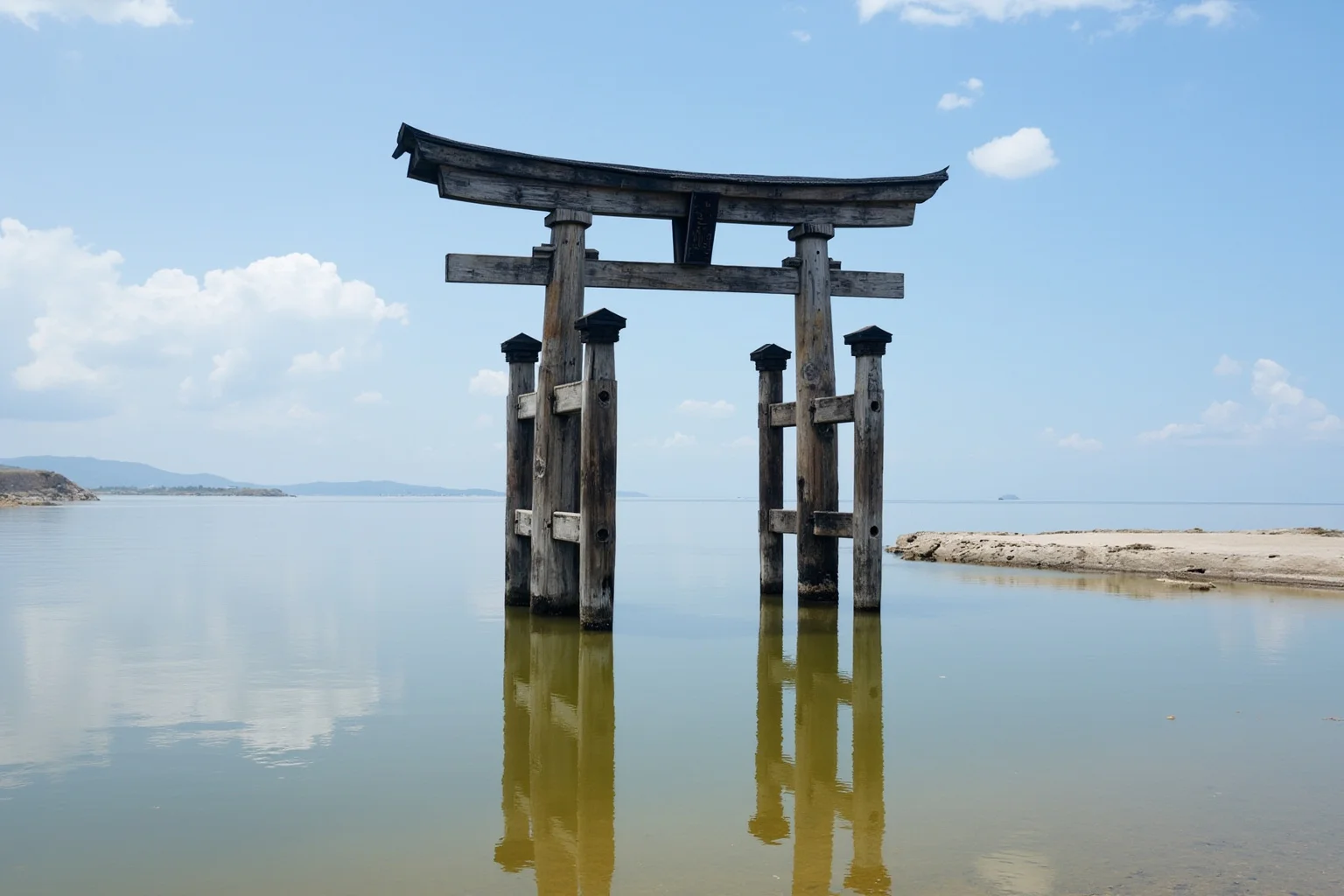
Best known for its “floating” torii gate near Hiroshima, Itsukushima Shrine’s current structure dates to the 12th century, when it was rebuilt under the patronage of military leader Taira no Kiyomori. At high tide, the gate and shrine buildings appear to rise directly out of the sea.
The shrine is dedicated to Shinto deities associated with the sea, fitting for its dramatic tidal setting on Miyajima Island. It remains one of Japan’s most photographed and recognizable religious sites.
12. Meenakshi Amman Temple, India
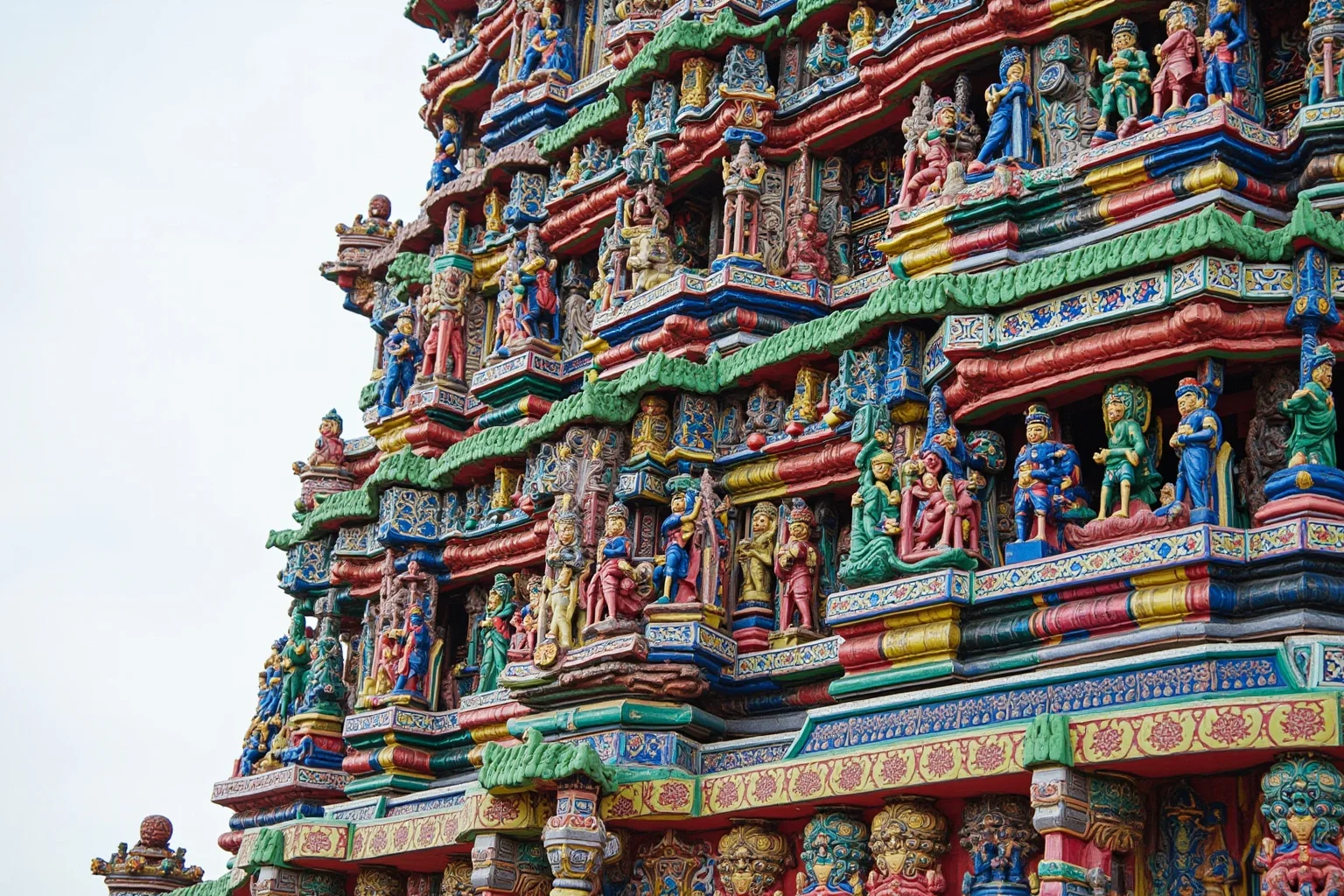
The current structure of the Meenakshi Temple in Madurai largely dates to the 17th century under the Nayak dynasty, though the site’s religious significance is considerably older. Its towering, brightly painted gopurams are covered in thousands of sculpted figures.
Dedicated to the goddess Meenakshi and her consort Sundareswarar, the temple remains an active pilgrimage site rather than a purely historical ruin. That combination of living worship and centuries-old architecture is common among Asia’s famous landmarks tied to religion.
13. The Old City of Jerusalem
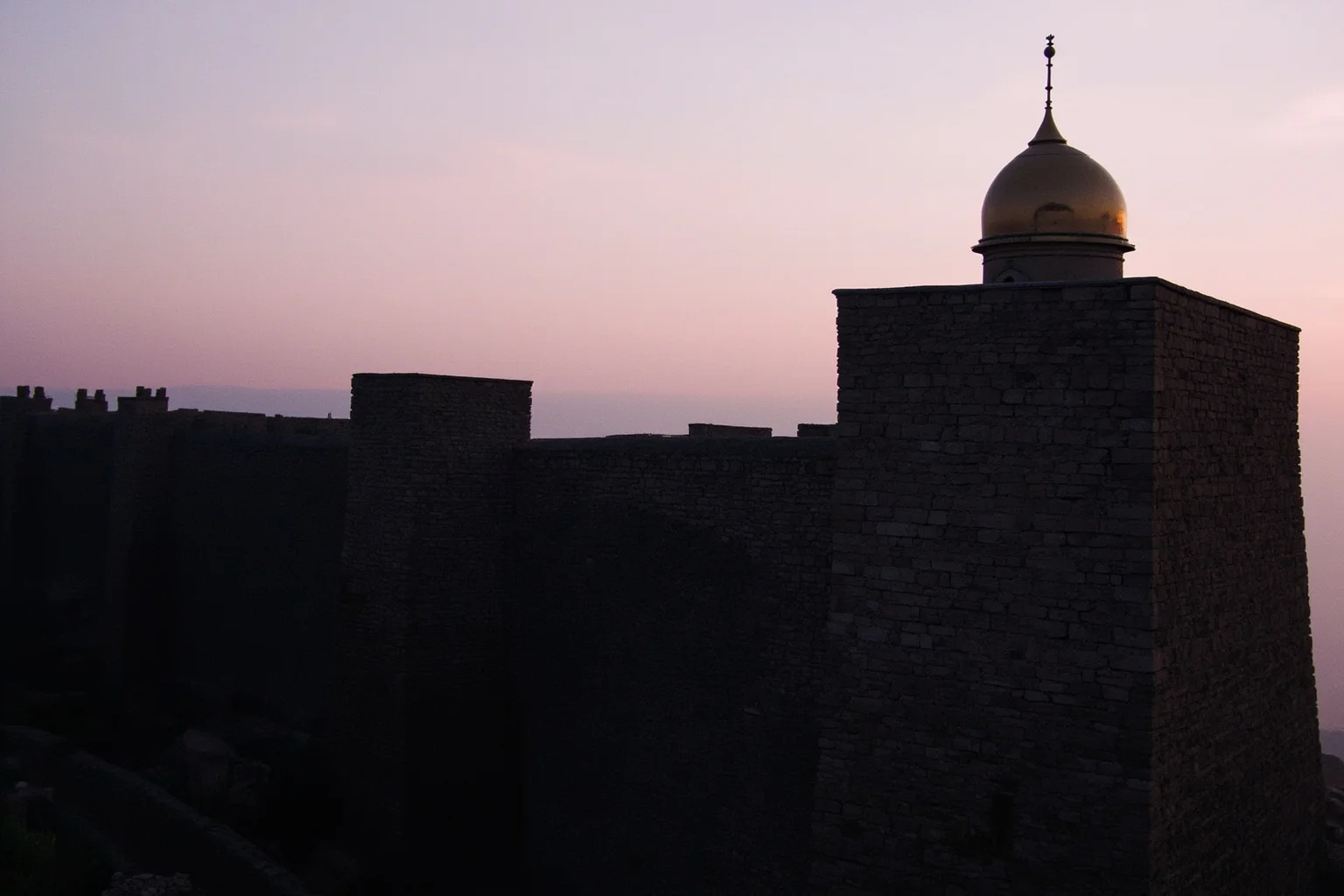
Sacred to Judaism, Christianity, and Islam, Jerusalem’s Old City contains layers of history stretching back thousands of years. The Dome of the Rock, completed around 691–692 AD, and the Western Wall, a remnant of the Second Temple destroyed in 70 AD, both sit within its walls.
Because of its religious and political significance, Jerusalem’s history is often contested and retold differently by different groups. Visitors will find that most reputable historical accounts emphasize this complexity rather than a single simple narrative.
14. Boudhanath Stupa, Nepal
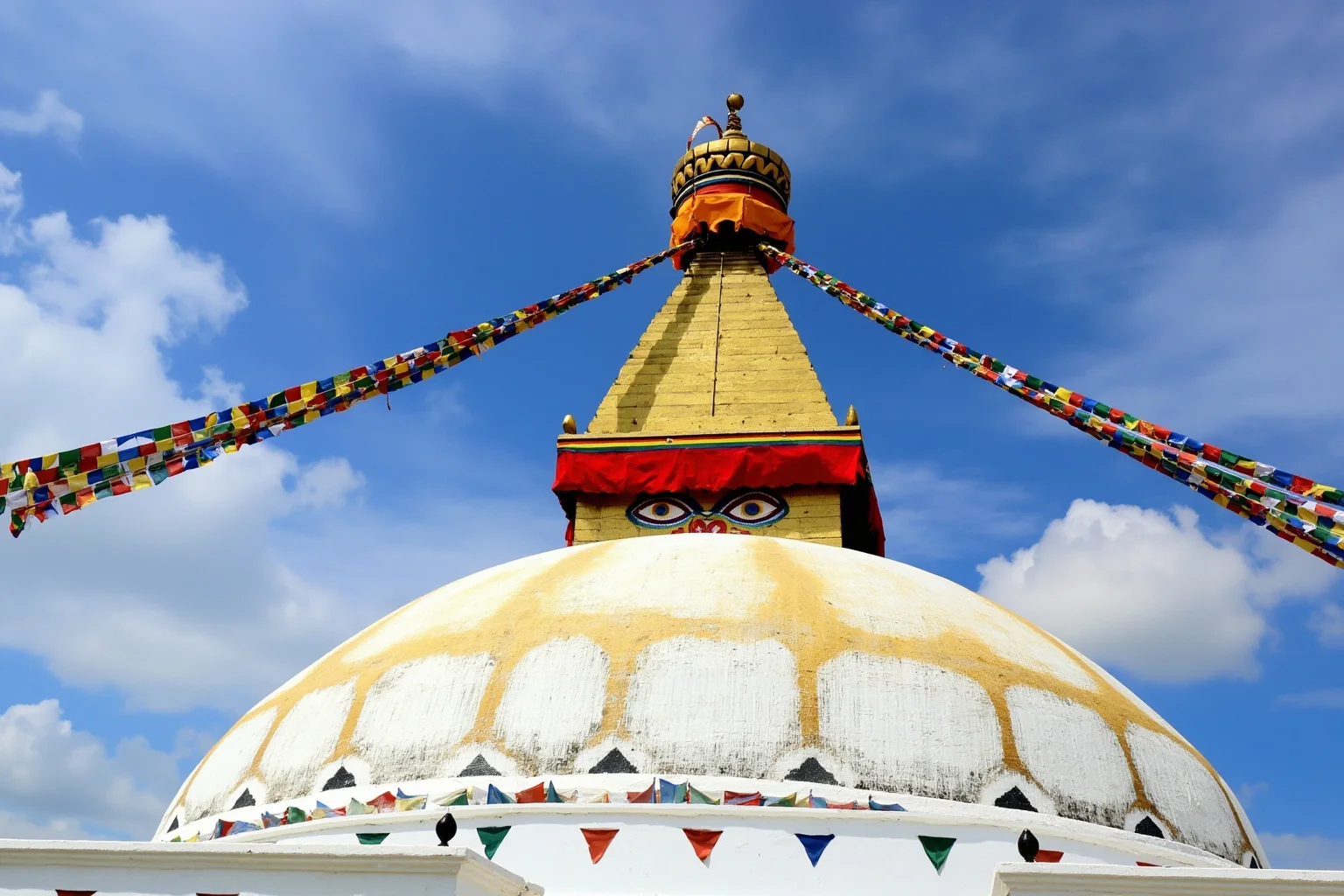
One of the largest stupas in the world, Boudhanath in Kathmandu is a major pilgrimage site for Tibetan Buddhists. The structure seen today is generally dated to a rebuilding in the 14th century, though local tradition traces the site’s origins much earlier.
Its painted eyes, gazing out in four directions, have become one of the most recognizable images associated with Nepal. The stupa was damaged in the 2015 earthquake and subsequently restored.
15. Wat Phra Kaew, Thailand
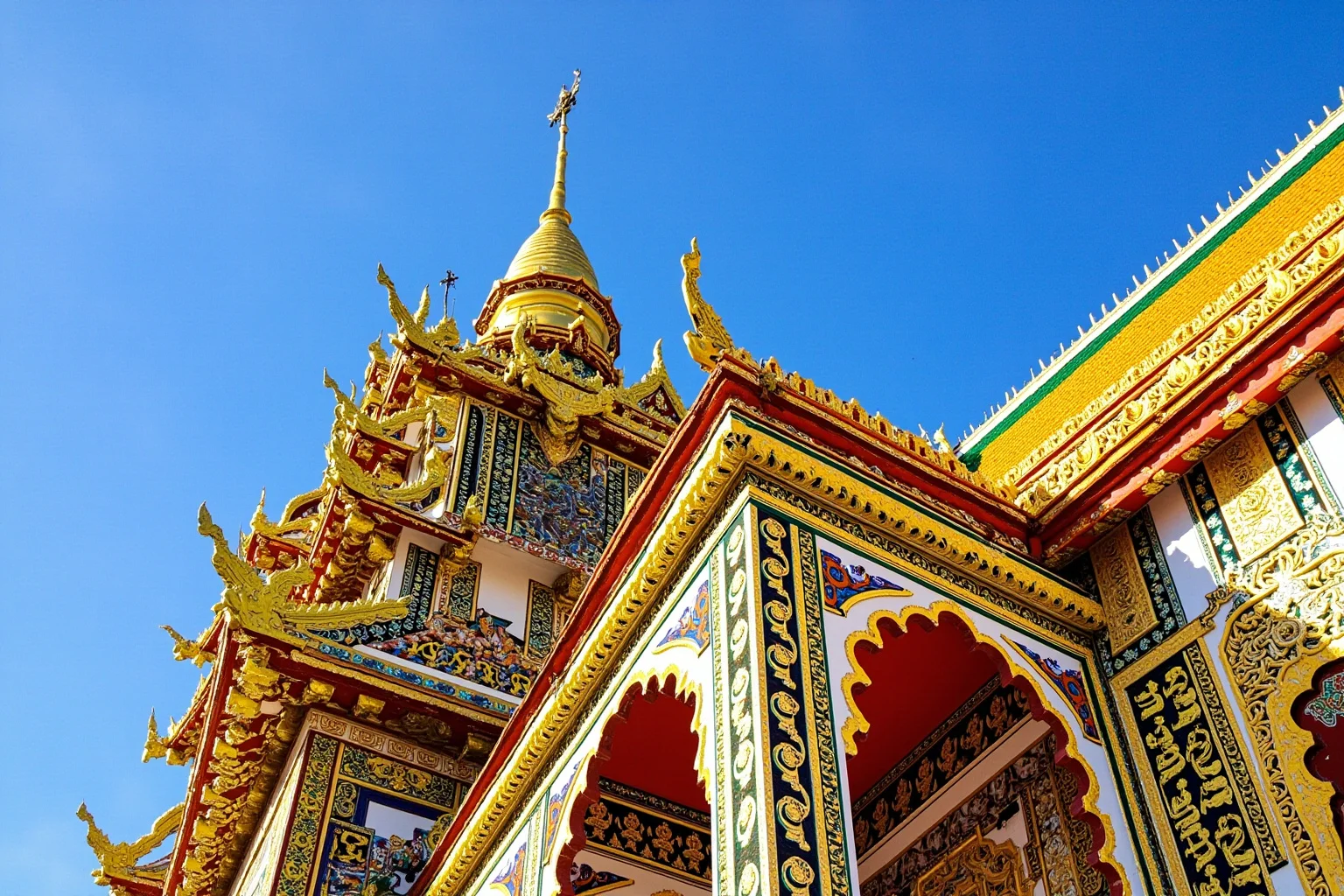
Built in 1782 under King Rama I, Wat Phra Kaew sits within Bangkok’s Grand Palace complex and houses the revered Emerald Buddha statue. Despite its name, the statue is carved from jade or a similar green stone rather than emerald.
The temple’s gold spires and intricate mosaic-tiled buildings make it one of Thailand’s most famous buildings and a centerpiece of Thai royal ceremony. It remains an active site of worship rather than a museum piece.
16. Gyeongbokgung Palace, South Korea
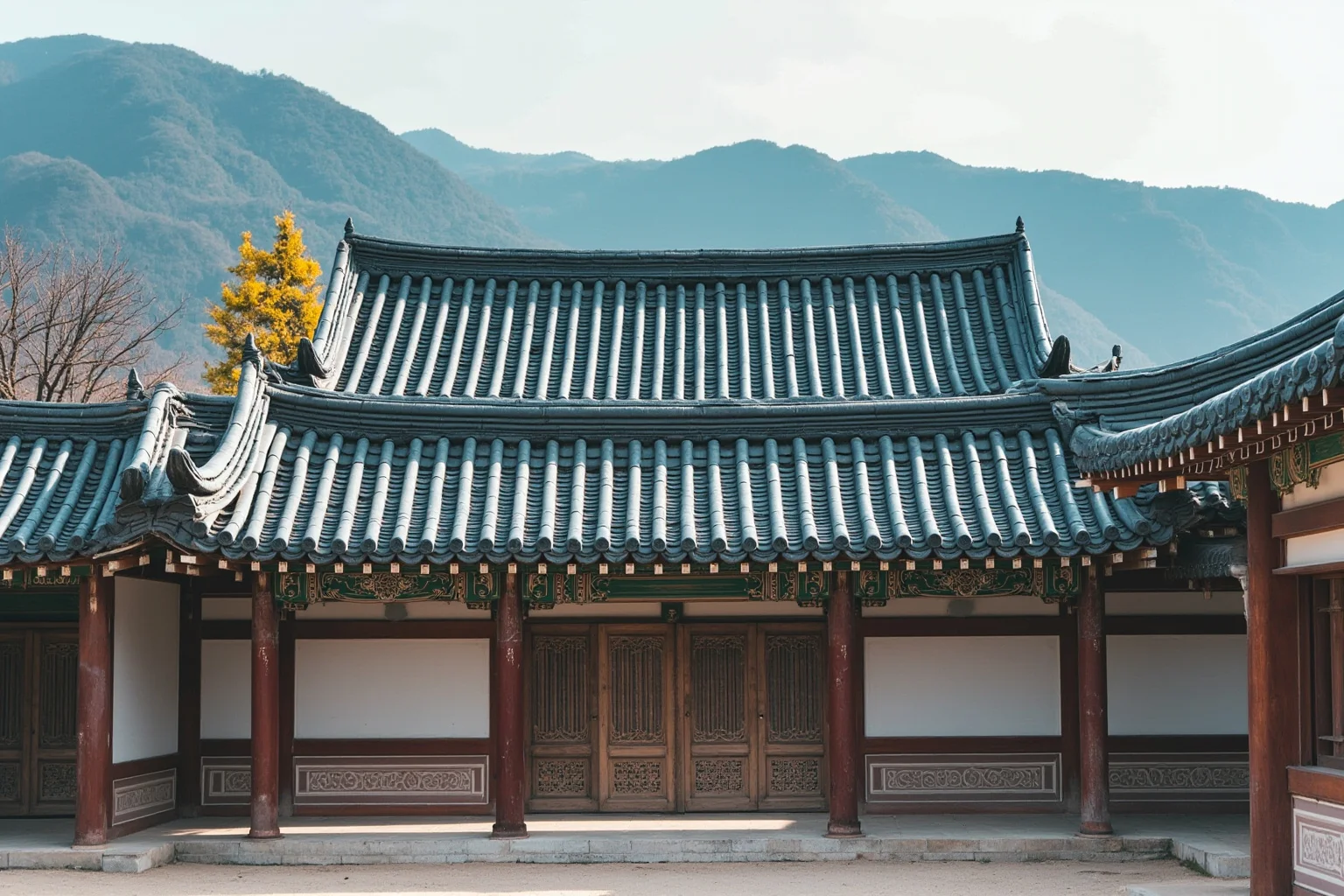
First built in 1395 as the main royal palace of the Joseon dynasty, Gyeongbokgung was largely destroyed during Japanese invasions in the 1590s and left in ruins for roughly 270 years. It was reconstructed in the 19th century before suffering further destruction during the Japanese occupation of Korea.
Much of what stands today reflects a 20th and 21st century restoration effort by the South Korean government. It remains the most iconic of Seoul’s palaces and a strong symbol of Korean cultural continuity.
17. The Imperial City of Hue, Vietnam
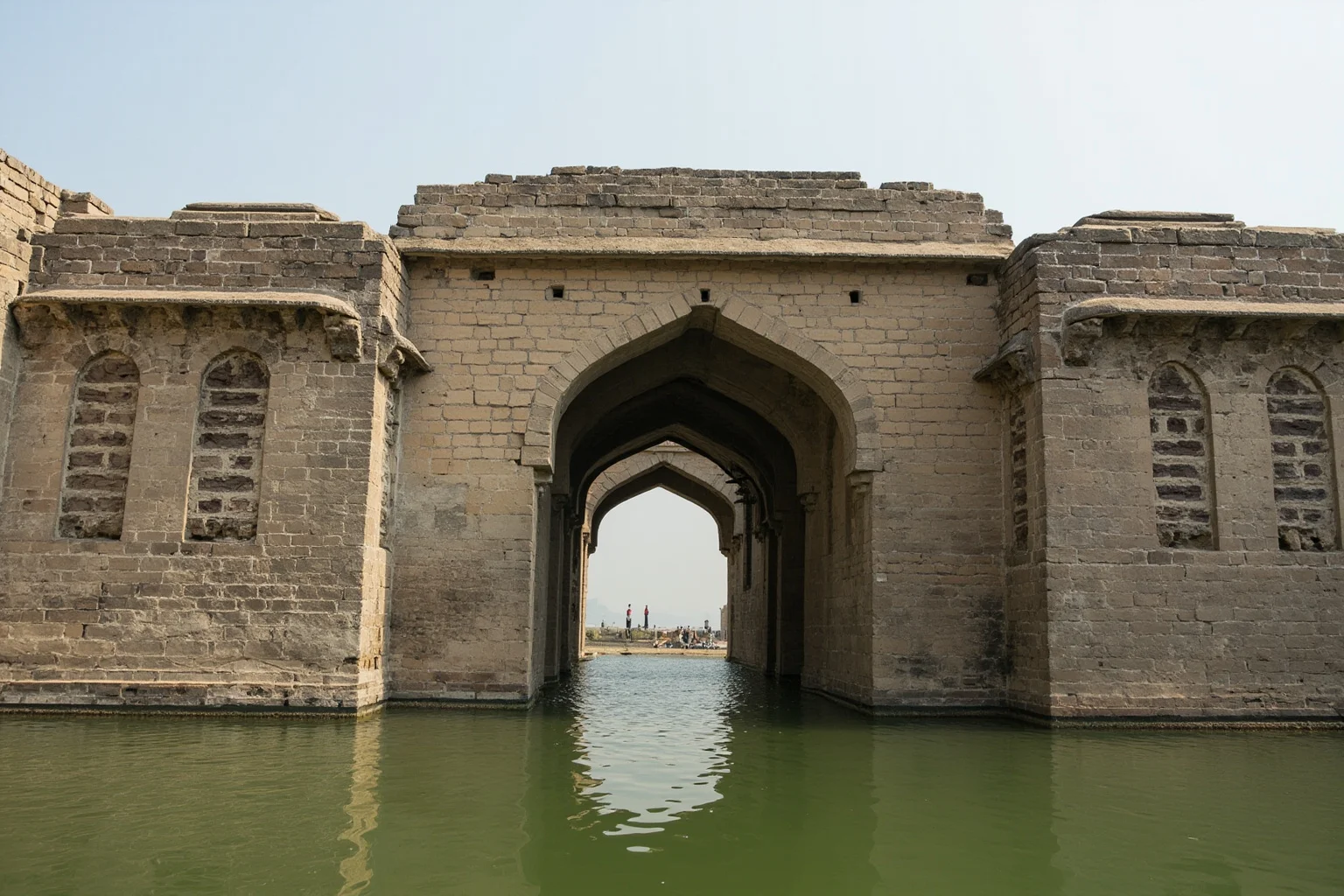
Built between 1804 and 1833, the Imperial City of Hue served as the seat of the Nguyen dynasty, Vietnam’s last ruling imperial family. Its layout drew inspiration from Beijing’s Forbidden City, though scaled to Vietnamese proportions and materials.
Much of the complex suffered heavy damage during the Vietnam War, particularly during the 1968 Tet Offensive. Ongoing restoration has brought back significant portions of the citadel and its palace buildings.
18. The Ziggurat of Ur, Iraq
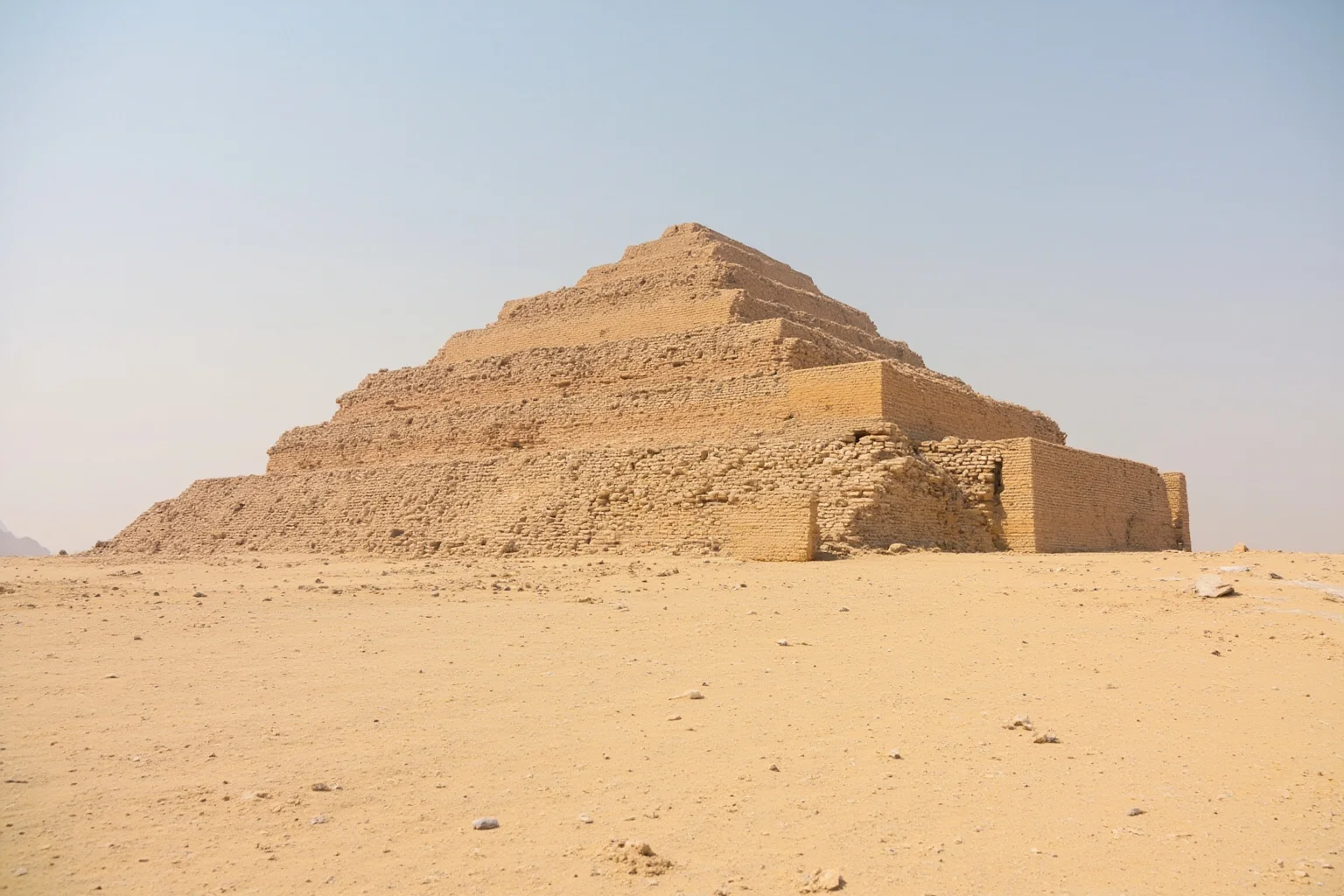
Built around the 21st century BC under the Sumerian king Ur-Nammu, the Ziggurat of Ur is one of the best-preserved stepped temple structures from ancient Mesopotamia. It was dedicated to Nanna, the Sumerian moon god.
As one of the oldest entries on this list — a strong candidate among the oldest buildings in the world — it’s a reminder that Asia’s historical sites don’t just mean medieval temples or imperial palaces. Mesopotamian ziggurats predate most other entries here by well over a thousand years.
19. Persepolis, Iran
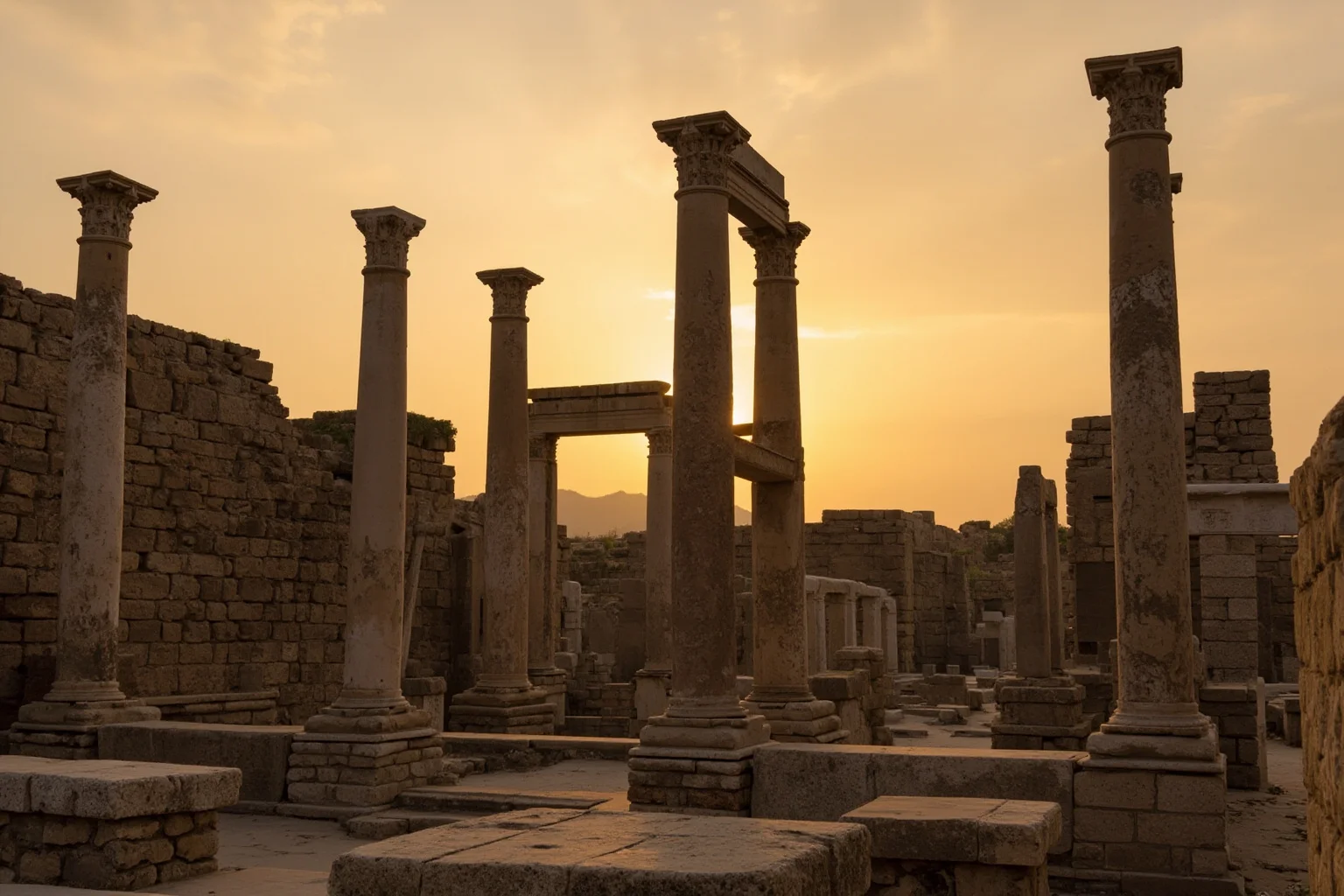
Founded around 518 BC by Darius I, Persepolis served as the ceremonial capital of the Achaemenid Persian Empire. Its ruins include monumental staircases, columned halls, and detailed stone reliefs depicting tribute-bearers from across the empire.
Alexander the Great’s forces burned much of the city in 330 BC, and historians still debate exactly why, whether as retaliation, plunder, or political messaging. What survives still ranks among the most important monuments of Asia’s ancient Near East.
20. The Registan, Uzbekistan
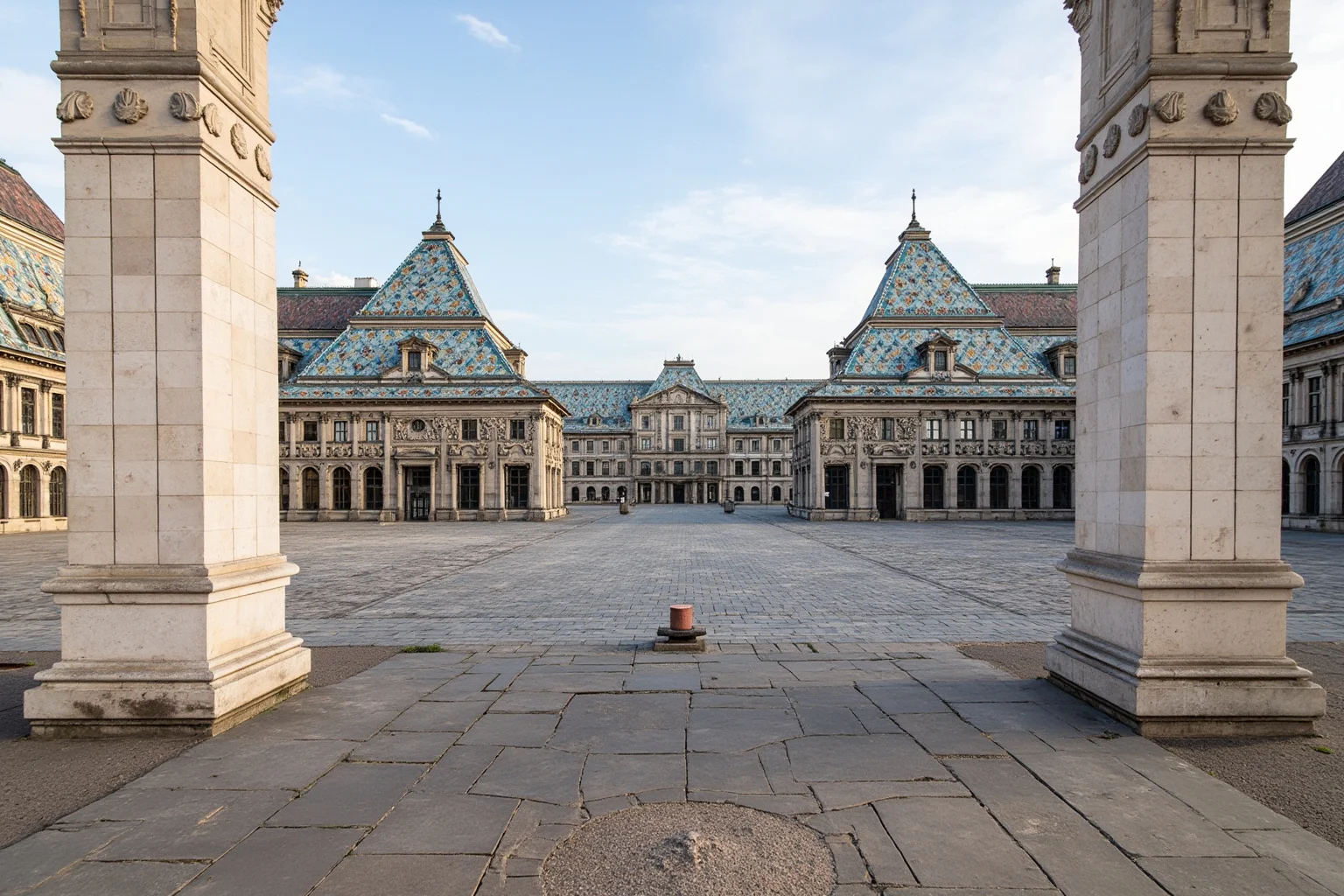
The Registan in Samarkand is a public square framed by three monumental madrasas, built between the 15th and 17th centuries under Timurid and later rulers. Its turquoise tilework and grand portals are considered a high point of Central Asian Islamic architecture.
Samarkand sat at a crossroads of the Silk Road, and the Registan reflects the wealth that trade brought to the region. It remains one of the best-preserved examples of Timurid urban design anywhere in Asia.
21. Sigiriya, Sri Lanka
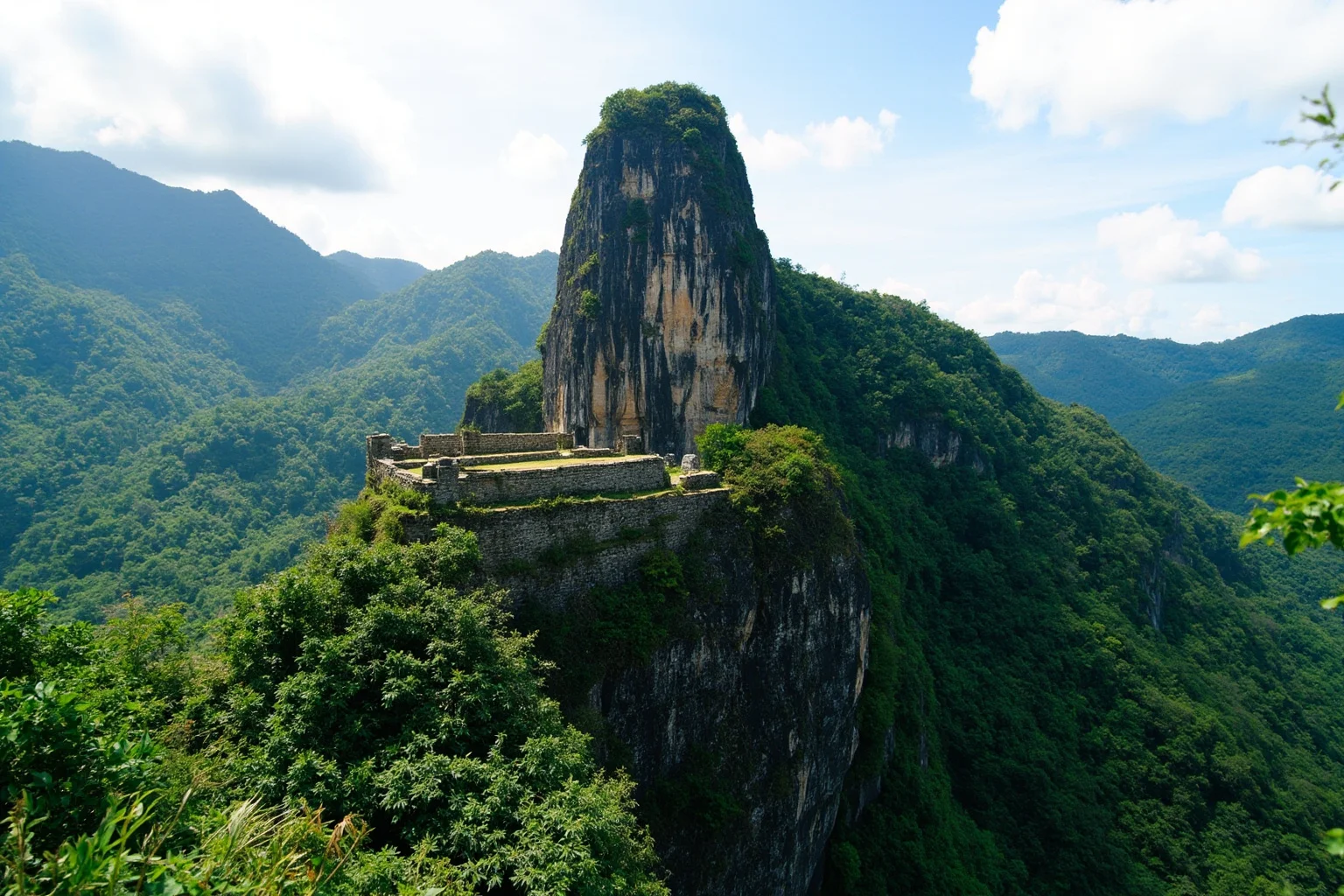
Known as “Lion Rock,” Sigiriya is an ancient rock fortress built under King Kashyapa in the 5th century AD. It features elaborate frescoes, a water garden system, and a massive lion-shaped gateway, remnants of which still flank the rock’s base.
Some later chronicles portray Kashyapa unfavorably, but historians generally treat these accounts with caution since they were written after his rivals took power. The engineering behind Sigiriya’s water gardens is still studied for its early hydraulic sophistication.
22. Ellora Caves, India
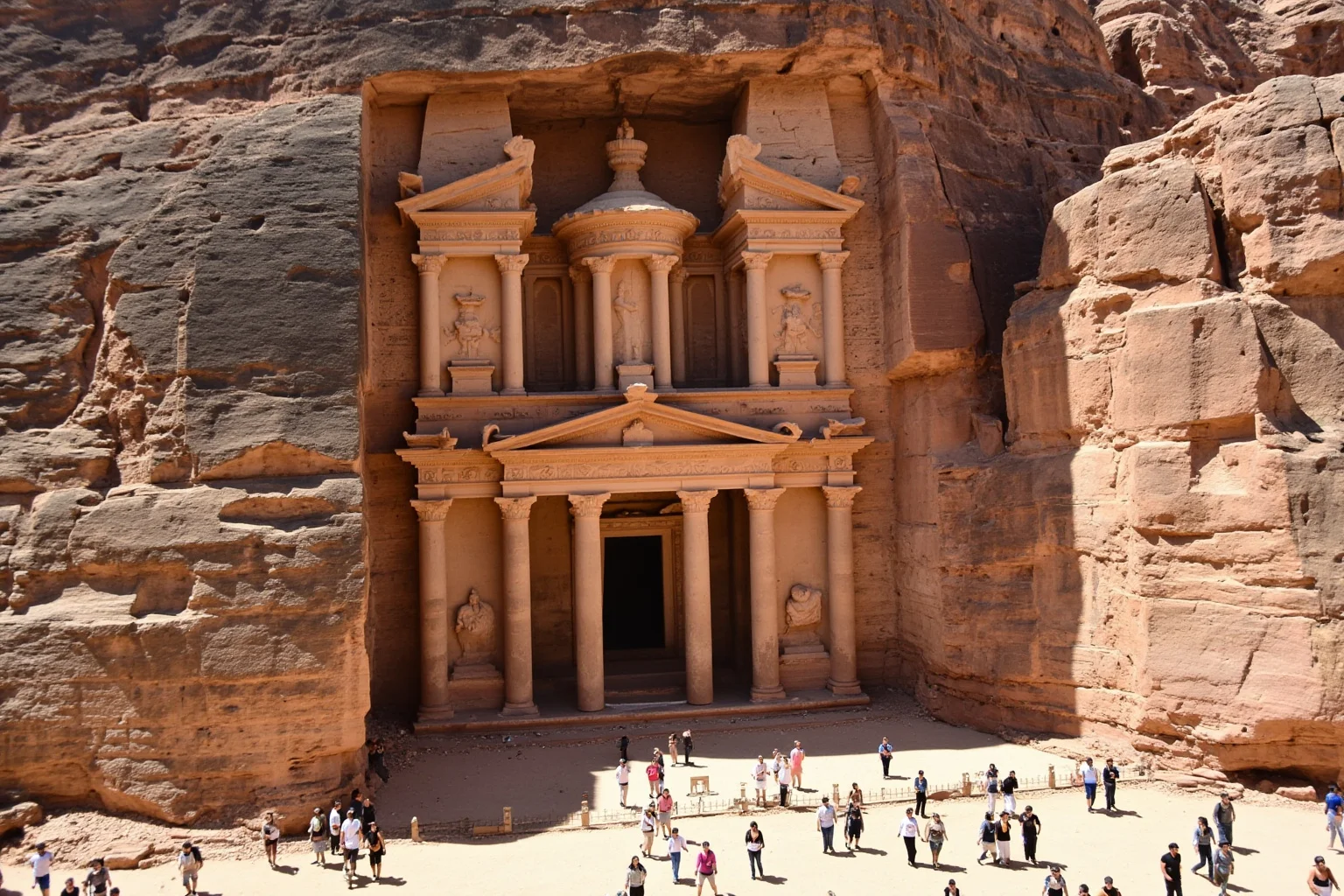
Carved between the 6th and 10th centuries AD, the Ellora Caves contain Hindu, Buddhist, and Jain monastic and temple structures side by side, a rare record of religious coexistence. The site’s centerpiece, the Kailasa temple, was carved downward out of a single rock face rather than built up from a foundation.
Archaeologists estimate that excavating Kailasa alone required removing hundreds of thousands of tons of rock, all without modern tools — a scale of ambition shared by other ancient architectural marvels whose construction methods are still debated. It stands as one of the most ambitious man-made landmarks in Asia’s ancient world.
Standing Where History Happened
What ties these 22 sites together isn’t a single culture or century, it’s the sheer range of human effort behind them. Some were built to honor gods, others to project imperial power, and a few simply to mark a trade route worth remembering.
Visiting any one of Asia’s famous landmarks in person tends to reframe how you think about scale and time. A wall built over centuries, a temple carved from a single rock, a palace rebuilt after war, these aren’t just old buildings, they’re evidence of what people were willing to commit generations to finish.
If you’re planning a trip built around history rather than just scenery, this list is a reasonable starting point rather than a finish line. Asia’s historical sites number in the thousands, and new archaeological work keeps adding detail to stories we thought we already knew.
Frequently Asked Questions
What are the most famous landmarks in Asia?
Some of the most famous landmarks in Asia include the Great Wall of China, the Taj Mahal in India, Angkor Wat in Cambodia, Petra in Jordan, and the Forbidden City in Beijing. These sites span thousands of years and multiple religions and empires, reflecting the continent's enormous historical diversity.
What is the oldest man-made landmark in Asia?
Among widely documented sites, the Ziggurat of Ur in Iraq is one of the oldest, built around the 21st century BC under the Sumerian king Ur-Nammu. Mesopotamia, in modern-day Iraq, is often cited as one of the earliest centers of urban civilization.
Is the Great Wall of China really visible from space?
No, this is a common myth. Astronauts have reported that the wall is not reliably visible to the naked eye from space, since it's narrow and similar in color to its surroundings, despite its impressive total length.
Which countries have the most historical landmarks in Asia?
China, India, and Cambodia are often highlighted for the sheer density of historically significant sites, but countries like Iran, Iraq, Turkey, Uzbekistan, and Sri Lanka also hold landmarks dating back thousands of years. Asia's historical sites are spread across nearly every country on the continent.
Are Asia’s famous landmarks mostly religious sites?
Many are, since temples, shrines, and mosques were often the most resource-intensive building projects a society undertook. That said, the list also includes palaces, fortresses, and defensive structures built primarily for political and military purposes rather than worship.
Was the Taj Mahal really built by enslaved workers?
Historical records indicate skilled artisans and laborers from across the Mughal Empire and beyond worked on the Taj Mahal, but there isn't credible documentation supporting the popular legend that workers were mutilated afterward. That story is generally treated as folklore rather than verified history.

Alex Warren
Related Articles





