

Ask most people to name the best leaders in world history and you’ll hear the same short list of history’s most recognized figures: Alexander the Great, Abraham Lincoln, Catherine the Great, Nelson Mandela. These are the historic leaders whose decisions genuinely reshaped nations, wars, and everyday life for millions of people.
But history is also full of rulers who wore the crown, held the title, and appeared in every royal portrait, while someone else quietly ran the show.
Some of these figures never made a single meaningful decision of their own reign. Others were children, puppets, or simply outmatched by the ministers and generals standing behind their throne.
TL;DR: Not every person who wore a crown actually ruled — some of history’s most famous leadership titles belonged to figureheads while the real decisions were made by regents, generals, and advisors standing just out of frame.
What Really Makes a Leader Influential?
When historians talk about the greatest world leaders, they’re usually pointing to a specific set of traits. Influential leaders make consequential decisions, survive real tests of judgment, and leave behind institutions, laws, or ideas that outlast them.
Think of Marcus Aurelius writing philosophy while governing an empire, or Catherine the Great modernizing Russian law and territory.
Important leaders in history also tend to share something else: agency. They had real choices to make, and history remembers what they chose. That’s a very different situation from simply holding a title while someone else calls the shots.
This distinction matters because titles can be misleading. A king, emperor, or sultan sounds powerful by definition, but plenty of them were powerless in practice. Understanding that gap is one of the more useful lessons in the study of historical world leaders.
Power vs. the Appearance of Power
Throughout history, real authority has often slipped away from the person officially in charge. Sometimes this happened because a ruler was a child, sometimes because of illness or political weakness, and sometimes because a system was deliberately built to keep the throne symbolic while ministers or generals ran the actual government.
Regencies, puppet governments, and ceremonial monarchies all produced leaders who technically sat at the top of the hierarchy without ever really steering it. These are useful, and often fascinating, examples of leaders whose fame outpaced their actual influence.
The ten figures below aren’t villains or fools — many of them never had a real chance to rule in the first place. But their stories are a great reminder that a title is not the same thing as power.
10 Famous Leaders Who Held the Title but Not the Power
Each of these rulers is genuinely well known, and each one is a textbook case of a leader whose actual influence over events was minimal. Some were children thrust onto a throne, others were sidelined by the very people who were supposed to serve them.
1. Romulus Augustulus, the Last Western Roman Emperor
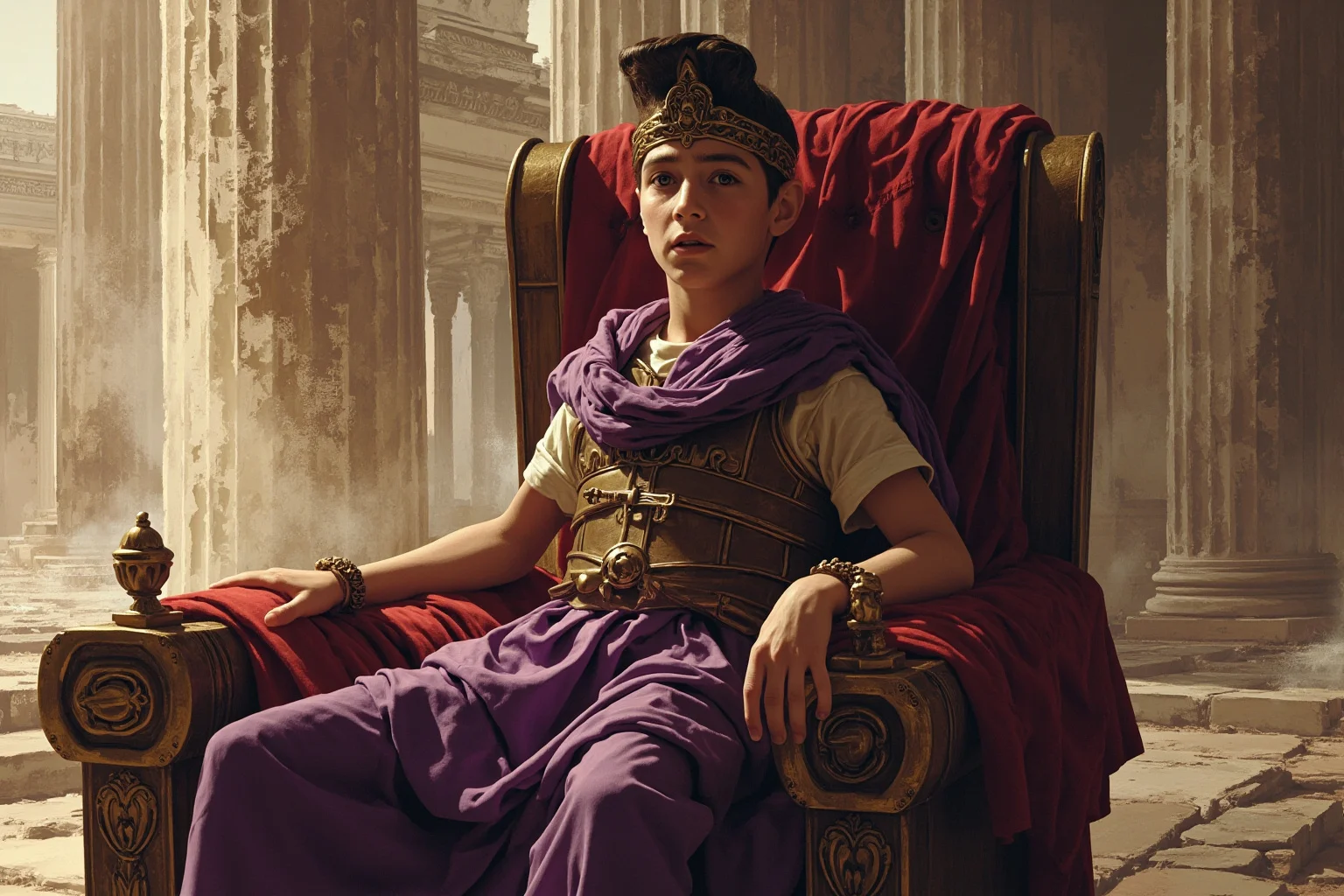
Romulus Augustulus became emperor of the Western Roman Empire in 475 CE at roughly 12 to 14 years old. He didn’t seize the throne or campaign for it — his father, a general named Orestes, installed him as a convenient figurehead while actually running the government himself.
The arrangement barely lasted a year. In 476 CE, a Germanic military leader named Odoacer deposed Romulus Augustulus, an event historians commonly cite as the symbolic end of the Western Roman Empire.
Romulus Augustulus never issued a meaningful decree, won a battle, or made a lasting political decision. He is remembered less for anything he did and more for the empire that ended, technically, on his watch.
2. Childeric III and the Merovingian ‘Do-Nothing Kings’
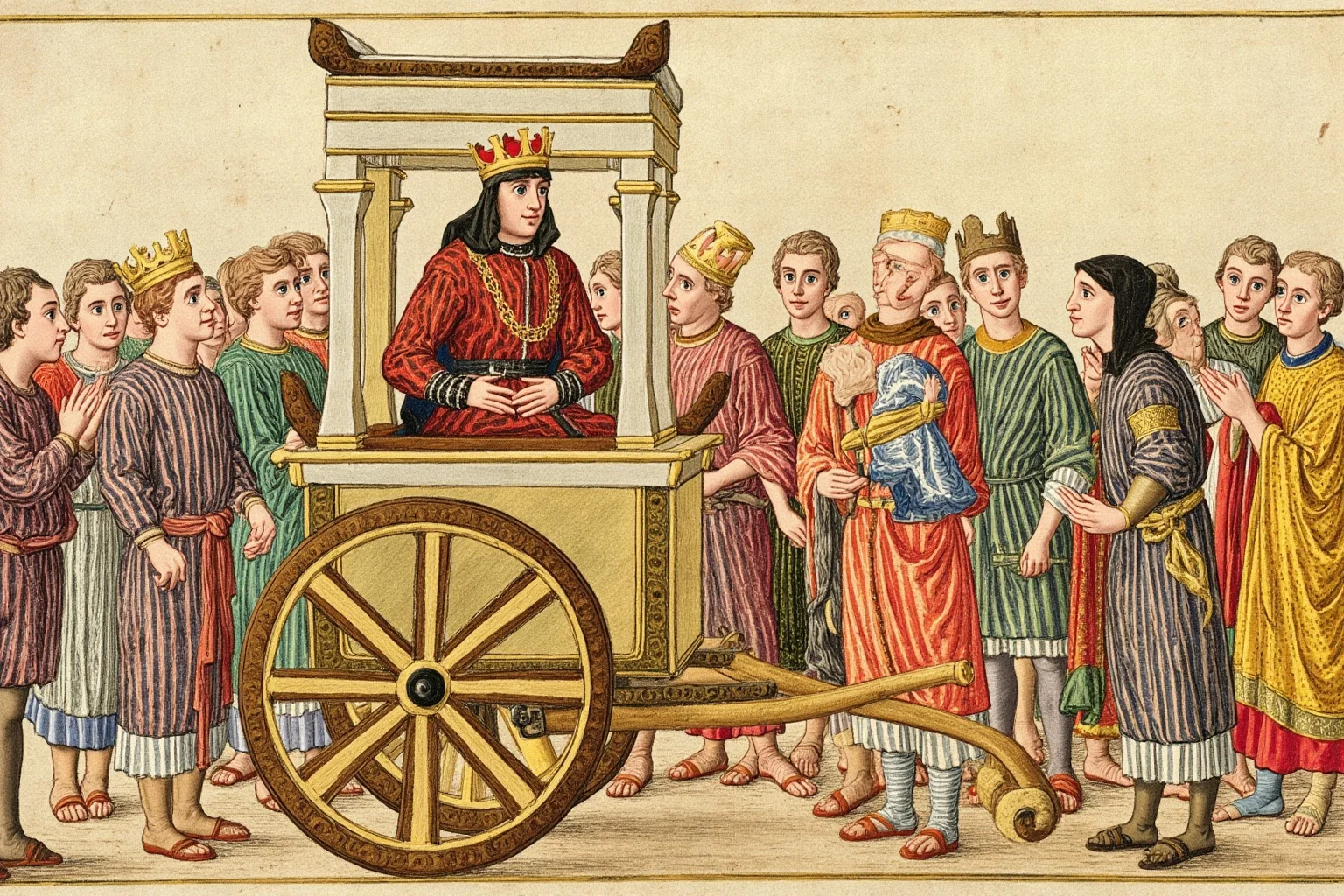
By the early 8th century, the Frankish Merovingian dynasty had a real problem: its kings had stopped governing. Historians even have a name for this stretch of rulers — the “rois fainéants,” or “do-nothing kings.”
Real power belonged to officials called the Mayors of the Palace, especially the increasingly dominant Carolingian family. Childeric III, the last Merovingian king, was reportedly paraded out for ceremonial appearances while Pepin the Short handled actual governance.
In 751 CE, Pepin simply deposed Childeric III and had himself crowned king, founding the Carolingian dynasty that would eventually produce Charlemagne. Childeric’s reign is one of the clearest documented cases of a monarchy existing in name only.
3. Puyi, the Last Emperor of China
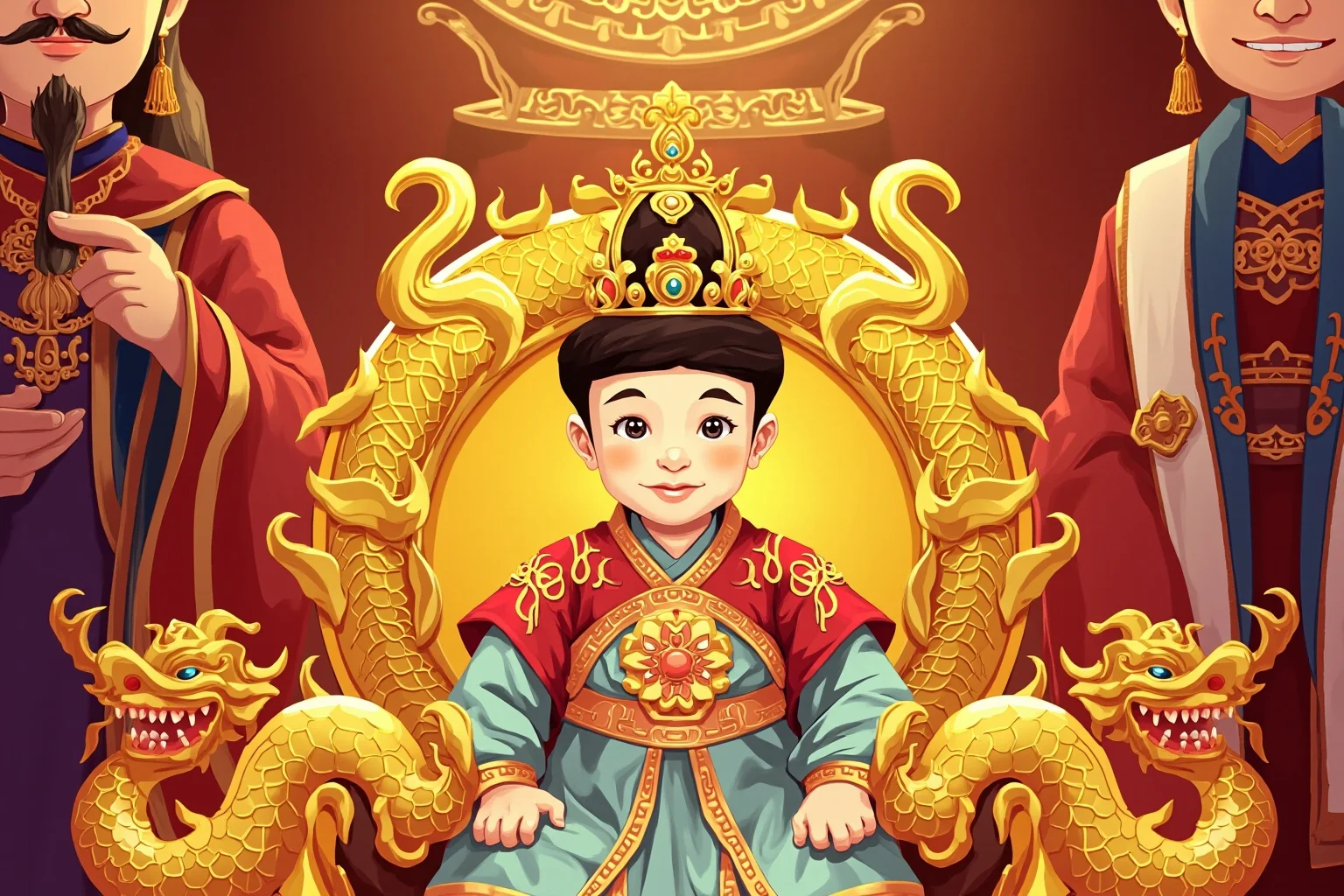
Puyi was enthroned as Emperor of China in 1908 at just two years old, making meaningful rule a practical impossibility from day one. He was forced to abdicate only a few years later, in 1912, as the Qing dynasty collapsed and China became a republic.
Decades later, Japan installed Puyi as the nominal head of the puppet state of Manchukuo during its occupation of northeastern China. Even then, actual authority stayed firmly in the hands of Japanese military administrators, not Puyi himself.
Puyi’s story spans two separate “reigns,” and in neither one did he hold genuine control over policy, military affairs, or governance. His life is often cited as one of the more dramatic examples of a leader in title only.
4. Tutankhamun, Egypt’s Boy Pharaoh
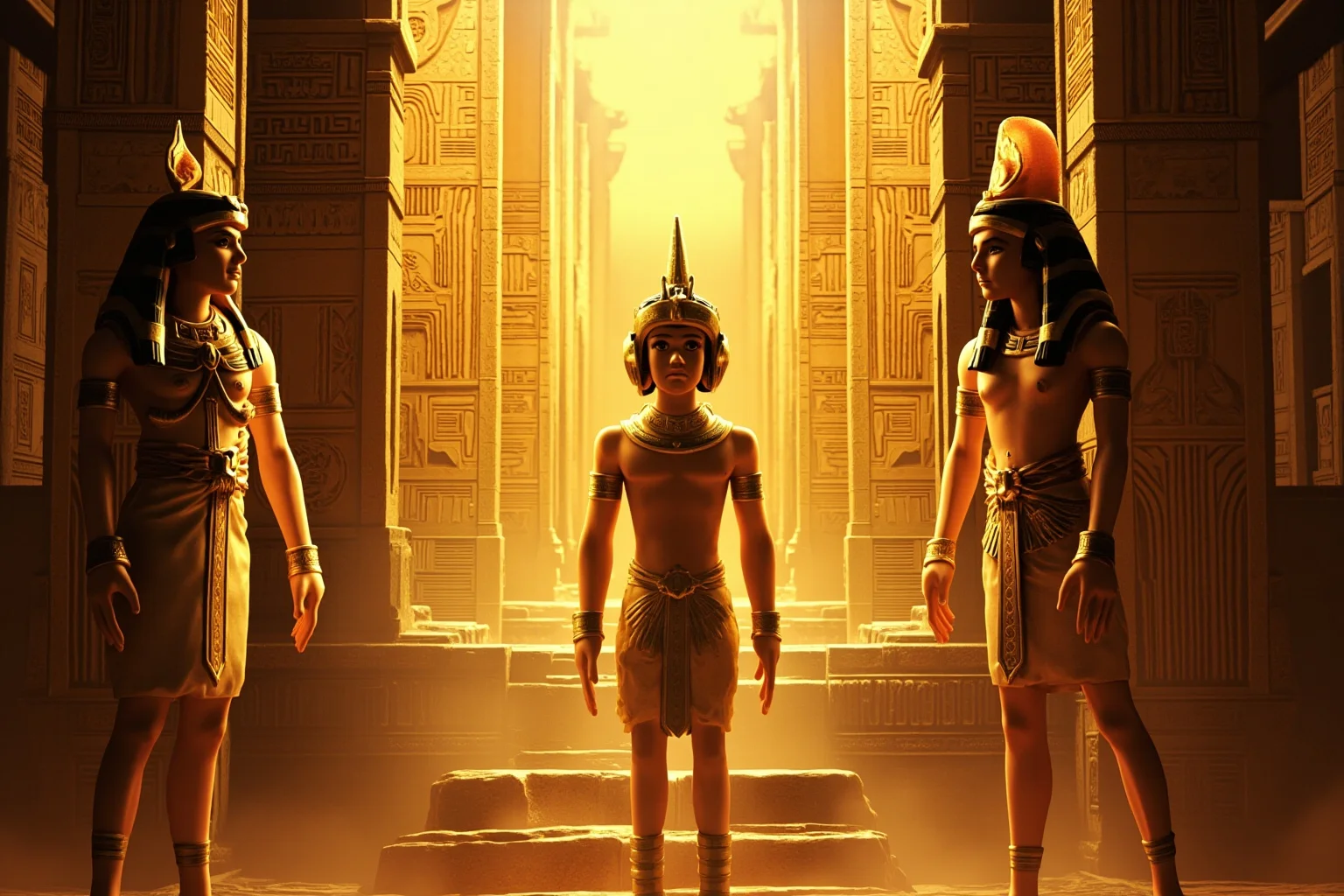
Tutankhamun took the Egyptian throne around age nine, following the controversial reign of his father (widely believed to be Akhenaten). Given his age, day-to-day rule almost certainly rested with senior officials, most notably Ay and the general Horemheb, both of whom later became pharaohs themselves.
Tutankhamun’s reign did see the reversal of Akhenaten’s religious upheaval, restoring traditional Egyptian worship, though historians debate how much of this was the boy king’s own initiative versus the work of his advisors. He died young, around age 18 or 19, without ever ruling as an independent adult.
Ironically, Tutankhamun is now one of the most famous pharaohs in the world, almost entirely because of the near-intact treasures found in his tomb in 1922. His fame rests on archaeology, not on any policy or campaign carried out during his lifetime.
5. Emperor Honorius and the Fall of Rome
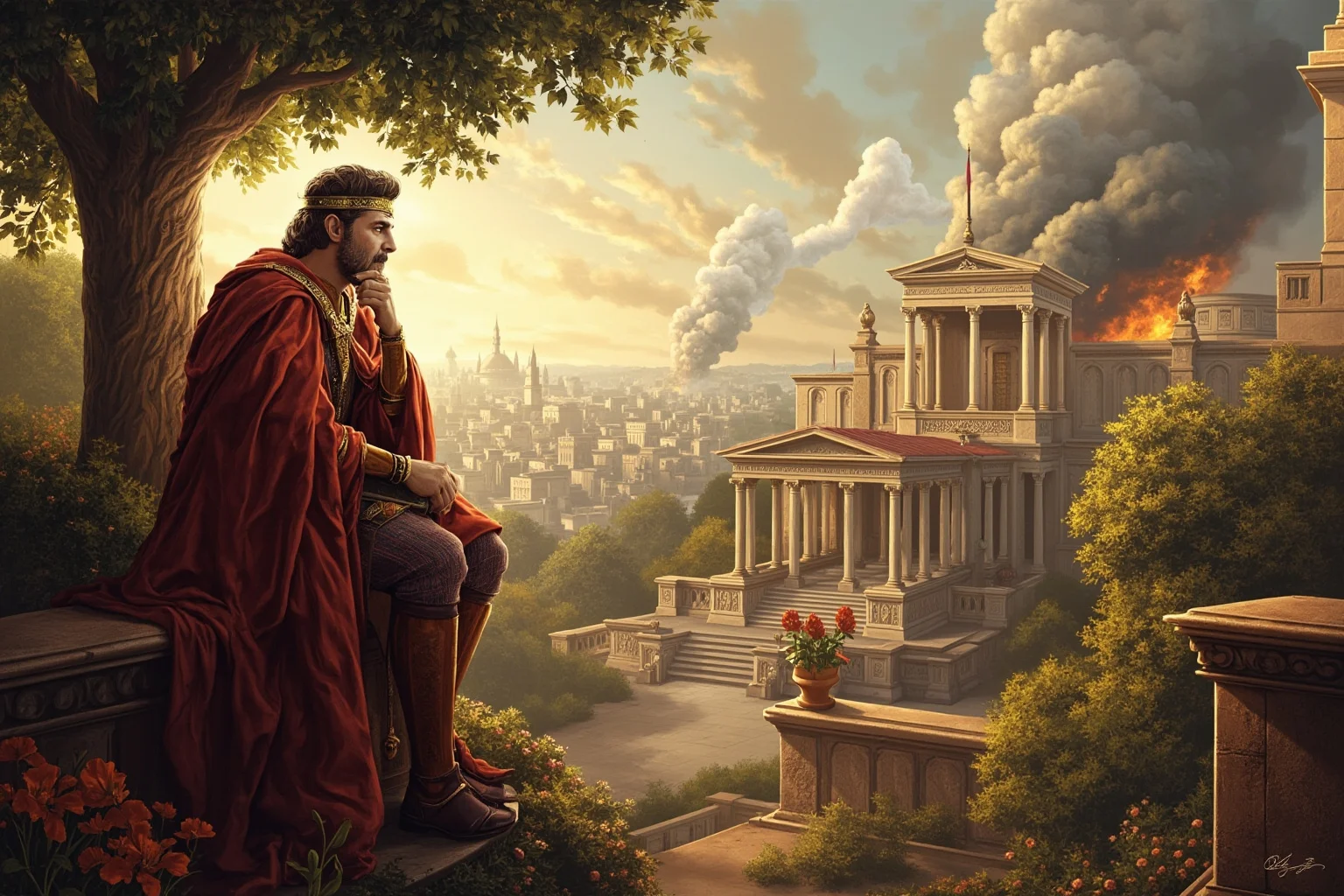
Honorius became Western Roman Emperor in 393 CE at age eight, and he continued to hold the title for decades even as the empire crumbled around him. Real power during his early reign belonged to the general Stilicho, and later to a rotating cast of military strongmen.
Honorius’s most infamous moment came in 410 CE, when the Visigothic king Alaric sacked Rome itself, an event that shocked the ancient world. A popular legend claims Honorius was more concerned about a pet chicken named Roma than the city of Rome — but this story is widely considered apocryphal, likely a later embellishment rather than a verified historical fact.
What is well documented is that Honorius spent much of his reign isolated in Ravenna, largely disconnected from the empire’s military crises. His decades on the throne produced little in the way of meaningful governance.
6. Charles II of Spain, ‘El Hechizado’
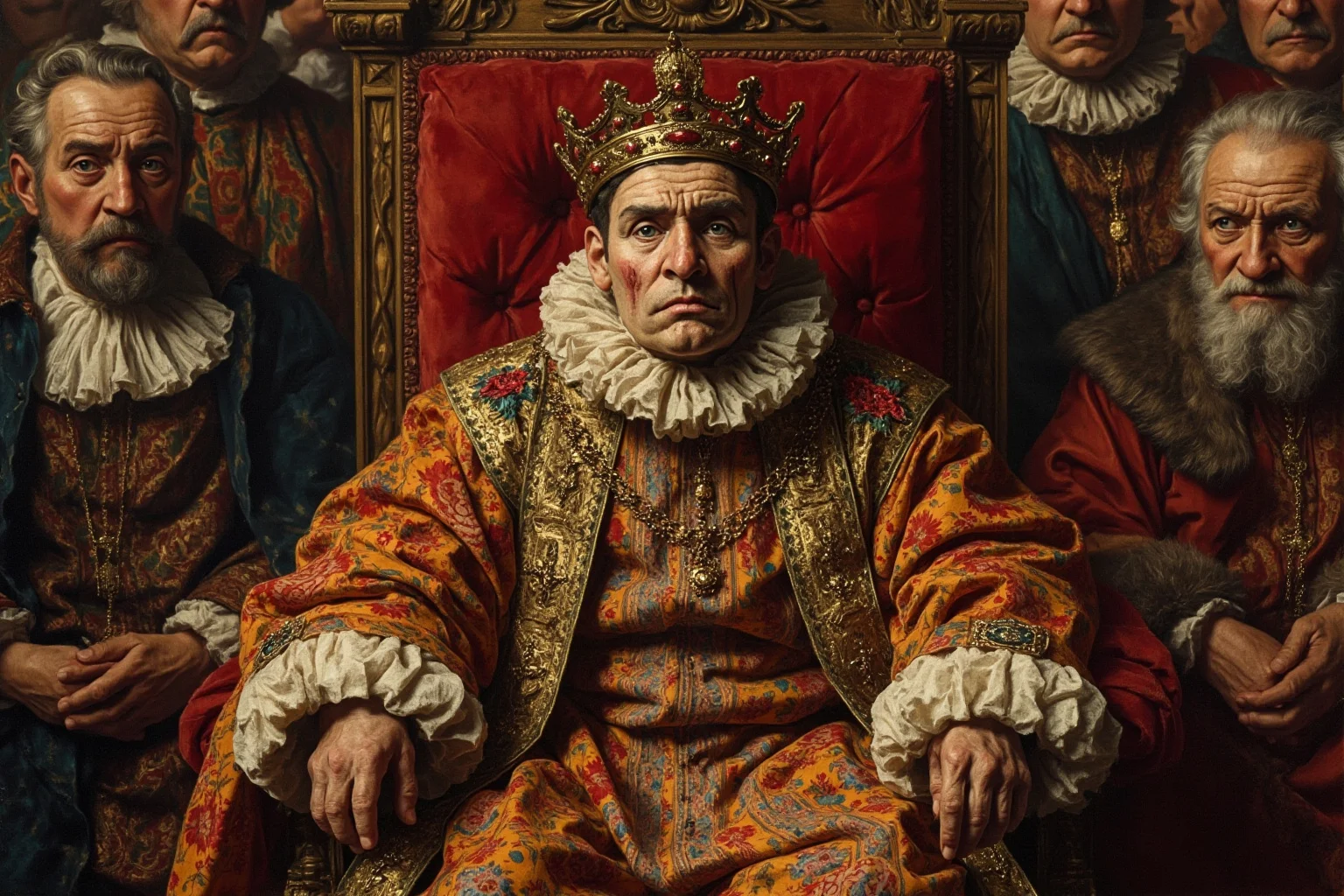
Charles II inherited the Spanish throne in 1665 at age three, the product of generations of Habsburg intermarriage that left him with serious health problems. Historical accounts describe him as physically frail and cognitively limited, which severely restricted his ability to govern directly.
For most of his reign, actual administration fell to regents, councils, and ministers, while Spain itself entered a long period of economic and military decline. Charles II left no direct heir, and his death in 1700 triggered the War of the Spanish Succession, one of the largest conflicts in early modern Europe.
His reign is frequently cited by historians as an example of how dynastic politics could produce a monarch almost entirely unable to lead in practice.
7. Farouk I of Egypt
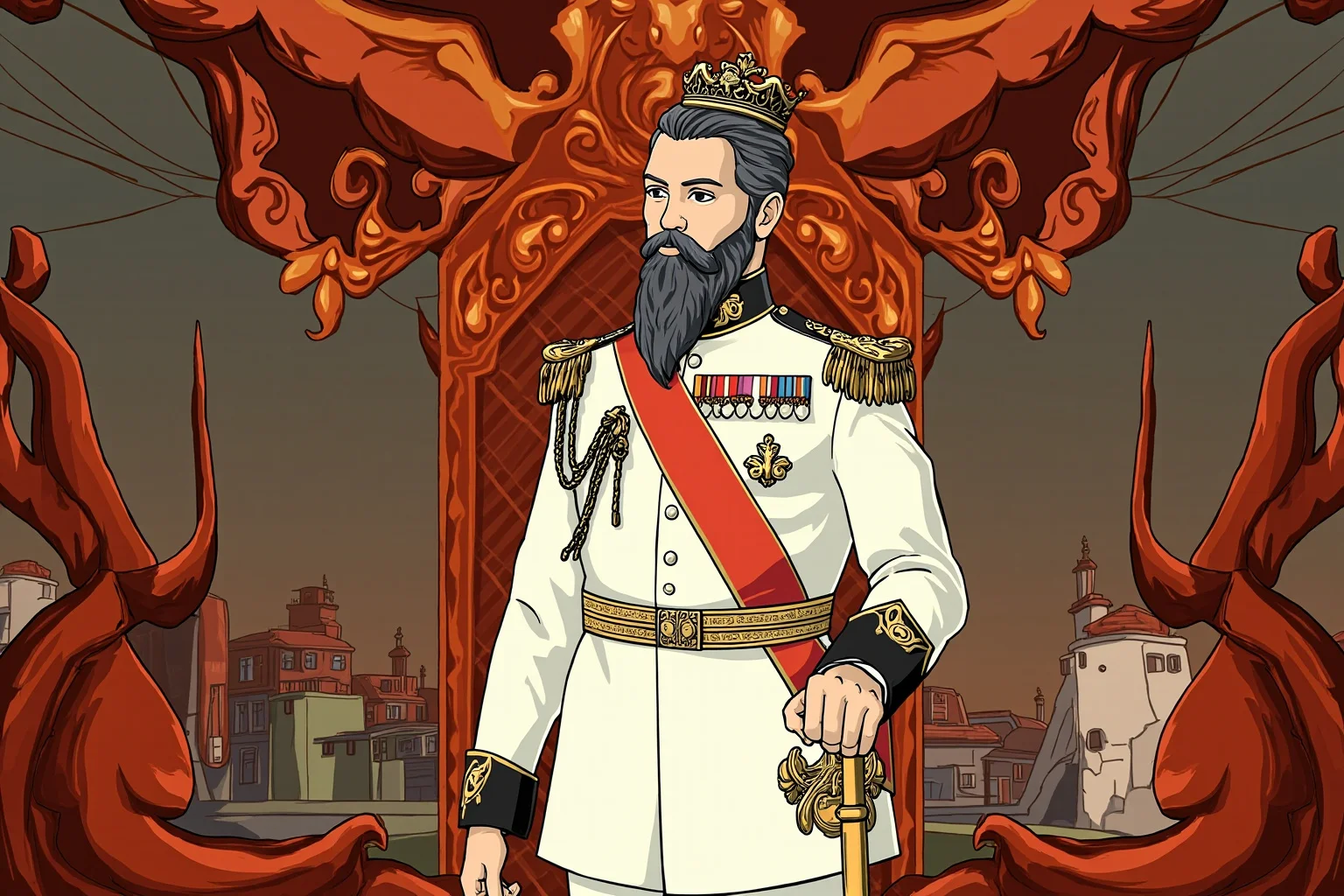
Farouk I became King of Egypt in 1936, and while he technically held executive authority, real power was split between the British, who maintained heavy influence over Egyptian affairs, and the Egyptian parliament and military establishment. His reign became known more for extravagant spending and a lavish lifestyle than for policy achievements.
Egypt’s humiliating performance in the 1948 Arab-Israeli War badly damaged Farouk’s standing, feeding public anger over corruption and foreign interference. In 1952, a group of military officers known as the Free Officers Movement, which included future president Gamal Abdel Nasser, forced Farouk to abdicate.
Farouk’s nearly two-decade reign is generally remembered for what didn’t happen — meaningful reform, independence from foreign influence, or effective governance — rather than for anything he actively accomplished.
8. Ibrahim I and the Ottoman ‘Cage’ System
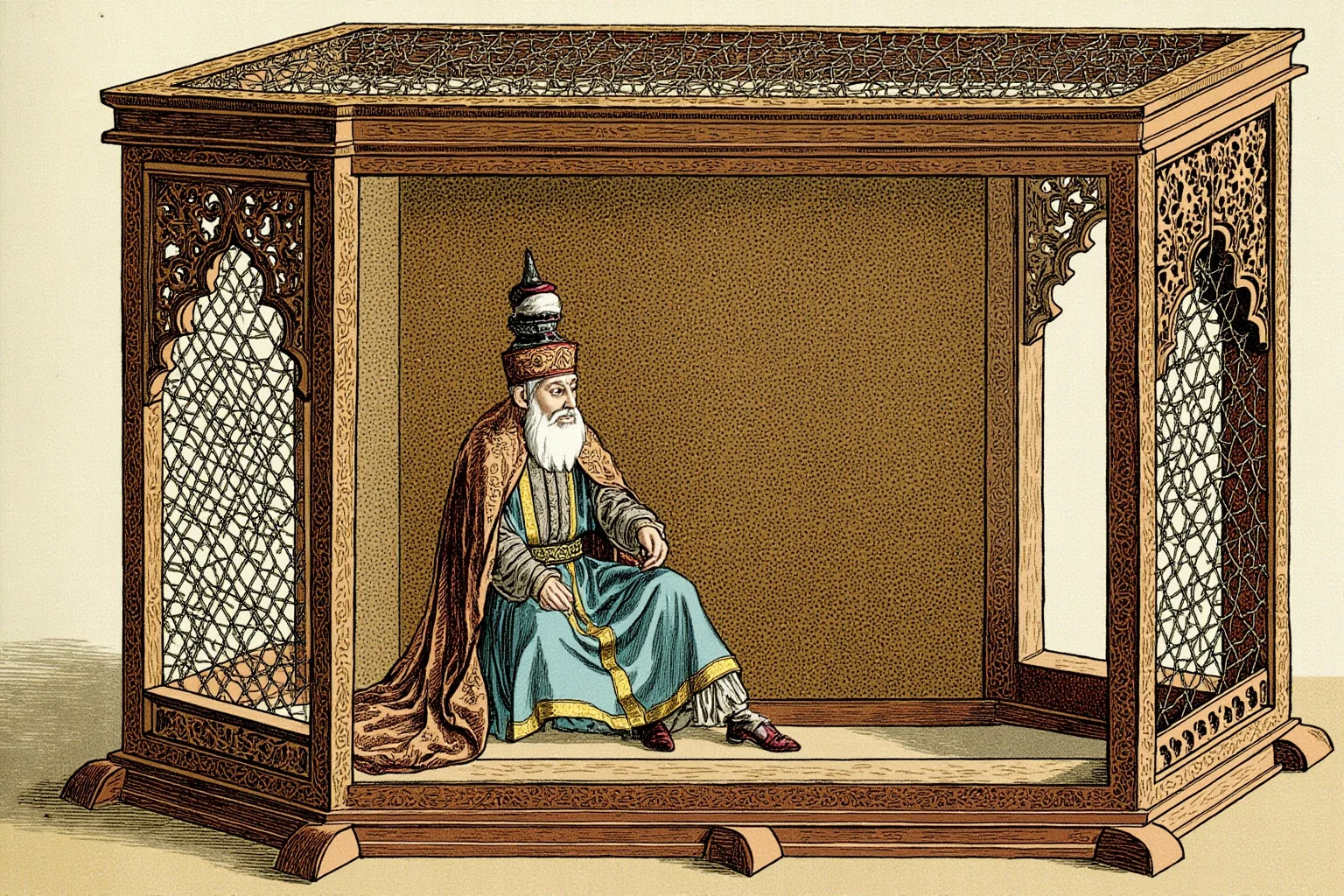
By the 17th century, the Ottoman Empire had developed a practice known as the “Kafes,” or cage system, in which royal princes were kept in isolated confinement within the palace rather than given military commands or governing experience. Ibrahim I, who became sultan in 1640, had spent years in this kind of seclusion before taking the throne.
Contemporary and later historical accounts describe Ibrahim as unprepared for rule and increasingly reliant on his mother and palace officials to manage state affairs. His reign was marked by financial mismanagement and court instability, and he was deposed in 1648 after only a few years in power.
The Kafes system itself is a striking example of a leadership pipeline almost designed to produce figurehead rulers, since princes raised in isolation had little chance to develop real governing skill before inheriting an empire.
9. The Japanese Emperors of the Shogunate Era
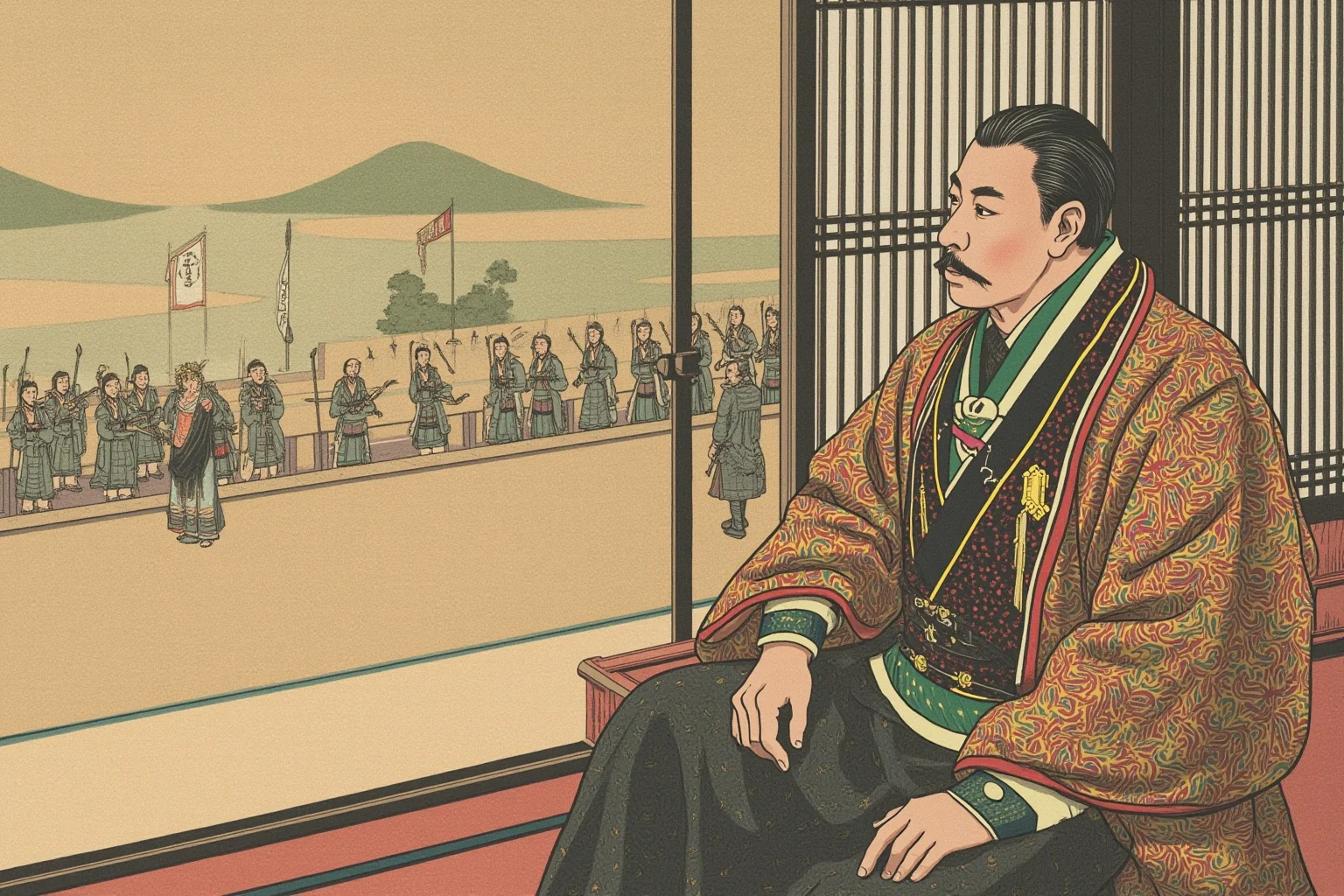
For roughly 700 years, from the late 12th century until the mid-19th century, Japan’s emperors held enormous symbolic and religious authority while real political and military power belonged to shoguns — military rulers from families like the Minamoto, Ashikaga, and Tokugawa. Emperors continued to perform ceremonial and religious duties in Kyoto, largely removed from actual governance.
This wasn’t the story of one single “do-nothing” emperor, but an entire institutional arrangement spanning many reigns. The emperor remained the formal source of legitimacy, yet decisions about war, taxation, and law came almost entirely from the shogunate’s military government.
This long era only ended with the Meiji Restoration of 1868, when imperial authority was formally restored, at least in name, as Japan modernized rapidly.
10. Modern Ceremonial Monarchs
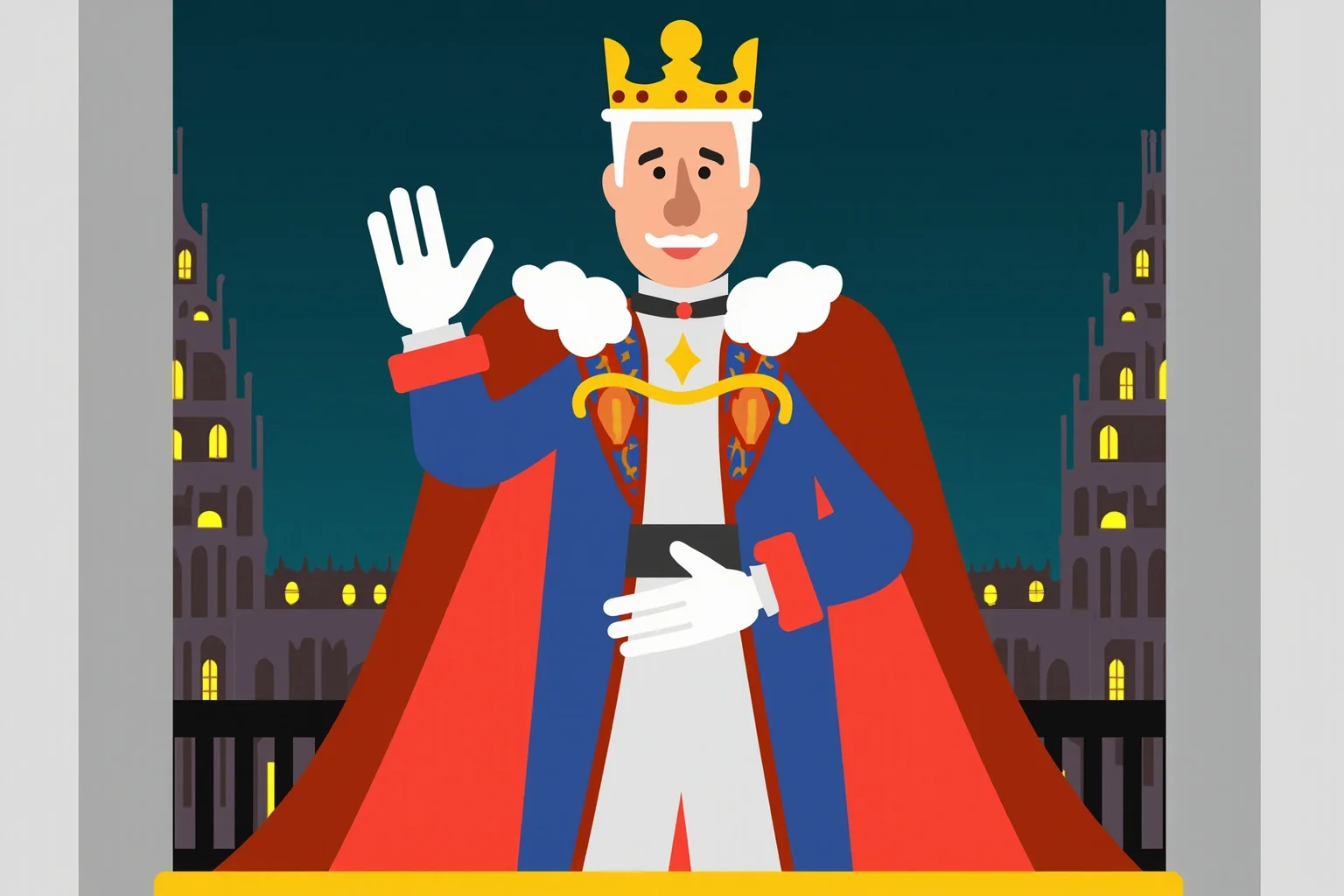
Many of today’s constitutional monarchies operate on a similar principle to some of the historic examples above, just by careful design rather than accident. Figures like the British monarch now perform state functions, ceremonial duties, and diplomatic representation, while elected parliaments and prime ministers hold actual governing power.
This is a very different situation from a puppet ruler or a sidelined child-king, since modern constitutional monarchs generally aren’t victims of a power grab — the system was deliberately built this way. Still, it’s a useful modern parallel: someone can hold one of the most recognizable leadership titles on Earth while having no formal authority over legislation, courts, or policy.
It’s worth noting this isn’t a criticism of any specific person in these roles today, but rather a reflection of how many governments have intentionally separated symbolic leadership from political power.
So Who Are History’s Truly Influential Leaders?
Now for the flip side. If figureheads and puppet rulers represent leadership in name only, the truly best leaders of all time in the world are remembered for the opposite reason: they made decisions that mattered, often under enormous pressure.
Some frequently cited examples of leaders with real, lasting influence include Alexander the Great, whose military campaigns reshaped the ancient world, and Cleopatra VII, who skillfully navigated Roman politics to preserve Egyptian independence for years longer than it might otherwise have lasted. Abraham Lincoln guided the United States through its most devastating internal conflict and pushed through the abolition of slavery, while Catherine the Great expanded and modernized the Russian Empire through active, hands-on governance.
More recent notable leaders in history include Nelson Mandela, who helped dismantle apartheid in South Africa and became a global symbol of reconciliation, and Winston Churchill, whose wartime leadership helped rally Britain through the darkest years of World War II. Mahatma Gandhi’s leadership of India’s independence movement through nonviolent resistance remains one of the most studied examples of moral and political influence in modern history.
What separates these important leaders from the figureheads on our list isn’t the size of their title. It’s the number of real, high-stakes decisions they were actually free to make, and the lasting consequences those decisions produced.
The Real Lesson From History’s Quiet Thrones
The stories of Romulus Augustulus, Puyi, Tutankhamun, and the rest aren’t really cautionary tales about bad leadership. Many of them never had a genuine opportunity to lead in the first place, whether because of age, illness, foreign occupation, or a political system built to keep them powerless.
What these examples do offer is a clearer lens for evaluating leadership claims, then and now. A grand title, a crown, or a famous name doesn’t automatically mean someone shaped events — sometimes the people who never wore a crown at all, like generals, regents, and advisors, were the ones actually making history.
Next time a list of history’s greatest leaders crosses your feed, it’s worth asking a simple question: did this person actually make the decisions they’re remembered for? More often than you’d expect, the true answer is more complicated than the title suggests.
Frequently Asked Questions
Who are considered some of the most notable leaders in history?
Historians generally point to leaders who made consequential, independent decisions with lasting impact, such as Alexander the Great, Abraham Lincoln, Catherine the Great, Cleopatra VII, Nelson Mandela, and Winston Churchill. What unites these notable leaders in history is genuine agency — they had real choices to make, and their choices changed the course of events for their societies.
What made some historical leaders mere figureheads?
Several factors could strip a ruler of real power, including taking the throne as a young child, serious illness, foreign military occupation, or political systems specifically designed to separate ceremonial authority from actual governance. Regents, generals, ministers, or occupying powers typically filled the resulting power vacuum.
Did Emperor Honorius really care more about a pet chicken than Rome falling?
That specific story is a popular legend rather than a confirmed historical fact, and most historians treat it as apocryphal or embellished. What is well documented is that Honorius was largely disconnected from Rome's military crises and spent much of his reign isolated in Ravenna while generals handled real power.
What is a figurehead leader?
A figurehead leader holds an official title and public status but has little or no real authority over decision-making, policy, or governance. Historical examples include child monarchs controlled by regents and rulers installed by occupying powers, while modern constitutional monarchs are figureheads by deliberate design rather than political weakness.
Who is considered the best leader of all time?
There's no single consensus answer, since 'best' depends on the criteria used, whether military success, social reform, longevity of impact, or moral legacy. Names frequently mentioned among the best leaders of all time in the world include Alexander the Great, Abraham Lincoln, Marcus Aurelius, and Nelson Mandela, each excelling by different measures.
Were all medieval kings and emperors actually in charge of their kingdoms?
No — many medieval rulers held their title without wielding much real power, particularly during regencies, minority reigns, or periods when nobles and military leaders effectively controlled the government. The Merovingian 'do-nothing kings' of early medieval France are one of the clearest documented examples of this pattern.

Alex Warren
Related Articles





