

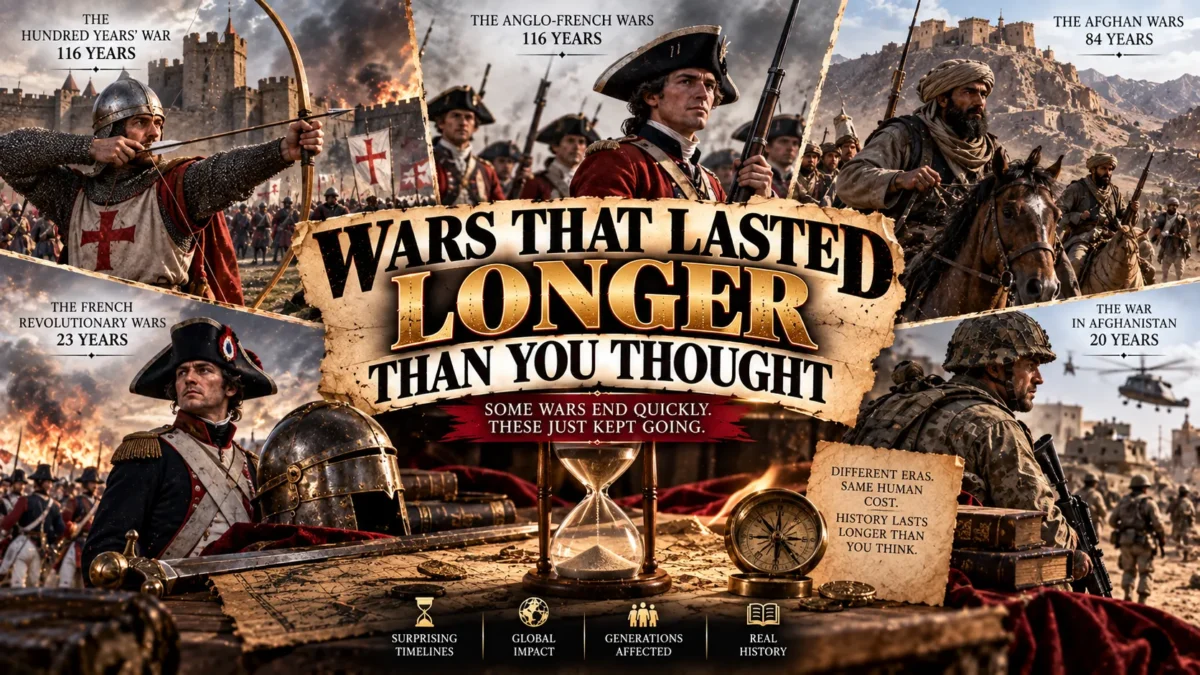
War movies and history class tend to compress conflicts into tidy timelines: a start date, an end date, a treaty signing, done.
But when you actually dig into all war history, a surprising number of conflicts refused to wrap up on schedule. Some dragged on for decades under different names, some simmered as “frozen” standoffs for generations, and a few technically never ended at all.
This list rounds up wars, both old and modern, whose real duration tends to shock people. As a fun benchmark, keep the Confederacy in your back pocket: it existed for only about four years, from 1861 to 1865. Almost everything below makes that look like a long weekend.
TL;DR: Many of history’s most famous wars, from the Hundred Years’ War to Korea’s unfinished armistice, lasted decades or even centuries longer than most people assume, easily outlasting things like the four-year Confederacy.
Setting The Baseline: How Long Is “Long”?
Before diving into the wars history list itself, it helps to define terms. Some conflicts were fought continuously, year after year, with no real pause. Others were more like on-and-off feuds, flaring up, going quiet for a while, then reigniting under a fresh treaty violation or new king.
Historians often lump related campaigns together under one name for convenience, even when the fighting wasn’t constant. That’s part of why duration estimates vary between sources. We’ve tried to note where a war was continuous versus intermittent, since that distinction matters a lot when you’re comparing old wars to modern ones.
It’s also worth remembering that plenty of 20th century wars technically never received a formal peace treaty. That legal gray zone is exactly how some conflicts end up debated as the longest ongoing war on the planet, a theme that comes up more than once on this list.
1. The Hundred Years’ War (1337–1453)
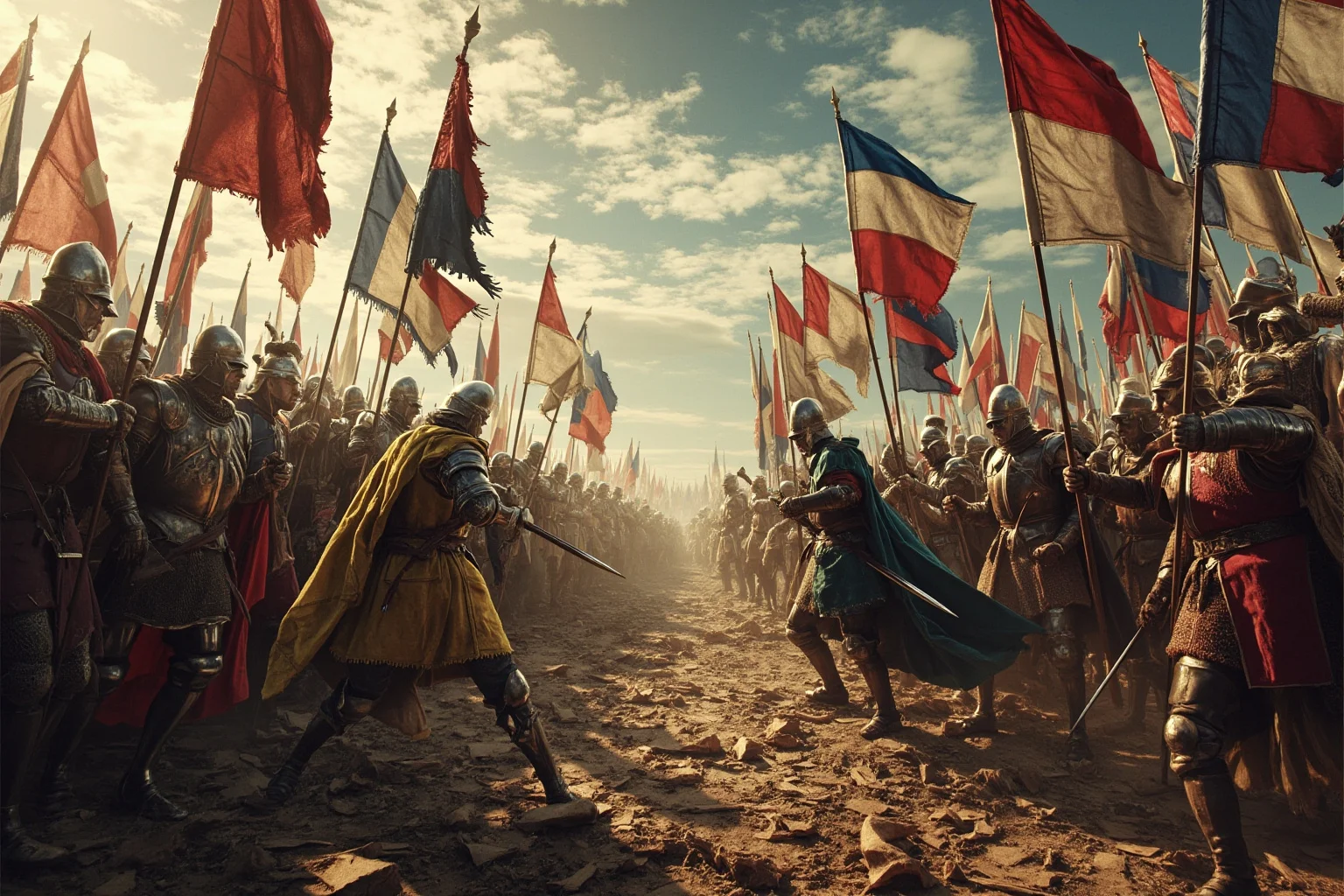
Despite the name, this Anglo-French struggle over the French throne actually ran for 116 years, not 100. Historians group it into phases, the Edwardian War, the Caroline War, and the Lancastrian War, separated by truces and lulls that could last over a decade.
It introduced longbowmen, gunpowder weapons, and Joan of Arc into European warfare. By the time it ended, both kingdoms looked nothing like they had at the start.
2. The Reconquista (711–1492)
This one genuinely earns its place among the old wars that redraw your sense of scale. Christian kingdoms in Iberia waged a long campaign against Muslim states for roughly 781 years, following the initial Umayyad conquest of the peninsula in 711.
It wasn’t one continuous battle so much as a centuries-long patchwork of border skirmishes, sieges, and shifting alliances. It finally concluded with the fall of Granada in 1492, the same year Columbus set sail.
3. The Roman–Persian Wars (54 BC–628 AD)
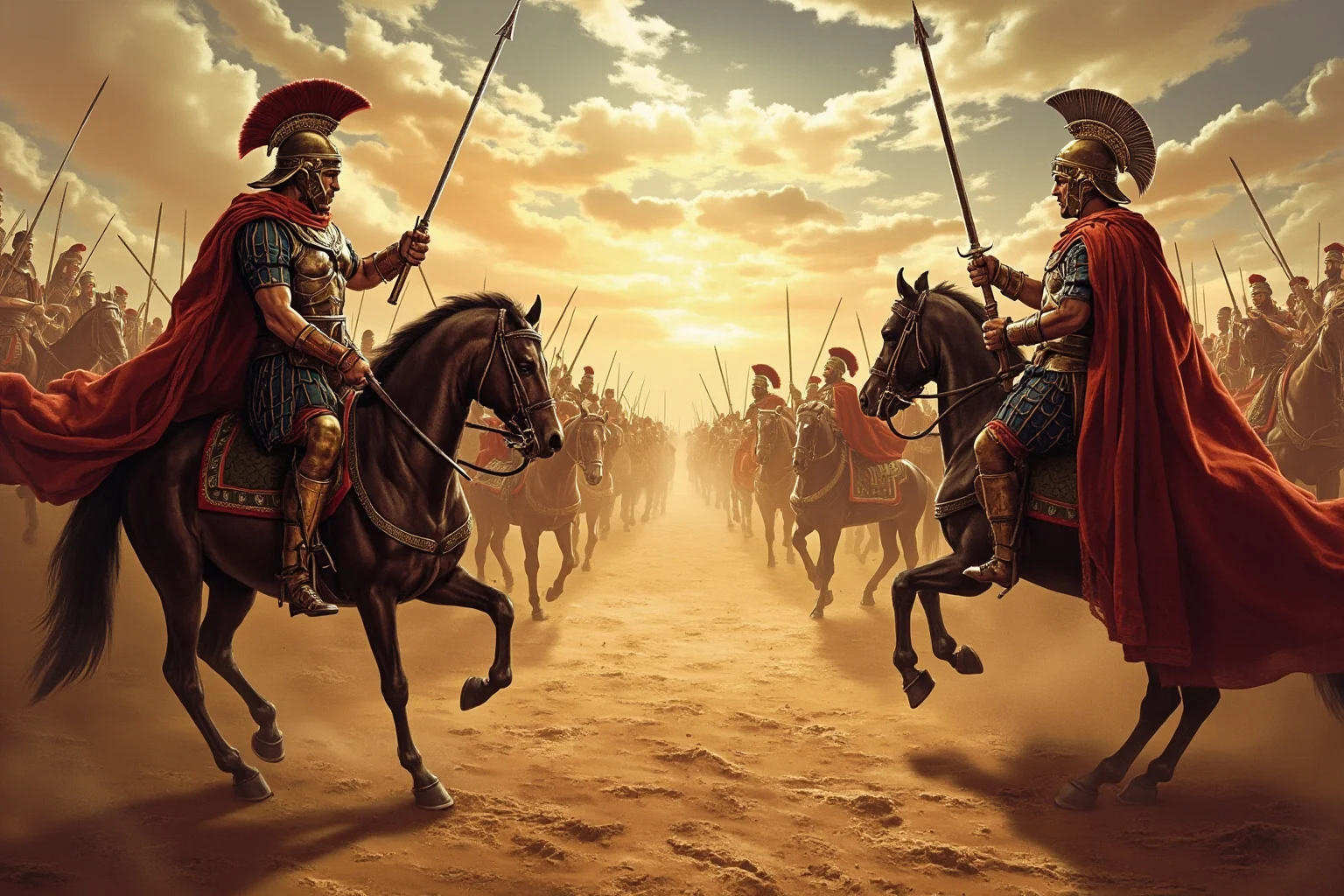
Rome and Persia, first under the Parthians and later the Sassanids, fought across roughly seven centuries. That makes it one of the longest running rivalries in all war history, spanning the entire lifespan of the Western Roman Empire and well into the Byzantine era.
The fighting wasn’t nonstop, but the rivalry never really cooled for long. It only ended when the Arab conquests reshaped the entire region in the 7th century.
4. The Punic Wars (264–146 BC)
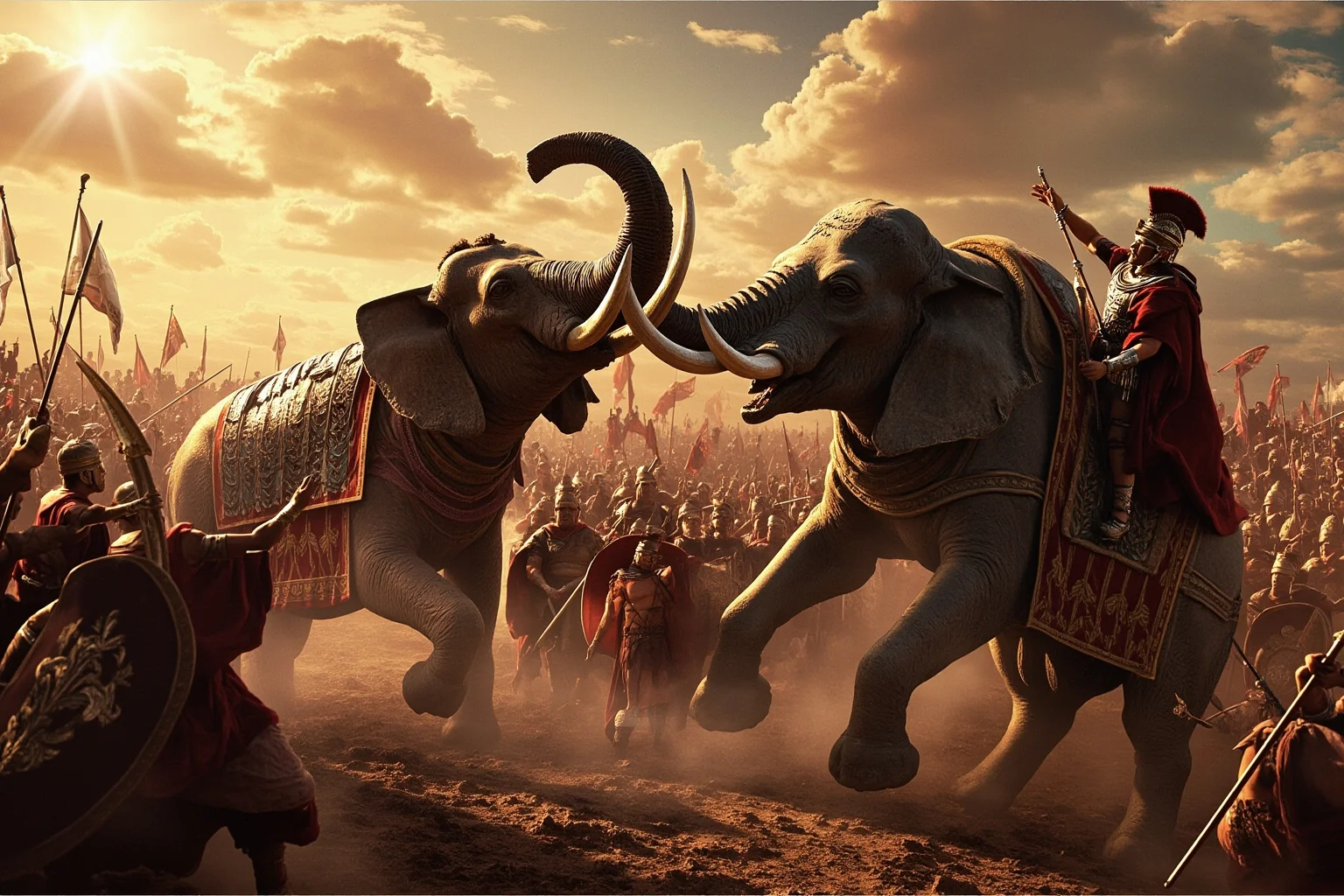
Rome and Carthage fought three separate wars over 118 years, punctuated by decades of uneasy peace. The Second Punic War is the most famous, largely thanks to Hannibal’s dramatic march across the Alps.
The Third Punic War ended with Carthage’s total destruction in 146 BC. It’s a stark reminder that ancient conflicts could simmer for generations before reaching a final, brutal conclusion.
5. The Byzantine–Ottoman Wars (1265–1479)
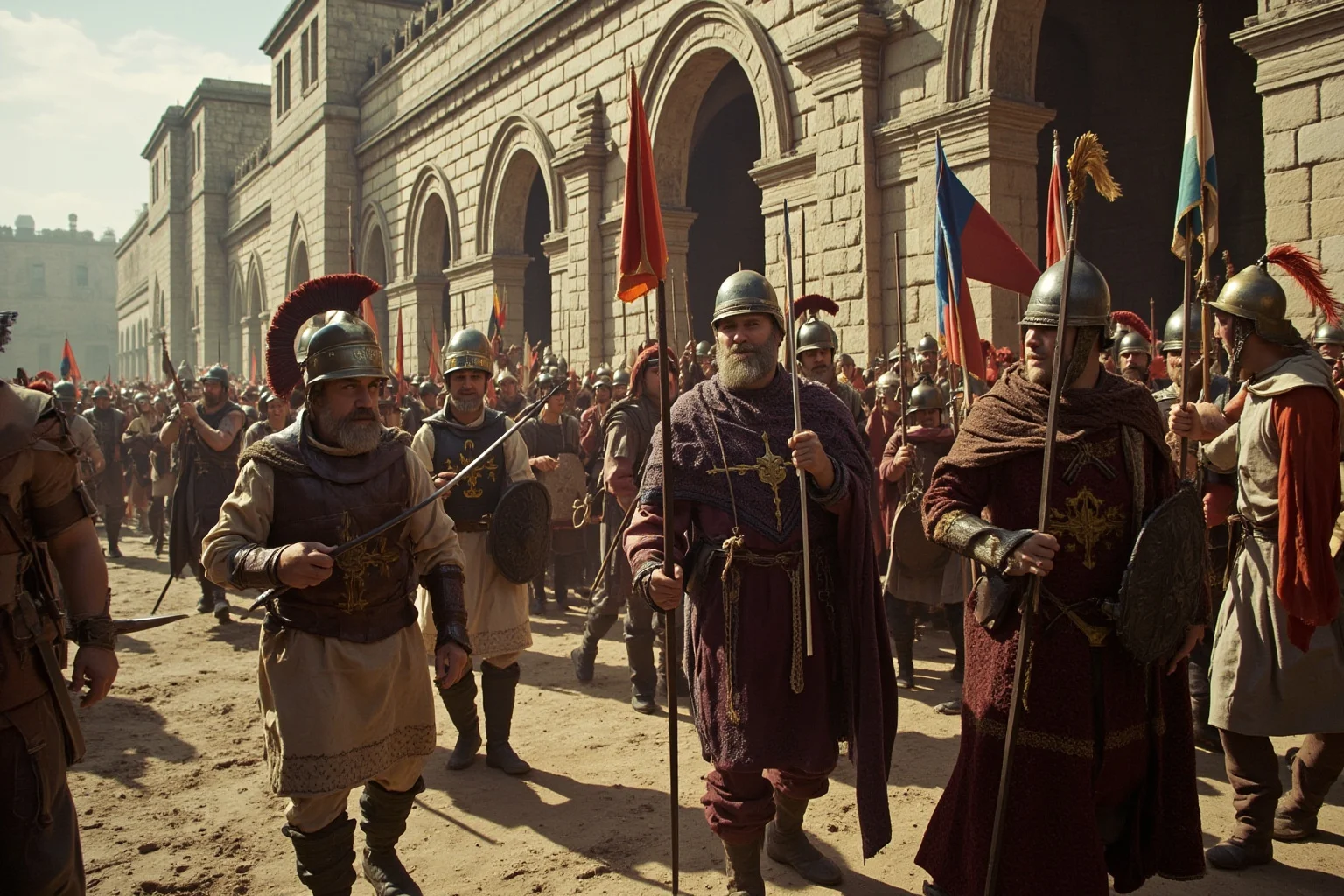
The slow-motion collapse of the Byzantine Empire took more than two centuries of intermittent warfare with the rising Ottoman state. It included the pivotal 1453 Fall of Constantinople, but that famous siege was really just one chapter in a much longer story.
By the time the wars wound down, the Byzantine Empire had ceased to exist entirely. The Ottomans, meanwhile, were just getting started on centuries of further expansion.
6. The Anglo-French “Second Hundred Years’ War” (1689–1815)
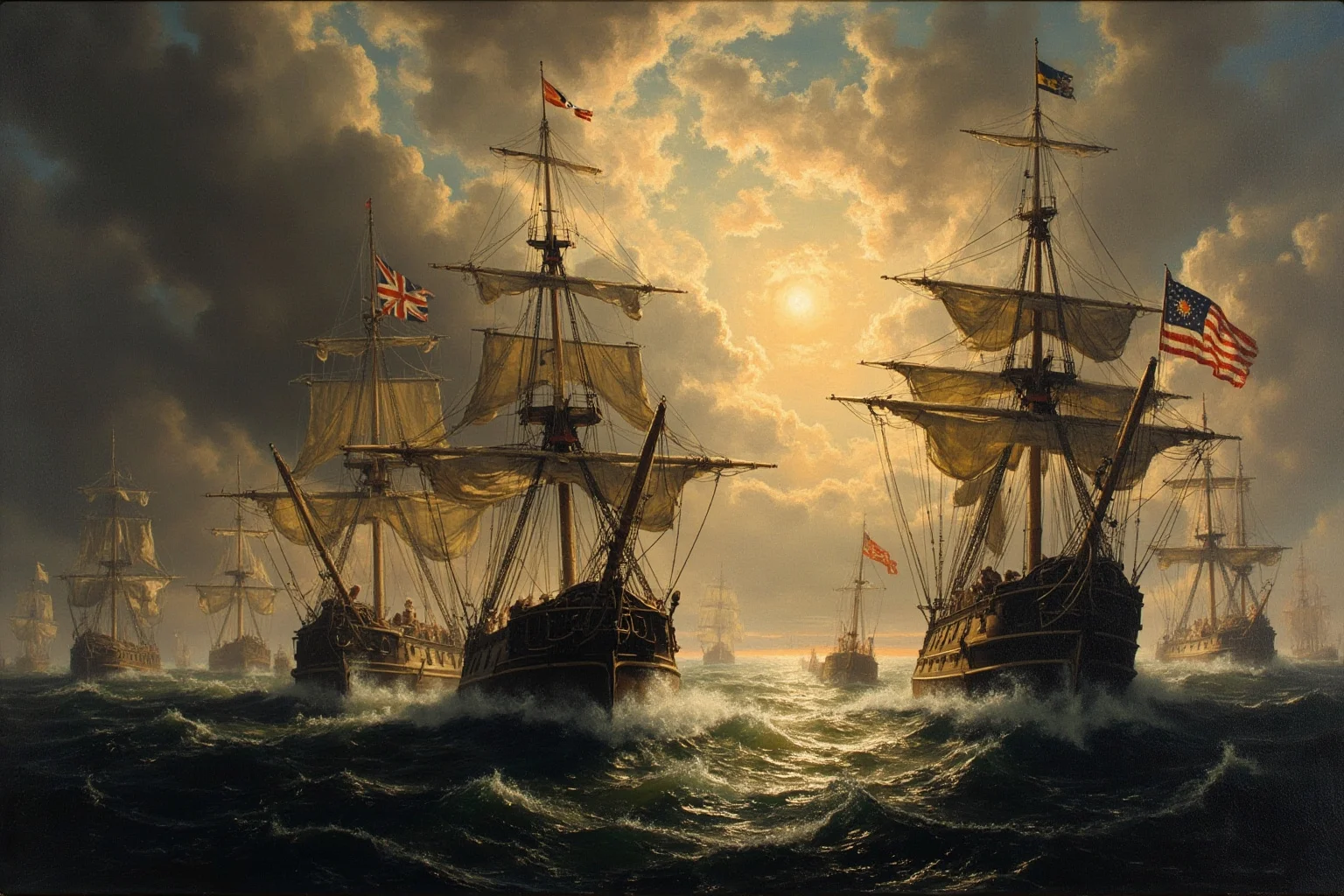
Historians sometimes use this label for the string of Anglo-French conflicts stretching from the Nine Years’ War through the Napoleonic Wars. Taken together, it spans about 126 years of recurring rivalry, including the Seven Years’ War and the American Revolutionary War.
It’s not an official single war, but the pattern of near-constant hostility between Britain and France earns it a spot here. Peace treaties kept getting signed, and kept getting broken.
7. The Eighty Years’ War (1568–1648)
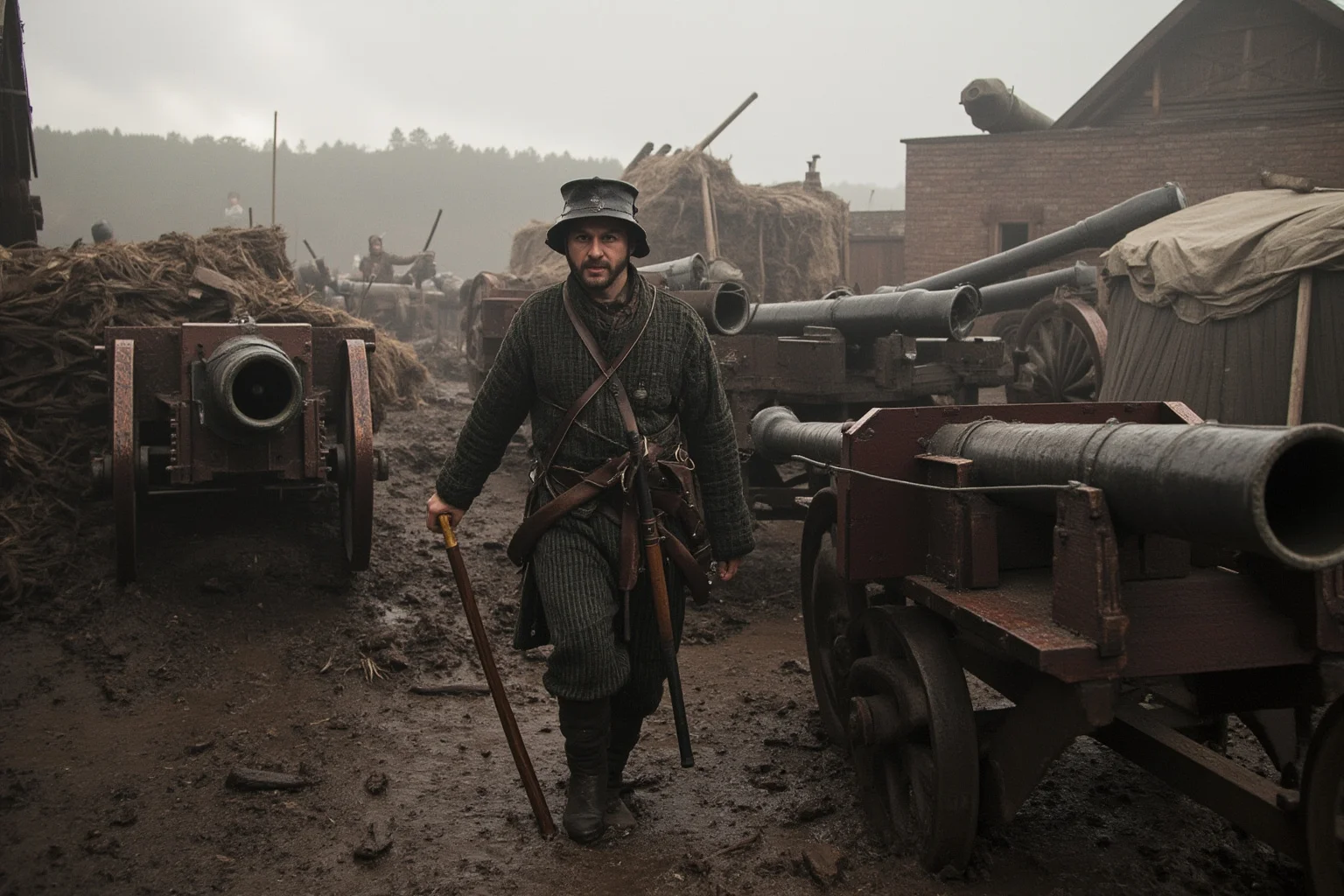
Also known as the Dutch War of Independence, this conflict pitted the Dutch provinces against Spanish Habsburg rule for eight decades. It formally ended with the Peace of Münster in 1648, part of the broader settlement that also closed out the Thirty Years’ War.
It’s a genuinely useful example of a “long war” that really was fought under one consistent banner the whole time. That consistency makes it easier to verify than some vaguer, multi-phase conflicts.
8. The Three Hundred and Thirty Five Years’ War (1651–1986)
This one deserves a myth-busting flag. The story goes that the Netherlands and England’s Isles of Scilly remained technically at war for 335 years without a single shot fired, only formally making peace in 1986.
The tale is popular and often repeated, but historians have raised real doubts about whether a formal declaration of war was ever actually issued in 1651. Treat it as a charming legend with shaky documentation rather than a confirmed historical fact, and definitely not a serious contender for “prolonged battle” status.
9. The Chinese Civil War (1927–1949, unresolved)
Fighting between the Nationalists and Communists raged for over two decades, pausing only for a joint front against Japan during World War II. The Communist victory in 1949 sent the Nationalist government fleeing to Taiwan.
No peace treaty was ever signed between the two sides. That unfinished business still shapes cross-strait tensions today, which is why some analysts describe it as a conflict that, on paper, never technically closed.
10. The Korean War (1950–present, armistice only)
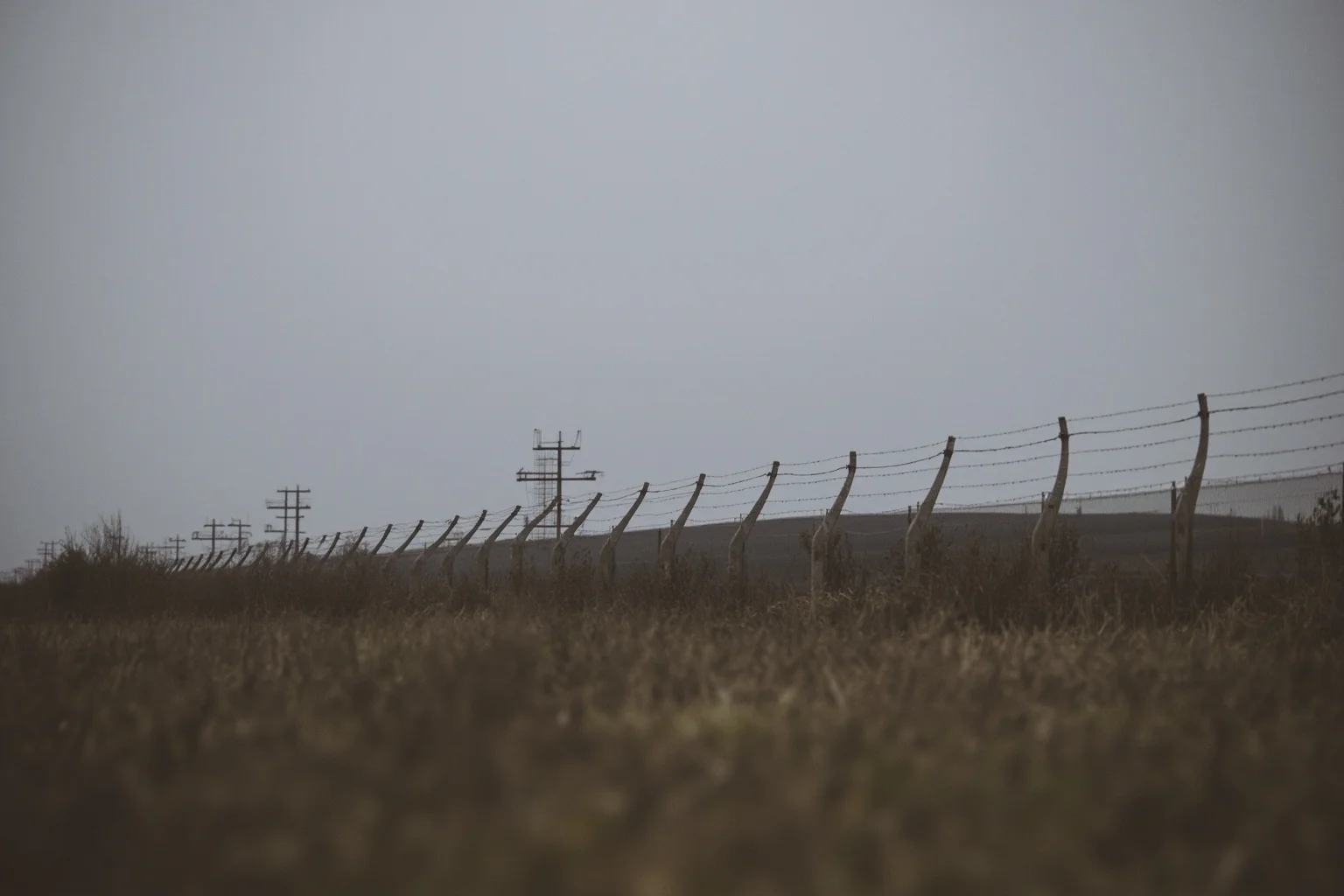
Active combat in Korea lasted three brutal years, but here’s the catch: the 1953 agreement was an armistice, not a peace treaty. North and South Korea remain, technically, still at war.
That legal technicality is exactly why the Korean War shows up so often in debates about the longest ongoing war in the world. Seven decades on, a heavily fortified border still separates the two Koreas.
11. The First and Second Indochina Wars (1946–1975)
Vietnam’s fight for independence from France flowed almost directly into the American war in Vietnam, creating nearly 30 years of continuous conflict for the Vietnamese people. Grouped together, these are among the most consequential wars from the 20th century, reshaping Cold War politics across Southeast Asia.
The human cost was staggering on all sides. It’s one of the clearest examples of how colonial-era wars and Cold War wars can blur into a single, decades-long ordeal.
12. The Colombian Armed Conflict (1964–2016, embers remain)
Colombia’s conflict with FARC guerrillas ran for 52 years before a 2016 peace deal, making it one of the longest-running civil conflicts of the modern era. Smaller factions and the ELN guerrilla group, however, have kept sporadic violence going even after that landmark agreement.
It’s frequently cited in discussions of the longest civil war in history, though it competes with a few other candidates on this list. The scale of displacement and casualties over five decades was immense.
13. The Karen Conflict in Myanmar (1949–present)
The Karen National Union has been fighting Myanmar’s central government since shortly after independence in 1948, making this one of the strongest contenders anywhere for the longest civil war in history. Cease-fires have come and gone, but a genuine, lasting peace has never fully materialized.
Myanmar’s broader civil conflicts, involving multiple ethnic armed groups beyond just the Karen, have made the country a near-constant warzone for over 75 years. It’s a sobering entry on any serious wars history list.
14. The Naga Insurgency in India (1954–present)
Naga separatist groups in northeast India have waged a long campaign against the Indian government for around 70 years, making it one of Asia’s longest-running insurgencies. Ceasefires and peace talks have reduced the violence significantly since the 1990s, but a comprehensive final settlement has remained elusive.
It rarely makes international headlines, which is part of why its true length surprises people. Low-intensity conflicts like this one tend to fly under the radar precisely because they aren’t constant, headline-grabbing warfare.
15. The Western Sahara Conflict (1975–present)
Morocco and the Polisario Front have contested this territory since Spain withdrew in 1975. A 1991 ceasefire held for nearly three decades, but fighting flared up again in 2020, extending a dispute that’s now approaching its fiftieth year.
It’s a textbook “frozen conflict,” the kind that can look resolved from a distance while remaining legally and politically unsettled. That ambiguity is common among old wars that never got a clean resolution.
16. The Angolan Civil War (1975–2002)
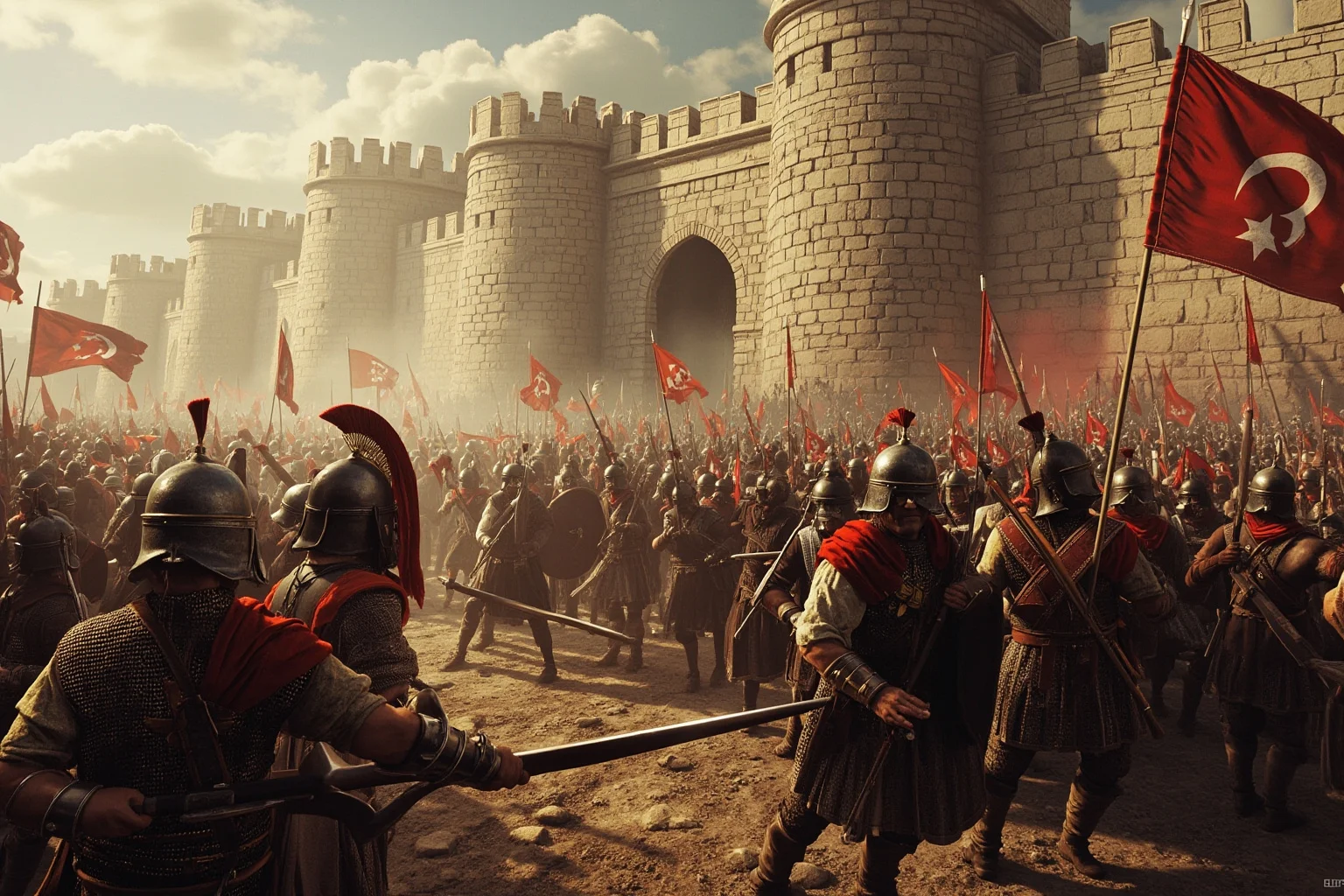
Angola’s civil war ran for 27 years following independence from Portugal, fueled heavily by Cold War proxy involvement from the US, Soviet Union, Cuba, and South Africa. It stands as one of the deadliest and longest civil wars to emerge from Africa’s decolonization era.
Its length was largely a product of outside powers propping up opposing factions for their own strategic reasons. When foreign support dried up after the Cold War ended, the war eventually burned itself out.
17. The Sudanese Civil Wars (1955–1972, 1983–2005)
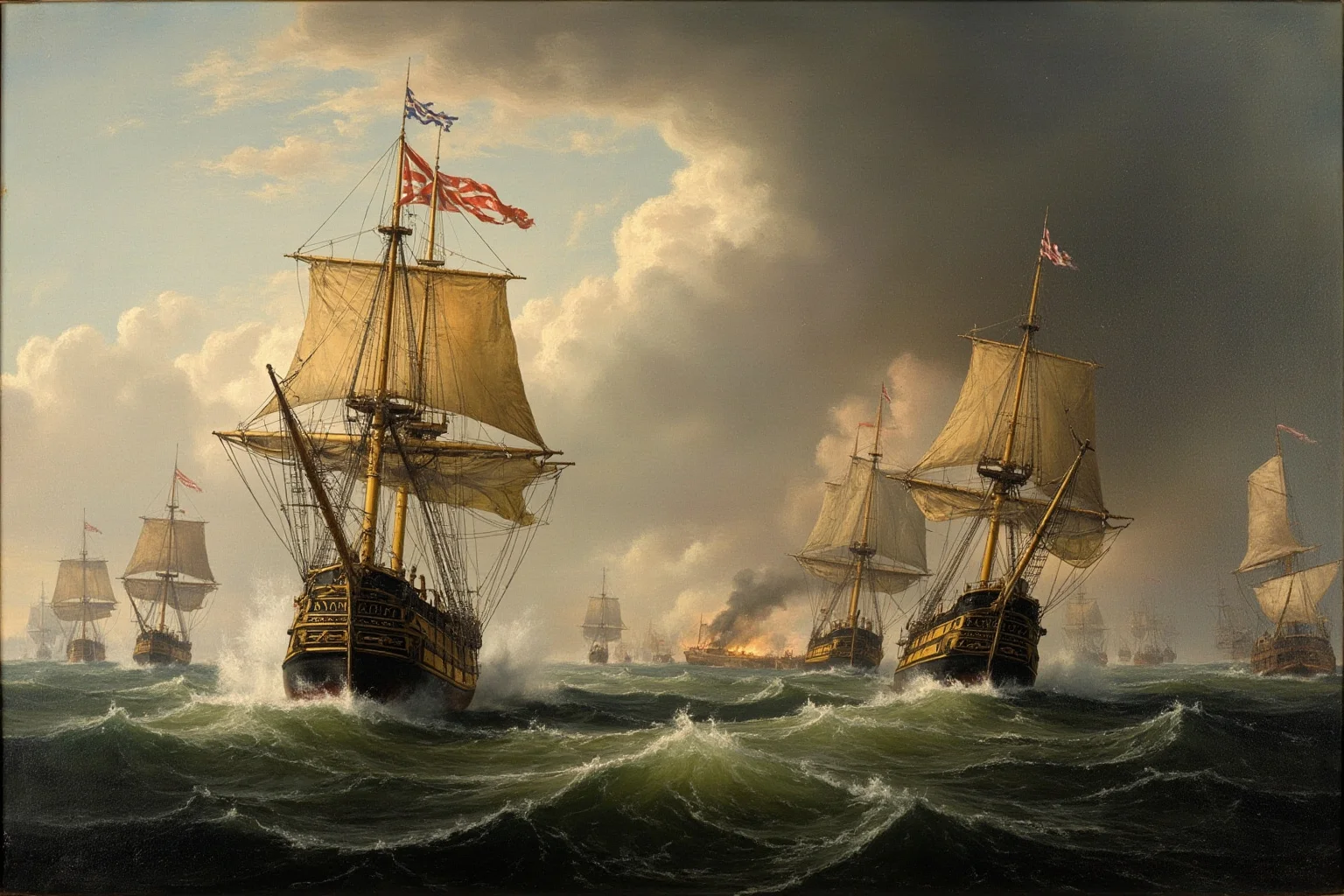
Sudan fought two major civil wars separated by an 11-year truce, together spanning most of the second half of the 20th century. The combined toll, in time and in lives lost, ranks among the worst of any modern conflict on this list.
The second war alone lasted 22 years and eventually led to South Sudan’s independence in 2011. Unfortunately, South Sudan’s own civil war began soon after, showing how conflict can cascade across generations.
18. The Sri Lankan Civil War (1983–2009)
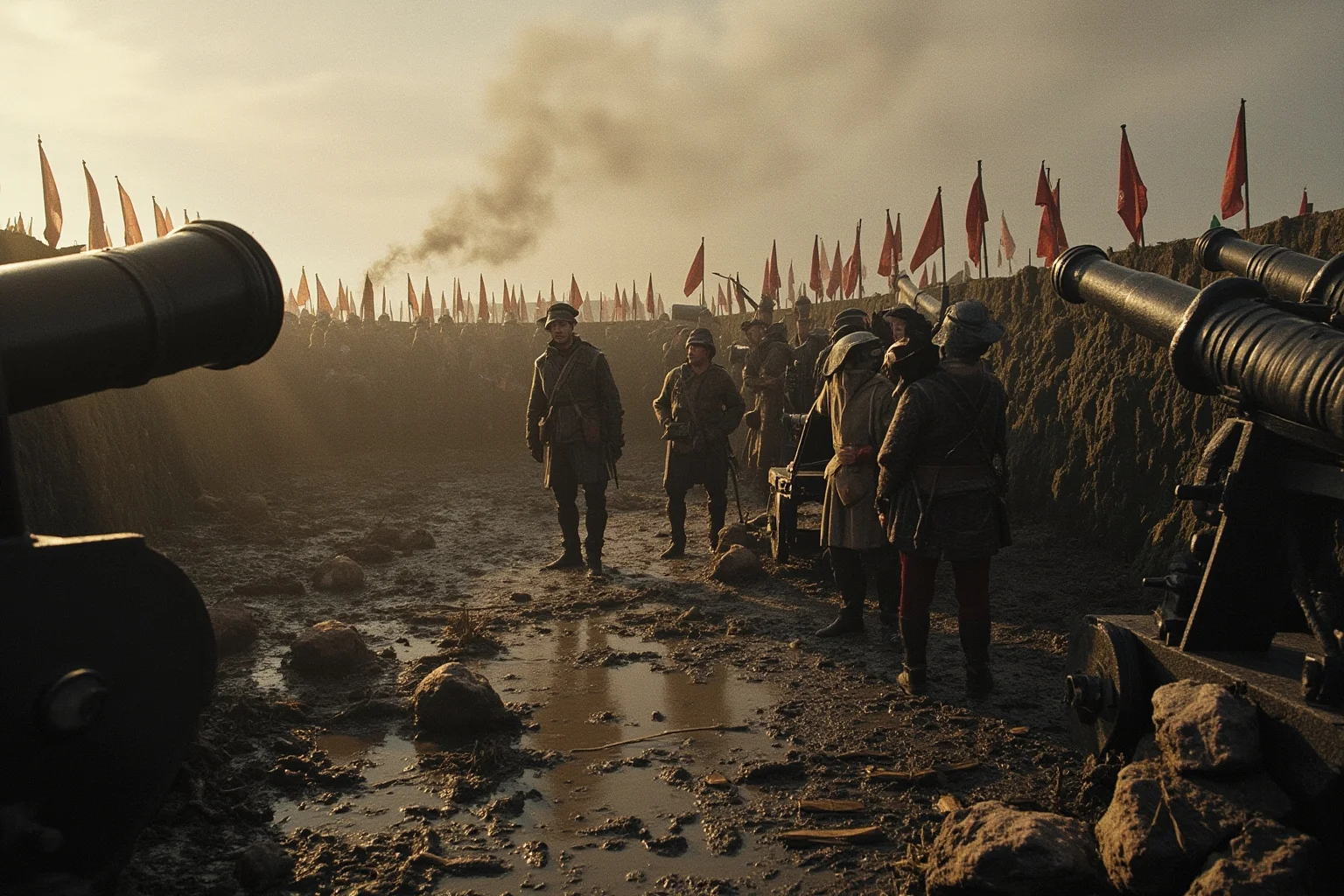
The conflict between the Sri Lankan government and the Tamil Tigers lasted 26 years, making it one of the longest and most intense civil wars in South Asia. It ended decisively in 2009, unlike many entries on this list that remain unresolved.
Its sheer duration surprises people who mainly know the war from its brutal, headline-making final months. In reality, it was a multi-decade struggle with several distinct phases of fighting.
19. The Afghan Conflicts (1978–2021)
From the Soviet-Afghan War through the civil war years of the 1990s and the post-2001 US-led conflict, Afghanistan experienced more than four decades of nearly continuous armed conflict. Different enemies, different governments, and different foreign powers were involved at different points, but the fighting rarely fully stopped.
Some historians and journalists have called this stretch a strong candidate for the longest war in modern history, though how you count the phases really does affect the final number. Either way, it stands as one of the most sustained conflicts of the 20th and early 21st centuries combined.
20. The Israeli-Palestinian Conflict (1948–present)
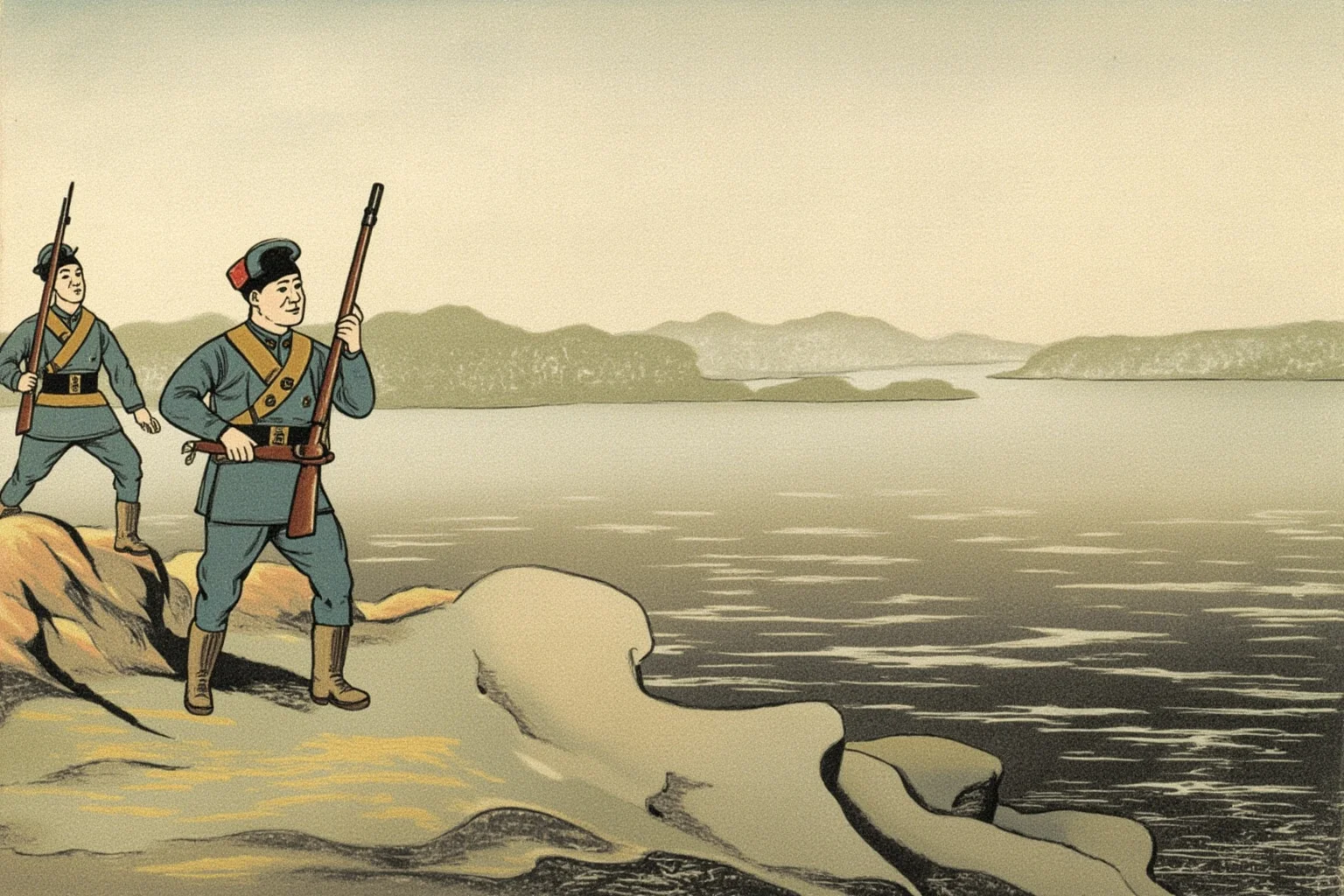
Depending on where you start counting, whether from the 1948 war, the earlier Mandate-era violence, or the 1947 partition plan, this conflict has now run for well over 75 years. It includes multiple full-scale wars, uprisings, and ongoing rounds of violence rather than one single unbroken war.
Its longevity and complexity make it one of the most-discussed entries whenever “old wars” or unresolved conflicts come up. A comprehensive, lasting peace agreement has never been achieved for the underlying dispute.
21. The Chittagong Hill Tracts Conflict (1977–1997, tensions persist)
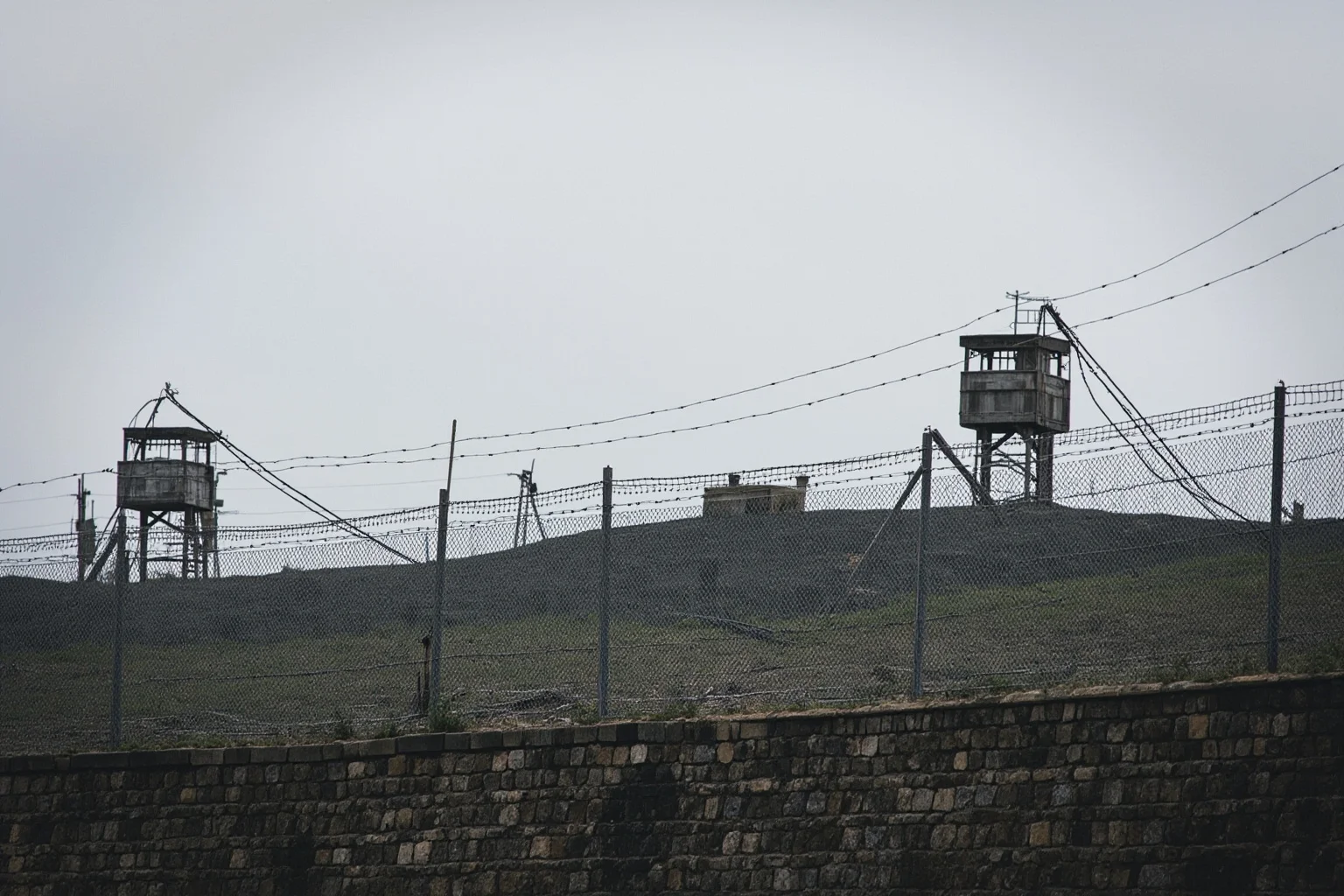
Indigenous groups in southeastern Bangladesh fought an insurgency against government forces for two decades before a 1997 peace accord. Even after the formal agreement, tensions and sporadic violence in the region have continued.
It’s a lesser-known entry, but it fits the pattern seen throughout this list: a peace deal on paper doesn’t always mean the underlying conflict is truly finished. Many of the wars from the 20th century that “ended” left real grievances simmering long after.
22. The Ethiopian Civil War Era (1974–1991, with echoes since)
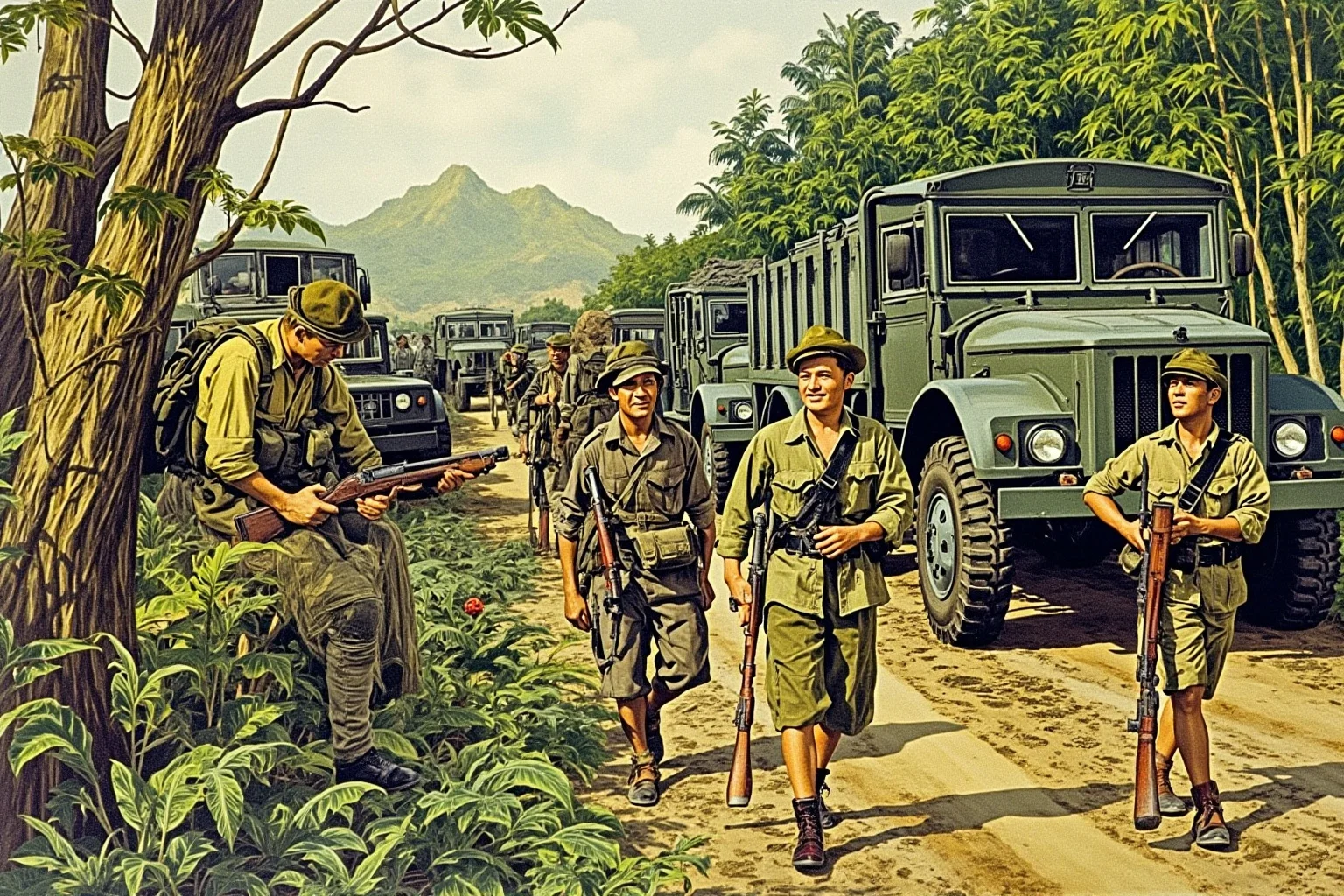
Ethiopia’s Derg-era civil conflicts, including the Eritrean War of Independence that ran alongside it, spanned roughly 30 years across multiple fronts. Eritrea finally achieved independence in 1991 after one of Africa’s longest anti-colonial and civil struggles.
Even after that resolution, the wider Horn of Africa region kept experiencing follow-on conflicts, including a later Eritrean-Ethiopian border war in the late 1990s. It’s another case where one long war’s ending simply set the stage for the next one.
Why So Many Wars Outlast Our Expectations
Looking across this entire list, a pattern emerges. Wars rarely end cleanly, and durations get shortened in popular memory because we tend to remember the most dramatic battles rather than the long stretches of stalemate, truce, and quiet rebuilding in between.
It’s also worth noting how many 20th century wars technically remain unresolved in a legal sense, Korea being the clearest example. That’s very different from ancient or medieval wars, which usually ended with a formal treaty, a conquest, or the outright disappearance of one side.
Comparing any of these conflicts to something like the Confederacy’s four-year existence really puts things into perspective. Nearly every entry on this list outlasted it by a factor of five, ten, or in some cases well over a hundred.
The Takeaway On Old Wars And Long Conflicts
History rewards a closer look. What gets remembered as a single, tidy war was often a string of related conflicts stretched across decades or centuries, with generations of soldiers and civilians never knowing a lasting peace.
Whether it’s the medieval Reconquista or the modern standoff on the Korean Peninsula, the lesson is the same. Duration matters just as much as the battles themselves when you’re trying to understand how a conflict actually shaped the world.
Frequently Asked Questions
What are some notable wars from the 20th century?
The 20th century produced both World Wars, the Korean War, the Vietnam Wars, the Chinese Civil War, and numerous decades-long conflicts in Africa, South Asia, and the Middle East. Many of these, including Korea and the Karen conflict in Myanmar, never received a formal peace treaty and remain legally unresolved even today.
What is considered the longest civil war in history?
There's no single universally agreed answer, since historians define 'civil war' and count pauses differently. However, Myanmar's Karen conflict (since 1949) and Colombia's decades-long armed conflict (1964–2016) are among the most frequently cited candidates for the longest civil war in history.
What is the longest ongoing war in the world today?
The Korean War is often cited because the 1953 agreement was only an armistice, not a peace treaty, meaning North and South Korea remain technically at war. Myanmar's Karen conflict and the Western Sahara dispute are also frequently mentioned as some of the longest unresolved conflicts still active today.
Did the Netherlands and the Isles of Scilly really fight a 335-year war?
That's a popular legend claiming the Netherlands and England's Isles of Scilly were technically at war from 1651 to 1986 without a shot fired. Historians have raised significant doubts about whether a formal declaration of war was ever actually issued, so it should be treated as an unverified, if entertaining, story rather than settled history.
What are examples of things that lasted longer than the Confederacy?
The Confederate States existed for only about four years, from 1861 to 1865. Almost every war on this list, from the 116-year Hundred Years' War to the multi-decade conflicts in Colombia, Angola, and Myanmar, lasted many times longer than that.
What is often called the longest war in modern history?
Candidates vary depending on how conflicts are grouped, but Afghanistan's near-continuous fighting from 1978 to 2021, and Myanmar's ongoing Karen conflict since 1949, are both commonly proposed as the longest war in modern history. Because different phases involved different enemies and causes, experts don't fully agree on a single definitive answer.

Alex Warren
Related Articles





