
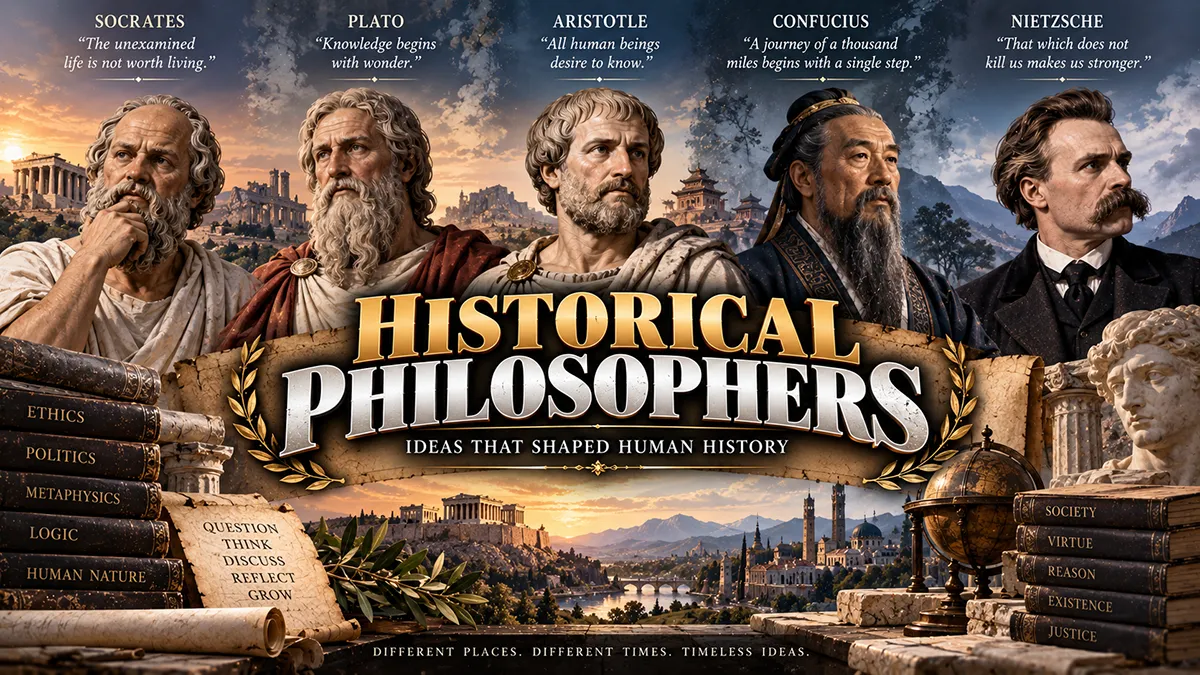
Ask ten people to name a philosopher and you’ll likely hear the same handful of names: Socrates, Plato, maybe Nietzsche if someone’s feeling dramatic — the kind of names that also dominate lists of the most recognized historical figures of all time.
But the actual list of great philosophers spans continents, religions, and roughly 2,600 years of arguing about what’s real, what’s right, and what any of it means. Some were beloved teachers. Others were exiled, executed, or ignored in their own lifetimes.
This guide rounds up the most renowned historical philosophers you’re likely to encounter in a classroom, a quote graphic, or a genuinely good argument at a dinner party. We’ll cover who they were, what they actually argued, and why their ideas outlived them. No unverified myths presented as fact — just the history, told straight.
TL;DR: From Thales of Miletus in ancient Greece to Hannah Arendt in the 20th century, these 25 renowned philosophers built the ideas about ethics, knowledge, and society that still frame how humans argue and think today.
What Does “Philosopher” Actually Mean?
The word philosopher comes from the ancient Greek philosophia, roughly “love of wisdom.” A philosopher, in the historical sense, is someone who systematically questions fundamental things: What can we know? How should we live? What makes something true, or good, or real?
That’s a broader net than people expect. A philosopher in history wasn’t necessarily a professor with a degree — the concept of professional philosophy is fairly recent. Many were mathematicians, physicians, theologians, or political exiles who happened to write down their reasoning in a way that stuck around, and more than a few now rank among the historical geniuses with the highest estimated IQs.
It’s also worth noting that “philosopher” isn’t a fixed job title tied to one culture. Ancient Chinese, Indian, Persian, and African thinkers were doing rigorous philosophical work long before and alongside the Greek tradition that Western textbooks tend to spotlight. This list leans toward the Western canon simply because those are the names most searched and most taught, but the discipline itself is genuinely global.
How Many Philosophers Have There Been?
There’s no official registry, so nobody can give you an exact count of all philosophers who have ever lived. Thousands of named thinkers appear across surviving historical records, and that’s before counting the countless others whose ideas were passed down orally or lost entirely.
What we can say is that the field is enormous and still growing. Every generation produces new philosophers wrestling with ethics, science, politics, and meaning, which is why “complete” lists of philosophers are really just curated highlights rather than exhaustive catalogs.
The Branches of Philosophy, From Ethics to Metaphysics
Philosophy isn’t one subject — it’s a cluster of related questions. Metaphysics asks what’s ultimately real. Epistemology asks how we know anything at all. Logic studies valid reasoning itself.
Ethics, arguably the most publicly discussed branch, asks how we ought to live and treat one another. Philosophers who specialize in this area are sometimes called ethicists, and their work underpins everything from medical decision-making to modern debates about technology and law.
Many of the renowned philosophers on this list worked across several of these branches at once. Aristotle wrote on logic, biology, politics, and ethics; Kant reshaped both epistemology and moral philosophy. That range is part of why certain names dominate “greatest philosophers” conversations centuries later.
A Quick Note on the “Philosophes”
If you’ve searched for the philosophe definition in world history, it refers to something more specific than “philosopher” in general. The philosophes were a group of French Enlightenment writers and intellectuals — Voltaire, Diderot, and Montesquieu among them — who championed reason, science, and political reform.
The philosophes were most active across the late 1600s and 1700s, meaning the movement is generally tied to the 17th and 18th centuries, with the 18th century as its peak. They weren’t a formal school so much as a loose network of thinkers who used essays, encyclopedias, and satire to challenge absolute monarchy and religious authority. Their influence fed directly into the American and French Revolutions.
The 25 Most Renowned Historical Philosophers
There’s no single, universally agreed-upon ranking of the “best” philosophers — any such list, including this one, reflects influence and historical staying power rather than an objective scoreboard. With that caveat, here are 25 names that consistently show up when historians, educators, and readers talk about the most famous philosophers of all time.
Ancient Philosophers: The Foundational Voices
1. Thales of Miletus (c. 624–546 BCE)
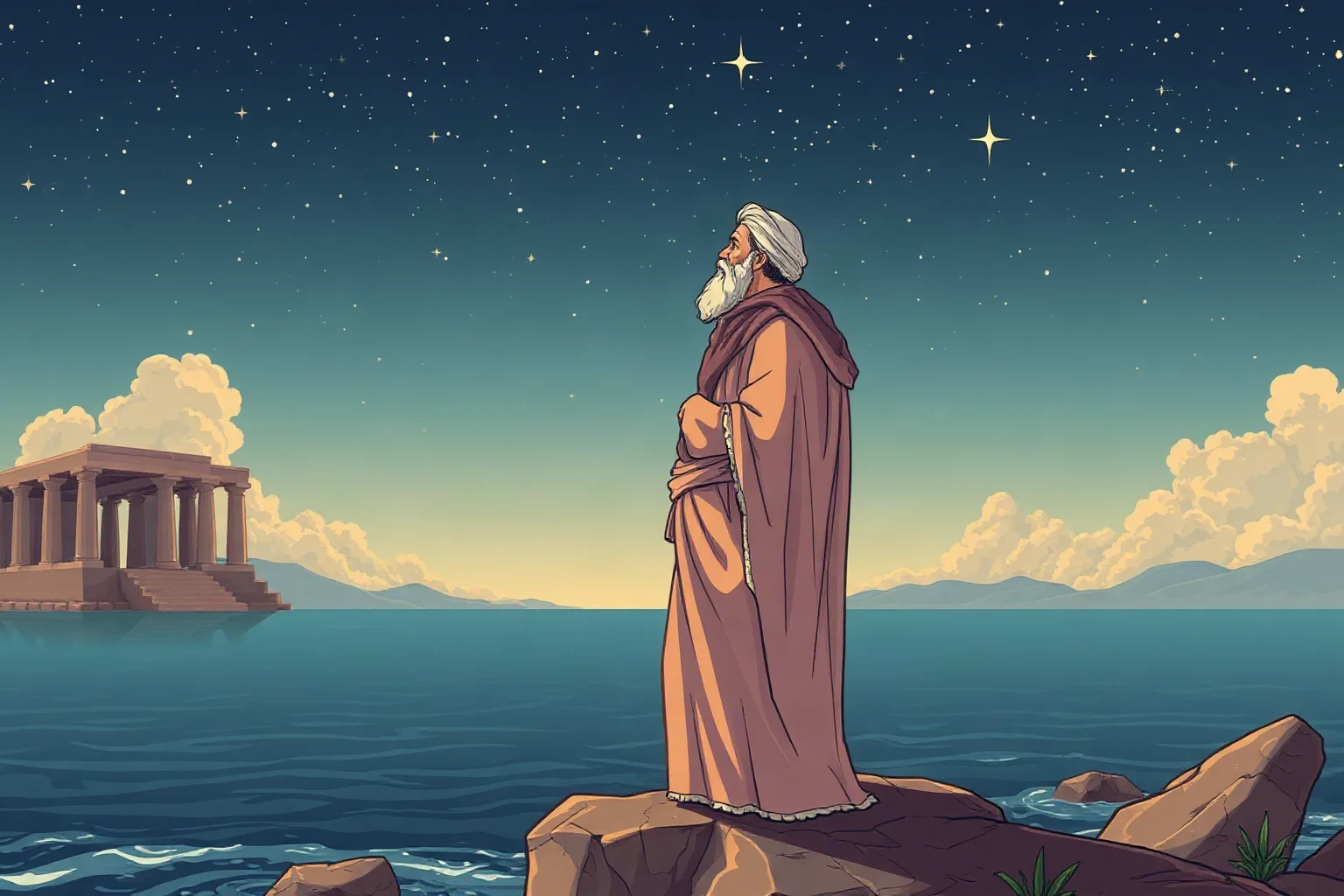
When people ask who is the first philosopher in the Western tradition, the answer historians usually give is Thales of Miletus. He was a pre-Socratic thinker from ancient Greece who tried to explain natural phenomena through reason and observation rather than myth.
Thales is often credited with predicting a solar eclipse and proposing that water was the fundamental substance underlying all matter. Little of his original writing survives, so much of what we know comes from later writers like Aristotle, but his approach — explaining the world through natural causes — is why he’s remembered as philosophy’s starting point.
2. Confucius (551–479 BCE)
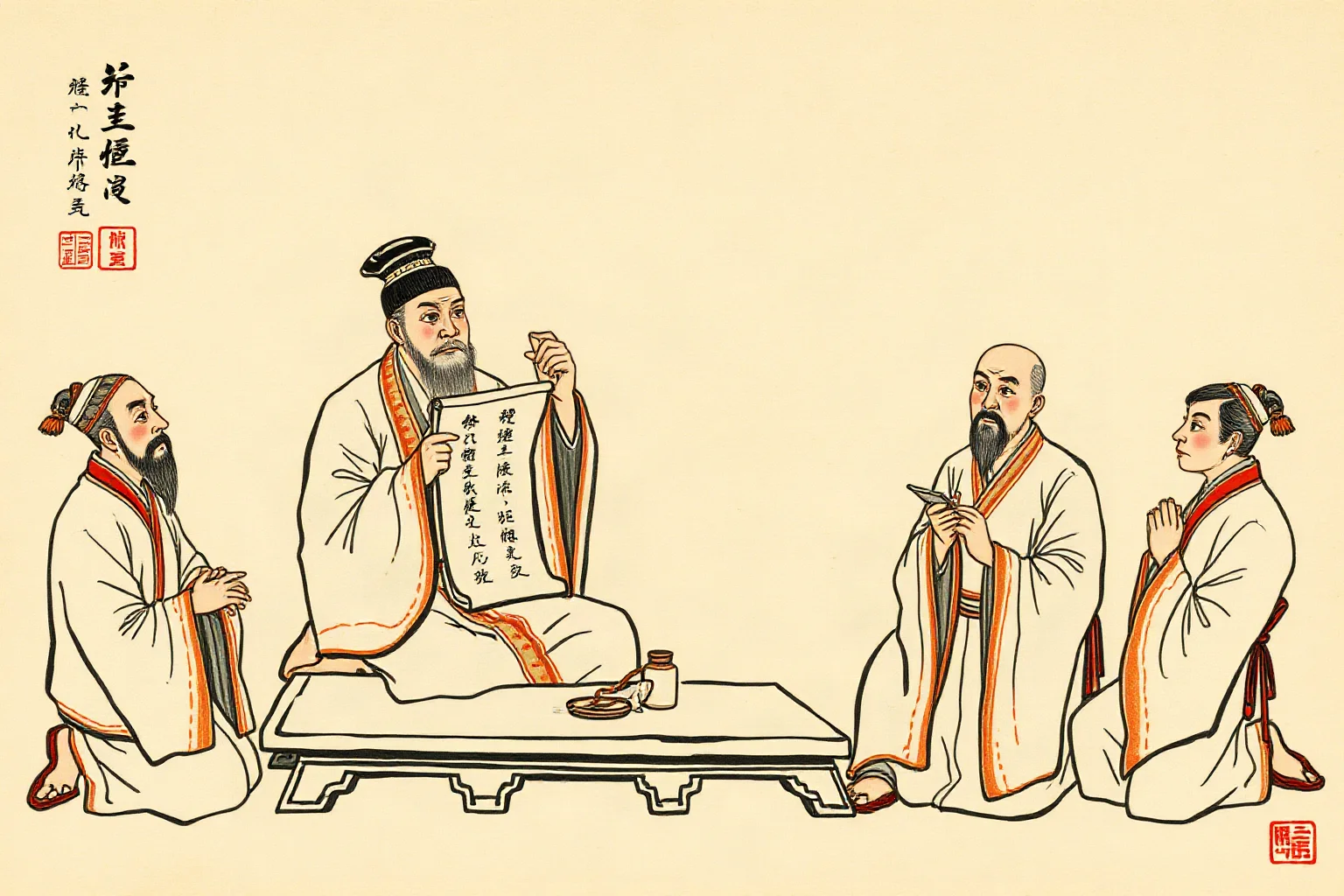
Confucius was a Chinese philosopher and teacher whose ideas about ethics, social harmony, and proper conduct shaped East Asian culture for over two thousand years. His teachings, compiled by students in the Analects, emphasized virtue, respect for family, and good governance.
Unlike many Greek philosophers focused on abstract metaphysics, Confucius centered his philosophy on practical relationships and moral behavior in everyday life. Confucianism became a foundation of political and social life across China, Korea, Japan, and Vietnam.
3. Pythagoras (c. 570–495 BCE)
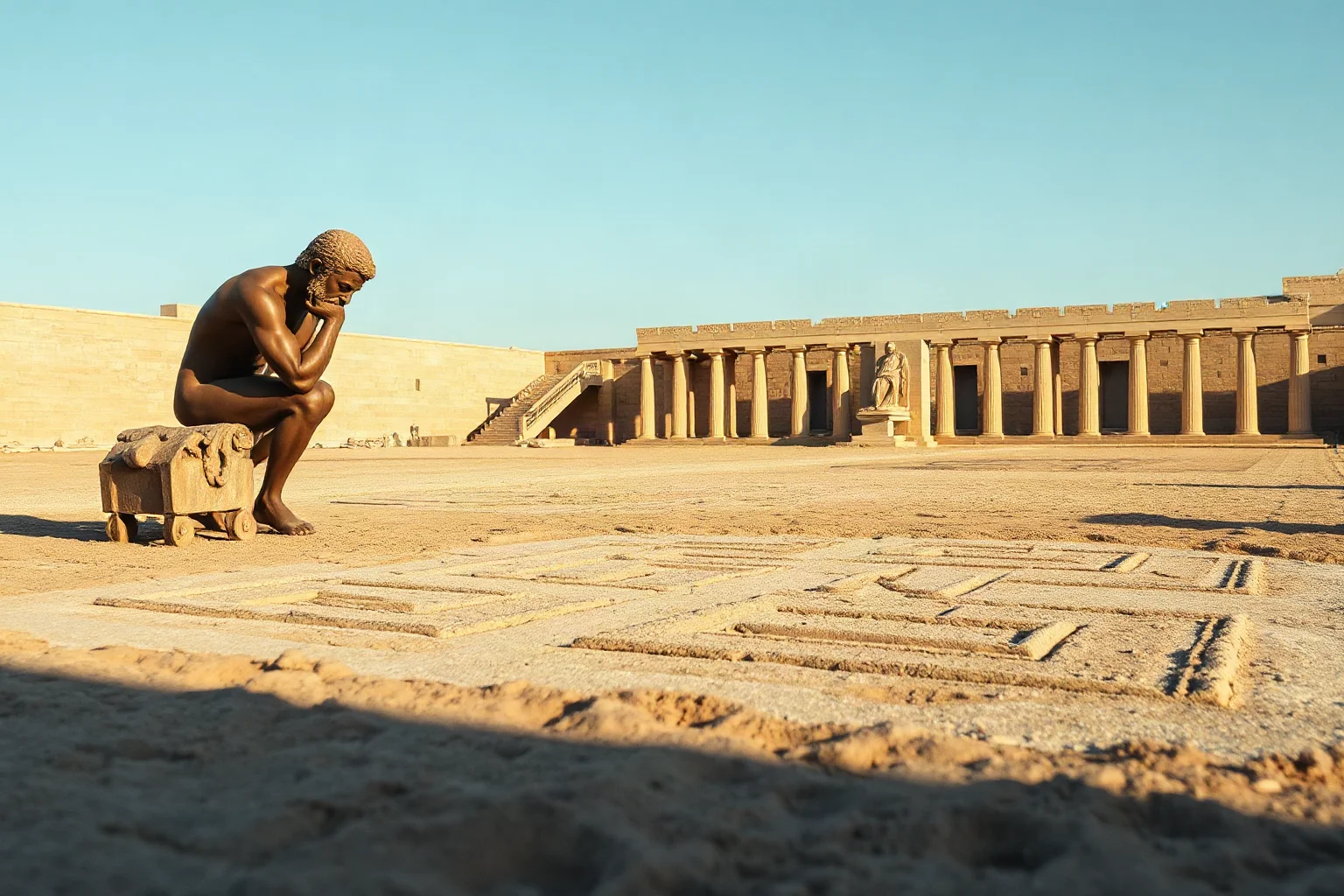
Pythagoras is best known today for a math theorem, but he was also a philosopher and mystic who founded a religious-philosophical community in southern Italy. His followers believed numbers held the key to understanding the universe itself.
Much of Pythagoras’s biography is genuinely uncertain, blended with legend over centuries, so historians treat many stories about him cautiously. Still, his influence on later thinkers, especially Plato, is well documented.
4. Socrates (c. 470–399 BCE)
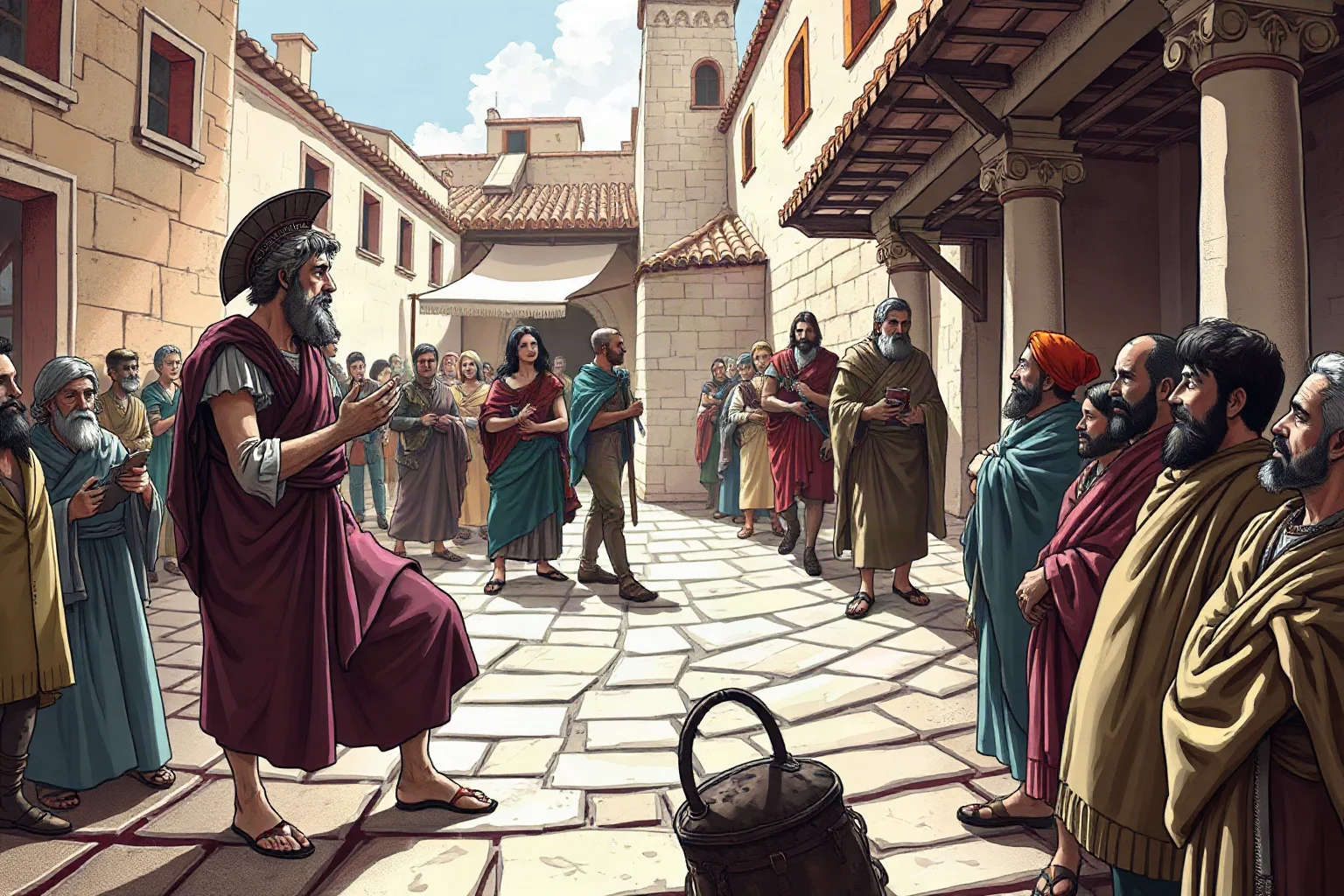
Socrates never wrote anything down himself; everything we know comes from students like Plato and Xenophon. He taught by asking relentless questions, a method now called the Socratic method, designed to expose contradictions in someone’s beliefs.
He was tried and executed in Athens on charges of corrupting the youth and impiety, a moment that became one of philosophy’s most famous stories. Socrates is frequently cited as the most influential philosopher in the Western tradition, even though not a single line of his own writing survives.
5. Plato (c. 428–348 BCE)
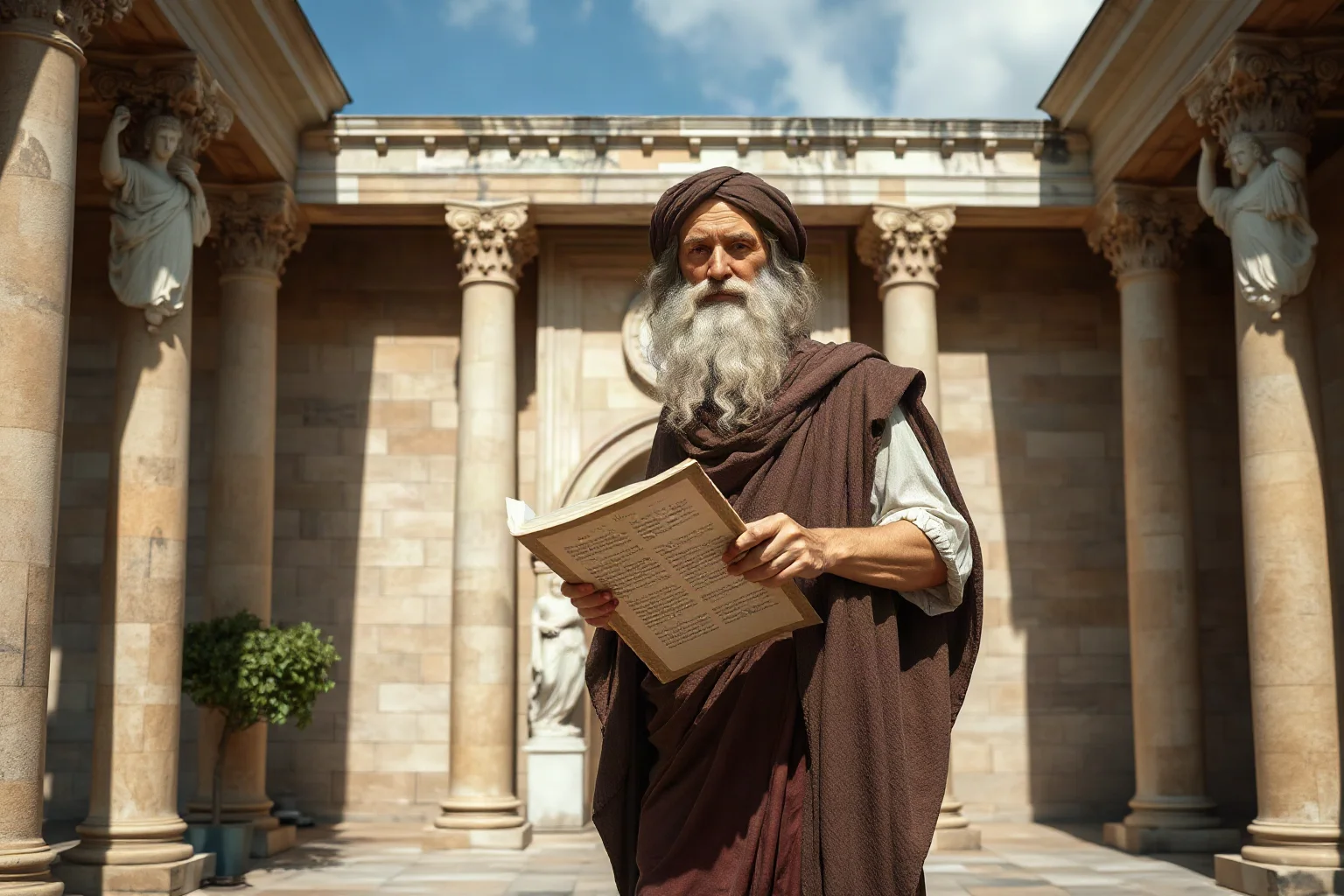
Plato was Socrates’s student and the founder of the Academy in Athens, one of the earliest institutions of higher learning in the Western world. He wrote in dialogue form, using Socrates as a central character to explore justice, knowledge, and the nature of reality.
His Theory of Forms argued that the physical world is a shadow of a truer, unchanging realm of ideas. Plato’s Republic remains one of the most studied works in political philosophy, still debated in classrooms today.
6. Aristotle (384–322 BCE)
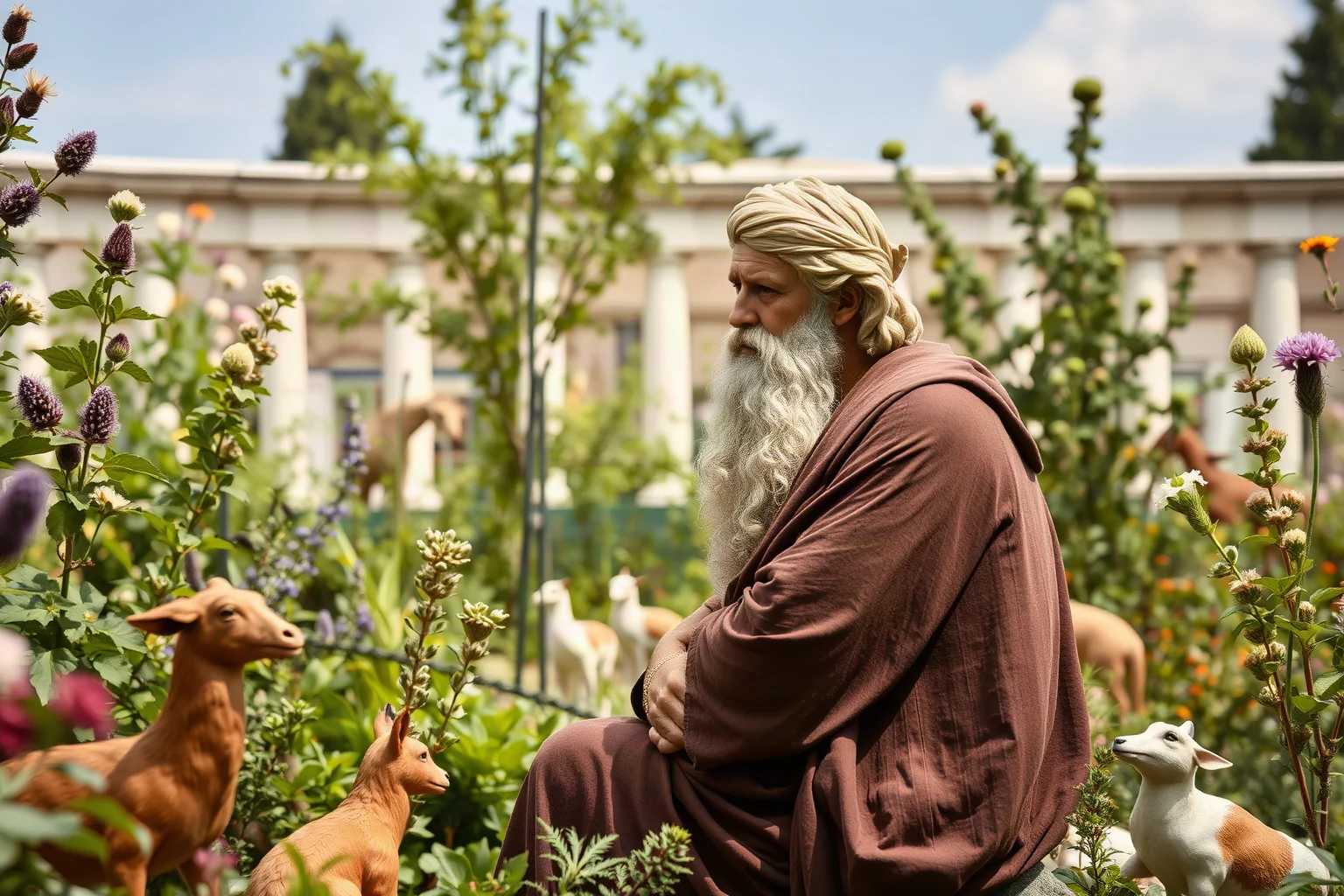
Aristotle studied under Plato but broke from his teacher’s emphasis on abstract Forms, favoring careful observation of the natural world instead. He wrote foundational texts on logic, biology, physics, politics, and ethics, essentially covering the intellectual map of his era.
He also tutored a young Alexander the Great, though the extent of that influence is debated among historians. Aristotle’s works survived largely through Islamic scholars during the medieval period, who preserved and expanded on them before they reached Europe again.
7. Diogenes of Sinope (c. 404–323 BCE)
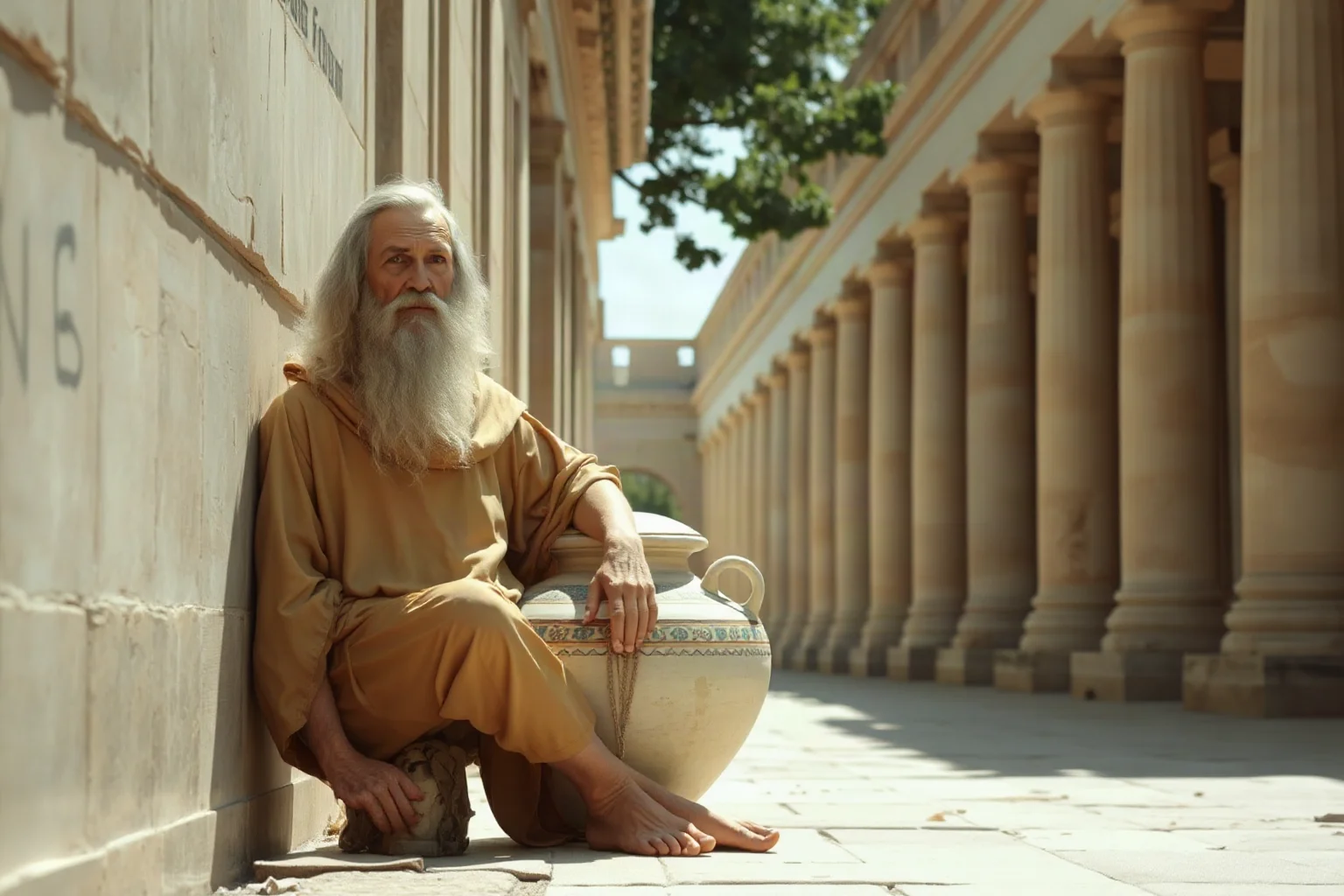
Diogenes was a Cynic philosopher famous for rejecting material comforts and social conventions almost entirely, reportedly living in a large ceramic jar in Athens. Many colorful anecdotes about him, including run-ins with Alexander the Great, are likely exaggerated or unverifiable, but they capture his reputation as philosophy’s great provocateur.
His core idea was that virtue comes from living simply and honestly, free from the artificial wants society creates. That challenge to convention still resonates with anyone skeptical of consumer culture.
8. Epicurus (341–270 BCE)

Epicurus founded a school of philosophy arguing that pleasure, properly understood, was the highest good — though not the reckless hedonism his critics accused him of. He meant modest, sustainable pleasure: good friendships, freedom from anxiety, and simple living.
Epicureanism also taught that fear of death was irrational, since Epicurus argued death simply meant the absence of experience. His philosophy offered a practical path to tranquility rather than religious salvation.
9. Zeno of Citium (c. 334–262 BCE)
Zeno founded Stoicism in Athens, teaching that virtue and reason, not external circumstances, determine a good life. Stoics believed in accepting what you cannot control while focusing effort on what you can.
Zeno’s original writings are mostly lost, but his framework was carried forward and expanded by later Stoics for centuries. Stoicism remains one of the most widely read ancient philosophies today, especially in self-improvement circles.
10. Seneca (c. 4 BCE–65 CE)
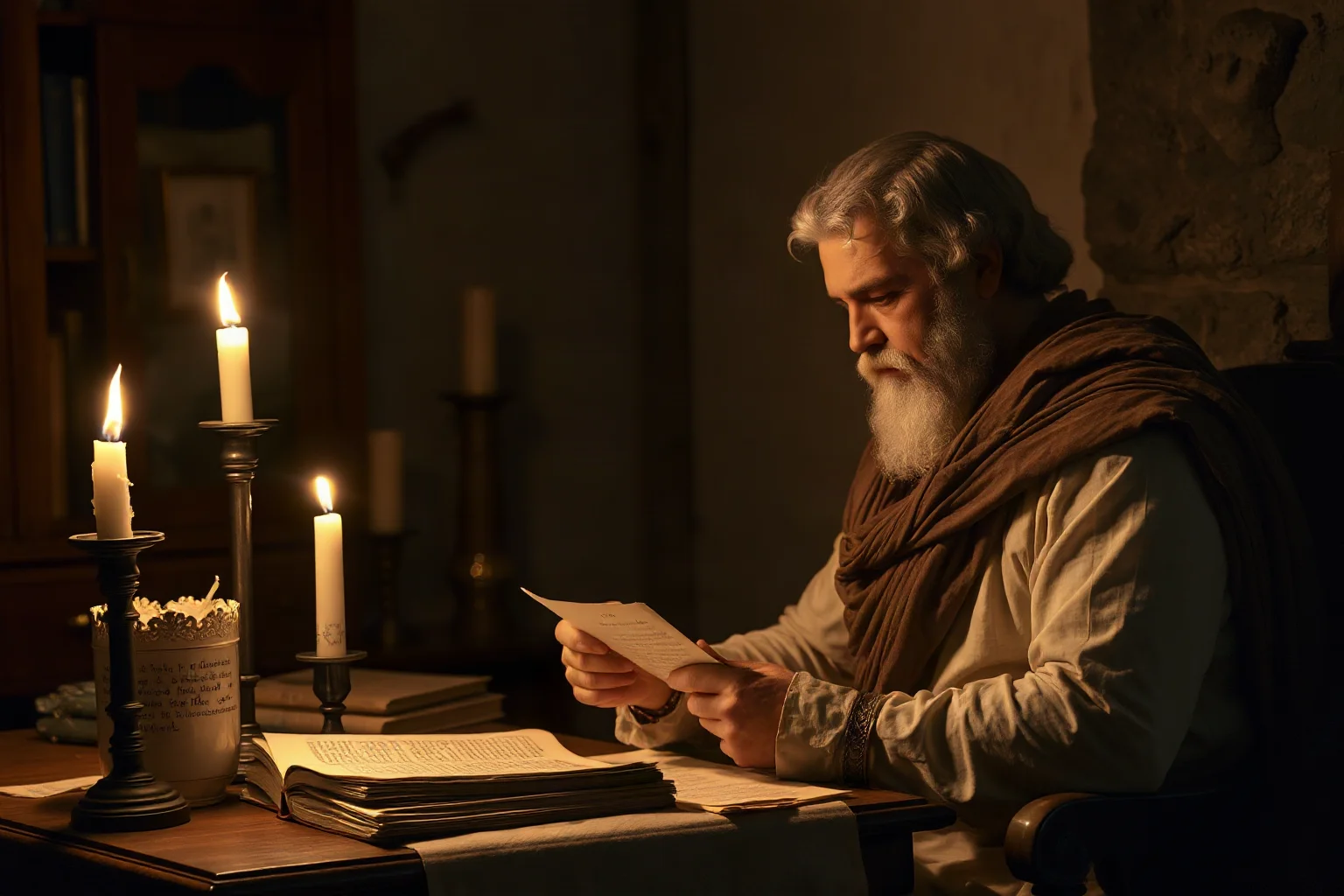
Seneca was a Roman statesman, playwright, and Stoic philosopher who advised the emperor Nero, a relationship that eventually turned deadly. His letters and essays on anger, grief, and the shortness of life remain some of the most accessible entry points into Stoic thought.
He was ultimately forced to take his own life after being implicated in a plot against Nero, a dramatic end that historians still debate the full details of. His writing, though, outlasted the scandal.
11. Marcus Aurelius (121–180 CE)
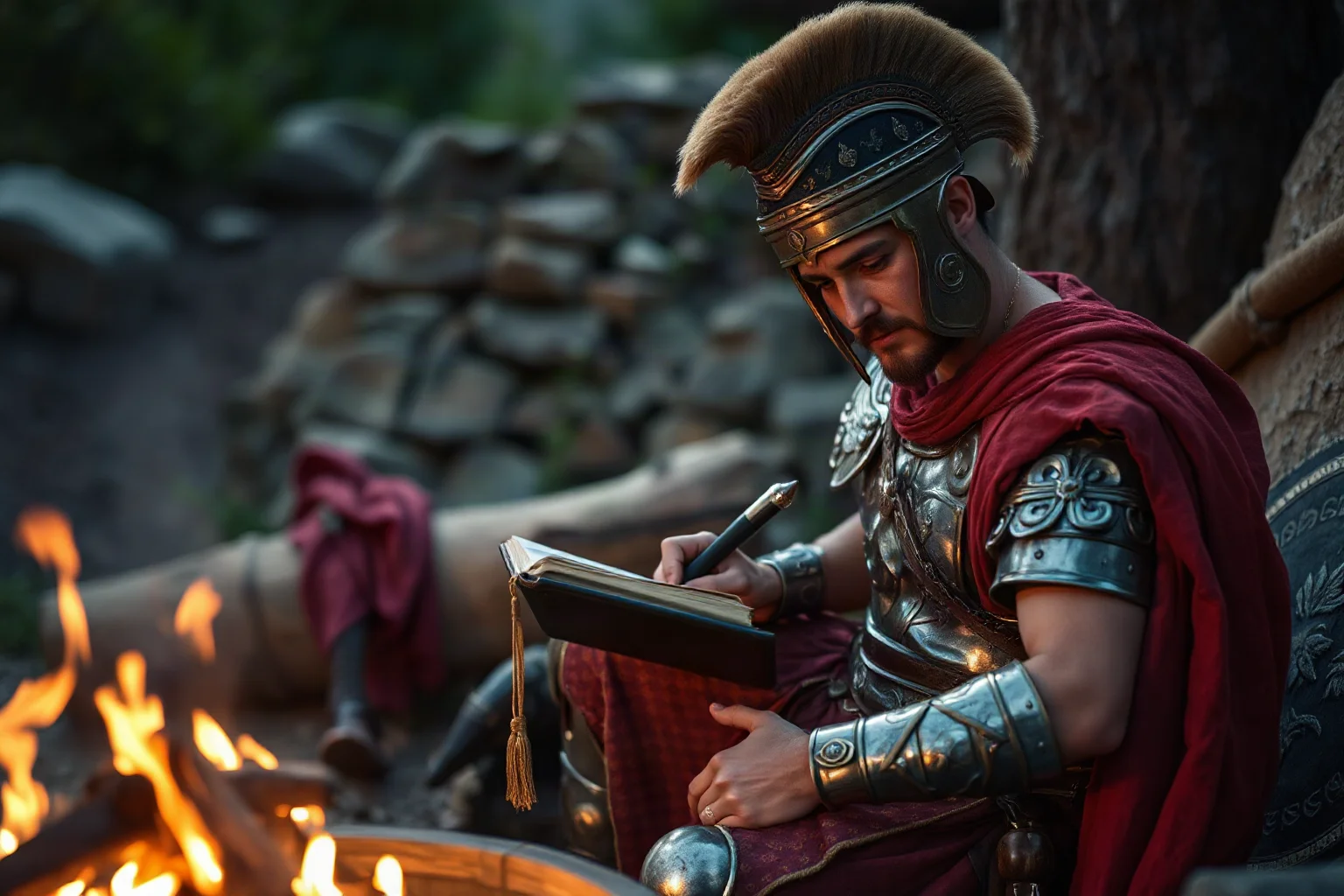
Marcus Aurelius was a Roman emperor who also happened to be one of history’s most quoted Stoic philosophers. His personal journal, later published as Meditations, was never intended for an audience — it was self-directed advice on discipline, mortality, and duty.
That private, unpolished quality is part of why Meditations still feels startlingly modern. Few of the great philosophers on this list combined that level of political power with genuine philosophical reflection.
Medieval and Early Modern Philosophers
12. Augustine of Hippo (354–430 CE)
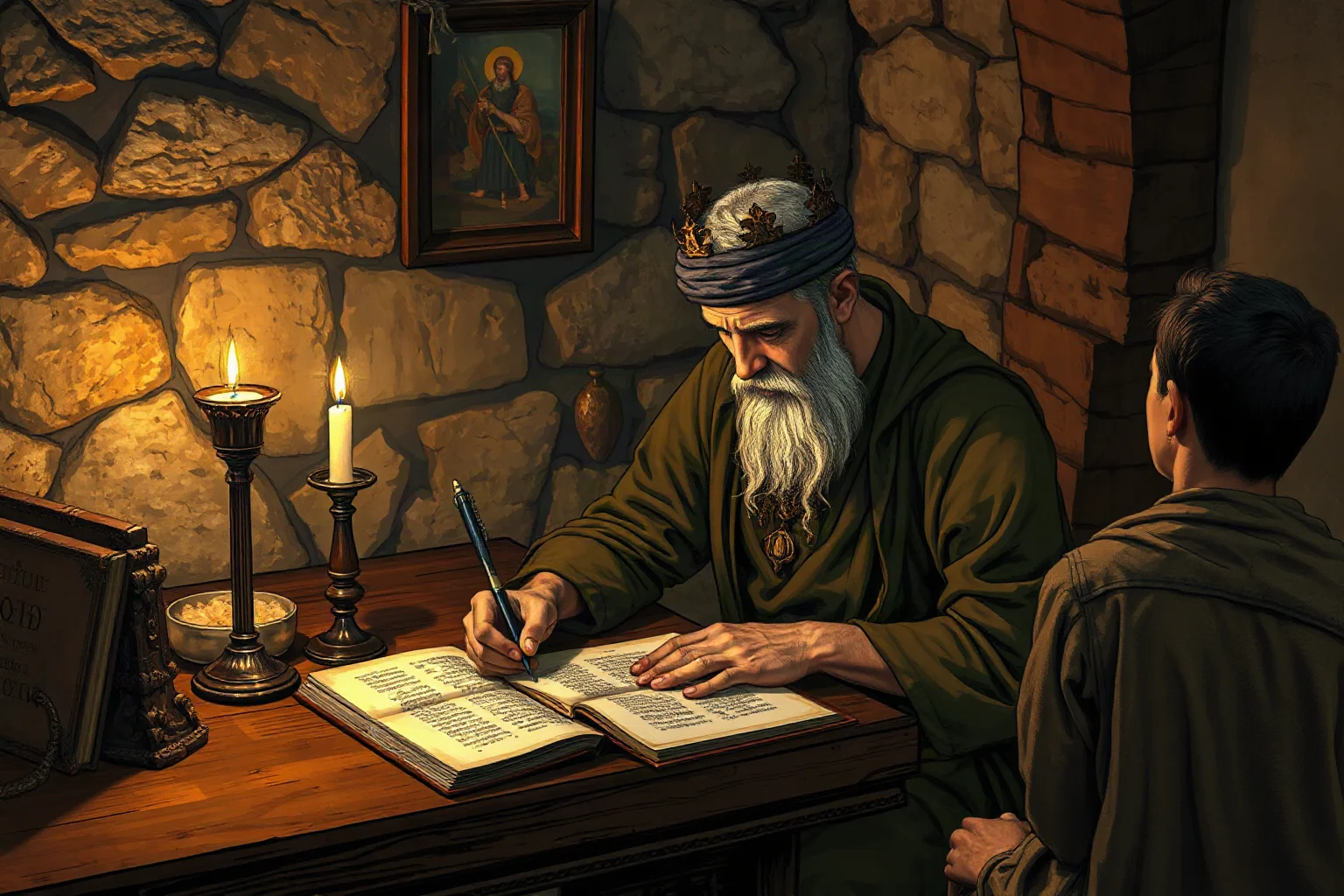
Augustine was a North African bishop and philosopher whose writing merged Christian theology with classical philosophy, particularly Platonism. His Confessions is often described as one of the first Western autobiographies, exploring sin, memory, and conversion in deeply personal terms.
His ideas about free will, time, and the nature of evil shaped Christian thought for over a thousand years. Augustine remains a central figure whenever historians discuss the bridge between ancient philosophy and medieval theology.
13. Thomas Aquinas (1225–1274)
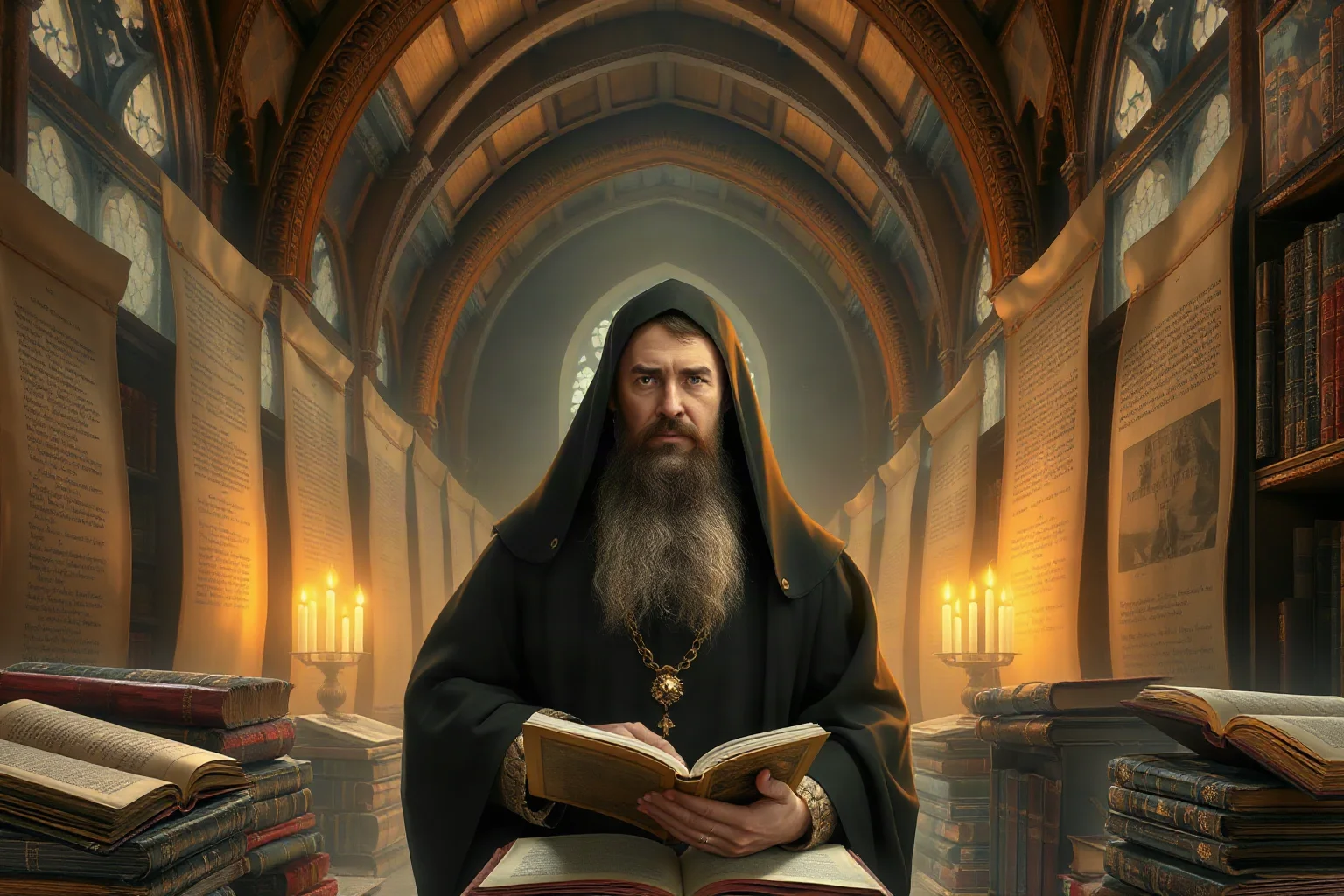
Thomas Aquinas was a medieval Italian friar who attempted something ambitious: reconciling Aristotle’s logic-driven philosophy with Christian doctrine. His Summa Theologica became one of the most influential works in Western philosophy and Catholic theology alike.
Aquinas argued that faith and reason weren’t enemies but could support each other when properly understood. That synthesis, known as Scholasticism, dominated European universities for centuries afterward.
14. René Descartes (1596–1650)
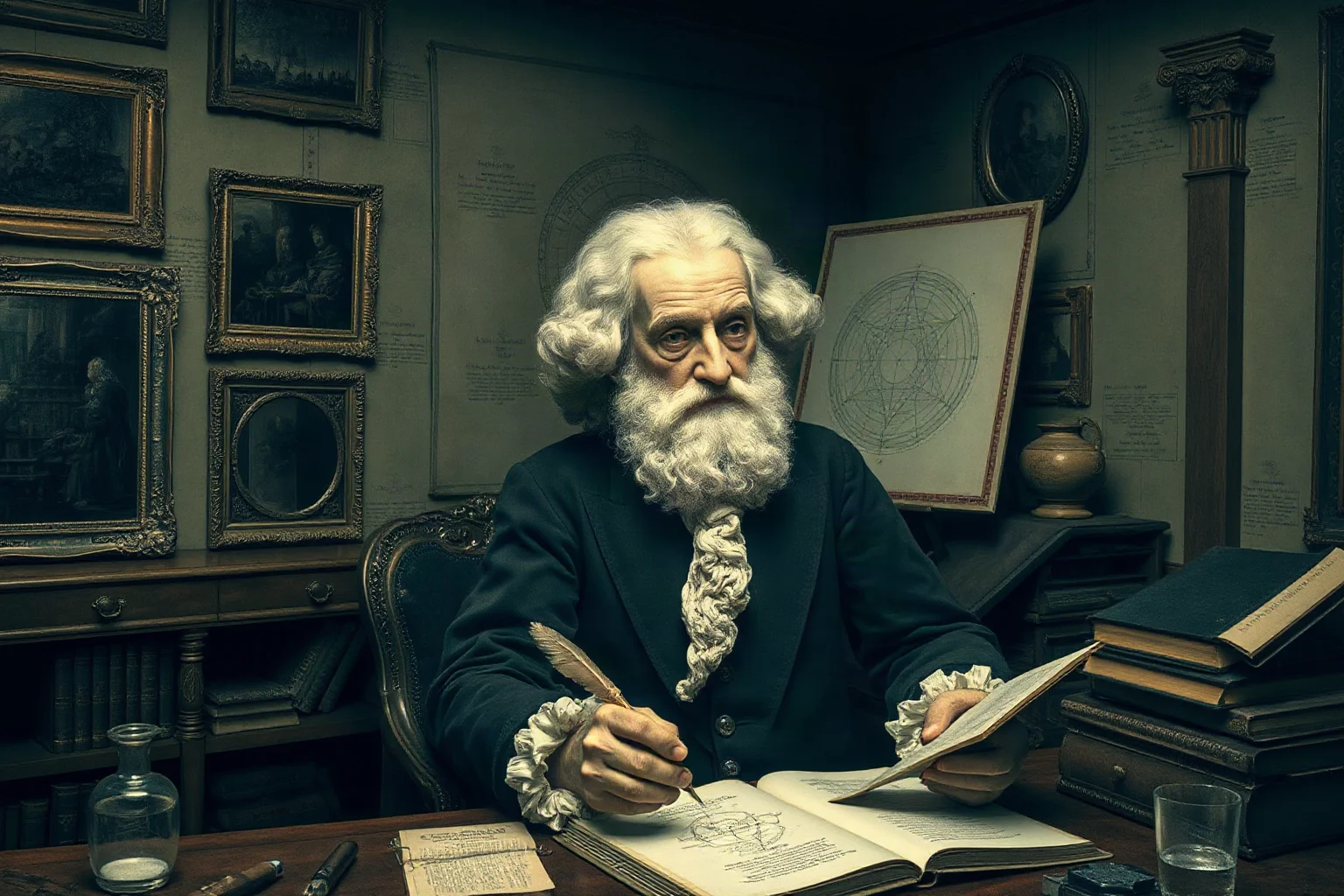
Descartes is often called the father of modern philosophy for good reason: he tried to rebuild knowledge from scratch, doubting everything he could possibly doubt. His famous conclusion, “I think, therefore I am,” was meant as the one certainty he couldn’t rationally deny.
He was also a serious mathematician often mentioned among the smartest people in history, and his work connecting algebra and geometry still bears his name today. Descartes’s split between mind and body, known as Cartesian dualism, sparked debates that philosophers of mind are still having.
15. Baruch Spinoza (1632–1677)
Spinoza was a Dutch philosopher of Portuguese-Jewish descent whose radical ideas about God, nature, and free will got him formally excommunicated from his community. He argued that God and nature were essentially the same substance, a view called pantheism that scandalized religious authorities of his time.
His Ethics, written in a strict geometric format modeled on mathematical proofs, laid out a deterministic view of the universe. Spinoza’s work was banned in several places after his death, yet it went on to influence Enlightenment thinkers across Europe.
16. John Locke (1632–1704)
John Locke was an English philosopher whose ideas about natural rights, government by consent, and the mind as a “blank slate” reshaped political theory. His arguments that people are born with rights to life, liberty, and property directly influenced the American Declaration of Independence.
Locke also argued that knowledge comes primarily from experience rather than innate ideas, a position known as empiricism. That theory of learning still underpins modern educational philosophy in many respects.
17. David Hume (1711–1776)
David Hume was a Scottish philosopher and historian known for pushing empiricism to its logical, sometimes unsettling conclusions. He argued that we can’t actually observe cause and effect directly — we only observe patterns and infer causation from habit.
Hume was also skeptical of claims about miracles and argued that reason alone can’t establish moral truths; sentiment plays a role too. His skepticism famously “woke” Immanuel Kant from what Kant called his dogmatic slumber.
Enlightenment and Modern European Philosophers
18. Immanuel Kant (1724–1804)
Kant was a German philosopher who attempted to bridge the gap between empiricists like Hume and rationalists who trusted pure reason above experience. His Critique of Pure Reason argued that the mind actively shapes how we experience reality, rather than passively recording it.
In ethics, Kant proposed the categorical imperative: act only according to rules you’d want everyone else to follow universally. That framework remains one of the most taught ethical theories in philosophy courses today.
19. Jean-Jacques Rousseau (1712–1778)
Rousseau was a Genevan-born philosopher and one of the key figures associated with the philosophes of the French Enlightenment, even though his relationship with fellow philosophes was often contentious. His Social Contract opened with the famous line arguing that man is born free, yet everywhere finds himself in chains.
He argued that political legitimacy comes from the collective will of the people, not divine right or inherited power. Rousseau’s ideas about equality and the general will fed directly into revolutionary movements in France and beyond.
20. Mary Wollstonecraft (1759–1797)

Mary Wollstonecraft was an English philosopher and writer whose Vindication of the Rights of Woman is considered one of the foundational texts of Western feminist philosophy. She argued that women’s apparent inferiority was a result of unequal education, not nature.
Wollstonecraft moved in Enlightenment intellectual circles and applied the era’s arguments about reason and rights to a group most contemporaries had excluded from them. Her work went largely underappreciated in her own time but became foundational reading for later feminist and ethical philosophy.
21. Georg Wilhelm Friedrich Hegel (1770–1831)
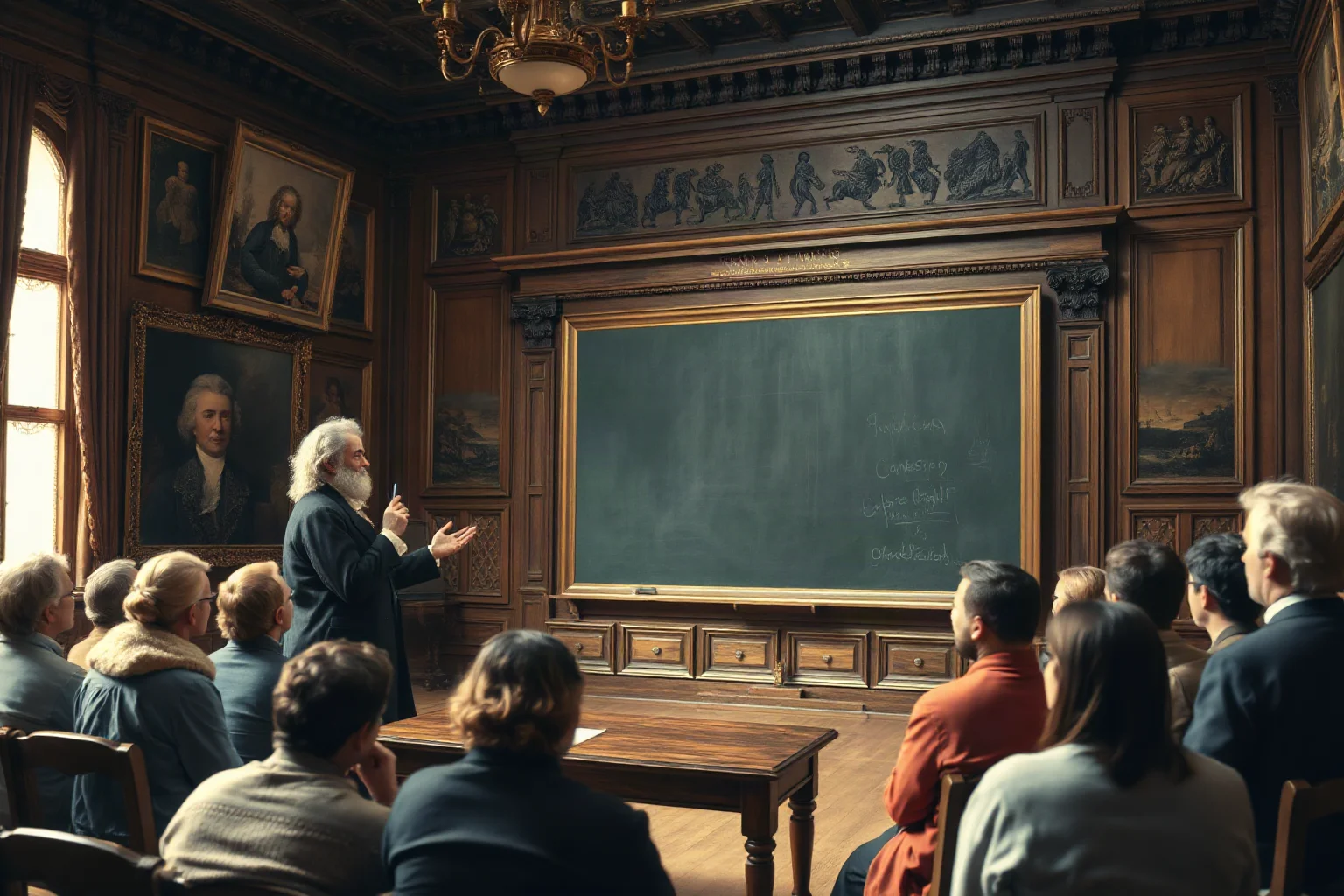
Hegel was a German philosopher whose dense, difficult writing introduced ideas about history as a rational, evolving process moving through conflict toward greater freedom. His dialectical method, often summarized as thesis, antithesis, and synthesis, described how contradictions drive progress.
Hegel’s influence stretched into political philosophy, later shaping thinkers as different as Karl Marx and various 20th-century existentialists. Even philosophers who rejected his conclusions had to engage with his framework first.
22. John Stuart Mill (1806–1873)
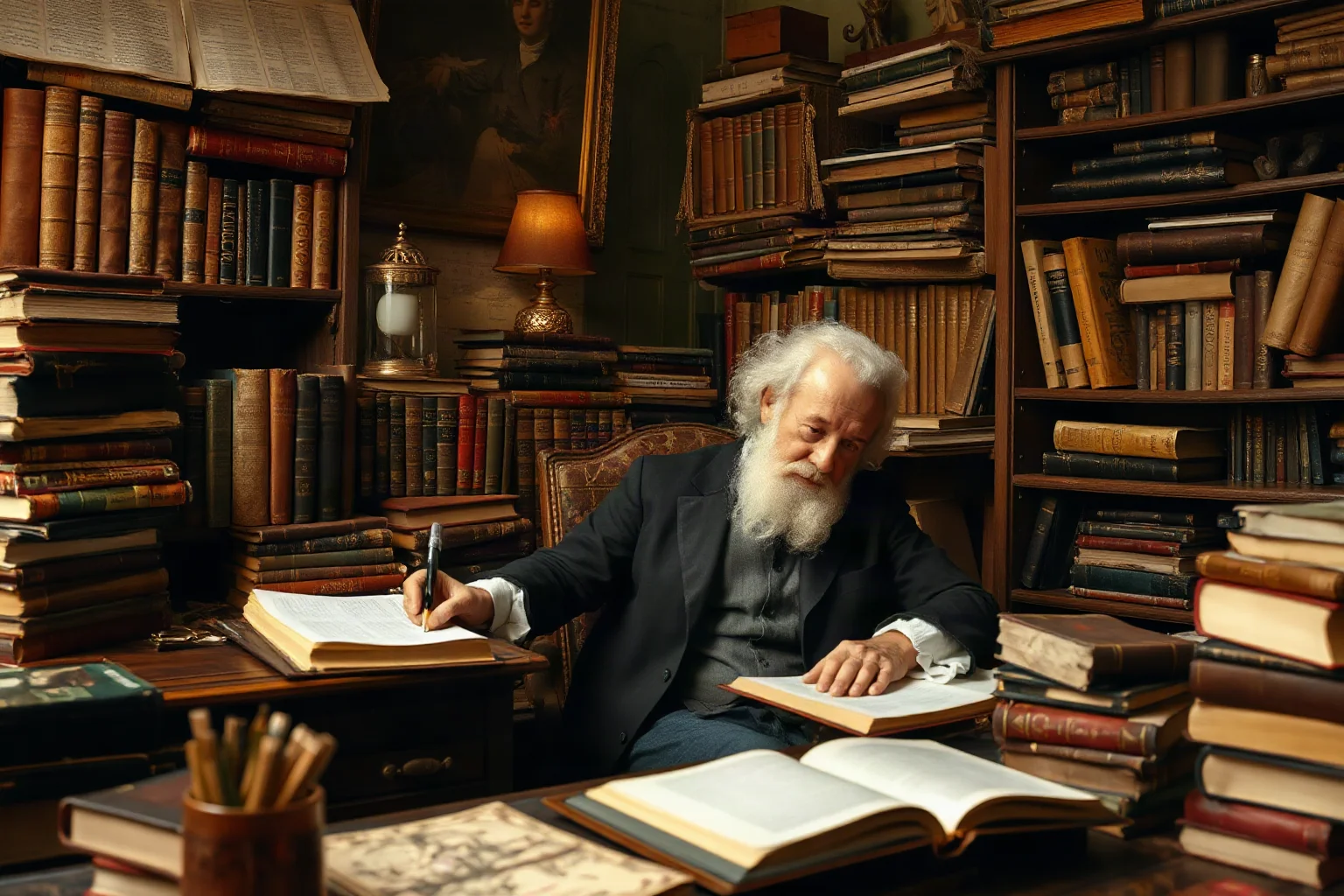
Mill was an English philosopher and economist best known for developing utilitarianism, the ethical theory that the right action is the one producing the greatest good for the greatest number. He refined earlier utilitarian ideas from Jeremy Bentham by distinguishing between higher and lower pleasures.
Mill was also an early and vocal advocate for women’s rights, publishing The Subjection of Women in 1869. His writing on liberty remains a cornerstone reference in modern debates about free speech and individual rights.
19th and 20th-Century Philosophers
23. Friedrich Nietzsche (1844–1900)

Nietzsche was a German philosopher whose provocative writing style and famous line “God is dead” made him one of the most quoted, and most misquoted, philosophers in history. He challenged traditional morality, arguing that conventional values often suppressed human vitality rather than serving genuine flourishing.
It’s worth noting that Nietzsche’s ideas were later distorted and misused by others for political purposes he never endorsed, particularly by Nazi propagandists after his death. Serious historians and philosophers treat that appropriation as a distortion of his actual writing, not an accurate reflection of it.
24. Karl Marx (1818–1883)

Marx was a German philosopher and economist whose analysis of capitalism, class struggle, and historical change reshaped political thought worldwide. Alongside Friedrich Engels, he wrote The Communist Manifesto and the multi-volume Capital, arguing that economic systems shape social and political life.
Marx’s philosophical method drew heavily on Hegel’s dialectic, but applied it to material economic conditions rather than abstract ideas. His influence on 20th-century politics, for better or worse depending on your view, is hard to overstate.
25. Hannah Arendt (1906–1975)

Hannah Arendt was a German-born, Jewish-American philosopher and political theorist who fled Nazi Germany and later became one of the 20th century’s most important thinkers on totalitarianism. Her book The Origins of Totalitarianism examined how authoritarian regimes gain and maintain control.
Arendt’s coverage of the Eichmann trial introduced the phrase “the banality of evil,” describing how ordinary bureaucratic conformity can enable atrocity. She remains one of the most cited political philosophers when historians and scholars discuss the 20th century.
How These Philosophers Still Shape Our World Today
It’s tempting to treat philosophy as a purely academic subject, disconnected from daily life. In reality, ideas from this list sit quietly underneath modern law, science, politics, and even casual conversation.
Locke’s theories about natural rights echo through modern constitutions and human rights law. Mill’s utilitarian reasoning shows up in public health policy and cost-benefit analysis. Kant’s categorical imperative still gets debated in ethics classrooms discussing artificial intelligence and medical decision-making.
Even the Stoic philosophers, Seneca, Marcus Aurelius, and Zeno, have found a surprising second life in modern self-help and resilience literature. That staying power is the real reason these particular names, out of the thousands of philosophers history has produced, keep showing up on “greatest philosophers” lists generation after generation.
Best Philosophers to Read If You’re Just Starting Out
If you’re new to philosophy and wondering where to start, going straight to Kant’s Critique of Pure Reason is a rough entry point — it’s notoriously dense even for specialists. A gentler on-ramp usually works better.
Marcus Aurelius’s Meditations is short, personal, and doesn’t require background knowledge to follow. Plato’s early dialogues, especially the ones featuring Socrates in conversation, read almost like short stories with philosophical arguments embedded inside them.
From there, Mill’s On Liberty and Wollstonecraft’s Vindication of the Rights of Woman are both relatively accessible and directly relevant to modern debates about rights and freedom. Reading a good secondary guide alongside primary texts from these philosophical authors can also help contextualize ideas that were written centuries, or millennia, before modern vocabulary existed to describe them.
Final Thoughts on History’s Most Renowned Philosophers
There’s no final, definitive ranking of the best philosophers, and anyone claiming otherwise is oversimplifying a very messy, very human history of disagreement. What connects Thales and Hannah Arendt, separated by roughly 2,500 years, is a shared willingness to ask uncomfortable questions and follow the reasoning wherever it led.
That’s really the throughline across this entire list, from ancient philosophers arguing in Greek marketplaces to 20th-century thinkers writing in the aftermath of world wars. The specific answers changed dramatically across centuries and cultures, but the underlying habit, questioning assumptions everyone else took for granted, is what earned each of these names a permanent place in the history of ideas.
Frequently Asked Questions
Who is the first philosopher?
Historians generally credit Thales of Miletus, active around 585 BCE, as the first philosopher in the Western tradition because he tried to explain natural events through reason rather than myth. Outside the Western canon, thinkers in ancient China, India, and Egypt were engaged in comparably rigorous philosophical inquiry around the same era or earlier.
Who is the most famous philosopher of all time?
There's no single agreed-upon answer, but Socrates, Plato, and Aristotle are the names most consistently cited as the most famous philosophers in Western history. Their influence on logic, ethics, and political theory shaped virtually every philosopher who came after them.
What two centuries were the centuries of the philosophes?
The philosophes were French Enlightenment thinkers most active during the 17th and 18th centuries, with their influence peaking in the 1700s. Figures like Voltaire, Diderot, and Rousseau used essays and public writing to challenge absolute monarchy and promote reason and reform.
How many philosophers are there in history?
There's no exact count, since thousands of named philosophers appear across surviving historical records, with countless others lost to time or never formally documented. Lists of "great" or "renowned" philosophers are curated highlights rather than a complete tally of everyone who ever practiced philosophy.
What are the ‘7 philosophers’ people sometimes refer to?
This usually points to the Seven Sages of Greece, a traditional grouping of early Greek statesmen and thinkers, including Thales and Solon, credited with practical wisdom. The exact list of names varies depending on the ancient source, since it wasn't a fixed or official group.
What’s a good philosopher to start reading if I’m new to philosophy?
Marcus Aurelius's Meditations and Plato's early Socratic dialogues are commonly recommended starting points because they're short, personal, and don't require prior philosophical background. From there, readers often move on to Mill or Wollstonecraft before tackling denser figures like Kant or Hegel.
Is there an official ‘100 greatest philosophers of all time’ list?
No single official ranking exists; various publications and scholars have created their own subjective lists based on influence, originality, and historical impact. Most of these lists overlap heavily on names like Socrates, Aristotle, Kant, and Confucius, even if their exact ordering differs.

Alex Warren
Related Articles